Yale Engineers Created a 3D-Printed Carbon-Fiber Cello That That Never Cracks or Warps

Traditional wooden cellos and violins are exquisite but fragile. They crack in dry weather, warp in humidity, and require constant environmental monitoring. A professional instrument can cost tens of thousands of dollars, yet one bad flight or unexpected temperature change can cause irreversible damage. This vulnerability has long kept quality instruments out of reach for traveling musicians, students in varied climates, and performers who need reliability above all else.

Forte3D’s answer combines 3D printing technology with carbon fiber construction. The team, led by Yale student Elijah Lee and co-founder Alfred Goodrich, created instruments with flat carbon fiber panels and 3D printed polymer components that maintain their shape regardless of environmental conditions. The sound quality matches traditional instruments because the team used computer-aided design to control every structural element and dial in the acoustics precisely. These instruments also include adjustable string heights and smooth tuning mechanisms, making them accessible for players at different skill levels.

Designer: Forte3D

The project originated from a practical challenge. Lee’s orchestra director asked if he could use his early 3D printing skills to design a cello that was strong, low cost, and easy for more people to use. Rather than simply replicating traditional designs in new materials, Lee and Goodrich rethought the entire structure. They tested different thicknesses and configurations using computer-aided design tools, discovering they could shape the sound in more controlled ways than traditional luthiers. This digital precision allowed them to dial in the acoustics by controlling every part of the structure.
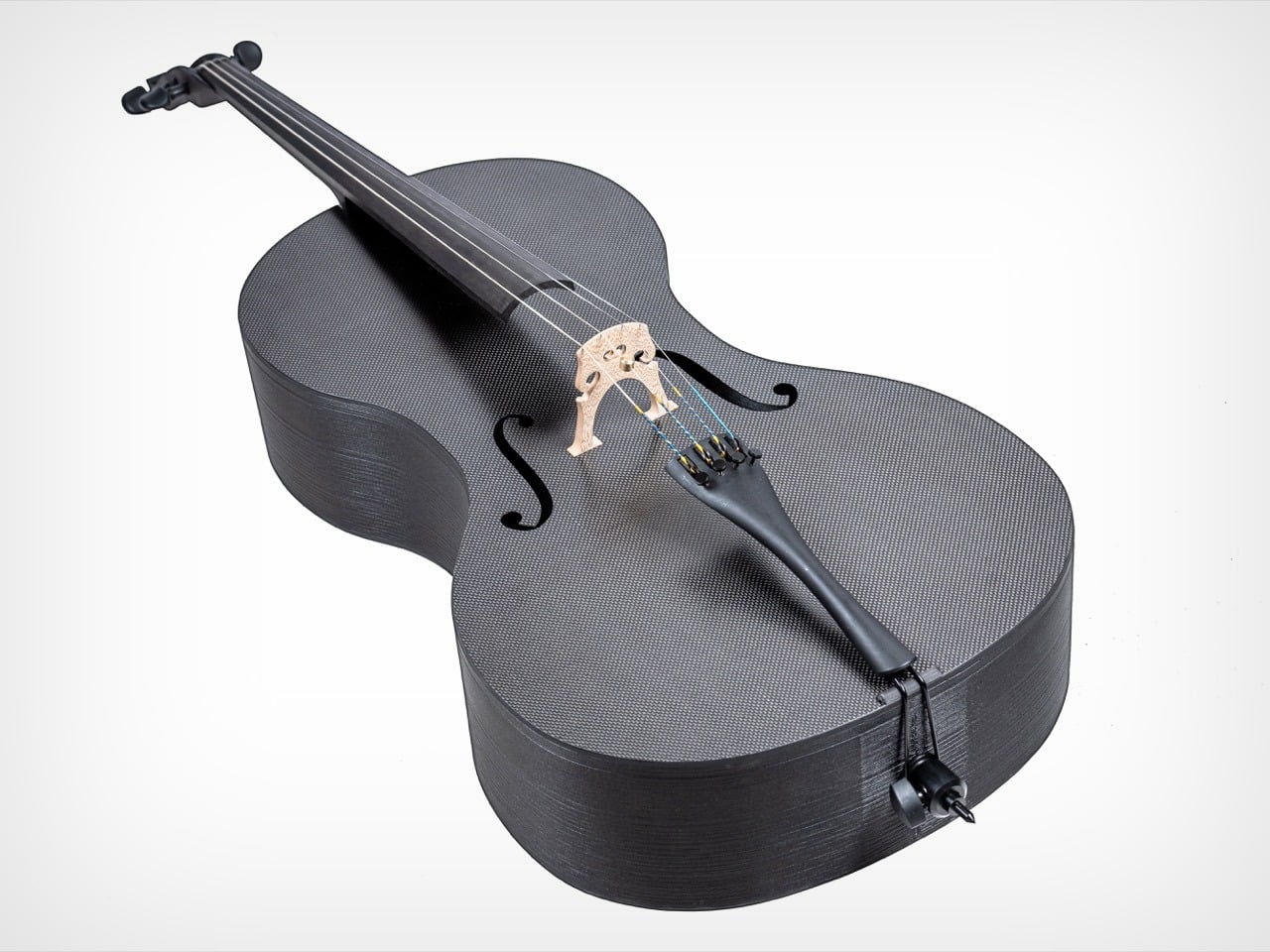
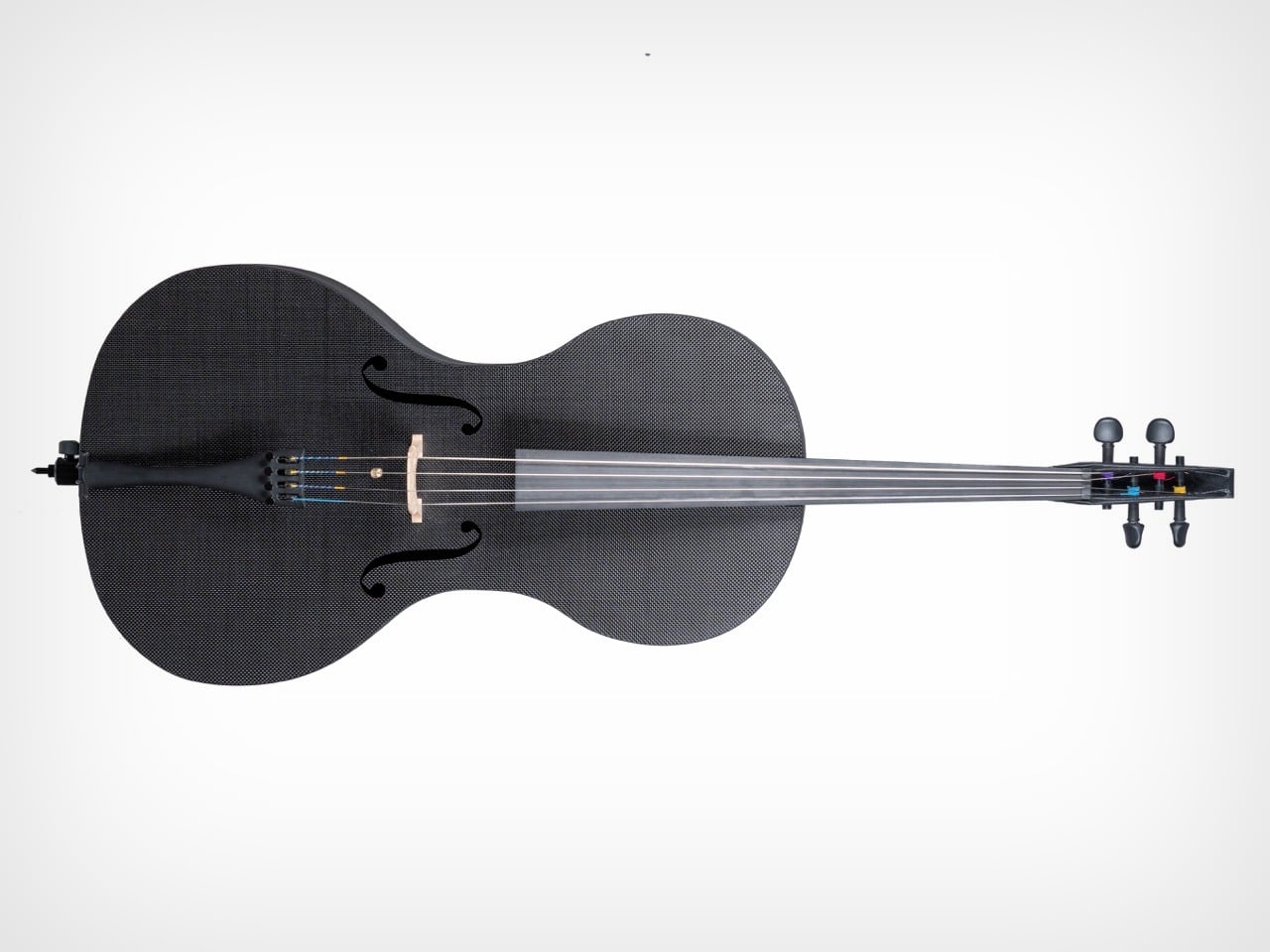
The final design breaks from tradition in significant ways. The top and back panels are made from carbon fiber and shaped as flat and concave surfaces rather than carved forms. The ribs and neck come from 3D printed polymer material. However, certain classical elements remain unchanged because they work perfectly as they are. The sound post, fingerboard, and bridge are still made using traditional methods and materials, creating a hybrid that respects acoustic principles while embracing modern durability.
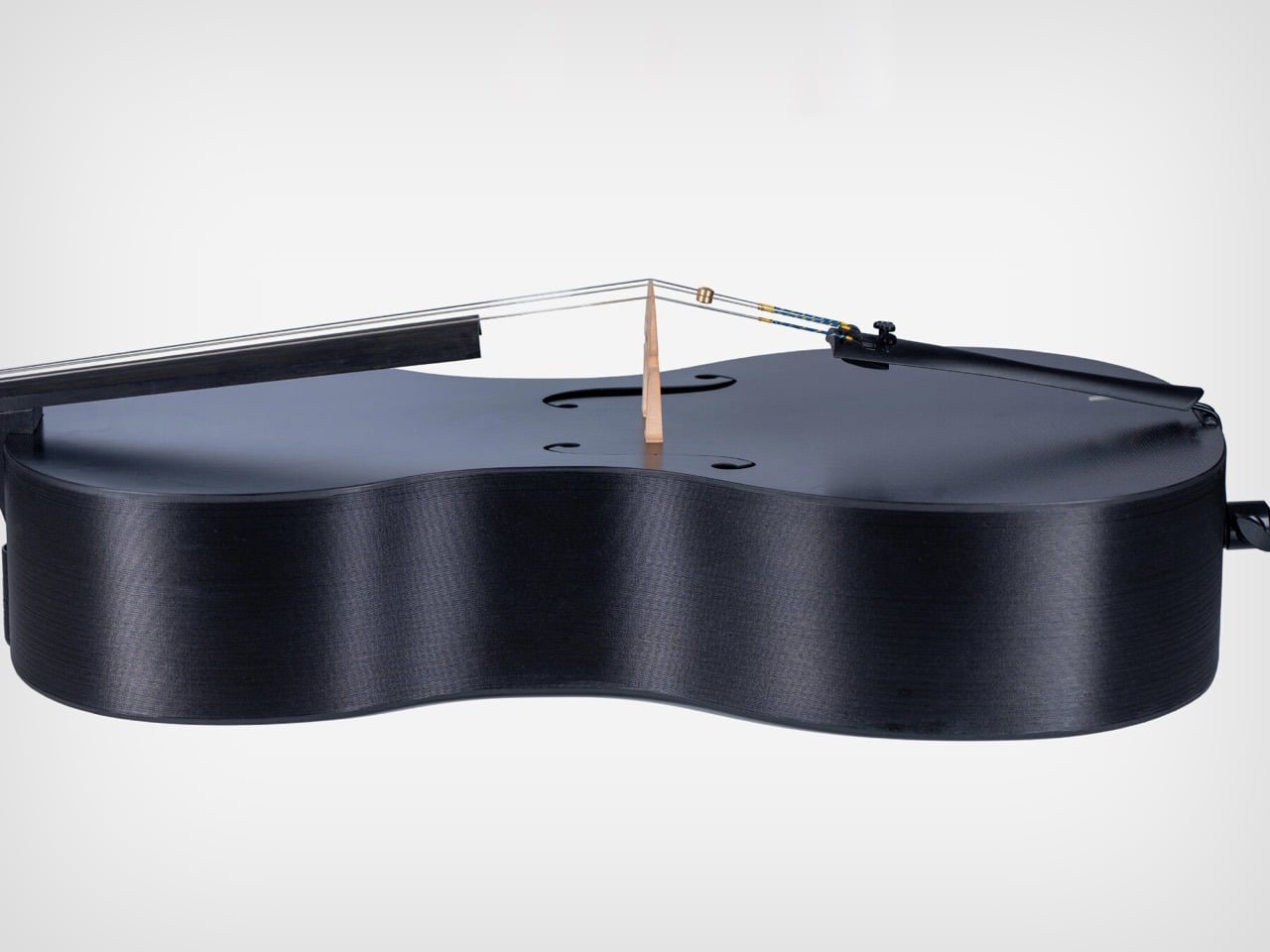
Carbon fiber’s core advantage is its stability. Unlike wood, which expands and contracts with atmospheric changes, carbon fiber maintains its dimensions regardless of humidity or temperature. This means musicians can bring their instruments to outdoor performances, different climates, or even extreme environments without worrying about structural damage. The material also eliminates the need for specialized maintenance products. A simple cloth and common household cleaners are sufficient to keep these instruments in excellent condition.
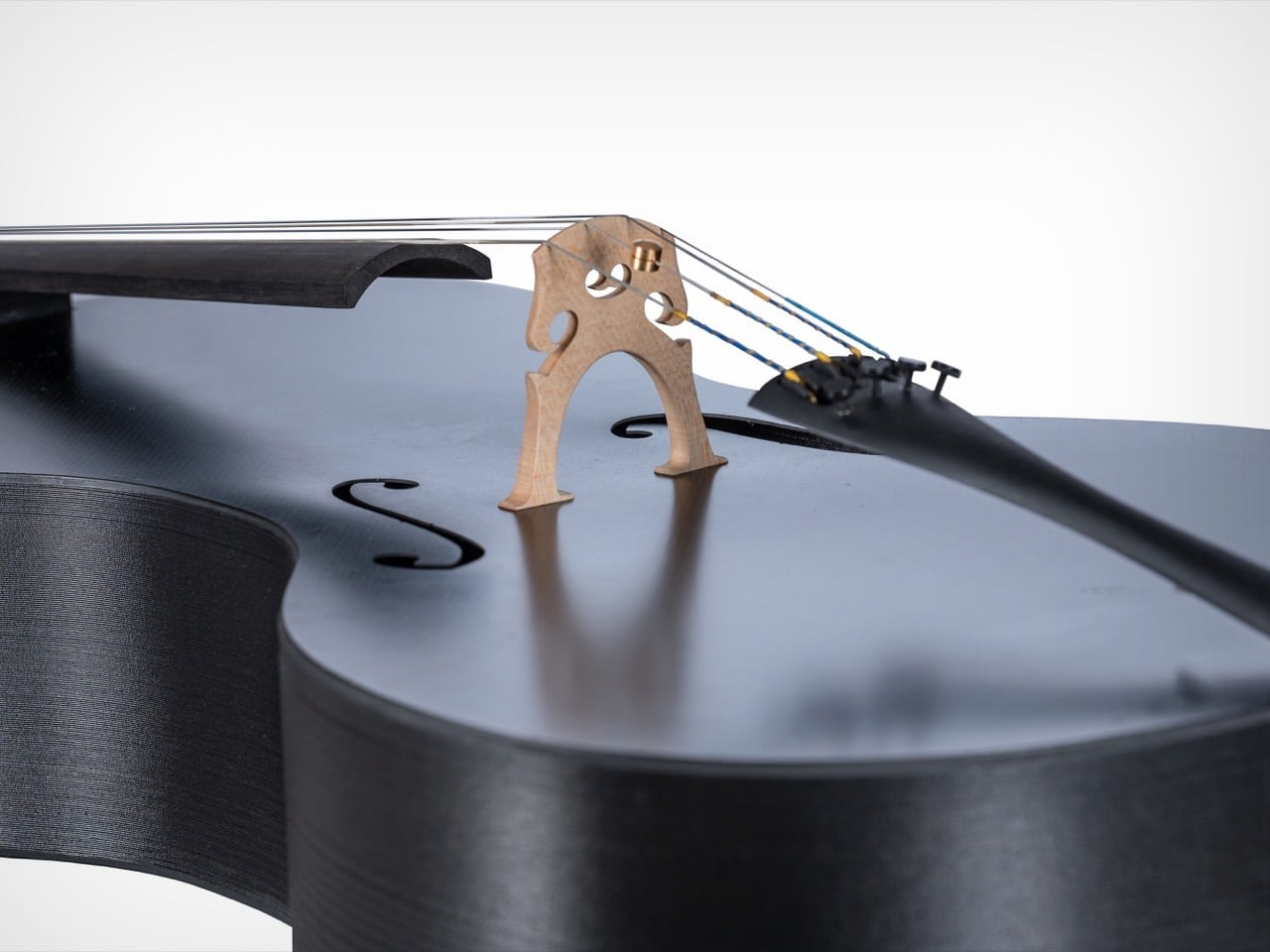
Forte3D also addressed playing comfort, which directly affects technique and long-term health. When strings sit too high or too low, musicians experience hand pain and their personal technique becomes harder to execute. The team built in an adjustable string height system that lets each player move the strings up or down using a small tool that comes with the instrument. The cello also includes smoothly moving tuning pegs and tools for stopping wolf tones, which are unwanted resonances that plague certain notes on string instruments. A printed guide ensures the bridge sits in the correct position, and all these design elements work together to support both playing comfort and sound production.
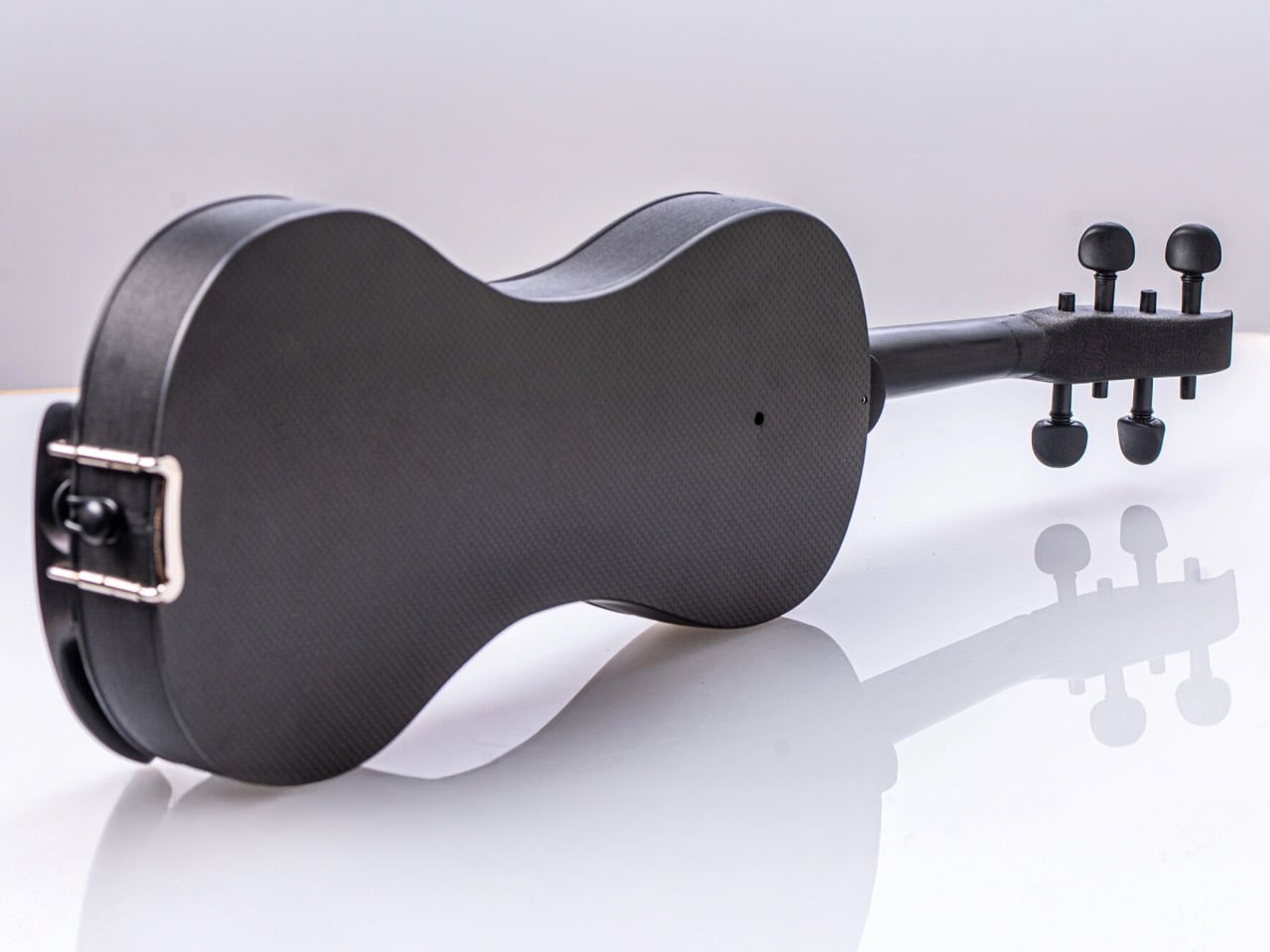
The violin version carries the same philosophy. Players can adjust string height to match their needs, and the body features a hole at the back to support sound flow. Like the cello, it ships with strings and tuning pegs designed for easier tuning. Both instruments handle weather changes and physical bumps that would damage wooden counterparts. For the Forte3D team, these instruments are not about making a style statement. They focus on what musicians actually need, which means less worry about damage, easier carrying, simpler care, and lower cost. The result is an instrument that honors centuries of acoustic development while finally freeing musicians from the constraints that wood has always imposed.

The post Yale Engineers Created a 3D-Printed Carbon-Fiber Cello That That Never Cracks or Warps first appeared on Yanko Design.

This 11g Keychain Knife Has a Tungsten Tip You Swap, Never Sharpen

Most keychain cutters feel like afterthoughts. Plastic shells with soft blades that struggle with packing tape, bend on zip ties, and disappoint when needed. The gap between how often a small sharp edge would be useful and how rarely those tools work is frustrating. Small does not have to mean flimsy, but most micro knives settle for exactly that, leaving you hunting for scissors or borrowing someone else’s blade when boxes arrive.

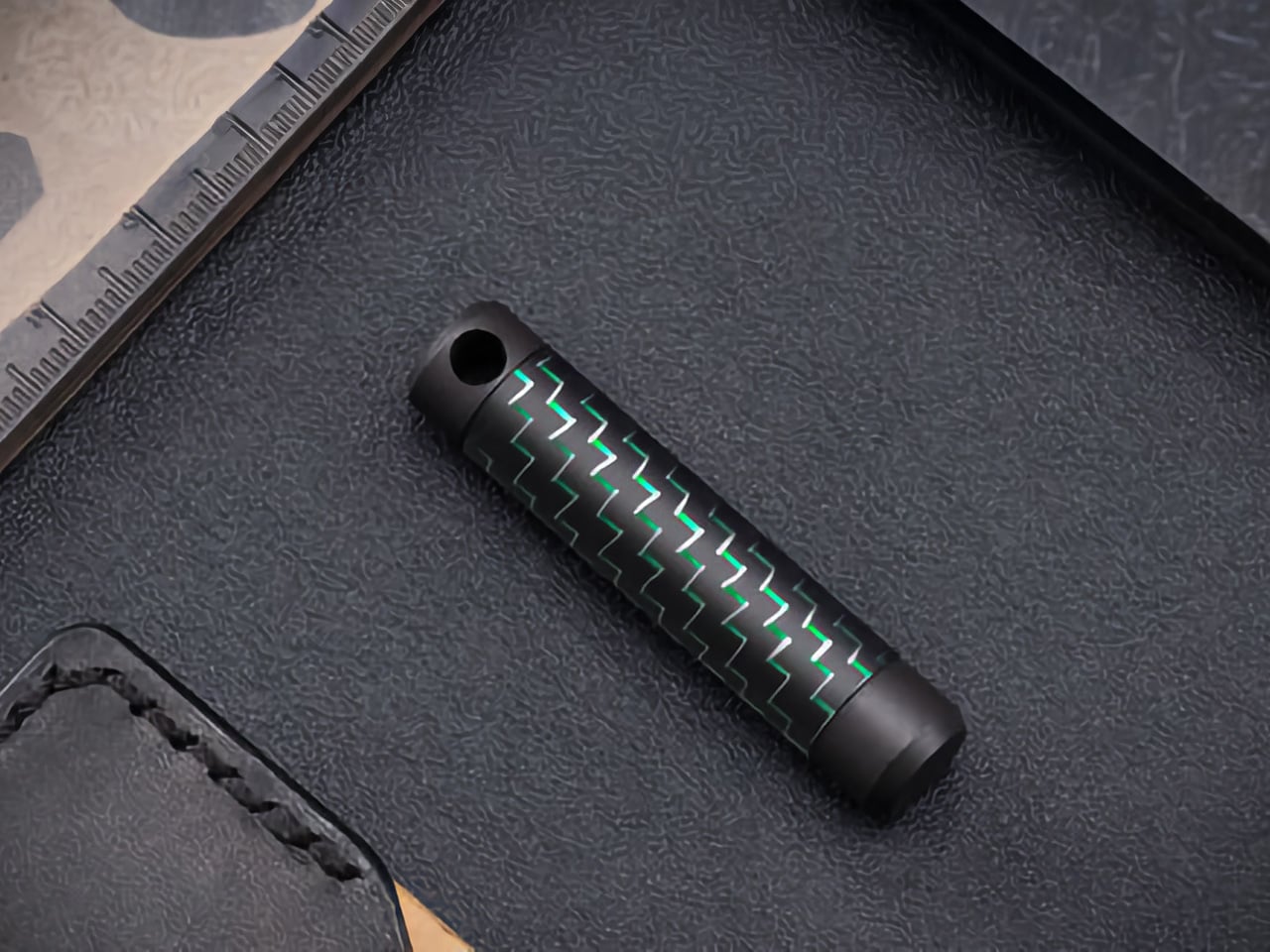
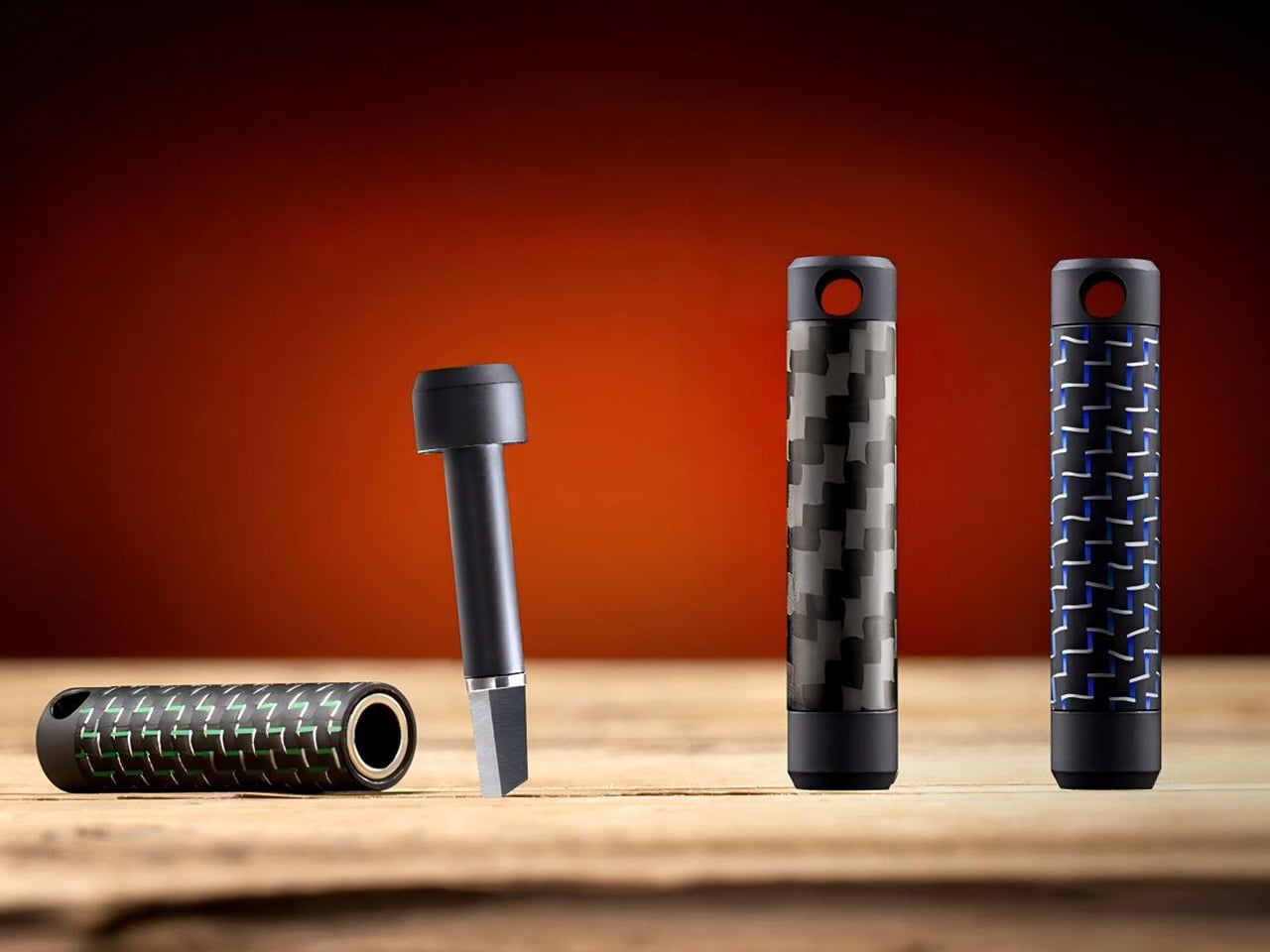
The Z3RO mini knife rebuilds the category from the materials up. It weighs 11g, measures around 5cm, and combines a tungsten cutting tip, carbon fiber body, and titanium backbone in a package that fits on a keychain without feeling like a toy. Instead of plastic or aluminum, Z3RO feels closer to pocket tech or minimalist jewelry, something you notice when you pick it up rather than ignore until it breaks.

Designer: YSMART Design Team

Click Here to Buy Now: $74 $120 (38% off). Hurry, only a few left!

The cutting tip is tungsten alloy, the same material used in surgical blades and industrial cutters, rated at Mohs hardness nine. It shrugs off cardboard, cord, plastic tags, and thick tape without dulling quickly or chipping like softer steel. It handles tasks that show up constantly, opening boxes, slicing cable ties, trimming threads, and cutting shrink wrap. Sharp enough to feel precise, hard enough to stay that way through months of daily cutting and abuse.

Instead of sharpening a tiny, ultra-hard edge, Z3RO uses a replaceable cutter head that swaps out in seconds without tools. When the tip eventually loses its bite, you pop in a fresh one. The body becomes a long-term object while the working edge is treated like a precision consumable. You replace the blade, not the tool, and the carbon fiber shell ages gracefully without looking worn after weeks of heavy pocket carry.

Most small knives lean on plastic or aluminum to save weight. Z3RO goes for woven carbon fiber wrapped around a titanium core, keeping the weight at eleven grams while still feeling solid. The material combination offers natural resistance to rust, sweat, moisture, and impacts, so it does not corrode in damp pockets or degrade from drops. It is the kind of material choice expected in high-end gear, not something dangling from house keys.

The mechanism is a magnetic quick-release using internal neodymium magnets instead of fiddly sliders. One firm pull separates the body, the cutter snaps into position with a click, and it is ready. The magnets hold everything with zero wobble, so it feels precise rather than loose. This matters when your other hand is holding a box, rope, or bag you do not want to drop while fumbling for a blade.

Everyday moments shift when a sharp, instantly accessible cutter lives on your keychain or neck lanyard. Cutting packing tape becomes one motion instead of clawing at it. Freeing a stuck zipper pull takes seconds. Trimming a cable tie or slicing shrink wrap happens without hunting for scissors. The tool turns minor annoyances into quick actions, and that quiet utility adds up, making it something you reach for multiple times daily without thinking.

The carbon fiber sheen, titanium accents, and slim silhouette make Z3RO look more like gear art than a utility blade. Color options like Stealth Black, Neo Blue, and Volt Green add personality without sacrificing the minimalist shape. It is the sort of object people notice when you set keys down, even if they do not immediately realize it cuts. The woven texture and metal details read as intentional design rather than generic hardware fare.

Z3RO exists because everyday carry has matured past cheap freebies into a space where materials, mechanics, and longevity matter. A tiny knife built from tungsten, carbon fiber, and titanium, with a magnetic quick-release and replaceable head, feels like a natural evolution. It reminds you that even the smallest tools can be designed with the same care as big ones, and sometimes the best gear is what you forget you are carrying until you actually need it.

Click Here to Buy Now: $74 $120 (38% off). Hurry, only a few left!

The post This 11g Keychain Knife Has a Tungsten Tip You Swap, Never Sharpen first appeared on Yanko Design.
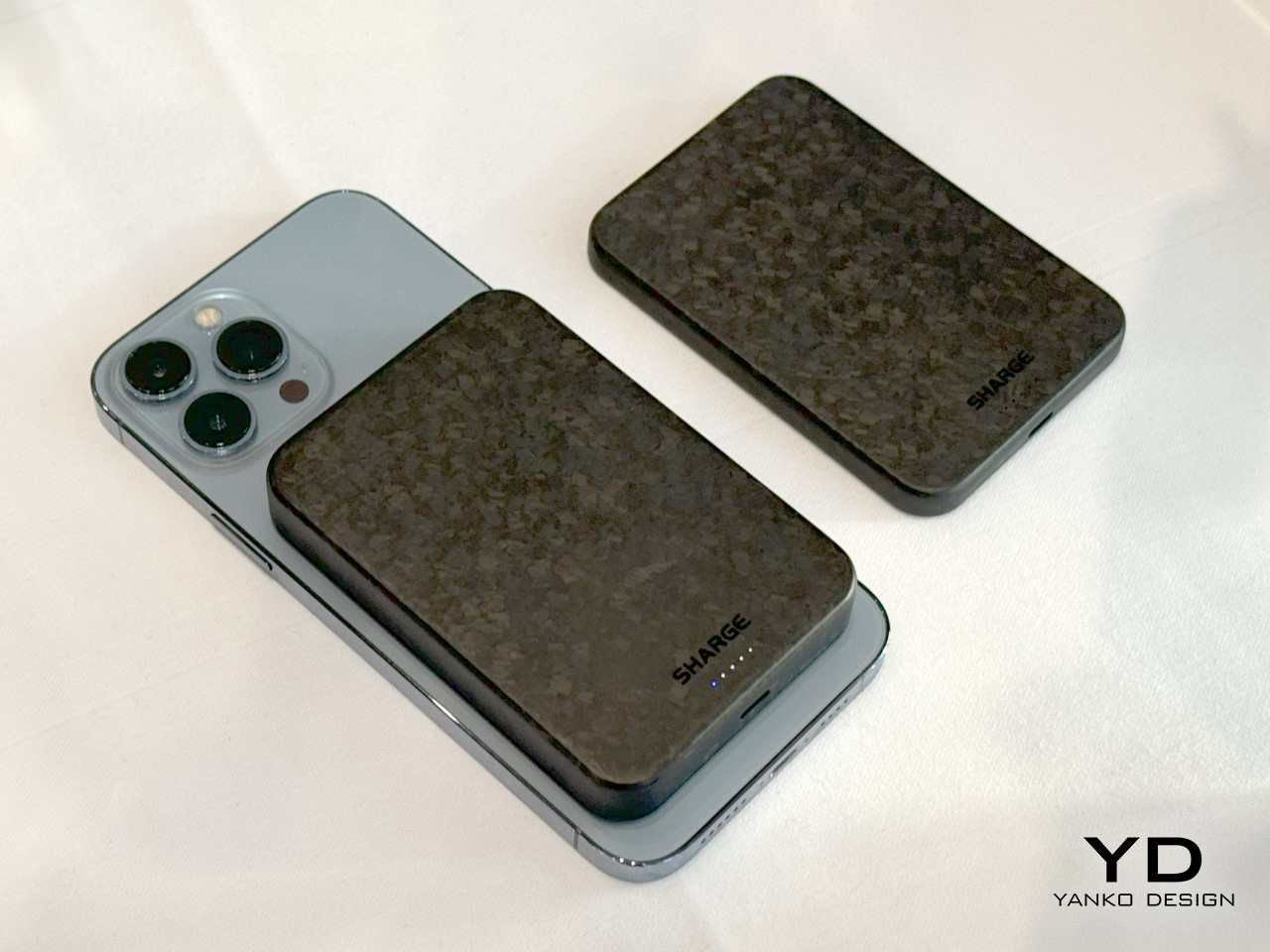
Sharge Forged Carbon Fiber Series Hands-On at IFA 2024: Power Banks with an Aerospace-grade Touch

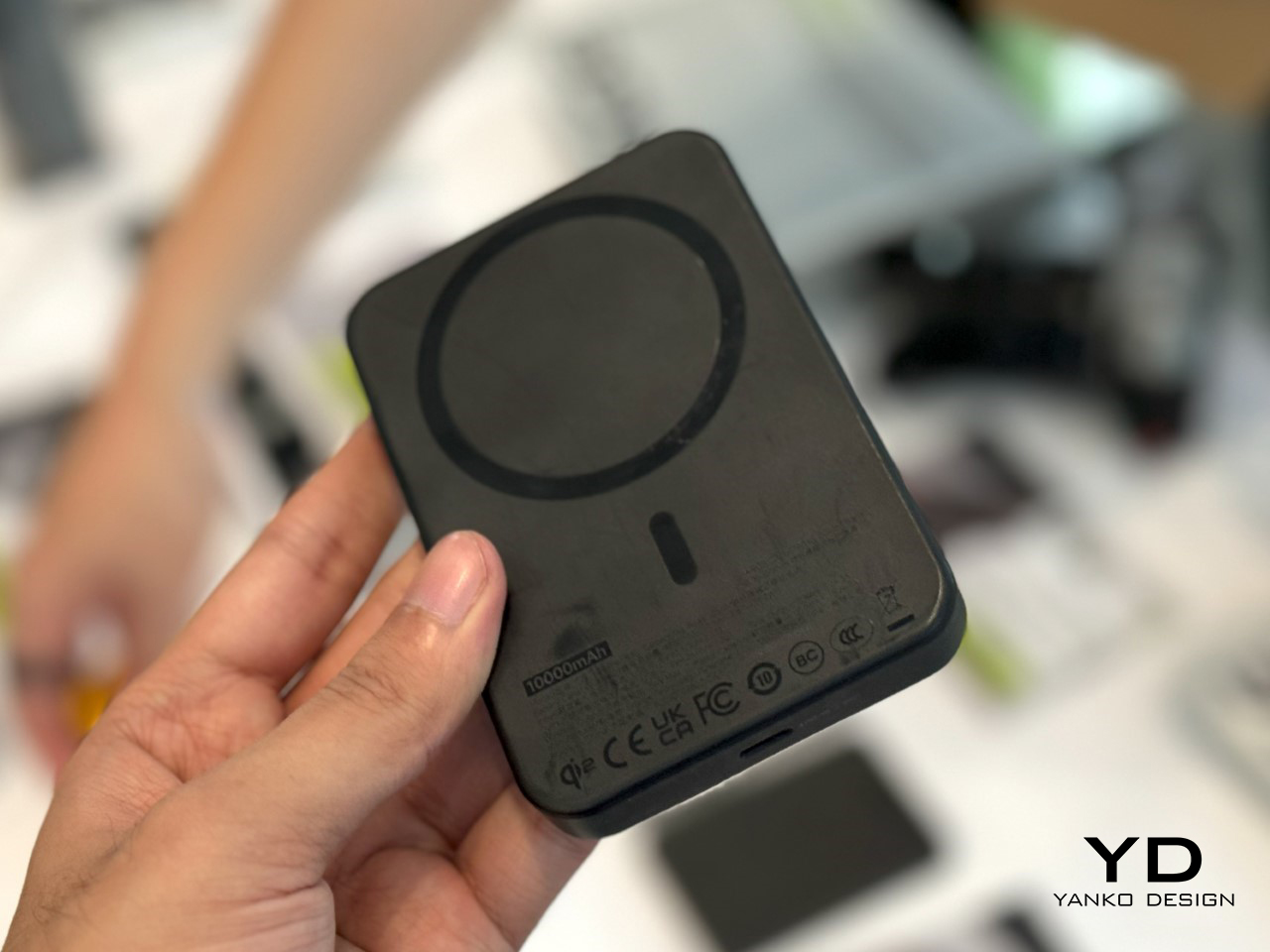
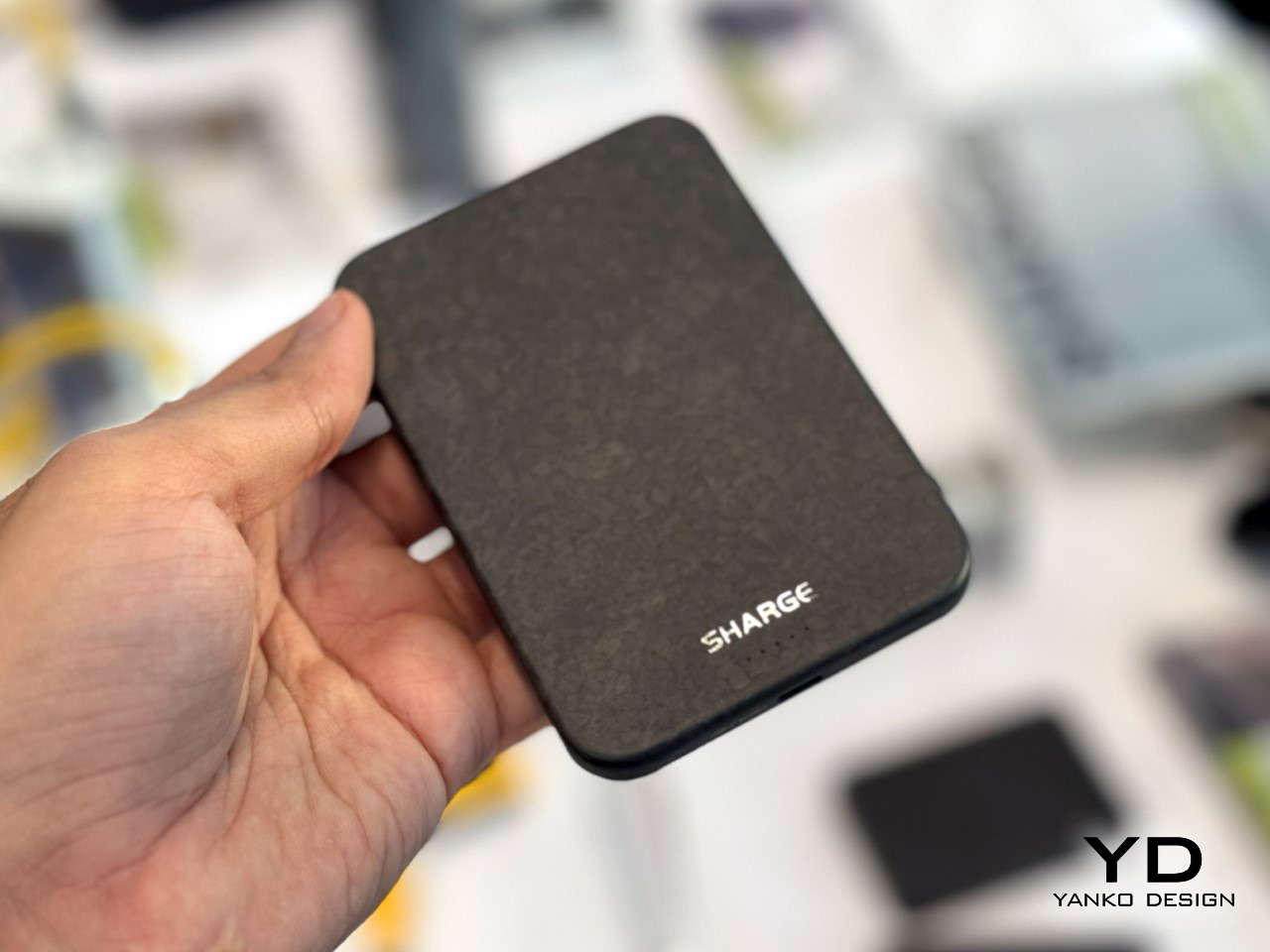
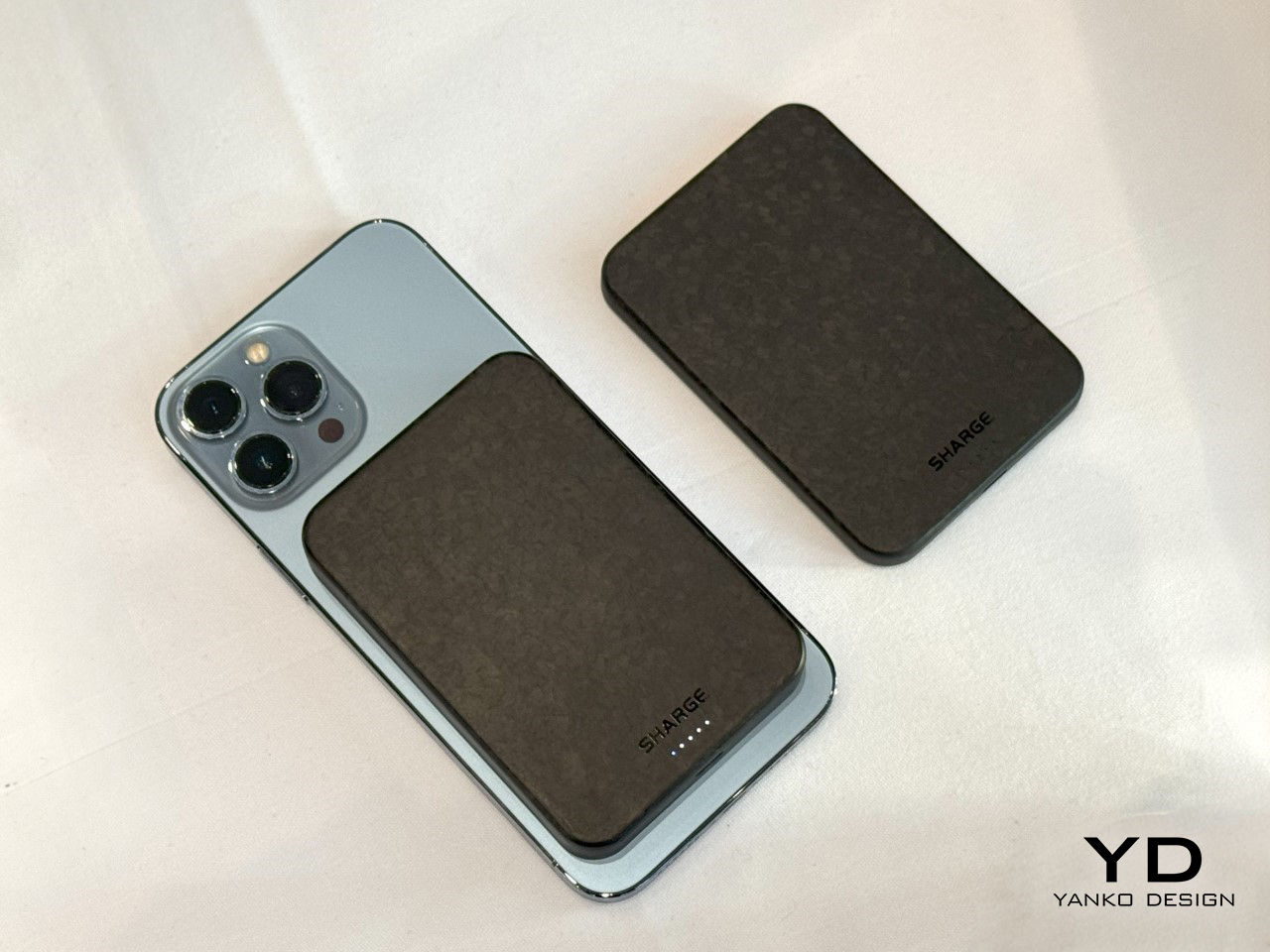
At IFA 2024, where the latest and greatest in tech innovation often compete for attention, Sharge made its mark by introducing the Forged Carbon Fiber Series. Known for creating high-performance portable power solutions, Sharge’s new lineup captured the spotlight not only for its charging capabilities but also for its striking design. This collection, featuring the CarbonMag 10K MagSafe Power Bank, and the CarbonMag 5K MagSafe Power Bank, merges utility with premium materials, offering a standout option for those who demand both function and form from their tech accessories.

Forged Carbon Fiber: A Distinctive Edge

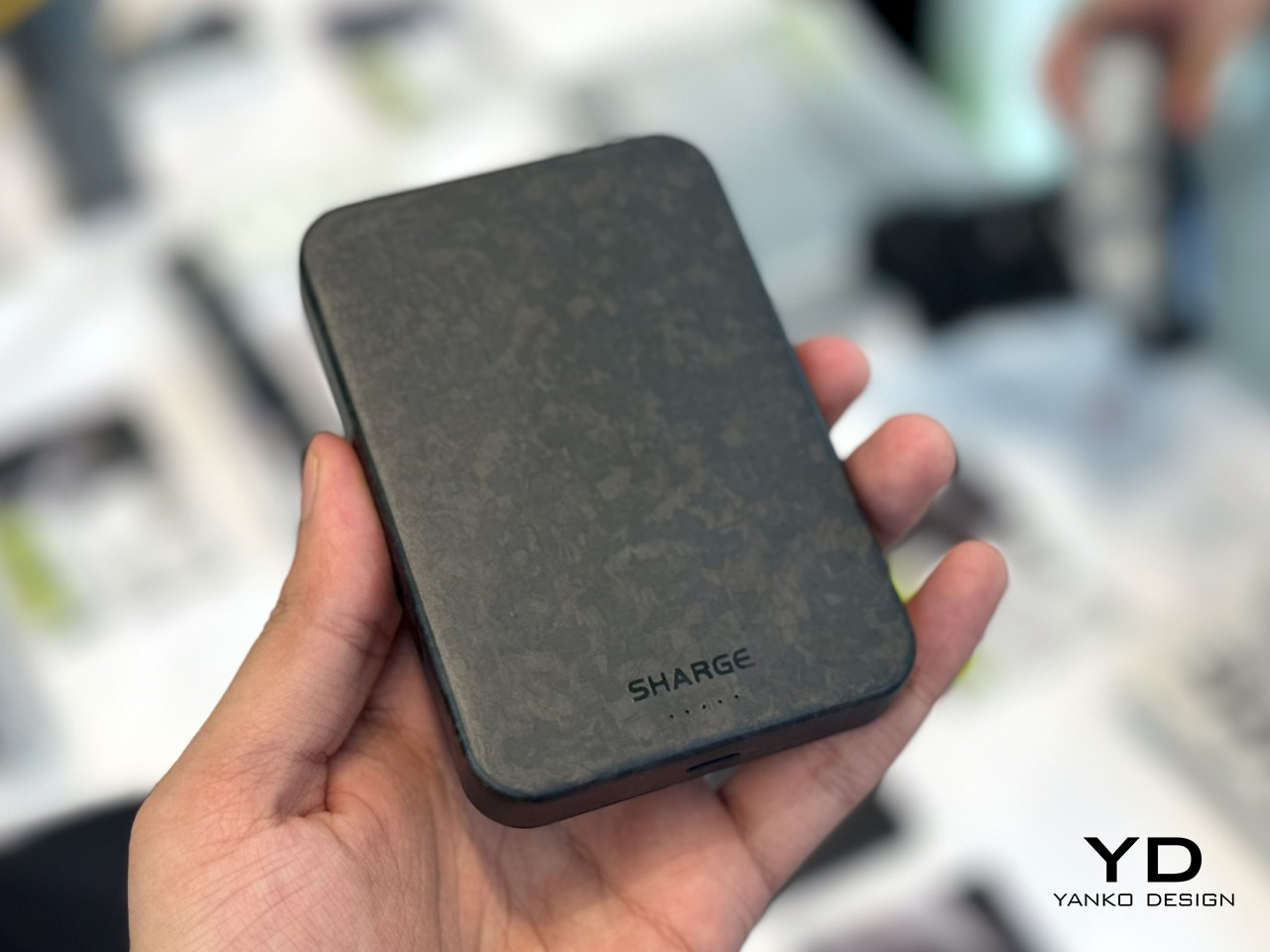
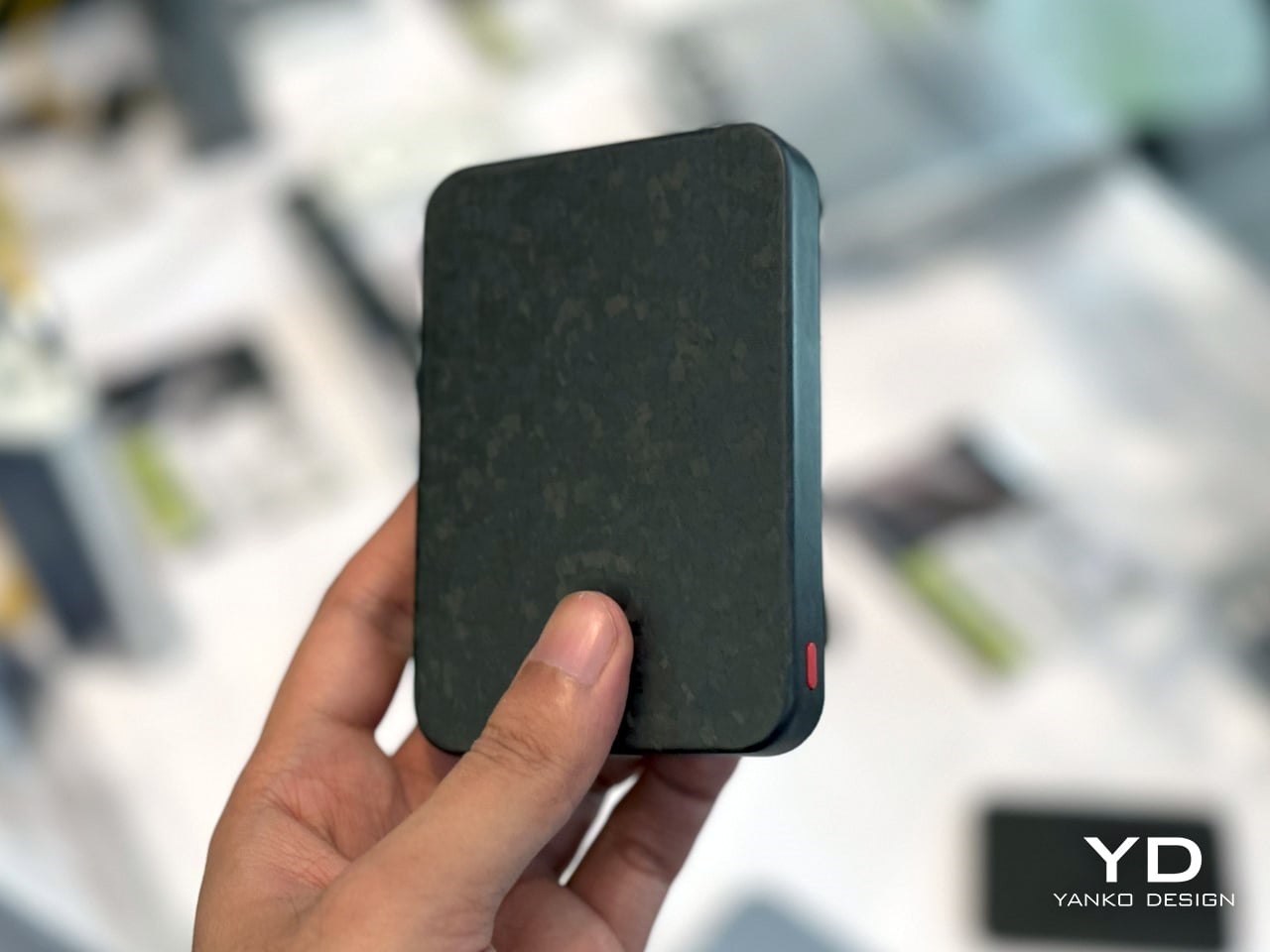
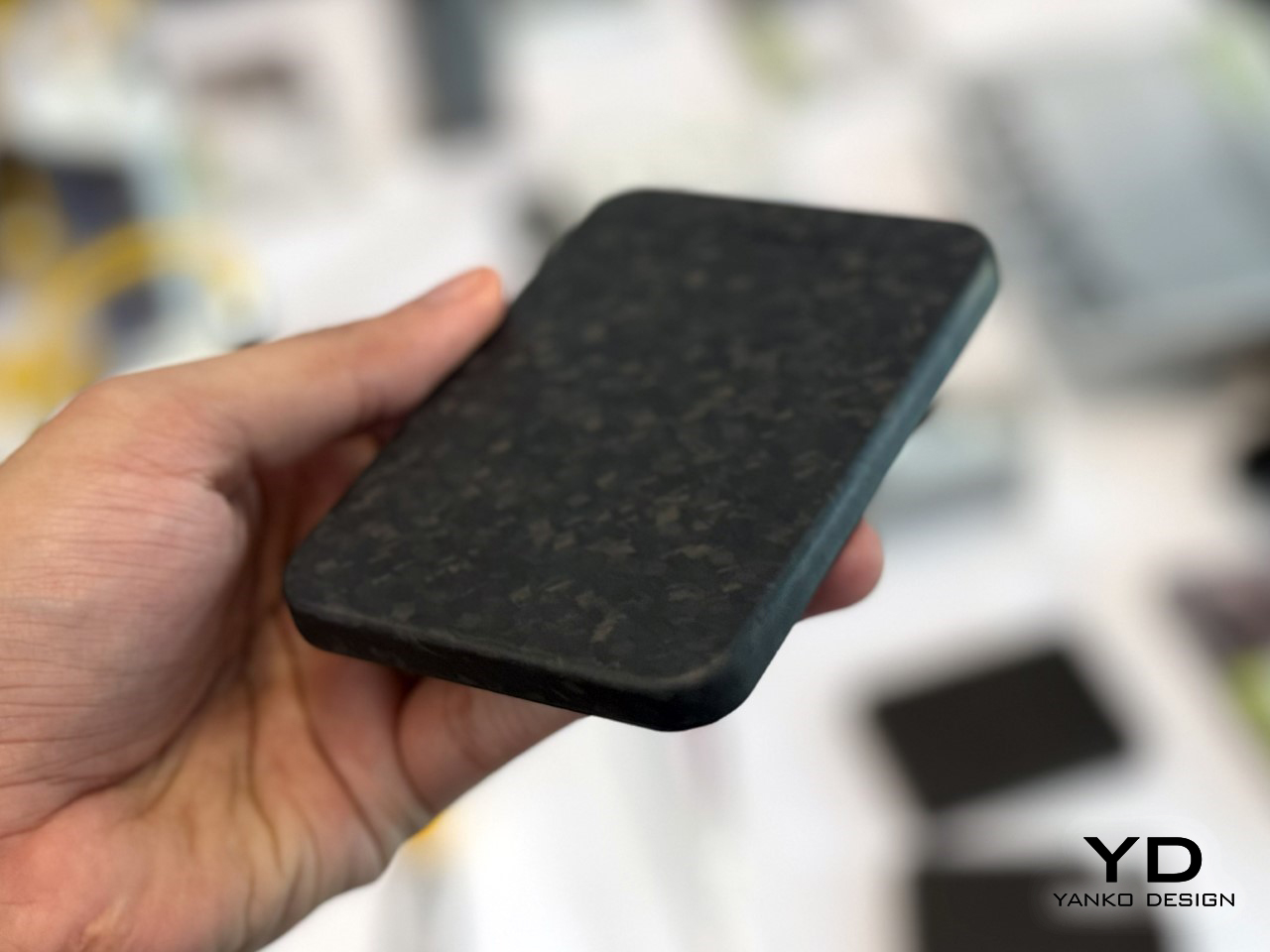
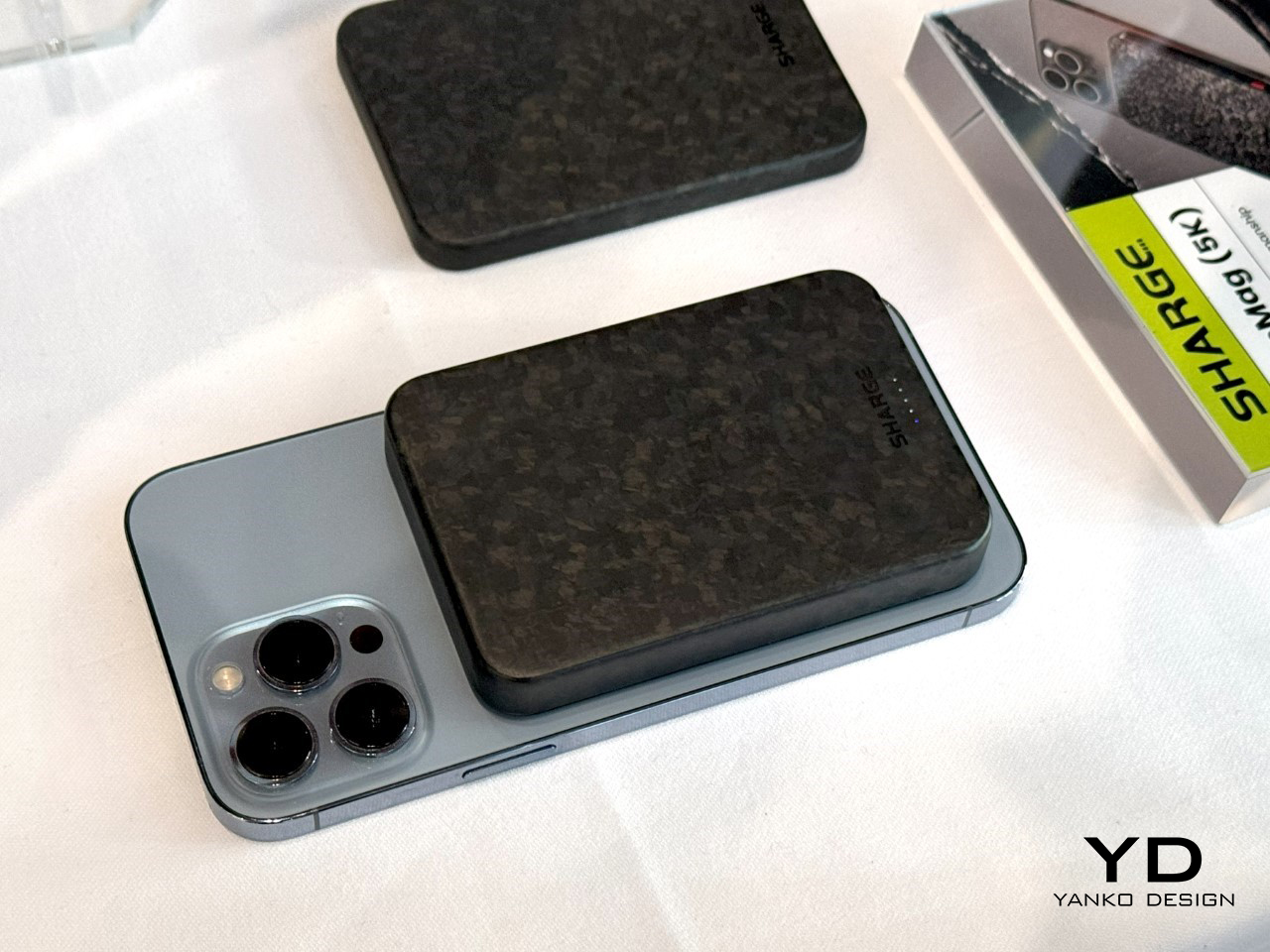
The use of forged carbon fiber in Sharge’s latest series is a significant design decision. Forged carbon fiber is a material associated with luxury and high-performance industries, such as motorsports and aerospace. It is strong, lightweight, and gives the devices a unique, patterned aesthetic. Unlike traditional woven carbon fiber, forged carbon is formed through a random compression process, resulting in each power bank featuring its own distinct, marble-like texture.

This design choice isn’t purely cosmetic. The forged carbon fiber exterior provides durability and resistance to everyday wear and tear. Whether you’re commuting daily or traveling, the rugged construction ensures that the power bank can handle a few bumps along the way without compromising its sleek appearance.

CarbonMag 10K: Lightweight Powerhouse

The CarbonMag 10K is the heavy hitter of the series, boasting a 10,000mAh capacity wrapped in a carbon fiber shell that offers both durability and portability. Its use of carbon fiber not only enhances its structural integrity but also keeps the device extremely light—perfect for users constantly on the move. The lightweight design makes it easy to carry without adding significant weight to your bag, while the carbon fiber’s unique texture gives it a modern, premium feel.

On the connectivity front, the CarbonMag 10K supports fast charging through its USB-C ports, ensuring your devices can charge quickly, whether it’s a phone, tablet, or even some laptops. With up to 22.5W output via USB-A and 20W via USB-C, the 10K keeps you powered throughout the day. The CarbonMag 10K also incorporates Qi2 wireless charging, allowing compatible devices to juice up without needing a cable. This feature is a great addition for those with wireless charging-enabled devices, especially if you often forget cables or simply want a cleaner charging setup.

The power bank’s focus on durability extends to its internal battery tech. It uses high-efficiency battery cells that are designed for longevity, supporting multiple charge cycles without significant degradation. SHARGE also integrated intelligent charging protection, ensuring your devices don’t overheat or suffer from voltage irregularities during the charging process.

CarbonMag 5K: Ultra-portable Everyday Charger

For those prioritizing portability, SHARGE’s CarbonMag 5K hits the sweet spot. With its 5,000mAh capacity, this model is geared towards users who need a quick top-up without carrying a bulkier device. The ultra-slim design makes it incredibly easy to slip into a pocket or purse, a major advantage when you’re traveling light. Despite its smaller size, the 5K shares the same carbon fiber build as its bigger sibling, offering the same lightweight strength.

While the 5K’s charging capacity is lower than the 10K, it’s still capable of fast charging. It features the same 20W output via USB-C, making it a solid option for anyone looking to quickly charge their smartphone or other small devices. Although it doesn’t support wireless charging, it makes up for it with its extremely portable profile. The compact design paired with carbon fiber construction ensures that this power bank remains durable even with frequent use.

Shared Features: Strength and Style

Both models in the CarbonMag series share a focus on high performance wrapped in sleek carbon fiber exteriors. The material choice is key to the series’ identity—it’s not just about looking good; it’s about offering real-world durability. Carbon fiber, known for being lightweight yet incredibly strong, provides a distinct advantage over traditional plastic or metal builds. This also makes these power banks stand out among competitors, many of whom still use bulkier or heavier materials.

Additionally, SHARGE’s attention to user safety is reflected in both models’ built-in safety protocols, which protect against overcharging, overheating, and short circuits. This is particularly important for users who might charge multiple devices frequently or leave their power bank plugged in for extended periods.

A Smart Choice for All Users

The CarbonMag 10K and CarbonMag 5K are designed to meet different needs without sacrificing style or strength. The 10K is ideal for heavy users who need multiple device charges in one go, while the 5K is the perfect companion for day trips or short outings when you just need a quick boost.

SHARGE’s presence at IFA 2024 demonstrated the brand’s ambition to push the boundaries of portable power solutions. By combining the strength and lightness of carbon fiber with advanced charging tech, the CarbonMag series delivers a sleek and functional option for modern users. Whether you’re looking for a power bank that can handle a weekend’s worth of charging or something that fits in your pocket, SHARGE seems to have struck a balance between utility and style. Now, the only challenge left is choosing which one to carry—though at this rate, maybe you’ll want both.

The post Sharge Forged Carbon Fiber Series Hands-On at IFA 2024: Power Banks with an Aerospace-grade Touch first appeared on Yanko Design.
Jet capsule lets you speed on the water in a lighter, adaptable shell

If you’ve watched any movie or TV show that features lifestyles of the rich and famous, there is almost always a scene where all sorts of beautiful people riding all sorts of expensive looking water vehicles and toys. For those of us who will probably never have that lifestyle, we can just live vicariously through these videos and dream about jet skiing, yachting, or any other glamorous water activity.

Designer: Pierpaolo Lazzarini

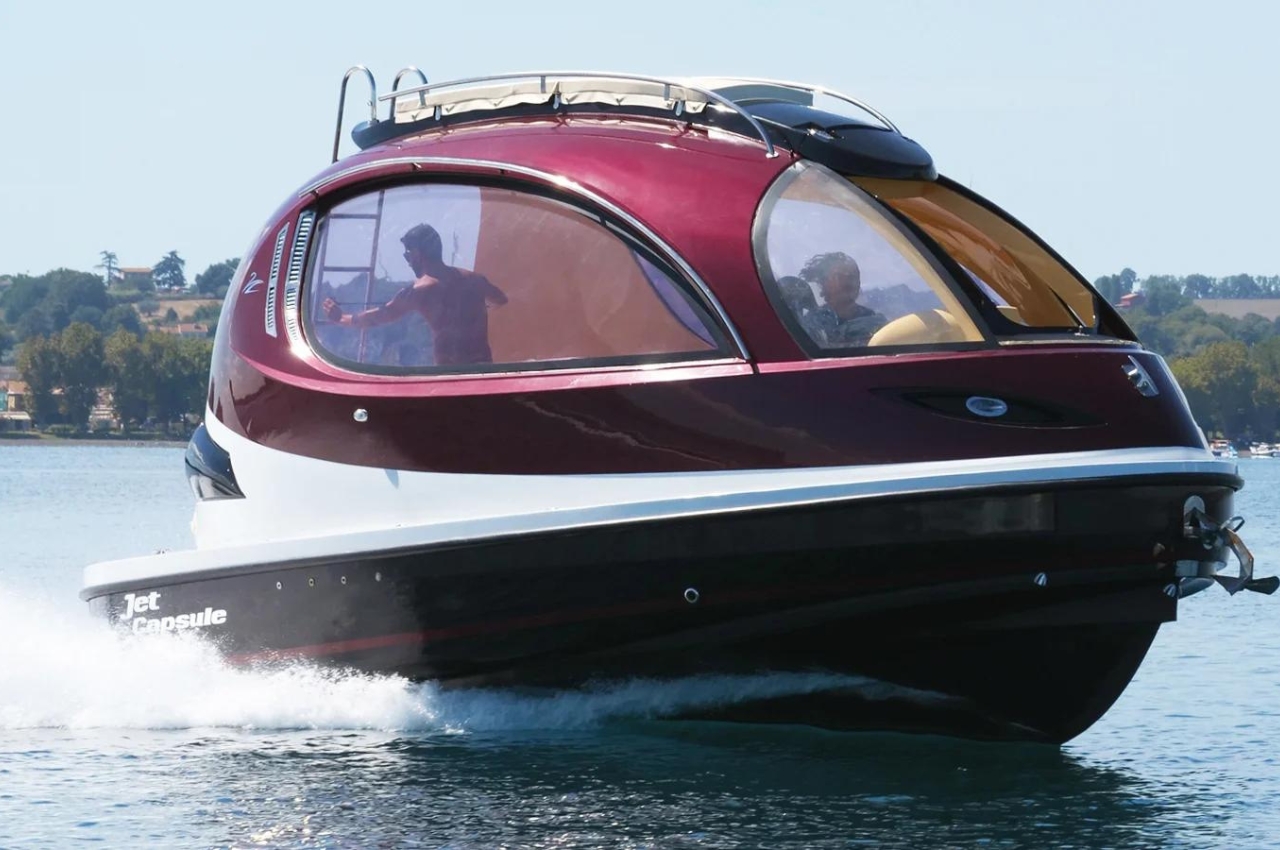
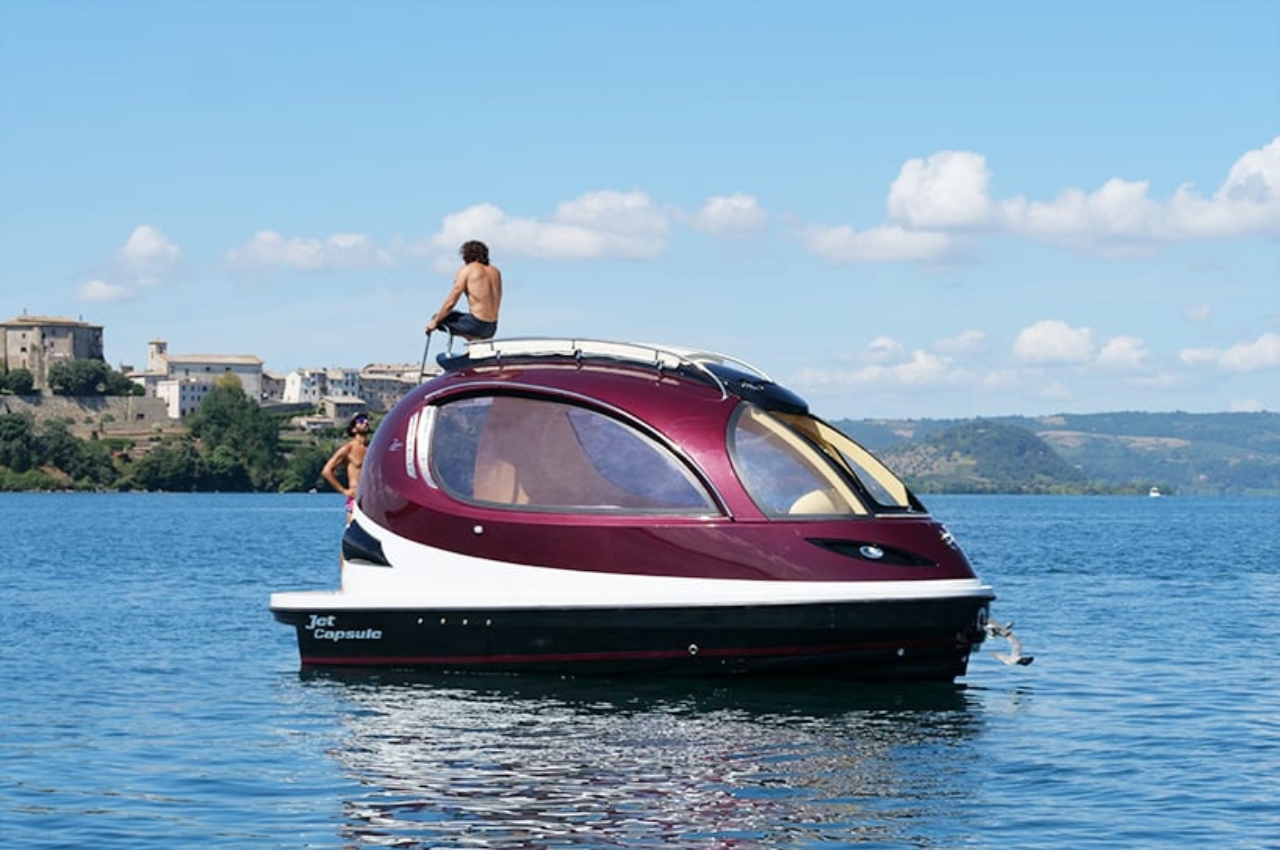
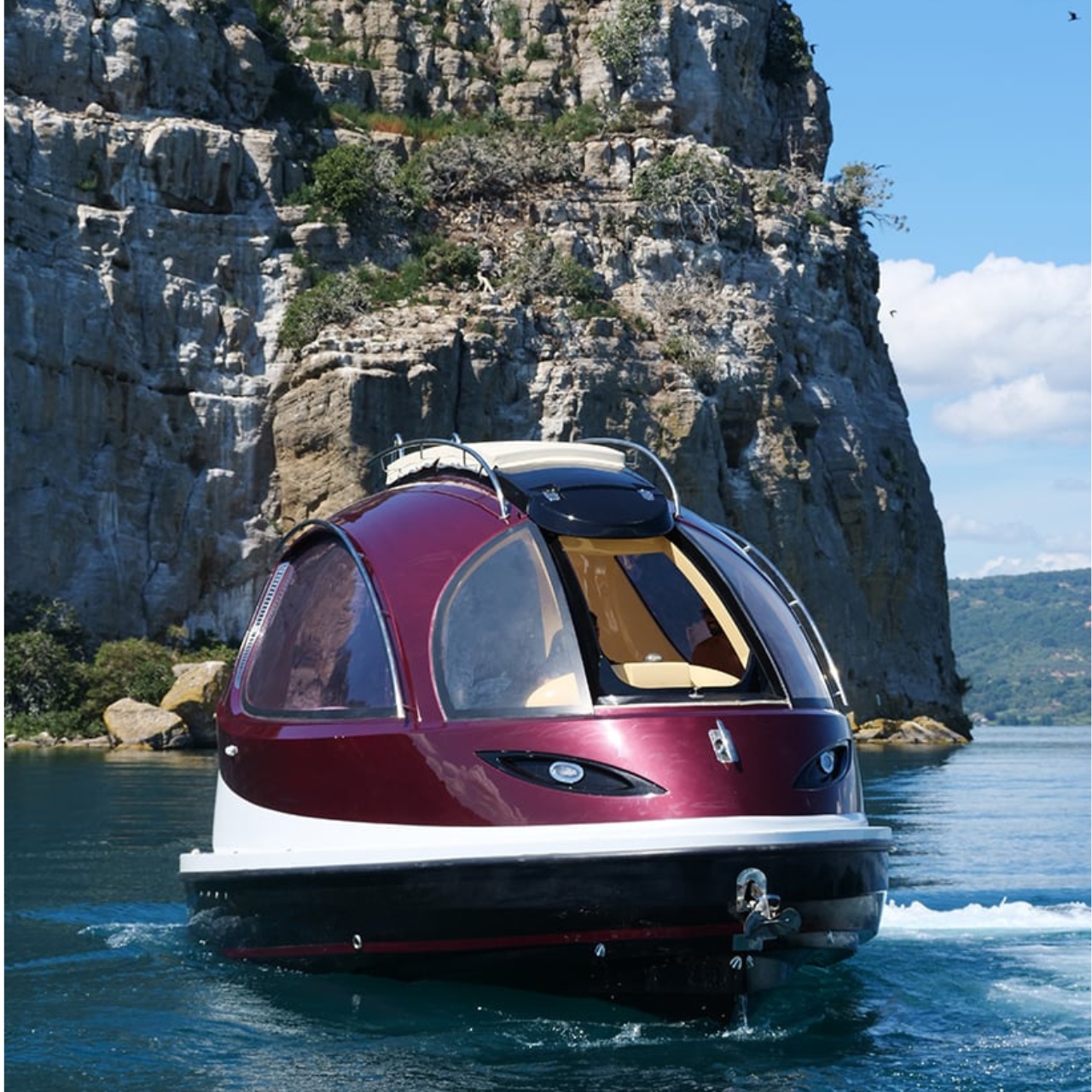
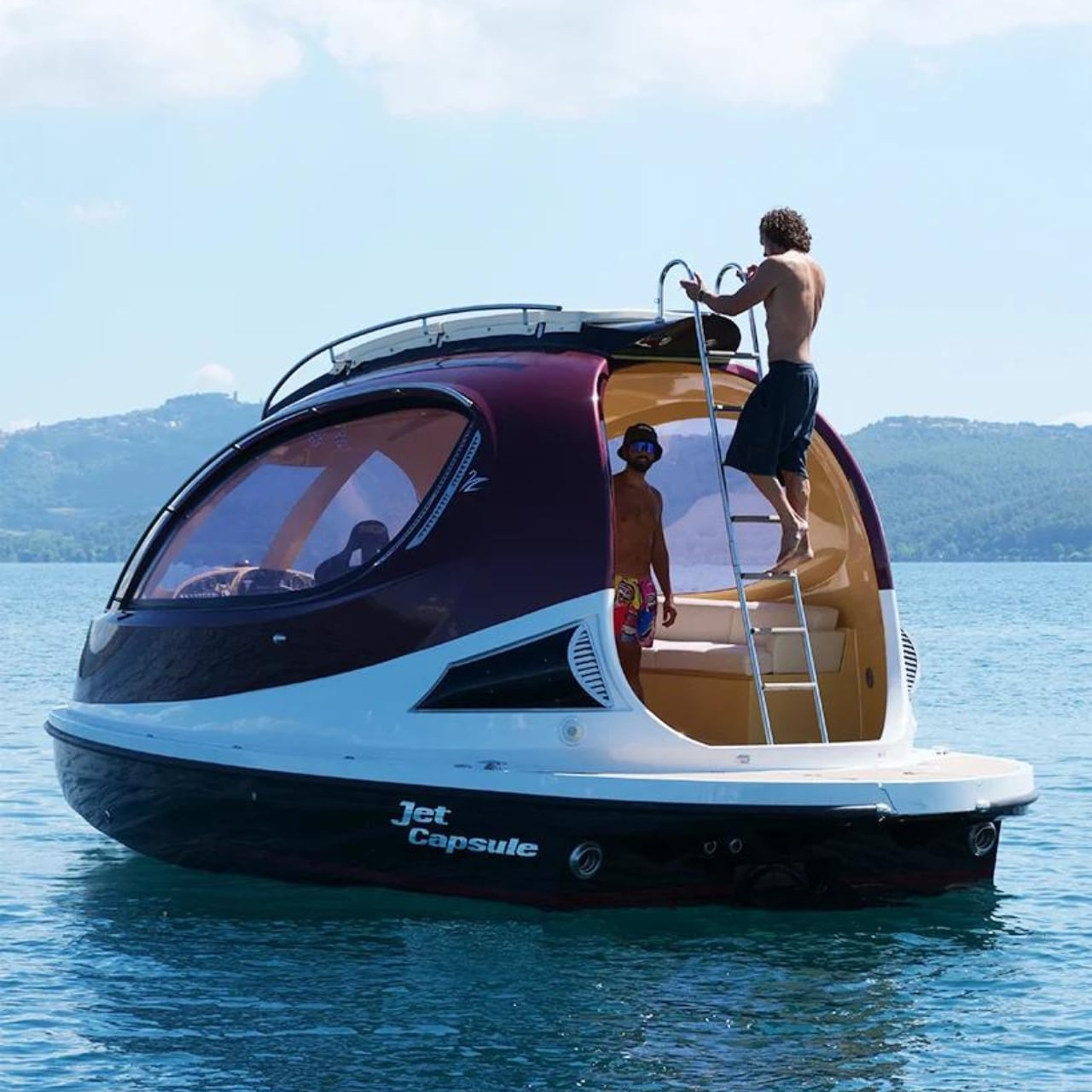
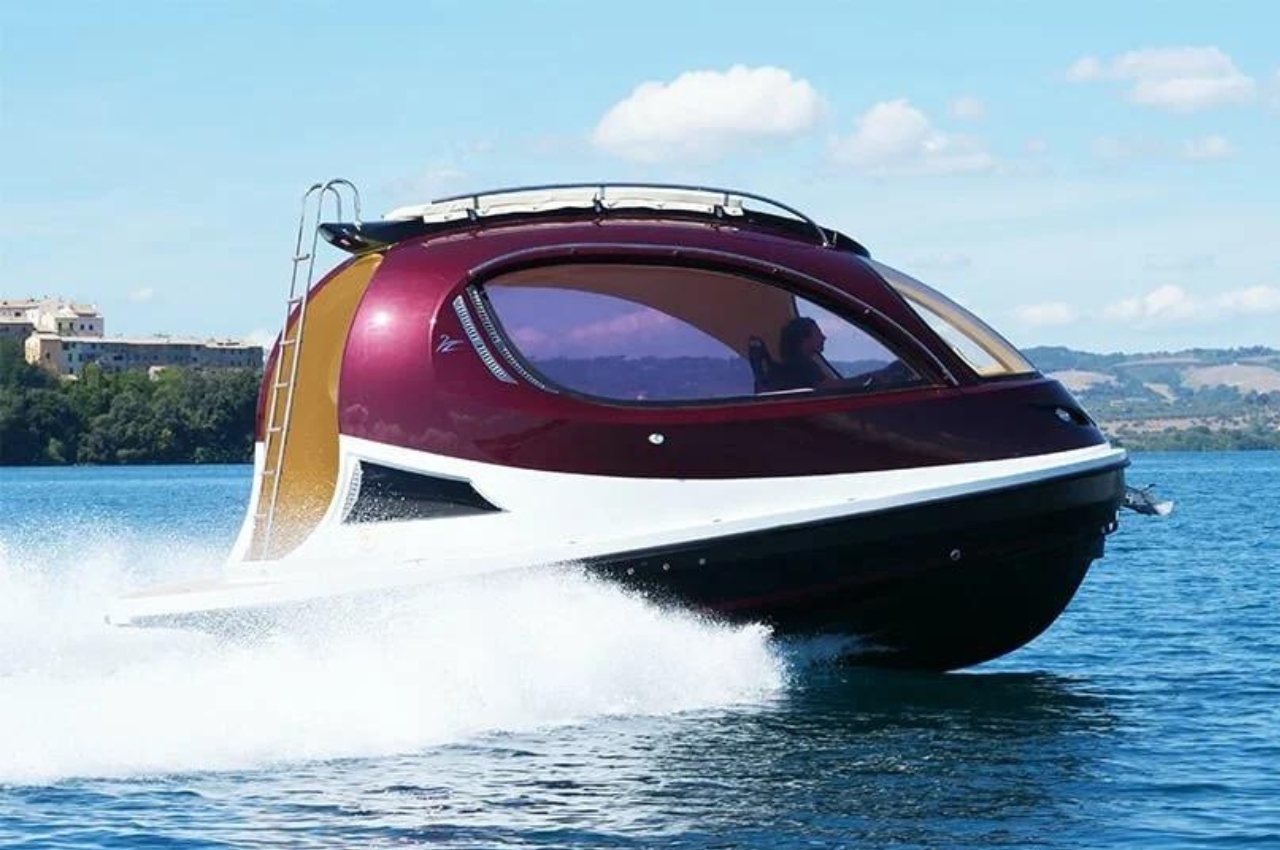
Personally, I dream riding one of those cool looking closed capsule vehicles like this 2024 version of the Jet Capsule Super Sport. I’m afraid to fall in the water but I’d also like to speed on the water, so this seems like the perfect compromise. This new version is way lighter than its predecessor as the lightweight construction has reduced it to just 3200 kg which is 500 kg lighter. The single engine propulsion has a range of 570 hp to 850 hp and is able to reach 38 knots in 12 seconds so you could say it’s built for speed.

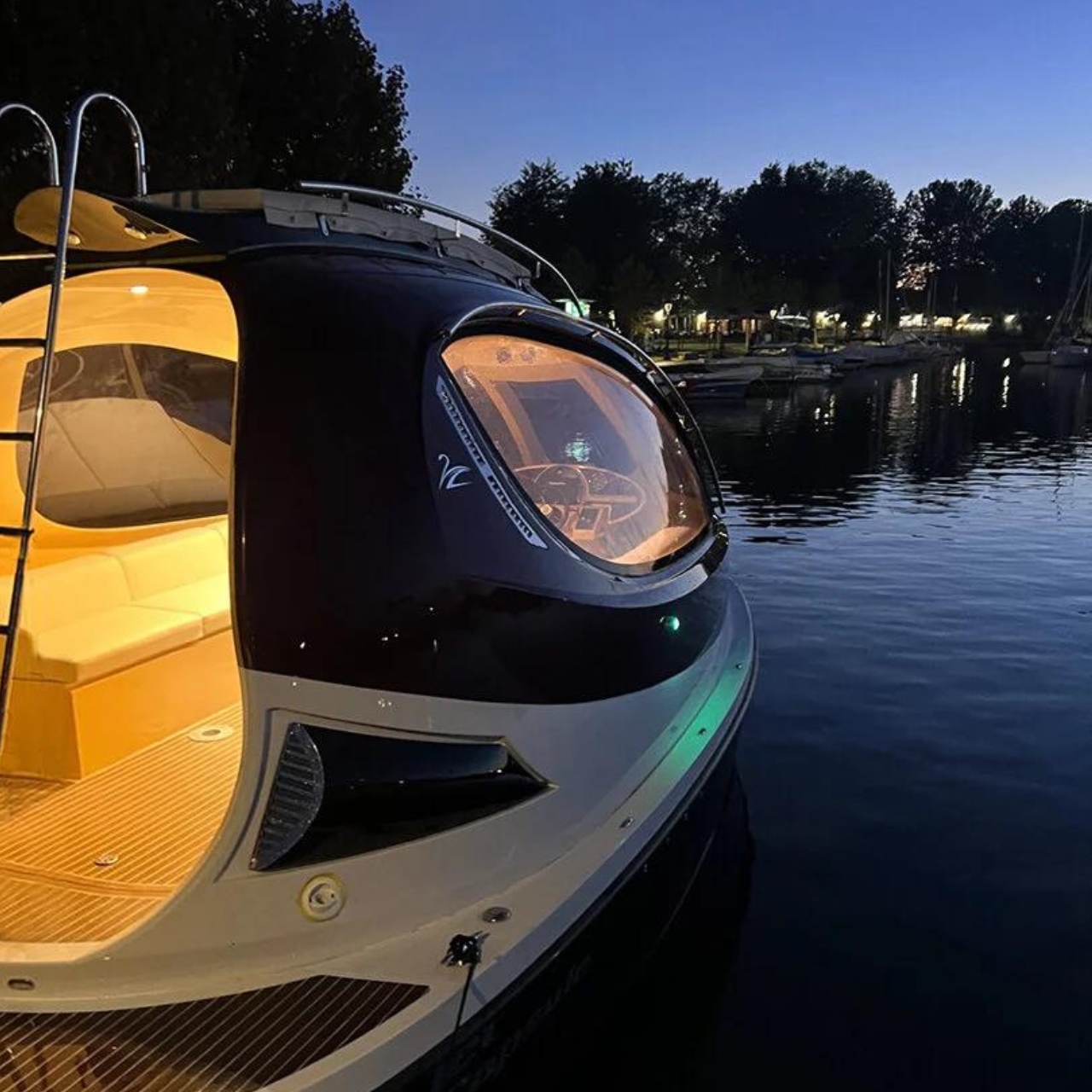
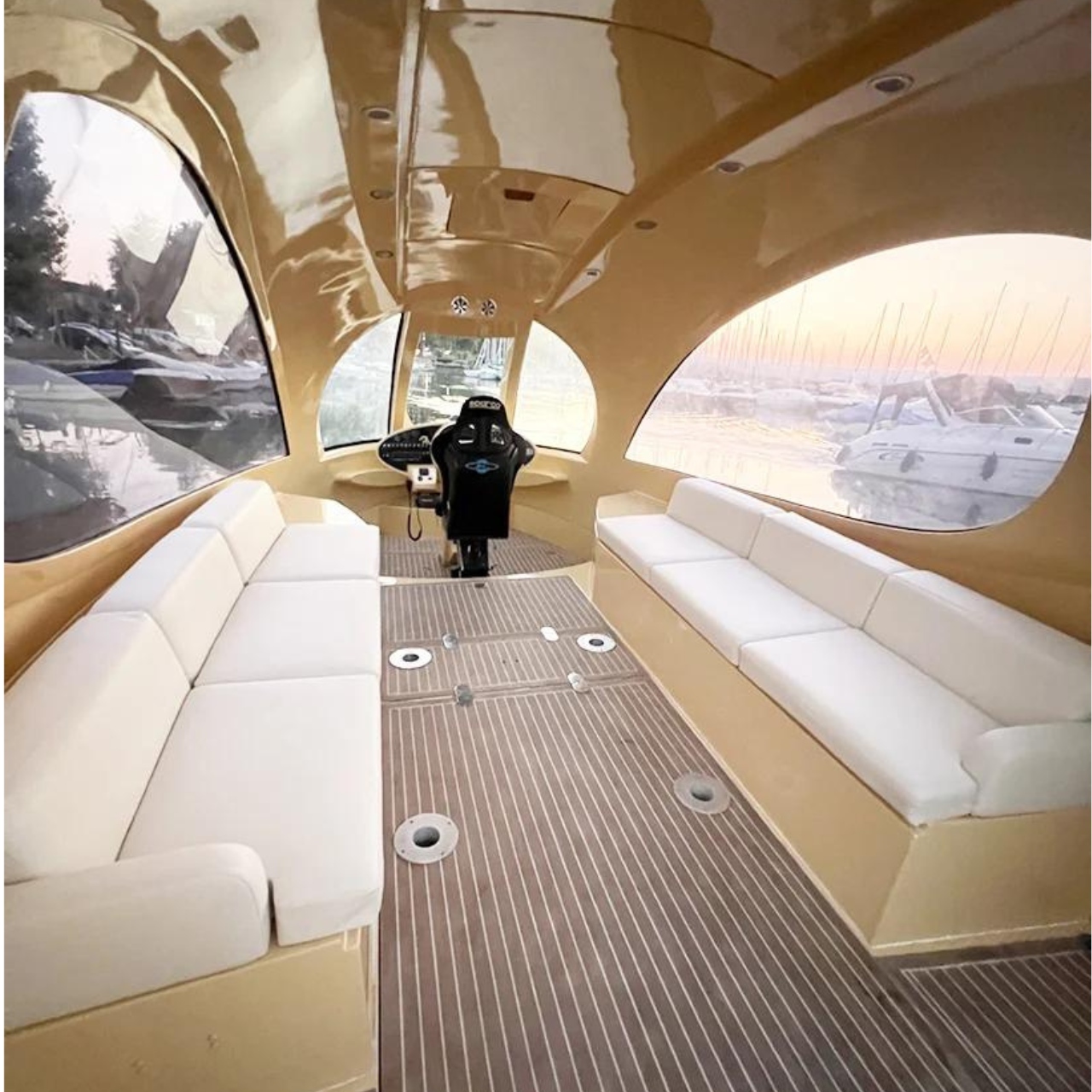
The upper structure of the jet capsule is made from carbon fiber which is made through vacuum-infusion molding, hence the lighter and more adaptable water vehicle. Inside you get a space that can seat up to 10 passengers but it is also fully customizable and can even fit in a dinette, bathroom, and beds if the customer wishes to have these optional features. There is a sunbed on the rooftop in case some visitors would like to sunbathe and it can be accessed through a rear ladder.

The Jet Capsule Super Sport can be used as support for several water sporting activities like parasailing, kiteboarding, wakeboarding, etc. It can also be used just to speed along the waters or even enjoy some quality time in the middle of the ocean as it can switch to jet-drive while slowing down and full electric mode if you’re low-speed cruising. Again, this will remain a fantasy for people like me but if you can afford it, it seems to be an enjoyable toy to have on your vacation.

The post Jet capsule lets you speed on the water in a lighter, adaptable shell first appeared on Yanko Design.