OpenAI says GPT-6 Astra is ‘the most intelligent and aligned model in the world’
The new frontier model is particularly competent at agentic, computer-use tasks.
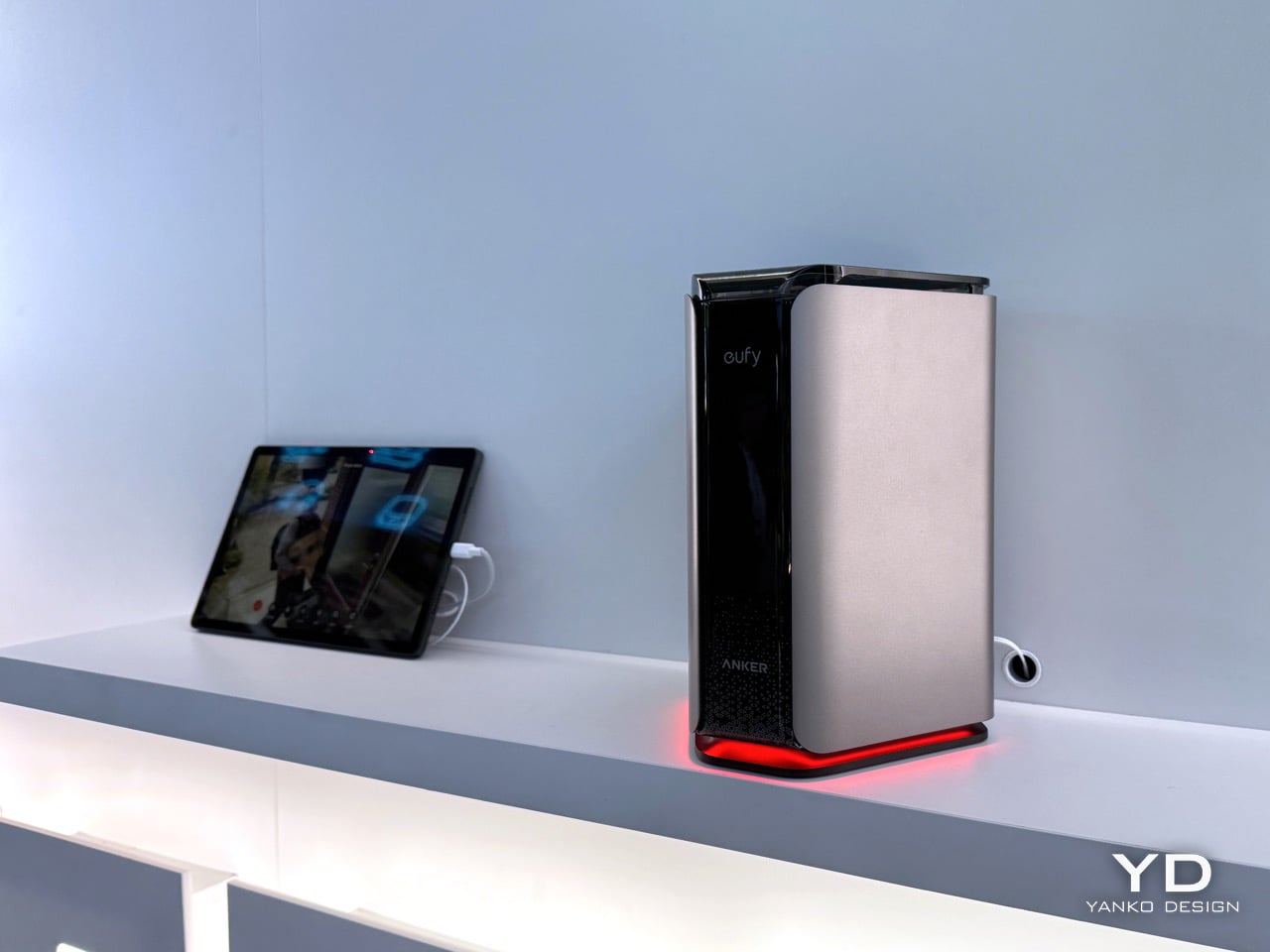
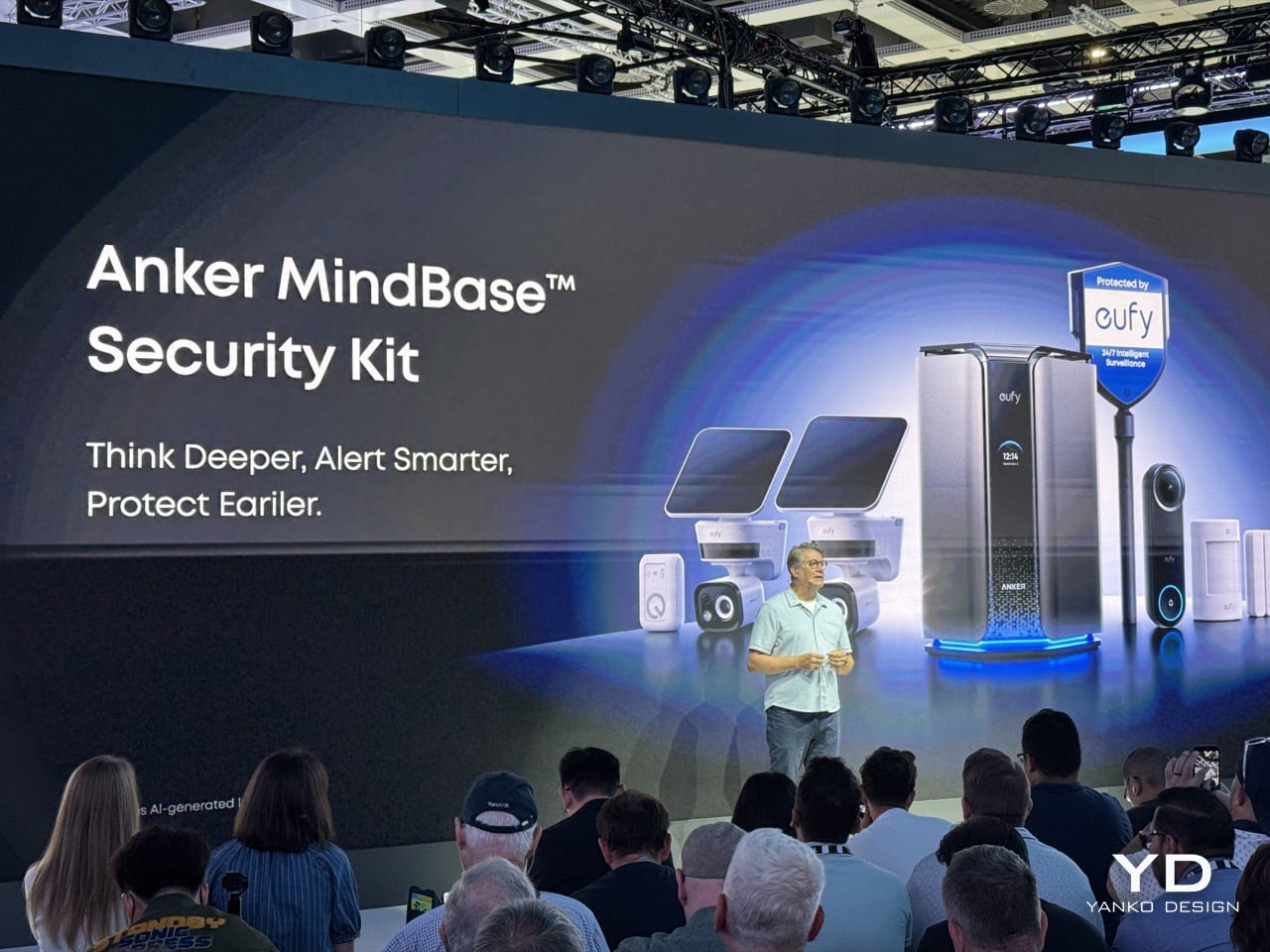
If you already own eufy cameras, the useful sentence in Anker’s IFA 2026 announcement is buried under the AI talk: your HomeBase S380 footage transfers straight across to the MindBase. Anker built the new hub to work with the eufy security gear people bought years ago, then bolted on a two-bay drive enclosure holding up to 48TB and a 26 TOPS compute card running an in-house language model locally. Your old cameras stay. They get a brain. That is a far rarer offer than a new camera, and considerably cheaper than replacing four of them.
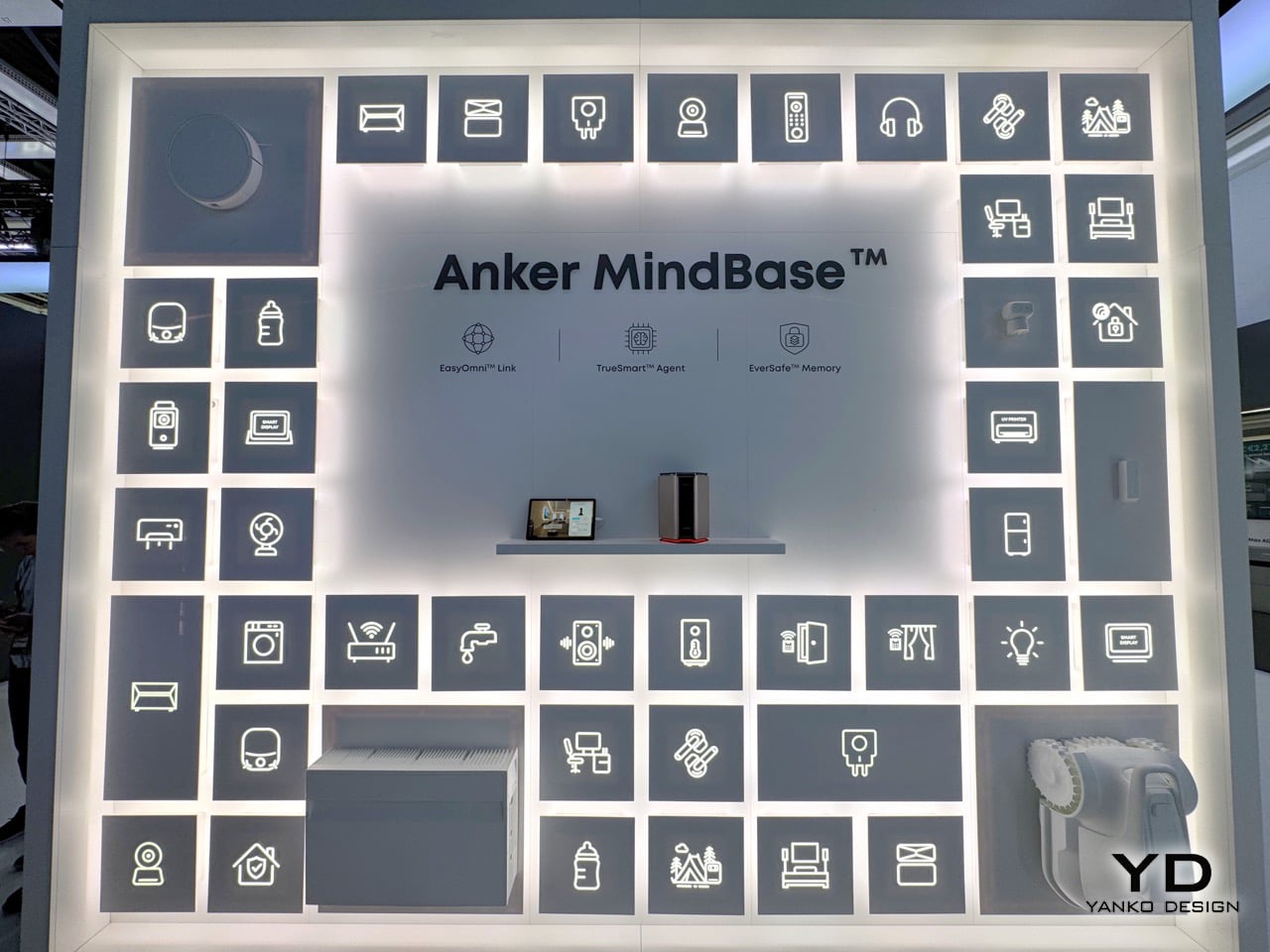
The scale of what it absorbs is the part worth sitting with. MindBase acts as a Matter 1.5 controller with Thread and Zigbee support built in, and it works alongside HomeKit, Alexa, Google Assistant and Home Assistant rather than replacing any of them. It supports 20 cameras and 34 sensors, close to 100 Anker devices, and hundreds of third-party Matter products. Two Gigabit Ethernet ports and three USB 3.0 ports handle the wiring, with 64GB of onboard flash before you add a single drive. Anker wants to be the thing everything else plugs into, not another gadget competing for shelf space.
Designer: Anker
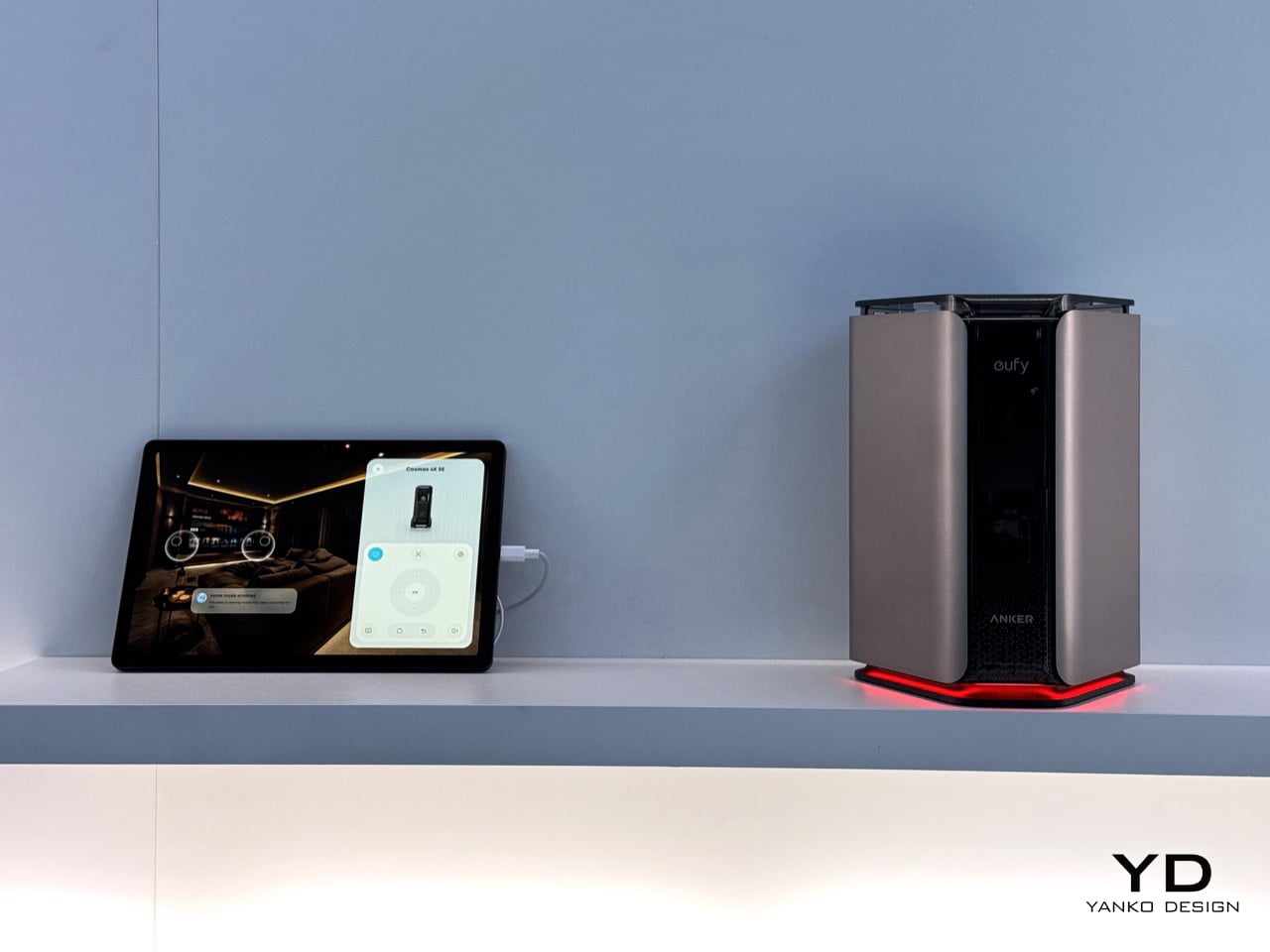
Getting there meant Anker had to kill its own family tree. eufy, soundcore, SOLIX and eufyMake are all being folded into the Anker name over the next couple of years, split into two groups called Anker For You and Anker For Home. CEO Steven Yang put it plainly on stage: category brands made sense when categories were separate, and they no longer are. Anker opened its first standalone store in Berlin the same week. A box asking to be the single brain of your house cannot credibly sit next to four differently branded limbs feeding it data, so the limbs had to go.
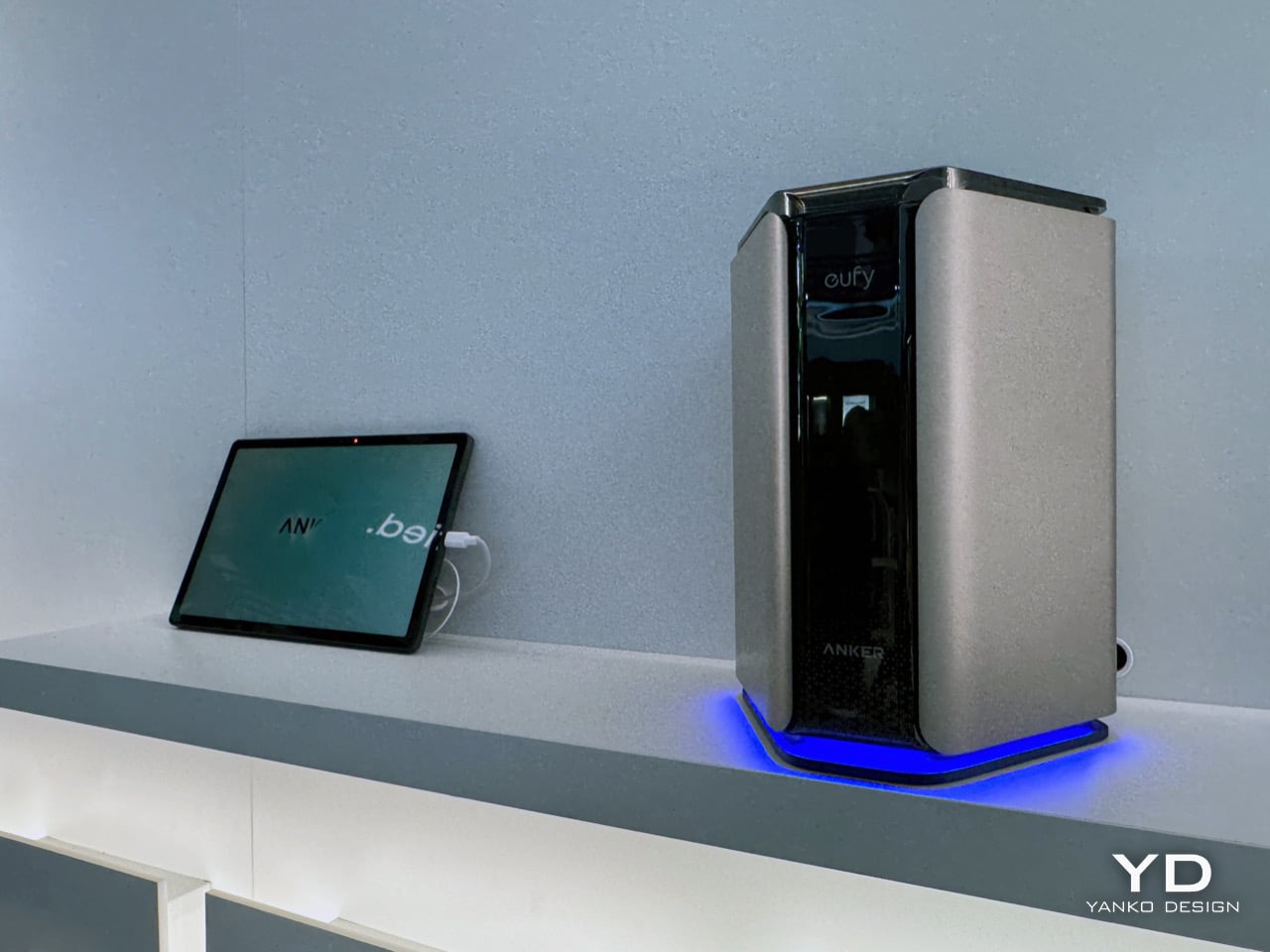
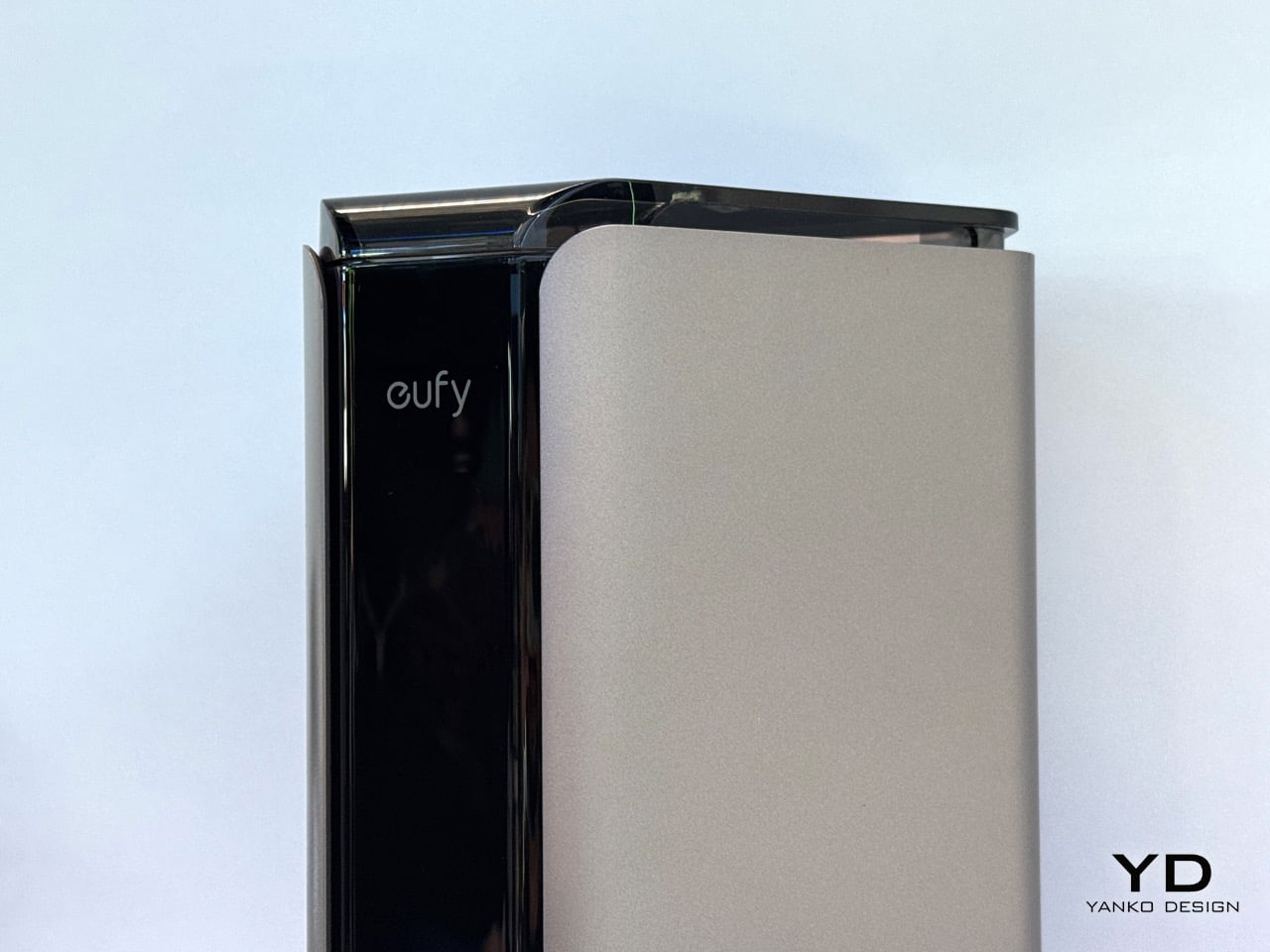
Physically, MindBase is trying to solve a problem NAS makers have ignored for two decades. Synology and QNAP enclosures still read as networking equipment, built for a closet, not a living room shelf. Anker’s two-bay chassis takes standard 3.5-inch drives and is styled to sit in the open, which is a real design bet given that spinning disks and a compute card generate heat that needs somewhere to go. Anker Innovations speaker Eric Villines framed the whole product around a gap that has bugged smart home owners for years: our houses are connected, not intelligent. A rule-based sensor cannot tell a raccoon from your kid, and MindBase’s pitch is that local memory finally lets it.

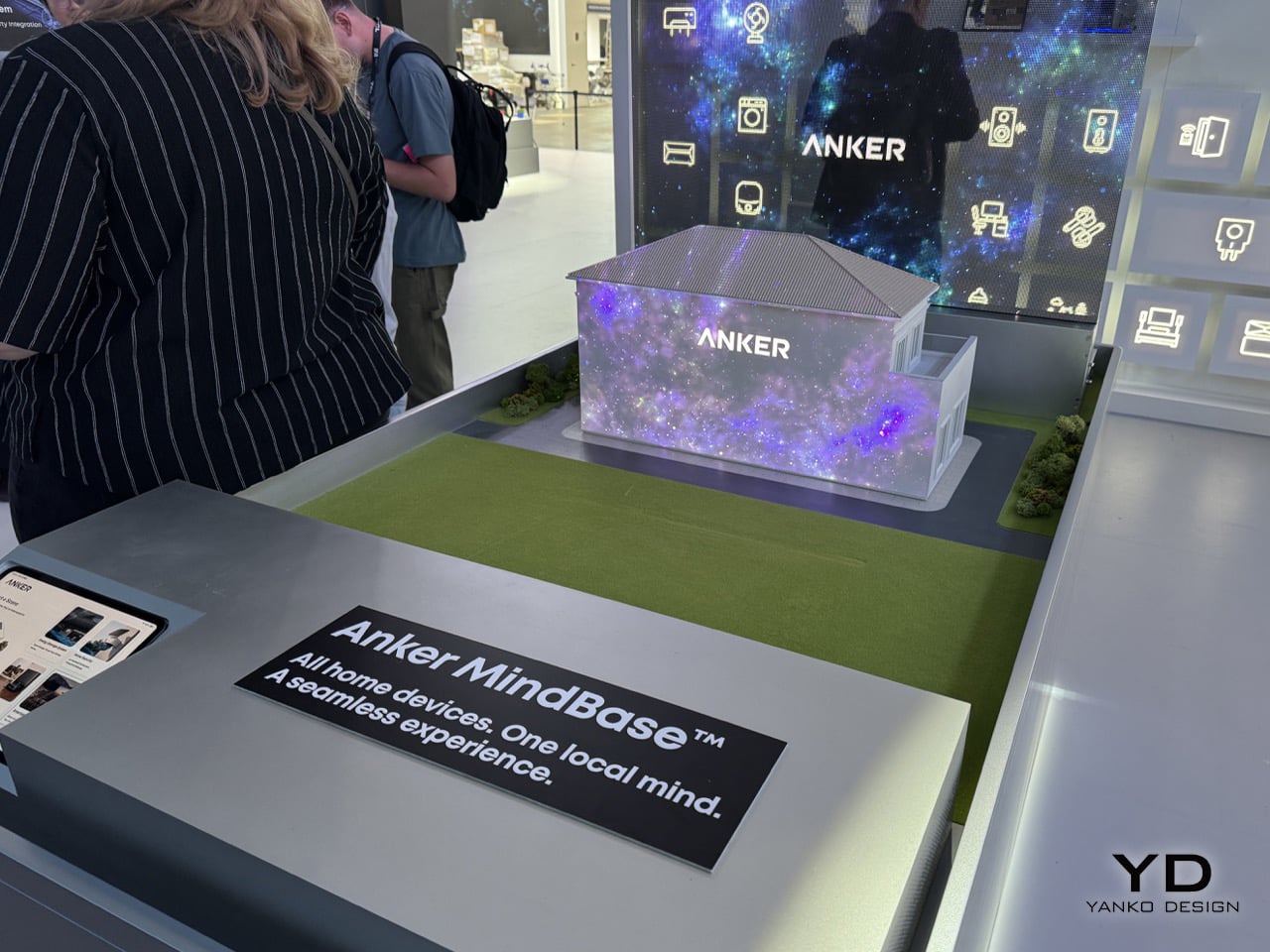
The security agent shows how far Anker is willing to let the box act alone. A yard sensor spots strangers at 15 meters and identifies family by phone credential at 30, then MindBase escalates on its own from a light, to a verbal warning, to active deterrence. For context, an entry-level Copilot+ laptop carries 40 TOPS and mostly uses it for background blur in video calls. Anker is asking for less silicon to make judgment calls about who belongs in your driveway at 2am, which is either the most useful application of on-device AI I have seen this year or the one I would want a very clear off switch for.
None of it has a price or a ship date yet, which is an odd silence for the product Anker built its entire rebrand around. Nest, Ring and Aqara are all circling the same local-hub idea without the drive bay, and that storage layer is MindBase’s real differentiator if Anker can actually ship it at a price regular households will pay. Whether the eufy hardware you already own is enough reason to wait and see is the only honest cliffhanger this launch leaves behind.
The post Anker MindBase Gives Your Old eufy Cameras a Real Brain and 48TB of Memory: Hands-on at IFA 2026 first appeared on Yanko Design.


Most back-to-school shopping ends at whatever ships fastest. The desk becomes an afterthought — a monitor propped on textbooks, a charger strip on the floor, a pen that runs dry in the first week. A desk setup communicates something about the person sitting at it. It tells you whether the space was put together with intention or assembled under pressure. These three objects belong to the first category.
None of them require justification after the fact. They earn their place through daily use — in lectures, at the library, at a desk that has to work for eight hours straight on a Tuesday. The question a well-designed desk setup answers is not how much it costs but whether it makes sitting down feel worth doing. These three answer that clearly.
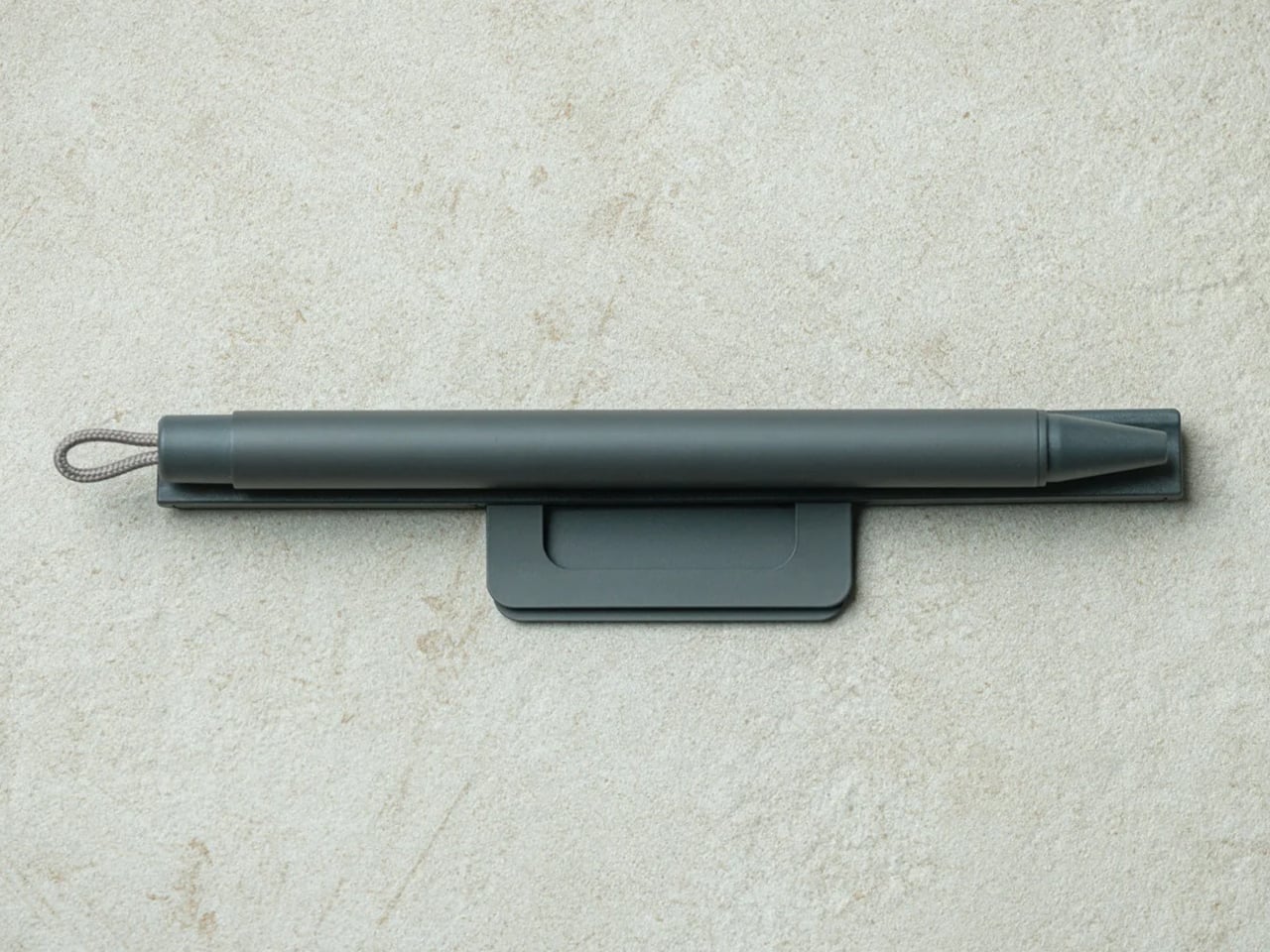

The moment you realize you are missing a pen is almost always the moment you need one most. The Inseparable is designed around that specific frustration. Its magnetic clip attaches to the spine of your notebook so both travel as a single object, and the built-in silencer means clipping and unclipping it produces no sound — a detail that matters in a quiet lecture hall when the smallest noise carries across the room.
The gel ink flows cleanly, which sounds like a baseline expectation until you spend a semester fighting a pen that skips on the first line of every page. The form is minimal without being precious, compact enough to live in a bag without taking up meaningful space, and refined enough to leave on your desk without looking like office supplies. At $19.95, it is the kind of object that quietly proves how much a good pen changes the experience of writing by hand.


The Setup Cockpit by BALOLO begins with something obvious that most desk furniture ignores. Monitors are almost always too low, cables have nowhere organized to go, and the devices that need to stay within reach — phone, headphones, secondary screen — end up wherever they land. A solid walnut or oak shelf lifts your monitor to eye level, creates 3.9 inches of keyboard clearance underneath, and returns the rest of your desk surface to you.
What makes it more than a monitor riser is the patented mounting grid along its underside, a system of attachment points that lets you add accessories wherever your workflow needs them. Cable magnets hold charging lines in place. A MagSafe holder keeps your phone visible without occupying desk surface. A headphone hook keeps your cans within reach instead of draped over the monitor. Hand-finished in Germany, the shelf supports up to 50 pounds and adapts as your setup grows over the year.
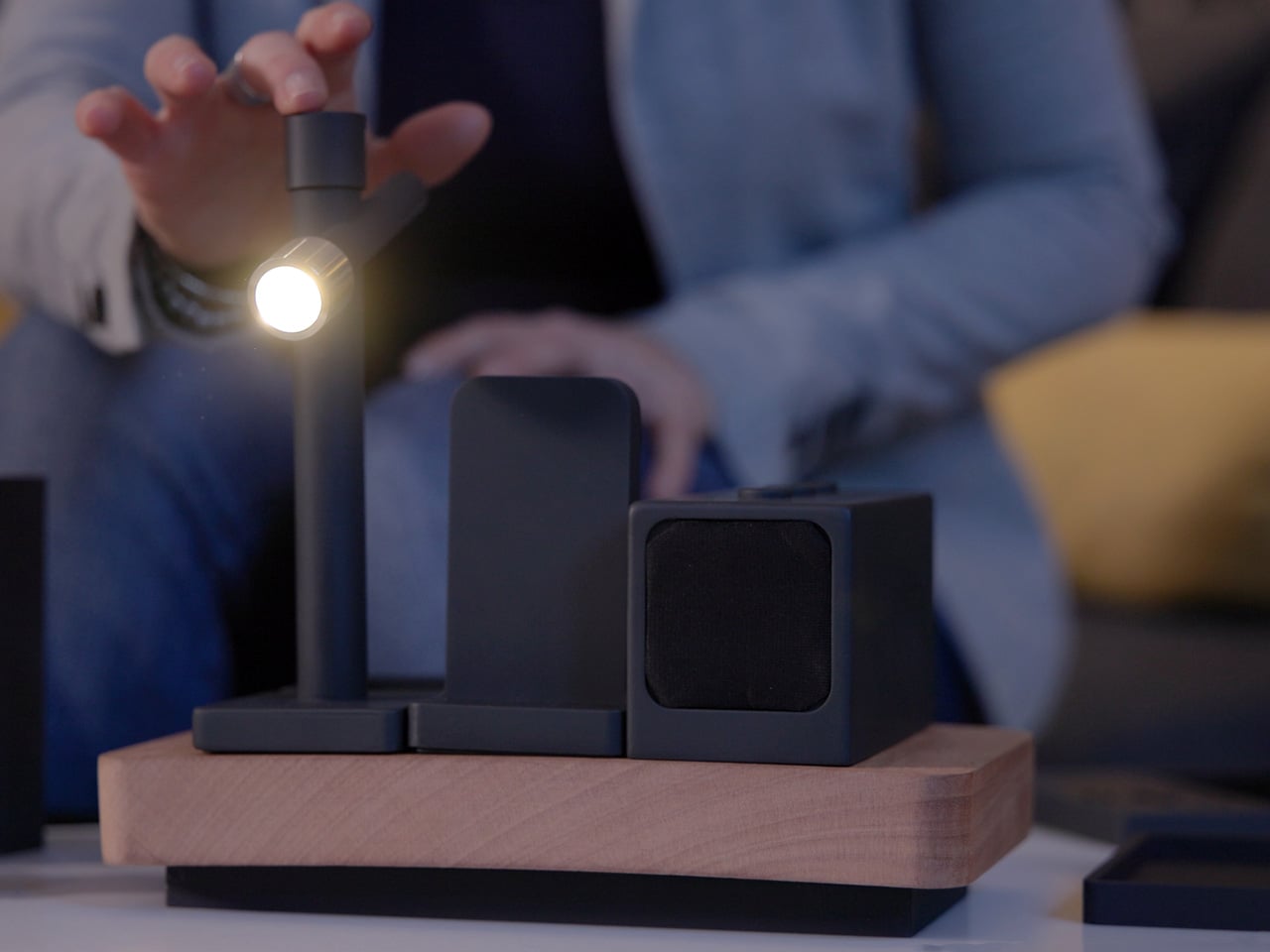

Cable clutter is not a problem most people solve. They manage it, relocate it, or stop noticing it. MODULO treats it as a systems problem and addresses it at the level of power distribution. A CNC-milled wood base, handcrafted in Italy, acts as a backplane for up to eight magnetic modules that each draw power and data through gold-plated connectors rated for 50,000 cycles. Swap a wireless charger for a Bluetooth speaker in three seconds. The app recognizes the change immediately.
The eight available modules — wireless charger, Bluetooth speaker, e-paper display, adjustable task light, USB-C charger, pen holder, and organizer trays — all share one wooden base and one power cable. The wireless charger handles up to 15 watts for compatible devices. The e-paper screen shows the time, calendar events, or a countdown timer. The speaker covers background audio without a separate pairing routine. One cable to a desk that used to need seven.
A desk that works and a desk that feels good to sit at are not the same thing. The gap between them is usually a few considered purchases. None of these three are dramatic. The pen is a pen. The monitor stand is a monitor stand. The organizer consolidates things you already own. The difference is that each was designed to be exactly what it is, rather than close enough.
Start with the pen if you want the fastest return. Pick up the BALOLO Cockpit when the semester is underway, and you realize how much the monitor height was affecting your posture. Add the MODULO system when the cable situation becomes the thing you stop tolerating. Each one earns its place independently, and the desk that results from all three is the kind that makes other people ask where you got it.
The post 3 Best Back-to-School Desk Gadgets & Tools for Men Who Actually Care What Their Setup Looks Like first appeared on Yanko Design.

OpenAI has officially launched the highly anticipated ChatGPT 6 Astra, an AI model designed for complex professional applications. This release brings a 47% improvement in task completion speed compared to its predecessor while reducing token usage. Notable capabilities include secure code reviews and scientific data analysis, addressing needs in fields where accuracy and reliability are […]
The post ChatGPT 6 Officially Launches as Astra: Beats GPT-5.6 Sol with 47% Faster Speed appeared first on Geeky Gadgets.

Bristol Cars has been on hiatus for almost 15 years, but now the self-proclaimed ‘enigmatic’ British brand has risen from the ashes to revive one of its most flamboyant creations. The Bristol Fighter, the last model produced by the eccentric British marque, is making a revival in modern times, and it is as exclusive as it gets.
Only five of them will ever be produced, using unused original chassis that have been waiting to be completed. One of these five has already been created and will be displayed at Salon Privé at Blenheim Palace. Bristol Cars will hand-build the remaining four to commission, drawing on the original engineering drawings and parts from the handful of Fighters that survived.
Designer: Bristol Cars


According to Paul King, owner and director of Bristol Cars, the remake of the Fighter is “far more than reviving a name; it is about bringing back the spirit of a marque that has always stood apart.” For Bristol, that spirit is inseparable from its aviation and engineering roots, which have influenced the company’s cars since its formation in the aftermath of the Bristol Aeroplane Company.
The most exciting bit is the return of the 8.0-liter V10, offered in its original 525hp specification, with a 600hp version also available. Bristol had claimed a 210mph top speed for the Fighter, making it an unusually serious grand tourer beneath its understated British exterior. The long, low body, distinctive gullwing doors and front-mid-mounted engine remain central to the design, preserving the visual character that made the original so unusual.
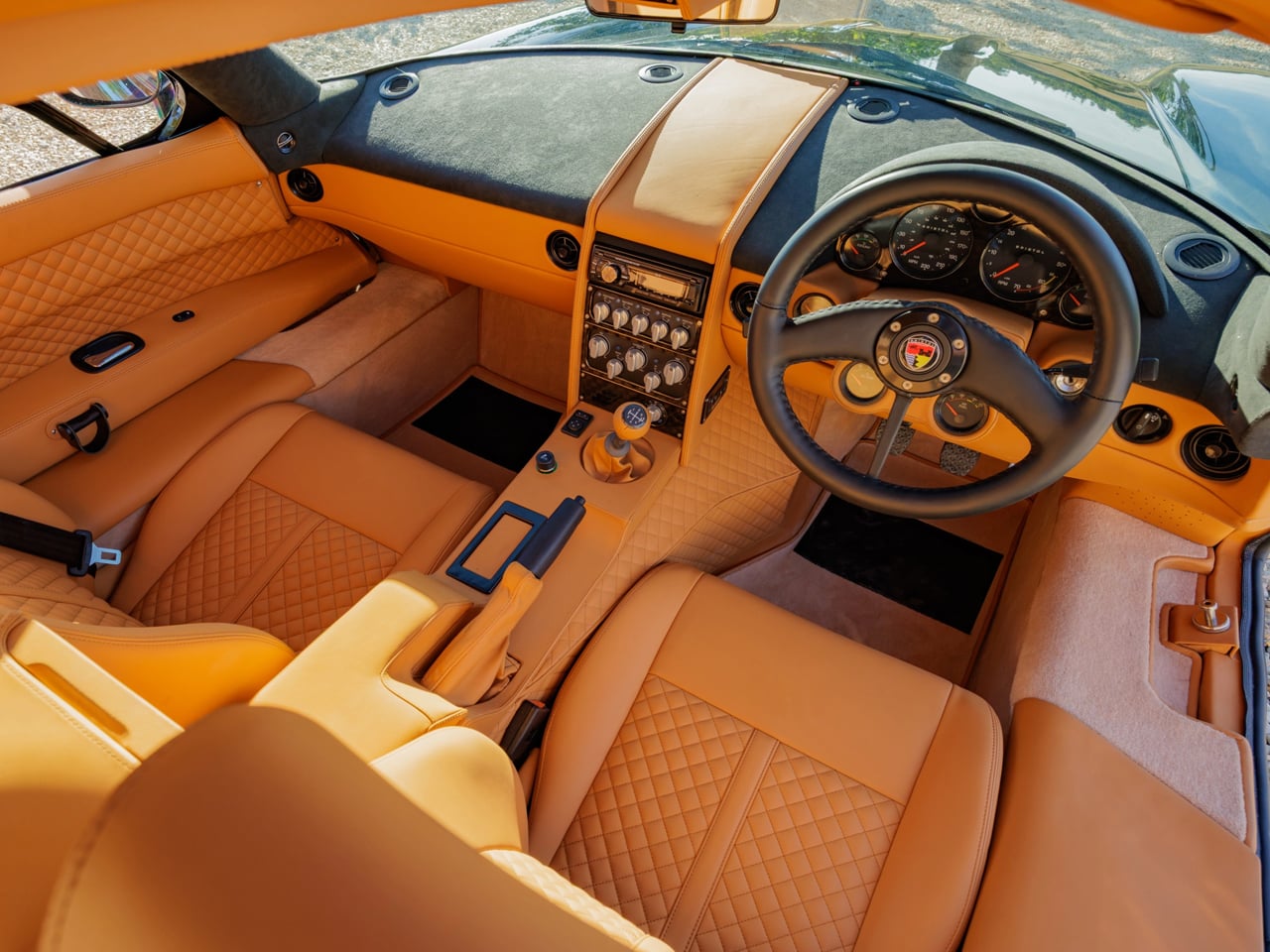
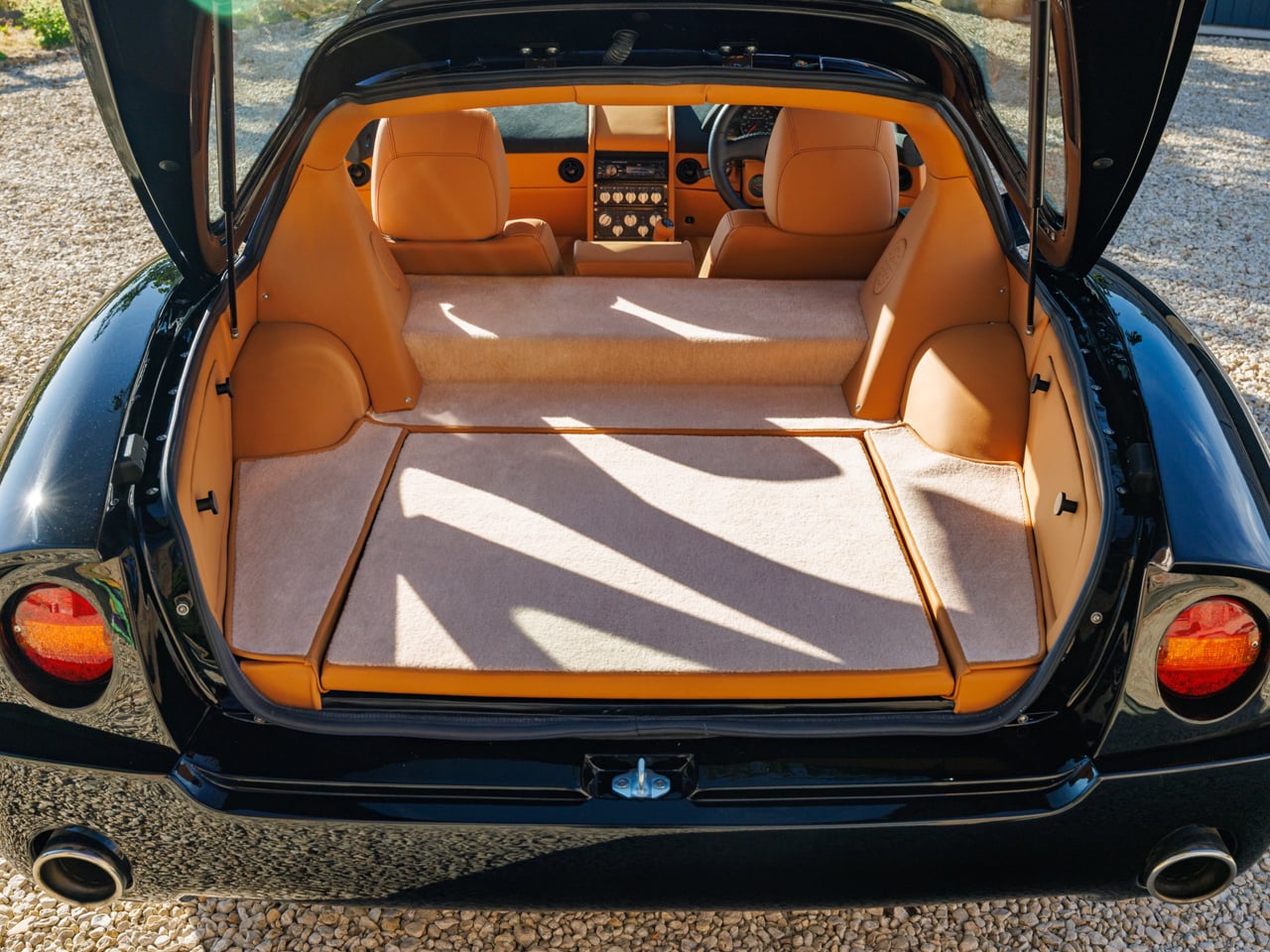
The first continuation car gets a black exterior paired with a tan cabin, creating a restrained contrast that suits Bristol’s deliberately unconventional character. The interior retains the aircraft-like detailing that distinguished the original, including an abundance of instruments and controls rather than the minimalist digital interfaces common in modern supercars. Even an engine-hours gauge was incorporated into the original cabin, reinforcing the connection to Bristol’s aviation heritage.


The Fighter was originally introduced in the early 2000s and used a V10 derived from the Dodge Viper. It was never produced in significant numbers; estimates suggest that only a small number of complete cars were built before Bristol entered administration in 2011. The new continuation series therefore serves a practical purpose as much as a nostalgic one: it allows the marque to finally complete chassis that were left unfinished when production stopped.

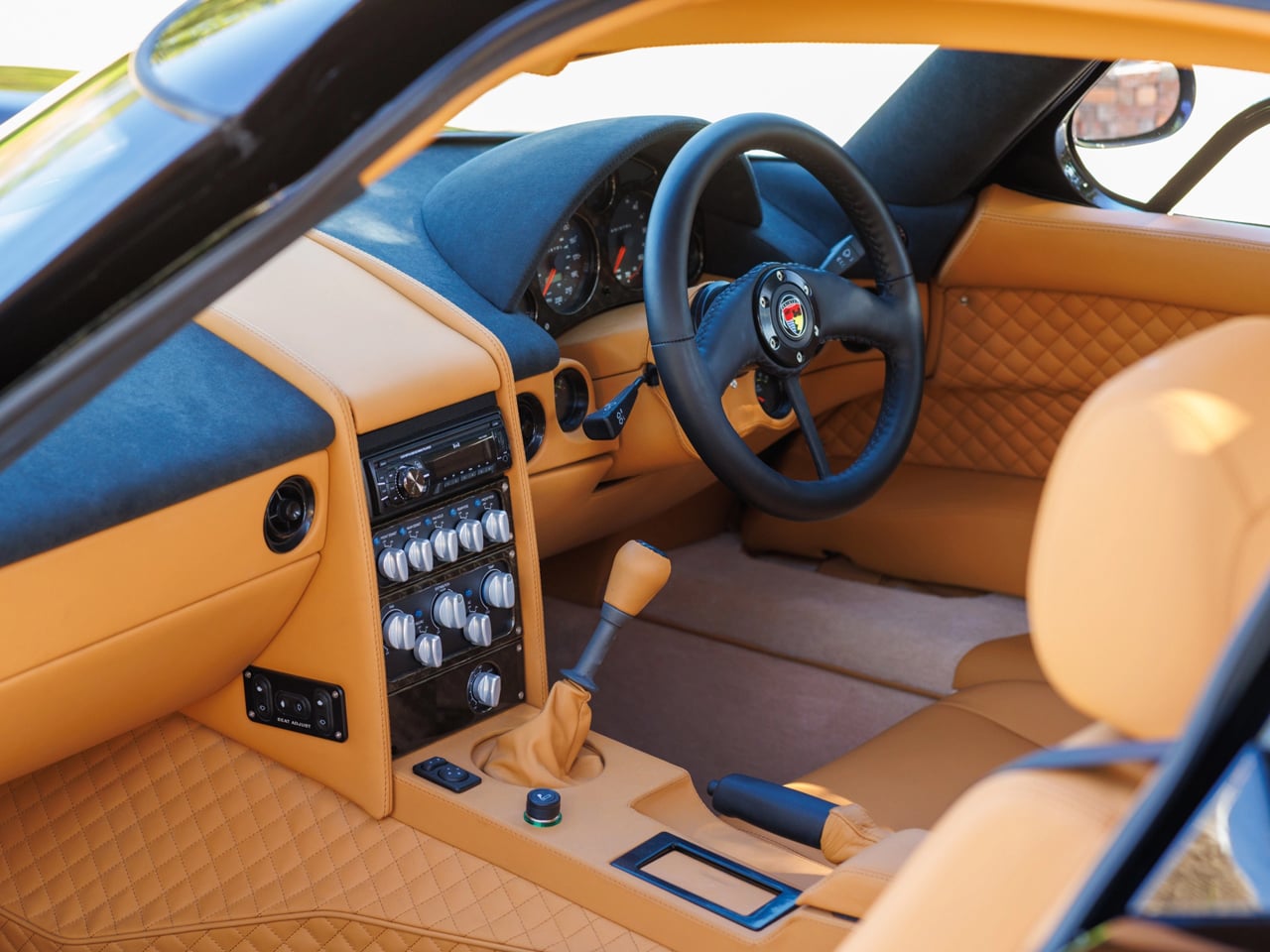
The remaining four cars can be commissioned in either right- or left-hand drive and will be personalised to their owners’ specifications. Bristol is working with a British manufacturing partner specialising in engineering and low-volume production, while Richard Hackett has returned as chairman after previously working alongside former Bristol boss Tony Crook.
The timing is significant, too. Bristol Cars is returning in 2026, exactly 80 years after its first production car, the Bristol 400, was completed in 1946. Rather than reinventing itself with a contemporary electric supercar or an entirely new design, the company has chosen to finish an unfinished chapter first. With only five Fighters planned, this revival is less about volume and more about restoring a very specific piece of British automotive history to the road.




The post The Bristol Fighter is back, and only 5 people can own this 600HP V10 GT first appeared on Yanko Design.