Google's latest addition to its NotebookLM artificial intelligence research platform is a feature called Data Tables. The tool can collect and synthesize information across multiple sources into a chart that can be exported to Google Sheets. All Pro and Ultra users will have access to the feature today, and Data Tables will roll out to all users over the coming weeks.
In practice, Google suggested that Data Tables can be used to organize scattered notes, create price comparison charts or aggregate results from multiple research projects. The example of the interface shows the desired table components requested in natural language statements.
Last month, Google added a Deep Research mode to NotebookLM. Deep Research was initially unveiled for its Gemini chatbot in late 2024 as an option for handling complex user queries.
This article originally appeared on Engadget at https://www.engadget.com/ai/googles-notebooklm-introduces-data-tables-feature-225548565.html?src=rss
Foscarini has a habit of pushing lighting beyond glass and metal, experimenting with concrete, fabric, and now molten rock. The brand often treats materials as the starting point rather than the afterthought, asking what unexpected substances can become when wrapped around a light source. The Eolie collection continues that line by looking at the volcanic charisma of the Aeolian Islands and asking what happens when lava waste becomes the main ingredient for a pendant lamp.
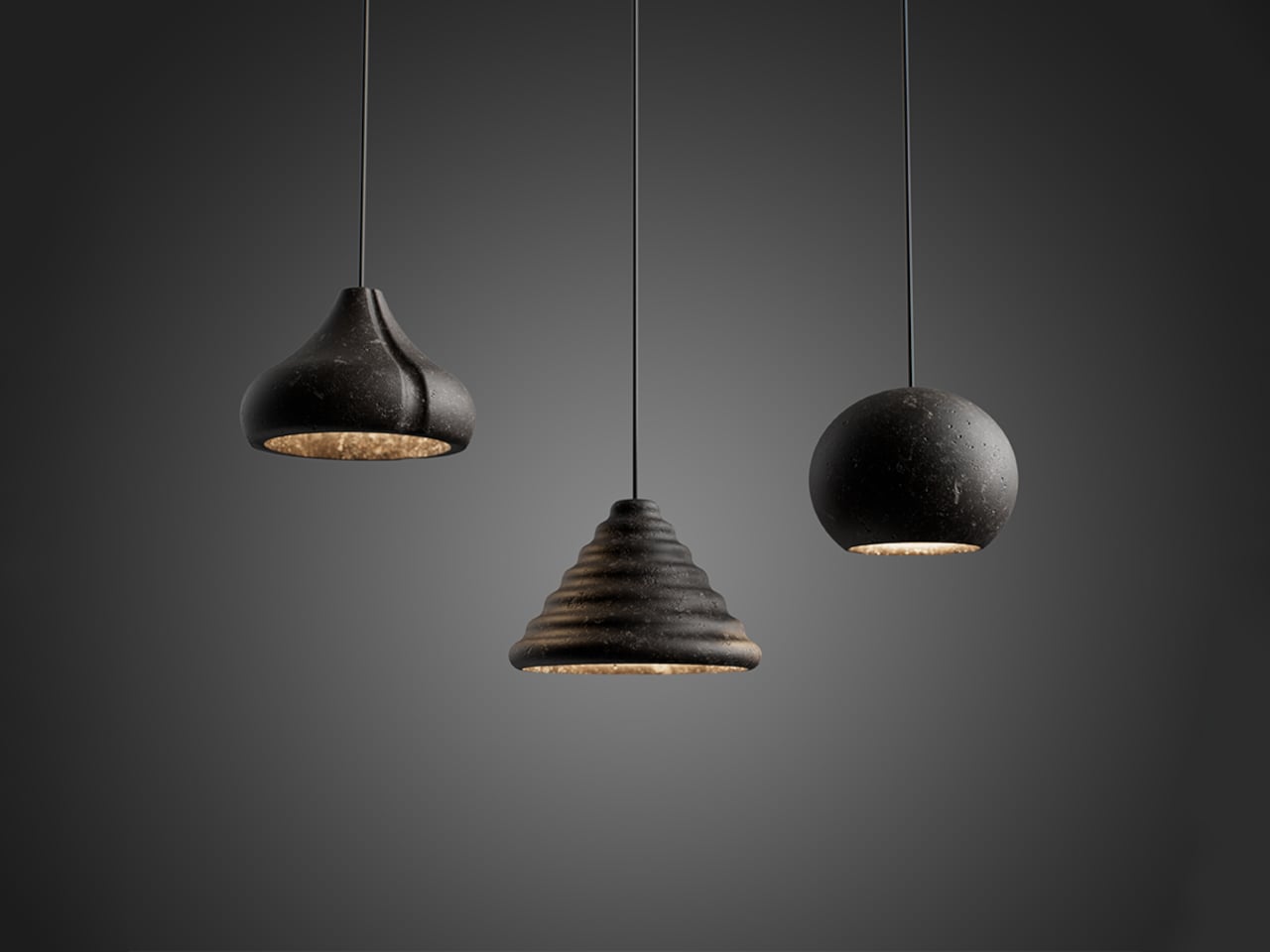
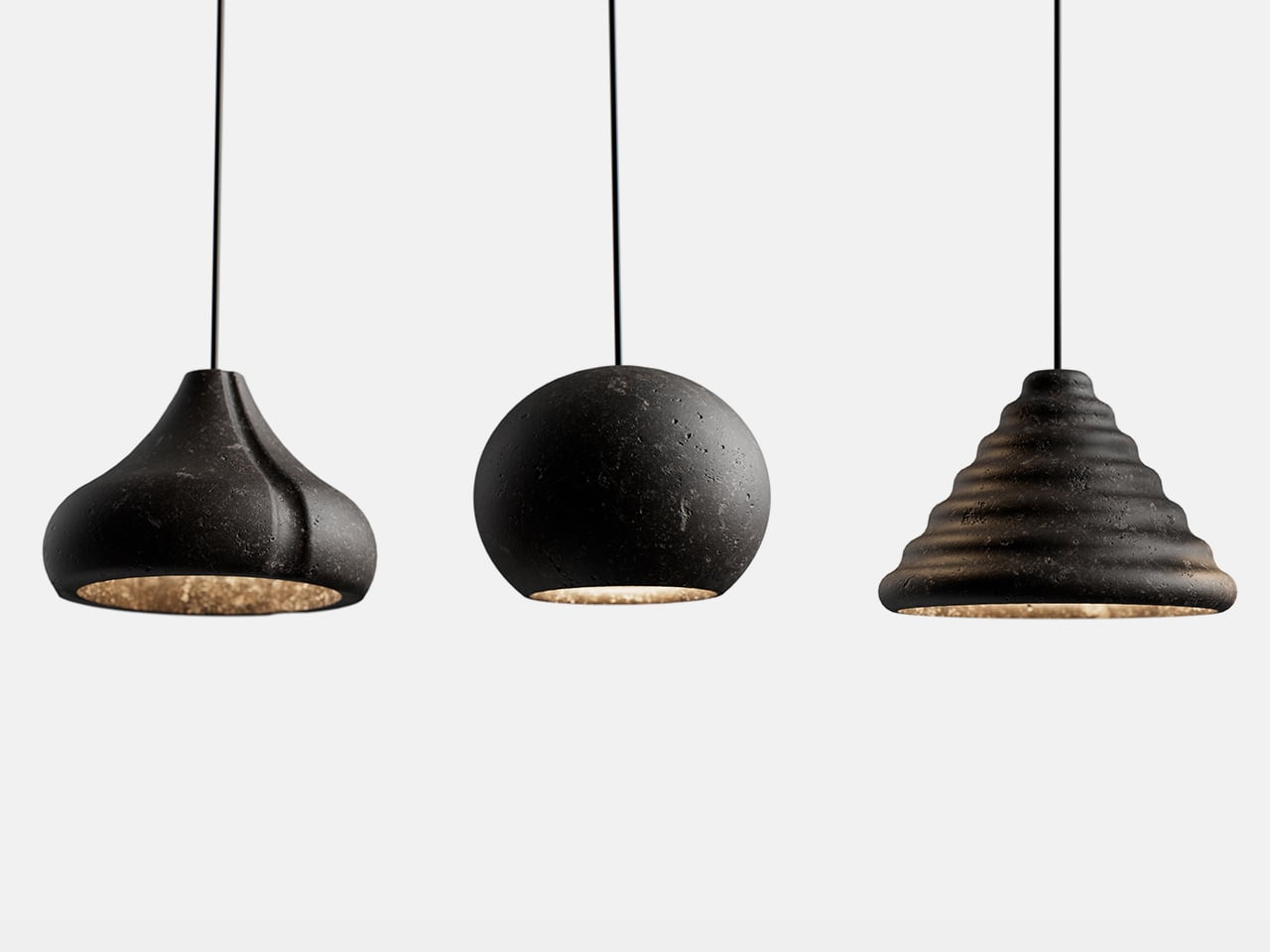
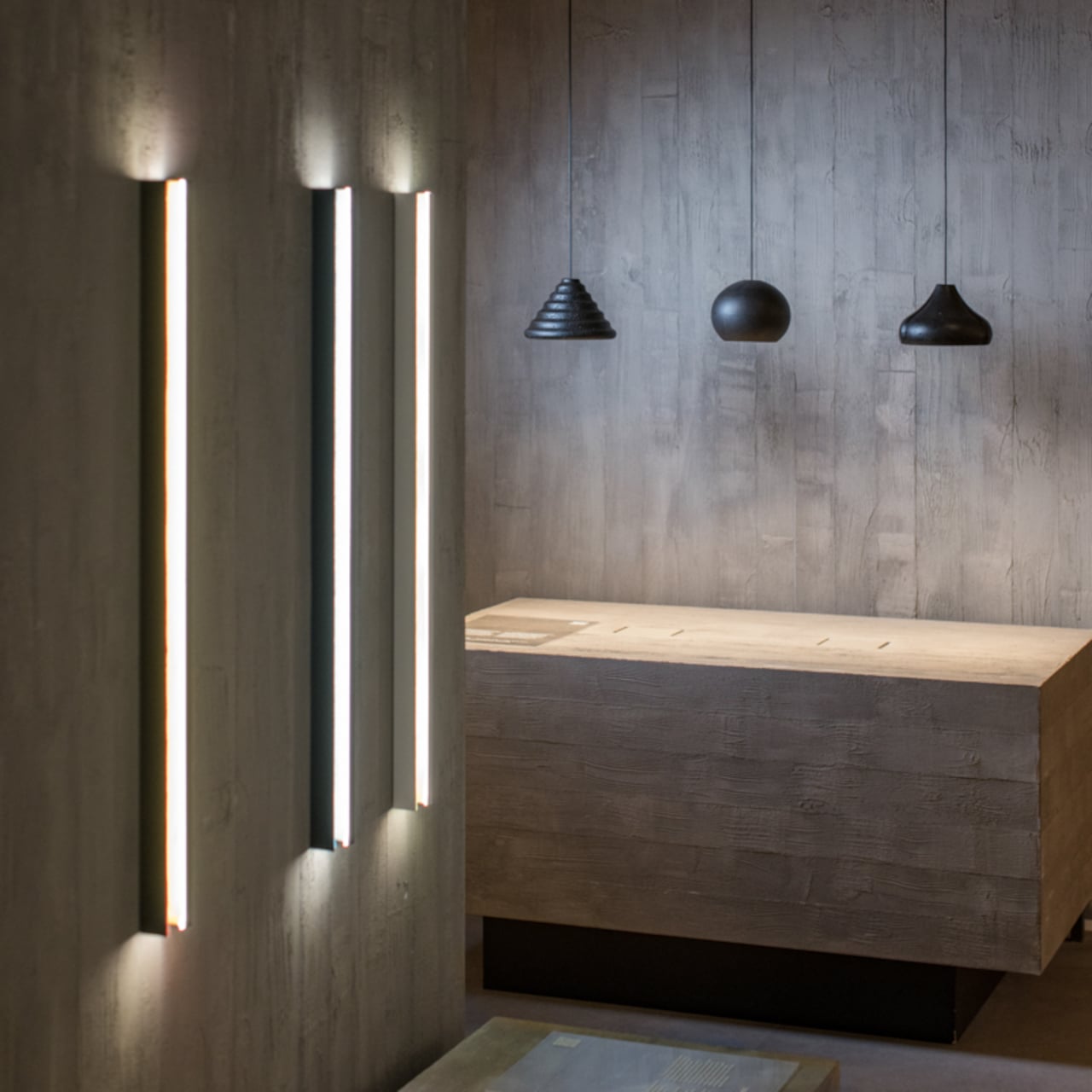
Alicudi, Filicudi, and Panarea are three compact suspension lamps designed by Alberto and Francesco Meda, cast from recycled lava and named after islands in the Aeolian archipelago. They are part of the Eolie family, where each name carries a quiet narrative thread that ties the objects back to their geological origin, turning stone-cutting waste into sculptural downlights that sit between industrial production and handcraft.
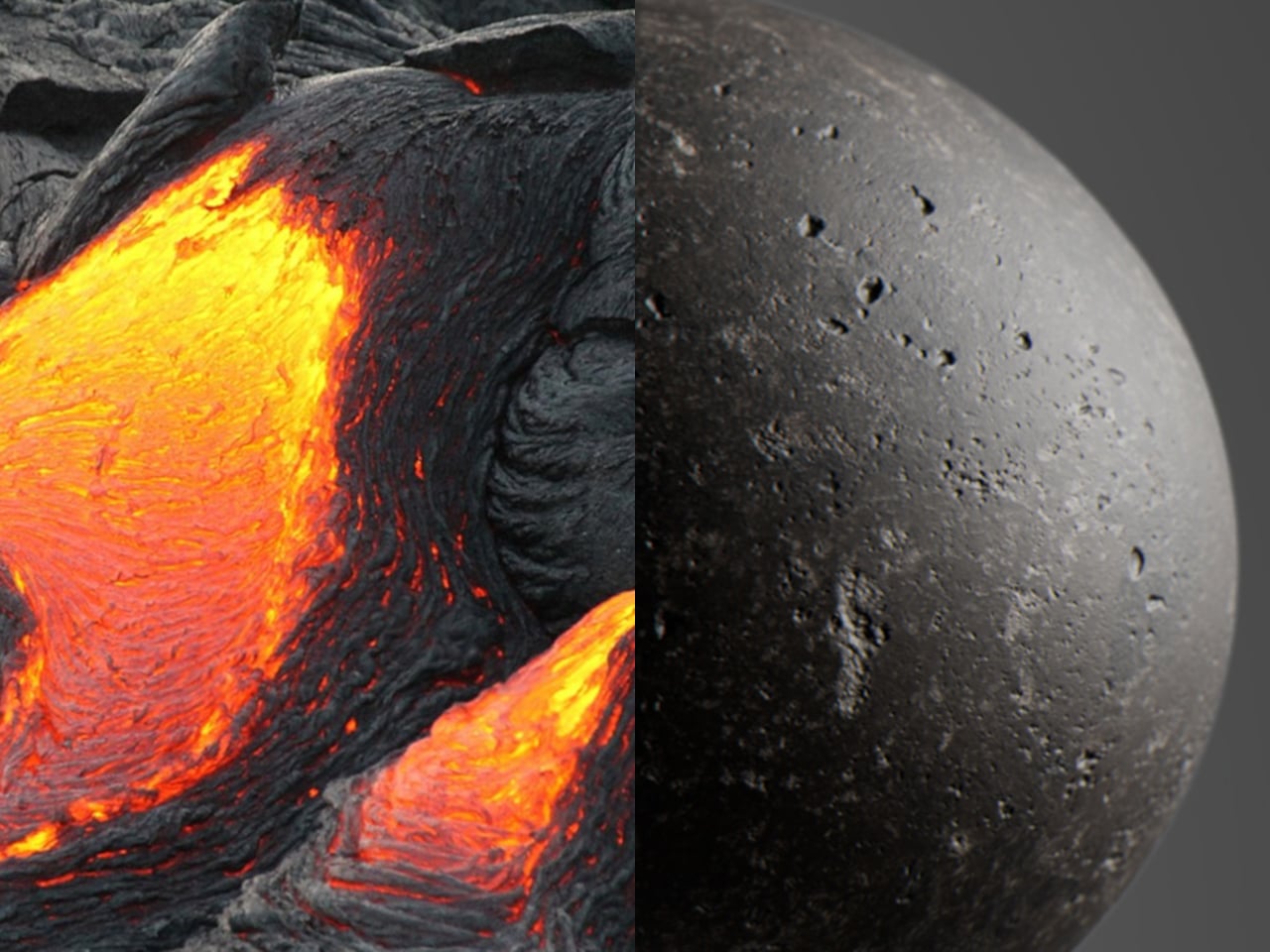
Lava, unlike marble, is gathered from the mountain after eruptions and cut into blocks, a process that generates a large volume of surplus chips. The project, in collaboration with stone specialist Ranieri, rebinds those chips into a patented composite that can be cast into thin shells, around 8 to 10 mm thick, strong enough for lighting while keeping the expressive, porous character of natural lavic stone.
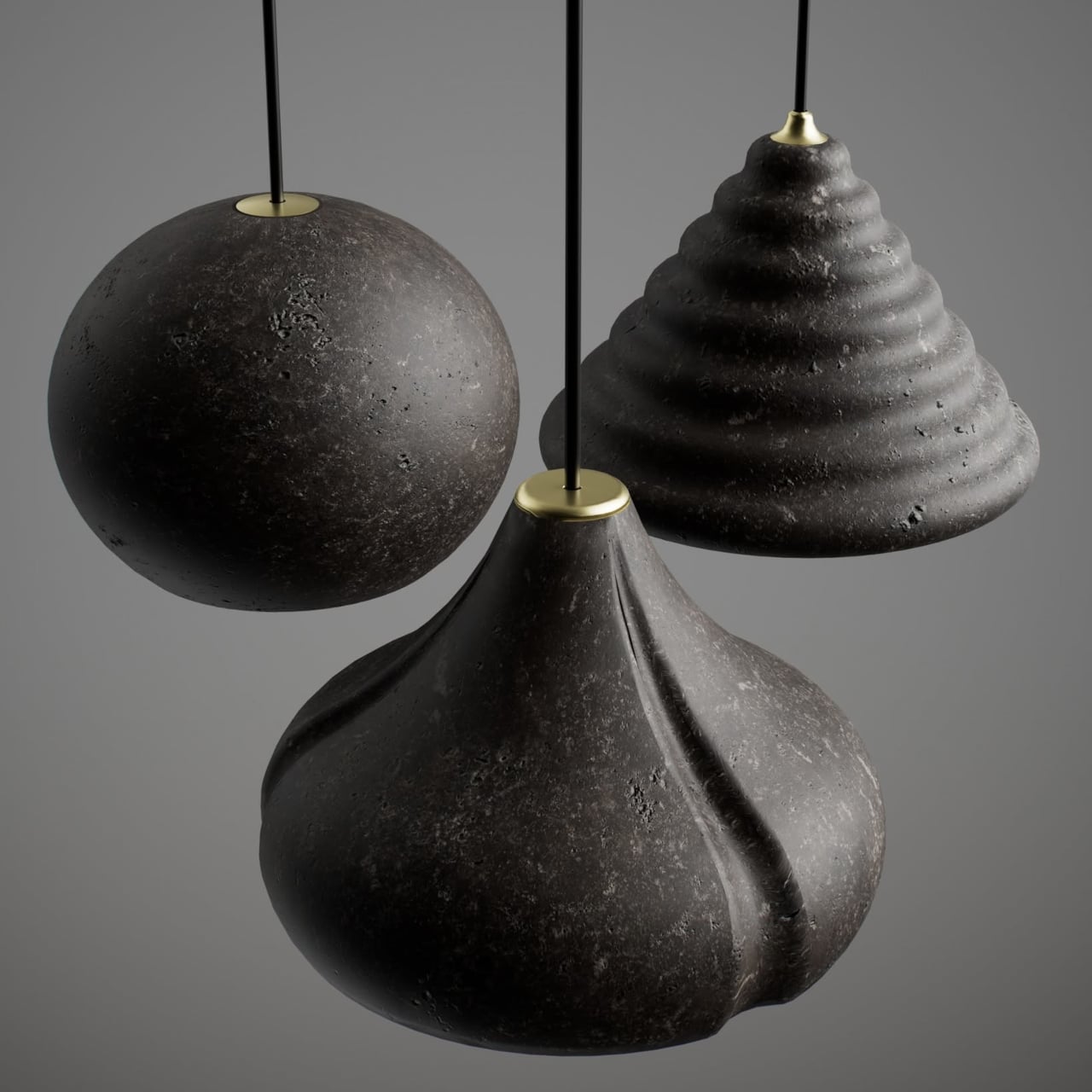
The three silhouettes test different aspects of the material. Alicudi is a near-perfect sphere, Filicudi is a stepped cone with horizontal ridges, and Panarea is a softer, lobed form that curves gently inward. The designers chose these shapes to explore the potential and limits of the composite, from smooth continuous curves to pronounced ribbing, and together they read like a small family of volcanic forms, each one a different take on how lava can be tamed into a lamp.
The variegated, cratered surfaces make each piece unique. The industrial casting is followed by hand-working, which introduces small, irreproducible variations, so no two lamps are exactly alike. The porosity and tiny craters are not hidden but are celebrated as evidence of the material’s origin, giving the lamps a tactile presence that feels closer to rock than to a typical smooth shade or polished ceramic.
All three are compact downlights, with warm light spilling from the underside while the dark exterior stays quietly in the background. Over a table or counter, they create focused pools of light, while by day they read as small volcanic sculptures hanging in space. The combination of rough, dark shells and soft, warm light makes them feel equally at home in domestic and hospitality settings, adaptable without being loud.
Alicudi, Filicudi, and Panarea turn a waste stream from stone cutting into a high-value, expressive material for lighting. The project sits at the intersection of industry and craft, using a patented process to make thin shells and hand finishing to keep each piece individual. In a market full of anonymous metal cylinders, the idea of a pendant lamp that carries the memory of cooled magma feels both grounded and quietly radical, connecting the ceiling to the mountain with 500 million years of geological history compressed into a few millimetres of recycled stone.
Several LG smart TV owners, including some Engadget staff, were surprised to find what looked like an unremovable Microsoft Copilot app suddenly installed on their devices earlier this week. After all the raised eyebrows, a representative from LG has reached out to say that the company "will take steps to allow users to delete the shortcut icon if they wish."
According to the spokesperson, the Copilot icon is a shortcut for launching the AI chatbot in the TV's web browser rather than an application embedded in the appliance. We've asked for more specifics about when people will be able to get rid of the Copilot prompt, but have not received a response at this time.
Apparently we're still learning the lessons of U2's notorious iTunes album giveaway. It might seem like free additions would be something people would enjoy, but it turns out customers want to choose which services they use. Particularly when smart TVs don't have the best track record on privacy, the surprise appearance of an AI chatbot wasn't likely to be well received.
This article originally appeared on Engadget at https://www.engadget.com/ai/lg-will-let-you-delete-the-previously-unremovable-microsoft-copilot-shortcut-on-its-smart-tvs-215352944.html?src=rss
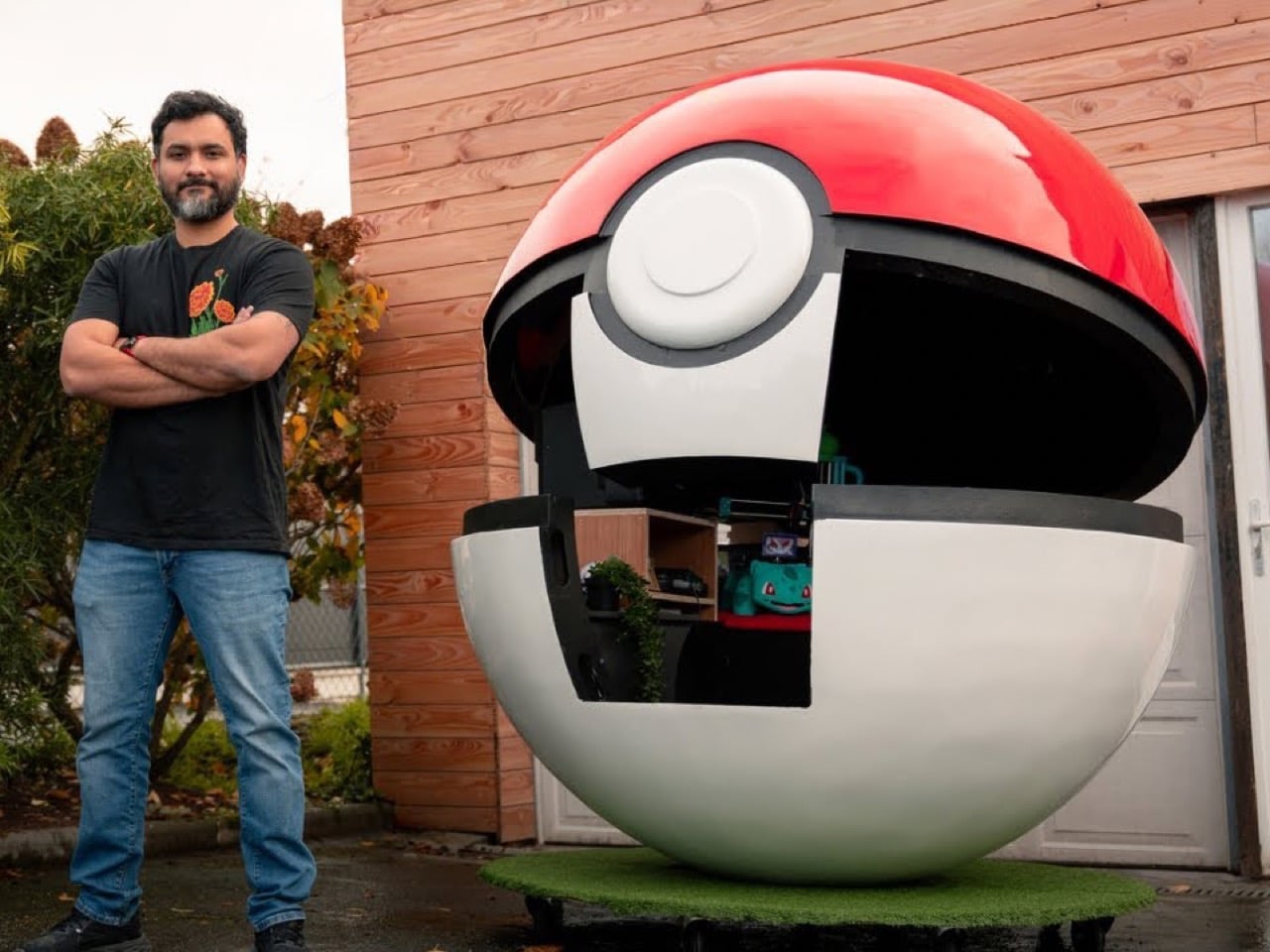
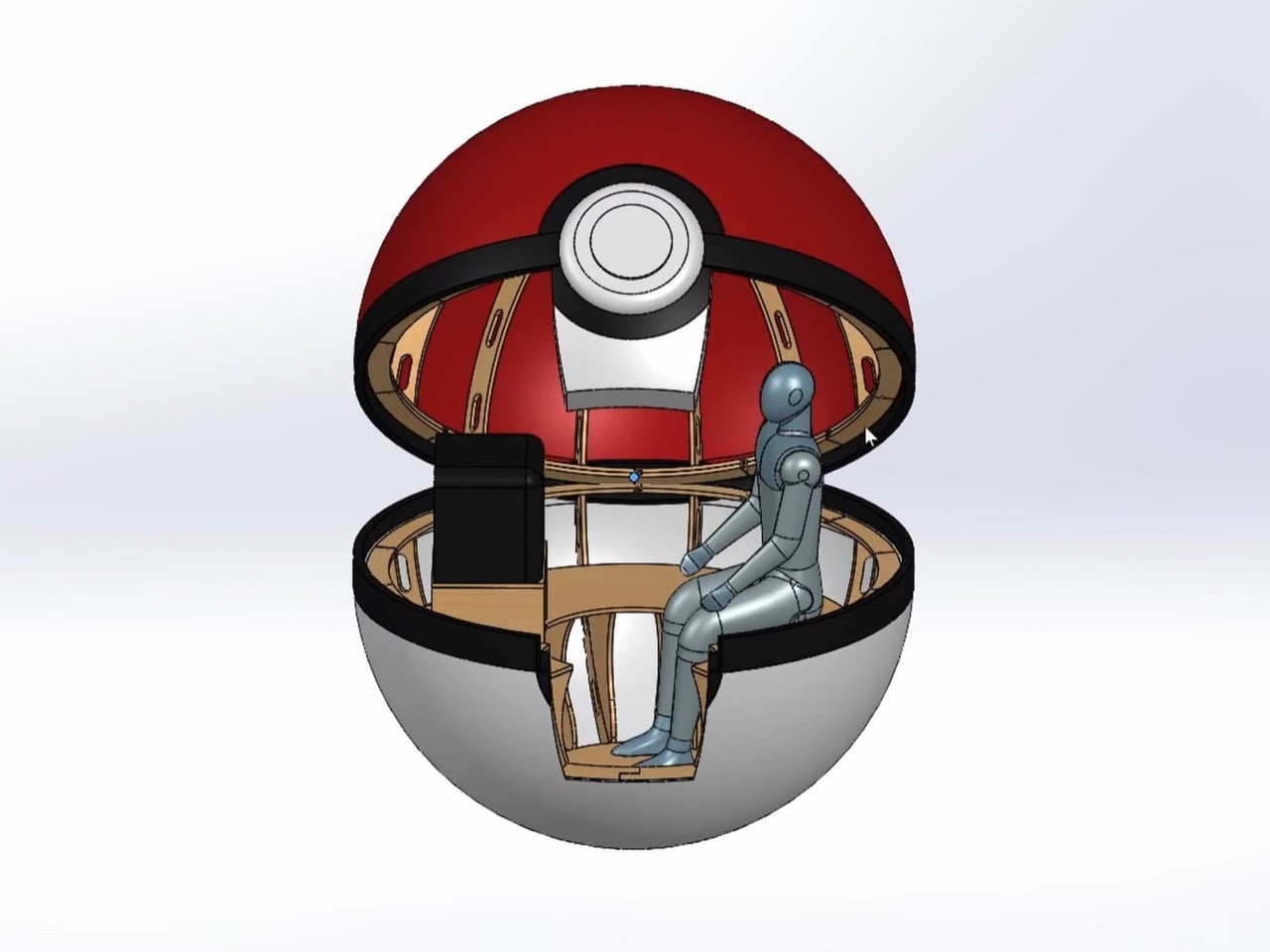
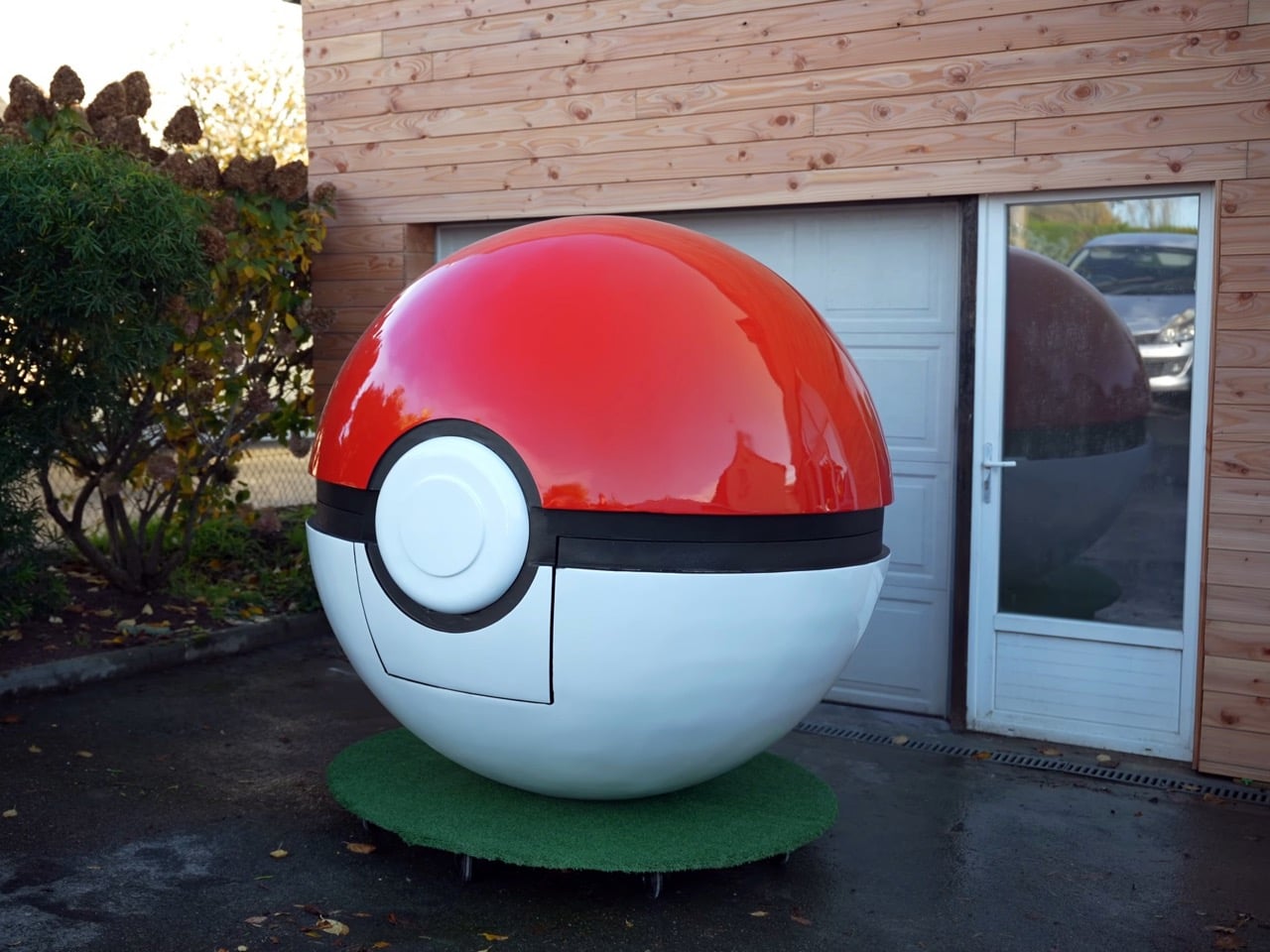
Someone finally built a life-sized Pokéball you can actually climb inside, and honestly, it’s about damn time. For nearly three decades, we’ve been throwing these things at Pidgeys and Rattatas without ever really knowing what happens when that button clicks and the whole thing seals shut. The anime gave us vague red-light-energy-conversion-something explanations, the games treated it like a loading screen, and the trading cards just showed them closed. The mystery has persisted through 1,000+ Pokémon species, countless regional variants, and enough spin-off merchandise to fill a Snorlax’s stomach. Now a maker has gone full obsessive and constructed a 2-meter diameter functional Pokéball with a gaming room inside, and the build process is as chaotic as you’d expect when someone decides to turn childhood curiosity into a construction nightmare.
The project started with a simple question that’s plagued Pokémon fans since 1996: what’s inside a Pokéball? Instead of accepting Nintendo’s hand-wavy “they’re converted to energy” explanation, this builder decided to answer it the only way that makes sense for a ’90s kid: put a Nintendo 64 running Pokémon Stadium inside one. The irony is perfect. You’re sitting inside the device that’s supposed to contain Pokémon while playing a game about battling those same Pokémon on a console from the franchise’s golden era. It’s meta in the best possible way, and it scratches that specific nostalgia itch that only people who spent hours trying to catch Mewtwo with a regular Pokéball can appreciate.
Designer: Carlos 3D World
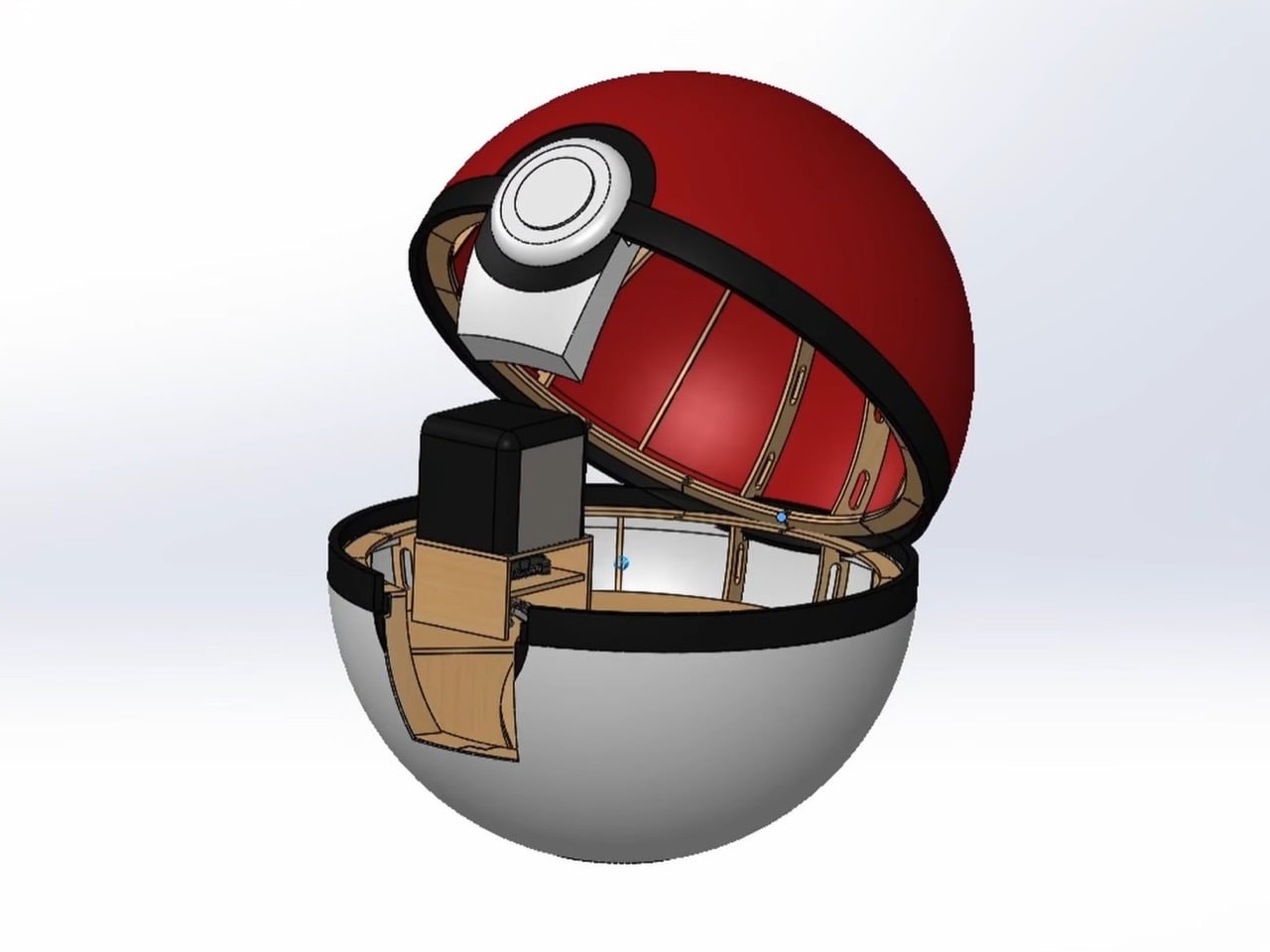
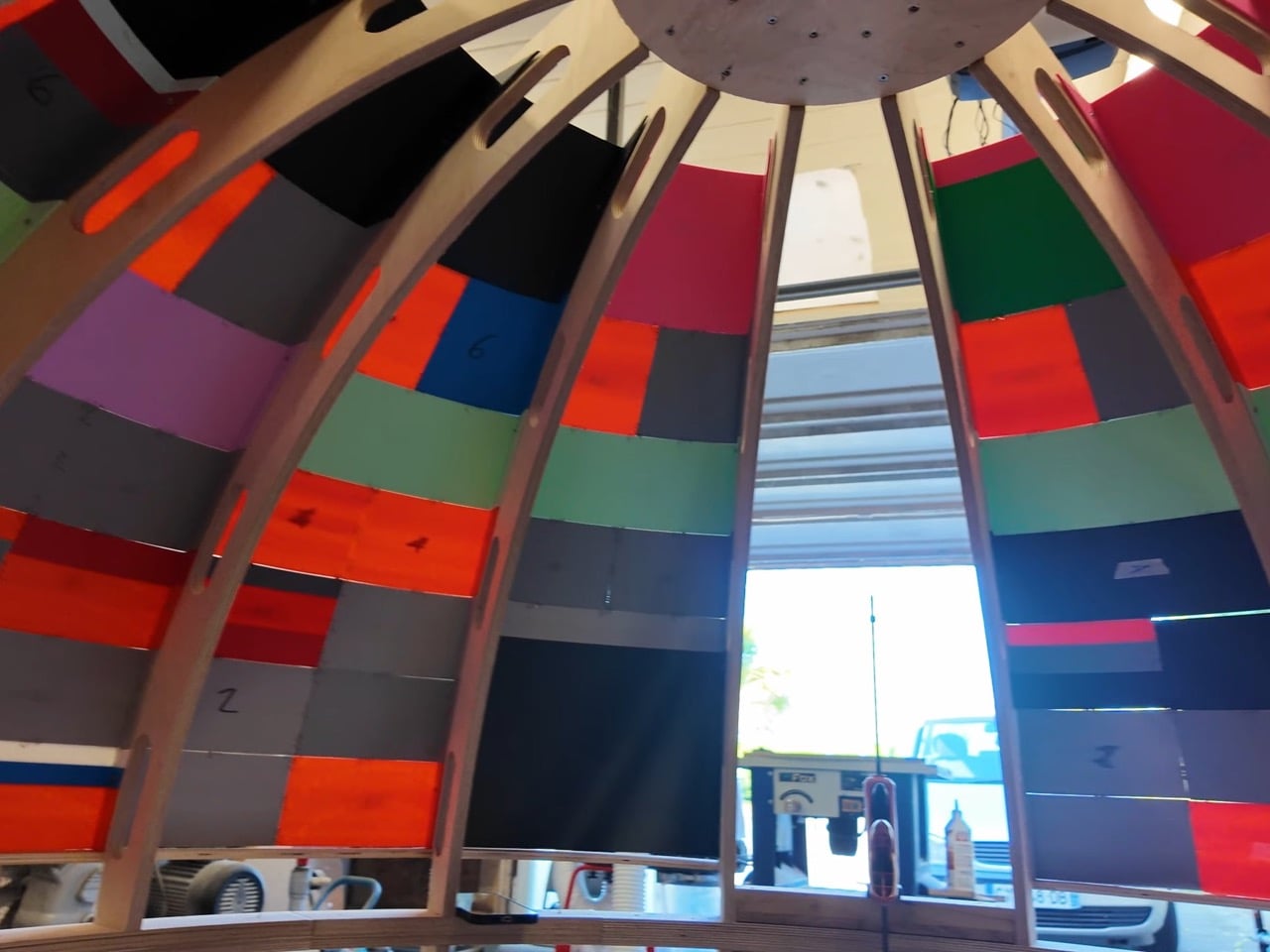
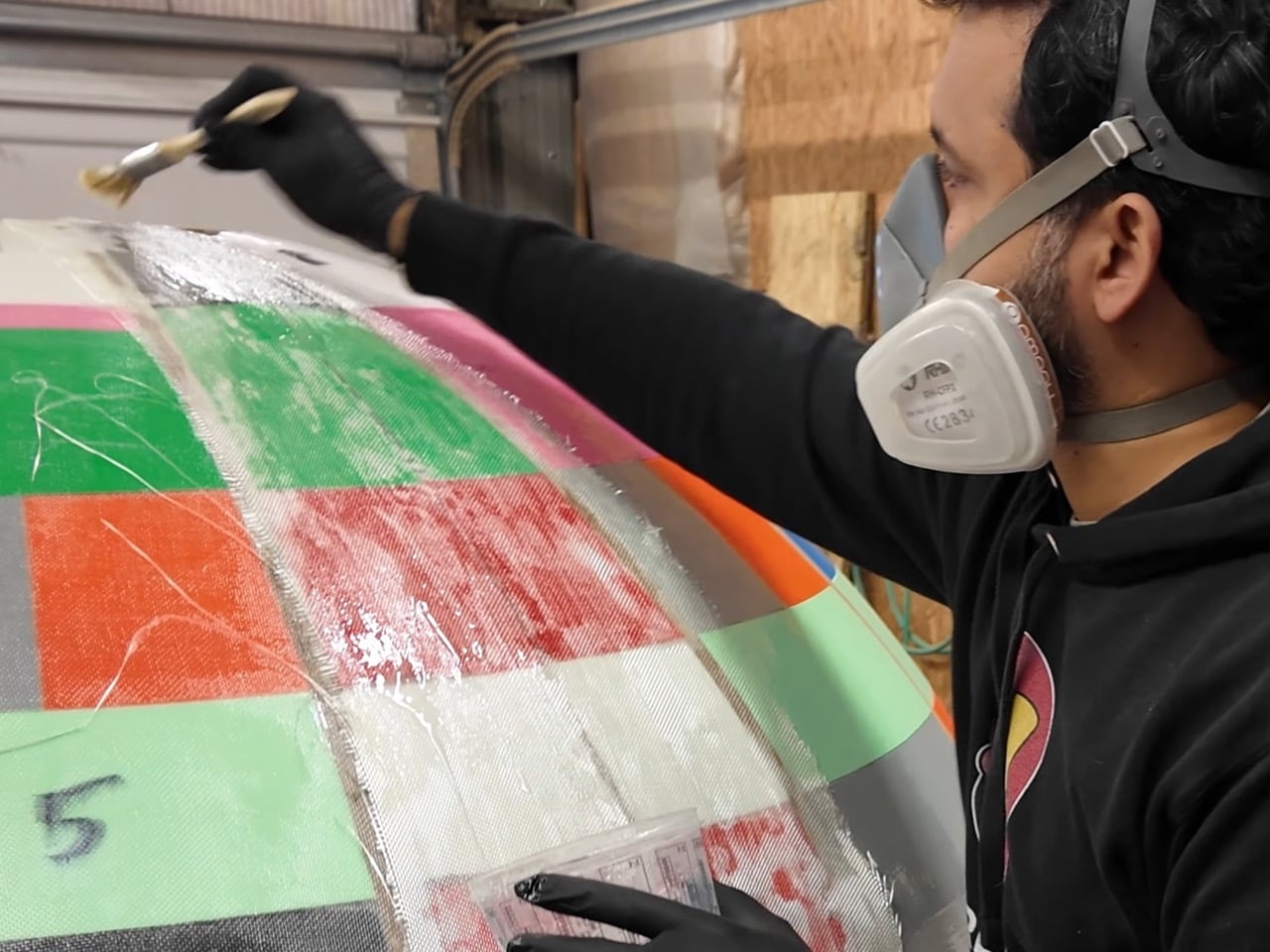
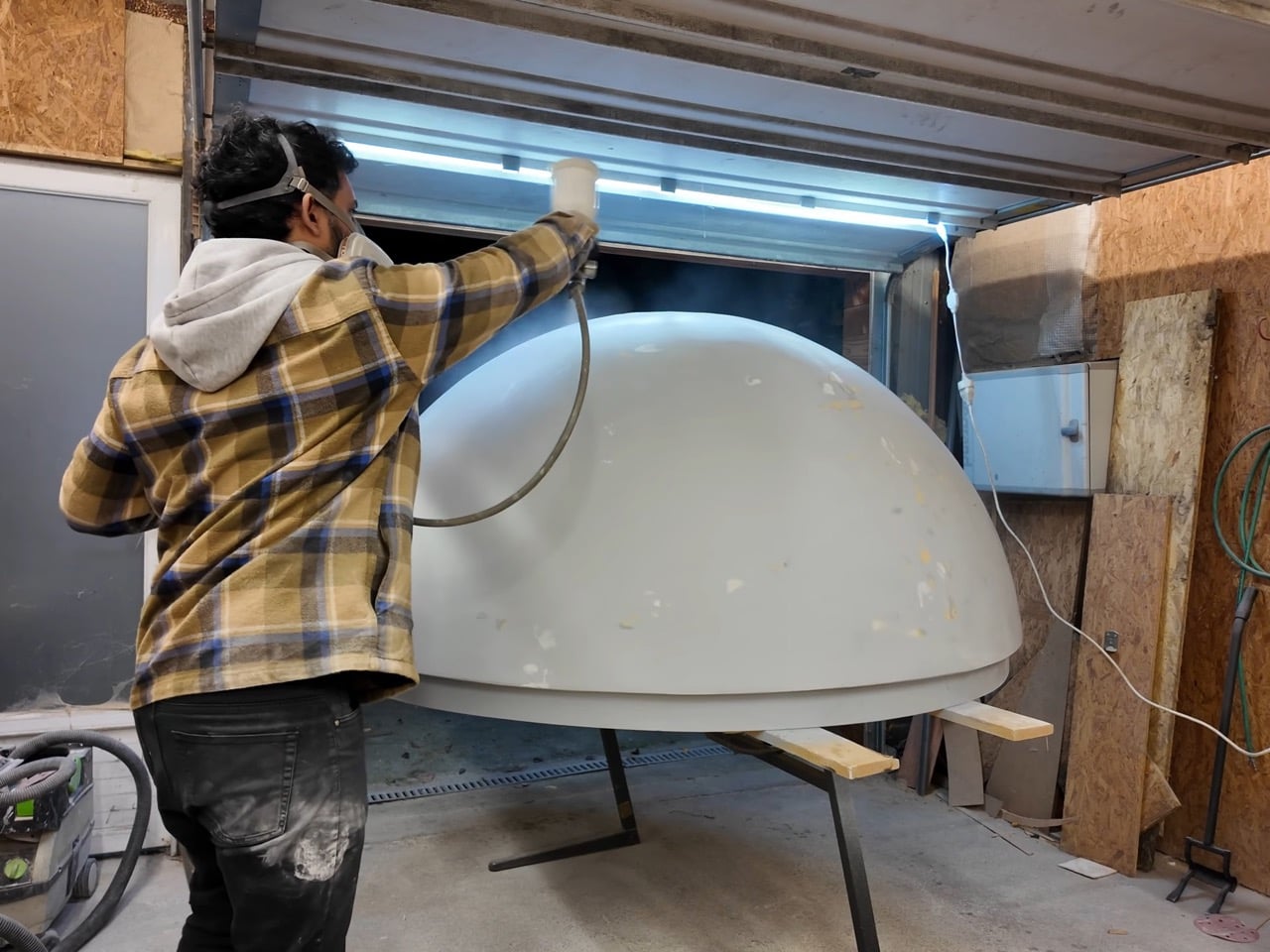
Building a 2-meter sphere that doesn’t look like low-poly trash is harder than you’d think. The structure uses CNC-cut plywood ribs as the skeleton, over 400 individual 3D-printed panels for the shell, then fiberglass and resin for strength. But getting there took multiple spectacular failures. Flexible MDF sheets? Kept breaking. Polystyrene construction material? Dimensional inconsistencies everywhere. The 3D printing solution worked but meant running multiple printers for weeks, upgrading to 0.8mm nozzles just to speed things up, and still ending up with 400+ pieces that needed assembly, alignment, and somehow had to form a smooth sphere. Each piece was 3mm thick, split in half to fit inside the printer beds, then glued back together with hot staples and jigs to maintain the curve. It’s the kind of project where you’re two months in and questioning every life choice that led you here.
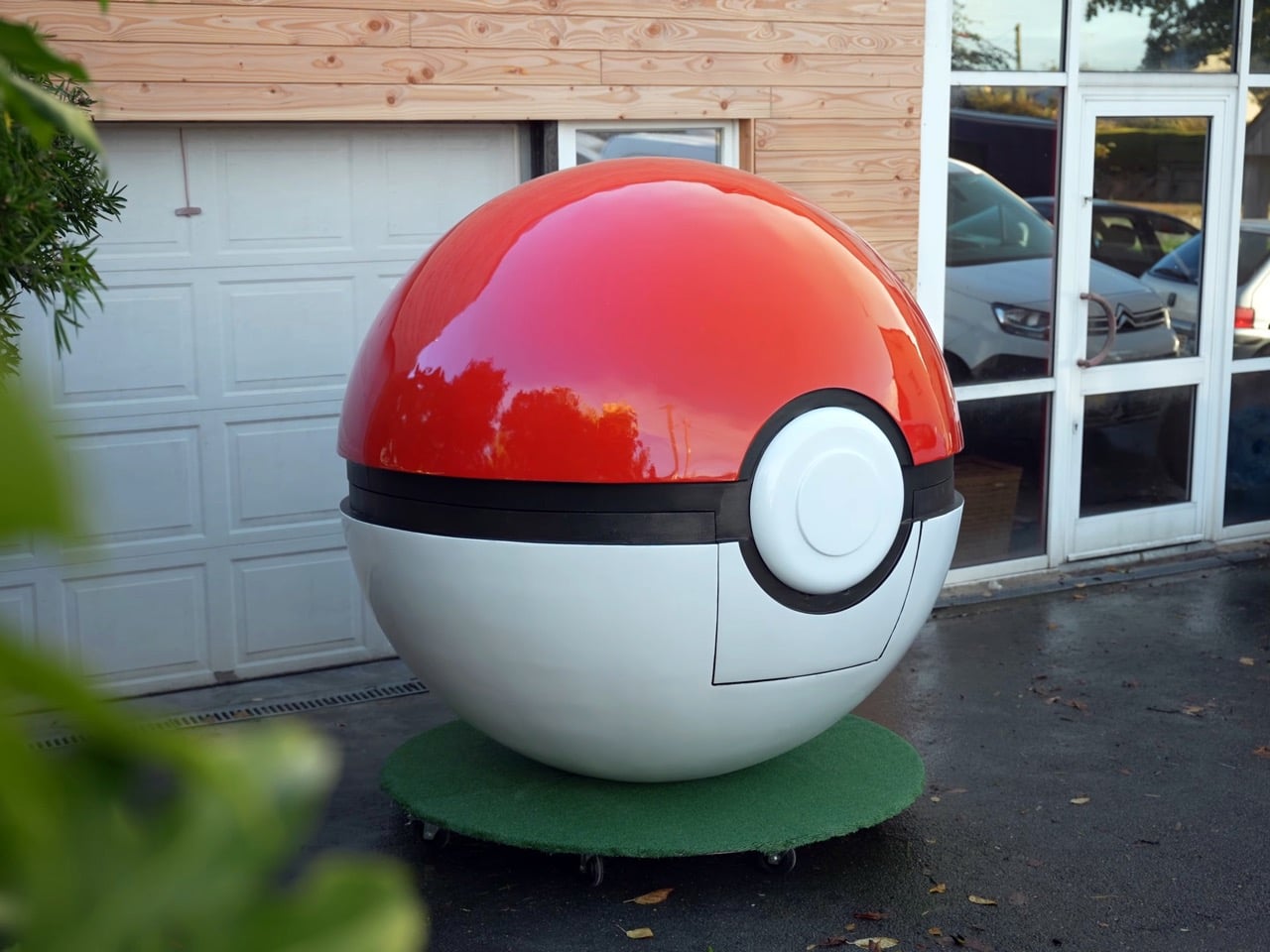
The entry door required a minor compromise, but for a better user experience. Instead of splitting the Pokéball at its natural center line where it actually opens, there’s a cutout near the bottom. A proper equator split would mean climbing over a one-meter ledge every time you wanted to play some Pokémon Snap, which sounds cool in theory until you’re the third person trying to haul yourself up without spilling your drink. The lower door lets you walk in like a normal human while still maintaining that iconic spherical silhouette from the outside. It sits on hidden wheels under a green turf mat, so it looks like it’s chilling in tall grass but can actually roll wherever you need it. Practical design choices matter when your art project weighs several hundred pounds and needs to fit through doorways.
Finishing this thing was apparently hell. You’ve got 400+ 3D-printed segments meeting wood meeting fiberglass meeting resin, and every joint is a seam that needs smoothing. The builder slathered on putty, sanded away 90% of it, repeated that process until their arms fell off, and somehow got the surface smooth enough for that glossy red and white paint job. This is the part that separates people who finish ambitious projects from people who have half-built things decomposing in their garage. Weeks of sanding with respirators, dealing with dust everywhere, trying to make a sphere that’s technically made of hundreds of pieces read as one continuous surface. Nobody posts Instagram stories about the sanding phase, but it’s where most of the actual work happens.
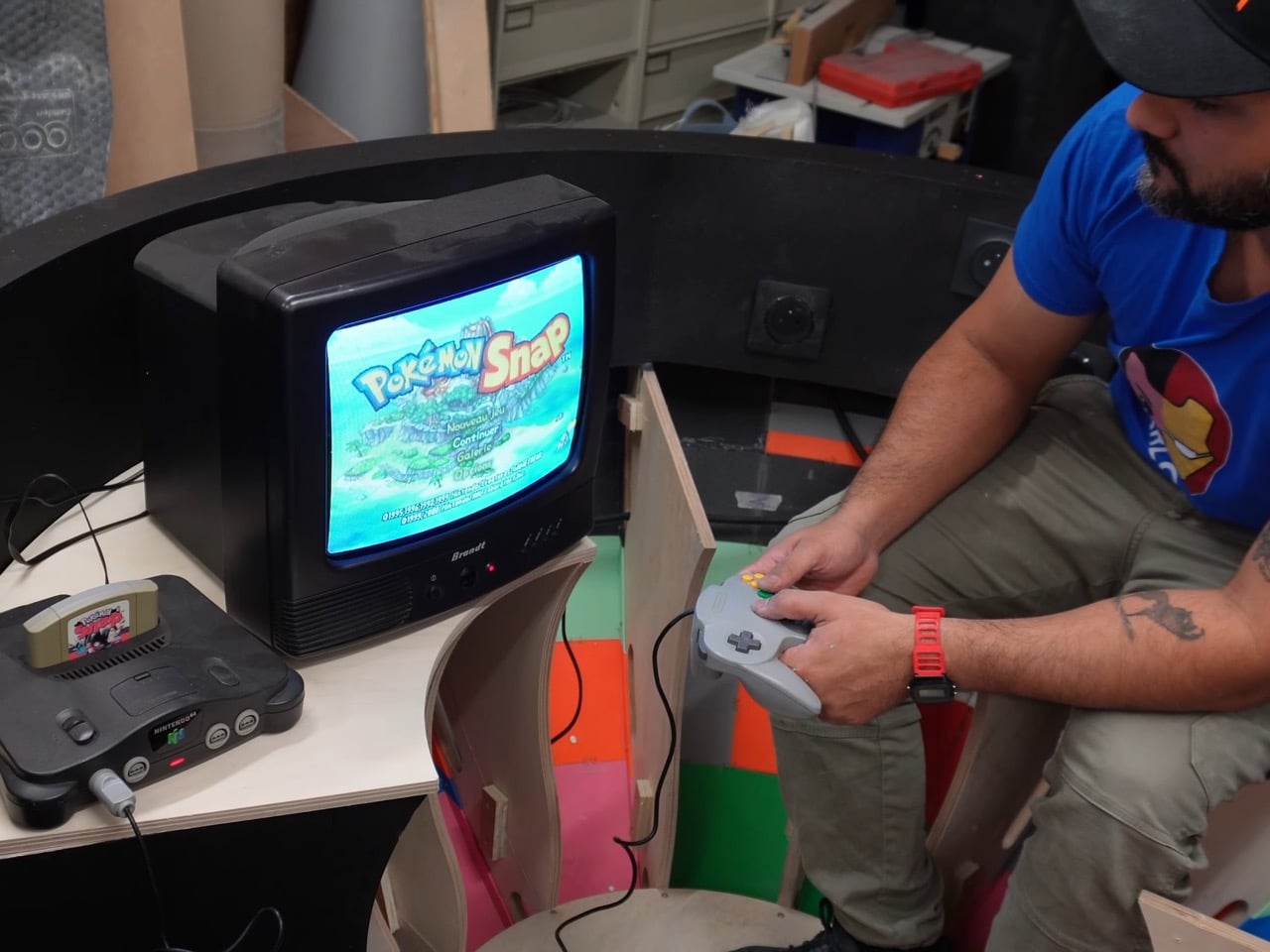
Inside, there’s a Nintendo 64 hooked up to a CRT television, custom curved furniture, framed Pokémon cards, and lighting that makes the whole space feel intentional. The electrical system uses a disconnect plug so you can unplug the whole Pokéball and move it without rewiring, which is the kind of forethought that shows someone actually planned to use this thing beyond the initial build photos. Sitting inside while playing Pokémon Stadium on hardware from 1996 creates this recursive loop of nostalgia that works way better than it should. You’re experiencing the franchise through its original medium while physically occupying the space that defined how we interacted with these creatures. It’s experiential design that actually commits to the bit instead of just looking cool in photos.
Pokémon has always worked because it left gaps for imagination. How does a 32-foot Onix fit in there? What does it feel like inside? The games and anime never really explained it, so millions of kids filled in those blanks themselves (Are all humans vegans? We’ve never seen them eating Pokémon). Building a giant Pokéball with a gaming setup inside doesn’t answer the canonical questions, but it does something better. It takes that childhood wonder about what’s inside and makes it real in the most fitting way possible: by putting the games that started everything right at the center. You climb inside, pick up that three-pronged N64 controller, and suddenly you’re back in 1998 trying to beat the Elite Four while your mom yells that dinner’s ready. Except now you’re doing it from inside the icon that defined the entire franchise, which is exactly the kind of full-circle moment that makes you understand why someone would spend months building this thing in the first place.
Apple keeps most of its product pricing on a tight leash, but we do see the company's AirTags go on sale pretty frequently. Another cost cut has come around for this item just in time for the holidays. Amazon is currently selling a four-pack of AirTags for $65. At a third off the regular cost, that price is pretty close to the record low discount of $63 we've seen for these Bluetooth trackers.
AirTags can be useful for people who travel frequently, helping you to keep track of essentials like your passport as well as a way to keep tabs on luggage while you're on the go. If you do purchase some AirTags, we have some recommendations for useful accessories to go along with them, such as different styles of cases to best attach the trackers to different types of items. These are worth looking over and adding to your shopping cart in order to make the most of the product.
AirTags have an IP67 rating for water and dust resistance and their replaceable batteries should last for about a year. They can also support Precision Finding, which gives more exact directions to a lost item, when paired with most models after the iPhone 11. Up to five people can share an AirTag's location, which is helpful for families or large travel groups.
This article originally appeared on Engadget at https://www.engadget.com/deals/airtag-deal-get-four-of-the-bluetooth-trackers-for-65-202333107.html?src=rss
The whole transparent tech thing is funny, isn’t it? It felt like a gimmick that died with the 90s, a design language reserved for our collective memory of Atomic Purple N64 controllers and translucent Game Boy Colors. Yet here we are, watching it cycle back into the enthusiast space with a vengeance. It’s a clever move, really. A transparent shell is a statement of confidence, a way for a company to say there is nothing to hide, that the engineering inside is as much a part of the aesthetic as the plastic containing it. It taps directly into a powerful vein of nostalgia while also appealing to a modern desire for authenticity, for seeing the components that make our gadgets tick. It is a look that feels both retro and surprisingly honest, and it is finding a perfect home in the high-performance peripheral market.
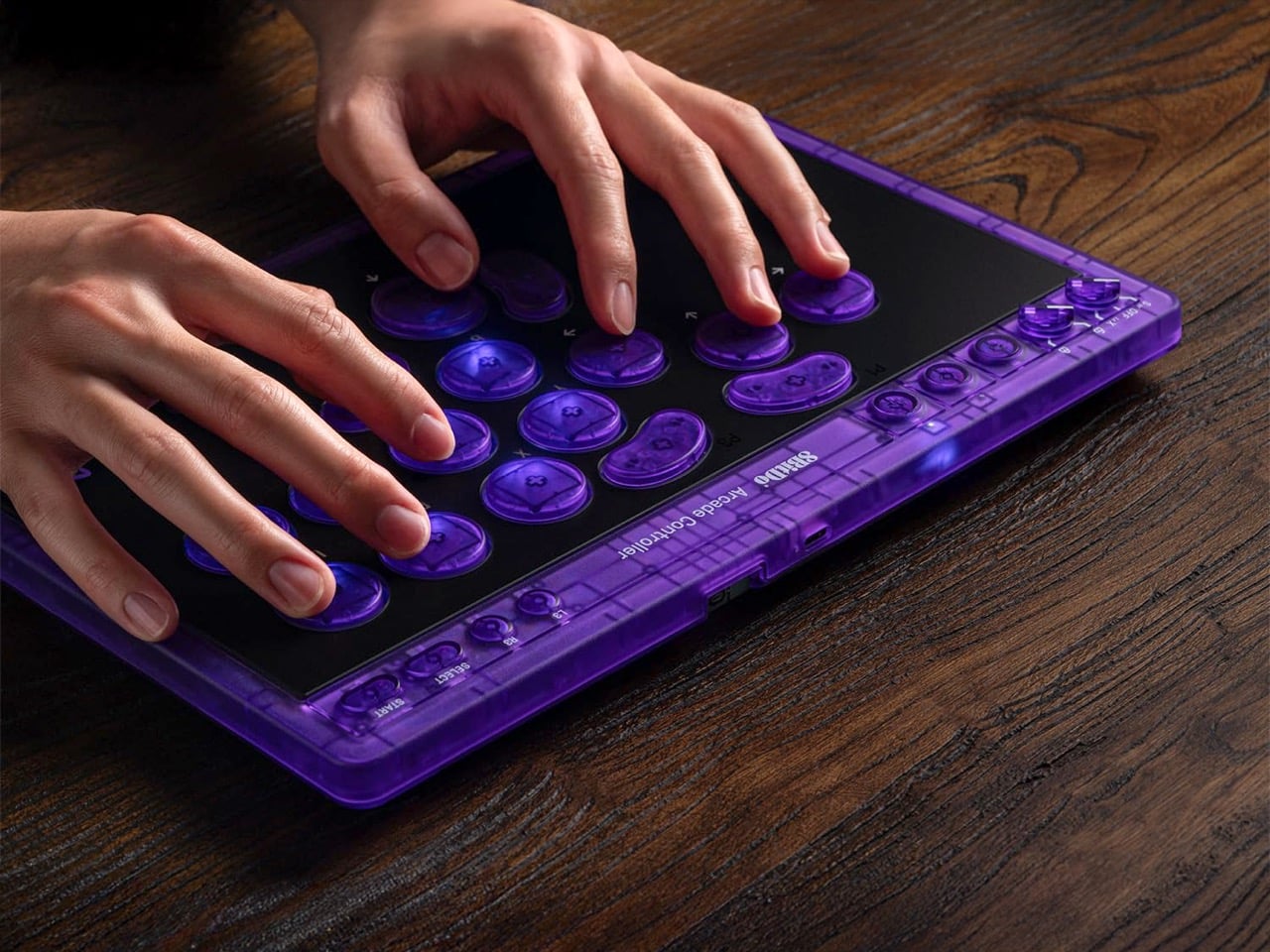
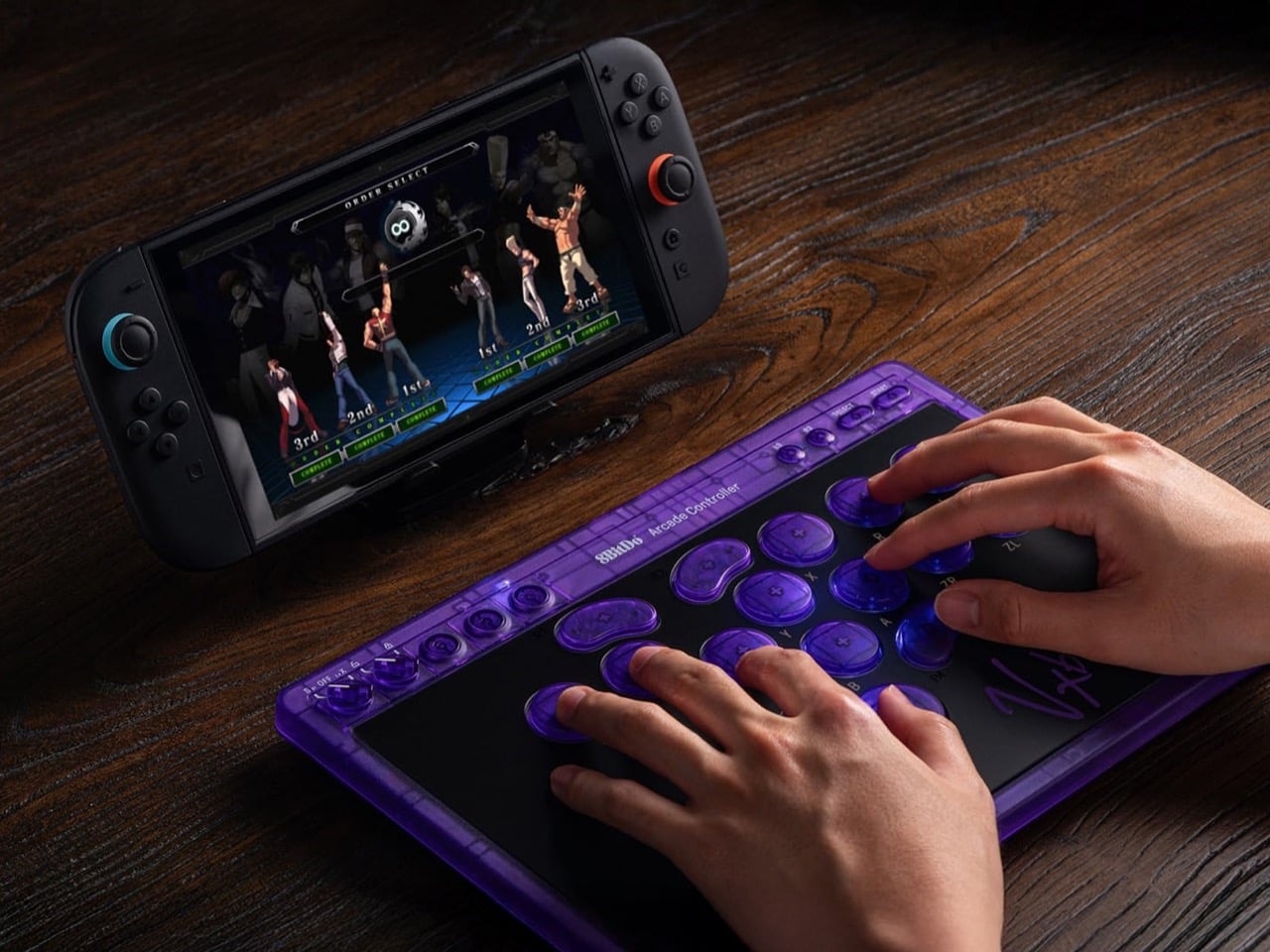
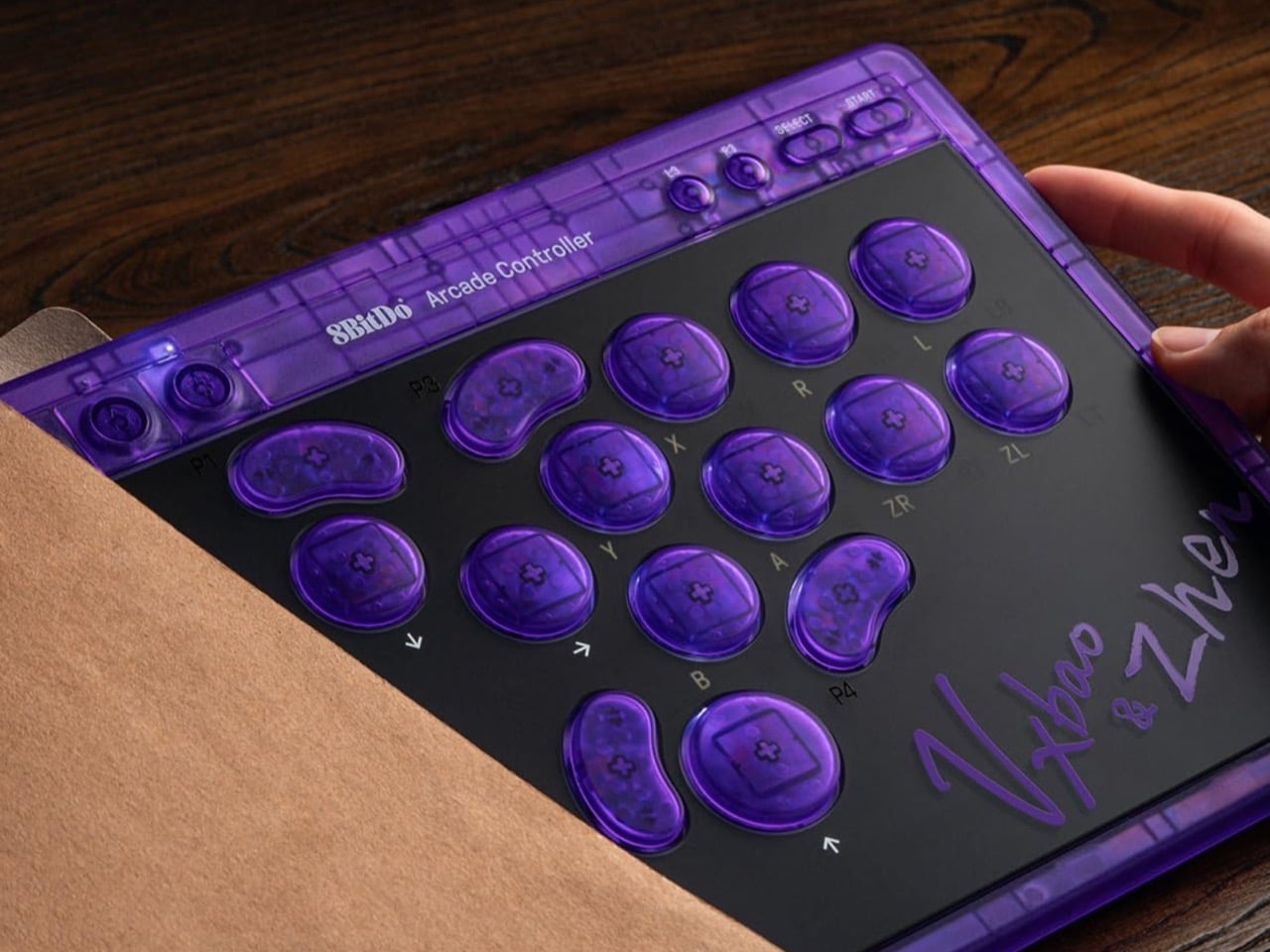
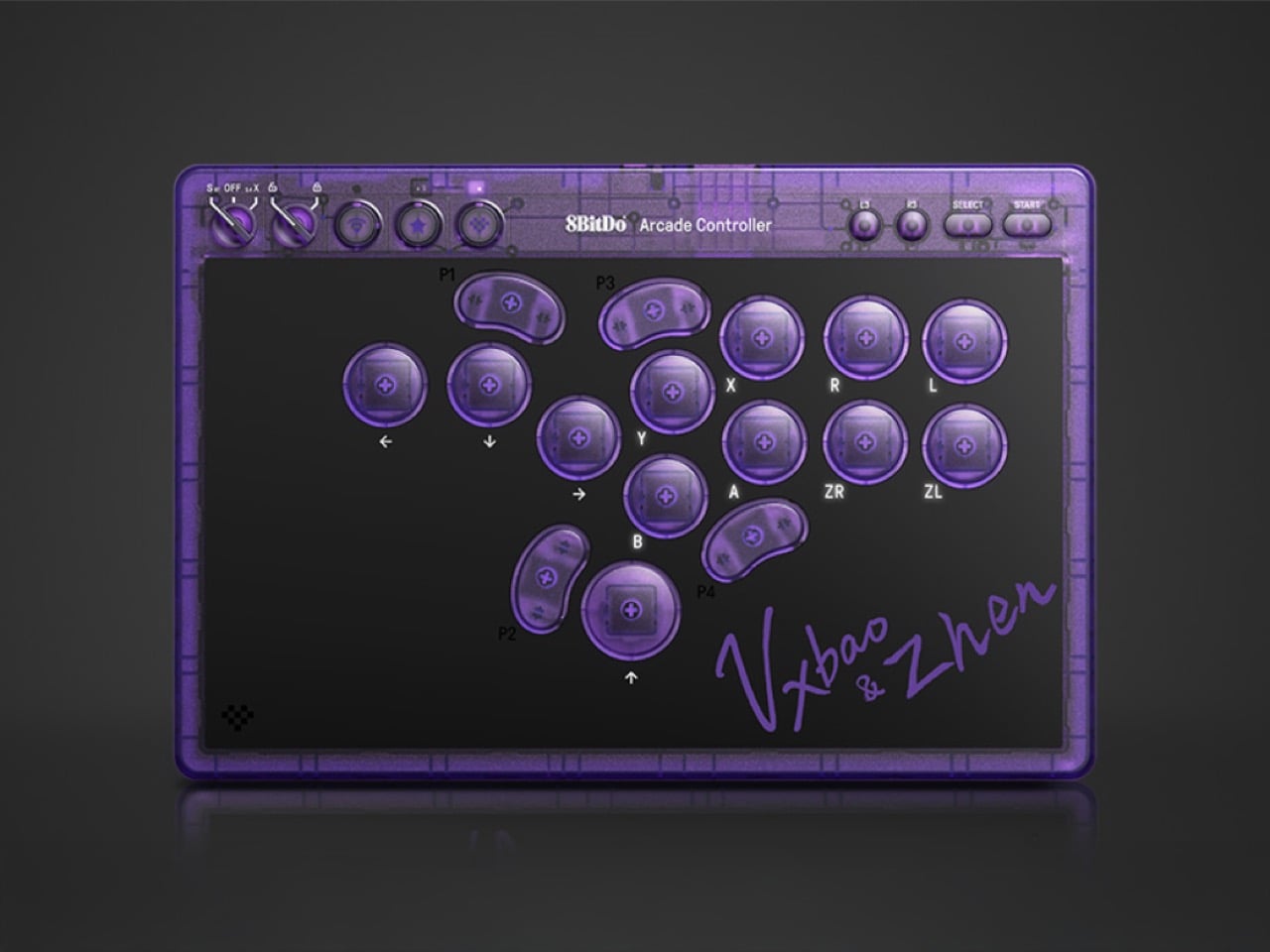
So when 8BitDo announced a new signature edition of its Arcade Controller, the transparent purple shell was the first thing that caught my eye. This is not just some random colorway; it is a direct collaboration with professional fighting game players Vxbao and Zhen, complete with their signatures. It’s called the Arcade Controller Transparent Purple Signature Edition, and it represents a very deliberate push by 8BitDo to add a layer of competitive legitimacy to its hardware. The company has always excelled at making well-built, retro-inspired controllers, but this partnership signals a deeper ambition. They are actively courting the serious fighting game community, tying a specific, desirable aesthetic to the endorsement of players who represent the scene’s highest level of competition.
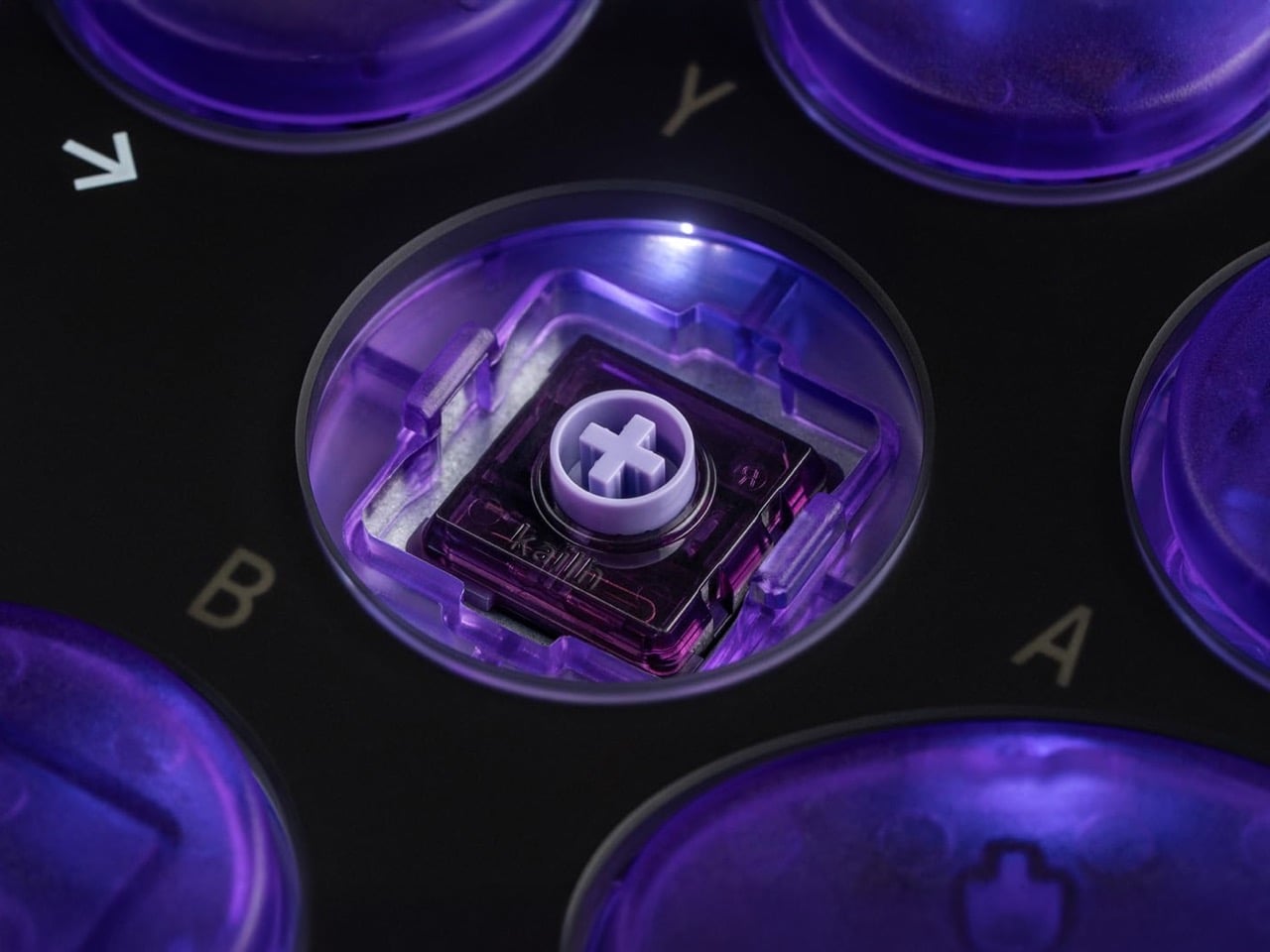
Underneath that eye-catching shell, the controller is built on the proven foundation of the standard 8BitDo Arcade Controller, which is a good place to start. The most significant hardware change here is the switch to Kailh Purple Glede linear switches for the all-button layout. This is a meaningful upgrade, not just a cosmetic tweak. Linear switches offer a smooth, consistent press from top to bottom without any tactile bump, which is exactly what you want for the rapid, precise inputs required in competitive fighting games. It ensures fast actuation and removes any physical noise that could interfere with muscle memory. The controller also retains its esports-focused features, including essential SOCD cleaning for handling simultaneous opposite directional inputs and a tournament lock function to prevent accidental pauses.
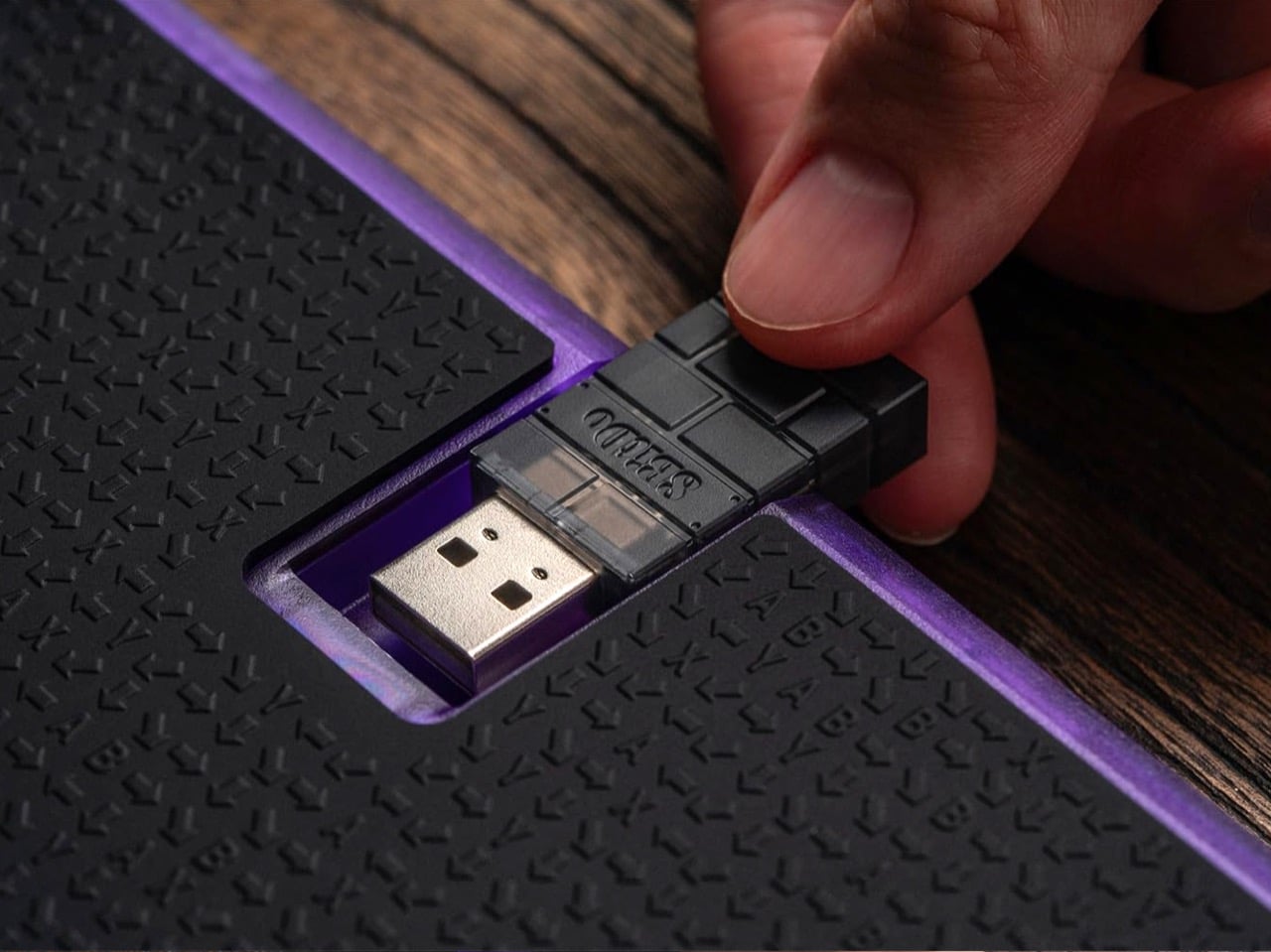
The design itself is more than just a translucent shell. 8BitDo paired the transparent purple body with matching translucent buttons, but smartly grounded the whole thing with a black tempered glass faceplate. This contrast keeps it from looking like a toy and gives it a more premium, serious feel. The signatures of Vxbao and Zhen are integrated into the design, serving as a stamp of approval that makes this a collectible piece right out of the box. Thankfully, it also keeps the excellent quality-of-life features from the original model, like the non-slip silicone mat that keeps it planted during intense matches and the slick magnetic compartment that hides the 2.4 GHz adapter when not in use. It’s a thoughtful package that respects both form and function.
This collaboration is a clear statement of intent. By officially sponsoring Vxbao and Zhen and launching a product bearing their names, 8BitDo is signaling that it wants to be taken seriously in the competitive fighting game arena. For years, the company has been the darling of the retro and indie gaming scenes, but breaking into the FGC requires a different kind of credibility. This partnership is a shortcut to that trust. It tells prospective buyers that this hardware has been vetted and is suitable for high-level play, moving the controller from a cool retro accessory to a viable piece of tournament gear. It’s a classic strategy, but one that only works if the underlying product is solid, and by all accounts, the 8BitDo Arcade Controller platform is exactly that.
Of course, there is always a catch. The good news is the price; at $94.99, it carries only a five-dollar premium over the standard model’s original MSRP, which is incredibly reasonable for a signature edition with upgraded switches. The bad news is availability. For now, this is a US-exclusive release available for order on Amazon, with an estimated shipping date of late January 2026. However, if you’re really determined, maybe you could just 3D print your own translucent shell and mount it to an existing 8BitDo Arcade Controller?
The ripples of the auto industry's chip shortage are still being felt, as evidenced by Honda. Bloombergreported on Wednesday that the automaker will suspend production in Japan on January 5 and 6. (Honda didn't specify the affected factories.) In addition, all three of the automaker's Guangqi Honda Automobile plants in China will shut down from December 29 to January 2.
The halt is an outgrowth of a chip shortage stemming from a recent geopolitical proxy war in the Netherlands, of all places. In October, the Dutch government, bowing to pressure from the Trump administration, seized control of the Chinese-owned chipmaker Nexperia. The company, which operates in the Netherlands, makes low-end chips that power automobiles, appliances and other tech.
The Dutch government's official explanation for the seizure was that Nexperia had "serious governance shortcomings." It cited a concern that Nexperia's Chinese majority owner, Wingtech, would move key technology out of Europe. However, the New York Times later reported that the Dutch government had known about those plans since 2019.
Regardless, China retaliated by blocking exports of Nexperia-made chips. The Netherlands eventually suspended its intervention, following "constructive talks." China then relaxed (but did not entirely remove) its restrictions through exemptions to export controls. The uneasy resolution hasn’t been enough to help supply chains fully recover.
Honda initially anticipated that production would return to normal starting in late November. So much for that. "No one [in the auto industry] prepared for geopolitical disruption," automaker consultant Ambrose Conroy, CEO of Seraph Consulting, toldReuters in November. "And they're still not prepared."
This article originally appeared on Engadget at https://www.engadget.com/transportation/auto-chip-shortage-honda-will-pause-production-in-japan-and-china-200857591.html?src=rss
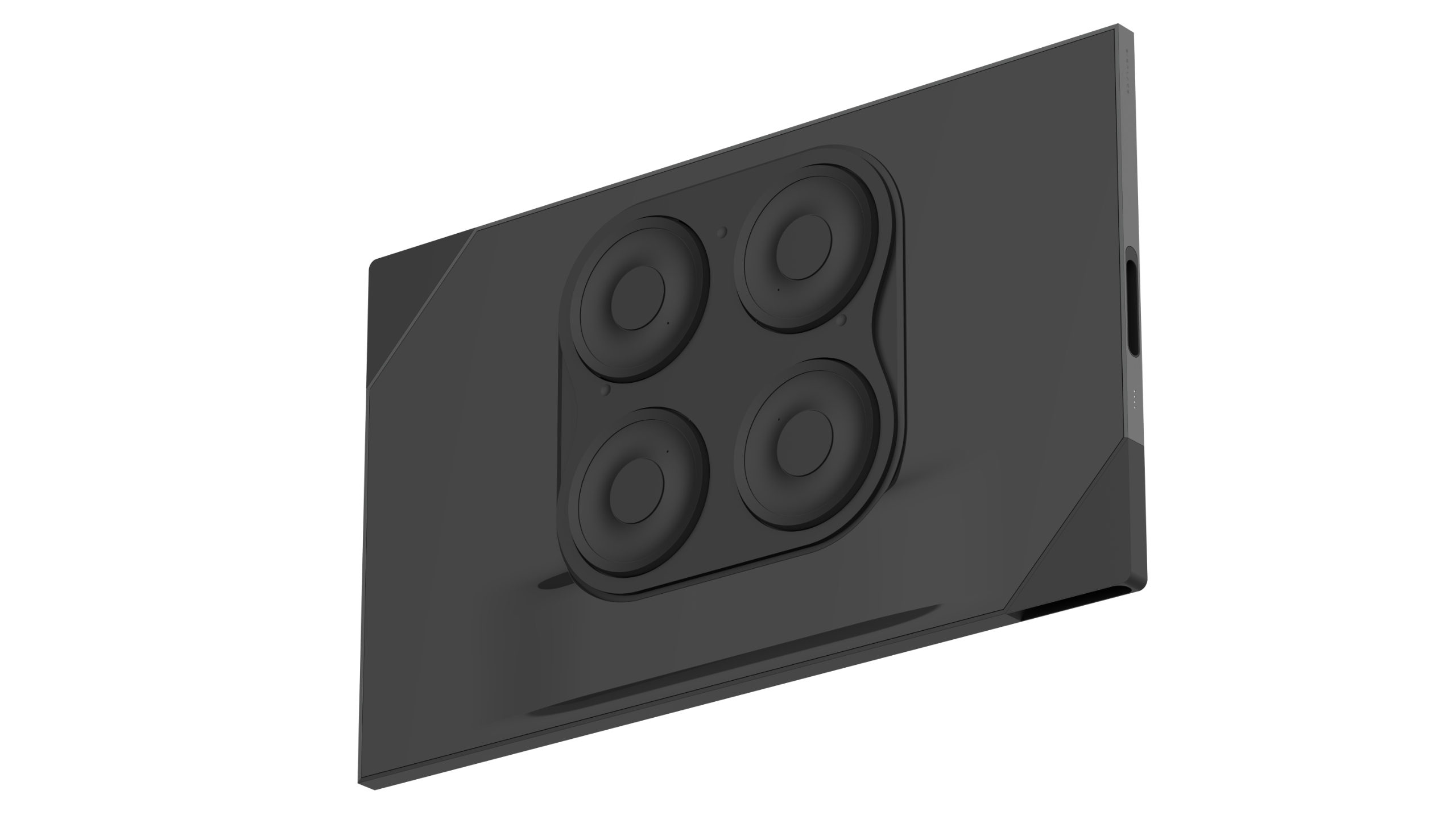
Displace first tried its hand at reimagining the TV in 2023, with a wireless screen that suctions onto walls and features built-in rechargeable batteries. At CES 2026, the company is not only introducing new versions of its own TVs, it's also showing off the Displace Hub, an accessory that can make other TVs wireless.
The Displace Hub is a wall-mounting system with some extra bells and whistles. It combines the "active-loop suction" of Displace’s TVs, with a rechargeable battery that can power whatever screen you mount on it and a built-in PC that runs Displace's "ambient computing platform." The Hub uses an Intel N-150 4-core CPU with an integrated GPU, 16GB RAM and 128GB of storage to run Displace's operating system, and includes a 15,000mAh battery to keep everything powered. The Hub also has two HDMI inputs for external devices and supports Displace's Controller 2.0, which offers a second screen for additional information and content.
The Displace Hub uses the same "active-loop suction" system as the Displace TV.
Displace
The mounting system does have some notable limits, however. Displace says the Hub can support weights up to 150 pounds, and is specifically designed to mount TVs between 55 and 100 inches, which might rule out the TV you already own. The battery life of the Displace Hub could also be a concern. Connecting your TV to the Hub's integrated battery is supposed to eliminate the need for unsightly power cables, but depending on how often you watch and the energy demands of your screen, you might be recharging fairly often. Displace says the Displace Hub's battery life lasts anywhere from five to 10 hours. While the Hub can be recharged while keeping your TV mounted at the same time, having to plug and unplug your TV setup from a charger seems like it could defeat the point of having a wireless TV in the first place.
Other TV makers have tried to offer mostly wireless screens at CES in the past, like the LG Signature OLED M3 and the Samsung Neo QLED 8K QN990F, which use wireless breakout boxes to stream HDMI connections to their TV screens. Both of those TVs were focused on reducing the number of cables that you connect to your screen rather than eliminating cables entirely, though, a goal that still comes with tradeoffs based on the limitations of the Displace Hub.
Displace hasn't announced a release date for the Displace Hub, but the company says that the mounting system will cost $1,900 at launch and will be available to pre-order during CES 2026.
This article originally appeared on Engadget at https://www.engadget.com/home/home-theater/the-displace-hub-can-make-your-normal-tv-wireless-193837460.html?src=rss
Apple just announced it will be integrating more ads into the App Store because our poor eyeballs must be assaulted at all times. The company plans on littering search results with advertisements beginning next year.
Currently, the App Store only has one ad spot. That's at the very top of search results. If you search for something like Instagram it's likely that top spot will be filled with an ad for a rival social media platform. The new ads will appear further down the actual search results.
Apple says that advertisers won't have to alter their campaigns, as the ads will "run in either the existing position — at the top of search results — or further down in search results." The company says that 65 percent of app downloads happen after a search, so this move will "give advertisers more opportunities."
Google began inundating the Play Store with more ads last year and, well, the results haven't been pretty. The general consensus is that the store has become more frustrating to use. We'll have to wait and see just how intrusive these App Store ads end up being.
Recent reporting also indicates that Apple plans on bringing ads to the Maps app. This is reportedly scheduled for next year, though the company has yet to comment.
This article originally appeared on Engadget at https://www.engadget.com/apps/apple-is-bringing-even-more-ads-to-the-app-store-193416921.html?src=rss
The T1 smartphone from Trump Mobile remains non-existent vaporware, but the company is still finding new ways to take people's money. Anyone who desperately wants to fund this sham can now buy a refurbished phone from the company. The business's website has listings for "Renewed" models of the Samsung S24 and S23 and the iPhone 15 and 14. Gizmodonoticed that Trump Mobile is selling these other brands' phones for the same cost, or sometimes more, than the same refurbs from other retailers. Seems pretty par for the course.
NBC News opted to order one of the T1 phones in August to track its development. "After confirming with the credit card company that the transaction was not fraudulent, NBC News received a confirmation email verifying the order," the publication said in a report last month. However, it has not received much communication from the company on why the phone still has not shipped. "Neither Trump Mobile nor the Trump Organization responded to NBC News’ multiple requests for comment on when the phone would be released and why it’s delayed."
In case you missed the previous acts of sketchiness from Trump Mobile, the company insisted at its debut that the phone was made in the US. That seemed like a dubious claim and the "made in the USA" language was quietly removed from the website shortly after.
This article originally appeared on Engadget at https://www.engadget.com/mobile/smartphones/trump-mobiles-t1-still-doesnt-exist-but-the-company-is-now-selling-refurbished-phones-191740570.html?src=rss