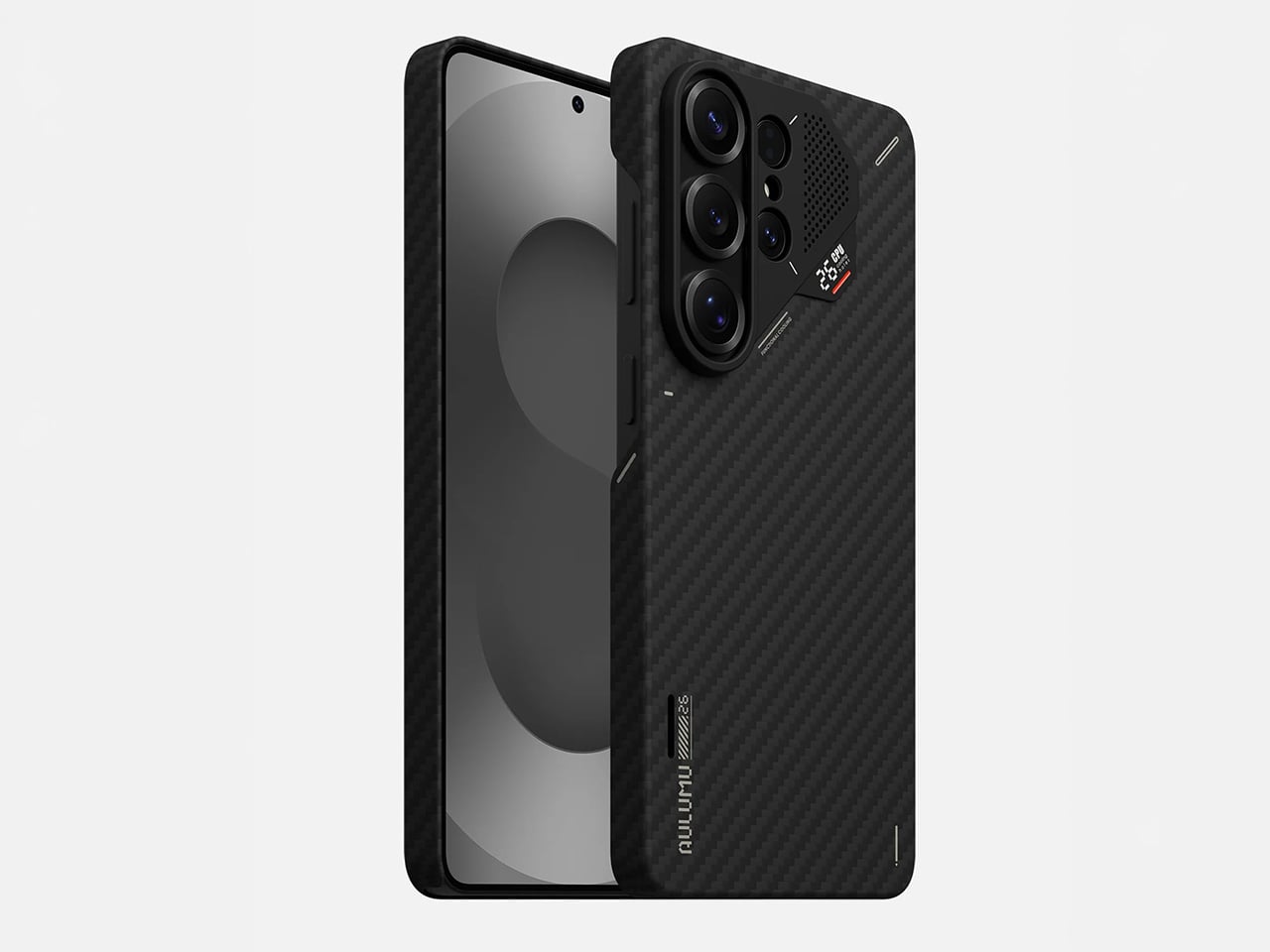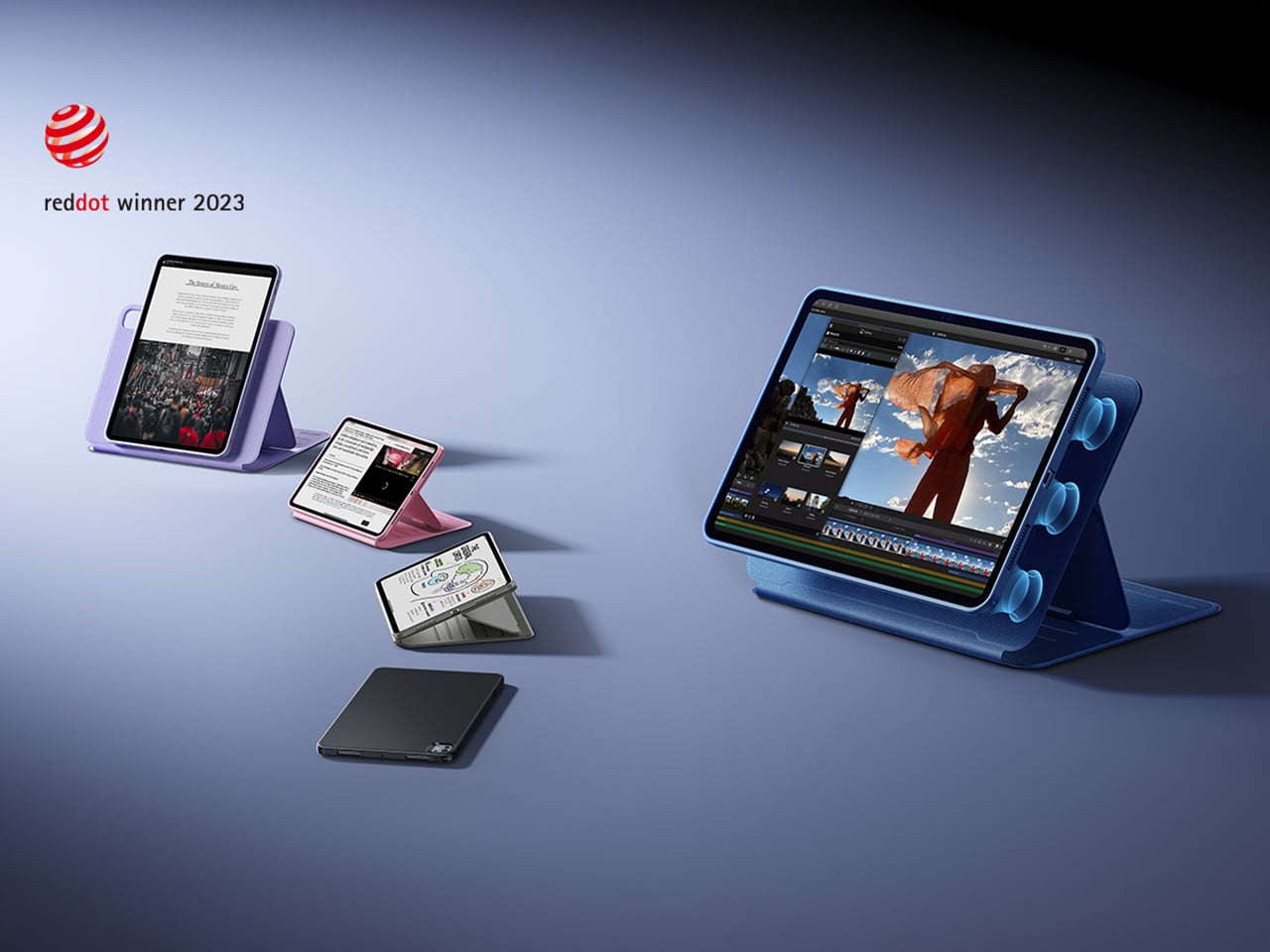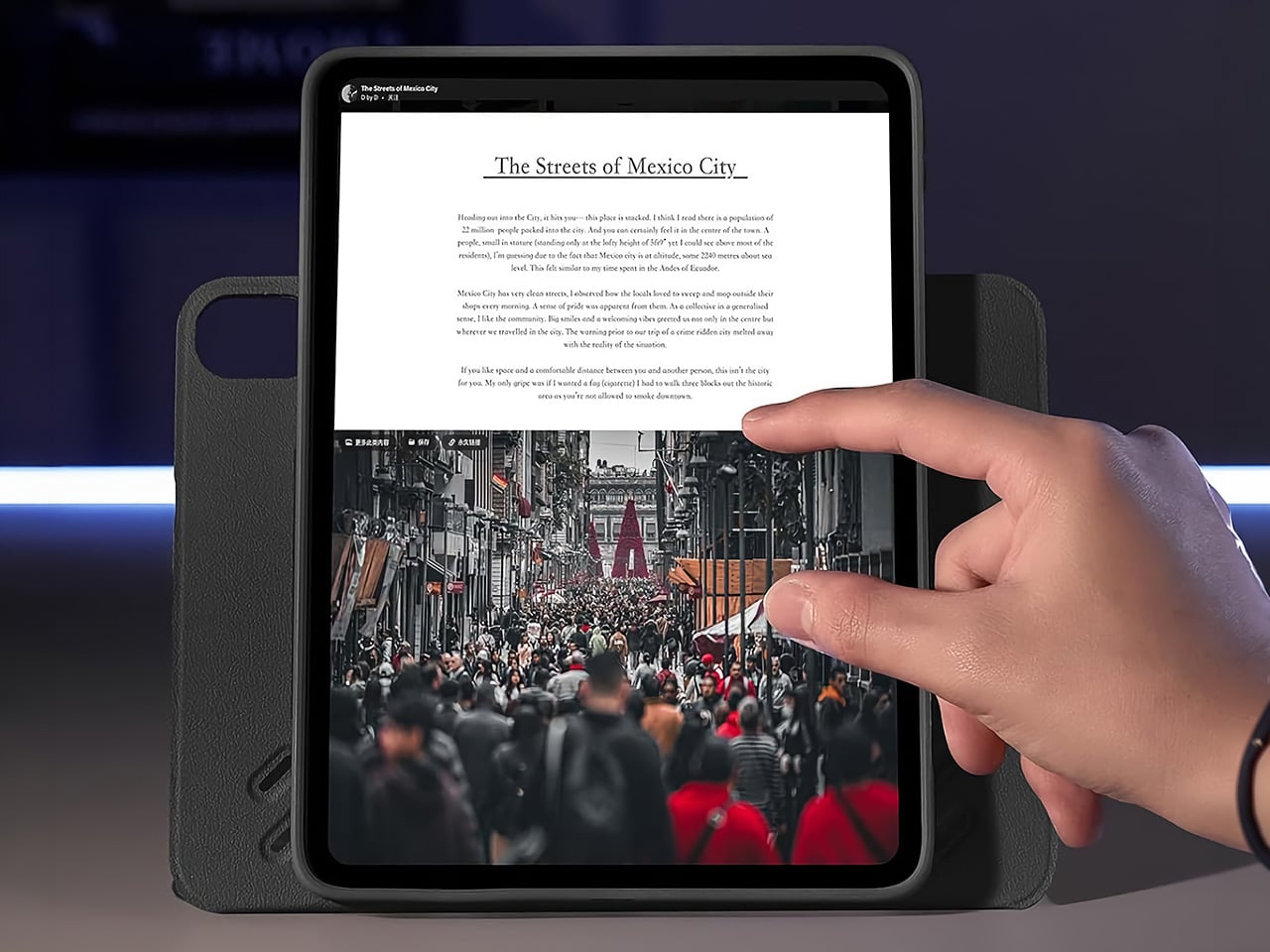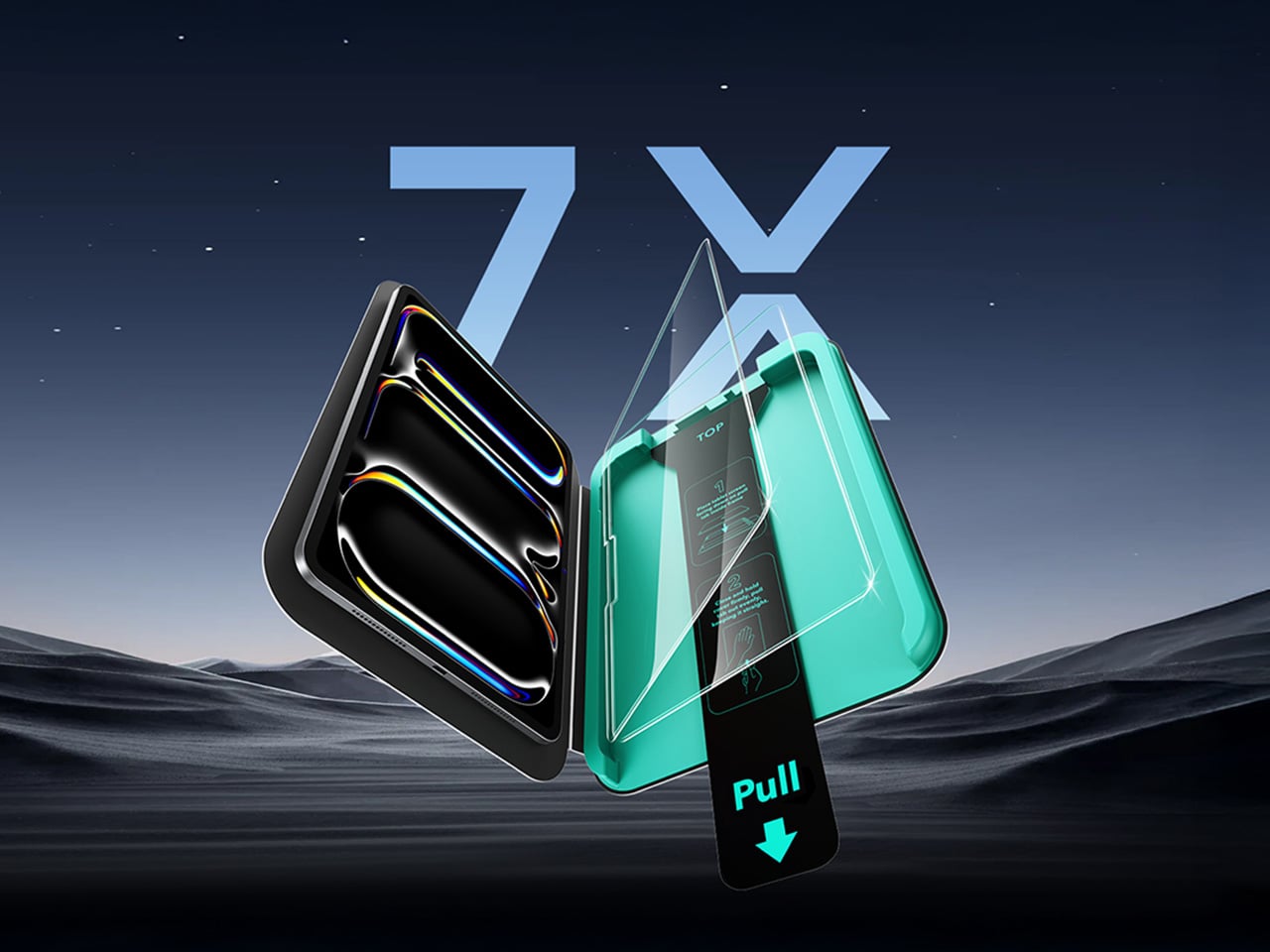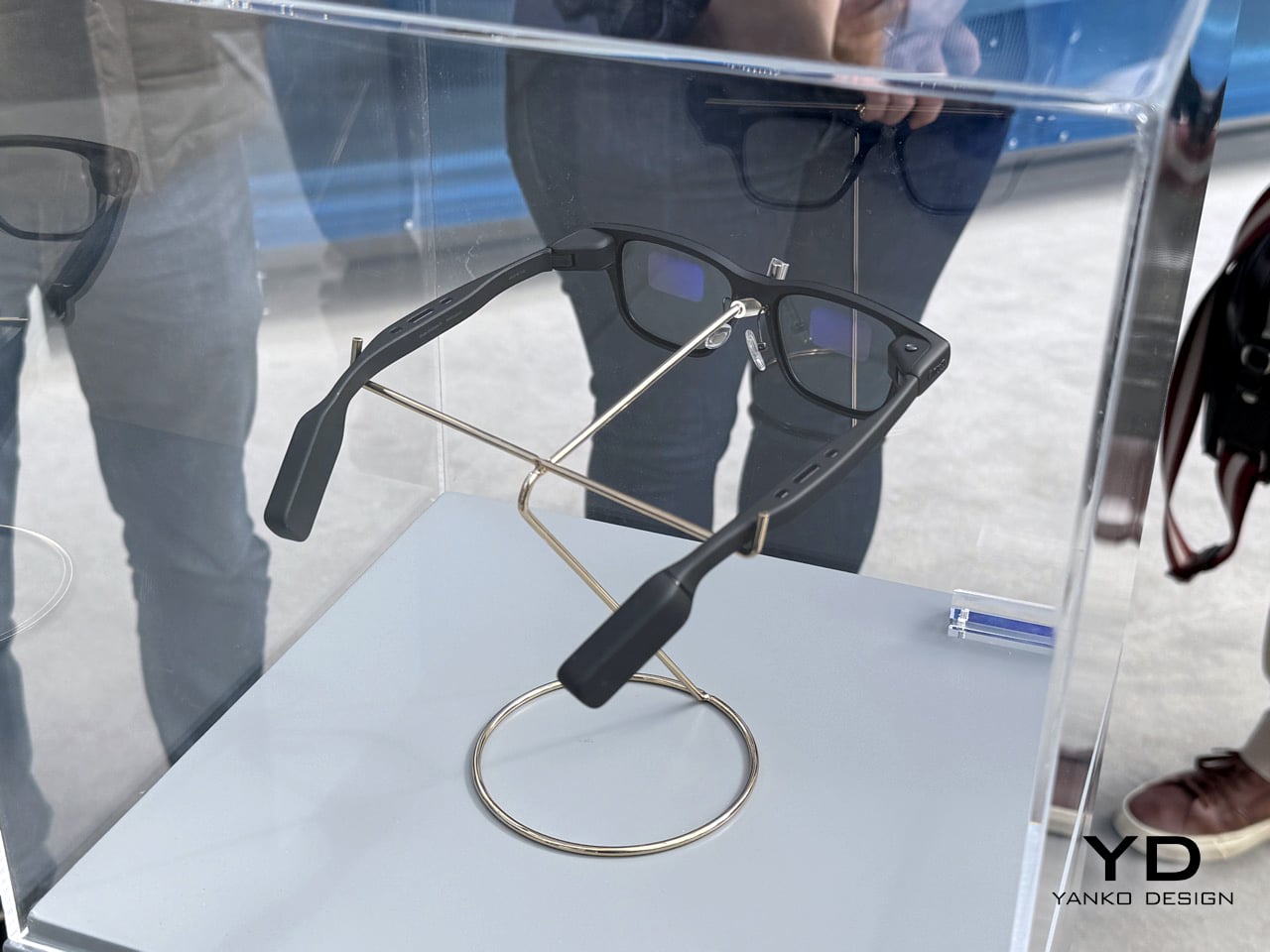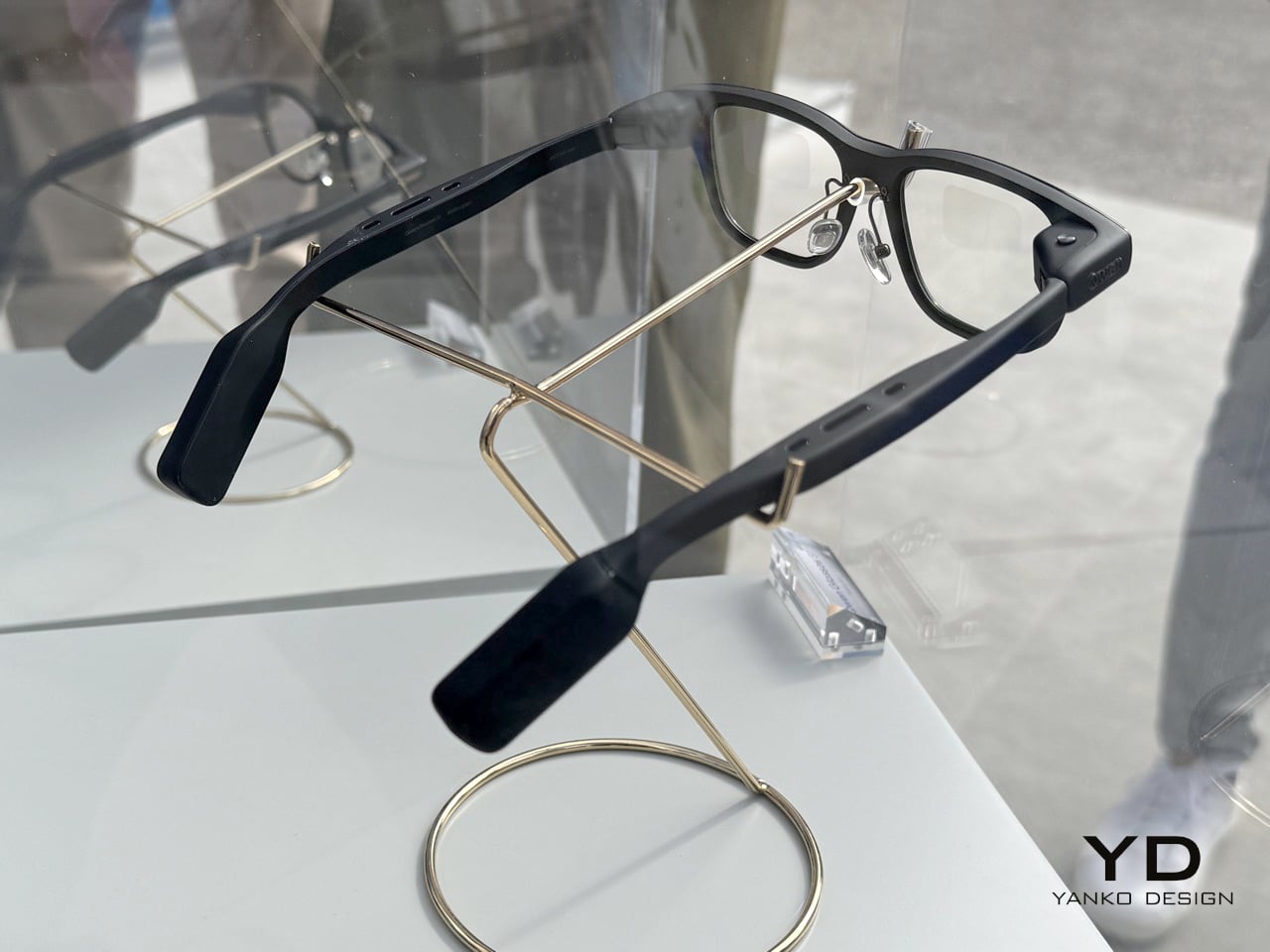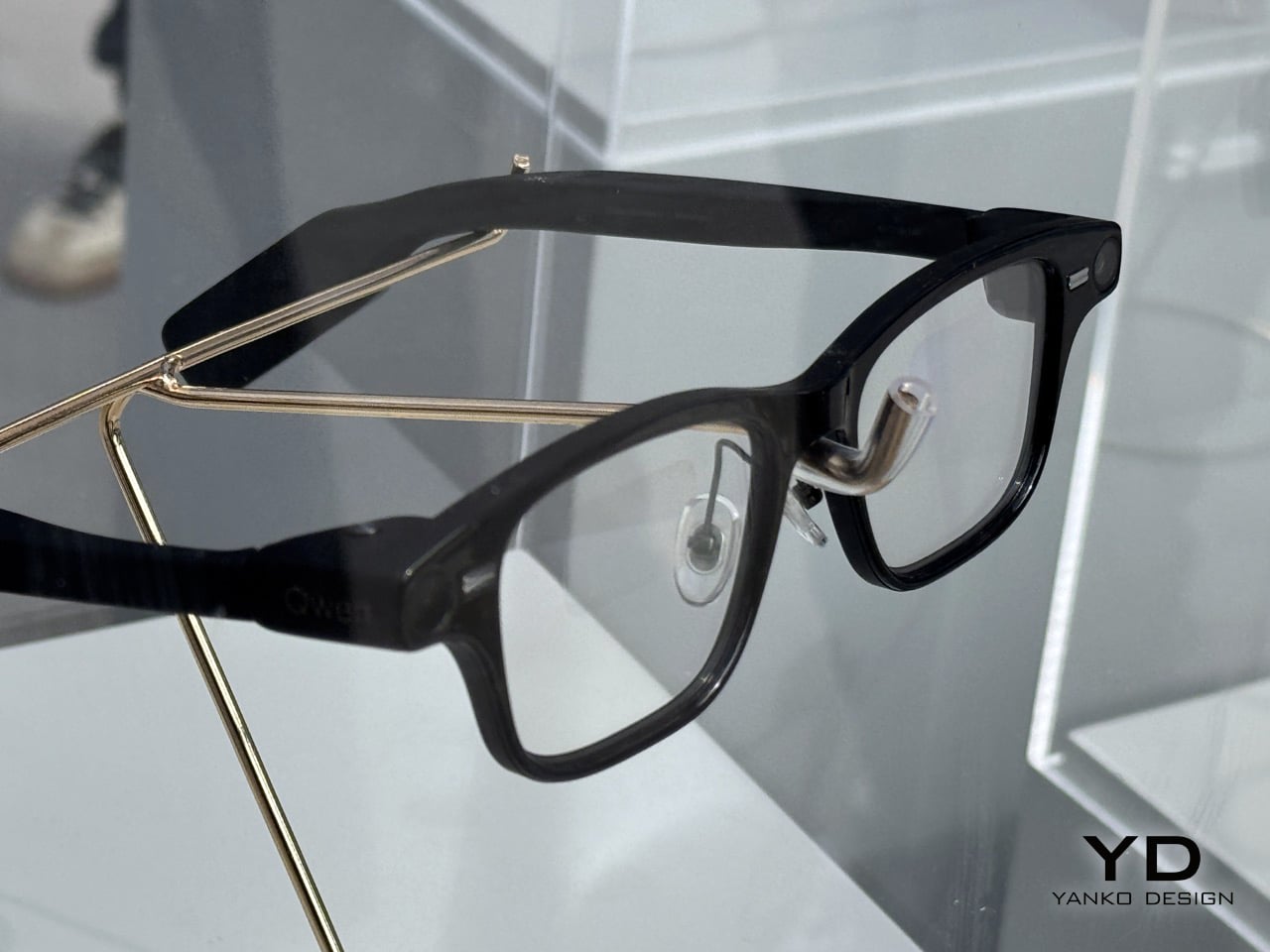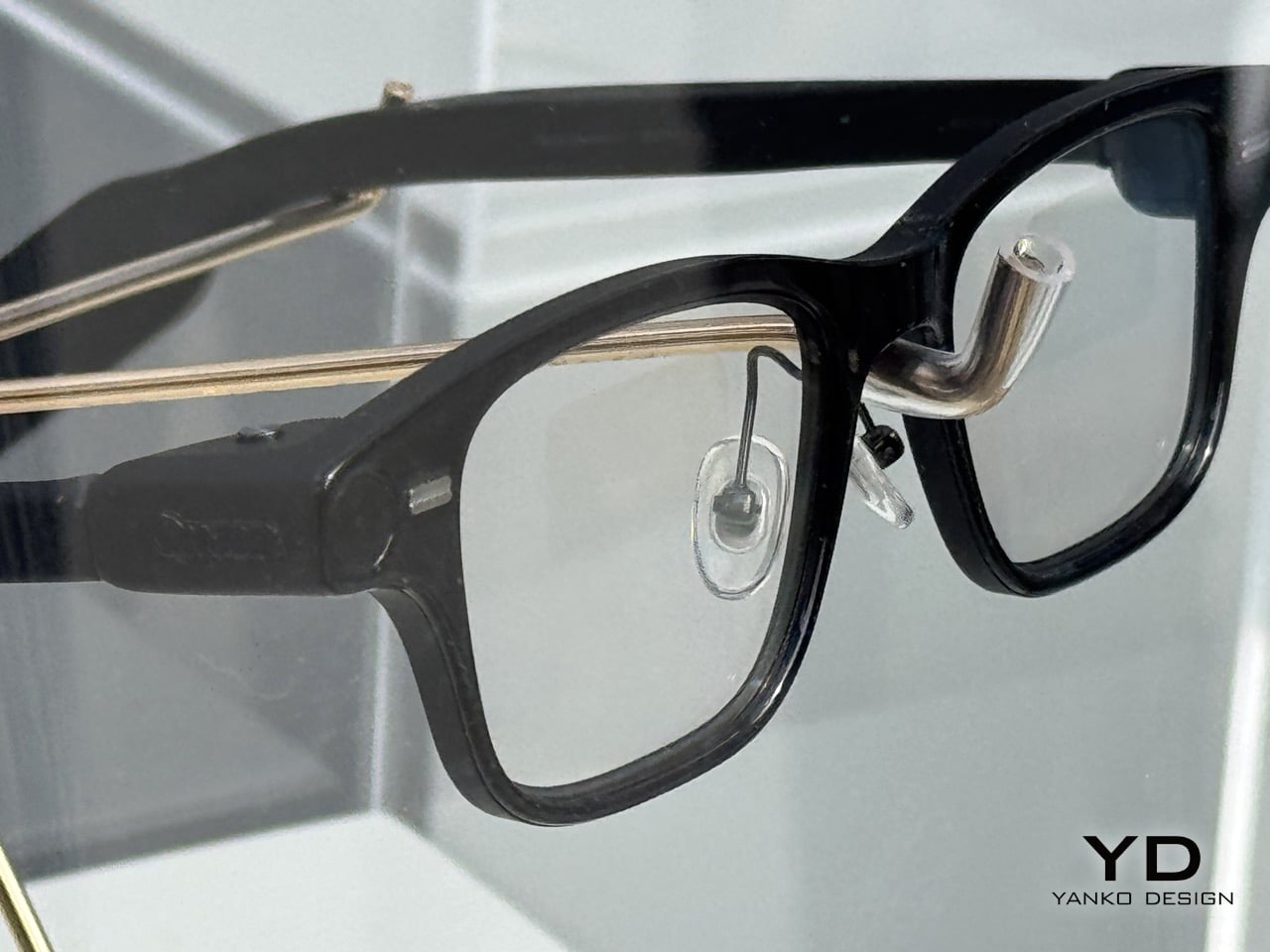
These IR-blocking sunglasses are great for your eyes as well as for your privacy

Most regular sunglasses only block UV rays, but not infrared rays from damaging your eyes. Kolari hopes to change that with their cutting-edge IR-blocking sunglasses that protect your eyes from the sun, and your face from unwanted facial recognition systems. Pretty cool, right?

When you wear regular sunglasses, the tinted lenses help cut the bright glare of the daytime sun. This does two things – it helps you see clearly without needing to half-shut your eyes, but it also makes your pupils dilate to let more light information in. Conventional sunglasses don’t do much to protect your eyes while they’re dilated in the daytime. The most glasses will ever do is block UV, blue light, and glare… but there’s one culprit that nobody focuses on, infrared. Humans don’t see infrared rays, but they can have long-term effects on your eyes. Sure, one can argue that you’d need high exposure to infrared rays, but think about how often you step out into the sun on a daily basis and all that begins adding up. While your regular Sunglass Hut shades won’t do much about IR rays, one company’s trying to make sunglasses safer for your eyes. Kolari Vision started its journey designing IR-protective accessories for cameras, but is now looking at the bigger picture by designing protective eyewear for everyone. The Kolari Shades are made from actual glass, and can block UV and up to 99% of infrared light from making its way into your eyes. This doesn’t impact the clarity with which you see, but it does help protect your vision… just like any sunglass should!

Designer: Ilija Melentijevic, PhD (founder of Kolari Vision)

Click Here to Buy Now: $169. Hurry, less than 72-hours to go!

Styled to look like a stylish pair of sunglasses, the Kolari Shades give your eyes the comfort and protection they need in the outdoors. “Our goal was to maximize clarity, eliminate color shifts, and block all unwanted wavelengths in order to give your eyes the most rested, neutral experience possible to minimize eye fatigue. Our beta testers are calling the result a breath of fresh air for your eyes,” say the folks at Kolari Vision. Originally founded as a photography company, the folks at Kolari realized that the gear made for cameras seemed to be better in quality than anything the eyewear industry produced. The irony being that your eyes are so much more precious than a $500 camera… so why is it that only camera sensors get taken such good care of, but not the original human cameras – our eyes??

Bridging that gap, the Kolari Shades offer a one-of-a-kind IR and UV protection to your eyes. The sunglasses are fitted with lenses that look just like your average tinted lenses, but they possess the unique ability to block anywhere between 90-99% of all infrared rays and 100% of all UV rays shining through the glass and into your eyes. The benefits of this are two-fold – there’s an obvious health benefit, given how eyes (just like skin) can respond adversely to excessive exposure to certain wavelengths of infrared light. However, a second benefit comes in the form of privacy protection. Most cameras rely on capturing some form of IR to ‘see’, and the shades can effectively block this ability. This prevents unwanted cameras from capturing facial recognition information without your consent. In fact, the iPhone relies on an IR blaster to power its FaceID unlocking feature – which can be disabled with the Kolari Shades. Sure, that means you need to either take off your sunglasses to unlock your phone (or just use the pattern lock instead), but the privacy implications are far-reaching too, as people like law enforcement can’t maliciously unlock your phone by holding it up to your face.

Kolari Shades are truly color-neutral and protect your eyes from all damaging wavelengths of light.

The beauty of the Kolari Shades is that their spectacles are made from actual glass – a distinction that sets it apart from even luxury eyewear. Most eyewear companies use a form of clear plastic for their lenses; a sensible choice because they’re scratch-resistant and they don’t shatter… but the one big caveat with these lenses lies their imperfections. Micro-imperfections in these lenses (even in the ones found in high-end tinted eyewear) can warp the way you see the world, which is why glass offers a MUCH better alternative. Kolari Vision’s lenses rely on industry-leading Corning Gorilla Glass (yes, the same durable one used in your phone) coupled with 51 layers of anti-reflective and anti-smudge coating. While Gorilla Glass can often be 10x more expensive than your standard plastic lenses, Kolari Vision’s still managed to keep their costs competitive, offering cutting-edge materials for the same price you’d pay for a pair of Ray-Bans.

Preserve your anonymity — Kolari Shades block infrared-based facial recognition systems.

Corning Gorilla Glass and titanium frames make the Kolari Shades extra tough.

The glasses aren’t the only durable part of the Kolari Shades either. The aviator-inspired eyewear sport frames are made from titanium, enhancing the overall durability to a level you’d probably find in smartphones (hint: the titanium iPhone 15 Pro and Galaxy S24 Ultra). You can choose between silver or gold-plated frames, while Kolari offers three lens options – a basic tinted-black (90% IR blocking), a bronze-tinted ultra lens (99% IR blocking), and an ultra gradient lens (with the same 99% IR blocking). The company’s working on newer frame designs and even plans on offering mirror-finish lenses that should take your eyewear’s swag to an entirely new level!

Click Here to Buy Now: $169. Hurry, less than 72-hours to go!

The post These IR-blocking sunglasses are great for your eyes as well as for your privacy first appeared on Yanko Design.

The $3500 Apple Vision Pro deserves this gorgeous chrome-plated metal stand

A throne worthy of a $3500 face-computer.

Sure, the Apple Vision Pro got its first accessory in the form of a protective cover… but what the high-end spatial computing device desperately needs is a stand to dock and highlight the beauty of Apple’s latest and most impressive gadget. The Vision Pro stand by Sy Wong fills the void with its gorgeously slick design that highlights your headset without eating too much table real estate. Quite akin to a headphone stand, the Vision Pro stand has your headset hanging vertically, along with a docking station for the accompanying battery pack.

Designer: Sy Wong

The stand’s specific shape allows it to support the Vision Pro’s contoured cushion with ease. The stand’s steel platform only makes contact with the plush cushion, ensuring that no part of the stand comes in contact with the glass or metal components of the Vision Pro. Meanwhile, a dedicated dock for the Vision Pro’s battery pack keeps it close to the headset, allowing you to easily lift and wear the entire setup or dock it back after a spatial session.

The beauty of Sy Wong’s stand lies not just in its overall visual simplicity, but also its glorious chrome-plated finish. The stand comes crafted from stainless steel (or at least that’s what Wong mentions on their Behance page), with an immaculate chrome finish that rivals the kind you see Apple’s own accessories (like the handles on the Mac Pro, or even those $700 wheels).

For the select few who’ve bought the Vision Pro, unfortunately, Sy Wong’s stand is just a concept… so you’re going to have to either place the expensive headset on your desk *shudder*, back in its box after every use, or buy the $299 soft-shell case for the headset and battery pack. Apple hasn’t announced any other major accessories for the Vision Pro, although the market is ripe for stands like the one Sy Wong designed… or this neck-worn power bank that’s a whole lot better than Apple’s own battery pack.

The post The $3500 Apple Vision Pro deserves this gorgeous chrome-plated metal stand first appeared on Yanko Design.

Magnetic Charging Cable with a Built-in Power Bank might be the most GENIUS Smartphone Accessory

Ever had a charging cable but nowhere to plug it? Or a power bank but no charging cable to connect it to your phone? The IVYCable Gen2 is an oddly brilliant product that solves both those problems. Designed like a relatively thick charging cord, the IVYCable Gen2 actually has four separate power banks built into its design. They’re all connected together, giving you up to 2800mAh of storage, and boast a clever magnetic design that lets the entire cable snap into a rectangular shape for easy, tangle-free carrying no matter where you go. Either use it as a charging cable by connecting it to a power brick/outlet… or just plug the cable into the phone on its own – the IVYCable Gen2 doubles as either a pass-through charging cable, or a power bank. Isn’t that simply genius?!

Designer: Matt Chang

Click Here to Buy Now: $43 $69 (38% off) Hurry, only a few days left!

The IVYCable Gen2’s design sits at the unique cross-section between cables and power banks. It’s thicker than your conventional cable, yet much thinner than any power bank, with a magnetic design that lets it snap together or apart, depending on whether you want a compact portable mass, or a long cable for charging your devices. The highlight, however, is the five mini power banks that connect together to form the IVYCable Gen2. With a Type-A port at one end, a Type-C port at another, and flexible TPU connectors in between, the IVYCable Gen2’s five power banks have a max capacity of 2800mAh – enough to charge your phone from 0-100. The magnetic snapping action of the individual power bank modules also gives the IVYCable Gen2 the appeal of a fidget toy with how effortlessly (and satisfyingly) it shapeshifts from compressed to extended formats.

The IVYCable Gen2 solves a unique problem by bridging the gap between charging cables and power banks in a fun, addictive way

This unique shapeshifting design allows the IVYCable Gen2 to be used both as a charging cord, or a power bank. As a charging cord, the IVYCable Gen2 works with both Android and iOS devices thanks to its USB-C to Lightning connector that lets you swap between the two ports depending on what device you have. The cable works as a pass-through charging apparatus, outputting 10.5W of max power. That may not be a lot compared to the kinds of superspeed cables that go as high as 120W to fast-charge your devices, but the IVYCable Gen2’s 10.5W is a comfortable balance between speed and safety, ensuring your phone’s battery doesn’t degrade too fast. Meanwhile, when used as a pass-through charging cable, the IVYCable Gen2 charges its own batteries too, knocking two birds with one stone.

Disconnect the cable from a power source and it BECOMES the power source. The IVYCable Gen2’s built-in power bank immediately kicks into action, giving you battery backup for your phone or any other device just when you need it. The magnetic snapping feature then comes in hand, allowing you to bunch the cable up into a rectangular mass that you can then carry around with your phone easily (or slip it right into your pocket along with your phone). The fact that it has its own built-in charging ports means you don’t need a separate cable (which you would with regular power banks), and the best part is its ability to extend into a ‘long’ power bank if you want to keep the IVYCable Gen2 in your handbag but have your phone in your hand.

The unique design format, however, is the IVYCable Gen2’s most impressive feature. It solves a problem that not many people ever thought of solving, by creating a charging cable with a built-in battery that also has the ability to charge your phone on its own without being plugged in. It’s convenient to carry, easy to use, and the magnetic feature works both as a great organization tool (ensuring your cable never gets bunched or knotted up) to keep your desk and bag clean, as well as a fidget toy that your hands will want to play with all the time!

The IVYCable Gen2 comes in two color options – a classic silver version, and a stealthy anodized black variant. Both start at $43 (discounted from the original $69) and ship internationally starting April 2024.

Click Here to Buy Now: $43 $69 (38% off) Hurry, only a few days left!

Click Here to Buy Now: $43 $69 (38% off) Hurry, only a few days left!

The post Magnetic Charging Cable with a Built-in Power Bank might be the most GENIUS Smartphone Accessory first appeared on Yanko Design.
Apple Vision Pro’s Spatial Computing needs a Killer App… and it should be a Pokemon Game

It seems unbelievable that Pokemon GO debuted a stunning 8 years ago… but if you remember the year 2016, you’ll also remember what a massive phenomenon it was. The game singlehandedly revived the relatively flatlined mobile gaming industry, uniting millions of players around the world and actually getting them to step out of their houses. Most importantly, however, it proved to be the PERFECT embodiment of the potential mixed reality killer app. The Apple Vision Pro, which begins deliveries starting 2nd of February, currently lacks that killer app… and a strategic partnership between Apple and Nintendo (just like their partnership with Disney) could really give the Vision Pro the killer app it needs – Mixed Reality Pokemon (or ‘Spatial Computing’ if you’re one of Apple’s vocabulary purists).

This game demo, designed by Thailand-based Kumpanat Samkumlue, explores the many benefits and features of Apple’s spatial computing push. The company boasted quite a few features like realistic rendering, voice commands, and gesture inputs – all that would complement the game perfectly. Imagine seeing Pokemon battling on your coffee table, with the ability to hold and throw Pokeballs during fights, or even give vocal commands to your Pokemon mid-battle. The UI (and even the UX) lend themself PERFECTLY to the Vision Pro, which would vastly benefit from this smash success game. Heck, it would put the Vision Pro leaps and bounds ahead of Meta’s own Quest headsets, which lack their own Pokemon game too (but have other killer-app-worthy experiences like Beat Saber, Supernatural, and more recently, Assassin’s Creed).

Designer: Kumpanat Samkumlue

“Imagine turning your home into a Pokémon playground, where you can use cutting-edge technology like Apple Vision Pro or Oculus Quest 3 to embark on thrilling Pokémon adventures right on your tabletop. With this fan-made version, I bring to life the idea of playing a Pokémon game in Mixed Reality (MR), Inspiration from the popular Pokémon Sword and Shield games,” says designer Kumpanat. “Transforming Your Home into a Pokémon Playground: A Vision for Tabletop Pokémon Adventures in Mixed Reality. Catch ’em, battle ’em, and explore ’em—all in your own space with voice commands or a controller magic!”

What Pokemon GO did for mixed reality gaming on the phone, it can absolutely do for the Vision Pro too. Sure, your first instinct is to dismiss the idea that a Pokemon game could make a $3500 headset more desirable, but here’s what we aren’t thinking of. The point isn’t to sell more units of the Vision Pro headsets… the point is to give spatial computing its Killer App, which in turn helps the entire headset category. Apple’s rumored to be working on a cheaper, more consumer-friendly model of the Vision Pro too… and this game would pretty much etch its commercial success in stone.

The post Apple Vision Pro’s Spatial Computing needs a Killer App… and it should be a Pokemon Game first appeared on Yanko Design.

This Dual Touchscreen Monitor is the biggest productivity upgrade your Laptop can get in 2024

Everyone deserves the opportunity to multitask, but not everyone has $3500 for an Apple Vision Pro headset. The metaverse’s biggest feature-push has been its ability to let you host multiple screens in your virtual space, allowing you to work on simultaneous projects or even keep dedicated displays for work/entertainment/inspiration. However, an obvious alternative to strapping glasses to your face is to simply have multiple screens in the real world! You could opt for a bulky, non-portable monitor… or something as sleek as the FlipGo from JSAUX. Designed to look like a super-slim laptop, the FlipGo is, in fact, a dual-monitor setup that connects to your laptop or PC with a single cable. In mere seconds, it gives you three screens instead of one, with a variety of mounting/docking accessories like folio cases, stands, and VESA mounts, along with two screen sizes to choose from, depending on your needs and requirements. When you’re done, just shut the FlipGo like you would a laptop. It’s that simple… and frankly, it’s a lot better than having a massive VR block strapped to your head. And at $329, it’s a lot cheaper too.

Designer: The JSAUX Team

Click Here to Buy Now: $329 $559 (41% off). Hurry, only 50 left!

What stands out immediately with the FlipGo is its design, balancing the fine line between screen size, portability, and sheer sleekness. Available in two sizes (13.5 inches and 16 inches), it manages to provide ample screen space without feeling bulky. The 13.5-inch model weighs 1.1 kg, while the 16-inch variant is slightly heavier at 1.6 kg, underscoring its portability. But it’s not just about the size and weight; the display quality is a visual treat. With resolutions of 2256×1504 (2.2K) for the smaller model and 2560×1600 (2.5K) for the larger one, and a 100% sRGB color gamut, the FlipGo promises vibrant and crisp visuals. The 60Hz refresh rate, although standard, contributes to the smoothness of the display.

Magnetic Design

The FlipGo isn’t just versatile in its physical design; its functionality is equally adaptable. Switching between UltraView (dual-screen) and DuoViews (triple-screen) modes is effortless, which is a big plus for those who value productivity without technological complexity. The FlipGo is also accompanied by a variety of stands and mounting accessories, giving you everything from a portable folio case/stand to a much more comprehensive magnetic VESA Stand attachment that gives you full freedom to orient and use your dual-screen setup however you see fit… and even adapt between mounting styles depending on your needs. This allows the FlipGo to cater to a wide range of users – from professionals who need extra screen space for spreadsheets and presentations, to designers and coders who thrive with a broader canvas for their creative and technical work.

Connectivity is another area where the FlipGo shines. It’s equipped with an array of ports, including USB-C and Mini HDMI, catering to various devices and preferences. The inclusion of DisplayPort MST for Windows and DisplayLink for Macs, albeit requiring software installation for the latter, shows JSAUX’s commitment to versatility. The ergonomic design of the FlipGo also deserves mention, featuring multiple stand options like the Flex Folio, Snap Stand, Stand Holder, and Snap VESA Adapter, allowing users to easily magnetically snap on or off their dual-screen gadget onto a variety of stand options, allowing users to find their perfect viewing angle.

The two sizes are split across Pro and Standard tiers, offering a variety of features unique to each tier. The Pro variants offer the aforementioned UltraView mode (a single-cable dual-screen experience), along with DisplayLink support, whereas Standard tier users can skip on Pro features but even get an optional upgrade to include touchscreen input, turning your FlipGo into a portable tablet for your workstation! The visual clarity, resolution, and color reproduction remain standard across all tiers, regardless of whether you opt for Pro or Standard variants. The FlipGo starts at $329 for the 13.5-inch model, while the larger 16-inch model starts at $479. Both models come with a 12-month warranty, lifetime support, and international shipping beginning May 2024.

Click Here to Buy Now: $329 $559 (41% off). Hurry, only 50 left!

The post This Dual Touchscreen Monitor is the biggest productivity upgrade your Laptop can get in 2024 first appeared on Yanko Design.

The Brooklyn Nine-Nine precinct gets immortalized with its very own LEGO build

Chills… Literal Chills.

Meet the most lovable police force in the NYPD. This adorable build by LEGO creator Ben Fankhauser details the entire 99th precinct, complete with all the rooms and characters of the hit TV series, Brooklyn Nine-Nine. The set, in great detail, features all of the show’s recurring characters, along with the bullpen, captain’s office, rec room, kitchen, and the printer room. The only missing room seems to be the infamous briefing/meeting room that formed a core part of the planning (and chaos) behind some of the squad’s missions… but that’s a trade-off I’m happily willing to make.

Designer: Ben Fankhauser

The beauty of Fankhauser’s build is just the sheer amount of detail gone into recreating every aspect of the precinct’s floor, along with a few secret details scattered along the way. “The set is packed full of Easter eggs,” says Fankhauser, detailing some of the dizzyingly specific references to the show itself. The break room has the training dummy, while Holt’s office has his pet corgi, Cheddar. You’ll find a portrait of Holt on Terry’s desk (right beside his yogurt), and those disgusting chocolate and cheese fountains on Hitchcock and Scully’s tables. Speaking of disgusting, Jake Peralta’s pet rat Algernon can be found somewhere too, as can Boyle’s ancestral sourdough starter.

The details extend to the characters found in the set too. You’ve obviously got the showrunners, Jake Peralta, Charles Boyle, Amy Santiago, Rosa Diaz, Sgt. Terry Jeffords, Capt. Raymond Holt, Gina Linetti, Norm Scully, and Michael Hitchcock… but the set also includes a few crowd favorites like Holt’s partner Kevin Cozner, and arguably Jake’s soulmate, the elusive Doug Judy, the Pontiac Bandit!

The set comes in at a little over 1,500 pieces, with the bulk of this piece count coming from small 2×2 tiles used for the flooring. The smooth floor is perfect for anyone aiming to recreate the full bullpen, playing out scenes from the TV series.

Almost emblematic of the series itself, this LEGO build from Ben Fankhauzer was ‘cancelled’ by LEGO not once, but twice. It reached its 10,000 vote mark twice but was rejected by the LEGO internal team (probably for licensing reasons). Unfazed by defeat, Fankhauser is giving the LEGO MoC (My Own Creation) yet another shot at being turned into a box-set, and has already gathered a staggering 6,382 votes (including my own) and is looking to hit the 10,000 mark for a third, and hopefully last time. You can cast your vote for the build on the LEGO Ideas website here. Captain Holt would want this.

The post The Brooklyn Nine-Nine precinct gets immortalized with its very own LEGO build first appeared on Yanko Design.

This handmade Nebula Damascus Skeleton Knife looks like it was forged by Zeus himself

With that uniquely gorgeous crack-like pattern on its surface, the knife looks positively electric, with bolts of lightning running down from hilt to blade!

I’ve been in the writing business for 9 years, and what I truly love about it is that you still manage to learn new things every day. I pretty much considered myself well-versed in Damascus Steel, but browsing through my YouTube introduced me to this new, gorgeous variant of the marbled metal. Dubbed Nebula Damascus, this steel doesn’t have the signature waves and bands you’d see in conventional Damascus Steel. Instead, it sports a cracked, cell-like pattern on its surface, looking somewhat like a nebula (hence the name). This form of steel is simply created by forging ball bearings together, causing them to compress and condense into a block. The bearings deform and fill the gaps in between them, creating this unique-looking surface that your eyes can’t get enough of.

The knife in question is a beautiful all-metal piece, forged by YouTuber HANS. The procedure gets documented in the video above, and although it looks deceptively simple, there’s a lot (of effort and expertise) that goes behind making any form of Damascus Steel, as most experts will tell you. In fact, it took HANS 7 failed tries before he arrived at this gorgeous piece of art.

Designer: HANS

The Nebula Damascus Skeleton Knife is an all-metal EDC with a fixed-blade design. The highlight of the knife is the material itself, but it gets complimented by a skeletal design which also involves a few strategic cutouts in the blade to help reduce weight while also giving your finger a place to rest/fidget while using the knife. The knife’s dagger-point blade has sharp edges on either side, which culminate in a pointy tip that you can use in a variety of ways. This also gives the Nebula Damascus Skeleton Knife an ambidextrous design, which most people will appreciate.

HANS creates a billet of steel by pouring ball-bearings into a metal pipe and sealing both ends. The pipe then gets hammered, heated, and hammered again into a workable billet of metal, which HANS then cuts his knife shape into. It’s a laborious process that requires a lot of forging/hammering (you need to ensure there are ZERO air gaps between the bearings), but the end result is quite unlike anything you’ll have ever seen.

Once the knife’s shape is formed, it gets a meticulous amount of sanding/polishing to ensure the surface is as perfect as possible. The sanding/polishing is then followed by the final step, immersing the knife in an acid bath to reveal the edges between all the ball-bearings. Notably, most forgers fill the air gaps between the ball bearings with powdered metal, but HANS chose to skip this step. The result is a wonderful faux cracked surface that gives the knife an otherworldly charm. You can follow the rest of HANS’ endeavors on his Instagram page.

The post This handmade Nebula Damascus Skeleton Knife looks like it was forged by Zeus himself first appeared on Yanko Design.

This gorgeous Copper and Carbon Steel Dagger is a Masterclass in Minimalism

As a self-proclaimed EDC aficionado, there’s a certain joy to writing about knives, but there’s an even bigger joy to actually see them be built. If you fancy the latter, look no further than Koss, a YouTuber who’s dedicated his life to building some of the most eclectic knives and recording the entire process for people to see and appreciate. At the end, the knife gets listed on their Etsy store, almost as a reward for the viewers, giving them the opportunity to own one of the artist’s unique works. Each knife is made just once, as Koss creates and uploads the video, creating a sense of preciousness around the knife itself.

Designer: Koss Workshop

This particular beauty is perhaps one of Koss’ most minimal designs ever. It starts off as a simple hollow rectangular copper pipe and a carbon steel billet, which Koss expertly transforms into a beautiful dagger + sheath that focuses on visual purity.

Most knives try to channel an aggressive aesthetic, given the fact that they’re weapons designed to harm and intimidate. The Copper Dagger isn’t that, it’s more of a gentleman’s letter-opener that also serves as an enemy-opener too… which explains why it looks as minimal as it does. The knife eschews any unnecessary detail, relying simply on showcasing its materials. There’s no pocket-clip, no jimping, not even as much as a textured grip. Just a beautiful dagger-point blade with a fuller groove running along the center to provide stiffness and character.

A closer look at the carbon-steel blade and the fuller groove running from tip to grip.

Building the knife is a process that borders on sheer artistry too. Koss starts with a rather rusty-looking billet of steel, which he cuts, machines, sands, and hardens into the blade of the dagger. The dagger’s dimensions are machined to absolute precision, designed to fit snugly into the copper pipe he sourced too. Once ready, Koss soft-hammered the pipe over the dagger, ensuring a tight, glue-less and screwless fit. The full-tang blade then got a bit of sanding done on the back, revealing both the metals with a neat bevel detail.

Sadly, the Copper Dagger didn’t last too long on Koss’ Etsy store. Priced at $420, the dagger saw an immediate buyer who snagged this minimalist beauty. However, if you’ve got the tools and the energy, the YouTube video above should serve as a how-to guide if you want to build your own EDC knife too!

The post This gorgeous Copper and Carbon Steel Dagger is a Masterclass in Minimalism first appeared on Yanko Design.

A MacBook without a Screen? This Apple Keyboard concept comes with a built-in Projector Display

If the iMac is all-screen, the MacBook Go is the absolute opposite – it’s all keyboard. Built with its own DLP projector, this all-in-one keyboard is everything you need to work anywhere. Just find yourself an empty wall, pair a Magic Mouse for convenience, and you’re ready to go. The keyboard-shaped device is, in fact, a full-fledged computer, running on Apple’s own silicon. Who needs spatial computing when you can have a computer in your keyboard!?

Designer: Pablo Rubio Villarroel

Designed by Pablo Rubio, the MacBook Go aims at building a new format for computing. It integrates projector and keyboard into one deceptively compact form factor, creating a novel way to carry your workstation with you, sans screen. Instead, the keyboard projects a high-resolution massive 120Hz screen onto any surface you point it at, giving you something much better than multiple screens – one massive screen that can house all your windows and tabs.

Outwardly, the MacBook Go looks and feels exactly like a MacBook without the display. It has everything the MacBook’s 65% keyboard has to offer, from the function keys on the top with the TouchID key on the top right corner, to even the large speakers on either side. Underneath its hood, however, the keyboard is a Mac computer through and through, with its own projector that can automatically orient, keystone, and focus the screen so you don’t spend half an hour sitting and aligning the display. What the keyboard lacks, however, on first glance, is a kickstand for height adjustment… but I’m probably being pedantic.

The relatively thick design blesses the MacBook Go with an abundance of ports, as well as more powerful speakers that rely on bigger drivers. With a range of video outputs including HDMI and DisplayPort, along with two USB-A ports, two USB-C ports, a Micro-SD card slot, and a 10-Gig Ethernet port, this concept device ensures all-round connectivity. The inclusion of a 3.5mm headphone jack is a nod to both traditionalists and professionals who need reliable audio connections.

But what does this mean for the traditional workstation? In the design world, and indeed in many fields, the shift from bulky CPU towers to sleek, powerful laptops is well underway. Some might argue that the Vision Pro is the natural successor to the MacBook, but I’d probably disagree. The MacBook Go feels like a unique intermediary step, albeit portable projectors for work haven’t really caught on. Nevertheless, the MacBook Go sacrifices a stationary display for unparalleled portability and flexibility, giving you a massive projected screen instead of limiting you to a 13 or 15-inch laptop display. The implications are profound, especially for professionals who are always on the move.

Believe it or not, this isn’t the first time someone’s crammed an entire computer into a keyboard. Just a few short years ago, Pentaform managed to fit a full Windows 10 PC into their Abacus Basic keyboard, complete with 4 GB of RAM, 512 GB of storage, and an entirely sustainable outer body made from bioplastic. I doubt Apple would ever make any of their machines from plastic, so the MacBook Go definitely lacks that distinction. It does, however, make up for it with a projector lens, which Pentaform’s Abacus Basic keyboard lacked.

The post A MacBook without a Screen? This Apple Keyboard concept comes with a built-in Projector Display first appeared on Yanko Design.
This Flat-panel 350W Guitar Amp is actually thinner than most guitars…

It’s thinner than a Harry Potter or Game of Thrones novel… if we’re still using those benchmarks to compare things these days.
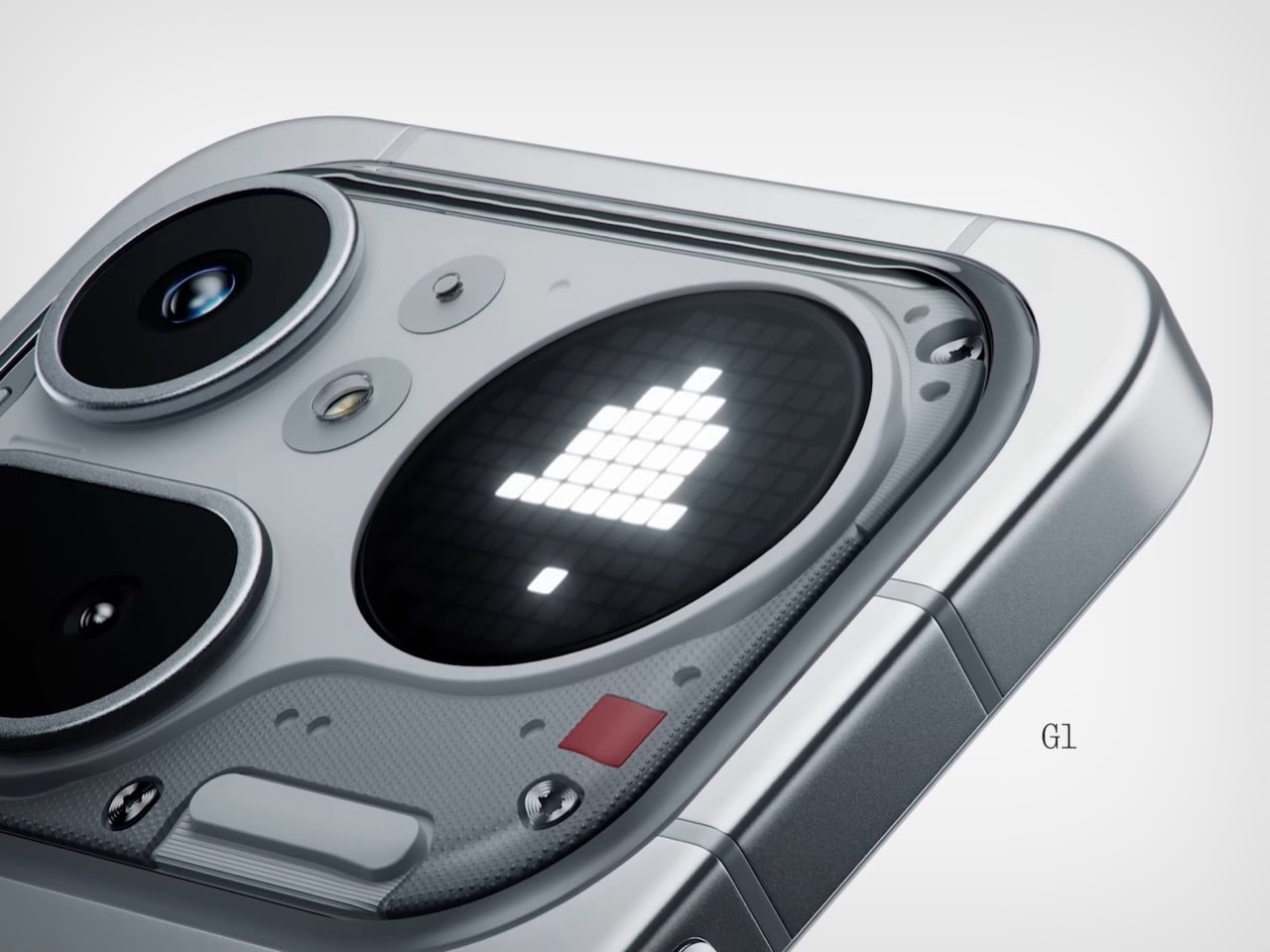
At NAMM 2024, Eminent Technology recently debuted the Model Twenty Two, a groundbreaking flat-panel active guitar speaker, marking a significant advancement from its predecessor, the Model Twenty. This new model is distinguished by its compact size, measuring 16 x 22 inches, boasting a thickness of just under 5 inches, and a lightweight design at just 16.5 pounds, making it highly portable for musicians on the go. It’s not just its slim profile that’s impressive; the Model Twenty Two boasts a powerful 350-watt built-in amplifier, capable of catering to a variety of audio sources like guitars, vocals, and keyboards.

Designer: Eminent Technology

This innovative speaker combines the functionalities of an amplifier and speaker in one sleek package. It is equipped with a full-range, flat response (FRFR) speaker capability, allowing it to handle different guitar amp modeling units and even serve as a small PA system with an output of up to 120 decibels. For added versatility, it includes a high-headroom clean preamp and a cab voice, suitable for both acoustic and electric guitars, as well as for use with external amp models. You can even run vocals, keyboards, or a CD player through it, effectively treating it like a super-sleek PA system that outputs up to an impressive 120 decibels.

Despite its high-end features, the Model Twenty Two is more affordable than its predecessor, priced at $1,699. That may be a lot, but think of how easy it is to carry around!

The post This Flat-panel 350W Guitar Amp is actually thinner than most guitars… first appeared on Yanko Design.