Belgian Designer Just Built the Alien Playground Kids Dream About

When you think of Belgian fashion designer Walter Van Beirendonck, you probably picture bold runway shows and provocative collections that push boundaries. As a member of the legendary Antwerp Six, the group that put Belgian fashion on the global map in the 1980s, Van Beirendonck has built a reputation for work that’s colorful, fantastical, and always thought-provoking. But his latest project isn’t something you can wear. Instead, it’s something you can climb, jump on, and explore.

Welcome Little Stranger, which opened at C-mine in Genk, Belgium this month, marks Van Beirendonck’s first venture into interactive play design. The installation transforms an old industrial warehouse into an extraterrestrial playground where kids can meet a mysterious alien visitor through soft-play structures, vibrant colors, and immersive environments that feel like stepping onto another planet.

Designer: Walter Van Beirendonck (photos by Selma Gurbuz)

The project is part of C-mine’s new PLAYGROUND initiative, which invites artists to reimagine what play spaces can be. Rather than traditional playground equipment, these are designed as artistic environments where creativity and physical activity merge. For Van Beirendonck, this meant translating his signature aesthetic (think neon colors, fantastical creatures, and bold shapes) from fabric and runway to foam and physical space.

What makes this particularly interesting is Van Beirendonck’s stated motivation. He wanted to create an environment that encourages imagination without screens or digital distractions. It’s a refreshing stance from someone known for addressing contemporary themes like technology and identity in his fashion work. The space invites kids to wonder about the universe, discover new possibilities, and play together without boundaries.

The alien theme isn’t random. Van Beirendonck’s fashion work has long explored ideas about identity, diversity, and what it means to be different. By framing the playground around encountering a “little stranger” from another world, he’s essentially asking kids to think about otherness, curiosity, and welcome. These are heavy concepts, but they’re delivered through climbing structures and colorful shapes rather than lectures.

The design process itself was collaborative. C-mine worked with artist Emma Ribbens, an alumna of LUCA School of Arts, to run workshops where children from Genk contributed ideas and shared their thoughts. This participatory approach meant kids weren’t just the audience for the final product but had ownership in shaping what the space would become. It’s an increasingly common approach in public art and design, recognizing that the people who will use a space often have the best insights into what it needs.

Van Beirendonck’s visual language translates surprisingly well to this new medium. His fashion collections have always featured exaggerated proportions, vibrant patterns, and elements that feel like they could belong in science fiction or fantasy worlds. Those same qualities make for compelling playground design, where safety requirements mean everything needs to be soft and rounded anyway.

The location adds another layer to the story. C-mine is a former coal mining site in Genk that’s been transformed into a cultural and creative hub. It’s the kind of post-industrial regeneration project you see across Europe, where old warehouses and factories become galleries, theaters, and community spaces. Housing a whimsical playground in what was once an industrial building creates an interesting contrast between the building’s austere past and its colorful present.

For Van Beirendonck, who’s known for work that balances playfulness with provocation, this project sits comfortably in his career arc. He’s done book illustrations, scenography, and various collaborations outside traditional fashion. Welcome Little Stranger just happens to be one you can physically inhabit rather than view from a distance. Genk’s mayor noted that the project positions the city as creative and innovative while giving families and schools from across the region a new destination. It’s the kind of cultural infrastructure that smaller cities increasingly use to attract visitors and define their identity beyond industrial heritage.

Whether Welcome Little Stranger becomes a model for future artist-designed play spaces remains to be seen. But it does suggest interesting possibilities for what happens when designers step outside their usual mediums and apply their vision to physical environments meant for pure, unstructured play. Sometimes the best design isn’t about making something look good but about creating spaces where imagination can run wild.

The post Belgian Designer Just Built the Alien Playground Kids Dream About first appeared on Yanko Design.
This 3D-Printed Headphone Celebrates Every Tangle We Hated

Remember the pocket archaeology of untangling your headphones every single time you pulled them out? That split second of dread when you’d fish them from your bag only to discover they’d somehow tied themselves into impossible knots? Designer Aleš Boem remembers. But instead of trying to solve that universal frustration, he’s immortalized it.

His project, Tangled Headphones for print, takes that chaotic mess of wires we all spent years battling and transforms it into something worth looking at. These aren’t functional headphones in the traditional sense. They’re 3D-printed sculptures that wear their tangles like a badge of honor, turning what used to drive us crazy into the entire aesthetic.

Designer: Aleš Boem

The design itself is striking. Boem has essentially frozen a moment of cable chaos in black plastic, creating headphones where the tangled cord isn’t a bug but the feature. The earcups are swallowed by loops and knots of wire, the headband twists and weaves, and even when you look at them straight on, your brain does that thing where it tries to trace the path of the cable and gets completely lost. It’s visually messy in the most deliberate, controlled way possible.

What makes this project so interesting is its timing. We’re living in the post-wire era. AirPods dangle from ears everywhere. Bluetooth has become the default. Most people under 20 probably think tangled headphones are some kind of abstract concept, like dial-up internet or waiting a week to see what your vacation photos looked like. But for everyone else, there’s this strange collective memory of the tangle struggle, and Boem is tapping directly into it.

There’s something almost archaeological about seeing these headphones styled in those moody editorial photos. The model on the subway, holding a cassette player. The vintage Sony Walkman making an appearance. It’s not just product photography; it’s visual storytelling about a specific moment in technology that’s already slipped into nostalgia territory. The fact that these are 3D-printed adds another layer. Modern fabrication technology creating a monument to obsolete problems.

The sculptural quality is what really elevates this beyond a novelty. Look at the headphones on their own, isolated on that white background, and they read as genuine art objects. The tangles aren’t random. They’re carefully designed loops and intersections that create texture and volume. The way the cable winds around itself has rhythm to it. If you didn’t know what you were looking at, you might think it was some kind of experimental fashion accessory or a piece from a contemporary art exhibition. And maybe that’s the point. Good design often involves looking at the everyday and asking what if we didn’t fix this? What if we leaned into it instead? Boem took something universally annoying and reframed it as something worth preserving. It’s a love letter to the physical quirks of older technology, the little inconveniences that somehow become part of the experience.

The project also raises questions about what we lose when technology goes wireless. Sure, nobody misses fighting with tangled cables at 7 AM while trying to catch the bus. But there was something tangible about wired headphones. They were physical objects with character. They got worn in. They had that one earbud that always died first. The cable would fray at exactly the spot where it bent coming out of your pocket. They broke, they lasted, they were real in a way that feels different from charging cases and Bluetooth pairing.

Tangled Headphones for print sits right in that weird space between functional design and art commentary. It’s too conceptual to be practical, but too grounded in real experience to be purely abstract. It’s a conversation starter, a nostalgia trigger, and a genuinely clever piece of design thinking all wound together. Whether you’d actually want to own a pair is almost beside the point. What matters is that Boem saw something everyone else was trying to eliminate and decided it was worth celebrating instead. In doing that, he created something that makes you look twice and remember a very specific kind of small, everyday chaos that barely exists anymore. That’s pretty special.

The post This 3D-Printed Headphone Celebrates Every Tangle We Hated first appeared on Yanko Design.
This Concrete Desk Clock Looks Like a 1980s CRT TV

There’s a particular kind of design intelligence that knows when to slow down. The Crydal Phantom Clock, designed by Daniel van der Liet, is one of those rare objects that rejects the frantic pace of modern consumer tech in favor of something more deliberate. It’s a desk clock, yes, but calling it just a clock misses the point entirely.

The Phantom reinterprets the visual language of cathode-ray tube displays from early computing. Not in a nostalgic way, but as a translation exercise. Van der Liet took the geometry, the mass, and the physical presence of those old CRT monitors and rebuilt them using cast concrete and raw steel. The result is something that feels both familiar and completely new, a dense, tactile object that sits on your desk with real weight and intention.

Designer: Daniel van der Liet

The form itself is immediately recognizable if you grew up around boxy computer monitors or chunky television sets. That characteristic curved screen, the cylindrical body, the industrial mounting stand. But instead of plastic housing and glass tubes, you get solid concrete and raw steel. The materials transform the reference from tech artifact into something closer to sculpture. This isn’t a replica or a throwback design. It’s a contemporary object that happens to speak the formal language of vintage electronics.

What makes the Phantom genuinely interesting is how it handles the intersection of analog and digital. The clock displays time through a traditional analog dial, the kind with actual hour and minute hands moving around a circular face. But here’s where it gets clever: that dial appears on a round capacitive display integrated flush with the concrete surface. You can switch between three chromatic modes, green, orange, or red, each one shifting the character of the clock without altering its physical form. It’s like having three different moods available depending on your space or preference.

The interface is handled entirely through that circular touchscreen. You adjust the time, you control the color mode, you modify the brightness. No buttons interrupt the surface, no dials break the material integrity. When you’re not actively using it, the clock just sits there, visually calm and minimal. It doesn’t demand attention or try to become the focal point of your desk. It exists quietly, doing its single job with focus and restraint.

This is explicitly not a smart device. The Phantom won’t sync with your phone, won’t display notifications, won’t connect to your calendar or remind you about meetings. It plugs in via USB-C for power and that’s the extent of its connectivity. In an era when every object wants to be a node in your personal network, this kind of focused simplicity feels almost defiant. The clock tells time. That’s what it does. That’s all it does.

Each Phantom is handcrafted in limited quantities, and the production process ensures that no two are exactly identical. Concrete doesn’t cast uniformly. Steel doesn’t patina predictably. These natural variations aren’t flaws to be corrected but characteristics that make each piece unique. Your clock will have its own texture, its own finish, its own subtle imperfections that come from being made by hand rather than stamped out on an assembly line.

The limited edition nature matters because it positions the Phantom somewhere between functional object and collectible. You could absolutely use this as your primary desk clock. But you could just as easily display it on a shelf in your studio or living space as a sculptural object that happens to tell time. Both approaches are valid. The design supports either use case without compromising. What appeals most about the Phantom is its refusal to be categorized easily. It’s not retro tech, though it references old technology. It’s not pure art, though it has sculptural qualities. It’s not a gadget, though it uses modern display technology. It exists in this productive tension between categories, which is exactly where the most interesting design tends to live.

We live in a market saturated with objects that prioritize convenience and connectivity above all else but the Phantom Clock offers something different. It’s heavy where things are light, analog where things are digital, focused where things are multifunctional. It’s a time instrument designed to exist quietly in your space, asking nothing from you except the occasional glance to check the hour. Sometimes that’s exactly what you need.

The post This Concrete Desk Clock Looks Like a 1980s CRT TV first appeared on Yanko Design.
This 136-Square-Foot Firehouse Has an Actual Fire Pole Inside

You know that feeling when you see something so perfectly themed, so committed to the bit, that you can’t help but smile? That’s exactly what happens when you first lay eyes on the Tiny Firehouse. This isn’t just a tiny house painted red with some fire department decals slapped on the side. This is a full-on love letter to firefighters, complete with details that’ll make you wonder if the designers secretly wanted to be heroes themselves.

Created by Beloved Cabin, the tiny house rental company based near Lake Oconee, Georgia, this 8.5-by-16-foot structure manages to pack more personality into 136 square feet than most McMansions achieve in 4,000. The exterior looks like it could roll up to an emergency at any moment, which makes sense since it was built specifically to honor firefighters and frontline heroes.

Designer: Beloved Cabin

Here’s where things get fun. The designers didn’t stop at aesthetics. Inside, you’ll find an actual antique brass fire pole connecting the sleeping loft to the main floor. Yes, you can slide down a fire pole to start your morning. Try getting that kind of drama out of your regular hotel room.

The interior design walks a fine line between themed and tasteful. There’s firefighter memorabilia throughout, but it never tips into kitsch. Large windows and skylights flood the space with natural light, making the compact footprint feel surprisingly open. The kitchen is tiny, as you’d expect from a vacation rental, with a two-burner propane stove, a small fridge, and a stainless steel sink. It’s enough to make coffee and heat up leftovers, which is really all you need when you’re planning to explore the area or just disconnect from the world.

Speaking of disconnecting, the Tiny Firehouse is part of Beloved Cabin’s 16-acre property they call the Secret Garden, a collection of unique tiny house rentals tucked into the woods. There’s no WiFi in the firehouse itself, and cell service is spotty unless you’re on AT&T. For some people, that’s a dealbreaker. For others, it’s the whole point. When was the last time you actually unplugged without feeling guilty about it?

The sleeping loft is accessed by ladder (or fire pole, going down), and features a full-size bed tucked under a low ceiling. It’s cozy in that way tiny house lofts tend to be, where you feel like you’re in your own little nest. Below, the main living area has enough room to move around without doing that awkward tiny house shuffle.

What sets this apart from other themed rentals is the attention to authentic detail. The fire pole isn’t a replica or a prop. It’s an actual antique piece that once served in a real firehouse. The floors are antique too, which is why guests are asked to remove their shoes inside. These aren’t just design choices; they’re preservation efforts for pieces of history.

The bathroom situation is where things get interesting. There’s an attached outdoor shower and a portable toilet, but guests also have access to a full bathroom in the community house about a minute’s walk away. The outdoor shower actually adds to the experience rather than detracting from it, especially during warmer months when showering under the sky feels like a luxury rather than a compromise.

Since its creation, the Tiny Firehouse has become something of a tiny house celebrity, appearing on HGTV, the TODAY show, The Rachael Ray Show, and even getting a mention on Jeopardy. That kind of media attention speaks to how the design captures something people crave: a space that tells a story and honors something bigger than itself.

The property also features trails, a creek, and an animal sanctuary where goats, pigs, chickens, and other animals wander freely. It’s the kind of place where you might find yourself sitting by the fire pit at night, listening to the sounds of the woods, feeling like you’ve discovered something special that exists just outside the noise of everyday life.

This is design with purpose. It proves that tiny living doesn’t mean sacrificing character, and that honoring a theme doesn’t require abandoning good taste. The Tiny Firehouse works because it commits completely to its concept while still being a genuinely comfortable place to stay. Plus, you get to slide down a fire pole. That alone is worth the trip.

The post This 136-Square-Foot Firehouse Has an Actual Fire Pole Inside first appeared on Yanko Design.
Seoul Just Built Wing-Shaped Shelters That Survive Typhoons

There’s something undeniably elegant about watching how birds move through the air, wings spread wide and catching the wind with effortless grace. BKID Co took that natural brilliance and translated it into something Seoul’s parks desperately needed: shade structures that look stunning and can actually stand up to a typhoon.

The Seoul Wing project isn’t your average park canopy. Sure, we’ve all huddled under those generic metal shelters that look like they were ordered from the same catalog every city uses. But these installations feel different. They’re sculptural, organic, and honestly pretty mesmerizing when you see them from above. The way those overlapping panels mimic feathers creates this flowing, almost kinetic quality even when they’re completely still.

Designer: BKID Co

What makes this design particularly clever is how BKID solved multiple problems at once. Anyone who’s tried to design outdoor structures knows the challenge: make it light enough to install without massive equipment, strong enough to survive extreme weather, and attractive enough that people actually want to use it. Most designers pick two out of three. BKID managed all of them.

The secret lies in that polyurethane mesh structure. It’s the kind of material innovation that doesn’t get enough attention because it’s not flashy, but it’s absolutely critical. Traditional shade structures either use heavy solid panels that require serious engineering support, or lighter fabrics that tear apart in strong winds. This mesh strikes that perfect middle ground. It’s resilient enough to flex during a storm rather than fighting against the wind, which is exactly what makes bird wings so effective during turbulent flight.

The installation photos tell an interesting story too. You can see the team working with surprisingly straightforward tools and methods. There’s no crane that requires blocking off half the park for a week. The modular approach means these structures can go up relatively quickly, which matters when you’re working in public spaces where every day of construction disrupts people’s routines.

Size-wise, these shelters accommodate groups of ten or more, which changes how people can use park spaces. Instead of everyone crowding under small umbrellas or hunting for that one decent tree, families and friends can actually gather together comfortably. That social aspect of design often gets overlooked in favor of pure aesthetics or technical specifications, but it’s crucial for public infrastructure.

The wind resistance feature deserves special attention. Seoul, like many Asian cities, faces serious weather challenges. Typhoons aren’t occasional inconveniences but regular threats that can destroy inadequate structures. Traditional park furniture either gets dismantled before every storm or ends up as expensive debris. The Seoul Wing design acknowledges this reality head-on. Those wing panels aren’t just decorative choices but functional elements that redirect wind flow rather than blocking it entirely.

Looking at the sketches alongside the final installation reveals BKID’s design process. Those early red-line drawings show numerous iterations exploring different angles and proportions. The final form maintains that initial inspiration while refining every detail for real-world performance. It’s biomimicry done right, not just slapping a nature theme onto conventional structures but truly understanding and applying natural principles.

The color palette keeps things simple with clean whites and grays, letting the form itself do the talking. In parks filled with green vegetation and seasonal color changes, that neutral approach makes sense. These structures become elegant backdrops rather than competing for attention, while their distinctive shapes still make them recognizable landmarks within the park. What’s refreshing about this project is how it elevates something as mundane as park shade into legitimate public art. We’re seeing more cities recognize that functional infrastructure doesn’t have to be boring. When done thoughtfully, everyday objects can enhance urban environments while serving their practical purposes beautifully.

The Seoul Wing represents where public design should be heading: solutions that honor natural systems, serve community needs, and bring genuine beauty to shared spaces. It’s not about creating Instagram moments, though these certainly photograph well. It’s about respecting park visitors enough to give them infrastructure that’s both useful and uplifting. Next time you’re sweating under some uninspired park shelter, remember these wing-shaped canopies in Seoul. Better design is possible. We just need more clients willing to commission it and more designers brave enough to look beyond the usual solutions toward what nature has already figured out.

The post Seoul Just Built Wing-Shaped Shelters That Survive Typhoons first appeared on Yanko Design.
When Zoo Design Tells the Story of Life Itself

Forget everything you think you know about zoo buildings. Bangkok-based VMA Design Studio just won first prize for a zoological pavilion that reads less like a typical animal enclosure and more like an architectural journey through Earth’s creation story.

The House of Elements, set to become the crown jewel of Orientarium Zoo in Łódź, Poland, takes the classical elements (earth, ice, water, fire, and air) and transforms them into a 6,000-square-meter narrative experience. Rather than designing a building where you walk from exhibit to exhibit, VMA created a continuous downward-then-upward journey that mirrors the evolution of life itself.

Designer: VMA Design Studio for Orientarium Zoo

Picture this: you enter the pavilion and immediately begin descending underground into Earth. From there, the path rises through zones dedicated to Ice, Water and Fire, and finally Air. Each section tells the story of how these elements have shaped life on our planet, with the animals serving as living characters in that epic tale.

What makes this design fascinating is how VMA used a single architectural seed profile that diverges and adapts throughout the building. Think of it like watching one musical theme morph and transform across a symphony. The result? A unified facade that looks like a forest of timber-clad profiles rising like tall planters, each capped with green roofs. This modular approach means the building can respond individually to different needs (enclosure, shading, circulation, landscape integration) while still feeling like one cohesive whole.

The animal habitats themselves are impressively diverse. Giant tortoises live among volcanic terrain with elevated walkways tracing along their space. Capybaras hang out near living moss walls and chrome sculptures. There’s even a sea lion courtyard and a central garden connected by a spiral path. Each zone captures the essence of its element without resorting to theme park theatrics.

VMA didn’t just think about the building in isolation either. The project establishes a new public open space that connects the zoo’s main entrance, the existing Orientarium complex (a Southeast Asian wildlife facility completed in 2022), and this new pavilion. The design includes a series of planted roof decks and ramps serving a cafe and aviary, creating multiple layers of experience both inside and outside the main structure.

There’s something particularly clever about how the building treats humans as the fifth element. Visitors aren’t just passive observers walking through glass corridors. The architecture positions people as part of the evolutionary narrative, making the experience feel less like watching nature behind barriers and more like understanding our place within it.

The competition itself attracted international attention, with architects given until December to submit proposals that included visualizations of the building integrated into the zoo’s landscape plus three floor plans showing different levels. That VMA, a Bangkok-based studio, won a competition in Poland speaks to how universal their design language became. The elements, after all, are the same everywhere.

Looking at the renderings, what strikes you most is the facade. Those timber profiles create rhythm and texture while the green roofs blur the line between building and landscape. It’s biophilic design done right, not as decoration but as fundamental architectural strategy. The structure looks like it grew from the ground rather than being imposed on it.

This project represents a bigger shift in zoo design philosophy. The best contemporary zoos recognize they’re not just about displaying animals but about telling stories of conservation, evolution, and interconnection. Architecture becomes the narrative framework that makes those stories visceral rather than abstract. VMA understood this assignment perfectly.

The House of Elements follows the completion of the Orientarium Southeast Asian wildlife complex and represents the second major development at Łódź Zoo. Together, these projects are transforming what was once a standard municipal zoo into something far more ambitious: a place where architecture, animals, and ideas converge to create experiences that stick with you long after you leave.

When the pavilion eventually opens, visitors will walk through earth and ice and fire and emerge changed, having experienced not just animal habitats but the fundamental forces that make life on this planet possible. That’s the kind of design ambition we need more of.

The post When Zoo Design Tells the Story of Life Itself first appeared on Yanko Design.
This Japanese House Hides From the Street, Opens to the Sea

Sometimes the best architecture knows when to turn away. UK studio Denizen Works just completed their first project in Japan, and it does exactly that. The House in Onomichi presents an almost entirely blank facade to the street, creating what founder Murray Kerr calls an “enigmatic quality.” But this isn’t architecture being rude. It’s architecture understanding that privacy can be the ultimate luxury.

The clients are a couple who spent years living in London before deciding to return to Japan for a quieter life. What they wanted wasn’t just a house but a private sanctuary, and Denizen Works delivered by looking backward and forward at the same time. The design references traditional Japanese residential arrangements while feeling completely contemporary, which is the sweet spot where the best cultural translations happen.

Designer: Denizen Works

The house is split into two distinct structures connected by a covered entrance walkway. There’s a two-storey main house containing a single bedroom, and a single-storey studio that extends from it, partially enclosing a small garden. This arrangement follows the traditional Japanese concept of Omoya and Hanare, which translates roughly to main house and annexe. In this case, the separation creates a clear division between living and working, which anyone who has tried to work from home during the past few years knows is absolutely essential for sanity.

The real star of the show is the cladding. Both structures are wrapped in vertical burnt-timber Yakisugi, a traditional Japanese technique that involves charring wood to preserve it. The result is a deep black finish that’s both protective and beautiful. Yakisugi has been having a moment in contemporary architecture, but here it feels completely appropriate rather than trendy. The technique originated in Japan centuries ago, and using it for a house in Onomichi creates a visual conversation between old and new.

What makes this project particularly interesting is how it handles the relationship between inside and outside. The street-facing side might be closed off, but the other side opens up completely to capture views of the Setonaikai islands. It’s a classic move in Japanese architecture, this idea of creating a private world within a public context. The garden, small as it might be, becomes a buffer zone that allows the interior to breathe without sacrificing the sense of enclosure.

The collaboration aspect deserves attention too. Denizen Works worked with Tokyo-based Take Architects on the project, and you can see how that partnership allowed a UK studio to navigate the complexities of building in Japan while still maintaining their design vision. Cross-cultural architectural collaborations can sometimes feel like compromise stacked on compromise, but this one seems to have found genuine synthesis.

For a practice known for their thoughtful residential work in the UK, this first Japanese project shows that good architecture can translate across cultures when it’s rooted in understanding rather than imposition. The clients wanted calm, privacy, and a connection to place. They got a house that uses traditional materials and spatial concepts but doesn’t feel like it’s playing dress-up. The burnt timber will weather and age, the garden will grow in, and the whole thing will settle into its context over time.

There’s something appealing about architecture that doesn’t shout. In an era where so much residential design seems desperate for Instagram likes, a house that presents a closed face to the street and saves its drama for private moments feels almost radical. The blank facade isn’t about being mysterious for the sake of it. It’s about creating the conditions for a specific kind of life, one where the views of the Setonaikai islands matter more than the views from the street.

This is Denizen Works understanding that when clients say they want calm, they mean it. And sometimes the best way to achieve that is to build a beautiful wall and focus all the energy on what happens behind it.

The post This Japanese House Hides From the Street, Opens to the Sea first appeared on Yanko Design.
This Furniture System Uses Just 2 Materials and No Glue

Let’s be real about furniture for a second. Most of us want pieces that look great, last forever, and don’t cost as much as a vacation. But we also want to be able to move without having to hire a team of professionals just to disassemble the bookshelf. Oh, and while we’re at it, can it also not destroy the planet? Apparently, that’s been too much to ask. Until now.

Meet LinumTube, a furniture system that manages to check all those impossible boxes at once. This isn’t your typical design project. It’s a collaboration between Studio Jonathan Radetz and the Fraunhofer Institute for Wood Research in Germany, and it’s rethinking what furniture can be from the ground up.

Designers: Studio Jonathan Radetz and Fraunhofer Institute for Wood Research

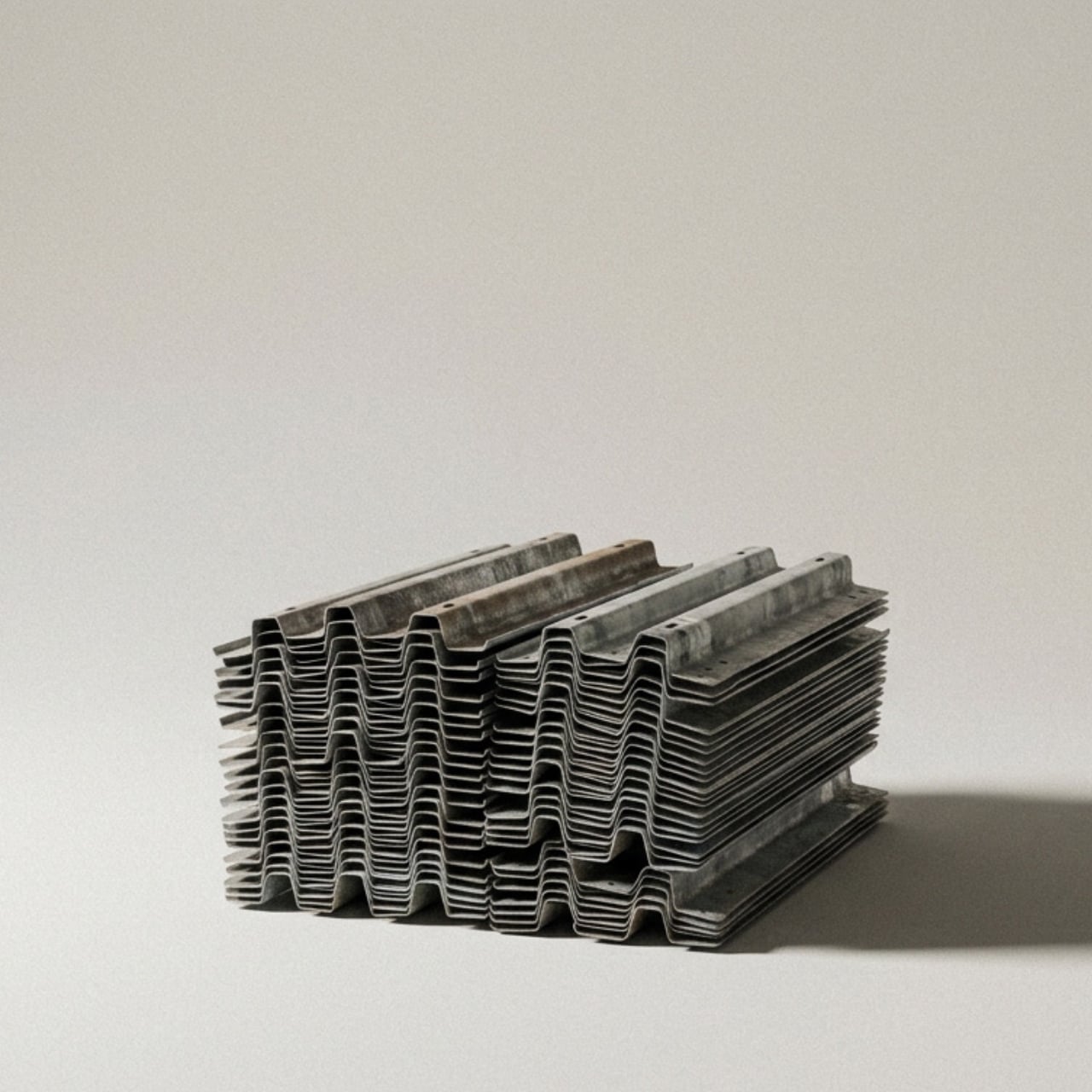
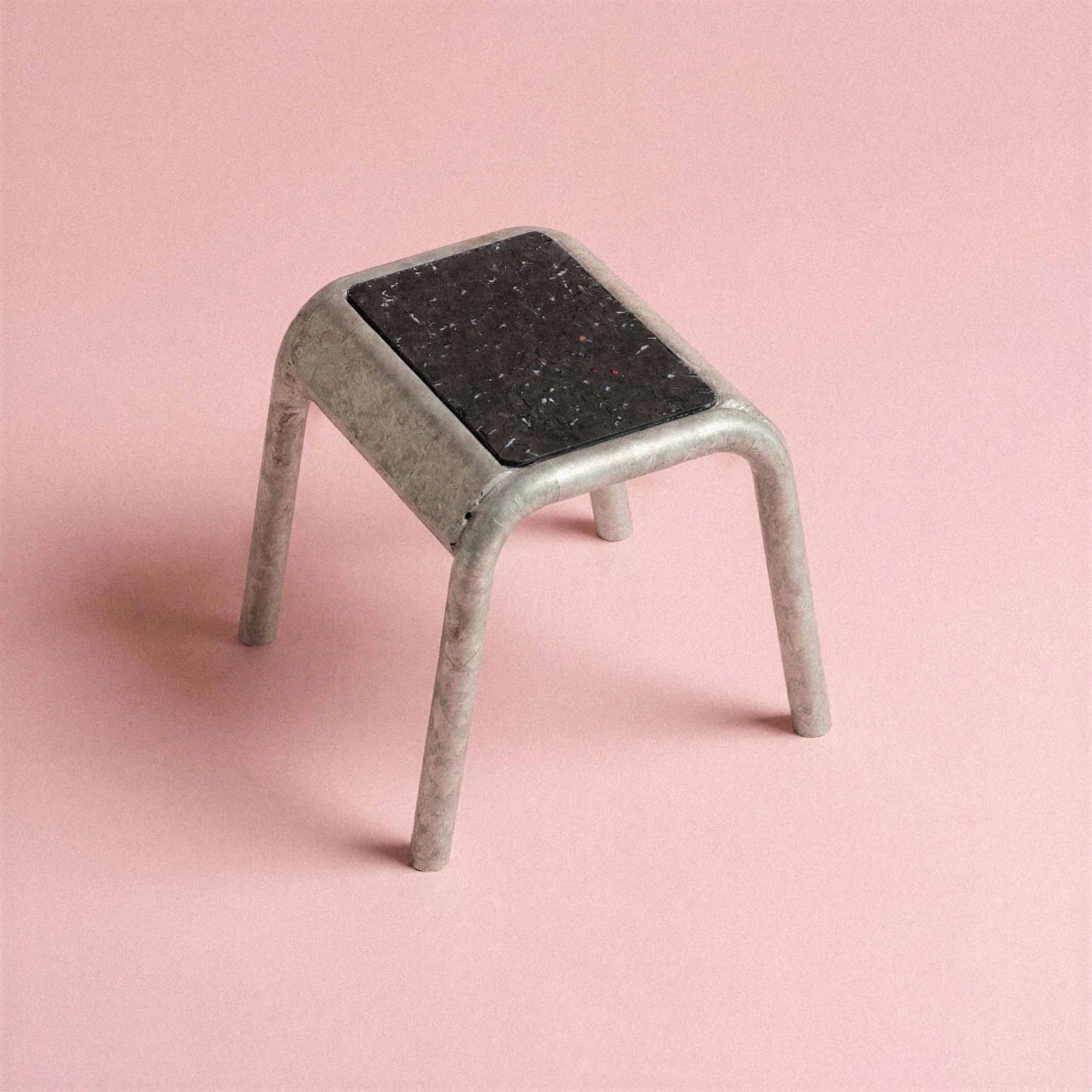
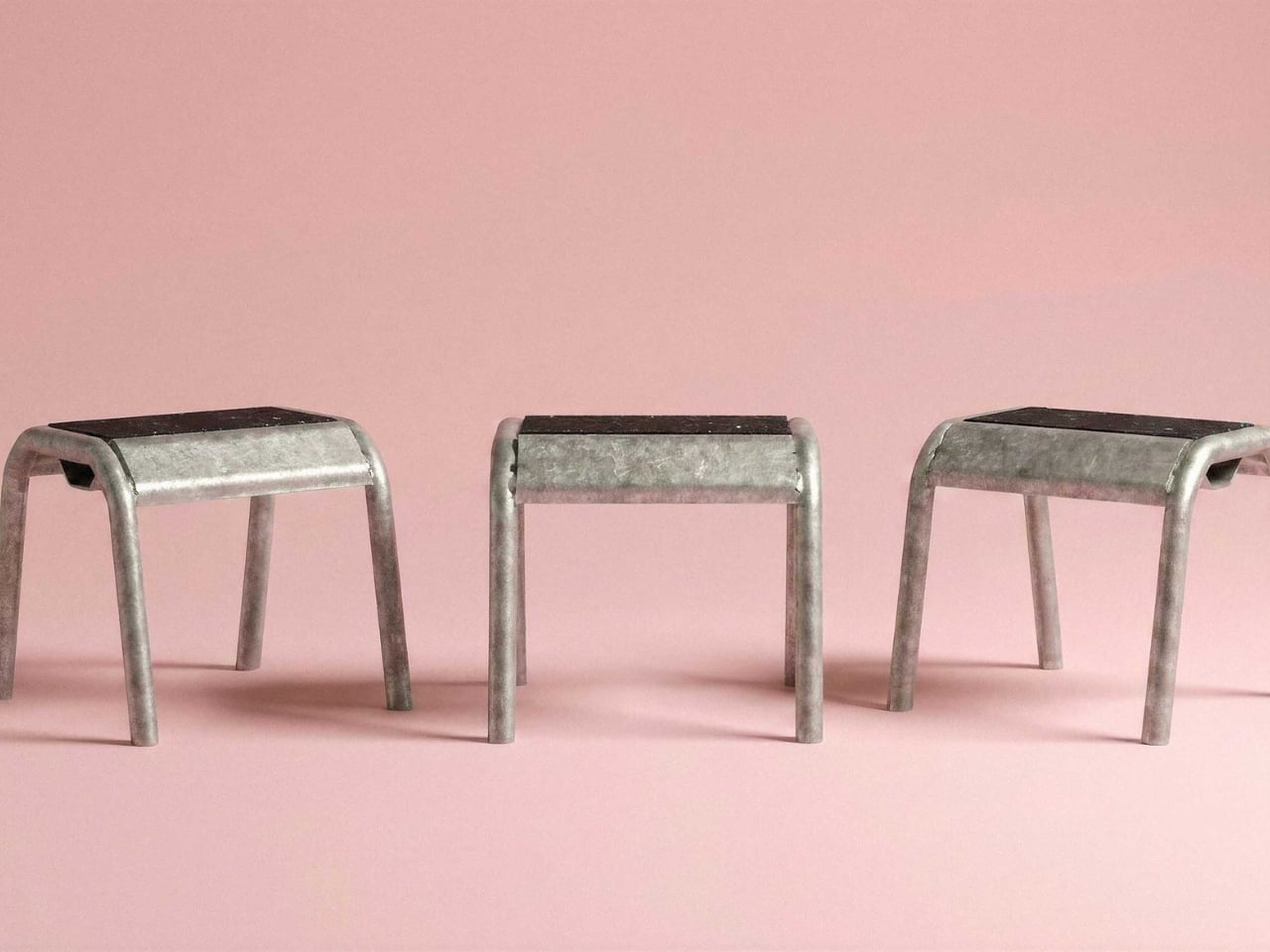
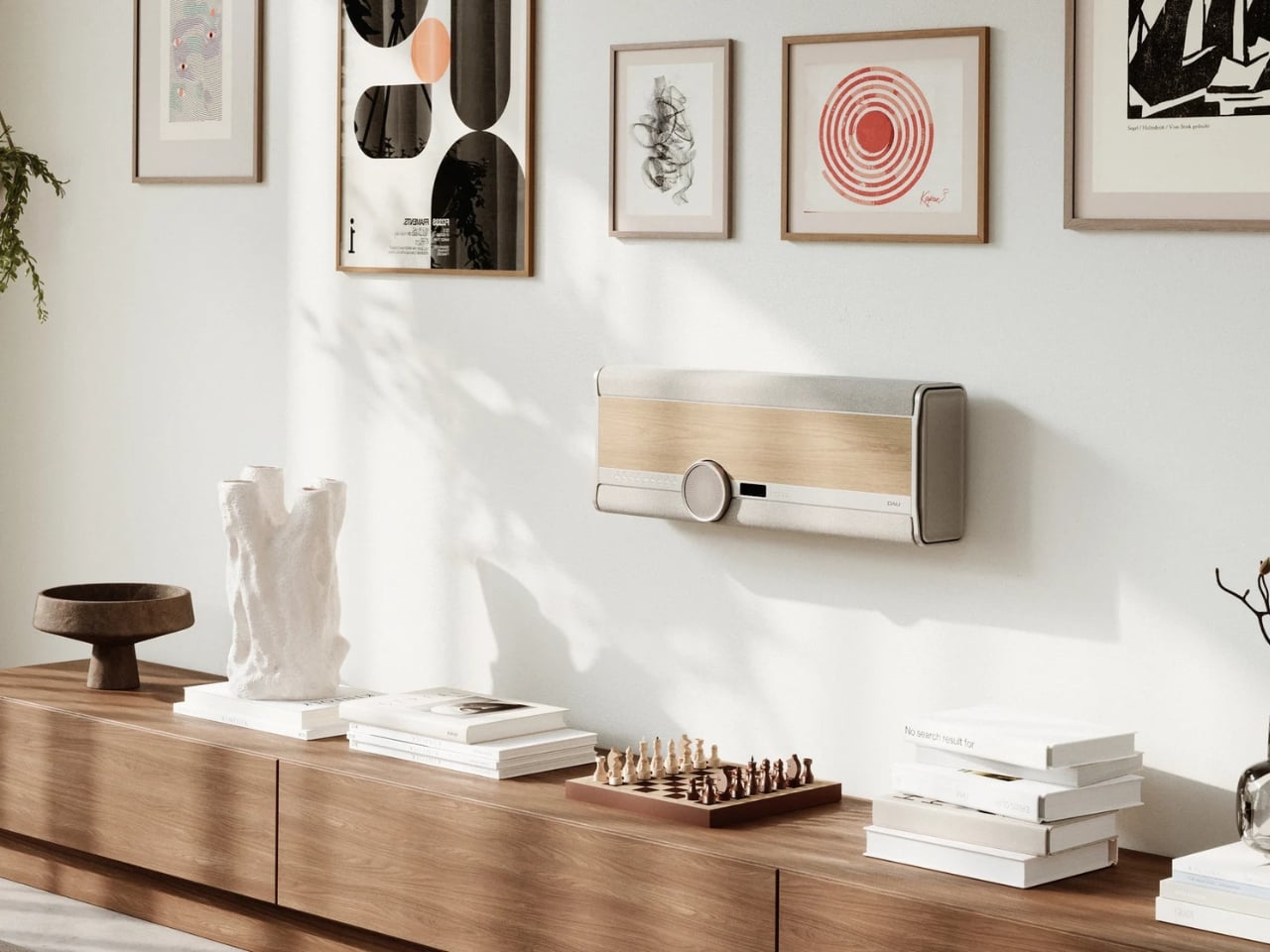
The concept is beautifully simple. The furniture, which includes benches, chairs, and stools, is built from just two materials: steel tubes and multilayer flax fabric. That’s it. No glue, no bolts, no complicated hardware that you’ll lose during your third apartment move. The flax fabric wraps around the tubular steel frame, creating a self-supporting structure that stays stable through clever engineering rather than industrial adhesives.

What makes this particularly clever is the fabric itself. The team at Fraunhofer developed a specialized multilayer flax textile with open constructions and integrated channels that interact with the steel tubes to create varying levels of stiffness. This means you get support exactly where you need it without adding extra materials or complexity. The seating surface can even be customized with a lamellar structure that provides additional cushioning for those of us who like to linger.

The whole system is modular and completely reversible. Researcher Christina Haxter explains that the goal was to design seating furniture that allows for quick assembly, disassembly, and rearrangement, making it easy to take apart when moving. You can reconfigure pieces depending on your space, separate everything by material type at the end of its life, and send each component back into its own recycling stream. Steel stays with steel, flax goes back to being flax. It’s circular design at its most practical.

But here’s where LinumTube really shines: it doesn’t look like a sustainability lecture. The covers come with or without fringes and are available in both multicolored and natural pastel tones. The aesthetic is minimalist but warm, the kind of thing that would fit just as easily in a modern office lobby as it would in your living room. There’s even an option for integrated LED lighting woven into the fabric, because why shouldn’t sustainable furniture also have a bit of flair?

The project received funding from the German Federal Ministry of Education and Research, and was unveiled at Milan Design Week 2025 during the Materially exhibition. It represents a genuinely different approach to how we think about furniture design. Instead of creating objects meant to be used and discarded, LinumTube embraces the idea that furniture should evolve with us. Need more seating? Add another module. Moving to a smaller place? Reconfigure what you have. Done with it entirely? Return everything to the material cycle without guilt.

This is the kind of innovation we need more of. Not flashy tech for tech’s sake, but thoughtful problem solving that addresses real challenges without sacrificing style or functionality. Furniture has been essentially the same for decades, built on a model of planned obsolescence and complicated assembly instructions. LinumTube proves there’s another way: lighter, smarter, and infinitely more adaptable.

The best part? This doesn’t feel like a compromise. You’re not choosing between design and sustainability, or between affordability and quality. You’re getting furniture that works better precisely because it was designed with all those constraints in mind from the beginning. That’s the kind of thinking that actually changes industries. So next time you’re wrestling with an Allen wrench at 2 a.m., wondering why furniture has to be this complicated, remember that someone out there is already building the alternative. They’re using flax, steel tubes, and some seriously smart engineering to prove that better is possible.

The post This Furniture System Uses Just 2 Materials and No Glue first appeared on Yanko Design.
AI Device Turns Your Mental Health Data Into a Living Garden

There’s something deeply broken about the way we interact with technology. We scroll mindlessly, chase notifications, and bounce between tabs like caffeinated pinballs. Our devices constantly demand our attention, rewarding speed over substance, reaction over reflection. But what if a piece of technology asked you to slow down instead?

That’s the radical premise behind Cognitive Bloom, a speculative AI device conceived by Map Project Office in collaboration with Chanwoo Lee from Lovelace Research. Lee, who’s also a visiting lecturer at Imperial College London and the Royal College of Art, is reimagining what personal AI could become if we designed it with the same care we give to cultivating a garden.

Designers: Chanwoo Lee, Map Project Office, Lovelace Research

The concept couldn’t arrive at a more critical moment. With mounting evidence around cognitive decline and digital burnout, Cognitive Bloom offers an alternative vision for our relationship with artificial intelligence. Instead of optimizing for efficiency or speed, it encourages something we’ve almost forgotten how to do: genuine self-reflection.

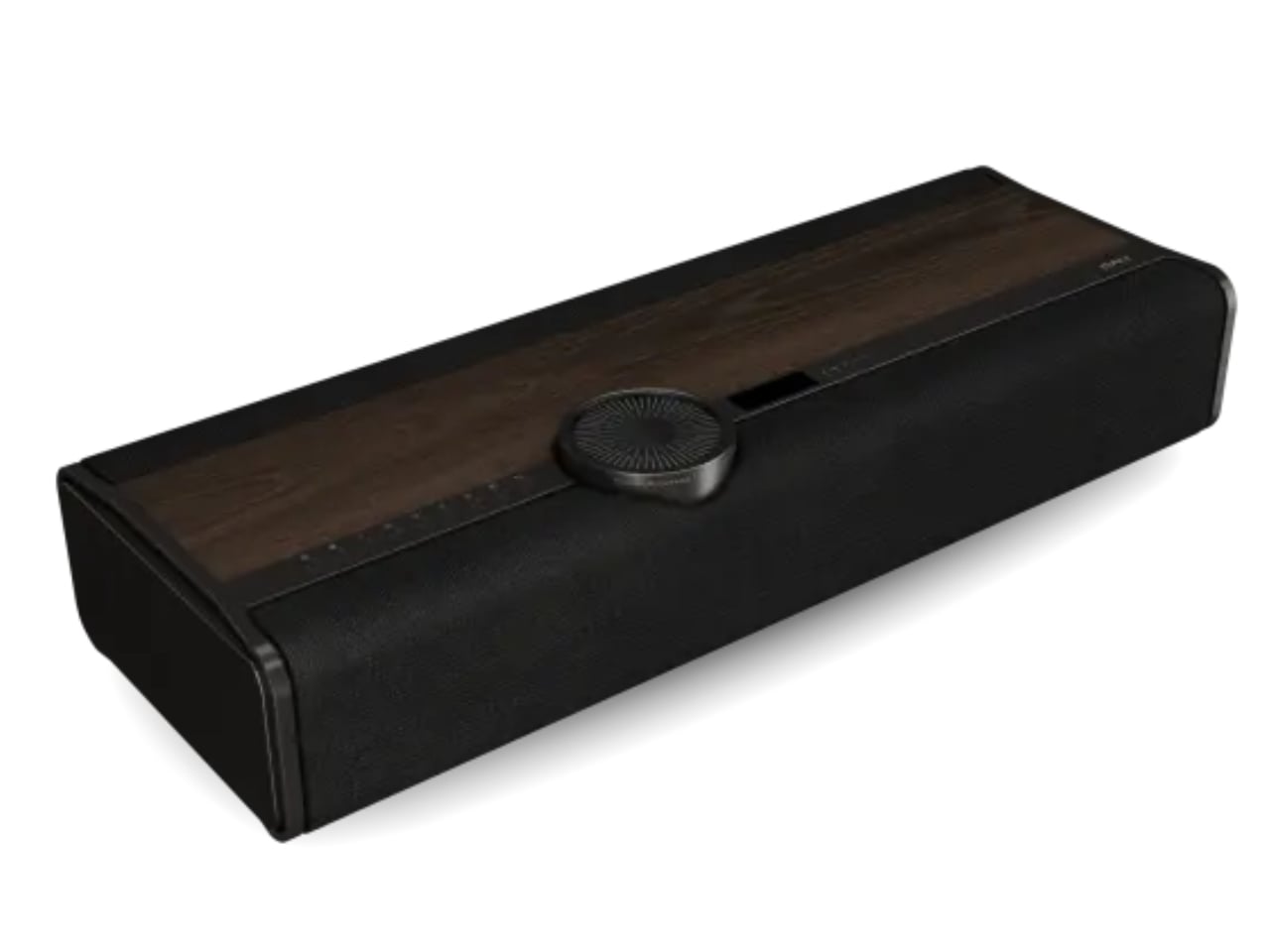
At the heart of Cognitive Bloom is a beautiful metaphor that makes complex data feel alive. The device uses an ambient display that transforms your mental wellness data into a virtual ecosystem. Areas where you’re struggling show up as yellowing leaves. New buds emerge where you’re beginning to grow. When you’re truly thriving in an aspect of your wellbeing, those buds finally bloom. It’s an intuitive visualization that breaks down the typically overwhelming data around mental health. Rather than confronting you with charts, percentages, or clinical assessments, Cognitive Bloom speaks in a language we instinctively understand. Plants need water, sunlight, and attention. So do we.

The device functions as a domestic companion that nurtures what the designers call “a new ritual of self-reflection.” It’s designed to help users reconnect with what genuinely matters, fostering the creation of new mental pathways through thoughtful engagement rather than passive consumption. This approach stands in stark contrast to how most AI products work today. Current AI interfaces typically emphasize quick answers, instant gratification, and frictionless productivity. Cognitive Bloom deliberately introduces friction, but the kind that matters. It’s the friction of pausing. Of considering. Of being present with your thoughts rather than racing past them.

The gardening metaphor extends throughout the entire experience. Just as tending a garden requires patience, consistency, and presence, Cognitive Bloom asks users to take a respite from digitally overstimulated lifestyles. It creates space for genuine contemplation, curiosity, and self-discovery, qualities that feel increasingly rare in our current technological landscape. What makes this project particularly compelling is how it uses human-centered design to foster a deeper connection not just to ourselves, but to our digital environment. Too often, technology feels like something that happens to us, an external force constantly pulling us in a hundred directions. Cognitive Bloom suggests technology could instead become a tool for coming home to ourselves.

The collaboration between Map Project Office and Lovelace Research brings together expertise in design strategy and human-centered AI research, creating a vision that feels both technically informed and emotionally resonant. As a speculative project, Cognitive Bloom doesn’t need to solve every practical challenge of implementation. Instead, it asks the more important question: What if we actually designed technology the way we cultivate gardens, with care, patience, and presence?

That question alone is worth sitting with. In a culture obsessed with growth hacking, viral moments, and exponential scaling, the steady rhythm of gardening offers a different model entirely. Gardens can’t be rushed. They respond to seasons, weather, and the particular needs of different plants. They require observation and adaptation, not standardized solutions.

Cognitive Bloom represents a growing movement in design and technology that’s pushing back against the extractive, attention-harvesting model that dominates our digital lives. It joins other projects reimagining what ethical, human-centered AI could actually look like when we design for wellbeing instead of engagement metrics. Whether Cognitive Bloom eventually becomes a physical product or remains a provocative concept, it’s already succeeded in making us reconsider our relationship with AI and personal data. Sometimes the most important innovations aren’t the ones that disrupt markets but the ones that disrupt our assumptions about what technology should be for.

The post AI Device Turns Your Mental Health Data Into a Living Garden first appeared on Yanko Design.
This Speaker Turns Sound Waves Into Sculptural Art

There’s something deeply satisfying about a product that looks exactly like what it does. You know the feeling: when form follows function so perfectly that you can’t imagine it any other way. That’s the immediate reaction to Loopen, a sculptural speaker concept from Design by Joffrey that transforms the invisible phenomenon of sound into a striking visual statement.

At first glance, Loopen reads as pure art. Rendered in a bold cobalt blue, the design features concentric circular loops that radiate outward from a central speaker driver, creating a mesmerizing pattern that looks like you’ve frozen sound waves mid-journey through space. But this isn’t just aesthetic cleverness for its own sake. Those loops are the actual framework holding everything together, turning the metaphor into structure.

Designer: Design by Joffrey

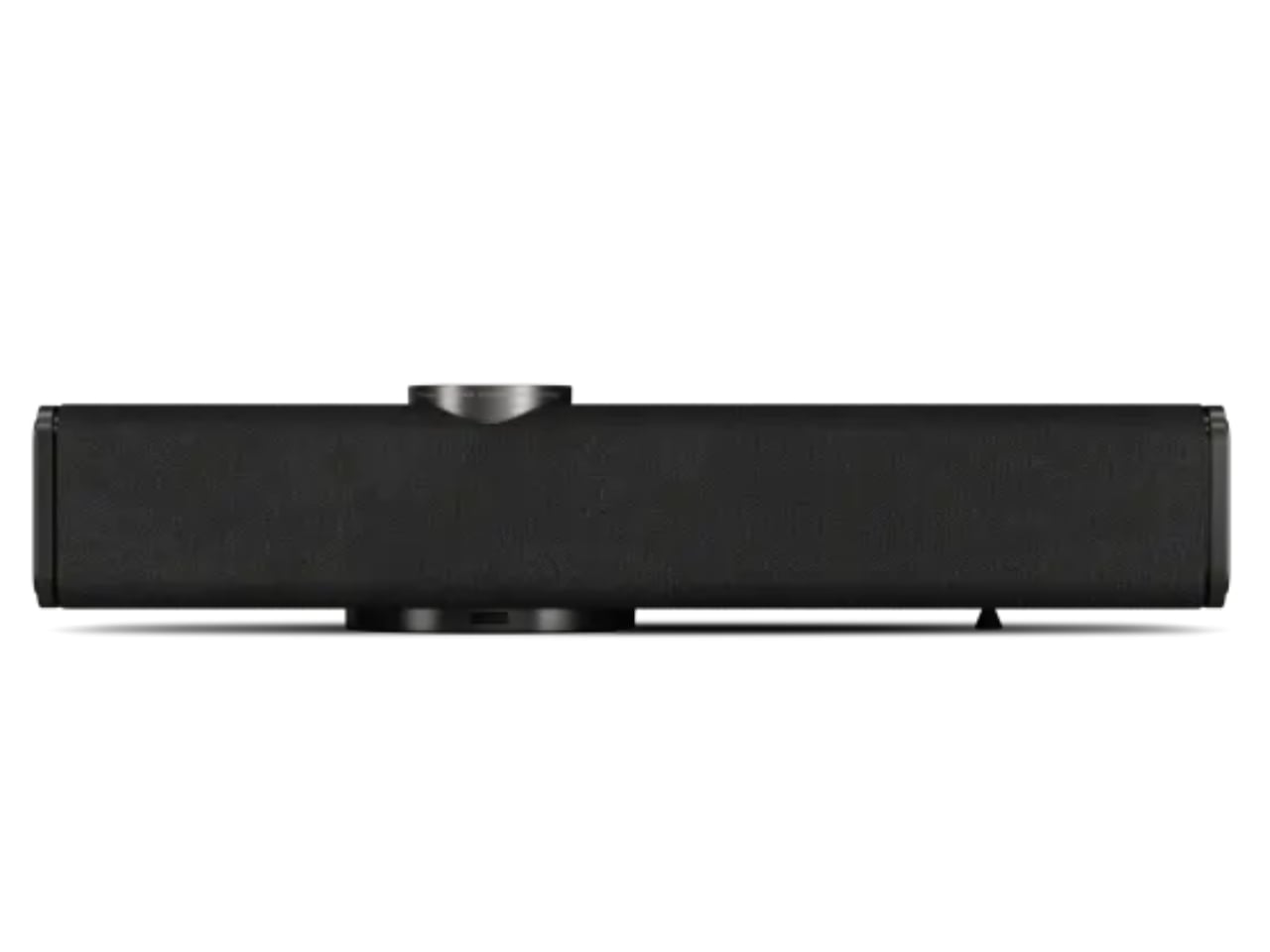
The genius here is in the restraint. Design by Joffrey could have gone wild with this concept, adding unnecessary embellishments or overcomplicating the form. Instead, Loopen strips everything back to its essential elements. The circular ripples emerge from an oval base, supported by two slim uprights that keep the whole composition feeling light and airy despite its sculptural presence. Two simple control buttons sit flush on the base alongside the power cable, maintaining the clean lines without disrupting the visual flow.

What makes this design particularly clever is how it plays with our perception of sound itself. We can’t see sound waves, but we’ve all seen the visualizations: those undulating sine waves in audio software, the ripples spreading across water when you drop a stone, the circular patterns speakers create when you place them face-down on a surface covered in sand. Loopen takes that universal visual language and makes it literal, giving physical form to something we usually only experience through our ears.

The color choice deserves attention too. That saturated blue isn’t trying to blend into your minimalist white walls or disappear on a dark shelf. It demands to be noticed, which feels right for a piece that’s as much sculpture as it is functional tech. The matte finish gives it a contemporary, almost toy-like quality that keeps the design from feeling too serious or precious. This is a speaker you could actually live with, not just admire from across the room.

There’s also something refreshing about seeing a concept that doesn’t try to hide its technology. So many modern speakers aim for invisibility, disguising themselves as wooden boxes or fabric cylinders that could be mistaken for home decor. Loopen takes the opposite approach: it celebrates what it is. The speaker driver sits proudly at the center, cradled by those wave-like loops, making no apologies for being a piece of audio equipment.

The compact size suggests this is likely a Bluetooth speaker meant for personal spaces rather than filling an entire room with sound. That feels appropriate. This is the kind of object you’d want on your desk or bedside table, where you can appreciate the form up close. The wired connection visible in the images hints at this being a design concept or prototype, but it’s easy to imagine a production version with wireless charging or a more concealed power solution.

What really stands out about Loopen is how it bridges that often awkward gap between tech and design. Too often, products are either functional but boring, or beautiful but impractical. This manages to be both visually compelling and immediately understandable in its purpose. You don’t need an explanation to know what it does. The form tells you everything. Design by Joffrey has created something that fits perfectly into our current moment, where the boundaries between art, design, and technology keep getting blurrier. We want our objects to be more than just tools. We want them to spark joy, start conversations, and add visual interest to our spaces. Loopen delivers on all fronts.
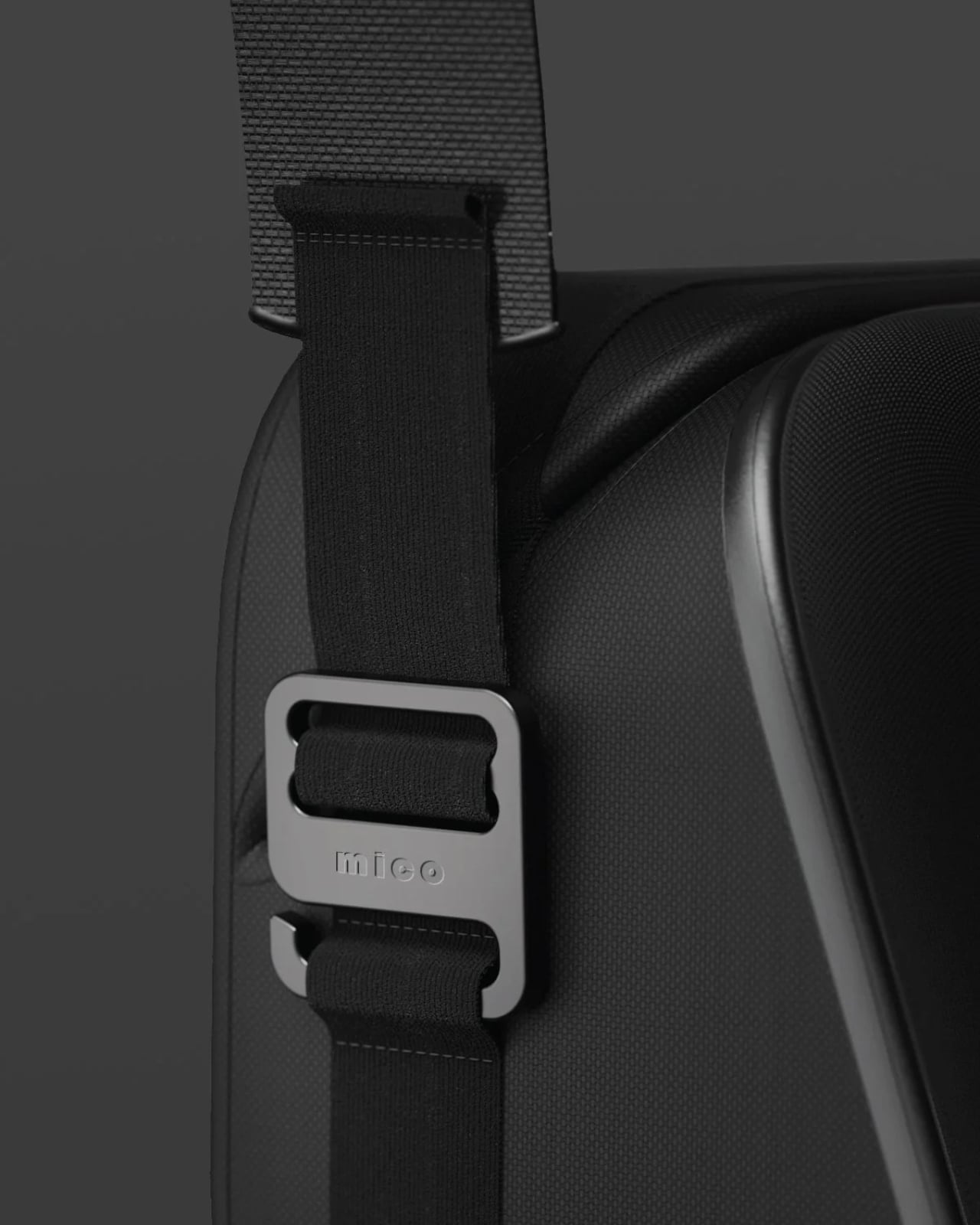
Whether this remains a concept or eventually makes it to production, Loopen represents the kind of thoughtful, playful design that makes you reconsider what everyday tech products could look like. It’s a reminder that functionality and beauty aren’t opposing forces. Sometimes, when you let the core idea of what something does guide how it looks, you end up with magic. In this case, that magic sounds pretty good too.

The post This Speaker Turns Sound Waves Into Sculptural Art first appeared on Yanko Design.