Sustainable Baby Shoes That Grow With Your Children’s Feet To Last Years

Every parent knows the struggle of dealing with outgrown children’s shoes. One minute they fit perfectly, and the next, they’re too small, adding to the pile of barely-used footwear. But what if there was a shoe that could adapt as your child’s feet grew, extending its lifespan and reducing waste? This innovative solution by Moa Lövinder is a groundbreaking prototype designed to grow with children aged 2-3 years, offering a sustainable answer to a common problem.

Designer: Moa Lövinder (Umeå Institute of Design)

The concept behind these adaptable shoes is simple yet revolutionary. Using principles of circular design and economy, Lövinder has created a shoe that adjusts to three different sizes, ensuring it remains useful for much longer than traditional footwear. This design not only increases the shoes’ utility but also addresses the rapid consumption and waste typical of children’s products.

In our pursuit of a sustainable future, reducing consumption and emissions is paramount. However, discussions often overlook the significant environmental impact of children’s items. Kids grow quickly, and their needs drive frequent consumption, creating a unique challenge. Lövinder’s project directly tackles this issue by offering a sustainable alternative that reduces the overall production of children’s shoes and promotes recycling.

The journey to this innovative solution began with thorough research. The designer studied the textile and footwear industries, focusing on their environmental impacts. She also conducted surveys and interviews with parents to understand their experiences with their children’s shoes. The feedback was clear, parents were frustrated with the constant need to discard perfectly good shoes simply because they no longer fit.

With this insight, Lövinder set out to create a new shoe design. She developed physical models using manual techniques and advanced 3D printing, ultimately producing a prototype that can grow with its user. The result? A shoe that extends its usability, significantly reducing the need for new shoes and minimizing waste.

But the innovation doesn’t stop there. Her design includes modular components, making it easy for parents to replace parts or make repairs at home. This feature not only prolongs the shoe’s life but also teaches children the value of maintaining and using what they have; a lesson often missing from second-hand solutions or other circular systems. Additionally, the shoe’s sole is crafted from reused materials, which can be recycled again once it reaches the end of its life.

One of the most significant impacts of this project is its potential to change consumption behavior from a young age. By integrating sustainability into children’s daily lives, the design fosters a mindset of responsible consumption that can extend into adulthood. Her growable shoe prototype represents a major step toward reducing the environmental footprint associated with children’s footwear, offering a practical and impactful solution to a widespread issue.

Moa Lövinder’s innovative shoe design for growing children is more than just a product; it’s a vision for a more sustainable future. By addressing the unique challenges of children’s rapid growth, this project provides a viable alternative that benefits both families and the environment. It’s a small step towards a big change, teaching the next generation the importance of sustainability while offering parents a practical solution to a perennial problem.

The post Sustainable Baby Shoes That Grow With Your Children’s Feet To Last Years first appeared on Yanko Design.
Paul Archer’s Latest Home Features A Mysterious Black Exterior that leads to a Pure White Interior

In the heart of Wivenhoe, England, Paul Archer Design, a UK-based design firm, has crafted a unique and visually captivating home for an artist seeking a light-filled interior. The spatial requirements of the client were simple yet profound: a room to work in and a space to entertain. The resulting design reflects a perfect blend of functionality, aesthetic appeal, and historical context.

Designer: Paul Archer Design

From the outside, this home defies conventional expectations, making “Dont judge a house by its exterior” the new phrase. With its all-black exterior, it may not immediately suggest the vibrant and creative life within. The exterior features a double-gable roof, dark timber cladding, and metal cladding on the roof. This stark façade contrasts sharply with the colorful and airy interior, creating an antithesis that piques curiosity.

The house is ingeniously divided into two volumes that sit comfortably along St John Road, surrounding a courtyard garden. The different ceiling levels within the home create a dynamic spatial experience, with a lower ceiling towards the front that opens up to a double-height vaulted space at the rear. This design choice enhances the perception of space, making the house feel larger than it is.

The site, located in the Lower Wivenhoe Conservation Area, required a design that reflected the rich maritime history and traditional boat-building sheds of the area. Extensive research into local history and building techniques informed the design, which aims to sensitively integrate contemporary elements with the historic fabric of the town.

The site had been neglected for years, with concrete foundations installed by the previous owner for an unrealized project. Paul Archer Design chose to work with these existing foundations, minimizing groundworks, reducing waste, and reusing what was already there. This approach not only preserved the historical integrity of the site but also showcased sustainable building practices.

Upon entering, visitors are greeted by wooden shelves for coats and shoes. To the left, the living room features floating wooden shelves for record players and a cozy space for three to four people. Further inside, a staircase on the right separates the kitchen from the entrance foyer. The kitchen itself is a delightful surprise, featuring pink cabinets, white countertops, and floating wood shelves, creating a convenient and stylish space for one person or a couple.

Natural light is a key feature of the home’s design. Skylights and rooflights along the length of the building ensure ample illumination throughout both levels. The open-plan living areas on the ground floor are connected to the outside by large, glazed doors, creating a seamless flow between indoor and outdoor spaces.

The upper levels of the house are defined by the geometry of the roofs, with open spaces overlooking the living areas below. A small lounge area with a dusty pink daybed at the top of the stairs provides a cozy corner to relax. The bedroom, complete with a wood closet and a balcony overlooking the lower level, also features a charming round window.

The design emphasizes convenience, functionality, and minimalism. Wood shelves in the open-plan dining area, pendant lights above the dining table, and strategically placed niches for storage highlight the efficient use of space. The bathroom features shower walls and a vanity area clad in square green tiles with colored grout, adding a touch of color and texture.

Planters throughout the home bring life to the space, creating a game of light and shadow that enhances the sense of warmth and closeness to nature. The ample natural light makes the space feel inviting and lively, perfectly suited to the needs of an artist.

The client’s brief called for a home that was flexible enough to allow for future separation of the two volumes. The design accommodates this with ease, providing a layout that can adapt to changing needs. Additionally, the home is designed to be energy efficient, minimizing heating costs and ensuring sustainability.

The post Paul Archer’s Latest Home Features A Mysterious Black Exterior that leads to a Pure White Interior first appeared on Yanko Design.
Arch & Type’s Artistic Chocolate Store Ceiling in Buffalo, NY Captivates and Shapes Consumer Behavior

The architectural studio Arch&Type has recently unveiled Blue Table Chocolates, a new retail chocolate store located in Buffalo, New York. The store features a stunning interior design that is sure to attract consumers and enhance sales. As a designer, I can attest to the importance of a well-designed retail space in drawing customers and increasing engagement with the products.

Designer: Arch&Type

The centerpiece of Blue Table Chocolates is a stunning sculptural ceiling inspired by the image of flowing, untempered chocolate. This ceiling, with its fluid and dynamic design, is composed of custom fluid ceiling tiles that were digitally modeled and crafted using CNC-milled, hand-assembled, and painted pieces. The visually captivating design extends into the chocolate workshop, creating a seamless transition between the retail and production areas. One of the design’s standout features is the part of the ceiling which appears to flow down onto the walls, creating an illusion of dripping chocolate. This effect makes customers feel more connected to the design, enhancing their sensory experience.

The material palette chosen for the store exudes luxury and warmth, much like the chocolates it houses. Gold, white oak, mirrored dishes, and white marble concrete form the foundation of the interior design. These elements are complemented by mirrored displays and magnetic labels, adding a touch of modernity and sophistication. The uniformly textured groove panels add to the sense of height and luxury, harmonizing with the ceiling’s curvy lines. The wooden finishes evoke the rich and comforting sensation of eating chocolate, enveloping customers in an atmosphere of indulgence and elegance.

Despite the store’s relatively compact size of approximately 900 square feet, clever design techniques have been employed to create an illusion of greater depth and space. The mirrored paneling on the back wall reflects the flowing chocolate ceiling, making it appear as though the design extends far beyond its actual limits. This visual trickery not only makes the space feel larger but also leaves a lasting impression on visitors.

The interior design of Blue Table Chocolates goes beyond mere aesthetics. By translating the brand’s values and the essence of its products into the physical space, the store offers a more immersive experience for consumers. This approach allows customers to relate to and engage with the products more deeply, fostering greater appreciation and connection. In recent times, the trend of visiting aesthetically pleasing places for the ambiance, rather than just the quality of food, highlights the mindset of contemporary audiences. This store perfectly captures this trend with its captivating design.

The careful curation of chocolate displays, resembling luxury items boxed in glass, further enhances the sense of opulence. Each chocolate vignette showcases mirrored displays and magnetic labels, elevating the presentation of the products to an art form.

The store’s design is a symphony of carefully curated elements. From the vertical groove panels to the frameless lime plaster door with a brass base, and the recessed white oak millwork with LED lighting, every detail has been meticulously planned. The chocolate workshop continues this theme with a marble table slab featuring tenon details, adding both functionality and beauty.

The creation of this store was a collaborative effort that celebrated local resources and craftsmanship. Designers Seth Amman and Adam McCullough worked with a diverse team, including Amman’s father, Mark, and students from the University at Buffalo’s SMART fabrication factory. This multidisciplinary approach not only brought the design to life but also ensured that every element was crafted with precision and care.

Blue Table Chocolates stands as a prime example of how thoughtful design can transform a retail space into an unforgettable experience. By leaning into the emotional and physiological impacts of chocolate, Arch&Type has created a store that celebrates both the art of chocolate-making and the craft of architecture. The result is a space that is distinctly Buffalo, yet universally appealing, offering consumers a unique and delightful experience that goes beyond the ordinary. Whether you’re drawn in by the sculptural ceiling, the luxurious materials, or the inviting ambiance, one thing is certain: a visit to Blue Table Chocolates is an experience to be savored.

The post Arch & Type’s Artistic Chocolate Store Ceiling in Buffalo, NY Captivates and Shapes Consumer Behavior first appeared on Yanko Design.
German-engineered Elegance Redefines Portable LED Lighting And Brings The Sun’s Hues Into Your Home

Step into the realm of illumination innovation with the GRAU Salt Lamp, a veritable titan in the world of portable lighting solutions. From the meticulous craftsmanship of German engineering emerges a luminary that transcends mere functionality, becoming a beacon of elegance and innovation that redefines the very essence of lighting.

Designer: GRAU

At first glance, the Salt Lamp presents a sleek silhouette, crafted from the finest powder-coated aluminum, with a base that whispers of luxury with its rubberized touch. However, beneath its stark exterior lies a wealth of innovative features designed to elevate your lighting experience to new heights.

You can effortlessly control your lighting experience with just a touch, as the Salt Lamp’s touch-sensitive top responds to your every whim, offering a radiant glow of up to 450 lumens. But wait, there’s more. Dive into the subtleties of sunset with GRAU’s ingenious sunset-dimming feature, painting your space with hues that mimic the warmth of the setting sun. From the golden embrace of dusk to the fiery hues of twilight, three distinct light curves—Sunset Orange Light, Golden Light, and Neutral Light—beckon you to curate your ambiance with finesse.

Powered by USB-C rechargeable batteries, the Salt Lamp boasts an impressive runtime of 150 hours on a single charge, extending to a remarkable 500 hours when set to the dimmest setting. GRAU has engineered the lamp with easily replaceable battery units in a nod to sustainability, ensuring longevity and minimizing environmental impact.

Navigating the lamp’s features is a breeze, thanks to its intuitive design elements. The inclusion of a smart LED battery indicator keeps users informed of the remaining battery life, while the innovative “Magic button” enables seamless operation and effortless color adjustments.

Adding to its allure, the Salt Lamp is available in four chic colors—black, yellow, white, and red—inviting you to choose the hue that speaks to your soul, complements your style, and becomes an extension of your aesthetic narrative. Priced at €399 (USD $426), the Salt Lamp represents a worthwhile investment in both functionality and design excellence.

The GRAU Salt Lamp stands out as a beacon of innovation and sophistication. Whether illuminating your workspace, enhancing your home ambiance, or accompanying you on outdoor adventures, this portable luminary is poised to redefine your lighting experience, one radiant moment at a time.

The post German-engineered Elegance Redefines Portable LED Lighting And Brings The Sun’s Hues Into Your Home first appeared on Yanko Design.
4-AL Stool by Paul Matteo Wesser Redefines Sustainable Furniture with Repurposed Materials

In the world of sustainable design, creative minds constantly push the envelope to discover innovative ways of crafting eco-friendly furniture. The 4-AL stool, designed by Vienna-based Paul Matteo Wesser, stands as a testament to this quest for sustainability. This project not only champions eco-friendly practices but also redefines how we perceive repurposed materials.

Designer: Paul Matteo Wesser

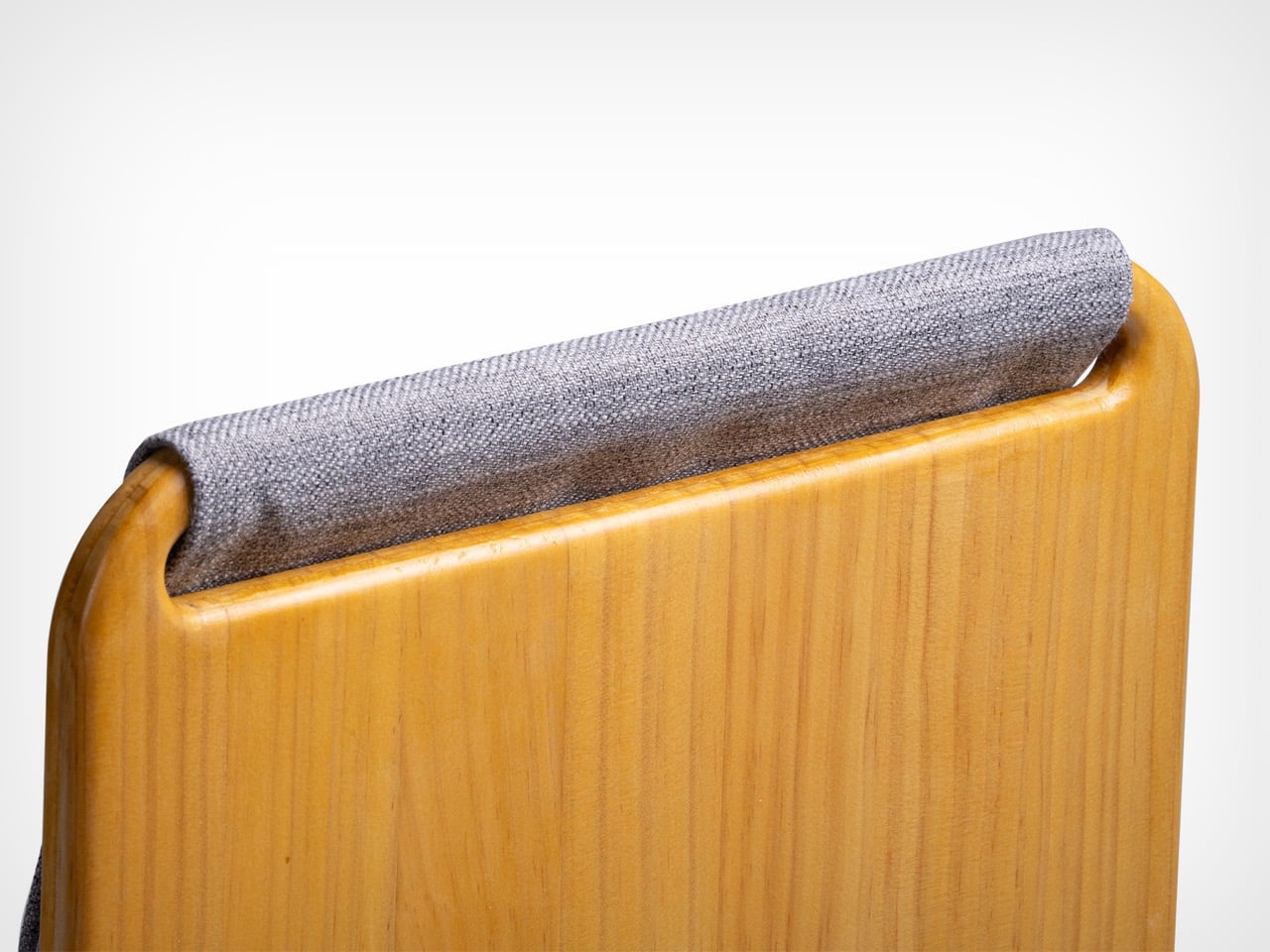
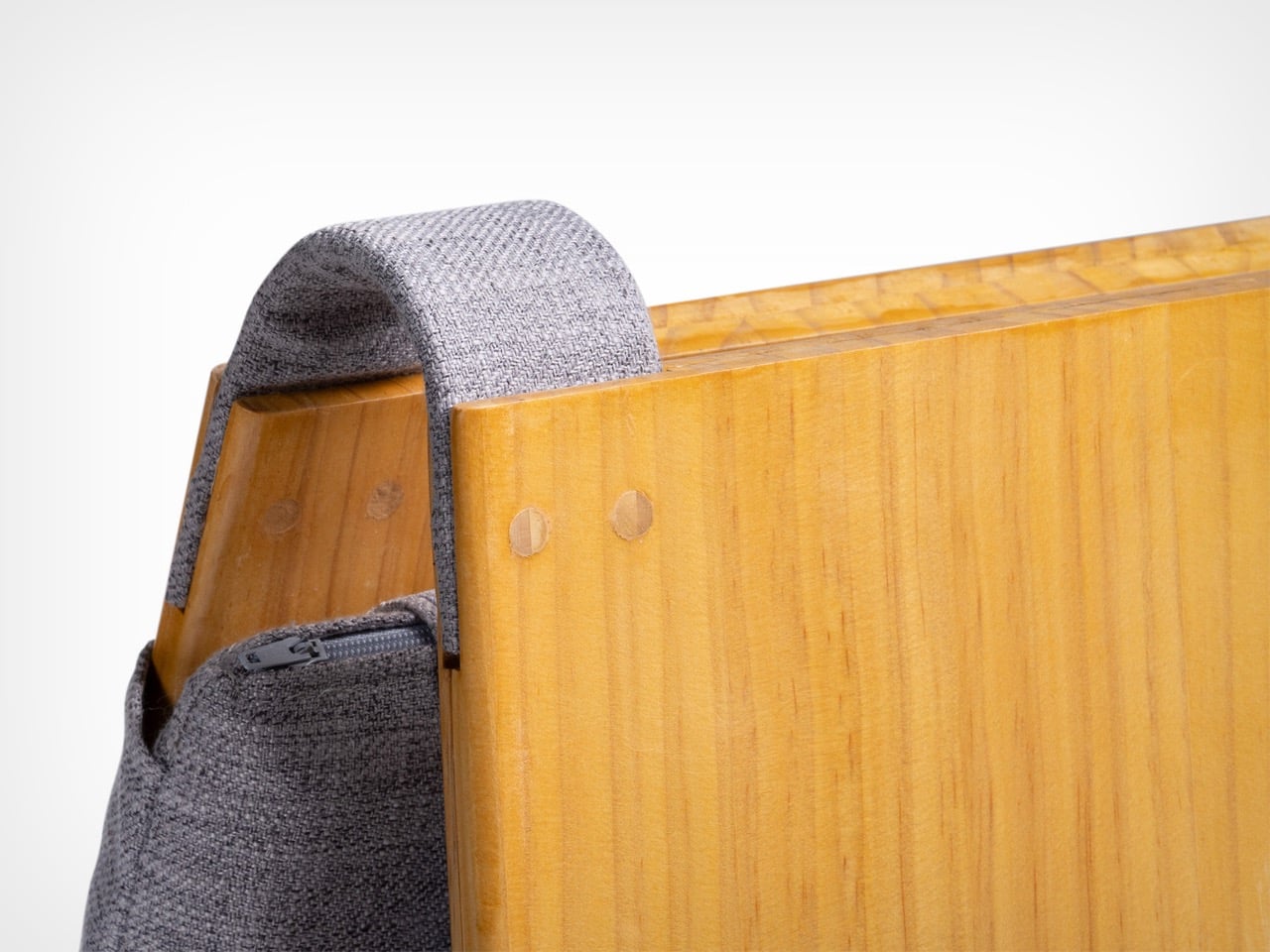
Wesser’s 4-AL stool exemplifies how sustainable furniture can be crafted from repurposed elements. While some designers experiment with unconventional materials like mushroom mycelium or recycled paper, Wesser looked to more readily accessible sources. He turned to online home improvement stores, viewing them as treasure troves of potential. By repurposing metal balcony cladding elements, he transformed them into the stool’s main structure. The aluminum profiles chosen for the frame highlight a commitment to durability, stability, and weather resistance, ensuring the stool’s longevity.

The stool’s design takes inspiration from coastal architecture. Rectangular aluminum panels form a symmetrical base, while a cross-shaped frame supports the seat. Crafted from cane, the seat features a finely woven pattern, adding a warm accent and beautiful texture to the silver-gray aluminum. This combination of materials not only provides visual appeal but also highlights the potential of repurposed elements in modern design.

One of the standout features of the 4-AL stool is its modular design. Both the frame and the cane seat can be easily detached from one another. This thoughtful design enhances the product’s environmental credentials by simplifying recycling and repairs. It ensures that the stool can have a long life, with parts that are easy to replace or recycle.

Wesser’s choice of materials and components from home improvement retailers means that the stool is both accessible and affordable. By utilizing existing parts, he minimized waste and streamlined the manufacturing process. This approach not only reduces the carbon footprint but also makes sustainable furniture more attainable.

4-AL adapts effortlessly to different needs, serving either as extra seating or as a side table. Its modern silhouette and thoughtful material combination make it a versatile addition to any contemporary home.

The 4-AL stool, though currently a prototype, offers an inspiring blueprint for eco-friendly furniture, reducing environmental impact while making a bold statement in home decor. Paul Matteo Wesser’s innovative approach showcases how sustainability and creativity can intersect, providing a path forward for the future of furniture design. This stool is a shining example of how repurposed materials can be transformed into stylish, functional, and sustainable furniture. Its modular design, inspired aesthetic, and practical functionality make it a promising solution for eco-conscious consumers and designers alike.

The post 4-AL Stool by Paul Matteo Wesser Redefines Sustainable Furniture with Repurposed Materials first appeared on Yanko Design.
A Product Designer Is Revolutionizing Popping Pills Into Chewing Gums For Better Absorption Of Medication

Chiara Torterolo, a Master’s student in Product Design at ECAL, has developed an innovative concept called MedGum, which offers a revolutionary approach to medication delivery. Unlike typical student projects in the medical products subspecialty, Torterolo’s work targets the form of the medication itself, proposing a novel solution through chewing gum.

Designer: Chiara Torterolo

Scientists and medical researchers have long recognized chewing gums as a highly effective alternative to conventional drug administration methods like pills, tablets, and capsules. The MedGum project leverages this potential, integrating food production, medical research, and design to create a range of functional gums with additional health benefits. Chewing gum, as a medium for drug delivery, offers several advantages over traditional methods, including ease of use, improved patient compliance, and potentially faster absorption of active ingredients.

MedGum is meticulously designed to enhance the effectiveness of medication. The structure of the gum is tailored to improve the speed and dynamics of active ingredient absorption. By carefully designing the gum’s composition and structure, the MedGum project aims to optimize the release and absorption of medication, ensuring that it works more efficiently compared to traditional forms. This design innovation is particularly significant for medications that require rapid onset of action, as the chewing process can facilitate quicker absorption through the oral mucosa.

This is not a one-size-fits-all solution. It is specifically tailored to address various medical conditions such as stomach disorders, allergies, migraines, and oral injuries. Each type of MedGum is developed with a unique formulation to cater to these specific health needs. For instance, a MedGum designed for stomach disorders might contain active ingredients that soothe and heal the stomach lining, while a formulation for migraines could include rapid-acting pain relievers. This targeted approach ensures that patients receive the most appropriate treatment for their condition, enhancing the overall effectiveness of the medication.

One of the standout features of MedGum is its discreet and convenient nature. The new packaging design ensures that patients can take their medication without drawing attention. This aspect is particularly beneficial for individuals who may feel self-conscious about taking traditional medication in public settings. MedGum offers a level of privacy and convenience that is unmatched by conventional drug delivery methods, making it easier for patients to adhere to their medication regimen.

The post A Product Designer Is Revolutionizing Popping Pills Into Chewing Gums For Better Absorption Of Medication first appeared on Yanko Design.
Innovative And Sustainable Tiny Homes Transforming Flood-Prone Communities In Bangladesh

Bangladesh, a country where up to 80% of the land is classified as floodplain, faces significant challenges with flooding, impacting its population of around 170 million. In response to this critical issue, Bangladeshi architect Marina Tabassum, in collaboration with engineers AKT II, has created the Khudi Bari—a simple, low-cost, and highly functional tiny house designed to offer a safe and affordable home adaptable to the country’s challenging conditions.

Designer: Marina Tabassum and AKT II

The Khudi Bari, meaning “small house” in Bengali, stands out for its innovative and practical design. Raised above the ground and accessed via a ladder, this tiny house is not built on wheels but is designed to be easily assembled, dismantled, and relocated without the need for specialist tools. This feature is particularly crucial for Bangladeshi residents who need to quickly move to higher ground to escape encroaching floodwaters.

The construction of this house prioritizes sustainability and local resource utilization. The primary building material is bamboo, complemented by prefabricated recycled aluminum nodes that allow for easy assembly. The walls and roof can be sourced locally and crafted from materials such as polycarbonate and metal. This approach not only reduces costs but also supports local economies.

The interior of the Khudi Bari ranges from 64 sq ft (5.95 sq m) to 144 sq ft (13.4 sq m), consisting of a single, versatile room. This space can be adapted to meet the needs of its occupants, with the area beneath the raised house available for additional living space if necessary. Despite its simplicity, the Khudi Bari provides a dignified living environment for those in need.

The Khudi Bari is not just a conceptual design, it has been put into real-world use. Over 100 units have already been deployed throughout Bangladesh, significantly improving the living conditions for vulnerable populations. The project has been carried out in collaboration with relief organizations and community groups, demonstrating a successful model of community-driven, sustainable architecture.

One of the units is currently showcased at the Vitra Campus in Germany, an exhibition space run by the renowned furniture maker Vitra, known for featuring exceptional architectural designs. This international exposure highlights the global relevance and innovative nature of the Khudi Bari project.

While the exact cost of each unit is not specified, initial prototypes were produced for around £300 (approximately US$380). Efforts are ongoing to further reduce this cost, making the Khudi Bari even more accessible to those in need. This initiative is part of a broader trend in architecture aimed at addressing the impacts of climate change, with similar projects like the Floating Bamboo House and Blooming Bamboo House also contributing to sustainable and resilient housing solutions.

The post Innovative And Sustainable Tiny Homes Transforming Flood-Prone Communities In Bangladesh first appeared on Yanko Design.

Heineken Bottles get transformed into Recycled Glassware and Lampshades

Heineken is taking a bold step towards sustainability with its latest initiative, Waste-to-Wear, coinciding with the launch of returnable bottles in South Africa. This innovative project transforms single-use bottles into stylish homeware and wearable pieces, marking a significant move in the company’s commitment to reducing waste.

Designer: Sonic State and Heineken

The Heineken bottles are usually made of glass, a versatile and long-lasting material. Glass can be easily cleaned and reused, making it an unfortunate choice as a one-time disposable item. This inherent durability and adaptability of glass allow it to be molded and designed into a variety of household items and even wearables, showcasing its potential beyond single use.

The Waste-to-Wear collection is an extension of Heineken South Africa’s Fields Green With Grass, Not Glass initiative. This project aims to tackle two critical issues: reducing environmental impact and enhancing urban aesthetics. By repurposing broken glass “hotspots,” the initiative not only beautifies urban areas but also addresses the ecological consequences of discarded glass bottles.

In collaboration with the creative agency Sonic State, Heineken has repurposed bottles collected from these hotspots into a range of stunning items. These include 3,000 rings, 3,000 medallions, and a unique collection of homeware, such as dinner sets and a hops-inspired pendant light. Each piece reflects thoughtful design and environmental consciousness, demonstrating how waste can be transformed into something beautiful and functional.

This initiative is part of a broader focus on sustainability and community development. It includes the introduction of new returnable bottles and the Green Zones Project, which converts broken glass hotspots into green spaces. The first phase of this project has established five green zones in Cape Town, Johannesburg, Pretoria, and Durban, covering over 5,000 square meters. These zones feature indigenous plants and grasses, food gardens, and creative art installations, transforming urban spaces into vibrant, eco-friendly areas.

This project has also brought recognition to Sonic State, which won Bronze at the New York Festivals Ad Awards 2024 for this innovative initiative. This accolade highlights the vision and collaboration between Heineken South Africa, Sonic State, and other industry partners such as Swain Swagger, Bhavna Mistry, and Juaan Ferreira.

The success of the ‘Fields Green With Grass, Not Glass’ campaign and the ‘Waste-to-Wear’ project underscores the impact of creative design in addressing environmental issues. Sonic State’s collaboration with Chas Prettejohn and Ngwenya Glass in Eswatini further demonstrates the power of craftsmanship in transforming waste into art and utility.

The New York Festivals Ad Awards recognition is a testament to the hard work and dedication of everyone involved in the Waste-to-Wear project. It underscores the significant impact of innovative design on our environment and communities. Sonic State’s commitment to pushing the boundaries of creative design and sustainability sets a high standard for future endeavors, showcasing what can be achieved through vision, collaboration, and a passion for making a difference.

The importance of large organizations like Heineken adopting sustainable practices cannot be overstated. Such initiatives not only address environmental concerns but also raise awareness among a broader audience. Global warming and environmental degradation are often taken lightly by many. However, when a beloved brand like Heineken takes visible and impactful steps towards sustainability, it ignites conversations and fosters a genuine understanding of the issue. The unexpected nature of Heineken-branded wearables and homeware pieces grabs attention and makes a lasting impression, far more than a written declaration of sustainable practices ever could.

The post Heineken Bottles get transformed into Recycled Glassware and Lampshades first appeared on Yanko Design.
The Ambient Machine is a quirky speaker that lets you fill the silence of your home with calming sounds

Imagine replacing the mundane sounds of daily life with a symphony of soothing ambient music. Sound artist Yuri Suzuki, in collaboration with acclaimed musician Cornelius (Keigo Oyamada), has made this possible with The Ambient Machine – Cornelius Edition, a groundbreaking creation for Japanese furniture label E&Y. This innovative device is designed to enrich home environments through the power of customizable ambient music, offering users a unique way to transform everyday noise into calming sonic landscapes.

Designer: Cornelius and Yuri Suzuki

The Ambient Machine – Cornelius Edition takes Suzuki’s original design and enhances it with eight unique sound sources crafted by Cornelius. From delicate sine waves to dynamic electronic sounds, this device transforms everyday noises into a rich auditory tapestry. Its vibrant orange hue symbolizes its dual role as both a functional device and a musical instrument, capturing the essence of creativity and warmth. This thoughtful design choice highlights its ability to blend seamlessly into any home while adding a touch of artistic flair.

Since 2020, the global shift towards spending more time indoors has heightened our awareness of the various sounds that fill our living spaces. Recognizing this, Suzuki’s creation provides a much-needed auditory escape. It replaces intrusive noises with customizable ambient music, offering a serene atmosphere tailored to personal preferences. The device features four adjustable functions—play/stop, volume up/down, reverb on/off, and BPM fast/slow—tailored for each of its eight sound sources. These include acoustic instruments and expansive soundscapes, ensuring a diverse range of auditory experiences.

This edition offers a virtually limitless array of musical compositions. Its tactile and intuitive interface encourages users to experiment and personalize their soundscapes, making the act of listening a dynamic and engaging experience. This hands-on approach transforms your environment, allowing you to curate soundscapes that suit your mood and preferences. By engaging with the device’s controls, users can explore an endless variety of sound combinations, fostering creativity and mindfulness.

The machine enriches Suzuki’s original design with Cornelius’s distinctive sound sources, offering a versatile solution for enhancing home environments. By replacing everyday noises with customizable ambient music, users can transform their auditory surroundings, making time spent indoors more pleasant and immersive. Whether used as a background ambiance during work or as a focal point for relaxation, this device seamlessly integrates into daily life.

The post The Ambient Machine is a quirky speaker that lets you fill the silence of your home with calming sounds first appeared on Yanko Design.
How Switching From A Grid To A Dome Model Helps City Planning For A Sustainable Future

Biotech City is a groundbreaking concept in urban design that seeks to address today’s pressing environmental challenges through innovation and sustainability. This proposed domed city builds upon the legacy of bio-dome habitats, where systems are designed to be entirely self-sustaining. Biotech City offers an imaginative glimpse into the future of urban living, merging advanced technology with ecological harmony to create a resilient and green urban environment. This ambitious project represents more than just a city; it is a revolutionary plan for sustainable urban living in the 21st century.

Designer: ON-A

In contrast to traditional urban design, this city starts with a circular form, offering exceptional flexibility and freedom from conventional constraints. This unique approach allows the city to grow in multiple directions, creating a dynamic and adaptable urban landscape. The design evolution from a simple circle to a complex, protective dome reflects a careful and innovative planning process. The dome, inspired by nature’s protective forms, creates a unique atmosphere inside, blending architecture and engineering into a cohesive and functional whole.

The introduction of a hexagonal and pentagonal grid, based on Voronoi patterns, seamlessly connects infrastructure and green spaces. This design promotes a human-scale environment, enhancing the quality of life for residents. The dome’s structure goes beyond being a mere roof; it becomes a multifunctional building that blurs the lines between architecture and engineering, fostering a sustainable and harmonious urban ecosystem.

Biotech City is meticulously designed to adapt to extreme climates. Its form is tailored to the specific environmental data of each location, ensuring optimal resilience. In temperate zones, the city adopts open configurations to benefit from natural ventilation, while in arid regions, it uses opaque structures to shield against solar heat. This adaptability redefines urban resilience, demonstrating a perfect blend of sustainability and innovative design suitable for diverse environmental settings.

The self-sustaining dome design features hexagon-shaped roof panels that integrate solar technology, providing clean energy to the entire system. The dome at Biotech City rises majestically, merging architecture, engineering, and biotechnology into a single entity. This iconic structure is the heart of the city, symbolizing the successful collaboration between diverse disciplines.

The city seamlessly integrates nature with the urban environment. Lush vegetation, interactive landscapes, and living elements coexist in perfect symbiosis, creating an urban living experience that fosters a deep connection with the natural world. This innovative approach not only beautifies the city but also leverages biotechnology for a deeper coexistence with nature. Embedded biotechnology systems enhance air quality and overall well-being, creating an environment where residents thrive in harmony with their surroundings.

Biotech City’s ambitious vision for sustainability is made possible through collaboration with BIOO, a leading biotechnology company. Together, they redefine the boundaries of sustainability and energy efficiency in urban design. By harnessing plant photosynthesis and microbial fuel cells, it integrates with nature and generates energy sustainably. This partnership exemplifies a strong commitment to merging architecture and green technology to forge a brighter, greener future.
This city stands as a testament to human ingenuity and the potential for a sustainable future. This self-sufficient, climate-adaptable oasis harnesses the power of design, engineering, and biotechnology beneath its vast dome. As an inspirational model for urban living, Biotech City not only addresses current environmental challenges but also sets a new standard for urban development. Here, modern amenities and environmental stewardship go hand in hand, offering a visionary blueprint for how cities can thrive in the 21st century.

The post How Switching From A Grid To A Dome Model Helps City Planning For A Sustainable Future first appeared on Yanko Design.