Amazon has cut Ember smart mug prices to record lows for Black Friday. The high-tech mugs have built-in heating that can keep your coffee, tea or other hot drink at your ideal preset temperature, allowing you to take your time sipping it without worrying about a lukewarm beverage. Usually $130, you can pick up the 10 oz Ember Smart Mug 2 starting at $90.
One of Engadget’s recommended gifts for teachers, the Ember Smart Mug 2 can keep your mug heated to anywhere between 120 and 145 degrees Fahrenheit. Once you find your perfect temp, you can set the mug’s companion app (available for iOS and Android) to it and forget about it. The mug will remember your setting, automatically heat when it detects liquid and stop when it’s empty. The mug lasts up to 80 minutes on a full charge, and if you leave it on its bundled charging coaster (except, of course, when picking it up to sip), it essentially lasts all day.
At the time of publication, the white, black and red variants of the 10 oz. Mug 2 are available and marked down on Amazon. However, the black and red options cost a (still heavily discounted) $100, requiring an extra $10 over the white model.
Amazon also has the standard 14 oz. Ember Smart Mug 2 for $40 off. The larger model includes the same features, temperature controls and estimated battery life as the 10 oz. one. This variant ships in white and black for $109.46 (usually $150) and you can grab the copper version for $130 (typically $180).
This article originally appeared on Engadget at https://www.engadget.com/ember-smart-mugs-are-at-record-low-prices-in-amazons-black-friday-sale-185030627.html?src=rss
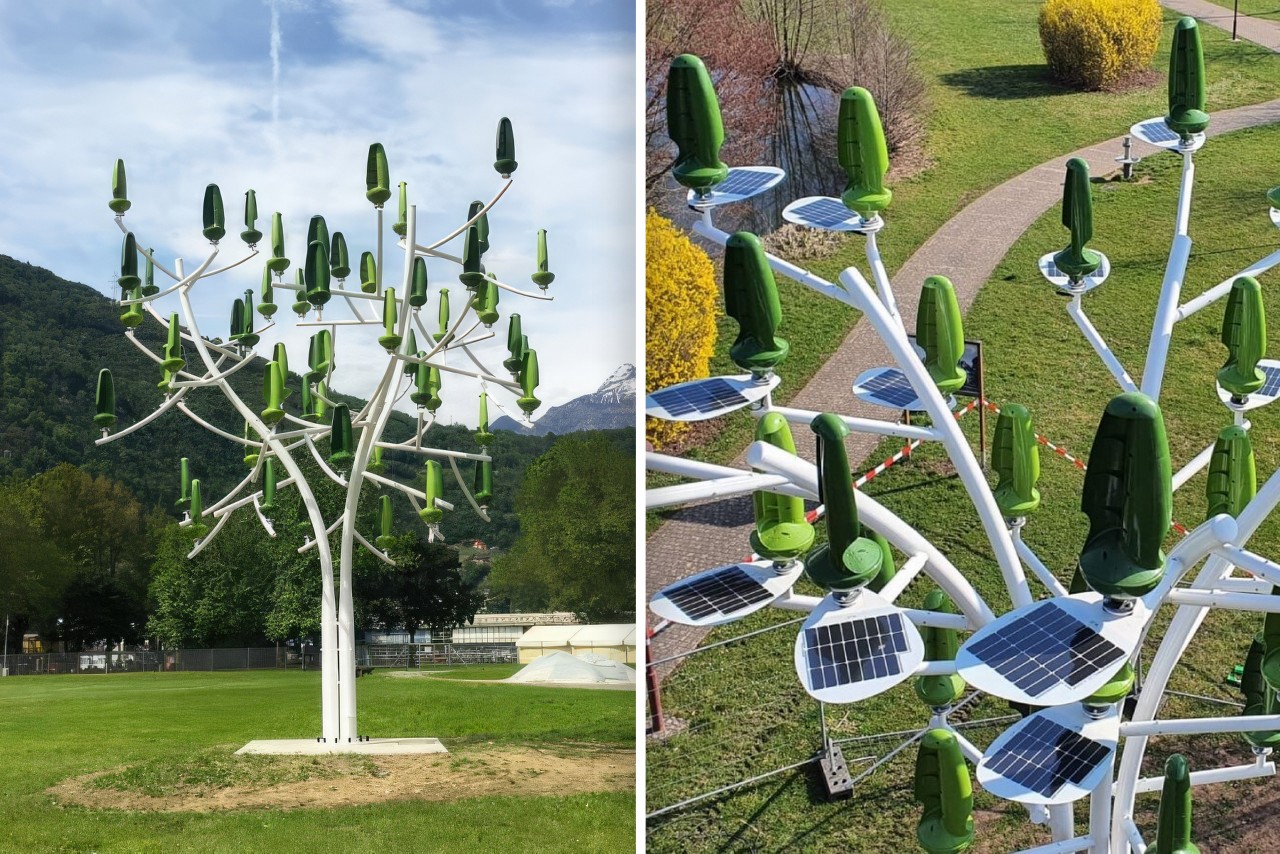
In the quest for sustainable energy solutions, New World Wind has unveiled its revolutionary Aeroleaf Hybrid technology—a micro-wind turbine shaped like a tree, combining the forces of wind and solar energy to provide a clean and unlimited power source. This innovative approach not only meets the growing demand for electricity but also addresses environmental concerns associated with traditional energy production methods.
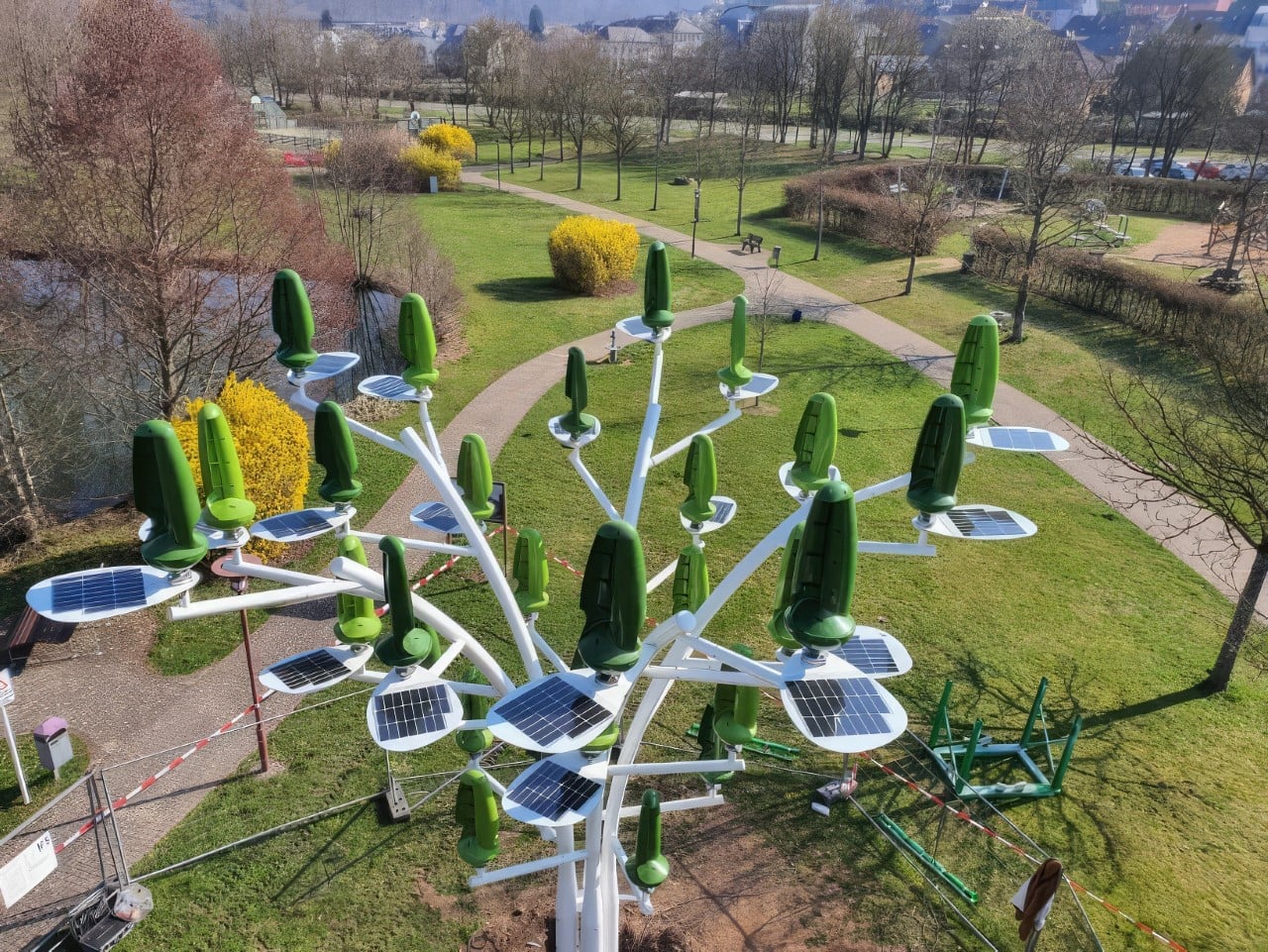
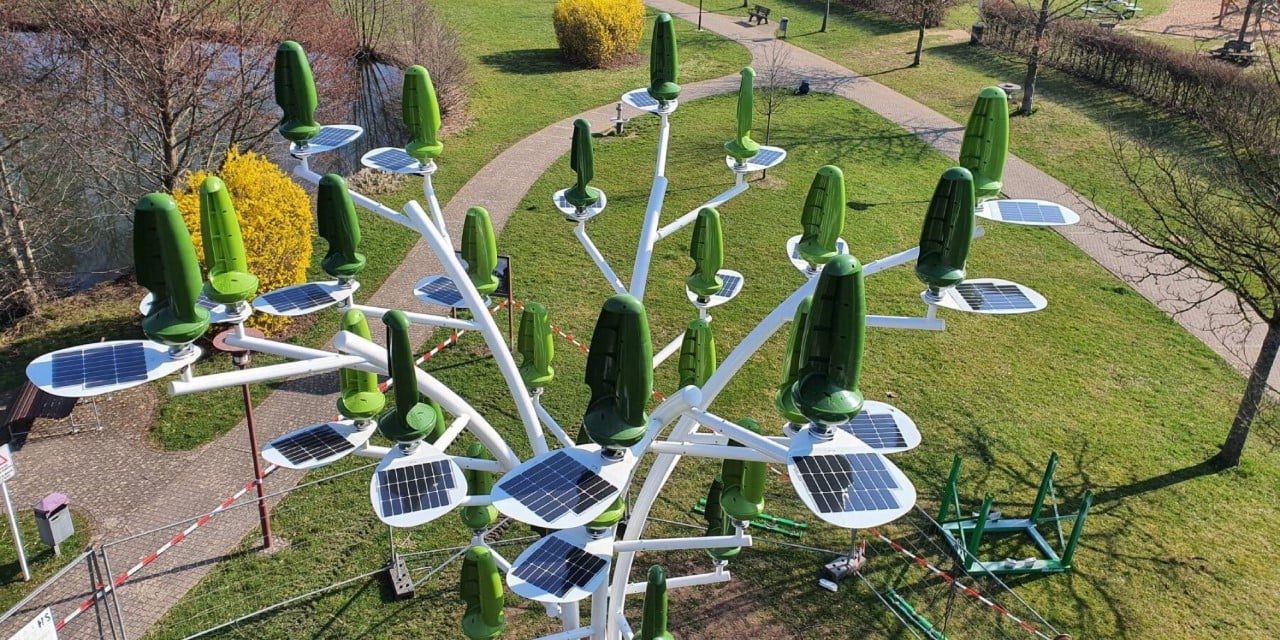
The conventional methods of electricity production, often reliant on burning fossil fuels, contribute to environmental degradation and climate change. New World Wind’s Aeroleaf Hybrid offers a compelling alternative by seamlessly integrating wind and solar power. The tree-shaped turbines are equipped with rotating leaves that capture wind energy, complemented by solar panels at the base, ensuring a continuous and efficient energy production process.
New World Wind draws inspiration from the beauty of nature, ensuring that the Aeroleaf Hybrid blends harmoniously with both urban and green landscapes. Unlike conventional wind turbines and solar panels, these tree-shaped energy generators appear as if they naturally grew in their surroundings. This unique design feature allows for a more aesthetically pleasing integration into various environments.
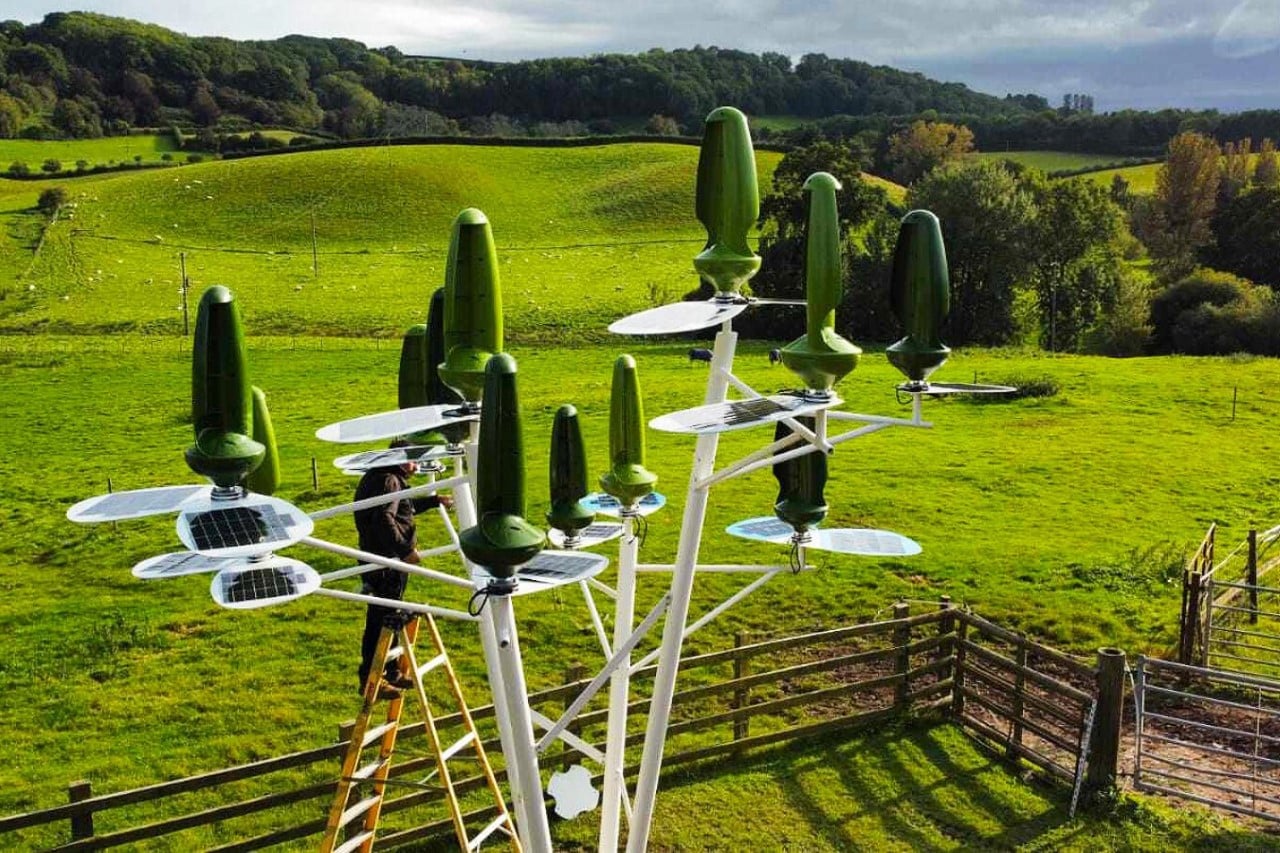
New World Wind’s commitment to green energy is evident in its global installations. The first Aeroleaf Hybrid, welcomed in Birmingham, UK, stands tall on a hill, showcasing its ability to harness wind and solar power in unison. The collaboration with Tom Tits Experiment, a science museum in Sweden, further emphasizes the technology’s versatility and its potential to power significant institutions with clean electricity.
A variant of the Aeroleaf Hybrid without Solar Panels
Recognizing the diverse energy needs of consumers, New World Wind offers three variations of the Aeroleaf Hybrid—Wind Tree, Wind Palm, and Wind Bush. The Wind Tree, with its numerous rotating leaves, is suitable for larger spaces and can even serve as a multifunctional lamp post or charging station for electric vehicles. The Wind Palm and Wind Bush cater to different scales, providing flexibility for installation in various settings, from public gardens to smaller neighborhoods.
New World Wind’s Aeroleaf (Hybrid) technology is based on a patented micro-wind turbine with a leaf-shaped double blade and a vertical axis. This synchronous micro-generator with permanent magnets allows for installation in diverse locations, including rooftops, terraces, pylons, and low-wind areas. The technology, with a single Aeroleaf generating a minimum of 300 watts, has already been deployed in 130 locations worldwide, spanning countries like Spain, the Netherlands, Canada, Australia, Mexico, Portugal, Nigeria, France, the United Arab Emirates, and the United States.
Apart from its functional benefits, the Aeroleaf Hybrid also offers a customizable experience. Consumers can choose from various color options, allowing the turbines to seamlessly integrate with their surroundings. This level of personalization enhances the technology’s appeal and further encourages the adoption of green energy solutions.
By mimicking the elegance of nature, this technology not only provides a sustainable energy source but also exemplifies the potential for beauty and functionality to coexist in our pursuit of a greener tomorrow.
The Shark AI Ultra robot vacuum and mop combo machine is on sale for $400 via Amazon as part of a Black Friday deal. This is a discount of $300, or 43 percent, and is the lowest price we’ve ever seen for this particular model. This is a well-regarded midrange unit with plenty of functionality, including the ability to both vacuum and mop.
As a matter of fact, the Shark AI Ultra topped our list of the best robot vacuums in 2023. We admired its reliable cleaning performance, the intuitive mobile app that produces accurate home maps and the inclusion of Alexa/Google Assistant voice control options. We took a look at a slightly older model that didn’t yet include the sonic mop feature, so this refresh is likely even better than the one that topped that list.
It’s got all of the features you expect from a decent robovac, including obstacle avoidance, LiDAR navigation and, of course, a self-emptying base. The base is also bagless, so you won’t have to constantly dole out cash for new bags every few months. As a matter of fact, the only bad thing you can say about this thing is that it’s too expensive at its original price of $700. Well, that’s definitely been handled.
This is the week of Black Friday, so Shark’s combination unit isn’t the only robovac on sale. You can spend even less on a combo machine, as the TP-Link Tapo vacuum/mop hybrid device is on sale for $250 instead of $400. This is another fantastic unit and tops our list of the best budget robot vacuums.
This article originally appeared on Engadget at https://www.engadget.com/this-shark-robot-vacuum-and-mop-combo-machine-is-300-off-in-an-amazon-black-friday-deal-180041559.html?src=rss
The Senate Judiciary Committee will hold a hearing on online child sexual exploitation on December 6 and the CEOs of major tech companies are set to testify. The committee expectsMeta CEO Mark Zuckerberg and his counterpart at TikTok, Shou Zi Chew, to testify voluntarily. It also wants to hear from the CEOs of X (formerly Twitter), Discord and Snap, and it has issued subpoenas to them.
"Big Tech’s failure to police itself at the expense of our kids cannot go unanswered," committee chair Sen. Dick Durbin (D-IL) and ranking member Sen. Lindsey Graham (R-SC) said in a joint statement, as Reuters reports. "I’m hauling in Big Tech CEOs before the Senate Judiciary Committee to testify on their failure to protect kids online," Durbin wrote on X.
JUST ANNOUNCED: Senate Judiciary Committee will press Big Tech CEOs on their failures to protect kids at hearing on Dec 6.
Subpoenas issued to CEOs of Discord, Snap, & X. Committee remains in discussion w/ Meta, TikTok—expects their CEOs will agree to testify voluntarily.
According to the committee, X and Discord refused to accept service of the subpoenas on their CEO's behalf, "requiring the committee to enlist the assistance of the US Marshals Service" to serve them personally. "We have been working in good faith to participate in the Judiciary committee’s hearing on child protection online as safety is our top priority at X," Wifredo Fernandez, head of US and Canada government affairs at X, told Engadget in a statement. "Today we are communicating our updated availability to participate in a hearing on this important issue."
“Keeping our users safe, especially young people, is central to everything we do at Discord," a Discord spokesperson told Engadget. "We have been actively engaging with the Committee on how we can best contribute to this important industry discussion. We welcome the opportunity to work together as an industry and with the Committee."
The issue of tech platforms allegedly facilitating harms against kids has become an increasingly pressing issue. Earlier this month, former Meta executive Arturo Béjar testified that Zuckerberg failed to respond to his email detailing concerns about harms facing children on the company's platforms. Senators then demanded documents from the company's CEO "related to senior executives’ knowledge of the mental and physical health harms associated with its platforms, including Facebook and Instagram."
This article originally appeared on Engadget at https://www.engadget.com/tech-ceos-are-set-to-testify-in-a-senate-online-child-sexual-exploitation-hearing-in-december-180206072.html?src=rss
If you’re looking for a VPN with robust cross-platform software support, CyberGhost’s Black Friday sale gives you four extra months when you buy a two-year plan. Combined with the typical savings from committing to two years, it adds up to 84 percent off the security company’s standard monthly pricing over the same period.
When you buy two years of CyberGhost access for $56.94, the VPN provider will throw in four months for free. The deal is live now and runs through Black Friday and Cyber Monday, wrapping up on December 7.
CyberGhost is Engadget’s pick for the best VPN for cross-platform access. It offers simultaneous connections on up to seven devices while supporting devices like computers, phones, routers, smart TVs and more. CyberGhost has Windows, Mac, iOS, Android and Linux apps, and it even offers browser extensions for Chrome and Firefox. Ensuring its status as our favorite cross-platform VPN is the company’s detailed instructions on setting up its various apps, helping to enhance its all-around user-friendliness.
The company recently expanded its server network from 91 to 100 countries, adding Bolivia, Ecuador, Peru, Uruguay, Laos, Myanmar, Nepal, Guatemala and the Dominican Republic to its available locations. CyberGhost committed to an independent audit with Deloitte earlier this year. It also runs a vulnerability disclosure program and recently published an updated transparency report.
This article originally appeared on Engadget at https://www.engadget.com/cyberghost-black-friday-deal-includes-four-extra-months-with-two-year-plans-174248901.html?src=rss
These days, it's perhaps more difficult than ever to buy someone a video game as a gift. Not only are there thousands of options, your intended recipient may already have access to a given game on another platform or it may already be included in a subscription service they pay for. A gift card is likely a safer bet. To that end, you can save 10 percent on Xbox and PlayStation gift cards for Black Friday. At both Amazon and Target, you can snap up a $50 Xbox gift card for $45.
That's almost enough to cover three months of access to Xbox Game Pass Ultimate, which now costs $17 per month. Alternatively, that's enough to pay for four months of Xbox Game Pass access (at $11 per month) or five months of PC Game Pass ($10 per month). Should your recipient choose to pay for Game Pass with their gift card, they'll have access to a library of hundreds of games. They could always just buy games outright, of course.
PlayStation Plus gift cards are also 10 percent off at Amazon. A $70 gift card is down to $63, while a $30 option is on sale for $27. The former will cover five months of PlayStation Plus Extra access. Similar to Game Pass, that tier of Sony's subscription service includes access to hundreds of PS4 and PS5 games. PS Plus Extra costs $15 per month, $40 per quarter or $135 per year.
Last but not least, a 12-month Nintendo Switch Online Family membership is available for $32 (usually $35) at Amazon. This is a solid gift for a household that has at least two Nintendo Switches — a family membership lets up to eight people use Nintendo Switch Online. The service includes access to online multiplayer, as well as a library of NES and SNES classics and a few battle royale-type exclusives from Nintendo, such as Tetris 99 and F-Zero 99.
We’ve seen enough movies set in space and maybe even some documentaries or real life videos to know that life during space travel can be lonely. So having a pet with the astronauts can help with their mental health. But of course, there are limitations when it comes to actually having pets in space. So the next best thing would be to have a robot that would take the place of a pet and also be able to do even more than real animals. And of course, an AI powered one would probably be even better.
Designer: Jihee Kim
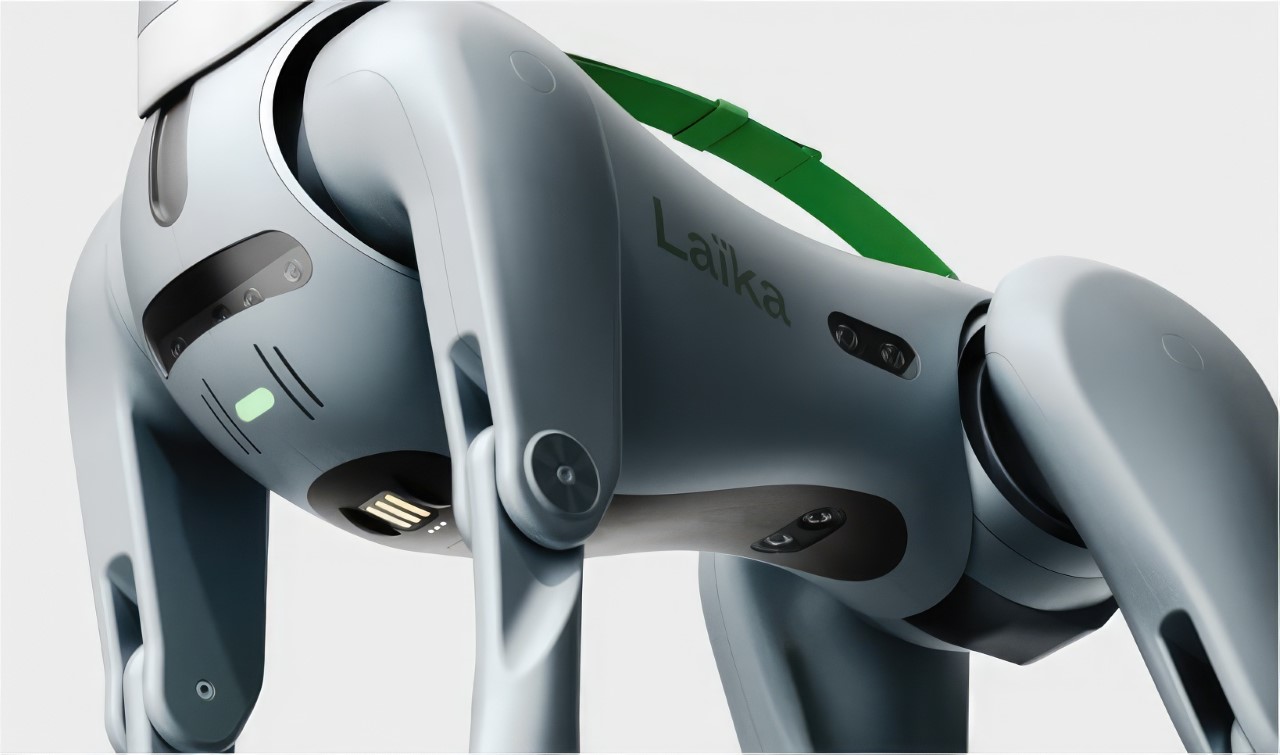
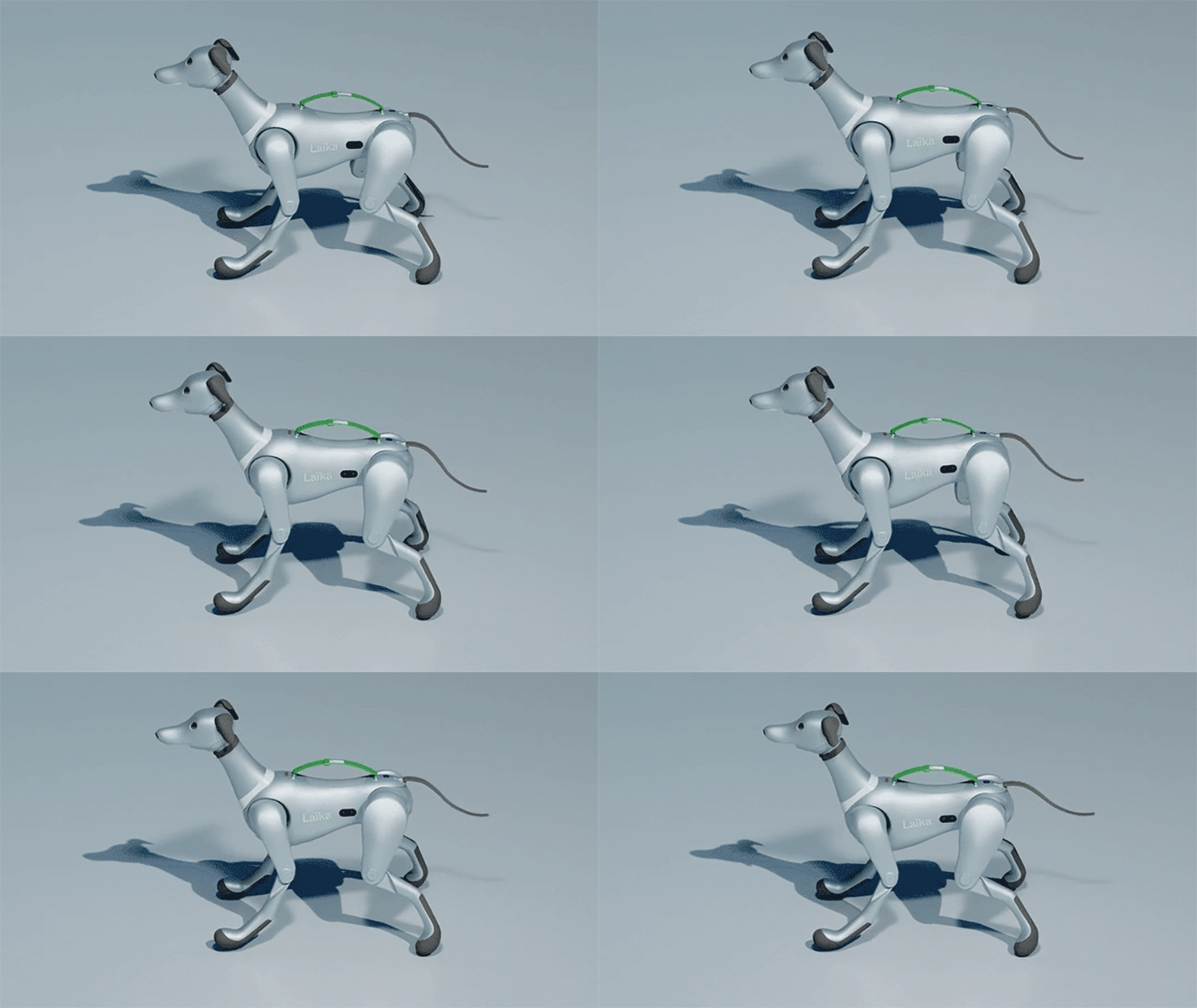
If this concept will come to life, Laika will be an ideal robot pet powered by Artificial Intelligence and it is designed to be as life-like as possible. After all, it is named after one of the first animals in space. While there are several robotic dogs available now, this one is supposedly designed to be a more friendly version. This way it can actually be a beloved pet for the astronauts and it can be integrated in “domestic contexts”. But aside from being a companion, the AI dog can also be used in case of emergencies and even to monitor the health condition of the people on board the space vehicle.
Laika is made from robust titanium so that it can withstand extreme conditions that they may encounter in space. It also comes with different kind of sensors so it can identify objects, people, and even literal space. This includes thermal imaging, depth cameras, slam cameras, and ultrasonic sensors. It also comes with ECG sensors so it will be able to monitor the health condition of the astronauts especially during times when emotions are heightened which can translate physically as well.
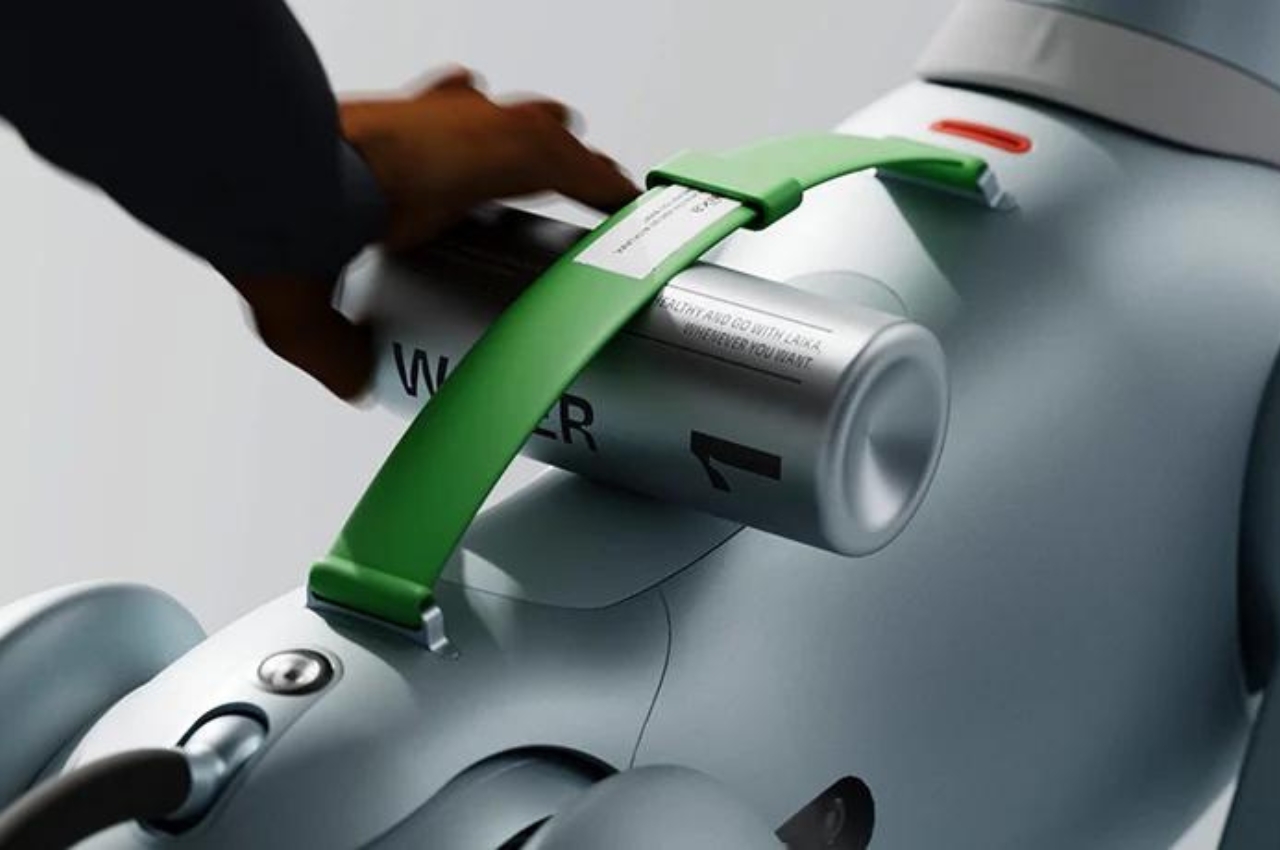
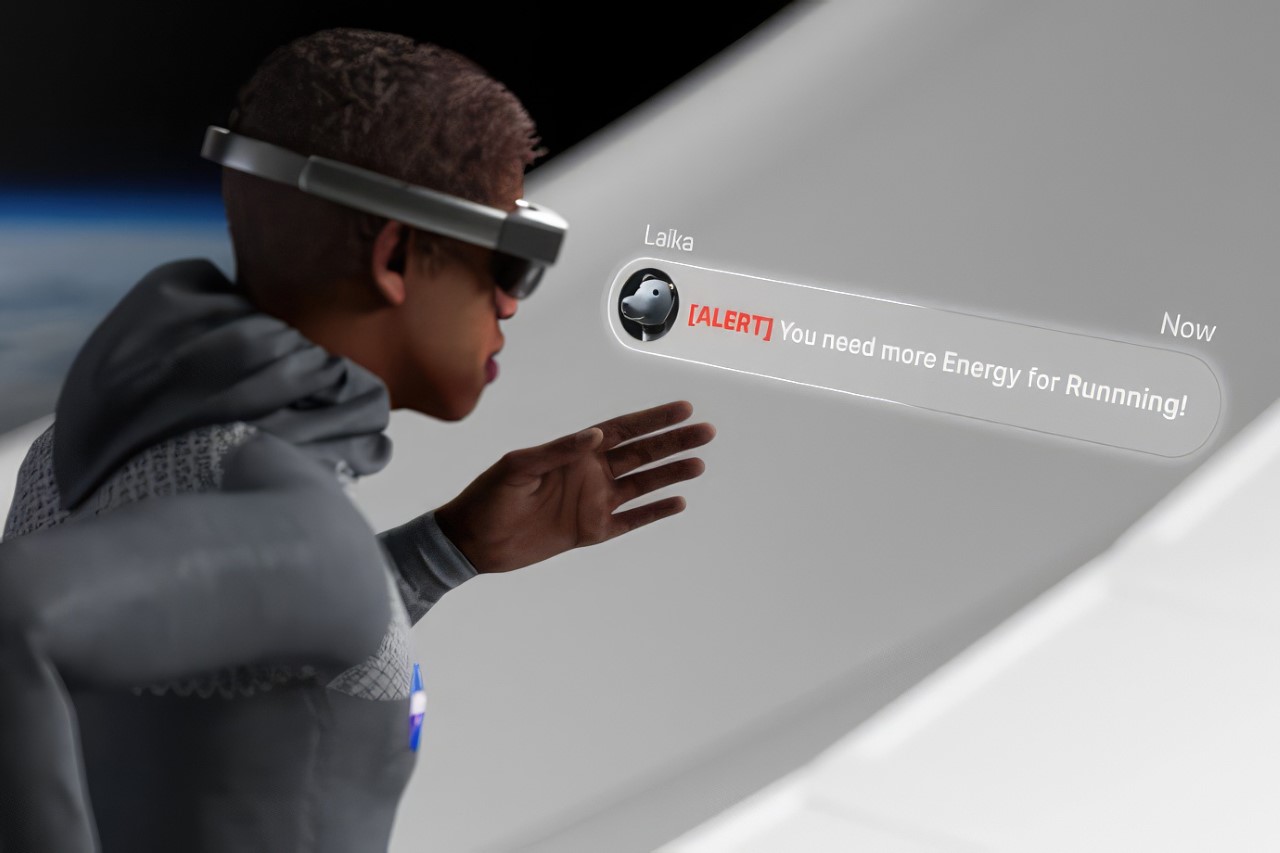
There are also future tweaks to improve more things about Laika, like adding mixed reality glasses so users will be able to get real-time information about their “pet” and their activities. The renders show a friendly-looking dog so it will be a much welcome companion for astronauts who may be missing their actual pet or are in dire need of companionship. It even has a stretchable handle on its back so they can carry small items or users can lift it up and move them around. Laika can also be used for other non-space purposes including domestic situations.
There are just three models of Apple Watch — and $500 separates the most affordable from the premium model, with the flagship landing somewhere in between. Before the launch of the overhauled Apple Watch SE 3 in late 2025, it was pretty easy to direct most people to the Apple Watch Series 11. But with its new display and faster charging, the budget model makes a lot more sense now. There’s also a case for recommending the refreshed Apple Watch Ultra 3 to diehard adventurers and outdoor enthusiasts. Here, we spell out just what differentiates the models as well as what you get when you buy any Apple Watch. Using insights gleaned from Engadget’s own reviews, this guide will help you pick the best Apple Watch for you.
Best Apple Watch in 2026
What to look for in an Apple Watch
Like all Apple products, Apple Watches will only work with other devices from the brand's ecosystem. You won't be able to pair any Apple Watch to your Android phone. Note that you can pair other wearables (like a Garmin tracker or a Fitbit band) with your iPhone. There are some more features that are specific to Apple Watches and that set each of the three models apart from one another.
Chips and sensors
All three models in the current lineup have the same S10 SiP (system in a package) chip with a four-core Neural Engine. The chip allows for on-device processing of Siri requests as well as dictation, translation, automatic workout detection and the double tap and wrist flick gestures that let you control your watch hands-free.
You get an optical heart rate sensor, temperature sensor, compass, altimeter, accelerometer, gyroscope and light sensor in every Apple Watch model, but the Series 11 and Ultra 3 have a more advanced heart monitor that in part enables the new hypertension detection feature. The two higher-end watches also have sensors that can generate an ECG and detect blood oxygen, water temperature and water depth. They also include an Ultra Wideband chip that works in conjunction with the latest AirTags to precisely find Apple’s trackers.
Fall and crash detection come standard no matter which Apple wearable you pick and all support near field communication (NFC) for Apple Pay. If you opt for the cellular versions of the Series 11 or SE 3, your watch will have access to 5G networks. Cell connectivity comes standard on the Ultra 3 and the watch now also has satellite-enabled SOS, messaging and Find My abilities.
Cherlynn Low for Engadget
Displays and case options
Every Apple Watch model now has an always-on display. The wide-angle OLED display on the Apple Watch 11 and Ultra 3 lets you see the always-on display from more angles. The SE can reach a maximum brightness of 1,000 nits, the Series 11 can get as bright as 2,000 and the Ultra 3 hits 3,000 nits. Both higher-end screens can dim to a single nit, making them less distracting in the dark. And the Ultra model has the added night mode feature on certain watch faces that turns the dial red to preserve your night vision.
As for case sizes, the SE 3 is available in 40 or 44mm. The Series 11 has a choice of a 42 or 46mm case. The Ultra 3 comes in just one size measuring 49mm. The SE 3 has an aluminum case in two colors (Starlight or Midnight). The Series 11 lets you pick from aluminum (in Rose Gold, Silver, Space Gray or Jet Black) or titanium (in Natural, Gold or Slate). And the Ultra 3 only comes in titanium (either Natural or Black).
Battery life
The Apple Watch Ultra 3 sports the biggest battery and can last for a claimed 42 hours on a charge. The Apple Watch 11 is rated to go for 24 hours and the SE 3 gets an estimated 18 hours before it needs a visit to the charger. Low power mode will get you many more hours, going for as long as 72 hours for the Ultra 3, 38 hours on the Series 11 and 32 hours on the SE 3. All three are now capable of fast charging and Apple states an 80 percent charge in 45 minutes for the SE 3 and Ultra 3 and 80 percent in 30 minutes for the Series 11.
Cherlynn Low for Engadget
Fitness and wellness features
All three Apple Watches have similar fitness tracking chops. The Activity app uses three “rings” to keep tabs on how much you’re moving in a day: The Move ring tracks your active calories; the Exercise ring monitors the minutes you’ve spent walking, running, doing yoga and so on; and the Stand ring tells you how many hours in a day you’ve stood up and moved around for at least one minute.
Different internal sensors detect those activities, for example the accelerometer senses when you’re moving versus sitting still, and the optical heart rate sensor judges how hard you're working out and how many calories you’ve burned. You can set your goals for each ring and you’ll earn badges and animations when you hit them.
The Workout Buddy will work with all three watches, but you’ll need to have an Apple Intelligence-enabled iPhone nearby as well as Bluetooth headphones to use it. All three can access offline maps, which could prove useful when hiking far from cellular coverage. But if going off-grid is something you plan to do often, you may appreciate the satellite connectivity of the Apple Watch Ultra 3.
Siri
You can get the weather, start a workout, identify a song and dictate a text just by asking Siri. All Apple Watch models support the Raise to Speak feature that bypasses the need to say “Hey Siri” and will instead listen for your request when you lift your wrist near your mouth.
Every Apple Watch model utilizes onboard processing of Siri requests now, too. That means executing simple requests like starting workouts and timers are quicker, as they won’t need to access external networks. However, requests like sending texts or getting weather forecasts still need to communicate with Wi-Fi or cellular, so you’ll need to have your phone nearby if you have a GPS-only model.
Cherlynn Low for Engadget
Carbon neutral claims
Apple declared the Series 9 with the aluminum case its first carbon neutral product. But has since dropped those claims, possibly due to legal challenges in a German court. Instead, Apple states that all three watches have been designed to “reduce environmental impact” and the company still maintains its commitment to becoming carbon neutral by 2030.
Price
Perhaps the most surprising thing about the three new wearables was the lack of price increase from previous models. The Apple Watch SE still starts at $249, the Series 11 goes for $399 and up, and the Ultra 3 begins at $799. That puts a $550 difference between entry prices for the cheapest and most expensive Apple Watches.
For $250 you can get the 40mm Apple Watch SE 3 with GPS-only connectivity; adding cellular connectivity ups the price by $50. The Apple Watch Series 11 starts at $399 for the 42mm, non-cellular model in aluminum and goes as high as $749 for the 46mm titanium case (which comes with cellular). The Apple Watch Ultra 3 is $799 for a titanium 49mm case with both GPS and cellular, but the price goes up with different bands. You may also need a few Apple Watch accessories, if so, you can factor that into your purchasing decision.
Cherlynn Low for Engadget
How we tested Apple Watches
Engadget has been reviewing Apple Watches since the first one came out in 2015. Since then, we’vetestedeverysubsequentmodelApplehasreleased, including the Ultra and SEmodels, spending at least a few days or even a couple weeks with one strapped to our wrists. During that time, we run, hit the gym, go on hikes and wear it while sleeping, all the while gauging how it tracks various metrics, integrates with the iPhone and performs every other trick Apple claims its smartwatches can do.
Since we also review smartwatches from other companies, such as Samsung's Galaxy Watches and Google Pixels, our editors can compare Apple Watches not just to previous generations, but also to other wearables on the market. Our buying guides and recommendations rely on first-hand testing by Engadget staff.
What are the best Apple Watch apps for fitness tracking?
All three watches use the same Fitness and Workout apps to track your progress, and they all have sensors to track speed, cadence, distance and heart rate. But the Apple Watch Ultra 3 and the Apple Watch Series 11 have more sensors than the Apple Watch SE 3.
Additional tech includes an electrical heart rate sensor and a depth gauge. The two pricier watches also have a blood oxygen app and an ECG app, all of which may give you a better picture of your overall health. All three models are compatible with the AI-powered Workout Buddy from watchOS 26 (the feature also requires an AI-compatible iPhone).
Are any of the Apple Watch series waterproof?
All three models are water resistant. But they can all handle immersion in water, including a swim. The Apple Watch SE 3 and Series 11 can handle a depth of up to 50 meters while the Ultra 3 can be submerged up to 100 meters.
This article originally appeared on Engadget at https://www.engadget.com/wearables/best-apple-watch-160005462.html?src=rss
The TP-Link Deco AXE5400 Wi-Fi 6 mesh router system is on sale for $200 as part of Amazon’s Black Friday commercial festivities. That’s a discount of $100 and matches a record-low price for the device. This deal is for the two-pack, so you get both the actual router and an extender to place somewhere else in the home.
This is a fantastic mesh router setup for most consumers at $300, so that absolutely remains true at $200. There’s a reason, after all, why TP-Link’s device topped our collection of the best mesh Wi-Fi router systems of 2023. We ended up calling it the “best for most people” in that list, citing the budget-friendly price tag and the powerful range, which is more than enough to offer coverage to every nook and cranny within the home.
In our official review of the router system, we admired the “blisteringly-fast speed” and decent reliability. We also liked that the security and parental control features are free, nestled within a proprietary app. The app itself is a bit bare-bones when compared to competing software, but it's still useful.
On the downside, if you can call it that, the hardware itself isn’t quite as attractive as some rival units, like those cute ‘lil Google Nest ovals, but routers typically get stuffed somewhere out of the way, so this isn’t a huge deal. In other words, we are nitpicking. This is a great mesh router system for just about anyone.
Amazon’s primary Black Friday deal is for the two-pack, as mentioned, but the single pack and the three-pack also get some love. You can snag the single-pack system for $120 instead of $170 and a three-pack, which covers up to 7,200 square feet, for $360 instead of $450.
This article originally appeared on Engadget at https://www.engadget.com/amazon-black-friday-deals-include-100-off-our-favorite-wi-fi-6-mesh-router-system-155618201.html?src=rss
Virtual Reality (VR) technology, once a futuristic dream, is now reshaping the entertainment landscape in profound ways. While VR gaming has been evolving for years, recent technological advancements have catapulted it into a new era, offering experiences that are more immersive and interactive than ever before. However, it’s not just the entertainment industry that’s benefiting […]