Everlasting Metal Pencil Changes the Game in Writing No Sharpening Ever Required

We’ve all been through those panicked moments when we try to scramble for a pen or even a pencil and neither is in sight, let alone within reach. Thanks to a renaissance of paper notebooks and analog productivity systems, it’s no longer weird to be carrying a writing instrument with you all the time, sometimes even in your pocket. Not all pens and pencils, however, are made to be shoved in pockets, especially when it comes to pencils that have fragile leads that easily break at the slightest pressure. But what if you had a writing tool that never ran out of ink, never needed to be sharpened, and never snapped in two when you accidentally sat on it? That’s the kind of handwriting bliss that the Pocket Everlasting Metal Pencil brings to your pocket, bag, or EDC toolkit, ensuring you’ll have something to write down your thoughts with at the moment that inspiration strikes.

Click Here to Buy Now: $17 $20 (15% off at checkout). Hurry, deal ends in 24 hours!

Although an ink pen is the preferred tool for jotting down notes, some prefer the centuries-old pencil for its more forgiving and expressive properties. That’s mostly thanks to the nature of the graphite core that leaves its unique mark on paper or other mediums. But whether the pencil is traditional or mechanical, it has the almost innate drawback of needing to be sharpened or replaced because the “lead” has become dull or has broken off. When that happens, not only does your flow of thought get broken as well, you also start to get stressed while scrambling for a sharpener or replacement leads.

This all-metal pocket pencil removes that weakness by using an ingenious special alloy core that barely needs sharpening or not at all. That alloy, however, still contains graphite so it leaves the same marks that a regular clay or charcoal-based pencil would. In other words, you get the same writing experience and quality as a 2H pencil, but without the hassles of “running out” of lead or even ink.

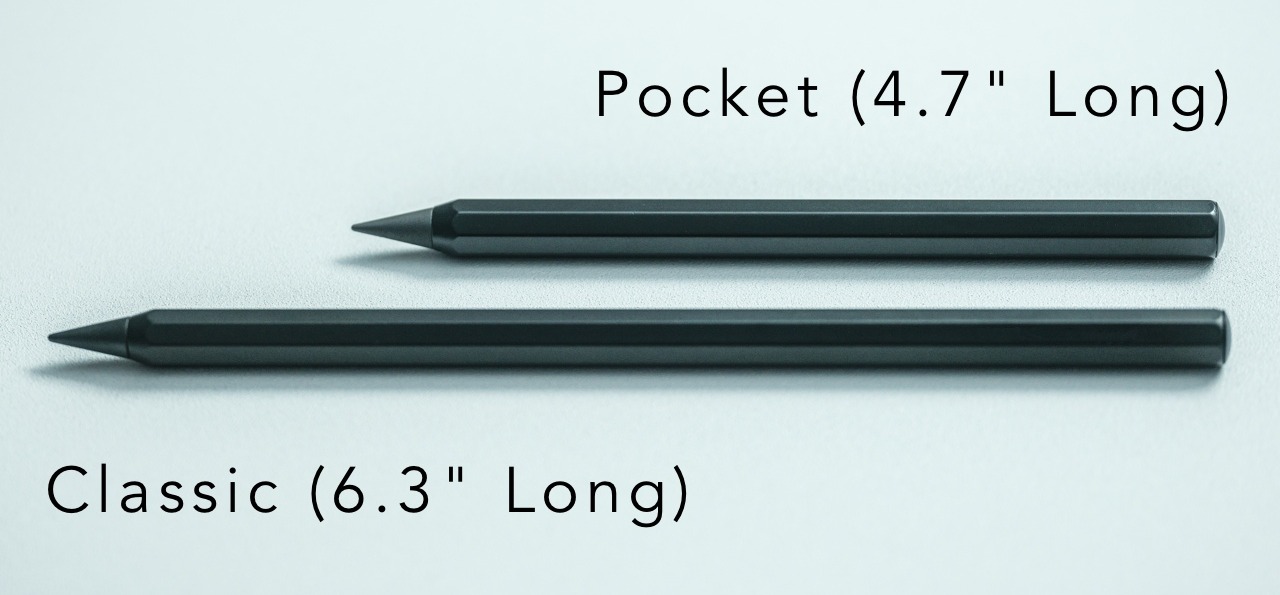
What makes this everlasting pencil even more special is its size. At only 4.7 inches (120mm) long, it is the perfect length to keep in your pocket so you always have it at hand when you need it. At the same time, it isn’t too short to make writing for long periods of time uncomfortable. It strikes the perfect balance between portability and ergonomics, something that a regular pencil can’t even achieve.

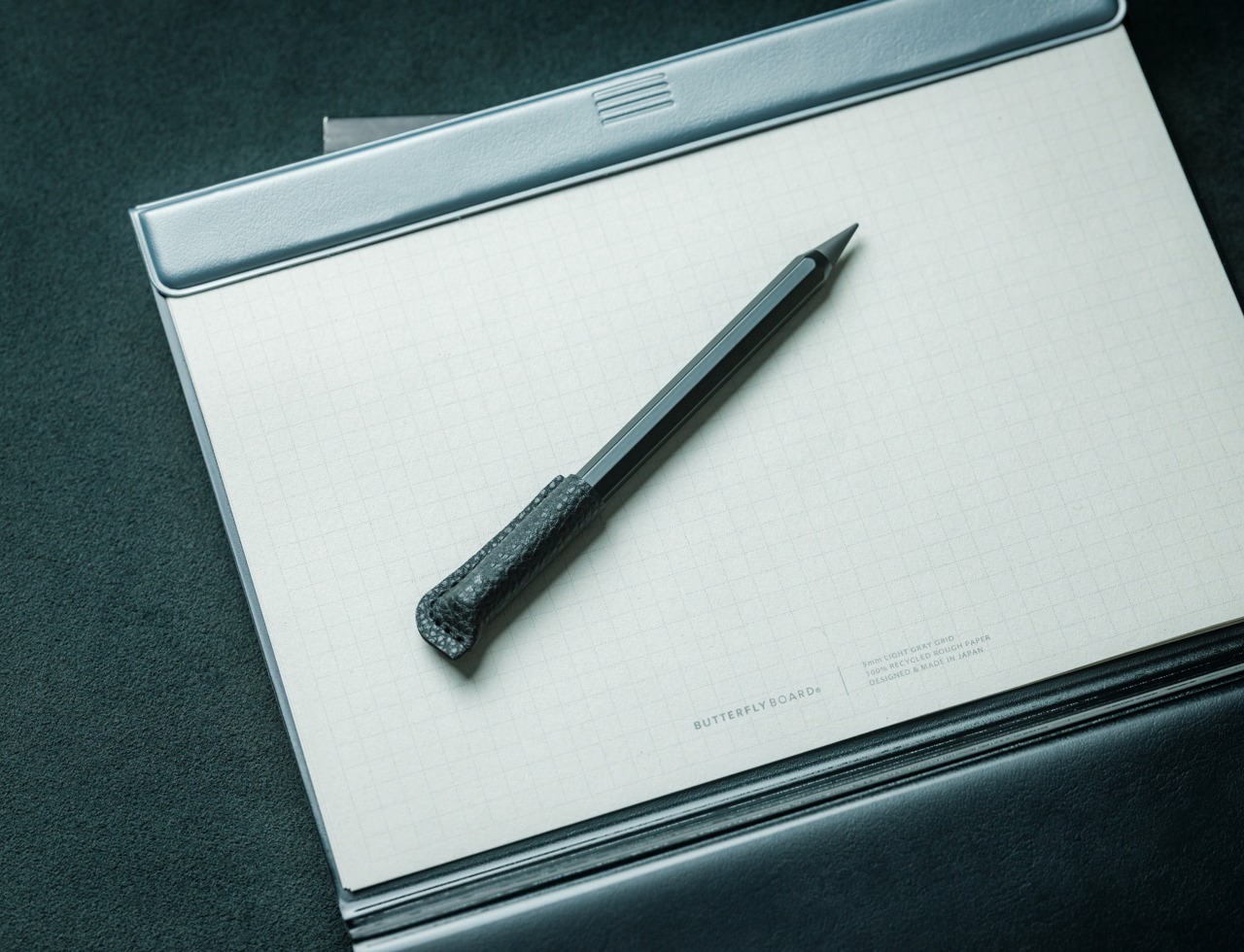
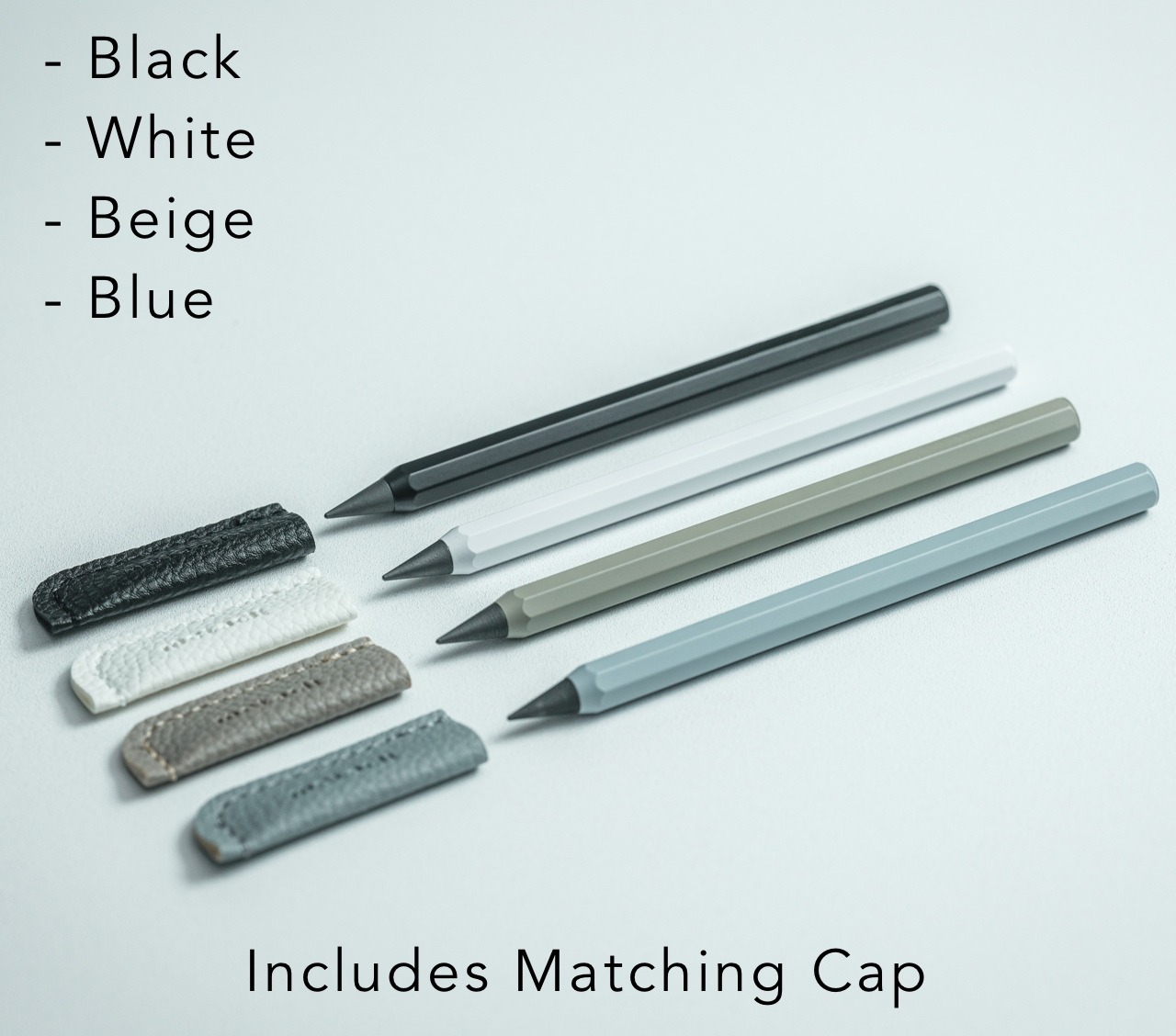
The design of the pencil is quite distinctive as well, sporting a faceted metal barrel with a matte texture that improves your grip and prevents the pencil from rolling off desks. It also comes with a rather cute leather cap so you don’t accidentally leave marks inside your pockets. Whether you’re scribbling notes or drafting your next designs, you can enjoy a stress-free and expressive writing experience by having this everlasting all-metal pencil always in your pocket.

Click Here to Buy Now: $17 $20 (15% off at checkout). Hurry, deal ends in 24 hours!
The post Everlasting Metal Pencil Changes the Game in Writing No Sharpening Ever Required first appeared on Yanko Design.


This cute desk gadget concept gets you into a meditative state in a more fun way

Though there are still some who have a negative or incorrect opinion of it, meditation has become a much-recommended tool to fight off stress, anxiety, depression, and other negative mental states that, in turn, affect our health or productivity. There is even a growing business of meditation assistance services that help guide people toward a calmer state, often daily or maybe even more times in a day. Given the way these tidbits of meditation aids come in digital format, they’re often delivered through smartphones, which is a bit ironic considering these devices are often the cause of stress and distractions. Having a dedicated meditation device might sound overkill, but this rather interesting companion makes that a bit more worthwhile by showing you an adorable face to go along with your mood or the mood that you’re aiming for.

Designer: Pascal Grangier

Meditation services like Headspace and Calm are able to reach a large number of subscribers by offering their content through smartphones. It’s a very practical and convenient strategy that lets you get into a calmer head space anytime, anywhere. The drawback is that you might be tempted or distracted by the very smartphone you’re using to meditate, defeating the purpose of the exercise entirely.

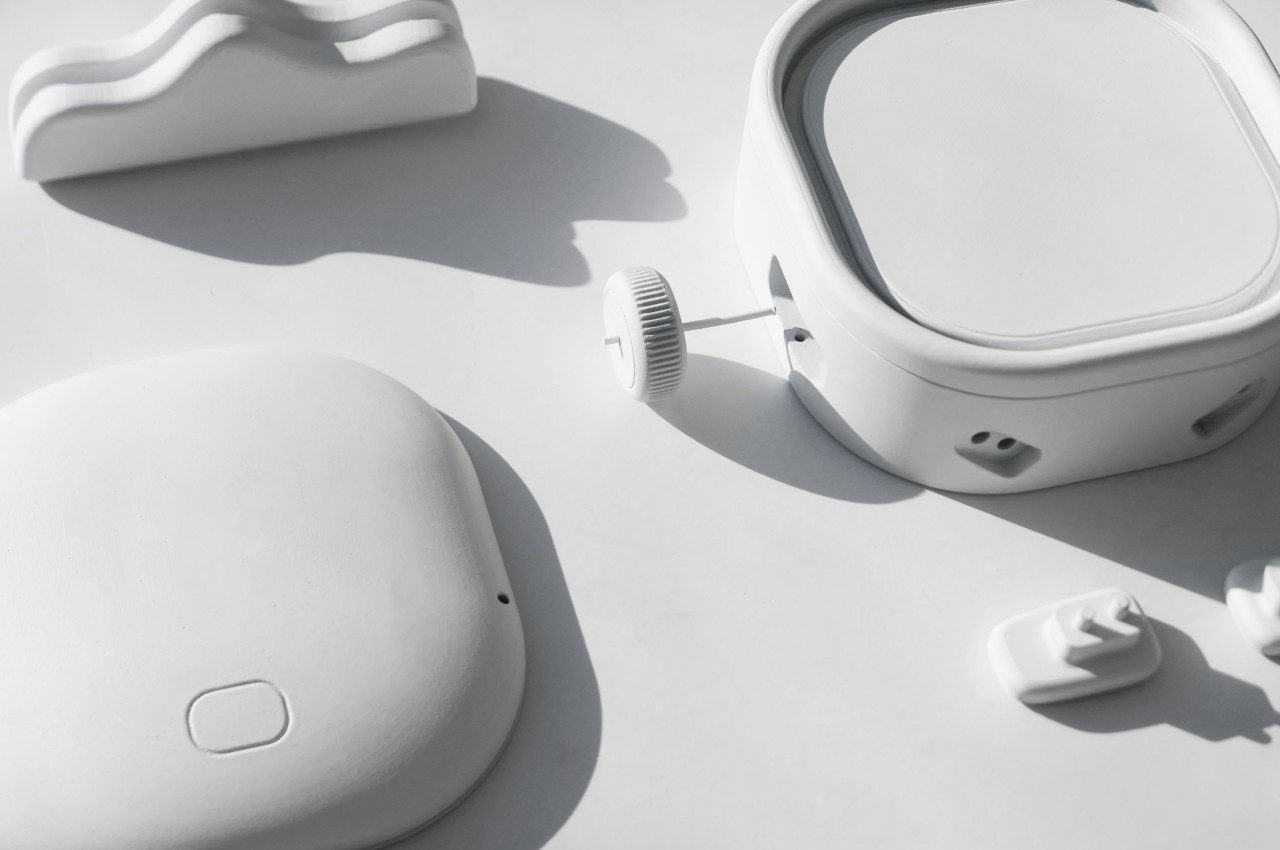
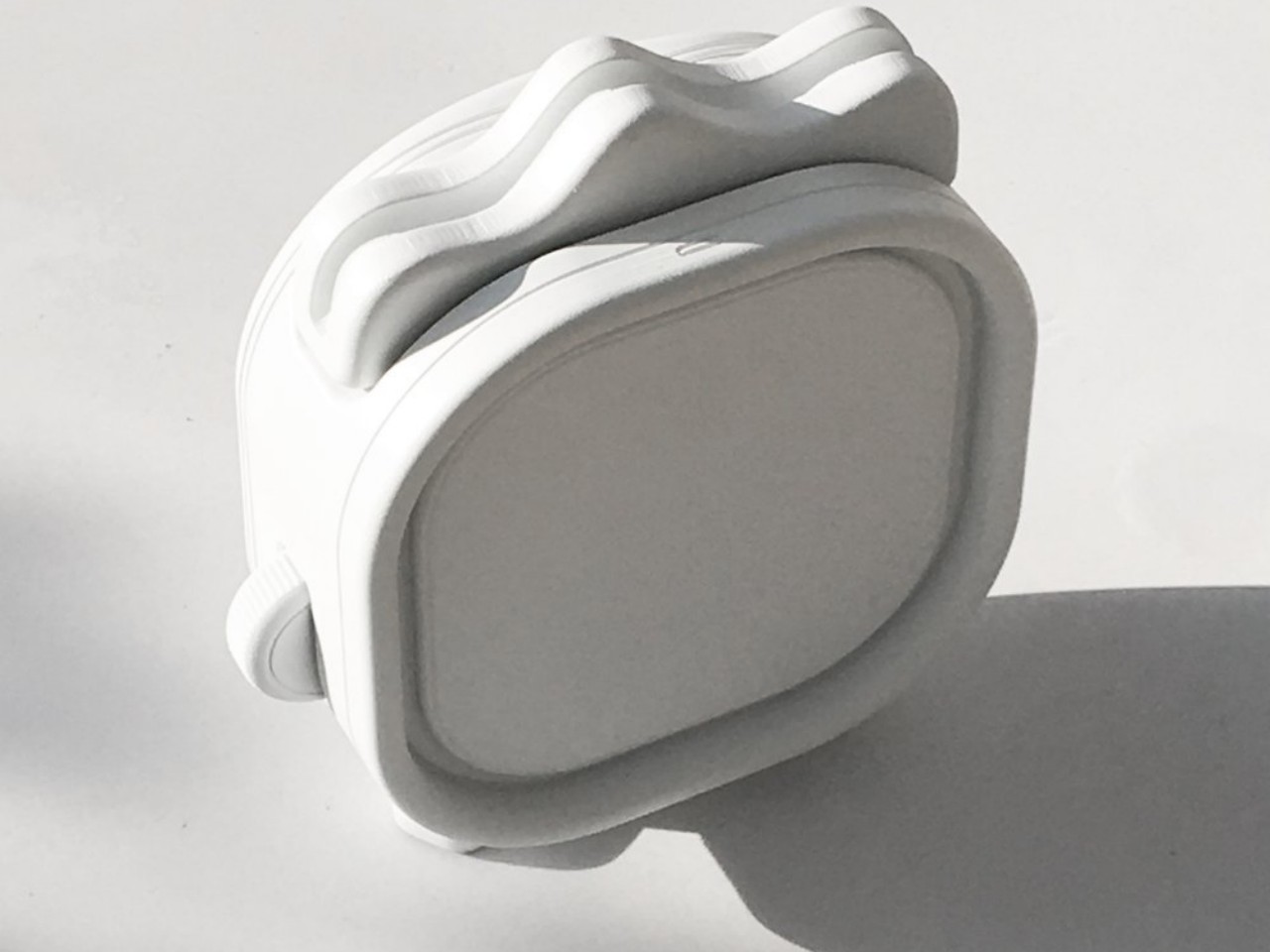
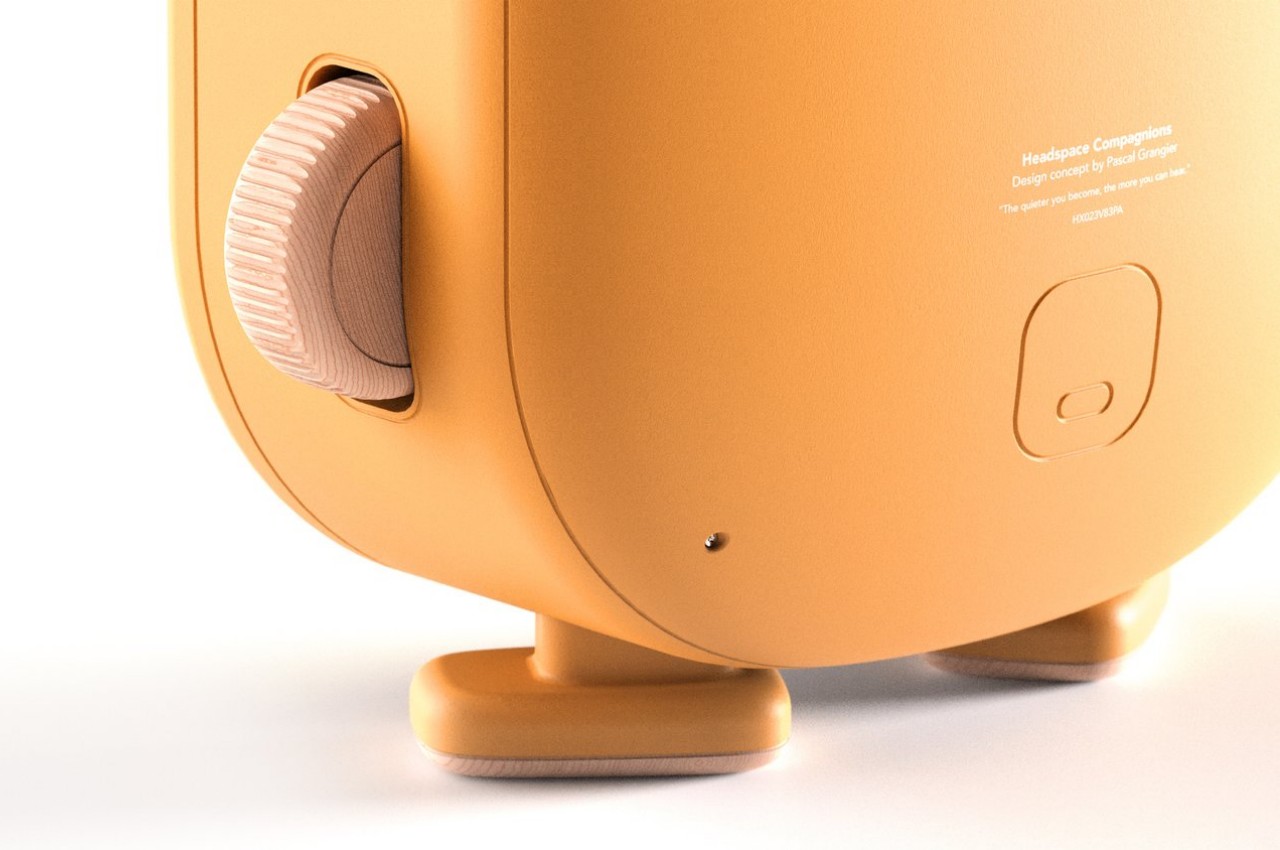
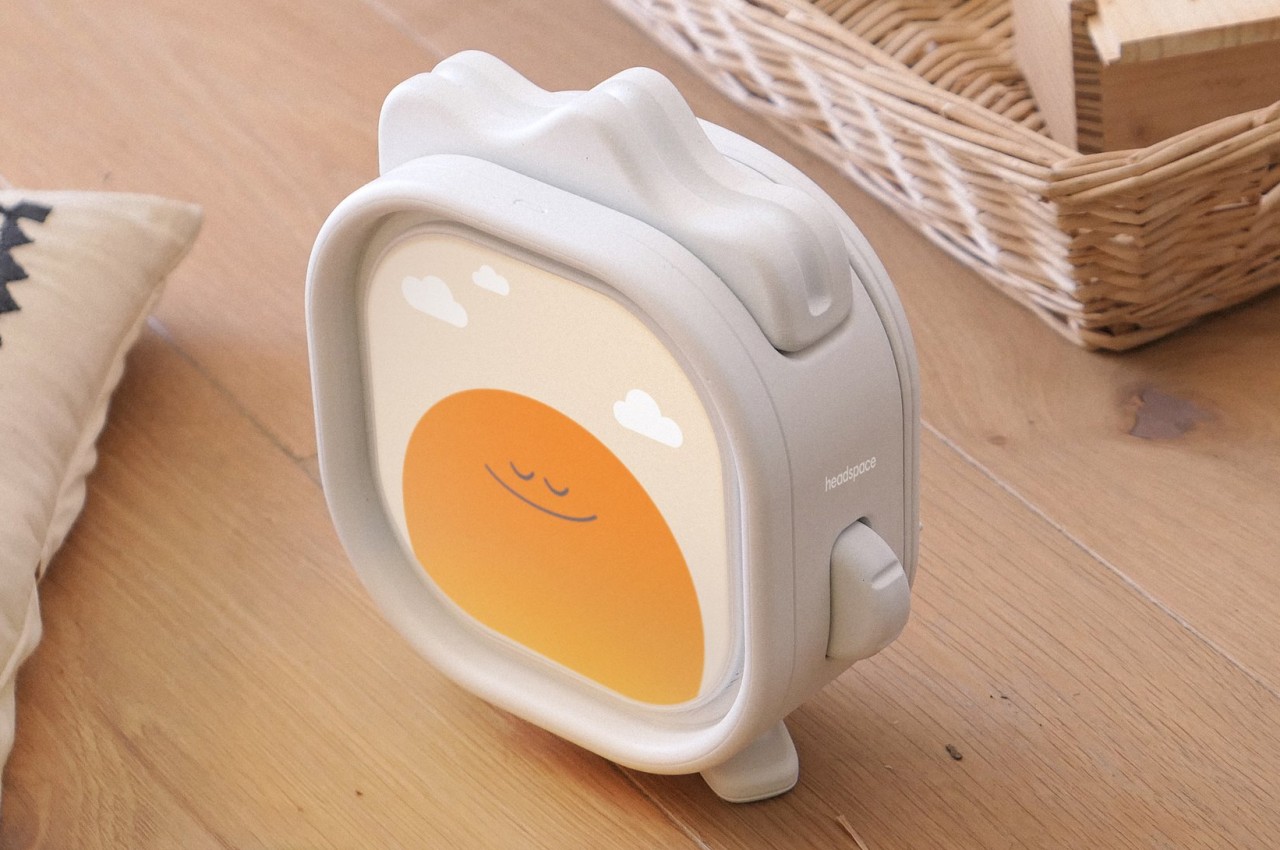
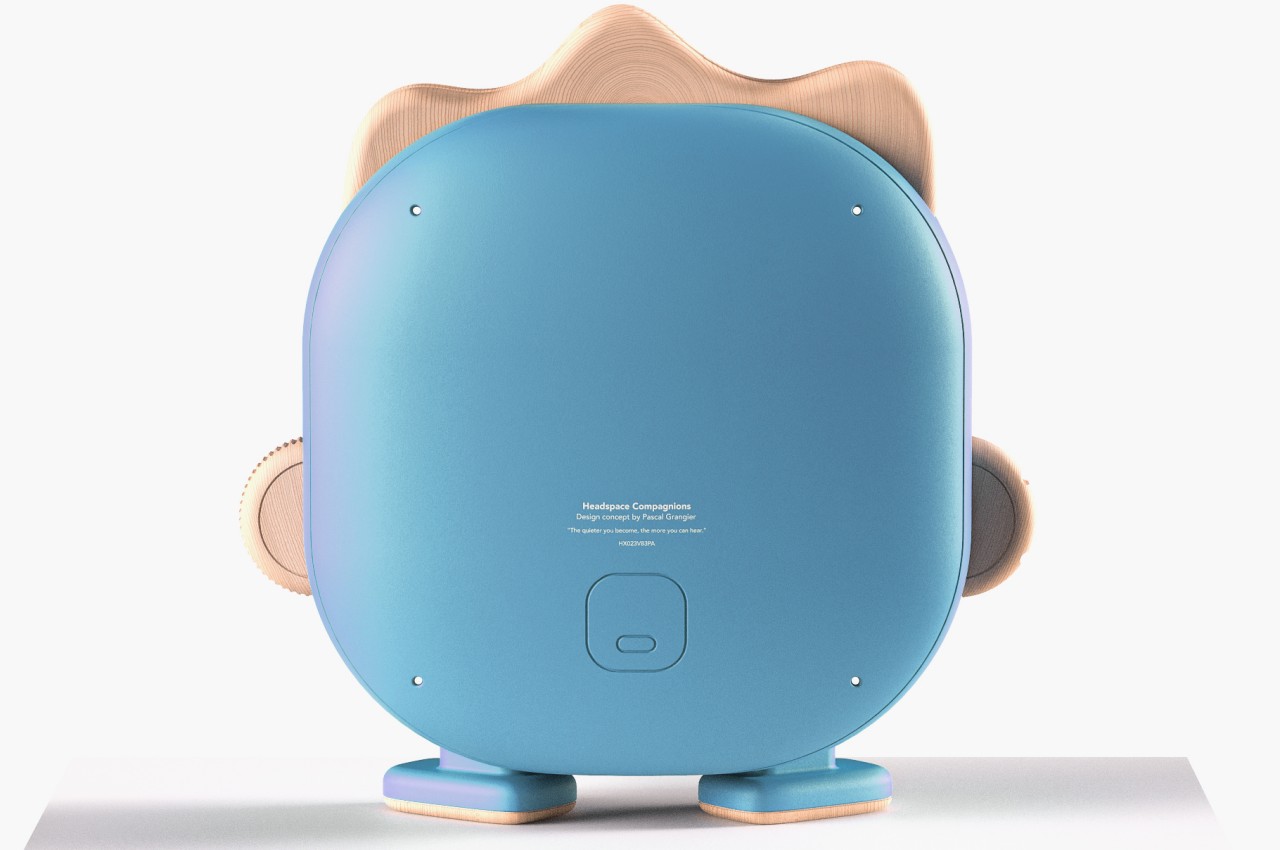
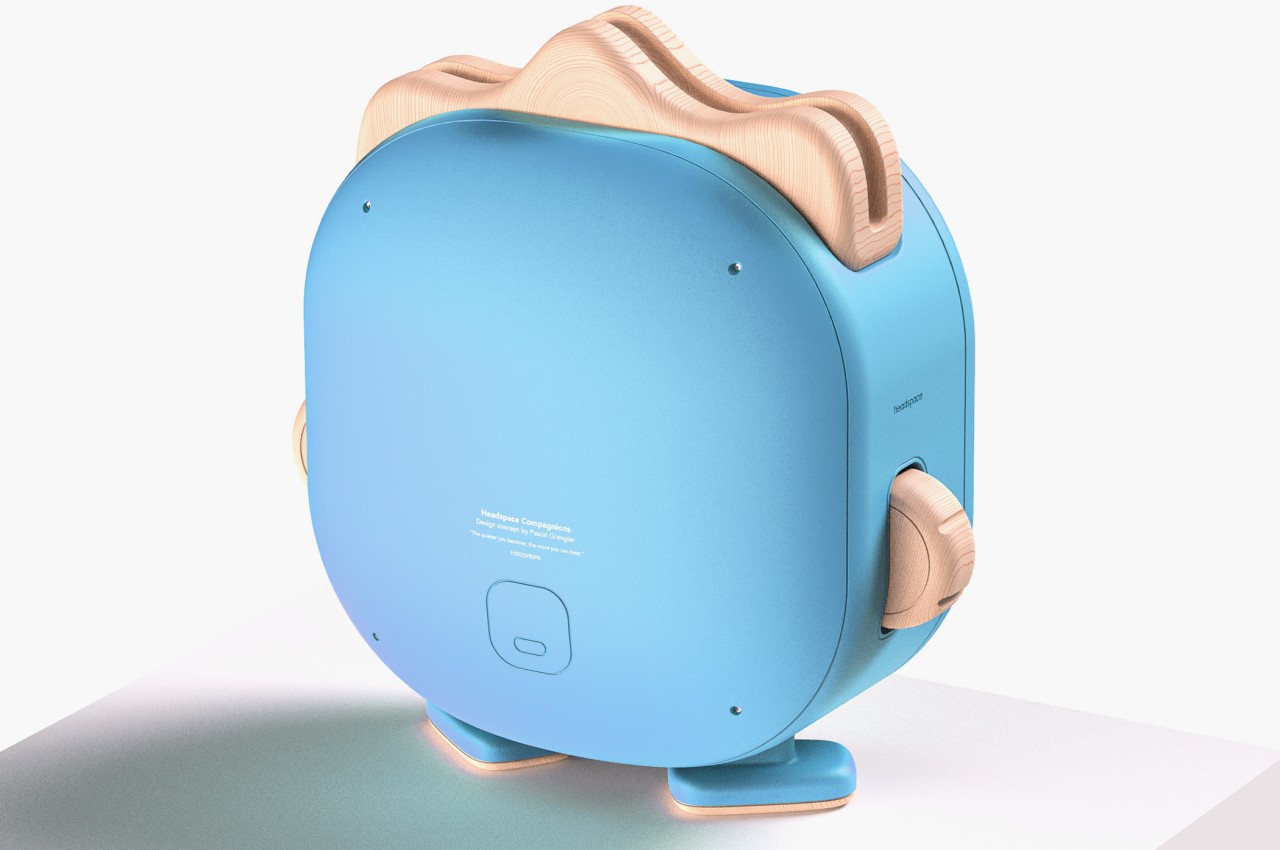
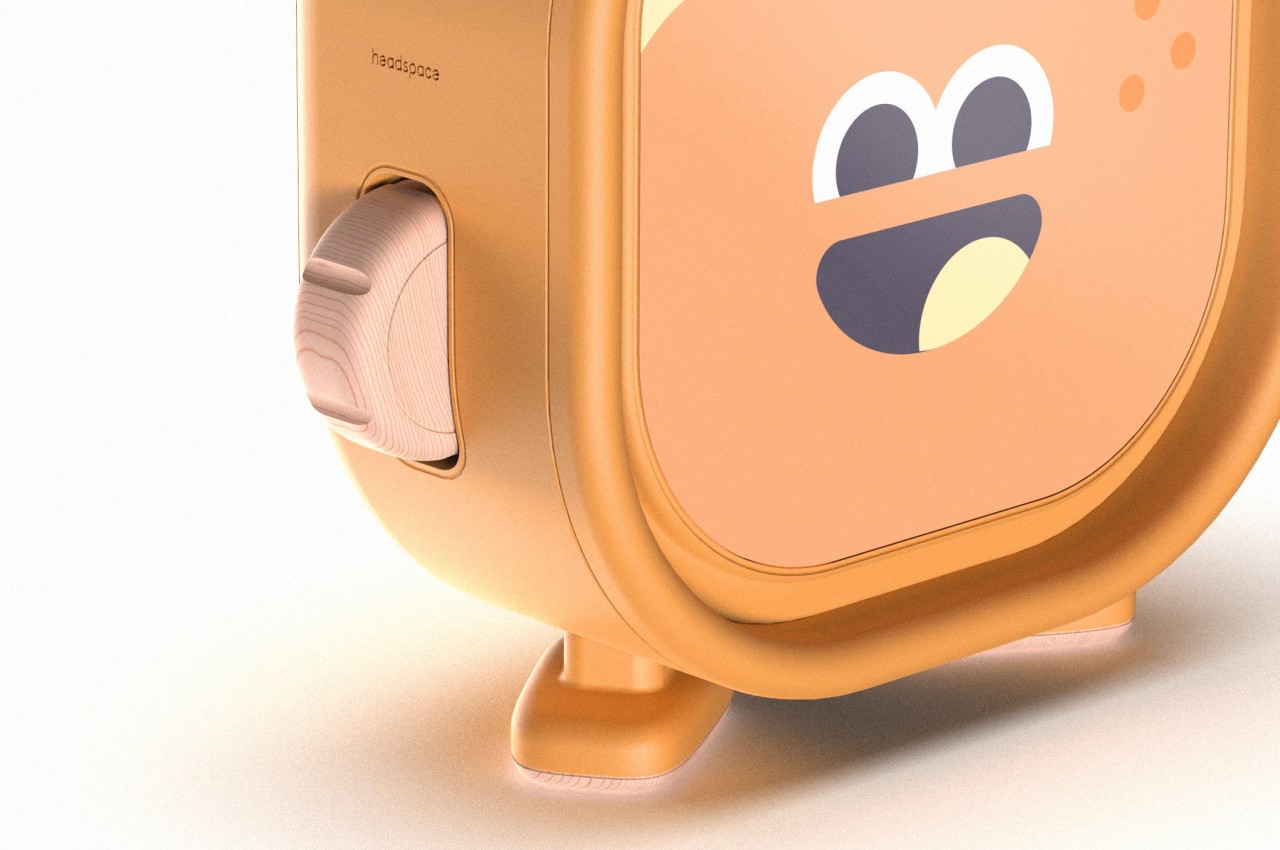
The Headspace Companion is a design concept for a device that leads you into that same state in a more detached yet also more visually appealing way. It’s basically a toy-like device that stands on small feet, almost like a clock. But instead of a clock face, you get an actual digital face themed like clouds, the sun, veggies or fruits, and other objects you might not immediately associate with meditation. The style of both the device and the faces are cartoonish and almost comical, enough to bring a smile to your face every time you look at it.

1

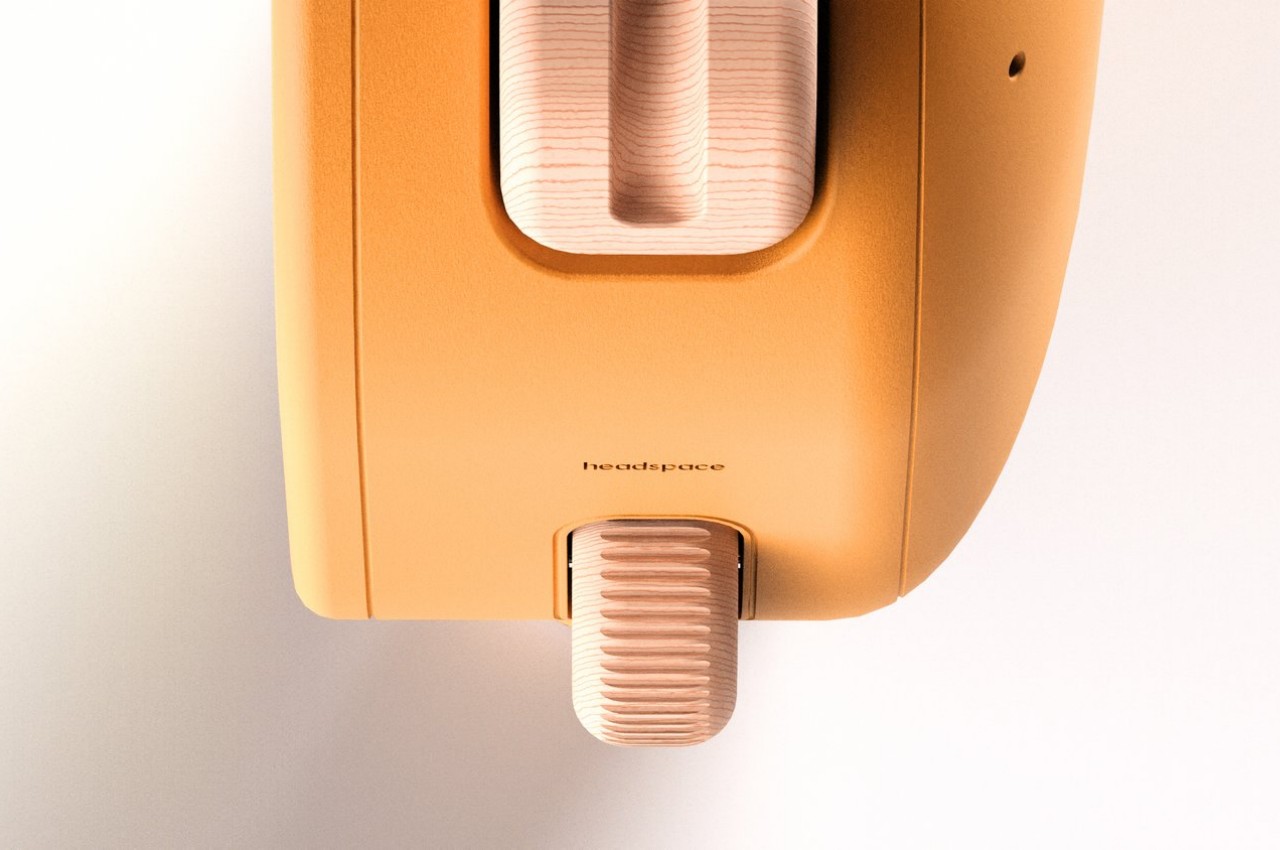
The idea is for these faces to reflect your mental state, either based on your mood (probably taken from health sensors or services connected to the device) or just how much time has elapsed since your last meditation. The faces can be gloomy or even angry, while clouds can become darker as time passes. Once you start meditation, however, the character’s face, mood, and colors lighten up as well, reflecting what should be your mental state after the process. Just like on the app, you can set how much time you want to devote to meditation using a wooden wheel timer on its side.

Admittedly, the concept leaves a lot of the technical implementation up to the imagination, since it seems to focus mostly on the visual experience more than anything else. It’s still a rather interesting meditation device that almost literally gives a face to your emotions, a visualization that might even help some people face their problems and watch the same calm reflected on their own faces.

The post This cute desk gadget concept gets you into a meditative state in a more fun way first appeared on Yanko Design.
Amazon is swallowing its pride to ensure its internet satellites get to orbit on time

Amazon announced on Friday that it’s signed a contract with SpaceX to deliver batches of its Project Kuiper satellites to low Earth orbit in 2025. SpaceX is undoubtedly Amazon’s biggest competitor as it breaks into the satellite internet space, and already has a constellation of over 4,000 Starlink satellites in operation. It’s also a rival of Blue Origin, the aerospace company founded by Jeff Bezos that has its own rockets in development. But when it comes to launches, SpaceX’s pace and the reliability of its Falcon 9 rocket is unmatched.

The contract with SpaceX is for three Falcon 9 launches, Amazon said in a blog post. They’re expected to lift off in mid-2025. Amazon is planning to start customer pilots of its Project Kuiper satellite internet service by the end of next year, and will soon start deploying the fleet that will support it. It launched its first two prototype satellites in October. The company already has deals for upcoming launches on United Launch Alliance’s (ULA) Vulcan rocket, Arianespace’s Ariane 6 and Blue Origin’s New Glenn — all of which have been hit by development delays and may or may not make their first flights between this year and next.

Amazon said in its announcement that “the additional launches with SpaceX offer even more capacity to support our deployment schedule.” The company has said its Project Kuiper constellation will consist of 3,236 satellites, at least half of which must be in operation by summer 2026 to comply with its FCC license.

This article originally appeared on Engadget at https://www.engadget.com/amazon-is-swallowing-its-pride-to-ensure-its-internet-satellites-get-to-orbit-on-time-222906412.html?src=rss

Solar electric minivan lets you power up in emergency situations

In the old days, the only function of vehicles was to transport people and goods to their desired location. But as technology evolves, we expect a lot more from them other than just a way to get from point A to point B. We also expect newer cars to be much more eco-friendly, hence the emergence of electric vehicles. Now, we’re seeing vehicles that are able to “contribute to society” in their own way by adding various functionalities aside from just moving.

Designer: HW Electro

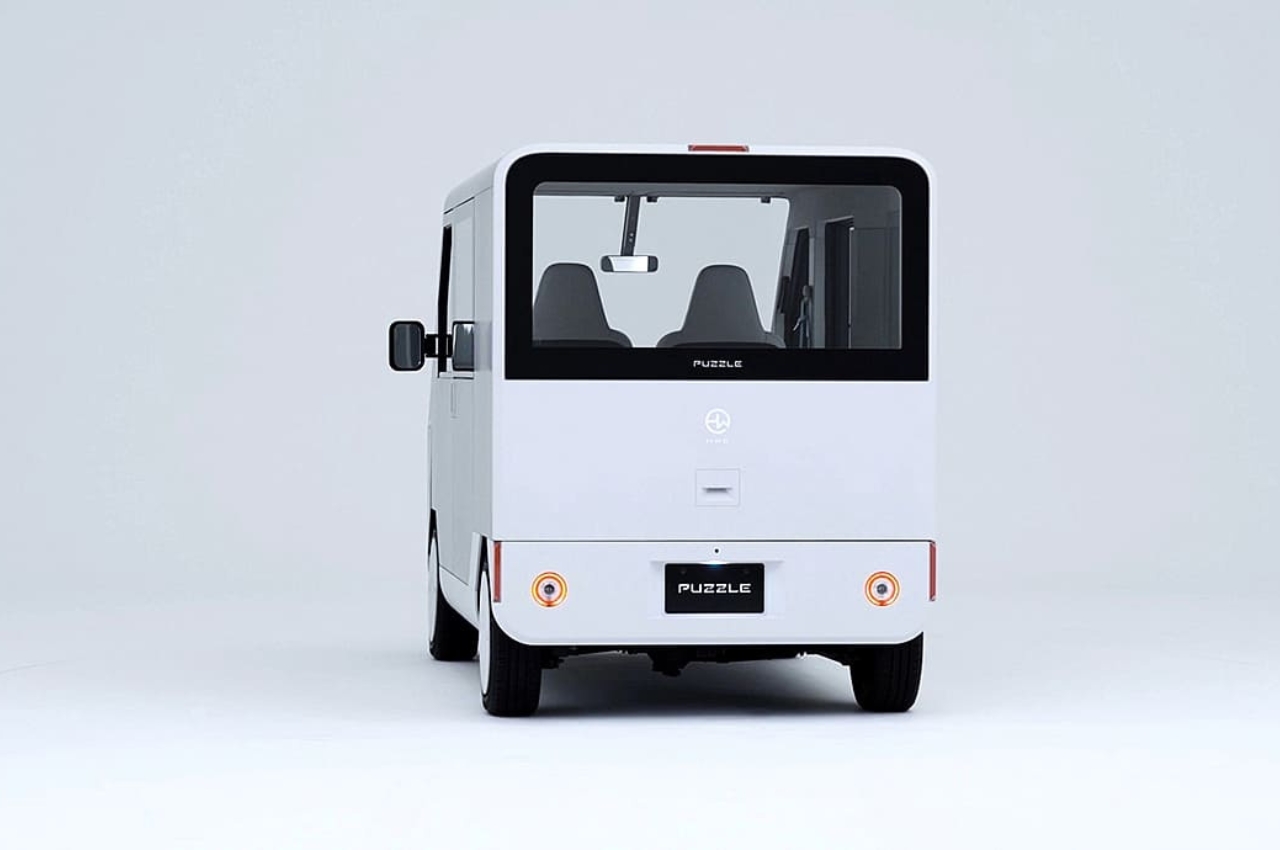
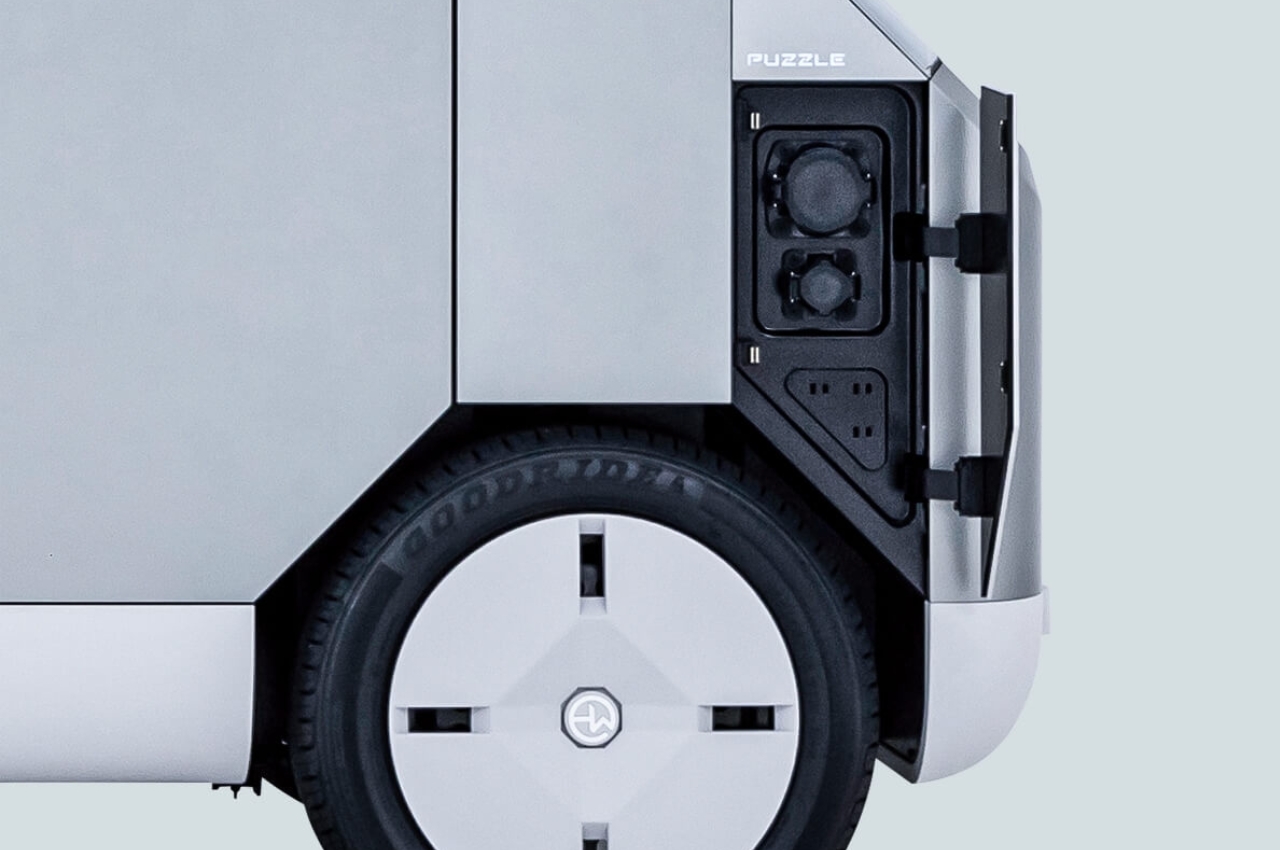
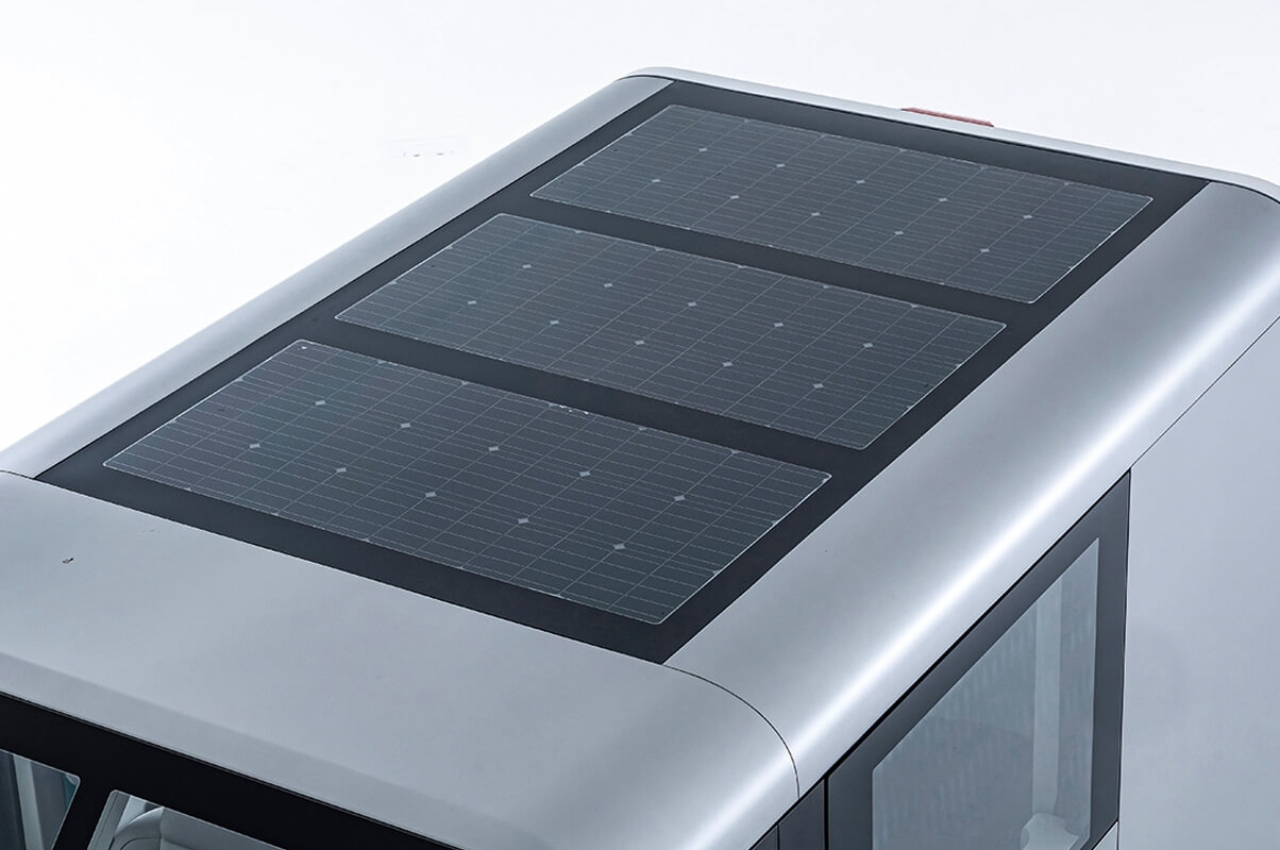
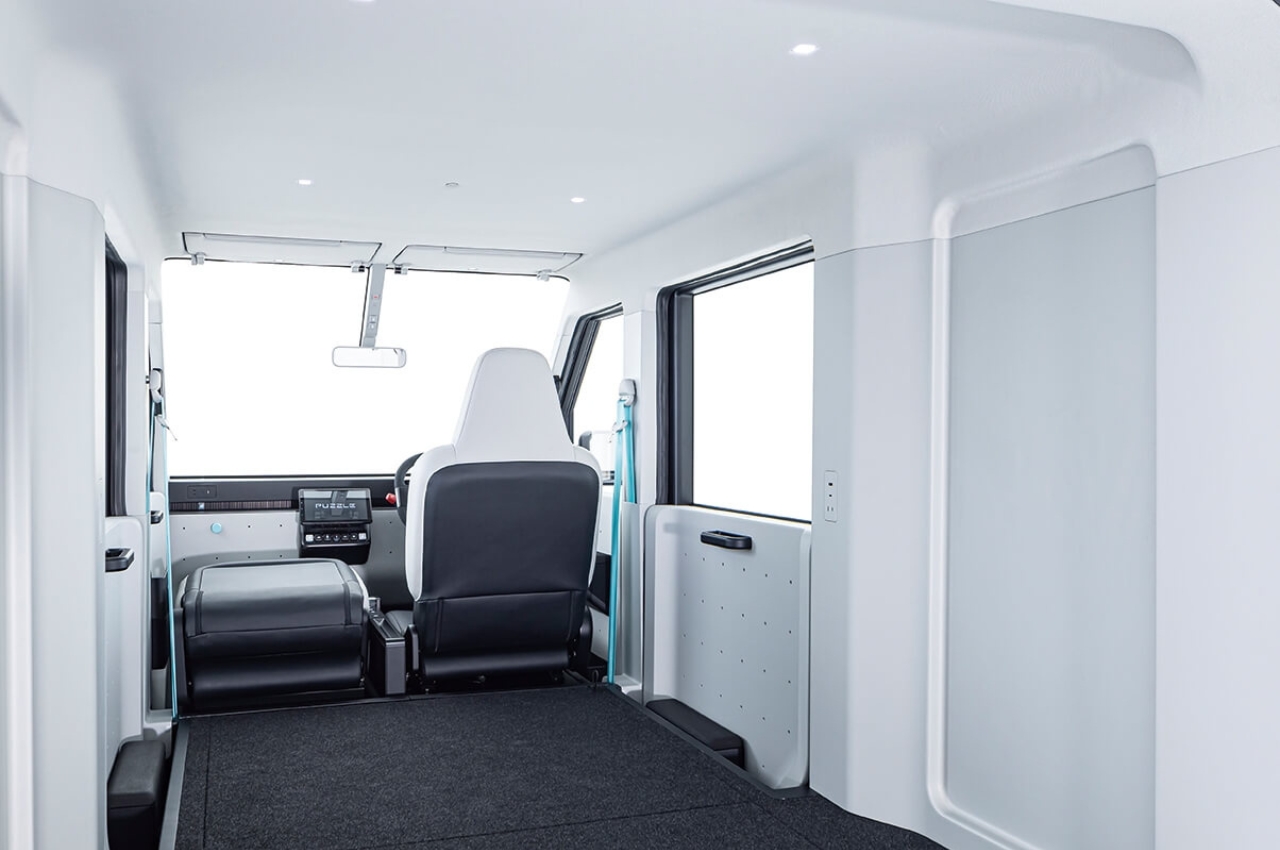
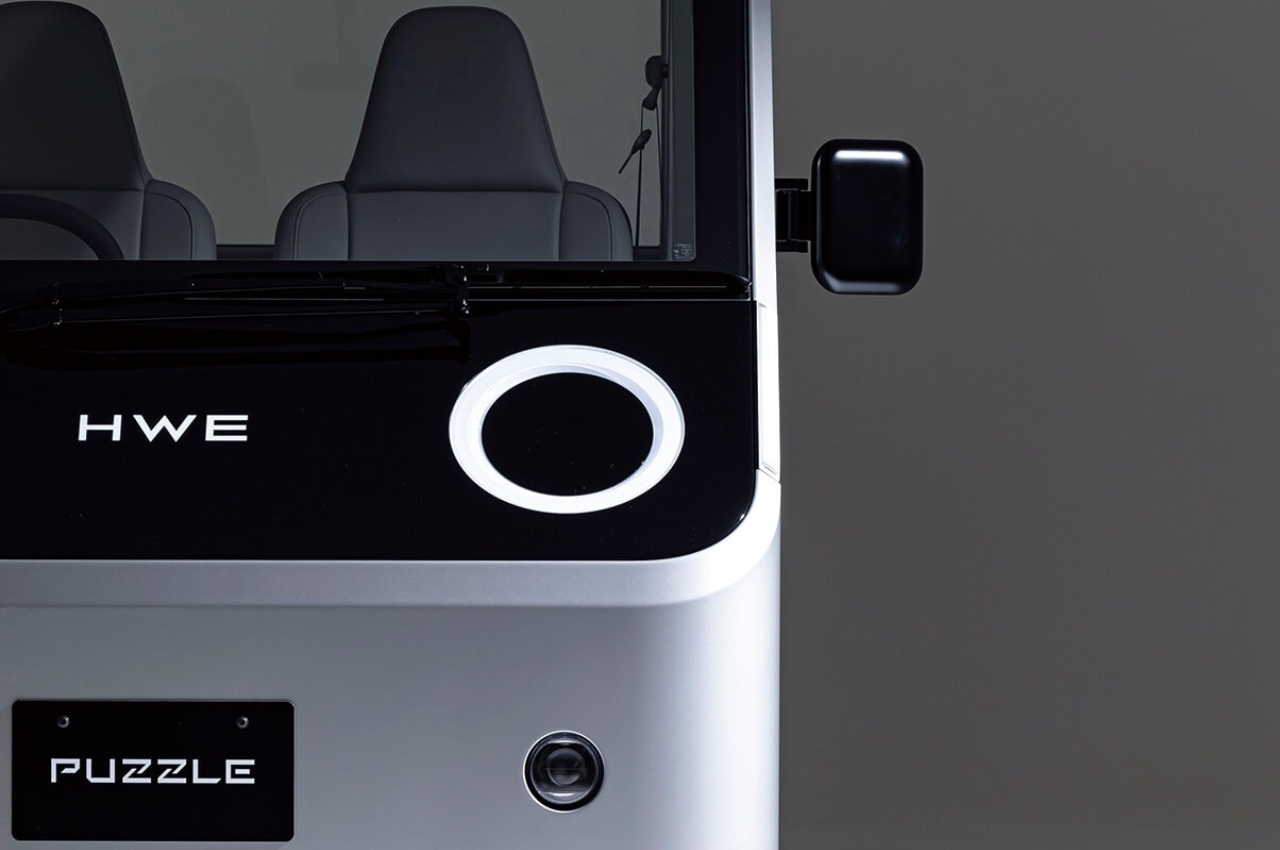
Puzzle is a small commercial electric vehicle from HW Electro that may be the size of a light car or van but also has a lot of other functionalities built into it. It can become a mobile power source during emergencies with its AC power supply function and can also become a WiFi hotspot that anyone can connect to. It also has an emergency kit that can be used during emergency situations. The van also has solar panels on top to add to the power source. They plan to add even more functions eventually as the vehicle evolves.

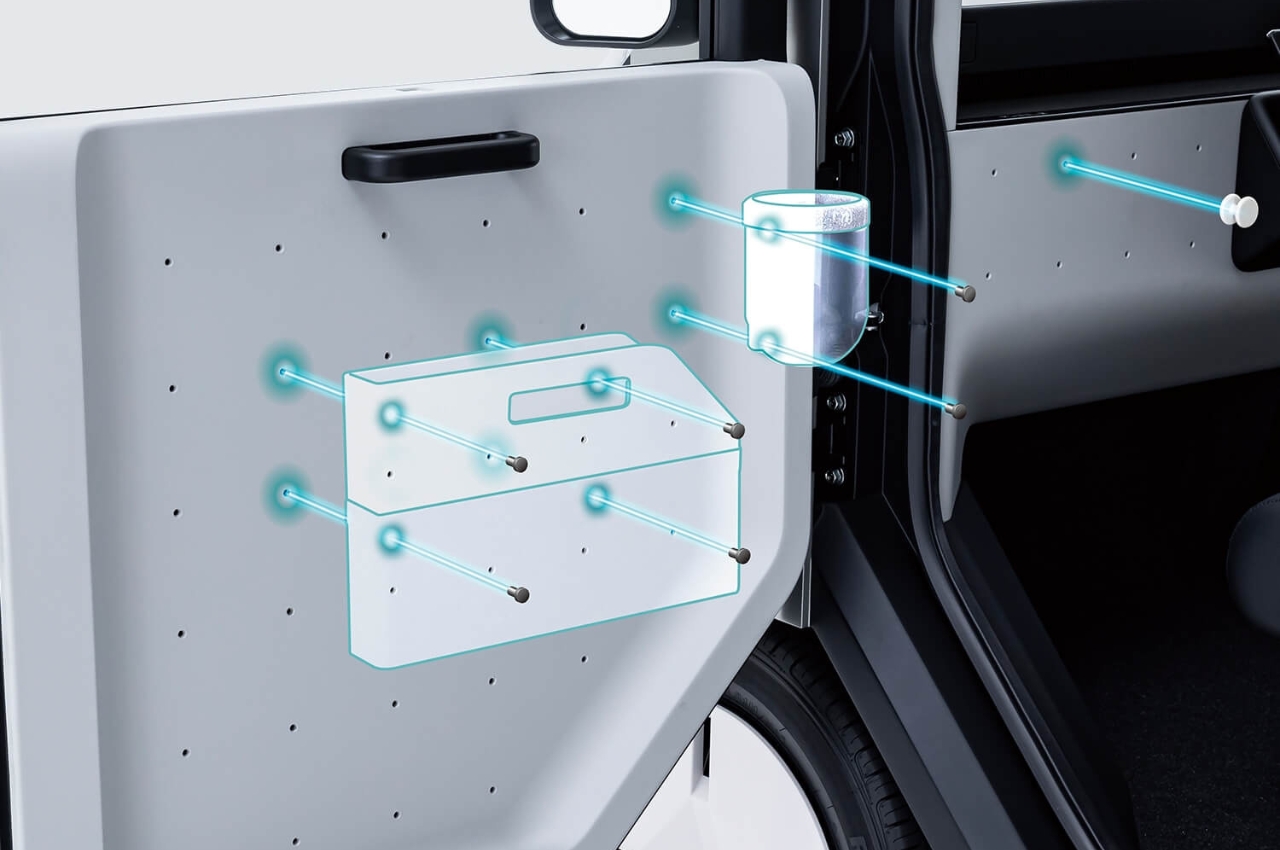
The exterior of the vehicle has been streamlined so it’s easy to remove or add other components since they’re using the same panels. This way they are able to eliminate waste during production since things like the panel under the front light, the front edge of the roof, the left front door, and the right rear door are made from the same exterior panel. The interior has an almost cubic cargo space so you can use the full size of the van. There are also interior panels made into pinboards so you can turn the inside into more of a modular space which you can arrange according to your needs and preferences.

HW Electro released a dedicated app so you can connect electric vehicles like the Puzzle to users’ smartphones to keep track of various information like battery level, charging status, location, etc. If you plan to travel long distances and use your vehicle as your shelter and power source, this is a good eco-friendly and multi-function option for you.

The post Solar electric minivan lets you power up in emergency situations first appeared on Yanko Design.
23andMe hackers accessed ancestry information on millions of customers using a feature that matches relatives

An SEC filing has revealed more details on a data breach affecting 23andMe users that was disclosed earlier this fall. The company says its investigation found hackers were able to access the accounts of roughly 0.1 percent of its userbase, or about 14,000 of its 14 million total customers, TechCrunch notes. On top of that, the attackers were able to exploit 23andMe’s opt-in DNA Relatives (DNAR) feature, which matches users with their genetic relatives, to access information about millions of other users. A 23andMe spokesperson told Engadget that hackers accessed the DNAR profiles of roughly 5.5 million customers this way, plus Family Tree profile information from 1.4 million DNA Relative participants.

DNAR Profiles contain sensitive details including self-reported information like display names and locations, as well as shared DNA percentages for DNA Relatives matches, family names, predicted relationships and ancestry reports. Family Tree profiles contain display names and relationship labels, plus other information that a user may choose to add, including birth year and location. When the breach was first revealed in October, the company said its investigation “found that no genetic testing results have been leaked.” 

According to the new filing, the data “generally included ancestry information, and, for a subset of those accounts, health-related information based upon the user’s genetics.” All of this was obtained through a credential-stuffing attack, in which hackers used login information from other, previously compromised websites to access those users’ accounts on other sites. In doing this, the filing says, “the threat actor also accessed a significant number of files containing profile information about other users’ ancestry that such users chose to share when opting in to 23andMe’s DNA Relatives feature and posted certain information online.”

Following the discovery of the breach, 23andMe instructed affected users to change their passwords and later rolled out two-factor authentication for all of its customers. In another update on Friday, 23andMe said it had completed the investigation and is notifying everyone who was affected. The company also wrote in the filing that it “believes that the threat actor activity is contained,” and is working to have the publicly-posted information taken down.

Update, December 2 2023, 7:03PM ET: This story has been updated to include information provided by a 23andMe spokesperson on the scope of the breach and the number of DNA Relative participants affected.

This article originally appeared on Engadget at https://www.engadget.com/23andme-hackers-accessed-ancestry-information-from-thousands-of-customers-and-their-dna-relatives-205758731.html?src=rss

This aluminum lounge chair is built for easy repairs, not so much for comfort

Chairs are designed to be comfortable to sit on unless they’re meant to be art or statement pieces rather than usable furniture. Of course, not all designs hit the mark, and some tend to value other traits like aesthetics or features over comfort. That isn’t always intentional, though, especially for chairs that are meant to be sold commercially. This lounge chair, for example, seems to check off boxes like minimalism, repairability, and sustainability, but its rather imposing industrial aesthetic might make some think twice about parking their bodies on its thin body, even if there’s a comfy cushion on the seat.

Designer: Haus Otto

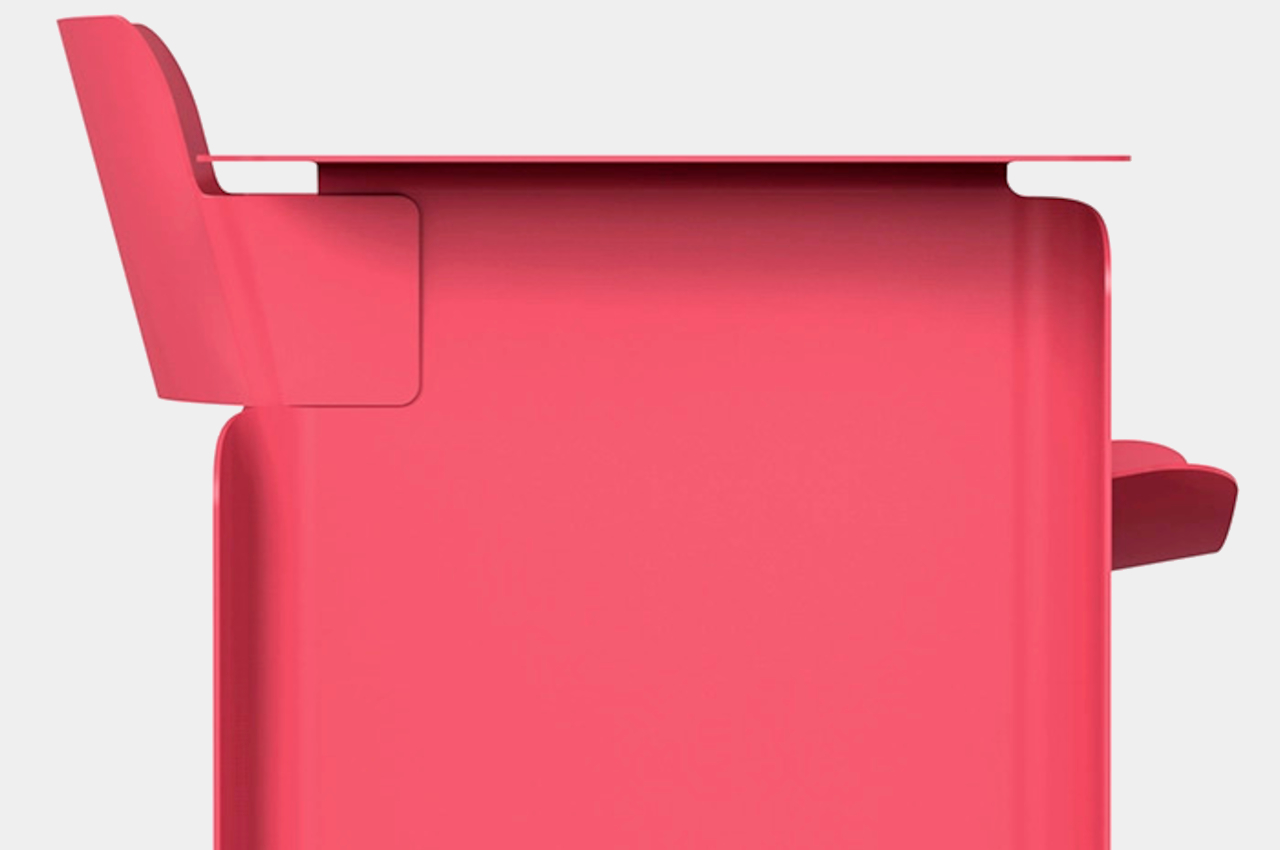
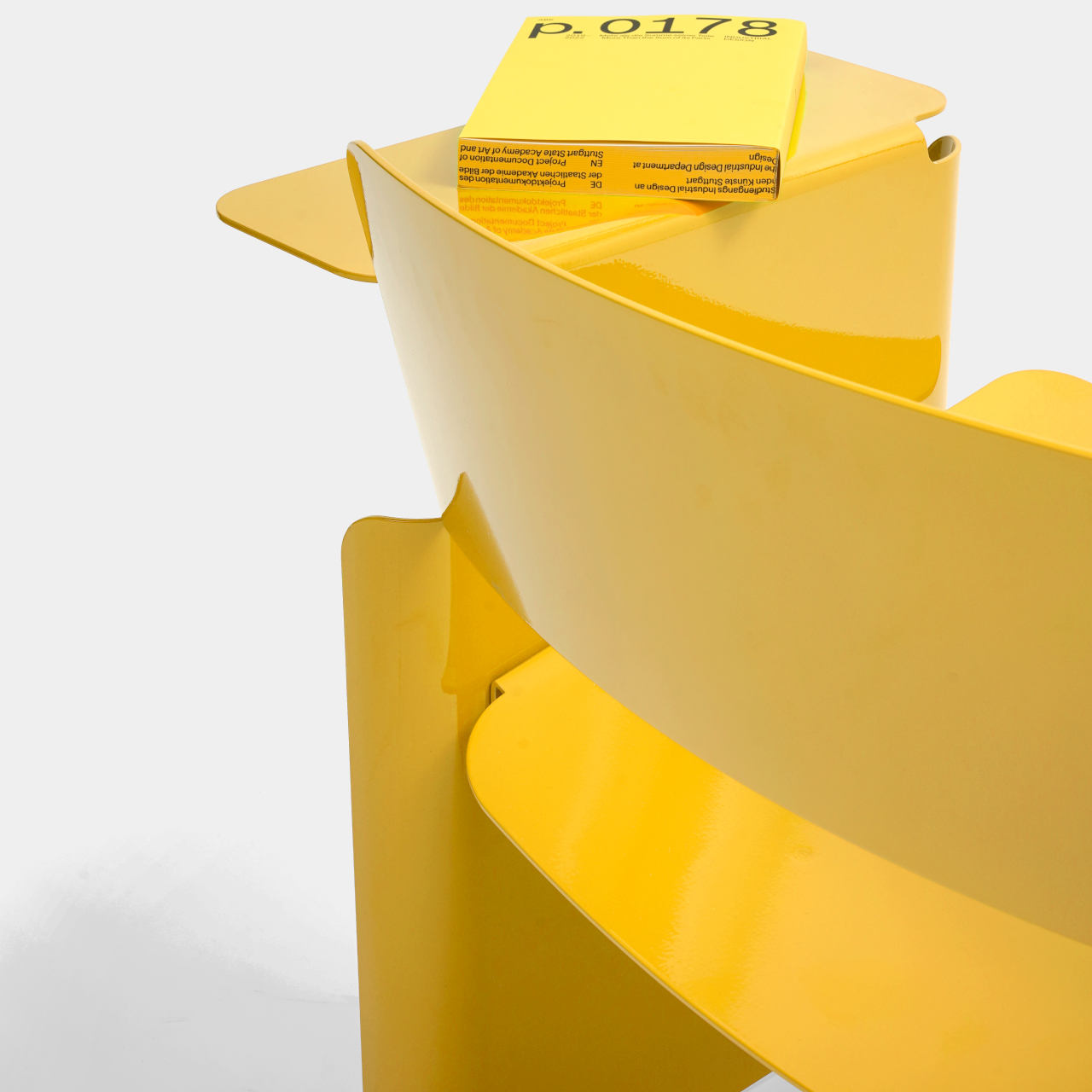
Truth be told, the AL13 lounge chair doesn’t inspire much confidence because of its super thin construction. Each component is made from laser-cut aluminum sheets that seem to be too thin to support heavy objects, like your body for example. Of course, looks can be deceiving, and this chair was designed to be really stable and safe, at least enough to be sold and used both for indoor as well as outdoor use.

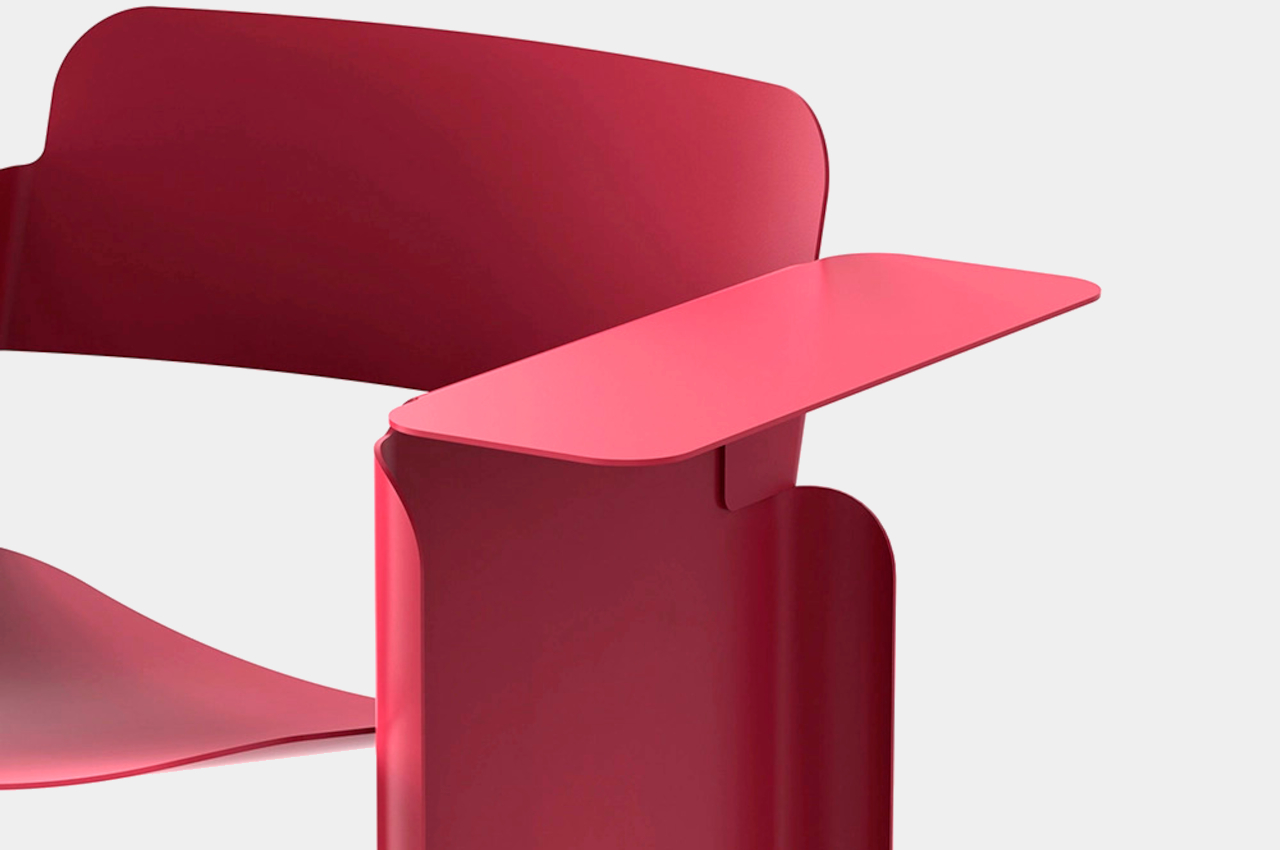
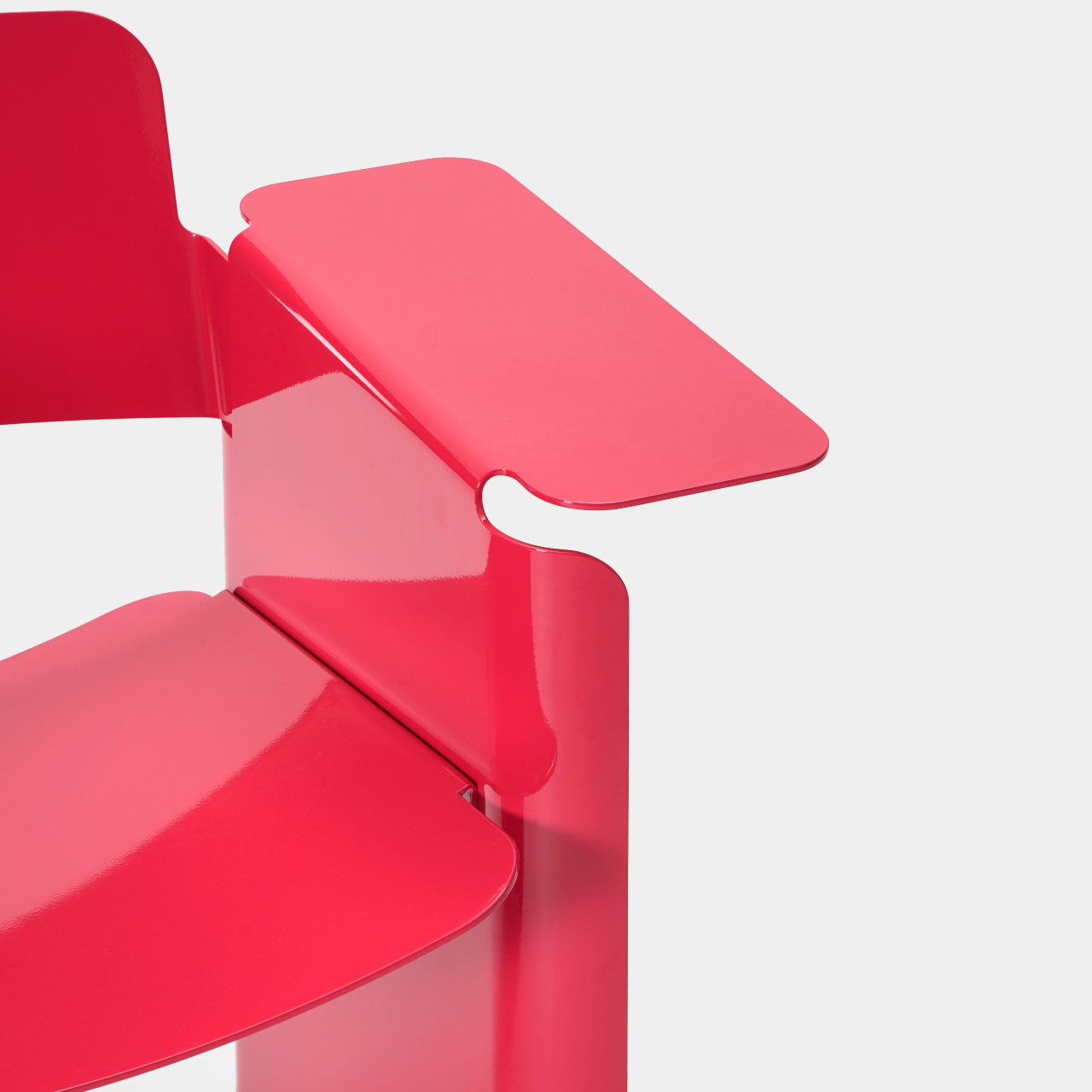
The chair’s extra-wide seat is flanked by extra-wide armrests that might seem too high for actually placing your arms on them. Instead, they function better as small side tables to hold your phone, book, or drink, though you have to be careful with the latter that you don’t accidentally knock it over with your arm. It can also hold your laptop, but it might not be comfortable much less ergonomic to use it in that position.

Perhaps the more interesting aspect of the AL13 lounge chair is its somewhat modular construction so that parts can be easily disassembled. This makes it easy to repair, replace, or recycle parts, which are just bent sheets of aluminum. Its distinctive shape and the added function of the armrests make the chair suitable for any spatial environment, whether indoors or outdoors.

That said, the rather hard and cold appearance of the chair might feel a little intimidating, especially if you’re a fan of softer and cozier chairs. There’s an option for upholstered seat cushions, but that still leaves out the back and armrests, not to mention making it unsuitable for outdoor use. It’s still an interesting brutalist design, though, and could be an inspiration for other variations that add a bit more comfort to the equation.

The post This aluminum lounge chair is built for easy repairs, not so much for comfort first appeared on Yanko Design.

Amazon just dropped the first teaser trailer for its Fallout series

Amazon has released the first official teaser trailer for Fallout, its upcoming live-action series based on the best-selling video games. The clip gives us a look at Amazon’s take on the post-apocalyptic wasteland, and Yellowjackets actor Ella Purnell emerging from Vault 33 to meet it for the first time. The series will be set in Los Angeles 200 years after a nuclear war brought Earth to ruins.

The trailer arrives a few days after Amazon released stills from the show, now showing a deeper look at the characters and the horrors they’ll encounter in the wastes. And it so far seems a promising indication of how the series will approach its well-loved source material. 

Starring alongside Purnell, Fallout also features Walton Goggins (The Hateful Eight) as a breakout ghoul, Aaron Moten (Emancipation) as a member of the Brotherhood of Steel and Kyle MacLachlan (Twin Peaks) as a vault overseer. There’s also a dog named CX404, which we see in the video and in marketing materials toting around a severed hand. Fallout comes out on Prime Video on April 12 next year.

This article originally appeared on Engadget at https://www.engadget.com/amazon-just-dropped-the-first-teaser-trailer-for-its-fallout-series-182055521.html?src=rss

OpenAI’s GPT Store won’t be released until 2024

OpenAI is pushing the launch of its GPT Store to early 2024, according to an email seen by The Verge. The company introduced its GPT Builder tool in early November at its first developer conference, giving subscribers an easy way to create their own custom AI bots. At the time, OpenAI also said it would soon release the GPT Store for users to list their GPTs and potentially make money from them. It was initially slated for a November launch. But, with the surprise ouster of OpenAI’s since-reinstated CEO Sam Altman, the month didn’t quite pan out as planned.

“In terms of what’s next, we are now planning to launch the GPT Store early next year,” OpenAI said in its email to GPT Builder users on Friday. “While we had expected to release it this month, a few things have been keeping us unexpectedly busy!” The email also notes that the company has been making improvements to GPTs based on users’ feedback, and says some updates to ChatGPT are on the way.

OpenAI has been in the process of reorganizing its leadership following the turmoil of the past few weeks. The company confirmed on Wednesday that Altman was back as CEO, with Mira Murati now in place as CTO and Greg Brockman as President. It also announced the formation of a new initial board, which includes representation from Microsoft — its biggest investor — as a non-voting observer.

This article originally appeared on Engadget at https://www.engadget.com/openais-gpt-store-wont-be-released-until-2024-162113991.html?src=rss

Autogen vs Aider AI coding assistants comparison guide – what are the differences?

Autogen vs Aider AI coding assistants comparison guide

When it comes to programming, the tools you choose can make a big difference in how quickly and effectively you can complete your projects. Two tools that have caught the attention of developers are Aider and Microsoft Autogen. These tools are especially useful for those who work with advanced large language models (LLMs) like OpenAI’s […]

The post Autogen vs Aider AI coding assistants comparison guide – what are the differences? appeared first on Geeky Gadgets.