Quectel shakes up the game with FGE576Q and FGE573Q Wi-Fi 7 modules! ? Faster speeds, lower latency – the future of connectivity is here!
The post Quectel’s Wi-Fi 7 Wonders: Faster, Smarter, Connected! first appeared on Trendy Gadget.
Quectel shakes up the game with FGE576Q and FGE573Q Wi-Fi 7 modules! ? Faster speeds, lower latency – the future of connectivity is here!
The post Quectel’s Wi-Fi 7 Wonders: Faster, Smarter, Connected! first appeared on Trendy Gadget.
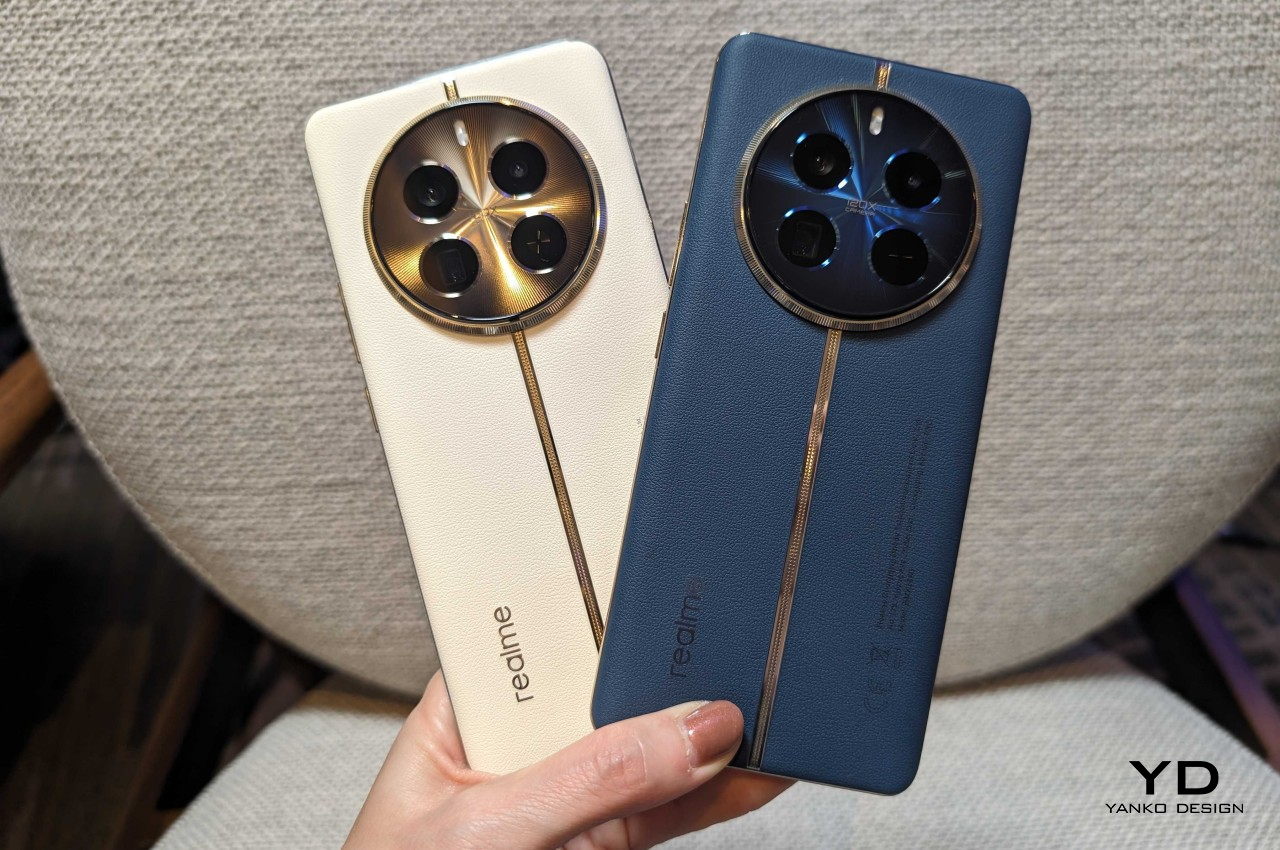
Almost all smartphone makers try to advertise their design-centric processes and products, but few actually live up to the expectations they set. Of those few, realme has had a track record of teaming up with big names in the industry to come out with a variety of designs that target different audiences, from youngsters to travelers to connoisseurs. This year, it seems that realme is aiming to tickle the fancy of watch lovers with a flagship that takes deep inspiration from these masterpieces of design and craftsmanship. Of, the realme 12 Pro isn’t just a pretty face and promises to also elevate your mobile photography with a new premium telephoto camera.
Designer: realme x Ollivier Savéo

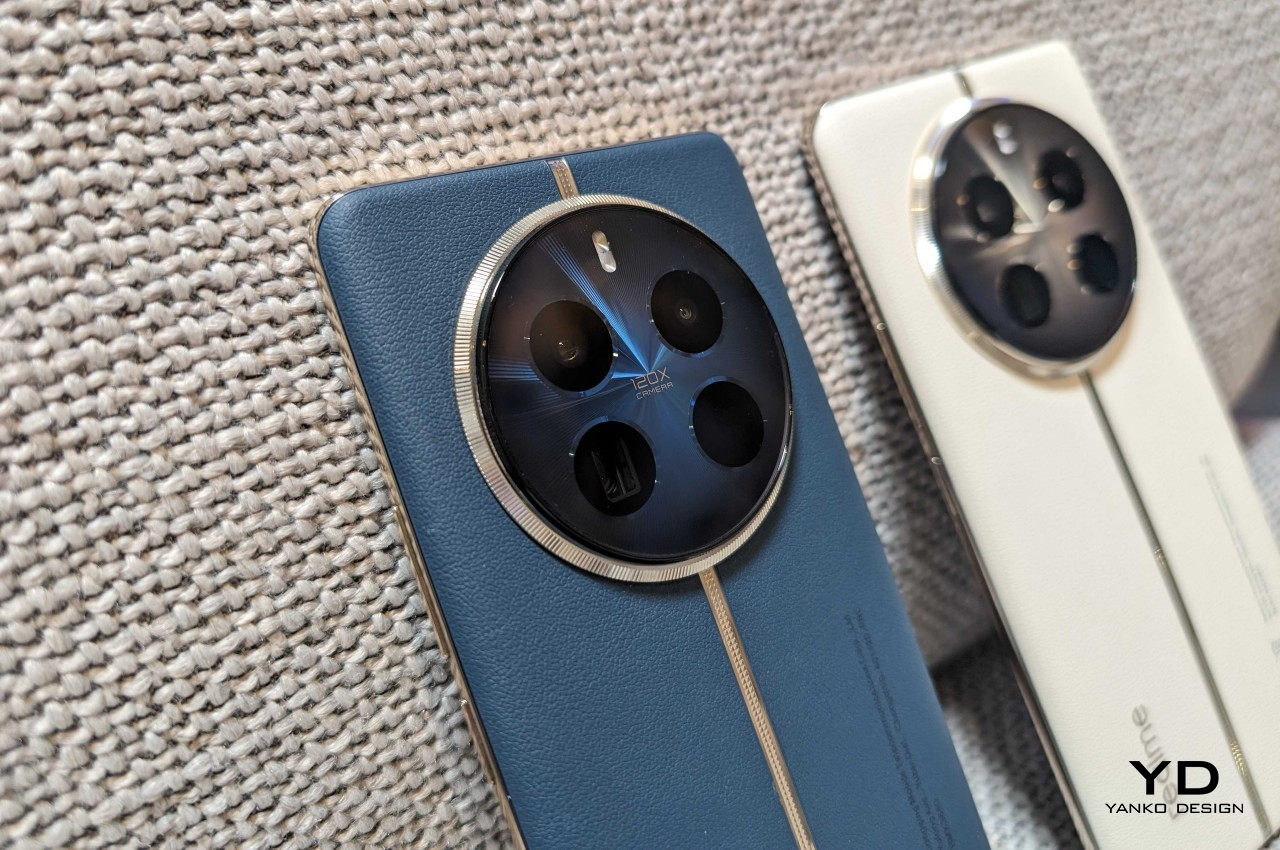
In the past, smartphone telephoto cameras could only use digital tricks to get closer to a subject, but the development of periscope-style lenses finally enabled true optical zoom without bulking up the phone too much. With the realme 12 Pro, the brand is taking that to the next level with a combination of innovative elements and engineering to deliver a premium telephoto experience. In addition to a state-of-the-art periscope telephoto lens, the flagship phone utilizes the latest OmniVision OV64B, a 64MP 1/2-inch sensor that’s twice as large as your typical telephoto camera, including the one on the iPhone 15 Pro Max. These two pieces work together to provide not just 3x optical zoom but also 6x in-sensor (hybrid) zoom, getting you close and personal without the usual degradation associated with simple image cropping.
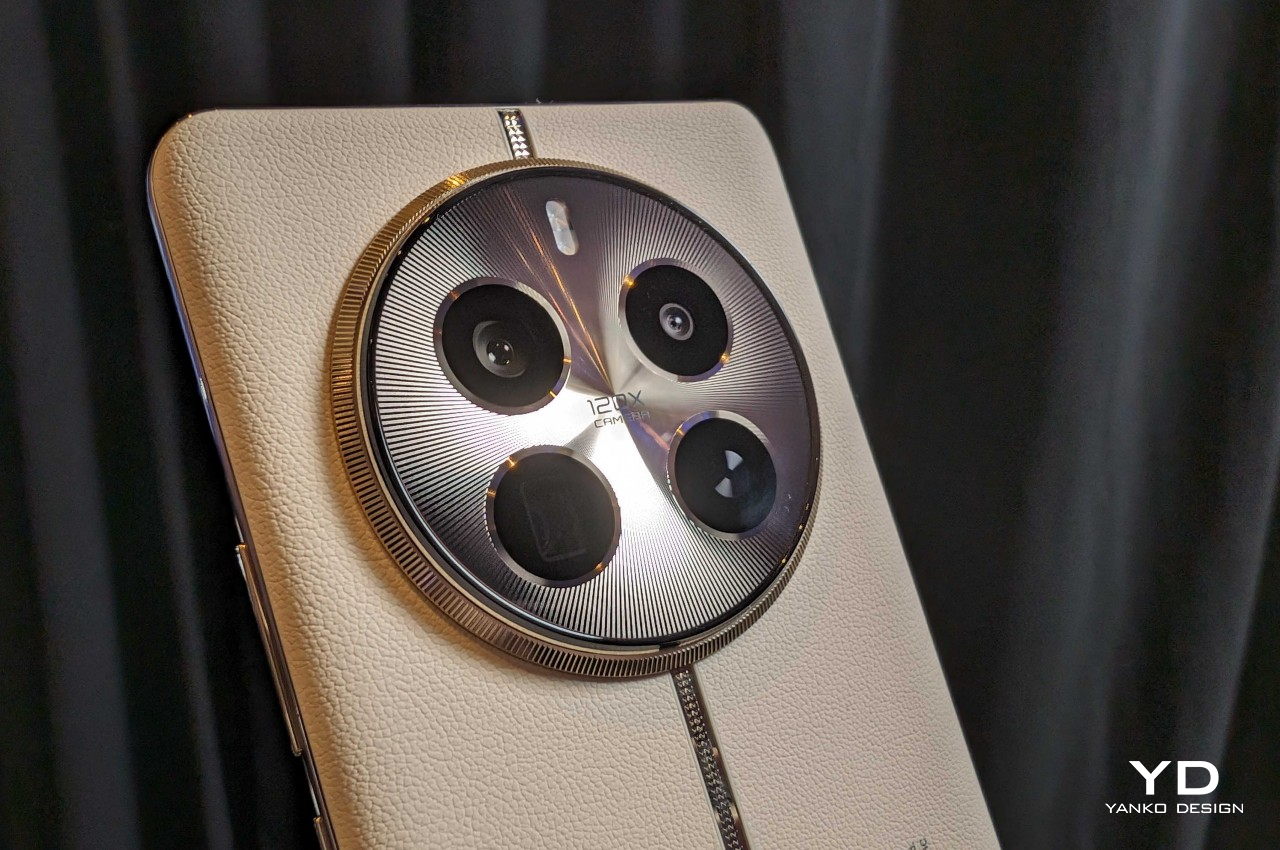

Of course, the realme 12 Pro’s main camera isn’t going to be left behind. With a 50MP Sony IMX890 1/1.56-inch sensor, the primary wide shooter promises rich details even at night. This is further enhanced by the MasterShot algorithm developed in collaboration with Qualcomm, enabling the phone to process RAW images directly, among other process-intensive capabilities. Along with the ultra-wide shooter, this camera system supports a wide range of lossless zoom levels, from 0.6x to 6x, similar to that of more expensive handsets.
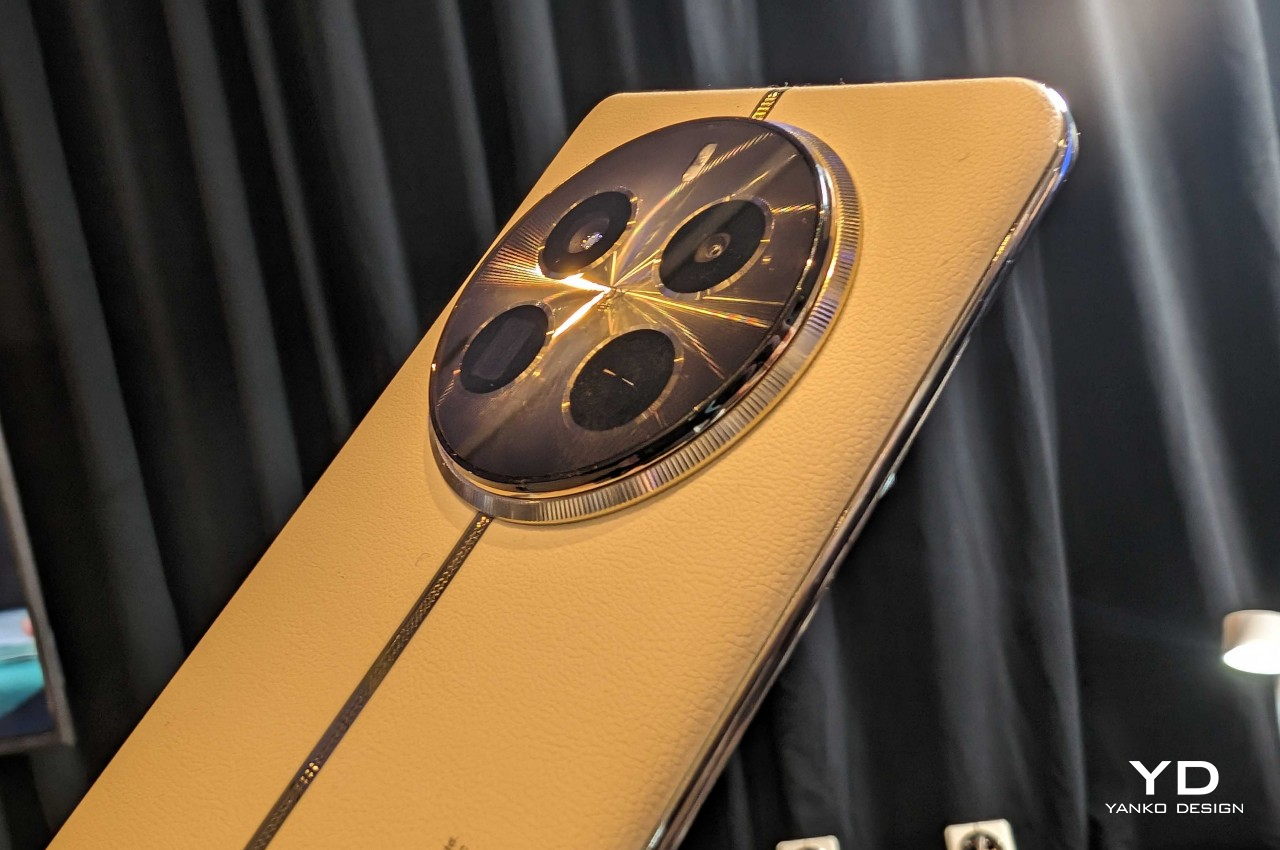
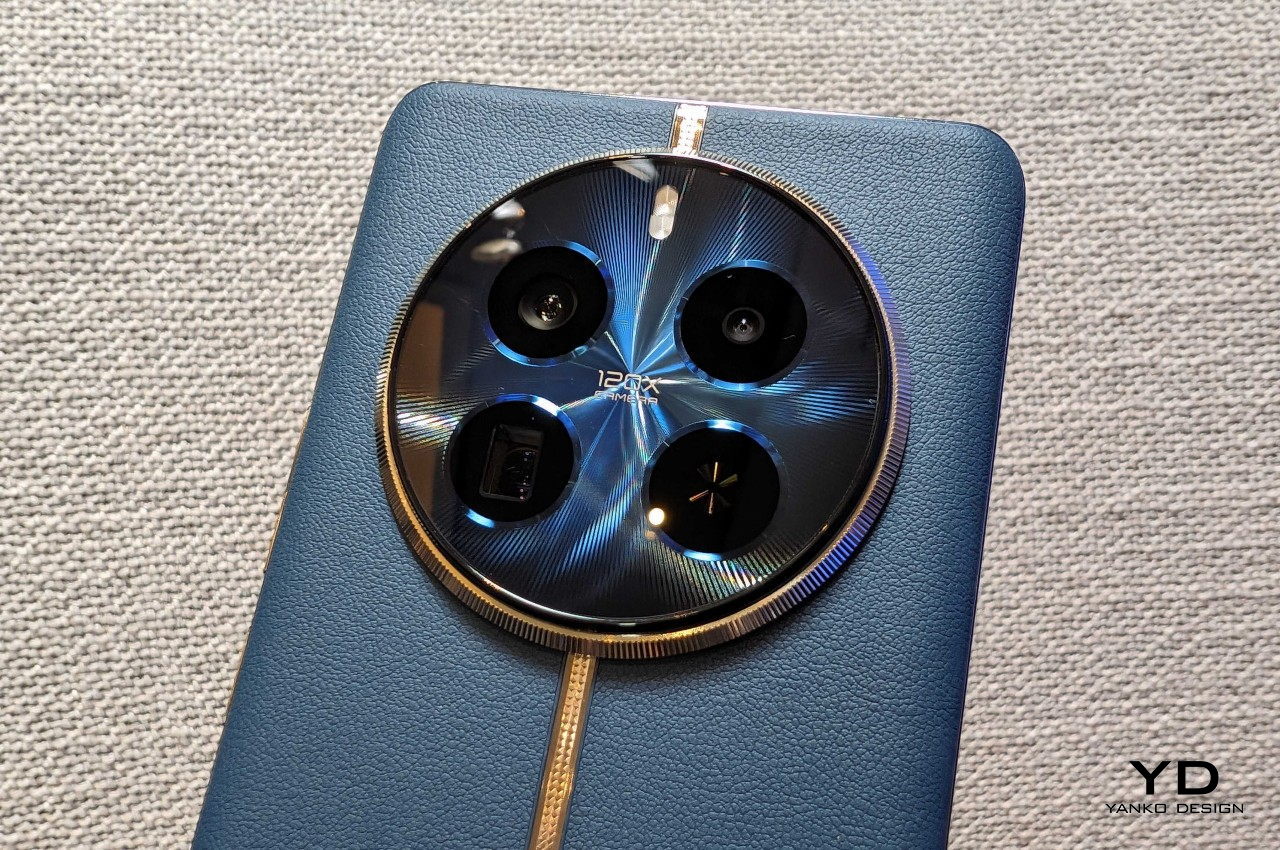
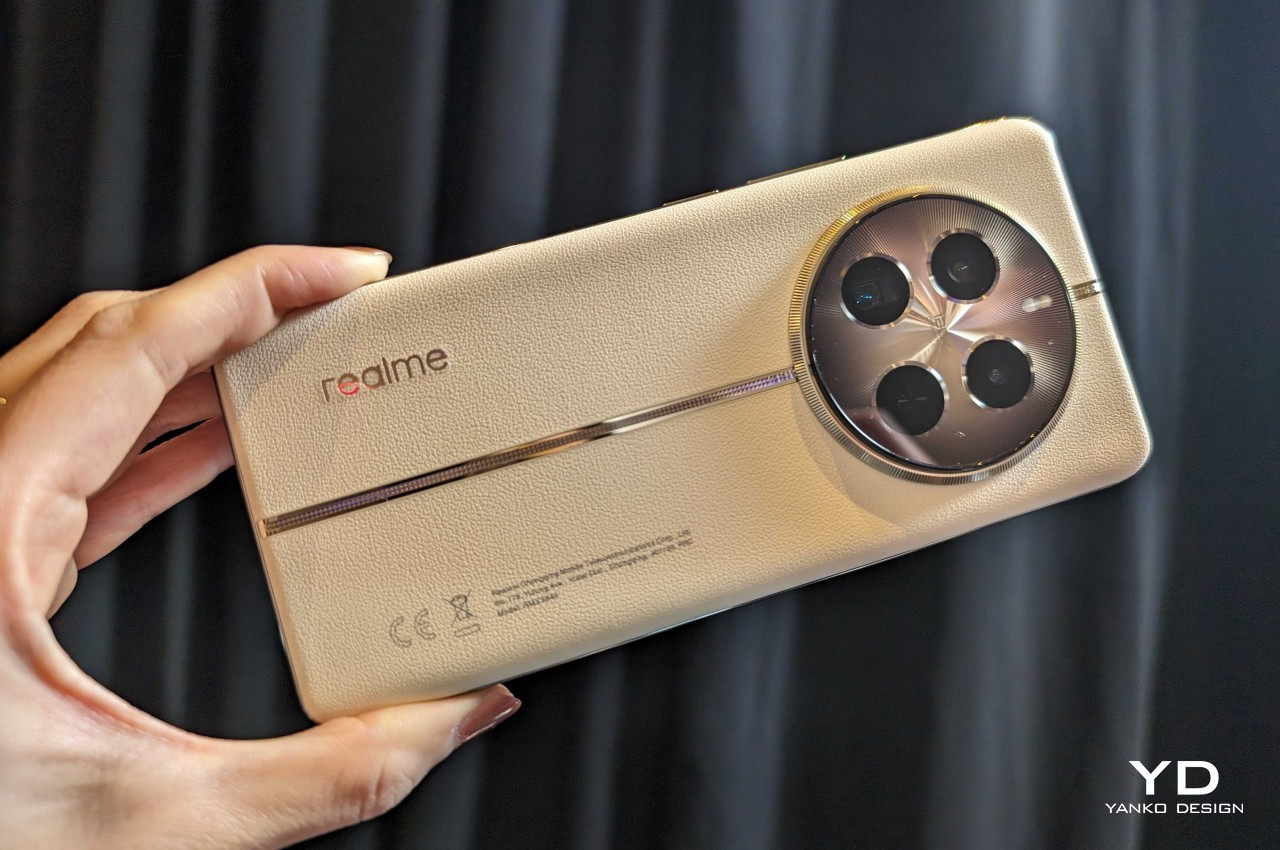
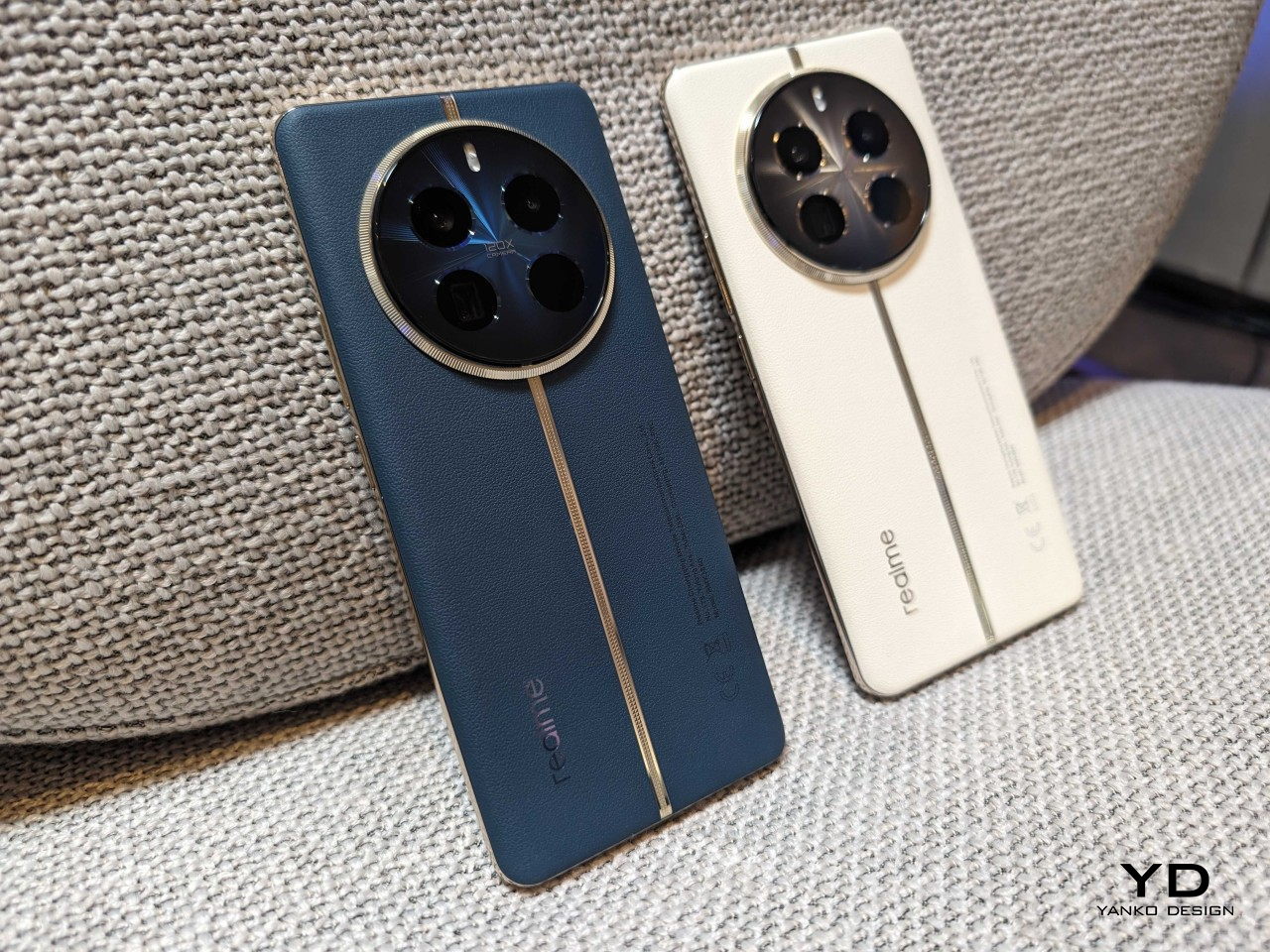
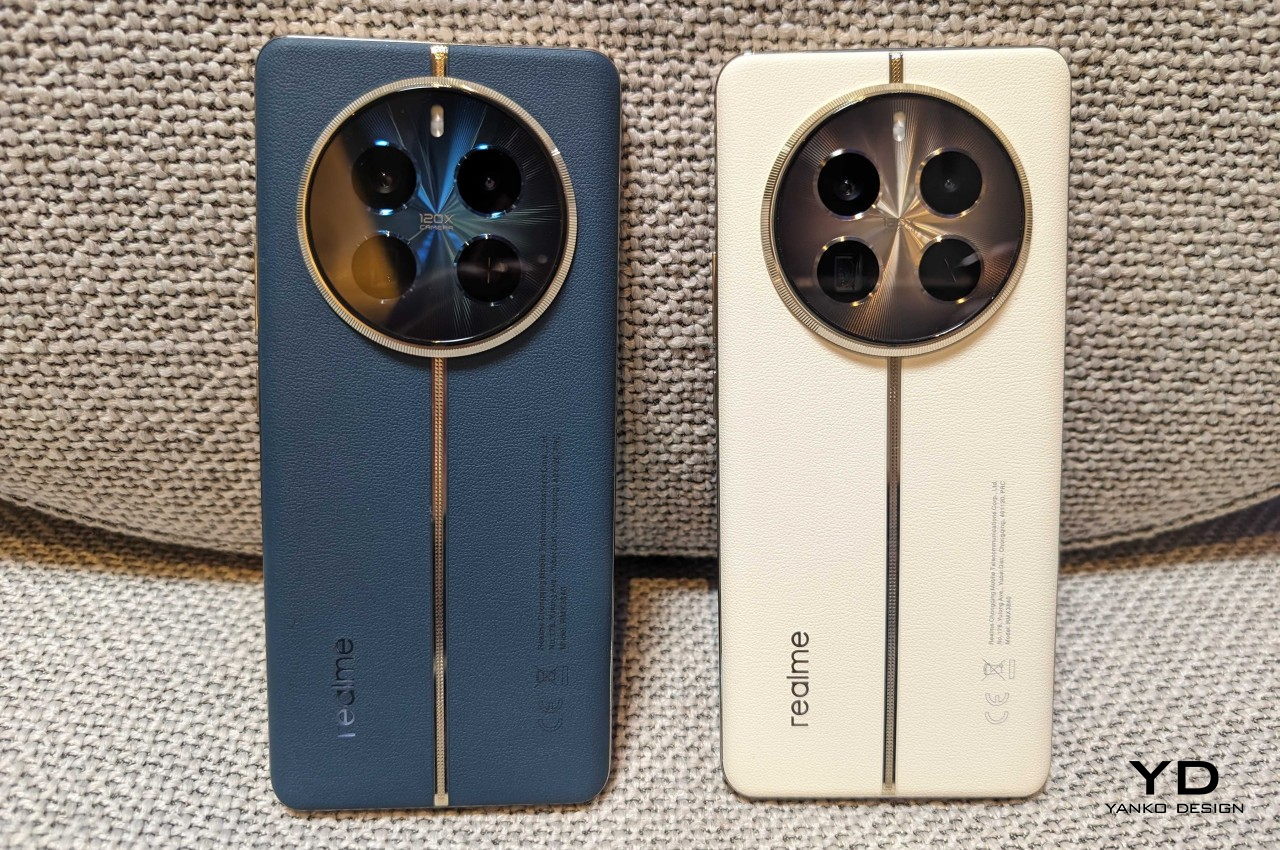
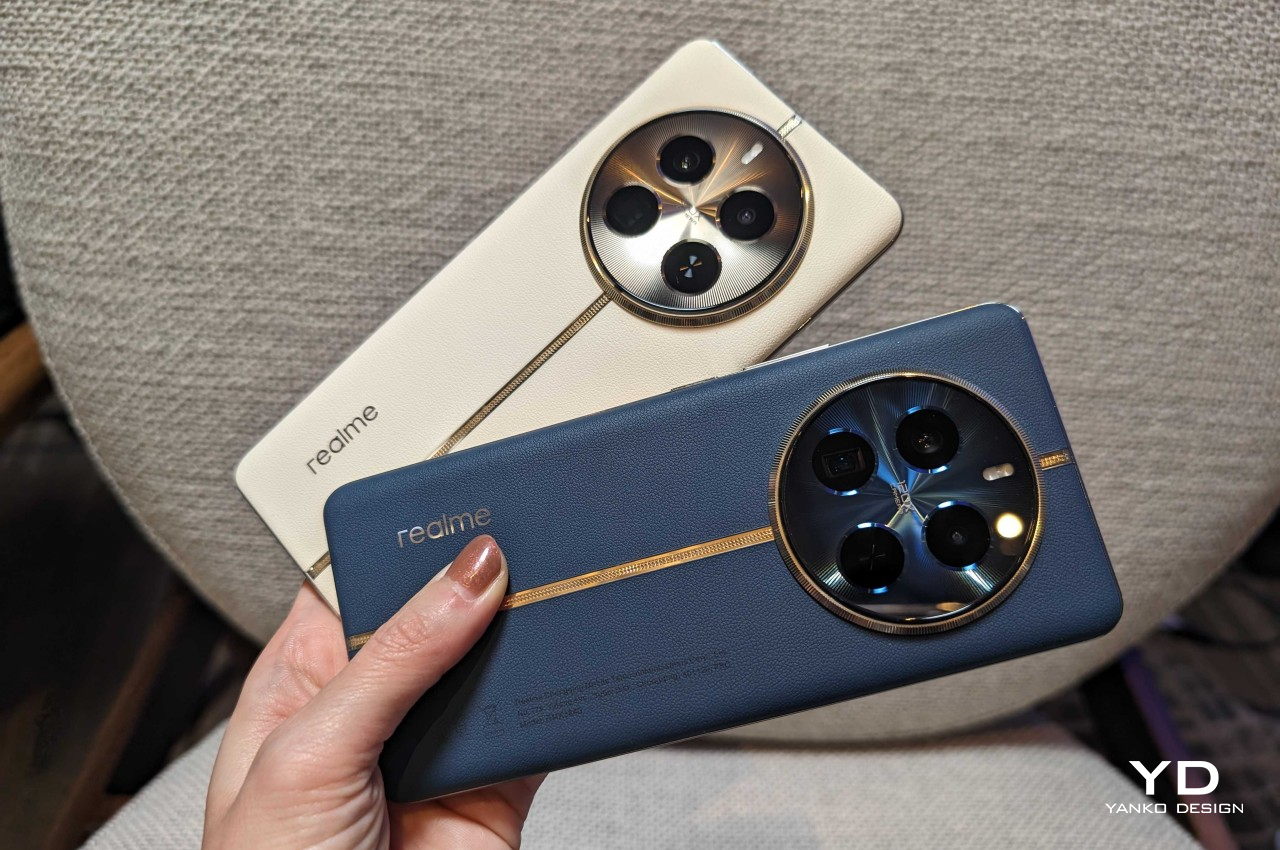
Although the cameras are a focal point of the realme 12 Pro (pun intended, the phone’s design takes its cue from a different kind of luxury product. Teaming up with luxury watch designer Ollivier Savéo, the phone bears the aesthetic and tactile hallmarks of an elegant and premium timepiece. A fluted bezel wraps the circular camera island, giving the semblance of a classic watch face, while the vegan leather material that covers the phone’s back is akin to the leather straps of these luxurious accessories.
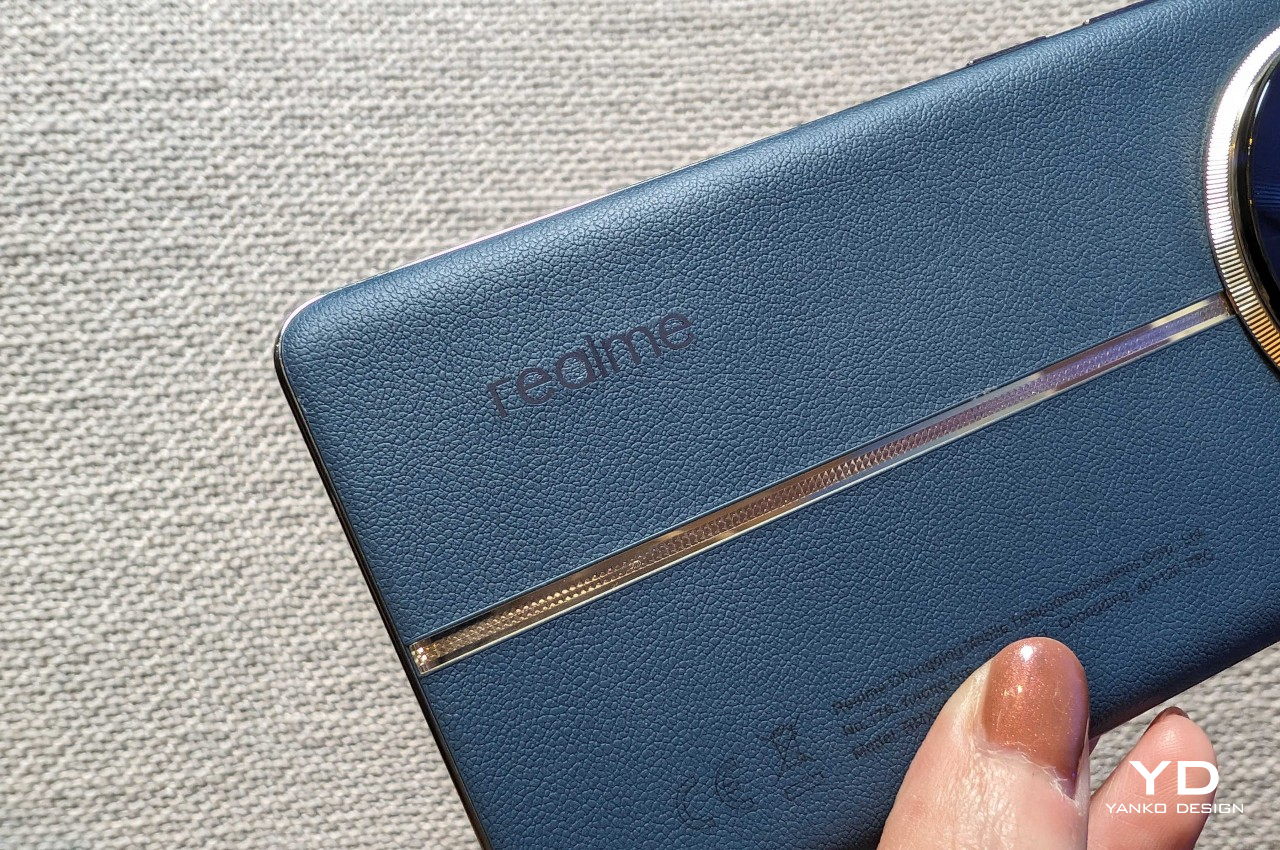
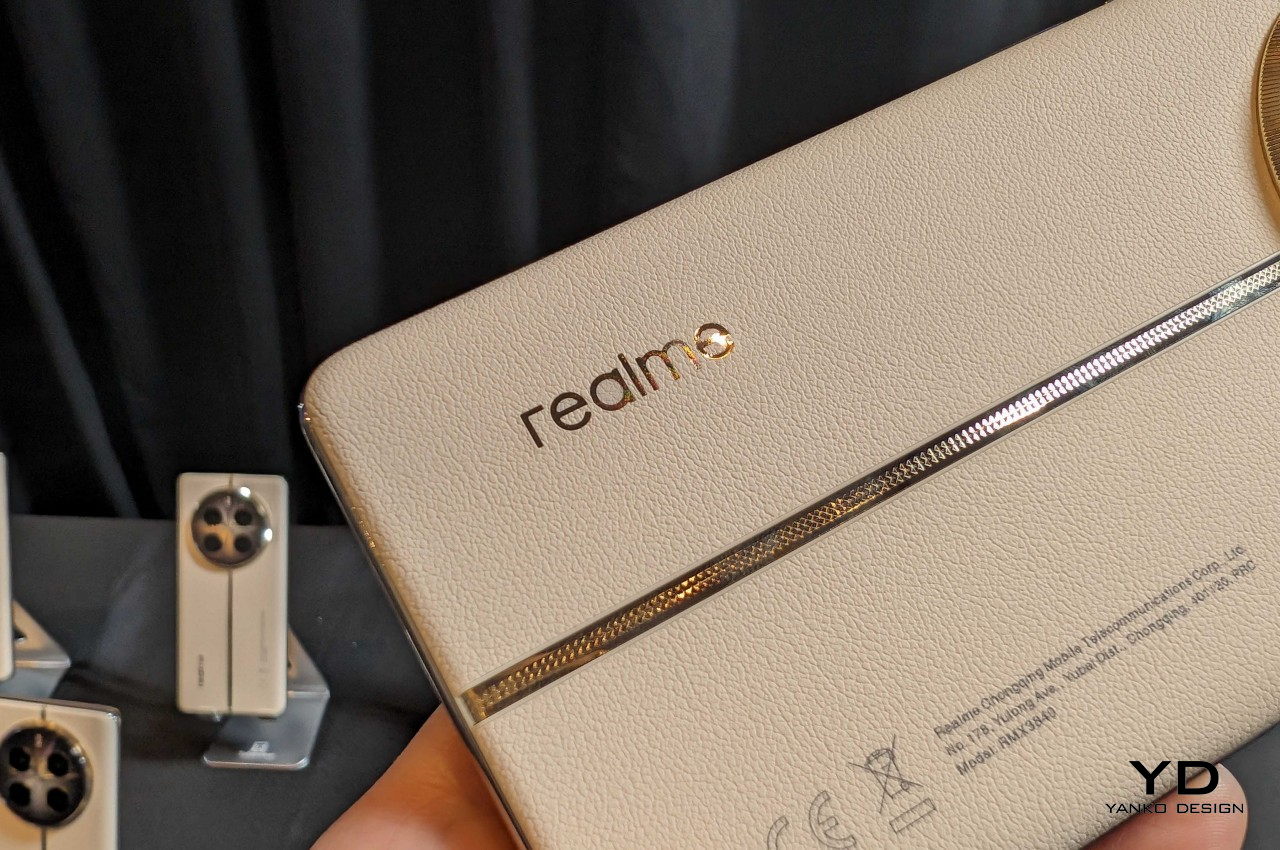
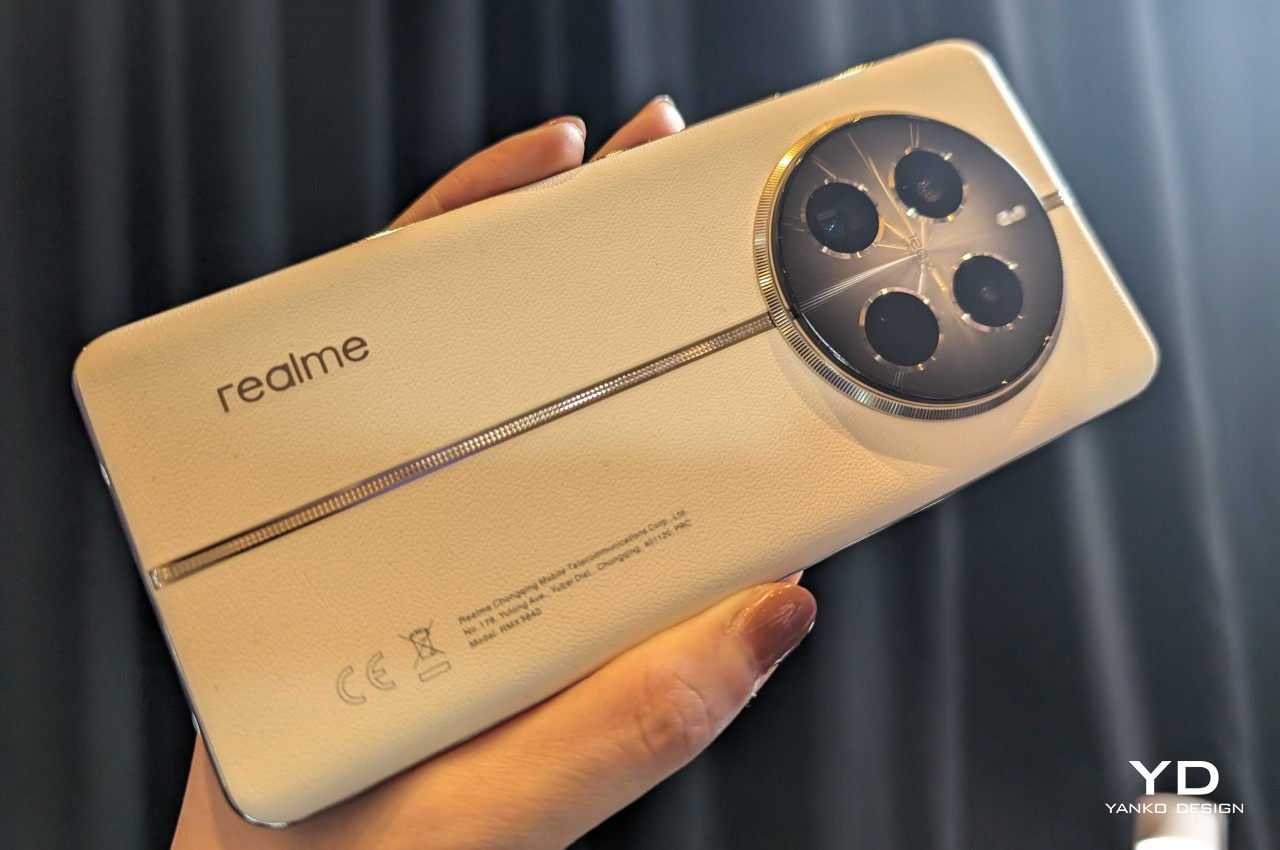
The realme 12 Pro takes this a step further with a 3D jubilee bracelet, similar to a metallic strap, that runs down the middle of the phone. With its three-dimensional rhomboid precision splicing, this minute detail adds a new texture and a touch of class to an already stylish phone. The realme 12 Pro is set to launch this month, with availability details and exact specs still to be disclosed.
The post realme 12 Pro wraps a premium telephoto camera in a luxurious watch design first appeared on Yanko Design.
The show floor at CES 2024 opened on Tuesday, and people have been racking up their steps, canvassing Las Vegas’ vast convention centers and hotel ballrooms to see all the latest and weirdest tech products. The Engadget team has been getting our cardio in, braving both vehicular and human traffic to get face and hand time (and other body parts?) with the most intriguing demos here, while companies haven’t stopped holding press conferences and announcing new items. If you don’t have time to parse through every individual headline or are here in Vegas and want to know where to go, here’s a recap of the biggest news out of CES 2024’s second day.
One of the biggest booths at the show is, as usual, Google, and the company also had a fair amount of news to share. In keeping with the same theme it’s been doing the last few years of “Better Together,” Google shared updates to its inter-device software like Fast Pair and announced it’s working with Samsung to integrate and rename its Nearby Share feature to Quick Share, which is the current name of Samsung’s version of the same thing. This should hopefully simplify things for Android users, and give them a more cohesive alternative to Apple’s AirDrop. Details were pretty scarce on whether there are changes coming to Samsung users, but those who have Nearby Share should see a new icon pretty soon.
Google also added support for people to Chromecast TikTok videos to compatible TVs and screens and is bringing its apps to some Ford, Nissan and Lincoln vehicles later this year. Android Auto will also be able to share your electric vehicle’s battery levels to Google Maps so it can factor in recharge stations, charge times and stops into your routes. This is, again, similar to a feature in Apple's next-gen CarPlay.
Speaking of EVs, Honda also debuted new EV concepts called the Saloon and the Space Hub. The Saloon is a sedan with an aerodynamic design and rides low to the ground, while the Space Hub is a minivan that is a little boxier and its seats has its passengers facing each other. Honda said it will develop a model based on the Saloon concept car for North American markets in 2026, with no word yet on the Space Hub.
In other transportation news, Hyundai brought an updated version of its S-A2 Air Taxi to the show. The S-A2 is an electric vertical take off and landing vehicle that has a cruising speed of 120mph when it reaches an altitude of 1,500 feet. It’s designed to fly short trips between 25 to 40 miles and the company envisions it as an everyday transportation solution for urban areas.
We also got more smart home news from companies other than Google, including Amazon, which said it will adopt the Matter standard for Casting, but it won’t support Chromecast or Apple’s AirPlay. How nice. We also saw new face-scanning and palm-reading door locks, smart outdoor lights by Nanoleaf and a new Weber Searwood smart grill that’s cheaper and more versatile.
There has been a smattering of mobile news, including the Clicks iPhone keyboard case and a surprising, adorable device called the Rabbit R1. It’s pitched as an AI-powered assistant in what’s basically a cute squarish walkie-talkie co-designed by Teenage Engineering. It has a tiny 2.88-inch touchscreen, an analog scroll wheel, two mics, a speaker and a 360-degree camera you can spin to face toward you or through the back of the handset. You’re supposed to talk to the Rabbit AI by pushing down a button (like a walkie talkie) and ask it to do anything like book an Uber or look for a recipe tailored to your specific list of ingredients.
There’s been a lot more at the show, but I wanted to take some time to shout out a bunch of intriguing accessibility products. We saw the OrCam Hear system that’s designed to help people with hearing loss isolate the voices of specific speakers in crowded environments. There’s also the GyroGlove, which is a hand-stabilizing glove for people with hand tremors, as well as the Mouthpad, which lets you control your phone, tablet or laptop by using your tongue.
We also saw an update to the Audio Radar system that provides visual cues for gamers who are hard of hearing to see where sounds are coming from and what type of sounds they might be. It’s very heartening to see all this development in assistive technology at CES, especially when the industry often spends so much time and money on less-worthy endeavors.
We’re nearing the end of the show and as we get ready to do our final sweeps of the show floor, the Engadget team is also looking back and contemplating the best things we saw at CES 2024. We’ll be putting together our Best of CES awards list soon, so make sure you come back to see what we decided were the winners of the show.
We're reporting live from CES 2024 in Las Vegas from January 6-12. Keep up with all the latest news from the show here.
This article originally appeared on Engadget at https://www.engadget.com/ces-2024-day-2-recap-a-wild-rabbit-gadget-appears-while-google-offers-its-own-take-on-apple-software-tricks-022245111.html?src=rss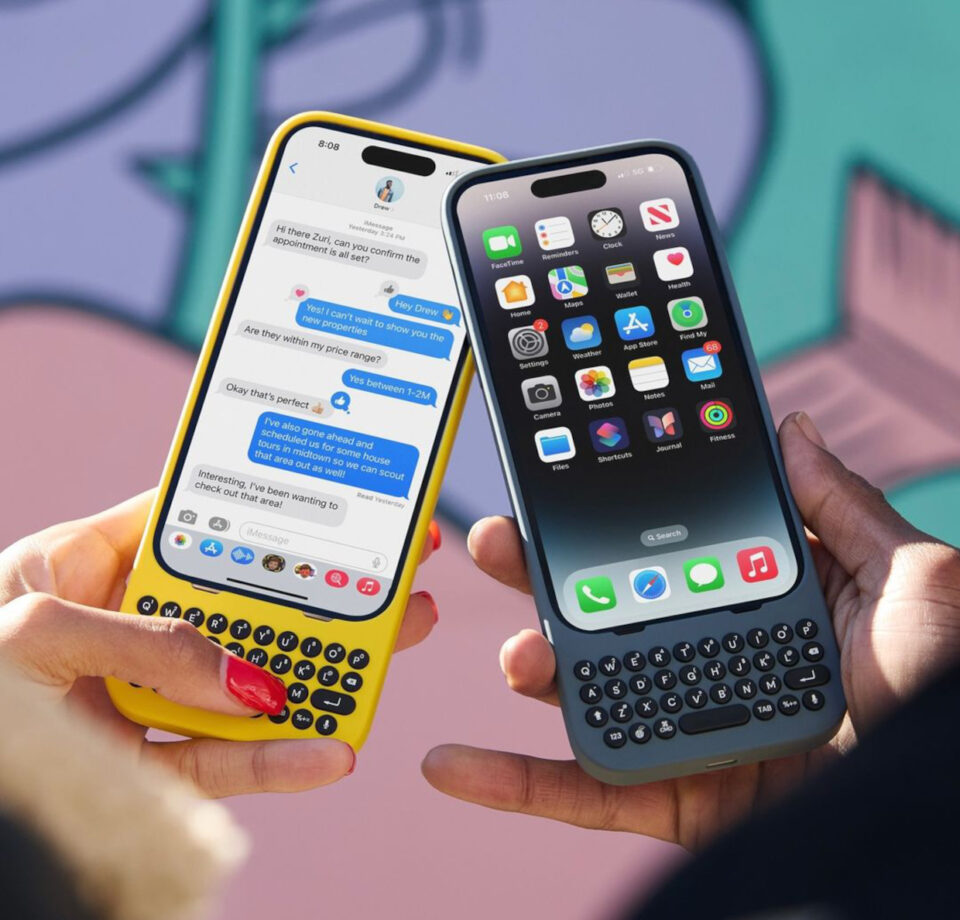
Do you miss having a tactile, physical keyboard on your phone? Then set your time machine dial to 2006. Or you can buy Clicks, an iPhone attachment that adds a physical keyboard to the bottom of your phone. In addition to allowing more screen real estate while in use, the keyboard also allows shortcuts and dedicated keys. My productivity is going to skyrocket!
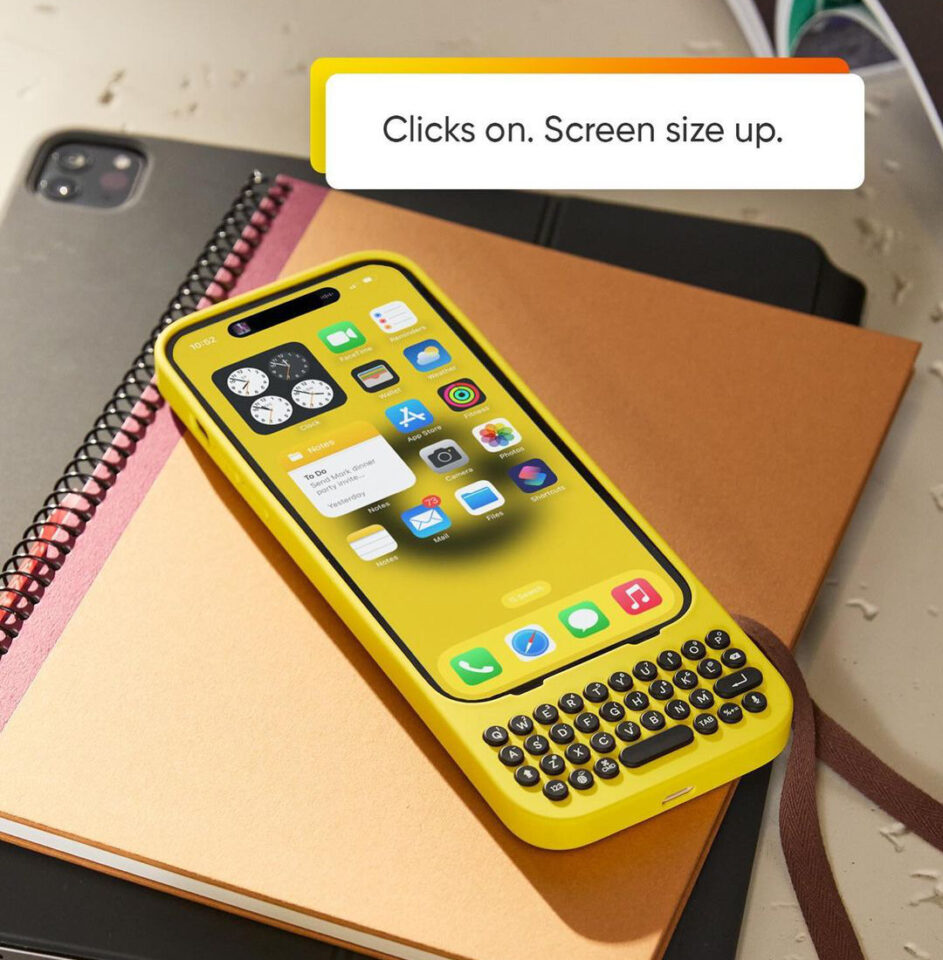
Billed as the first ‘creator’s keyboard’, the Clicks is currently available for iPhone models 14 Pro and 15 Pro ($139), and 15 Pro Max ($159) in two colors: BumbleeBee (yellow) and London Sky (dark grey). The keyboard features a backlight that can be toggled on and off for night use, and appears to make your phone long enough to pass as a handheld metal detector. That alone is worth the price in my opinion.
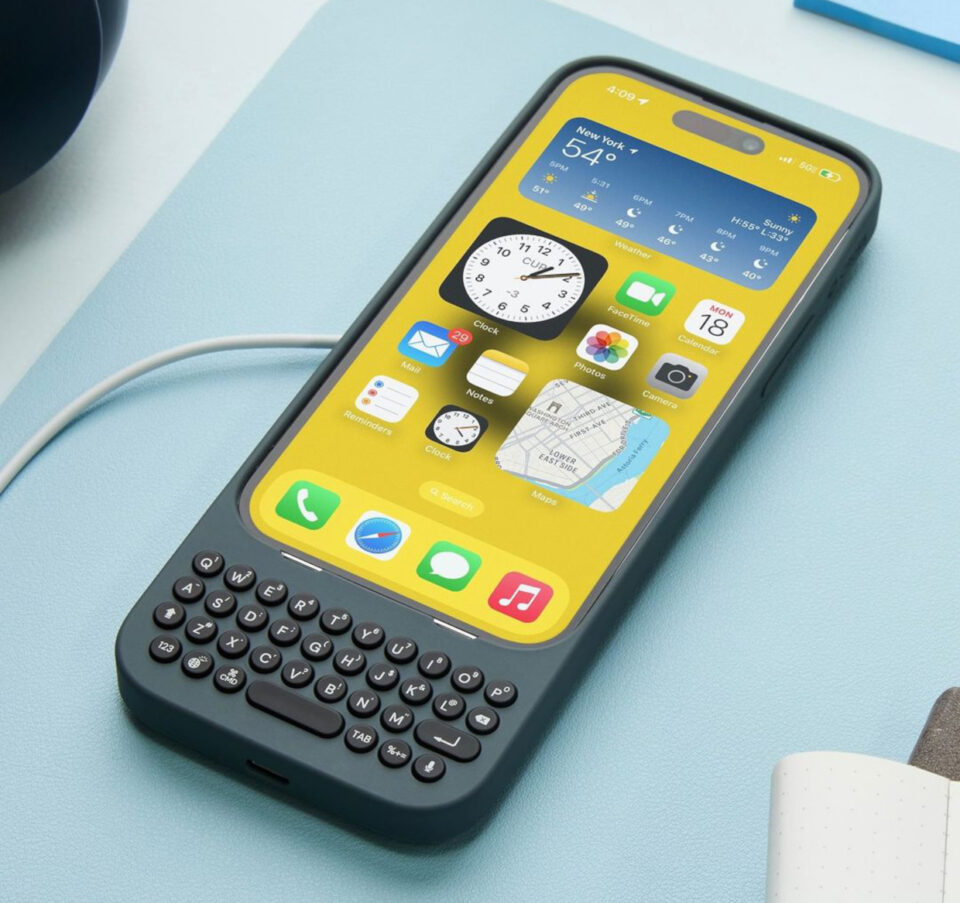
Make more space for apps and content by moving the keyboard off your screen….Real keys make typing feel so natural, you can tackle more tasks than ever on iPhone. …Fly through tasks with keyboard shortcuts and dedicated keys that give you ultimate control of your phone.
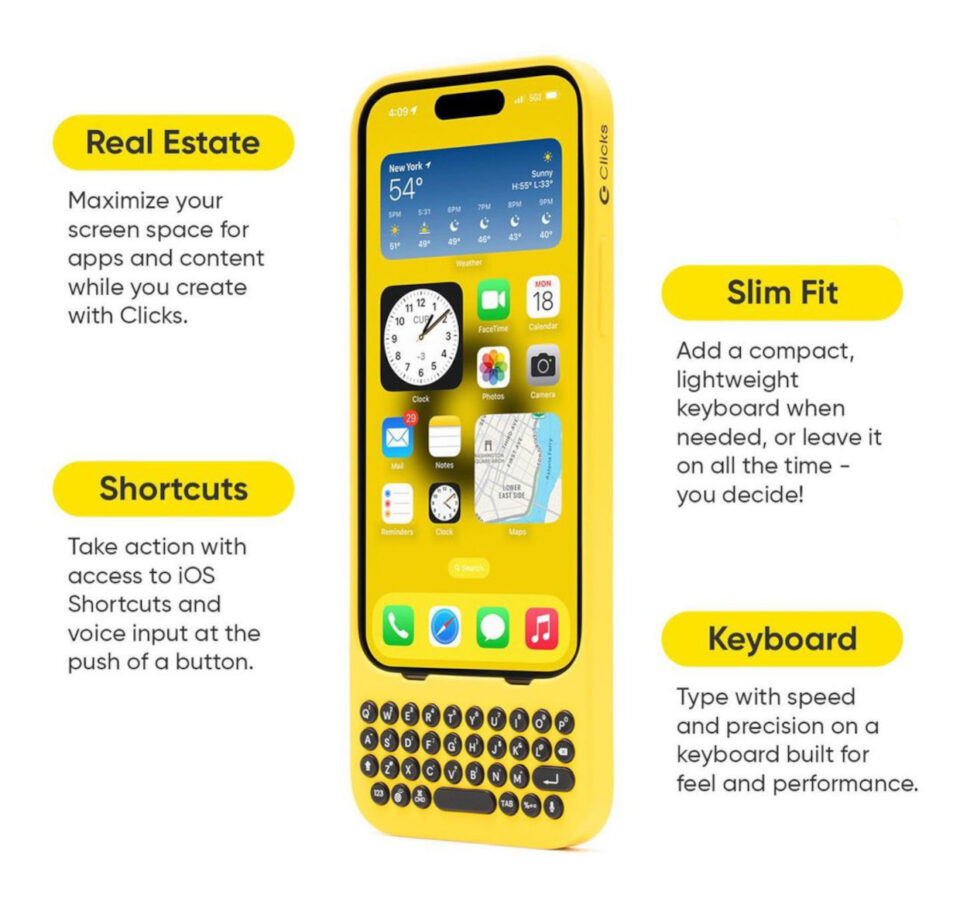
Admittedly, I do miss having a real keyboard on my phone. Of course, I also miss owning a pager. They say technology is cyclical, will both keyboarded phones and pagers make a comeback? I can dream, can’t I?
[via LaughingSquid]
When Walmart announced it would be holding a CES keynote for the first time, we were admittedly a little skeptical. Now it all makes sense, though: America’s largest retailer came to CES 2024 in Las Vegas to talk about AI. In a joint announcement on Tuesday, the company said that it’s teaming up with Microsoft to build what it bills as AI-powered shopping experiences. In his keynote, Walmart CEO Doug McMillon described how the integration of AI across its website and apps will be used to study shopper behavior and suggest future purchases.
As you might expect, given Microsoft’s involvement, the artificial intelligence underpinning these experiences will be powered by large language models made available through this partnership with Microsoft. The AI it plans on deploying will use a combination of retail-specific search functions based on Walmart’s own proprietary technologies and Microsoft’s Azure OpenAI service.
Walmart’s new generative AI-powered search functions will be available on iOS and Android mobile devices as well as through the company’s website. The new search features will give shoppers more options for interacting with the retailer’s digital inventory. For example, instead of searching for items like soda and chips, a shopper can look for product recommendations for specific events like a birthday celebration or game day watch party by telling the website, in natural language, what they need help shopping for.
During the keynote, McMilon said that the algorithms are designed to highlight relevant product categories after a search that will “serve up a curated list of the best items.” These new algorithmic shopping initiatives will directly compete with Google’s AI search tool SGE and Amazon’s large language model-powered product listing program.
While it seems that most of the efforts on the AI front are consumer-facing, the company said new AI search functions will not just help shoppers. It will also expand tools available to store associates intended to help streamline job-related tasks and workflows. This can also be seen in its announcement that at Sam's Club, which is owned by Walmart, employees will soon no longer need to check shopping receipts as people leave stores. Instead, it will deploy an AI tool that verifies customer purchases.
Additionally, Walmart teased ‘Walmart InHome Replenishment,’ which also will use artificial intelligence to predict what items in a shopper’s cart need to be replenished in a timely manner. This offering will be added as an extension to its ‘InHome’ program that became available to Walmart+ shoppers in 2019.
Aside from AI, the retailer also teased plans to weave augmented reality into its shopping experience. The company teased ‘Shop with Friends,’ a beta social commerce offering that uses augmented reality to allow shoppers the option to share virtual outfits with friends for feedback while shopping. Lastly, Walmart will expand its drone delivery testing program to more shoppers in Texas as a starting point. 1.8 million additional households will get access to drone delivery services that help shoppers get items as fast as 30 minutes.
We're reporting live from CES 2024 in Las Vegas from January 6-12. Keep up with all the latest news from the show here.
This article originally appeared on Engadget at https://www.engadget.com/walmart-makes-a-rare-ces-appearance-to-promote-ai-powered-shopping-005538465.html?src=rssHere at CES 2024 in Las Vegas, a Japanese startup is worried about the mental health of all those dogs you bought during the pandemic. One By One Music believes those dogs who, while everyone was sheltering in place, got too used to their family being at home for most of the day. Now that everyone’s back to work, school or generally enjoying the outdoors, they’re getting lonely and stressed on their lonesome. That’s why the company conducted some research and claims to have discovered the secret to making dogs calmer. The answer is AI-generated downtempo music, which the company's representatives say reduces your pooch’s stress by 84 percent.
The general idea is that users will subscribe and leave the music running on their device at home while they’re away. It’ll cost ¥980 (around $6.70) per month, which you might think is a small price to pay if you think this is the most effective way to keep your dog happy. Now, I’ve only heard a tiny sample of the music the company is promising, so I can’t make any real comment on its quality. But, it does feel very much like the sort of generic downtempo synth music you’ll find in some spa music playlists that you’ll find on Spotify. But, as I say, what price can you put on your love of your dog?
We're reporting live from CES 2024 in Las Vegas from January 6-12. Keep up with all the latest news from the show here.
This article originally appeared on Engadget at https://www.engadget.com/who-knew-dogs-enjoyed-downtempo-music-004714808.html?src=rssFortnite players in the US who believe they were charged for unwanted purchases during gameplay can request a refund via the Federal Trade Commission through the end of February. The claims process, which was previously set to end in January of this year, was initiated in September of 2023 after the regulatory agency finalized a settlement against Epic Games. About $245 million were earmarked for refunds alone.
The FTC said it notified about 37 million eligible Fortnite users impacted by the company’s practices when the claims initially opened. The agency said it will continue emailing potential refund recipients until the new deadline ends on February 29.
The online claim form is available on the official FTC website, where you will need to share your Epic account ID and disclose whether or not you received an email from the regulator. To qualify for a refund, you must have been charged in-game currency for products in the Fortnite game you didn't intend to purchase between January 2017 and September 2022. This also applies to children who were subject to charges using their parent's accounts without adult supervision between January 2017 and November 2018.
Importantly, the FTC highlights the fact that some charged users had their accounts locked after seeking support through Epic Games or after attempting reconciliation of charges with their credit card companies. This new extension comes as another blow to Epic Games, which was accused of violating the Children’s Online Privacy Protection Act Rule in a separate ruling.
The company has changed its policy on saving payment information as a result of the FTC claims case and will now offer a more direct way to offer yes or no options to save payment-related user information. In a statement, the company notably remarked, “No developer creates a game with the intention of ending up here.”
This article originally appeared on Engadget at https://www.engadget.com/theres-still-time-for-fortnite-players-to-request-a-refund-for-unwanted-items-224949244.html?src=rssThe Securities and Exchange Commission has approved the applications of 11 spot bitcoin ETFs in a highly anticipated decision that will make it much easier for people to dabble in cryptocurrency investing without directly buying and holding bitcoin. The approval comes one day after a hacker temporarily took over the SEC’s X account and posted a rogue tweet saying that bitcoin ETFs had been approved by the regulator.
The approval is a significant milestone for crypto investors, who for years have tried to win SEC approval for the investment funds that hold bitcoin. With the approval, 11 such funds will be listed on public stock exchanges.
United States financial regulators have long been wary of bitcoin and other cryptocurrencies and in a statement, SEC Chair Gary Gensler wasn’t exactly effusive about the merits of bitcoin. “Bitcoin is primarily a speculative, volatile asset that’s also used for illicit activity including ransomware, money laundering, sanction evasion, and terrorist financing,” he wrote.
“While we approved the listing and trading of certain spot bitcoin ETP shares today, we did not approve or endorse bitcoin. Investors should remain cautious about the myriad risks associated with bitcoin and products whose value is tied to crypto.”
Gensler may have more reasons than usual to be circumspect. On Tuesday, one day before the SEC’s decision on bitcoin ETFs was due, the SEC’s official X account was hacked. The attackers posted a rogue tweet claiming the funds had been approved, causing a temporary spike in the price of bitcoin. The SEC has said it’s working with the FBI and Inspector General to investigate the matter.
This article originally appeared on Engadget at https://www.engadget.com/sec-approves-bitcoin-etfs-for-real-this-time-224125584.html?src=rssA busy, stimulating convention like CES can exacerbate hand tremors for those living with Parkinson's Disease. For Roberta Wilson-Garrett, however, a new wearable device has been helping keep the tremors at bay. Wilson-Garrett has been using the GyroGlove, which launched here at CES 2024 in Las Vegas. It's a hand-stabilizing glove designed to "counteract hand tremors by utilizing advanced gyroscopic technology," giving wearers more control over their mobility.
In the few days she has been wearing the GyroGlove, Wilson-Garrett says she's been able to perform certain tasks more easily. Things like buttoning up a shirt, moving a cup of coffee around or writing down a note had become easier with the device. One morning, she had forgotten that she didn't have the glove on and grabbed her coffee, only for her hand to shake and and the drink to spill over.
It's in little daily activities like that where assistive technology can help give people with disabilities some sense of control and independence again. The current iteration of GyroGlove comprises of three parts: The fabric glove, the gyroscope in the stabilization module and a battery pack on the forearm. Though the company's reps said they designed the glove to be easy to put on by people with hand tremors, they wanted to help me get the device on. I held my palm out, and a representative slipped the GyroGlove on.
The unit at the booth was too large for me, so my experience wasn't as effective or accurate. Though I tried to move my hand in a way that might be similar to tremors, I didn't quite feel any counteracting force or stabilizing effect.
If anything, I just felt like there was a fairly heavy weight on the back of my palm and a constant low whir of the gyroscope spinning inside the module. According to the company's founder Faii Ong, the gyroscope is spinning at a speed that's over four times faster than a jet turbine. The device is powered by rechargeable lithium polymer batteries that last about four hours of continuous use, which Wilson-Garrett said was in line with her experience. She also said that she's heard of some people who manage to get two days out of a charge, if they use the device more intermittently depending on the frequency of their tremors.
The components were designed to be bulky and easy for people with hand tremors to grip and maneuver. Large buttons on the battery pack allow for power control and navigation of the screen on the power unit, which also displays the battery status in large icons and font.
All of these parts are attached to a comfortable harness, which felt stretchy, soft and spongy. The company said the fabric was "benchmarked against top yoga and athleisure brands" and "manufactured by the very same leading manufacturers." Altogether, the GyroGlove weighs about 580 grams (or about 1.27 pounds), with the stabilization and power modules each coming in at 200 grams.
During my time with the device, I mostly held my hand up awkwardly in mid-air while gesturing at our video producer, and that prolonged strain might explain why the GyroGlove felt more heavy to me. Wilson-Garrett, however, said she found the glove comfortable to wear all day, and I noticed she was using her hand more naturally than I was. It's likely she had grown more accustomed to the GyroGlove's weight and presence, and had adapted to it.
Ultimately, I'm not a person who lives with significant hand tremors and had tried on the wrong size of the device, so I cannot really criticize its effectiveness. Wilson-Garrett, who has been living with Parkinson's disease for at least six years, said she's happy with it and intends to purchase one.
The GyroGlove is available for sale worldwide for $5,899 (though it's on sale for $1,000 cheaper for a limited time). Like many assistive devices, that's a high price that not everyone can pay. Ong said the GyroGlove is registered with the FDA and the Australian Therapeutic Goods Administration (TGA) as a medical device, and that the company is in talks with insurance providers in the US to consider covering the glove for those who need it. It's worth noting that GyroGlove is not meant to replace medication or other types of treatment, too.
The company's reps said it has hopes for future iterations to be smaller and offer more sophisticated stabilization. For now, the fact that GyroGlove is an actual device you can buy (if you have the money for it) is a good sign of its potential ability to help the many people living with hand tremors.
We're reporting live from CES 2024 in Las Vegas from January 6-12. Keep up with all the latest news from the show here.
This article originally appeared on Engadget at https://www.engadget.com/gyroglove-is-a-hand-stabilizing-glove-for-people-with-tremors-223816688.html?src=rss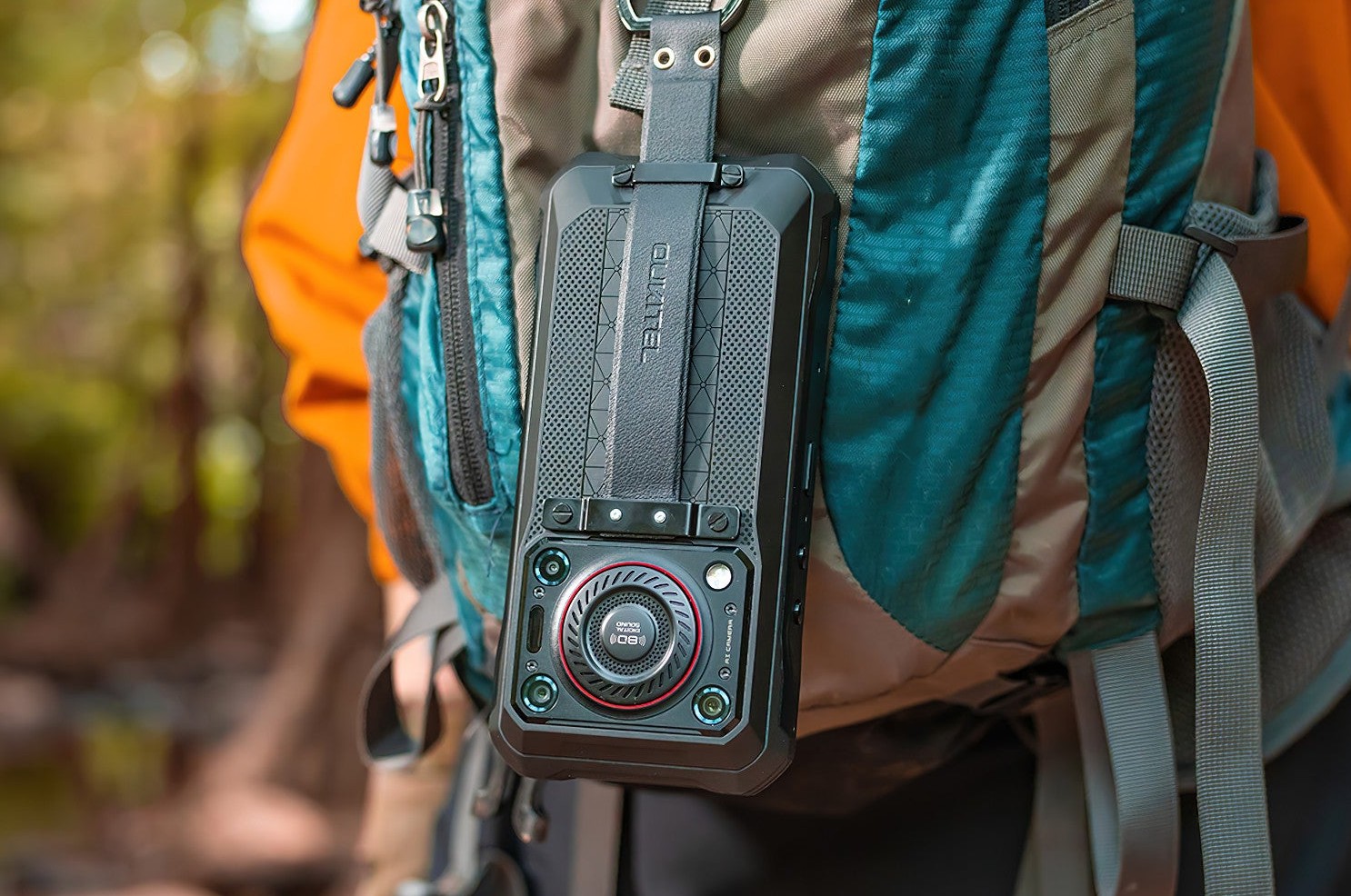
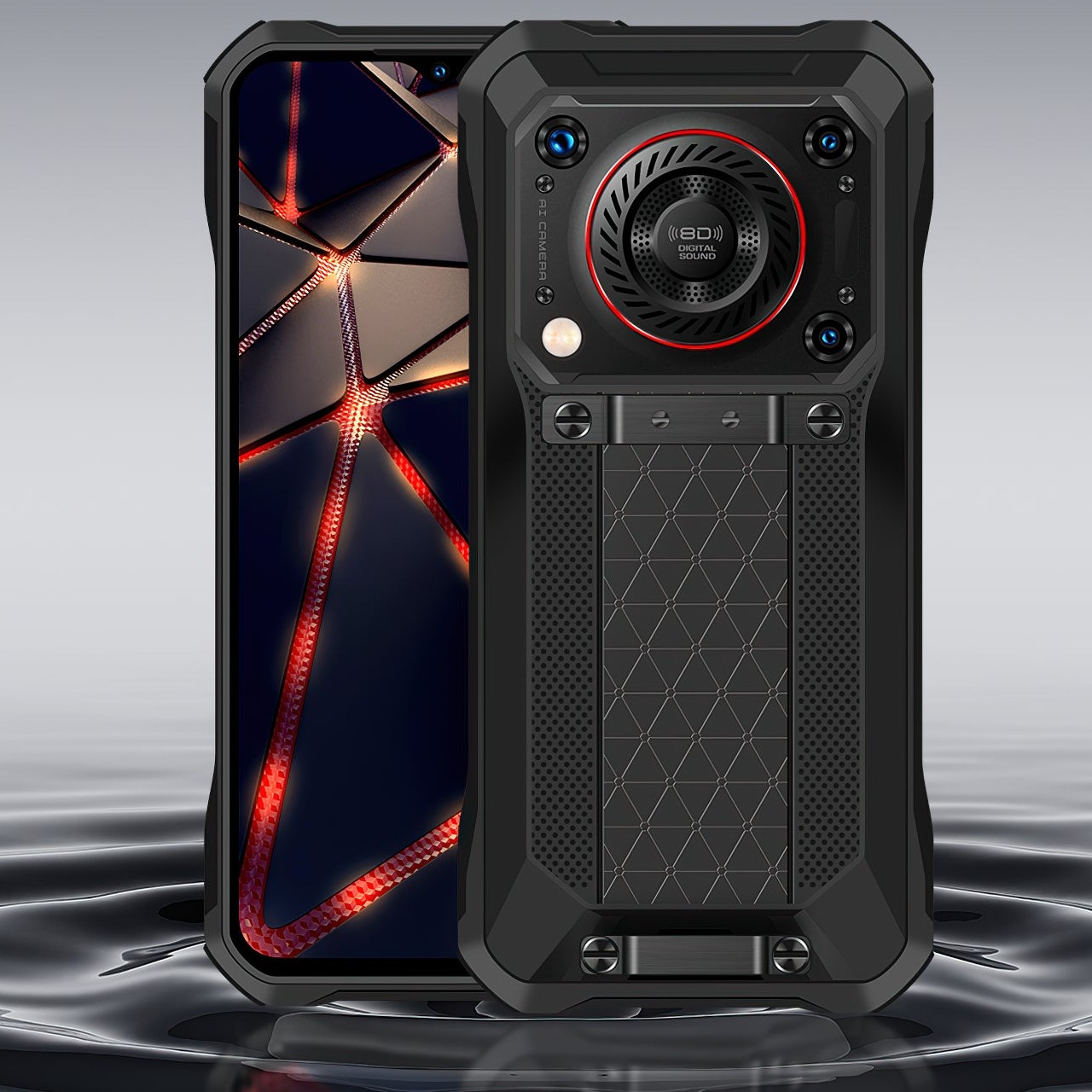
Although most smartphones are made to survive simple accidents (or should be), there is a certain class that takes durability to the extreme. Rugged smartphones are targeted at users who often venture into unknown territory, either for fun or for work, and need a partner that’s just as adventurous as them. These rugged phones are unapologetic in how they look like tanks ready for battle, but there have been a few that tried to break the mould and adopt designs that piqued interest without sacrificing what makes them special. That seems to be the inspiration behind what could be the weirdest rugged phone we’ve come across, built and looking like an alien or futuristic device, thanks to the rather large and very visible speaker sitting on its back.
Designer: Oukitel
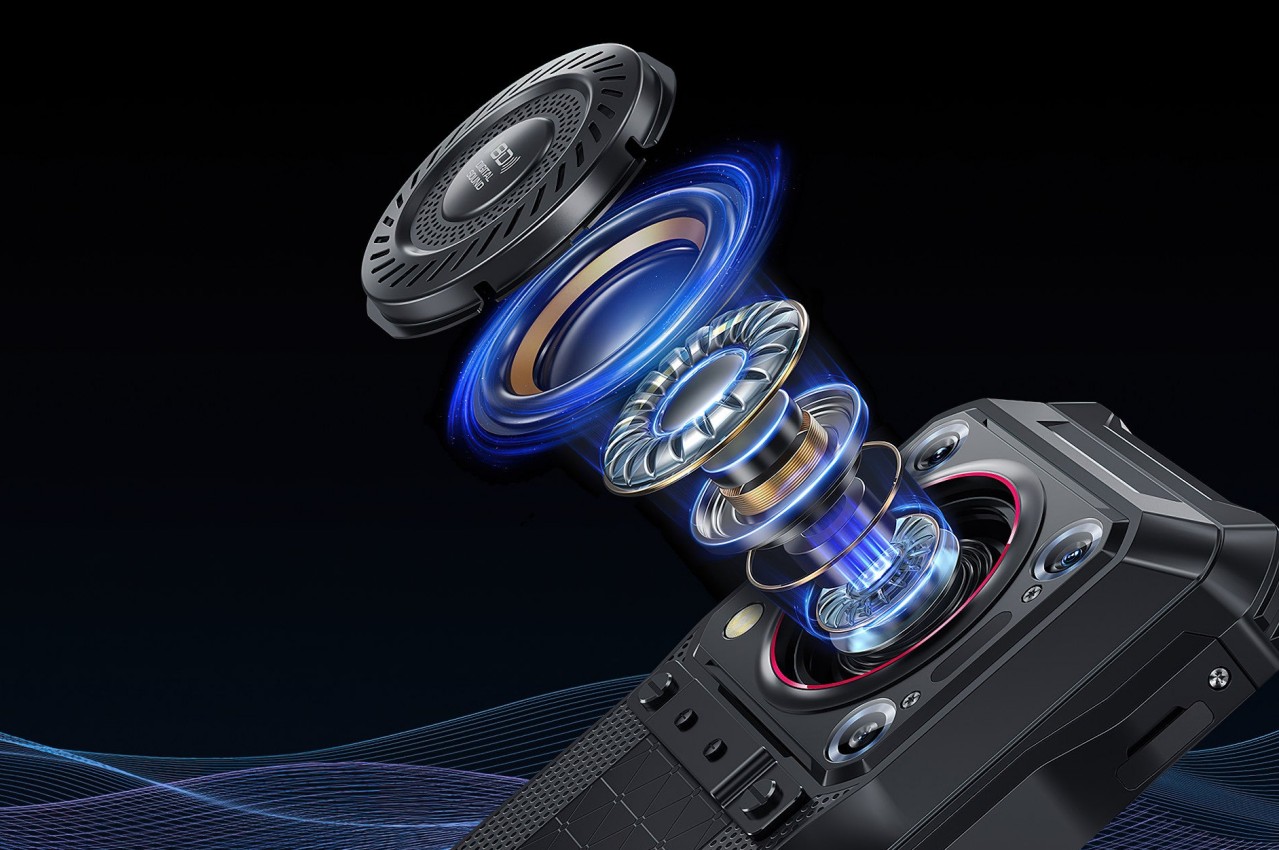
Most of the time, you’d see large camera enclosures on the back of phones. To some extent, that’s also true with the Oukitel WP33 Pro, but in reality, its cameras are actually so small that they don’t take up much space. Instead, the biggest element center of attraction is 5W speaker. Yes, this phone 36mm diameter “pro-level” speaker that’s advertised to get as loud as 136dB. That’s plenty loud, especially for a smartphone.
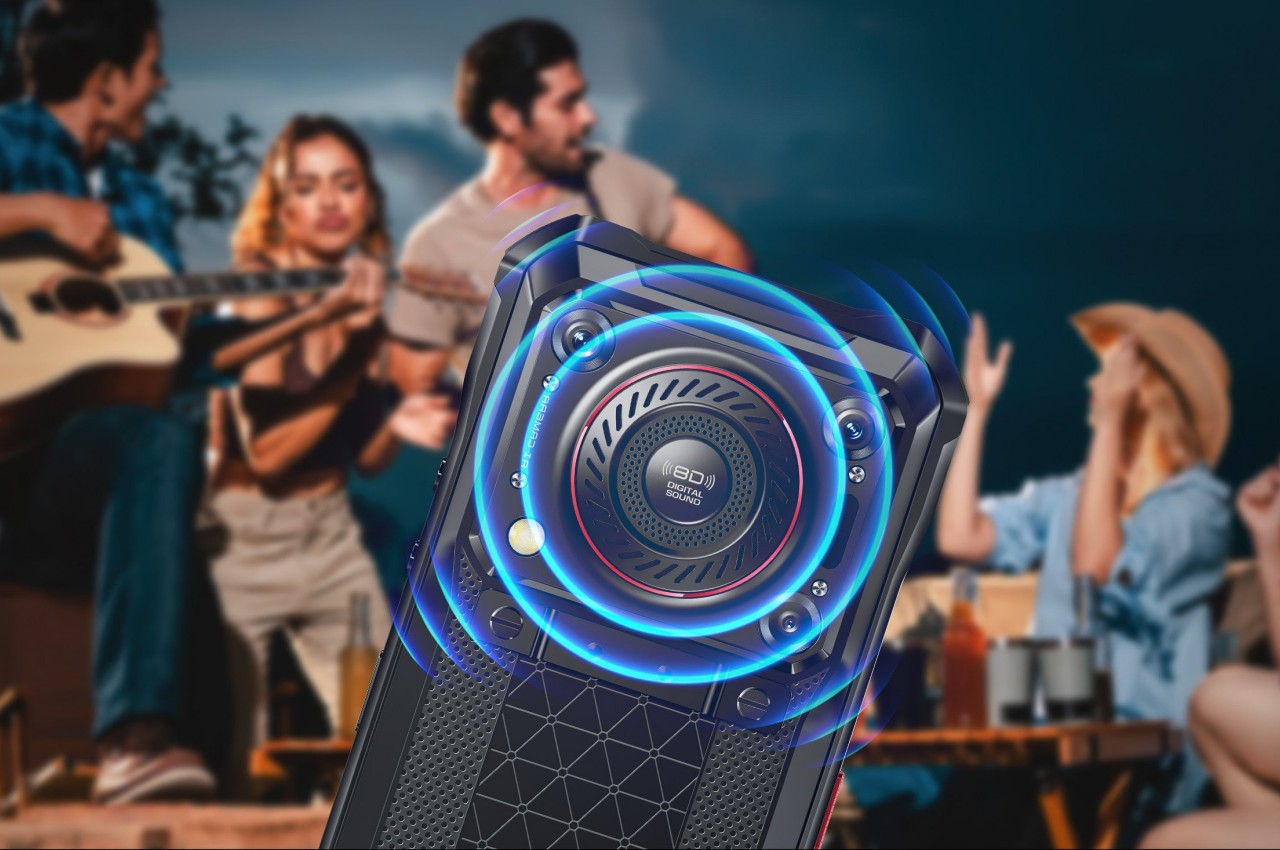
Rather than the industrial work settings that most rugged phones try to target, the Oukitel WP33 Pro favors more fun and adventurous activities like camping, trekking, hiking, or even wildlife photography. The speaker is then used to set the mood for parties with friends or even for your lonesome self, though the loudspeaker is probably something you shouldn’t use around wild animals, especially at night.
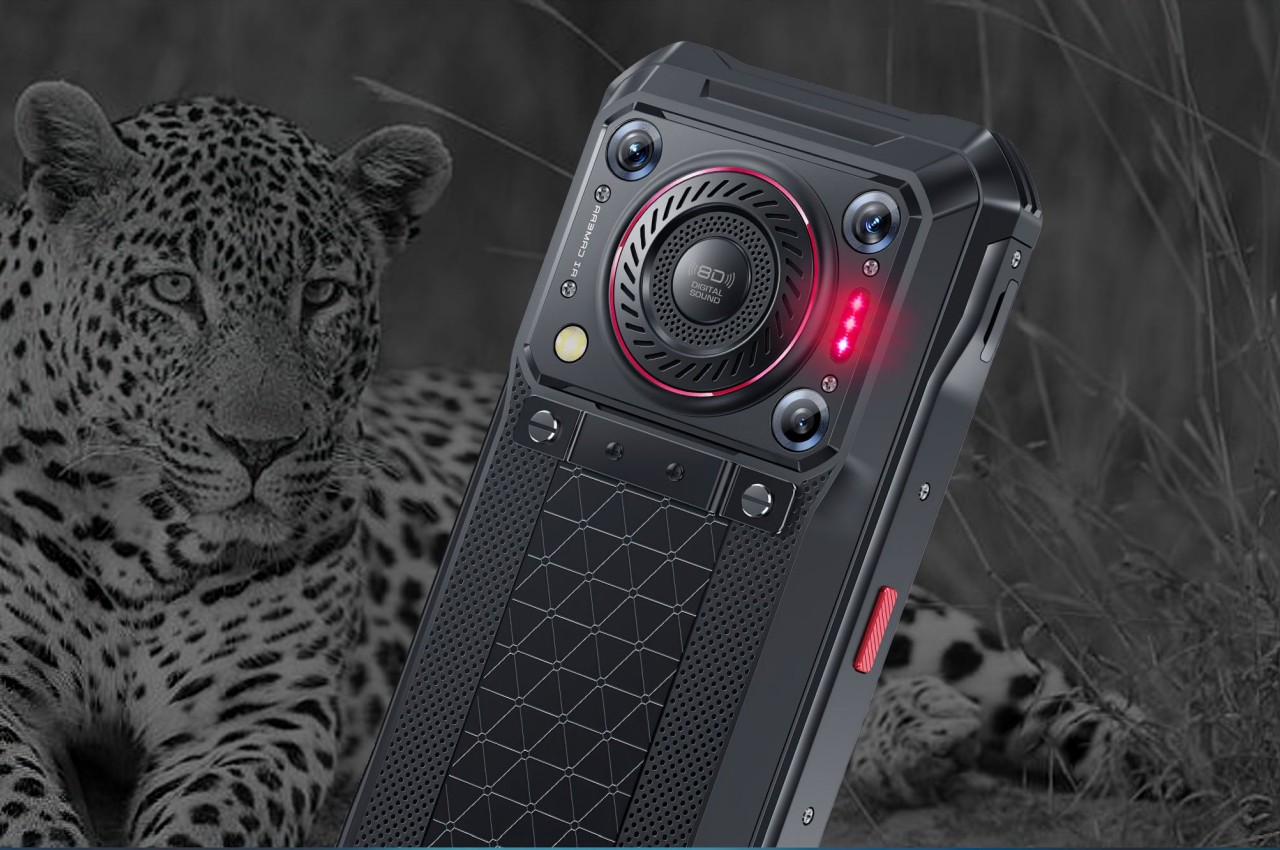
Oukitel wants that latter to be one of the use cases for its latest rugged phone, especially with a 20MP Sony night camera vision. The main camera is a 64MP shooter, so it should at least be decent, while a 2MP macro might satisfy your extreme nature close-up urges. Part of the reason for the phone’s size is its humongous 22,000mAh battery, which you can use to charge the regular “main” phone you might have in your other pocket.
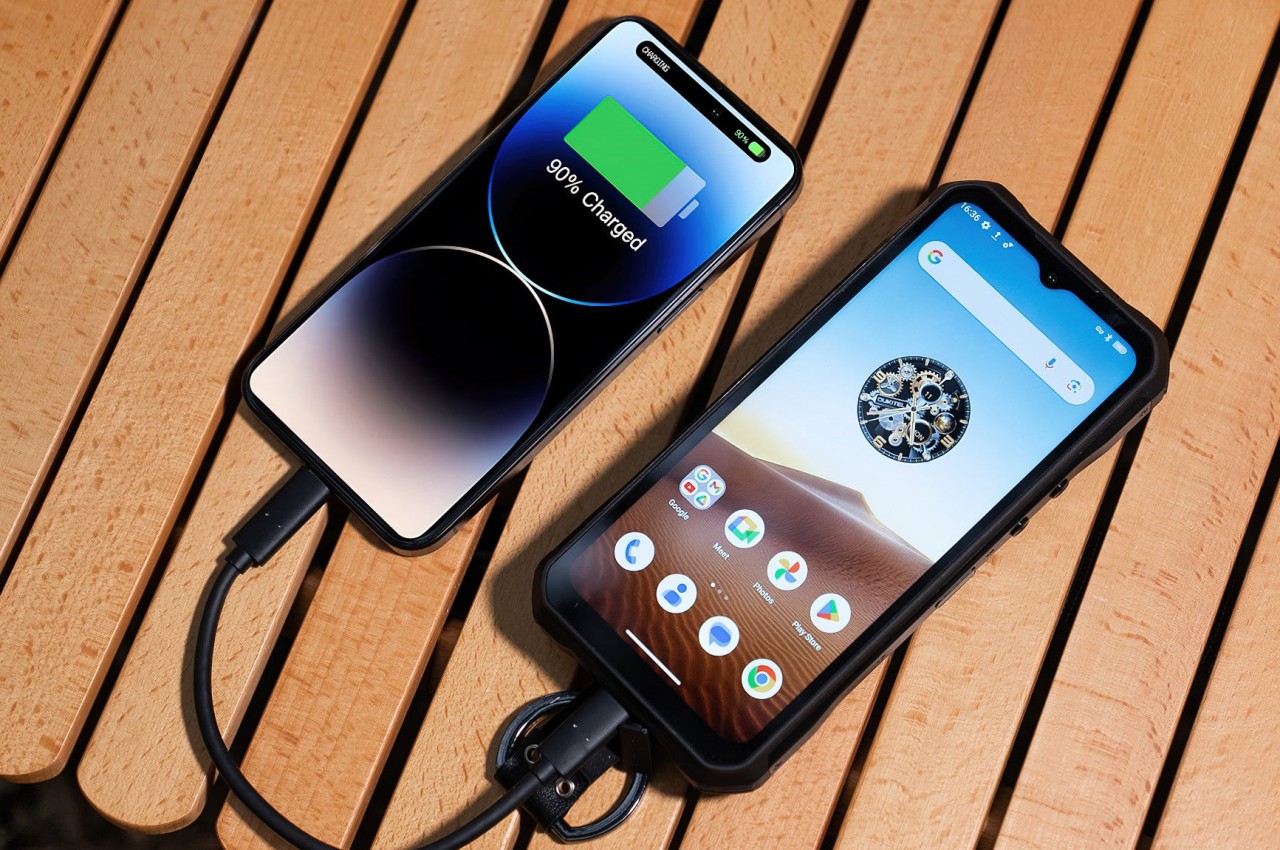
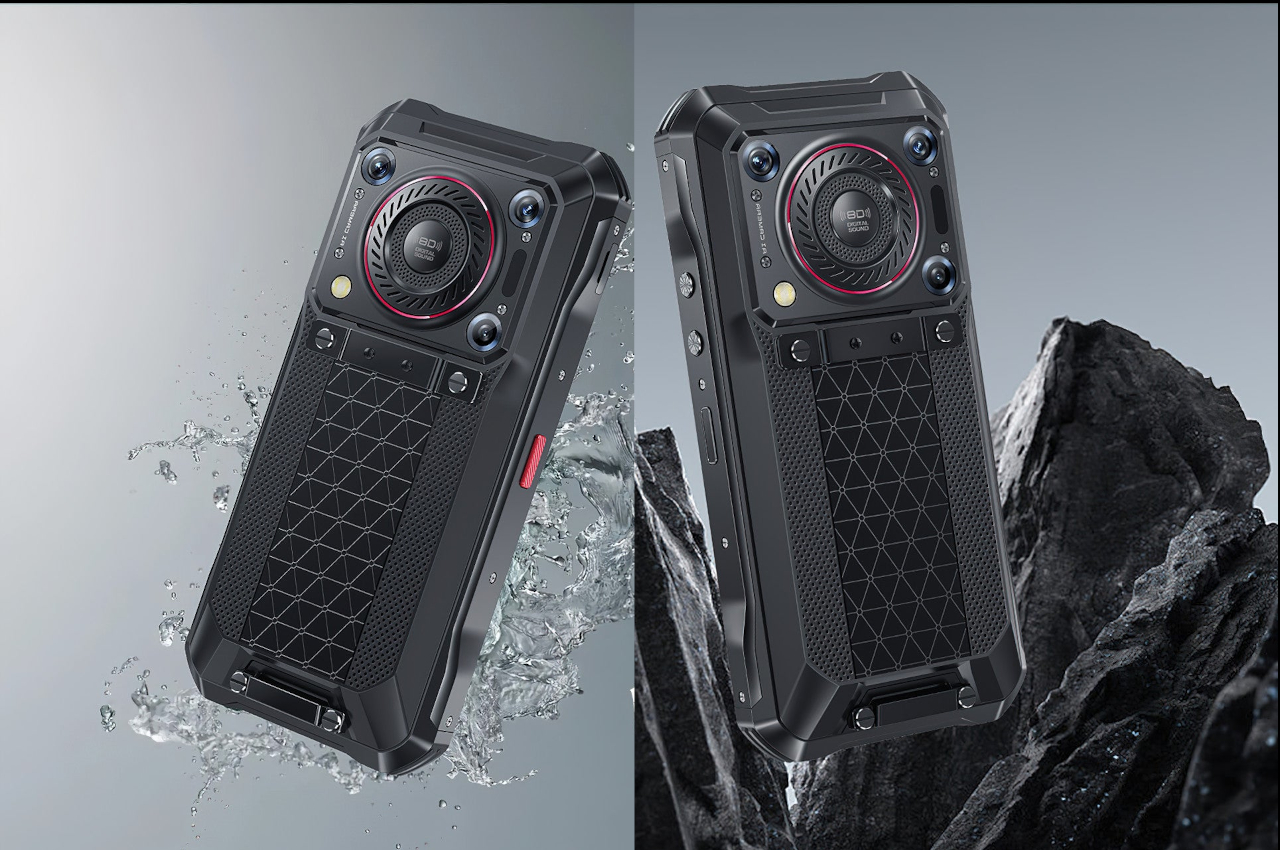
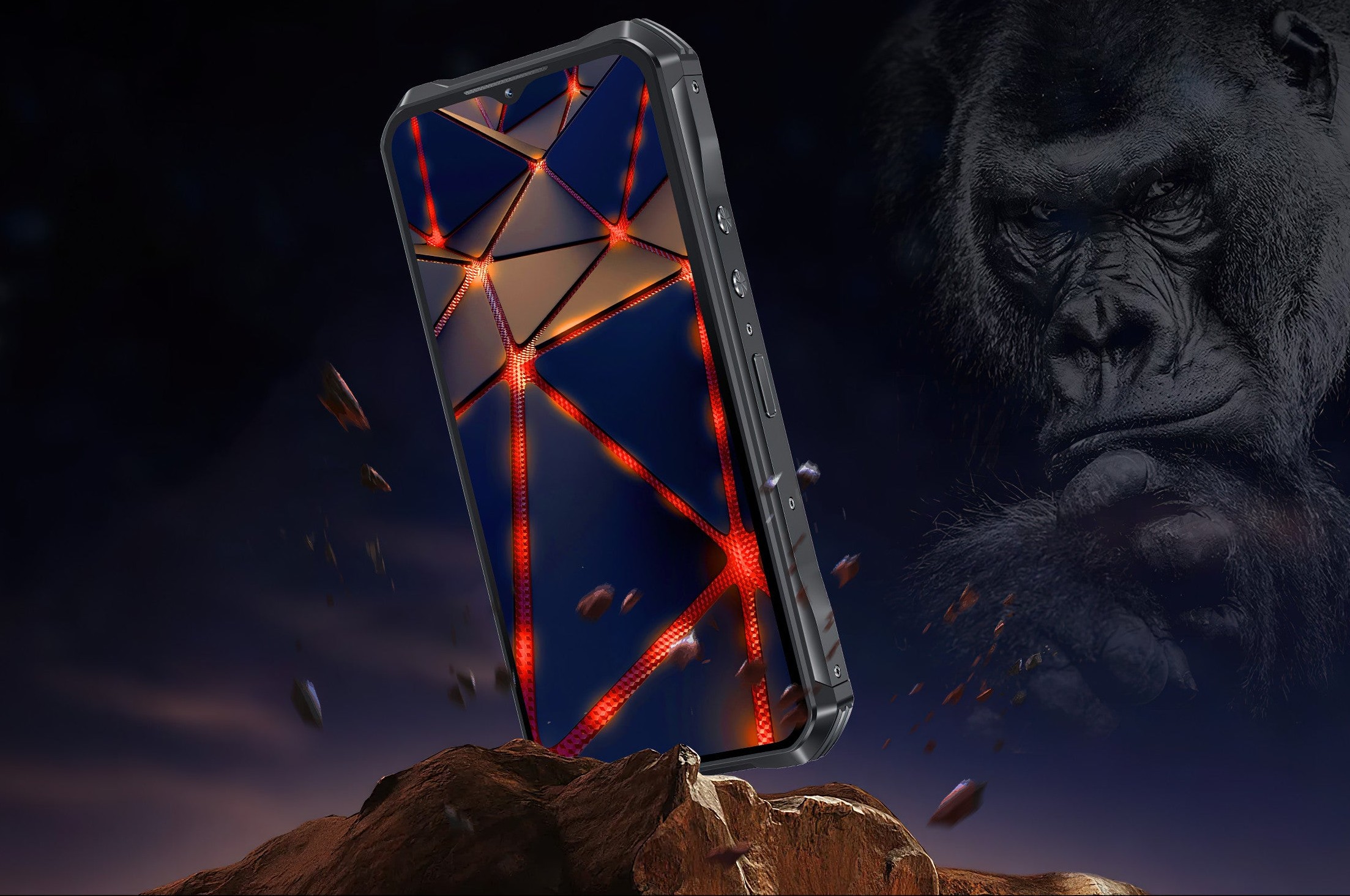
The rest of the Oukitel WP33 Pro’s specs are on par with late 2023 mid-range smartphones, so don’t expect record-breaking performance, especially for mobile games. Of course, the real value of this phone comes from its durability, with IP68 dust and water resistance rating joined by IP69K resistance against high-pressure water jets. It’s not going to win design awards, but it will definitely get you plenty of attention, especially when you start blasting out music from your rugged tank of a mobile device.
The post Rugged smartphone with a 5W speaker on its back looks out of this world first appeared on Yanko Design.