Elon Musk sues OpenAI and Sam Altman for allegedly ditching non-profit mission

OpenAI co-founder Elon Musk has sued the company, his fellow co-founders, associated businesses and unidentified others. He claims that, by chasing profits, they’re violating OpenAI’s status as a non-profit and its foundational contractual agreements to develop AI “for the benefit of humanity.”

The suit alleges that OpenAI has become a “closed-source de facto subsidiary” of Microsoft, which has invested $13 billion and holds a 49 percent stake. Microsoft uses OpenAI tech to power generative AI tools such as Copilot.

According to the filing, under OpenAI’s current board, it is allegedly developing and refining an artificial general intelligence (AGI) “to maximize profits for Microsoft, rather than for the benefit of humanity. This was a stark betrayal of the Founding Agreement.”

The suit defines AGI as "a machine having intelligence for a wide variety of tasks like a human." Musk argues in the suit that GPT-4, which is purportedly "better at reasoning than average humans," is tantamount to AGI and is "a de facto Microsoft proprietary algorithm."

Musk has long expressed concerns over AGI. He claims the theoretical tech posits "a grave threat to humanity," particularly "in the hands of a closed, for-profit company like Google."

According to the filing, OpenAI CEO Sam Altman and fellow co-founder Greg Brockman persuaded Musk to help them start the non-profit and to fund its early operations in a bid to counter Google's advancements in the AGI space with DeepMind. He noted that their initial agreement called for OpenAI's tech to be "freely available" to the public. Musk claims to have donated $44 million to the non-profit between 2016 and 2020 (he stepped down as an OpenAI board member in 2018). As TechCrunch reports, Musk previously said he was offered a stake in OpenAI's for-profit subsidiary, but rejected it due to "a principled stand."

Muskl, of course, has some skin in the game. Since the public debut of OpenAI's ChatGPT in November 2022, there's been a battle between tech giants to offer the best generative AI tools. Musk joined that rat race when his AI company, xAI, rolled out ChatGPT rival Grok to Premium+ subscribers on his X social network last year.

When Altman swiftly returned to power after OpenAI's board shockingly fired him in November, he's said to have appointed a new group of directors that is less technically minded and more business-focused. Microsoft was appointed as a non-voting observer. “The new board consisted of members with more experience in profit-centric enterprises or politics than in AI ethics and governance,” the lawsuit alleges.

The suit accuses the defendants of breach of contract, breach of fiduciary duty and unfair business practices. Musk is seeking a jury trial and a ruling that forces OpenAI to stick to its original non-profit mission. He also wants it to be banned from monetizing tech it developed as a non-profit for the benefit of OpenAI leadership as well as Microsoft and other partners.

Competition regulators in the US, the UK and European Union are said to be examining OpenAI's partnership with Microsoft. It was reported this week that the Securities and Exchange Commission is investigating whether OpenAI misled investors. Several news organizations have sued OpenAI and Microsoft as well, alleging that ChatGPT repurposes their work "verbatim or nearly verbatim" without attribution, infringing upon their copyright in the process.

In a couple of internal memos seen by Bloomberg, OpenAI said it "categorically disagrees" with the lawsuit Musk has filed. Chief Strategy Officer Jason Kwon denied that OpenAI has become a "de facto subsidiary" of Microsoft and said that Musk's claims "may stem from [his] regrets about not being involved with the company today." Altman also said in another memo that Musk is his hero and that he misses the person he knew who competed with others by building better technology.

Update, March 02, 2023, 1:47AM ET: This story has been updated to include OpenAI's internal memos about the lawsuit.

This article originally appeared on Engadget at https://www.engadget.com/elon-musk-sues-openai-and-sam-altman-for-allegedly-ditching-non-profit-mission-160722736.html?src=rss

Save time writing and researching content with ChatGPT

write content faster with ChatGPT

A new AI workflow using ChatGPT has been demonstrated by Skill Leap AI that is capable of significantly reducing the time you spend on content creation tasks, particularly in researching and writing copy. The workflow involves a Chrome extension called Harpa AI, which provides various AI-powered functions to streamline the content creation process. Once setup […]

The post Save time writing and researching content with ChatGPT appeared first on Geeky Gadgets.

Tiny USB Device Saves You Nearly $1000 Per Year on Cloud Storage by Auto Backing Up Your Photos

How much do you pay for your iCloud+ or Google Drive storage to make sure your photos get backed up on the cloud? Imagine paying zero.

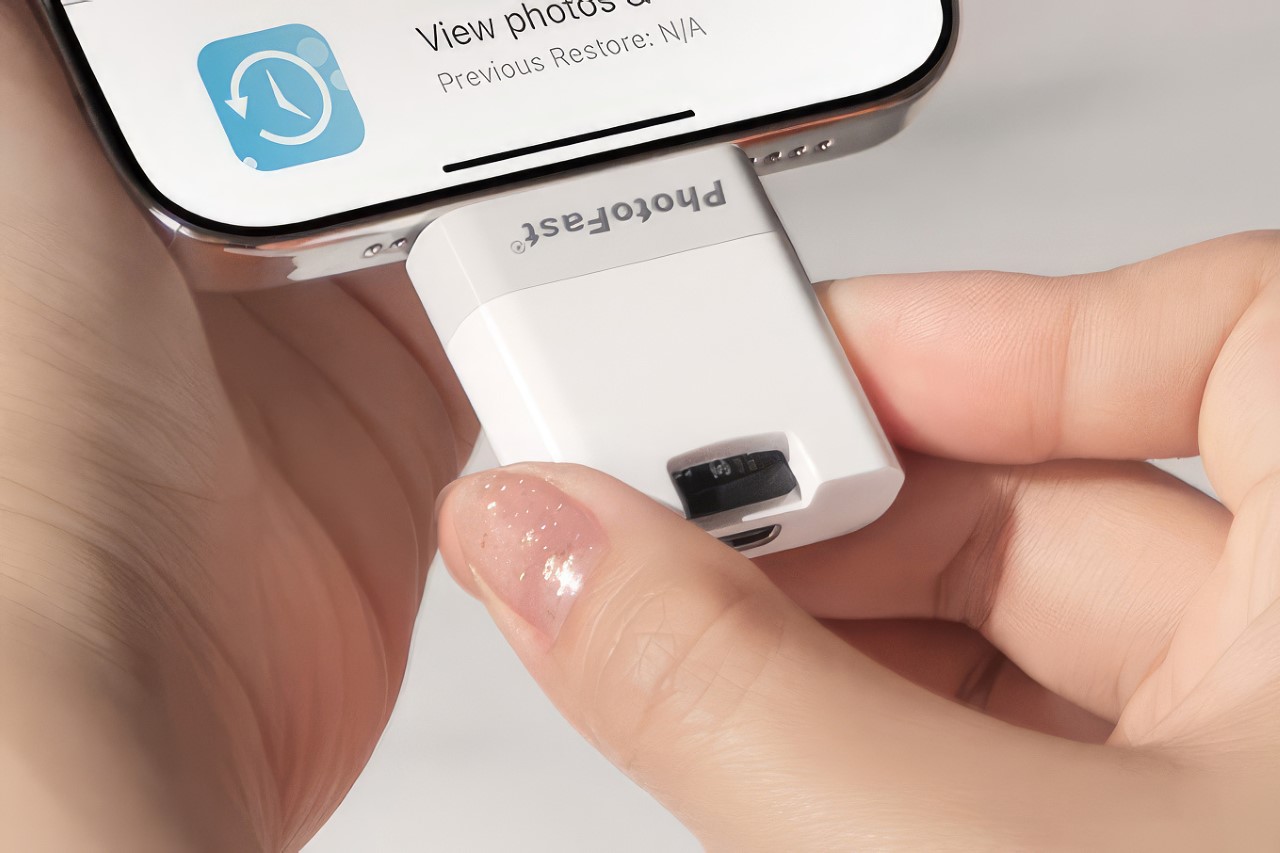
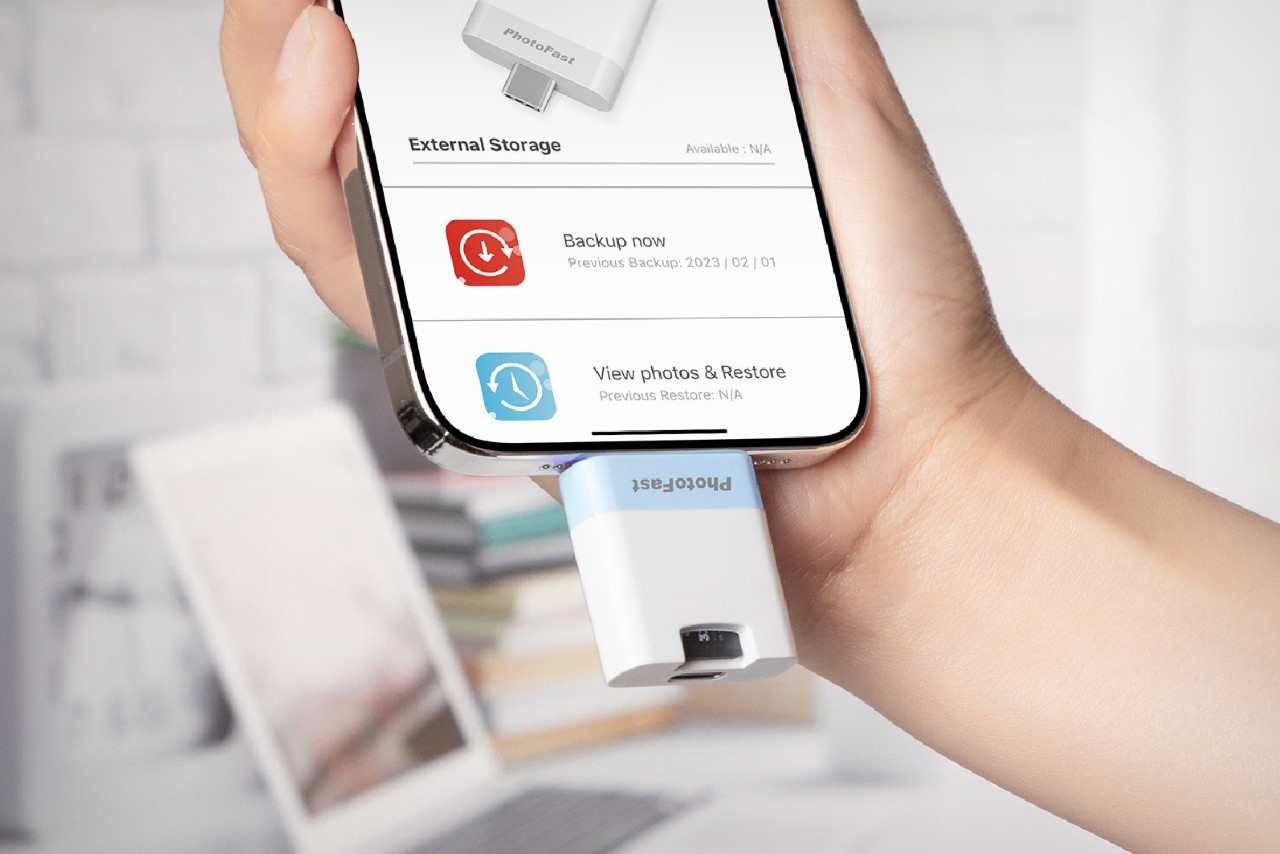
Remember a time when flagship phones came with memory card slots that let you expand storage and potentially even swap out old cards for new ones to get more storage? Sure, some phones still go as far as offering expandable storage, but for the most part, all companies have defaulted to the ‘cloud storage’ model where you pay a monthly subscription and your phone automatically backs data up without you needing to remember. It’s convenient, but it’s also costly, as you’re suddenly required to pay monthly cloud storage fees. It isn’t easy to ask phone makers to revert back to those good old MicroSD card days… but that’s where something as deviously simple as the PhotoCube PD+ comes in. Designed as a simple plug-and-play USB-C device, the PhotoCube automatically backs up your photos to an SD card for you, saving effort and money. A companion app makes the entire process as simple as clicking a button (instead of manually selecting all your images and copy-pasting them) and the PhotoCube does the rest, updating your old storage files with new ones so your photo backups are always up to date. It’ll also create separate file structures for multiple devices, letting you separately back up photos across different phones and even tablets. Your photos remain offline, so you don’t need the internet to access them – and as a result, they’re also hacker-resistant. Quite impressive for a device that just costs $55.

Designer: PhotoFast

Click Here to Buy Now: $55 $99 (45% off) Hurry! Only 4 left of 470.

The reason most people prefer cloud storage is because it’s designed to be the easiest option ever. The phone backs itself up without you needing to remember, the files get stored in a safe server somewhere else, and if you ever lose your device, you can easily restore your photos if you log into your cloud storage account. What users then ignore is the fact that they end up paying hundreds (if not thousands) of dollars each year to store their photos. The PhotoCube PD+ aims at breaking that dependency with a hardware solution that’s just as easy. Plug the PhotoCube in and it literally begins backing up your photos in an instant. Photos get stored on a MicroSD card, so you can choose how much storage you want (you get 2 terabyte MicroSD cards nowadays), and it all happens offline without eating data transfer fees.

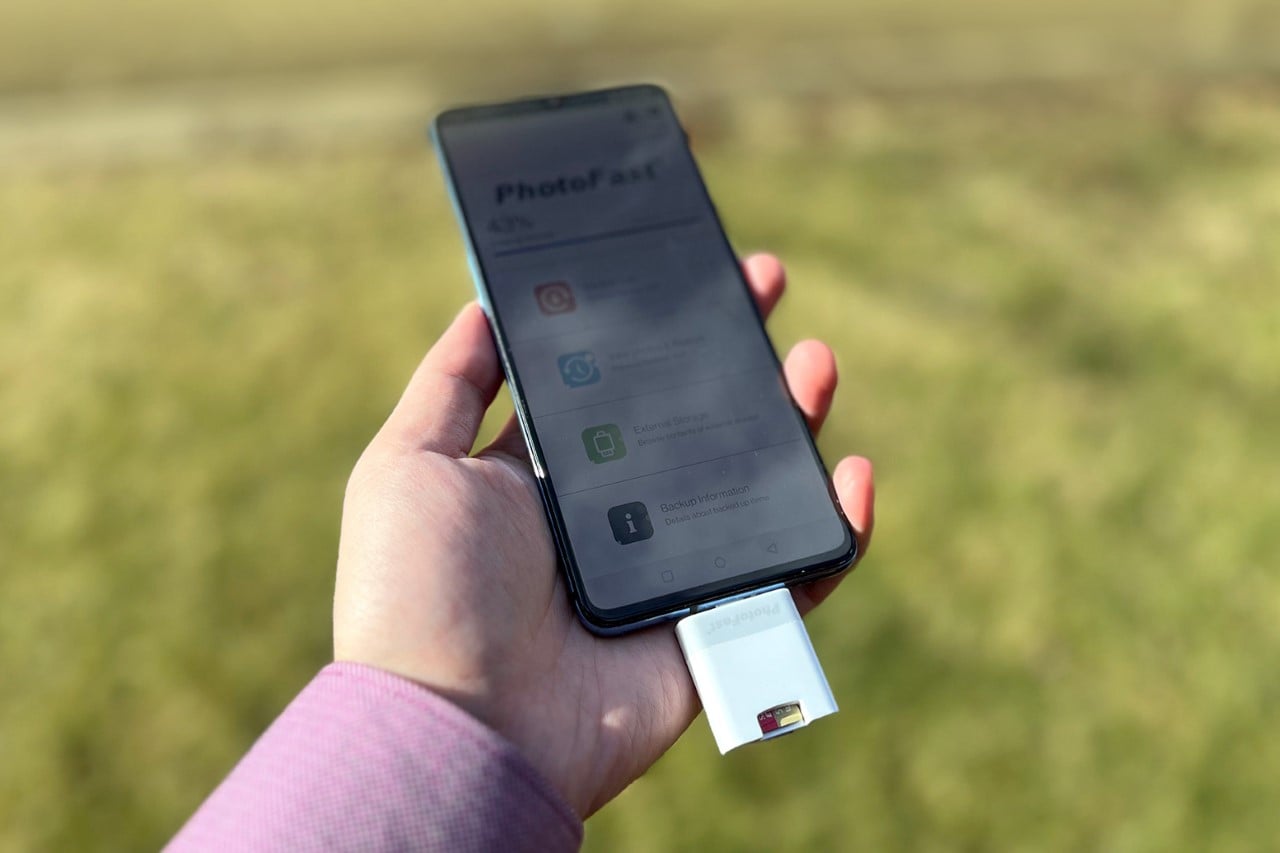
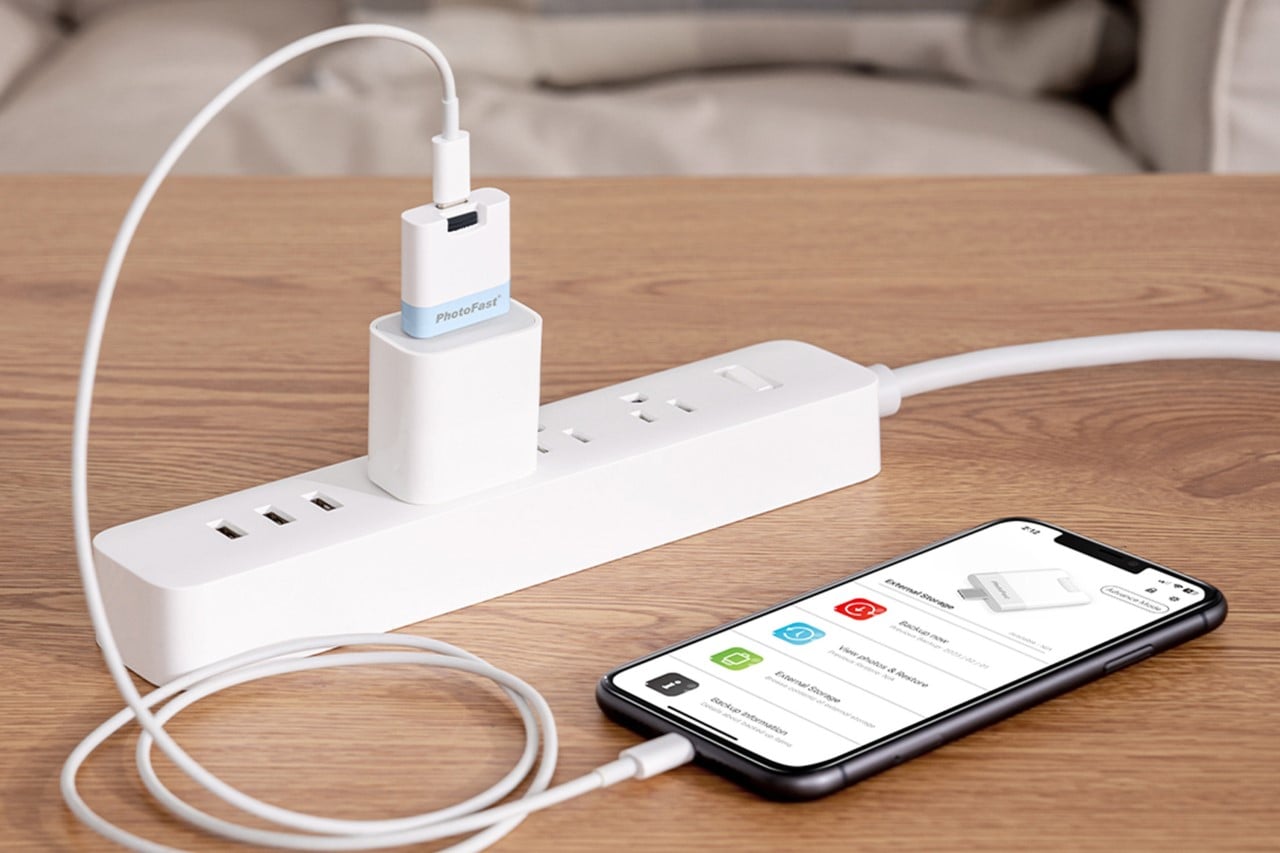
The PhotoCube device can easily be configured using an app

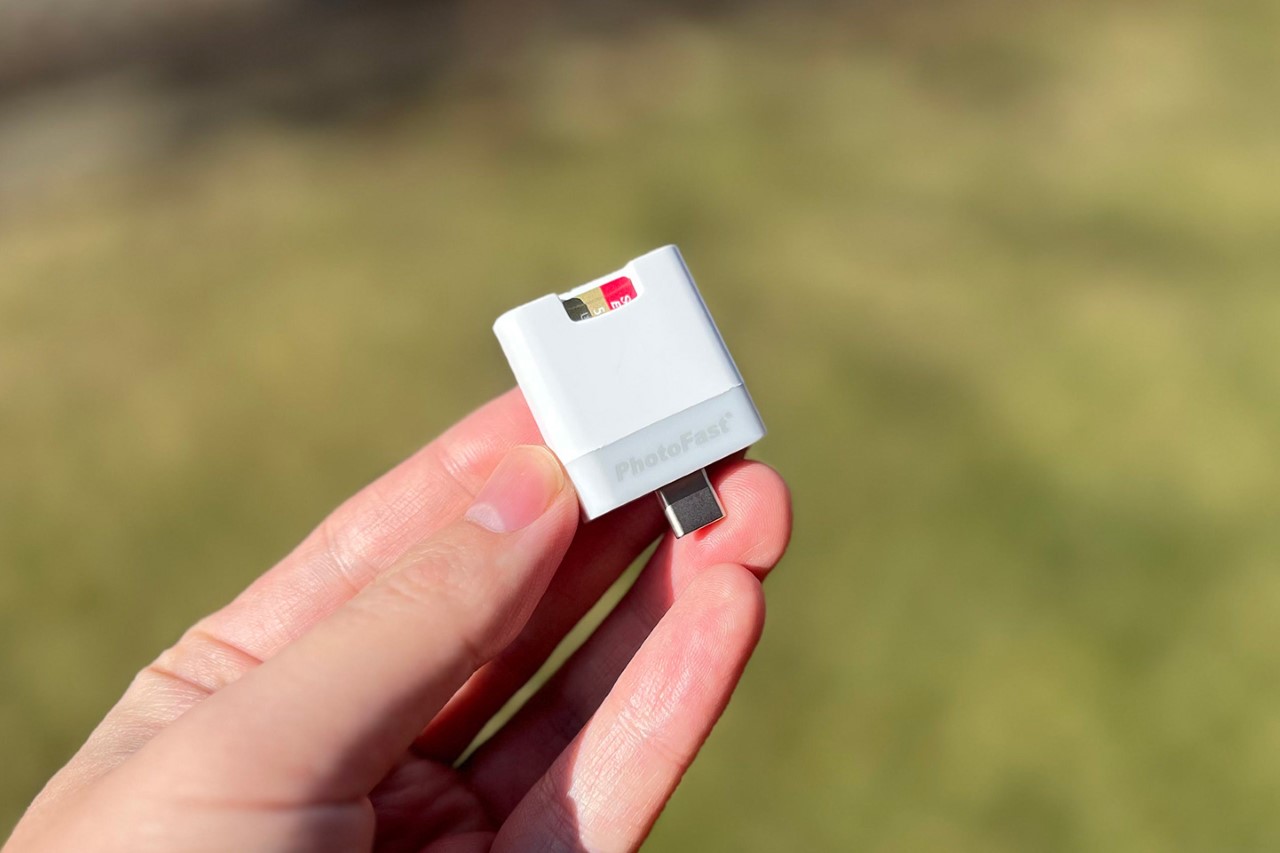
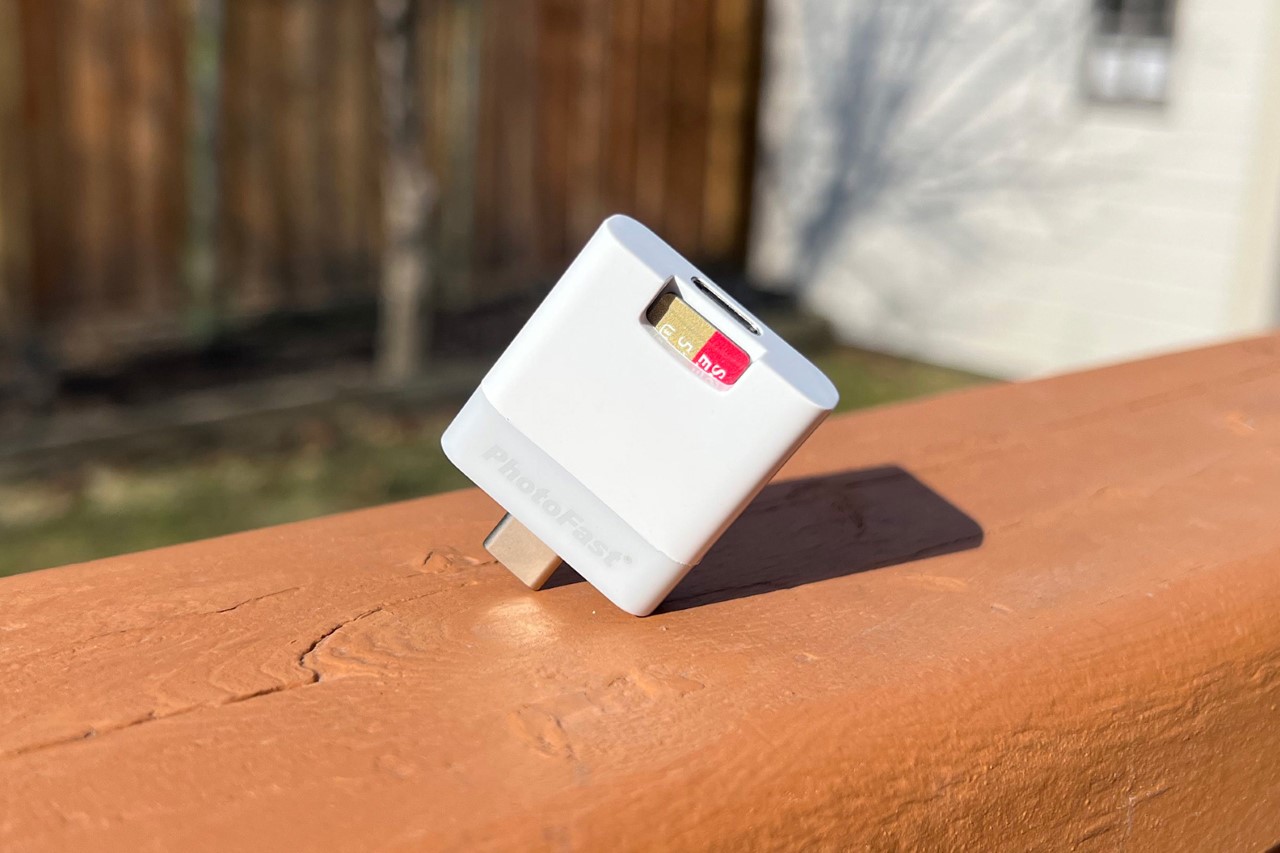
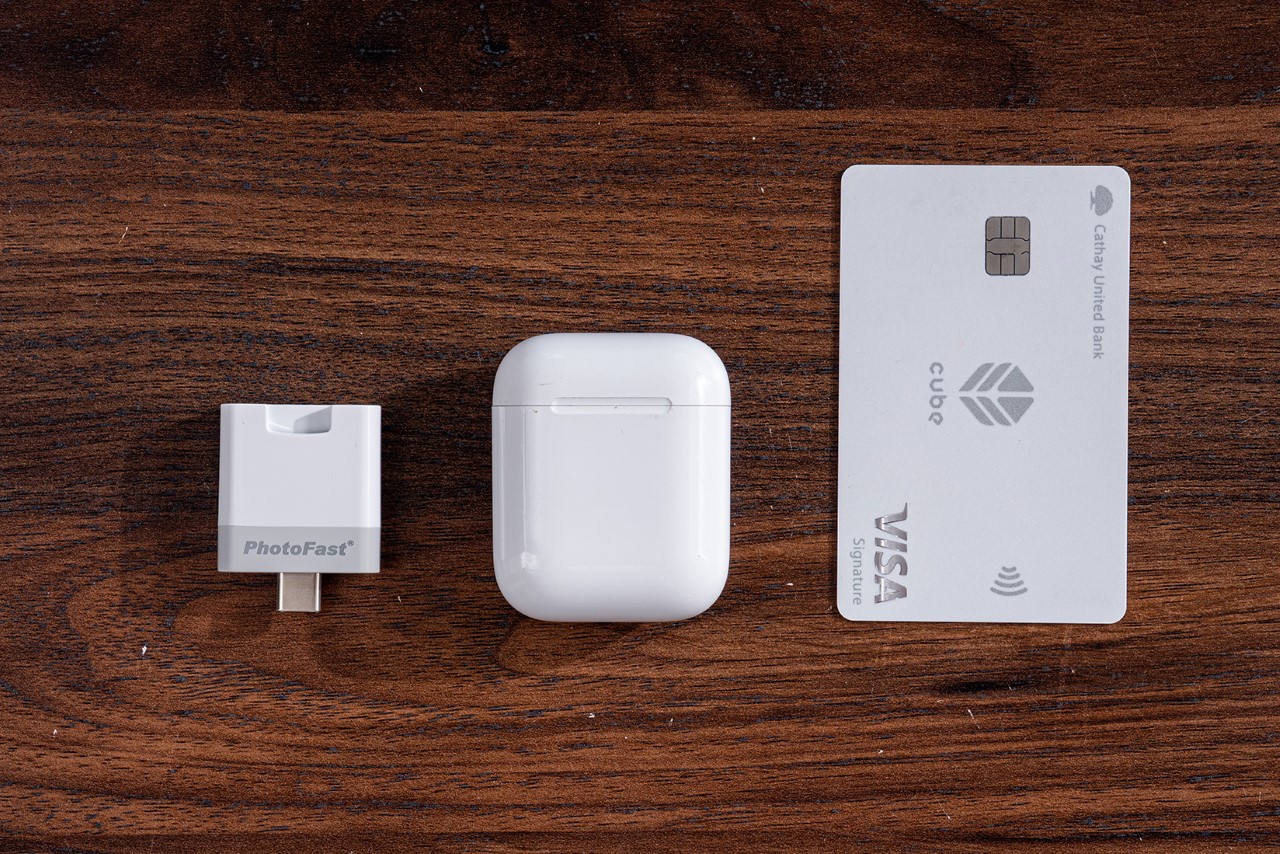
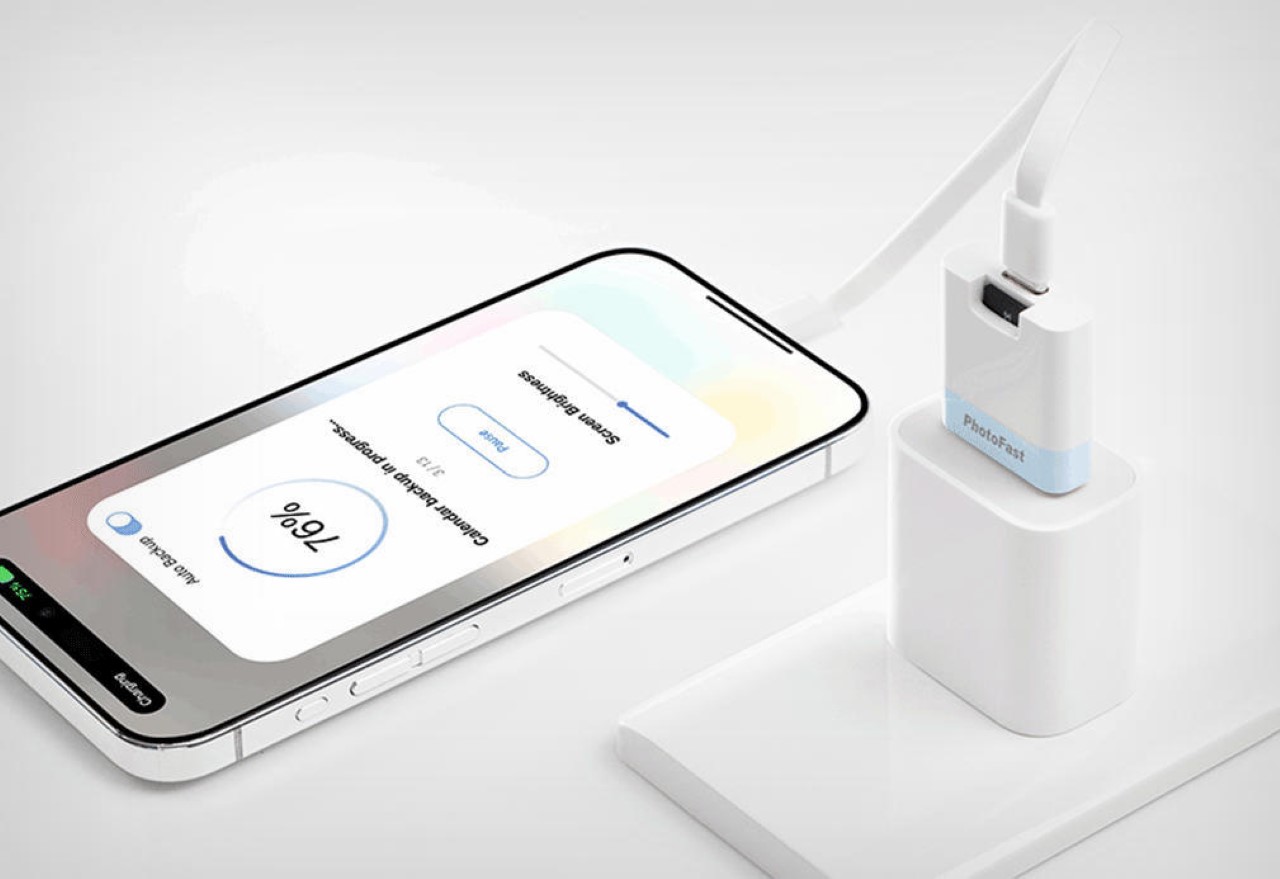
The fact that your data gets stored on a MicroSD card allows the PhotoCube to be such a ridiculously compact device. It’s no bigger than an AirTag, albeit square in shape (hence its name). A card slot on one end lets you add a MicroSD card in, while a male USB-C pin on the other end lets you plug your PhotoCube into any Android phone/tablet, any iPad with USB-C, and the latest iPhone 15 series. There’s also a female USB-C port on the opposite end (right under the card slot) that allows you to charge your phone THROUGH the PhotoCube, so you can run long backups while juicing your battery – a feature so wildly convenient it deserves a special mention.

Measuring just 30mm wide and 38mm long, the PhotoCube is smaller than even an AirPods case, but it can store up to 2TB

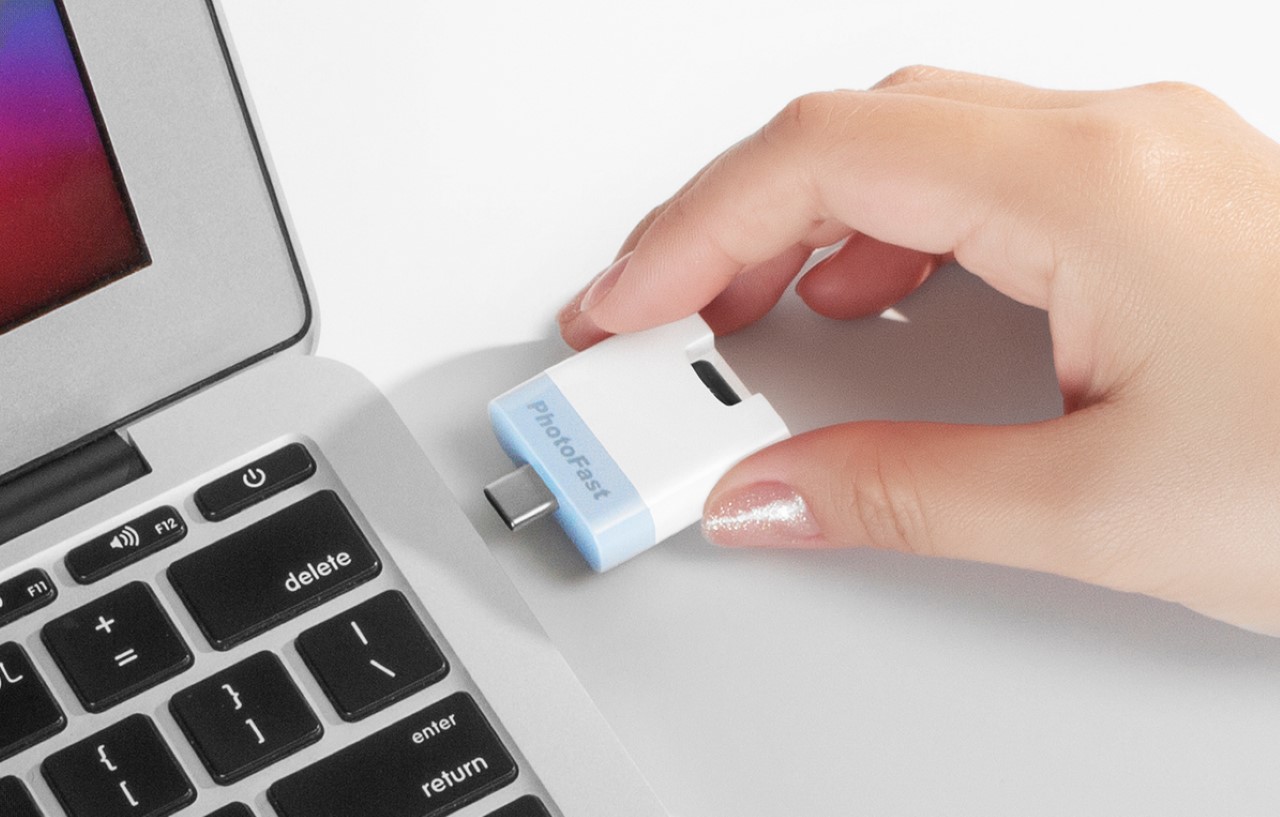
The PhotoCube’s brilliance lies in the fact that it isn’t a one-trick pony. When it isn’t backing up photos from your phone, it works as a card reader with all your devices (especially with your laptop), allowing you to read photos from your phone, drone, or DSLR on any machine. With USB 3.2 Gen 1, the PhotoCube PD+ can transfer files as rapidly as 5Gb/s, letting you swiftly back up or even access media without waiting for stuff to load.

Speaking of swift, the tiny gadget does a remarkable job of power delivery too, allowing you to charge your phone at an impressive 60W for fast-charging. The PowerCube PD+ supports pass-through fast-charging which means your backups and your charging can happen simultaneously… and rapidly.

Photo transfers happen in tandem with the PhotoFast app, which has a few impressive features. You can do more than just backing up photos and videos – the app lets you back up contacts, calendars, documents, even music (if you still believe in listening to MP3 files)… and if you’ve already paid for cloud storage, the PhotoFast app lets you download your backups from the cloud server onto the PhotoCube so you can cancel that pesky subscription and keep your files safe locally, and access them without needing to connect to the internet. The app intelligently also allows the PhotoCube to create and maintain separate backups for separate devices, so one PhotoCube could potentially store your entire family’s data, getting you off that expensive family cloud storage plan.

This isn’t maker PhotoFast’s first rodeo. Last year’s PhotoCube PD had a similar design, but didn’t support OTG plug-and-play storage (it needed a separate power source), and it wasn’t configured to work with iPhones (because iPhones didn’t have USB-C ports until September last year). The new PD+ comes with all those improvements under the hood, and now with two color options too – a simple white and grey, and a slightly jazzed up white and sky blue. The PhotoCube PD+ starts at $55 for Kickstarter backers (the original price after the crowdfunding campaign goes up to $99) and ships starting June 2024. It doesn’t come with a MicroSD card, so you have the liberty of choosing what brand/capacity of storage card you want to pair with your gadget. That’s quite a lot of flexibility for a device that fits in your pocket and also saves you money every month!

Click Here to Buy Now: $55 $99 (45% off) Hurry! Only 4 left of 470.

Click Here to Buy Now: $55 $99 (45% off) Hurry! Only 4 left of 470.

The post Tiny USB Device Saves You Nearly $1000 Per Year on Cloud Storage by Auto Backing Up Your Photos first appeared on Yanko Design.

The Timber Craftsmanship On This Off-Grid Tiny Home Is Its Aesthetic USP

Portugal-based Madeiguincho is created by a family of carpenters and the firm’s home truly showcases their expertise in wood and timber craftsmanship. The Vigia perfectly demonstrates their exceptional skills, and functions as a light-filled home that can run off-grid. Meaning Lookout in Portuguese, the Vigia is founded on a double-axle trailer and has a length of 23 feet. It is finished in wood, both inside and out, and is equipped with loads of glazing, which allows natural light to stream inside. Wood shutters have been installed as well, to control and regulate the amount of light that permeates within.

Designer: Madeiguincho

The center of the home leads to the outside through glass doors. This central space is occupied by the kitchen which contains a sink, an electric cooktop, custom cabinetry, and space for a fridge/freezer. The living room is adjacent to the kitchen, and it seems quite comfy with an L-shaped sofa, a wood-burning stove, a decorative window, and some storage space.

The bathroom is located opposite the living room and includes a composting toilet, a sink, and a shower. This bathroom also includes a secondary entrance, and this can be accessed from the outside. The Vigia is equipped with only one bedroom, which is essentially a loft space that can be accessed through a fixed ladder. It is similar to the bedrooms you typically find in tiny homes, with a double bed and a low ceiling,

The Vigia has the ability to run off-grid, as it is equipped with a solar panel array on the roof, that can be angled towards to sun, to maximize the amount of energy produced. This panel is also connected to a battery system. Tanks have also been installed for water. The home is adorned with specialized and stunning timber craftsmanship from Madeiguincho, which truly sets the home apart from typical tiny homes on the market. The woodwork is the home’s USP, and places it high on the aesthetics and looks scale.

The post The Timber Craftsmanship On This Off-Grid Tiny Home Is Its Aesthetic USP first appeared on Yanko Design.

This designer is handcrafting attractive MagSafe charging stands from laser-cut acrylic

MagSafe – magnetic charging and accessory attachment technology- is arguably a big transition for smartphones. It’s an Apple prerogative and has been part of every gadget the Cupertino giant has rolled out since 2020. It is no surprise then, that there’s been an unrelenting outflow of accessories for the MagSafe-compatible iPhones, Apple Watch, and AirPods. Doing this very attractively is Leon’s Electric Trout Co., which has been designing MagSafe charger stands that are a total game changer.

In the list of metallic and plasticky MagSafe accessories, David Stychno’s Electric Trout charging docks made from acrylic are confident newcomers. They outshine the old-school docks for all things Apple with productive and sleek silhouettes that are bound to redefine convenience and efficacy. Since Electric Trout wishes to tap a large spectrum of users, it has MagSafe-compatible charging solutions for one, two, or an entire range of Apple’s handheld and wearables.

Designer: Electric Trout

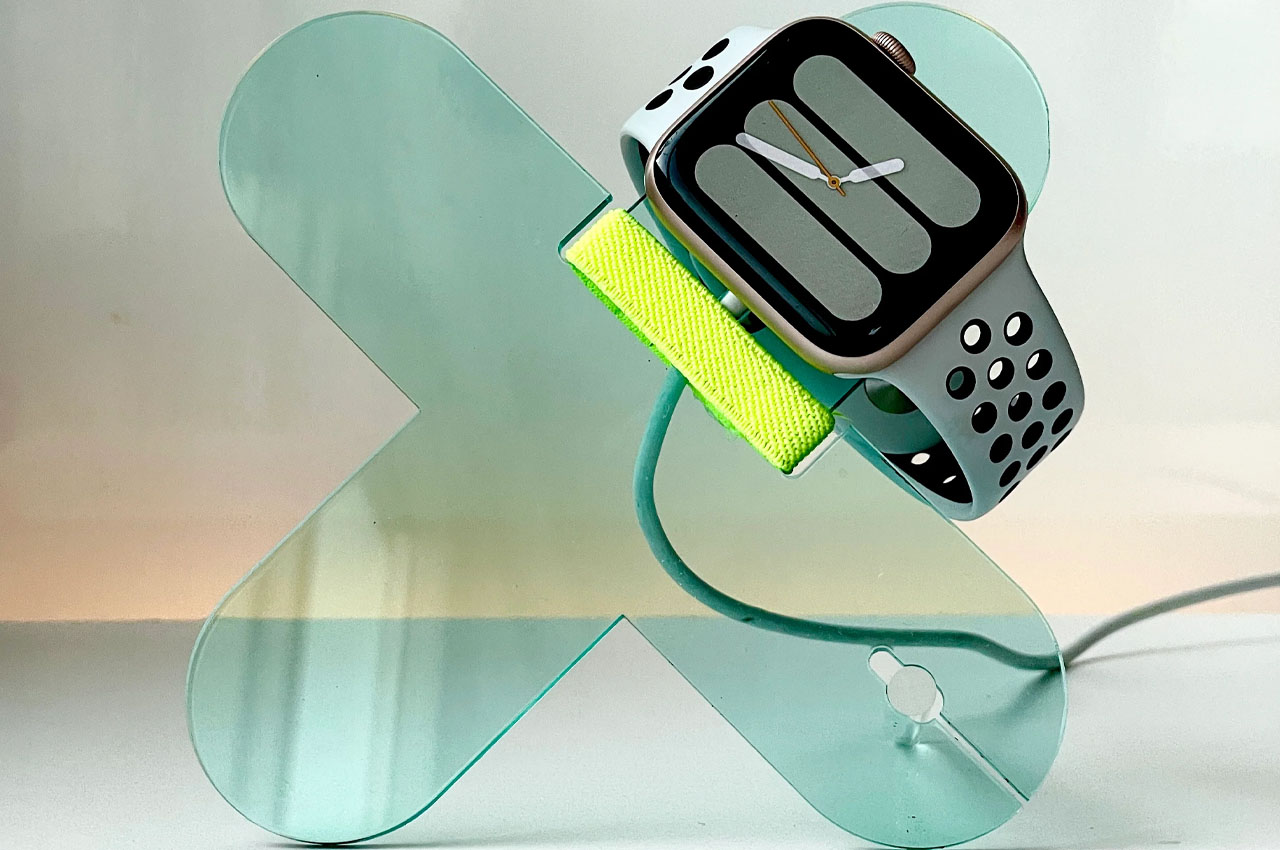
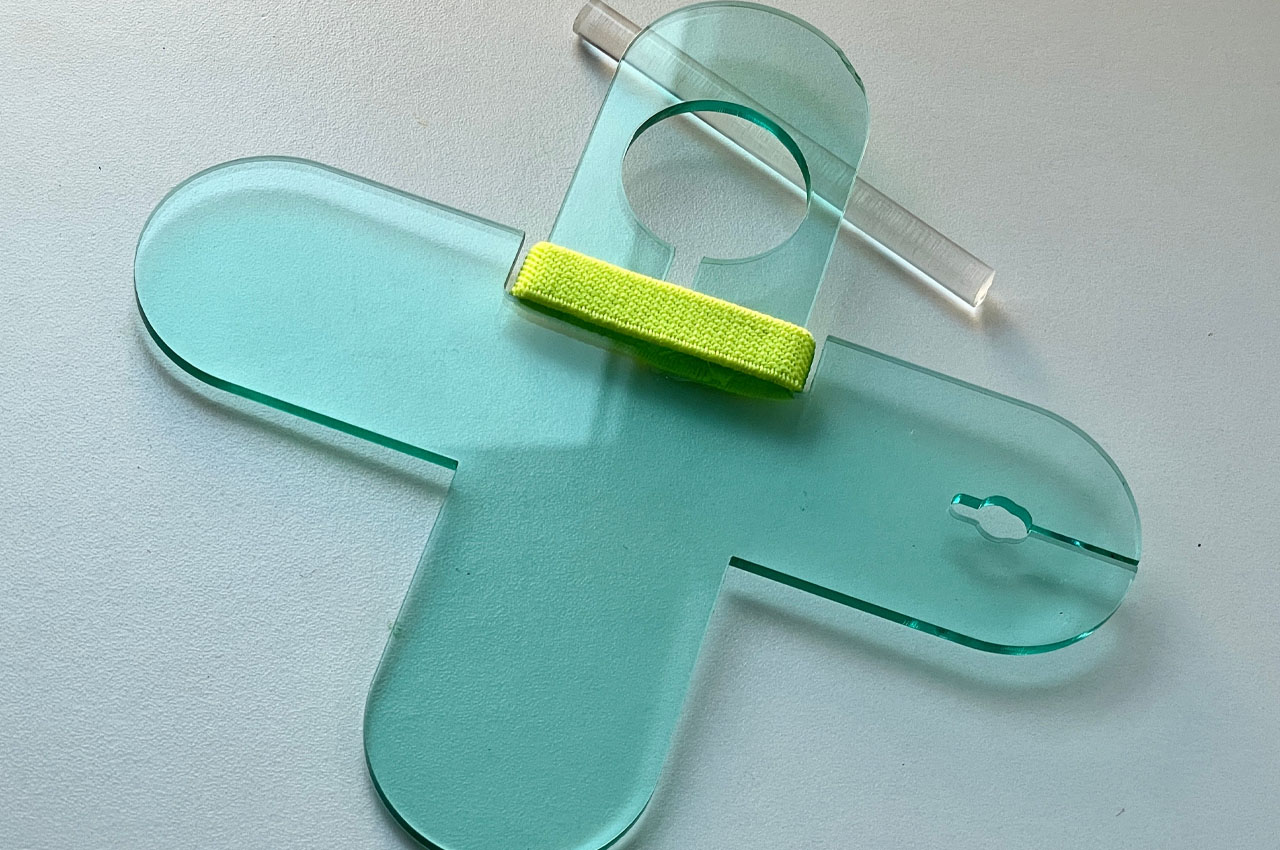
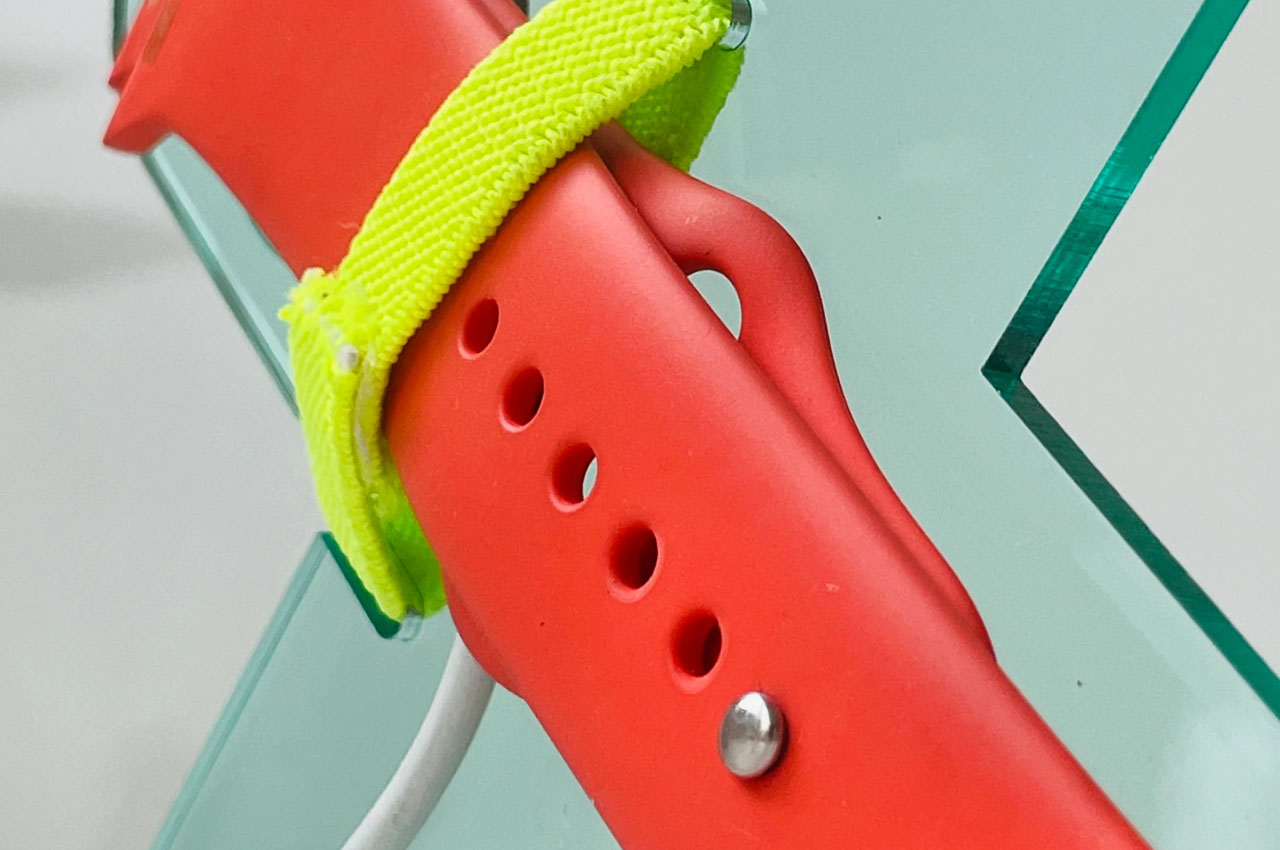
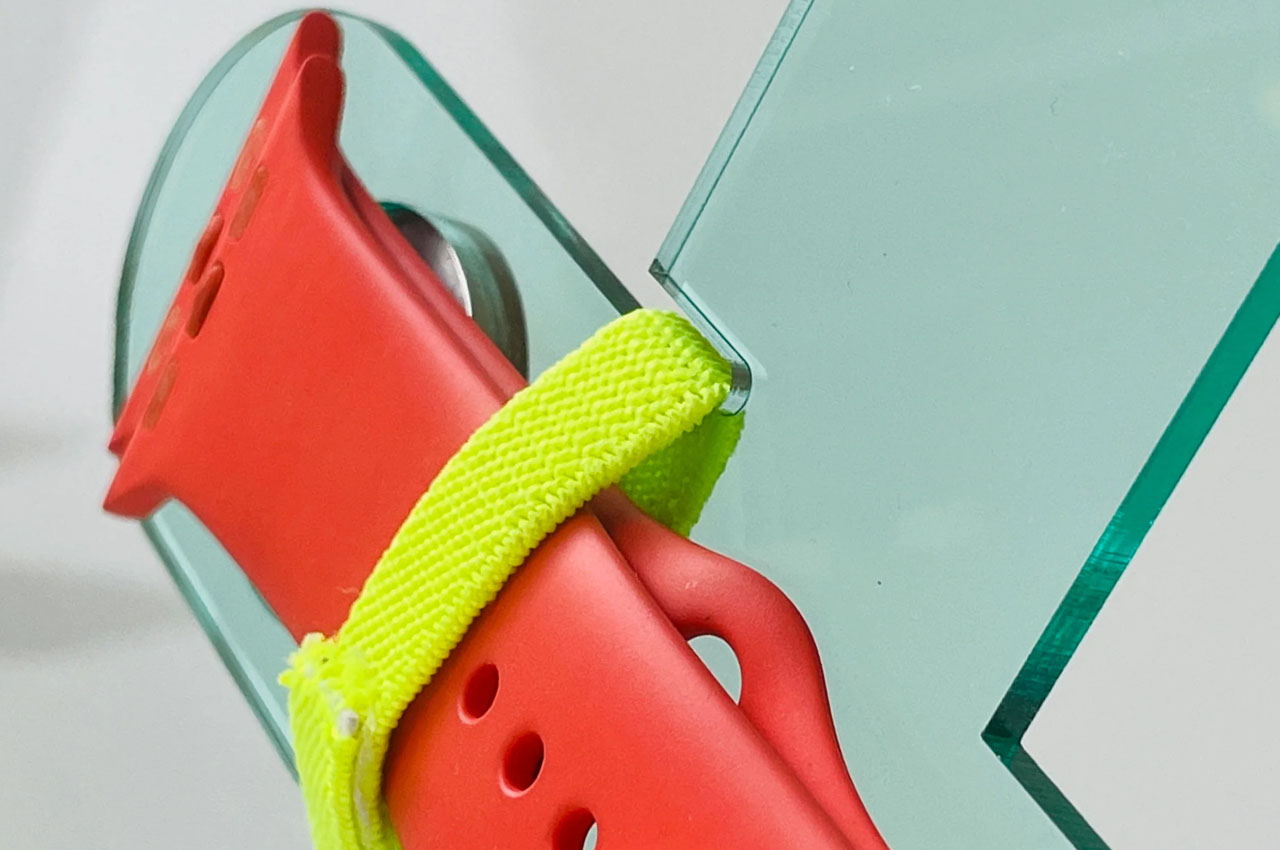
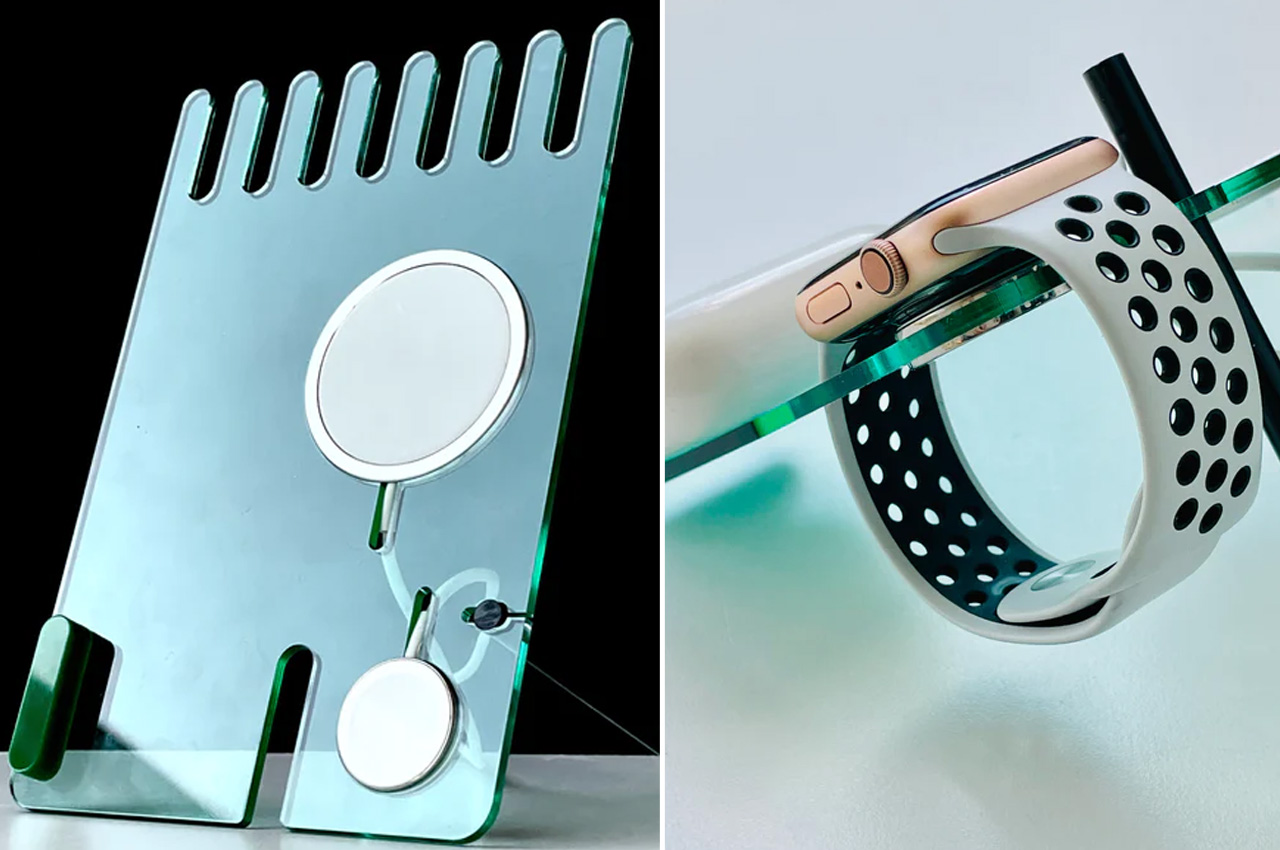
As mentioned, the stands are designed to add more character than the traditional iterations. Case in point, the $39 Expo Apple Watch charging stand with watch band storage that arrives in an ‘X’ shape. The charging dock comes flat-packed and can assemble in seconds, without the use of tools or gum. You can set the watch to charge on this acrylic stand while the extra watch bands can hang by the elastic strap, so you don’t need additional place to keep your watch accessory.

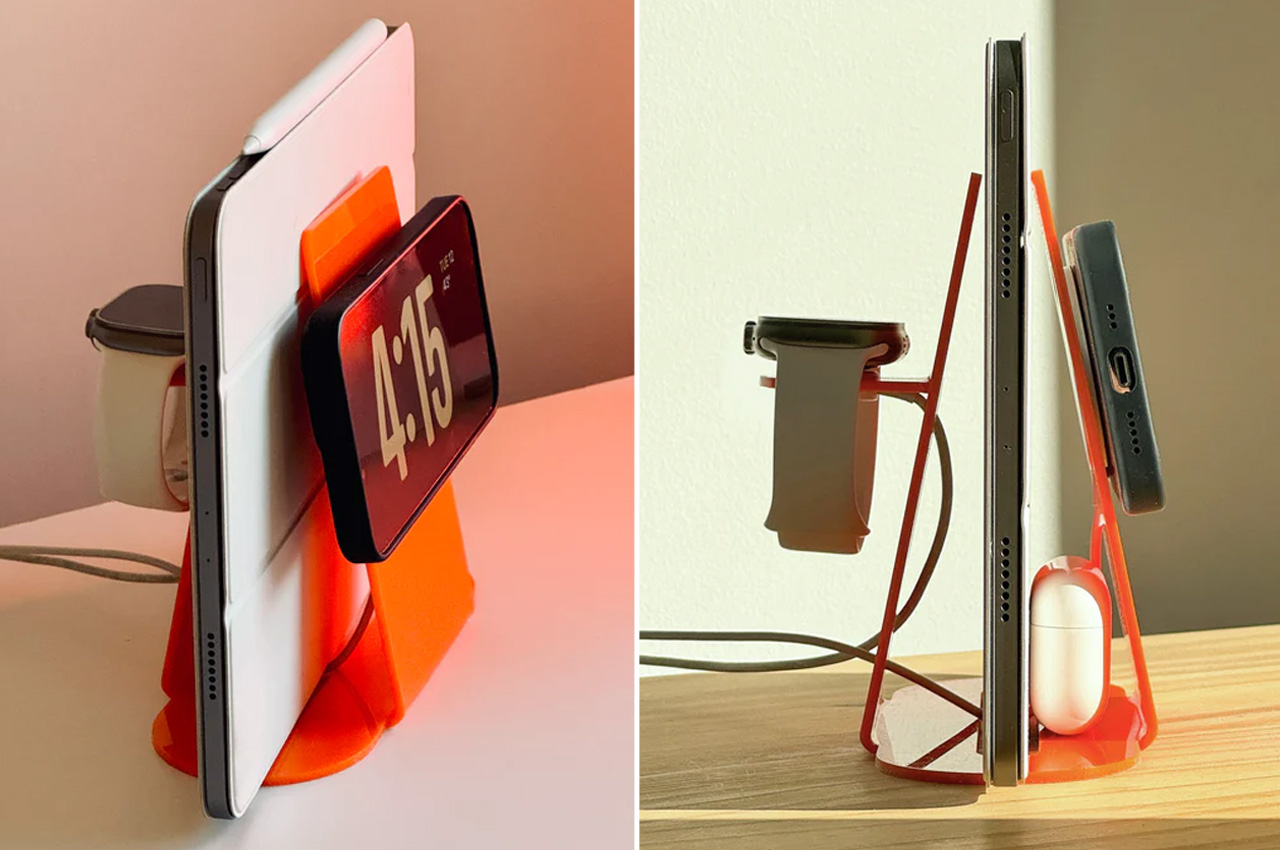
If you want a more productive accessory that does more than hold and charge your Apple Watch, David’s design house has you covered with the interestingly styled upright clip NS-3 that charges a watch and iPhone and stores a pair of AirPods for you in the base. NS-3 Clip, and the previous options in the category, can be used on the nightstand or kitchen counter. It is handmade from a single piece of laser-cut acrylic.

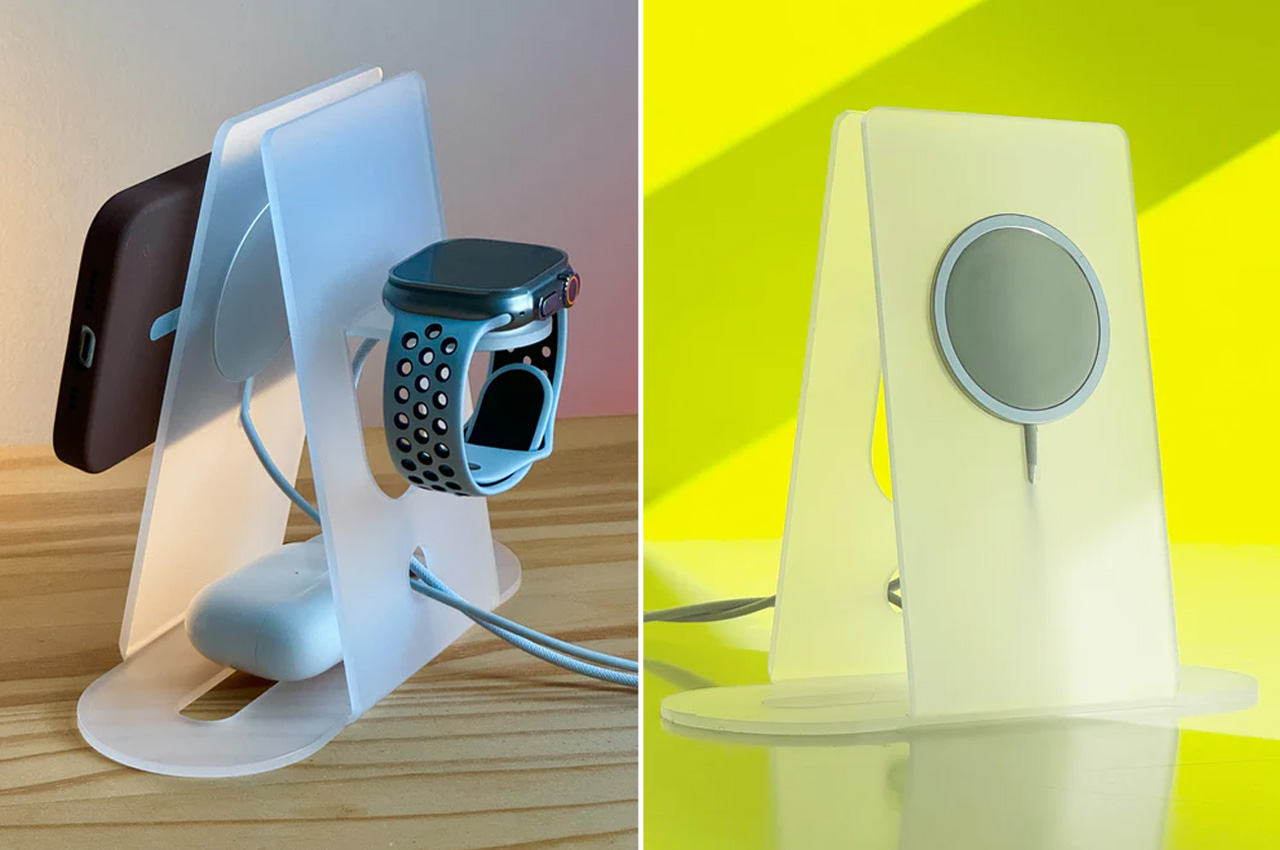
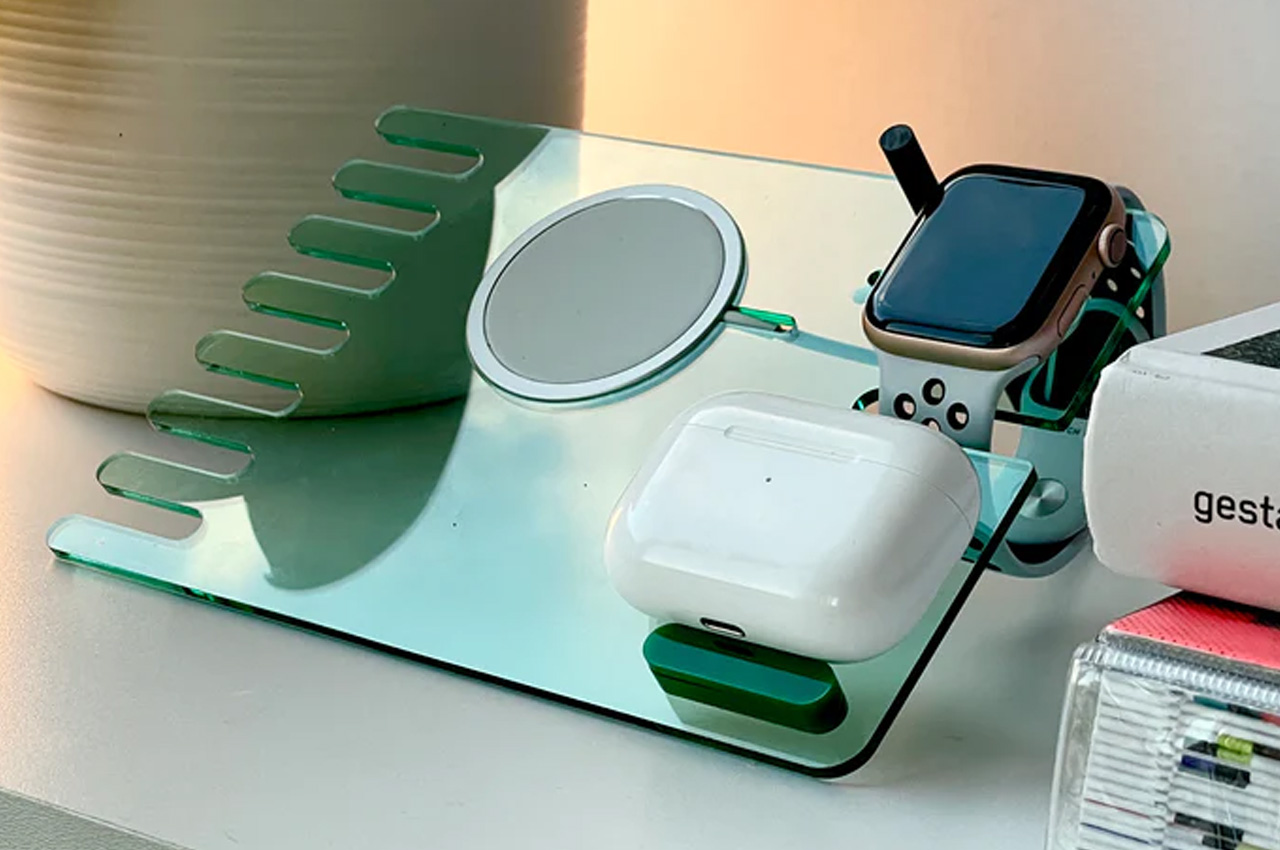
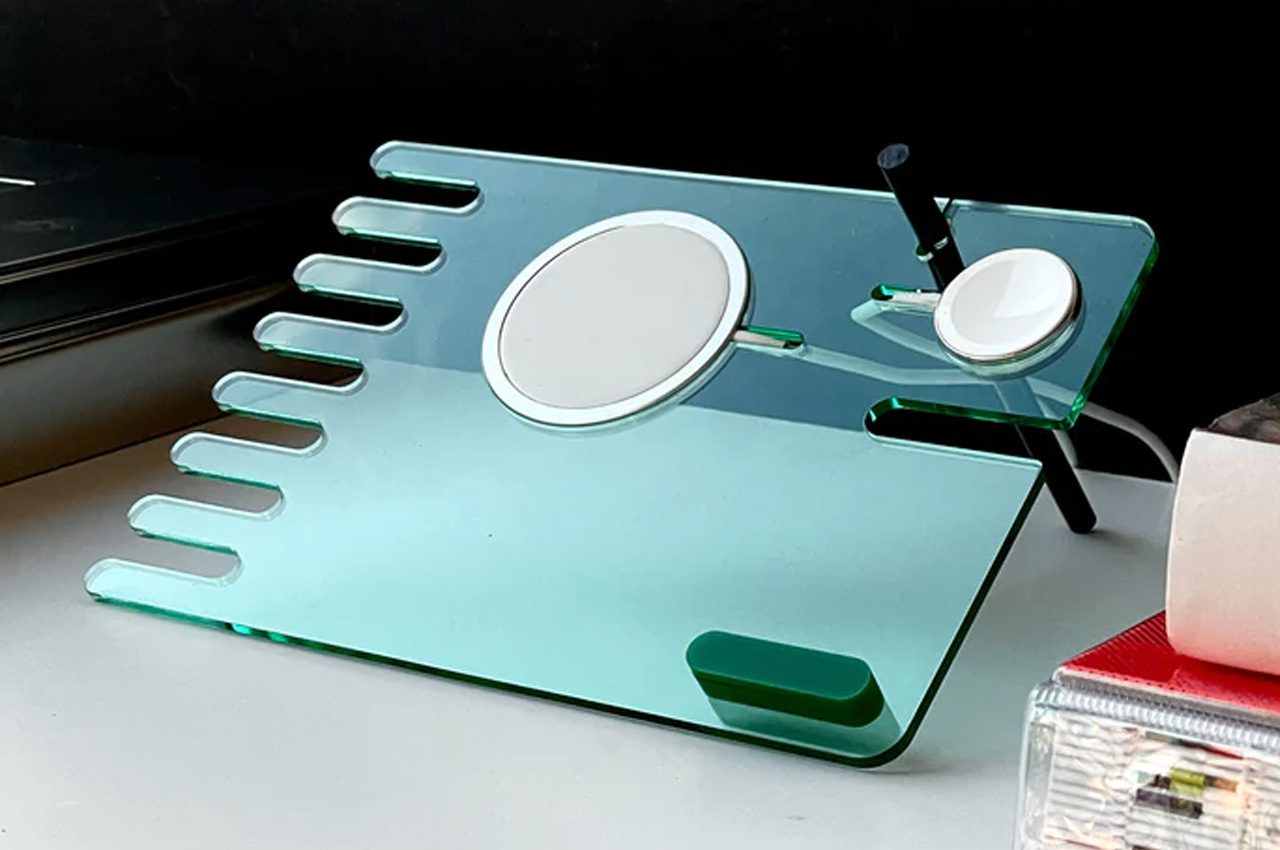
In line with the idea is the MagSafe 3-in-1 charging stand that can help charge your iPhone, Apple Watch and AirPods on a seamless sheet of acrylic. It comes flat-packed for travel, and can become your nightstand essentially with the assembly of a kickstand. The latter allows this charging stand to be used in portrait or landscape orientations to browse or take calls while charging.

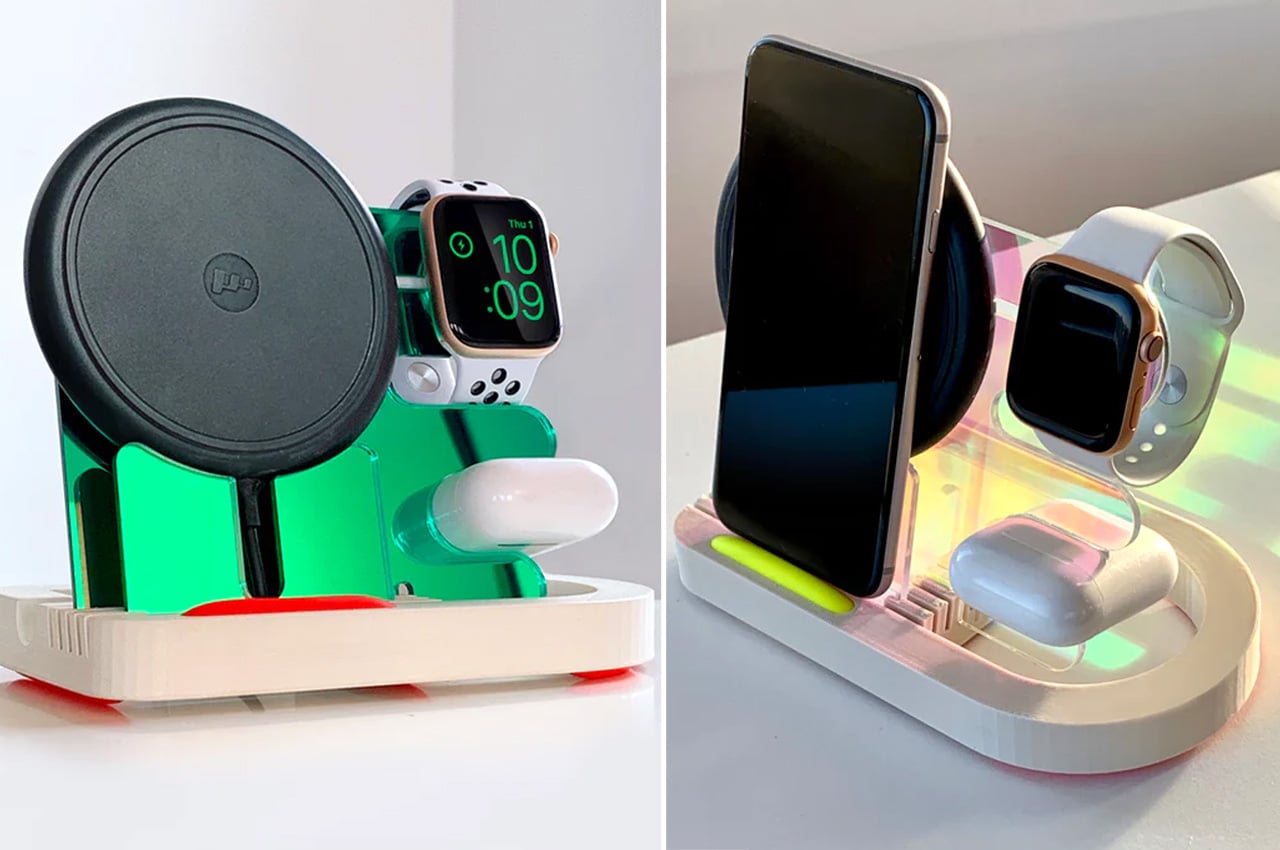
The most intriguing yet is the 3D-printed Ezl-02. It is an all-in-one dock created to let you juice up your devices with the chargers you already own. Shipped with a black Mophie wireless charging pad in the box, the Ezl-02 charges and helps organize your iPhone, Apple Watch, Airpods, and extra watch bands in one place. If you have been waiting to get home a sleep charging stand for your Apple device, which won’t add clutter, but instead would look fancy, the buck stops at the Electric Trout shop!

The post This designer is handcrafting attractive MagSafe charging stands from laser-cut acrylic first appeared on Yanko Design.

The M-Hero 917 is a Military-Inspired SUV with a 1000hp Engine, Steer-By-Wire, and a Companion Drone

For an extra $14,000, the manufacturer will also sell you a companion drone to go with your mammoth SUV.

Meet the Meishi 917, also fondly dubbed the M-Hero 917 from Dongfeng – China’s first off-road automotive brand. Drawing inspiration from the robustness of military vehicles, the M-Hero 917 boasts a design characterized by sharp lines and a commanding presence. Its black matte finish and robust bumper lend it an unmistakably aggressive demeanor, reminiscent of a machine ready to conquer any terrain it encounters. However, despite its formidable appearance, it’s essential to recognize that beneath its rugged exterior lies a meticulously engineered chassis and a formidable powertrain.

Designer: Dongfeng Motor Corporation

The M-Hero 917 offers a choice between two powertrain options tailored to meet the diverse needs of modern drivers. For those inclined towards embracing sustainable mobility, there’s a fully electric variant equipped with four electric motors and a substantial 140-kilowatt-hour NMC battery. Alternatively, there’s a range-extender hybrid model featuring a 1.5-liter turbocharged four-cylinder engine serving as a generator, coupled with a 66-kWh battery pack and three electric motors, delivering an impressive output of 816 horsepower. Such capabilities translate into a blistering 0-62 miles per hour acceleration in a mere six seconds, reaffirming the SUV’s prowess on and off the beaten path.

However, what truly sets the M-Hero 917 apart are its standard and optional features, which elevate the driving experience to unprecedented heights. Inside the cabin, attention to detail reigns supreme, with interior door handles reminiscent of the iconic Desert Eagle pistol, and aircraft throttle-inspired levers adorning the center console, granting intuitive control over the vehicle’s transmission and driving modes. Complementing these design elements are three strategically positioned screens, comprising a digital instrument cluster, a navigation display, and a passenger infotainment screen, ensuring occupants are seamlessly connected and informed throughout their journey.

Yet, perhaps the pièce de résistance lies in the SUV’s optional drone package, a testament to the convergence of automotive and aerial technologies. Priced at $14,000, this package includes a state-of-the-art drone that can be effortlessly controlled via voice commands from within the vehicle, offering a unique perspective and enhancing the overall driving experience. Furthermore, the inclusion of a switchable rear steering system grants the M-Hero 917 the ability to execute the elusive crab walk maneuver, further showcasing its versatility and agility in navigating challenging terrains.

The post The M-Hero 917 is a Military-Inspired SUV with a 1000hp Engine, Steer-By-Wire, and a Companion Drone first appeared on Yanko Design.

Kismas Glass Brick Lamps: A Fusion of Vintage Elegance and Modern Innovation

Dive into the world of cool lighting with Kismas, a Lithuanian design studio that’s turning vintage vibes into modern magic. Old-school glass blocks from the Cold War era are getting a fresh lease on life, thanks to Kismas’ playful design spirit. They’ve introduced a dreamy collection of glass brick lamps – the Vintage Line and the Modern Line. It’s like Kismas is playing matchmaker between the past and present, creating a home vibe that’s both nostalgic and cutting-edge. These lamps aren’t just illuminating; they’re time-traveling storytellers, celebrating the cool factor of vintage design. So, if you want your space to be a mix of retro charm and contemporary chic, Kismas has got the perfect lighting symphony for you!

Designer: Kismas

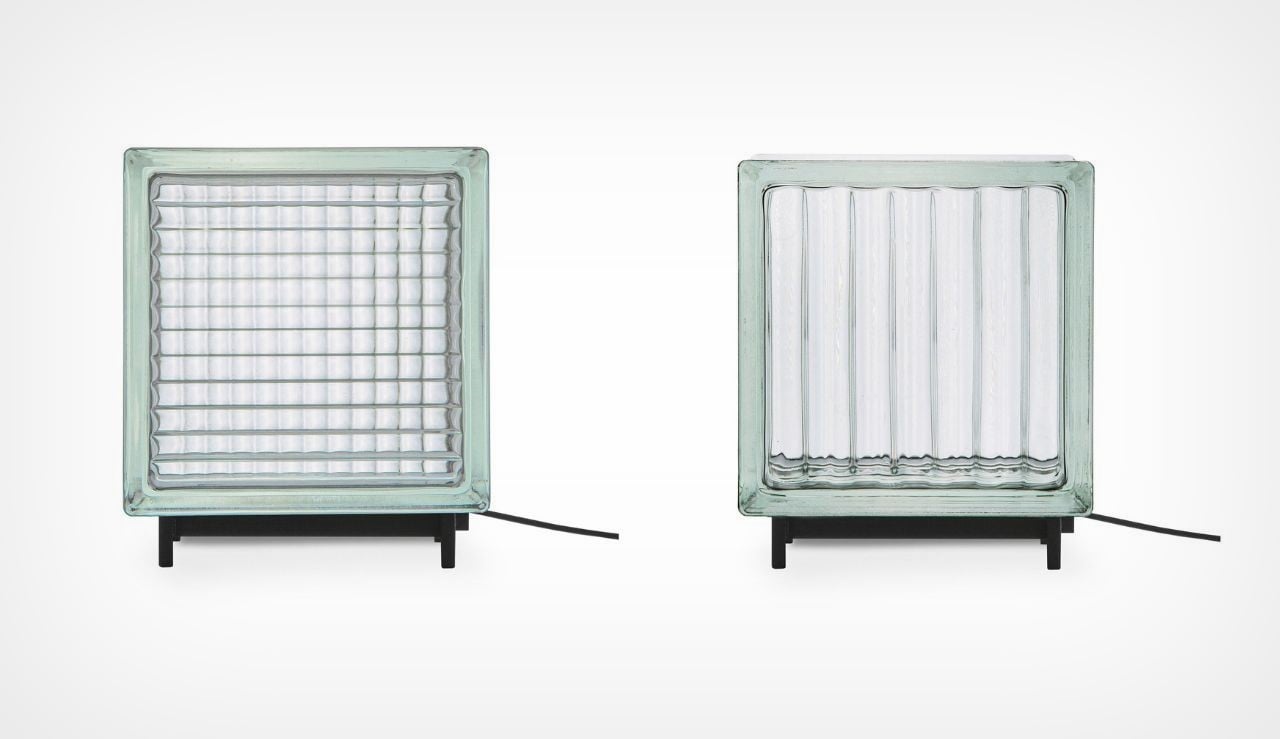
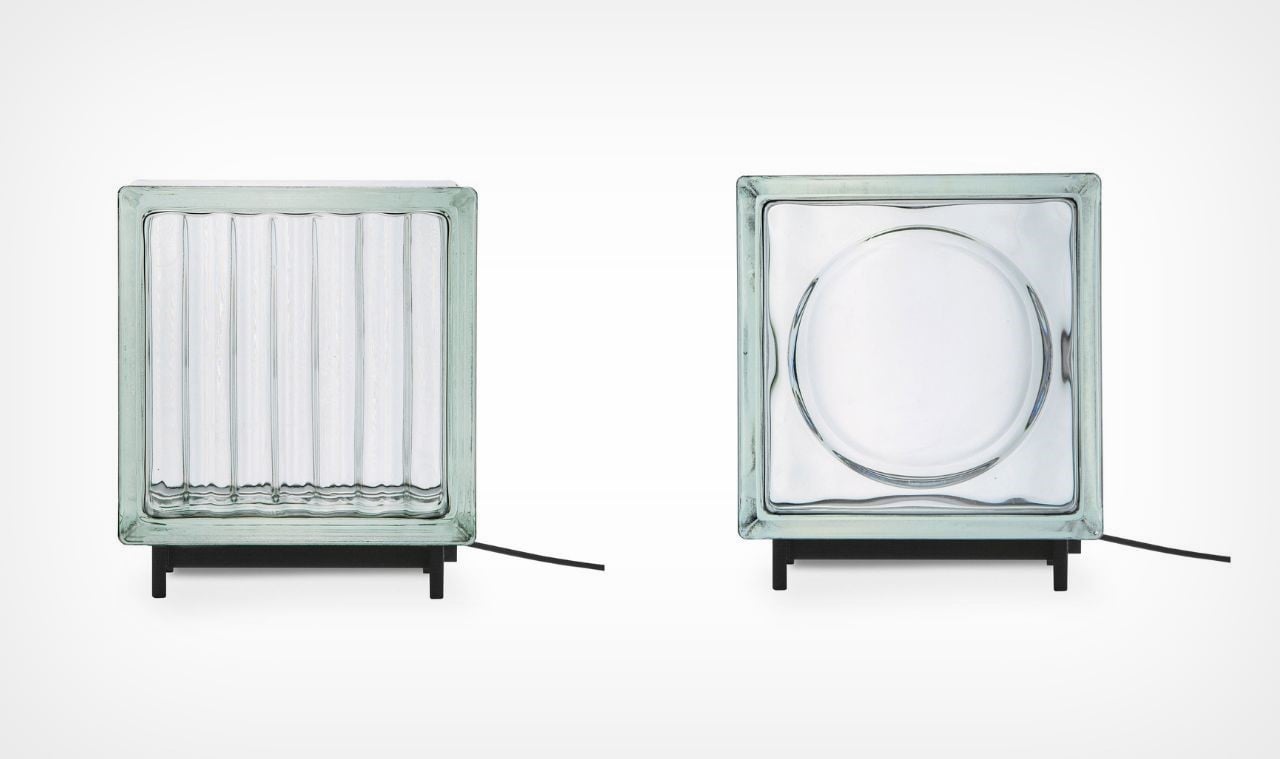
The Kismas Vintage Line brings forth a marriage of minimalist steel bases and reclaimed glass blocks, each with a unique history dating back to the fierce times of the Cold War. Salvaged from various Baltic countries, these original glass elements, deemed “imperfect” by the brand, find a new identity in Kismas lamps. The juxtaposition of sturdy yet subtle dark steel bases with the transparent glass blocks creates a striking visual interplay, emphasizing graphic patterns and corrugated edges.

Rich Green Lamp 01, a standout from the Vintage Line, showcases the deep green color characteristic of blocks used in brutalist buildings in the Soviet Union. Bearing marks, scratches, and small cracks, each lamp becomes a one-of-a-kind piece with a rich history. The Bigger Optical Lamp 01, another Vintage Line gem, features lighter green blocks from the ’70s-’80s in Lithuania, allowing for the use of filters that can change the color of the emitted light.

In the Kismas Modern Line, the design takes a leap forward with glass block lamps crafted by Seves Glass Blocks. Clean lines, bold patterns, and flawless clarity define this collection, paying homage to modernist architecture. The centerpiece, Doric Lamp 01, features a Doric19 glass block inspired by renowned architect Rafael Moneo, while the Linear Lamp 01 and Cross Linear Lamp 01 introduce ribbed patterns and intersecting lines for unique lighting effects. The 80s Dream Lamp 01 and Orbital Lamp 01 round out the Modern Line with a frosted surface and Maison de Verre building inspiration, respectively.

Kismas doesn’t stop at elegant design; it introduces a creative twist with light filters that can instantly transform the ambiance of a room. These easy-to-install filters come in seven hues, from the cinematic Dirty Yellow and Tokyo Blue to the subtly neon Dark Pink and Neon Green. Primary Red adds a vibrant touch perfect for lively gatherings, while Pale Rose and Aprico offer a warm and cozy glow.

The post Kismas Glass Brick Lamps: A Fusion of Vintage Elegance and Modern Innovation first appeared on Yanko Design.

Meta is starting to test the Threads API with third-party developers

Meta is starting to bring the Threads API online, though it will still be some time before it’s widely accessible to developers. The company has begun testing its new developer tools with a handful of companies, Meta engineer Jesse Chen shared in a post on Threads.

According to Chen, whose post was first spotted by TechCrunch, the API is currently in “beta” but a wider rollout could come “by the end of June.” The initial group of companies testing out the beta version of the API include social media management platforms Sprinklr, Hootsuite, Social News Desk and Sprout Social. Meta is also working with tech news aggregator Techmeme and live video platform Grabyo. For now, it sounds like the API will primarily enable the publishing of content to Threads from these services, but Chen said there are also plans to “enable reply moderation and insights capabilities.”

Having an API could help Threads attract more publishers and power users, who often rely on third-party software for posting and analytics. Instagram head Adam Mosseri has previously expressed some reluctance to woo publishers, saying that his “concern” was that a dedicated API would “mean a lot more publisher content and not much more creator content.” (Mosseri has also said he doesn’t want to “amplify news on the platform.”)

But with 130 million users, Threads is starting to look more and more like a viable alternative to X, and offering professional-level tools is a good way to get publishers and brands to post more to the platform. Having an API could also, potentially, aid the company’s plans to support interoperability with Mastodon and the rest of the fediverse, though Meta hasn’t publicly discussed its API in that context,.

This article originally appeared on Engadget at https://www.engadget.com/meta-is-starting-to-test-the-threads-api-with-third-party-developers-200125403.html?src=rss
Meta is starting to test the Threads API with third-party developers

Meta is starting to bring the Threads API online, though it will still be some time before it’s widely accessible to developers. The company has begun testing its new developer tools with a handful of companies, Meta engineer Jesse Chen shared in a post on Threads.

According to Chen, whose post was first spotted by TechCrunch, the API is currently in “beta” but a wider rollout could come “by the end of June.” The initial group of companies testing out the beta version of the API include social media management platforms Sprinklr, Hootsuite, Social News Desk and Sprout Social. Meta is also working with tech news aggregator Techmeme and live video platform Grabyo. For now, it sounds like the API will primarily enable the publishing of content to Threads from these services, but Chen said there are also plans to “enable reply moderation and insights capabilities.”

Having an API could help Threads attract more publishers and power users, who often rely on third-party software for posting and analytics. Instagram head Adam Mosseri has previously expressed some reluctance to woo publishers, saying that his “concern” was that a dedicated API would “mean a lot more publisher content and not much more creator content.” (Mosseri has also said he doesn’t want to “amplify news on the platform.”)

But with 130 million users, Threads is starting to look more and more like a viable alternative to X, and offering professional-level tools is a good way to get publishers and brands to post more to the platform. Having an API could also, potentially, aid the company’s plans to support interoperability with Mastodon and the rest of the fediverse, though Meta hasn’t publicly discussed its API in that context,.

This article originally appeared on Engadget at https://www.engadget.com/meta-is-starting-to-test-the-threads-api-with-third-party-developers-200125403.html?src=rss
Apple backtracks on plans to get rid of web apps on iPhones in the EU

Apple has walked back its decision to remove home screen web apps in the European Union (EU). After initially blaming its decision to ditch them on the Digital Markets Act’s (DMA) requirement to support non-WebKit browsers, Apple now says European users will return to enjoying the same web app experience from before when iOS 17.4 arrives early this month.

“We have received requests to continue to offer support for Home Screen web apps in iOS, therefore we will continue to offer the existing Home Screen web apps capability in the EU,” Apple wrote Friday in an updated developer support document. “This support means Home Screen web apps continue to be built directly on WebKit and its security architecture, and align with the security and privacy model for native apps on iOS.”

Progressive web apps (PWAs) act much like native apps with features like dedicated windows, notifications and local storage. Apple removed them for European customers in the second iOS 17.4 beta, instead asking if users want to open the website in Safari.

At the time, the company claimed web app support could compromise security, given the DMA’s requirement to support non-WebKit browser engines. “Addressing the complex security and privacy concerns associated with web apps using alternative browser engines would require building an entirely new integration architecture that does not currently exist in iOS and was not practical to undertake given the other demands of the DMA and the very low user adoption of Home Screen web apps,” the company wrote in February.

The Open Web Advocacy organization chimed in quickly to criticize Apple’s now-reversed move. “Apple has had 15 years to facilitate true browser competition worldwide, and nearly two years since the DMA’s final text,” the organization wrote in February. “It could have used that time to share functionality it historically self-preferenced to Safari with other browsers. Inaction and silence speaks volumes.”

The EU didn’t sound much happier about the web app removal. European Commission officials said in late February they were probing Apple’s decision in what sounded like the build-up to a formal investigation. The Financial Times reported that regulators sent developers questions about the impact of Apple’s PWA removal.

Whatever may have happened between then and now to change Apple’s mind, it’s remaining tight-lipped. Instead, the company is framing its reversal as a simple response to “requests” it received to continue offering home screen web apps. Perhaps EU officials assured the iPhone maker the company wouldn’t need to support PWAs from other browser engines, or maybe the company merely wanted to head off a formal probe (and the bad PR it could generate). Regardless, only European iOS 17.4 beta users are without web apps, and they’ll have them back once the software’s final version arrives.

This article originally appeared on Engadget at https://www.engadget.com/apple-backtracks-on-plans-to-get-rid-of-web-apps-on-iphones-in-the-eu-195232177.html?src=rss