ASUS ROG Mjolnir power station promises uninterrupted gaming for an hour

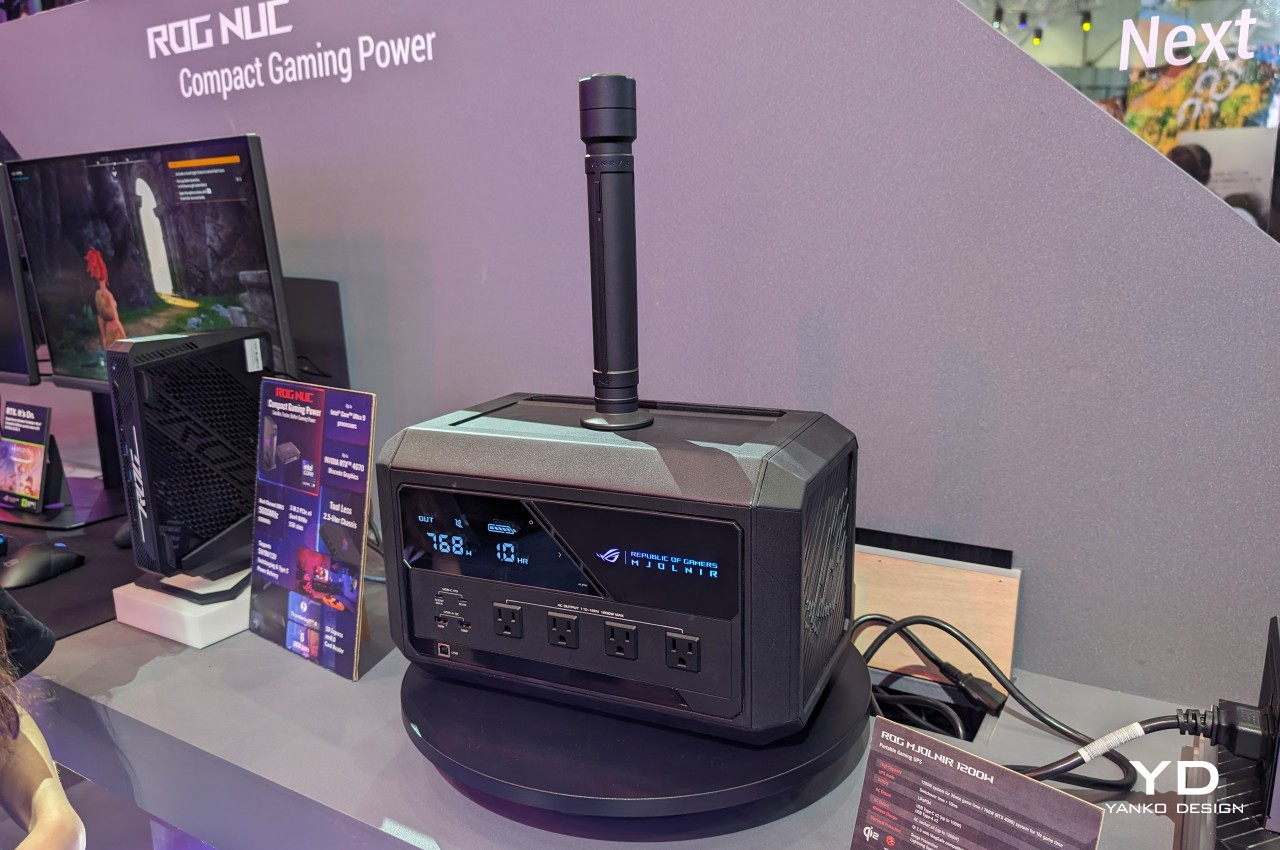
It seems that the gods of Asgard are truly smiling on brave digital warriors. After two months of debate and speculation on whether they’re just pulling a long hoax, ROG has proven that there is, indeed, a real Mjolnir power station, or at least one working unit shown off to the public at Computex 2024. And it is as massive as you might have expected, but also had a few surprises we didn’t see coming. It probably won’t satisfy outdoor adventurers, but for the avid collector, comics fan, and loyal ROG gamer, the ROG Mjolnir will definitely be one to keep an eye on, at least when ASUS finally spills all the beans.

Designer: ASUS Republic of Gamers
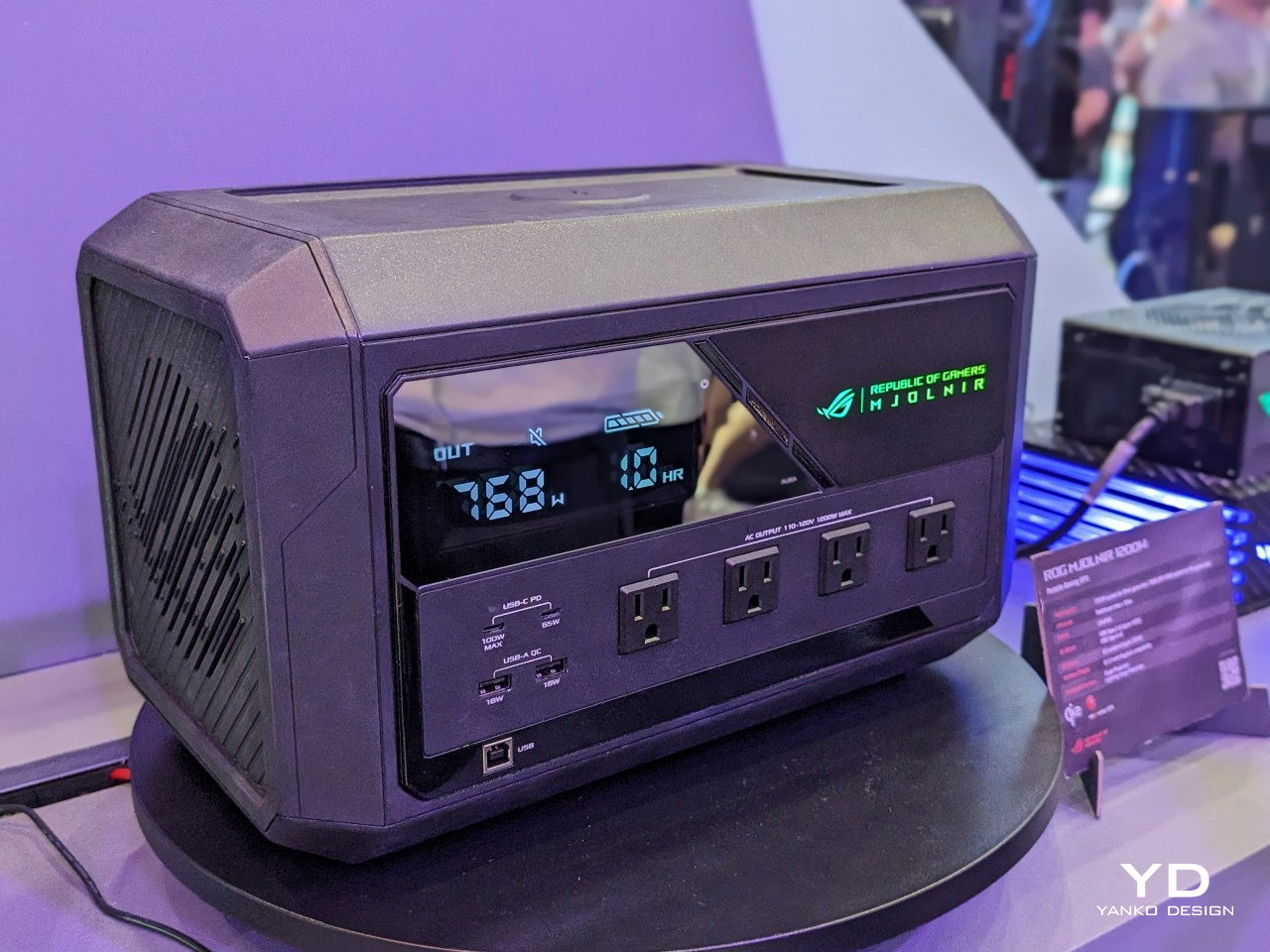
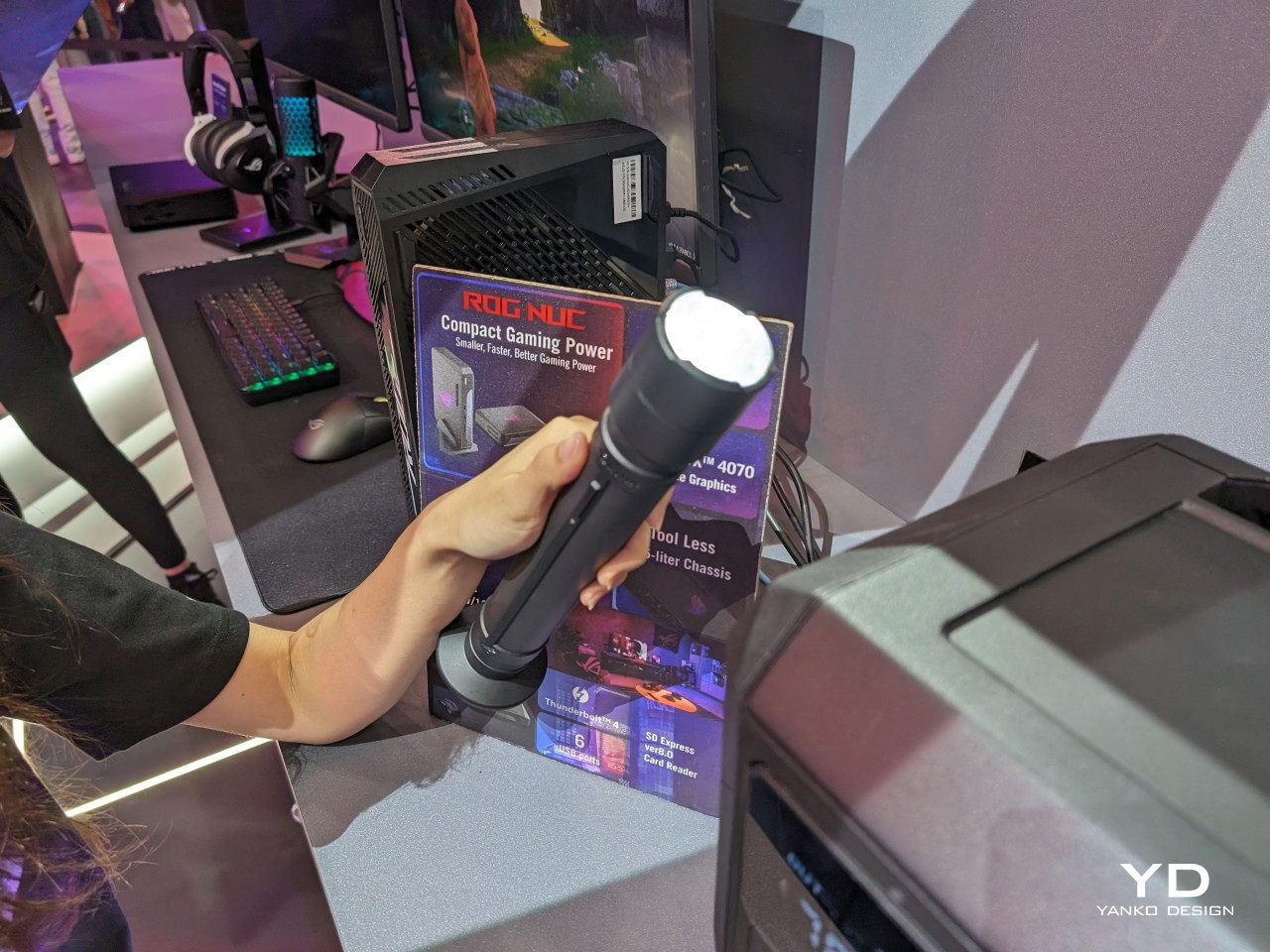
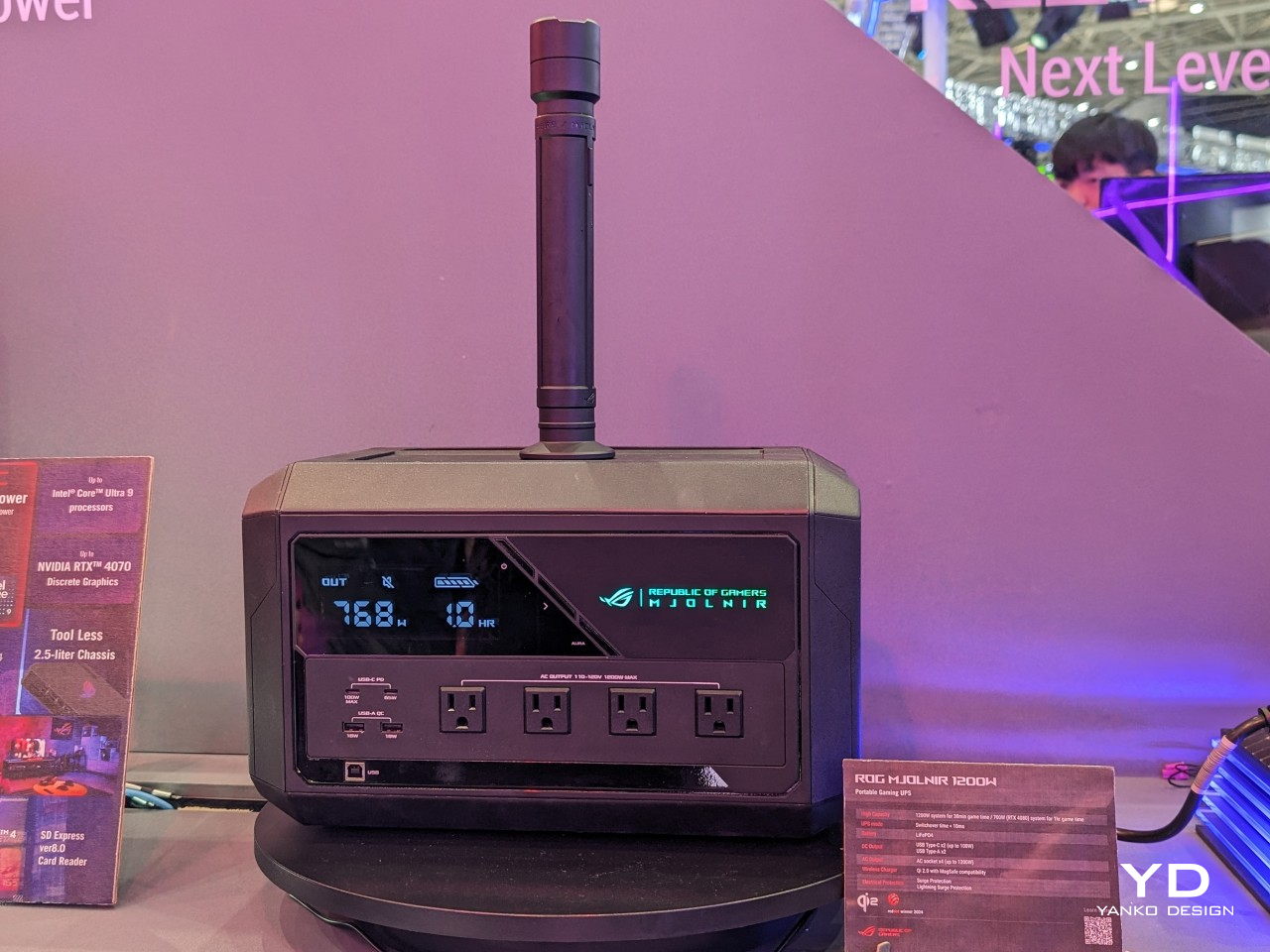
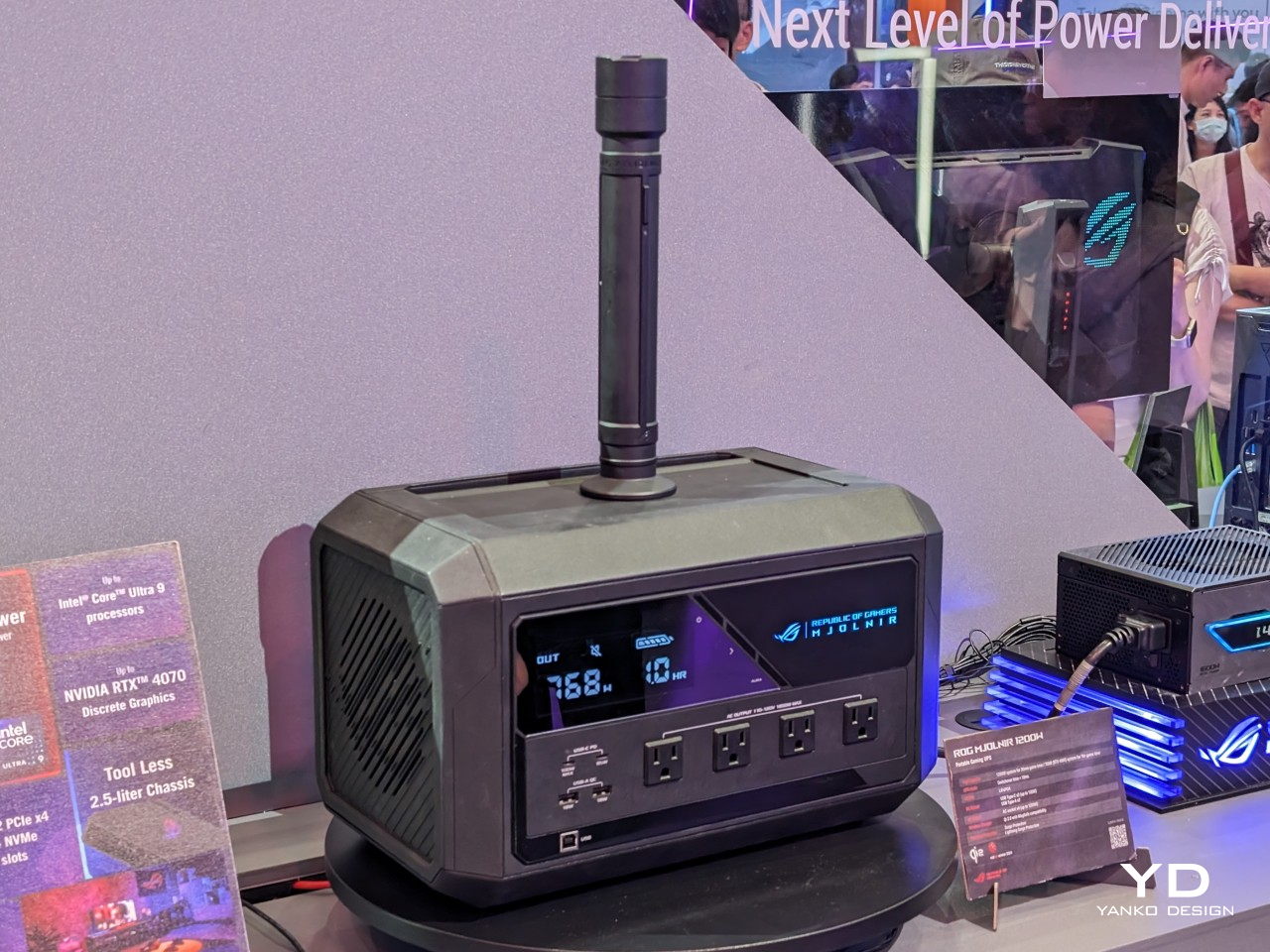
The ROG Mjolnir is a huge box, perhaps too big for the 768Wh battery it packs inside. Exact dimensions and weight aren’t available yet, but it’s definitely not something you’ll be carrying around a lot despite the “portable” in its name. And you’ll definitely not want to lift it by that handle sticking out from the top because you won’t be able to. And it’s not because you’ve been deemed unworthy.
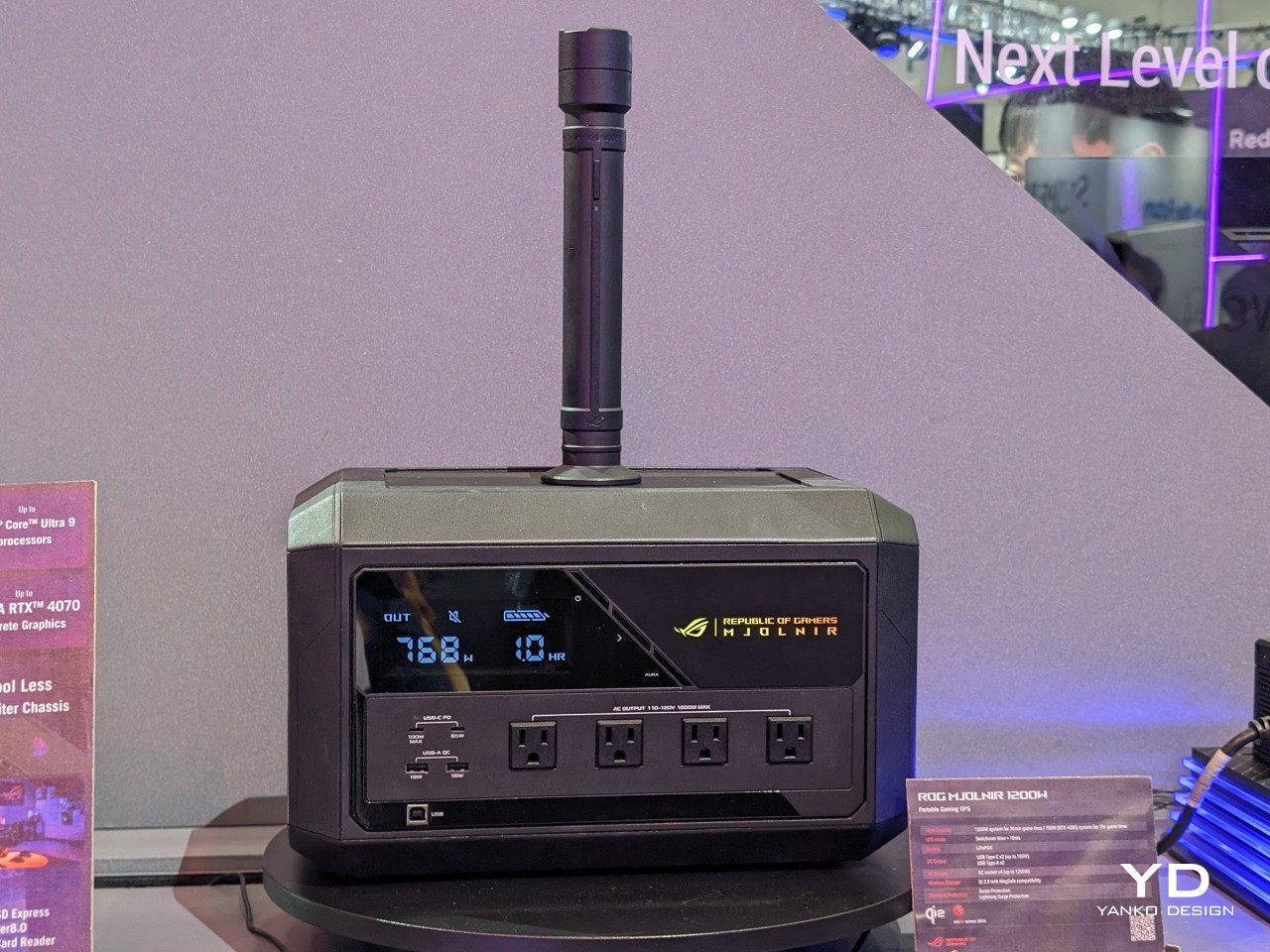
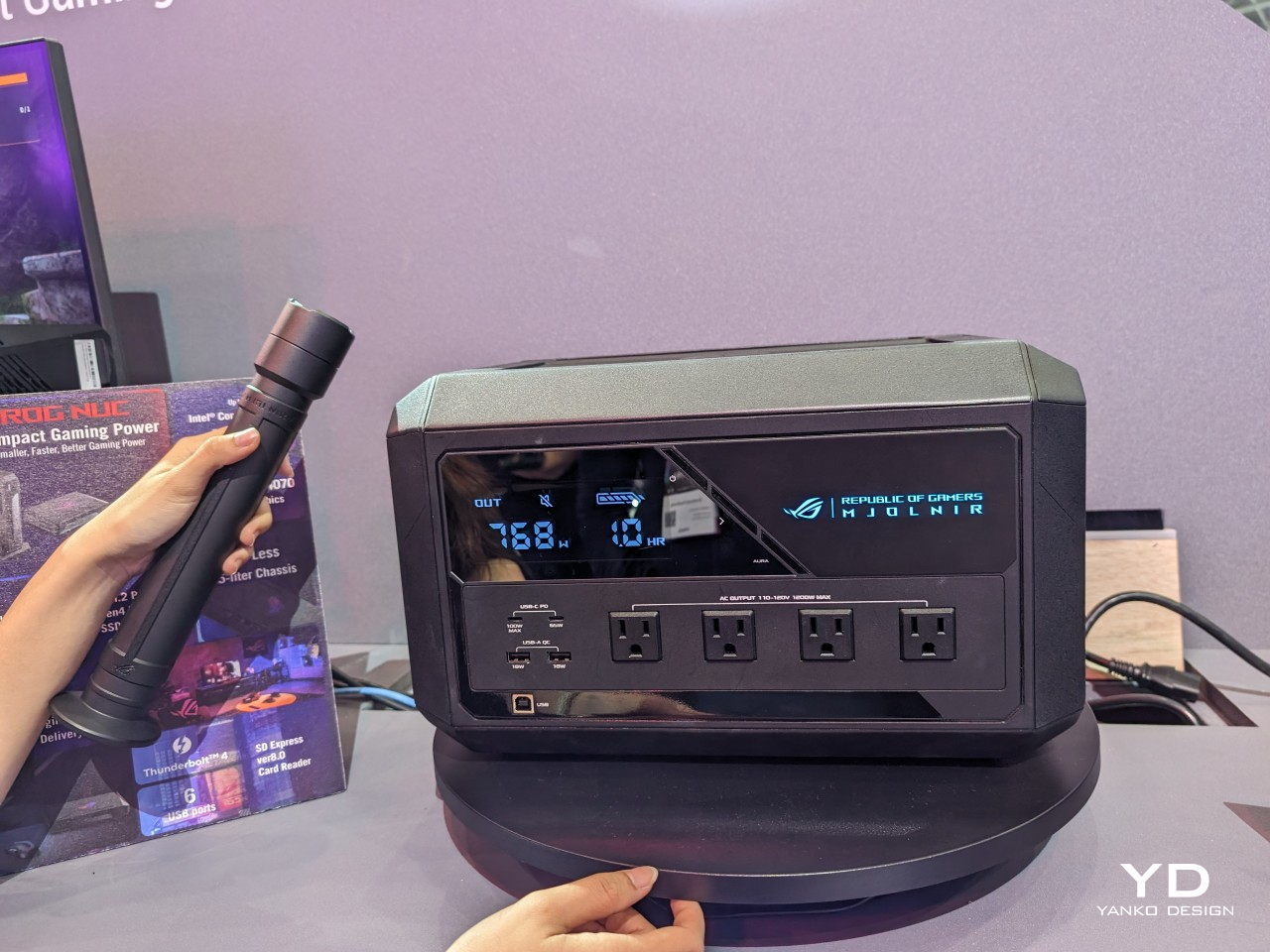
As speculated, that stick is actually the torch that ASUS teased in April, but it doesn’t work the way you might expect it to. The light is actually on the top end of the stick, so you have to lift it rather than pull it up like you would when trying to pick up a hammer. The opposite end that has a flat disc is actually a magnetic connector that attaches to the magnetic wireless charger on the top of the box.
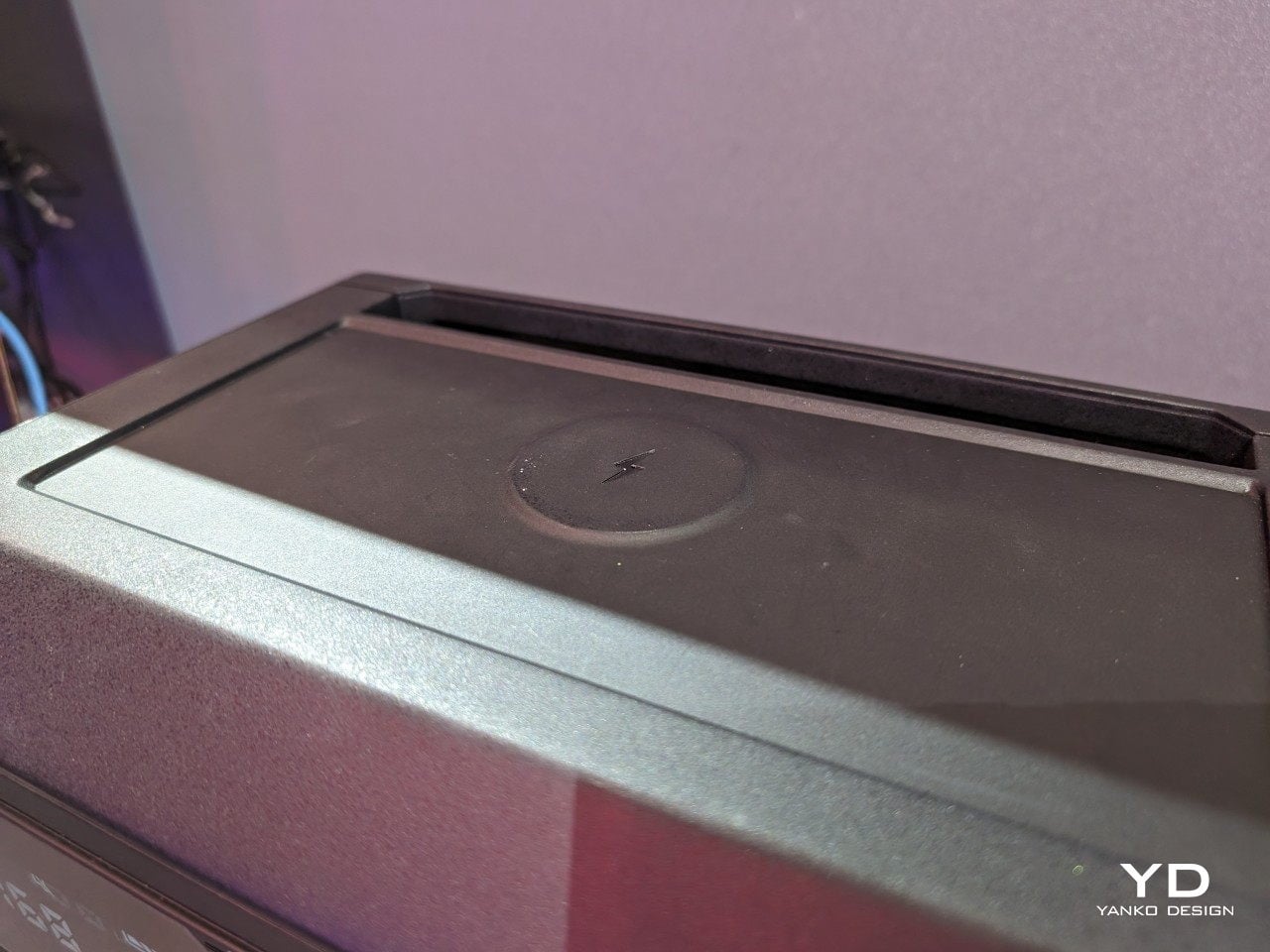
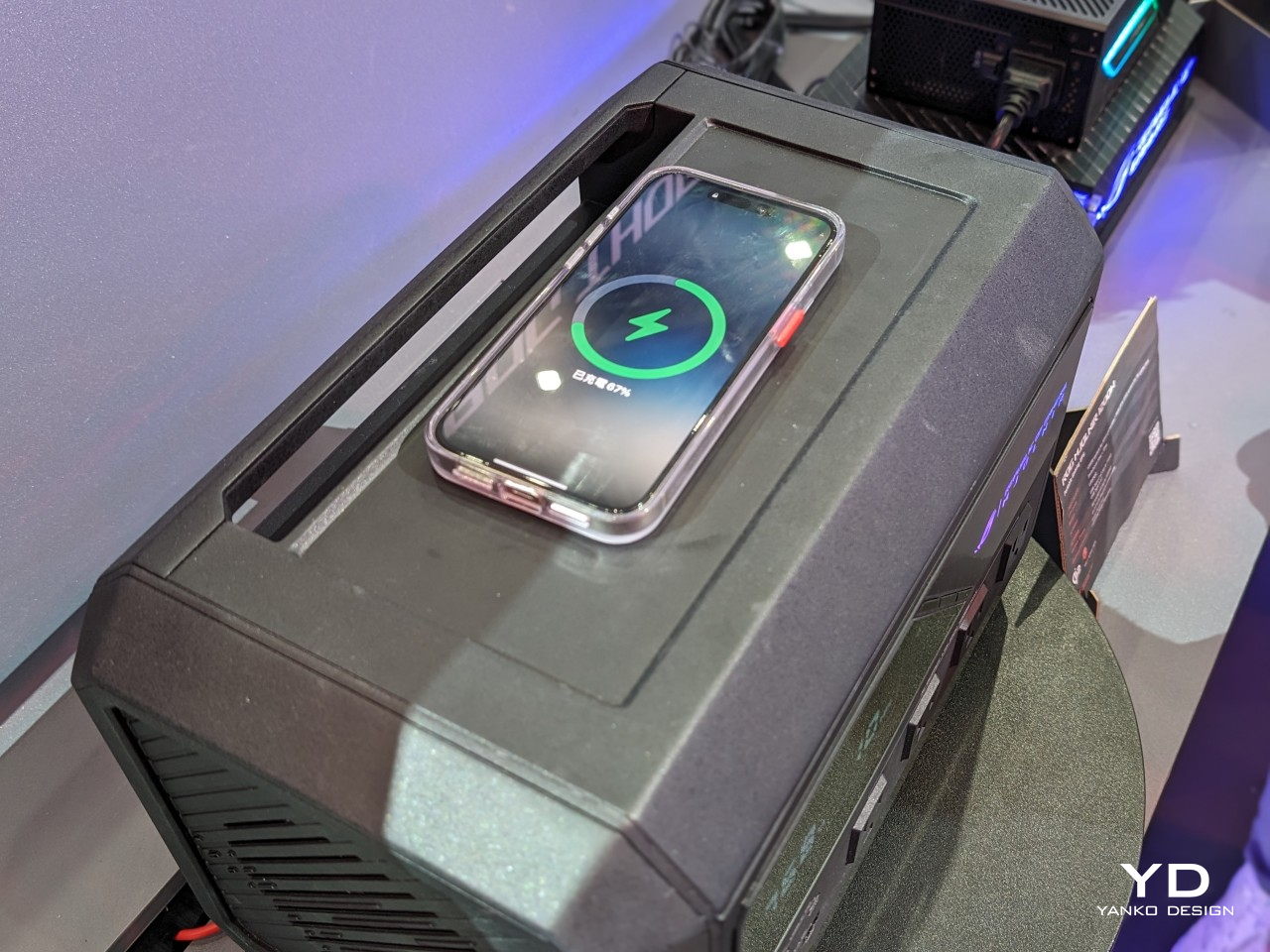
Yes, there is a 16W wireless charger and it’s compatible with both MagSafe and Qi 2.0. There’s a telltale sign of a charging coil smack in the middle of the Mjolnir’s top, and it’s a bit raised so you can feel the spot with your hand if it’s too dark to see. Of course, you could just use the torch handle to light up the space since you’ll be removing it from its spot anyway. One design oversight, however, is that there doesn’t seem to be any other way to attach the handle so you’ll have to make sure it doesn’t roll off or get lost while you’re charging your smartphone.
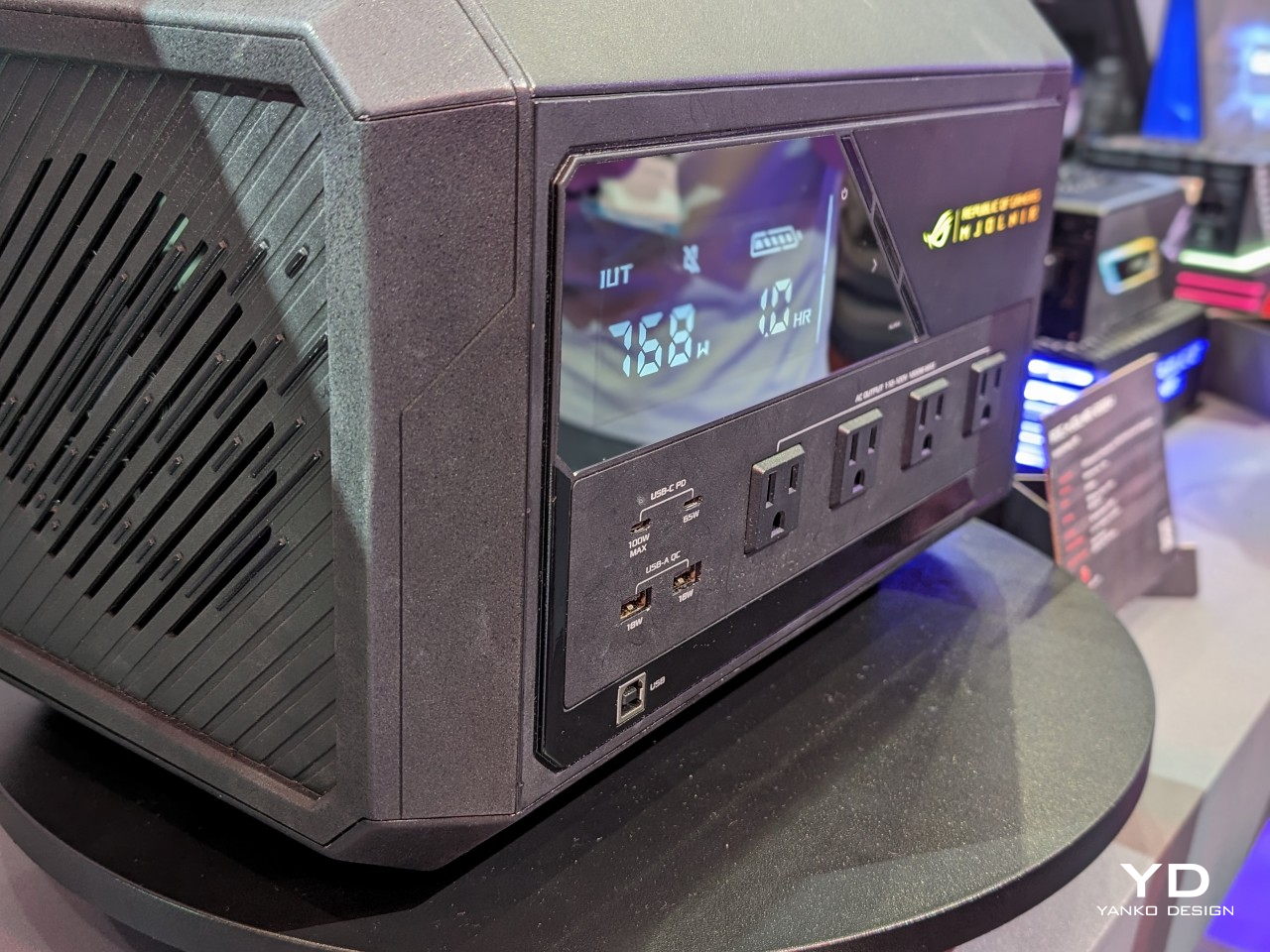
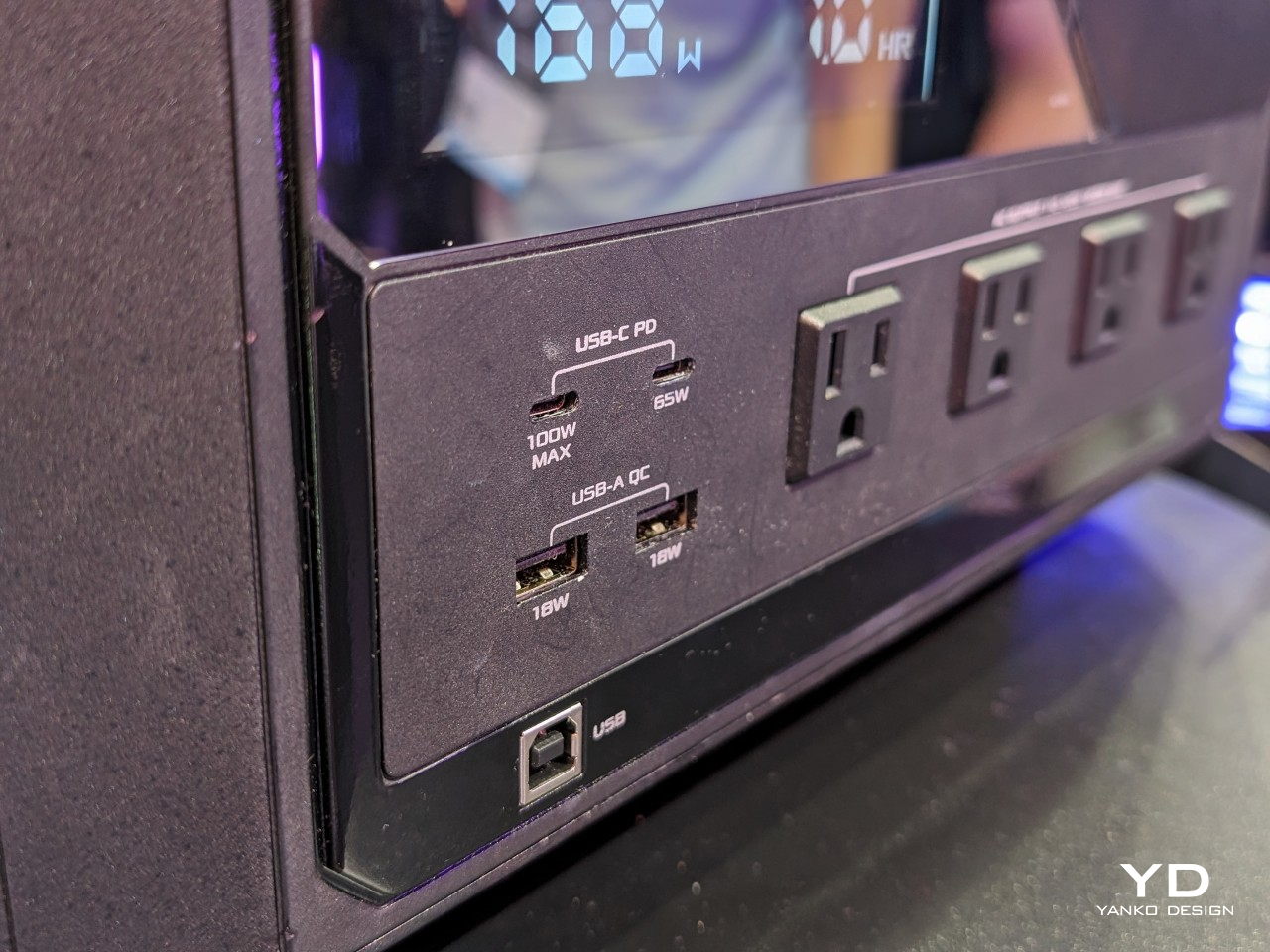
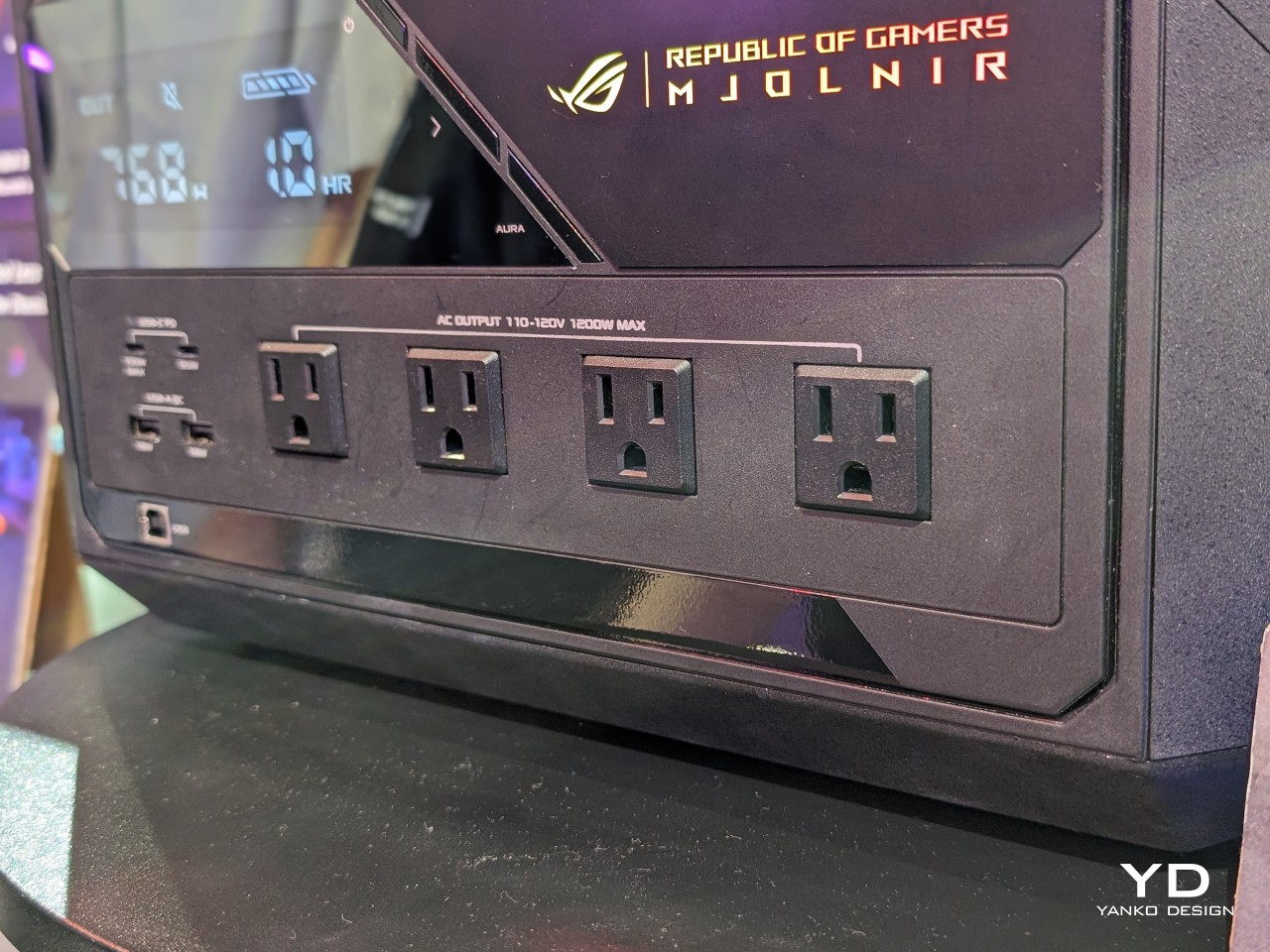
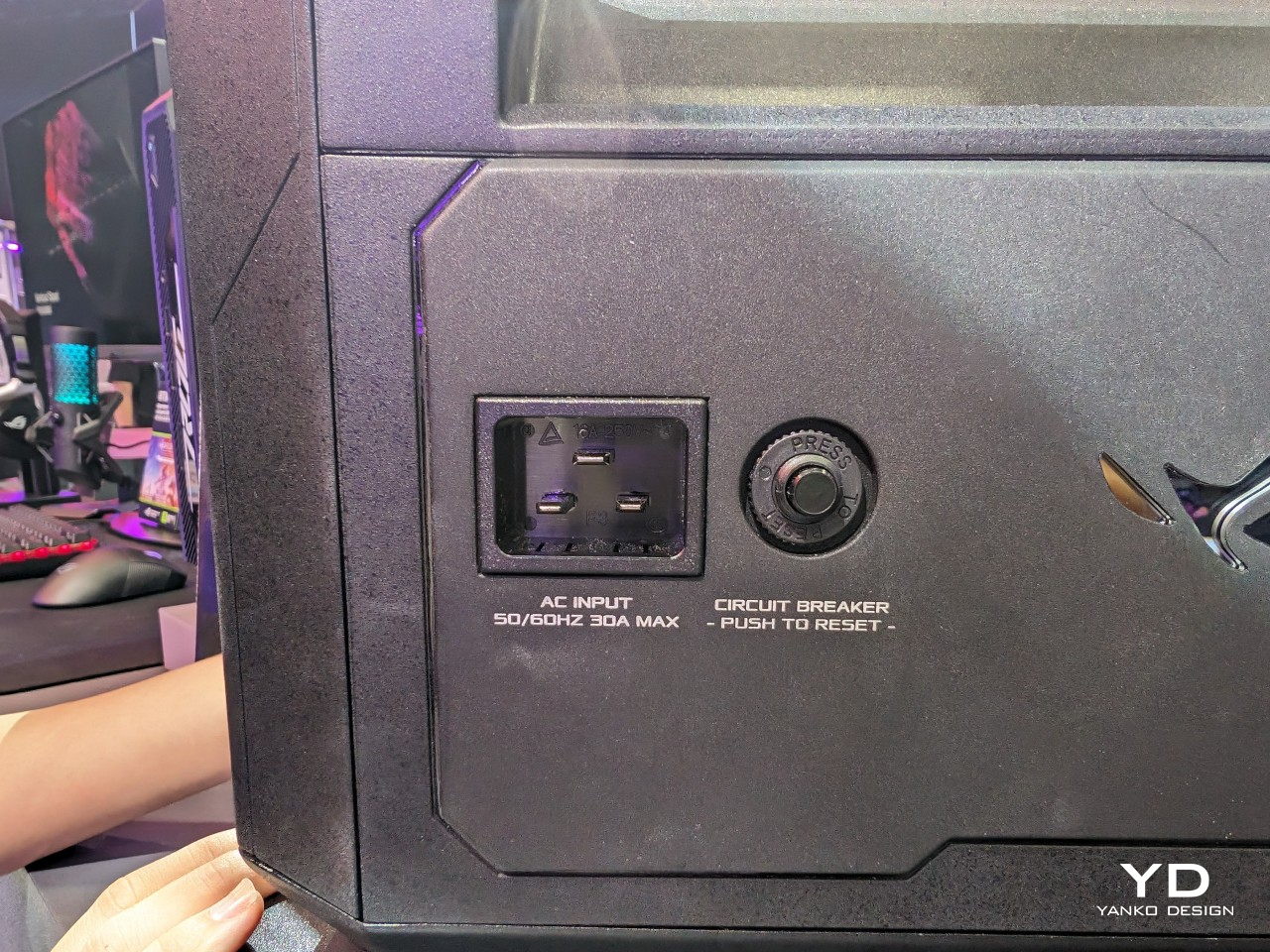
Apart from its majestic design, the ROG Mjolnir is pretty average as a power station and is clearly aimed at computer users more than travelers. There are two USB-C ports capable of 65W and 100W of output, two USB-A ports, and four AC outlets with a total maximum load of 1200W. There are no DC barrels or car chargers, it can be charged via solar panels if a direct power source is unavailable.
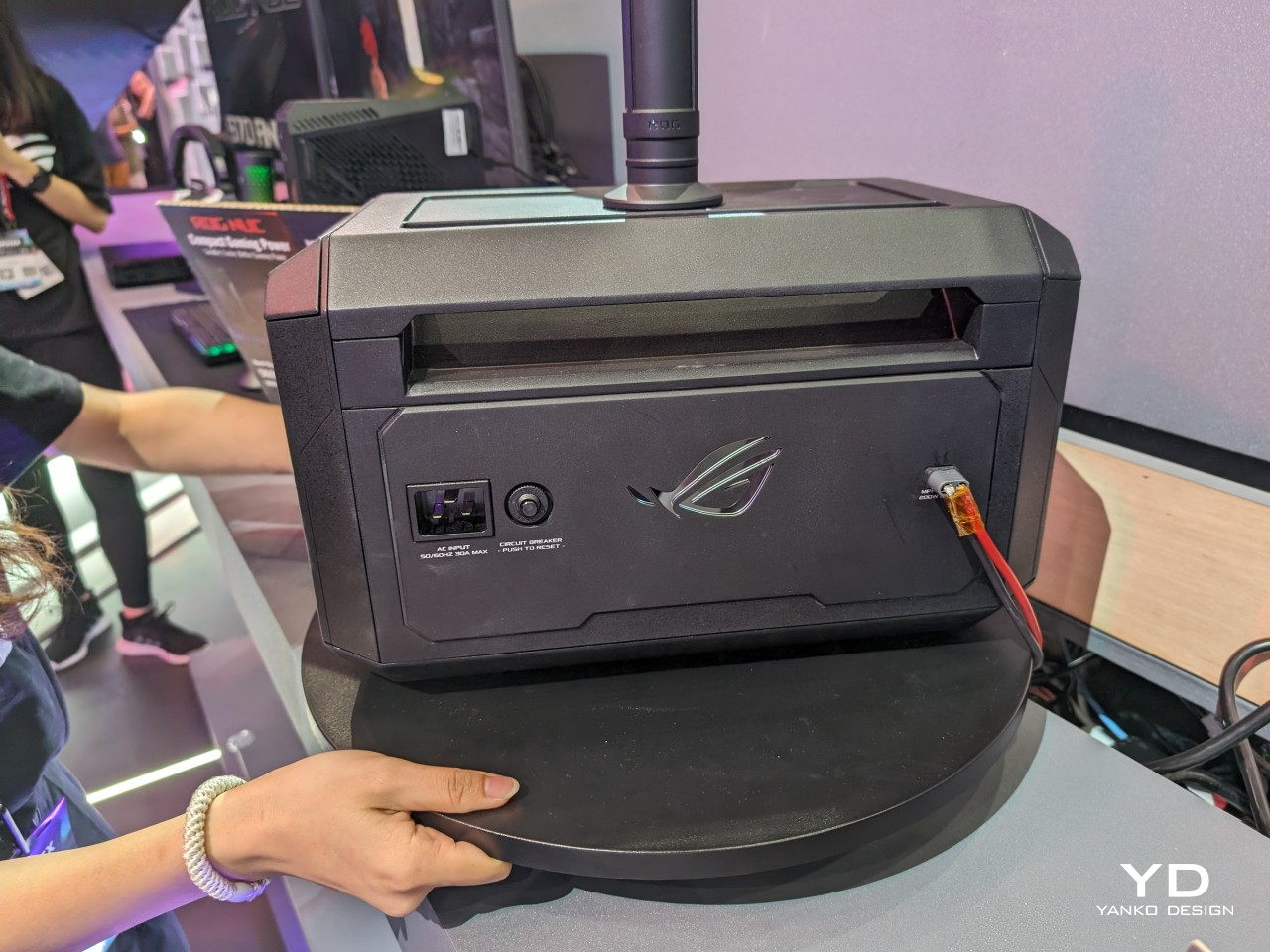
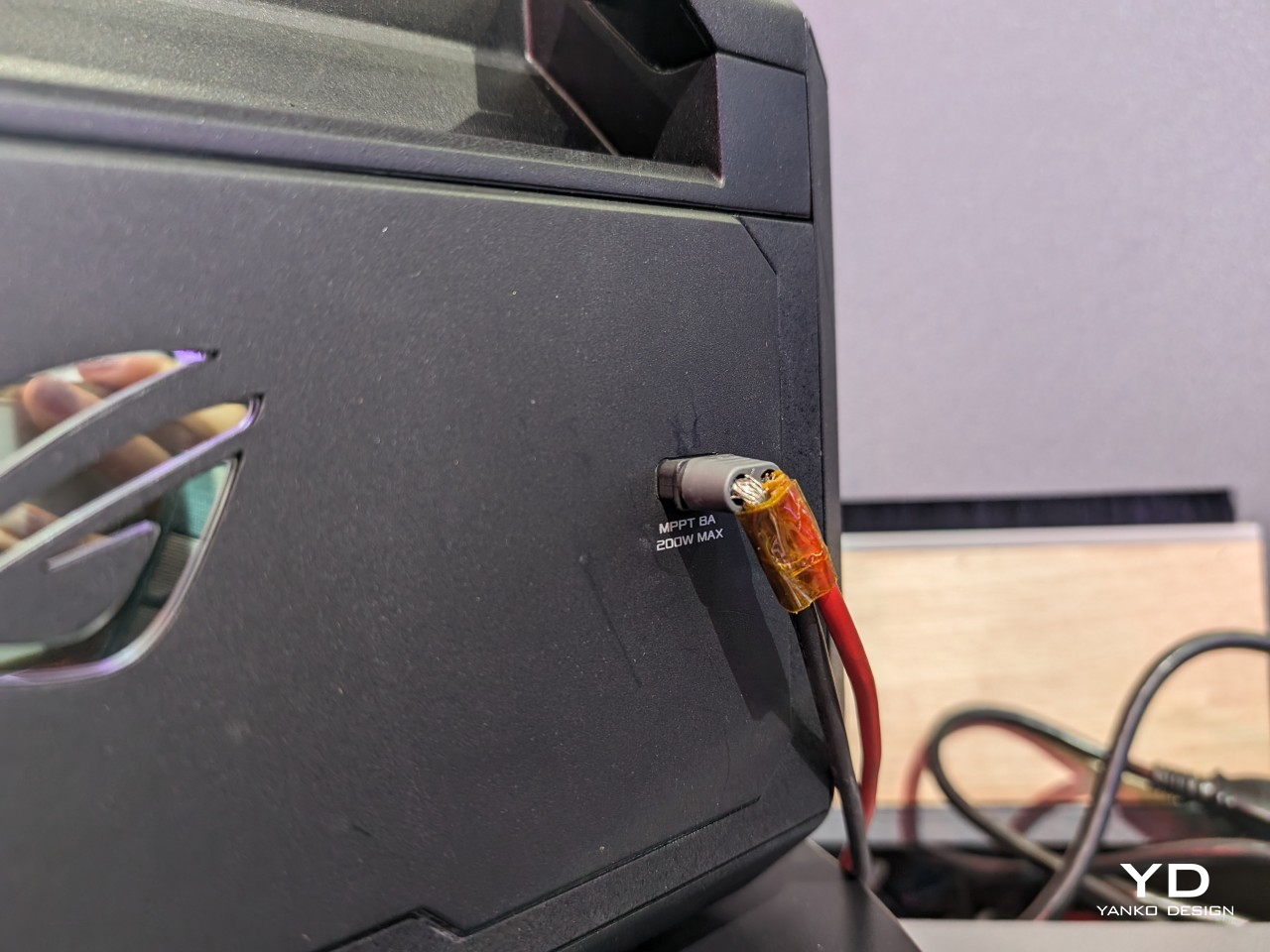
That’s pretty much a standard for portable power stations but its main purpose is really to provide an uninterruptible power supply in a sudden power outage that should last one hour at 700W or 30 minutes with the max 1200W load. With a fast switchover of 10ms, you’ll have enough time to safely shut down your PC or, better yet, finish your battle before finally going down with the power. There is no word yet on when the ASUS ROG Mjolnir will descend on stores, but expect it to have a price tag worthy of a god when it does.
The post ASUS ROG Mjolnir power station promises uninterrupted gaming for an hour first appeared on Yanko Design.
Apple Vision Pro features we’d love to see at WWDC 2024

A year since Apple unveiled the Vision Pro, and about four months since its muted launch, the spatial computing headset still feels surprisingly undercooked. Simple features, like the ability to organize icons in the visionOS home screen, are nowhere to be found. Content that truly shows off the Vision Pro's immersive capabilities is still rare (the recent Marvel experience was just a glimpse of what's possible).

According to the latest report from Bloomberg's Mark Gurman, the company will show off visionOS 2 at its Worldwide Developers Conference ((WWDC 2024), but the update will mostly focus on polishing the Vision Pro experience. We can expect native Vision Pro versions of Apple software (right now the headset uses iPad versions of many apps), as well as a Passwords app and new environments. Apple's major AI push will also reportedly be called "Apple Intelligence," a cheeky way of colonizing the term "AI."

Beyond minor polishing and bug fixes, here's what I'd like to see on the Vision Pro at WWDC 2024 (or really, anytime in the next year, Apple!).

Perhaps the most baffling aspect of the Vision Pro is how it refuses to play well with the iPhone. If you ever need to unlock your phone to use an authentication app, or quickly peep a Slack message, you'll either have to remove the Vision Pro to use FaceID, or type in your PIN and squint through the headset's middling cameras. Why?!

If Apple can already deliver sharp and lag-free macOS mirroring, it's not a huge leap to give us something similar for iPhones and iPads. Sure, ideally you'd be able to manage your text messages and other tasks in the Vision Pro without relying on other devices. Realistically, though, the Messages app doesn't always receive texts as quickly as your iPhone, and its history of texts and contacts often differs too.

Offering a quick pop-up of your iPhone's screen would erase those issues, and it would keep you within the flow of whatever you're working on in the Vision Pro. As for the lack of FaceID, Apple could tie authentication of your iPhone together with your Apple ID. You already have to sign into your Vision Pro with a PIN or Optic ID scan, as well as log into your ID itself, so Apple already knows who you are.

A Mac desktop on the Vision Pro
Mirror my MacBook Air's screen inside the Vision Pro.
Photo by Devindra Hardawar/Engadget

When it comes to iPads, screen mirroring could be just as useful as it is on Macs. If you were typing away on a document on an iPad Pro with a Magic Keyboard, why shouldn't you be able to continue doing that on the Vision Pro? Supporting less powerful iPads could also be useful, since they could mirror downloaded media or games. Why burden the headset's M2 processor when you could tap into an M2 chip on an iPad Air?

Taking this concept a step further, it would also be nice to have Apple Watch mirroring eventually. Imagine lifting up your wrist and having a glanceable view of notifications or media controls while using the Vision Pro. What if you could immediately see a 300-inch version of your Apple TV's home screen as soon as you sit down on your couch. Apple has the potential to shape reality itself while using its headset, so why not lean into that for its own devices?

Barbie on the Vision Pro
Apple

Recent rumors suggest we'll see native versions of Apple's apps on the Vision Pro (many are just repackaged iPad apps right now), but I'm hoping to see more developers jump on the platform. There still aren't any Vision Pro apps for Netflix, YouTube or Spotify. If you want to use those services, you'll have to log into a web browser, or rely on a third-party app like Supercut. This isn't the seamless spatial computing future I was promised, Apple.

Now I'm sure it'll be tough for Apple to get YouTube to play nice with the Vision Pro, especially as Google just recently struck a mysterious partnership with the AR headset company Magic Leap. But not being able to get Netflix and Spotify on the headset remains a huge problem for Apple. Without the apps we live with every day, Vision Pro will always seem undercooked.

Apple Vision Pro
Photo by Devindra Hardawar/Engadget

The Vision Pro's built-in speakers are fine, but they lack the depth of a proper pair of bookshelf speakers or Apple's own HomePod. And they certainly don't have the low-end kick you'd get from a complete home theater system and subwoofer. So why can't we just send audio easily to those devices?

Let us AirPlay to HomePods on a whim! Let me sit in my home theater and enjoy the massive speakers surrounding me, while watching Fury Road at near-IMAX scale on the Vision Pro! While I enjoy using AirPod Pros for immersive audio on the go, they can't hold a candle to the Dolby Atmos-equipped towers in my basement.

I'm sure home theater users aren't a high-priority consideration for Apple, but at the moment, who else is known for spending way too much money on hardware that isn't meant for everyone?

This article originally appeared on Engadget at https://www.engadget.com/apple-vision-pro-features-wed-love-to-see-at-wwdc-2024-151822925.html?src=rss

A four-pack of Samsung SmartTag 2 trackers is back on sale for $70

Bluetooth trackers are handy little devices that can help you keep track of items you're worried about losing. Which model you opt for depends on several factors, such as the physical form factor and the phone operating system or brand you use. In any case, a few of our favorite Bluetooth trackers are on sale, including Samsung's Galaxy SmartTag 2. A four-pack is currently $70, which is $30 off and matches a record low. A single tag has dropped from $30 to $21 — just $1 more than the lowest price we've seen for it.

The Galaxy SmartTag 2 is our pick for the best Bluetooth tracker for folks with Samsung phones. While Samsung perhaps doesn't have as many smartphones out there as Apple (the Find My network uses every iPhone in the vicinity to track AirTags), it has an extensive enough number of devices in the wild to make its own finding network fairly robust. Unfortunately, the Galaxy SmartTag 2 does not yet work with Google's Find My Device network, which would allow any compatible Android device to help hunt for a misplaced tag.

That quibble aside, we quite like the SmartTag 2. Setup is a cinch, for one thing. In our testing we were able to quickly find items tagged with one, while the left-behind alerts worked well when a Samsung phone detected that we were moving away from a SmartTag 2. The design is useful, since it's easy to attach the tracker to a set of keys. It has a louder ring than an AirTag or Tile Pro as well.

The battery will run for about 16 months, according to Samsung, and it's replaceable. The SmartTag 2 is also IP67 rated for water and dust resistance. While the SmartTag 2 may not be quite as precise as an AirTag for finding a misplaced or stolen item, it's still a solid Bluetooth tracker option for Samsung users.

If you're looking for an option that both iPhones and Android devices can help track down, it's worth considering the Tile Mate. A single tag in white is available for $18, which is $7 off the regular price. This has a Bluetooth range of up to 250 feet and can be easily attached to keys as well thanks to a small hole in one of the corners. The battery is not replaceable, unfortunately, but it will power the tracker for up to three years, Tile says.

Follow @EngadgetDeals on Twitter and subscribe to the Engadget Deals newsletter for the latest tech deals and buying advice.

This article originally appeared on Engadget at https://www.engadget.com/a-four-pack-of-samsung-smarttag-2-trackers-is-back-on-sale-for-70-145444036.html?src=rss

Acer Wave 7 Wi-Fi 7 Mesh Router brings a less stressful design to your desk

As our Internet needs grow, so do the power and complexity of the networking devices we have at home. Strangely, however, the more powerful routers become, the more intimidating they seem to be. Many seem to have fully embraced the tech and gamer culture that would put futuristic-looking designs on a pedestal, whether they look like spaceships or alien mechanical monstrosities. That, unfortunately, forces many homeowners to choose between these powerful yet menacing designs and minimalist yet outdated hardware. Fortunately, manufacturers are also beginning to take note of the gap between these two extremes and are producing designs like the Acer Wave 7 that blends the latest technologies with an almost Zen-like aesthetic.

Designer: Acer

The spec sheet of the Acer Wave 7 definitely looks formidable, employing the latest Wi-Fi 7 standard to support the demands of modern Internet-connected devices, be they Smart TVs for streaming, laptops for work, or smartphones for gaming. Those capabilities include support for super-fast and super-wide 6GHz bandwidth with support for older 2.4GHz and 5GHz bands for older devices. It also utilizes 320 MHz lanes for double the transmission rates, which, along with Multi-Link Operation (MLO), ensures all connected devices get the Internet data they need quickly and reliably.

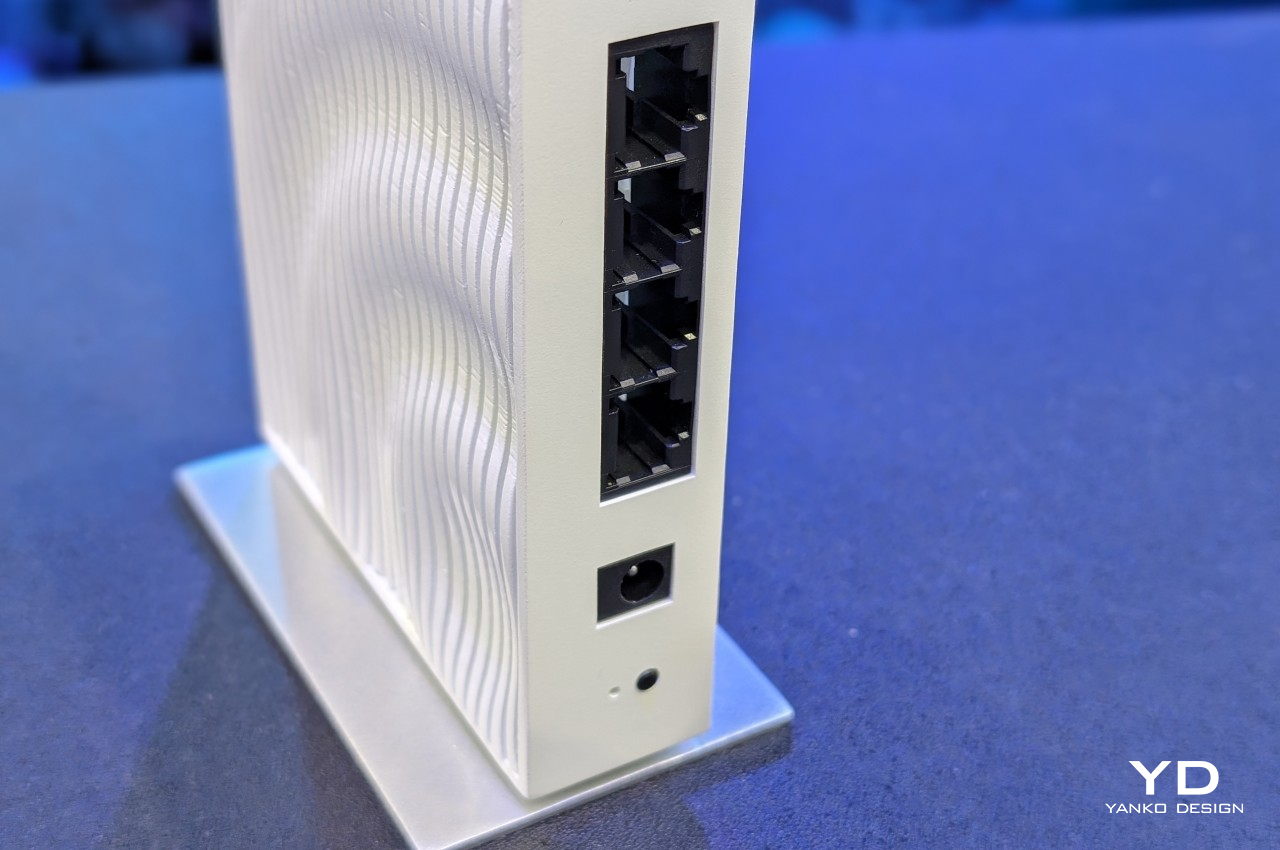
It also has not just one or two Ethernet ports but four, giving the ability to support multiple high-speed wired connections to computers, TVs, and smart home appliances. Of course, not all devices are created equal and need the same amount of data at a rapid speed, so the Wave 7’s smart Hybrid QoS bandwidth management makes sure that data-hungry services like games and video conferencing are prioritized over social media scrolling.

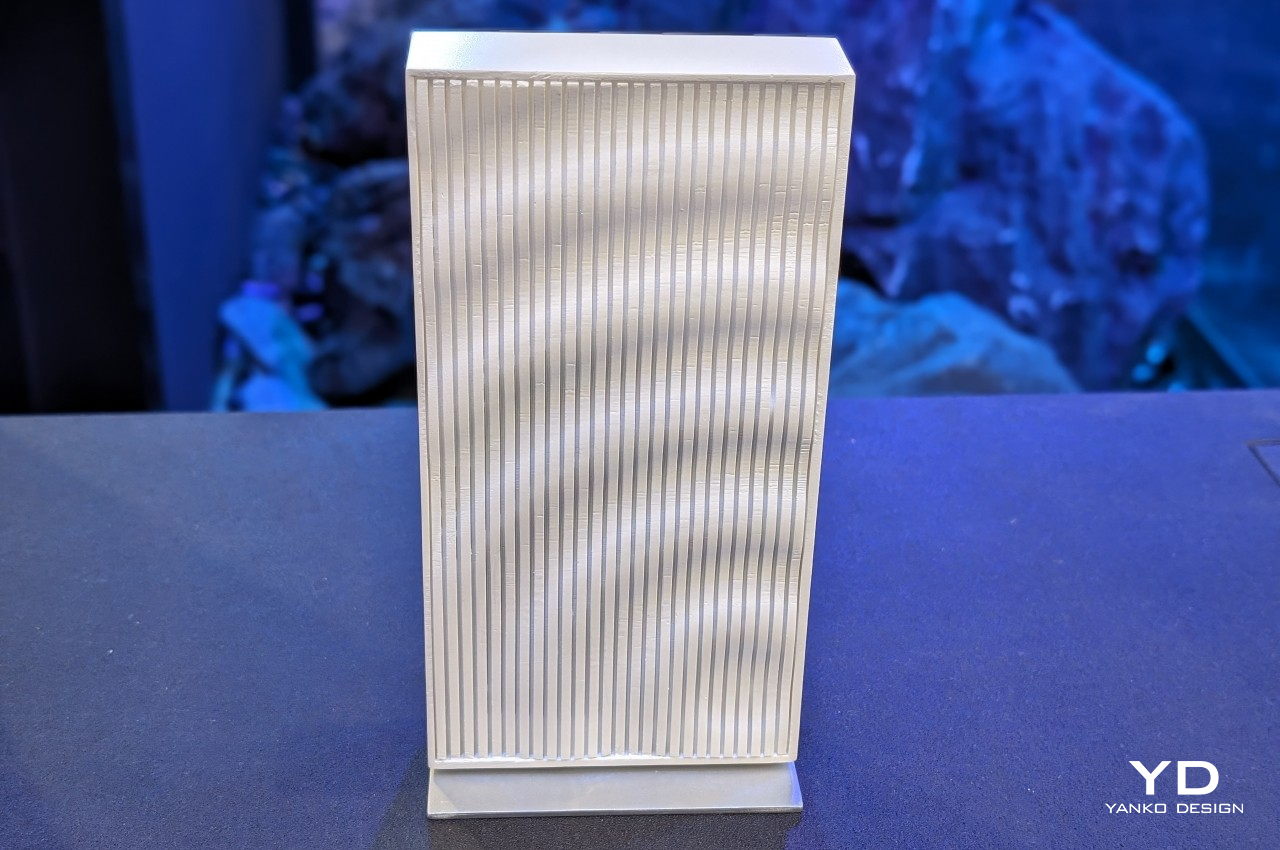
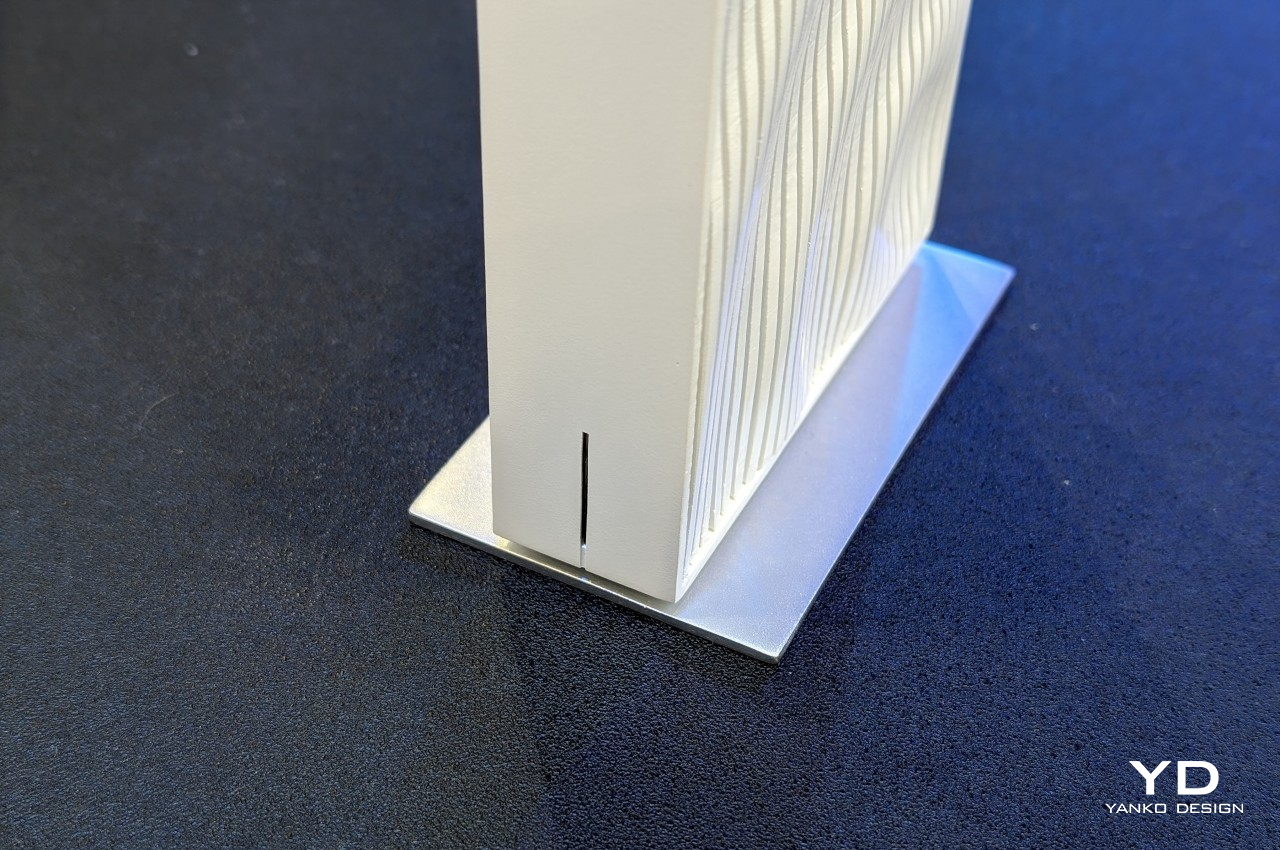
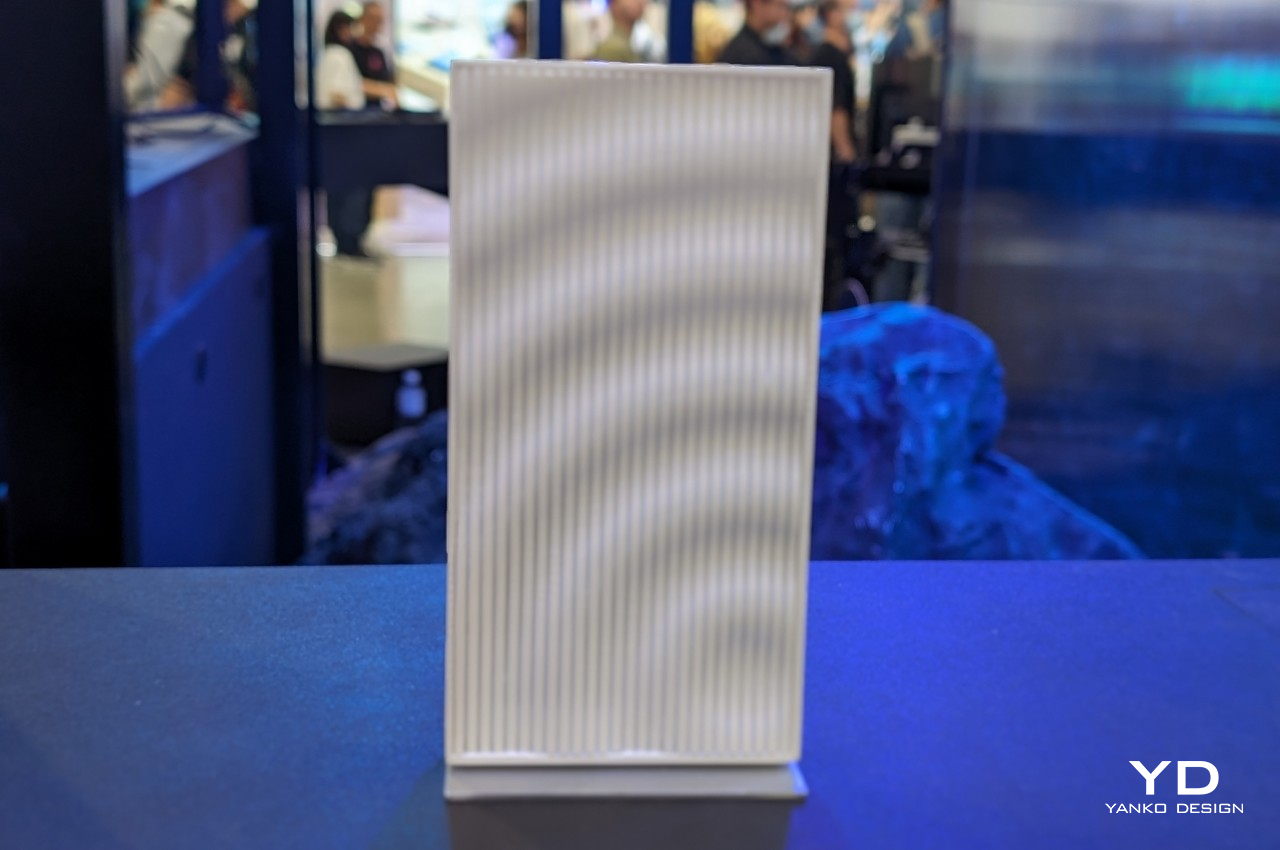
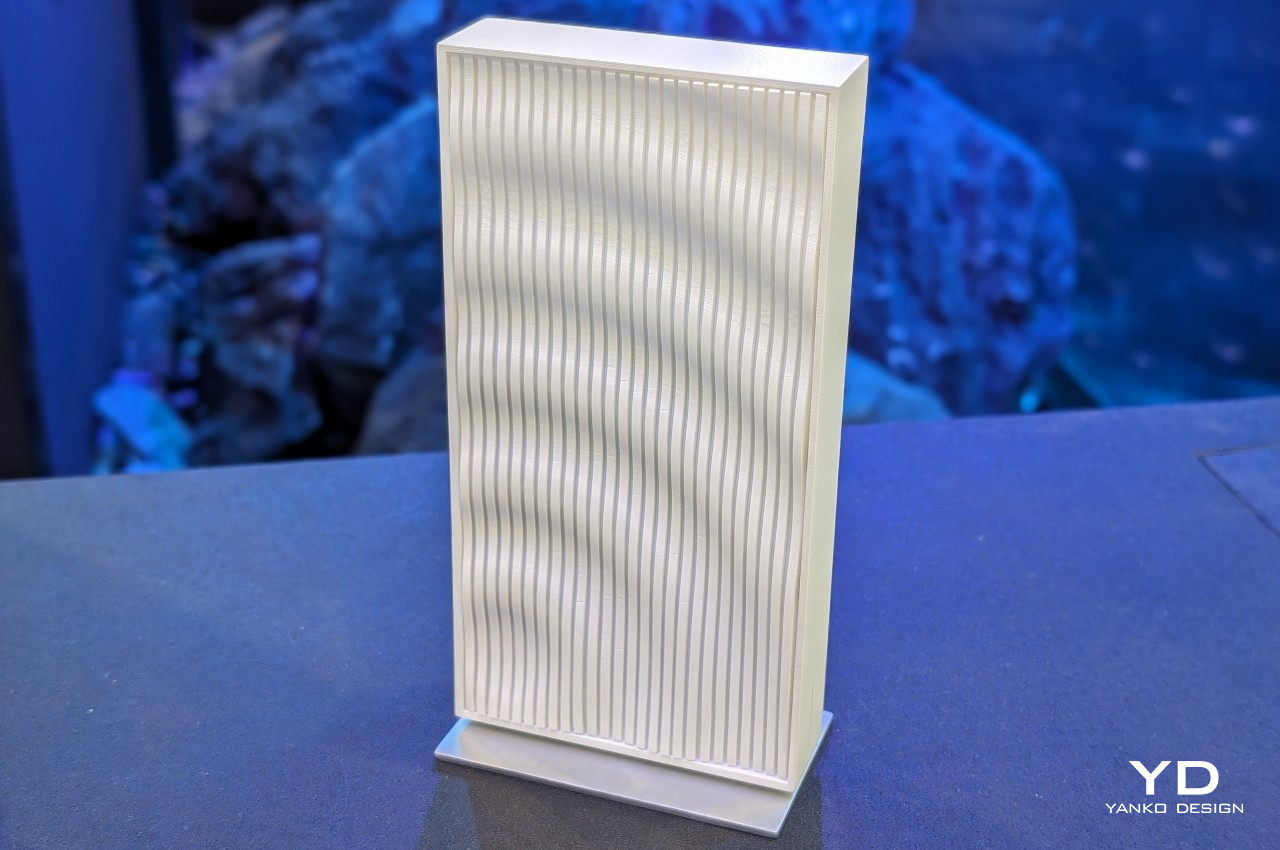
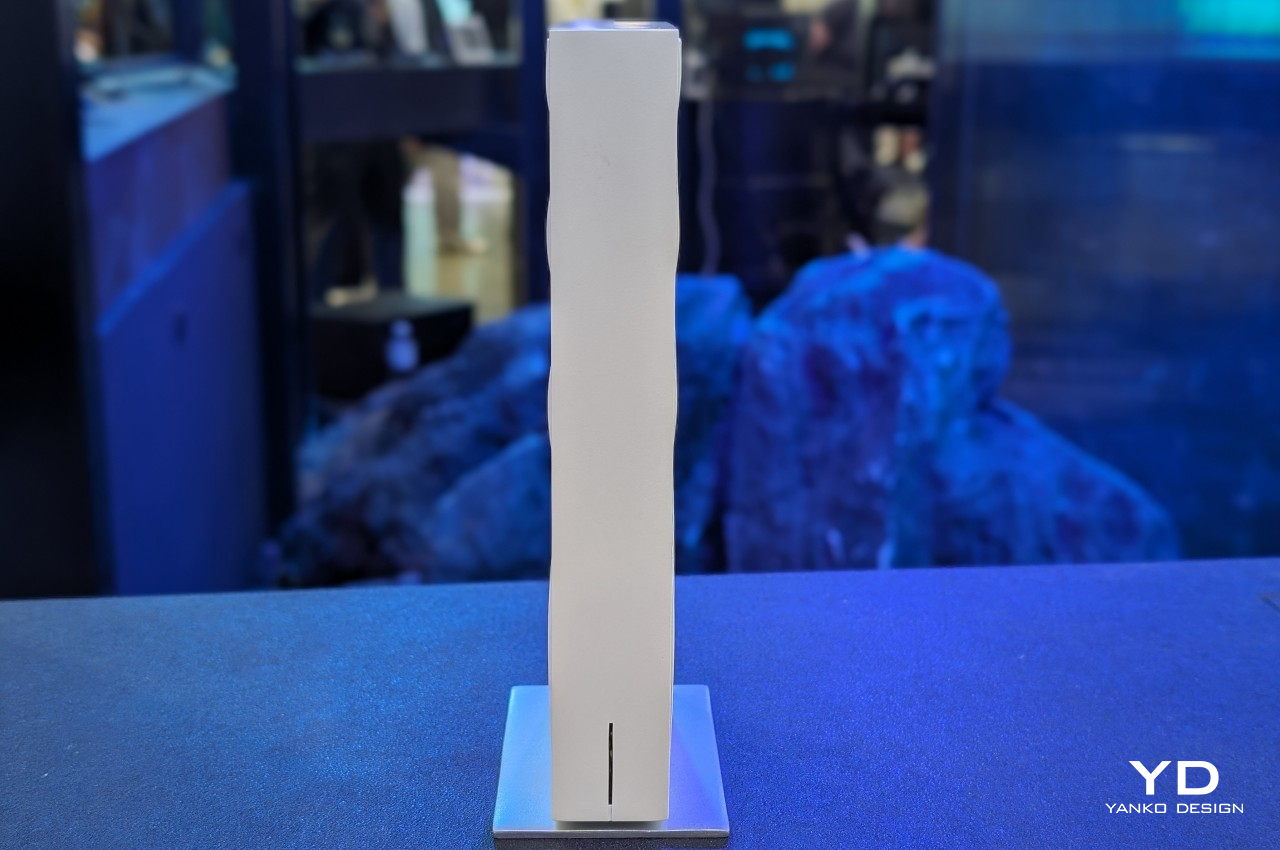
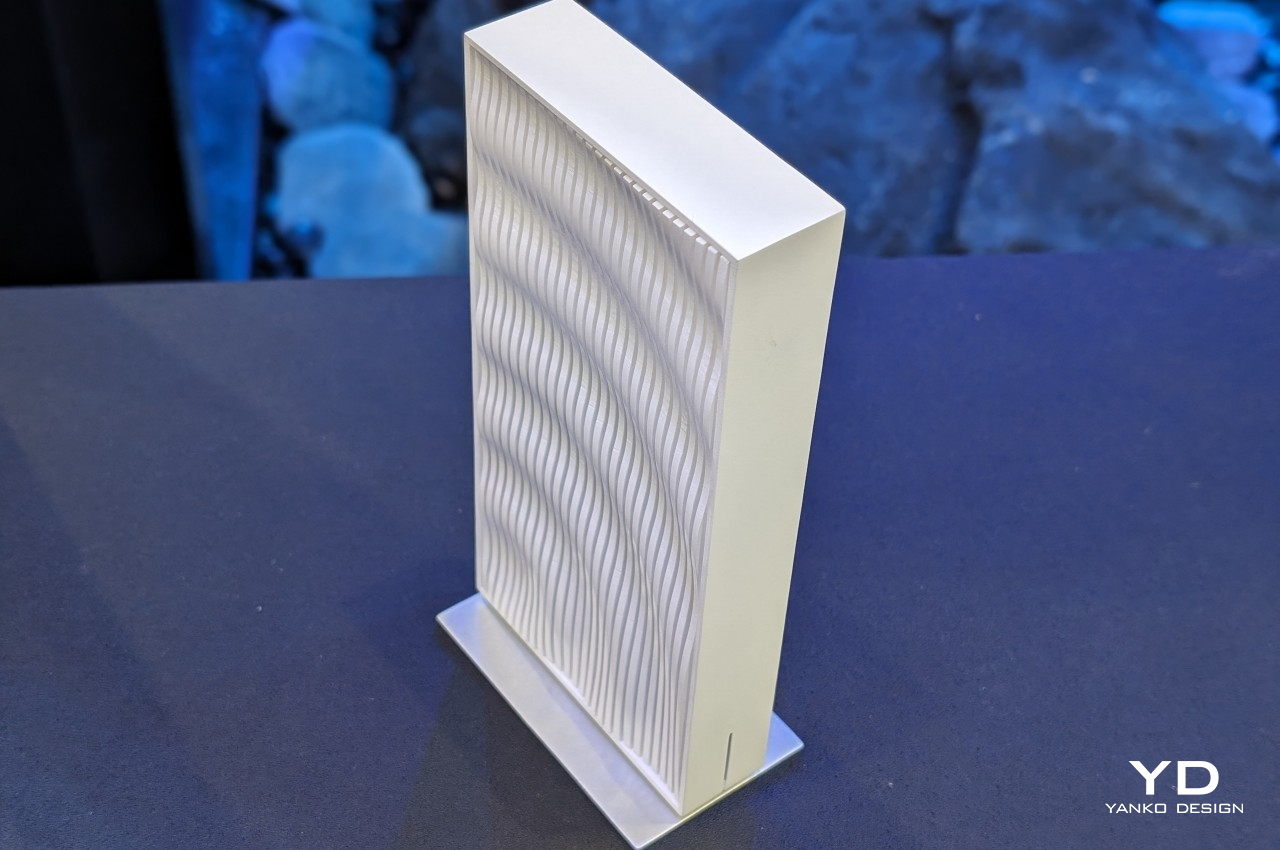
These are features that many routers these days support, but what makes the Acer Wave 7 distinctive is its design. Instead of a black horizontal box with many sharp-looking antennas sticking up from it, this router is tall, slim, and white. And it isn’t a boring minimalist design either. The grilles on its side stay true to its name with their undulating lines, creating what looks like a rippling water not unlike what you’d see in Zen gardens.

It’s admittedly a simple and subtle design cue, but one that immediately changes the atmosphere in a given space. The imagery it triggers has a psychological calming effect, giving your eyes and brain a visual respite from all the cold and impersonal designs you might have in your home or office.

The post Acer Wave 7 Wi-Fi 7 Mesh Router brings a less stressful design to your desk first appeared on Yanko Design.
Finally, I can make my iPhone look like total crap

Apple has been holding its Worldwide Developer Conference (WWDC) for over 30 years and frankly — other than no one calling them out for abbreviating it with two Ws in that span of time — I don't have strong feelings about them. Launch a new thing. Shovel AI bloatware into whatever. It's big tech's world and I'm just as trapped in it as anyone else. Imagine thinking iterative updates to a goddamn computer are a core part of your identity. Couldn't be me! 

But my world-weary ears perked up when I saw this little tidbit from Bloomberg's Mark Gurman ahead of Monday's keynote

In the latest iPhone operating system — iOS 18, codenamed Crystal — app icons will no longer have to remain in a neat grid. Instead, users will be able to place icons wherever they choose on their home screen. Moreover, icon colors will be customizable for the first time.

Reader, it's time to make your home screen look like a complete disaster. 

Sure, there's a version of this new freedom where someone could really maximize their productivity on Apple devices (ew) or achieve a unique aesthetic that spits in the face of Apple's sanitized design language (closer, but still no). Instead, lets bask in the glory of letting our apps resemble a teenager's bedroom. Give me an overstuffed closet of defunct weather software. An unfinished homework pile of workout trackers. An unmade bed of Temple Run clones pressed uncomfortably close to a junk drawer of ad-laden Maps alternatives. 

Of course you could "make all [your] social media apps blue or finance-related icons green" as Gurman suggests. Or you could turn ever app the same shape and color, rename them all to 'Gmail' and spend part of every day trying to solve the awful puzzle you've turned your user experience into. 

I'm told this is the sort of functionality Android users have had for a while. If so, why haven't you people been taking advantage of this?? None of us enjoy using these horrible things. Let disarray delight you.

Why do we climb mountains? For the same reason we stick the cup under every single spout in the soda machine and see what they taste like together. The purest of human instinct guides them both.

This article originally appeared on Engadget at https://www.engadget.com/finally-i-can-make-my-iphone-look-like-total-crap-141038012.html?src=rss

Apple’s AI push will reportedly be called Apple Intelligence, of course

Just a few days before Apple's Worldwide Developer's Conference (WWDC 2024) kicks off, Bloomberg's Mark Gurman has delivered his final round of party-spoiling details. The biggest takeaway: Apple will call its long-rumored artificial intelligence play "Apple Intelligence." (Leave it up to Apple to find some way to redefine the term "AI.") Don't expect the company to lean into generative AI features as much as competitors. According to Gurman, Apple's AI capabilities will focus on features with "broad appeal" — something I read as being more practical than creating psychedelic images on demand.

Apple Intelligence will be powered by a combination of the company's technology, as well as OpenAI's. Bloomberg also notes the AI capabilities will be mostly opt-in, and we can expect Apple to tout its security capabilities since it will also rely on a combination of on-device and cloud connectivity. Previously, Apple has bragged about the iPhone's on-device security being more effective than competitors like Android. 

As previously rumor, Gurman says that Siri will be able to control apps more directly using Apple Intelligence. You could potentially tell the assistant to summarize an article or edit a photo in a certain way. Notably, Apple reportedly plans to open up this capability to third-parties, and allow you to string together multiple commands — but those features won't be available until next year. 

As for other features, it sounds like Apple is trying to bake in AI smarts where it can. You'll reportedly be able to create AI emojis that you can customize with text strings, and you can expect to see AI transcriptions in Voice Memos and more AI photo editing capabilities.

This article originally appeared on Engadget at https://www.engadget.com/apples-ai-push-will-reportedly-be-called-apple-intelligence-of-course-134840050.html?src=rss

What to Expect From AI on iPhone With iOS 18

iOS 18

Apple is set to revolutionize your iPhone experience with the release of iOS 18, bringing a suite of AI-powered features designed to streamline your daily interactions and boost productivity. By harnessing the capabilities of Apple’s advanced neural engine, these updates promise to deliver a seamless and intuitive user experience across all compatible devices, the video […]

The post What to Expect From AI on iPhone With iOS 18 appeared first on Geeky Gadgets.

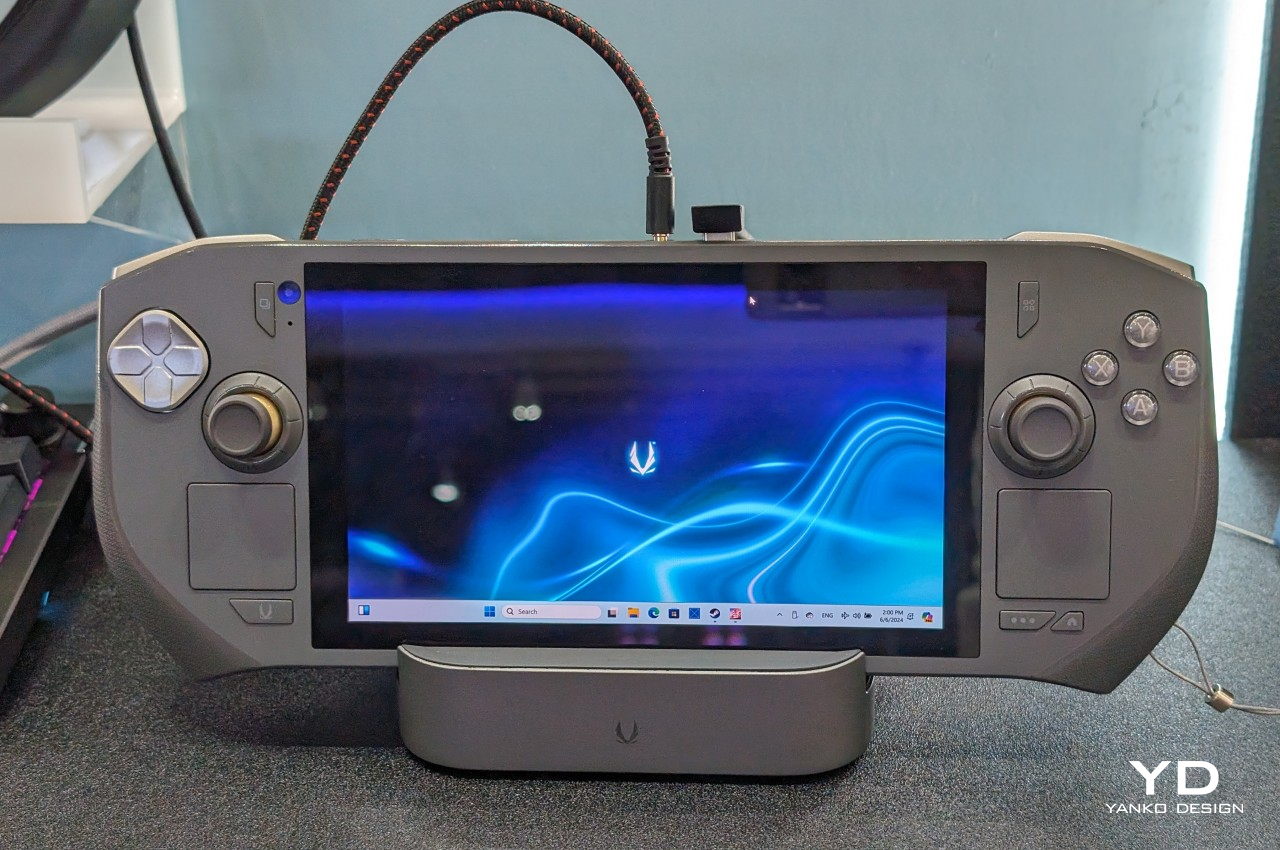
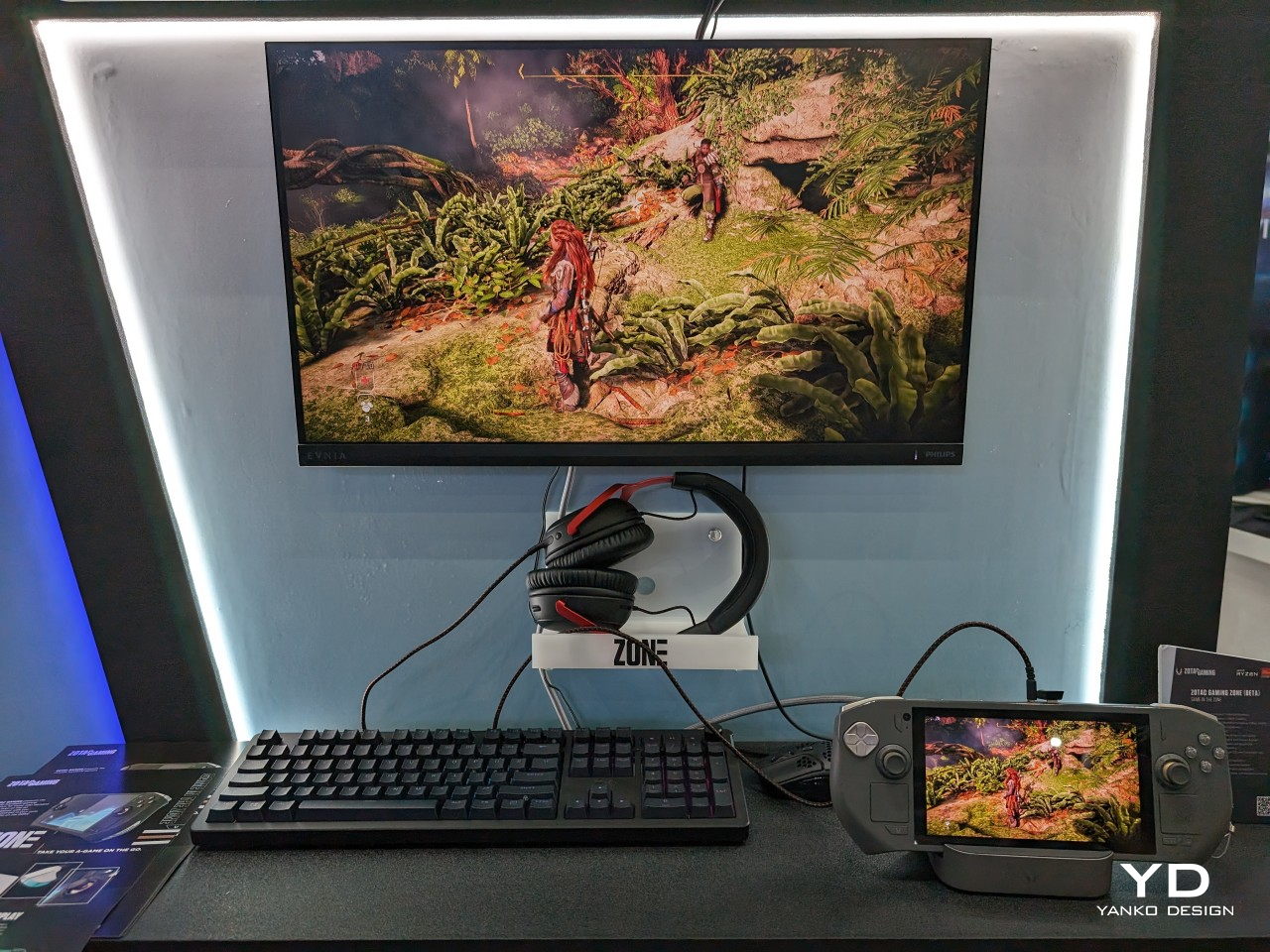
ZOTAC ZONE gaming handheld PC tries to outdo the Steam Deck

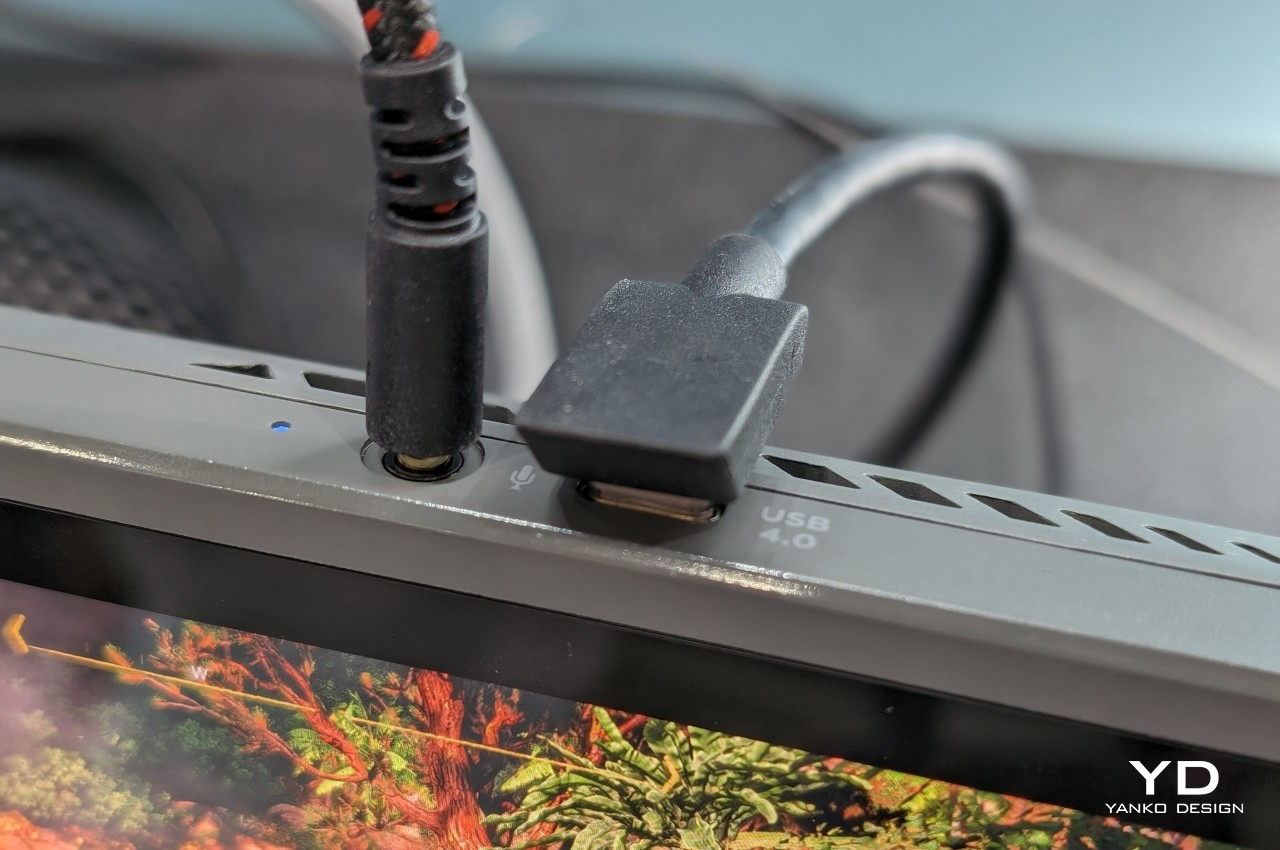
Although it’s unsurprising that plenty of the announcements at Computex 2024 revolved around AI, the event is still pretty much a showcase of actual physical products. Among the new AI-toting laptops are, also unsurprisingly, a new batch of handheld computers that try to recreate the magic of the Steam Deck and the Nintendo Switch for themselves. Although there are finally some variations in designs that are showing up, the original Steam Deck still has nooks and crannies that can be explored and improved. That seems to be what PC maker ZOTAC is trying to do by putting out what is trying to be a better Steam Deck than the Steam Deck.

Designer: ZOTAC

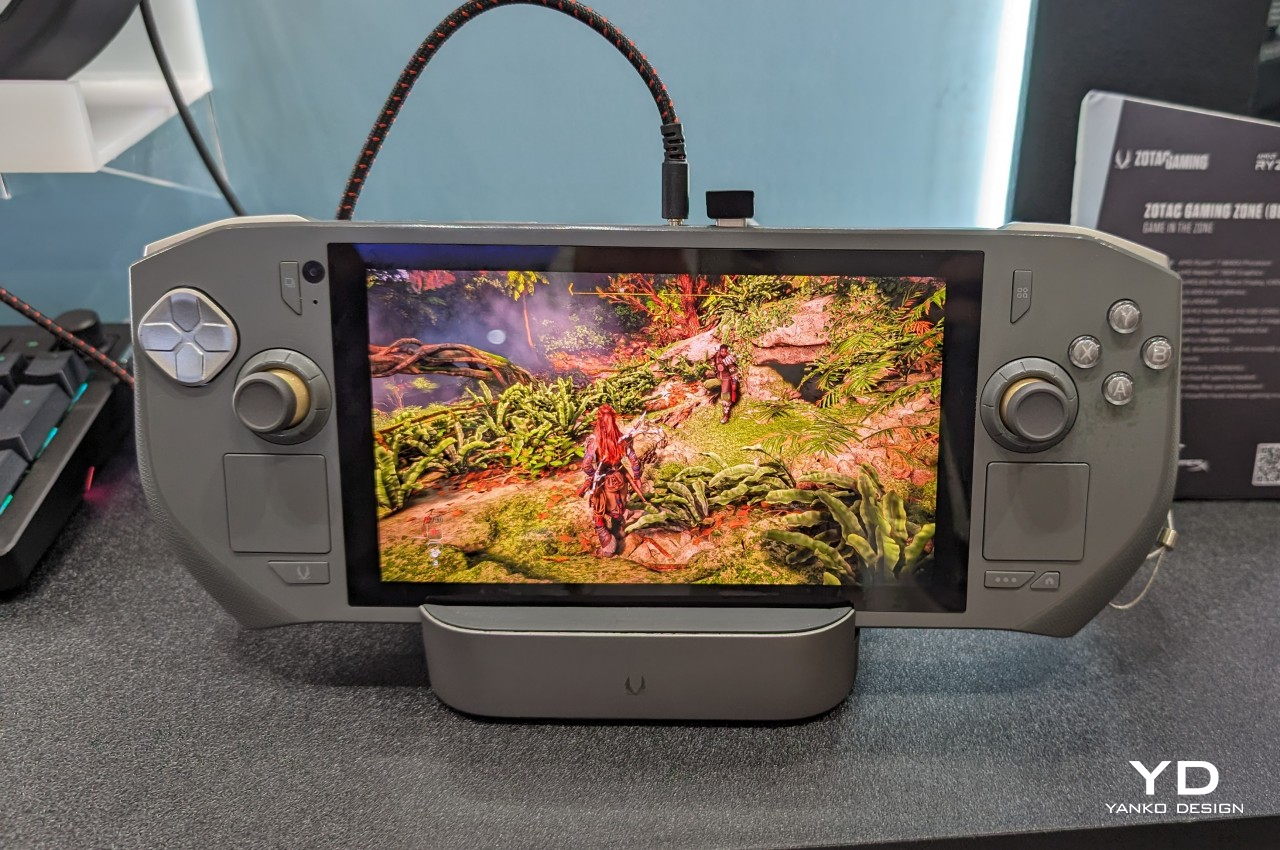
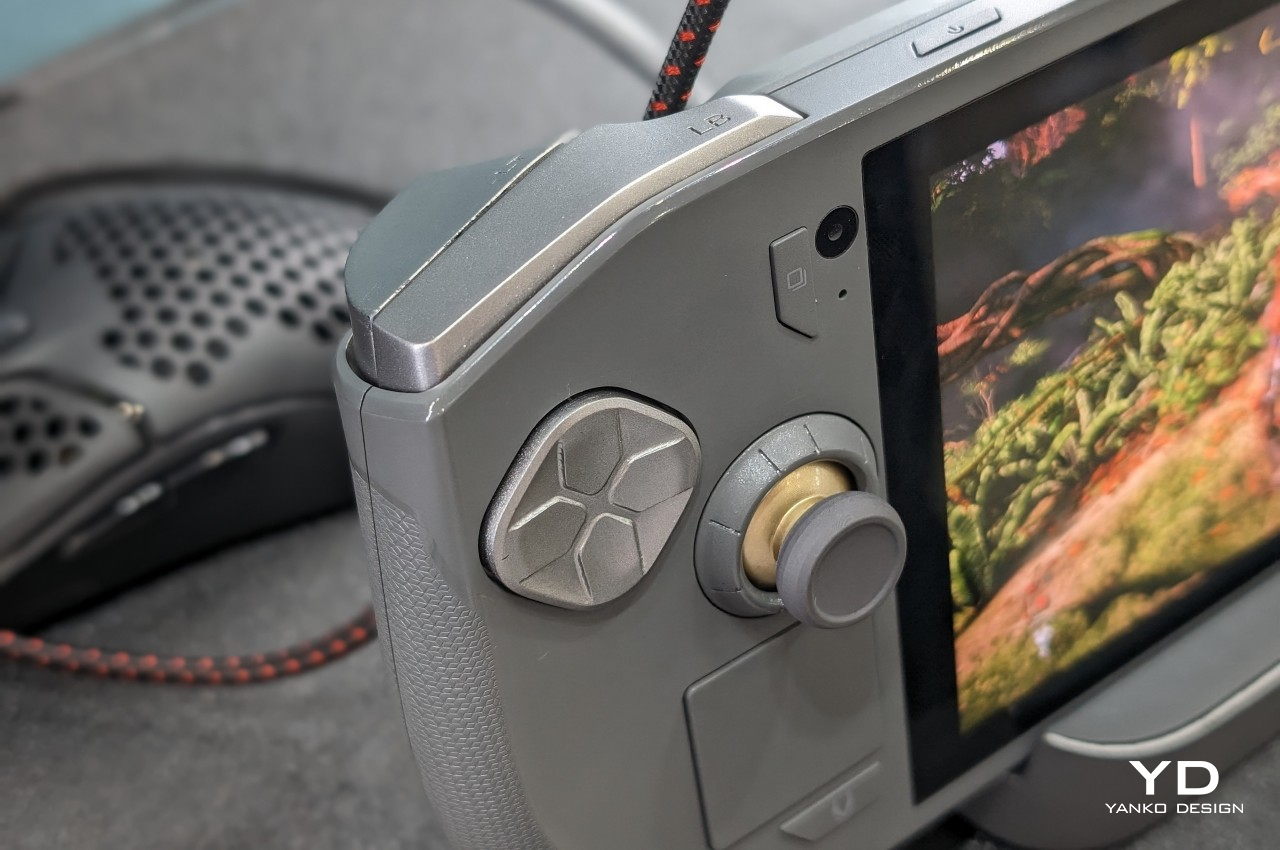
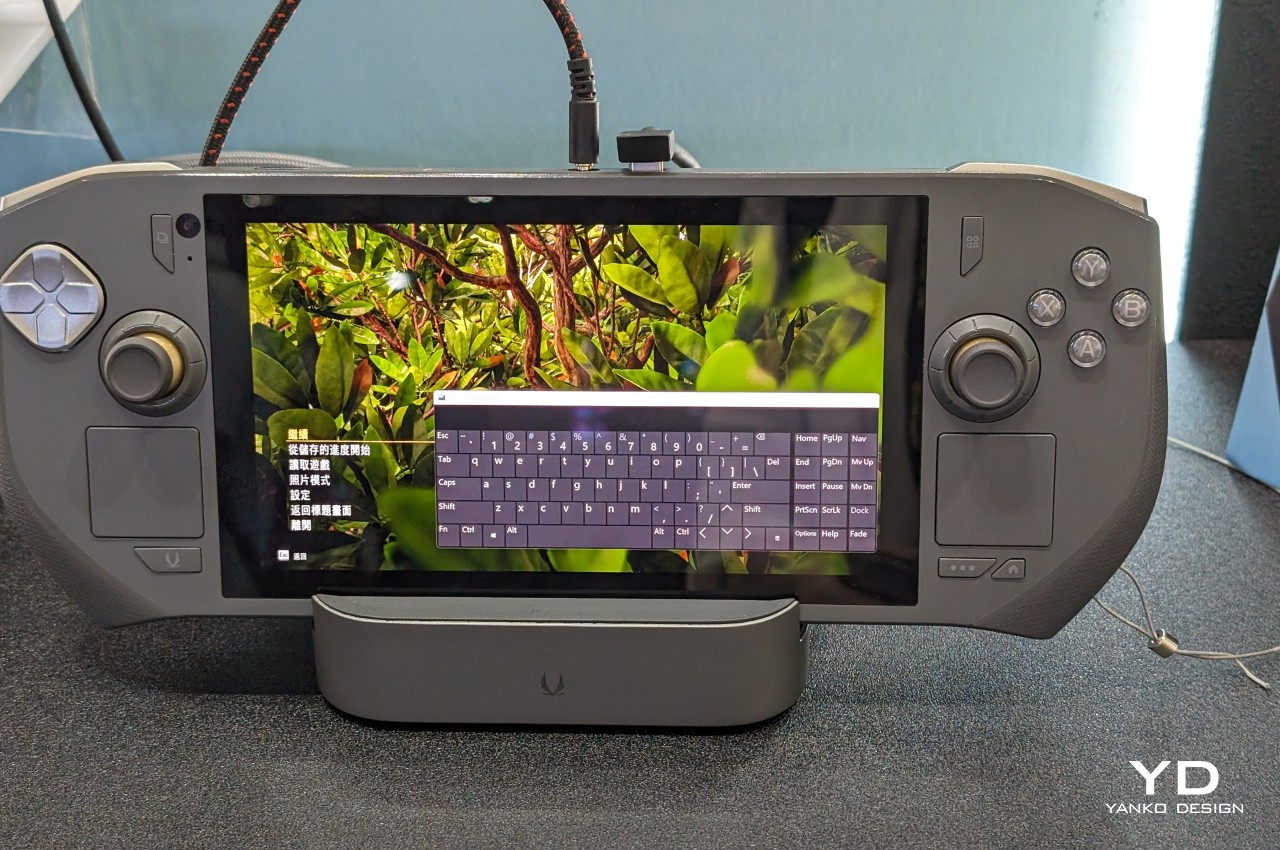
Although there have been some handheld gaming PCs before it, the Steam Deck was the first to come from a well-established name in the industry. But rather than simply be a Nintendo Switch clone, the Steam Deck differed significantly in its design, not to mention its internals and software. In a nutshell, it was an extra large handheld that, unlike any other gaming handheld even today, added not one but two trackpads on each side of the screen. It was a rather unique design detail that has so far been exclusive to the Steam Deck, at least until now.

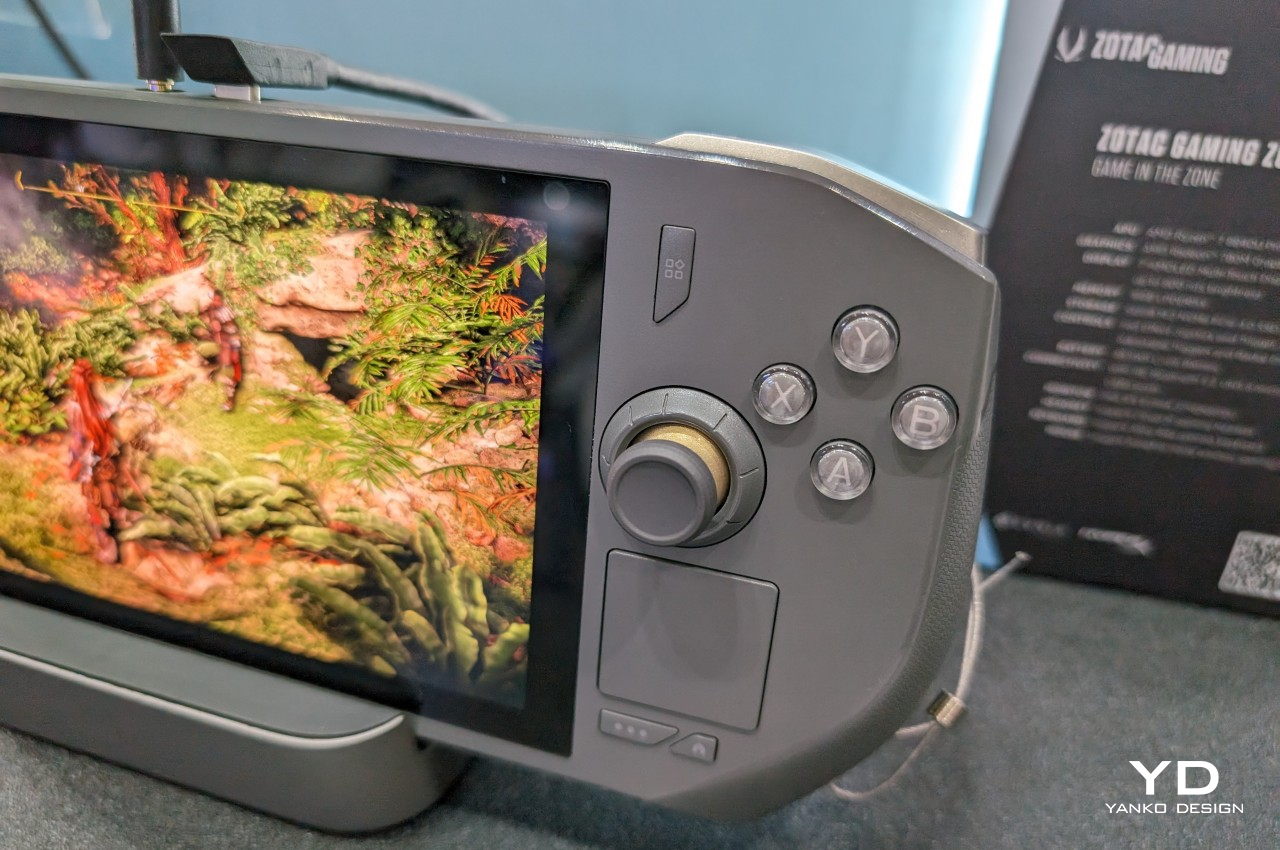
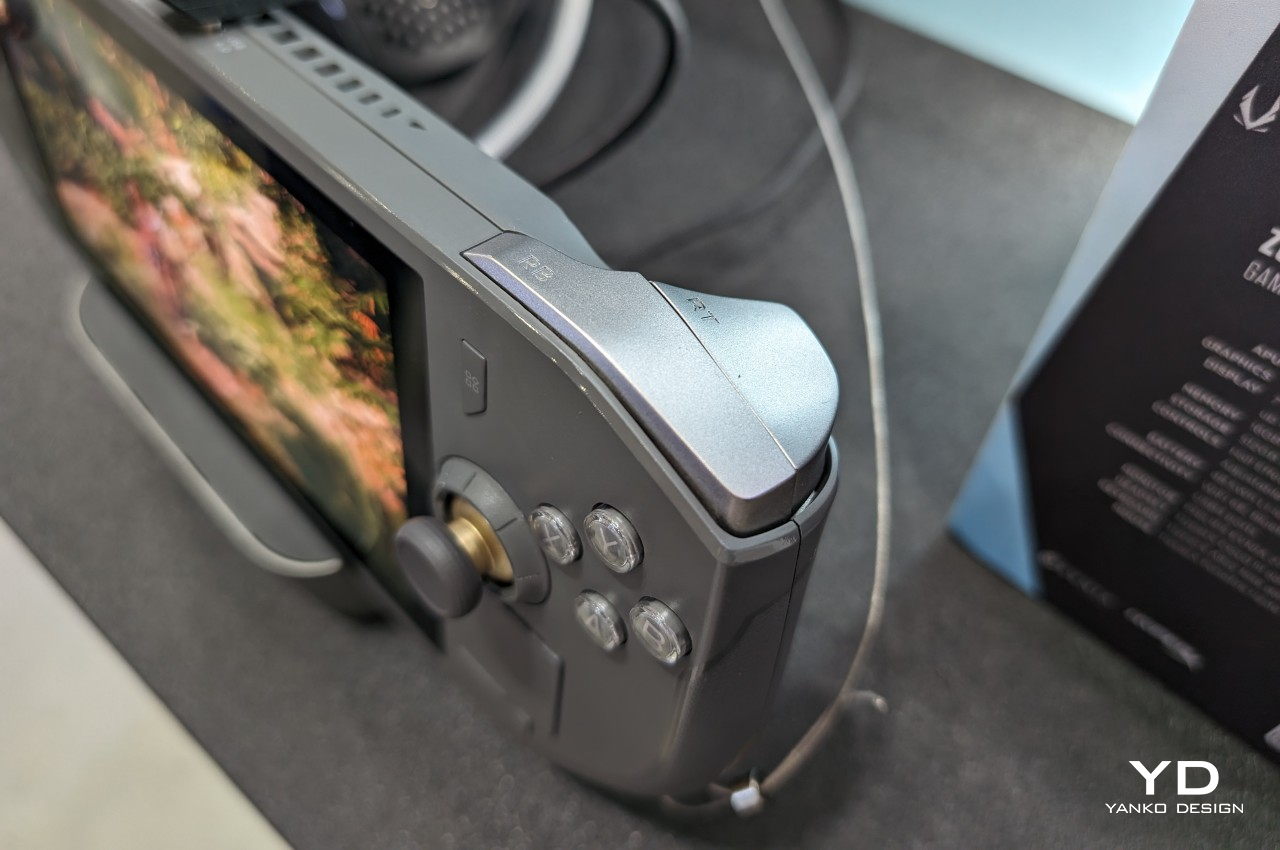
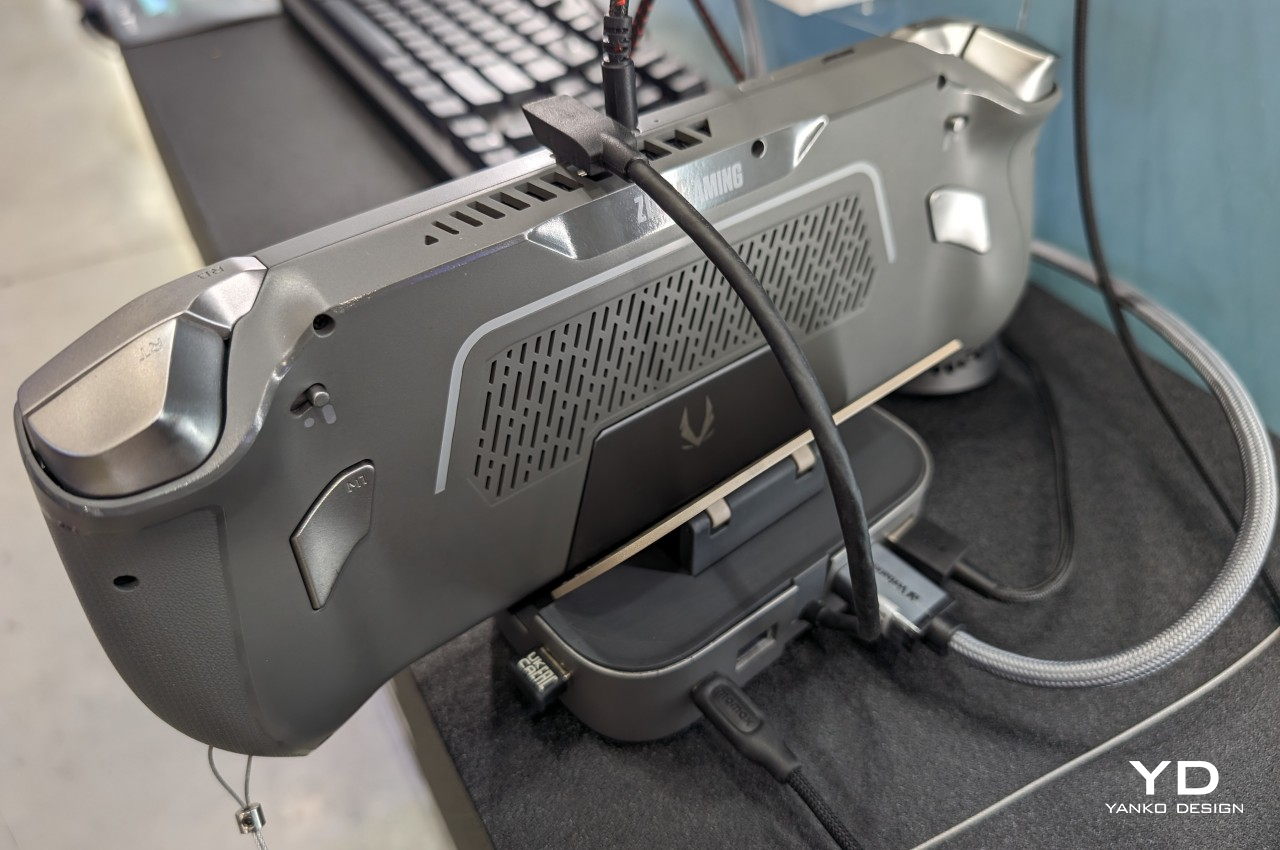
To be rather blunt, it’s not hard to see the ZOTAC ZONE as a Steam Deck clone precisely because of this feature. In fact, there are two other things that make it almost too similar to Valve’s gaming handheld. It has an OLED screen, something that almost no other handheld PC has at the moment, and its button layout follows the PlayStation controller more than the Xbox which everyone except the Steam Deck uses.

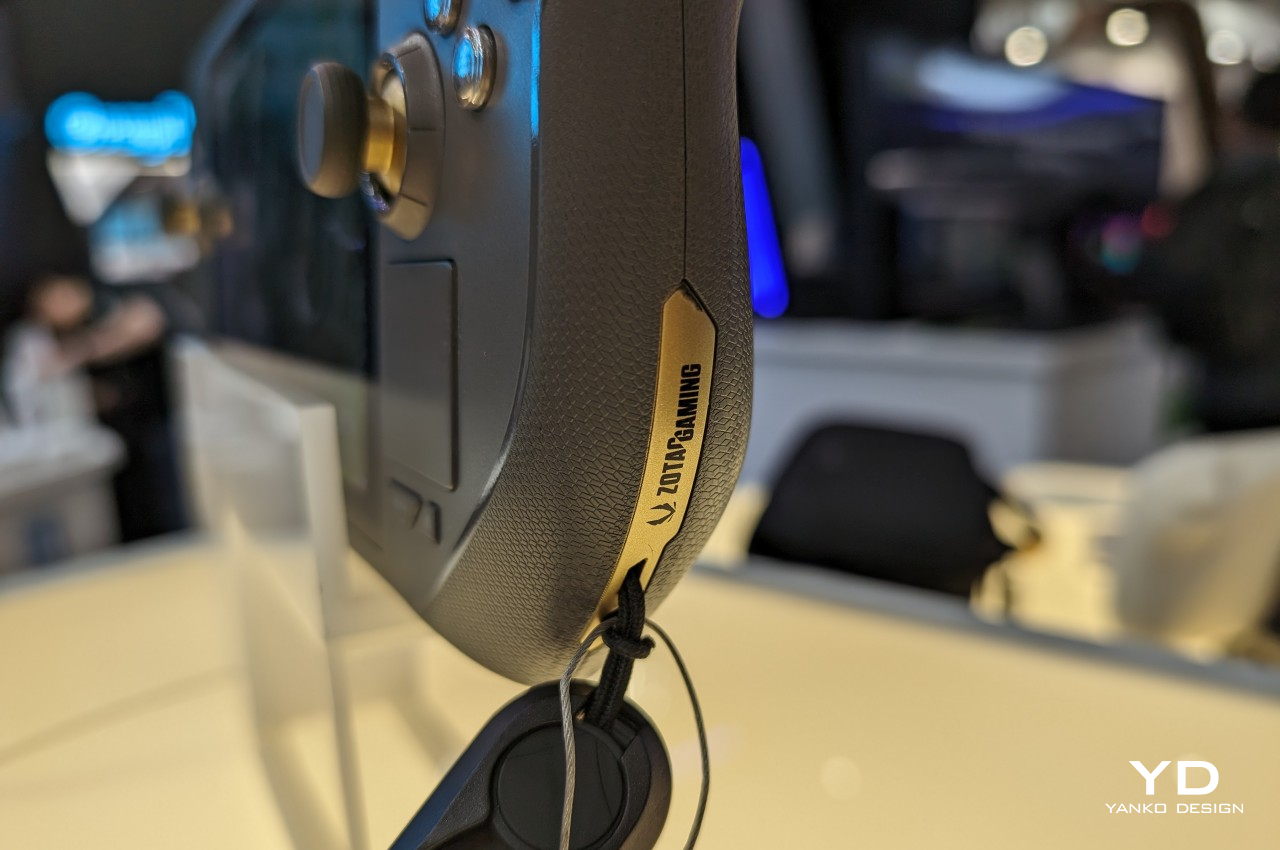
At the same time, however, the ZOTAC ZONE is, to some extent, also a step above the Steam Deck in so many ways. For one, it will be running more recent hardware while the Steam Deck is still stuck in 2022. For another, it has a built-in kickstand, a feature that’s oddly absent from many handheld PCs that are clearly inspired by the Nintendo Switch. Last but not least, ZOTAC goes all out on configurable controls, from two-stage adjustable triggers to programmable dials around each of the two joysticks. It’s a gamer’s dream, definitely, but one that also carries quite a steep price.

According to the latest information, the ZOTAC ZONE will launch in September with a $800 price tag, which puts it on the more expensive end of the spectrum. That’s not surprising, though, given how much power the device will be carrying. But as ZOTAC’s first foray into this niche market, it remains to be seen whether the handheld PC will experience growing pains, especially when it comes to the durability of its components.

The post ZOTAC ZONE gaming handheld PC tries to outdo the Steam Deck first appeared on Yanko Design.

How to Create a Custom Lock Screen on Your iPad

iPad Lock Screen

Customizing your iPad lock screen is a great way to not only enhance its visual appeal but also improve its functionality. By personalizing your lock screen, you can make it truly unique to your style and preferences while also ensuring quick access to important information and features. This comprehensive guide will walk you through the […]

The post How to Create a Custom Lock Screen on Your iPad appeared first on Geeky Gadgets.

Whistleblower claims Amazon violated UK sanctions by selling facial recognition tech to Russia

An ex-employee has accused Amazon of breaching UK sanctions by selling facial recognition technology to Moscow following its invasion of Ukraine, The Financial Times reported. 

Charles Forrest alleged that he was unfairly dismissed in 2023 after accusing Amazon of wrongdoing on a number of issues between November 2022 and May 2023, according to the article. The allegations were presented to a London employment tribunal as part of a hearing this week. 

Forrest said that Amazon closed a deal with Russian firm VisionLabs to provide access to its Rekognition facial recognition technology. It did that "through what appears to be a shell company based in the Netherlands," according to the tribunal filings. He also accused the company of breaking its self-imposed moratorium on police use of facial recognition tech implemented after the murder of George Floyd.

Amazon denied the allegations. "We believe the claims lack merit and look forward to demonstrating that through the legal process," a spokesperson told the FT. "Based on available evidence and billing records, AWS did not sell Amazon Rekognition services to VisionLabs."

Forrest was let go for "gross misconduct" after refusing to work his contractual hours and failed to respond to emails or attend meetings, Amazon alleged. It denied that Forrest made the sorts of disclosures that would entitle him to whistleblower protections. 

Amazon has denied the contention it provided police with facial recognition technology, and added in a tribunal filing that "a self-imposed moratorium does not amount to a legal obligation."

Update, June 7 2024, 11:14AM ET: An Amazon spokesperson clarified that the company is denying it provided facial recognition capabilities to police, and the last paragraph of this story has been changed to reflect that. The company remains adamant it did not sell that same software to VisionLabs but has declined to provide a statement related to whether VisionLabs obtained those capabilities through an intermediary. 

This article originally appeared on Engadget at https://www.engadget.com/whistleblower-claims-amazon-violated-uk-sanctions-by-selling-facial-recognition-tech-to-russia-125001230.html?src=rss