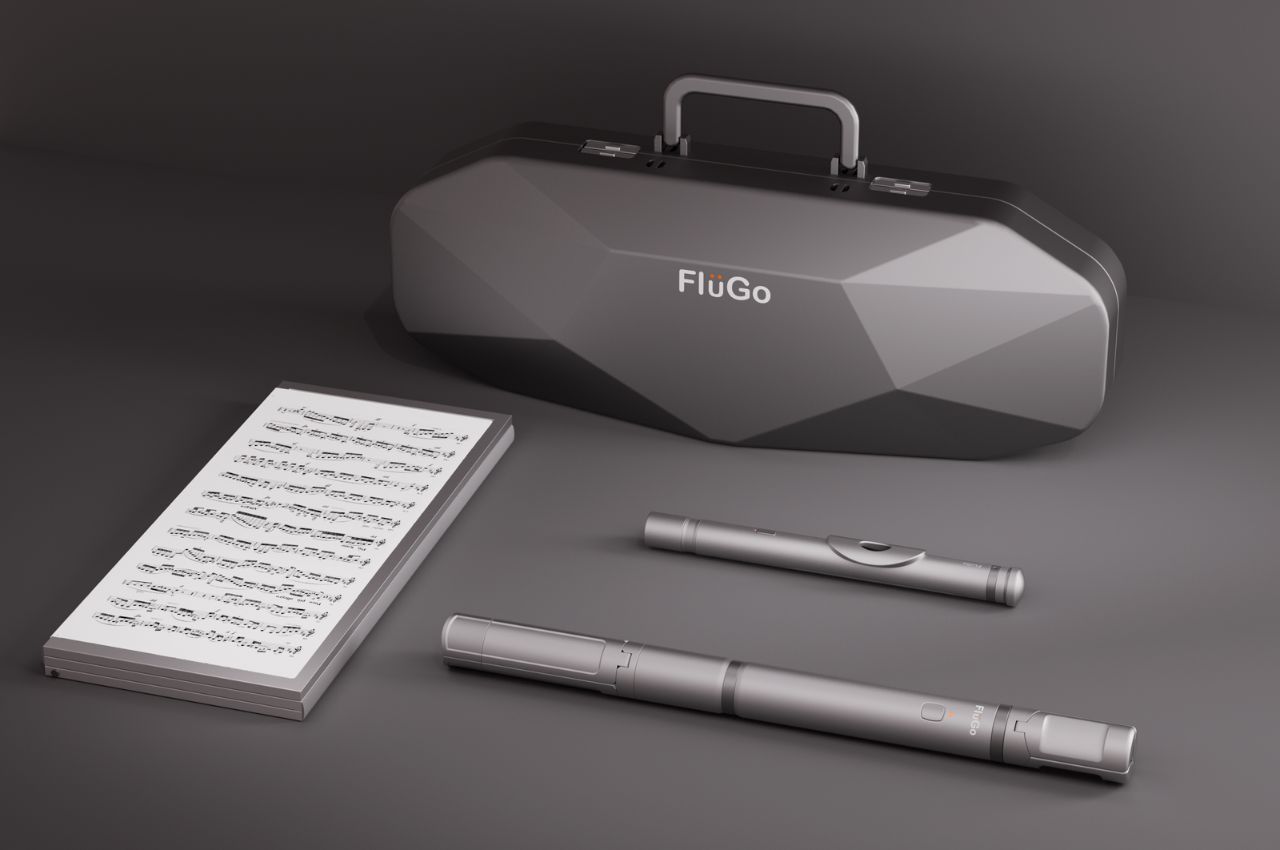
Learning a musical instrument is often a demanding yet rewarding journey that requires consistent practice, dedication, and the right environment. For many musicians, especially flutists, the challenge is not just mastering the instrument but also finding a space where they can practice without disturbing those around them. Practicing inherently involves experimenting with the instrument, which can lead to playing a few bad notes—a normal part of the learning process that others may find disturbing. Addressing this issue, FlüGo emerges as a revolutionary concept in flute training, combining technology, flexibility, and respect for others into one comprehensive solution.
Designer: Junyi Chen,Huijie Qu, Jinze Li, and Jingzhe Zhang
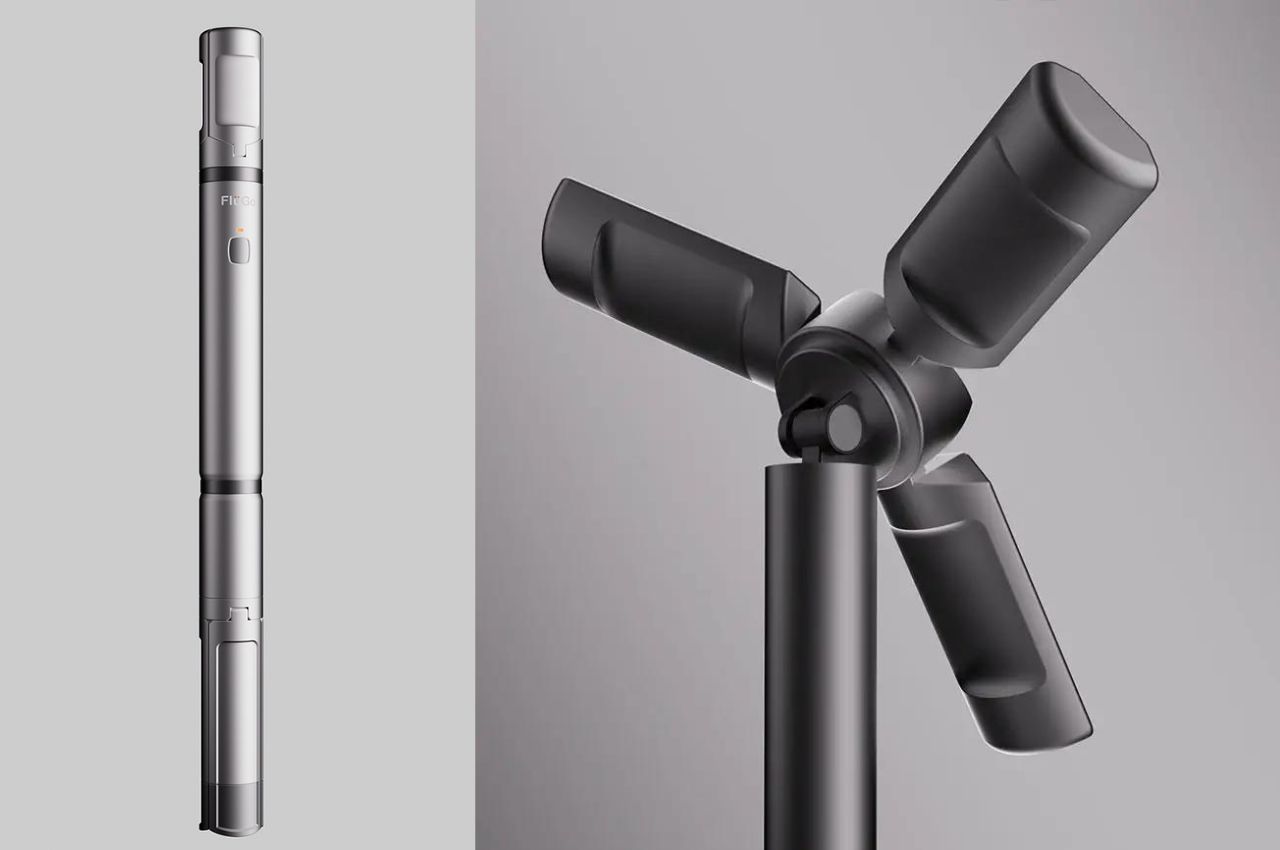
Every musician faces the challenge of creating a nuisance at some point. Even the most proficient players may need to halt their practice sessions due to noise complaints. For flutists, this challenge is particularly enunciated due to the nature of the instrument and the lack of adequate, soundproof practice spaces. FlüGo aims to tackle this issue head-on, offering a smart training kit that allows flutists to practice wherever they are without causing disturbances. The kit includes a modular instrument, a foldable music stand, and a collapsible support. This innovative setup allows for high mobility and flexibility, making it ideal for flutists who need to practice in various environments.
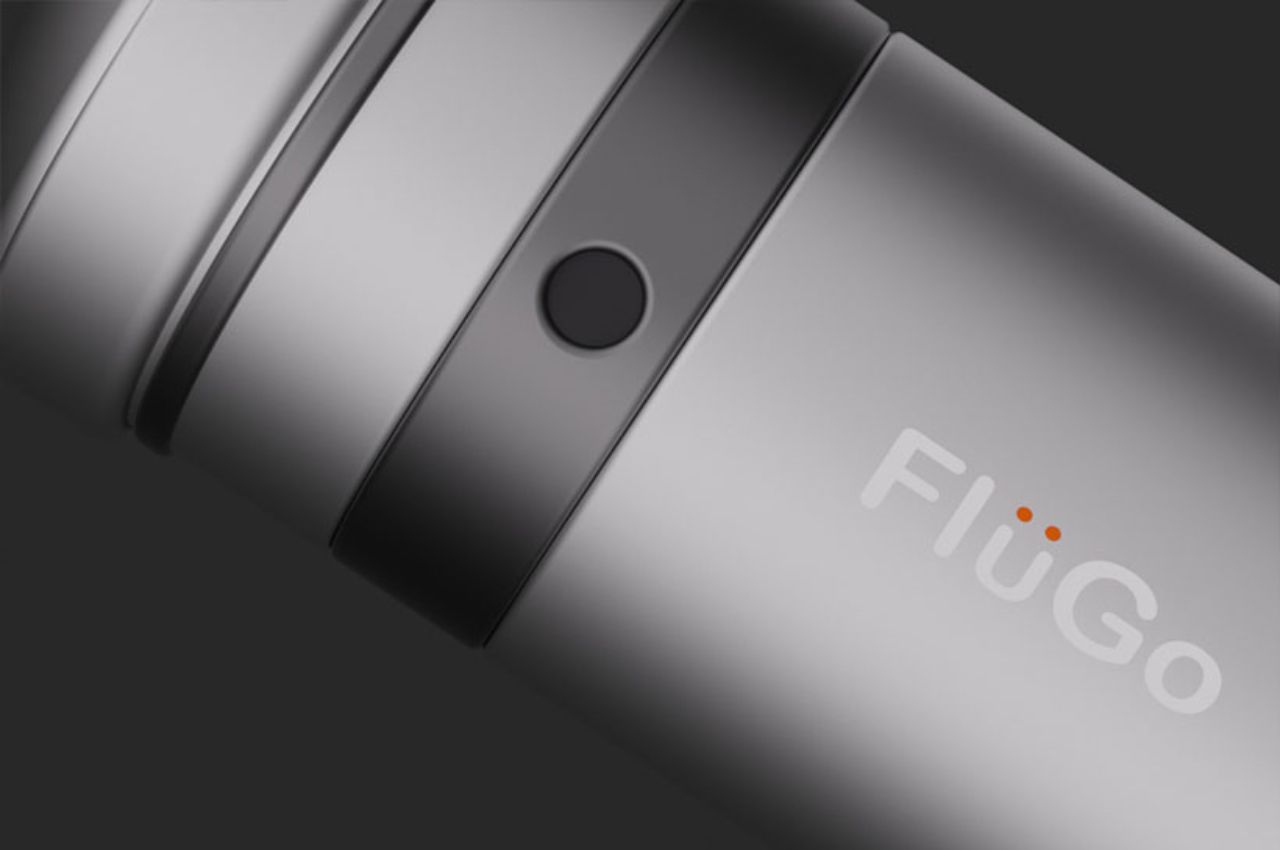
At the core of FluGo is an interchangeable smart head joint that integrates advanced technology to simulate realistic flute sounds. By combining data on airflow and finger movements, it emits a lifelike sound through directional speakers, ensuring that the music is confined to the player’s area. This means that the sound only reaches where it is intended, providing privacy and minimizing disturbance to others.
FluGo is more than just a practical solution for noise control. It represents a significant step forward in making musical practice more accessible and less intrusive. In a world where learning a musical instrument can be seen as a niche or even a luxury activity, it democratizes access to musical education. It breaks down logistical barriers that have traditionally isolated musicians, particularly those who play louder instruments like drums and wind instruments.
Beyond noise control, it opens up new avenues for learning and connection. The device’s ability to record and analyze performances, access interactive educational content, and connect with other flutists transforms it into a tool for growth and cultural exchange. Musicians can share their experiences, seek advice, and draw inspiration from a global community of enthusiasts.
Moreover, FluGo features a folding smart sheet music terminal that automatically turns pages, allowing flutists to focus solely on their playing. The system also records performances and offers real-time sound simulation, making it a comprehensive tool for both practice and performance review.
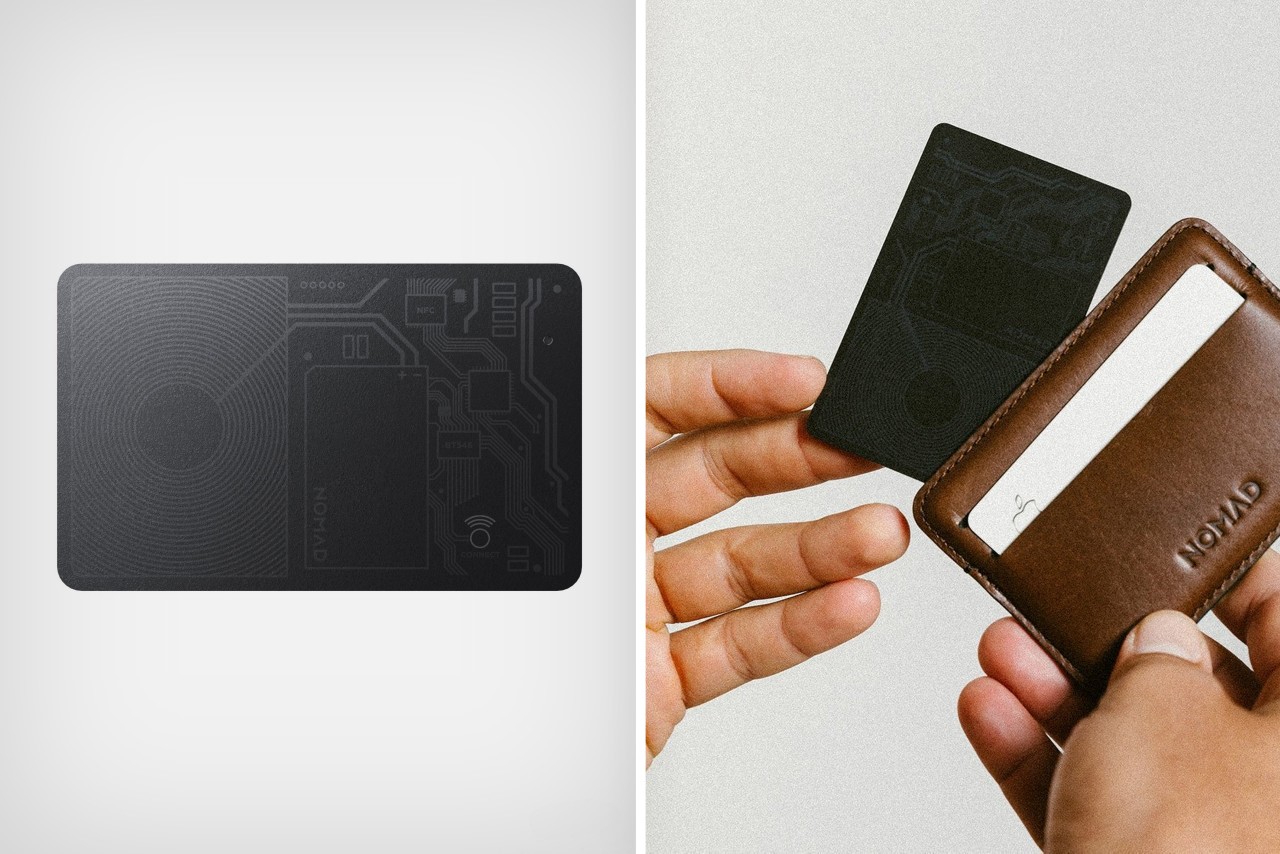
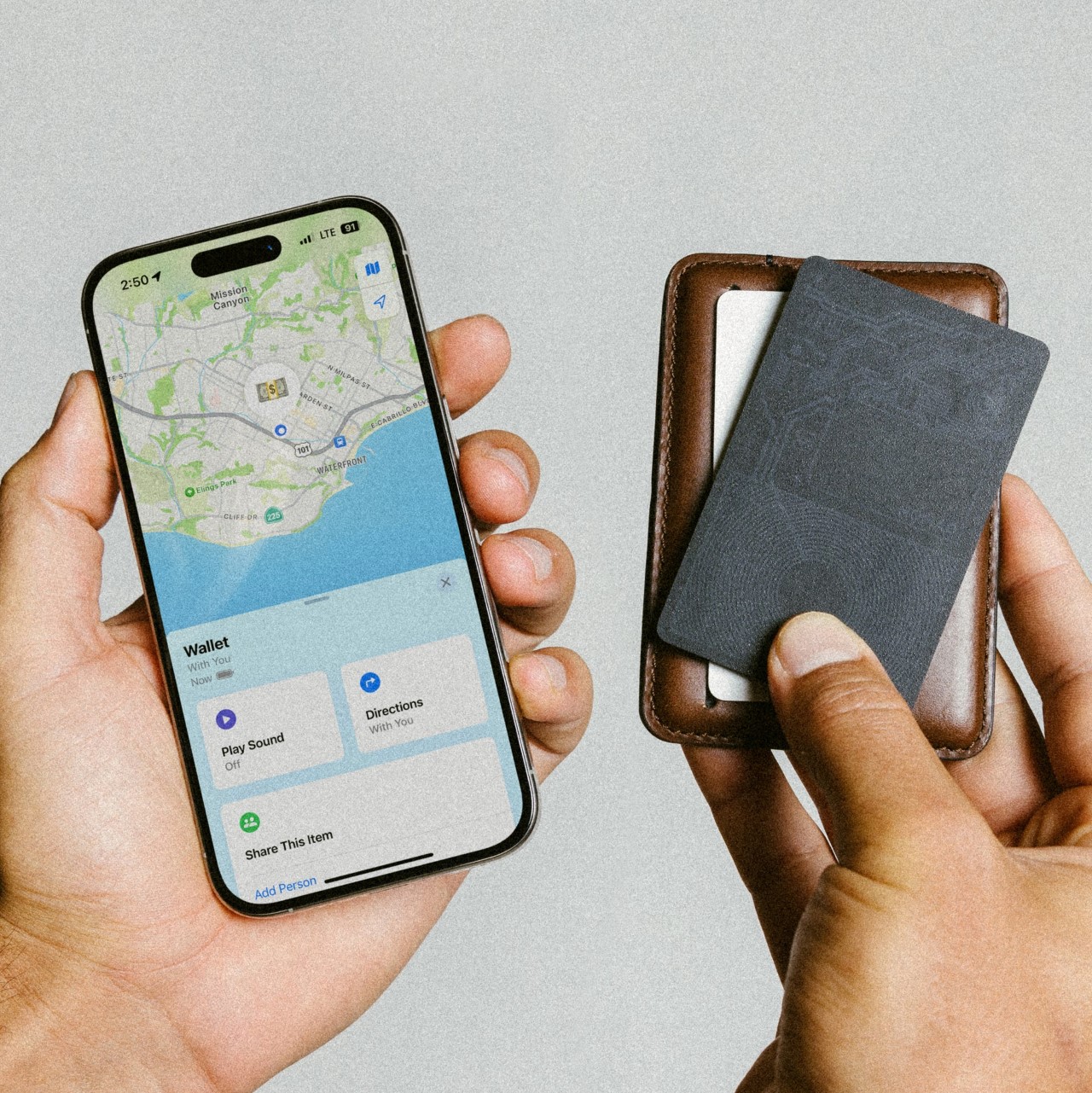
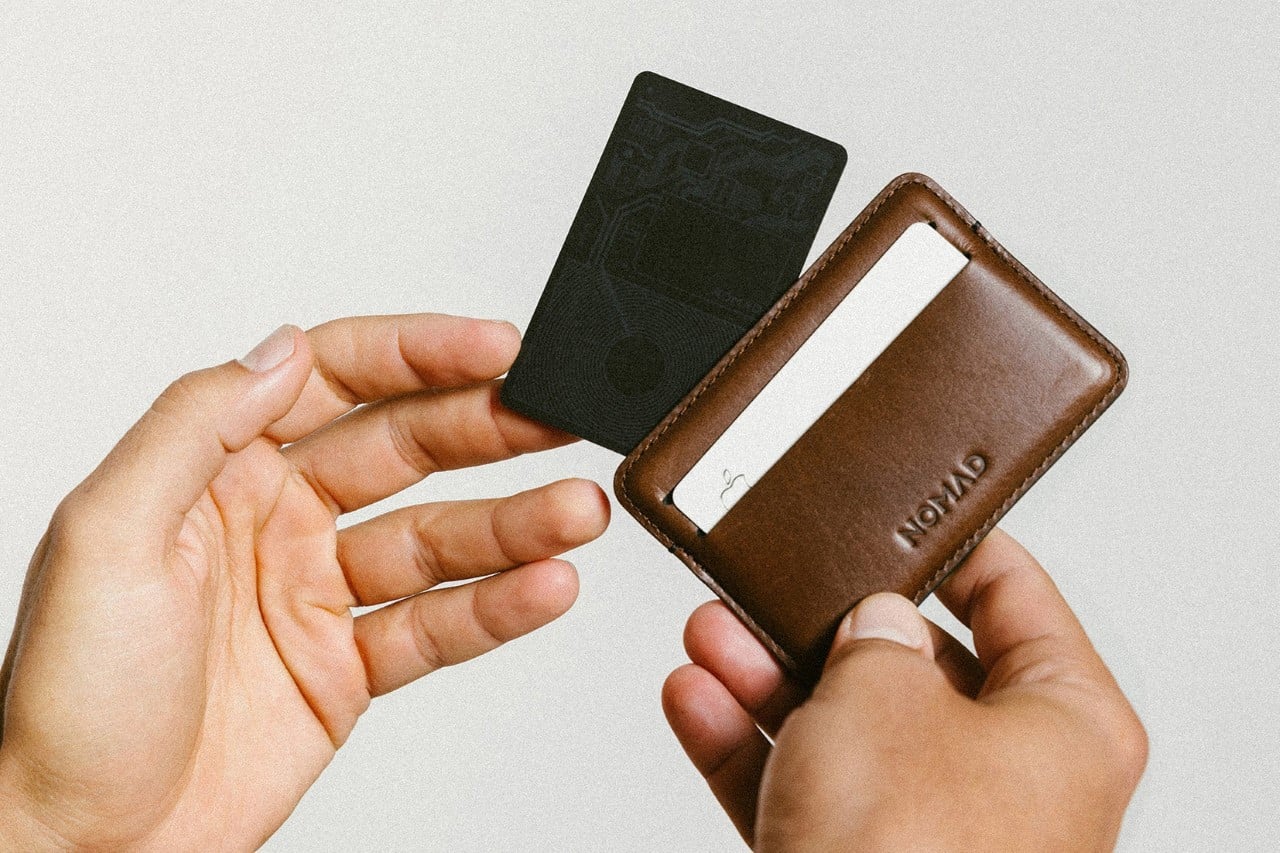
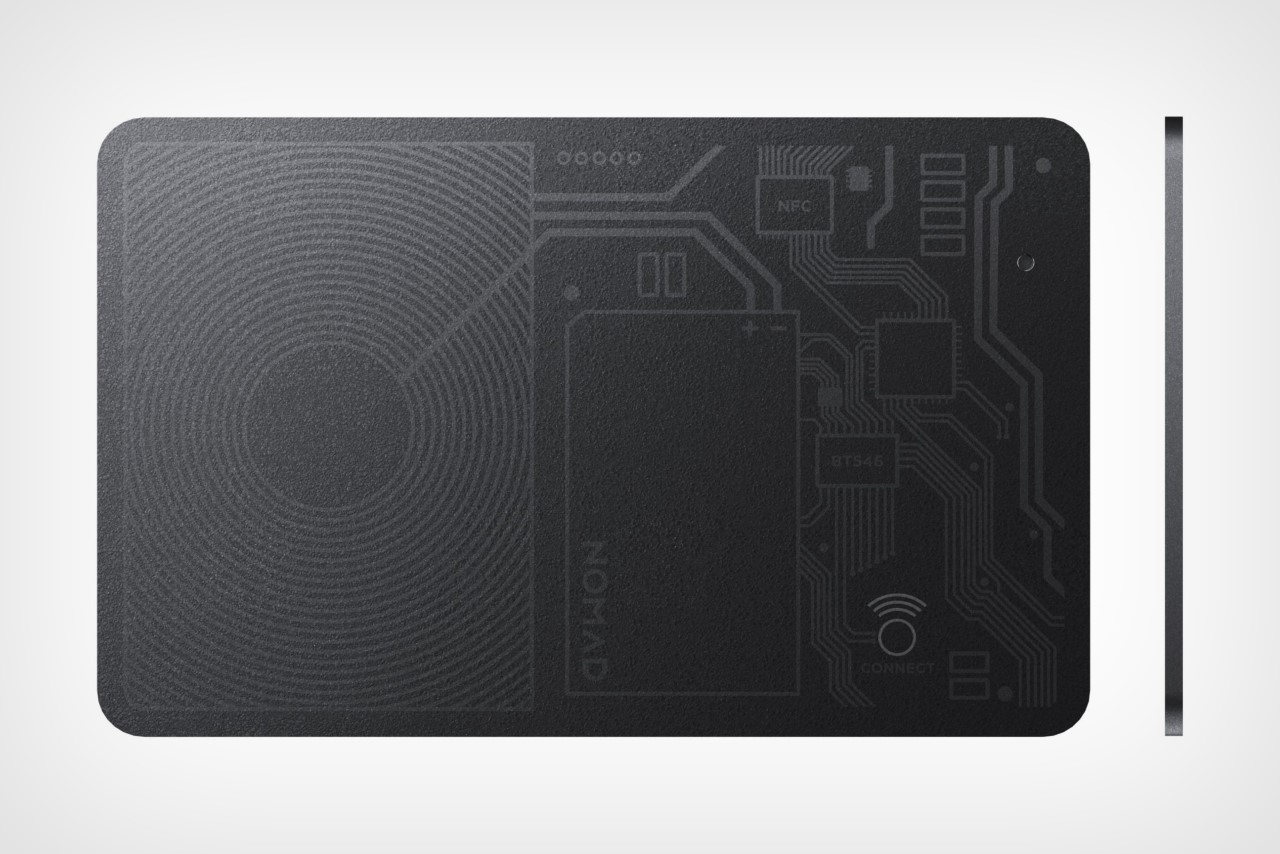
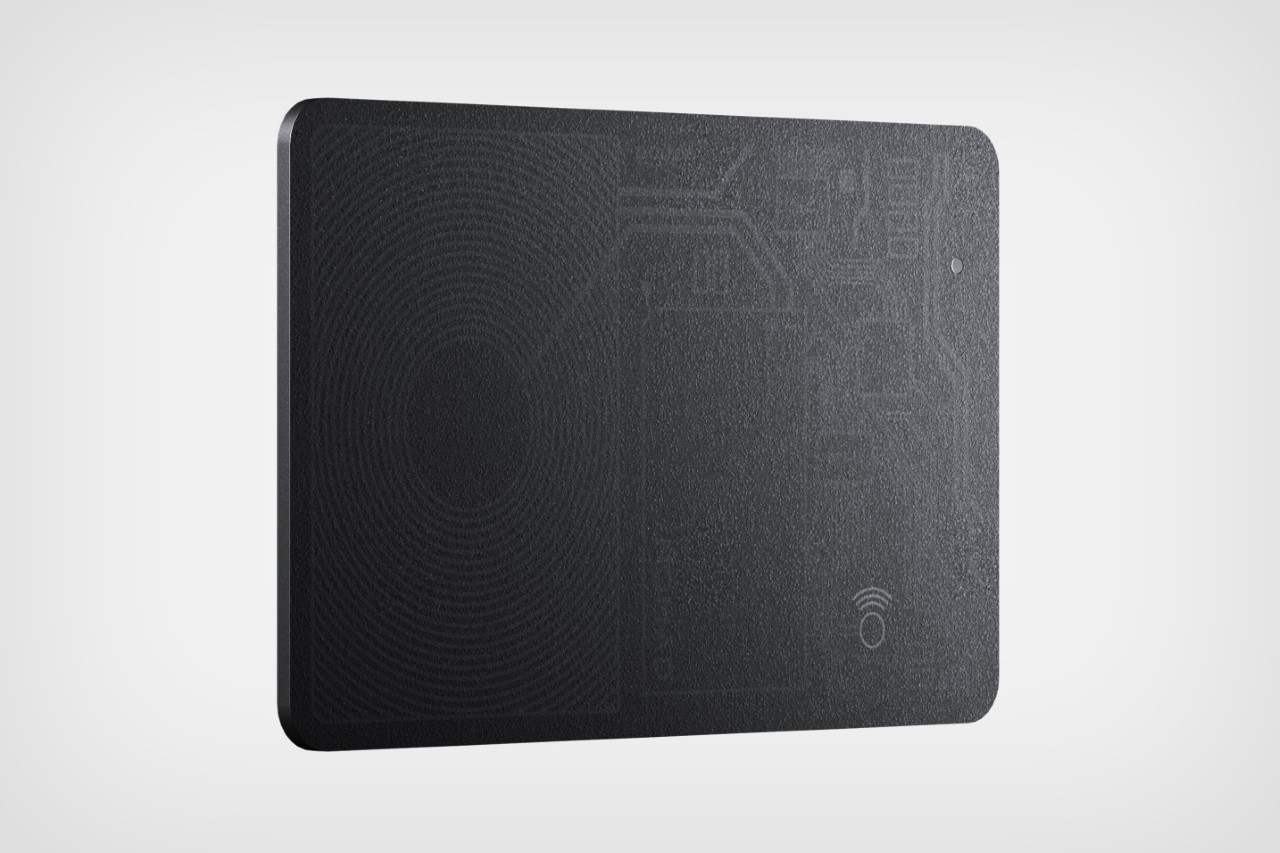
It’s the size of a credit card, fits in your wallet, works with Apple’s Find My network, and most importantly, charges wirelessly so you don’t need to worry about batteries or ditching the entire device altogether after a year of use. Meet the Nomad Tracking Card, a slick tracking device that makes you wonder why Apple made something as bulky as the AirTag. At just 2mm thin, it’s about as thick as 2 credit cards together, making it discreet enough to slip in anywhere, whether it’s your wallet, your backpack, or even your jacket pocket, giving you the ability to track your belongings through Apple’s global device tracking network.
Designer: Nomad
Anyone who knows me knows how much I think the AirTag needs a redesign. Apple made the tracking device back in 2019 to be used with bags and keys, but didn’t think of the potential of having a card-shaped tracker for your wallet and pockets. It’s been 5 years since the AirTag made its first appearance and rumors about an AirTag 2.0 are so few and far apart, it’s almost as if Apple’s left it up to third party creators to make better trackers that work with its devices.
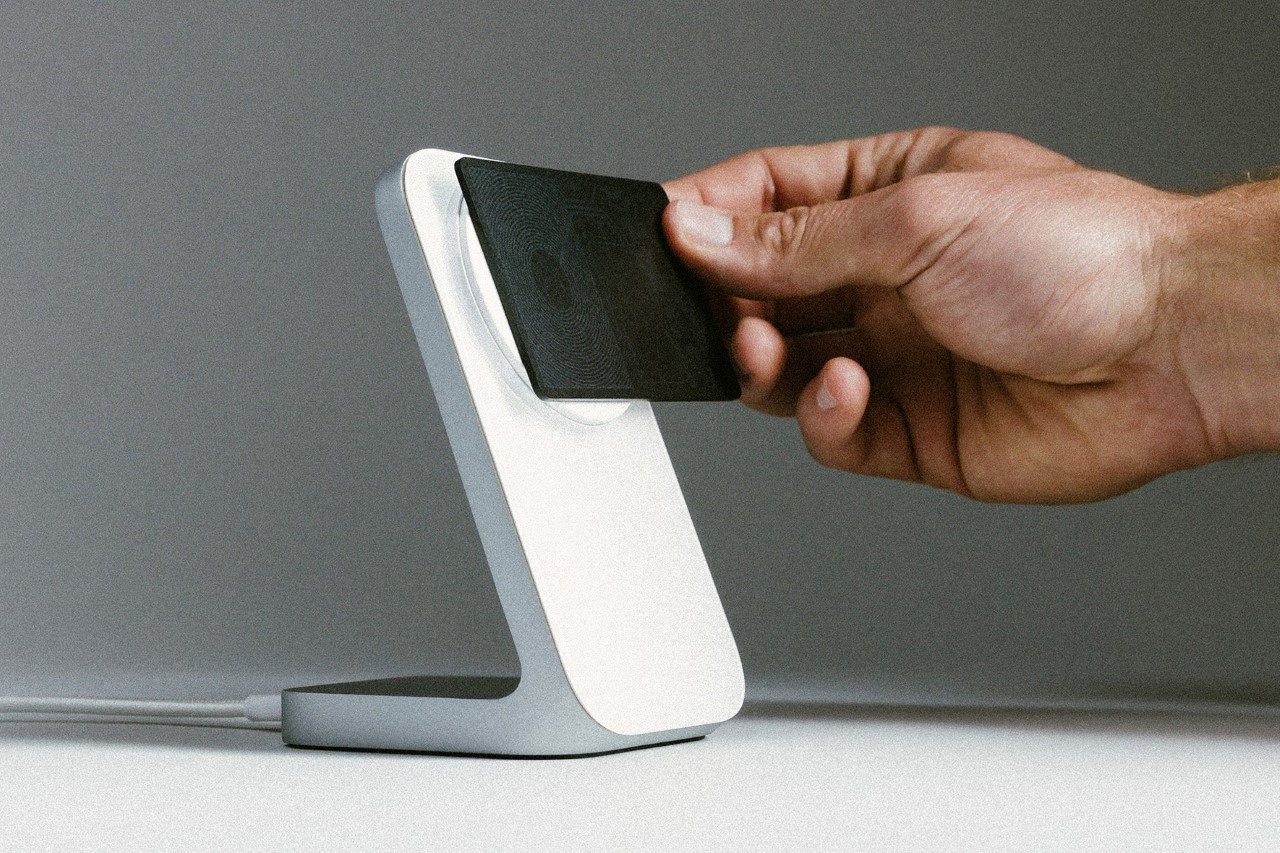
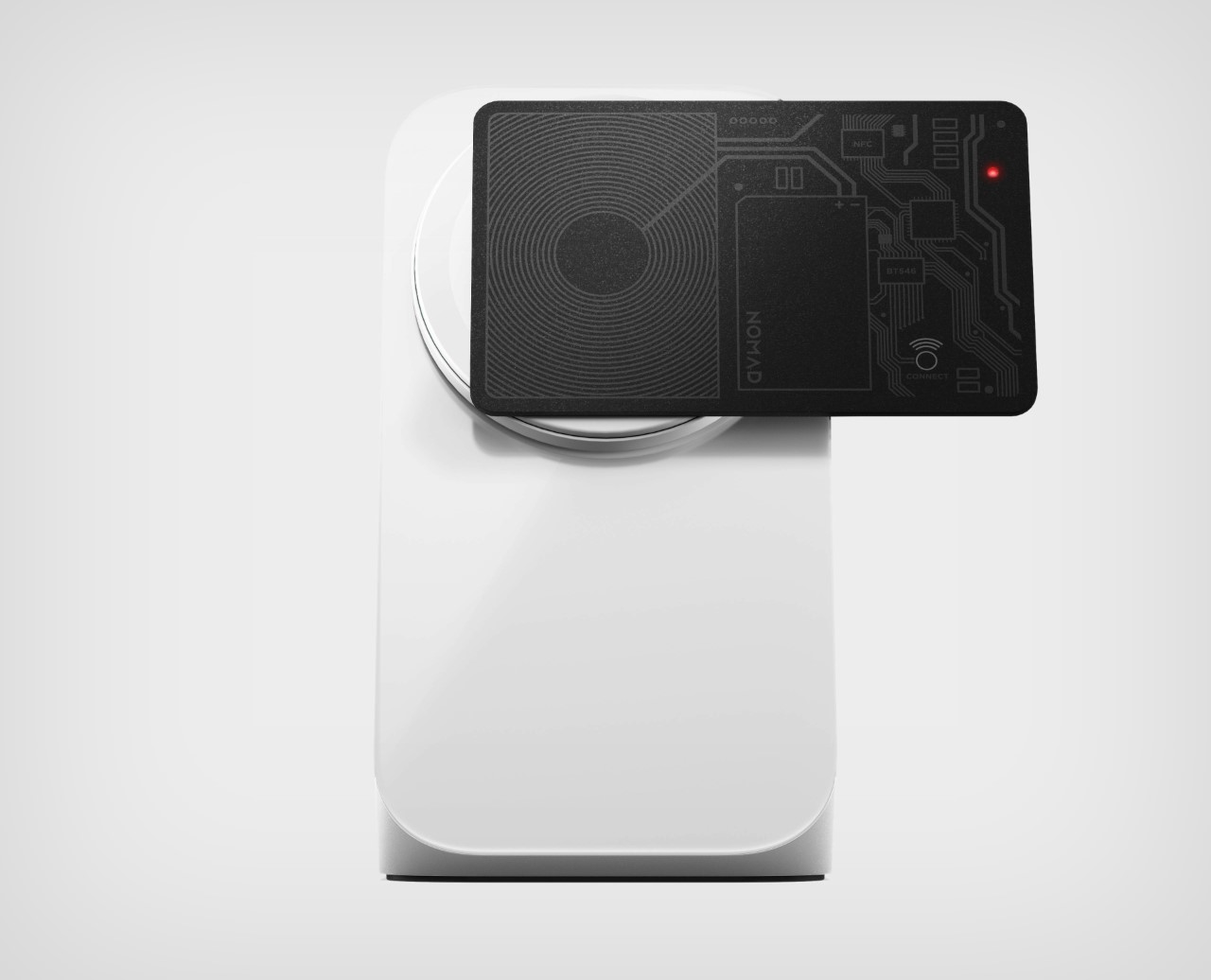
That’s where Nomad’s Tracking Card comes in. It’s slim, compact, and manages to fit an impressive amount of tech inside its design. The card sports a polycarbonate body, known for its toughness and impact resistance, and comes with a GPS tracker, an NFC for pairing, a battery that runs for 5 months on a full charge, and a MagSafe-compatible wireless charging coil that lets you charge your card when its battery runs out. A graphic on the card tells you where the wireless coil is located, so you can simply attach the Tracking Card onto a MagSafe charger or place it on a wireless charging mat and it begins recharging. No replaceable batteries, no single-use design, no wastage.
Nomad’s website doesn’t mention the presence of a built-in speaker like you would have with the AirTag. Useful for being able to ‘hear’ where your tracking device is, or for alerting you if stolen or left behind, the speaker can be quite a nifty feature. The Tracking Card is, however, IPX7 water and dust-proof, and starts at $40.
Samsung has filed a lawsuit against Oura to try to head off intellectual property disputes as the Galaxy Ring launch draws near. The suit notes that Oura has used its patent portfolio to sue smaller wearable tech competitors and has hinted it may do the same against the much larger Samsung. Welcome to the weird modern world of mega-corporations suing startups to prevent them from filing suits of their own.
“Oura’s actions and public statements demonstrate that Oura will continue asserting patent infringement against other entrants into the U.S. smart ring market, including Samsung,” the lawsuit, first reported on by The Verge, reads. “Oura’s immediate response to the announcement of the Galaxy Ring was to point to the purported strength of its intellectual property portfolio.”
The lawsuit claims the Galaxy Ring doesn’t infringe on Oura’s patents. However, in justifying its suit, it lays out a pattern of what it frames as aggressive IP protection by the Finnish startup. It lists cases where Oura sued smaller competitors like Ultrahuman, Circular and RingConn “as soon as, or even before, they entered the U.S. market.”
The document also cites Oura embarking on a media tour immediately following the Galaxy Ring announcement, touting the company’s “over 150 patents.” It specifically calls out patent-related quotes published by TechCrunch and a CNBC interview where Oura CEO Tom Hale hinted the company may use its IP portfolio against Samsung.
Daniel Cooper for Engadget
Samsung’s legal filing essentially tries to paint Oura as a patent troll, claiming many of the Finnish company’s patent disputes have been for features common to the entire category of smart rings, like electronics, sensors, a battery and scores that weigh health metrics. That approach conjures memories of Samsung’s old patent disputes with Apple. A common theme in those decade-old courtroom battles was Samsung accusing the iPhone maker of holding bogus patents that should never have been granted because they used obvious technologies or methods shared by the entire industry. (It worked with mixed results in those cases.)
Samsung filed its new lawsuit against Oura in the Northern District of California, San Francisco Division. Oura is based in Finland but has a US wing of its operations based in Delaware, including offices in San Francisco with more than 50 employees.
The lawsuit reveals extra detail about Samsung’s Galaxy Ring, which the company first showed off in a render in January before revealing physical models at the Mobile World Congress in February. The document says Samsung only finalized the Galaxy Ring’s design in “mid-May 2024” and plans to enter mass production in mid-June.
It adds that the Galaxy Ring will arrive in the US “in or around August of this year,” which aligns with expectations that the company will launch it at a summer Unpacked event.
This article originally appeared on Engadget at https://www.engadget.com/samsung-sues-oura-to-block-oura-from-suing-samsung-over-the-galaxy-ring-203353759.html?src=rss
Instagram ads may soon be much harder to ignore. As TechCrunchreports, Meta is testing a new type of non-skippable ad in the Instagram feed, which the company is calling an “ad break.”
With the new ads, which have already been spotted by some users, you can’t scroll past the feed ad until the”ad break” finishes. According to screenshots shared on Reddit and X, it appears that the “breaks” are a few seconds long, though it’s not clear if the length could change should Meta decide to make the new format official. “Ad breaks are a new way of seeing ads on Instagram,” an in-app message states. “Sometimes you may need to view an ad before you can keep browsing.”
Holy moly! Meta seemingly is now forcing us to watch ads in our feeds on Instagram!
The app legit stopped me from scrolling past this ad which is just a bonkers move to me. pic.twitter.com/740EXjGyl2
While non-skippable video ads are common on other platforms, like YouTube, it’s a new and much more aggressive format for Instagram. It’s also notable that the company is experimenting with the ads in its main feed rather than in Reels or Stories, where video ads are more common (but for now still skippable).
Meta didn’t immediately respond to a request for comment, but the company confirmed to TechCrunch that it was testing the new ad format. “As we test and learn, we will provide updates should this test result in any formal product changes,” a Meta spokesperson said.
This article originally appeared on Engadget at https://www.engadget.com/meta-is-testing-a-new-ad-in-the-instagram-feed-that-you-cant-scroll-past-195201532.html?src=rss
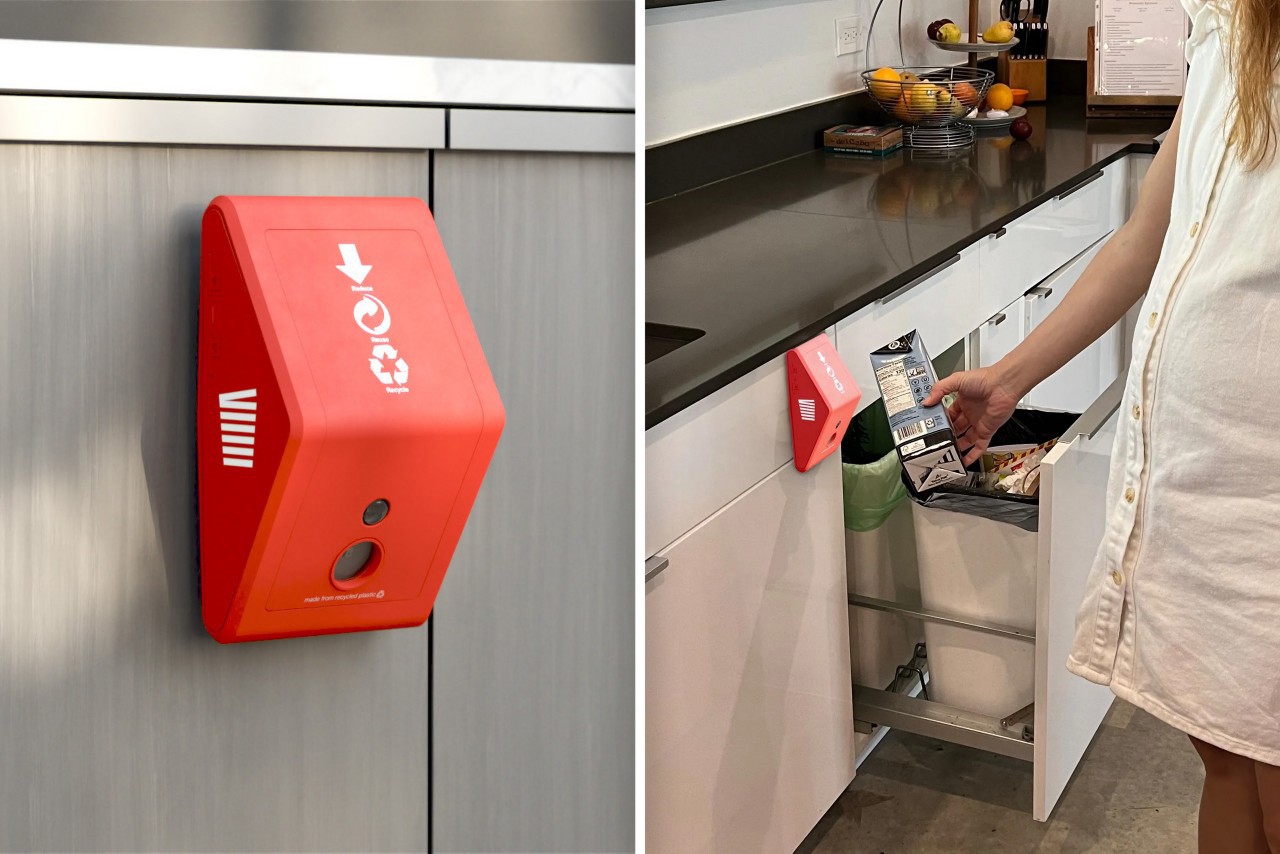
Of all the things I’d want an AI to help me with, this might just be the most useful. While companies like Google and OpenAI have been showing their AI’s multimodal capabilities at identifying the color of objects, or human expressions, an AI hardware company is putting the power of LLMs to good use by having them identify trash. Binit, a Finnish startup, has developed a tiny hardware device that scans your trash and then tells you how to accurately dispose of it. It doesn’t just identify objects like coffee cups and vegetable peels, it tries to analyze materials, looks at brands to identify their manufacturing techniques to determine the best ways to dispose of trash, and effectively tells you (with 98% accuracy) how to segregate your household waste so that the wrong items don’t get disposed of in the wrong channels.
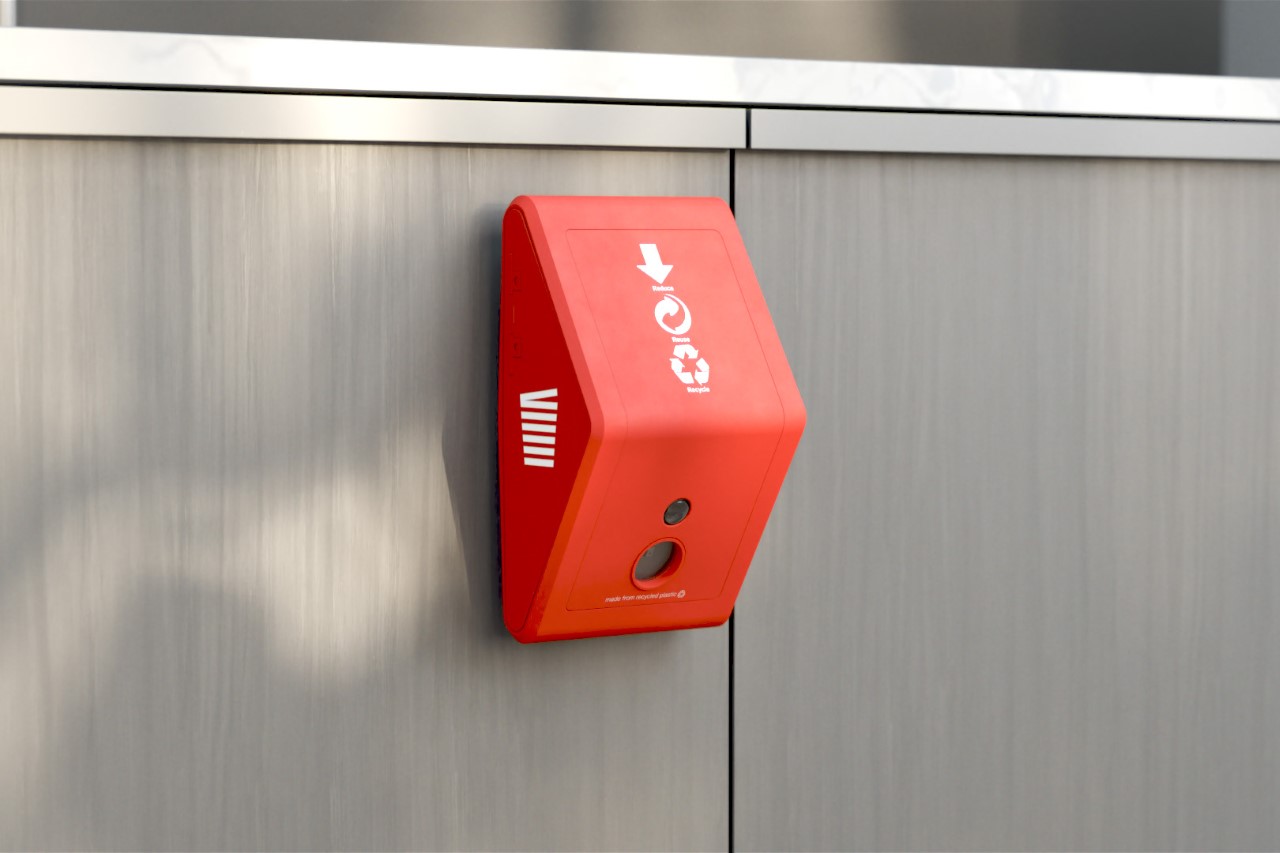
Binit’s core technology is a dedicated AI-powered hardware device designed for the kitchen. Mounted conveniently near your bin, this gadget uses camera vision and sensor technology to identify items before they’re tossed. The system integrates with powerful large language models (LLMs) like OpenAI’s GPT-3, enabling highly accurate image recognition of everyday household waste objects.
Binit’s secret weapon? Rather than training their own AI model from scratch, they capitalize on the vast knowledge base of pre-trained LLMs. This approach has yielded impressive results – Binit claims near 98% accuracy in trash recognition. The system can even distinguish nuances – like whether a coffee cup has a lining based on brand recognition.
But Binit isn’t just about identifying your trash. The system analyzes the data it collects, generating insightful feedback through a companion app. This app provides users with a weekly “rubbish score” and gamified elements to motivate positive behavioral changes. Imagine a friendly nudge reminding you that you’ve been discarding a lot of plastic lately, along with suggestions for sustainable alternatives.
The free tier of the Binit app offers basic analytics, while a premium subscription unlocks additional features. The company also envisions itself as a potential data provider – offering anonymized insights on consumer waste habits to entities like packaging manufacturers. This data could be invaluable for businesses aiming to reduce their environmental footprint.
One might wonder – isn’t environmental awareness enough? Binit argues that while most people acknowledge the importance of waste reduction, ingrained habits are hard to break. They liken their approach to sleep trackers – providing data-driven insights that can empower users to make positive changes, even if they’re aware of the general principles.
Binit’s pilot programs across the US and Europe have shown promise. Users reportedly reduced mixed waste by around 40% after engaging with the system’s transparent feedback loop. The company plans to launch commercially this fall, likely in the US, offering both a dedicated AI hardware device and a free app-based scanning option.
A collection of leaked internal Google privacy cases provides a rare glimpse into the company’s volume and handling of breaches, accidents and other incidents. 404 Media obtained and pored through the database, which covers thousands of internally flagged privacy and security issues from 2013 to 2018.
Google verified the trove’s authenticity with Engadget but claimed some of the reports were related to third-party services or didn’t end up being cause for concern. “At Google employees can quickly flag potential product issues for review by the relevant teams,” a company spokesperson wrote to Engadget. “When an employee submits the flag they suggest the priority level to the reviewer. The reports obtained by 404 are from over six years ago and are examples of these flags — every one was reviewed and resolved at that time. In some cases, these employee flags turned out not to be issues at all or were issues that employees found in third party services.”
404 Media writes that, when taken on an individual level, many cases only impacted a few people or were fixed quickly. “Taken as a whole, though, the internal database shows how one of the most powerful and important companies in the world manages, and often mismanages, a staggering amount of personal, sensitive data on people’s lives,” 404 Media’s Joseph Cox wrote.
Examples include a potential security issue where a government client of a Google cloud service had its sensitive data accidentally transitioned to a consumer-level product. Google’s internal report added that, as a consequence, a US-based location for the data was “no longer guaranteed for this customer,” according to the report.
Google
In 2016, another case flagged a glitch in Google Street View, where a filter in the service’s transcription software designed to omit captured license plate numbers failed to do its job. “As a result, our database of objects detected from Street View now inadvertently contains a database of geolocated license plate numbers and license plate number fragments,” the report acquired by 404 Media details. (Oops!) That report said the data was purged.
Another incident highlighted a case where a bug in a Google speech service accidentally captured and logged an estimated 1,000 hours of children’s speech data for about an hour. That case report claimed the team deleted all of the data.
Other cases in the database range from “a person” modifying customer accounts on Google’s ad platform to manipulate affiliate tracking codes to YouTube recommending videos based on users’ deleted watch histories. One report even highlights how a Google employee (unintentionally, according to the report) accessed Nintendo’s private YouTube videos and leaked info ahead of the video game company’s announcements.
The full report from 404 Media, which details more of the internal reports, is worth reading for anyone curious about the types of privacy and security incidents a company of Google’s magnitude faces — or causes itself — and how it addresses them.
This article originally appeared on Engadget at https://www.engadget.com/leaked-google-database-reveals-its-secret-privacy-and-security-failures-183232983.html?src=rss
A long time ago I watched a video about John Nese, owner of the iconic Galco’s Soda Pop Stop in LA, and one thing that stuck with me was his response after being asked how much soda he drinks. Nese said that even though he’ll have one or two a day, what it really boils down to is that he “just likes the bubbles.” However, as much as I enjoy hunting down special flavors in stores, nothing beats the convenience of making your own sparkling concoctions at home. So when I heard that Breville was releasing a carbonated beverage maker with a feature not available from rivals like SodaStream I knew I wanted to test it out. And in just a few short weeks, the Infizz Fusion has quickly become one of my favorite and most-used kitchen gadgets.
Design — Expectedly upscale
At $250, the InFizz Fusion costs a lot more than basic soda water makers, which can go for $100 or less. However, it’s clear Breville is using that extra money to create a premium design including a stainless body with a die-cast lever and a magnetic drip tray. This means it’s closer to more premium rivals than plasticky alternatives like almost all of SodaStream’s offerings. And while your taste may vary, the InFizz and Aarke’s line or Carbonators are probably the only two that look good enough to live on my counter full-time instead of being hidden away when not in use. That said, I wish Breville would release an optional glass bottle, as currently the InFizz Fusion is restricted to plastic 0.6- and 1-liter containers. And because its bottles use a proprietary connector, you can’t swap in canisters from competitors.
Operation — The easiest bubbles you’ve ever made
Gassing up liquids with the InFizz is incredibly straightforward. First, you screw a one-pound CO2 tank into the hole on the boom. The InFizz comes with one Breville-branded canister, though you can use generic replacements from Sodastream and others. You just need to remember to buy tanks with threaded tops instead of ones with quick-connect fittings. Then you pour water into the bottle (the colder the better), attach Breville’s FusionCap and then twist the whole setup into the machine itself. From there, you just press the lever on top for a second or two and that’s it. There’s no need for power or to plug a cord, so you have tons of flexibility about where it’ll live in your kitchen.
Photo by Sam Rutherford/Engadget
When attaching the FusionCap to the bottle or the bottle to the machine, there’s a very obvious and satisfying thunk that lets you know when each component is seated properly. I only had one blowout when I first started using the InFizz and after I learned from my mistake, it never happened again. I found the routine that worked best for me was to fill the bottle and then stash it in the fridge overnight, which made it a cinch to get crisp, chilled seltzer first thing in the morning in less than 30 seconds. It’s really that easy. Sometimes, I saw tiny ice cubes while I was carbonating, which I took as a sign that the water was cold enough. That said, it’s important not to add ice intentionally, as that can damage the machine.
One note is that before you use it, you will want to give it a rinse. After unboxing it, I noticed the InFizz Fusion’s bottle had an oily smell. Thankfully, alongside the InFizz itself, Breville includes a funnel, a strainer and a brush, the latter of which helped erase the odor after a quick wash.
How it tastes - Bubbles, bubbles everywhere
Like a lot of carbonated water makers, you have the freedom to hold the lever down a bit longer, in case you’re like me and you like big bodacious bubbles (similar to what you get in Pepsi) as opposed to the finer effervescence you get in something like Perrier. But the InFizz Fusion’s secret party trick is that it carbonates more than just water. You can add bubbles to cider for a refreshing twist on a fall treat. Or you can give new life to soda that’s gone flat. You can even uplift wine to create your own sparkling alternative in your kitchen. Pretty much any liquid you’d want to drink, the InFizz Fusion can inject with bubbles. And right now, there’s only one other home soda maker that can do this – the Drinkmate – which puts Breville’s machine in a more rarified crowd.
To add bubbles, all you have to do is attach Breville's FusionCap to the included bottle, hook that up to the machine itself and hold down on the lever for a second or two.
Photo by Sam Rutherford
Now this might not sound like a big deal, but as we get closer to summer, you know what’s even more refreshing than lemonade? An icy cold glass of sparkling lemonade. Alternatively, you can add bubbles to OJ, which is essentially a homemade version of Orangina, and I’d argue it tastes even better because it hasn’t been languishing in a bottle for the past few months. With the InFizz Fusion, there’s an entire world of things you can seltzerize.
At this point, you might be wondering why you can’t make lemonade from seltzer. And you can. However, if you make sparkling water first and then stir in lemon juice and sugar, you tend to knock a lot of bubbles out in the process. And for stuff like OJ, unless you’re making things from a concentrate, there may not be a way to start with pure water. The one thing you have to watch out for though is that when carbonating drinks that are more than just water, you may run into extra bubbles. But that’s where the red tab on the FusionCap comes in, as it allows you to release pressure slowly so your concoction doesn’t erupt and make a mess.
Breville's clever FusionCap is what allows the InFizz to carbonate almost any drink you can think of. It can handle drinks like orange juice or lemonade with ease without getting the inside of the machine dirty.
Photo by Sam Rutherford/Engadget
That said, some drinks work better than others. Milk-based beverages are pretty much a no-go, as the carbonation process curdles the dairy, resulting in a product that just tastes off. And while you can add bubbles to coffee, the CO2 adds an extra dimension of sourness that probably isn’t what you want. After all, there’s a reason effervescent java is usually injected with nitrogen instead of carbon dioxide.
My one suggestion is that in addition to the one-liter bottle that comes with the machine, if you’re into making all sorts of bubbly beverages, you may want to pick up a spare 0.6-liter container too, because as tasty as stuff like sparkling OJ or cider are, they’re typically better consumed in smaller doses lest you end up drinking too many empty calories.
Wrap-up
There are few things more refreshing than a glass of sparkling lemonade on a hot summer day.
Photo by Sam Rutherford/Engadget
Look, if all you want is a machine for making seltzer, you’ll probably be better off with a basic SodaStream. Alternatively, if you just want a more premium bubble machine that comes with the bonus of having optional glass bottles, Aarke’s Carbonator Pro makes for a solid upgrade pick. Or you could go with the InFizz Aqua, which is the same basic device as the Fusion except that it can only carbonate water. But if you want a device that can turn almost any drink into a sparkling treat while also sporting an upscale design, Breville’s InFizz Fusion is where it’s at.
This article originally appeared on Engadget at https://www.engadget.com/breville-infizz-fusion-review-the-bubble-master-173216954.html?src=rss
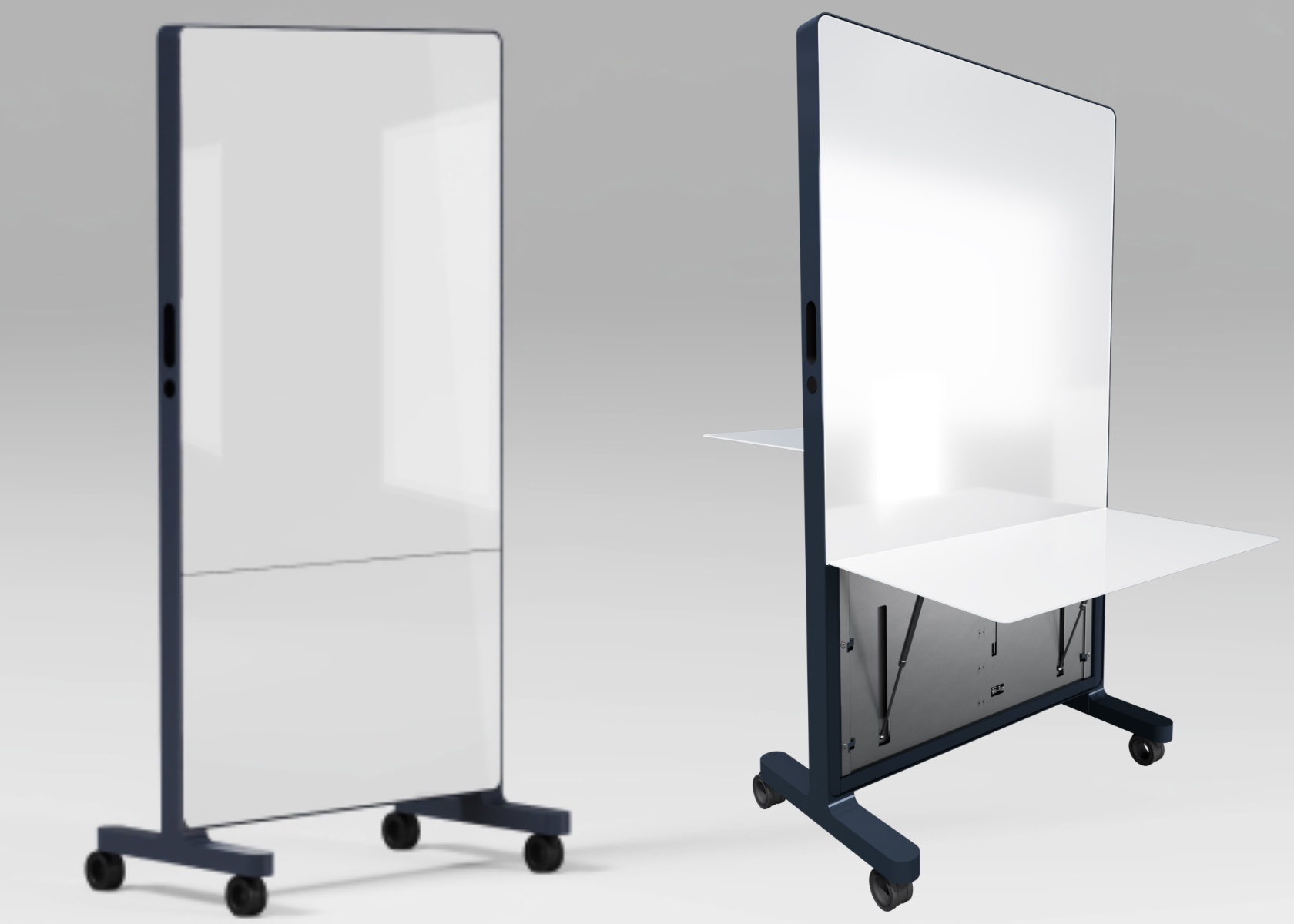
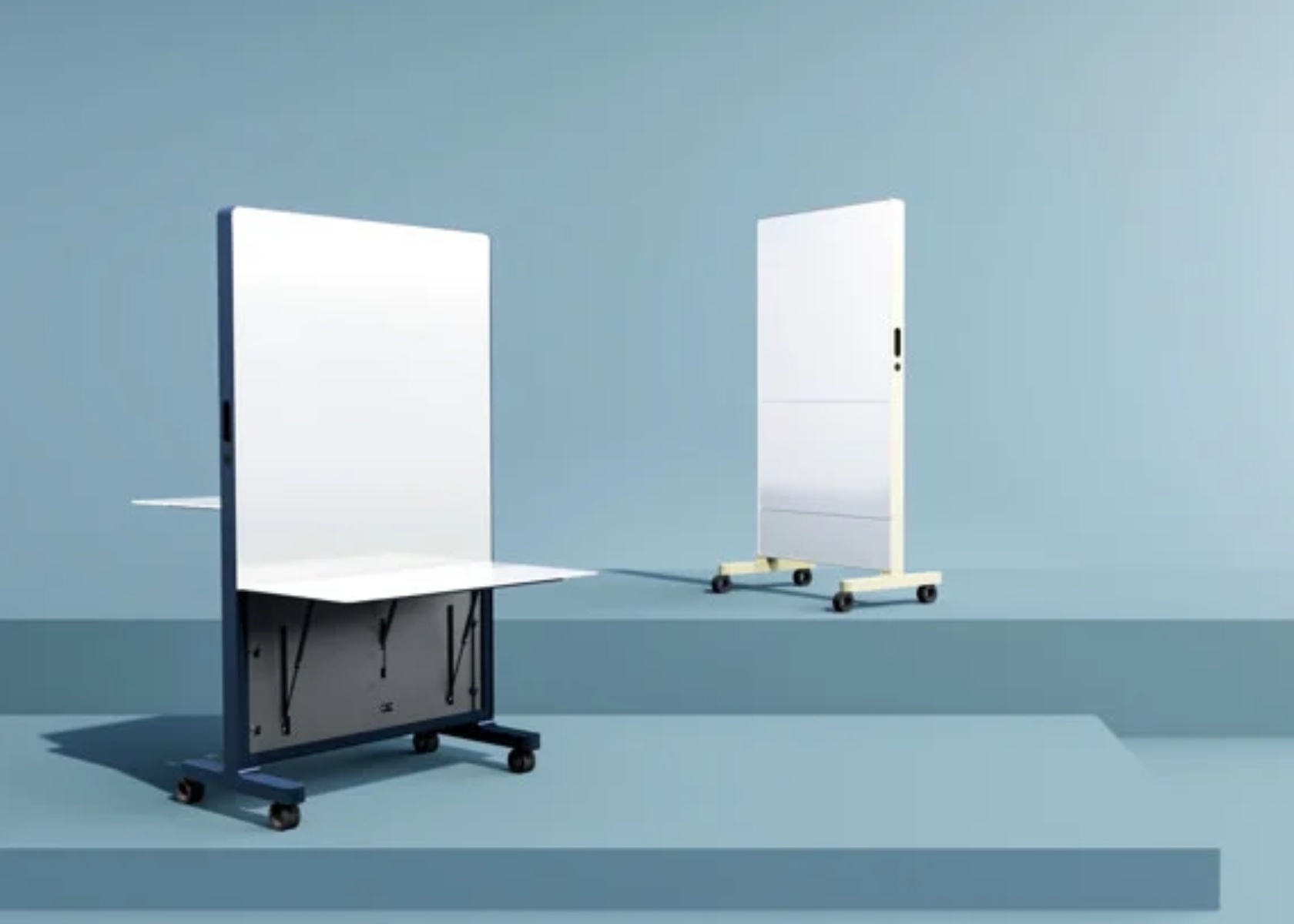
The Atmus Mobile Desk by Clarus goes beyond aesthetics and mobility. It’s a multifunctional product designed to boost productivity in any design studio. Its versatility makes it ideal for brainstorming sessions, serving as an expansive whiteboard, or acting as a projection surface for presentations.
Designer: Clarus
In a brainstorming session, the Atmus Mobile Desk transforms into a collaborative hub. The large, clear glass surface doubles as a whiteboard, allowing designers and team members to sketch ideas, jot down notes, and map out concepts directly on the surface. This seamless transition from desk to brainstorming tool ensures the creative flow is never interrupted. The desk’s mobility means it can be positioned anywhere in the studio, whether you’re gathering for an impromptu meeting or setting up for a more structured session.
The Atmus Mobile Desk excels as a traditional whiteboard. Its smooth glass surface is perfect for use with dry-erase markers, offering a clean and erasable writing area. This is ideal for planning projects, outlining tasks, or illustrating complex ideas. The clarity of the glass ensures any writing or drawings are easily visible from a distance, making it an effective communication tool in a busy studio.
Additionally, the desk can be utilized as a projection wall, adding another layer of functionality. When paired with a projector, the Atmus Mobile Desk’s clear surface provides an excellent backdrop for displaying digital content. This is particularly useful during presentations, client meetings, or team reviews. The ability to move the desk effortlessly allows you to set up the projection screen wherever it is most needed, enhancing your workspace’s versatility.
Atmus Mobile Desk by Clarus
Clarus’ expertise in glass technology ensures the surface of the Atmus Mobile Desk is optimized for all these uses. The high-quality, ultra-clear Starphire glass offers a pristine and durable surface that stands up to the demands of a busy studio. Whether you are brainstorming, writing, or projecting, the glass maintains its clarity and functionality, providing a reliable tool for all your creative needs.
The foldable work surfaces add another layer of practicality. These can be extended to provide additional space for sketching, placing materials, or setting up laptops and projectors. This adaptability makes the Atmus Mobile Desk not just a piece of furniture but a central component of your design process.
Beyond brainstorming and presentations, the Atmus Mobile Desk is also valuable for digital photography. The clear glass surface provides a neutral, reflective backdrop that enhances the details of the subject being photographed. Whether you’re capturing product shots, prototypes, or artistic compositions, the desk’s smooth surface ensures every detail is highlighted, and its mobility allows you to adjust lighting and angles easily.
In addition to its core functionalities, the Atmus Mobile Desk supports various creative processes in a design studio. It can serve as a temporary station for rapid prototyping, offering ample space to lay out materials and tools. The desk’s height and stability make it suitable for detailed craftsmanship, allowing designers to work comfortably and efficiently.
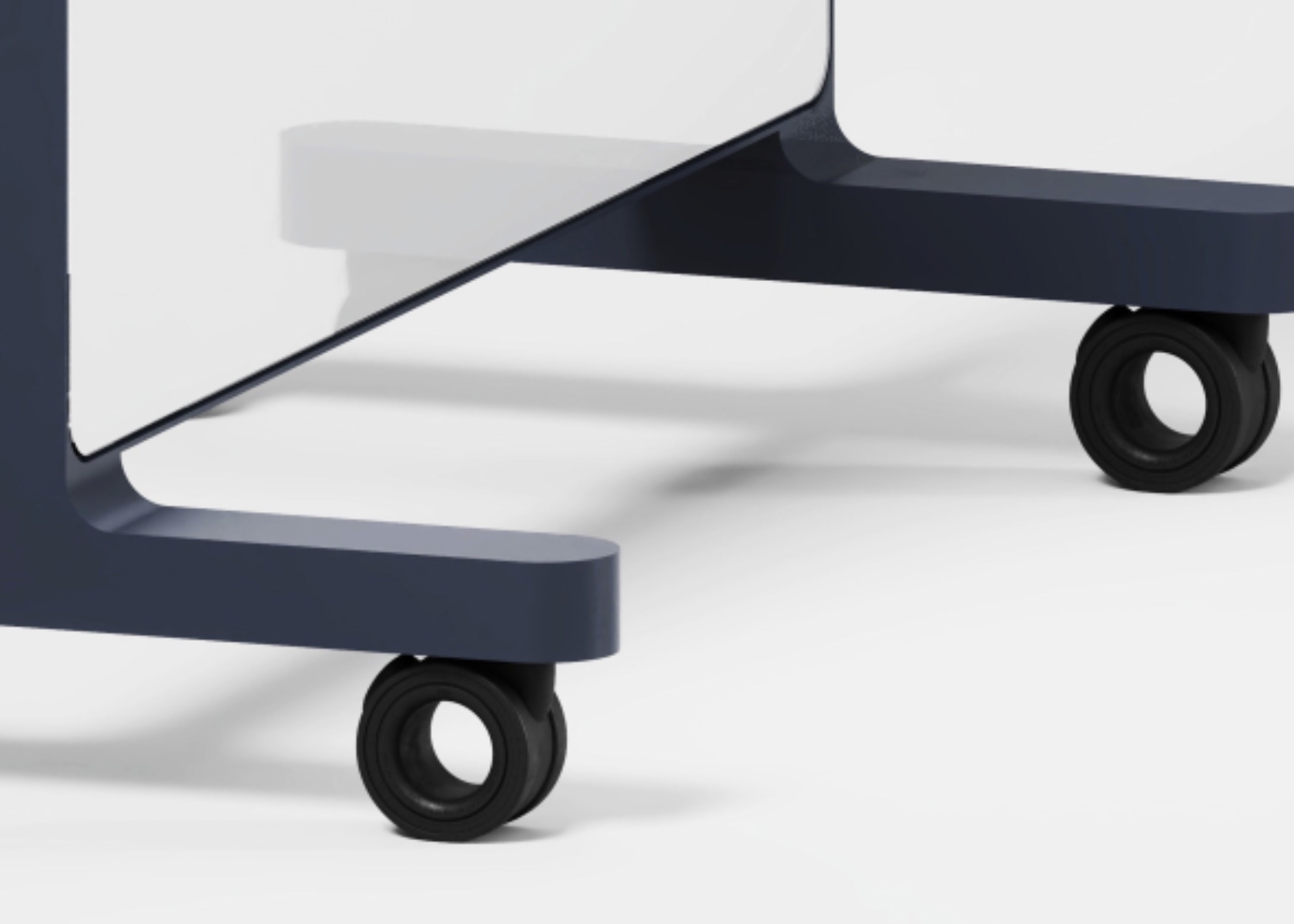
The sturdy, smooth-rolling casters are designed to move effortlessly across different floor surfaces, whether it’s carpet, wood, or concrete. This means you can reposition the desk without any hassle, ensuring it is always where you need it, whether at the center of a brainstorming session or tucked away after a photo shoot.
The Google Pixel 8 Pro remains the large-screen Android smartphone we'd recommend to most people, and right now it's back on sale for $749 at Amazon, Best Buy and Google's online store. We've seen this deal before, but it matches the largest discount we've tracked for an unlocked model outside of trade-in or carrier-exclusive offers. The phone technically has a list price of $999, though it's often sold for $799 since it was launched last October. Either way, you're saving at least a bit more than usual. This price applies to the base model with 128GB of storage, but higher-capacity models are also $250 off their MSRP if you need more space.
If you don't mind trading in an old device, however, Google has also raised the trade-in values for certain phones when they're put toward a Pixel 8 Pro. If you're upgrading from a Pixel 6 Pro, for instance, you can tack on a $400 refund, while a Pixel 7 Pro in good condition can give up to $500 back. Those are higher than what the company is offering for the smaller Pixel 8 or foldable Pixel Fold. Google says this promo will run through June 22. (Just be sure to follow Google's instructions if you go this route, as the company uses a third party for its trade-in program.) Best Buy will also take an extra $100 off if you activate the phone with a carrier.
We gave the Pixel 8 Pro a score of 93 in our review last year, and it still offers top-notch camera performance, a vibrant 6.7-inch OLED display and a relatively clean take on Android, with OS updates guaranteed through October 2030. The screen supports a variable refresh rate up to 120Hz, which makes scrolling feel smooth, and the soft glass finish looks and feels nice. The software, meanwhile, is aided by a few AI-based features that are actually handy (and don't involve eating glue): A Magic Editor tool lets you cut out unwanted objects in the background of photos, for one, while an Audio Magic Eraser feature helps eliminate ambient noise from videos. (You can use Magic Editor features with other phones, but you're limited to 10 uses per month unless you own a Pixel or pay a subscription fee.)
You'd get the Pixel 8 Pro for the camera and software first, though. Its Tensor G3 chip can handle just about anything you throw at it, but alternatives like the Samsung Galaxy S24 Ultra are technically faster and may not get as warm when stressed. Likewise, while the phone's battery can get you through a full day, it's not quite class-leading, and its 30W charging speed could stand to be faster. Still, there's plenty to like here. Our biggest issue with the Pixel 8 Pro was that it costs $100 more than its predecessor out of the gate, but this deal helps soften that blow.
If you want a smaller or more affordable handset, the 6.1-inch Pixel 8 offers most of the same features and is also on sale for $549. That's not the lowest price we've seen, though it's a better value than Google's newer midrange Pixel 8a phone when it's discounted to that extent.
The Google Pixel 8 Pro remains the large-screen Android smartphone we'd recommend to most people, and right now it's back on sale for $749 at Amazon, Best Buy and Google's online store. We've seen this deal before, but it matches the largest discount we've tracked for an unlocked model outside of trade-in or carrier-exclusive offers. The phone technically has a list price of $999, though it's often sold for $799 since it was launched last October. Either way, you're saving at least a bit more than usual. This price applies to the base model with 128GB of storage, but higher-capacity models are also $250 off their MSRP if you need more space.
If you don't mind trading in an old device, however, Google has also raised the trade-in values for certain phones when they're put toward a Pixel 8 Pro. If you're upgrading from a Pixel 6 Pro, for instance, you can tack on a $400 refund, while a Pixel 7 Pro in good condition can give up to $500 back. Those are higher than what the company is offering for the smaller Pixel 8 or foldable Pixel Fold. Google says this promo will run through June 22. (Just be sure to follow Google's instructions if you go this route, as the company uses a third party for its trade-in program.) Best Buy will also take an extra $100 off if you activate the phone with a carrier.
We gave the Pixel 8 Pro a score of 93 in our review last year, and it still offers top-notch camera performance, a vibrant 6.7-inch OLED display and a relatively clean take on Android, with OS updates guaranteed through October 2030. The screen supports a variable refresh rate up to 120Hz, which makes scrolling feel smooth, and the soft glass finish looks and feels nice. The software, meanwhile, is aided by a few AI-based features that are actually handy (and don't involve eating glue): A Magic Editor tool lets you cut out unwanted objects in the background of photos, for one, while an Audio Magic Eraser feature helps eliminate ambient noise from videos. (You can use Magic Editor features with other phones, but you're limited to 10 uses per month unless you own a Pixel or pay a subscription fee.)
You'd get the Pixel 8 Pro for the camera and software first, though. Its Tensor G3 chip can handle just about anything you throw at it, but alternatives like the Samsung Galaxy S24 Ultra are technically faster and may not get as warm when stressed. Likewise, while the phone's battery can get you through a full day, it's not quite class-leading, and its 30W charging speed could stand to be faster. Still, there's plenty to like here. Our biggest issue with the Pixel 8 Pro was that it costs $100 more than its predecessor out of the gate, but this deal helps soften that blow.
If you want a smaller or more affordable handset, the 6.1-inch Pixel 8 offers most of the same features and is also on sale for $549. That's not the lowest price we've seen, though it's a better value than Google's newer midrange Pixel 8a phone when it's discounted to that extent.