Apple is set to transform the MacBook Pro lineup with the integration of OLED displays, offering users an unparalleled visual experience. As the company continues to push the boundaries of technology, the adoption of OLED screens in MacBook Pros is expected to bring significant improvements in color accuracy, contrast, and overall display quality. The video […]
Good things come in small packages – this one measures just over 3 inches and packs a powerful blade deployed using one of the most satisfying mechanisms ever. Meet the Tekto A5 Spry Mini, a compact pocket blade with the company’s signature OTF mechanism that lets you deploy your cutting edge with a simple push of a button.
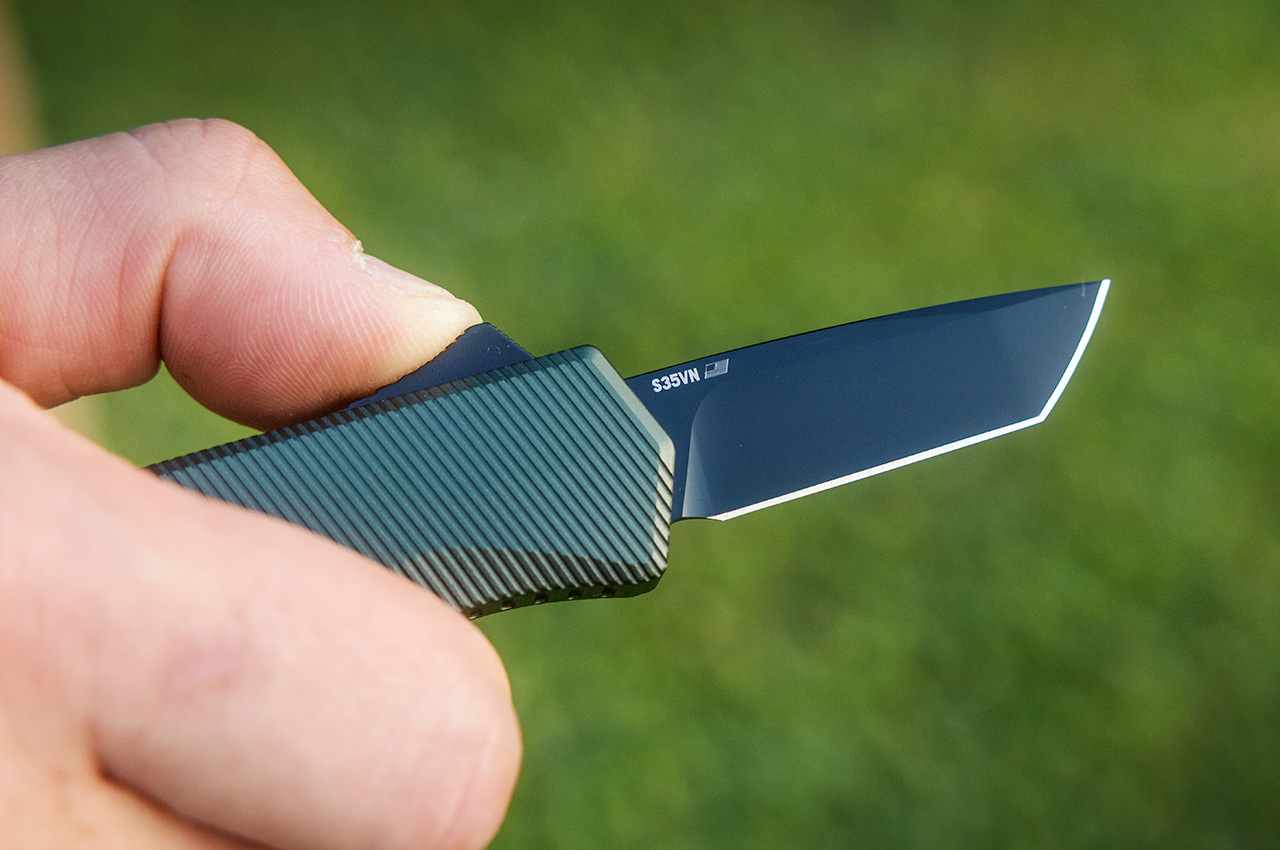
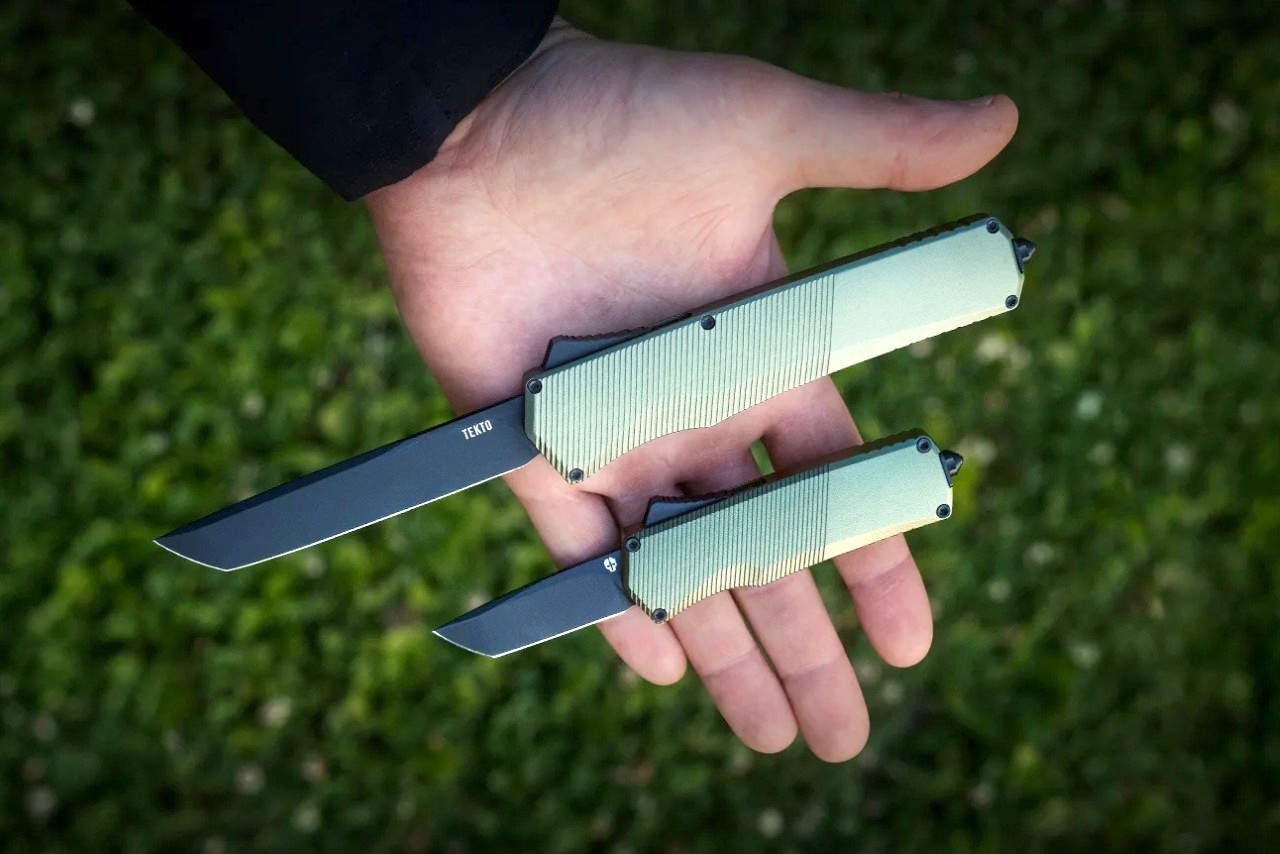
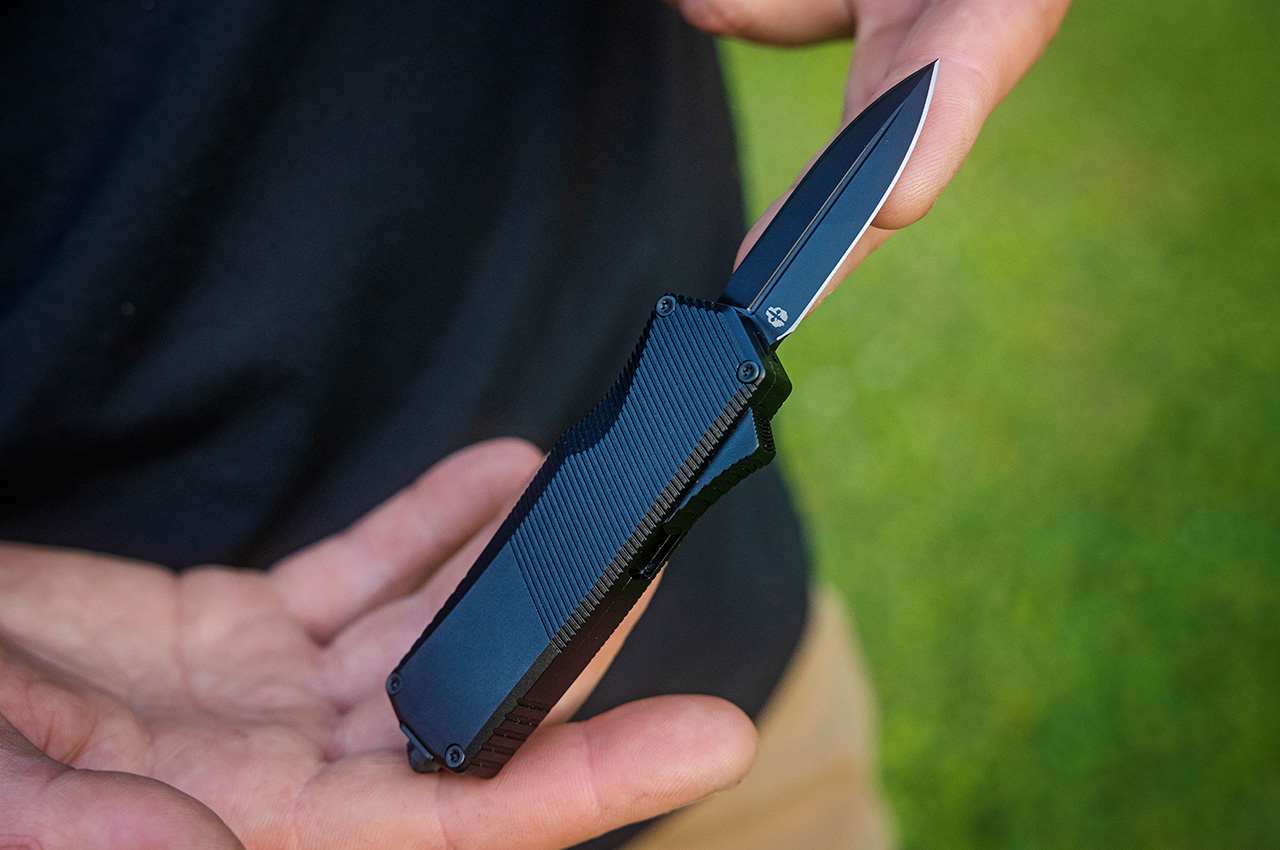
Named after its elder brother the A5 Spry, this mini marvel compresses everything that was great about its predecessor into a more compact, pocket-friendly package. While the original A5 Spry measured a nifty 4.9 inches when closed (and 8.6 inches when open), the A5 Spry Mini condenses it all into a 3.2-inch package that opens up to 5.3 inches, giving you a knife that’s smaller, lighter, more maneuverable, just as strong, and with the same satisfying OTF mechanism that deploys a titanium-coated S35VN steel blade, along with a tungsten steel glass-breaker on the rear to get you out of any sort of emergency.
Designer: Tekto
Click Here to Buy Now: $153$179.99 (Use coupon code “Yanko15” to get $26.99 off). Hurry, deal end in 48-hours!
Tekto A5 Spry vs. A5 Spry Mini
The A5 Spry Mini’s all-metal design is a pleasure for the eyes and the hands. You’ve got a handle machined out of 6061-T6 Aluminum, offering a cool, confident grip thanks to its ergonomic, ambidextrous design. Weighing a little more than knives with G10 or carbon fiber handles, the A5 Spry Mini gives you the confidence of a slightly larger knife while still being deviously compact. A single contoured switch helps deploy its blade, while pushing the switch back retracts the blade back into the handle. The process feels so incredibly tactile and satisfying I wouldn’t be surprised if you never wanted to buy a different flipper knife ever again.
Drop Point Blade
Dagger Blade
Tanto Blade
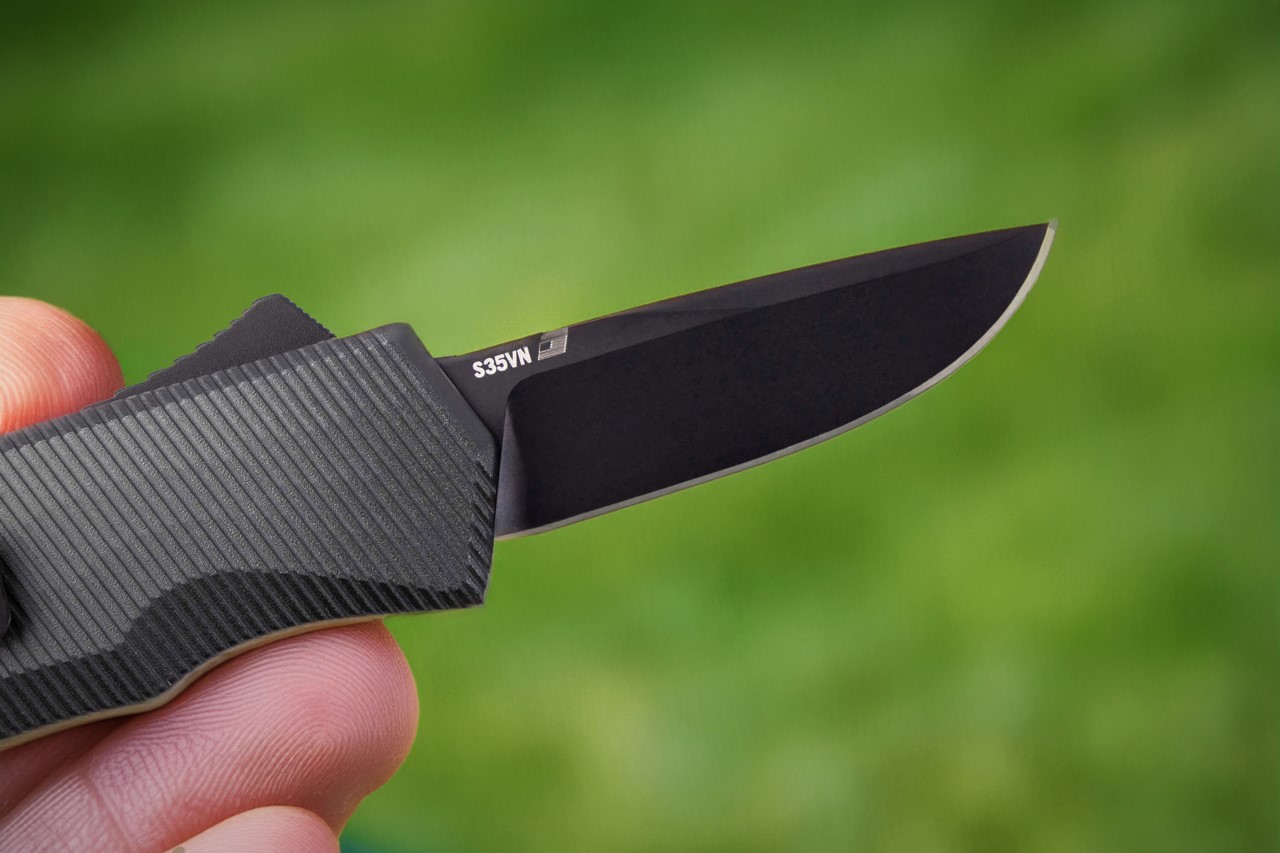
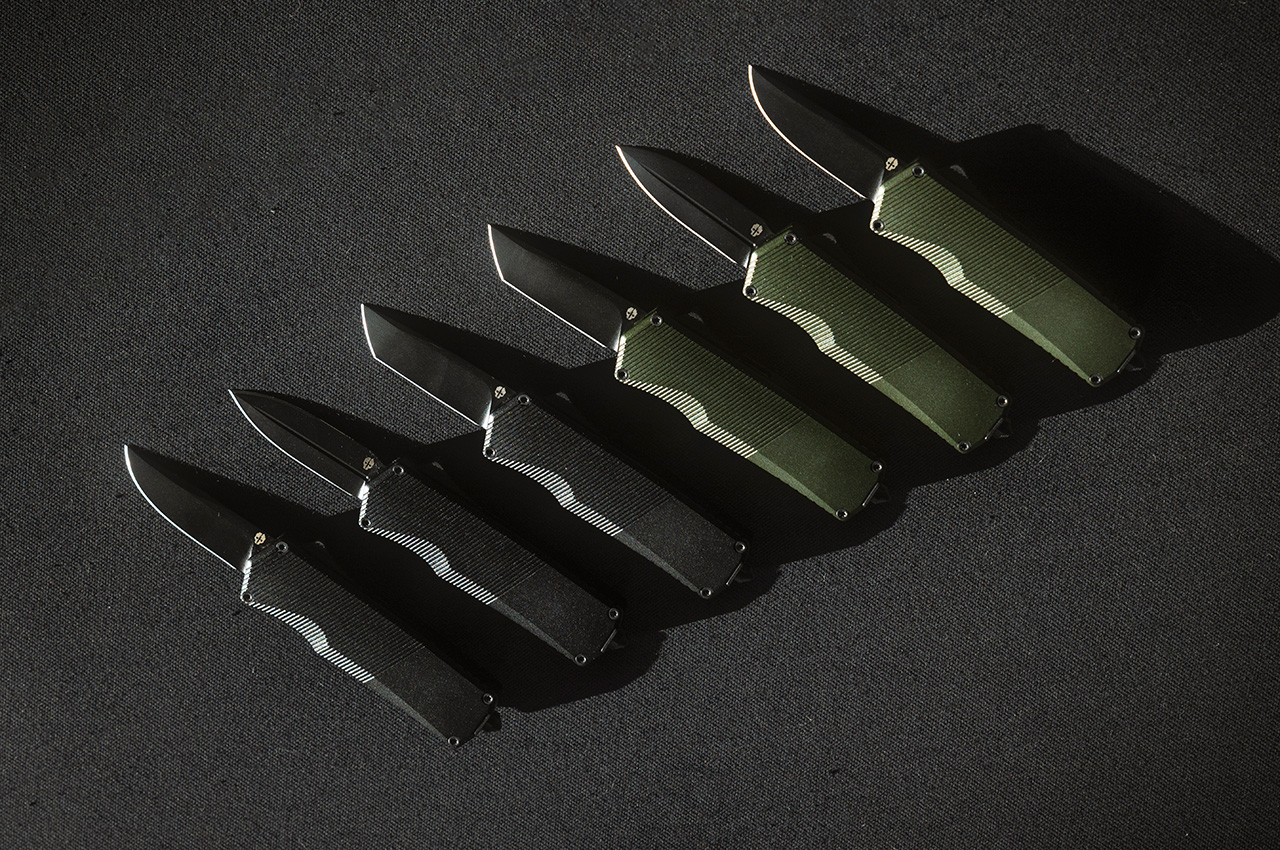
With the A5 Spry Mini, you have 3 blade styles to choose from – a Dagger-style blade with dual edges, a conventional Drop-point blade that’s an industry standard, and a Tanto-style blade with a faceted edge. You can choose the blade type depending on what you predominantly use your EDC knives for. The dagger style is a great tactical option, the drop-point is arguably the most classic of the lot, and the tanto blade is conventional with a twist. The blade itself is crafted from premium S35VN steel, known for its robustness and edge-retention, and further coated with a titanium layer to make the blades even stronger than before.
Equipped with a tungsten steel ball glass breaker for maximum effectiveness in emergencies. The new design ensures quick, efficient glass shattering, providing reliable safety and accessibility when every second counts.
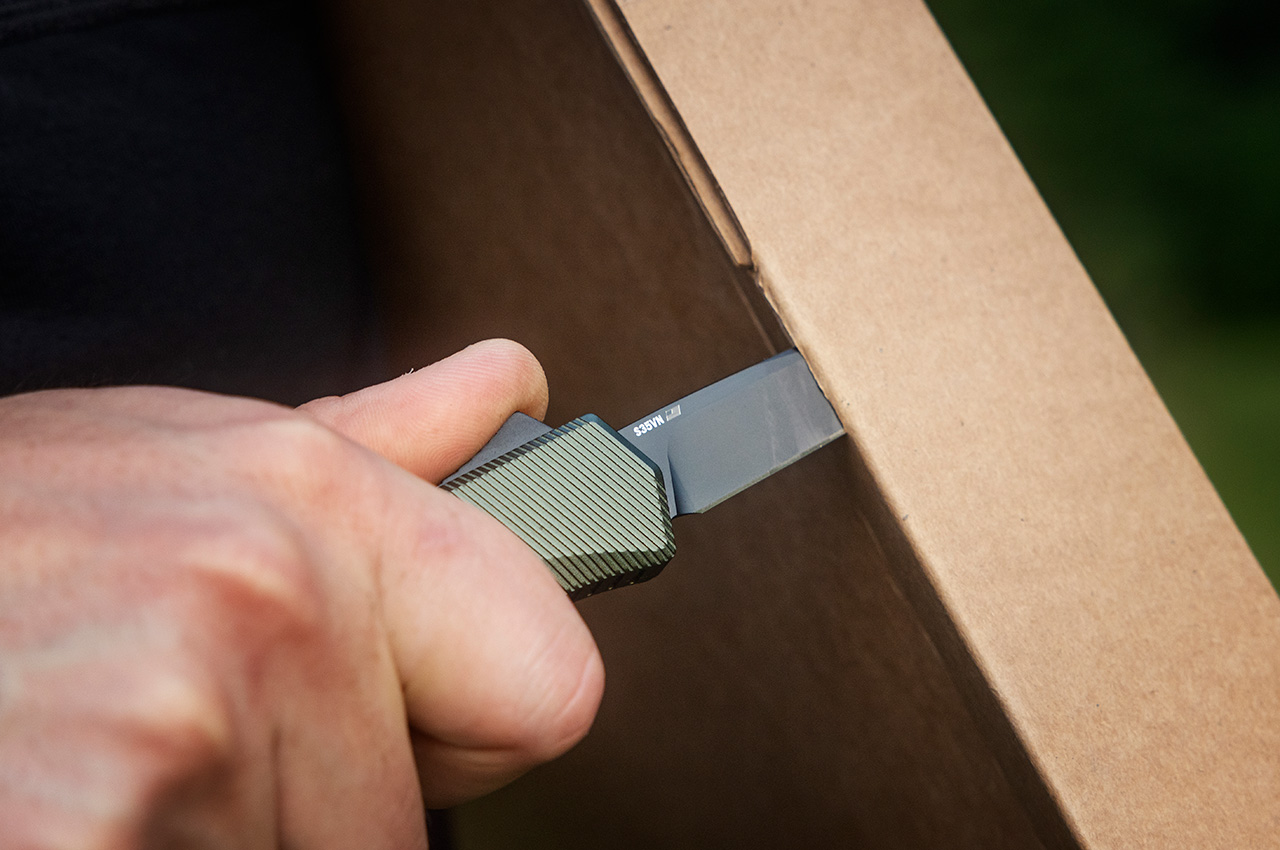
Forged with a premium S35VN steel and coated in titanium, the A5 Spry Mini blade offers unparalleled durability and edge retention, ensuring reliability and peak performance in any situation.
Move your eyes away from the blade and you see that the A5 Spry Mini’s body comes with a few more surprises, from an ambidextrous pocket clip that can attach itself to either the left or right side of the blade depending on your dominant hand. The rear has one last flourish in the form of a tungsten steel glass breaker that lets you strike at even reinforced or laminated glass (like the ones on cars), causing it to shatter at the point of impact. Absolutely ideal to have in the glove box of your car or even on your person, the A5 Spry Mini is one of those miniature miracles that can be quite a life-saver whether it’s escaping emergencies, surviving tactical or self-defense situations, or just using a folding knife for mundane activities like opening parcels, cutting fruits/veggies, or scraping flint to start a fire. Don’t worry, the mundane won’t feel that way for long given how much hands-on fun Tekto’s OTF mechanism is!
Click Here to Buy Now: $153$179.99 (Use coupon code “Yanko15” to get $26.99 off). Hurry, deal end in 48-hours!
Stefano Boeri Architetti, the designer of the acclaimed Vertical Forests was commissioned to build a new technology museum in Xi’an, China. This anticipated structure will serve as a tree-covered man-made mountain, allowing visitors to explore on the top, and immerse themselves in nature in the midst of a chaotic metropolis. Dubbed the Culture CBD Modern Technology Experience Center, the building features a unique hilly form that is inspired by the area’s topography, including the mountains, rivers, and the rugged valley.
The building will have a curving concrete form amped with expansive glazing on the front-facing facade. The facade will be marked with horizontal slats for shading. The rooftop will feature a stepped exterior and include terraces and walkways, including loads of plants and trees. They will also contain different kinds of shrubs, as well as perennial herbs. Visitors can ascend to the top, and they will be welcomed by beautiful hanging gardens, as well as a massive viewing platform that offers serene views of the city.
“On the roof, the project includes a hanging garden in continuity with the park and a system of terraces that allows visitors to climb up to the building and gain a new look at the surrounding urban panorama,” said Stefano Boeri Architetti. “The green terraces accessible to citizens will be an integral part of the museum’s cultural program of events (the different areas will host screenings, activities, shows, and performances) – as well as offering citizens a new public outdoor space, with unprecedented views of the park and the city. ”
As you enter the museum, you will be greeted by four main exhibition spaces, as well as a temporary exhibition area, and multiple commercial zones. The various sections will be linked by a big double-height central atrium. The decor of the interiors will feature a vibrant and bright blue hue, which was selected on account of its significance and heavy usage in digital design and art. This is a popular choice in the world of digital design, and once you start looking out for it, you’ll find that it is quite widespread.
Currently, nature-inspired architecture in on the rise in China, and the cultural center will be another invaluable and wonderful addition. Although currently, we don’t know when it will be completed, the project is being headed by Stefano Boeri Architetti’s China-based satellite branch, instead of the main Italian studio.
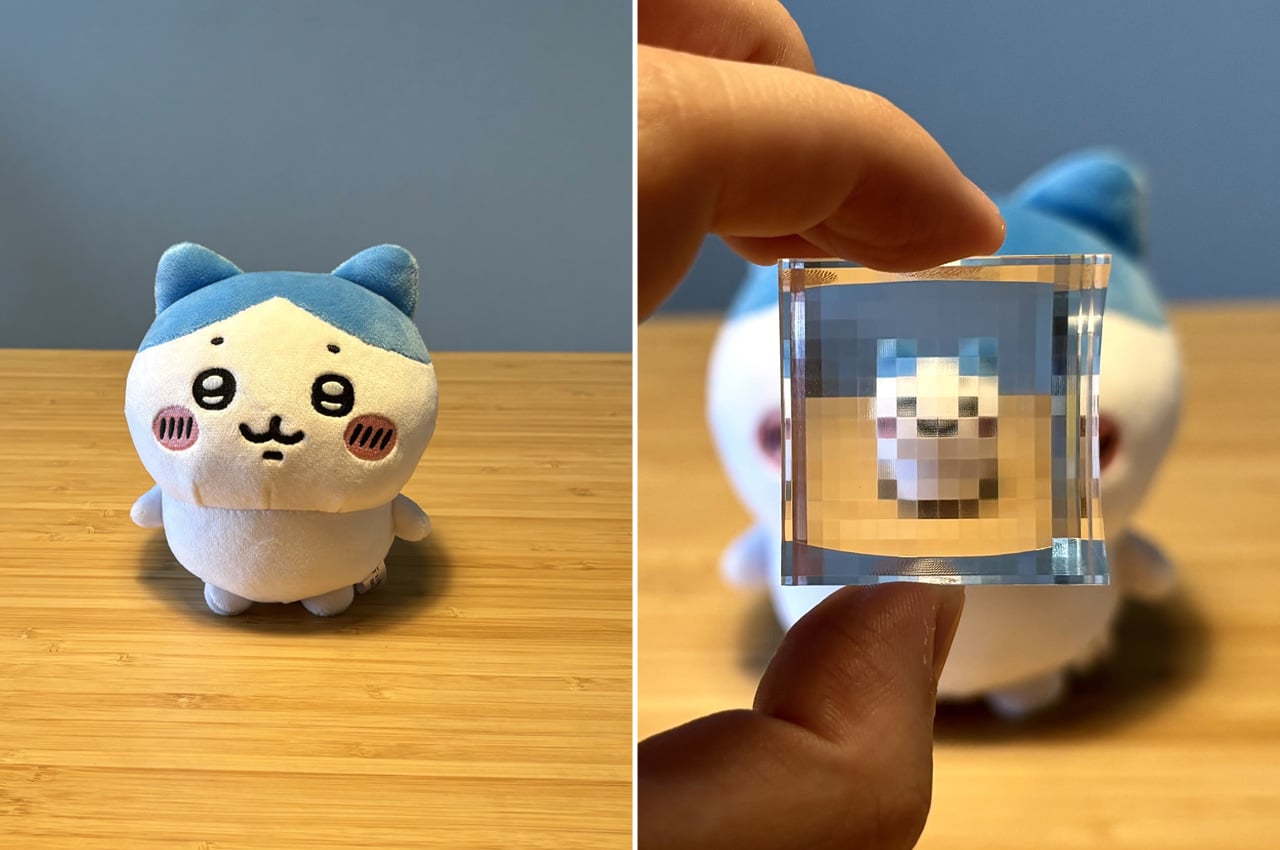
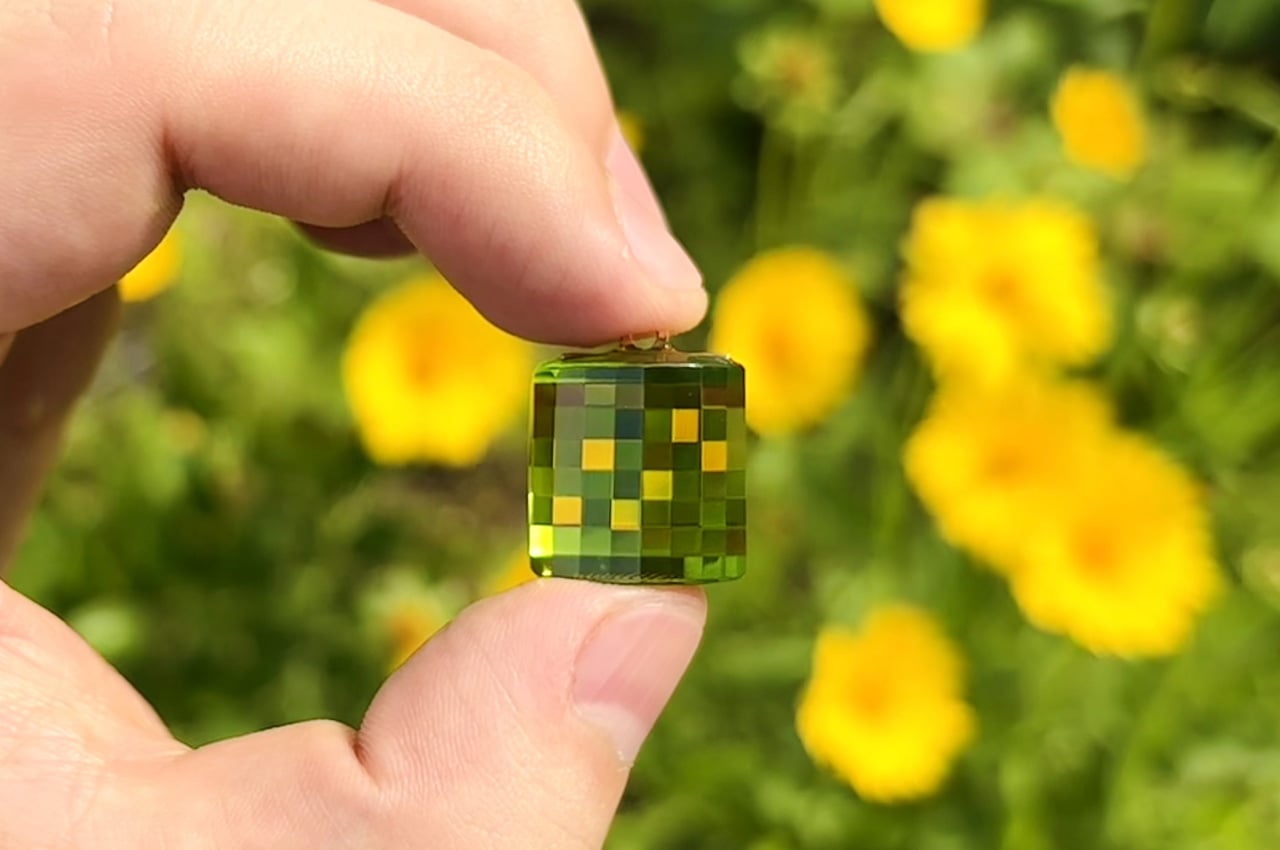
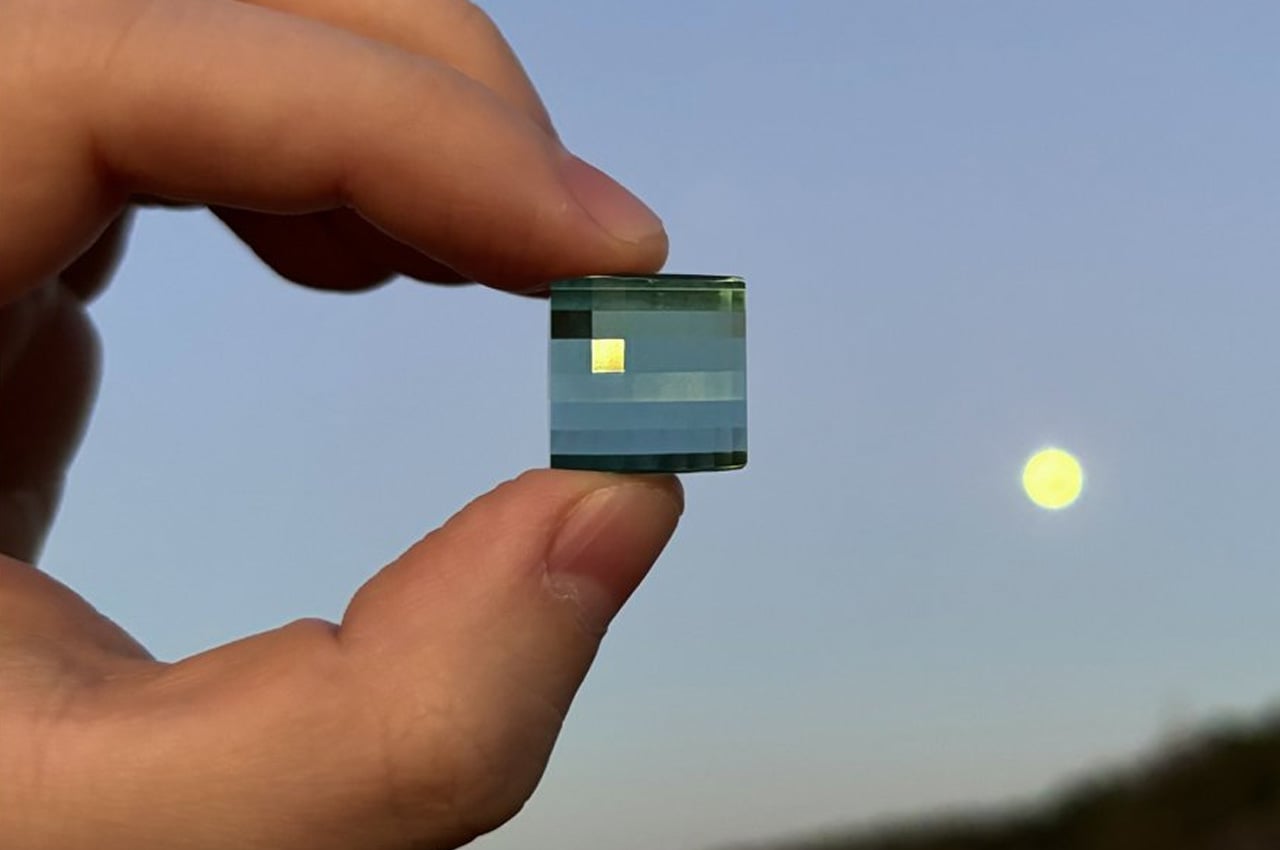
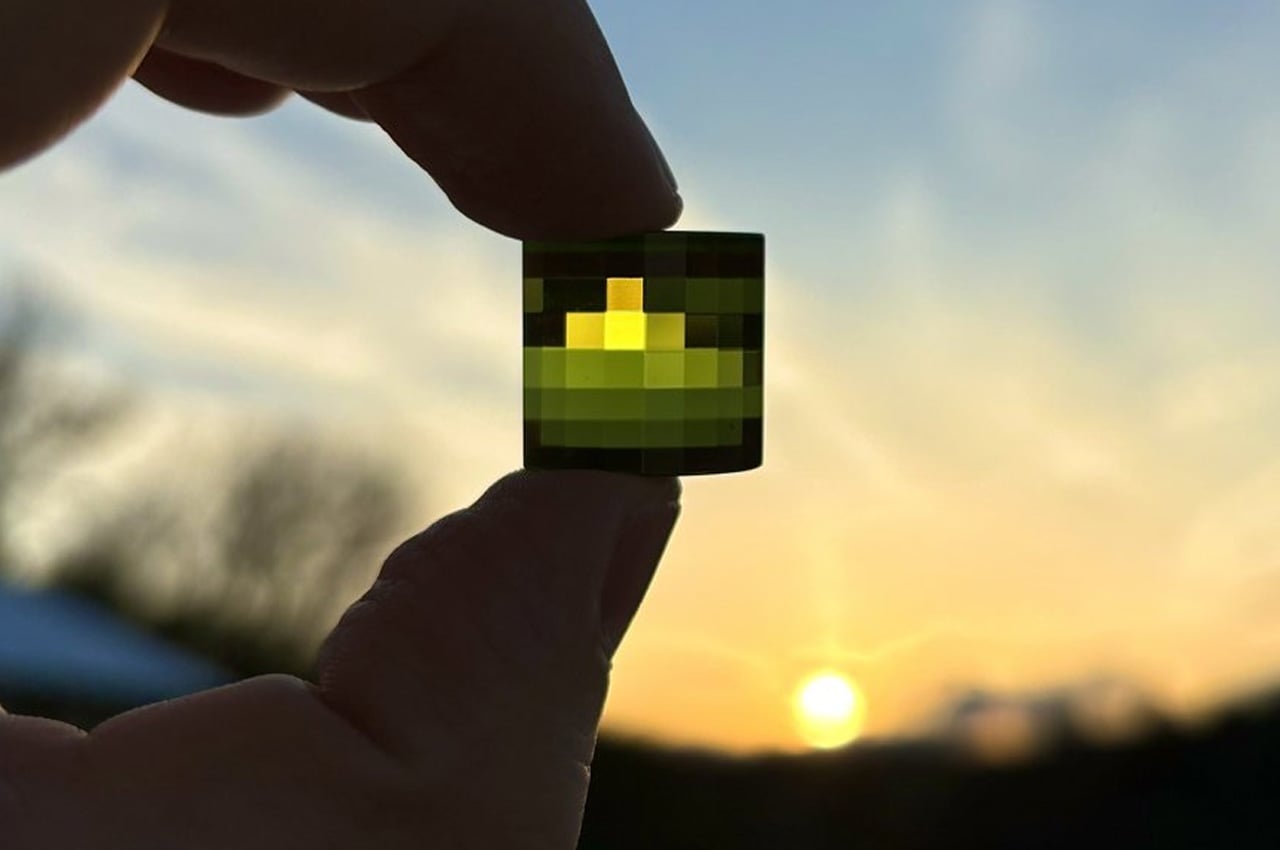
There is no denying that modern graphic resolutions have reached unachievable heights. Yet, there are many with an emotional connect to pixelated style: an art form that rekindles memories of early computers and video game graphics. If you’re one of them, who rejoices the blurring the lines between analog and digital, you can (when available) lay hands on the Pixel Mirror that creates an inverted pixel image of what’s behind it.
The wearable Pixel Mirror, developed by Hakusi Katei aka Monoli, a Japanese material designer and Ph.D. in engineering, is a crystal that reduces the resolution of what’s behind it – regardless of distance and movement – leaving you with a pixel art of what you are looking at.
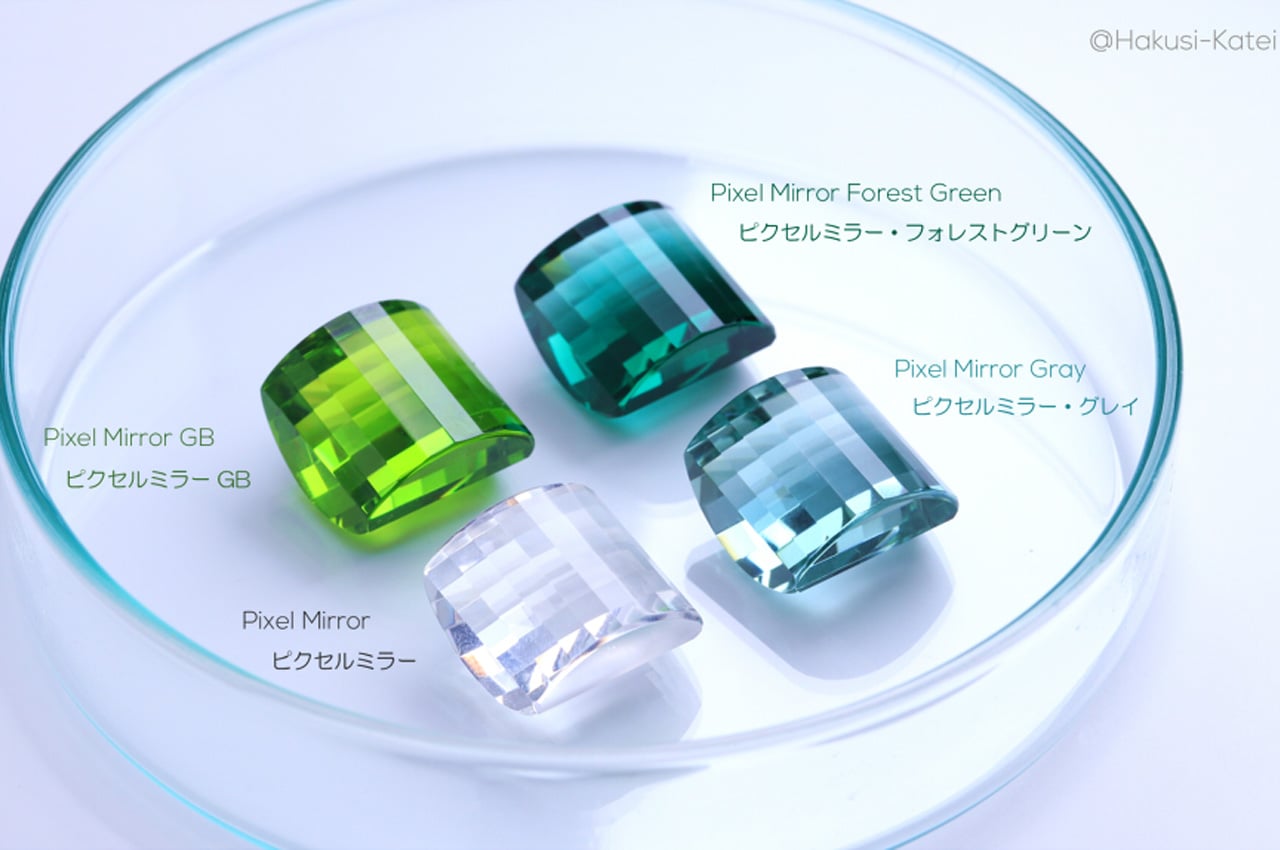
Made from light-colored transparent crystal in forest green, gray, and colorless variant, the Pixel Mirror is designed for use in bright environments. While for some of us, it’s only a gimmicky wearable (more on the aspect later) it might have real utility for artists and painters, who can leverage from the immediate, readable fat swatches of the scene behind the prism you’re looking through.
The Pixel Mirror measures 16mm x 16mm x 10mm, which means it’s small enough to be worn as a pendant in a necklace. Monoli’s series of wearable and handheld prisms are all handmade, and because of the nature of polishing natural stones, they are not perfect square “pixels”. They are handmade to suit the condition of the available stone.
After the Pixel Mirror, Monoli now has the Pixel Window in works, which as the artist puts it, “the lens minecrafts scenery without electricity.” Pixel Mirror is on sale in Japan for ¥ 19,800 (roughly $120). If you’re outside of Japan, you’ll want to keep an eye on Monoli’s tweets for information on international availability.
OpenAI seems to make headlines every day and this time it's for a double dose of security concerns. The first issue centers on the Mac app for ChatGPT, while the second hints at broader concerns about how the company is handling its cybersecurity.
Earlier this week, engineer and Swift developer Pedro José Pereira Vieito dug into the Mac ChatGPT app and found that it was storing user conversations locally in plain text rather than encrypting them. The app is only available from OpenAI's website, and since it's not available on the App Store, it doesn't have to follow Apple's sandboxing requirements. Vieito's work was then covered by The Verge, and after the exploit attracted attention, OpenAI released an update that added encryption to locally stored chats.
For the non-developers out there, sandboxing is a security practice that keeps potential vulnerabilities and failures from spreading from one application to others on a machine. And for non-security experts, storing local files in plain text means potentially sensitive data can be easily viewed by other apps or malware.
The second issue occurred in 2023 with consequences that have had a ripple effect continuing today. Last spring, a hacker was able to obtain information about OpenAI after illicitly accessing the company's internal messaging systems. The New York Times reported that OpenAI technical program manager Leopold Aschenbrenner raised security concerns with the company's board of directors, arguing that the hack implied internal vulnerabilities that foreign adversaries could take advantage of.
Aschenbrenner now says he was fired for disclosing information about OpenAI and for surfacing concerns about the company’s security. A representative from OpenAI told The Times that “while we share his commitment to building safe A.G.I., we disagree with many of the claims he has since made about our work” and added that his exit was not the result of whistleblowing.
App vulnerabilities are something that every tech company has experienced. Breaches by hackers are also depressingly common, as are contentious relationships between whistleblowers and their former employers. However, between how broadly ChatGPT has been adopted into major players' services and how chaotic the company's oversight, practices and public reputation have been, these recent issues are beginning to paint a more worrying picture about whether OpenAI can manage its data.
This article originally appeared on Engadget at https://www.engadget.com/openai-hit-by-two-big-security-issues-this-week-214316082.html?src=rss
OpenAI seems to make headlines every day and this time it's for a double dose of security concerns. The first issue centers on the Mac app for ChatGPT, while the second hints at broader concerns about how the company is handling its cybersecurity.
Earlier this week, engineer and Swift developer Pedro José Pereira Vieito dug into the Mac ChatGPT app and found that it was storing user conversations locally in plain text rather than encrypting them. The app is only available from OpenAI's website, and since it's not available on the App Store, it doesn't have to follow Apple's sandboxing requirements. Vieito's work was then covered by The Verge, and after the exploit attracted attention, OpenAI released an update that added encryption to locally stored chats.
For the non-developers out there, sandboxing is a security practice that keeps potential vulnerabilities and failures from spreading from one application to others on a machine. And for non-security experts, storing local files in plain text means potentially sensitive data can be easily viewed by other apps or malware.
The second issue occurred in 2023 with consequences that have had a ripple effect continuing today. Last spring, a hacker was able to obtain information about OpenAI after illicitly accessing the company's internal messaging systems. The New York Times reported that OpenAI technical program manager Leopold Aschenbrenner raised security concerns with the company's board of directors, arguing that the hack implied internal vulnerabilities that foreign adversaries could take advantage of.
Aschenbrenner now says he was fired for disclosing information about OpenAI and for surfacing concerns about the company’s security. A representative from OpenAI told The Times that “while we share his commitment to building safe A.G.I., we disagree with many of the claims he has since made about our work” and added that his exit was not the result of whistleblowing.
App vulnerabilities are something that every tech company has experienced. Breaches by hackers are also depressingly common, as are contentious relationships between whistleblowers and their former employers. However, between how broadly ChatGPT has been adopted into major players' services and how chaotic the company's oversight, practices and public reputation have been, these recent issues are beginning to paint a more worrying picture about whether OpenAI can manage its data.
This article originally appeared on Engadget at https://www.engadget.com/openai-hit-by-two-big-security-issues-this-week-214316082.html?src=rss
Making a video game on any platform takes hard work, and even if a game is finished it’s still not immune to delays (see: Duke Nukem Forever, L.A. Noire and Diablo III.) A group of Italian programmers had to wait 22 years to finally see the release of their fantasy hack ‘n slasher Kien for the Game Boy Advance (GBA) — a console whose last units went into production in 2009. It's likely the most-delayed game in history, according to a feature inThe Guardian.
Kien first started its long development in 2002. A small group of Italian programmers formed AgeOfGames, the first company in the country to start production on a GBA title. Two years later, they had a finished product, but the game never saw store shelves because its publisher deemed it too much of a financial risk to release.
In the interim, AgeOfGames switched to making educational games to stay in business,and the life cycle of the GBA came and went. Then the retro gaming boom gave the Italian studio an opportunity: a new publisher that specializes in classic console games, incube8 Games, took interest. Now Kien is available in cartridge form, and playable on original hardware.
Retro gaming in general is big business these days and more accessible than ever. There are all kinds of new consoles designed to play hundreds of thousands of different titles from yesteryear. The iPhone finally began allowing apps that emulate all sorts of classic consoles in its online stores earlier this year. There’s even been a renaissance of new games using old fashioned graphics. You’re never far away from the games and experiences that defined your childhood.
Kien is available to purchase from incube8's website for the (only slightly shocking) price of $60.
This article originally appeared on Engadget at https://www.engadget.com/possibly-the-most-delayed-video-game-in-history-is-finally-available-on-the-game-boy-advance-205150837.html?src=rss
Making a video game on any platform takes hard work, and even if a game is finished it’s still not immune to delays (see: Duke Nukem Forever, L.A. Noire and Diablo III.) A group of Italian programmers had to wait 22 years to finally see the release of their fantasy hack ‘n slasher Kien for the Game Boy Advance (GBA) — a console whose last units went into production in 2009. It's likely the most-delayed game in history, according to a feature inThe Guardian.
Kien first started its long development in 2002. A small group of Italian programmers formed AgeOfGames, the first company in the country to start production on a GBA title. Two years later, they had a finished product, but the game never saw store shelves because its publisher deemed it too much of a financial risk to release.
In the interim, AgeOfGames switched to making educational games to stay in business,and the life cycle of the GBA came and went. Then the retro gaming boom gave the Italian studio an opportunity: a new publisher that specializes in classic console games, incube8 Games, took interest. Now Kien is available in cartridge form, and playable on original hardware.
Retro gaming in general is big business these days and more accessible than ever. There are all kinds of new consoles designed to play hundreds of thousands of different titles from yesteryear. The iPhone finally began allowing apps that emulate all sorts of classic consoles in its online stores earlier this year. There’s even been a renaissance of new games using old fashioned graphics. You’re never far away from the games and experiences that defined your childhood.
Kien is available to purchase from incube8's website for the (only slightly shocking) price of $60.
This article originally appeared on Engadget at https://www.engadget.com/possibly-the-most-delayed-video-game-in-history-is-finally-available-on-the-game-boy-advance-205150837.html?src=rss
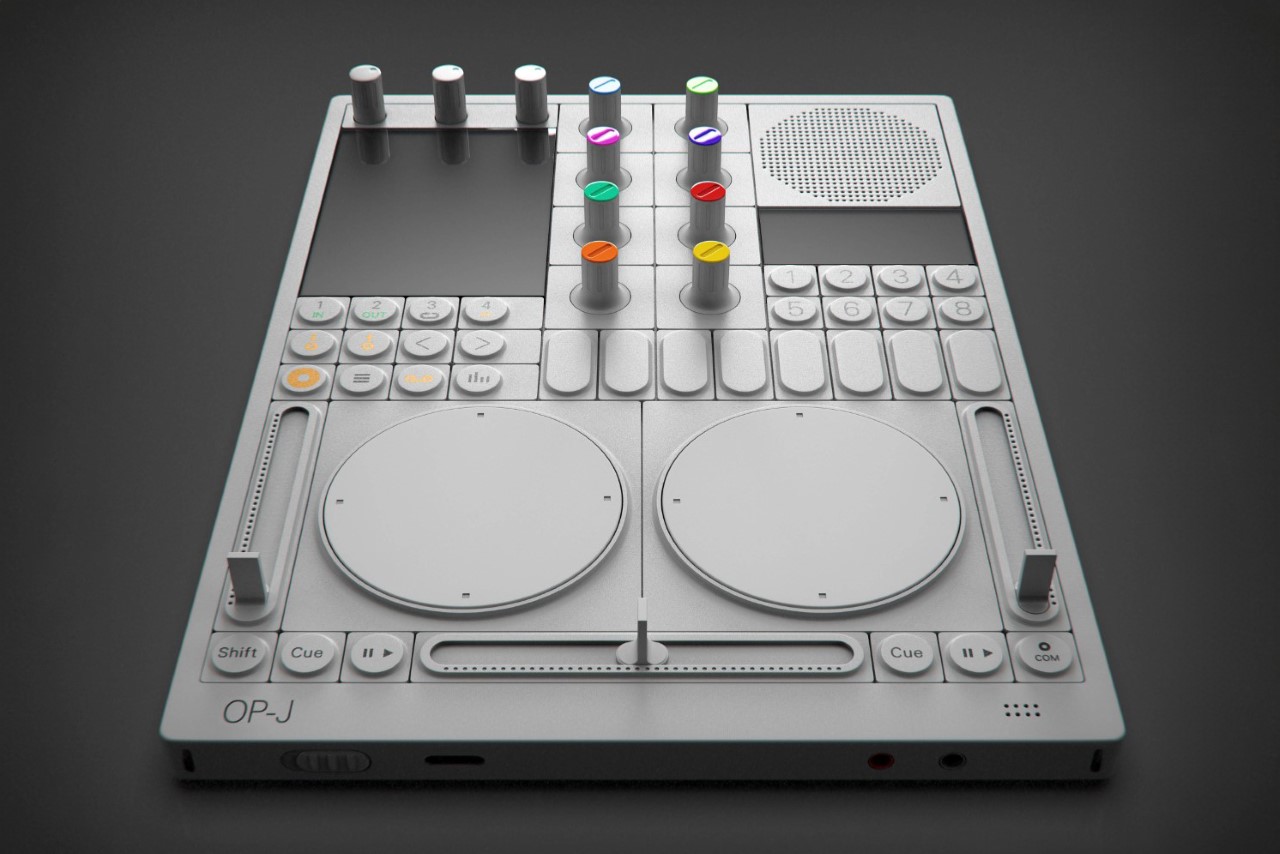
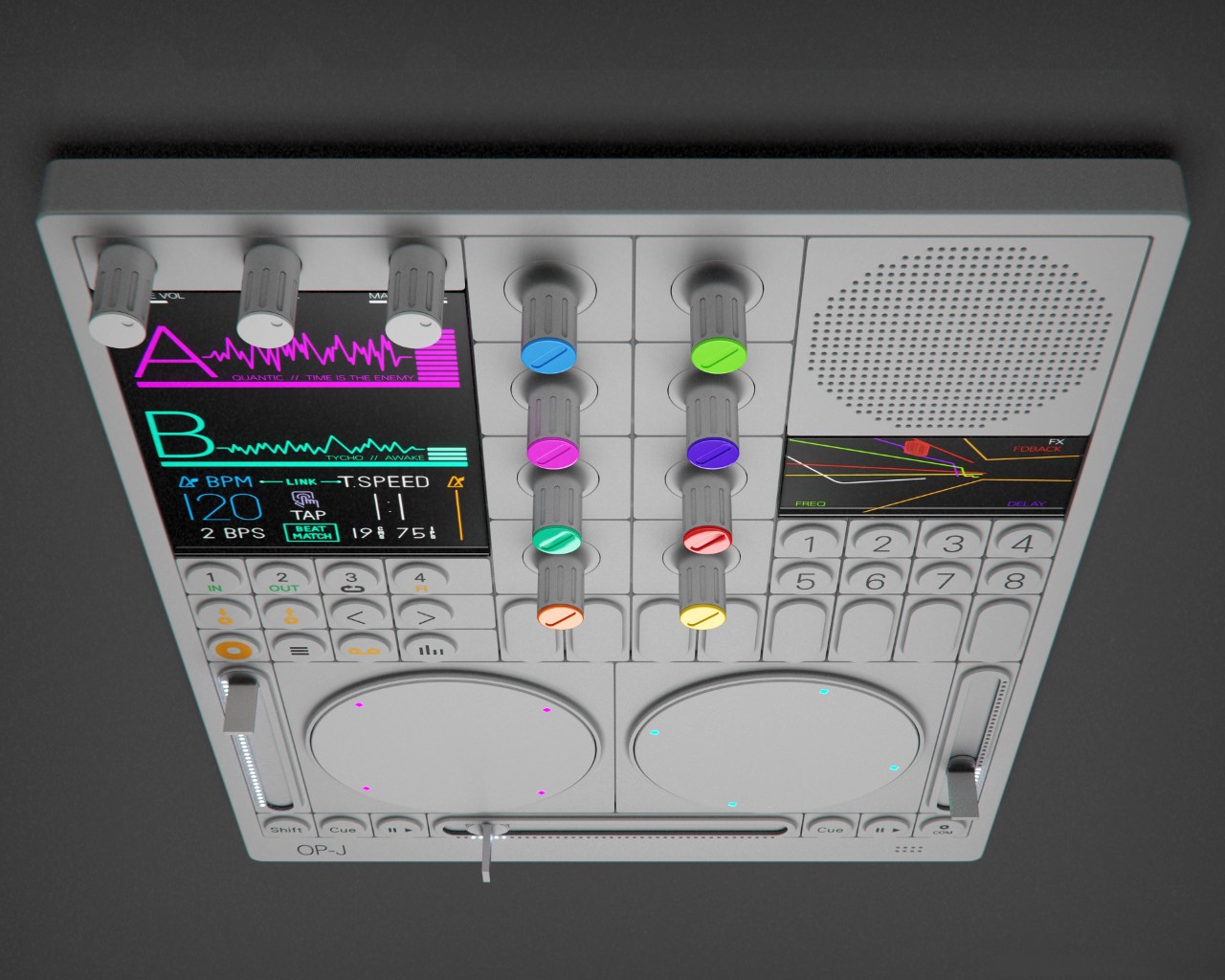
Teenage Engineering has become an inseparable part of the music community in the past decade. Ever since their OP-1 synth debuted on Swedish House Mafia’s music video for their song ‘One’, the company has been on a rise, launching Pocket Operators, recording/playback gear, turntables for children, and even venturing into phones for Nothing and the R1 AI device for Rabbit. Their position in the new-age music industry, however, remains cemented for the next few years to come – but if there’s one device missing from their music-making tech repertoire, it’s a great DJ console. While most people love making music, there’s a case to be made that if you want to connect with your listeners, you need to perform your music too – and deejay consoles help artists do just that. Designed to bridge this product gap, Chris Matthews designed the OP-J, a Teenage Engineering-inspired console for disc jockeys looking to play and remix tunes.
Designer: Chris Matthews
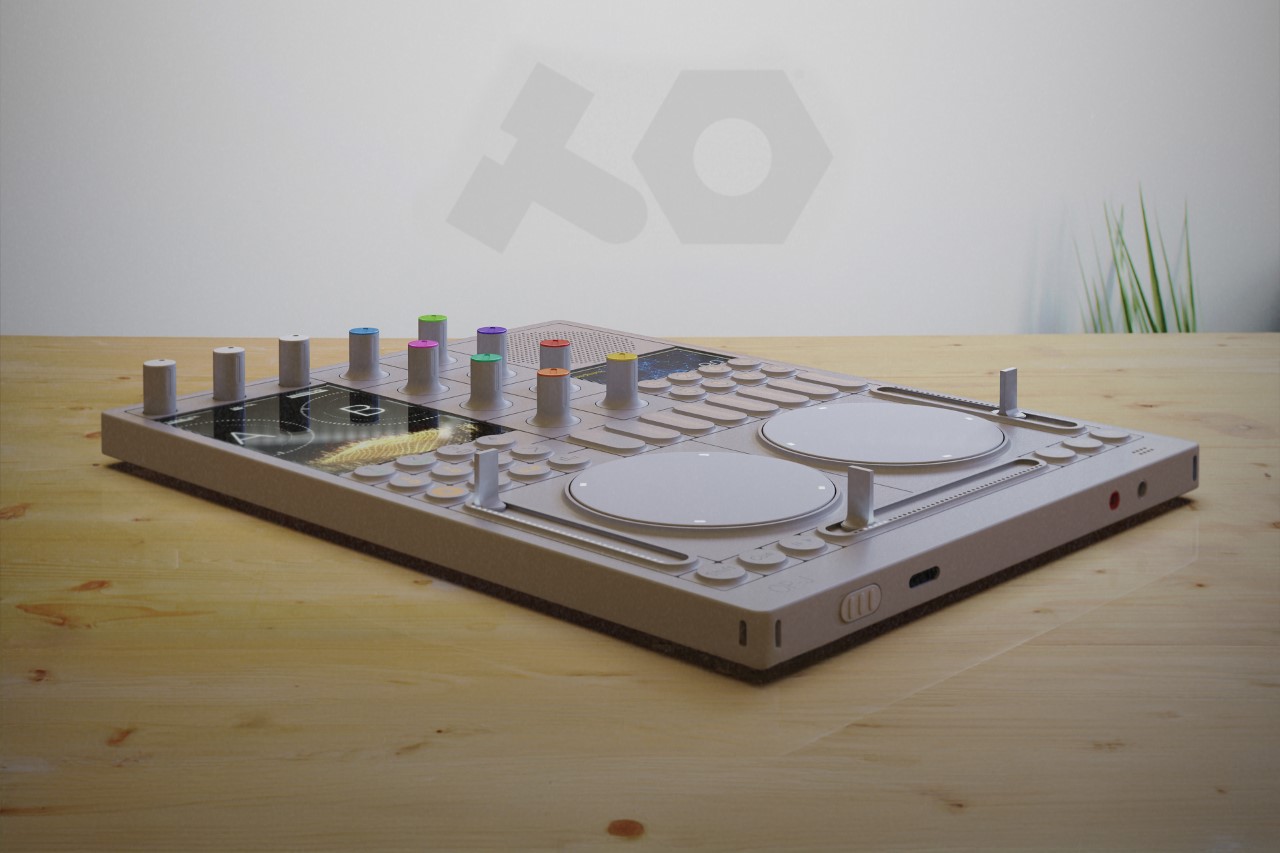
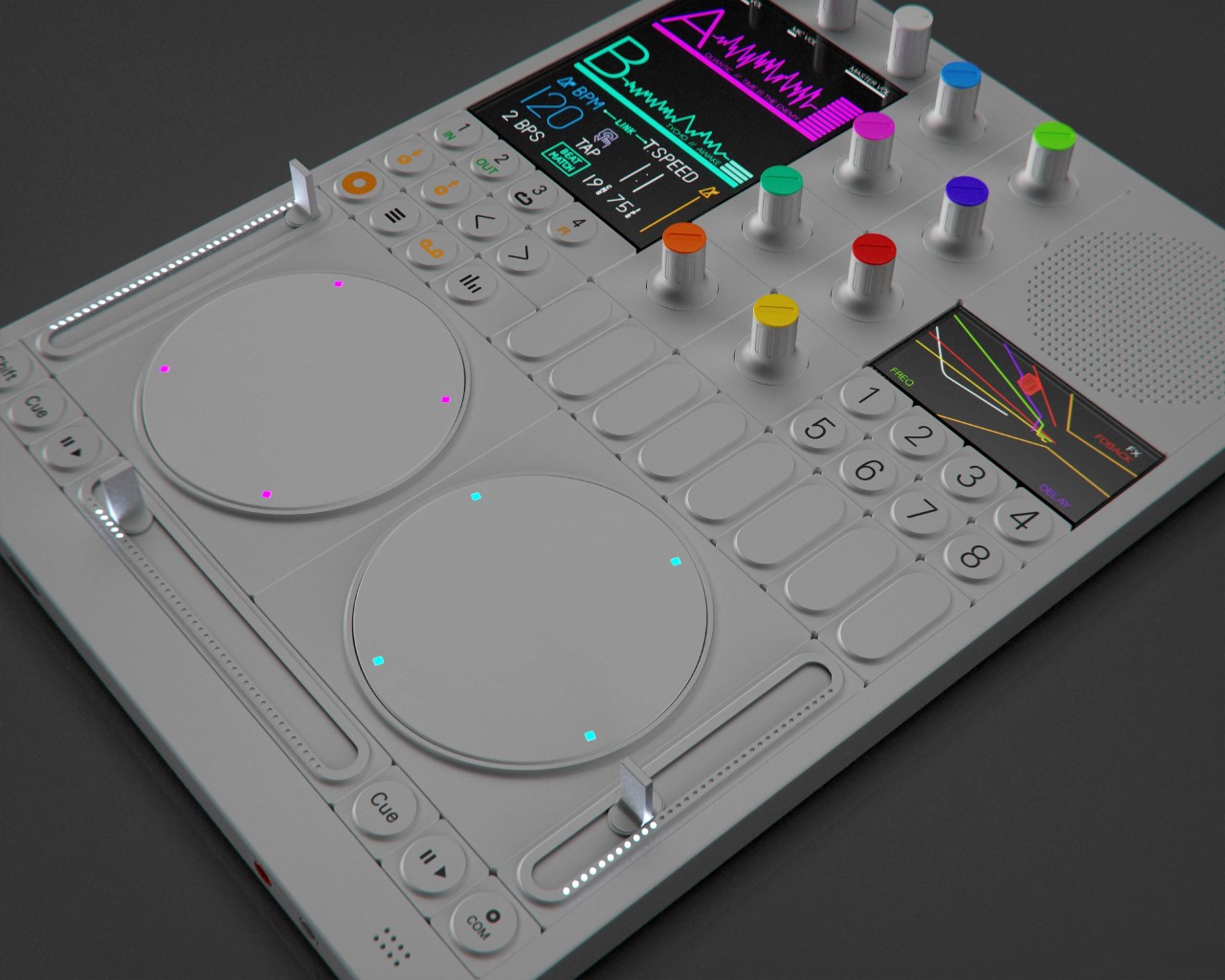
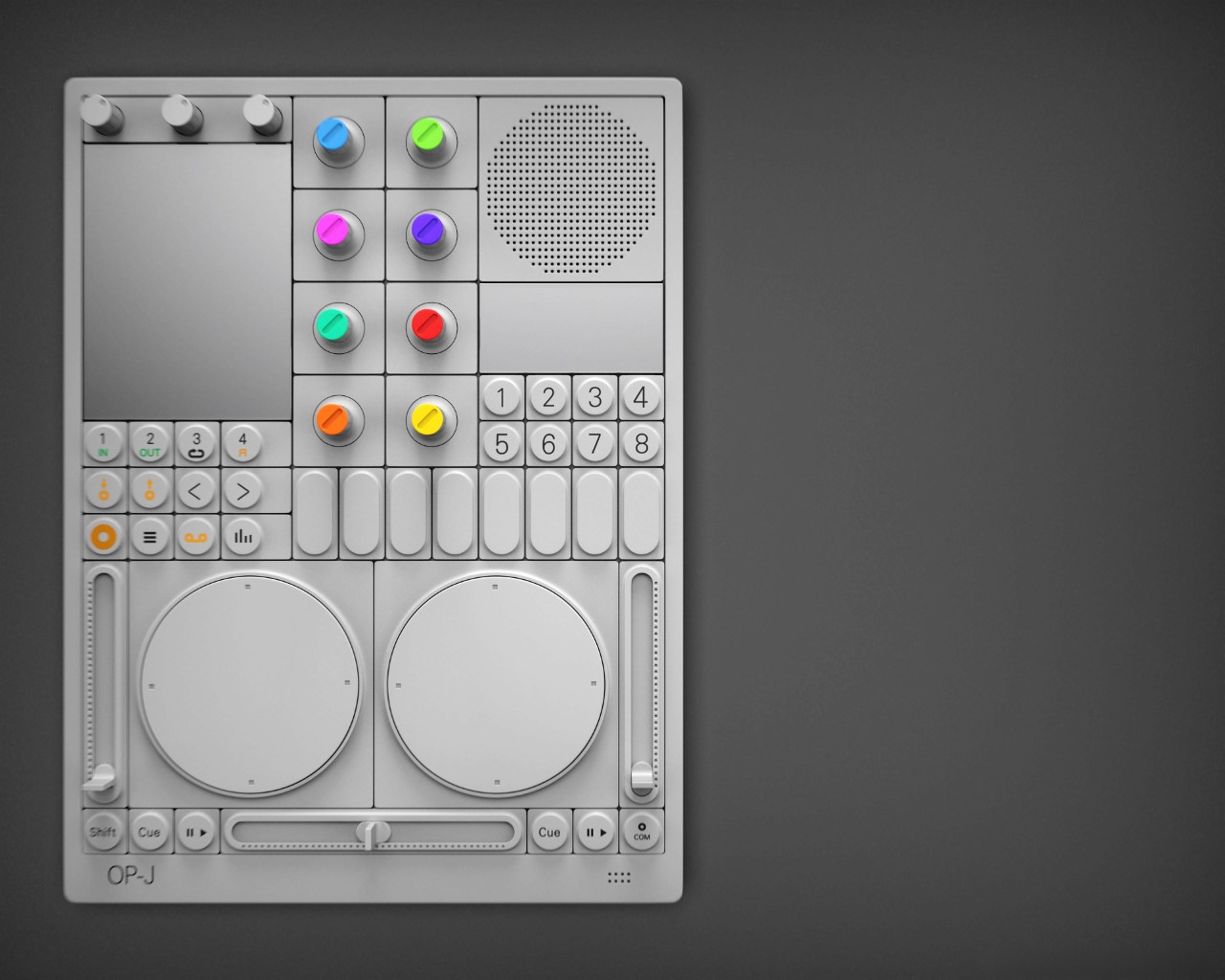
Deejay consoles don’t really need to be portable, but there’s an understated beauty to how sleek the OP-J is. It’s about as thick as its synthesizer sibling, with the same design language running through. You’ve got two rotating discs, knobs, keys, buttons, cross-faders, a speaker, and two screens that guide you through playback as well as effect settings.
Keeping in theme with the company’s focus on music creation, the OP-J allows you to do more than just play and merge tracks. Sure, it’s a pretty capable DJ console, with everything a disc jockey would need to get on stage and drop the bass… but you’ve got 8 keys and 8 more buttons to record/trigger loops, play melodies, or activate certain intros/outros to spice up your songs. Although it isn’t shown here, I wouldn’t be surprised if you could hook the OP-1 to the setup and take your performance to even higher levels.
Color-coded knobs let you control effects and envelopes, while a dedicated display just for the effects lets you monitor what you’re up to. It’s unusual for a DJ console to come with its own speaker, but just in case you want to practice in the privacy of your home or hotel room, the OP-J lets you nerd out without needing a separate speaker system. Yes, audio jacks on the bottom let you hook external speakers if you can, or headphones so you can preview tracks before cueing them.
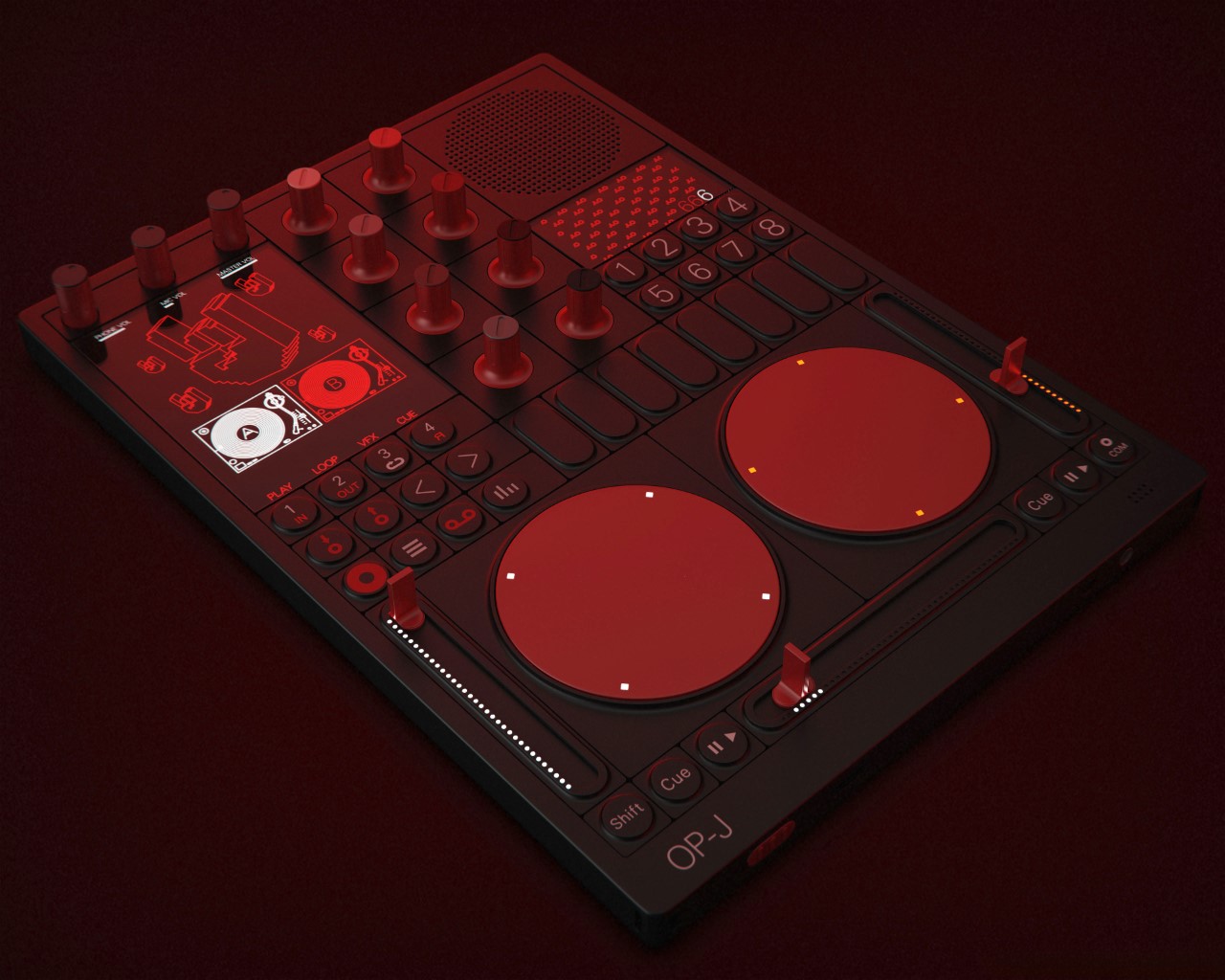
The OP-J is just a fan-made concept for now, but if someone from Teenage Engineering reads this, we all could use an OP-style deejay console! Besides, let’s also take some time out to appreciate the Darth Vader-esque black and red version below?!
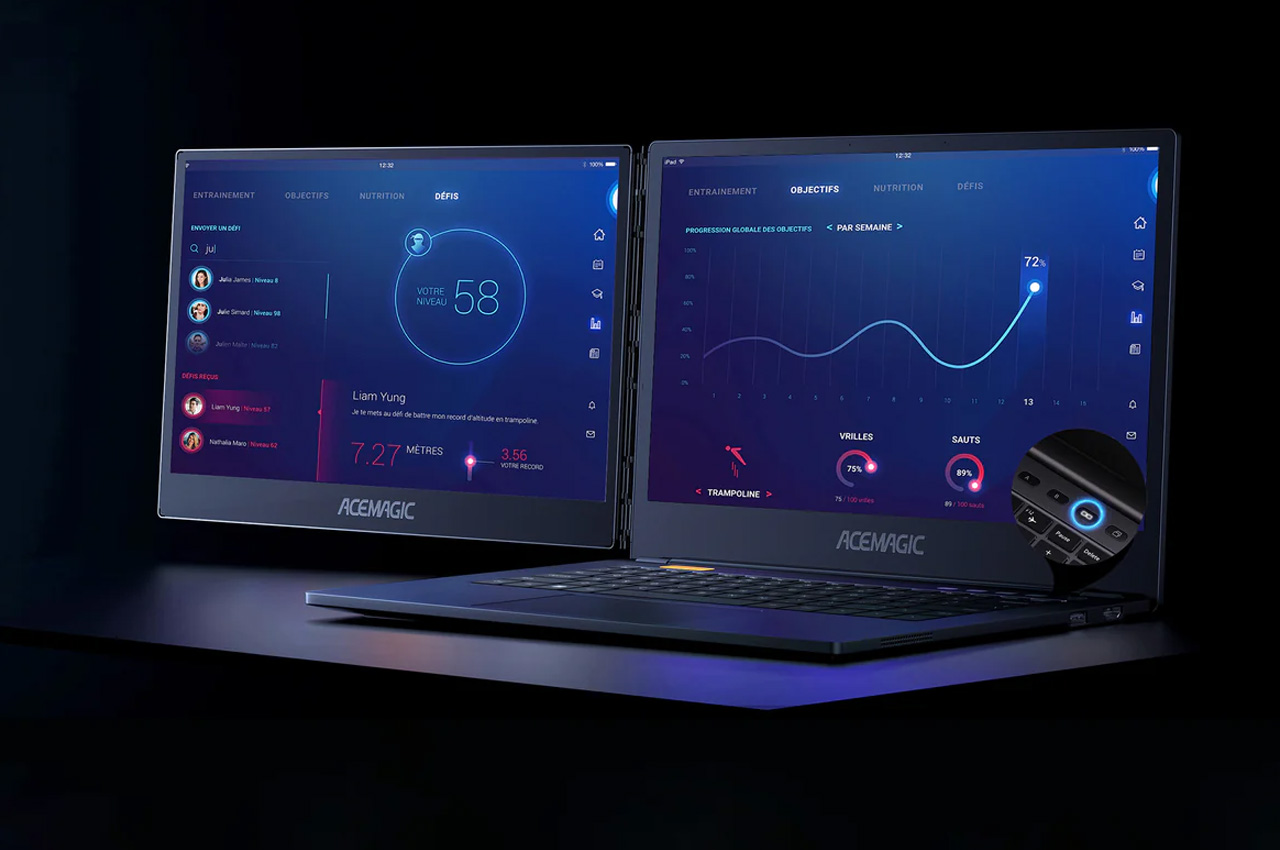
Dual screen laptops are still in their infancy. Whether there are takers for such a technology, doesn’t matter; OEMs are constantly developing laptops with multiple screens. Chinese company Acemagic is the latest entrant in the category. After having surprised us with a gaming router-esque mini-PC previously, Acemagic has now announced the X1 laptop: considered the world’s only horizontally foldable 360-degree laptop.
It was back at the Computex 2024 in Taiwan when Acemagic first revealed its dual screen laptop. It was then called the Z1A, but eventually now, when it was launched, it was called the X1 and it is meant for consuming different content simultaneously, working on different screens, or multitasking work without switching between screens – as I end up doing all day, with a 27-inch monitor attached to my usual single screen laptop.
The Acemagic X1 is a usual laptop with another screen attached horizontally, which can swivel all the way back, flush against the primary display. Comprising two 14-inch 1080p displays, the laptop allows users to fold the screens down over the keyboard for use in tablet mode with one screen. Whatever the use case you choose, the 360-degree rotation and folding dual screen laptop is meant for business and productivity usage.
So, you can during work, swivel the second screen backward and present the slides to your team sitting across the table from you. Or maybe, when your little one is disturbing you while working; you can swing the additional screen all the way back to play their favorite cartoon while you continue working unhindered. There are a lot of use case possibilities, but it’s not the most powerful machine for your needs.
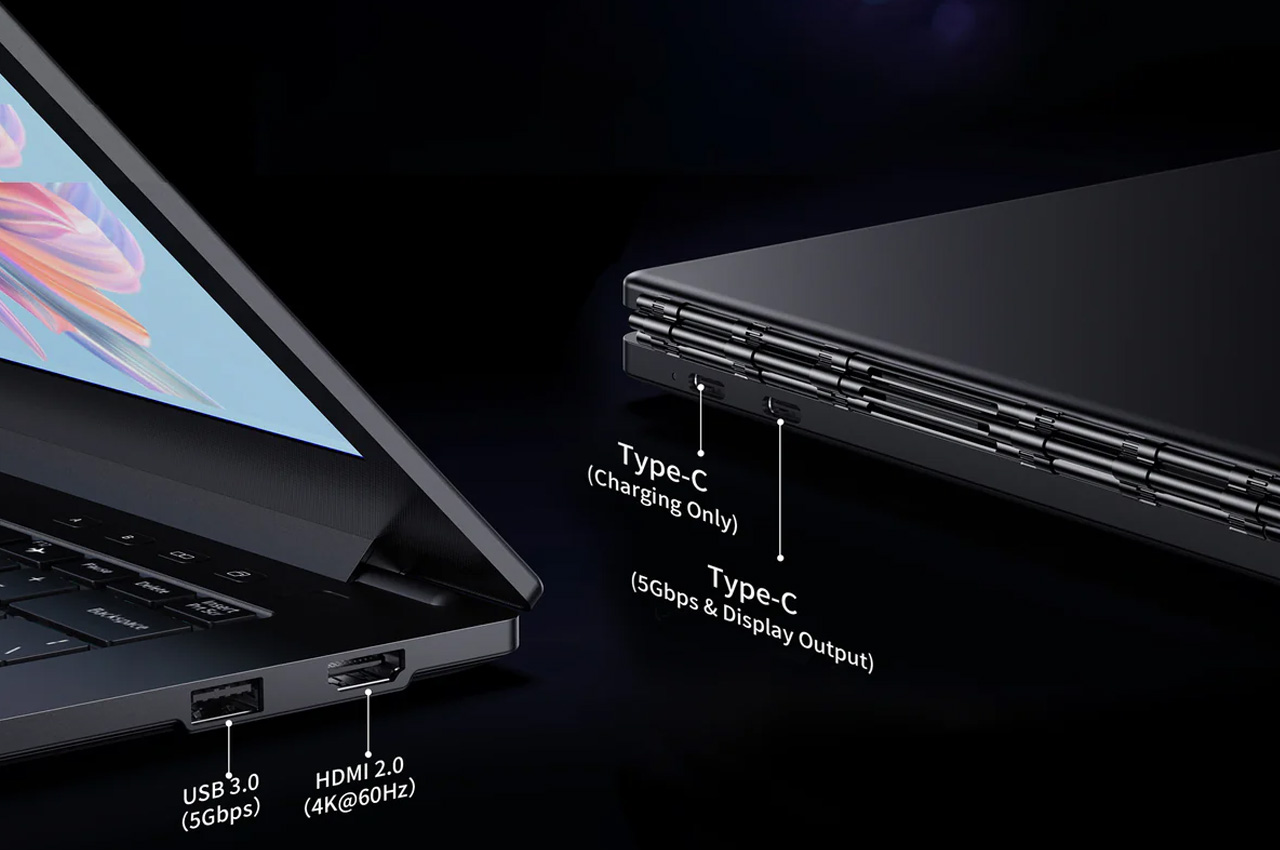
Under the hood, the Acemagic X1 dual screen laptop runs a two-year-old Intel Core i7 1255U processor. It’s paired with 1 TB 3.0 SSD for onboard storage and features 16GB DDR4 RAM. For connectivity, the laptop supports up to 5Gbps of transfer speeds and has a USB-A, 2 USB-C (one only for charging), and an HDMI 2.0 ports. With its distinctive appeal, the laptop will make a buzz but for now, we don’t have a price or its release date to share.