Baluchon’s Cottage-Style Tiny Home Is Designed To Be A Full-Time Residence In A Small Body

Baluchon designed a full-time towable home for one person and named it the Hytta. The Hytta tiny home is equipped with a traditional cottage-like exterior and a pretty comfy interior layout that can also accommodate a guest once in a while. Based on a double-axle trailer, the Hytta features a length of 20 feet, which is pretty common for a European tiny home. The home has a cedar finish and is accentuated by an aluminum roof.

Designer: Baluchon

As you enter the home you are welcomed by an entrance with shoe storage, as well as a massive open living area. The home needed to support remote working, and hence a compact office is placed into the side. The office includes a desk and a chair, as well as a sofa bed which can accommodate any visitors. The kitchen is the usual French-style kitchen you see in tiny homes, and it is quite basic and simple. It contains a two-burner propane-powered stove, a sink, a fridge, a microwave, and some cabinetry. The kitchen also includes a wood-burning stove for warmth, as well as a small dining table.

The opposite end of the home includes the bathroom. The bathroom is pretty small, but it is equipped with a shower, toilet, as well as a washing machine. It also has some storage. The Hytta tiny home includes two loft areas – one is above the entrance, and is quite small, serving well for storage. The other is the main bedroom and can be accessed via storage-integrated stairs. The bedroom is like most rooms found in tiny homes with a double bed, low ceiling, and some storage space.

The lovely little abode was recently delivered to its home, and is being utilized as a full-time home. We are unsure of the costing, but Baluchon tiny homes are usually priced at around US$92,000.

The post Baluchon’s Cottage-Style Tiny Home Is Designed To Be A Full-Time Residence In A Small Body first appeared on Yanko Design.

Google Pixel 9 Pro Fold: A Worthy Redesign or a Step Back?

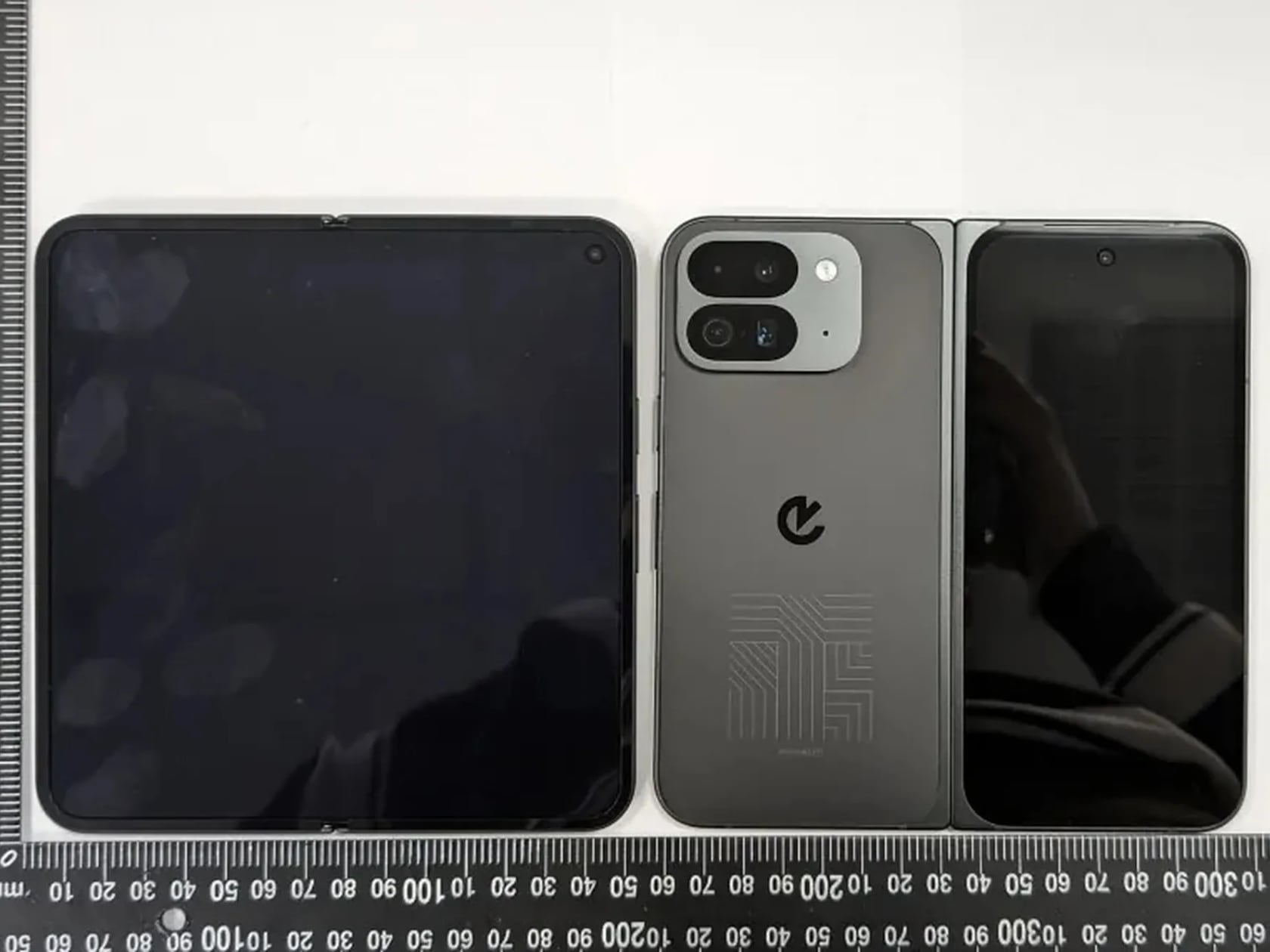
The upcoming Google Pixel 9 Pro Fold is already generating buzz, and the latest images from Taiwan’s National Communications Commission offer a compelling look at what we can expect. This second-generation foldable represents a departure from its predecessor, embracing a new design philosophy while addressing some of the previous model’s shortcomings.

Designer: Google

First and foremost, the Pixel 9 Pro Fold ditches the original’s short and wide passport-style form factor. The new model adopts a taller and narrower profile, bringing it more in line with devices like the OnePlus Open. This change offers a larger, more practical outer display, making the phone easier to handle and use. The increased screen real estate is a welcome improvement, even though it means saying goodbye to the unique shape that made the first Pixel Fold stand out from competitors like Samsung’s Galaxy Fold.
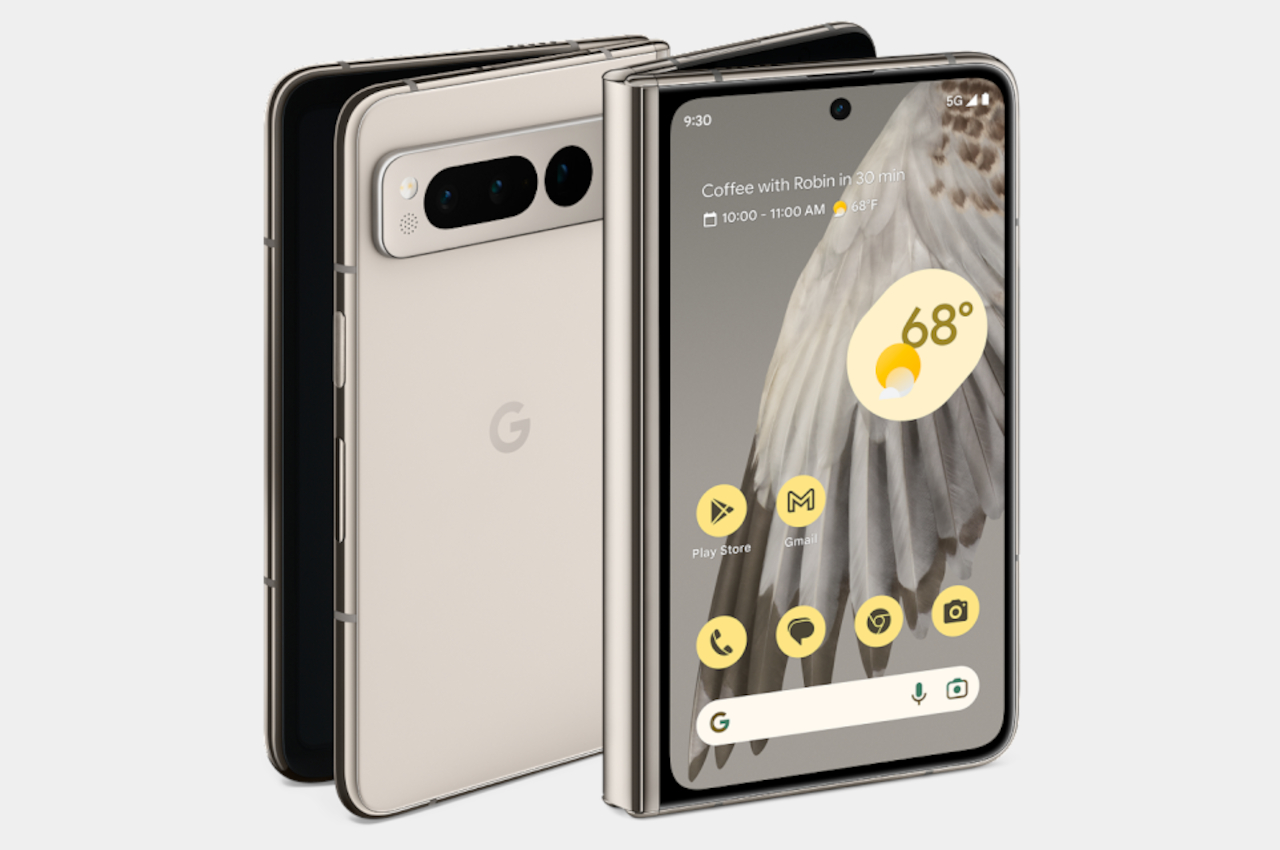
Google Pixel Fold

One of the most notable changes is removing Google’s signature camera bar. The first-generation Pixel Fold featured a prominent, elongated camera bar that added a distinctive look and functionality. The Pixel 9 Pro Fold opts for a new camera housing design, which is substantial enough to prevent the phone from wobbling when laid flat. This redesign offers a cleaner and more streamlined aesthetic, although it loses some of the original’s unique charm.
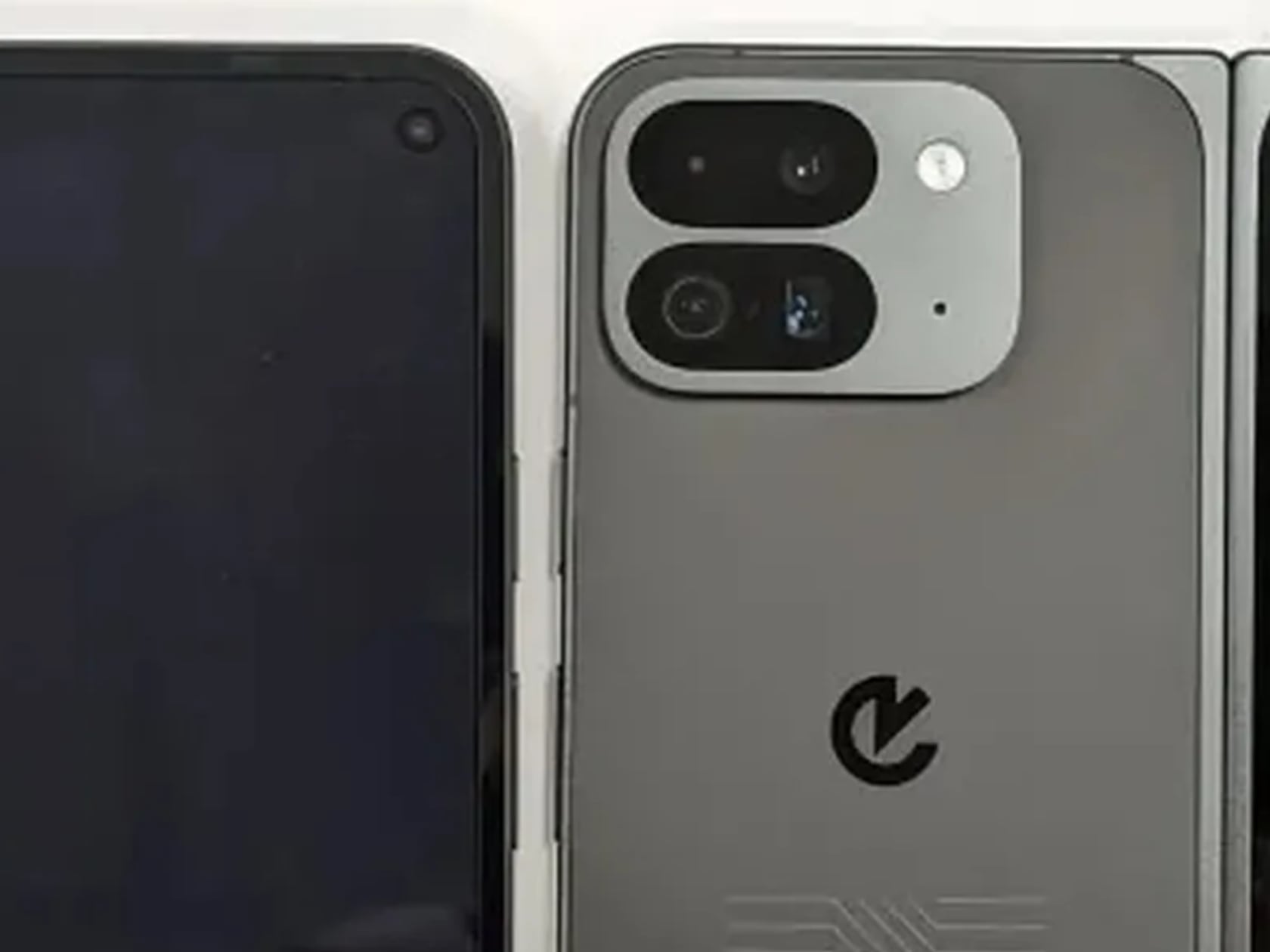
Google Pixel 9 Pro Fold via Taiwan’s National Communications Commission (NCC)
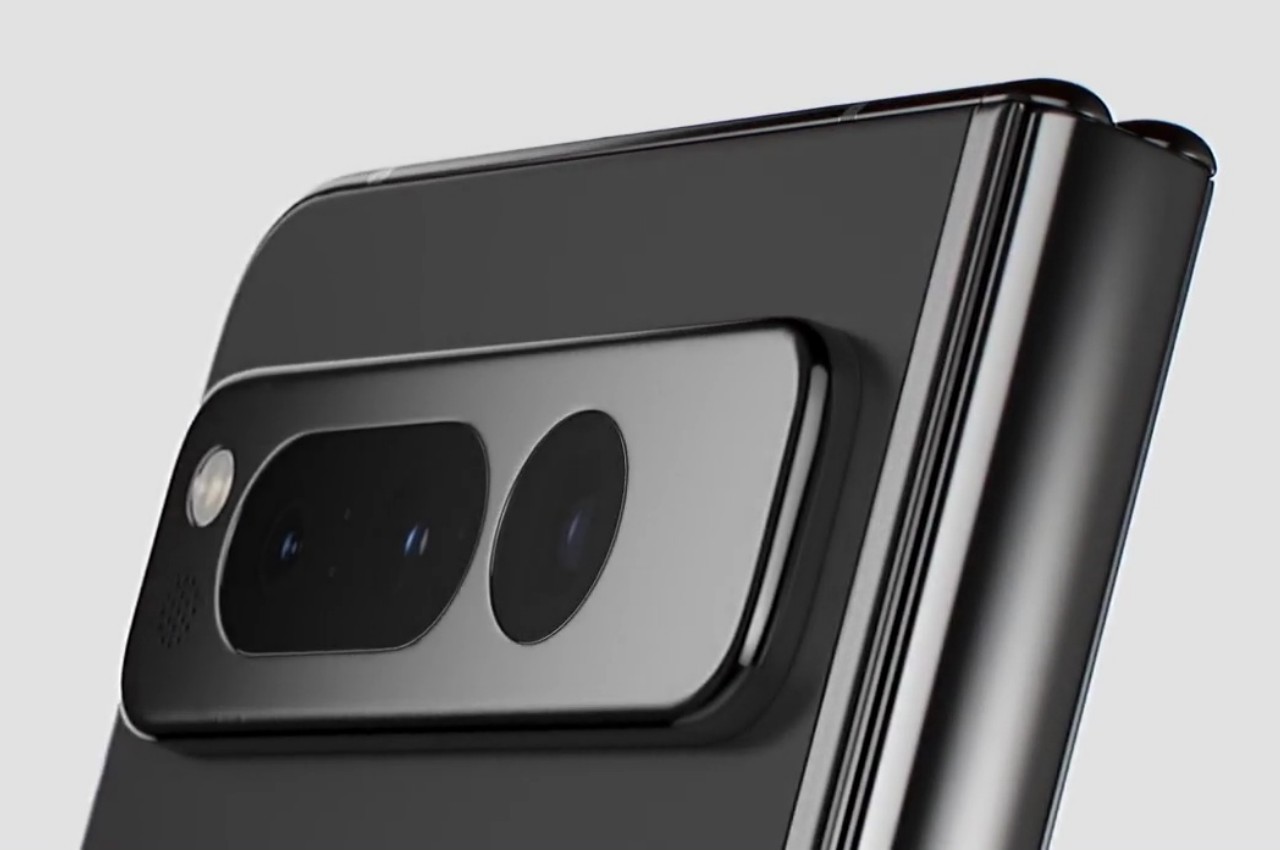
Google Pixel Fold

Looking at the new model’s inner display, there’s still a noticeable crease, though it appears less prominent than before. The screen ratio has shifted, becoming taller and narrower, and the bezels have been slimmed down, giving the device a more modern look. However, this design shift comes with a trade-off: the inner camera is now a cutout on the upper-left part of the display rather than being part of the bezel. This change means the screen is no longer uninterrupted, which might disappoint fans of the original design.
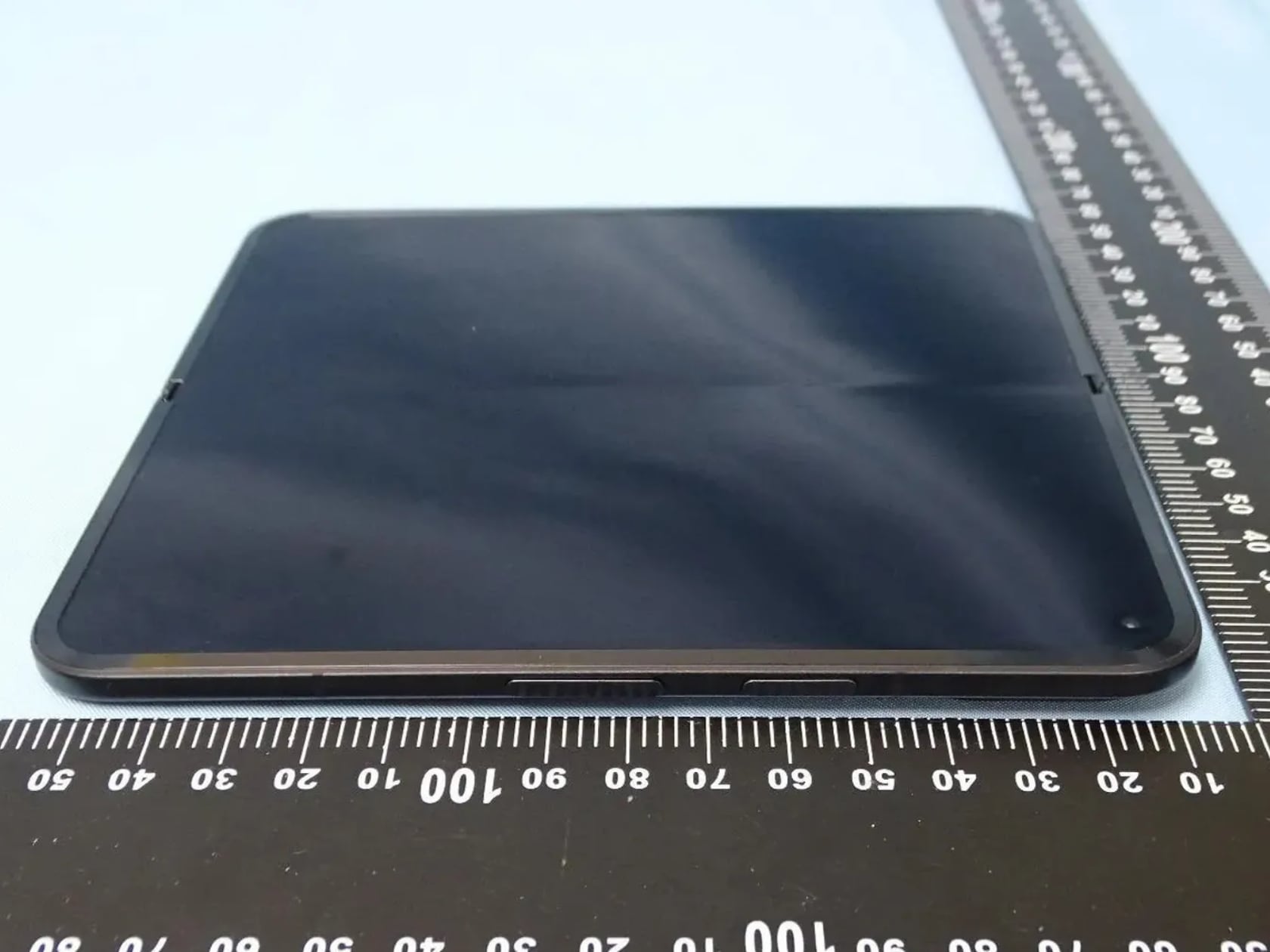
Google Pixel 9 Pro Fold via Taiwan’s National Communications Commission (NCC)

Despite its weight, the first-generation Pixel Fold’s short and wide design made it a great one-handed device. Although its cover screen was larger on paper, it was often too wide to hold comfortably for extended periods. In contrast, the new Pixel 9 Pro Fold’s taller form factor should make it easier to use and carry around, enhancing the overall user experience.
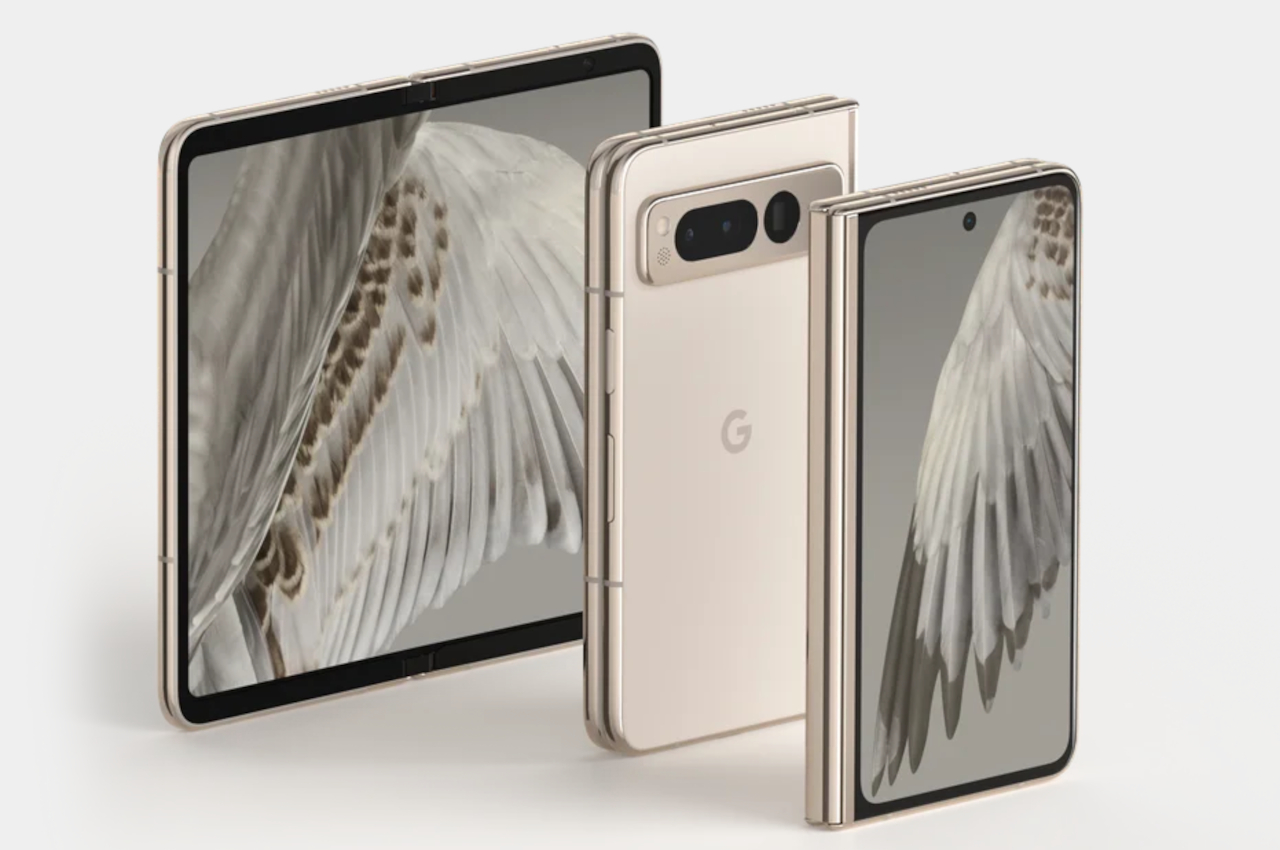
Google Pixel Fold

A concern with the new model is its slightly smaller battery capacity of 4,560 mAh, down from the first Fold’s 4,727 mAh. Given that the original wasn’t known for its battery longevity, this reduction might raise some eyebrows. However, Google’s latest Tensor processor promises efficiency gains that could help mitigate this issue.

Alongside these design changes, the Pixel 9 Pro Fold has a new 45-watt USB-C charger. This new charger, which sports a more rounded design than its predecessors, is part of Google’s push to improve charging speeds and overall user convenience.
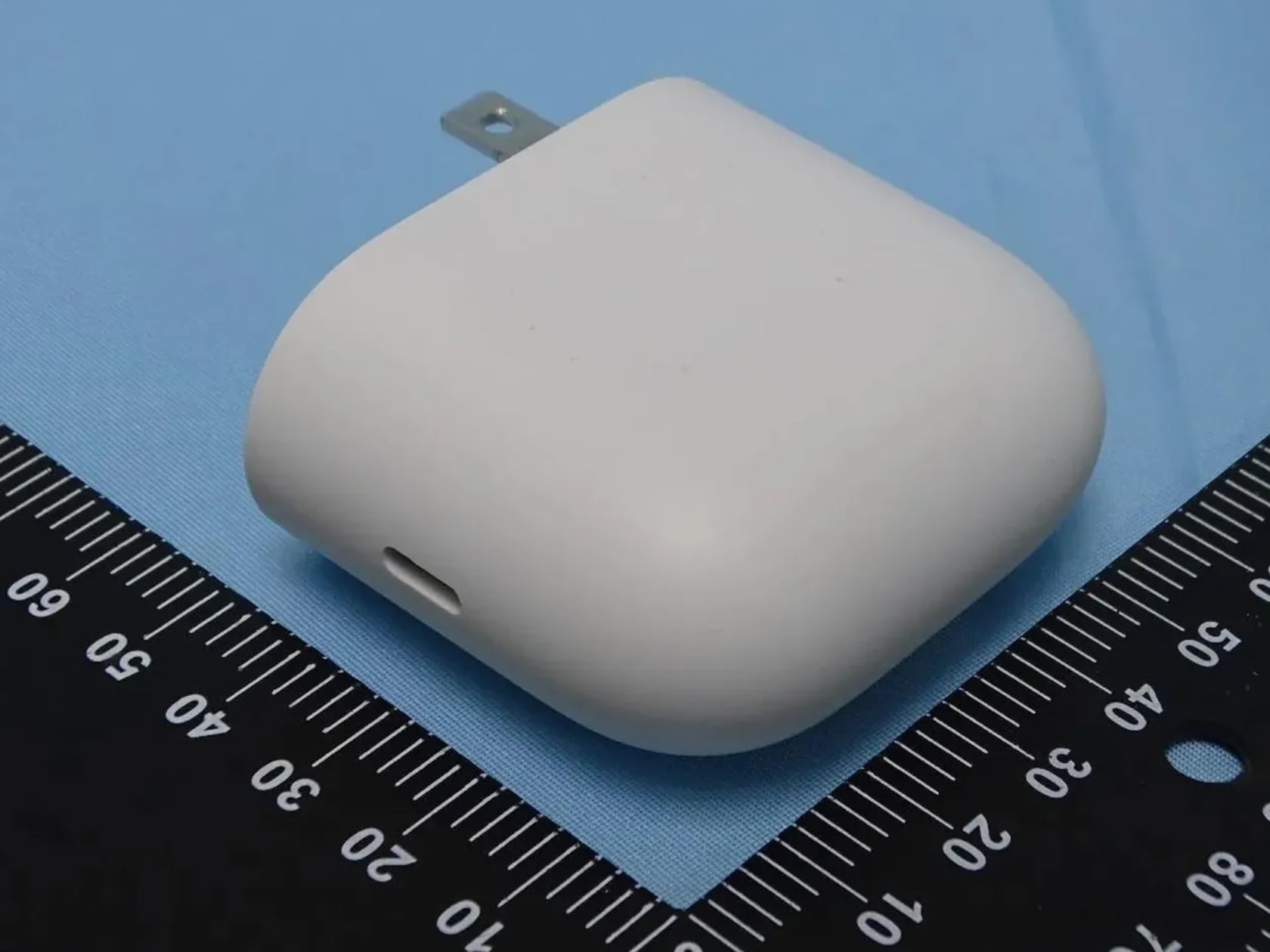
Google Pixel 9 Pro Fold charger via Taiwan’s National Communications Commission (NCC)

As someone who has used the first-generation Pixel Fold extensively, I can say that it has a unique quality that the new model hopes to build upon. The first Fold had its share of drawbacks, from dim screen brightness compared to newer models to subpar speakers and limited app optimization. With the Pixel 9 Pro Fold, Google can address these issues and deliver a more refined and competitive product.
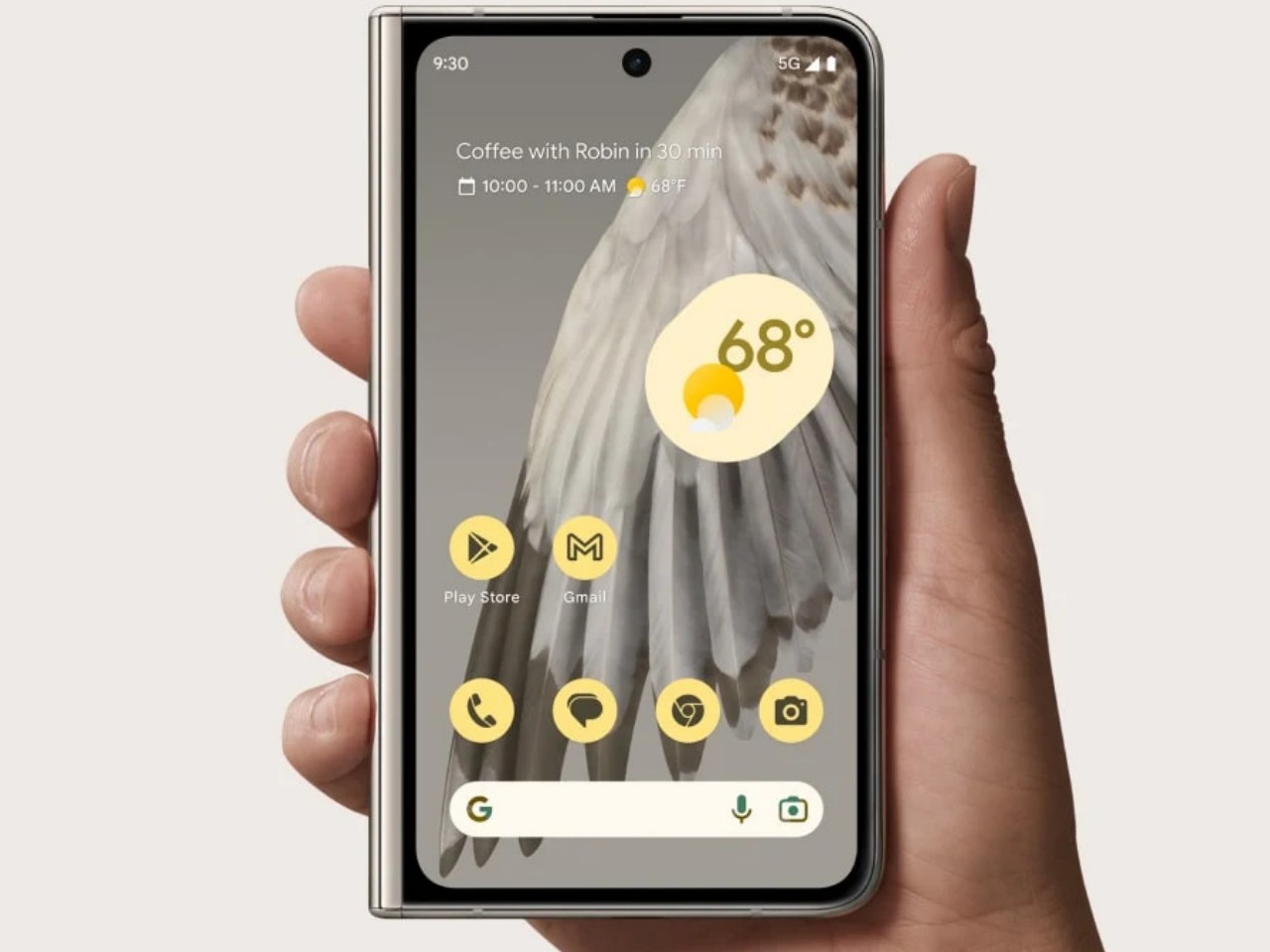
Google Pixel Fold

The Google Pixel 9 Pro Fold represents a significant evolution in design and functionality. By moving away from the unique but bulky passport form factor to a more practical and user-friendly design, Google is making strides to compete more effectively in the foldable phone market. Here’s hoping that the new model not only looks the part but also delivers on performance and user experience, even if it does come with a price tag north of $2,000.

The post Google Pixel 9 Pro Fold: A Worthy Redesign or a Step Back? first appeared on Yanko Design.


Meta will withhold multimodal AI models from the EU amid regulatory uncertainty

Meta has decided to not offer its upcoming multimodal AI model and future versions to customers in the European Union citing a lack of clarity from European regulators, according to a statement given by Meta to Axios. The models in question are designed to process not only text but also images and audio, and power AI capabilities in Meta platforms as well as the company’s Ray-Ban smart glasses.

"We will release a multimodal Llama model over the coming months, but not in the EU due to the unpredictable nature of the European regulatory environment," Meta said in a statement to Axios.

Meta’s move follows a similar decision by Apple, which recently announced it would not release its Apple Intelligence features in Europe due to regulatory concerns. Margrethe Vesteger, the EU’s competition commissioner, had slammed Apple’s move, saying that the company’s decision was a “stunning, open declaration that they know 100 percent that this is another way of disabling competition where they have a stronghold already.” Withholding Meta’s multimodal AI models from the EU could have far-reaching implications — it means that any companies that use them to build their products and services would be unable to offer them in Europe.

Thomas Regnier, an EU spokesperson, told Engadget that the regulator does not comment on individual decisions of companies. "It is the companies' responsibility to ensure that their services comply with our legislation," Regnier said in a statement and added that all companies are welcome to offer service in Europe as long as they comply with the bloc's laws, including the upcoming Artificial Intelligence Act. 

Meta told Axios that it still plans to release Llama 3, the company’s upcoming text-only model in the EU. The company’s primary concern stems from the challenges of training AI models using data from European customers while complying with the General Data Protection Regulation (GDPR), the EU's existing data protection law. In May, Meta announced that it planned to use publicly available posts from Facebook and Instagram users to train future AI models but was forced to stop doing so in the EU after receiving pushback from data privacy regulators in the region. At the time, Meta defended its actions, saying that being able to train its models on the data of European users was necessary to reflect local culture and terminology. 

"If we don’t train our models on the public content that Europeans share on our services and others, such as public posts or comments, then models and the AI features they power won’t accurately understand important regional languages, cultures or trending topics on social media," the company said in a blog post. "We believe that Europeans will be ill-served by AI models that are not informed by Europe’s rich cultural, social and historical contributions."

Despite its reservations about releasing its multimodal models in the EU, Meta still plans to launch them in the UK, which has similar data protection laws to the EU. The company argued that European regulators are taking longer to interpret existing laws compared to their counterparts in other regions.

Update, July 18 2024, 6:40 PM ET: This story has been updated to include a statement from an EU spokesperson. 

This article originally appeared on Engadget at https://www.engadget.com/meta-will-reportedly-withhold-multimodal-ai-models-from-the-eu-amid-regulatory-uncertainty-215543292.html?src=rss

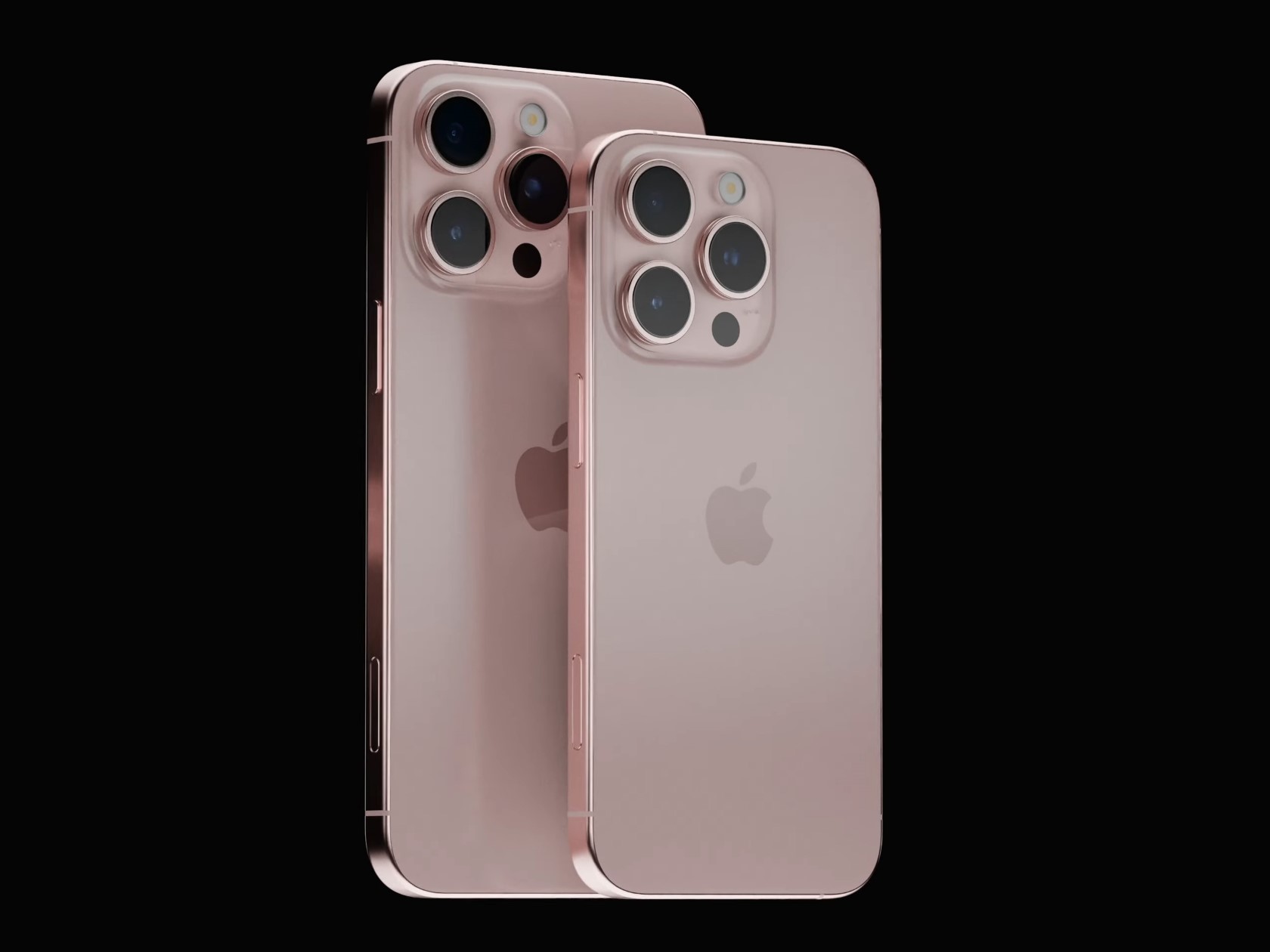
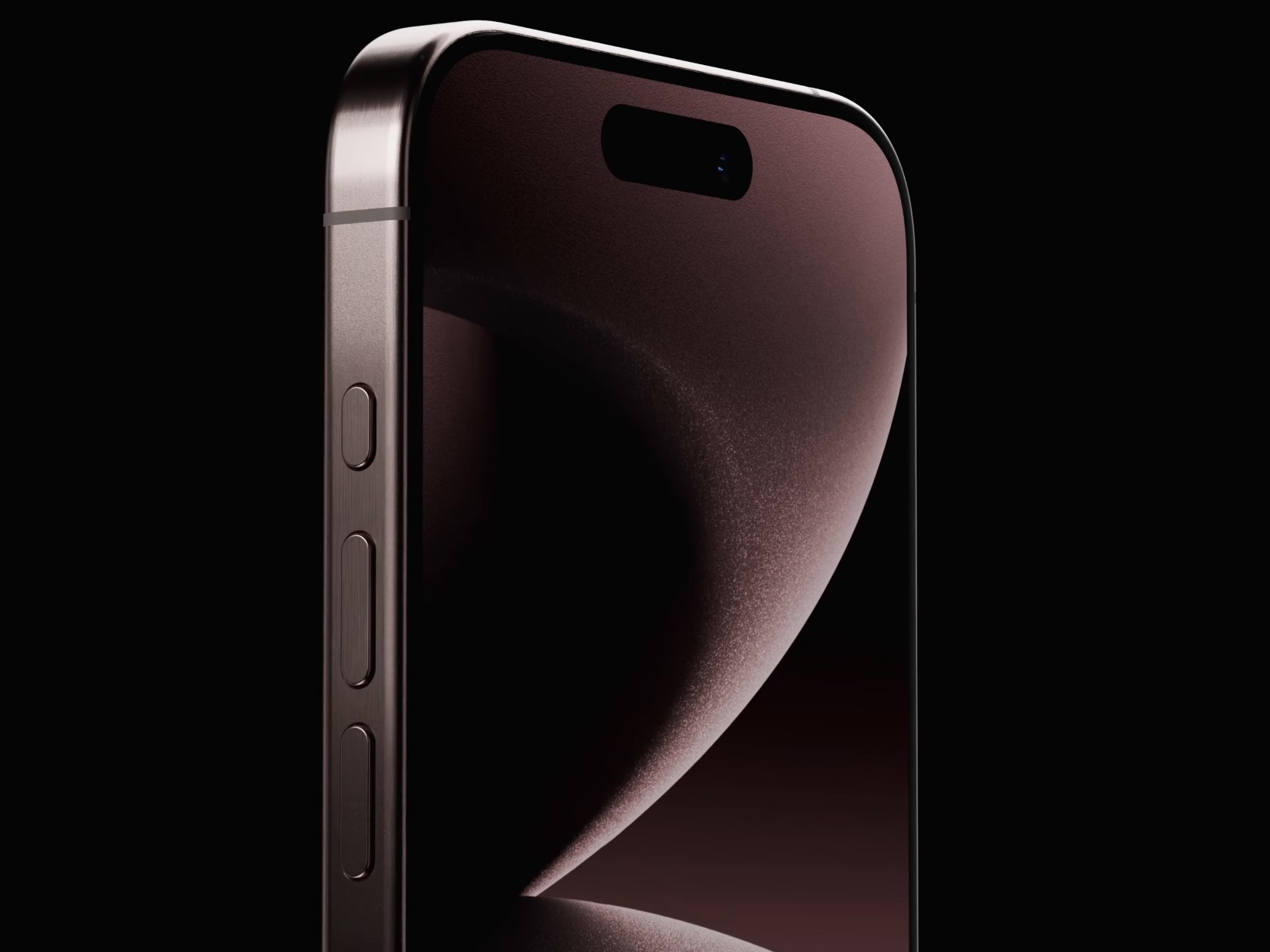
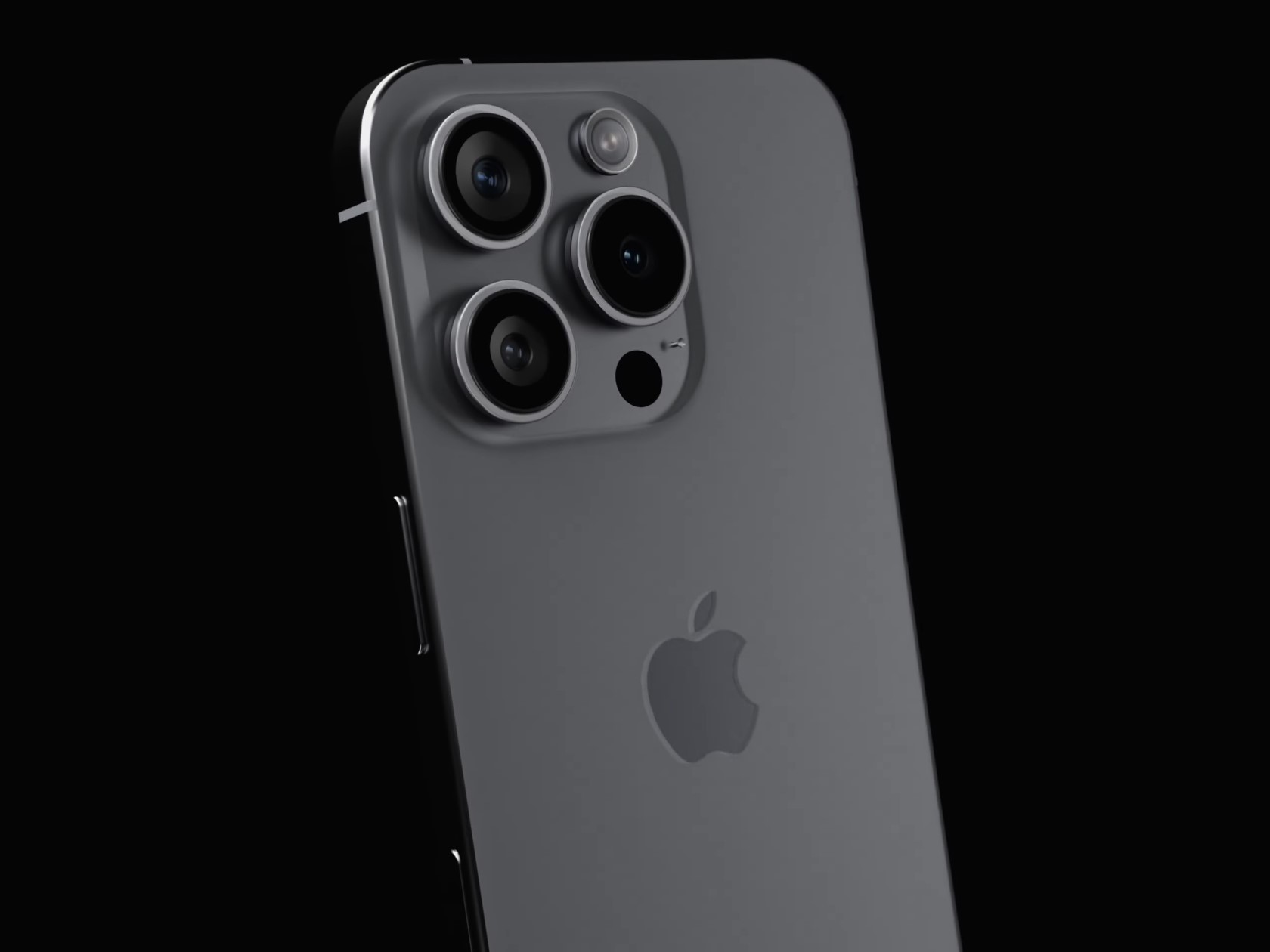
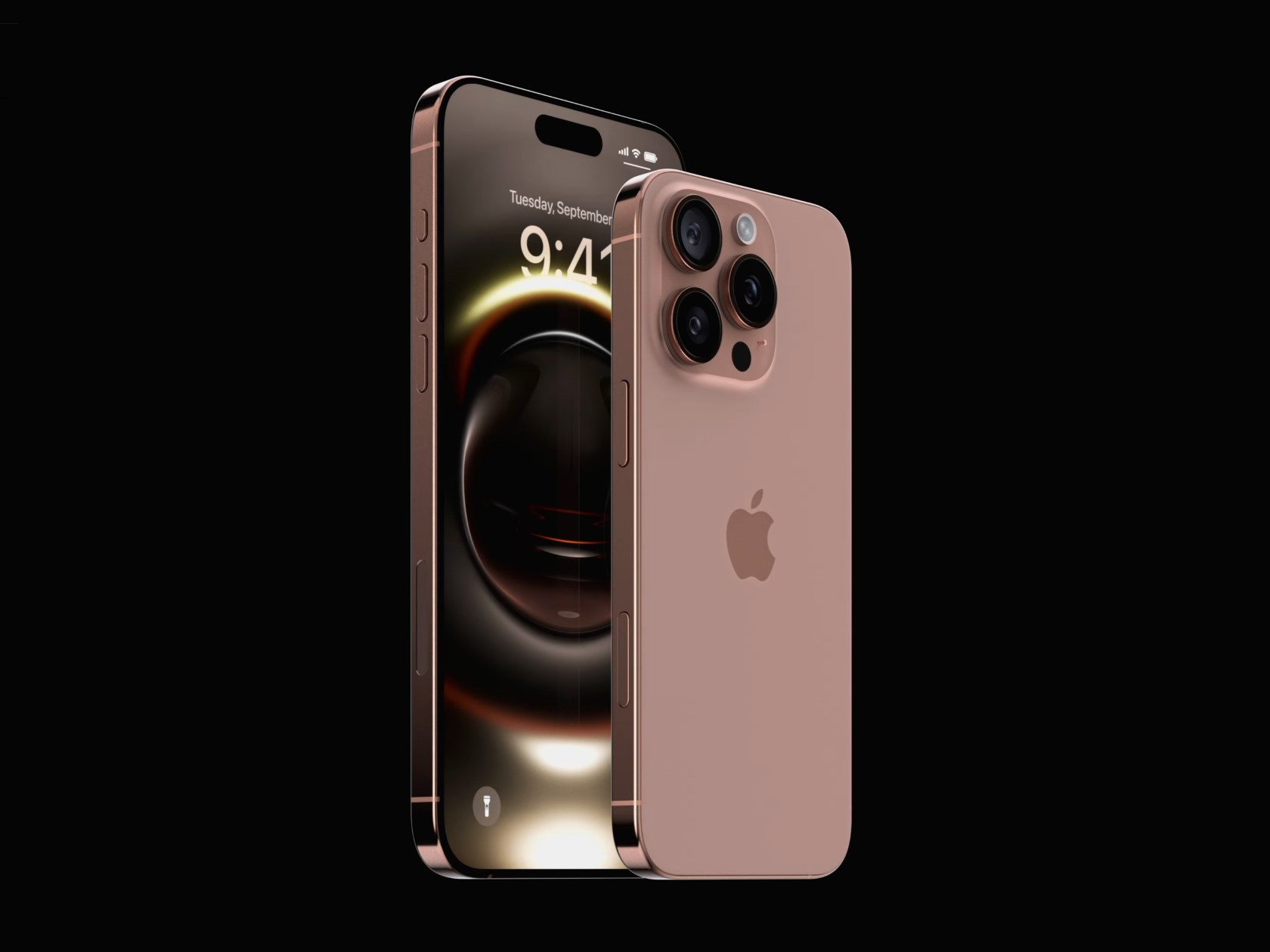
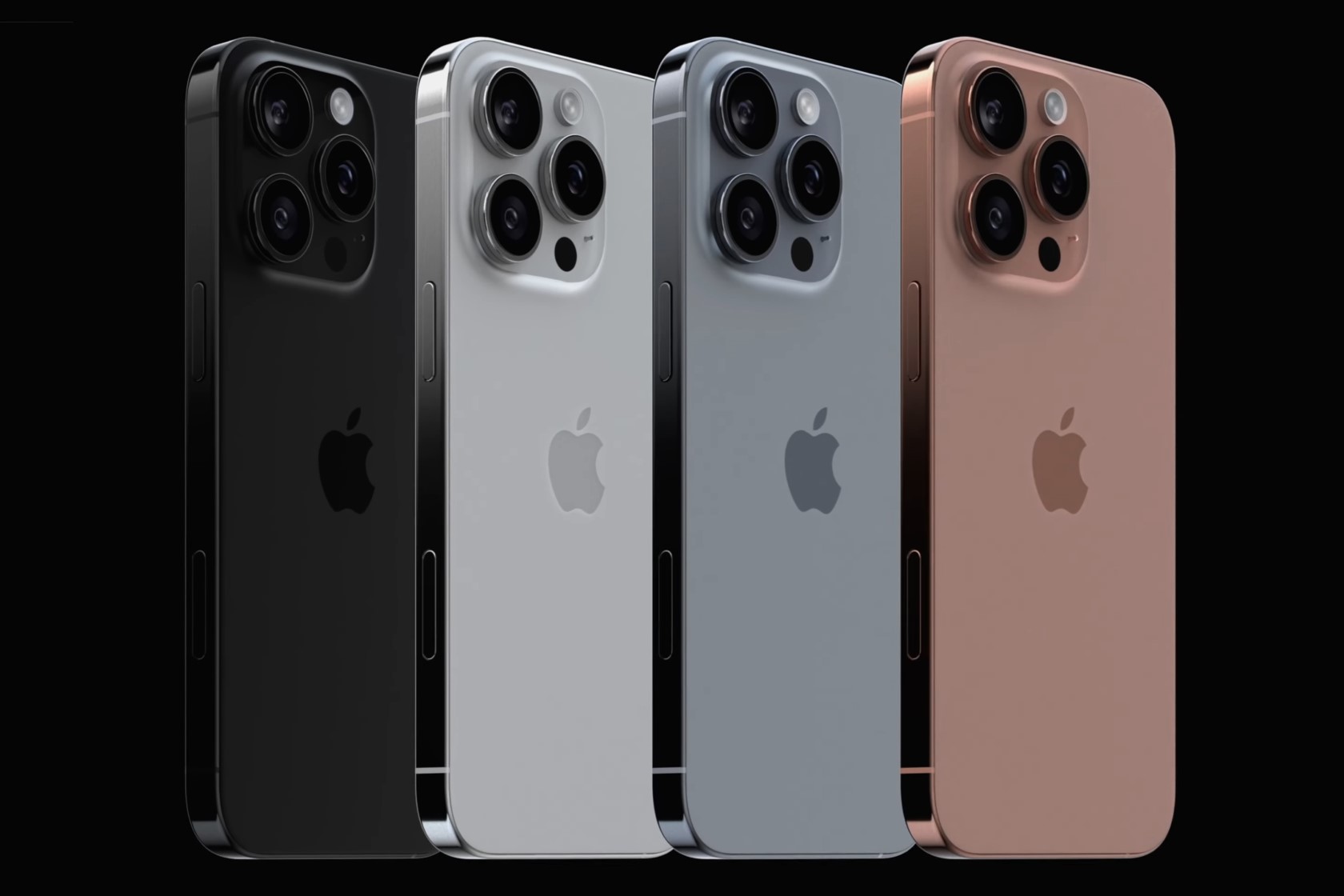
Here’s Every iPhone 16 Pro Leak And Rumor We Know So Far…

Is it safe to say that Apple’s won the long-term smartphone war? Samsung had a decent Unpacked event last week, and so did Nothing, but none of them have even managed to match the cultural impact of Apple’s iPhone keynote that happens every September. In fact, even though the event happens on one single day, the news coverage before and after the event revolves around the iPhone too. After the phone’s announced, you’ve got first-impressions, reviews, and comparisons… but before the phone is announced, the rumor mill works hard to try and decipher what the upcoming phone will look like. We’re in July right now (two months before Apple announces its latest phone) and at this point, it does seem like we have a fair idea of what the new iPhone 16 Pro will look like. From hardware details to even internal components, the interwebz has worked tirelessly to deliver on leaks and credible speculations – so we decided to collect everything we know about the upcoming iPhone 16 Pro and 16 Pro Max in one single place. Here’s everything we’ve heard so far…

Rendered by: AppleTrack

A18 Pro Bionic Chipset

After last month’s WWDC event, it’s pretty much taken for granted that Apple Intelligence will be at the forefront of the new iPhone lineup… and to make that happen, the new iPhones will need beefed up chipsets. A new report from Jeff Pu, an analyst at Haitong International Tech Research renowned for his reliable insights into Apple’s chip development, reveals that Apple is accelerating the production of the A18 Pro chip earlier than usual. This chip is being specifically tailored for advanced AI functionalities. These upgrades indicate that the upcoming iPhone 16 Pro and Pro Max will feature a custom-designed A18 Pro chip, emphasizing on-device handling of intensive artificial intelligence (AI) capabilities. Rumors are indicating that even the regular iPhone 16 phones may get the A18 Bionic chipset to handle these AI features.

Smaller Bezels = Bigger Screens

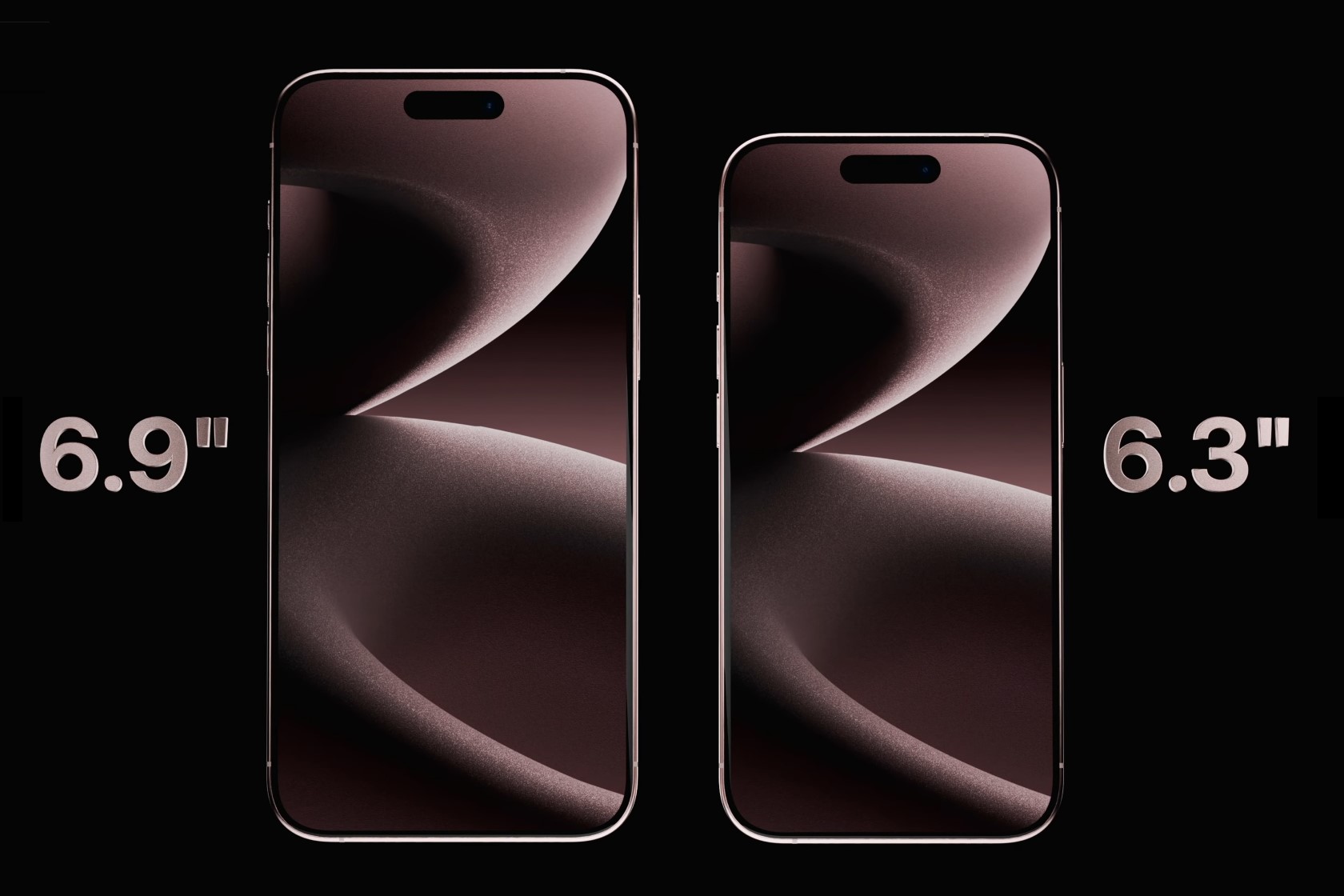
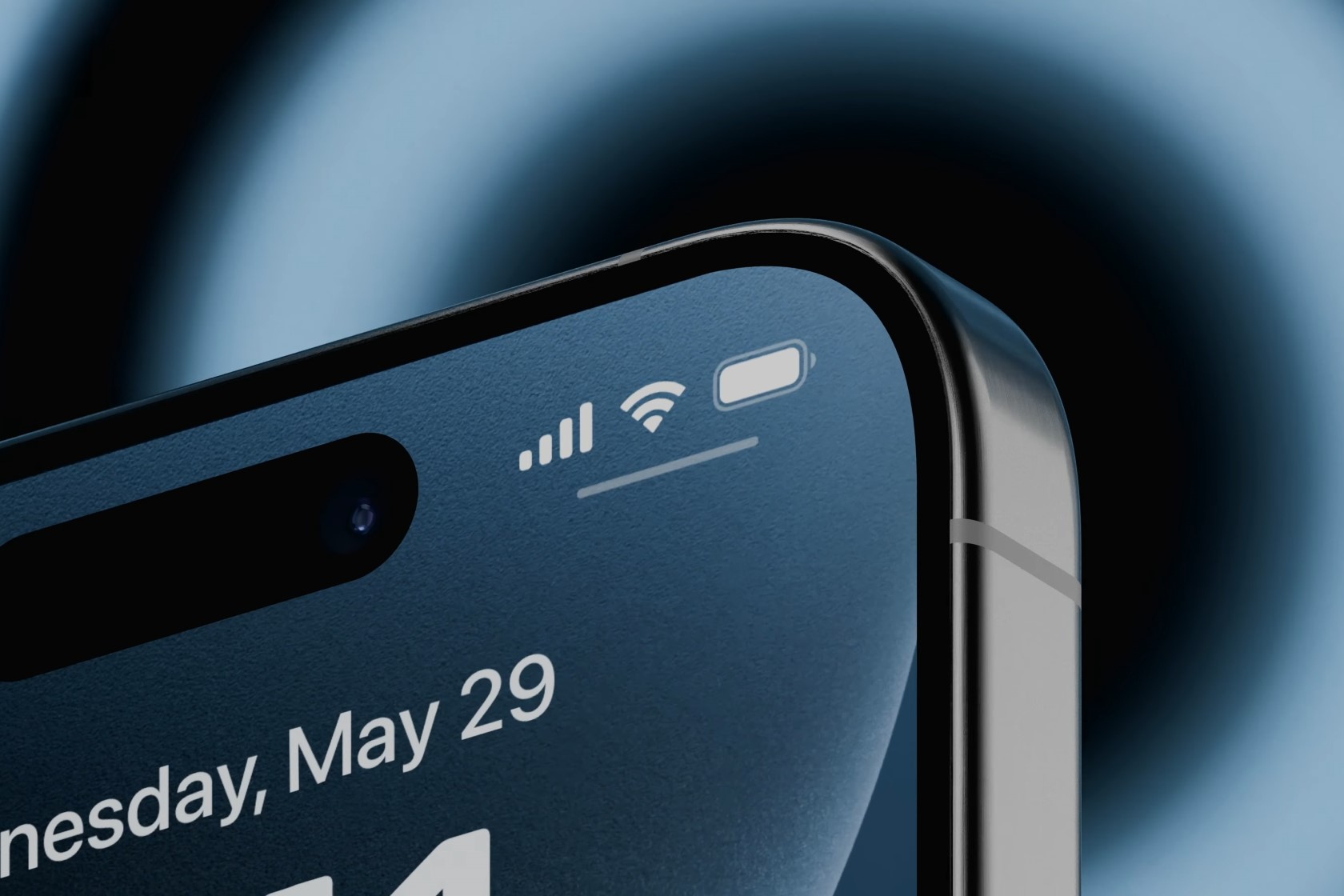
It’s 2014 again and bezels are public enemy number 1. Apple’s new phones will reportedly have marginally larger screens thanks to an impressive 30% reduction in bezels. This new display template, dubbed BRS or Border Reduction Structure, is thanks to Apple pushing Samsung to provide tighter circuit placement that can help shave off almost half a millimeter of bezel thickness. These reports seem fairly credible, coming from THE ELEC, a Korean industry media outlet. This effectively means the new 16 Pro and Pro Max will have screens measuring 6.3 and 6.9 inches diagonally, respectively.

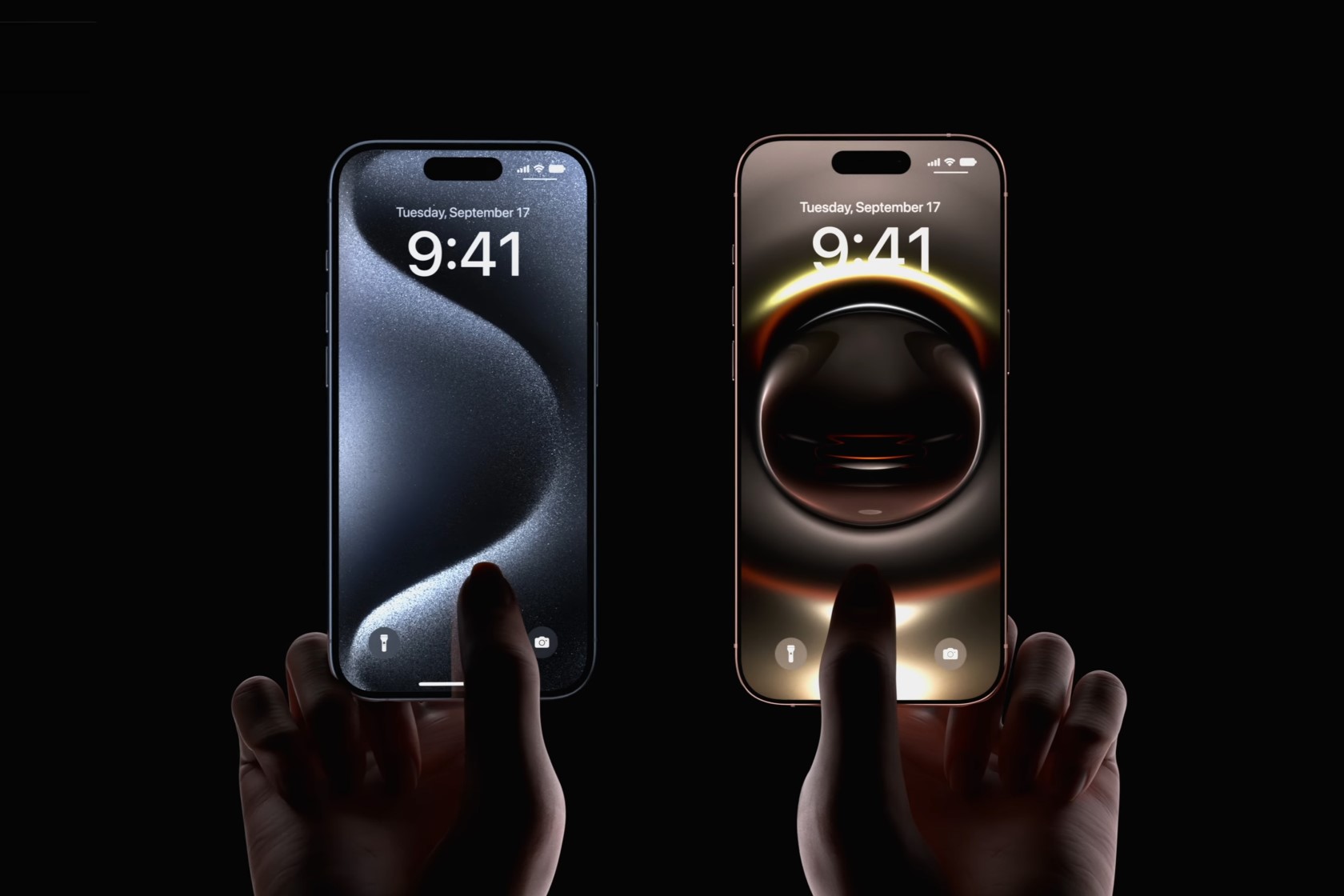
The iPhone 15 Pro on the left and the 16 Pro on the right demonstrate the reduced bezel sizes

A New Capture Button For Enhanced Photography

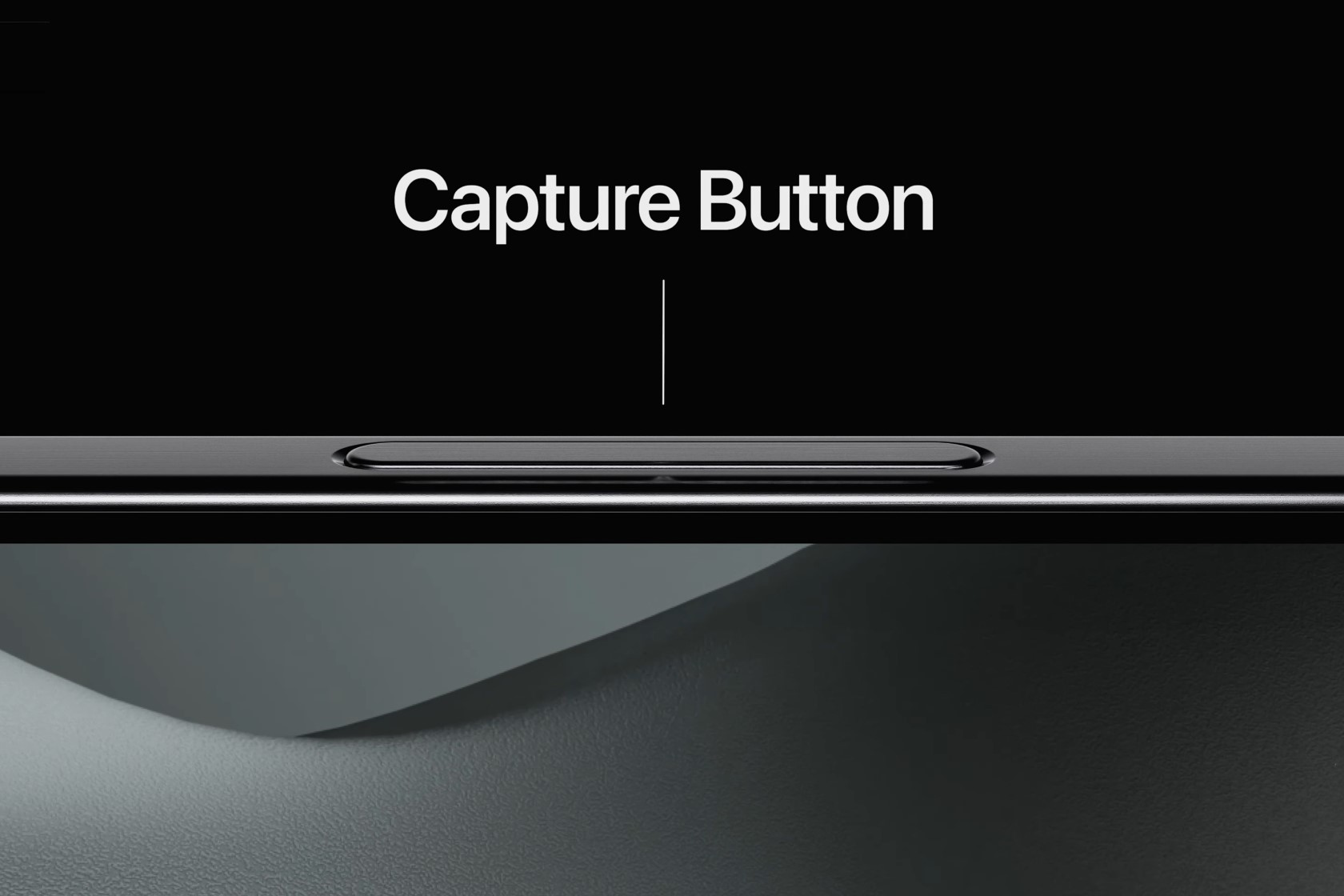
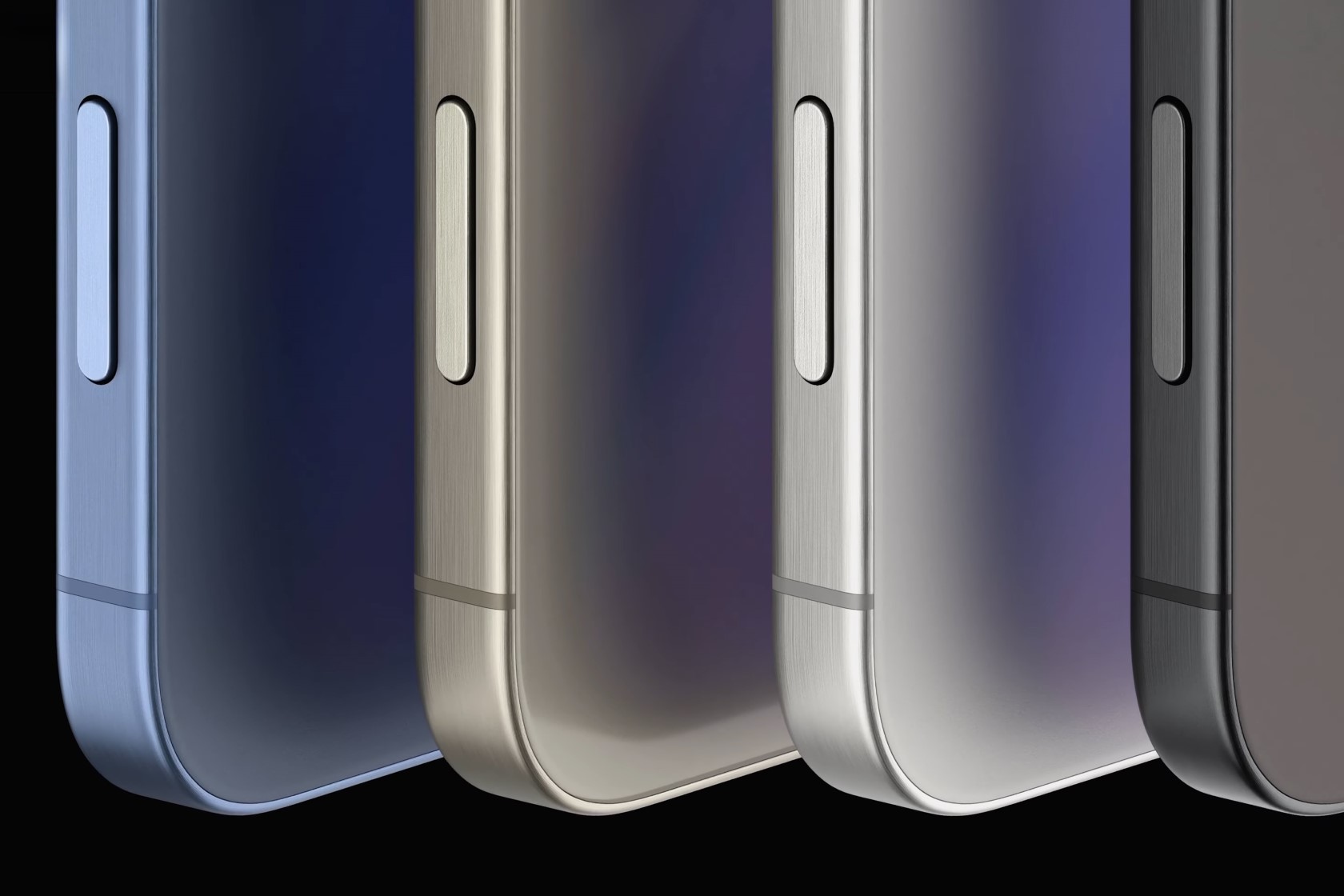
Although rumors of a Capture Button have circulated for quite a while, actual details on its capabilities have only NOW become more evident. At first, this button was touted as simply a shutter button that could click photos without you needing to touch your screen, but indications show that this button will have a touch-sensitive surface and a two-stage press. The touch-sensitive surface will allow you to slide your finger from side to side to zoom in or out, while the two-stage press lets you press lightly for focusing, and then further for clicking the picture, sort of like most DSLR cameras. The capture button sits where the millimeter-wave antenna once featured on the iPhone’s body, but it seems like the antenna will just move over to the left side instead, making way for the new hardware feature on the iPhone 16 Pro.

Same Old Sensors, New Capabilities

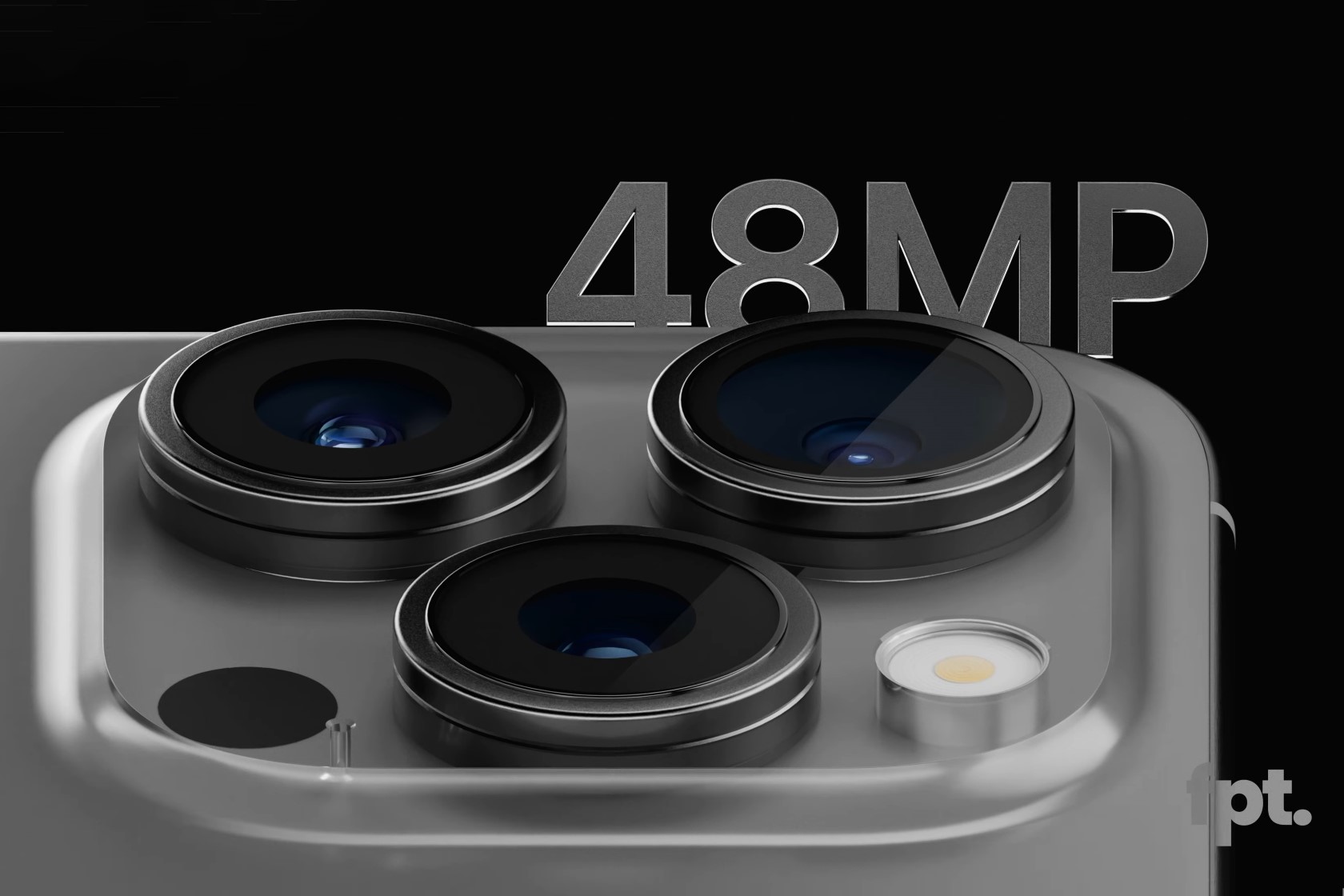
Since cameras are a pretty massive part of the iPhone (some might say its highlight), talking about camera capabilities is also pretty crucial. Rumor has it that the new iPhone 16 Pro will still feature the 48MP main camera sensor from its predecessor with no change. However, the tetraprism telephoto lens from last year’s iPhone 15 Pro Max that could output 5x zoom will see even more zoom capabilities. Last year’s flagship iPhone had the zoom equivalent of a 120mm telephoto lens, but rumors indicate the new iPhone will push this to a 300mm lens equivalent. Now obviously, that seems absolutely bonkers, but it also makes sense to take such a rumor with a little pinch of salt. After all, stabilization while zooming in that far would probably be near impossible.

Thinner MagSafe Array

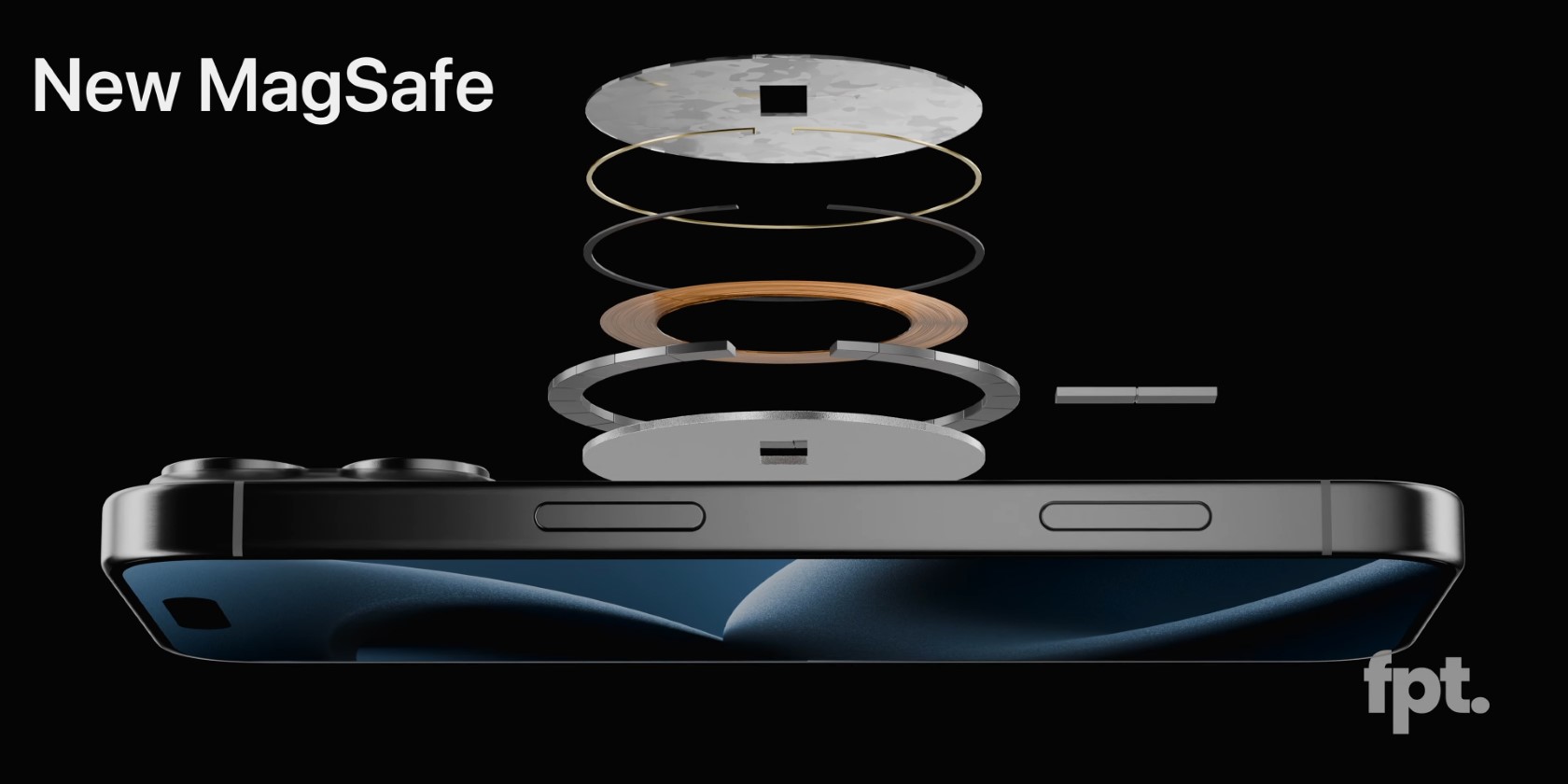
Yet another tweak, noticed by case-makers, is a refinement of the MagSafe array. Now the new MagSafe ring on the iPhone will feature thinner magnets all around, freeing up more space inside the phone without compromising on the magnet’s strength.

(Probably) A New Rose Gold Color Variant

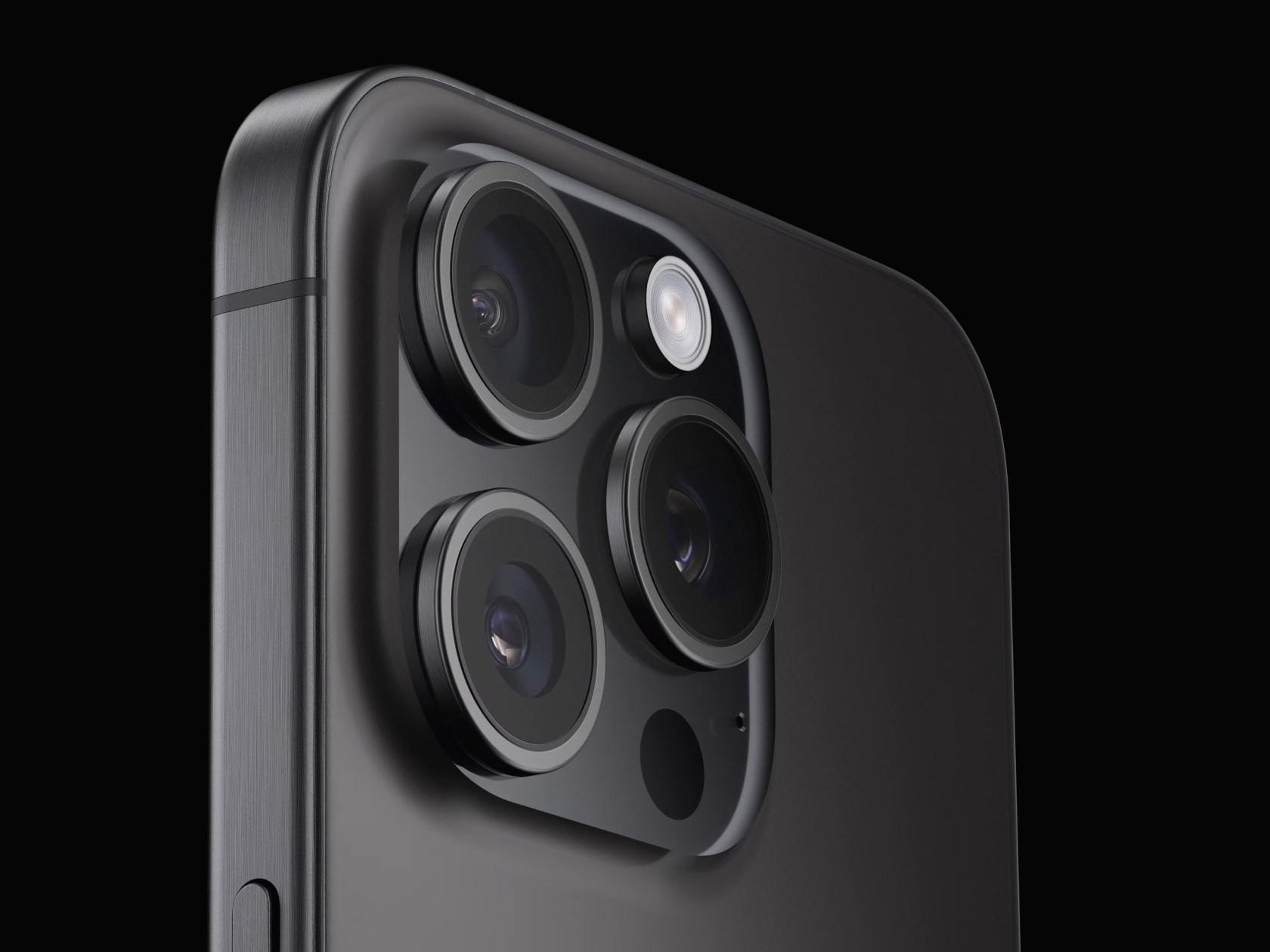
The final rumor is that the iPhone 16 Pro series could see another color variant added to it. Apparently the famed Rose Gold colorway (made popular with earlier iPhone models and even the MacBook Air) could make a comeback – but this time in titanium. Yes, the new Pro-series iPhones will still have a titanium frame, but Apple will probably issue new color variants to set the different iPhone Pro models apart. Last year, the 15 Pro series saw natural, blue, white, and black finishes. It’s fairly conceivable that Rose Gold sees a resurgence this year.

Image Credits: FrontPageTech

The post Here’s Every iPhone 16 Pro Leak And Rumor We Know So Far… first appeared on Yanko Design.

Meta gives researchers access to Instagram data for teen mental health study

Serious concerns have been raised about the effect of social media on teenagers’ mental well-being. Meta is letting a group of researchers examine some of Instagram’s data to determine if social media is psychologically damaging younger users.

The Verge reported that the Center for Open Science (COS) is launching a new joint pilot program with Meta to produce independent studies about how social media affects teenagers’ mental health.

The Instagram Data Access Pilot for Well-Being Research program will conduct “independent academic” research using up to six months of Instagram data to determine the “potential positive or negative associations of Instagram use” among teens and young adults. The study will also examine the positive and negative differences of large populations across the world and the causes of “statistical relationships between Instagram and social or emotional health,” according to the program’s website.

The data researchers can access may include an Instagram user’s followers and the accounts they follow, account settings and the amount of time they spend on the photo sharing service. The researchers will not have access to users’ demographic information or the contents of their posts and comments. The data will come from accounts based in 24 countries including the US and UK, according to the request for proposal (RFP).

Other scientific studies conducted by researchers from the Massachusetts Institute of Technology (MIT) and New York University and Stanford have found parallel links between social media use and the state of a person’s mental health. The link earned greater awareness last year when Arturo Béjar, a former director of engineering for Protect and Care at Facebook, testified before a Senate Judiciary subcommittee that he alerted the company and its CEO Mark Zuckerberg by email of the dangers their product could have on young people.

Béjar testified that seven days before the hearing, 13 percent of users on Instagram between the ages of 13-15 receive unwanted sexual advances. He also testified that his own 16-year-old daughter exhibited signs of a momentary decline in mental health when a user commented that she should “get back to the kitchen” under one of her posts.

A month before the hearing, 41 states filed a lawsuit against Meta for allegedly misleading the public about the potentially addictive nature of its platforms like Facebook and Instagram among teenagers.

"My experience, after sending that email and seeing what happened afterwards, is that they knew there were things they could do about it, they chose not to do them and we cannot trust them with our children," Béjar said during the hearing. "It's time for Congress to act. The evidence, I believe, is overwhelming."

This article originally appeared on Engadget at https://www.engadget.com/meta-gives-researchers-access-to-instagram-data-for-teen-mental-health-study-204322979.html?src=rss

Microsoft releases iOS and Android apps for Designer, its AI-powered Canva competitor

Microsoft has officially released its Designer platform for AI image generation. After a long preview phase, Designer is now available to most people with a Microsoft account. Designer can be used on the web in more than 80 languages, as a mobile app for iOS and Android, and as a Windows app. You can create a brand new visual from the ground up with AI, or use Designer to edit and tweak a picture you've already made. There are plenty of templates available to guide the creation of common image types, like a greeting card, smartphone wallpaper or a profile avatar. More experienced artists can also build everything from scratch, developing their own templates and using their own art.

While Designer can be used on its own, Microsoft is promoting its integration with the company’s other services. Thanks to the company's Copilot AI chatbot, Designer images can be easily linked up to Microsoft Word and PowerPoint projects. Of course, taking full advantage of that will require a Copilot Pro subscription.

If you've used Canva, then Designer will feel very familiar. The service takes a very similar approach to its user experience and now also has some AI options. According to details from when Microsoft first announced the app back in 2022, Designer is integrated with OpenAI's image generator DALL-E. Copilot already has DALL-E 3 integration, as well as ChatGPT 4 Turbo, so it makes sense that Designer will sync up with those existing services.

This article originally appeared on Engadget at https://www.engadget.com/microsoft-releases-ios-and-android-apps-for-designer-its-ai-powered-canva-competitor-203028855.html?src=rss

The tinyPod transforms your old Apple Watch into an iPod-like minimalist phone

The tinyPod is a case for your Apple Watch, which probably doesn’t sound too exciting on its own. However, its unique angle — a click wheel that controls the watch’s Digital Crown — makes Apple’s wearable look and feel (at least in its marketing) like the company’s first breakthrough product of the 21st century: the iPod. Although you can use it as a music player, it also works with everything else in watchOS, transforming Apple’s smartwatch into a minimalist, distraction-free “phone.”

The $80 tinyPod works with Apple Watch models in Series 4 through 9, along with the Apple Watch SE. (The 41/40mm and 45/44mm Apple Watches have separate tinyPods.) Meanwhile, another 49mm version for the Apple Watch Ultra — because who wouldn’t want to turn their $800 wearable into a minimalist phone? — costs $90. There’s also tinyPod lite, a $30 case sans click wheel.

That click wheel is its core gimmick, and its creator apparently believes it will be safe from Apple’s lawyers. (The fact that it relies on an Apple product probably doesn’t hurt.) The case’s wheel syncs its movement with the Apple Watch’s Digital Crown via “carefully mechanized components inside” that make “direct rotation contact with your Apple Watch crown.” In other words, anywhere on watchOS that lets you scroll with the crown will be scrollable with the tinyPod click wheel. In theory, anyway.

Marketing screenshot for the tinyPod. The iPod-like device sits next to icons for Phone, Music, Messaging and Mail, demonstrating its capabilities. White background.
Newar / tinyPod

The tinyPod website says it can support multi-day battery life by turning off the watch’s wrist detection (which you don’t need here). But living up to that may be a tall order, given how short the battery life of cellular Apple Watches tends to be when used without a phone in Bluetooth range. Of course, you could use a GPS-only model (or turn off cellular) and stick to locally stored music, but that would also limit what it can do.

tinyPod is the product of Newar, a former Snap designer and one-time jailbreak guru. In May, the creator posted that it began as a side project before being transformed into “a real, shipping product for one reason: Whenever I left the house with it, I loved how I felt.”

Whether the tinyPod lives up to its billing as a minimalist, distraction-free and nostalgia-laden “phone” or not, its creator appears to have put significant thought into aesthetics, clarity of purpose and consistency in marketing. Its website demonstrates an eye for detail that relishes in its iPod inspiration, including era-appropriate Apple fonts and a teaser video in a classic 4:3 aspect ratio. (Cue silhouettes dancing to Gorillaz.)

The tinyPod is available for pre-order ahead of shipments “this summer.” You can reserve one today at the product website.

This article originally appeared on Engadget at https://www.engadget.com/the-tinypod-transforms-your-old-apple-watch-into-an-ipod-like-minimalist-phone-201713024.html?src=rss

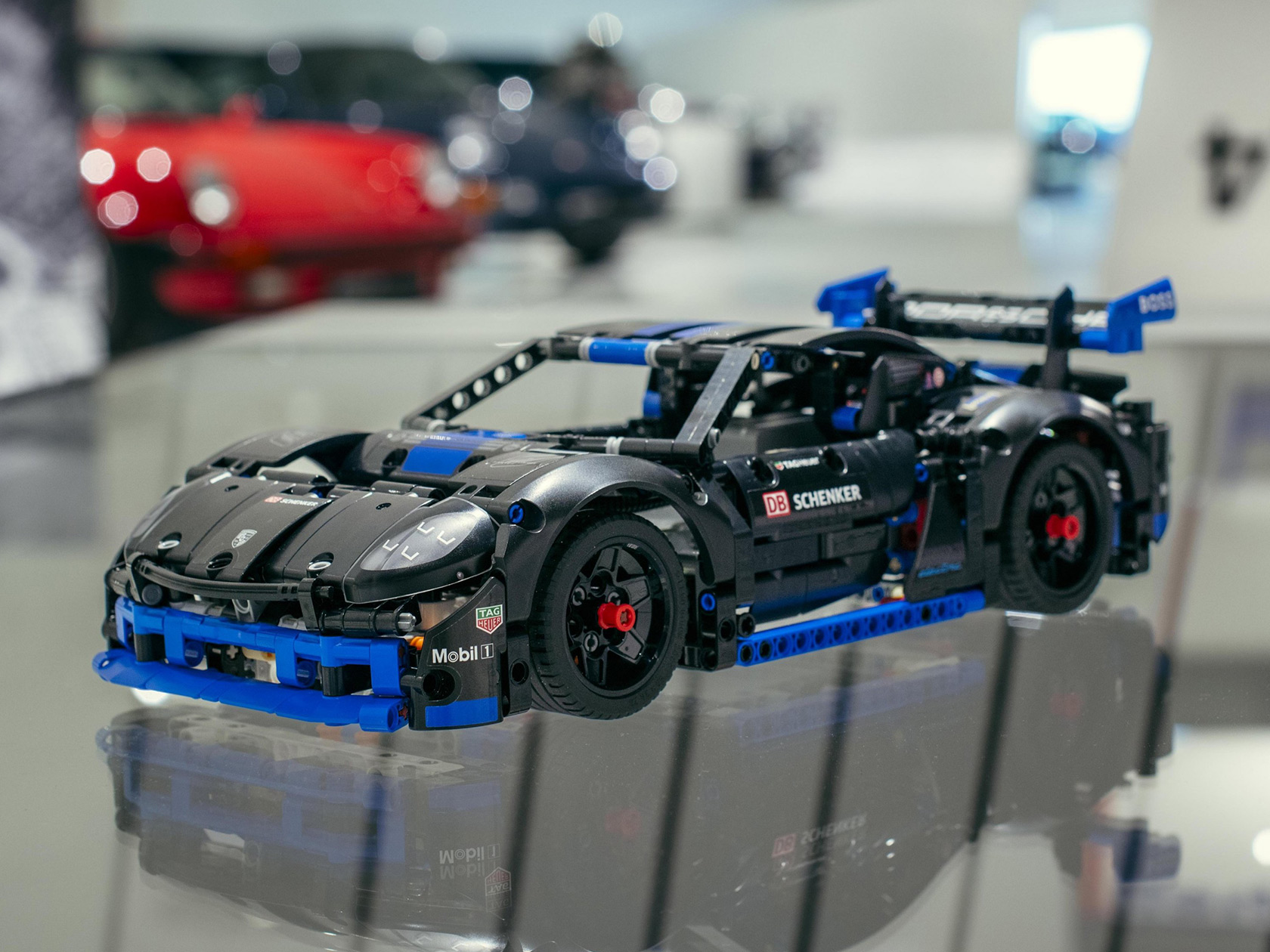
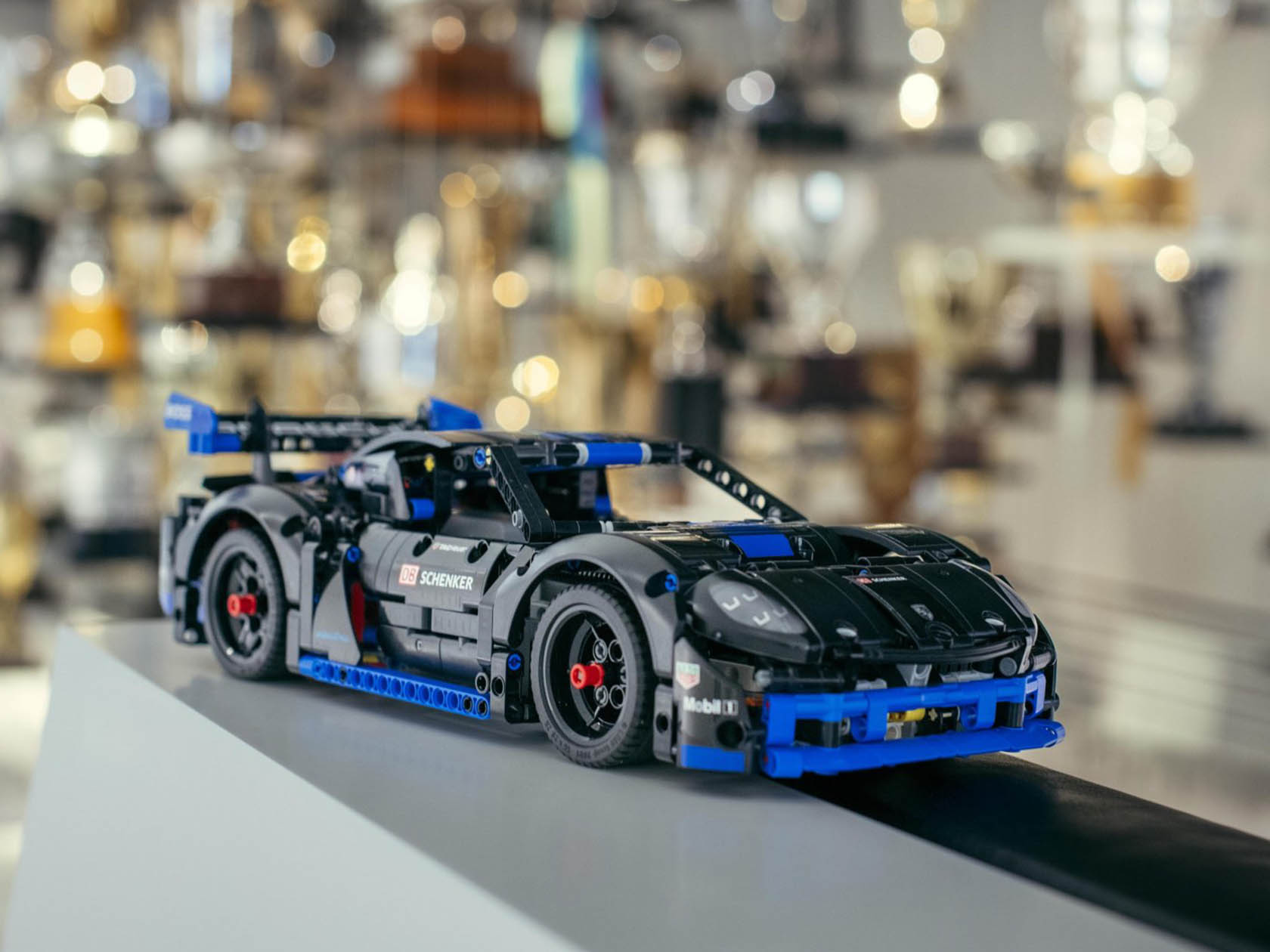
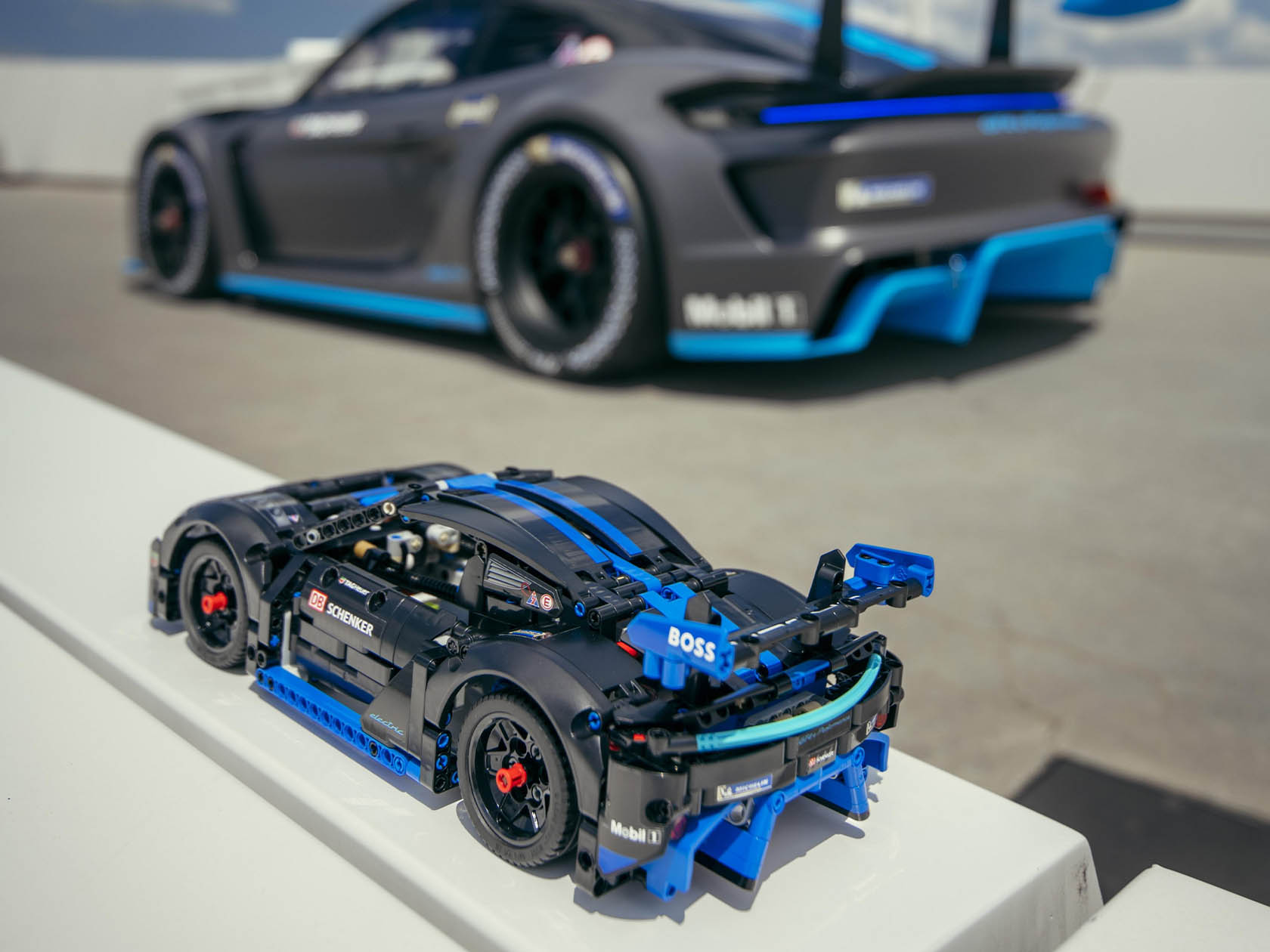
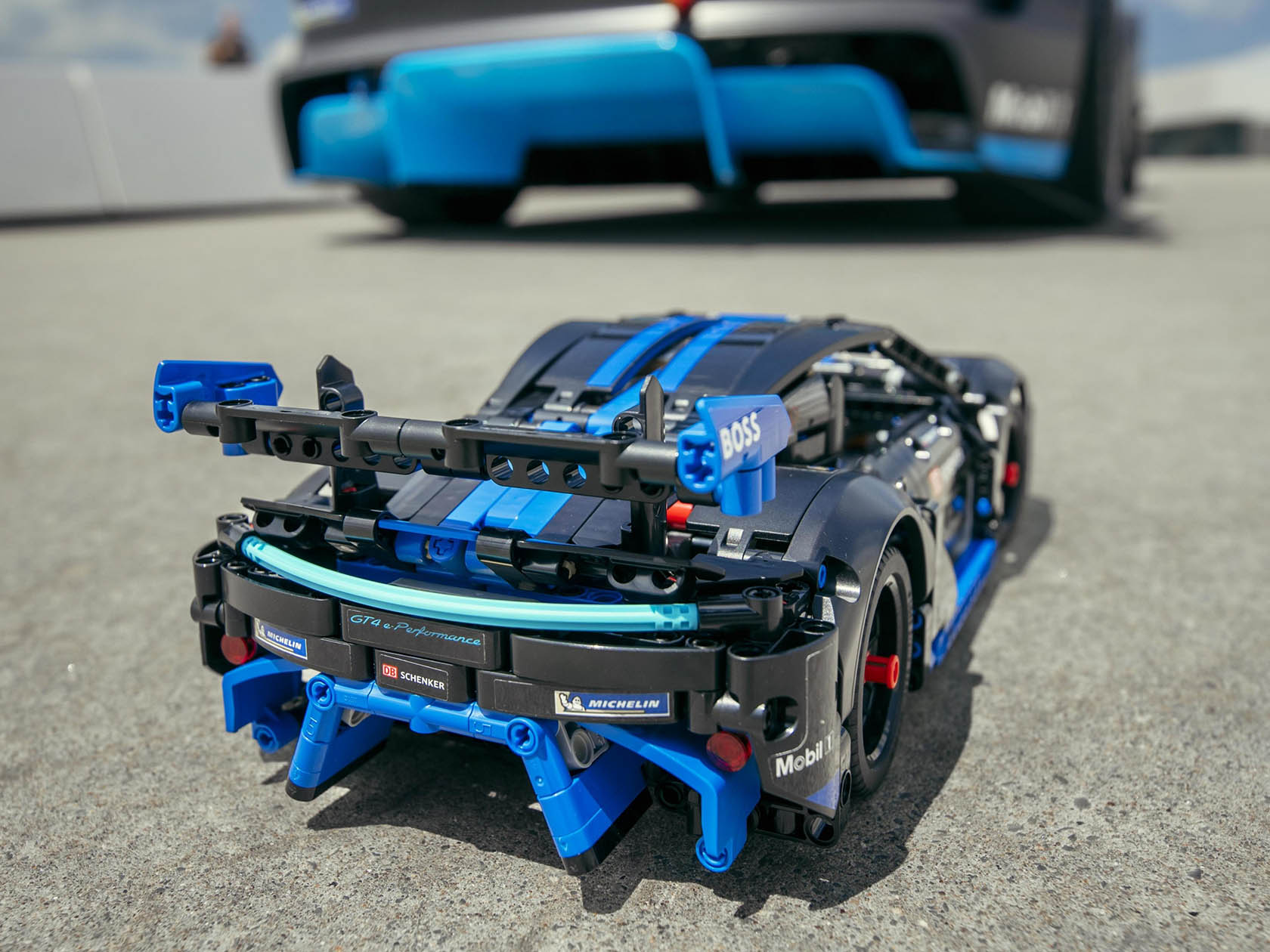
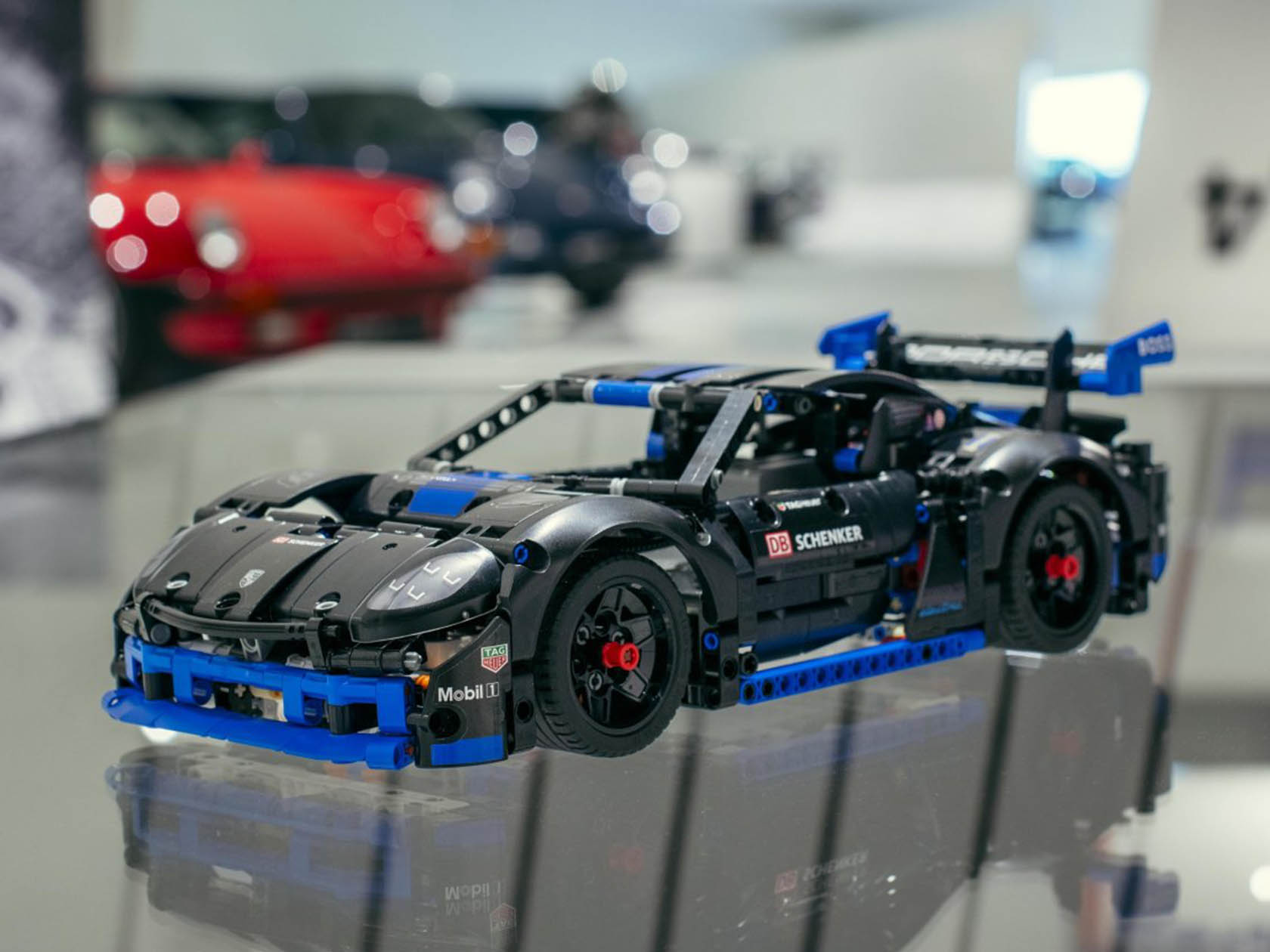
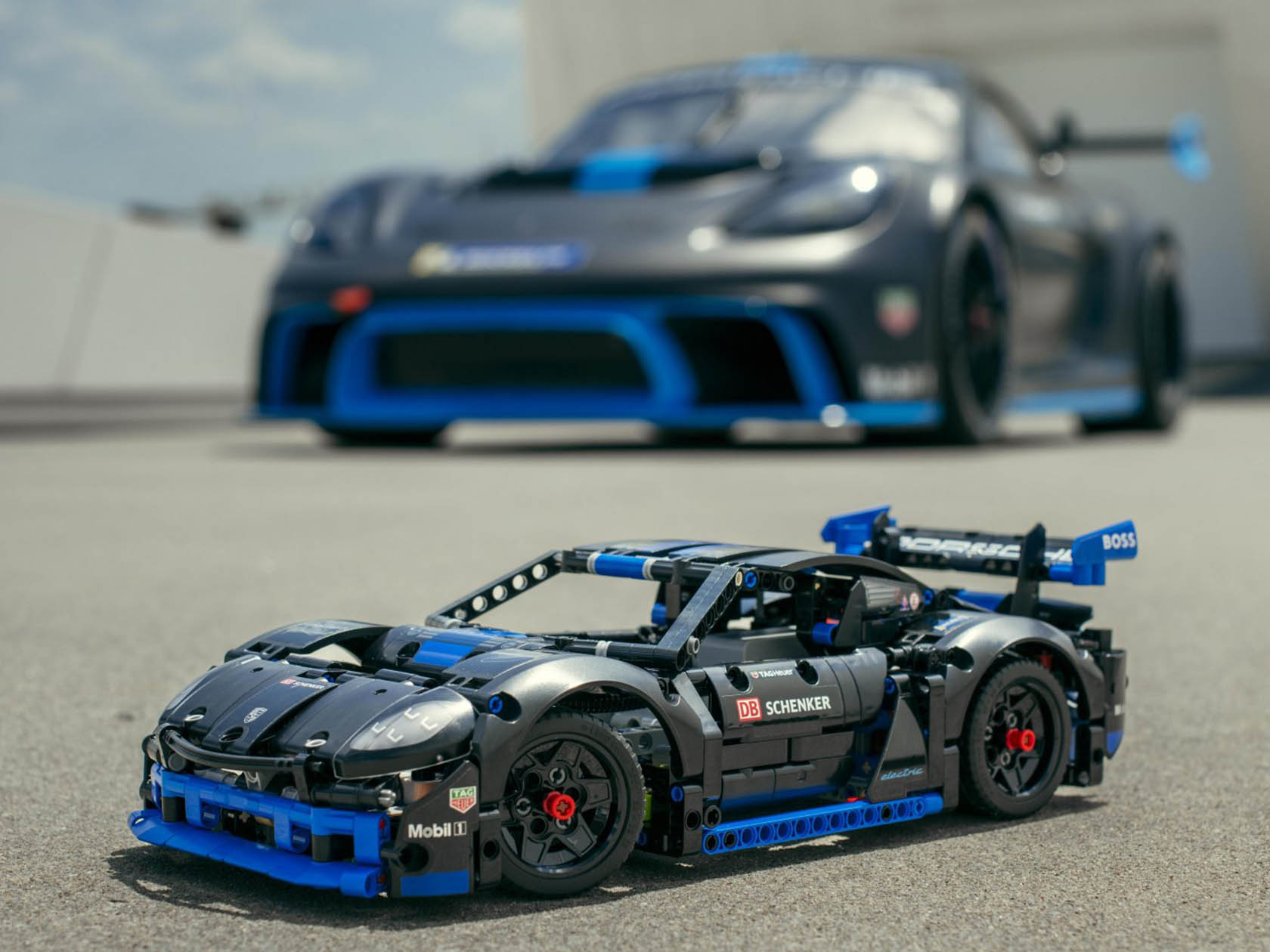
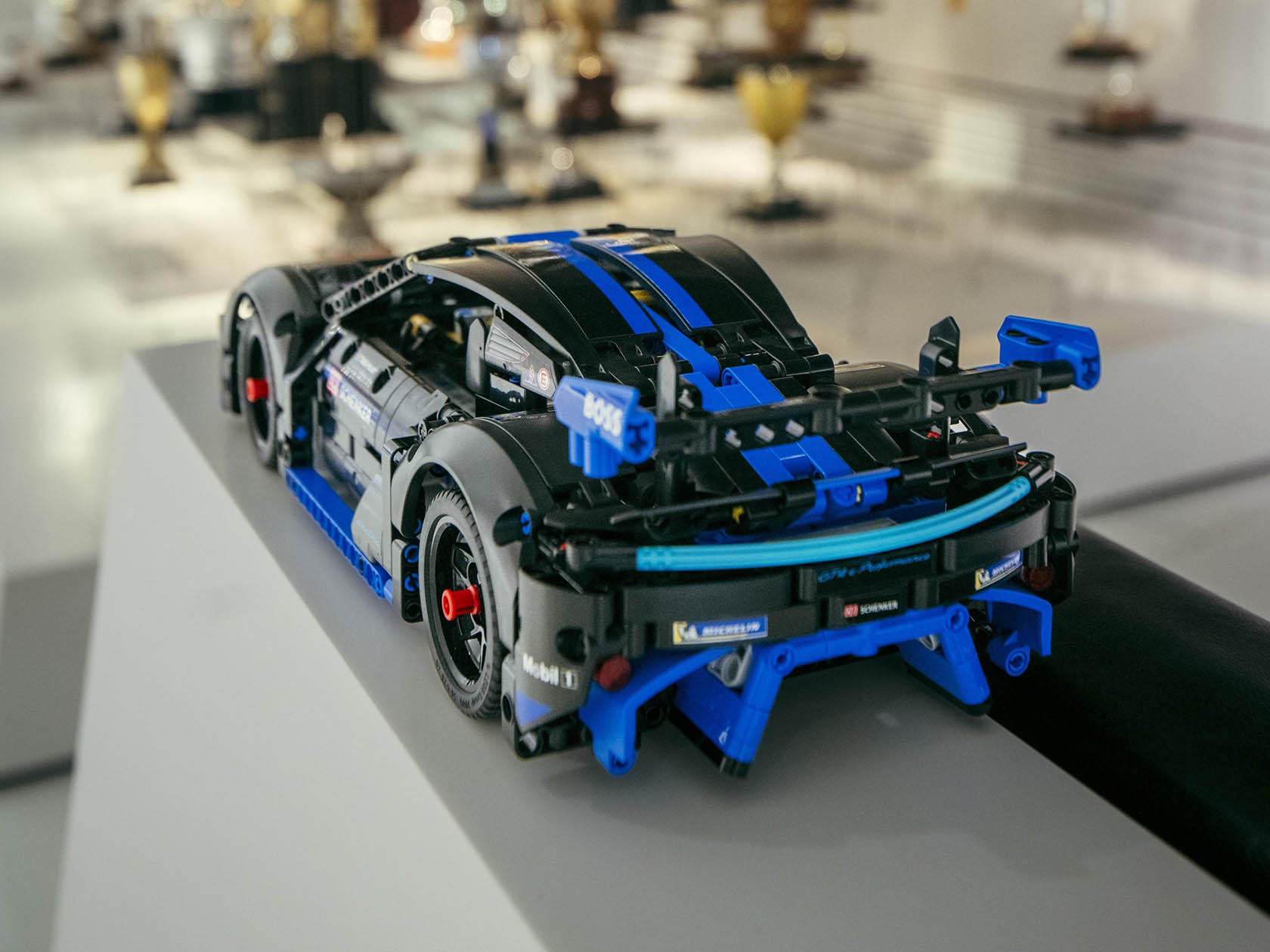
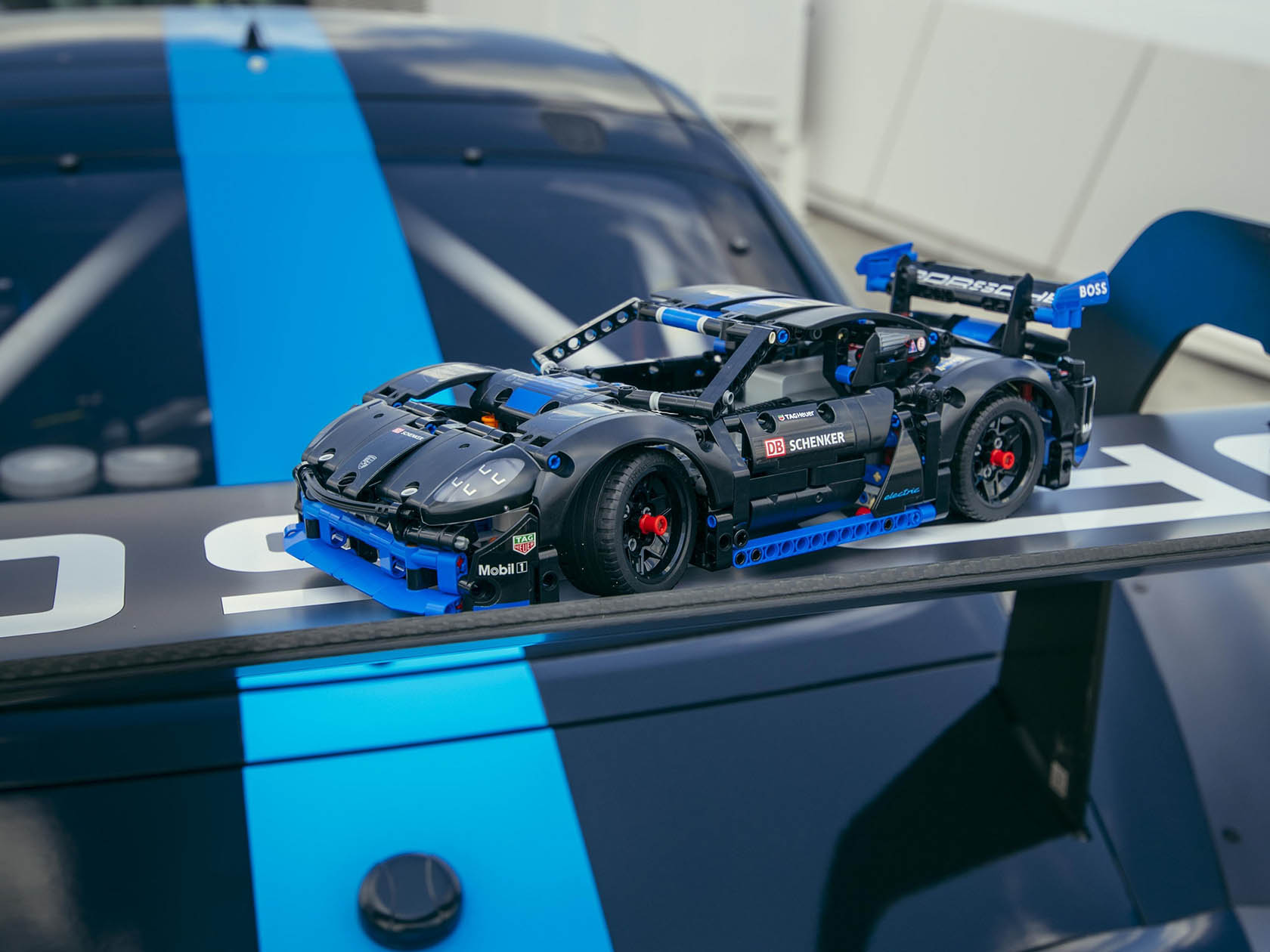
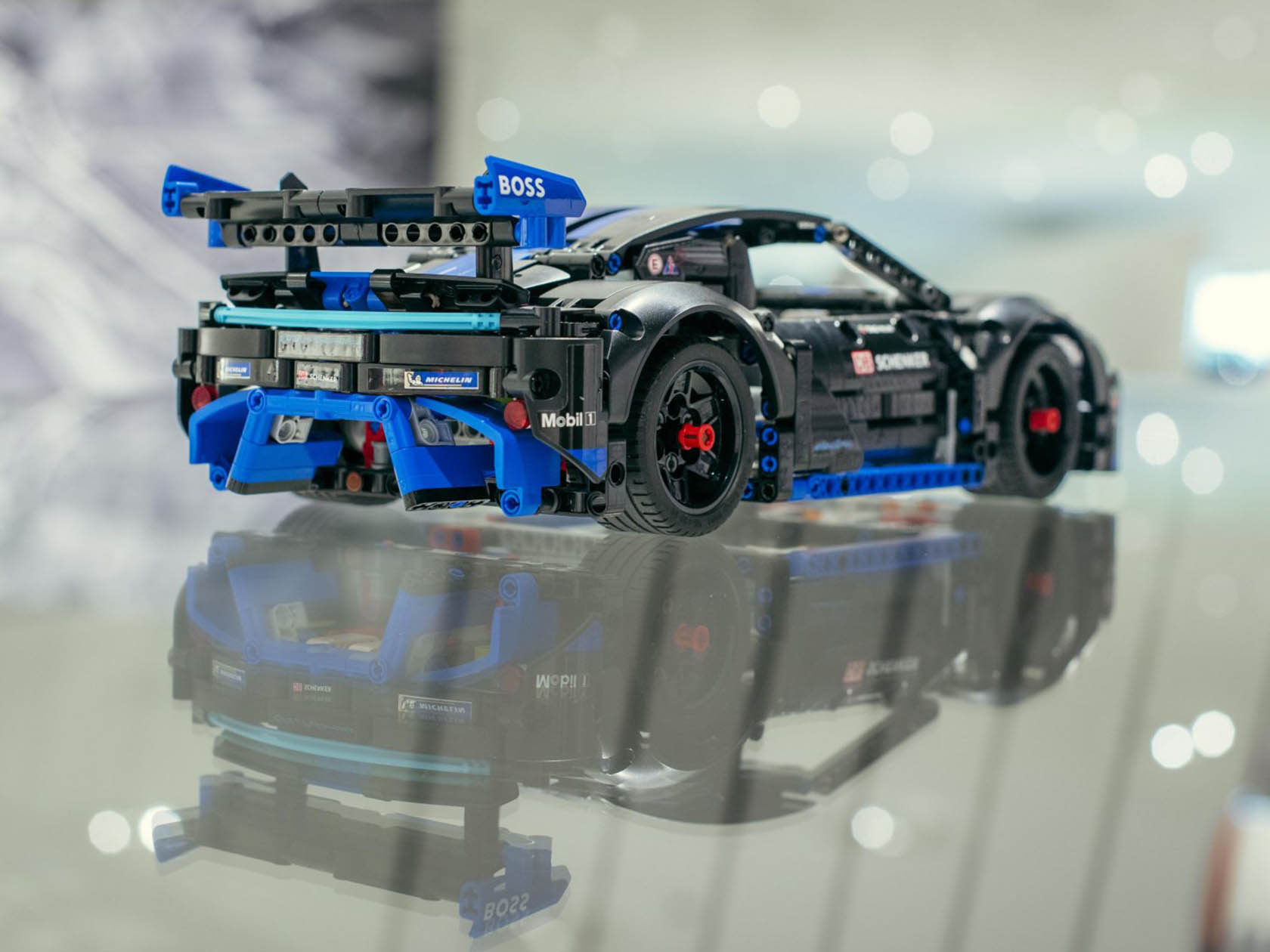
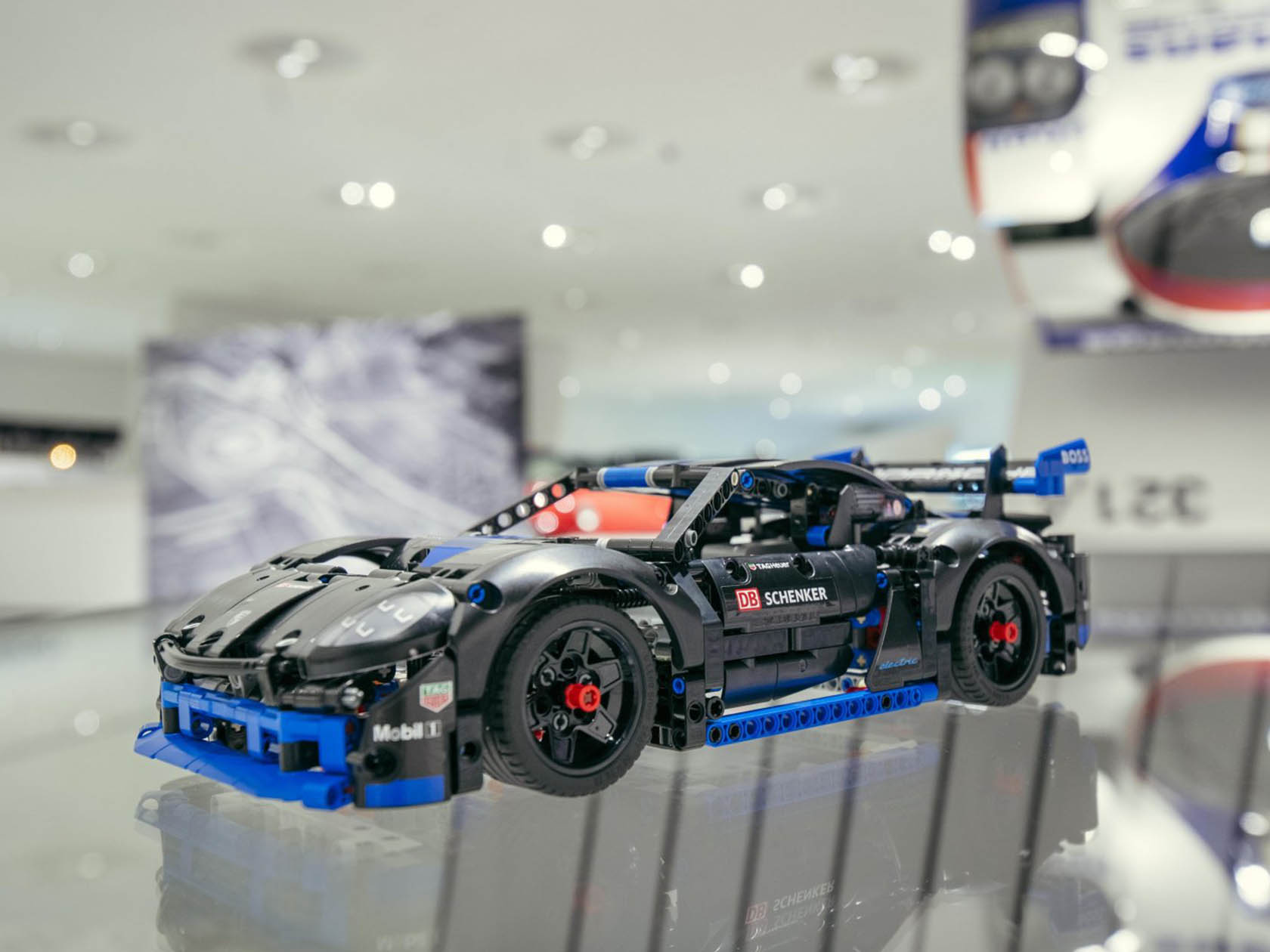
LEGO Technic recreates scaled Porsche GT4 e-Performance to inspire young motorheads

LEGO Technic has displayed its profound affinity for performance cars in the past month or so. The latest to rise in their famed list is the LEGO Porsche GT4 which exists because of a special cause. It’s a part of the Porsche 4Kids program which aims to allow young car enthusiasts to get up close and personal with the new all-electric GT4 e-Performance. This will be done through the Porsche 4Kids holiday program held from July 30 to August 18 at the Porsche Museum in Stuttgart.

Surprisingly the LEGO supercar is not a part of the Ultimate Car Concept Series that has similar LEGO sets like the McLaren P1 and Mercedes-Benz G Wagon. Unlike other Technic models, this one is not up for grabs and can only be tested out in real-time at the museum. Also, mark your calendars on 6 August for the special event hosted by Porsche GT4 e-developer Björn Förster and Lego designers Ann Karring and Aurelien Rouffiange.

Designer: LEGO and Porsche

As Jenny Simchen from the Porsche 4Kids programme at the museum explained, “We give the kids the opportunity to delve into the fascinating world of Porsche and Lego, test the GT4 e-Performance as Lego racing drivers, and play an active role themselves.” The kids and adults can interact with the remote-controlled performance Porsche and other Technic models to learn more about Porsche’s tech innovation.

So far there are no details about the brick count of this exclusive set, the scale version (we assume it’ll be a 1:8 model), or the overall dimensions. LEGO Technic and Porsche have kept the surprise element for this one till the set is explored by eager kids at the museum. The only thing known is that tickets for the special event can be booked online and priced at $30.

The post LEGO Technic recreates scaled Porsche GT4 e-Performance to inspire young motorheads first appeared on Yanko Design.

TinyPod Converts Your Apple Watch into an iPod

Apple Watch fans feeling nostalgic for their old iPods can rejoice with TinyPod. This unique case transforms your Apple Watch into a retro MP3 player. Priced at $79, it features a functional scroll wheel that connects with the watch’s digital crown. For those on a budget, there’s a $29 version without the scroll wheel, but we’d recommend the scroll wheel for the full effect.

Rendering of TinyPod showing front, back, and sides.

TinyPod isn’t just about looks; it enhances your watch as a phone companion. Designed for cellular models, it allows messaging, calls, mobile payments, and music playback, keeping you connected while your phone stays behind.

Unlike past nostalgic gadgets that never made it to market, TinyPod is set to ship this summer. It’s available for pre-order in three sizes and allows charging without removing the watch from the case.

This product offers a blend of retro charm and practical utility for those wanting to reduce phone dependency while staying connected. TinyPod is a perfect accessory for any Apple Watch user looking to merge nostalgia with functionality.

For more details and to pre-order, visit TinyPod’s website.

The post TinyPod Converts Your Apple Watch into an iPod appeared first on OhGizmo!.

Shop the best Amazon Prime Day tech deals before the sale ends at midnight — Top picks from Apple, Anker, Dyson and more

The Amazon Prime Day sale ends tonight, but don't think that all opportunities to save have come and gone. In typical Amazon fashion, most of the best Prime Day deals on day one of the sale remain the best offers now on day two — if they didn't sell out already, that is.

Thankfully, many of the best tech deals we curated yesterday are still around today. If you didn't get the chance to shop yesterday, Engadget has you covered. We've collected the best Prime Day deals you can still get right now before the shopping event is over tonight. We expect a few Prime Day deals to still be available tomorrow — there are always a few stragglers — but most of them will expire at today at midnight.

If you're looking for even more Prime Day deals that are still available, check out Engadget's Prime Day hub where you'll find all of the best tech deals you can get for the shopping event this year. In addition to Amazon devices, Prime Day is typically a great time to pick up big-ticket items like tablets, laptops and robot vacuums, and accessories like power banks, streaming devices, Bluetooth speakers and the like.

  • Apple Watch Series 9 for $280, $120 off: We consider the Series 9 to be the best smartwatch available today, period, and it's a no-brainer accessory for iPhone owners. If you want to spend less and get most of the code features found here, you should consider the more affordable Apple Watch SE.

  • Apple AirTag for $24, $4 off: We think these are the best Bluetooth trackers you can buy if you’re an iPhone user. They rely on Apple’s vast Find My network that calls on every nearby iPhone to anonymously pinpoint an AirTag’s location. We found their locating features to be eerily accurate. The price has gone up and down over the past 48 hours, but you may still be able to get a four-pack of AirTags for a record low of $75, too.

  • Apple 10th-gen iPad for $299, $50 off: This is the best iPad for those on a budget thanks to its modern design, USB-C charging, solid battery life and solid performance for the price. It’s even compatible with an optional folio keyboard if you want to turn it into a productivity machine.

  • Apple AirPods Pro for $169, $80 off: The Pros are the best pair of wireless earbuds that Apple sells and one of our top picks overall. They'll be hard to beat if you live in the Apple ecosystem and appreciate the conveniences provided by the built-in H1 chip.

  • AirPods Max for $395, $155 off: We gave this pair a review score of 84 when it arrived way back in December 2020. Despite its age, the Max remains one of the more premium sets of wireless headphones you can buy.

  • Apple MacBook Air (M3, 13-inch) for $850, $250 off: Apple's 2024 MacBook Air has a 13.6-inch Liquid Retina Display that can support one billion different colors. We gave it a 90 in our review thanks to offers like a 1080p FaceTime HD camera, three mics and up to 18 hours of battery life.

  • Apple MacBook Air (M2, 13-inch) for $799, $200 off: If you're coming from an older, Intel-based MacBook, any M-series machine will feel like a big upgrade. This M2 laptop excels thanks to its stellar performance, excellent screen and thin-and-light design.
Google Pixel 8a Prime Day
Engadget
  • Google Pixel 8a for $449, $50 off: This is our top pick for the best midrange smartphone you can get right now, as it builds off of the solid foundation found in Google’s Pixel 7a. The 8a boasts a colorful 120Hz OLED touchscreen, excellent cameras, solid performance and a good battery life.

  • Samsung Galaxy S24 Ultra for $975, $325 off: This handset is probably overkill for most users, but nevertheless, it’s our top pick for the best premium handset in our best Android phones guide. It stands out for its luxe build quality, speedy performance, excellent cameras and handy new AI tools.

  • Samsung Galaxy SmartTag2 (four-pack) for $65, $35: Samsung’s tracking tags are extremely reliable and easy to use, and both are reasons why they made our list of the best Bluetooth trackers. This is obviously the best choice for those already tied into the Galaxy ecosystem, but note that they only work with Samsung devices. 

  • Anker MagGo Power Bank 10K for $63, $27 off: Anker's MagGo Power Bank was one of the earliest Qi2-certified devices on the market, and this early 2024 model is impressive, to say the least. The 10,000mAh and 15W capacities provide you with fast wireless charging. The power bank can bring an iPhone 15 from near-dead to half-charged in just 45 minutes.

  • Anker Nano iPhone 15 Portable Charger for $17, $13 off: This 5K power bank has a flip-out USB-C connector that makes it easy to power up Android phones (and the latest iPhones) while on the go. For those who feel more secure with a plugged-in charger rather than a magnetic or wireless one, this power bank is a good option.

  • Sonos Era 100 for $199, $50 off: In our testing, this speaker impressed with excellent sound quality (along with even better stereo-pair sound), easier TruePlay tuning, Bluetooth and in-line support and a simple yet attractive design. It's on our list of the best smart speakers you can get thanks to its Alexa compatibility and it's ability to work with Sonos' own voice assistant
Dyson Airwrap Prime Day
Dyson / Engadget
  • Dyson Airwrap bundle for $550, $125 off: In addition to the Airwrap and its storage case, the bundle includes six attachments: two long barrels, three brushes and the Coanda smoothing dryer, plus a filter cleaning brush, a detangling comb and another storage bag. That's enough to achieve a bunch of different hairstyles with one tool, and you get a couple of ways to store the machine when you're not using it or when you need to travel with it.

  • Theragun Mini 2.0 for $149, $50 off: The runners on the Engadget staff appreciate this percussion massage gun for its compact size, three speeds and swappable attachments.

  • Fitbit Charge 6 for $100, $60 off: The Charge 6 sits at the top of our list of the best fitness trackers you can get precisely because it has such a comprehensive feature set. It also has a seven-day battery life, so you won't have to worry about recharging it for days on end.

  • iRobot Roomba Combo Essentials for $190, $85 off: This model ups the ante a bit by adding in mopping capabilities to the usual robot-vacuum formula. It’s the most affordable vac-and-mop machine that iRobot makes, and it’s an even better buy at this sale price.

  • Shark AI Ultra robot vacuum for $295, $305 off: A version of one of our top picks for the best robot vacuums, it supports cleaning schedules and home mapping, plus it comes with a self-emptying base that can hold up to 60 days worth of debris. The base is also bagless, so you don't have to buy and replace proprietary garbage bags in it over time.

  • Google Nest Cam Indoor/Outdoor (two pack) for $250, $80 off: These cams are battery-powered, so you don't have to worry about cables and you can place them almost anywhere you want inside or outside your home. They support 1080p HDR video and Activity Zones, the latter of which will send you alerts when motion is detected in specific areas.

  • Google Nest Wi-Fi Pro 6E (three pack) for $285, $$115 off: This set is one of the top picks on our list of best mesh Wi-Fi systems, primarily because it's pretty easy to setup and use, even for those who have never attempted to install their our router system.

Sony WH-1000XM5 Prime Day
Engadget
Samsung Frame TV Prime Day
Engadget
  • Samsung The Frame TV with white bezel for $998, $648 off: You’d mainly get a Frame TV for the aesthetic, as the whole thing is designed to mount flush against a wall and hang like a piece of art. You can even use it to display actual artwork and photos when you aren’t watching something. Its image quality is still decent as well, though it’s not on the level of the best LED TVs in this price range.

  • LG C3 OLED TV for $1,097, $200 off: This is a 2023 model, but at this price it’s a nice value if you want the deep contrast, wide viewing angles and fast motion response of a quality OLED panel.

  • Roku Streaming Stick 4K for $29, $21 off: One of the best streaming devices available today, this model supports 4K HDR content, long-range Wi-Fi, Apple AirPlay and private listening through the companion mobile app.

  • Sonos Ray for $199, $80 off: In our testing, this soundbar provided good sound quality for both TV audio and music, impressive bass performance for a soundbar of its size and an attractive, compact design.
Amazon Echo Show 8 Prime Day
Amazon
  • Amazon Echo Show 8 for $85, $65 off: The smart display has dropped to $85 for Prime Day. This is our current top pick for the best smart display with Amazon’s Alexa thanks in part to its 8-inch touchscreen, 13MP camera that supports auto-framing for better video chats and its built-in Zigbee smart home hub.

  • Amazon Echo Dot for $25, $25 off: Amazon’s smallest smart speaker has dropped to $25 for Prime Day. It’s one of the best smart speakers you can get right now thanks to its compact design, physical button controls that compliment voice commands and its solid sound quality for its size. The Kids version is also on sale for $28 for this sale.

  • Amazon Kindle for $85, $15 off: The base Kindle is on sale for $85 for Prime Day. It’s our top pick for the best budget ereader out there, and it’s an even better value when you can snag it on discount. In addition to giving you access to Amazon’s vast Kindle ebook library, the entry-level Kindle has a good number of page customization options (for text size, font, margins, etc) and Audible integration, which lets you listen to Audible audiobooks if you have a pair of Bluetooth headphones.

Your Prime Day Shopping Guide: See all of our Prime Day coverage. Shop the best Prime Day deals on Yahoo Life. Follow Engadget for Prime Day tech deals. Hear from Autoblog’s experts on the best Amazon Prime Day deals for your car, garage, and home, and find Prime Day sales to shop on AOL, handpicked just for you.

This article originally appeared on Engadget at https://www.engadget.com/shop-the-best-amazon-prime-day-tech-deals-before-the-sale-ends-at-midnight--top-picks-from-apple-anker-dyson-and-more-185535856.html?src=rss