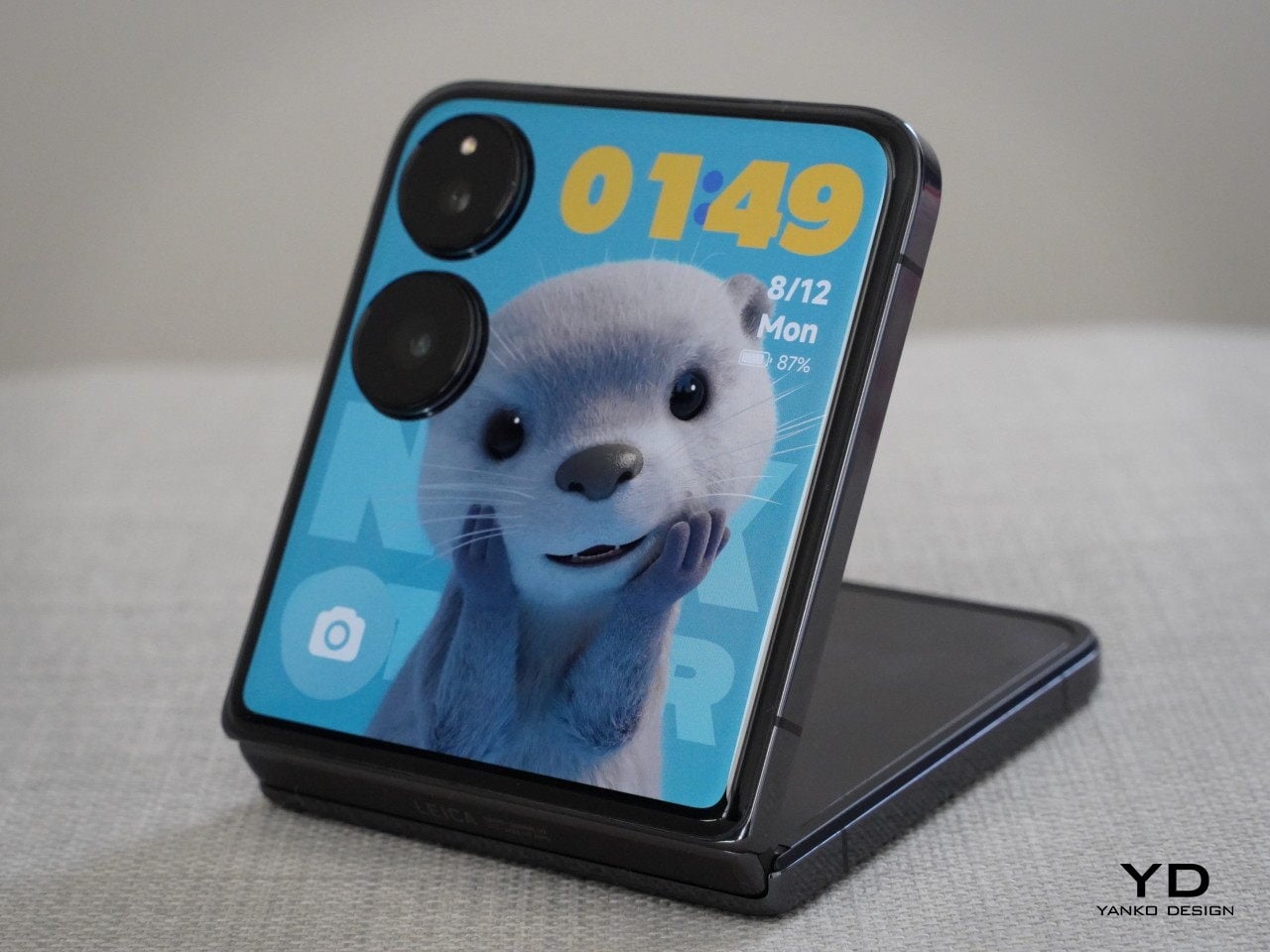
Xiaomi MIX Flip Review: Best Flip Phone for 2024?

PROS:


  • Large and highly functional outer screen

  • Great camera performance

  • Big battery and fast charge

    CONS:


    • No IP rating

    • No wireless charging capability

    • Device tends to get hot during extended camera use

    RATINGS:

    AESTHETICS
    ERGONOMICS
    PERFORMANCE
    SUSTAINABILITY / REPAIRABILITY
    VALUE FOR MONEY

    EDITOR'S QUOTE:

    The Xiaomi Mix Flip is a well-round flip phone that combines sleek design, premium build, top-notch performance, and great mobile imaging capabilities.

    The smartphone market, once dominated by monolithic slabs of glass, is undergoing a captivating transformation. Foldable devices, both bookstyle foldable and clamshell flip phones, have emerged as a compelling alternative. Samsung has been at the forefront of this transformation with its Galaxy Z Flip series. Motorola has also left a significant mark with its Razr series, boasting a large and practical outer screen that enhances usability. Now, Xiaomi has made a bold entrance into the foldable arena with its first foldable, the Xiaomi MIX Flip.

    Designer: Xiaomi

    At a highly anticipated annual speech event in Beijing last month, Xiaomi CEO Lei Jun unveiled the MIX Flip along with its 4th generation of foldable phones, emphasizing the strategic timing behind the company’s foray into the flip phone market. Reflecting on past perceptions, Lei acknowledged a previous skepticism toward flip phones, once dismissing them as merely “pretty for nothing.” In those earlier iterations, compactness often came at the cost of performance and functionality. However, Xiaomi now believes it has cracked the code, poised to deliver a flip phone that is “pretty for everything”. Let’s delve into the details to see if the MIX Flip truly lives up to the hype.

    Aesthetics
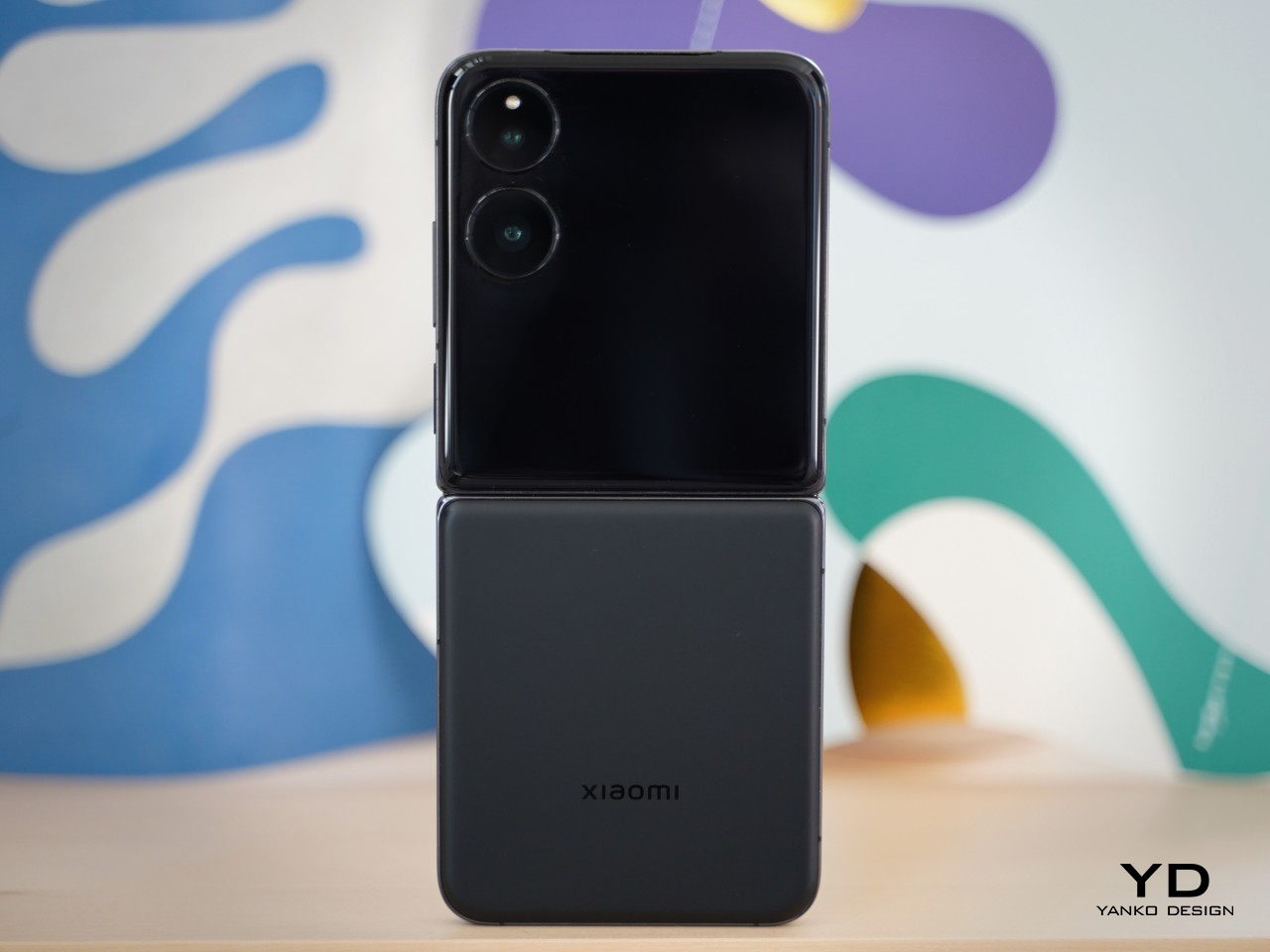
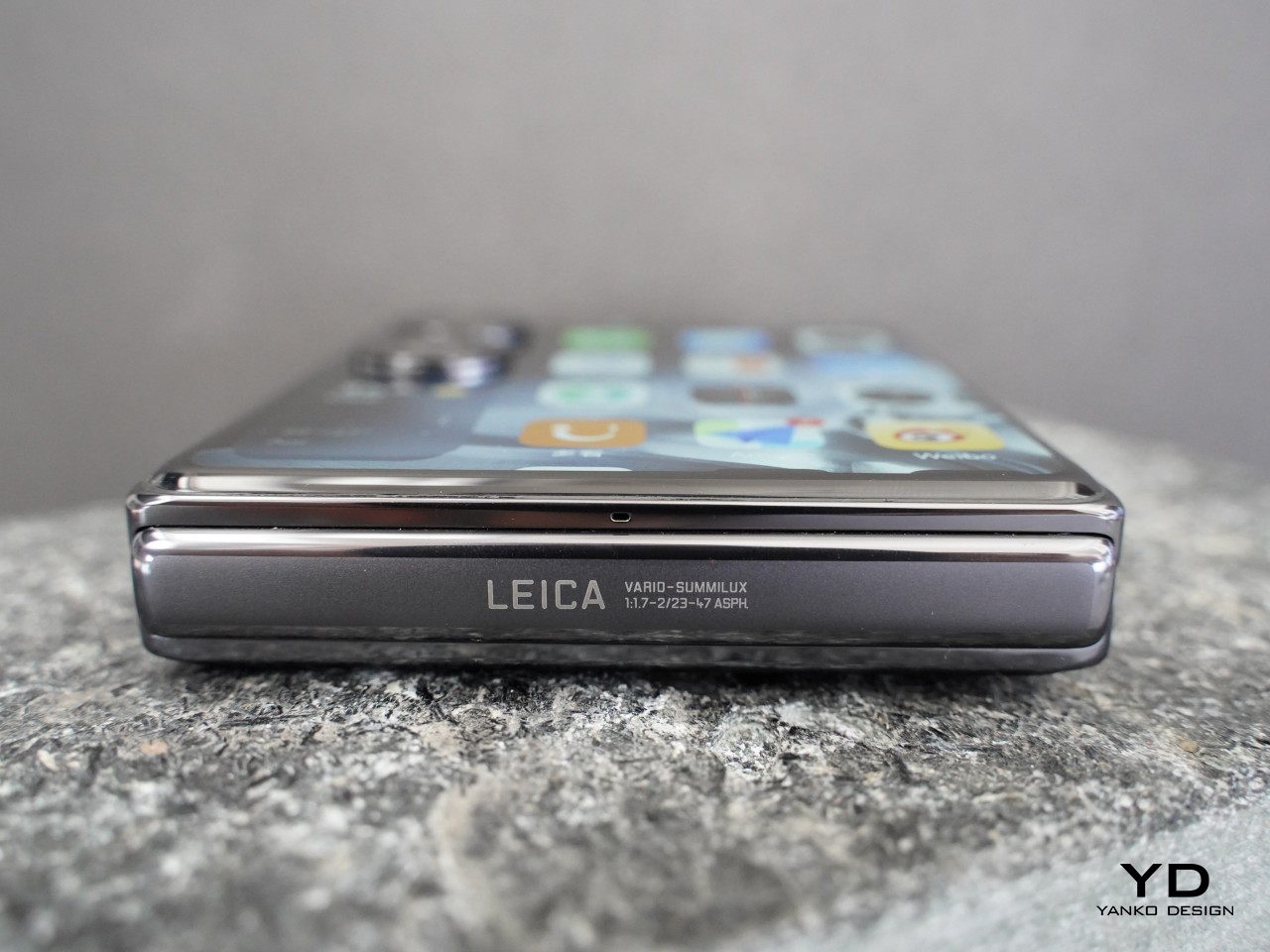
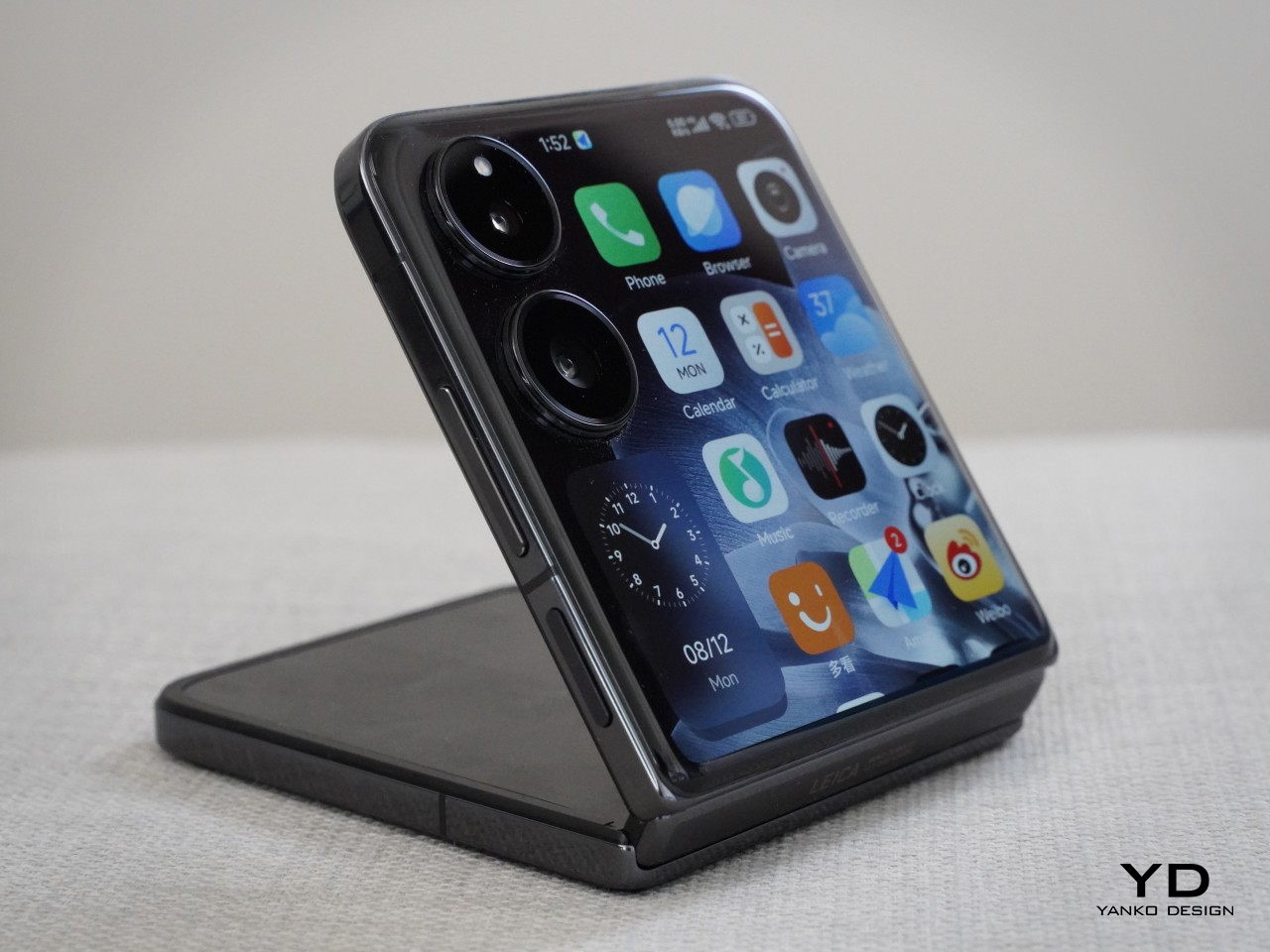
    The stunning 4.01-inch outer screen commands immediate attention, and rightfully so. It houses two individual rear cameras positioned vertically nestled at the top left corner with minimal protrusion. The shiny outer screen and the matt glass back panel create an interesting contrast, while discreet black Xiaomi logo seamlessly blends into the back panel. Upon closing the device, reveals Leica logo and text on its matte hinge.
    The Xiaomi MIX Flip comes in four variants: White, Black, Purple, and Xiaomi nylon fiber edition. The White, Black, and Purple variants share the same matte finish. In contrast, the Xiaomi Nylon Fiber edition features a distinctive woven nylon back panel, adding a unique texture to the device’s aesthetic. Overall, the MIX Flip offers a minimal and clean design.

    Ergonomics

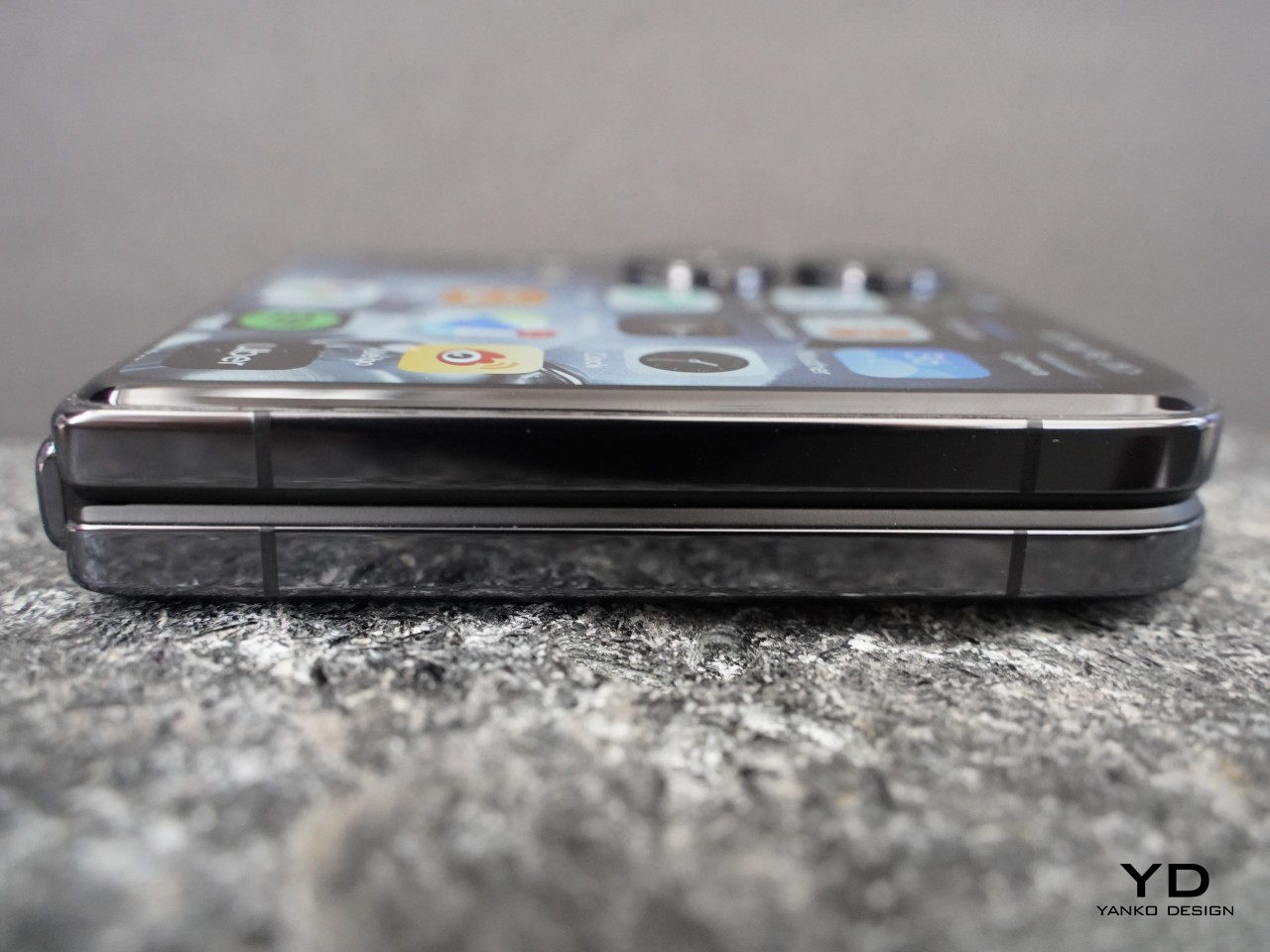
    The Xiaomi Mix Flip boasts a sleek and highly portable form factor. Unfolded, it measures 167.5 x 74.02 x 7.8 mm, with a folded thickness of 15.99 mm, and weighs 192 g. While it’s not the slimmest or lightest flip phone available on the market, its compact size makes it easy to hold and slip into your pocket.

    It feels premium in your hand, featuring an “All-around Liquid Quad-Curved Display” for a smooth feel. The robust hinge allows the phone to be positioned at various angles ranging from approximately 45 to 120 degrees, fulfilling its advertised flexibility. Opening and closing the phone feels smooth and satisfying.

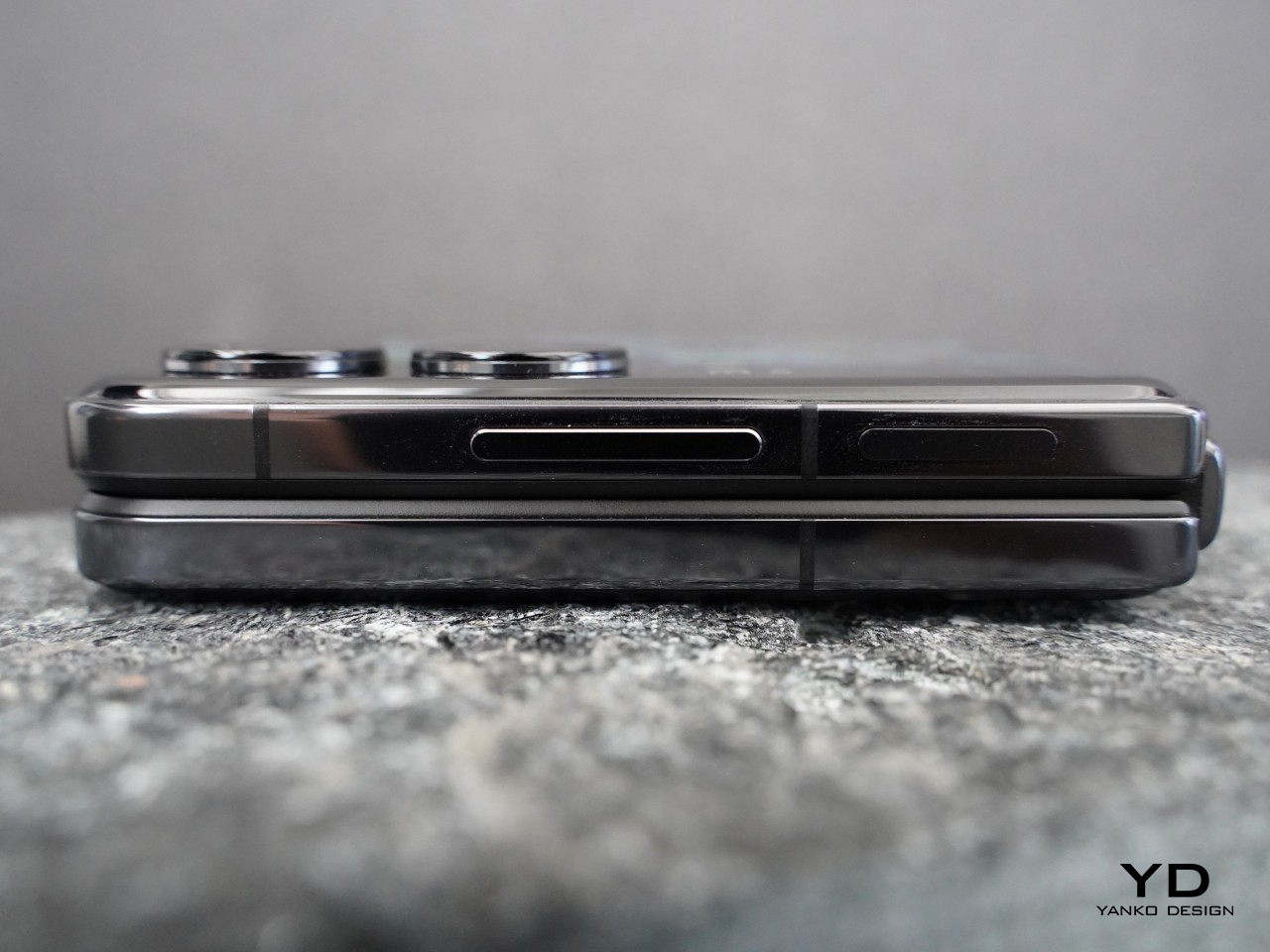
    The fingerprint scanner on the right side of the device works great, and the matte back panel resists fingerprints and smudges, ensuring a clean appearance. The glossy aluminum alloy frame tends to attract fingerprints, though this is a minor inconvenience.
    Performance

    The outer screen of the MIX Flip not only captivates with its stunning visuals but also offers exceptional functionality. Sporting a 4.01-inch screen, it boasts a resolution of 1,392 x 1,208 pixels (1.5K resolution), HDR support, and a pixel density of 460ppi. It achieves a peak brightness of 3,000 nits and maintains an overall brightness of 1,600 nits, ensuring clarity even in bright conditions.
    The MIX Flip harnesses the full potential of its impressive outer screen. The large area of the outer screen (3.5-inch to be exact), with a 16:9 aspect ratio, accommodates various apps. Xiaomi enhances usability further by integrating widgets on the left side of the 4.01-inch display, positioned above the camera module. You can customize this area with up to 5 widgets such as Weather, Clock, Calendar, Health, Music Player, and Recent Apps, and you can cycle through widgets by swiping up and down.
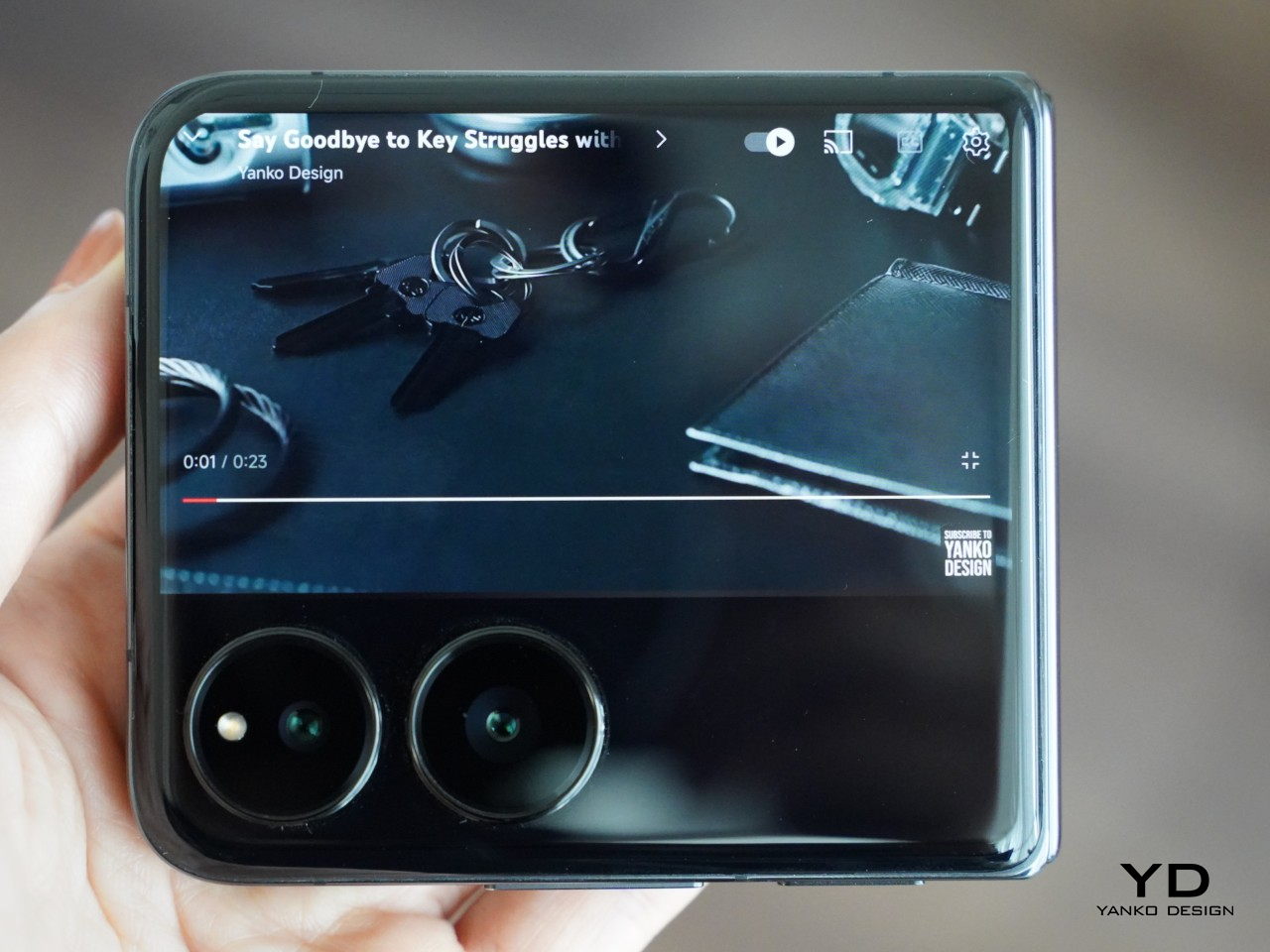
    Out of the box, the outer screen comes pre-loaded with essential apps like Phone, Browser, Camera, Calendar, Calculator, Weather, Music, Recorder, Clock, alongside a couple of other Chinese apps. According to Xiaomi, over 200 of the most popular Chinese apps are optimized for the outer screen. Since the review unit is the Chinese version, it’s expected that not all apps I downloaded are available on the outer screen. For instance, apps such as Slack, Netflix, Google Calendar, and Kindle are not currently supported on the outer screen. Other popular apps like YouTube, Instagram, X, WhatsApp, Google Chrome, Google Maps, Uber, and Spotify can run on the outer screen. Users can enjoy watching YouTube clips horizontally, leveraging the display’s capabilities fully.

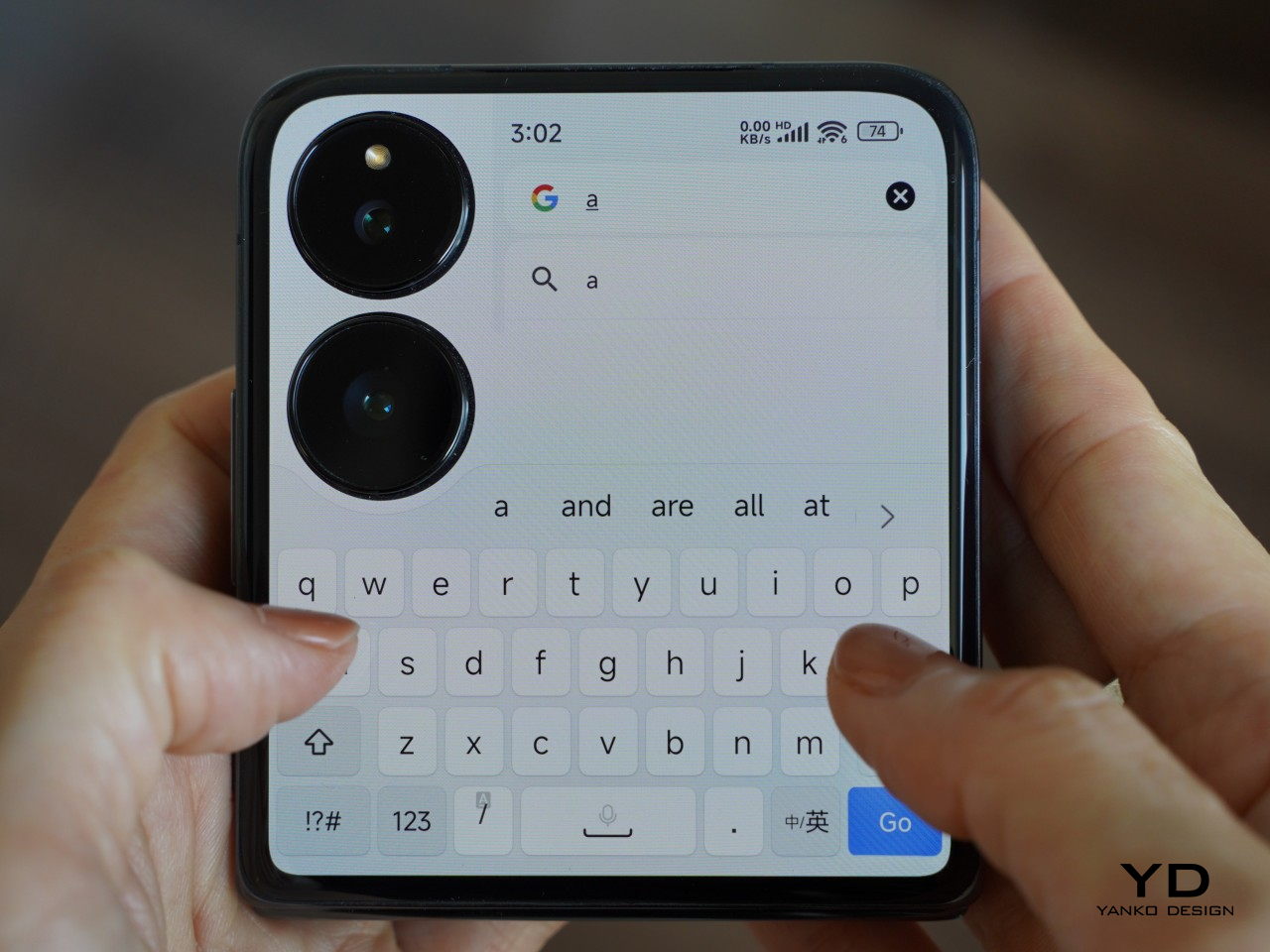
    The outer screen is swift and responsive, with notable interactivity. It supports a full keyboard that extends from edge to edge when the phone is oriented with the camera module in the upper left corner, enhancing typing comfort. Additionally, the screen supports handwriting input. While this feature is currently limited to Chinese characters, it adds a useful dimension to the typing experience. You can access quick settings and notifications on the outer screen, though they are not customizable.

    On the other hand, the inner display measures 6.86 inches with a 2,912 x 1,224 resolution and 1-120Hz LTPO, featuring 460 ppi and a peak brightness of 3,000 nits, mirroring the outer screen’s brightness and vibrancy, with the crease being barely noticeable. It’s less exciting compared to the outer screen, but it gets the job done with minimum fuss.


    Xiaomi’s ongoing collaboration with Leica continues on to its flip phone. MIX Flip features a 50MP Leica main camera with a 1/1.55” sensor, an f/1.7 aperture, and OIS. The other camera on its back is a 50MP Leica floating telephoto camera with a 1/.88” sensor, and an f/2.0 aperture. It supports macro photography where you can get up close to the subject with a minimal distance of 9cm (or about 3.5 inches). You can choose between the “Leica Vibrant” and “Leica Authentic” modes in the camera app to tailor the look to your liking.


    The main camera consistently delivers impressive results across a variety of shooting conditions. Images exhibit excellent sharpness, detail, and accurate color reproduction. The camera generally handles dynamic range well. However, some highlight details are blown out without HDR enabled. Activating HDR significantly improves dynamic range, preserving details in both shadows and highlights.


    The telephoto camera performs well in daylight or at closer tele zoom levels in low-light conditions, with nice preservation of details. The portrait mode offers a range of focal lengths (23mm, 35mm, 50mm, and 75mm). The skin tone is accurate and subject isolation is great with creamy bokeh. There is a 32MP front-facing camera with a 1/3.14” sensor and an f/2.0 aperture, but taking advantage of the outer screen, you are less likely to open up the front-facing camera for any selfies.
    The Xiaomi MIX Flip shines in capturing daylight videos. All three cameras (main, telephoto, and selfie) can record up to 4K resolution at 60 fps with ESI, with the main camera pushing the limits further at 8K 24 fps. Video footage is smooth, well-exposed, and has good detail. While the Mix Flip’s image stabilization performs admirably in low-light conditions, the dynamic range can be somewhat limited.


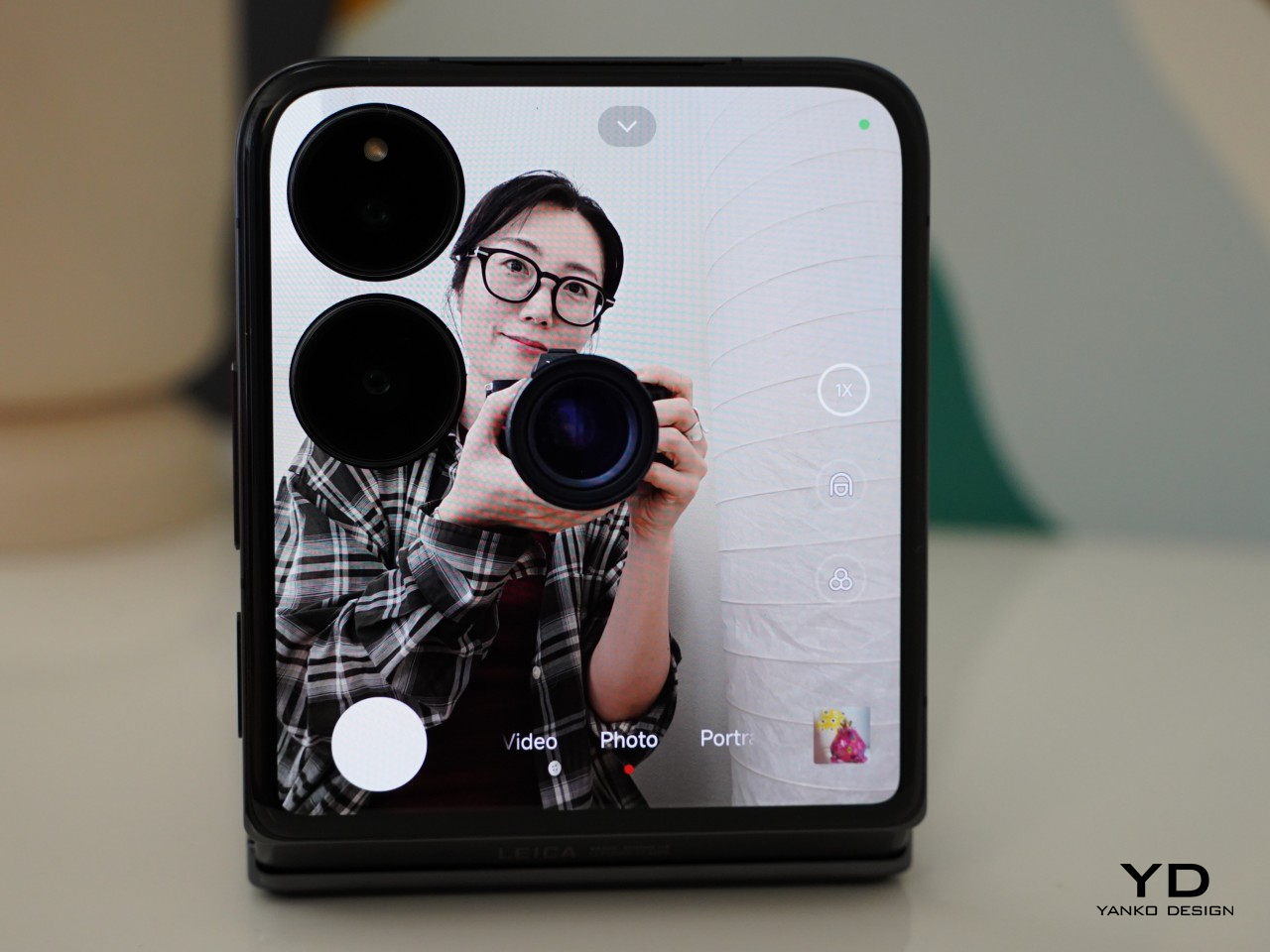
    One advantage of the flip phone is the ability to preview and capture photos and videos on the outer screen. It supports up to 2x zoom for taking photos and videos from the outer screen, though portrait mode is limited to 1x zoom. If you switch back to taking photos from the inner screen, it automatically switches to the front-facing camera, which I find a bit annoying.
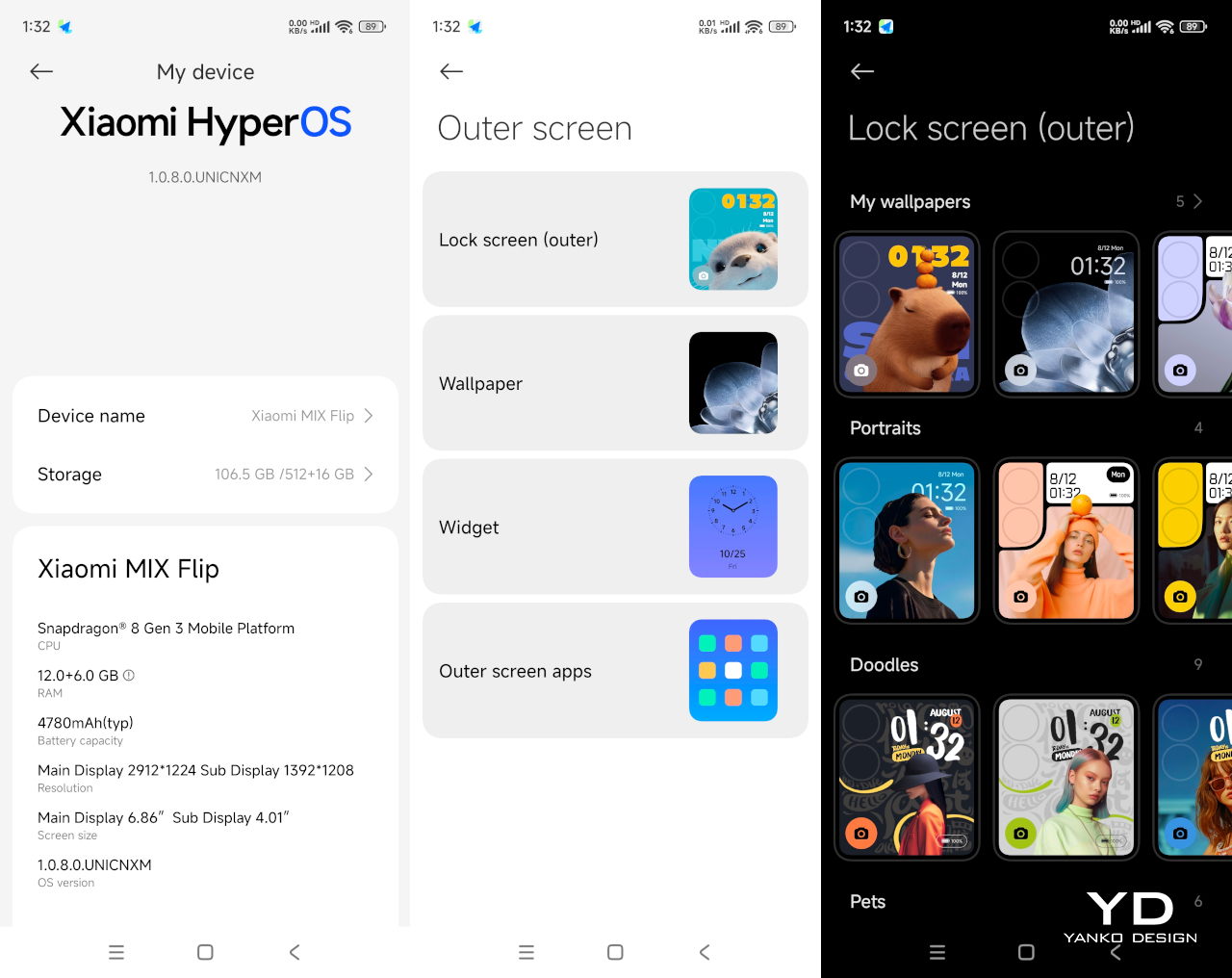
    Under the hood, the MIX Flip is powered by the latest Snapdragon 8 Gen 3 paired with 12GB or 16GB of LPDDRX RAM and storage of options of 256GB, 512GB, or 1TB of UFS 4.0, with virtually expandable RAM. For reference, our review unit was 12GB RAM/512GB storage. It runs HyperOS based on Android 14. Both benchmark results and real-world use performance are great, handling any task with ease. The Xiaomi MIX Flip is equipped with a 3500mm² VC area, but the device tends to get hot during extended photo and video use.

    Compact form factors often compromise on battery size, but Xiaomi has impressively fit a 4,780mAh battery into the MIX Flip. It supports 68W wired charging, although it does not include wireless charging capabilities. Addressing another common issue with flip phones, the MIX Flip allows you to make and receive calls without opening the device. Additionally, it supports WiFi 7 for enhanced connectivity.

    Sustainability

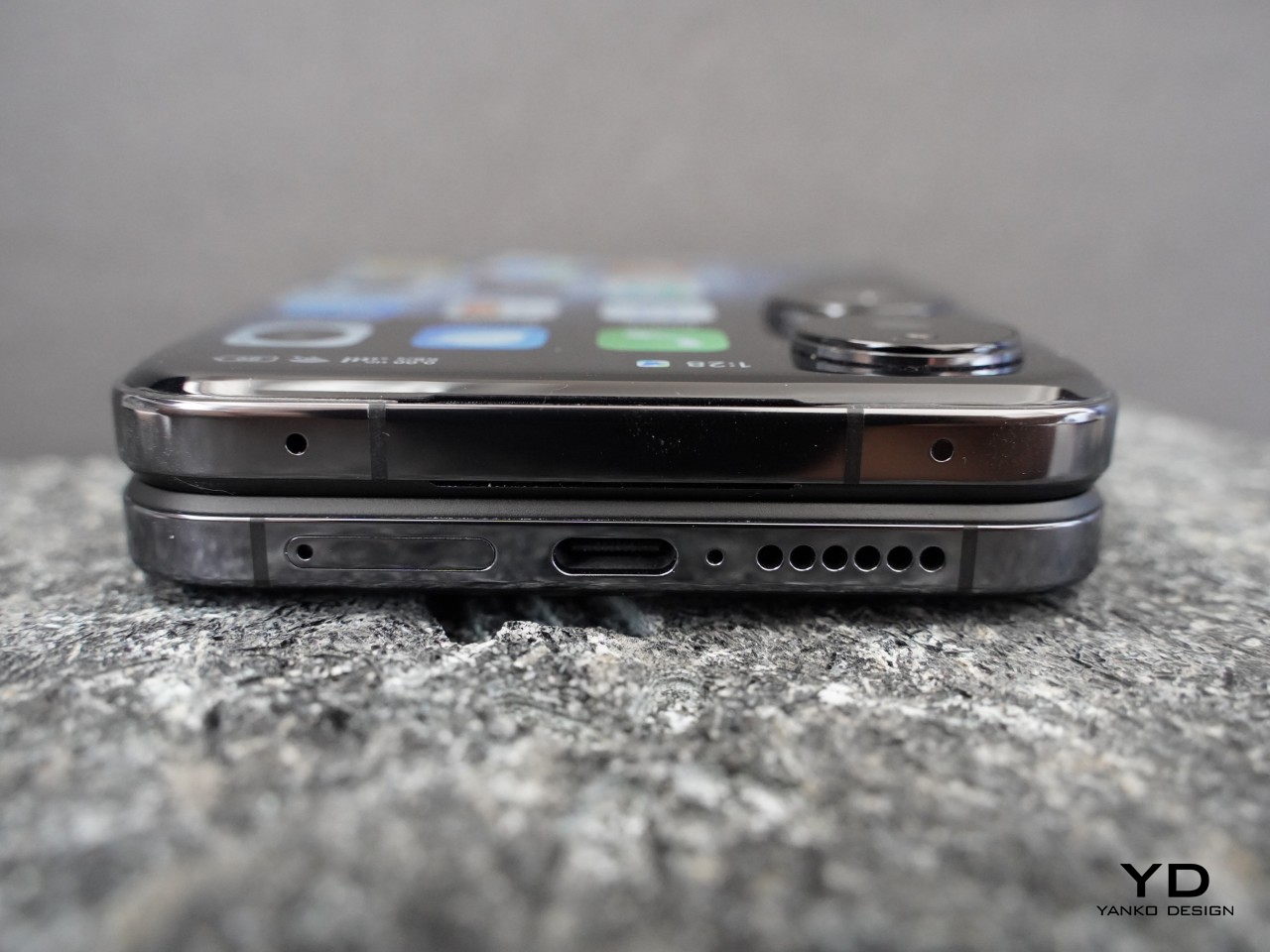
    While flip phones offer certain advantages, durability is a key area where they can face challenges. The device incorporates Xiaomi’s Shield Glass on the outer screen, promising ten times greater drop resistance than conventional glass. Moreover, the phone has undergone rigorous testing, enduring 500,000 folds without compromising its structural integrity. The battery is another highlight, maintaining at least 80% capacity after 16,000 charging cycles. While the absence of an IP rating might be a concern for some, these features collectively contribute to a device that’s built to last.
    Value

    As the competition in the foldable market heats up, Xiaomi’s entry promises to shake things up, driving further innovation and consumer choice in the smartphone landscape. Priced competitively at 5,999 yuan (approximately $825 USD) for the base 12GB RAM and 256GB storage model, the Mix Flip undercuts the Samsung Galaxy Z Flip 6 by a significant margin. The 12GB RAM and 512GB variant is also more affordable than the Motorola Razr 50 Ultra.

    While Xiaomi Bulgaria Country Manager, Nikolay Nankov, revealed that Mix Flip would be available in Bulgaria for 2,600 Bulgarian lev (about $1,450 USD), notably higher than its price in China, the company has yet to officially confirm global availability. Nevertheless, the device’s competitive pricing (at least for the Chinese domestic market), overall performance, and potential for wider release could disrupt the market and intensify competition in the flip phone segment.

    Verdict

    Xiaomi Mix Flip is a well-rounded flip phone that combines sleek design, premium build, top-notch performance, and great mobile imaging capabilities. It features a large, functional outer screen (though its full potential is yet to be tested due to the review unit being China version), the latest Snapdragon 8 Gen 3 processor, and two 50 MP Leica cameras, with competitive pricing (at least in China). While global availability details remain pending, Mix Flip stands as a serious contender, poised to shake things up and accelerate innovation in the foldable phone space.
    The post Xiaomi MIX Flip Review: Best Flip Phone for 2024? first appeared on Yanko Design.

    Peugeot 5008 Now Available For £37,360 OTR

    Peugeot 5008

    The automotive industry is undergoing a significant transformation, with the demand for electric vehicles (EVs) reaching unprecedented levels. Among the latest developments in this sector is the emergence of the electric seven-seat SUV, a category that seamlessly blends the environmental advantages of electric power with the versatility and spaciousness of a family-oriented vehicle. The new […]

    The post Peugeot 5008 Now Available For £37,360 OTR appeared first on Geeky Gadgets.

    Google Pixel Fold one year later: More durable than I expected

    The Pixel Fold was Google’s first phone with a flexible display when it launched last year. And at its upcoming Made By Google event, we’re about to get a successor in the Pixel 9 Pro Fold. So there’s no better time to check in on how Google’s original bendy handset has survived being my daily driver for an entire year.

    The Pixel Fold doesn’t look like any other foldable on the market. It has a curvy polished aluminum frame with squatty dimensions that results in something shaped more like a passport than a traditional handset or Samsung’s long and skinny batons. When you open it up, you’ll find relatively chunky bezels and a big main display that sits in landscape orientation instead of portrait like practically all of its rivals. Around back, there’s an absolutely massive camera bar. But as I found out after talking to the phone’s designers, the opportunity to shape Google’s first foldable gave the team a blank slate to try new approaches. And I think the phone is much better off for it.

    The Pixel Fold's unique design and wider exterior display make it rather unique, even among phones with flexible displays.
    Photo by Sam Rutherford/Engadget

    That’s because even though its widescreen setup sometimes causes issues with apps and websites that expect portrait mode, it made sitting down with a movie much faster and more enjoyable. Meanwhile, its thick frame left enough room for Google to build a selfie camera into the phone’s bezel rather than taking up room on its main display. And even though its rear camera module is definitely bulky, it allowed Google to equip the Fold with sensors that are basically as good as those on a standard flagship Pixel (including a 5x optical zoom). That’s something Samsung still hasn’t managed to do for the Z Fold line, which continues to take a backseat in photo quality compared to an equivalent Galaxy S Ultra.

    Granted, Samsung’s version still boasts a few features the Pixel Fold doesn’t get such as native stylus support and Dex mode, which offers a superior layout for multitasking. Plus, thanks to Qualcomm’s Snapdragon chips, it delivers slightly faster overall performance. However, I think Google largely makes up for that with better software including apps like the Pixel Recorder, Call Screener and Live Translate.

    Even after a year's worth of wear and tear, the Pixel Fold's hinge feels as strong and smooth as ever.
    Photo by Sam Rutherford/Engadget

    All in all, despite being Google’s first foray into the category, the Pixel Fold is a very compelling device with a unique design, class-leading cameras and great displays — that’s pretty much everything you want in a big fancy flexible phone. That said, one thing I couldn’t properly evaluate in my original review was the phone’s long-term durability. To close the loop, here’s how it’s faring one year later.

    Before we get in too deep, I should note that I’m pretty tough on devices. The Pixel Fold I’ve been using has been naked since the day I got it, simply because I don’t like cases. After all, companies like Google spend millions coming up with exquisite designs, so it seems like a shame to throw a cheap smock over everything. I also live with a toddler who doesn’t care about nice things, so he doesn’t think twice about batting the phone around when it's in his way. But even so, the Pixel Fold has held up surprisingly well.

    Through no fault of its own, I managed to crack the Pixel Fold's outside display. But even so, the panel still functioned perfectly.
    Photo by Sam Rutherford/Engadget

    On its frame, there are a ton of scuffs and scratches all over along with some dents from being dropped. There are also a few scapes on its matte Gorilla Glass Victus back, but all of this is purely cosmetic. If you’re the type of person who gets jazzed up about wear and patinas on vintage furniture, you might even say the Pixel Fold is aging rather gracefully considering how much abuse it’s absorbed. Most importantly though, none of this damage has impacted the phone’s functionality.

    That said, there is a small crack in the phone’s exterior display. But I want to be clear, that one is 100 percent my fault. While trying to potty train my toddler, I would often sit on a low stool near him in a bathroom with hard tile flooring. And often, because of how I was seated, the phone would slip out of my pocket. This happened countless times and I should have simply put the phone on a nearby changing table. But I didn’t, and about a month ago, it fell and hit the corner of its display, causing a small cobweb of fractures. Still, even with that blemish, the screen’s functionality is unaffected.

    Because I never put the phone in a case, it did develop a handful of scuffs and scrapes across its body.
    Photo by Sam Rutherford/Engadget

    Naturally, I tried to get the exterior display repaired. Unfortunately, a representative at my local uBreakiFix (which is a Google-authorized repair center) told me that they didn’t have the required parts or the proper jig for a panel replacement. I was then told to contact one of the company’s main locations in Kearny, NJ, which did have the necessary materials and gave me a rough estimate (over the phone) of about four hours and $220 for the repair. Then, just to be sure, I took the Pixel Fold into Google’s flagship retail store in NYC for a second opinion, which resulted in a slightly cheaper ballpark quote of $180. Both prices are in the same range as what it would cost to replace a display on a traditional candybar-style handset, which is nice considering the added complexity of the Pixel Fold’s design. As for its main display, probably due in large part to the fact that it's protected by the rest of the phone when closed, it's remained pristine.

    I’ve also dropped this thing in the sand, which scared the crap out of me since its IPX8 rating technically only specifies its level of water resistance (up to 5 feet for 30 minutes). Things got even more concerning when I tried to open it and was greeted by the distinctive sound of particles grinding somewhere inside. But after wiping it off and blowing in the hinge like it was an old NES cartridge, everything went back to normal. Perhaps the most impressive thing is that even after a year, there’s not a single hint of bubbling from the Fold’s factory-installed screen protector, which is something I’ve experienced on every one of Samsung’s Z Fold phones I’ve owned. And based on the searches I’ve done online, aside from a small handful of odd cases, I haven’t seen many complaints from other Pixel Fold users either.

    For some reason, when you open it all the way, the Pixel Fold always stops just short of a full 180 degrees.
    Photo by Sam Rutherford/Engadget

    In a lot of ways, the Pixel Fold’s impressive durability is yet another sign that Google has been carefully watching the evolution of rivals like the Z Fold and studying it to see what aspects can be improved. Despite being the company’s first go at a phone with a flexible screen, the Pixel Fold definitely doesn’t suffer from a lot of the issues you typically get on first-gen devices. The one thing I might do differently in the future is to perhaps use a sleeve instead of a case to make the device a bit less slippery when it’s in my pocket.

    My one gripe with the Pixel Fold’s design is that it never fully opens all the way. Granted, this is an incredibly minor complaint, but it looks awkward when the phone stops at 179 degrees, just short of being totally flat. During my initial review, I thought the phone’s hinge might relax over time, but it’s just as stiff as ever, which in all other situations is a good thing.

    Thankfully, even after a year, the Pixel Fold's main flexible display remains unblemished.
    Photo by Sam Rutherford/Engadget

    Regardless, for a type of device that many think needs to be treated with kid gloves, the Pixel Fold has proven that it’s a lot tougher than I thought. And while it seems Google has some significant design changes in store for the next model, I’m quite satisfied with what I’ve experienced thus far.

    This article originally appeared on Engadget at https://www.engadget.com/mobile/smartphones/google-pixel-fold-durability-report-one-year-later-more-durable-than-i-expected-133037946.html?src=rss

    Summer house in Denmark is inspired by fisherman’s houses in the area

    One of my ultimate dreams is to be able to own a summer or vacation house in an area surrounded by nature. At the rate my life plans are going that will remain a dream but it doesn’t hurt to look at all the well-designed summer houses, specifically the ones in Europe. Most of these use sustainable materials and are built to be part of the natural landscape so those are major plus points.

    Designer: Jesper Kusk Arkitekter

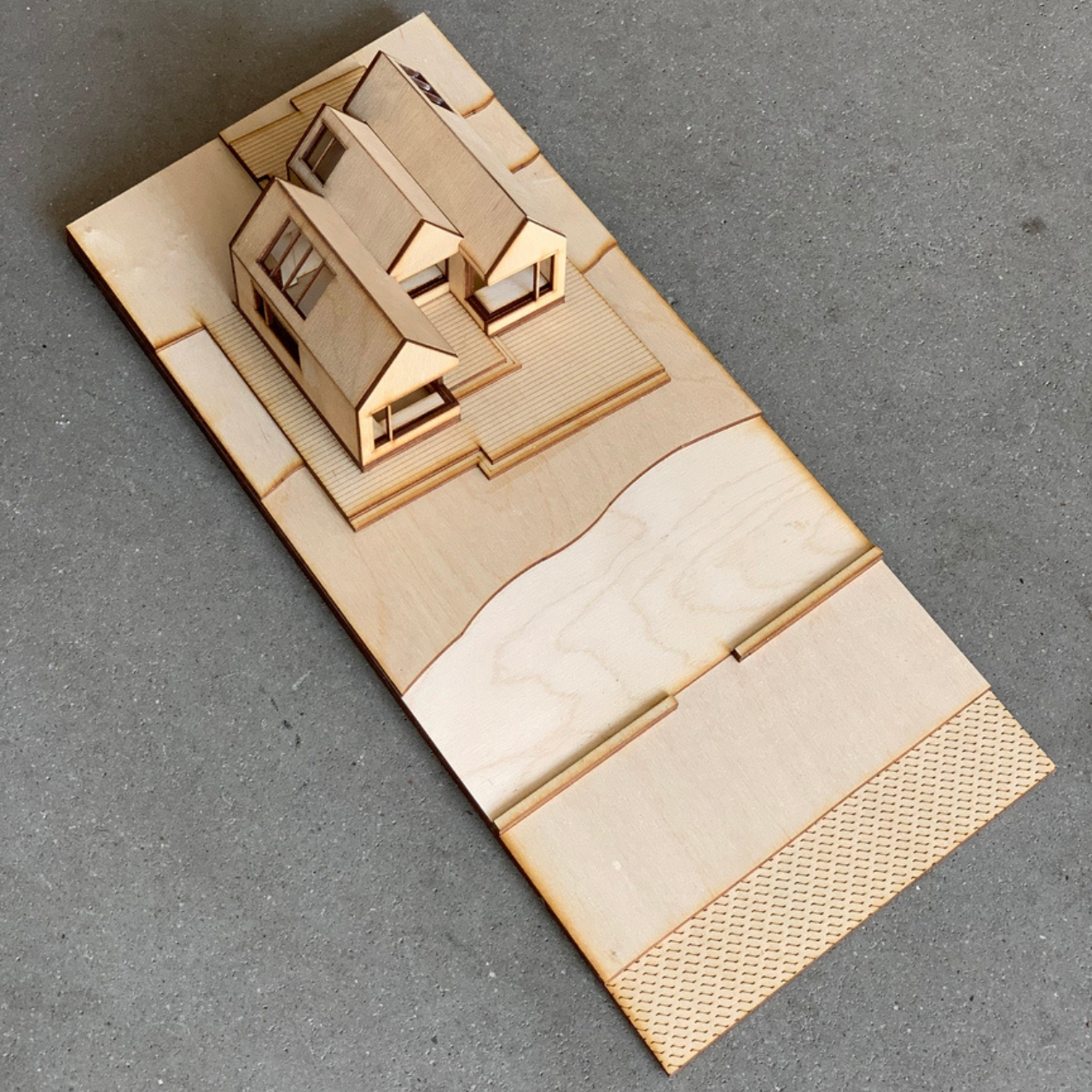
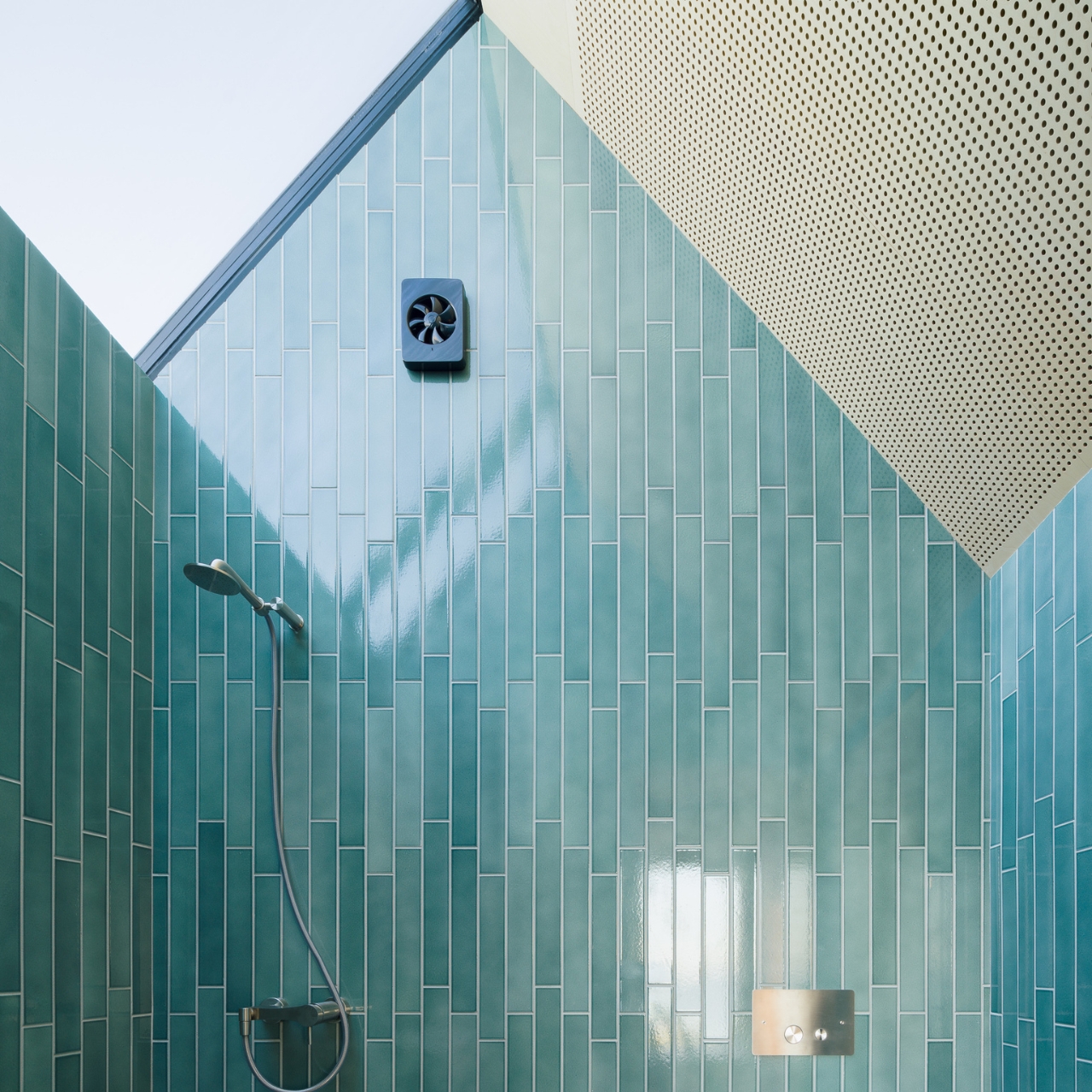
    At Følle Strand in Denmark, they built the Strandvejen 35 Summer House, a “tiny” space measuring just 46 square meters and inspired by the fisherman’s houses that you can find in the area. Well, of course, a more expensive and spacious version. It’s actually made up of three small buildings that are overlooking the bay of Kalø and with all the spaces optimized so that 7 guests will be able to sleep there. You get all the basic spaces that you need in a house like sleeping areas, a kitchen, and of course a beautifully designed shower area.

    The windows and walkways located around the house have also been turned into loving areas and they used sliding doors to separate the various interior spaces. Since the location is surrounded by nature, they have incorporated it into the over-all design. You have skylights and high ceilings to ensure a healthy indoor climate while the large windows show off the beauty of the surroundings which you can enjoy while sitting on the built-in benches and sofas.

    The house was built using locally sourced materials, mostly wood and then using Danish oak to clad the facades and roof. This way the overall CO2 footprint is reduced and in fact, they are placed in the Danish voluntary low-emission category. The Strandvejen 35 Summer House lets you commune with nature while inside the comfort of your sustainably built space.

    The post Summer house in Denmark is inspired by fisherman’s houses in the area first appeared on Yanko Design.

    How to Use Apple Mail Like A Pro: Essential Tips and Tricks

    Apple Mail

    Apple Mail is a powerful email client that offers a wide range of features to help you manage your emails effectively. Whether you’re a casual user or a professional, understanding the app’s basic and advanced functionalities can significantly improve your productivity. The video from Shiv’s Studio gies us an in-depth look at Apple Mail, covering […]

    The post How to Use Apple Mail Like A Pro: Essential Tips and Tricks appeared first on Geeky Gadgets.

    Taskmaster VR doesn’t quite deliver on the promise of the TV show

    I’m a huge Taskmaster fan. The UK TV show pits five comedians (or funny-adjacent celebrities) against ridiculous tasks that are then arbitrarily scored by the titular taskmaster.

    Given that the tasks involve lateral thinking and physical movement, on paper, the TV show was ripe for a VR spin-off. Think Job Simulator with added jeopardy, in-jokes and British whimsy. Unfortunately, Taskmaster VR doesn’t deliver on the fun and charm of the show. Two points.

    After being teased (and available to wishlist) earlier this year, the game launched last week across Steam, Meta Quest 2 and 3, and Pro. I played the game briefly on Quest 2, the lowest-powered option, before shifting to the sharper screens of Quest 3.

    You’ll want to play it on a headset like the Quest 3 or better. The basic Quest 2 makes the whole thing very grainy. But that’s not the biggest issue. The problem is it’s not a great VR game. Collision detection is rough, and while it’s not the first VR title guilty of this, the fine motor control demanded of the game’s tasks makes things a pain.

    For example, the first game involves you trying to make a sandwich, matching Alex’s arcane sandwich request, plating it up, and putting it on the plinth, ready for judgment. However, you have to do all of that with a pair of spatulas. Opening a fridge with a spatula in real life is challenging enough; in a virtual world, it sometimes felt more like luck than dexterity whether I got that slice of bacon into my sandwich.

    In another game, I was to launch an egg as far as I could but land it in a frying pan. I struggled to keep a frying pan in the same place while constructing a poorly-considered ramp of pipes, boxes and wheelie bins. The in-game physics are so simplistic that most object surfaces behave the same. And my pan slid to the floor. Again and again and again. You can crouch in Taskmaster VR – when you drop the pan again – but the physics engine conveys a degree of momentum when you press the button to stand upright again, adding a ‘bounce’ to anything in your hand.

    Many of the games are multi-stage and expansive, which I appreciated. Circling back to the sandwich task, some ingredients need to be cooked – and you’ll have to turn on the stove burners to do so. Once you’ve made your sandwich, Greg, the Taskmaster will scrutinize the result. One slice of bread? He’ll go on a tirade about open-face sandwiches. Wrong plate? Your score will be dinged again. Something inedible? He’ll notice.

    There are also easter egg references to the show everywhere, from the tutorial onwards. Look out of windows; even the bushes and garden are filled with items and references only a Taskmaster fan would get. Do Americans think all Brits (I’m a Brit) are this whimsical? I hope so.

    In another game, you’ll have to rush around the entire Taskmaster estate (a tiny home and garden) searching for dog food, but only after you’ve escaped the garage. The tasks are considered, but I wish there were more. The TV show is famous for comedians’ unusual lateral thinking and solutions that the task makers didn’t plan for. I haven’t seen those possibilities – at least not yet.

    Why not mix up the codes for the safe featured in a watermelon smashing task? This would be especially useful if you’re playing with other Taskmaster fans who want to try the tasks themselves. A little bit of random number generation would work wonders. Having said that, there’s a Taskmaster VR Creative mode, where you’ll be able to craft your own levels and tasks, which could add longevity if it finds an audience.

    The banter between Taskmaster and his assistant is tonally accurate, benefitting from using the voices of Greg Davies and (Little) Alex Horne, but their in-game models don’t convey the weird, awkward charm of the duo. Maybe I’m just a superfan, and my expectations were too high, but there’s something about the sound quality (with lines recorded in a booth) that pulls you out of the illusion of being on a version of the TV show.

    I’m unsure if I’ll ever replay the entire game again. Fortunately, once unlocked, you can choose to play each task standalone, which is the perfect way for me to share the game with visiting friends.

    If the team behind Taskmaster VR can offer some new tasks through DLC (how about replicating a task from the next TV series?), this might be more of a draw. Their time starts now.

    This article originally appeared on Engadget at https://www.engadget.com/gaming/taskmaster-vr-doesnt-quite-deliver-on-the-promise-of-the-tv-show-130005486.html?src=rss

    Apple AirPods Max 2: More Details Revealed

    Apple AirPods Max 2

    Apple fans and audio aficionados alike are eagerly anticipating the release of the Apple AirPods Max 2, the successor to the highly acclaimed AirPods Max. With an expected launch in late 2024, the AirPods Max 2 is set to bring a host of updates and enhancements to the premium headphone market. Release Timeline and Announcement […]

    The post Apple AirPods Max 2: More Details Revealed appeared first on Geeky Gadgets.

    PUBG: Battlegrounds publisher acquires Hi-Fi Rush studio after Microsoft shut it down

    Under a cloud of studio closures and layoffs, there's a sliver of sunshine in the gaming business. After being closed by Microsoft in May, Hi-Fi Rush studio Tango Gameworks has been acquired by PUBG: Battlegrounds developer Krafton.

    "Krafton intends to collaborate with Xbox and ZeniMax to ensure a smooth transition and maintain continuity at Tango Gameworks, allowing the talented team to continue developing the Hi-Fi Rush IP and explore future projects," Krafton wrote in a press release spotted by Polygon.

    Following its $7.5 billion purchase of ZeniMax in 2021, Microsoft shut down three of its studios, Arkane Austin, Tokyo-based Tango Gameworks and Alpha Dog Studios. Tango was behind several notable titles, including The Evil Within, Ghostwire Tokyo and the rhythm-based brawler Hi-Fi Rush. The latter debuted in 2023 as an exclusive on Xbox Series X and PC, and recently came to PS5 in March this year

    Krafton said the acquisition will not affect current Tango games including The Evil Within, The Evil Within 2, Ghostwire: Tokyo and Hi-Fi Rush.

    Tango Gameworks was founded in 2010 by Resident Evil 4 game director Shinji Mikami and initially made its name with horror titles like The Evil Within. Hi-Fi Rush was a significant departure and became a critical hit with a 10 out of 10 Steam score thanks to the fluid, engaging gameplay and unique graphical style.

    This article originally appeared on Engadget at https://www.engadget.com/gaming/pubg-battlegrounds-publisher-acquires-hi-fi-rush-studio-after-microsoft-shut-it-down-120005467.html?src=rss

    10 Essential Back-To-School Stationery Picks for High School and College Students

    If you’re heading back to school, then you need a set of efficient and well-designed stationery products to help you reach your utmost potential. Having the right assortments of stationery designs is crucial, as these are the objects that are gonna help you get through your school day and directly or indirectly affect your productivity. It’s imperative to have a collection that really lets you get your school work done easily, efficiently, and effectively. And, we’ve curated a collection of innovative and nifty stationery designs that you must own! From an everlasting all-metal pencil to a kintsugi-inspired notebook – these are the modern stationery designs you need to meet your modern stationery needs.

    1. MagBoard Clipboard

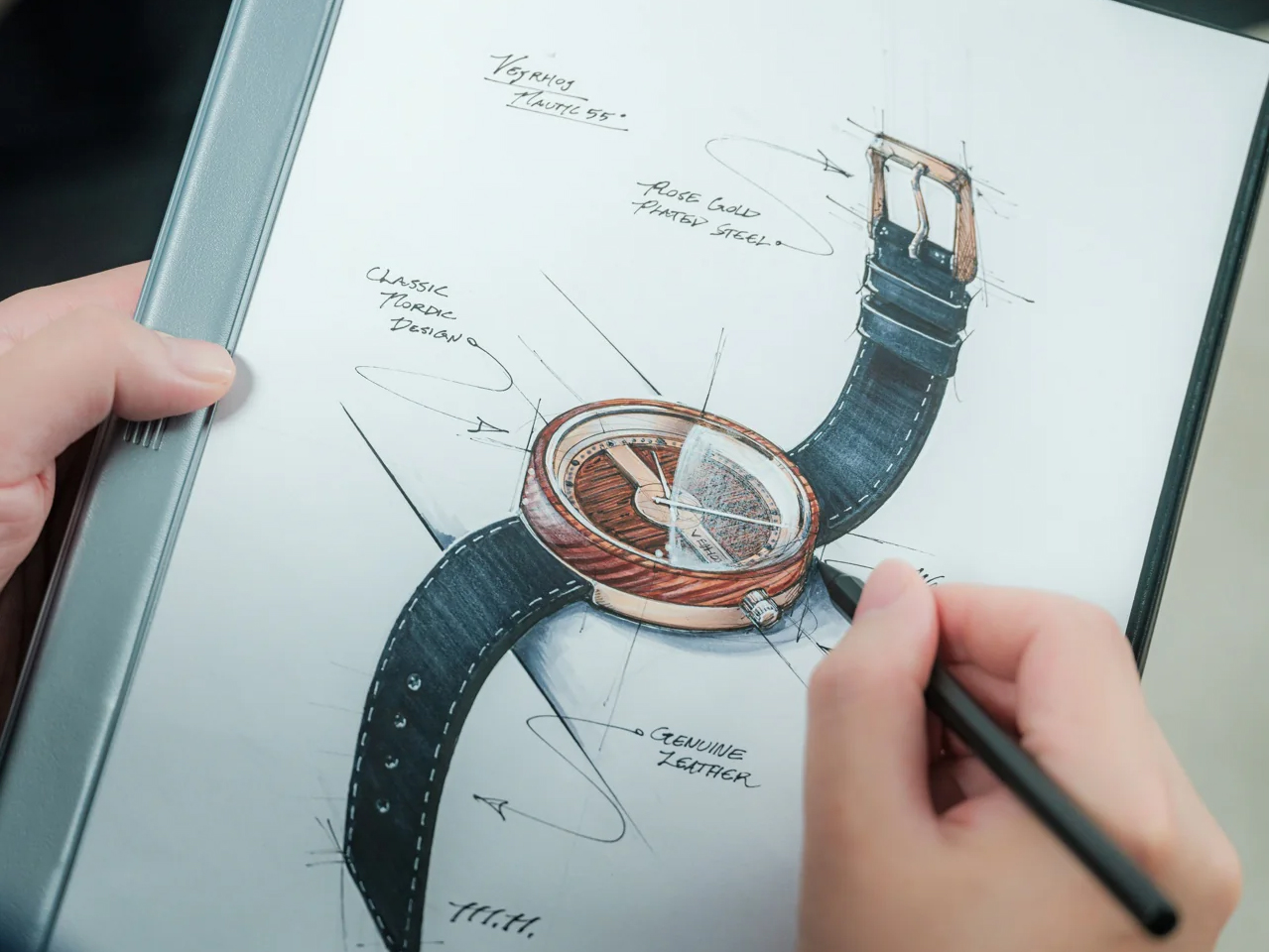
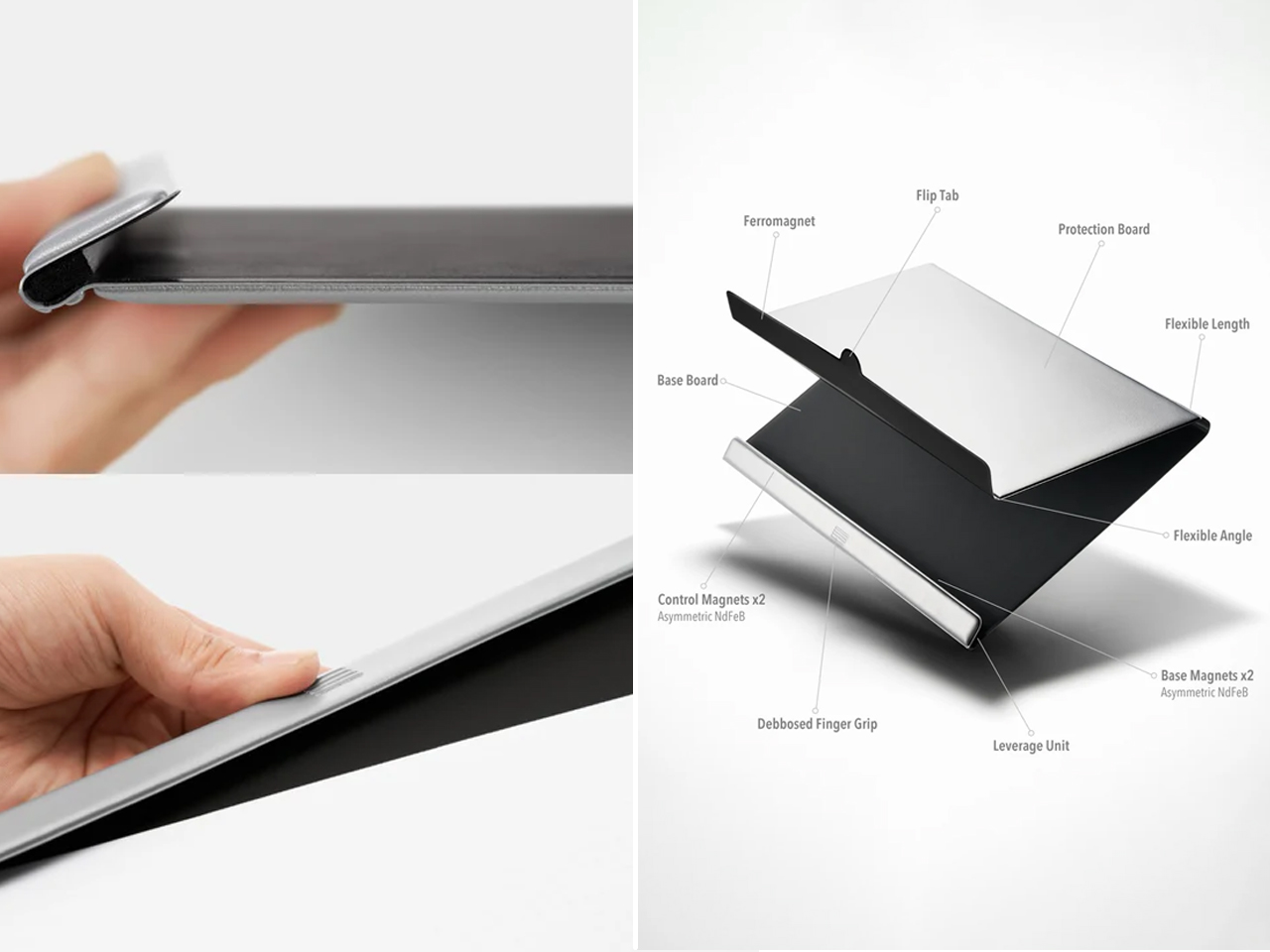
    Dubbed the MagBoard Clipboard, this unique stationery product is functional and innovative. It is designed to be a notepad/clipboard hybrid. It uses a magnet and lever mechanism which holds the sheets in one spot. It is a great tool for noting down your thoughts and ideas.

    Click Here to Buy Now: $45

    Why is it noteworthy?

    The clipboard is truly unique and one-of-a-kind, and it gives a transformation to the ordinary notepad. You can elevate your note-taking experience, without having to deal with the typical hassles of a notebook.

    What we like

    • Lightweight and compact form
    • The papers are held safely by levers and magnets

    What we dislike

    • It is best paired with specific sizes, which may not suit everyone’s needs

    2. Everlasting Metal Pencil

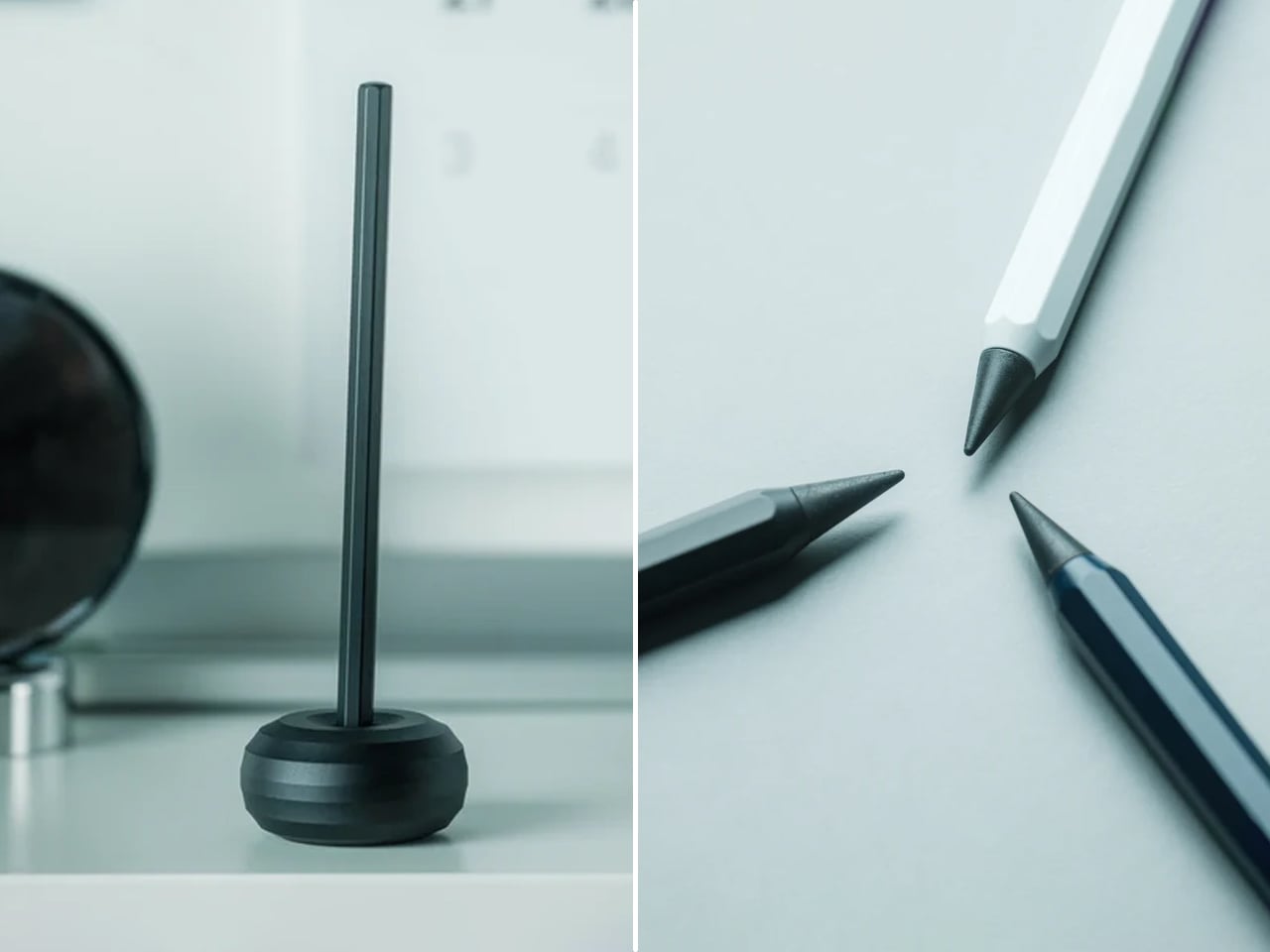
    If you’re preparing your back to school kit, then you prolly want to add the Everlasting Metal Pencil to it. This unique pen is like a Wacom stylus, with a tip that doesn’t need to be sharpened or replaced. With the Everlasting Metal Pencil, you can fully focus on the tasks at hand, instead of the lead.

    Click Here to Buy Now: 2 for $34 $39 (15% off)

    Why is it noteworthy?

    The shaft is octagonal and created from aluminium, housing a special alloy core. You might expect the pencil to leave heavy grooves on paper, but instead it draws like a real pencil, and the tip doesn’t wear down even after dozens of marks.

    What we like

    • Equipped with a metal core instead of clay or charcoal

    What we dislike

    • The pencil doesn’t smudge or smear like normal graphite, which is a drawback for those who use smudging techniques

    3. Quick Access Pencil Sharpener Stand

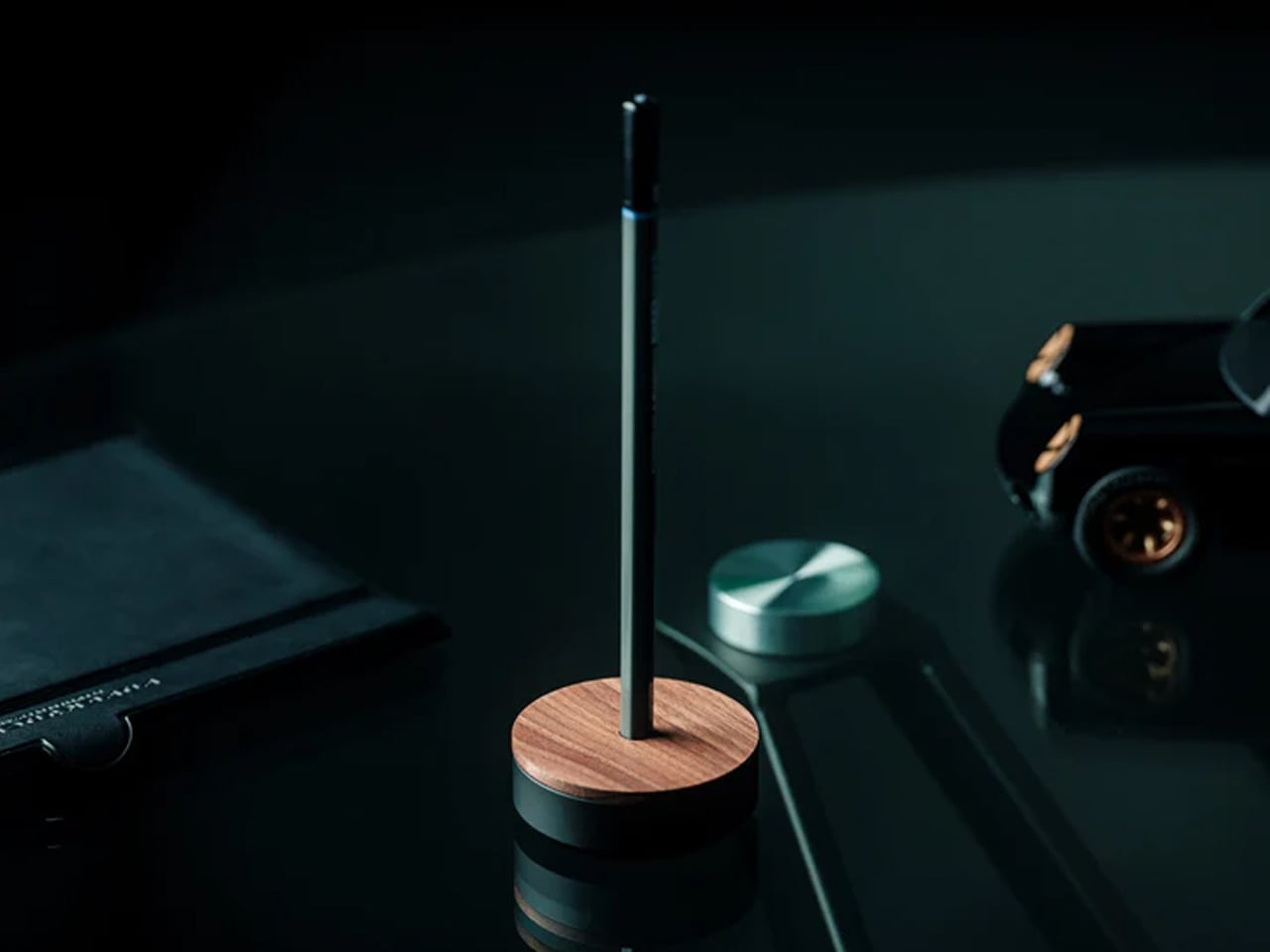
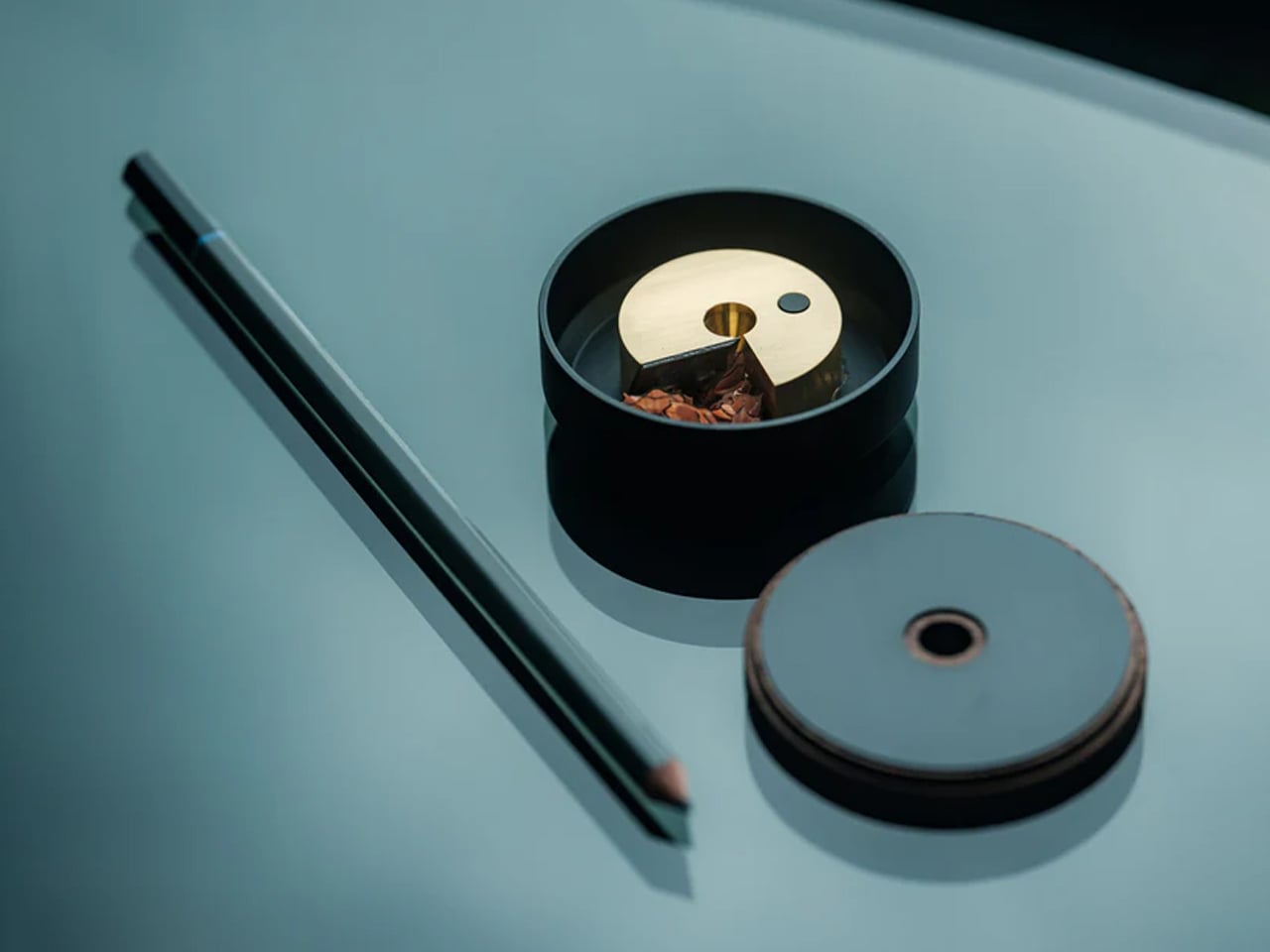
    Say hello to the Quick Access Pencil Sharpener Stand! You can bid farewell to dull pencils with this sharpener that’s there whenever you need, as it holds your pencil too! It is a disc-shaped stationery item that serves as a pencil sharpener and a pencil stand, making it the perfect product made in heaven.

    Click Here to Buy Now: $55.00

    Why is it noteworthy?

    The sharpener stand features a brass mechanism which ensures the wooden cover never opens by mistake, spilling the shavings within. It ensures your favorite pencil is always sharp, and easily accessible and within reach.

    What we dislike

    • Serves as a sharpener as well as an elegant pencil stand
    • Equipped with a specially angled sharpeners which ensures the pencil lasts longer

    What we dislike

    • Doesn’t seem like a very portable and easy-to-carry product

    4. Author Clock

    Meet the Author Clock – a novel and new way to tell time! This modern and innovative clock showcases the time via unique literary quotes every minute – this is essentially time-telling reimagined. This clock converts time-telling into a playful and whimsical event, allowing you to visit priceless moments in literature and writing history.

    Why is it noteworthy?

    The Author Clock includes thousands of different quotes from a diverse range of authors. It is a creative, fun, and inspiring way to check and tell the time. If youre someone who loves reading, and collecting books, then the imaginative Author Clock is the one for you.

    What we like

    • Includes 2000 quotes from authors spanning six centuries

    What we dislike

    • Response time is a bit slow as compared to other lightning-fast devices

    5. Kintsugi Plain Notebook

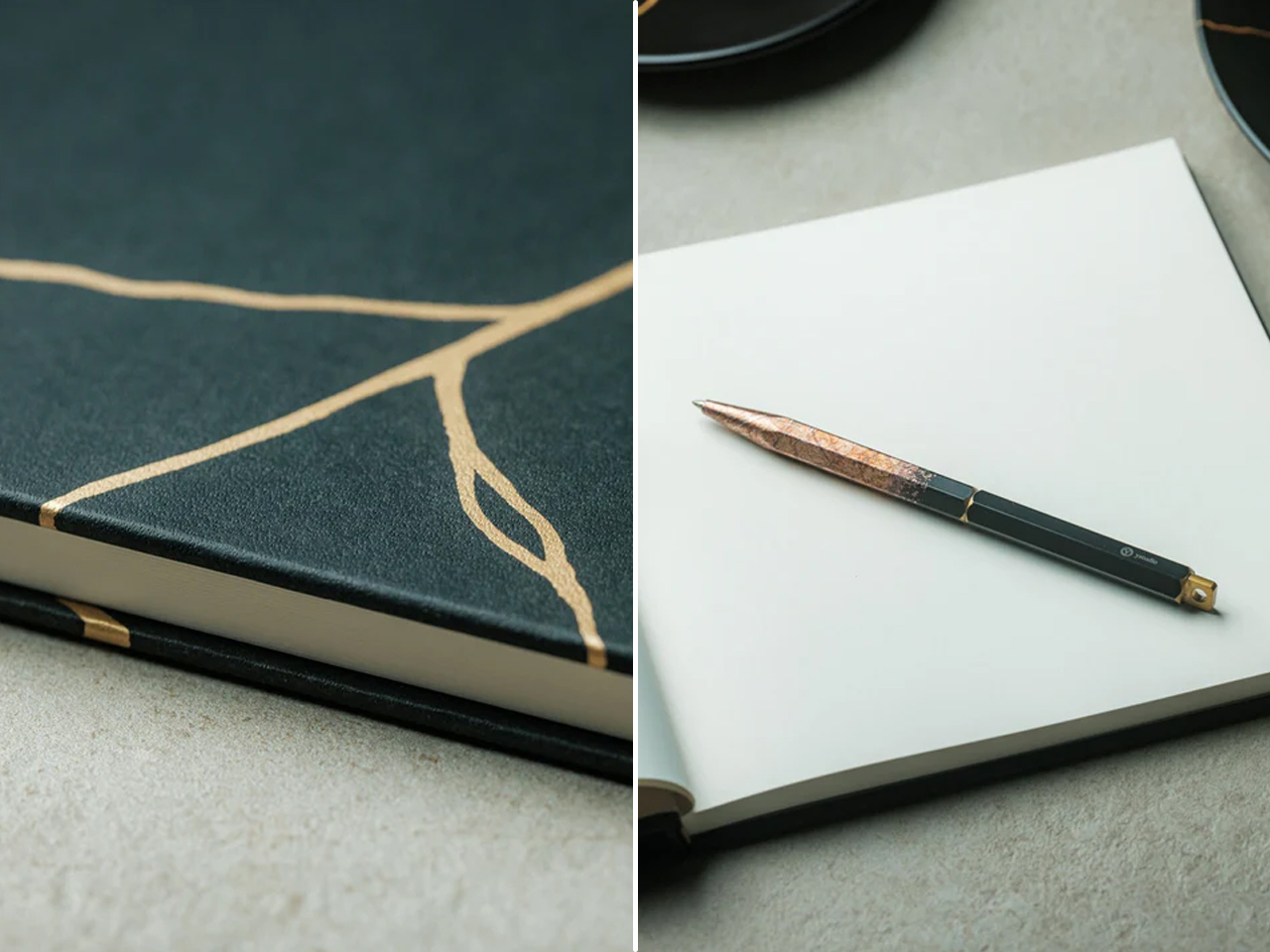
    This beautiful little notebook is inspired by Kintsugi – the Japanese art of repairing and fixing cracks in pottery with gold lacquer. This notebook features a unique and simple design cover, which conceals a deeper meaning, inspiring users to reflect, and encouraging them to leave imperfect little marks on the paper.

    Click Here to Buy Now: $29.00

    Why is it noteworthy?

    It encourages you to jot down happy memories or profound ideas with complete freedom. The notebook is made using sustainable bagasse paper, and it represents your own inner healing, and the healing of the planet.

    What we like

    • Perfectly captures the spirit and beauty of Japanese culture
    • Features unique branch-like golden lines on the black cover

    What we dislike

    • The notebook currently comes only in plain paper version whereas a lined variant would be better suited for college use.

    6. Royi Stationery

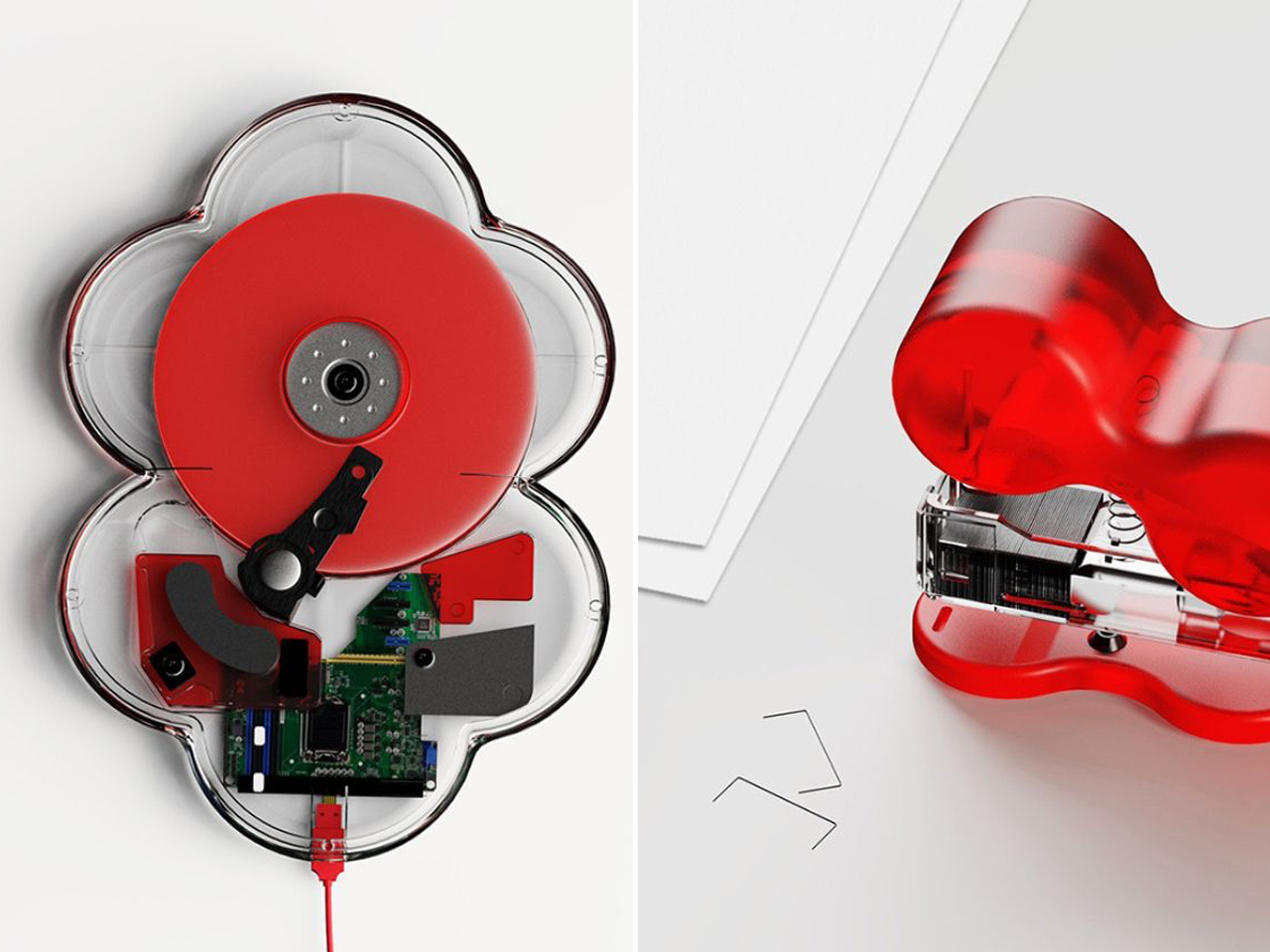
    Called Royi Stationery, these stationery designs are unlike anything we’ve seen before. The designs all have stories to tell, and they aren’t just regular old staplers and hard disks, they’re see-through, showcasing what is inside them. The stationery set is based on the tale of the naked king, whose obsession with vanity, leads to his downfall.

    Why is it noteworthy?

    The Royi Stationery collection includes a stapler with an interesting twist. It is transparent, and you can peek into the inner workings. You can even watch the staple punching through the papers, which is quite fascinating to look at.

    What we like

    • The designs are an encouragement to be honest and open
    • Gives a refreshing twist to ordinary stationery products

    What we dislike

    • It’s a concept so we are unsure how well it will translate into a tangible product

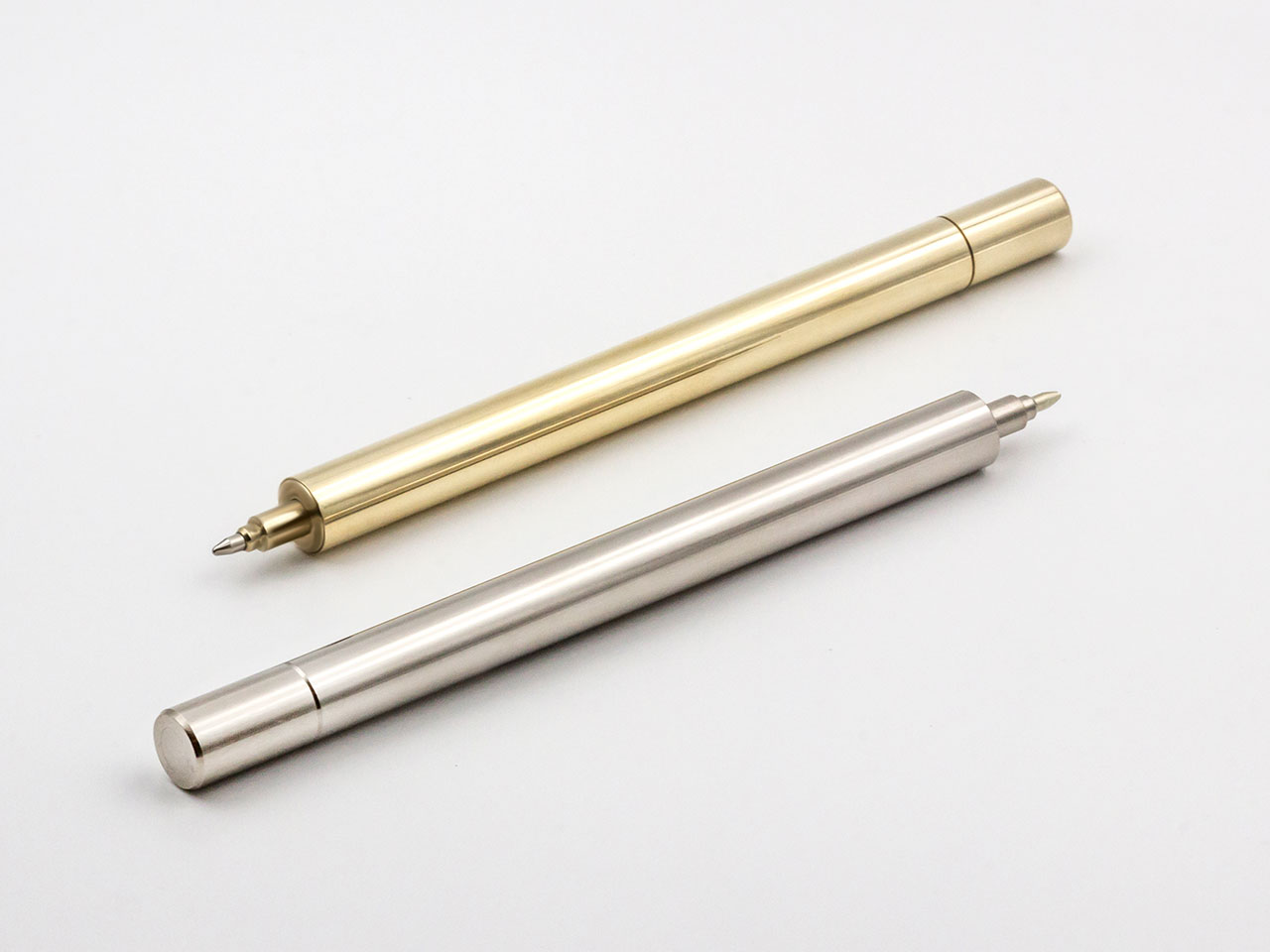
    7. Quotidian Pen

    Named the Quotidian Pen, this is the world’s first magnetic propulsion pen. It is a minimal pen with a magnetic mechanism that will transform the way you see, use and fidget with a pen. You need to break the cap, and bring it to the back of the body, and watch the pen nib magically propel out.

    Why is it noteworthy?

    This minimalist ballpoint-pen is equipped with the world’s first magnetic propulsion mechanism. It does the job of a pen, while also functioning as a heirloom that can be passed down generations. It is amped with a unique mechanism which uses the strong attraction and repelling forces of rare earth magnets to create a seamless and smooth experience.

    What we like

    • Serves as an interesting fidget toy keeping your mind active
    • Features a minimal and elegant design

    What we dislike

    • Users may take a while to adjust and adapt to the unique form

    8. Bari Desk Tray Collection

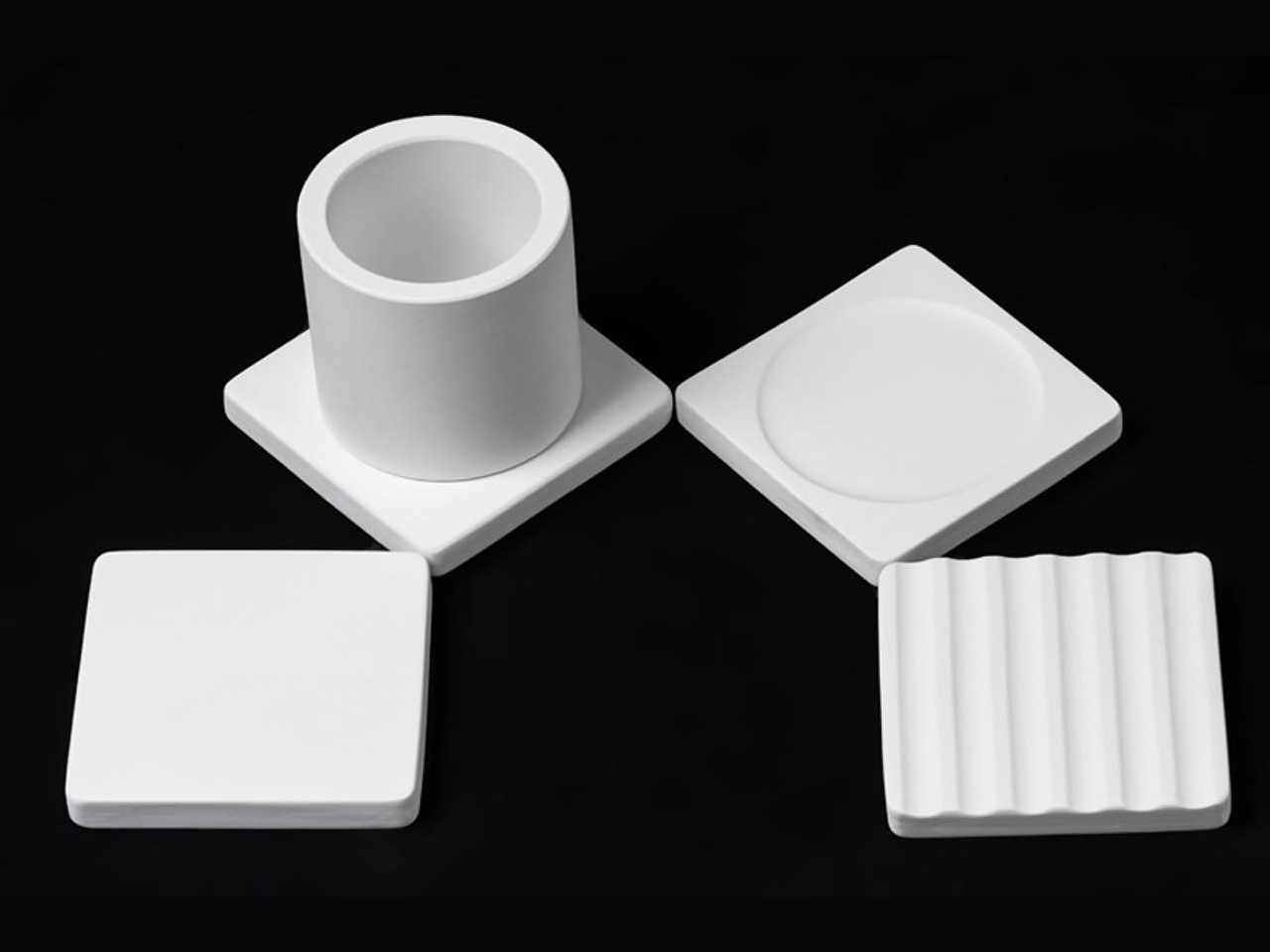
    The Bari Desk Tray Collection includes four separate products with a similar DNA, since one product cant meet all the needs of different users. So instead of making one big product, a series of trays were created functioning as four unique designs, that can be used for a bunch of different places

    Why is it noteworthy?

    The four products are shaped like blocks, and they share the same thin square platform. One block is equipped with a fixed cylinder and it can be used to hold writing instruments or tools. Another block features a circular indentation and you can use it to hold your mug or glass.

    What we like

    • Sustainable products with a minimal and simple design ethos

    What we dislike

    • Since there are four products, it maybe tough to carry them around

    9. FlipClip

    Called the FlipClip, this unique stationery design is for hardback notebooks. You can attach FlipClip to any notebook, whether you’re working on a desk or if you’re on the move. It offers easy storage and accessory to your essential and favorite stationery items.

    Why is it noteworthy?

    The FlipClip serves as the perfect companion for your hardback notebooks. You can carry your favorite pens and writing instruments with you wherever you go. It ensures that your notebook and pens are always paired up together, you shouldnt worry about leaving any behind.

    What we like

    • Ensures your writing instruments and notebook are always together

    What we dislike

    • There aren’t different size and color options

    10. OZ Stationery

    Called the OZ Stationery, this collection is creating its own niche in the stationery industry by serving as a practical and well-designed product which perfectly represents the user’s personality and artistic inclinations. It is designed to cater to the needs and requirements of the creative demographic.

    Why is it noteworthy?

    With OZ Stationery, the designers wanted to build a bunch of personal stationery products which truly represent popular art movements, and their philosophies. The intended audience are creatives who relate to certain artistic emotions, artists or movements.

    What we like

    • They’re an excellent means of self-expression, and great gifting options

    What we dislike

    • The products have a unique form, so users may take some time to adjust to them

    The post 10 Essential Back-To-School Stationery Picks for High School and College Students first appeared on Yanko Design.

    Samsung Galaxy Watch 7 & Watch Ultra Tips & Tricks

    Samsung Galaxy Watch 7

    The Samsung Galaxy Watch 7 and Watch Ultra are powerful, feature-rich smartwatches that offer a wide range of customization options and advanced functionality. To help you get the most out of your device from day one, we’ve compiled a comprehensive guide filled with essential tips and tricks. Whether you’re new to smartwatches or an experienced […]

    The post Samsung Galaxy Watch 7 & Watch Ultra Tips & Tricks appeared first on Geeky Gadgets.