Walden by Aura Frames is a stylish 15-inch digital frame that effortlessly shares memories, making it the perfect gift for any occasion.
The post Explore the Walden by Aura Frames: Perfect for Gifting first appeared on Trendy Gadget.
Walden by Aura Frames is a stylish 15-inch digital frame that effortlessly shares memories, making it the perfect gift for any occasion.
The post Explore the Walden by Aura Frames: Perfect for Gifting first appeared on Trendy Gadget.

It’s Wristwatch Wednesday on Yanko Design again, and today, I’m digging into a playful yet intriguing topic: LEGO luxury watches. Yes, you read that right. Imagine the iconic Rolex Submariner or Audemars Piguet Royal Oak in LEGO form. The world of fine timepieces meets the playful, nostalgic charm of LEGO blocks, resulting in creations as captivating as they are creative. It’s a topic that merges two worlds with a surprisingly big crossover—watch collectors and LEGO enthusiasts. Today, I’m taking you on a journey through these brick-built renditions and their real-life counterparts, showing what sets each apart and why they resonate deeply with LEGO enthusiasts and watch collectors.
There’s something surprisingly satisfying about seeing a luxury watch replicated in LEGO form. A luxury timepiece’s inherent precision and design complexity seem like an impossible fit with LEGO’s chunky, colorful blocks. Yet, that’s precisely what makes these LEGO versions so compelling. The real challenge is capturing the essence of luxury craftsmanship with plastic bricks that were never intended to mirror the intricate details of watchmaking. This playful paradox is why I, along with other fans of both LEGO and watches, find this concept so exciting.
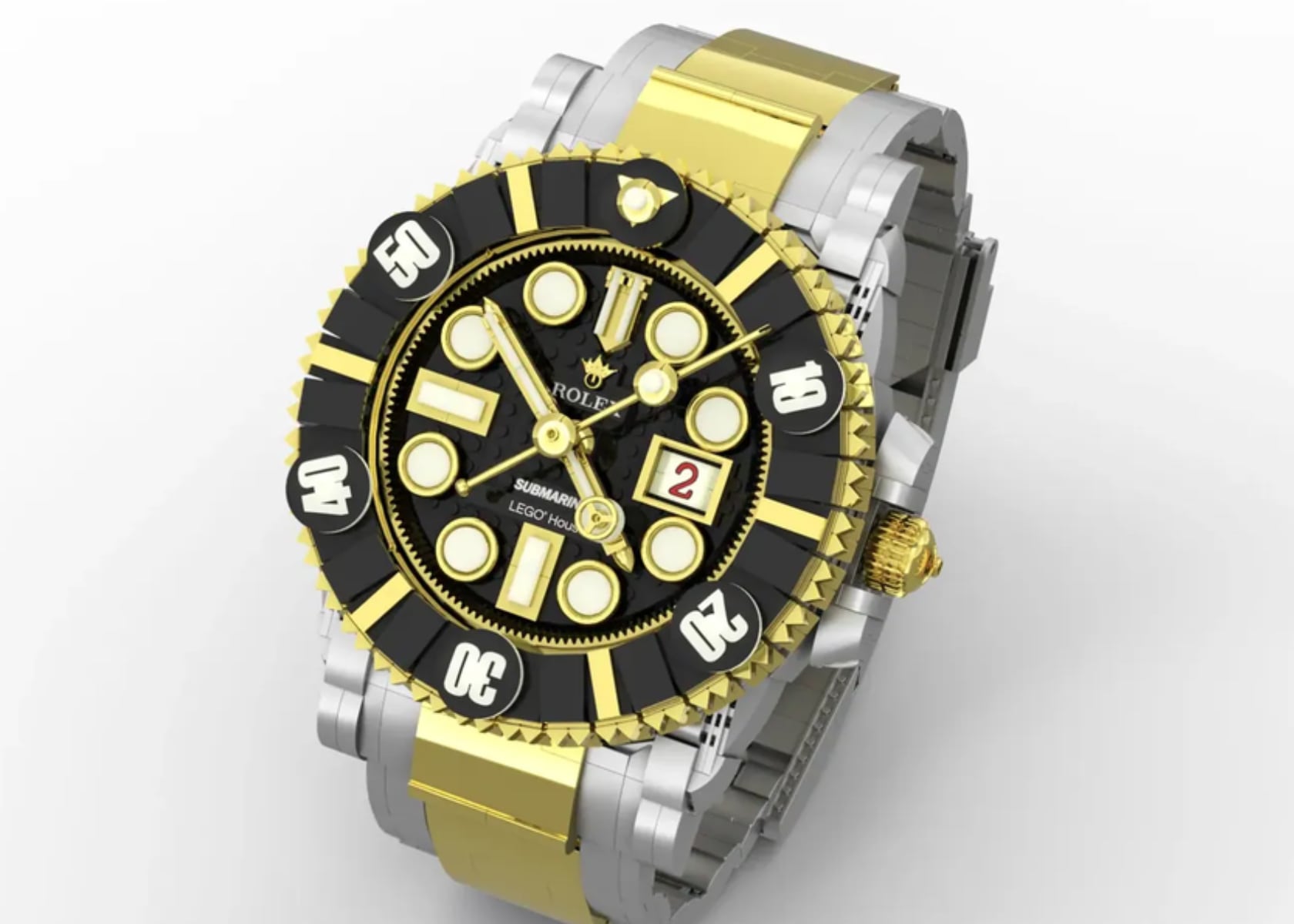
Building miniature versions of real-life objects has always been a key appeal for LEGO enthusiasts. From cars to skyscrapers, the challenge lies in translating smooth, complicated forms into brick-like constructions. On the other hand, watch collectors appreciate the fine details—down to the way light catches the beveled edges of a Rolex or how an Audemars Piguet Royal Oak bracelet wraps around the wrist with a certain fluidity. So, how do these two seemingly different audiences come together here? For me, it’s the shared passion for craftsmanship—whether through the intricate mechanics of haute horology or the creative joy of a child’s building toy. Personally, I love seeing how both worlds strive for perfection in their own unique ways.
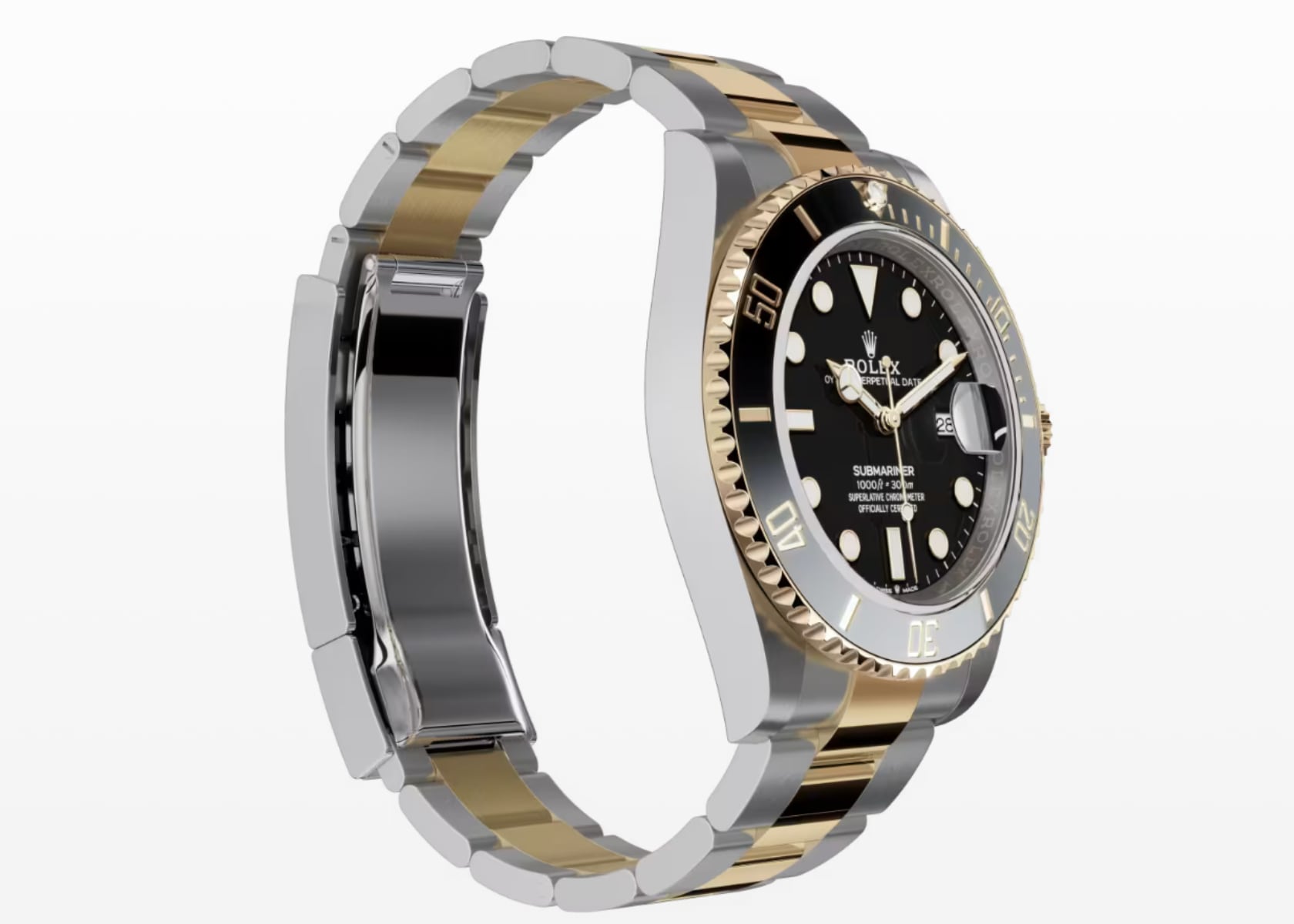
Let’s start with one of the most iconic watches: the Rolex Submariner. The real Submariner is famous for its black dial, rotating bezel, and robustness as a dive watch. It’s the timepiece you could wear while exploring underwater wrecks or dressed up for a night out. Crafted with surgical-grade steel, the real Submariner exudes quality, with precision engineering that ensures it’s waterproof to a depth of 300 meters.
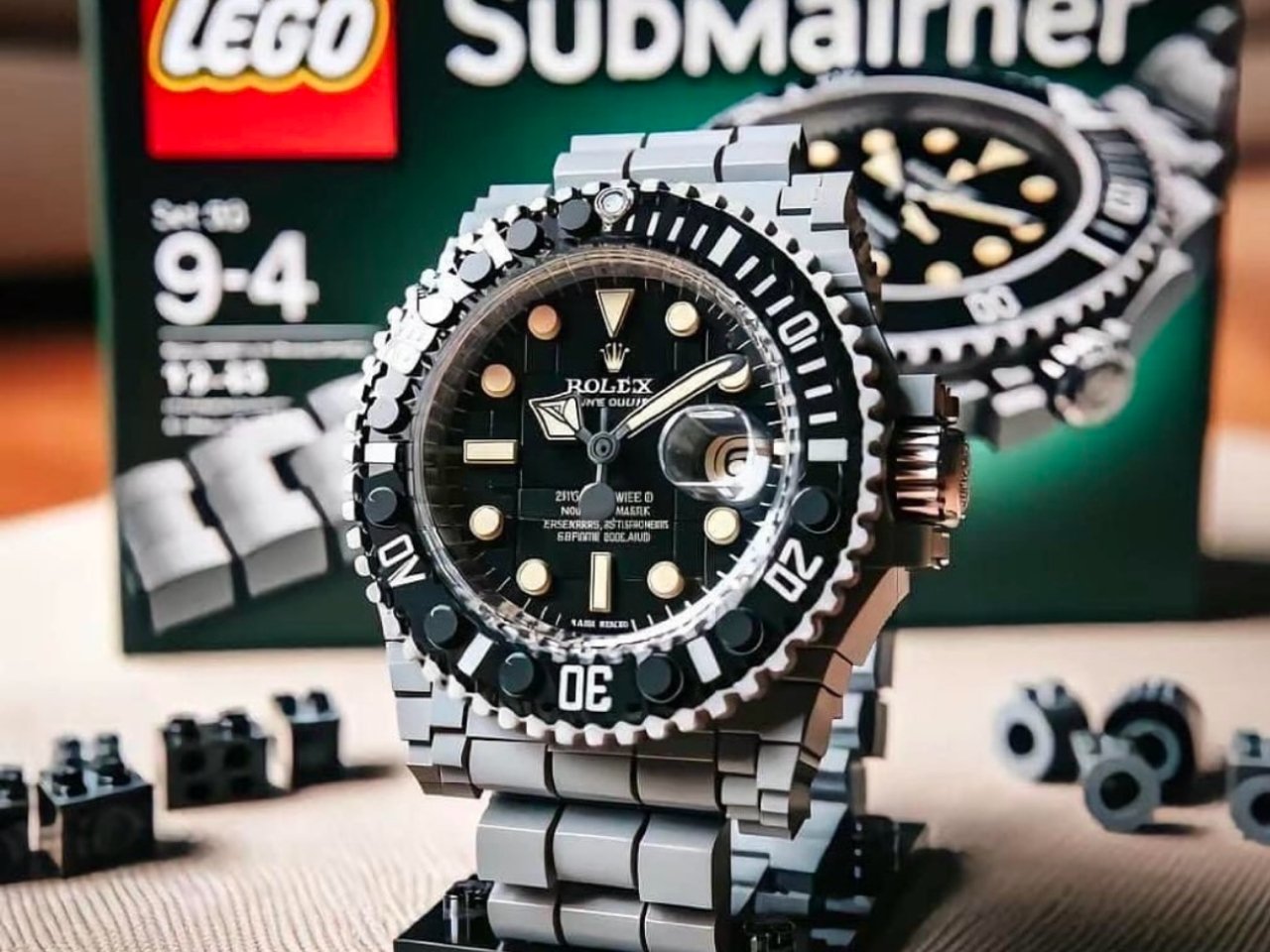
AI-Generated LEGO x Rolex Submariner
Now compare this to its LEGO version. The LEGO Submariner isn’t going anywhere near water—its construction relies on plastic pieces snapping together, and no LEGO piece in the world is waterproof to 300 meters! But that’s not really the point, is it? What makes the LEGO version so charming is how it captures the silhouette, the bezel’s ridges, and even the dial layout—albeit in a chunky, exaggerated way. It’s a caricature, a playful homage to a watch that has come to define what a dive watch should be.
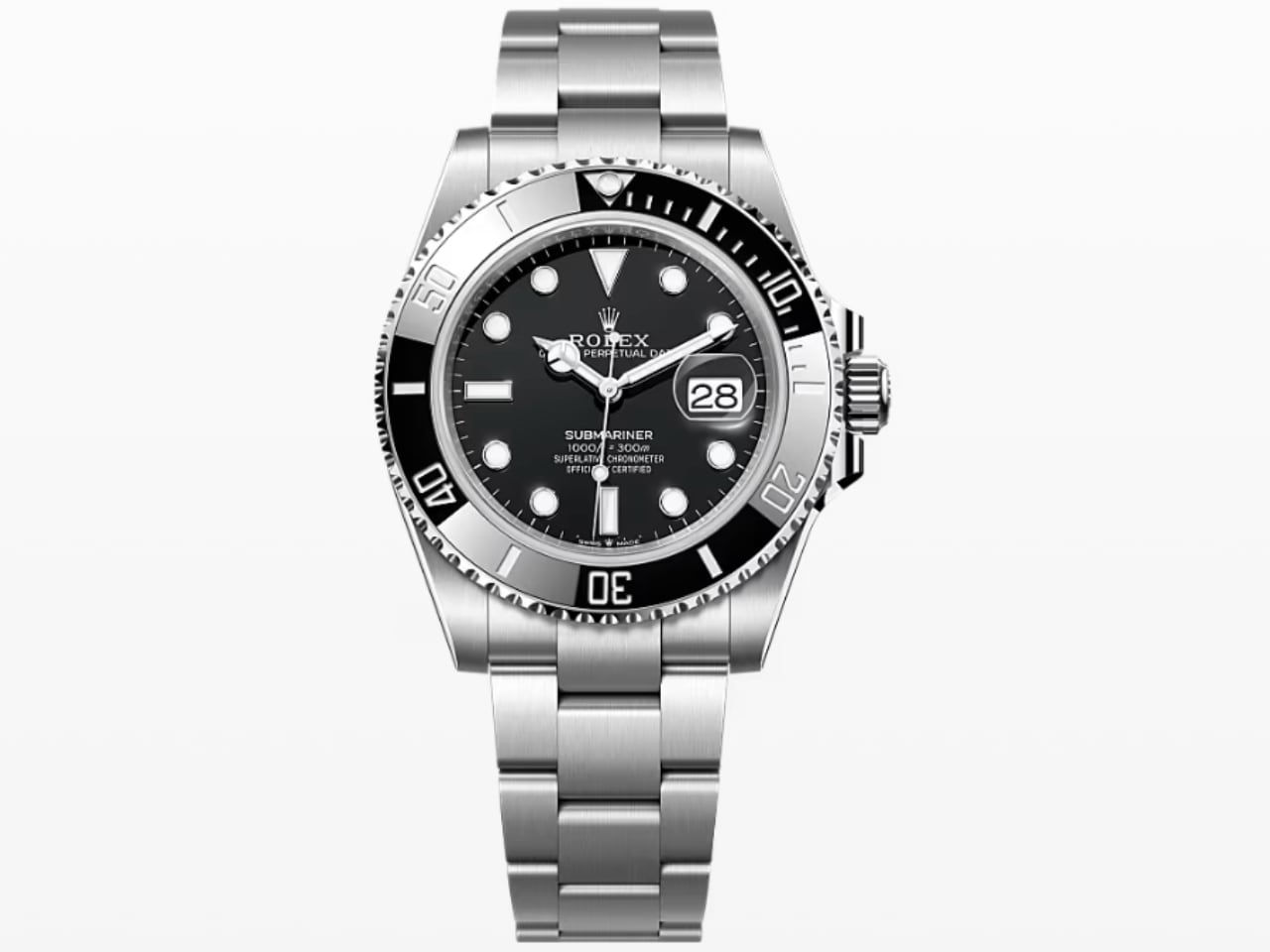
Rolex Submariner Date Oystersteel 41 mm
The authentic Rolex Submariner feels weighty and precise on the wrist, with decades of refinement packed into its Oyster case. The LEGO version, meanwhile, is like a desktop conversation piece. If you’re thinking functionality, forget it; it’s about capturing the spirit of an icon in a different, more approachable way. Whether you’re an experienced diver or someone who’s never set foot near a dive tank, there’s something whimsical about seeing this watch, renowned for its utility, transformed into a plastic brick sculpture.
Next is the Rolex Daytona, a watch synonymous with racing, speed, and precision. The genuine Daytona emphasizes chronograph functionality, tachymeter bezels, and its deep connection with the fast-paced world of motorsports—famously tied to Paul Newman and the thrilling 24 Hours of Le Mans. It’s a timepiece that measures milliseconds with ease, and the quality of its movement, the Caliber 4130, sets it apart as one of the best chronographs in the market.

AI-Generated LEGO x Rolex Daytona – Oystersteel
So what happens when you translate this into LEGO? The LEGO Daytona doesn’t have an automatic movement or sub-dials that actually work, of course. What it does have is a beautiful attention to aesthetics—each button, the ridged bezel, and even the tachymeter markers are cleverly depicted in plastic bricks. It’s not functional in the horological sense, but its form still captures the essence of the Daytona—a nod to its role as a tool for timing races, now transformed into a playful, stationary model.
In comparing the two, the genuine Daytona is like a precision tool—built for racing and made to the highest standards. The LEGO version is like a trophy for the shelf of someone who adores both motorsports and creative LEGO projects. It’s a piece for those who are in on the joke and who appreciate the paradox of recreating a serious, high-precision device with something as low-tech as LEGO.
The Rolex Day-Date, often referred to by enthusiasts as the ‘President,’ earned this nickname because numerous world leaders, including U.S. Presidents like Lyndon B. Johnson, have famously worn it. However, it’s important to note that Rolex officially calls it the Day-Date, while the ‘President’ specifically refers to the style of the bracelet. Introduced in 1956, it was the first wristwatch to display the day and the date in windows on the dial. It is a watch that exudes luxury. Its gold finish, complete with diamond-studded dials and a fluted bezel, is the kind of thing that screams sophistication. The real Day-Date is often the timepiece of choice for world leaders and celebrities—a statement of power, elegance, and success. Imagine the President of the United States sporting a Rolex Day-Date Presidential watch made from LEGO—it’s a whimsical image that perfectly captures the playful spirit of these brick-built renditions.
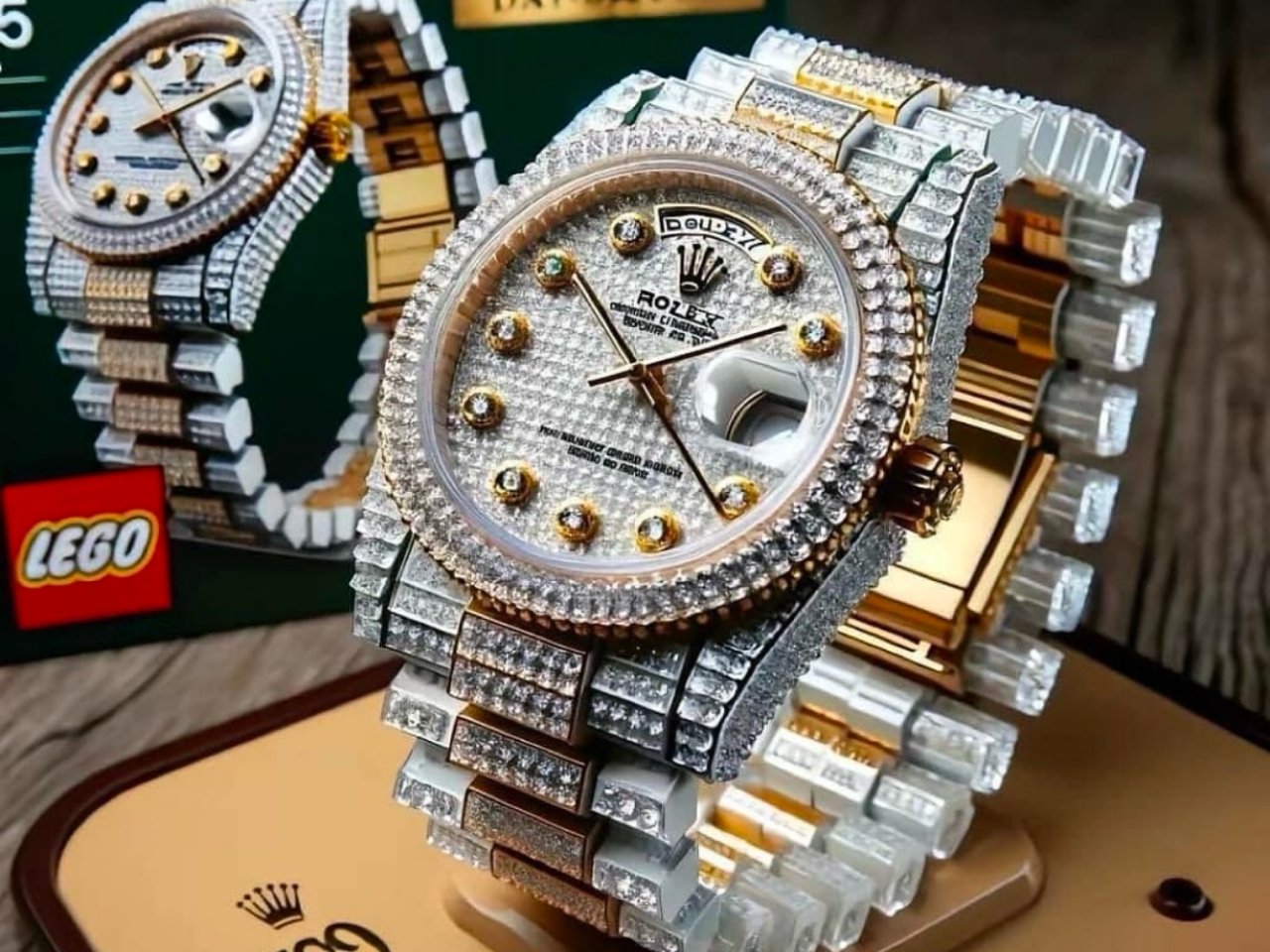
AI-Generated LEGO x Rolex Day-Date
Now imagine that luxury recreated in LEGO bricks. The LEGO version retains the gold—at least visually. It captures the blingy bezel, the iconic President bracelet, and even the day and date windows. Of course, it’s not solid gold; it’s just carefully chosen yellow and white bricks snapped together. But somehow, it captures the essence—the LEGO Day-Date feels playful yet fancy, almost as if it’s poking fun at its own luxury. It’s for the person who loves the Day-Date’s symbolism and has the sense of humor to appreciate it in LEGO form.
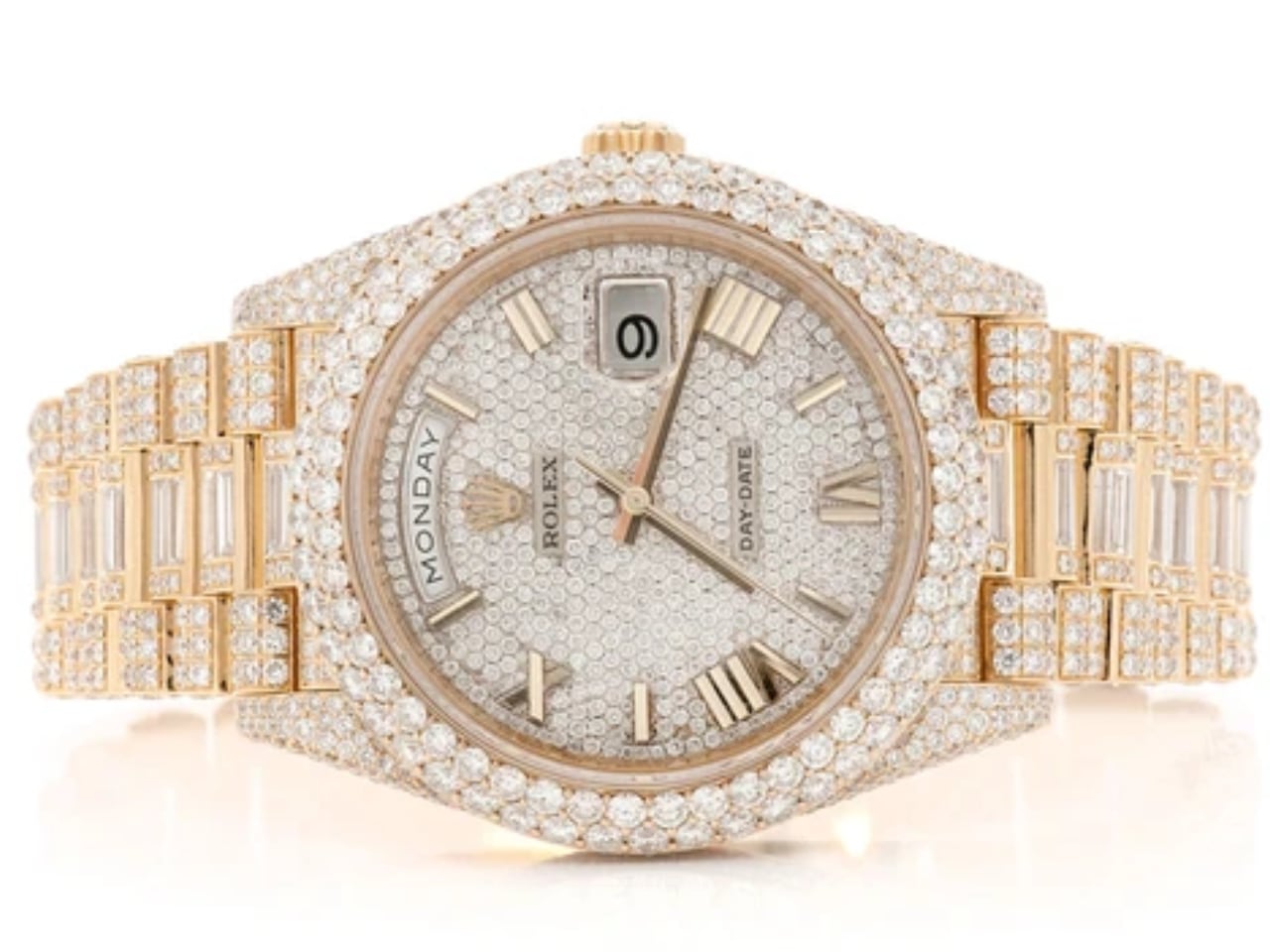
Image: Icebox, ROLEX DAY DATE 40MM 18K YELLOW GOLD (228238) – 19.50CTW FULLY ICED OUT
Few watches are as iconic as the Audemars Piguet Royal Oak, with its octagonal bezel and exposed screws. The actual Royal Oak is famous for its industrial elegance—designed by Gérald Genta, it’s a game-changer that brought the luxury sports watch category to life. Crafted from stainless steel, it highlights the juxtaposition of polished and brushed surfaces, giving it a distinctive look that’s rugged and refined.

AI-Generated LEGO x Audemars Piguet Royal Oak
The LEGO Royal Oak, on the other hand, trades brushed steel for grey bricks. It still maintains the unmistakable octagonal bezel and the integrated bracelet, but the intricacy is reduced to geometric simplicity. The Tapisserie pattern on the dial, which usually involves meticulous craftsmanship, is represented with flat studs—it’s rudimentary, but that’s the beauty of it. Instead of the weighty presence of stainless steel, you get the lightweight, almost comical feel of stacked plastic. The LEGO Royal Oak pays tribute in the best way it can, with a bit of playful irreverence.
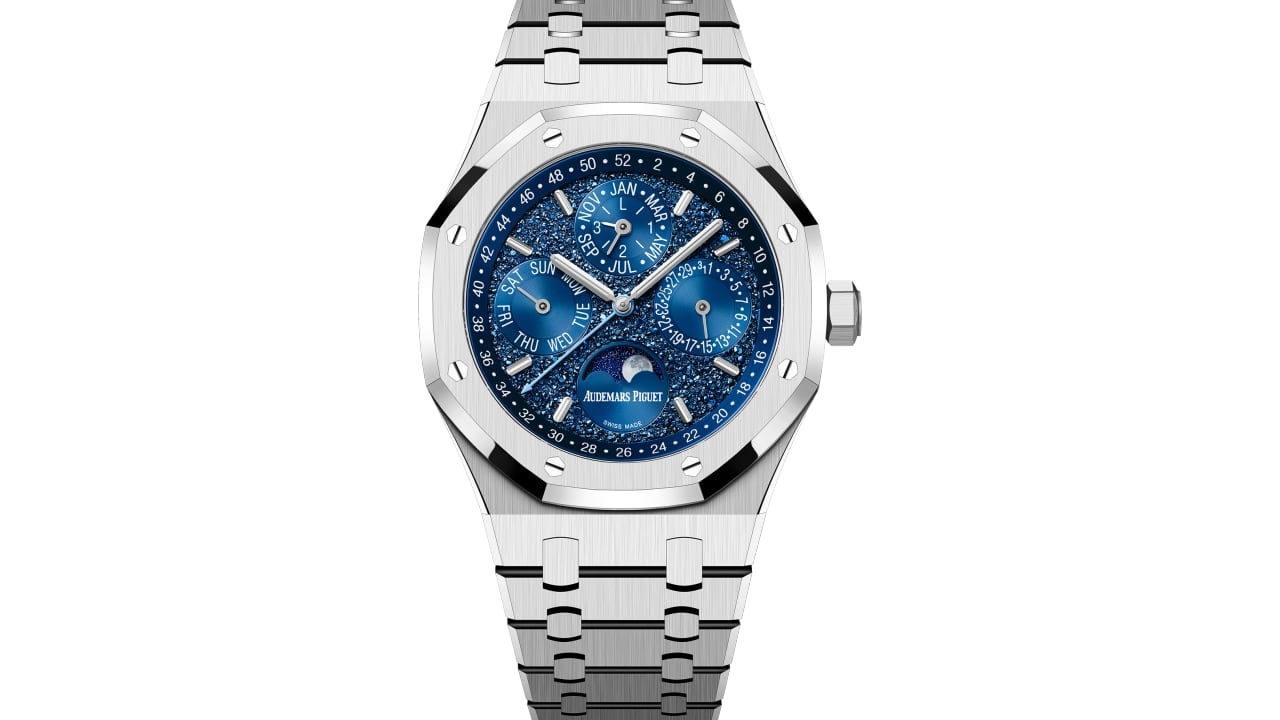
Royal Oak Perpetual Calendar “John Mayer” Limited Edition
The Cartier Santos is another classic—a watch designed for aviation pioneer Alberto Santos-Dumont. Its square face and exposed screws make it instantly recognizable. The real Cartier Santos epitomizes refined French elegance, with Roman numerals and a heritage that goes back over a century.
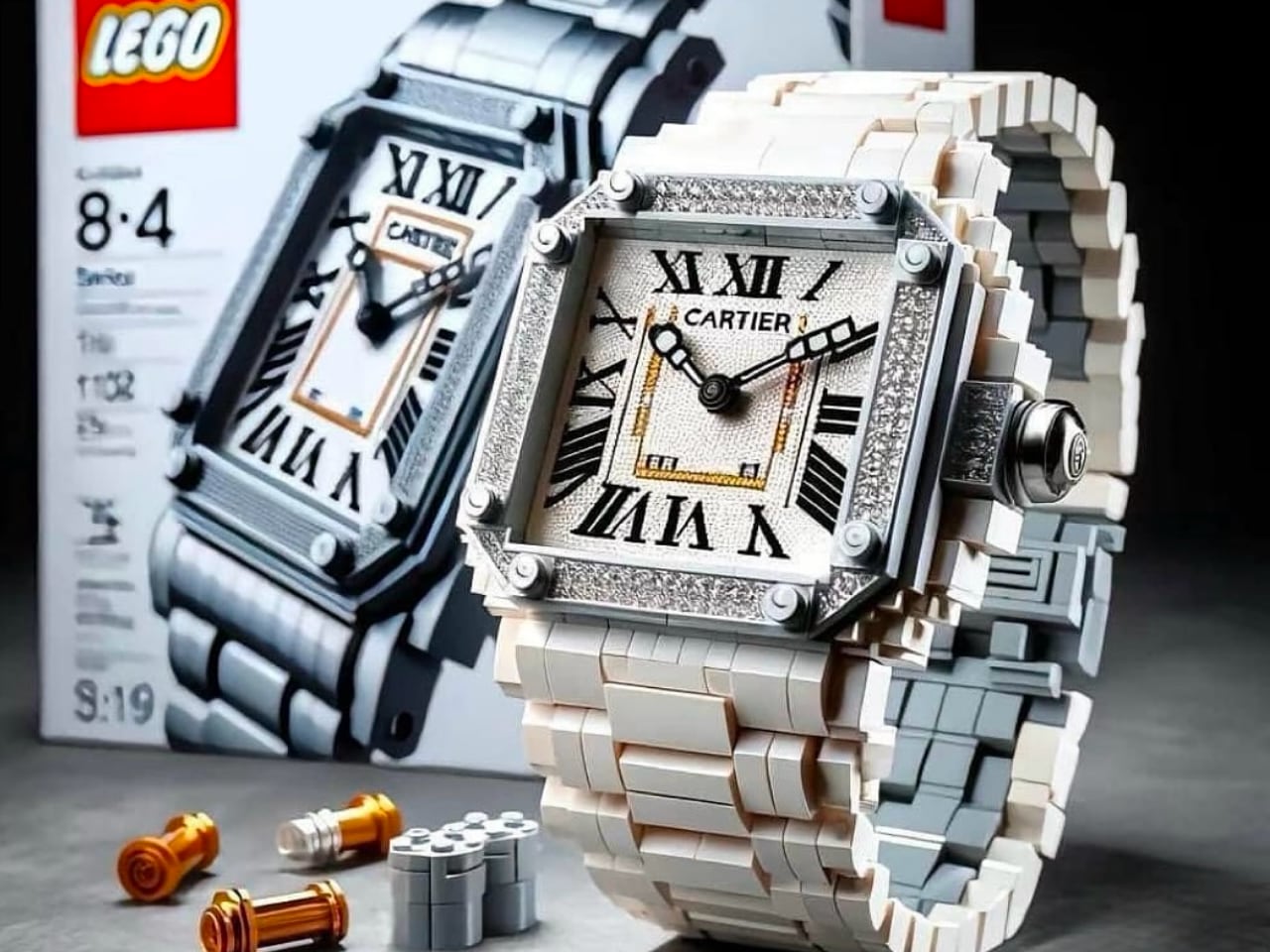
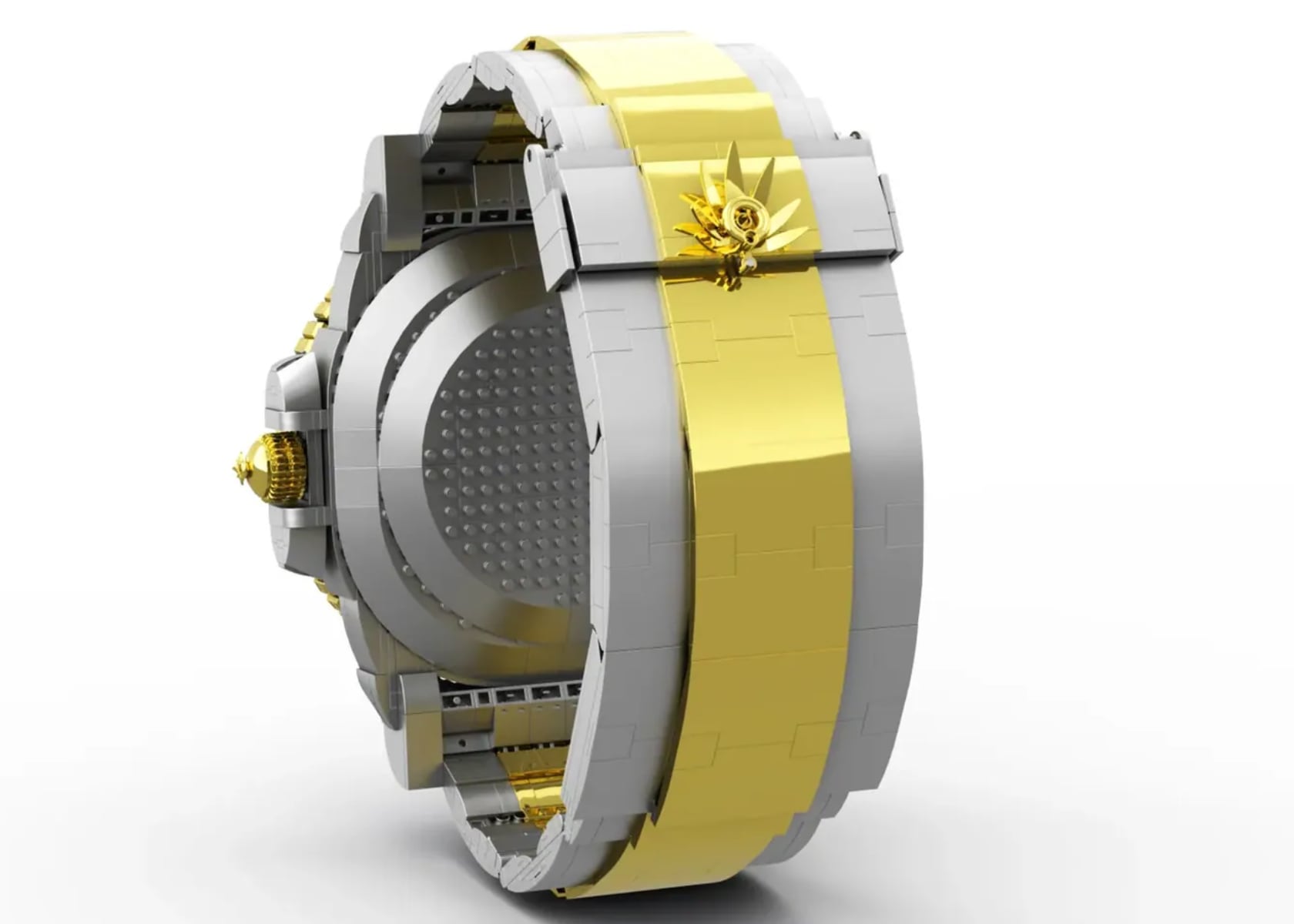
AI-Generated LEGO x Cartier Santos
The LEGO version plays with these elements, keeping the shape, the exposed screws, and the Roman numerals but doing so with bright plastic that is anything but elegant in the traditional sense. It’s a tongue-in-cheek recreation, one that delights in its blocky squareness, almost as if Cartier’s first wristwatch were reimagined for a child’s toybox. It takes something meant to be worn as a marker of luxury and turns it into a fun, decorative piece—a way for fans of both brands to connect in a quirky, unexpected way.
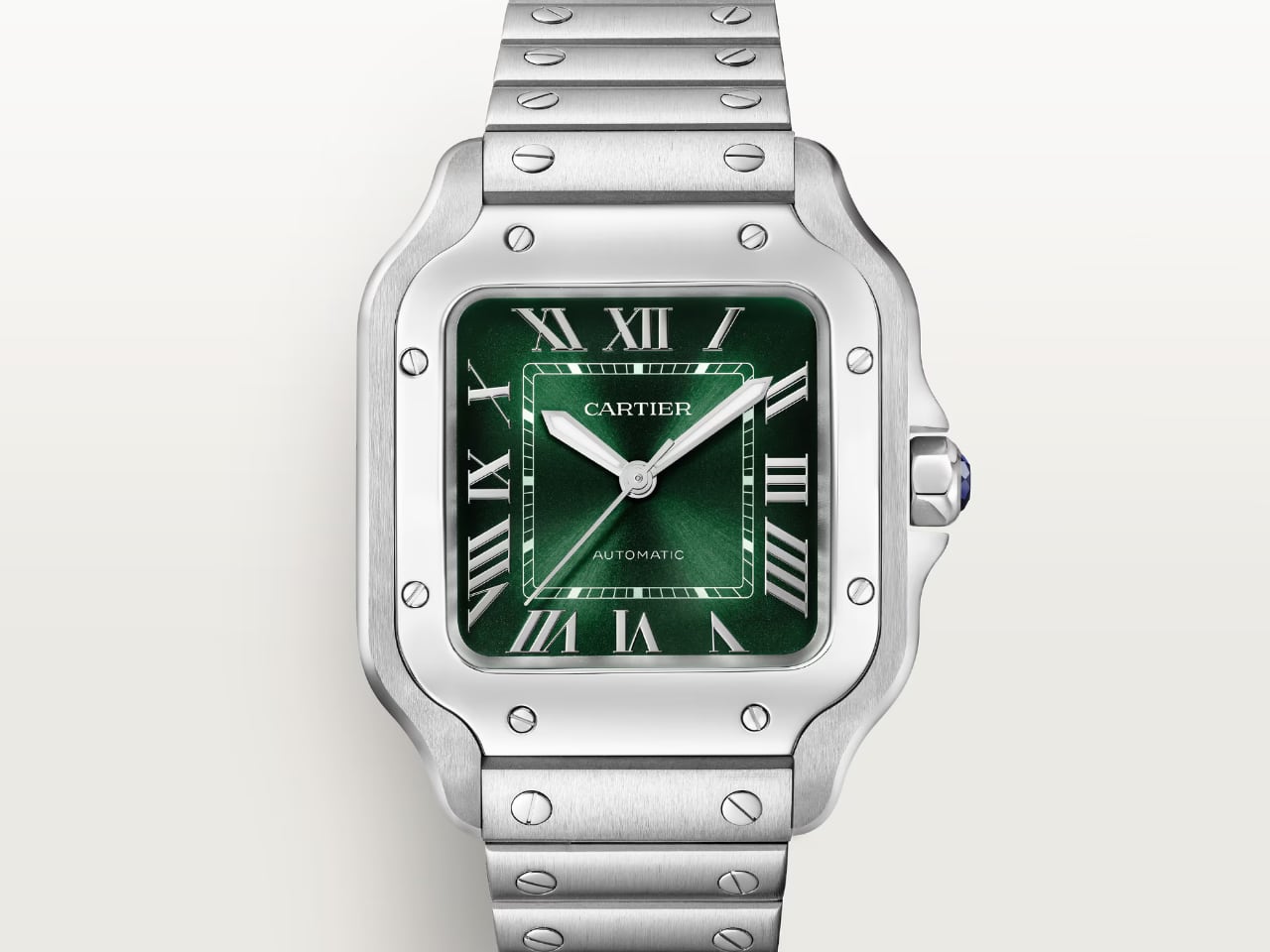
SANTOS DE CARTIER WATCH
So why does this concept work? What makes these LEGO versions resonate with both watch collectors and LEGO fans? The answer lies in the intersection of craftsmanship and creativity. Authentic watches like the Submariner or the Daytona are meticulously crafted, precision-engineered, and timeless in their design. Conversely, LEGO thrives on creativity, turning complex real-life objects into simple yet evocative forms.
For watch collectors, seeing a LEGO version of a favorite timepiece is like viewing it from a fresh perspective—celebrating its form rather than its function. There’s also an undeniable element of nostalgia; many collectors grew up with LEGO, and these models bring a sense of childlike wonder while respecting the original design. For LEGO fans, the challenge of recreating an intricate watch demonstrates the versatility of LEGO bricks, proving that simple blocks can capture something incredibly sophisticated.
This crossover appeal transforms these watches from wearable precision instruments into decorative conversation starters. The actual versions are meant to be worn and experienced for their craftsmanship and mechanical precision. The LEGO versions, however, are displayed as celebrations of design, transforming a high-end object into an accessible, humorous, and charming representation. They bring the luxury and accuracy of timepieces into a more playful light, making them resonate deeply with both communities.
Don’t get me wrong, the LEGO versions of these watches aren’t replacements for the real thing—far from it. They don’t have the sapphire crystals, the precise movements, or the finely engineered components that make luxury watches so remarkable. But what if they did? Imagine a collaboration between LEGO and the finest watchmakers in the world. If brands like Bugatti, McLaren, and even Formula 1 teams can create real machines with LEGO, why can’t luxury timepiece brands do the same? This is a challenge to the watch industry—bring the craftsmanship, the detail, and the imagination together. Let’s see a working luxury watch created in partnership with LEGO—a true celebration of both worlds.

For LEGO fans and watch collectors alike, these models celebrate design—both the intricate, sophisticated design of the original timepieces and the imaginative, blocky reinterpretations in LEGO form. It’s a concept that brings people together, transcending the boundaries between childhood nostalgia and adult appreciation for craftsmanship. And at the end of the day, isn’t that what great design—whether in LEGO or luxury watches—is all about?
The post LEGO Meets Luxury: Are Rolex, AP, and Cartier Ready to Create the Ultimate Brick-Built Timepieces? first appeared on Yanko Design.
Arcane season 2 is coming to Netflix on November 9, and Riot Games is drumming up the hype by releasing various content in its current and upcoming video game titles. All of this content will come out within the coming months.
Riot will release Ambessa Medarda, the Noxian general first seen in the show’s first season, as an upcoming Champion in League of Legends, Teamfight Tactics (TFT), League of Legends: Wild Rift, Valorant, and Legends of Runeterra.
In standard League of Legends news, the Bridge of Progress will become available in the ARAM game mode as part of an Arcane-themed update. Other additions include a Jinx skin of a new “Exalted” tier that will allow players to experience her Arcane story. It’s not the only skin as there will be an Arcane Brawler Vi skin and more.
TFT will introduce several Arcane characters as Champions, including Powder, with abilities based on what they have in the show. There will also be some cosmetics, including Arenas and Tacticians like Chibi Caitlyn. As for players who look forward to the PvE game mode Tocker’s Trials, they can rejoice as it’s making a return.
Singed and Warwick, two Champions available in Wild Rift, will receive gameplay updates. Previously announced Champion Heimerdinger will be made playable in Wild Rift after being playable in League of Legends and Legends of Runeterra. Warwick will also be playable in Legends of Runeterra. There won’t be much content beyond an Arcane-themed cosmetic bundle for Valorant.
While Riot’s fighting game 2XKO isn’t out yet, it will feature an Arcane-inspired Jinx skin. Said skin is coming on November 11. 2XKO will be released next year.
Of course, Riot isn’t confining the hype to its games. There will be merch coming out soon as November 9 approaches. Some of the products include apparel from Uniqlo and Blackmilk, collectibles from Funko and Tokidoki and Fenty Beauty makeup. If these aren’t enough to satisfy you, Riot promises plenty more is arriving.
Arcane season 2 is set to debut on Netflix on November 9, with Act One coming first. Act Two comes out on November 16, while Act Three will arrive on November 23. Keep your popcorn close at hand when the days come.
Sandfall Games just announced the voice cast for its forthcoming turn-based RPG Clair Obscur: Expedition 33, and it’s absolutely stacked. The actors include Andy Serkis and Charlie Cox, as a start. For the uninitiated, Serkis played a weird little guy named Gollum in some unknown movies about a magical ring. He also gave the iconic “one way out” monologue in Andor. Cox is best known for playing a masked vigilante called Daredevil.
The rest of the cast includes seasoned voice actors. There’s Ben Starr, who played a doctor in the TV show Jamestown but is perhaps best known for playing Clive in Final Fantasy XVI. Shala Nyx has plied her trade in plenty of recent games, including Cyberpunk 2077 and Diabolo IV. Other cast members include Jennifer English, who played Shadowheart in Baldur’s Gate 3, and Kirsty Rider.
For the uninitiated, Clair Obscur: Expedition 33 is a JRPG-inspired fantasy epic with turn-based battles and a unique take on Belle Époque-era France. We got to see it in action earlier this year and came away (mostly) impressed. We called the graphics and environments “gorgeous” but the story “clear as mud.” However, it’s tough to nail down the narrative of a fantasy RPG just by watching a demo for a few hours.
In any event, we don’t have that long to wait before the game launches. The developers say it’ll come out in Spring 2025. It’ll be available for PC via Steam, PS5 and Xbox Series X/S. It’s also a day one Game Pass title. If you simply can’t wait until then for a new game in the genre, we heartily recommend checking out Metaphor: ReFantazio.
This article originally appeared on Engadget at https://www.engadget.com/gaming/the-jrpg-inspired-clair-obscur-expedition-33-has-a-stacked-voice-cast-165228134.html?src=rssPanos Panay has a Diet Coke problem. It’s a topic that quickly came up when I walked into the small interview room, after he offered me a choice of beverages and I said my partner has a similar addiction. After a quick conversation on the advantages of drinking plain water over diet colas, I knew his wife, like me, advocates for less soda, but I still knew nothing of how much the man actually consumed a day.
It was Panay’s first launch event with members of the media since he left Microsoft last year to lead Amazon’s devices and services team. And the instant I walked into the event space at The Shed in New York, I thought “this feels like a Panos event.”
The room was drenched in sunlight, with various neutral and pastel pink couches and armchairs laid out in a vague semicircle facing an unassuming elevated platform. Around the stage were neatly planted assorted greenery with lavender and what looked like baby’s breath lending a general softness to the scene.
There was a leather stool on the stage that looked just big enough to perch on but not comfortable enough to actually rest, and next to it was a smaller wooden end table where a solo water bottle sat. Panay did not once sit during his 38-minute presentation. Clad in a black collared shirt, black jacket, black jeans and black shoes with a brown trim, Panay brought his typical sentimental delivery to the Kindle launch event.
As usual, he didn’t shy away from mentioning his family, showing a carefully taken picture of his daughter Bella reading a Kindle on a couch. He called out members of the media by name, saying hello to Lance Ulanoff in the front row and asking David Pierce if he could hear. At one point, he walked over to the middle row to hand a new Kindle off to tech Youtuber Jacklyn Dallas, asking her to tap repeatedly on the screen to scroll through pages and see for herself how much faster he believed it was.
I say all this to impress on you that the Panos experience is one that’s inviting, engaging and can even lull you into feeling so charmed that you might overlook the fact that he repeatedly calls the Kindle Scribe a 2-in-1. It was certainly enough to give me more patience than I normally would have for a tech leader that had spent almost a third of his presentation talking about the Kindle’s history and where it fits into people’s lives. Instead of thinking “get on with it, I want to hear about the new devices without all this preamble,” I simply laughed at the jokes, made eye contact and related to the personal anecdotes. And though I knew we were past the 38 minutes he had promised the speech would last, I didn’t mind that he was still talking.
I was able to question him about 2-in-1s when we sat down to talk, though. The term brings to my mind the image of Surface tablets and iPads, not to mention the Surface Duo and Surface Neo that Panay launched at a remarkably similar Microsoft event years ago. Kindles? Not so much. But according to Panay, the Kindle Scribe “does two things, and it does it remarkably well. Turns out, it only does two things.”
People want to read on their Kindles, but they also want to write in books. “Both experiences have to stand on their own in a great way,” he added. “You can buy this device for writing, or you can buy this device for reading and then you can bridge it.”
But if a device tries to be too much, it might get too complicated. When I asked what was next for the Kindle Scribe and what challenges it faces, Panay said “You’ve got to be careful not to make it a Swiss army knife. That’s probably the biggest challenge — what it’s not gonna be.”
Panay explained that “at Amazon, the focus on the customers is off the charts,” saying the team talks to users, reads reviews and studies how people use their products to better understand needs. “Fundamentally, for this team, [it’s to] know what the customer needs, be passionate, make sure you deliver it.”
“Let’s not try and reinvent things that people don’t need reinvented.”
The approach Panay has brought over to Amazon is one that considers his history at Microsoft (and his entire life). He never explicitly mentions this, but I cannot help wondering if he’s learned anything from that company announcing the Surface Neo dual-screen laptop and not actually releasing it.
Panay also said that in getting to understand customers’ needs, Amazon also has to try to predict what they might want. “You also have to understand where the technology is headed and you have to have roadmaps,” he said. “You have to have invention and creation that sets you up for where it’s headed, so when people land, they have the next thing they need and hopefully it was your product that got them there.”
“Let’s not try and reinvent things that people don’t need reinvented.”Panos Panay
That desire to predict trends makes me nervous, especially at a time when every major company is rushing to stuff generative AI features into their products. How should companies like Amazon resist the urge to jump on bandwagons and avoid making products that ultimately are the result of useless hype? To Panay, the answer is patience.
“Patience is everything,” he said. “What is the right thing for the product at the right time? How is it useful? How is it elegant?” He acknowledged that “we’re at a time where AI for sure is transformational. This is not a fad.” There are things AI can bring to the Kindle Scribe and other products that could elevate them. But “making it useful for everyone is important to me, and making it simple.”
There are just two AI-based notebook features for the Kindle Scribe, and they basically read your scribbles and convert them to something more legible and digestible. They’re not groundbreaking concepts — I’ve seen at least 5 different companies launch summarization tools in the last year. But Panay made it clear through personal anecdotes on stage that these are important to him and his staff. He doesn’t want to let people see his handwritten notes, but he will let them see the version tidied up by AI. Whether the rest of the world’s Kindle users will find these helpful, I’m less certain.
For now, Panay wants to perfect the Kindle Scribe experience. “You can never make anything perfect, I’m never satisfied. But it’s so close right now… to feeling like paper, to feeling like an eraser, to feeling like you’re writing, to no distractions in your way.” He called it his favorite child during the presentation (but later saying that he felt guilty doing that).
There are plenty of other children in the Amazon hardware family that Panay oversees. He’s not only in charge of the four Kindles launched today, including the new color ereader called the Colorsoft, but the company’s smart home, robotaxi, satellite, consumer robots and Alexa products, as well as Fire TVs and tablets, too.
“It's an eclectic group of products at some level, but it's actually quite a connected one at the same time.” There’s also stuff that Panay couldn’t yet talk about on the record, but he said there’s “so much magic yet to be shared with the world.” In a more realistic manner of speaking, it’s about seeing these things “connected in a way that can make a difference for people’s lives every day in their homes and outside of the home.”
There are other ways the Kindle Scribe could evolve that wouldn’t be a stretch of the imagination, either. The most obvious is getting a color display, and Panay agreed “it’s not a stretch at all, probably” before going on to say he can’t discuss future roadmaps. But I can certainly speculate.
While it’s interesting to see Amazon come up with a whole new name for the Colorsoft, indicating that it’ll perhaps be a separate product line, it would make sense for the Colorsoft to be a one-off and for the color panels to get integrated into other existing Kindles in future.
Another potential technological change to Kindles is making them foldable. To that end, Panay simply said “It’s an interesting concept.” When I pointed out that he’s no stranger to folding devices, he acknowledged “I’m definitely not,” before adding that “we have a ton of concepts in the lab.”
Crucially, though, he reiterates he doesn't “want to create tech for the sake of creating tech.” If the idea is right, Panay is open to considering it. “But right now, keeping it simple is where we’re at.”
This article originally appeared on Engadget at https://www.engadget.com/panos-panay-on-launching-his-first-products-since-moving-to-amazon-163024504.html?src=rssAstro Bot, one of Sony’s greatest triumphs, is getting new content for those who live life (or at least play PS5) in the fast lane. Developer Team Asobi said on Wednesday that the first of five free speedrunning levels teased at Sony’s September State of Play will arrive on Thursday, October 17.
The first speedrun level is Building Speed, where you’ll get an assist from your robot bulldog friend Barkster. Team Asobi promises you’ll “blast your way through a sky-high city.” Dodging cranes, smashing through crates and zipping through a flying car wash are part of the festivities. It sounds like more of the cute, 3D-platforming fun that Engadget’s Jessica Conditt described as the equivalent of “Super Mario Bros. for a new generation of video game fanatics.”
After tomorrow’s first level, a new speedrunning stage will arrive on each of the following four Thursdays. That includes Let it Slide on October 24, Spring-loaded Run on October 31, Helium Heights on November 7 and Rising Heat on November 14.
The speedrun levels are all free. You should see them starting at 9AM ET on their launch dates.
Each level will add two new bots to rescue. Team Asobi has already teased nods to Eve from Stellar Blade and the Helldivers, but you can expect more fun surprises beyond those.
Team Asobi sounds like it has more content on tap. In its announcement blog post, the developers invited you to stay tuned because “there may be even more surprises coming soon” for Sony’s latest PlayStation-exclusive success story.
This article originally appeared on Engadget at https://www.engadget.com/gaming/playstation/the-first-of-astro-bots-free-speedrunning-levels-arrives-on-thursday-162006557.html?src=rssThe Federal Trade Commission has made it easier for consumers to cancel subscriptions. In a decision that went down along party lines, the agency voted to ratify a “click-to-cancel” rule that will require providers to make it as easy to cancel a subscription as it is to sign up for one. First proposed last year, the rulemaking prohibits companies from misrepresenting their recurring services and memberships, as well as failing to clearly disclose any material terms related to those offerings.
“Too often, businesses make people jump through endless hoops just to cancel a subscription,” said Chair Lina Khan. “The FTC’s rule will end these tricks and traps, saving Americans time and money. Nobody should be stuck paying for a service they no longer want.”
After considering more than 16,000 comments on the matter, the FTC decided not to write the final rulemaking as originally proposed. Most notably, the agency scrapped a proposal that would have required companies to provide consumers with annual reminders for subscription renewals. It also won’t mandate a rule that would have forced sellers to obtain the consent of those seeking to cancel a subscription before telling them about potential modifications to their plan or reasons why they should continue paying for a service.
No American should have to worry about being tricked into buying subscriptions and memberships – or staying in either against their will.
— President Biden (@POTUS) October 16, 2024
Today, my Administration is taking action to ensure folks don't have to jump through hoops to cancel them. https://t.co/3TJFi362vh
A separate statement issued by Commissioner Rebecca Slaughter (PDF link) provides insight into the decision. Essentially, the agency felt the FTC Act doesn’t give it the authority to require a renewal notice. I’ll note here that the dissenting opinion (PDF link), written by Republican Commissioner Melissa Holyoak, contends that the entire rulemaking is overly broad, and accuses the Democratic majority of attempting to push through the change before next month's election.
“Americans understand the importance and value of such a requirement; many have discovered that they or their parents had been paying for years or even decades for a service wholly unused, such as a dial-up internet service from the 1990s,” Slaughter writes in her statement. “… Of course, we are always mindful that our authority under the FTC Act to issue rules under section 18 has limits; sometimes, as here, those limits prevent us from codifying in a rule practices that we might, as a matter of policy, prefer to require explicitly.”
Slaughter points out that state and federal lawmakers do have the authority to mandate renewal notices, and notes some states, such as Virginia, have even recently gone down that path. “The comment record compiled in this rulemaking proceeding strongly supports the wisdom of federal and state legislators’ carefully considering adopting such a law,” Slaughter writes.
Provided there’s no legal challenge to the FTC’s decision, today’s rulemaking will go into effect 180 days after it is published in the Federal Register. When the agency moved to ban noncompete clauses earlier this year, a federal judge in Texas issued a nationwide injunction. That decision is still stuck in legal limbo.
This article originally appeared on Engadget at https://www.engadget.com/big-tech/ftc-ratifies-click-to-cancel-rule-making-it-easier-for-consumers-to-end-subscriptions-160752238.html?src=rssCall of Duty: Black Ops 6 is just around the corner, with a release date of October 25, and Microsoft has temporarily removed the $1 Xbox Game Pass 14-day trial from stores —‚ again. Some gamers may remember that Microsoft pulled a similar stunt last year just before Starfield’s release. Essentially, this keeps players from trying out a big new release like Black Ops 6 without paying for a full subscription.
The trial’s removal happened on October 8, but it was only caught by The Verge today. The most likely primary reason is to prevent gamers from playing through the campaign without paying the full price. Of course, even millions of $1 sales wouldn’t be profitable for Microsoft.
A decision like this isn’t without reasons, as Microsoft is hoping to increase the number of Game Pass subscriptions. Since the number of new subscribers over the last two years has slowed, Microsoft hopes that removing the trial forces gamers to purchase a full Game Pass plan to enjoy Black Ops 6.
The Game Pass trial isn’t back yet, so those who want to dip their toes into the water before plunging in will have to wait. It’s also good to remember that the trial used to be for a whole month before its current 14-day form.
This article originally appeared on Engadget at https://www.engadget.com/gaming/microsoft-removes-the-1-xbox-game-pass-trial-just-before-call-of-duty-black-ops-6-155049730.html?src=rssHosting a property on Airbnb is no longer a simple process. Customers can be finicky, ideal pricing can change on a dime, markets can become flooded and earnings can be difficult to track. The platform’s trying to simplify matters by introducing the Co-Host Network, which allows hosts to hire other hosts to manage properties.
Here’s how it works. Property owners can peruse the network for other hosts and scoop them up into a loving embrace of hospitality. The hired hosts can help with just about anything, including setting up listings, selecting prices and availability, cleaning, maintenance and guest management. It’s a disruption of the blazing-hot “building superintendent” industry.
These hosts for hire must be highly rated and local, with Airbnb saying it has only included hosts with a rating of at least 4.8 and a minimum of ten hosted stays. The would-be co-hosts/employees can set their own service rates on a profile page. The company says it has onboarded over 10,000 people so far, in countries like Australia, Brazil, France, Mexico and the US.
“One of the requests that we had from hosts is that they would really love to be able to find professional, high-quality co-hosts with a great track record in their area whom they can trust. And they can really be completely hands-off,” Judson Coplan, VP of Product Marketing at Airbnb, said to TechCrunch.
While this feature should be a boon for actual people who just need a little bit of help, the phrase “completely hands-off” gives me pause. It seems like it could easily be used by gigantic real estate monoliths that own hundreds and hundreds of properties across the platform.
This isn’t a bad thing, per se, as these mega-hosts are generally considered to be a reliable option for guests. However, this certainly doesn’t help the public perception that Airbnb and its ilk participate in the hollowing out of neighborhoods, turning them into ghost towns. There is, after all, a housing crisis across the country.
In any event, this could be a decent way for some people to make a few extra bucks. Airbnb introduced other stuff besides the Co-Host Network, including a feature for hosts to check out similar listings in an area. As for guests, there’s a new welcome tour in the app for first time users, updated search filters, local payment options and more.
The platform has been busy lately. Earlier this year, Airbnb started a program to provide discounts on EV chargers for hosts. It also now allows the app to display smart lock codes to guests.
This article originally appeared on Engadget at https://www.engadget.com/apps/airbnb-now-lets-hosts-hire-other-hosts-to-manage-properties-153748730.html?src=rss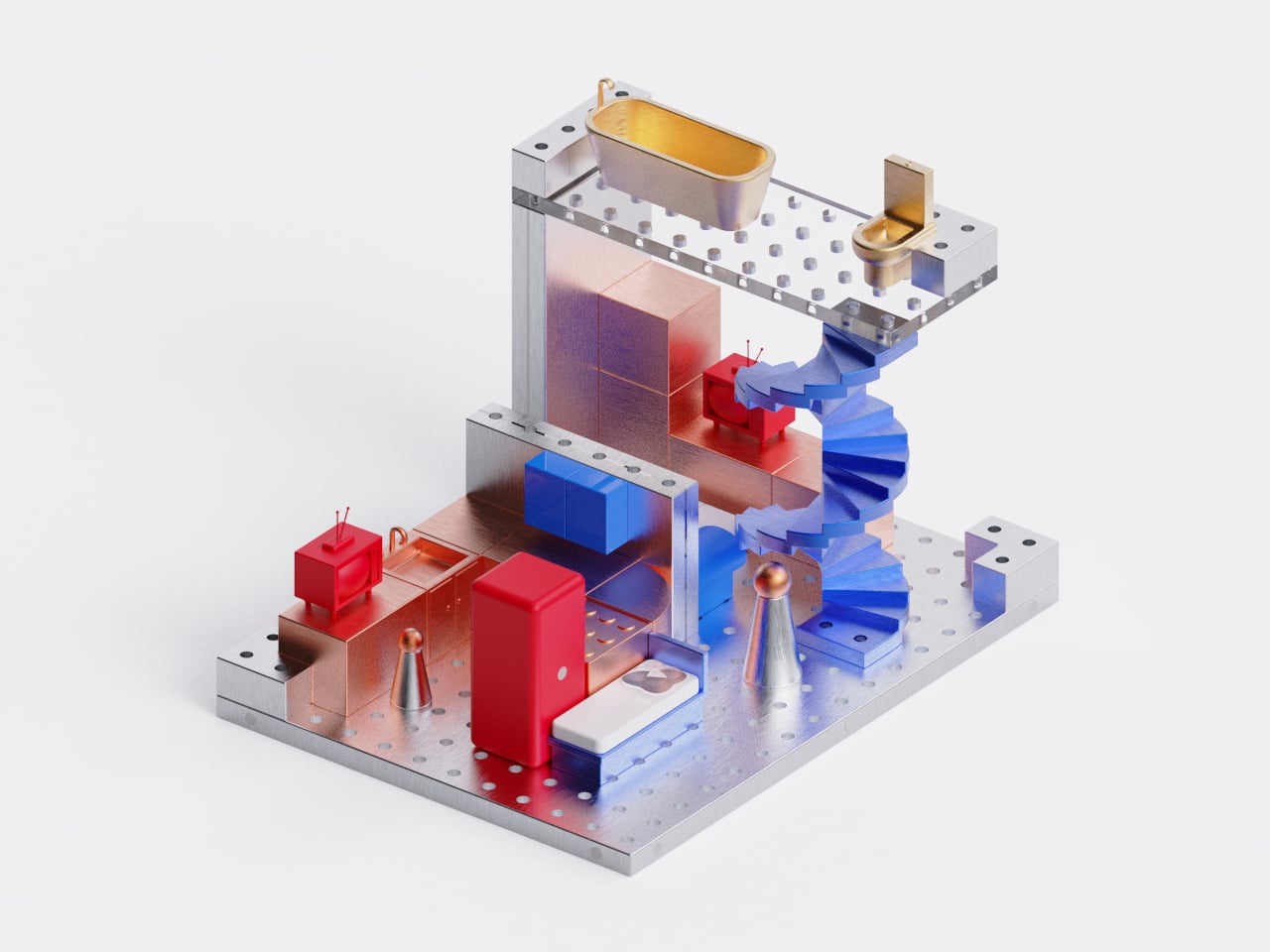
It’s pretty amazing how many things you can make if you’re given the right tools and materials. LEGO blocks have inspired creativity and shaped minds for generations in the physical world, while sandbox games like Minecraft have pulled the same feat in the digital world. These two creative platforms, in turn, have inspired many other toys and experiences that try to bring this freedom of creation to other designs. This particular design concept, for example, has a similar vibe to LEGO but caters to the young and young at heart who want to build their ideal doll houses.
Designers: Gavin Portillo, Mario Ledo
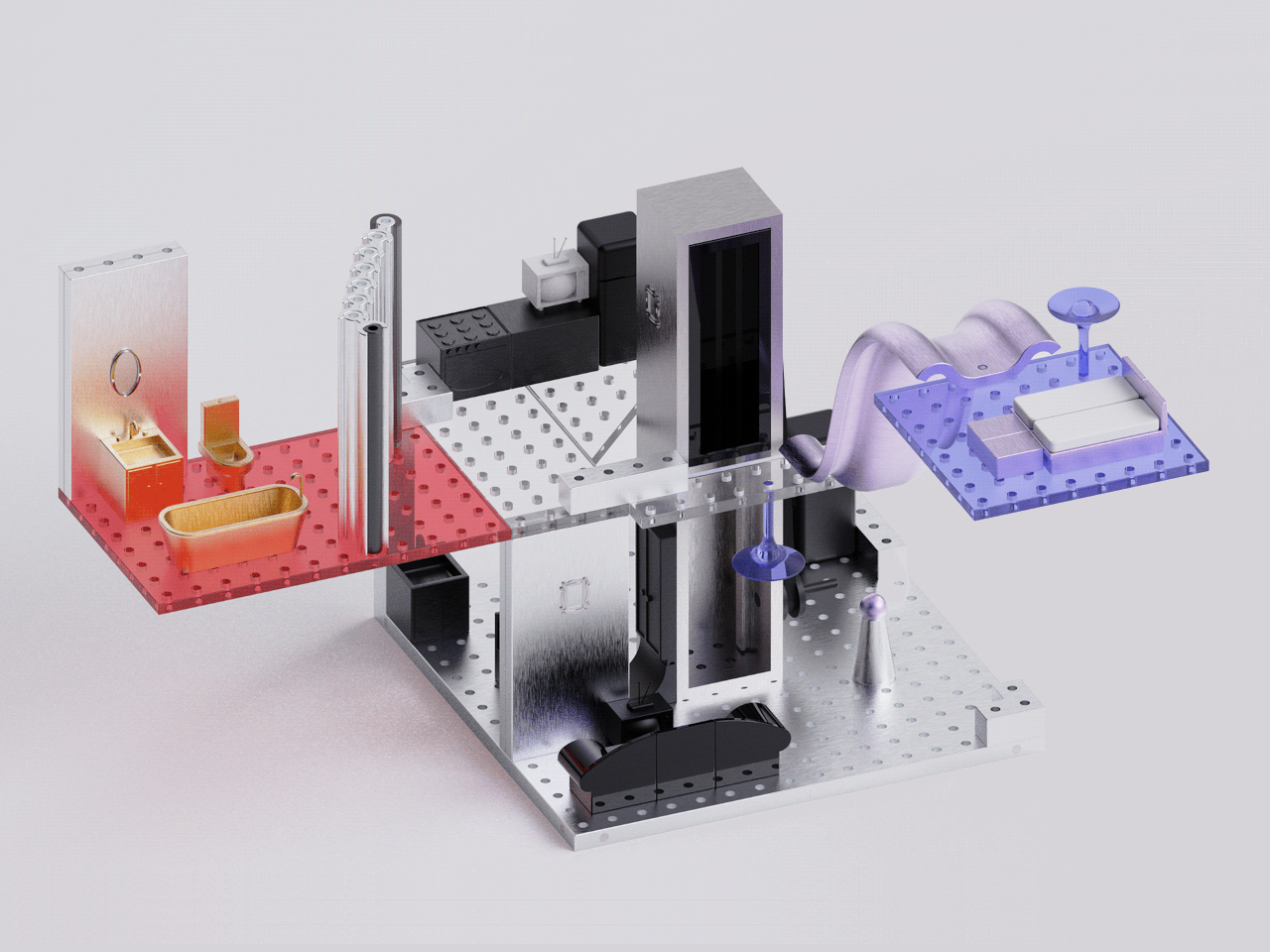

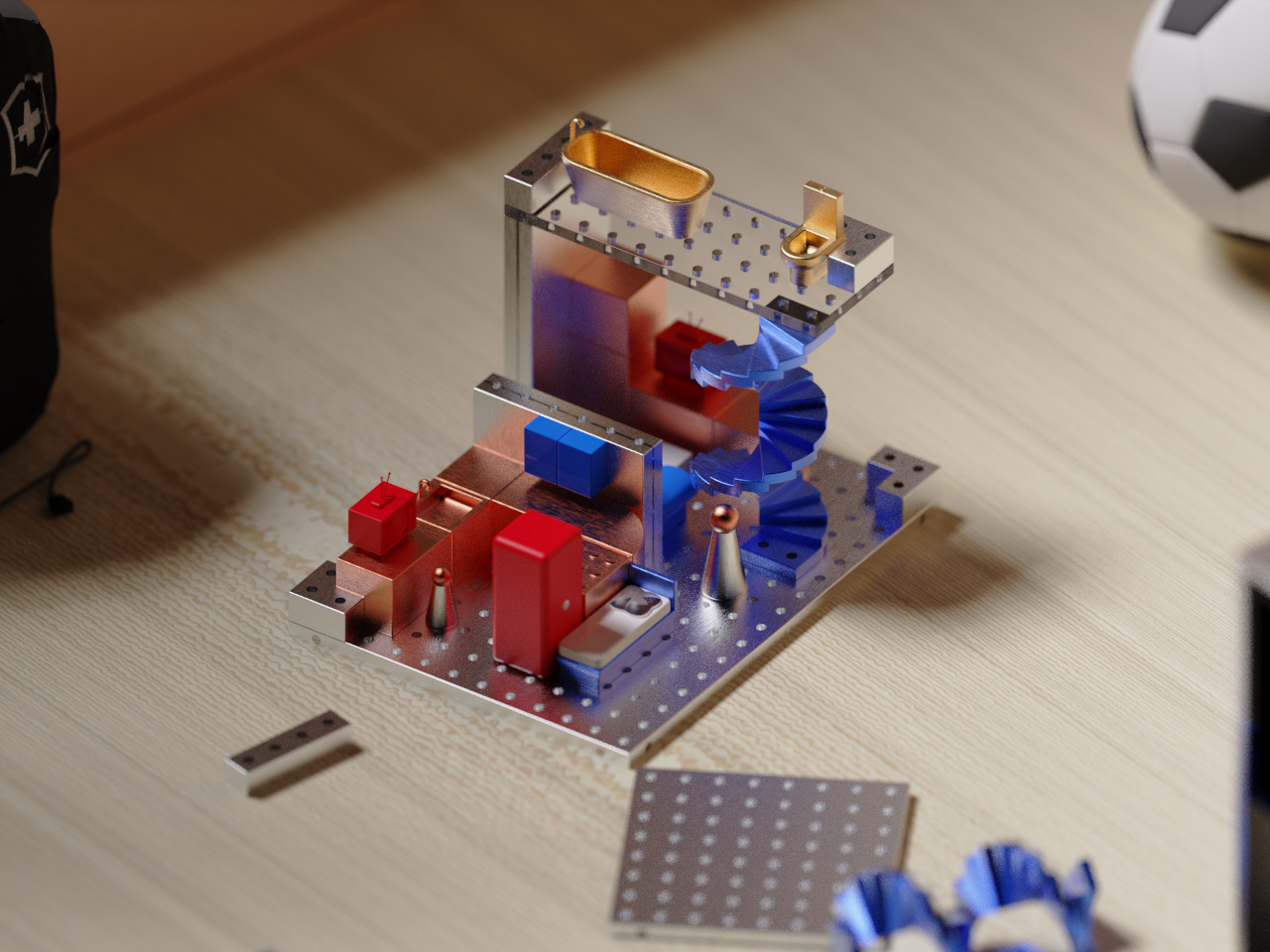
LEGO blocks started out as literal block-shaped pieces that you could combine in different ways to create structures, animals, vehicles, and anything your mind can imagine. More specialized pieces came later on that somewhat deviated from squares and rectangles, including wheels and gears, but the overall aesthetic remained the same. The same is true with the game Minecraft, where you can build almost anything imaginable, such as a primitive computer, but still look blocky overall.
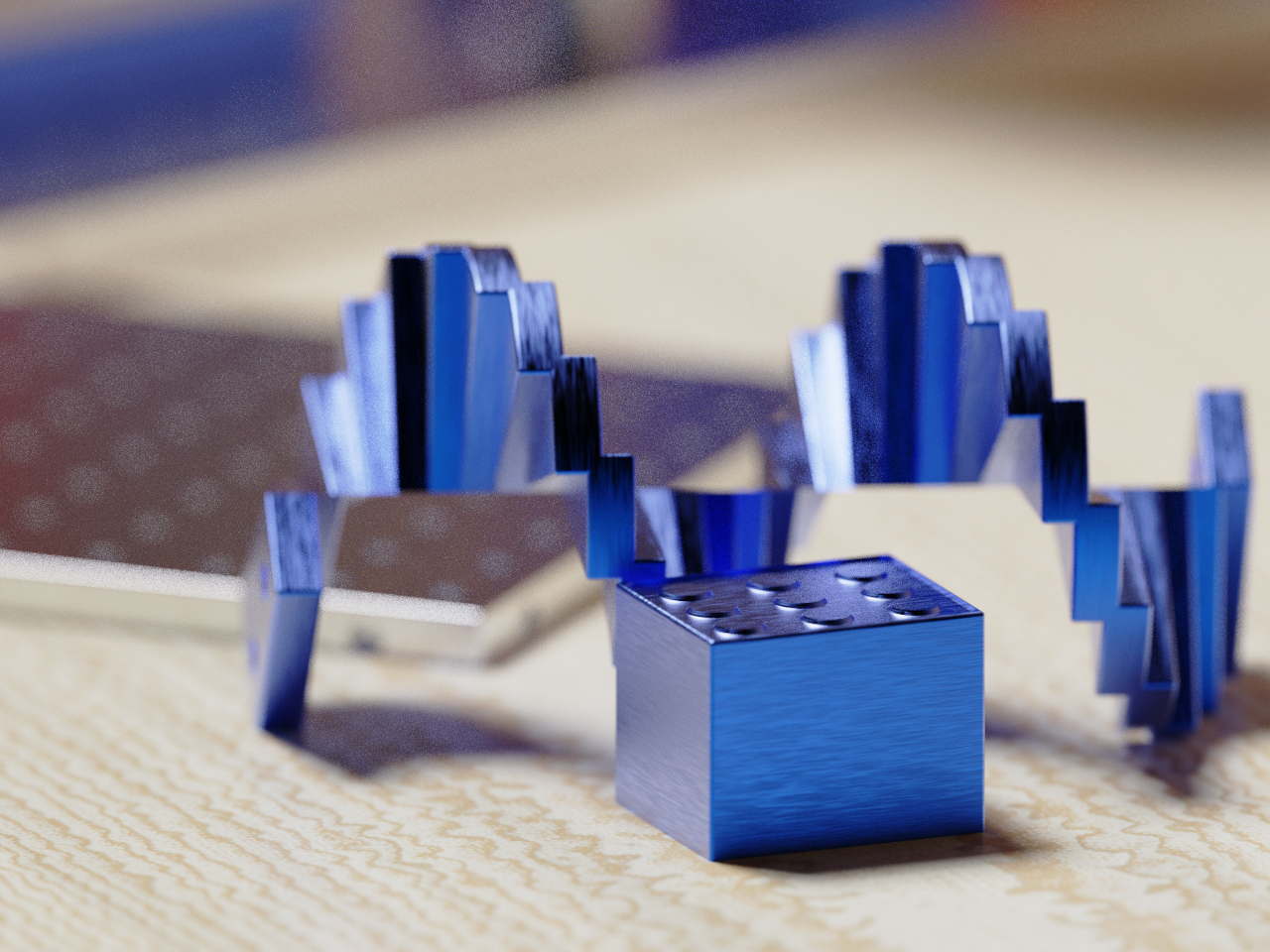

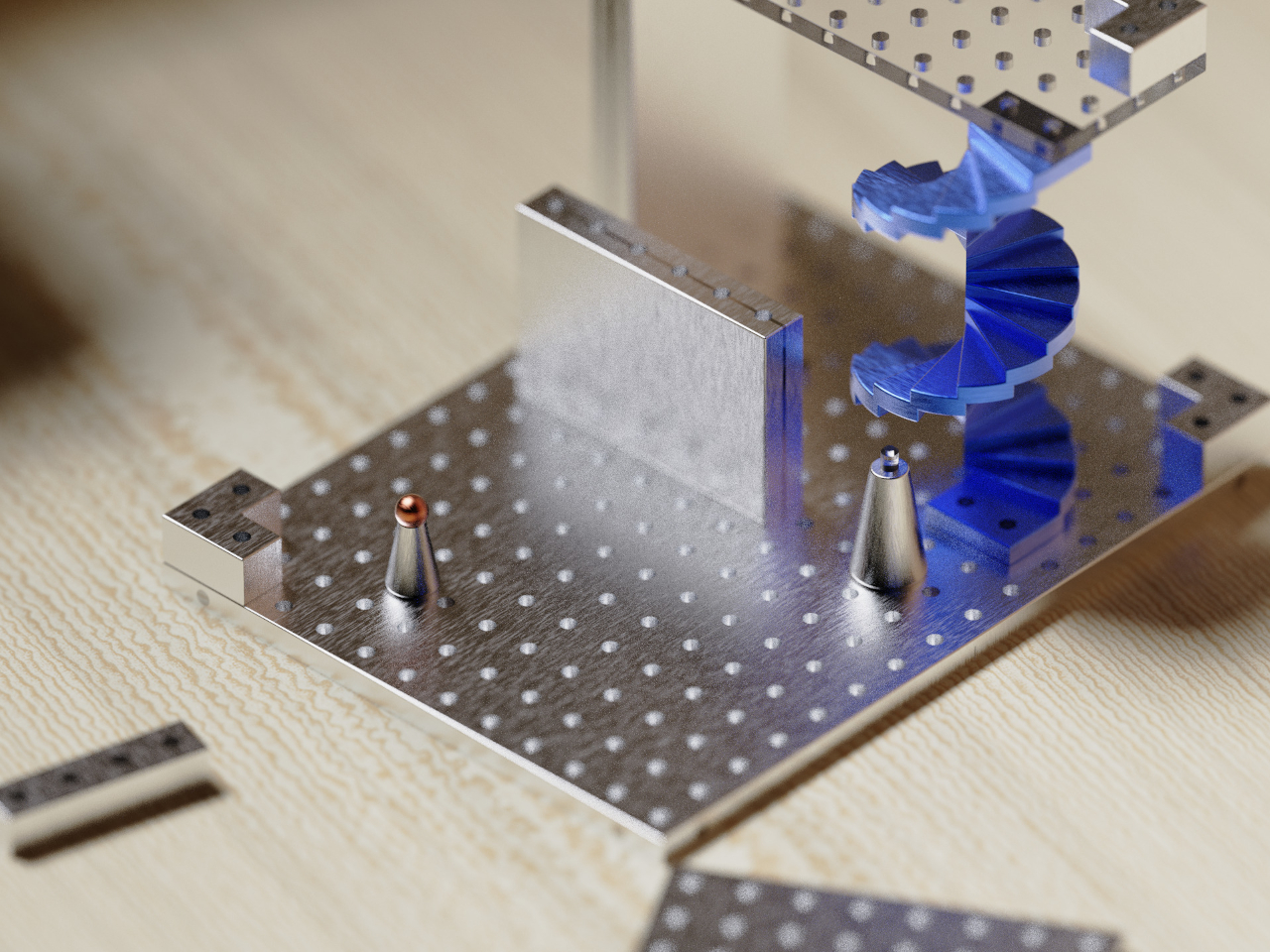
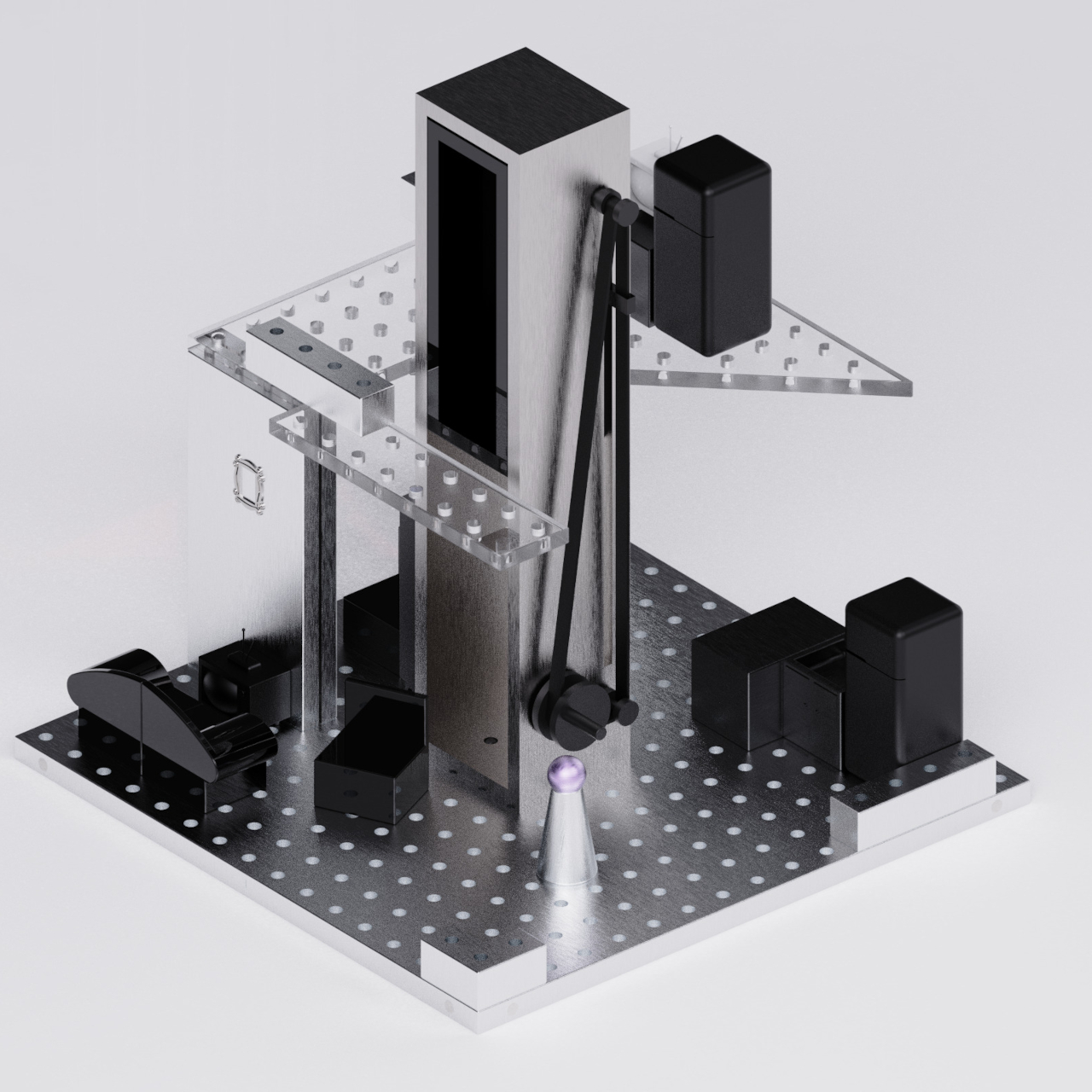
BLUID-IT is a design concept that tries to expand those shapes to allow for more expressive combinations. The goal, however, isn’t just to build anything but to build dollhouses specifically. There are already plenty of dollhouses, most of them designed for kids, that allow a bit of customization, but you can only use what comes with the package, or maybe buy some additional accessories. And almost all of them revolve around a specific theme or style.
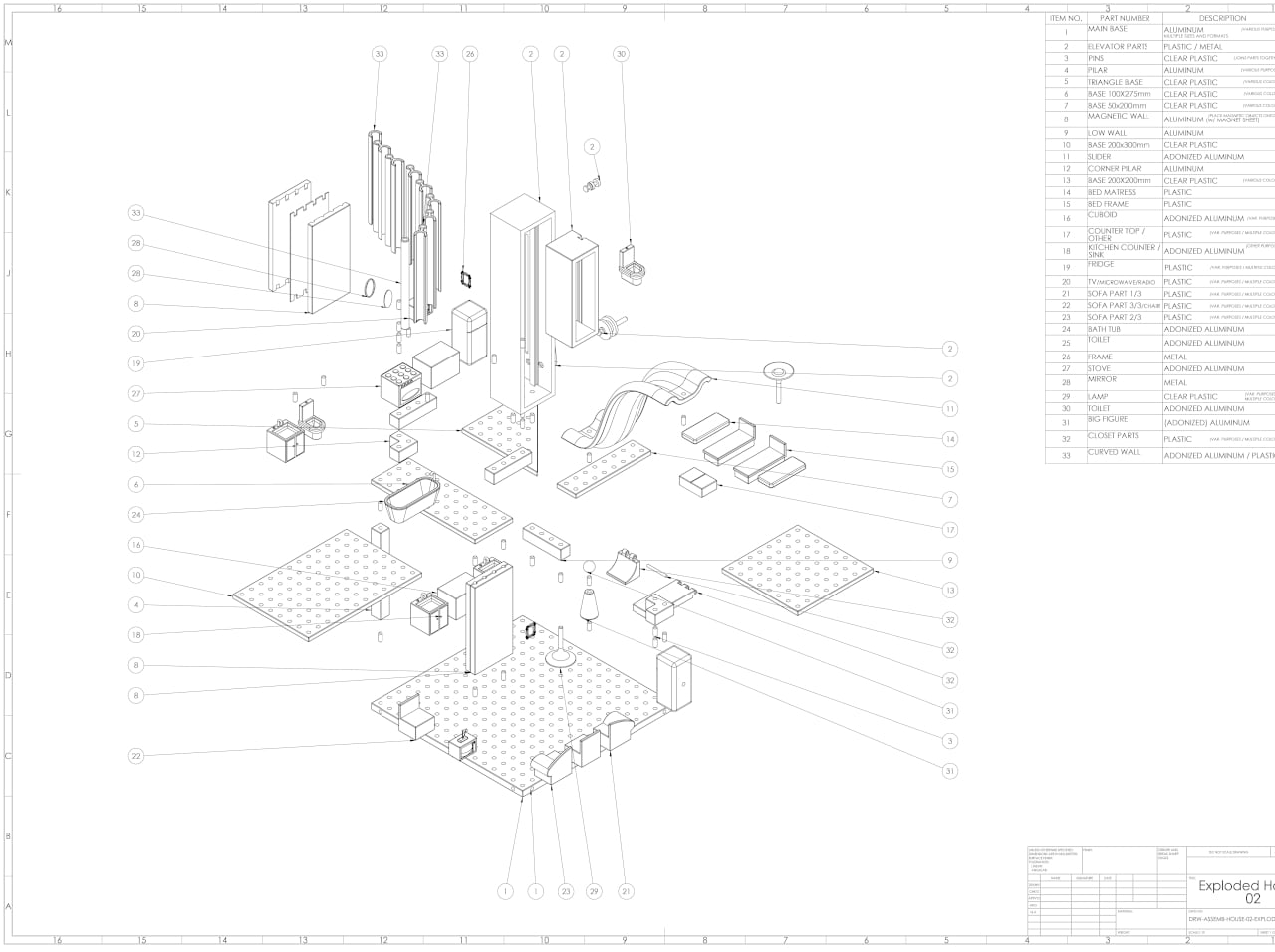

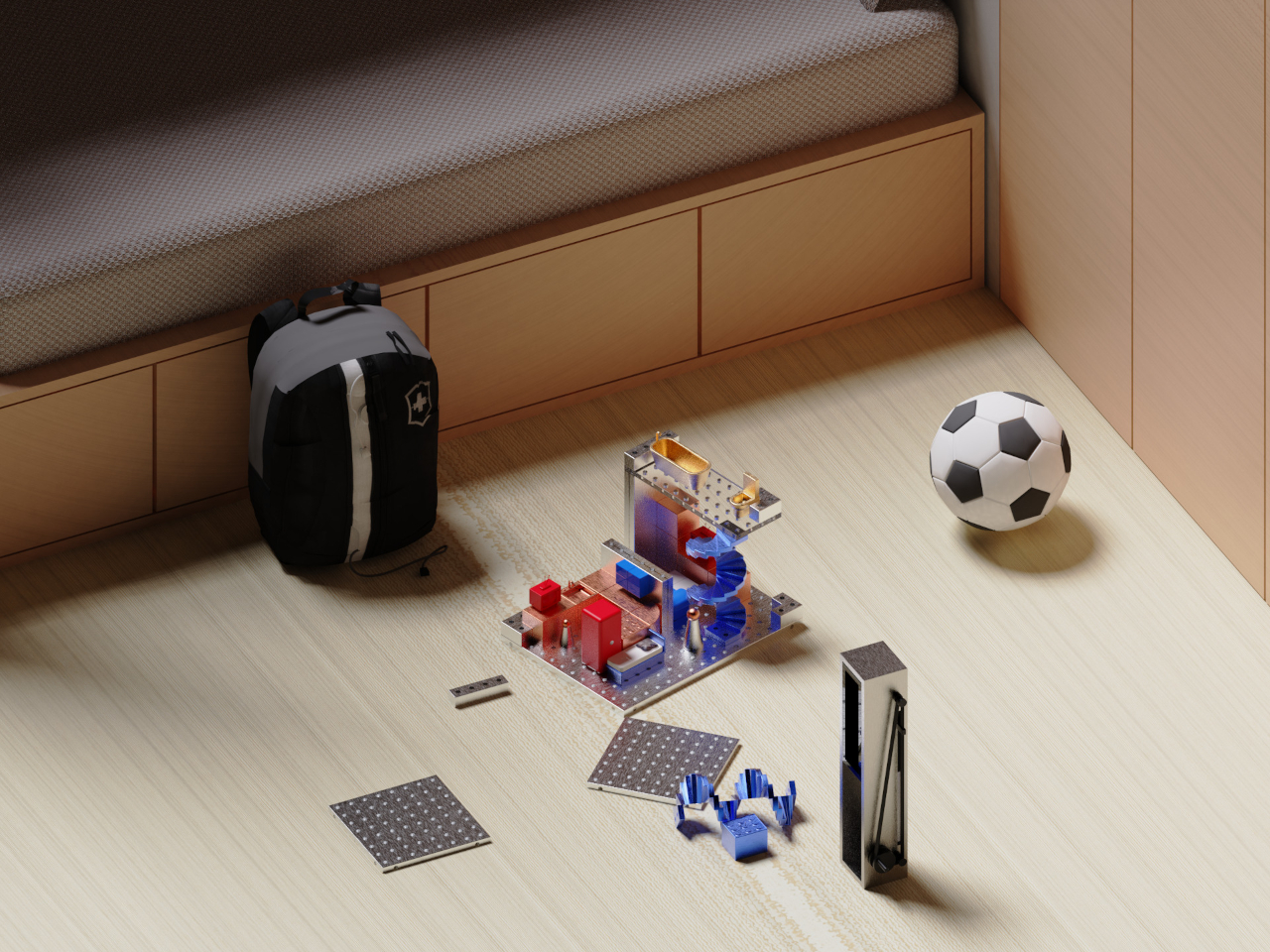
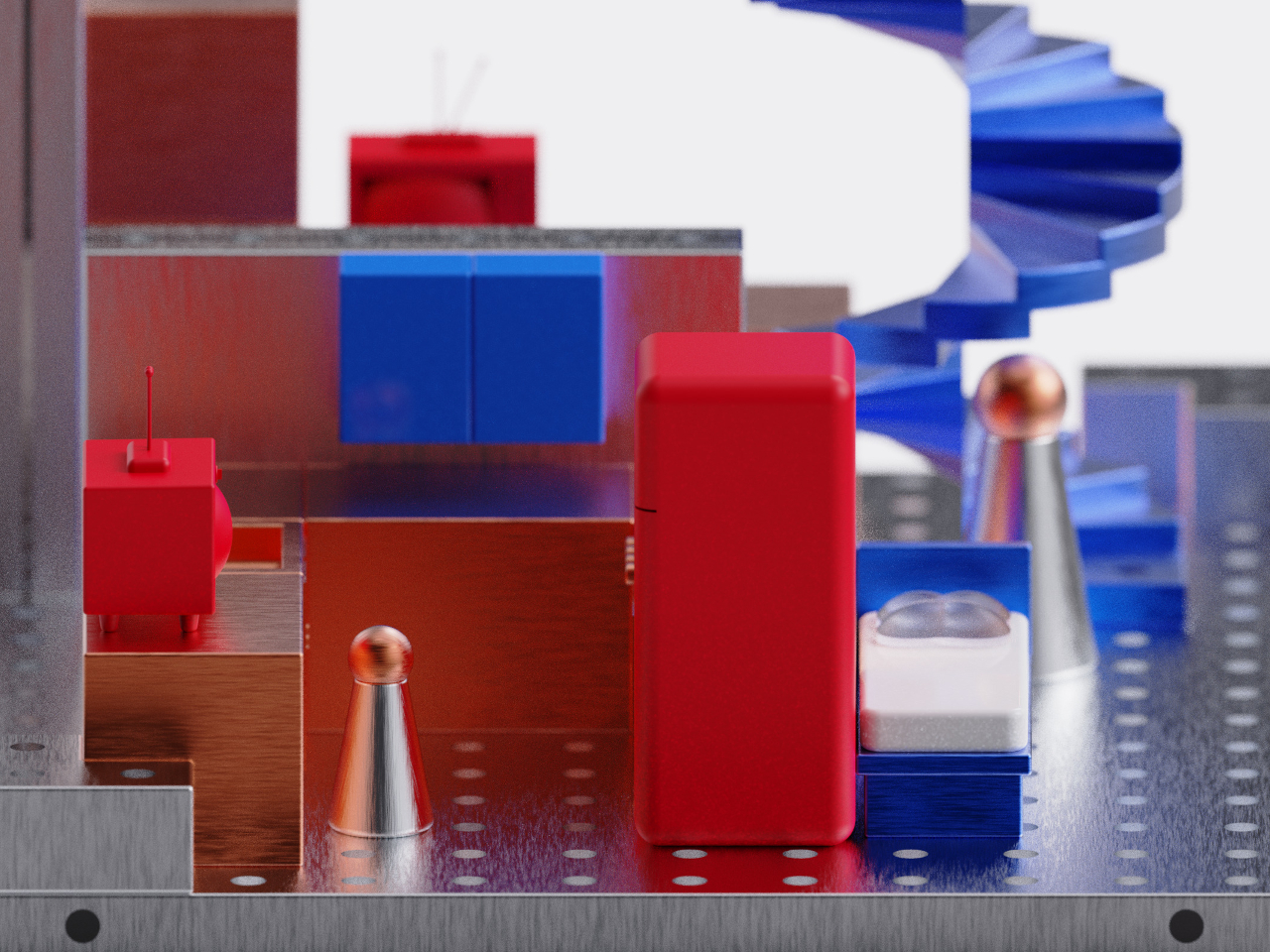
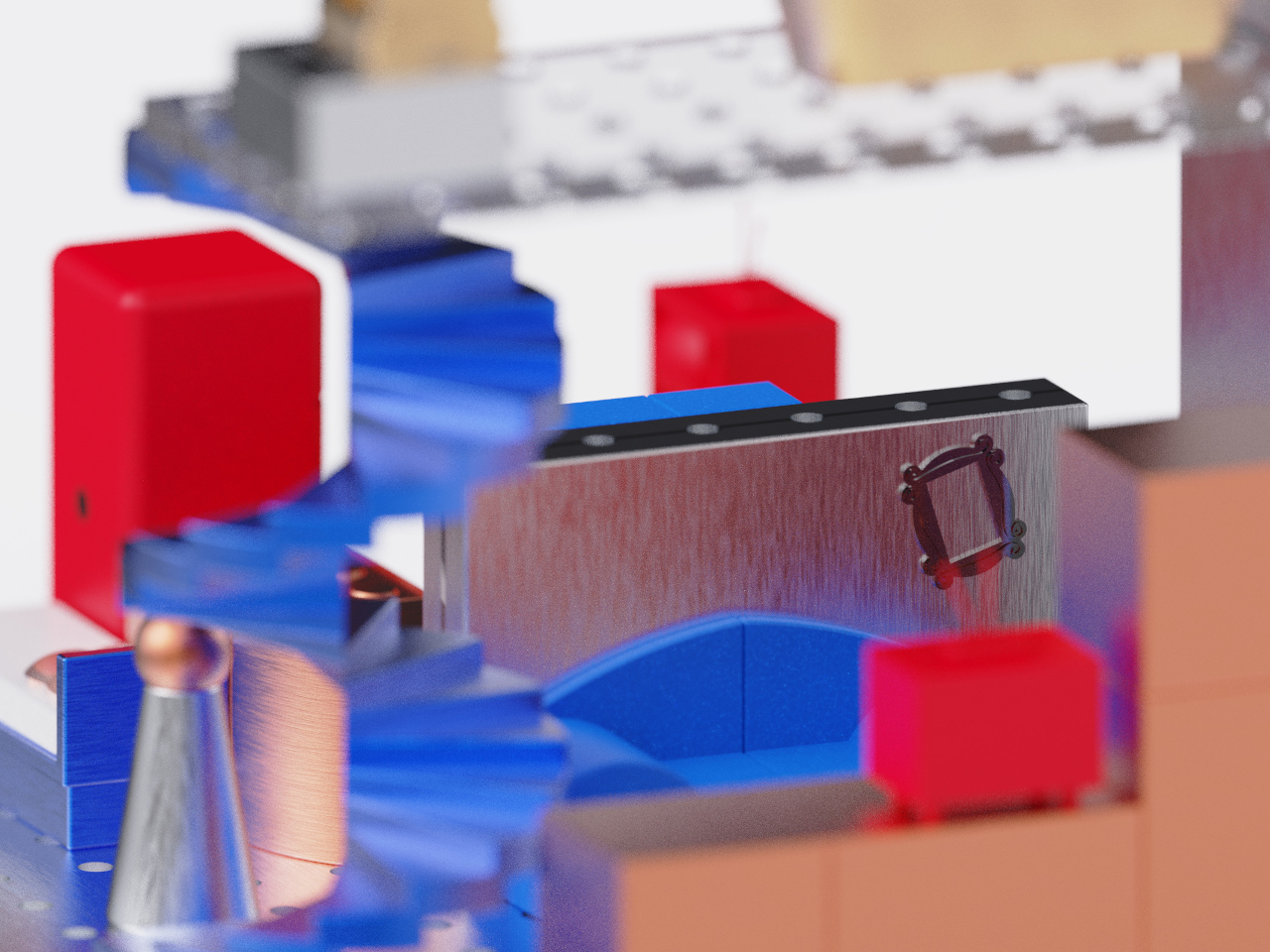
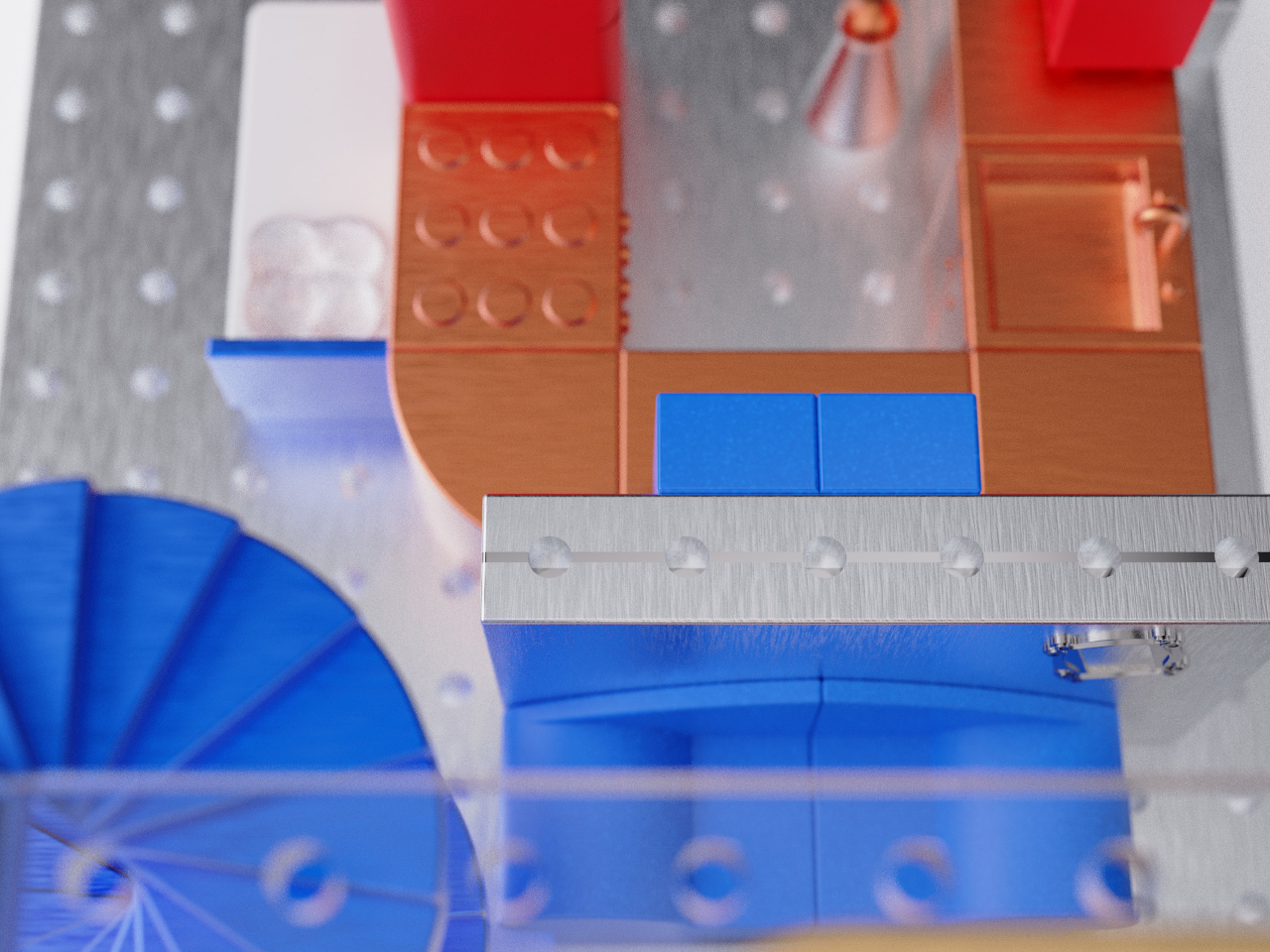
But what if you had hundreds of small objects to choose from, ranging from pillars to spiral staircases to magnetic walls? You can, in theory, build almost any house interior possible, one that can even span more than just a single level. No two houses would be identical, unless you intentionally copied, of course, allowing greater freedom in designing the perfect living space for miniature people.

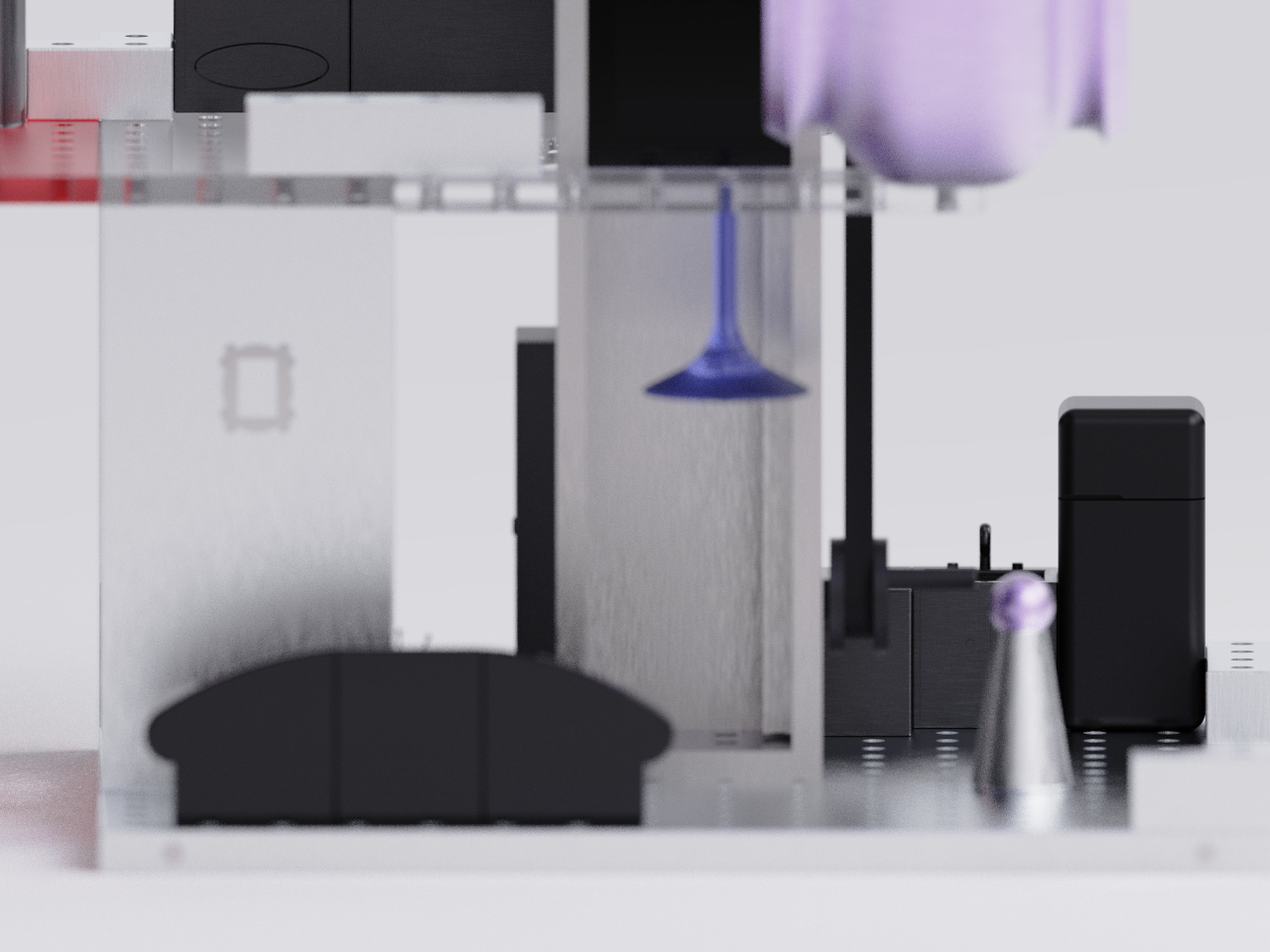
It’s not completely free-form, though. The aluminum platforms and walls have perforations where you can insert tiny walls, furniture, and other pieces. This makes the design easier to use for younger audiences, giving them some guidelines to follow. It may even be useful as a tool for interior designers or architects, giving them a quick and easy way to create models for their desired arrangements as well.
The post LEGO-like modular dollhouse lets you build the miniature home of your dreams first appeared on Yanko Design.