Meta’s Chief AI Scientist is leaving the company after 12 years

One of Meta's top AI researchers, Yann LeCun, is leaving after 12 years with the company to found his own AI startup, he announced. LeCun, who is also a professor at New York University, joined the company in 2013 to lead Meta's Fundamental AI Research (FAIR) lab and later took on the role of Chief AI Scientist. 

LeCun said his new startup would "continue the Advanced Machine Intelligence research program (AMI) I have been pursuing over the last several years with colleagues at FAIR, at NYU, and beyond" and that it would partner with Meta. "The goal of the startup is to bring about the next big revolution in AI: systems that understand the physical world, have persistent memory, can reason, and can plan complex action sequences," he wrote in an update on Threads. "AMI will have far-ranging applications in many sectors of the economy, some of which overlap with Meta’s commercial interests, but many of which do not. Pursuing the goal of AMI in an independent entity is a way to maximize its broad impact."

Speculation about LeCun's future at Meta has been mounting in recent months. Earlier this year, the company invested nearly $15 billion into Scale AI and made the 28-year-old CEO, Alexandr Wang, its Chief AI Officer. Meta also recruited Shengjia Zhao, who helped create GPT-4, making him Chief AI Scientist of its newly created Meta Superintelligence Labs unit. 

LeCun, on the other hand, has been openly skeptical of LLMs. "We are not going to get to human-level AI by just scaling LLMs," he said during an appearance on the Big technology podcast earlier this year. And in a recent talk at a conference, he advised aspiring researchers to "absolutely not work on LLMs," according to remarks reported by The Wall Street Journal.

At the same time, Meta has been reshuffling its AI teams. The company cut "several hundred" jobs from its Superintelligence group, including from FAIR, last month. And LeCun has "had difficulty getting resources for his projects at Meta as the company focused more intently on building models to compete with immediate threats from rivals including OpenAI, Alphabet Inc.’s Google and Anthropic," Bloomberg reported

LeCun said he will stay on at Meta until the end of the year. "I am extremely grateful to Mark Zuckerberg, Andrew Bosworth (Boz), Chris Cox, and Mike Schroepfer for their support of FAIR, and for their support of the AMI program over the last few years," he wrote.



This article originally appeared on Engadget at https://www.engadget.com/ai/metas-chief-ai-scientist-is-leaving-the-company-after-12-years-224325268.html?src=rss

This 690 Sq.Ft. Bus Station Cuts Carbon Emissions by 70% Using Recycled Steel

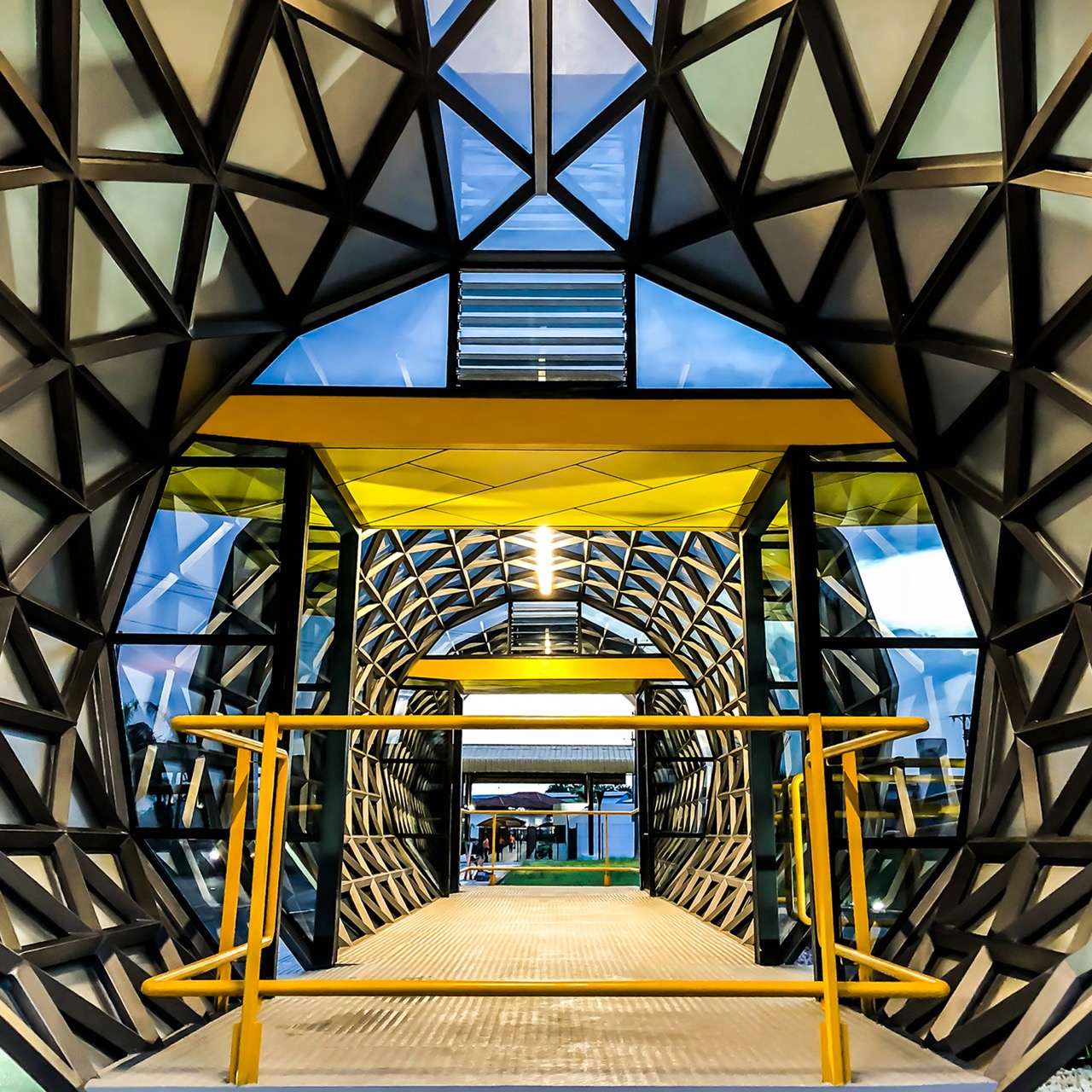
Waiting for a bus shouldn’t feel like purgatory, but in the intense heat and frequent downpours of Brazil’s Amazon region, it often does. Fernando Andrade understood this intimately when he began designing the Amazon Bus Station in Belém, a project born not from architectural ego but from genuine public consultation with the people who would actually use it. They asked for four things: protection from the weather, environmental comfort, durability, and reasonable cost. What they got exceeded every expectation: a soaring, sculptural shelter that treats public transit users as deserving of the same design attention typically reserved for museums and corporate headquarters.

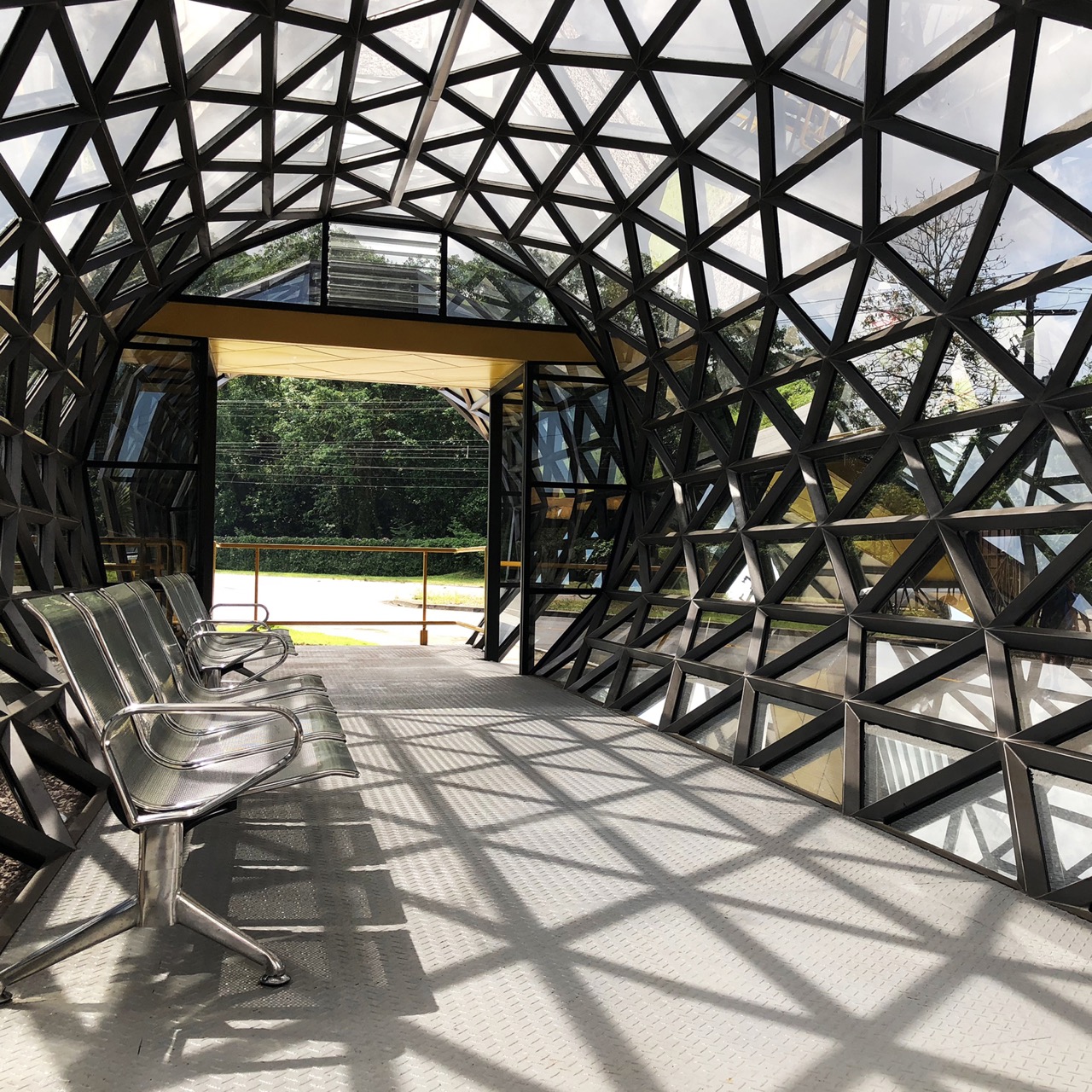
The 16-meter structure, completed in February 2024, wraps passengers in a protective envelope of triangulated steel and reflective glass, its organic curves creating an embracing interior space that feels both sheltering and expansive. Yellow accessibility ramps guide users through a barrier-free environment where natural ventilation, achieved through traditional Amazonian roof fins, keeps air moving without mechanical systems. Shadows from the geometric framework dance across metal benches as daylight filters through the glass skin, creating an ever-changing interior atmosphere that connects occupants to the rhythms of weather and time. The design accommodates everyone, including those with mobility challenges, while pushing what architectural beauty can achieve in public infrastructure.

Designer:

The structural approach here is basically what happens when parametric design actually solves problems instead of just generating Instagram bait. The whole thing is built from 600mm triangular modules, each assembled from 75x3mm quadrangular steel tubes. That triangulation distributes loads efficiently enough that the entire 16-meter span rests on just four support points, which means minimal ground disruption and maximum flexibility for street-level circulation. And they used recycled steel throughout, dropping carbon emissions by 70% compared to conventional construction methods. The numbers matter because this approach could scale. Belém gets this one station, but the fabrication methodology, the material choices, the whole industrial-to-site assembly process translates to other locations dealing with similar climate challenges and budget constraints.

The 8mm laminated glass blocks 99.8% of direct solar radiation, which in equatorial conditions isn’t a nice-to-have feature, it’s the difference between a functional space and a greenhouse. But the clever bit is those ventilation fins at the roof ridge. They’re angled glass louvers that let hot air escape while keeping rain out, basically a stack effect ventilator with zero moving parts and zero maintenance requirements beyond occasional cleaning. No motors failing, no electronics corroding in humidity, no ongoing energy costs. Just heated air rising and escaping through geometry that works with local wind patterns. It’s the kind of solution that feels obvious in hindsight but requires serious environmental modeling to get right.

Nine months from concept to completion, with fabrication happening in a controlled industrial environment using local shipbuilders who know how to work with complex curves and weather-resistant assemblies. They pre-built the structure in three major sections, transported them to site, and only finished the connection joints on location. That level of prefabrication ensures tolerances stay tight and quality control doesn’t depend on field conditions, which matters when you’re dealing with structural silicone joints and precise glass panel alignments. The client, Centro Integrado de Inclusão e Reabilitação, specializes in accessibility infrastructure, so the barrier-free circulation wasn’t an afterthought added to satisfy code. It shaped the entire spatial concept from the beginning.

The real test of any transit infrastructure is whether it changes behavior. A better bus station doesn’t just shelter existing riders, it potentially converts people who currently drive because the bus experience feels too degrading or uncomfortable. Belém’s new station won’t single-handedly transform modal split numbers, but it signals that public transit users deserve environments worth occupying. These details accumulate into an experience that respects users enough to think through their actual needs rather than just checking regulatory boxes. That respect, rendered in recycled steel and high-performance glass, might be the most radical thing about the whole project.

The post This 690 Sq.Ft. Bus Station Cuts Carbon Emissions by 70% Using Recycled Steel first appeared on Yanko Design.

Letterboxd will start renting movies in December

Letterboxd's foray into digital video rentals officially launches in December, the social film platform shared in a new blog post. Plans for a “Letterboxd Video Store” were first announced in March, but now Letterboxd has started to fill in some of the details of what kinds of movies its store will carry and where they'll be available to watch.

The collection of films available through the Letterboxd Video Store will be curated around a few categories, according to the company. Those include films featured at film festivals that currently don't have distribution, titles that continue to hang around in users' watchlists, film restorations and "limited-time drops of sneak peeks and unreleased gems." Letterboxd compared the process of narrowing down what films to try and offer like the "employee picks" shelf you might see at a local video store, only every Letterboxd user is an employee.

Films rented through Letterboxd will be available to watch on the web, iOS, Android, Apple TV and Android TV, and can be streamed to screens that support Chromecast and AirPlay. Letterboxd hasn't shared what its rental terms or prices will be, but did note that rental availability and cost will vary depending on your location. The company also warns that some films will only be available for a limited amount of time.

As an expansion on its core competencies of tracking what films you and your friends have watched and letting you review them, video rentals seem like a natural addition for Letterboxd. It's a bit like Amazon and Goodreads. Amazon acquired the book reviewing platform Goodreads in 2013, after establishing itself as a physical and digital bookseller. Letterboxd has defined itself as a trusted film reviewing platform, and now it's branching out into selling films. In the same way Goodreads can funnel readers back towards Amazon, Letterboxd can use movie fans to surface the best films to rent and keep them from heading somewhere else to watch them.

This article originally appeared on Engadget at https://www.engadget.com/entertainment/tv-movies/letterboxd-will-start-renting-movies-in-december-214900026.html?src=rss

Warner signs AI music licensing deal with Udio

Warner Music Group (WMG) settled a lawsuit with an AI company in exchange for a piece of the action. The label announced on Wednesday that it had resolved a 2024 lawsuit against AI music creation platform Udio. As part of the deal, Udio gets to license Warner's catalog for an upcoming music creation service. This follows a similar settlement between Universal Music Group and Udio, announced last month.

Udio's service will allow subscribers to create, listen to and discover AI-generated music trained on licensed work. You’ll be able to generate new songs, remixes and covers using favorite artists' voices or compositions. The boundaries between human creation and an algorithm's approximation of it are about to grow murkier. Not in terms of artistic quality, but it will be based on what proliferates online.

WMG is framing the deal as a win for artists, who will — if they choose to opt in — gain a new revenue stream. Ahead of the service’s launch, Udio will roll out "expanded protections and other measures designed to safeguard the rights of artists and songwriters."

So, the settlement does at least appear to reassert some control over artists’ work. What the normalization of robot-made music will do for society's collective tastes is another question.

A neon sign on a wall, reading, "You are what you listen to."
Mohammad Metri / Unsplash

The settlement echoes a warning Spotify sounded to musicians and labels last month. "If the music industry doesn't lead in this moment, AI-powered innovation will happen elsewhere, without rights, consent or compensation," the company wrote. Spotify plans to launch "artist-first AI music products" in the future, a vague promise to be sure. However, given Udio's plans, it wouldn't be surprising to see the streaming service cooking up a similar licensed AI music-creation product.

"We're unwaveringly committed to the protection of the rights of our artists and songwriters, and Udio has taken meaningful steps to ensure that the music on its service will be authorized and licensed," Warner Music CEO Robert Kyncl wrote in a press release. "This collaboration aligns with our broader efforts to responsibly unlock AI's potential - fueling new creative and commercial possibilities while continuing to deliver innovative experiences for fans."

This article originally appeared on Engadget at https://www.engadget.com/ai/warner-signs-ai-music-licensing-deal-with-udio-213433325.html?src=rss

Netflix lands a deal with MLB to air select live baseball games

Major League Baseball has entered a new broadcasting deal that will see Netflix hosting live games for the first time. Under this three-year agreement, Netflix will have the rights to air a new Opening Night game the evening ahead of the Opening Day matchups. It will also stream the T-Mobile Home Run Derby as well as select special events during the season, including the 2026 MLB at Field of Dreams Game and the previously announced World Baseball Classic in Japan. 

It's a limited amount of content, but aligns with Netflix's recent pushes into both live events and sports programming. Last year the streaming service inked deals to show a double-header of NFL games on Christmas Day and snagged exclusive US rights to two FIFA Women's World Cup tournaments. Netflix has previously gotten access to documentary content from the MLB, but 2026 will mark its first time showing live baseball. 

The MLB deal also included some shuffling on the broadcast side, moving certain matches between ESPN and NBCUniversal properties. Apple TV will still have the rights to the Friday night games going forward. So between the growing number of platforms grabbing slices of viewership and the MLB's existing blackout rules, in future seasons you'll need to undertake a thorough research assignment to figure out where you can watch each game.

This article originally appeared on Engadget at https://www.engadget.com/entertainment/streaming/netflix-lands-a-deal-with-mlb-to-air-select-live-baseball-games-213336003.html?src=rss

Ayaneo Pocket VERT reimagines Game Boy form factor with a touchpad and long-lasting 6,000mAh battery

In the rapidly evolving landscape of handheld gaming, Ayaneo continues to stand apart by treating portability as an experience rather than a specification. Its newest handheld embodies that philosophy with quiet confidence, merging high-end performance with a level of craftsmanship and material intention that feels decidedly premium. Every curve, texture, and component has been considered not just for function, but for how the device lives in the hand, resulting in a compact form factor that feels effortlessly capable and thoughtfully designed.

Meet the upmarket Pocket Vert, which has an Android-powered handheld that’s crafted out of a full CNC-milled unibody construction. The handheld has a full glass front panel fitted with a 3.5-inch high-resolution LTPS display having 1600×1440 resolution (at 615 ppi), 60Hz refresh rate, and 450 nits peak brightness level. In their latest teaser video, Ayaneo has revealed that the device will be positioned flush in between the flagship Pocket DMG and budget gaming controllers like Anbernic RG40XX V. This certainly will fill the gap, and the sweet spot mobile gamers were craving.

Designer: Ayaneo

The company teased the handheld earlier this month on November 5, revealing the design and some specifications. Now, in a fresh Product Sharing Session, they’ve revealed multiple prototypes that’ll ultimately morph into the compact handheld. Touted as a premium Game Boy clone, it’ll come in three color options: Black, White, and Red, with matching buttons. Measuring 86x143x20mm, the classy little gadget is smaller than the Pocket DMG. Despite the petite form factor, it has a 3.5mm jack and a USB-C port at the bottom. The Pocket Vert should have enough power under the hood as it is seen running the God of War title, which requires a good amount of processing fuel.

Section below the D-Pad and buttons is a touchpad, which the player can map to various button configurations or sticks. The touchpad is completely invisible and beyond the physical buttons for a less intrusive functionality. Just like the DMG, this one has a wheel called the MagicSwitch key for added functionality. It is used to toggle the volume control levels, short-pressed to mute, and long-pressed to trigger the function menu. As is clear from the naming convention, the handheld is targeted towards vertical retro handheld enthusiasts.

Ayaneo has confirmed the device packs a 6,000mAh battery and bottom-firing speakers for a satisfying playing experience. Depending on the processor fitted inside, the battery life could be excellent for such a small gadget. That said, there is no detail about the release date and other vital hardware information. We can expect the remaining fog to clear with another official sharing session in the coming days.

The post Ayaneo Pocket VERT reimagines Game Boy form factor with a touchpad and long-lasting 6,000mAh battery first appeared on Yanko Design.

YouTube is once again trying to make DMs happen

YouTube has started a renewed effort to integrate direct messaging into its platform. According to a support page, the service has started testing DMs as a way for users to share and discuss videos. The test is for users aged 18 and up in Ireland and Poland. But while a DM usually comes with some expectation of privacy, Google noted that "messages may be reviewed to ensure they follow our Community Guidelines."

This isn't the video platform's first attempt to provide a messaging angle. YouTube added DMs to its app in 2017, then removed the feature in 2019 in order to emphasize public conversations in comments sections. The new test for sharing within YouTube's ecosystem won't mean any change to other ways you might send people videos. Re-introducing the same system six years after cutting it seems like an odd choice, but Google claims this is "a top feature request," so maybe it'll get a broader adoption this time around.

This article originally appeared on Engadget at https://www.engadget.com/entertainment/youtube/youtube-is-once-again-trying-to-make-dms-happen-205724221.html?src=rss

OpenAI made a free version of ChatGPT for teachers

It's well-documented that many students use ChatGPT to do their homework for them, and now OpenAI would like teachers to use it to write those student's homework, too. The company hopes to entice K-12 school employees to work with its AI models via the newly announced ChatGPT for Teachers, a version of the AI assistant that's secure enough to be used in a school environment and free until June 2027.

OpenAI pitches this new ChatGPT as a way for educators to create material for the classroom, "and get comfortable using AI on their own terms." ChatGPT for Teachers includes unlimited messages with GPT-5.1 Auto, connectors to other apps, file uploads, image generation and memory features, just like the consumer version of the AI.

Where this version differs is in its compliance with the Family Education Rights Act, which governs how schools store student information, and in the ways OpenAI is pushing collaboration features. Besides being able to share a chat with colleagues, OpenAI says it'll also populate fresh chats with suggestions of ways other teachers have used ChatGPT.

Before it began targeting teachers specifically, OpenAI made several passes at getting more students to use its AI models. The company's ChatGPT Edu gives institutions a way to offer ChatGPT access in the same way they do an email account. There's also Study Mode, a feature available in all versions of ChatGPT, that focuses the chatbot's answers on explaining things step-by-step.

OpenAI isn't alone in trying to own the education market — Google has offered aggressive discounts on Gemini for students — but clearly it thinks appealing to teachers could help cement its position.

This article originally appeared on Engadget at https://www.engadget.com/ai/openai-made-a-free-version-of-chatgpt-for-teachers-202937994.html?src=rss

Monocoque Drone with Hubless Rotors is designed to withstand any extreme flying conditions

Ask any experienced drone pilot about their worst crash, and you’ll likely hear a story that ends with a collection of fragmented parts. The conventional quadcopter design, while effective at flying, is notoriously poor at surviving the unexpected kinetic events that come with operating in the real world. Whether it’s a sudden gust of wind, a GPS error near a structure, or a simple pilot miscalculation, the result is often the same: a compromised frame and a costly repair.

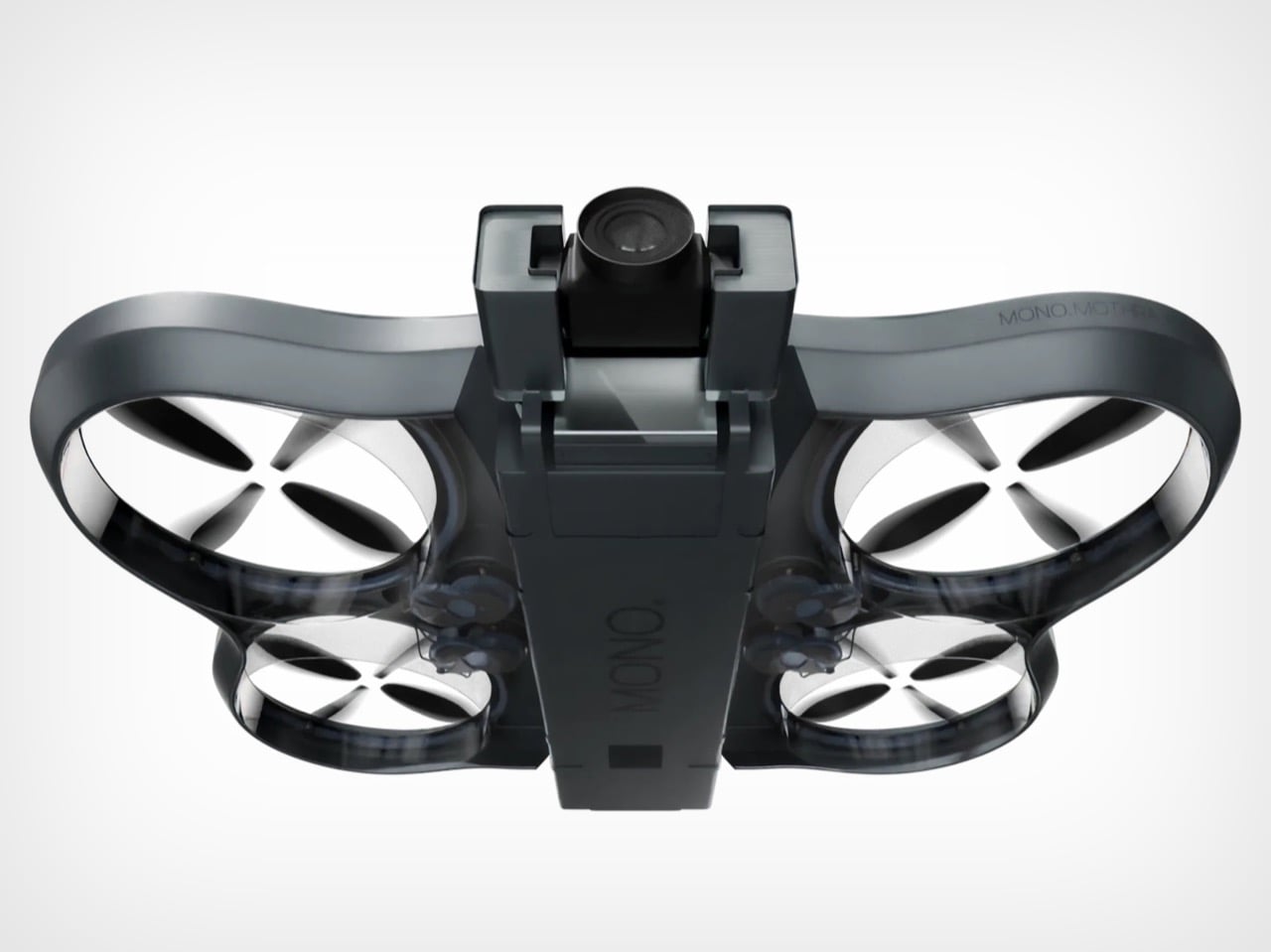
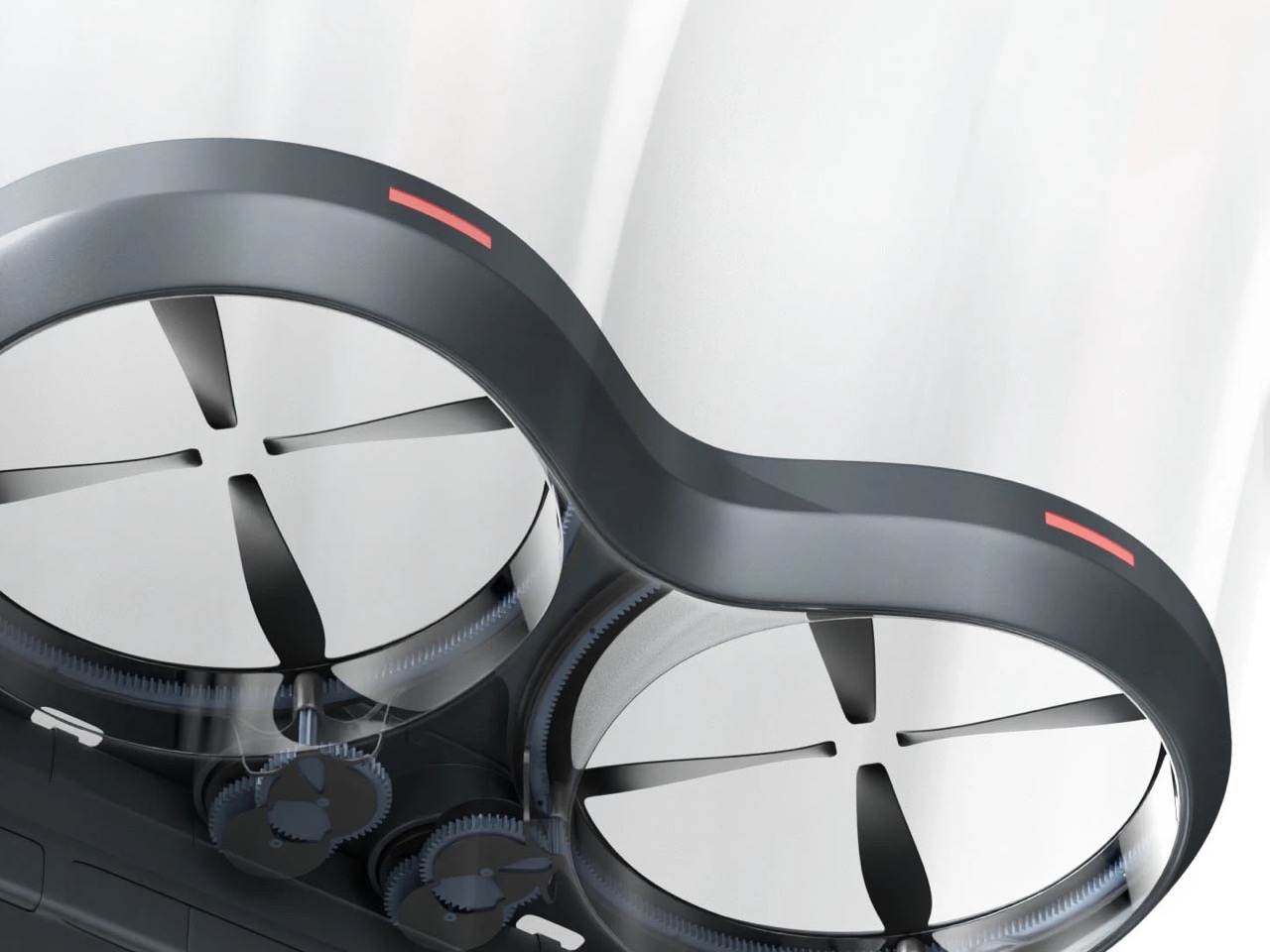
With the Mono Mothra, we see a design that fundamentally rethinks this vulnerability. The concept’s strength lies in its two core principles: a load-bearing monocoque shell and protected, ducted rotors. Instead of discrete arms that can snap and motors that can be damaged, the entire structure is designed to absorb and distribute impact forces. It’s a “what if” exploration into a different kind of aerial platform, one where resilience isn’t an afterthought but the very cornerstone of its design philosophy.

Designers: Rify Studio® & Martunis

Unlike the familiar bolted-together cross-frame of most drones, the Mono Mothra is conceived as a single, continuous unibody. This monocoque approach, common in automotive and aerospace applications, means the outer skin is the primary structure. There are no joints between the central body and the rotor housings to act as fracture points. An impact on the outer ring doesn’t concentrate stress on a single screw or plastic weld; the force is spread across the entire continuous surface. This not only creates a far more durable machine but also allows for a cleaner, more holistic form where every curve is both aesthetic and structural.

This philosophy of integration extends directly to the propulsion system. The outer ring of the monocoque doubles as a set of four substantial propeller guards, completely enclosing the rotors. This ducting provides an obvious and immediate layer of protection against side impacts with walls, branches, or the ground. The renders hint at a clever mechanical solution for the hubless look, with a gear-driven system hidden beneath the rotors. While a gear-driven system introduces complexity compared to a direct-drive motor, it allows the design to maintain its clean top profile and fully protected rotors, reinforcing the drone’s identity as a ruggedized tool.

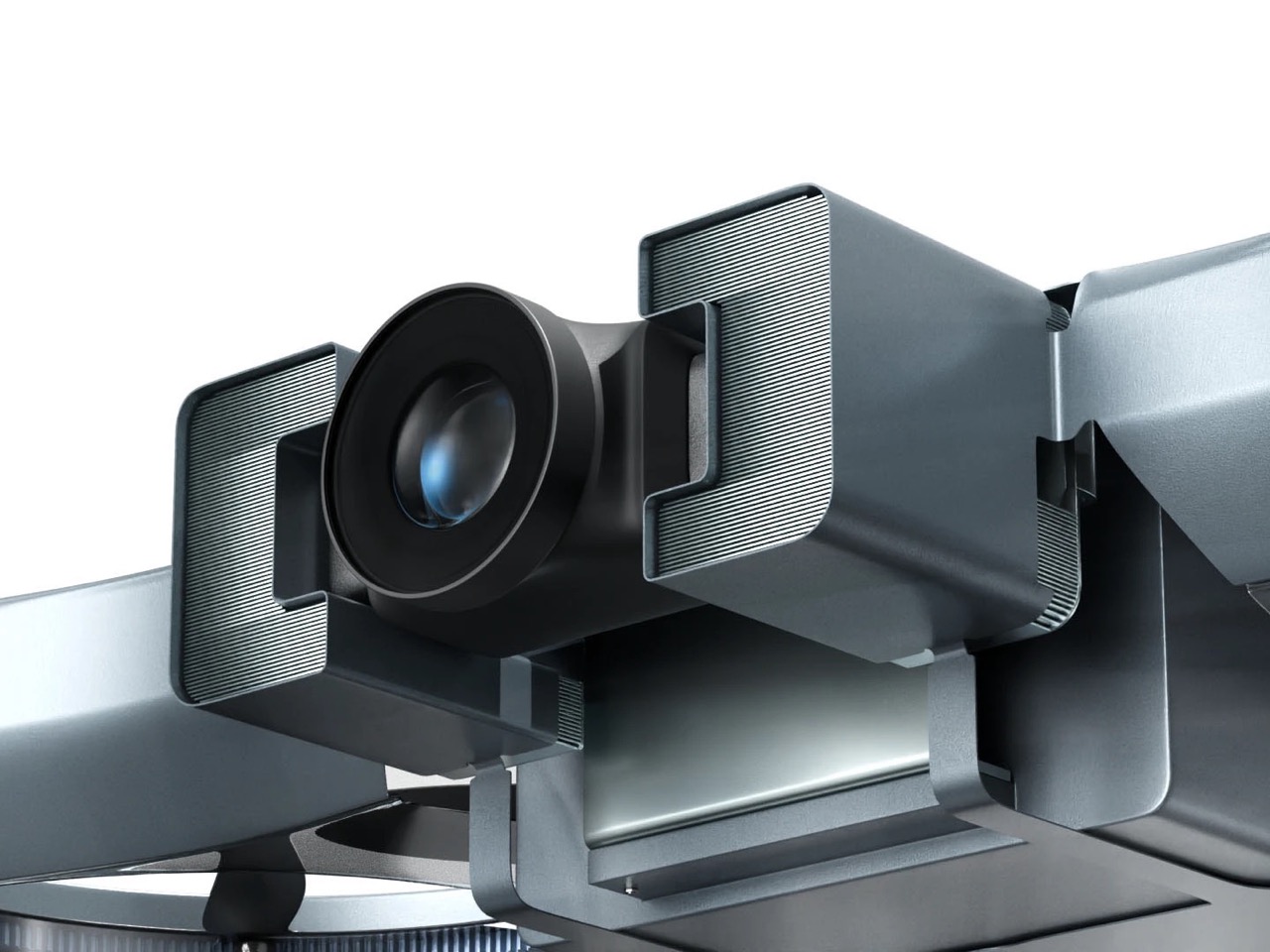
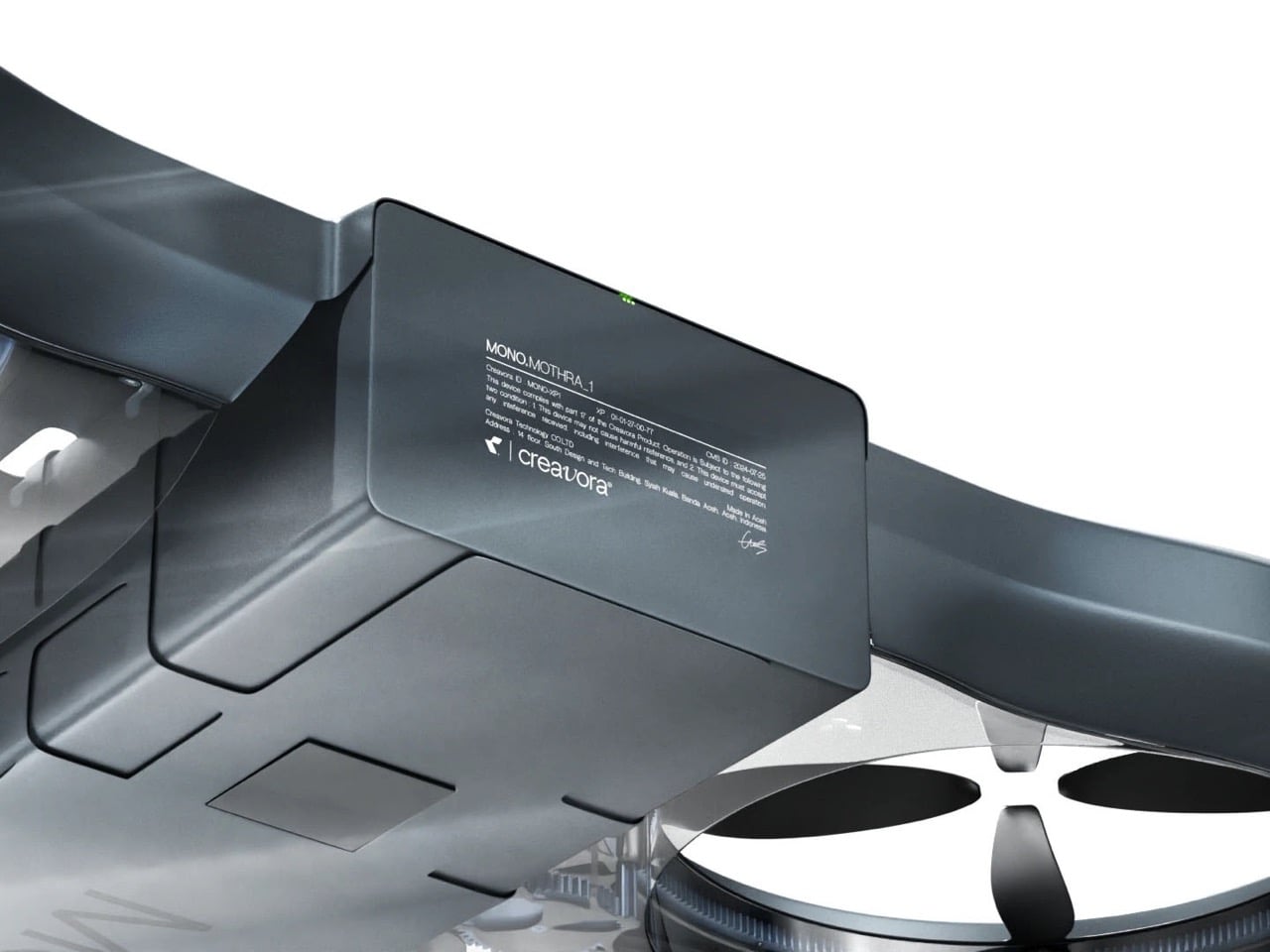
The camera module itself rejects the fragile, exposed gimbal common on consumer and prosumer drones. Instead, the lens is bunkered within a solid, purpose-built housing that appears to be just as robust as the main body. Whether the ribbed side panels are functional heat sinks for a high-performance sensor or purely an aesthetic choice, they communicate a sense of durability. The entire unit is mounted securely to the forward section of the frame, suggesting it is an integral part of the drone’s hardened structure rather than a delicate payload that has been simply attached.

What a concept like Mono Mothra truly demonstrates is the necessary evolution for drones to mature beyond their hobbyist origins. The industry’s current focus on modularity has created a landscape of capable but delicate machines. This design, by contrast, argues for a future built on structural integrity, where a drone’s ability to withstand the environment is as important as its ability to fly. It’s a shift from disposable components to a resilient, unified whole – a critical step if these devices are to become the indispensable, all-weather tools promised to professionals.

The post Monocoque Drone with Hubless Rotors is designed to withstand any extreme flying conditions first appeared on Yanko Design.

Stargate is coming back to TV, thanks to Prime Video

Disney+ has Star Wars and Paramount+ has Star Trek, so it's about time Amazon gets its own sci-fi franchise with "star" in the title. Prime Video has just greenlit a TV revival of the iconic Stargate franchise, according to a report by Deadline. This will be the fourth major TV show in the series, following the first movie.

We don't know anything about the plot and where it fits into the decades-long mythology but we do know that the showrunner is Martin Gero. He's a veteran of the IP, having cut his teeth in the industry while working on Stargate: Atlantis back in the early 2000s. He also created the show Blindspot and was showrunner on the recent reboot of Quantum Leap, which was actually kind of nifty (RIP.)

Franchise creators Dean Devlin and Roland Emmerich are on board as executive producers, as are Brad Wright and Joe Mallozzi. That last duo were behind most of the Stargate TV projects, including the most recent live action show Stargate Universe.

This makes a lot of sense for Prime Video. Amazon did recently buy MGM, after all, and the Stargate IP came along with that purchase. It's not the first time the platform will have dabbled with science fiction. Prime Video most famously saved The Expanse after it was originally cancelled by SyFy. There are three more books in that series that have yet to be adapted. Just saying.

For the uninitiated, the Stargate franchise involves the titular Stargates. These are transportation devices created by ancient aliens that act as galaxy-spanning wormholes. It all started with a movie from 1994.

This article originally appeared on Engadget at https://www.engadget.com/entertainment/tv-movies/stargate-is-coming-back-to-tv-thanks-to-prime-video-200049713.html?src=rss