This solar powered motorcycle never needs charging for true energy independence

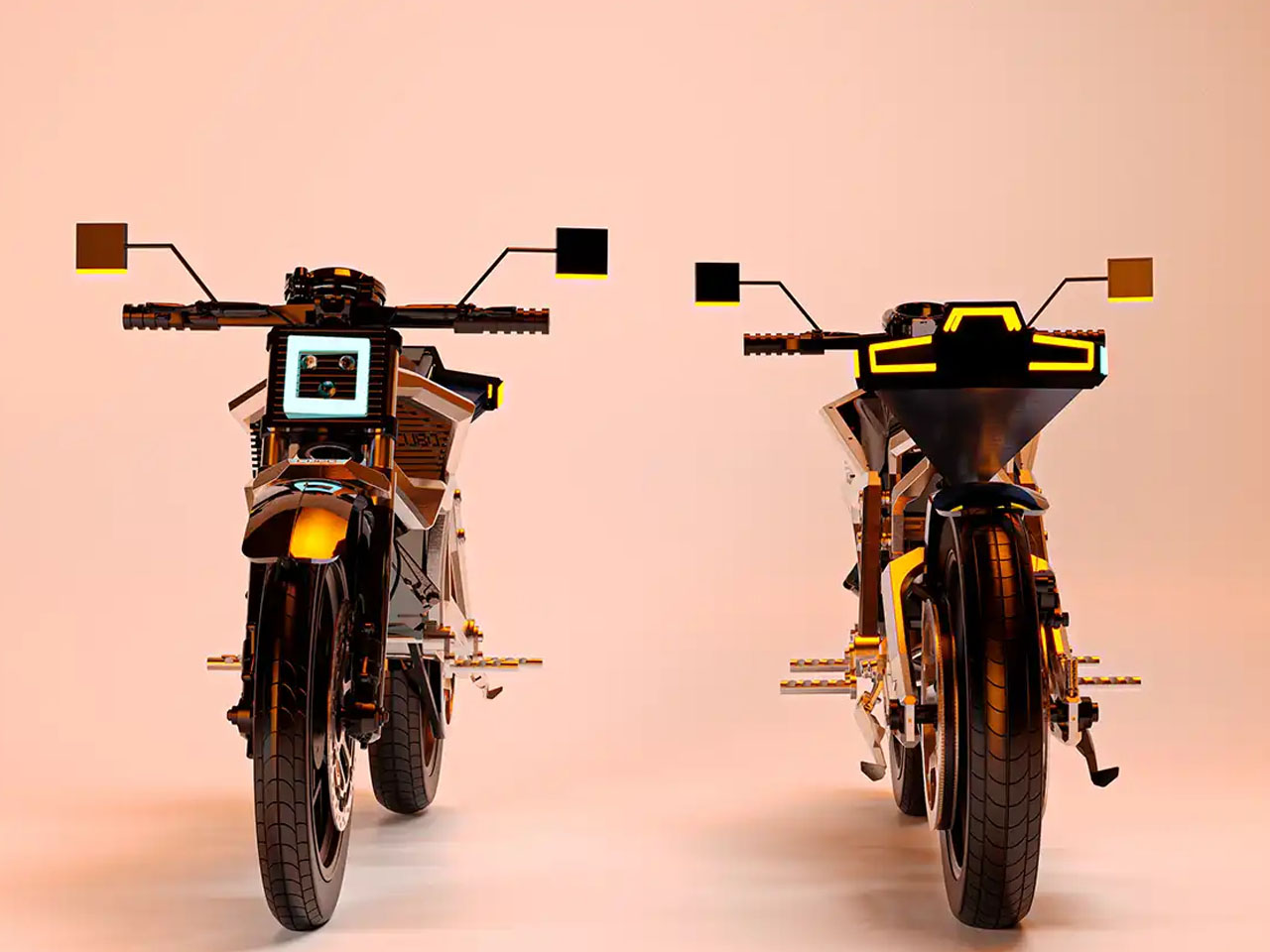
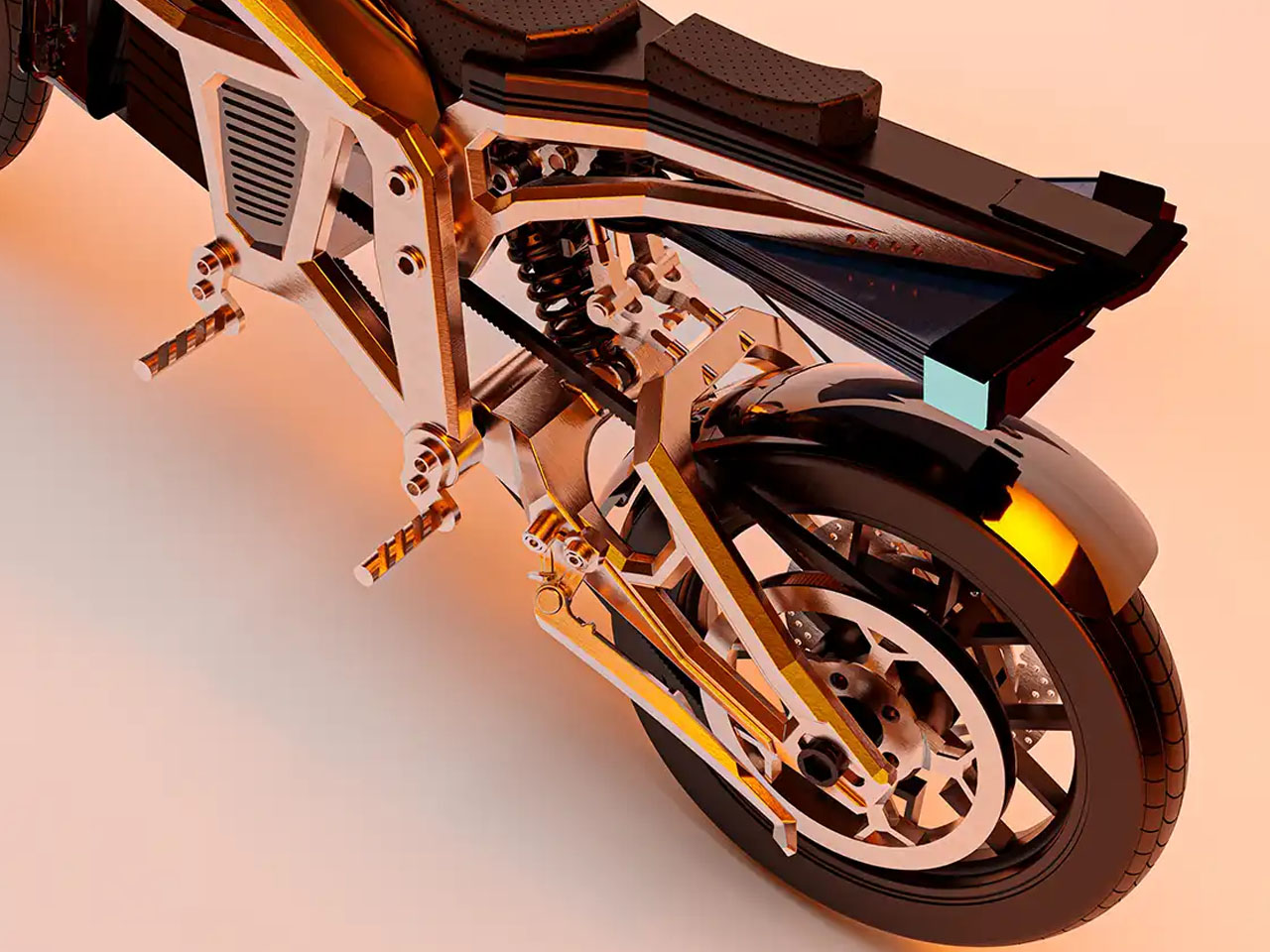
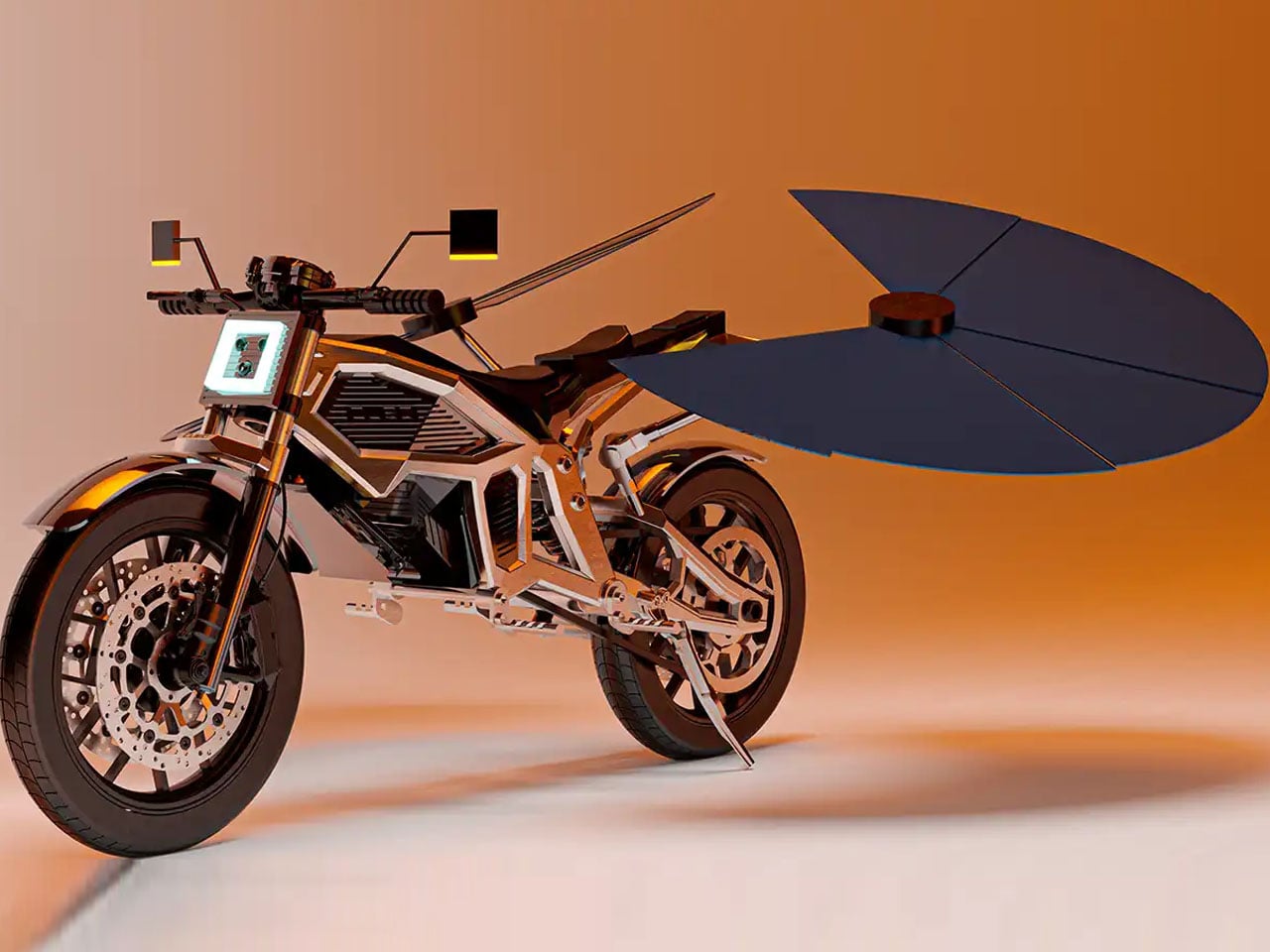
For years, electric mobility has been shaped by predictable patterns: bigger batteries, denser charging networks, and efficiency improvements that feel more evolutionary than revolutionary. Yet the dependency remains the same: riders still need plugs, stations, and the infrastructure that powers their daily movement. In the middle of this familiar landscape arrives a concept that doesn’t try to optimize the system but instead questions why the system needs to exist at all. The SOLARIS Self-Charging Solar Motorcycle by MASK Architects challenges the core assumptions of electric mobility with a vehicle that produces its own energy and redefines the relationship between rider, machine, and environment.

Developed by Öznur Pınar Cer and Danilo Petta, the SOLARIS approaches mobility as something closer to a self-sustaining organism than a machine waiting to be recharged. It operates entirely on power it generates itself, eliminating reliance on fuel stations, external charging points, or electrical grids. This shift reframes freedom for riders, offering movement that isn’t conditioned by access to infrastructure or energy markets. It introduces a future where independence is built into the vehicle, pushing the concept of autonomy far beyond driving modes or connected features.

Designer: MASK Architects

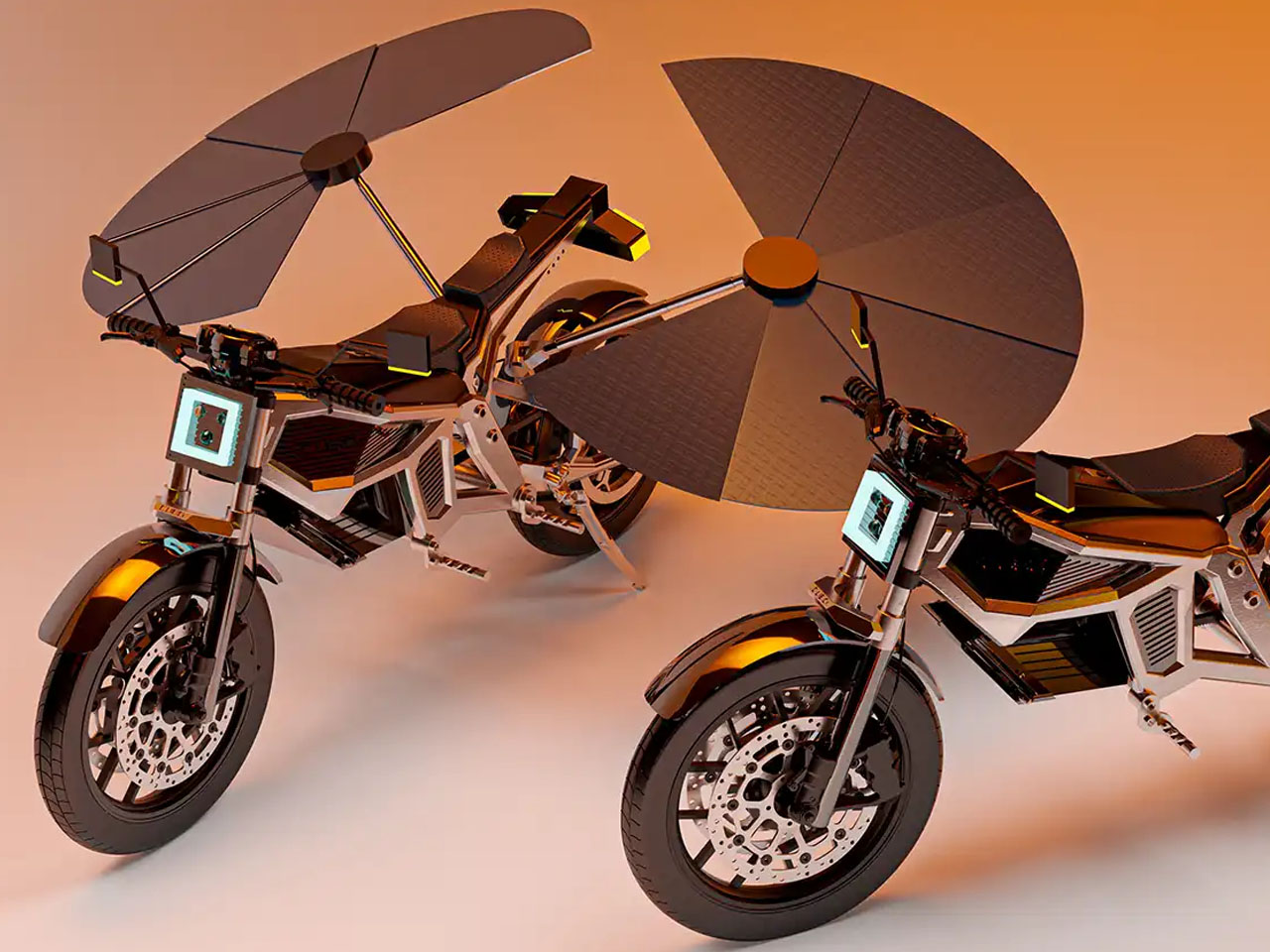
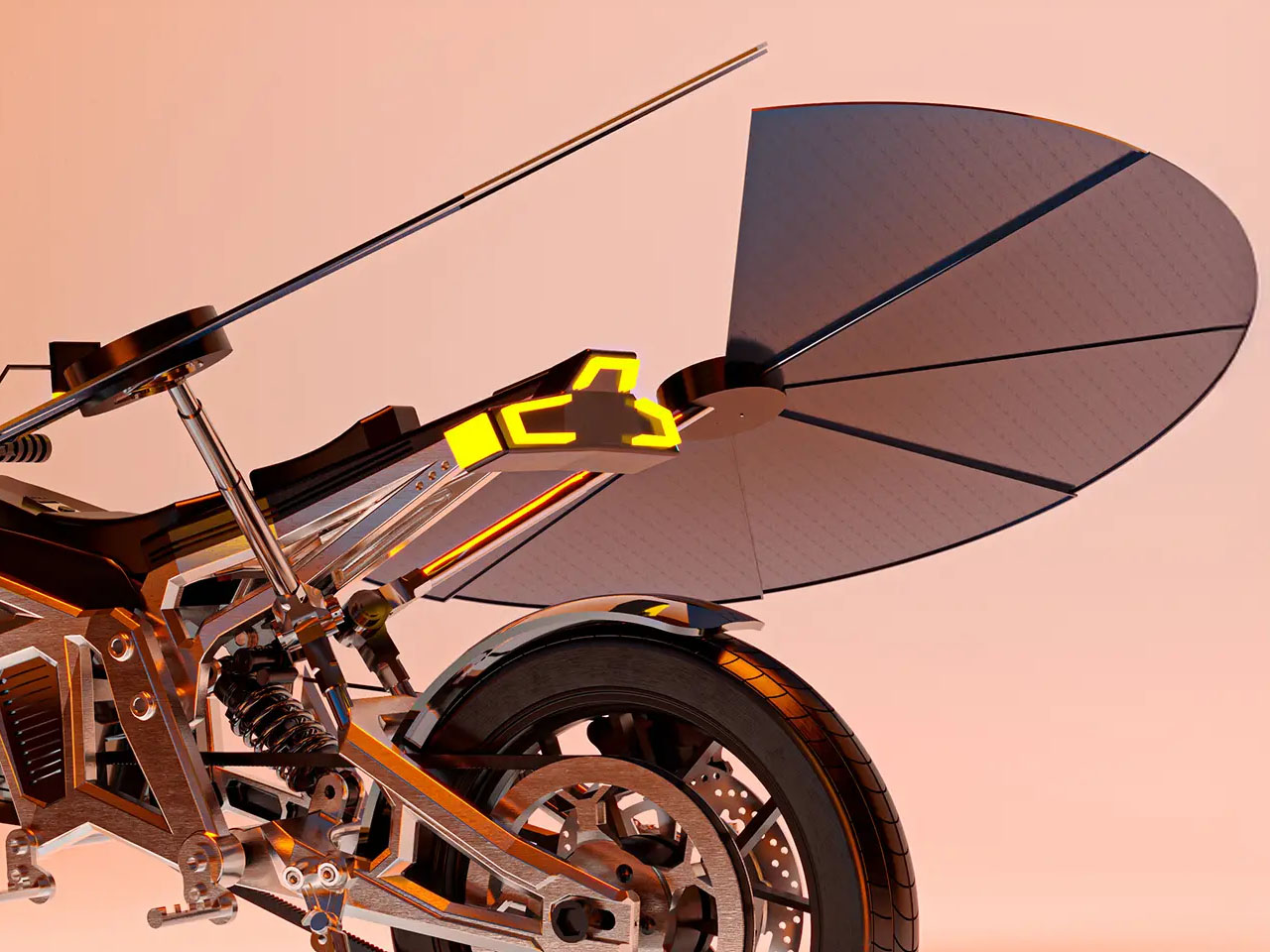
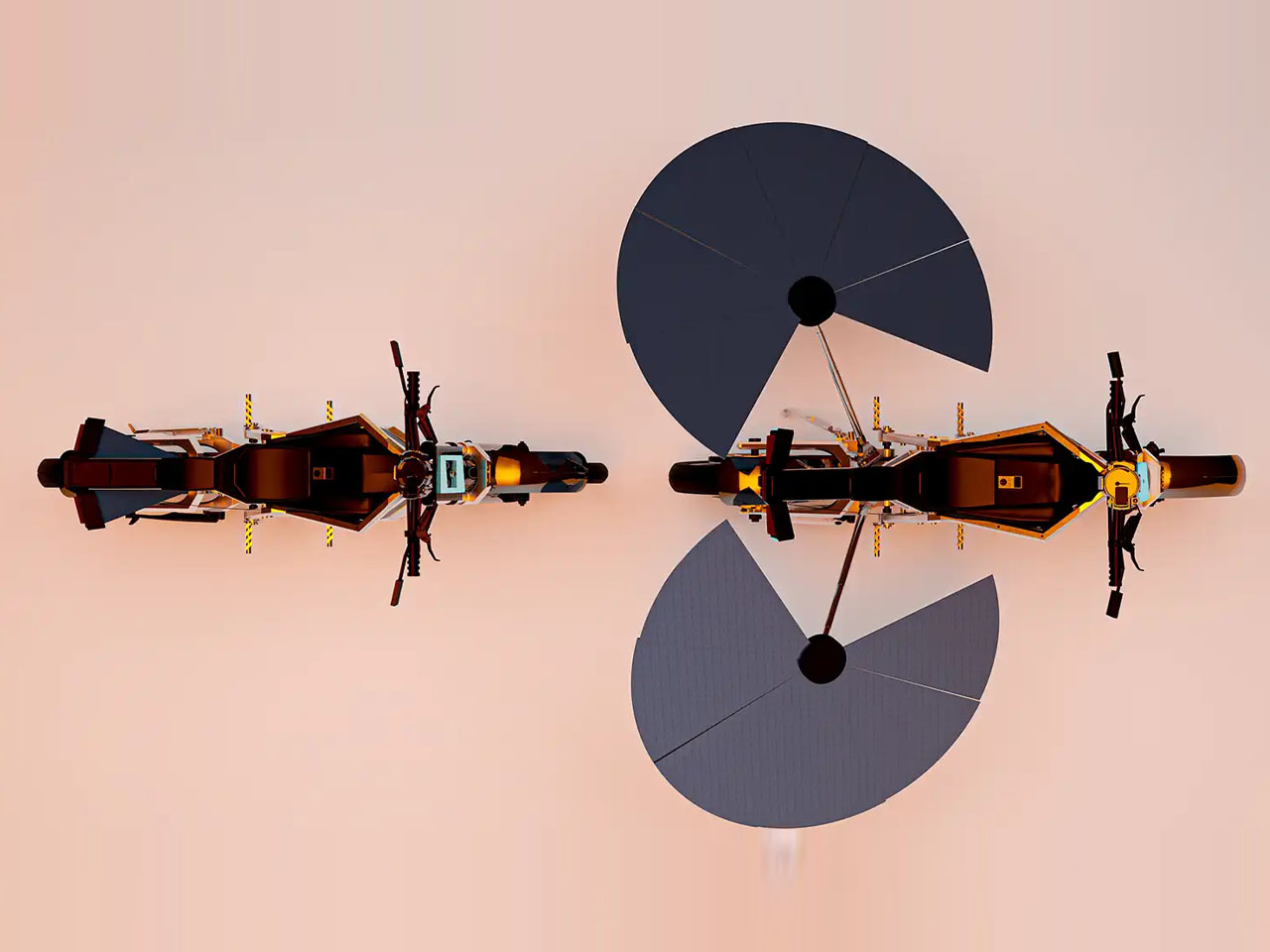
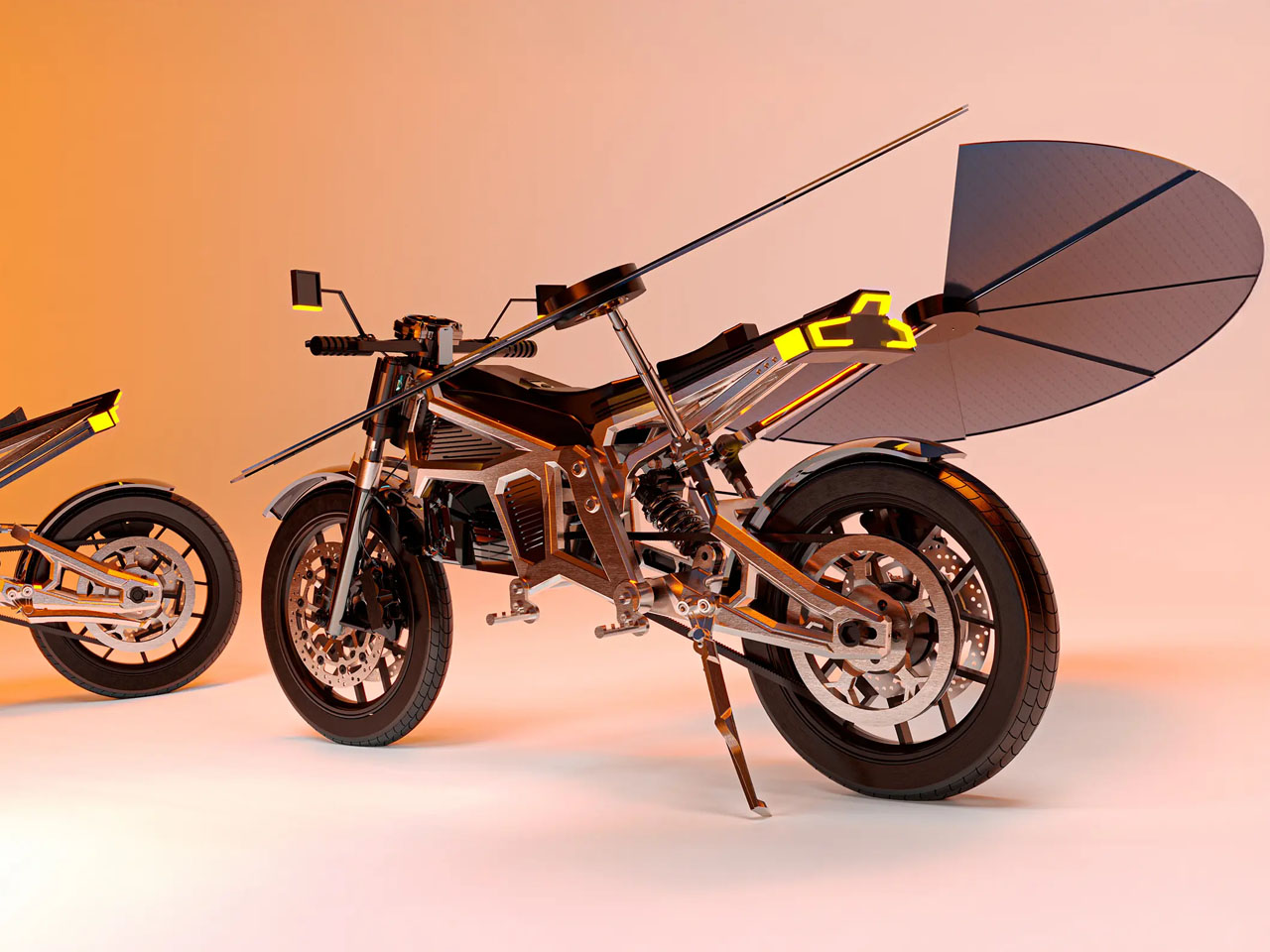
The technology that enables this transformation begins with next-generation photovoltaic cells integrated into the motorcycle’s structure. These high-efficiency solar elements convert light into energy throughout the day, ensuring the system remains active under varying conditions. A defining feature of the SOLARIS is its deployable charging mechanism, which expands into a protective wing when the motorcycle is parked. This design increases the solar capture area by up to 150 percent, allowing the battery to be replenished whether the vehicle is in motion or stationary. The result is a power source that continuously supports itself, removing the downtime associated with conventional charging and allowing the vehicle to remain ready for use without external input.

Visual identity plays an equally important role in its appeal. The deployable wing draws inspiration from the structure of a dragonfly’s wing, merging natural efficiency with a mechanical aesthetic. This biomimetic approach gives the motorcycle a distinctive presence while reinforcing its connection to the environment it relies on for power. The blend of organic influence and engineered precision creates a form that communicates both purpose and innovation, capturing the attention of users who value sustainability and future-focused design.

The potential impact of a self-charging motorcycle extends beyond individual riders. Without dependence on fuel or electricity networks, the concept becomes a practical solution for remote regions, developing communities, and delicate natural environments where infrastructure is limited or intentionally preserved. For logistics operators, tour providers, and municipal programs, the removal of energy costs and reduced mechanical complexity offers clear economic advantages and faster returns compared to traditional electric models.

The post This solar powered motorcycle never needs charging for true energy independence first appeared on Yanko Design.

Polestar EVs can power your home in California

EV maker Polestar has announced that it's bringing bi-directional charging — the ability for an electric car to be tapped as a battery for your home or the grid — to Polestar 3 owners who live in California. The feature is one of several ways EV owners can save money with their electric car, by either using less energy overall, or receiving credits for providing their excess power to the grid.

Polestar's bi-directional charging feature uses direct current, according to the company, and enables "V2H functionality for Polestar 3 customers on the 400 Volt electrical architecture." Polestar is offering the feature in partnership with home energy company dcbel, who helps administer a California Energy Commission program for installing "home energy stations" that can manage multiple clean energy sources in residential homes, including EVs with bi-directional charging. Polestar claims that using dcbel's Ara system, customers can "reduce charging costs by up to $1,300 per year and use their car as an energy backup during blackouts for up to 10 days."

The ability to send excess charge from an EV battery back into your home was originally a major selling point of Ford's F-150 Lighting. Bi-directional charging has also shown up on GM's EV lineup and the third-generation Nissan Leaf. Polestar says it'll continue the development of the bi-directional charging capabilities of its cars and "plans to introduce a wider offer in the future." While this partnership is the first time the EV maker is offering the charging feature in the US, Polestar already offers bi-directional charging to customers in Germany via a home charger it developed with Zaptec.

If you live in California and own a Polestar 3, you can apply for rebates on a home energy station at dcbel's website so you can try the feature for yourself.

This article originally appeared on Engadget at https://www.engadget.com/transportation/evs/polestar-evs-can-power-your-home-in-california-220215757.html?src=rss

The Google Sans Flex typeface is now available to download

Typography nerds and Android fans, rejoice: You can now download an official version of “the next generation of Google’s brand typeface.” The company has released the Google Sans Flex font to the public for free.

The variable sans-serif font is part of Google's Material 3 design language, which arrived in 2023. 9to5Google notes that it's since been integrated into many of the company's products, including in some corners of Pixel software.

A 2024 Google Design blog post about variable typography highlights the font's flexibility, as seen in the image above. Casey Henry, a designer with the company, wrote that Google Sans Flex "allows the font's letterforms to shape-shift at different scales." OpenType Font Variations is the standard Google uses for variable fonts.

Meanwhile, a Reddit thread about the download dove deeper into typography nerdery. “Interesting behaviour when you condense the width,” u/hbpencil102 wrote. “Instead of circles becoming ovals, they become more rectangular with rounded tops and bottoms, reminding me of DIN 1451.” Amen to that.

You can download Google Sans Flex from Google Fonts.

This article originally appeared on Engadget at https://www.engadget.com/big-tech/the-google-sans-flex-typeface-is-now-available-to-download-214535934.html?src=rss

iPhone ‘Lock Screen Mirror’ feature lets you quickly check your hair/teeth without opening the camera

Never have I seen something so audaciously brilliant I actually summon a CEO to help make it a reality but Tim Cook… if you’re reading this, this lock-screen mirror definitely needs to ship on the next iOS build. Put together by Jakub Zegzulka, an ex-Apple, Meta, and OpenAI fellow, this tiny little feature is perhaps more important than FaceID itself!

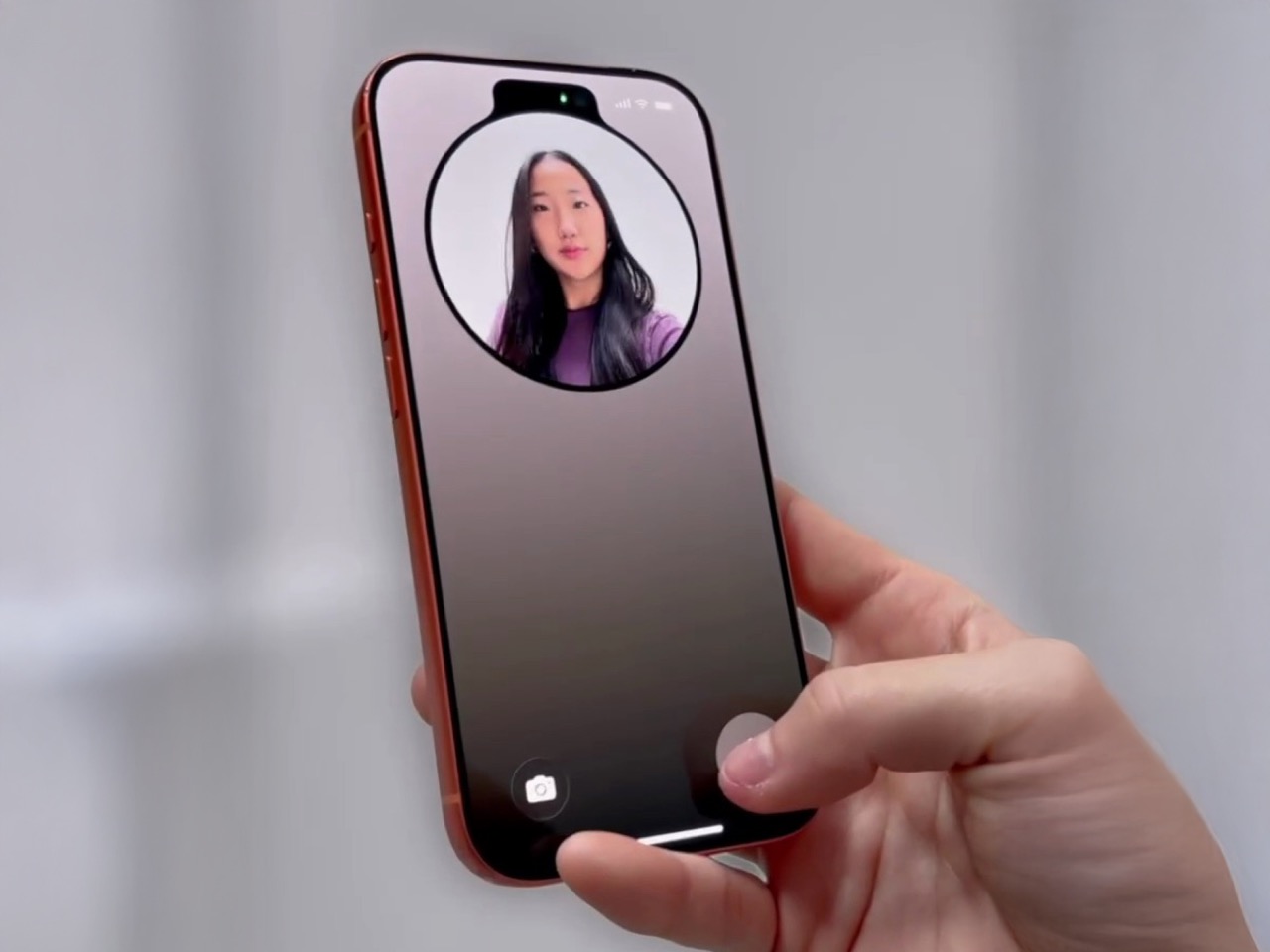
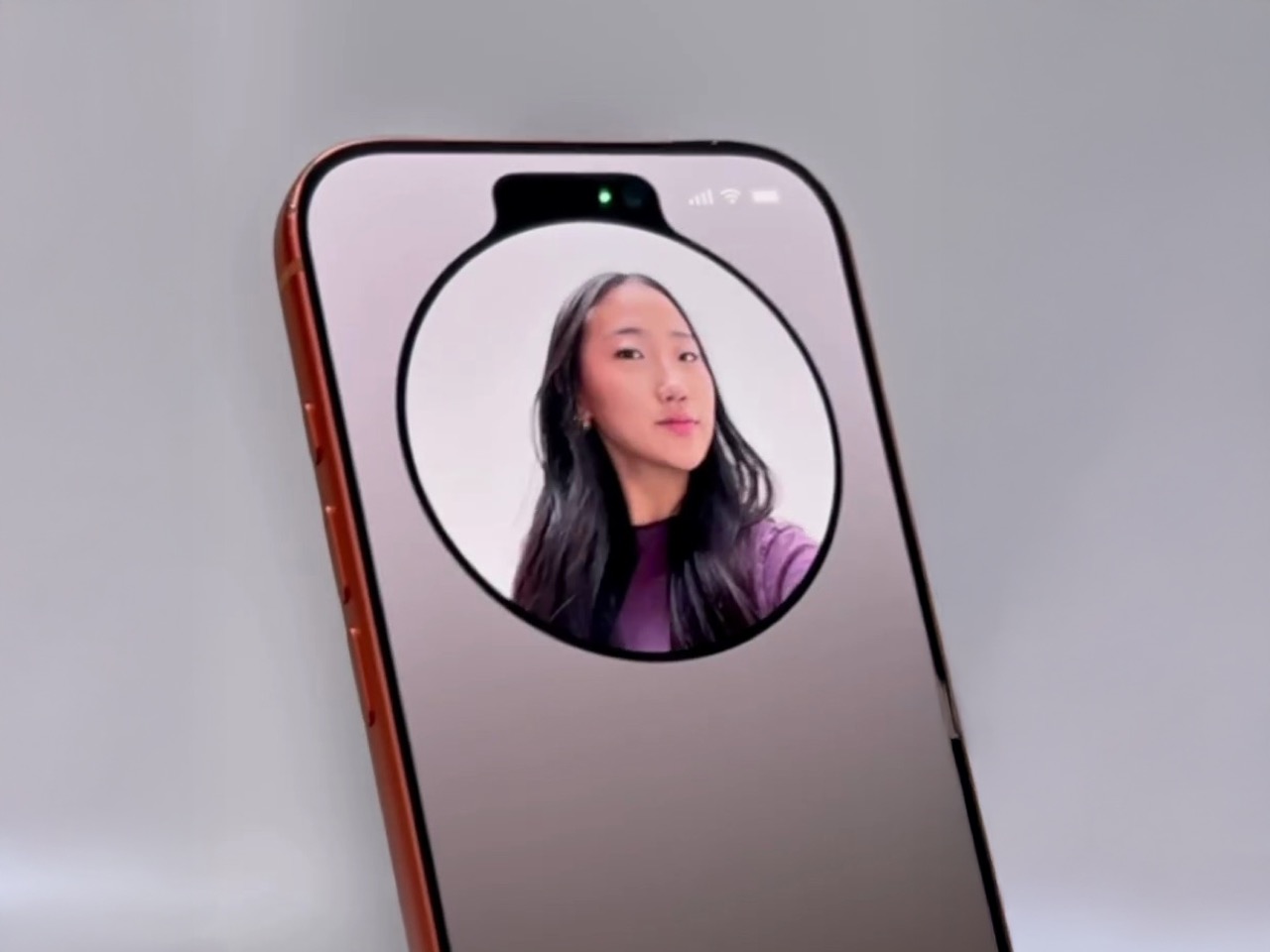
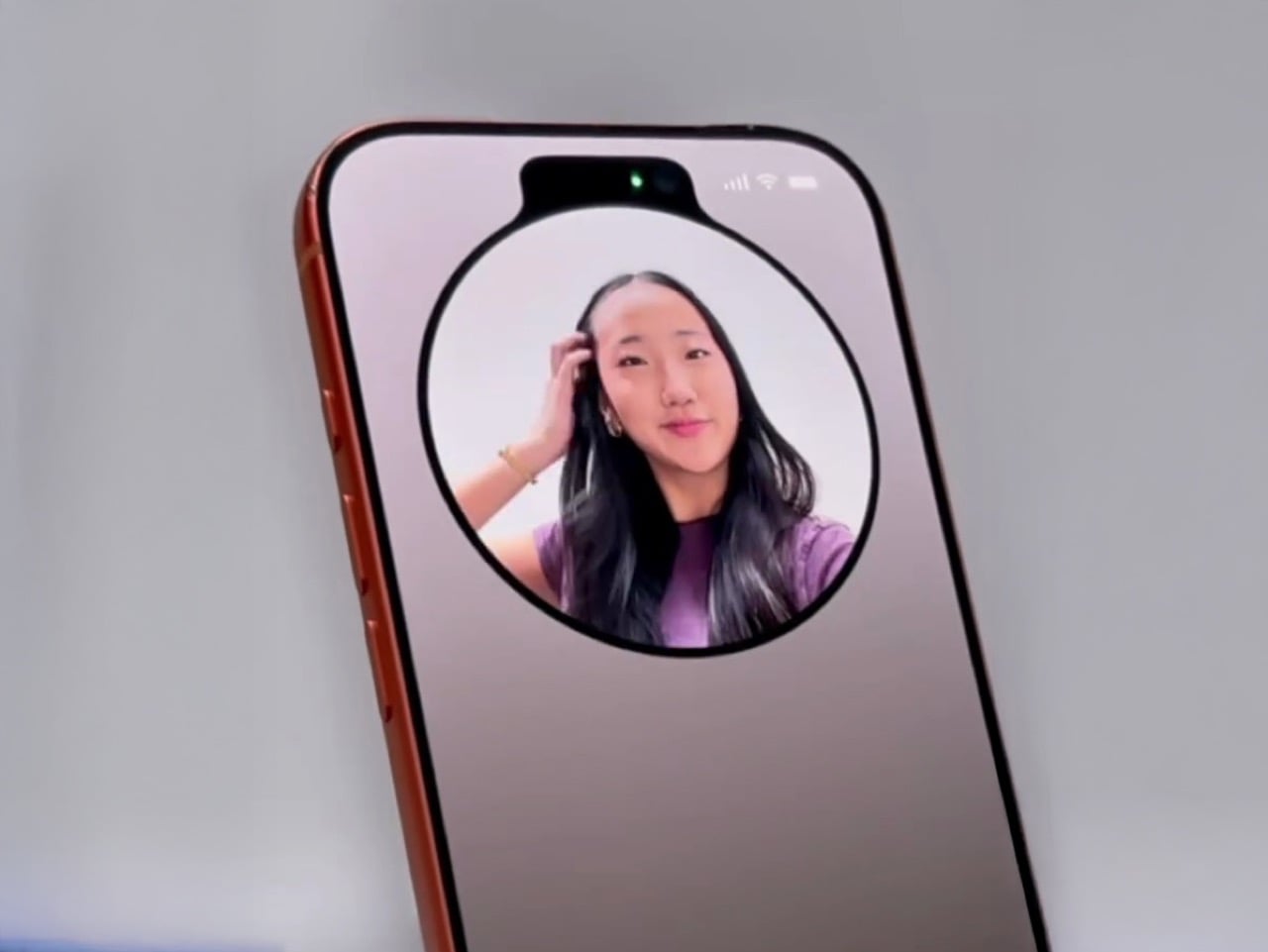
How many times have you stepped out for a meeting with friends or for an interview, having no idea what you look like… or whether you’ve got food stuck in your teeth? You unlock your phone, open the camera app, and flip to the front-facing camera to do a quick vibe-check. It’s a 3-step process that absolutely doesn’t need to be a 3-step process. Instead, Zegzulka’s solution involves just long-pressing on the camera icon on the bottom right of your lock screen. That brings up a tiny window emerging off the dynamic island, giving you a quick preview of yourself. You can check your hair, fix your make-up, adjust your specs, run your tongue across your teeth, or just quickly check out that annoying zit that appeared at the wrong place and wrong time.

Designer: Jakub Zegzulka

Zegzulka didn’t outline much, except a quick video demo of this feature on Threads. Although that was enough to gather nearly 2K likes in just over a day. The Lock Screen Mirror isn’t an app. It’s just a quick interaction that lets you open the camera’s viewfinder right on your lock screen for checking your appearance. The tiny circular window is almost exactly the size of a make-up mirror, and the feature is legitimately handy, even for me as a guy who has fairly curly hair that needs to just be ruffled before I step out.

Heck, imagine going an entire hour on a date with spinach stuck in your teeth and them being polite enough to not point out. Instead, you just do a quick check, get that pesky piece of green stuck on your pearly whites, and you’re good to go. It’s such a tiny-yet-life-enhancing feature that Apple could totally ship with their next build. You’re NOT opening your camera app with this lock screen mirror function, just a preview. You could drag your finger up and have the app open like it traditionally does, but a feature like this would probably eliminate the need to, if all you need to do is see if you look good right before you meet your friends, your future boss, or the potential love of your life.

The post iPhone ‘Lock Screen Mirror’ feature lets you quickly check your hair/teeth without opening the camera first appeared on Yanko Design.

Megabonk has withdrawn from The Game Awards

Nominees for The Game Awards were released yesterday, and there's a whole lot of indie excellence on display. However, one notable contender among them has decided to withdraw from contention. 

The fabulously titled Megabonk received a nod for the Best Debut Indie Game category. However, the project creator, who currently goes by vedinad, announced on X today that they were withdrawing. "I've made games in the past under different studio names, so Megabonk is not my debut game," the solo dev said

The category is kind of a weird one, since indie creators may have worked at other big or small studios. Even fully self-taught devs will have made and maybe even released several projects before having any kind of breakthrough success or popularity. But if vedinad feels the game doesn't fit the category, then it's still a gracious move to bow out. 

Megabonk follows in the recent lineage of Vampire Survivors, a popular bullet-hell roguelike that just arrived in virtual reality. The Megabonk riff takes the 2D concept into a low-poly 3D and adds some pretty wacky characters into the mix. Venidad said the title sold 1 million copies in just two weeks, making it one of the latest Steam indie sensations to have a big moment.

This article originally appeared on Engadget at https://www.engadget.com/gaming/megabonk-has-withdrawn-from-the-game-awards-212822746.html?src=rss

Apple’s 3D-Printed Titanium Apple Watch: When Manufacturing Becomes Design Philosophy

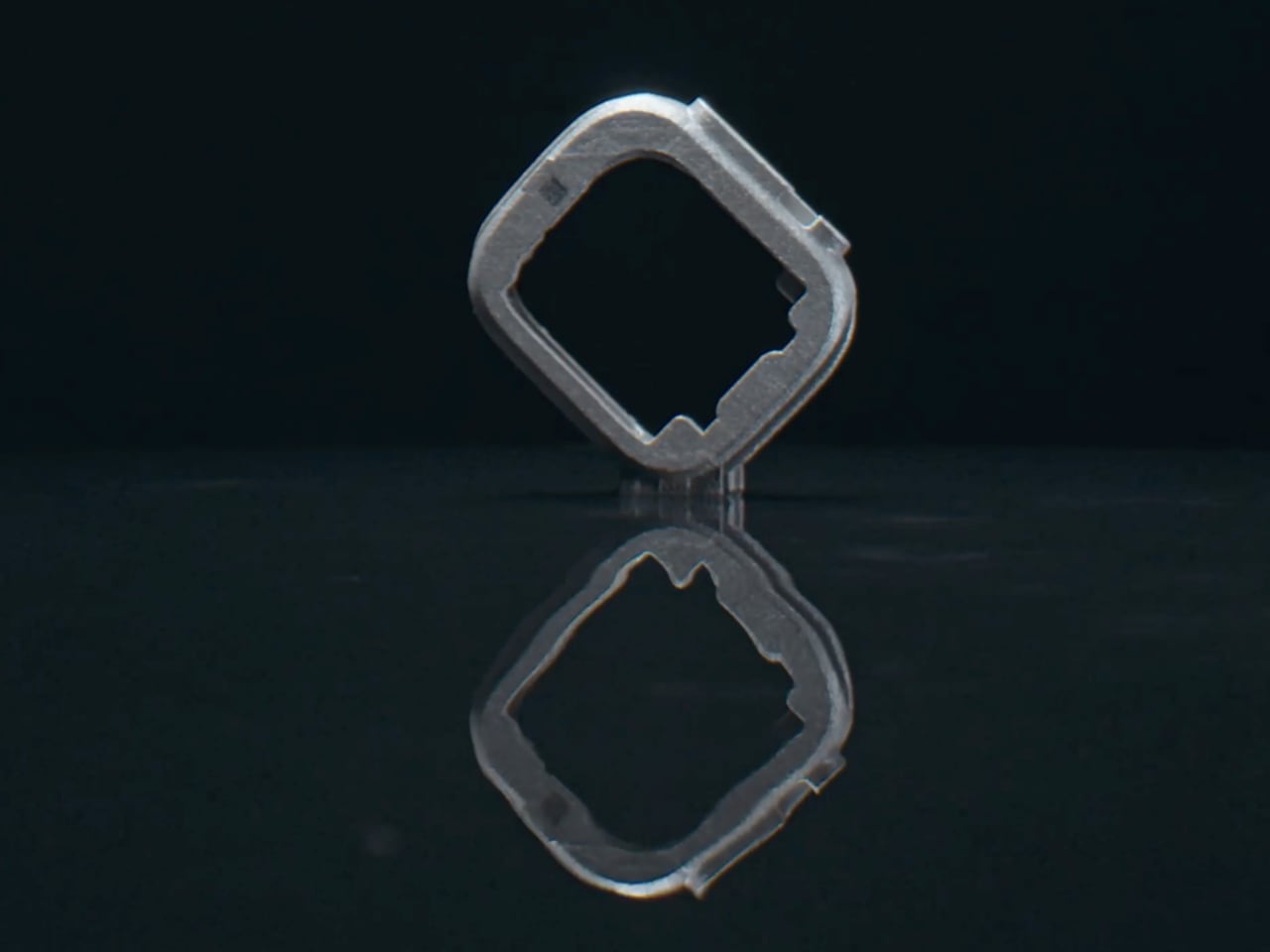
Apple’s shift to 3D-printed titanium marks a turning point, not just for wearables, but for how material innovation becomes the foundation for meaningful design change. Every Apple Watch Ultra 3 and titanium Series 11 case now emerges from additive manufacturing using 100 percent recycled aerospace-grade titanium powder. The process cuts raw material consumption in half and saves over 400 metric tons this year alone.

Designer: Apple

The mirrored polish catches light like traditionally forged luxury timepieces. The featherweight durability feels indistinguishable from cases that started as solid titanium blocks. But these surfaces hide a manufacturing revolution that transforms waste into possibility, turning production constraints into design advantages Swiss watchmakers using forged steel never imagined.

The Material Challenge That Changed Everything
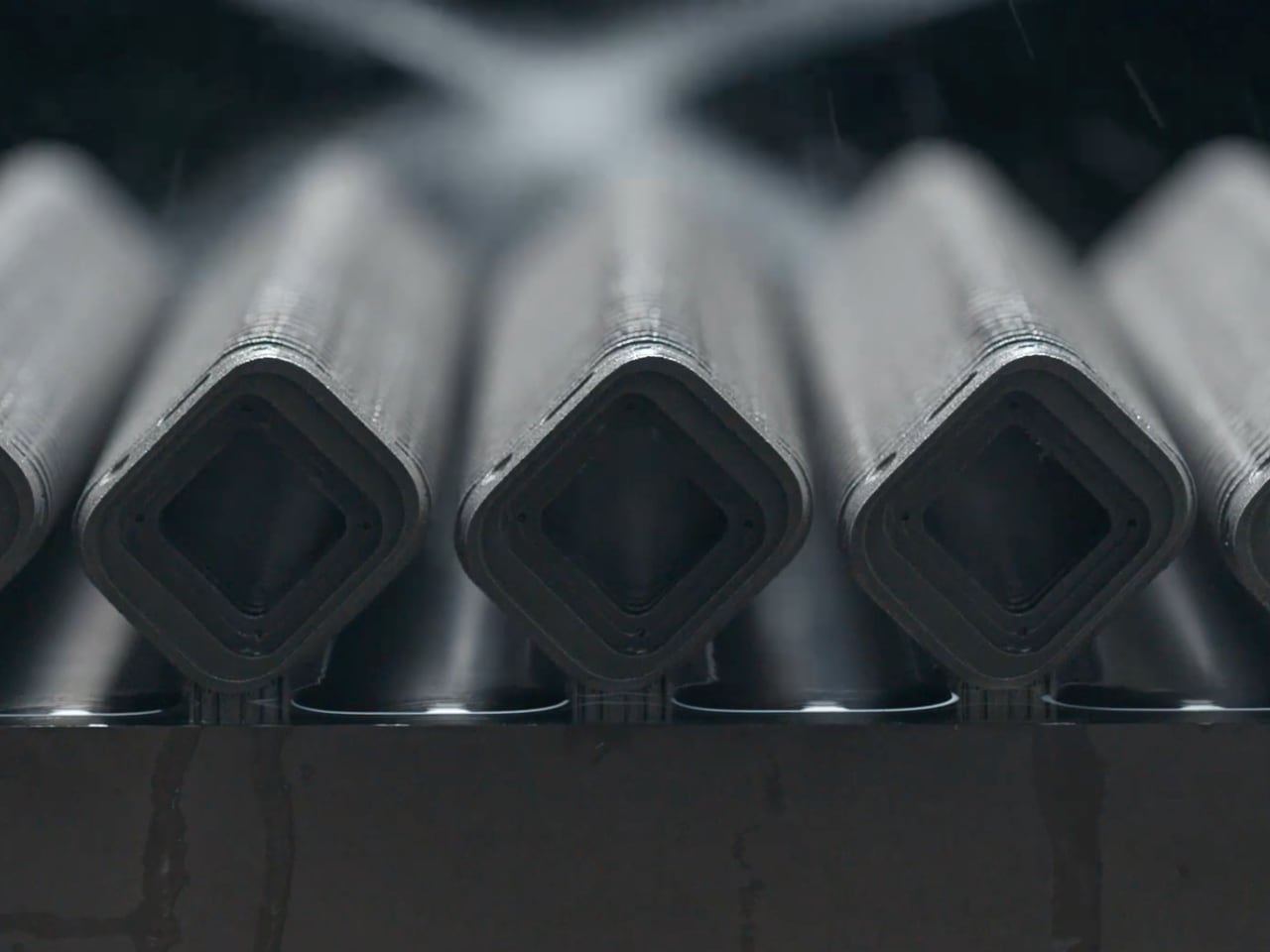
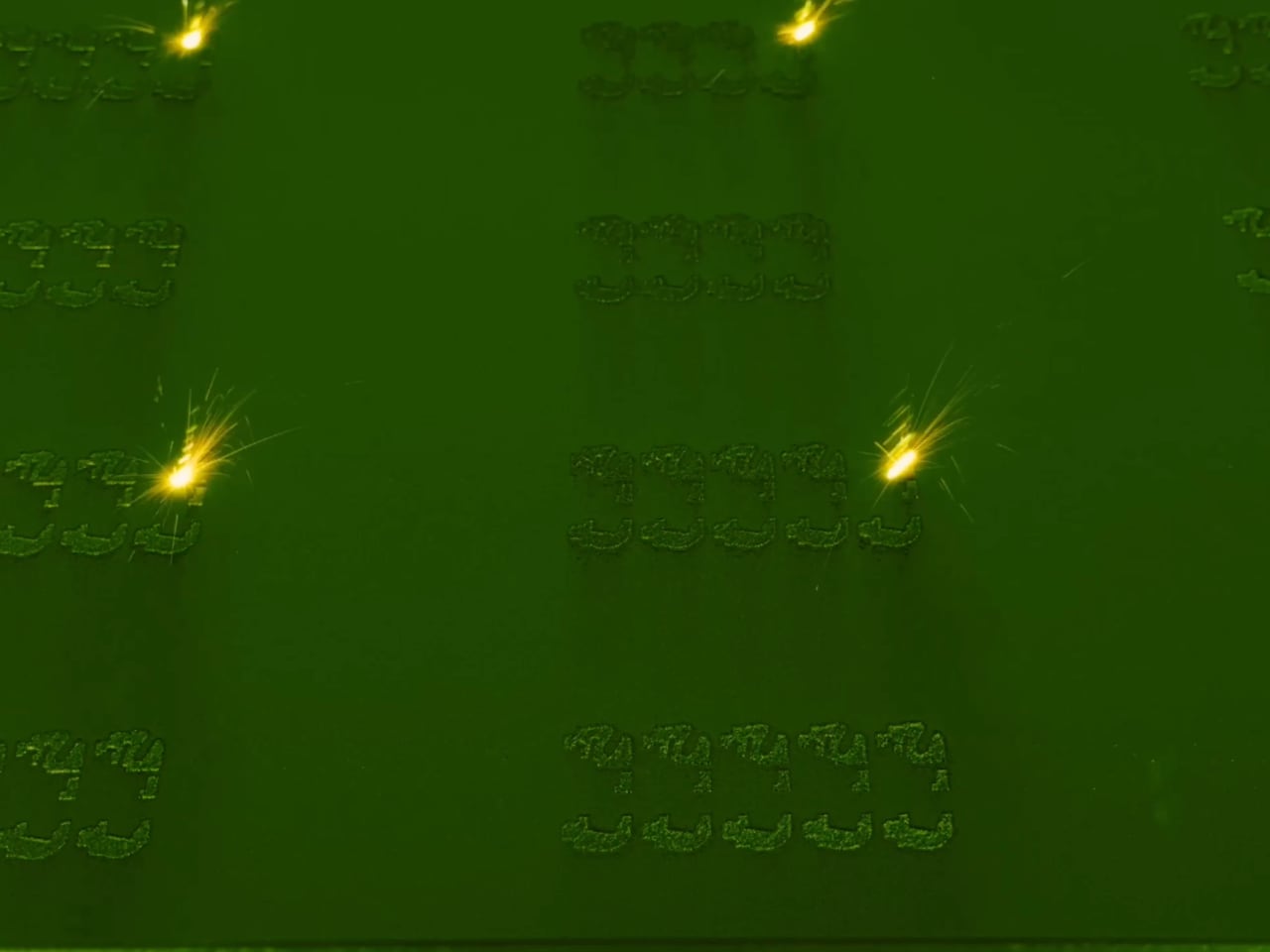
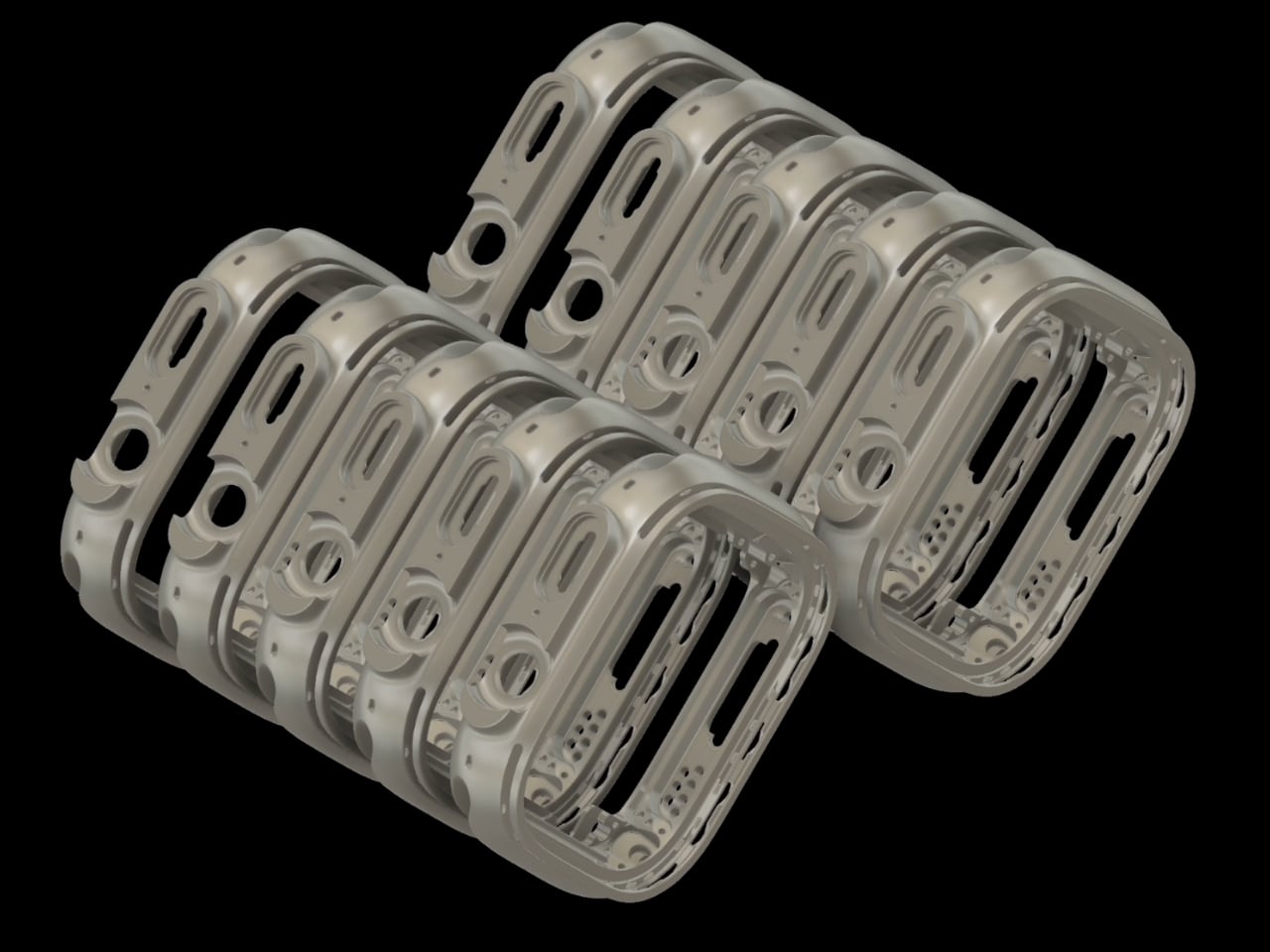
Traditional watch case manufacturing works subtractively. Large titanium blocks get machined down until the case emerges, with excess material becoming waste. 3D printing reverses this entirely. Six lasers build each case layer by layer, over 900 times, until the form reaches near-final shape using only what the design actually needs.
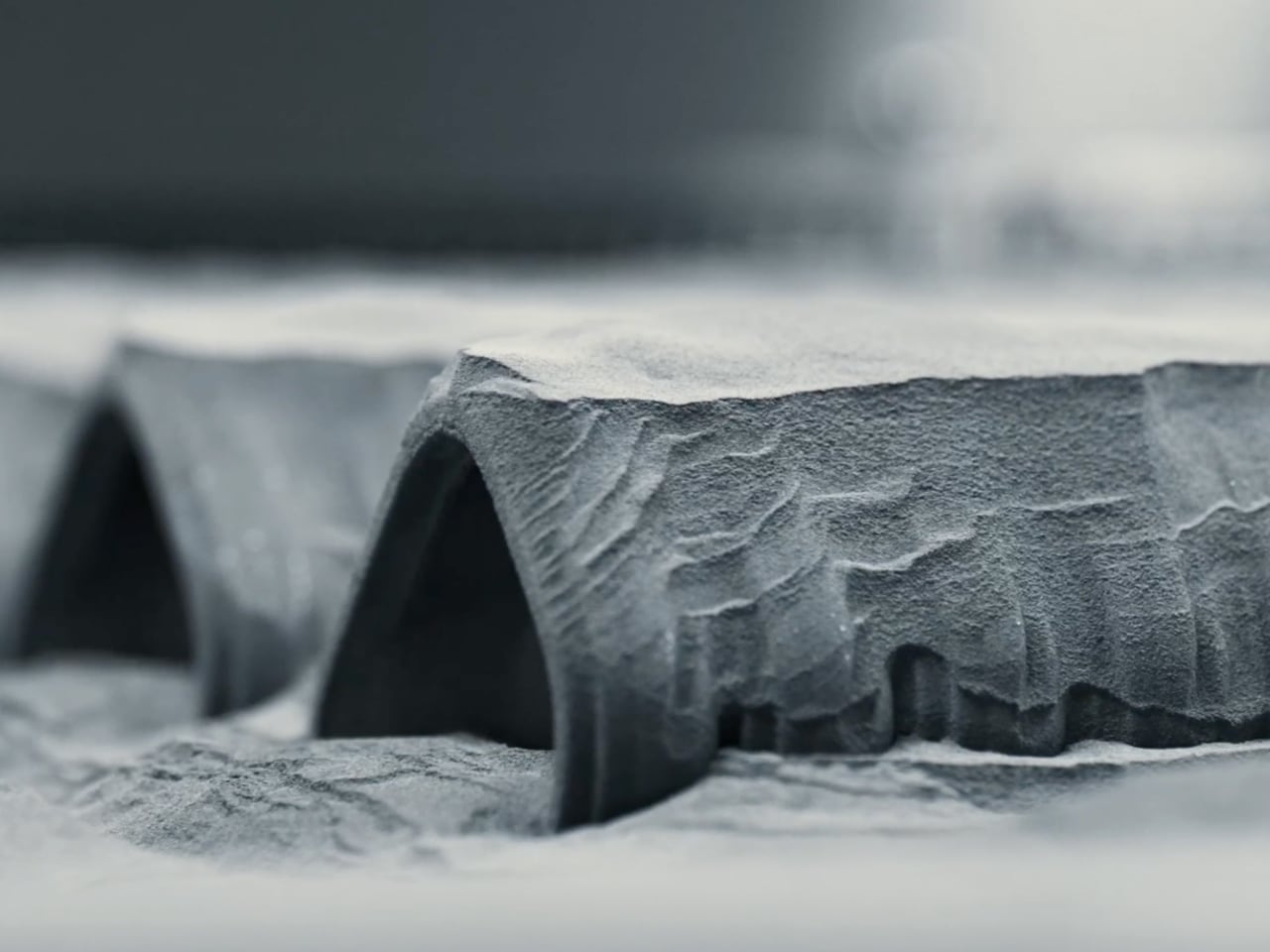
“It wasn’t just an idea: it was an idea that wanted to become a reality,” Kate Bergeron, Apple’s vice president of Product Design, explains. The team spent over a decade watching 3D printing mature across industries. Hospitals printed prosthetics. Astronauts manufactured tools aboard the International Space Station. But cosmetic parts at consumer electronics scale remained impossible until Apple solved the titanium puzzle.
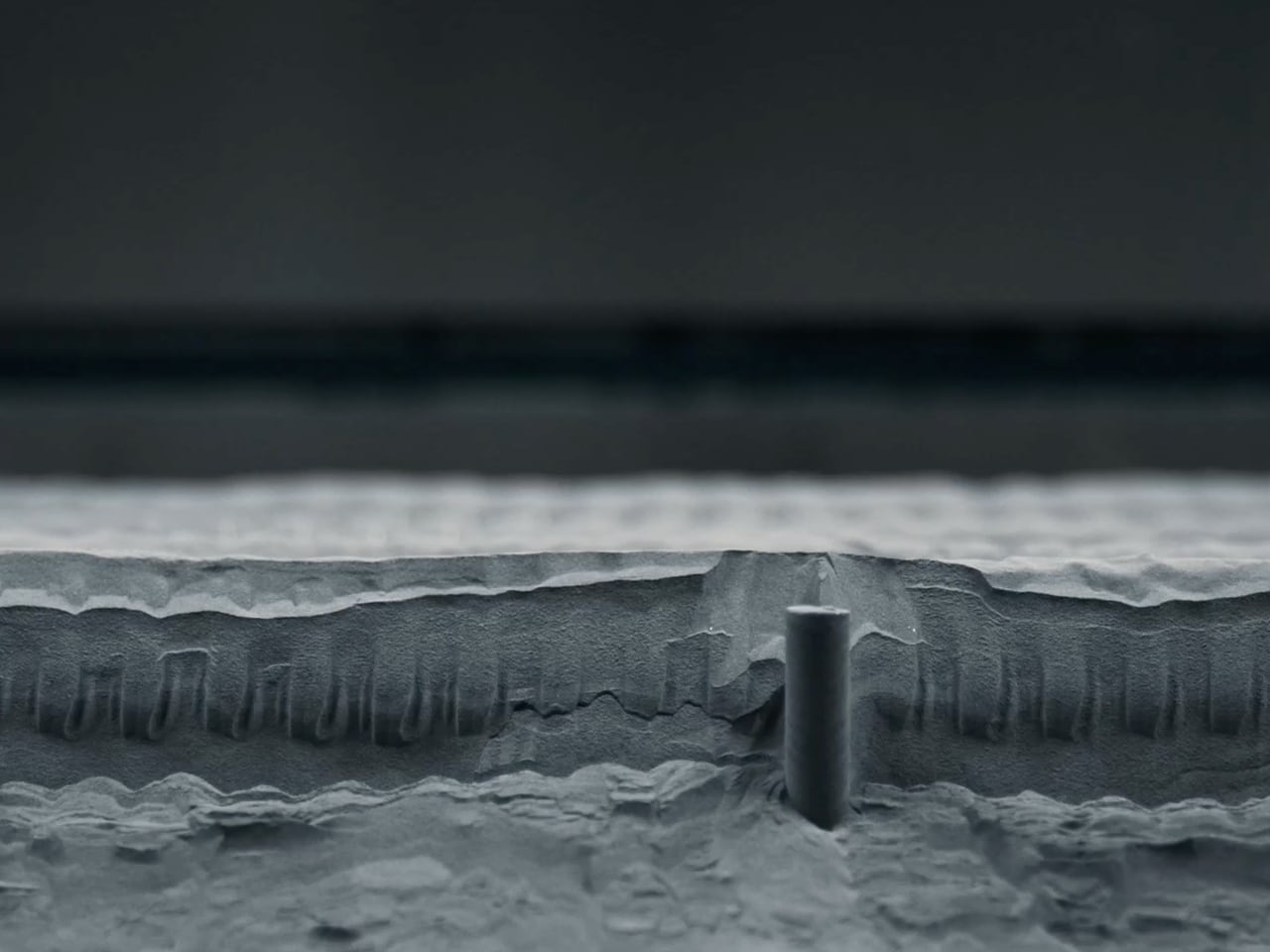
The material itself fought back. Titanium powder needs atomization to 50 microns, like sifting ultra-fine sand. But at that scale, oxygen content becomes critical. Too much oxygen, and hitting the powder with lasers risks fireworks instead of precision manufacturing. The materials science team engineered a low-oxygen titanium powder that could withstand six simultaneous lasers without compromising aerospace-grade quality.

Design Unlocked Through Process

The 3D printing breakthrough delivered benefits traditional forging never could. The process enables texture printing in locations previously inaccessible during manufacturing. For cellular Apple Watch models, this solved a critical waterproofing challenge.
Cellular cases require a plastic-filled split to enable antenna functionality. The bonding between metal and plastic determines water resistance performance. 3D printing allowed Apple to print specific textures on the inner metal surface, dramatically improving how plastic bonds to titanium.

For swimmers doing open-water laps, athletes training in downpours, or anyone caught in unexpected rain, that improved bonding translates to confidence the watch survives submersion without compromise. Better waterproofing emerges without adding bulk or sacrificing the slim profile that keeps the watch comfortable through 14-hour days.

“This has now opened up the opportunity for even more design flexibility than what we had before,” Bergeron notes. That flexibility already extended beyond Apple Watch. The new iPhone Air’s USB-C port features a titanium enclosure 3D-printed with the same recycled powder. The incredibly thin yet durable design only became possible through additive manufacturing.

Sustainability as Systems Change

The environmental mathematics tell a compelling story. Apple’s additive process uses half the raw titanium compared to subtractive machining of previous generations. That 50 percent reduction translates to two watches from material previously required for one.
“We’re extraordinarily committed to systems change,” Sarah Chandler, Apple’s vice president of Environment and Supply Chain Innovation, states. “We’re never doing something just to do it once: we’re doing it so it becomes the way the whole system then works.”

This aligns with Apple 2030, the company’s goal to achieve carbon neutrality across its entire footprint by decade’s end. All electricity powering Apple Watch manufacturing already comes from renewable sources like wind and solar. The 3D printing advancement represents another major step toward eliminating waste throughout the production chain.

The process preserves material quality without compromise. Ultra 3 maintains its durability and lightweight form for everyday adventurers. Series 11’s polished mirror finish stays pristine. Both deliver better environmental performance using the same or superior materials compared to traditionally machined cases.

Manufacturing Precision at Scale

Each 3D printer houses a galvanometer with six lasers working simultaneously. Layer thickness must hit exactly 60 microns. A precision squeegee spreads powder at microscopic tolerances. Speed matters for scalability, but precision matters for design standards.
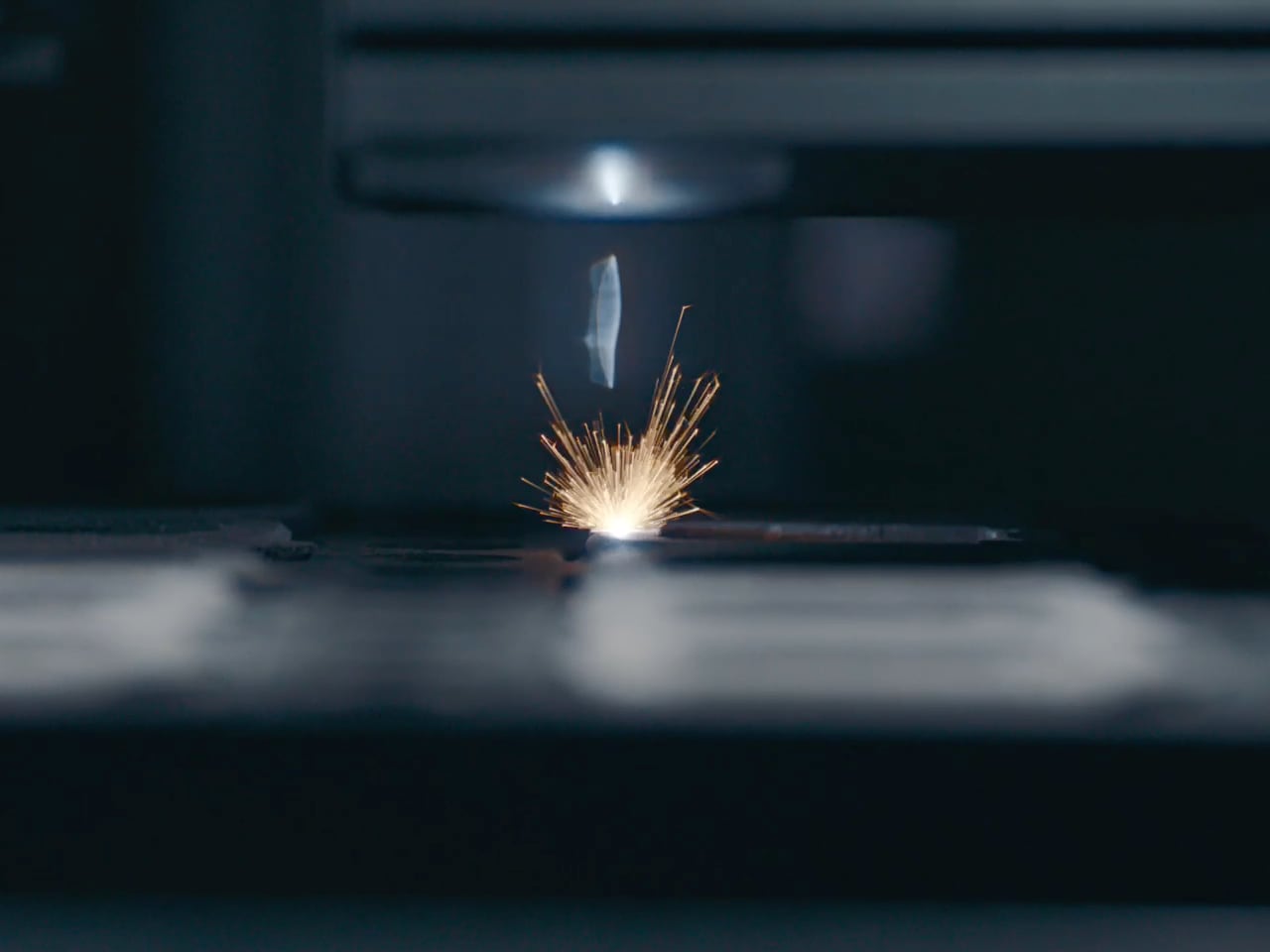
“We have to go as fast as we possibly can to make this scalable, while going as slow as we possibly can to be precise,” Bergeron explains. After printing completes, operators vacuum excess powder during rough depowdering. An ultrasonic shaker removes powder trapped in case interlocks during fine depowdering. A thin electrified wire saws between each case during singulation while liquid coolant manages heat. Automated optical inspection verifies dimensions and cosmetics before cases move to final processing.

The multiyear journey started with demos and proofs of concept. Apple tested 3D printing at smaller scales in previous product generations before committing to this titanium breakthrough. Each incremental step validated the next possibility. The specific alloy composition, the printing process itself, the quality control protocols, all required continuous optimization to meet Apple’s exacting standards.

Design Philosophy Meets Environmental Imperative

What makes this achievement remarkable isn’t just the technical complexity. It’s how Apple made sustainability inseparable from design excellence. The polished titanium finish looks identical whether machined or printed. Performance remains unchanged or improves. Durability meets or exceeds previous generations.
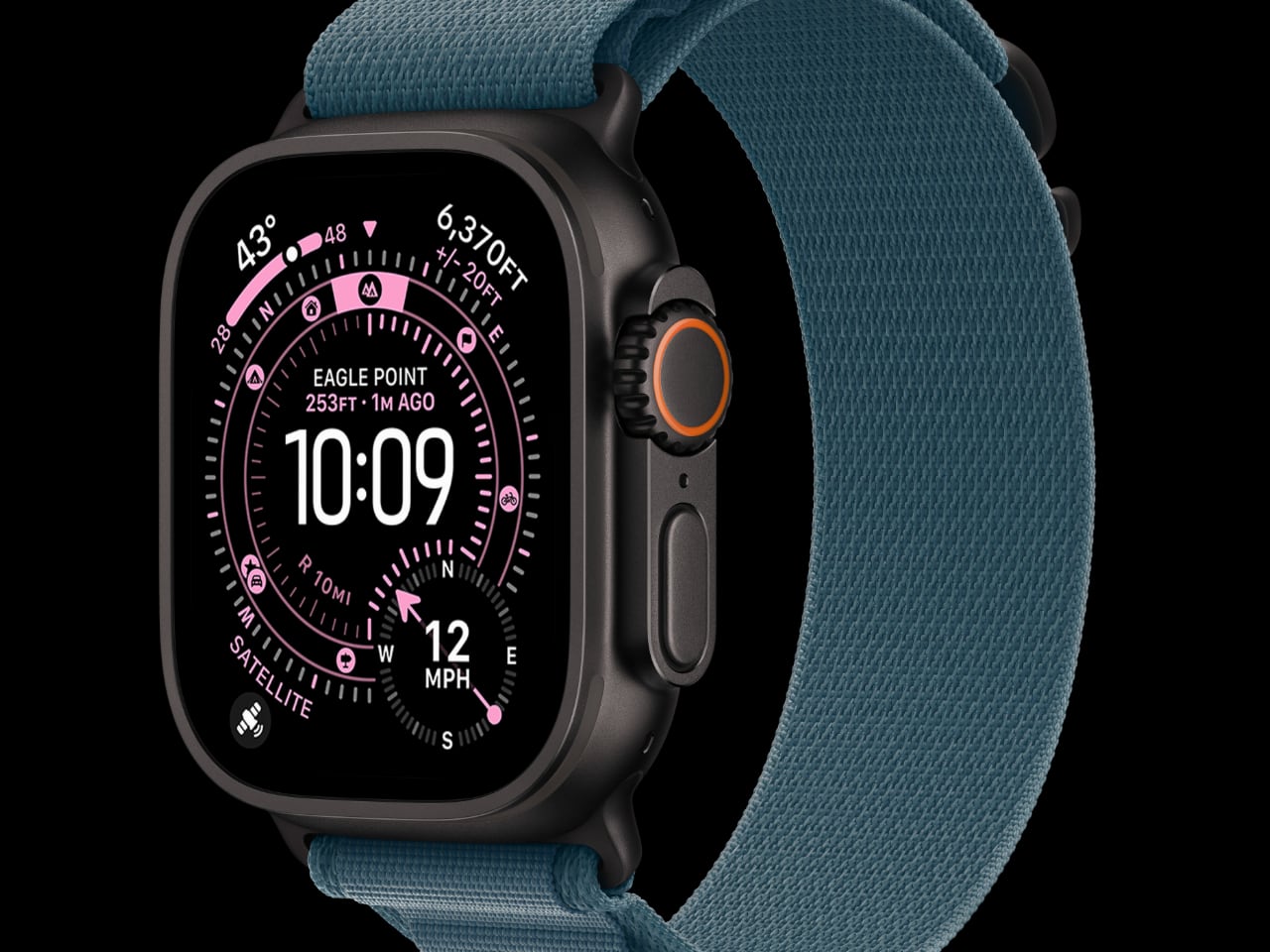
According to Apple, environment is a core value for every team. The 3D printing technology offered material efficiency critical for reaching Apple 2030 goals. But the team refused to compromise aesthetics or functionality to hit environmental targets. Instead, they engineered a solution delivering all three simultaneously.

The manufacturing breakthrough also demonstrates how production constraints can drive design innovation rather than limit it. Printing textures in previously inaccessible locations improved waterproofing. Additive manufacturing enabled thinner, more durable USB-C ports. Material efficiency created new design possibilities instead of restricting existing ones.
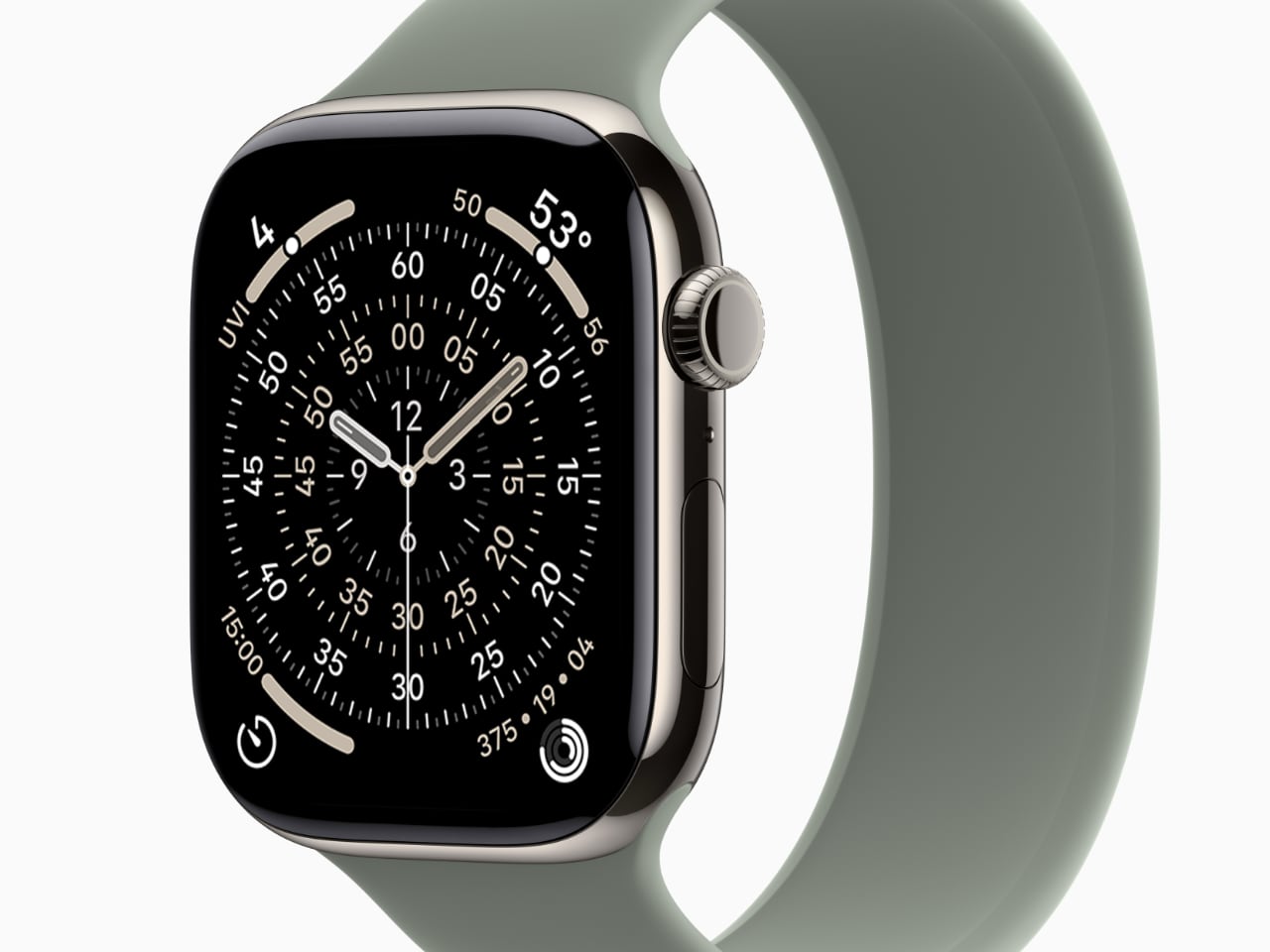
“When we come together to innovate without compromise across design, manufacturing, and our environmental goals, the benefits are exponentially greater than we could ever imagine,” Chandler adds. By merging manufacturing efficiency with environmental responsibility, Apple turns sustainability into a creative asset rather than a corporate checkbox.

“We’re only beginning to imagine where additive manufacturing can take us,” Bergeron notes. The 3D-printed titanium Apple Watch cases prove manufacturing processes can become design philosophy. When production efficiency, material sustainability, and aesthetic excellence align, the result transcends simple environmental compliance. It becomes a new standard for what responsible design looks like at scale.

Key Takeaways

Manufacturing becomes design opportunity: 3D printing shifts titanium production from wasteful subtraction to efficient addition, cutting material use by 50 percent while enabling new design possibilities.
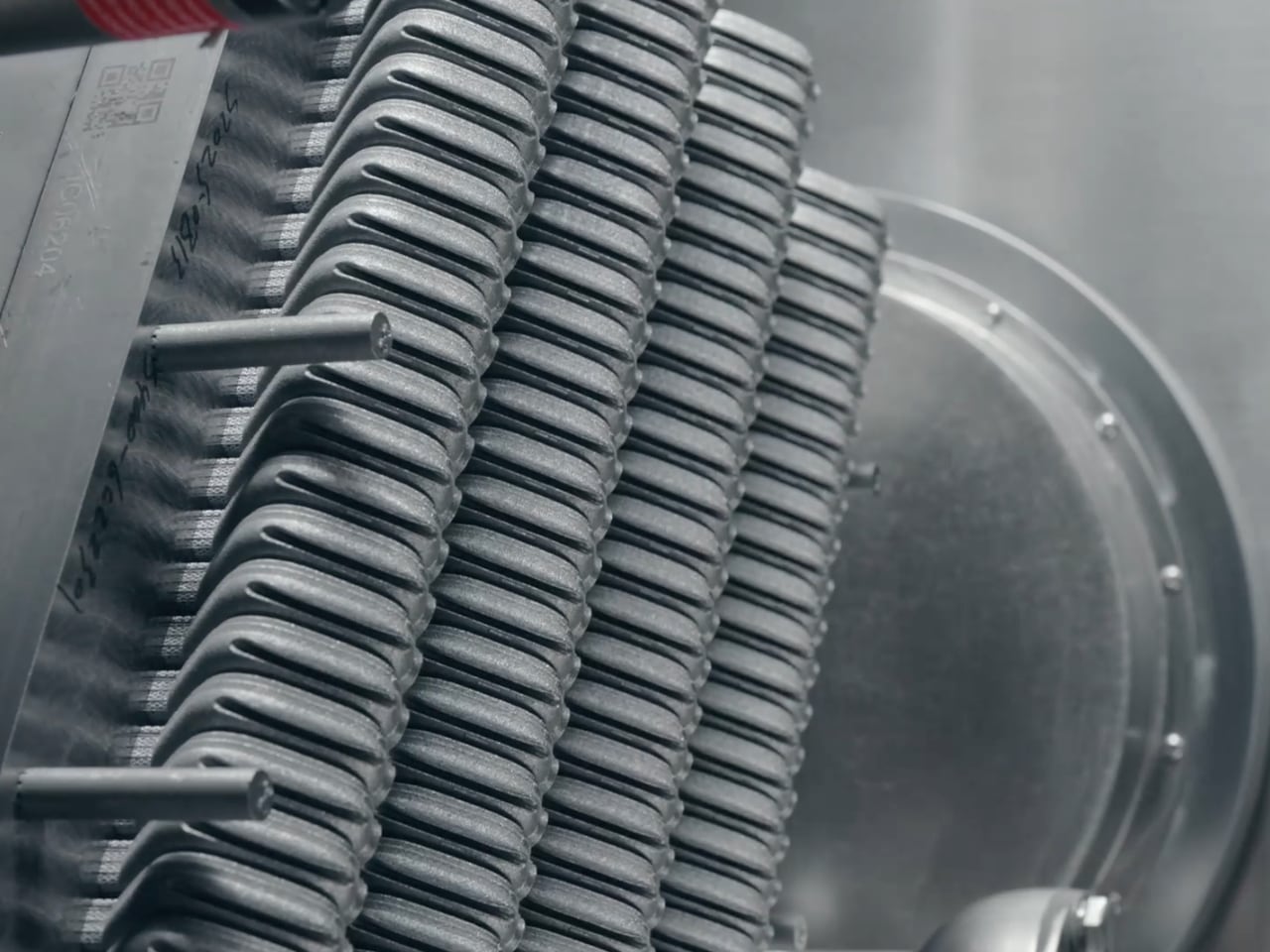
Sustainability unlocks features: The additive process allowed texture printing in previously inaccessible locations, directly improving waterproofing performance for cellular models without adding bulk.

Scale meets precision: Apple’s approach sets a manufacturing precedent, proving consumer electronics can achieve millions of identical premium-quality cases through 3D printing with 100 percent recycled materials.
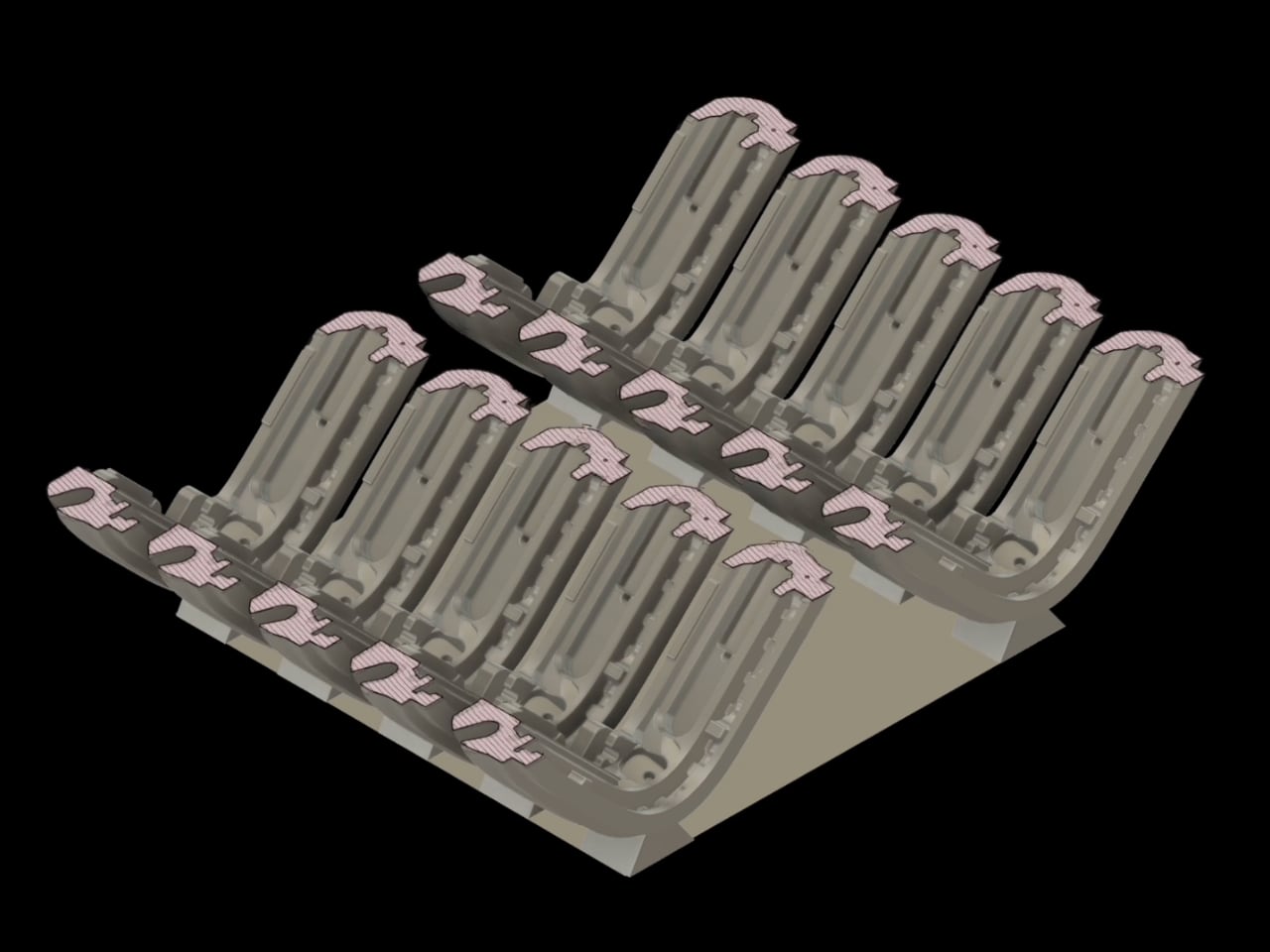
Cross-product innovation: Breakthroughs developed for Apple Watch extended to iPhone Air’s impossibly thin USB-C port, demonstrating how solving constraints for one product unlocks possibilities across entire product lines.

The post Apple’s 3D-Printed Titanium Apple Watch: When Manufacturing Becomes Design Philosophy first appeared on Yanko Design.
You can turn a cluster of Macs into an AI supercomputer in macOS Tahoe 26.2

Who needs a revamped Mac Pro when you can just turn several Mac Studios into a unified computing system? With the upcoming macOS Tahoe 26.2 release, Apple is introducing a new low-latency feature that lets you connect several Macs together using Thunderbolt 5. For developers and researchers, it's a potentially useful way to create powerful AI supercomputers that can run massive local models. That allows four Mac Studios, which can each run up to 512GB of unified memory, to run the 1 trillion parameter Kimi-K2-Thinking model far more efficiently than PCs with power-hungry GPUs.

While we’ve seen Thunderbolt Mac clusters before, they were limited by slower Thunderbolt speeds, especially if they required a hub (which could reduce speeds to 10 Gb/s). Apple’s new feature allows for the full Thunderbolt 5 connectivity of up to 80Gb/s. The clustering capability also isn't just limited to the pricey Mac Studio, it will also work with the M4 Pro Mac mini and M4 Pro/Max MacBook Pro. Developers won't need any special hardware to build clusters, just standard Thunderbolt 5 cables and compatible Macs.

In a demo, I watched as a cluster of four Mac Studios loaded and ran that massive Kimi-K2-Thinking model in an early version of ExoLabs's EXO 1.0. Notably, the cluster used less than 500 watts of power, which is around 10 times lower than a typical GPU cluster (NVIDIA’s RTX 5090 is rated for 575W, but its demands can also jump higher).

macOS Tahoe 26.2 will also give Apple’s open source MLX project full access to the neural accelerators on the M5 chip, which should dramatically speed up AI inferencing. Ironically, though, the only M5 Mac available today — the 14-inch MacBook Pro — only supports Thunderbolt 4. That means it won’t be able to take advantage of the new Mac clustering capability.

The unified memory and low power design of Apple Silicon already made Macs a useful choice for demanding AI work, but the ability to cluster multiple systems together over Thunderbolt 5 is potentially even more tempting to anyone working with large models. Of course, a Mac Studio with 512GB of RAM isn't cheap -- it starts at $9,499 with the M3 Ultra chip -- but that's only the highest-end option. Labs and companies that already have Mac Studios, Mac minis and MacBook Pros could potentially cluster systems they've already purchased.

This article originally appeared on Engadget at https://www.engadget.com/ai/you-can-turn-a-cluster-of-macs-into-an-ai-supercomputer-in-macos-tahoe-262-191500778.html?src=rss

Epic Games Store will finally let you gift games

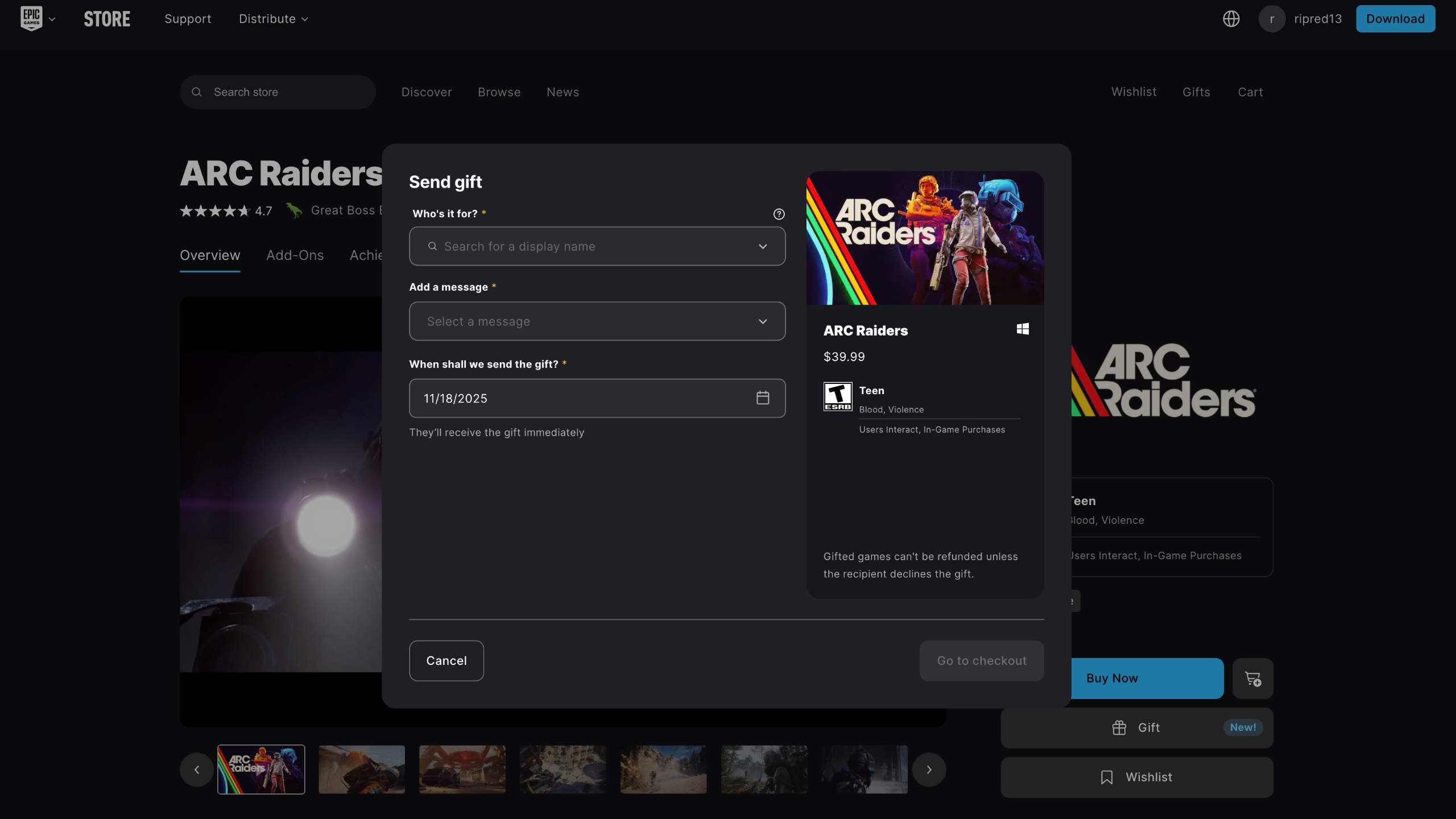
There's finally a way to gift games purchased on the Epic Games Store. Epic has announced that it's now possible to gift digital games through the Epic Games Store, provided the person you're sending them to has an Epic Games account.

On a game's store page, you'll now see a Gift button under the normal Buy Now button. Clicking it will prompt you to log in to your Epic account if you haven't done so already, and then ask you to enter the Epic account of whoever you're sending the game to, pick one message from a selection of pre-written messages and then select the date you want the gift to "arrive." 

The Epic Games Store gifting interface for the game Arc Raiders.
The menu that appears when you purchase a game as a gift.
Ian Carlos Campbell for Engadget

Epic says that if the person you're sending the game to already owns it, you'll be automatically refunded. If the other person chooses to reject the gift, you'll also receive your money back. Not every purchase on the Epic Games Store can be gifted, though. Free games, subscriptions, "pre-purchase offers" and in-game currency are excluded.

Gifting is a basic feature of online stores, so on some level it's more surprising that the Epic Games Store didn't have the feature than it is that gifting is being added now. One reason why, could be that most of Epic's focus for its digital store has been on undercutting the fees of both Steam and the Apple App Store.

For example, in May, the company announced that it wouldn't take a cut of the first $1,000,000 in revenue that an app makes, after which it would only take 12 percent. That undercuts both Apple and Valve's financial arrangements with developers. Epic also regularly offered free games through its game store to lure new users, something it plans to continue to do with its mobile app store.

This article originally appeared on Engadget at https://www.engadget.com/gaming/pc/epic-games-store-will-finally-let-you-gift-games-191000946.html?src=rss

Waymo is coming to five more cities

Waymo is launching in five new cities across Texas and Florida. Autonomous vehicles in Miami, Dallas, Houston, San Antonio, and Orlando will begin accepting rides next year.

The Alphabet-owned company said operations (sans passengers) will begin on Tuesday in Miami. The other cities will follow "over the coming weeks." This phase is where the vehicles drive around town without anyone inside. That gives the company a chance to spot local quirks and adjust the driving algorithm accordingly.

Waymo said this local adjustment phase requires fewer changes with each added city. "This data feeds into a flywheel of continuous improvement, bolstered by rigorous validation through real-world driving and advanced simulation, then implemented through regular software releases," it wrote. The company claims its robotaxis are involved in 11 times fewer serious injury accidents than human drivers.

Waymo's autonomous vehicles currently accept passengers in the San Francisco Bay Area, Los Angeles, Phoenix, Atlanta and Austin. The list of "up next" cities is much longer, including a recently announced expansion into San Diego, Detroit and Las Vegas.

This article originally appeared on Engadget at https://www.engadget.com/transportation/waymo-is-coming-to-five-more-cities-190000992.html?src=rss

Hypixel Studios buys its IP from Riot, so Hytale is back in development

Hypixel Studios has officially purchased the license to Hytale from Riot Games, according to a report by Game Developer. This means that development will continue just months after Riot shut everything down and cancelled the project.

The developer is also rehiring 30 staffers that were laid off as part of the cancellation. We write so often about layoffs in the industry, so it's always a distinct treat to cover the opposite.

Hypixel co-founder Simon Collins-Laflamme calls this a "new and exciting chapter" for the game, which has been in development for nearly ten years. He says he is "grateful to Riot Games for making this possible."

Riot Games, which is owned by the conglomerate Tencent, purchased Hypixel Studios back in 2020 for an undisclosed sum. However, Hytale was riding high at that point. The game had attracted over 2.5 million signees for an upcoming beta and was supposed to be officially released in 2021.

Years passed, and still no Hytale. This eventually led to Riot canning the project entirely. "After years of pushing forward, adapting, and exploring every possible path, it became clear we couldn’t bring Hytale to life in a way that truly delivered on its promise," an official post on the Hypixel website once read.

The studio hasn't disclosed how it got funding for this move, but Collins-Laflamme said that the founders are "personally committed to funding for the next 10 years." Here's to hoping the game is actually playable by that point. To that end, the company does plan on announcing an early access release date in the near future.

"Hytale has had a long and challenging journey. It's taken longer than anyone hoped, and it's changed a lot along the way," the company wrote. "This is not going to be easy. This is not going to be fast. This is not going to be perfect. But it's going to be ours. Built together: one feature at a time, one bug fix at a time, one mod at a time."

For the uninitiated, Hytale is a nifty-looking adventure game that can be described as an open world riff on Minecraft. It certainly looks like Minecraft, but it has a much bigger emphasis on action and RPG mechanics.

This article originally appeared on Engadget at https://www.engadget.com/gaming/pc/hypixel-studios-buys-its-ip-from-riot-so-hytale-is-back-in-development-185040959.html?src=rss