A few weeks short of Gemini 2's first birthday, Google has announced Gemini 3 Pro. Naturally, the company claims the new system is its most intelligent AI model yet, offering state-of-the-art reasoning, class-leading vibe coding performance and more. The good news is you can put those claims to the test today, with Google making Gemini 3 Pro available across many of its products and services.
Google is highlighting a couple of benchmarks to tout Gemini 3 Pro's performance. In Humanity's Last Exam, widely considered one of the toughest tests AI labs can put their systems through, the model delivered a new top accuracy score of 37.5 percent, beating the previous leader, Grok 4, by an impressive 12.1 percentage points. Notably, it achieved its score without turning to tools like web search. On LMArena, meanwhile, Gemini 3 Pro is now on top of the site's leaderboards with a score of 1,501 points.
Okay, but what about the practical benefits of Gemini 3 Pro? In the Gemini app, the new model will translate to answers that are more concise and better formatted. It also enables a new feature Google calls Gemini Agent. The tool builds on Project Mariner, the web-surfing Chrome AI the company debuted at the end of last year. It allows users to ask Gemini to complete tasks for them. For example, say you want help managing your email inbox. In the past, Gemini would have offered some general tips. Now, it can do that work for you.
To try Gemini 3 Pro inside of the Gemini app, select "Thinking" from the model picker. The new model is available to everyone, though AI Plus, Pro and Ultra subscribers can use it more often before hitting their rate limit. To make the most of Gemini Agent, you'll need to grant the tool access to your Google apps.
In Search, meanwhile, Gemini 3 Pro will debut inside of AI Mode, with availability of the new model first rolling out to AI Pro and Ultra subscribers. Google will also bring the model to AI Overviews, where it will be used to answer the most difficult questions people ask of its search engine. In the coming weeks, Google plans to roll out a new routing algorithm for both AI Mode and AI Overviews that will know when to put questions through Gemini 3 Pro. In the meantime, subscribers can try the new model inside of AI Mode by selecting "Thinking" from the dropdown menu.
Google
In practice, Google says Gemini 3 Pro will result in AI Mode finding more credible and relevant content related to your questions. This is thanks to how the new model augments the fan-out technique that powers AI Mode. The tool will perform even more searches than before and with its new intelligence, Google suggests it may even uncover content previous models may have missed. At the same time, Gemini 3's better multi-modal understanding will translate to AI Mode generating more dynamic and interactive interfaces to answer your questions. For example, if you're researching mortgage loans, the tool can create a loan calculator directly inside of its response.
For developers and its enterprise customers, Google is bringing Gemini 3 to all the usual places one can find its models, including inside of the Gemini API, AI Studio and Vertex AI. The company is also releasing a new agentic coding app called Antigravity. It can autonomously program while creating tasks for itself and providing progress reports. Alongside Gemini 3 Pro, Google is introducing Gemini 3 Deep Think. The enhanced reasoning mode will be available to safety testers before it rolls out to AI Ultra subscribers.
This article originally appeared on Engadget at https://www.engadget.com/ai/googles-new-gemini-3-model-arrives-in-ai-mode-and-the-gemini-app-160054273.html?src=rss
While there are countless ways to play old video games, endless emulators that eat up ROMs and spew out memories, the hardware offerings from Analogue have elevated the act of retro gaming to an art form. With an obsessive dedication to pixel-perfect reproductions of classic platforms, Analogue's various devices generally set the benchmark for consuming old games on new displays.
The company's latest entry is an ode to the Nintendo 64, and that poses a bit of a problem. While Analogue's other systems honored the golden age of 2D gaming, the pinnacle of pixel art in many ways, the N64 ushered gamers into the early, ugly days of 3D gaming. Nearly three decades after its initial release, most N64 games look pretty catastrophic by modern standards. Can the Analogue 3D ($250) treatment save them?
Origin Story
The early to mid-'90s were a heady time for console gaming. Sega and Nintendo had printed so much money in the 16-bit era that both were throwing everything they could at the wall to capture the fluorescent pink, velcro wallets of the gamers of the day. Wild controllers, endless system add-ons and even virtual reality were in the cards.
But it would be the humble CD-ROM that really pushed things forward. Sega did its own multimedia add-on in-house, with the Sega CD. Nintendo decided to team up with Sony for the development of its own disc drive. When that project fell apart, Sony famously decided to continue on, releasing the original PlayStation in 1995.
Almost overnight, the gaming world was all about three-dimensional gaming, a landscape that Sega's Saturn was ill-prepared for. Nintendo, though, went all-in for its next system, the Nintendo 64. It not only packed more polygons and colors than Sony's system, but Nintendo finally cracked the code of how to make a truly good three-dimensional platformer with Mario 64.
Mario 64 is not only a great game, it became the template for how player and camera controls worked, defining rules that still exist today.
The N64 was also the first mainstream console to feature an analog controller out of the box, the first console since the Atari 5200 in the early '80s to have four controller ports and the first American console to offer haptic feedback in the form of 1997's Rumble Pak. Today it all sounds quaint, but it was a truly revolutionary machine back in the day.
N64 redux
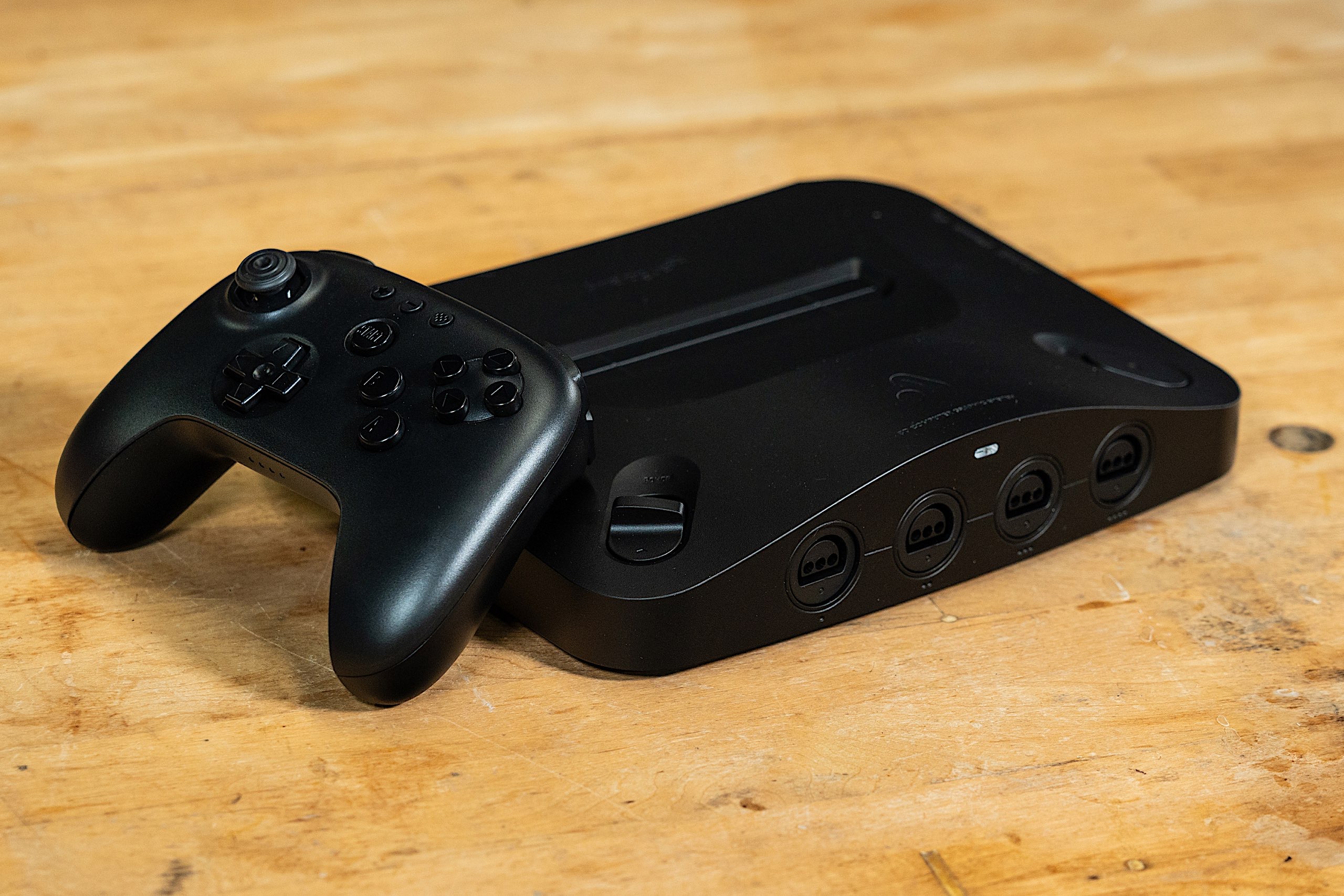
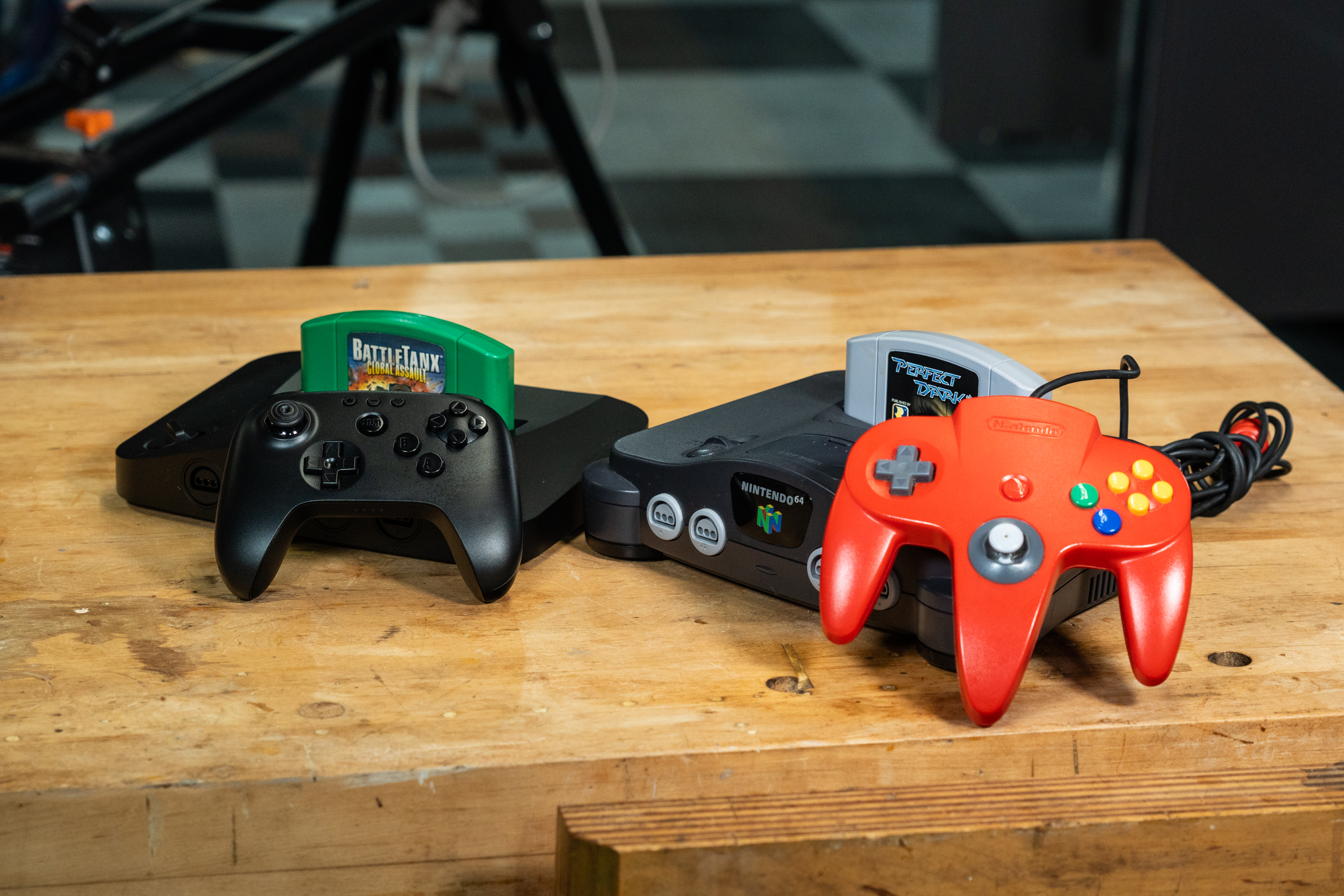
The Analogue 3D has the look of a N64 console, right down to the four controller ports up front.
Tim Stevens for Engadget
The Analogue 3D is somewhat revolutionary as well, but for different reasons. At its core, it relies on a field programmable gate array, or FPGA, much like Analogue's previous devices (the Super Nt, Mega Sg, Pocket and Duo). An FPGA is effectively a processor full of virtual building blocks, called logic elements, which enable it to replicate any other system. It takes a massive amount of configuration, but the result is pure hardware emulation.
Again, it’s the same concept as Analogue's previous devices, just on a massively larger scale. Where the Pocket used an Altera Cyclone V FPGA with 49,000 logic elements, this one uses an Intel Cyclone 10 GX FPGA clocking in at 220,000 logic elements. While Analogue never gave much in the way of explanation, it's likely that the extreme complexity that resulted in delay after annoying delay — well, that and the complexities of running an international business in the tariff-laden minefield that is today's global trading landscape.
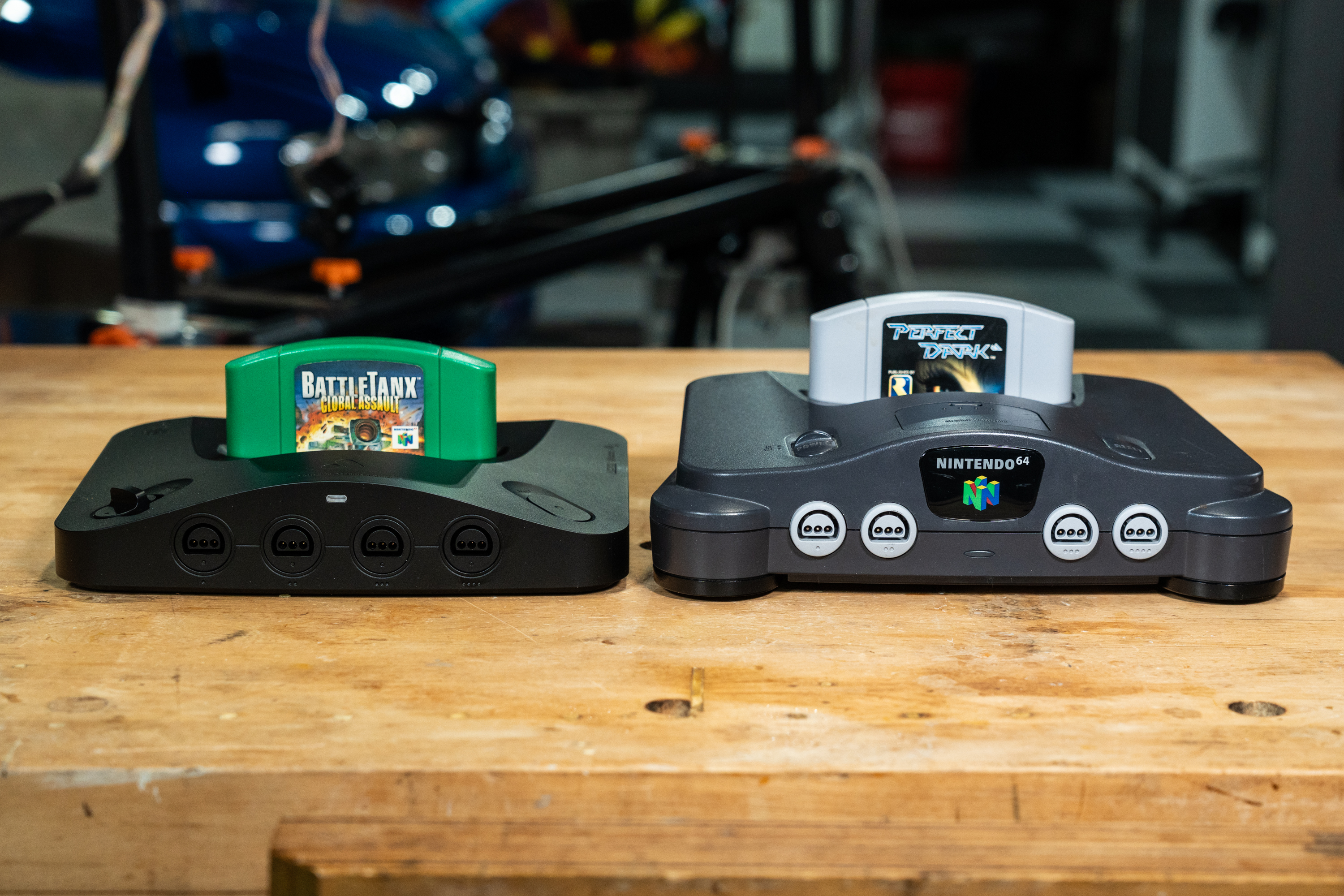
Beyond that, the Analogue 3D very much follows the same aesthetic seen in the company's previous units: a minimalist take on the original hardware. It looks like a smaller and thinner N64 — one that requires active cooling, by the way, so make sure you don't crowd this thing in among your other, lesser game consoles.
It (virtually) supports all the N64's key accessories, like the Transfer Pak, the Expansion Pak and the Rumble Pak. It's USB-C powered and output comes via HDMI, and you'll find the requisite cables included in the box. There's also an SD card around the back for firmware updates and a pair of USB-A ports for good measure. Up front, you'll find four controller ports, with the distinctive circular style used by the N64. But you can connect controllers via USB or wirelessly too, if you prefer.
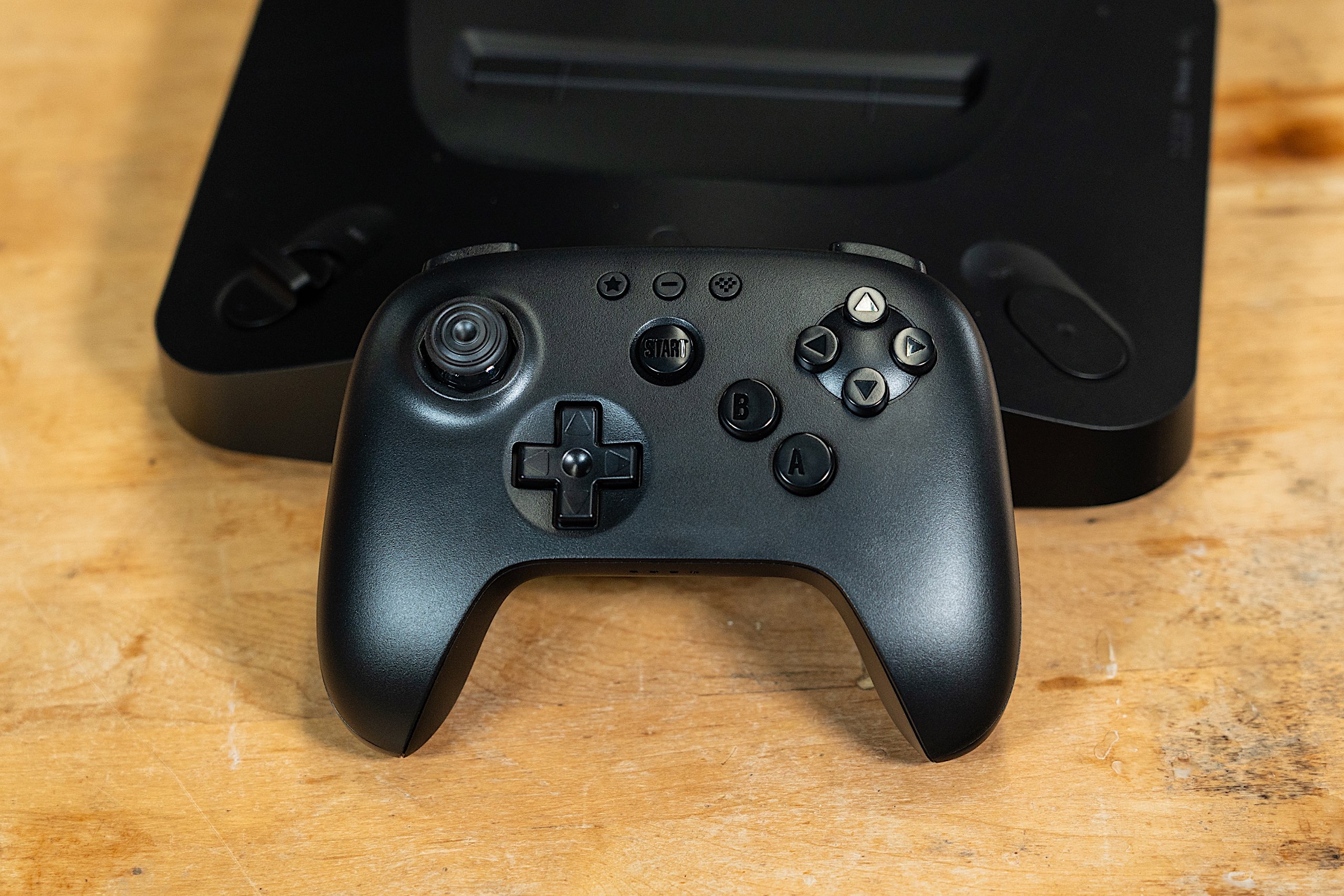
Analogue opted for a another 8BitDo controller.
Tim Stevens for Engadget
The system's default controller is again provided by 8BitDo, which has created special designs for Analogue's other recent releases. For better or worse, the $39.99 8BitDo 64 controller doesn't imitate the three-pronged N64 style, but does offer all that system's buttons in a more traditional layout. It's perhaps too traditional, difficult to tell apart from Nintendo's own Switch Pro controller from a distance.
I haven’t been a fan of 8BitDo controllers in the past. Given the premium Analogue charges for its systems, the 8BitDo controllers haven't risen to that level of polish. This new generation, though, is definitely a step up. The controller's buttons don't rattle when you shake it, the inputs have a good feel to them, the vibration isn't harsh and pairing is quick and easy.
That said, I did run into latency issues if I was more than about 10 feet away from the system, or if I closed the door on the cabinet that held the Analogue 3D. That's a far cry from the connectivity of a Switch Pro controller, which I can readily use from another room if I'm ever so inclined.
CRT vibes in an OLED era
The Analogue 3D and the Nintendo 64.
Tim Stevens for Engadget
Analogue has made a name for itself by obsessing over striking the perfect blend of honoring original systems while making them great in a modern world. If I may insert one automotive reference, they are doing to game systems what Singer Vehicle Design does to Porsches.
But where cars both old and reimagined look great on the same road, vintage consoles struggle with modern TVs. Plug an original N64 into your 4K HDTV via a tangle of adapters, and you'll get a blurry, blocky mess that will make you question everything your childhood self held dear. Even if you go the hardcore route with something like an Open Source Scan Converter or an HDMI mod kit to take vintage analog signals and turn them into modern digital ones, you're still probably not going to like the results. That's because it isn't all about getting crisp signals from console to display. These systems were designed for cathode rays, where one colored pixel bled into the next to create a seamless view to hide many of the N64's 320 x 240 flaws.
The Analogue 3D goes to great lengths to replicate that look through a series of filters meant to replicate everything from a consumer-grade CRT to the sort of professional-grade monitor that cost as much as a new car did back in the '90s. Analogue has experimented with these filters in the past, but they're taken to a new level here, with options for specifying monitor type, quality and size. The results are quite impressive, still a bit grittier than a giant-sized CRT would be in real life, but looking miles better than the unfiltered view of the games. You can even tune and tweak those display settings on a per-game basis, if you're especially finicky.
Unfortunately, you'll have to take my word for that. The 4K CRT effects don't really show up through a capture card, and as of now the Analogue 3D has no integrated screen capture functionality. That, I was told, is coming later.
Back to the future of gaming
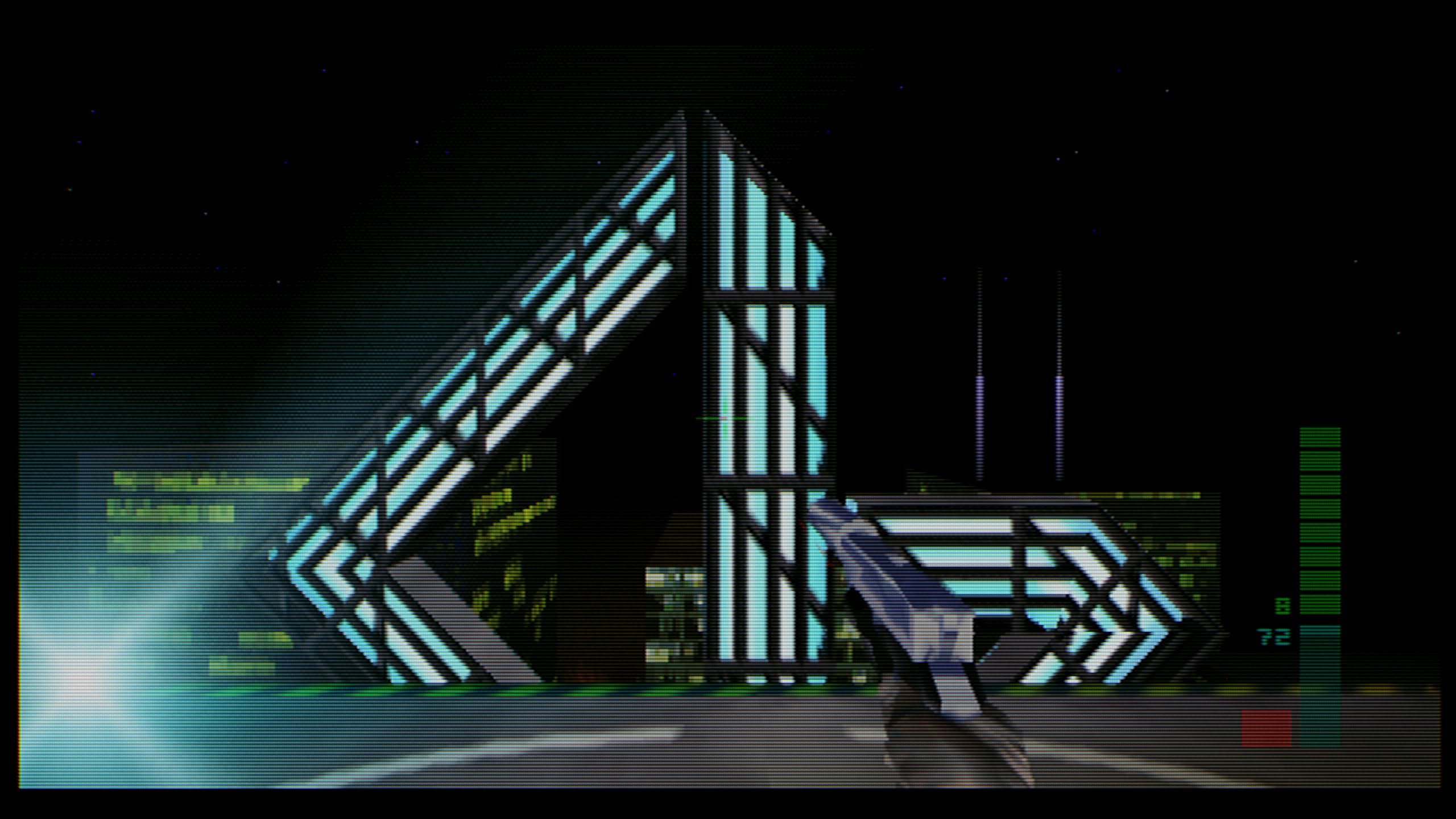
Perfect Dark on the Analogue 3D.
Tim Stevens for Engadget
I started my testing with the game that, in the eyes of many, represents the high-water mark of the N64 experience: Perfect Dark. Rare's classic first-person shooter shares a lot of its concepts (and surely its code) with that other N64 icon, Goldeneye. But, in the three years between those games, developers learned plenty of tricks, resulting in a game that really pushed the hardware to its limits.
Or past its limits, really. Perfect Dark was equally famous for its uneven frame rates. Expecting a one-to-one recreation of the original hardware, I was surprised to find the game running buttery smooth on the Analogue 3D. How?
The system includes a series of tweaking and tuning options, including something of a baked-in overclocking function. By default, it's on Auto, which, at least in the case of Perfect Dark, dialed up the Analogue 3D's power to make up for the original system's polygon processing shortcomings. But the Analogue 3D is nothing if not tweakable, and with a few taps into the system's menu, I was able to turn that off.
Now locked into "Force Original Hardware" mode, Perfect Dark played just like it did back in the day, a shaky and jittery testament to the overachieving aspirations of Rare's developers. And, thanks to more settings adjustments, I could enable the 16:9 mode in Perfect Dark and stretch the video output on the Analogue 3D, getting a proper widescreen effect — even though the game doesn't output a full 16:9 grid of pixels.
Super Robot Spirits on the Analogue 3D.
Tim Stevens for Engadget
Beyond Auto, you can set the game to run in Enhanced, Enhanced+ and Unleashed speeds. I switched over to another game notorious for its poor performance: Superman: The New Superman Adventures. I initially reviewed this game way back in 1999, and it has since become notorious as one of the worst of all time.
It's no better today, but thanks to the Analogue 3D, it is at least more fluid. The game's choppiness is gone, replaced by a too-rapid pace to the uninspired ring-chasing gameplay. Sadly, the faster frame rate doesn't make up for the omnipresent green fog that makes Superman 64 feel so claustrophobic. Neither does it fix the crunchy, murky textures that surround you in Perfect Dark.
It's not all bad, though. 1997's Super Robot Spirits, a giant robot fighting game released only in Japan, features untextured 3D models that use Gouraud shading to look a little less blocky. The result looks genuinely crisp and clean on the Analogue 3D.So too do games like Mario Kart 64 and Yoshi's Story, 3D games that rely heavily on 2D elements, which scale very nicely up to a modern, 65-inch 4K OLED, like the LG B7 I used for testing.
Unfortunately, there were few games that really popped for me. Much of the time, I was stuck looking at blurry, blocky textures poking out of foggy landscapes that were far less breathtaking than I remembered them 25-plus years ago.
Wrap-up
The Analogue 3D and the Nintendo 64.
Tim Stevens for Engadget
Analogue's earlier systems take some of the greatest 2D games ever made and elevate them to crisply defined, high-resolution pixel art. They are gorgeous and charming to behold, which just makes them all the more engaging to play. Sadly, few of the games on the N64 stand up so well. Making these games look truly good would require pushing back the omnipresent fog and upscaling the ugly textures that plague many N64 games. That, it's safe to say, would go well past the point of faithful recreation that Analogue strives for.
It's hard to fault the Analogue 3D itself for this. The hardware does a remarkable job of recreating that original experience. My N64 library has never looked better, and I am definitely enjoying digging into games I haven't played in decades, plus a few newly acquired gems that I missed back in the day. But, more often than not, I'm left shaking my head at just how bad these games looked, and no amount of 4K upscaling and CRT emulation can fix that.
This article originally appeared on Engadget at https://www.engadget.com/gaming/analogue-3d-review-modern-processing-cant-fix-vintage-flaws-160000410.html?src=rss
The financial software company Intuit has signed a nine-figure deal with OpenAI which will allow customers to use its various services within ChatGPT. Intuit’s apps include Intuit Turbo Tax, Credit Karma, QuickBooks and MailChimp, all of which will now be accessible when using OpenAI’s chatbot for personalized financial advice and management.
The partnership is driven by what Intuit calls the "hundreds of millions of consumers and businesses" that ask ChatGPT finance-related questions every week. Consumers will be able to use Intuit’s apps within ChatGPT to research credit cards and mortgages, with advice tailored to their spending. They can also permit the chatbot to access their financial data to estimate their tax refund amounts and schedule appointments with a "live, AI-powered tax expert."
On the business side, companies can use ChatGPT to get advice on how to increase their revenue based on their current performance. They can also create targeted campaigns to send out to prospective customers and use AI to generate invoice reminders.
Intuit has been investing heavily in AI for the last 10 years, introducing its own AI assistant back in 2023 and building it into its products. Its $100 million contract with OpenAI will also see it widen its use of the latter’s models and their agentic capabilities across its platform. Generative AI allows Intuit customers to complete their financial tasks and ask questions about complex subjects using natural language prompts.
OpenAI is seemingly committed to growing its reputation as a credible source of finance-related guidance and information. Last month it acquired a personal investing app called ROI, which uses a built-in chatbot to advise users on potential investments.
This article originally appeared on Engadget at https://www.engadget.com/ai/intuit-is-integrating-its-tax-and-accounting-products-with-chatgpt-153809280.html?src=rss
I’ll be honest. When I was first diagnosed with diabetes, one of my biggest fears wasn’t just managing my blood sugar or giving myself injections. It was the thought of walking around with devices that screamed “medical patient” everywhere I went. I wanted to feel like myself, not like someone who needed constant hospital-grade equipment just to get through lunch.
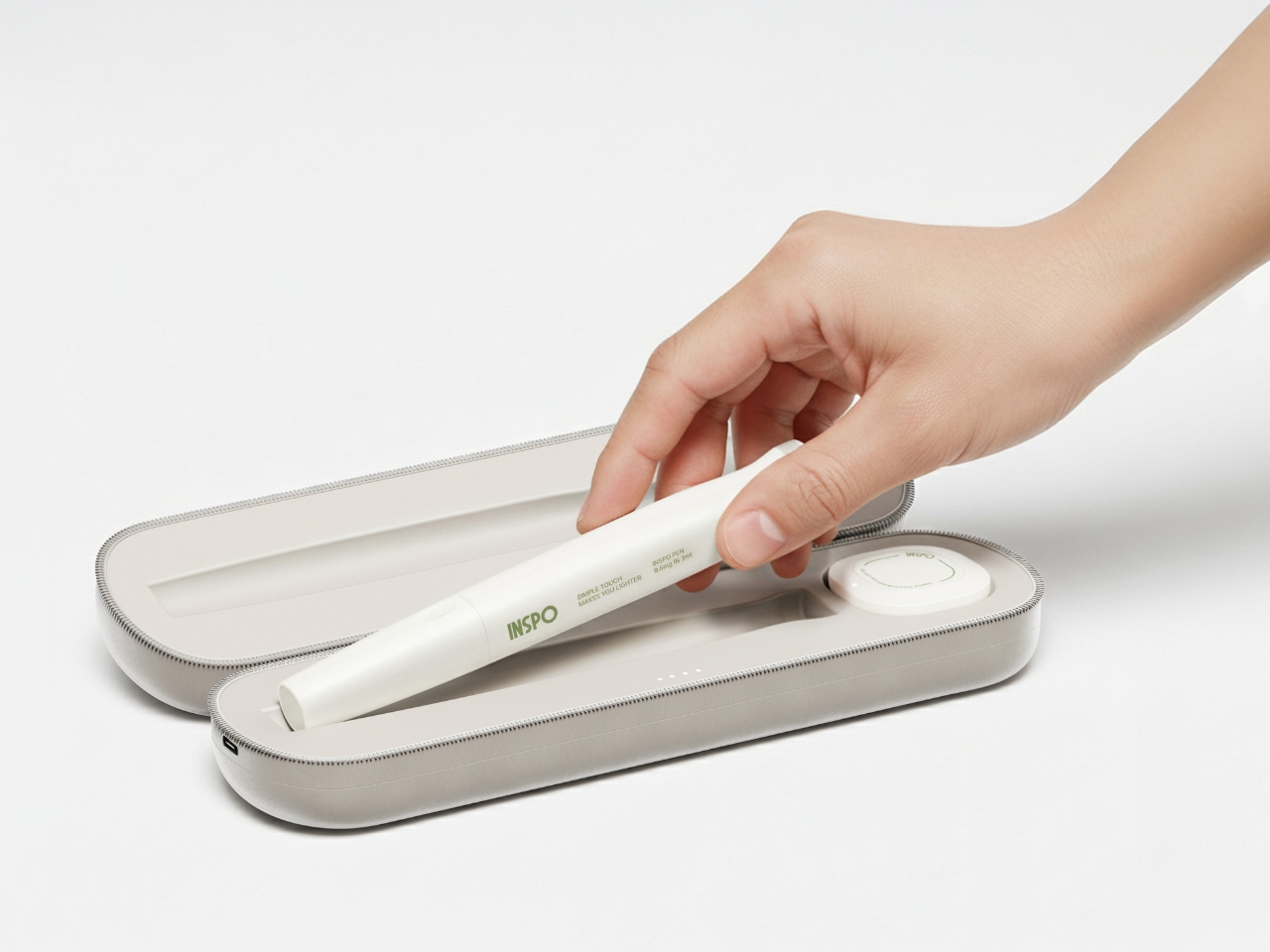
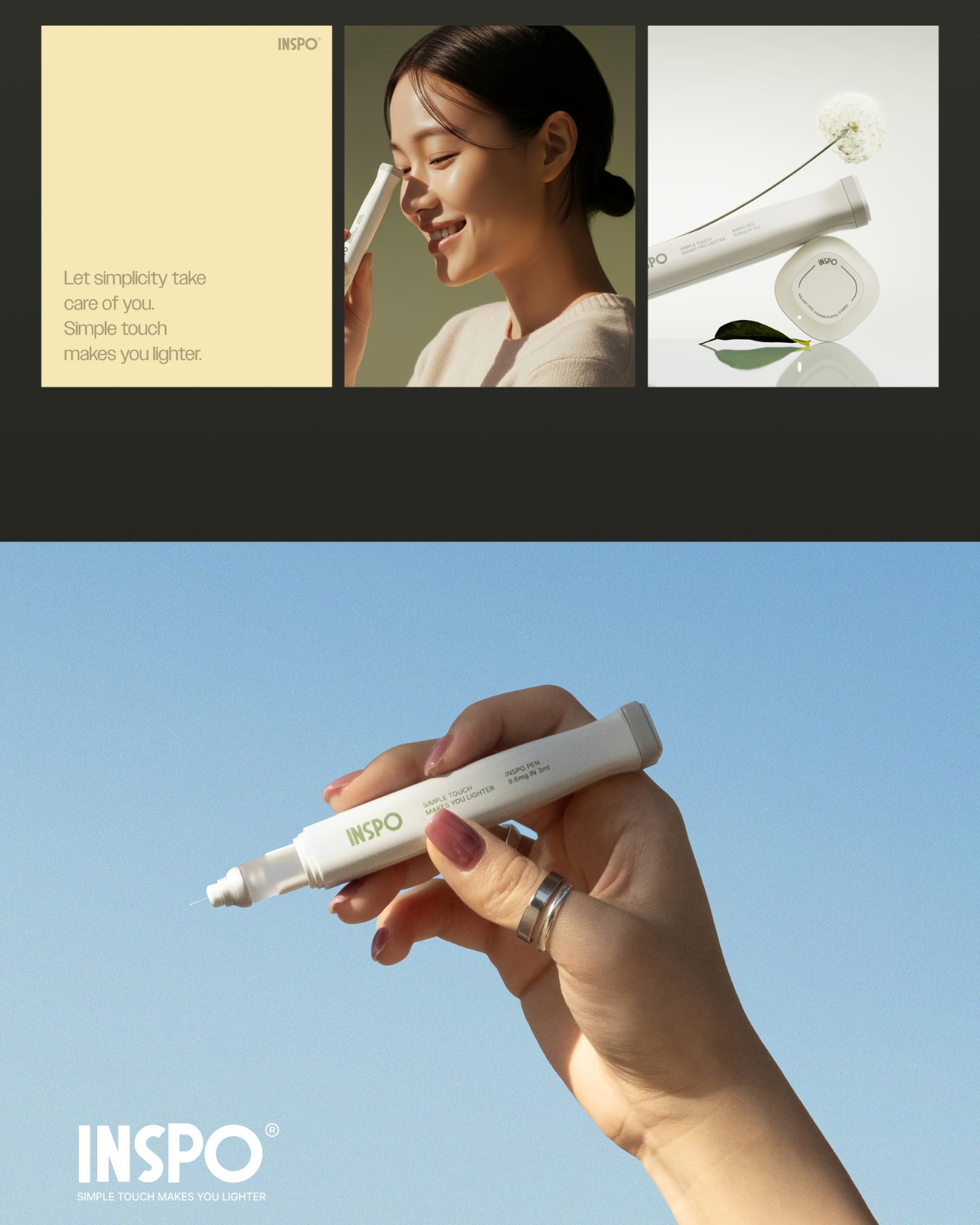
That’s why the INSPO smart insulin delivery system caught my attention. Designed by Minseo Lee and Haneul Kang, this isn’t just another glucose monitor or insulin pen. It’s a complete rethinking of what diabetes management could look like if someone actually considered how we want to live our lives.
Current diabetes technology has made incredible strides, don’t get me wrong. Insulin pumps and continuous glucose monitors have genuinely saved lives. But they come with baggage that goes beyond their physical weight. The financial burden is real. High upfront costs, endless consumables, insurance companies that may or may not cover what you need. And then there’s the psychological weight of wearing something that looks like it belongs in a medical facility rather than at a coffee shop or the gym.
I’ve watched the design world transform emergency kits and fire extinguishers from eyesores into objects that blend beautifully into modern homes. INSPO applies that same philosophy to diabetes care. The message is simple but revolutionary: medical devices should expand their design language so we can use them naturally in daily life, not just in clinical settings.
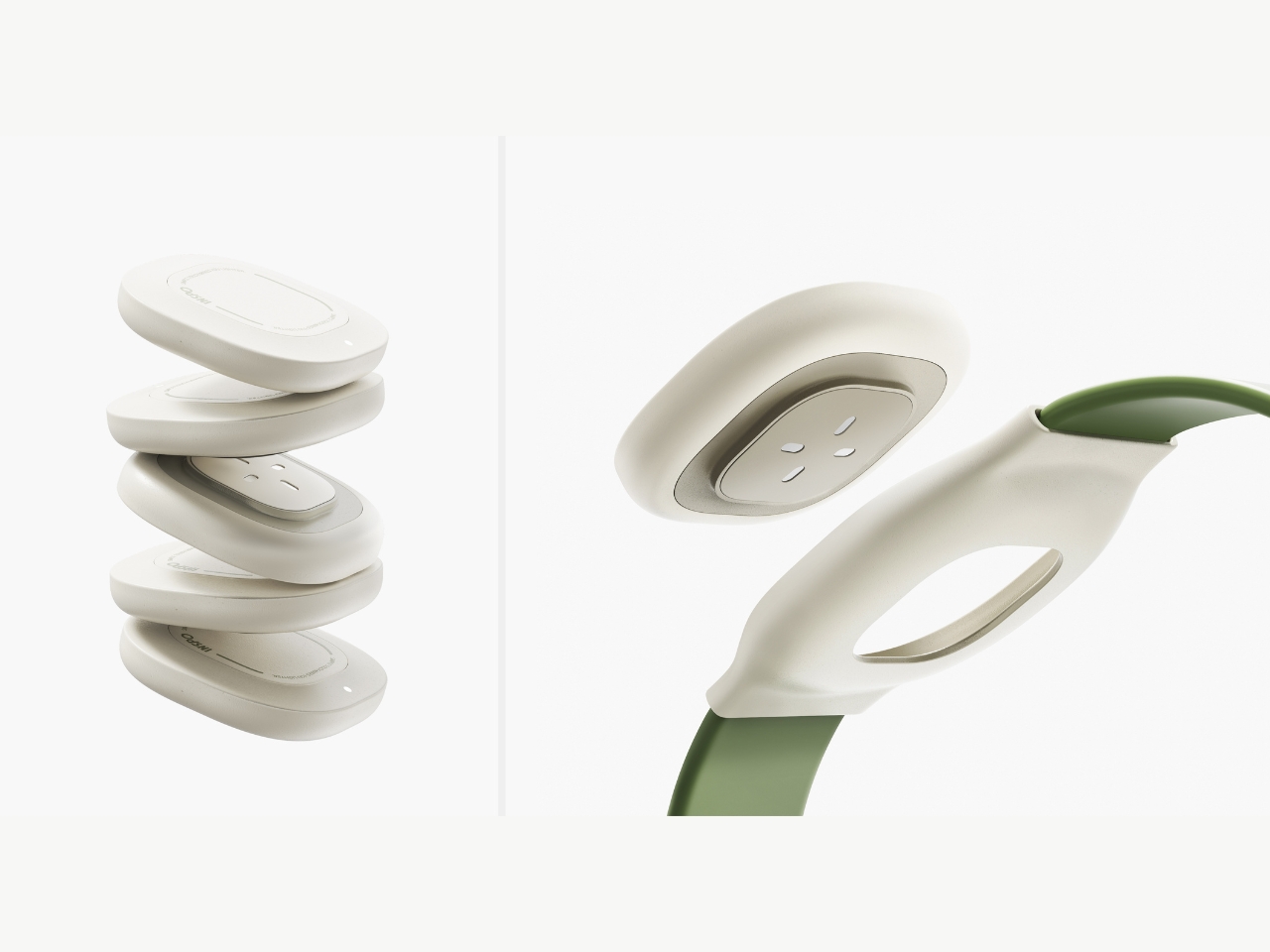
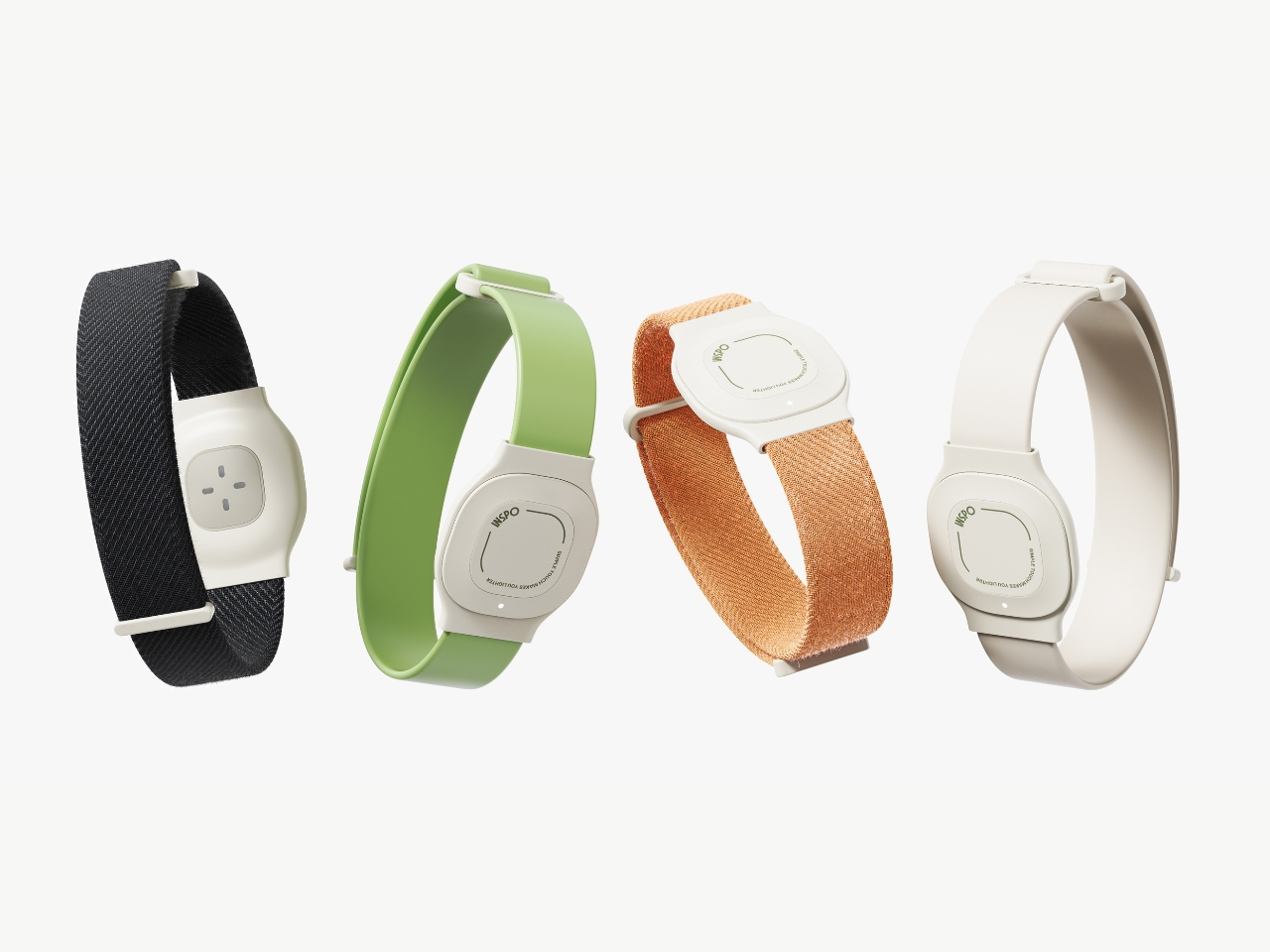
What makes INSPO different starts with its approach to glucose monitoring. The continuous glucose monitoring device straps onto your upper arm and measures blood sugar levels non-invasively. No more finger pricks throughout the day, no more finding discrete places to draw blood when you’re out. The CGM quietly does its job while you do yours, and the best part? It comes with customizable straps in various designs. Finally, someone understood that personal expression matters, even when we’re talking about medical devices.
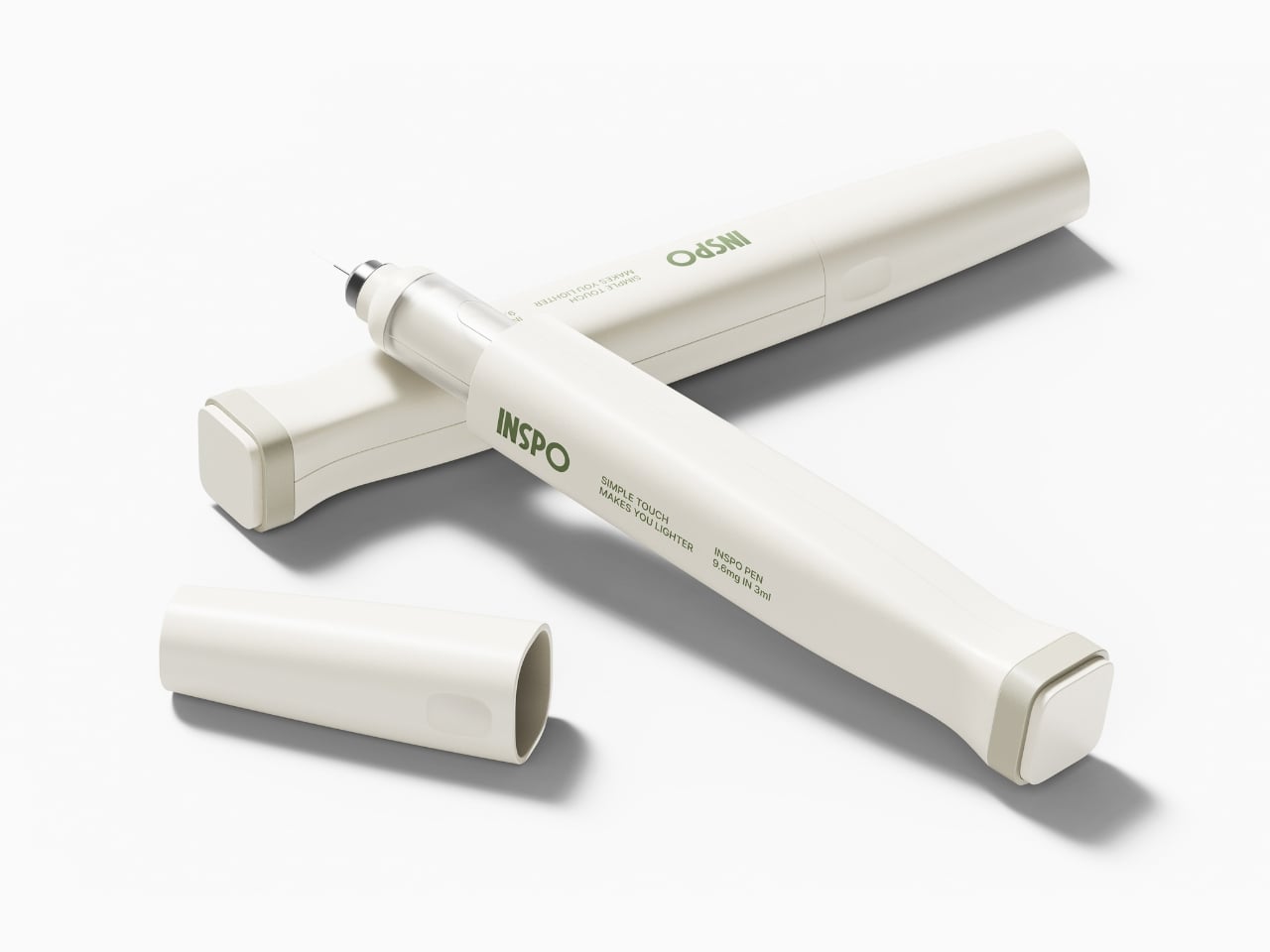
The insulin pen itself is where INSPO really shines. It works in real time with the CGM, automatically adjusting the dosage based on your current needs. When you need to inject, a hidden interface appears at the top of the pen, displaying your exact dosage. It’s discreet, elegant, and gives you the information you need without announcing your condition to everyone around you. The sensual, natural design means I wouldn’t think twice about using it at a restaurant or during a work meeting. It looks like something I chose to carry, not something I’m forced to manage.
The system includes a sleek case that holds both the insulin pen and CGM, with built-in pogo-pin charging terminals. Everything stores and charges simultaneously, which means one less thing to remember, one less task in an already complicated daily routine. The case is designed to go anywhere, which matters when your life doesn’t revolve around being near an outlet or a safe storage spot.
Using INSPO is refreshingly simple. You wear the CGM on your upper arm. It measures your glucose continuously and transmits that data to the insulin pen. When you need insulin, you check the hidden interface for your precise dose, then inject with a single touch. That’s it. No complex calculations, no second-guessing, no mental gymnastics while you’re trying to enjoy your meal or focus on your day.
The designers talk about transforming diabetes devices “from something you once hid, to a lifestyle device you’re proud to reveal.” That resonates deeply with me. I’m tired of feeling like I need to apologize for my condition or hide the tools that keep me healthy. INSPO represents a shift in thinking where managing diabetes doesn’t mean sacrificing style, confidence, or the simple pleasure of blending in when you want to.
This is what the future of diabetes care should look like. Not just smarter technology, but thoughtful design that acknowledges we’re whole people with lives we want to live fully. INSPO doesn’t just help manage diabetes, it helps us reclaim the parts of ourselves we shouldn’t have to give up in the first place.
Xbox has revealed the last batch of Game Pass additions for November along with a couple of titles that are coming to the service in December. Starting today, though, Game Pass Ultimate subscribers have a Fortnite Crew subscription at no extra cost.
That includes access to the current Fortnite battle pass, along with the OG pass, Lego pass, music pass and Rocket League’s rocket pass premium. On top of that, Fortnite Crew puts 1,000 V-Bucks in subscribers’ wallets every month.
Microsoft announced Fortnite Crew as a perk for Game Pass Premium in early October, when it jacked up the price of the service to $30 per month. Still, it’s a decent value add for Fortnite players, given that a Crew membership costs $12 per month by itself. Seems like as good a reason as any to check out the current Simpsons-themed season of Fortnite Battle Royale if you have an Ultimate subscription.
As for the games that are joining the service over the next couple of weeks, there are two day-one additions to Game Pass Premium and PC Game Pass. Action RPG title Moonlighted 2: The Endless Vault joins the lineup as a PC-only game preview on November 19.
Then, on December 1, a game we’re pretty darn excited for joins the fray in the form of Marvel Cosmic Invasion. This is a sidescrolling beat-‘em-up from Tribute Games and publisher Dotemu, the same tandem that brought us the terrific Teenage Mutant Ninja Turtles: Shredder’s Revenge. You can choose from a roster of 15 fighters in Cosmic Invasion, including Iron Man, Phoenix/Jean Grey, Spider-Man and Wolverine. The demo is a blast, so here's hoping for more of that from the full game, which is also coming to Nintendo Switch, Switch 2, PS4 and PS5 on December 1.
Lost Records: Bloom & Rage is a spiritual successor to Life is Strange from the creator of that series, Don't Nod. It debuted earlier this year and it's coming to Game Pass Ultimate and Premium, as well as PC Game Pass, for cloud, PC and Xbox Series X/S on December 2. Don't Nod is also behind last year's action RPG Banishers: Ghosts of New Eden, which I enjoyed quite a bit. That's coming to the same Game Pass tiers on the same platforms on November 25.
The other Game Pass additions for the next two weeks are:
Kulebra and the Souls of Limbo (cloud, console and PC) – November 19, arriving on Game Pass Premium
Revenge of the Savage Planet (cloud, PC and Xbox Series X/S) – November 19, arriving on Game Pass Premium
Monsters are Coming! Rock & Road (handheld and PC) – November 20 on Game Pass Ultimate and PC Game Pass
The Crew Motorfest (cloud, console and PC) – November 20 on Game Pass Ultimate and PC Game Pass
Kill It With Fire! 2 (cloud, console, and PC) – November 25 on Game Pass Ultimate, Game Pass Premium and PC Game Pass
As for the titles leaving Game Pass this month, Barbie Project Friendship, Lords of the Fallen, Octopath Traveler, Octopath Traveler II and SteamWorld Build (all for cloud, console and PC) will depart the service for the time being on November 30.
This article originally appeared on Engadget at https://www.engadget.com/gaming/xbox/xbox-game-pass-ultimate-now-includes-a-fortnite-crew-subscription-151826277.html?src=rss
Amazon MGM has released another full-length trailer for Project Hail Mary and we are already at the theater seated. The three minute and four second trailer shows Ryan Gosling as Dr. Ryland Grace, a school teacher and former biologist who wakes up on a spacecraft with no idea who he is or why he's there.
The first trailer gave us a look at Dr. Grace's first moments after waking up and an overview of his mission: find the one star in the universe that's not dying and save the world — no big deal. Today's trailer gives us a better idea of how he'll go about this and the alien he teams up with along the way. Check it out for yourself on Amazon MGM's YouTube channel here.
Project Hail Mary is adapted from Andy Weir's novel of the same name. Weir also wrote The Martian, which was successfully turned into a 2015 film starring Matt Damon. This time around, Oscar-winning filmmakers Phil Lord and Christopher Miller are directing with a screenplay by Drew Goddard — the latter also wrote the adaptation of The Martian so we're in good hands. The movie also stars Sandra Hüller as the head of the titular Project Hail Mary.
You can see Project Hail Mary for yourself on March 20, 2026 in theaters and IMAX.
This article originally appeared on Engadget at https://www.engadget.com/entertainment/tv-movies/project-hail-mary-keeps-us-intrigued-in-a-second-trailer-151108278.html?src=rss
Macro photography unveils a mesmerizing world of intricate details, allowing you to capture subjects that often go unnoticed by the naked eye. With the right techniques, tools, and a commitment to practice, your iPhone can become a powerful device for producing stunning close-up images. The video below from iPhone Photography School explores the essentials of […]
If you’ve been waiting to grab a PlayStation 5, this Black Friday gaming deal is worth noting. Sony’s latest consoles are getting a $100 discount across the board, dropping the PS5 Digital Edition to $399, the standard PS5 to $449 and the PS5 Pro to $649. That’s one of the best prices we’ve seen on Sony’s hardware this year. You'll find the deals direct at Sony and from other retailers including Amazon and Walmart.
Sony’s flagship console remains one of the most popular gaming systems available, and this Black Friday discount makes it even easier to jump in if you haven’t already. The standard PS5 and the slimmer PS5 Digital Edition both offer fast load times, smooth frame rates and crisp visuals powered by the custom AMD Zen 2 processor and RDNA 2 GPU. The difference between them comes down to the disc drive — the standard model includes one, while the Digital Edition relies entirely on digital downloads.
For those who want top-tier performance, the PS5 Pro is also getting a rare $100 discount. It features upgraded specs and enhanced ray tracing for sharper graphics, along with improved cooling to handle more demanding titles. Whether you play cinematic single-player hits or fast-paced competitive games, the PS5 lineup remains one of the strongest options on the market for next-gen gaming.
Each console supports 4K output, 3D audio and access to PlayStation Plus, which unlocks online multiplayer and a rotating library of free games. The DualSense controller remains a highlight, with adaptive triggers and haptic feedback that make everything from racing to combat feel more immersive.
If you’re already set with a console, there are also a few solid accessory deals to consider for Black Friday. The DualSense Wireless Controller is down to $55, a $25 discount available in multiple colors. The premium DualSense Edge controller, which adds customizable buttons and replaceable stick modules, drops to $169 during Black Friday. Meanwhile, the PlayStation Portal — Sony’s portable Remote Player that lets you stream games from your PS5 — gets discounted to $179.
This article originally appeared on Engadget at https://www.engadget.com/deals/black-friday-playstation-deals-that-are-still-live-ps5-consoles-are-100-off-plus-discounts-on-games-accessories-and-more-145622627.html?src=rss
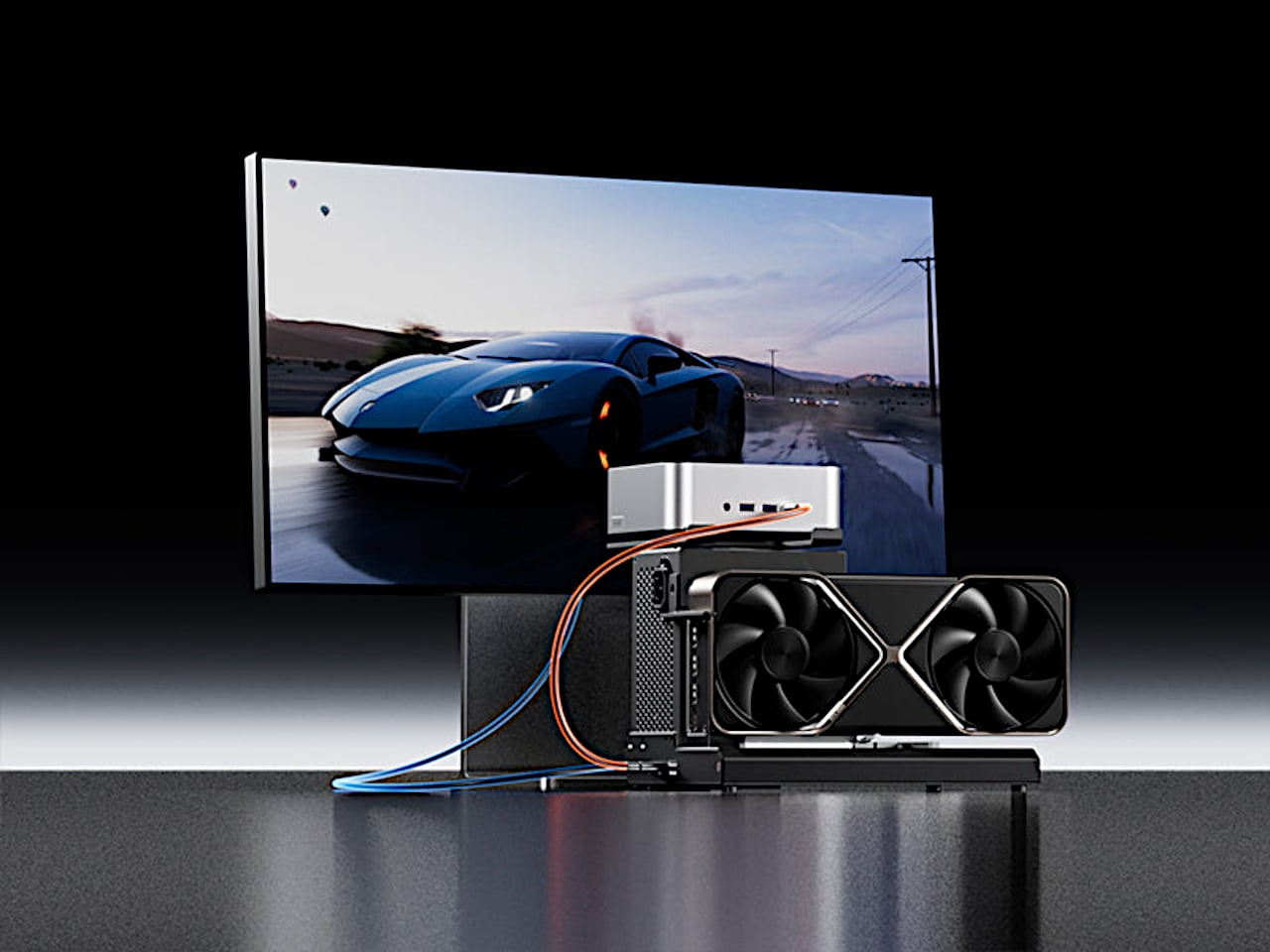
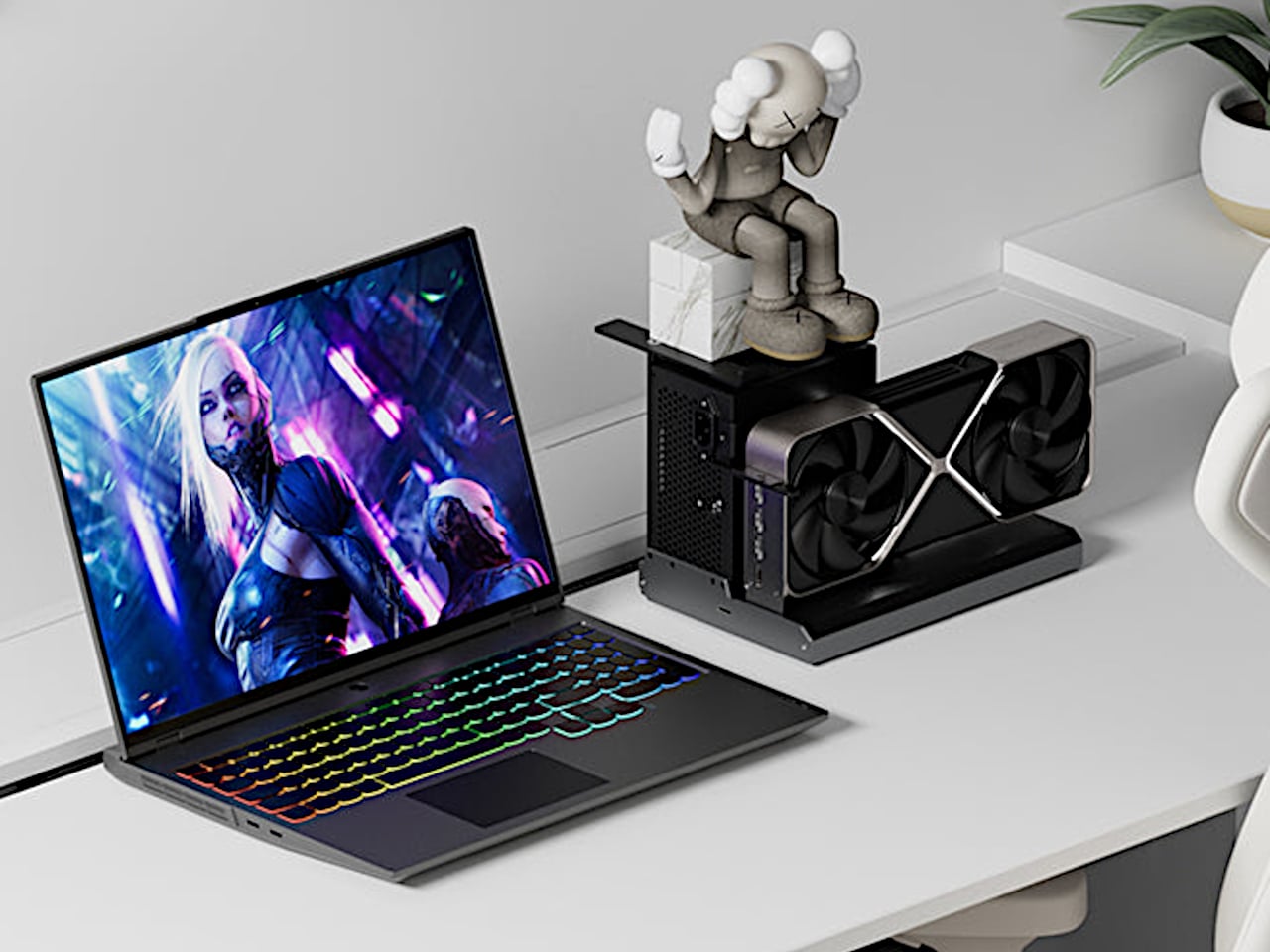
Mini PCs and handheld gaming devices are getting impressively powerful CPUs, but their graphics capabilities still lag behind desktop machines by a wide margin. Integrated graphics can handle everyday tasks and lighter games just fine, but demanding titles or creative work that needs GPU acceleration quickly expose the limitations. External GPU docks have become a popular solution for bridging that gap, letting you plug a desktop graphics card into a compact device whenever you need the extra horsepower.
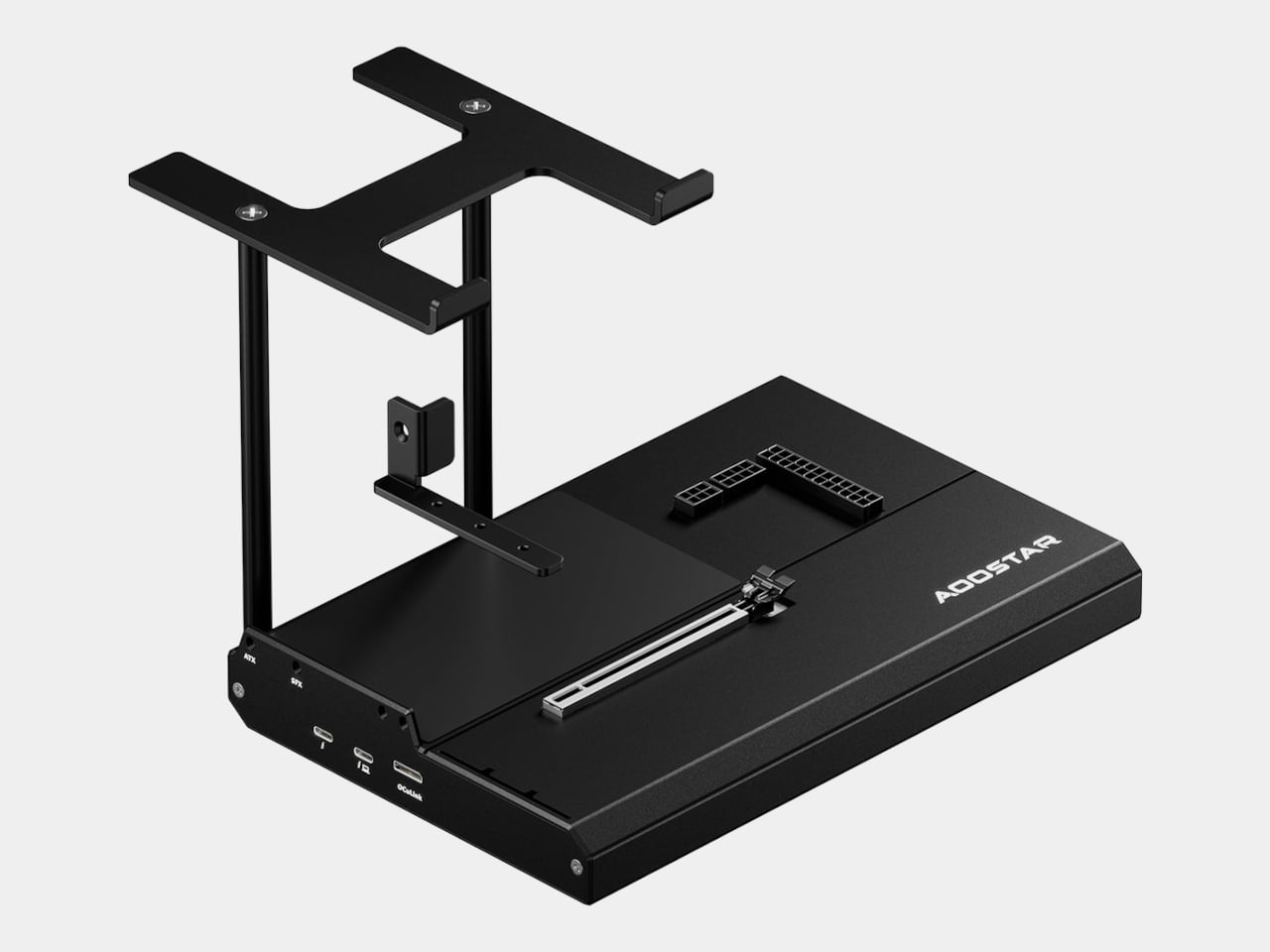
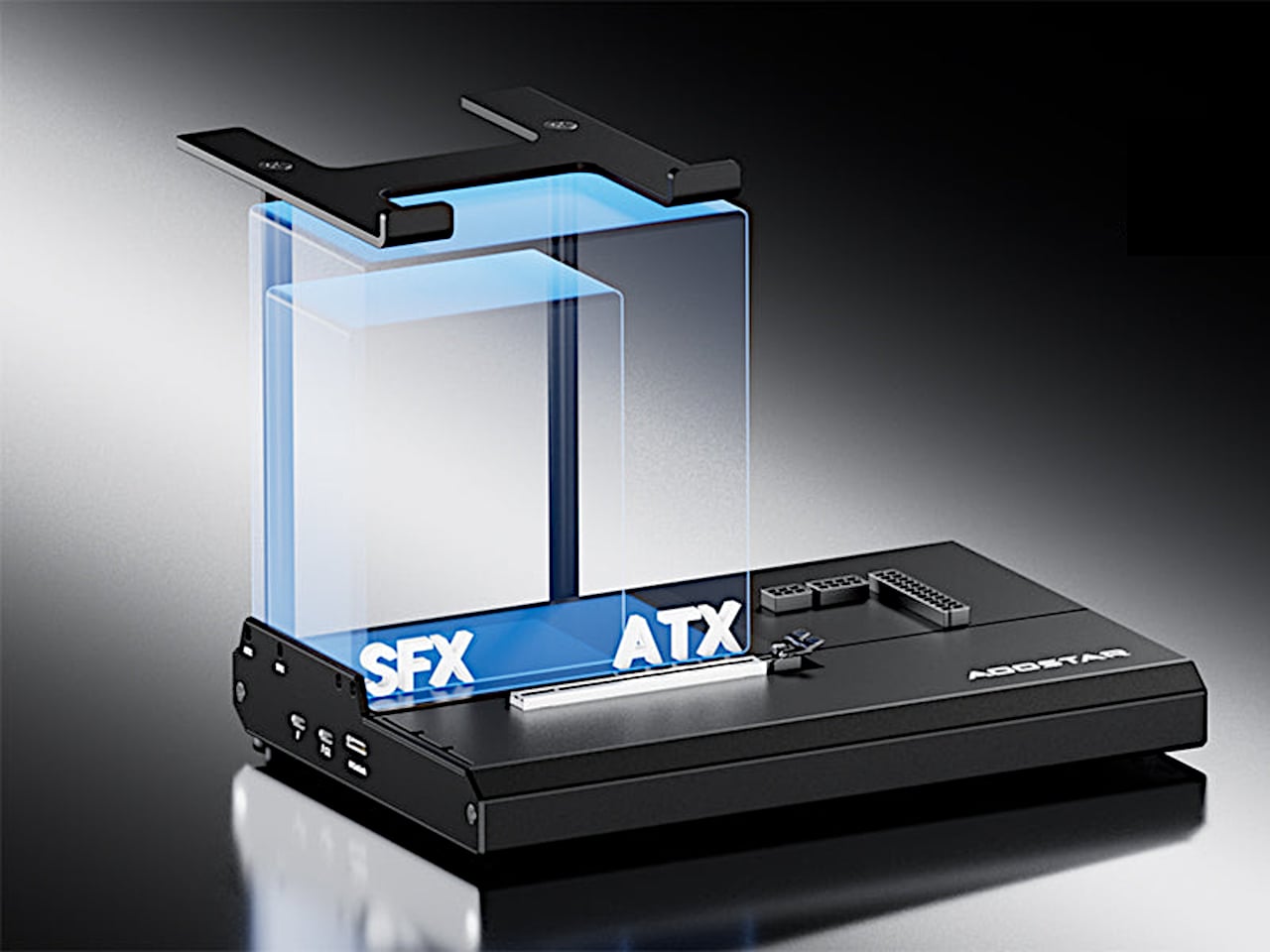
The AOOSTAR EG02 takes a different approach from most eGPU solutions by giving you a barebones platform where you bring your own power supply and graphics card. It’s designed for enthusiasts who use mini PCs, laptops, or handheld gaming devices and want the flexibility to configure their own GPU setup. The dock supports both Thunderbolt 5-class connections and Oculink, covering the two major high-bandwidth paths for connecting external graphics to modern compact computers.
The connectivity story here is worth understanding. Two front-facing USB-C ports deliver Thunderbolt 5-level bandwidth, which works with newer laptops and some handhelds that support the standard. There’s also an Oculink port that exposes a direct PCIe 4.0 x4 link, favored by mini PC users because it offers lower overhead and more consistent performance than Thunderbolt in some scenarios. Having both options means the dock works with whatever connection your host device supports.
Power comes from whatever ATX or SFX power supply you install in the back of the chassis. That dual-spec support means you can use anything from a compact 600-watt unit to a massive 1000-watt brick, depending on what kind of GPU you’re running. The all-metal chassis features an integrated aluminum frame with an adjustable GPU support arm that slides to match different card lengths, preventing sag and keeping everything stable.
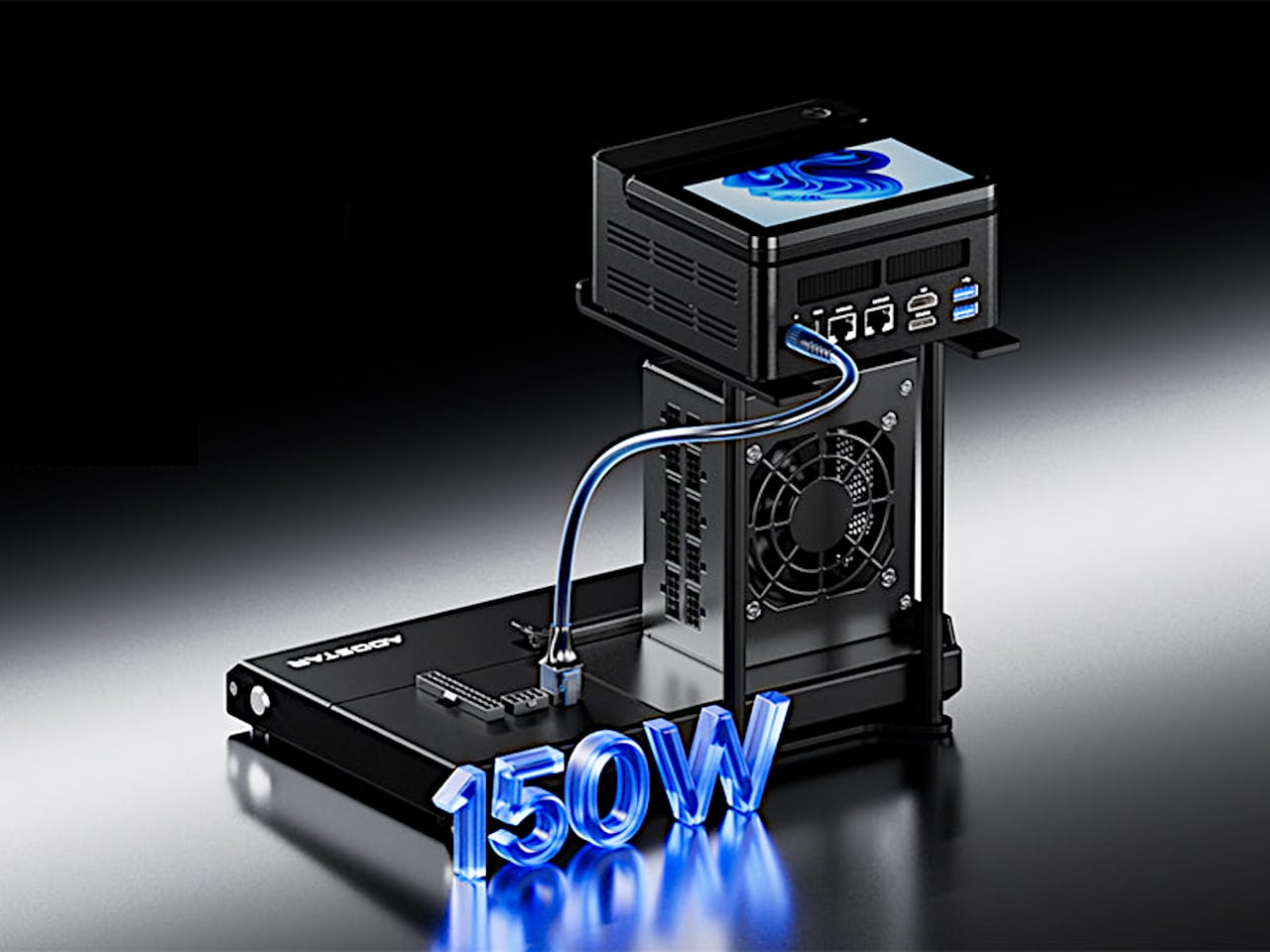
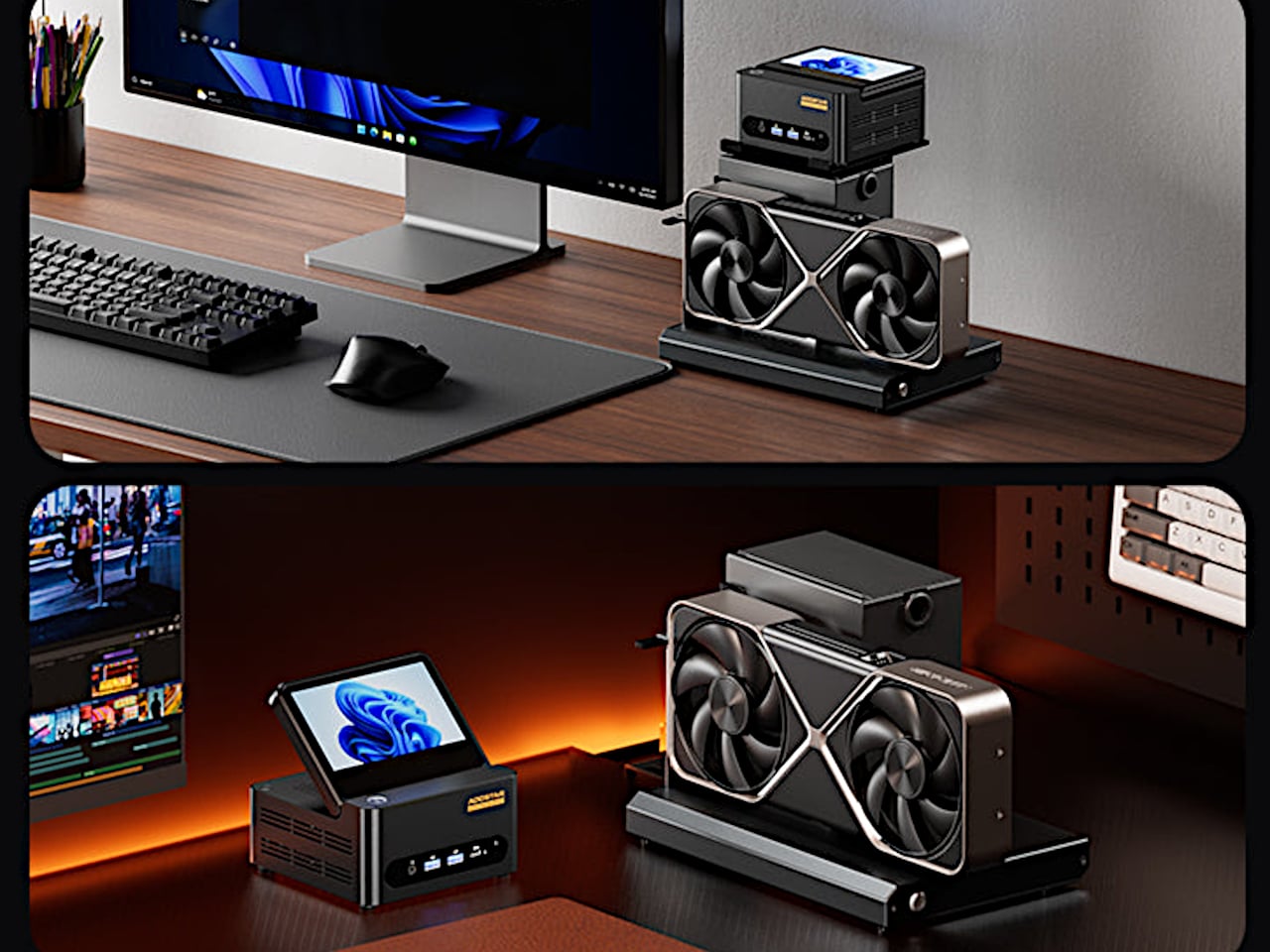
Above the power supply sits a removable stand designed to hold a mini PC, creating a vertical stack where the PSU, mini PC, and GPU all occupy the same footprint. That’s useful if you want a compact all-in-one rig on your desk, but the stand can be detached if your mini PC will live somewhere else, like next to a monitor or tucked behind other gear.
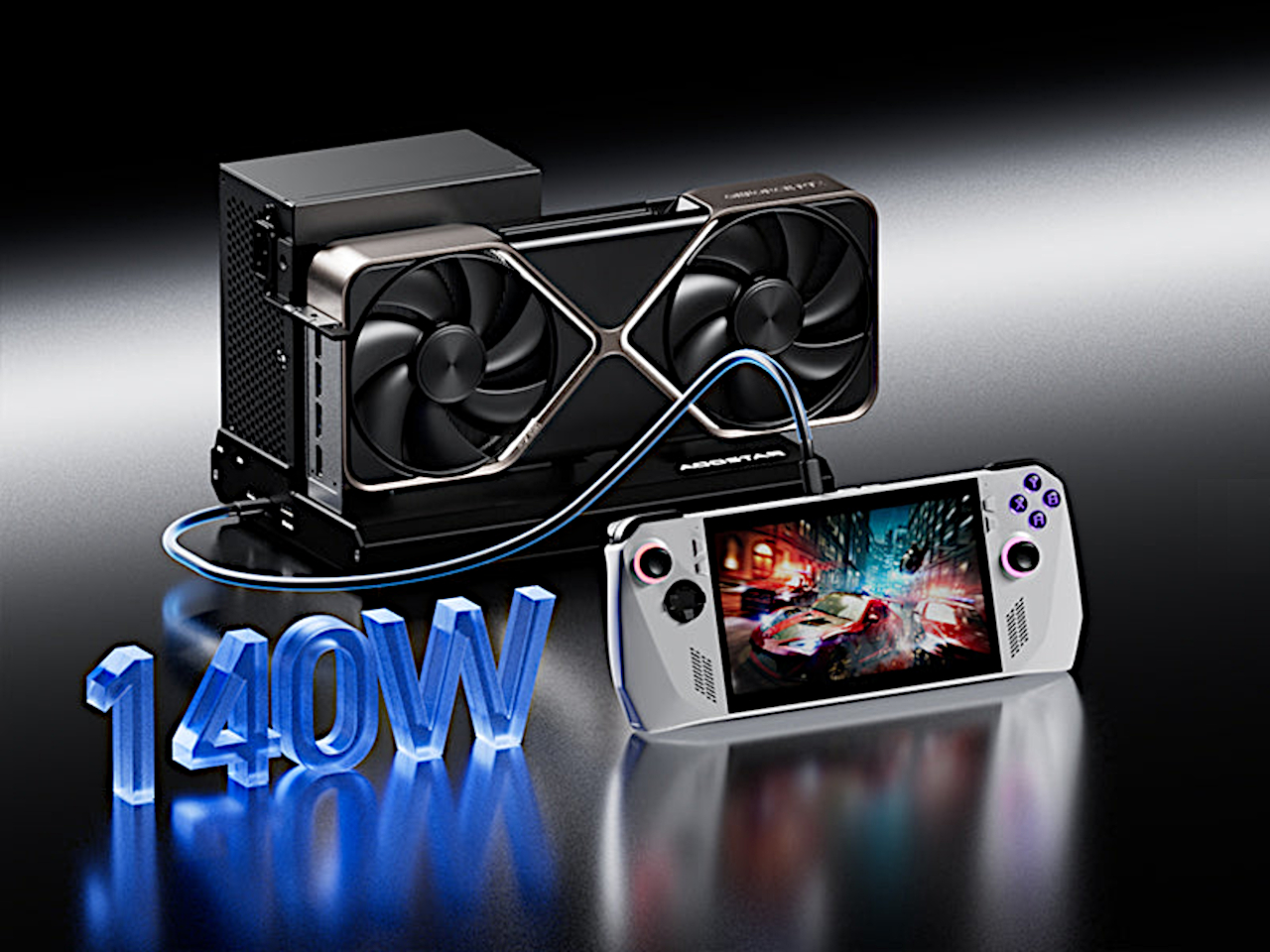
The design encourages tinkering rather than hiding the hardware. In the lifestyle photos, you can see a mini PC perched on top of the dock with cables running to a GPU, or a handheld gaming device plugged in and suddenly pulling power from a full-size desktop card. It’s a modular approach that gives you control over every component and makes upgrades straightforward.
The EG02 is clearly aimed at people who enjoy building and tweaking their setups rather than those looking for a sealed, plug-and-play solution. As computing continues shrinking into handhelds and tiny boxes, a dock like this feels like a natural companion for anyone who still wants desktop-class graphics performance without committing to a full tower that occupies half their desk and costs twice as much.
Mastodon's founder Eugen Rochko has officially stepped down as CEO. The move comes ten months after the company announced it would transition into a nonprofit entity and that Rochko would leave his post. Rochko will take on an advisory role with the company.
In a blog post about this decision, Rochko pointed to a desire for guardrails to avoid becoming another egotistical founder "sabotaging thriving communities." He added, "But it would be uncouth for me to pretend that there isn’t some self-interest involved. Being in charge of a social media project is, turns out, quite the stressful endeavour, and I don’t have the right personality for it."
In his place, Felix Hlatky has taken on the role of executive director. Hlatky has worked at Mastodon since March 2020 and plans to focus on expanding the team, long-term financial stability and making it easier to run servers safely and efficiently.
Currently, Mastodon is operating as a nonprofit in the US, but aims to set up a permanent home base as a nonprofit in Belgium, known as an AISBL. Mastodon previously held nonprofit status in Germany but lost that it last year.
Mastodon has pursued outside funding since its announced transition to a nonprofit. It shared that Stock Exchange co-founder Jeff Atwood and his family gave the organization €2.2 million ($2.5 million). Part of that influx of cash has gone toward hiring new employees in its engineering, marketing, operations and product teams. Rochko also received a one-time €1 million ($1.2 million) compensation after ten years of "taking less than a fair market salary."
This article originally appeared on Engadget at https://www.engadget.com/social-media/mastodons-founder-is-no-longer-its-ceo-143011438.html?src=rss