Super Mario’s Invincibility Star as a Christmas Tree Topper might just be the Hottest Ornament Of 2025

Nostalgia has become one of the most powerful drivers in the tech and collectible markets. From miniature consoles to pixel-perfect Lego sets, the formula is well established: take a beloved cultural touchstone and re-engineer it for a modern audience. Nintendo, more than almost any other company, has mastered this to the point of it being an art (remember the Pokémon Tamagotchis from a few months ago?) Hallmark’s Keepsake line has long been a partner with Nintendo, translating iconic characters and scenes into physical ornaments for collectors.

The Super Mario Super Star tree topper represents something more deliberate than a typical licensed holiday product. At nearly $100, it’s clearly positioned as a premium item, targeting collectors and dedicated fans rather than casual shoppers looking for generic tree decor. The build reflects this positioning. Made from durable plastic and measuring about 11 inches across, it’s substantial enough to serve as a proper focal point. The design faithfully captures the star’s appearance from the games, complete with oversized expressive eyes that give it personality beyond a simple geometric shape.

Designers: Hallmark Keepsake Store & Nintendo

Click Here to Buy Now

The topper comes with a wall-powered adapter rather than relying on batteries, which is a smart choice for maintaining consistent brightness throughout the season. The lighting synchronizes with audio from the Super Mario Bros. soundtrack, specifically the invincibility theme that every player instantly recognizes. It’s a short 15-second loop, but that’s exactly how long the power-up lasts in the game, showing attention to detail that fans will appreciate.

The most clever piece of design here is arguably the remote control. Instead of a generic plastic fob, Hallmark has shaped it like one of the game’s classic gold coins, turning it into a secondary ornament that can hang elsewhere on the tree. This transforms the user interaction from a simple button press into an act that feels authentic to the Super Mario universe. You’re not just turning on a light; you’re metaphorically grabbing the coin to activate the power-up. It’s a thoughtful detail that bridges the gap between a physical holiday decoration and the digital memory it represents, delivering a small hit of that 8-bit dopamine right in your living room.

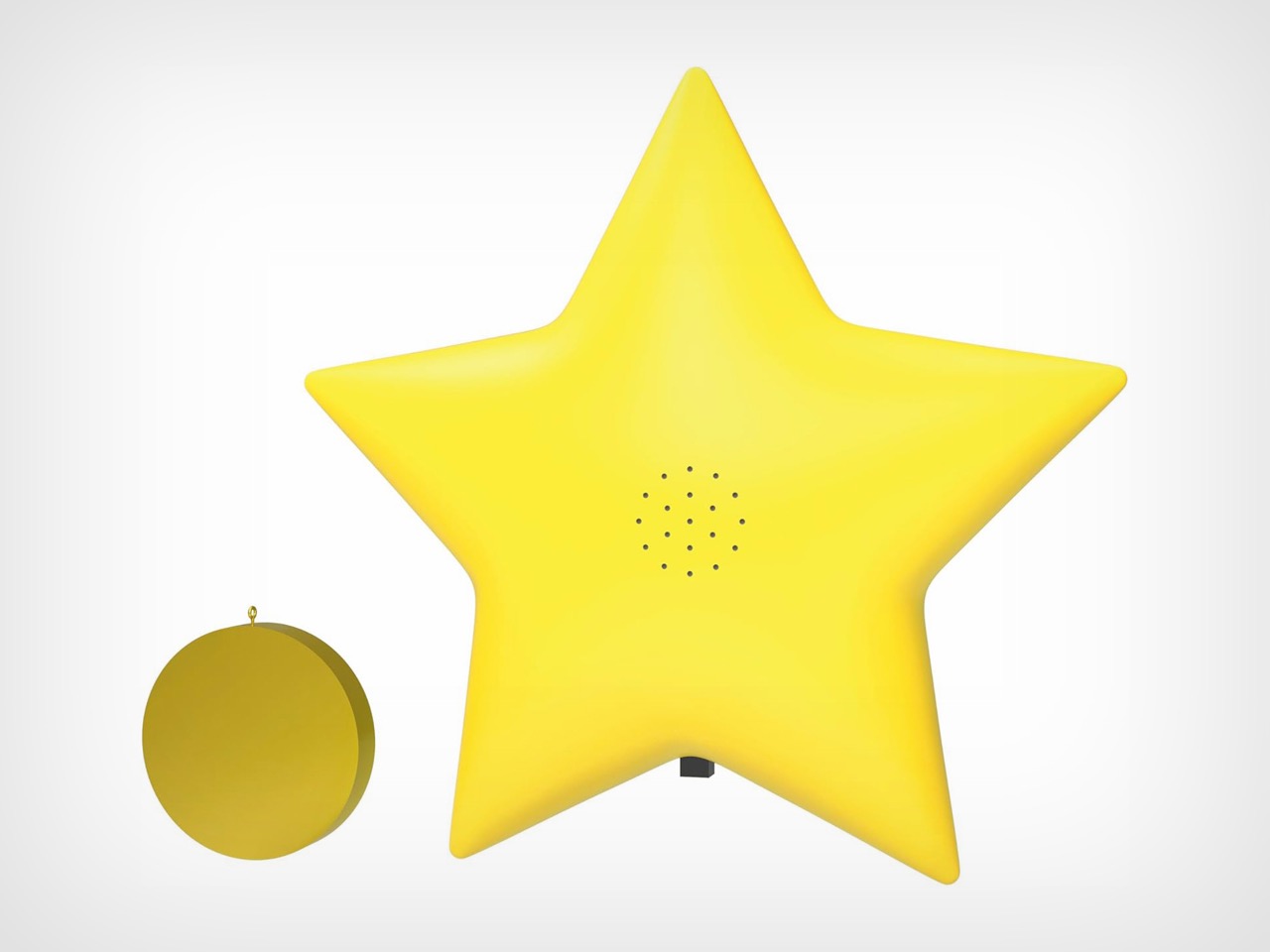
Photos and videos circulating online show how the topper looks in practice, and the consensus seems to be that it brings a genuinely playful energy to the tree. The bright yellow plastic catches ambient light even when the LEDs aren’t active, and when powered on, it becomes an unmistakable centerpiece. For homes with young children or dedicated gaming spaces, it fits naturally into the aesthetic. For more traditional settings, it might feel out of place, but that’s likely intentional. This product knows its audience.
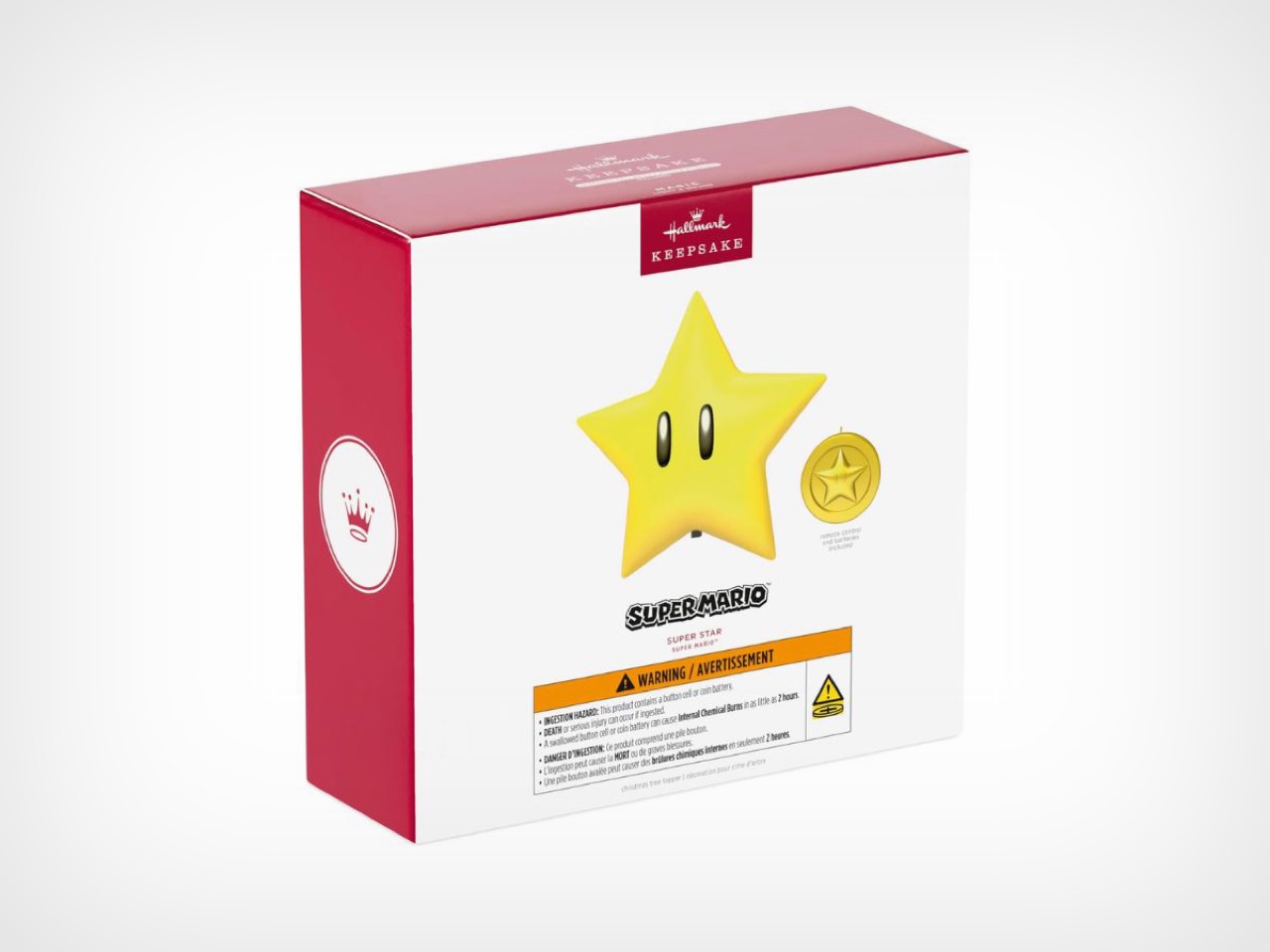
Hallmark released this as part of their July 2025 Ornament Premiere, and availability appears solid for now through Amazon, their official site, and specialty ornament retailers. Given the track record of Nintendo-licensed Keepsake items, though, it wouldn’t be surprising to see secondary market prices climb after the holidays, especially if it’s a one-year release. Grab yours now before you end up paying upwards of 500 bucks on ebay.

Click Here to Buy Now

The post Super Mario’s Invincibility Star as a Christmas Tree Topper might just be the Hottest Ornament Of 2025 first appeared on Yanko Design.

Super Mario’s Invincibility Star as a Christmas Tree Topper might just be the Hottest Ornament Of 2025

Nostalgia has become one of the most powerful drivers in the tech and collectible markets. From miniature consoles to pixel-perfect Lego sets, the formula is well established: take a beloved cultural touchstone and re-engineer it for a modern audience. Nintendo, more than almost any other company, has mastered this to the point of it being an art (remember the Pokémon Tamagotchis from a few months ago?) Hallmark’s Keepsake line has long been a partner with Nintendo, translating iconic characters and scenes into physical ornaments for collectors.

The Super Mario Super Star tree topper represents something more deliberate than a typical licensed holiday product. At nearly $100, it’s clearly positioned as a premium item, targeting collectors and dedicated fans rather than casual shoppers looking for generic tree decor. The build reflects this positioning. Made from durable plastic and measuring about 11 inches across, it’s substantial enough to serve as a proper focal point. The design faithfully captures the star’s appearance from the games, complete with oversized expressive eyes that give it personality beyond a simple geometric shape.

Designers: Hallmark Keepsake Store & Nintendo

Click Here to Buy Now

The topper comes with a wall-powered adapter rather than relying on batteries, which is a smart choice for maintaining consistent brightness throughout the season. The lighting synchronizes with audio from the Super Mario Bros. soundtrack, specifically the invincibility theme that every player instantly recognizes. It’s a short 15-second loop, but that’s exactly how long the power-up lasts in the game, showing attention to detail that fans will appreciate.

The most clever piece of design here is arguably the remote control. Instead of a generic plastic fob, Hallmark has shaped it like one of the game’s classic gold coins, turning it into a secondary ornament that can hang elsewhere on the tree. This transforms the user interaction from a simple button press into an act that feels authentic to the Super Mario universe. You’re not just turning on a light; you’re metaphorically grabbing the coin to activate the power-up. It’s a thoughtful detail that bridges the gap between a physical holiday decoration and the digital memory it represents, delivering a small hit of that 8-bit dopamine right in your living room.

Photos and videos circulating online show how the topper looks in practice, and the consensus seems to be that it brings a genuinely playful energy to the tree. The bright yellow plastic catches ambient light even when the LEDs aren’t active, and when powered on, it becomes an unmistakable centerpiece. For homes with young children or dedicated gaming spaces, it fits naturally into the aesthetic. For more traditional settings, it might feel out of place, but that’s likely intentional. This product knows its audience.

Hallmark released this as part of their July 2025 Ornament Premiere, and availability appears solid for now through Amazon, their official site, and specialty ornament retailers. Given the track record of Nintendo-licensed Keepsake items, though, it wouldn’t be surprising to see secondary market prices climb after the holidays, especially if it’s a one-year release. Grab yours now before you end up paying upwards of 500 bucks on ebay.

Click Here to Buy Now

The post Super Mario’s Invincibility Star as a Christmas Tree Topper might just be the Hottest Ornament Of 2025 first appeared on Yanko Design.

‘Divine’ is a Jack Dorsey-backed Vine reboot for 2025

Nearly a decade after going offline, Vine is (sort of) back and, in a truly bizarre twist, Jack Dorsey is at least partially responsible. An early Twitter employee has released a beta version of a rebooted Vine — now called "Divine" — that revives the app's six-second videos and includes a portion of the original app's archive. 

The project comes from Evan Henshaw-Plath, a former Twitter employee who goes by "Rabble," and has backing from Dorsey's nonprofit "and Other Stuff," which funds experimental social media apps built on the open source nostr protocol. Rabble has so far managed to resurrect about 170,000 videos from the original Vine thanks to an old archive created before Twitter shut down the app in 2017. In an FAQ on Divine's website, he says that he also hopes to restore "millions" of user comments and profile photos associated with those original posts as well. 

But Divine is more than just a home for decade-old clips. New users can create six-second looping videos of their own for the platform. The app also has many elements that will be familiar to people who have used Bluesky or other decentralized platforms, including customizable controls for content moderation and multiple feed algorithms to choose from. The site's FAQ says Divine plans to support custom, user-created algorithms too.

Divine is also taking a pretty strong stance against AI-generated content. The app will have built-in AI detection tools that will add badges to content that's been verified as not created or edited with AI tools. And, according to TechCrunch, the app will block uploads of suspected AI content.

"We're in the middle of an AI takeover of social media," Divine explains on its website. New apps like Sora are entirely AI-generated. TikTok, YouTube, and Instagram are increasingly flooded with AI slop—videos that look real but were never captured by a camera, people who don't exist, scenarios that never happened. Divine is fighting back. We're creating a space where human creativity is celebrated and protected, where you can trust that what you're watching was made by a real person with a real camera, not generated by an algorithm."

While all that may sound intriguing, Divine has a long way to go before it can accomplish all that. The app hasn't made it onto either app store yet, though it's already added 10,000 people to an iOS beta, according to its founder. In the meantime, you can also browse some of the app's videos, including some old Vine posts, on its website, though not all of the videos are working properly at the moment.

Still, any kind of reboot is good news for fans of the original, who have long hoped the app might make a comeback. Elon Musk has suggested more than once that he would revive Vine in some way, but has yet to follow through.

This article originally appeared on Engadget at https://www.engadget.com/social-media/divine-is-a-jack-dorsey-backed-vine-reboot-for-2025-192307190.html?src=rss

Planbok Is a Waterproof Wallet That Actually Floats If You Drop It

Waterproof wallets usually fall into one of two categories: bulky dry bags that look like you’re planning a kayaking expedition, or flimsy plastic pouches that crinkle every time you pull out your ID. Neither option works well for everyday carry, which leaves most people just hoping their regular wallet doesn’t end up in a pool or rainstorm. Heck, even a trip to the beach becomes a puzzle when you’re trying to figure out where to safely stash your cards and cash.

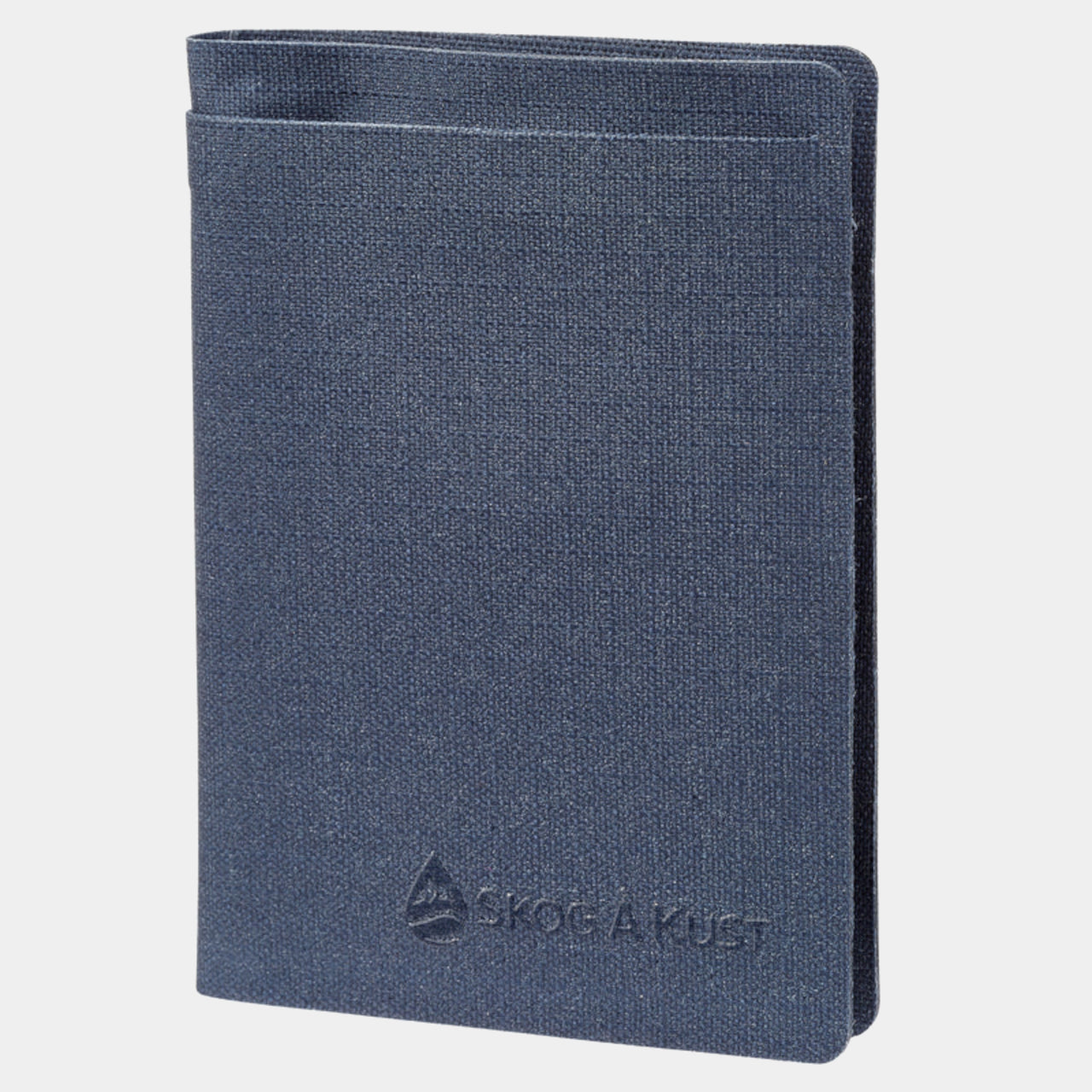
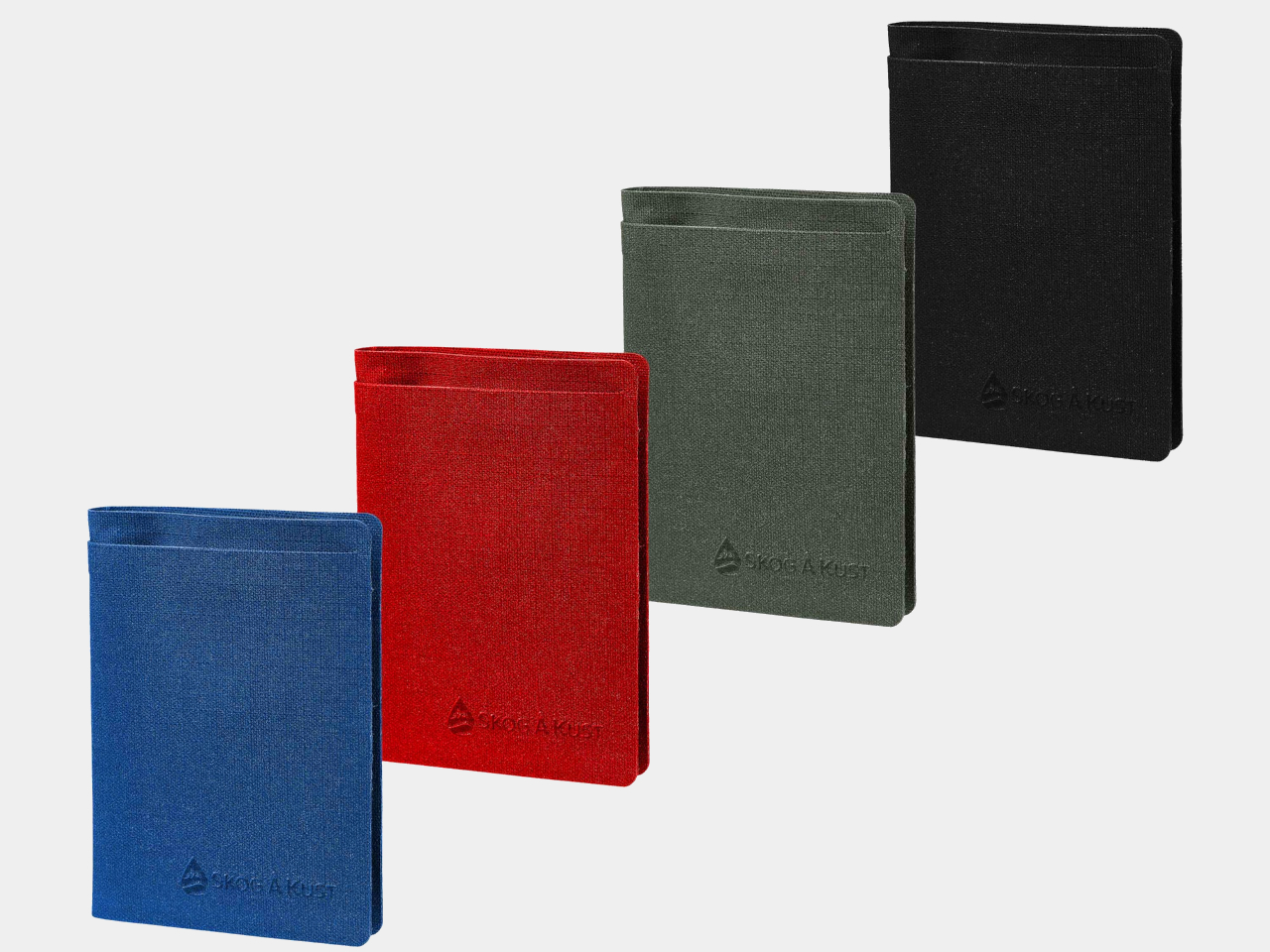
Skog Å Kust’s Planbok Floating Waterproof Wallet takes a different approach, combining waterproof protection with a slim, bi-fold design that actually fits in your back pocket. Built from 420 denier TPU-coated ripstop nylon with welded seams, it’s rated IPX6 for water resistance, meaning it handles heavy rain and splashes without letting a drop through. The real trick is that it floats even when loaded with six cards, 20 bills, and keys.

Designer: Skog Å Kust

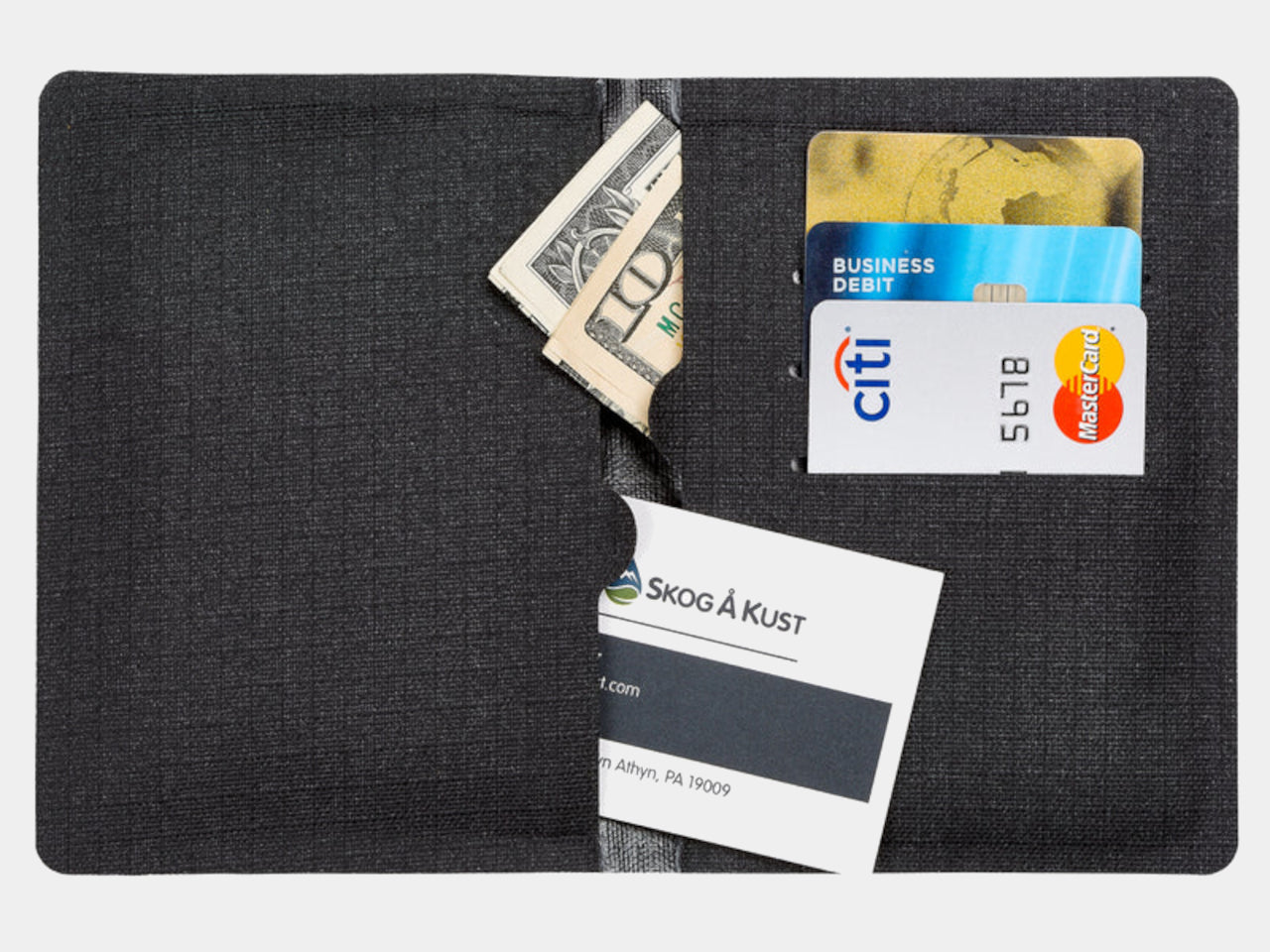
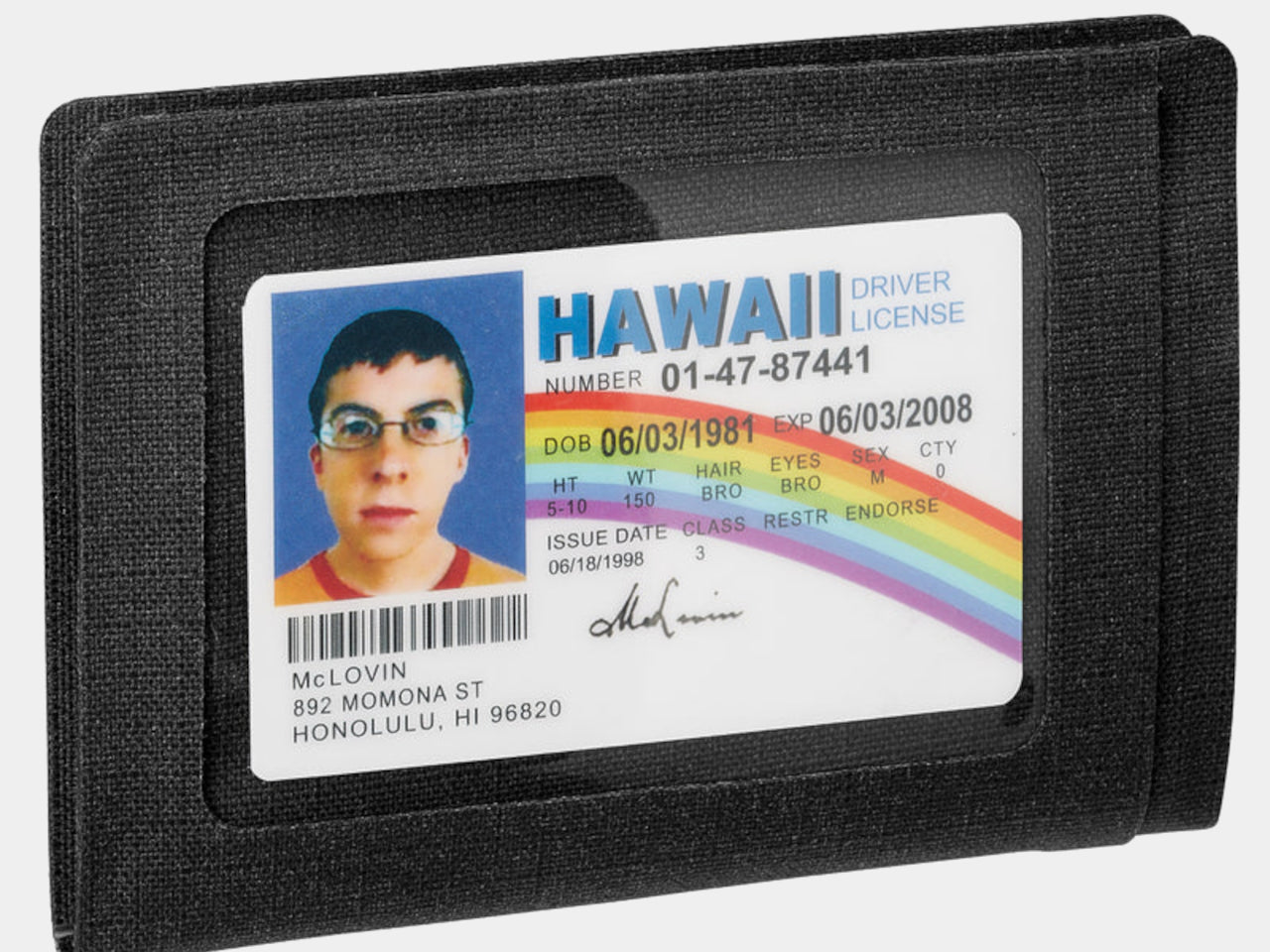
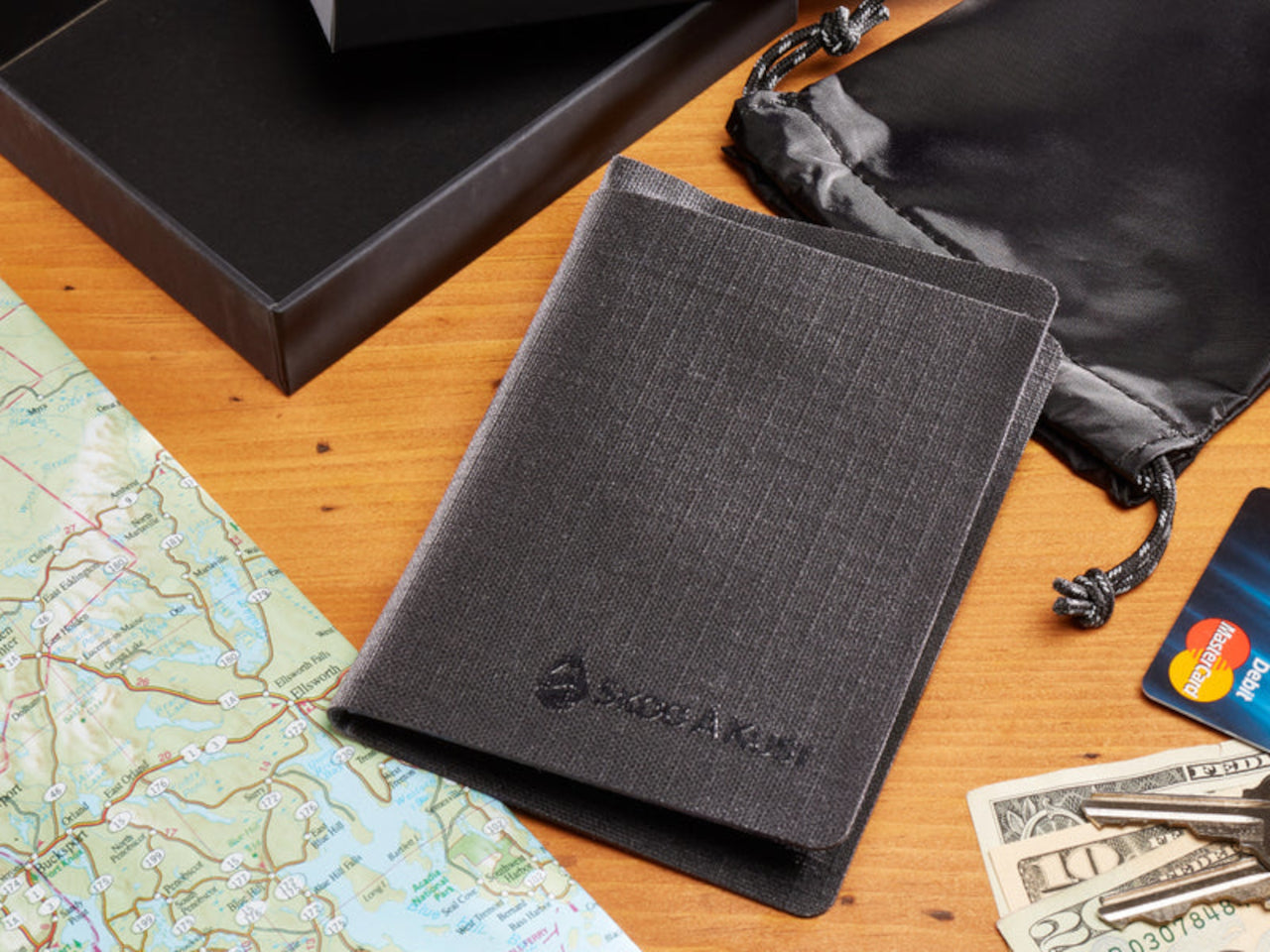
The wallet’s layout is straightforward but clever. Two waterproof ziplock pockets sit inside, each holding up to 10 folded bills, while three card slots on the outside carry up to six cards total. There’s also a clear ID window on the back, so you can flash your license without fumbling to pull it out. The ziplock closures are easy to open and seal tightly, keeping everything secure even if the wallet takes a swim.

Of course, waterproofing usually adds bulk, but the Planbok manages to stay surprisingly slim at just 1.52 ounces. It fits comfortably in a back pocket without feeling like you’re sitting on a brick, and the ripstop nylon gives it a rugged, technical look that works whether you’re hiking or running errands. The wallet comes in multiple colors, including black, blue, red, and green, all with subtle branding embossed on the front.

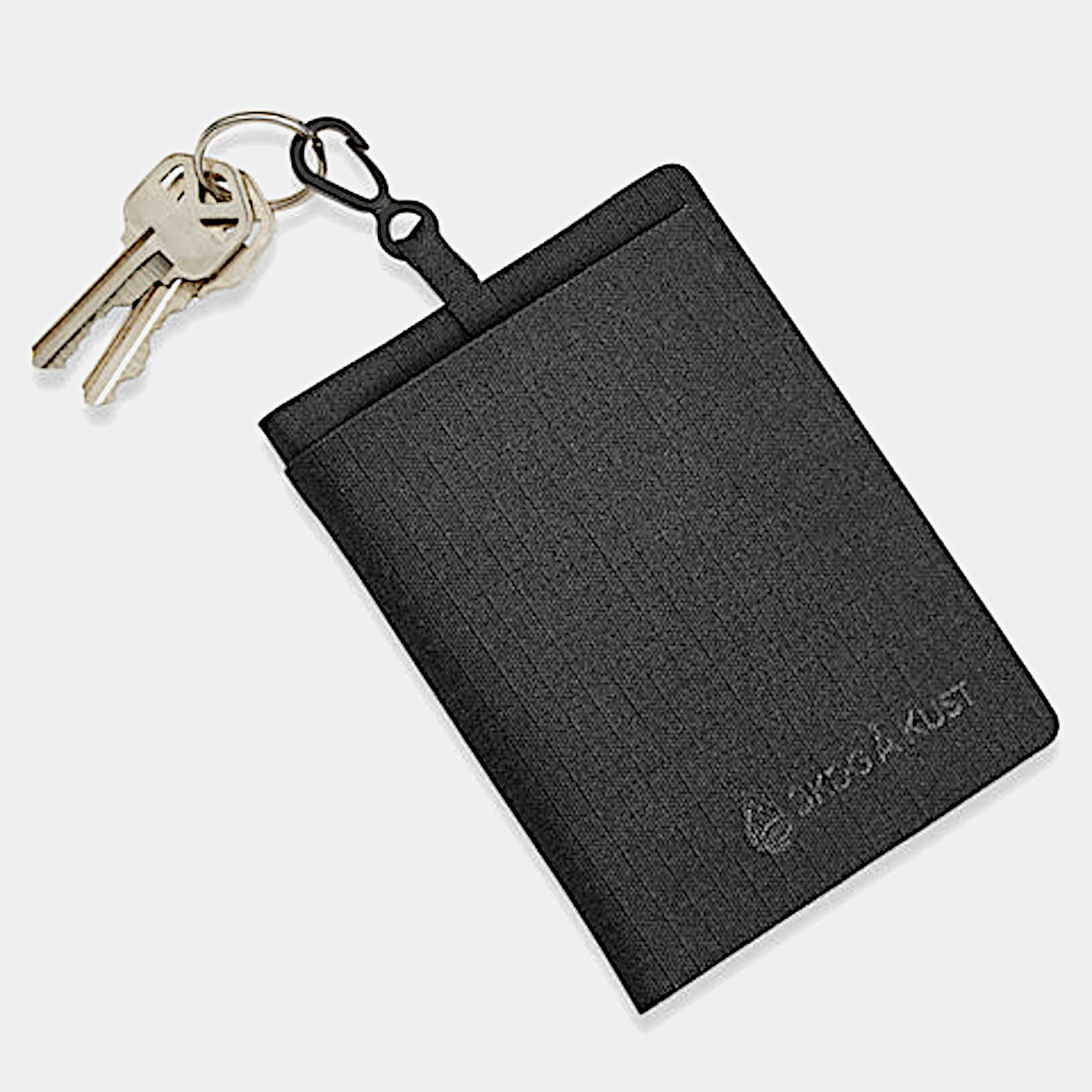
What makes the Planbok genuinely useful is the front slip pocket with a hidden slim clip. You can attach a keyring or clip the entire wallet to your shorts, bag, or gear, keeping it accessible and secure. That’s particularly handy for water activities where you don’t want to leave your wallet unattended but also don’t want it falling out of your pocket when you jump into the pool.

The floating feature is surprisingly reassuring. If the wallet does slip out while you’re swimming or boating, it bobs to the surface instead of sinking to the bottom like most wallets would. That alone makes it worth considering for anyone who spends time near water, whether at the beach, on a boat, or just lounging at a swim-up bar ordering drinks without worrying about soggy cash.

The Planbok works just as well for everyday use as it does for outdoor adventures. You can carry it during a regular workday and not think twice about sudden rainstorms or coffee spills, which is the kind of peace of mind most wallets can’t offer. The fact that it’s lightweight and slim means you won’t feel like you’re compromising style or comfort for waterproof protection.

The post Planbok Is a Waterproof Wallet That Actually Floats If You Drop It first appeared on Yanko Design.
Subnautica publisher transforms into ‘AI first’ company and introduces voluntary resignation policy

South Korean games publisher Krafton recently announced its transformation into an "AI first" company, which typically means that human jobs are about to go on the chopping block. To that end, the company is now trying to slash its workforce by offering voluntary resignations, according to a report by Eurogamer.

Krafton is a giant company with tentacles in numerous development studios, including the folks that make PUBG and Subnautica. The organization says this isn't a plan to lay off its human workforce, but will "support members in proactively designing their growth direction and embarking on new challenges both inside and outside the company amid the era of AI transformation." Yep. Those are certainly words.

The company also says it will "support members in autonomously deciding whether to continue the direction of change internally or expand externally." That's corporate speak for "my way or the highway."

CFO Bae Dong-geun said during a recent earnings call that "individual productivity must increase at the company-wide level." Oh yeah. It's worth noting that Krafton recently noted record profits. It looks like these profits will not be going to the staff, but rather will be funnelled into large-scale investments in AI. It's a tale as old as time, or at least modern AI.

The company plans to "automate work centered on agentic AI" including the development of an "AI-centered management system." It's freezing all hiring except for those "developing original intellectual property and AI-related personnel."

Agentic AI systems have, so far, proven to be underwhelming when tasked with taking the reins. A recent MIT study noted that 95 percent of these efforts fail. Another study predicts that 40 percent of agentic AI projects will be cancelled by the end of 2027. In other words, good luck in your forthcoming endeavors, Krafton. You're gonna need it.

This article originally appeared on Engadget at https://www.engadget.com/ai/subnautica-publisher-transforms-into-ai-first-company-and-introduces-voluntary-resignation-policy-181042212.html?src=rss

The Sims-like Paralives is delayed until May 2026

Folks who are looking forward to a fresh flavor of life simulation in the form of Paralives will have to wait a while longer before they can jump into the Sims-like game. The game was supposed to hit early access on Steam on December 8, but lead developer Alex Massé and the team at Paralives Studio have pushed back the release date to May 25.

Massé explained that the team expanded its playtests in the lead up to the early access period, "and the latest feedback we received made us realize the game isn’t up to the standard we wanted it to meet for release." While the character creator and in-depth home builder modes seem to be in a solid place, playtesters encountered "impactful bugs" in the live mode and it appears that there isn't yet quite enough to do in the town. "We feel it is necessary to work on these before delivering the product to the community," Massé wrote. The team plans to improve the game's onboarding experience too.

Paralives has been in development for six years, and the team has grown from two or three people in the first couple of years to an average of 10. Having such a small team meant that the developers "had to alternate long stretches of development” between the three parts of the game, Massé wrote. "We are so proud of what we have built, but now, we just need a bit more time to polish the simulation part of the game. This would ensure Paralives offers a great first experience when it launches, making players come back for every exciting free update and expansion that we will put out afterwards."

Paralives Studio will stream 45 minutes of gameplay on its YouTube channel at noon ET on November 25. Massé said you'll get to see what the game looks like now, including some of the current features. The team will provide more details on aspects it plans to improve before the early access release. You can expect more streams and videos in the coming months. It's expected that Paralives will remain in early access for two years while the team adds the features and content it plans to.

Paralives is an indie alternative to the likes of The Sims and InZOI. There are other life sim games on the way before Paralives debuts, such as Pokémon Pokopia. Animal Crossing New Horizons is getting a major update and a Switch 2 version in January. However, EA will shut down The Sims Mobile that same month.

This article originally appeared on Engadget at https://www.engadget.com/gaming/pc/the-sims-like-paralives-is-delayed-until-may-2026-174922059.html?src=rss

You can’t pause your game in Call of Duty: Black Ops 7’s always-online campaign

While most of the enormous Call of Duty audience buys each annual entry without hesitation for its multiplayer offering, the single-player campaign is also a big part of the experience. CoD campaigns are often big on popcorn silliness and refreshingly tight. Some people just like to start a game and see its credits roll within a weekend, you know? But judging by the early impressions of Call of Duty: Black Ops 7 that are beginning to surface online, it sounds like this year’s campaign comes with some pretty major caveats.

I admittedly haven’t played the game myself yet, but IGN is one of the outlets that has gone live with its 6/10 review, which reveals that the campaign’s always-online nature means it can’t be paused, and if you’re idle for what the game deems to be too long it’ll boot you out. For a mode that is traditionally offline and totally separate from the online portion of the game, this might come as a shock to some players.

It gets worse. While the official website for Black Ops 7 states that the campaign can be played solo or with a "squad," it definitely emphasises its co-op nature first. A campaign that facilitates co-op is usually a good thing, but here it sounds like very few considerations are made for single players. You can’t fill in spots in the four-person squads with AI companions, so if you don’t have three friends handy, you’re not getting the desired experience. 

Objectives clearly designed for multiple players are reportedly tediously repetitive when you have to do all of them on your own. Many games are built entirely around co-op and that’s fine, but it seems like a pretty dramatic departure for a series that has always accommodated the solo player. According to IGN’s coverage there are no checkpoints either, so if you don’t finish a mission in a single sitting — not always possible for people with busy lives — you’ll lose all your progress. As you presumably will if your Wi-Fi dies.

For groups willing to live with all these potentially very awkward conditions, the Black Ops 7 campaign promises "high-stakes challenges across a wide spectrum of environments, from the neon-lit rooftops of Japan to the Mediterranean coast, and even into the deepest corners of the human psyche." Presumably that last bit doesn’t refer to the rageful thoughts of someone who just lost all their progress because they had to answer the front door.

As you’d expect, Call of Duty: Black Ops 7 also offers the traditional multiplayer and Zombies modes that will no doubt keep you busy until next year. It’s out today on Xbox (included with Game Pass), PS5, PS4 and PC.

This article originally appeared on Engadget at https://www.engadget.com/gaming/you-cant-pause-your-game-in-call-of-duty-black-ops-7s-always-online-campaign-172707048.html?src=rss

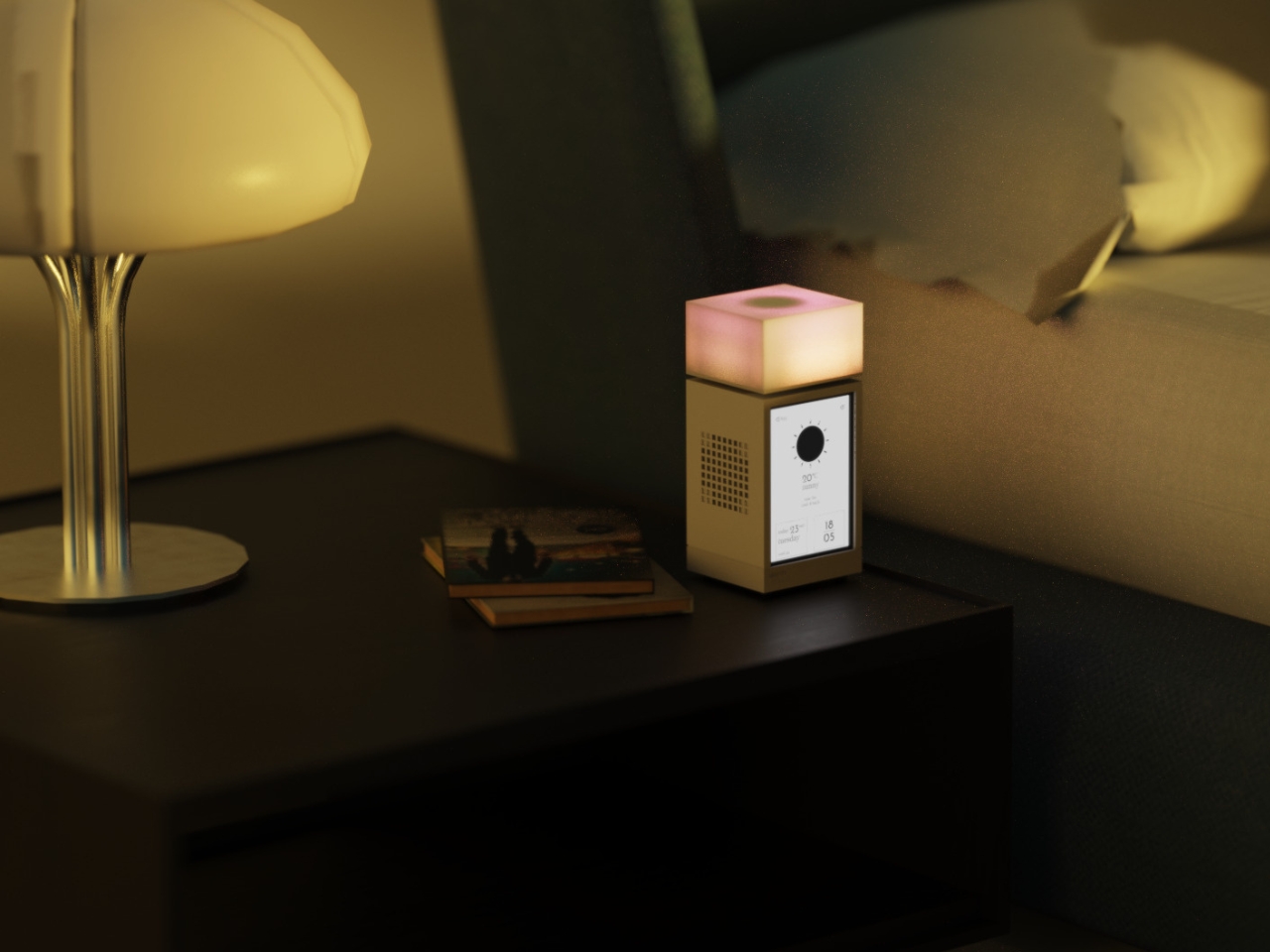
Why This Alarm Clock Might Actually Make You a Morning Person

Let’s be real: most of us have a complicated relationship with our alarm clocks. When I say most of us, I mean me. It’s my least favorite necessary thing even though it’s just basically on my phone . I get jolted awake with aggressive beeps, sometimes it glows too brightly in the dark, and honestly, they’re not exactly objects we want to look at or hear first thing in the morning.

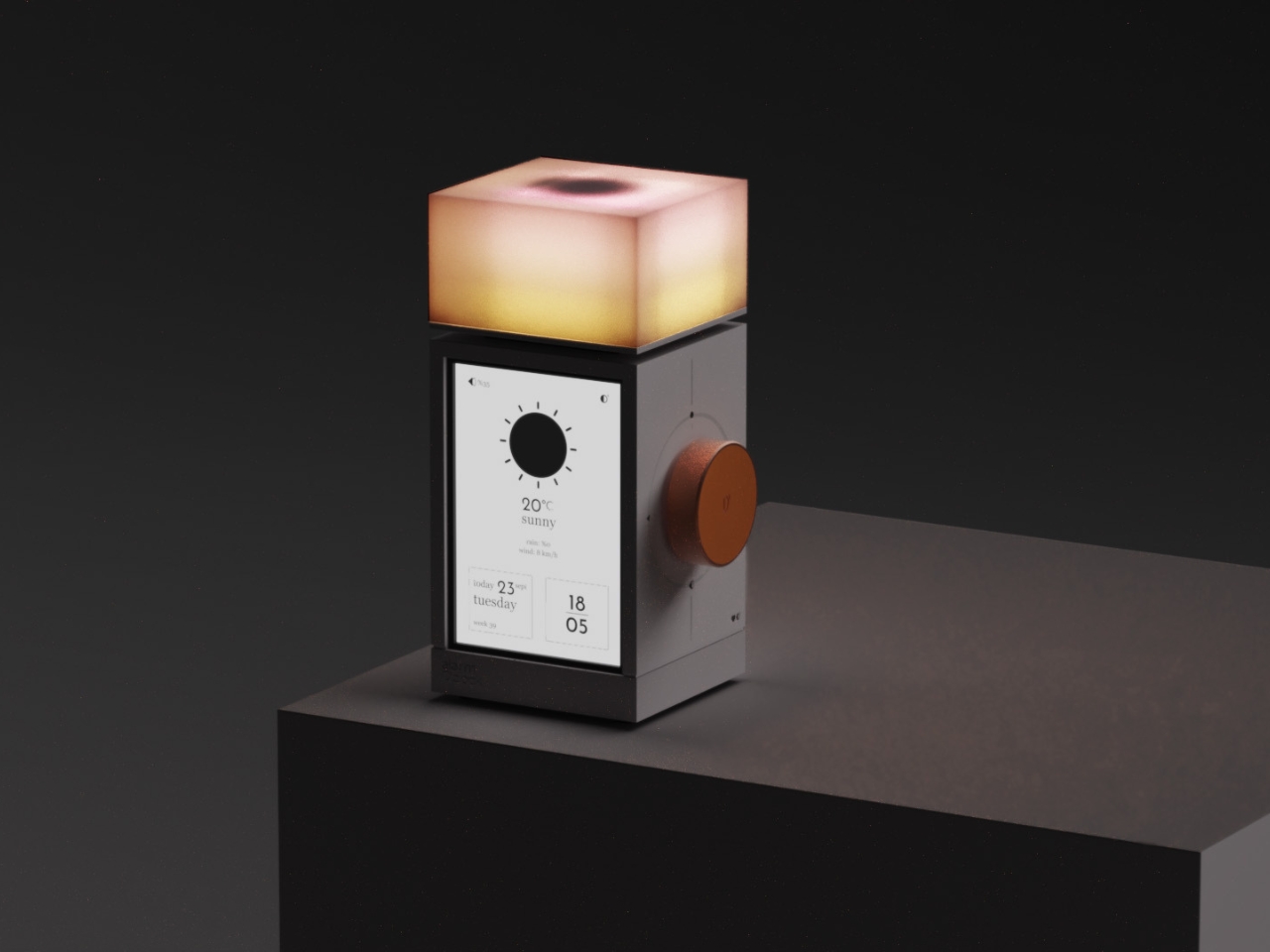
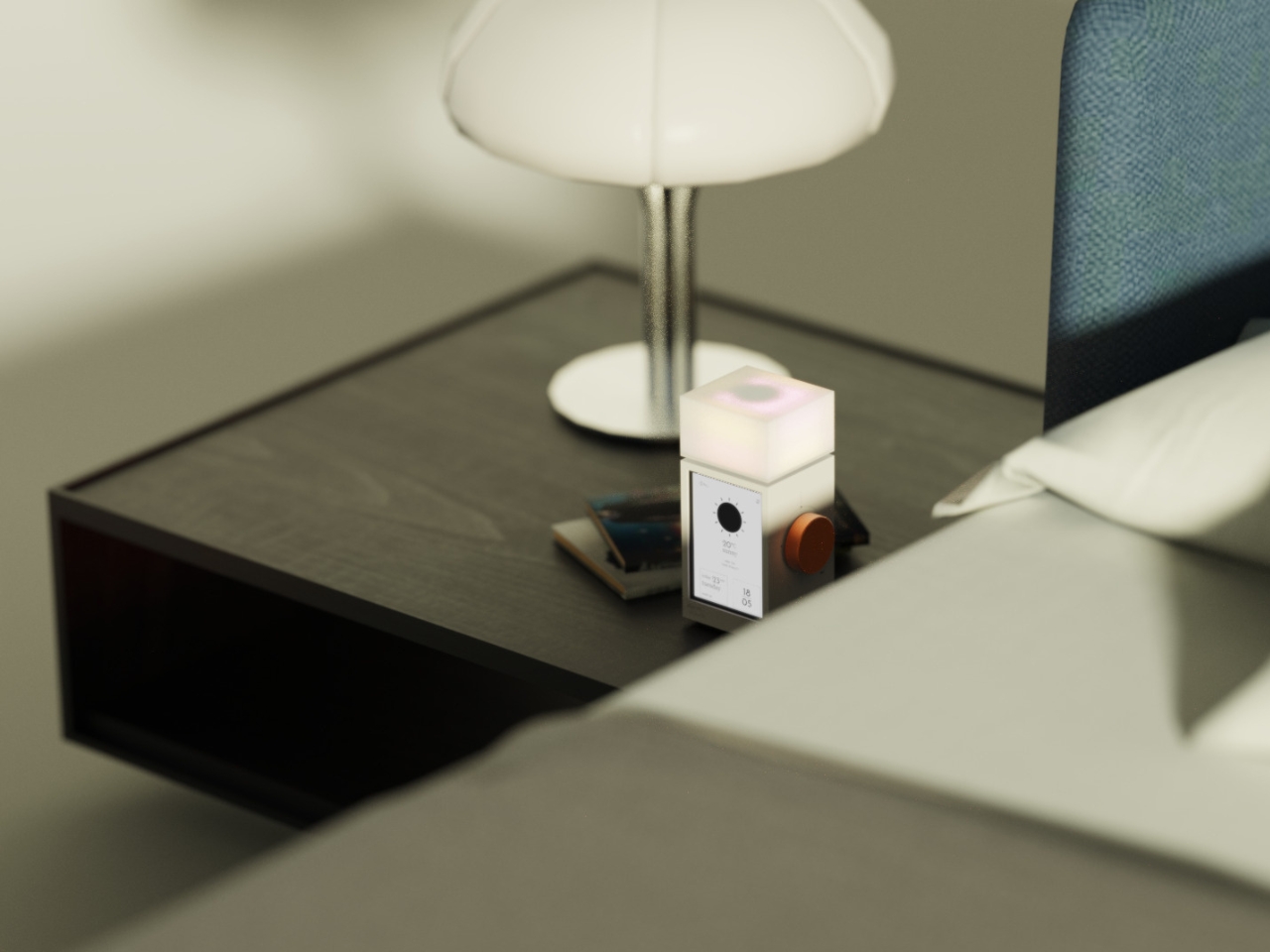
But what if your alarm clock could actually make waking up feel less like a punishment and more like a gentle invitation to start your day? That’s exactly what The Real Objects, a Milan-based design studio, seems to be thinking with their latest concept, Alarm O’clock. And yes, that apostrophe is intentional, giving it a playful Irish lilt that already makes it more charming than your phone’s default alarm.

Designer: The Real Objects

The design is described as “a bedside companion designed to bring calm, clarity, and personality to the way we wake up,” and I’m here for it. Because let’s face it, we spend way too much time thinking about productivity hacks and morning routines while completely ignoring the object that literally defines how our day begins.

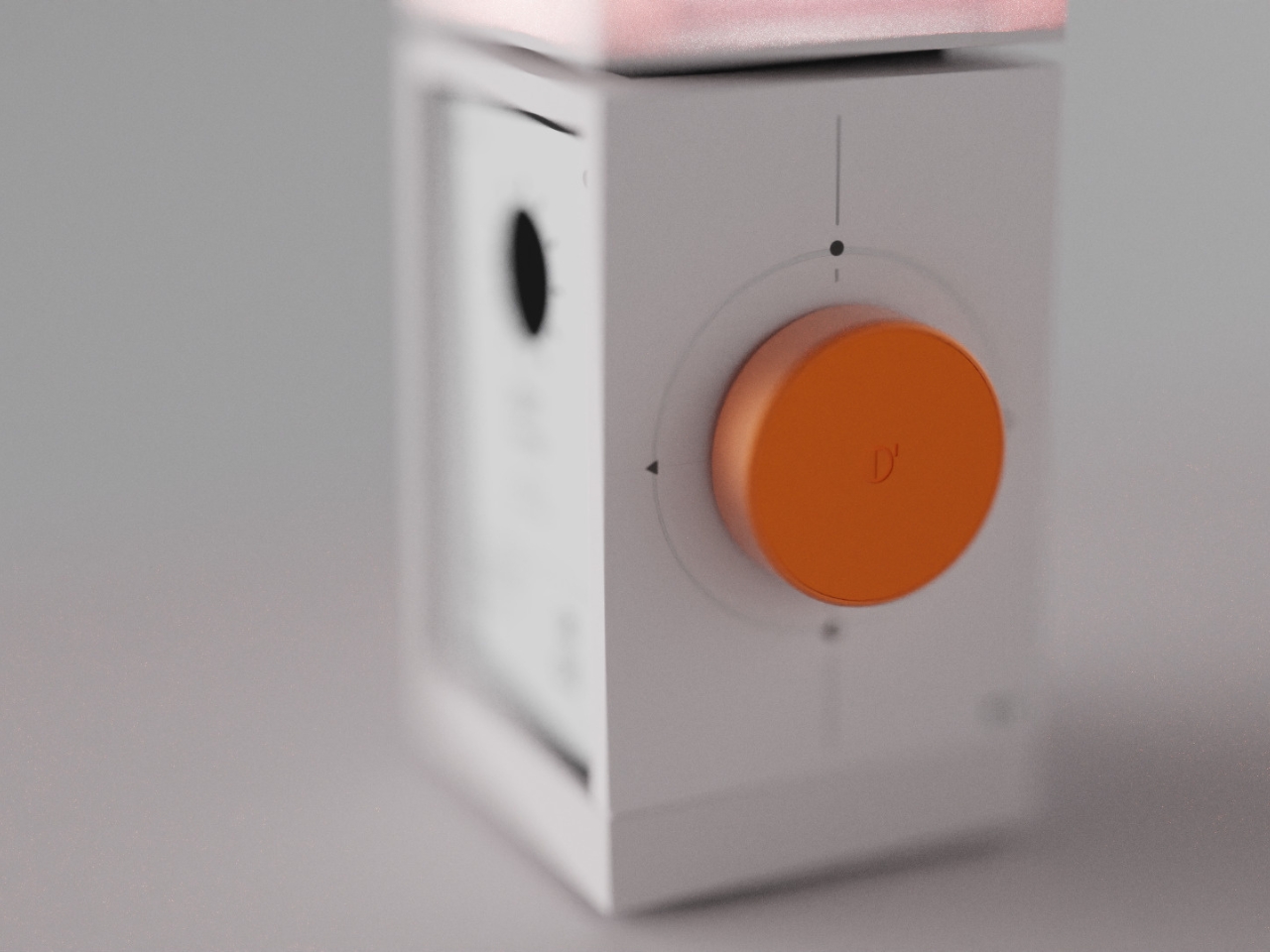
From what I can see, Alarm O’clock isn’t trying to be smart or connected or packed with features you’ll never use. Instead, it looks like it’s going back to basics, but with a thoughtful, contemporary twist. The Real Objects describes it as blending “light, sound, and simplicity into one object,” which honestly sounds like exactly what we need in a world where everything is trying to do a million things at once.

There’s something refreshingly analog about this approach. While everyone else is using their phones as alarm clocks (guilty), we’re also scrolling before bed and checking notifications the second our eyes open. Having a dedicated alarm clock means you can actually leave your phone in another room, which sleep experts have been begging us to do for years.

The Real Objects was co-founded in Milan in 2024 by designers who are “dedicated to pushing the boundaries of product design.” But pushing boundaries doesn’t always mean adding more tech or making things more complicated. Sometimes it means rethinking everyday objects and asking why they’ve been designed the way they have.

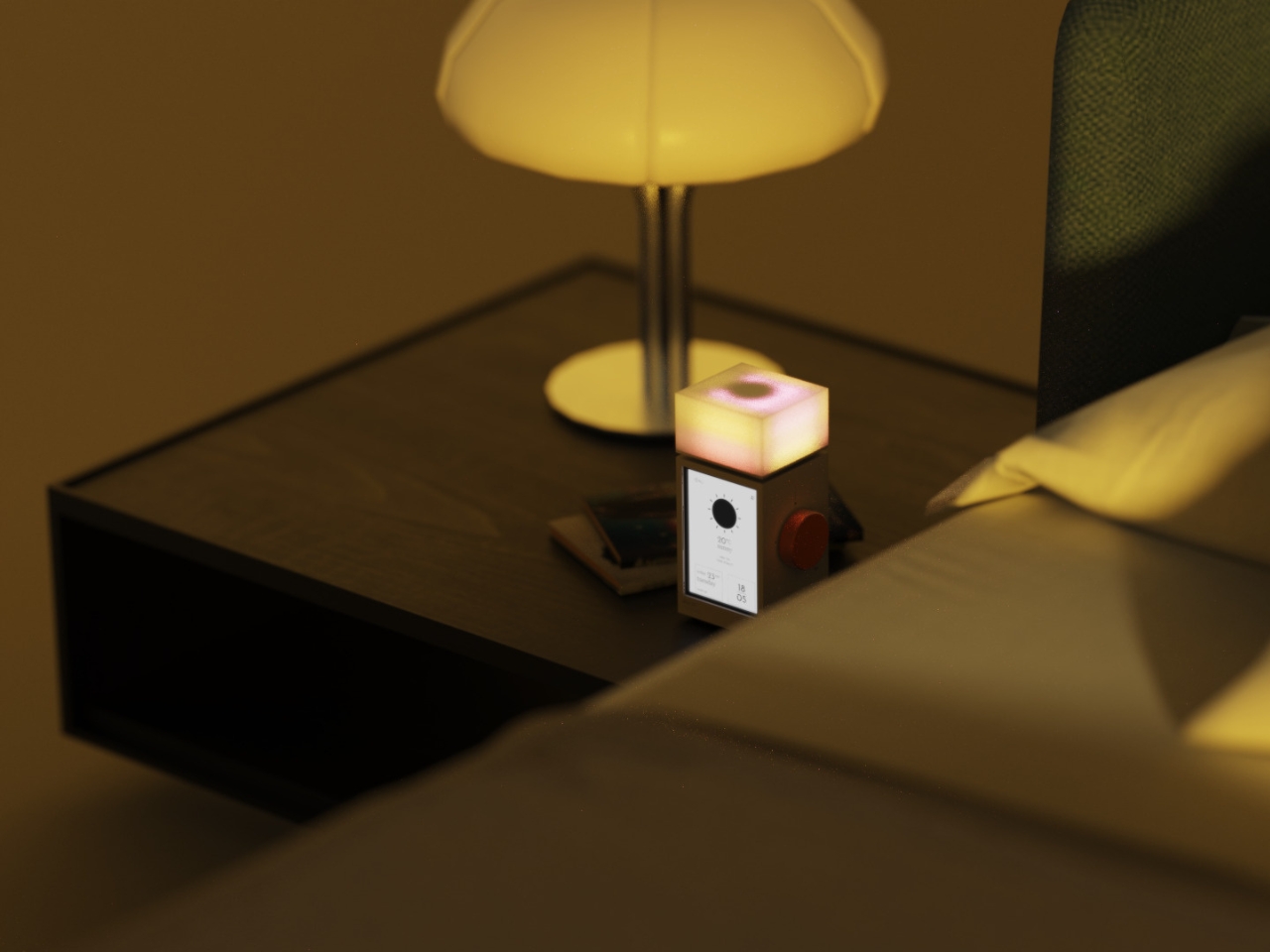
What strikes me about Alarm O’clock is that it seems to prioritize the experience over the function. Yes, it needs to wake you up, but how it wakes you up matters. The emphasis on “calm” and “clarity” suggests this isn’t going to be one of those alarms that sounds like a fire drill. And the mention of light integration hints at something closer to a sunrise alarm, which studies have shown can make waking up feel more natural.

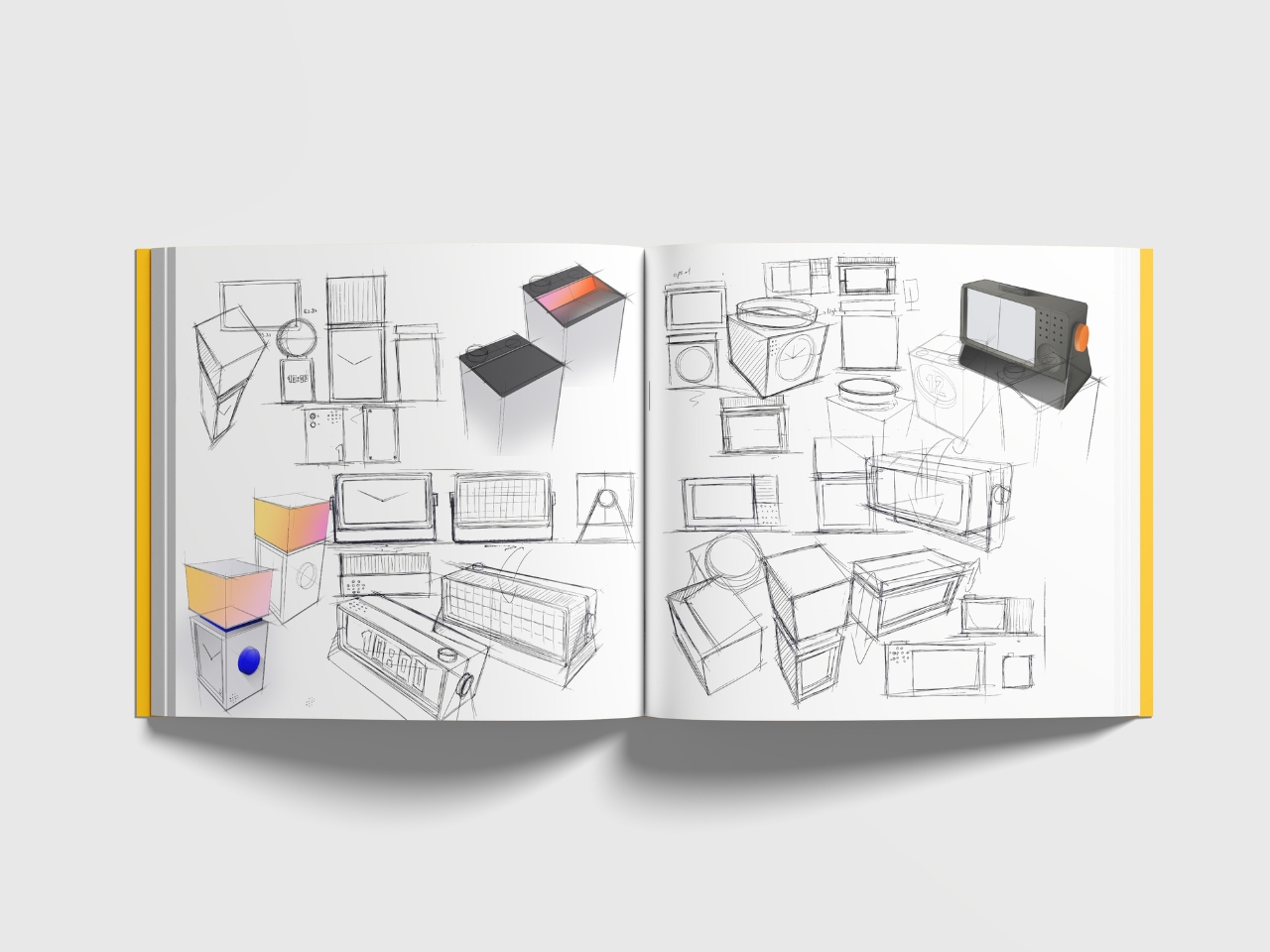
The design itself appears minimal and sculptural, the kind of object that could sit on your nightstand without feeling like a piece of electronics invading your bedroom. In an era where we’re all trying to make our spaces feel more intentional and less cluttered with gadgets, that matters more than you might think. I love that they’re calling it a “bedside companion” rather than just an alarm clock. It’s a small word choice, but it signals a different philosophy. Your bedside table is intimate space. It’s the last thing you see before sleep and the first thing you see when you wake up. The objects there should feel like they belong, not like they’re just functional necessities you tolerate.

There’s also something to be said for designers who focus on the rituals of daily life. We get excited about revolutionary new products, but the truth is, the objects that actually improve our lives are usually the ones that make ordinary moments a little bit better. Waking up is one of those moments we experience every single day, and yet most of us haven’t thought critically about how we could make it better. Will Alarm O’clock change your life? Probably not. But could it make your mornings feel a little more human, a little less jarring? Absolutely. And in a world where we’re all trying to figure out how to have healthier relationships with technology, that feels like a step in the right direction.

The post Why This Alarm Clock Might Actually Make You a Morning Person first appeared on Yanko Design.
You need a fabric shaver — this one I use is down to $13 for Black Friday

If you, like me a few months ago, didn't know fabric shavers existed, I'm willing to bet you're not alone. Not too long ago, I went looking for something, anything, that could help get rid of the pilling on some of my most loved pieces of clothing. I stumbled upon the Philips Fabric Shaver in my search and was pleasantly surprised to learn such a device existed — and in such a cute, compact form. I decided to give it a shot and now it's an essential piece of tech in my house. Thanks to Black Friday deals, you don't have to pay as much as I did for it now that it's on sale for only $13.

Sure, it may not seem revolutionary — especially if you already knew of the wonders of such devices — but it was for me. I have a lot of T-shirts, joggers, sweaters and more that I've had for at least three years and wear regularly. We also have a bunch of throw blankets around the house, partially because I love a good throw, and partially because my cat demands soft spots on which to sleep. All of those well-worn, well-loved fabrics have pilled over time, and I was tired of picking at the pills myself.

This Philips Fabric Shaver makes it so I never have to do that anymore. It runs on two AA batteries, has a simple on-off switch and a shaving head with three sized holes that, as you glide it over your sweater or blanket, catches the pills and shaves them right off. It's literally as simple as that; after I tried it the first time on a pair of joggers, I spent far too much time running around my house and through my closet de-pilling as many things as I could. All the little fabric bits collect in a removable chamber that you simply empty as often as you need into the trash. If you're like me and try to make the most of the wardrobe you have and not buy new clothing all the time, this little gadget will keep the pieces in your closet looking fresh.

This article originally appeared on Engadget at https://www.engadget.com/deals/you-need-a-fabric-shaver--this-one-i-use-is-down-to-13-for-black-friday-163402337.html?src=rss

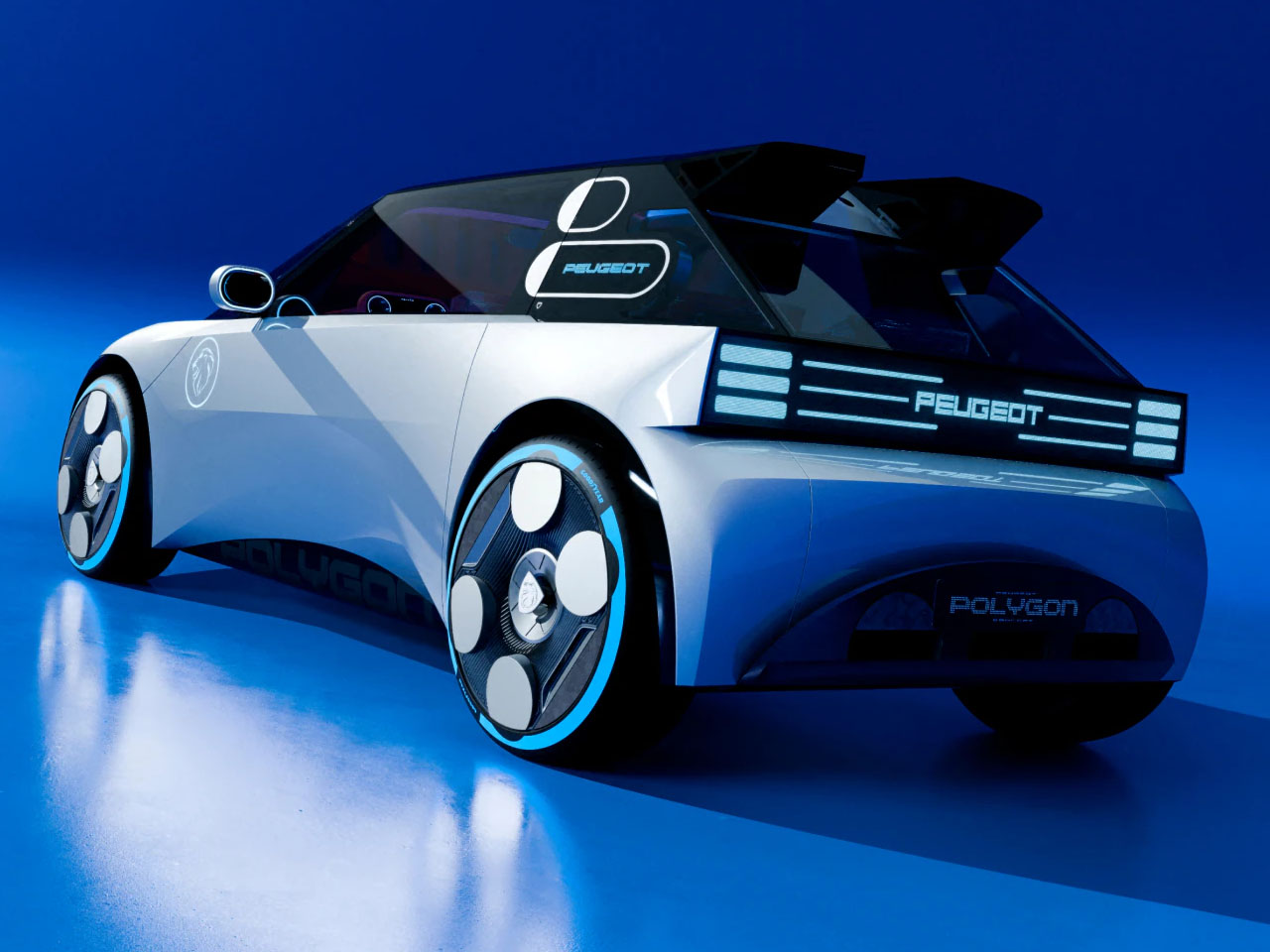
Peugeot Polygon Concept shatters the rules of modern supermini design

Peugeot’s design portfolio has always balanced compact efficiency with expressive character, but the new Polygon Concept takes that philosophy in a more experimental direction. This compact EV previews the next-generation 208 and signals the French brand’s vision for a future where architecture, materials, and controls are rethought.

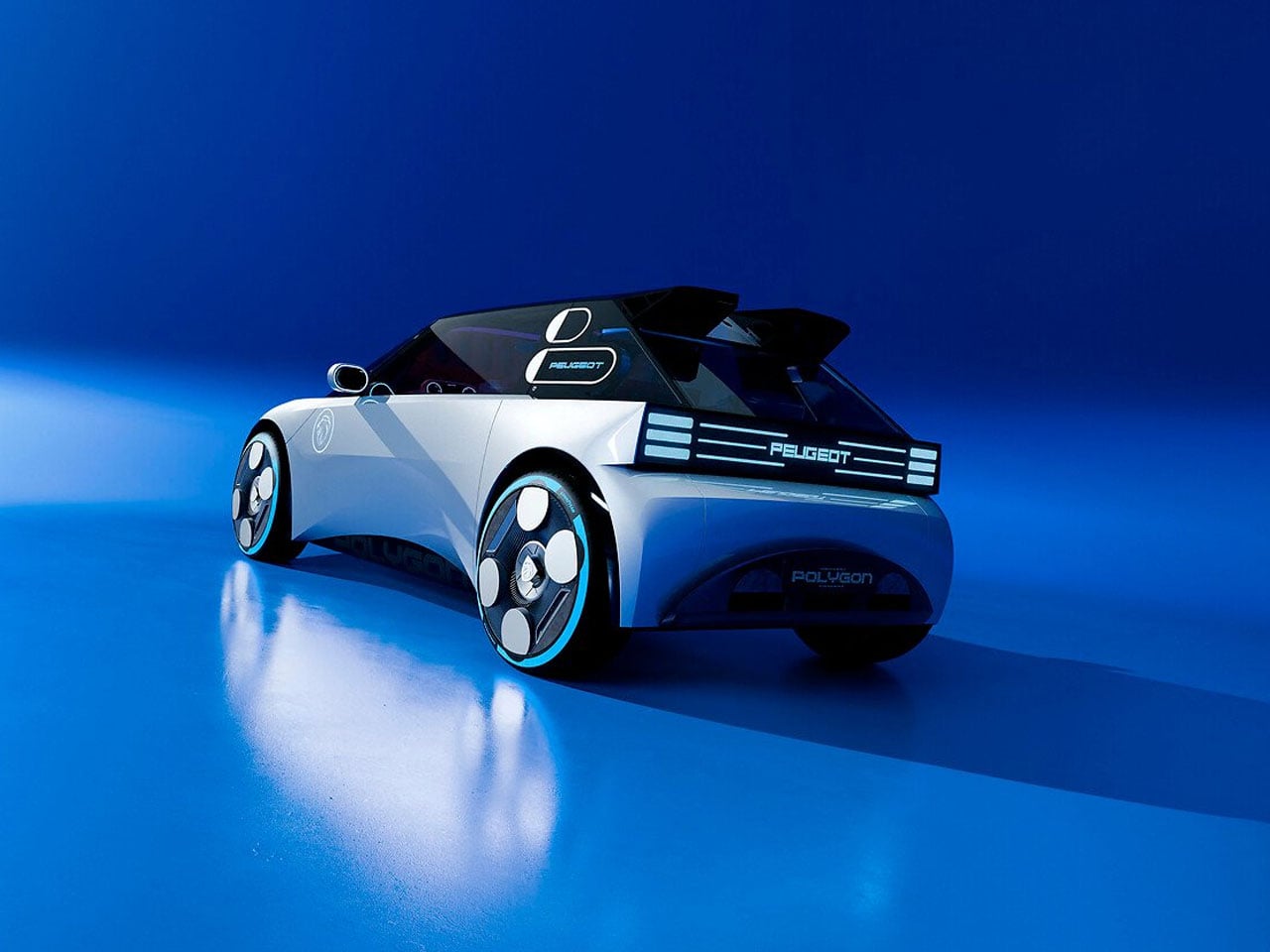
Built on a sub-4-meter footprint, the Polygon modernizes the supermini silhouette with bold geometry and a signature lighting design. The familiar three-claw Peugeot motif is reinterpreted as horizontally arranged micro-LED stripes at both the front and rear, giving the car a sharply modern look. Its body features two large butterfly doors, replacing the conventional four-door layout, which is an expressive choice more suited for concept presentation rather than mass production.

Designer: Peugeot

The most radical change is on the inside, where the traditional round steering wheel is replaced by what Peugeot calls the “Hypersquare.” Rather than a solid circular rim, this control interface consists of four pods (one at each corner) that house touch-sensitive controls for media, driving modes, and more. Because the system is steer-by-wire, there is no physical linkage between the control and the front wheels. The steering ratio automatically adjusts for different speeds, becoming more direct at low speeds and more stable at high speeds. This setup also filters out any abrupt road vibrations for a smoother riding experience.

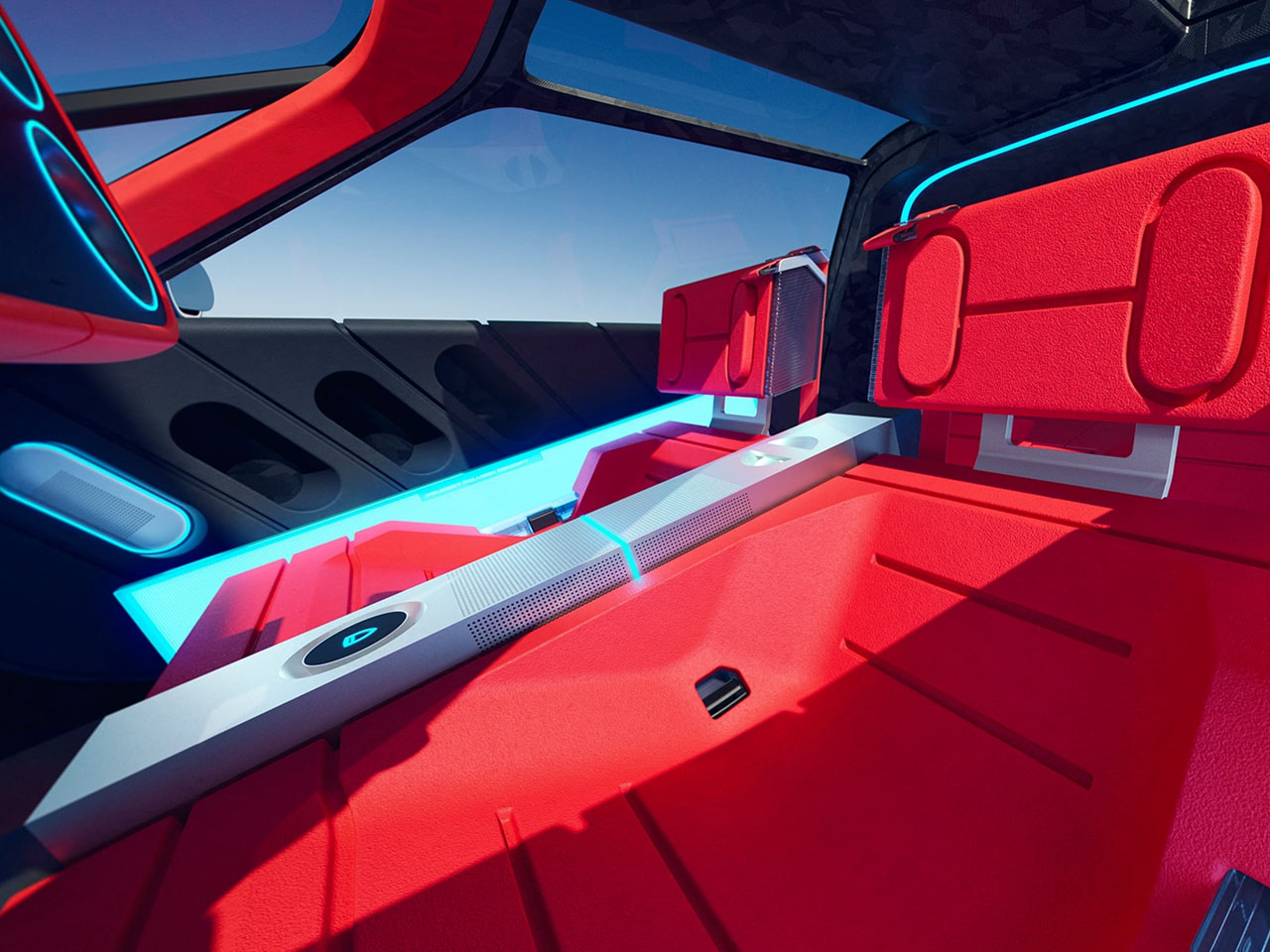
Peugeot replaces its conventional instrument cluster with a micro-LED screen placed behind the steering assembly, projecting information directly onto the windshield in a large, immersive format. According to the company, this design creates a cleaner, more open interior while keeping the driver’s attention focused where it matters.  Sustainability is central to the Polygon. The cabin uses a “forged textile” made from recycled seat upholstery sourced from end-of-life Peugeot vehicles. Seat shells are 3D-printed from recycled R-PET plastic, while their foam cores come as a single molded piece, reducing complexity. Interior paint also incorporates recycled rubber derived from used tires.

Peugeot designed the Polygon with modular, easily replaceable parts. Elements such as the Hypersquare control, seat foam, dashboard surfaces, and wheel covers can all be swapped out, allowing for personalization and potentially longer ownership. The car uses fewer overall components than a typical production vehicle, which simplifies manufacturing and supports a more circular lifecycle. Another tech highlight: the Polygon’s Goodyear tires feature “SightLine” technology, which monitors pressure, temperature, and road conditions and sends that data to the i-Cockpit system in real time.

While Peugeot has not confirmed detailed powertrain specifications, the Polygon is widely understood to preview a forthcoming fully electric version of the 208. The concept aligns with Peugeot’s plan to bring its Hypersquare steering system to production models around 2027. The Polygon Concept is a bold exploration of future small-car design with a combination of steer-by-wire controls, immersive display technology, and sustainable materials. Peugeot proposes a supermini that is not just efficient, but smarter, more modular, and far more expressive than what exists today.

The post Peugeot Polygon Concept shatters the rules of modern supermini design first appeared on Yanko Design.