Samsung has released a new software update for the Galaxy S25 Ultra, focusing on enhancing security, improving performance, and making sure system stability. This update, powered by One UI 8.0 and based on Android 16, does not introduce new features but instead prioritizes system optimization and vulnerability fixes. Below is a detailed overview of what […]
X is rolling out a new feature called “Starterpacks” to all users in the coming weeks, the company’s head of product has announced. It’s made up of compilations of accounts new users can follow based on their interests. If that sounds familiar, it’s because Bluesky launched a very similar feature that’s also called “starter packs” back in 2024. Bluesky allows ordinary users to curate their own packs as long as each one doesn’t exceed 50 accounts. They can then share those lists broadly on the platform or directly with new users via QR code. X, on the other hand, compiled and curated its own lists.
In his announcement, X head of product Nikita Bier said the company “scoured the world for the top posters in every niche and country.” X then compiled them into Starterpacks “to help new users find the best accounts — big or small — for their interests.” Before X announced its own take on the feature, other social media services had already launched their clones of Bluesky’s tool. Threads’ version, which rolled out in late 2024, puts collections of recommended profiles as suggestions in the feeds of new users. Mastodon launched its own in 2025, which gives existing users the freedom to choose whether they can or can’t be included in the lists.
This article originally appeared on Engadget at https://www.engadget.com/social-media/x-is-also-launching-bluesky-like-starter-packs-050057033.html?src=rss
X is rolling out a new feature called “Starterpacks” to all users in the coming weeks, the company’s head of product has announced. It’s made up of compilations of accounts new users can follow based on their interests. If that sounds familiar, it’s because Bluesky launched a very similar feature that’s also called “starter packs” back in 2024. Bluesky allows ordinary users to curate their own packs as long as each one doesn’t exceed 50 accounts. They can then share those lists broadly on the platform or directly with new users via QR code. X, on the other hand, compiled and curated its own lists.
In his announcement, X head of product Nikita Bier said the company “scoured the world for the top posters in every niche and country.” X then compiled them into Starterpacks “to help new users find the best accounts — big or small — for their interests.” Before X announced its own take on the feature, other social media services had already launched their clones of Bluesky’s tool. Threads’ version, which rolled out in late 2024, puts collections of recommended profiles as suggestions in the feeds of new users. Mastodon launched its own in 2025, which gives existing users the freedom to choose whether they can or can’t be included in the lists.
This article originally appeared on Engadget at https://www.engadget.com/social-media/x-is-also-launching-bluesky-like-starter-packs-050057033.html?src=rss
Projects pile up on the bench with a ruler that stops at 30 cm, a square for right angles, a separate protractor for odd cuts, a level somewhere in a drawer, and a pencil that has wandered off. Those small frictions add up when you are trying to stay in a flow state, and most rulers can measure but do not really help you think through the layout. You end up switching between tools, rechecking marks, and occasionally cursing when parallels drift, or angles end up slightly crooked.
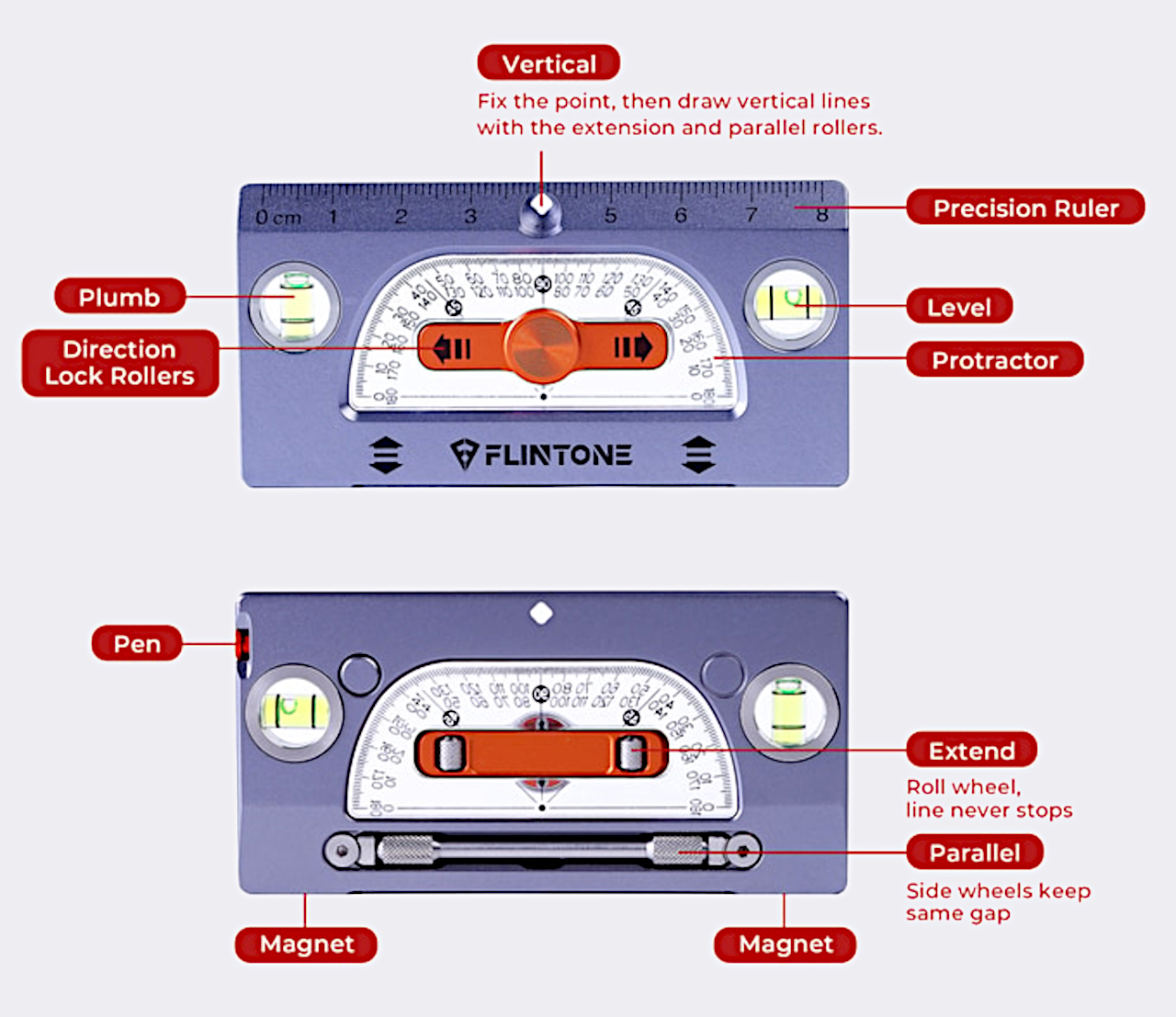
The FLINTONE MegaRuler is a titanium 9-in-1 drawing master that tries to compress a whole layout kit into something smaller than a phone. It is designed for garage tinkerers, designers, woodworkers, model builders, electronics people, and 3D-printing geeks who want strength, accuracy, and versatility in one object. The body is machined from titanium, so it feels like a small instrument rather than a disposable ruler, and it packs infinite extension lines, perfect parallels, angles, levels, magnets, and a built-in pen into a single pocket-sized block.
The infinite extension feature uses a central roller that lets you draw a straight line as long as you need by rolling the tool along the surface. You can dock the ruler end-to-end 27 times with less than 0.1mm cumulative error, enough to lay out an 8m straight line without a laser or chalk box. For framing, cabinetry, set building, or large-format graphics, that kind of repeatable accuracy means less rework and fewer compromises when the layout determines everything downstream.
The side wheels hug a reference line, so every new line stays exactly the same distance away. In testing, drawing 50 parallel lines produced a maximum drift of 0.07mm, which is effectively negligible for most jobs. That lets you stop measuring every joist, slat, or tile and simply roll the MegaRuler along, trusting it to keep spacing consistent for grooves, stitch lines, or printed patterns. The result feels less like measuring and more like running a tiny machine that thinks about geometry for you.
MegaRuler handles angles by letting you draw any-angle slanted lines from 1° to 179° in one smooth motion. The integrated protractor is laser-etched with a high-contrast scale that remains readable in bright light, dust, or glare, so you can lean the body to the exact angle you want and draw without switching tools. For miters, chamfers, or odd-angle joints, it becomes the single reference you reach for instead of juggling a ruler and a protractor and hoping the alignment holds while you mark.
Dual bubble vials turn the tool into both a horizontal level and a plumb checker. Standing it up gives true vertical in half a second, laying it flat gives an instant surface check. N52 magnets are flush-mounted in the body, so it sticks to steel beams, machines, or a shop cabinet, allowing hands-free marking and storage. A small marking pen lives inside the ruler itself, sliding out to mark and back in when you are done, so measuring and marking are finally in the same place instead of scattered across the bench or lost in pockets.
MegaRuler might live clipped to a pocket on a jobsite, sitting next to a sketchbook on a designer’s desk, or magnetized to a drill press in a home workshop. Instead of reaching for a different tool every time you need a line, angle, or level check, you grab the same titanium block and let its rollers, vials, magnets, and pen handle the details. It earns its space by doing many jobs well, feeling less like a novelty and more like the ruler you wish you had from the start, compact enough to forget until you need it and precise enough to trust when accuracy actually matters.
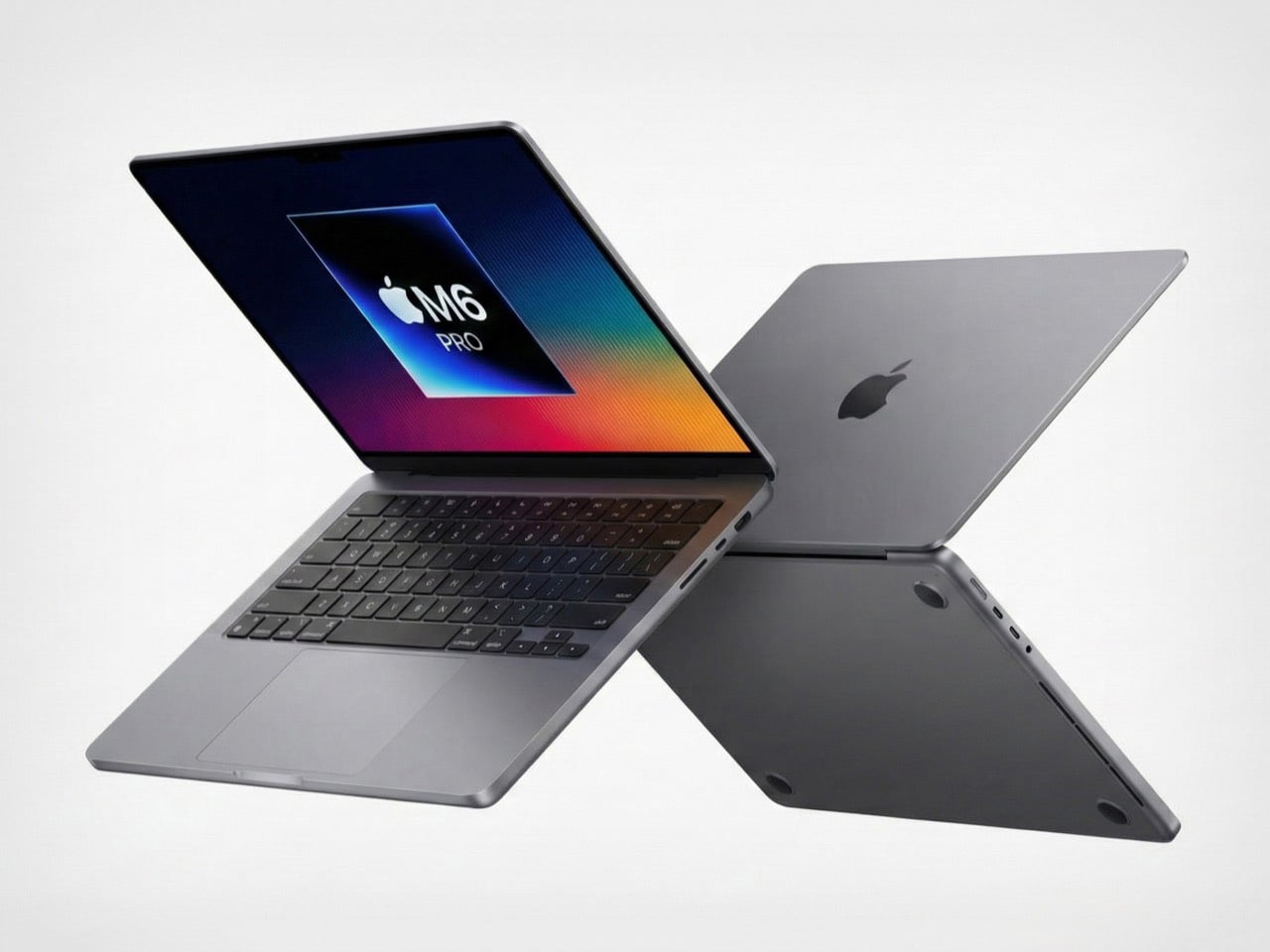
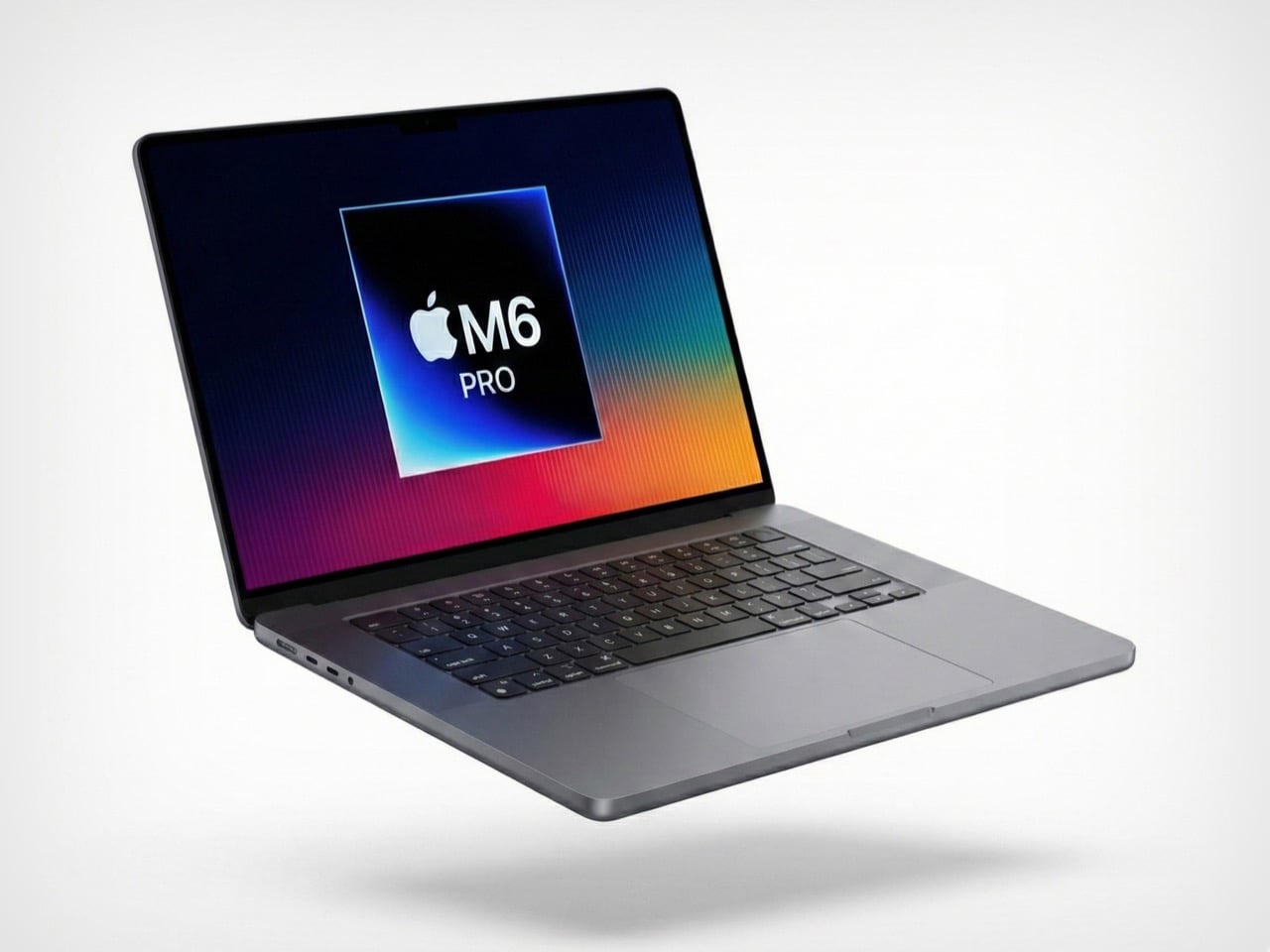
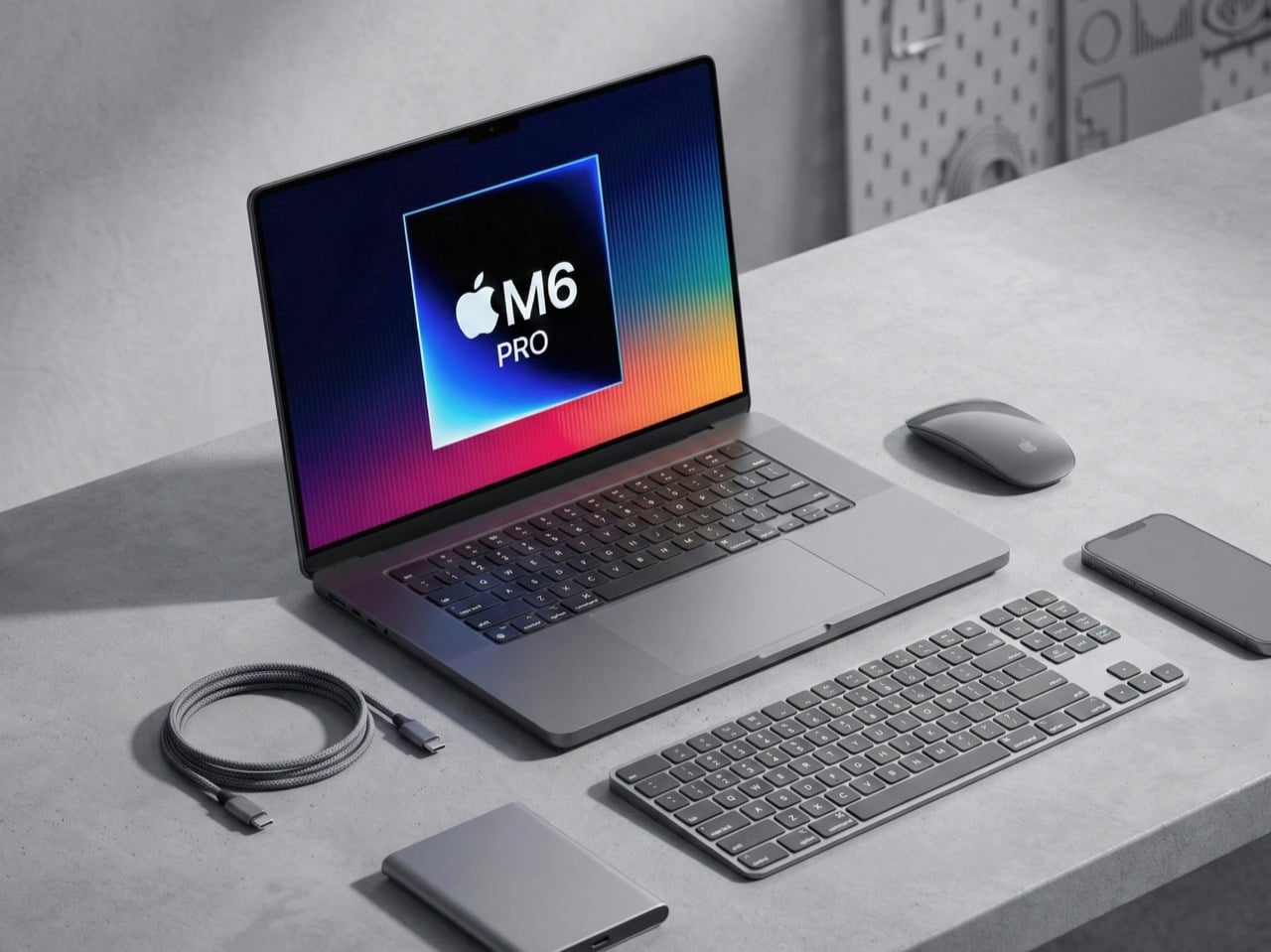
So here’s the timeline we’re apparently living in: Apple will ship a completely redesigned MacBook Pro with OLED displays and touchscreens before Rockstar manages to release GTA 6. Let that sink in for a second. A company that refreshes laptops on a predictable yearly cadence is moving faster than a studio working on a game announced in 2022. Industry sources suggest Apple is accelerating development of its M6-powered models, with launch windows now pointing to late 2026 rather than the previously expected 2027 timeline. The shift signals confidence in advancing multiple breakthrough technologies simultaneously, from next-generation display panels to cutting-edge silicon manufacturing.
The irony is delicious because both Apple and Rockstar operate on their own time. They ship when they’re ready, audiences be damned. Except Apple apparently got ready really fast this time. For professionals who have waited through several years of iterative updates, the M6 models promise substantial reasons to upgrade. The combination of OLED technology borrowed from the iPad Pro, potential touchscreen integration, and the performance leap expected from 2-nanometer chips creates a compelling package. Add to this a thinner chassis, refined thermal management, and possibly even cellular connectivity, and the M6 MacBook Pro begins to look like the generational shift many have been anticipating since the original Apple Silicon transition.
Designer: Apple
Representative Image
The rumor mill had most of us penciling in a 2027 launch for the M6 MacBook Pro, giving Apple time to perfect the OLED transition and work through the inevitable supply chain headaches. But production starting early suggests either the technology matured faster than expected or Apple sees competitive pressure building and wants to strike first. My money is on both. The shift signals confidence in advancing multiple breakthrough technologies simultaneously, and when Samsung starts manufacturing panels months ahead of schedule, it means someone with deep pockets is pushing hard. That someone is Apple, and they clearly want these machines out the door before 2027.
The redesign also alleges a shift to tandem OLEDs, the same technology we saw on the iPad Pros last year (which apple called their Ultra Retina XDR Display). Tandem OLED uses two emissive layers stacked on top of each other, which delivers higher sustained brightness, better power efficiency, and dramatically reduced burn-in risk. The iPad Pro already proved this works beautifully. Blacks that actually look black, colors that pop without looking oversaturated, and HDR content that doesn’t feel like a compromised laptop experience. Moving that to a 14-inch or 16-inch panel with different thermal constraints is complex, but Apple’s display team has pulled off harder tricks. The mini-LED panels in current MacBook Pros are excellent. OLED makes them look outdated.
Representative Image
Then Apple is apparently adding touchscreens, which is wild considering how long they insisted touchscreens on laptops were bad design. They weren’t entirely wrong. Gorilla arm is a real problem. Nobody wants to reach up and poke a vertical screen all day. But the implementation details suggest Apple found a middle ground that actually works. Reinforced hinges keep the display stable when you tap it. A hole-punch camera cutout instead of the notch, possibly with Dynamic Island functionality, points to interface elements designed for quick touch interactions. This isn’t about replacing the trackpad. This is about adding occasional touch input for specific tasks where it makes sense, like scrolling through a timeline or adjusting sliders in creative apps.
The M6 chips built on TSMC’s 2-nanometer process could deliver 15 to 20 percent performance gains over M5 while improving energy efficiency. That translates to faster renders, quicker compile times, and snappier machine learning workflows without sacrificing battery life. The real party trick is how Apple might structure the chips with CPU and GPU in separate blocks, allowing more customization in performance configurations. You get exactly the compute power you need without paying for components you’ll never max out. Smart, efficient, very Apple.
Representative Image
Here’s where the joke stops being funny though. These redesigned models will probably only come in Pro and Max configurations initially, with the base model stuck on the old design for another year. That’s Apple’s way of charging a premium while keeping cheaper options available. The iPad Pro jumped about $200 when it got tandem OLED. Expect similar economics here, putting the entry point for a redesigned 14-inch model somewhere around $2,200 or higher. You’ll be able to buy this laptop and play GTA 6 on it via cloud gaming before you can buy GTA 6 natively. What a time to be alive.
So here’s the timeline we’re apparently living in: Apple will ship a completely redesigned MacBook Pro with OLED displays and touchscreens before Rockstar manages to release GTA 6. Let that sink in for a second. A company that refreshes laptops on a predictable yearly cadence is moving faster than a studio working on a game announced in 2022. Industry sources suggest Apple is accelerating development of its M6-powered models, with launch windows now pointing to late 2026 rather than the previously expected 2027 timeline. The shift signals confidence in advancing multiple breakthrough technologies simultaneously, from next-generation display panels to cutting-edge silicon manufacturing.
The irony is delicious because both Apple and Rockstar operate on their own time. They ship when they’re ready, audiences be damned. Except Apple apparently got ready really fast this time. For professionals who have waited through several years of iterative updates, the M6 models promise substantial reasons to upgrade. The combination of OLED technology borrowed from the iPad Pro, potential touchscreen integration, and the performance leap expected from 2-nanometer chips creates a compelling package. Add to this a thinner chassis, refined thermal management, and possibly even cellular connectivity, and the M6 MacBook Pro begins to look like the generational shift many have been anticipating since the original Apple Silicon transition.
Designer: Apple
Representative Image
The rumor mill had most of us penciling in a 2027 launch for the M6 MacBook Pro, giving Apple time to perfect the OLED transition and work through the inevitable supply chain headaches. But production starting early suggests either the technology matured faster than expected or Apple sees competitive pressure building and wants to strike first. My money is on both. The shift signals confidence in advancing multiple breakthrough technologies simultaneously, and when Samsung starts manufacturing panels months ahead of schedule, it means someone with deep pockets is pushing hard. That someone is Apple, and they clearly want these machines out the door before 2027.
The redesign also alleges a shift to tandem OLEDs, the same technology we saw on the iPad Pros last year (which apple called their Ultra Retina XDR Display). Tandem OLED uses two emissive layers stacked on top of each other, which delivers higher sustained brightness, better power efficiency, and dramatically reduced burn-in risk. The iPad Pro already proved this works beautifully. Blacks that actually look black, colors that pop without looking oversaturated, and HDR content that doesn’t feel like a compromised laptop experience. Moving that to a 14-inch or 16-inch panel with different thermal constraints is complex, but Apple’s display team has pulled off harder tricks. The mini-LED panels in current MacBook Pros are excellent. OLED makes them look outdated.
Representative Image
Then Apple is apparently adding touchscreens, which is wild considering how long they insisted touchscreens on laptops were bad design. They weren’t entirely wrong. Gorilla arm is a real problem. Nobody wants to reach up and poke a vertical screen all day. But the implementation details suggest Apple found a middle ground that actually works. Reinforced hinges keep the display stable when you tap it. A hole-punch camera cutout instead of the notch, possibly with Dynamic Island functionality, points to interface elements designed for quick touch interactions. This isn’t about replacing the trackpad. This is about adding occasional touch input for specific tasks where it makes sense, like scrolling through a timeline or adjusting sliders in creative apps.
The M6 chips built on TSMC’s 2-nanometer process could deliver 15 to 20 percent performance gains over M5 while improving energy efficiency. That translates to faster renders, quicker compile times, and snappier machine learning workflows without sacrificing battery life. The real party trick is how Apple might structure the chips with CPU and GPU in separate blocks, allowing more customization in performance configurations. You get exactly the compute power you need without paying for components you’ll never max out. Smart, efficient, very Apple.
Representative Image
Here’s where the joke stops being funny though. These redesigned models will probably only come in Pro and Max configurations initially, with the base model stuck on the old design for another year. That’s Apple’s way of charging a premium while keeping cheaper options available. The iPad Pro jumped about $200 when it got tandem OLED. Expect similar economics here, putting the entry point for a redesigned 14-inch model somewhere around $2,200 or higher. You’ll be able to buy this laptop and play GTA 6 on it via cloud gaming before you can buy GTA 6 natively. What a time to be alive.
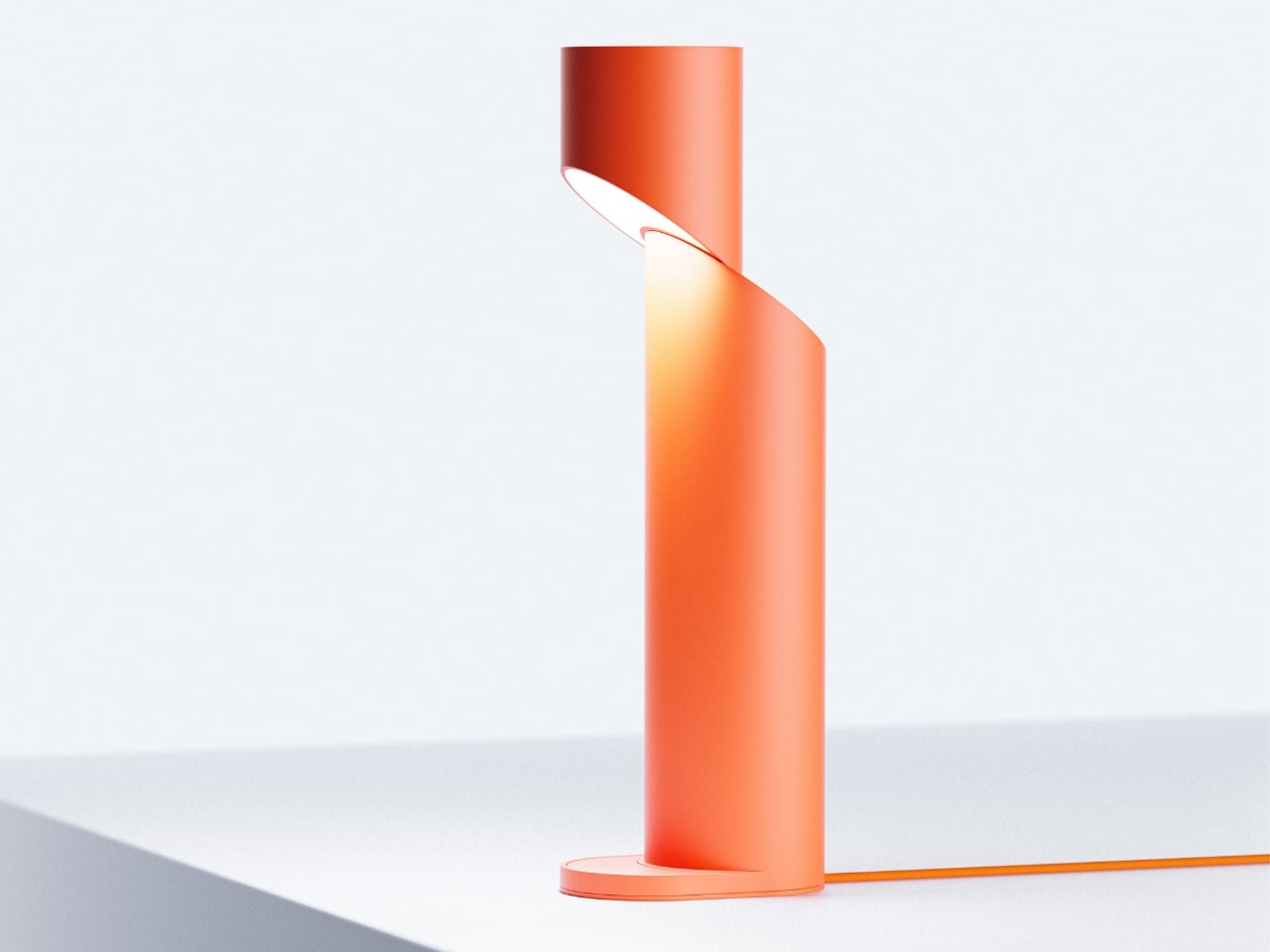
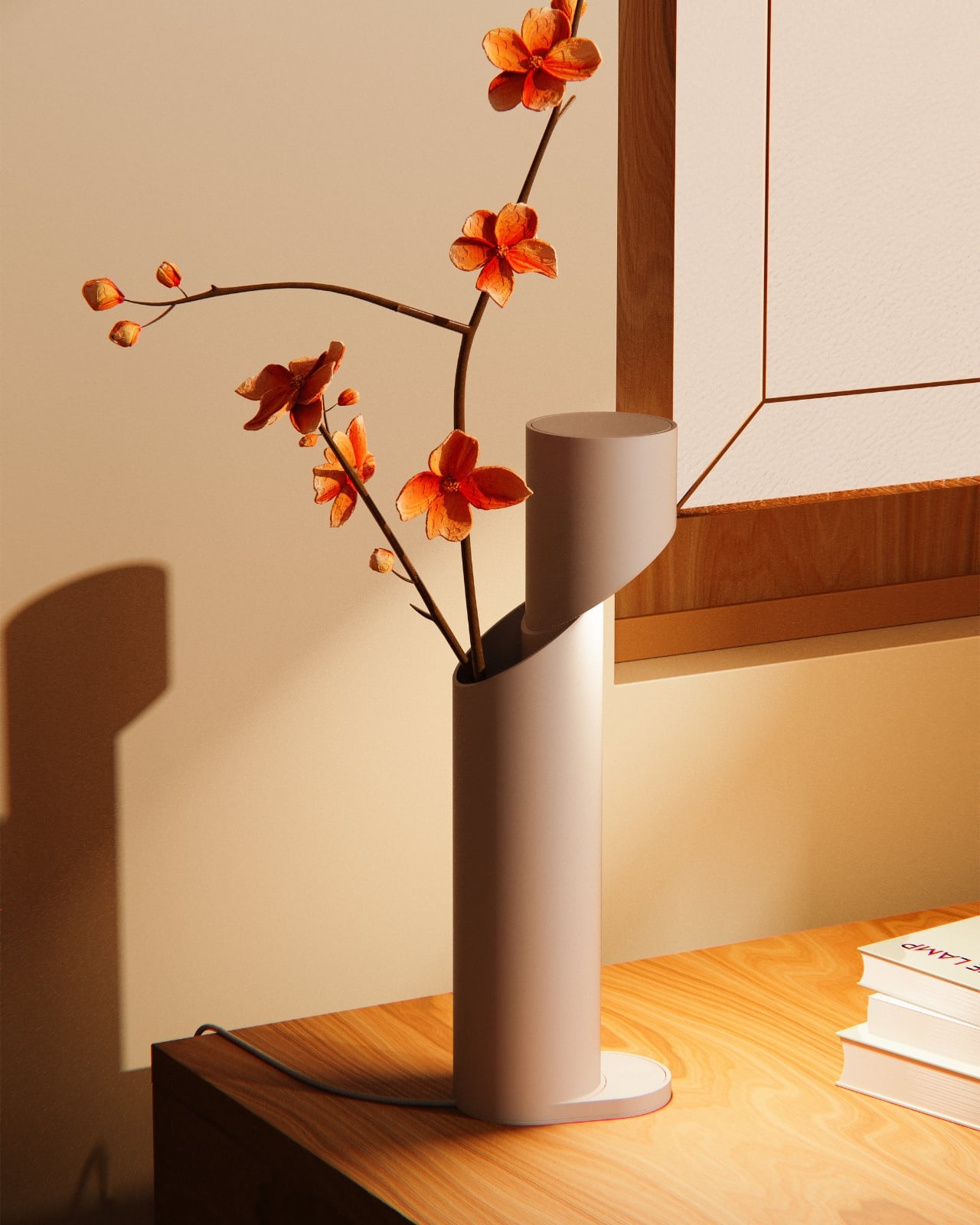
There’s something deeply satisfying about watching a designer take a basic shape and completely reimagine it. That’s exactly what Jisu Park has done with the Corte Lamp, a lighting design that proves sometimes the boldest move is a single, decisive cut.
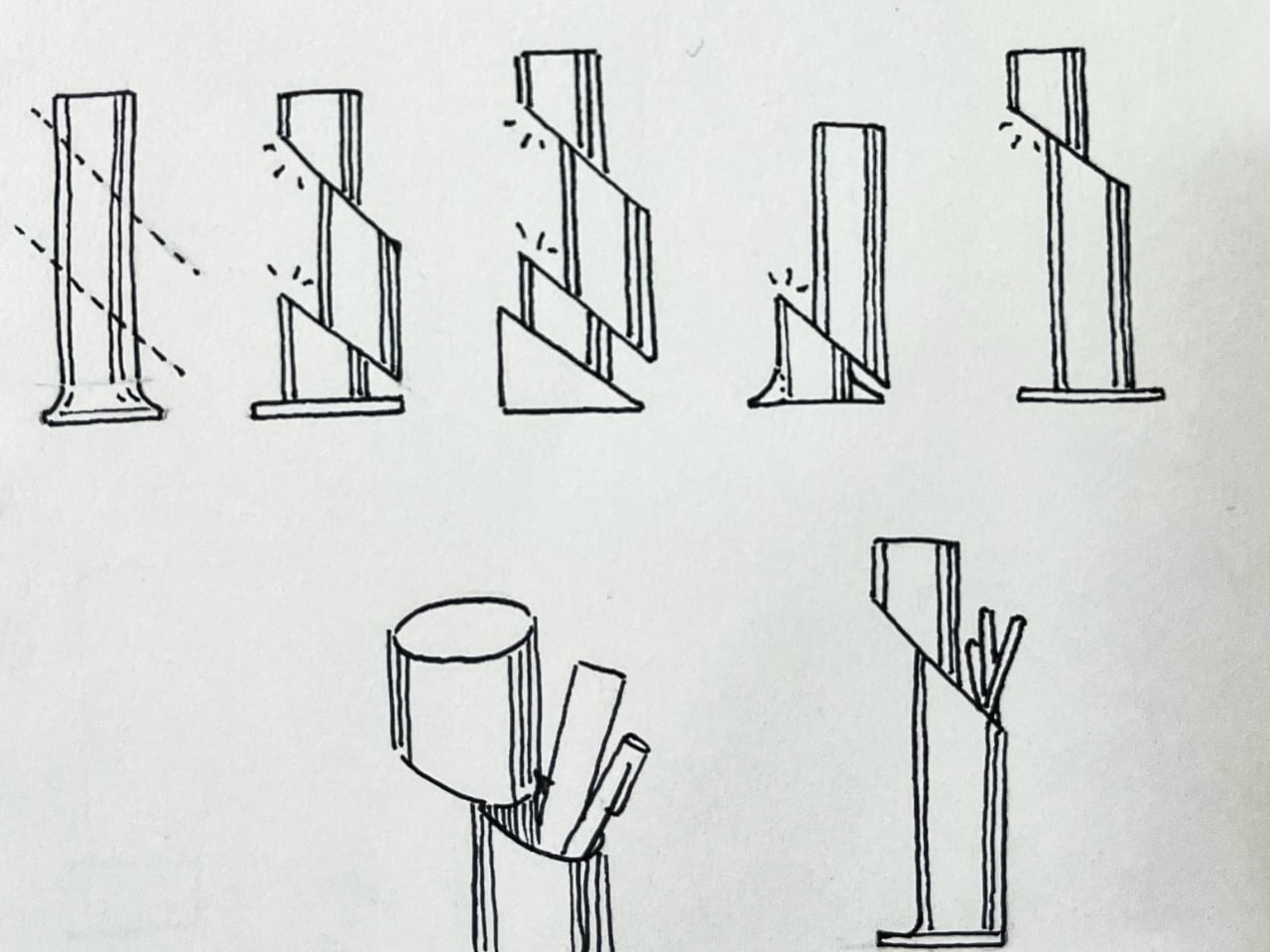
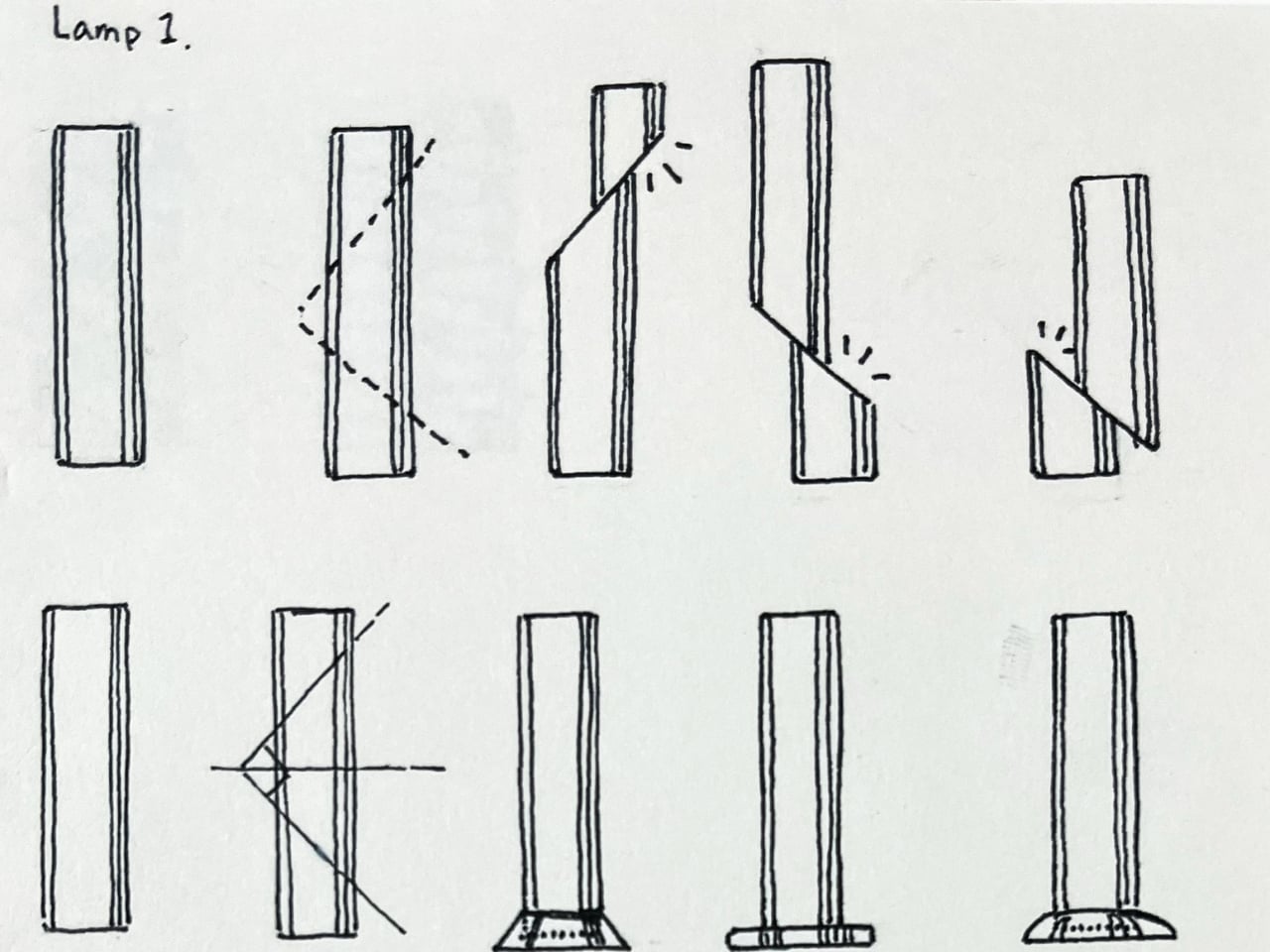
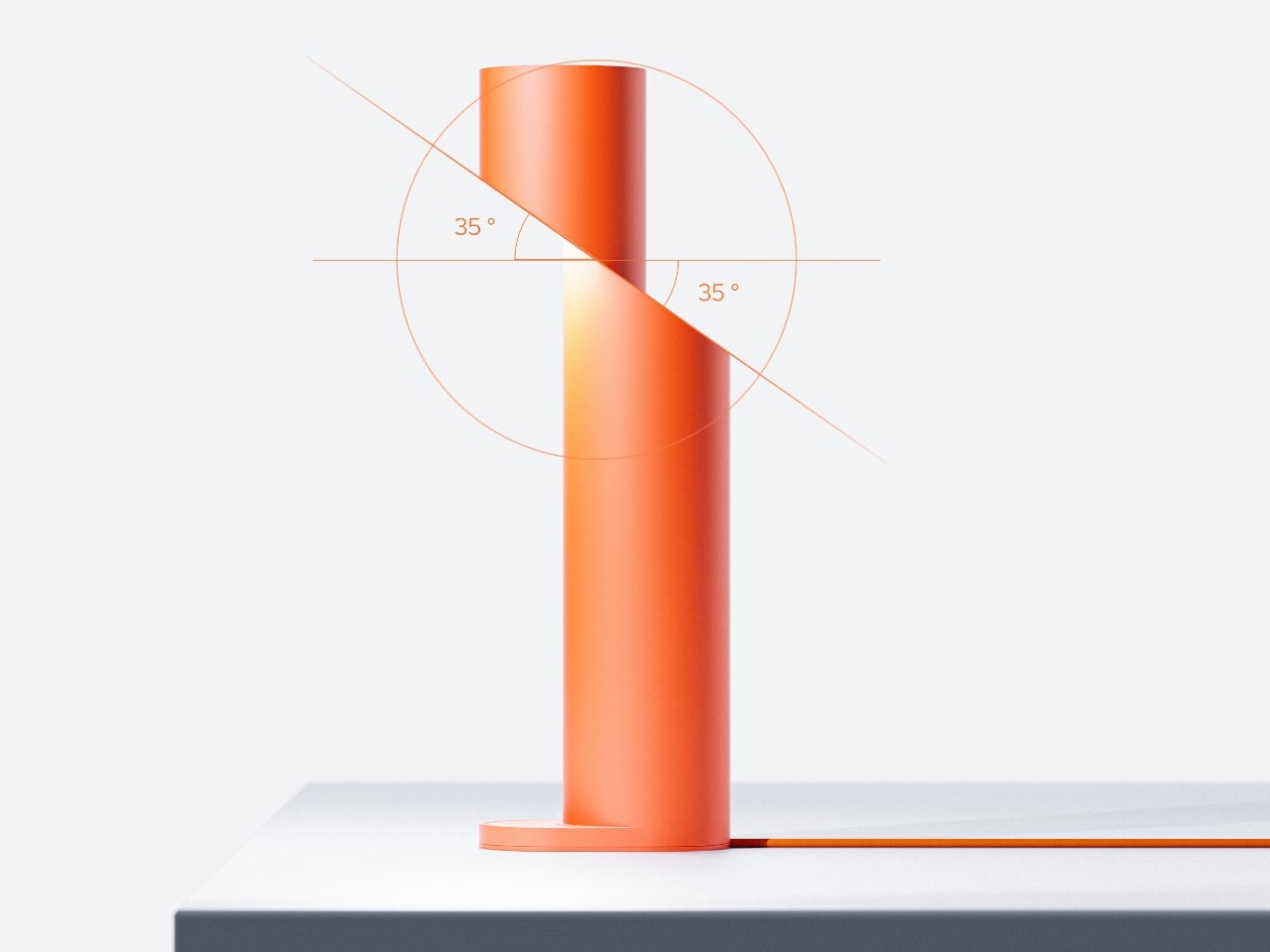
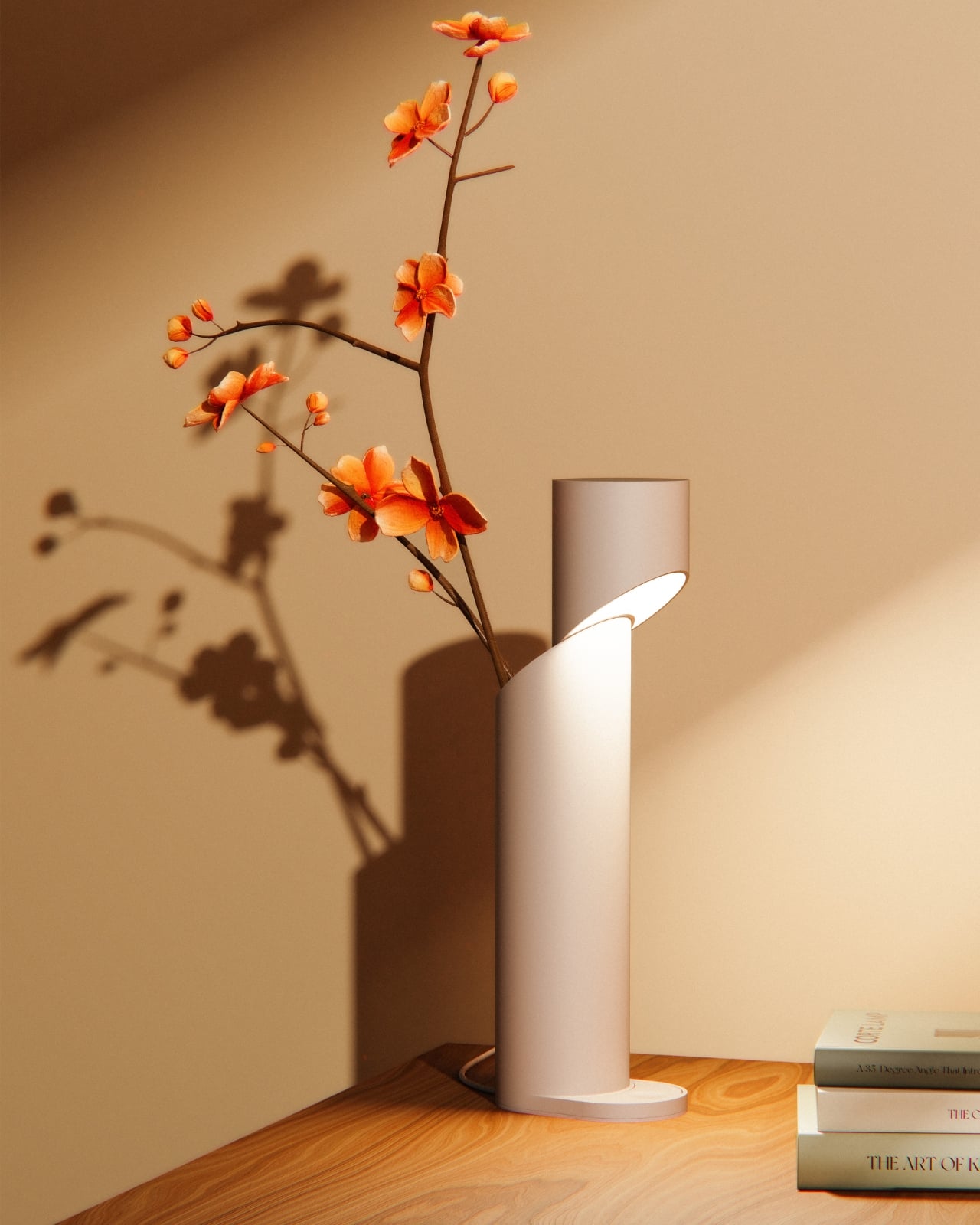
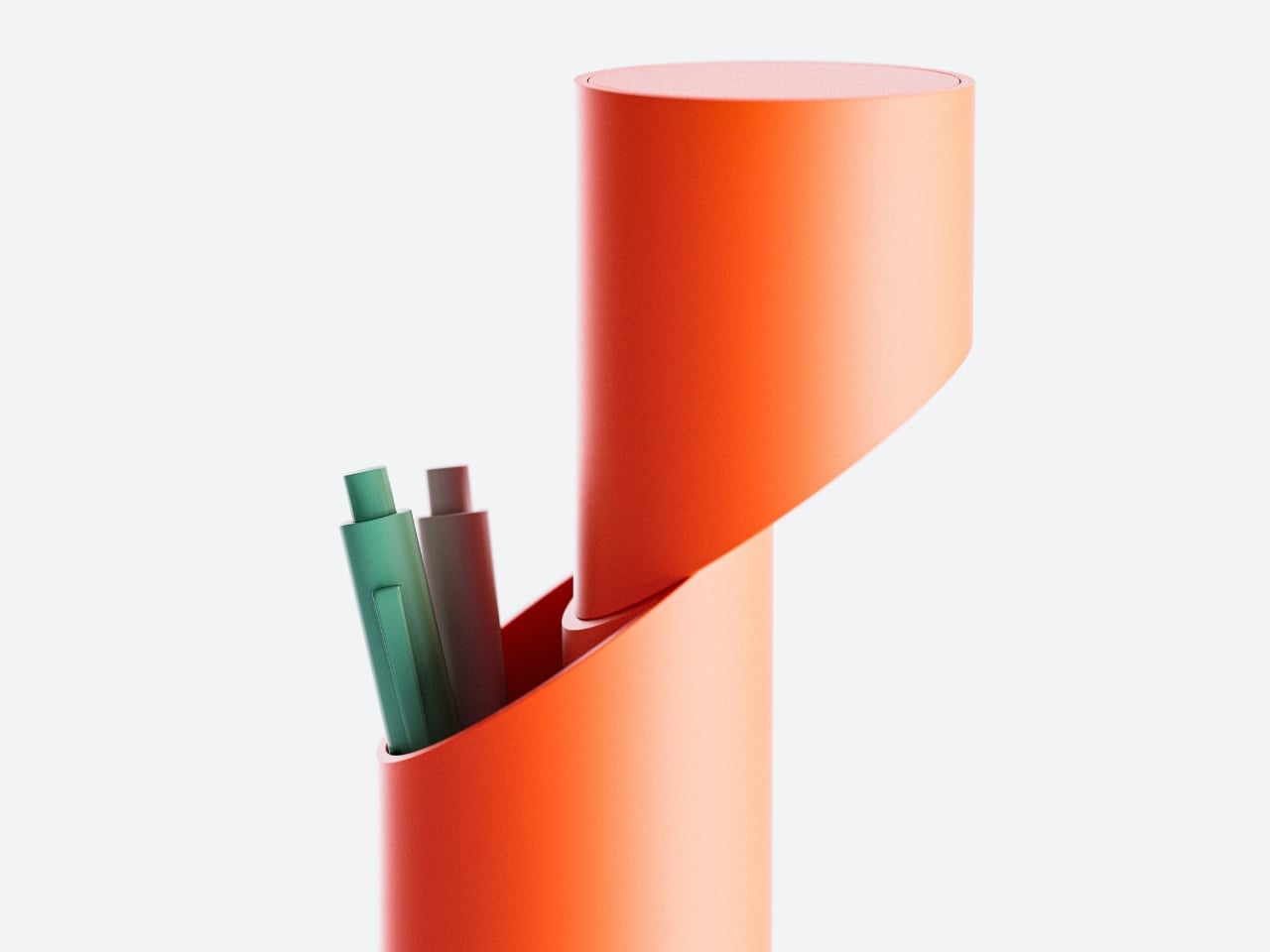
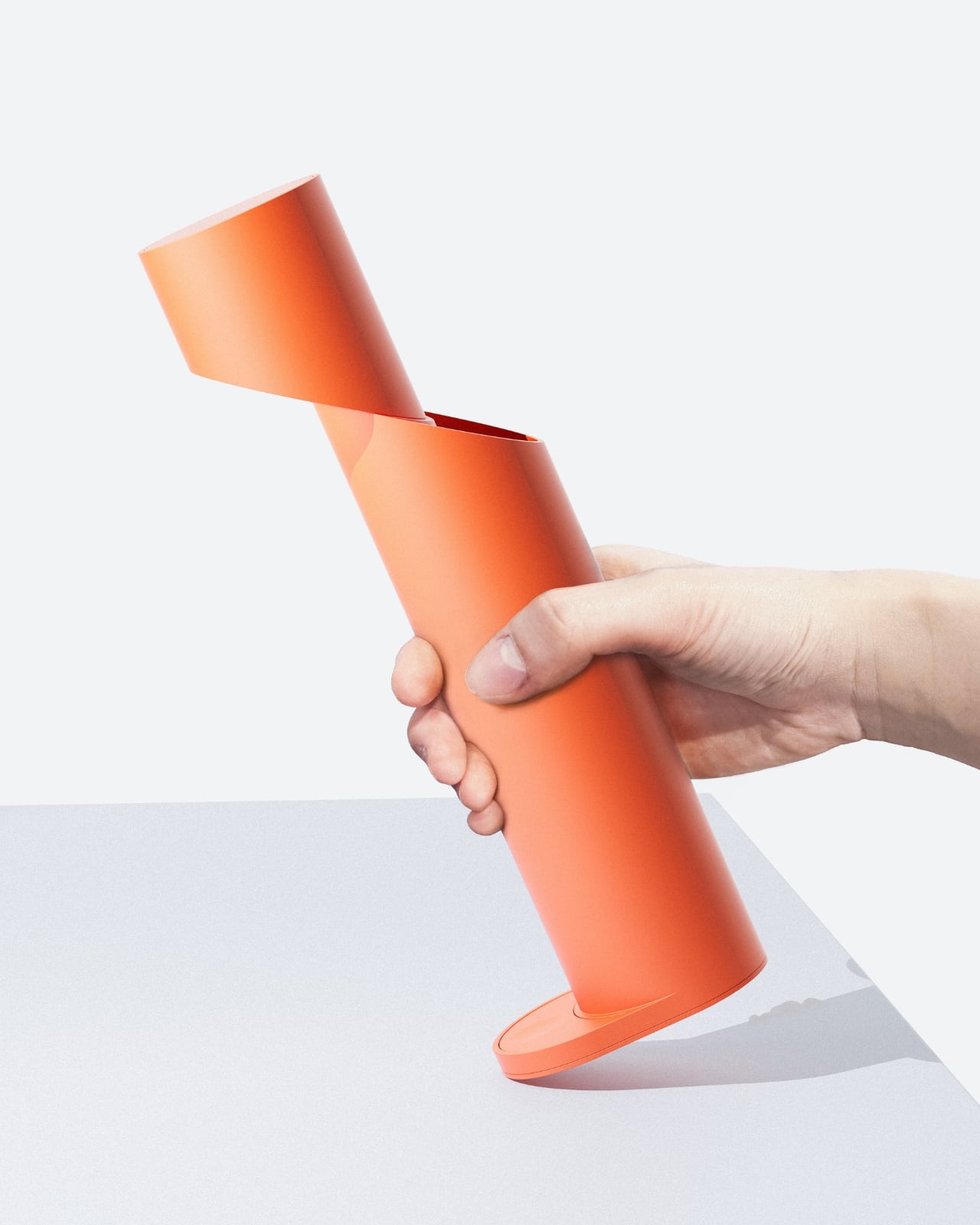
At first glance, the Corte Lamp looks like a straightforward cylindrical floor lamp. Clean lines, matte finish, minimalist aesthetic. But then you notice the slash, a sweeping diagonal incision that slices through the form like someone took a giant blade to it. This isn’t just a decorative flourish. That cut becomes the lamp’s defining feature, transforming a simple tube into something that feels more like a sculptural installation than a functional light source.
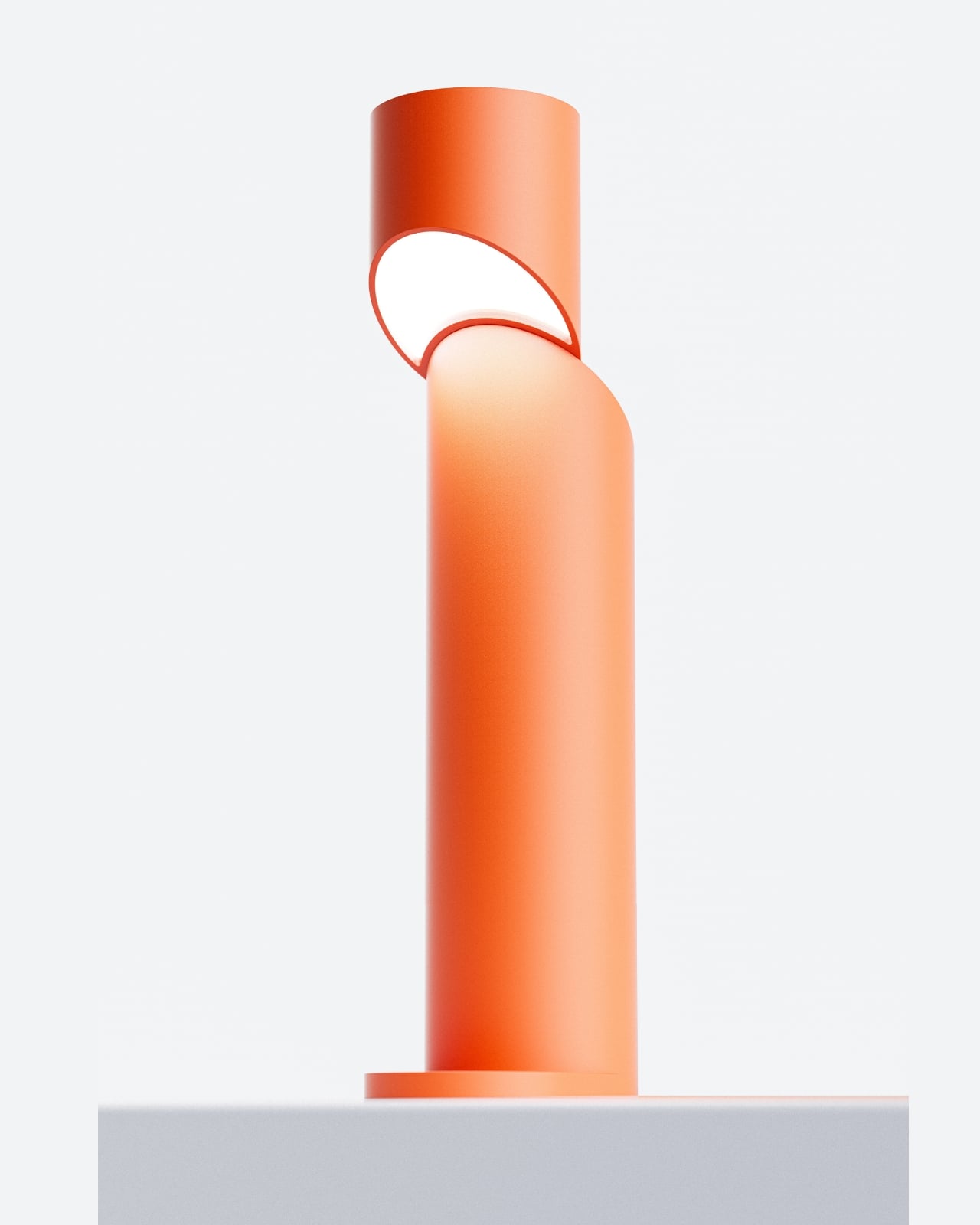
The genius here is in the restraint. Park didn’t overcomplicate things with multiple cutouts or elaborate patterns. Instead, there’s just one bold, confident gesture that creates an elliptical opening through the cylinder. When the lamp is off, you see the architectural drama of negative space. When it’s on, that void becomes a window into warm, glowing light that spills out at unexpected angles.
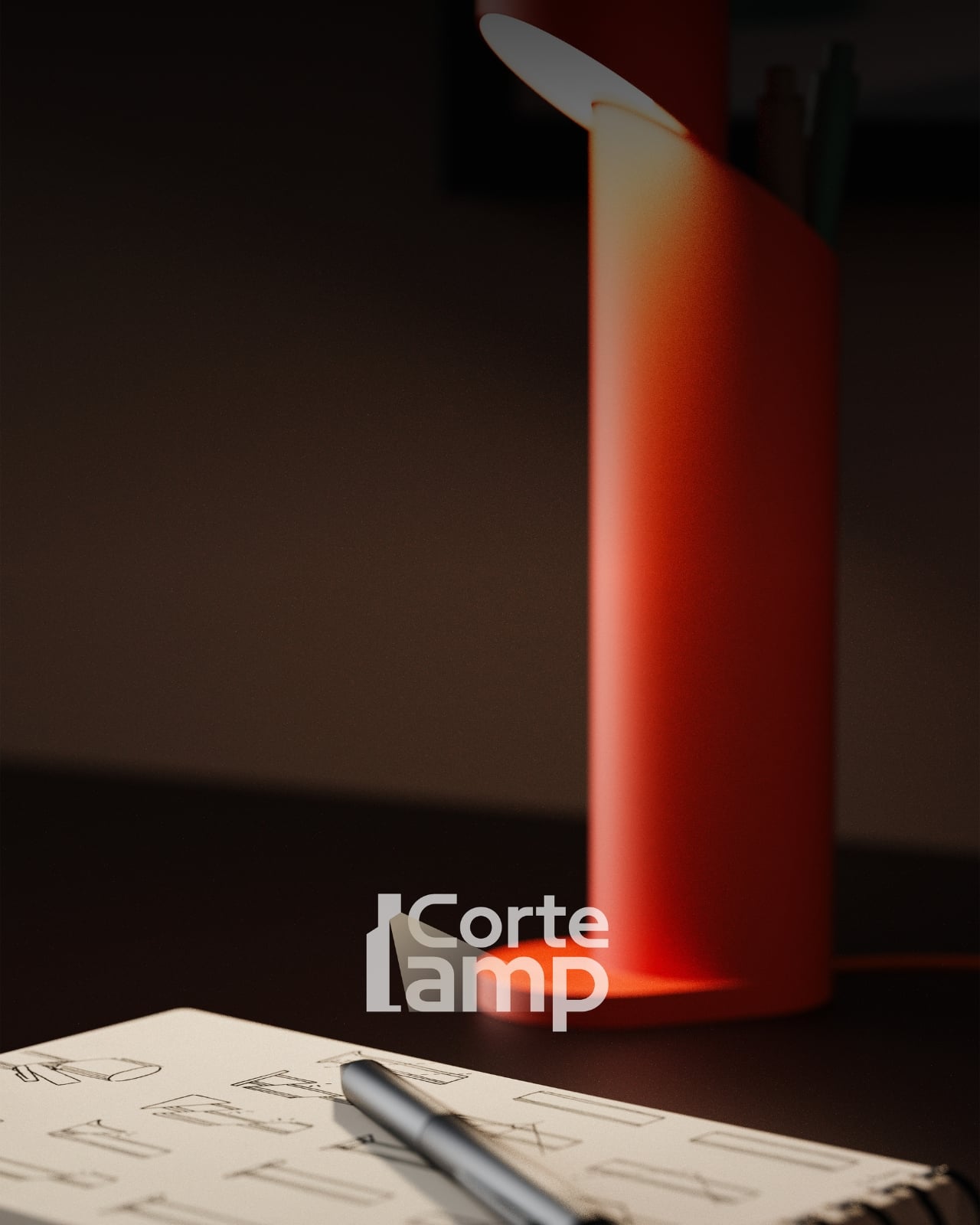
What makes the Corte Lamp particularly clever is how it plays with our expectations of what a lamp should be. We’re used to light coming from the top of a floor lamp, filtered through a shade or diffuser. But this design disrupts that convention. The cut section exposes the light source in the middle of the form, creating multiple lighting effects simultaneously. You get ambient uplight from the top, focused illumination from the opening, and subtle downlight at the base.
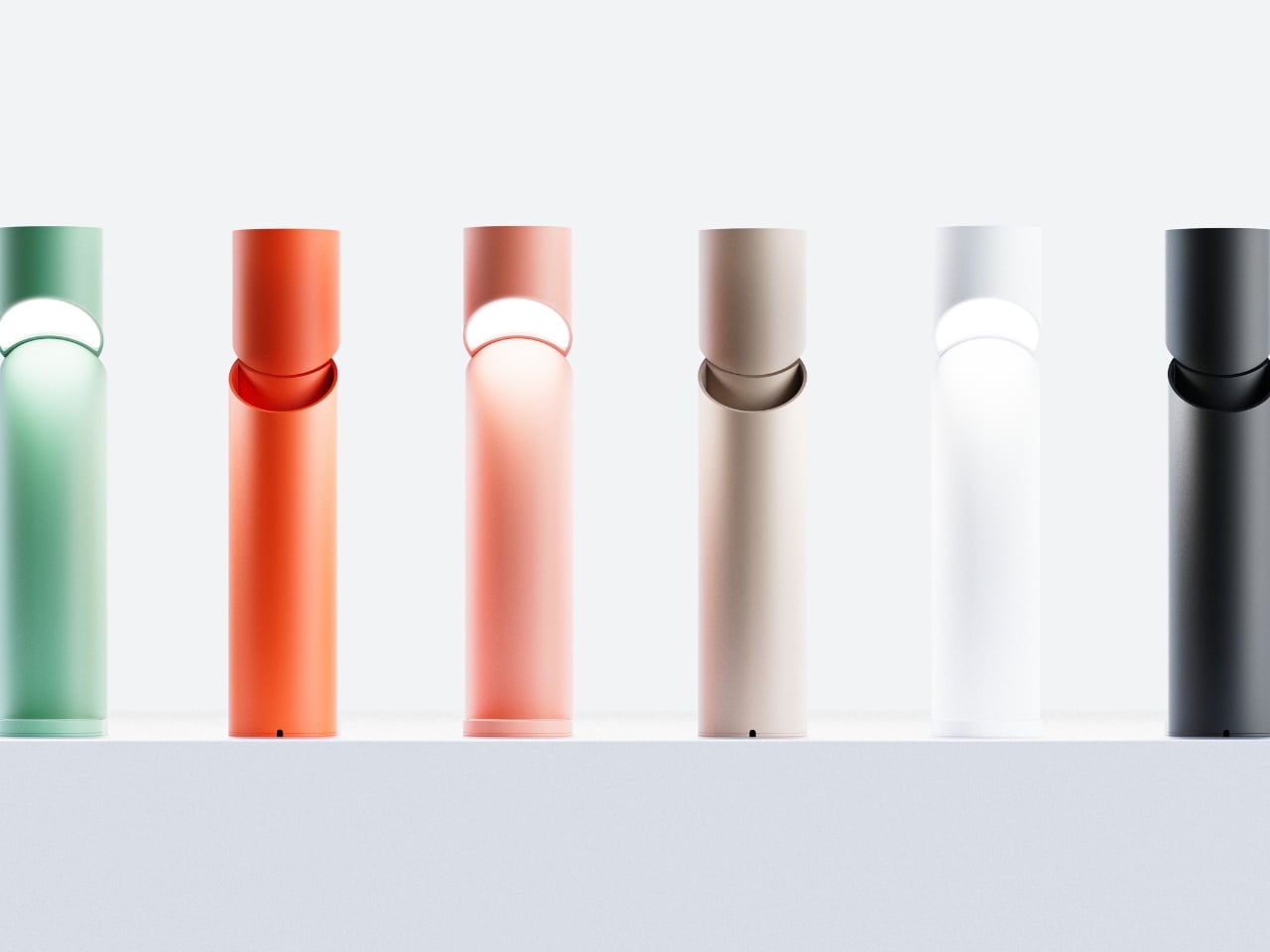
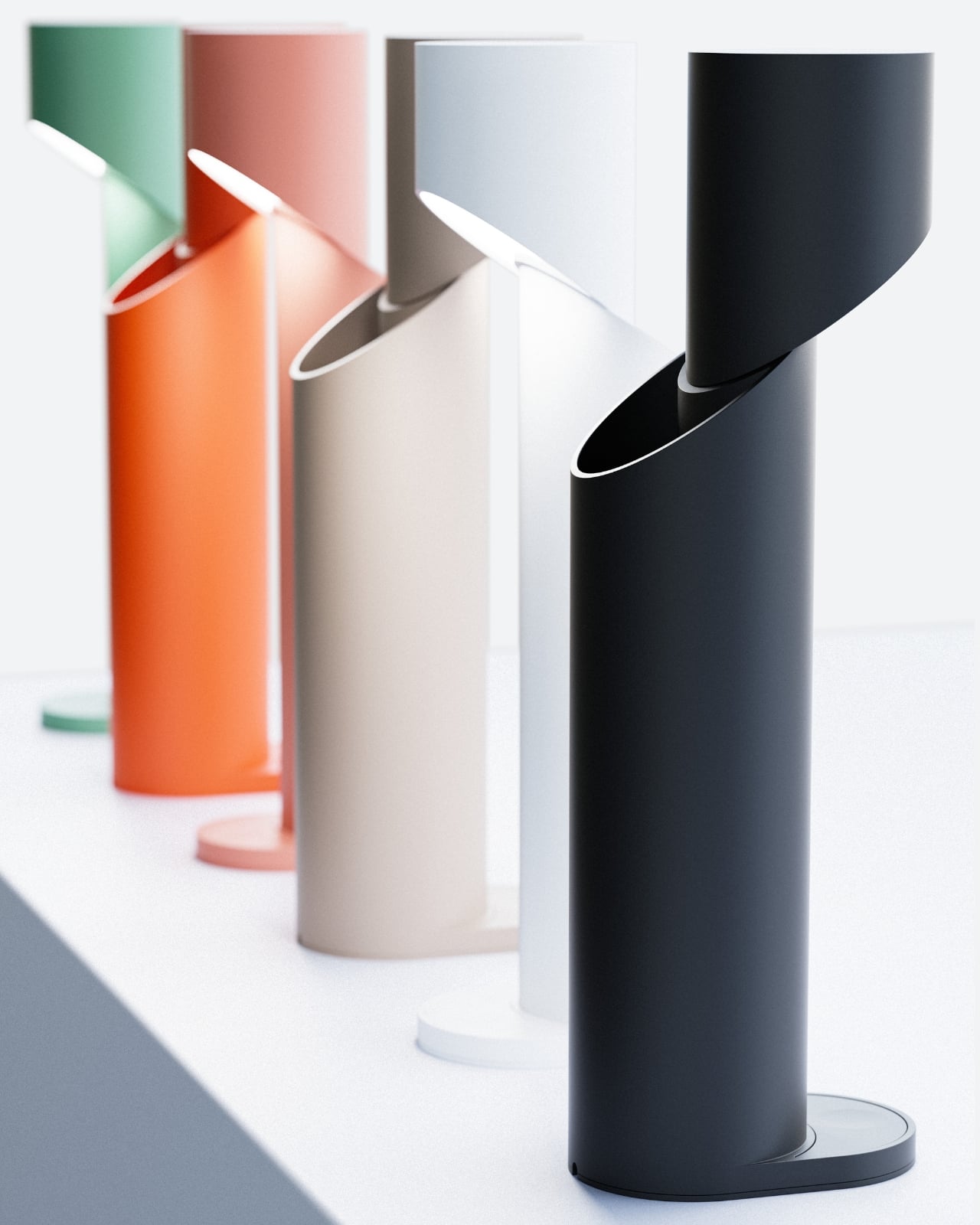
The color palette adds another layer of appeal. While the lamp comes in practical neutrals like black, white, and beige, it’s the pastel options that really shine. That peachy coral tone, in particular, transforms the lamp into something that feels current and Instagram-ready without trying too hard. The mint green offers a retro-futuristic vibe, while the soft pink brings a gentle warmth to any space. These aren’t just lamps. They’re statement pieces that happen to provide light.
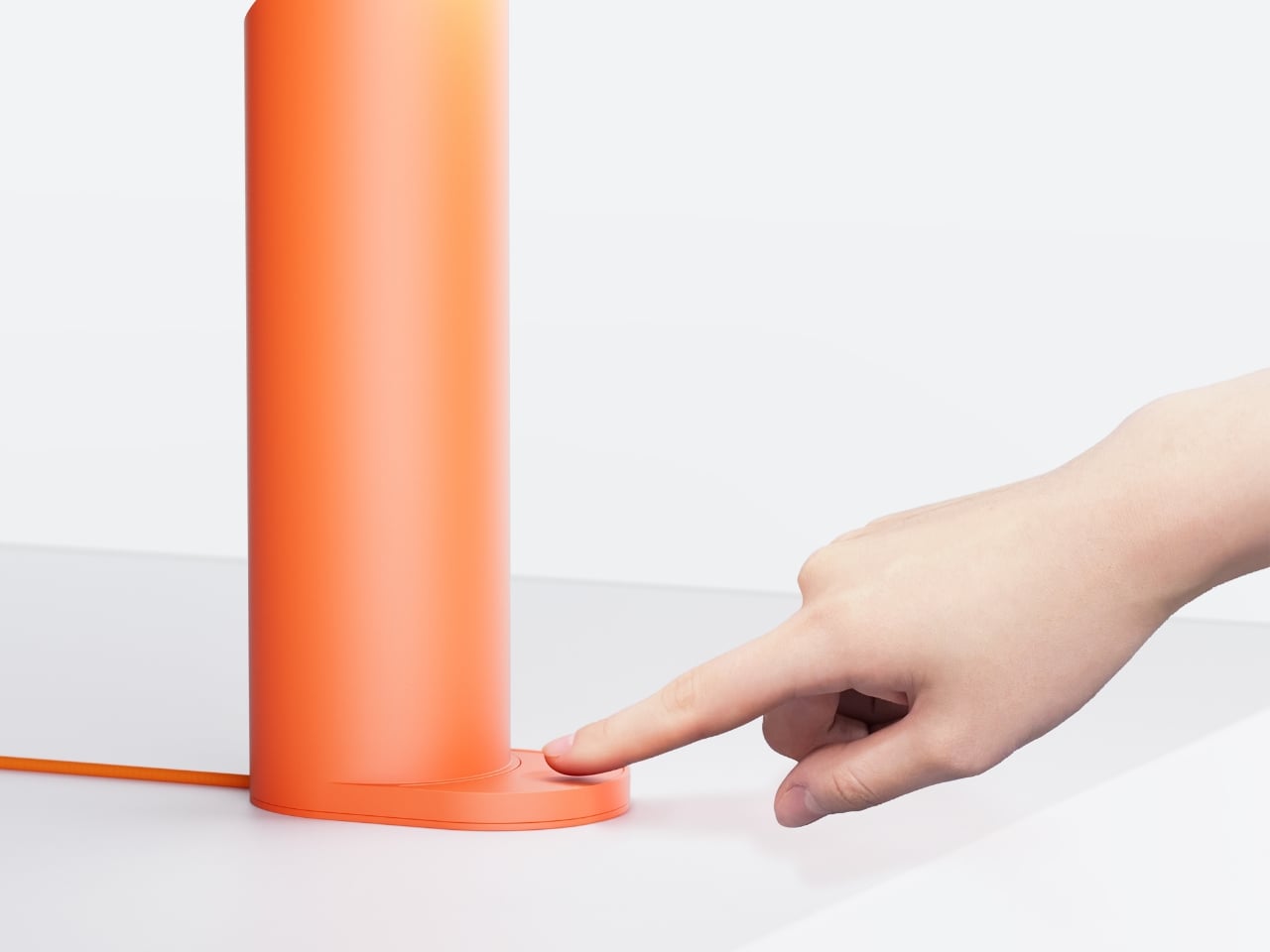
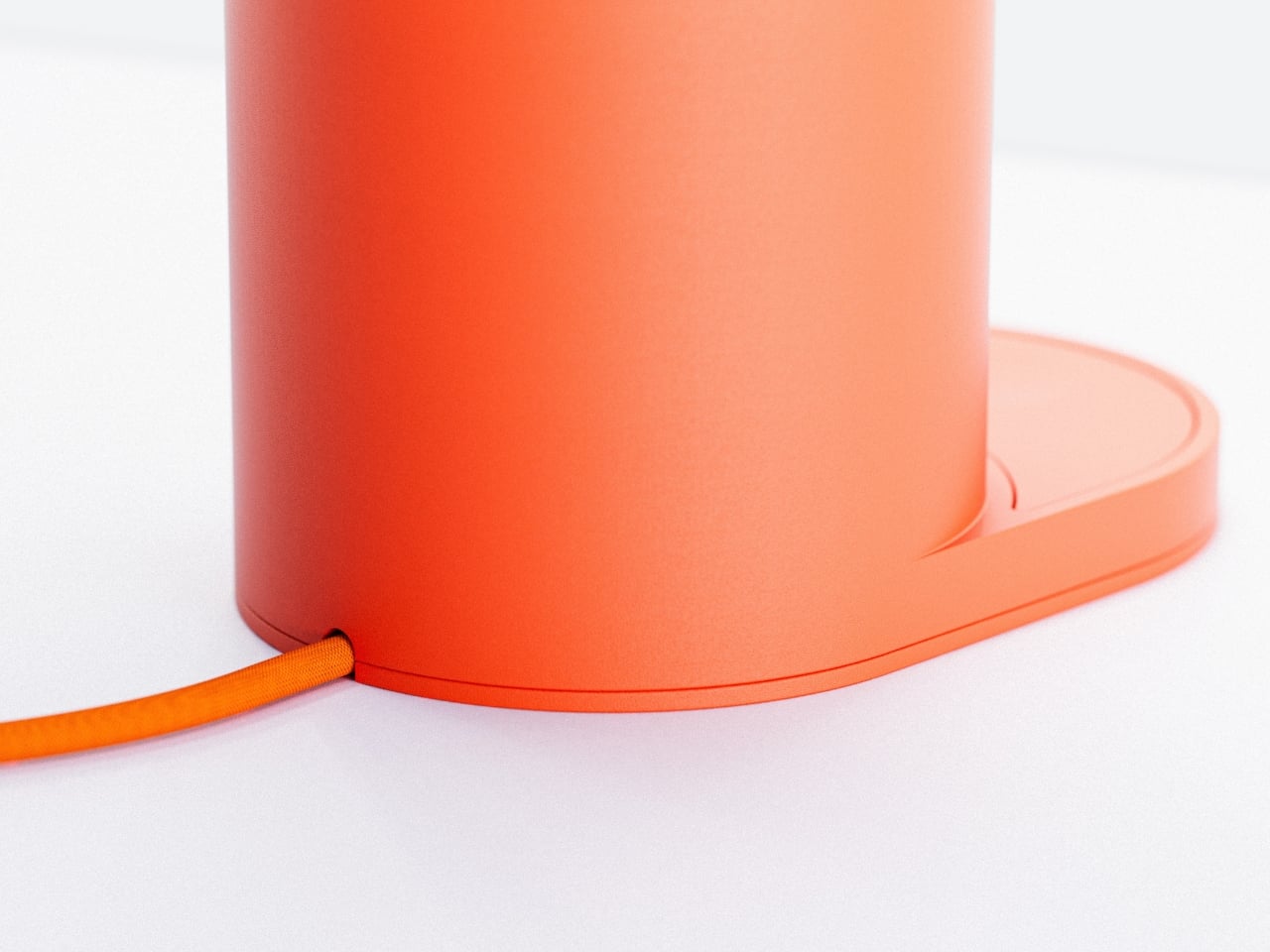
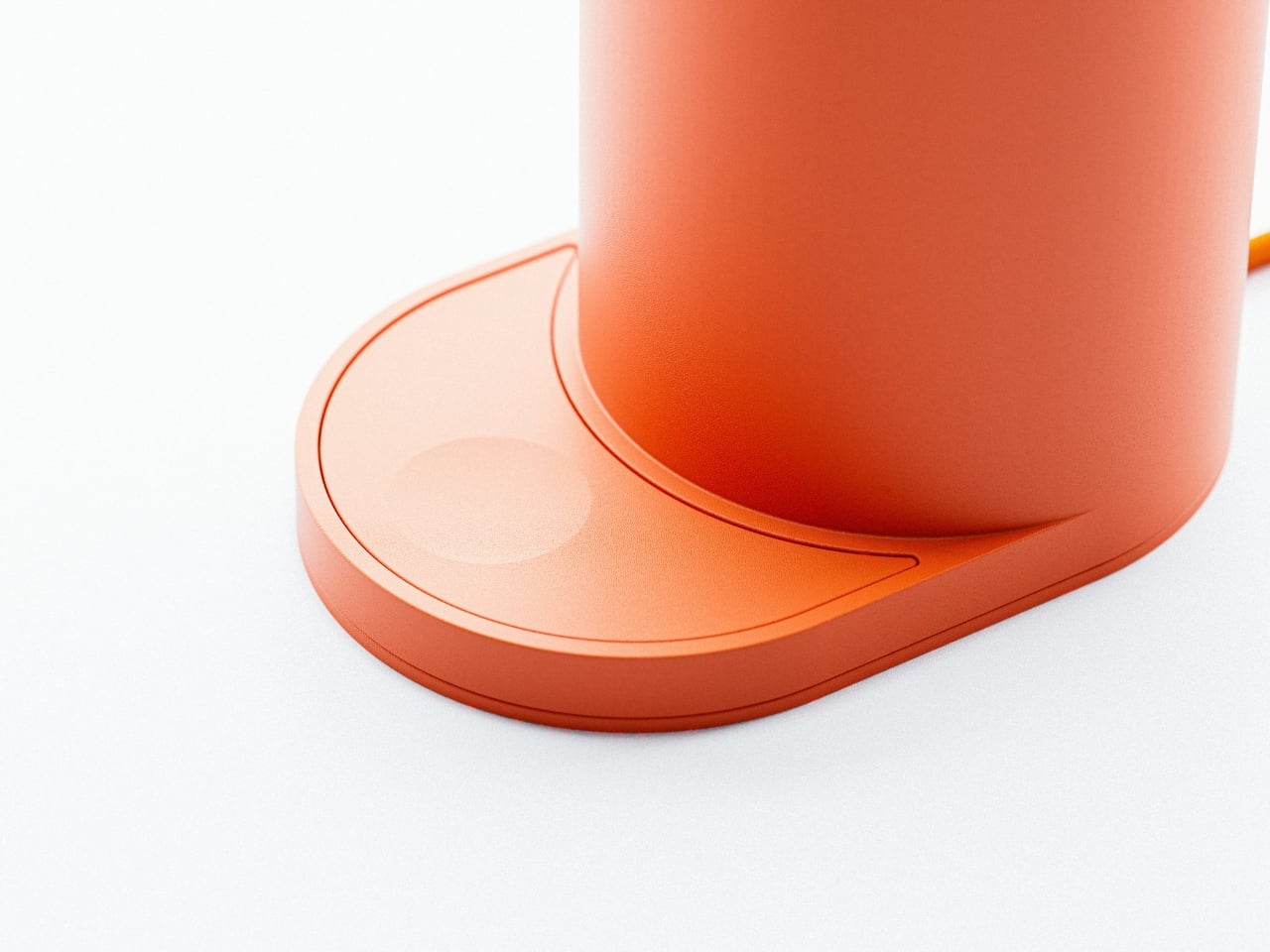
From a technical perspective, the execution looks flawless. The matte finish gives each color depth and sophistication, while the precision of that diagonal cut suggests careful engineering. The edges are clean, the proportions are balanced, and despite its dramatic gesture, the lamp maintains stability with a circular base that echoes the cylindrical form. There’s also something intriguing about how the lamp changes depending on your viewing angle. Walk around it and the elliptical opening shifts in appearance, sometimes looking like a narrow slit, other times revealing the full depth of the cut. This kinetic quality, where the object seems to transform as you move through space, adds an interactive element that static lighting typically lacks.
The Corte Lamp fits into a larger trend we’re seeing in contemporary design where the line between furniture and art continues to blur. Young designers are increasingly rejecting the idea that functional objects need to disappear into the background. Instead, they’re creating pieces that demand attention, spark conversation, and challenge our assumptions about everyday items. Park’s design also reflects a particular aesthetic moment where maximalism isn’t about adding more, but about making more impact with less. One cut. One form. Multiple colors. That’s the entire concept, and it works because it’s executed with conviction and technical skill.
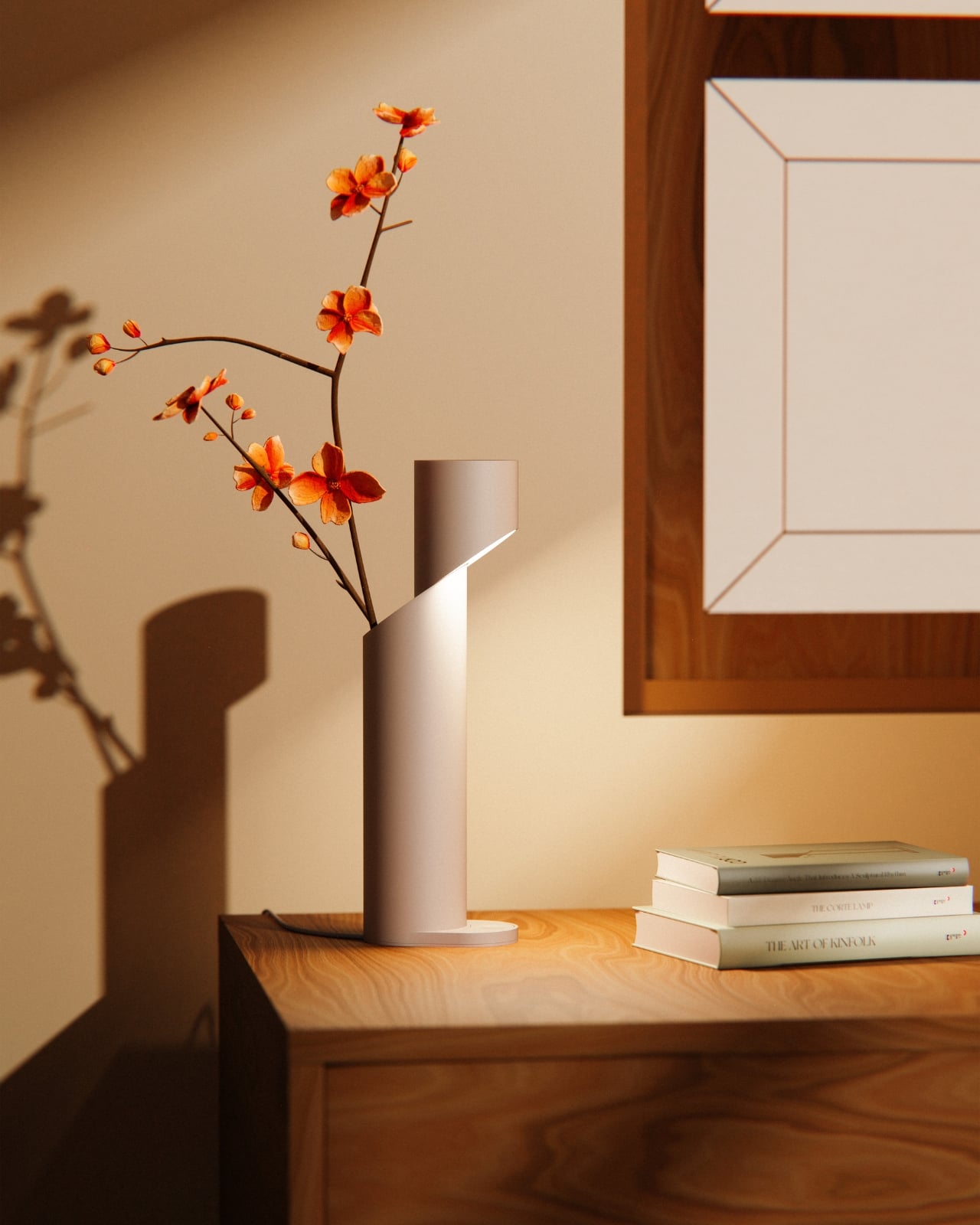
For anyone furnishing a space, the Corte Lamp offers versatility that’s hard to find in statement lighting. It’s bold enough to anchor a minimal room with dramatic flair, but simple enough not to clash with existing decor. It works in a modern apartment, a creative studio, or even a retail space looking for sculptural accents that serve a purpose.
The beauty of designs like this is they remind us that innovation doesn’t always mean reinventing everything from scratch. Sometimes it’s about looking at something familiar, like a cylindrical lamp, and asking what happens if you just take something away. In Park’s case, that subtraction became an addition, creating a lighting design that’s as much about shadow and void as it is about illumination. The Corte Lamp proves that great design can be a single idea executed perfectly.
There’s something deeply satisfying about watching a designer take a basic shape and completely reimagine it. That’s exactly what Jisu Park has done with the Corte Lamp, a lighting design that proves sometimes the boldest move is a single, decisive cut.
At first glance, the Corte Lamp looks like a straightforward cylindrical floor lamp. Clean lines, matte finish, minimalist aesthetic. But then you notice the slash, a sweeping diagonal incision that slices through the form like someone took a giant blade to it. This isn’t just a decorative flourish. That cut becomes the lamp’s defining feature, transforming a simple tube into something that feels more like a sculptural installation than a functional light source.
The genius here is in the restraint. Park didn’t overcomplicate things with multiple cutouts or elaborate patterns. Instead, there’s just one bold, confident gesture that creates an elliptical opening through the cylinder. When the lamp is off, you see the architectural drama of negative space. When it’s on, that void becomes a window into warm, glowing light that spills out at unexpected angles.
What makes the Corte Lamp particularly clever is how it plays with our expectations of what a lamp should be. We’re used to light coming from the top of a floor lamp, filtered through a shade or diffuser. But this design disrupts that convention. The cut section exposes the light source in the middle of the form, creating multiple lighting effects simultaneously. You get ambient uplight from the top, focused illumination from the opening, and subtle downlight at the base.
The color palette adds another layer of appeal. While the lamp comes in practical neutrals like black, white, and beige, it’s the pastel options that really shine. That peachy coral tone, in particular, transforms the lamp into something that feels current and Instagram-ready without trying too hard. The mint green offers a retro-futuristic vibe, while the soft pink brings a gentle warmth to any space. These aren’t just lamps. They’re statement pieces that happen to provide light.
From a technical perspective, the execution looks flawless. The matte finish gives each color depth and sophistication, while the precision of that diagonal cut suggests careful engineering. The edges are clean, the proportions are balanced, and despite its dramatic gesture, the lamp maintains stability with a circular base that echoes the cylindrical form. There’s also something intriguing about how the lamp changes depending on your viewing angle. Walk around it and the elliptical opening shifts in appearance, sometimes looking like a narrow slit, other times revealing the full depth of the cut. This kinetic quality, where the object seems to transform as you move through space, adds an interactive element that static lighting typically lacks.
The Corte Lamp fits into a larger trend we’re seeing in contemporary design where the line between furniture and art continues to blur. Young designers are increasingly rejecting the idea that functional objects need to disappear into the background. Instead, they’re creating pieces that demand attention, spark conversation, and challenge our assumptions about everyday items. Park’s design also reflects a particular aesthetic moment where maximalism isn’t about adding more, but about making more impact with less. One cut. One form. Multiple colors. That’s the entire concept, and it works because it’s executed with conviction and technical skill.
For anyone furnishing a space, the Corte Lamp offers versatility that’s hard to find in statement lighting. It’s bold enough to anchor a minimal room with dramatic flair, but simple enough not to clash with existing decor. It works in a modern apartment, a creative studio, or even a retail space looking for sculptural accents that serve a purpose.
The beauty of designs like this is they remind us that innovation doesn’t always mean reinventing everything from scratch. Sometimes it’s about looking at something familiar, like a cylindrical lamp, and asking what happens if you just take something away. In Park’s case, that subtraction became an addition, creating a lighting design that’s as much about shadow and void as it is about illumination. The Corte Lamp proves that great design can be a single idea executed perfectly.
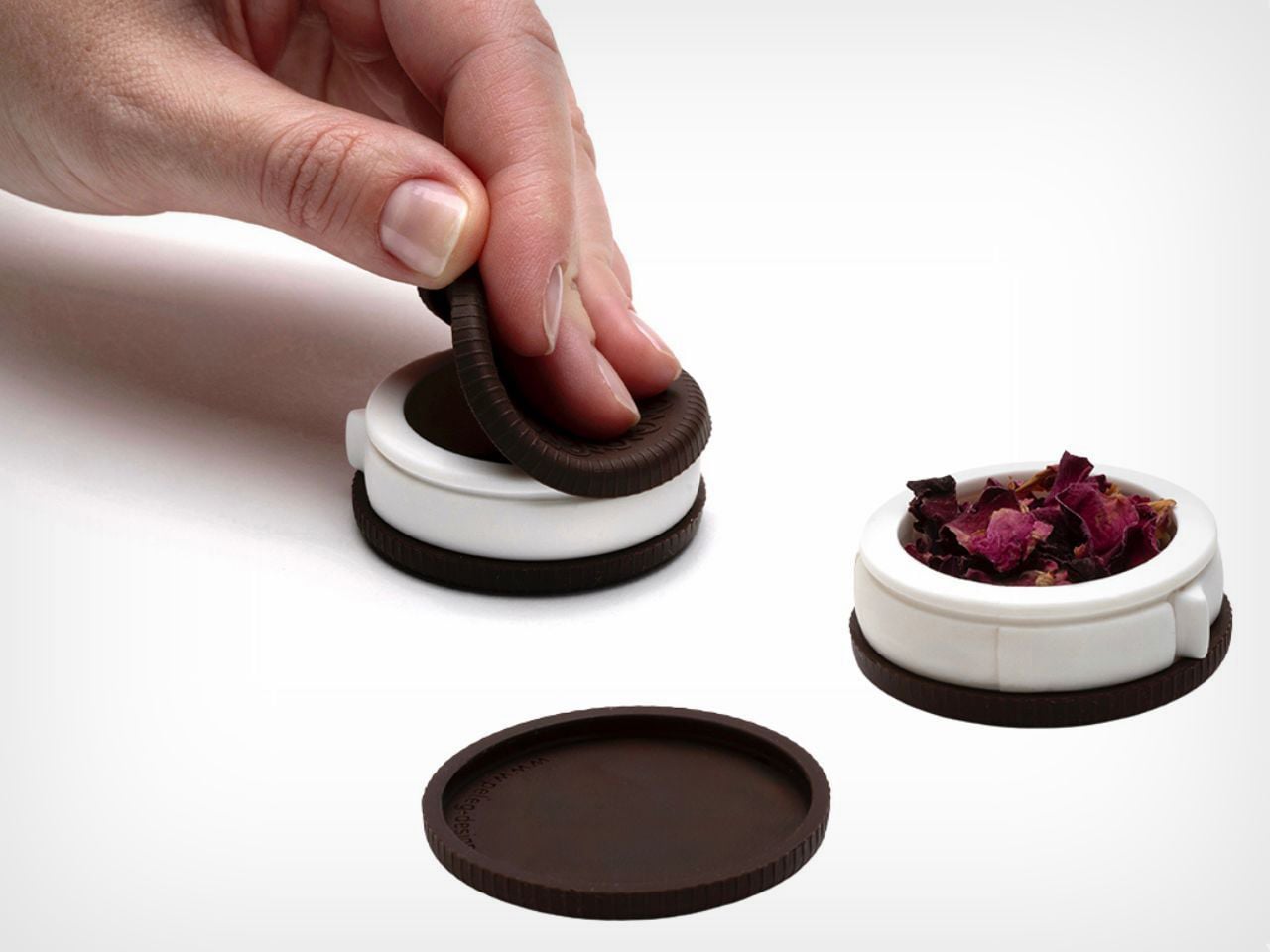
There’s something deeply comforting about a cup of tea, especially when it’s paired with an object that makes you smile before you even take the first sip. CookieTea, a tea infuser designed by Peleg Design, turns a familiar daily ritual into a small, joyful moment. Shaped like a classic sandwich cookie, it brings warmth, humor, and intention to the simple act of brewing tea.
At first glance, CookieTea looks almost edible. The resemblance to a real cookie is so convincing that you might hesitate for a second before dropping it into your cup. That playful confusion is part of its charm. Unlike regular tea bags, which tend to disappear into the mug, this infuser is meant to be seen. When dunked into hot water, it looks deliberate and thoughtfully placed, as if it belongs there by design rather than necessity. The act of steeping suddenly feels visual and expressive, not just functional.
The experience goes beyond appearance. CookieTea is genuinely easy to use, even for someone who does not usually reach for loose-leaf tea. One side of the cookie lifts open effortlessly, creating a small compartment where you can add your preferred tea leaves. Once filled, it seals back securely with a simple press. There is no struggle, no fiddling, and no sense of fragility. The interaction feels natural and intuitive.
The cream layer of the cookie hides one of the smartest details of the design. A peelable strip controls how the tea infuses. When closed, it keeps the interior clean and contained. When opened, tiny perforations allow the flavor and aroma of the tea to mix with the water gently. This thoughtful mechanism ensures that the infuser performs just as well as it looks, balancing cleanliness with proper brewing.
Another small but meaningful detail is the hook-shaped edge built into the peelable strip. This allows CookieTea to rest securely on the rim of the cup, preventing it from sinking to the bottom or floating around while steeping. It also makes removing the infuser effortless once the tea is ready. It solves a common annoyance so quietly that you only realize how useful it is once you experience it.
After brewing, CookieTea continues to add value. Instead of feeling like something to hide away, it fits perfectly on a plate beside your cup. It adds to the overall table setting, enhancing the visual experience rather than disrupting it. Whether used during a quiet afternoon break or while hosting guests, it naturally becomes part of the moment.
CookieTea does not try to redefine tea drinking. It simply makes it more pleasant, more intentional, and more human. It is a reminder that good design lives in the details and that even the smallest everyday rituals deserve objects that spark joy.
Yanko Design’s podcast, Design Mindset, continues to bring compelling conversations with design leaders who are shaping the future of the industry. Powered by KeyShot, the show premieres weekly, offering listeners deep dives into the minds of innovators, strategists, and visionaries. Episode 15 tackles one of the most critical shifts happening in design today: how sustainability has moved from a nice-to-have checkbox to a core measure of design excellence itself.
This week’s guest is Lisa Gralnek, a brand builder with 25 years of experience who currently serves as U.S. Managing Director and Global Head of Sustainability and Impact for iF Design, a respected member of the international design community since 1953 and host of the prestigious iF Design Award. Lisa’s journey spans work with giants like Adidas and the Boston Consulting Group, giving her a unique vantage point on how sustainability has evolved from corporate afterthought to design imperative. In this conversation, she reveals how one of the world’s most prestigious design competitions is fundamentally redefining what “good design” means.
Embedding Sustainability into iF Design’s Evaluation Framework
When asked about the decision to make sustainability one-fifth of the iF Design evaluation framework, Lisa shared her pride in the initiative. iF Design has been operating since 1954 and now spans nine disciplines across 93 categories, from product and packaging to branding communications, UX, UI, service systems, architecture, and interior architecture. The shift was deliberate and structural: iF Design moved from a general “impact” criterion to explicitly isolating environmental and social sustainability as 20% of the score. Commercial impact was repositioned into differentiation, one of their five criteria, allowing them to “really single out the environmental and social ramifications of a design.” This alignment reflects the iF Design Foundation’s core mission to advance design for a better world.
The design thinking process involved convening a Sustainability Working Group of eight experts from around the world who bring deep, often sector-specific sustainability expertise. “We work together to figure out what is the process, what is the questions, what are the certifications and accreditations we’re acknowledging, as well, most importantly, I would say, of supporting the jurors as they go through this process as well,” Lisa explained. The group co-developed processes, discipline-specific optional questions, recognized certifications and accreditations, and on-site juror support aimed at consistency, rigor, and education for both entrants and jurors. This collaborative approach ensures that sustainability evaluation remains both credible and practical across vastly different design categories.
Distinguishing Authentic Impact from Greenwashing
One of the biggest challenges facing any sustainability evaluation is distinguishing genuine innovation from performative claims. Lisa explained how the first year revealed significant gaps: jurors felt skeptical not about sustainability itself but about making accurate judgments with insufficient information. At that first jury, sustainability experts were on the ground for only the second year, and the feedback was clear. Entrants weren’t providing enough detail in the character-limited impact field for jurors to make informed decisions, whether they were discussing environmental impact, social impact, or business impact.
The solution was to embed three optional questions into every discipline, sometimes tailored at the category level, along with a selectable list of objective global, regional, and industry-led certifications. These questions remain optional because iF’s mandate focuses on rewarding good design rather than punishing inadequate submissions. Lisa gave a concrete example of how this helps identify hollow claims: when a television or computer monitor entry discusses sustainable packaging in the sustainability field, it raises red flags because the entry itself is about the product, not the packaging. In packaging specifically, iF piloted requesting a bill of materials (BOM) or digital product passport (DPP) to quickly validate claims about recycled content, compostability, low-impact inks, and water-saving processes. Interestingly, packaging entries dipped this year, raising the question of whether increased scrutiny discouraged greenwashing or simply affected submission rates.
“Fewer, Better” as a Design and Consumption Ethos
Lisa’s philosophy around sustainable design cuts to the heart of overconsumption. She candidly admitted that if she were being a radical sustainabilityist, “none of us needs anything. None of us needs anything anymore.” She recalled an interview on The Economist after the 2008 financial collapse where experts insisted people needed to buy, that society needed to incentivize consumption. But consuming our way out of financial collapse, she argues, represents the capitalistic model and business operating system of the world without necessarily serving the planet or people. Her first jury experience brought this reality into sharp focus: walking into the warehouse where 50% of the 10,000 to 12,000 annual entries are physically displayed, she burst into tears. The sheer volume of stuff human beings create, all in service of capitalism’s engine, became overwhelming when viewed through a sustainability lens.
So what does “fewer, better” actually mean in practice? Lisa explained it operates on two levels: individual conscious consumption choices and organizational design decisions. At the designer and company level, it means thinking through the circular R ladder: what can we refuse, rethink, reduce, reuse, repair, recycle, refurbish, or resale? “Fewer, better is like, I think it’s less extractive and more regenerative,” she explained. This approach shifts the entire paradigm from novelty-driven production cycles to necessity-driven design that prioritizes extending product lifecycles and reducing resource pressure. Even digital alternatives and AI, which some propose as solutions, carry their own massive environmental footprints, making the “fewer, better” ethos essential regardless of the medium.
The Shift from “Nice-to-Have” to Imperative
Lisa has been passionate about sustainability since early in her career, leaving fashion after nine years because she’d lost appreciation for the craft amid the luxury sector’s excesses. She attended graduate school intending to return and work on sustainability in luxury, but graduated into the 2008 financial collapse when sustainability wasn’t even a conversation starter. Her time at Boston Consulting Group revealed the depth of corporate resistance: she vividly remembers asking a snack food company CEO about greening their packaging supply chain at a luncheon and being laughed at by both the CEO and a senior partner. Whether the dismissal stemmed from her being a young woman among older men or the sheer absurdity they perceived in the question, she witnessed this pattern repeatedly across retail, travel and tourism, consumer packaged goods, and fashion. The consistent message: sustainability is awesome, so long as it doesn’t cost margin or sales.
Yet Lisa sees a significant shift happening now, driven primarily by consumers. Awareness of climate change, planetary degradation, and social unfairness has grown dramatically, particularly as social media makes information more accessible regardless of which news sources people consume. Most people globally now recognize there’s a problem and understand that action is needed. There’s also a compelling business case, as demonstrated by Walmart’s LED transition 15 to 18 years ago. Despite enormous upfront costs to change every light bulb in every warehouse and retail store, the head of sustainability reported a payback period of just three and a half weeks in energy savings. “So often you just need to make the change and people are so scared and teams are so siloed and you know people are afraid like you can’t be afraid and the business case is almost oh almost always there to do better,” Lisa observed.
Technology’s Double-Edged Sword: E-Waste and Hope
When asked about sustainable design trends she wished would disappear, Lisa pointed to a concerning paradox: our increasing dependence on technology. E-waste is burying us, with most electronic waste filled with rare earths that are extremely difficult to mine and controlled by very few players. This issue increasingly surfaces in geopolitical conversations and international trade negotiations yet remains underrepresented in sustainability discourse. Lisa referenced a presentation at South by Southwest where visuals showed the number of dump trucks filled with e-waste every hour that the world creates and deposits into landfills. These landfills poison water sources and ground soil, creating massive downstream pollution and health impacts. Everything exciting and technological, while representing the direction the world is heading, simultaneously presents this enormous environmental problem.
Yet within this challenge lies genuine hope. Lisa expressed excitement about the increase in repairability, recyclability, upgradability, and upcyclability in electronics, whether discussing car batteries, e-bike batteries, mobile phones, speakers, or computer interfaces. The momentum isn’t moving fast enough and integration remains incomplete, but the trajectory points toward keeping electronics in use longer and reducing waste. This trend represents designers and companies genuinely rethinking product lifecycles and moving away from planned obsolescence. Lisa’s realistic optimism captures the mindset she sees among sustainability leaders across disciplines: they’re very realistic about where we are and where we’ve been, but they’re willing to fight for transformation in the future. They recognize that future transformation only becomes possible when action starts today, with imperfect solutions, uncomfortable conversations, and puzzle pieces that contribute to a larger systemic change.
Design Mindset, Powered by KeyShot, premieres every week with new conversations exploring the minds shaping the future of design. Listen to the full episode with Lisa Gralnek to hear more insights on sustainability and how it plays a pivotal role in shaping iF Design’s outlook.