Have you ever wondered how some people seem to effortlessly produce professional-grade research, presentations, or overviews while the rest of us struggle to keep up? Parker Prompts walks through how NotebookLM can transform your approach to research and content creation, turning even the most complex projects into streamlined, high-quality outputs. Imagine having a system that […]
Ever feel like creating custom columns in Power Query is more frustrating than it should be? The process can often feel overwhelming, especially when you’re juggling null values, complex calculations, or unexpected errors. In this walkthrough, Excel Off The Grid shows how a few simple yet powerful techniques can transform the way you approach data […]
Apple has rolled out firmware update 8B34 for the AirPods Pro 3, introducing a range of bug fixes and performance enhancements aimed at refining the user experience. This update primarily focuses on improving connectivity, audio quality, and auto-switching while addressing specific issues such as static sounds during active noise cancellation (ANC). Although Apple has not […]
Staying connected in today’s fast-paced world is essential, yet it can be challenging when cellular data is limited or unavailable. InstaBridge, a free app designed for iPhone users, offers a practical and efficient solution by providing access to a global database of free Wi-Fi networks. With its user-friendly interface and location-based functionality, InstaBridge simplifies the […]
Most screwdrivers and multi-tools do their job but feel generic, with rubbery handles, loud colors, stamped metal, and no reason to carry them unless you have to. Modern life involves low-level tension, loose screws on glasses, small repairs, idle hands in long meetings, and the constant search for something to occupy fingers without annoying everyone nearby. MAGICDRIVE is aimed at people who want a tool that matches their EDC mindset rather than just filling a slot in a toolbox they rarely open.
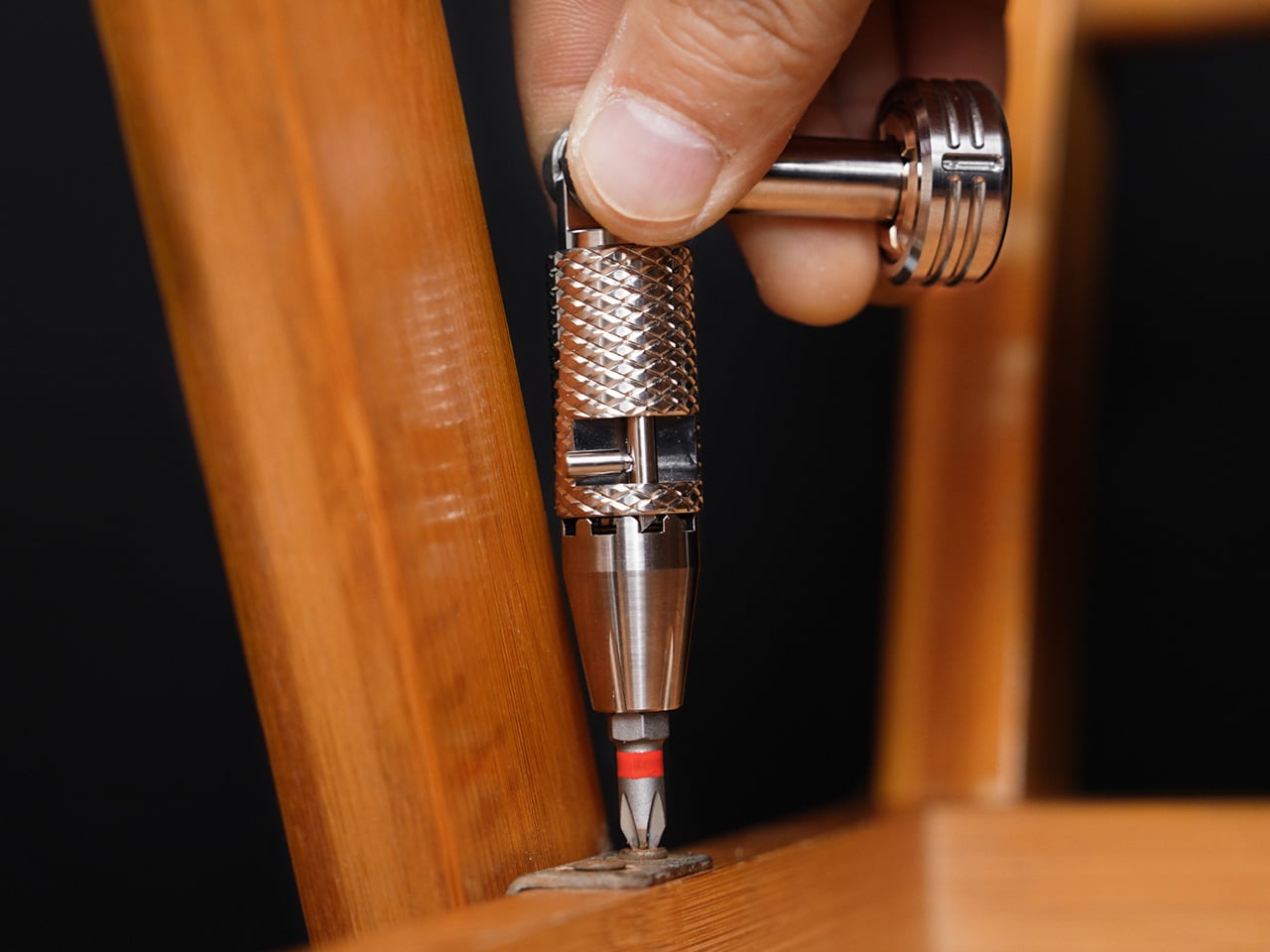
MAGICDRIVE is a precision-machined titanium ratchet screwdriver that tries to be a tool, a toy, and a small piece of mechanical art in one body. It is engineered for real performance, with a CNC-machined ratchet, foldable angles, and modular bit holders, but also designed for lifelong delight, something you might leave on a desk or carry in a pocket organizer because you enjoy using it, not just because you need it when something breaks.
The ratchet mechanism is a fully CNC-machined assembly in titanium, brass, and ceramic bearings, with no injection-molded or stamped parts, built around a classic mechanical design. Every component is individually machined and mechanically interlocked, delivering smooth, solid clicks, strong torque transfer, and the promise of zero wobble and long-term reliability. The knurling is also CNC-machined, grooves cut rather than pressed, giving a confident grip that feels secure without being abrasive during longer sessions or repeated use.
The foldable body locks into 0°, 45°, and 90° positions with a push-button system. Straight-line mode is for rapid spinning and quick turns, 45° mode adds control and comfort, and 90° mode turns the compact driver into a small lever for stubborn screws and awkward angles. Torque testing measured up to 7.9 N·m in 90-degree mode with the 1/4-inch holder installed, which is more than most screws can take before they strip or fail.
The modular bit system lets you swap between a standard 6.35mm (1/4-inch) bit holder and a 4mm precision bit holder using a magnetic quick-swap interface. The 1/4-inch mode is the workhorse, fully compatible with common bits, extension bars, and socket adapters, likely the configuration you use most for everyday screws, small repairs, and workshop tasks where full ratchet engagement and smooth mechanical feedback matter during tightening or loosening.
The 4mm module is for micro jobs and delicate hardware, eyeglasses, small electronics, cameras, watches, keyboards, and calibration tasks where control is more important than torque. This mode intentionally skips the ratchet to give fingertip finesse, and MAGICDRIVE’s compact form makes it feel closer to a surgical instrument than a bulky driver when you are working on tiny fasteners that need gentle, precise turns without stripping delicate threads.
The quick-swap bit holder is held by a strong magnetic interface designed to avoid accidental separation or rattling during carry. The magnets are mechanically sealed by CNC-machined caps instead of just glued, preventing glue fatigue and loose parts over time. This reinforces the theme that the tool is built for long-term reliability, not just initial impressions or the first few months of use before parts start failing.
The balanced spinner top with a brass core is designed for silent, satisfying spins when there is nothing to fix. It offers a moment of focus without clicks or noise, and three tritium slots in the top make the driver easy to find in low light while adding a subtle glow when it spins. It is a small piece of kinetic art that turns idle moments into something more intentional, quieter than clicking a pen and more deliberate than scrolling through a phone.
The Grade 5 titanium body, brass spinner core, and N56 magnets avoid coatings pretending to be metal. Three finishes are available: satin silver, beadblast matte grey, and PVD black, and the brass develops patina over time. The hex-based modular ecosystem includes pen and knife modules and an aluminum bit-holder magazine with a ruler and storage, framing MAGICDRIVE as a platform that can grow with an EDC setup rather than a single-purpose tool that sits in a drawer.
MAGICDRIVE is meant to live beside a favorite knife, pen, or watch, not buried in a drawer. Sometimes you pick it up to fix something, sometimes just to feel the machining under your thumb or spin the top during a long call. It is a screwdriver that treats function and feeling as equally important, turning small interruptions and small repairs into chances to enjoy a beautifully made object. For people who care about the tools they carry and the rituals that fill the gaps between bigger tasks, MAGICDRIVE reads less like a gadget and more like a small, well-resolved piece of everyday gear that earns its place in a pocket or on a desk.
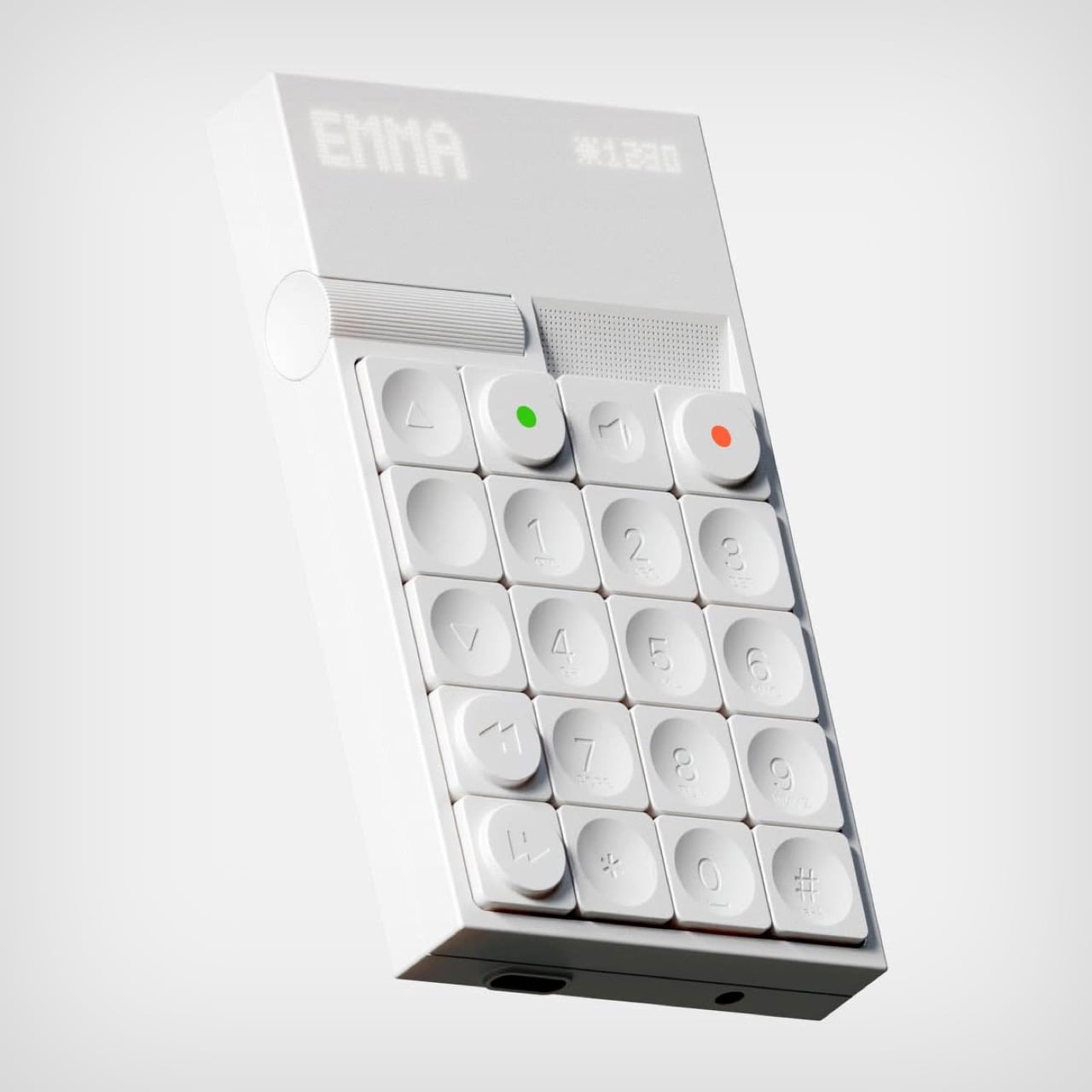
This phone is so minimal it doesn’t even have a name. This brick-ish beauty comes from the mind of Keziah Mendjisky, an industrial design student out of Paris. The idea is simple, how much can you take away from current phones to give you something that feels like a phone and performs like a phone, but doesn’t have any of the distractions? Mendjisky’s attempt at re-envisioning a connectivity device is gorgeously risqué, resulting in something that you’d first think was a calculator.
Grab it, however, and you’ll realize it doesn’t have your calculator’s layout. The numbers are laid out like a phone, starting from the top unlike a calculator (which starts from the bottom), there are volume and playback keys, and two conspicuous buttons marked green and red, which become obvious once you realize they’re for answering or rejecting calls. Everything gets packaged in a design format that would make folks at Braun or Teenage Engineering very happy – the use of white, the employment of tactile surfaces, and just the right amount of fun without making the device look like an unserious toy.
Designer: Keziah Mendjisky
“This concept rethinks what a phone should be in a world of constant distraction. No glass screen. No endless scrolling,” says Mendjisky. One could argue that ‘no glass screen’ might be pushing things a little too far, but the minimal phone he designed with this very constraint still feels ‘cool’. The screen is replaced by a backlit plastic panel with a dot-matrix light-up display – think screen on your Ember thermos or the Mui Board Gen 2.
The top right corner of the display is dedicated to the time and weather. The left, however, is where the main elements are visible, A very tactile scroll wheel lets you quickly jump through functions or contacts, while a green or red button lets you call or disconnect. In the middle, a speaker key lets you activate the loudspeaker mode while on calls, with the speaker unit itself right above the button array.
The rest of the buttons lack a concrete explanation, but it’s easy to infer what they could be for. Numbers dial numbers, obviously, but there’s a T9 keyboard underneath too, presumably for searching contacts or texting. Forward and rewind buttons could possibly hint at voicemail playback, although the phone apparently handles media too. Most buttons are concave, making them reliable to press, although a few critical buttons have an embossed/extruded design, probably hinting at more core functionality.
Phoning is arguably the most important aspect to this minimalist gadget, although Mendjisky’s visuals hint at a few core tools like music playback, navigation, and maybe even an alarm. Plus, given its calculator-esque aesthetic, I’d probably expect a calculator function to be built-in too, but the lack of addition/subtraction/etc buttons does tend to worry me!
Kathleen Kennedy is stepping down as president of Lucasfilm. Although she will continue as a producer for several Star Wars projects, including upcoming movie The Mandalorian and Grogu, the company will now be helmed by a duo in Dave Filoni and Lynwen Brennan. It's a big changing of the guard for Star Wars fans, and marks the start of a fresh chapter for the sci-fi universe.
Before taking over at Lucasfilm, Kennedy had seen great success as a producer with a couple little films you may have heard of: E.T. and Jurassic Park. She became Lucasfilm's president in 2012 when the company was acquired by Disney. At that point, it had been several years since the last Star Wars movie; Revenge of the Sith closed out the generally panned prequel trilogy in 2005. Fans' best option for Star Wars content was The Clone Wars, a standalone film and animated series which were well-regarded but primarily popular among the hardcore devotees rather than reaching the widespread cultural relevance of the prior feature films.
During Kennedy's tenure, Star Wars returned to the big screen with The Force Awakens in 2015. Although that J.J. Abrams-led trilogy was also a roller coaster for many fans, it marked a renaissance for the franchise. Lucasfilm embarked on two standalone movies in Rogue One and Solo, which generated yet more buzz and more money for the company. Star Wars got the full cinematic universe treatment, with critically acclaimed live-action television projects and several new video games. The world fell in love with Baby Yoda. Ewan McGregor finally got to don his Obi-Wan Kenobi robe in a better vehicle. The franchise was back in the mainstream, with the budgets and expectations of media behemoth Disney at its back. No matter your feelings on the current state of Star Wars, it's an impressive accomplishment by Kennedy and a big legacy that she leaves behind at Lucasfilm.
So now that Lucasfilm has arguably ended this phase on a high note, what's next? Dave Filoni moving into the top spot isn't much of a surprise. He's long been seen by fans and seemingly by the company as George Lucas' spiritual successor. Filoni was also the showrunner on The Clone Wars back in the day and has been involved in some capacity with many of the recent TV series, most notably The Mandalorian and Ahsoka. All that history means his new role of President and Chief Creative Officer is pretty expected, and the Star Wars faithful likely feel that they are in good hands.
As the title implies, Filoni will be responsible for the artistic side of the operation, while as Co-President, Lynwen Brennan will be in charge of the business side. Brennan may be a less familiar name, but her tenure with Lucas' businesses dates back to 1999 when she joined the legendary effects studio Industrial Light & Magic. Dividing the art and the commerce can yield good results if the two are able to find a good synergy. Star Wars has proven that it's a moneymaker even when the films and series aren't particularly well-received, but here's hoping that Filoni and Brennan will each be able to maintain high standards for Lucasfilm and the Star Wars fandom.
This article originally appeared on Engadget at https://www.engadget.com/entertainment/kathleen-kennedy-steps-down-as-lucasfilm-president-marking-a-new-era-for-the-star-wars-franchise-003407687.html?src=rss
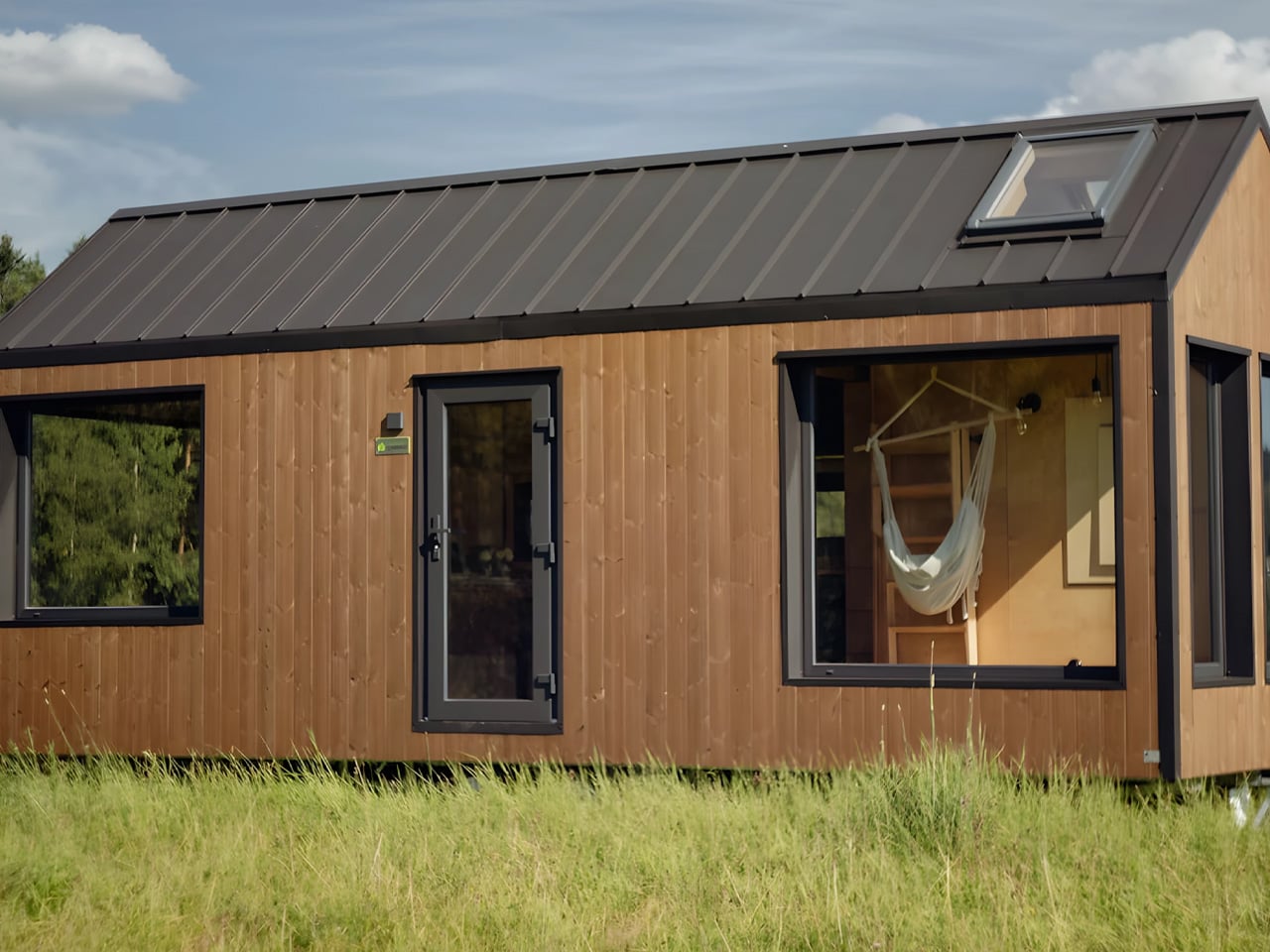
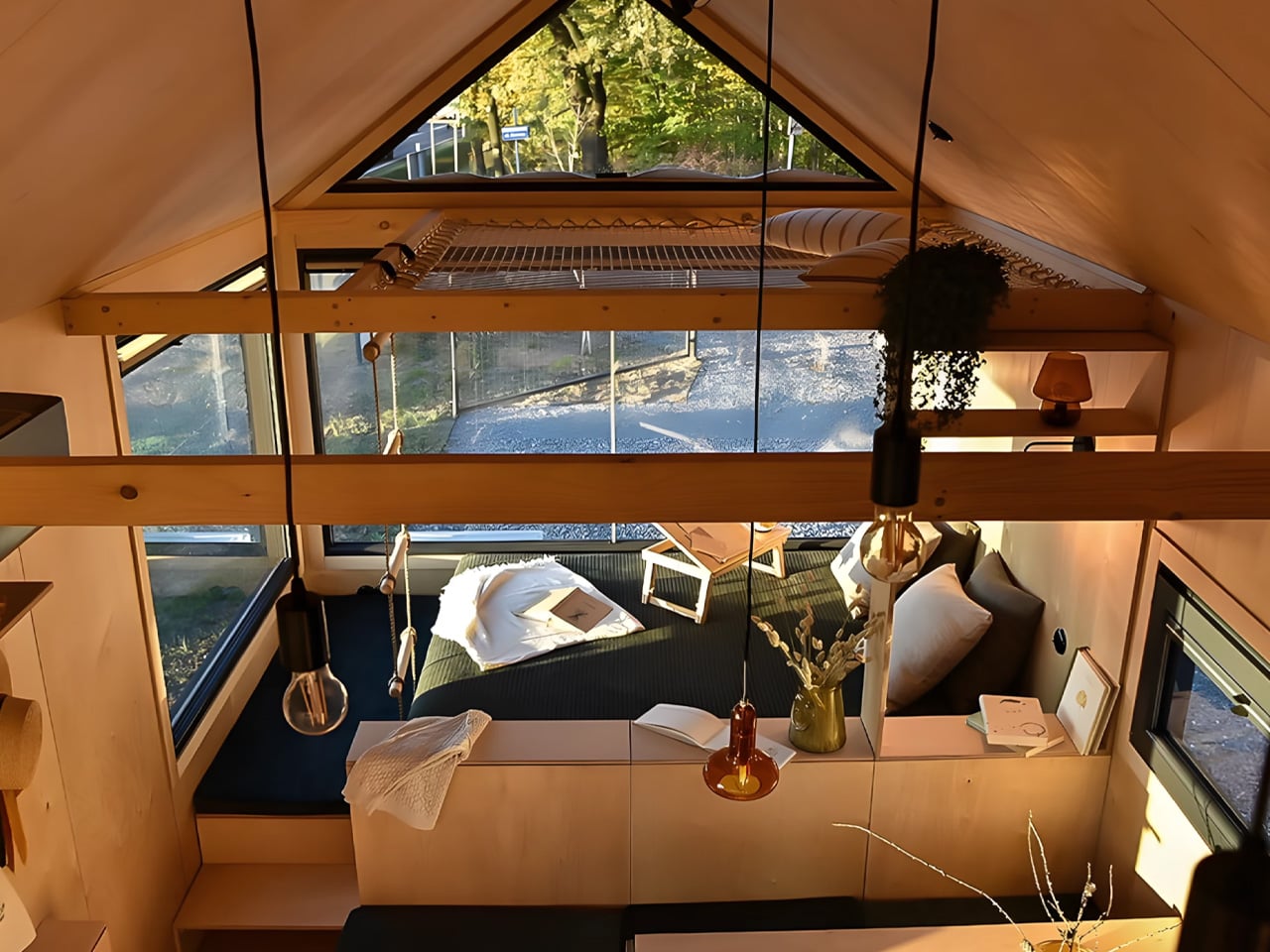
Swedish builder Vagabond Haven has unveiled Julia, a thoughtfully designed tiny home that proves downsizing doesn’t mean compromising on comfort or style. At 26 feet long and nearly 10 feet wide, this compact dwelling packs an impressive 290 square feet of living space into a layout that feels both spacious and intimate. Categorized as extra large in Vagabond Haven’s lineup, Julia represents the company’s latest innovation in creating homes that embrace the “slow life” philosophy while meeting the practical demands of modern living.
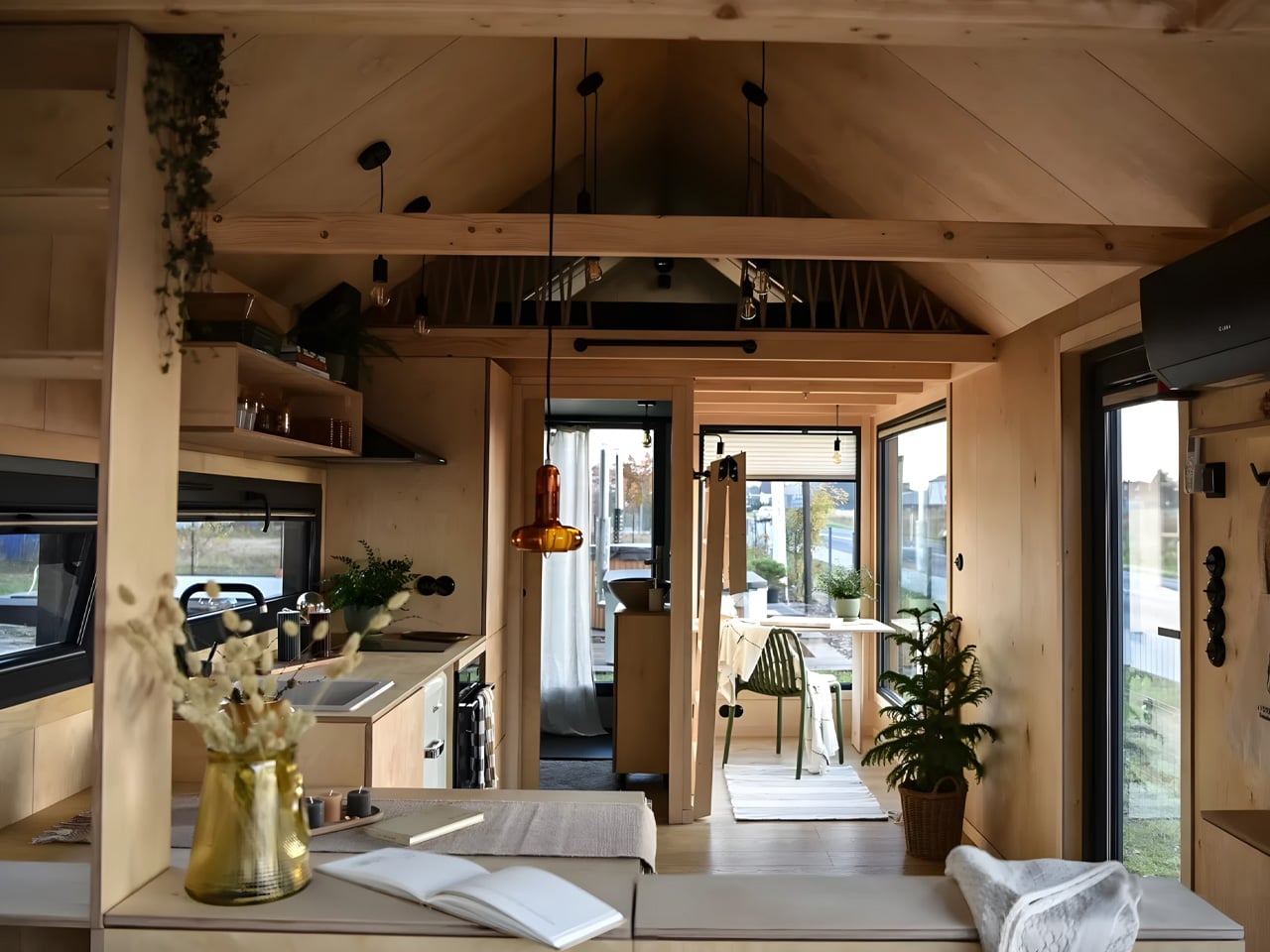
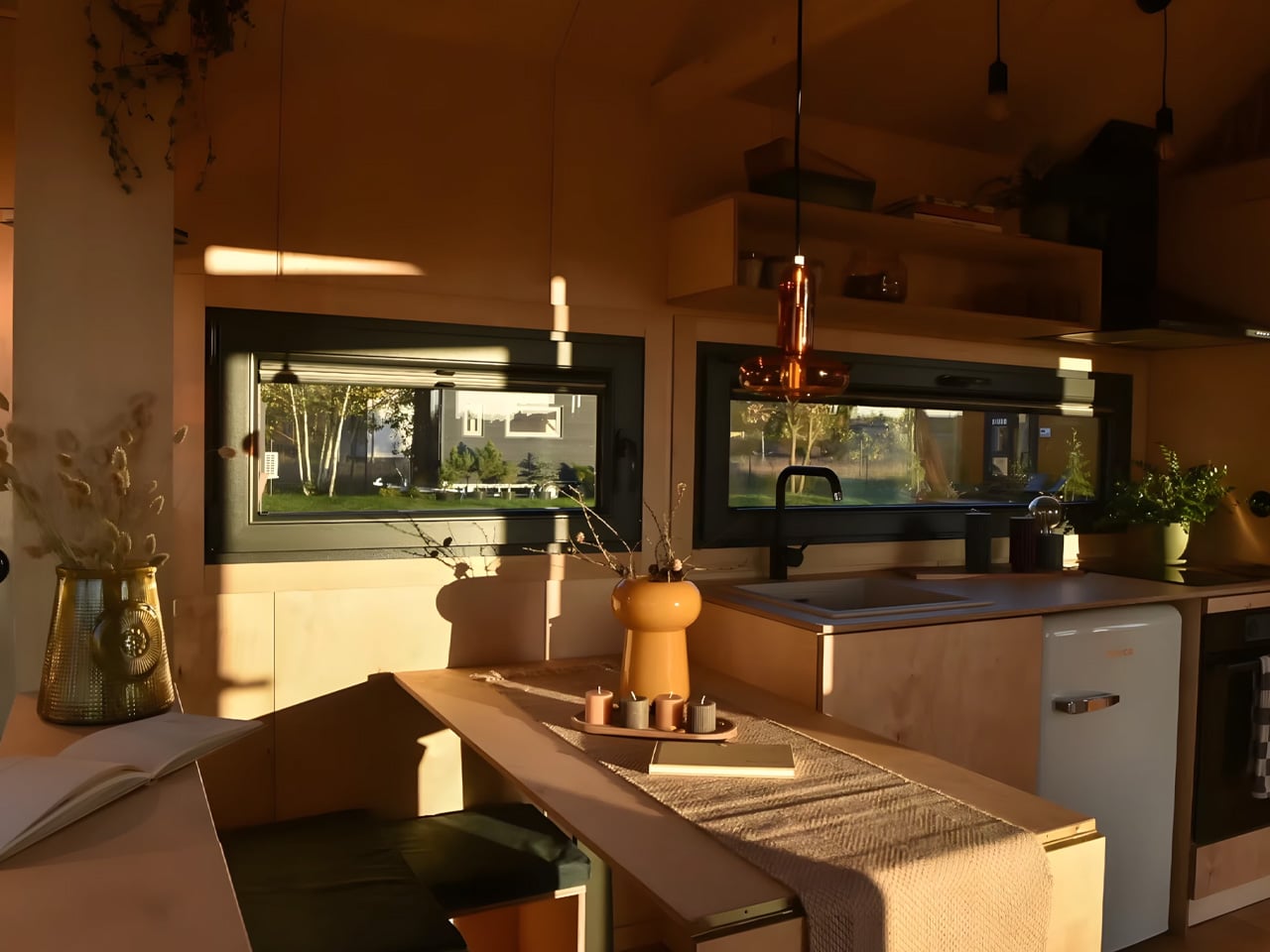
Julia’s design centers around a large open kitchen and dining area, anchored by generous glazing that floods the interior with natural light. The thoughtfully planned kitchen comes fully equipped with a sink, small fridge, oven, and induction cooktop, providing everything needed for preparing meals in a compact footprint. The dining space features a large table that can accommodate family and friends, complemented by integrated storage seating that maximizes every inch of available space. This open layout creates a welcoming atmosphere that makes the home feel larger than its modest square footage suggests.
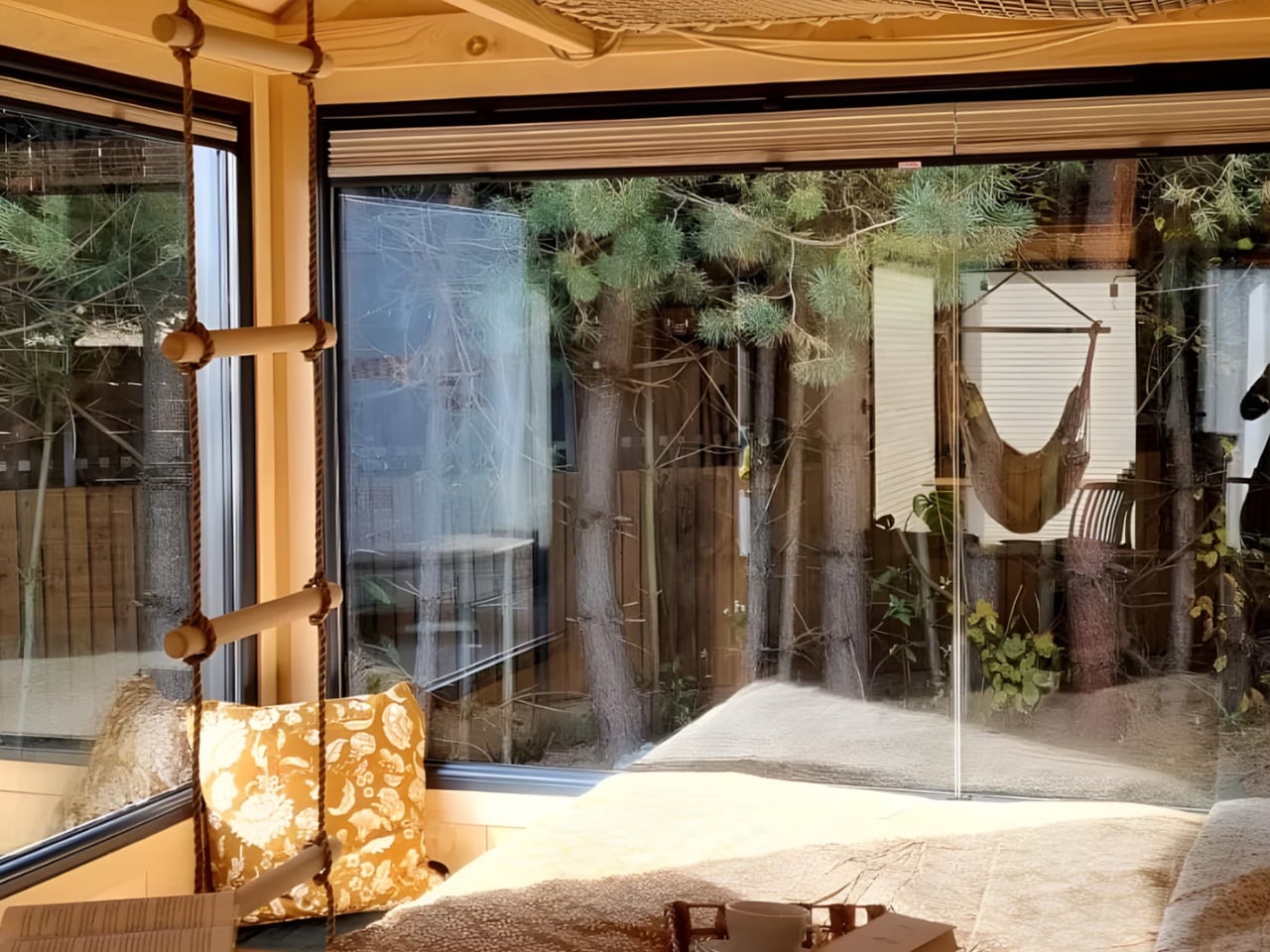
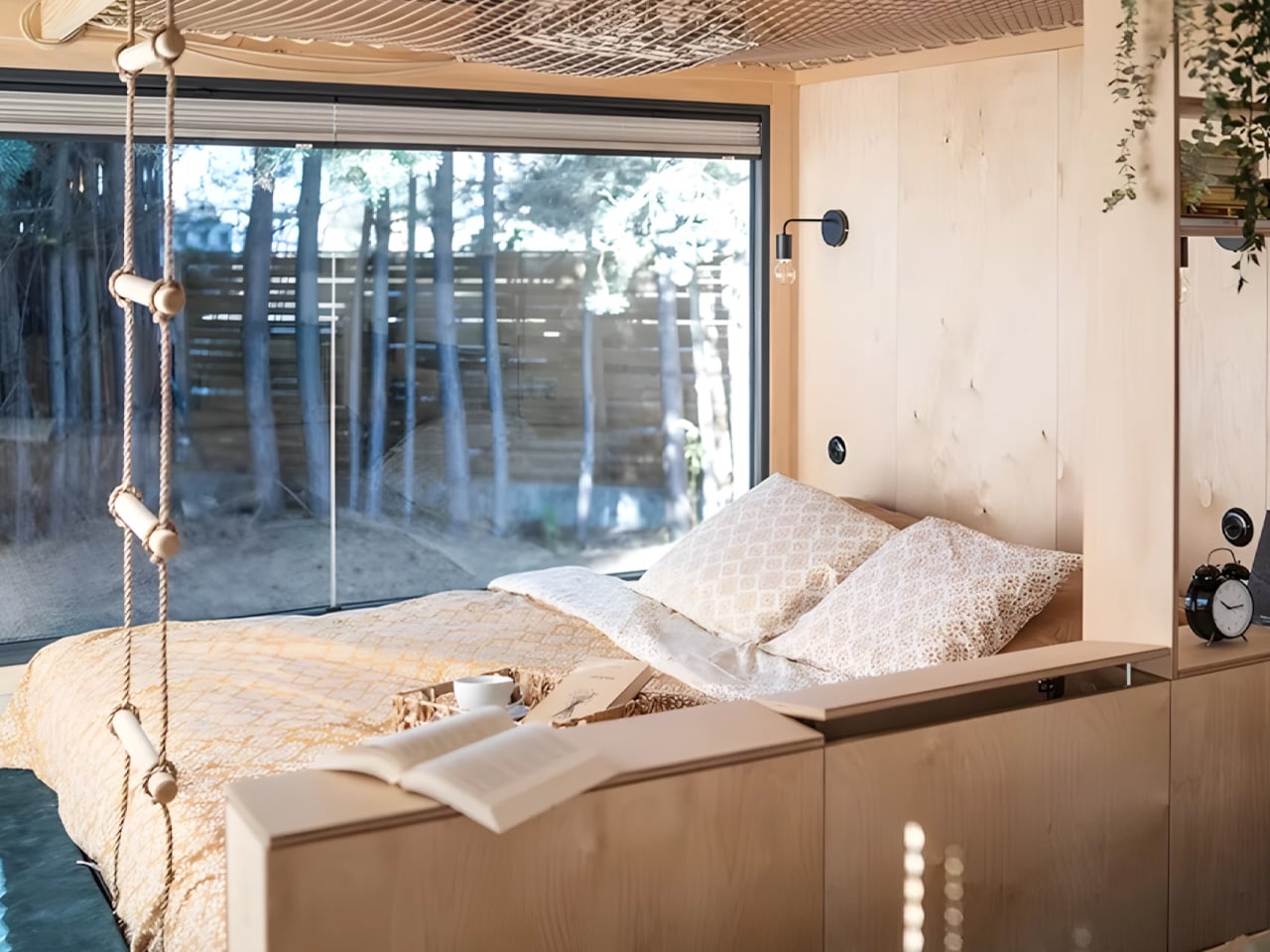
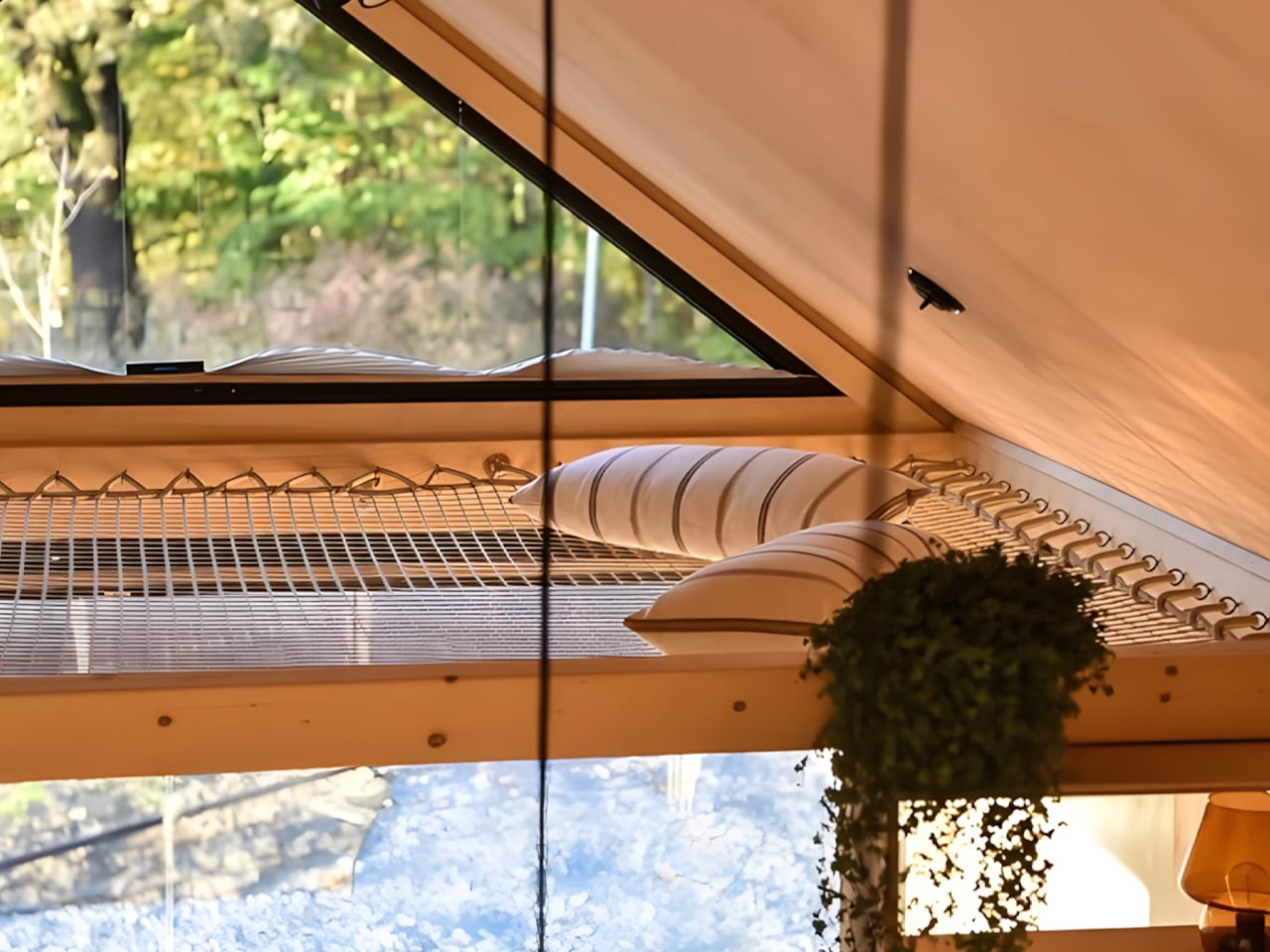
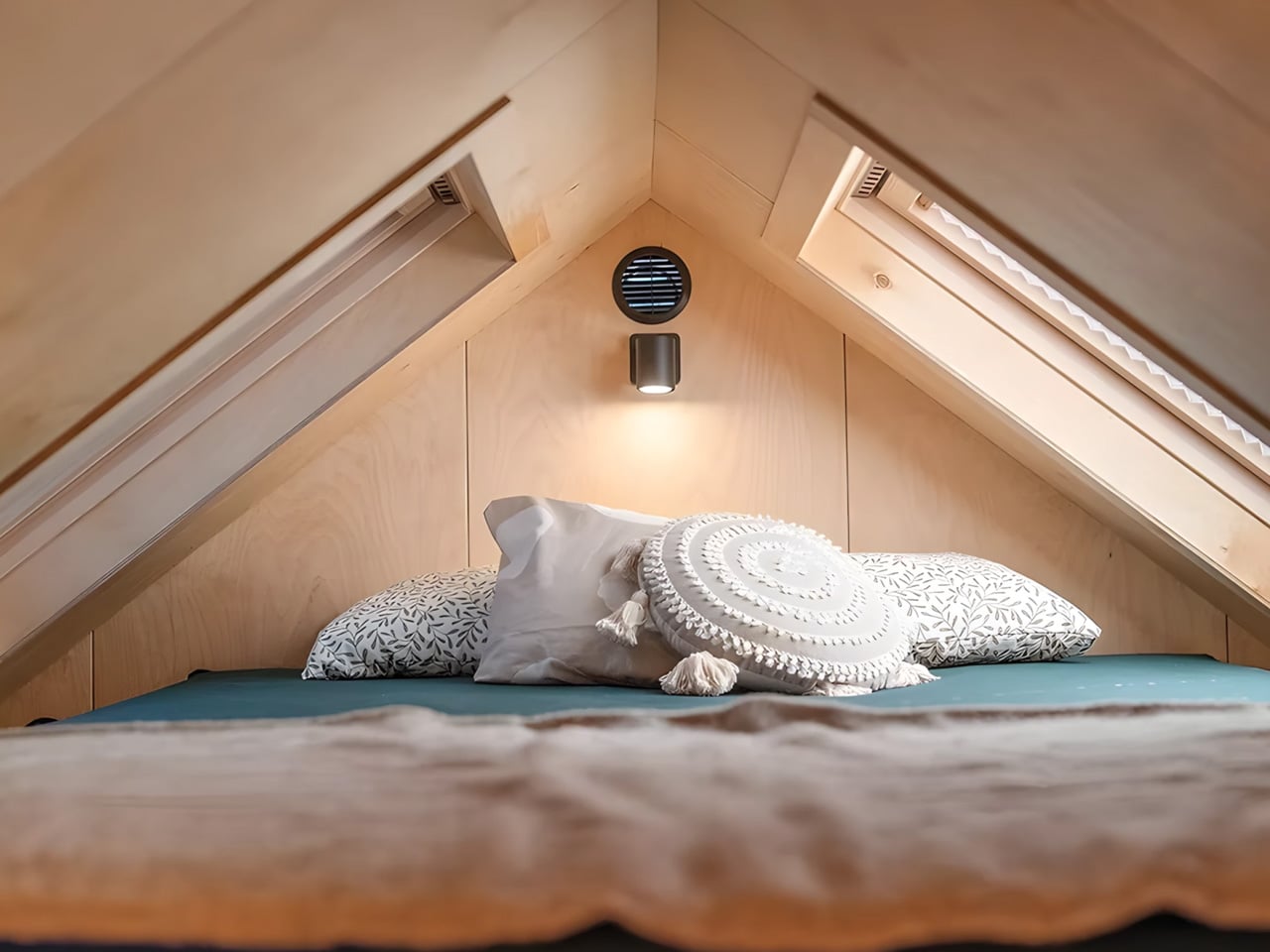
What sets Julia apart is its clever multifunctional design that adapts to different lifestyle needs throughout the day. The home includes a dedicated mini-office space that easily transforms into a relaxation nook with a hammock, perfect for those seeking a quick escape from daily routines. This flexibility makes the space ideal for remote workers who need a professional environment that can shift into leisure mode. The sleeping arrangements showcase equally practical thinking about modern family needs, with a spacious ground-floor bedroom that benefits from generous windows continuing the light-filled aesthetic throughout the home. Above, a sleeping loft provides a cozy retreat for guests or family members, offering enough room for a comfortable night’s sleep with optional skylights for stargazing.
Perhaps Julia’s most unique feature is its net-mezzanine, an innovative design element that adds an unexpected playful dimension to the space. The interior showcases elegant plywood walls that blend rustic charm with contemporary style, a finish that adds warmth to every corner, and has become so popular it’s now available across all Vagabond Haven models. Buyers can also choose spruce for the walls, paired with laminate flooring to complete the Scandinavian aesthetic that gives the home its distinctive character. These material choices create an environment that exudes rustic chalet vibes while maintaining a clean, modern sensibility.
Built for year-round living in harsh Scandinavian conditions, Julia features robust construction designed to last generations. The home sits on a steel frame for durability, with exterior cladding options of ThermoWood or spruce siding that provide both weather resistance and timeless visual appeal. The construction includes a lightweight aluminum roof, mineral wool insulation throughout the walls, well-insulated two-pane windows, and an entrance door with tempered glass. Vagabond Haven has equipped Julia with modern sustainable features, including ceiling-mounted LED lights with dimmers, solar system capability, an energy-saving water heater, freshwater tank and pump, rainwater harvesting system, and comprehensive ventilation throughout with a recuperator for energy efficiency.
The result is a tiny home that successfully bridges the gap between solitude and community, offering a serene retreat that welcomes family and friends while maintaining the intimate character that makes tiny living so appealing. Julia demonstrates that thoughtful design can create a peaceful sanctuary where work, relaxation, and social connection coexist harmoniously in a compact footprint, making it an ideal choice for those seeking to embrace a simpler, more intentional way of living.
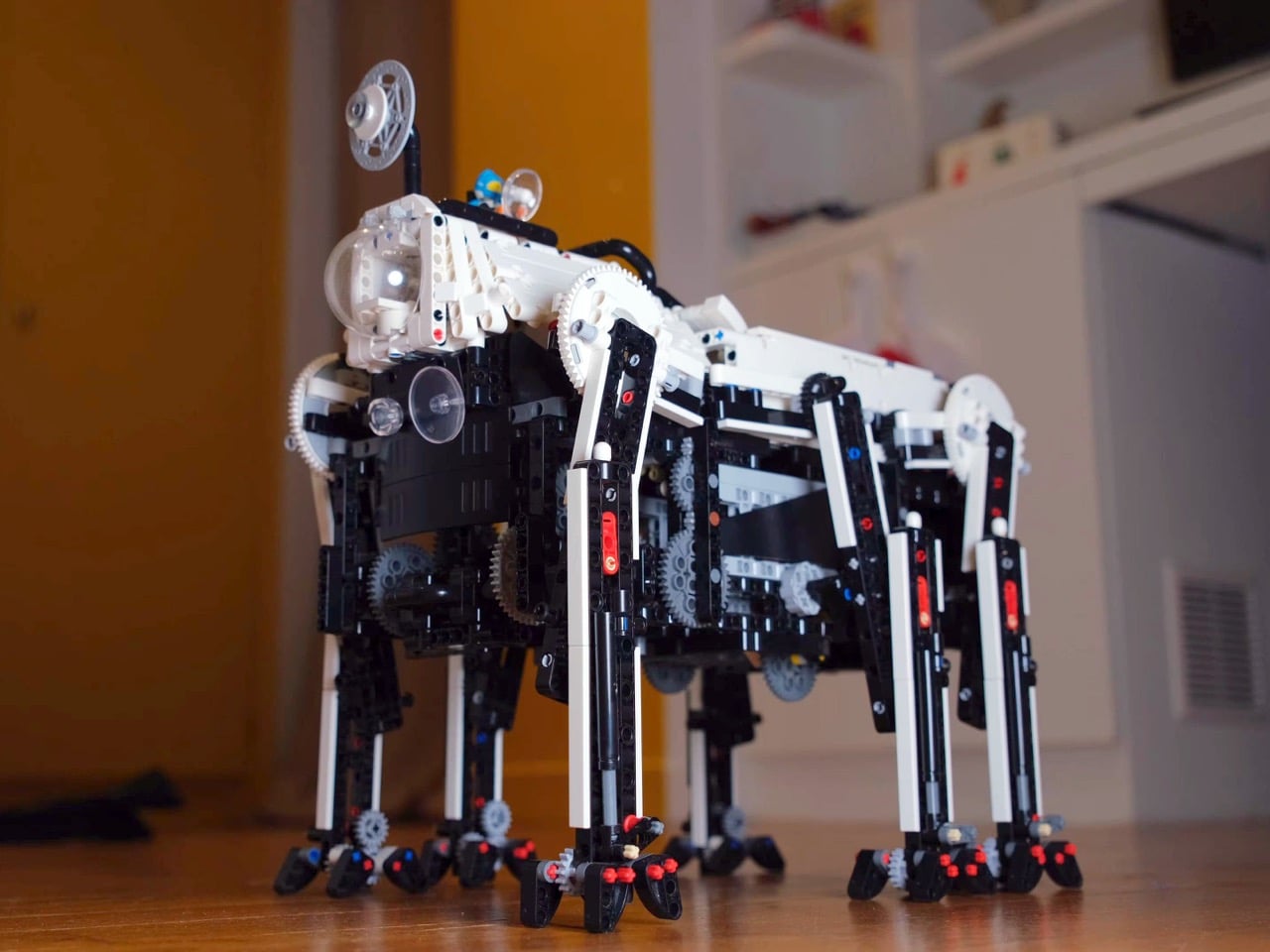
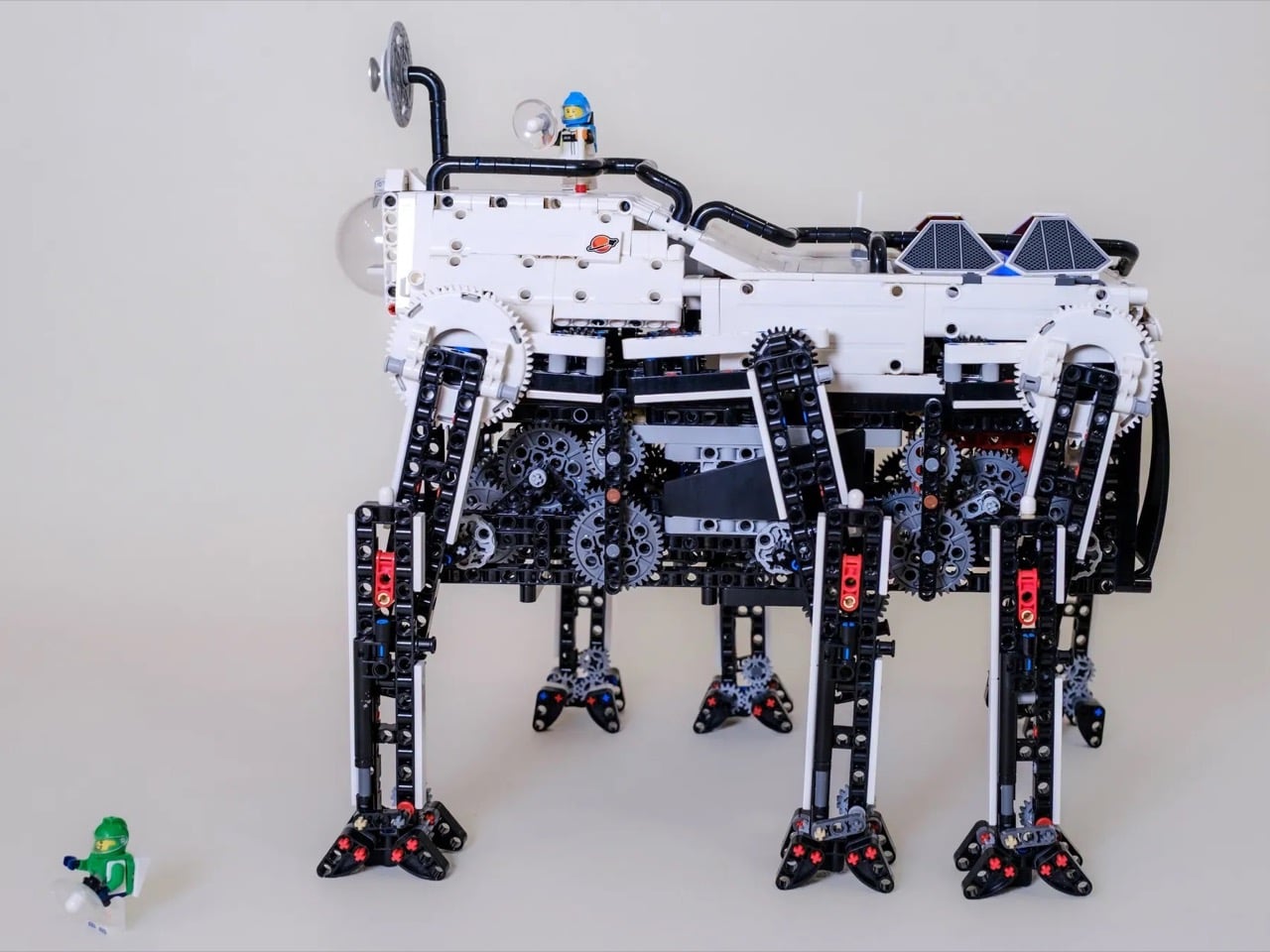
Walking machines are hard. Really hard. Which is why most LEGO motorized builds stick to wheels or treads, and the ones that do attempt legs usually end up with something that shuffles more than it strides. But every so often someone figures out the mechanical magic trick that makes it work, and this six-legged walker currently on LEGO Ideas is one of those builds that actually delivers on the promise. The creator has managed to build something that moves with genuine fluidity, the kind where you can see the weight transfer from leg to leg.
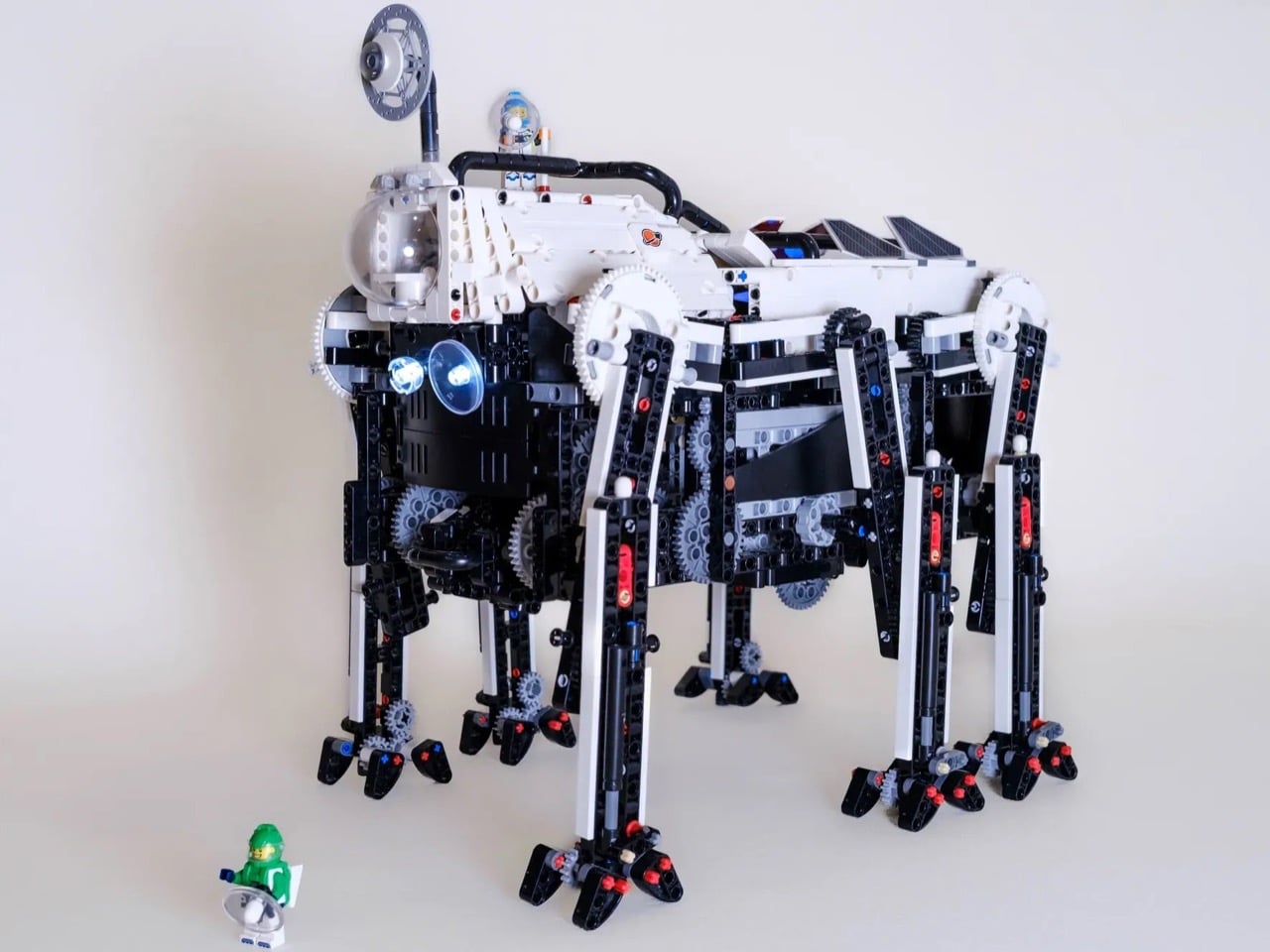
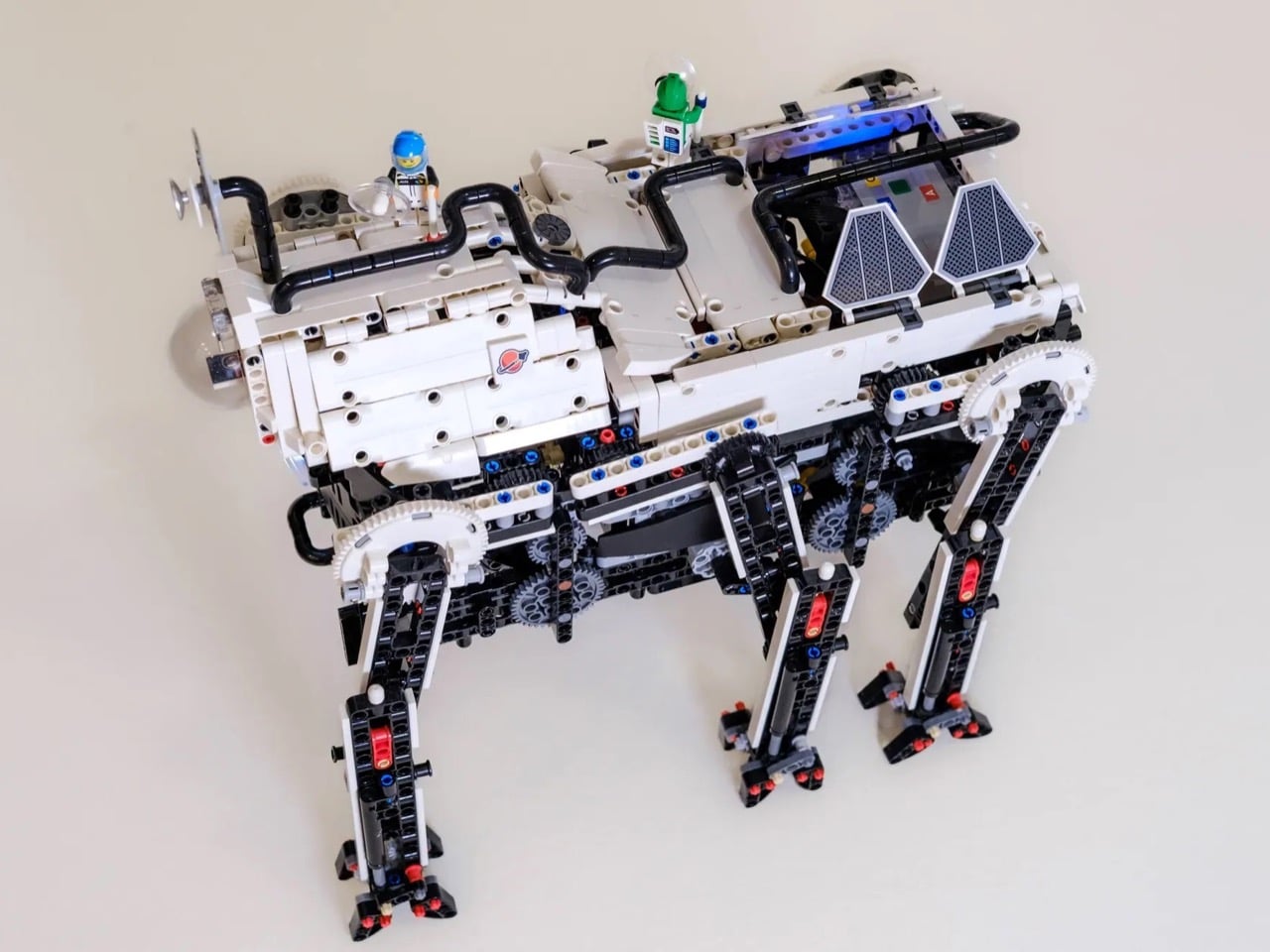
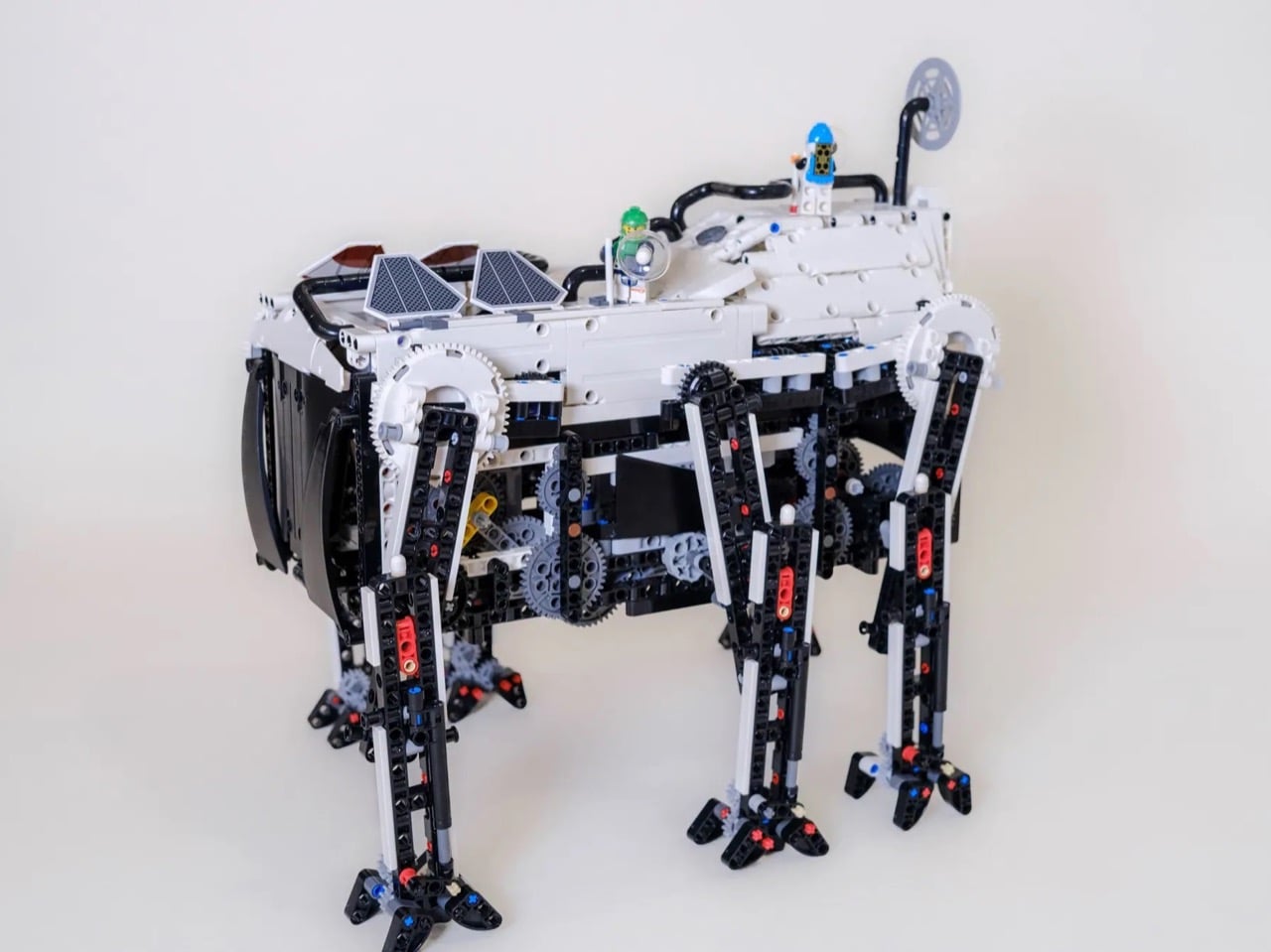
The secret is in the gearing system. Rather than trying to program each leg’s movement independently, the build uses variable-speed gears that automatically adjust leg velocity based on where it is in the stride cycle. Slow and deliberate when the foot is planted, quick when it swings through the air. Combined with a vertical stabilization mechanism and shock-absorbing feet, you get something that can handle real terrain rather than just demonstration videos on smooth surfaces. It’s styled as a space exploration rover complete with a crew cabin and solar panels, leaning into that AT-AT aesthetic without directly copying it.
Designer: Alexis_MOCs_FR
Here’s the thing about making LEGO walk. You can throw servos at the problem and program every joint independently, which is how Boston Dynamics does it and why their robots cost more than a house. Or you can do what Theo Jansen did with his Strandbeest sculptures and let the mechanism itself figure out the gait. Jansen’s beach creatures run on wind power and pure geometry, converting constant rotation into this weirdly organic walking motion that makes you forget you’re watching PVC pipe and zip ties. That’s the approach Alexis_MOCs_FR took here, using two L motors and a gear train that does all the thinking mechanically. No Arduino, no sensor feedback loops, just smart engineering that exploits the physics of rotating linkages.
The look is peak 1970s futurism. White body panels, black structural framework, blue solar arrays, elevated cockpit with room for two astronaut minifigs. There’s a satellite dish up top because of course there is. The whole thing sits maybe 12 to 16 inches tall based on minifig scale, and all that gearing is completely visible. Some builds try to hide the mechanism under cosmetic panels, but here the exposed gear trains are the entire point. Watching the motion transfer from motors down through the variable-speed system and into the legs is genuinely mesmerizing, like those transparent mechanical watch movements that cost absurd money because people will pay to see the machinery work.
The vertical stabilization bit is where you can tell someone really understood the assignment. When your upper leg is swinging through a 60 or 70 degree arc, keeping the foot flat on the ground becomes this annoying trigonometry problem. Most people either accept some wobble or add complexity with extra actuators. This build has a sliding element in the lower leg that compensates for the angle automatically. Upper leg tilts, slider adjusts, foot stays vertical. It’s passive, it’s reliable, and it’s the kind of solution that only works because someone actually prototyped this thing instead of just CAD modeling it and calling it a day.
High-stepping gaits hit hard. You’re lifting legs way off the ground and slamming them back down at whatever speed your motors can manage. Without damping, every impact rattles through the structure and either knocks gears out of alignment or turns the whole thing into a vibrating mess. Custom shock absorbers at each foot solve this, which is why the creator can apparently run it over rumpled blankets and piles of Kapla blocks without it face-planting. The build is allegedly both lightweight and robust, which sounds like marketing speak until you consider that you need enough mass for stability but not so much that momentum tears the gear teeth apart during direction changes.
The project is currently in its very early stages, with 424 more days to gather votes and hit the next milestone. If it gets to the coveted 10,000 mark, LEGO actually reviews it for production. The Technic lineup has been pretty safe lately, lots of supercars and construction equipment but not much that pushes mechanical boundaries. This thing demonstrates actual engineering innovation, the kind where someone solved hard problems with clever solutions instead of just adding more motors. If you want to see it become a real set, go cast your vote on the LEGO Ideas website!