Ayaneo’s massive Next 2 handheld has a similarly massive price tag

There appears to be no limit to how chonky and eye-wateringly expensive PC gaming handhelds can get, with the latest behemoth being the Ayaneo Next 2. First announced back in November, the latest Windows handheld in Ayaneo’s Next lineup is now up for pre-order, with a spec sheet that makes some of its rivals look modest.

If you missed the announcement at the end of last year, the Next 2 is packing a 9-inch OLED display with a 2,400 x 1,504 resolution and a maximum refresh rate of 165Hz (adjustable down to 60Hz). The Next 2 is powered by an AMD Ryzen AI Max+ 395 chip and has a massive 115Mh battery under the hood.

To put all of that into perspective, the Next 2’s display is more than 1.5 inches larger than the Steam Deck OLED’s, and goes bigger than even the Lenovo Legion Go 2’s 8.8-inch panel. Its battery is the largest of the three by some margin too, and according to Ars Technica it weighs in at around 3.14 pounds (around 1424g), making it more than twice as heavy as the very heavy Xbox ROG Ally X. Get those wrists to the gym if you’re considering picking one of these up.

Ayaneo is ticking all the boxes where inputs are concerned too. Its latest handheld has dual touchpads (a feature ASUS left out on the ROG Xbox Ally X), Hall Effect sticks, an 8-way D-Pad and four customizable rear buttons.

All of this tech inevitably comes at a high price, with the entry-level model that ships with 32GB of RAM and 1TB of storage coming in at $1,999, or $1,799 if you take advantage of early bird pricing. This model is equipped with the slightly less capable Ryzen AI Max 385 CPU.

If you want the more powerful AI+ 395 chip you have a few options. A variant of the Next II with 64GB of RAM and 1TB of storage costs $2,699, but you can order now at the early bird price of $2,299. For 128GB of RAM and 2TB of storage you’ll be handing over a slightly hilarious $4,299 at full price. Early birds can order now for $3,499.

This article originally appeared on Engadget at https://www.engadget.com/gaming/pc/the-ayaneo-next-2-is-a-massive-pc-handheld-with-a-price-tag-to-match-165326534.html?src=rss


US judicial body removes climate research paper after complaints from Republicans

A US judicial body has revised an internal document to remove climate research. The Reference Manual on Scientific Evidence is a document used by judges when they have to oversee cases involving complex scientific matters. The climate science chapter has now been deleted, so they'll be on their own with climate-related cases.

This move came after a group of Republican state attorneys wrote a letter to complain about the chapter on climate change. The language in the document, which was authored by researchers from Columbia University, suggests that climate change is driven by the actions of humans. This was a no-go to those state attorneys, despite being an established fact.

"Nothing is 'independent' or 'impartial' in issuing a document on behalf of America’s judges declaring that only one preferred view is 'within the boundaries of scientifically sound knowledge,'" the letter states. It's worth noting that the document is nearly 2,000 pages long and declares preferred views on numerous subjects, though the state attorneys only have an issue with the one.

The Republicans also complained that the report called the Intergovernmental Panel on Climate Change an "authoritative science body." The grounds for this complaint seem to derive from a short paper from a Canadian conservative think tank.

The letter's authors would not settle for any revisions, according to a report by Ars Technica. Rather, they demanded the entire chapter be removed. So it was removed and now judges can rule on climate cases using the tried and true method known as "vibes."

Interestingly, the introduction of the document by Supreme Court Justice Elena Kagan still mentions the climate chapter. They had better break out some correction tape. The full text of the now-deleted chapter has been posted by RealClimate, if you want to give it a gander.

More than 99.9 percent of peer-reviewed scientific papers agree that climate change is real and caused by humans. It looks like some segments of society want a judicial system ruled by that remaining 0.01 percent.

This article originally appeared on Engadget at https://www.engadget.com/big-tech/us-judicial-body-removes-climate-research-paper-after-complaints-from-republicans-164829295.html?src=rss

Directive 8020 brings sci-fi survival horror to PS5, Xbox Series X/S and PC on May 12

Supermassive Games has announced a new release date for the next entry in the Dark Pictures Anthology series. Directive 8020 is coming to PS5, Xbox Series X/S and Steam on May 12. The studio behind Until Dawn and The Quarry revealed the news with the help of a fresh trailer for the sci-fi survival horror game.

The story focuses on the crew of a spaceship that has crash landed onto another world. The survivors have to contend with an alien lifeform that's hunting them and can mimic its prey (no prizes for guessing that Supermassive took inspiration from The Thing here). If these astronauts want to stay alive, though, they'll put the lives of everyone on a dying Earth at risk.

As with Supermassive's previous games, Directive 8020 is largely driven by the narrative choices players make at key moments, such as whether to save a crewmate and put the character you're currently controlling at risk, or to abandon them. You might also have to pick between two seemingly identical versions of the same person and let one of them back into the crew. The game has segments in which you'll have to fight or stealthily avoid enemies as well.

This time around, Supermassive is introducing a feature called Turning Points, through which you can go back to previous decisions and opt for another path (perhaps to see different endings more easily, keep certain characters alive or make sure you get all the achievements or trophies). A permadeath mode does away with that option for a more traditional survival horror experience. 

You can go it alone or get some friends to join you for five-player local co-op action — the studio's games have long been good fodder for pass-the-controller couch co-op. Supermassive will add online multiplayer support down the line.

The developer originally planned to release Directive 8020 in October 2025. However, Supermassive announced last July that it was delaying the game amid its latest round of layoffs.

This article originally appeared on Engadget at https://www.engadget.com/gaming/directive-8020-brings-sci-fi-survival-horror-to-ps5-xbox-series-xs-and-pc-on-may-12-163358560.html?src=rss
Meta, TikTok and Snap are participating in an online safety ratings system

Numerous major social platforms including Meta, YouTube, TikTok and Snap say they will submit to a new external grading process that scores social platforms on how well they protect adolescent mental health. The program comes from the Mental Health Coalition’s Safe Online Standards (SOS) initiative, which comprises about two dozen standards covering areas like platform policy, functionality, governance and transparency, content oversight and more. The SOS initiative is led by Dr. Dan Reidenberg, Managing Director of the National Council for Suicide Prevention.

In announcing these companies' participation, the Mental Health Coalition writes "SOS establishes clear, user-informed data for how social media, gaming, and digital platforms design products, protect users ages 13–19, and address exposure to suicide and self-harm content. Participating companies will voluntarily submit documentation on their policies, tools, and product features, which will be evaluated by an independent panel of global experts."

After evaluation, the platforms will be given one of three ratings. The highest achievable safety rating is "use carefully," which comes with a blue badge that compliant platforms can display. Despite being the highest rating, the requirements seem fairly run-of-the-mill. The description includes things like "reporting tools are accessible and easy to use," and "privacy, default and safety functions are clear and easy to set for parents." As for what actions the standards ask of the companies being rated, the "use carefully" rating says "platforms and filters help reduce exposure to harmful or inappropriate content."

The other ratings include "partial protection" which is described in part as "some safety tools exist on the platforms, but can be hard to find or use," and "does not meet standards" which would be given if "filters and content moderation do not reliably block harmful or unsafe content."

The Mental Health Coalition, founded in 2020, has mentioned Facebook and Meta as partners since the early days of the organization. In 2021 the organization said it would bring together "leading mental health experts partner with Facebook and Instagram to destigmatize mental health and connect people to resources" during the COVID-19 pandemic.

In 2022 the nonprofit published a case study with "support from Meta" that found "mental health content on social media can reduce stigma while increasing individuals’ likelihood to seek resources, therefore positively impacting mental health."

In 2024, the MHC "in partnership with Meta" launched a campaign called the Time Well Spent Challenge. In it, the group urged parents to have “meaningful conversations” with teens about “healthy” social media use, focusing less on whether teens should be on these apps at all and more on keeping them on-platform in a “time well spent” way, from reduced screen time to “using social media for good” and reviewing their feeds together.

That same year it partnered with Meta again to establish "Thrive," a program that allows tech companies to share data regarding materials that violate self-harm or suicide content guidelines. The Mental Health Coalition lists Meta as a "creative partner" on its website.

Last year it was alleged that Meta buried internal data showing the ill effects of its products on users' mental health. The internal research, dubbed "Project Mercury," began in 2020. Since then the company has introduced some bare-minimum attempts at addressing mental health concerns, such as Instagram teen accounts. Meta is now on trial in California facing allegations over child harm from addictive products, the first in a series of upcoming lawsuits against the social media giant.

Other companies participating in the rating program include Roblox, which has recently faced stiff accusations over the wellbeing of children on the platform, and Discord which has beefed up its age-verification processes in response to its own serious child endangerment concerns.

This article originally appeared on Engadget at https://www.engadget.com/social-media/meta-tiktok-and-snap-are-participating-in-an-online-safety-ratings-system-162921333.html?src=rss
Leisure Travel Vans Unity TBX redefines luxury motorhomes with a true adventure garage

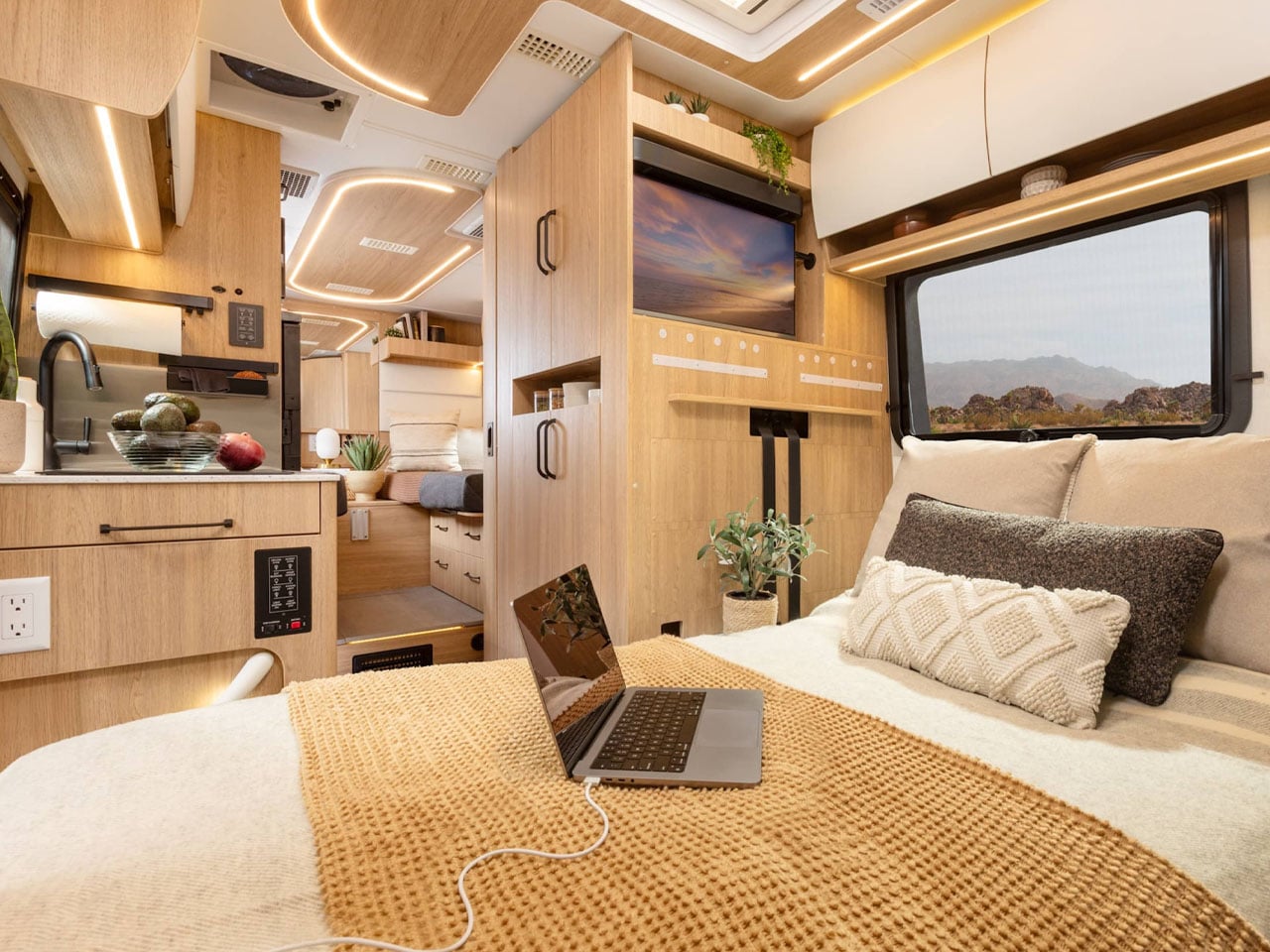
Ideal luxury motorhomes don’t fuss about your adventure gear and supplies. Their primary focus there is a premium small home on wheels that may cater to the rugged roads, but leaves you guessing when you reach the fathomed wilderness. Canadian RV company, Leisure Travel Vans, is changing this notion with the newly revealed Unity TBX series that has a spacious pass-through cabinet to carry along a great deal of equipment you may need in your time outside of your house.

So, whether you want to go biking, fishing, or surfing, with the TBX you can carry it with you. But the facility doesn’t come cheap; the motorhome is steeply priced at around $245,000 for its adventurous, all-wheel-drive (AWD) model. Yes, Leisure Travel Vans provides the TBX in two models: the TBX base model, which doesn’t have an AWD option and costs roughly $237,000, and the TBX all-wheel-drive variant.

Designer: Leisure Travel Vans

Of course, the TBX is aligned with the notion of a toy hauler, but it doesn’t compromise on the space, luxury, or convenience of a motorhome you can desire. Unity TBX motorhome visions to provide a new alternative to all-weather, all-terrain adventure vans that keep you content and cozy, like in some more than basic hotel room.

For this, the Unity TBX is based on a Mercedes-Benz Sprinter 3500 and measures 25 ft (7.6 m) long. Within this form factor is the 1,727-liter defining pass-through garage you can use to carry mountain bikes, surfboards, skis, and other supplies you can possibly stock up in the space. It would just be a dull space without the 12- and 120-V outlets here that would allow you to charge electric bikes right within the motorhome. Anything that is not easy to stuff into the pass-through garage can be carried on the hitch, which provides an additional 5,000 lbs. of carrying capacity.

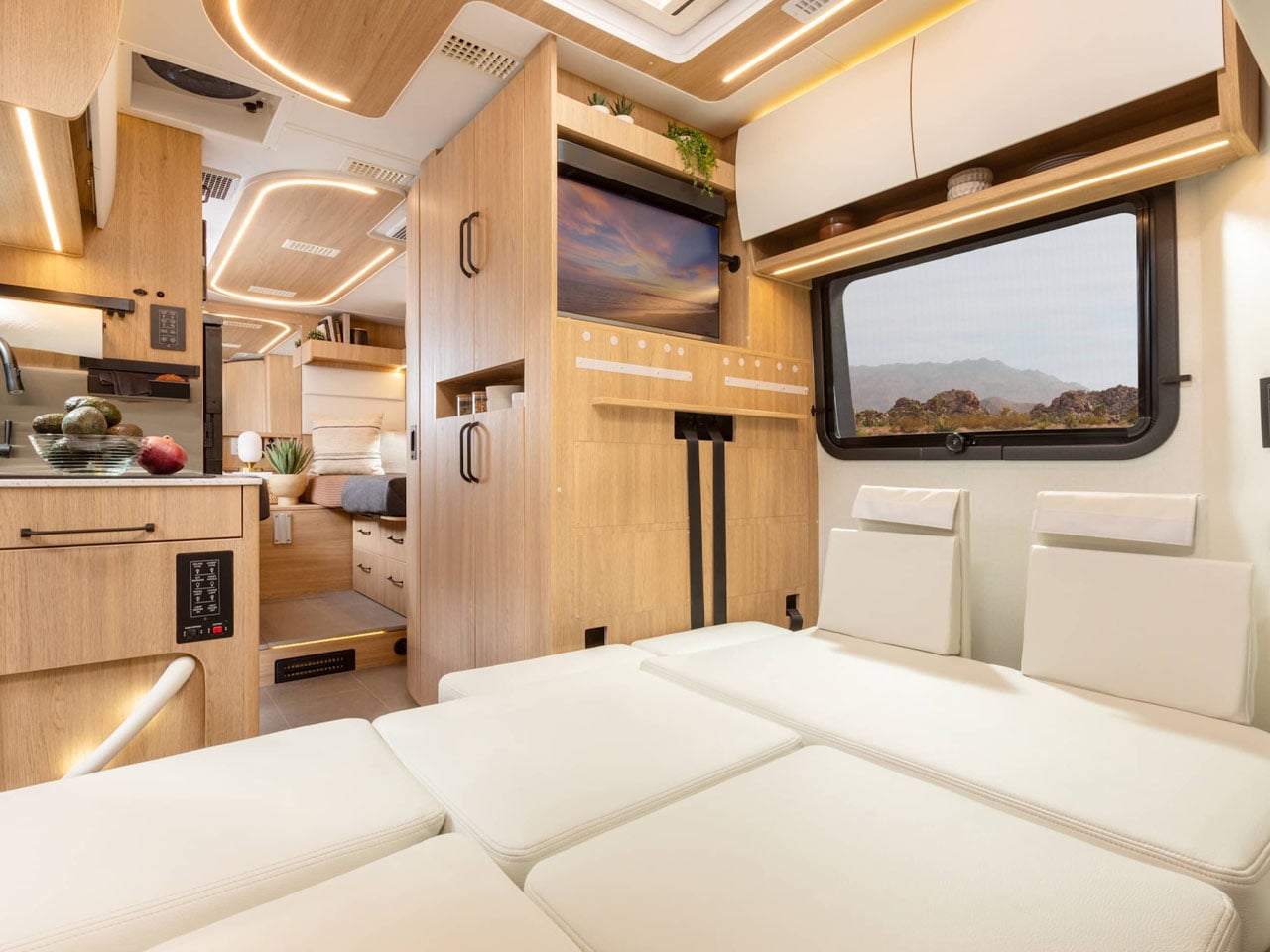
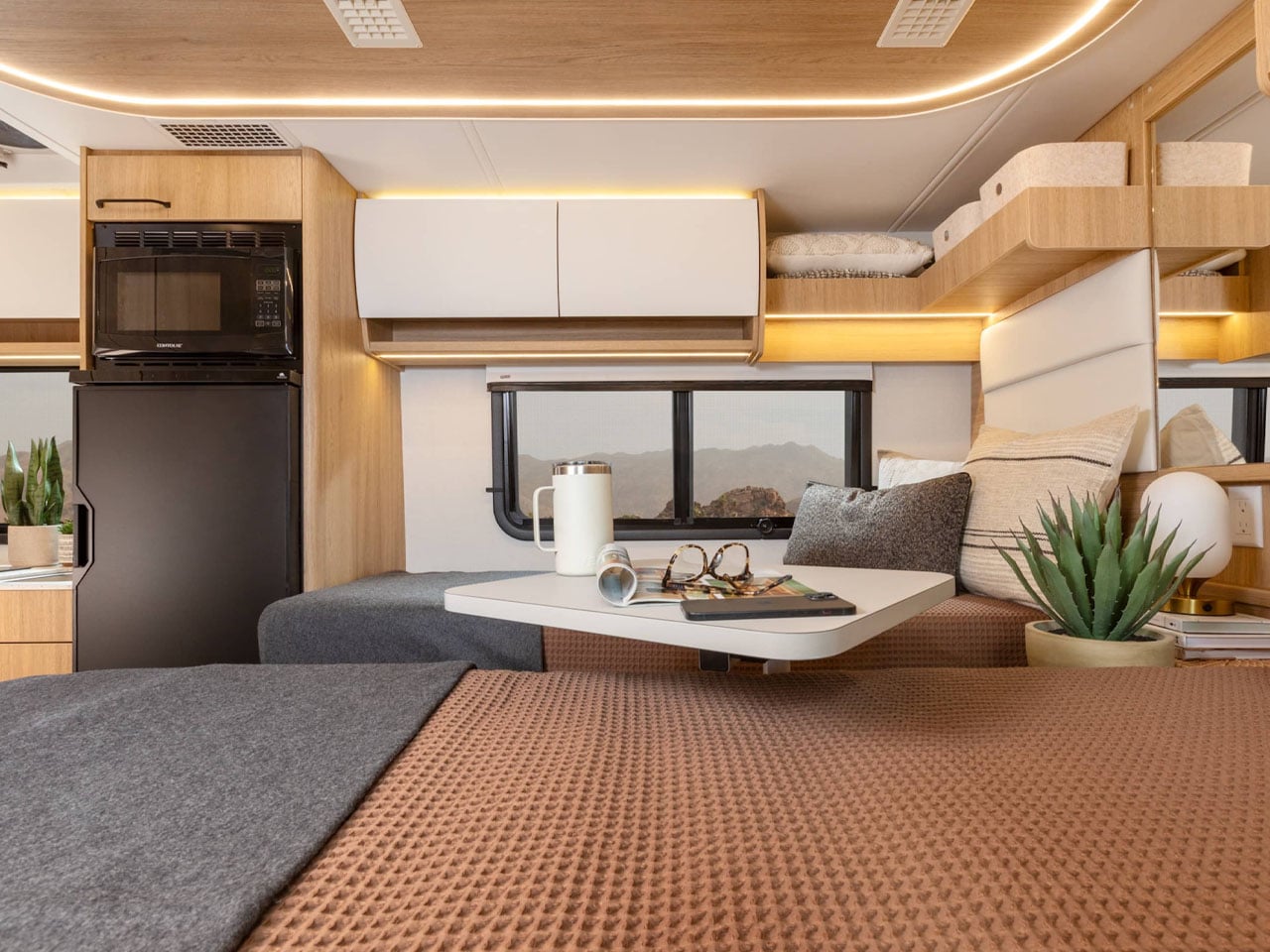
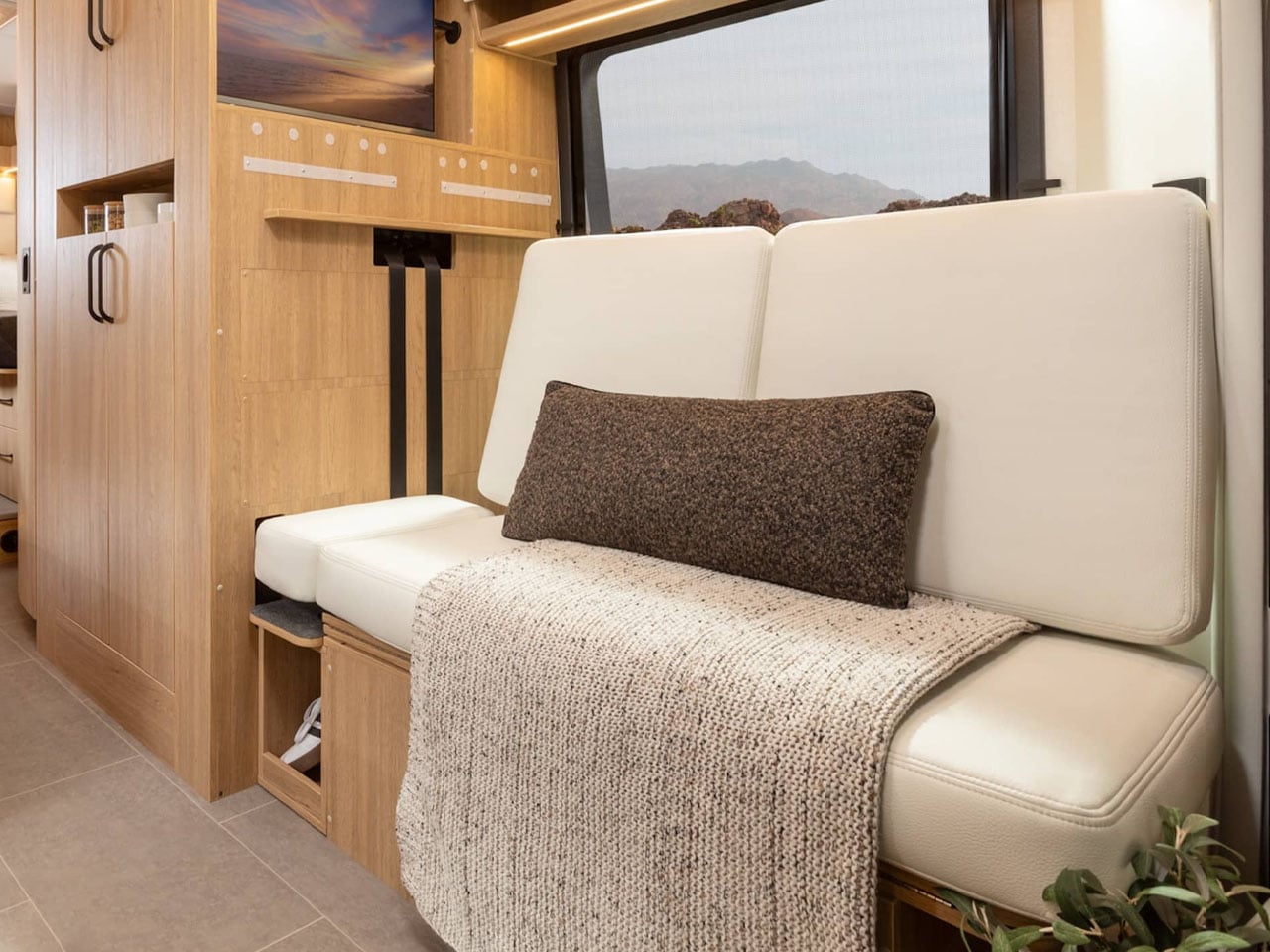
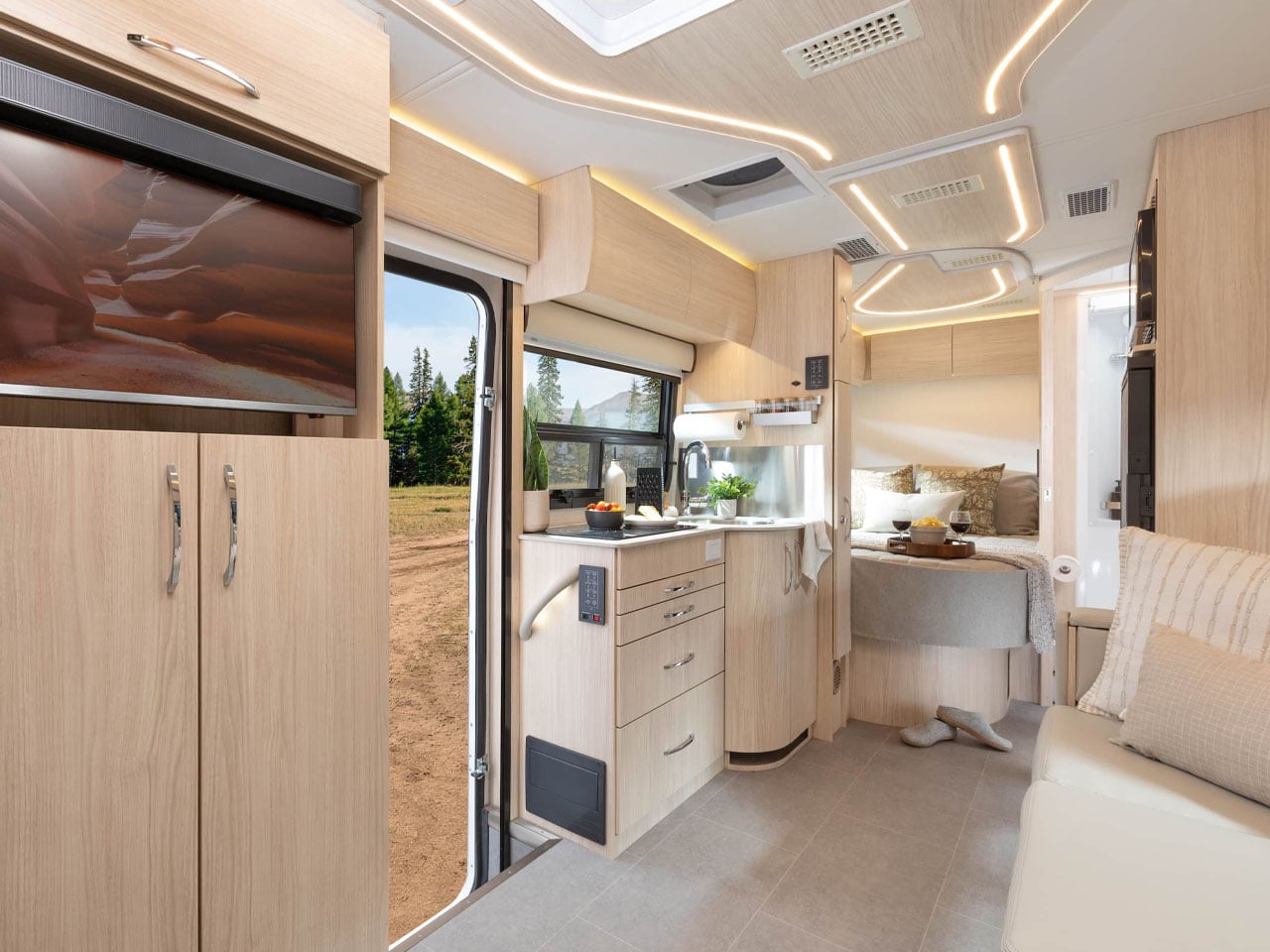
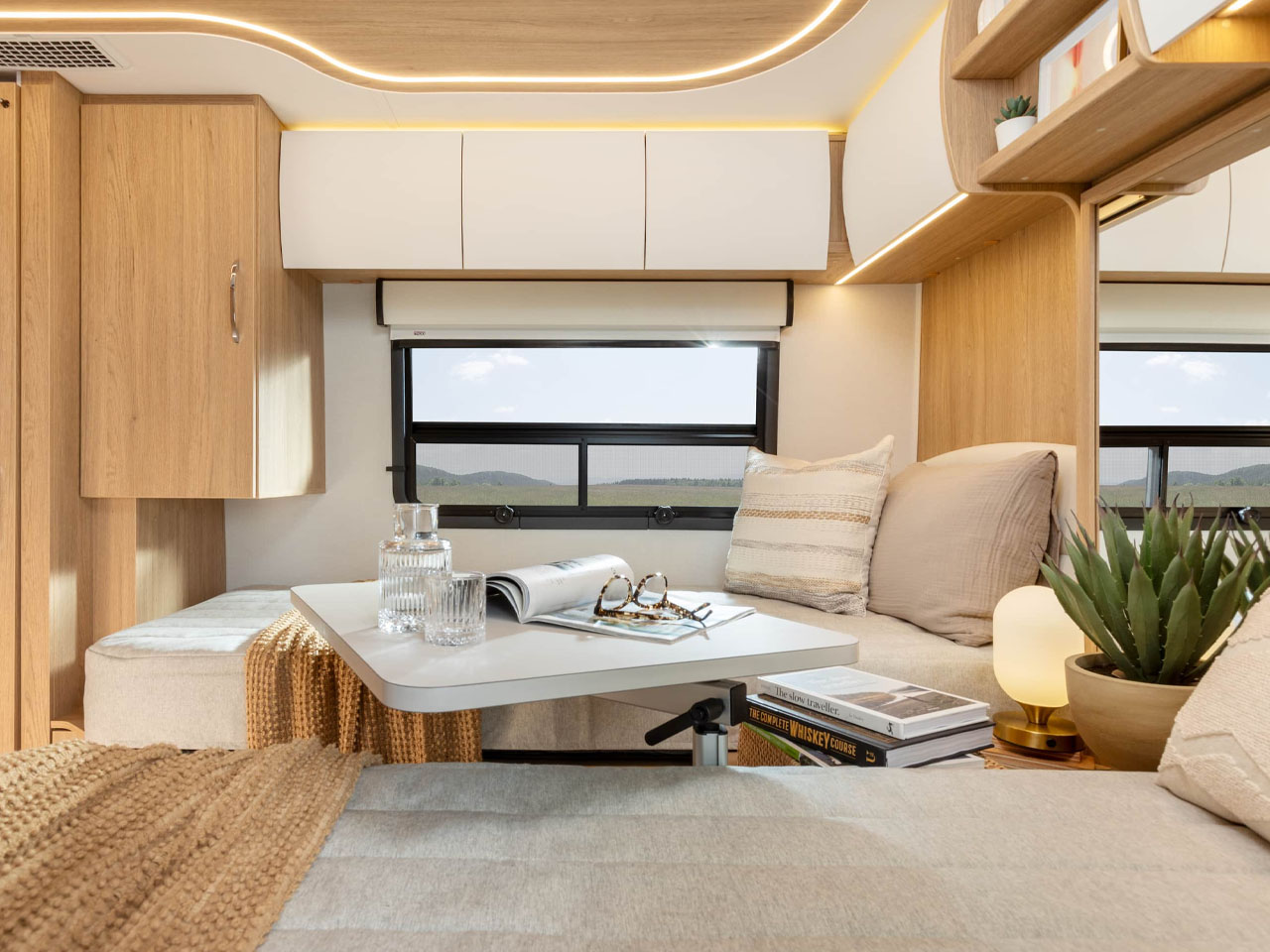
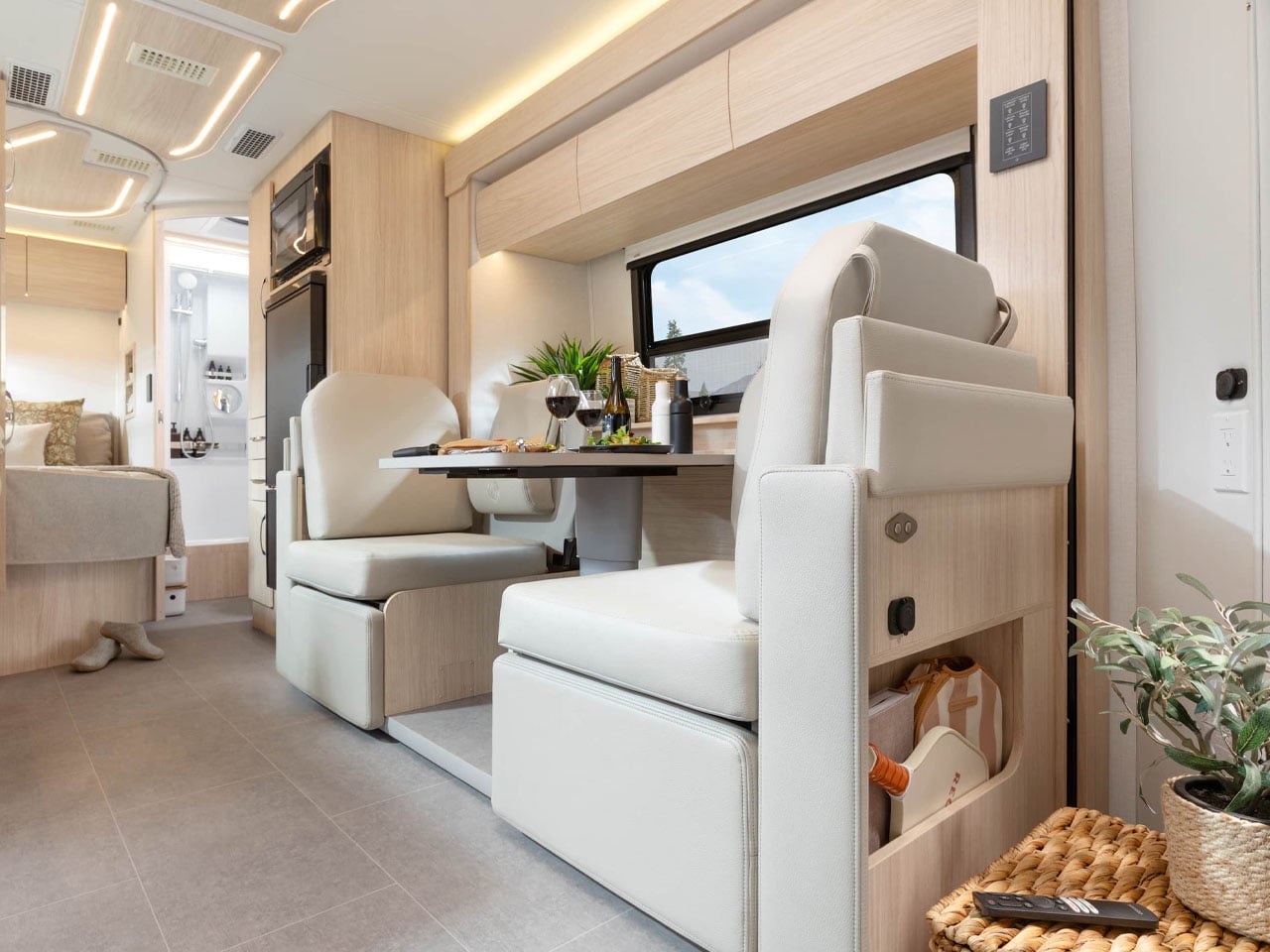
If you thought this was almost about it, the TBX series is a lot more than that. The 6.3 ft. high interior is provided with sleeping facilities for up to four people. At the far end of the bedroom is a twin bed featuring a nightstand in the middle. On the front of the motorhome is the versatile swivel lounge. It features a two-seat bench, which turns 90 to create a lounge space, and in tune with a third cushioned seat and the two swiveled cab seats, you have a nice lounge area with a set of Lagun tables for dining and working. The space easily folds and converts into a double bed.

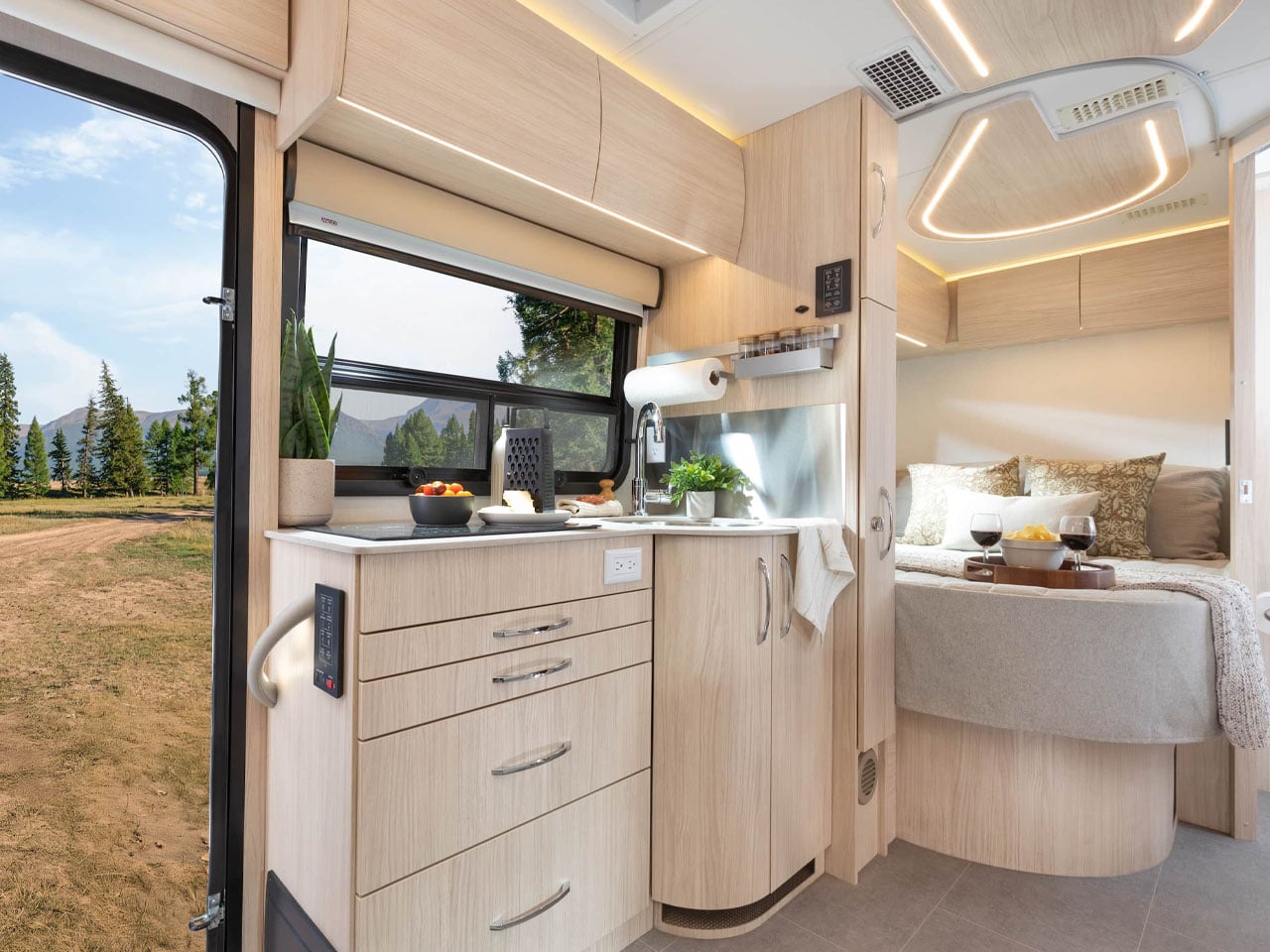
In the middle of this van home – on the driver’s side – is the bathroom with a shower, a wash basin, and a macerator toilet. Right in front of it is the kitchen, complete with a dual-burner induction cooktop, a sink, pull-out pantry, microwave, and double-door compressor fridge. Leisure Travel Vans has furnished the Utility TBX series with a capable off-road and all-season motorhome. It features a 270-Ah lithium battery, up to 400 watts of solar panels, and a 3,000-W inverter. Onboard, you have 151 liters of fresh water and 132.5 liters of gray water storage capacity. While the Truma Aventa Eco air conditioner takes care of the summer months, the same company’s VarioHeat furnace sees you through the winter in the TBX.

The post Leisure Travel Vans Unity TBX redefines luxury motorhomes with a true adventure garage first appeared on Yanko Design.

Google’s new tool helps you remove non-consensual explicit images from Search

The internet is ripe with horrible violations of people's privacy, including non-consensual explicit images. A new tool from Google won't do much in the way of prevention, but can help you remove this media from Search. 

Now, you can choose an image and quickly request its deletion. Just click on the three dots that appear on the image. From there, choose "remove result" and then "It shows a sexual image of me." Other choices include the picture shows a person under 18 and that it has your personal information. If you choose the initial option then you will also be asked whether it contains a real image or deepfake. There's also an option to submit multiple photos at once. 

Google claims that, upon submitting your request, you will "immediately" see links to emotional and legal support organizations. Plus, you can opt-in to safeguards that filter out similar results in Search — though it seems these unreported images will still be available for other users to see. This feature should be available in most countries over the coming days. 

You can go on Google's "Results about you" hub to track your request. To use the tool, you will have to add in your personal contact information and government ID numbers. Google already had the hub to track if any of that information appears on Search, but now it will also look for your social security number, drivers license and passport information. The company should notify you if any of that information comes up in Search results and allow you to take removal steps. 

Results about you's updates should roll out to US users in the coming days. Notably, it arrives as Google shutters its dark web reports. They would alert you if your name, number, or email address appeared on the internet — typically because of a data breach. However, Google found it didn't help users take next steps to fix the problem, something these new features will hopefully do. 

This article originally appeared on Engadget at https://www.engadget.com/cybersecurity/googles-new-tool-helps-you-remove-non-consensual-explicit-images-from-search-155352248.html?src=rss
Color One Square Each Week and Watch 80 Years Fill with Your Story

Weeks in a relationship or life blur together. You remember birthdays and trips, but the quiet in‑between time mostly stays invisible. We track deadlines and appointments on digital calendars, but rarely see the whole arc of a shared life at once, the years you’ve already moved through and the ones still sitting empty ahead. There’s something oddly powerful about seeing every week you have, and have had, laid out in one place on a wall.

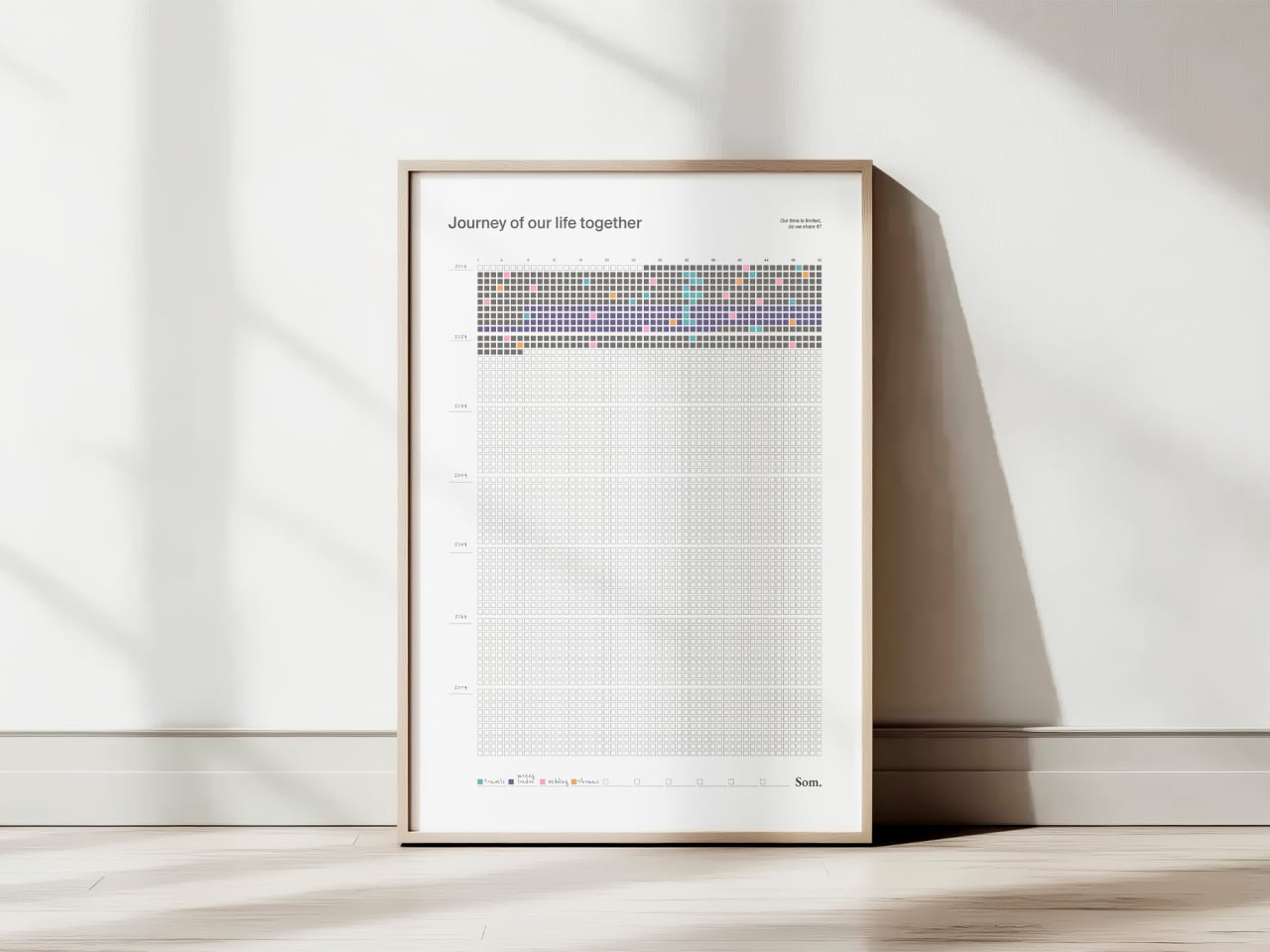
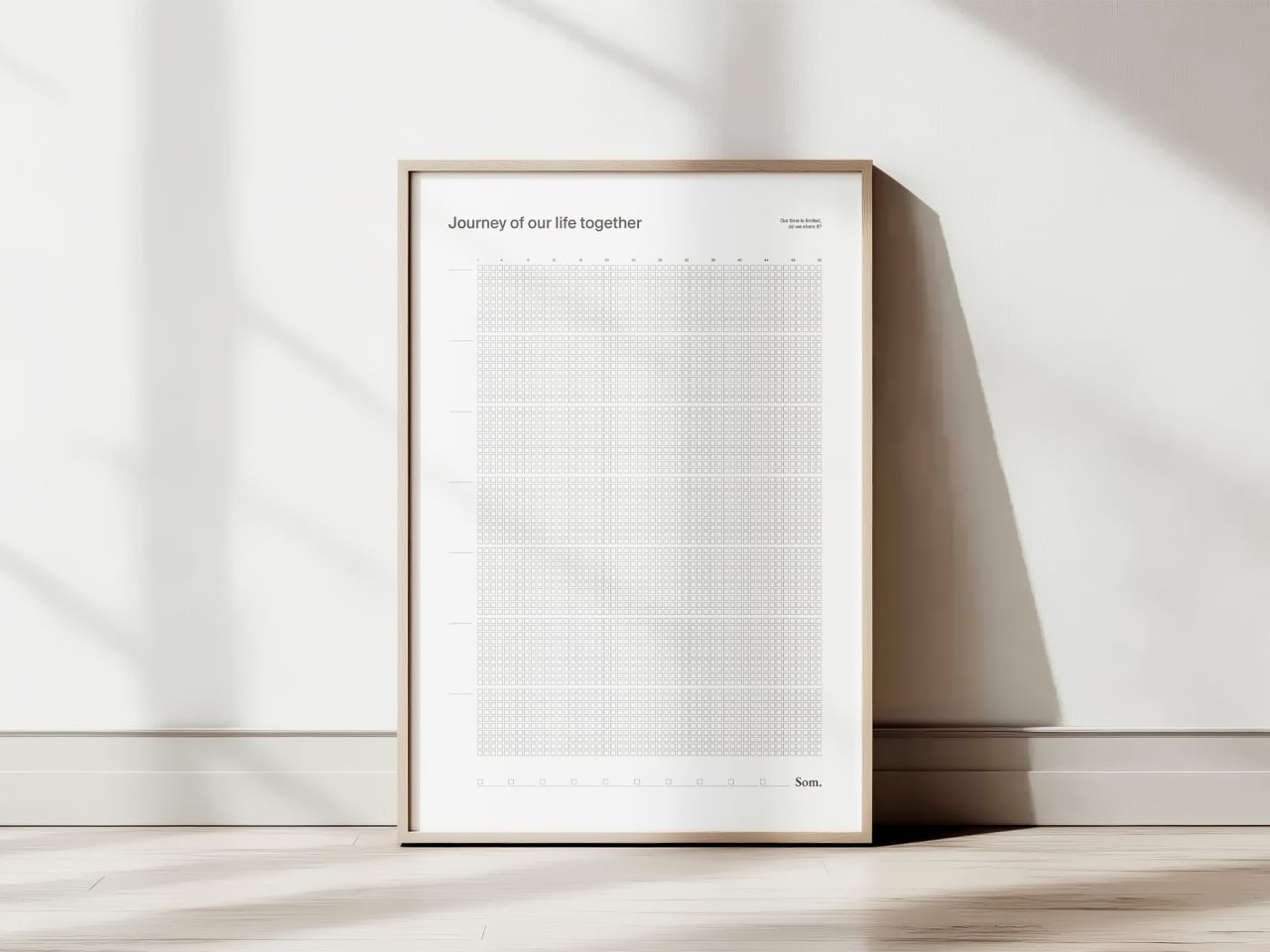
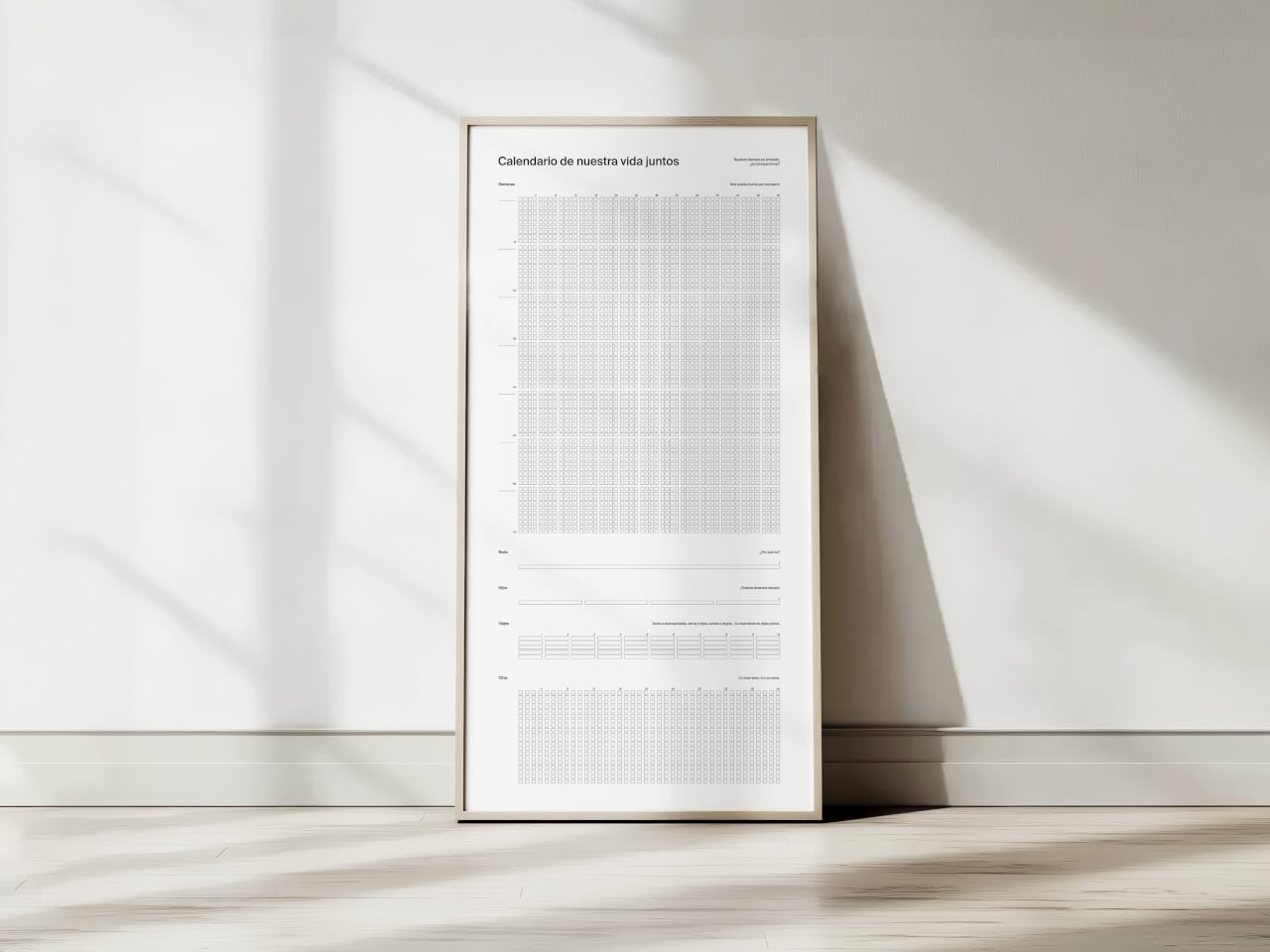
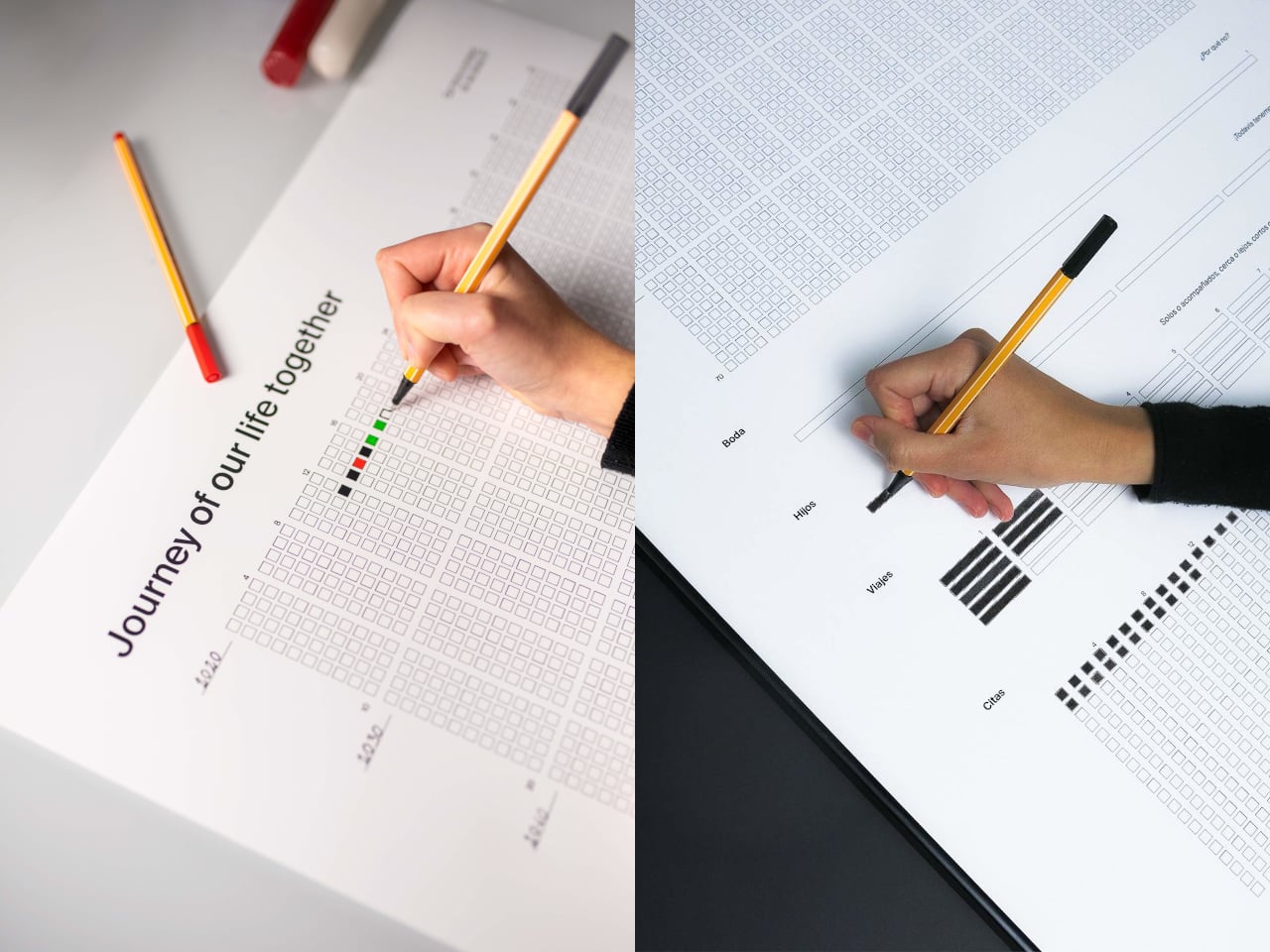
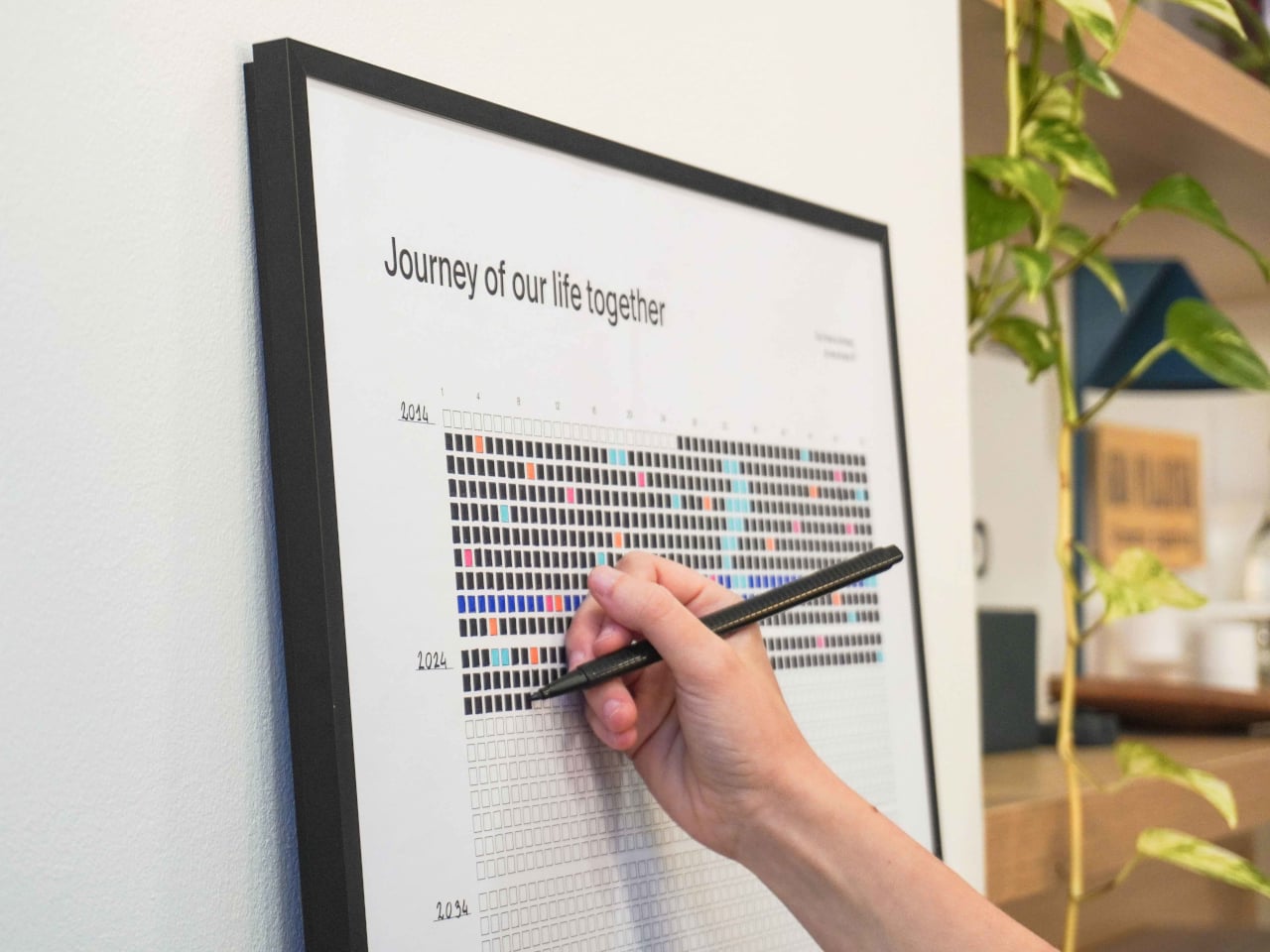
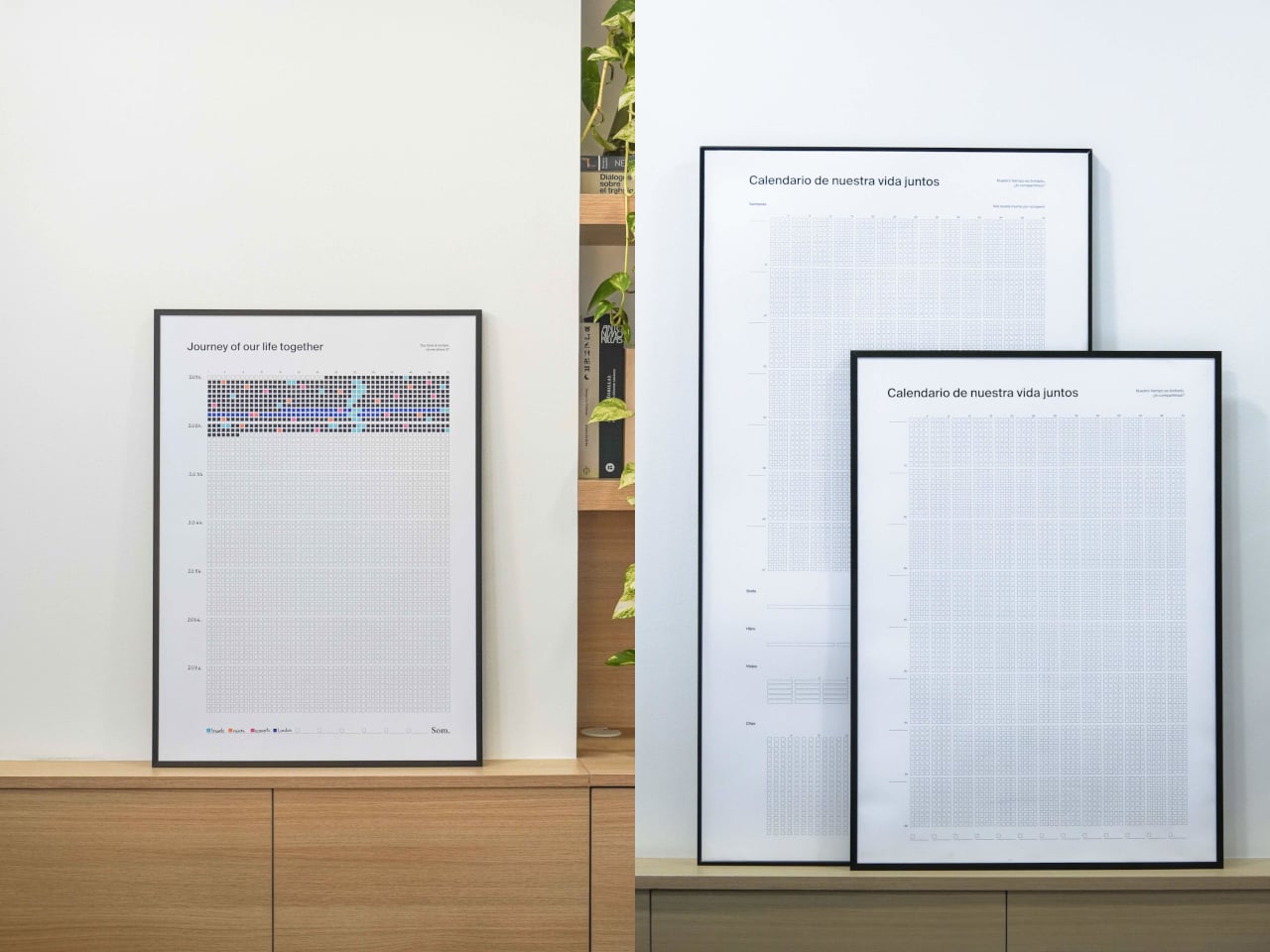
NOS Calendar by Som by Mos is a weekly calendar that celebrates shared life rather than meetings or deadlines. Each square is a week, each row is a year, and each block is a decade, printed on a 50cm x 70cm poster that covers more than 80 years. It’s sold under the tagline “our time is limited, shall we share it?”, which is a very different brief from “get more done” or “optimize your schedule.”

Designer: David Grifols (Som by Mos)

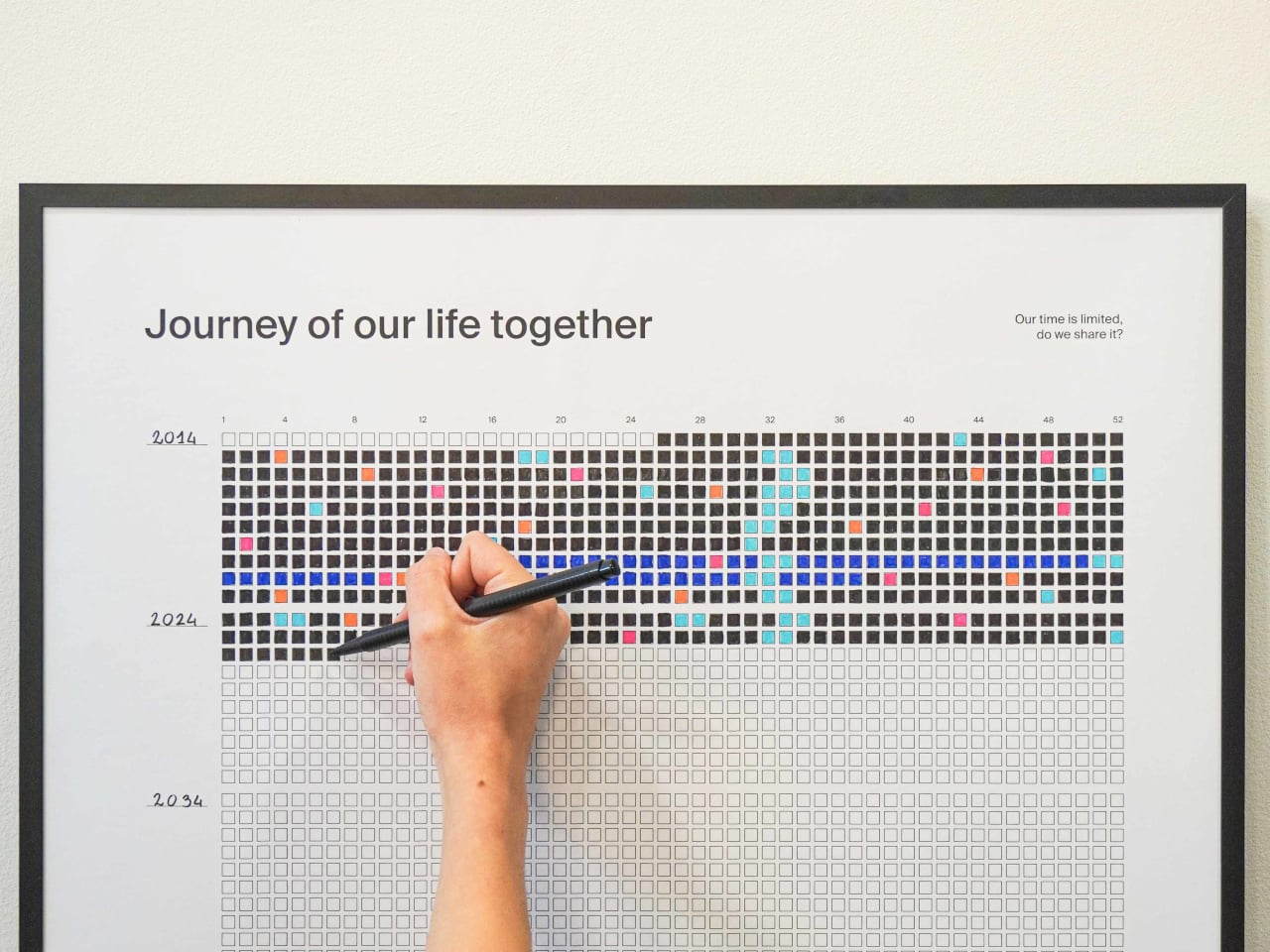
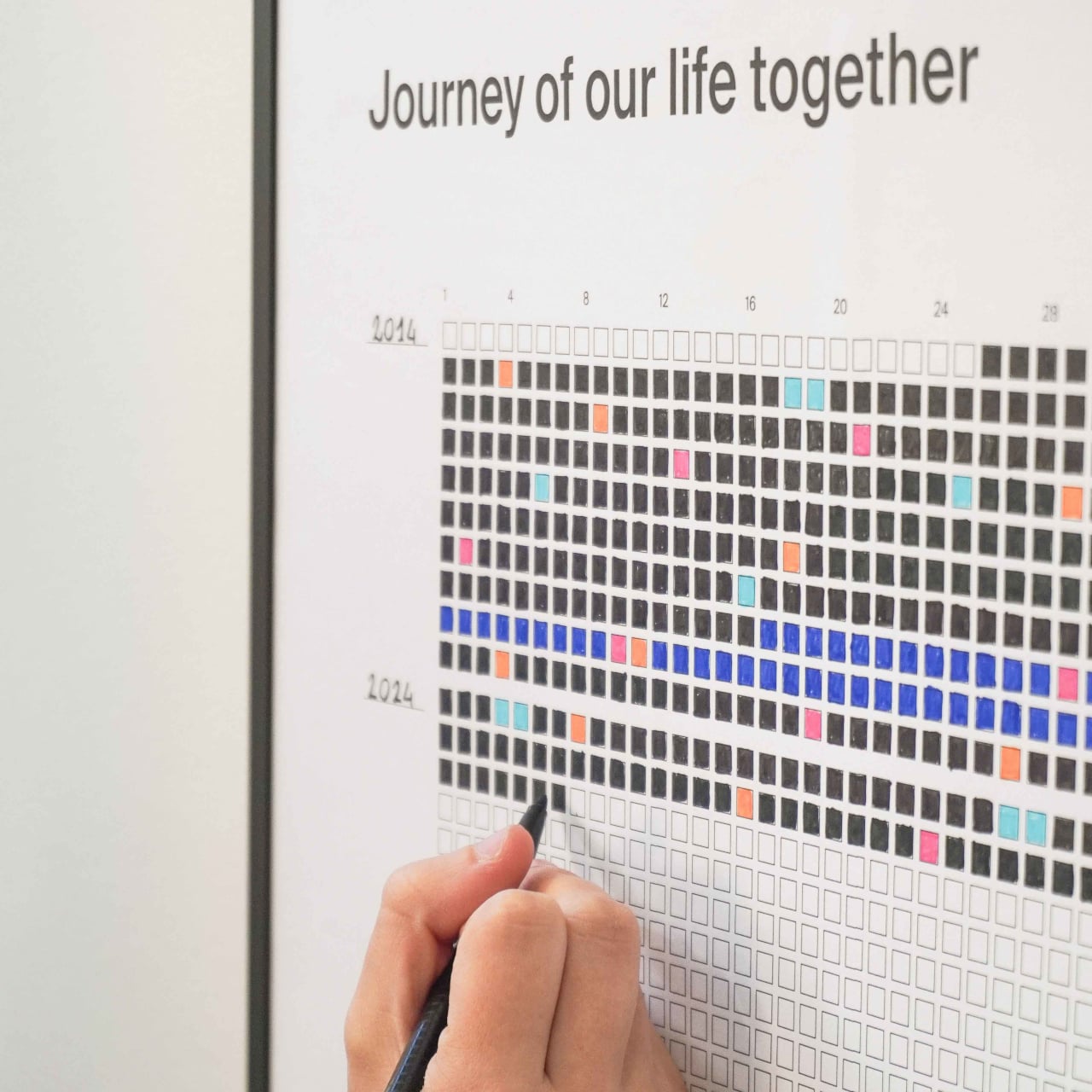
The image of a couple or close friends unrolling a poster, finding the week their story began, and coloring that first square sounds a little romantic. Every week after that, they fill in another box, sometimes with a simple color, sometimes with a shade that matches a key moment like a trip or a move. The act is small, a few seconds with a pen, but it becomes a quiet check‑in on how time is passing together rather than just another task.

The grid works simply enough. You’ve got 52 columns for weeks, rows for years, and decade blocks that make long stretches of time visible. A strip at the bottom acts as a legend, where you assign colors to things that matter: trips, moves, new jobs, losses, whatever you decide. Over time, the poster becomes a code only you understand, a visual index of your shared history that nobody else can read.

1

Seeing 80 years of weeks on a wall changes your sense of scale. The empty squares make future time feel both generous and finite, while the filled ones remind you that a lot has already happened. It’s less about planning the next week and more about noticing that this one exists, that you’re somewhere in the middle of a grid that’ll eventually be full whether you pay attention to it or not.

Of course, the minimalist design matters. The clean grid, the simple headings like “Journey of our life together” in English, Spanish, or Catalan, and the durable paper meant to last decades in a frame all keep it neutral. Your colors and notes do the talking, which makes it easier to hang in a living room without it screaming “productivity chart” at everyone who walks by.

NOS sits somewhere between art, journal, and commitment device. It doesn’t tell you how to spend your weeks; it just refuses to let them stay invisible. The idea of tracking life without another app or notification, just a poster that slowly fills with color as you move through years together, is a surprisingly gentle way to remember that time is limited, and that you chose to share it with someone worth coloring squares for.

The post Color One Square Each Week and Watch 80 Years Fill with Your Story first appeared on Yanko Design.

Elevation Lab’s AirTag 10-year extended battery case is only $16 right now

AirTags are basically an essential accessory for iPhone users who want to keep track of things like their keys, wallet and backpack. While it's easy enough to replace the battery in both versions of the AirTag, you may not want to have to rush to do so at the end of the battery's roughly two-year lifespan. That's where Elevation Lab's extended battery case for the AirTag comes in, and it's heavily discounted right now: it's 30 percent off and down to $16.

The case usually sells for $23, so that's a 30 percent discount. It's not the first time we've seen this deal, but it's a pretty decent one all the same.

This is arguably one of the more useful AirTag accessories around for certain use cases. It won't exactly be helpful for an AirTag that you put in a wallet or attach to your keys, as it's too bulky for such a purpose — and it doesn't have a hole for a keyring anyway. Still, if you're looking for an AirTag case that you can place in a suitcase or backpack and not have to touch for years, this could be the ticket.

Elevation Lab says that, when you place a couple of AA batteries in the case, it can extend the tracker's battery life to as much as 10 years (the brand recommends using Energizer Ultimate Lithium batteries for best results). The AirTag is slated to run for over a year on its standard CR2032 button cell. 

The case gives the AirTag more protection as well. It's sealed with four screws and it has a IP69 waterproof rating. What's more, it doesn't ostensibly look like an AirTag case, so someone who steals an item with one inside is perhaps less likely to realize that the object they pilfered is being tracked.

There are some other downsides, though. Since the AirTag is locked inside a case, the sound it emits will be muffled. Elevation Lab says the device's volume will be about two-thirds the level of a case-free AirTag. However, the second-gen AirTag is louder than its predecessor, which should mitigate that issue somewhat.

Follow @EngadgetDeals on X for the latest tech deals and buying advice.

This article originally appeared on Engadget at https://www.engadget.com/deals/elevation-labs-airtag-10-year-extended-battery-case-is-only-16-right-now-151215061.html?src=rss
Samsung’s Foldable Shake-up: The Z Fold 8 and ‘Wide Fold’ are Changing the Game
Samsung’s Foldable Shake-up: The Z Fold 8 and ‘Wide Fold’ are Changing the Game Samsung Galaxy Wide Fold showcasing its innovative wider screen design

Samsung continues to push the boundaries of foldable smartphone technology with the unveiling of two new models in its Galaxy Z Fold series: the Galaxy Z Fold 8 and the Galaxy Wide Fold. These devices are designed to deliver innovative technology, enhanced functionality, and a reimagined user experience. By introducing these models, Samsung aims to […]

The post Samsung’s Foldable Shake-up: The Z Fold 8 and ‘Wide Fold’ are Changing the Game appeared first on Geeky Gadgets.

Posted in Uncategorized

Uroq Modular SSD Lets Your Portable Storage Grow Instead of Multiply

Filling yet another portable SSD means labeling it, tossing it into a drawer next to three others, and mentally tracking what lives where. Storage upgrades usually mean buying a whole new enclosure, then juggling multiple icons on your desktop and physical clutter in your bag, even though you really just needed more capacity on the same device you already use every day.

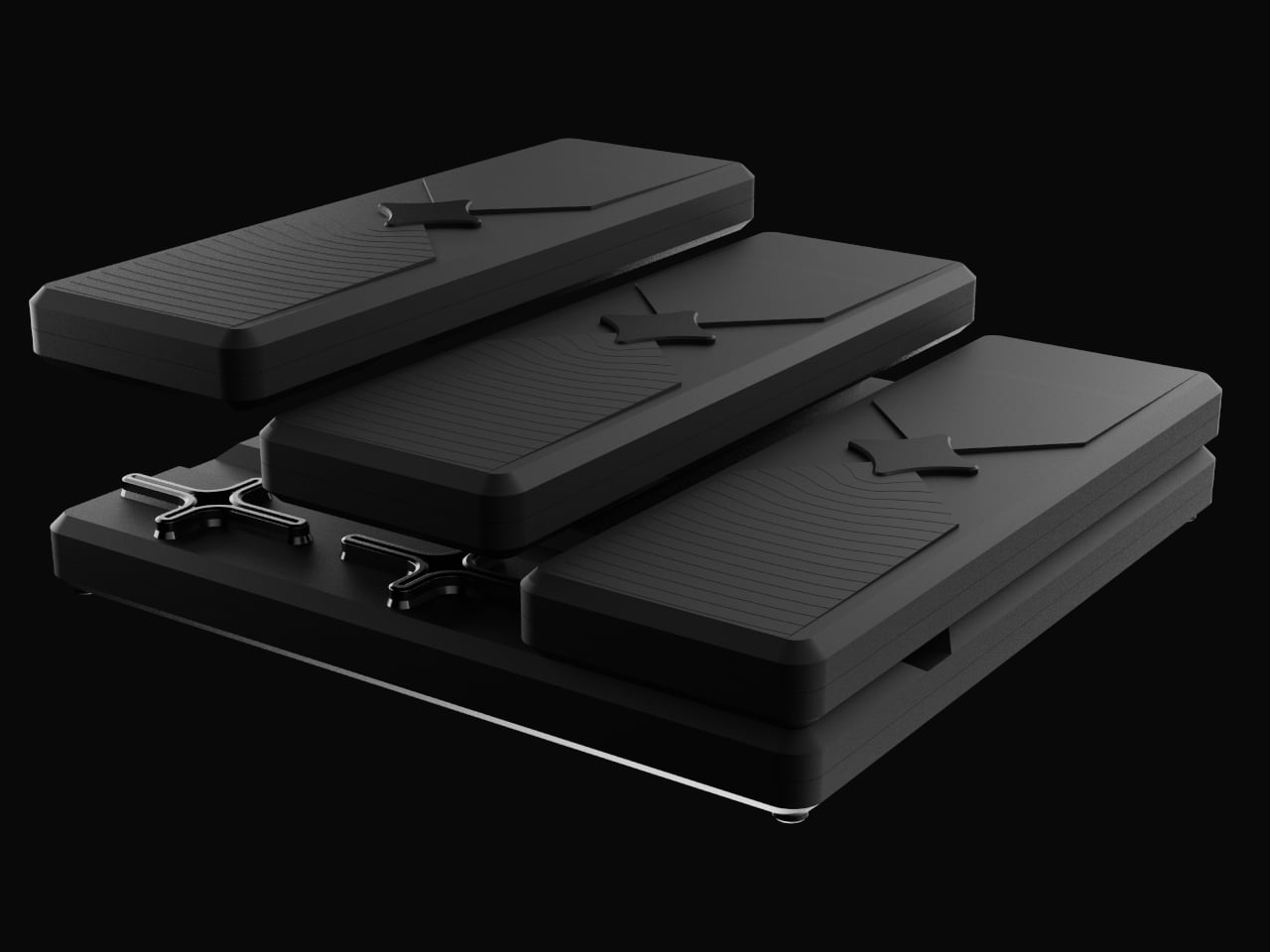
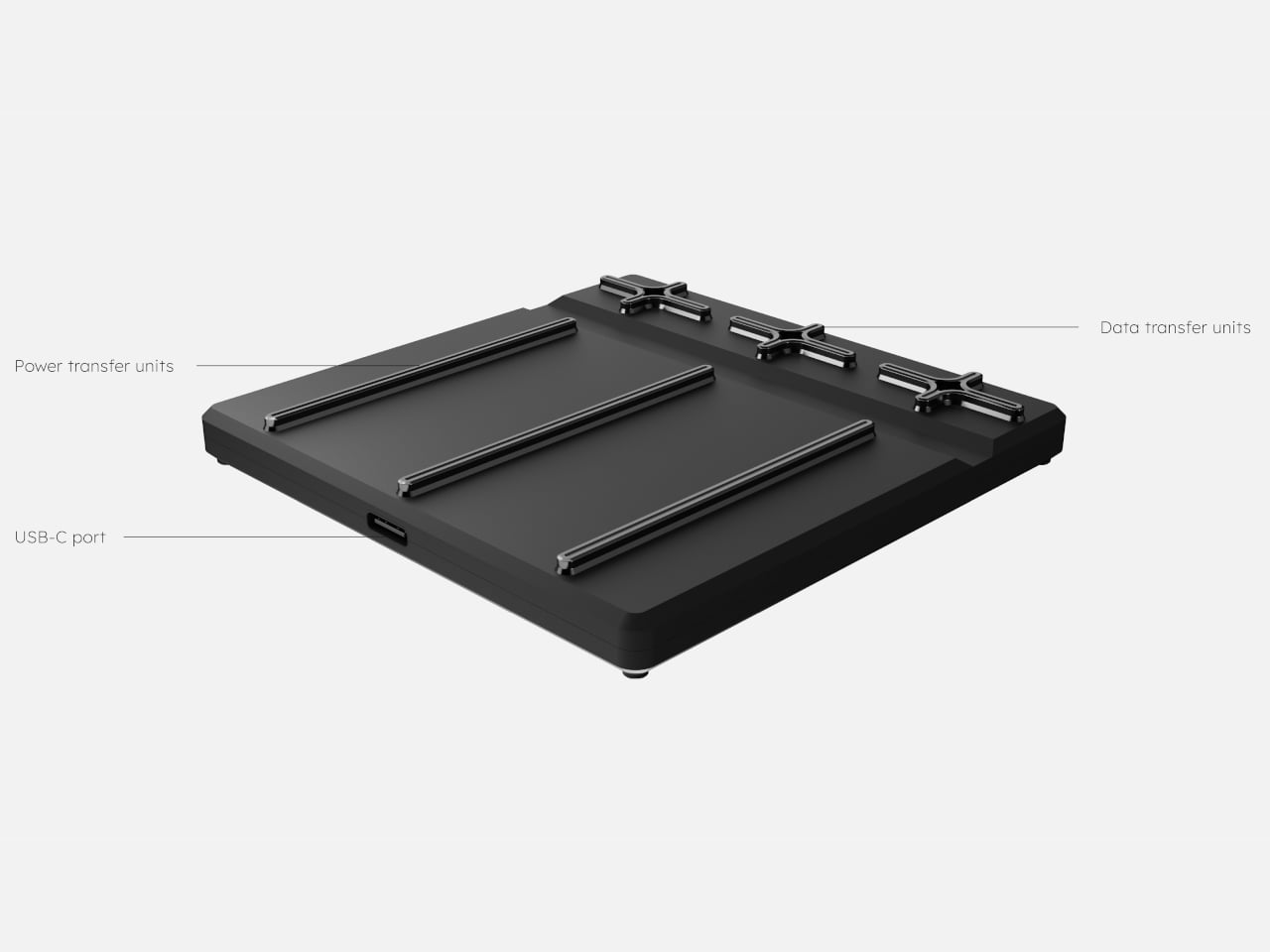
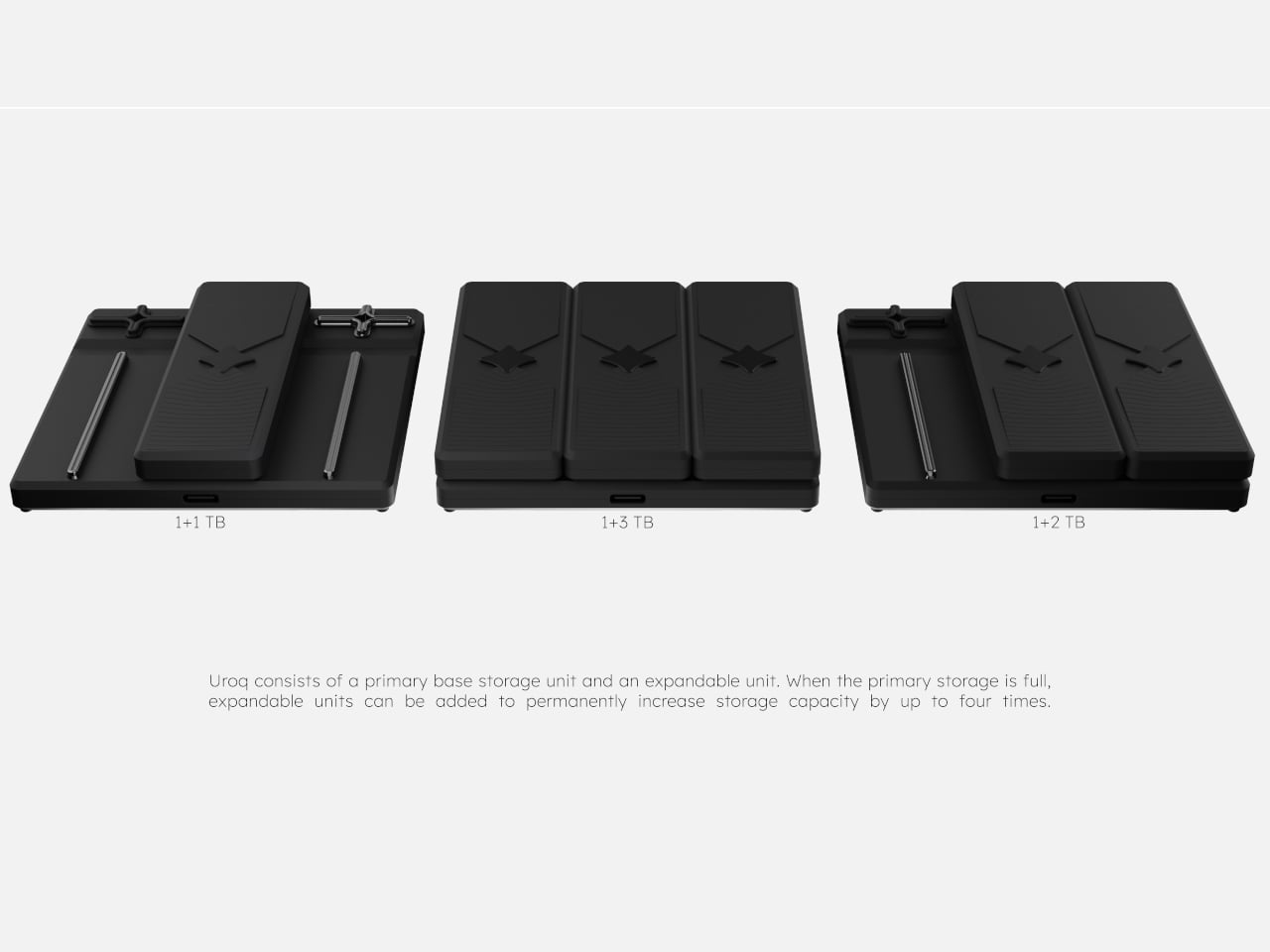
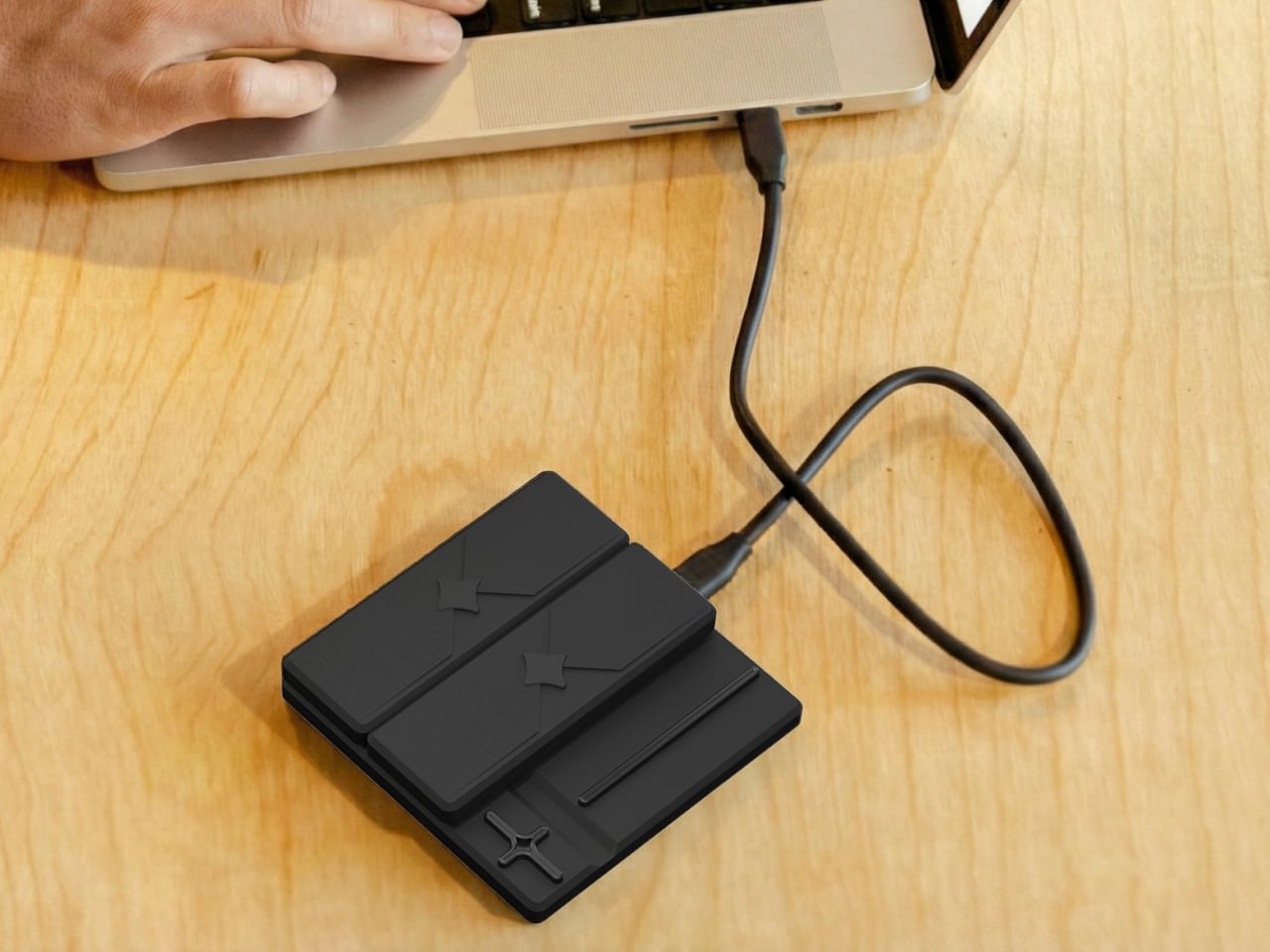
Uroq is a concept that treats portable storage like something you grow over time instead of something you keep replacing. It starts as a flat base SSD with a USB-C port, and when you run out of space, you snap new modules onto the top. Each module adds more M.2 SSD capacity, so the same drive quietly expands instead of forcing you to add another box to the pile.

Designer: Emre Kocaer

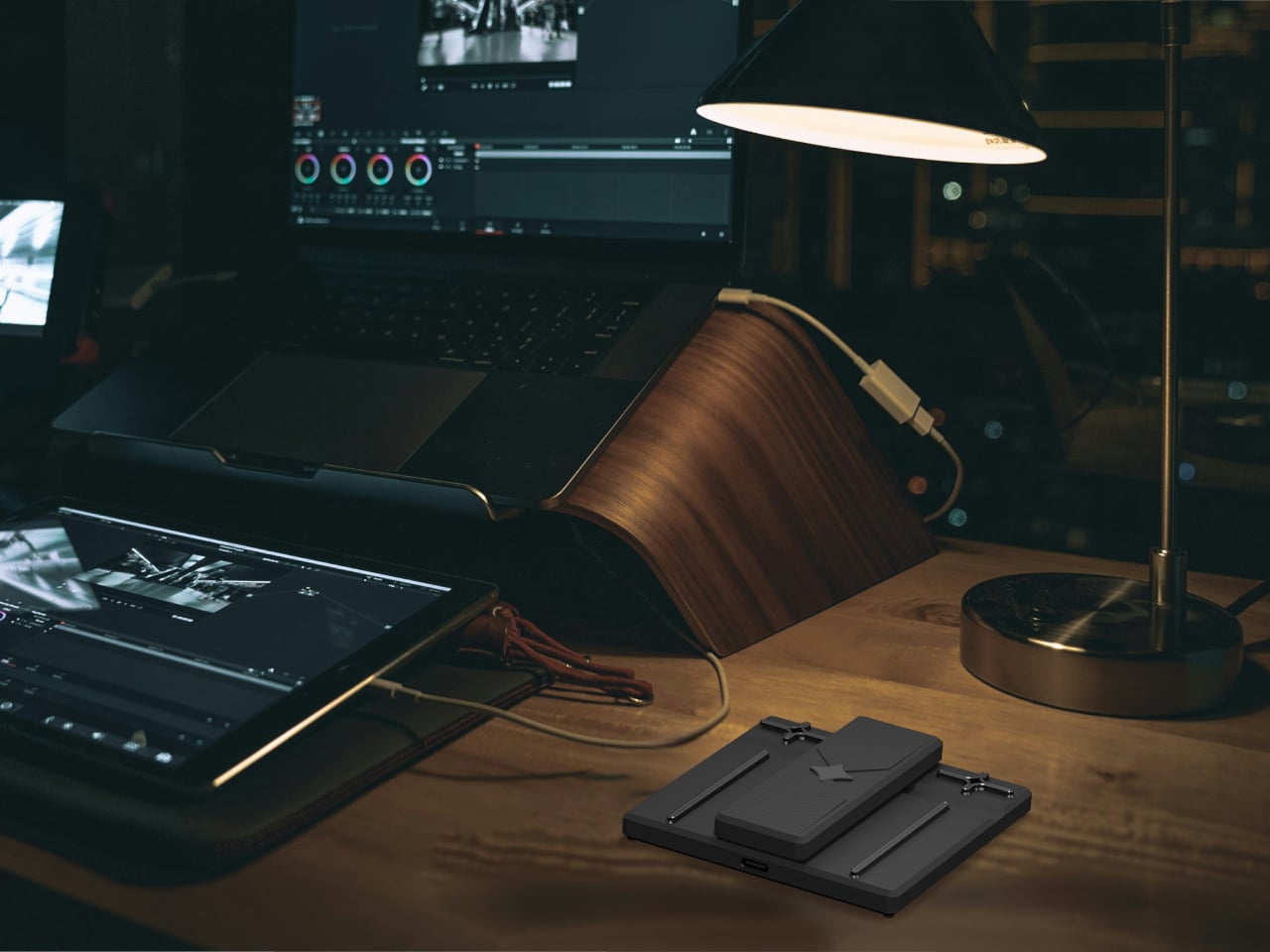
Imagine a photographer or video editor who hits the limit on a 1 TB base, then adds a 2 TB module rather than buying a second drive. The stack still plugs in with a single USB-C cable, sits in the same spot on the desk, and shows up as one consolidated volume. Their workflow stays the same, but the storage ceiling jumps without another device to track or misplace somewhere at the bottom of a backpack.

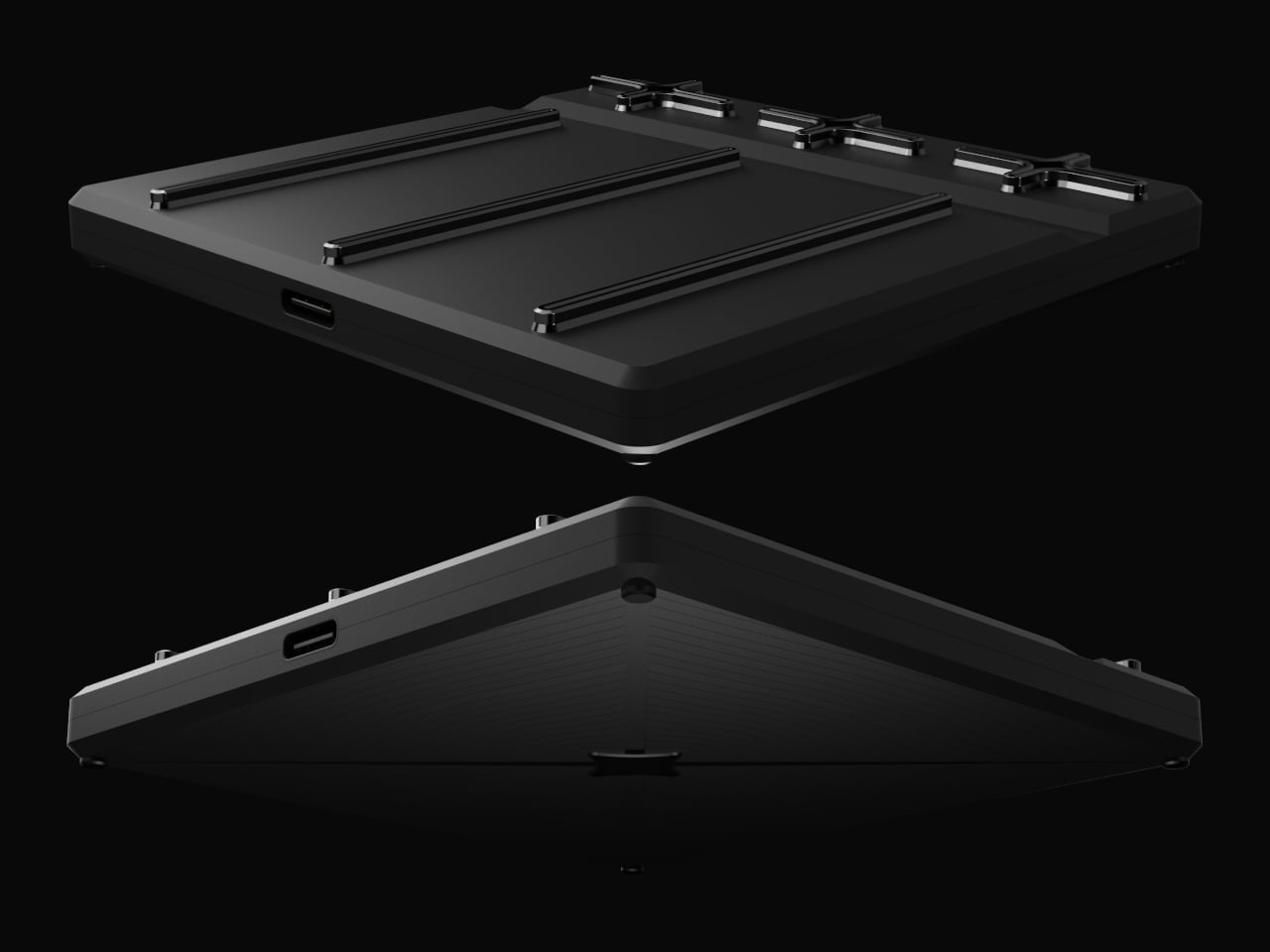
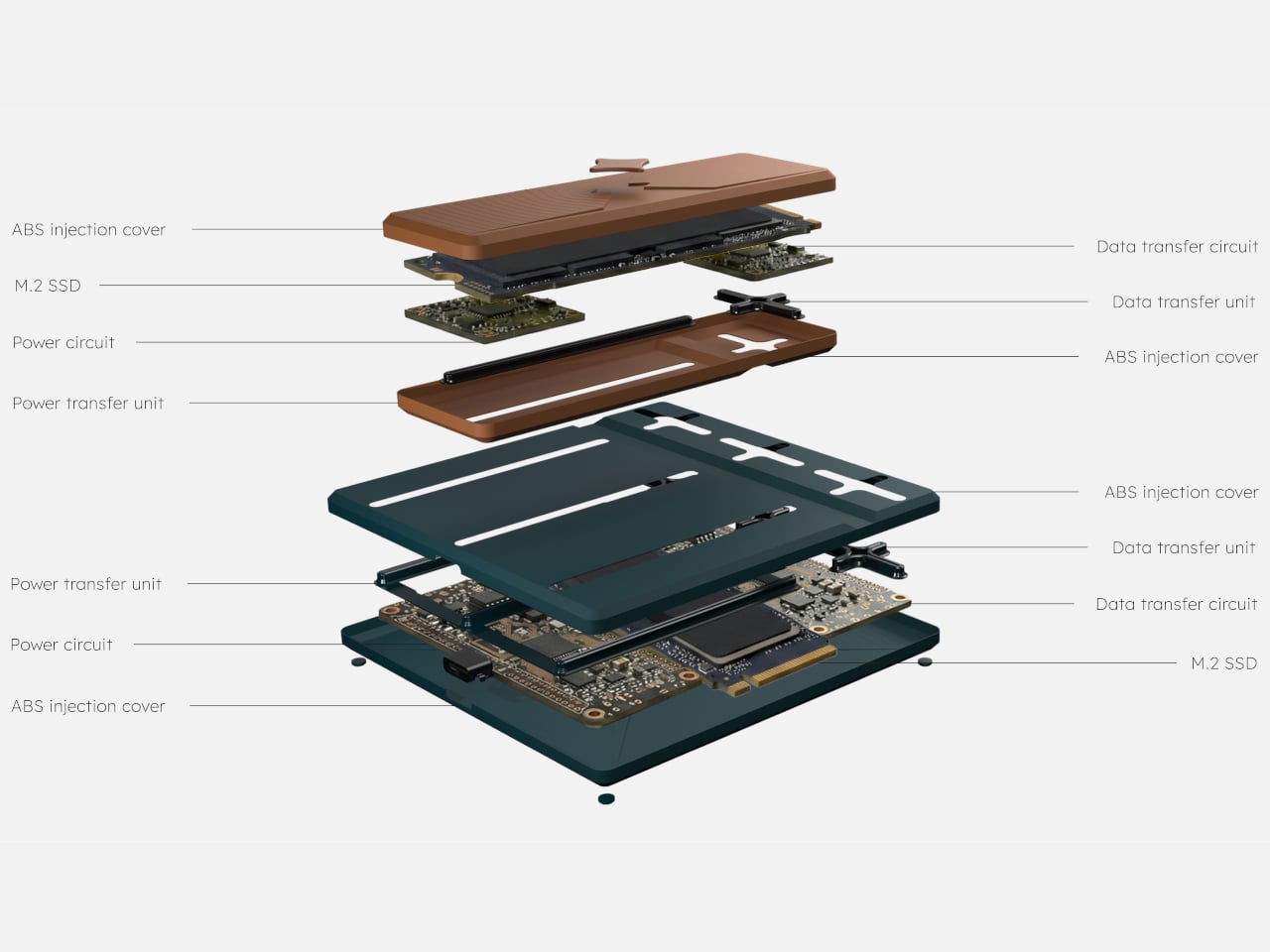
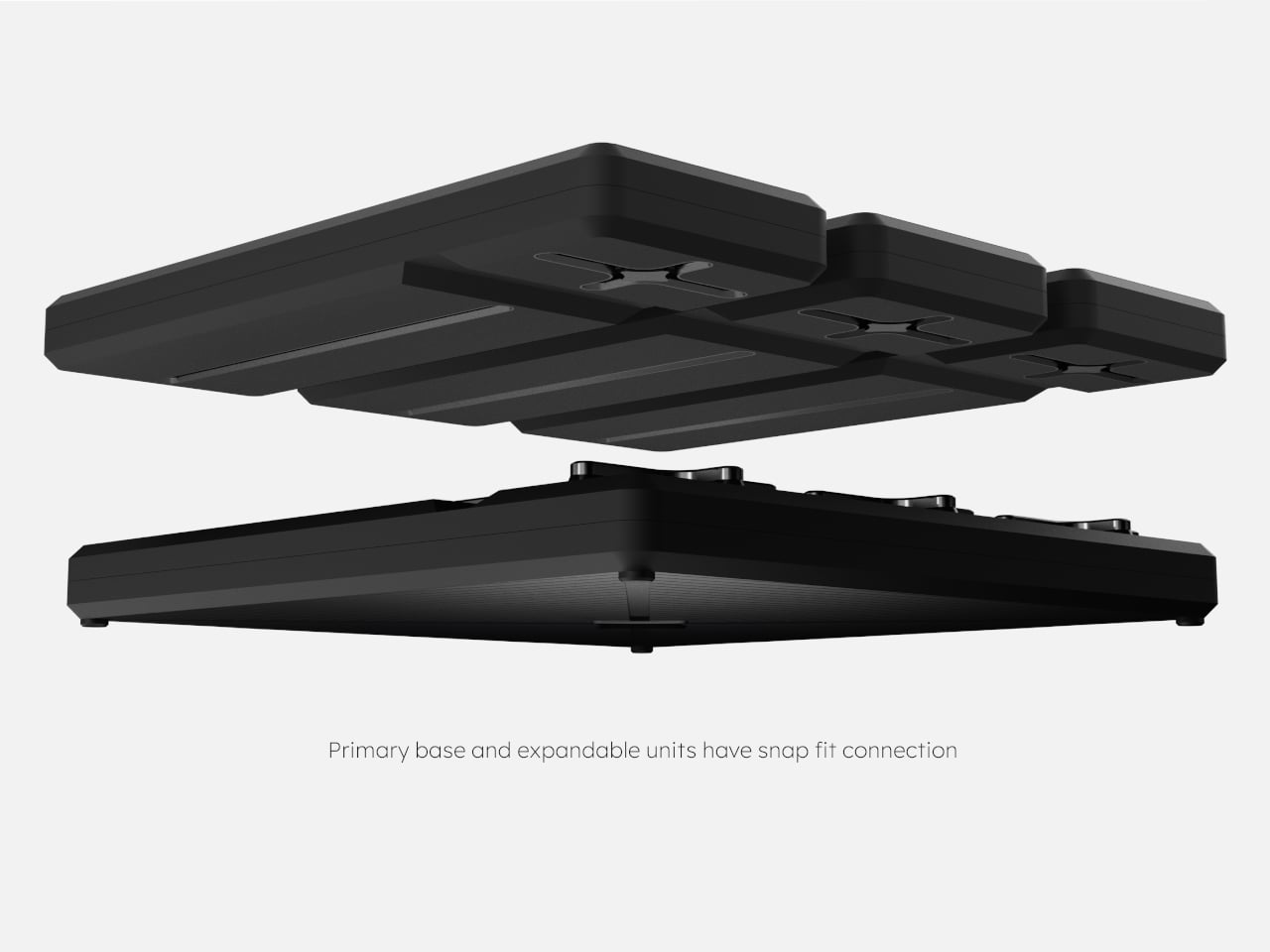
The base hides power and data rails under its surface, carrying electricity and PCIe or SATA signals to each module. The modules have matching contacts and snap-fit geometry, so stacking them is more like adding bricks to a foundation than daisy-chaining separate drives. Inside, each layer holds an M.2 SSD and dedicated power and data circuits, all wrapped in ABS injection-molded covers that protect the hardware.

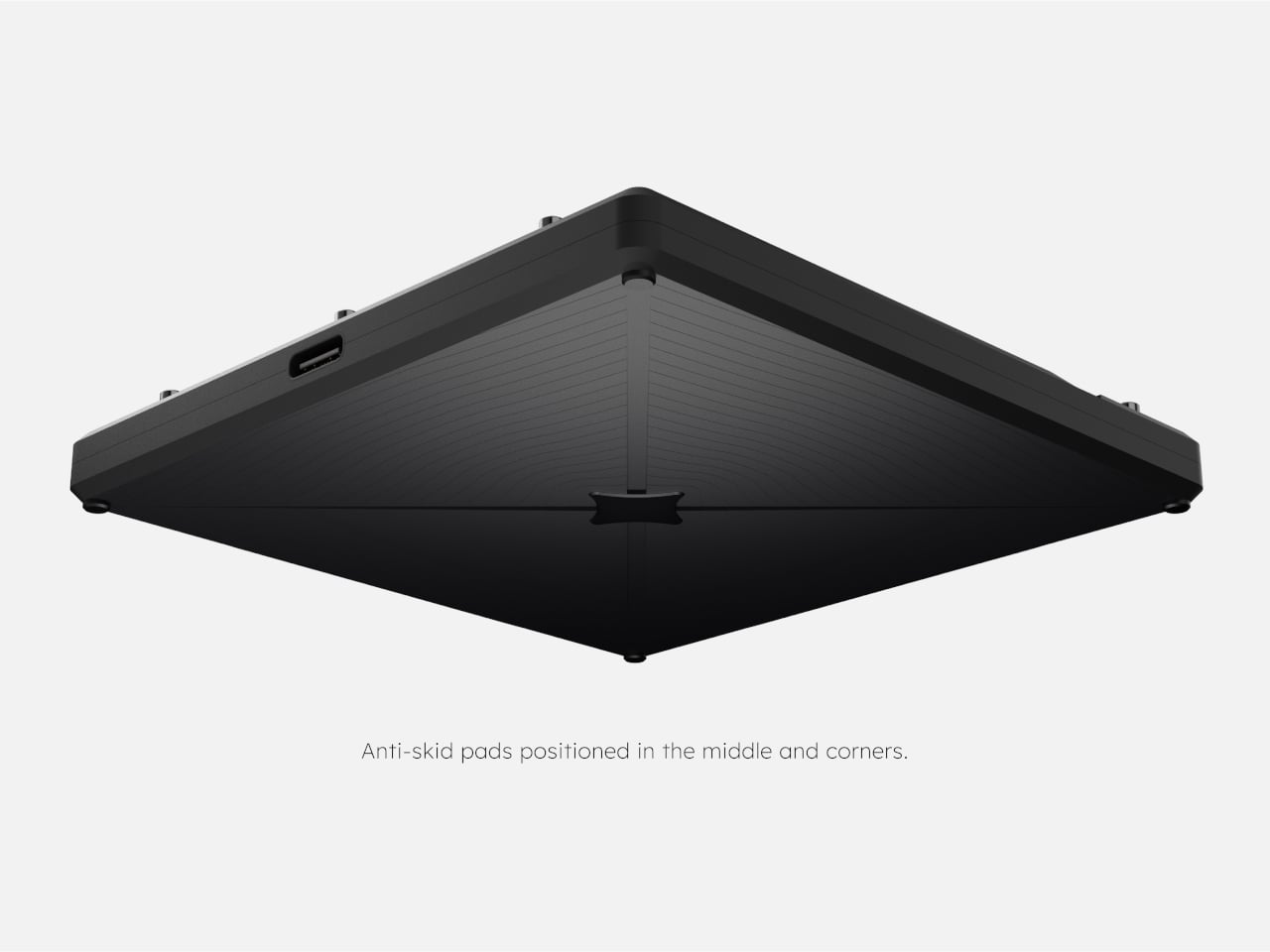
Anti-skid pads on the underside keep the base steady even when fully loaded, and the low, square footprint behaves more like a small dock than a loose drive. On a crowded desk with a laptop, tablet, and monitor, Uroq stays put instead of sliding around with every cable tug. One cable runs to the computer, while the rest of the complexity stays hidden inside the stack.

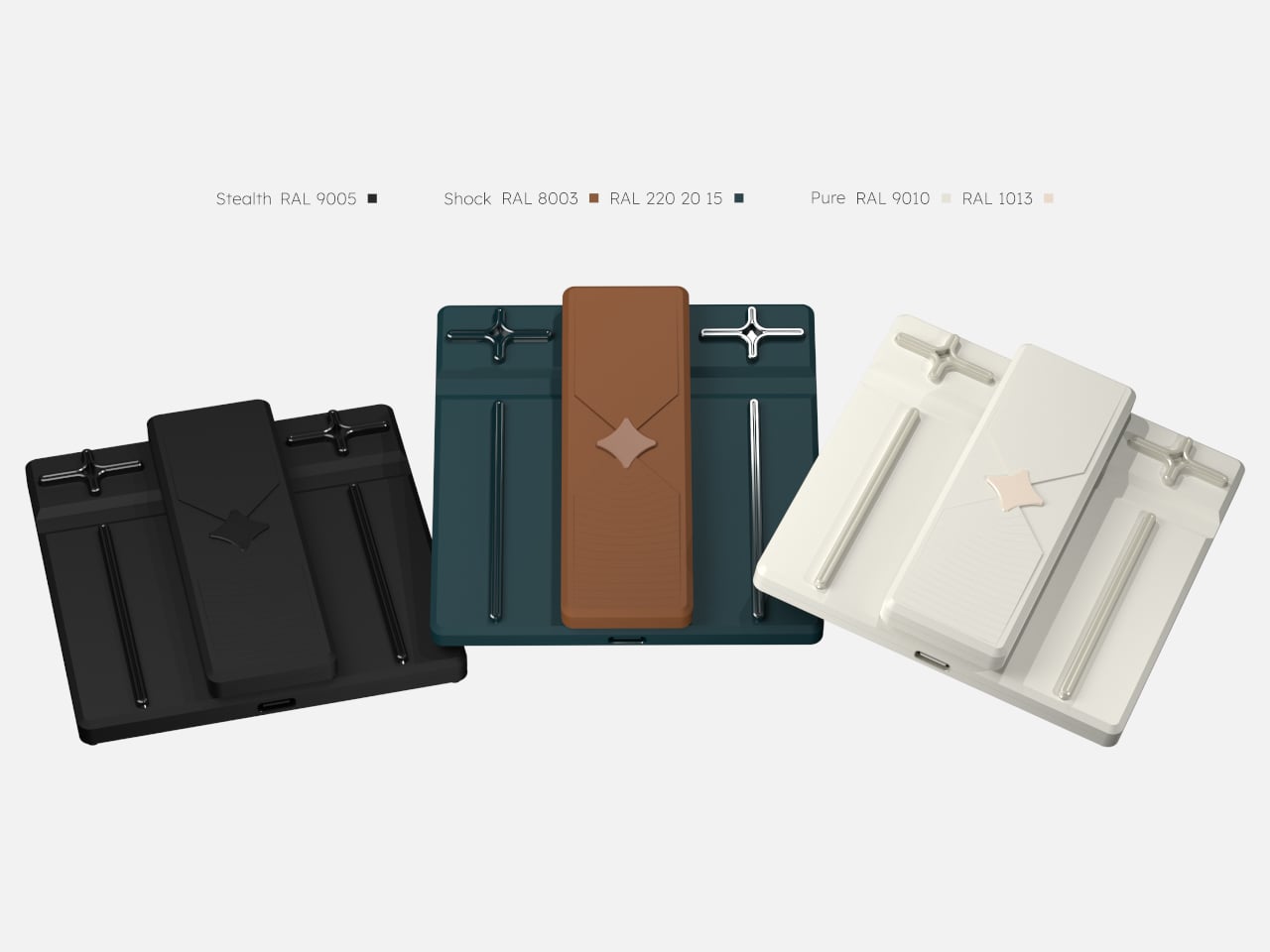
Of course, Uroq comes in palettes like Stealth black, Shock brown with deep teal, and Pure white and cream, so it can match different setups instead of looking like generic tech. The idea is that this is a long-term desk companion you’ll keep upgrading rather than replacing, a single object that absorbs years of projects without spawning a family of mismatched drives that all look the same until you read the labels.

Uroq suggests that more storage doesn’t have to mean more devices. By making capacity modular and treating the enclosure as a platform instead of a disposable shell, it points toward a quieter, more sustainable way to handle digital growth. Anyone who’s already tired of labeling yet another SSD and wondering which drawer it ended up in will probably love the idea of a drive that grows with you instead of multiplying around you like gremlins fed after midnight.

The post Uroq Modular SSD Lets Your Portable Storage Grow Instead of Multiply first appeared on Yanko Design.