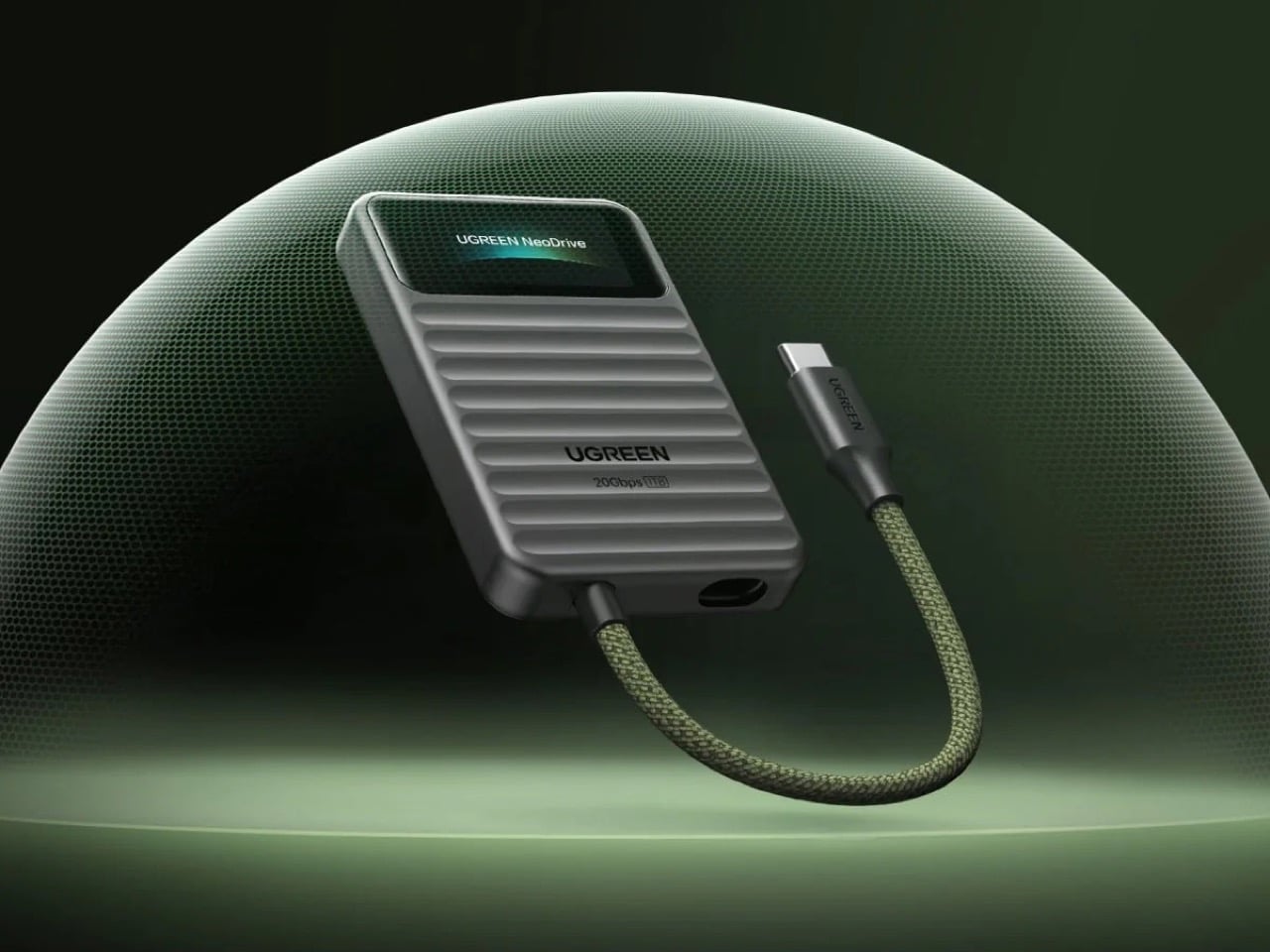
DigiEra OmniCore at CES 2026: NAS That Searches Files Like ChatGPT

For most designers and filmmakers, storage is the quiet problem that never gets a mood board. Projects start on phones, move through cameras and laptops, and end up scattered across drives and cloud folders that you half remember naming six months ago. CES 2026 is full of AI-driven devices and next-gen connectivity, but DigiEra’s booth is interesting because it treats storage as part of the creative environment, not just a spec to tick off on a spreadsheet.

The lineup tells a single story across four products. OmniCore is the modular, all-flash AI NAS that wants to be the studio’s private brain. Endura is the rugged field drive that can live in a bag without babying. Portable Hub SSD is the tiny block that turns a phone or camera into a serious capture and editing station. The Diamond Magnetic Portable SSD is the piece that lives on the back of an iPhone, turning storage into something closer to jewelry than IT gear.

Designer: DigiEra

OmniCore: AI NAS as a Private Studio Brain

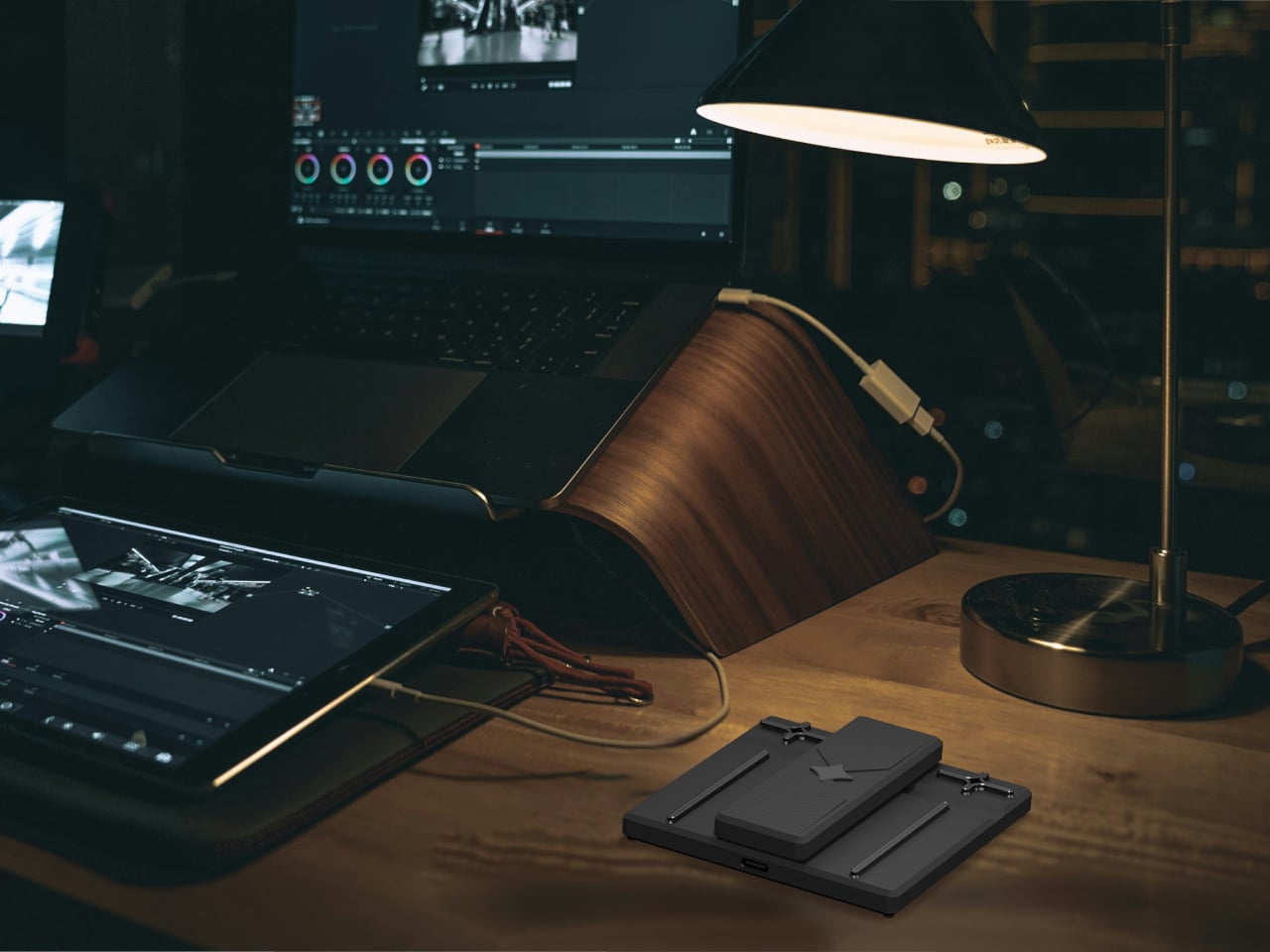
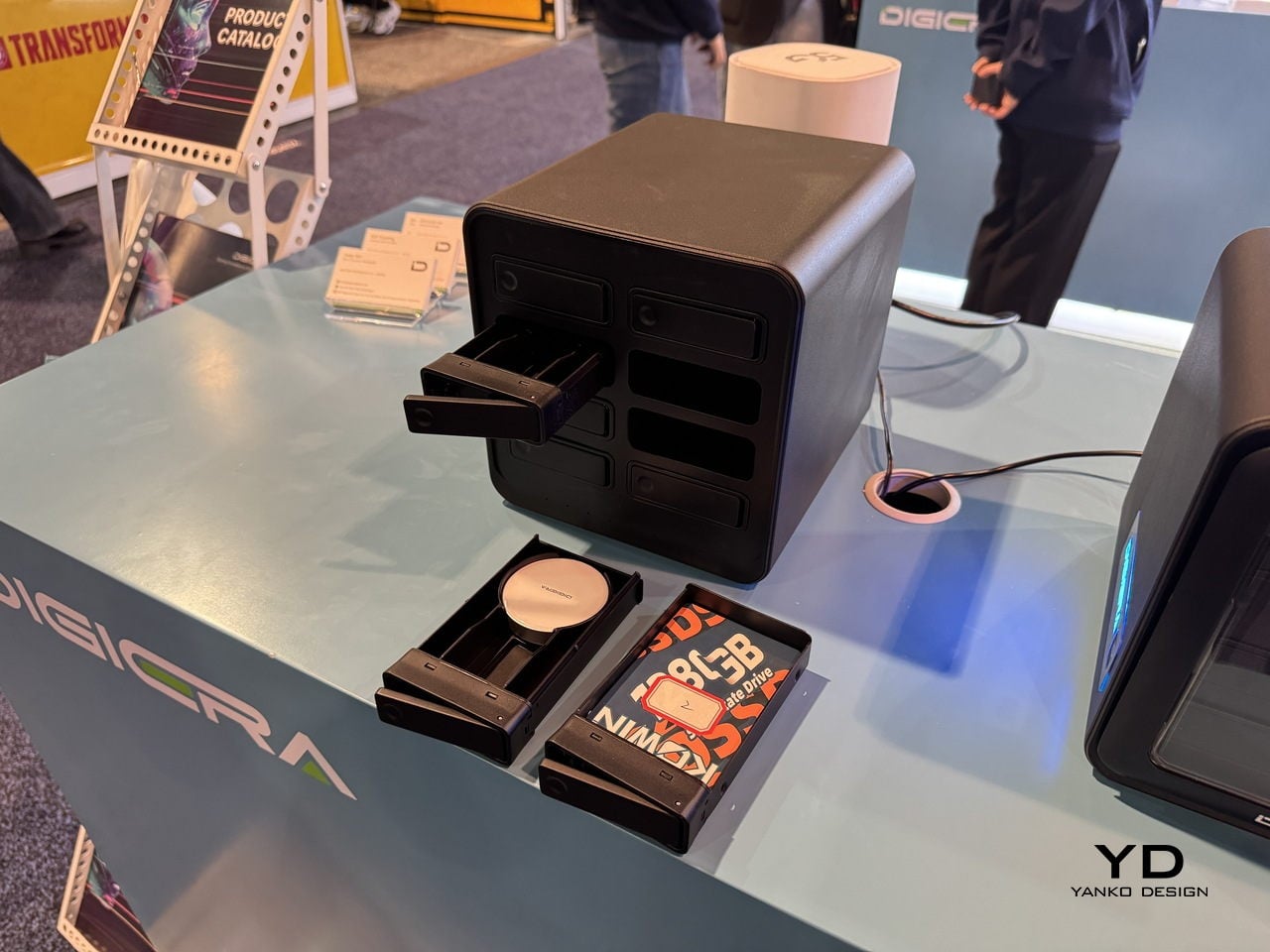
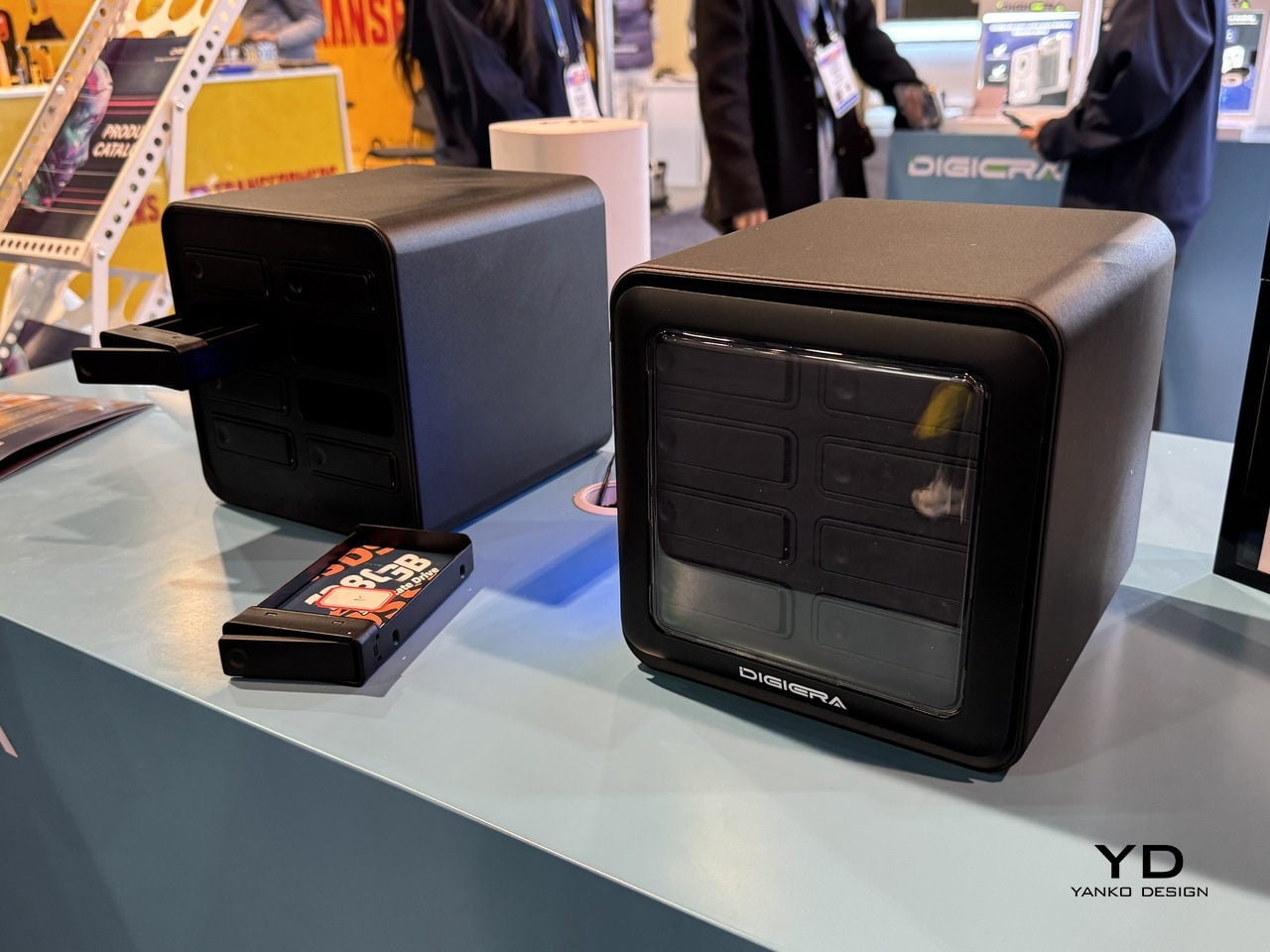
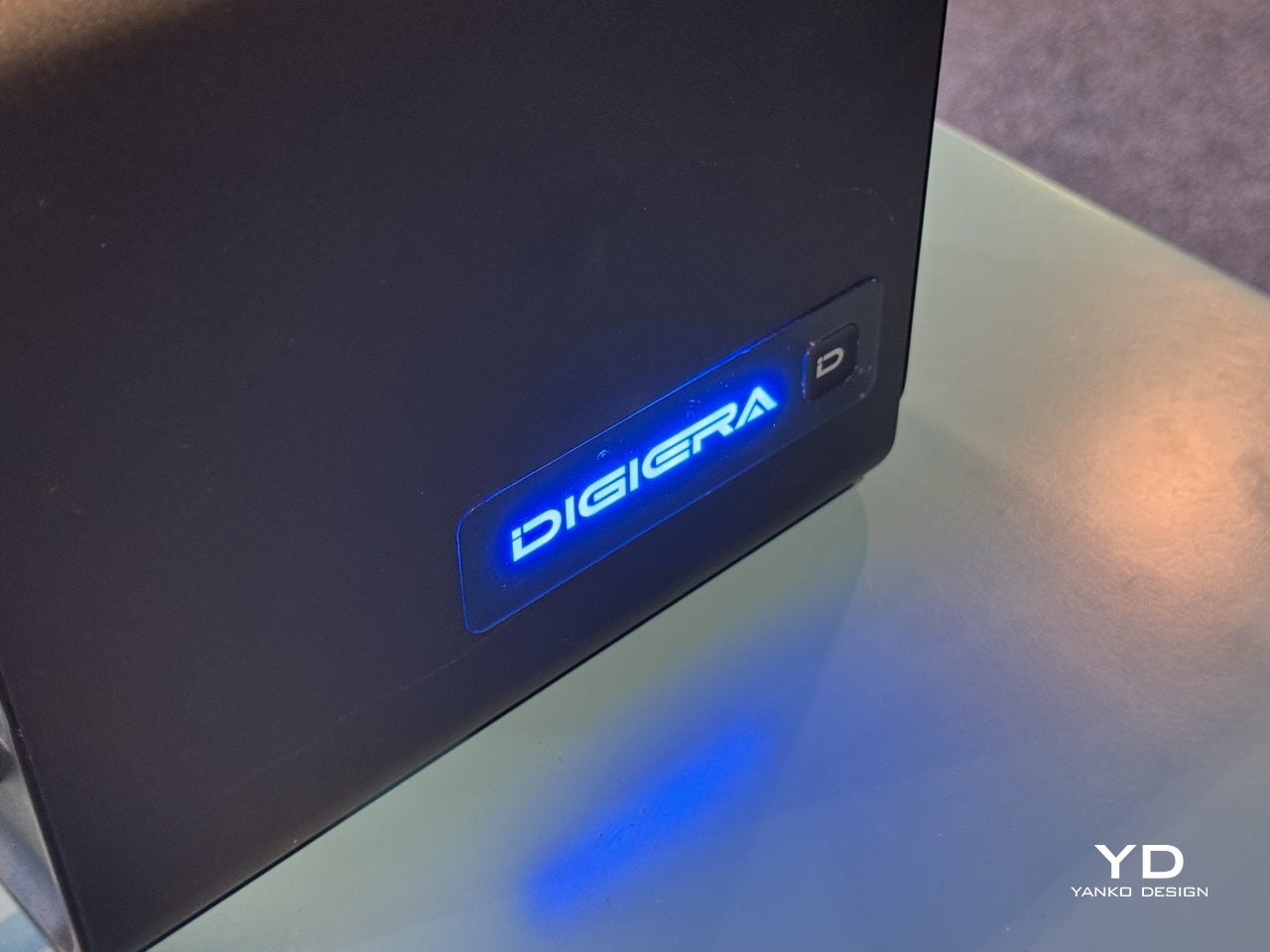
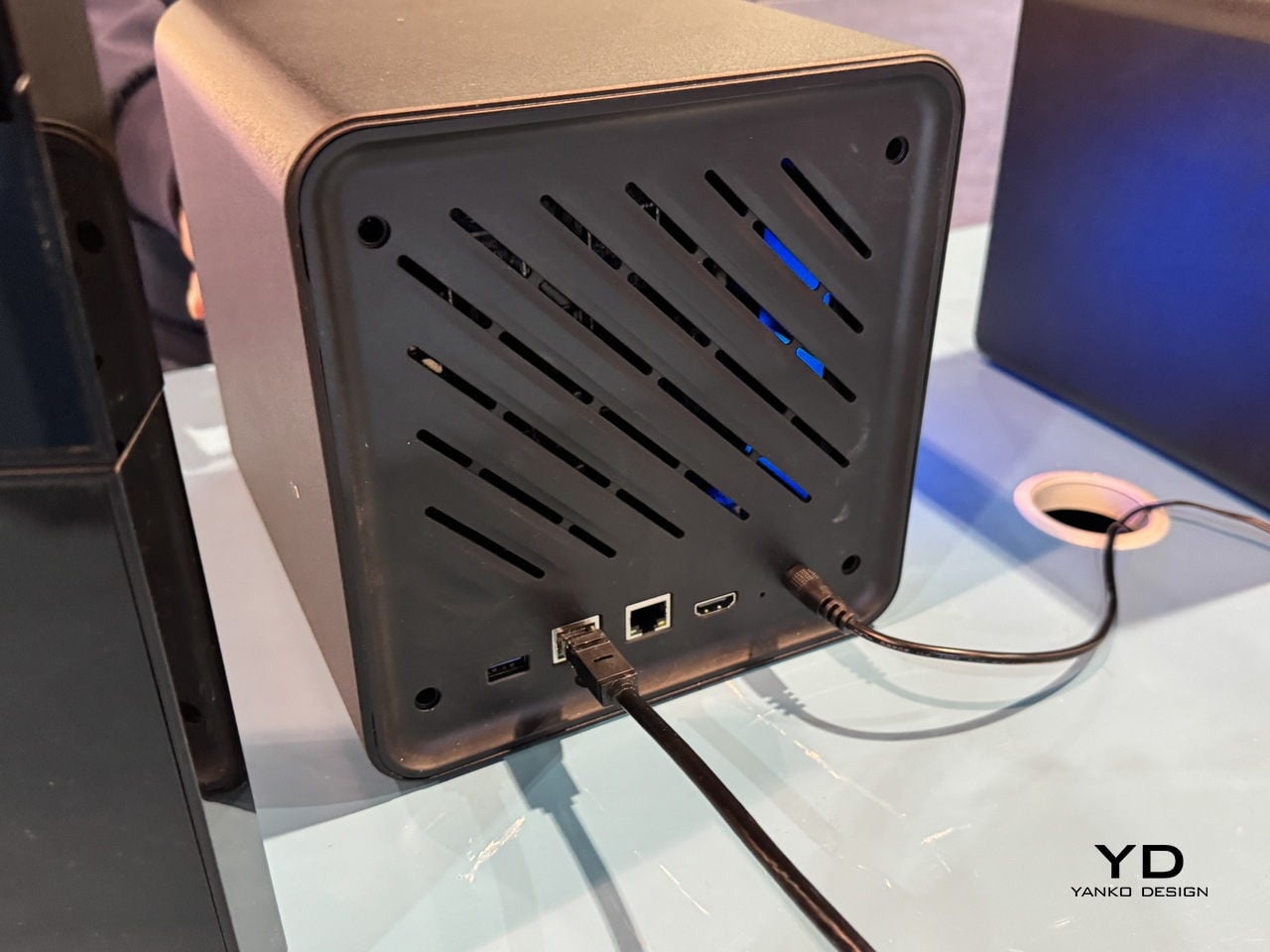
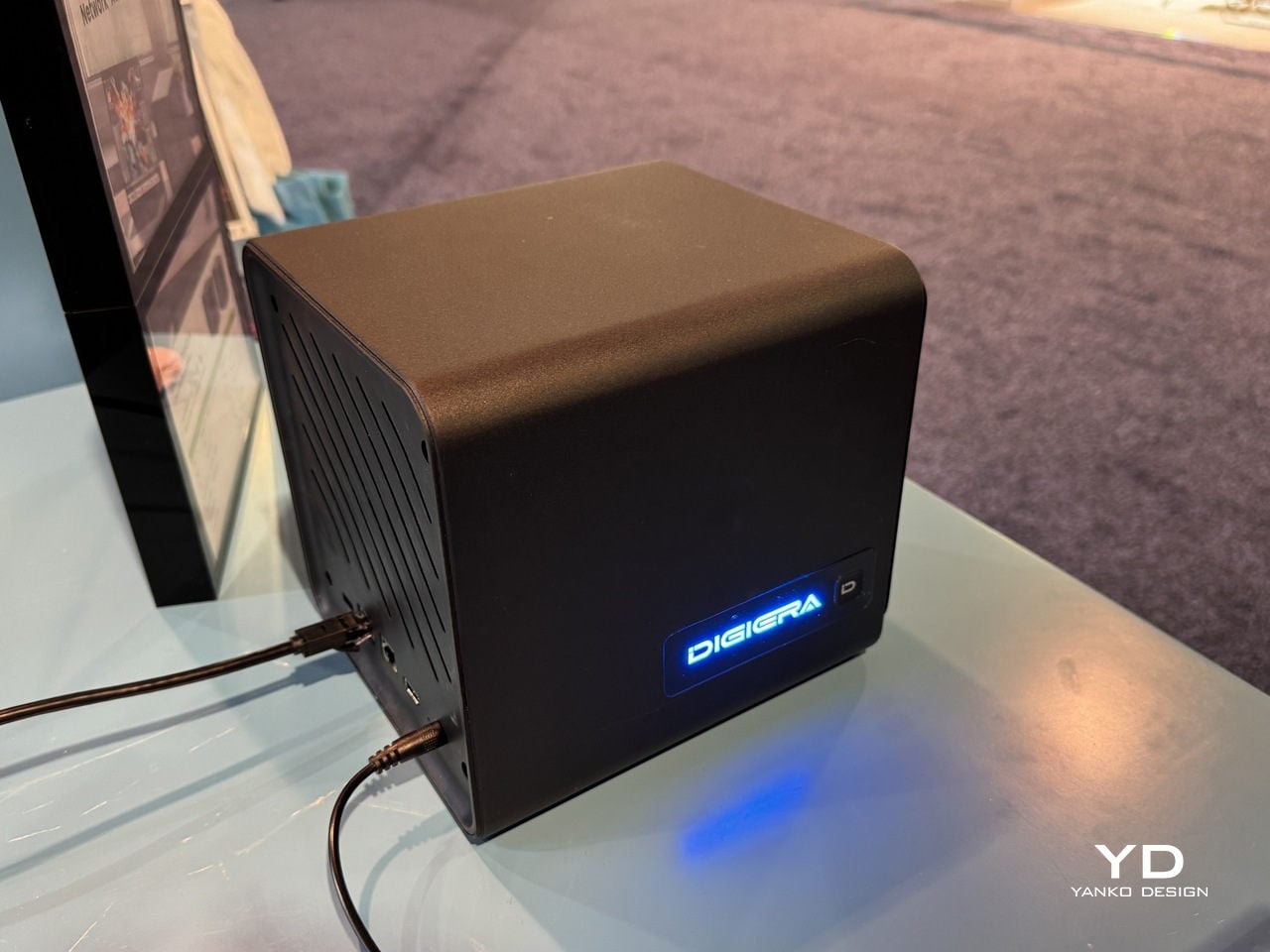
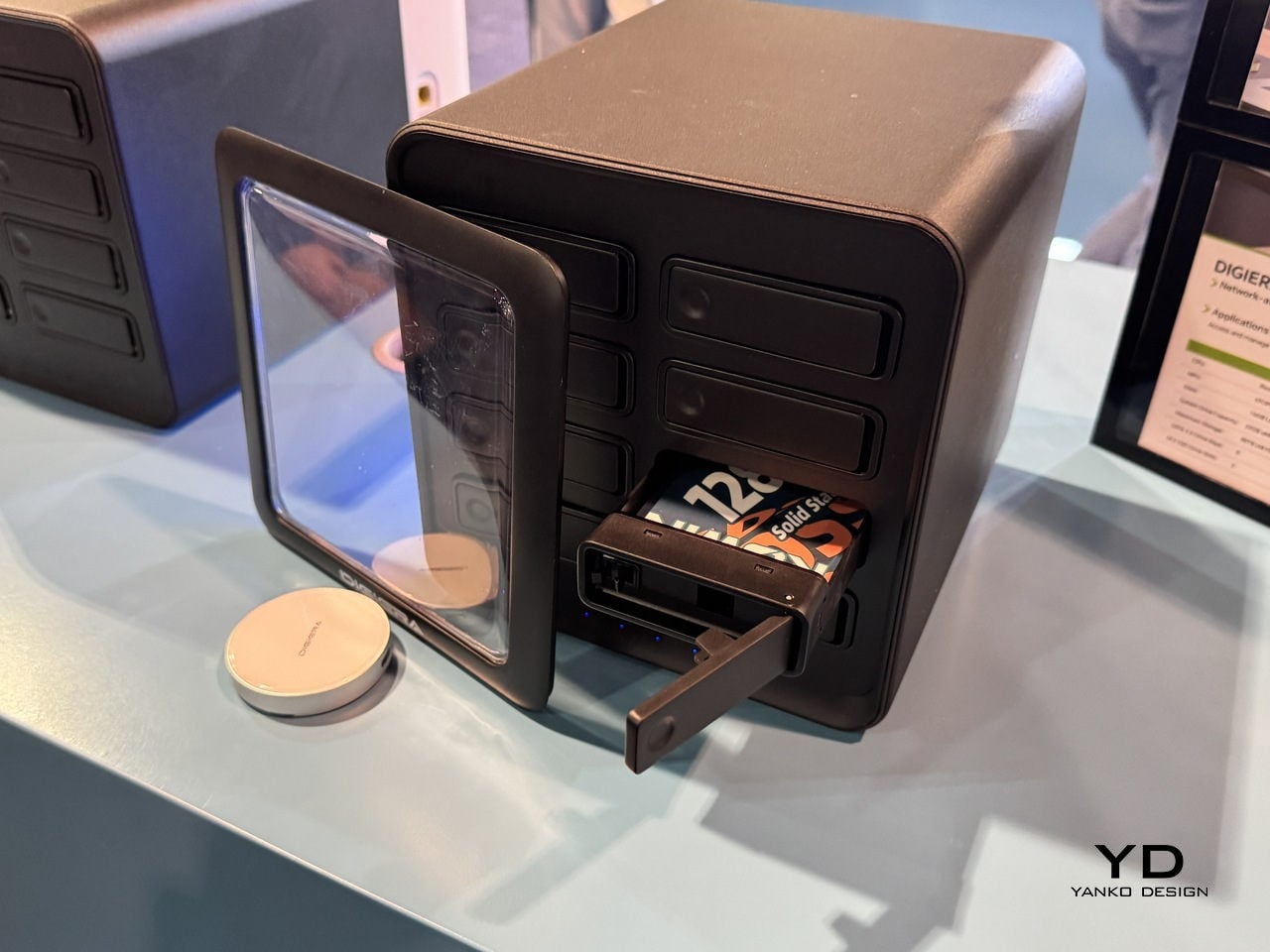
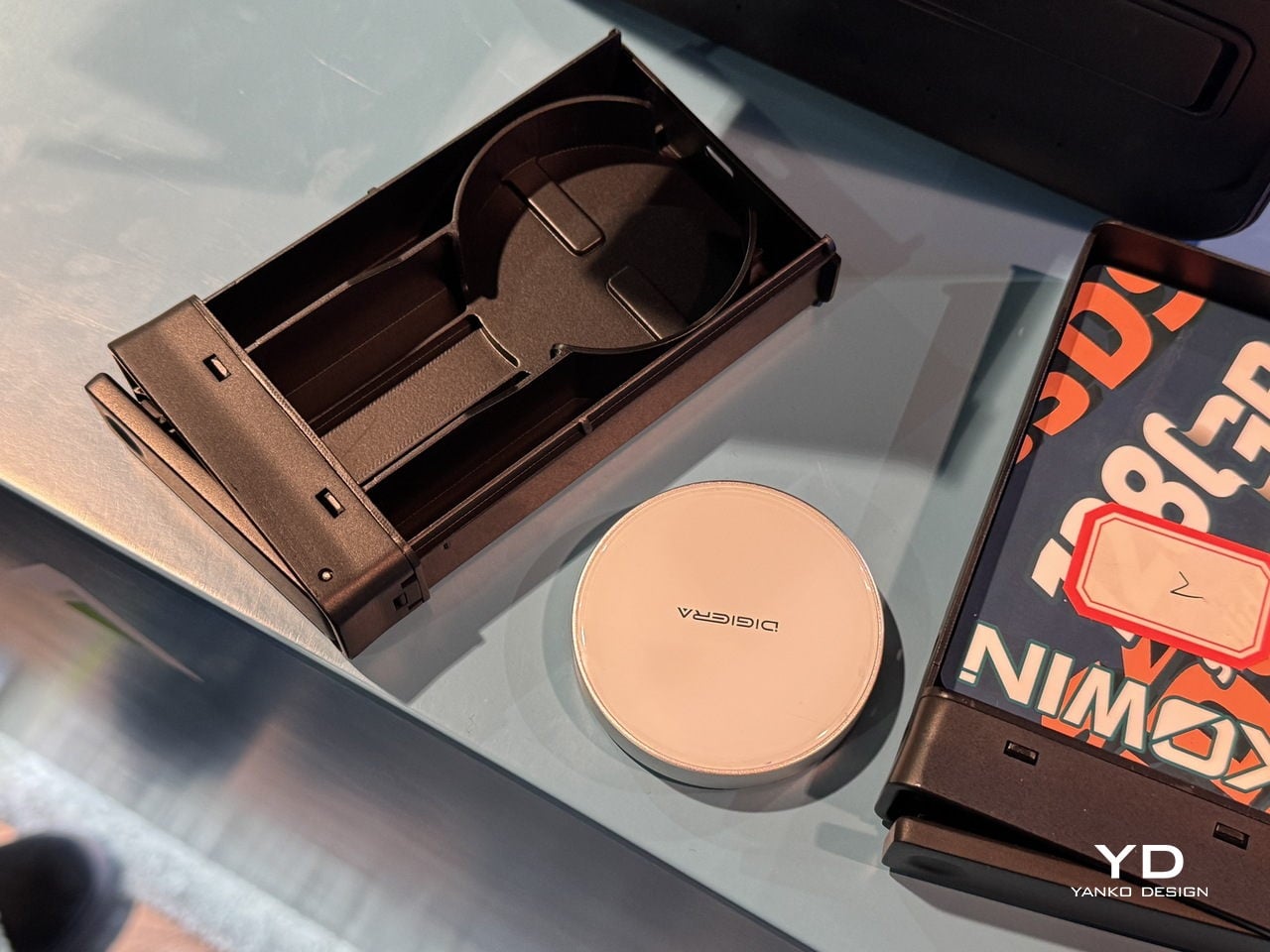
The pain of hunting for assets across old drives and cloud accounts is real. OmniCore is DigiEra’s answer, a modular all-flash AI NAS designed to sit in a studio and quietly index everything. It supports up to 80 TB of SSD storage across eight 2.5-inch SATA bays and two M.2 slots, all hot-swappable, so the box can grow with a studio instead of being replaced every time a project spikes in size or a client asks for all the raw footage from three years ago.

OmniCore is not just a fast box of drives. A Rockchip RK3588 CPU, 16 GB of LPDDR5 RAM, and a 6 TOPS NPU let it run AI tasks locally, from automatic image tagging and semantic search to transcription, document analysis, conversational chat, and clip generation. That means a designer can type “blue packaging concept with foil logo” and have the NAS surface relevant shots, instead of scrolling through folders named final underscore final underscore v3.

The privacy-first angle matters here. OmniCore is designed to work fully offline, with no cloud dependency, which is important when client work, unreleased campaigns, or personal archives cannot leave the building. Dual LAN ports, including 2.5 GbE, and Wi-Fi 6 support let it serve multiple editors or designers at once without feeling like a bottleneck, and Docker support means it can host custom tools alongside its own AI engine for people who need more than a basic file server.

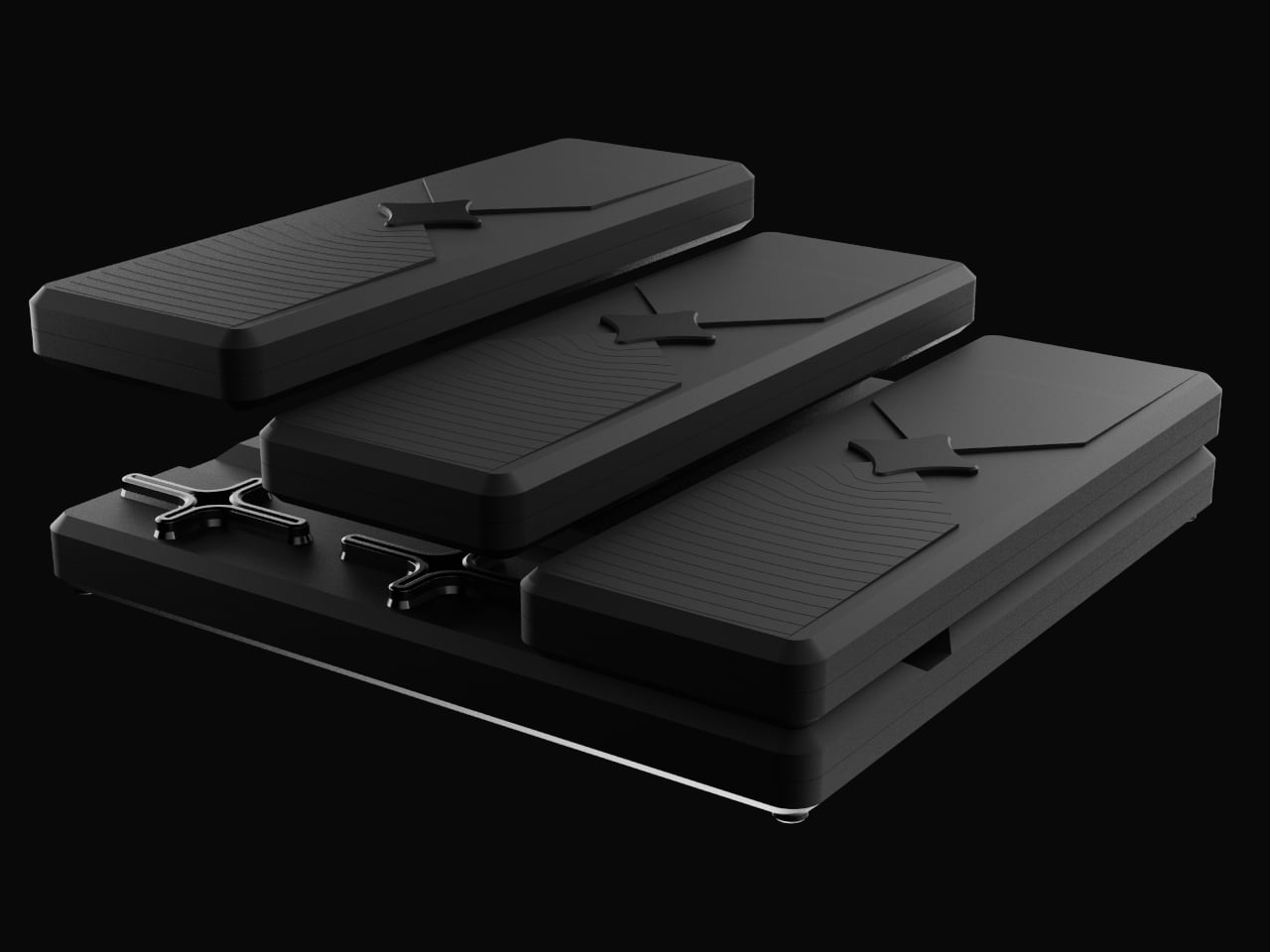
The physical experience is part of the design. The cube-like form factor with front-loading SSD modules makes storage feel tangible and approachable, more like a card catalog than a server rack. Drives slide in and out on small trays, so expanding from a few terabytes to tens of terabytes is a matter of minutes, not a weekend migration project where everything has to stop. For small studios, that kind of modularity is as much a design decision as a technical one.

Endura Portable SSD: Rugged Speed with a Material Story

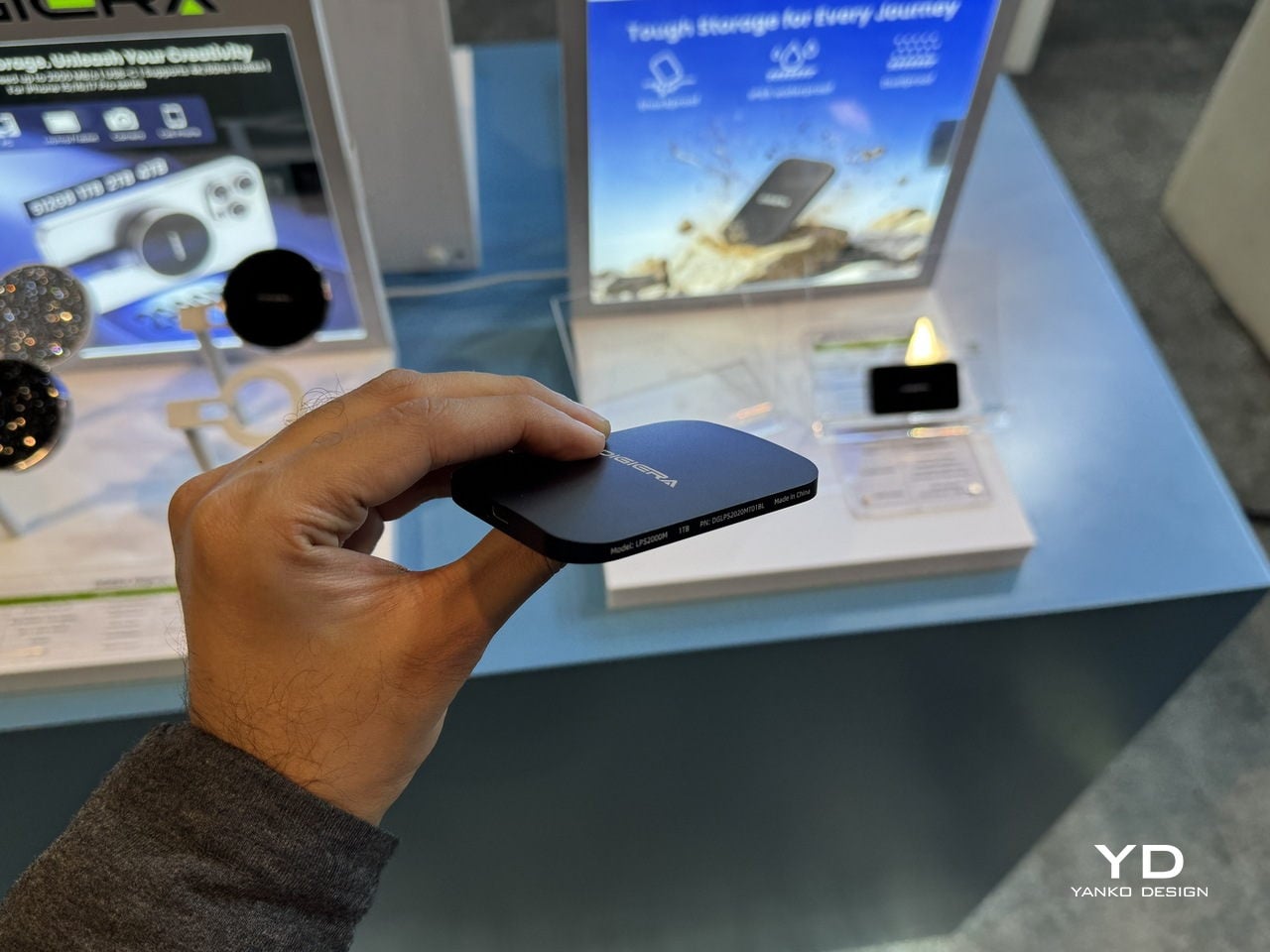
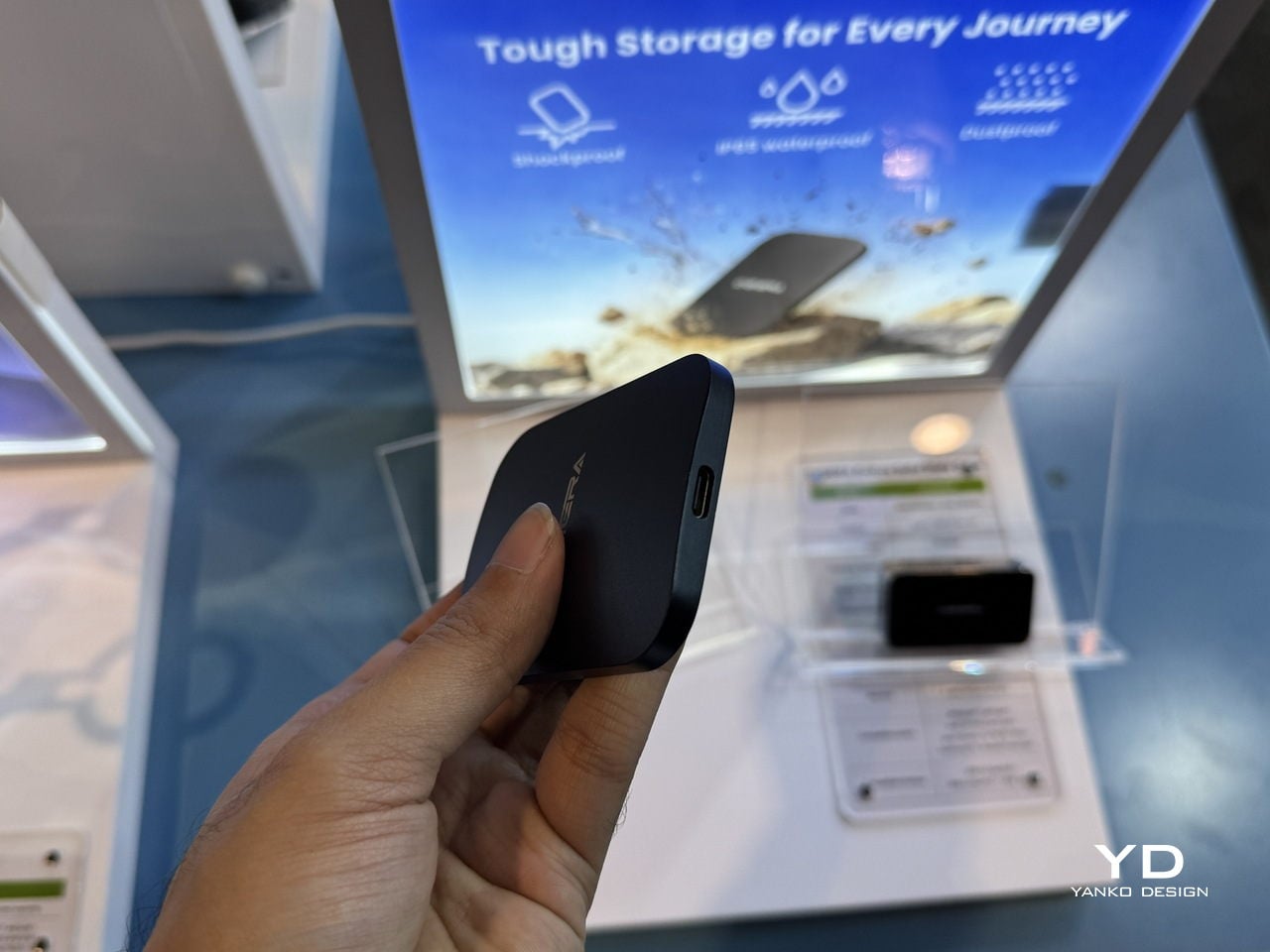
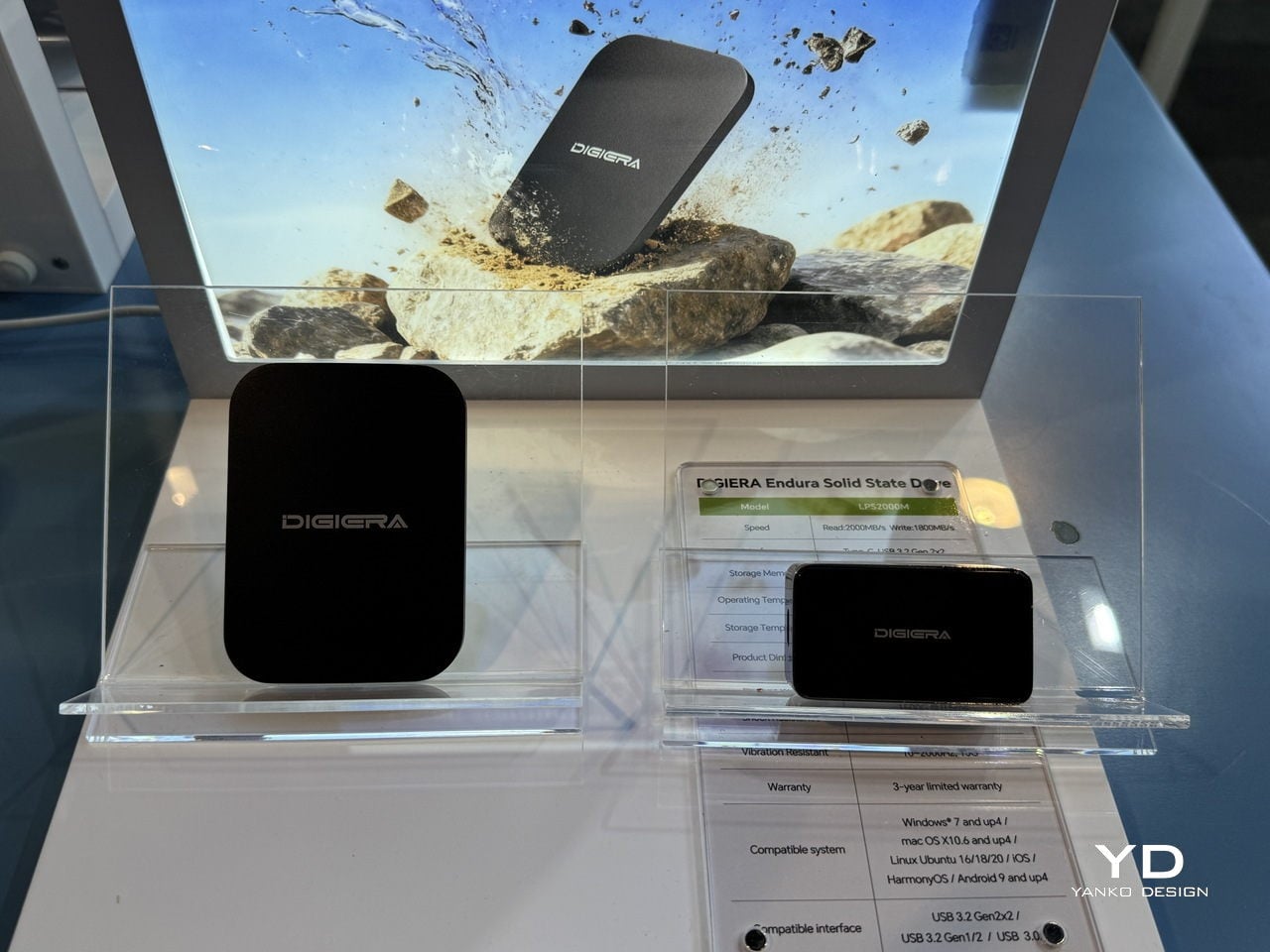
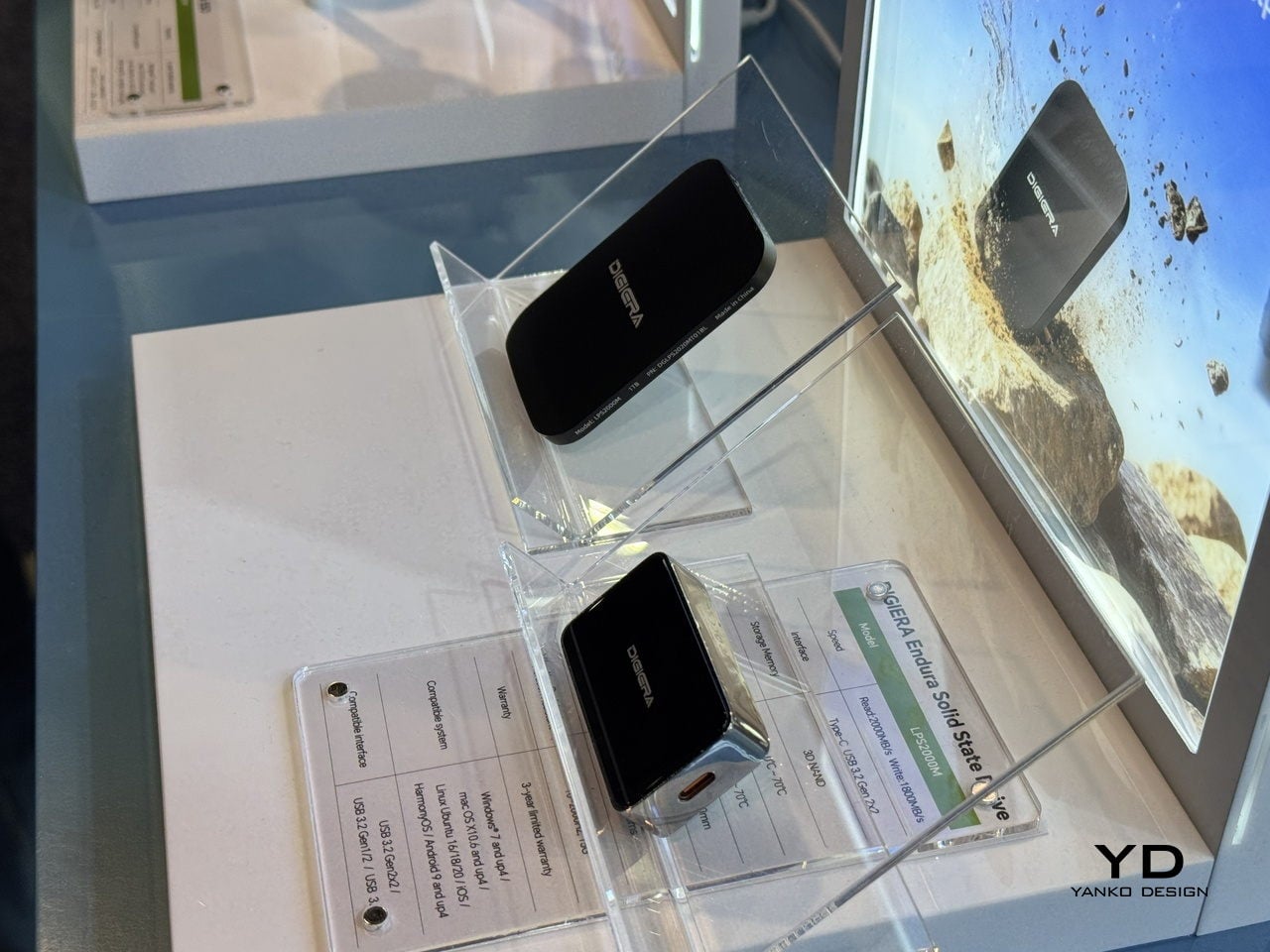
Endura is the drive that lives in the camera bag and follows people to shoots. DigiEra bills it as the world’s first portable SSD with an aluminum–carbon-fiber shell, rated IP65 for water, dust, and shock resistance. That combination of materials gives it a technical, motorsport-like feel, while also signaling that it can handle being tossed into a backpack, clipped to a rig, or dropped on a sidewalk without needing a protective case wrapped around a protective case.

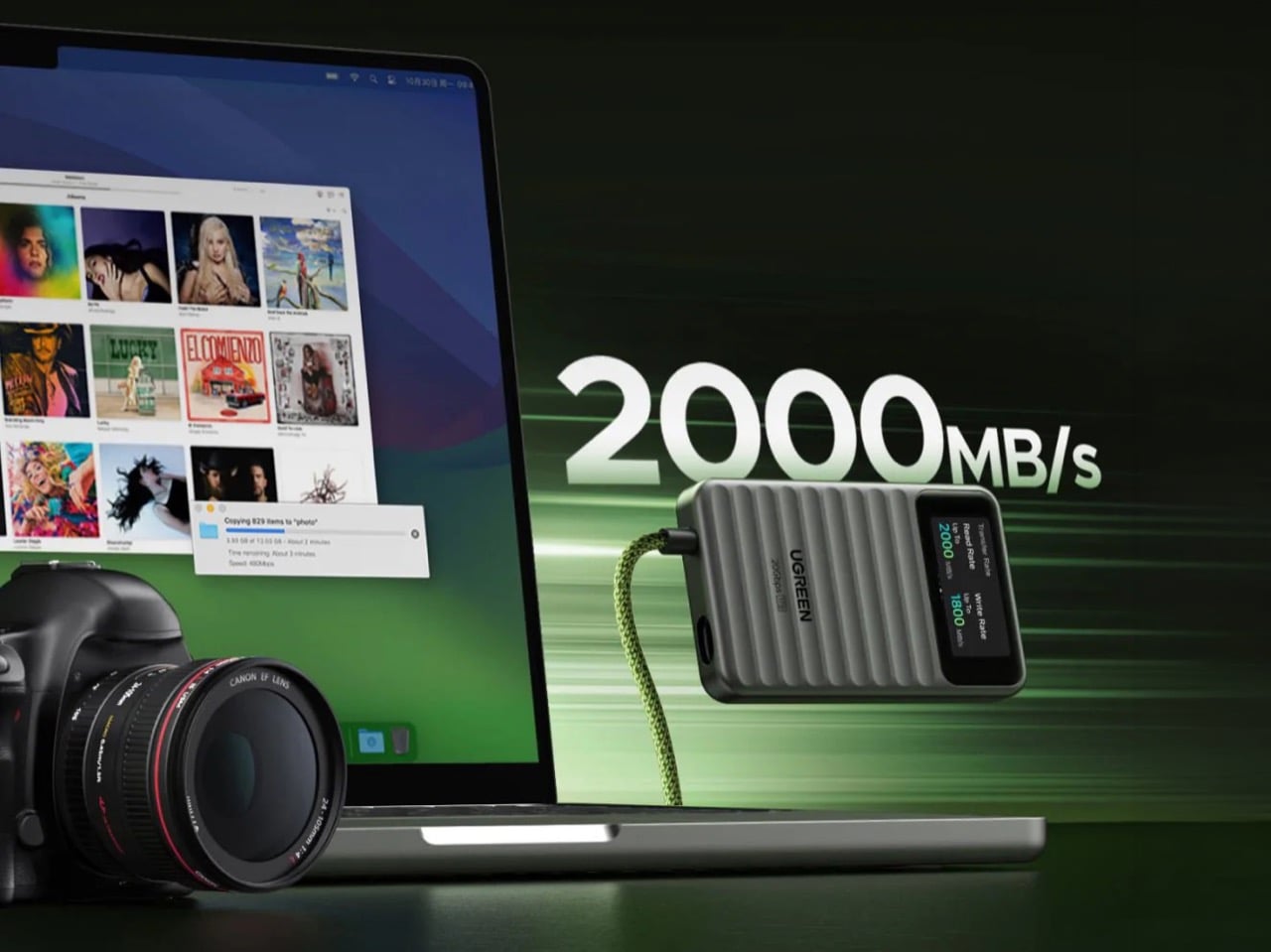
Under the shell, Endura uses USB 3.2 Gen 2×2 over USB-C, delivering up to 2,000 MB/s read and 1,800 MB/s write speeds in capacities from 512 GB to 4 TB. For photographers dumping RAW stills between locations or filmmakers backing up cards on set, that means less time watching progress bars and more time shooting, with a drive that looks like it belongs in a design-conscious kit and can survive the environments where most shoots actually happen.

Portable Hub SSD: One Block to Replace the Dongle Pile

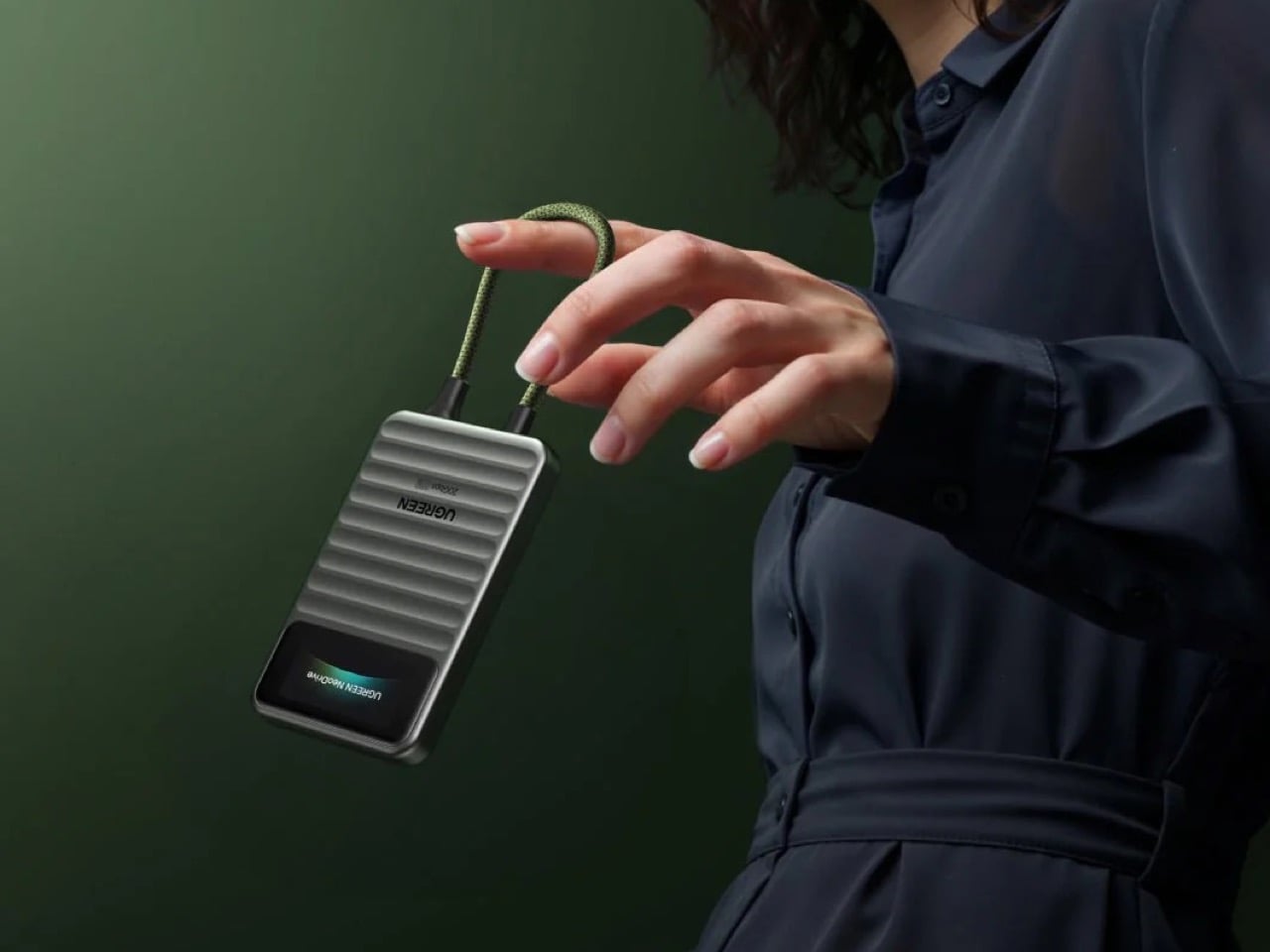
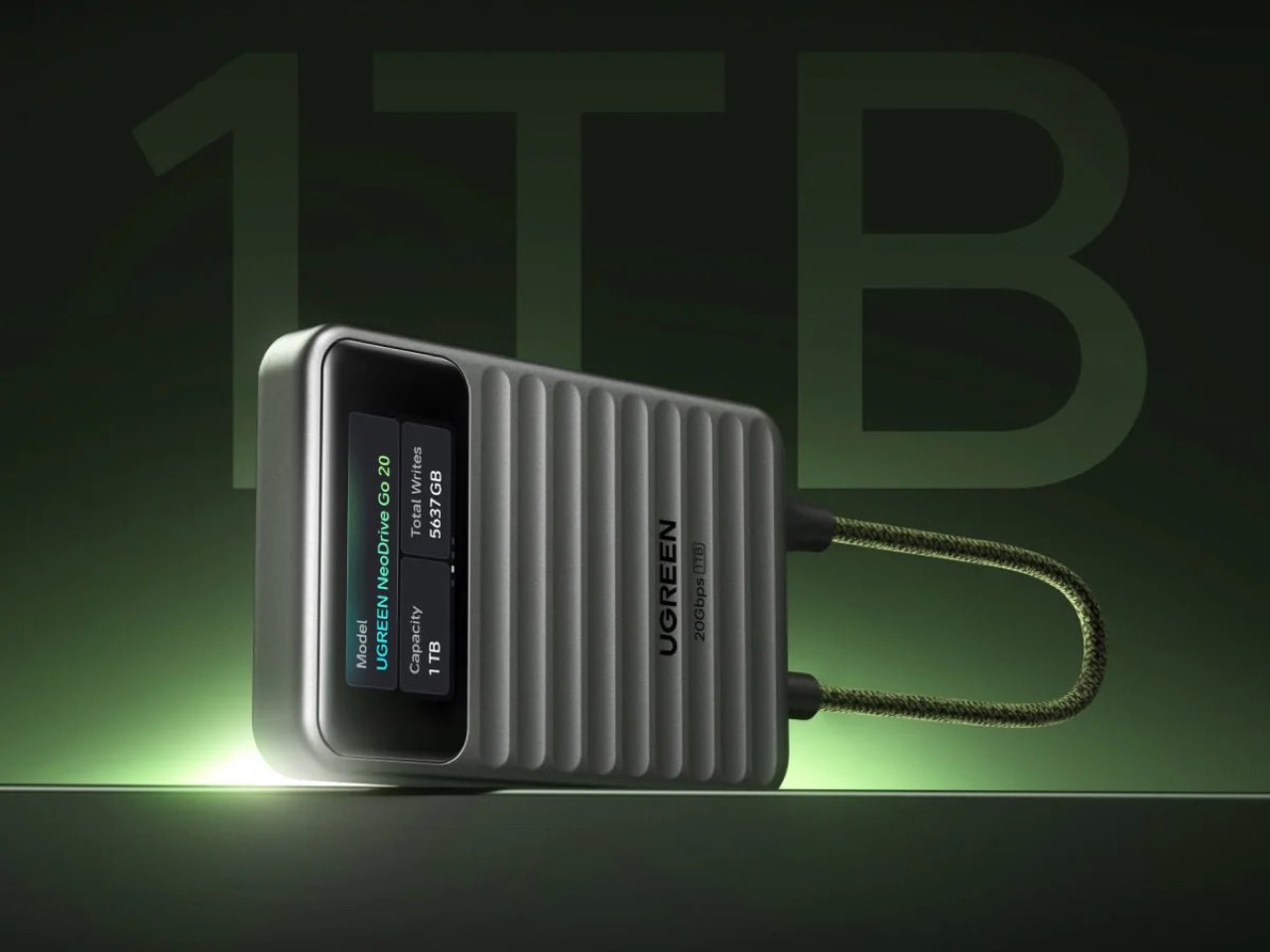
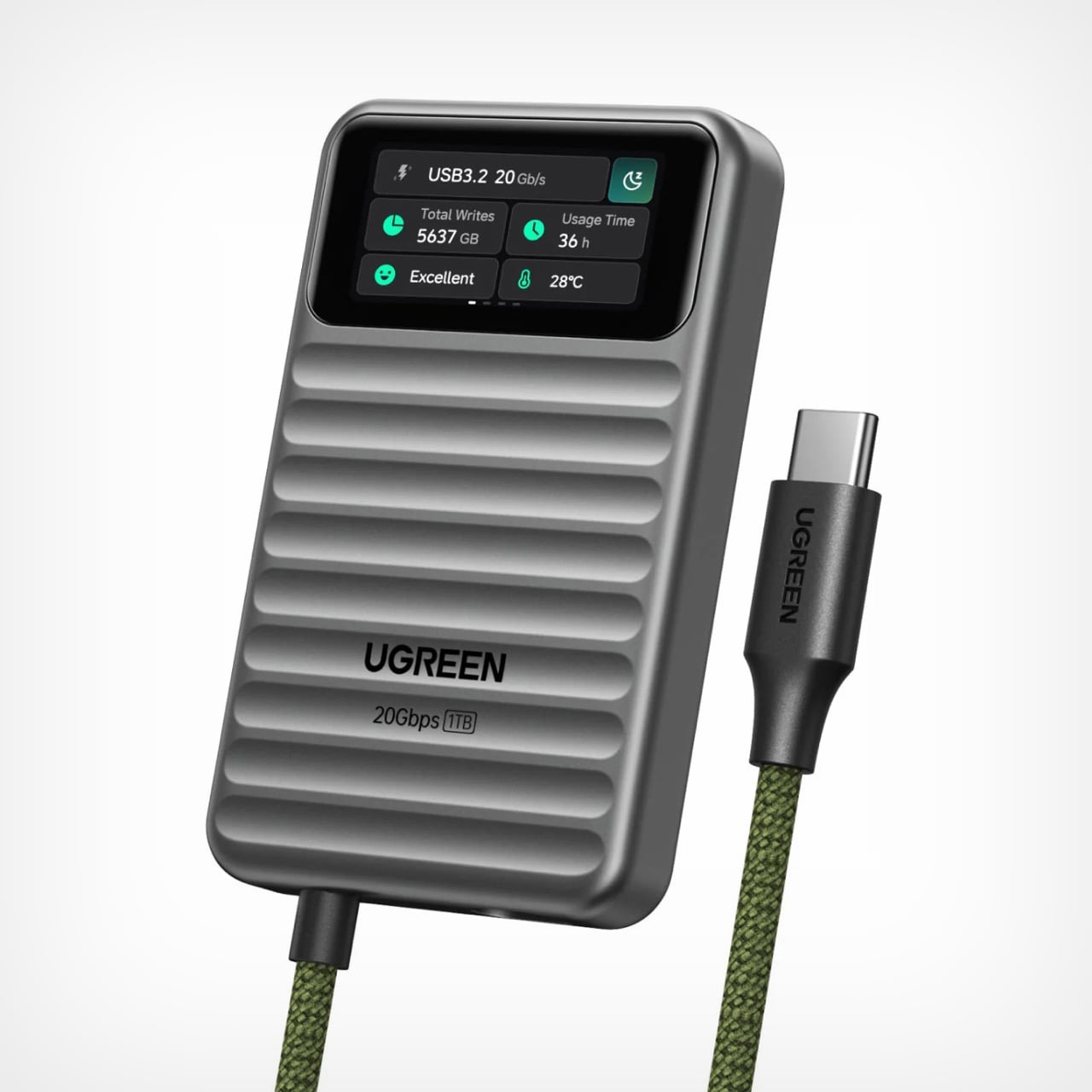
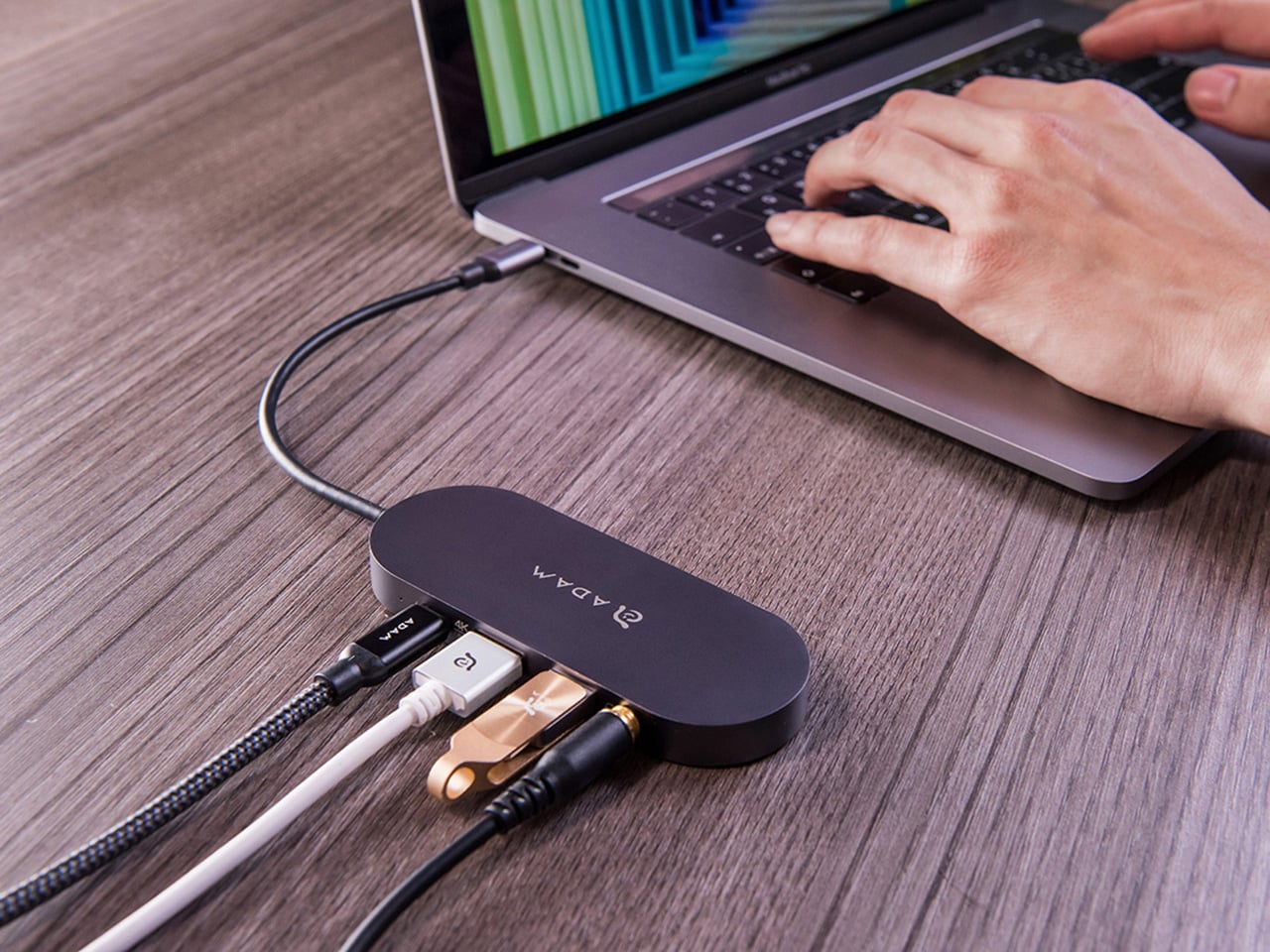
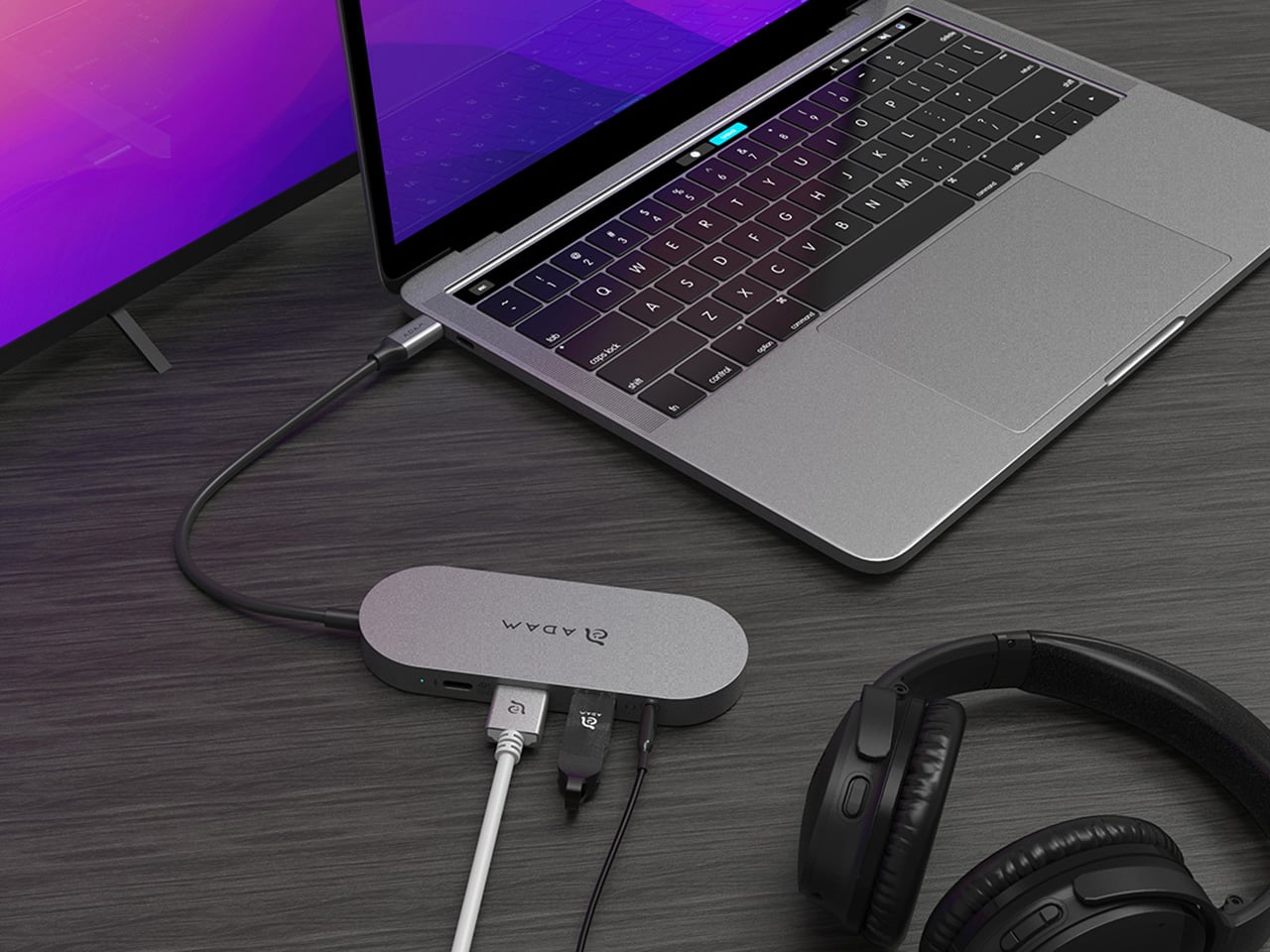
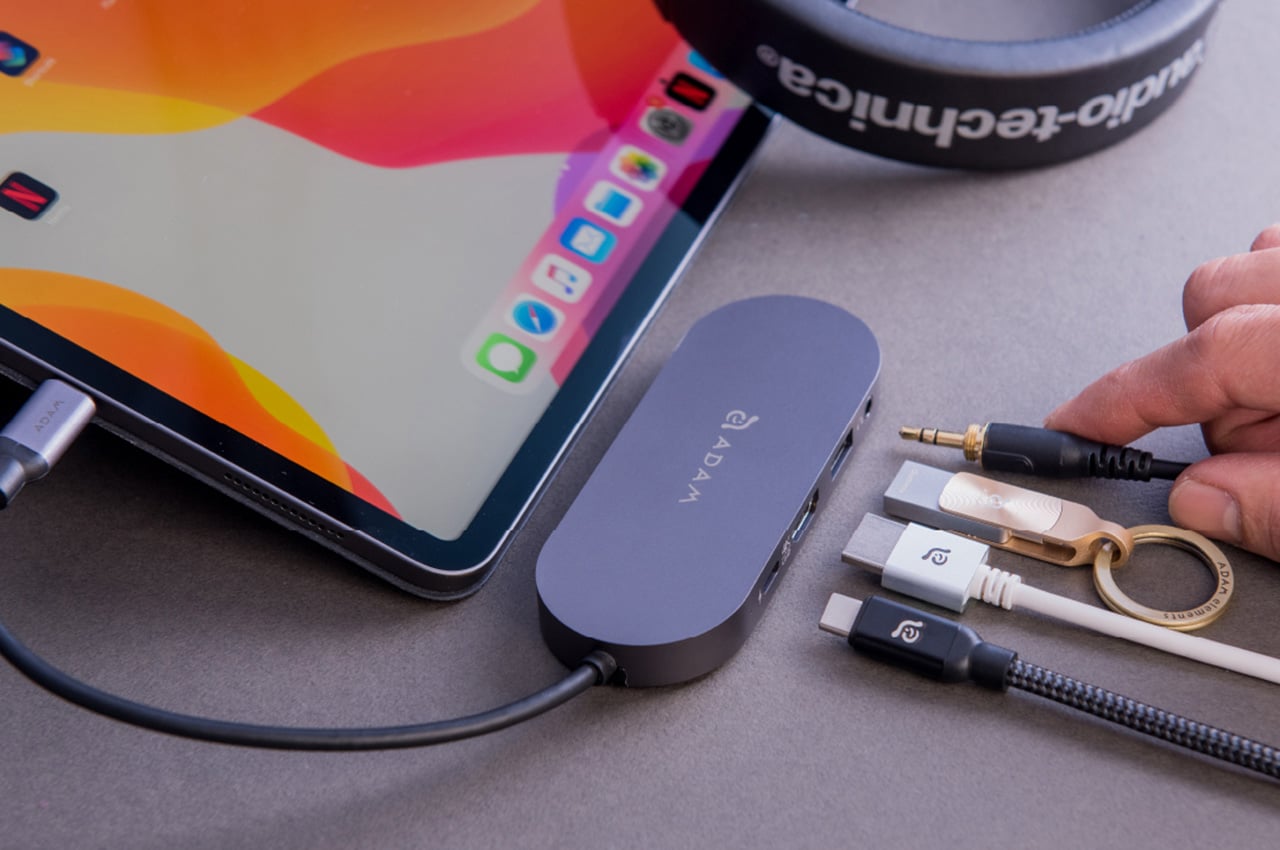
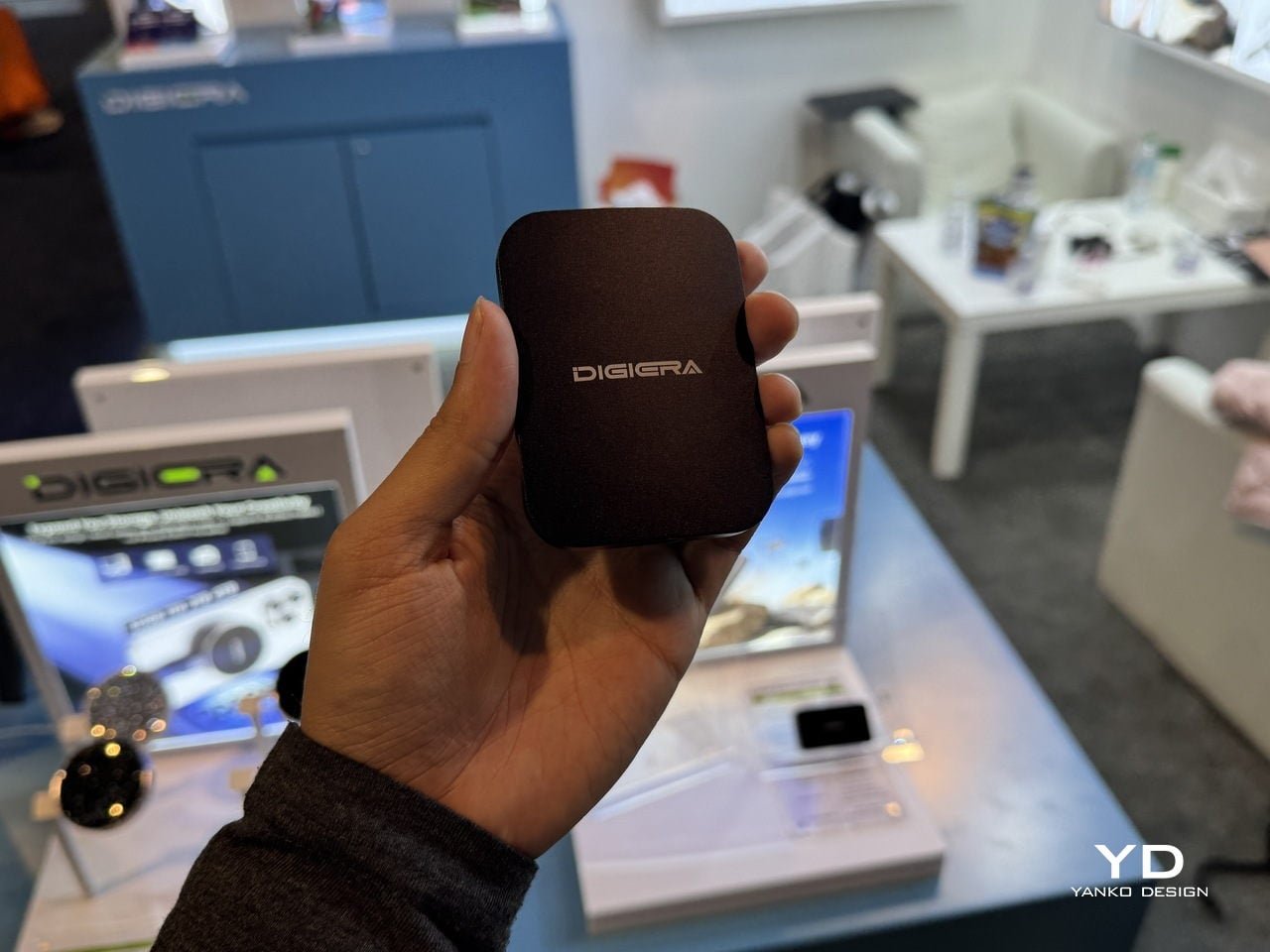
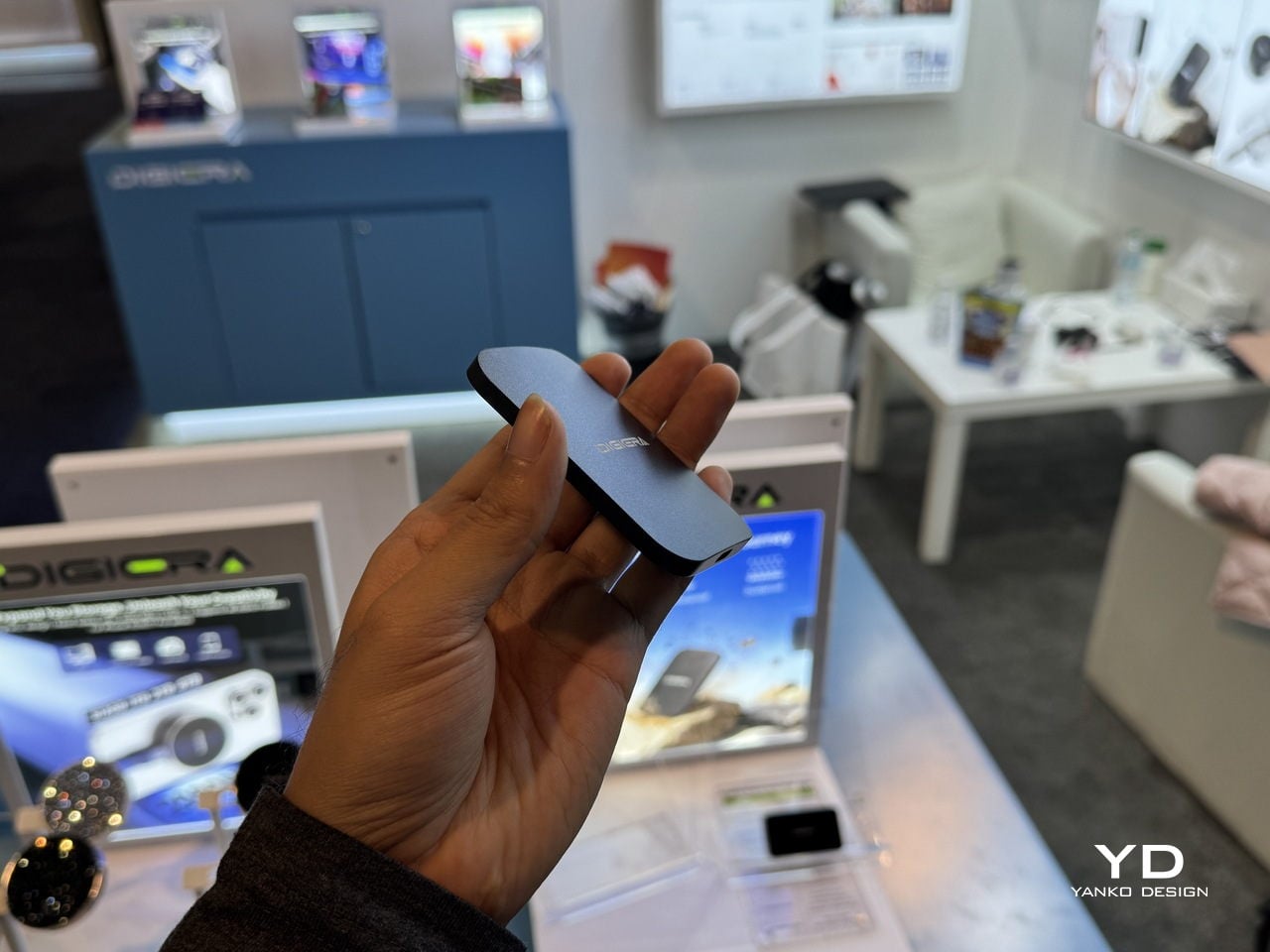
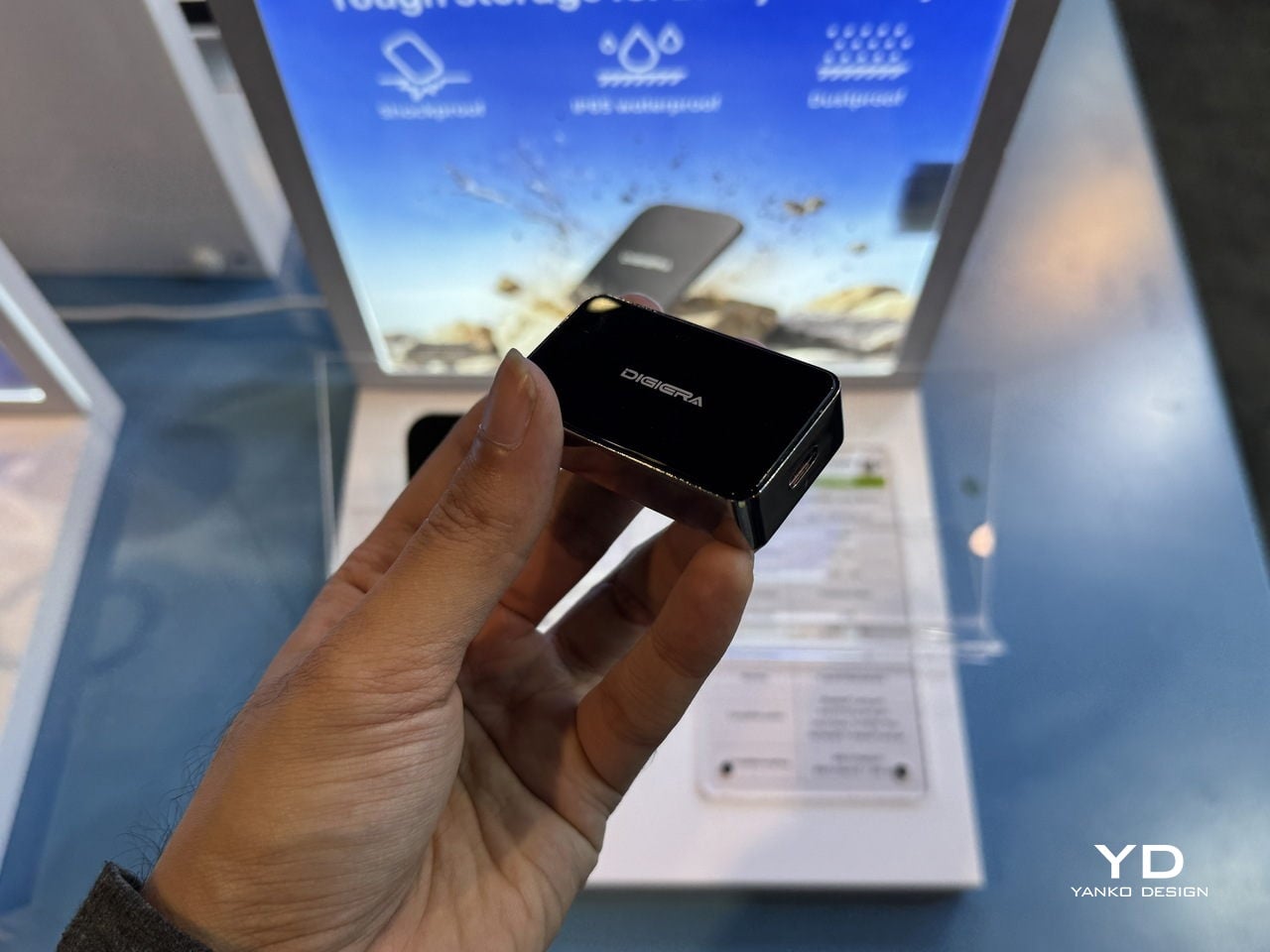
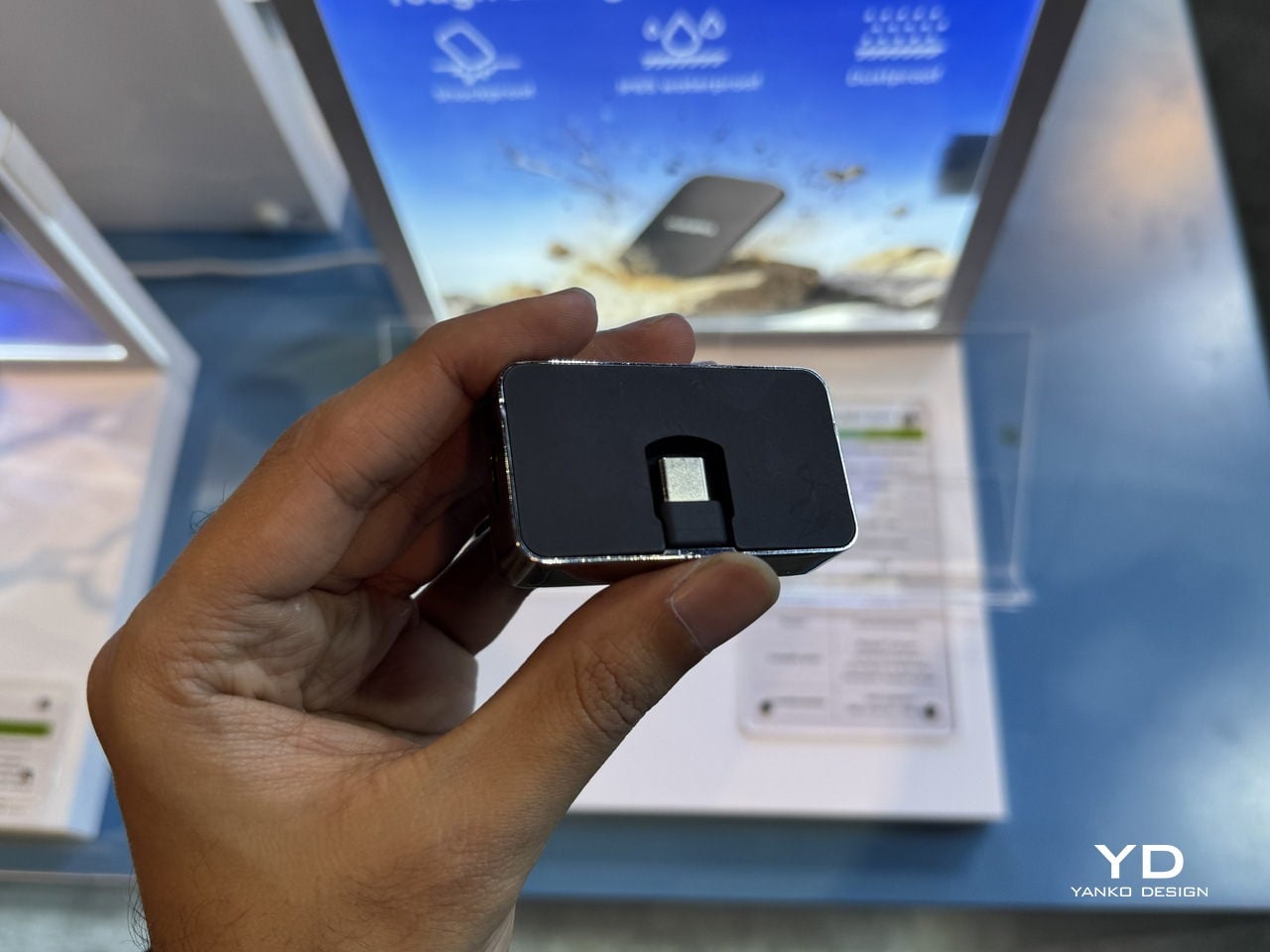
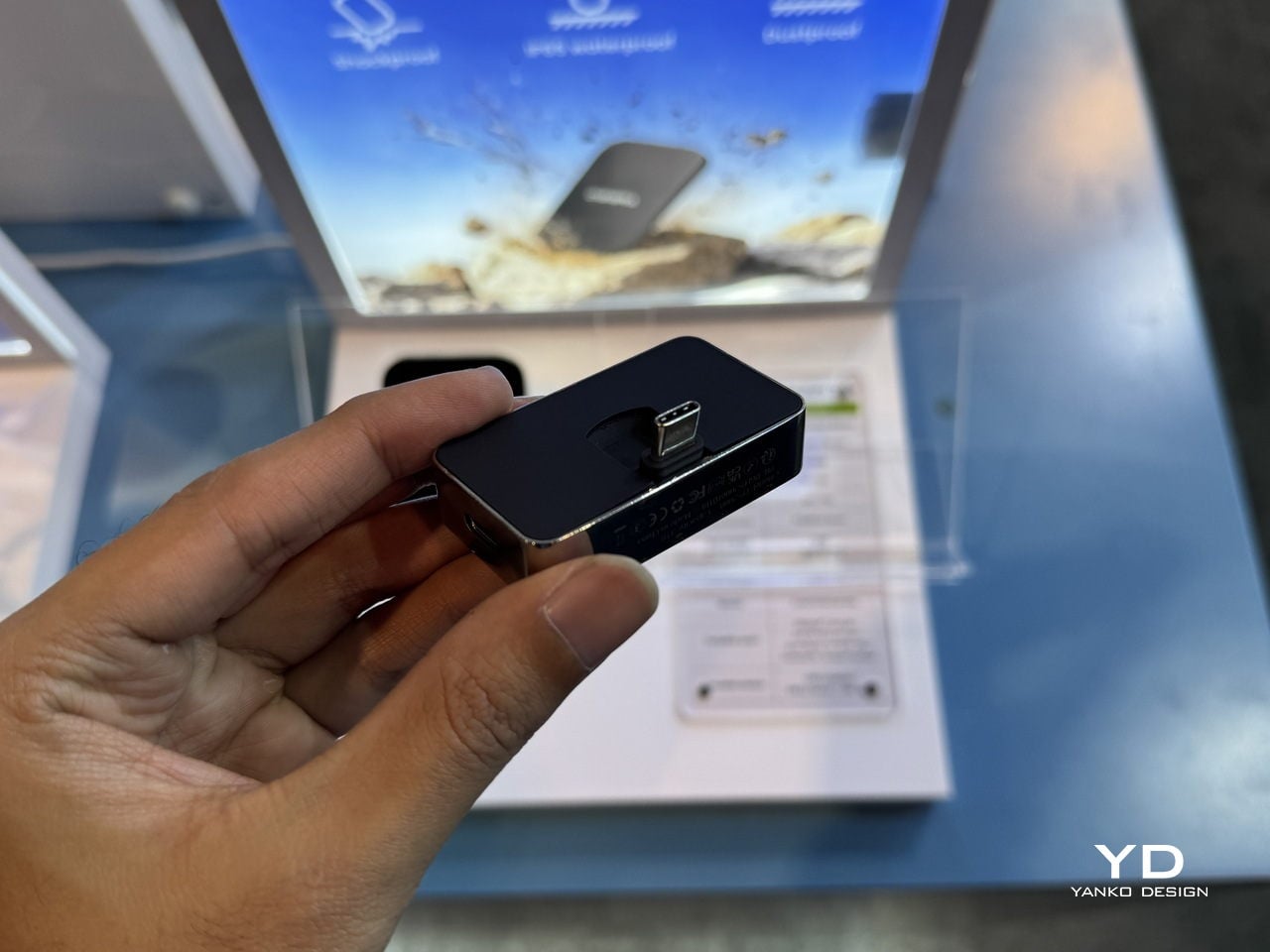
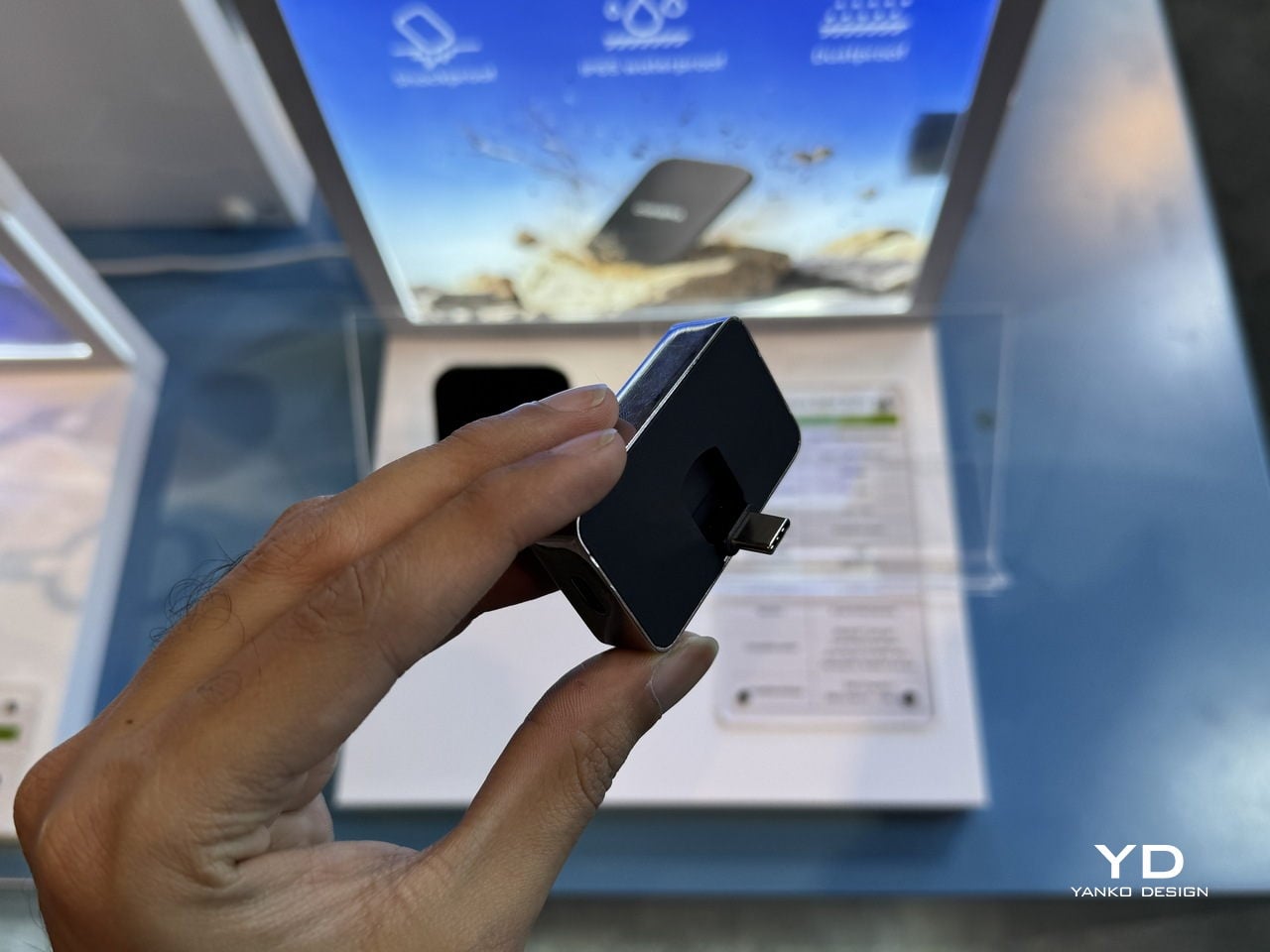
The Portable Hub SSD is the antidote to the usual tangle of hubs, drives, and chargers. It wraps the same 20 Gbps SSD core in a compact aluminum block that also acts as a hub, combining high-speed storage, PD fast charging, and extra USB-C connectivity. Plug it into a phone, tablet, or laptop, and it becomes both a scratch disk and an expansion port, turning one cable into a complete mobile workstation.

The fold-out USB-C plug and side ports make it particularly friendly to iPhones and USB-C cameras. Instead of hanging a drive and a hub off a gimbal or handheld rig, one block adds space for ProRes or LOG footage and passes power through to keep the phone or camera alive. For designers who sketch on tablets or edit on ultraportables, it is the kind of object that quietly simplifies the everyday carry, handling data and power from a single point without adding bulk or visual noise.

Diamond Magnetic Portable SSD: Storage as Visible Accessory

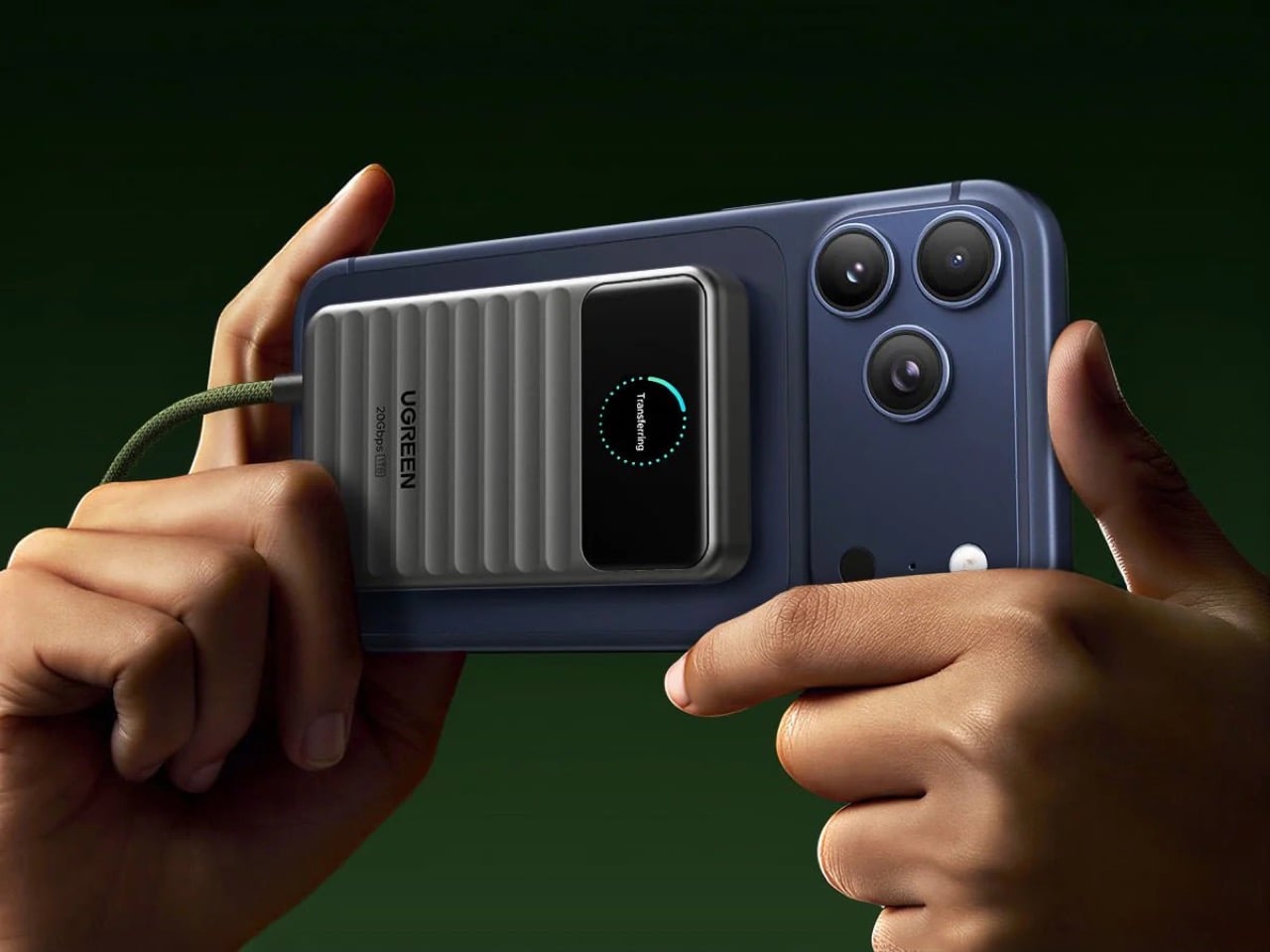
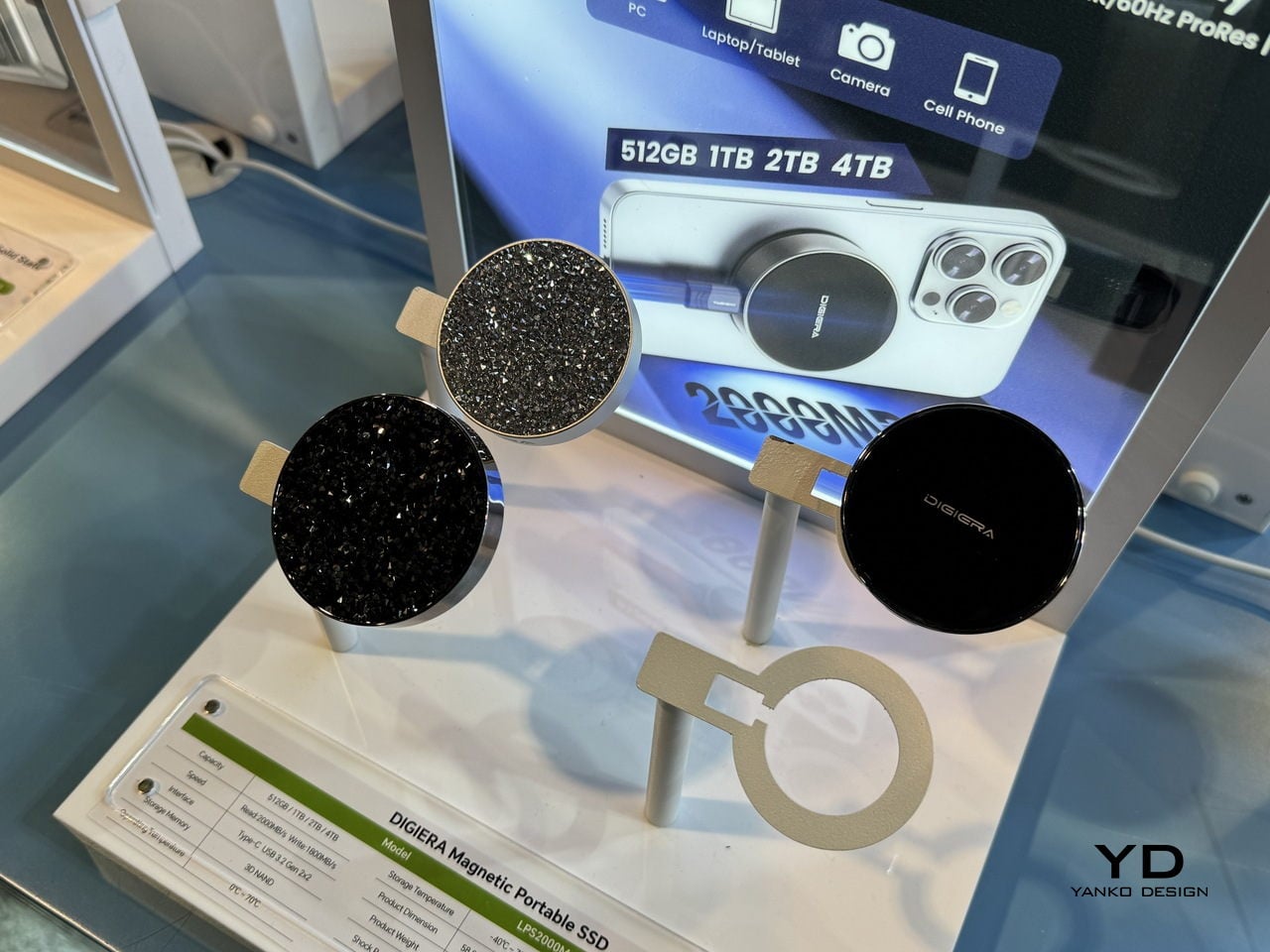
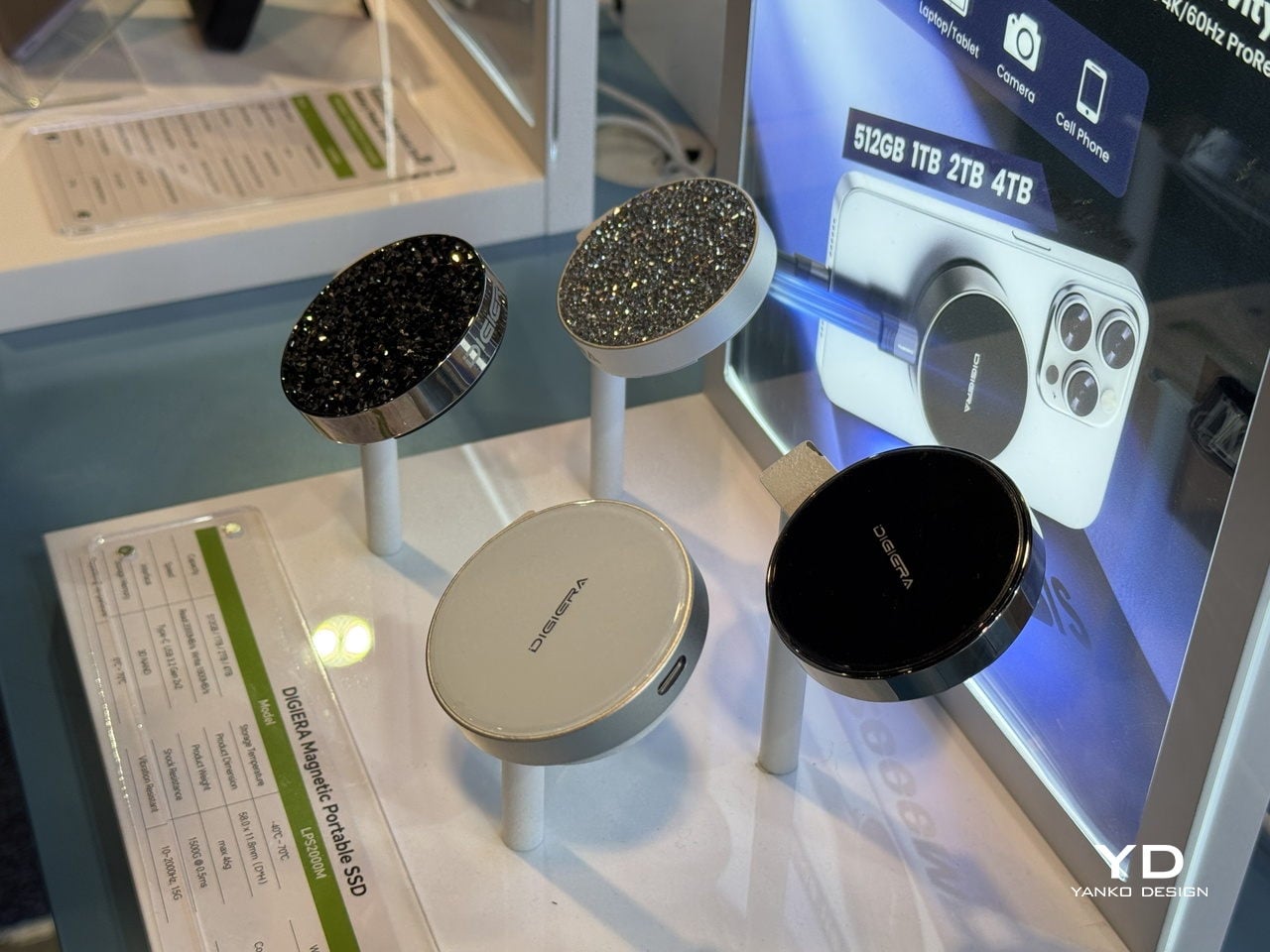
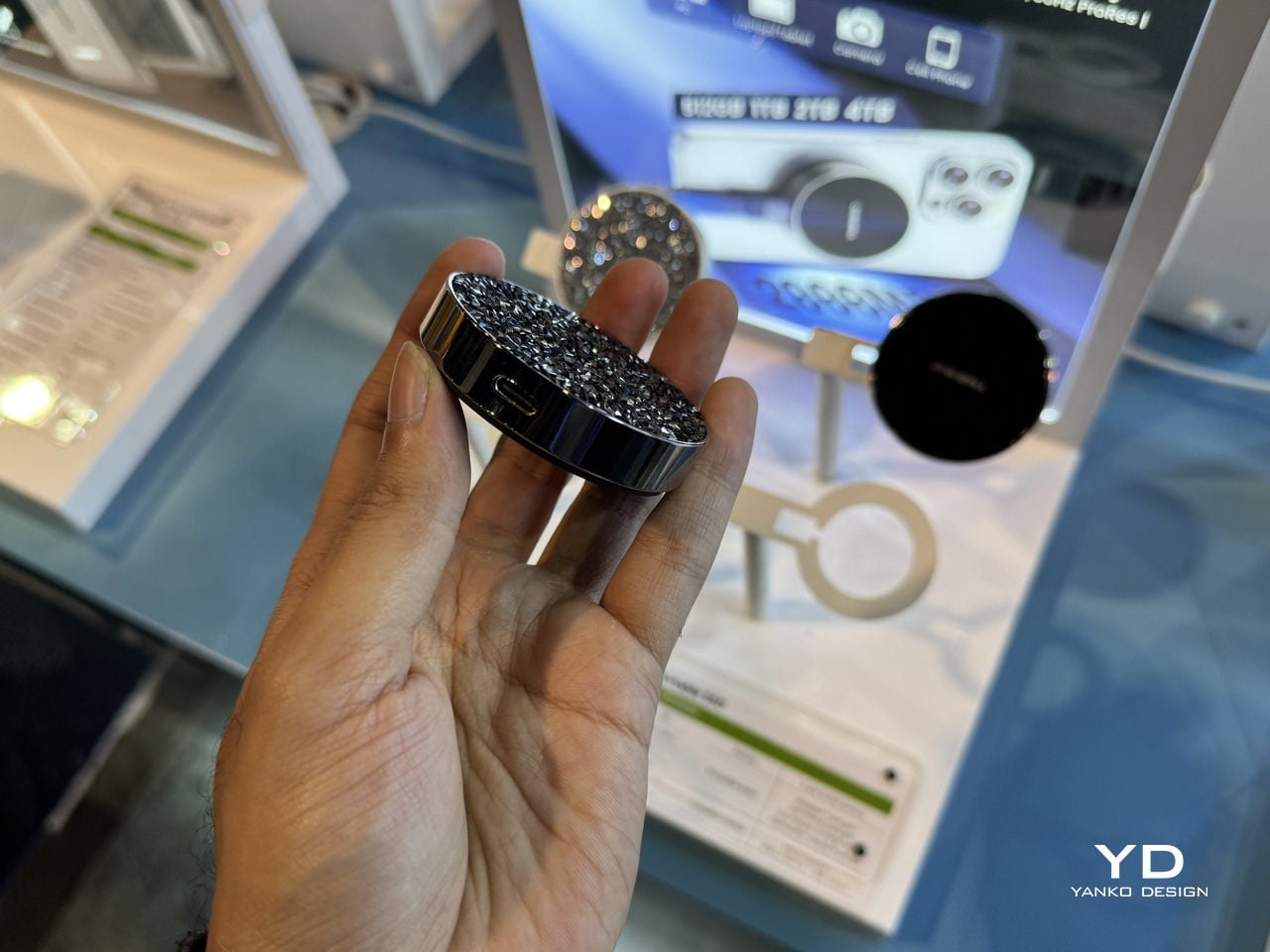
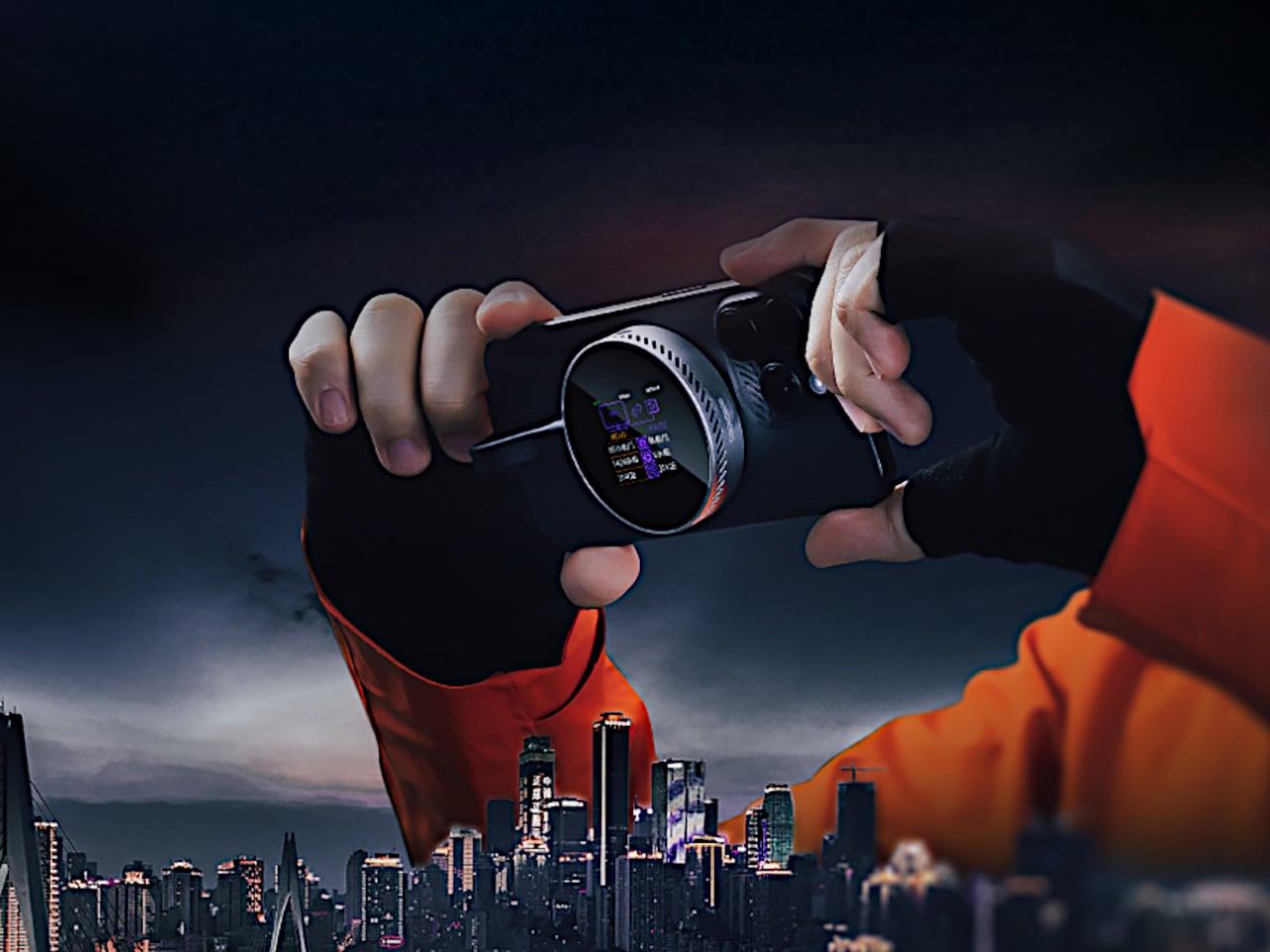
The Diamond Magnetic Portable SSD is the piece that never leaves the phone. It snaps magnetically to the back of an iPhone 15 or 16 Pro and records 4K 60 FPS ProRes video directly to external storage, lifting the ceiling on how long you can shoot without cages, rigs, or bulky battery grips. For content creators who rely on their phone as a primary camera, that is a big shift in what is possible with a pocket-sized setup.

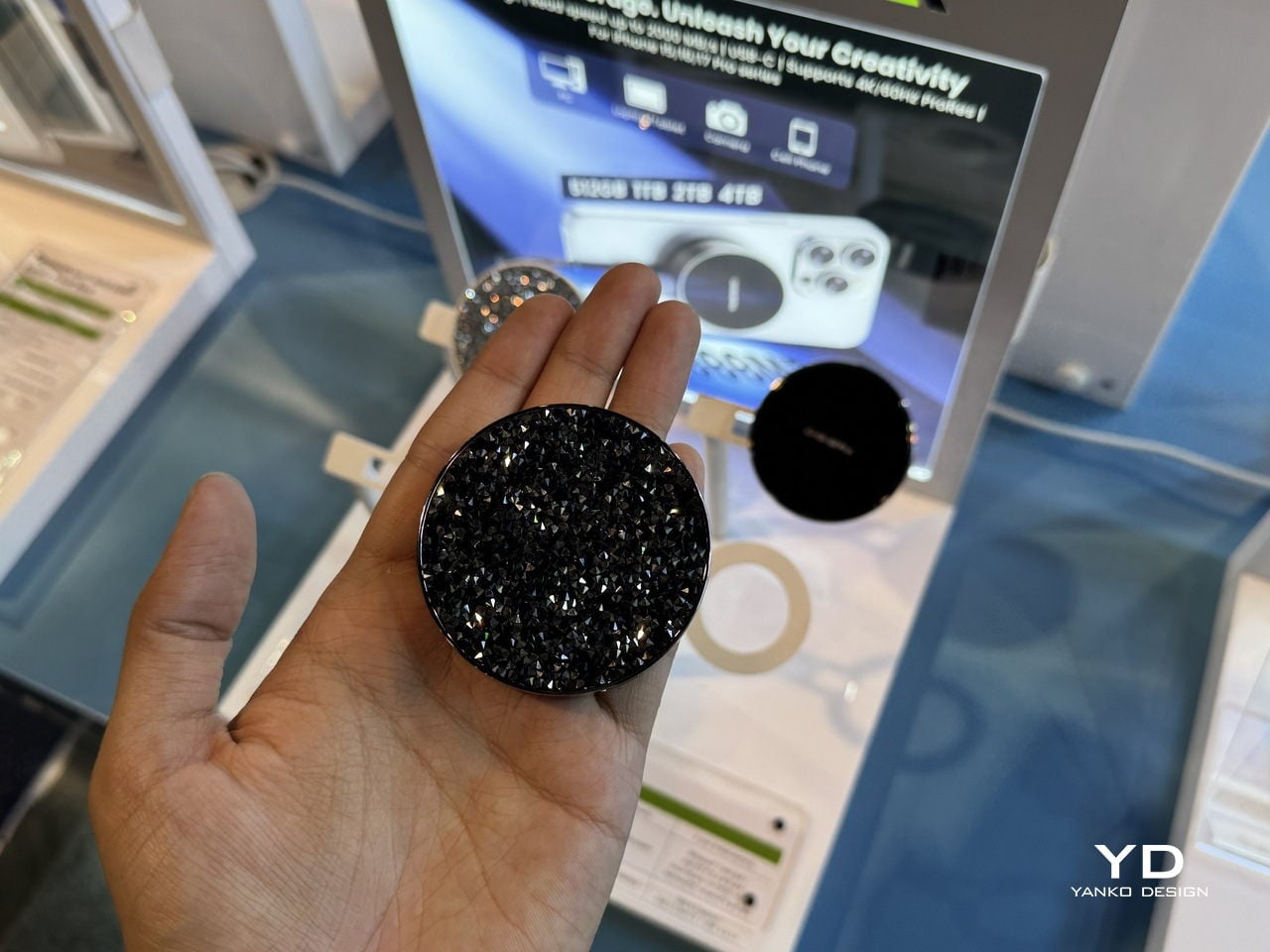
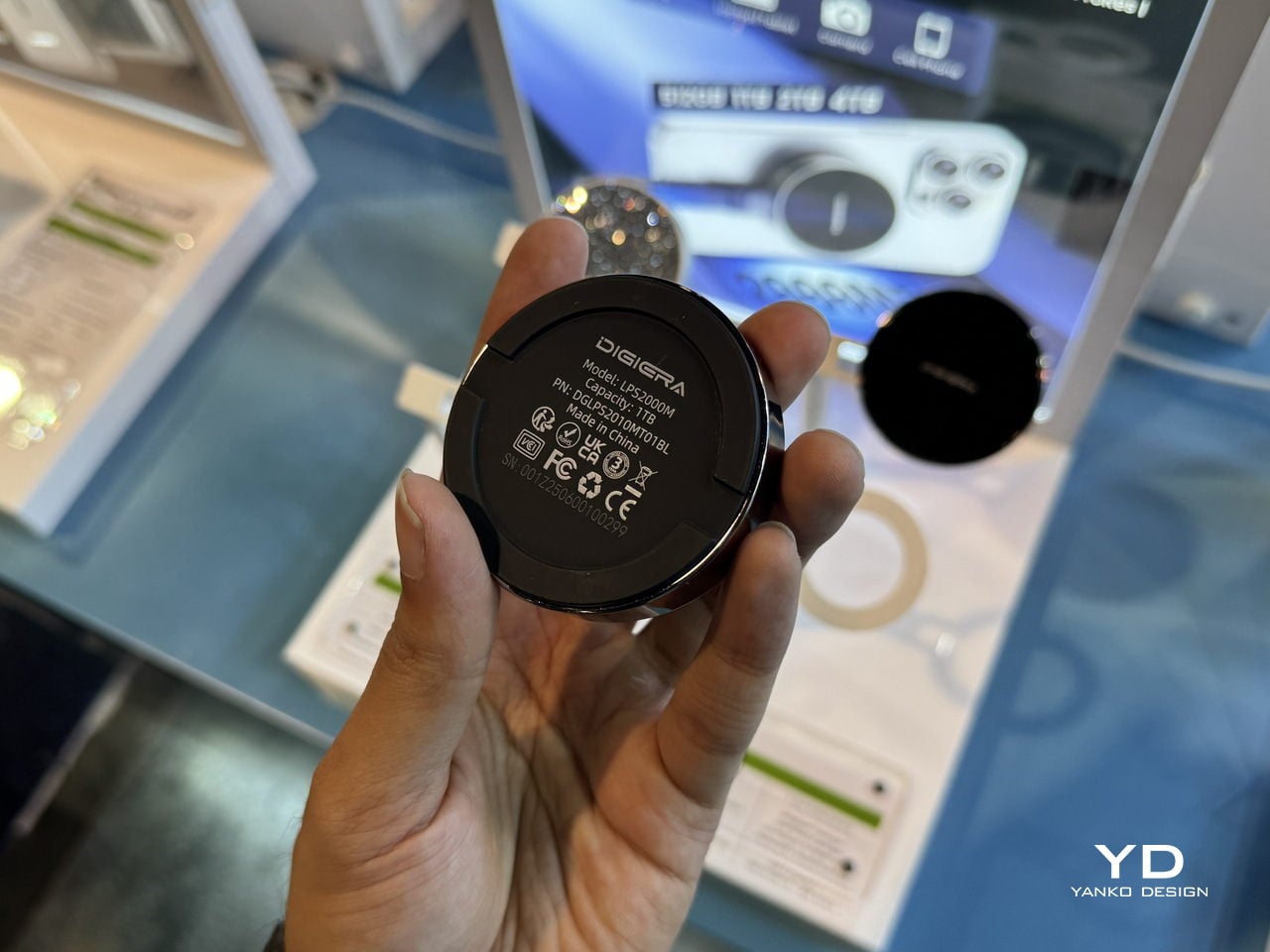
The diamond-encrusted, circular design makes the drive look closer to a compact mirror or piece of jewelry than a tech accessory. Underneath, it still runs USB 3.2 Gen 2×2 over USB-C at up to 2,000 MB/s read and 1,800 MB/s write, in capacities up to 4 TB. That mix of performance and visual polish means it can stay on the phone in a meeting, a shoot, or a café without feeling out of place, turning storage into something you actually want to show rather than hide in a pocket until needed.

DigiEra at CES 2026: Turning Storage into a Creative Toolkit

OmniCore anchors the studio as a private, AI-enabled brain that knows where every file lives and can answer questions in natural language. Endura and Portable Hub SSD handle the messy middle, moving data safely and quickly between cameras, phones, and laptops, with materials and form factors that feel deliberate rather than generic. The Diamond Magnetic SSD lives on the phone, turning storage into something you actually want to show. That is DigiEra’s real story at CES 2026: storage treated not as an afterthought or a cloud subscription, but as a set of designed objects that respect the way creative work actually moves through the day, from the pocket to the field to the desk and back.

The post DigiEra OmniCore at CES 2026: NAS That Searches Files Like ChatGPT first appeared on Yanko Design.
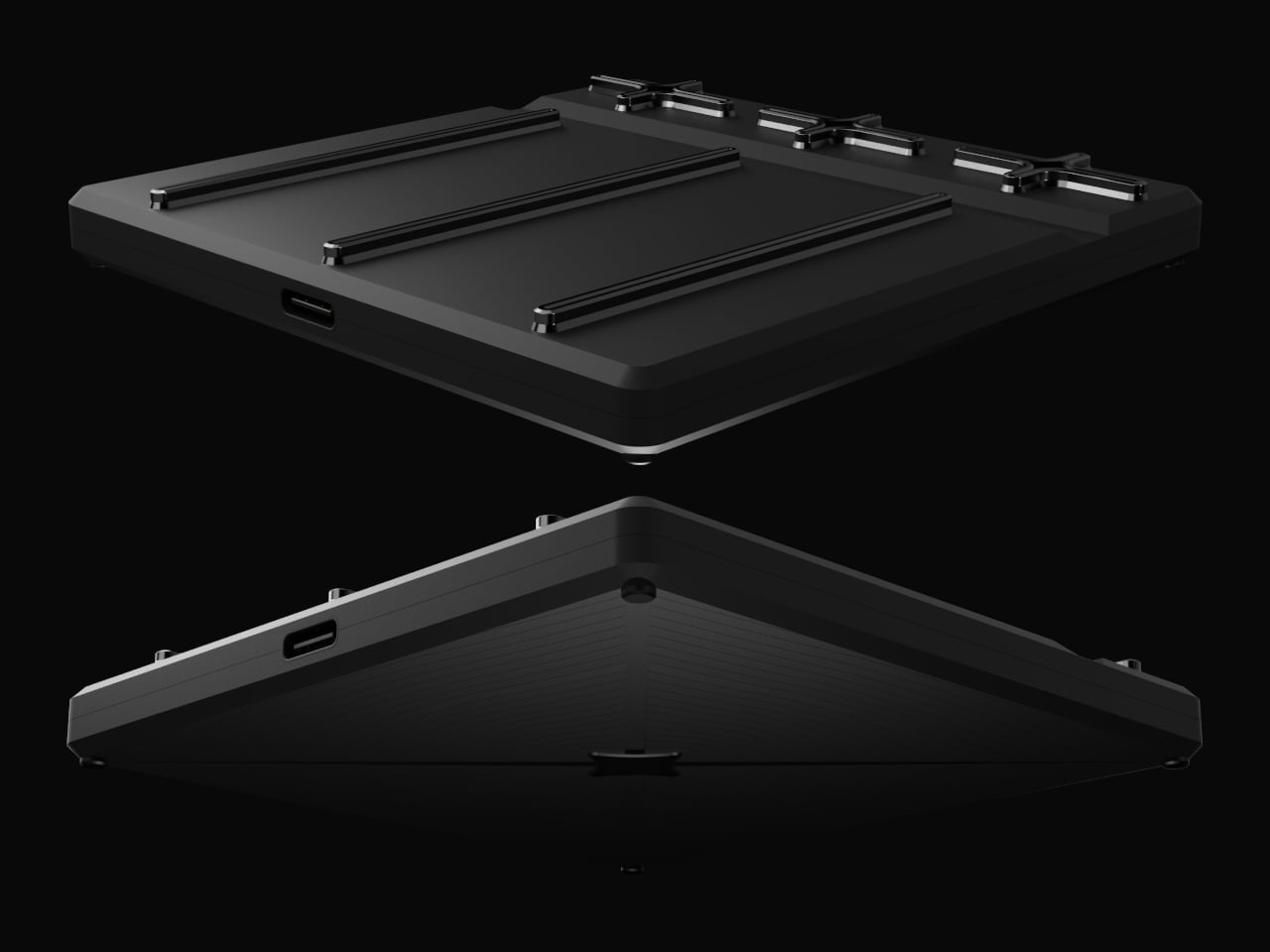
Circular MagSafe SSD sticks to the back of your phone for near-infinite storage

With the death of microSD cards in smartphones, the storage that you buy is all that you’ll ever get. Sure, you can use cloud storage, but that puts you at the mercy of an Internet connection. It’s not always available, as some might want you to believe, and it’s not always fast, especially for large files.

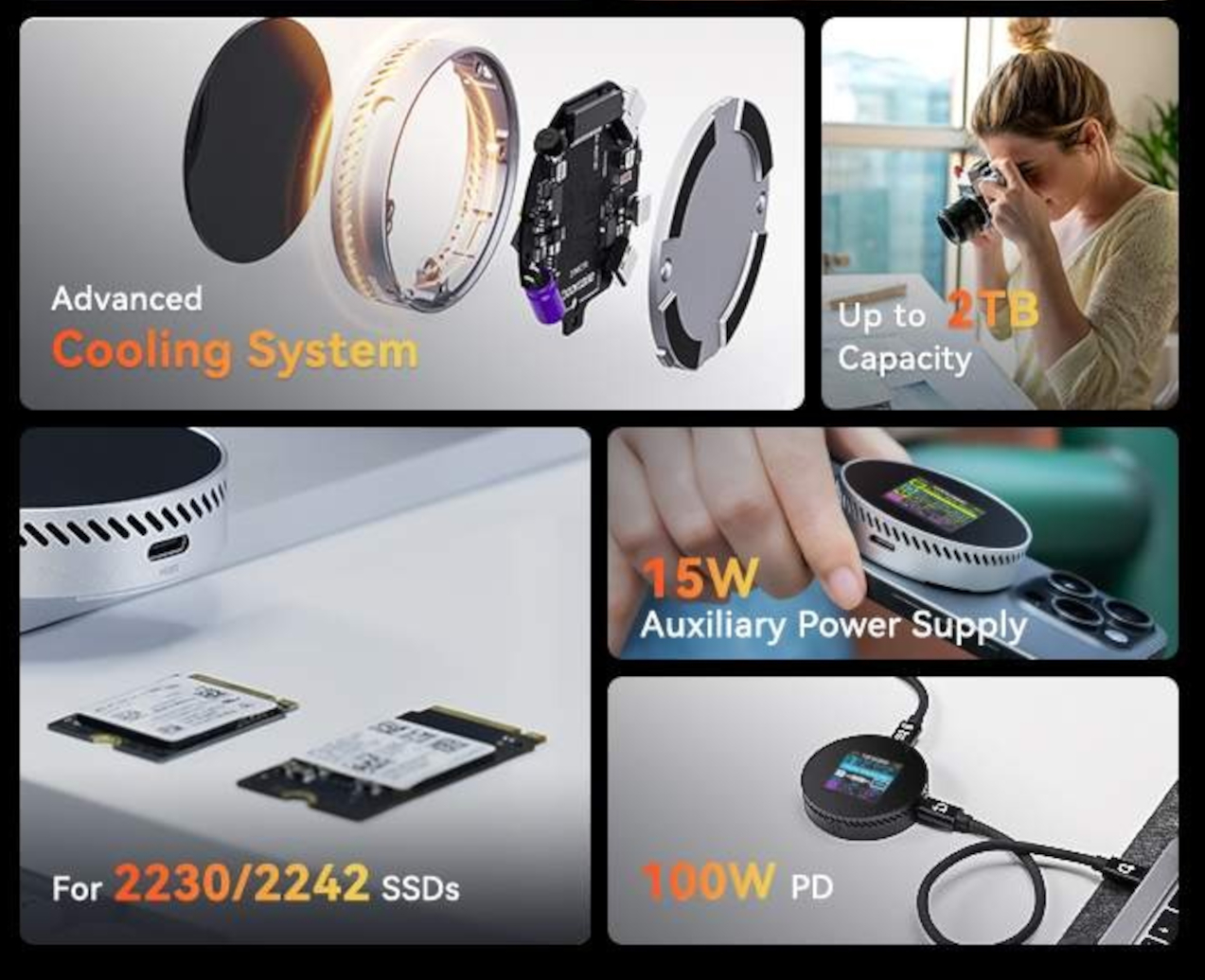
Nothing beats local storage in terms of speed and security, but OTG (on-the-go) USB flash drives for phones only have so much capacity. SSDs are the king of fast and compact data storage, and this rather unusual design puts as much as 2TB at your disposal, sticking securely to the back of your phone so you won’t have to deal with dangling cables while recording video or taking photos.

Designer: Dockcase

You can already connect external drives to smartphones these days, but even the smallest SSD would be left dangling when you pick up the phone. Yes, you can hold both in your hand like how some hold a power bank, but that makes things just awkward and sometimes dangerous. Thankfully, MagSafe technology now lets us stick things to the back of the phone, so why not an SSD as well?

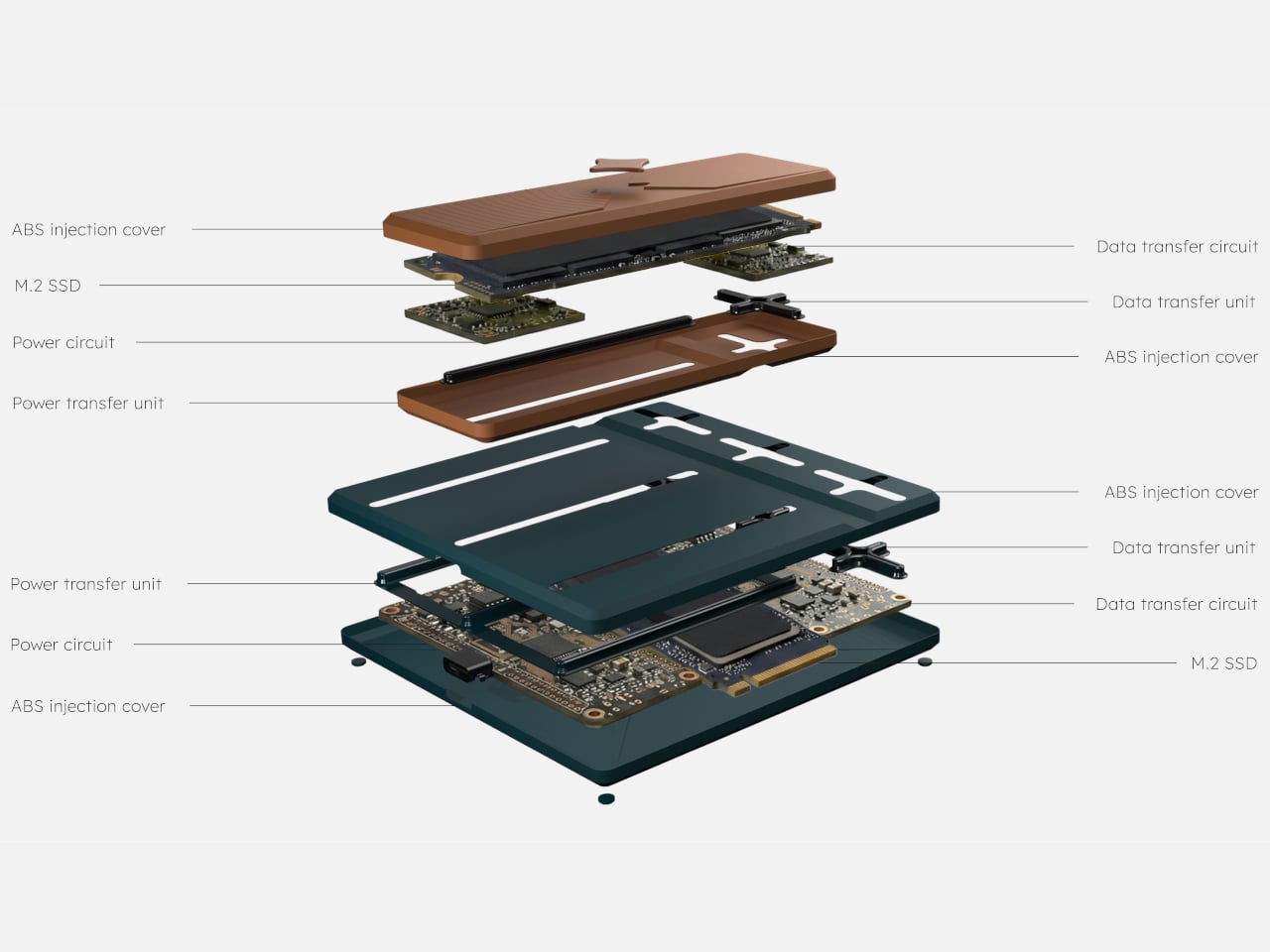
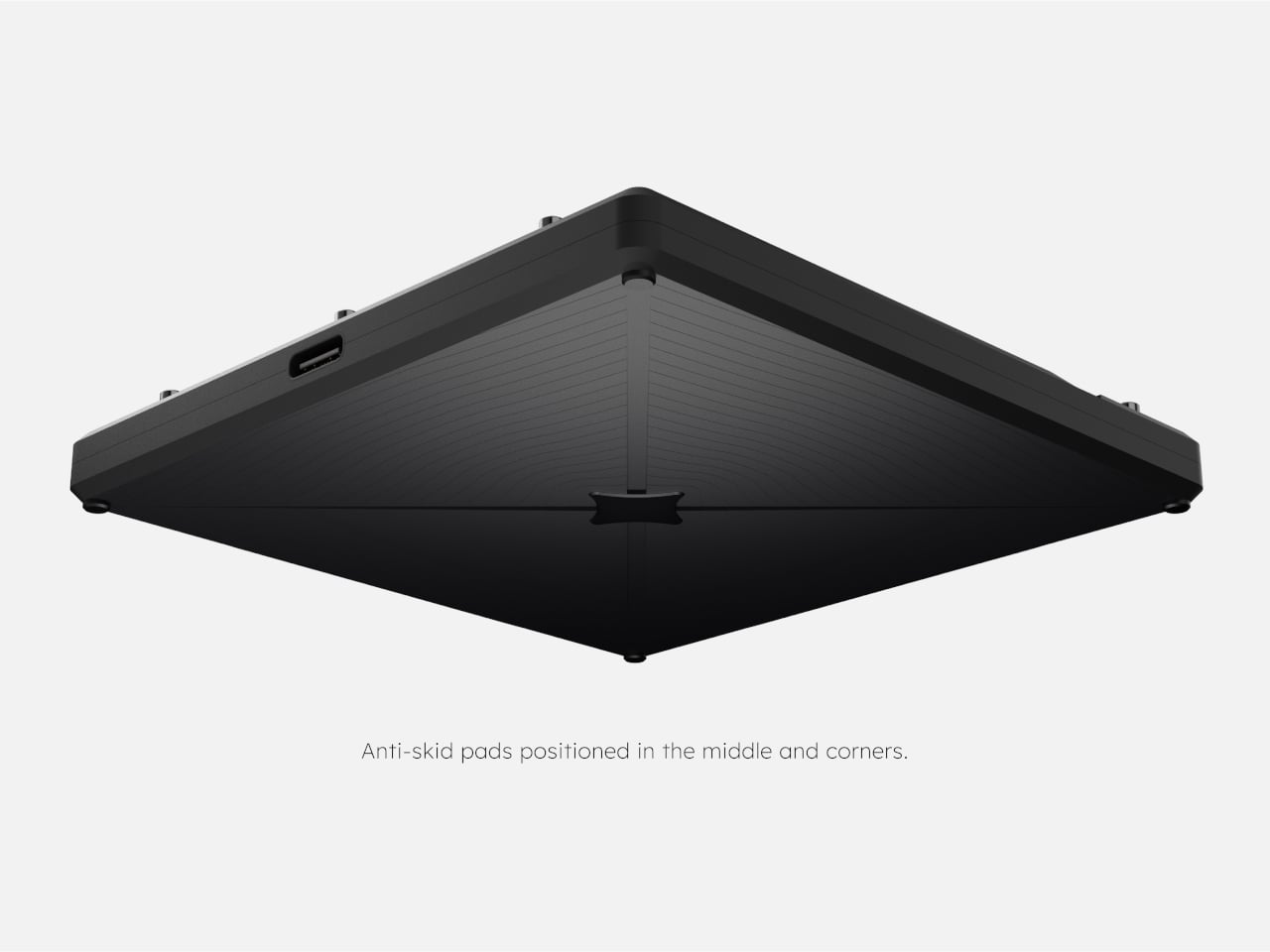
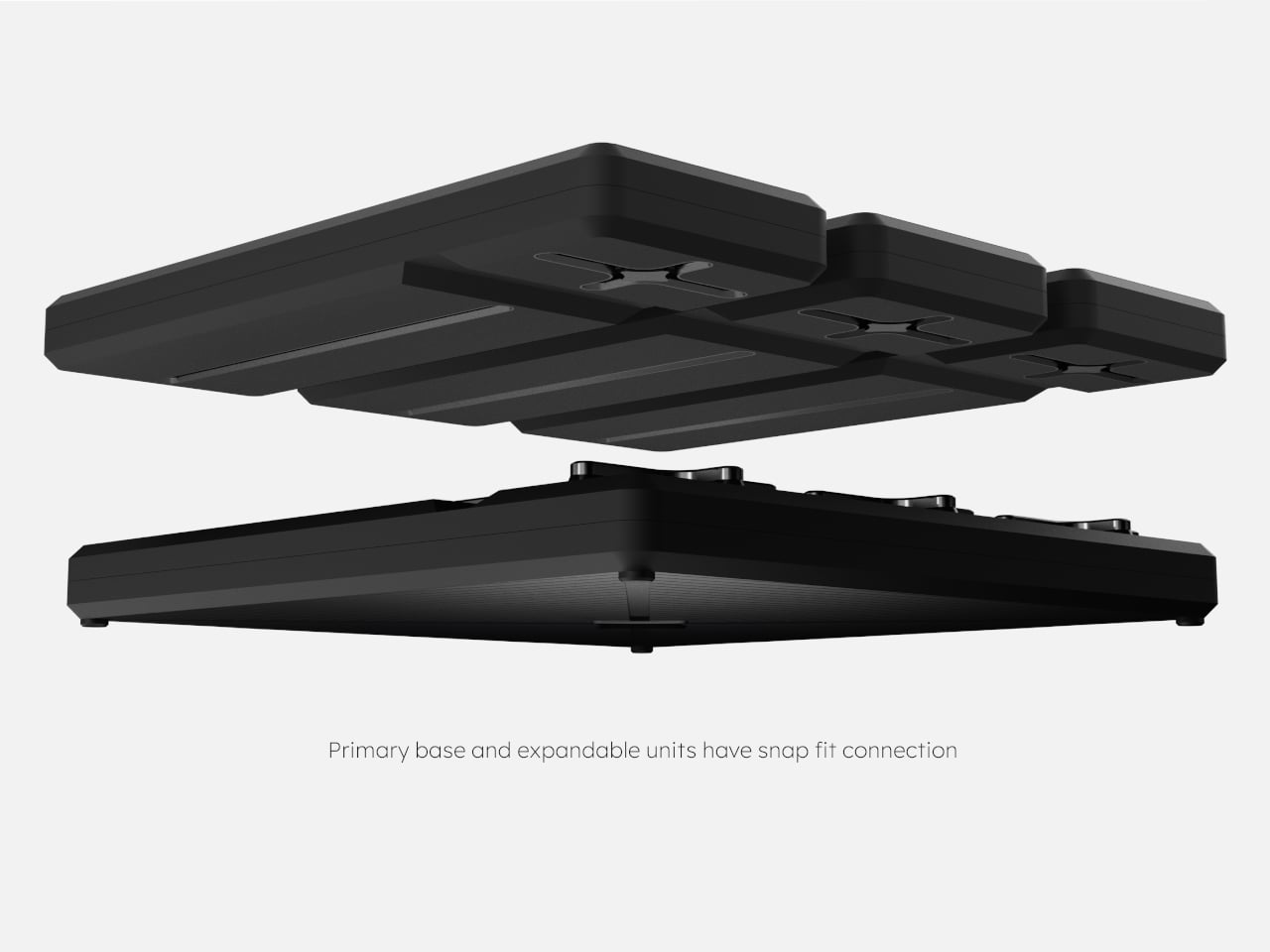
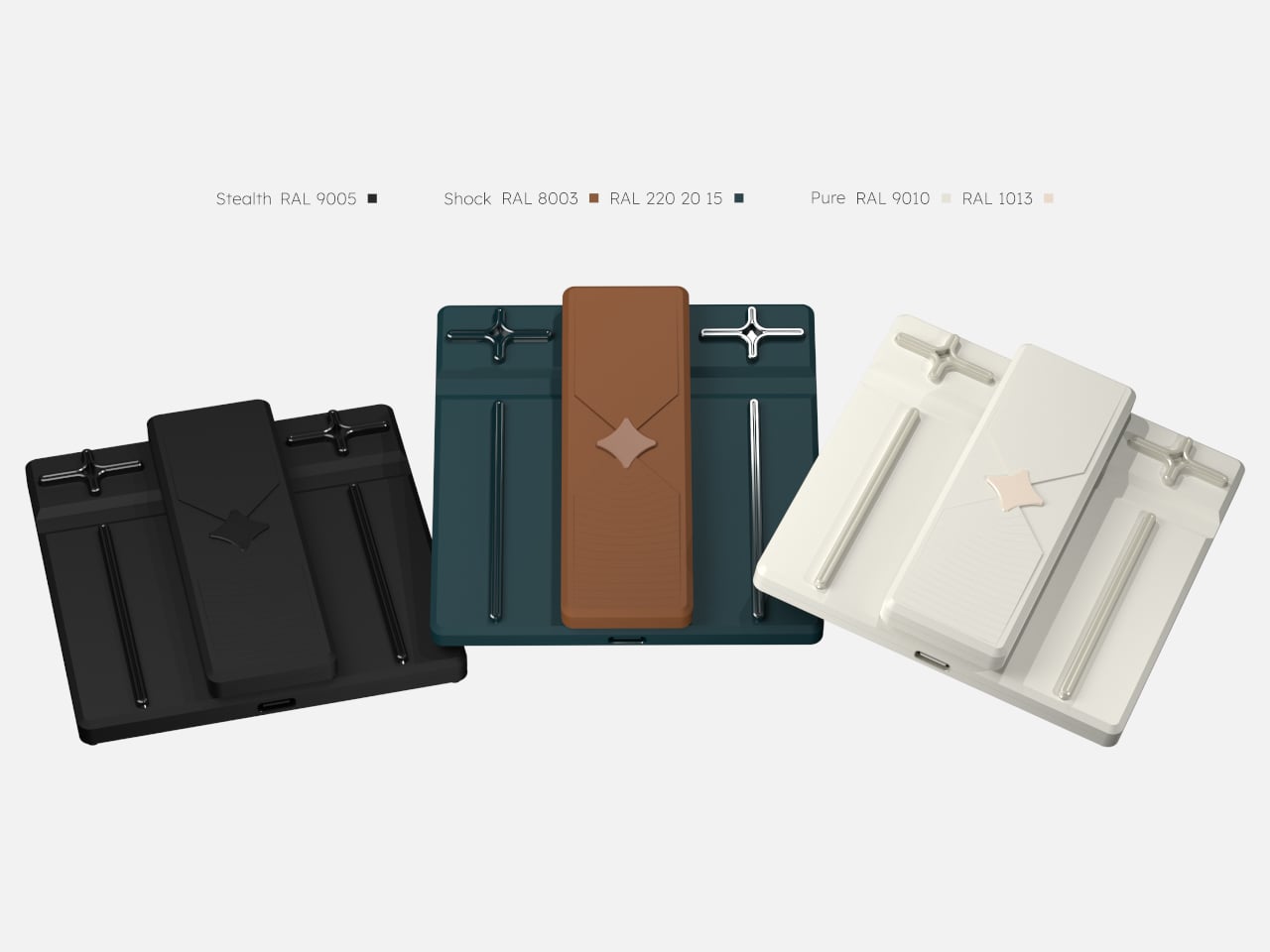
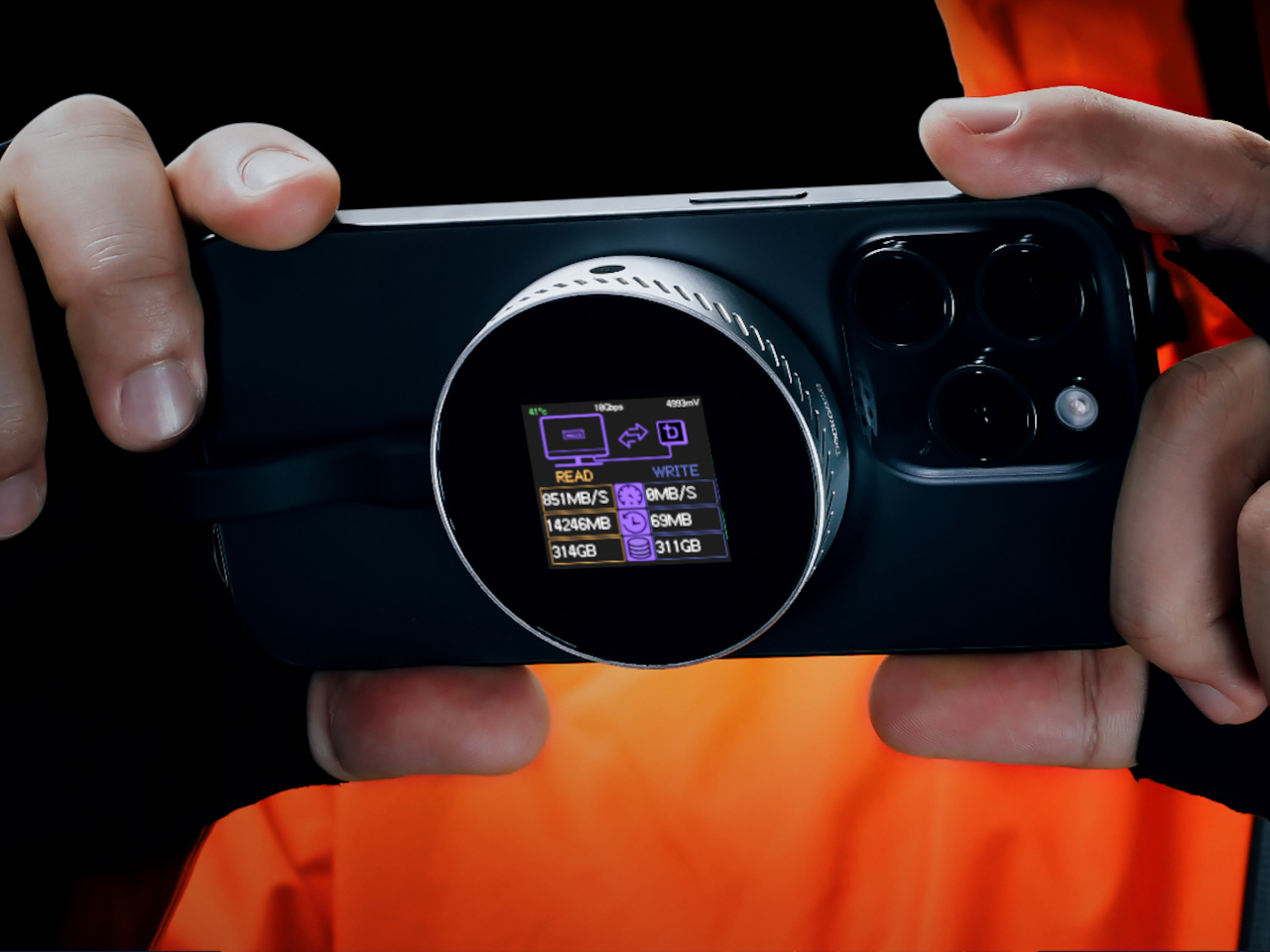
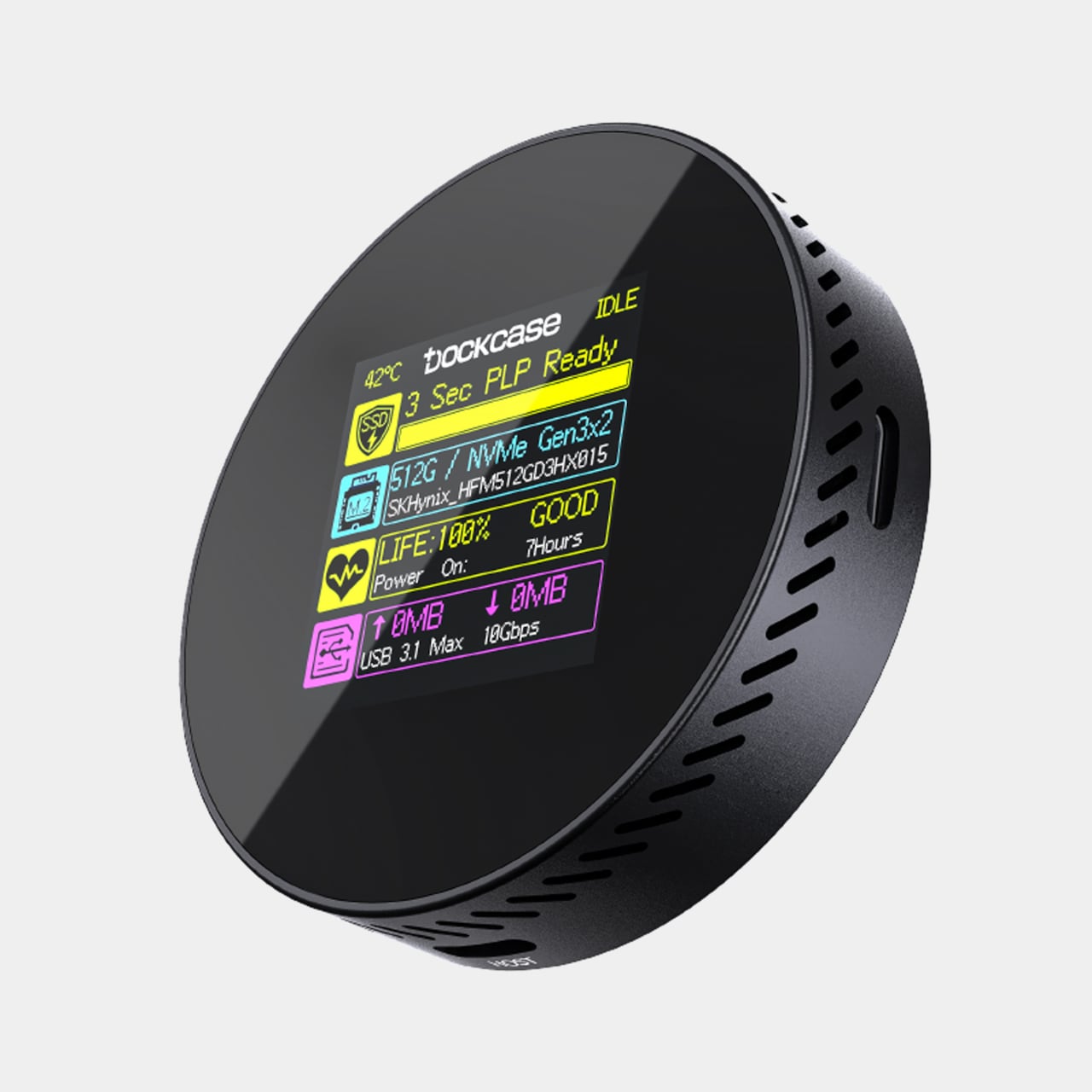
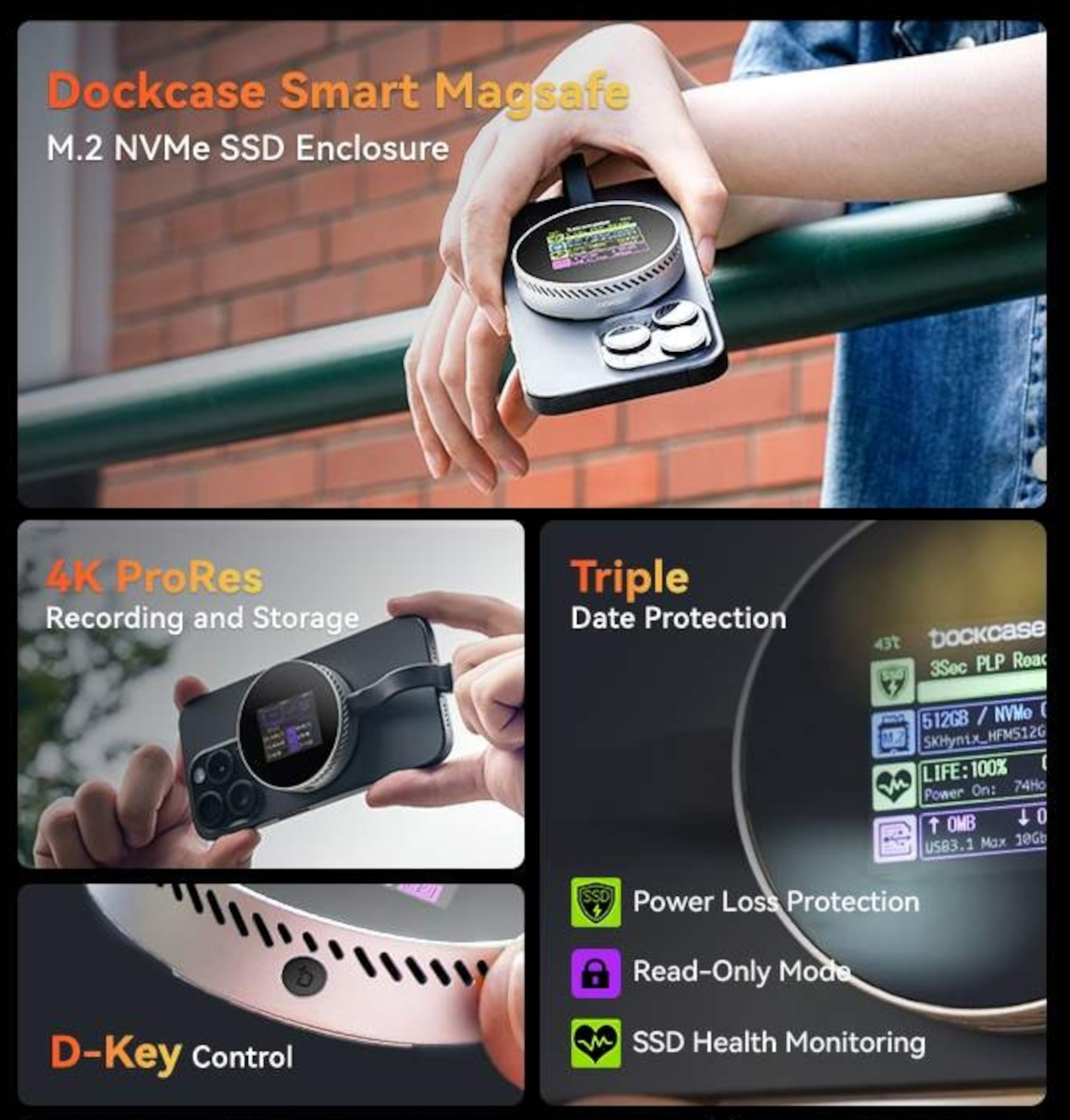
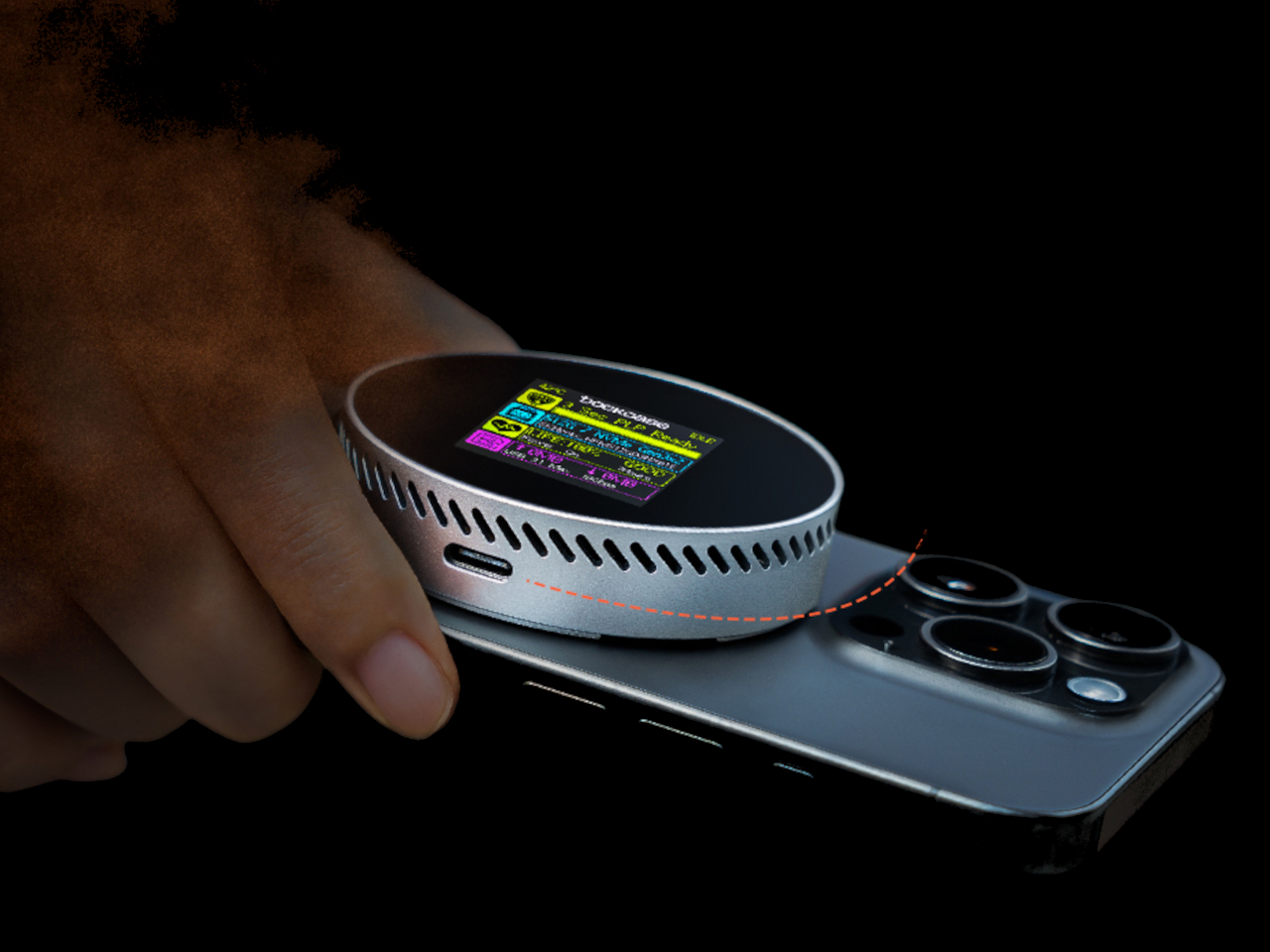
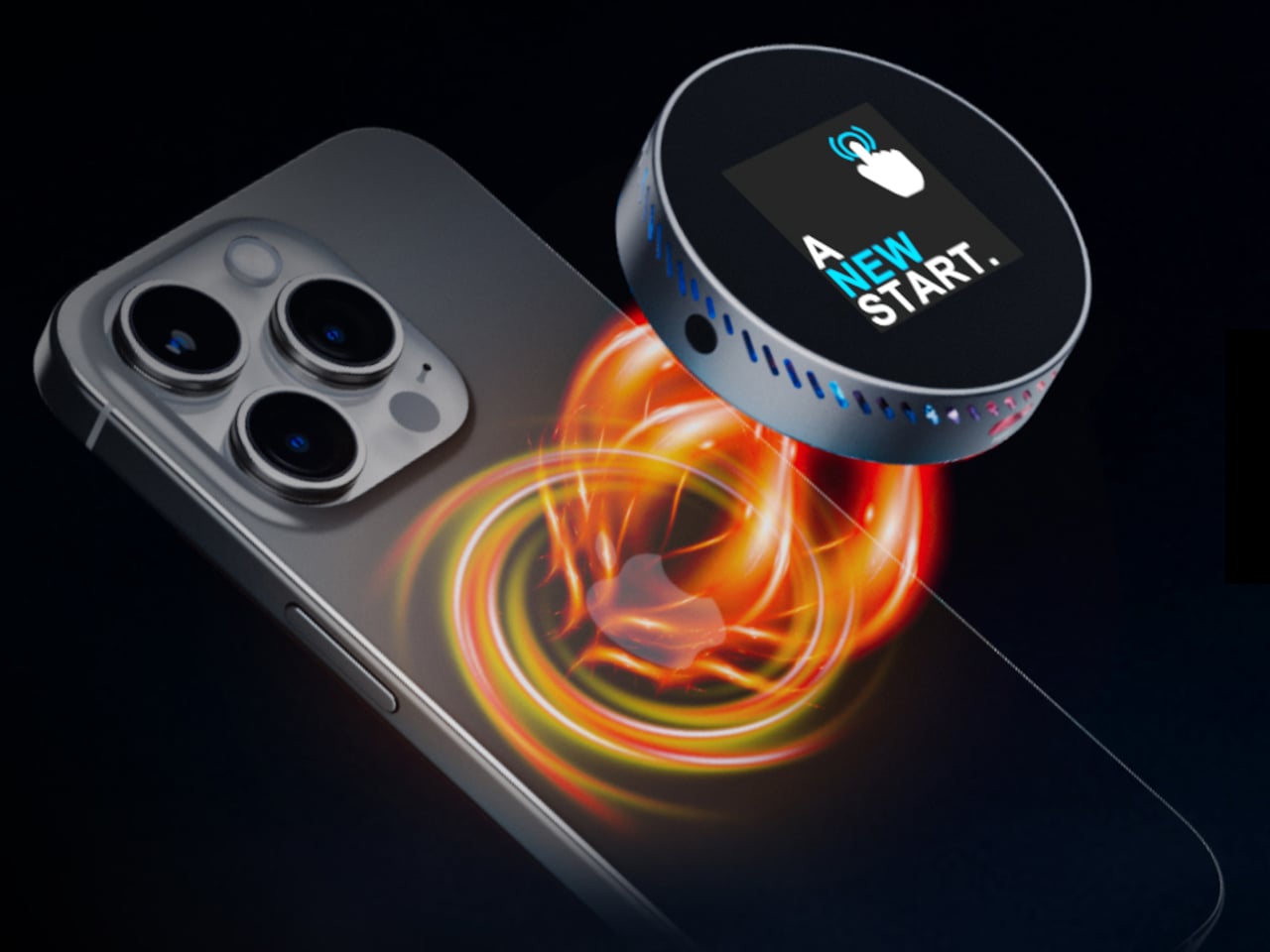
The Dockcase MagSafe M.2 NVMe SSD enclosure does exactly that, coming in the form of a small puck that attaches magnetically to the back of your phone. It still needs a USB-C connection for data and a bit of power, but it can be a very short one that won’t get tangled in your hand. This design is perfect for mobile photographers as it can let them easily record even 4K videos directly to the storage, depending on the camera app being used.

This device, however, is just an enclosure, so you’ll have to buy and put in a compatible SSD module. This, however, offers more flexibility, as you can have up to 2TB in storage and, if needed, swap out modules. It also has a square LCD display that, at the push of a button, can show important information about the SSD inside.

Although it can technically be used with any computer that can read SSD storage via USB-C, Dockcase was clearly intended for use with iPhones and MagSafe-compatible phones or cases. It even has passthrough charging so you can keep the enclosure connected and charge your phone at the same time. It’s a rather simple yet elegant design that solves the data storage problem of smartphones today.

The post Circular MagSafe SSD sticks to the back of your phone for near-infinite storage first appeared on Yanko Design.
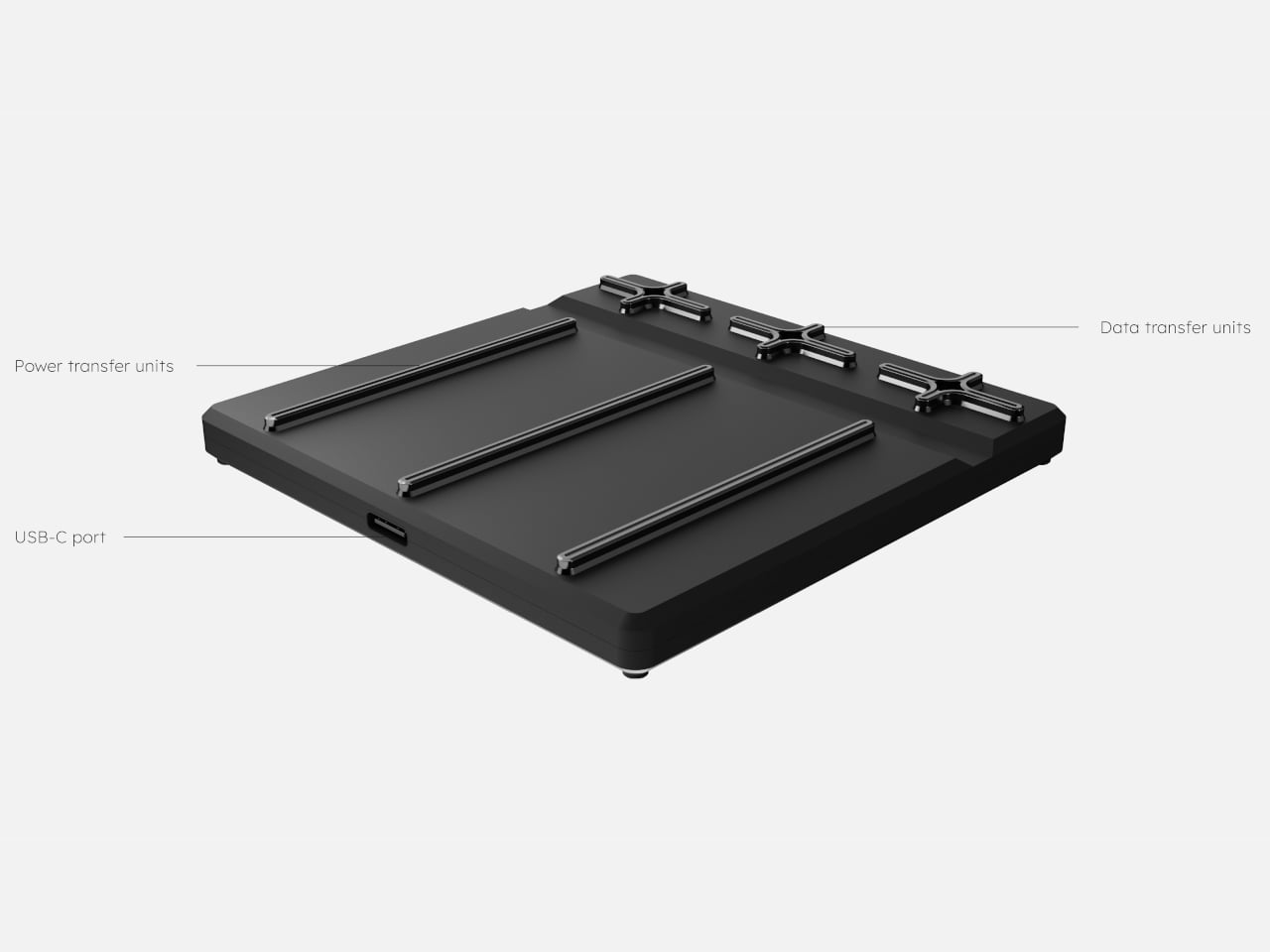
Lexar’s Tiny SSD lets you record 4K ProRes Video without clogging your iPhone’s Storage

Everyone knows the iPhone has a great camera – Lexar gives you a great SSD to match.

When I bought my iPhone 15 Pro Max, I knew for a fact that storage was going to be a problem in the long run. With the ability to record in 4K ProRes, and shoot high-quality images, the iPhone’s cameras are pretty state-of-the-art. The problem is that they’re so good they blast through your phone’s internal storage in a month or so if you’re not careful. It’s all by design, unfortunately. Apple also makes money off its iCloud subscription. iCloud might work for a solid 80% of regular consumers out there, but for mobile photographers/videographers, content creators, and camera enthusiasts, having to constantly interface with a cloud drive isn’t just a hassle, it’s counterintuitive.

That’s where Lexar comes in with its Go Portable SSD and Multiport Hub, designed specifically for people recording media in high-res formats. Barely the size of your thumb, the Go SSD boasts a capacity of up to 2TB and plugs right into your phone, giving you the benefit of recording directly on the device without clogging your phone’s storage or having to upload to the cloud. It plugs right into your phone, eliminating the need for extra wires. Alternatively, it can be paired with Lexar’s USB-C hub, which also lets you connect other devices like a power bank to keep your iPhone running over long shoots that can take multiple hours.

Designer: Lexar Design Team

Click Here to Buy Now: $129 $189 (32% off). Hurry, only 267/500 left! Raised over $771,000.

Designed specifically to complement the iPhone 15 Pro models, this innovative SSD + Hub tag-team offers up to 2TB of additional storage, a significant boost for those who demand ample space for their projects. In fact, Lexar designed the SSD specifically for people who like recording in ProRes 4K@60fps.

With up to 2TB storage and extra USB-C ports, it’s perfect for shooting bulky ProRes videos.

By offloading footage to the SSD, users can continue recording without interruptions, allowing for longer takes and more ambitious productions. However, the benefits extend beyond storage capacity. The integrated USB-C hub transforms the iPhone into a versatile production hub, enabling the connection of essential accessories such as microphones, lights, and external power sources.

Both the SSD and Hub boast the same machined aluminum design, with a slim form factor that complements the iPhone and MacBook’s anodized metal finish. The SSD and Hub click together perfectly too, becoming almost one product visually, with a mere thumb dimple to help you unplug them once you’re done. The Go Portable SSD and Hub are envisioned to be used together but can operate independently depending on the filmmaker’s specific needs. The SSD itself is particularly compact, measuring just 1.71 x 0.98 x 0.32 inches. It has a bent connector to neatly fit behind the iPhone when plugged in, maintaining a streamlined setup without protruding cables.

The Hub, which is slightly larger at 2.71 x 1.71 x 0.32 inches, sits flush with the SSD, offering four USB-C ports for connecting additional peripherals like microphones, power banks, gimbals, and other accessories. The thoughtful design also includes a 30W power delivery feature, making it easy to charge devices while simultaneously supporting data-transfer speeds of up to 10Gbps.

The Go Portable SSD stores all your media locally, letting you access/transfer/process media files on multiple devices without needing a stable internet connection. This SSD offers read speeds of up to 1050MB/s and write speeds of up to 1000MB/s, providing near-instantaneous access to files and allowing quick data transfers that boost workflow efficiency. This makes it a compelling option for photographers, videographers, and other digital professionals who need reliable, high-speed storage solutions.

With your data stored offline, it’s impermeable to hacks, leaks, and breaches. For users concerned about theft, the Go Portable SSD also has 256-bit AES encryption, allowing you to password-protect your media from being accessed by unauthorized people. Go ahead, sign that NDA before filming!

While the focus is largely on iPhone 15 Pro and Pro Max users, Lexar’s new products are also compatible with the iPad and Android devices that support USB-C and OTG functionality. This widens the scope for mobile filmmakers across platforms, although the primary market remains centered around Apple’s latest devices. The Go Portable SSD is available in 1TB and 2TB capacities, catering to different storage needs, and both models boast IP65 ratings, ensuring protection against dust and water splashes, enabling users to film in a variety of conditions.

You can either spring for just the SSD, or opt for the SSD + Hub combo. The latter also includes a silicone protective case, a male-female adapter, a male-male adapter, a cold shoe adapter cable for camera rigs, a storage box, a storage bag, and 20 label stickers you can apply onto the SSD to help you keep track of the media stored on it. The Lexar Professional Go SSD and Hub both ship globally, with a 5-year warranty on each product.

Click Here to Buy Now: $129 $189 (32% off). Hurry, only 267/500 left! Raised over $771,000.

The post Lexar’s Tiny SSD lets you record 4K ProRes Video without clogging your iPhone’s Storage first appeared on Yanko Design.
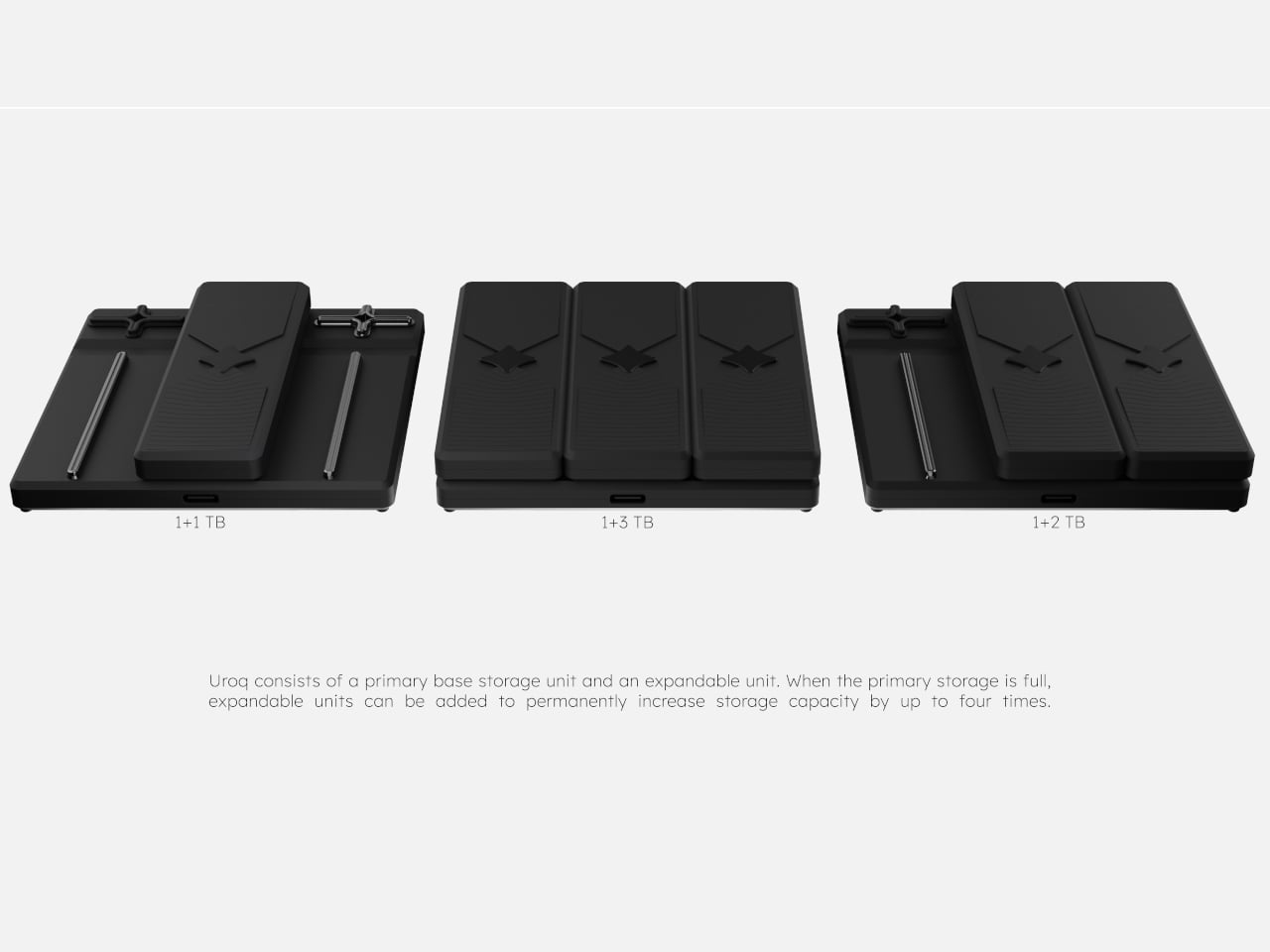
Does your Power Bank also have a built-in SSD with 4 Terabytes of Storage? This one does…

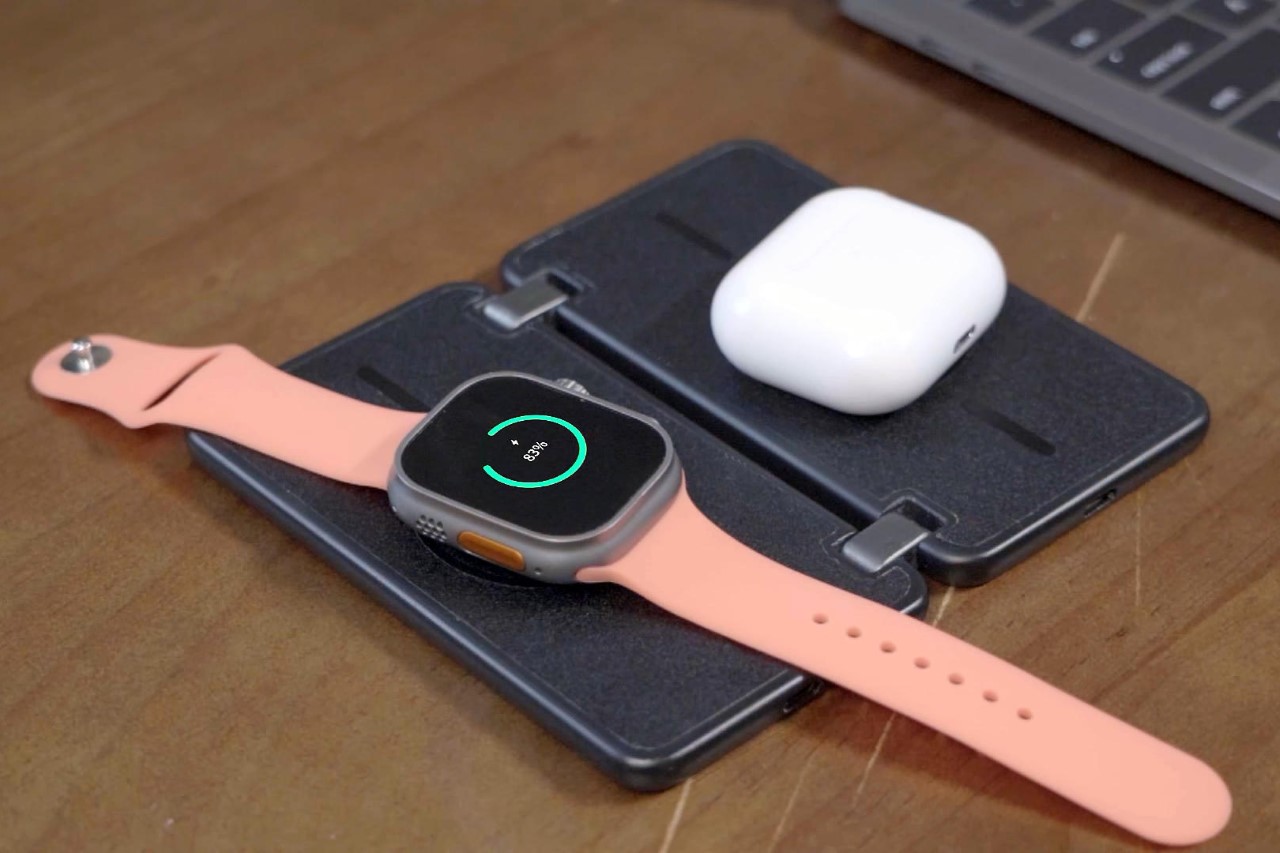
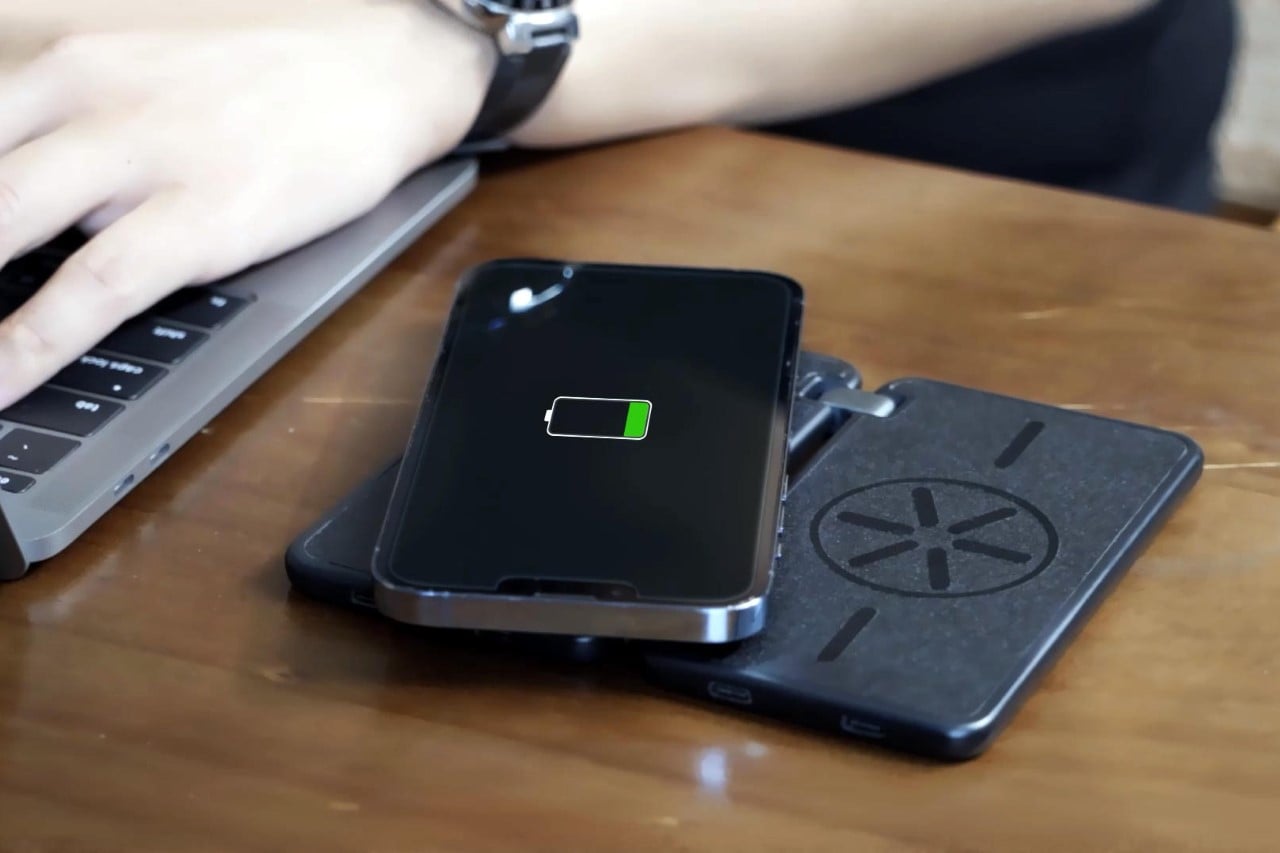
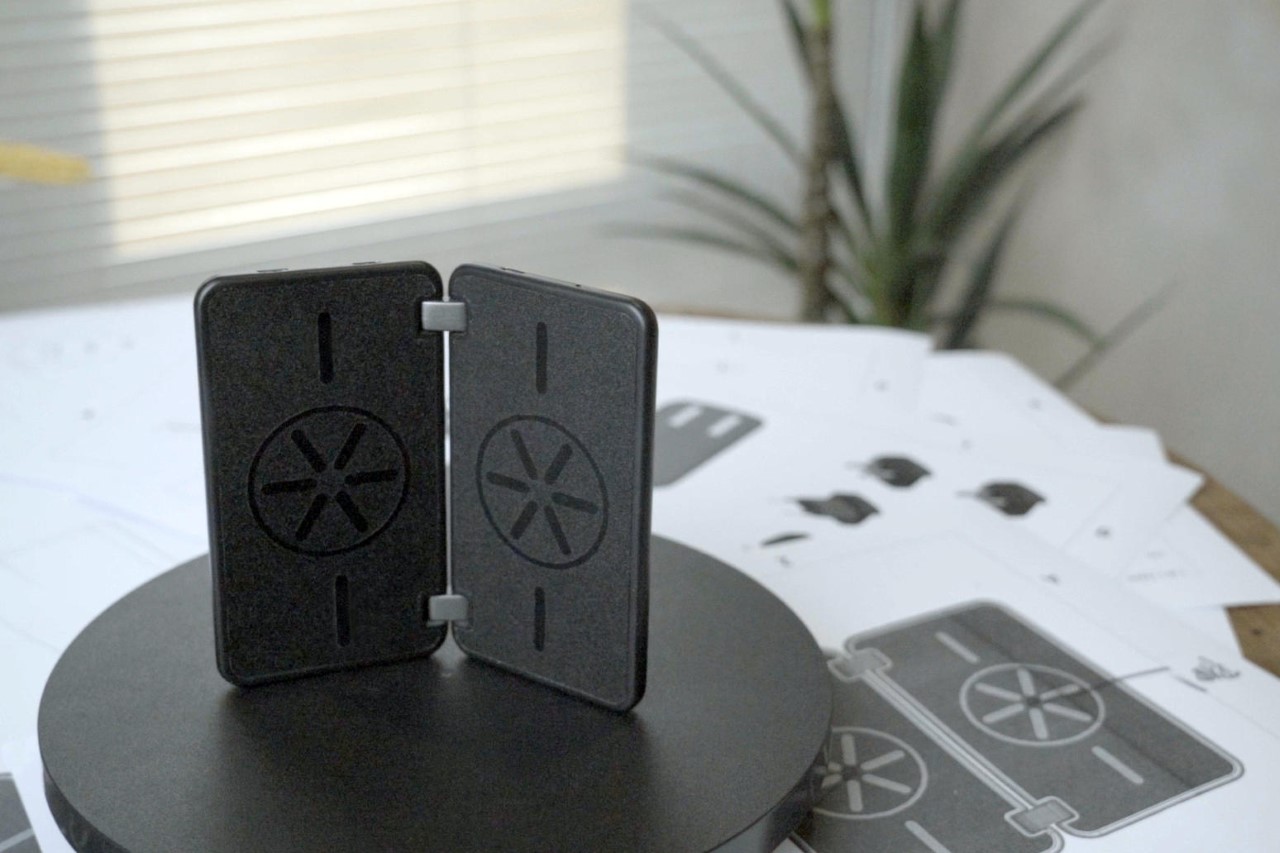
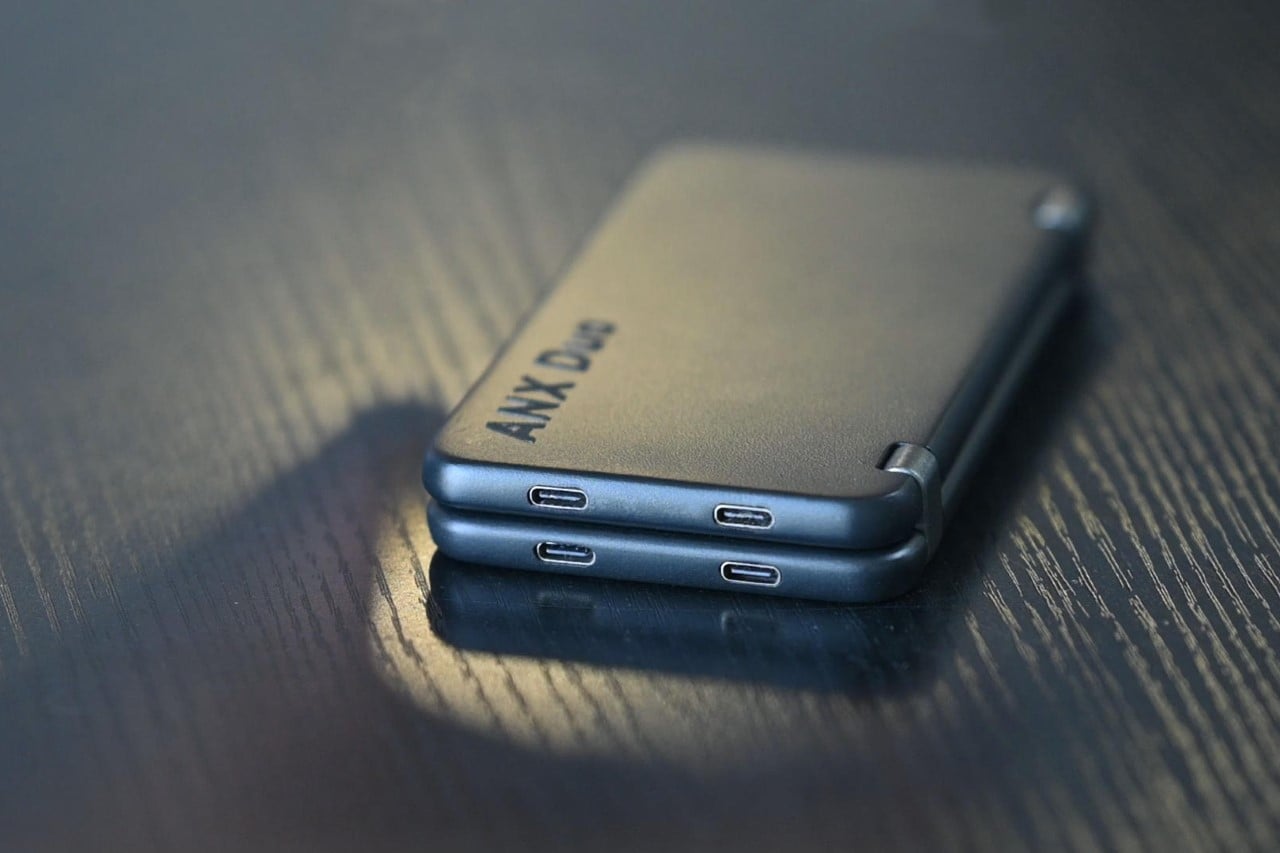
Have you ever seen a power bank that A. folds in half, B. comes with two wireless charging coils, and C. has a built-in SSD to take backups of photos on your phone and store other data? No? Well, neither had I until I first saw the ANX Duo. Clearly, the ANX Team looked at the power bank and realized it had so much more potential because just putting a lithium-ion battery inside a brick-shaped device is so yesterday. Designed to do much more than charge your phone, the ANX Duo has a foldable-phone-shaped avatar. It folds in half when not in use, opening up into a charging ‘mat’ that can simultaneously wirelessly charge two devices together. A total of 6 USB-C ports on the side let you connect more devices to the ANX Duo, while a 16,000mAh battery on the inside reliably juices all your devices. When your battery woes end and your storage woes begin, the ANX Duo’s built-in SSD (which starts at 128 gigabytes and goes all the way up to a cool 4 terabytes) lets you store all your photos and videos locally, saving on those pesky cloud subscriptions and their monthly fees.
Designer: The ANX Team

Click Here to Buy Now: $69 $99 (30% Off) Hurry, only 48 hours left!

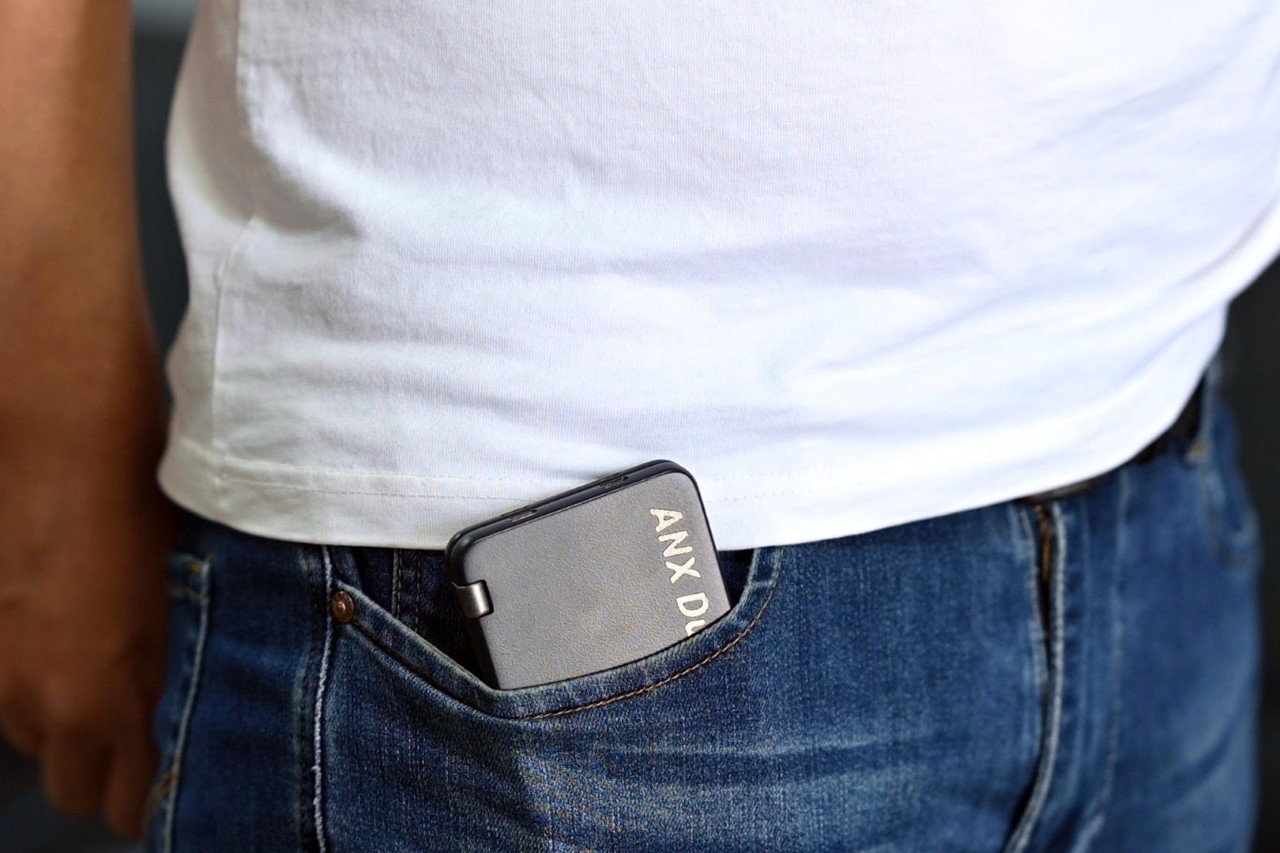
Calling the ANX Duo a power bank is almost a muscle reflex at this point, but in all honesty, this device is MUCH more than just that. It charges batteries (both wirelessly as well as in wired formats), acts as a pass-through charging hub for multiple devices, stores/manages data from your smartphone, and even doubles as a card reader that wirelessly transmits files to your phone from memory cards. It also folds open when in use, and shuts to a compact pocket-friendly form factor during travel.

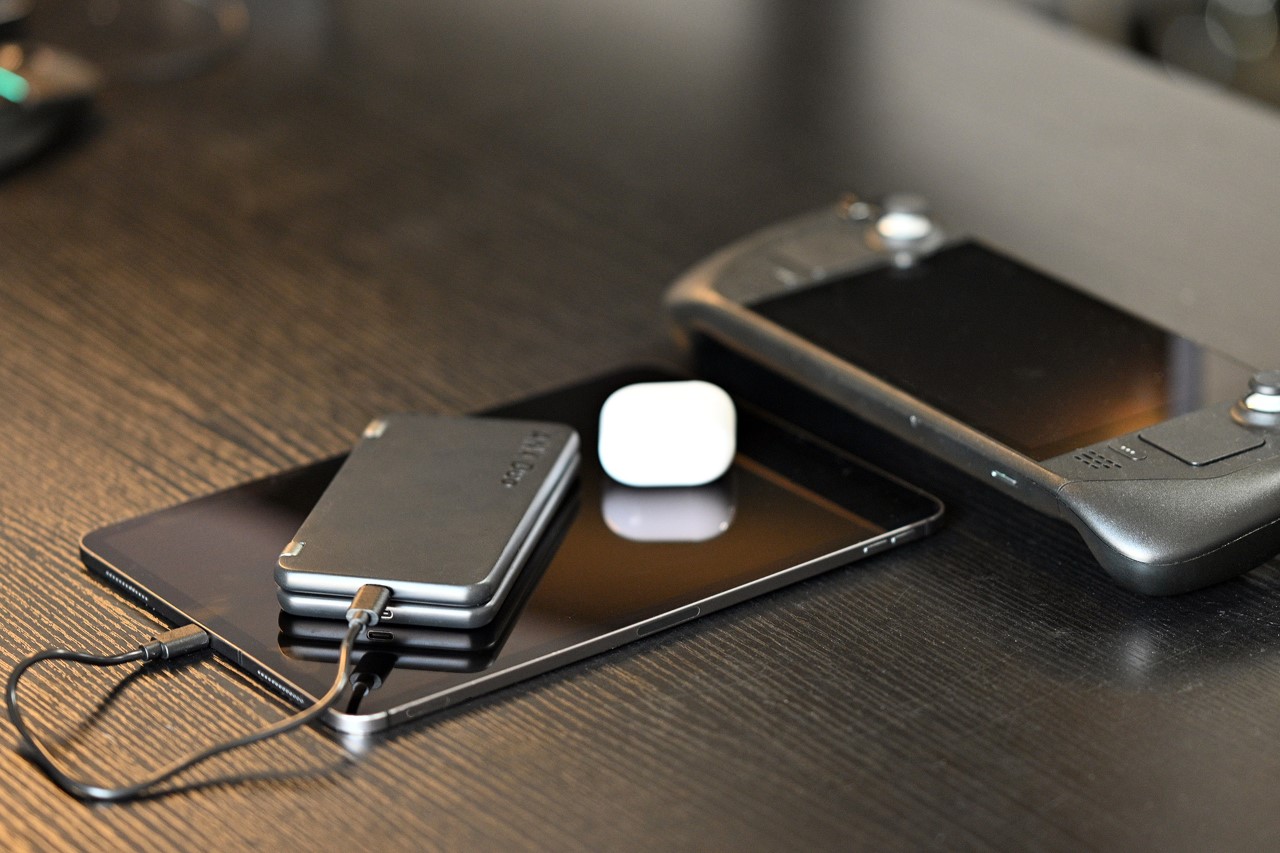
While most power banks are brick-shaped given the interior layout of Li-ion batteries, the ANX Duo takes on a unique bifold-like design, almost like a folding smartphone. Fold it open and you’re greeted with two wireless charging coils offering a maximum output of 15W per coil. If you want more power, however, a wired connection to one of the many USB-C ports gives you a maximum output of 60W, helping you fast-charge your phones when you’re in a bit of a hurry. The ANX Duo’s 16,000mAh overall battery holds enough power to juice all your devices, from the larger tablets and handheld gaming consoles to phones, wearables, and even the smallest TWS earbuds.

Even though it looks like a folding smartphone, its 6 USB-C ports should convince you of the fact that you’re dealing with something entirely different. The 6 ports, combined with the two wireless coils, let you simultaneously juice multiple devices at the same time… but the ANX Duo has another trick up its sleeve. Connect it to a power source using one of the USB-C ports and it enters what its creators call a “Desk Hub Mode”. In this mode, the ANX Duo goes from being a power bank to being a multi-device hub, managing power delivery to its five other USB-C ports and two wireless coils. When plugged in, the ANX Duo effectively lets you charge 7 devices at the same time, managing the energy requirements of each device right through one power source while ALSO charging itself. This pass-through charging feature means you can use your ANX Duo and a single power outlet to recharge ALL your portable gadgets at the same time… a feature you probably wouldn’t expect from any power bank on the market.

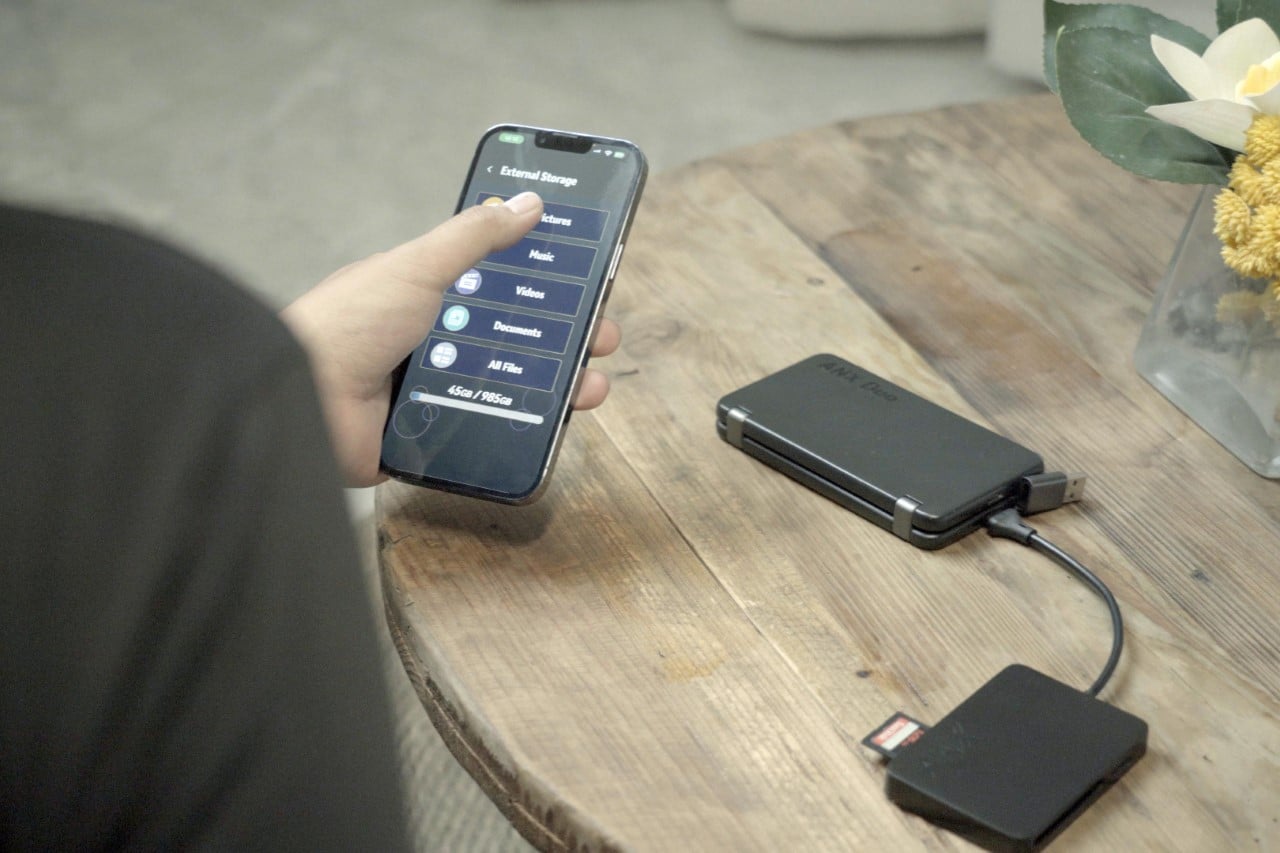
When you’re not charging devices, the ANX Duo serves as an external drive for storing and managing data. Plug your ANX Duo into your phone, tablet, or laptop and you can switch into OTG mode to access the Duo’s built-in M.2 NVMe SSD. The folks at ANX offer storage capacities ranging from a conservative 128GB all the way to a whopping 4TB. That means you can store large files, take device backups, and dump all your phone’s photos and videos directly onto your so-called ‘power bank’. A smartphone app lets you manage your ANX Duo’s data, allowing you to sort through files, transfer them to and from your phone, and even wirelessly access and transfer media from memory cards by plugging them directly into the ANX Duo. Superfast read/write speeds of 1050mbps/950mbps allow you to transfer files much faster than you would through the cloud. Plus, since the data is stored locally on your ANX Duo, you don’t need an internet connection, you don’t need to shell out subscription fees, and more importantly, your files are safe from being snooped on or breached by bad actors, governments, or large companies.

The ANX Duo measures a cool 5.3″ x 2.9″ (135mm x 75mm) in length and width when folded, boasting an overall thickness of just 0.7 inches (19mm). Open it up and you’re provided with a sizeable charging mat that’s now 5.9 inches wide (152mm) and a mere 0.35 inches thick (9mm). The entire device’s enclosure is made from aluminum along with ABS + PC polymer for durability as well as heat management, and the ANX Duo weighs a paltry 9.2 ounces (263 grams), making it perfect for travel. The multi-functional gadget starts at a discounted $69 which gets you the 128GB variant, although you can upgrade to 512GB, 1TB, 2TB, or even 4TB (which is still a steal at just $219). Each ANX Duo begins shipping as early as February 2024, and comes with a 1-year warranty on the power bank, and a 3-year warranty on the SSD.

Click Here to Buy Now: $69 $99 (30% Off) Hurry, only 48 hours left!

The post Does your Power Bank also have a built-in SSD with 4 Terabytes of Storage? This one does… first appeared on Yanko Design.