8-Legged Shapeshifting Stool Features Fold-out ‘Tentacles’ That Turn Into Side-Tables

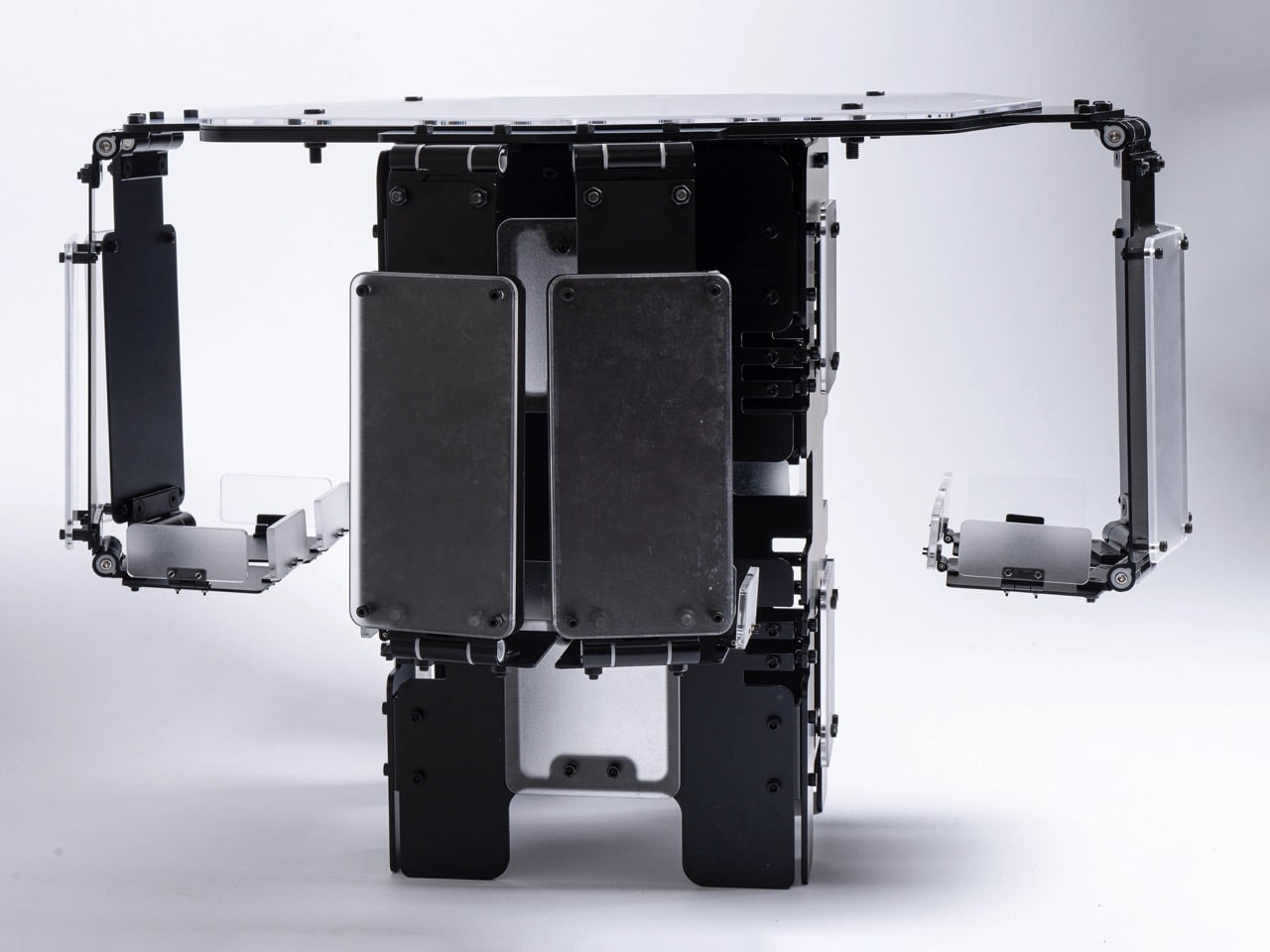
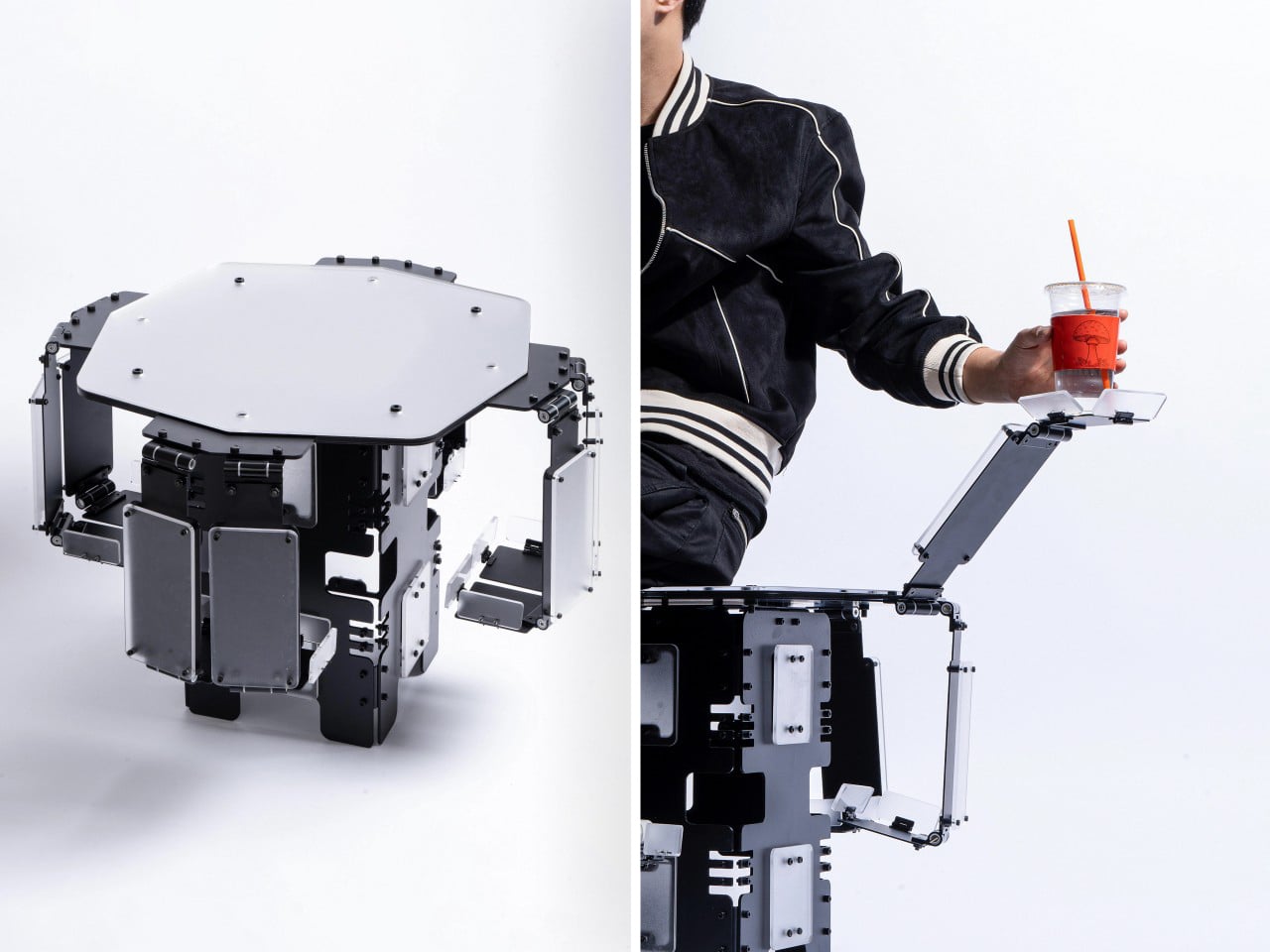
I’ll admit, I’ve never seen ‘Cyberpunk’ furniture before I saw the Toadstool by Seongmin Kim. Inspired by poisonous mushrooms (hence the name), this futuristic piece of furniture is both appealing and unsettling at the same time. The stool features a sitting surface, but is also armed with (literally) 8 appendages that can be folded inwards or extended outwards. The reason? I honestly don’t know. The practicality? Well, with enough practice, the appendages could be used as tables, or even armrests/backrest.

If I told you to think of a stool inspired by a toadstool, chances are you absolutely would’ve never come up with something like this. This aesthetic is so alien and foreign to furniture design, it might just spark a new design movement. Think utilitarian, highly engineered office furniture but on steroids. There’s no cushioning, no fancy ergonomics. Just function and futuristic-form.

Designer: Seongmin Kim

The chair is made using a series of metal plates screwed together, with hinges to enable the moving action, and sandblasted acrylic plates for that matte aesthetic appeal. “I think the small limitation of crafts is that they are based on practicality,” Kim says. Practicality and maybe indigenous materials, I’d add. You don’t expect a stool to employ such ‘industrial’ materials, but once you try and imagine a chair made from metal plates and acrylic, a DNA quite similar to the Toadstool tends to form.
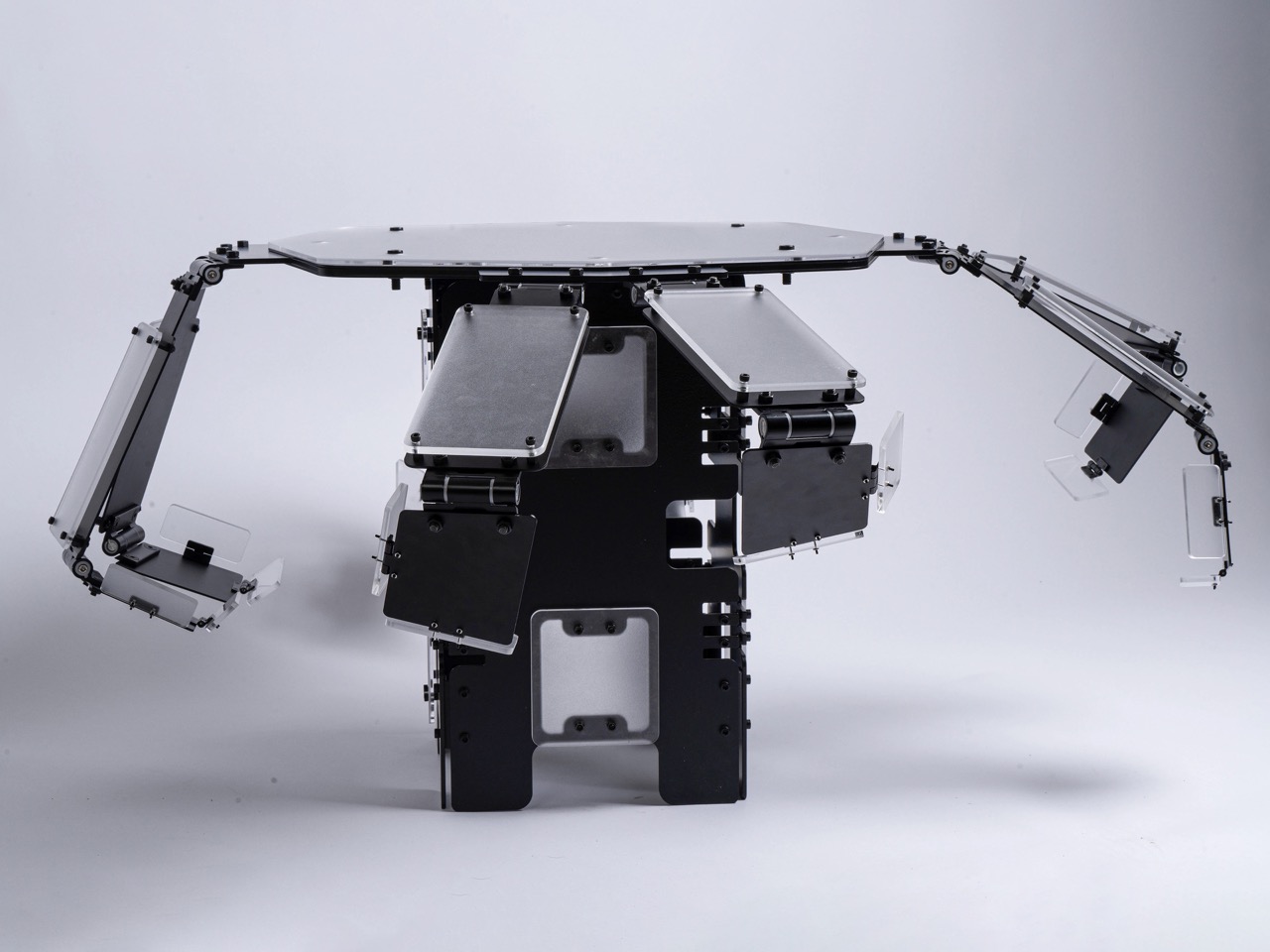
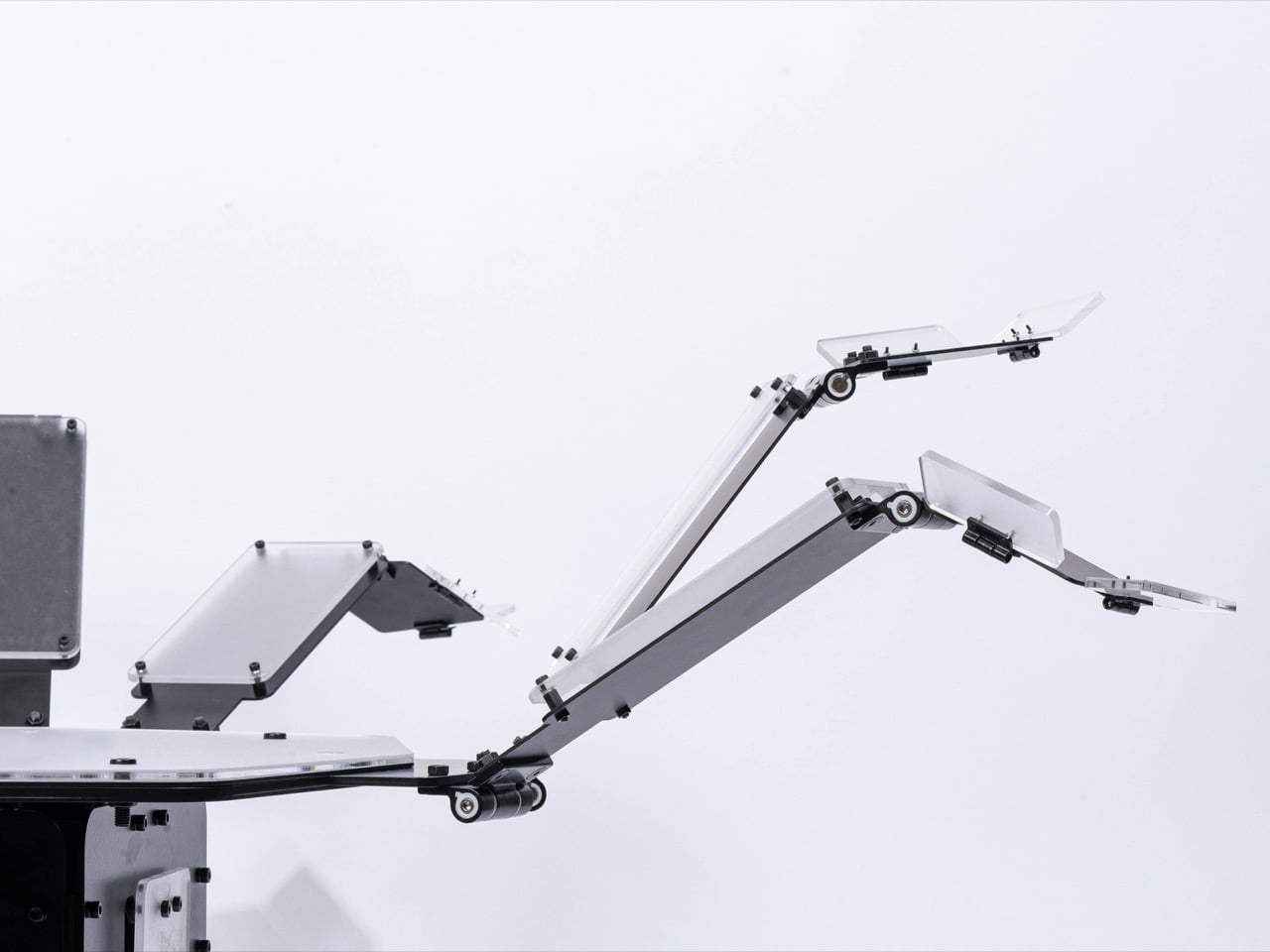
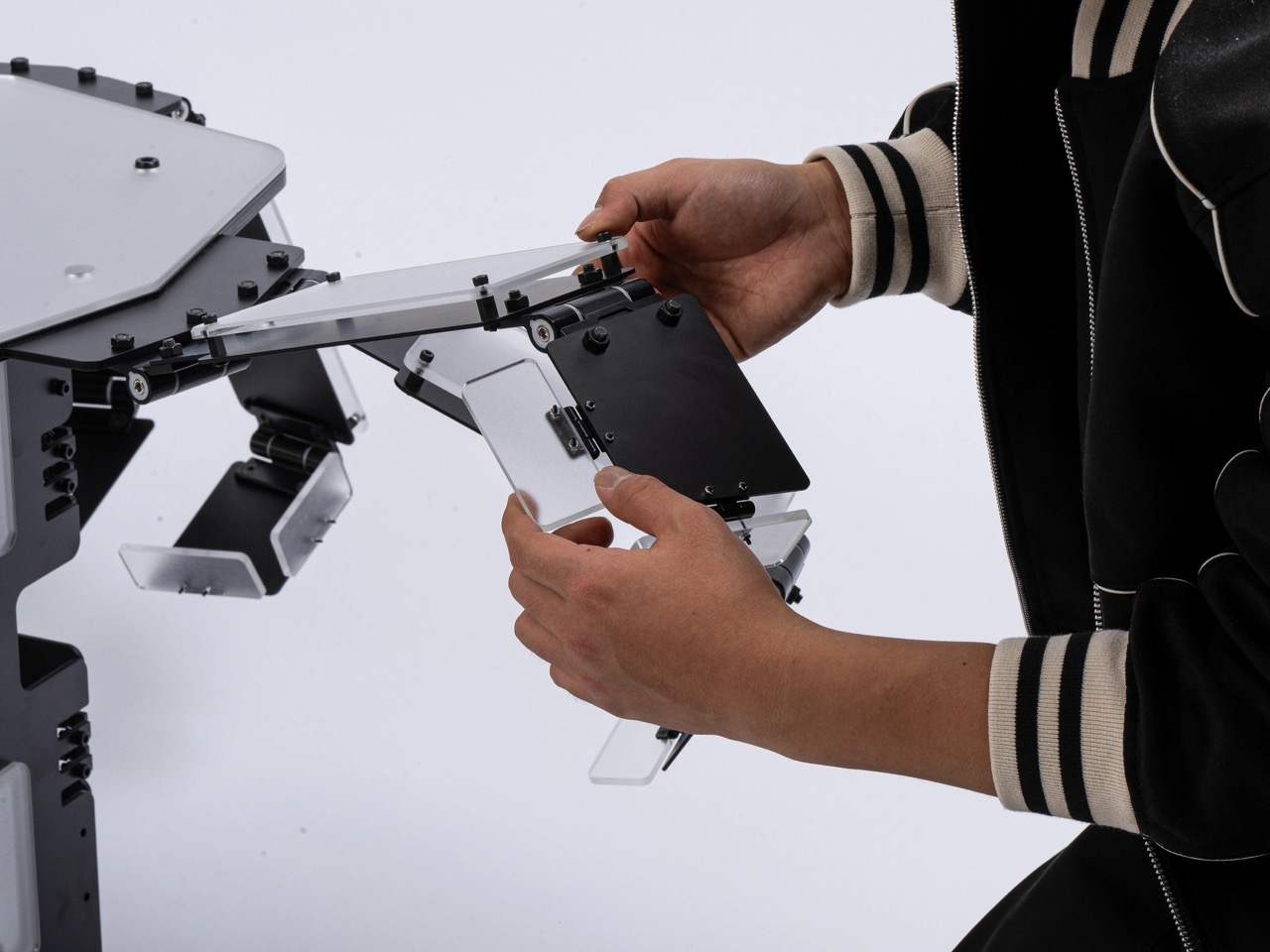
The chair’s unsettlingly beautiful arms are easily its most alluring feature. Keep them down if you want the toadstool to feel ‘shy’, or unfold them if you’re looking to have your furniture make a statement. Each arm is dual-hinged, and features three flaps that have the appeal of ‘fingers’, but work in a functional way. Keep the flaps horizontal and you’ve got a wider table surface. Fold them upwards and the smaller table has a lip around the edge, preventing things from falling down.
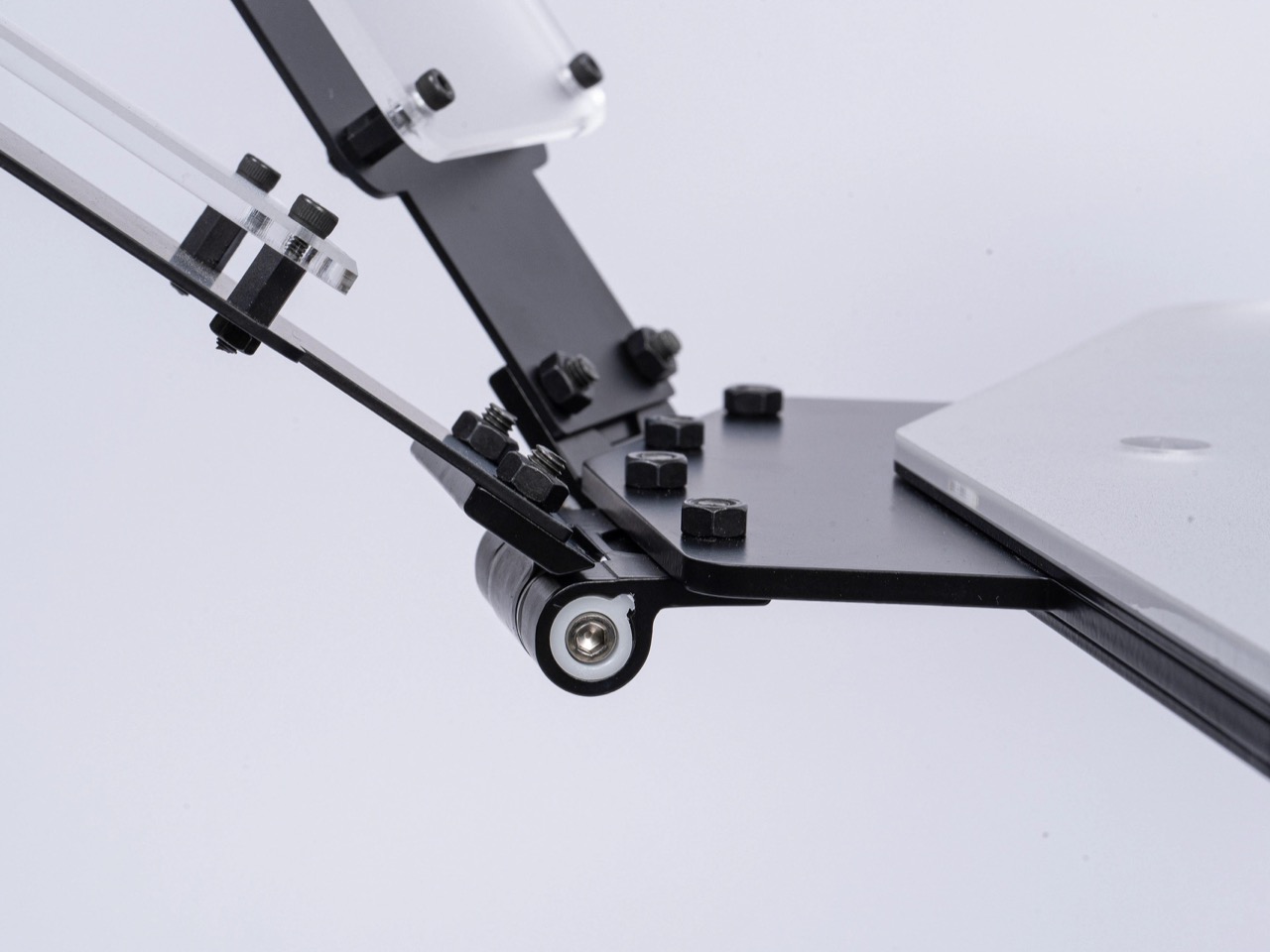
Once could assume that the hinges used on the Toadstool have friction-holding capabilities, which means they’ll retain their shape/position whenever opened or closed. Perfect for when you want to use the arms as a table for keeping light objects like your matcha latte, your phone, power bank, AirPods, notepad, etc. I doubt a laptop would fit on the arms, or even hold its position given how some laptops can weigh upwards of 3.5-4 lbs.
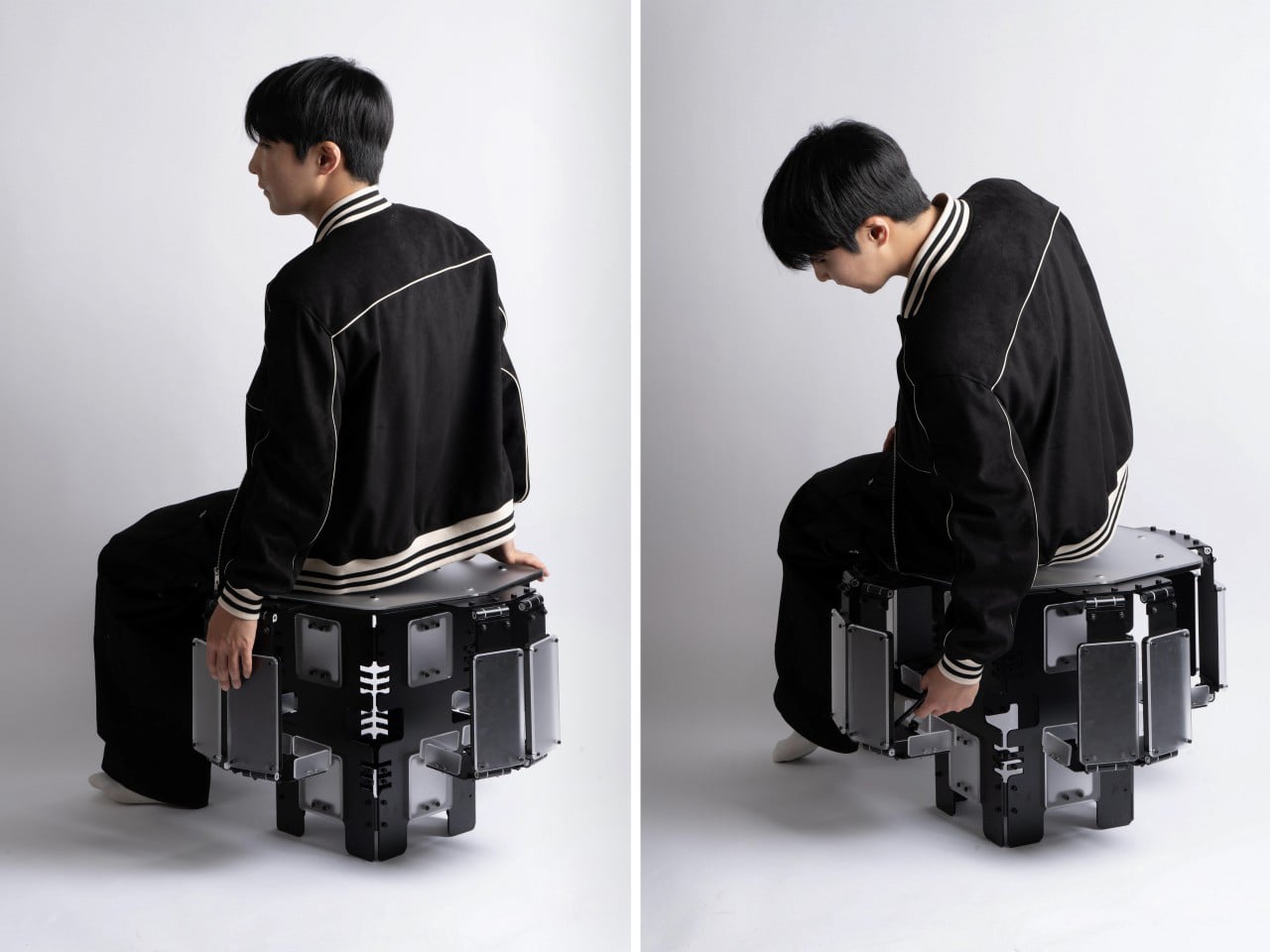
That being said, the closed Toadstool is useful too. Apparently when the arms are folded shut, they can be used to discreetly store items like your phone or wallet… turning the table into a cabinet of sorts. It’s convenient, given that each stool has 8 arms. Fold 4 out for using as tables, keep 4 more folded in to use as hidden cabinets to store bits and bobs.
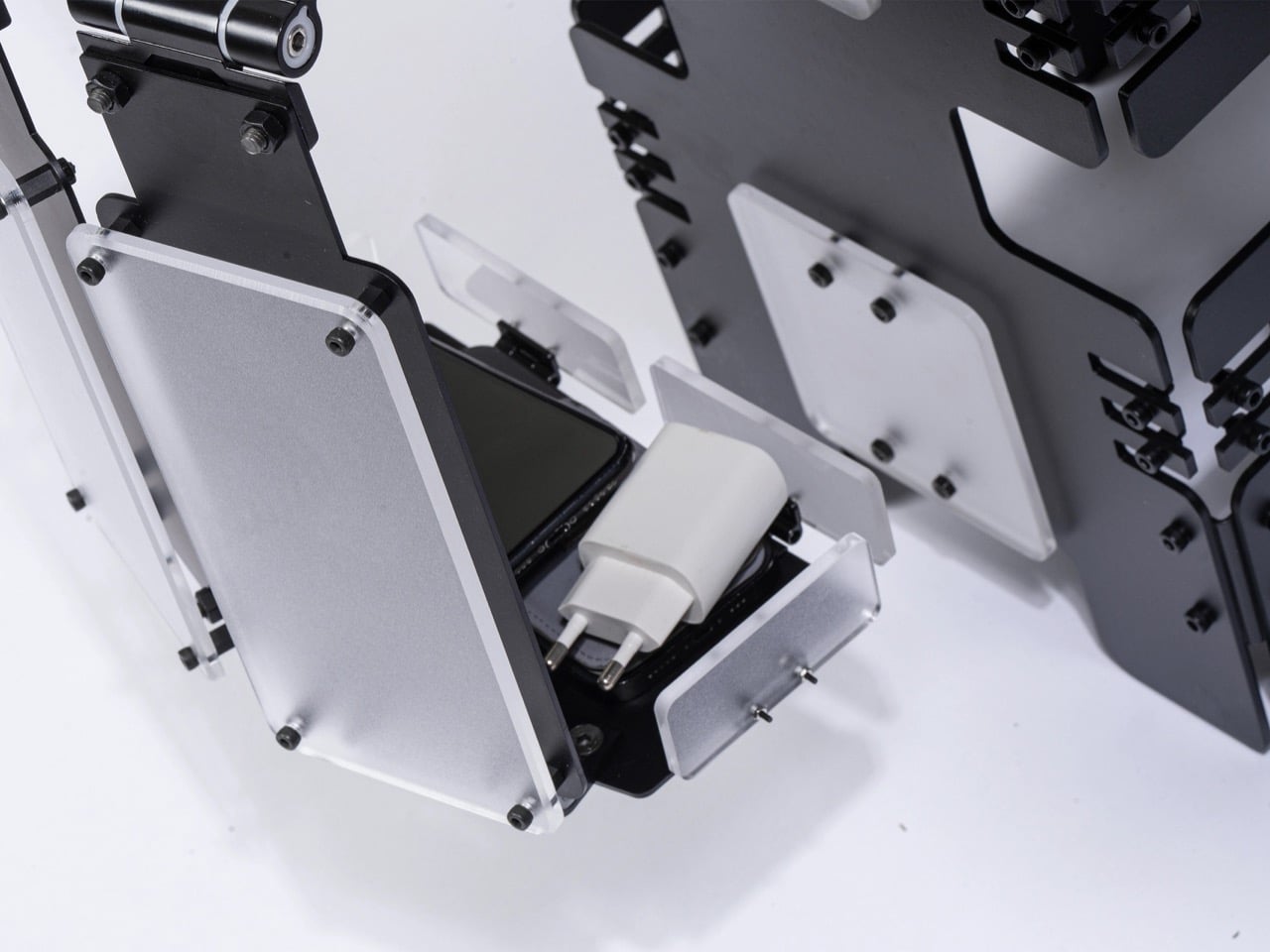
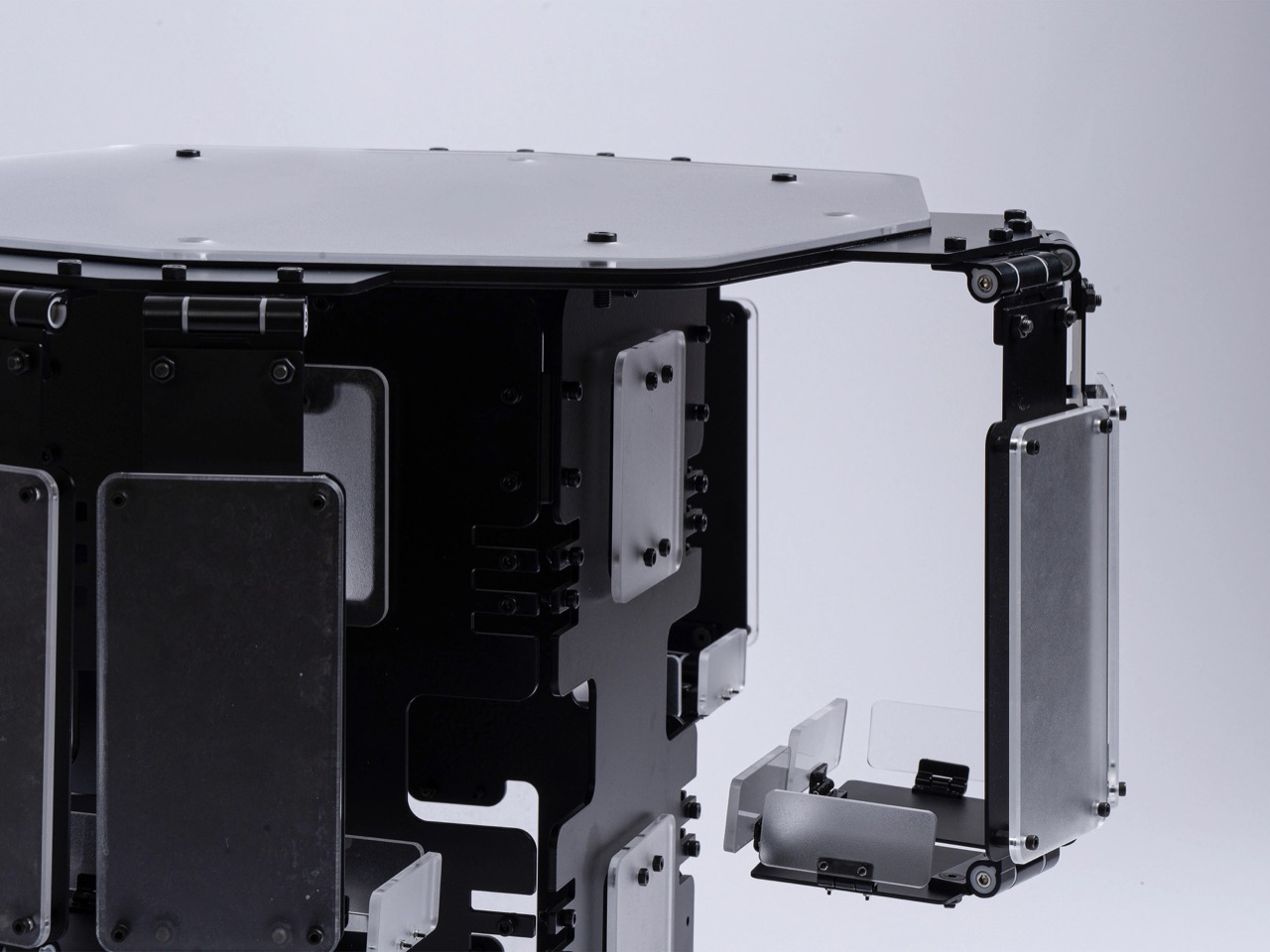
Unfortunately, the Toadstool doesn’t have a website or a price tag. It’s merely a concept from the mind of a rather quirky designer with an odd blend of sensibilities. I don’t mean that in a bad way at all. I find the Toadstool fascinating. Not just for its function, but also for its form. Like I said, you rarely (if never) hear Cyberpunk and furniture in the same sentence. With how Kim executed his design, maybe we should more often.
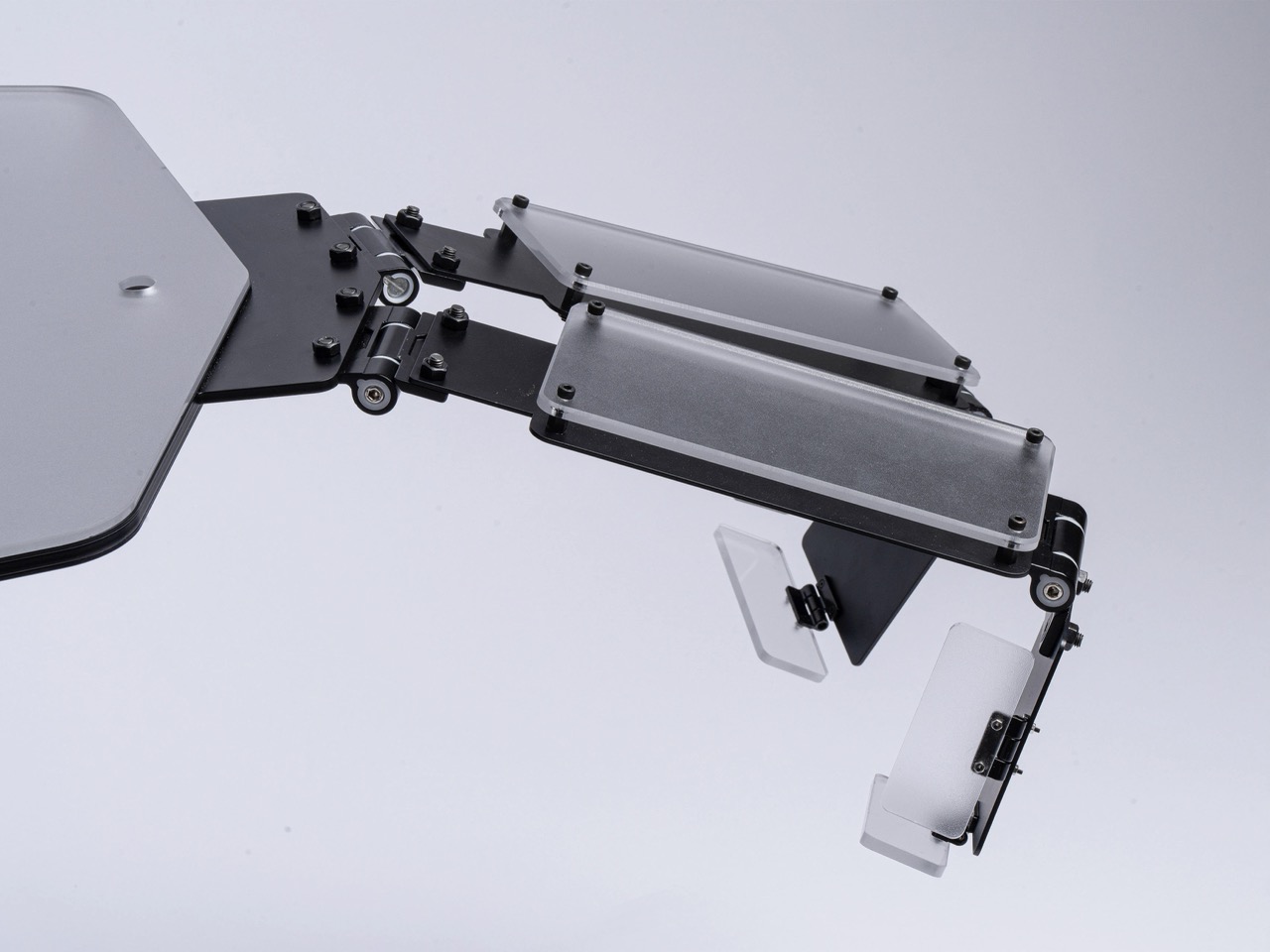
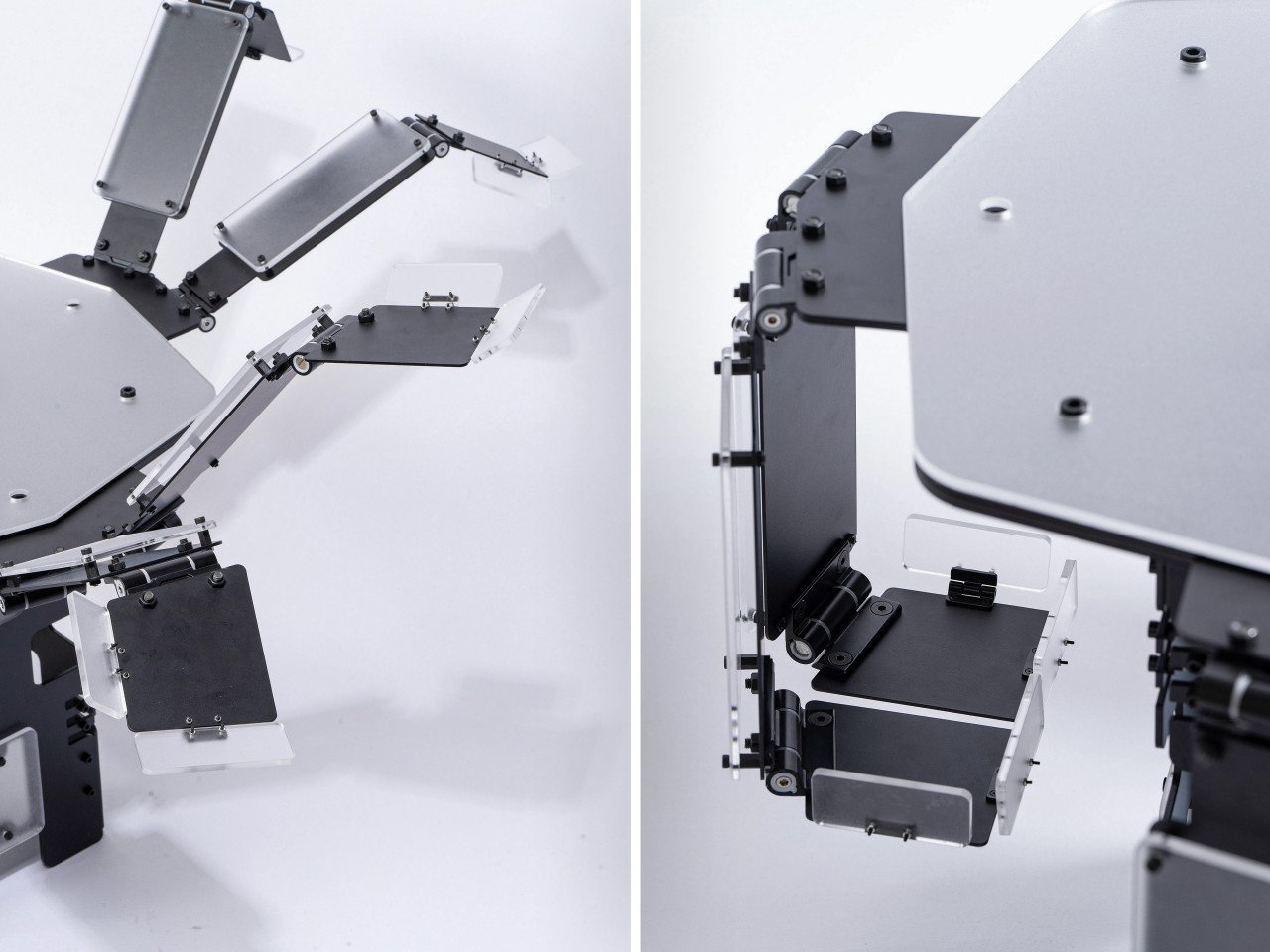
The post 8-Legged Shapeshifting Stool Features Fold-out ‘Tentacles’ That Turn Into Side-Tables first appeared on Yanko Design.
Zinc Studio’s Cabin Proves Prefab Can Have a Point of View

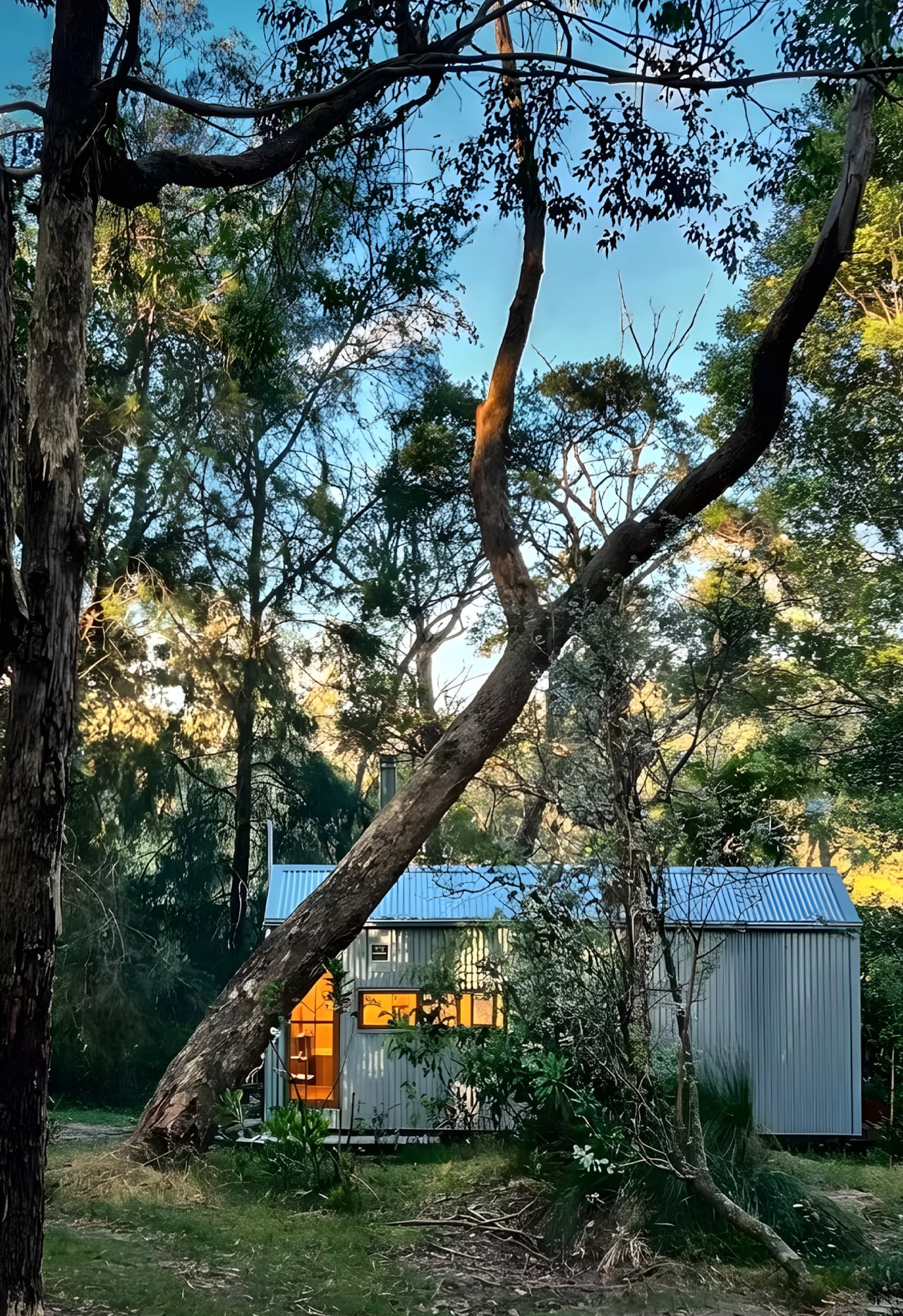
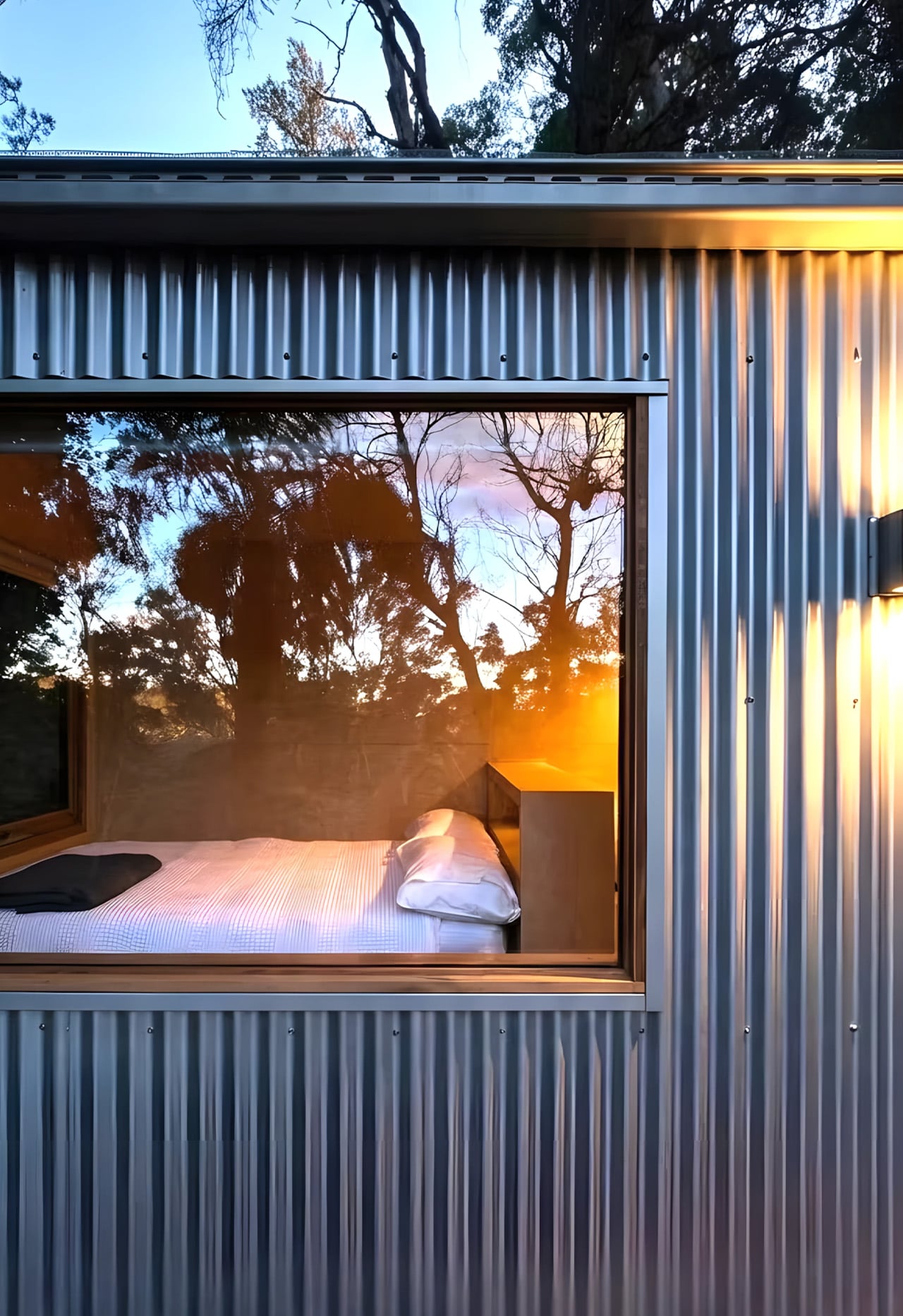
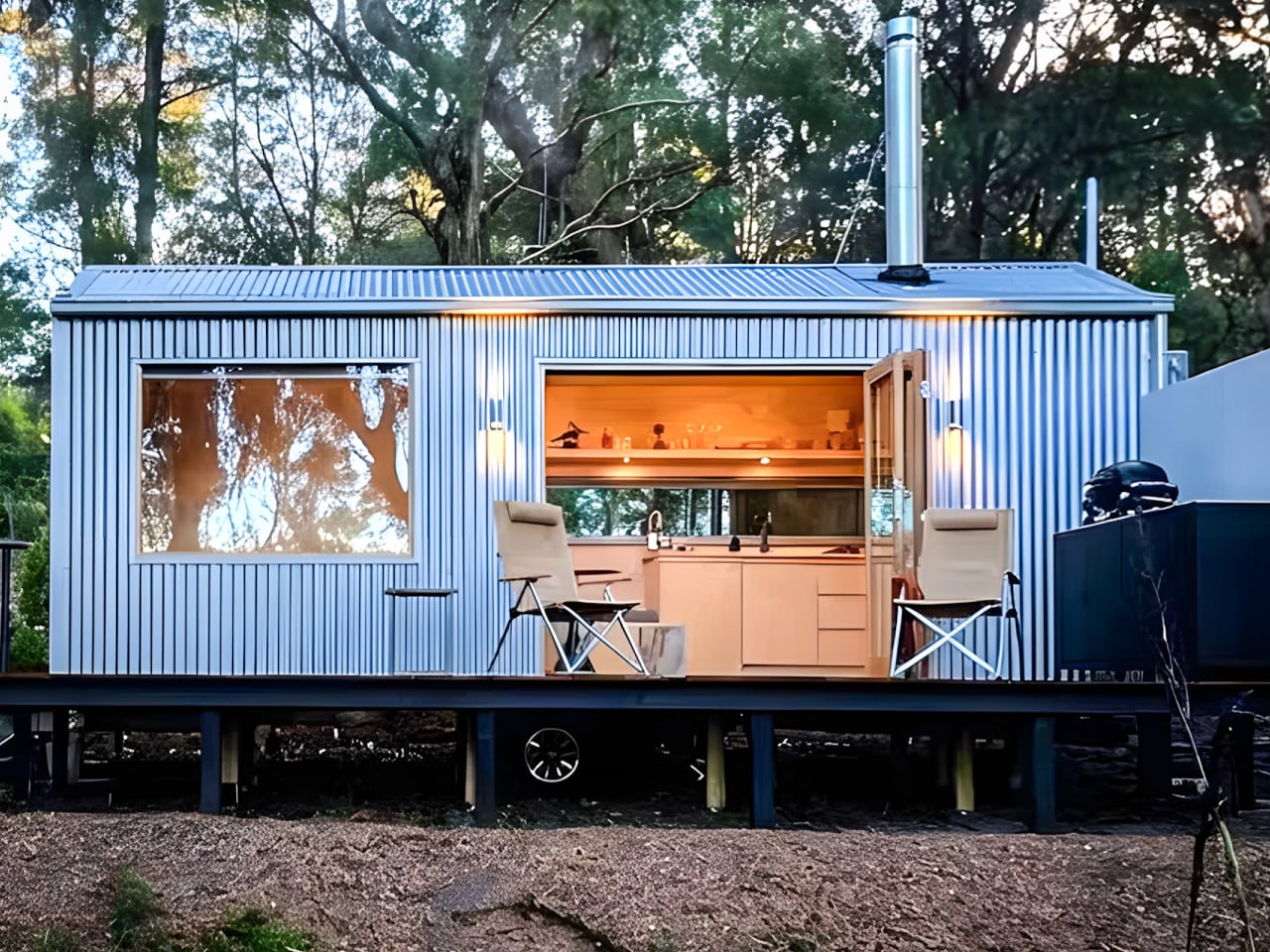
The Zinc Studio Cabin looks like a shed. That’s entirely the point. It pulls from the corrugated iron sheds and shearers’ quarters of rural Australia — those weathered, no-fuss outbuildings that have quietly shaped the country’s built landscape — and re-engineers that heritage into something genuinely architectural. It doesn’t try to be a house pretending to be modern. It’s a prefab that knows exactly what it is, and that confidence shows in every detail.

Built on a steel skid foundation and delivered by truck, the cabin arrives turn-key in as little as eight weeks. The standard model runs seven meters in length, though bespoke configurations stretch to twelve, making it adaptable across residential plots, farm stays, and short-term accommodation sites. The process feels less like commissioning a build and more like receiving a very well-resolved object — one that can be live-in ready the same day it lands on site.

Designer: Zinc Studio

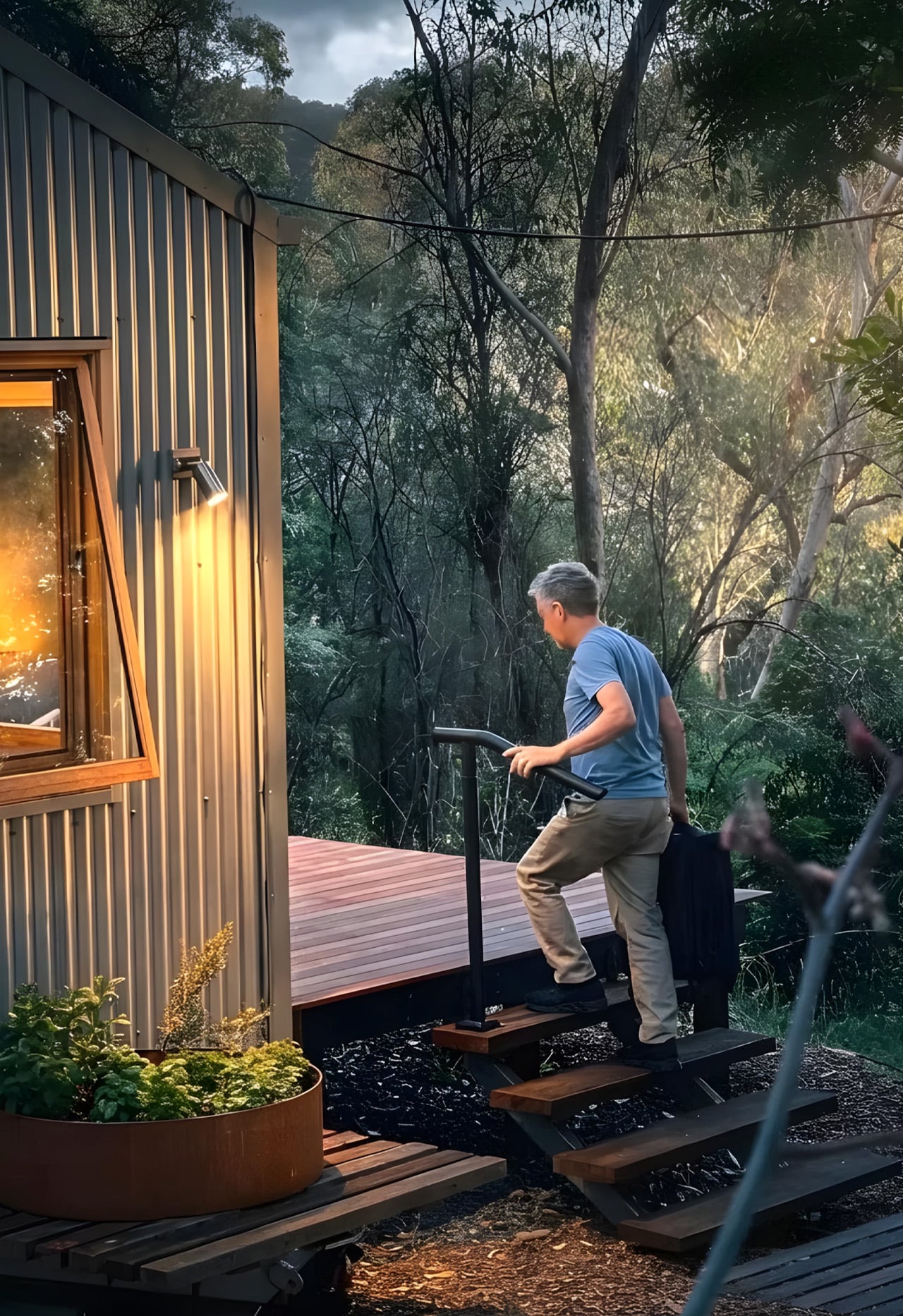
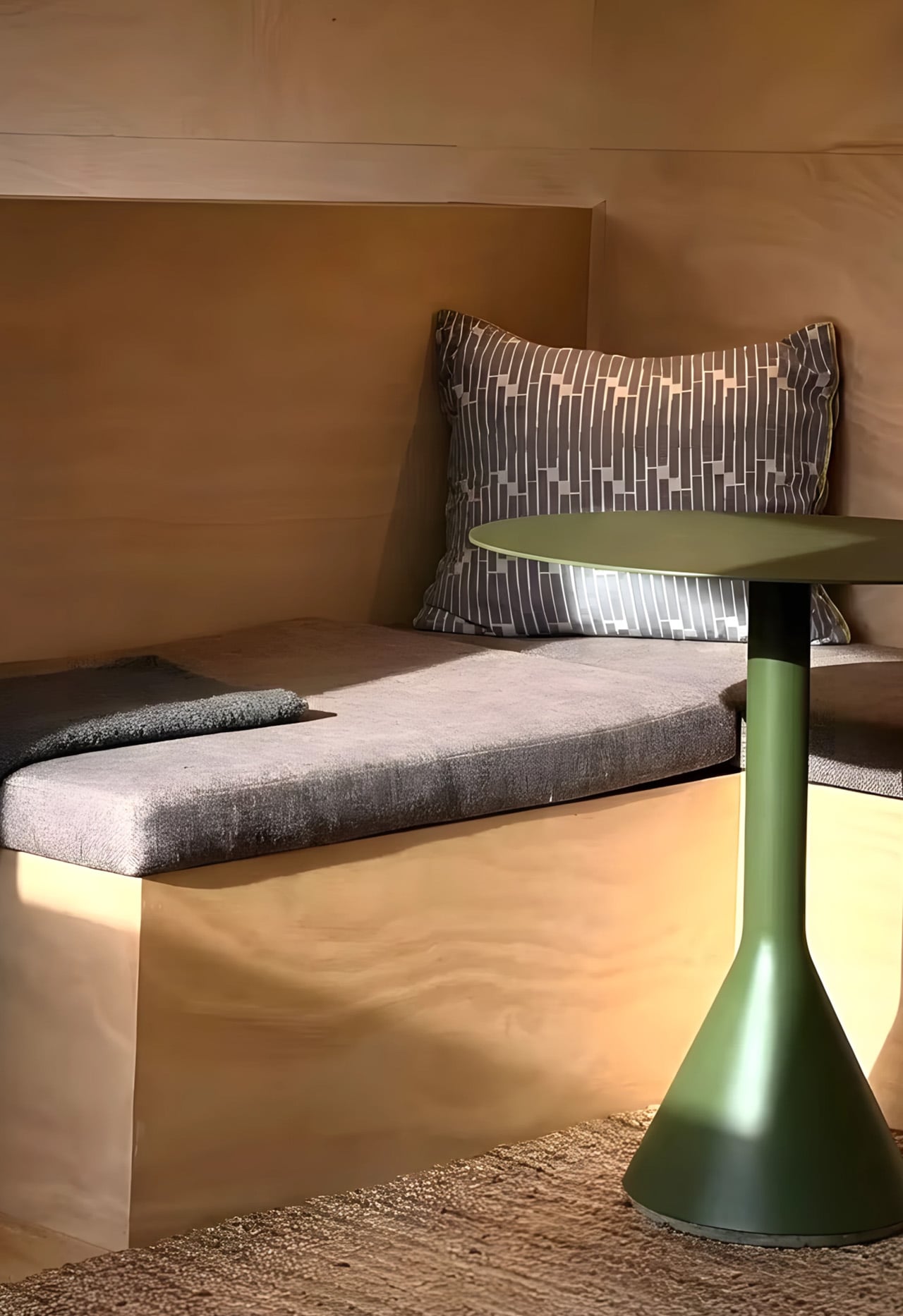
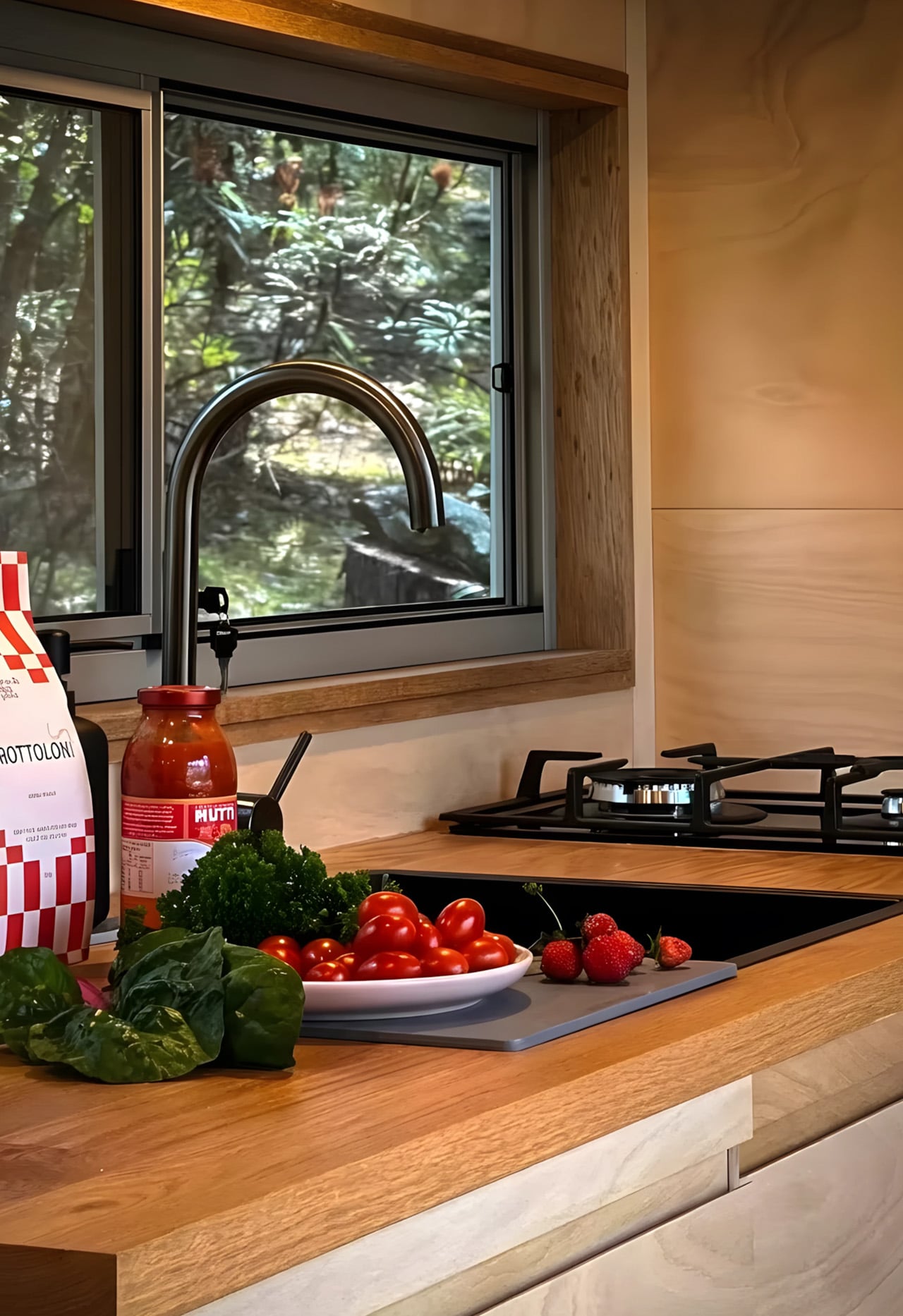
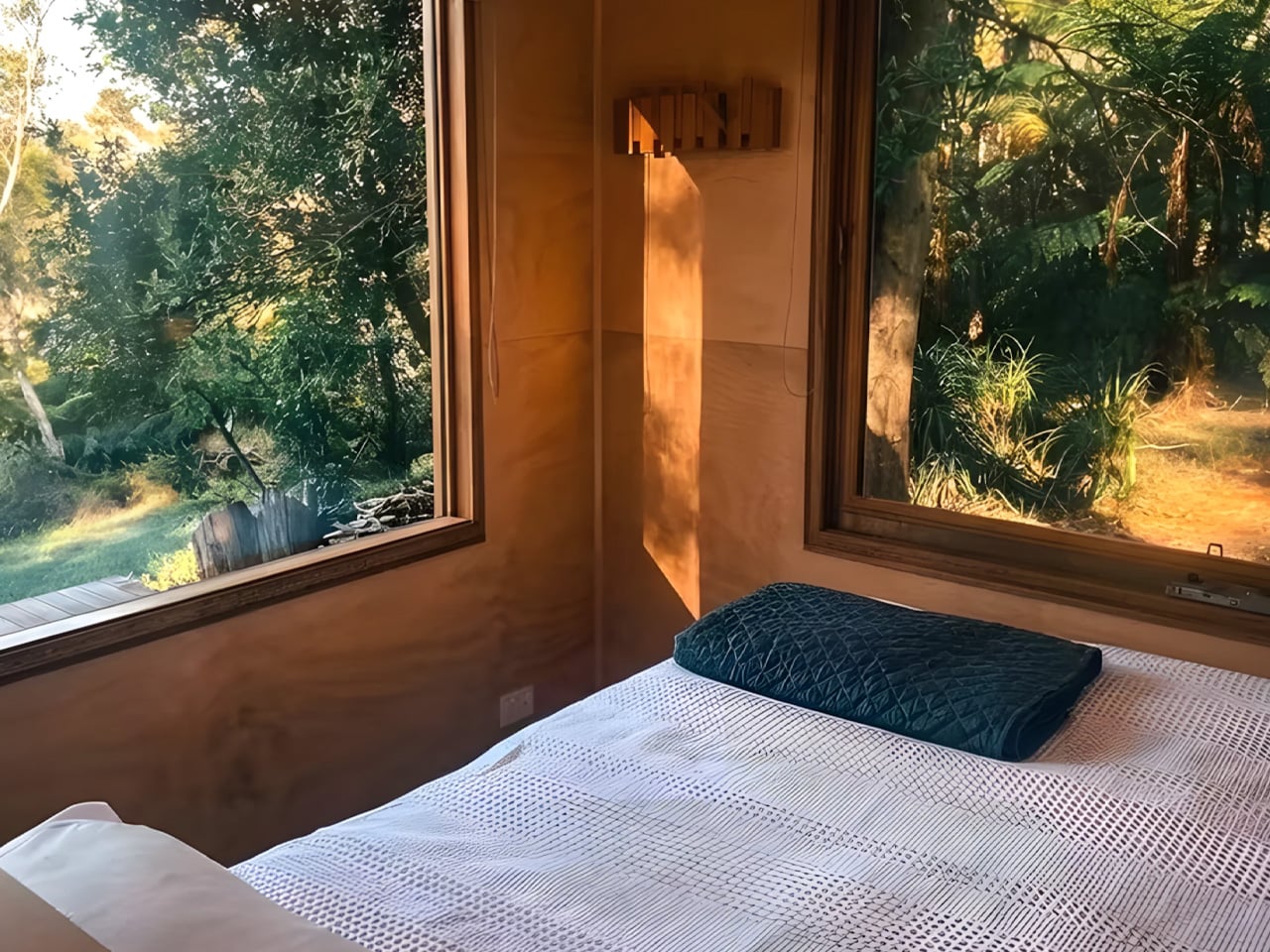
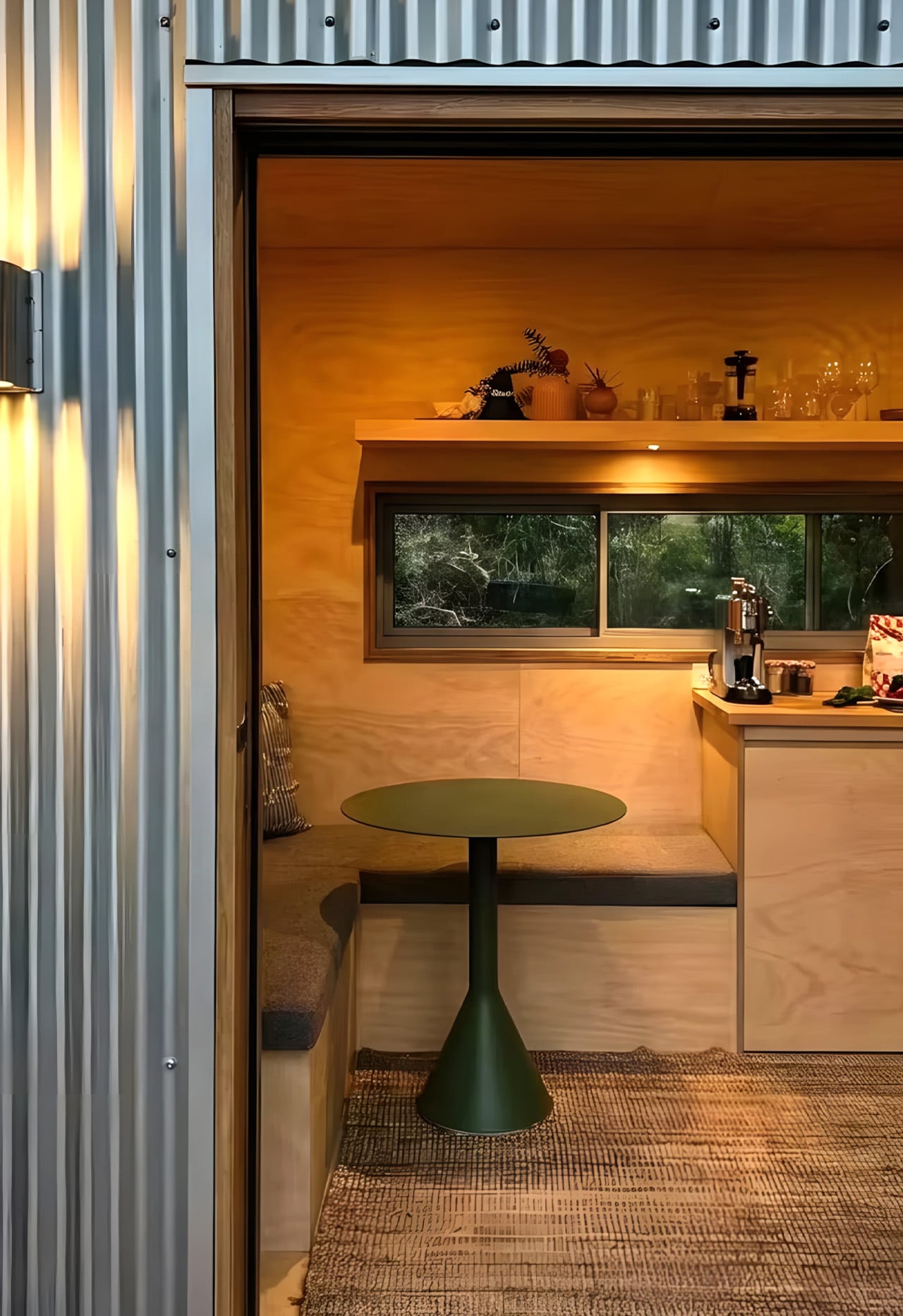
Inside, the single-level layout is open without feeling bare. Architectural-grade plywood lines the walls, hardwood trim works through the details quietly, and a run of generous glazing keeps the cabin in conversation with whatever landscape surrounds it. The tri-fold glass doors are where the design earns its keep — folding back entirely to collapse the boundary between interior and deck, shifting the whole space into something closer to a pavilion. Natural light moves through the cabin freely, making the footprint feel more expansive than its dimensions suggest.

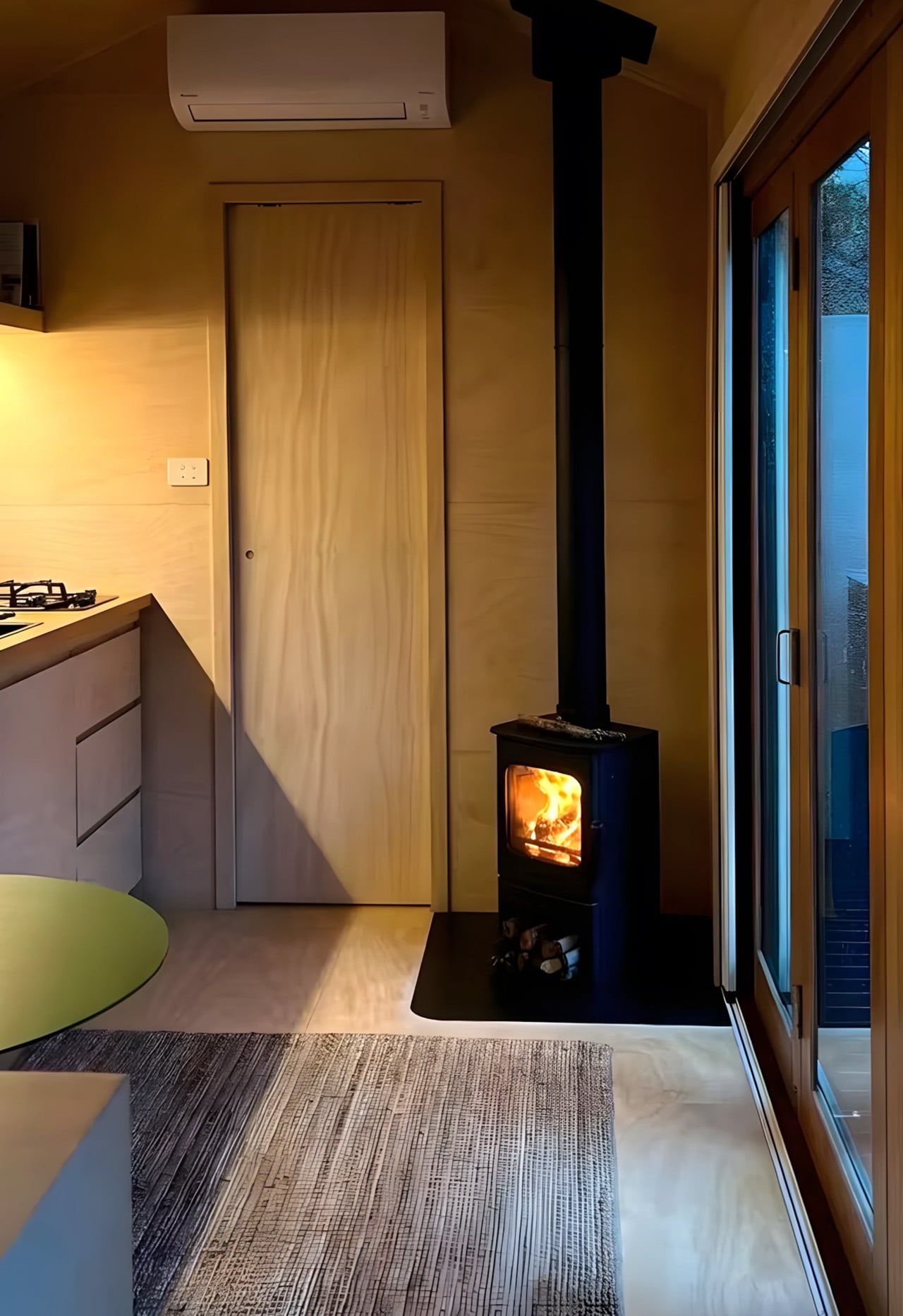
The bathroom is considered complete, with a glass-enclosed shower, vanity, and toilet that sit neatly within the overall material language. A log-burning stove near the entry brings warmth that the plywood and hardwood already hint at. The zincalume exterior handles the elements with minimal upkeep, and Colorbond colour options let the finish be dialled to suit the site. Full off-grid capability rounds out a specification list that holds up whether the cabin is sitting on a remote rural block or a working vineyard.

Zinc Studio has also positioned the cabin as a genuine short-stay income vehicle, and their own hosted properties back that up in practice. What makes the cabin worth paying attention to isn’t any single feature — it’s the consistency. For a structure that arrives fully resolved on the back of a truck, the level of design rigour on display is something the broader prefab market is still working to catch up with. Australia has been building corrugated iron structures for over a century. Zinc Studio is simply doing it better than most.

The post Zinc Studio’s Cabin Proves Prefab Can Have a Point of View first appeared on Yanko Design.

Arcade Game-shaped Wooden Cabinet Plays Vinyl Vertically and Cassette Tapes

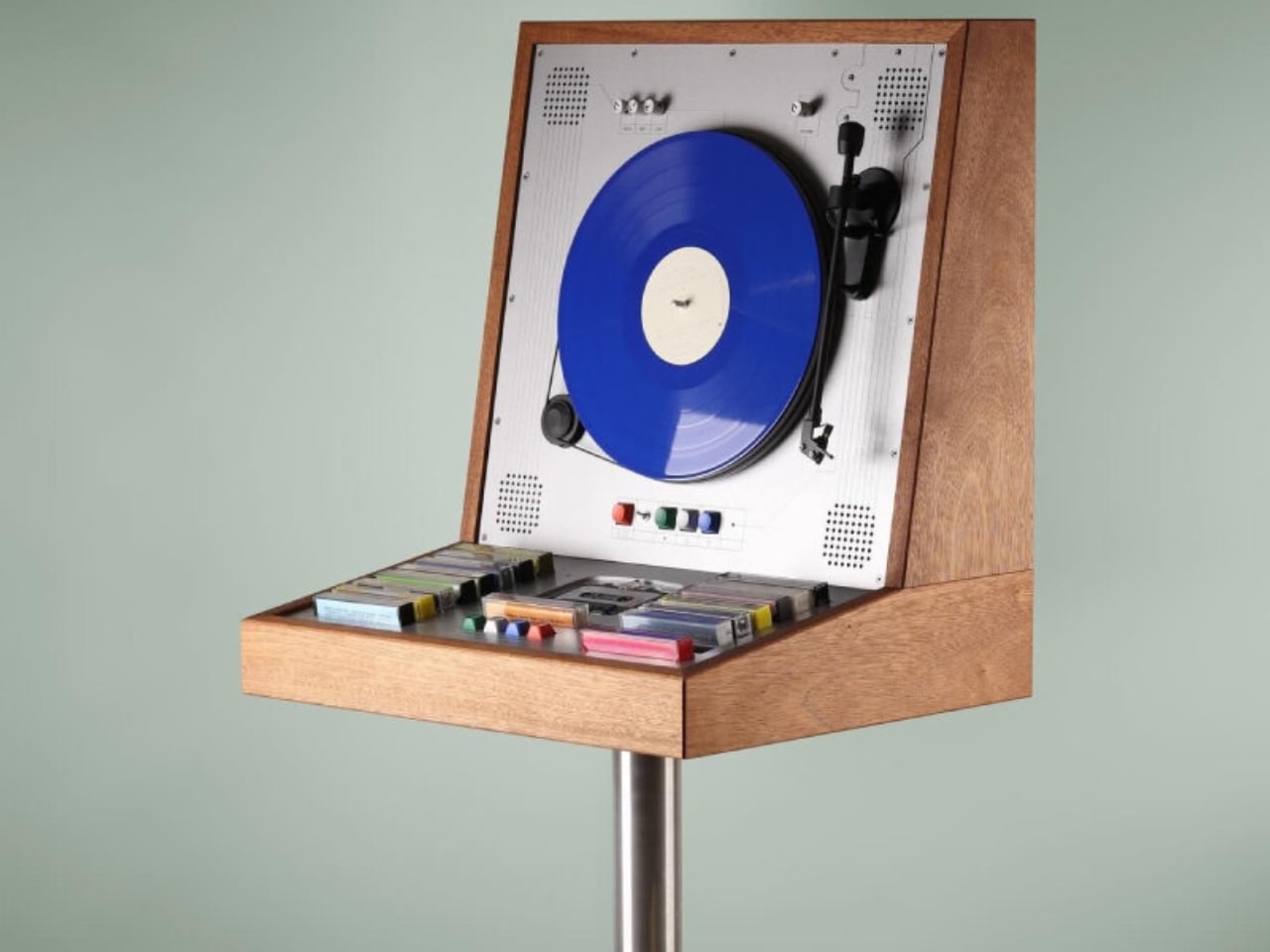
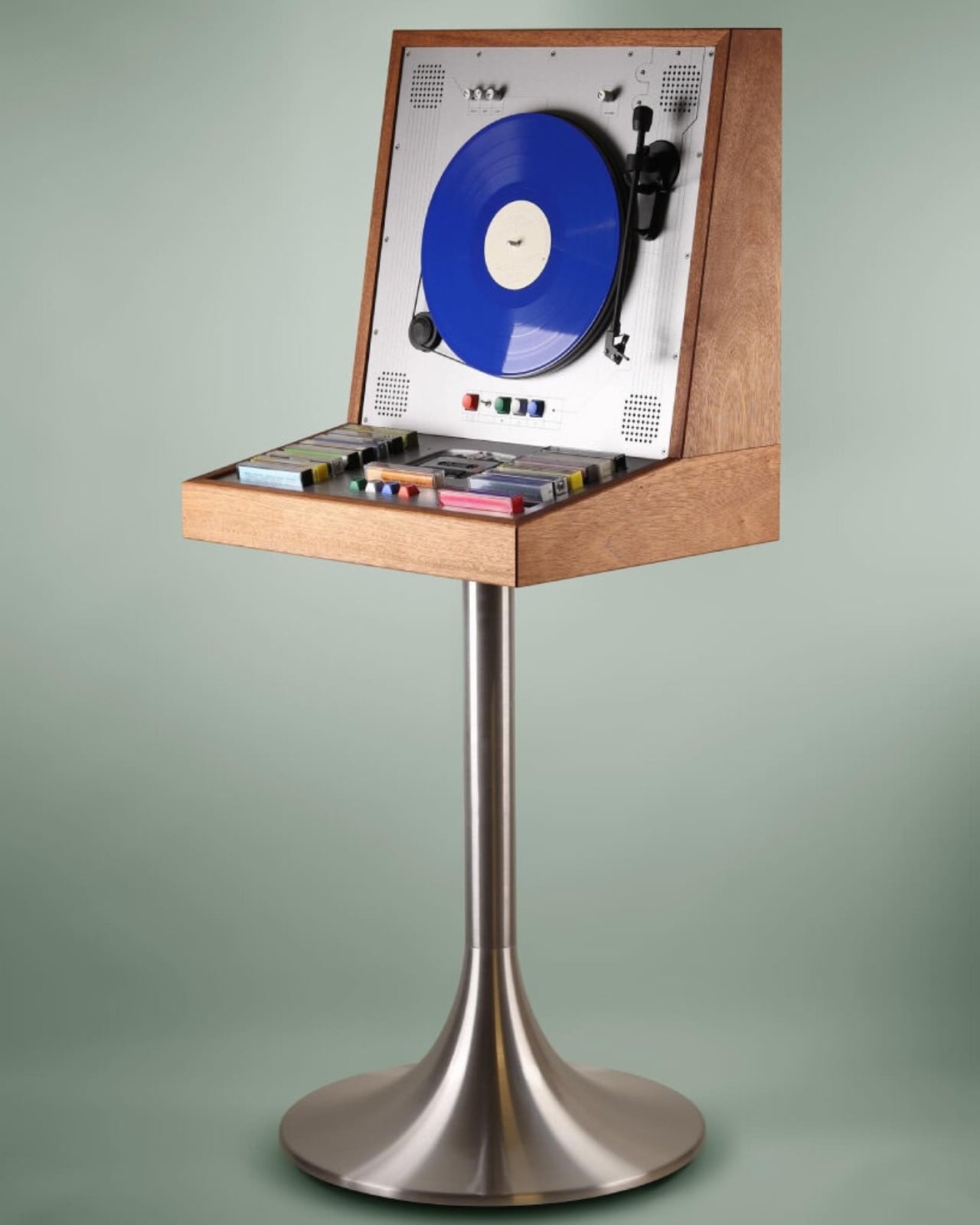
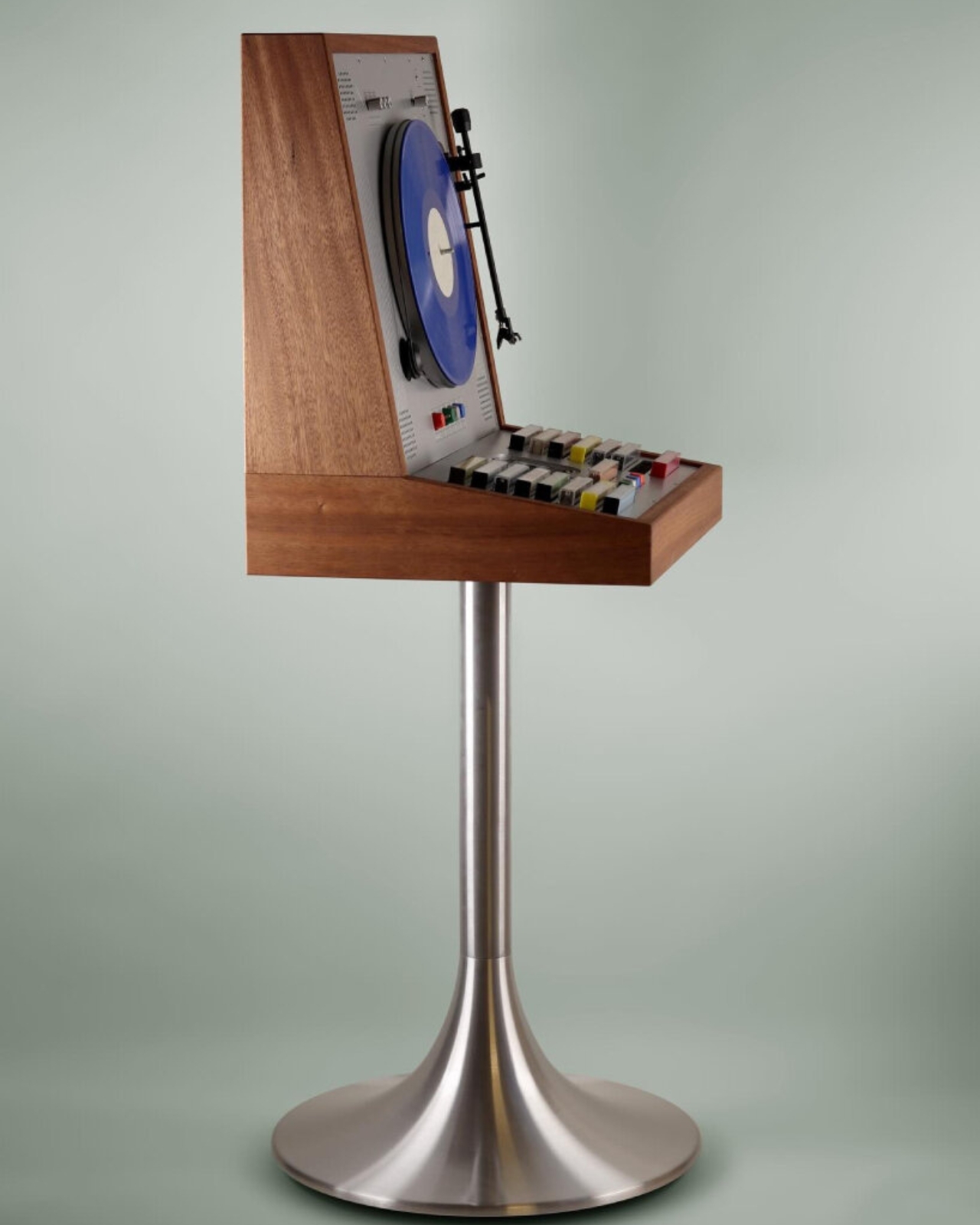
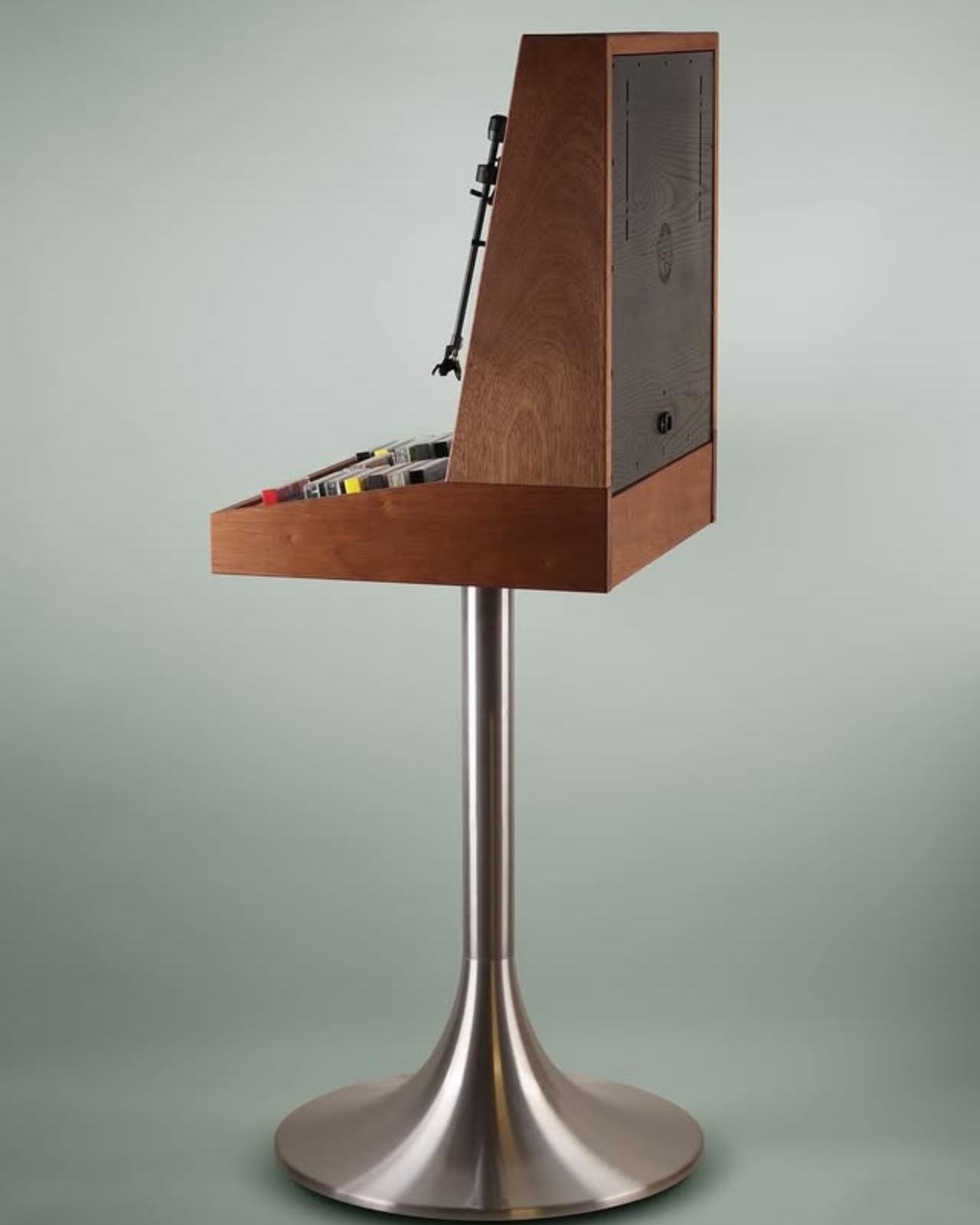
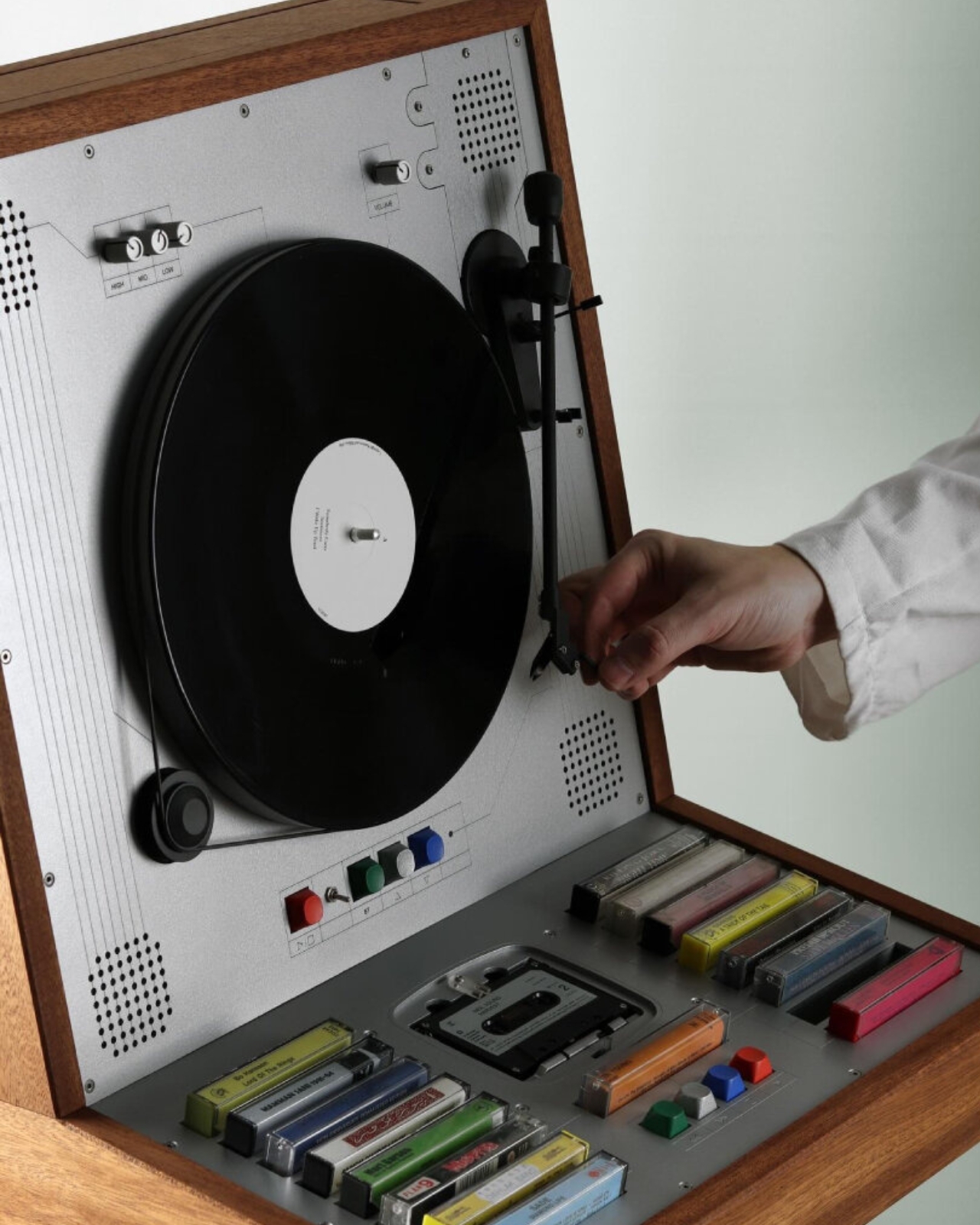
There’s something genuinely exciting happening in the world of audio design, and it comes packaged in warm wood and a beautifully nostalgic aesthetic. Swedish artist and craftsman Love Hultén has just unveiled a wooden music cabinet that does something no one really asked for, but everyone immediately wants: it plays vinyl records vertically while also housing a full collection of cassette tapes.

Yes, vertically. Your records, standing upright, spinning in a way that feels both physically unlikely and somehow completely right. It’s the kind of design move that makes you stop scrolling, tilt your head, and go, “Wait, how?”

Designer: Love Hultén

Hultén has built a reputation for creating custom, handcrafted audio devices that sit at the crossroads of art, furniture, and technology. His past work includes a synthesizer housed inside a wooden cabinet, retro-inspired tape players, and all manner of beautifully tactile objects that feel more like heirlooms than gadgets. The wooden music cabinet is very much in that tradition, except it’s one of his most complete visions yet.

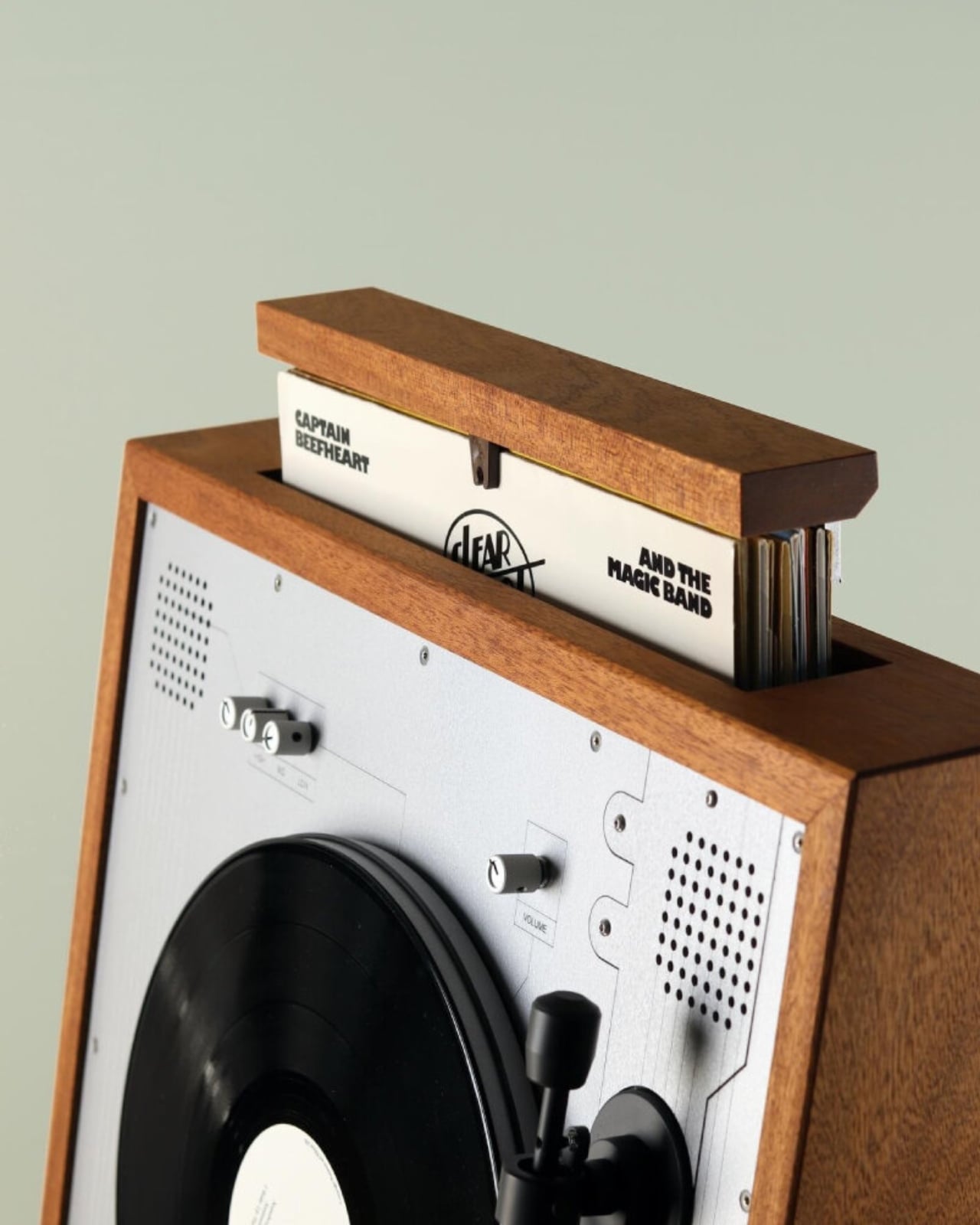
The cabinet itself is built from rich, natural wood, giving it the warmth and weight you’d expect from a well-made piece of furniture. But the front panel around the record player breaks from the organic material and shifts into light gray metal, a nod to an older vision of futurism. It’s a contrast that works surprisingly well, the wood grounding the piece while the metal gives it a certain retro-industrial cool.

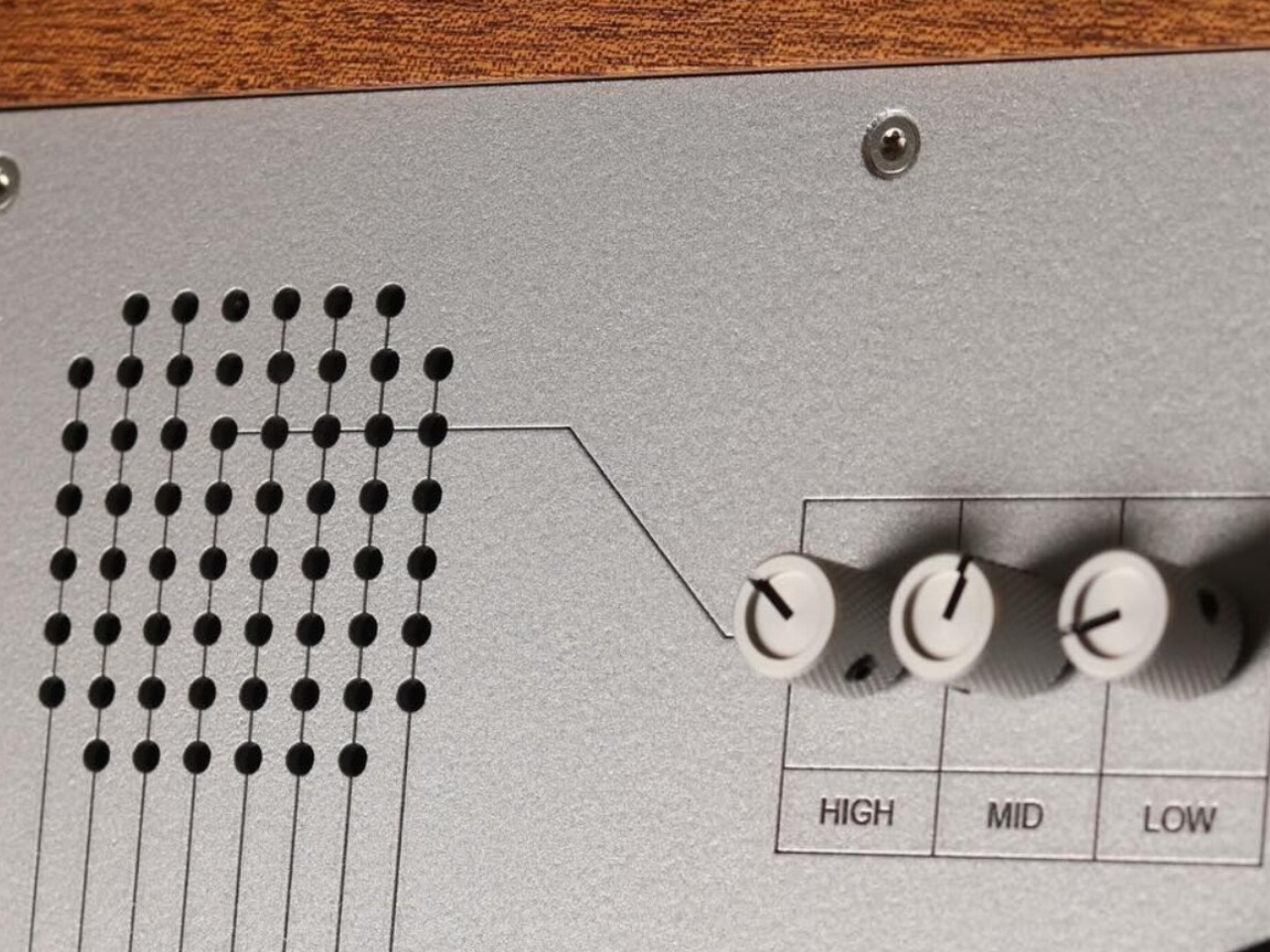
Sound control comes through a row of small, round knobs at the top of the panel, each one labeled for high, mid, and low. Flanking them on both sides are speaker holes arranged in a clean grid pattern, the kind of detail that feels satisfyingly considered. Nothing is there by accident. Everything has a place.

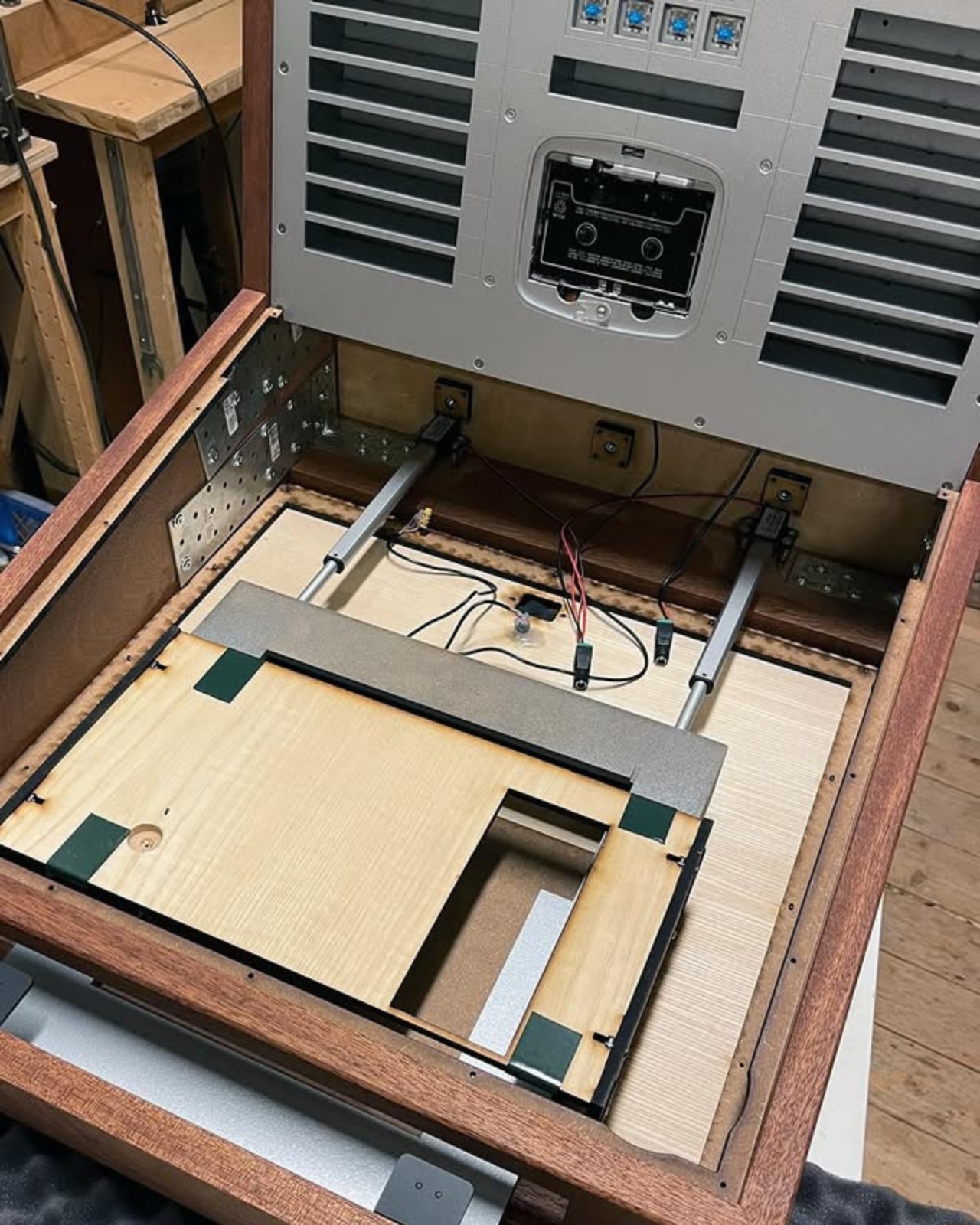
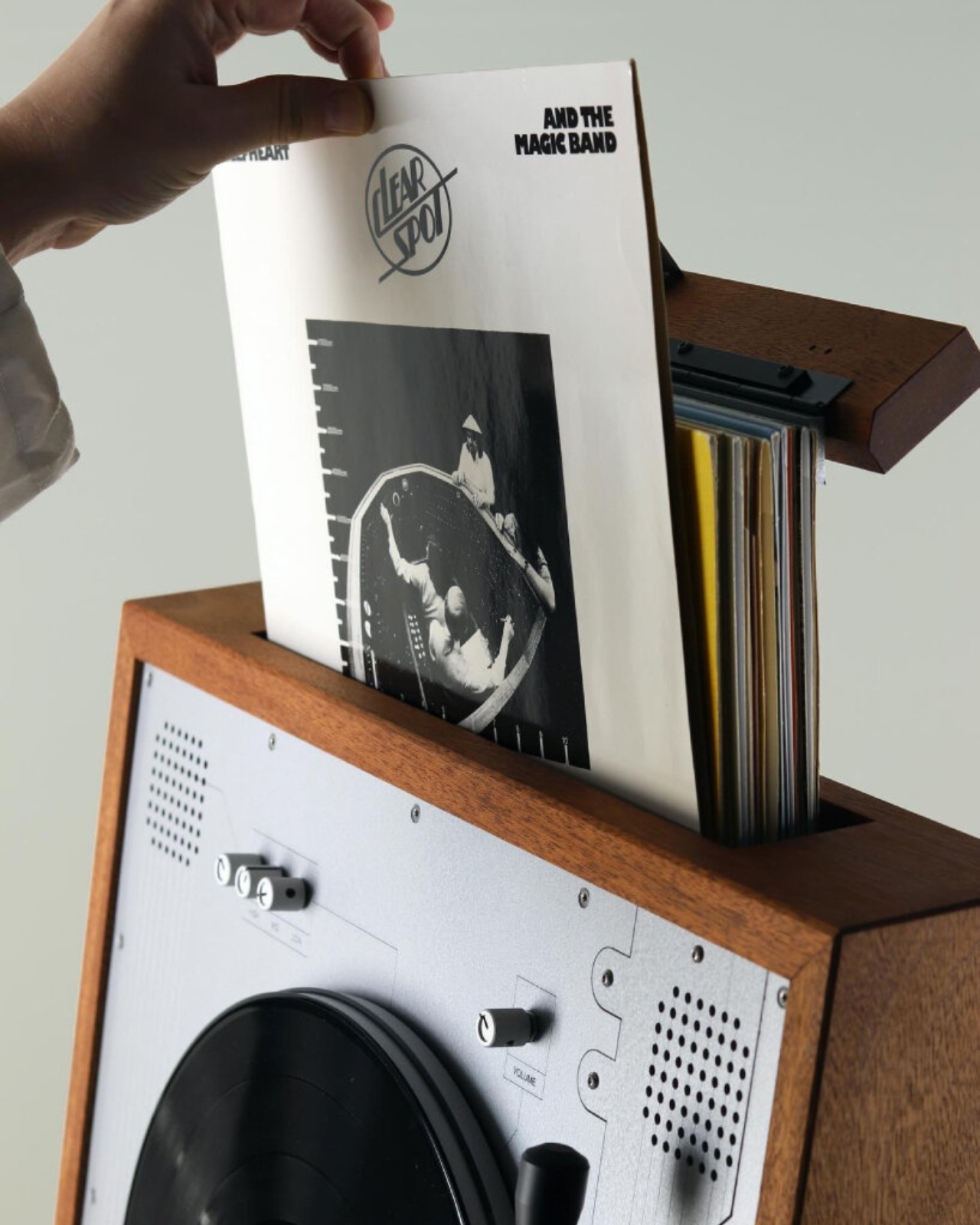
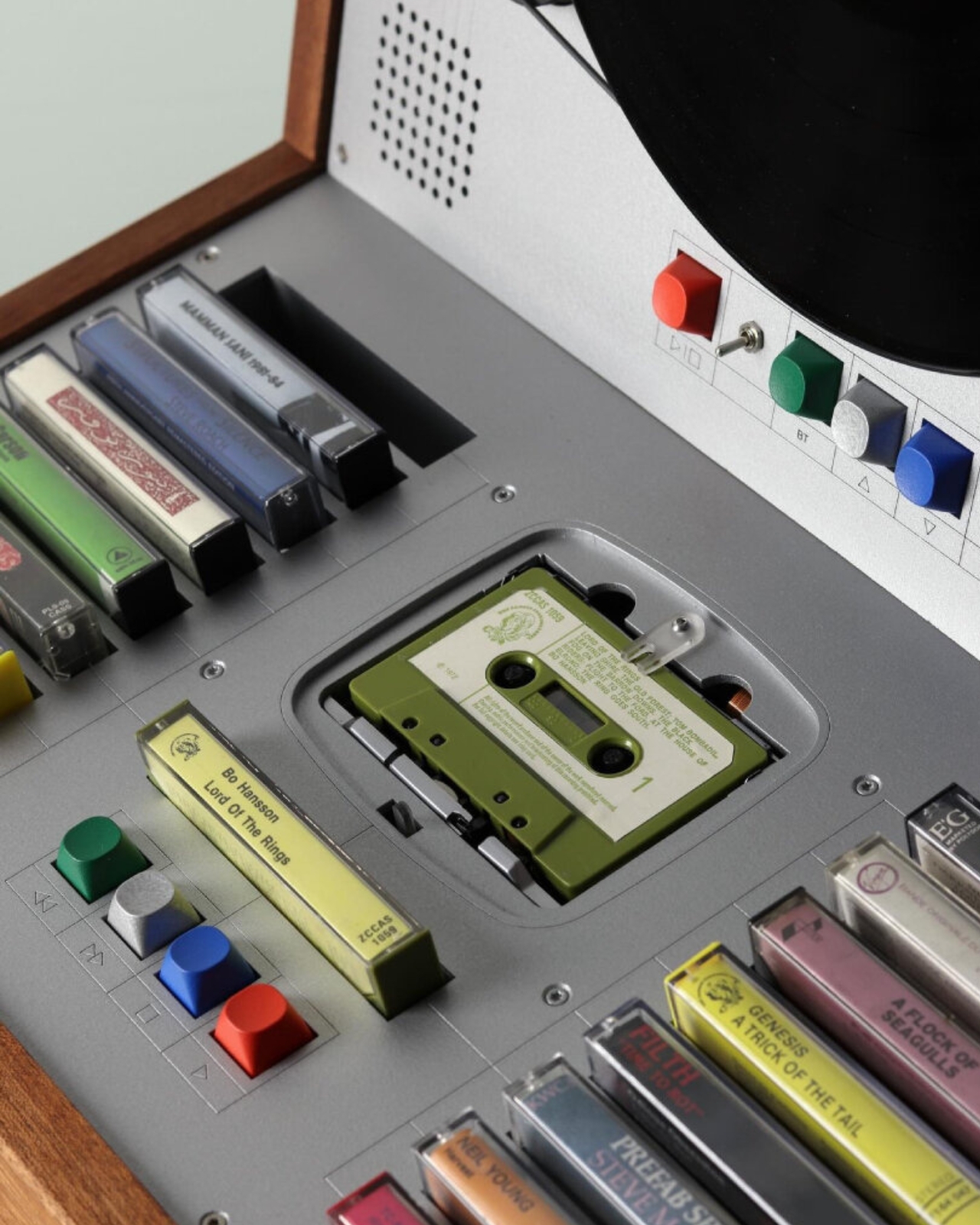
Below the turntable, the cabinet opens up into storage for cassette tapes, with several colorful ones arranged neatly in rows, also stacked vertically to mirror the record player above. The storage section holds up to 12 records. The whole layout feels like Hultén thought carefully about the ritual of listening, giving both formats their own dedicated space without either one feeling like an afterthought.

The design draws clear inspiration from the Rosita Commander Luxus, a 1970 audio unit with that signature high-chair silhouette and a decidedly mid-century European flair. Hultén’s version carries that same upright, almost architectural posture but updates it with his own sense of craft and intention. The result is something that belongs in a well-curated living room or a design studio, not tucked under a TV stand or shoved in a corner.

What makes Hultén’s work so compelling is that it refuses to be just one thing. It’s not purely nostalgic, leaning entirely on the romance of physical media. It’s not purely modern either, chasing specs and wireless connectivity. It lives in the middle, treating analog formats as something worth celebrating rather than merely tolerating, and wrapping them in an object that demands to be looked at as much as listened to. Hultén himself has described his practice as playing with preconceptions about the distinct realms of art and design, breaking patterns of function and aesthetics.

There’s also something worth noting about the moment we’re in. Vinyl sales have been climbing steadily for years, and the cassette tape revival has moved from niche curiosity to genuine cultural moment. Hultén’s music cabinet arrives at exactly the right time, when people aren’t just listening to physical media again but actively thinking about how it fits into their spaces and their identities.

A music cabinet like this isn’t just a player. It’s a statement about what you value, a rejection of invisible, streaming-era audio in favor of something you can touch, organize, and display. It’s the kind of object that starts conversations, the kind people notice the moment they walk into your room. No price or availability has been announced yet, which tracks for a piece this considered. Love Hultén’s creations tend to be custom or limited, made with the patience and intention that mass production simply can’t replicate. Whatever the wait turns out to be, it might just be worth it.

The post Arcade Game-shaped Wooden Cabinet Plays Vinyl Vertically and Cassette Tapes first appeared on Yanko Design.
This Wavy Sculptural Cat Post Turns Feline Play Into Living Room Art

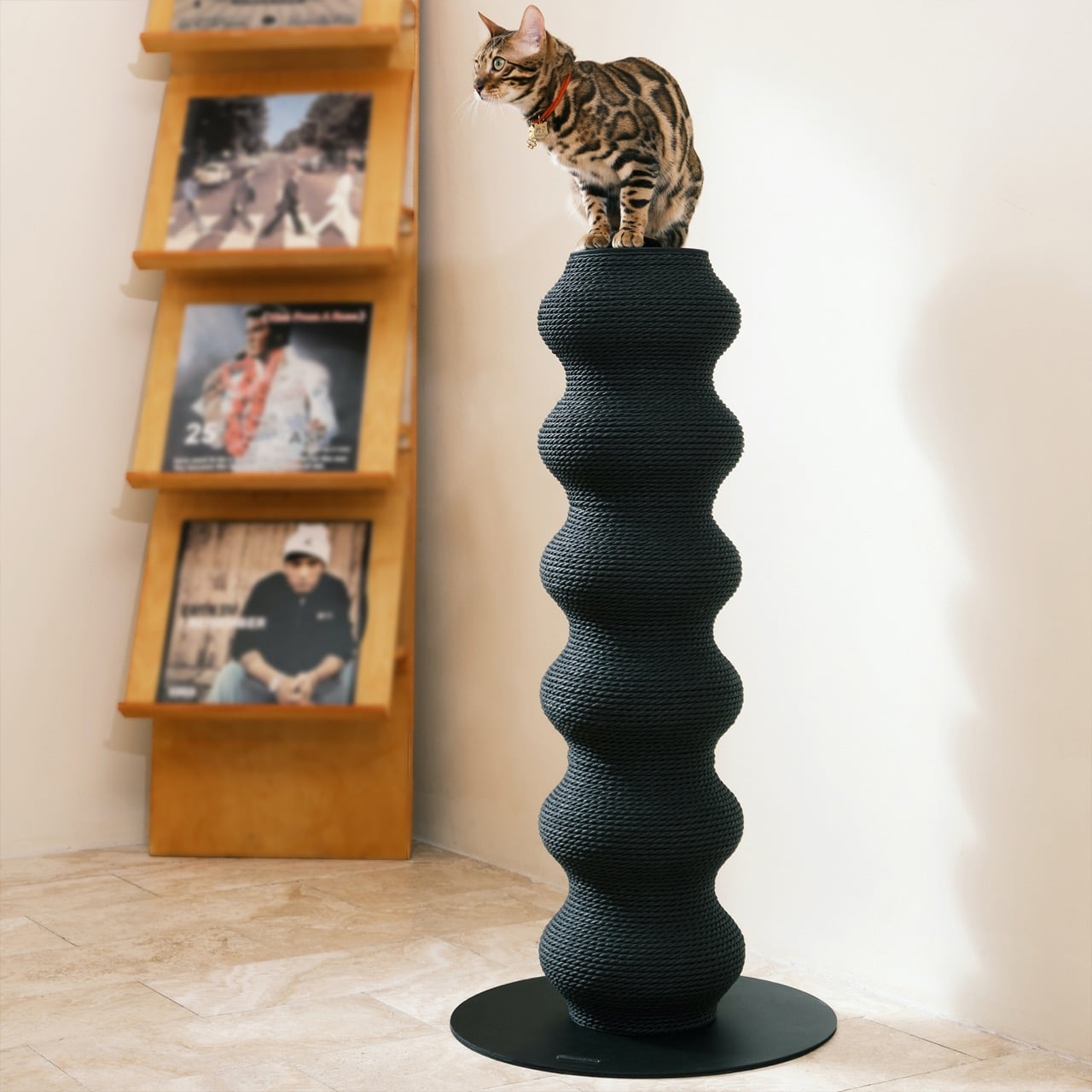
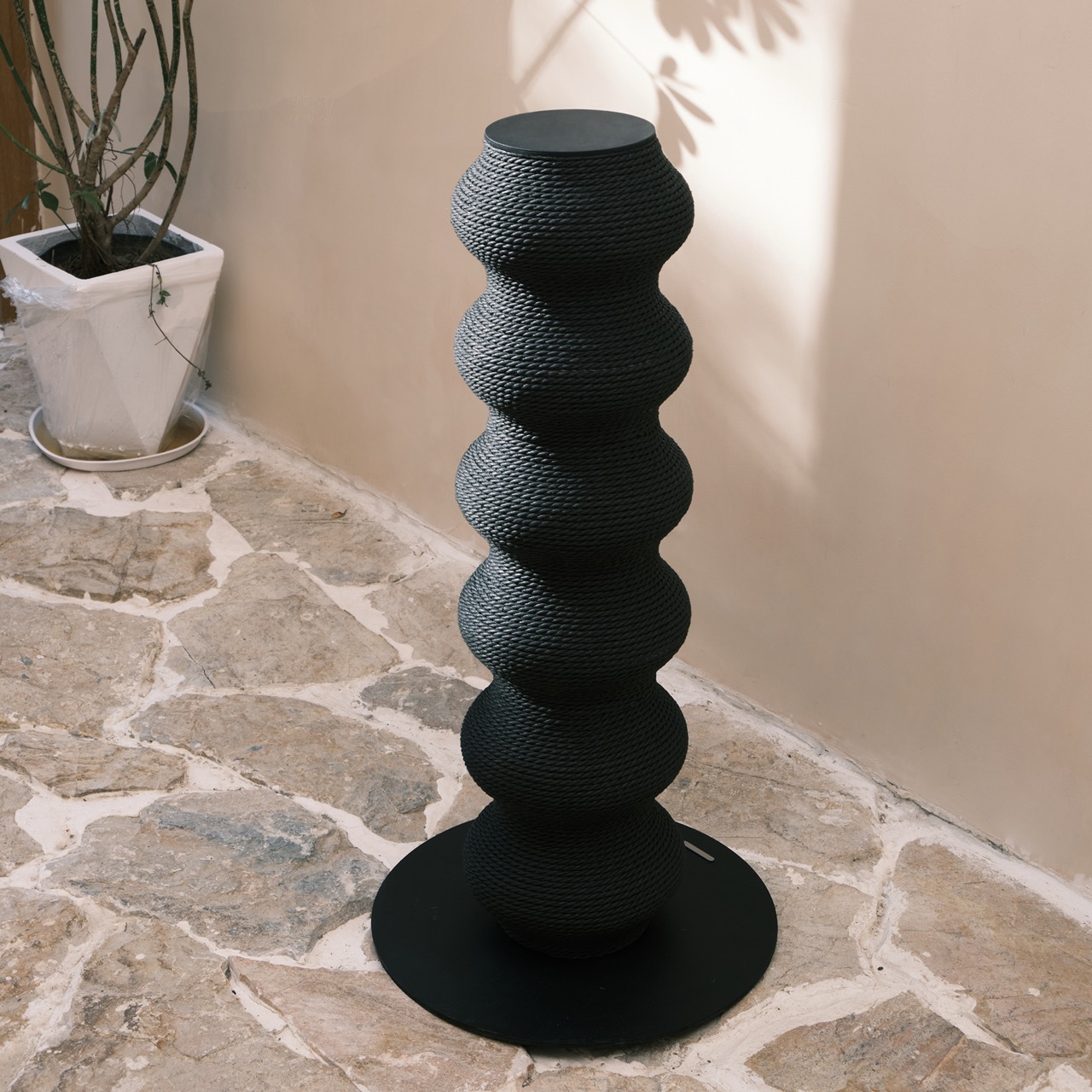
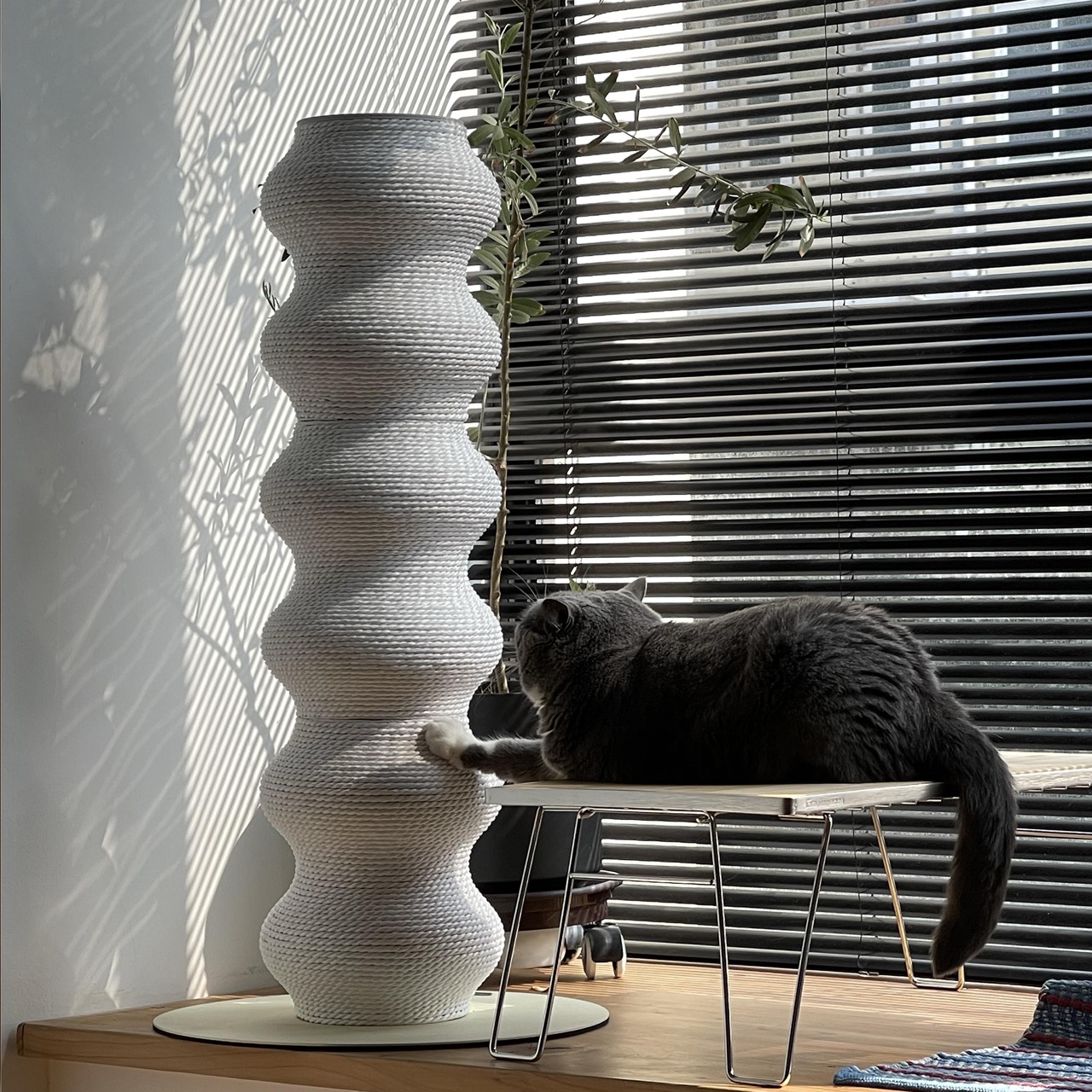
Bringing together nature, functionality, and contemporary living, this innovative cat scratching post reimagines what pet furniture can be. The product transforms a conventional vertical scratching post into a sculptural centerpiece inspired by coral formations and the fluid movement of ocean waves. The result is an object that satisfies feline instincts while elevating the aesthetic quality of the home.

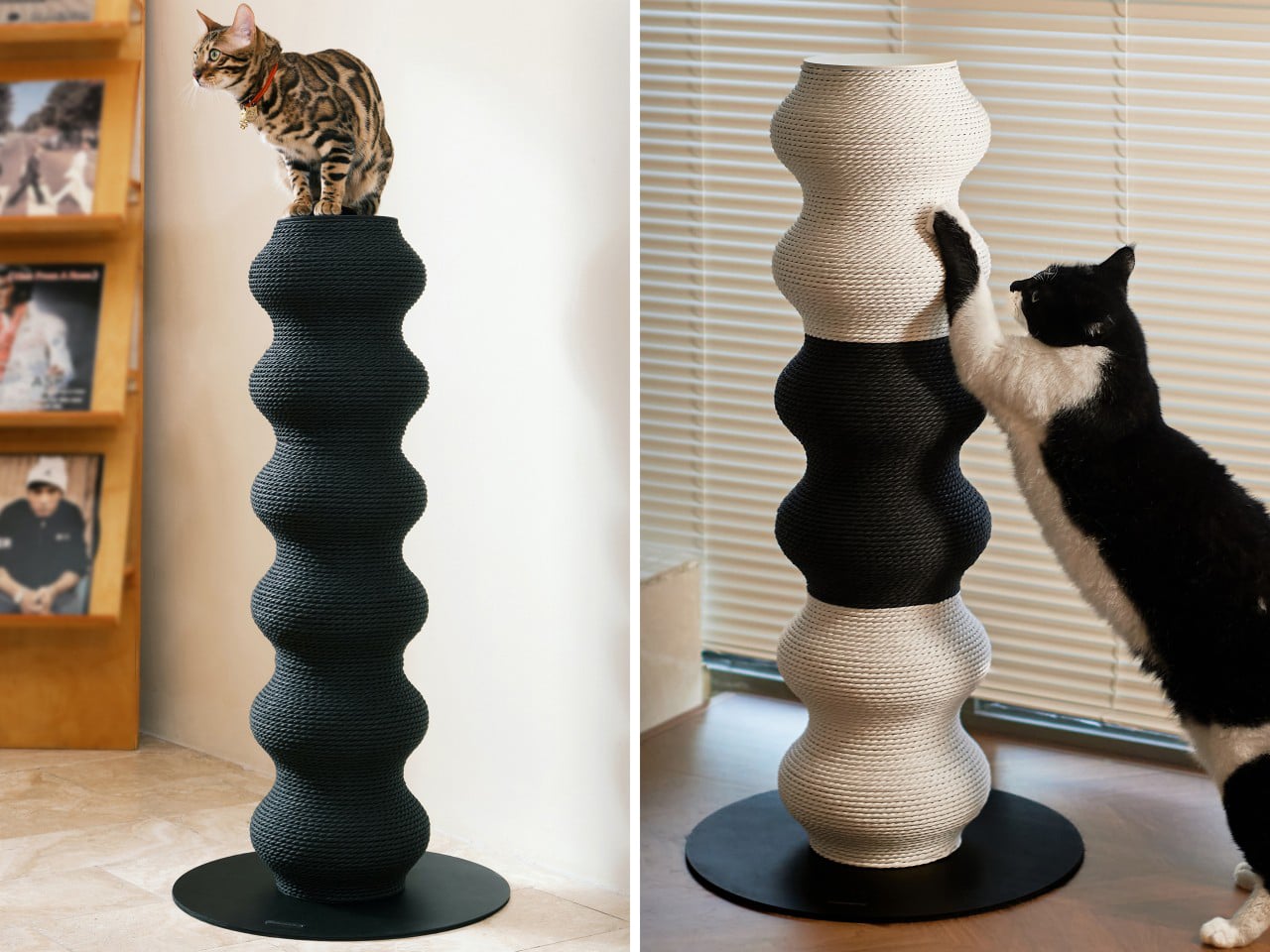
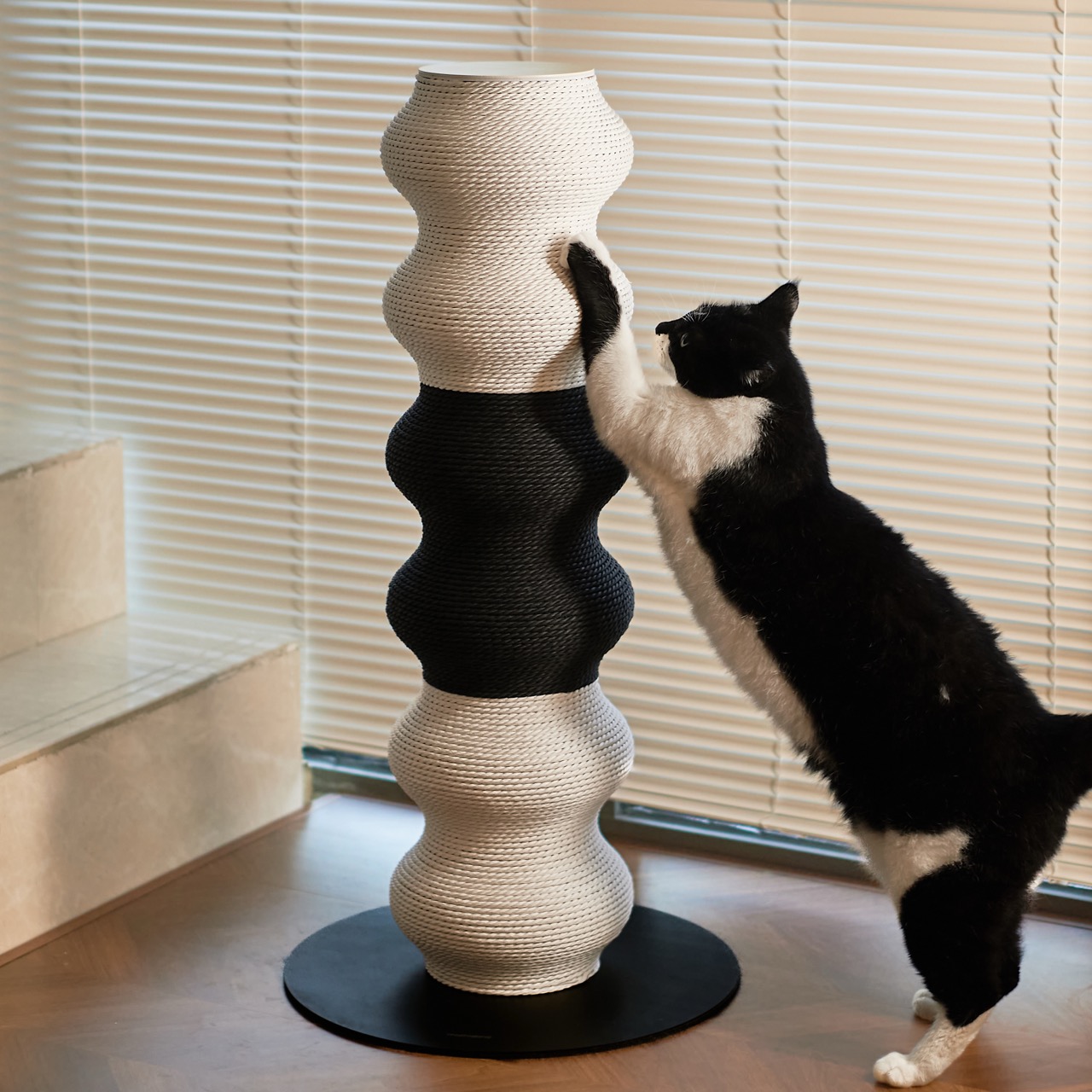
At first glance, the form distinguishes itself from traditional scratching posts. Instead of the standard cylindrical column wrapped in rope, this design adopts a branching silhouette reminiscent of coral structures, paired with flowing contours that echo the rhythm of waves. These biomorphic shapes are not merely decorative; they serve a functional purpose by creating footholds that encourage cats to climb naturally. This detail acknowledges feline instincts. Scratching, stretching, and ascending are essential behaviors for physical health, territorial marking, and mental stimulation. By translating these instincts into form, the product becomes an interactive environment rather than a static object.

Designer: Hangzhou Owls Technology Co., Ltd.

Equally significant is its visual language. The minimalist black and white palette intentionally rejects the brightly colored, cartoon-style aesthetic common in pet products. This restrained scheme allows the piece to integrate seamlessly into contemporary interiors, appealing to design-conscious owners who prefer their pet furniture to harmonize with their living spaces. In doing so, the scratching post transcends its utilitarian category and enters the realm of modern home décor.

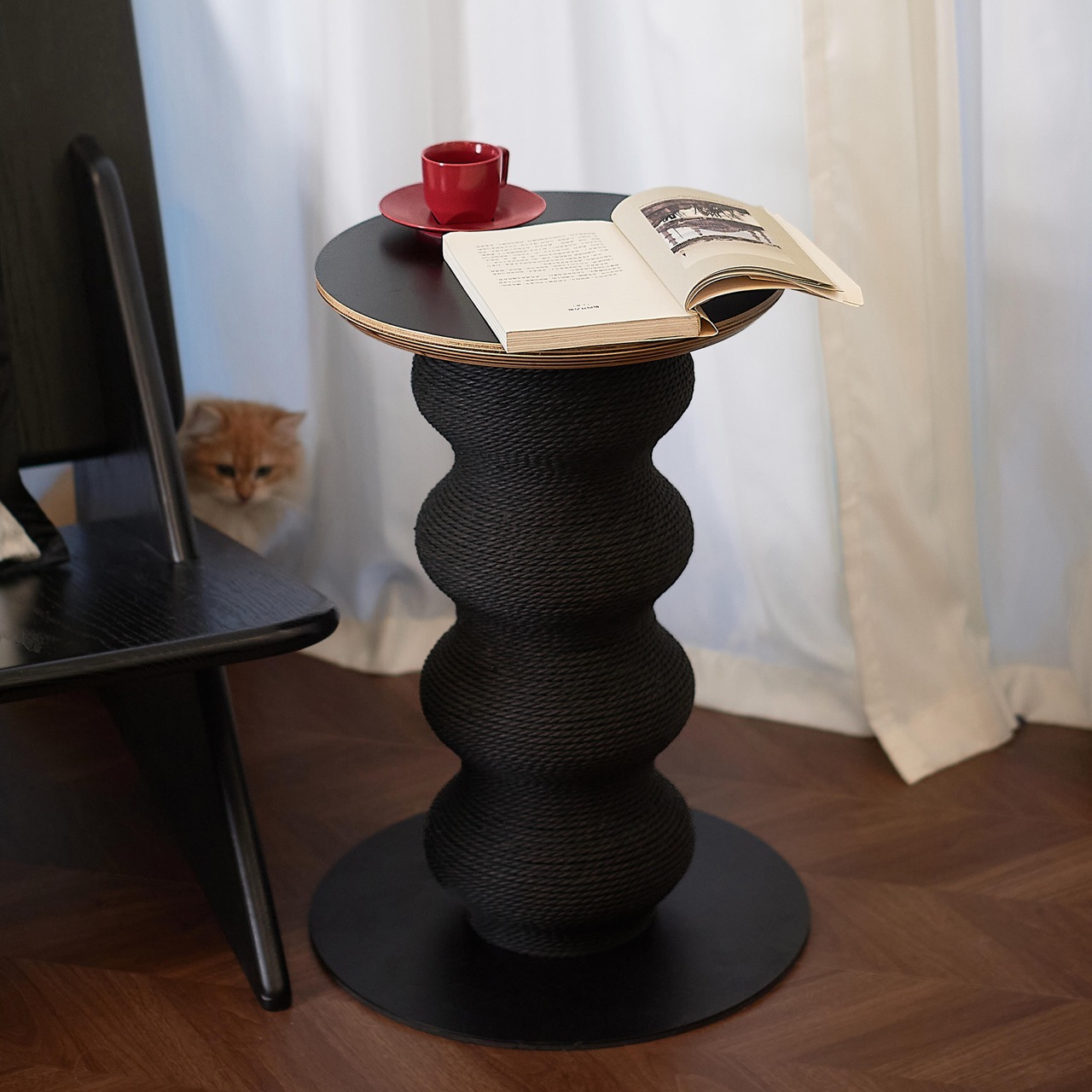
Versatility is another defining feature. The structure is modular, allowing users to adjust its height according to their cat’s age, agility, or physical condition, as well as spatial constraints within the home. This adaptability ensures accessibility for a wider range of cats, including those who are overweight, older, or short-legged. Even less agile pets can climb gradually and safely to the top, where they are rewarded with an elevated resting platform. This top surface doubles as a side table for owners, suitable for holding books, magazines, or remote controls, effectively transforming the object into shared furniture that benefits both human and animal.

The engineering behind the product reflects the same clarity as its visual design. Assembly is simplified through a single threaded rod that connects individual modules, eliminating complicated installation. The magnetic top attachment replaces traditional screw mounting, preventing visible hardware marks and preserving the product’s clean aesthetic. Material selection also reflects careful consideration. The main body is constructed from environmentally friendly paper wicker, chosen for its durability, scratch resistance, and ease of shedding, while the base and top are made from plastic-coated cold-rolled steel, providing stability and long-term strength.

Underlying the design is research into market trends and user behavior. The team observed that most conventional scratching posts focus solely on scratching functionality and rarely address aesthetic integration or multifunctionality. Many adopt playful, cute styling that clashes with modern interiors, forcing owners to compromise between their décor preferences and their pets’ needs. This project responds directly to that gap by combining practicality, sculptural elegance, and adaptability in a single object.

The central design challenge lay in balancing visual refinement with feline usability, ensuring the piece remained visually striking without sacrificing climbability. The coral and wave concept solved this problem elegantly, providing naturalistic footholds that invite movement while maintaining a cohesive sculptural form. The result is a harmonious fusion of art, architecture, and animal ergonomics.

More than a scratching post, this product represents a new category of pet furniture, one that treats animals as co-inhabitants of designed spaces rather than afterthoughts. By integrating natural inspiration, modular engineering, and minimalist aesthetics, it creates a shared environment where pets and owners can coexist comfortably and beautifully.

The post This Wavy Sculptural Cat Post Turns Feline Play Into Living Room Art first appeared on Yanko Design.

Cloudbeat reimagines the portable speaker with user-repairable, circular design

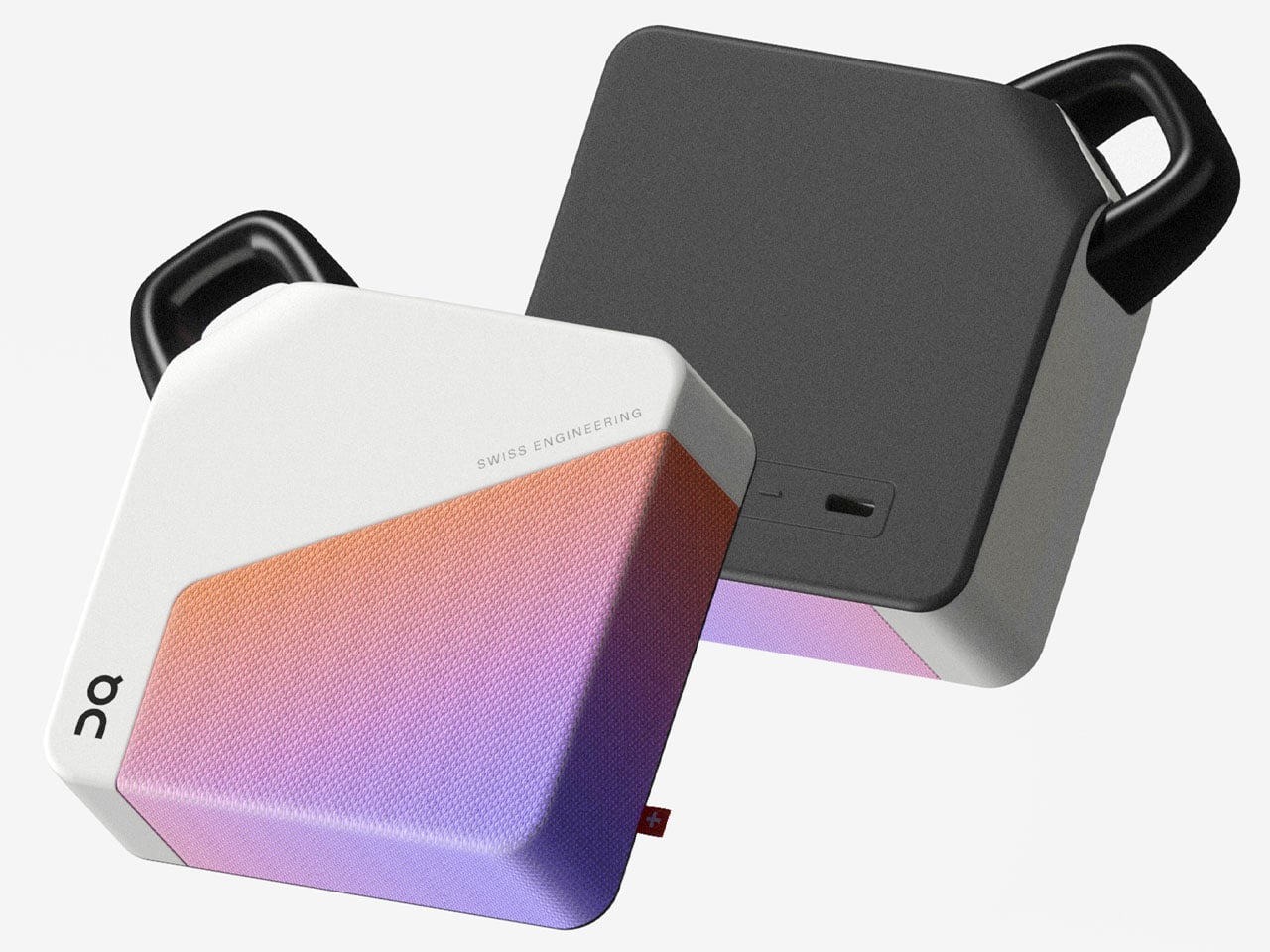
In a market where most portable speakers are sealed shut and designed for eventual replacement rather than repair, the idea of opening up your own device to extend its life feels almost radical. Yet that is precisely the thinking behind Cloudbeat, a concept Bluetooth speaker that challenges conventional consumer electronics through circular design and user empowerment. Developed by InOutGrid in collaboration with Swiss sportswear brand On, Cloudbeat applies the sustainability principles often associated with performance footwear to the world of portable audio.

At its core, Cloudbeat is built around full user repairability. Instead of relying on glue or permanent seals, the speaker is assembled using standard Phillips screws. This allows users to open the enclosure with basic tools, access internal components, and carry out repairs themselves. The approach removes the intimidation typically associated with electronics maintenance and shifts the relationship between product and owner. A QR code included on the packaging links directly to step-by-step repair instructions, guiding users through disassembly and part replacement in a clear and accessible way.

Designer: Cloudbeat

Material selection plays a central role in the concept’s circular ambitions. The speaker’s main body and protective mesh are both made from polypropylene, and these elements are heat-bonded to maintain material consistency. By limiting the variety of plastics used, the design simplifies recycling at the end of the product’s life. A removable backplate made from recycled EVA foam (the same material widely used in shoe soles) creates a watertight seal while remaining easy to detach when internal access is required. This balance ensures durability during use without compromising serviceability.

If a malfunction extends beyond what a user can reasonably fix, the speaker is designed to integrate into On’s existing Cyclon take-back and recycling system. Through this framework, components can be replaced or responsibly processed, reinforcing the idea that electronics do not need to become waste at the first sign of failure. The system supports a longer lifecycle and reflects a broader commitment to reducing environmental impact.

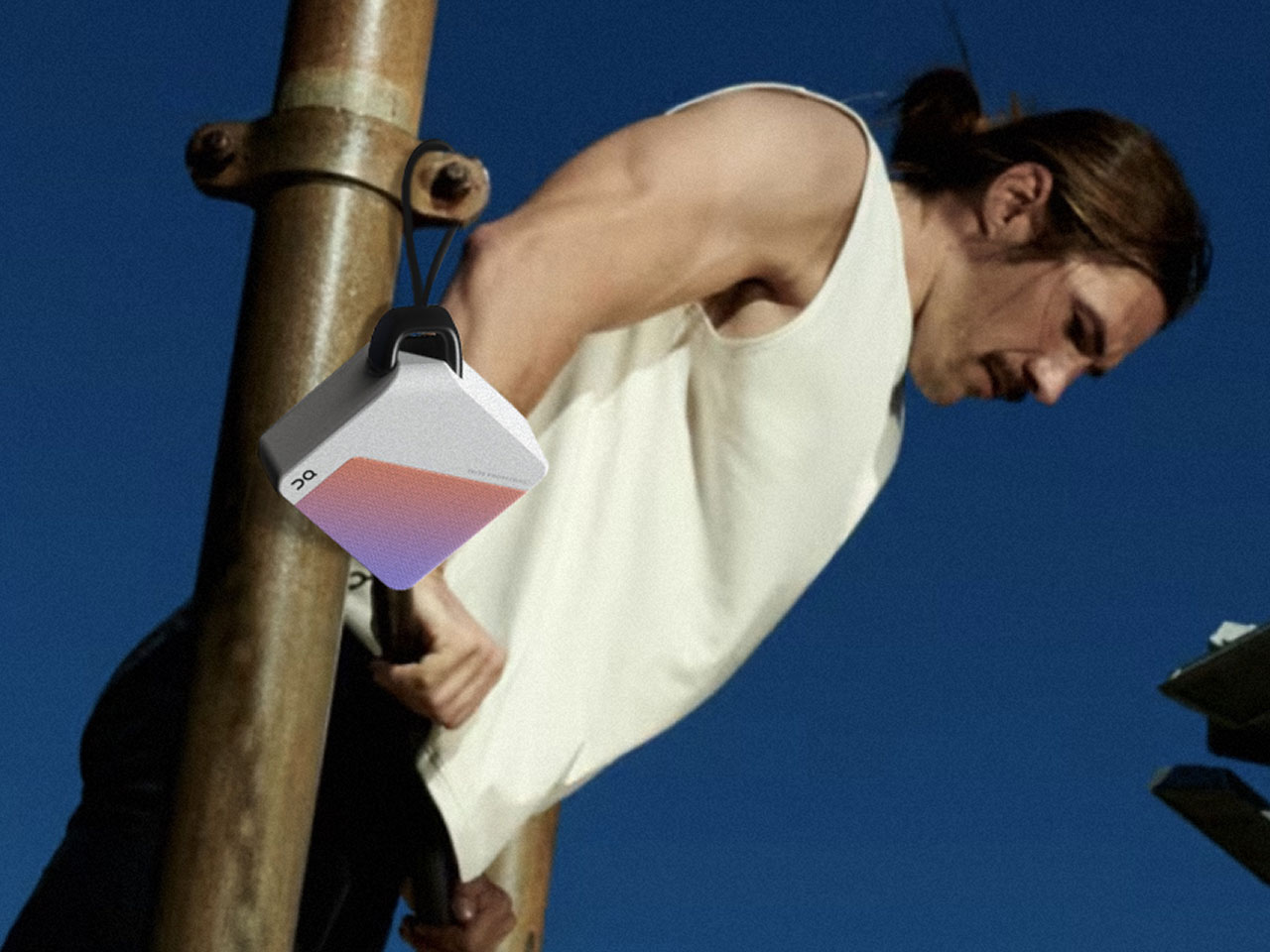
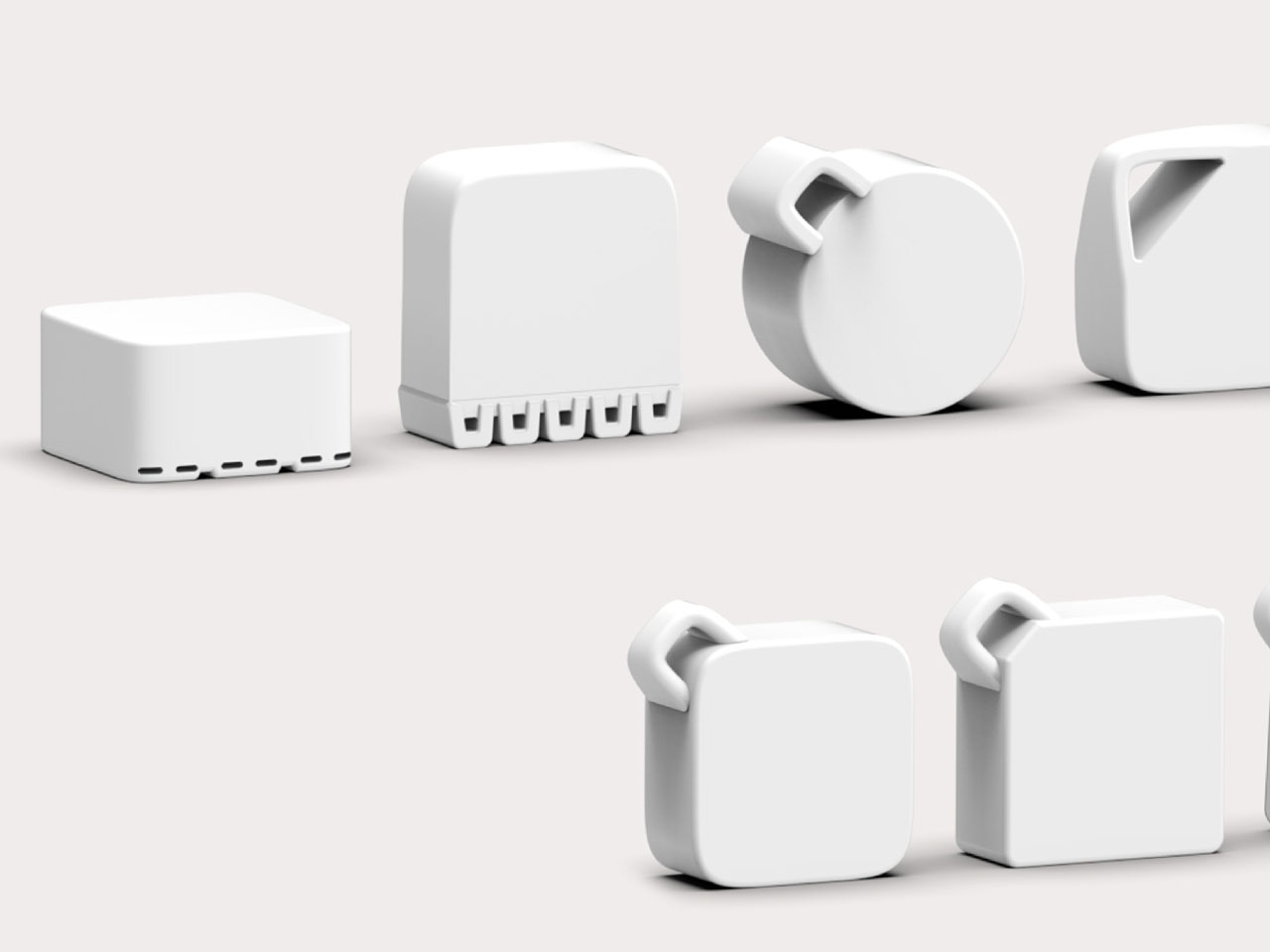
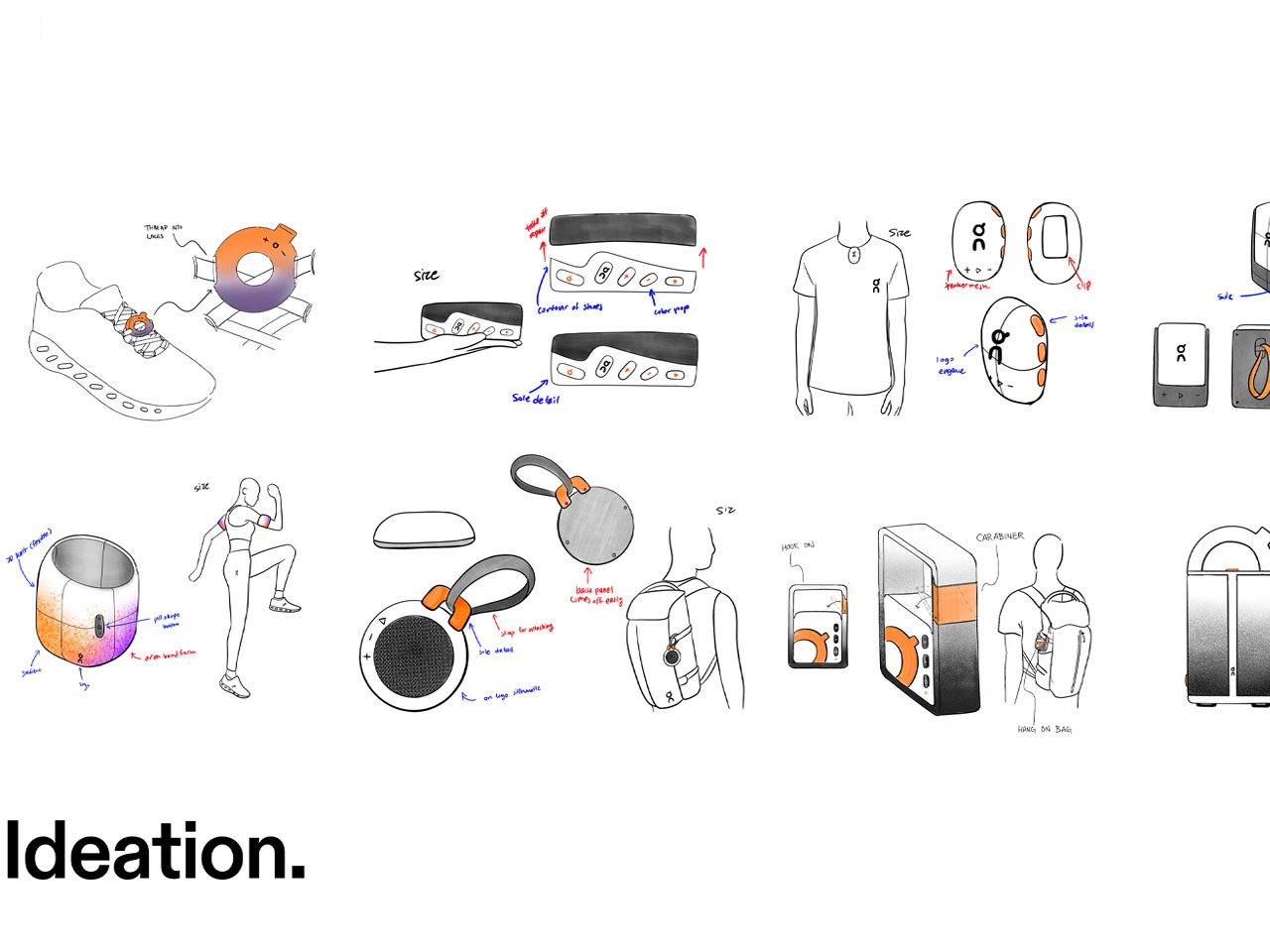
Visually, Cloudbeat draws clear inspiration from On’s footwear collections. Its streamlined form, color options, and textured finishes echo the brand’s performance-driven aesthetic. A modular strap and integrated carabiner attachment enhance portability, allowing the speaker to clip onto a backpack, gym bag, or outdoor gear. The result is a device intended to move fluidly between urban routines and active environments while remaining consistent with the brand’s design language.

Although Cloudbeat remains a concept rather than a mass-produced product, it offers a compelling vision for the future of consumer electronics. By prioritizing repairability and recycling infrastructure from the outset, the design challenges the assumption that technology must be disposable.

The post Cloudbeat reimagines the portable speaker with user-repairable, circular design first appeared on Yanko Design.

Anthropic accuses three Chinese AI labs of abusing Claude to improve their own models

Anthropic is issuing a call to action against AI "distillation attacks," after accusing three AI companies of misusing its Claude chatbot. On its website, Anthropic claimed that DeepSeek, Moonshot and MiniMax have been conducting "industrial-scale campaigns…to illicitly extract Claude’s capabilities to improve their own models."

Distillation in the AI world refers to when less capable models lean on the responses of more powerful ones to train themselves. While distillation isn't a bad thing across the board, Anthropic said that these types of attacks can be used in a more nefarious way. According to Anthropic, these three Chinese AI firms were responsible for more than "16 million exchanges with Claude through approximately 24,000 fraudulent accounts." From Anthropic's perspective, these competing companies were using Claude as a shortcut to develop more advanced AI models, which could also lead to circumventing certain safeguards.

Anthropic said in its post that it was able to link each of these distilling attack campaigns to the specific companies with "high confidence" thanks to IP address correlation, metadata requests and infrastructure indicators, along with corroborating with others in the AI industry who have noticed similar behaviors.

Early last year, OpenAI made similar claims of rival firms distilling its models and banned suspected accounts in response. As for Anthropic, the company behind Claude said it would upgrade its system to make distillation attacks harder to do and easier to identify. While Anthropic is pointing fingers at these other firms, it's also facing a lawsuit from music publishers who accused the AI company of using illegal copies of songs to train its Claude chatbot.

This article originally appeared on Engadget at https://www.engadget.com/ai/anthropic-accuses-three-chinese-ai-labs-of-abusing-claude-to-improve-their-own-models-205210613.html?src=rss

The Cheapest Mini PC Costs Under $100 And Uses An Old Samsung Phone to run Steam and PS2 Games

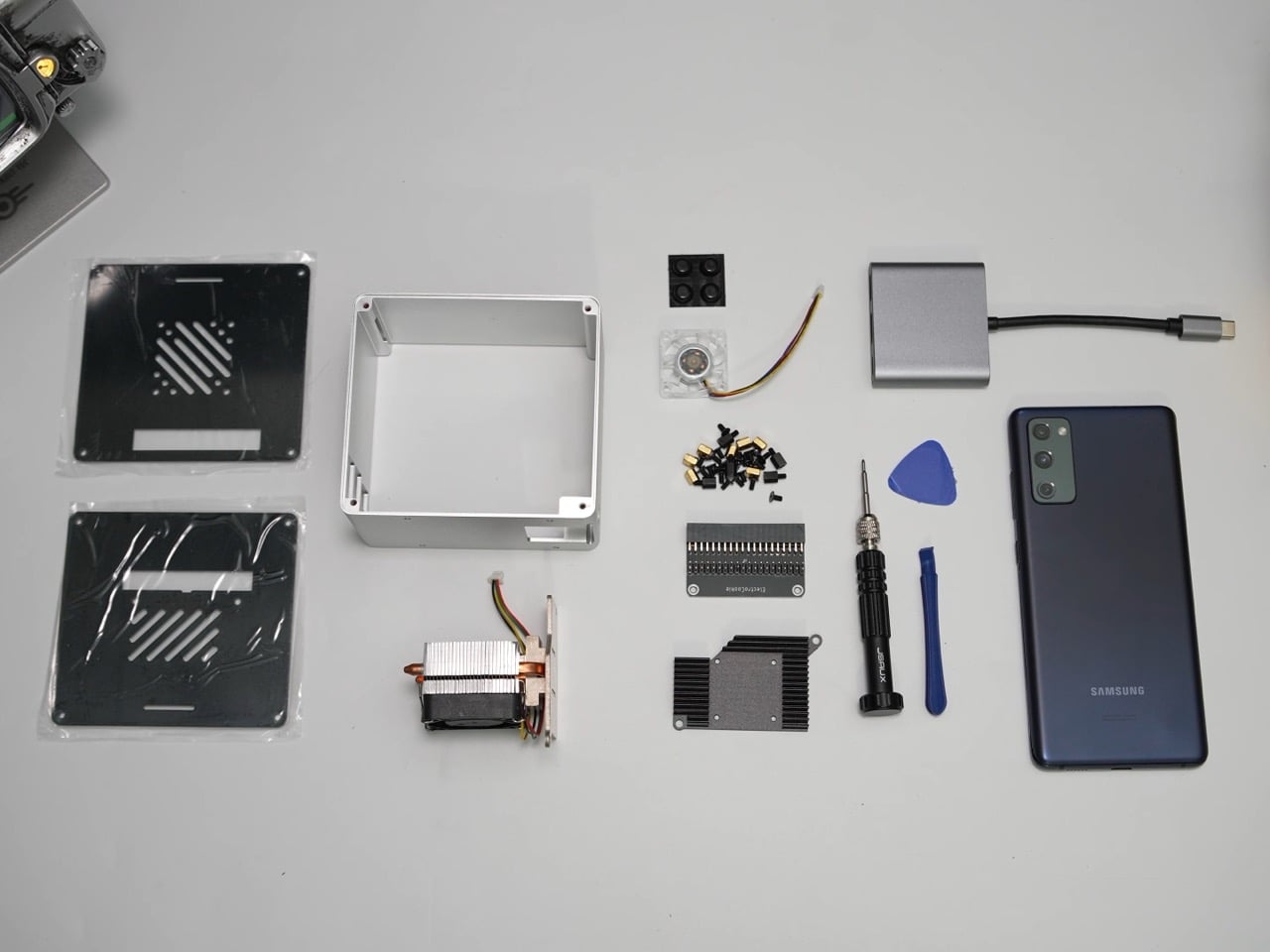
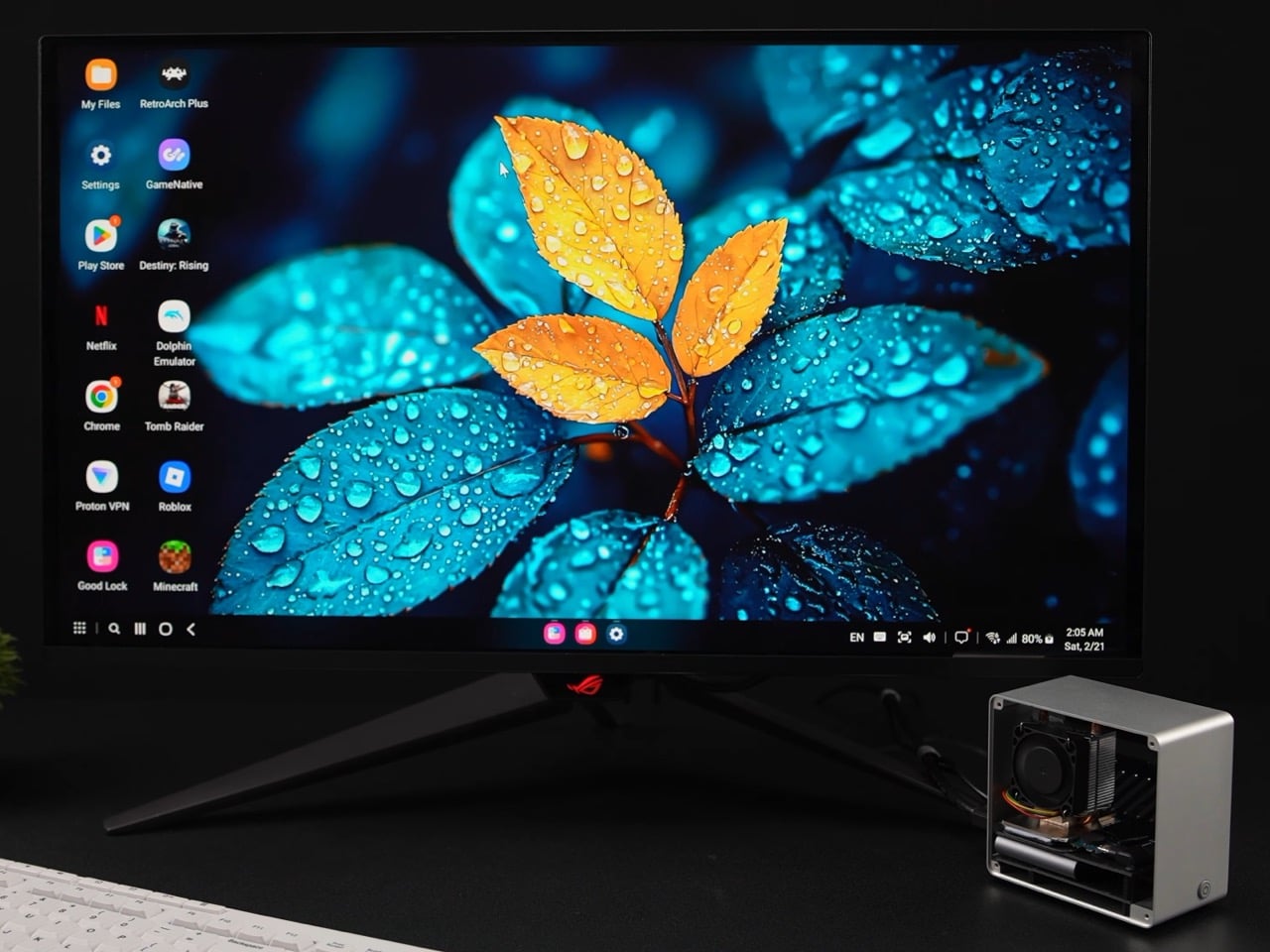
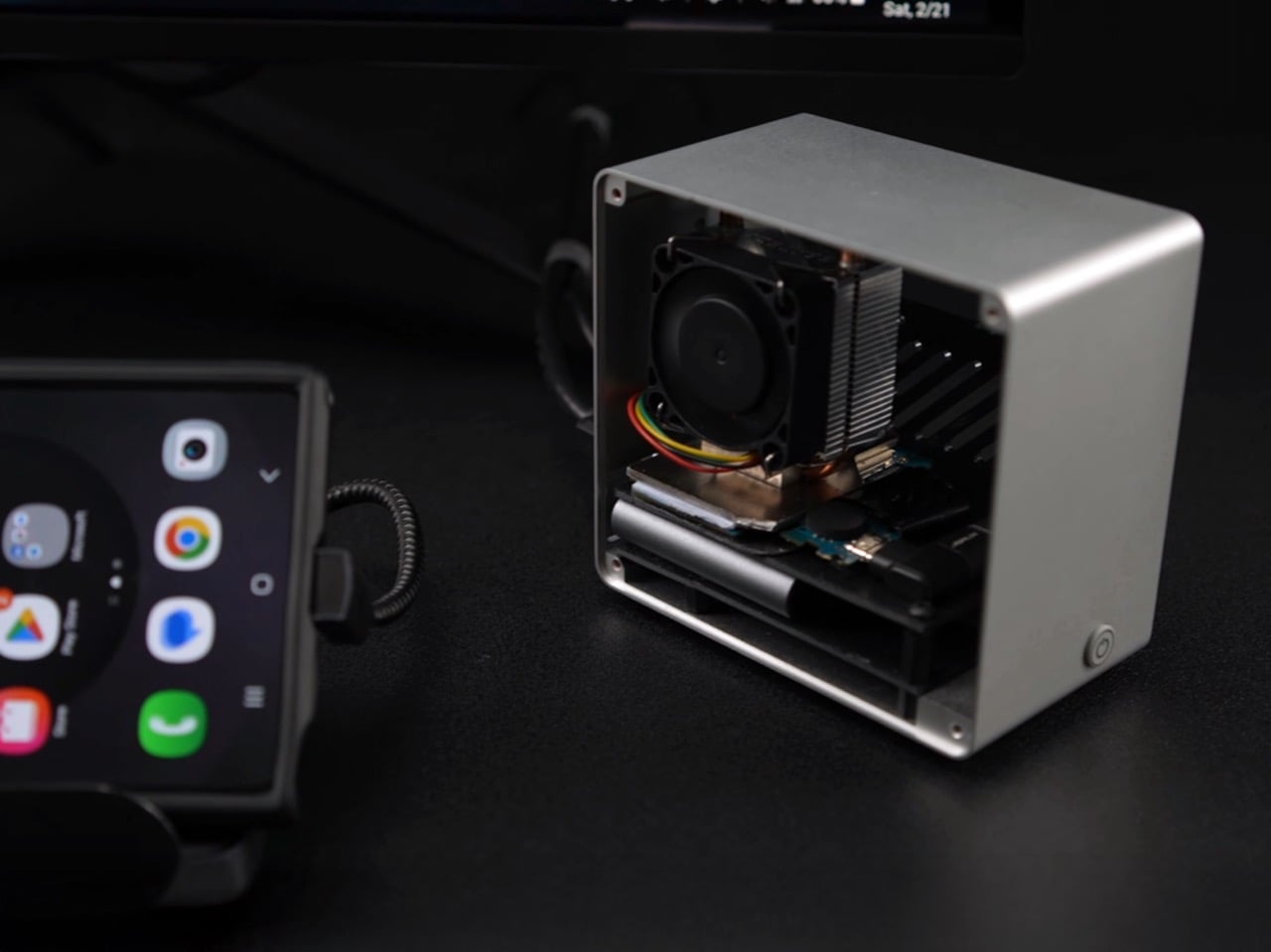
You know what’s ridiculously expensive these days? RAM. You know what isn’t? A broken phone on eBay. ETA PRIME spent under $70 on a Samsung Galaxy S20 FE with a busted screen, stuffed it into a Raspberry Pi tower case, and ended up with a mini PC that boots into Samsung Dex and runs Steam games. It sounds like the setup to a joke. It very much is not.

The Snapdragon 865 inside that cheap, busted Galaxy handles more than you would expect. Game Native connects it straight to your Steam library, PS2 and GameCube emulation run well, and Minecraft performs so smoothly ETA PRIME had his Xbox controller paired over Bluetooth within minutes. The whole thing costs less than a single night of impulse online shopping, which makes it either a genius budget build or a very convincing argument to check your eBay saved searches.

Designer: ETA Prime

One Samsung Galaxy S20 FE with a broken screen runs about $70 on eBay. Add an aluminum Raspberry Pi tower case from Amazon, a USB-C to HDMI adapter, and a fan cooler strapped to the back for $10 to $15, and that is the entire bill of materials. ETA PRIME disassembled the phone and fitted the internals directly into the case, but he is clear that you can skip all of that, prop the phone on a stand, connect it to a dock, and get the identical Dex experience without touching a screwdriver. The screen, even busted, stays connected and functions as a secondary interface. Units with minor burn-in but an intact display are sitting at around $99 unlocked on eBay, fully updated with a security patch from October 2025.

Out of the box, the S20 FE runs Dex at 1080p on an external display. Install Good Lock from the Galaxy Store, grab the MultiStar plugin, enable high resolution for external displays, restart Dex, and the resolution options expand to 1440p, 1200p in 16:10, and 21:9 widescreen at 2560×1080. Windows resize, snap side by side, and you can run five apps simultaneously, more if you unlock it through MultiStar, though 6GB of RAM will start making its feelings known past a certain point. Chrome scales to a full desktop layout. So does Google Play. On a 1440p monitor this setup looks genuinely clean.

Hollow Knight: Silksong runs well on the 865. Left 4 Dead 2 was still downloading during ETA PRIME’s walkthrough but is expected to perform. Cyberpunk 2077 at 60fps is a non-starter on this chip with 6GB of RAM, and he says so without hedging. PS2 emulation through NetherSX2 puts God of War 2 at 2x resolution scale with occasional frame dips, 1.75x is the more stable setting. GameCube and Wii hold up across most titles, with demanding stages in games like F-Zero GX pushing the limits when upscaling is involved. Dreamcast, PSP, and Sega Saturn run clean.

A Galaxy S21, S22, or S23 gives you better RAM configurations and newer Snapdragon silicon if you want more ceiling. The S24 and S25 are still priced too high to make the economics work. The S20 FE sits at the right intersection of price, performance, and availability right now, and the Snapdragon 865 is old enough to be cheap but capable enough to handle a surprisingly wide range of workloads without flinching.

The full build walkthrough has not been posted yet. ETA PRIME recorded the entire process, around three and a half hours of footage, and has said he will publish it on YouTube if there is enough interest in the comments. Given how much this build has going for it, that video getting made feels like a matter of when.

The post The Cheapest Mini PC Costs Under $100 And Uses An Old Samsung Phone to run Steam and PS2 Games first appeared on Yanko Design.
Summer Game Fest runs from June 5-8

It's getting to be that time of year again. Summer Game Fest officially kicks off on June 5 and will go until June 8. The Live Kickoff show will once again be hosted by Geoff Keighley and takes place on June 5 at 5PM ET. This is where we'll see all of those juicy reveals and trailers.

The opening event will be streamed globally on just about every digital platform, including YouTube, Twitch, X and even Steam. Those in the Los Angeles area will be able to pick up tickets for the live show sometime in the Spring.

The kickoff event is just the beginning. There's something called Play Days, which is an expo in downtown LA produced by iam8bit. This invite-only event promises "immersive exhibits and hands-on experiences from the industry's leading publishers and developers." Coverage of this will be shared across digital and social platforms.

There is, of course, another Day of the Devs livestream scheduled for immediately after the kickoff. Day of the Devs: SGF Edition should provide us with even more trailers and reveals, this time for indie games.

Finally, there's a "thought leadership event" on June 8 that's primarily for developers and publishers. Game Business Live "brings together top industry voices on one stage for insightful discussions on key changes, challenges and opportunities shaping the global video game industry."

We'll be covering the event live and will have all of those trailers ready to go. After all, that's pretty much the main reason people watch these things.

This article originally appeared on Engadget at https://www.engadget.com/gaming/summer-game-fest-runs-from-june-5-8-193054418.html?src=rss

Bungie says ‘no second chances’ if you’re caught cheating in Marathon

Bungie isn't taking any prisoners when it comes to cheating on its upcoming extraction shooter, Marathon. In a detailed blog post explaining its anti-cheat measures, Bungie took a very declarative position against those caught trying to gain an unfair advantage.

"We are taking a strong stance against cheating and anyone found to be cheating or developing cheats will be permanently banned from playing Marathon forever, no second chances," the blog post read, adding that there will be an appeals system in place.

However, Bungie's anti-cheat standards go beyond punishment. In the blog post, Bungie detailed that Marathon's dedicated servers have full authority on movement, shooting, actions, and inventory. Since these key actions rely on the server, it will translate to smoother gunplay for players as well as the prevention of cheats related to teleportation, unlimited ammo or damage manipulation. Bungie is also incorporating a "Fog of War" system that limits an individual player's client to see only certain regions of a map, which should prevent wall hacks, ESP cheats or loot revealers. 

On top of these robust regulations, Bungie is utilizing BattlEye, a kernel-level anticheat that's seen with other popular multiplayer shooters like Fortnite, Rainbow Six Siege and Destiny 2. Bungie added that in the event of disconnecting, you'll be able to reconnect to your run without any hitches. If players can't reconnect due to an issue with the servers, Bungie said it will "attempt to return the starting gear to all impacted players."

Marathon isn't out until March 5, but Bungie is doing a preview weekend with the Server Slam event starting February 26. Still, it's obvious that Bungie already wants to get ahead of the competition, since Arc Raiders, another recently released extraction shooter, has been dealing with its own cheating problem. To address the rise in cheating, the game's developer, Embark Studios, implemented a three-strike system, which some players have criticized as too lenient.

This article originally appeared on Engadget at https://www.engadget.com/gaming/bungie-says-no-second-chances-if-youre-caught-cheating-in-marathon-191633998.html?src=rss

The Ultimate Guide to Setting Up Your Apple AirTag Like a Pro

The Ultimate Guide to Setting Up Your Apple AirTag Like a Pro Apple AirTag

The Apple AirTag is a compact and efficient device designed to help you locate personal items such as keys, wallets, or backpacks. With its precise location tracking and secure connectivity, the AirTag is a reliable tool for keeping your belongings safe. Setting it up correctly ensures you can fully use its features. The video below […]

The post The Ultimate Guide to Setting Up Your Apple AirTag Like a Pro appeared first on Geeky Gadgets.

Posted in Uncategorized