Soundcore Nebula P1i projector review: An affordable option with accurate color and loud sound

Anker’s Soundcore projectors have become an attractive option for buyers thanks to models like the P1 and Nebula X1 that combine performance and portability. Now, the company has added "affordability" to that equation with its latest model, the $369 P1i. Instead of being detachable like on the P1, its speakers fold out toward listeners, promising better and louder sound than most cheap projectors.

The P1i also delivers 1080p video, Google TV for streaming and the same easy screen fit setup as other Anker projectors. However, unlike some portable models, it lacks a built-in battery for true portability. Overall brightness is lower as well at 380 lumens compared to 650 on the P1. Despite those issues, the P1i is an outstanding budget projector that’s ideal for impromptu indoor screenings and outdoor party use.

With its relatively small size (8.9 x 7.2 x 8.0 inches) and slight five pound weight, the Soundcore Nebula P1i can be perched nearly anywhere and is easily toted around by the soft handle on top. It’s almost too light, as even a slight bump can displace it and ruin the picture. It does have a tripod mount, though, which makes it easy to set up outside or install on your ceiling.

Fortunately, the P1i is perhaps the easiest projector in this price range to align with your wall or screen. It has Anker’s Smart Instant Setup that automatically adjusts the autofocus, keystone correction, screen fit and obstacle avoidance. For my 120-inch roll down screen, I just had to set the P1i about 11 feet from the wall, make sure it was fairly level and then tilt the stand so it pointed at the screen. Then, I just ran the smart setup which instantly gave me a correctly set-up image.

The P1i is not a laser projector but its LED light source lasts even longer, rated for over 30,000 hours. It runs fairly cool compared to a bulb or laser model, but it still has a fan that kicks on from time to time. One annoyance is that the fan seemed to engage even when the projector was turned off, so I found I had to unplug it to stop that.

Anker’s P1i is a solid budget projector that’s ideal for impromptu indoor screenings and outdoor party use, but it lacks both brightness and sharpness.
Steve Dent for Engadget

Connectivity-wise, the P1i has a single HDMI 2.0 port with ARC (Audio Return Channel), along with a USB-A port for external media and a 3.5mm auxiliary audio output. The projector allows for a maximum input of 4K at 60 fps (it outputs 1080p at 60 fps), so it’s only good for light gaming. Plus, you’ll want to keep in mind that if you do any keystone correction, gaming latency quadruples from 20ms to 80ms. It also supports Wi-Fi 5 for streaming and Bluetooth 5.1 to connect extra speakers.

Google TV is built in for streaming and projector control, which is a nice feature for a projector under $400. It provides a large library of apps via Google Play along with a familiar interface. You also get Netflix’s official application with support for 4K Dolby Vision without the need to plug in a streaming device, plus there’s Chromecast support and Google Assistant for voice control. The downside is that the interface can occasionally be sluggish. As for those foldable speakers, you can aim them up, down, forward or backwards, and they support Dolby Audio at 10 watts each.

Image quality is decent but not outstanding, about what you’d expect for a projector at this price. While it’s very sharp in the center, the edges are fuzzier, particularly if you’re tilting the projector up or down and using plenty of keystone correction. With just 380 lumens of brightness (I measured it at just over 300 lumens in standard mode), it’s best to use the P1i in a dark room or at night — if there’s any ambient light, you won’t be able to see much detail.

The P1i offers multiple picture profiles, including Standard, Vivid, Sports, Movies and Games, along with a Conference mode for maximum brightness. I found that the “Vivid” setting gave me the best mix of color accuracy and brightness.

Soundcore Nebula P1i projector review: Colorful image and loud sound for very little money
Steve Dent for Engadget

Color accuracy is a strong point, with natural looking, nicely saturated hues. Surprisingly, the P1i supports 10-bit HDR to help improve color accuracy and max out what little brightness there is, though it’s a gigantic stretch calling a 380 lumen image (around 50 nits) "HDR." I tested the P1i on my usual roster of content, including Once Upon a Time in Hollywood, Andor, Dune 2 and Spider-Man: No Way Home, and found the colors to be pleasing and realistic. If they’re not quite to your liking, you can make fine adjustments manually.

The primary selling point of the Nebula P1I is those fold out speakers. However, considering Soundcore’s reputation for solid audio performance (take the Nebula X1 Pro for example), sound quality was a bit disappointing. It’s relatively tinny with very little bass, providing a less-than-theatrical experience. Those speakers can go pretty loud, though, and midrange sounds like voices are very clear.

Fortunately, there are a couple of solutions. The P1i has multiple EQ settings, including Movies (with enhanced bass and treble), Music for the most natural sound and Outdoors to ensure clarity in open and noisy spaces. The best of those, I found, was Movies, as it mildly improves the lows and highs. There’s also a “custom” mode that lets you fine-tune the equalization. I was able to get acceptable sound quality when I boosted the bass to nearly the maximum level.

The other option, of course, is to pair the P1i to some Bluetooth speakers. I did just that with Soundcore’s external speakers sold as an option with the Nebula X1 and the sound quality was much improved. Of course, that would remove much of its convenience and increase the price for better sound.

Soundcore Nebula P1i projector review: Colorful image and loud sound for very little money
Steve Dent for Engadget

Anker’s $400 Soundcore Nebula P1i is an excellent option for buyers looking for a portable projector to use outdoors or in the place of a second TV, though it suffers from subpar sound and picture quality. Competitors like XGIMI’s MoGo 2 Pro offer similar brightness, built-in speakers and Google TV. And if you have a bit more in your budget, Anker’s $800 Nebula P1 is brighter and easier to set up. Finally, for those looking for battery portability for camping or other activities, take a look at XGIMI’s $500 Halo+ or the $530 Anker Nebula Capsule.

The P1i is great for simple nighttime movie screenings outdoors. If you feel like watching a movie or series in bed, you can bring it into your room, project the picture onto a wall and enjoy your streaming service of choice. You may not be disappointed with the overall picture quality, though you may wish for slightly better sound.

This article originally appeared on Engadget at https://www.engadget.com/home/home-theater/soundcore-nebula-p1i-projector-review-an-affordable-option-with-accurate-color-and-loud-sound-180034925.html?src=rss
Another longtime Microsoft executive is retiring

It’s already been a busy year for high-profile Microsoft departures, with longtime Xbox chief Phil Spencer bowing out last month alongside his expected successor Sarah Bond. Today it’s the turn of Microsoft's head of Experiences + Devices, Rajesh Jha, who leaves after more than 35 years at the company.

Jha, who oversaw some of Microsoft’s most important products and services, including Windows, Office and Teams, said in a press release that he’s been planning for his succession alongside CEO Satya Nadella for a while. Rather than bringing in a direct replacement, four members of his team will be promoted to executive vice president and report directly to Nadella.

Taking up these new more senior roles are Office EVP and LinkedIn CEO Ryan Roslanksky, Windows and Surface president Pavan Davuluri, president of business and industry Copilot (BIC) Charles Lamanna, and Microsoft 365 Core chief Perry Clarke. The outgoing Jha, who said his long career at Microsoft had been "an incredible privilege," will officially transition out of Microsoft on July 1, after which he’ll remain in an advisory role.

"When I think about the pantheon of leaders who have truly shaped this company, Rajesh stands firmly among them," Nadella said in a statement, adding that Jha had been a "constant" during his own time at the company. "He embodies the commitment that helped build and transform Microsoft into the company it is today, and it is on the strength of that foundation that we will continue to move forward."

This article originally appeared on Engadget at https://www.engadget.com/computing/another-longtime-microsoft-executive-is-retiring-174453788.html?src=rss

Alexa+ can now swear, thanks to a new personality style

Amazon just unveiled a new personality type for Alexa+. The "sassy" option is reserved for adults and the company claims it will throw out censored curse words from time to time. Amazon describes this option as a combination of "unfiltered personality" and "razor-sharp wit, playful sarcasm and occasional censored profanity."

We aren't yet sure how the chatbot handles the censoring. Does it use a garden variety bleep or a replacement word like fudge or something? I managed to get it to say "damn" and "hell", but couldn't force anything more profane than that. 

In any event, adult users have to jump through a couple of hoops to activate this mode. It won't work if there's an enabled Amazon Kids profile on the account and it requires additional security checks, like face scans. The company also warns people upon being selected that the new tone could contain "mature subject matter." I'm more afraid of the bot using "clever comebacks" to absolutely shred my buying habits. Yes, I buy bagged popcorn when I have plenty of uncooked kernels in the pantry. I'm working on it.

This is still Alexa+, despite the ability to drop colorful language every now and again. It's not an adult AI companion like the anime-inspired weirdness Grok recently trotted out or whatever erotica-infused nonsense OpenAI has been working on. Also, Amazon says the bot won't get involved with hate speech, illegal activities, personal attacks or anything that could cause harm.

Personality types for Alexa.
Amazon

This is just the latest personality type that the company has introduced for the chatbot. Users can also choose from sweet, brief or chill, with the last one resembling a surfer archetype. Alexa+ is an updated version of the company's long-standing chatbot that prioritizes natural-sounding conversation. It's fine, more or less, but I still use it primarily for alarms and weather.

This article originally appeared on Engadget at https://www.engadget.com/ai/alexa-can-now-swear-thanks-to-a-new-personality-style-172106310.html?src=rss

iPhone 20 in 2027: All-Glass, Buttonless, and Highly Unlikely

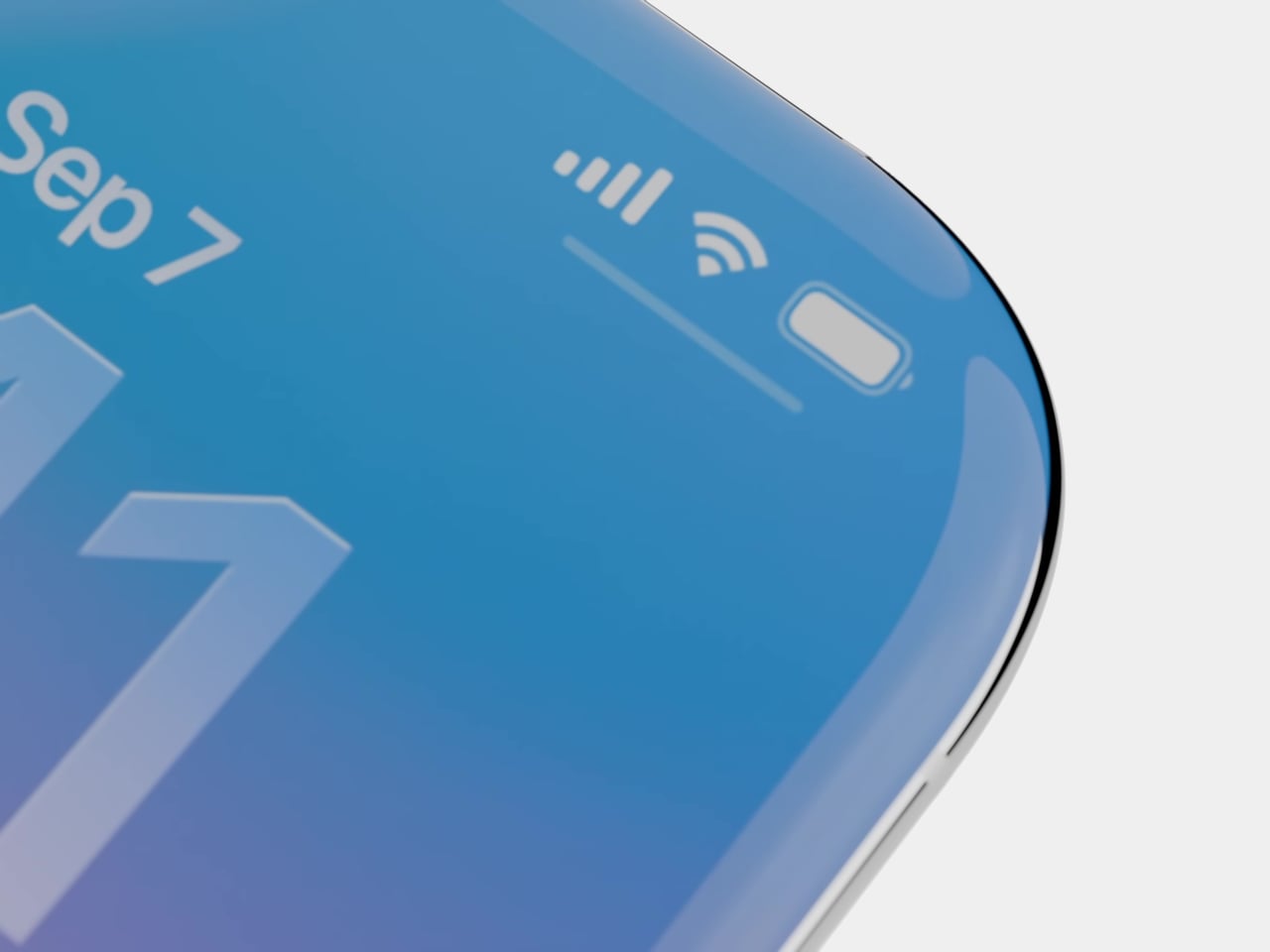
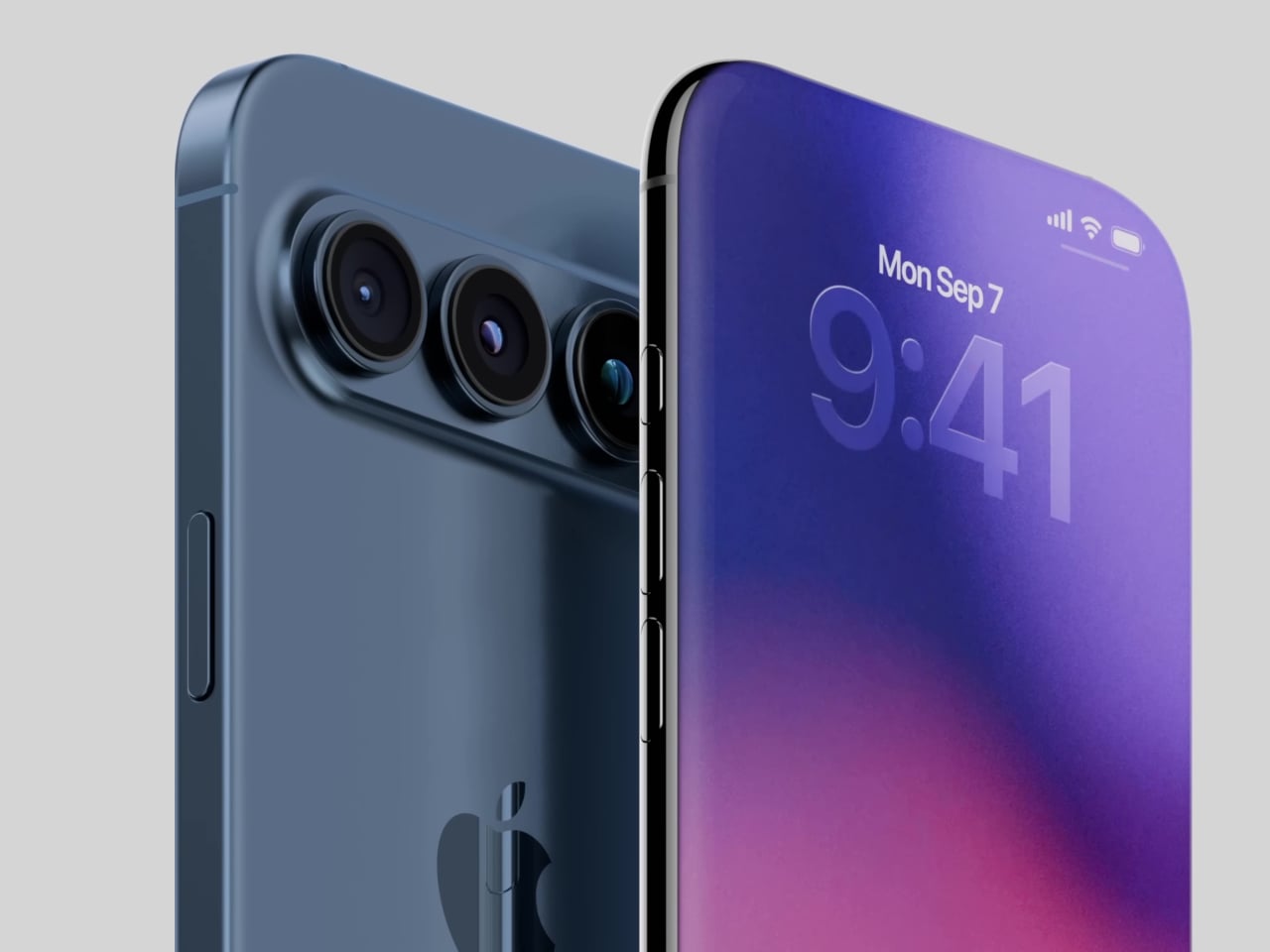
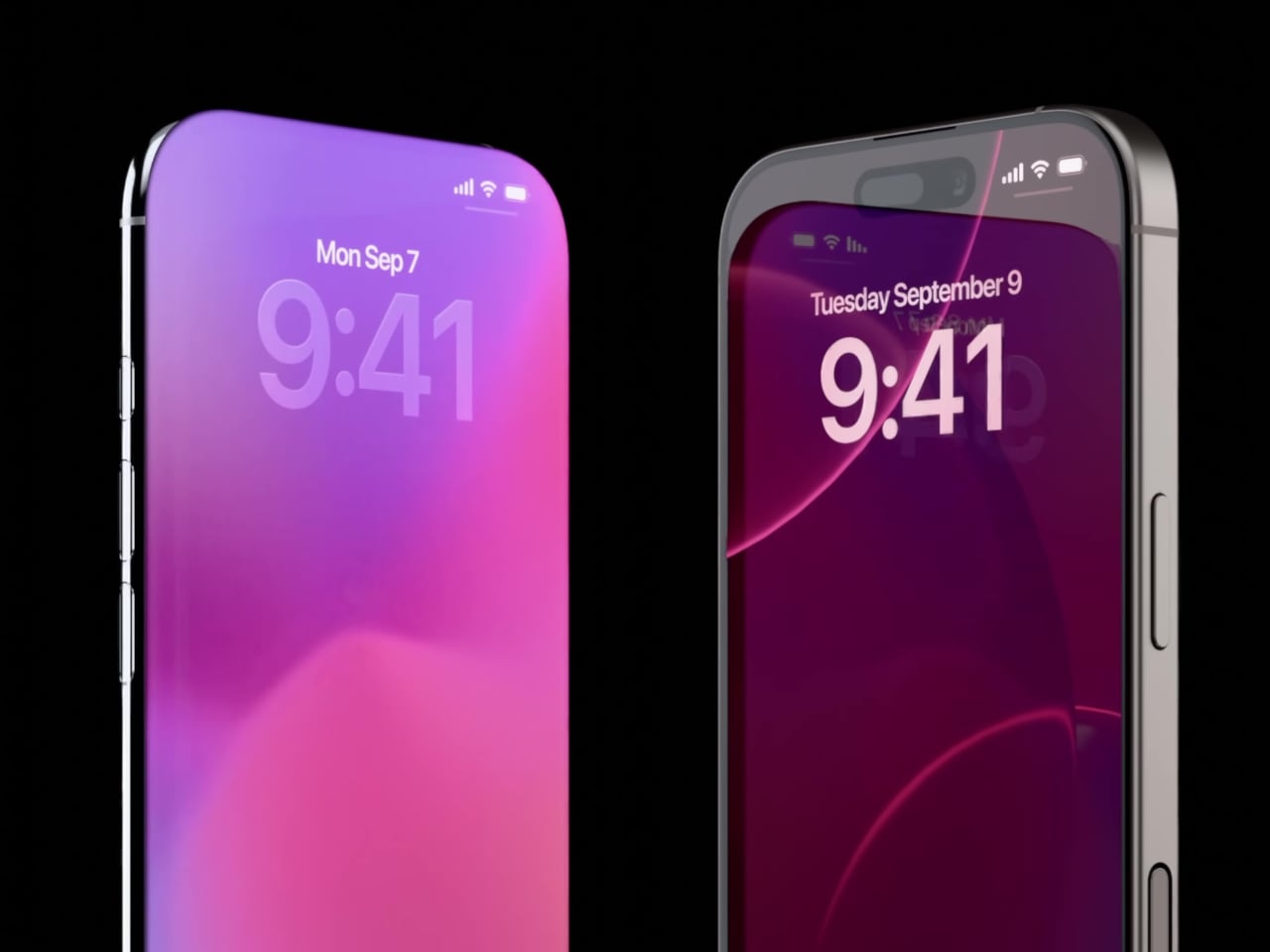
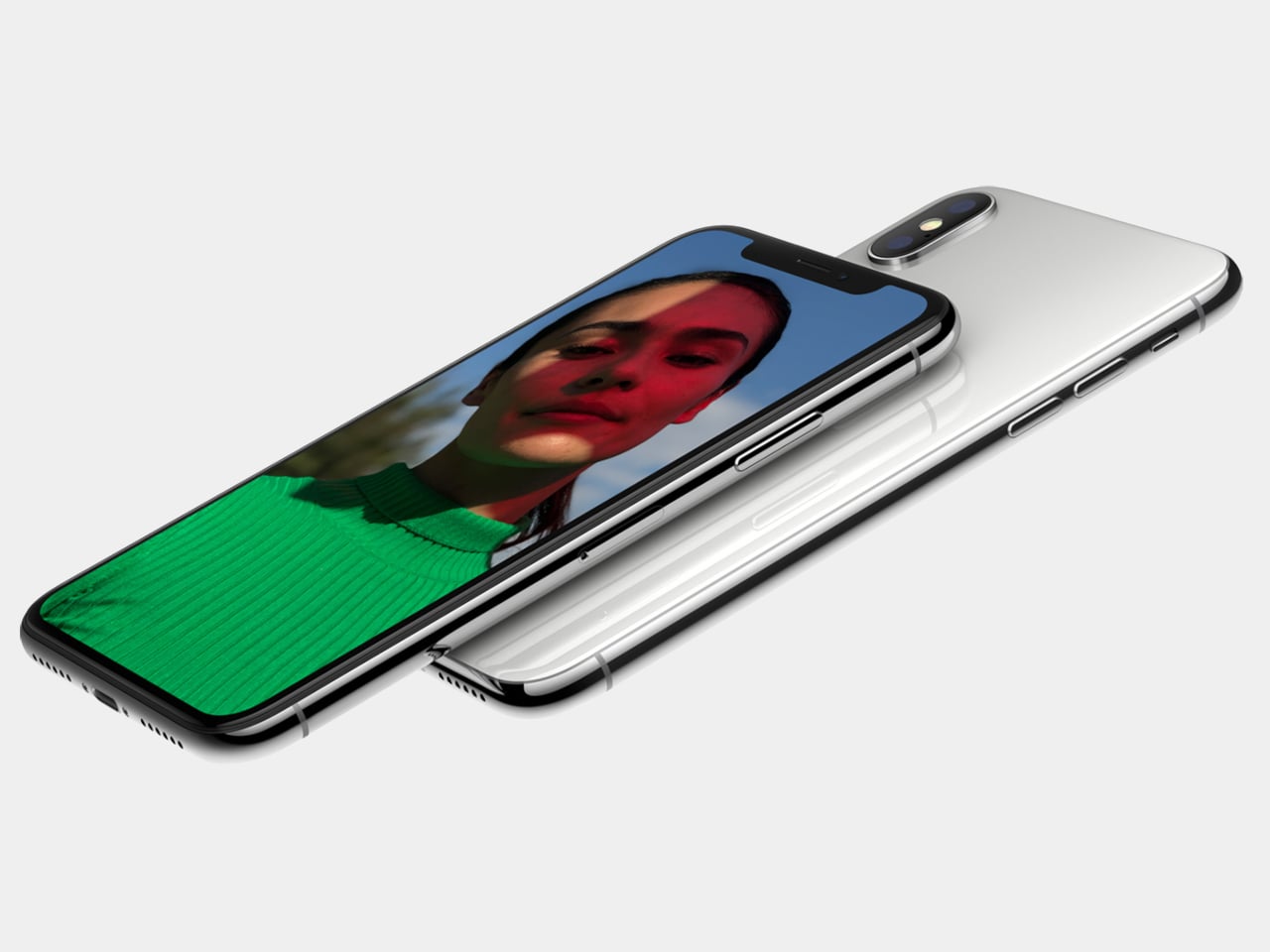
The iPhone turns 20 in 2027, and Apple apparently wants to throw a party that people will remember. Sources believe that the company is targeting a radical redesign for what will likely be called the iPhone 20, skipping “iPhone 19” the same way it jumped directly to the iPhone X back in 2017. More than just a naming trick, it came with the full-screen OLED design, Face ID, and the removal of the home button, a move that felt genuinely shocking at the time. The expectation building around the iPhone 20 is that history is supposed to repeat itself, only bigger.

The appetite is clearly there. Interest in bold Apple hardware has been riding high on the back of iPhone Fold rumors, and the search interest in “iPhone 20 design” has shot up by over 3,100% year-over-year. People are hungry for a leap, not an incremental shuffle. What Apple is reportedly planning, an all-glass unibody with no physical buttons and no visible cutouts anywhere on the device, is exactly the kind of leap that generates excitement. Whether it generates anything more than that is a genuinely open question.

Images courtesy of: AppleTrack

iPhone X (2017)

What it isn’t: an all-screen phone

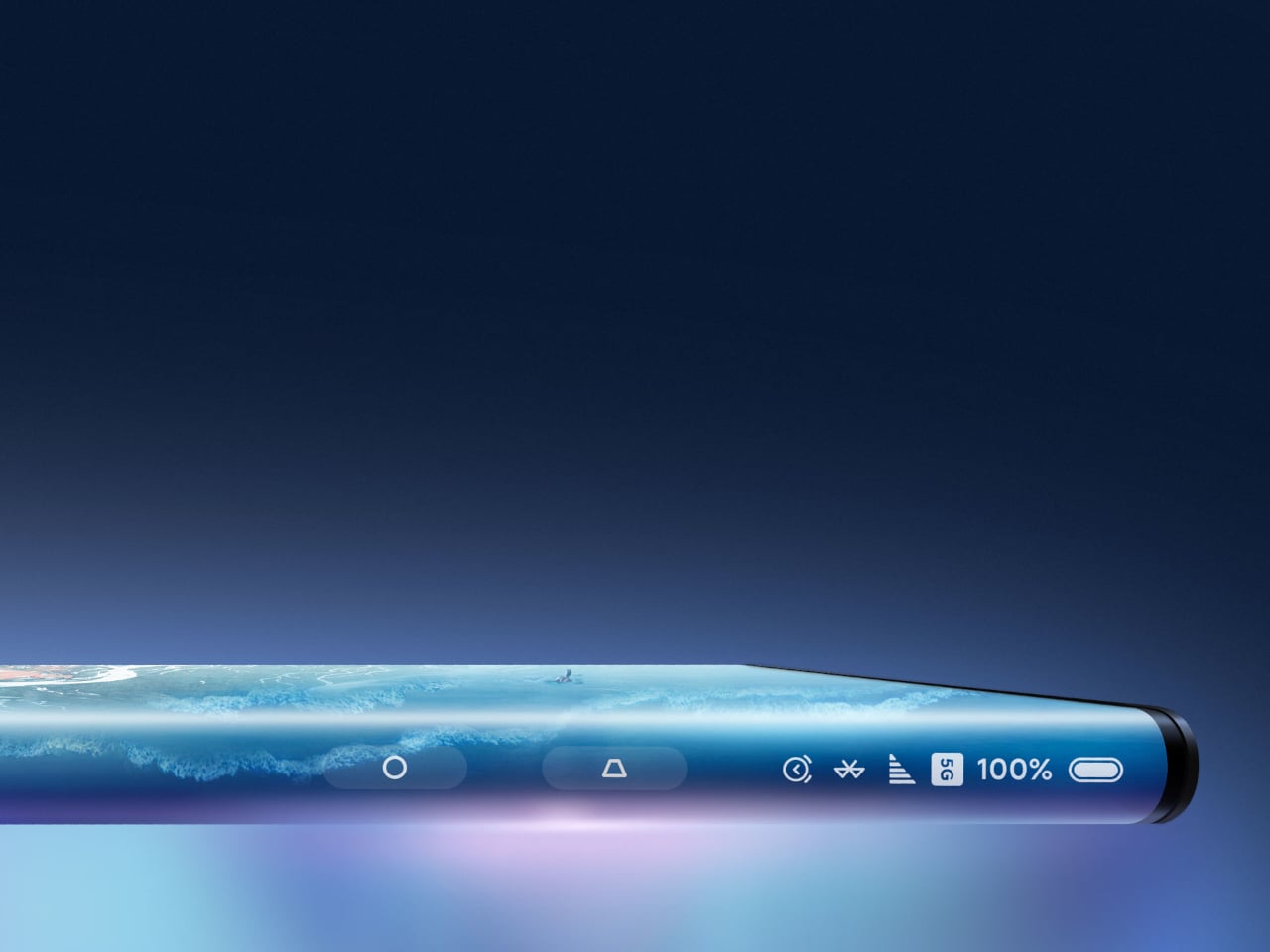
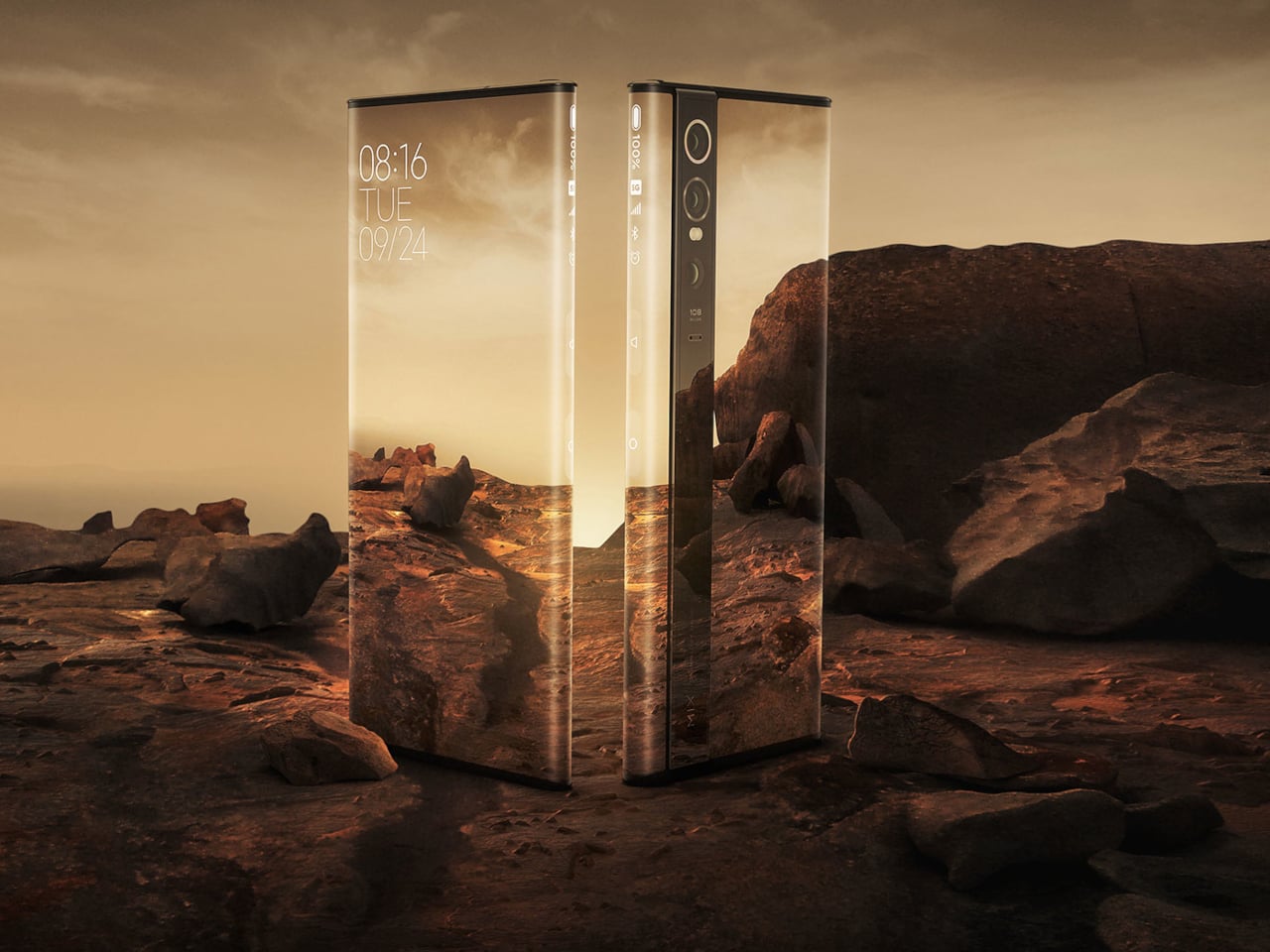
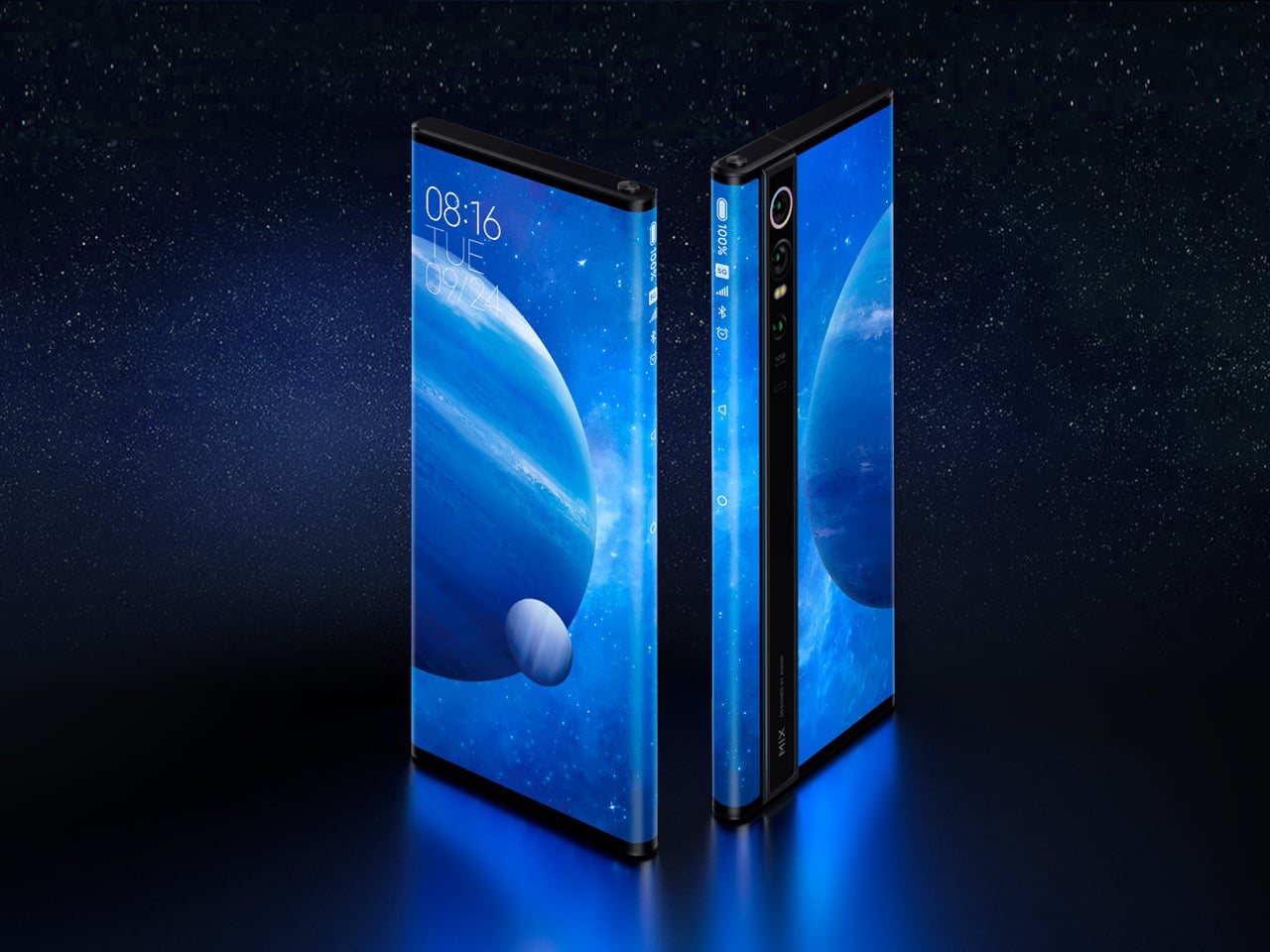
Before the imagination runs completely wild, it helps to be specific about what “all-glass” is not. This is not a Xiaomi Mi Mix Alpha situation, where the display wraps entirely around the phone like a very expensive, very fragile bracelet. That concept, for all its visual drama, would introduce a cascade of problems: iOS and most apps are built on the assumption that the back of a phone is inert. Making the entire surface interactive requires a fundamental rethinking of how software handles accidental input, palm rejection, and basic navigation, none of which Apple appears to be pursuing here.

Designer: Xiaomi

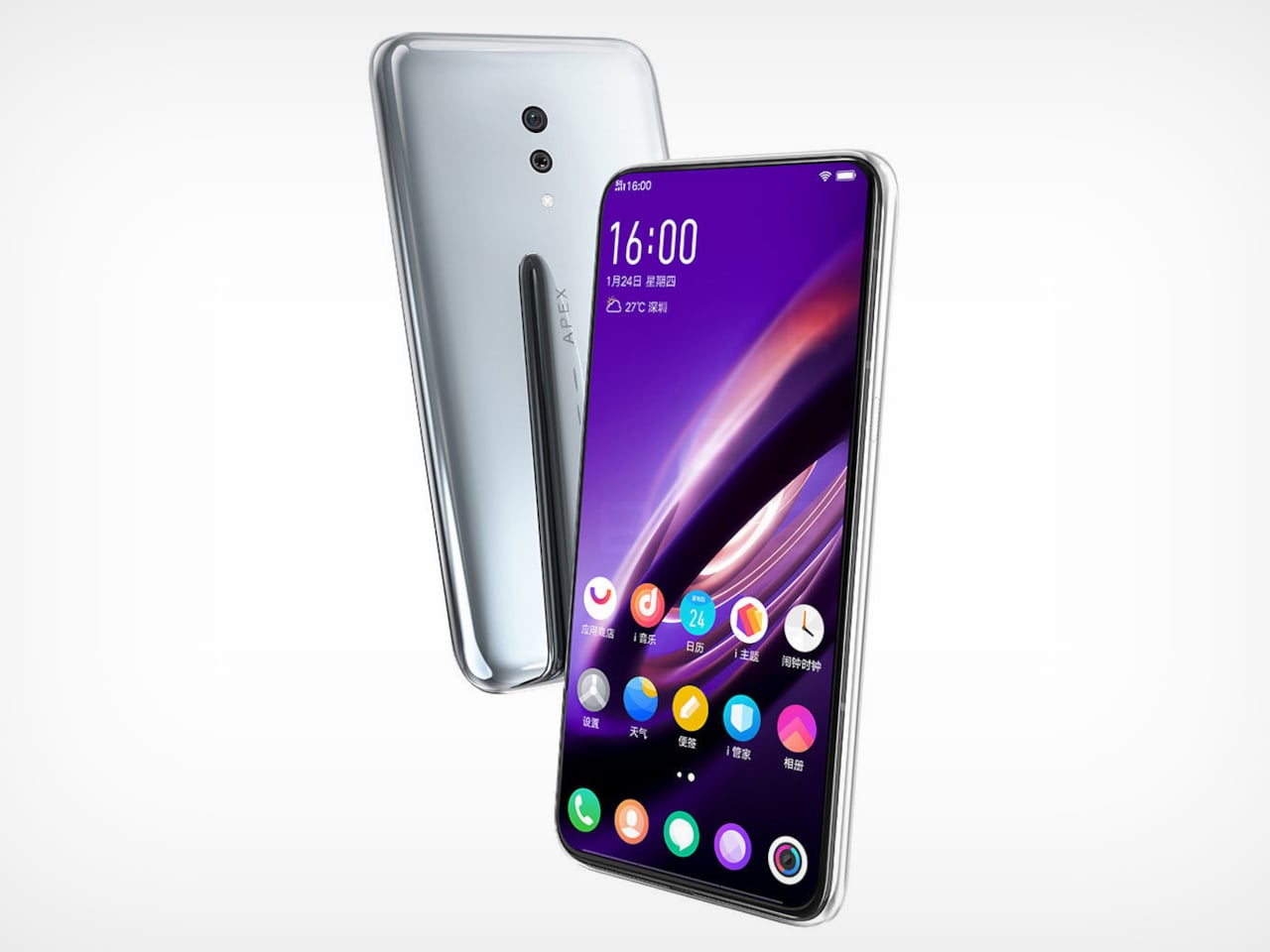
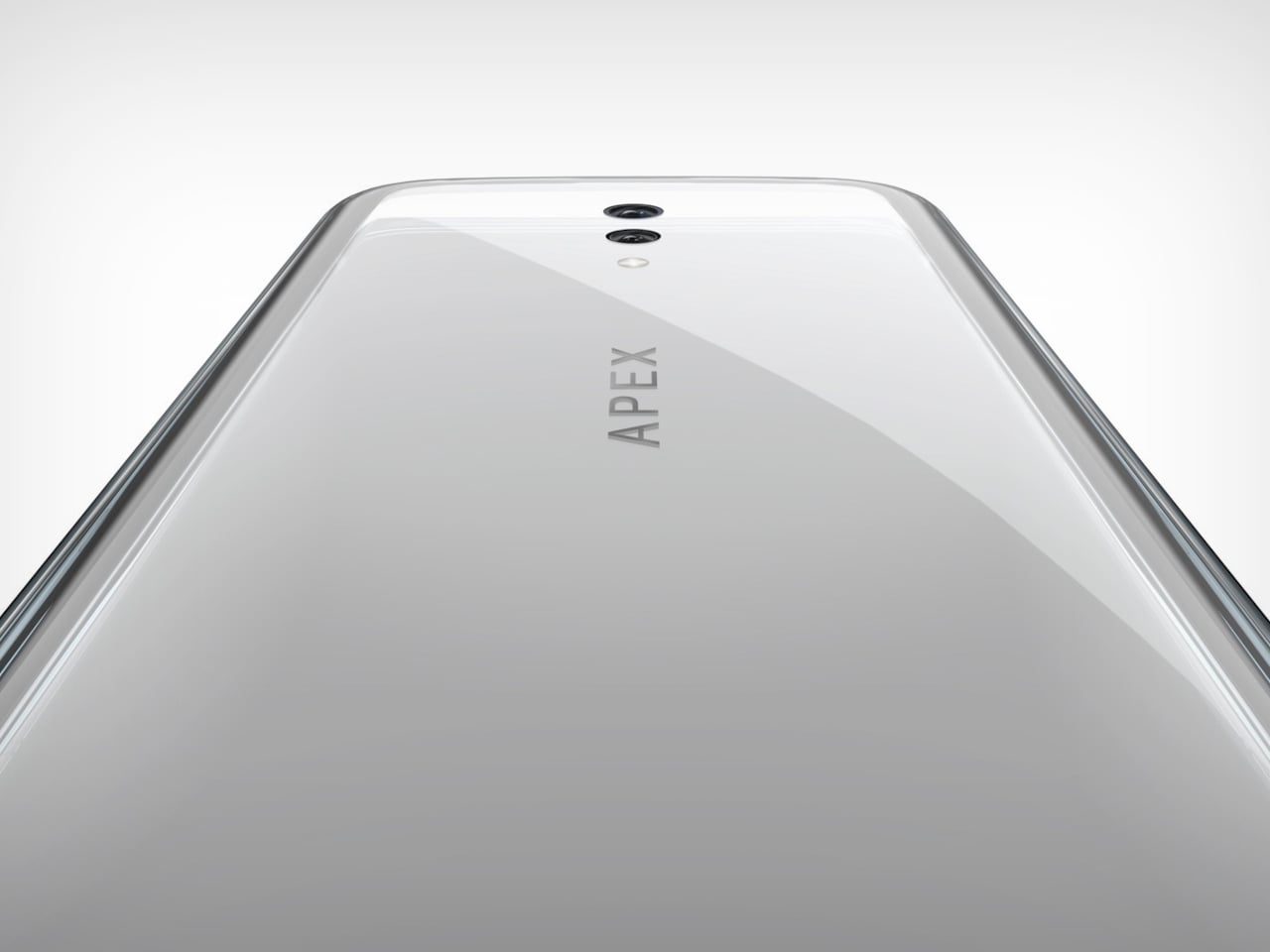
The more useful comparison is the Vivo APEX from 2019, a concept phone that was genuinely all-glass and buttonless without wrapping the display around the chassis. The APEX had no physical buttons, no headphone jack, no visible ports, and shockingly, no front camera. It was definitely a striking object. It also never made it to retail, because striking objects and reliable everyday devices are not always the same thing.

Designer: vivo

What the rumors are actually saying

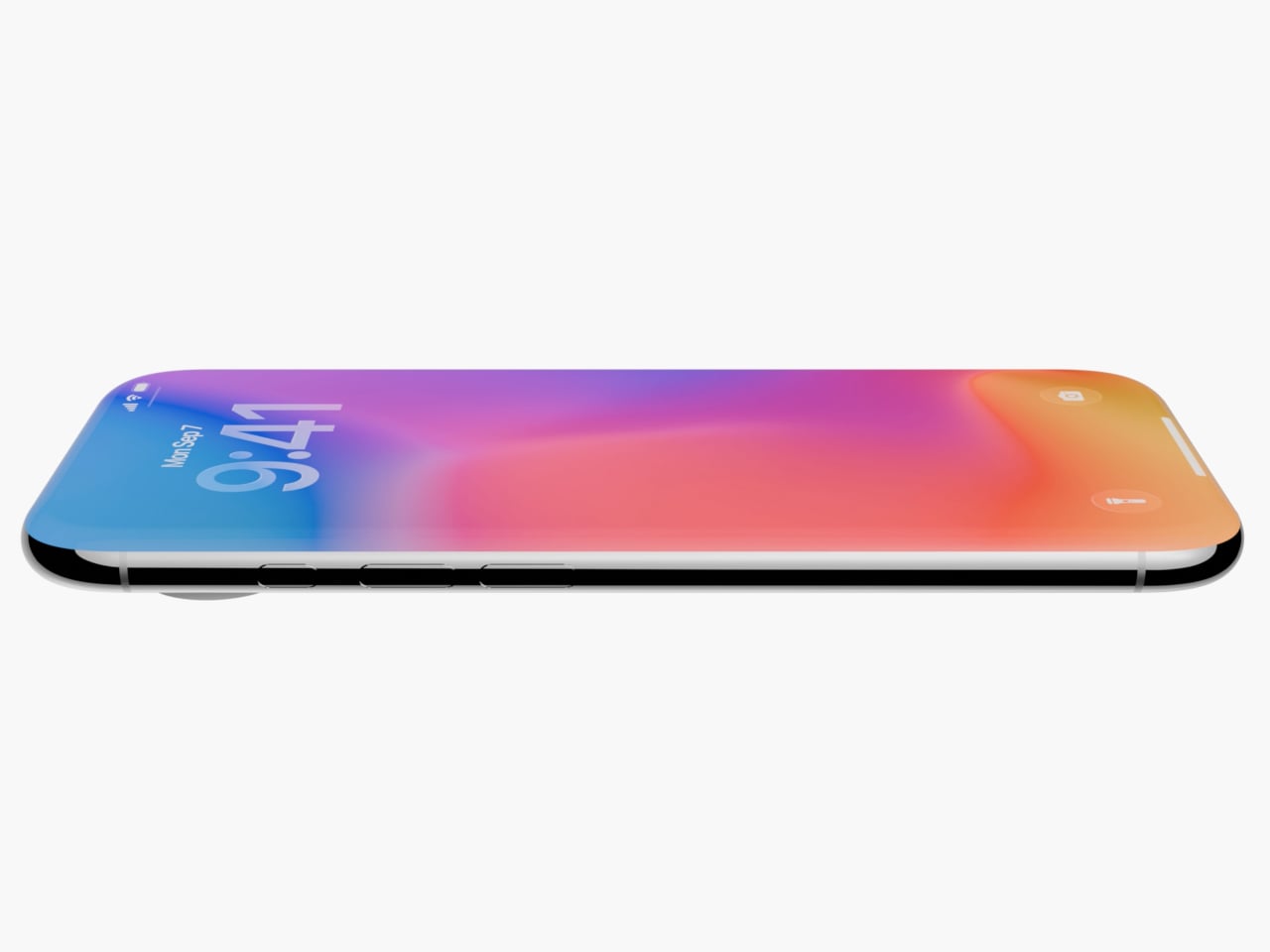
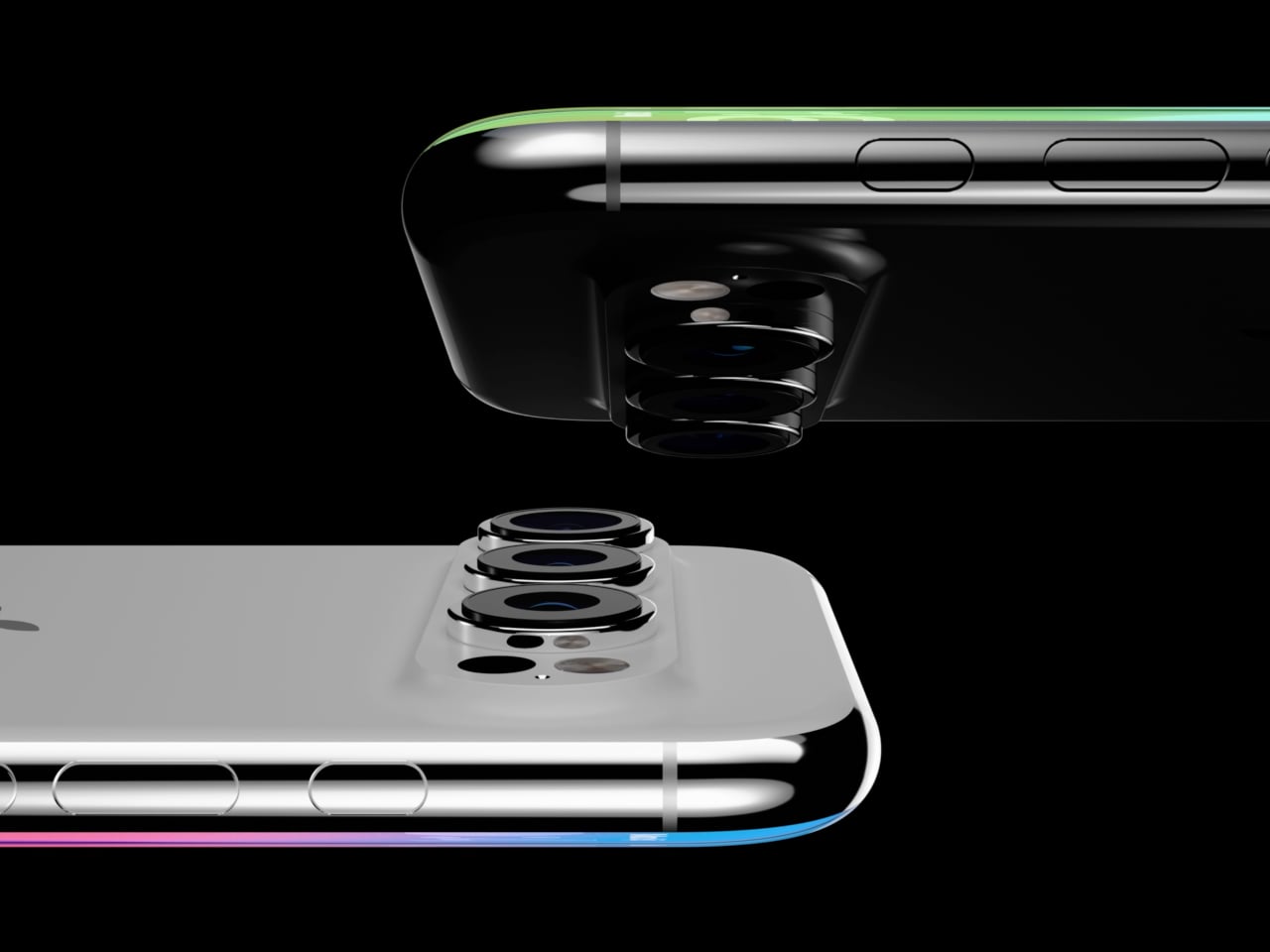
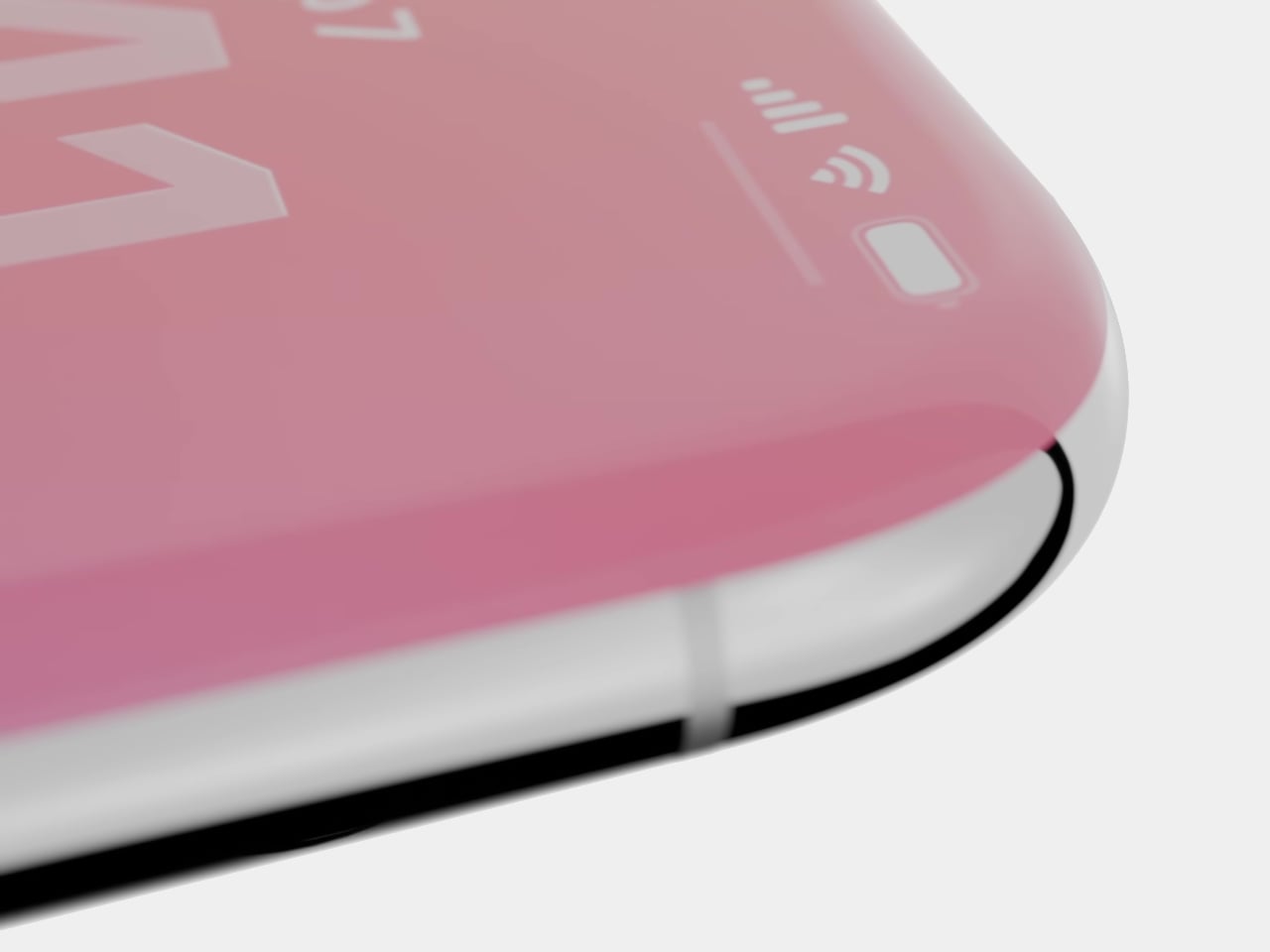
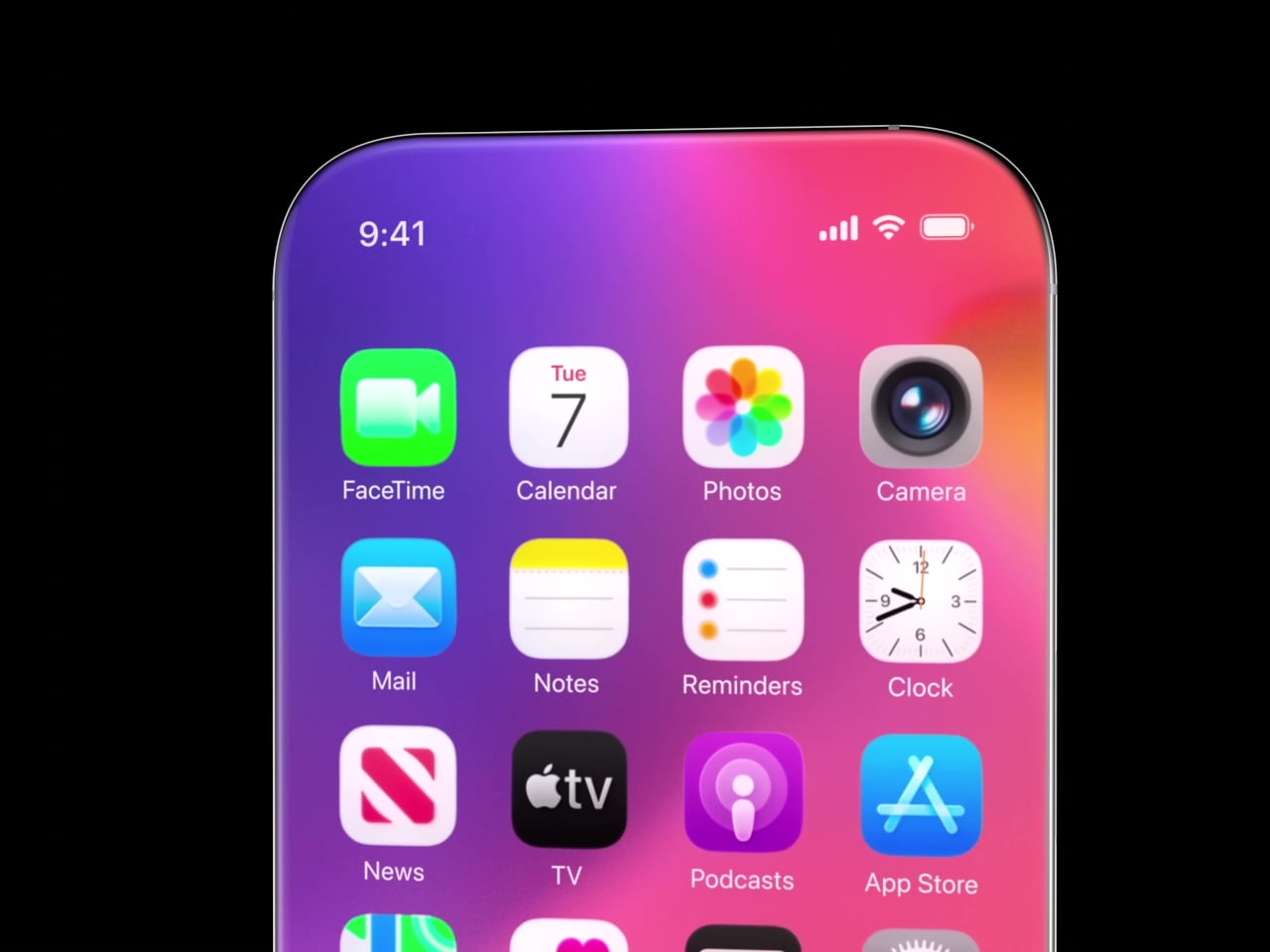
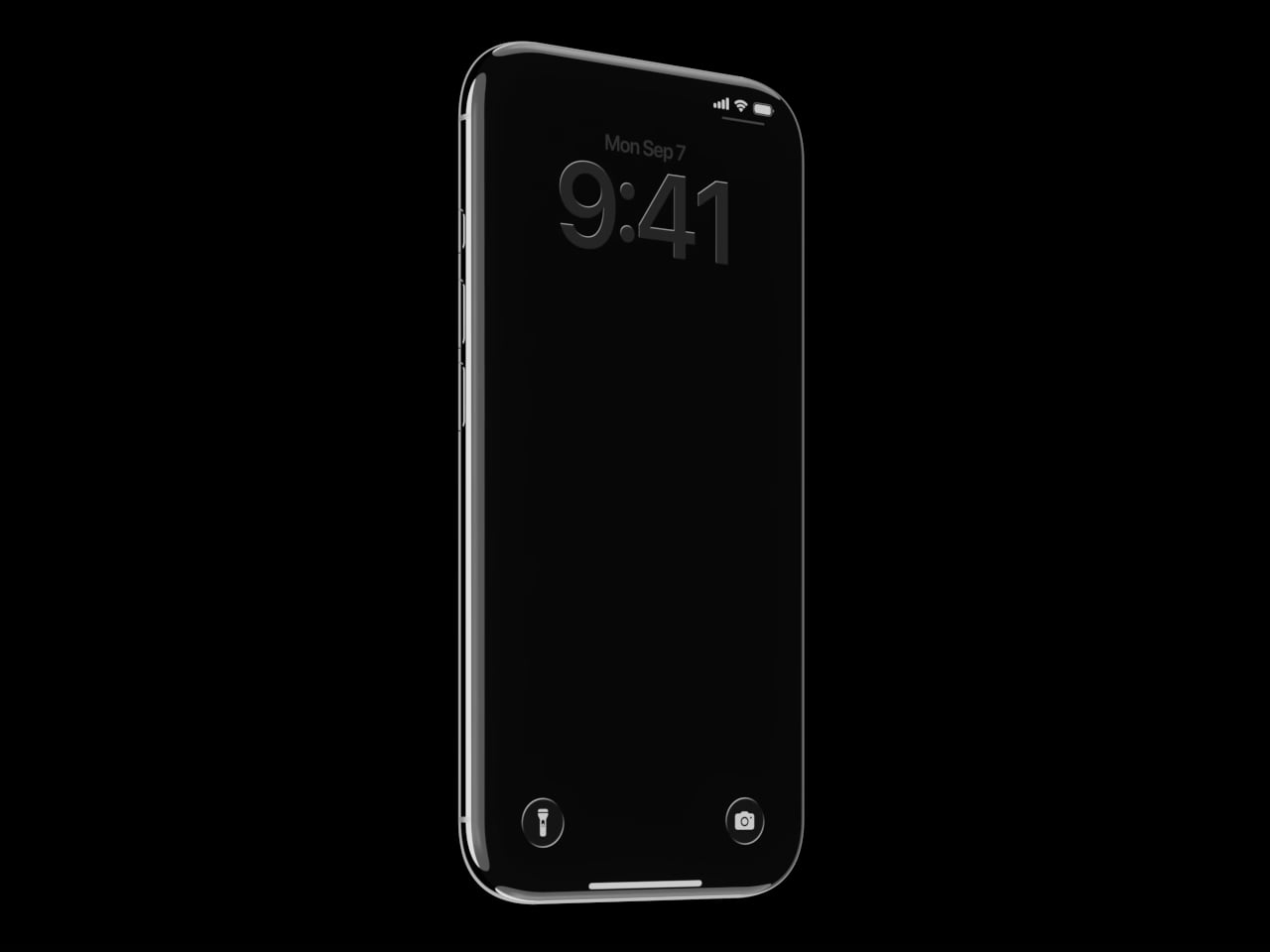
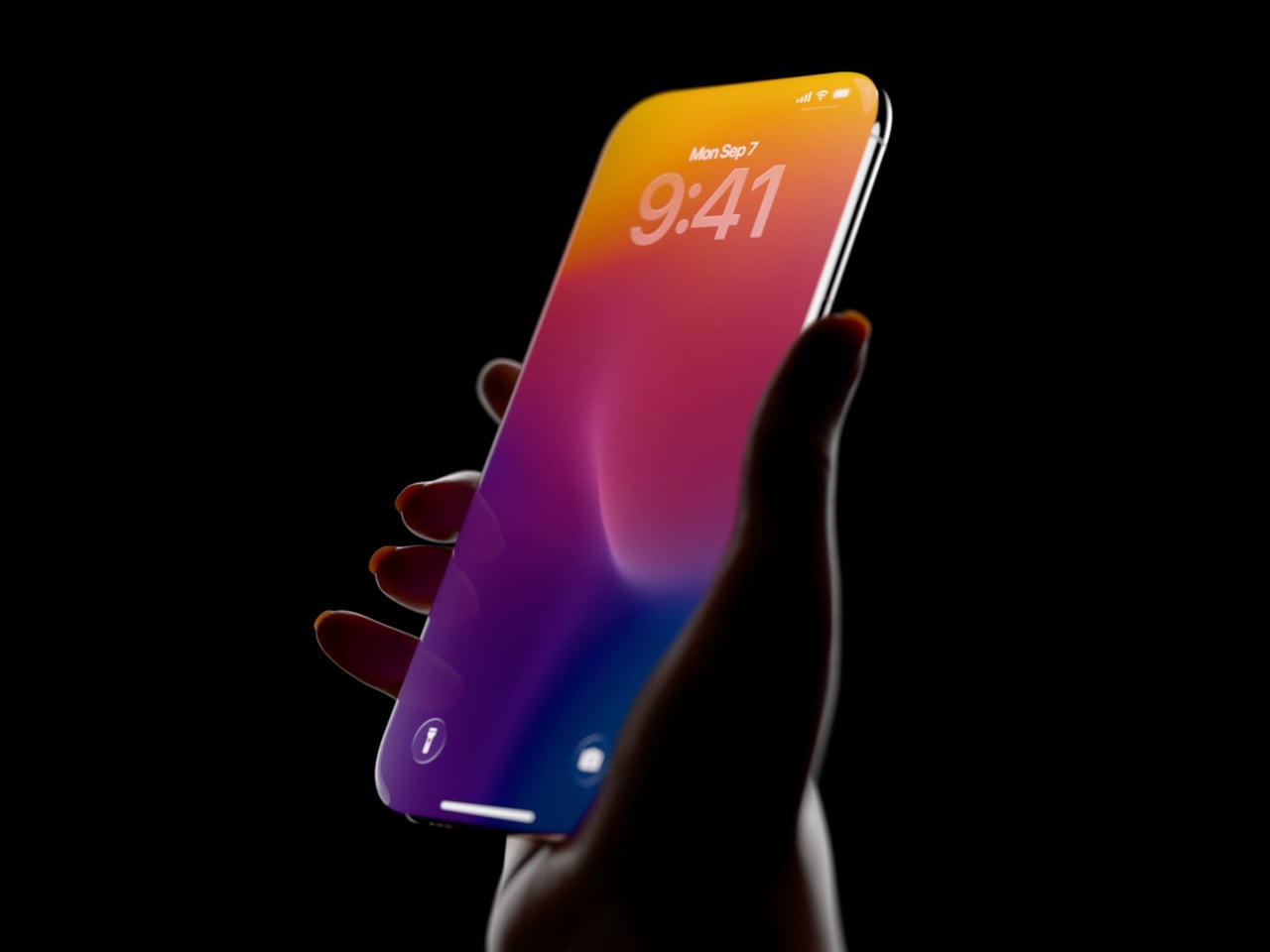
The picture assembled from various sources is fairly consistent in its broad strokes. The iPhone 20 is expected to arrive with a four-sided bending OLED display that curves around all edges, a fully glass chassis with no metal frame visible from the outside, camera lenses flush against the glass back with no raised rings or seams, and an under-display front camera with Face ID sensors also moved beneath the glass. Physical buttons disappear entirely, replaced by what Apple has internally codenamed “Project Bongo,” localized haptic zones that simulate a press through piezoelectric ceramics rather than a mechanical click.

Images courtesy of: AppleTrack

Apple has been laying this groundwork for years, whether deliberately or not. MagSafe removed the last port most people used regularly. The solid-state home button on the iPhone 7 trained a generation of users to accept a simulated click as the real thing. Touch ID lived in that fake button for years before Face ID made it irrelevant. Project Bongo itself has been in development since 2021, with the haptic button solution reportedly completing functional verification for the iPhone 20 last October. The staged rollout has already begun: under-display Face ID is expected to debut on the iPhone 18 Pro in 2026, a year before the full transformation arrives.

Why Apple might actually want this

The engineering case for an all-glass, buttonless phone is stronger than it might first appear, and it goes well beyond aesthetics. Glass transmits radio frequencies with far less attenuation than metal, which means that a fully glass chassis removes the need for antenna break lines, those small plastic interruptions visible on metal-framed iPhones. For 5G mmWave frequencies, which are particularly vulnerable to obstruction, that is a meaningful structural advantage, not a cosmetic one.

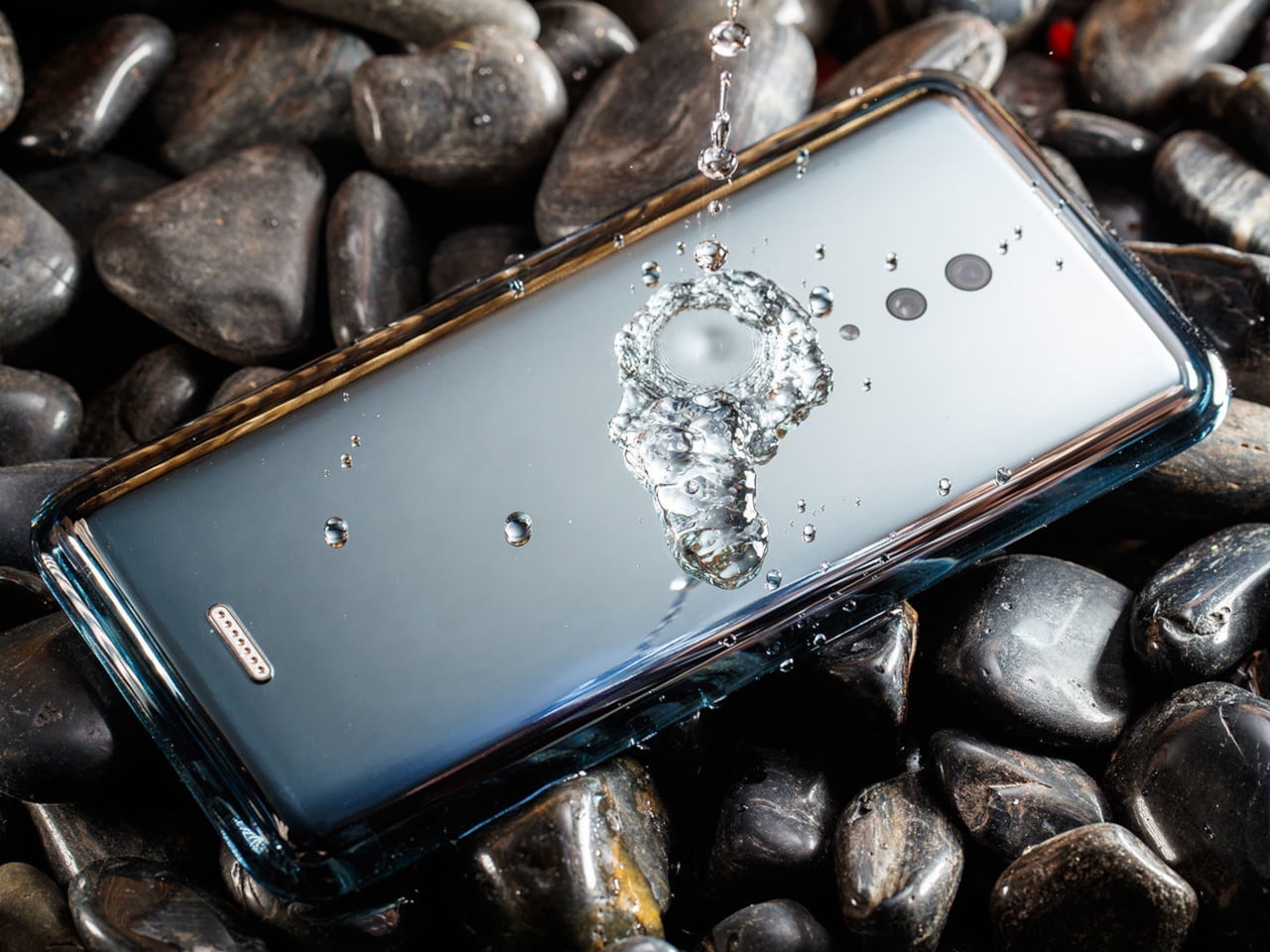
Physical buttons are also apertures, meaning every button cutout is a potential entry point for water, dust, and debris, not to mention a structural point of weakness. Solid-state haptic zones flush with a continuous glass surface create a fully sealed perimeter by default. And without springs, electrical contacts, or moving parts, the mechanical failure modes that eventually wear out every physical button simply do not apply. There is also a software dimension: a haptic surface can be reprogrammed. The same zone that acts as a volume button in one context can behave differently in a camera app, or respond to a half-press the way a DSLR shutter does. That interaction vocabulary does not exist on a physical button.

Images courtesy of: AppleTrack

The design coherence argument is worth taking seriously, too. iOS 26 introduced the Liquid Glass UI at WWDC 2025, with translucent menus, frosted panes, and depth-layered interfaces that read as software built to live inside a glass object. If the hardware catches up, the iPhone 20 would be the first Apple device where the material logic of the shell and the interface are genuinely continuous, rather than one imitating the other.

Why Apple will definitely not do it, at least not yet

The skepticism case is longer and, in several places, harder to argue around. Start with the glass itself. No glass smartphone has survived all kinds of real-world accidents unscathed, including the iPhone 16 Pro Max with Ceramic Shield 2. The current metal frame does real structural work; it absorbs and distributes impact energy in ways that glass cannot. A four-sided curved display that wraps around what used to be the frame zone eliminates that crumple zone entirely.

Thermal management is a less visible but equally serious issue. Aluminum conducts heat significantly better than glass. The metal frame in current iPhones is part of the thermal pathway, moving heat from the logic board outward. Glass is a poor conductor and a poor radiator, and with Apple Intelligence pushing sustained on-device AI inference, the thermal load is growing, not shrinking. Apple would need expanded vapor chambers or novel heat-bridge materials to compensate, none of which have been confirmed.

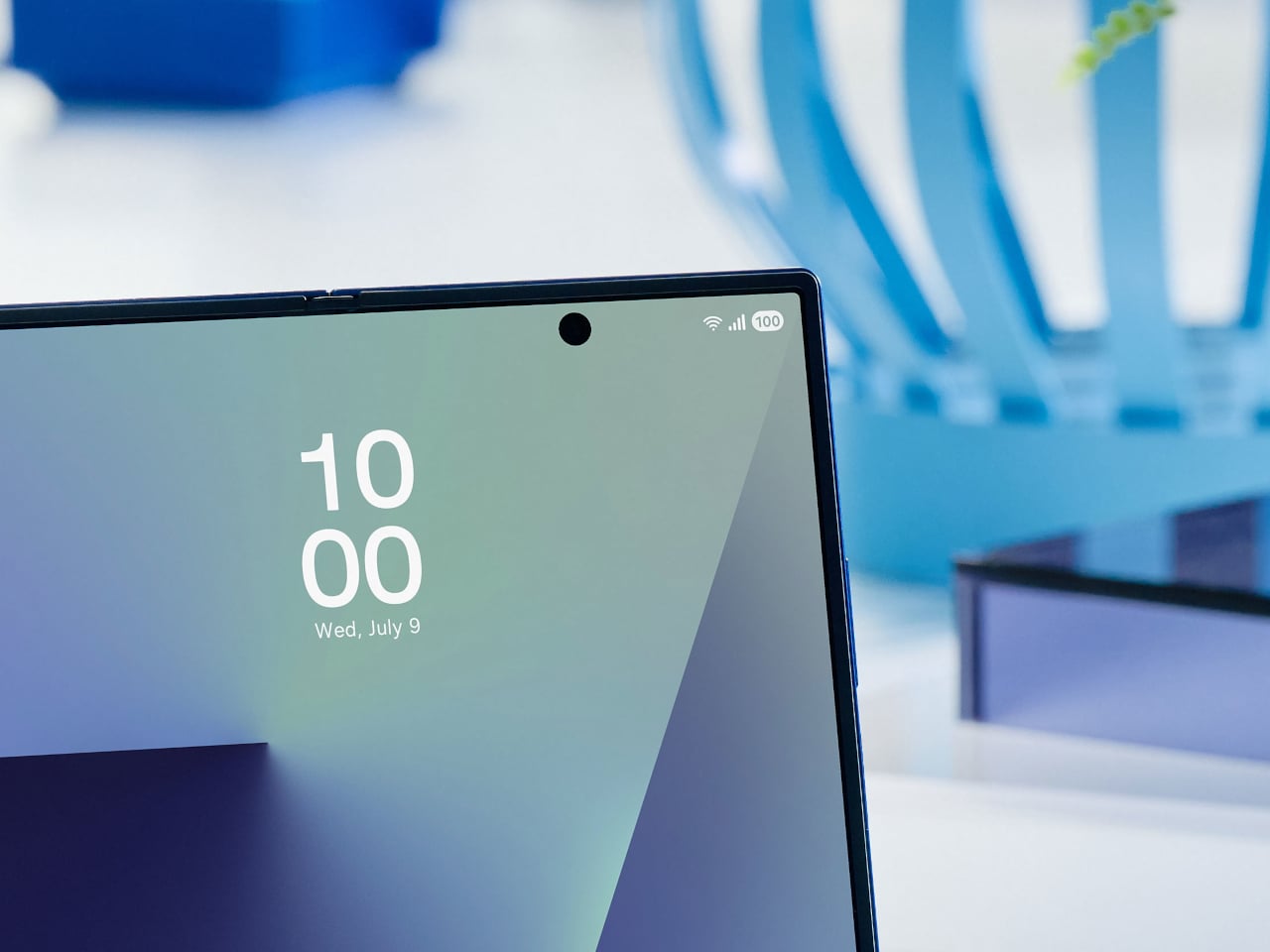
Then there is the under-display camera. Samsung introduced UDC technology with the Galaxy Z Fold3 in 2021 and used it through the Fold6. Image quality was consistently criticized across all four generations, and Samsung is now reportedly abandoning it for future foldables due to persistent optical and cost challenges. Apple is reportedly moving in the opposite direction, but with a twist. It might use the under-display camera primarily for Face ID’s infrared sensors rather than the selfie camera, which sidesteps the worst degradation but does not resolve long-term selfie quality under glass.

Designer: Samsung

Accessibility is a concern that gets less coverage than drop tests, but it definitely deserves more. Blind and visually impaired users rely on physically locatable controls as navigational anchors, such as the raised profile of a button. Flush haptic zones remove that landmark. There is also the “dead device” recovery problem: a bricked iPhone requires holding a specific physical button combination to enter recovery mode. Whether solid-state haptic buttons can operate at the firmware level, before iOS loads, has not been confirmed. Case and accessory compatibility adds another layer; a wraparound display that curves into what is currently the frame zone fundamentally changes how a protective case grips the device, since the element that used to grip the frame now grips the screen.

The human factor is harder to engineer than the glass

The technology story surrounding the iPhone 20 is genuinely fascinating, and some of it will almost certainly happen. Under-display Face ID on the iPhone 18 Pro is close enough to be treated as confirmed. The full vision, no buttons, no cutouts, glass everywhere, is a different question. Manufacturing challenge is described as “extraordinarily complex,” component manufacturers are on the fence, and the expected price point will likely exceed the current Pro Max tier. Those are not the conditions under which Apple tends to ship a complete reimagining all at once.

But the technical hurdles might not be the hardest part. People have strong, specific feelings about physical buttons in ways they do not always articulate until the buttons are gone. The haptic home button on the iPhone 7 worked well enough that most users stopped noticing it within weeks. Extending that same illusion across every tactile control point on the device, in cold weather, through a case, while the phone is vibrating with an incoming call, and across several years of daily use, is a different challenge than a single button in a fixed location. Whether that feels like liberation or a slow-building frustration might depend less on the engineering and more on the person holding it.

Images courtesy of: AppleTrack

The post iPhone 20 in 2027: All-Glass, Buttonless, and Highly Unlikely first appeared on Yanko Design.

BallotGuessr is Geoguessr for budding political pundits

Fancy yourself as one of those folks who stands in front of an expensive touchscreen display on a news network on election night, zooming in and out of counties while bleating about polling and voting data? If so, you might get a kick out of BallotGuessr

This is a riff on GeoGuessr that tasks you with guessing how a county voted in the 2024 presidential election. All you have to go on to figure out the identity of each county are contextual clues from Google Street View images. You can move around the environment a bit, but unless you get lucky, you'll need to have a good sense of politics and geography to do well here.

Once you think you have an idea of where the county is, you move a slider to guess whether residents voted for the Democrat or Republican ticket and by how many points. In the daily challenge mode, you only have 30 seconds to make your guess in each of five rounds. I'm bad at it, but it's a fun take on GeoGuessr all the same.

BallotGuessr features 2,845 curated Google Street View locations from all 50 states, with a maximum of 15 locations for each county. Its creator plans to expand the game with data for the 2022 midterms and 2020 presidential election, as well as recent elections in France, Germany and the United Kingdom.

This article originally appeared on Engadget at https://www.engadget.com/gaming/ballotguessr-is-geoguessr-for-budding-political-pundits-170028894.html?src=rss

Engineering the Smart Pool: How iGarden Swim Jet X Series Solved the Aquatic Power Puzzle

Engineering the Smart Pool: How iGarden Swim Jet X Series Solved the Aquatic Power Puzzle iGarden Swim Jet X Series

  Engineering a high-output water motor that is both powerful and portable has long been an industry challenge. The core problem has always been the “Power-to-Weight” ratio: how do you generate a current strong enough to challenge a human swimmer using only battery power, without the unit becoming too heavy to move? On March 12th […]

The post Engineering the Smart Pool: How iGarden Swim Jet X Series Solved the Aquatic Power Puzzle appeared first on Geeky Gadgets.

Posted in Uncategorized

Ukraine allows allies to train AI models on its battlefield data

Ukraine's four-year war with Russia has made it the world leader in battlefield drone technology. One byproduct of that is that the data it collects has become one of the country's most valuable assets. On Thursday, Ukraine played that card, saying it will begin sharing its battlefield data with allies to train drone AI software.

"In modern warfare, we must defeat Russia in every technological cycle," Ukraine Defense Minister Mykhailo Fedorov wrote on Telegram (translated from Ukrainian). "Artificial intelligence is one of the key areas of this competition."

Fedorov previewed the move when he took his post in January. At the time, the tech-savvy cabinet member pledged to "more actively" bring allies into projects. Foreign allies and companies have sought access to the country's data as, for better or worse, AI increasingly becomes an integral element of warfare.

Fedorov says Ukraine has a platform that will safely train partners' AI models without providing sensitive data. The system is said to provide continually updating datasets, including large volumes of photos and videos.

"For us, this is the next step in the development of win-win cooperation," Fedorov wrote. "Partners get the opportunity to train their AI models on real data from modern warfare. And [for] Ukraine: faster development of autonomous systems and new technological solutions for the front."

Last year, Ukrainian President Volodymyr Zelenskyy warned global leaders of a dangerous escalation tied to drone tech and AI. “We are now living through the most destructive arms race in human history,” he said at a meeting of the UN General Assembly in September. However, given the ugly realities in his country, Zelenskyy reiterated his need for armaments. “The only guarantee of security is friends and weapons,” he said.

This article originally appeared on Engadget at https://www.engadget.com/ai/ukraine-allows-allies-to-train-ai-models-on-its-battlefield-data-165104853.html?src=rss

This Burning Man Temple Blooms for One Night, Then Burns Forever

Every year, Burning Man erects a temple on the playa, and every year, it burns. That ritual of building and releasing has been part of the festival’s identity for over two decades, and yet each new design still manages to find a fresh way to make the whole thing hit differently. The 2026 edition, called the Temple of the Moon, might be the most quietly devastating one yet.

Designed by artist James Gwertzman, the structure takes its inspiration from the epiphyllum oxypetalum, better known as the Queen of the Night, a cactus flower that blooms exactly once a year, only at night, releasing its fragrance before wilting by morning. It’s the kind of plant that demands you pay attention, because if you’re not watching, you’ll miss it entirely. As a metaphor for grief, for presence, for what it means to witness something you know won’t last, it’s almost uncomfortably perfect.

Designer: James Gwertzman

Gwertzman came to this design through a deeply personal place. He spent years walking alongside a friend as she lost her partner to pancreatic cancer, learning what it means to simply be present in someone else’s pain without trying to fix it. Before all of this, he was trained in theater as a set and lighting designer, then spent decades in the video game industry building interactive worlds. Now he’s building something you can actually stand inside, and then watch burn.

The architectural approach is where things get genuinely fascinating from a design perspective. Gwertzman and his team used a parametric design method, essentially algorithmic generation, to create complex organic curves out of straight pieces of timber. It’s the kind of technical problem-solving that sounds counterintuitive: using math to fake nature. But the result, at least from the renderings, is stunning. From above, the structure looks like a fully bloomed flower, with slatted wooden petals radiating outward from a central chamber.

The center of the temple is built around a hyperboloid structure, a column that flares outward at the top, edged with sharp petals and light-topped wooden pieces that echo the look of a flower’s stamen. Fan-like wooden forms provide shelter and mark the entryways into the mostly enclosed inner space. The renderings feel alive in a way that strictly geometric architecture rarely does, and I think that has everything to do with the fact that the form was borrowed from something real.

What I find most considered about this design is that it doesn’t try to be monumental in the traditional sense. Yes, it’s large, and yes, it will be visible from a distance across the Black Rock Desert. But the experience is designed to be intimate, with petal-like seating areas and an approach path built as a journey rather than a straight line toward the entrance. Eight gateways mark the perimeter fence, each one corresponding to a phase of the moon. The fence panels will feature CNC-cut designs submitted by the community around moon and flower motifs, making the very border of the temple a kind of collective artwork.

That detail matters more than it might seem. Burning Man’s Temple has always been a communal space, a place where people leave names, photos, and notes for loved ones who have died. But designing the threshold of that space to carry the marks of many hands is a meaningful gesture. It says the temple doesn’t belong only to the artist. It belongs to whoever needs it.

The whole structure is scheduled to burn on September 6th, 2026. Everything about it, from the flower that wilts at dawn to the lunar cycle that keeps starting over, points toward that moment. The 2026 Burning Man theme is “Axis Mundi,” meaning the center of the world. It’s a heavy framework to design inside of, but the Temple of the Moon seems to hold it without strain. It’s not trying to be the center of everything. It’s trying to be a place where you can stand still for a moment, feel the weight of what you’re carrying, and let it go.

The post This Burning Man Temple Blooms for One Night, Then Burns Forever first appeared on Yanko Design.

Former Overwatch director Jeff Kaplan returns with a Western survival shooter

After spending many years as the public face of Overwatch, Jeff Kaplan stayed well out of the limelight after leaving Blizzard in 2021. Five years later, the former Blizzard vice president and Overwatch lead director is back with his own studio and a new game, which you might be able to play pretty soon.

The Legend of California is billed as an open-world, action-survival shooter. It looks like a mix of Red Dead Redemption and Rust (Rust Dead Redemption, if you will). It's set during the gold rush era, but Kaplan says he and his team at Kintsugiyama were not aiming for historical accuracy. For one thing, this version of California is an island. Still, the developers wanted to make the game feel authentic to the time period.

There are cowboys and prospectors, and you'll be able to go hunting, build mines and stables, craft tools and weapons, build out your homestead and raid hostile camps. There are "challenging" player vs. environment encounters (Kaplan says there are four difficulty tiers available to start with) and optional player vs. player battles. You'll be able to form a company with up to three other players and share progress, resources, buildings and other things with them.

Kaplan says his 34-strong team hand-crafted the world, though there's a degree of randomization at play. A certain biome (say, the game's version of the Mojave Desert) might be the easiest, most beginner-friendly area of the game on one server, and the endgame, tier four section on another. The points of interest might pop up in unexpected spots too — an Alcatraz-inspired structure will appear in a Bay Area-style region in some world seeds, and in snowy mountains in others.

The Legend of California is being published by Blizzard co-founder and former CEO Mike Morhaime's company Dreamhaven. It's slated to enter early access on Steam and the Epic Games Store later this year, with closed alpha playtests expected to start soon.

Kaplan announced The Legend of California in unusual fashion. Not during a splashy showcase, but in a five-hour appearance on Lex Fridman's podcast. Kaplan discussed his life and career, including his work on World of Warcraft, the ill-fated Titan and, of course, Overwatch

In his first public appearance since stepping down as Overwatch director, Kaplan revealed his reasons for leaving Blizzard, where he spent 19 years and previously had no intention of leaving. Business pressures related to the Overwatch League and Overwatch 2 played a part in his departure, but the final straw came in 2020 during a meeting with Blizzard's then-chief financial officer. Kaplan says he was told that if Overwatch didn't reach certain revenue targets, the publisher would lay off 1,000 people and that would be on Kaplan's shoulders.

This article originally appeared on Engadget at https://www.engadget.com/gaming/former-overwatch-director-jeff-kaplan-returns-with-a-western-survival-shooter-161221852.html?src=rss

Audi’s Legendary 5-Cylinder Goes Out with a Bang: Meet the RS 3 Competition Limited

Audi’s Legendary 5-Cylinder Goes Out with a Bang: Meet the RS 3 Competition Limited Front three-quarter view of the Audi RS 3 Competition Limited with matte carbon trim and dark LED lights.

Audi Bids Farewell to Its Iconic Five-Cylinder Engine with the RS 3 Competition Limited Audi commemorates the end of an era by celebrating 50 years of its legendary five-cylinder engine with the RS 3 Competition Limited. This exclusive model, limited to just 750 units worldwide (with only 11 allocated to the UK), represents a harmonious […]

The post Audi’s Legendary 5-Cylinder Goes Out with a Bang: Meet the RS 3 Competition Limited appeared first on Geeky Gadgets.

Posted in Uncategorized