
Samsung brings One UI 9 to the rest of the Galaxy S26 series
Features that debuted on foldables, such as My FanCam, are coming to more devices.
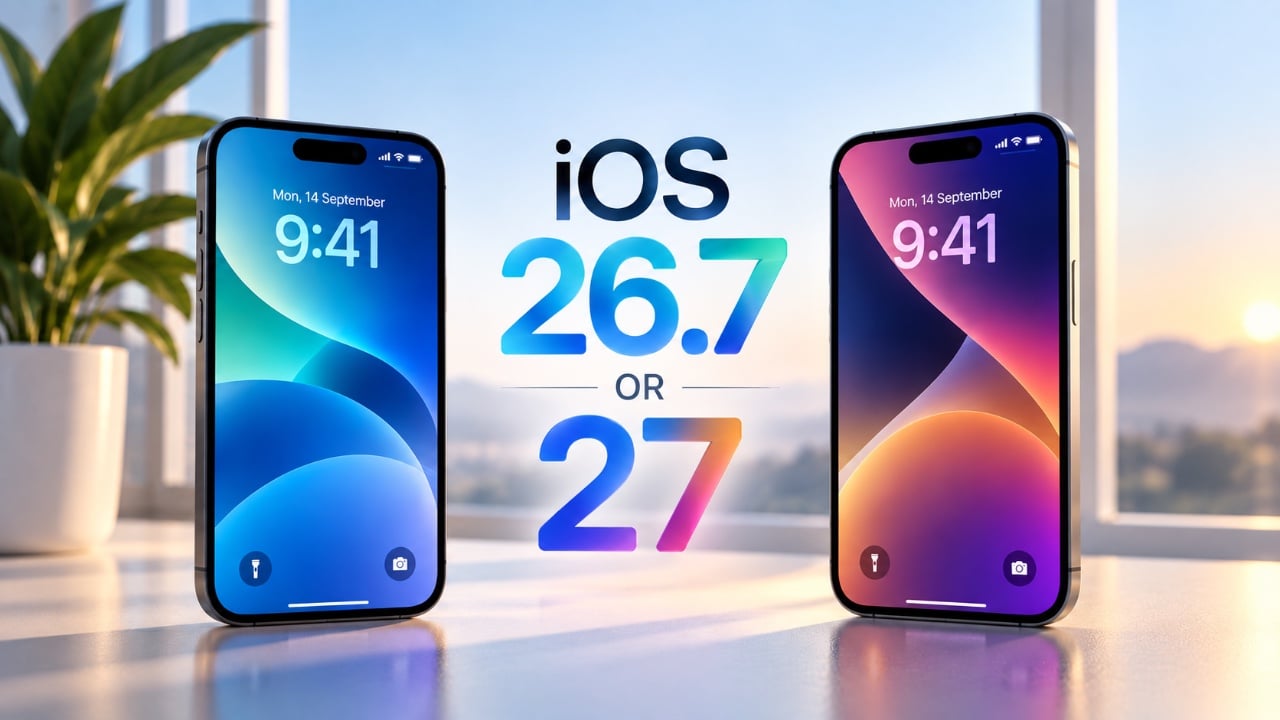
Apple’s dual update strategy for iOS 26.7 and iOS 27 offers users a unique choice between two distinct paths. This approach enables you to decide whether to prioritize stability and reliability or embrace the latest features and innovations. Each update caters to different user needs, making it essential to evaluate your priorities before proceeding. iOS […]
The post iOS 26.7 vs iOS 27: Which iOS Version Should You Install? appeared first on Geeky Gadgets.

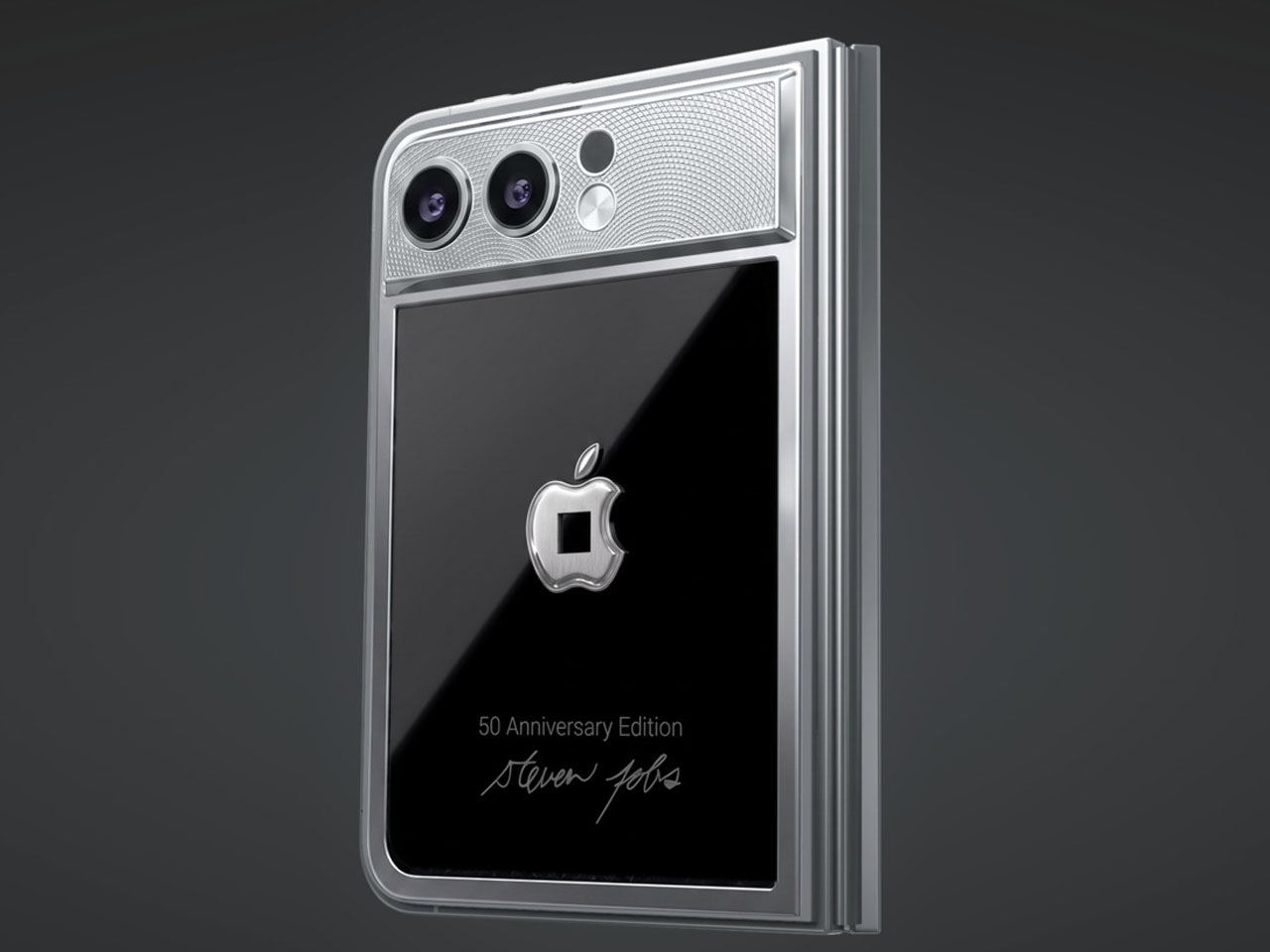
Caviar is taking pre-orders for iPhone Duo starting at $15,990, well ahead of the official availability of the new phone form factor Apple unveiled earlier this month. Apple gave us a glimpse of its first foldable iPhone on September 9, with deliveries slated to start in mid-October. But Caviar already has a Jobs-inspired take on the iPhone Duo (as the foldable iPhone is called), and it’s really a peach to behold.
For this one, Caviar has gone a little ahead of leather and other trims it usually uses for pimping up the smartphones, borrowing a scrap from Steve Jobs black turtleneck. Making it more than a collector’s item: a piece of historical significance that you would want to own as an Apple and Jobs fan.
Designer: Caviar
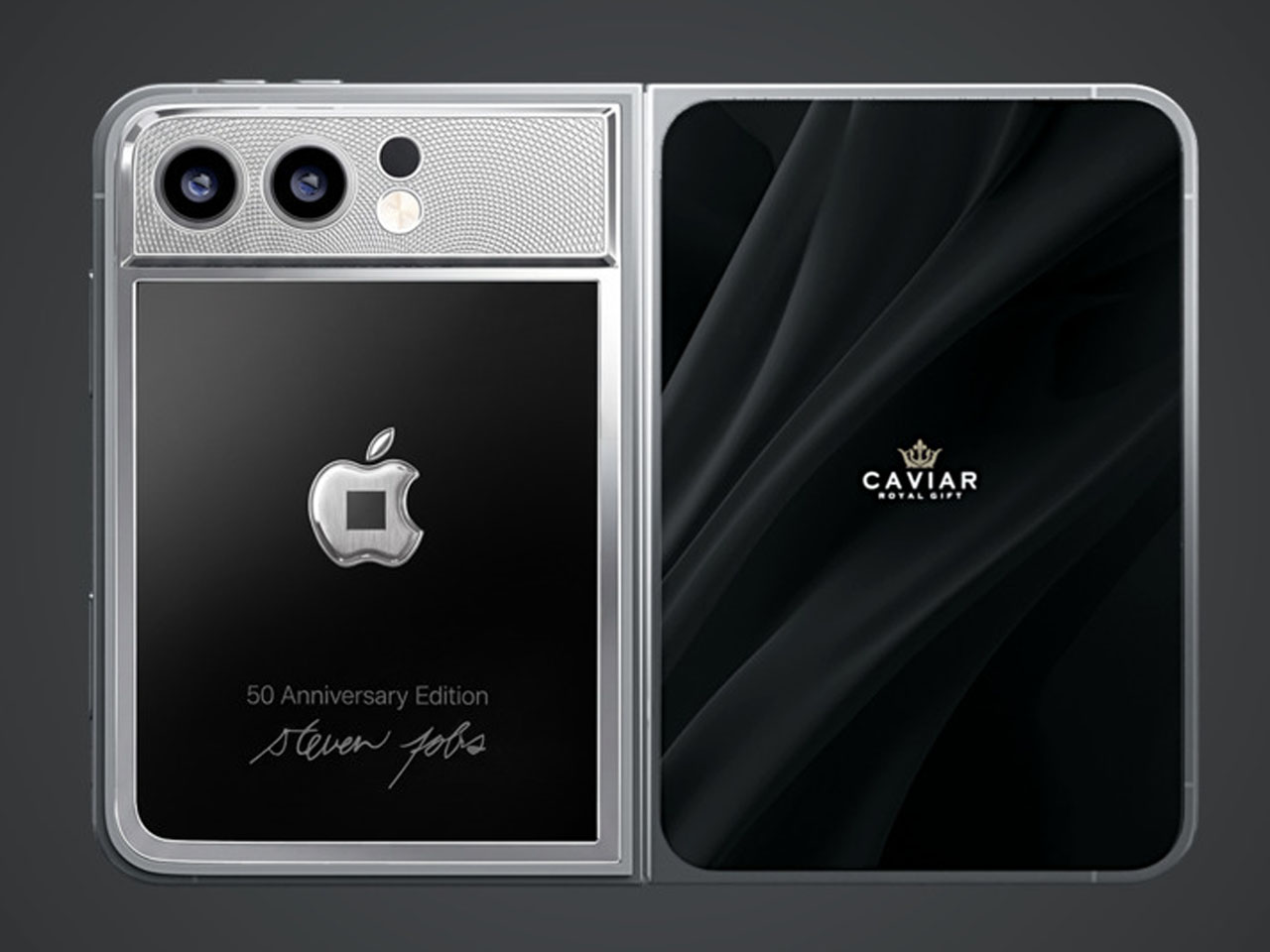
As you would have guessed already, this is not a run-of-the-mill creation. It’s a limited-edition build, and the company says only nine of these Jobs iPhone Duo editions will be made. Each of them will be made to order and will be shipped with a personalized international certificate of authenticity. Production of the iPhone Duo will start in the Caviar workshop only after the full payment has been received against the device. The order will then be fully crafted and completed by technicians before being dispatched your way within four days of your order.
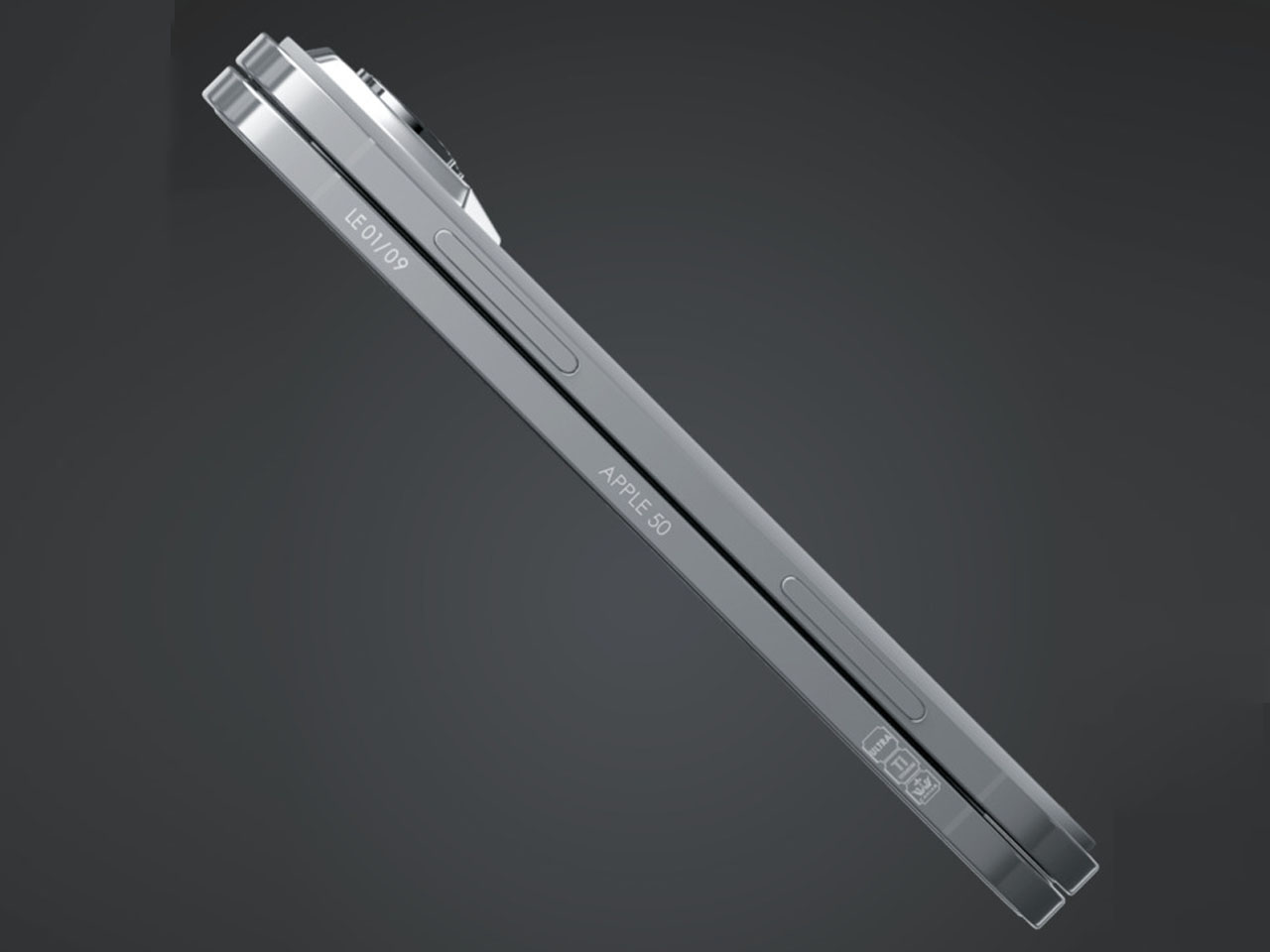
Caviar suggests its customized iPhone Duo is for collectors and those who appreciate artifacts and historic memorabilia. But if you’re a Jobs fan with a deep pocket, I don’t see why you would need another reason to get hands on this Duo engraved with the autograph of the man himself: Steve Jobs, if you will.
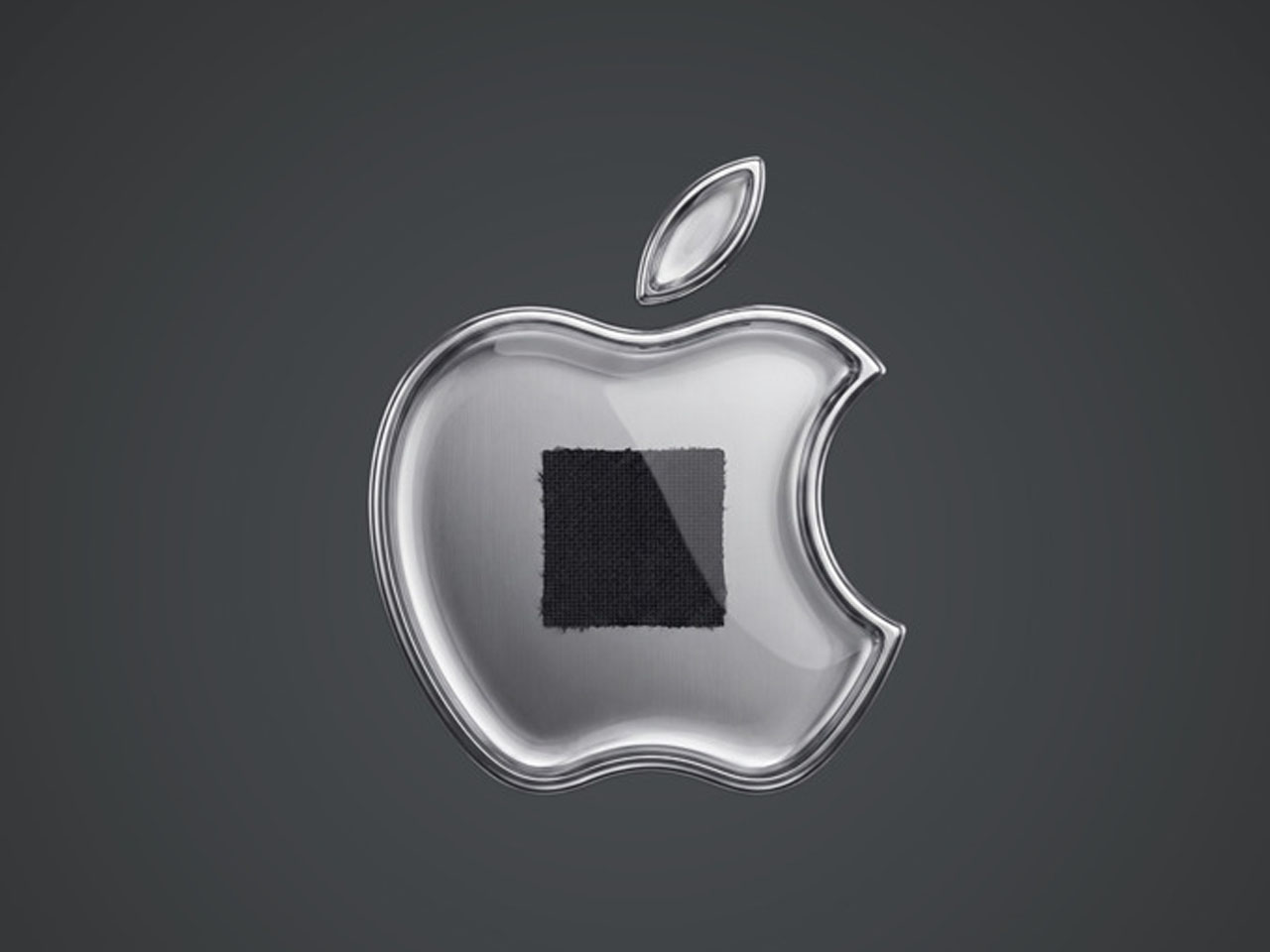
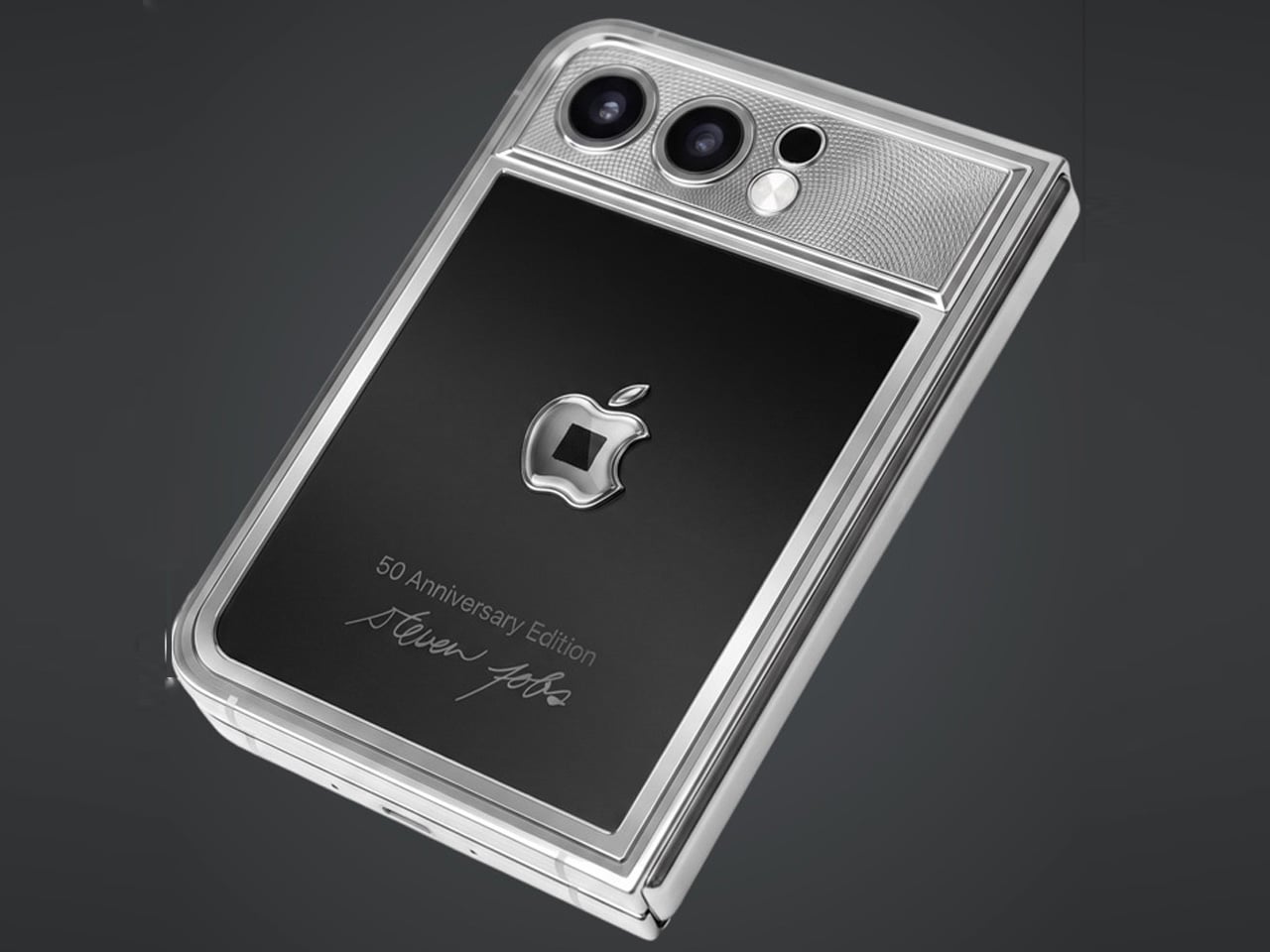
Each iPhone Duo with Caviar antics will cost at least $15,990, almost eight times the price of the otherwise expensive iPhone Duo, which Apple confirmed it will sell starting at $1,999. A tribute to Jobs and his lasting influence on Apple as a company, the device wears a three-dimensional Apple logo in the middle of its back panel, while a fragment of Jobs’ black turtleneck sits on it.
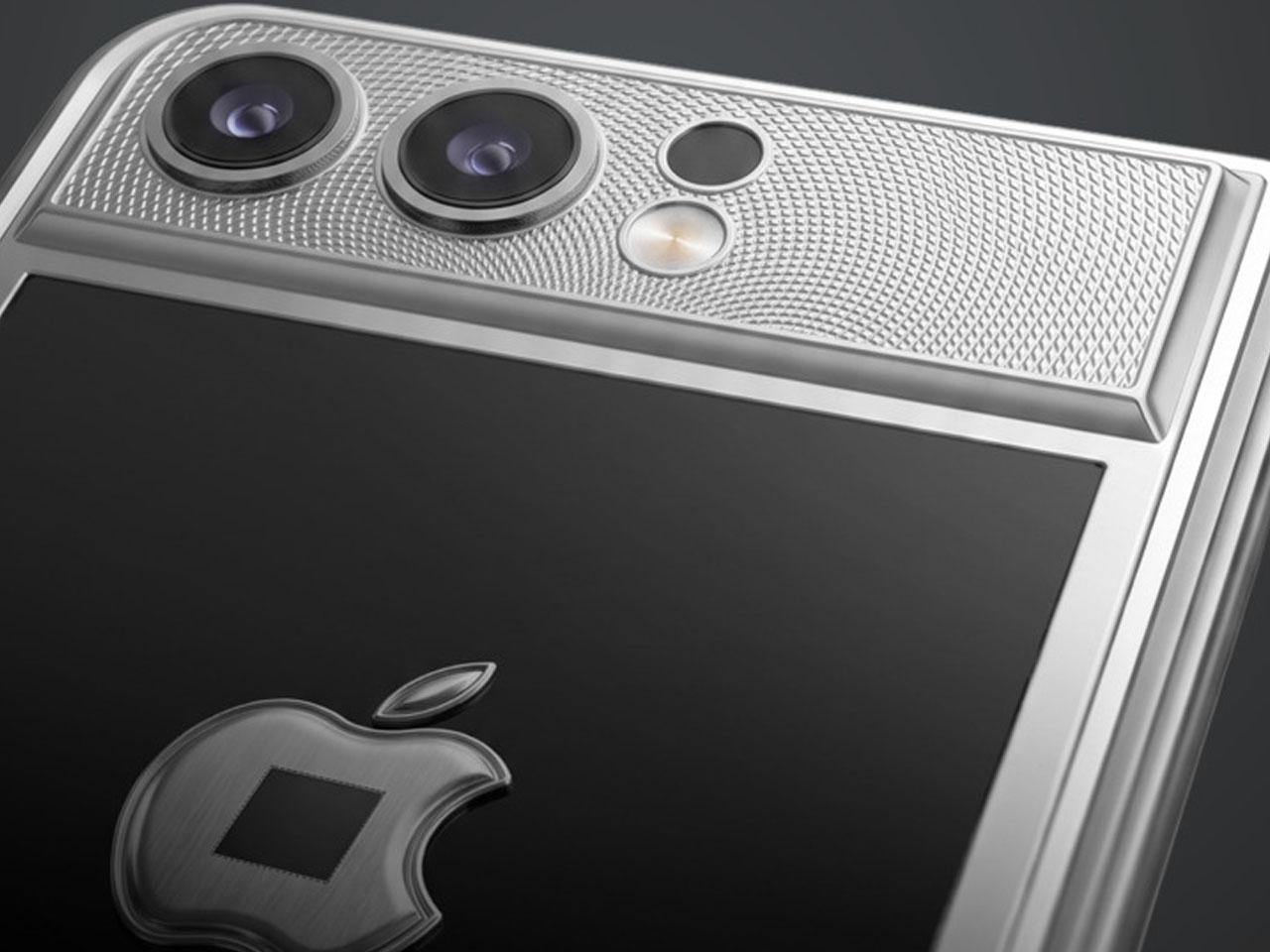
This rare detail is complemented by Jobs’ engraved signature in metal just below the letters reading 50 Anniversary Edition. The surface of the central panel is black in color and is made from PVD-coated titanium. The upper panel, the frame, and the decorative elements are made from polished titanium and feature guilloché engraving, Caviar notes.
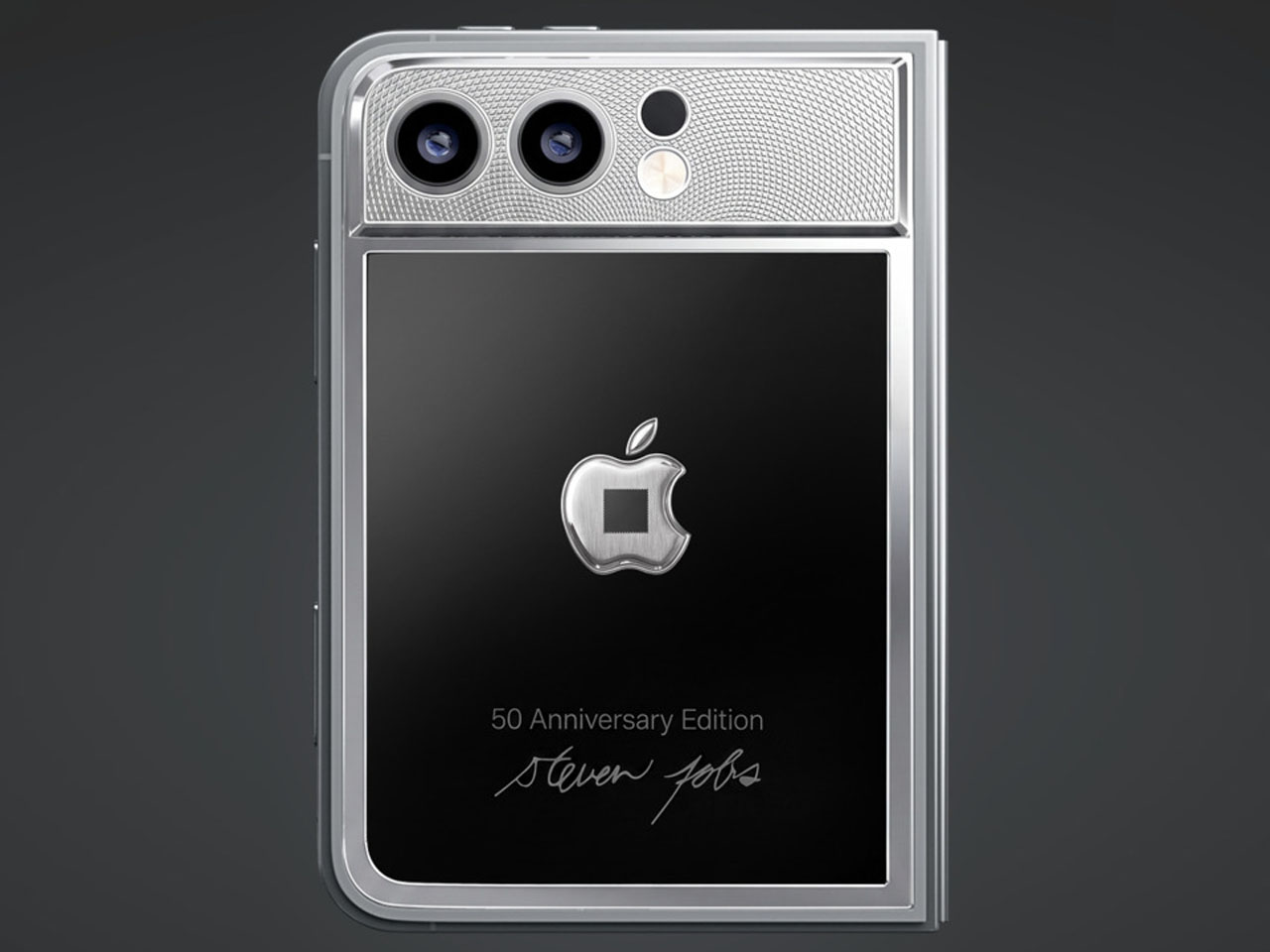
Caviar refrains from making any changes to the hardware of the iPhone Duo. So, despite the Jobs-inspired Caviar treatment, the phone still has the same (displayed) 5.4-inch Super Retina XDR screen on the outside and an inner display, which folds out to become a 7.6-inch slate. It’s the biggest display on an iPhone ever. The Caviar Jobs iPhone Duo comes with specially designed “Supreme Packaging.” This comprises a lockable outer case with 24K gold plating and a blue gift box made from leather and wood. It includes a Caviar coin plated with 24K gold.
The post Caviar’s $15,990 iPhone Duo contains a piece of Steve Jobs’ black turtleneck first appeared on Yanko Design.
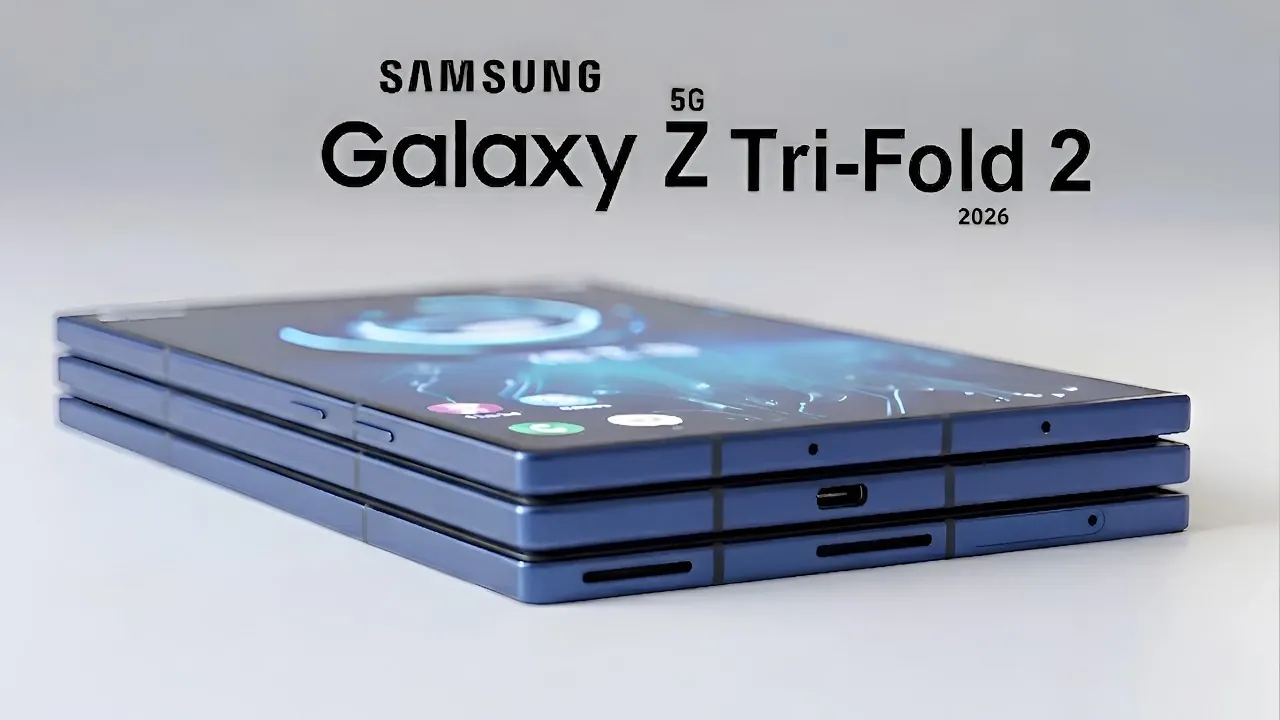
Samsung is reportedly accelerating the release of its next-generation foldable smartphone, the Galaxy Z Trifold 2. Initially slated for a 2027 debut alongside a slidable phone, this highly anticipated device may arrive sooner than expected. The Galaxy Z Trifold 2 is set to deliver substantial advancements over its predecessor, including a thinner, lighter, and more […]
The post Galaxy Z TriFold 2 Leaks: The Foldable Breakthrough We Waited For appeared first on Geeky Gadgets.

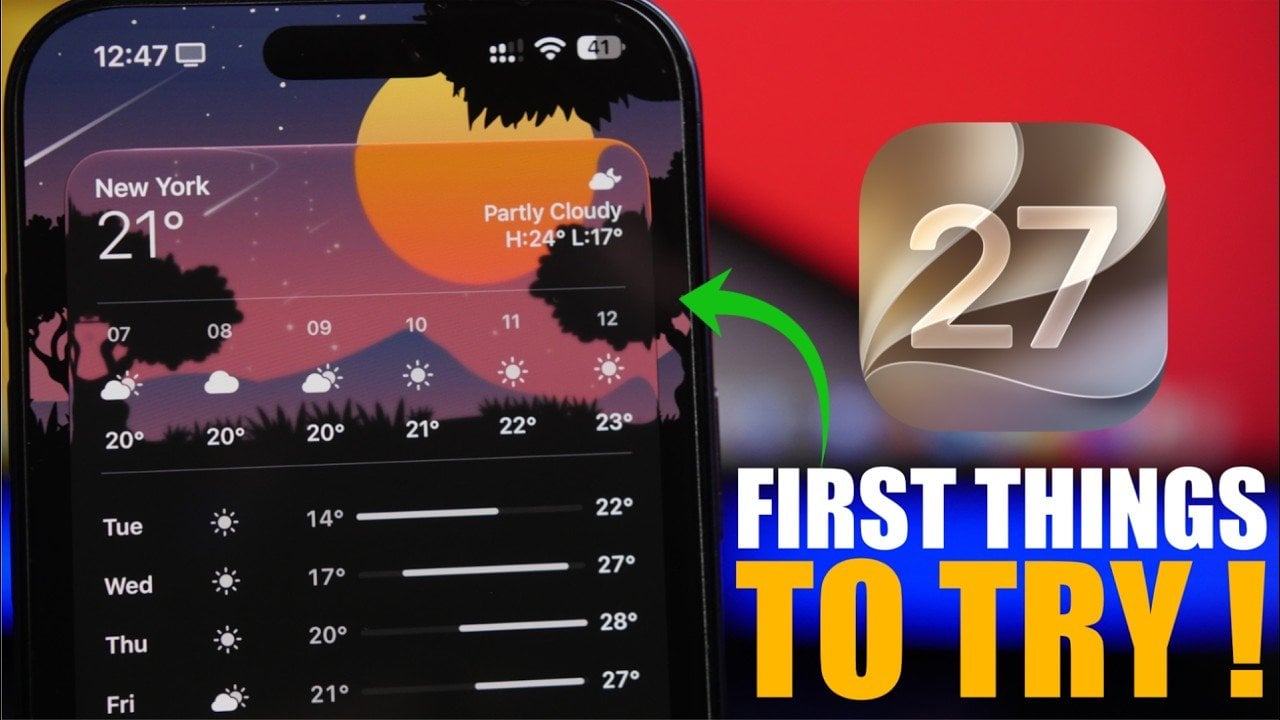
iOS 27 brings a host of new features designed to enhance customization, improve efficiency, and elevate the overall user experience. Whether you’re managing tasks, communicating, or personalizing your device, this update introduces tools that streamline daily interactions and make your device more intuitive. Below are the top 10 features you should explore to make the […]
The post iOS 27 Is Here: 10 Useful New Features You’ll Notice Right Away appeared first on Geeky Gadgets.
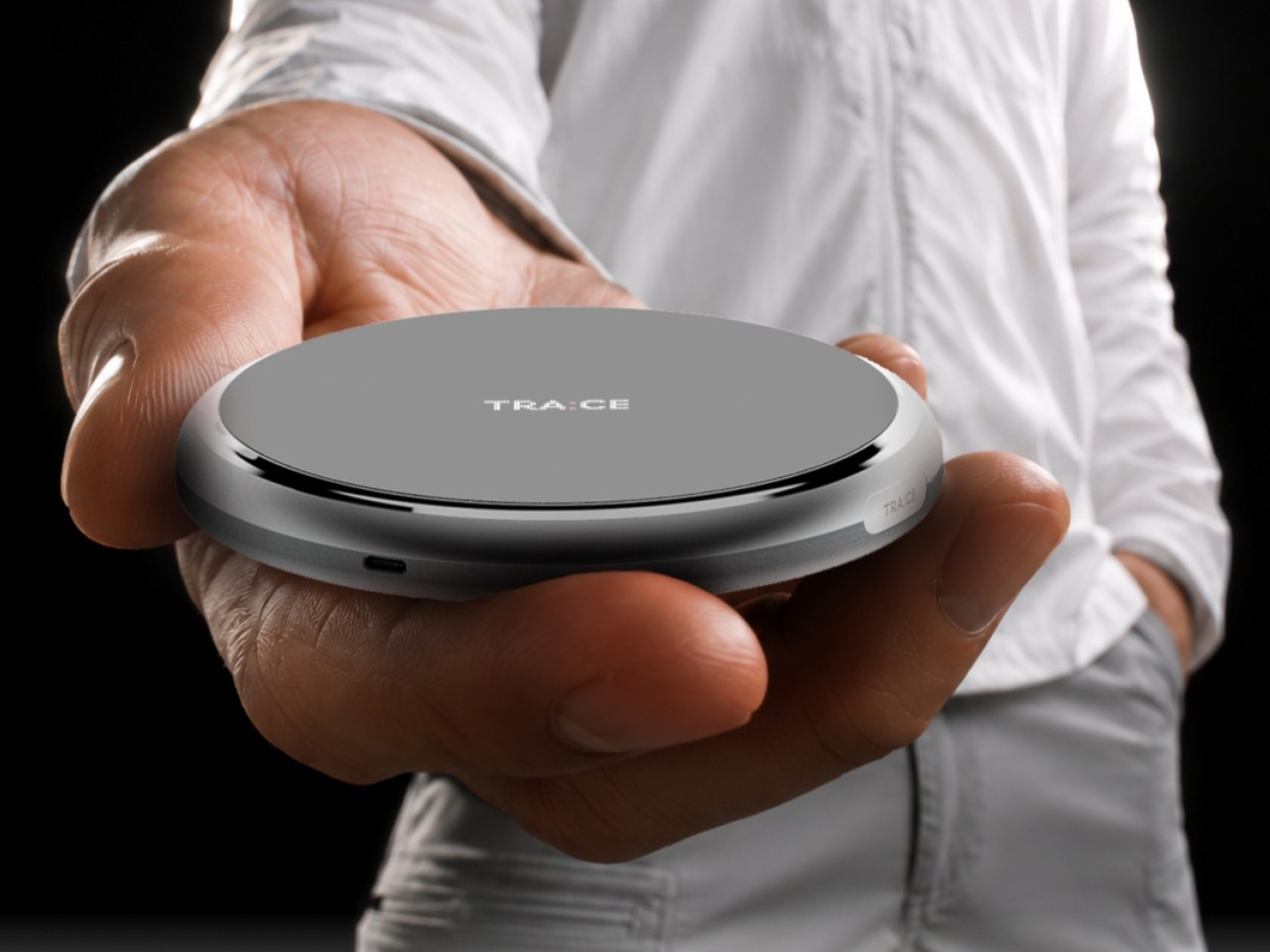
Every designer has a folder full of phone photos that were supposed to capture a specific shade of oak or a particular matte finish, and every one of those photos looks wrong the moment it’s opened back at the studio. TRA:CE, a pocket CMF scanner concept, treats that failure as the actual problem worth solving: building a device that reads color, material, and finish directly off a surface instead of trusting a camera sensor to guess.
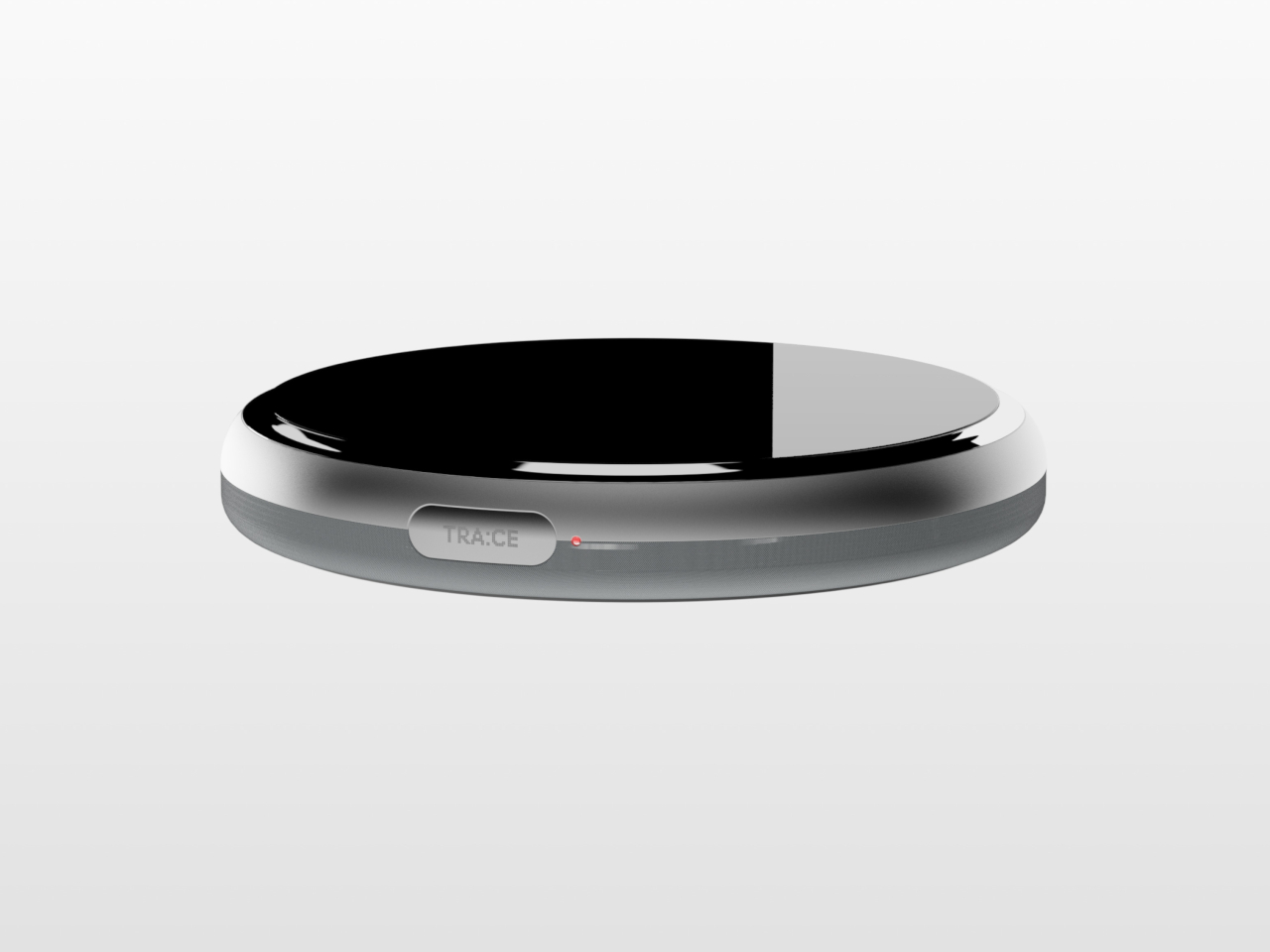
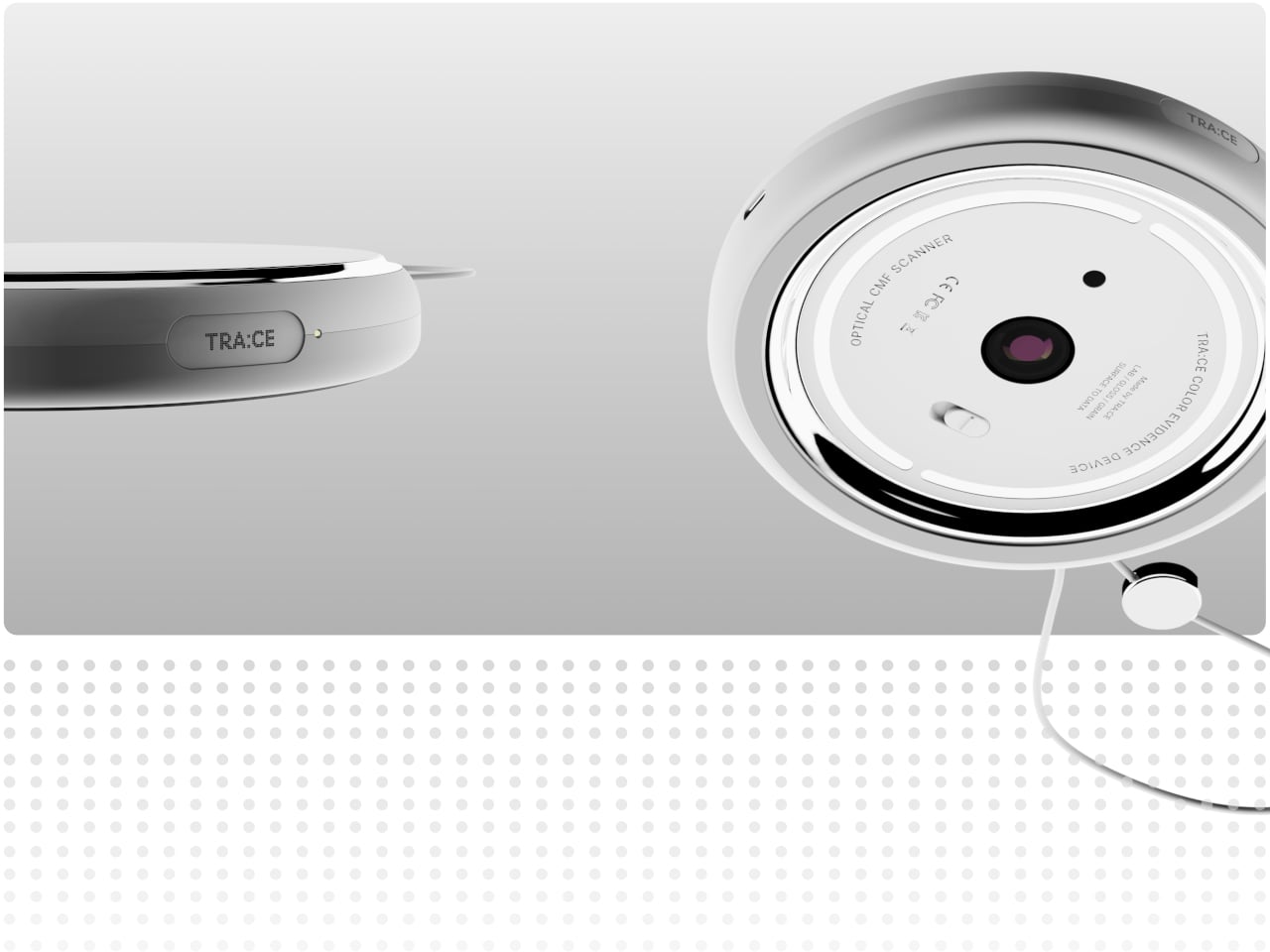
The shape gives away the intention before you even use it. TRA:CE is a flat, coin-like disc with a glossy display on top and an optical scanner built into the bottom face, so the entire interaction comes down to setting it down and pressing a button. That’s a deliberate contrast to snapping a photo, which still depends on ambient light doing you a favor.
Designer: Seongwook Jin
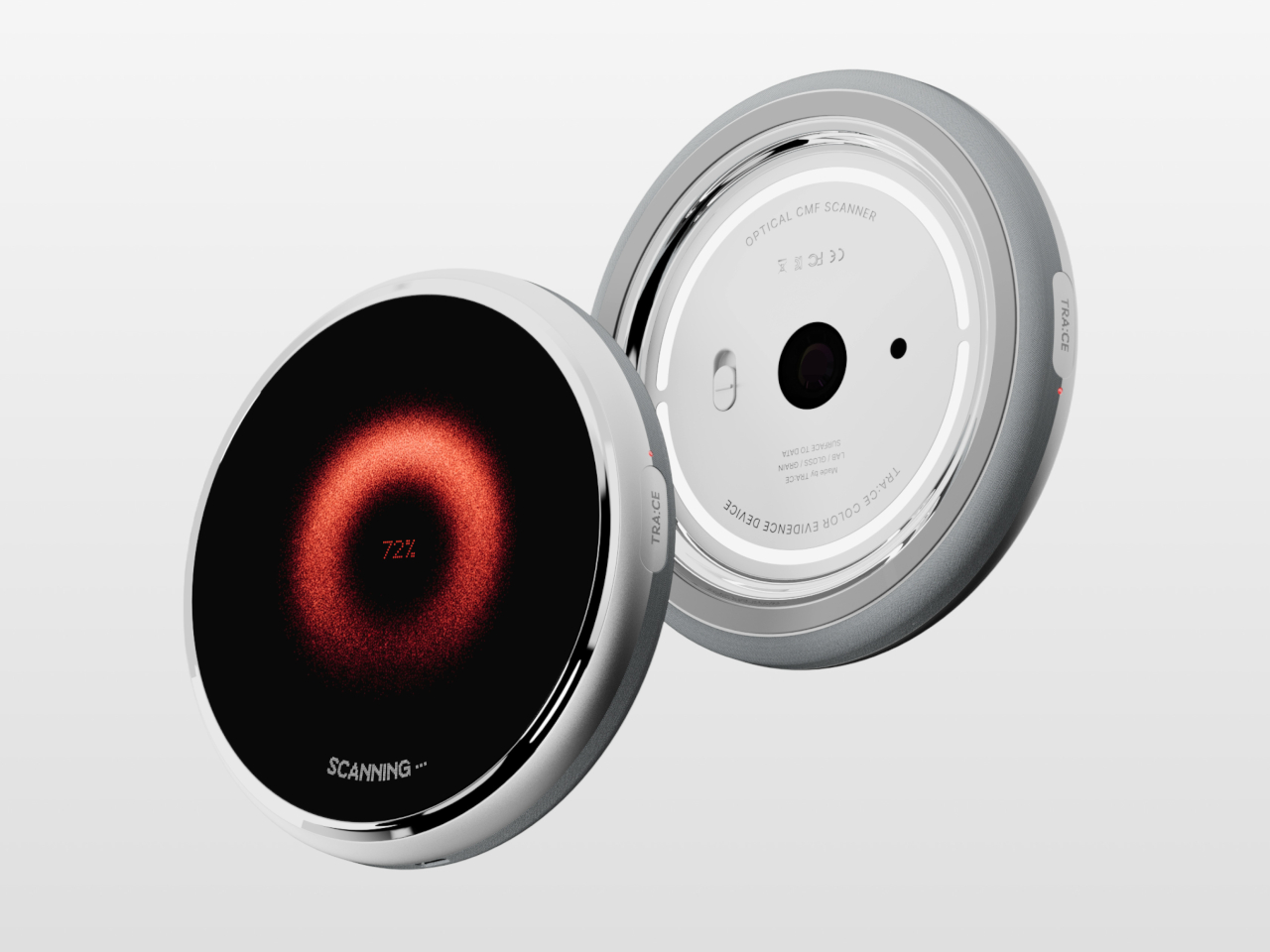
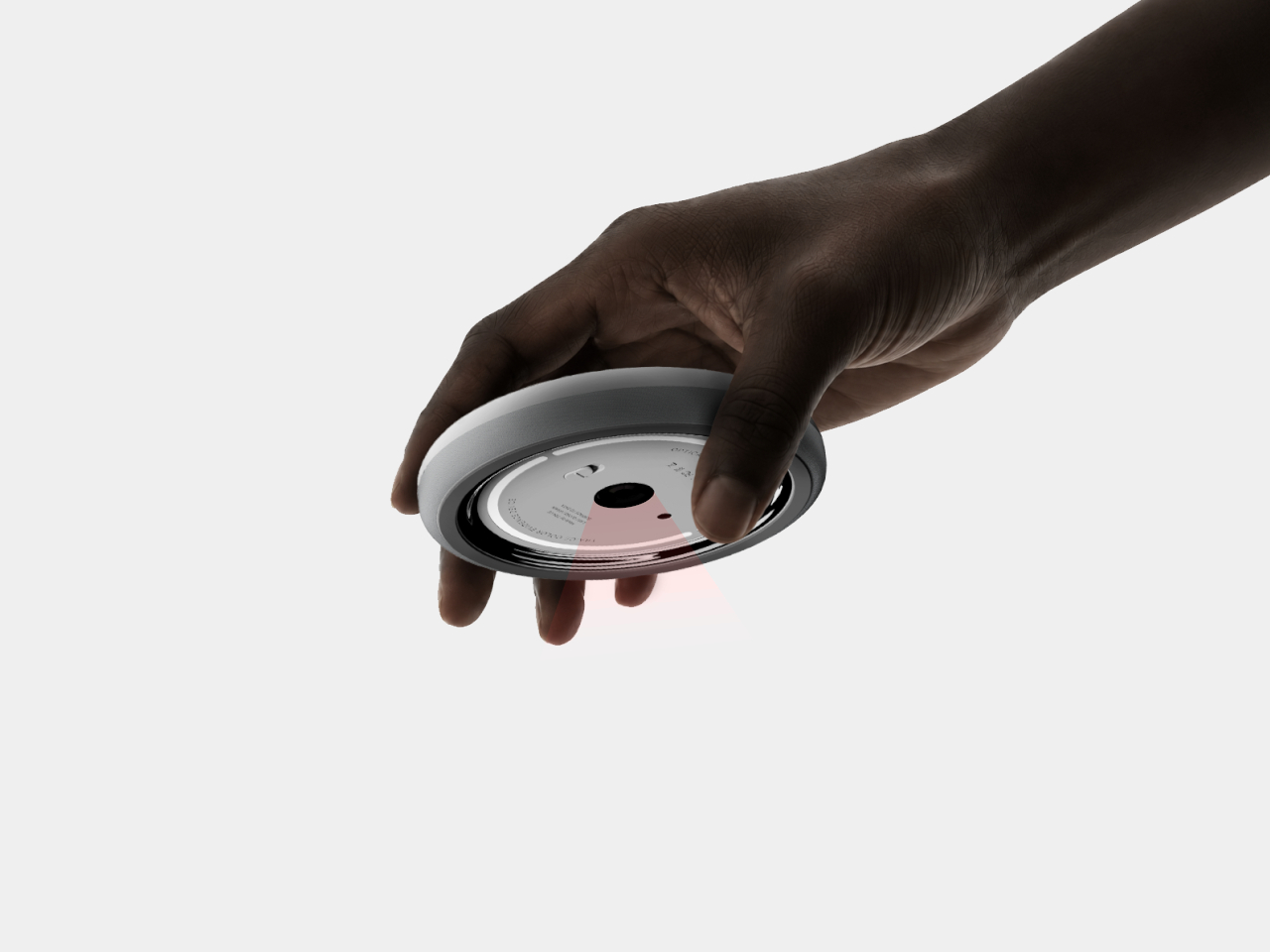
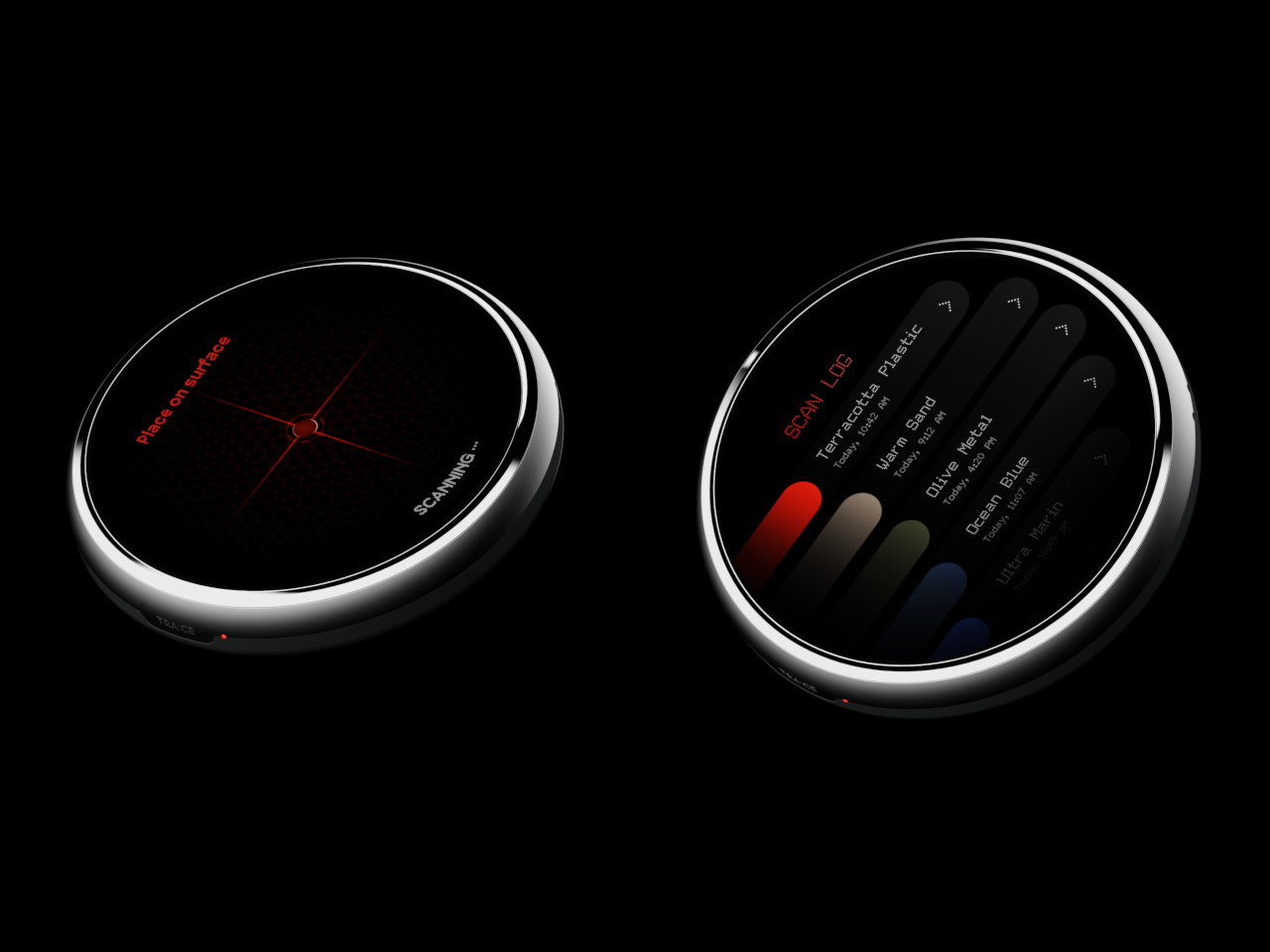
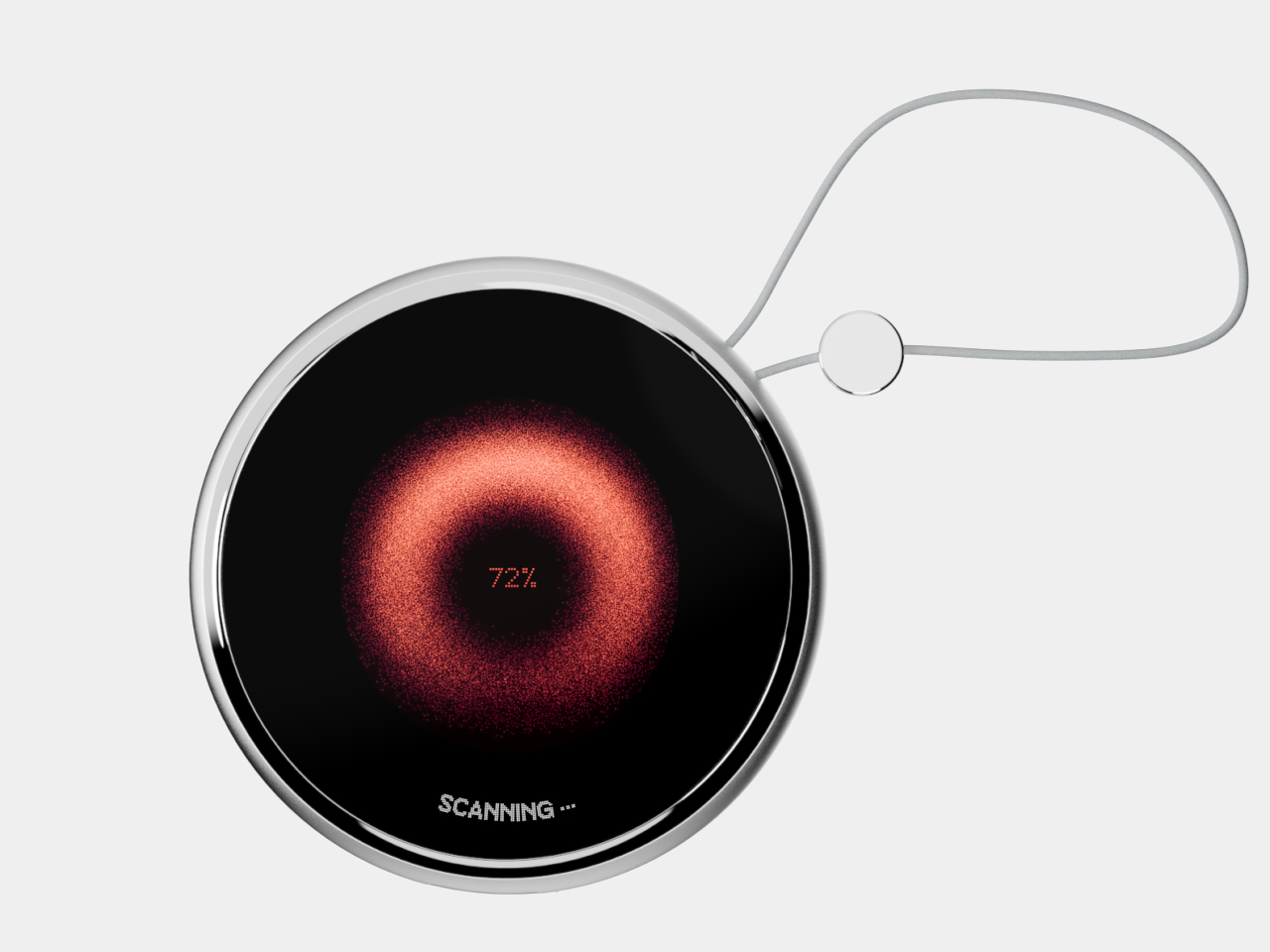
Placing the disc against a surface and pressing the side button starts a scan, and a radiating animation on the circular display counts up as the sensor reads what’s underneath. That readout isn’t just a color value either. The scan captures material type, texture, and finish characteristics in the same pass, treating a swatch of oak or a painted panel as a full dataset rather than a single hex code pulled from a photo.



That distinction actually matters once you’re standing in a furniture showroom trying to remember if a tabletop finish was satin or something closer to matte. Lighting shifts color perception constantly, but the scanner reads the surface directly rather than interpreting reflected light through a lens, which is exactly the inconsistency that photos and memory both fail at. A quick press replaces a mental note that would’ve degraded within the hour anyway.
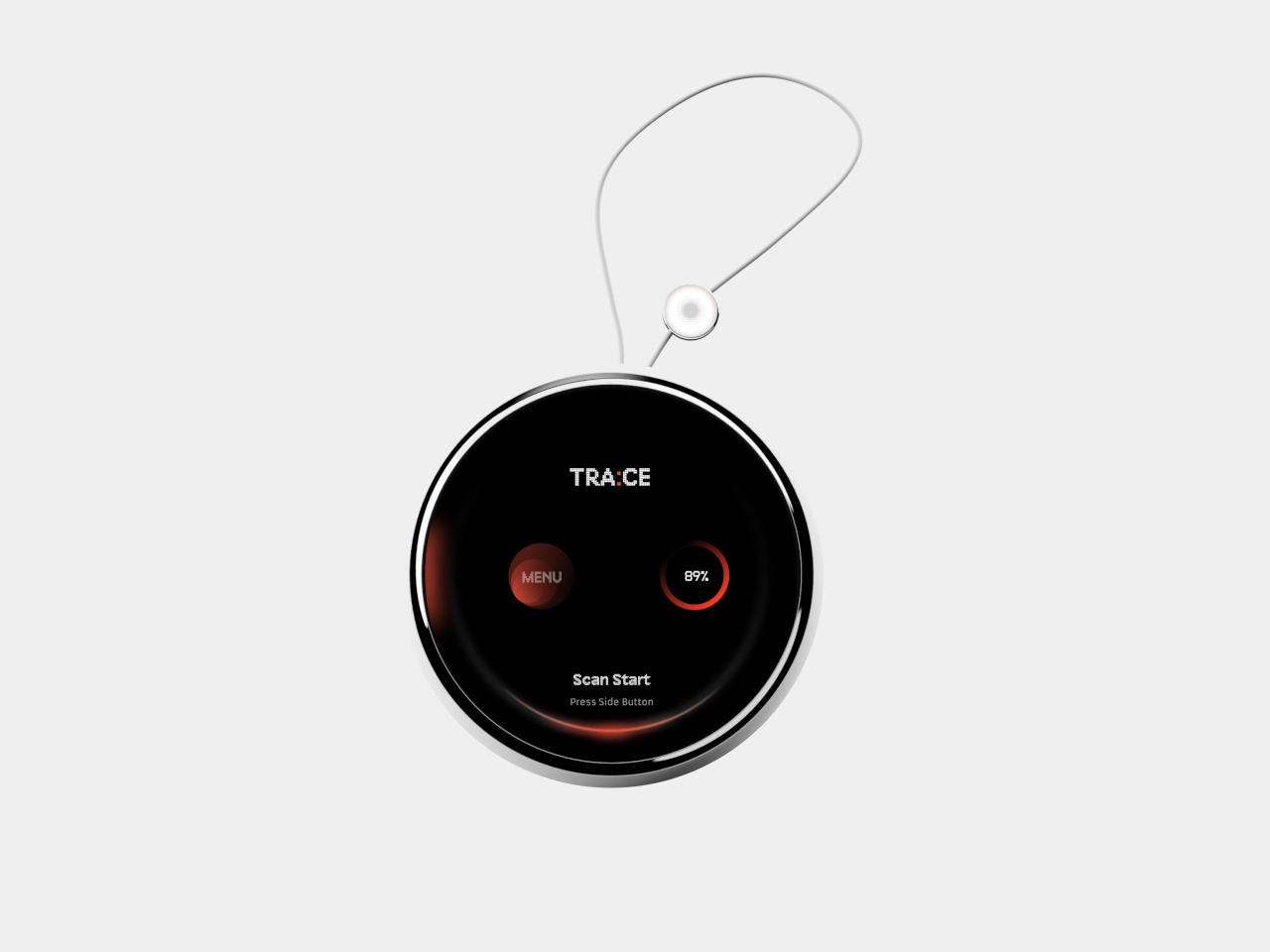
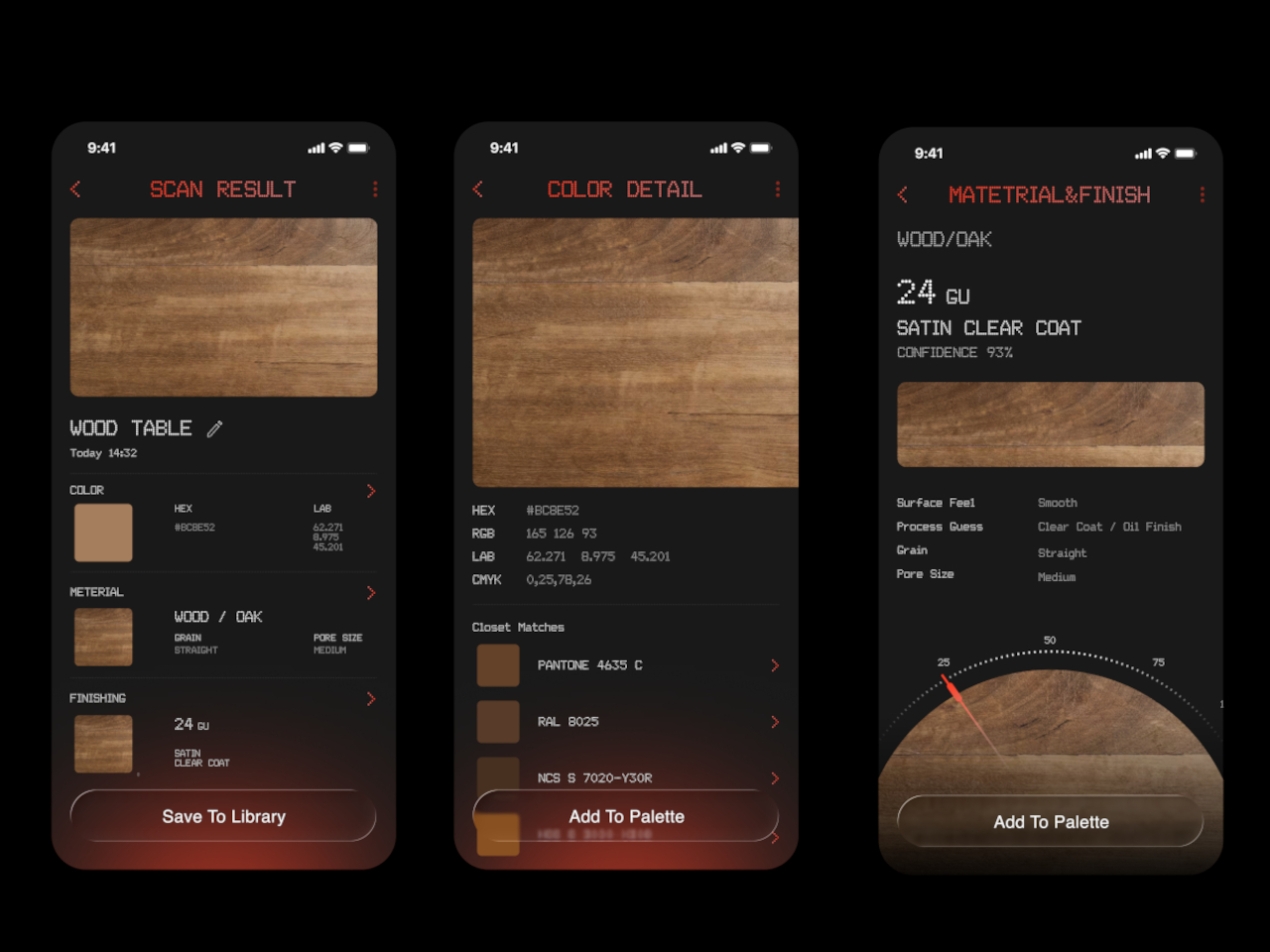
Every scan gets logged as a reference card in a companion app, breaking a single surface reading into HEX, RGB, LAB, and CMYK values alongside the closest Pantone or RAL matches. Material grain, pore size, and a numeric gloss reading round out the same card, so a design team pulling reference weeks later gets the same fidelity as someone standing in the room during the original scan.
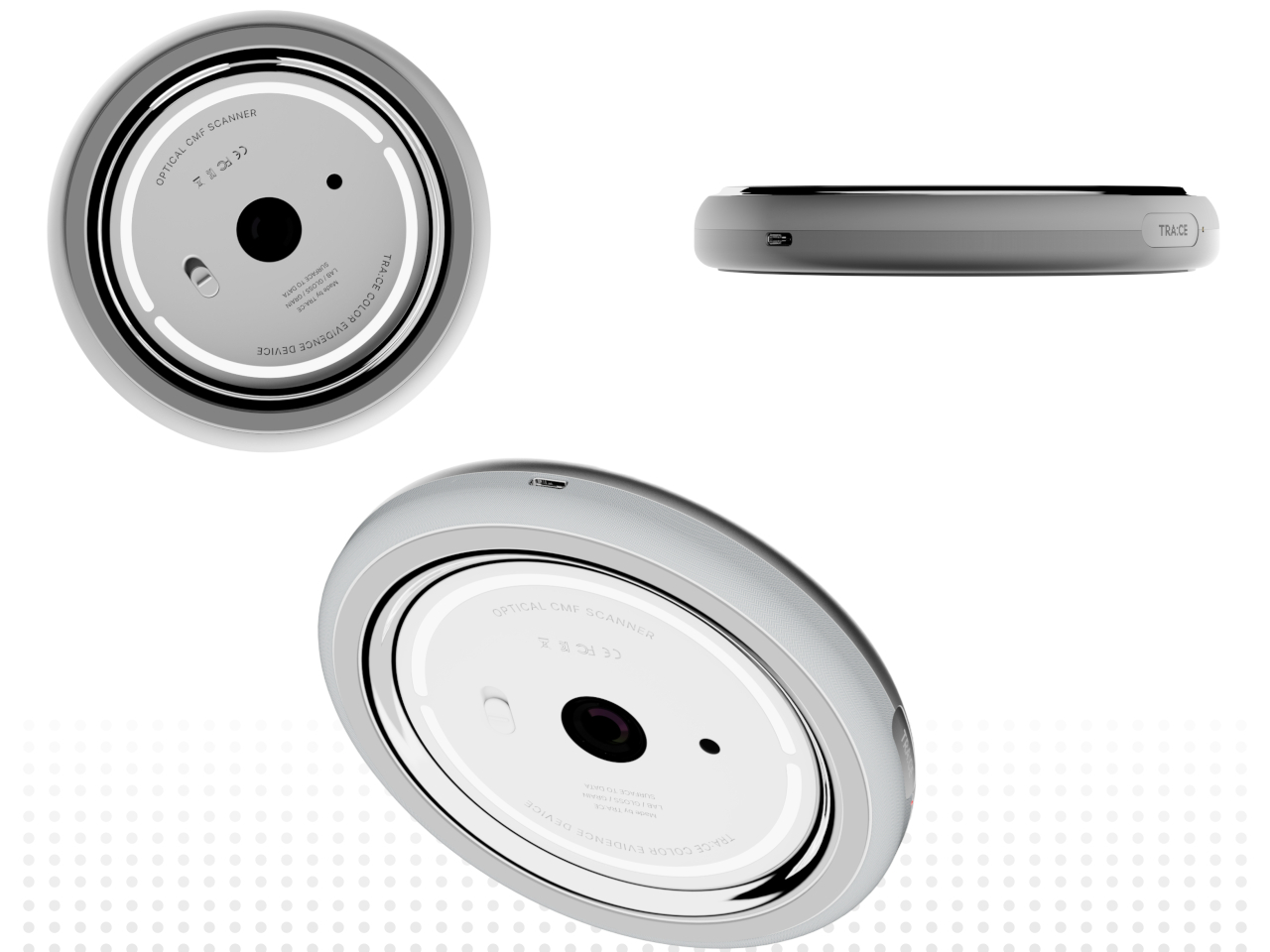
None of this asks a designer to change how they already work through a space. TRA:CE fits into a pocket, clips onto a bag, or hangs from a neck lanyard, so it’s present at a material library, a client’s showroom, or a job site without becoming another piece of equipment to remember. That kind of portability turns a scanner from a specialized tool into something closer to a pen, always within reach when a texture or shade actually needs capturing.


Field notes about color have always been approximate, filtered through whatever light happened to be in the room and however well a memory held up hours later. TRA:CE swaps that approximation for a saved, measurable record, turning a fleeting glance at a material into something a design team can actually build from later.

The post Phone Photos of Materials Lie, This Scanner Reads the Surface Itself first appeared on Yanko Design.

Kickbooster examines the NOPIA MK1, a semi-modular harmony generator designed to balance structured harmonic theory with creative freedom. Central to its functionality are two operational modes: Real Mode, which follows established harmonic principles for precise compositions and Static Mode, which allows users to explore chords intuitively without theoretical limitations. This dual-mode system provides flexibility for […]
The post NOPIA MK1 Semi-Modular Harmony Generator Hits Kickstarter appeared first on Geeky Gadgets.
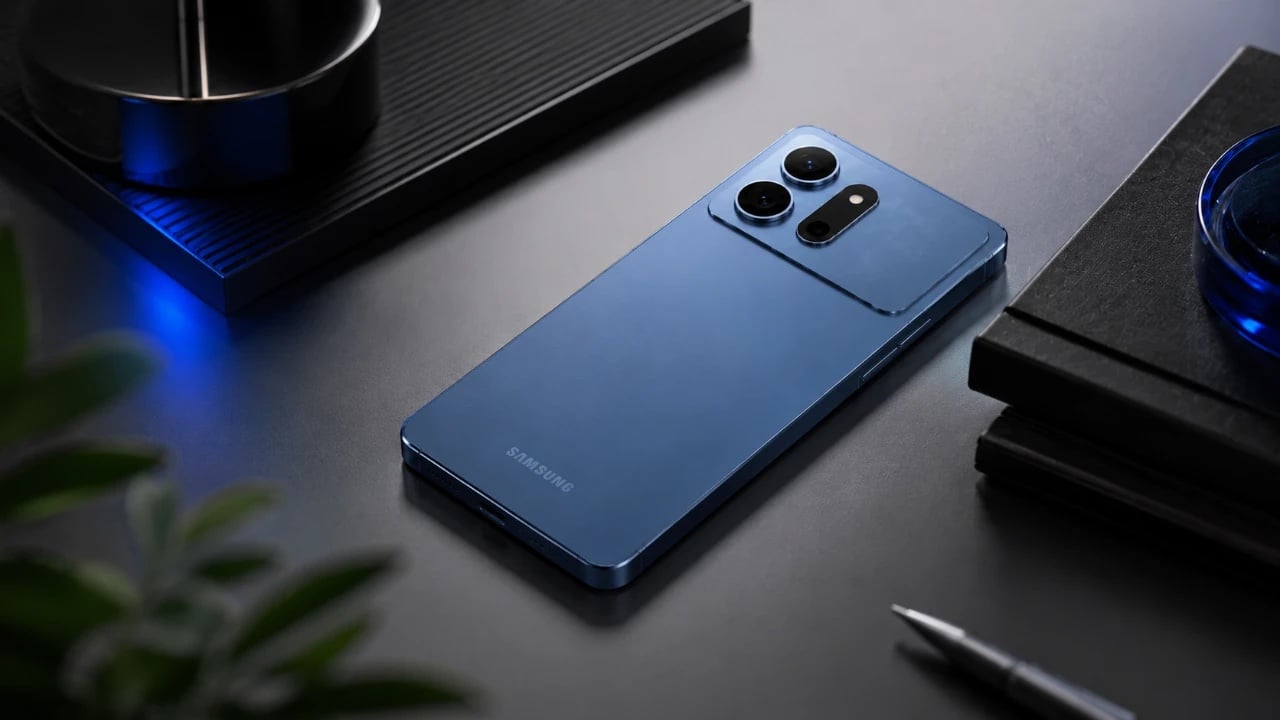
Samsung is poised to redefine smartphone displays with the highly anticipated Galaxy S27 series, introducing innovative advancements in OLED technology. The flagship Galaxy S27 Ultra and S27 Pro models will feature the innovative M16 OLED material, promising significant improvements in brightness, power efficiency, color accuracy, and durability. Meanwhile, the Galaxy S27 and S27 Plus will […]
The post Samsung Galaxy S27 Ultra Leaks: Why This Upgrade Actually Matters appeared first on Geeky Gadgets.