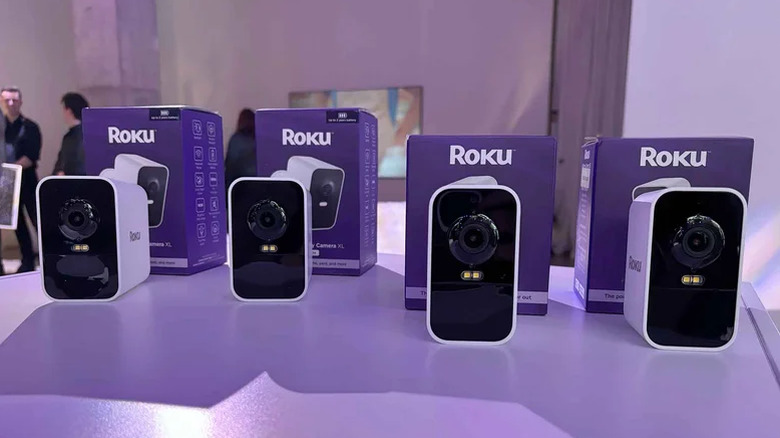
Roku will stop selling smart home devices and refocus on streaming
The company will stop selling video doorbells, its home monitoring system and other products.
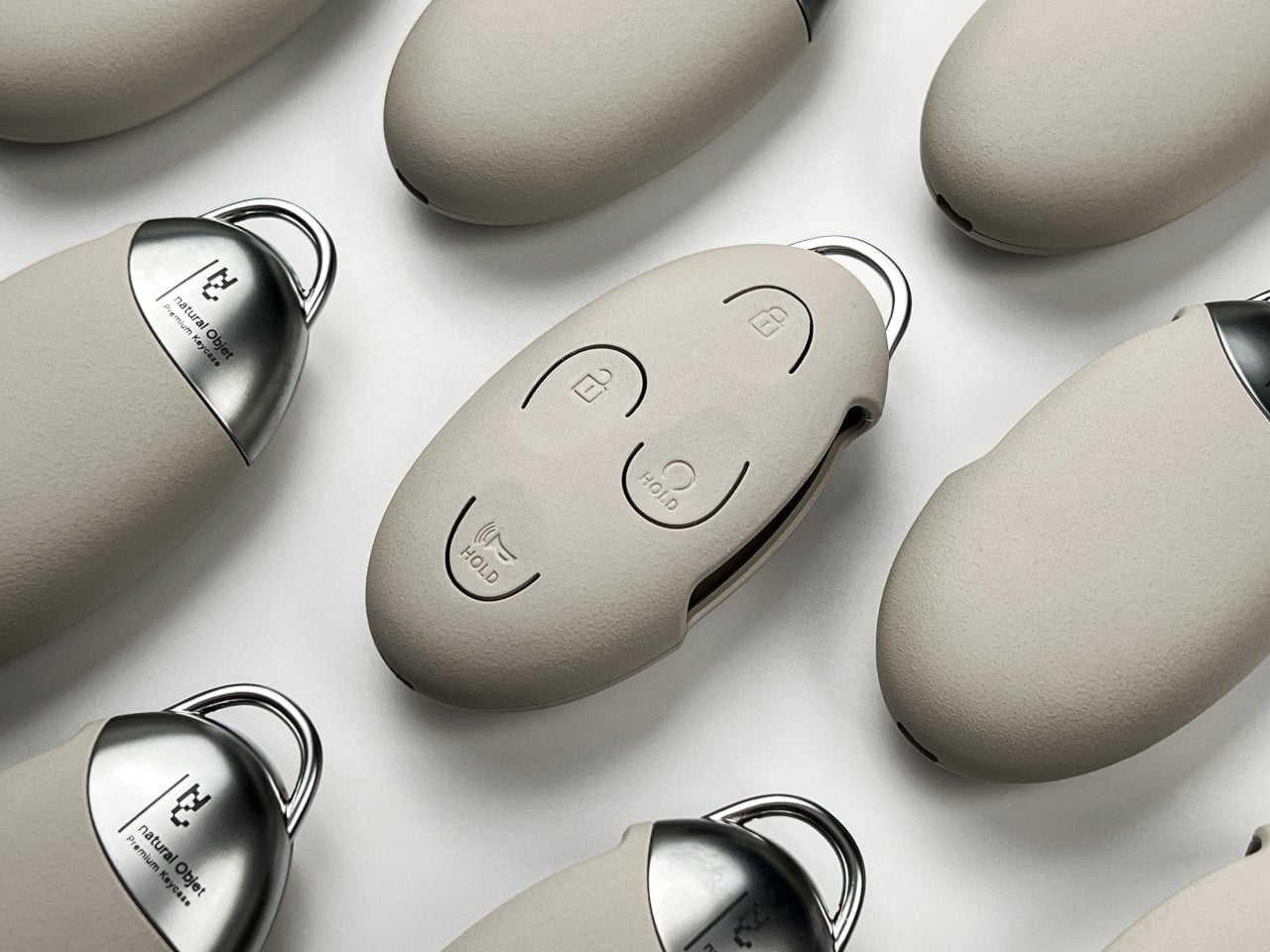
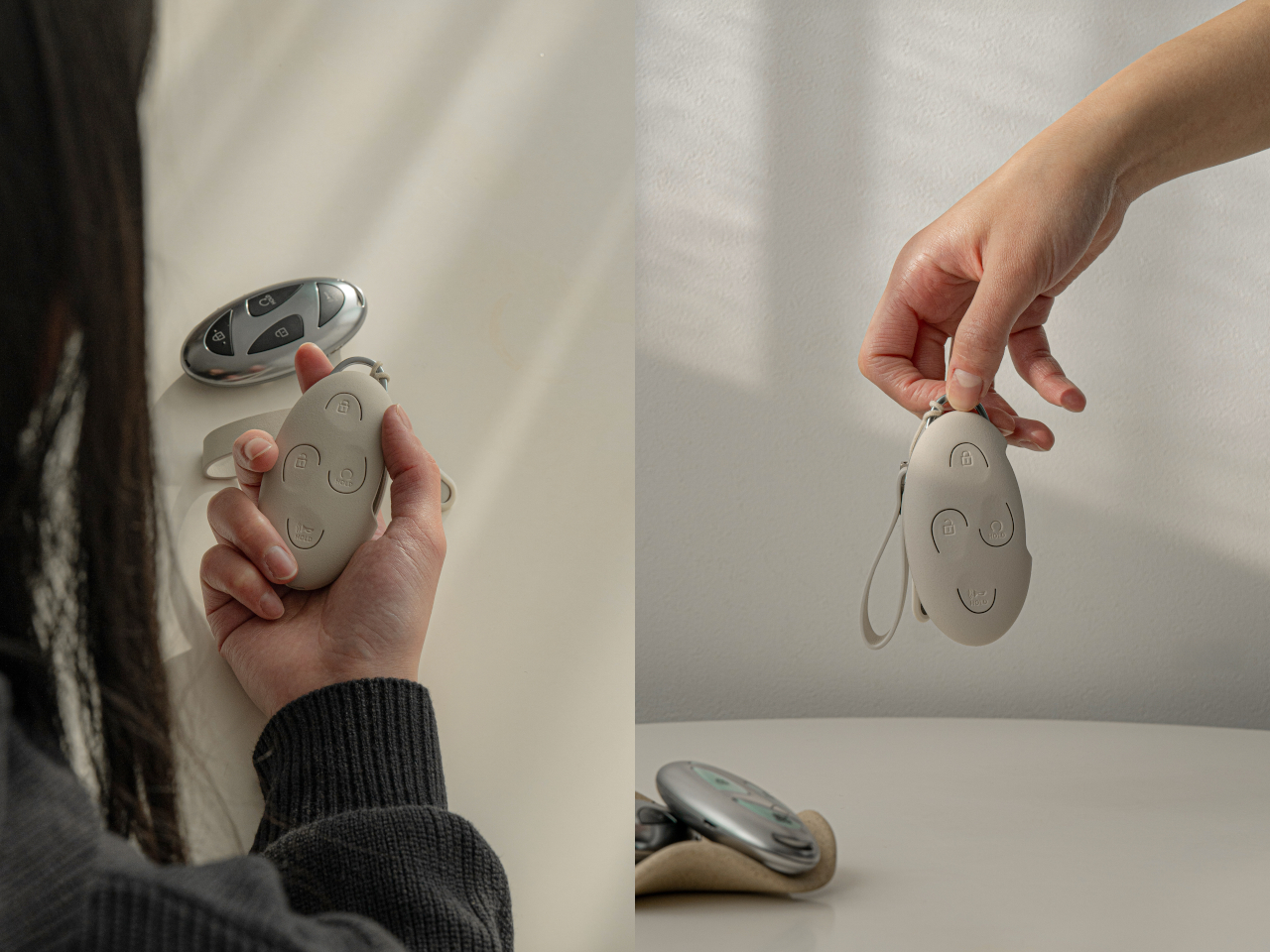
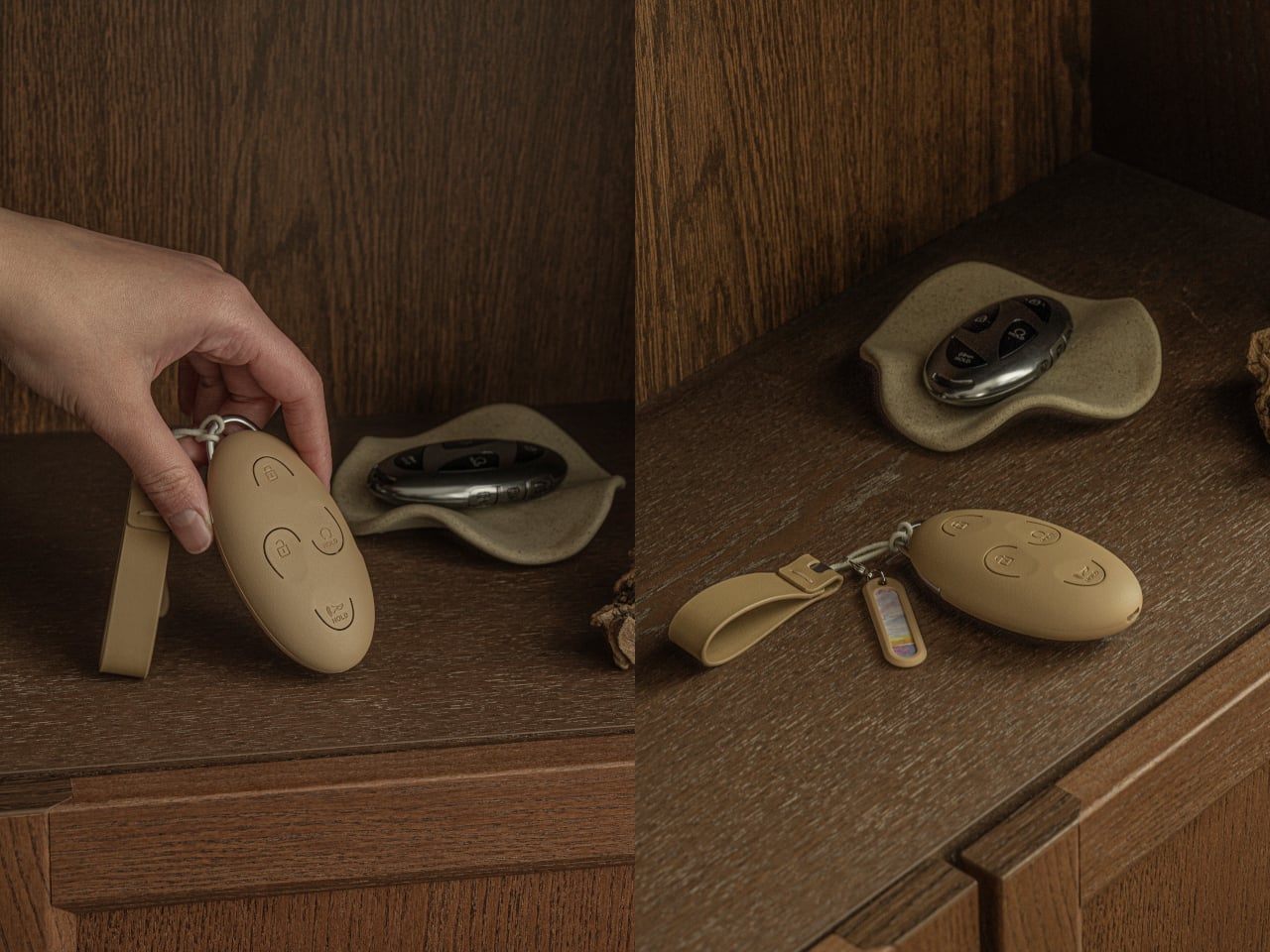
A car key doesn’t have to advertise its electronics with a shiny shell and conspicuous buttons. Natural Objet is a design concept for smart keys. Its rounded body takes the shape of a pebble and adds a grainy finish, aiming to make something you carry every day feel less like a miniature remote control.
The case keeps the original key inside, so this isn’t a replacement remote or an extra layer of smart technology. Instead, it changes the surface your thumb meets. Irregular curved cuts across the front outline the lock, unlock, remote-start, and horn buttons, interrupting the shell just enough to define each control without bringing back the bold, emblem-like pattern of an uncovered Hyundai key.
Designer: Eunsu Lee
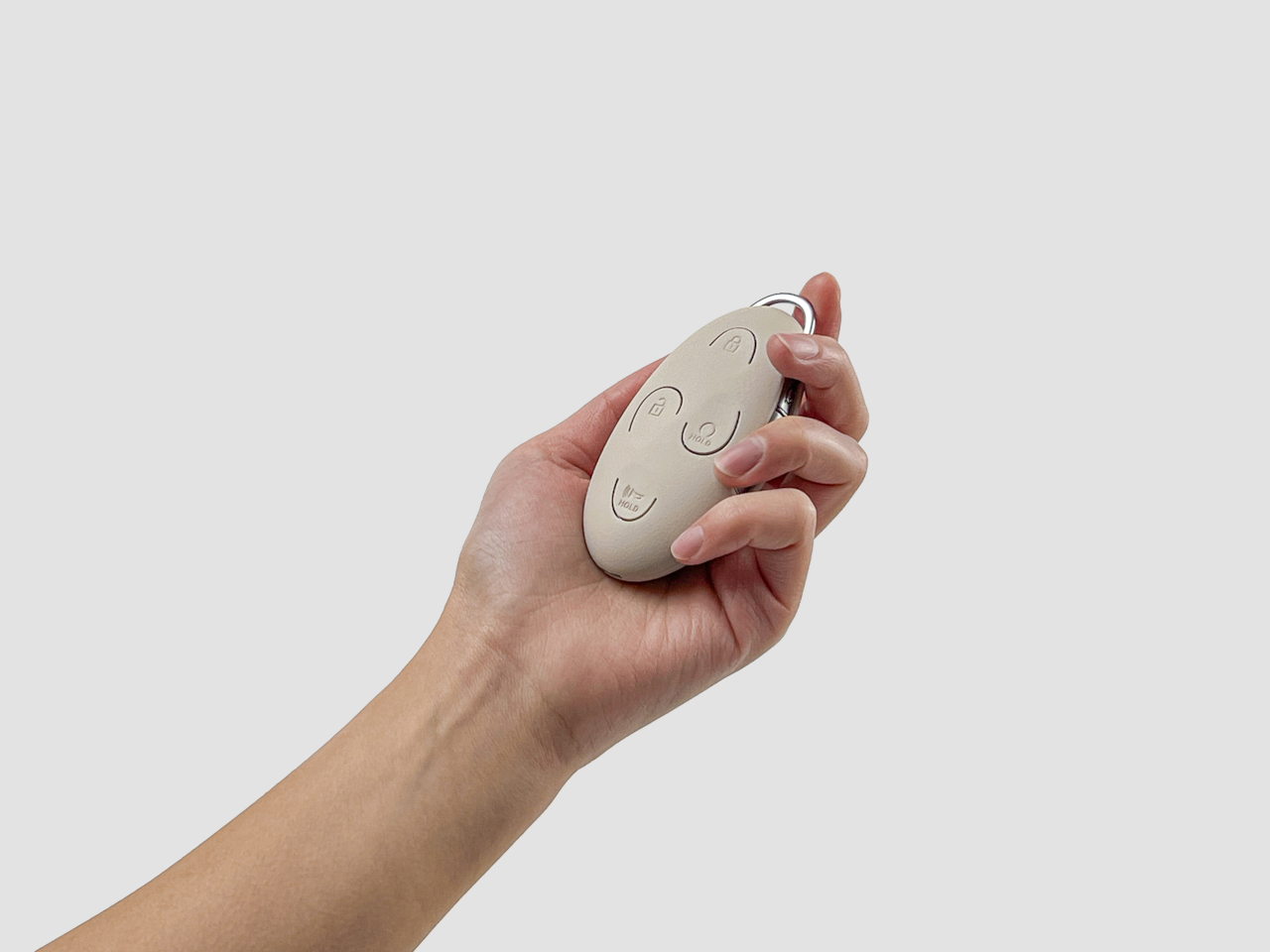
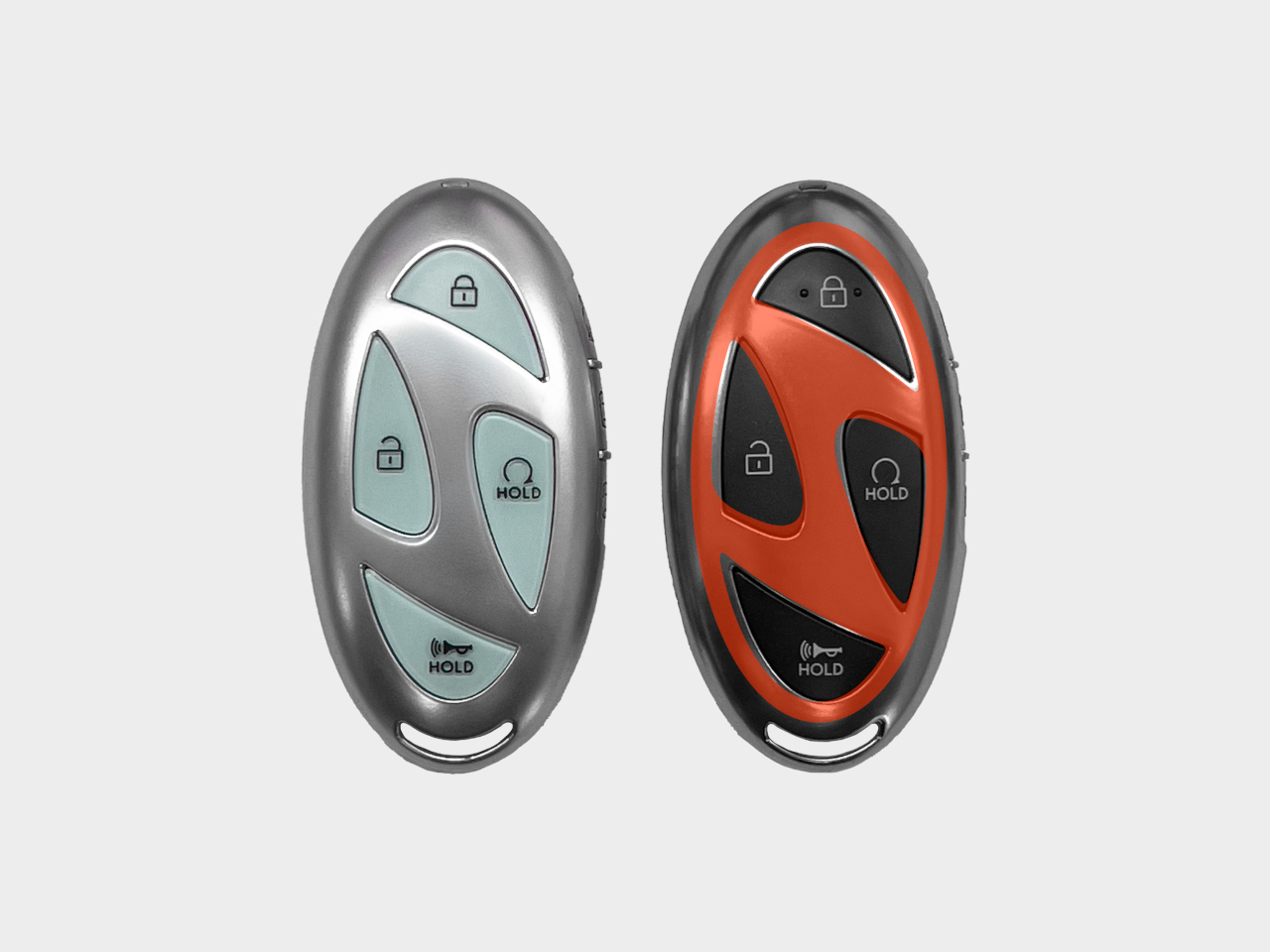
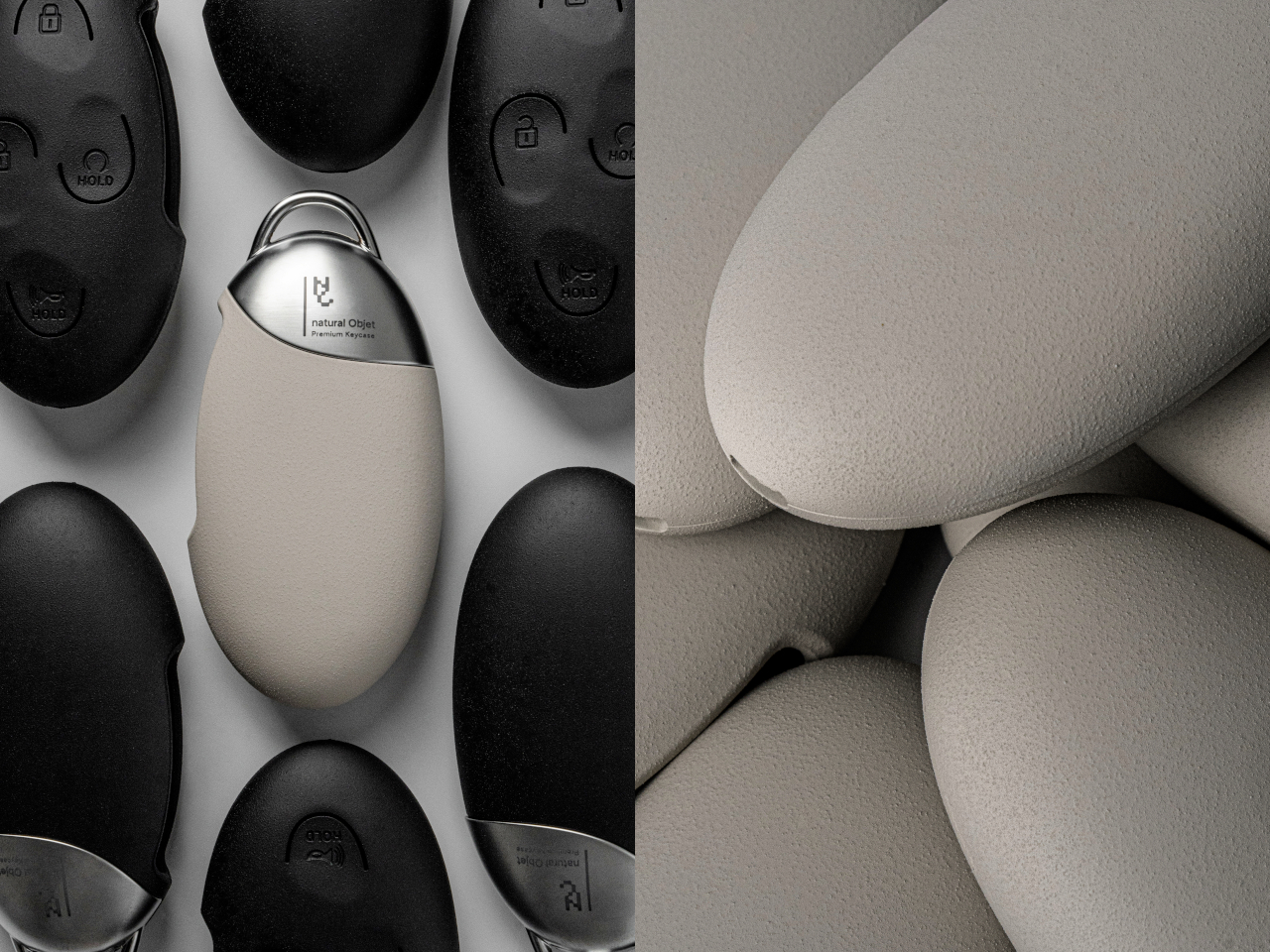
That understated front hides a practical material problem. The button areas need to move, even though the case needs to hold its shape. In testing materials, ABS versions resisted pressing too much, while softer materials didn’t deliver the intended finish. Polycarbonate became the compromise, with repeated changes to the internal contact points intended to improve how each press reaches the key.
The custom coating carries that stone association. It’s intended to recreate a sandy sensation rather than the smoothness you might expect from molded plastic. A rounded edge can suggest a pebble, but a textured surface asks you to notice it with your fingers, too. That could make it easier to distinguish from other smooth objects in a bag before you see the buttons.
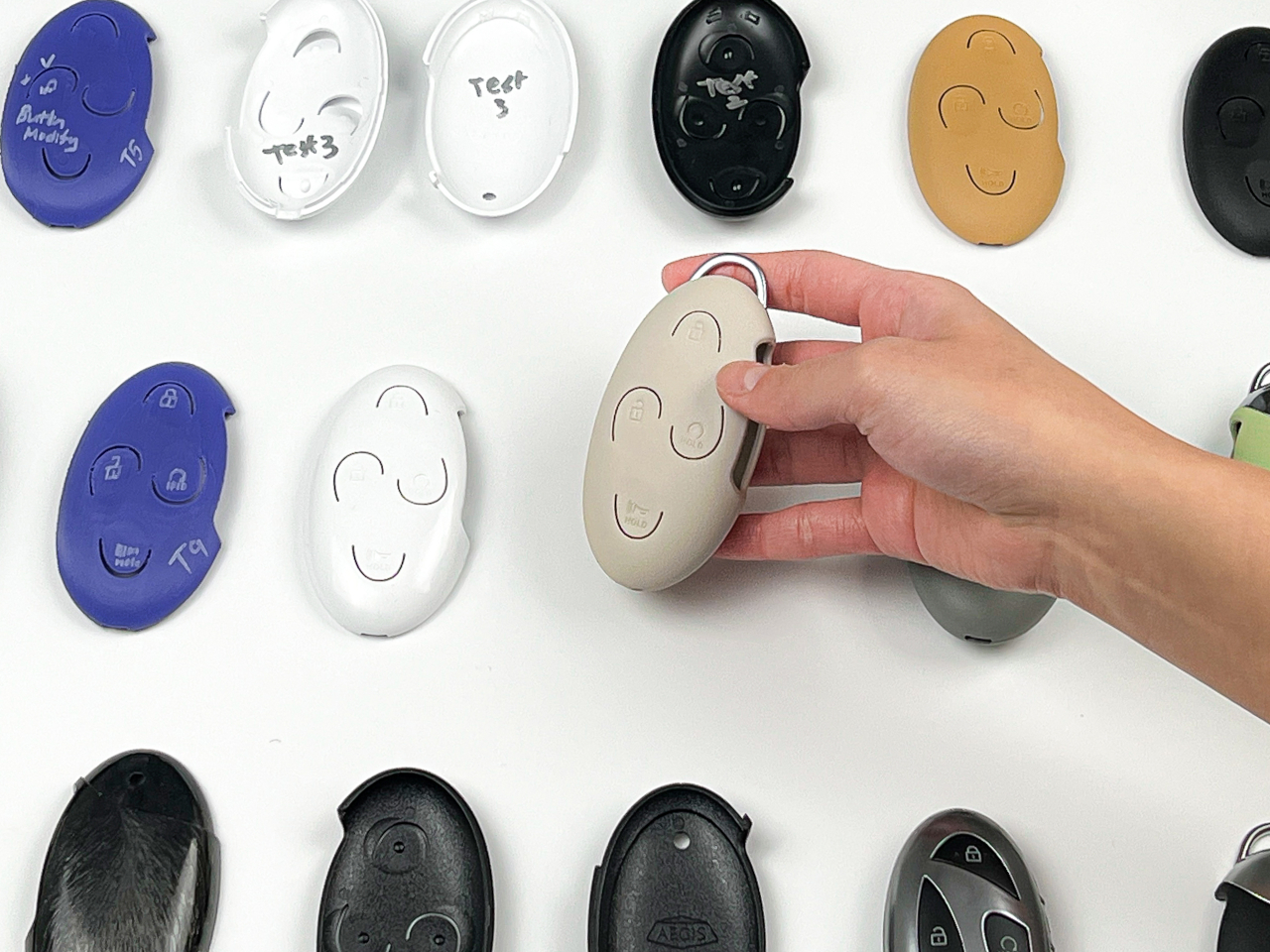
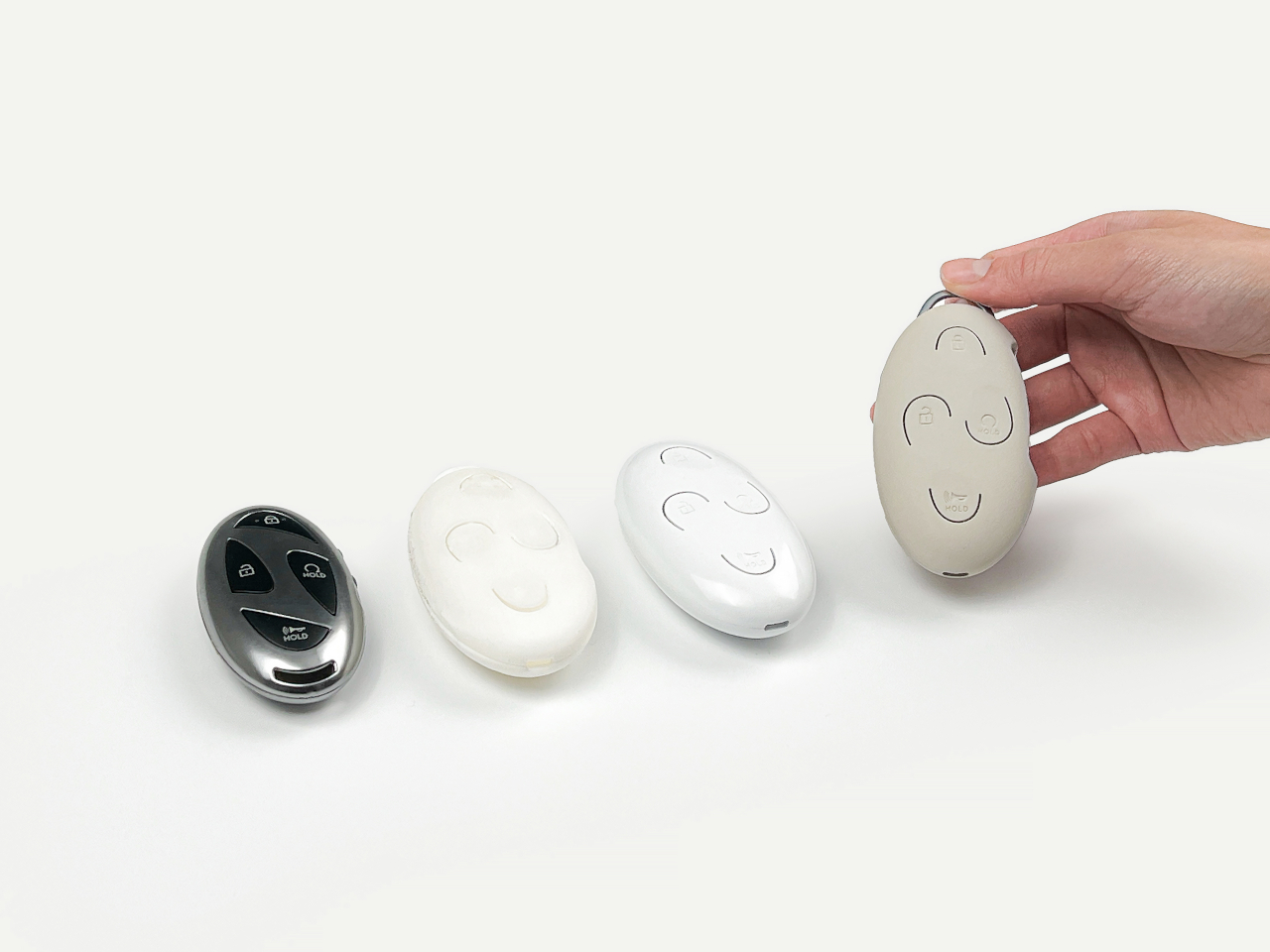
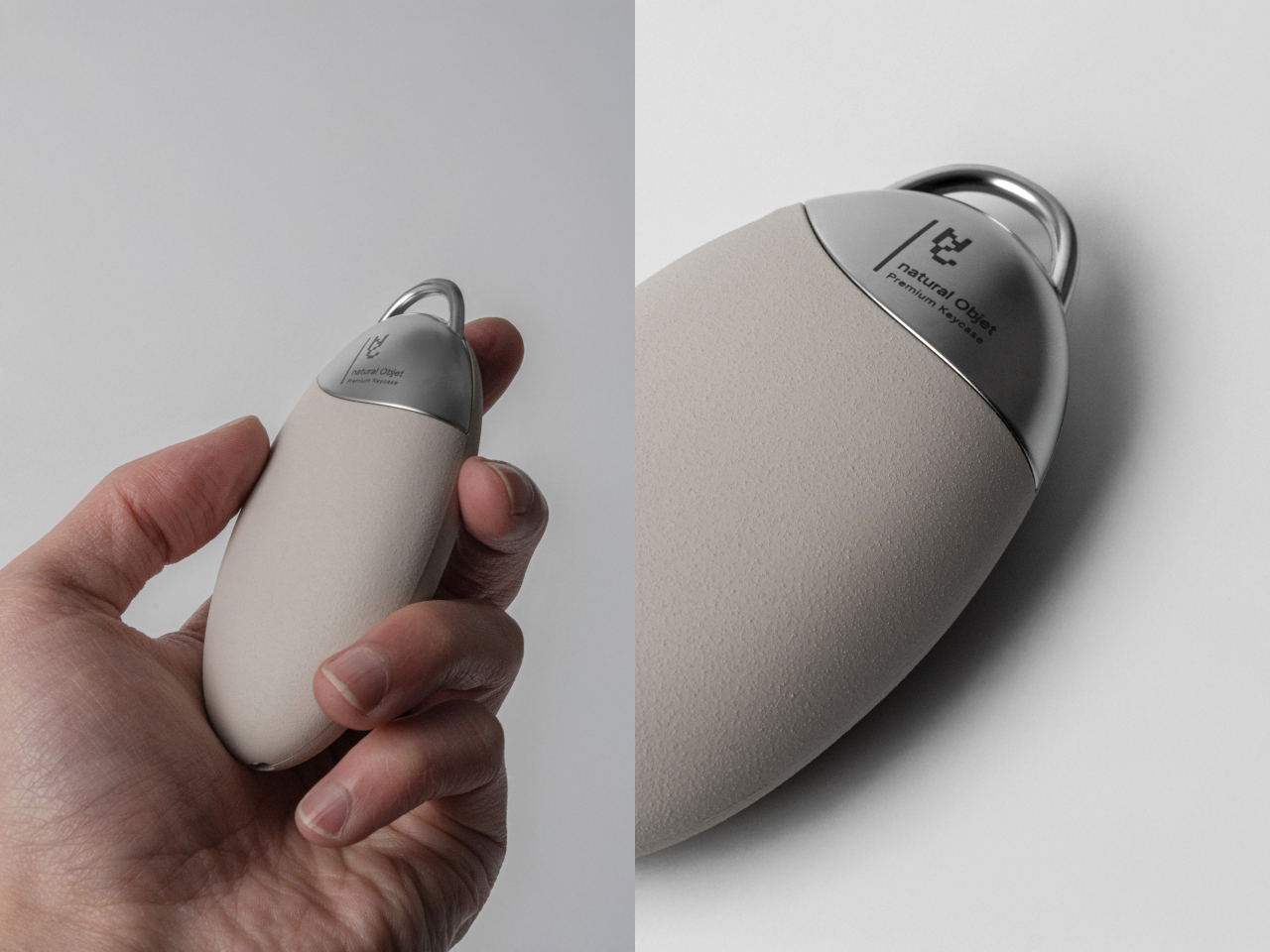
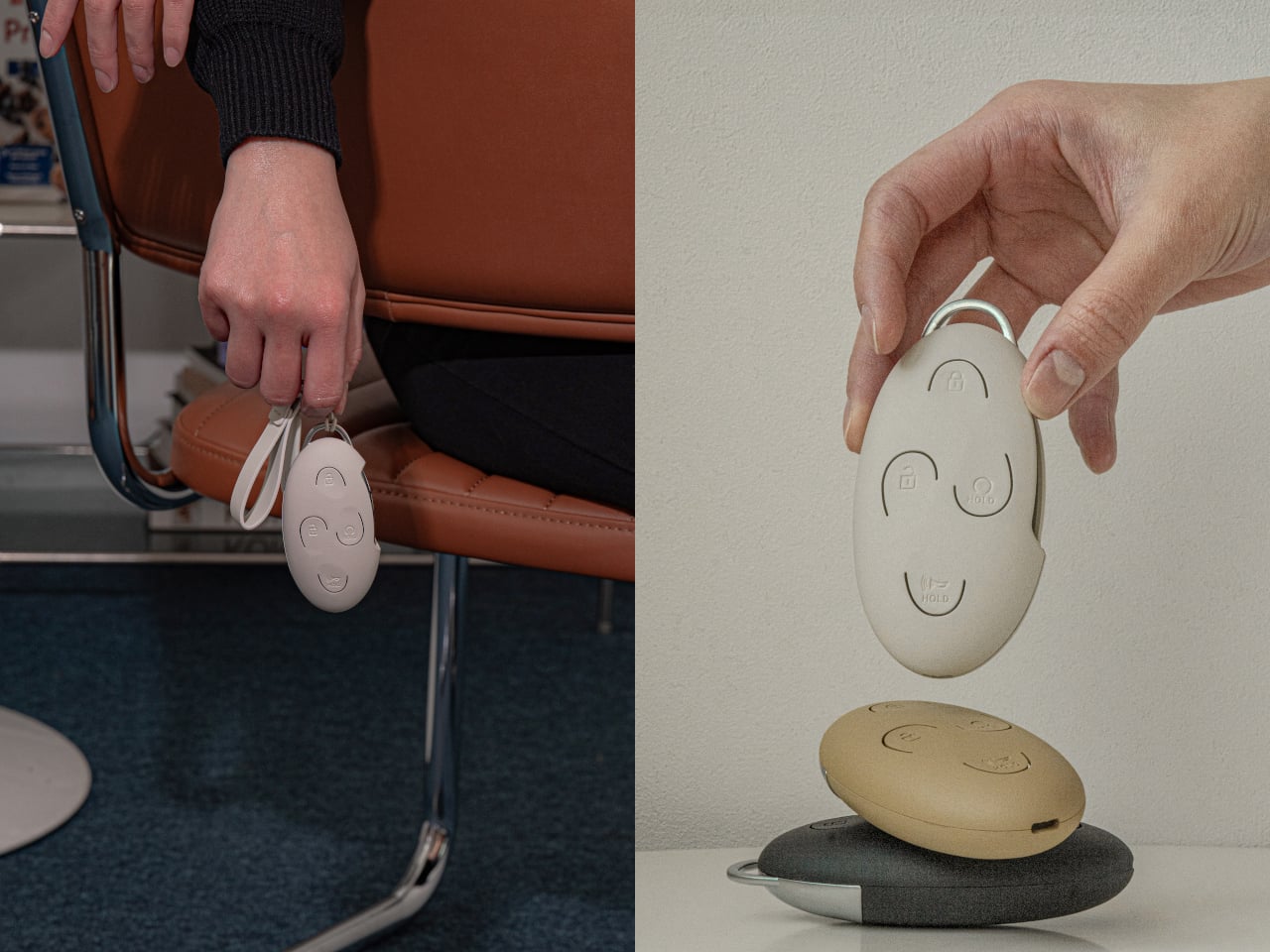
Metal breaks up the textured body at the back, where a die-cast zinc-alloy section meets the shell along a sloping edge. The design uses an interlocking connection rather than a merely attached decorative piece, intended to improve durability. A loop extends beyond the top for carrying accessories, giving the otherwise quiet object a small flash of shine when it hangs from a bag.
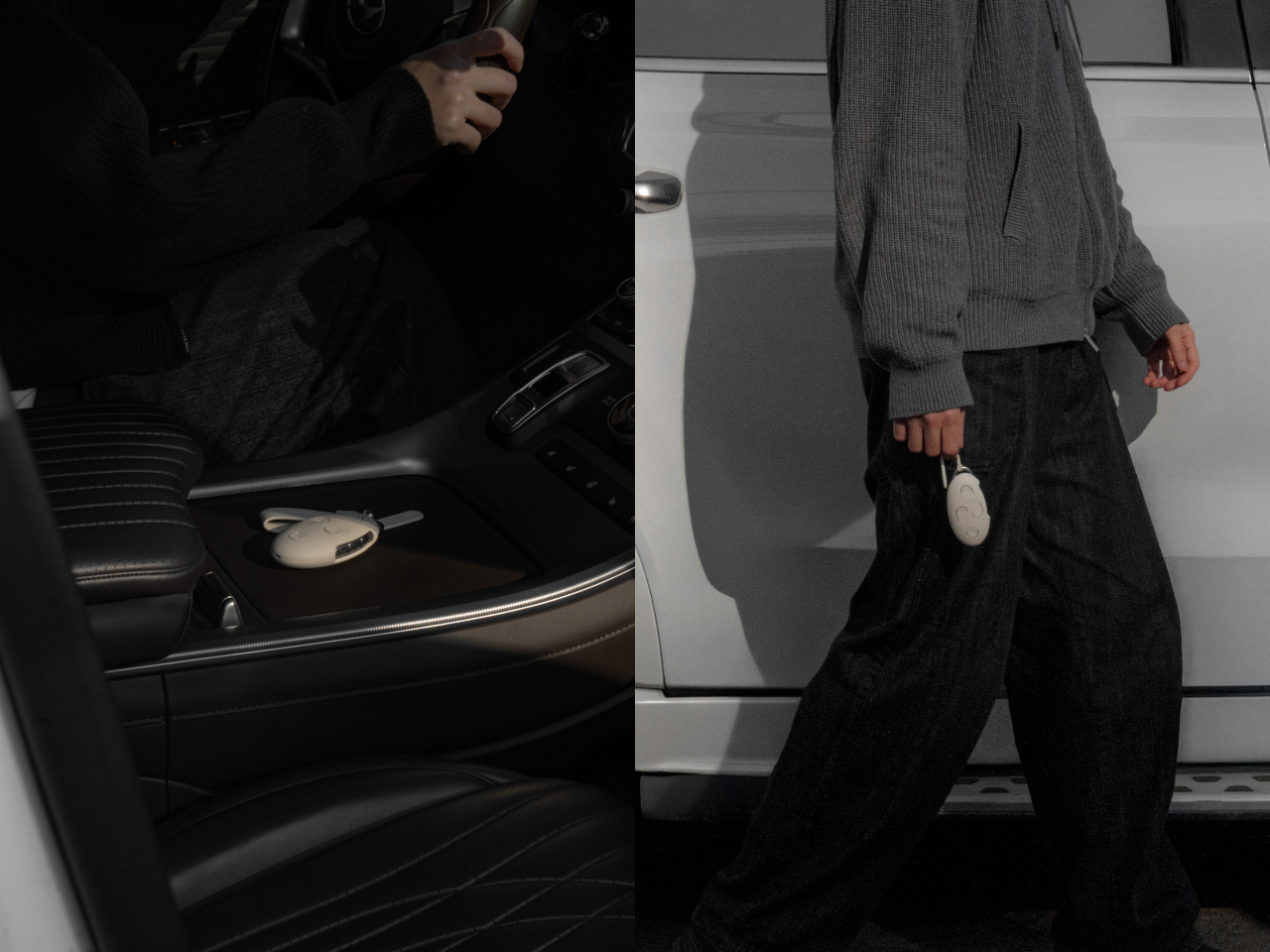
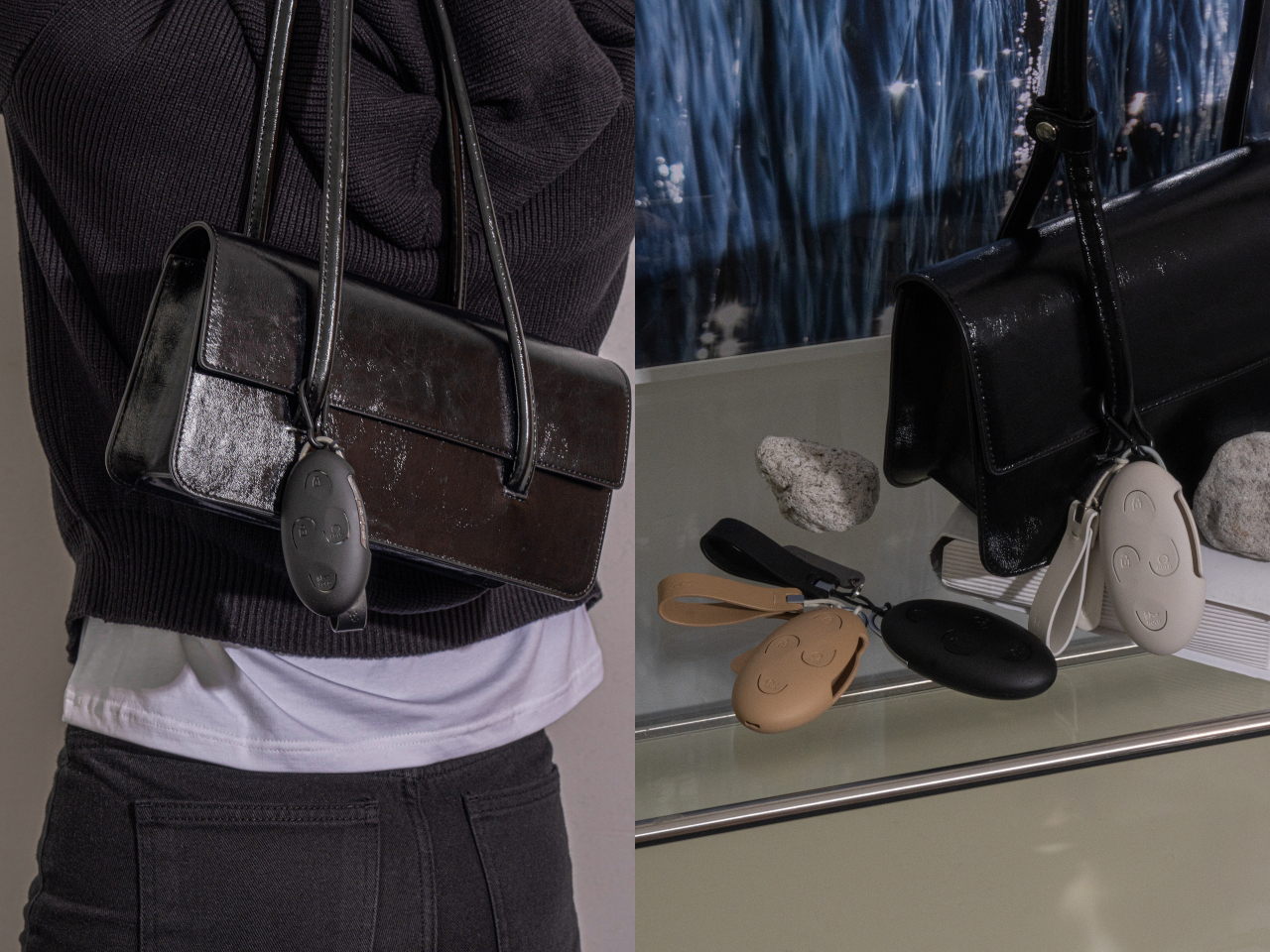
Warm gray, deep black, and earthy brown keep the palette close to sand, volcanic rock, and soil. A matching wrist loop continues the color beyond the shell, giving you somewhere to hold the key while carrying it between the house and car. Hanging from a handbag, the case could read as an accessory in its own right, rather than exposed automotive equipment.
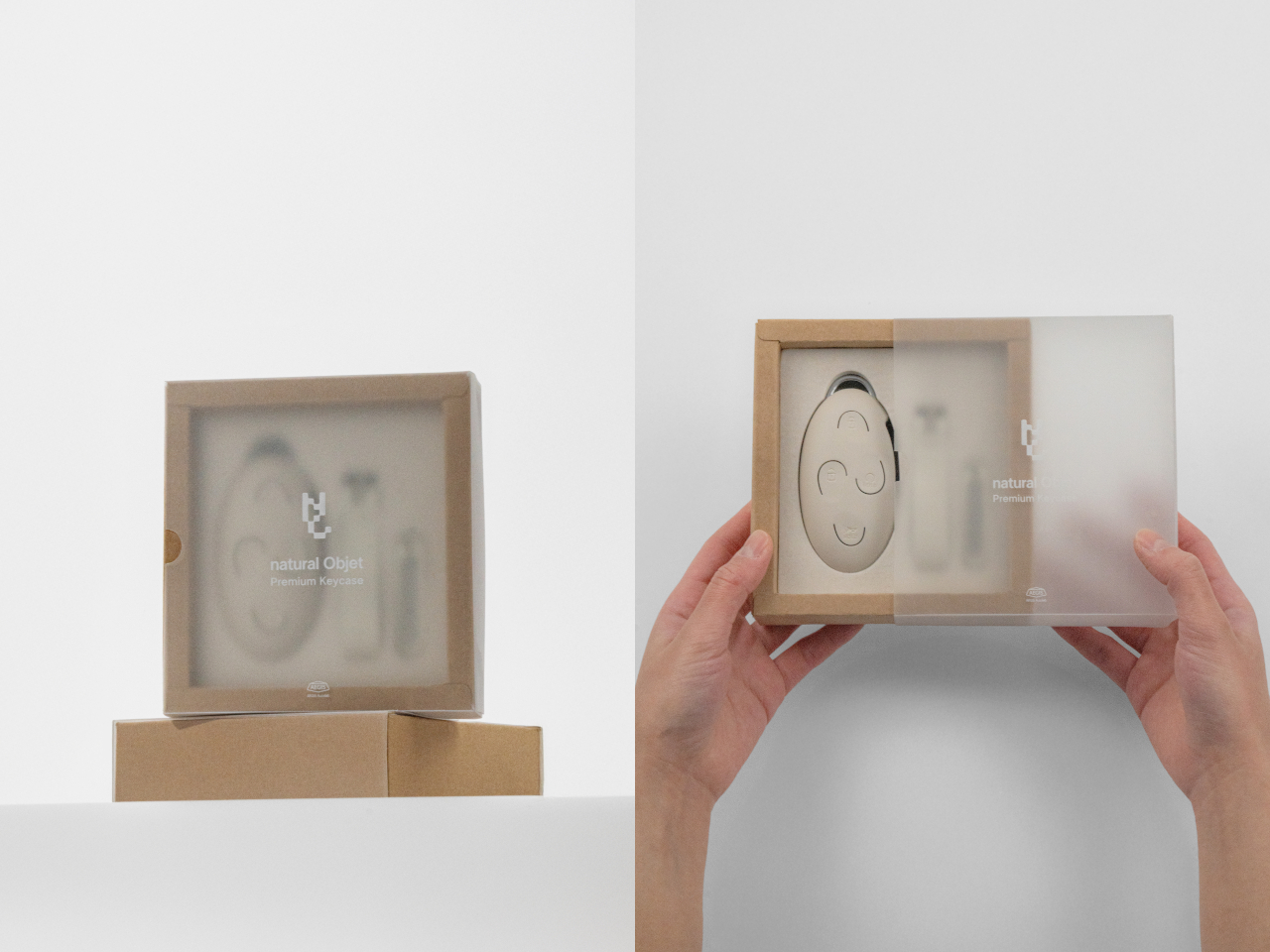
The packaging gives you a similar sequence of surfaces before the case ever reaches your pocket. A translucent sleeve softens the outline of the object inside, then slides away from a folding kraft box. Its paper texture continues the material theme without copying the case’s coating. The contrast between hazy wrapping and rougher paper prepares you for the mix of surfaces underneath.
Keeping everything visually quiet has a practical consequence. The subtle symbols have less contrast than the original dark buttons, potentially making a quick glance less useful. Their curved borders would have to do more of the work when finding a control by touch. That’s where the pebble idea meets its test, somewhere between enjoying the surface and pressing the right button.
The post Natural Objet Concept Gives a Car Key a Stone-Like Cover first appeared on Yanko Design.
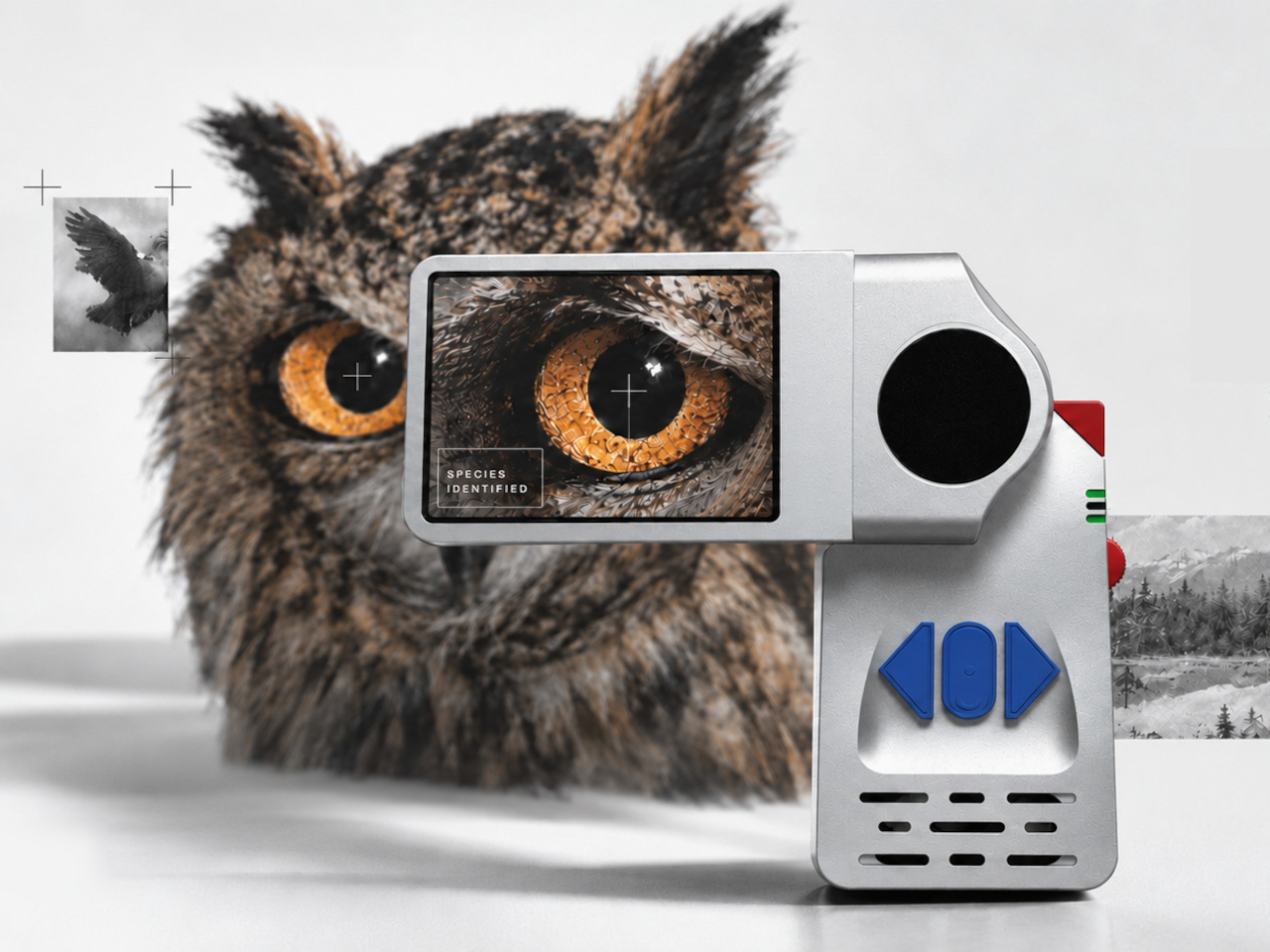
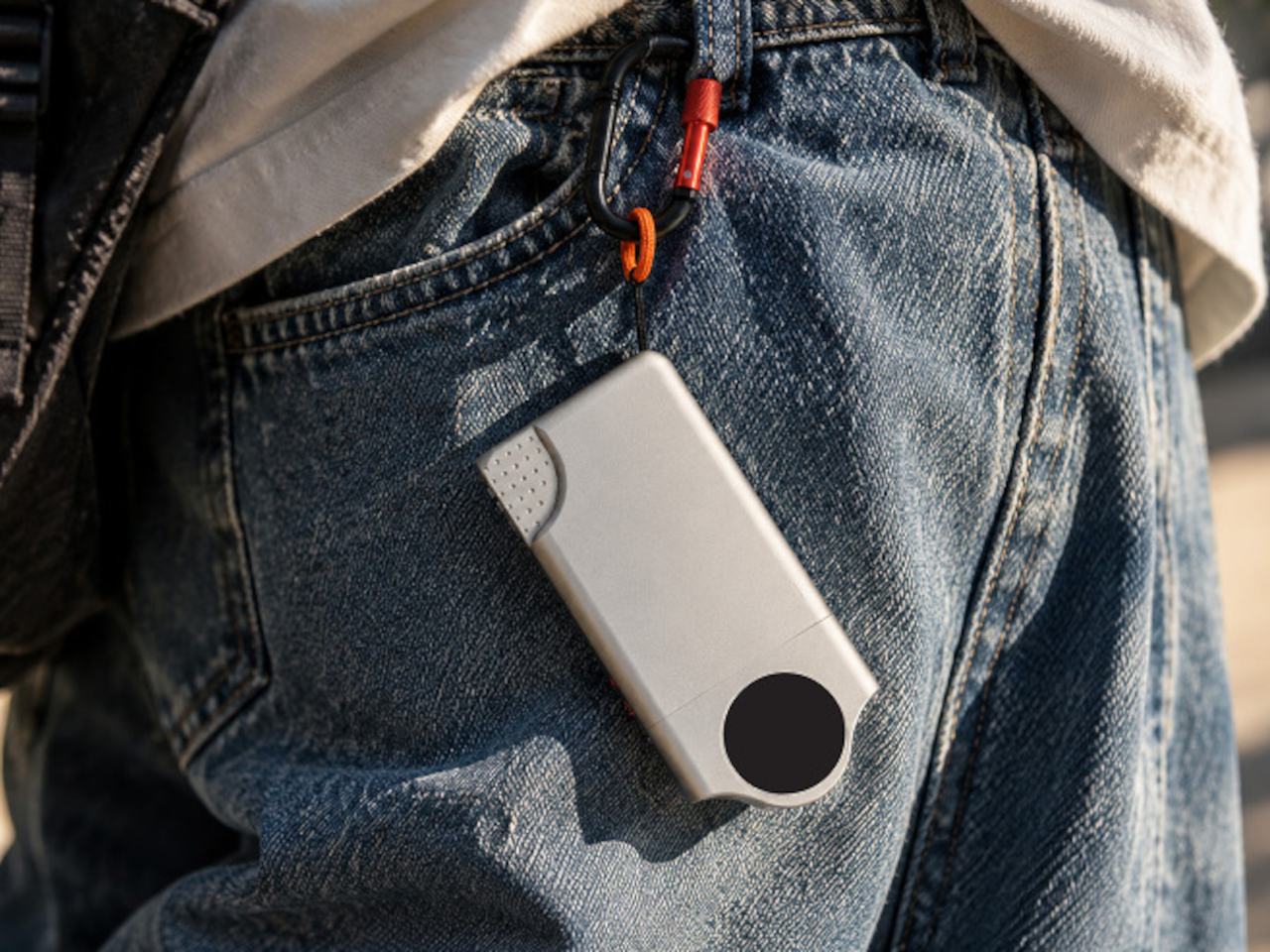
Coming across an unfamiliar bird is often the beginning of a phone search, with a few unrelated notifications along for the ride. The log handheld concept proposes a more focused companion for those moments, pairing a camera with AI-assisted species identification and a personal field log. Its folding screen turns a narrow device into an L-shaped tool for exploring what’s around you.
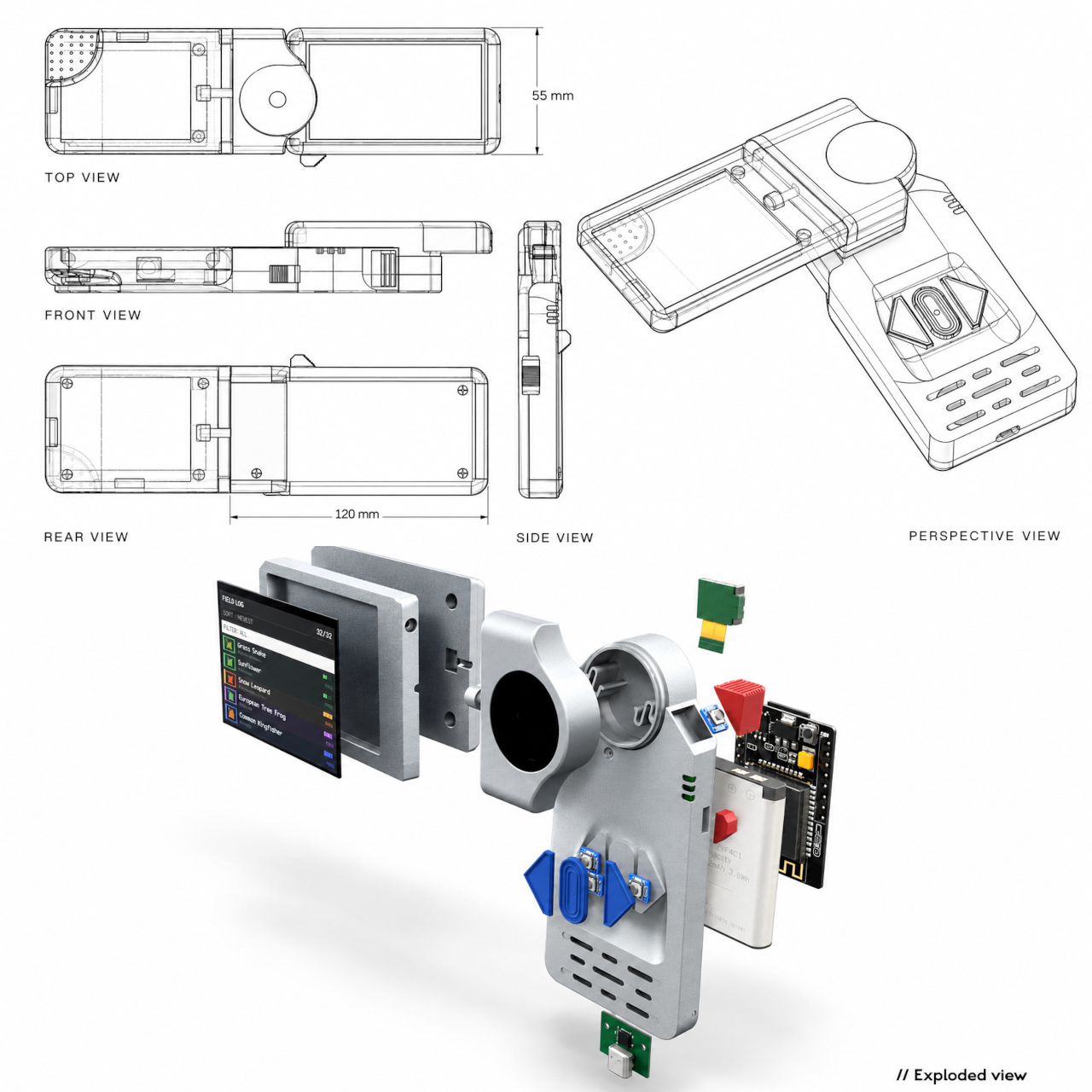
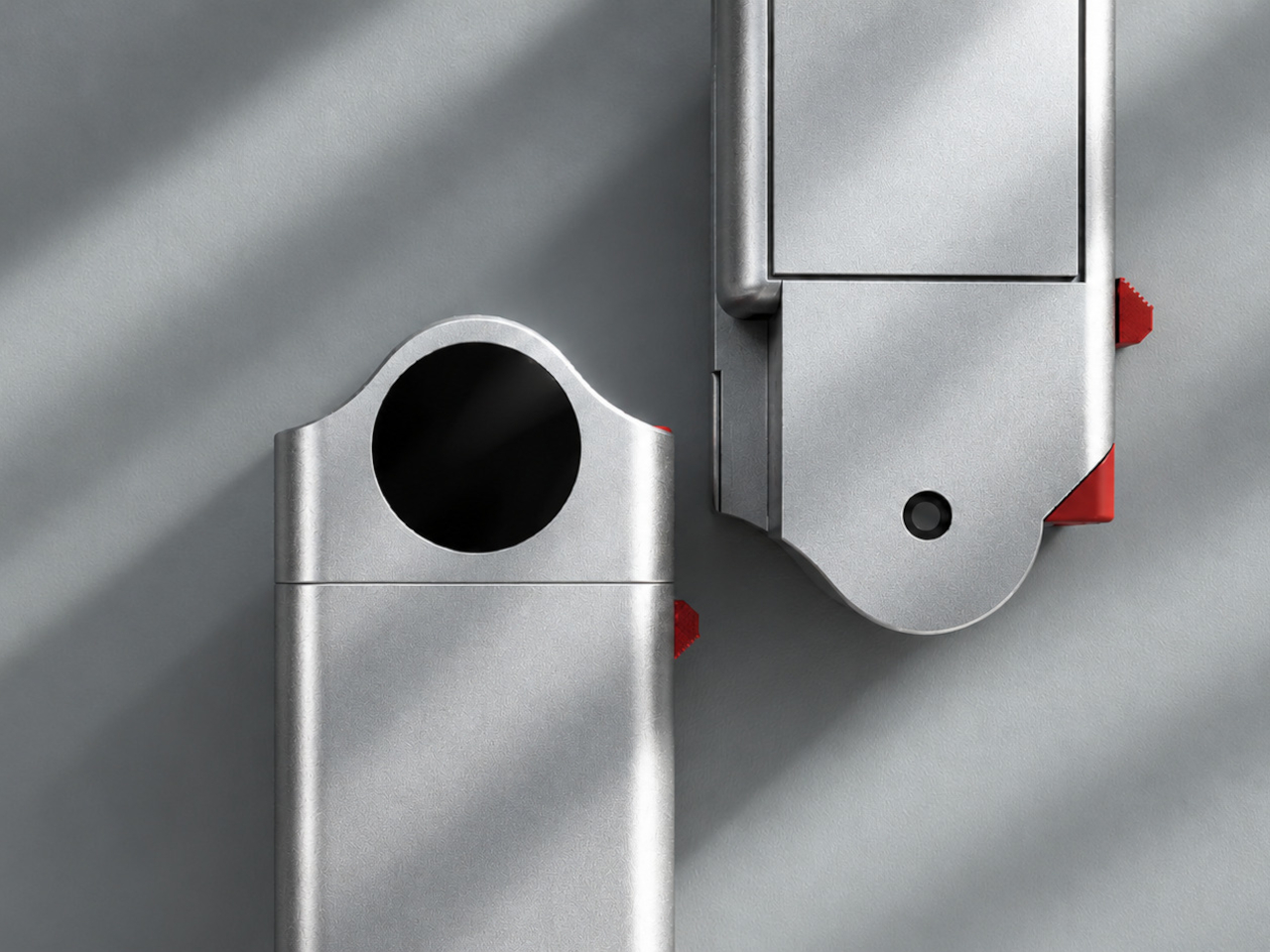
Closed, the device keeps its display folded against the body, leaving a slim rectangle with a distinctive circular joint at one end. Swing the screen outward, and it extends sideways above the grip, separating viewing from holding. That change gives the object a little of the character of an old camcorder, rather than yet another phone-shaped slab pretending to be something completely different.
Designer: Maanit Singh
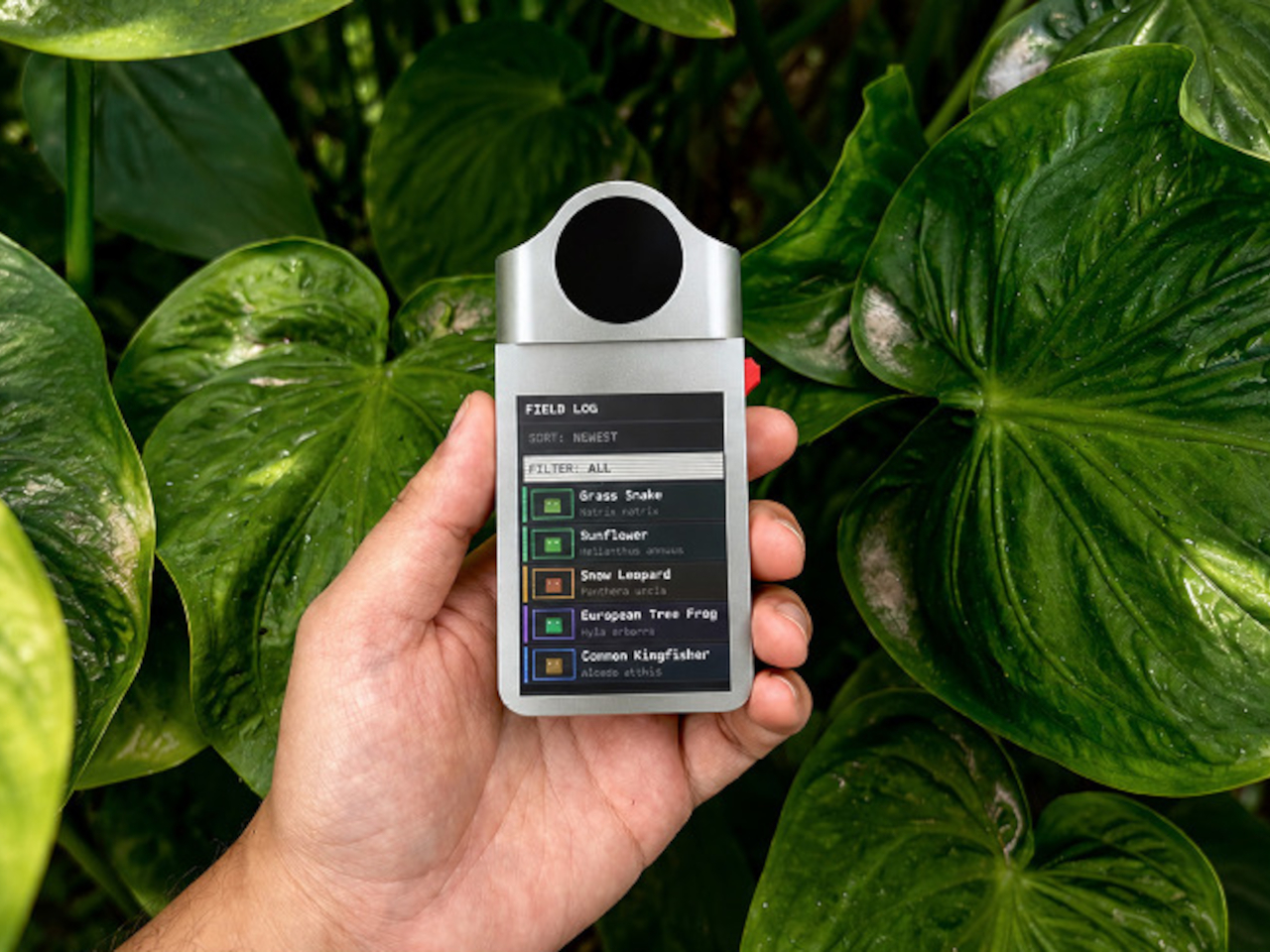
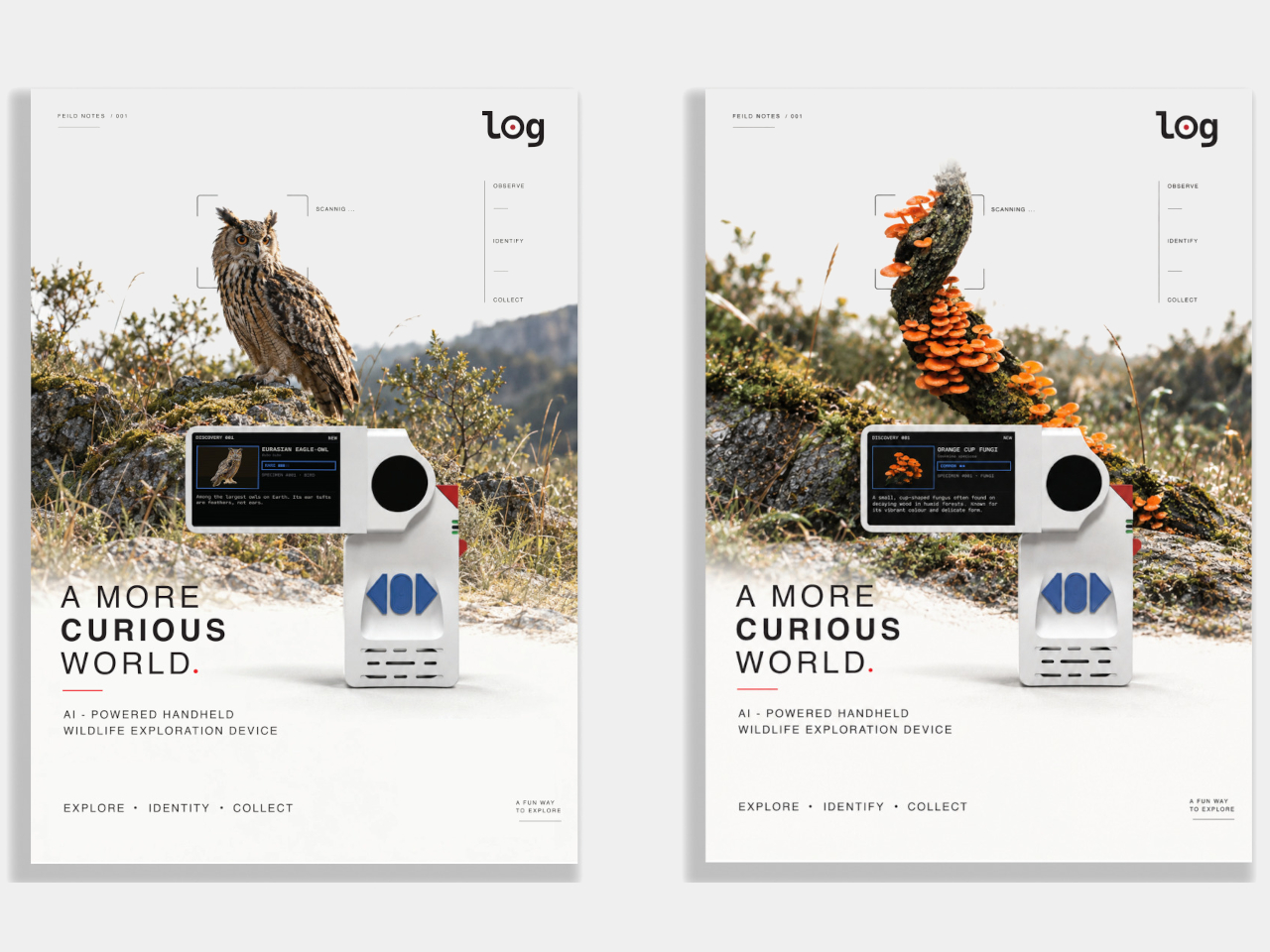
The silver-colored shell makes the controls hard to miss, with blue directional buttons set into a recessed area and red accents along the side. Their shapes suggest a device you operate by pressing rather than constantly swiping. For someone pausing beside a trail, that could mean keeping navigation under a thumb while the image stays visible on the separate screen above your hand.
An unfamiliar flower or a bird on a branch would give that arrangement something to work with. The proposed interface pairs a photograph with identification information, then organizes encounters in a field log. Instead of leaving every sighting buried among screenshots and lunch photos, you’d have a dedicated collection to revisit, turning a short walk into something you can keep exploring afterward.


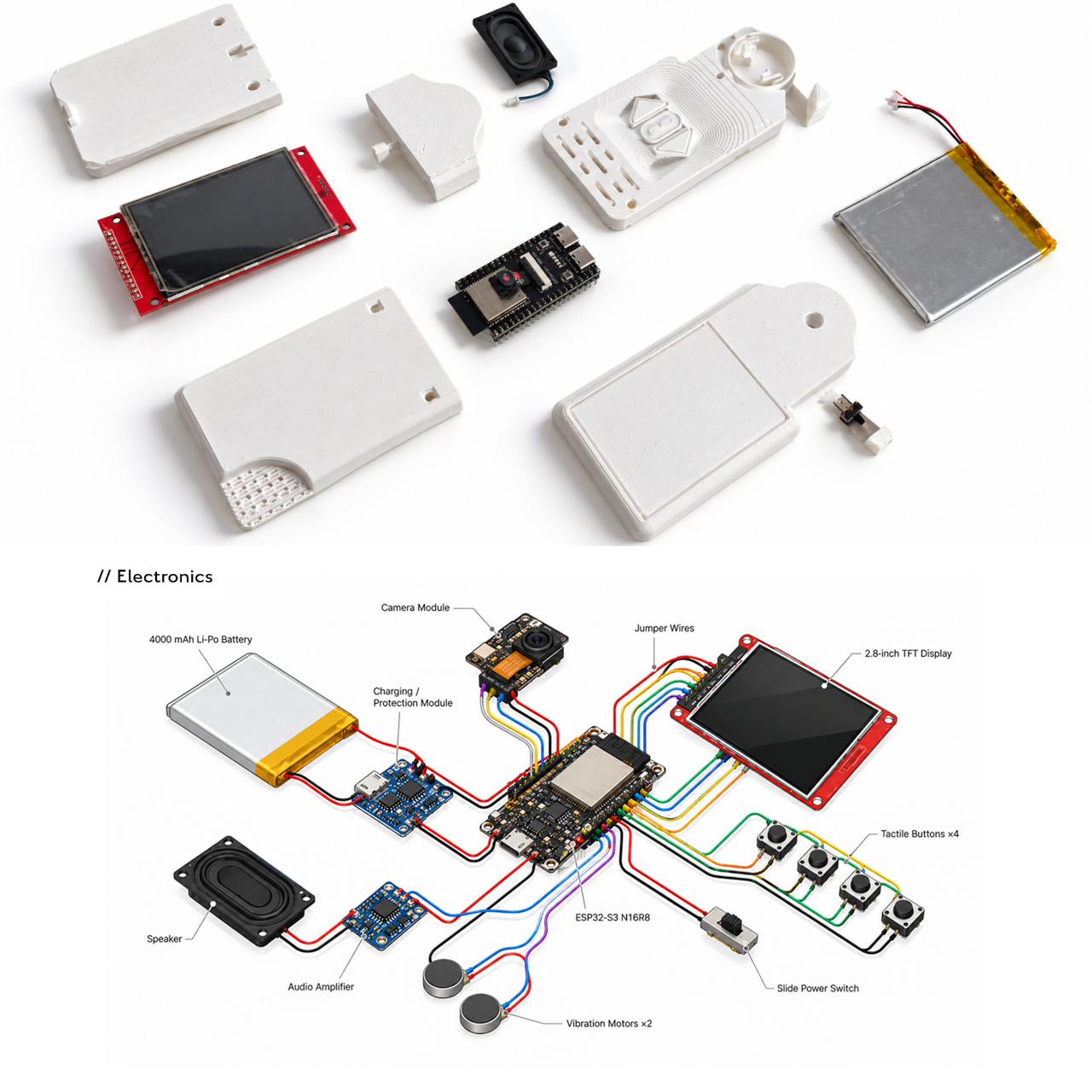
The proposed electronics include an ESP32-S3 controller, a camera module, a 2.8-inch TFT display, and a 4,000mAh battery. A speaker and two vibration motors suggest sound and tactile feedback could accompany the screen, although their exact behavior isn’t explained. That gives the concept more ways to get your attention than a visual prompt alone, potentially useful while you’re concentrating on something moving.
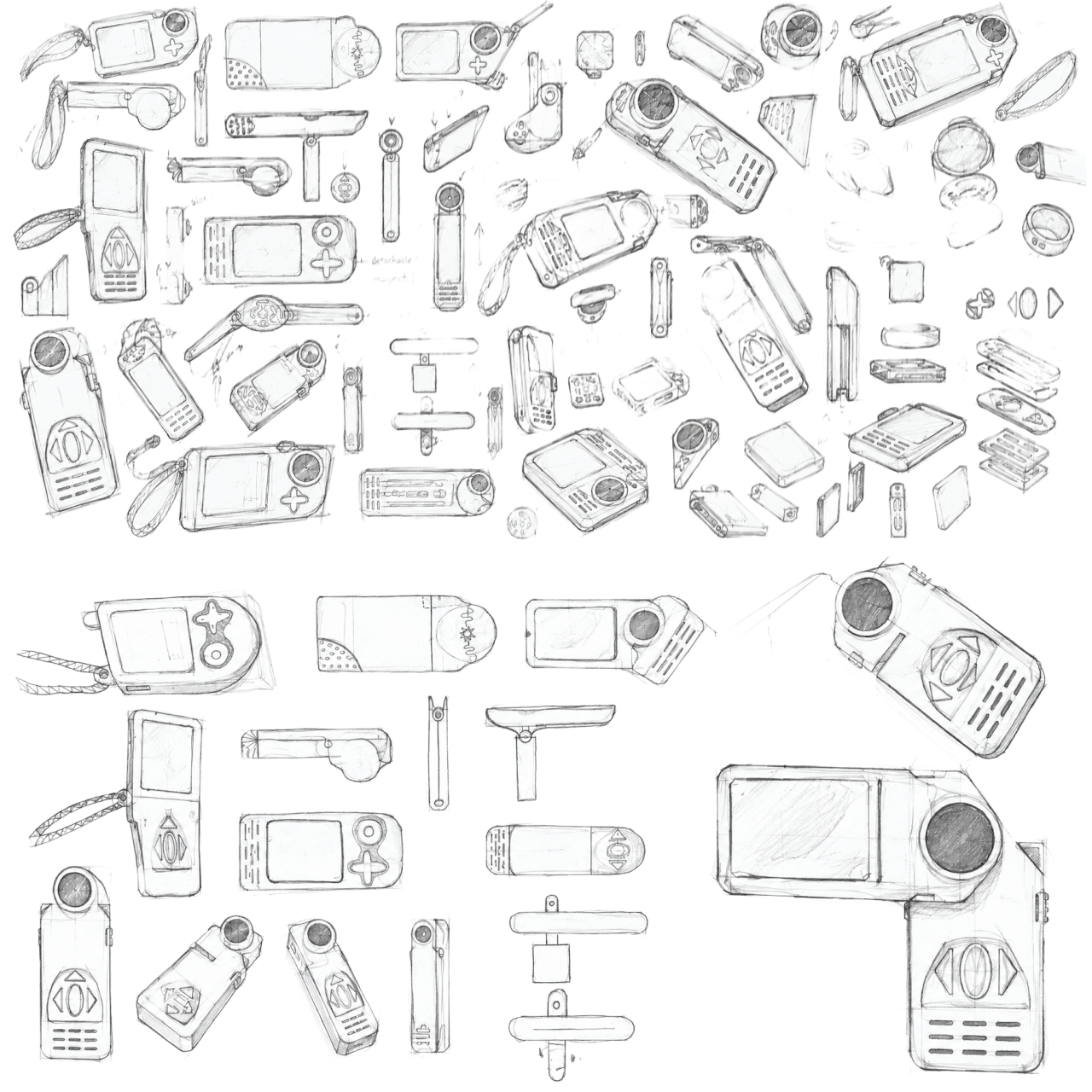
There’s some physical development behind the concept, including wired electronics, cardboard hinge studies, and a 3D-printed housing. Those experiments focus attention on the moving joint, which has to do more than make the device look unusual. It also needs to support a screen while someone holds the grip, then let the two sections return to a compact shape when the walk is over.
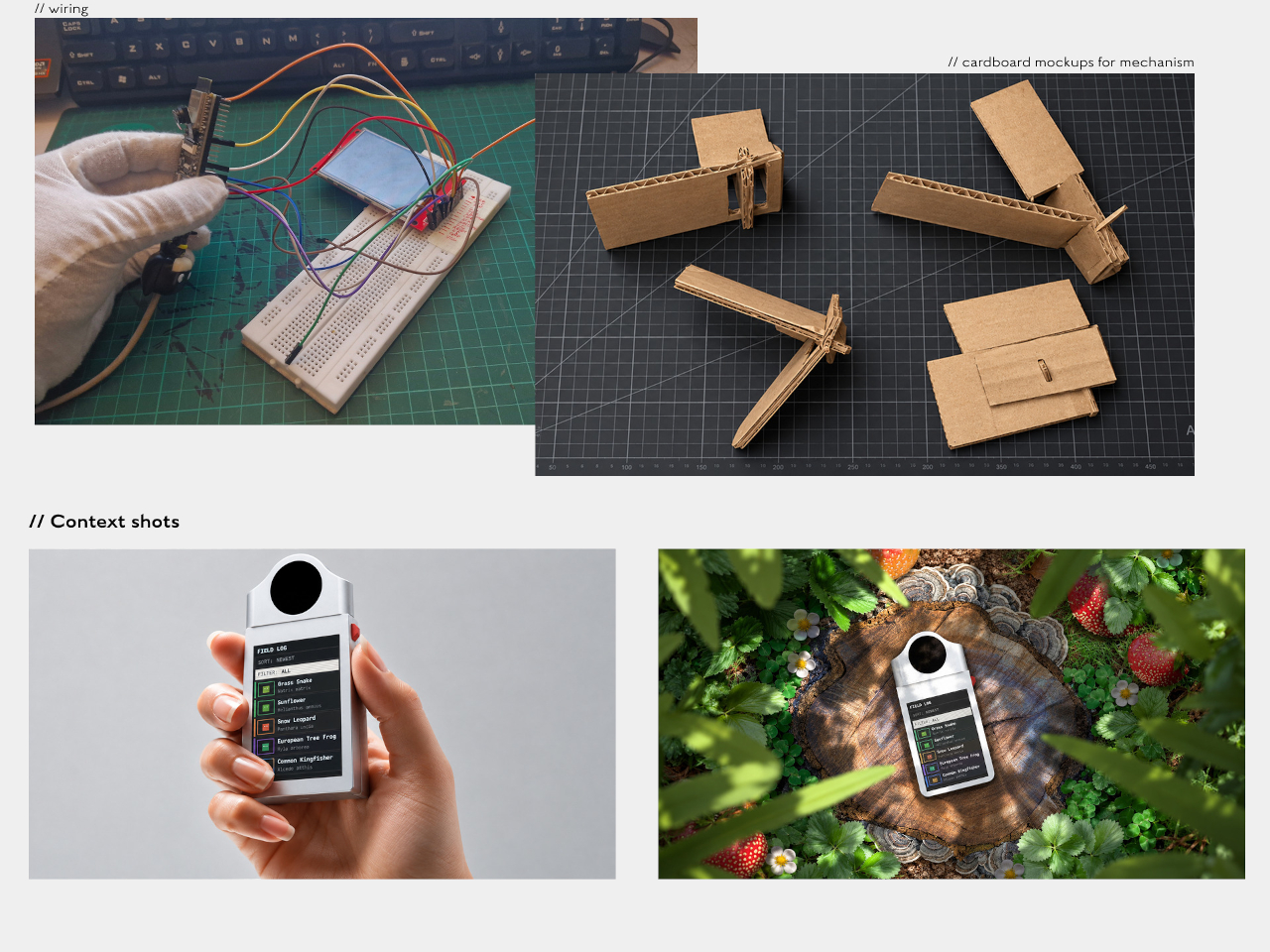
The AI side needs more caution than the friendly hardware suggests. The presentation doesn’t establish identification accuracy or explain whether recognition requires an internet connection. A species name on a screen should be a starting point for learning, not an unquestionable answer. That distinction matters especially with fungi and plants, where recognizing a resemblance isn’t the same as knowing what’s safe.
A dedicated nature gadget still has to earn the pocket space that a phone already occupies. With log, the distinction lies in the ritual of opening a tool built around observing and recording, rather than jumping into another app. You’d still be looking at a screen, of course. The hope is that you’d put it away with a better reason to look up.
The post This Folding AI Handheld Concept Opens Into a Wildlife Field Guide first appeared on Yanko Design.
One of the most iconic sci-fi movies of the 21st century is Christopher Nolan’s Interstellar. Fans of the movie probably recognize the Ranger ship on sight, whether it’s in artwork or on fan-made merch, as it’s one of the things most associated with the time-bending film. So it’s not really a surprise that creative fans would come up with a LEGO build for it. Now Minibrick41587’s Ranger is set to become an official LEGO model.
Interstellar’s Ranger is becoming an actual LEGO set after fans supported the LEGO Ideas version and LEGO approved it for development on November 9, 2026. The approved proposal captures the recognizable utilitarian spacecraft through its silhouette and restrained detailing while still making space for interactions that could turn this brick replica into a toy fans can enjoy playing with. Those details describe the fan submission, though, rather than a finalized retail design.
Designer: Minibrick41587 with LEGO
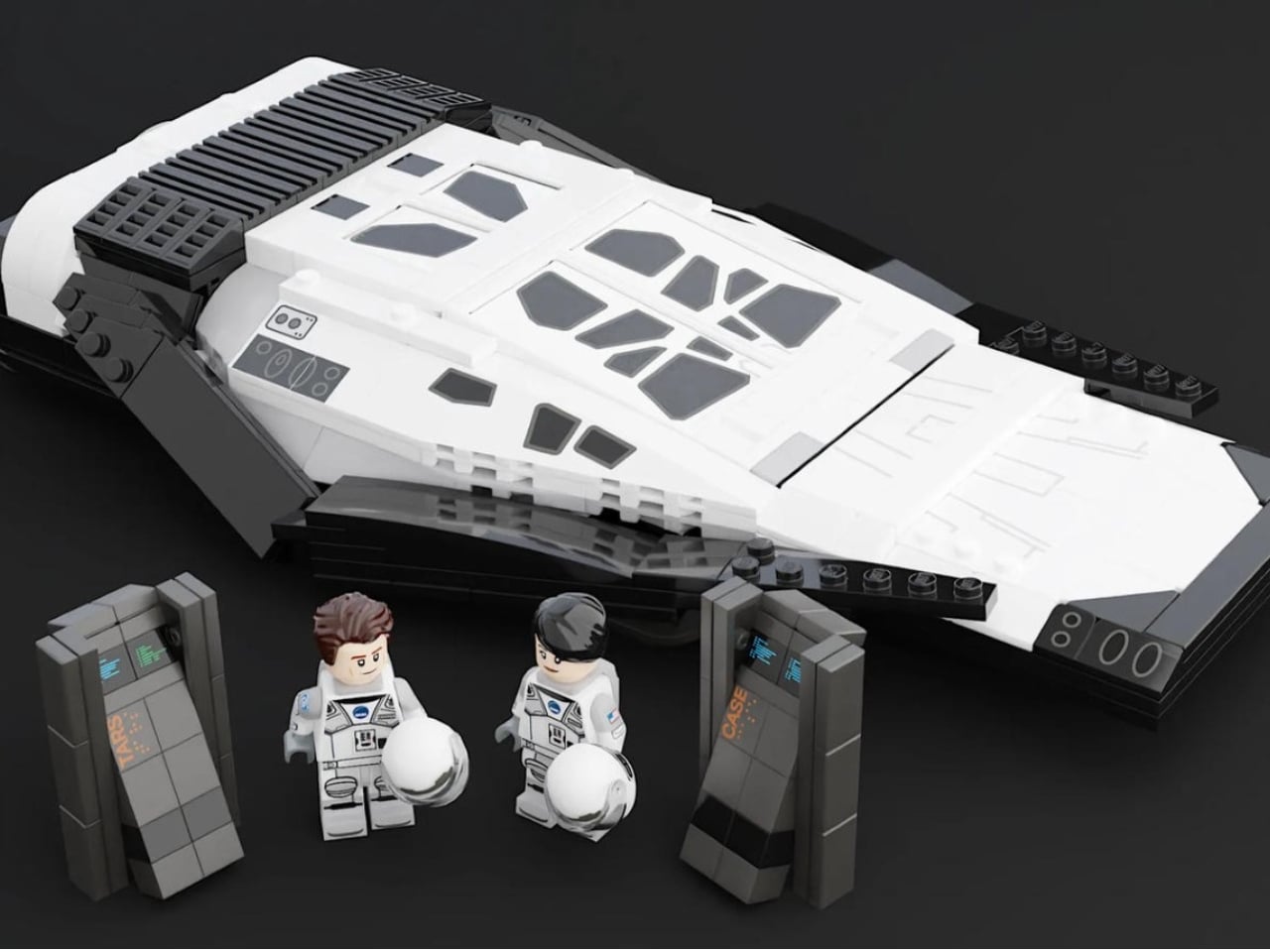
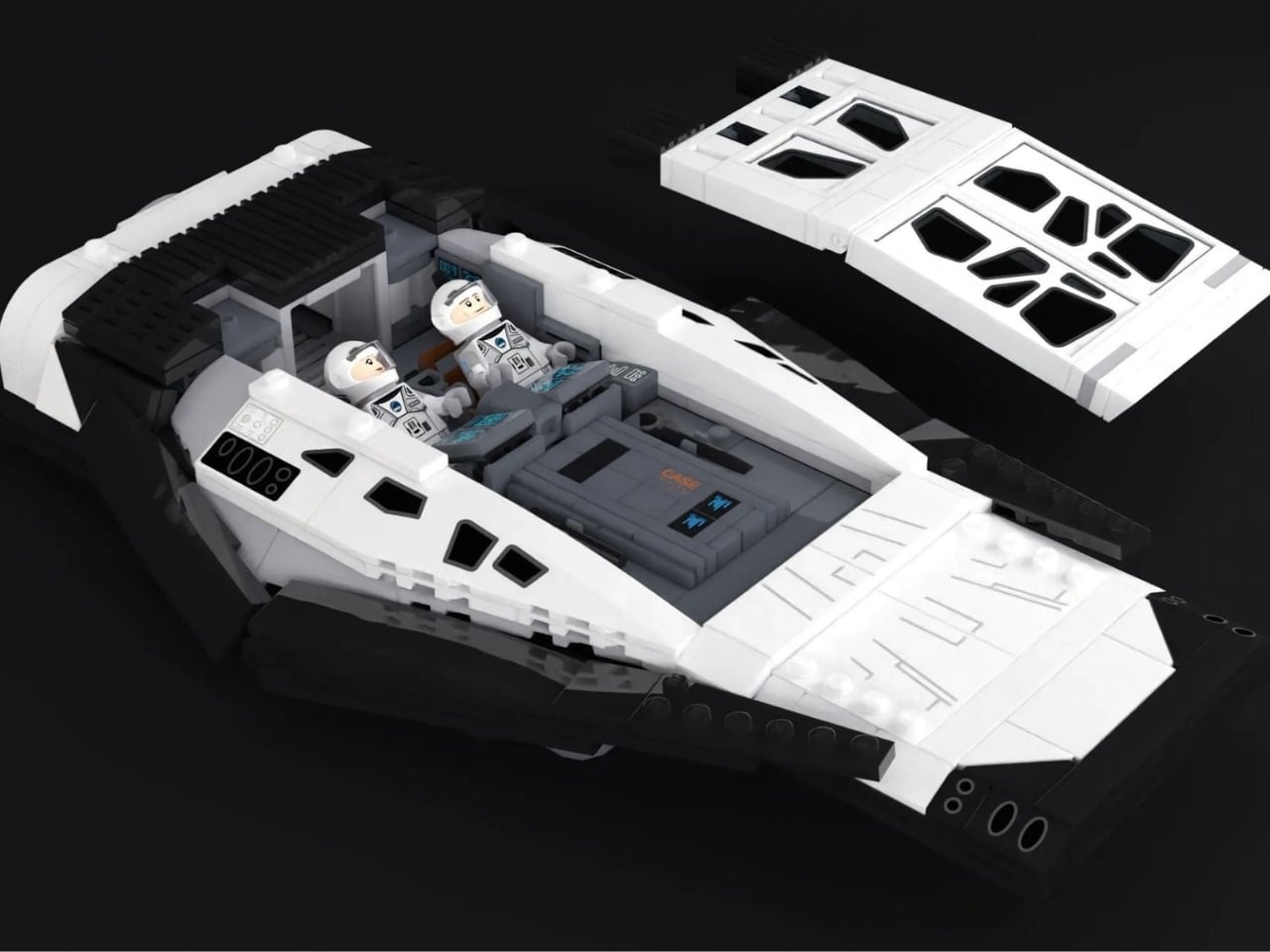
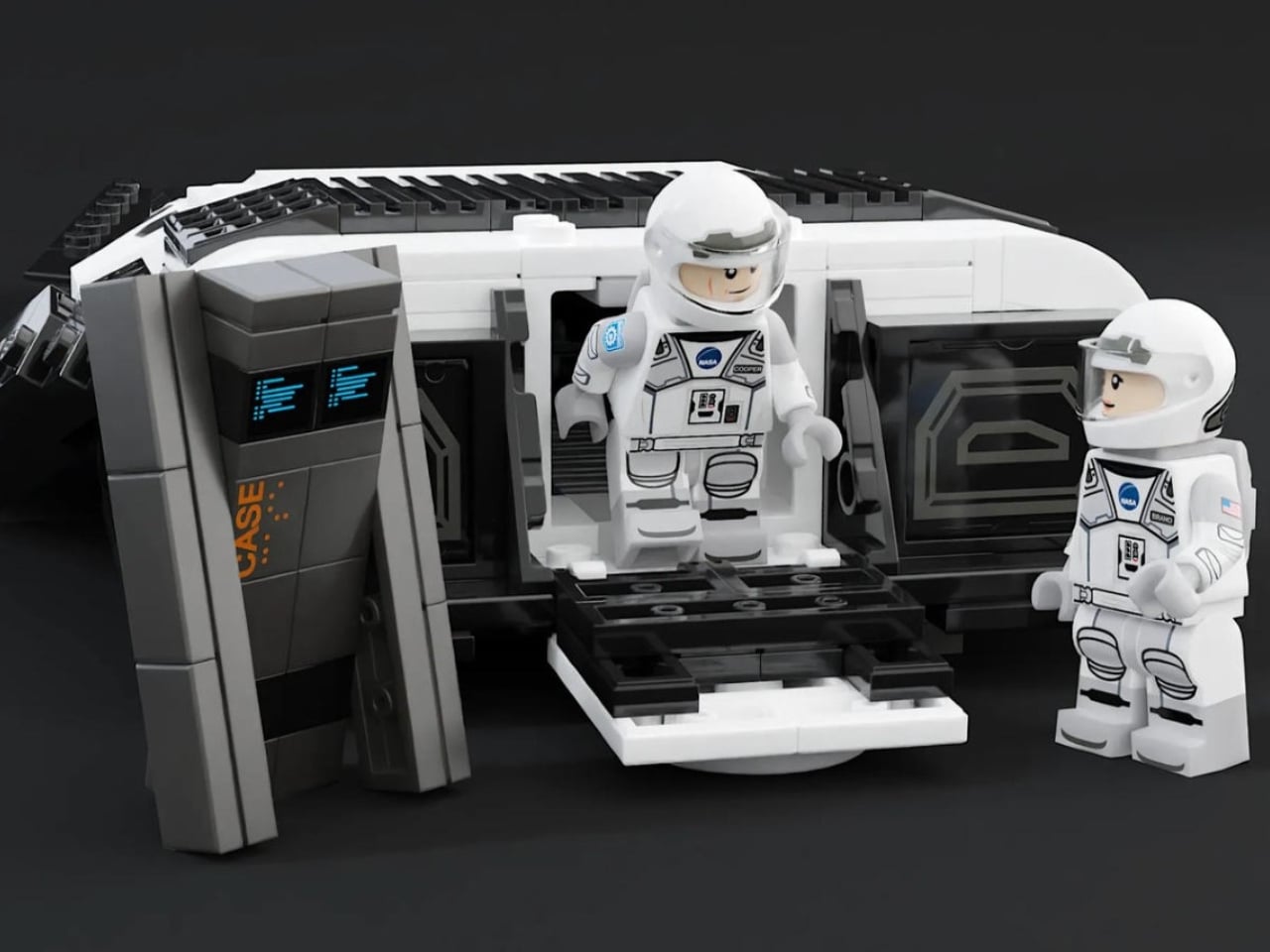
The submitted build uses 561 pieces and includes Cooper and Dr. Brand minifigures, along with brick-built versions of TARS and CASE. It’s a focused selection: one spacecraft and the characters that help establish its scale. The figures give the Ranger a purpose beyond looking familiar on a shelf. They’re also a useful way to judge the proportions, showing how much cabin the designer has managed to fit beneath that low roof.
The exterior gets much of its identity from the contrast between white upper panels and a dark lower body. Sloped sections form the wedge-shaped hull, while black window shapes interrupt the roof and sides. In the submission images, relatively smooth surfaces keep the silhouette readable without hiding every trace of the bricks underneath. That balance suits the subject: the Ranger looks like a working vehicle, with its visual interest coming from its shape rather than colorful decoration.
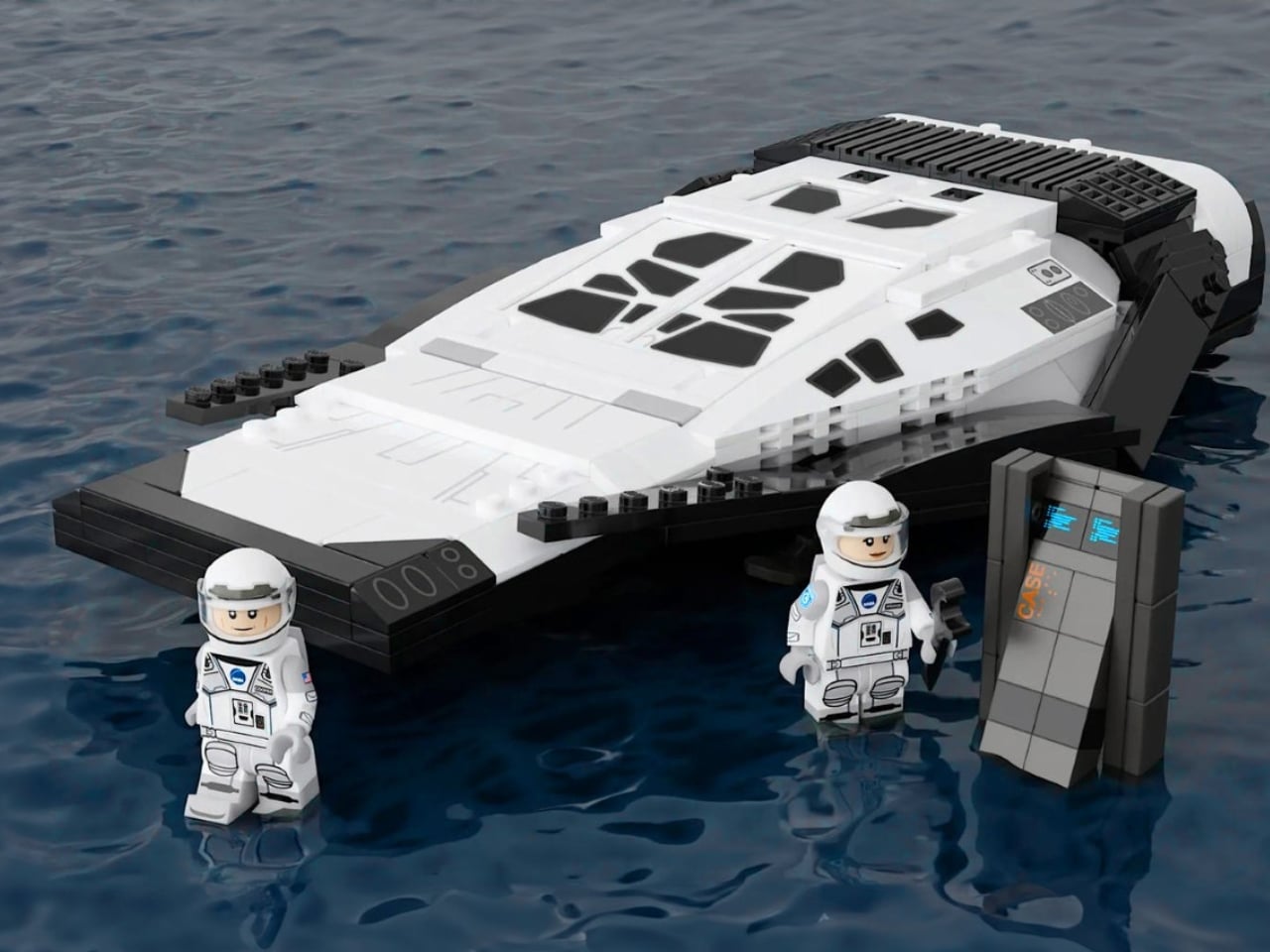
The removable roof is where the design becomes particularly interesting. A closed hull preserves the spacecraft’s profile, but lifting away the roof exposes the seating and controls inside. The proposed cabin accommodates both astronauts alongside either TARS or CASE. This addresses a practical problem with enclosed vehicle models: getting characters into position without taking apart the surrounding structure. The interior image shows the astronauts reclining beside each other, with a robot lying flat in the remaining cabin space.
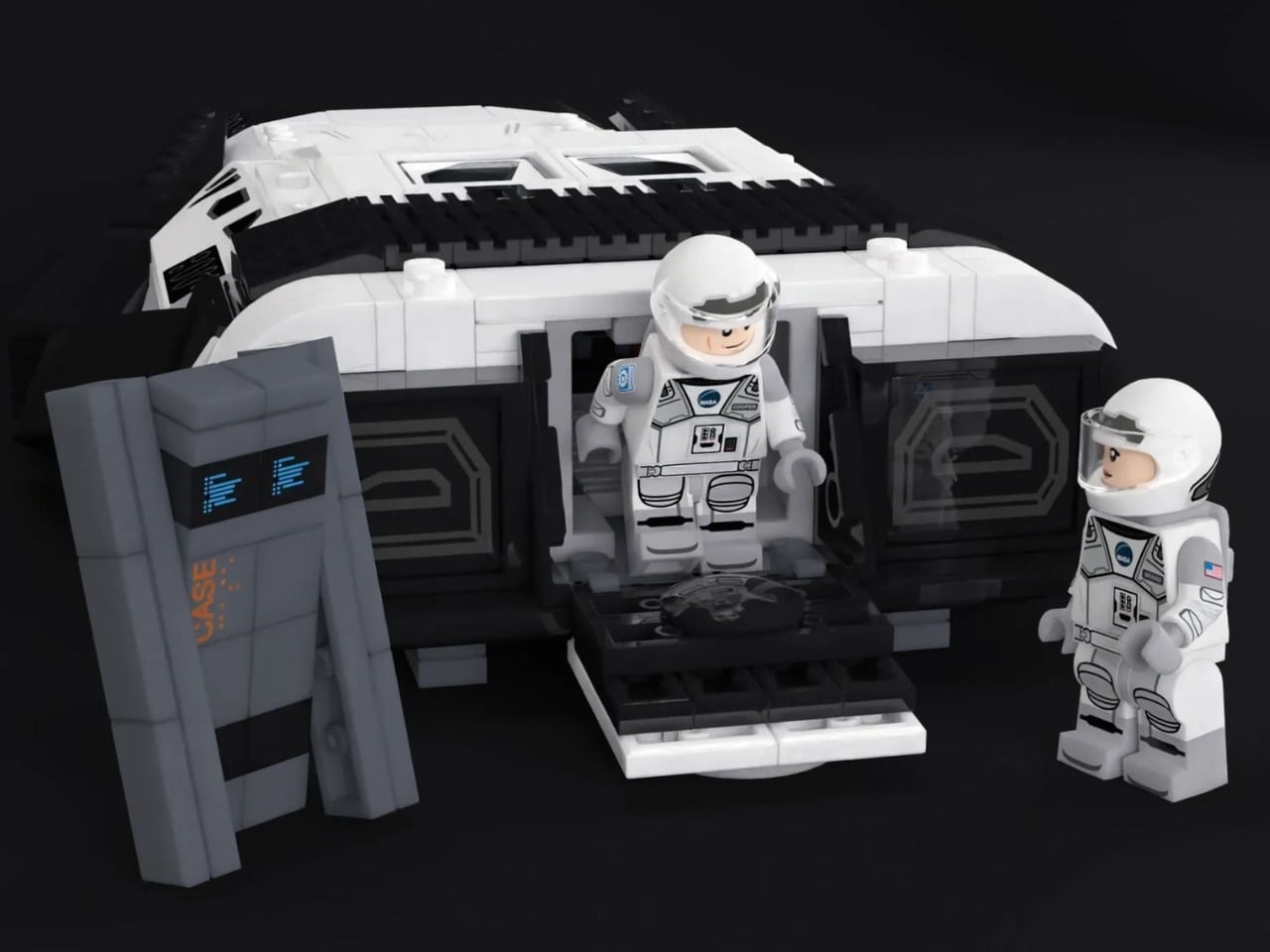
There’s also an opening rear hatch, giving the crew another way into the ship. The submission image shows the hatch lowered outward, with a minifigure standing in the doorway. It’s a small feature, but one that supports the vehicle’s role as a landing craft. Opening the roof provides access from above; opening the hatch creates an entrance the characters can actually use during an imagined expedition.
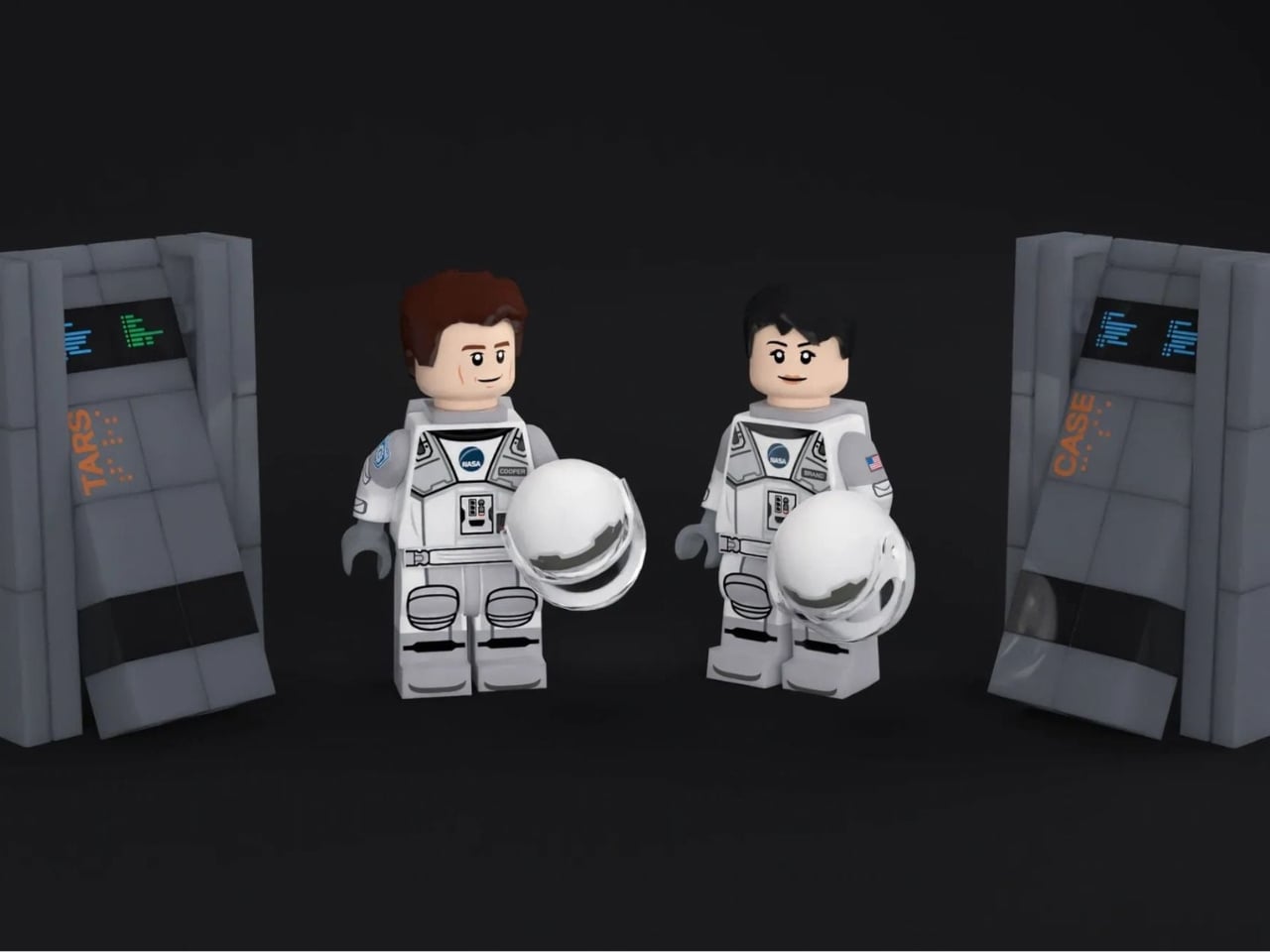
TARS and CASE deserve some attention of their own. Their gray, rectangular bodies translate naturally into LEGO’s construction system, contrasting with the angled surfaces needed for the Ranger. Small colored display details distinguish their otherwise restrained forms. Beside the astronauts, they make an unusual little lineup: two familiar human figures and two upright slabs. The proposal retains that oddness instead of making the robots look more conventionally humanoid.
It’s worth separating fan support from LEGO’s approval. Under the LEGO Ideas process, reaching 10,000 supporters makes a submission eligible for consideration; it doesn’t automatically secure a place on store shelves. The Ranger has now cleared that additional hurdle. However, the approved submission remains a starting point for development, so its piece count, detailing, and character selection shouldn’t be treated as guaranteed retail specifications.
Pricing, final dimensions, and a release date haven’t been established in the sources reviewed, so there’s no shopping deadline to mark yet. What makes this proposal worth following is the way it accommodates an interior without giving up the Ranger’s low, angular profile. When LEGO reveals its production version, the most interesting comparison will be how it handles that same challenge: keeping the ship recognizable while leaving room for its crew and a builder’s hands.
The post Interstellar’s Ranger Is Actually Becoming an Official LEGO Set first appeared on Yanko Design.
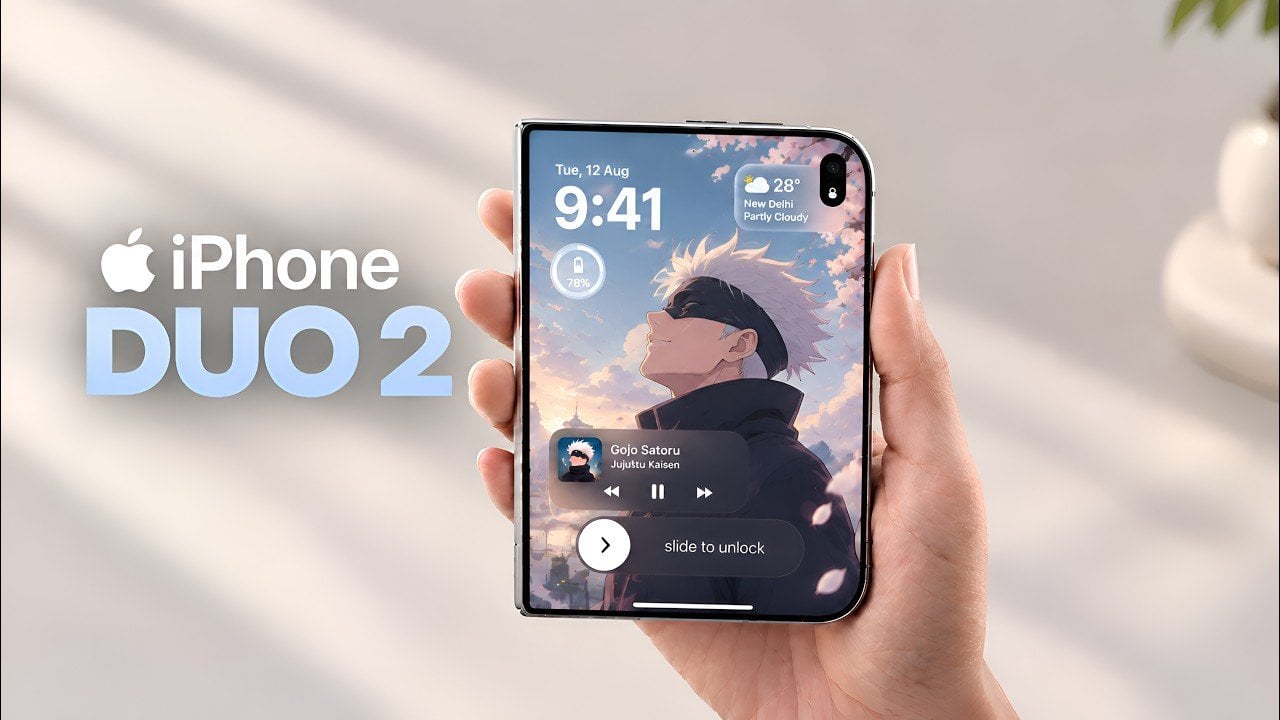
Apple is preparing to unveil the iPhone Duo 2, the highly anticipated successor to its first foldable smartphone. This second-generation device is expected to address key shortcomings of its predecessor while introducing advanced features such as a telephoto camera for optical zoom, under-display Face ID, and the potential return of the action button. These updates […]
The post Apple May Fix Its Biggest Mistakes on the iPhone Duo 2 appeared first on Geeky Gadgets.

Keeping a game library on a hard drive and your current favorites on an SSD sounds sensible, until you’re constantly moving things between them. Seagate’s FireCuda Forge puts both types of storage inside one desktop enclosure, promising that its new Alkemi technology will be the one to handle that sorting. It comes with an 8TB or 20TB hard drive, but requires an SSD you supply.
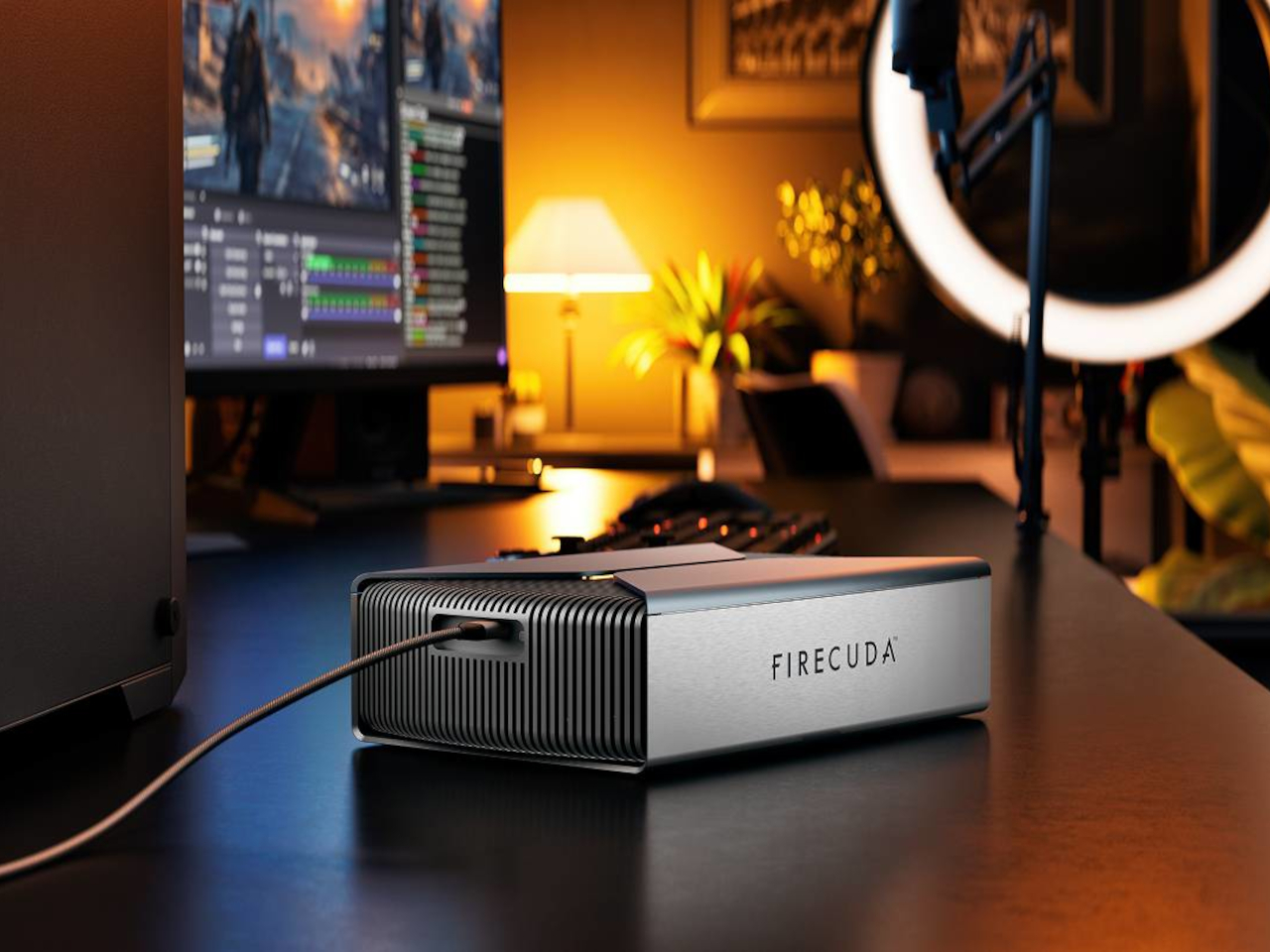
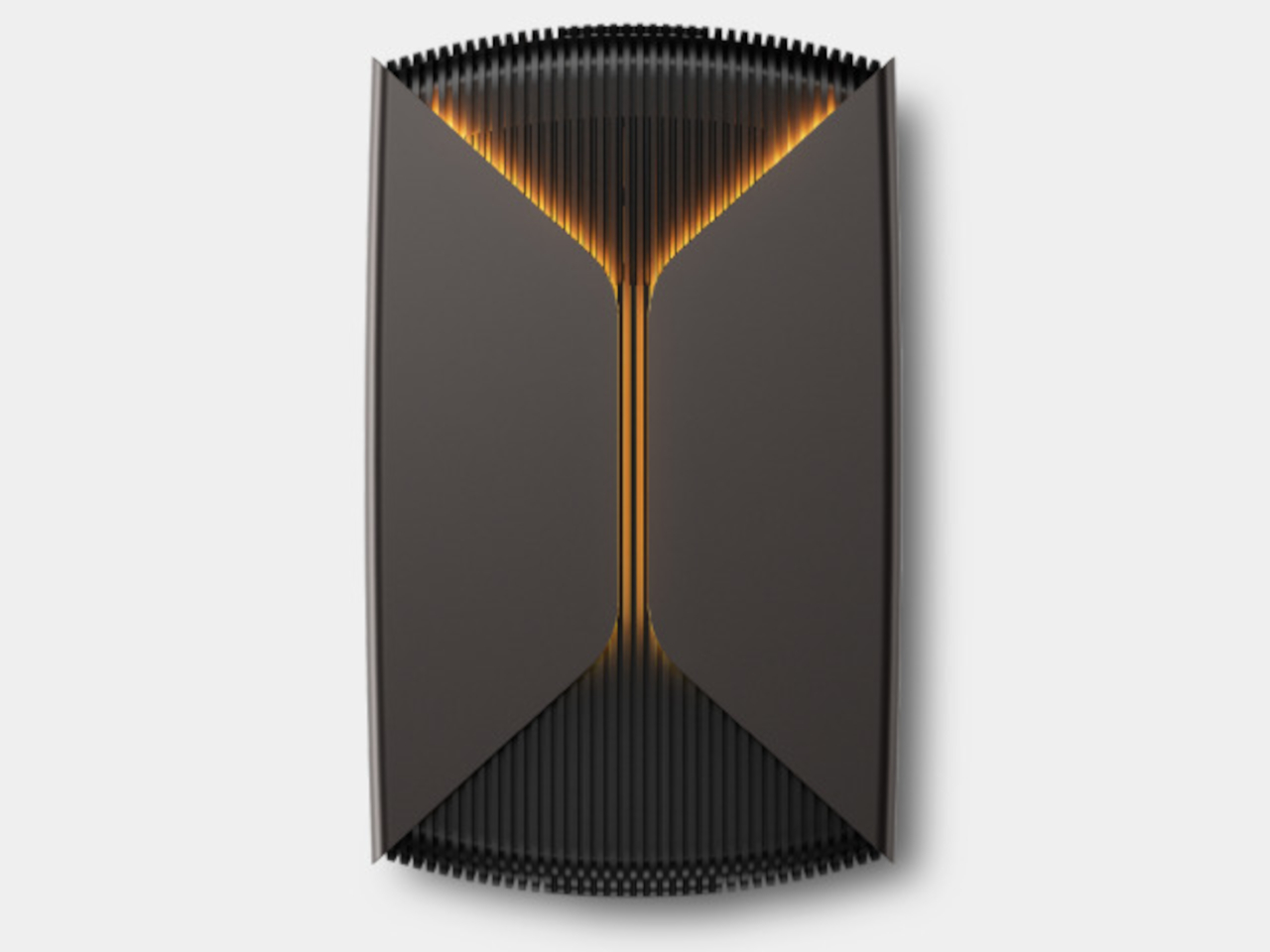
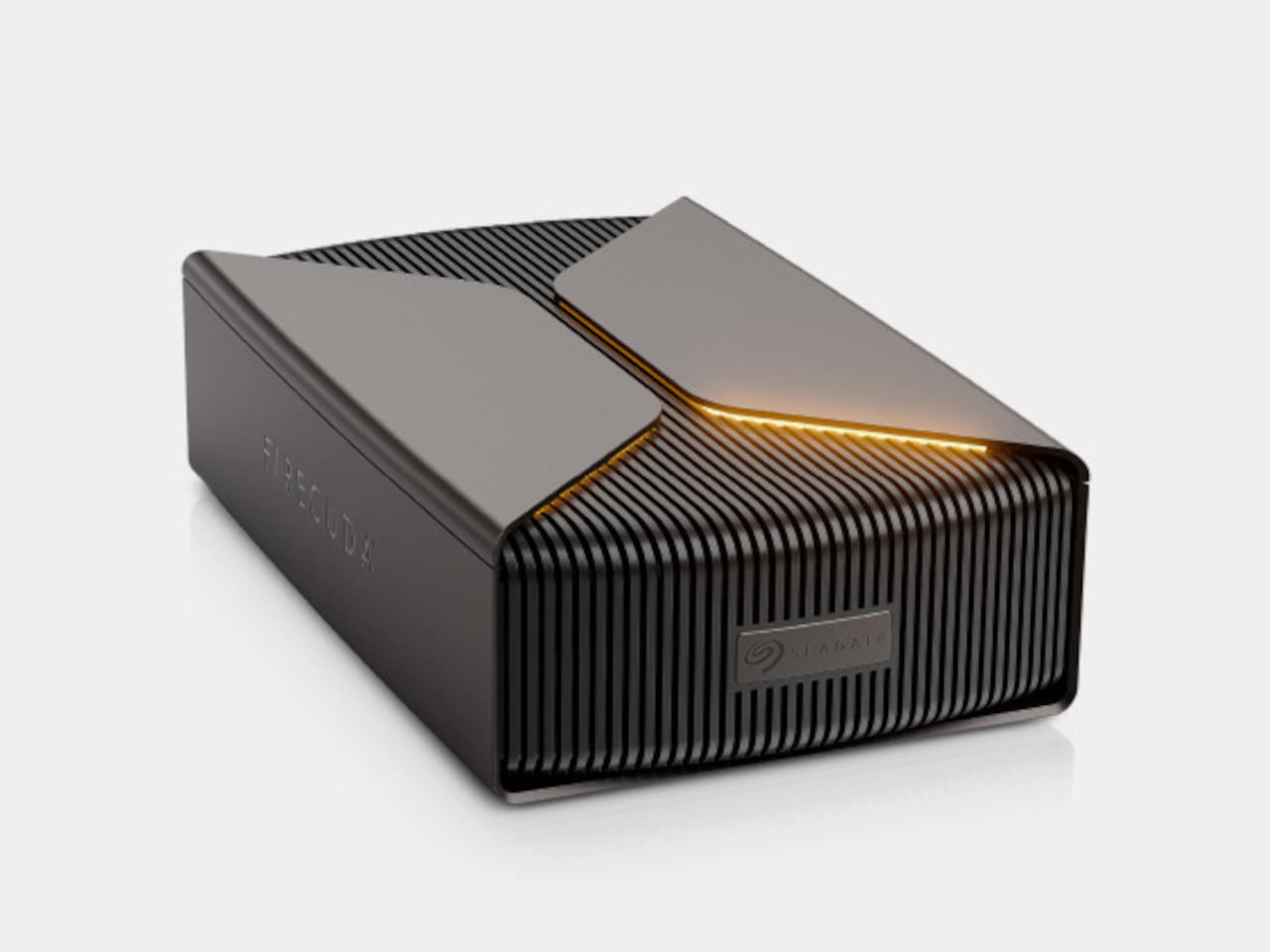
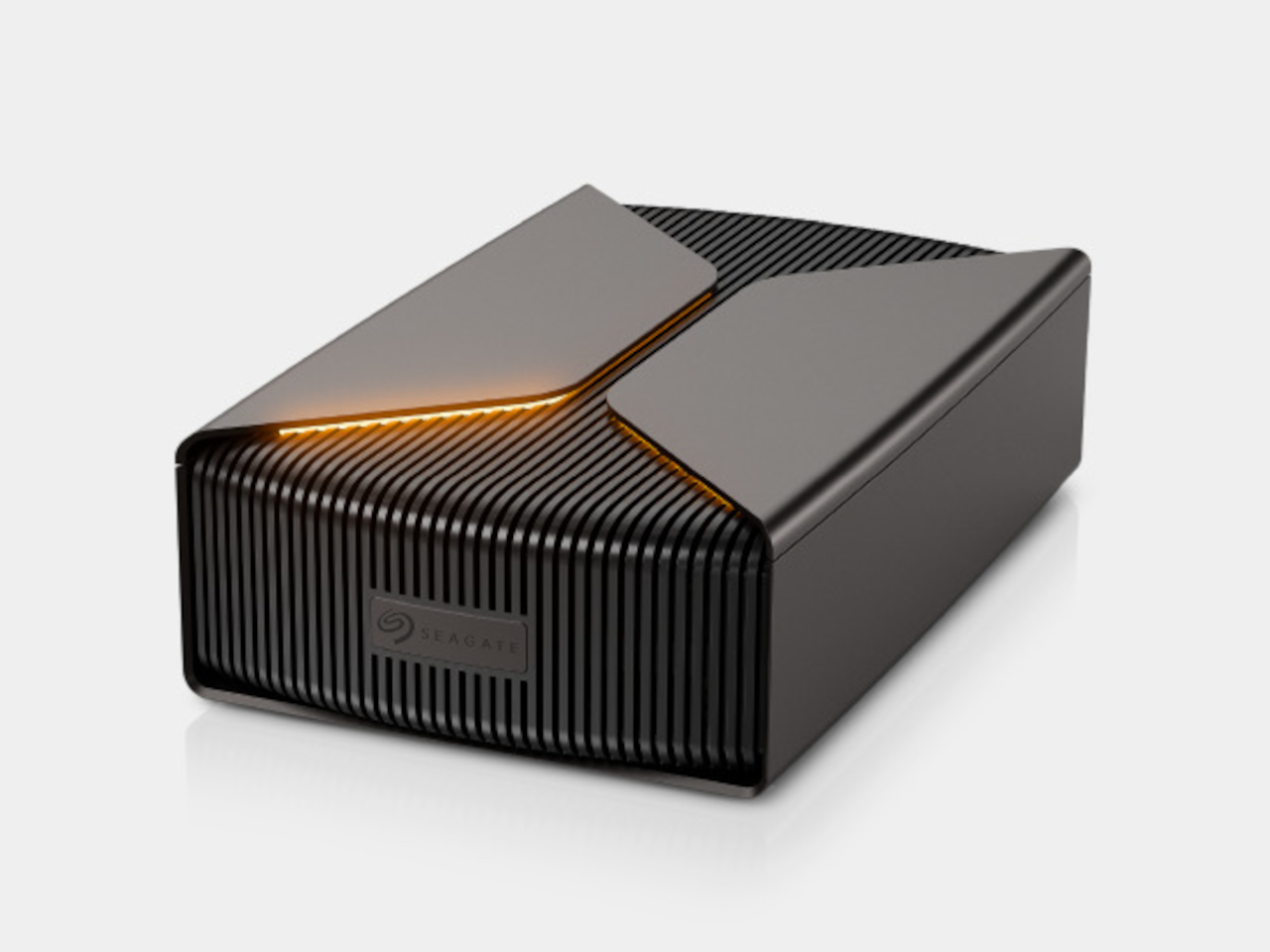
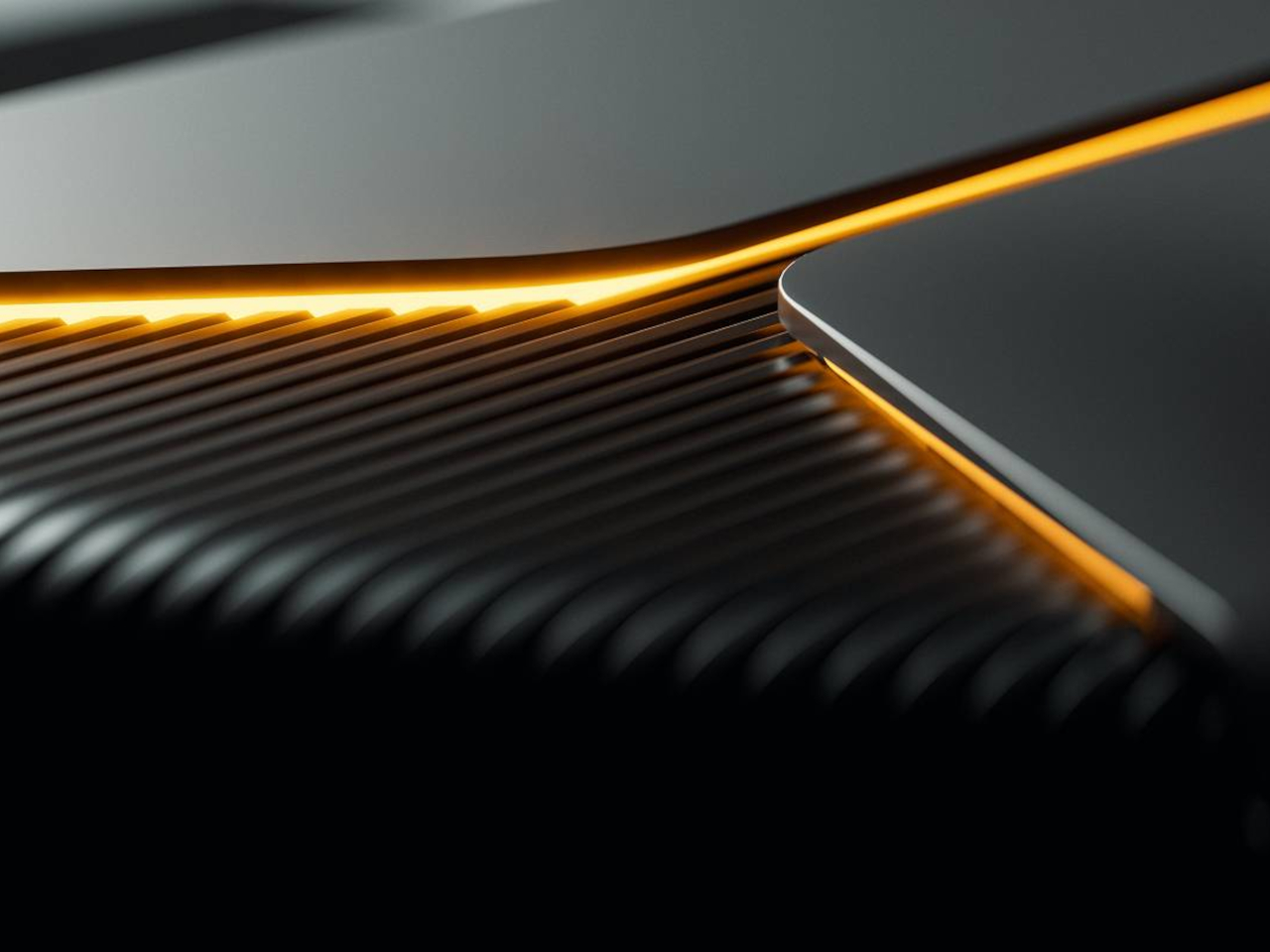
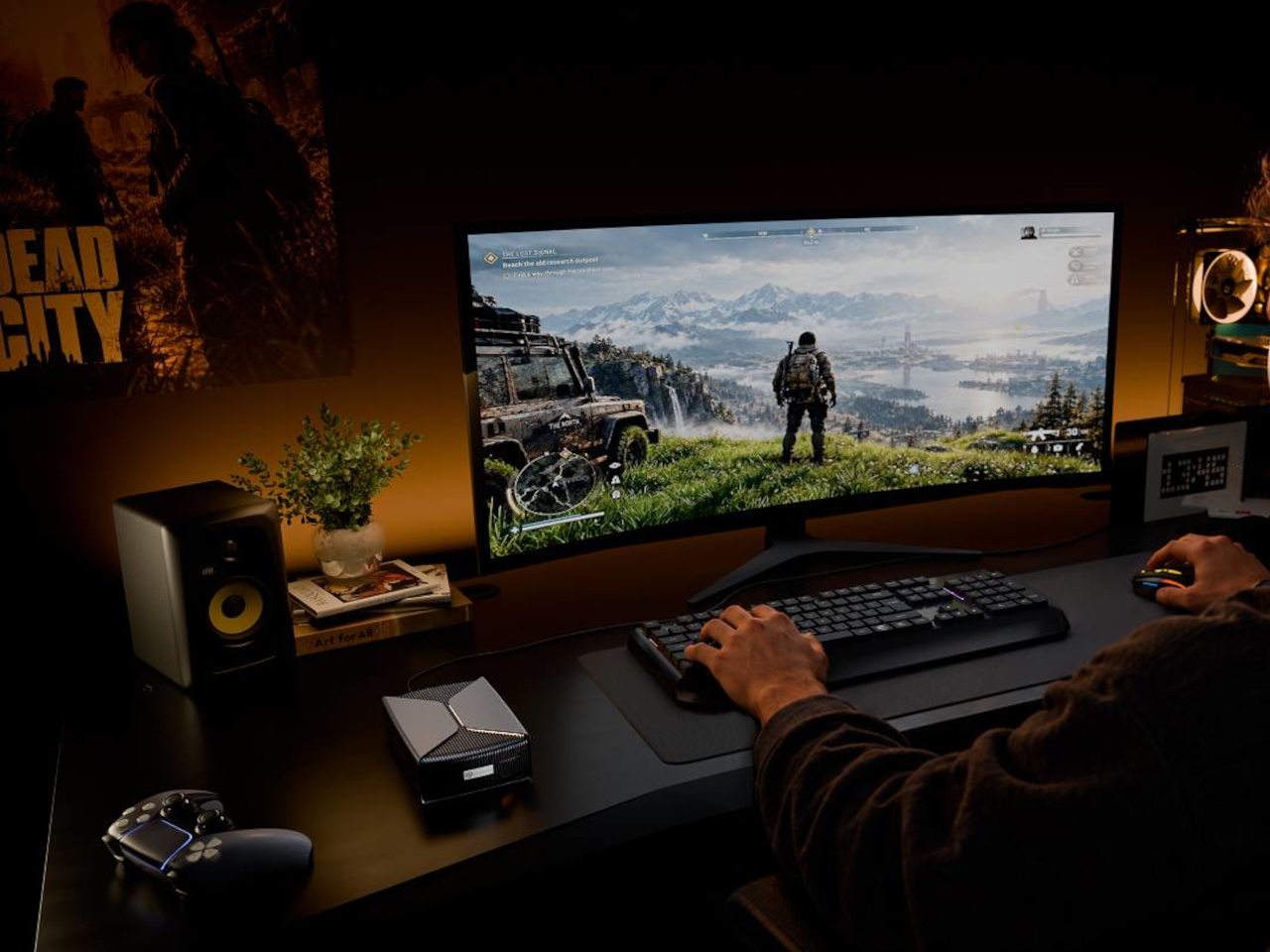
That enclosure certainly isn’t trying to disappear behind your monitor. Dark, angular top panels sit above deeply ribbed surfaces, with programmable RGB lighting picking out their edges. It has more in common with a gaming desktop than a discreet pocket drive, giving the hardware a conspicuous place beside your keyboard. Anyone hoping for an anonymous black box might find the styling rather enthusiastic.
Designer: Seagate
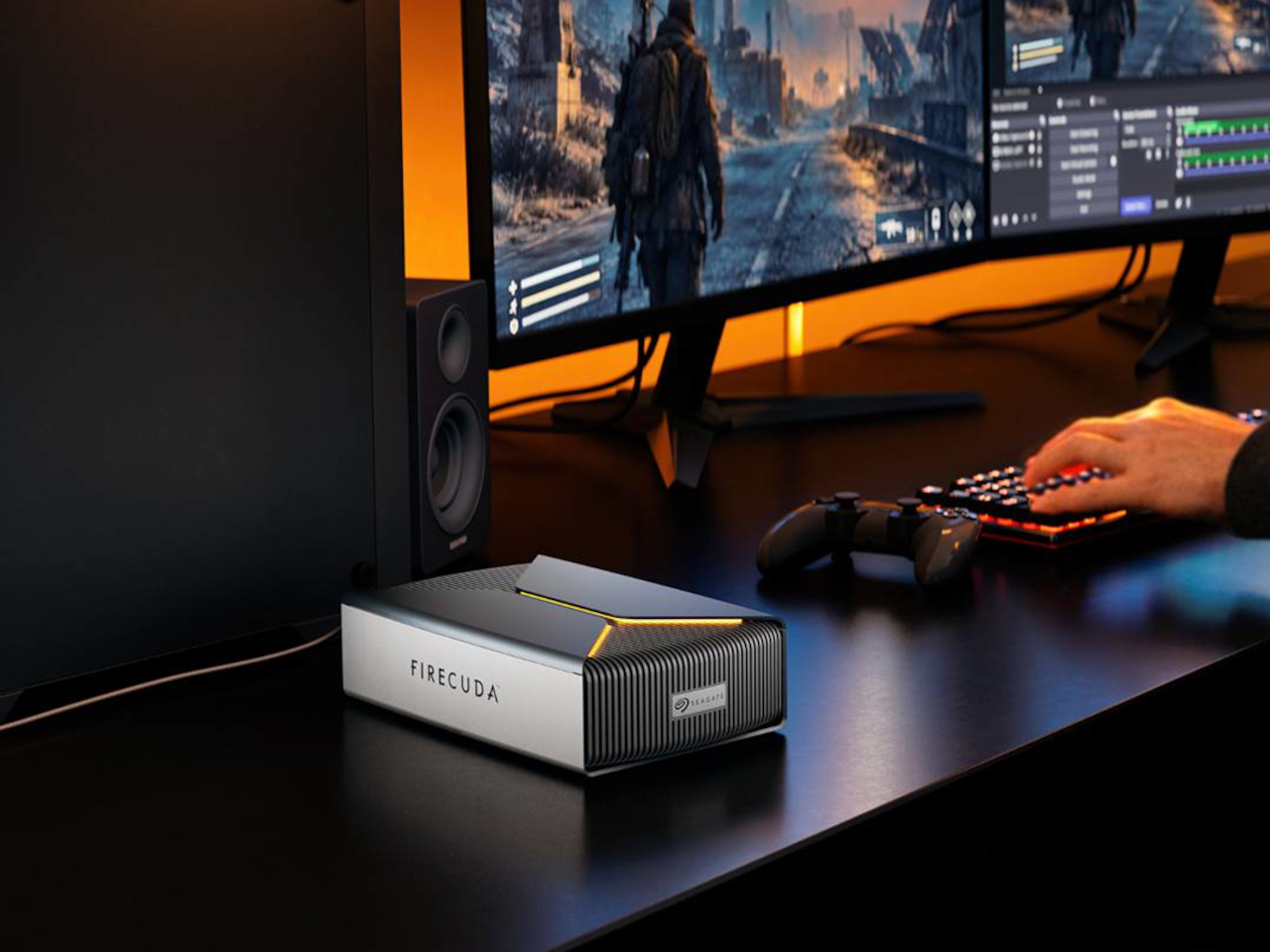
Inside, the SSD works as a cache rather than another storage compartment you manage yourself. Seagate says Alkemi follows usage patterns and prioritizes frequently accessed data on that faster drive, while the hard drive accommodates the broader library. Your computer sees one volume, and the SSD doesn’t add to its capacity. An 8TB model stays an 8TB model after installing flash storage.
That arrangement could suit someone who spends weeks playing one title before returning to something else. Instead of deciding which games deserve the fast drive, you’d let the enclosure respond as your habits change. The same logic applies to a video editor revisiting project files while keeping older footage nearby. The appeal is less digital housekeeping, rather than making every file equally fast.
Before any of that happens, though, there’s some assembly required. Seagate specifies an M.2 2280 NVMe SSD, with PCIe Gen3 or newer connectivity and a 1TB maximum. The mounting screw, thermal pads, and hex screwdriver are included, but the SSD isn’t optional: the system won’t operate without it. Choosing your own flash storage brings flexibility, along with another item on the shopping list.
Over USB4, Seagate advertises read speeds up to 2,500 MB/s and writes up to 2,000 MB/s on compatible systems. Those figures aren’t a promise that a forgotten game buried on the hard drive will suddenly behave like an SSD installation. Seagate itself acknowledges that new data may not immediately benefit from established usage patterns. The cache needs useful activity to learn from.
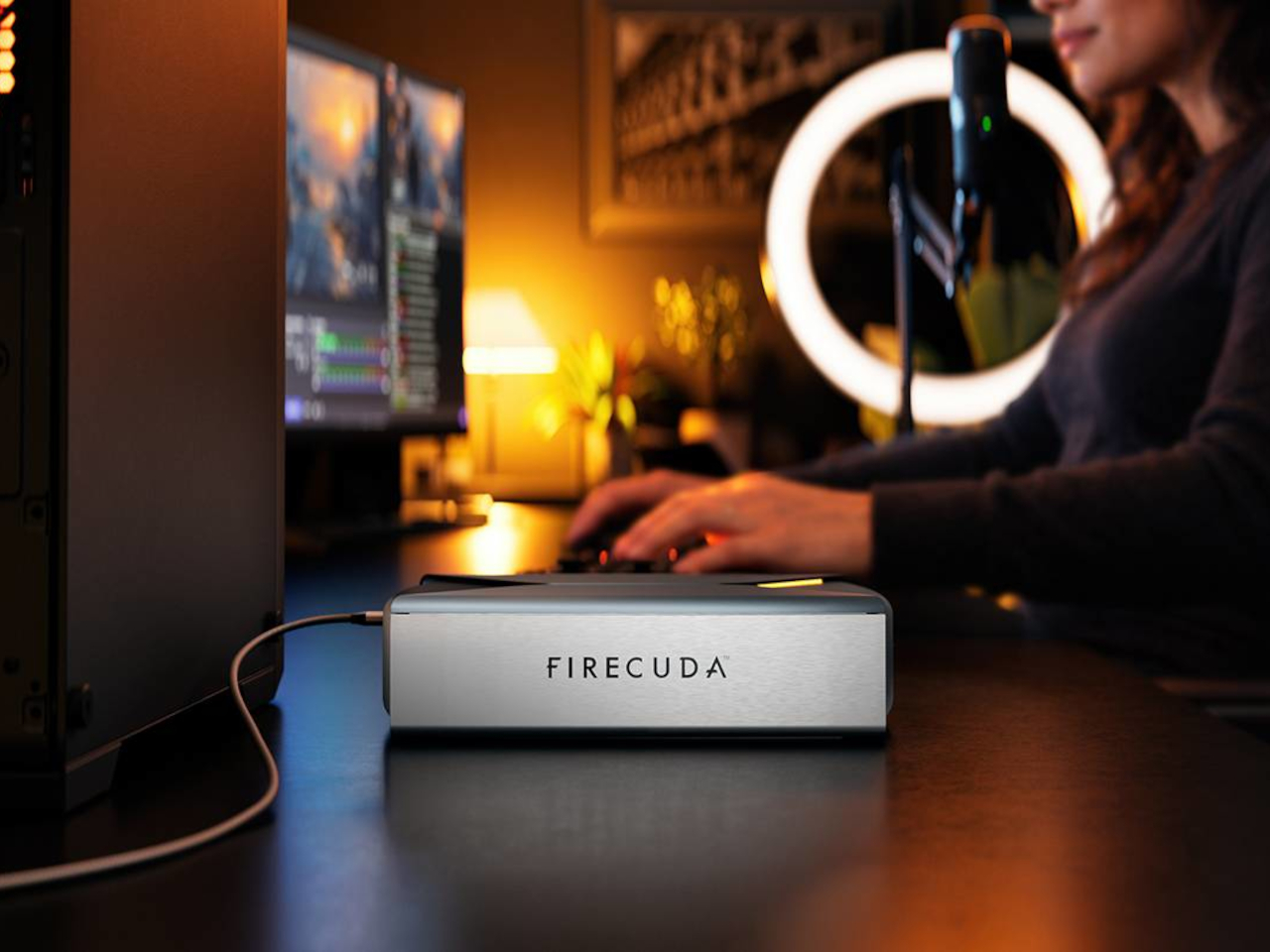
The Forge also expects a dedicated patch of desk rather than a pocket in your laptop bag. The 8TB unit measures about 9.46 x 5.78 x 2.57 inches and weighs roughly 4.1 lbs. It needs an external power adapter alongside its USB-C cable, too. On the practical side, Seagate makes the hard drive upgradeable, leaving room to expand beyond your initial purchase.
Seagate’s announced prices start at $699 for 8TB and $899 for 20TB, before adding that required SSD. Already owning a suitable spare would make the proposition easier to consider, especially if you’re tired of shuffling files between drives. Otherwise, the automatic management comes with another purchase to make before the system works, despite all that storage already sitting inside its conspicuous enclosure.
The post Seagate FireCuda Forge Manages Your Hard Drive and SSD as One Volume first appeared on Yanko Design.
Keeping a game library on a hard drive and your current favorites on an SSD sounds sensible, until you’re constantly moving things between them. Seagate’s FireCuda Forge puts both types of storage inside one desktop enclosure, promising that its new Alkemi technology will be the one to handle that sorting. It comes with an 8TB or 20TB hard drive, but requires an SSD you supply.
That enclosure certainly isn’t trying to disappear behind your monitor. Dark, angular top panels sit above deeply ribbed surfaces, with programmable RGB lighting picking out their edges. It has more in common with a gaming desktop than a discreet pocket drive, giving the hardware a conspicuous place beside your keyboard. Anyone hoping for an anonymous black box might find the styling rather enthusiastic.
Designer: Seagate
Inside, the SSD works as a cache rather than another storage compartment you manage yourself. Seagate says Alkemi follows usage patterns and prioritizes frequently accessed data on that faster drive, while the hard drive accommodates the broader library. Your computer sees one volume, and the SSD doesn’t add to its capacity. An 8TB model stays an 8TB model after installing flash storage.
That arrangement could suit someone who spends weeks playing one title before returning to something else. Instead of deciding which games deserve the fast drive, you’d let the enclosure respond as your habits change. The same logic applies to a video editor revisiting project files while keeping older footage nearby. The appeal is less digital housekeeping, rather than making every file equally fast.
Before any of that happens, though, there’s some assembly required. Seagate specifies an M.2 2280 NVMe SSD, with PCIe Gen3 or newer connectivity and a 1TB maximum. The mounting screw, thermal pads, and hex screwdriver are included, but the SSD isn’t optional: the system won’t operate without it. Choosing your own flash storage brings flexibility, along with another item on the shopping list.
Over USB4, Seagate advertises read speeds up to 2,500 MB/s and writes up to 2,000 MB/s on compatible systems. Those figures aren’t a promise that a forgotten game buried on the hard drive will suddenly behave like an SSD installation. Seagate itself acknowledges that new data may not immediately benefit from established usage patterns. The cache needs useful activity to learn from.
The Forge also expects a dedicated patch of desk rather than a pocket in your laptop bag. The 8TB unit measures about 9.46 x 5.78 x 2.57 inches and weighs roughly 4.1 lbs. It needs an external power adapter alongside its USB-C cable, too. On the practical side, Seagate makes the hard drive upgradeable, leaving room to expand beyond your initial purchase.
Seagate’s announced prices start at $699 for 8TB and $899 for 20TB, before adding that required SSD. Already owning a suitable spare would make the proposition easier to consider, especially if you’re tired of shuffling files between drives. Otherwise, the automatic management comes with another purchase to make before the system works, despite all that storage already sitting inside its conspicuous enclosure.
The post Seagate FireCuda Forge Manages Your Hard Drive and SSD as One Volume first appeared on Yanko Design.
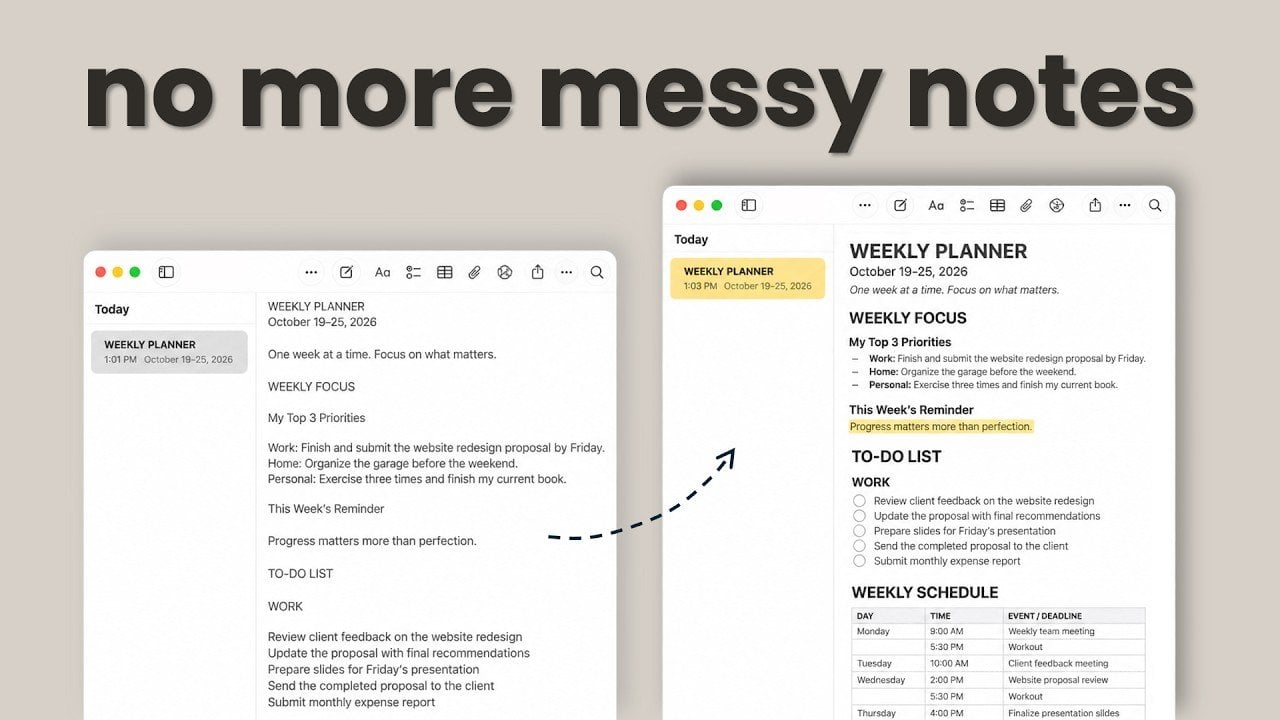
Apple Notes offers a range of formatting options that can make your notes more structured and visually clear. By applying text styles like title, heading, and subheading, you can create a logical hierarchy within your notes. For instance, a weekly planner might use the title style for the overall note, headings for sections like “Goals” […]
The post Format Apple Notes with Tables to Build a Weekly Planner appeared first on Geeky Gadgets.