Which Should You Buy: iPhone Duo vs iPhone 18 Pro Max

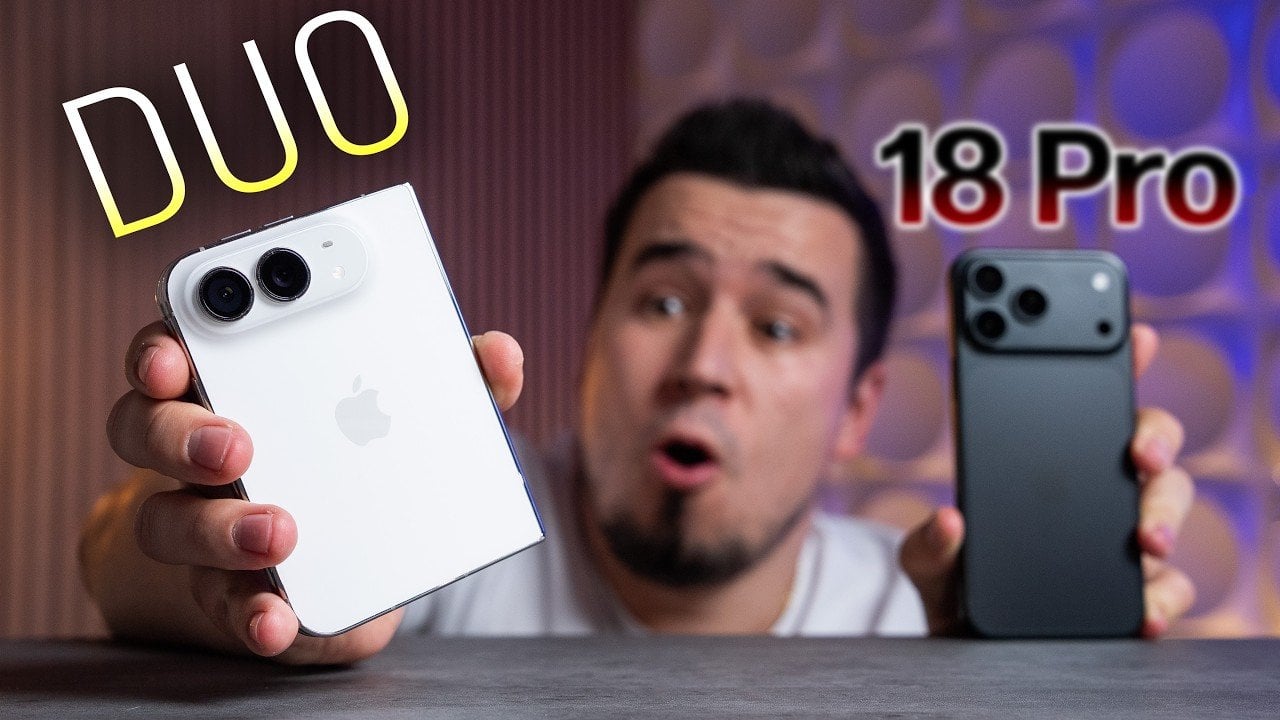
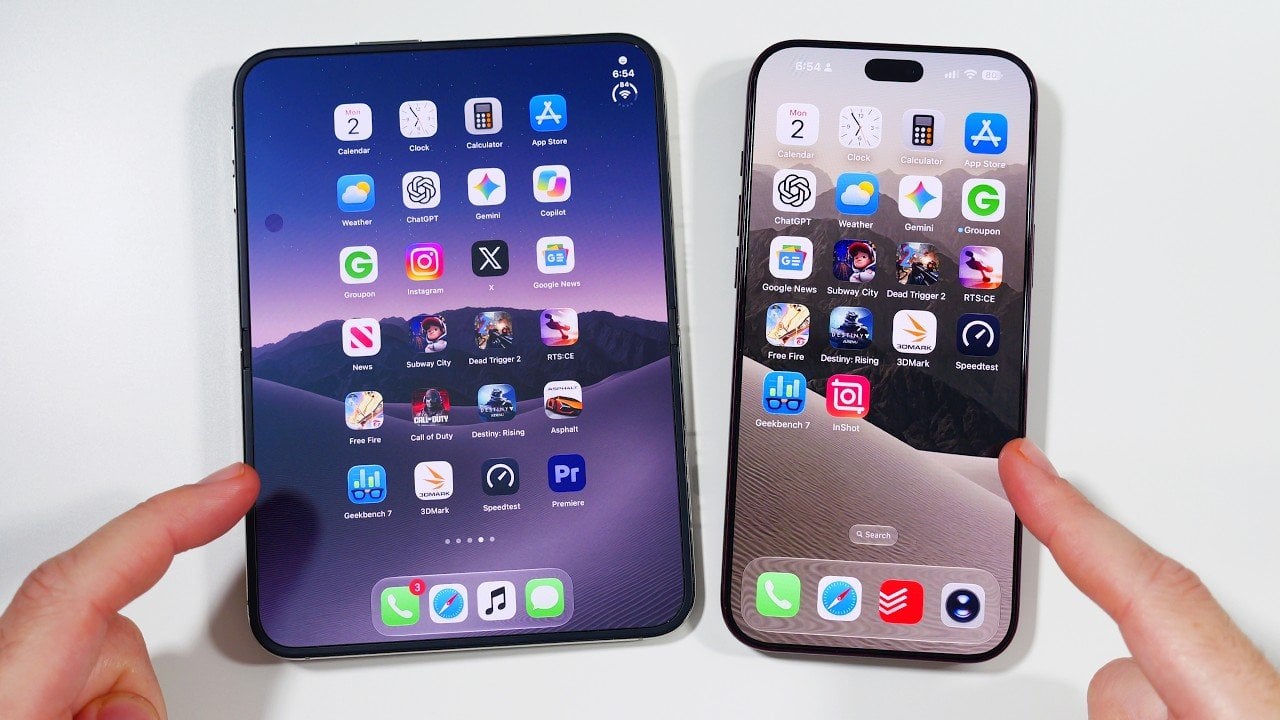
Which Should You Buy: iPhone Duo vs iPhone 18 Pro Max The iPhone Duo fully unfolded showing the anti-glare interior display next to the iPhone 18 Pro Max.

Choosing between the iPhone Duo and the iPhone 18 Pro Max involves evaluating two distinct approaches to smartphone design and functionality. The iPhone Duo introduces a foldable design with dual displays, aiming to redefine portability and multitasking. Meanwhile, the iPhone 18 Pro Max refines the traditional smartphone formula, offering robust performance and advanced features in […]

The post Which Should You Buy: iPhone Duo vs iPhone 18 Pro Max appeared first on Geeky Gadgets.

Posted in Uncategorized

4 Hidden Workflows Using Gemini in Chrome to Save You Hours a Week

4 Hidden Workflows Using Gemini in Chrome to Save You Hours a Week The Gemini sidebar open in Google Chrome displaying workflow options.

Gemini in Chrome offers a range of features designed to streamline workflows and reduce time spent on repetitive tasks. In a recent feature by Your AI Workflow, one standout capability highlighted is Gemini’s ability to compare data across multiple browser tabs. For example, when evaluating options like Google Workspace versus Microsoft 365, Gemini can generate […]

The post 4 Hidden Workflows Using Gemini in Chrome to Save You Hours a Week appeared first on Geeky Gadgets.

Posted in Uncategorized

iOS 27.3 Beta 1 Is Here: See Every New Feature Apple Just Dropped

iOS 27.3 Beta 1 Is Here: See Every New Feature Apple Just Dropped The iOS 27.3 developer beta 1 software update screen on an iPhone.

Apple has unveiled iOS 27.3 developer beta 1, a comprehensive update that introduces a variety of new features and enhancements across its ecosystem. This release also extends to updates for iPadOS, watchOS, tvOS, macOS, visionOS, and HomePod software. Public beta testers can expect access within 24 to 48 hours, while the official release is anticipated […]

The post iOS 27.3 Beta 1 Is Here: See Every New Feature Apple Just Dropped appeared first on Geeky Gadgets.

Posted in Uncategorized

The Real Difference Between Apple’s Foldable iPhone Duo and the iPhone 18 Pro

The Real Difference Between Apple’s Foldable iPhone Duo and the iPhone 18 Pro The iPhone Duo and iPhone 18 Pro Max placed side by side on a desk.

The iPhone Duo represents a sophisticated balance of luxury, innovation, and practicality, positioning itself as a compelling option for your next smartphone. Its sleek titanium finish, compact design, and dual-screen capabilities cater to users who value multitasking and convenience. However, while the Duo excels in several areas, it falls short in critical aspects such as […]

The post The Real Difference Between Apple’s Foldable iPhone Duo and the iPhone 18 Pro appeared first on Geeky Gadgets.

Posted in Uncategorized

Aurzen ZIP Pro Puts a Foldable Projector and Basquiat Art on Your Holiday Gift List

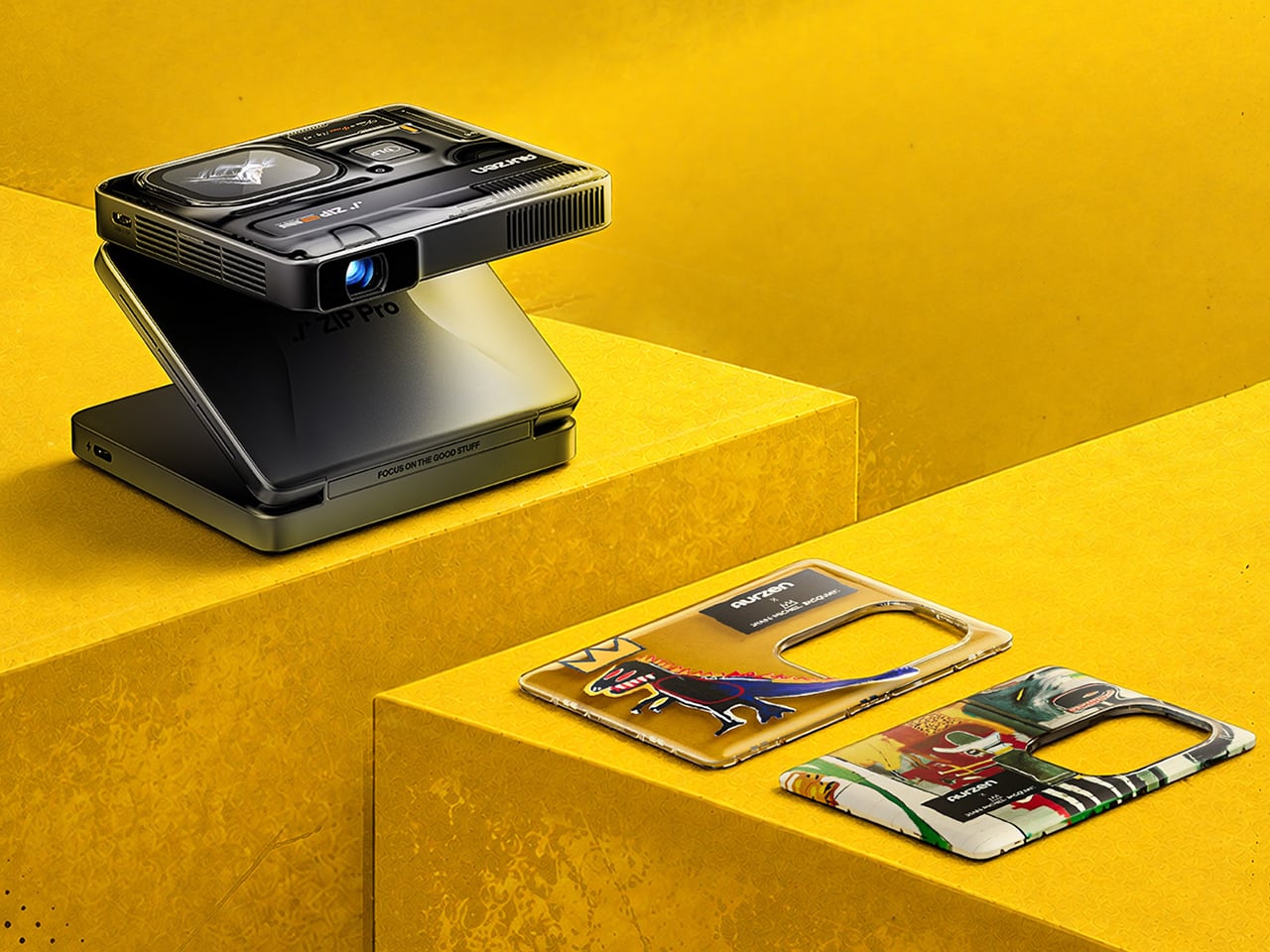
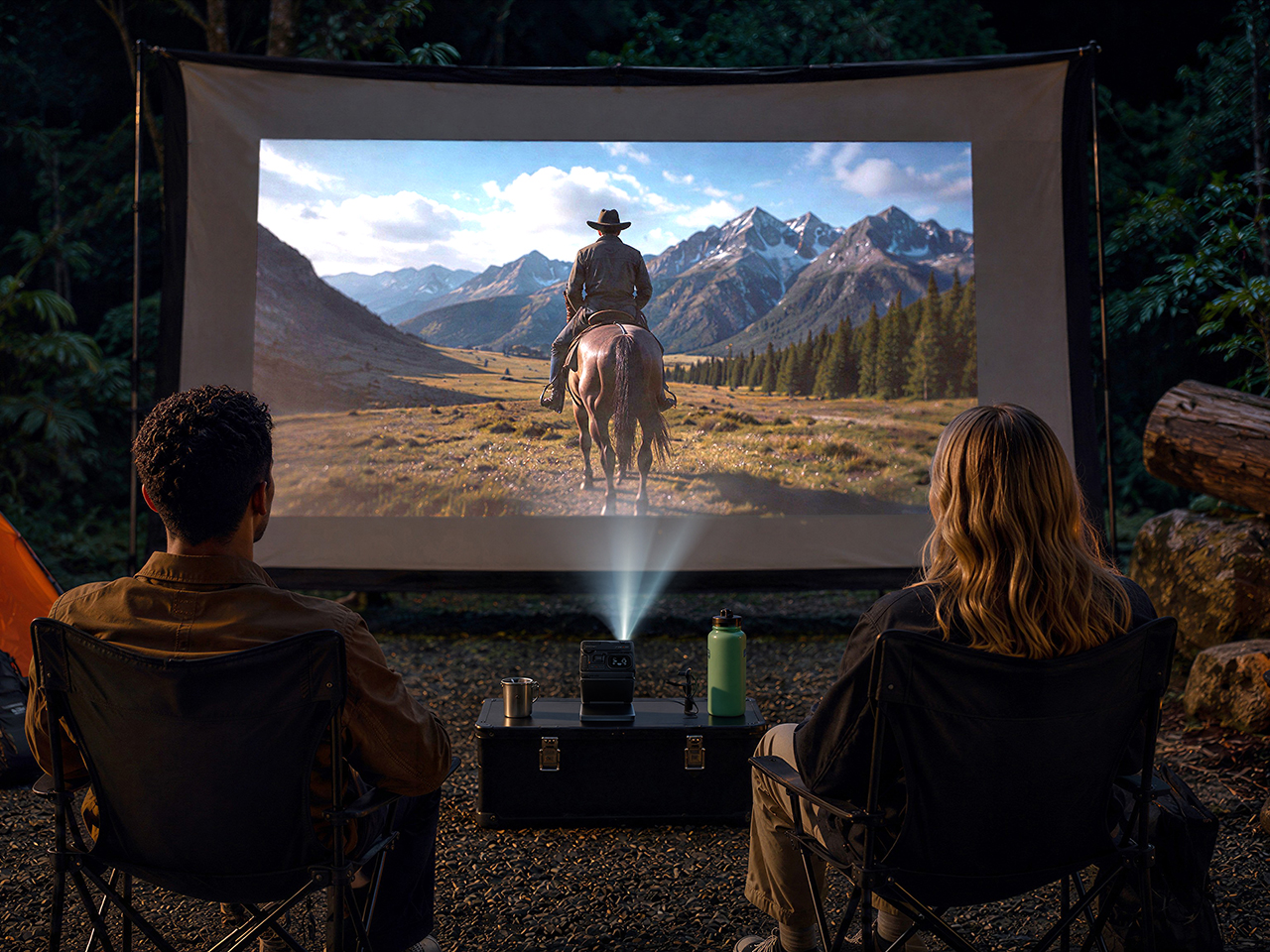
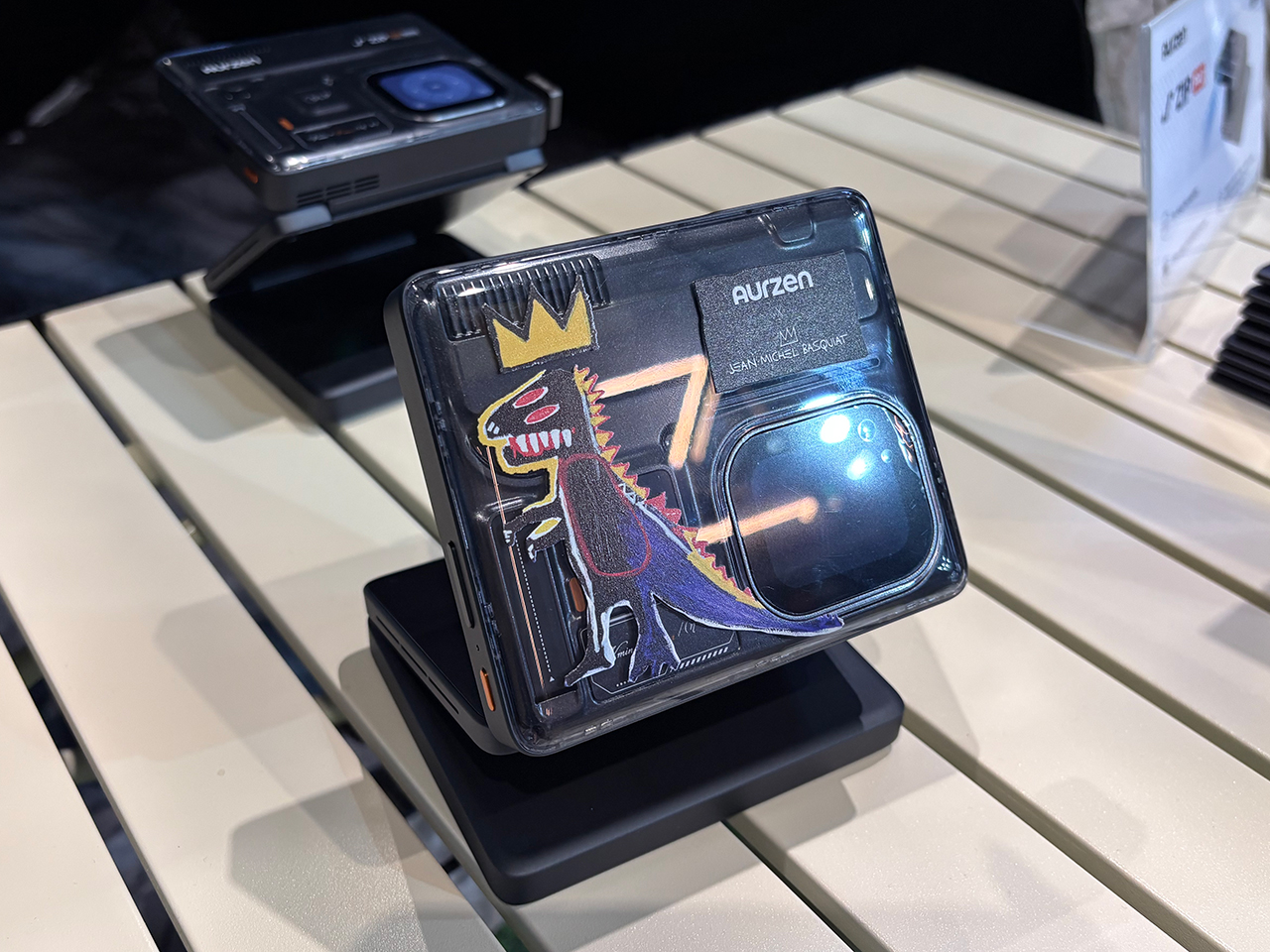
A projector that packs its own stand already makes a thoughtful gift for someone who’s always rearranging movie night. Aurzen’s ZIP Pro folds into a compact block, then opens into an adjustable, self-supporting setup. The standard version leans into its technical character, while the Jean-Michel Basquiat Special Edition Bundle adds artwork and coordinated accessories for someone with a more expressive streak.

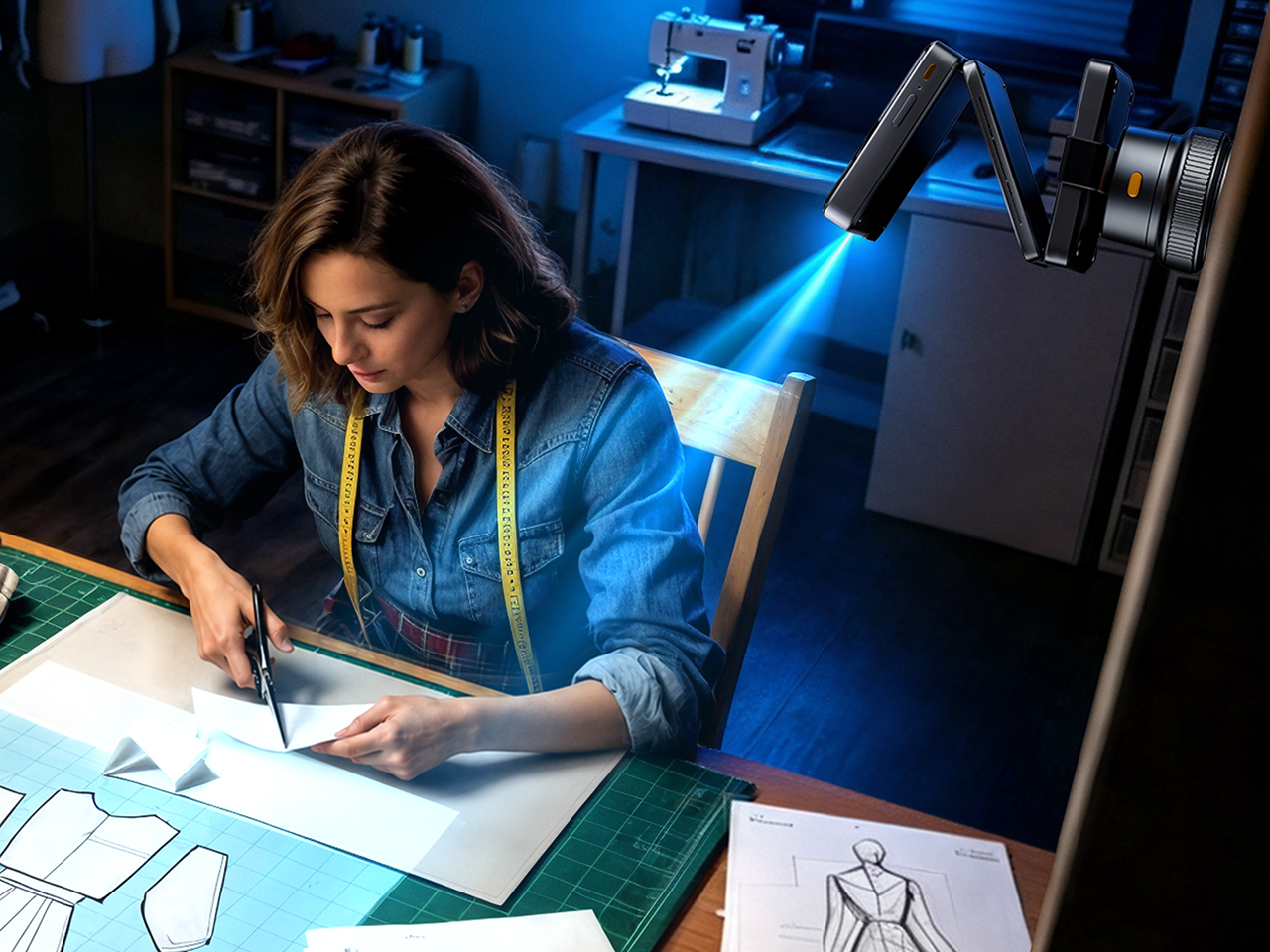
The clever bit is that the stand doesn’t become another accessory to forget. Three connected sections fold into a Z-shaped support, letting you change the projection angle on a tabletop or nightstand. Folded, the projector is 1.73 inches thick and weighs about 1.29 pounds. That’s a manageable addition to a travel bag, especially when you aren’t also finding room for a separate stand.

Designer: Aurzen

Click Here to Buy Aurzen ZIP Pro: $629.99 | Click Here to Buy ZIP Pro x Jean-Michel Basquiat Special Edition Bundle: $679.99.

After a day of sightseeing, that could mean watching a movie without hunching over a phone. The Aurzen ZIP Pro uses native 1080p Full HD projection, with autofocus and four-point keystone correction to help sharpen and align the picture. Aurzen recommends a 60- to 80-inch image in dark surroundings. With a rated 200 ANSI lumens, drawing the curtains is very much part of the plan.

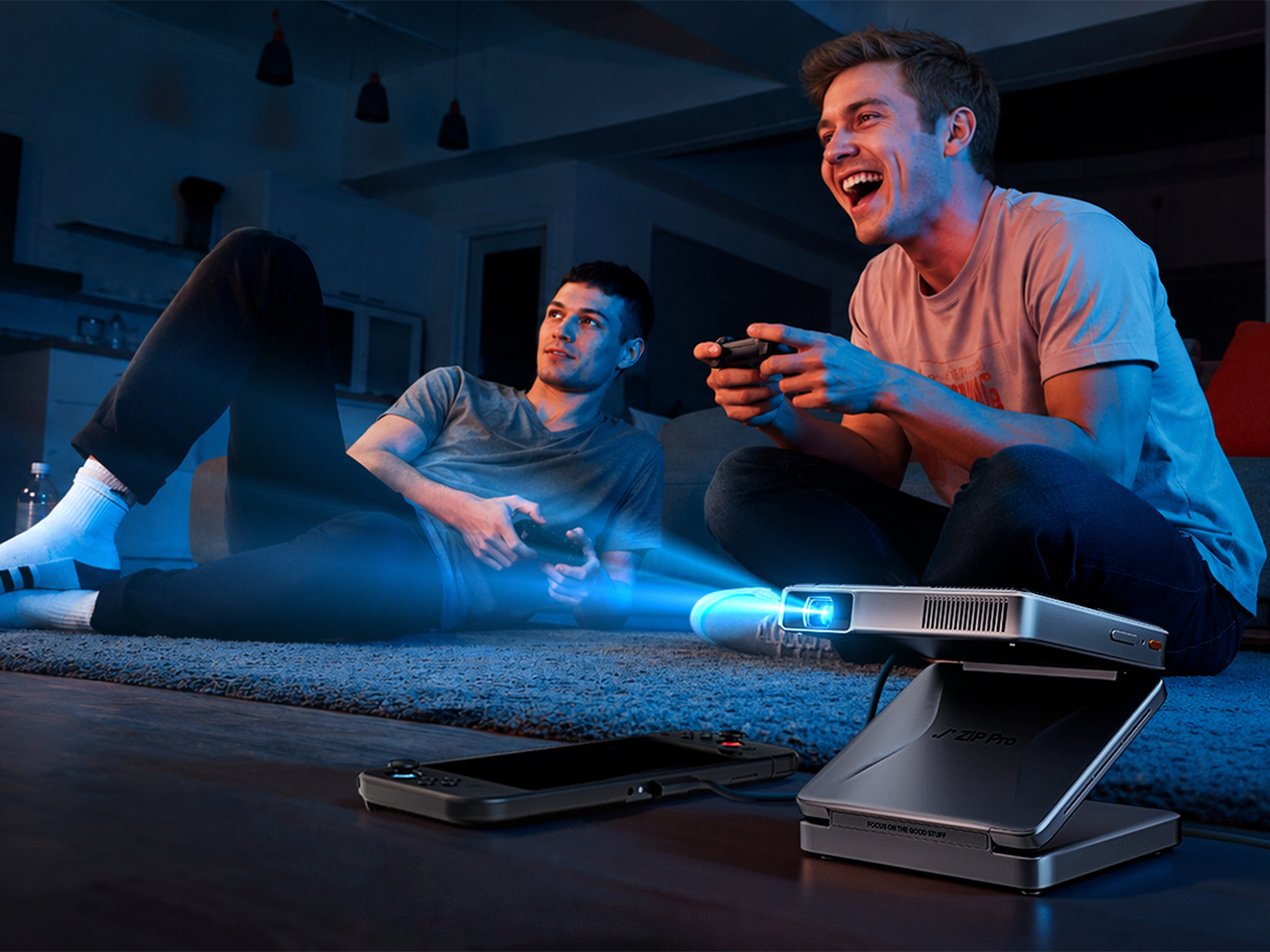
Gaming has a place here, too, especially when a handheld’s screen starts feeling a little cramped. USB-C video input connects compatible devices directly, provided both the device and cable support video transmission. Supported Nintendo Switch setups don’t need the usual dock, although you’ll still need a power adapter rated at 65W or higher through the projector’s USB-C PD charging input. That still leaves fewer pieces to arrange before the first round.

Sharing the screen doesn’t have to mean sharing the soundtrack with everyone nearby. The Aurzen ZIP Pro can send audio to two compatible Bluetooth headphones simultaneously, so a couple can watch together while someone else sleeps. That said, built-in stereo speakers handle the evenings when keeping the volume private isn’t necessary.

There’s also something reassuringly direct about having controls on the object itself. A built-in touchscreen displays battery and connection information, keeping basic adjustments close at hand. The 38Wh battery is advertised to last up to 150 minutes in ECO mode, with runtime varying by settings and connected devices.

Aurzen ZIP Pro x Jean-Michel Basquiat Special Edition Bundle

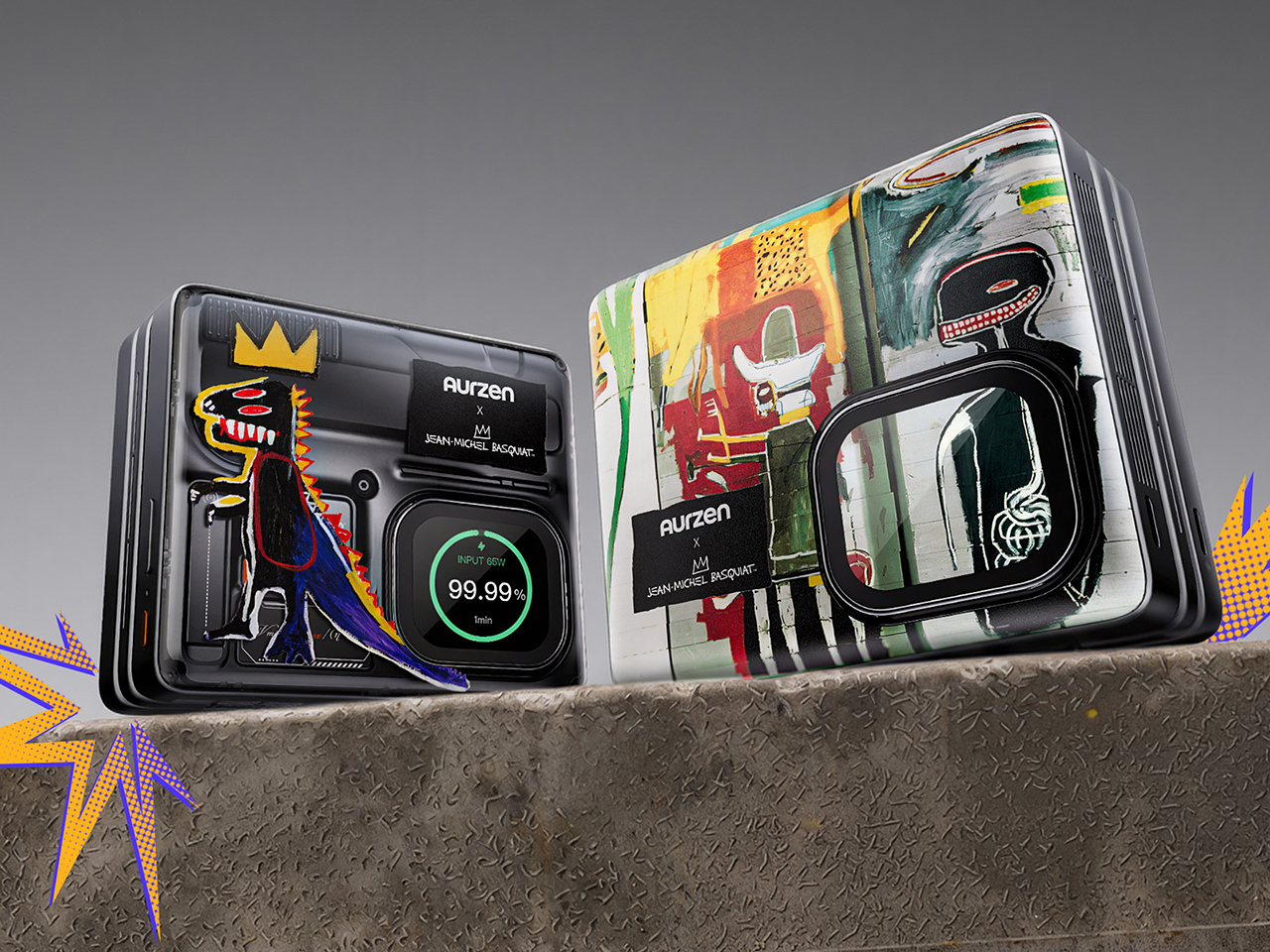
Of course, practical gifts can still have a personality. The Aurzen ZIP Pro x Jean-Michel Basquiat Special Edition Bundle keeps the same projection capabilities, battery, and folding structure as the standard version. Its distinction is the artwork and additional accessories, including two custom shells for one projector. Someone choosing the bundle is choosing a different visual identity.

Basquiat’s Pez Dispenser brings a crowned dinosaur into the mix, while the other design draws on Untitled (1985). Their restless lines and layered colors interrupt the projector’s orderly geometry, giving the familiar shape a different character. For someone whose shelves already hold art books and expressive objects, that connection might feel more personal than another gadget trying very hard to look invisible.

The artwork follows the projector into the rest of the bundle. A custom GoPlay carrying case and lens-cleaning cloth carry the theme, while the MagPlay Pro and Z-Stand mounting suite adds placement options. Everything comes together in a special-edition gift box. It’s a coordinated set with jobs to do after the wrapping comes off, from carrying the projector to caring for it.

The standard Aurzen ZIP Pro has its own appeal, especially for someone who enjoys technology looking like technology. Its dark finish, vents, and small orange accents give the folding body a deliberate technical character. The foldable mechanism provides plenty of visual interest on a desk. That makes it an appealing fit for someone who prefers their gadgets a little more understated.

Once a movie ends, the projector can fold away again without leaving a permanent screen or stand to accommodate. That suits a bedroom that doubles as a workspace, or a traveler who doesn’t want entertainment tied to one room. The artwork can stay part of someone’s surroundings, while the next movie night can start with a suitable surface and a little rearranging.

Click Here to Buy Aurzen ZIP Pro: $629.99 | Click Here to Buy ZIP Pro x Jean-Michel Basquiat Special Edition Bundle: $679.99.

The post Aurzen ZIP Pro Puts a Foldable Projector and Basquiat Art on Your Holiday Gift List first appeared on Yanko Design.

LEGO’s Biggest Ever “Godzilla” Build Hits The Shelves, Defeating Even The Sagrada Familia In Size

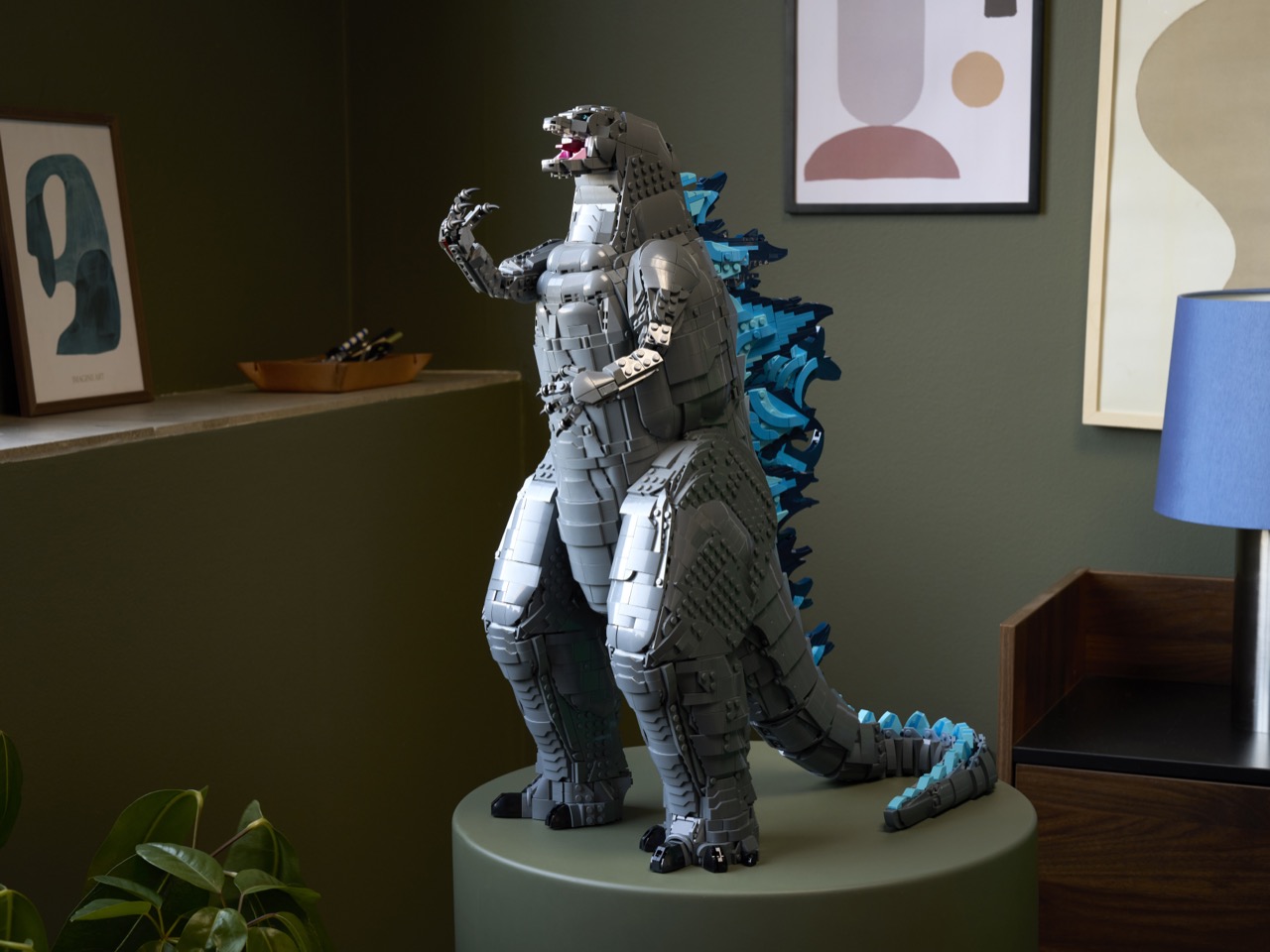
If you bought LEGO’s Sagrada Família 3 days ago and cleared a whole shelf for it, I have bad news. LEGO just revealed something taller. The LEGO Ideas Godzilla (21375) reaches 27.5 inches with his Heat Ray firing, edging out the 24.4-inch cathedral that currently holds LEGO’s all-time piece-count record. He’s built from 5,363 pieces, based on a fan design by Matthew Esposito, and LEGO says he’s the largest LEGO Ideas model ever launched. It’s the most on-brand thing Godzilla could possibly do: show up uninvited and tower over a beloved landmark.

Godzilla earns that height with about 44 percent of the cathedral’s piece count, which shows how big LEGO’s designers went on the silhouette. Esposito, known as MattE720 on LEGO Ideas, designed the original build around Legendary’s MonsterVerse Godzilla before LEGO’s team took over. The official version stands upright, throws his head back, and fires a blue atomic blast at the ceiling, which is exactly how he claims those extra inches. Without the Heat Ray he drops to about 21.5 inches, so the two sets can probably share a shelf peacefully. Esposito’s fan build hunched forward in a classic city-stomping crouch, so LEGO basically taught the King of the Monsters to stand up straight.

Designers: Matthew Esposito (MattE720) & LEGO Design Team

Two Years, 10,000 Votes, and One Very Large Lizard
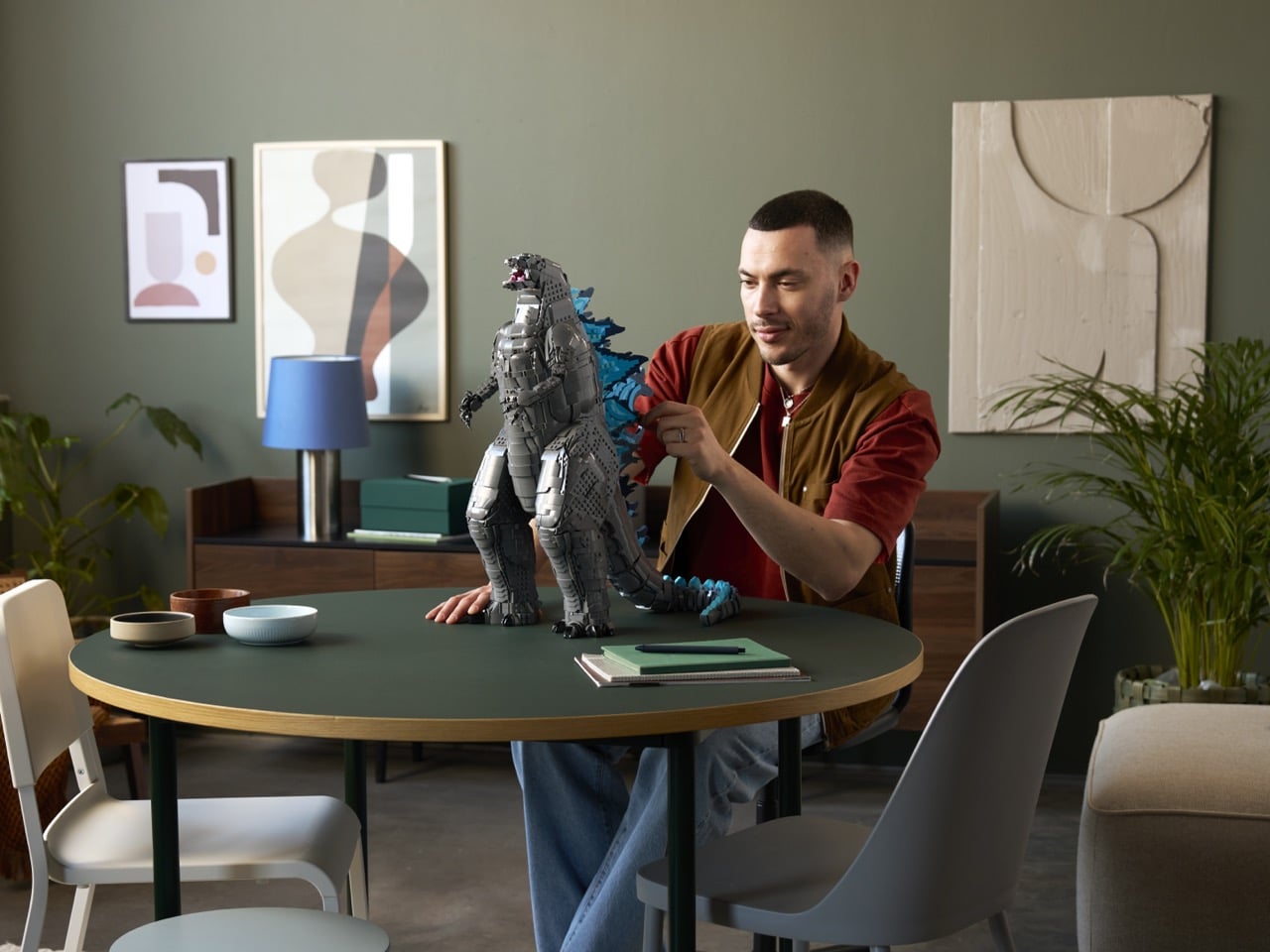
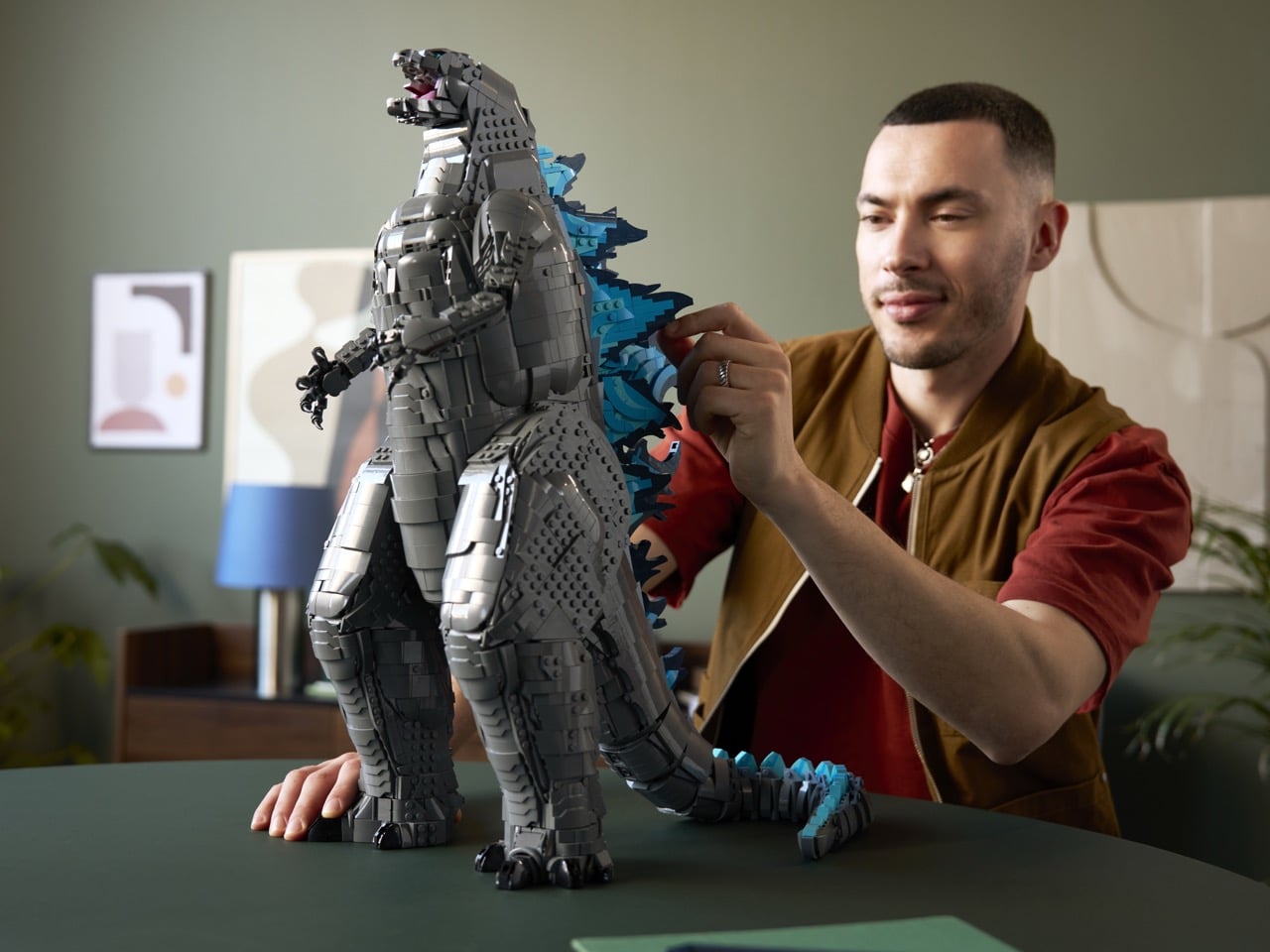
Esposito submitted his Godzilla to LEGO Ideas in late 2023, drawing on the beefy design from Godzilla: King of the Monsters and Godzilla vs. Kong. The project crossed 10,000 supporters in fall 2024, which sent it into LEGO’s review process, and the review board approved it on June 17, 2025. Most Ideas sets reach stores about a year after approval, while Godzilla took 17 months, which feels fair for the biggest model the program has produced. Esposito says the head was definitely the biggest challenge, and that watching the project hit 10,000 supporters after more than two years was incredible. Anyone who has tried sculpting a reptile skull out of rectangles will nod along.

Back in 2024, I took one look at Esposito’s original build and guessed it used around 500 pieces, a comically low estimate in hindsight. Esposito’s own count for the fan version later landed somewhere between 2,500 and 3,000 pieces, and LEGO’s final set roughly doubles that. LEGO model designers Jim Clayton and Markus Rollbühler refined the official model alongside creative design lead Jordan David Scott. The set is a fully licensed collaboration with Legendary Entertainment, while Toho holds the Godzilla trademark itself. Amber Sheppo, Legendary’s SVP of Consumer Products and Partnerships, credits Esposito’s original vision as the starting point for the whole project.

LEGO Gave Godzilla a Glow-Up
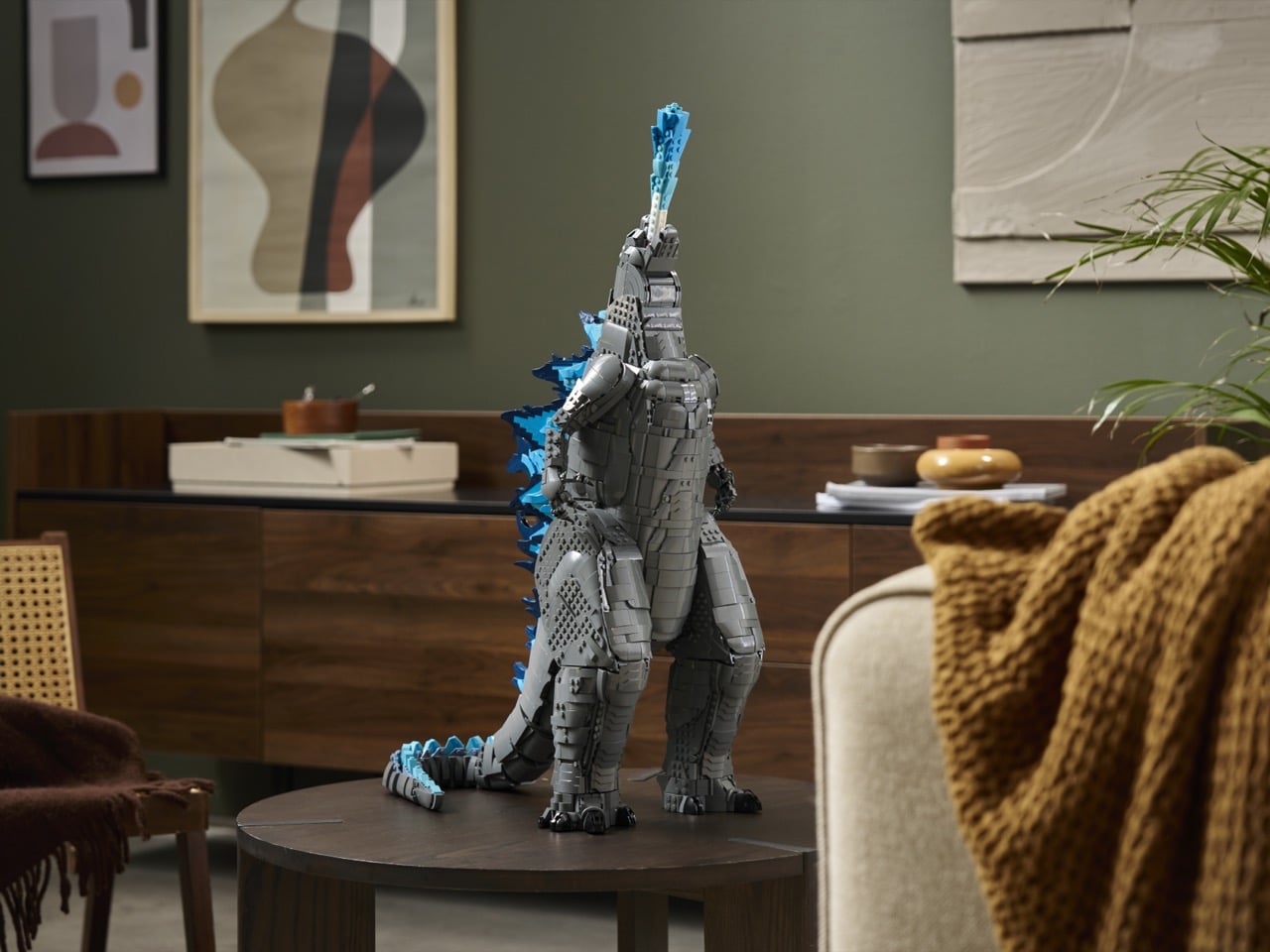
The fan build wore a dark gray body with black spines, which looked menacing up close but read as one big monochrome mass from across a room. LEGO’s version lightens the torso to a brighter gray and lights the dorsal fins up in vivid blue, as if the atomic breath is charging through his spine. The eyes switched to blue too, replacing the printed or stickered studs Esposito used. Proportions shifted as well, with the head and arms shrinking relative to that colossal torso and those tree-trunk legs. The result is more bottom-heavy and noticeably closer to how MonsterVerse Godzilla actually looks on screen.

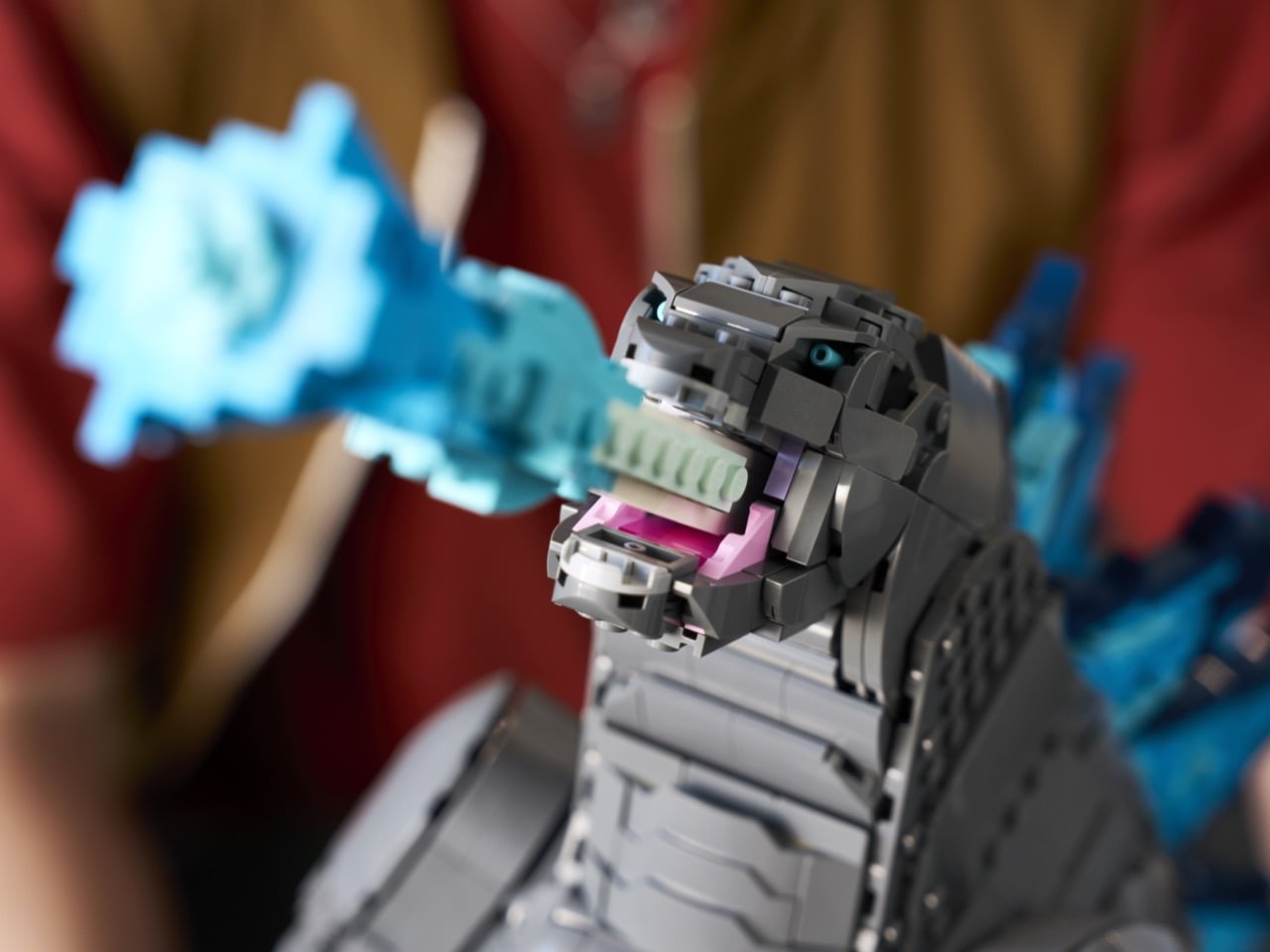
Textured bricks handle the scaly skin, jagged elements form the fins, and posable shoulders, elbows, wrists, and fingers let you set up whatever battle stance you like. The tail gets built curving to the left or right, so pick your side before you start. My favorite detail, though, is the Heat Ray, which swaps in where Godzilla’s tongue normally sits. That blue element recreates the iconic skyward roar from King of the Monsters, turns a standing figure into a full display scene, and hands him the 6 extra inches he needs to beat Gaudí. Three jobs for one swap is excellent value, even by LEGO standards.

Price, Release Date, and a Free Footprint
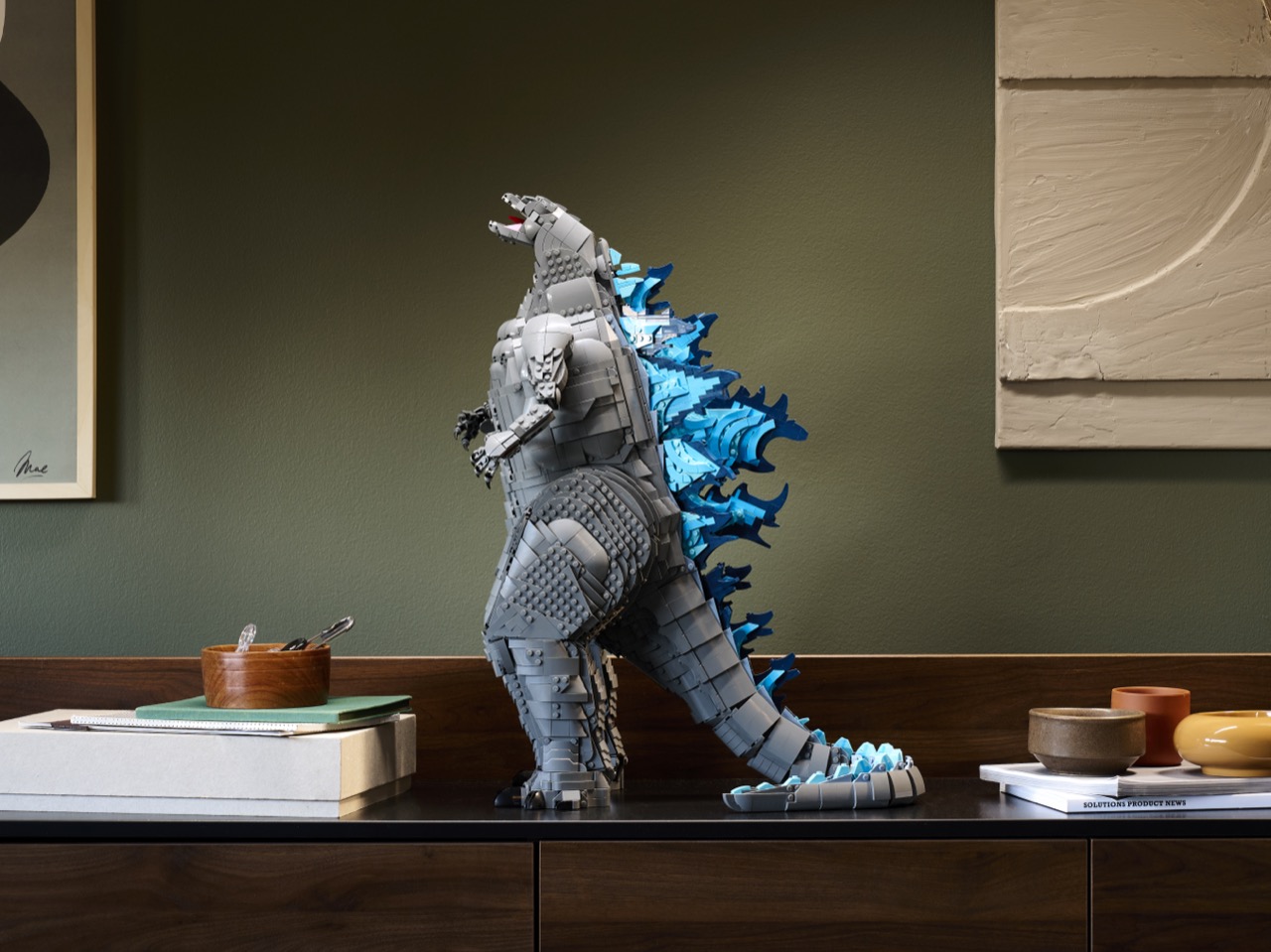
LEGO Ideas Godzilla (21375) launches November 27, 2026, at LEGO.com and LEGO Stores for $449.99 (£349.99 / €399.99), and it’s rated 18+. He measures 27.5 inches (70cm) tall with the Heat Ray, 10.5 inches (27cm) wide, and 15.5 inches (40cm) long, so measure your shelf twice. That makes him LEGO’s big licensed Black Friday release, following last year’s Star Trek U.S.S. Enterprise NCC-1701-D. The LEGO Builder app carries the instructions, with 3D zoom, rotation, and progress tracking for a build this size. LEGO Insiders in select markets can also enter a sweepstakes for a signed set and an early look at the Godzilla poster reward.

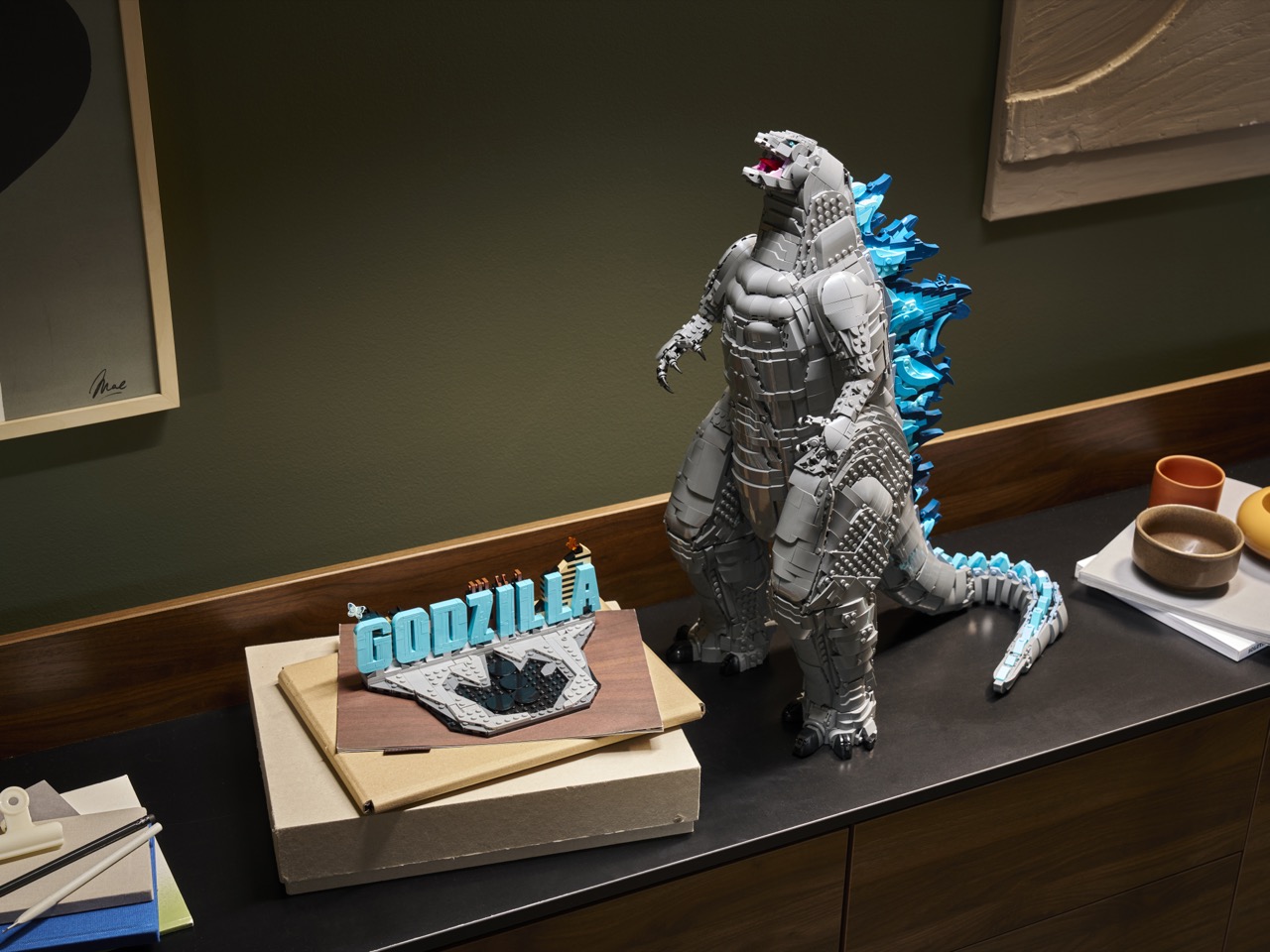
Shoppers who buy the set between November 27 and 30 also get the Godzilla Logo and Footprint set (40888) free, while supplies last. The 359-piece build puts the blue Godzilla logo against a city skyline, with Mothra perched on one of the buildings, alongside a brick-built footprint. That footprint matches the size of the big set’s feet, so you can line them up and pretend he just stepped through your living room. At $449.99, Godzilla also costs $350 less than the cathedral he just out-towered, which might be the most persuasive argument a Black Friday deal has ever made. Gaudí, I’m sorry.

The post LEGO’s Biggest Ever “Godzilla” Build Hits The Shelves, Defeating Even The Sagrada Familia In Size first appeared on Yanko Design.
This Minimalist House in Japan Turns the Walk to the Shower Into a Landscape Moment

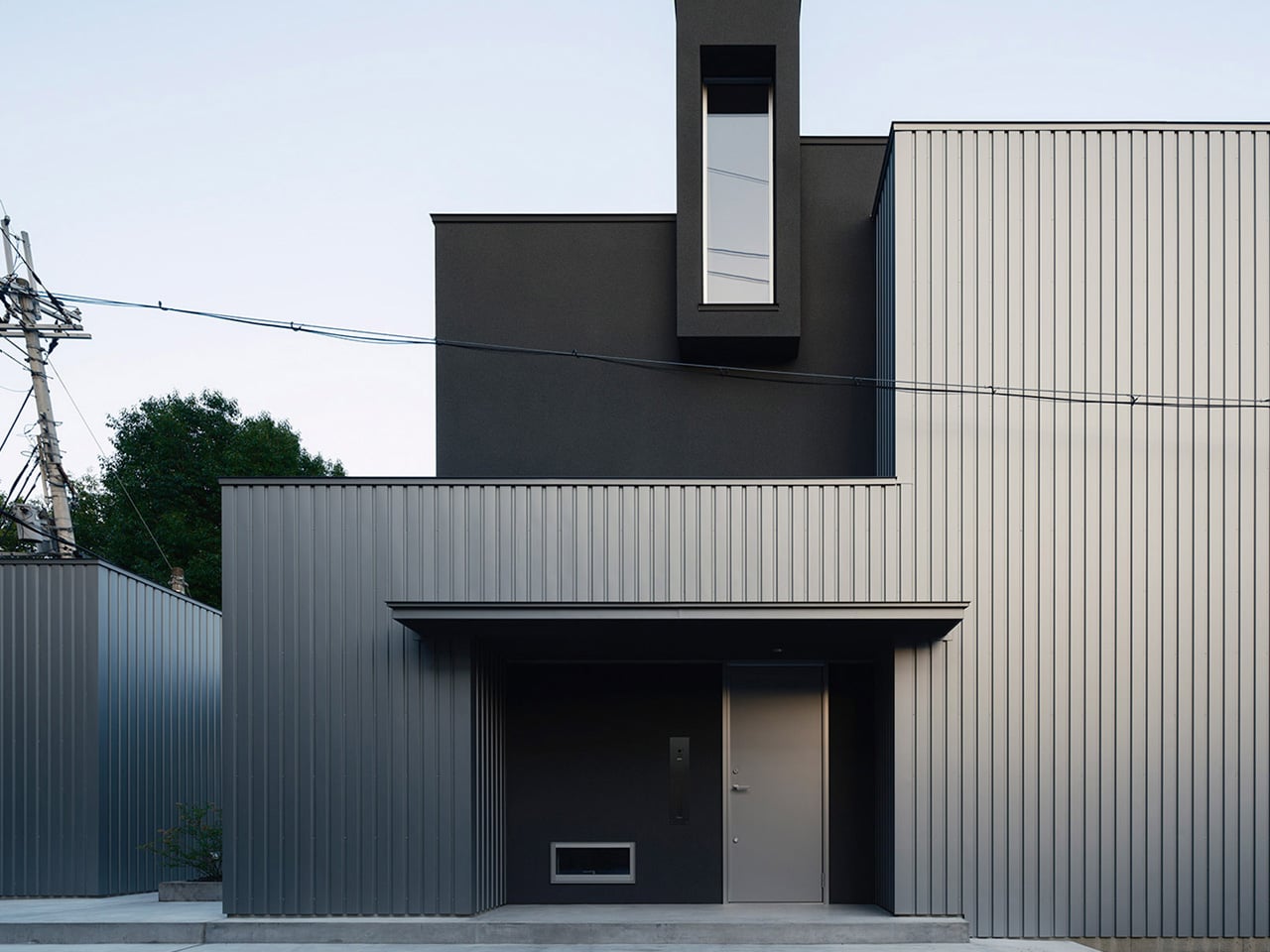
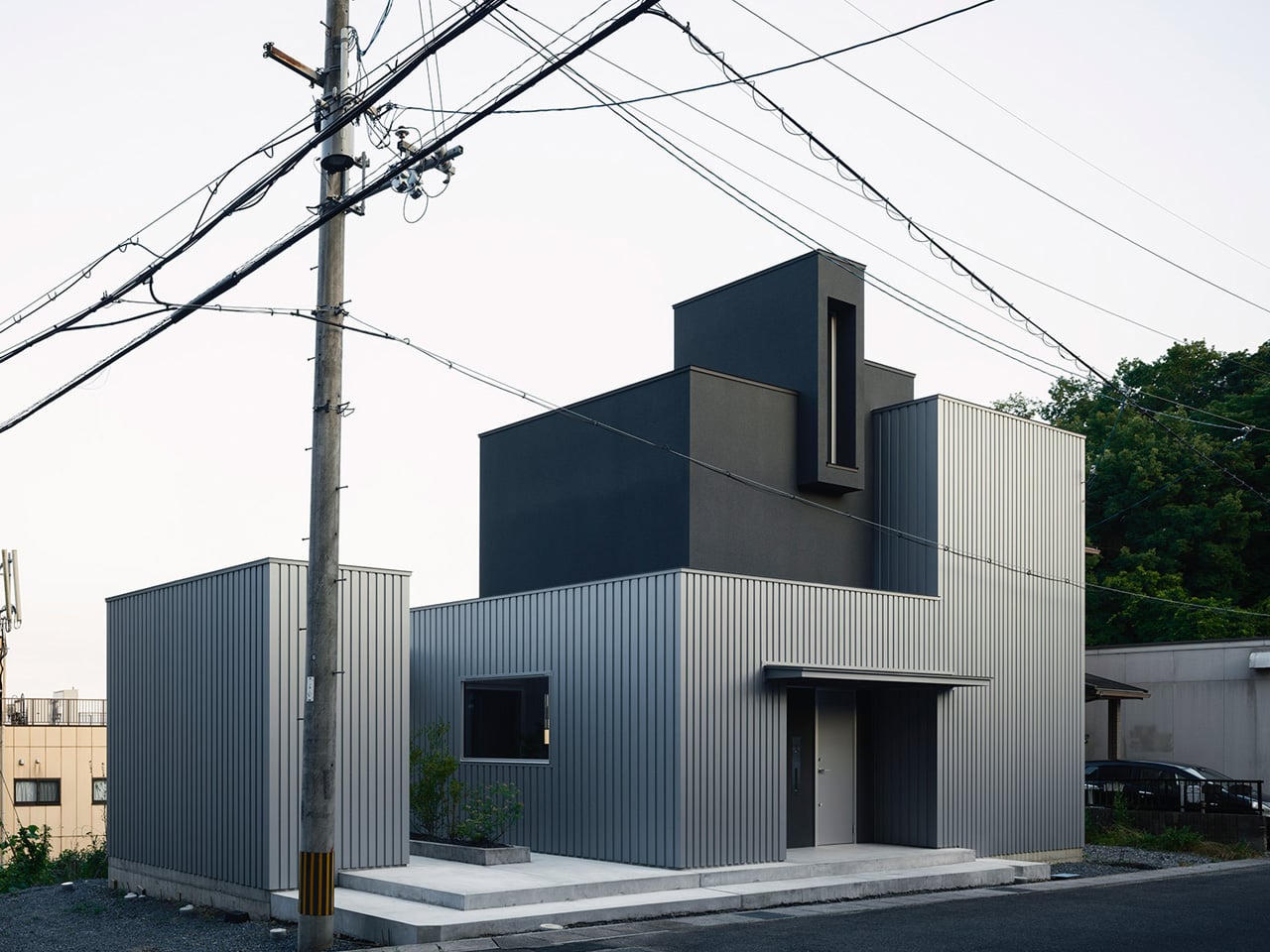
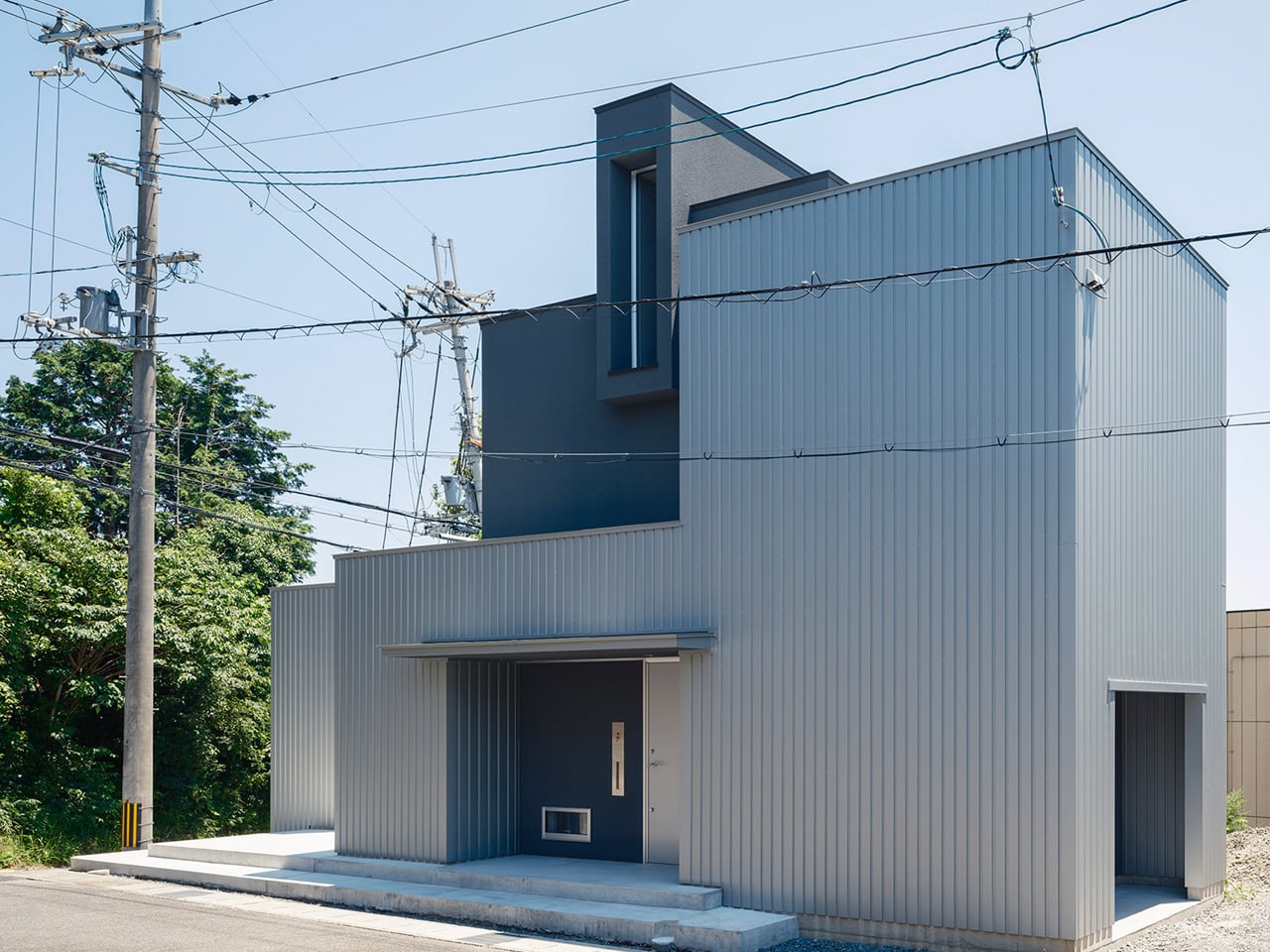
At Minimalist House in Japan, the route to the shower passes through a glass corridor between two buildings. That short journey captures the thinking behind FORM/Kouichi Kimura Architects’ residence for one person. Completed in 2026 on a hillside in Shiga Prefecture, the house gives everyday routines a relationship with the surrounding landscape. Its most interesting feature is the space left between its rooms.

The building consists of a two-story main volume and a single-story annex containing the washroom and shower room. A glazed passage connects them, while the gap preserves a sightline from the road through the property toward the lake. Separating the washing facilities makes circulation part of the architectural experience, giving a routine journey a distinct setting within the home’s otherwise compact arrangement.

Designer: FORM/Kouichi Kimura Architects

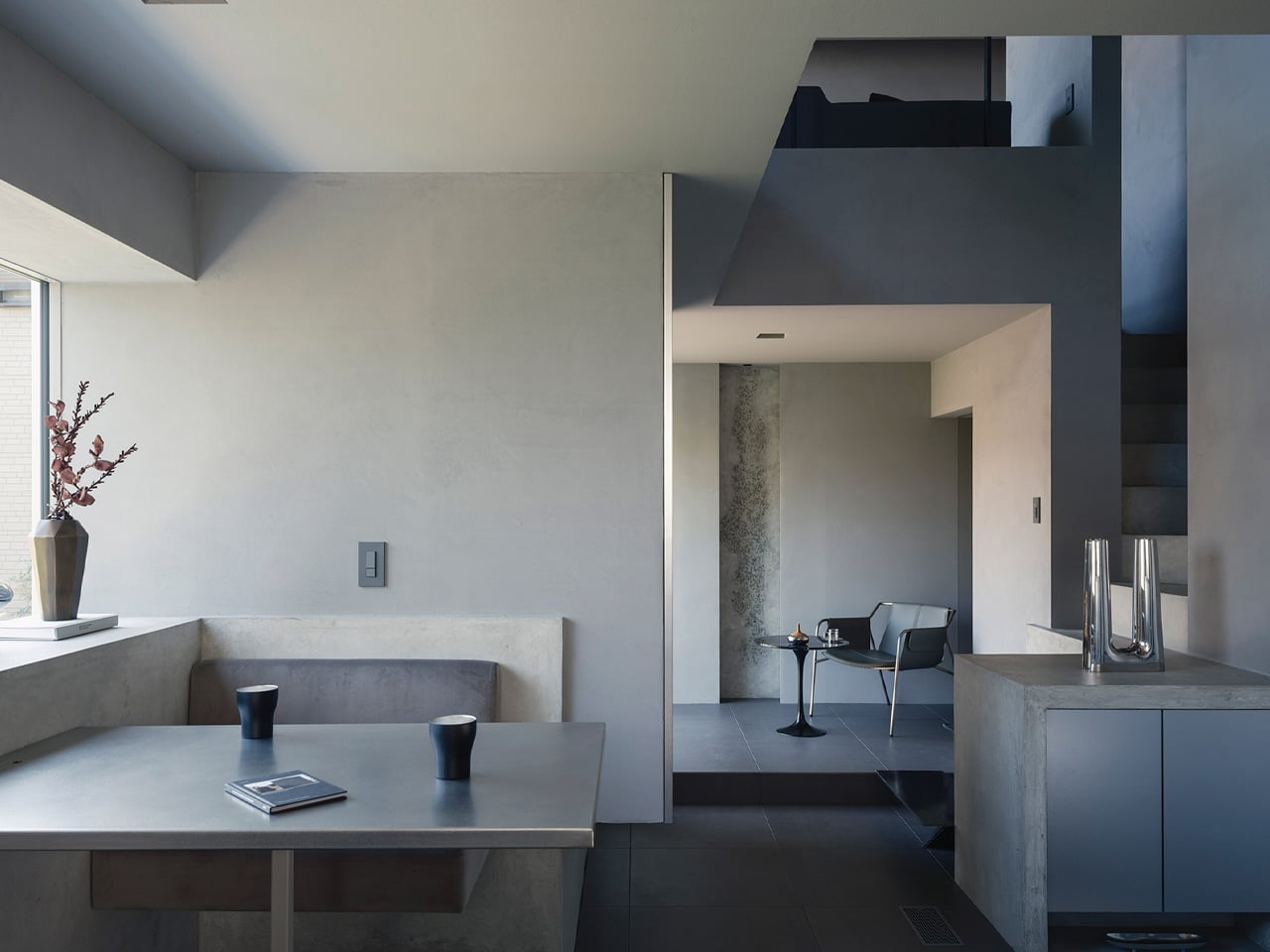
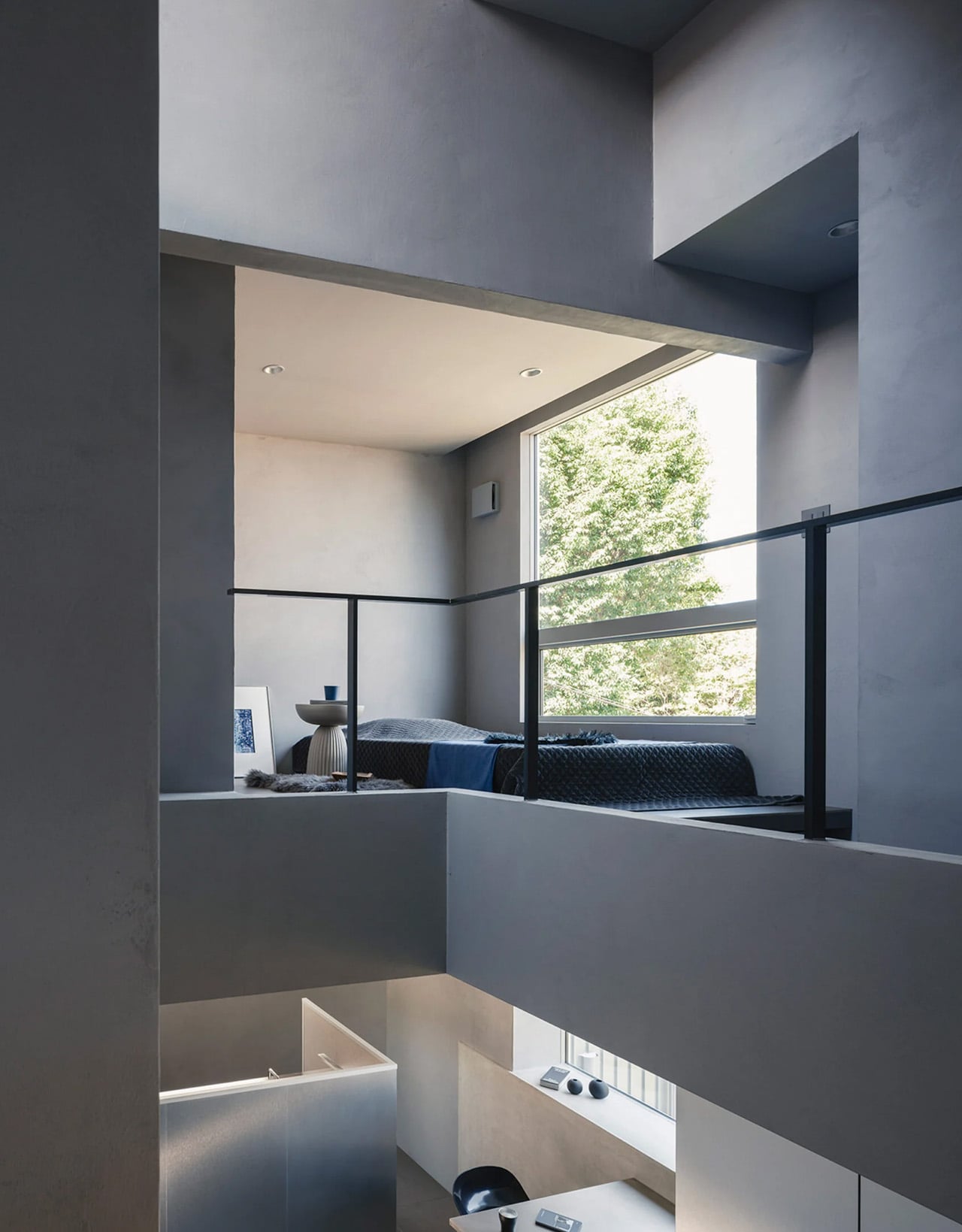
Inside the main building, the kitchen and dining areas occupy the ground floor, with living and sleeping spaces upstairs. Both levels have open layouts, connected by a double-height space. Changes in floor and ceiling height distinguish different activities without enclosing each one behind a wall. The arrangement gives the interior several spatial conditions while keeping visual connections between its upper and lower levels.

The windows are equally deliberate. Rather than exposing the entire landscape through one sweeping opening, the architects frame selected views from different positions. Their stated intention is to sharpen awareness of what lies outside by limiting what each opening reveals. As a design strategy, this gives individual places within the house their own outlook, rather than treating the lake as a single backdrop.

Upstairs, the living area also accommodates listening to music. The project description presents the tall interior as a volume through which sound can spread, reflecting from walls and ceilings. That describes the architects’ intention, rather than independently tested acoustic performance. A high vertical window introduces another changing element: daylight casts shadows across the walls and floor, making time visible within the pared-back interior throughout the day.

These decisions follow the studio’s starting point: design around an individual’s way of living, rather than shrink a conventional family house. The separated volumes, open floors, and framed outlooks support that approach. The house’s compactness leaves room for variation in height, direction, and distance, making it an important part of the plan rather than simply a connection between destinations within it.

There is a useful specificity to that choice. Open living and sleeping areas make sense within a brief for one occupant, where separating simultaneous household activities is less pressing. The design uses partitions selectively, reserving a separate building for washing while allowing daily living to remain connected. Its minimalism comes from deciding where separation matters and where a wall would offer little value.

The post This Minimalist House in Japan Turns the Walk to the Shower Into a Landscape Moment first appeared on Yanko Design.
This AirPods Open concept puts Apple’s famous stem behind your ear

Apple has a long habit of showing up late to the party and somehow leaving with everyone’s attention. It wasn’t first to MP3 players, smartwatches, or wireless earbuds, and it did fine with all three. Open earbuds might be the next party it’s running late for. Nothing, Bose, Huawei, Anker, and a pile of Chinese brands like Sanag and Baseus have been selling ear hooks and ear clips for a while now, and Shokz just more than doubled its shipments year over year. Designer Anurag Sarda has a theory on what Apple’s entrance could look like, and he calls it AirPods Open.

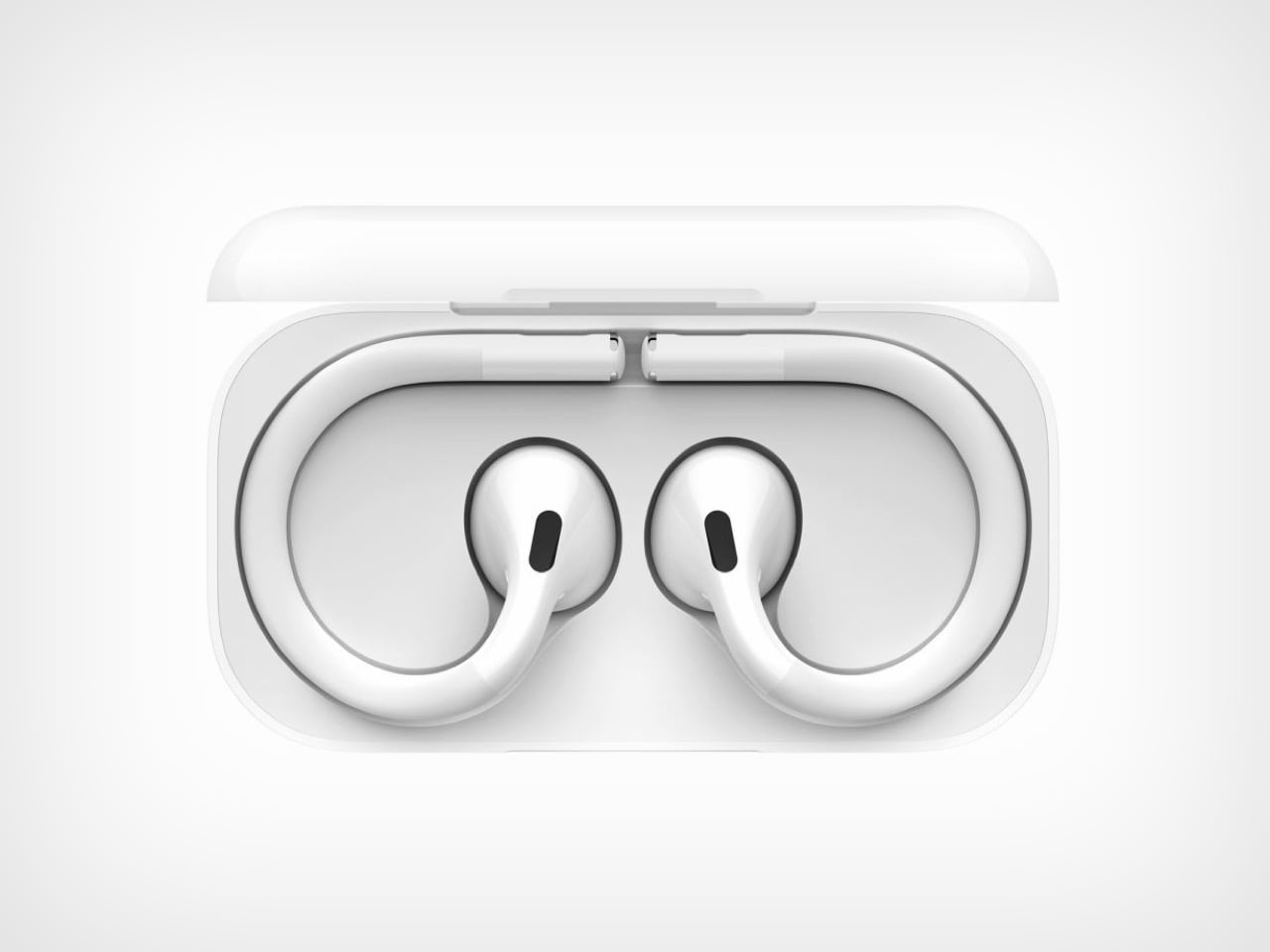
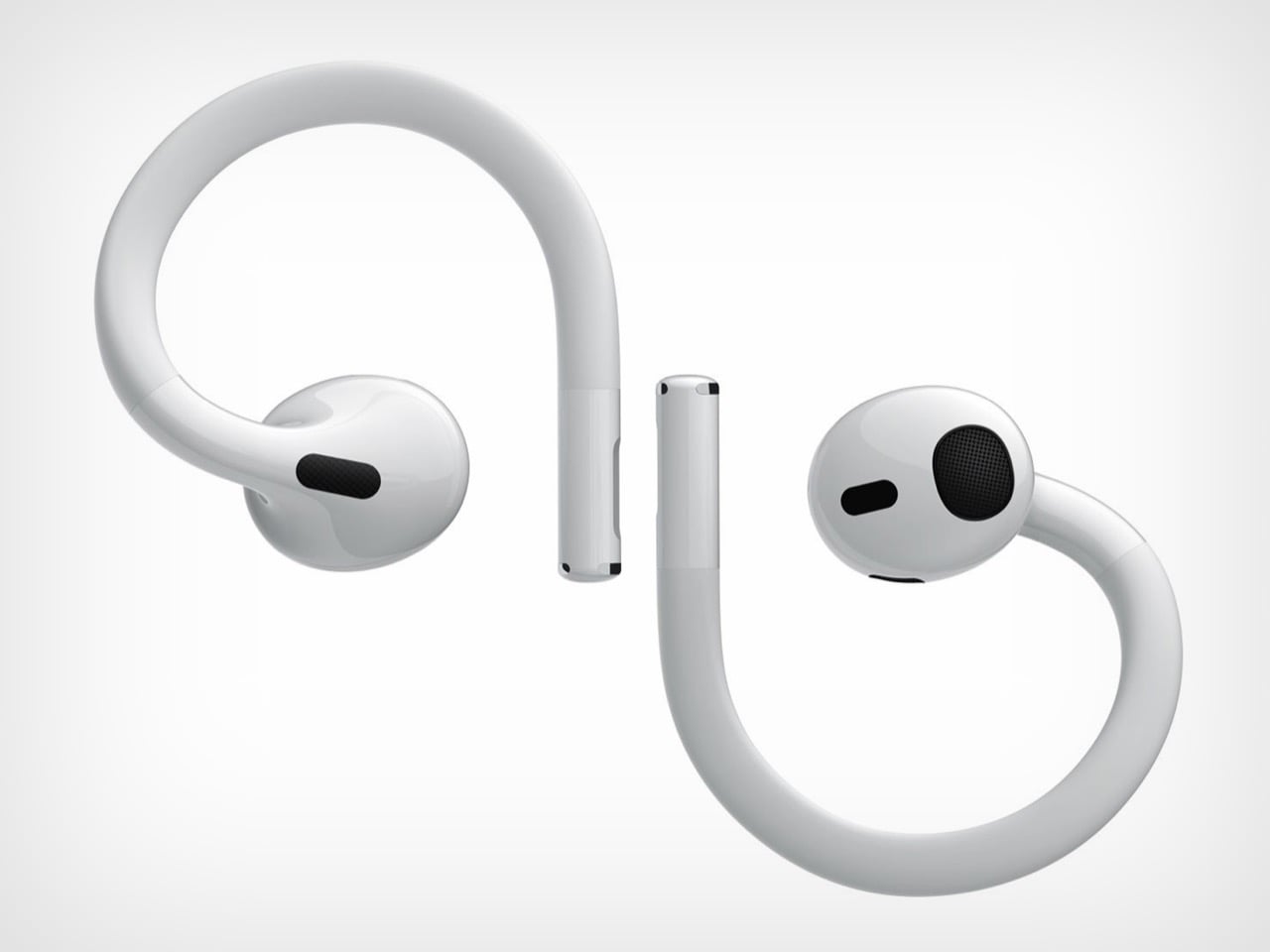
Sarda, an industrial designer based in Helsinki, takes the AirPods 4 bud and gives it a glossy white hook that loops over the ear. Apple’s signature stem survives, relocated to the end of the hook where it dangles behind your earlobe like a tiny tail. The bud sits angled just above the ear canal, so your music gets in without shutting the world out. Funnily enough, Apple already calls its tipless AirPods “open-ear,” and the new AirPods 5 even claim the industry’s best ANC in that design. Sarda’s concept takes the word literally, and frankly, that’s the version I’d want on my ears.

Designer: Anurag Sarda

Apple’s Most Famous Stem Gets a New Spot Behind Your Ear

The bud comes straight from AirPods 4, right down to the black mesh grille and the little pill-shaped vent beside it. From there, a soft hook arcs over the top of your ear and drops down behind it, ending in a section that looks exactly like a classic AirPods stem. A visible seam separates that stem from the hook, so it reads as its own module rather than a tacked-on detail. Pinch one between two fingers and it forms a near-perfect question mark, which feels on the nose for a product asking why Apple hasn’t made it yet. It already looks ready for an Apple Store display table.

Hook earbuds usually hide a battery pod behind the ear to counterbalance the driver up front, and Sarda’s relocated stem sits in exactly that spot. Nothing even markets its Ear (open) around a “three-point balance system” for the same reason. The difference is that Apple’s pod would already be famous. Everyone from your aunt to your barista can spot an AirPods stem across a room, and since those stems already pack microphones and battery cells, the engineering logic carries over neatly. The case follows suit, nesting both hooks in mirrored loops around the buds with the stems meeting at the hinge like two commas holding hands.

The Open-Ear Crowd Apple Would Be Walking Into

Nothing Ear (open) is the closest cousin, a $149 hook design with 0.29-ounce (8.1-gram) buds and a nickel-titanium wire inside the hook that lets it flex and spring back. Sarda knows that brand’s playbook well, having already designed the Nothing Gamepad (1), a controller concept built around glyph LEDs. Bose went the clip route instead, and its Ultra Open Earbuds (2nd Gen) arrived this fall at $299. Huawei covers both camps with the hook-style FreeArc and the clip-style FreeClip 2, which sells for £179 (roughly $240) in the UK and isn’t officially sold in the US. Clips read more like jewelry while hooks feel more locked in, and Sarda clearly picked a side.

Apple already owns half of this idea through Beats, whose $249.99 Powerbeats Pro 2 use a nickel-titanium hook tested for more than 1,500 hours with nearly 1,000 athletes. The catch is that Powerbeats seal your ear canal with silicone tips, which makes them gym gear more than all-day wear. Meanwhile the AirPods 5, announced in September, keep the tipless fit and add ANC, so Apple already knows how to make an open bud sound good and block out the bus. Sarda’s concept essentially staples those two products together. Take the Powerbeats hook, drop the tips, bolt on an AirPods bud, and you’ve got something Apple’s supply chain could probably prototype by lunch.

Ternus’s Apple Is Suddenly Ready to Try New Things

John Ternus took over as Apple CEO on September 1, and the company has been on a launch tear ever since. In his first two months, Apple unveiled its first foldable phone, the iPhone Duo, plus a touchscreen MacBook Pro and its first smart home hub, the $299 HomeView. It also co-designed the Apple Home Collection with LG and Schneider Electric, a lineup of cameras, locks, thermostats, and a video doorbell. Apple building smart locks with LG would have sounded like fan fiction two years ago. Ternus is a mechanical engineer who spent 25 years in Apple hardware, and the company suddenly seems far more willing to try new shapes.

That appetite is exactly what makes AirPods Open feel plausible instead of wishful. Open earbuds are where the growth is, and Omdia expects the category to reach 90.5 million units a year by 2030. Apple has the hook from Beats, the bud from AirPods 5, and a CEO who apparently enjoys a new product category. Sarda’s renders even come with campaign-ready taglines like “Always on, never in,” which honestly reads better than half of Apple’s real ones. If Apple does show up late to this party again, I’d bet good money it walks in wearing something very close to this.

The post This AirPods Open concept puts Apple’s famous stem behind your ear first appeared on Yanko Design.