Google Gemini lets you build small apps, turn emails into tasks and work with files by describing what you need. Google Gemini is an AI chat app with a choice of models, thinking levels and custom instructions called skills, as well as a task mode that can work across Google services. Your AI Workflow found […]
Apple has not announced an iPhone 20 or confirmed whether it will skip the iPhone 19 name, yet supply-chain leaks point to a major 20th-anniversary flagship expected in September 2027. Internally linked to codenames like “Glasswing” and Pro/Pro Max development lines (V73 and V74), current rumors focus on quad-curved glass, COE OLED displays, and silicon-anode […]
The new NVIDIA RTX Spark N1X can run Fallout 4 at 4K, but Elden Ring falls short of 60 fps at 1440p even on medium settings. This 140W desktop chip is aimed at AI work, yet its ARM CPU and Blackwell graphics also let you play games on a compact Windows workstation. Shared memory and […]
Samsung’s One UI 9.5 marks a significant step forward in enhancing the user experience, prioritizing privacy and introducing practical features. Designed to adapt to the evolving needs of its users, this update brings a host of improvements that cater to diverse preferences, whether you value security, productivity, or personalization. With thoughtful upgrades and innovative tools, […]
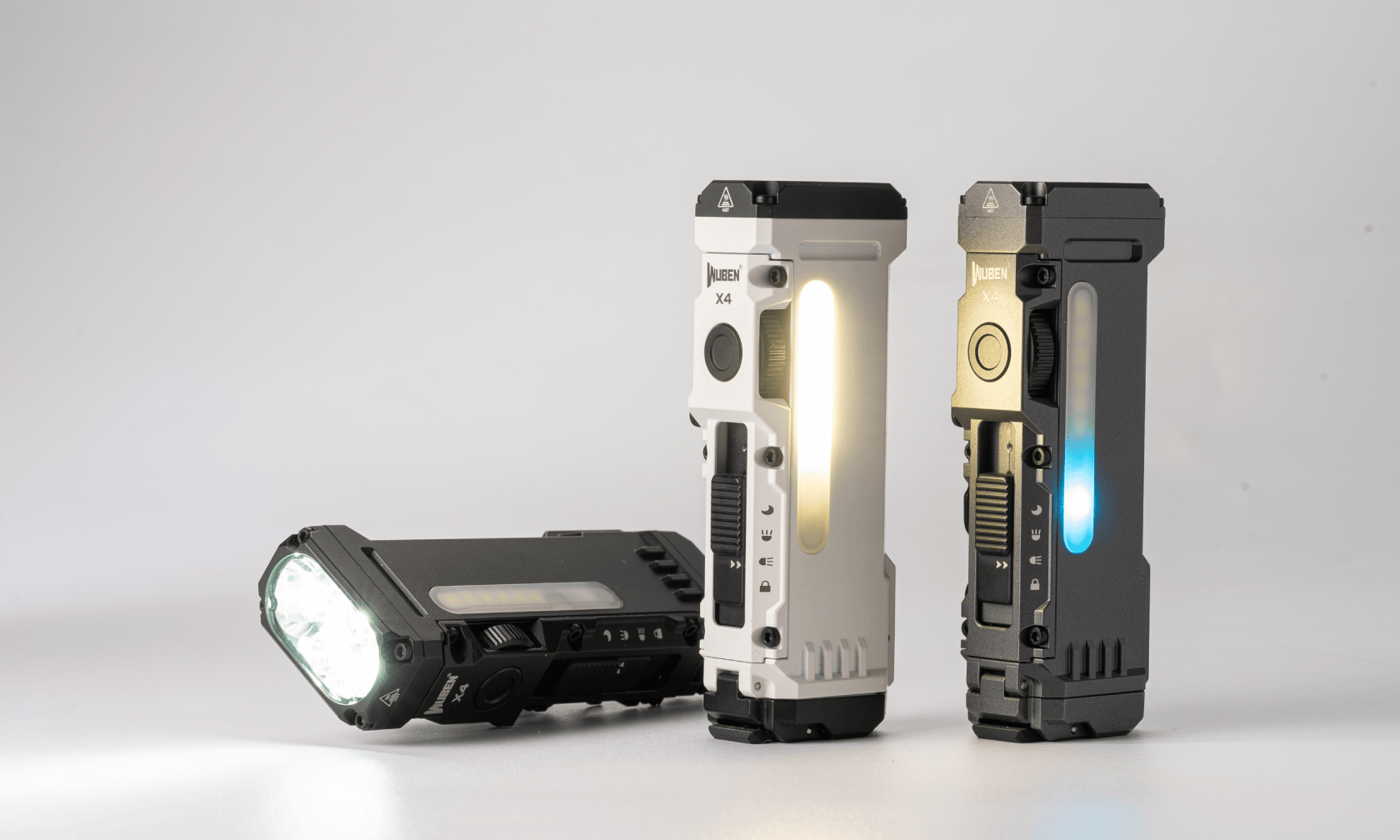
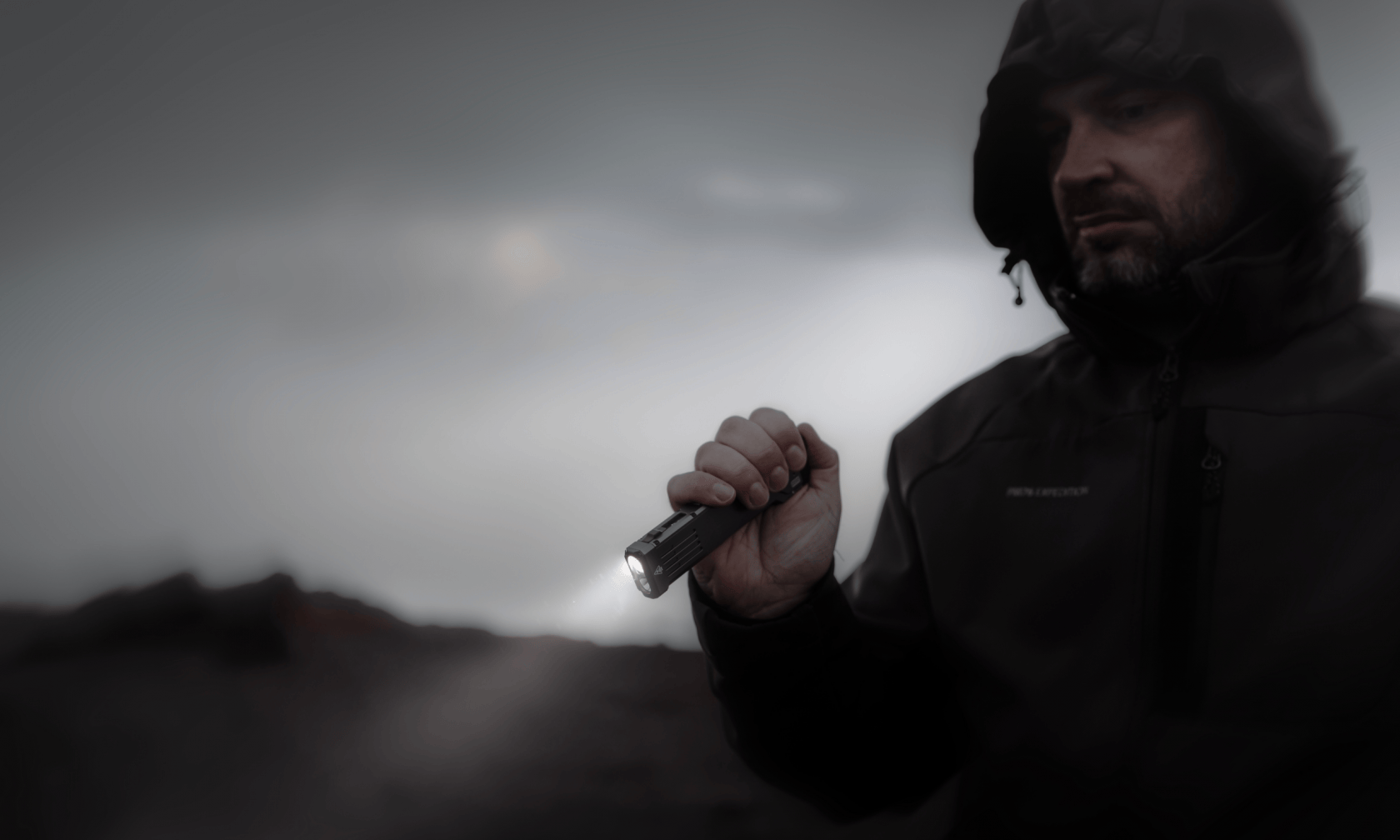
Holding your phone under a cabinet gets awkward pretty quickly when you also need both hands to fix something. Dedicated flashlights offer more freedom, especially when their designs account for where the light needs to go. Wuben approaches that problem from three directions with the X4, X5, and X1 Pro, combining adaptable lighting, multiple tools, and higher output in distinctly shaped bodies that serve different routines.
Black Friday brings its own challenge, namely finding gifts that won’t lose their appeal once the wrapping comes off. Wuben’s seasonal promotion puts these three designs in that conversation, with something for the home tinkerer as well as the person who’d happily stay outdoors after sunset. Their appeal starts with familiar needs, but the details give each one a personality beyond the standard cylindrical flashlight.
Designer: Wuben
Wuben X4 Multi-Function 1500 Lumen EDC Flashlight
The Wuben X4 makes a convincing gift because its usefulness doesn’t require much explanation. Its short, rectangular body houses a main beam rated at up to 1,500 lumens, alongside a separate white side light for closer tasks. That gives the same device a role on the walk back to camp and beside an open book afterward, without having to prop a phone against whatever’s handy.
There’s plenty of flexibility in how you position it, too. A magnetic base attaches to suitable metal surfaces, while the standing design and pocket clip offer other ways to leave your hands free. A rotary wheel adjusts brightness, and colored side lighting adds a playful touch around camp. USB-C charging and a replaceable 3,400mAh battery round out a design whose value comes from finding more reasons to use it.
Wuben X5 3-in-1 1300 Lumens Compact EDC Flashlight
The Wuben X5 takes a different approach to carrying less gear. It combines white light, ultraviolet (UV) light, and a green laser pointer in one narrow body, each with a distinct job. The white beam handles ordinary illumination, while UV helps examine fluorescent markings. The laser lets you indicate a detail during a presentation, bringing three functions together without asking you to carry three separate devices in your bag.
Its CNC-machined aluminum housing has a flat profile that resists rolling away on a work surface, a small detail that makes sense for an inspection tool. A rotary selector handles mode changes, and a dedicated button gives the laser its own control. The rechargeable battery module also has an alternative: AAA backup power, useful when a weekend away stretches beyond your next convenient chance to plug in.
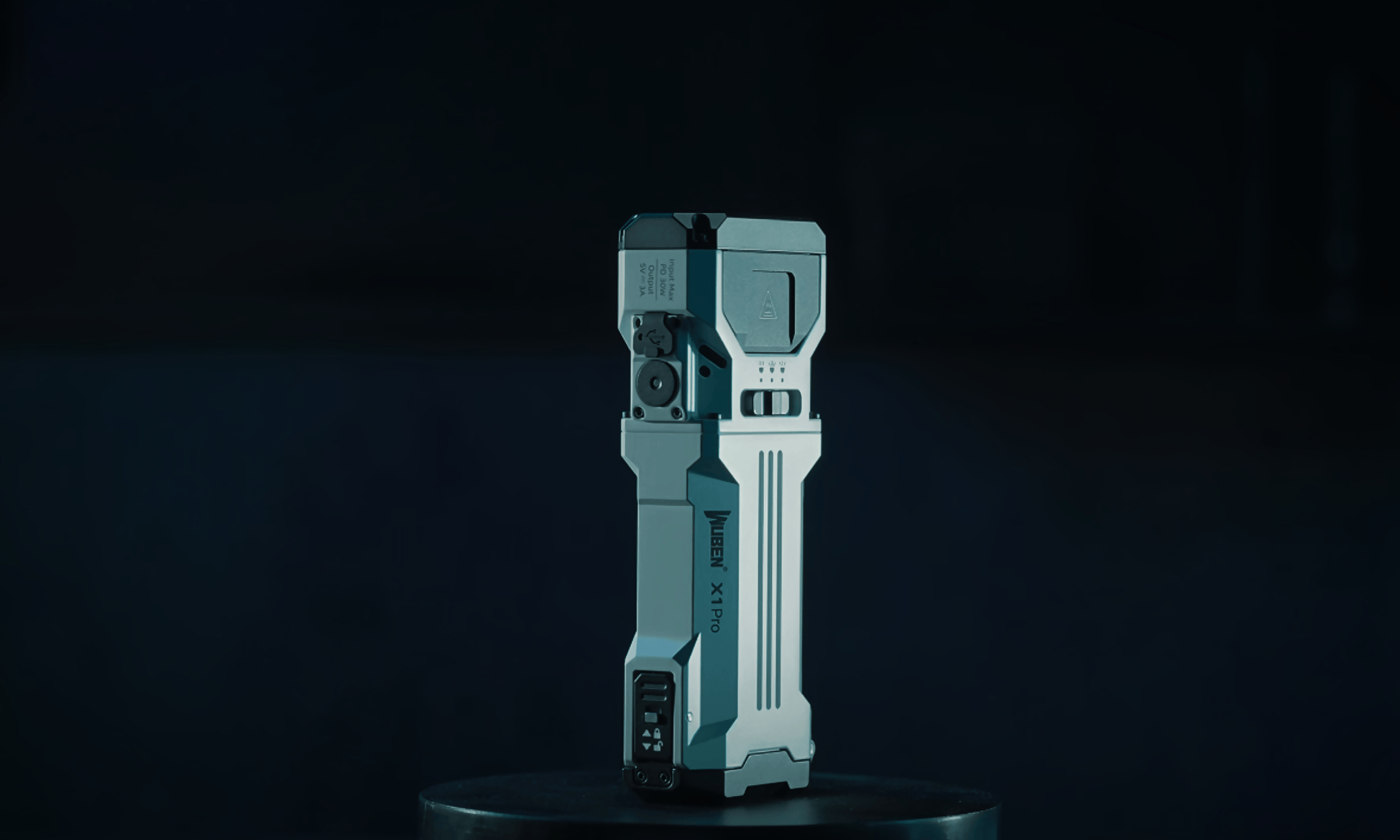
The Wuben X1 Pro heads farther outdoors, where lighting your immediate surroundings and looking down a dark trail call for different beams. Its separate spot and flood optics let you select either pattern or combine them. The combined peak output is rated at 12,300 lumens, but the more interesting design choice is that flexibility: broad coverage while organizing camp, then a focused beam when your attention moves farther away.
Battery access and charging are part of its performance-focused design, too. An accessible compartment holds two replaceable batteries, while USB-C charging supports up to 30W input. A built-in fan helps manage heat, with vents integrated into the angular housing to move air through the body. There’s also 15W power-bank output, giving the flashlight another job when your phone needs a charge during an evening away from an outlet.
With Black Friday turning attention toward gifts, these designs offer a useful way to think beyond another gadget for the drawer. A light that can stay put while you work, combine inspection tools, or switch between near and distant illumination has a clearer place in someone’s routine. Long after the seasonal promotion, there’s still the shelf to repair, the book to finish, and the campsite to pack up.
There are times when I really would want to try going to a gym but all those exercise equipment can be pretty intimidating. It also seems like the people there know how to use it and what they’re doing and there isn’t room for people like me who may make fools of themselves when trying them out. So when I saw this playground that seemingly has exercise equipment that look inviting, I wish there was something like that in my city.
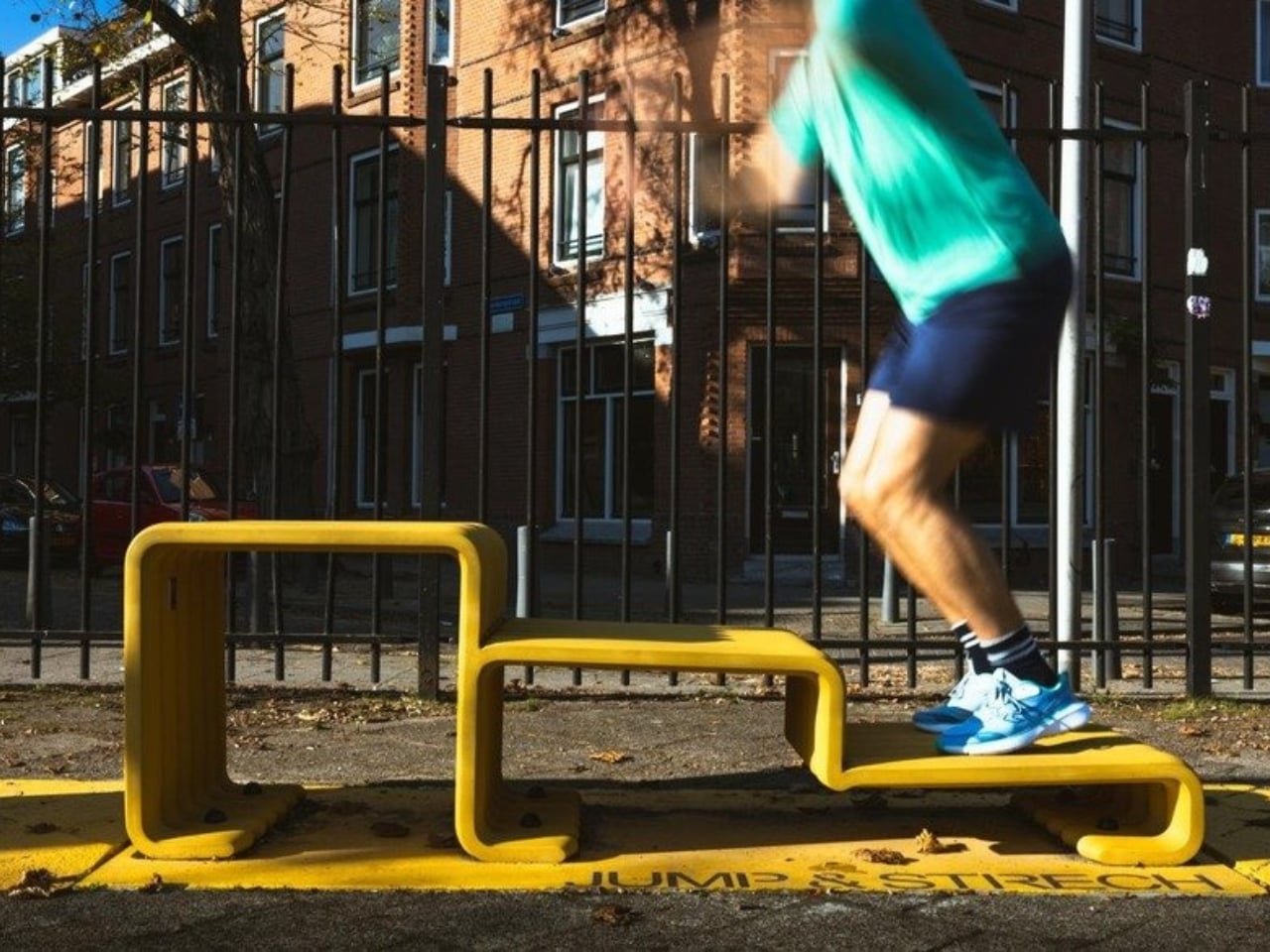
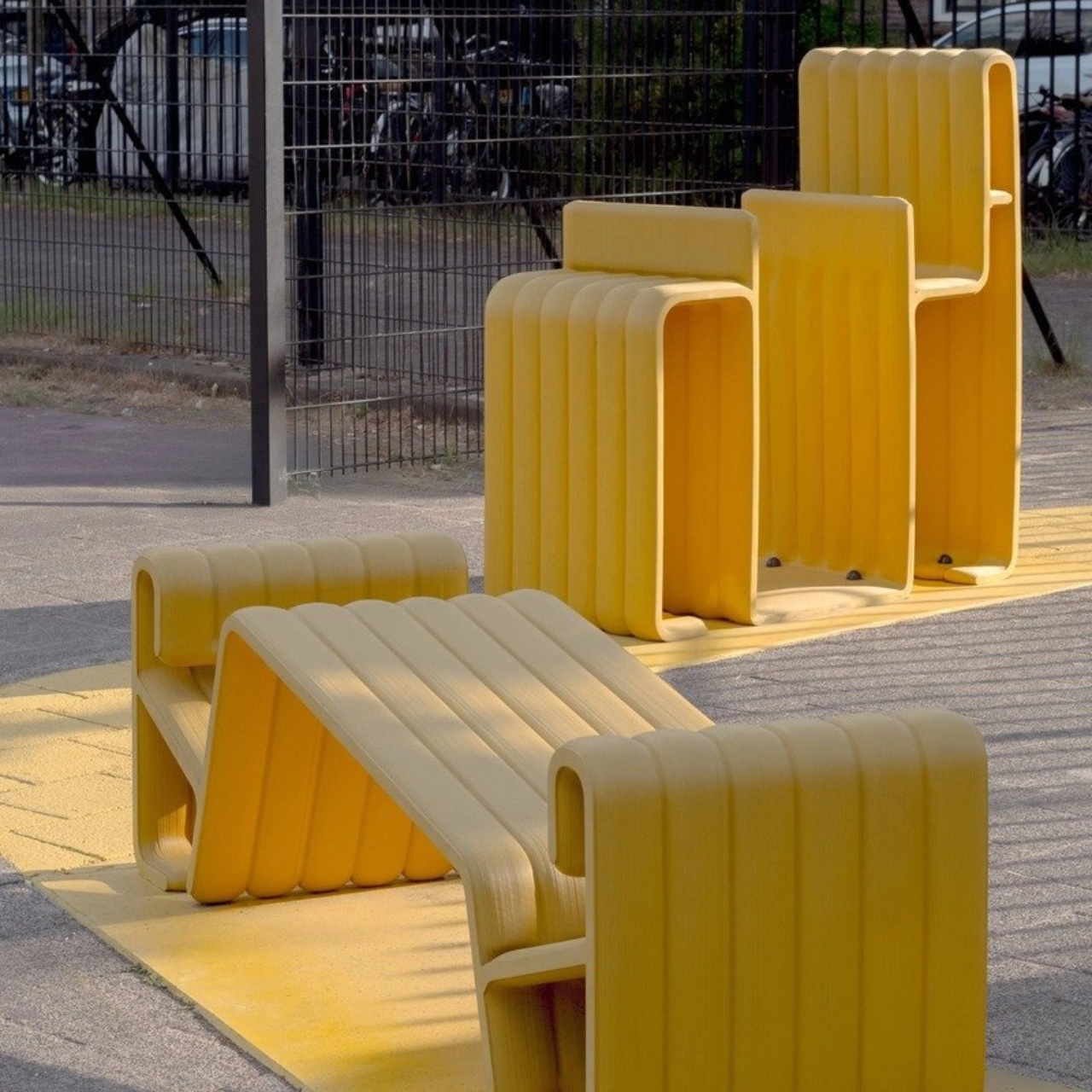
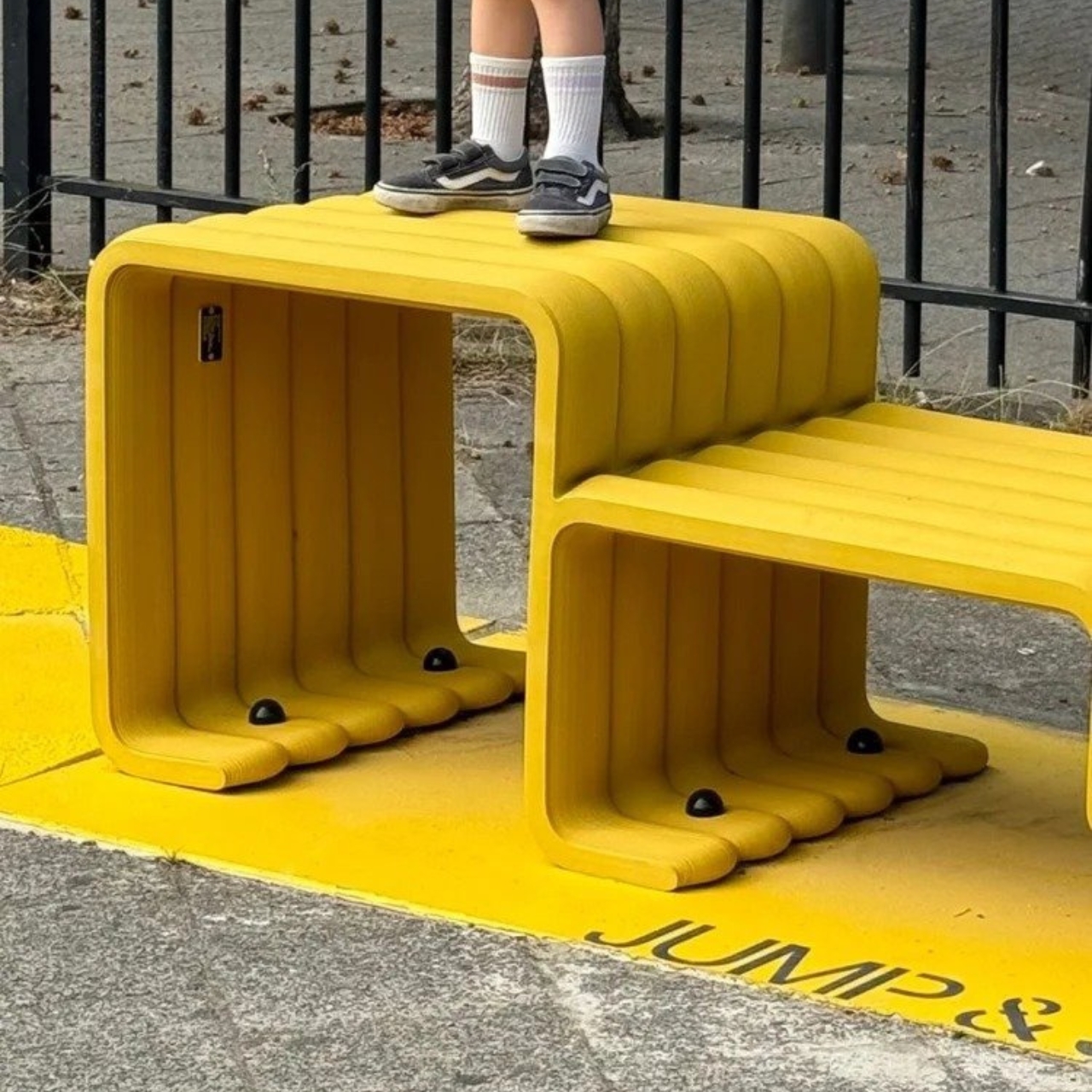
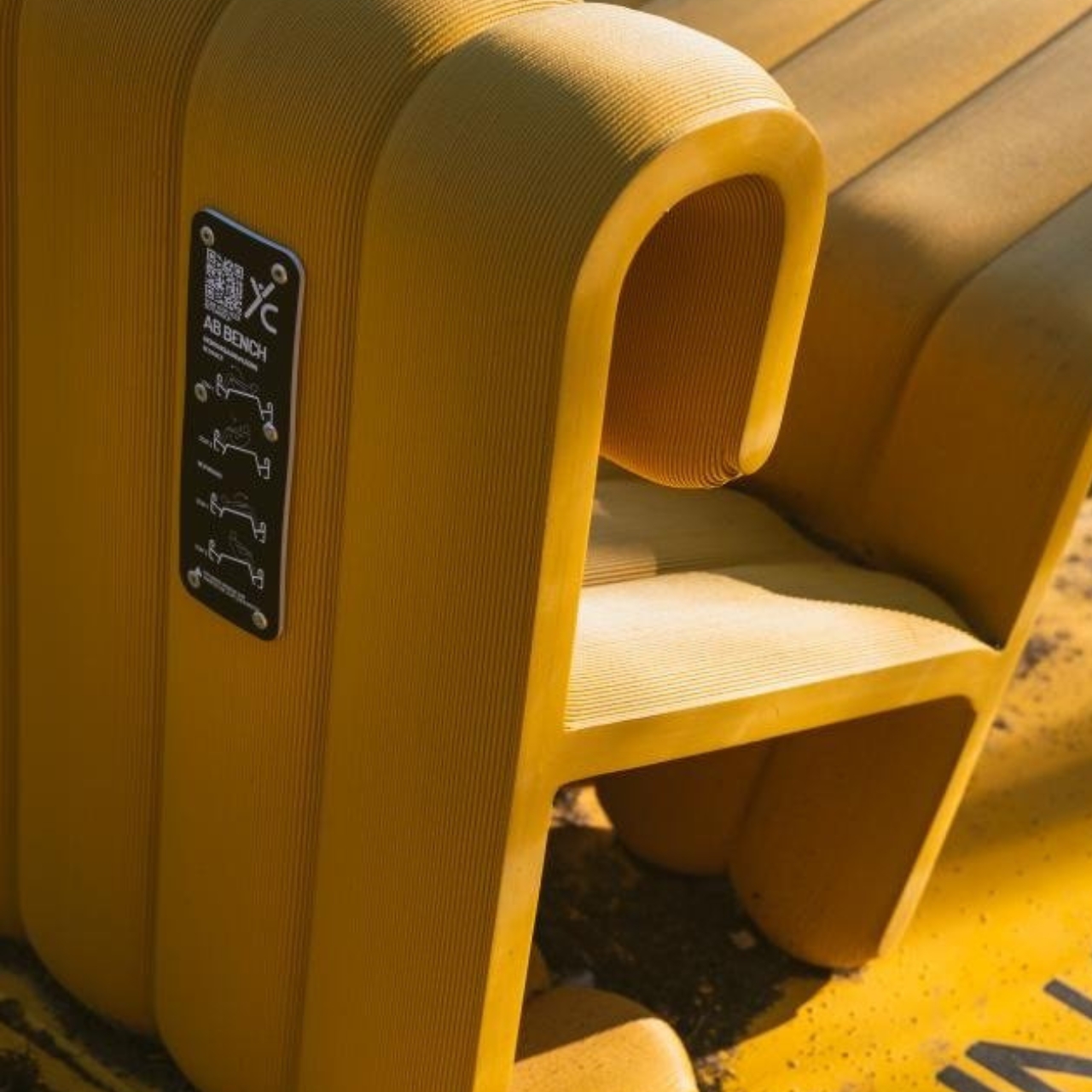
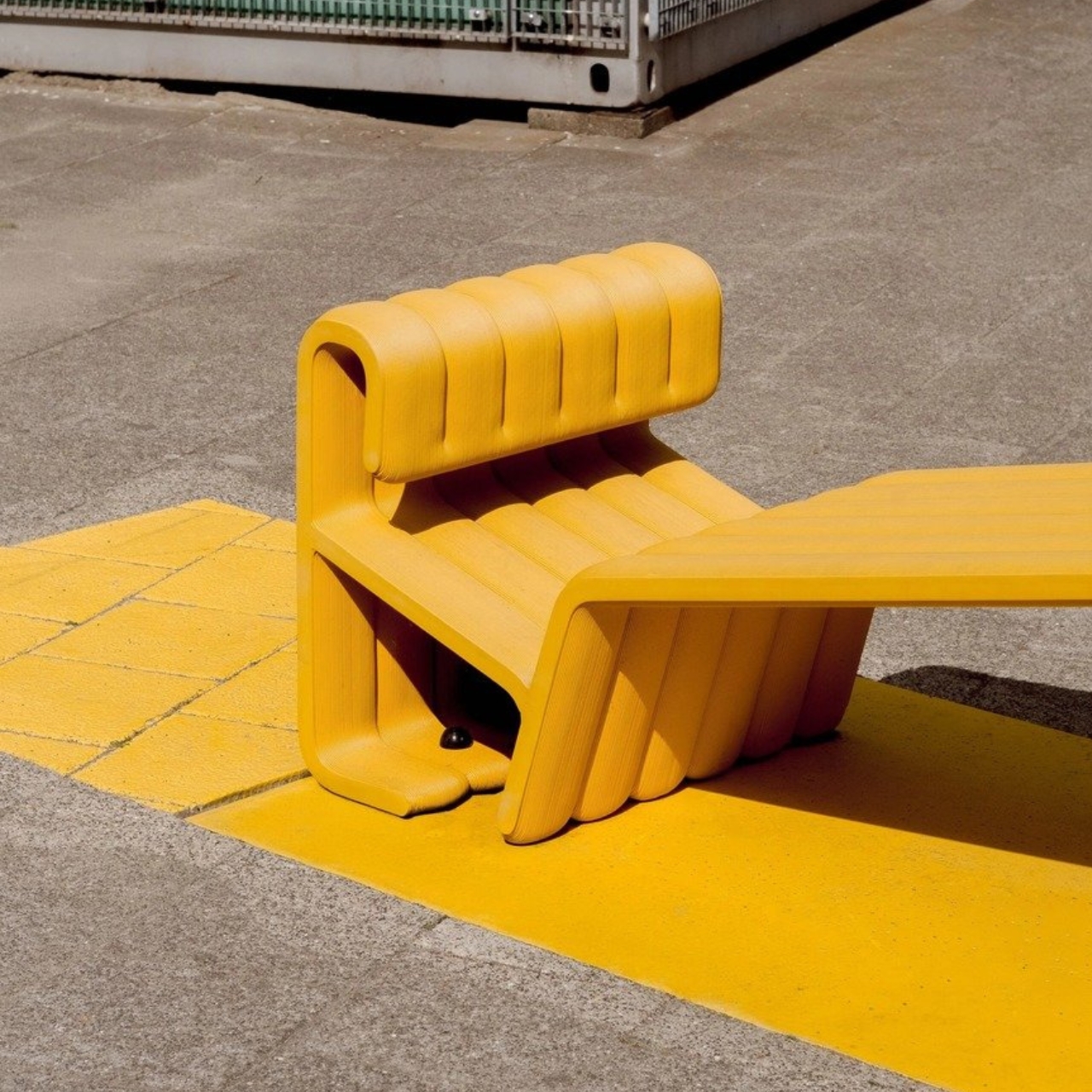
Gym Elements, a collection of public outdoor fitness objects by Rotterdam studio The New Raw, wants to give outdoor fitness a less technical appearance, using bright yellow sculptural shapes and soft curves to make the equipment feel more approachable. This was a project commissioned by the City of Rotterdam and developed in collaboration with Urban Ideals and Humankind. These are installed objects intended as permanent additions to public space and hopefully something that can be adapted to other public spaces as well.
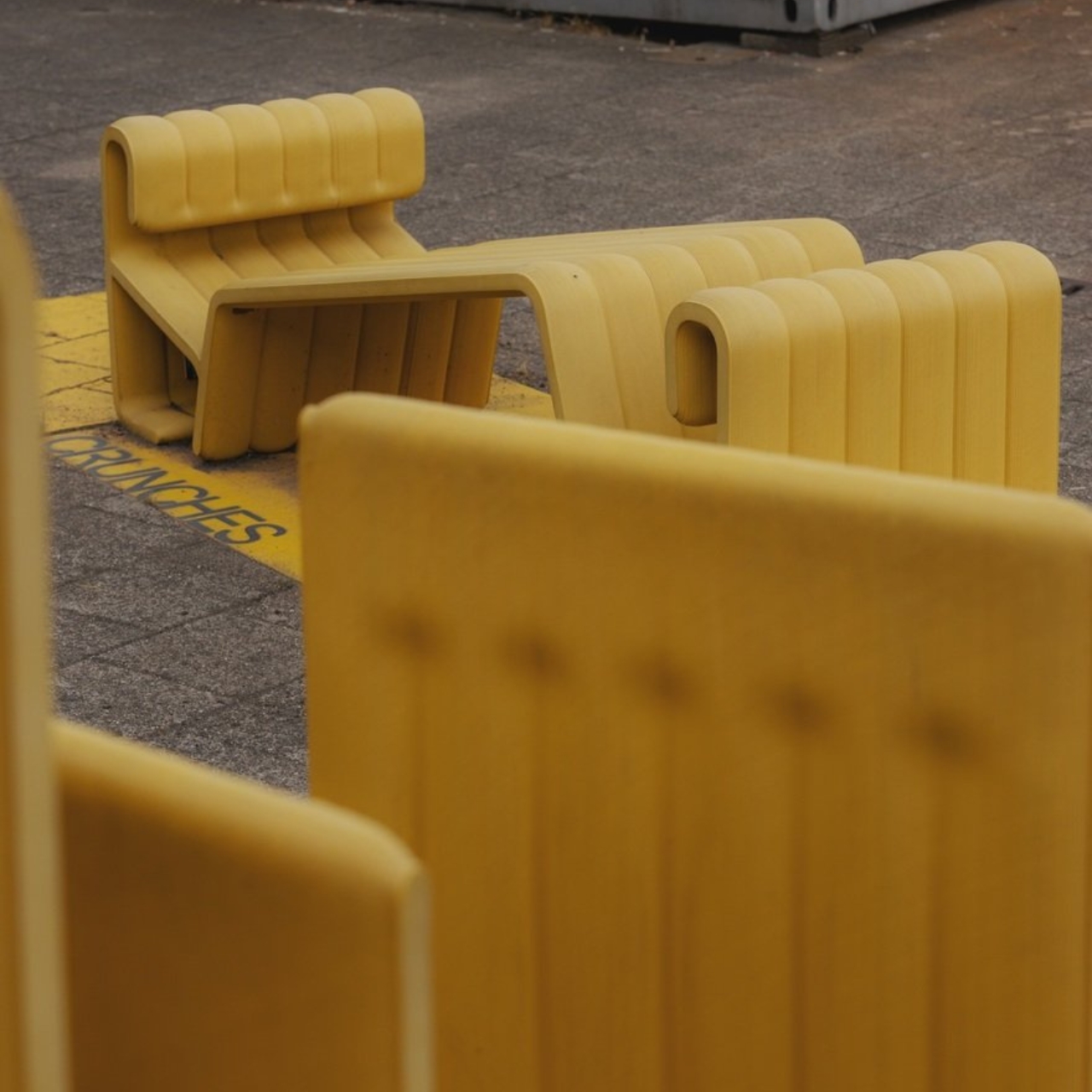
Visually, the collection has a pleasing chunkiness. Broad yellow surfaces fold into upright supports and stepped platforms, with generous curves wrapping around their corners. Fine lines from the printing process remain visible across the surfaces, while larger ribs give the pieces an almost upholstered appearance. I like that the material hasn’t been disguised as wood or polished into anonymity. The texture gives the objects character without requiring decorative flourishes that have nothing to do with their construction.
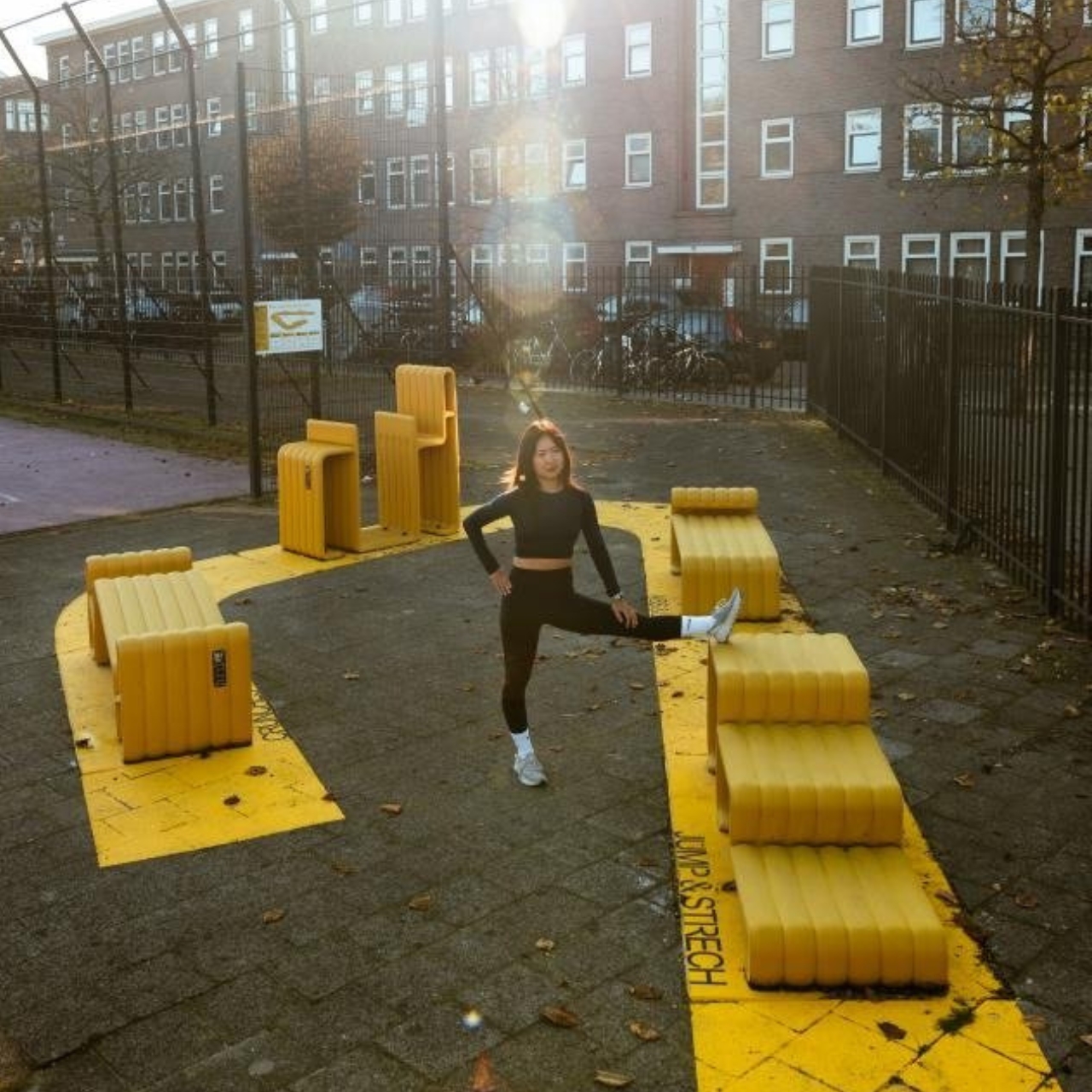
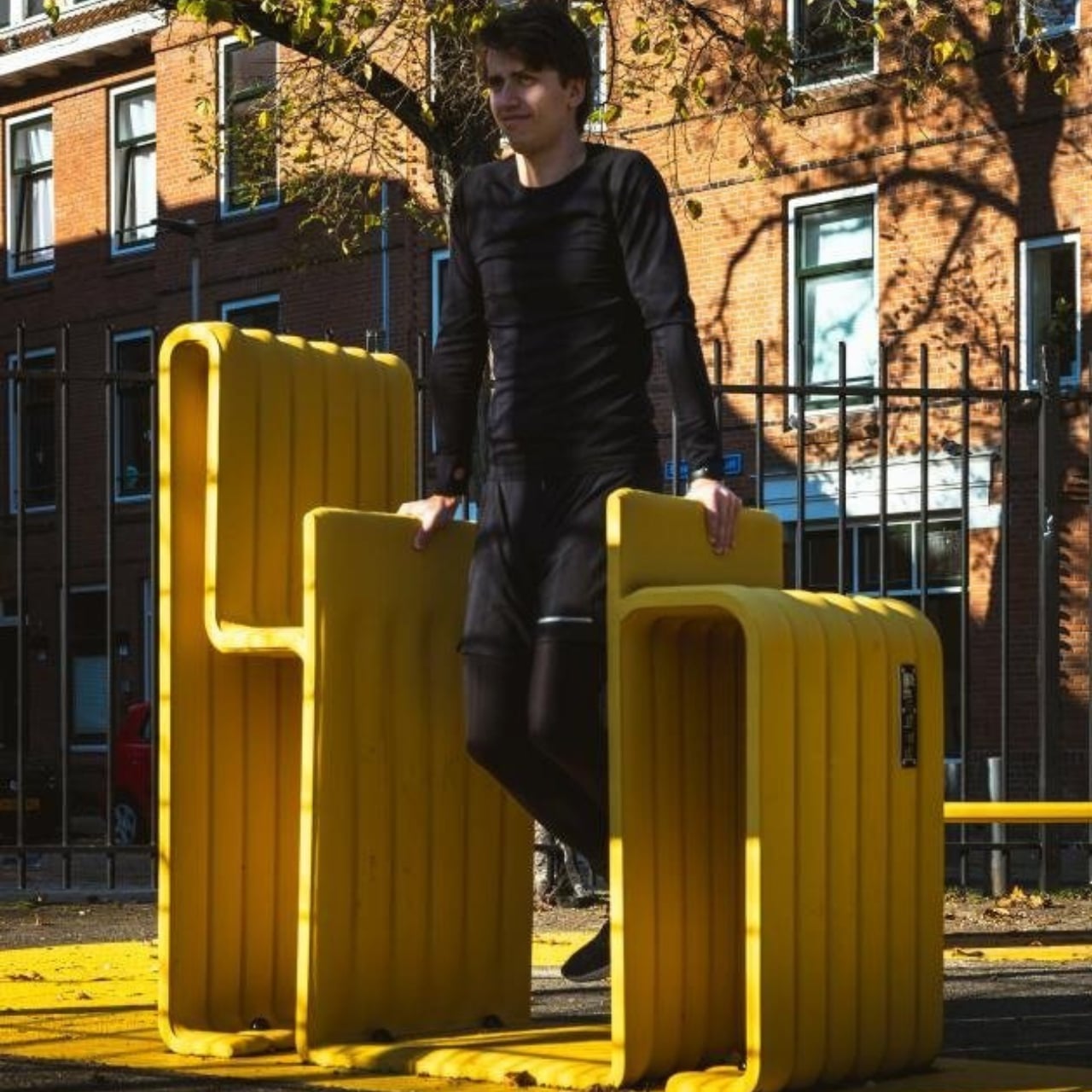
The project photography helps explain the approach. One person stretches with both palms against an upright element; elsewhere, a child stands on a broad raised platform. Those images suggest different relationships with the same design vocabulary, from deliberate exercise to playful exploration. To my eye, that flexibility is more interesting than making an outdoor version of a familiar gym machine. A useful public object should leave a little room for people to discover it on their own terms.
Location gives that idea some substance. Gym Elements was developed for Yellow Carpet, an initiative connecting existing and new outdoor fitness facilities through a five-kilometer walking and running route, roughly 3.1 miles. Putting exercise stations along a neighborhood loop makes a different proposition from gathering everything behind a gym entrance. People can do a few stretches or add some exercises in the middle of their walk or while hanging out at the park without necessarily scheduling an exercise routine every day.
What material is used to create these equipment is also worth paying attention to. The plastic is made from recycled polypropylene and reports using 480 kilograms, about 1,058 pounds, of recycled material for the project. Recycled content earns more of my attention when it becomes something useful enough to keep around. Making discarded plastic part of a neighborhood infrastructure seems pretty useful and interesting.
The New Raw’s broader production approach also matters. The studio says its products use single-material construction and avoid adhesives, coatings, and complicated material combinations so they can be repaired and reprocessed. It also reuses misprints and production leftovers. Those choices give the recycling story more credibility than recycled content alone, at least as a design strategy. Actual circularity still requires someone to collect and process an object when its working life ends. A recyclable object needs a practical route back.
Public use brings less glamorous responsibilities, too. The studio’s maintenance guidance acknowledges that layered printed surfaces can collect dust and particles, and that outdoor colors may gradually fade despite UV stabilizers. Regular cleaning remains part of the deal. I appreciate those details because attractive public infrastructure needs a maintenance plan as much as a compelling photograph. Bright yellow might catch your attention on day one; keeping the surfaces inviting several years later is another design consideration altogether.
For me, the strongest idea here is allowing exercise equipment to contribute something visually even when nobody is exercising. A neighborhood shouldn’t have to choose between useful fitness infrastructure and objects it enjoys looking at. Gym Elements makes a persuasive case for asking both of the same piece. The real payoff would be a passerby feeling comfortable enough to stop, put down a bag, and give it a try.
A mouse that stays bulky after the laptop closes is asking a lot of a small bag. So is a charger with exposed prongs, or an accessory that needs another accessory before it becomes useful. Portable tech deserves a stricter audition: it should pack sensibly, solve a recognizable problem, and offer enough value to justify carrying it past the front door. These five designs make their cases in different ways.
Our picks favor a clear design decision over a long feature list. Some tackle familiar frustrations, like packing a mouse or checking charging power. Others make room for more particular habits, from mobile gaming to listening to an entire album on disc. This is an editorial selection, not a hands-on ranking or a list of simultaneous launches. The useful question is which one addresses something you actually do every day.
1. OnePlus Ice Card Mini
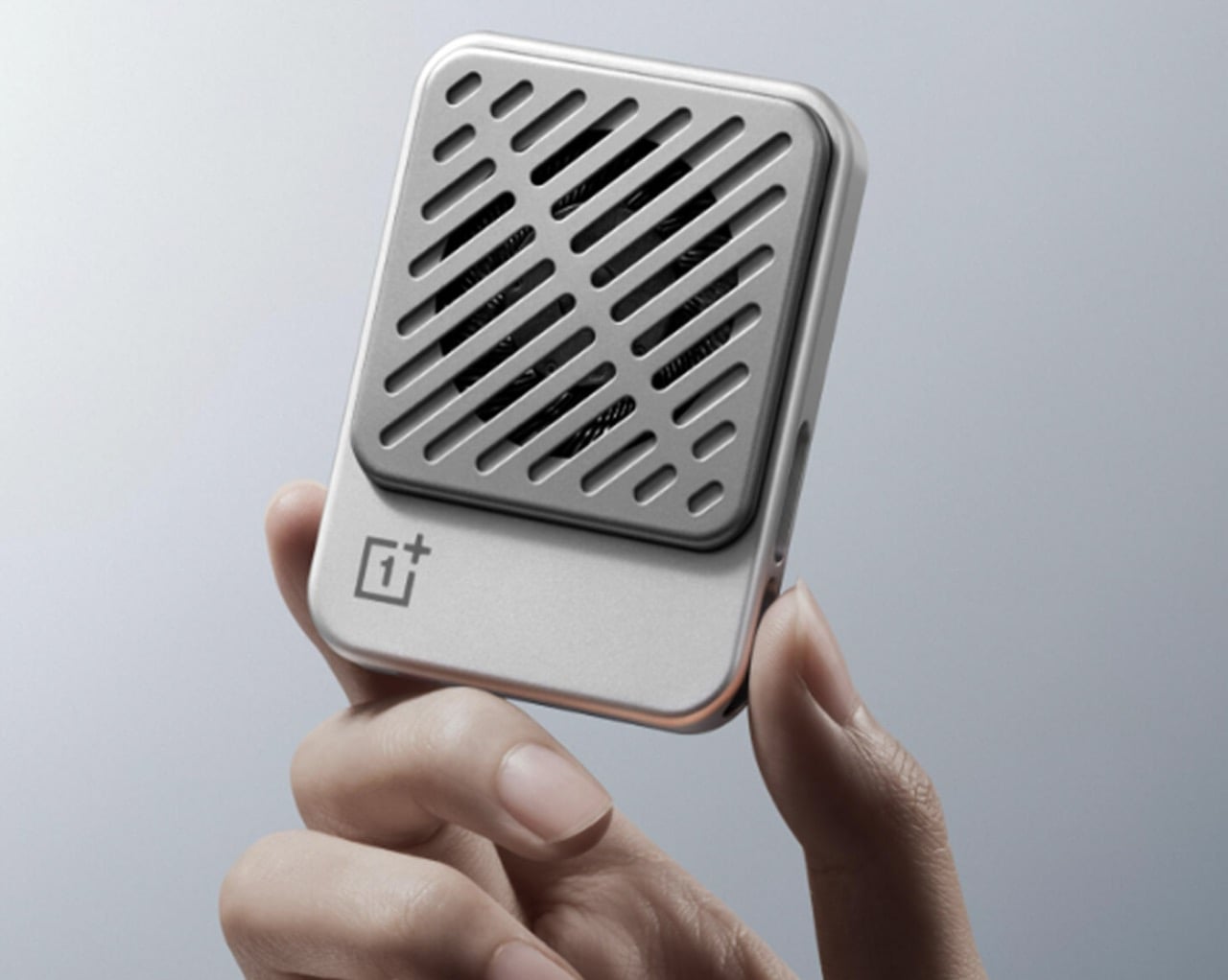
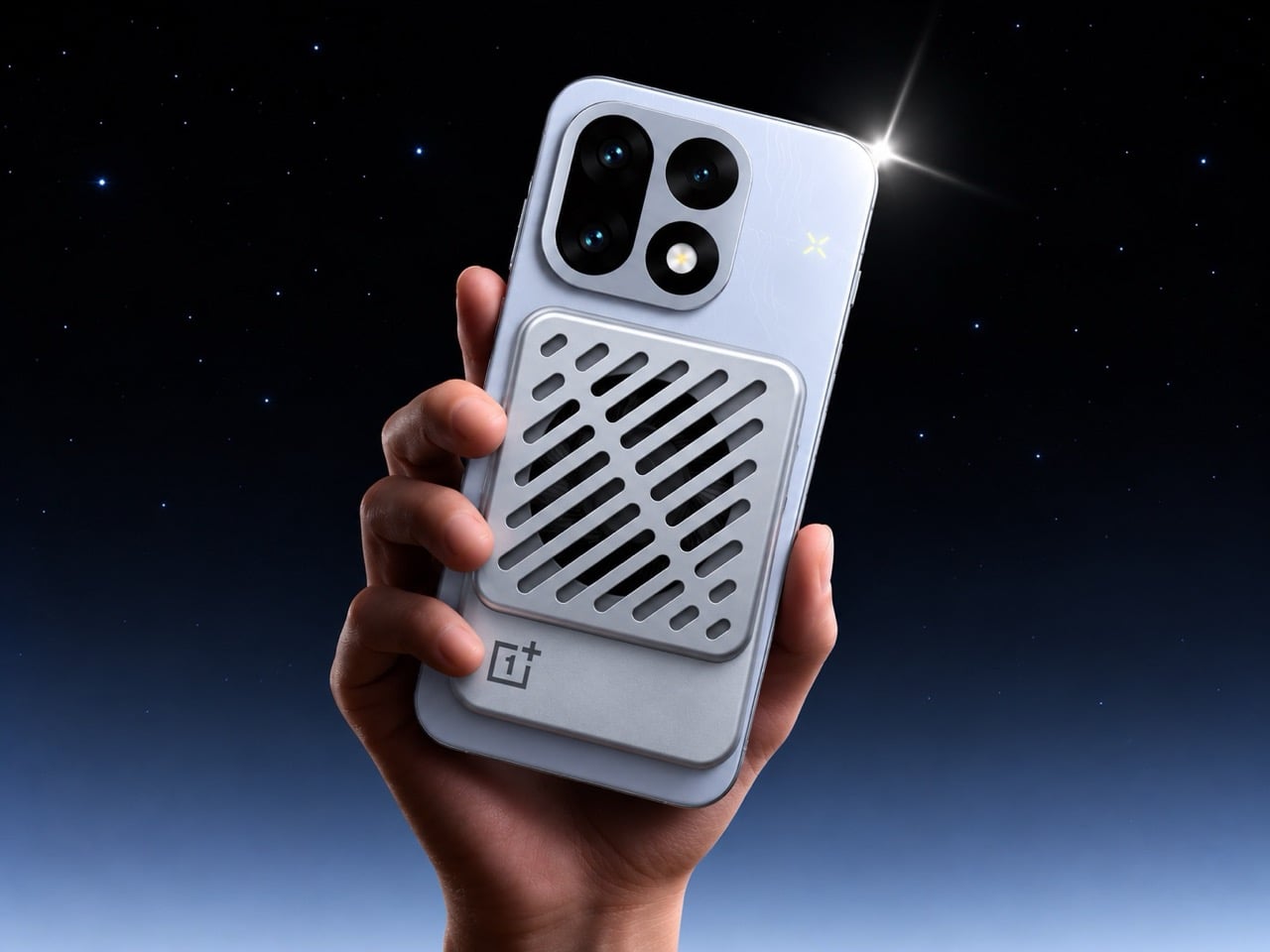
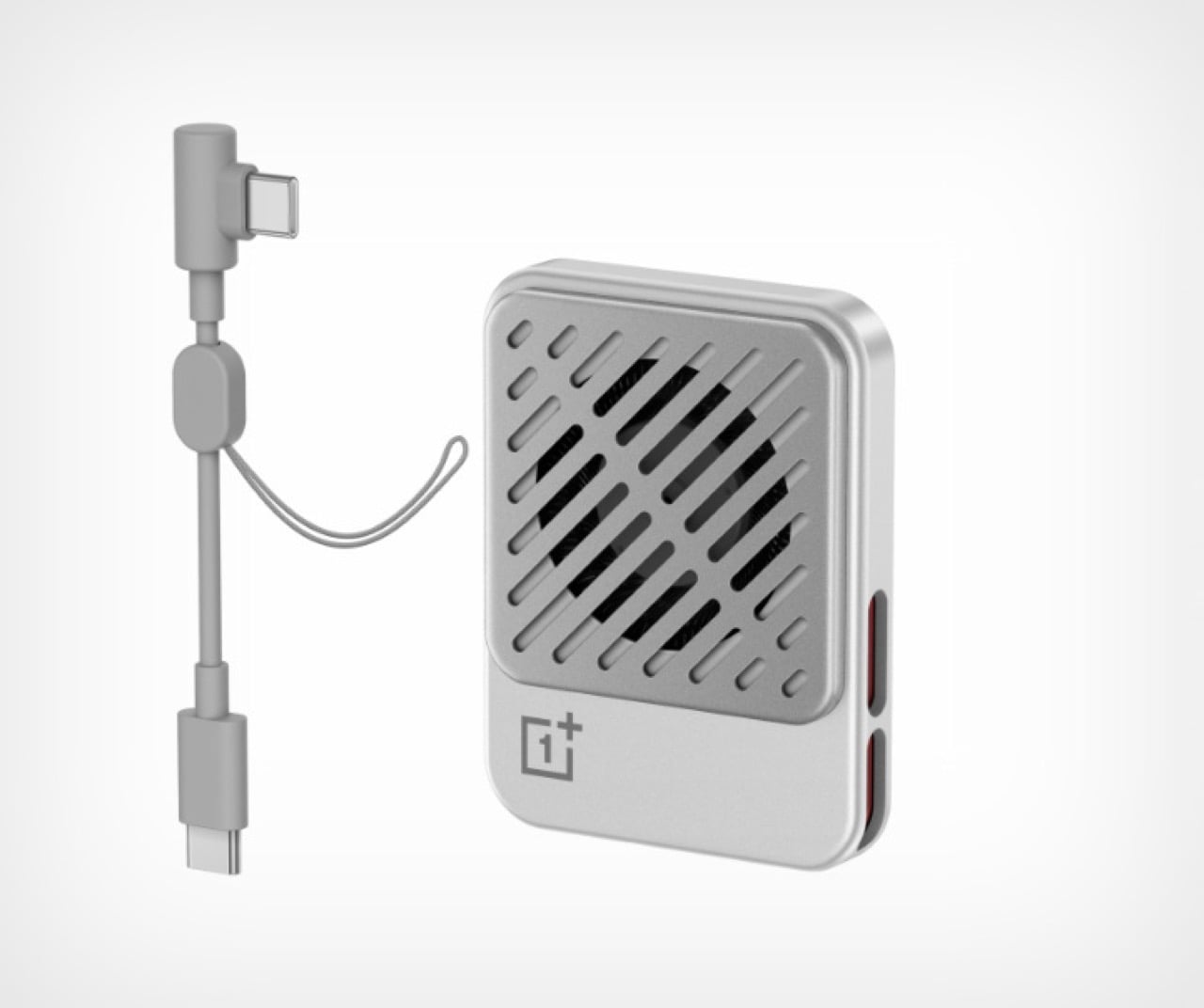
OnePlus’s Ice Card Mini puts a thermoelectric cooling chip and a fan into a magnetic accessory weighing about 50 grams. At 70 by 53.4 millimeters, it has a smaller footprint than a bank card, with a body measuring 9.7 millimeters thick away from the raised intake. Listed in OPPO’s China store, it targets phone gaming without the spring clamps of bulkier coolers. The appeal is straightforward: dedicated cooling hardware that doesn’t demand a dedicated compartment in your everyday shoulder bag.
USB-C power is the consequential choice here. The cooler can draw from the phone, a power bank, or a wall adapter, rather than requiring a proprietary supply. That flexibility makes it easier to pack, although powering it from your handset means sharing the handset’s battery. An included magnetic plate accommodates phones without built-in magnets. Cooling effectiveness will depend on the phone and setup, so the reason for inclusion is its compact construction, not an unverified promise of higher frame rates.
What we like
Compact magnetic body weighs about 50 grams.
USB-C offers several power-source options.
What we dislike
Phone-powered use consumes handset battery.
US retail availability remains unverified.
2. OrigamiSwift Mouse
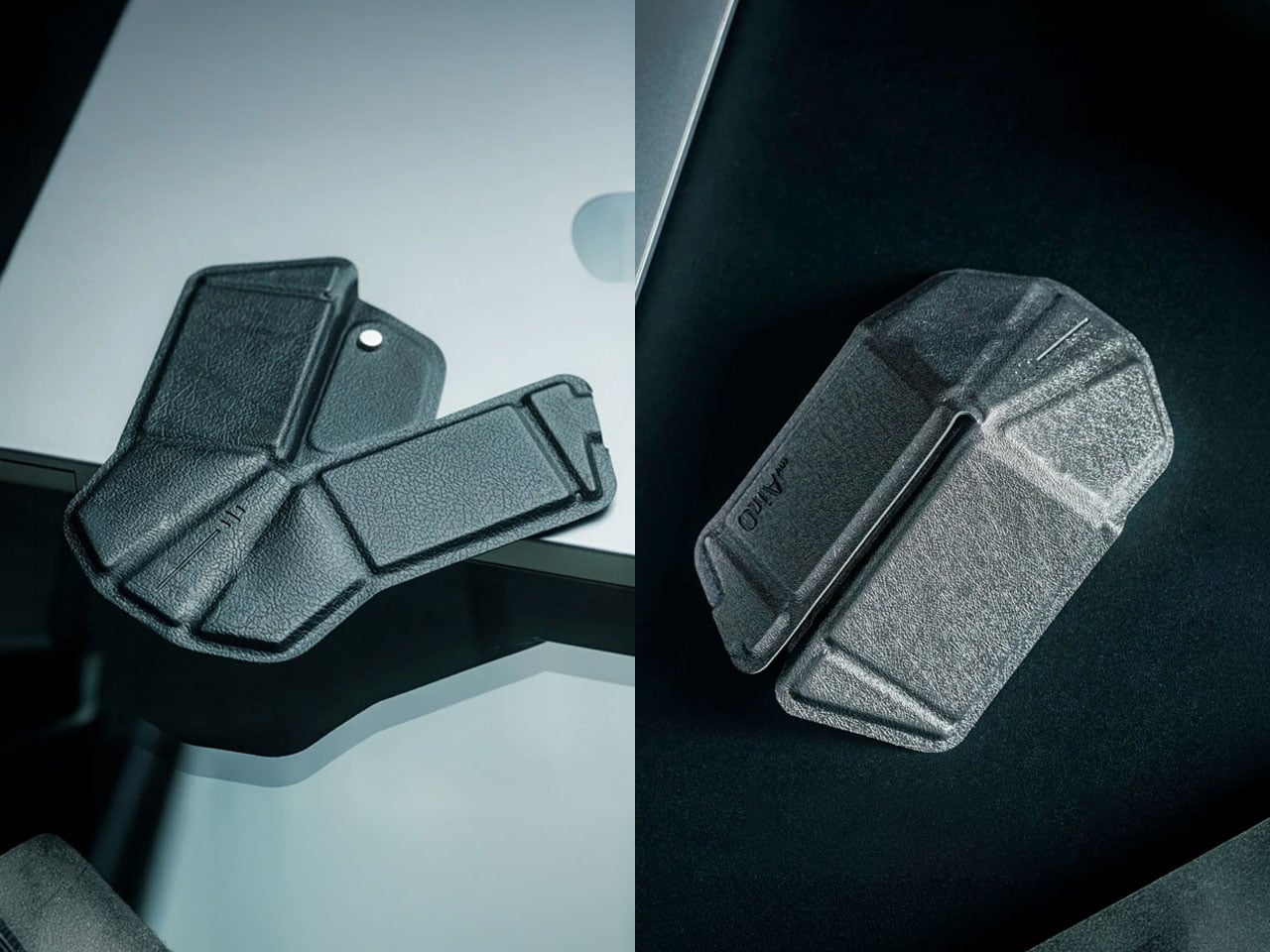
Horace Lam’s OrigamiSwift Folding Mouse changes shape instead of merely shrinking a conventional mouse. Its folded panels create a raised, triangular body for use, then flatten for storage. The listed weight is just 40 grams, while the flattened body is 0.18 inches thick, increasing to 0.39 inches around the sensor. For a laptop sleeve or a crowded document pocket, that geometry is the point. You’re packing a flatter object instead of finding space around a permanently domed conventional mouse body.
Bluetooth 5.2 handles the connection, and USB-C recharges the built-in battery, which the shop rates for up to three months per charge. That avoids adding a dedicated charging cradle to the packing list. The tradeoff is personal: an angular folding structure won’t necessarily suit the same grip as your usual mouse. Its flattened footprint also grows to roughly 4.8 by 5 inches, so think of it as thin rather than tiny. It makes most sense alongside a frequently carried laptop.
Unconventional shape makes grip preference important.
3. Lenovo ThinkTab X11
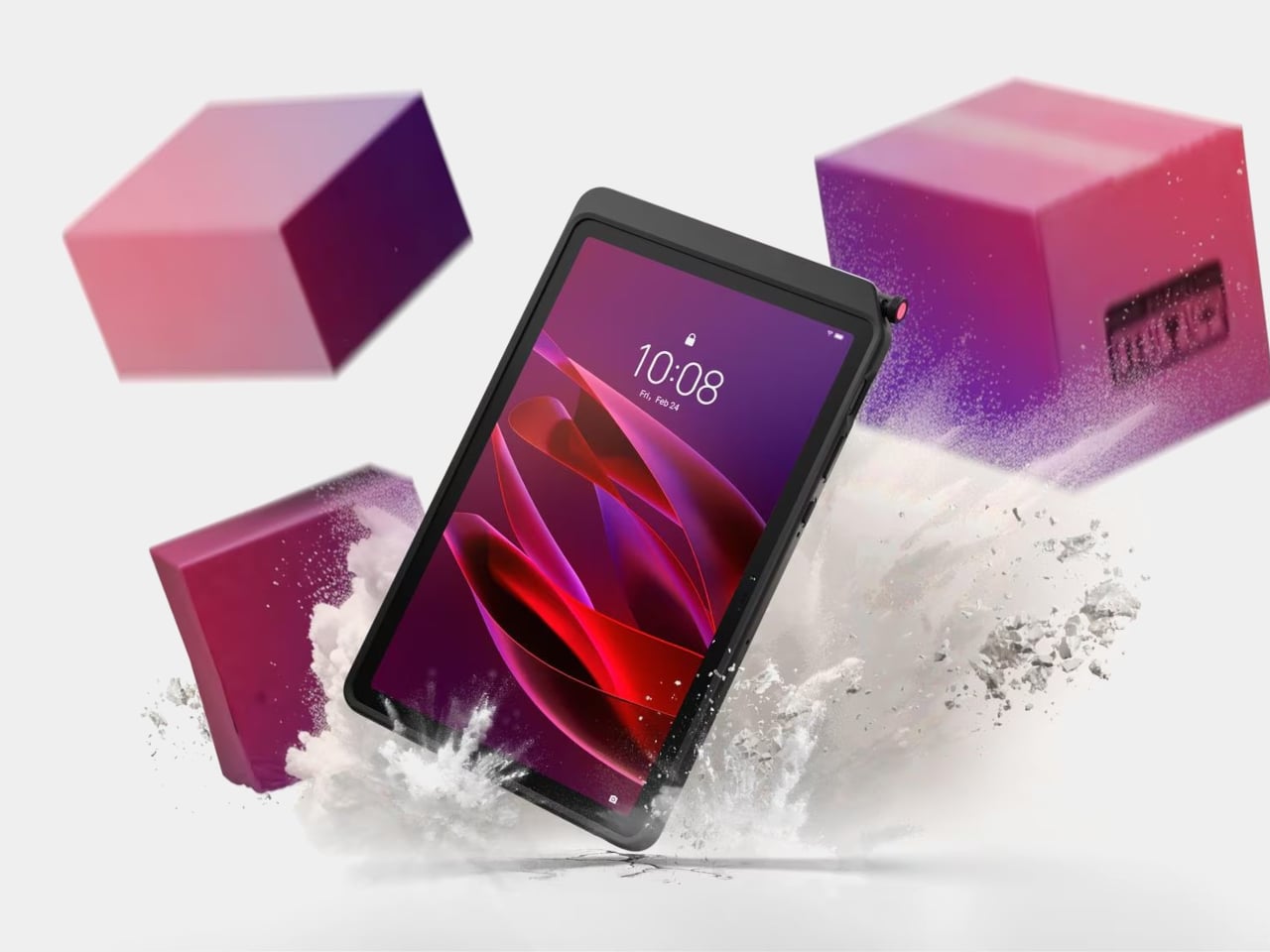
Lenovo’s ThinkTab X11 is the substantial piece in this collection: a 10.95-inch Android tablet built around fieldwork rather than sofa browsing. Its most useful departure is a screwless, removable 10,200mAh battery. That makes replacing a depleted or aging pack possible without opening a glued enclosure. Lenovo also specifies glove and wet-touch support, plus two USB-C ports for charging and peripherals. For someone carrying plans, forms, or inventory software between sites, those choices matter more than shaving another millimeter off thickness.
The unusual feature is battery-less operation: connected to an appropriate external power supply, the ThinkTab X11 can run with its battery removed. That’s useful when the same tablet moves from a bag into a powered vehicle mount or fixed workstation; it isn’t a claim of cordless operation without a battery. Lenovo lists IP68 protection and MIL-STD-810H testing with the rugged case. At approximately 650 grams before extra protection, this earns its space through working flexibility, not through being especially small.
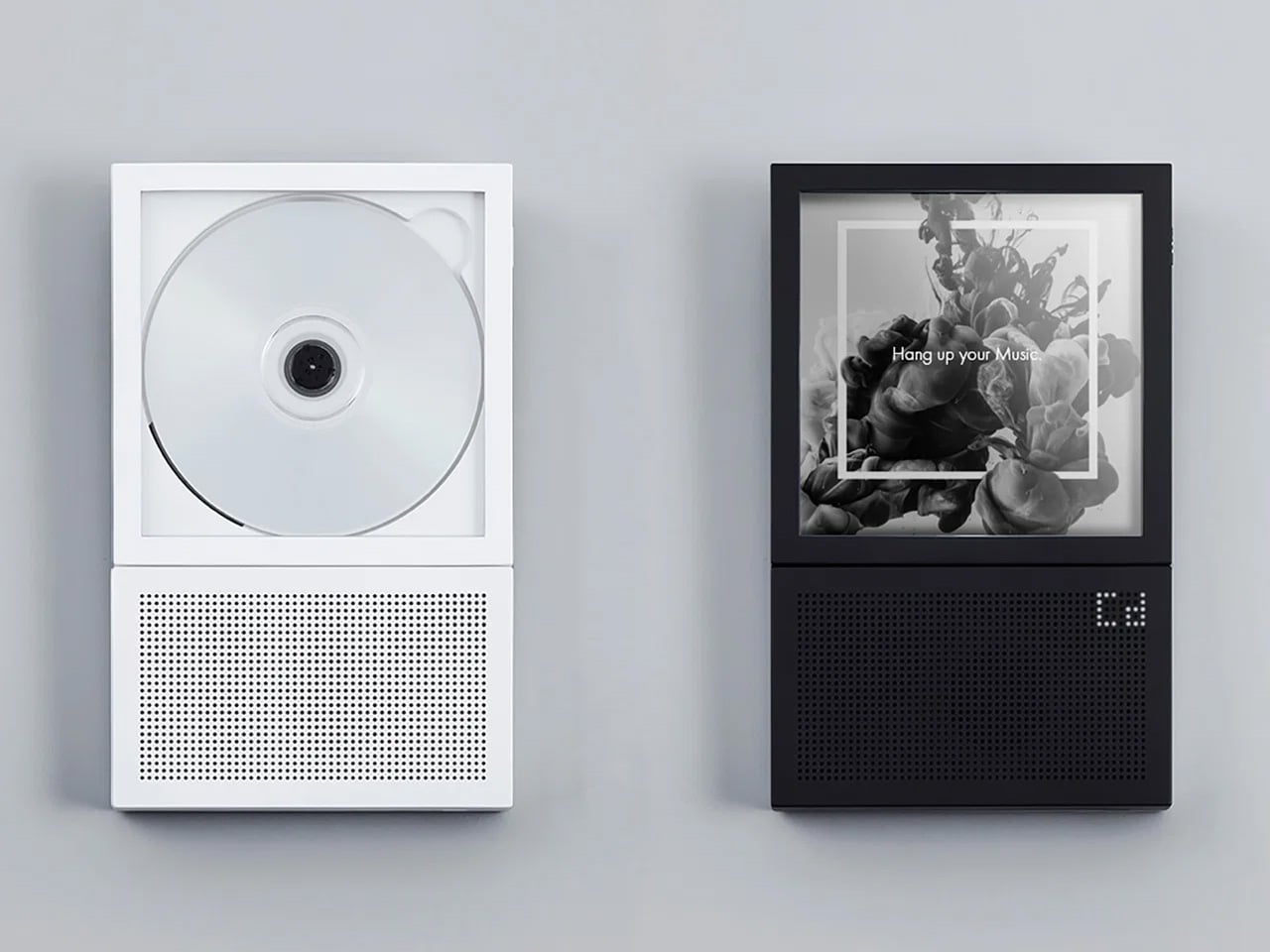
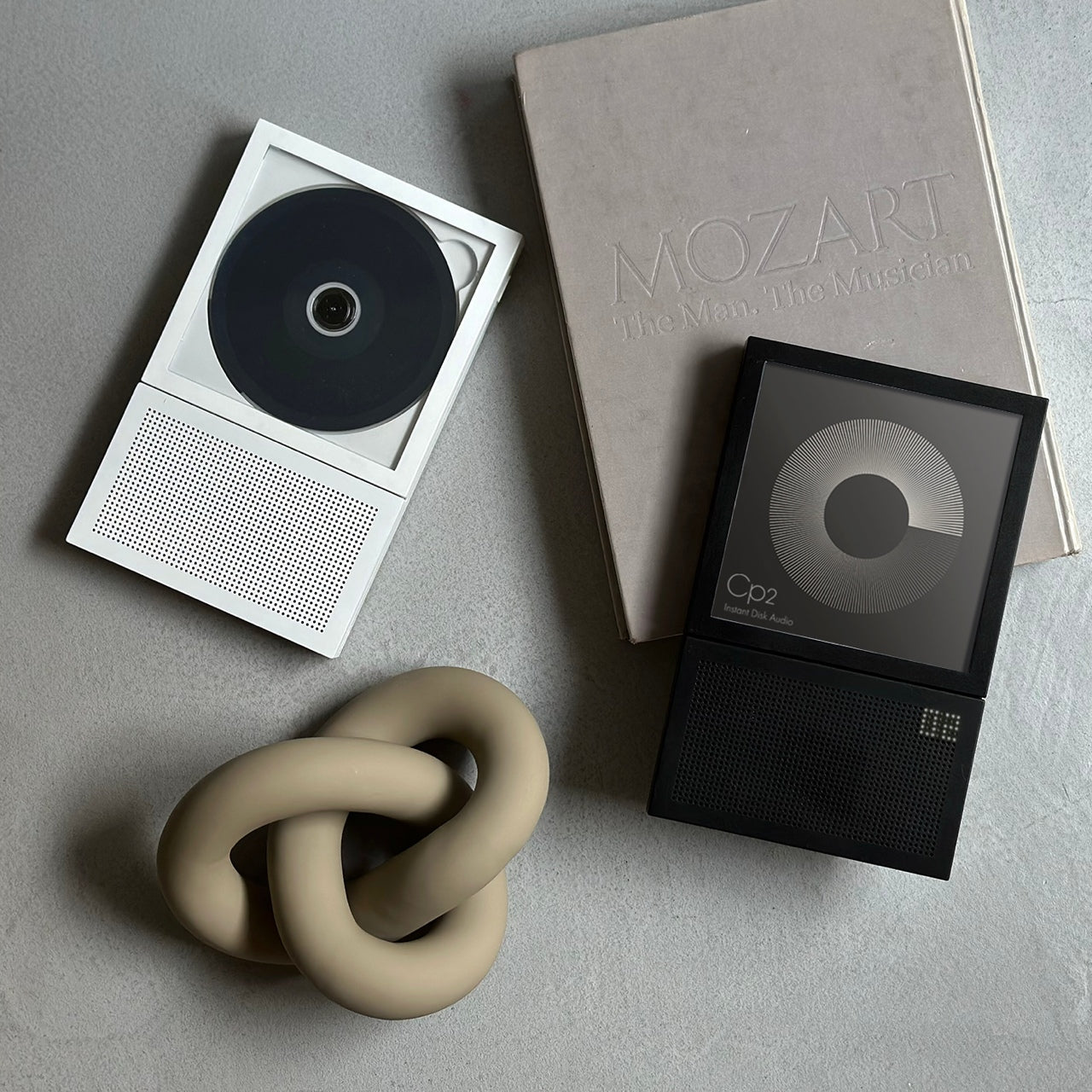
The Portable CD Cover Player gives the album booklet a job beyond sitting inside a jewel case. A front pocket displays the cover while the player handles the disc, turning a listening device into a small display you can carry. It includes a speaker, Bluetooth 5.1, and a 3.5mm headphone output. That makes it usable without packing a separate speaker, while leaving options for private listening once you settle into a hotel or workspace.
At about 8.8 by 5.5 by 1 inches, it belongs in a bag, not a trouser pocket. USB-C charging and a 1,800mAh battery keep the setup self-contained; the shop quotes six to seven hours of speaker playback or seven to eight hours over Bluetooth. The listening setup stays separate from your phone. The extra bulk only makes sense if physical albums are part of your routine. For that listener, carrying the artwork alongside the music is the reason to carry it.
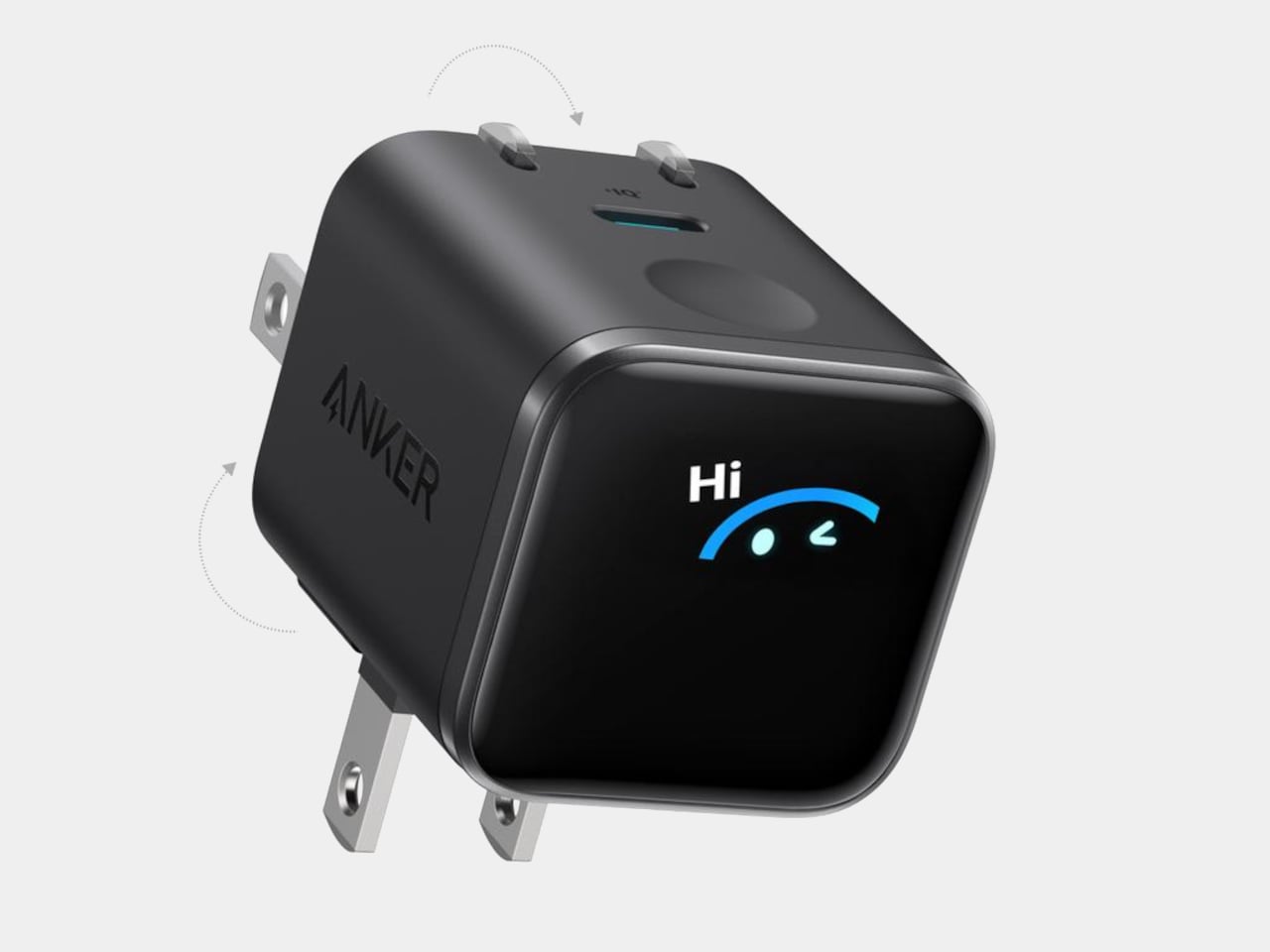
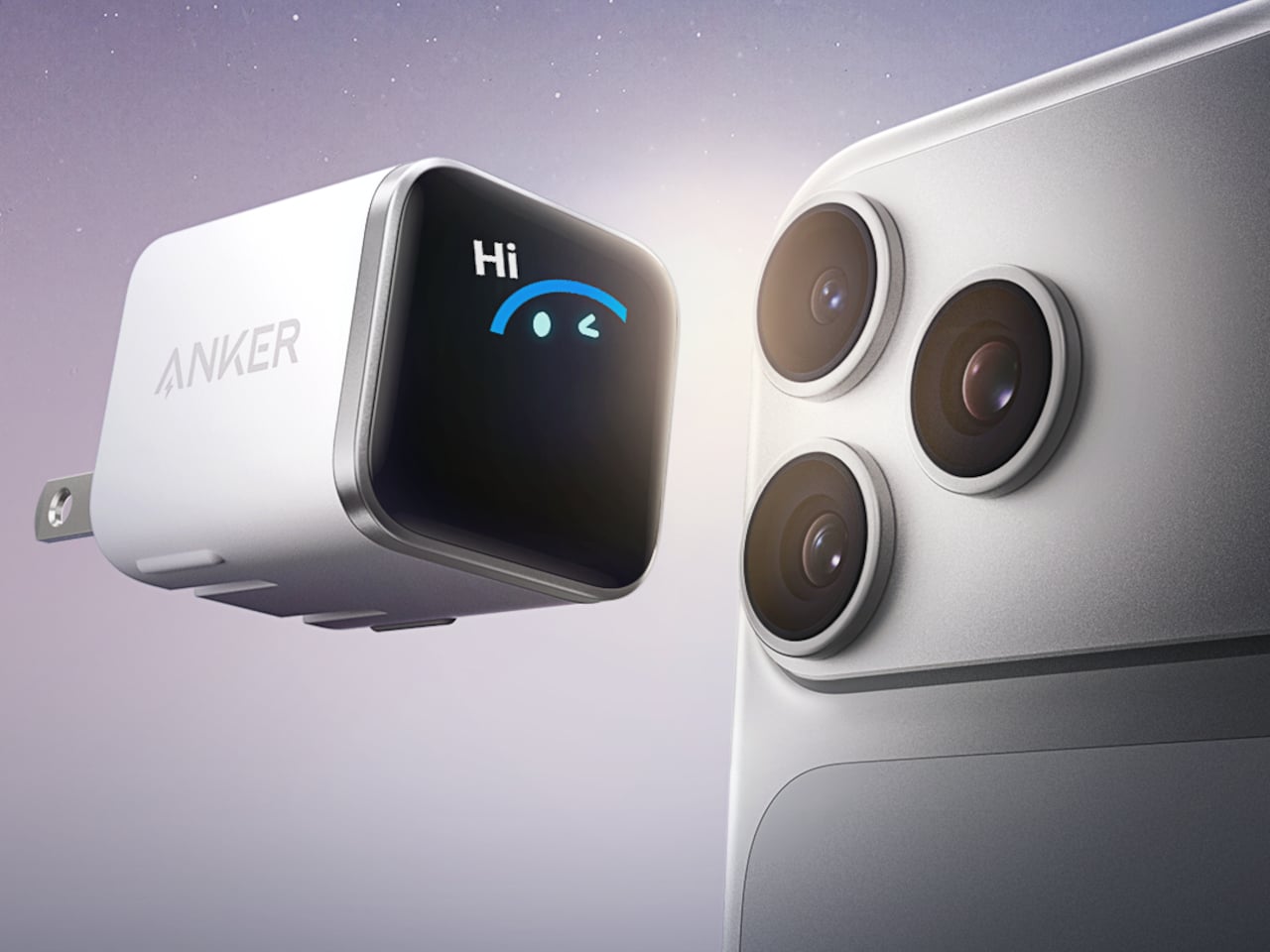
Anker’s Nano Charger earns its place by improving an object most people already carry. This is the 45W model with a smart display and a plug that folds through 180 degrees, not one of Anker’s similarly named power banks. It weighs 75 grams and measures roughly 1.34 by 1.40 by 1.57 inches. Folding the prongs makes that little block easier to tuck into a tech pouch, without exposed metal competing for space with cables, earbuds, and whatever else collects there.
The display provides a live wattage reading, with additional charging information depending on the connected device. It makes power delivery visible at the outlet, useful when checking a connection or comparing different devices’ charging behavior. Its single USB-C port supplies up to 45W, with actual speed governed by device compatibility and charging conditions. There’s no cable included, and no stored power for charging away from an outlet. Pick it for a compact charging kit, not as a multi-device charging station.
What we like
Folding prongs keep the packed shape compact.
Display makes charging wattage easy to check.
What we dislike
Only one USB-C output.
Cable must be packed separately.
Pack for the Day You Actually Have
Before adding anything, look at the bag you already carry. A flat pocket, a padded sleeve, and a cable pouch impose different limits, and a gadget’s smallest dimension rarely tells the whole story. Count its charger, adapters, and spare media too. The most useful addition may replace something awkward you already own, rather than introduce a new category of equipment that needs its own maintenance and an extra packing ritual.
There’s room for pleasure in that calculation, too. A device you use to enjoy an album can justify its place as honestly as one you need for work. The distinction is frequency and intention: will you reach for it, and does the design make that habit easier to keep? Choose the object that answers those questions convincingly. Leave something behind if its best feature is looking useful on a packing list.