
Apple TV expands its racing coverage with the all-female F1 Academy
The platform will air "every qualifying session and race throughout the season."


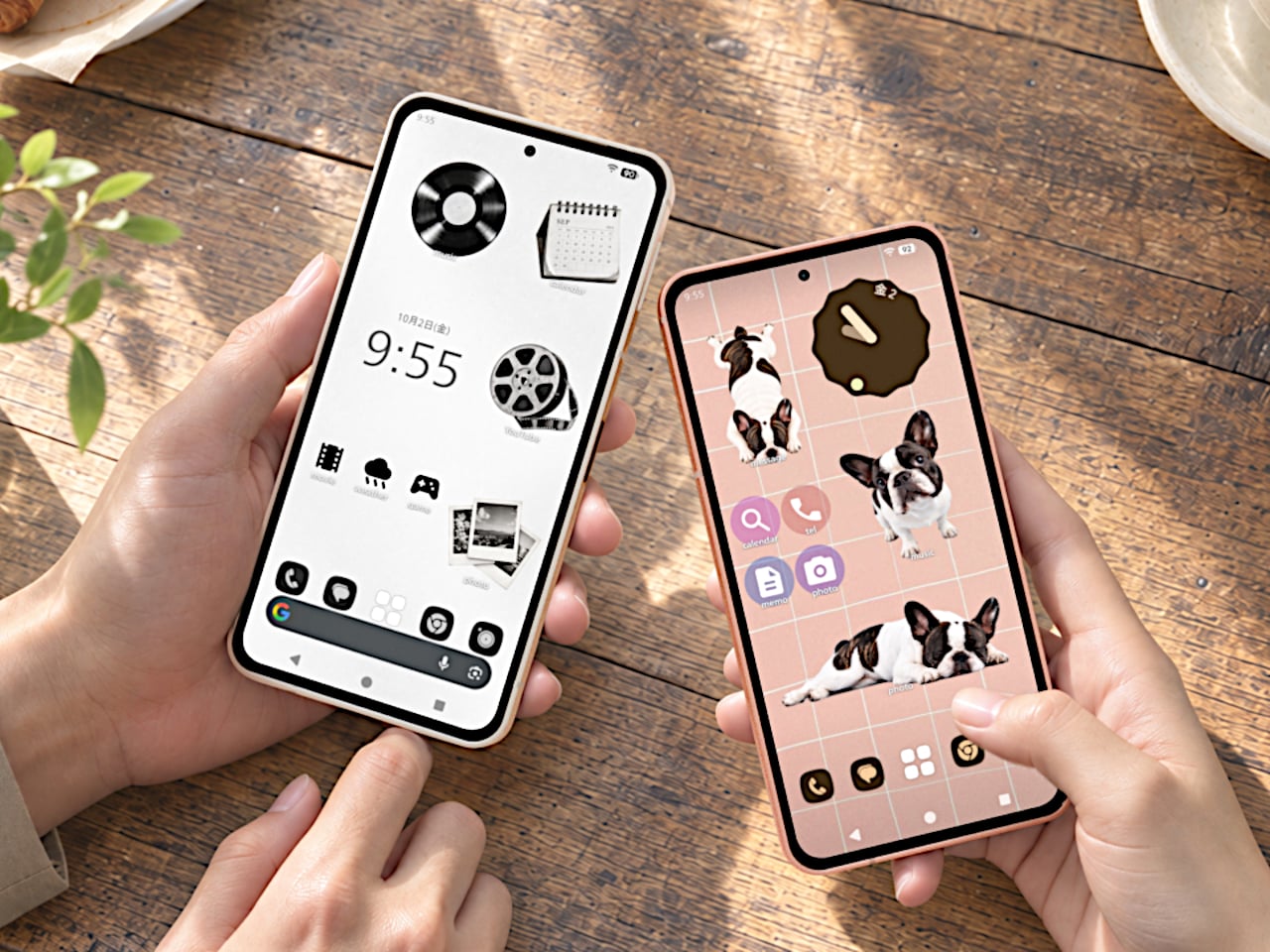
Putting a phone face down can be a small declaration that you’re done looking at screens. Sharp’s upcoming AQUOS sense11 gives that familiar gesture another purpose, using a gentle rear light for notifications and atmosphere. It’s an unusually domestic detail for a smartphone that also emphasizes less weight in your pocket, with a slim aluminum body wrapped around a sizable 5,000mAh battery.
Sharp may bring televisions to mind before phones, but it hasn’t stopped making handsets for Japan, alongside selected overseas markets. The AQUOS sense11 measures approximately 7.6mm thick and weighs just 157g, keeping its 6.2-inch screen within a relatively modest package. The flat sides and gently rounded corners keep the outline straightforward, leaving the camera housing to supply most of the visual character.
Designer: Sharp
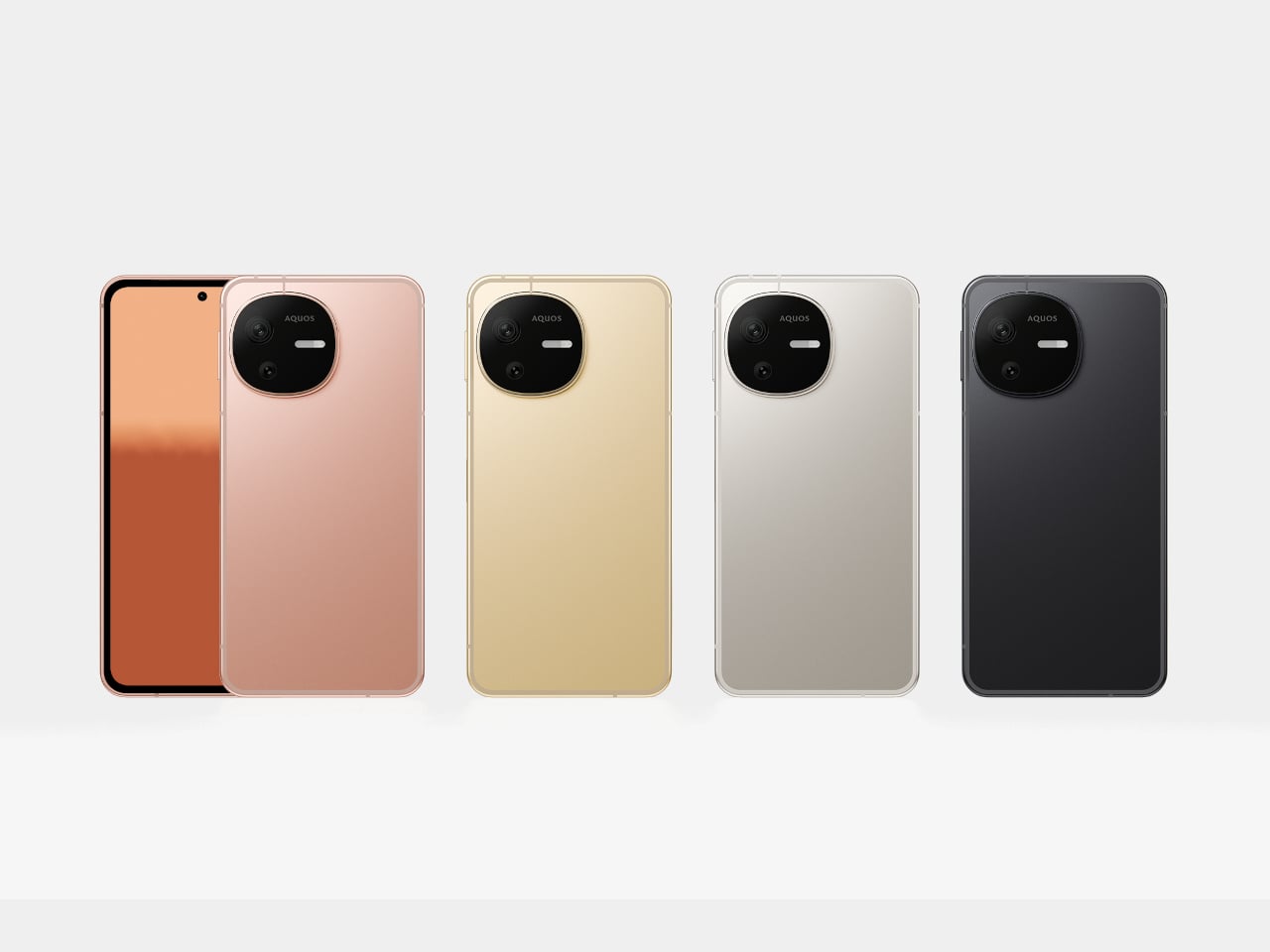
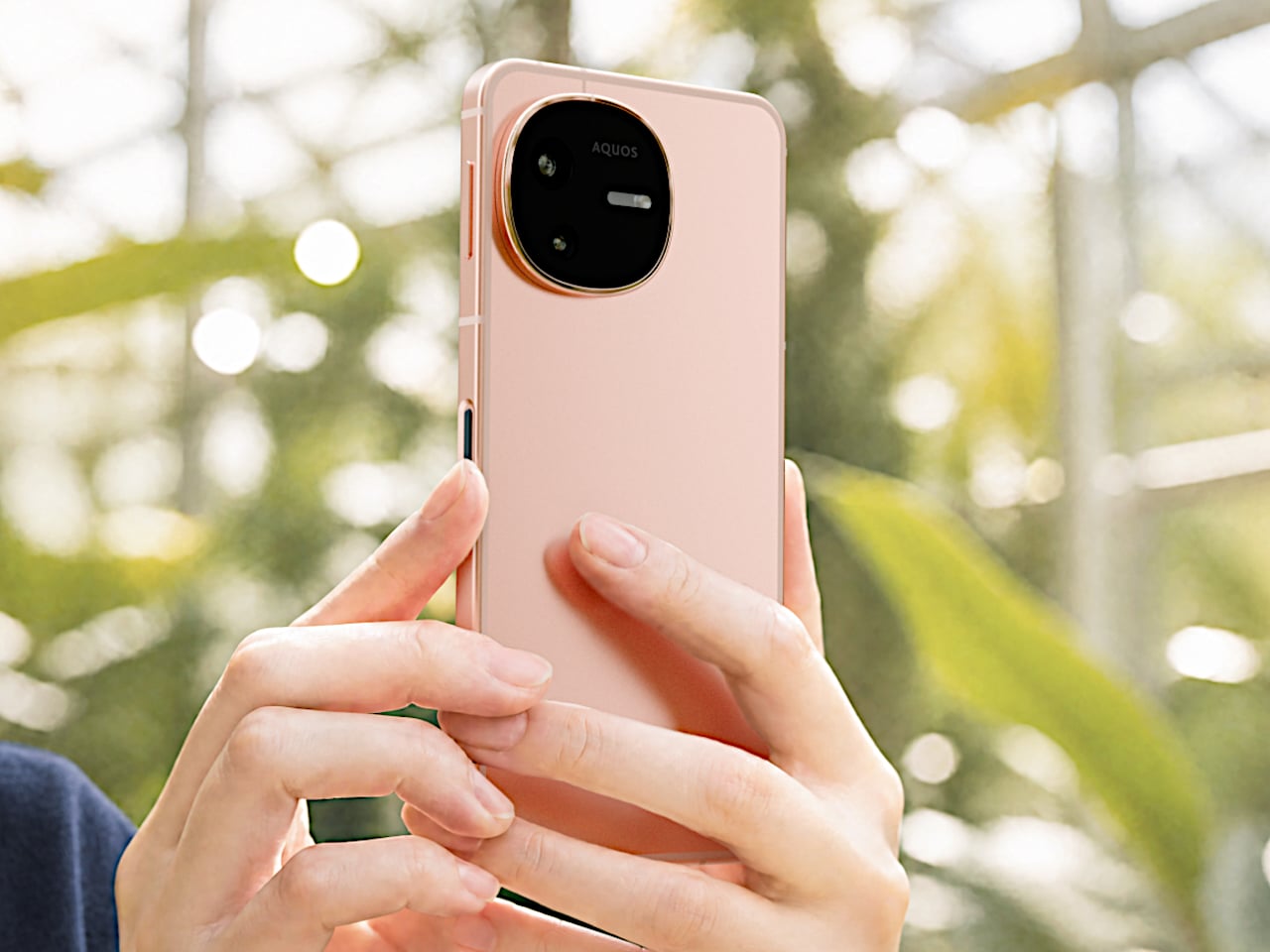
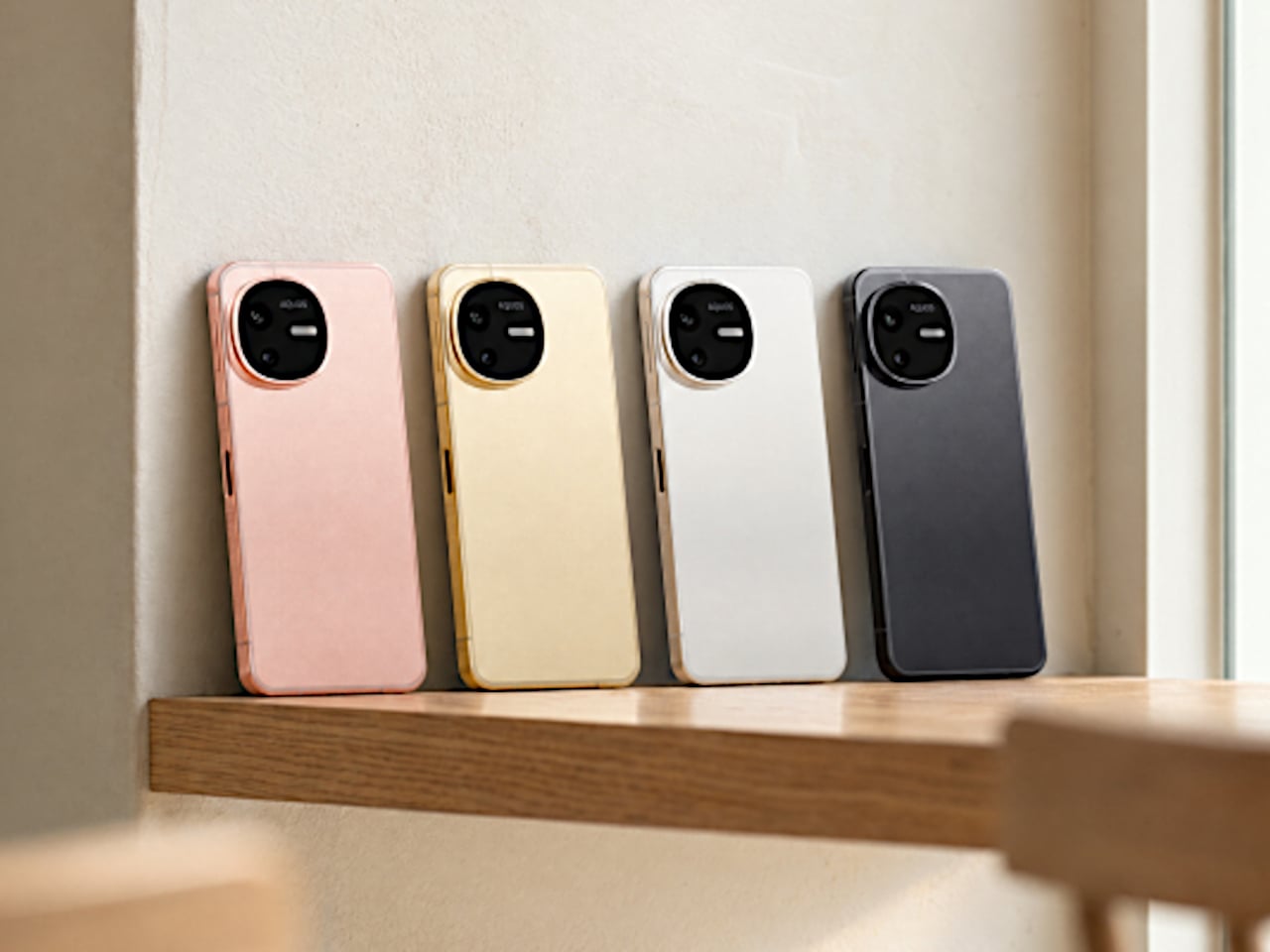
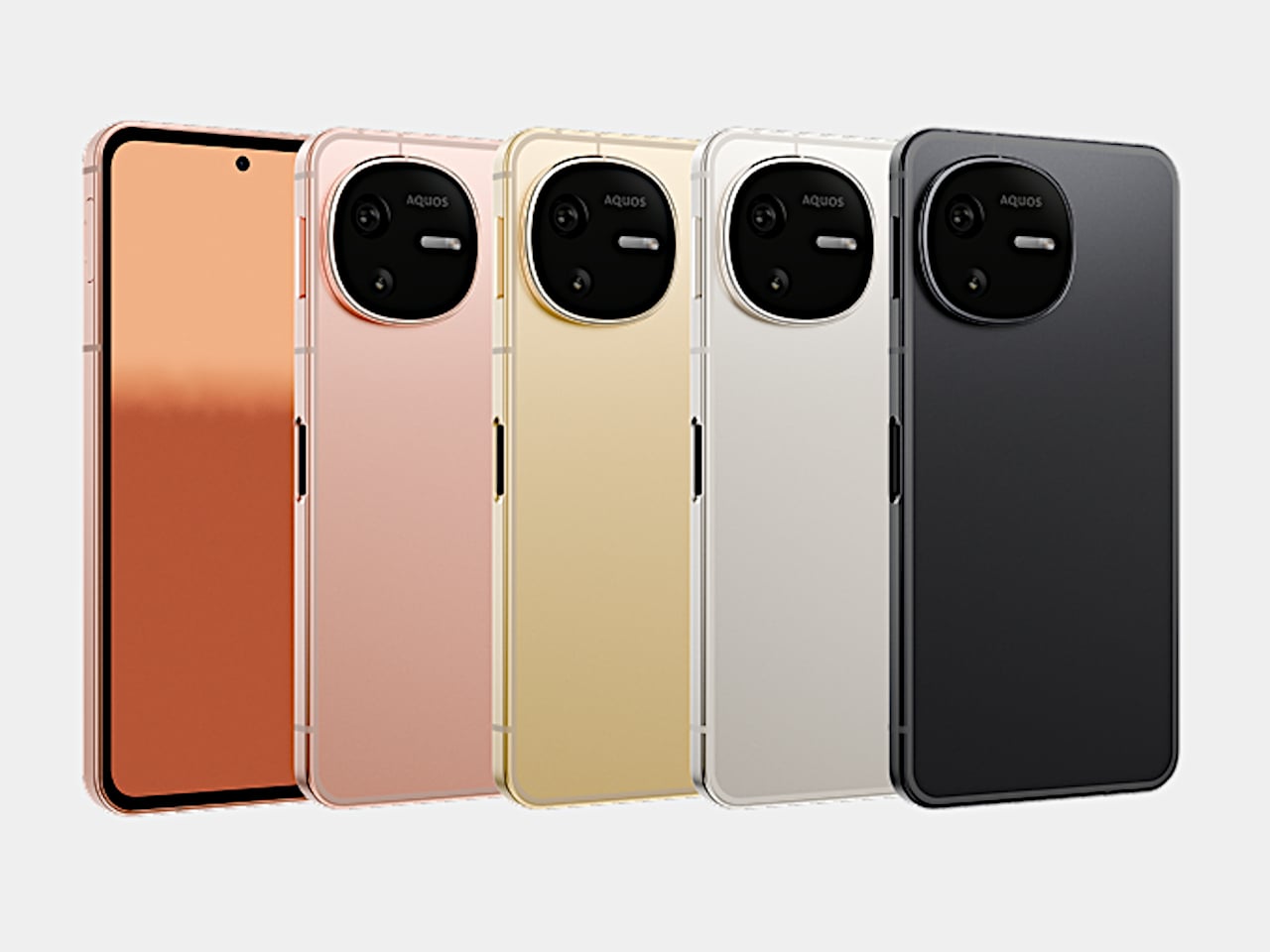
Copper gives the aluminum shell a warm, pinkish finish, while Gold, Silver, and Black offer quieter alternatives. A blasted surface contrasts with the polished aluminum ring around the cameras, adding variation without introducing another material. The rounded-square black island contains two lenses and a horizontal light, keeping those little interruptions together instead of scattering circles across the otherwise plain back of the phone.
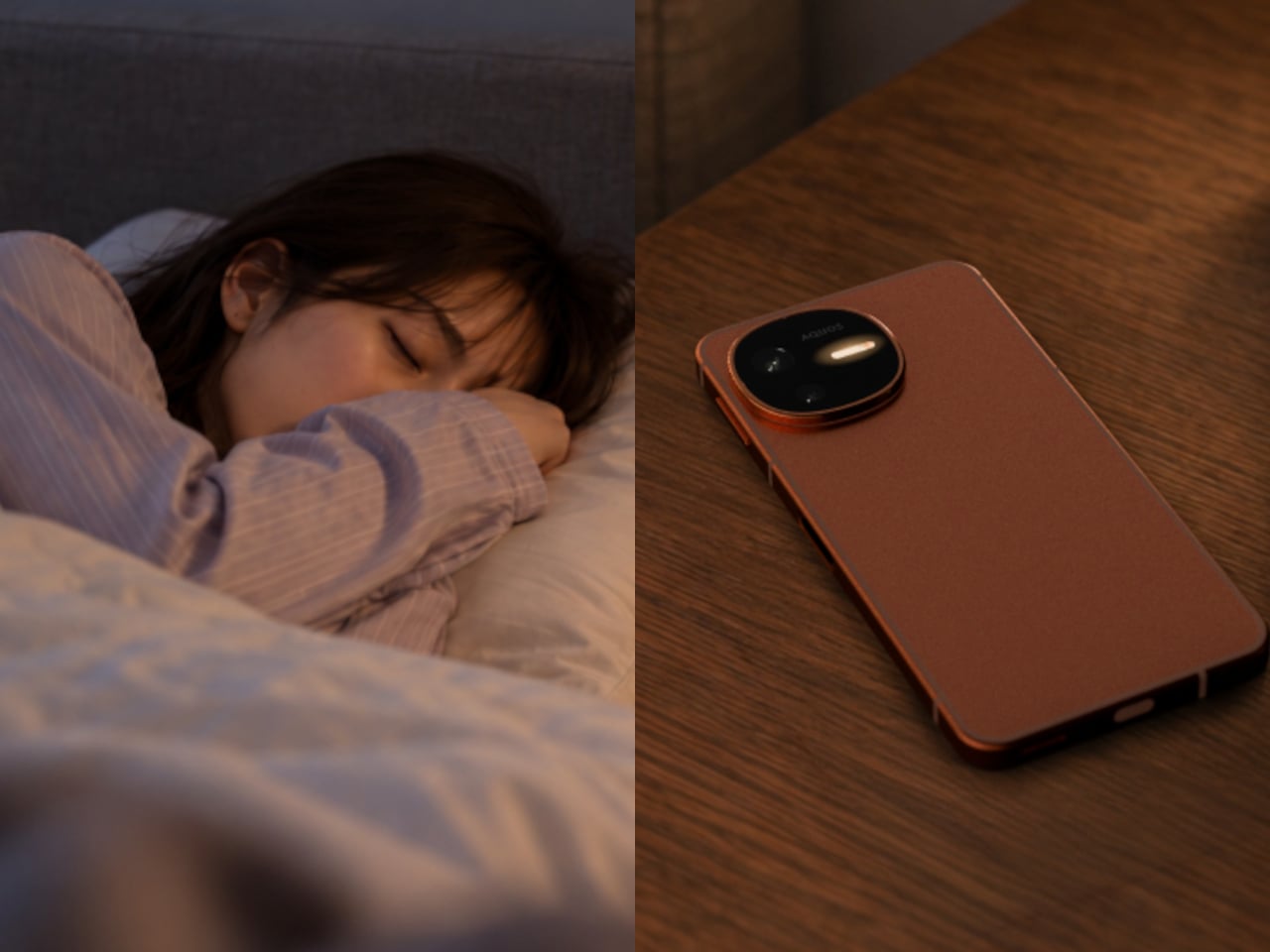
That dark island also contains Akarium, Sharp’s light-and-sound feature for incoming calls, notifications, and quieter moments at home. Leave the phone screen down on a nightstand, and the small horizontal light remains visible, without illuminating the whole display. You can assign different colors to individual apps, or pair its ambient lighting with nature sounds while getting ready to call it a night.

Outside, the 6.2-inch Pro IGZO OLED screen takes over, with Sharp advertising peak brightness of 3,000 nits. That’s a peak figure, not the brightness of a white screen, which is rated at 1,500 nits. The distinction matters when comparing displays, although the practical ambition is straightforward: being able to check a map or frame a photograph without searching for a patch of shade.
Two 50.3MP rear cameras cover standard and ultrawide views, with optical stabilization on the main camera. Sharp also adds all-pixel phase-detection autofocus to the ultrawide, intended to help catch moving subjects. Its camera software can remove background people, reduce shadows, and mask readable signs. Masking signs could help you share a favorite photograph without also advertising the street address displayed behind you.
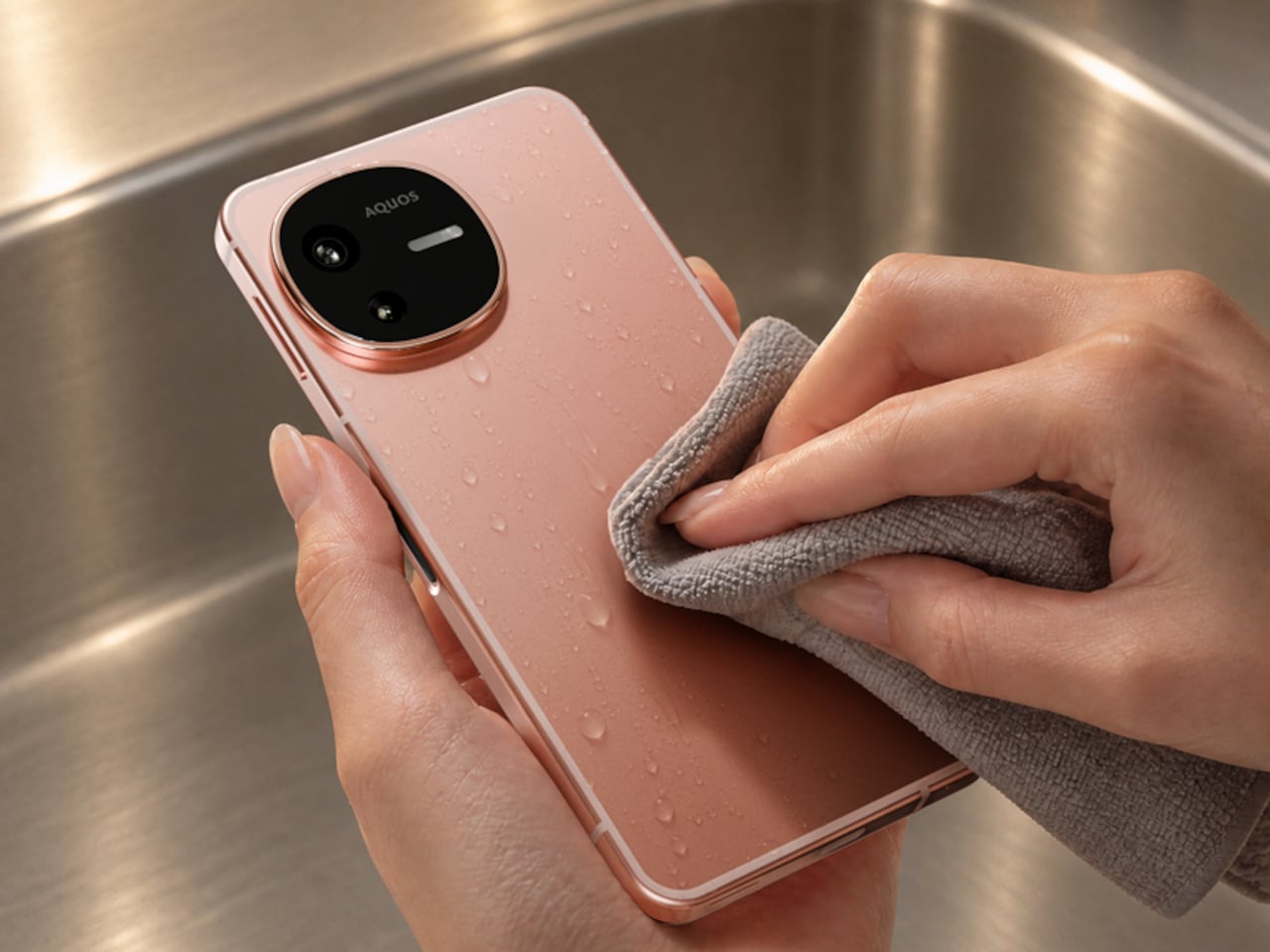
The 5,000mAh battery comes with Sharp’s estimate of roughly two days between charges under its stated usage schedule. More important for keeping the phone around are promised security updates for six years from release and up to four Android version upgrades. Sharp also lists IPX9 water resistance and IP6X dust protection without the chunky, rubber-armored outer shell you’d associate with a rugged phone.
The AQUOS sense11 is scheduled to reach Japan on November 26, 2026, starting at ¥94,600 (about $594). US availability hasn’t been confirmed yet, so importing one would mean checking network compatibility and support first. For anyone tempted to cover the metal body, there’s another consideration: a protective case would need to leave that light visible, or one of its nicest details disappears.
The post Sharp’s AQUOS sense11 Signals Calls and Notifications With Its Screen Face Down first appeared on Yanko Design.



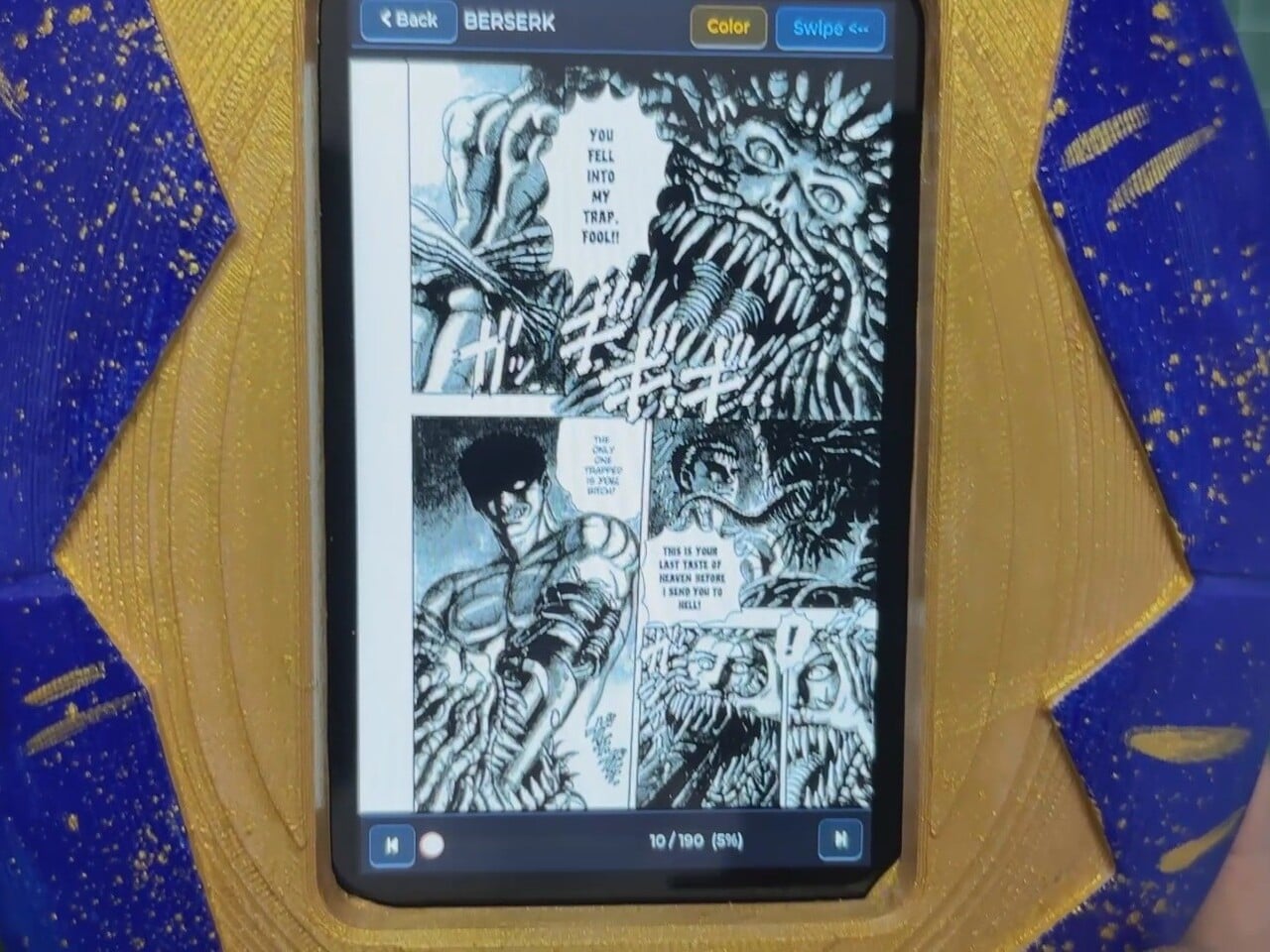
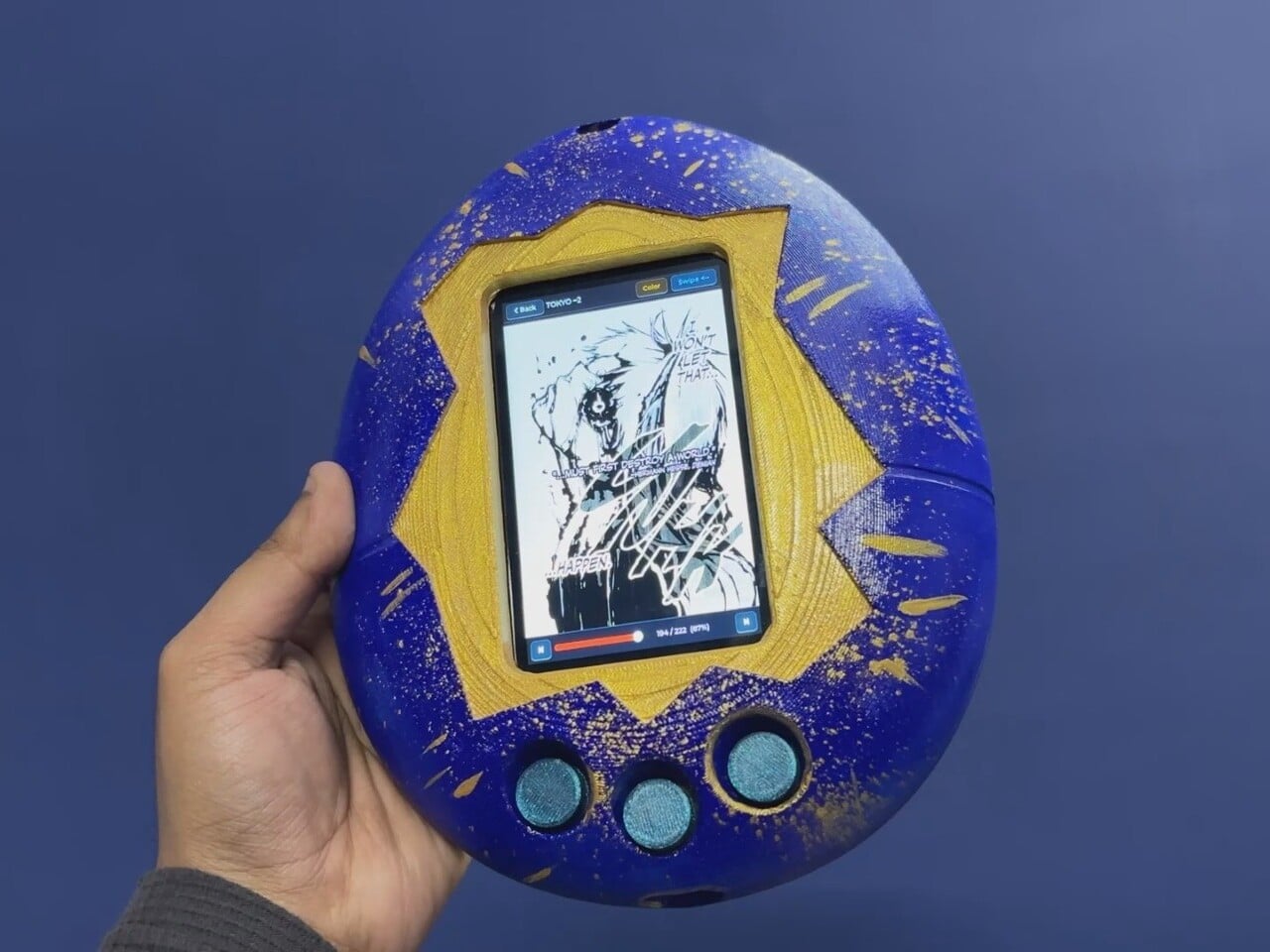
Tamagotchi toys have always made a little plastic egg feel like something worth carrying around. The Mega Tamagotchi takes that familiar shape in a considerably less pocketable direction, building a manga reader around a 4.3-inch touchscreen. This is a working DIY project rather than an official Bandai release, with a painted enclosure that gives digital comics a rather unlikely place to live.
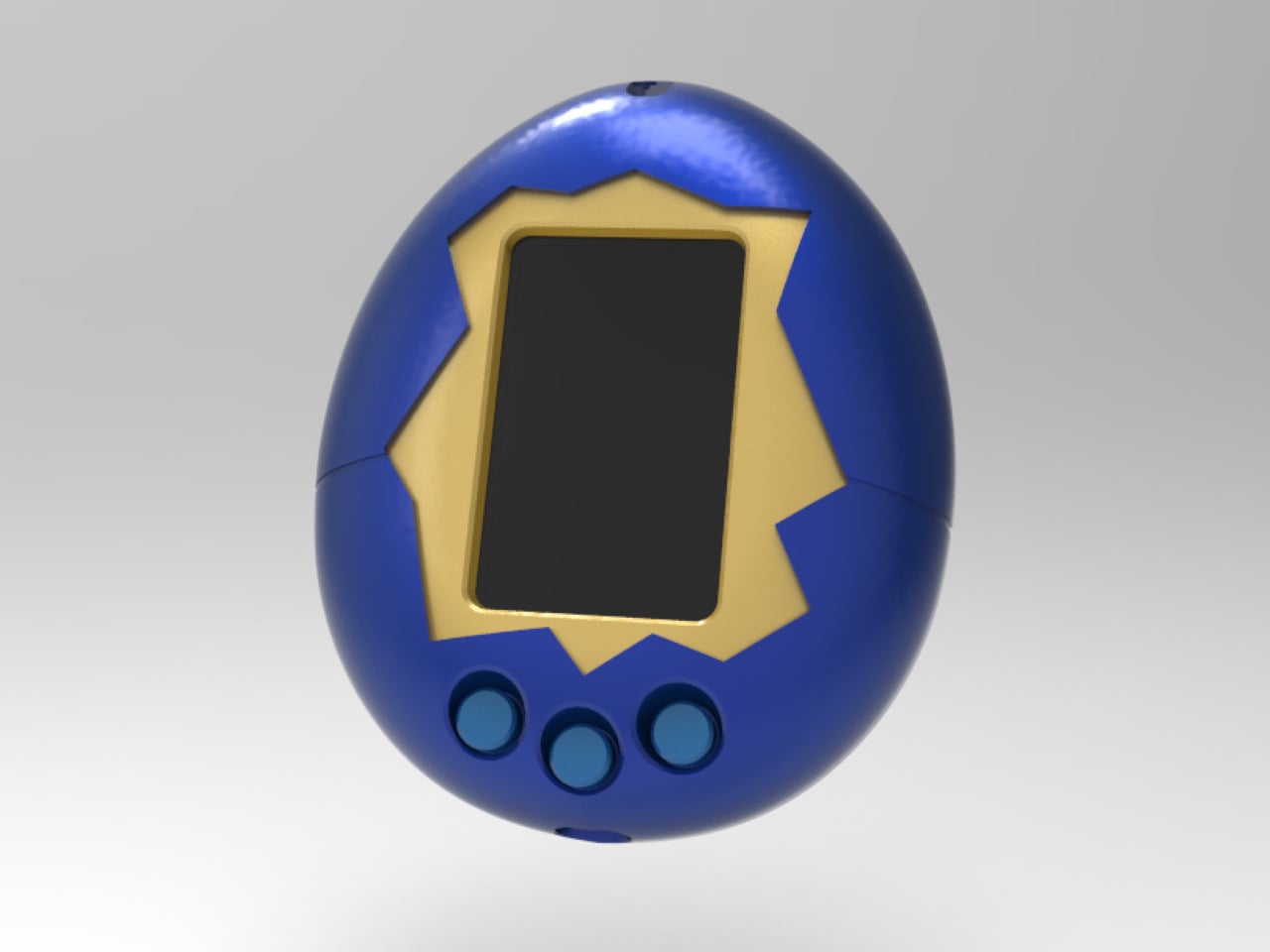
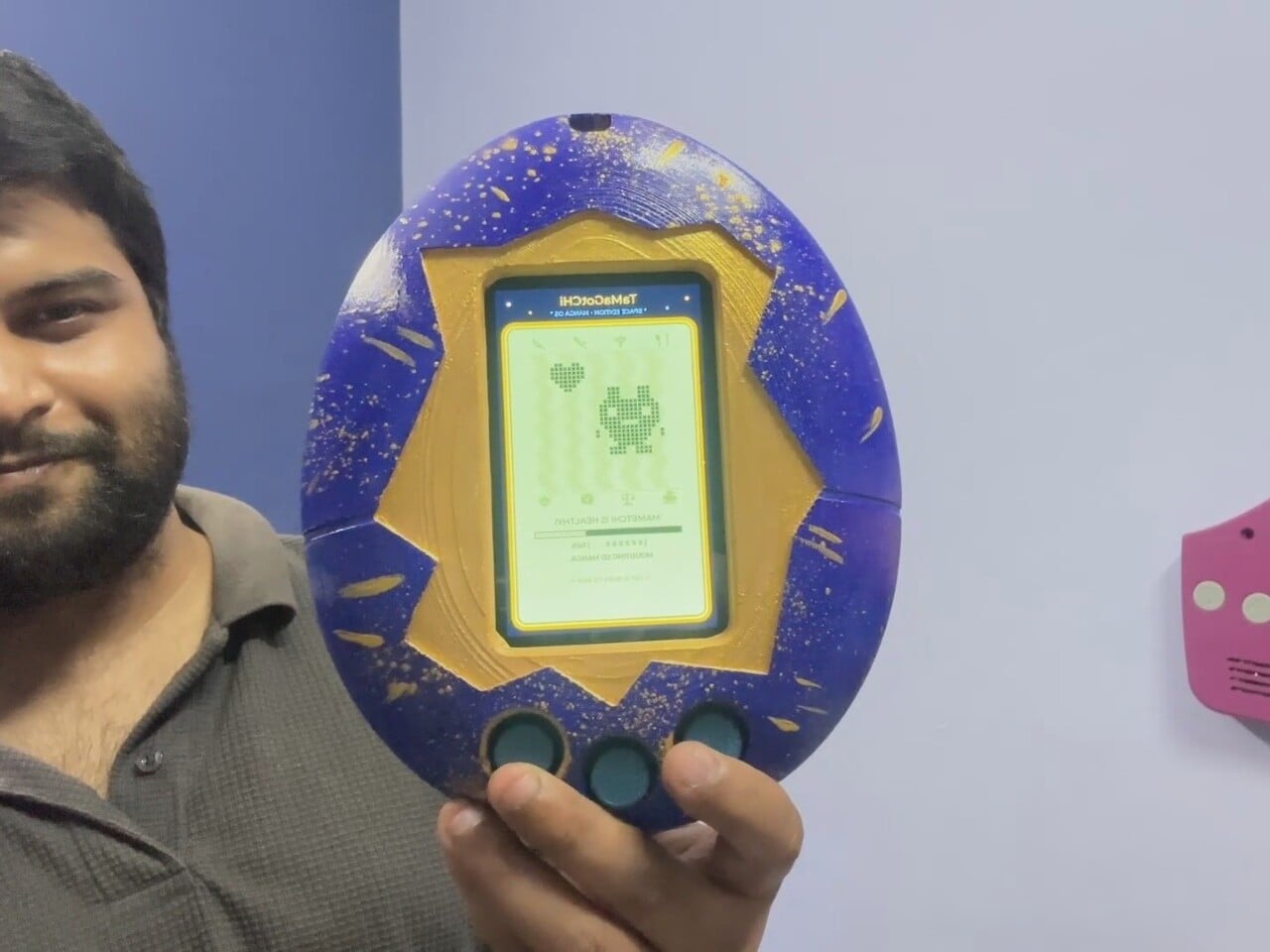
The shell was modeled in Fusion 360 by tracing a Tamagotchi’s outline, then enlarging it around the screen and electronics. A jagged gold border surrounds the display, while blue paint and scattered gold marks give the body a miniature night-sky theme. Visible printing lines and brushwork keep it firmly in handmade territory, rather than pretending to be a polished device from a factory.
Designer: Arnov Sharma
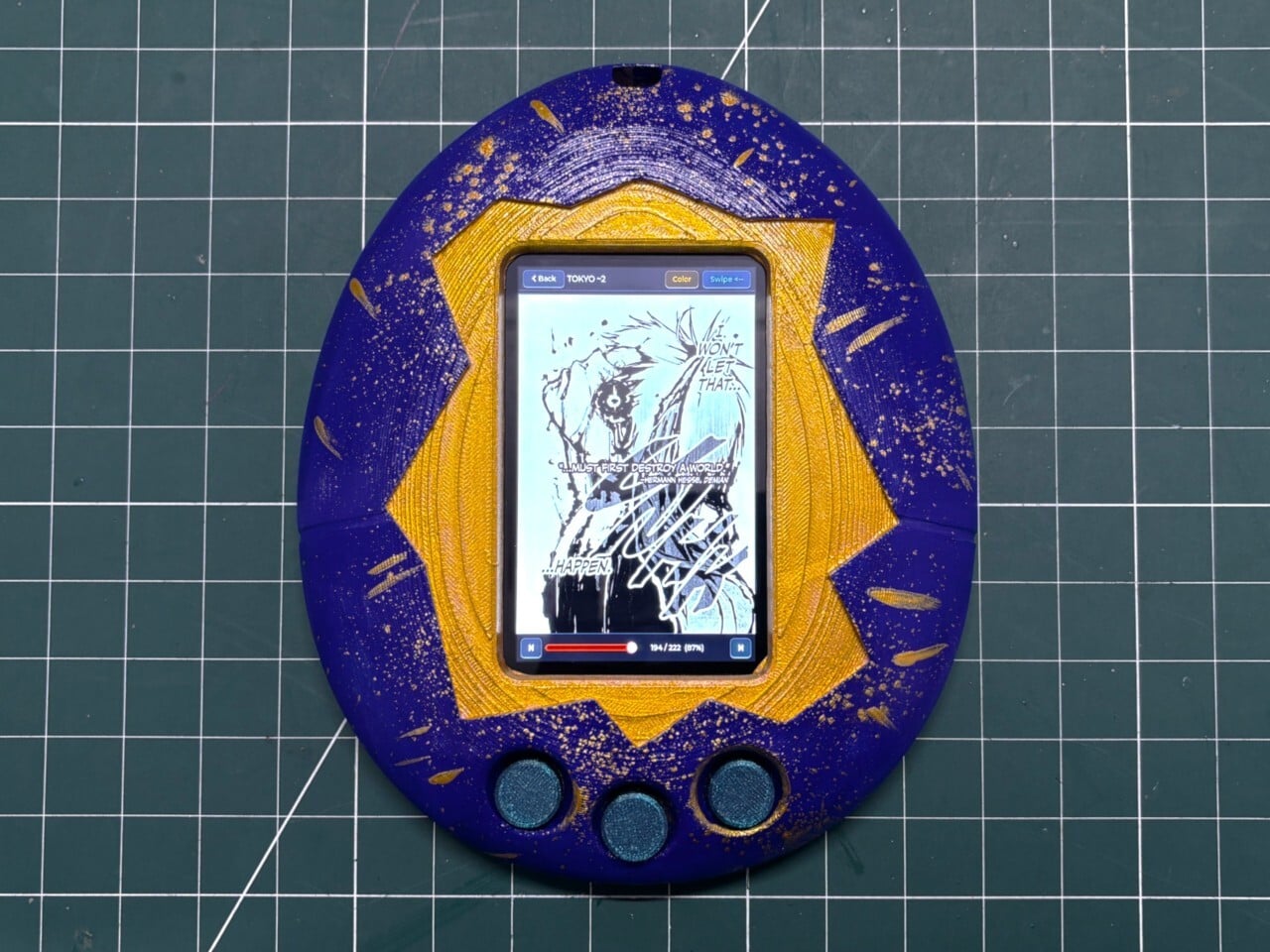
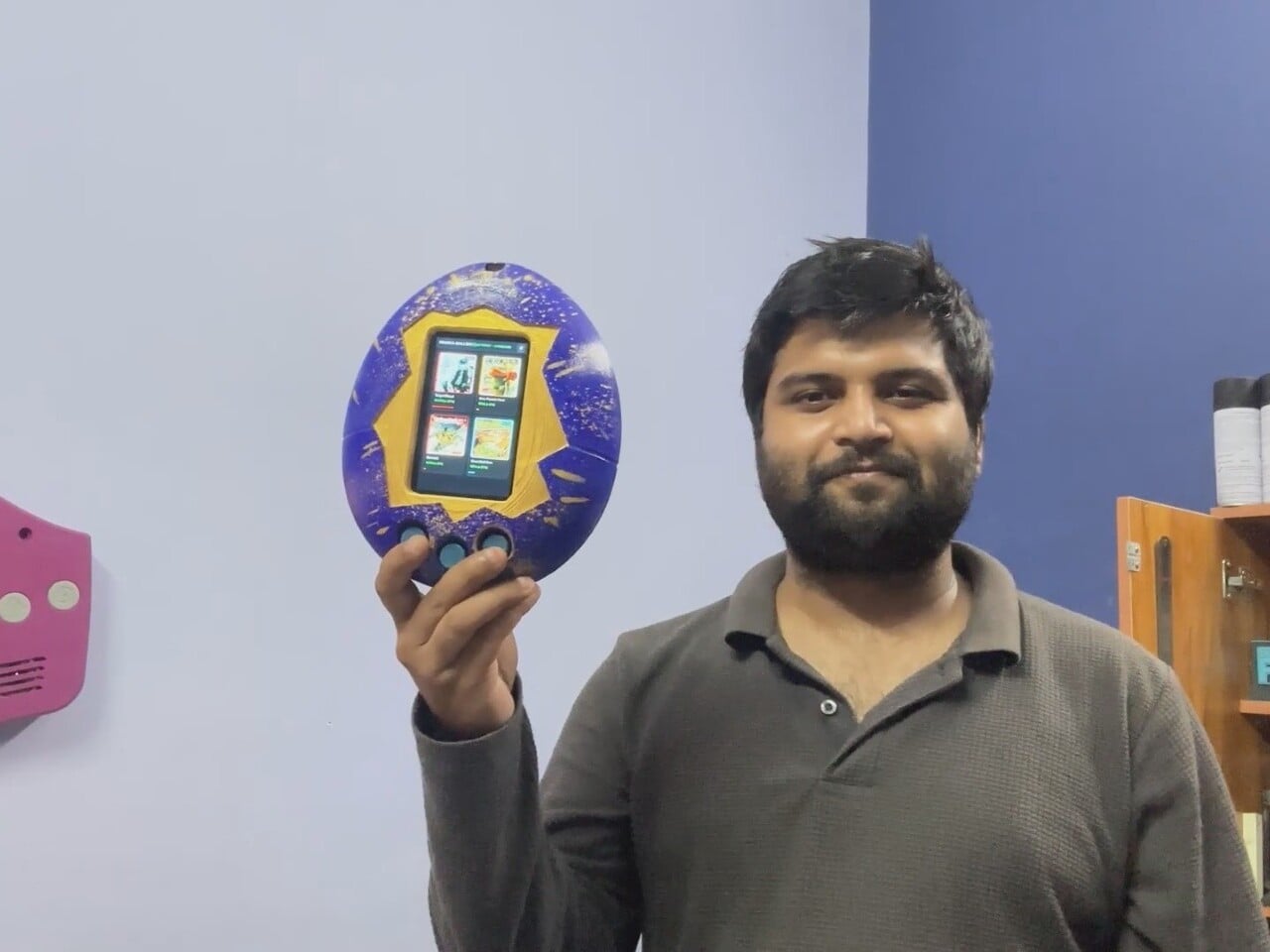
Three turquoise buttons below the screen complete the resemblance, although pressing them won’t turn a single page. They’re decorative pieces glued into the housing, not working controls. Navigation happens on the capacitive touchscreen through taps and swipes, much like reading on a phone. That preserves the toy’s appearance, but leaves its most recognizable interaction behind, which feels like a slightly missed opportunity.
The software keeps a little more of that personality. A pixel-art egg hatches during startup, accompanied by chiptune audio, before giving way to a gallery of manga covers. You choose a title and swipe through its pages, with automatic bookmarks remembering your place. There’s no hungry creature demanding attention afterward; the hatching sequence introduces the reader rather than starting a separate pet-care game.
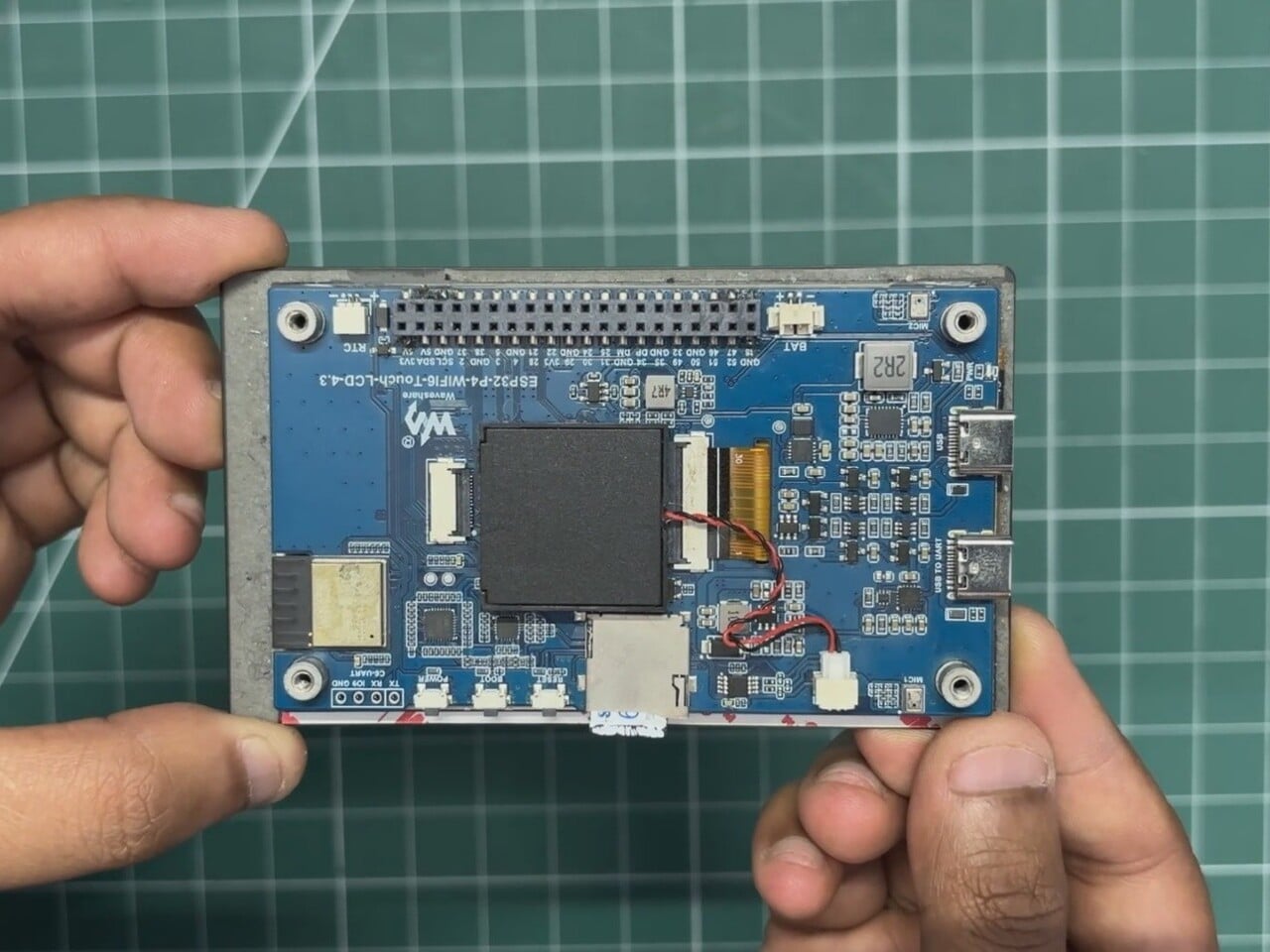
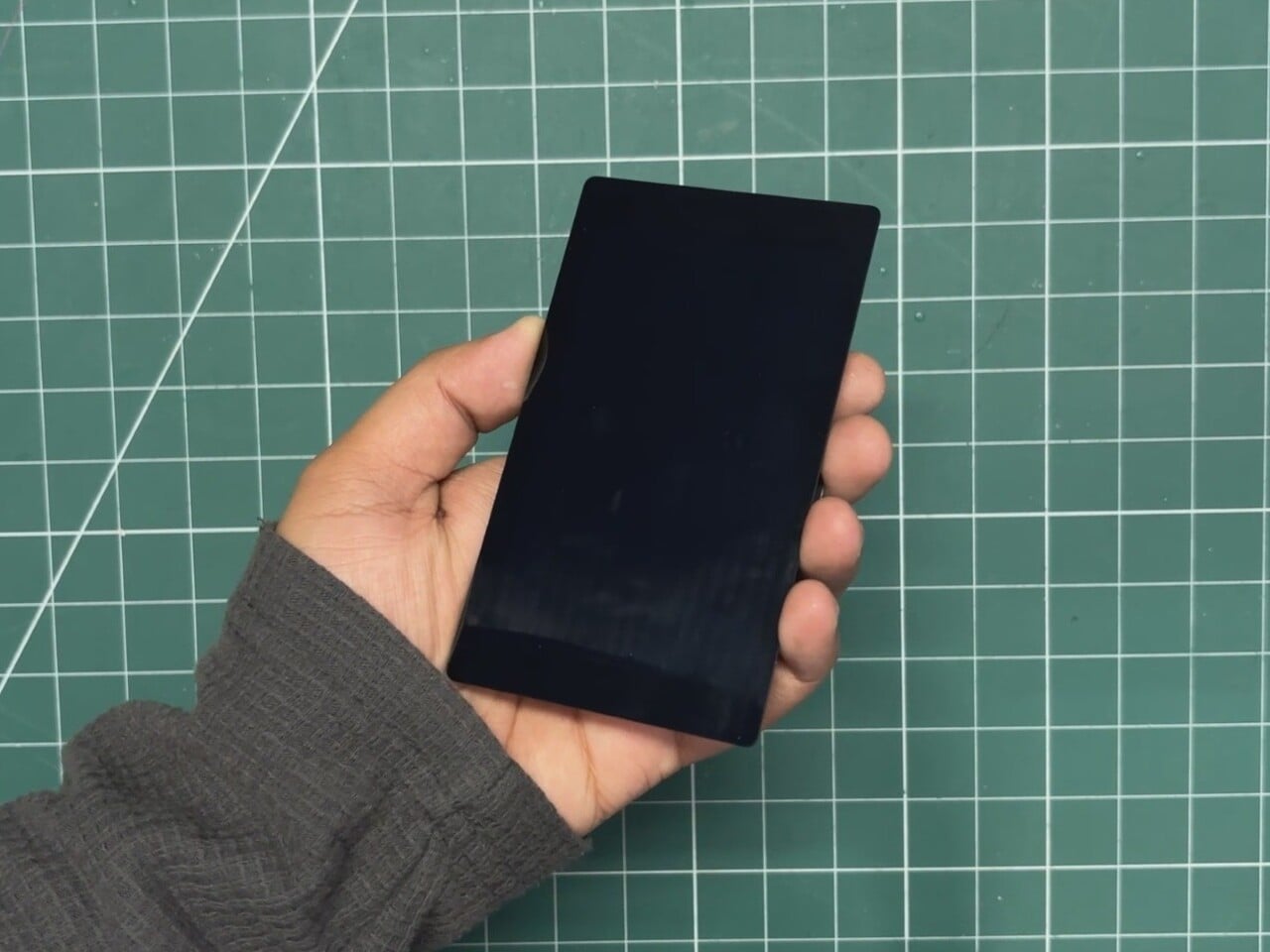
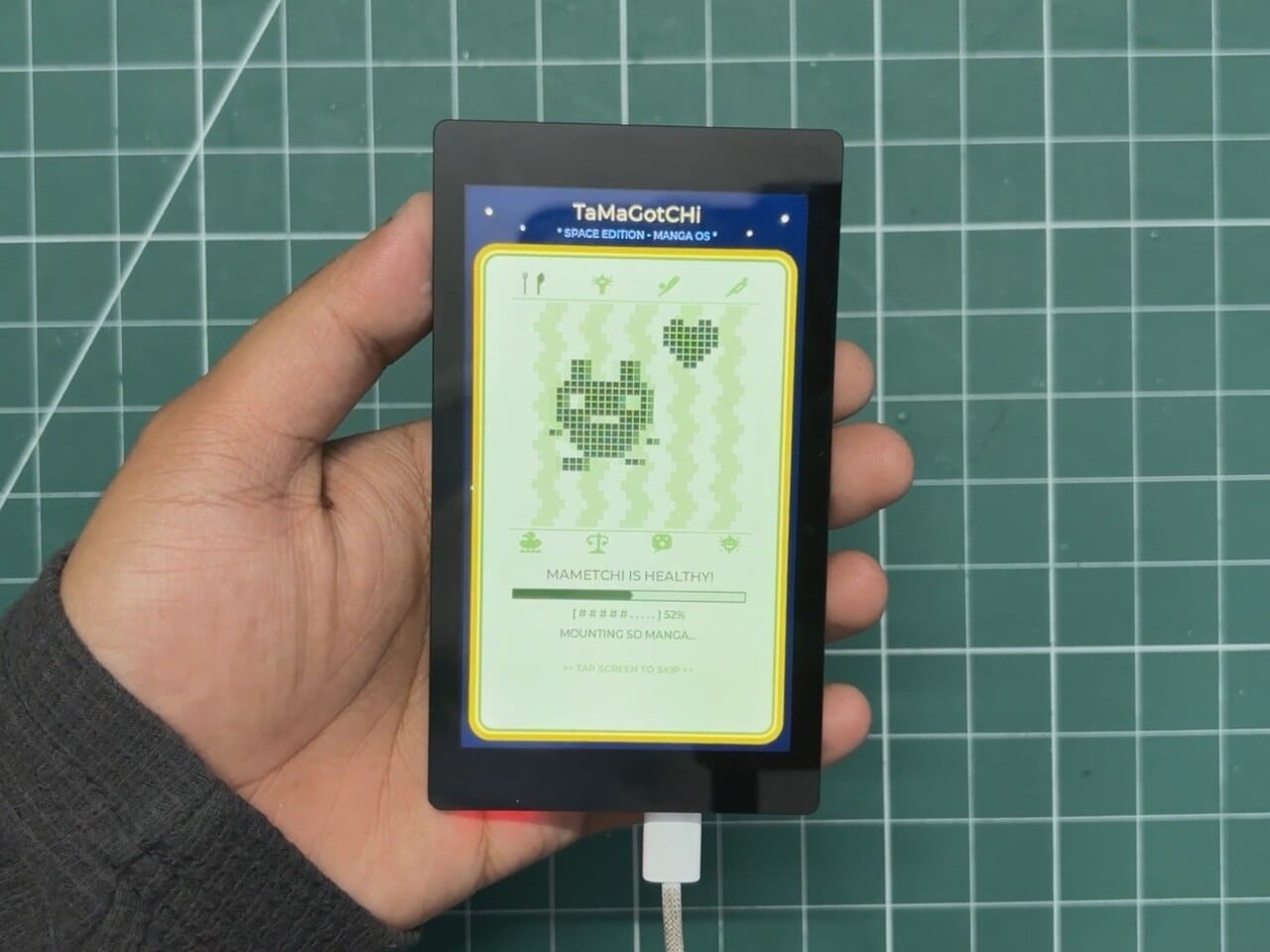
The project uses a Waveshare ESP32-P4 board, provided by the manufacturer, with an ESP32-C6 coprocessor and a speaker for the startup sound. Its 480×800 IPS LCD is a conventional color screen, not an E Ink panel, despite the dedicated reading role. An SD card holds the collection locally, so the basic reading routine doesn’t depend on downloading each chapter over Wi-Fi.
Loading that library takes some preparation. A companion Python tool converts PDFs into JPEG pages sized to fit the display, which you then transfer to the card. You aren’t loading PDFs directly onto the reader and expecting them to open. The reader offers black-and-white contrast processing alongside a color mode, with an on-screen toggle letting you decide which treatment suits the current page.
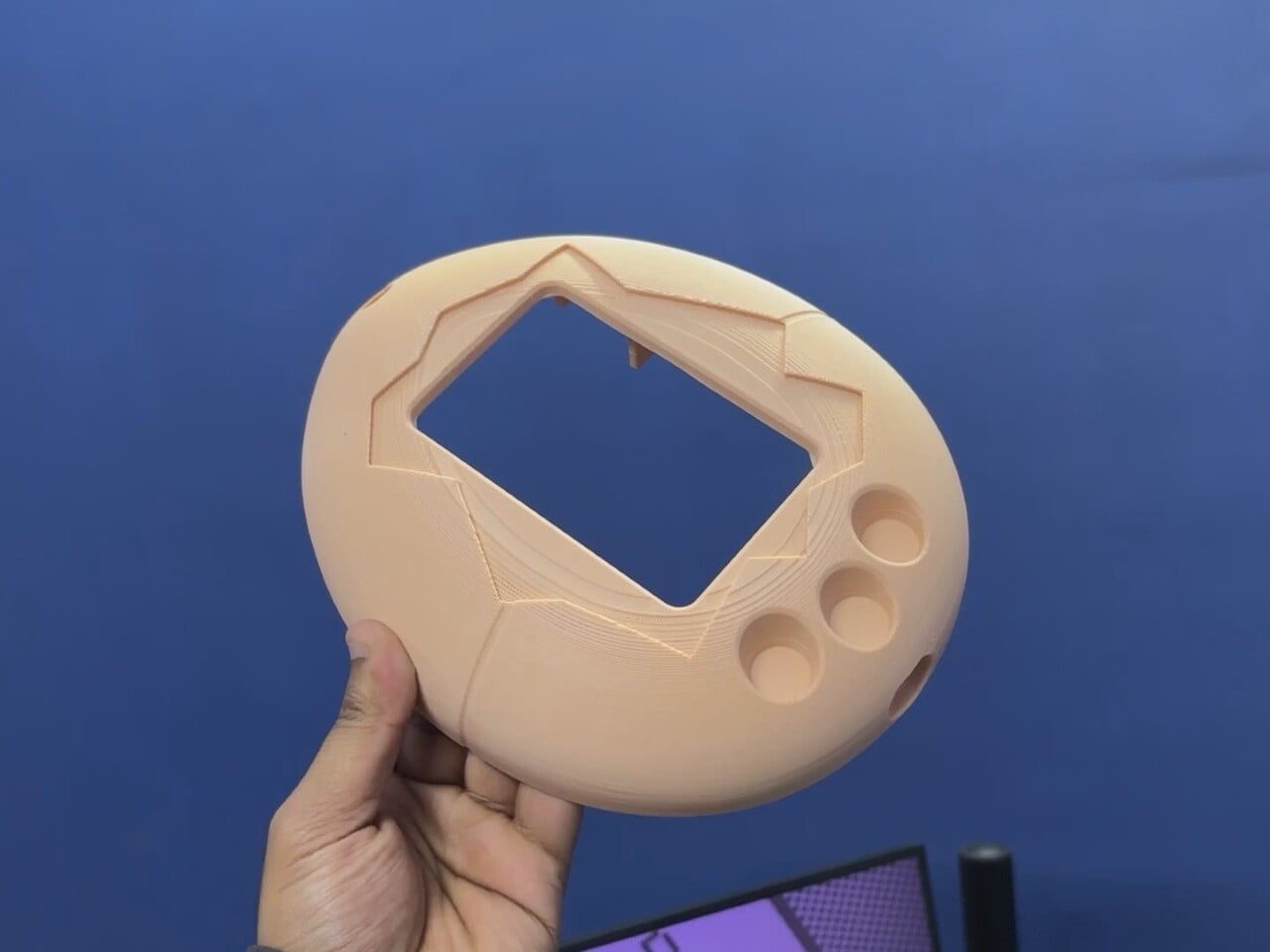
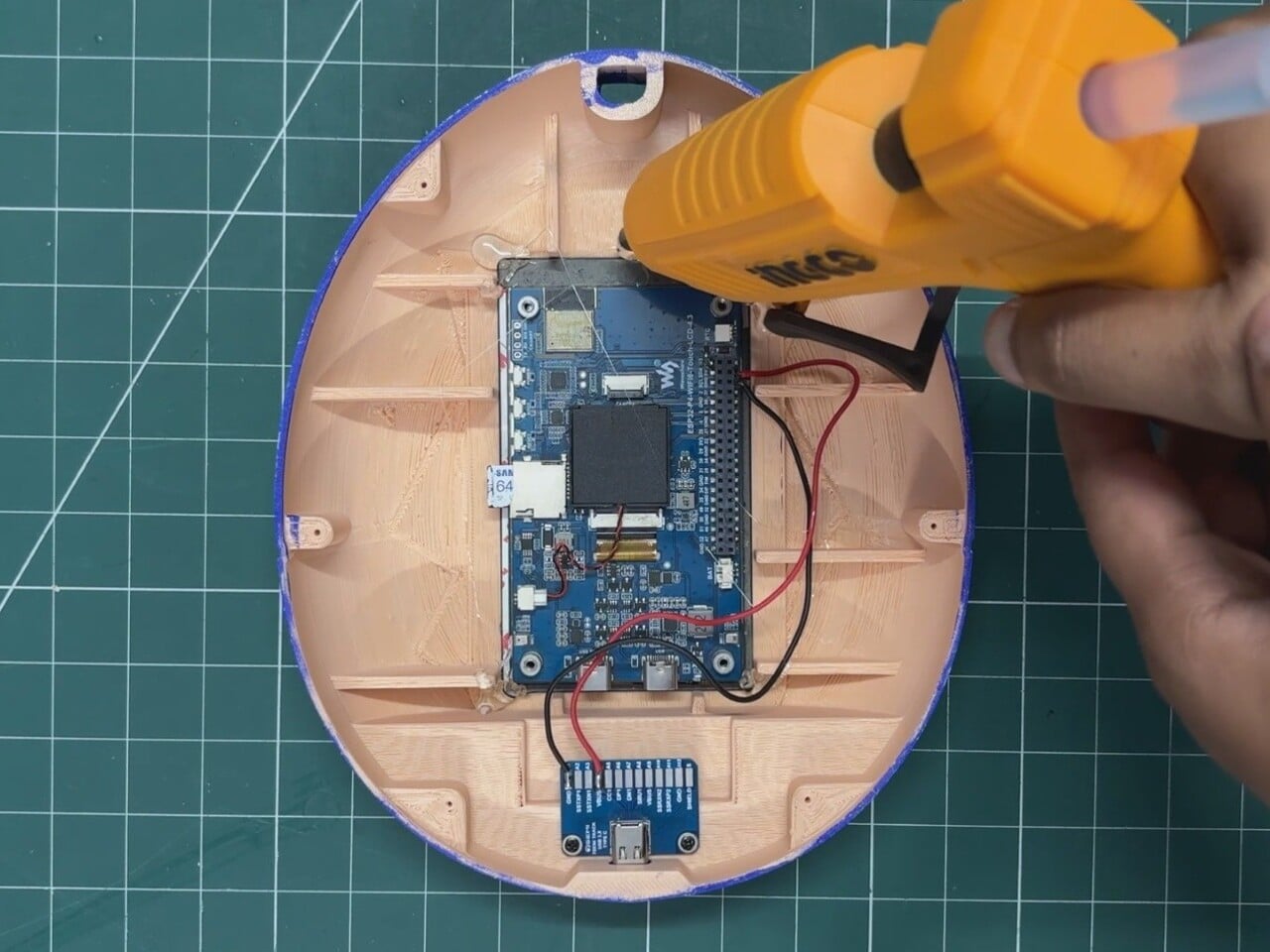
The PLA enclosure separates into a main body and rear lid, secured with six screws. A rechargeable lithium-ion battery sits alongside the display assembly, with a USB-C connection brought out for charging and a rocker power switch at the back. Opening the lid exposes the wiring, although hot glue securing the screen makes component replacement less straightforward than undoing those six screws.
Of course, making the shell enormous doesn’t turn a 4.3-inch screen into a full manga page at paperback size. Small dialogue could still demand some patience, and the rounded body takes up more room than the display alone. This egg belongs in a bag rather than on a keychain, preferably somewhere its gold-speckled paint won’t spend the journey rubbing against your keys.
The post This DIY Manga Reader Looks Like an Oversized Tamagotchi first appeared on Yanko Design.