Clink’s Bottle Opener Gets a Curved Grip Without Custom Tooling

There are things that we use for almost every day life that we don’t really think about their design. One of them are bottle openers. As long as they’re able to open the bottle that I want to drink or use for cooking, I’m not really particular about how they’re designed or what material the designer uses. But this new one begs users to actually think about where it came from and what the minimalist design means.

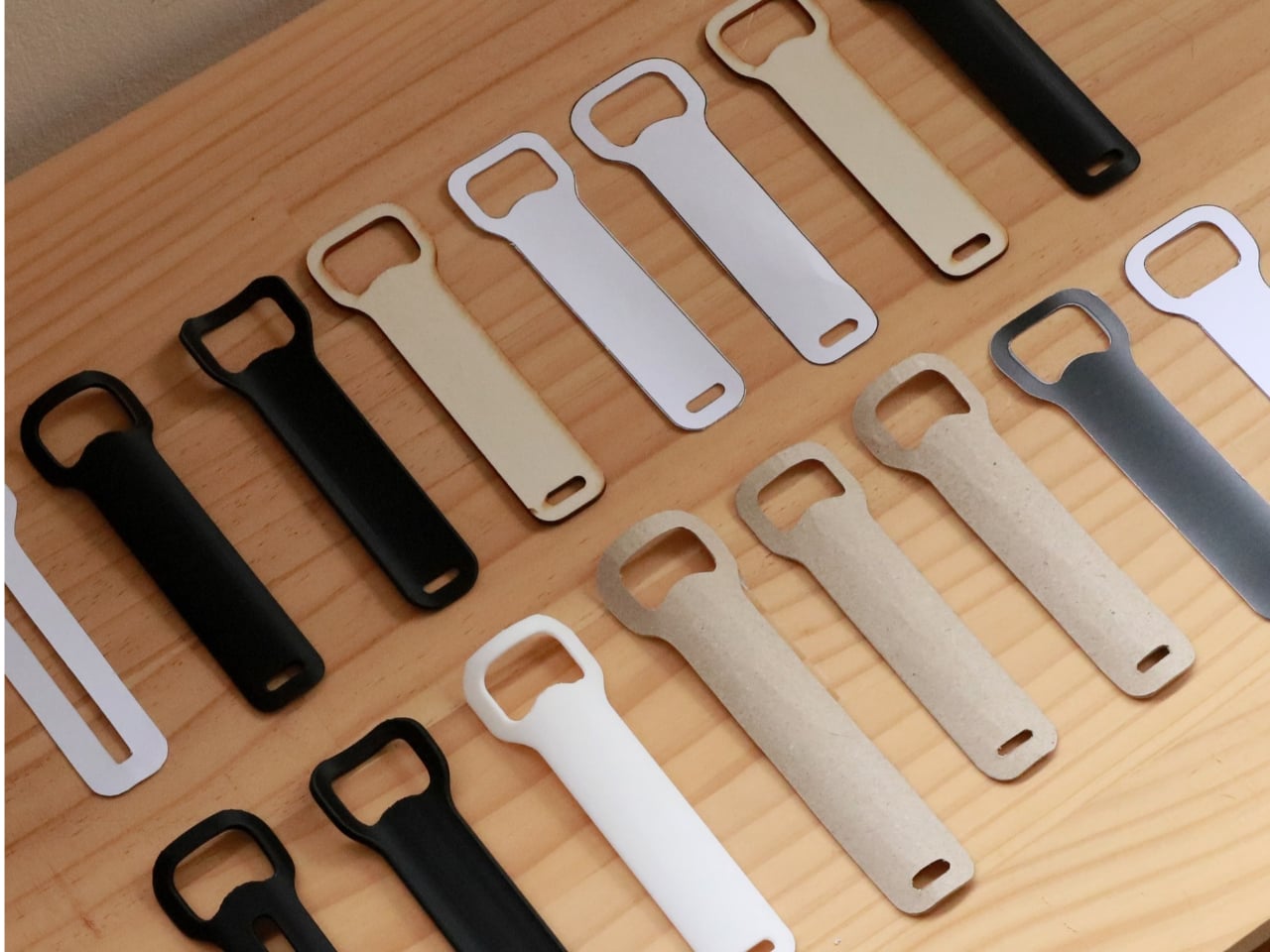
Clink starts with a curve that its designer didn’t have to create. Hsinhung Chou’s stainless steel bottle opener is cut from standard tube stock, borrowing its three-dimensional shape from material that already exists. It’s a practical response to a less photogenic design problem: custom tooling can demand a serious investment before an independent designer has sold a single object. Chou’s solution is to work around that expense.

Designer: Hsinhung Chou
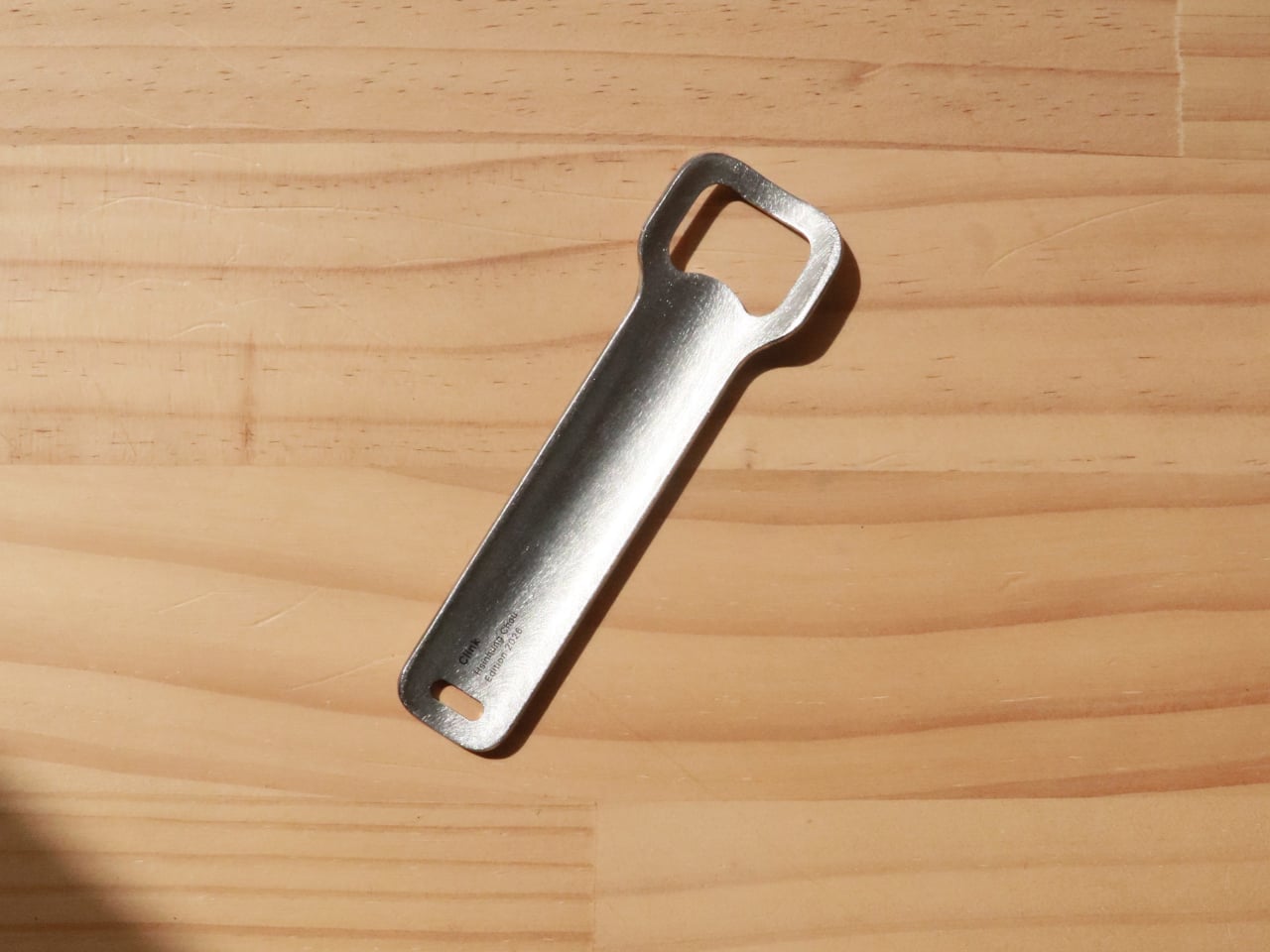
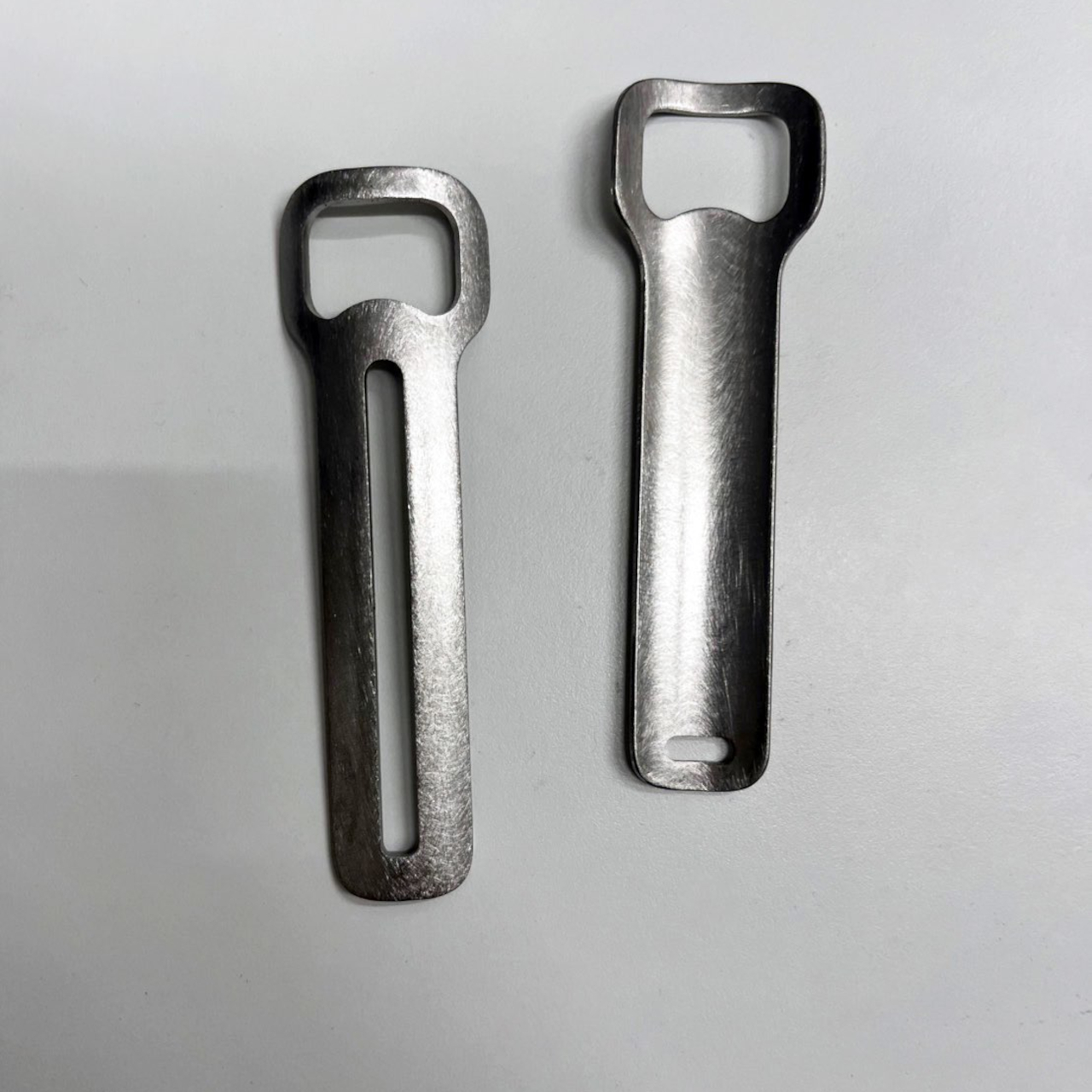
For the person opening a soda or beer, the payoff from this bottle opener is more immediate. Chou says the tube’s curvature gives Clink greater structural rigidity than a conventional flat opener while creating a contour for the thumb. That’s a sensible ambition for an object you press against your hand. A manufacturing decision becomes part of the grip, rather than remaining an invisible detail in a production spreadsheet.

I like that the starting point is so ordinary. A tube already has a radius, a wall thickness, and a shape that places limits on what can be cut from it. Those limits become useful design information. Instead of asking a factory to reproduce any imaginable shape, Chou has developed an object around the possibilities of an existing material. That feels like a more interesting exercise than styling another flat bar.

The process behind it is laser tube cutting. It is a way to cut different contours into tubes and profiles without changing cutting tools for each geometry. For Clink, the important distinction is that the starting material is already curved. The laser defines the opener within that surface, rather than creating a flat piece that needs its curve added afterward.
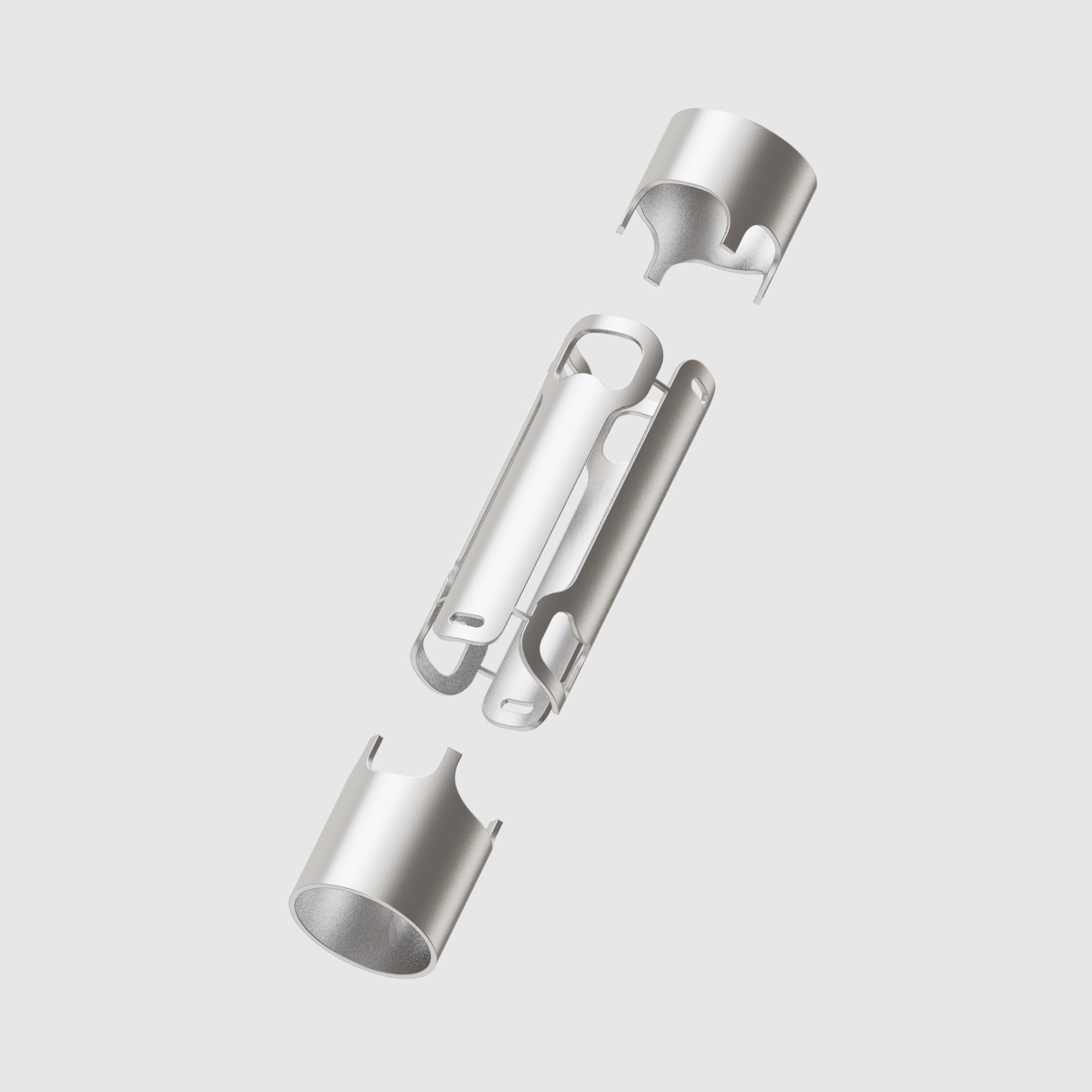
That relationship between process and shape is the strongest reason to pay attention here. Plenty of objects come with a manufacturing story, but I’m more interested when knowing the process helps explain the object itself. Clink’s curve has a reason to exist beyond looking distinctive. According to Chou’s description, the same geometry addresses both stiffness and thumb placement. It gives a small detail more than one job.

Still, an ergonomic intention isn’t the same as a comfortable opener. They say it has a satisfying tactile response but since I haven’t experienced it yet, I’ll just take their word for it. The useful questions would be straightforward: how the edges meet your fingers, how securely it engages a cap, and how much pressure the grip puts on your thumb. Those details would decide whether the production logic translates into a tool worth reaching for.

The stainless steel finish is another deliberate part of Chou’s approach, with the material’s surface texture included in his description of the design. My preference with a small metal tool is for that finish to support the shape rather than distract from it. An opener doesn’t need much visual explanation. Its proportions and the places where your hand makes contact should carry most of the conversation.
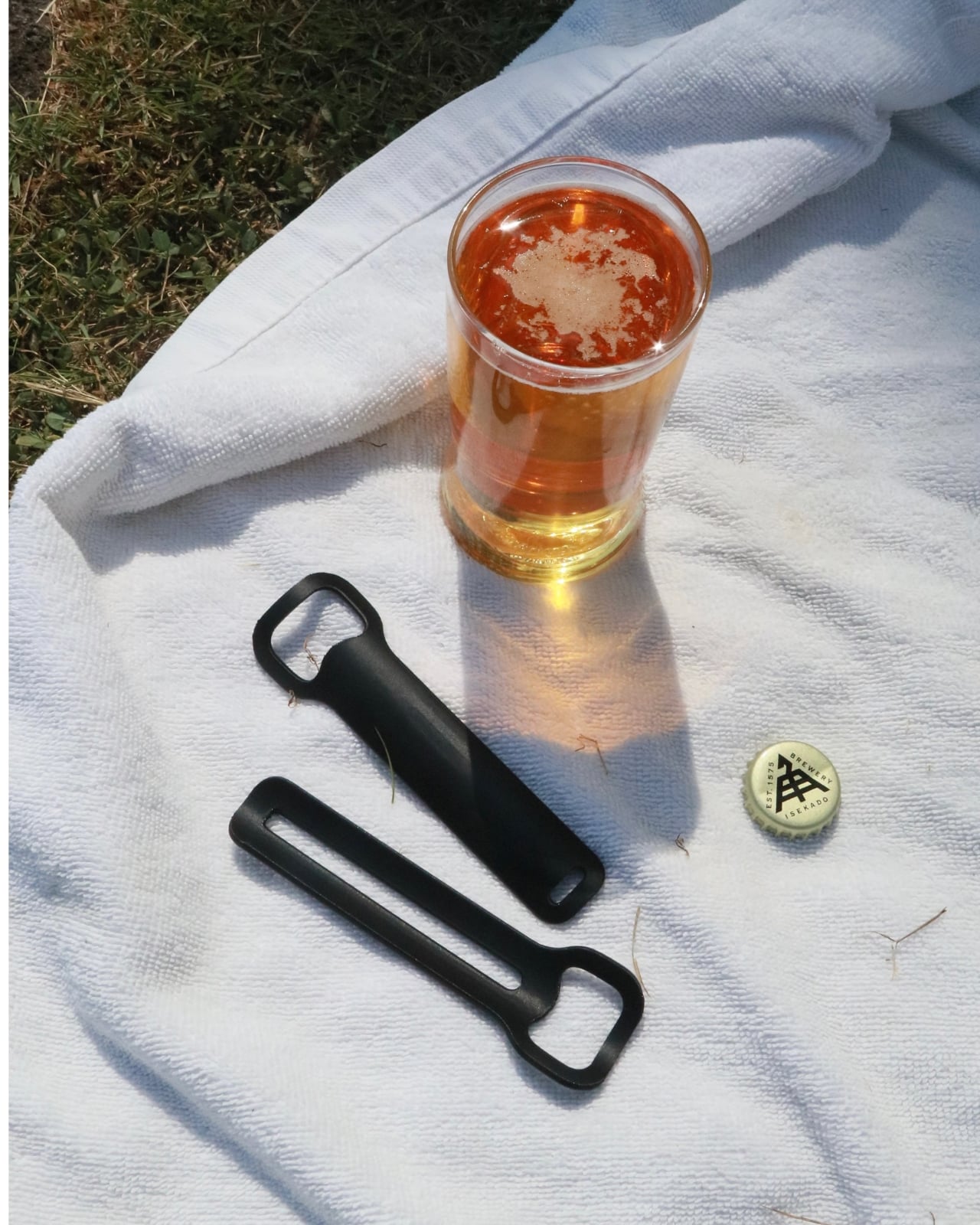
Clink has also moved beyond a one-off design study. Chou has already batch-produced the openers and sells them for NT$1,280, approximately $38 in its coverage. Of course there’s still shipping to consider to wherever you are so that puts this firmly in considered-purchase territory for a bottle opener. I’d want it to earn its place through use, even if the fabrication story helped get my attention.

The appeal is in recognizing that a standard piece of tubing already contains part of the answer. Chou has used its curve as a design resource, with a practical purpose attached. The remaining test is refreshingly ordinary: when a bottle needs opening, does your hand choose Clink over the other opener already in the drawer?
The post Clink’s Bottle Opener Gets a Curved Grip Without Custom Tooling first appeared on Yanko Design.
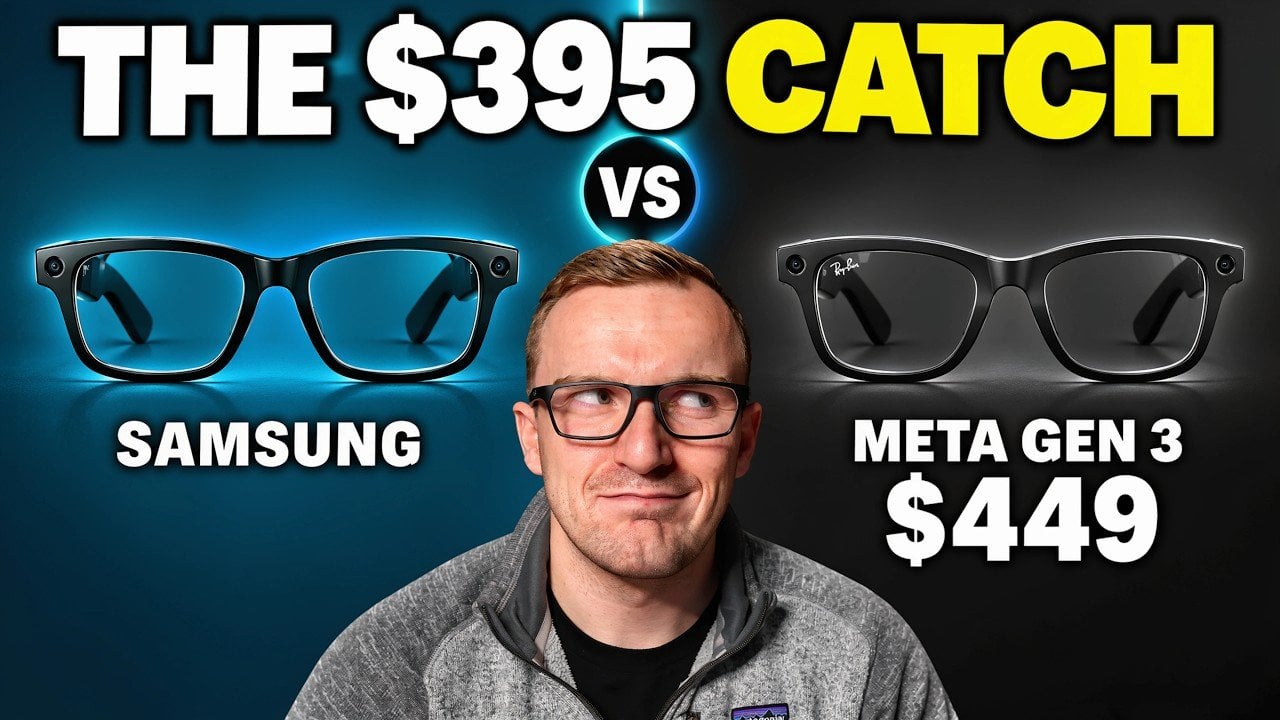

Samsung’s $395 Smart Glasses vs Ray-Ban Meta Gen 3

Samsung’s $395 Smart Glasses vs Ray-Ban Meta Gen 3 Front view of Samsung smart glasses with camera lenses built into the frames.

Samsung’s smart glasses start at $395, or $54 less than Ray-Ban Meta Gen 3, and may offer better value on paper for a first-time buyer who needs prescription lenses. That comparison is provisional: Samsung’s glasses are not scheduled to ship until December 10, so their fit and everyday performance remain untested by Tech with Spencer. […]

The post Samsung’s $395 Smart Glasses vs Ray-Ban Meta Gen 3 appeared first on Geeky Gadgets.

Posted in Uncategorized

Solar Electric Oasis Concept Turns a Picnic Shelter Into a Solar Power Station

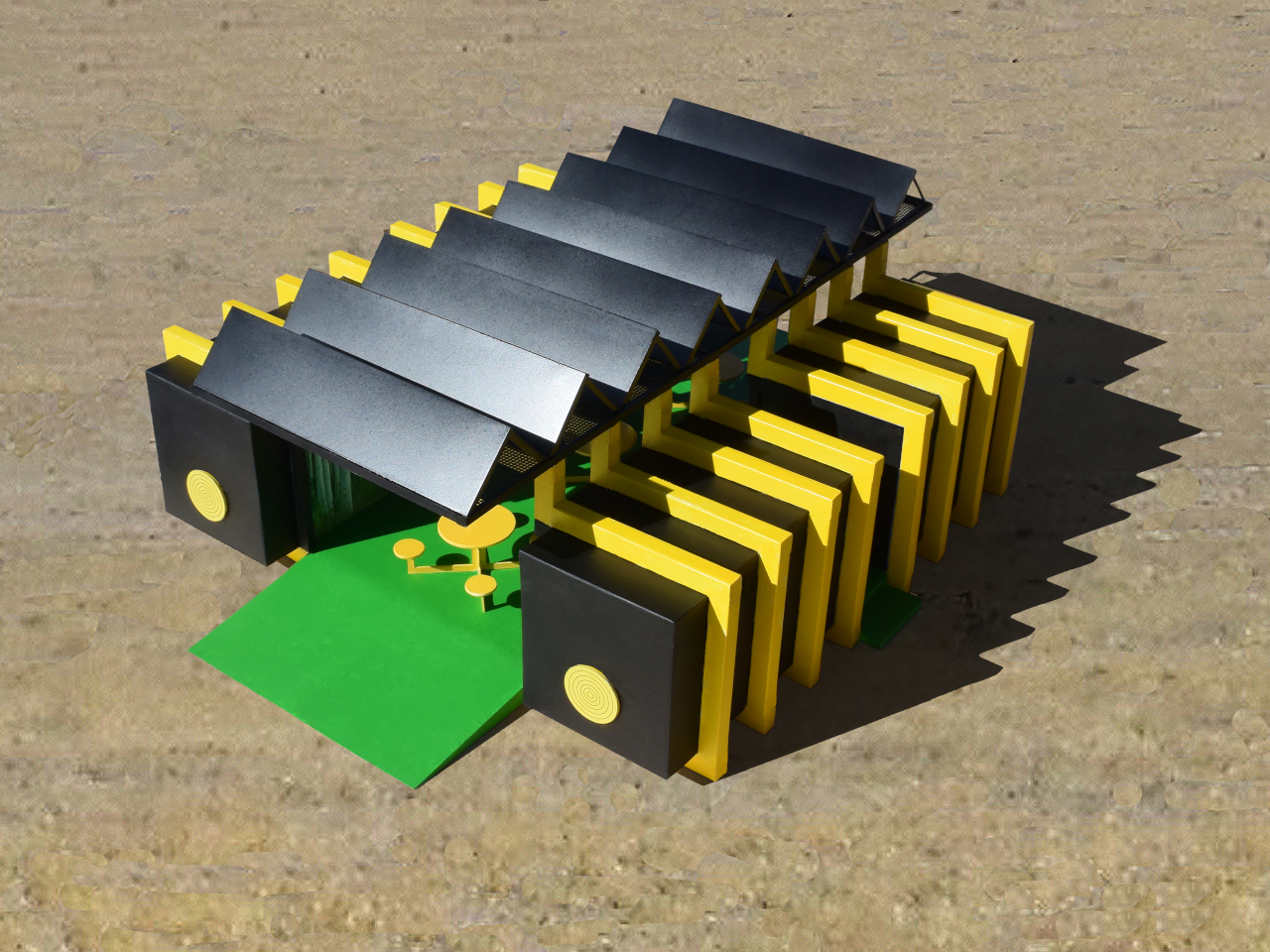
Finding a shady place to eat at a music festival can feel like a small victory. The Solar Electric Oasis proposes making that shelter useful to the event itself, combining seating with solar panels and battery storage. The prefabricated pavilion would give visitors somewhere to pause while collecting electricity for the gathering around them, all inside an industrial-looking enclosure.

Bright yellow frames alternate with black battery housings, while green artificial turf runs through the middle. The combination feels closer to event equipment than a quiet garden retreat, which isn’t necessarily a bad thing at a busy festival. In a dry, sunbaked landscape, though, that yellow might feel rather insistent. A softer, site-sensitive palette would be worth exploring, although no alternatives are specified.

Designer: Michael Jantzen

Overhead, eight formed metal panels carry thin-film photovoltaic material on a steel frame. Four large battery modules would store the electricity, making the pavilion a potential source of off-grid power rather than simply a solar-powered picnic shelter. How much of a festival it could actually support will largely depend on the actual battery capacity and output.

Those battery housings don’t have to hold up the roof. Its loads would pass through 16 roof beams and eight structural columns to the floor, leaving the modules outside that load path. Another 16 yellow elements attached to those modules are removable and nonstructural. Their repetition gives the exterior its rhythm, but they also have to get out of the way for maintenance.

Inside, three table-and-seat combinations sit beneath three solar-powered ceiling fans. A fabric shade layer under the panels supplements the overhead cover, while four photographs of aspen trees decorate the battery module doors without preventing access. There’s something amusing about taking refuge among pictures of trees rather than actual ones, although the artificial turf makes it clear this isn’t trying to recreate a forest.

The proposal starts from eight leveled wooden or metal ground beams, topped with a plywood floor. End ramps and side steps would bring people into the seating area. After the event, the components are intended to come apart for reassembly elsewhere. That’s a useful ambition for temporary architecture, although transport requirements, installation time, and anchoring need more detail than the concept provides.

The gaps between the side elements could let daylight and breezes into the pavilion, but they’d leave visitors exposed to weather from certain directions. Low sunlight could reach the tables, and wind-driven rain could make lunch rather less relaxing. The roof’s fabric shading shouldn’t be mistaken for a complete weather enclosure, particularly when the sides remain open, and the sun keeps moving.

Adjustable screens or removable covers could make those openings more useful across changing conditions, provided they didn’t block necessary ventilation or battery access. Neither feature is part of the current proposal, but both would give visitors a little more say over their shelter. A place that collects sunshine for electricity should also let you decide when you’ve had enough of it yourself.

The post Solar Electric Oasis Concept Turns a Picnic Shelter Into a Solar Power Station first appeared on Yanko Design.

Galaxy Buds On: Are Samsung’s New Open-Ear Buds Worth the Hype?

Galaxy Buds On: Are Samsung’s New Open-Ear Buds Worth the Hype? Galaxy Buds On

The Samsung Galaxy Buds Pro bring a distinctive approach to the wireless earbud market with their open-ear, clip-on design. These earbuds cater to users who seek a balance between situational awareness and high-quality audio performance. Unlike traditional in-ear models, the Galaxy Buds Pro emphasize comfort and environmental awareness, positioning themselves as a unique option in […]

The post Galaxy Buds On: Are Samsung’s New Open-Ear Buds Worth the Hype? appeared first on Geeky Gadgets.

Posted in Uncategorized

Black Friday Deals for Makers and Small Businesses: Save on DTF Printing, Laser Engraving and Ergonomic Seating

Black Friday Deals for Makers and Small Businesses: Save on DTF Printing, Laser Engraving and Ergonomic Seating Commarker

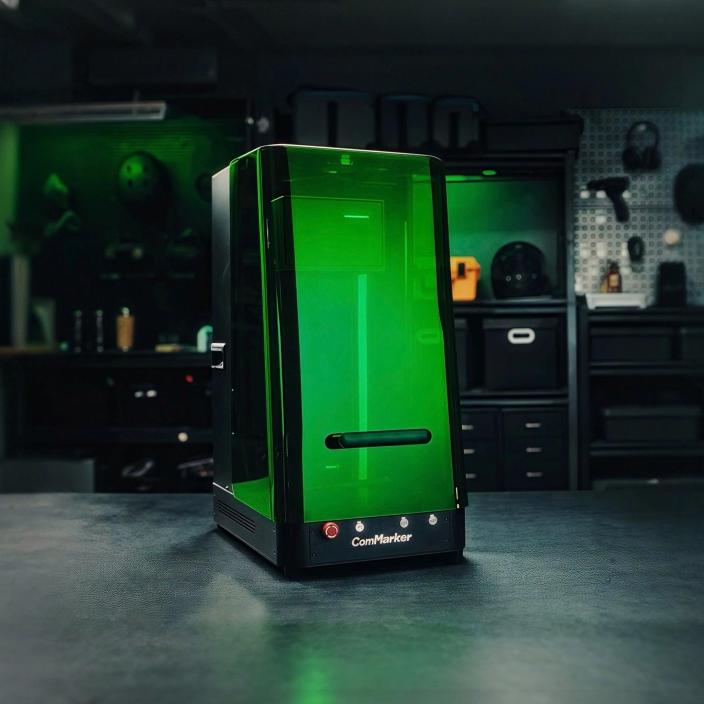
Procolored, ComMarker, and SIHOO are offering limited-time discounts on equipment for custom apparel production, precision engraving, and more comfortable workspaces. Small businesses and independent makers often need equipment that can handle short runs, one-off orders, and changing product ideas. A DTF printer can bring custom apparel production in-house, a UV laser engraver can add personalization […]

The post Black Friday Deals for Makers and Small Businesses: Save on DTF Printing, Laser Engraving and Ergonomic Seating appeared first on Geeky Gadgets.

Posted in Uncategorized

XREAL Aura Launches with Android XR Compute Puck For $1,099

XREAL Aura Launches with Android XR Compute Puck For $1,099 The XREAL Aura spatial computing glasses resting on a flat surface.

XREAL Aura pairs lightweight glasses with a separate Android XR computer, using optical passthrough to place virtual content over a direct view of the surroundings. The system launched at $1,099, with a phone-sized compute puck handling processing rather than a standard phone. Early use showed responsive hand gestures and stable virtual objects as the wearer […]

The post XREAL Aura Launches with Android XR Compute Puck For $1,099 appeared first on Geeky Gadgets.

Posted in Uncategorized

Should You Wait for the M5 iPad Air? Breaking Down the 2027 Release Rumors

Should You Wait for the M5 iPad Air? Breaking Down the 2027 Release Rumors M5 iPad Air

Apple is preparing to launch a refreshed iPad Air in early 2027, introducing OLED displays for both 11-inch and 13-inch models. This marks a significant advancement in display technology for the iPad Air lineup. However, the decision to retain a 60 Hz refresh rate has sparked debate, especially given the device’s anticipated starting price of […]

The post Should You Wait for the M5 iPad Air? Breaking Down the 2027 Release Rumors appeared first on Geeky Gadgets.

Posted in Uncategorized

A Phone Stand With a Hidden Cleaning Kit for Your Grimy Gadgets

Smartphones are apparently one of the dirtiest gadgets that we can own since it’s almost always in our hands. I’m more interested in having a cleaning kit I can reach easily and conveniently than one with an impressive accessory count. A fingerprint-covered phone or dusty keyboard doesn’t demand much ceremony, but hunting for a brush can turn a quick cleanup into a task for later.

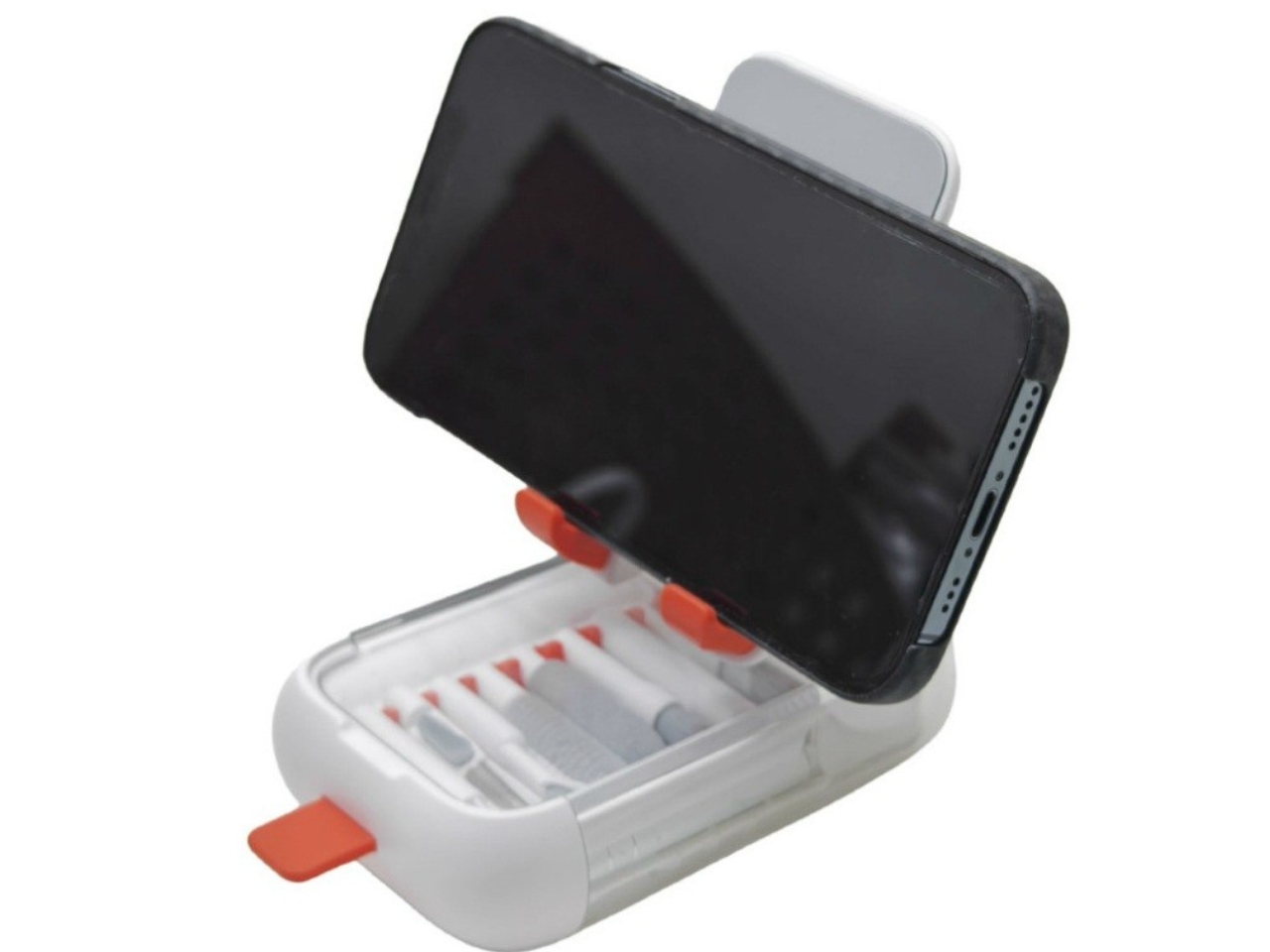
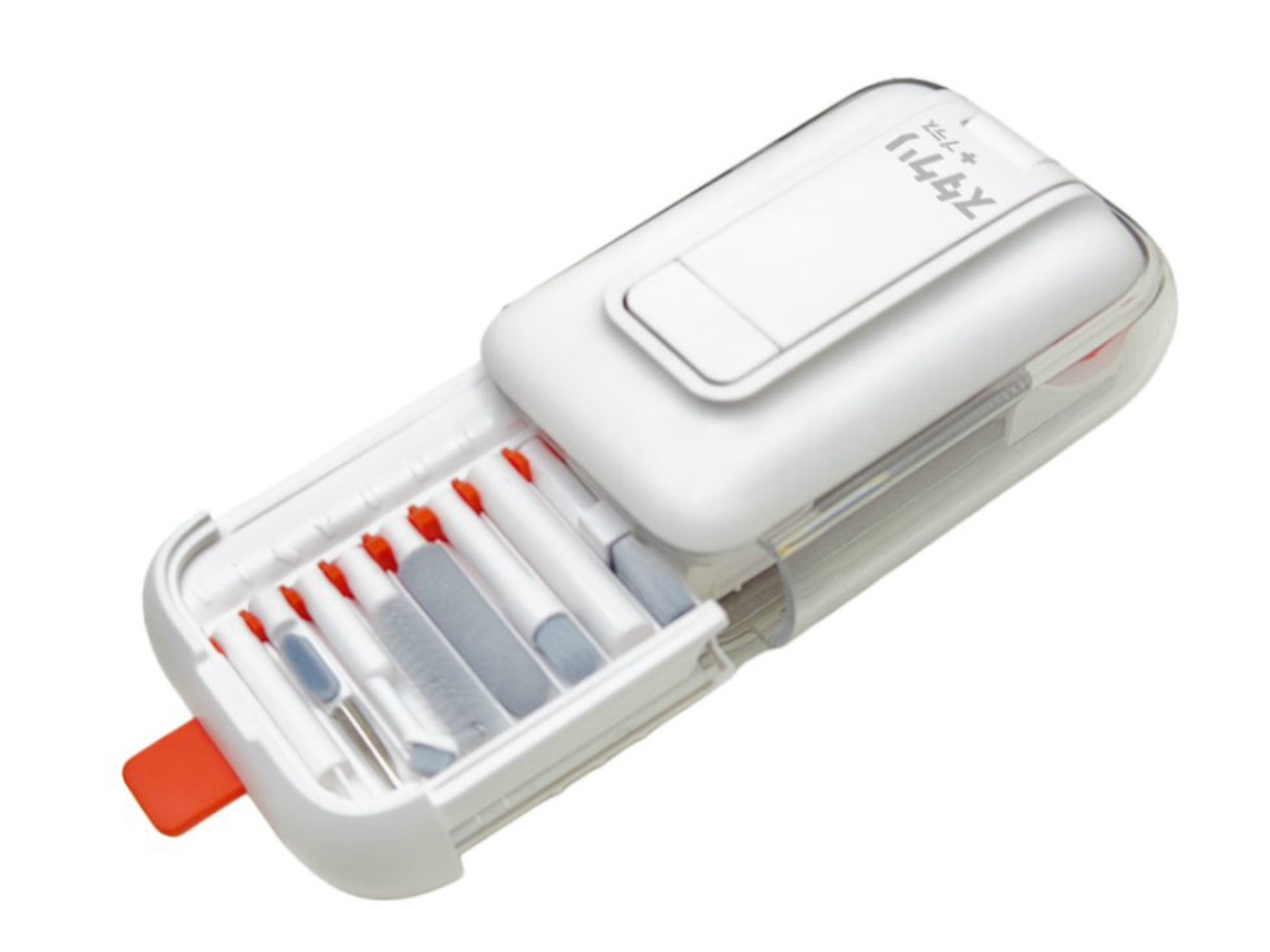
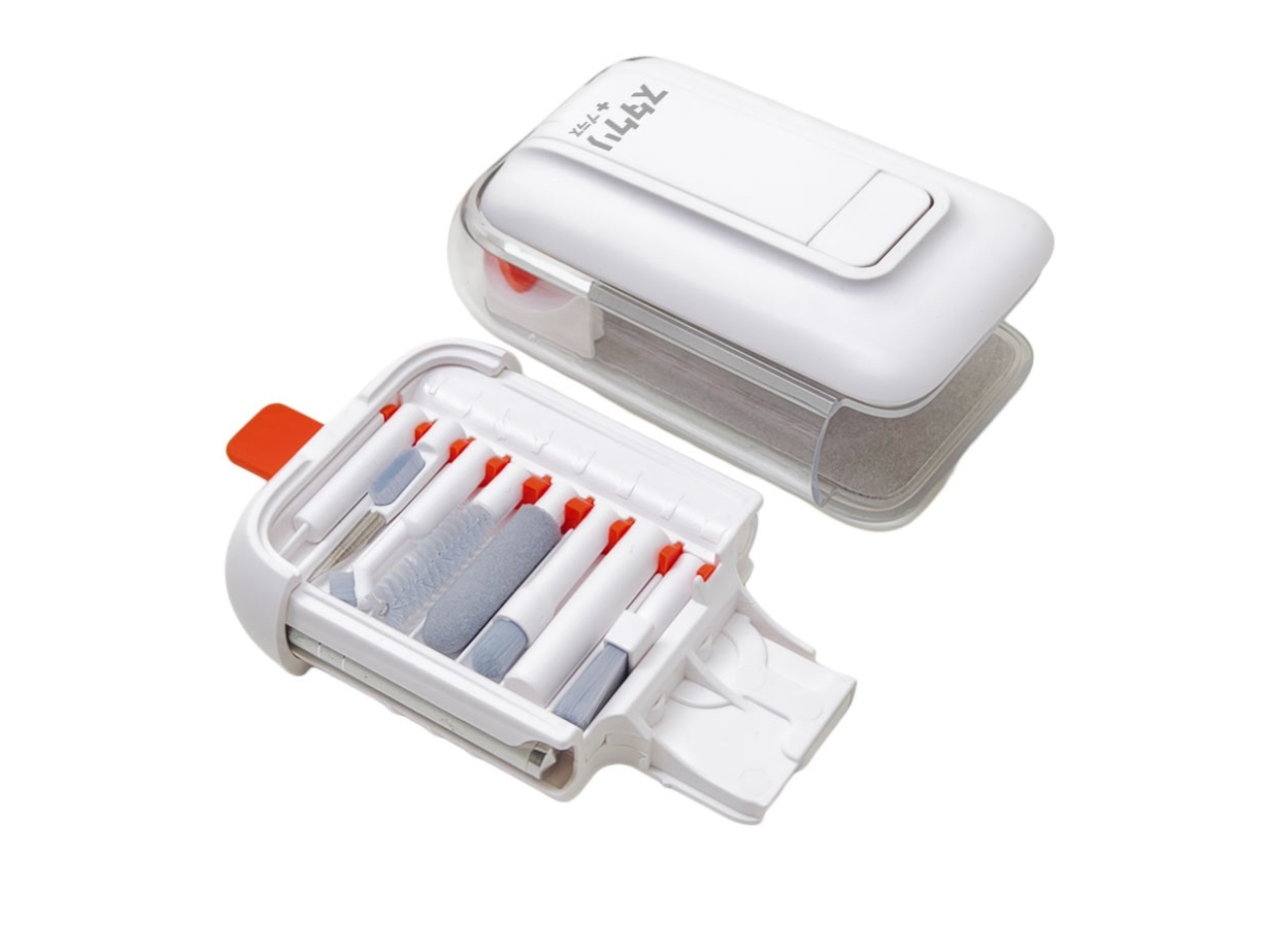
Area’s StarCli+ addresses that small, familiar problem by putting cleaning supplies inside a phone stand. Its upper section unfolds into a phone holder, while the lower compartment slides out to reveal the tools. The appealing detail is that you don’t have to put your phone away to be able to access them. Cleaning gets a permanent address on the desk instead of another pouch to misplace.

Designer: Area

At approximately 4.3 by 2.8 by 1.7 inches and 5.8 ounces, it’s compact enough to make the combination seem reasonable rather than overambitious. It has a white body with orange accents, a cheerier direction than the usual black electronics accessory. I like that choice for an object devoted to maintenance. Cleaning equipment doesn’t need to look as though it belongs in an IT department’s emergency drawer or something that you immediately want to put away after using it.

The stand offers adjustable tilt and supports a phone in landscape orientation, so its everyday role extends beyond storing little brushes. This means you can use it, or at least view it from the stand. That matters to the design’s logic. I’d be more inclined to leave a useful phone holder within reach than a dedicated cleaning box. The second function gives the first one a reason to stay visible, without asking for a separate patch of desk.

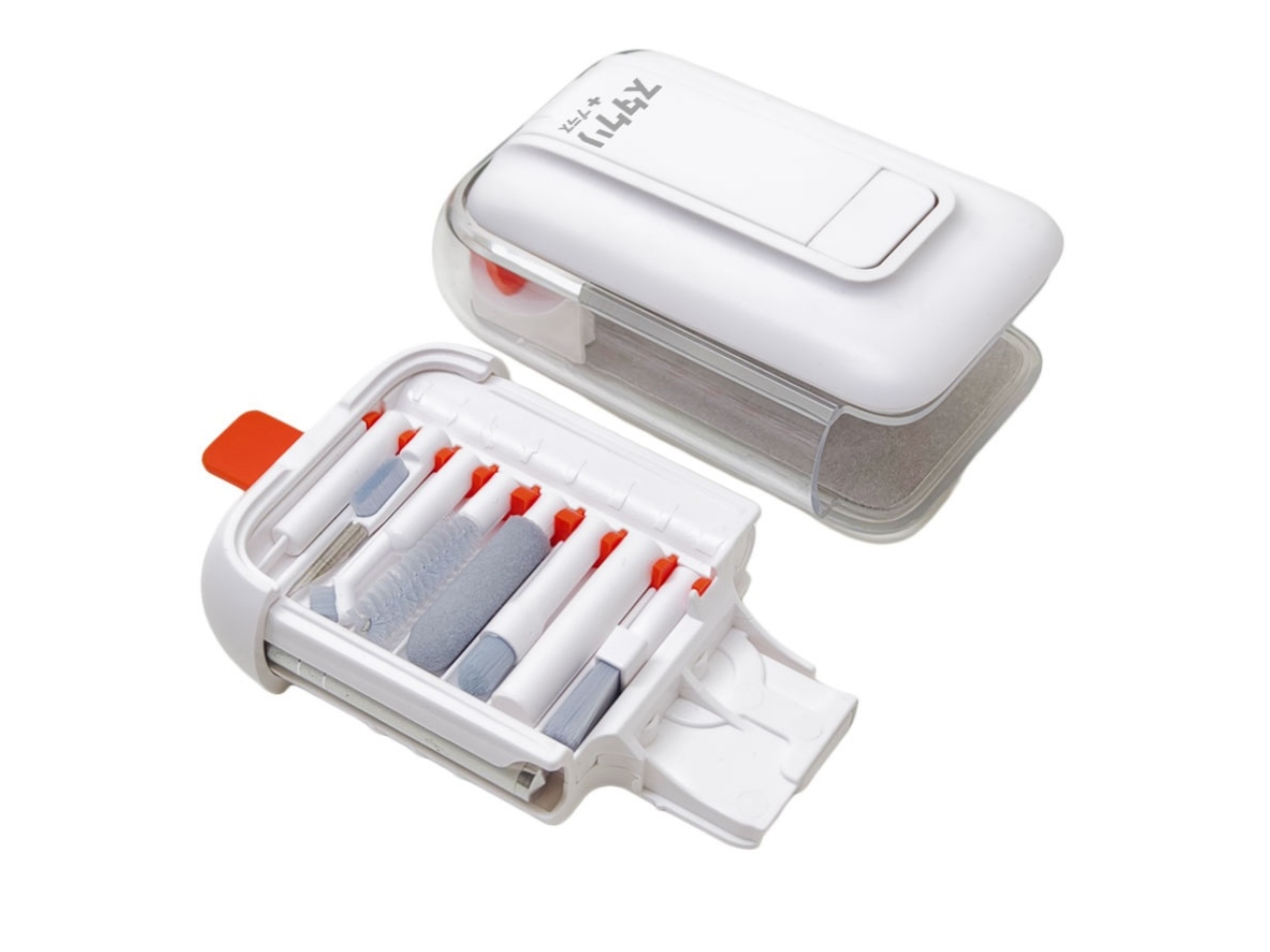
Area advertises 17 functions, although that number deserves a little context: the company counts the stand itself, and several included items aren’t cleaning tools. There’s a stylus, a SIM ejector, and a 2.5mm hex wrench alongside the brushes and pullers. I’d treat the number as an inventory rather than the main selling point. A few well-chosen tools would matter more to me than winning an accessory-count contest.

The cleaning selection includes differently shaped brushes, an extension rod, a miniature spray bottle, and tools for removing compatible keyboard keycaps and switches. That’s a fairly broad brief for one small container. Still, the useful idea is organization: the specialist pieces live together, rather than becoming mysterious loose objects whose purpose you vaguely remember six months after opening the package.

My favorite detail is underneath. Remove the bottom cover and the body becomes a grip for a screen-cleaning pad, rather like a miniature chalkboard eraser. Area also includes a separate cloth, although that extra cloth doesn’t fit inside the case. Turning the container itself into a cleaning implement feels particularly economical. You’re using the volume already occupied by the toolkit instead of adding another handle to the collection.

The hex wrench earns its place, too. Area says it lets you adjust the stand’s joint if it loosens. That’s a modest but thoughtful provision for something expected to hold a phone at an angle. It doesn’t establish long-term durability, and I’d want to try the hinge and sliding compartment before judging their feel. But including the means to make that adjustment is a decision I appreciate.

There are limits worth knowing before buying. Larger phones, including some foldables, may actually not be able to balance on the stand. The keycap puller isn’t intended for laptop keyboards, and replacement components aren’t sold separately. That last point tempers the tidy all-in-one appeal: losing a small piece could leave a gap you can’t fill directly through the manufacturer.

Area’s Japanese storefront lists the StarCli+ at ¥2,640, but its pages don’t establish U.S. pricing or availability. For me, the attraction rests less on getting every possible tool than on removing the small inconvenience of finding one. I wouldn’t buy it expecting to become a meticulous gadget cleaner. I would consider it because a brush under the phone seems more useful than a better-equipped kit forgotten elsewhere.

The post A Phone Stand With a Hidden Cleaning Kit for Your Grimy Gadgets first appeared on Yanko Design.

Alibaba Launches Qwen 4 Max with 1 Million Token Context Window

Alibaba Launches Qwen 4 Max with 1 Million Token Context Window A benchmark comparison chart showing Qwen 4 Max ranking behind GPT 6 Soul and Opus 5.

Alibaba’s latest AI model, Qwen 4 Max, introduces a multimodal approach by integrating text, image, and video understanding alongside advanced reasoning capabilities. With features like a 1 million token context window and a mixture of experts architecture, it aims to support tasks ranging from coding to professional workflows in fields like finance and healthcare. However, […]

The post Alibaba Launches Qwen 4 Max with 1 Million Token Context Window appeared first on Geeky Gadgets.

Posted in Uncategorized