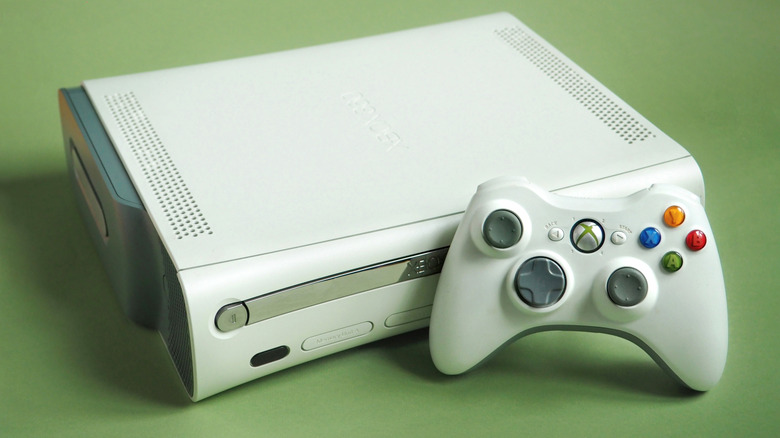
Every Xbox console generation sorted by release date
Microsoft debuted the Xbox in 2001, and there's quite a lot to look back on from the quarter-century since the company got into gaming.
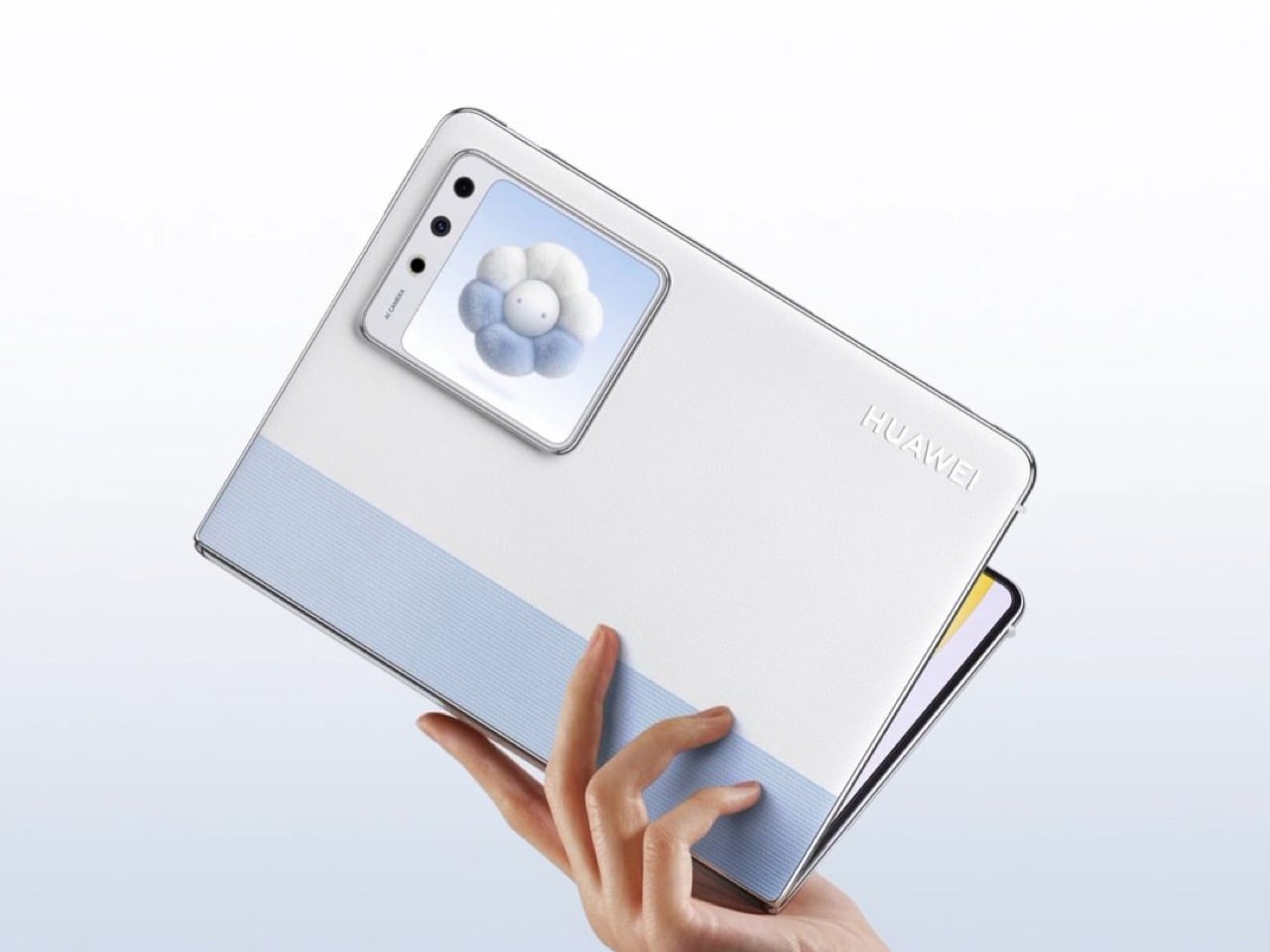
Your laptop is closed, a notification lands, and suddenly you’re opening the whole machine to read one line. A quick glance becomes a whole production. Flip phones have a handy answer to that problem: a cover screen you can check without unfolding anything. Leaked photos of the Huawei MateBook Fold S suggest that idea is moving into bigger hardware. An unnamed tipster posted three images on Weibo, picked up by Huawei Central, showing what appears to be a real device rather than a render. On the outer shell sits a square screen Huawei calls the Live Mini Display, right beside a camera module.
The Fold S runs HarmonyOS rather than Windows, with an on-screen keyboard occupying the lower half of its unfolded display. A physical keyboard reportedly ships in the box too, working as an accessory rather than a permanent fixture. Think of the relationship between an iPad and its Magic Keyboard, except Huawei includes the keyboard. Touch input, a separate keyboard, and a folding display make a reasonable case for calling this a tablet wearing a laptop’s name tag. The little exterior screen gives that familiar argument a fresh wrinkle. China pre-orders reportedly opened on November 14, while several important specifications remain under wraps.
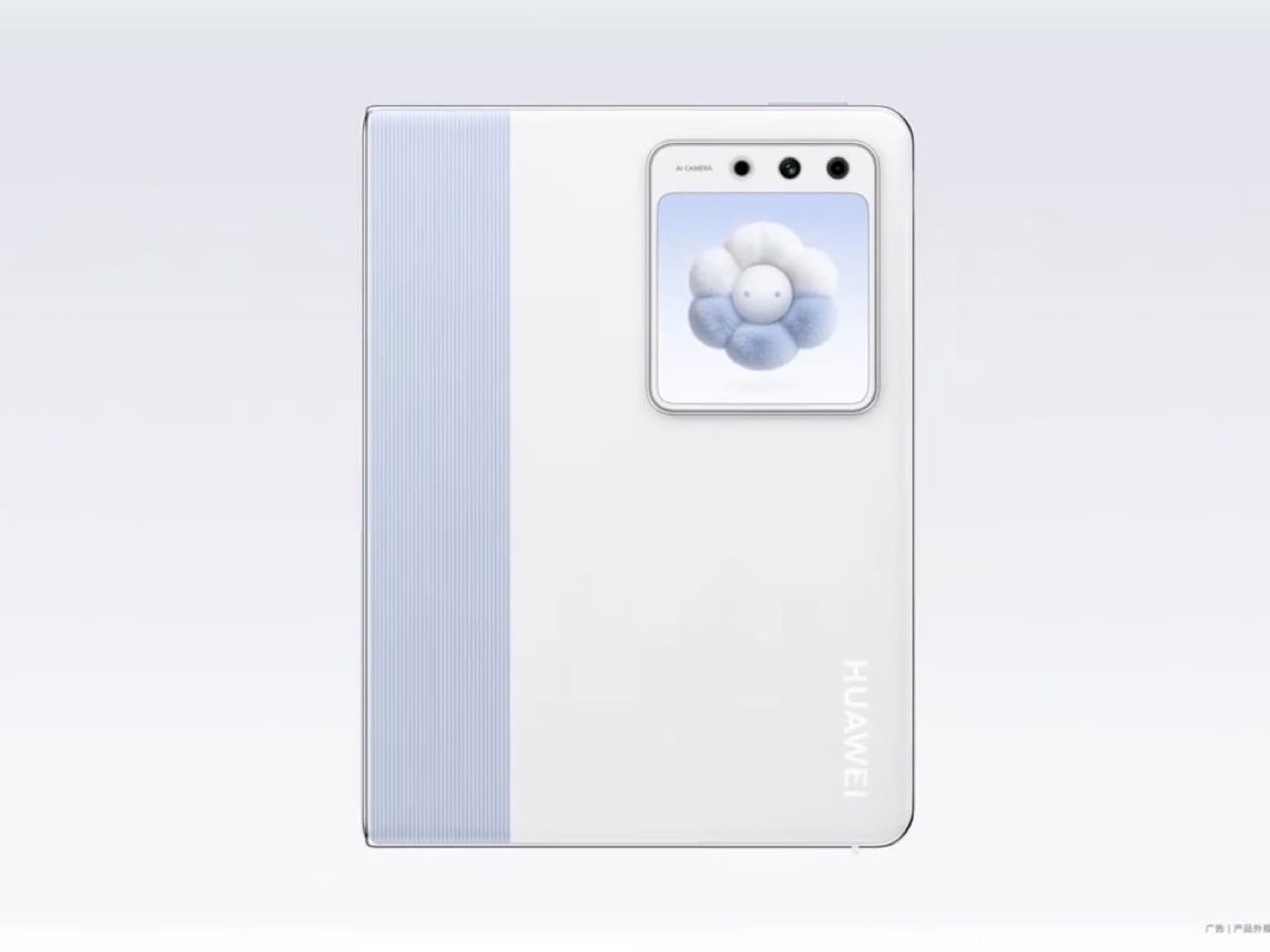
Huawei established the basic layout with the MateBook Fold Ultimate Design, unveiled in May 2025. That machine opens into an 18-inch display and folds into a roughly 13-inch laptop format. It also runs HarmonyOS, offers a virtual keyboard, and comes with a separate wireless keyboard. The Fold S’s typing options follow that precedent, giving you a choice between tapping on glass and carrying physical keys. The smaller device adds an exterior display, giving you something to use without opening the main screen.
The family resemblance stretches back further, although the original Huawei Mate X took a different route. Its single flexible display folded outward, leaving the screen exposed when closed. It had no separate cover display. Huawei has been exploring ways to keep screens accessible on folded devices for years, and the Fold S brings that thinking to a larger format. “Folding tablet with a cover screen” captures the appeal neatly. An absolute “world’s first” claim needs a tighter category definition, given the obvious overlap with folding phones.
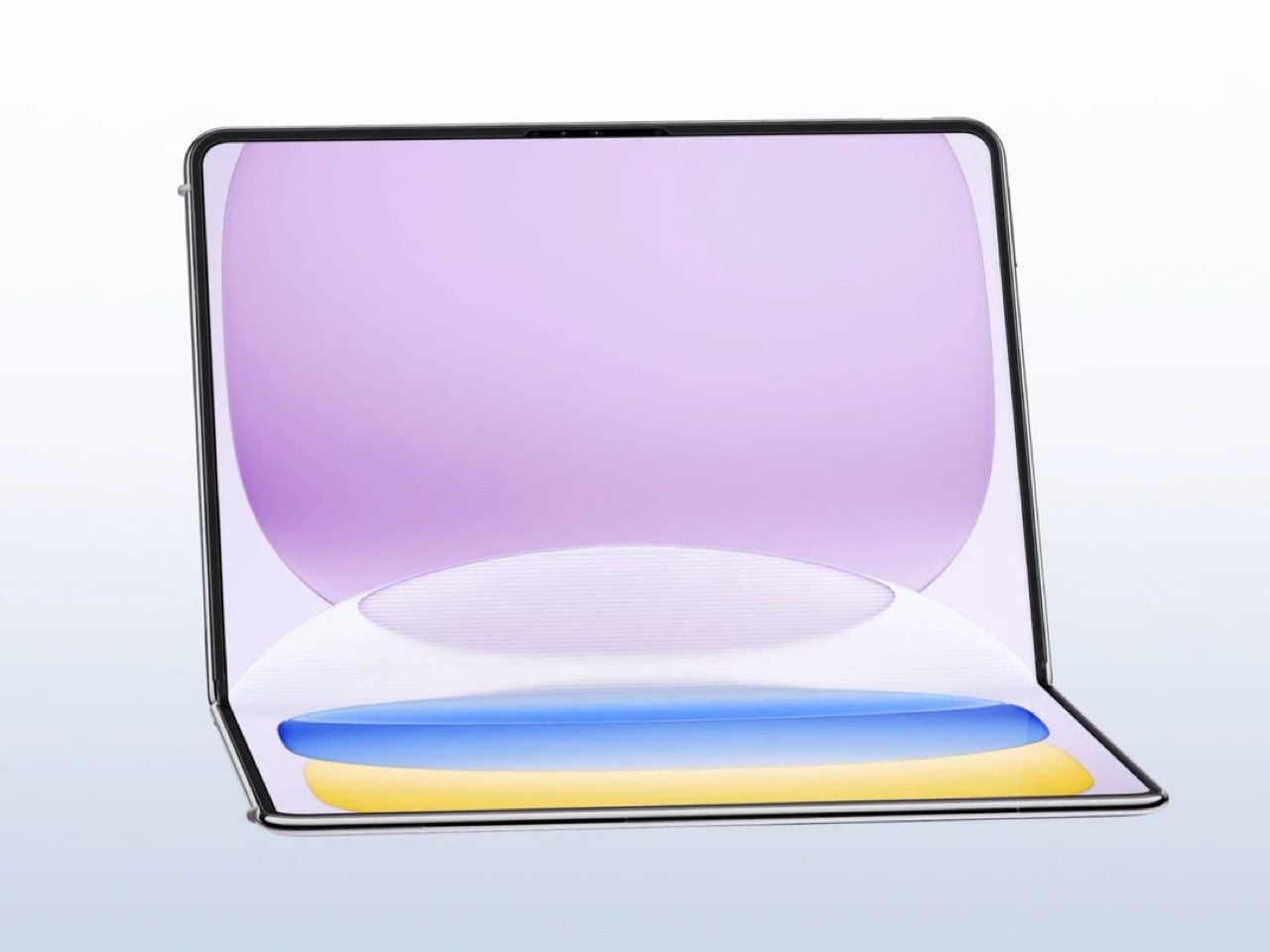
The leaked keyboard arrangement is pleasingly committed to the small-computer idea. According to the November 11 report, the virtual keyboard allows changes to themes and key positions, with an extended touchpad area beside the keys. The separate folding keyboard also puts its touchpad to the right of the typing area. That gives you two ways to work, depending on whether you are replying to a quick email or settling in to write something substantial. I would reserve judgment on typing comfort until someone has spent a proper afternoon with it, but the logic is easy to appreciate: bring the physical keys when the day calls for them.
The ASUS Zenbook DUO offers a useful comparison, with its detachable keyboard and software typing options. Its two 14-inch displays expand your workspace once you have opened the computer. Huawei’s exterior panel raises a different question: how much can you accomplish before opening anything? In a November 16 report, Huawei Central attributes message reading, schedule checks, and even Xiaohongshu browsing on the cover display to Huawei executive He Gang. Those tasks give the panel a clearer purpose than being an expensive clock on the lid. Your quick check could actually stay quick, assuming you resist opening the social app.
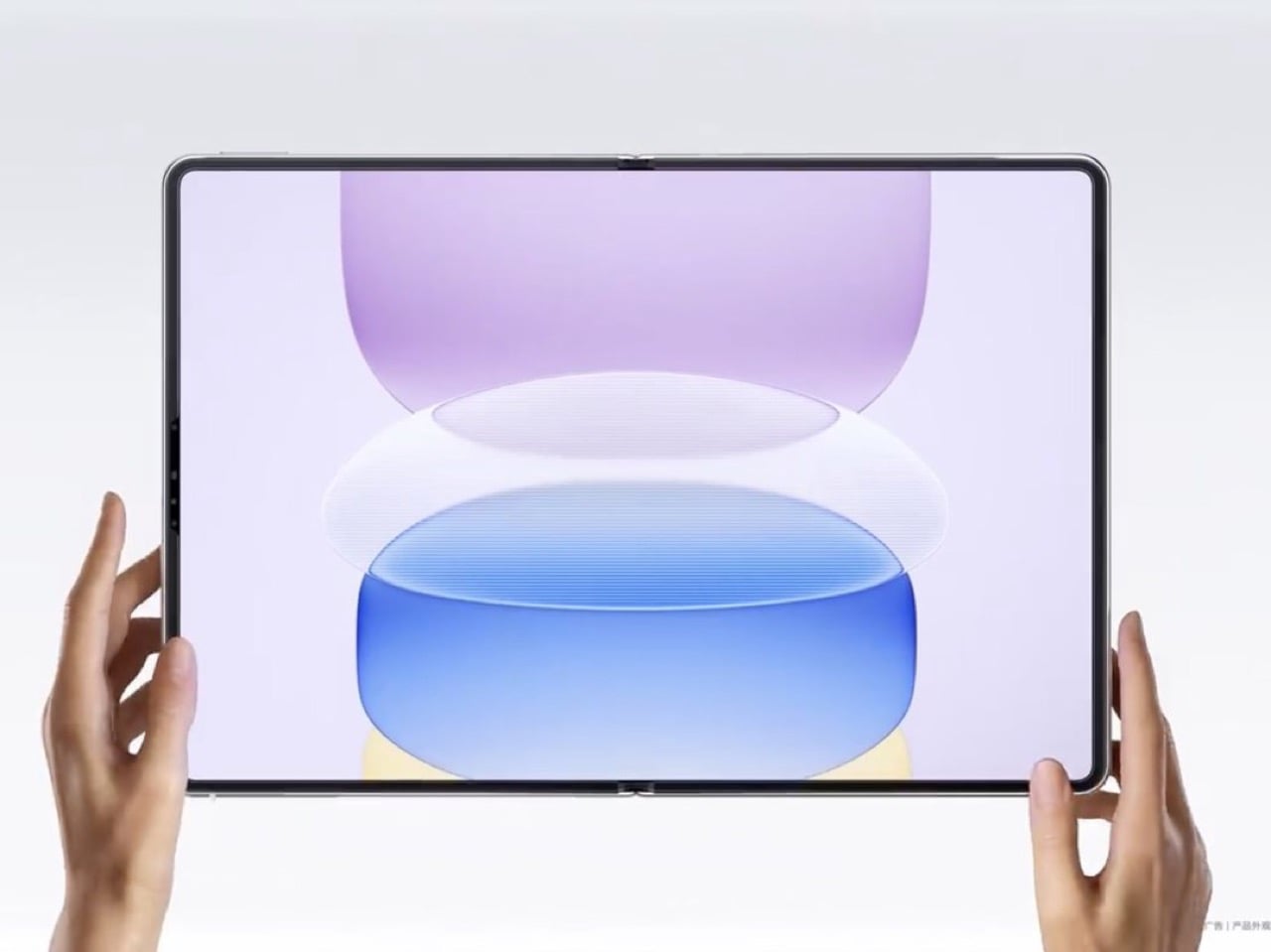
China preorders opened on November 14, with Huawei Central reporting three configurations: 16GB RAM with 512GB storage, 24GB with 512GB, and 32GB with 1TB. The reported bundles include a keyboard and cover, with the top configuration adding a stylus. Black, white, and blue are the color choices. The same report says pricing remains undisclosed and final payment opens November 24, so there is no confirmed US dollar price to put beside this particular temptation. There is also no confirmed US release in the available reporting.
What interests me most is the chance to leave the bigger screen alone. Check the appointment, read the message, and keep moving. Open the main display when you need room to work, then unfold the keyboard when your thumbs deserve the afternoon off. That sounds like a sensible routine for a device sitting somewhere between a tablet and a laptop. Whether the little screen saves you that opening-and-closing ceremony will depend on what Huawei lets you do there. If replying to “see you at six” still means unfolding the whole thing, we are back where we started.

The post Huawei’s leaked MateBook Fold S has two keyboards and a second screen on the outside first appeared on Yanko Design.

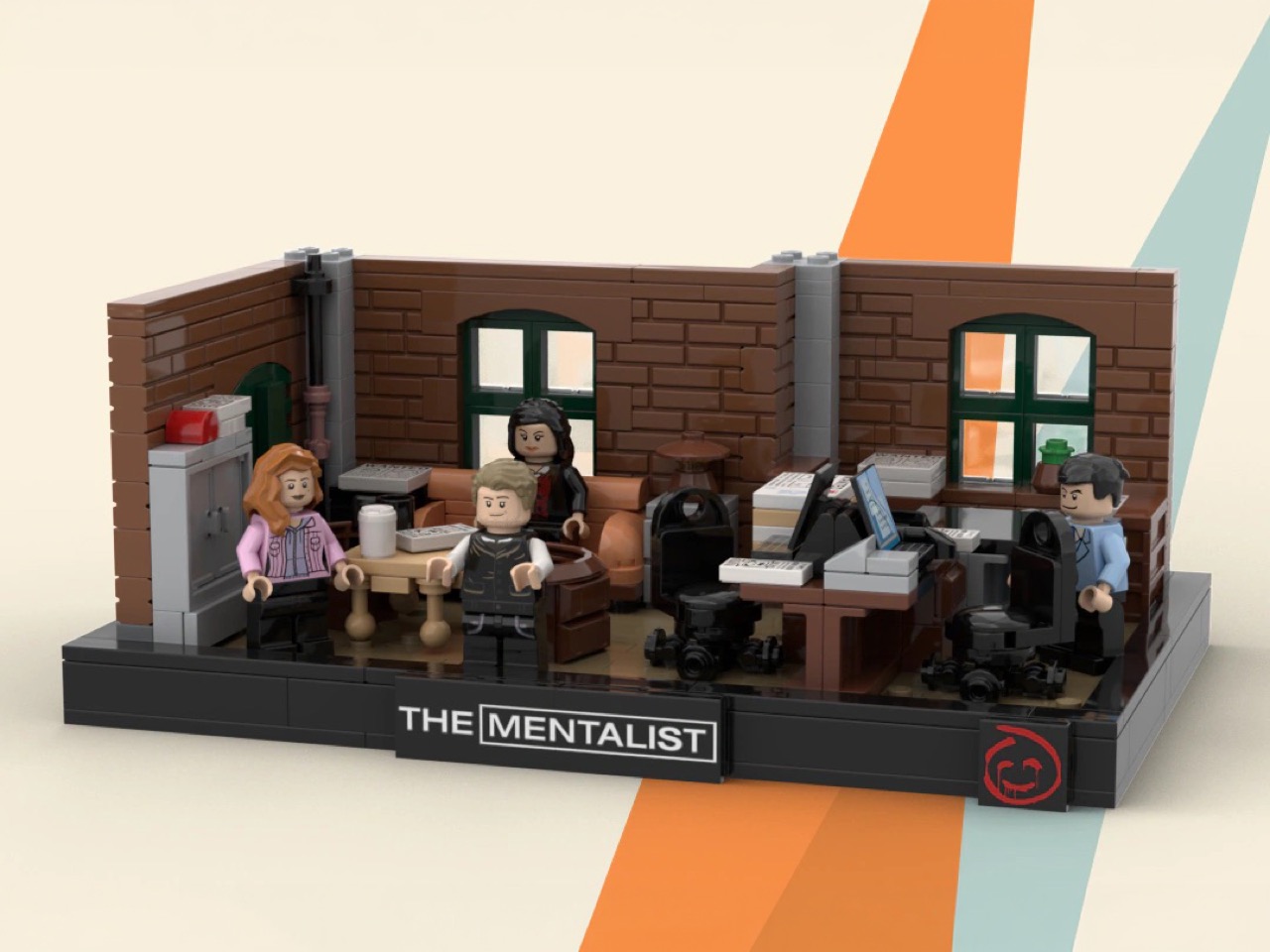
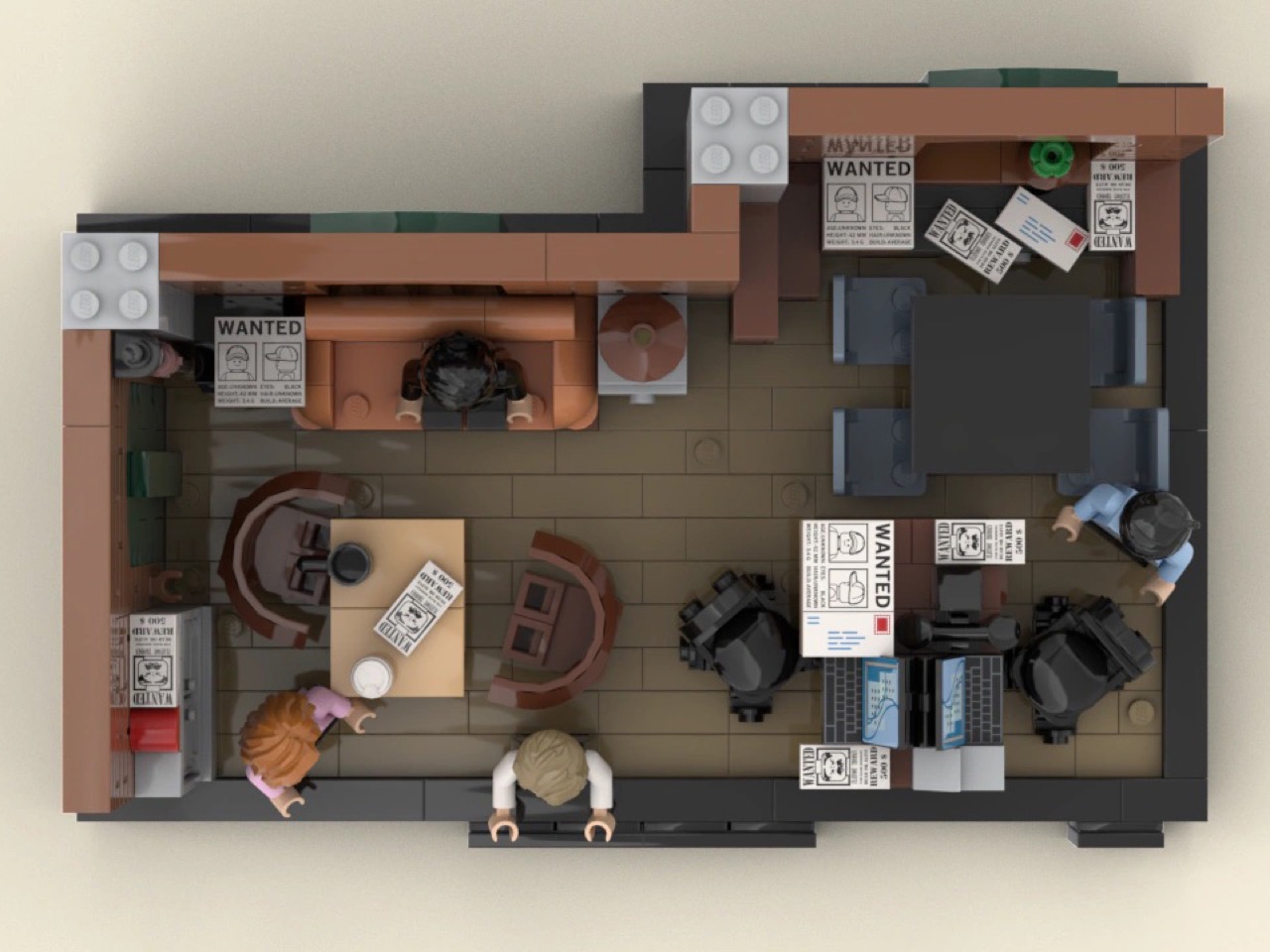
A blood smiley face drawn on a wall sounds like a strange thing to shrink down into plastic bricks, but a miniature version sits on the display base of a new LEGO Ideas submission recreating the CBI office from The Mentalist. That smiley was Red John’s calling card, a reminder of why Patrick Jane was hunting the man who killed his wife and daughter. Drawn clockwise with three gloved fingers, it became one of the show’s most recognizable images. Now a teenage builder has worked it into a tabletop diorama, giving an otherwise ordinary office scene a fairly sinister nameplate.
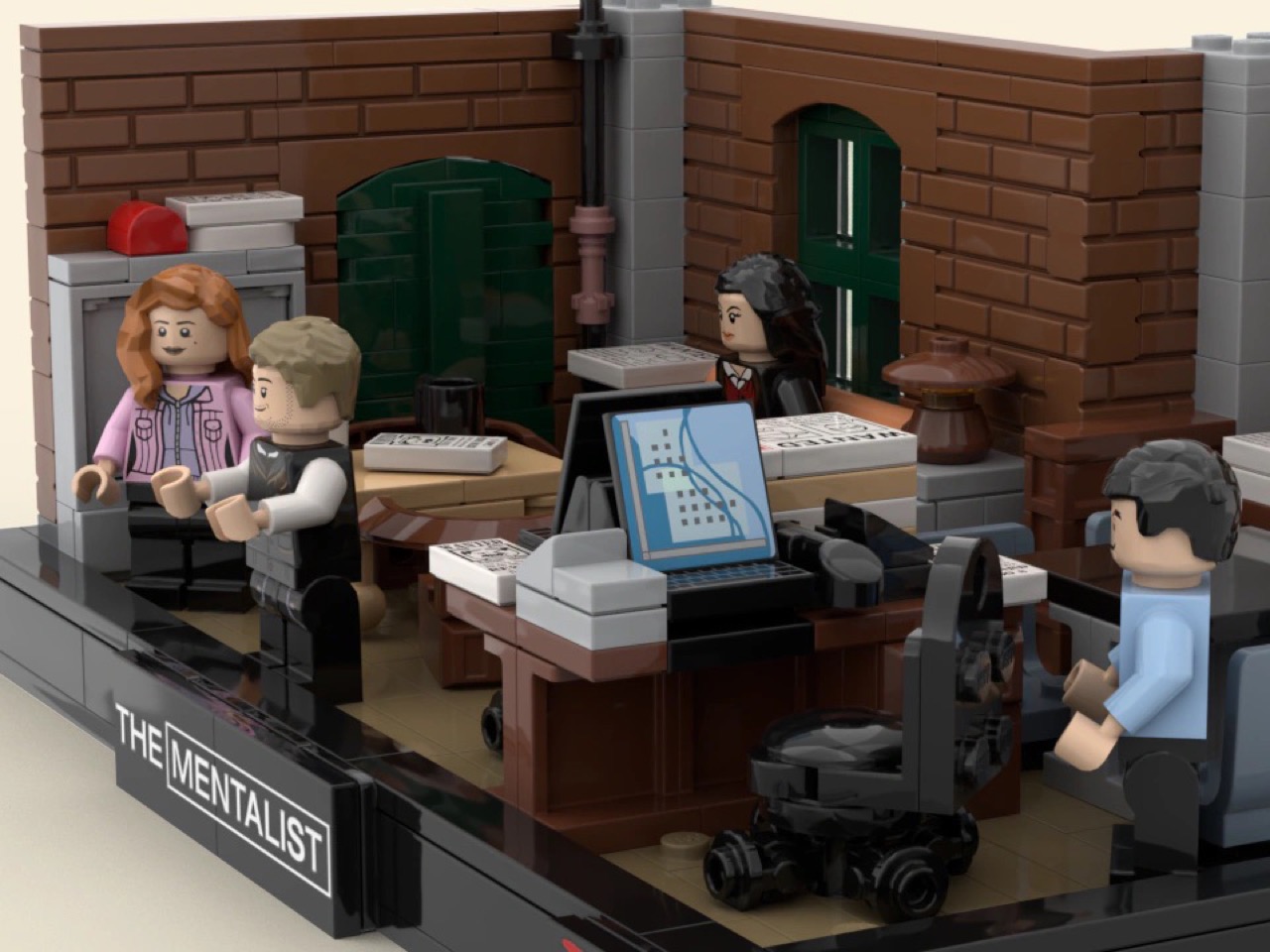
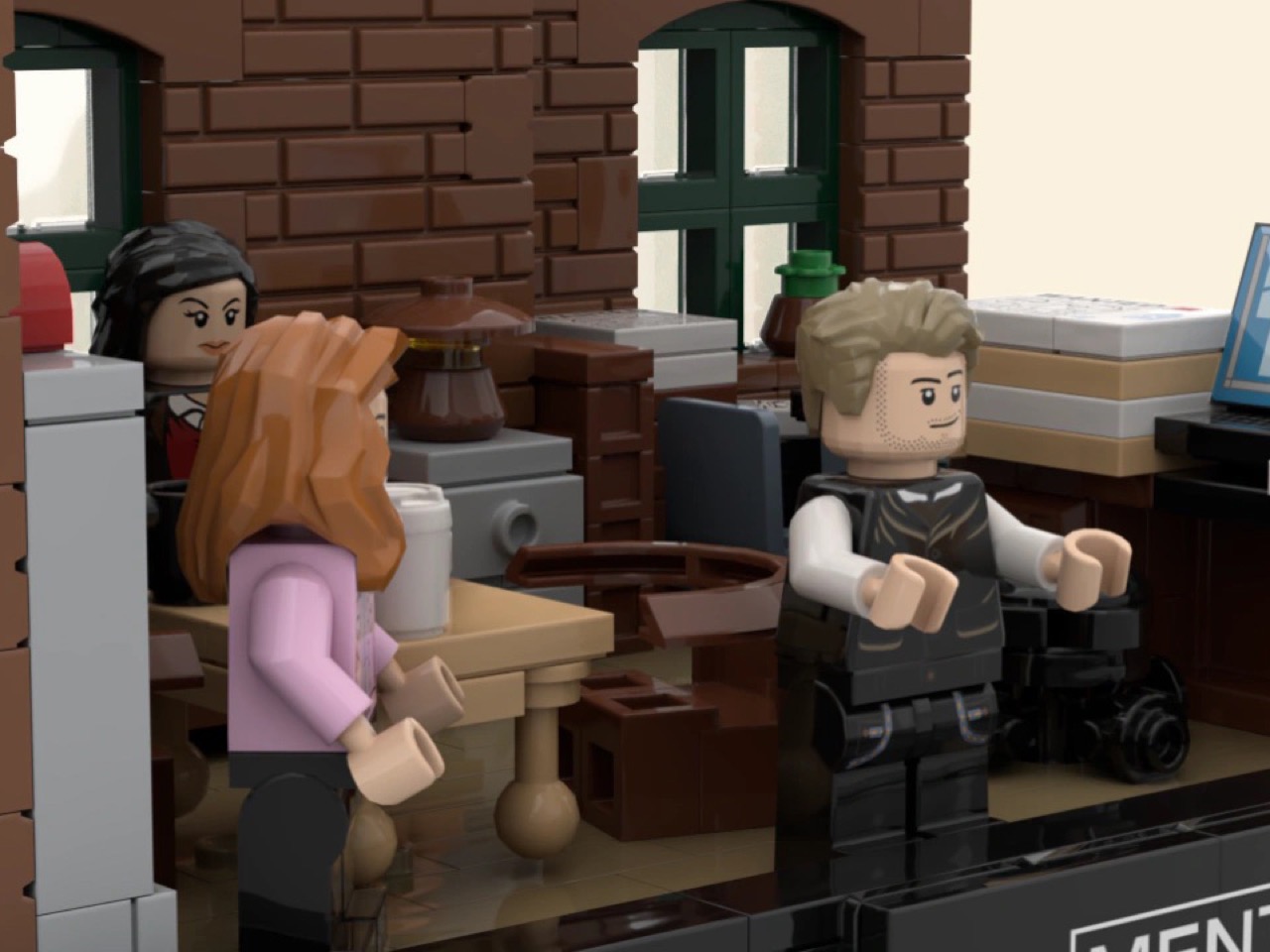
The set comes from 44th_brick, a LEGO Ideas builder who already has a 10K Club credit from an earlier project called Botanical Terrariums. This new project, titled The Mentalist: CBI Office, recreates the show’s bullpen with brick walls, tall green-framed windows, Jane’s signature couch tucked into a corner, and desks with computers and stacked case files. Four minifigures cover Jane, Lisbon, Van Pelt, and Cho, with the Red John smiley on the base doing double duty as an Easter egg and branding. The submission is gathering support on LEGO Ideas, where fan concepts need 10,000 supporters to qualify for a production review.
Designer: 44th_brick
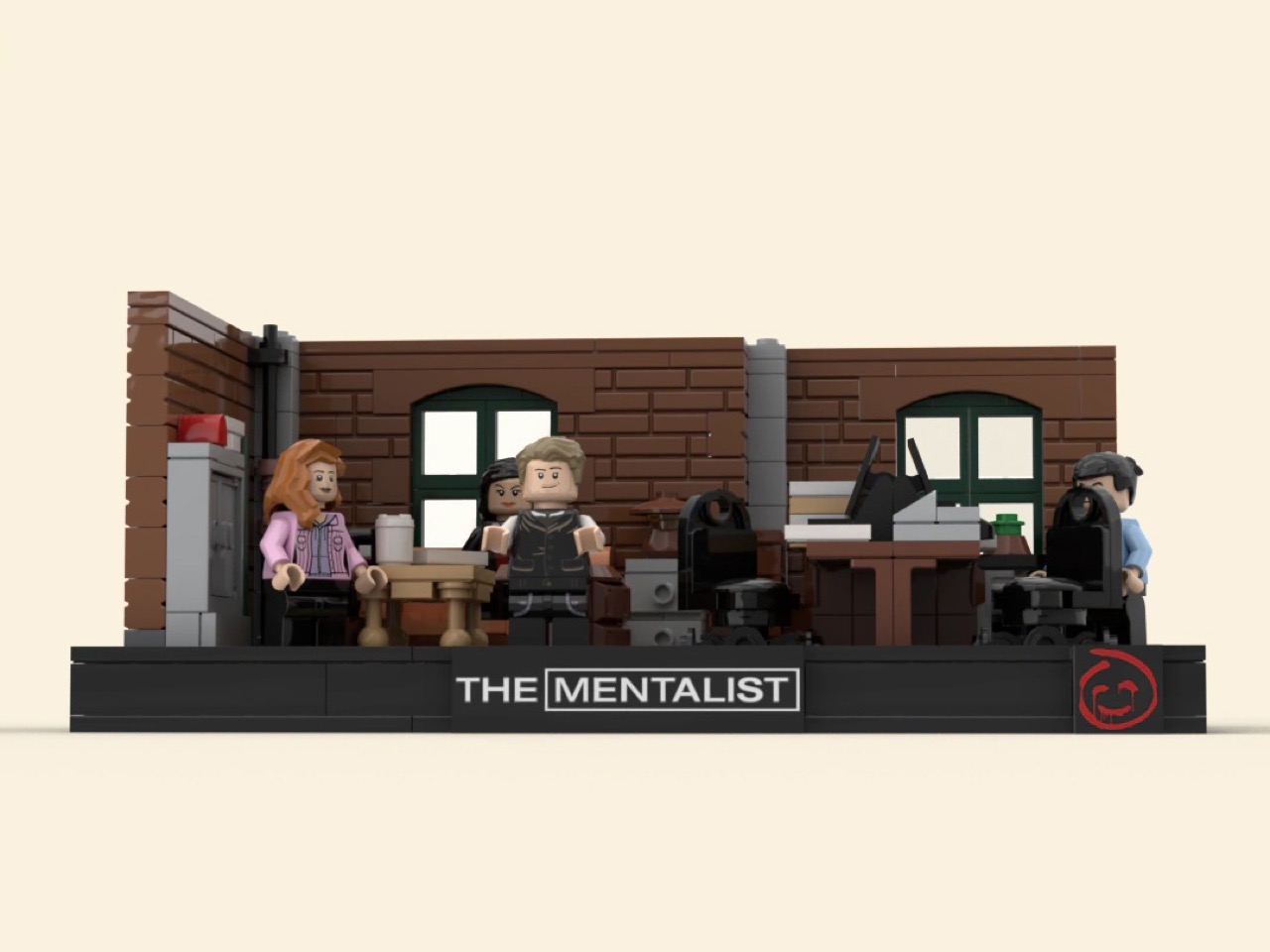
Diorama sets like this live or die on whether the small stuff feels specific to the source, and this one gives fans plenty to recognize. The textured brick walls suit a show that spent years presenting the CBI as a slightly tired government office. Jane’s couch gets its own quiet corner with a little coffee table, which tracks for anyone who remembers how often the show parked him there to nap, manipulate a suspect, or just be smug at people. The desks come loaded with computer terminals, paperwork, and a filing cabinet, the unglamorous clutter of a detective bullpen.
The minifigure roster is the more interesting design decision, honestly. Jane, Lisbon, Van Pelt, and Cho cover four of the show’s five-person core team, which means Wayne Rigsby got left on the cutting room floor. Whatever prompted the omission, fans will notice. In a compact TV diorama, the cast matters as much as the furniture. The black display base ties everything together with “THE MENTALIST” lettering and that small Red John smiley, an appropriately unsettling detail beneath an office full of case files.
Show creator Bruno Heller once described Red John as “really just a personification of death,” the fate that waits for everyone no matter how clever they think they are. That is a heavier thesis than most CBS procedurals bother articulating. Heller also compared him to Moriarty, with a network of followers willing to kill or die on command. The show spent much of its first six seasons building toward his unmasking, and even the episode titles kept returning to the color red. The CBI was shut down during that final stretch of the Red John story, making this LEGO office a snapshot of a particular chapter in Jane’s career.
That history gives the smiley on the display base some bite. A CBI seal would identify the agency; the smiley brings Jane’s unfinished business into the room. You can look at the desks, the paperwork, and the couch as familiar pieces of a television set, then spot the symbol underneath and remember what kept pulling him back to work. It is a small detail with an unpleasant association, especially for anyone who spent years watching him chase its owner.
The CBI Office has plenty of company among the TV interiors submitted to LEGO Ideas. We’ve covered the Brooklyn Nine-Nine precinct, which gave another fictional police workplace the brick treatment back in 2024. Severance took the office concept somewhere much stranger with its MDR Office build, recreating Lumon’s fluorescent corporate dread. The officially released Central Perk offers a cheerier comparison, with a familiar couch and cast doing much of the work. Apparently, television has given us quite a few rooms we’d happily put on a shelf.
The Mentalist’s CBI office still needs to reach 10,000 supporters to qualify for review. LEGO would then have to assess the proposal, including whether it could secure the necessary licensing agreement. For now, it remains a fan submission, with Jane comfortably installed on his couch and a serial killer’s calling card beneath the floor. Rigsby, meanwhile, has grounds for a complaint. If you want to see the build turned into reality, head down to the LEGO Ideas page to cast your vote!
The post The Mentalist’s CBI Office Just Got A LEGO Makeover, Smiley Face and All first appeared on Yanko Design.
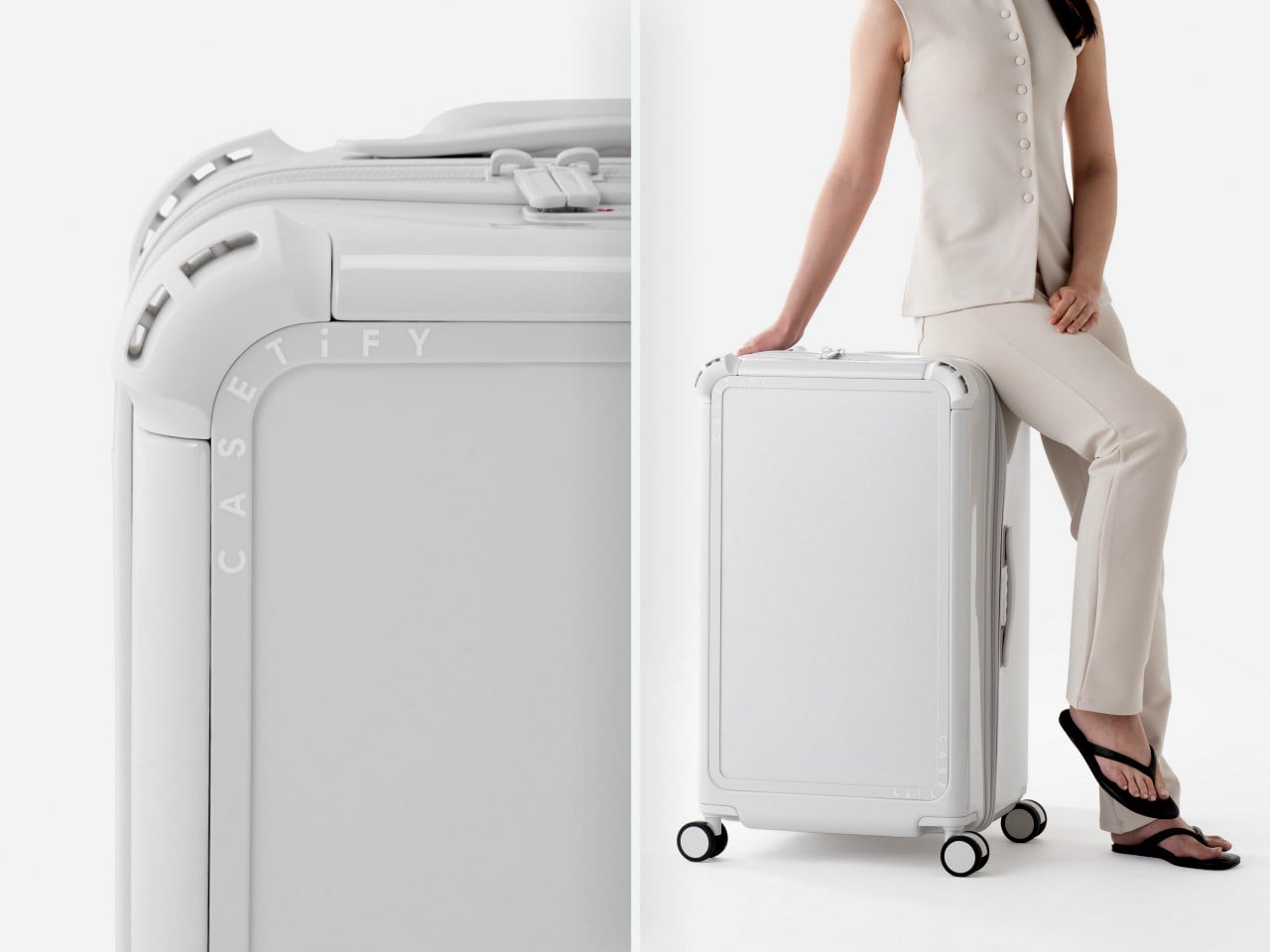
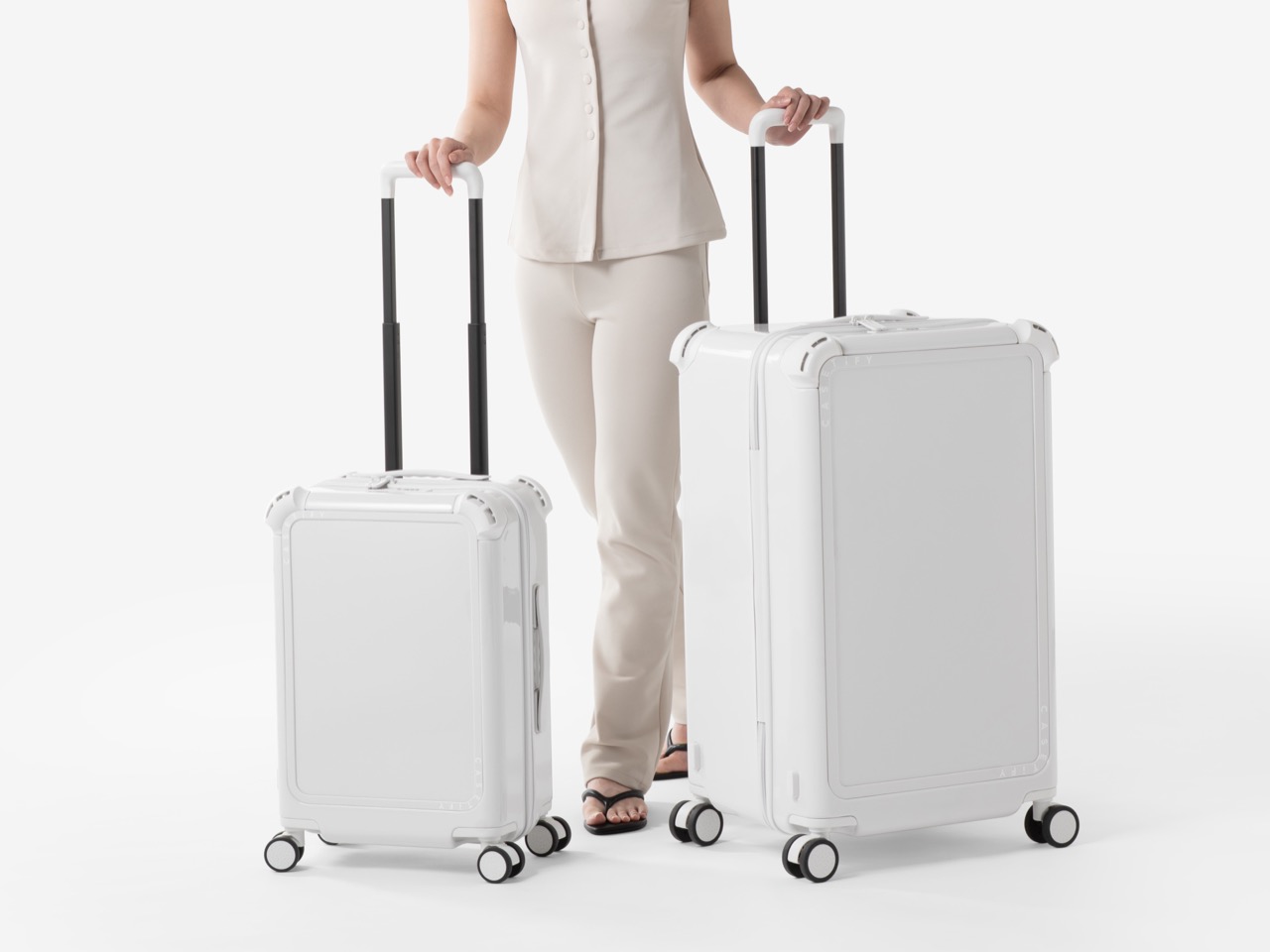
Over a century ago, trunk makers like Louis Vuitton, Goyard, and Moynat were fitting solid brass caps onto the corners of their steamer trunks, since corners are where luggage takes the beating. Brass was the bumper tech of its day, and it still looks fantastic stacked in hotel lobbies. CASETiFY has been chasing the same problem on a much smaller canvas, with chunky Bounce corners designed to protect iPhones from tile floors. The CASETiFY Bounce Suitcase, designed by Hong Kong’s Ponti Design Studio, scales that phone case corner back up to trunk size, this time in polymer rather than brass.
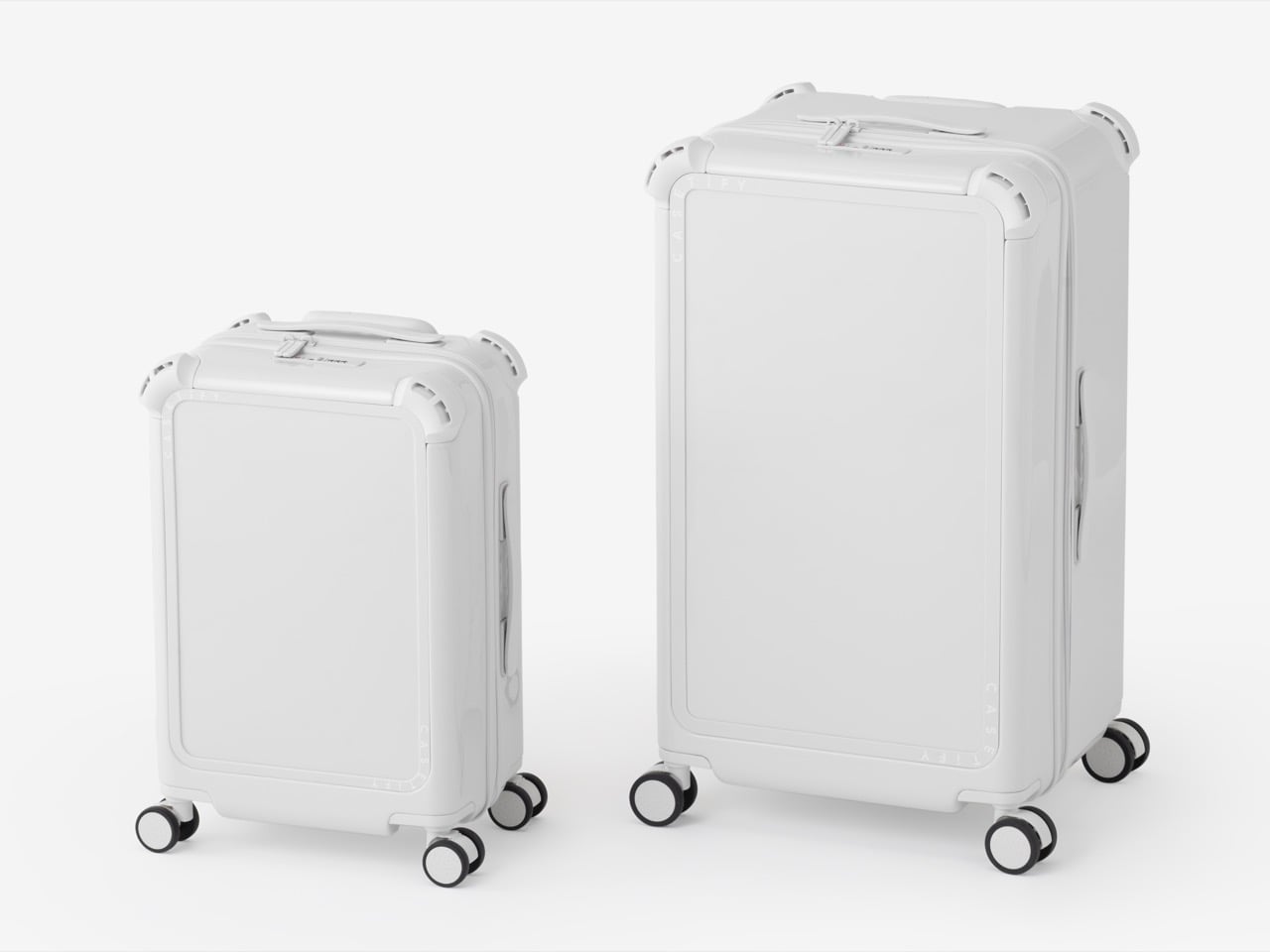
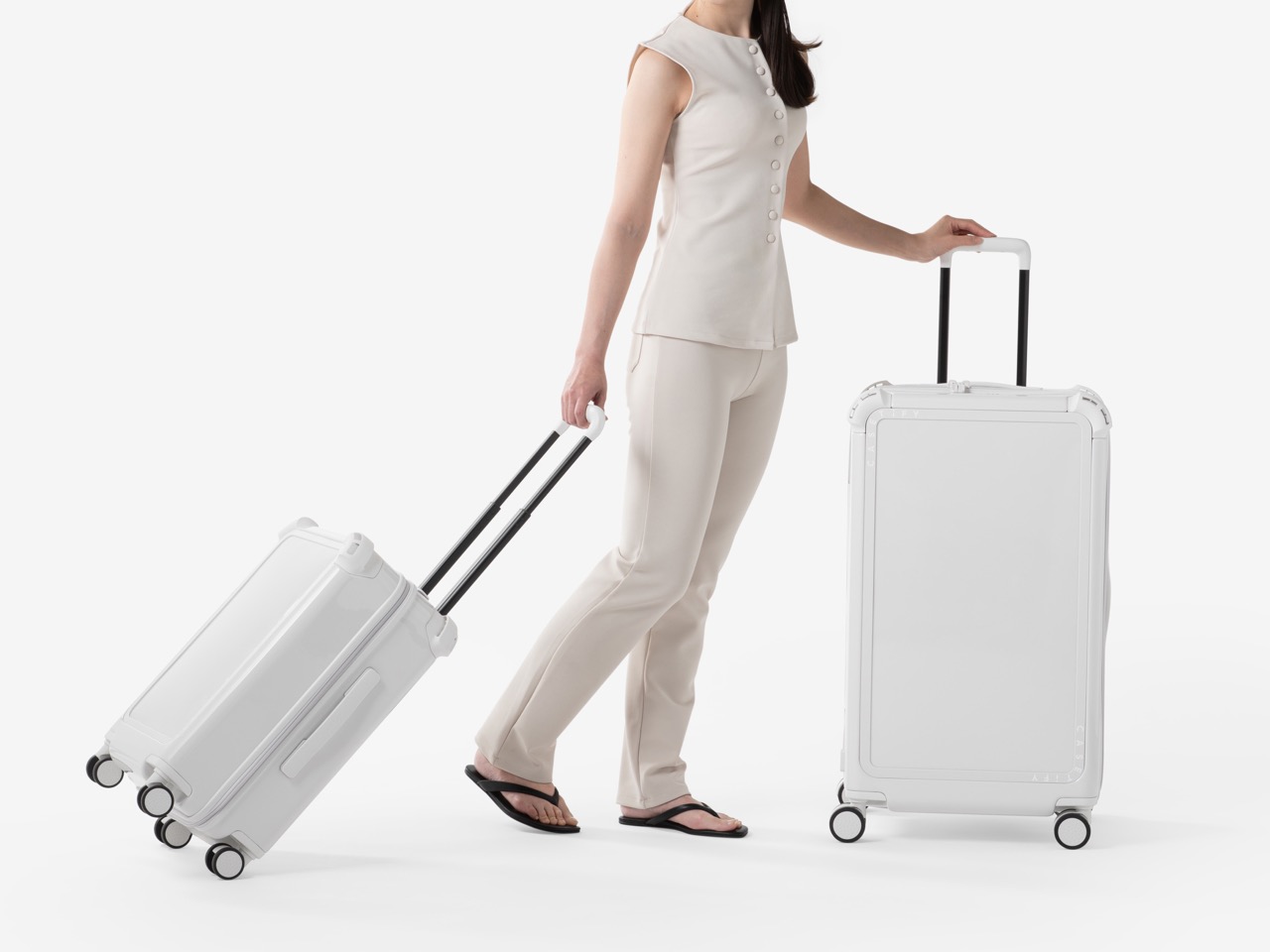
Andrea Ponti, the Italian designer behind the original Bounce phone case, has been working with CASETiFY for nearly 15 years, so this is his own idea blown up to luggage scale. The suitcase comes as a 21-inch carry-on, a 26-inch expandable check-in, and a 29-inch trunk, all in polycarbonate. Up front, a CASETiFY-branded ring frames a plate you can customize with colors, prints, and fonts. Vuitton once hand-painted initials onto canvas for its clients, and CASETiFY lets you type yours in online, which is progress of a kind.
Designer: Ponti Design Studio
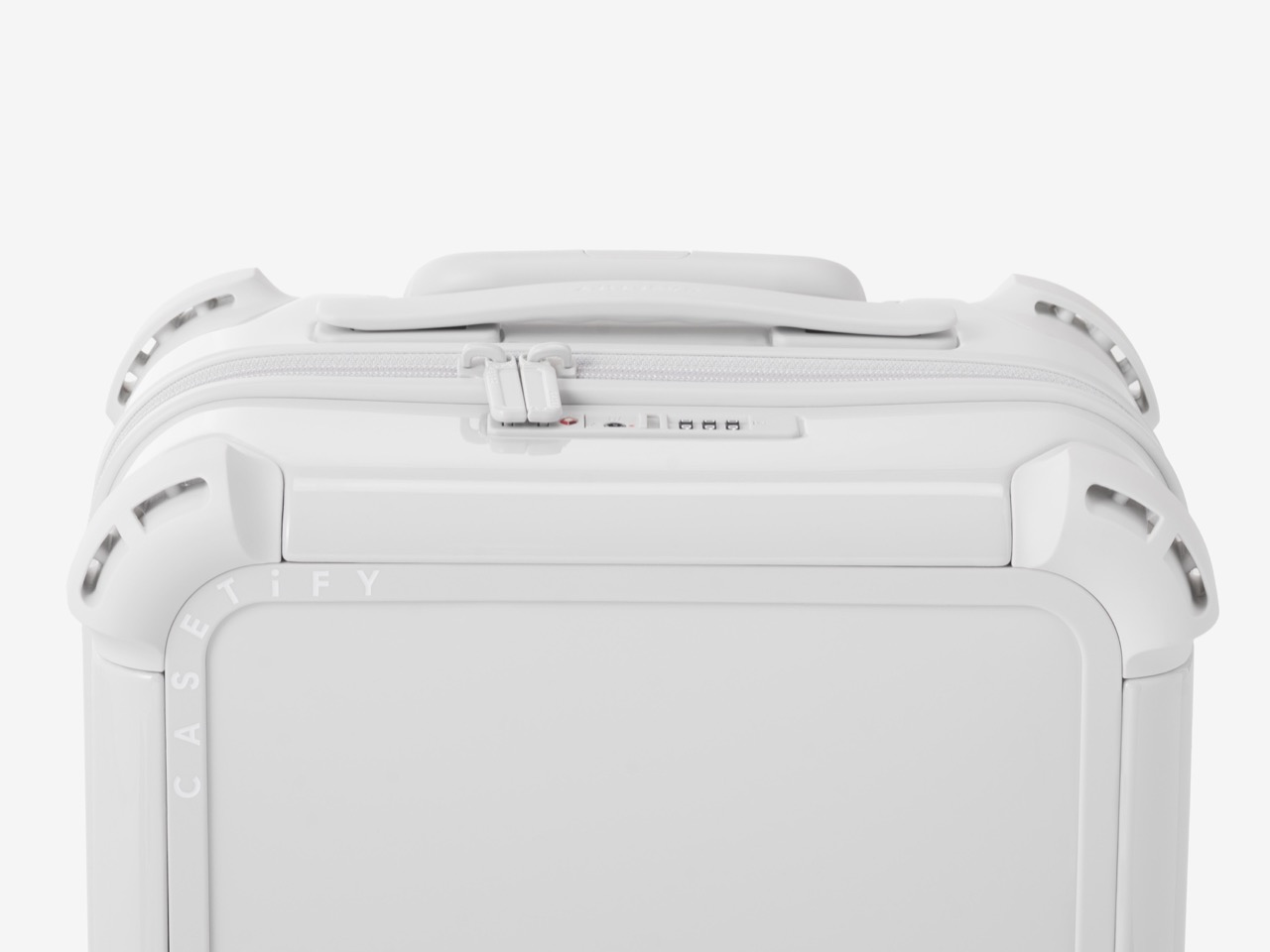
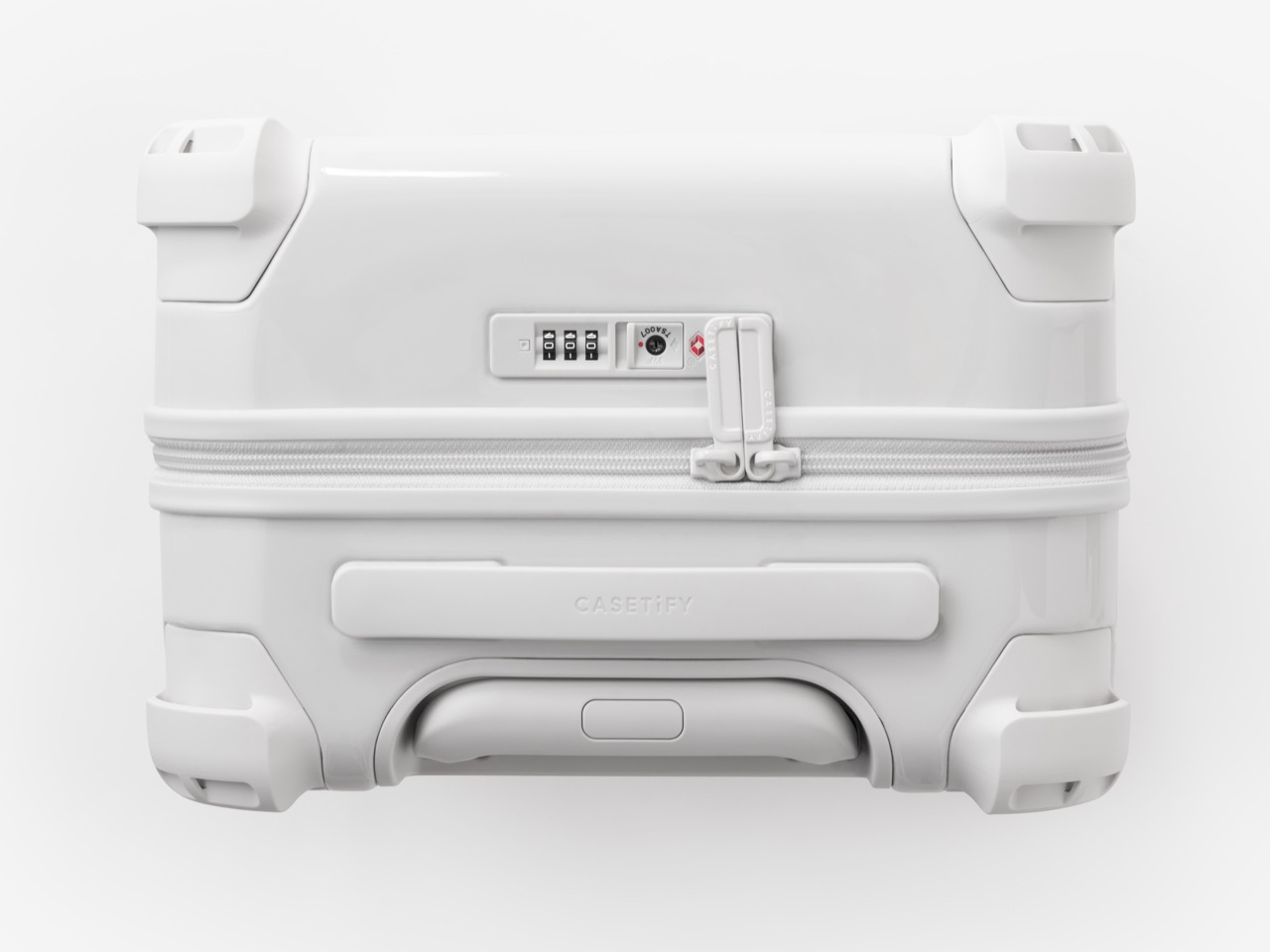
CASETiFY built the Bounce case around a blunt statistic: by its count, 70% of phones land on a corner, concentrating the force at a single point. Its response was an expanded bumper packed with compression ribs and air cavities, an idea the brand says it borrowed from suspension bridges. On the suitcase, Ponti pushes the top corners out so they project over both the upper and front faces of the shell. Each one carries slotted cavities designed to absorb impacts, which also work as anchor points for charms, tags, and whatever keychain gremlin you travel with. It’s the same trick CASETiFY pulled with its Ultra Bounce phone case, which gave the iPhone 16 somewhere to wear a bag charm.
Those corners also give the bag a face you can spot across a carousel full of identical rectangles. Rimowa has its grooved shells, Monos has its rippled asymmetric lines, and CASETiFY now has bulbous bumpers capping the top of the case. The protective part doubles as the bag’s most recognizable feature. The brand even drew inspiration from the Bounce corner for its Skyline personalization font, so the bumper shows up in the lettering too.
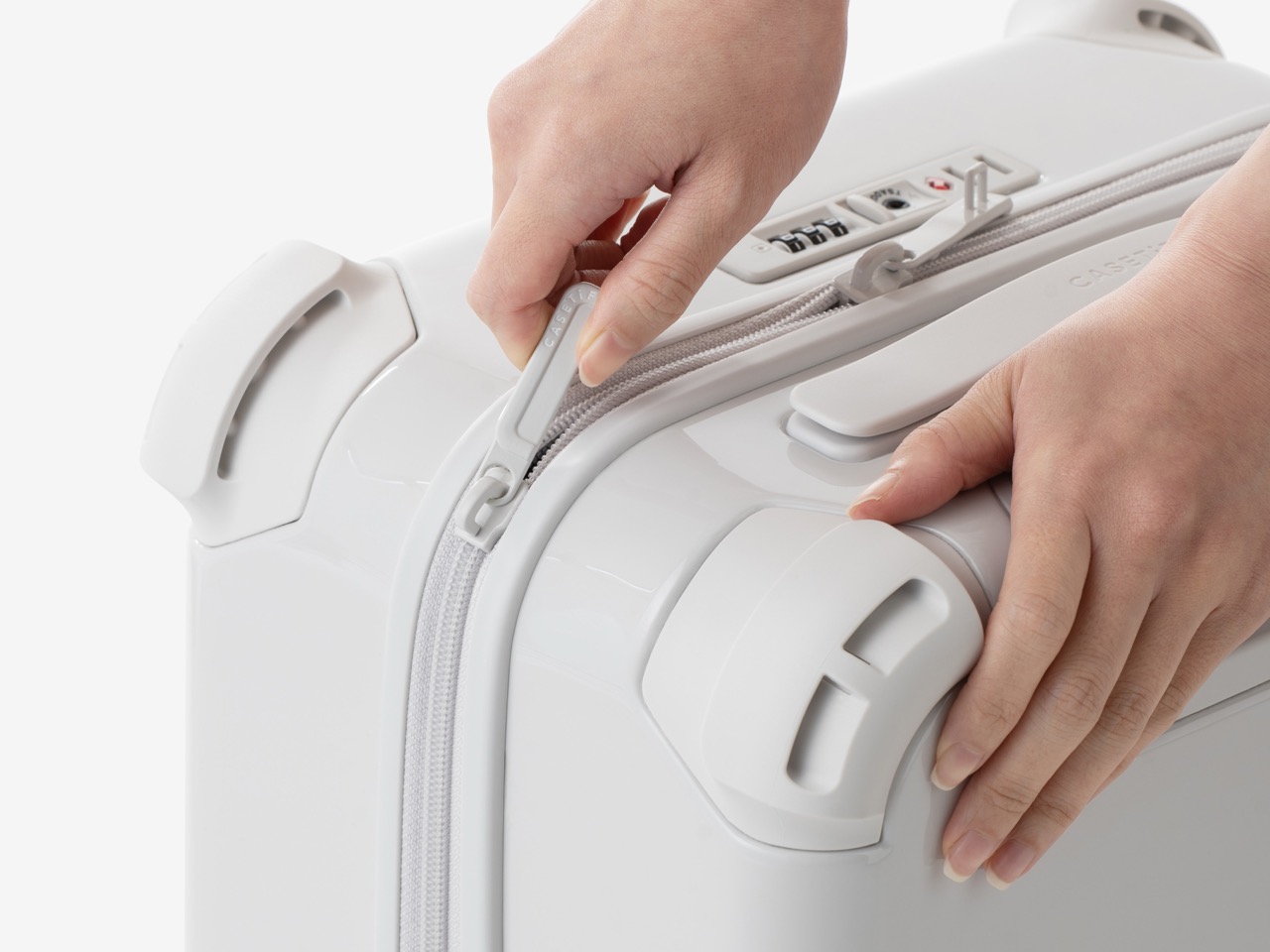
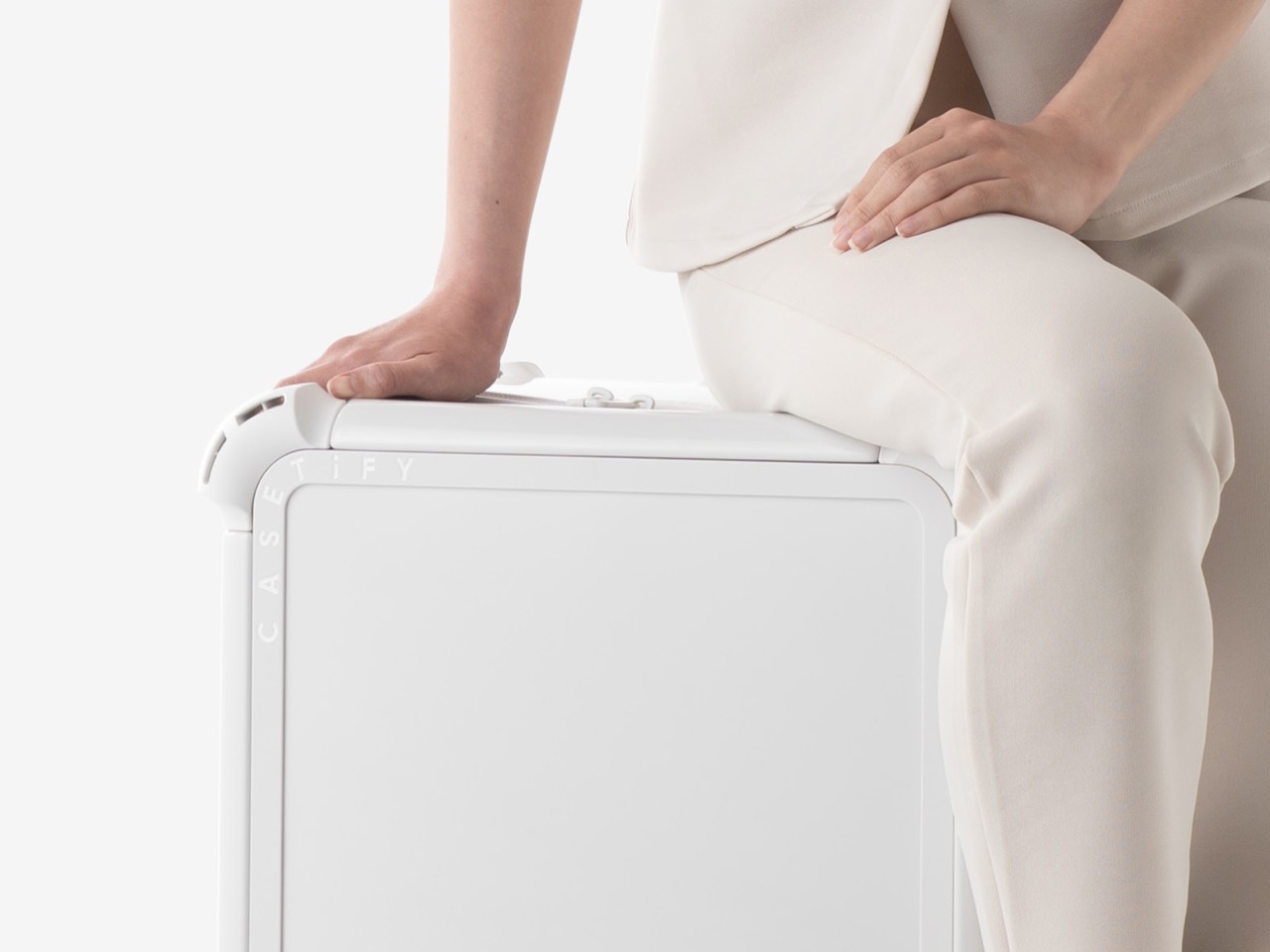
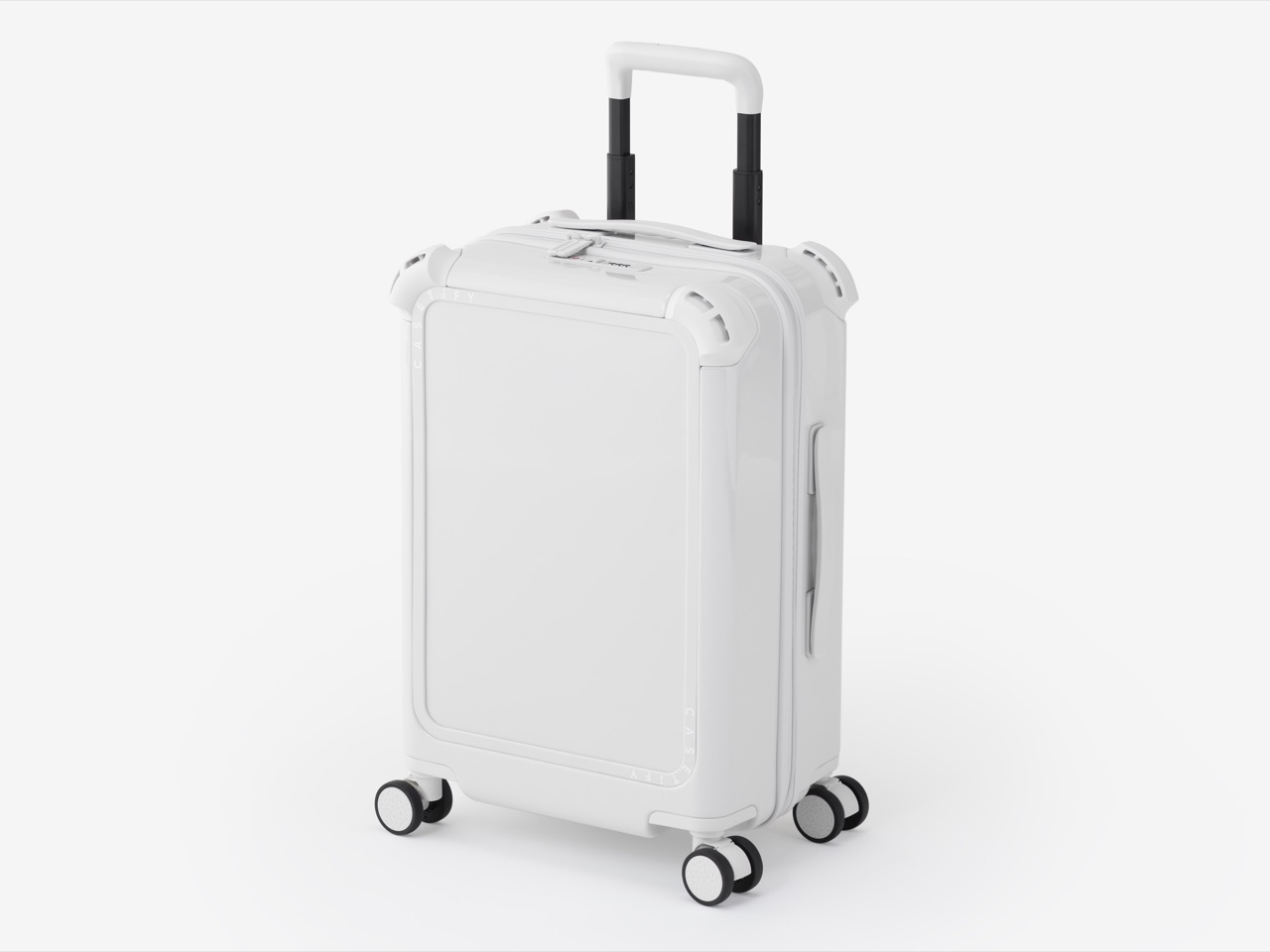
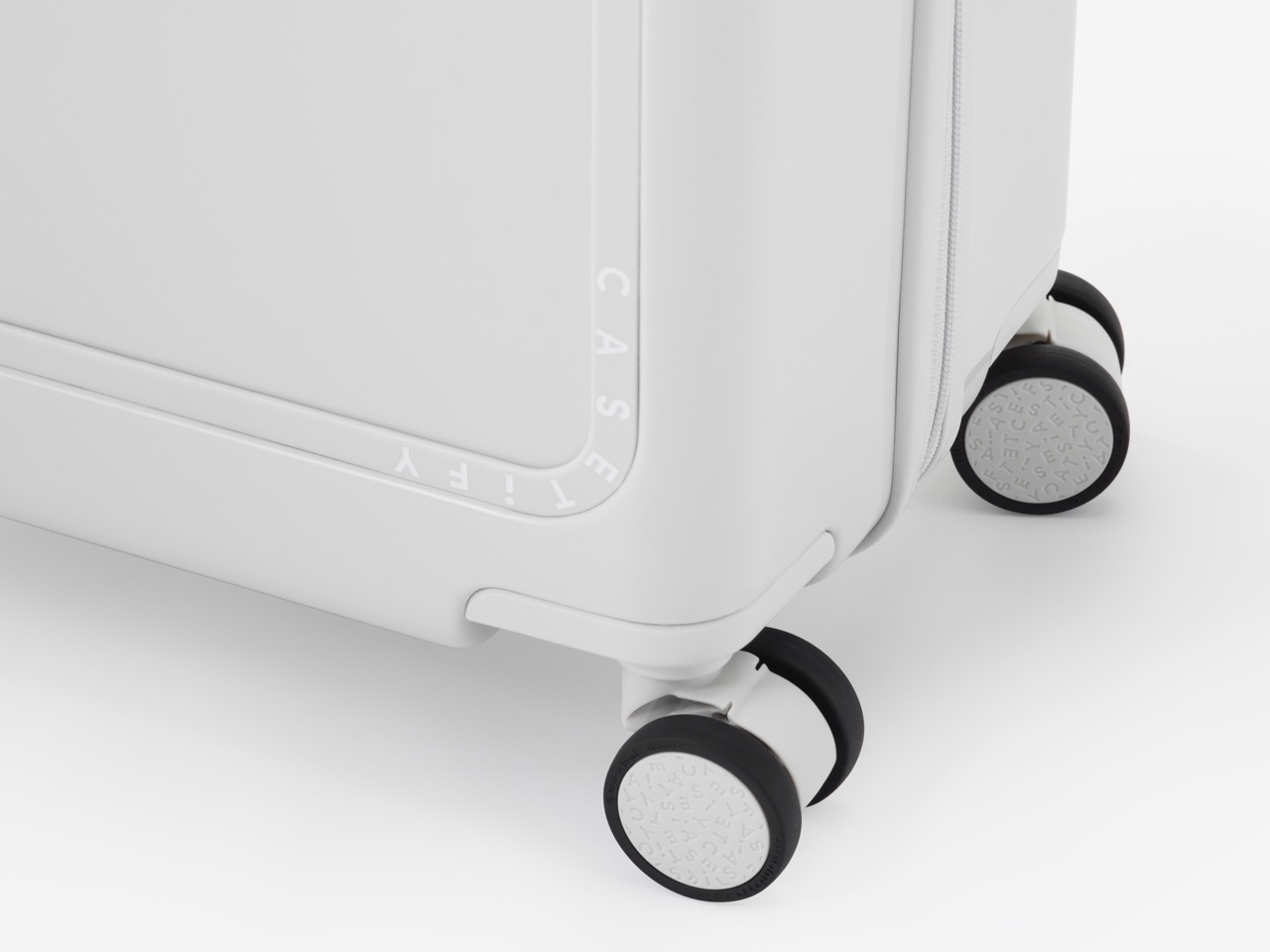
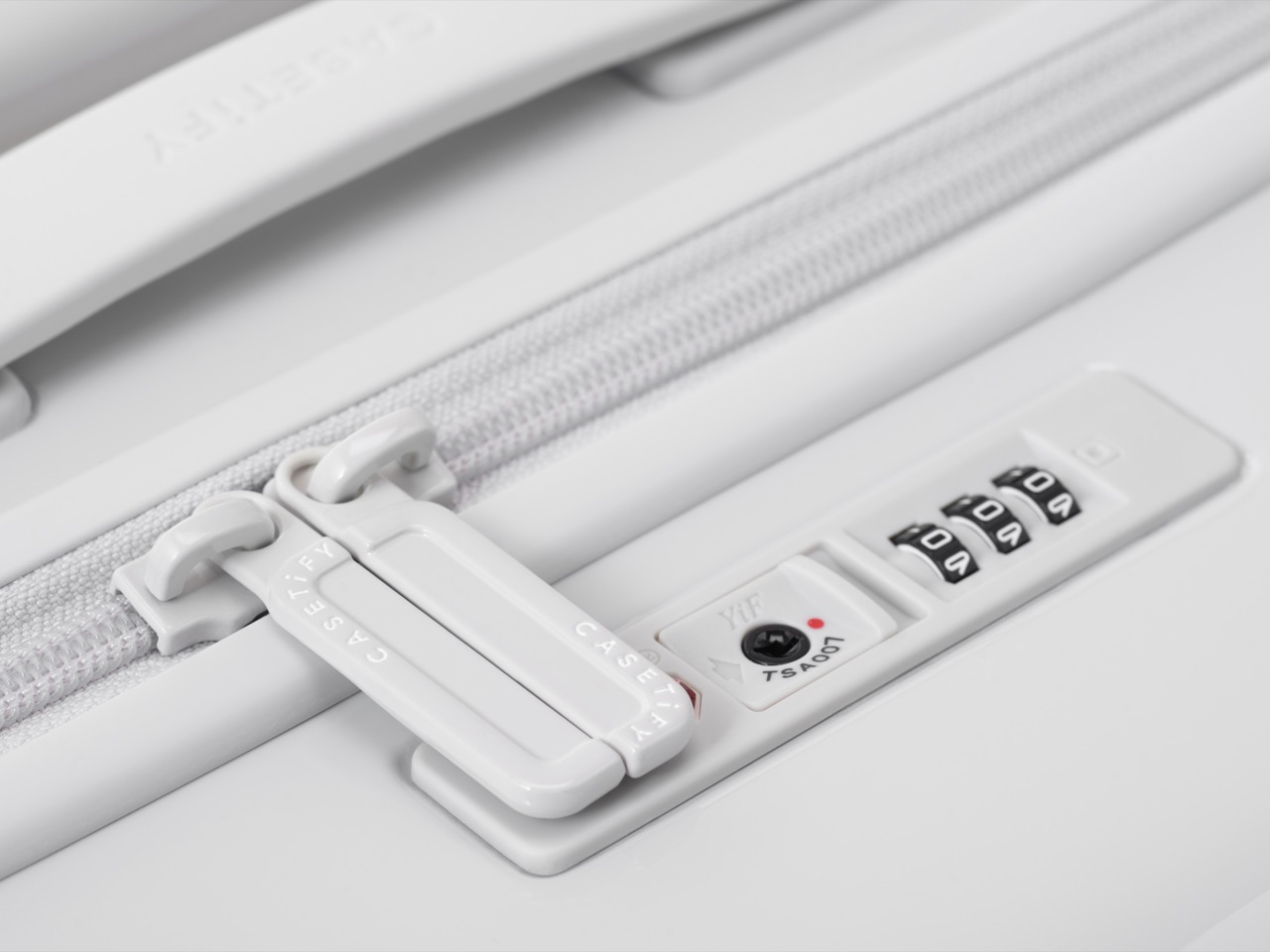
The framed front plate carries all the personalization, from solid colors and prints to monograms in the Dot, Skyline, and Milano fonts. Ponti says confining it to this panel preserves the shell’s volume, durability, and structural integrity. The TSA lock sits up top beside a custom puller, and the CASETiFY wordmark wraps around the rounded edges of each zipper pull. Wheel housings, wheel caps, rubber feet, and carry handles were all drawn to match, so nothing looks like it came from a parts catalog. Under the styling sit Hinomoto Miraclent ball-bearing wheels, an aircraft-grade aluminum telescoping handle, a puncture-resistant YKK zipper, and a pocket for your AirTag.
The shell is Makrolon polycarbonate, the material family Bayer pioneered in the 1950s. The carry-on weighs 8.23 lbs (3.7 kg) and measures 14.3 x 21.6 x 9.5 inches (36 x 55 x 24 cm). The 29-inch trunk measures 17.5 x 29.7 x 14.8 inches (44 x 75 x 38 cm) and weighs 14.3 lbs (6.5 kg), with a slimmer lid and deeper main compartment for overpackers. The 26-inch sits in between and expands by 1.8 inches (4.5 cm) when the souvenirs win. Glossy Cloud White arrived this summer for the carry-on and trunk, and it makes those bumpers look almost sculptural. White luggage near an airport floor takes confidence, and this finish assumes you have plenty.
Before the Bounce Suitcase, Ponti’s studio had already designed Samsonite’s minimalist Evoa line and the Jollying Dots luggage collection, which picked up both an iF Design Award and a Red Dot in 2024. Ponti trained at the Politecnico di Milano, then spent seven years in Japan under Chiaki Murata and Junzo Yamashita before founding his Hong Kong studio with Shiori Kuroiwa in 2012. That Italian-Japanese mix shows up here in smooth shell surfaces offset by those playful, chunky corners. His client list also includes Nothing, KEF, Fender, and Philips.
The Bounce Carry-On sells for $399 in the US, while the 26-inch expandable and 29-inch trunk start at $599, through casetify.com and select CASETiFY stores. That carry-on costs less than half as much as Rimowa’s $900 polycarbonate Essential Cabin, and it comes with a limited lifetime warranty plus Intertek’s Tick-Mark certification from independent testing.
The post Casetify’s Bounce Suitcase is a giant phone case for your clothes first appeared on Yanko Design.
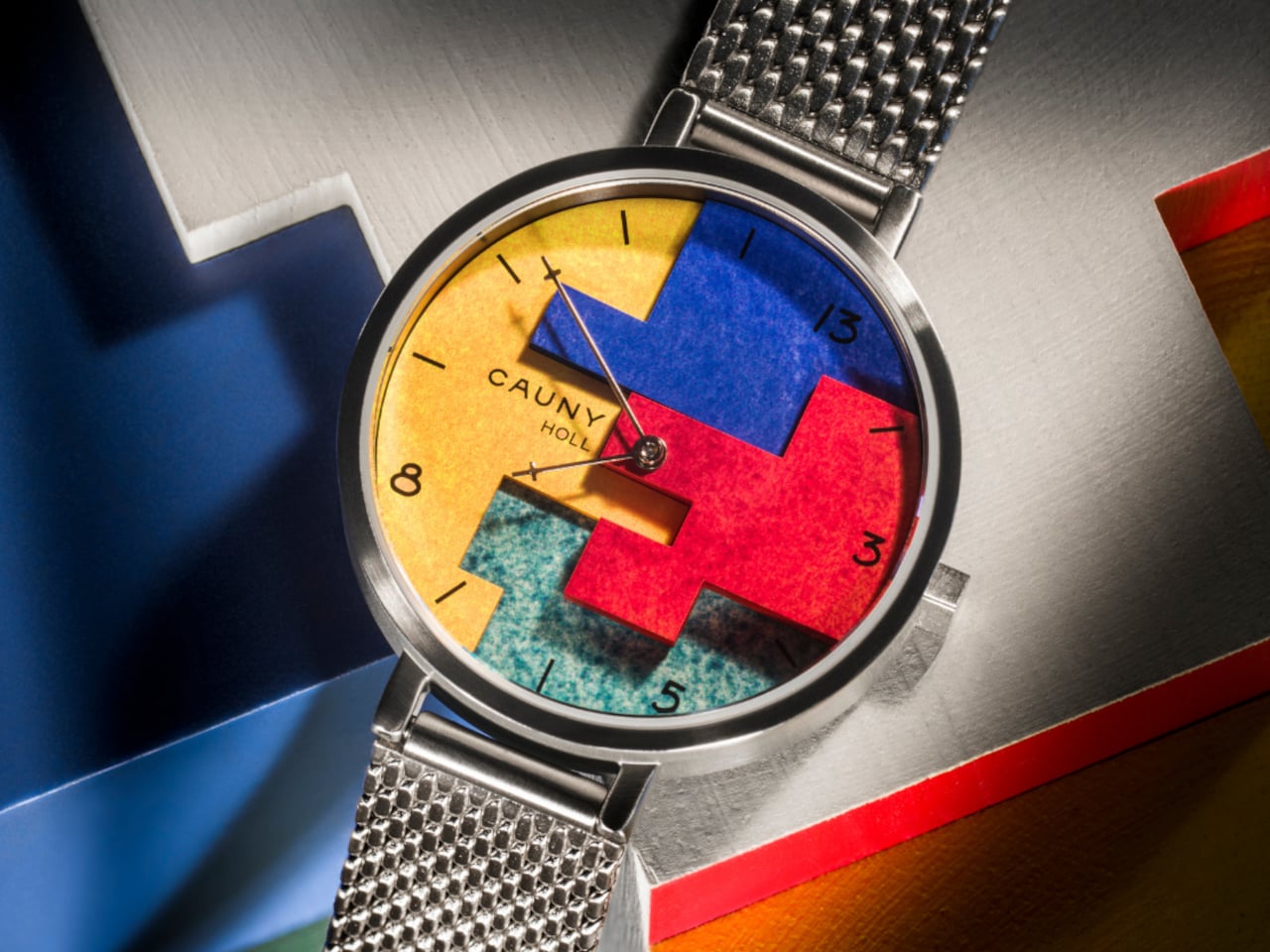
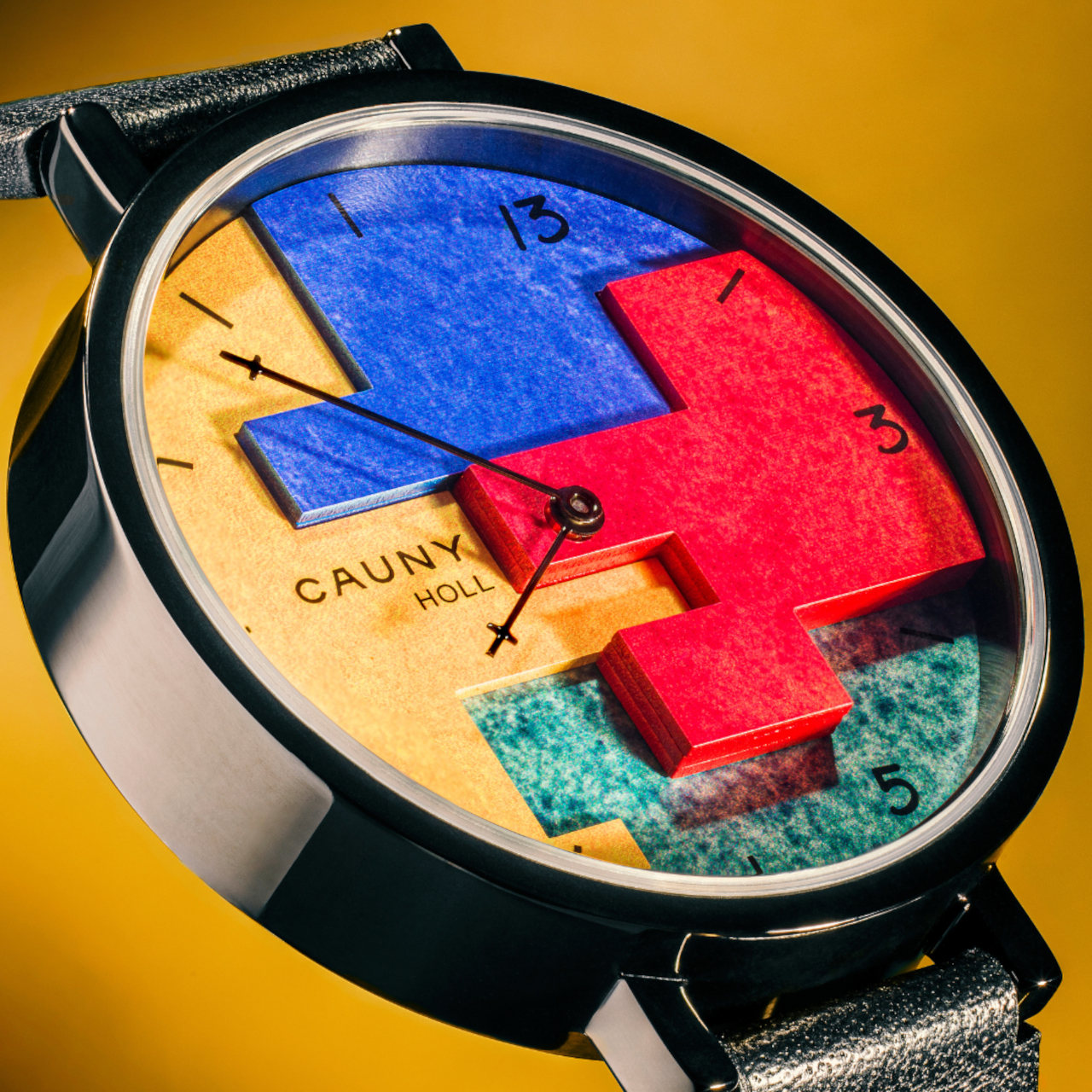
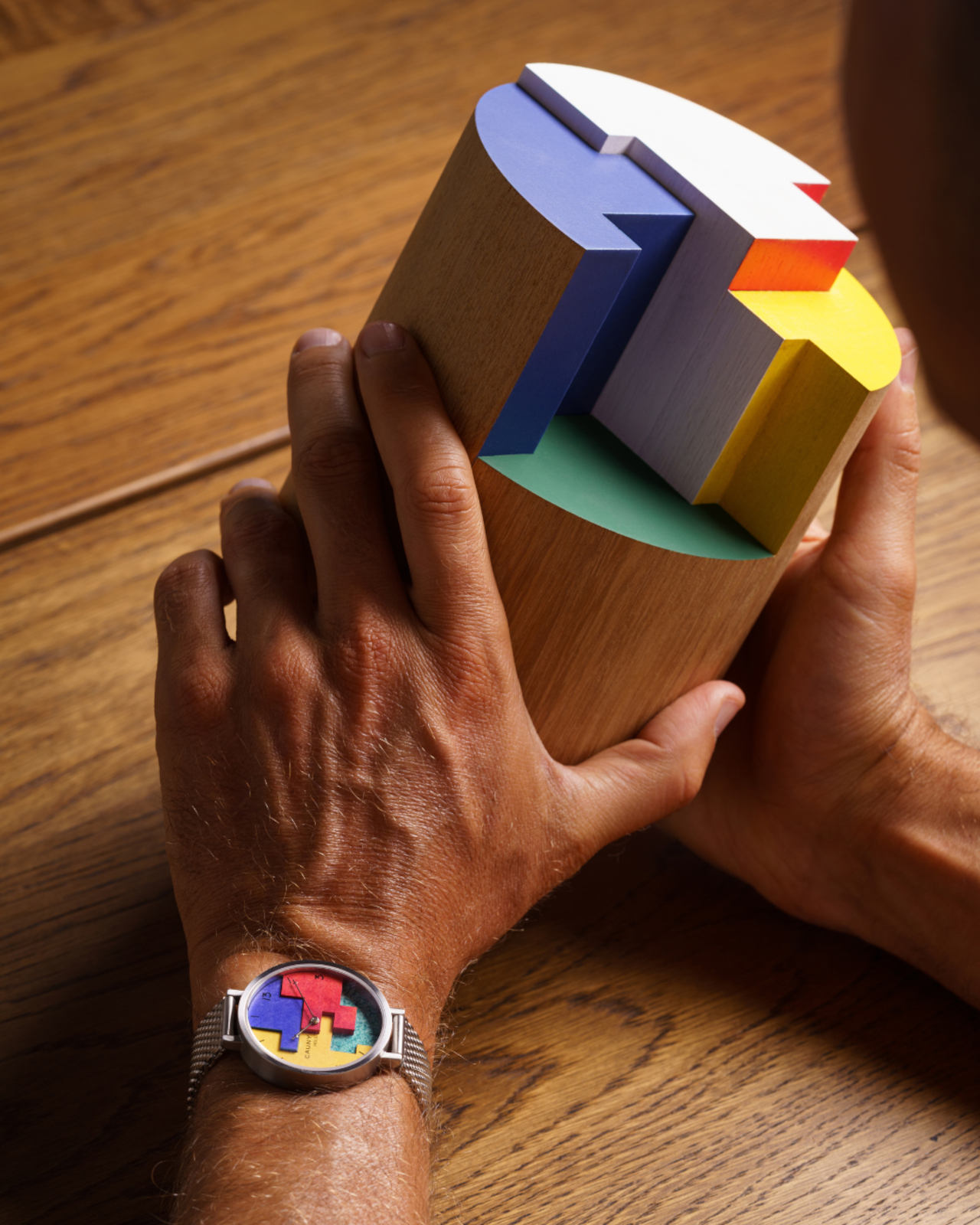
A watch with a sculpture under the glass is unusual enough. CAUNY’s Sculpture Watch adds another surprise, putting 13 where you’d expect to find 12. Available in two versions, this colorful timepiece turns its dial into a miniature arrangement of interlocking shapes, with raised surfaces and watercolor-like textures that give you something else to notice whenever you look down to check the time.
The dial brings together blue, red, yellow, and green, but there’s nothing especially conventional about how they share the circle. Stepped edges push into neighboring patches, creating a composition that resembles pieces of a small geometric puzzle. Blue and red sections stand proud of the surrounding surface, making their outlines physical edges rather than lines printed across an otherwise flat watch face.
Designers: Cauny x Steven Holl
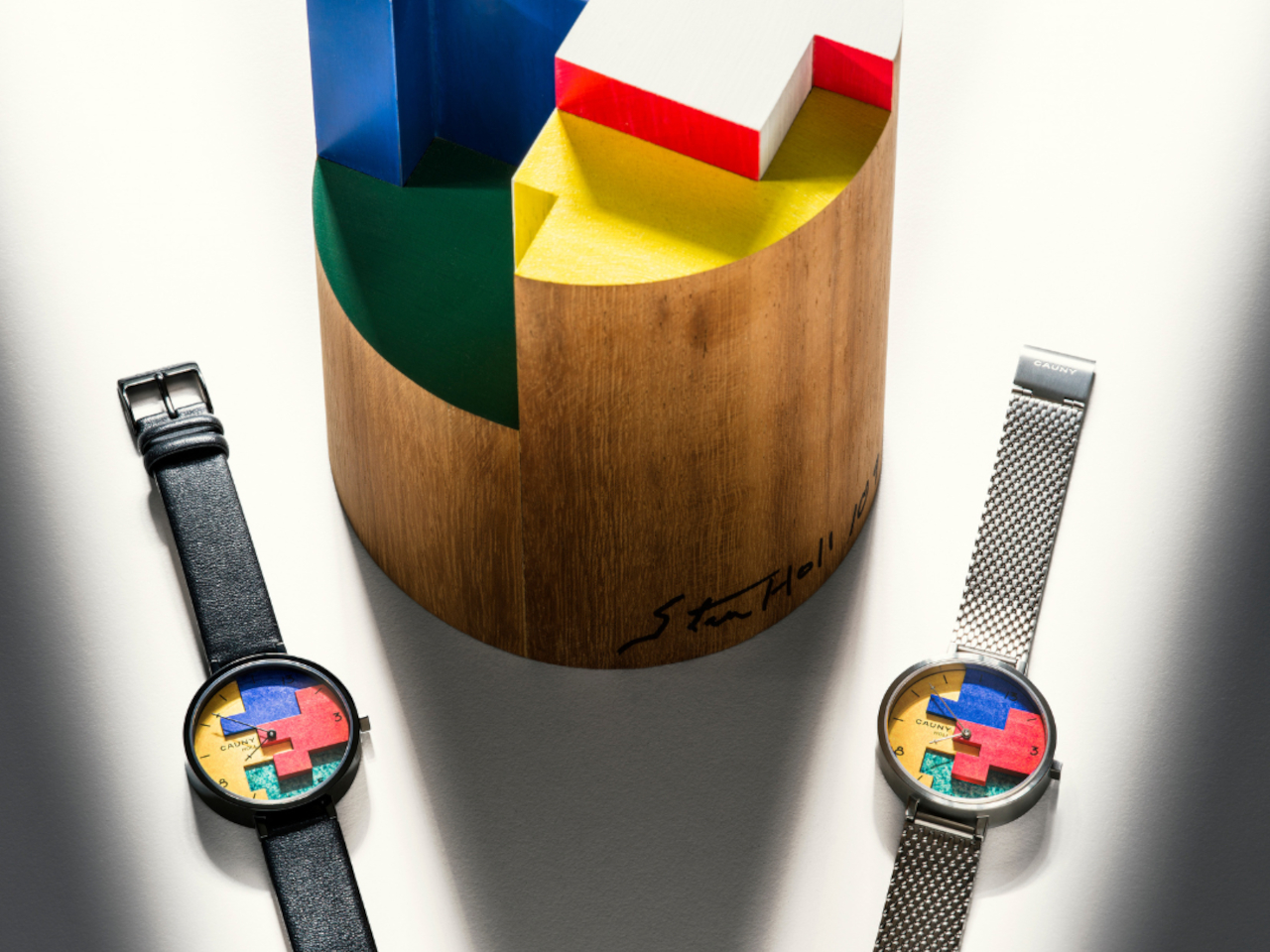
That extra depth gives light something to work with. The raised sections cast small shadows onto the colors beneath, bringing another set of boundaries into the composition as the lighting changes. Meanwhile, the mottled finish keeps those sharply cut shapes from looking too clinical. It’s a curious combination of precise geometry and the uneven character you’d associate with watercolor paint on textured paper.
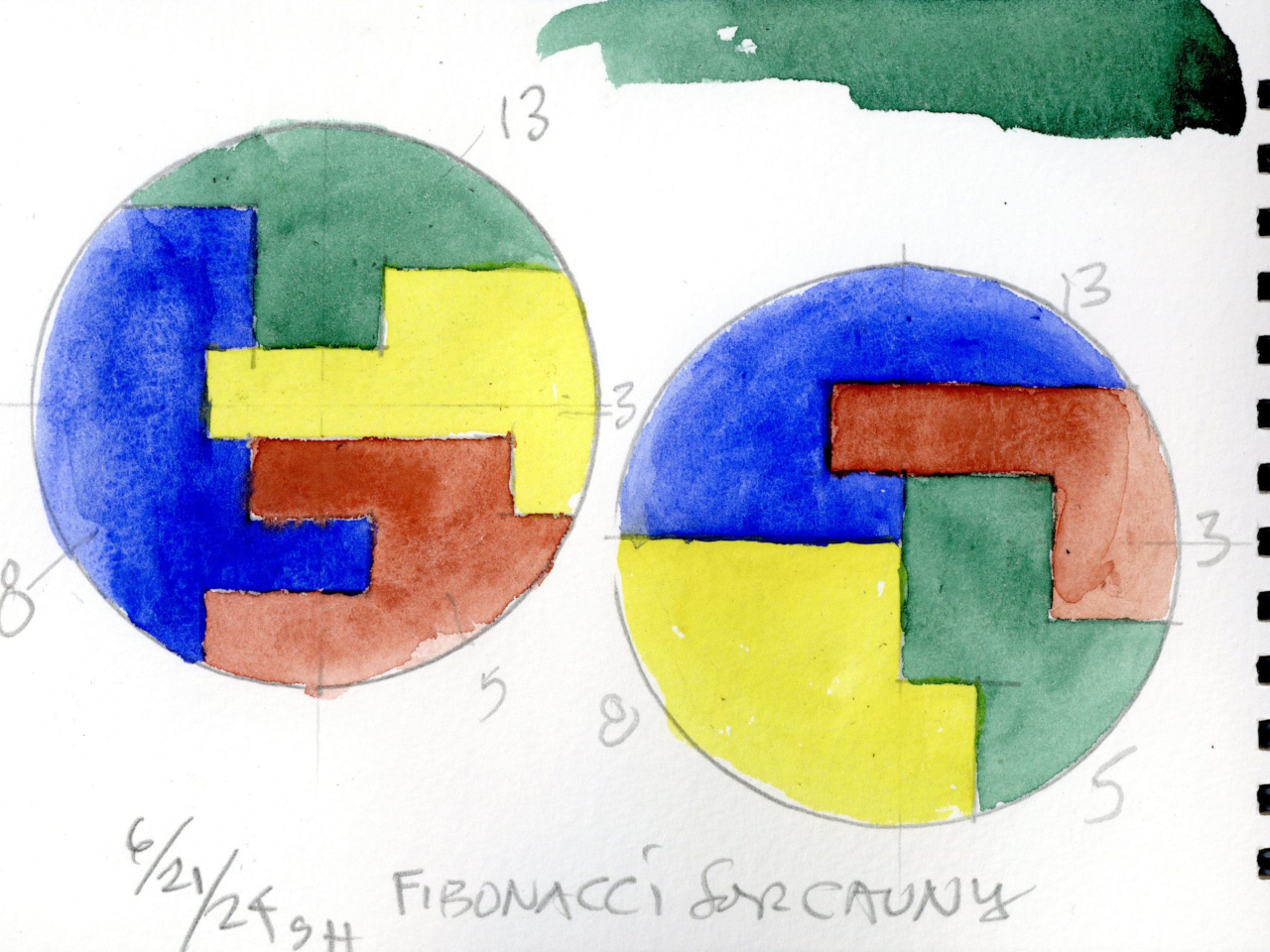
The link to painting is deliberate. Part of CAUNY’s Architects of Time series, the watch grew from a conversation about color and a tribute to architect Álvaro Siza. Watercolor studies and a small wooden sculpture informed the design, translating that exploration into something you can wear every day. The circular case stays restrained, leaving the dial to do most of the talking.
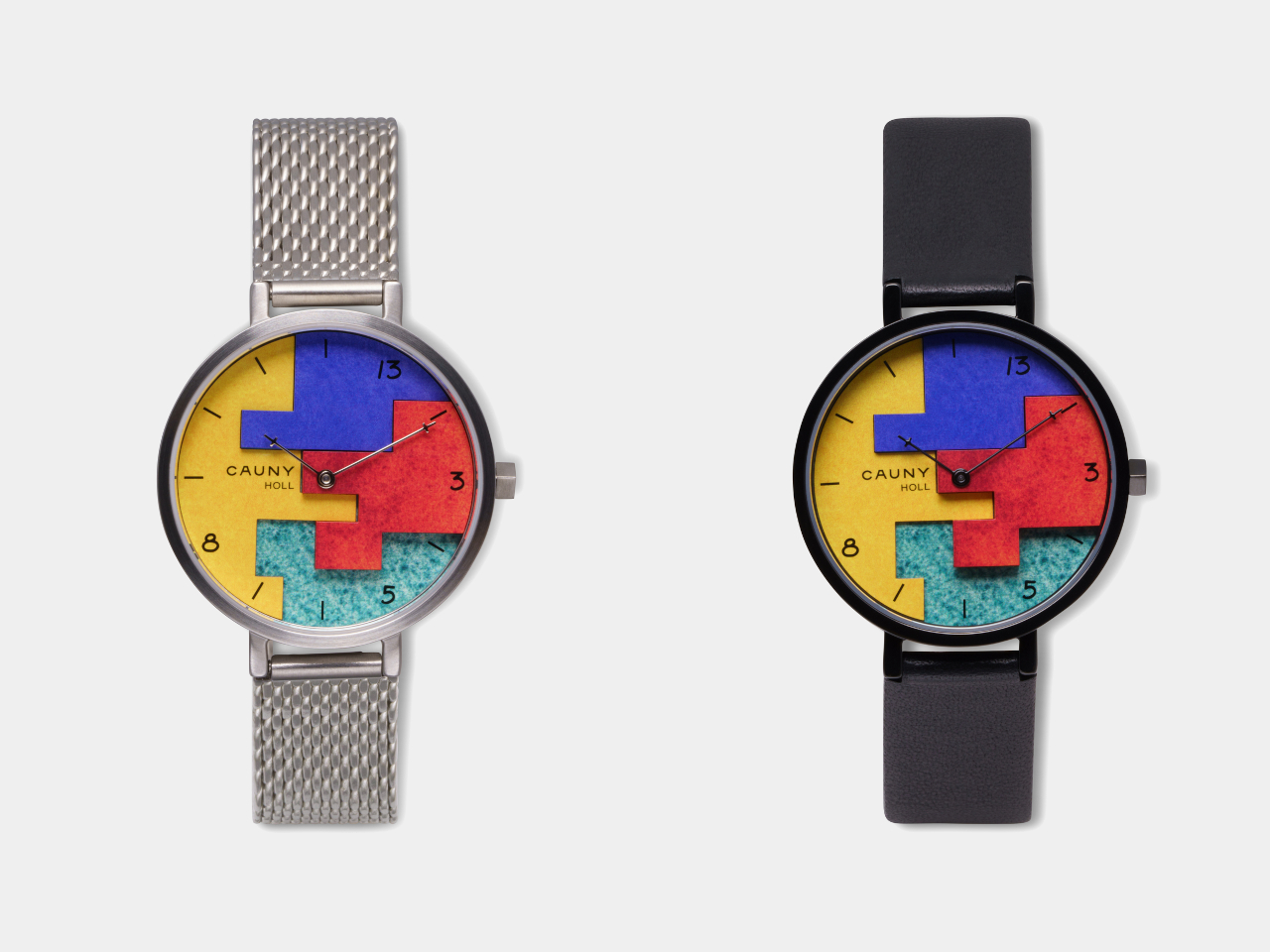
Those unusual numerals belong to the Fibonacci sequence: three, five, eight, and 13. The last takes the position normally occupied by 12, while short marks fill the remaining hour positions. It doesn’t add an extra hour to your day, sadly. The arrangement connects timekeeping with mathematical proportion, although you might need a second glance before you stop questioning that number at the top.
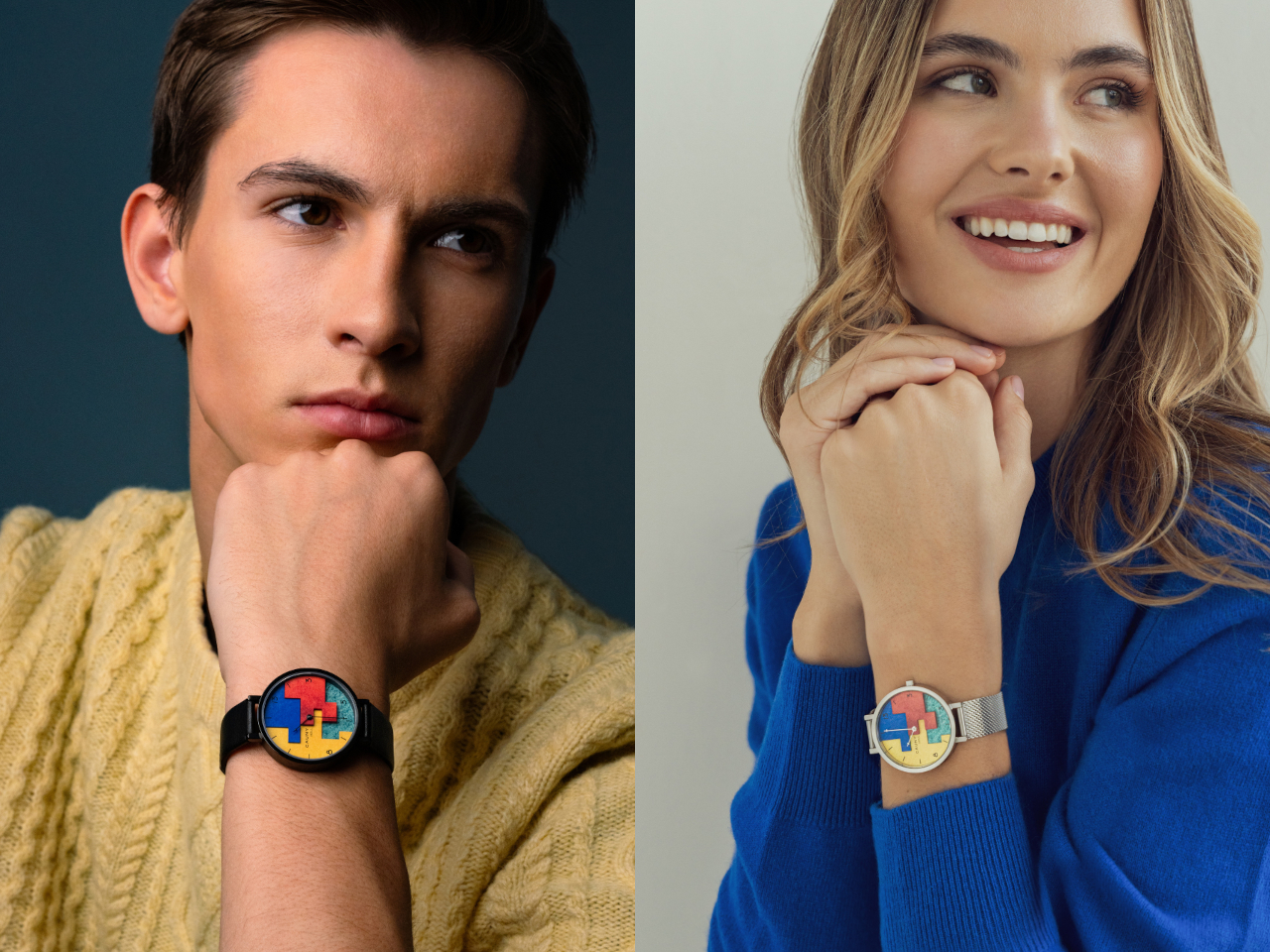
Both versions keep that colorful face, changing the frame around it instead. Holl Black pairs its dark case with a matching Horween leather strap, giving the dial a strong outline. Holl Silver uses a silver-toned case and steel mesh bracelet for a more jewelry-like appearance. Neither needs decoration on the strap; there’s already plenty happening underneath the glass to hold your attention.

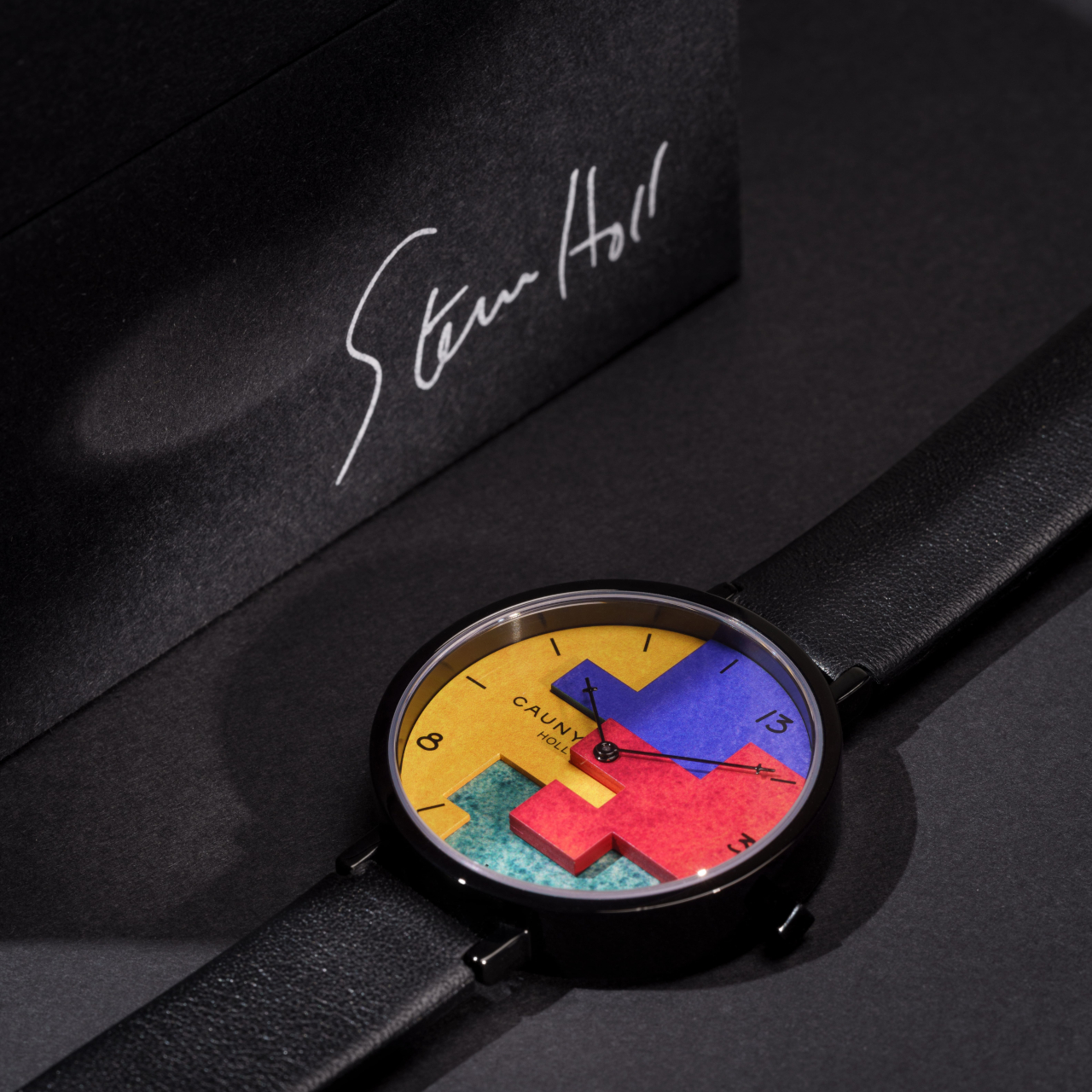
The case measures approximately 1.42 inches across, keeping this busy composition within a relatively modest circle. A sapphire crystal covers the dial, and a quartz movement drives two slender hands without a seconds hand adding another moving line. CAUNY rates water resistance at 3 ATM, so this is a watch for everyday splashes rather than something to keep on when you go swimming.
Both versions are listed on CAUNY’s Portuguese storefront for €198 (about $219), so neither finish carries a premium. A plain shirt would give those colors plenty of room without requiring an equally colorful outfit. You might buy it for the sculpture, but you’ll still have to answer when someone asks you the time, preferably without explaining the Fibonacci sequence while they’re waiting.
The post Steven Holl’s CAUNY Watch Puts a Tiny Color Sculpture on Your Wrist first appeared on Yanko Design.