Engineer 3D Prints A Colorful, Functional Toilet

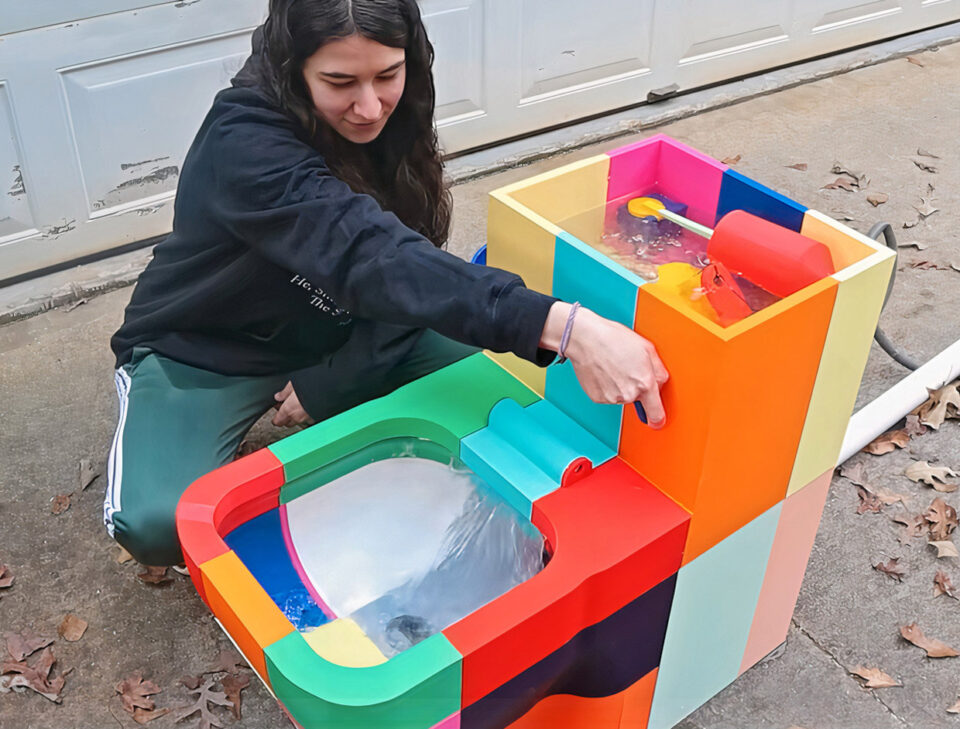
Because great ideas come in all shapes and sizes (and colors), Youtuber Emily The Engineer decided to take it upon herself to see if she could 3D print a functional toilet. Could she? SPOILER: Yes– yes, she could. And I hope that this colorful commode serves as a reminder to us all that if you try hard and believe in yourself, anything is possible. Or you can at least 3D print yourself a toilet.

Due to the size of the toilet, the unit had to be split into numerous blocks for individual printing, and Emily took that opportunity to print the blocks in various fun colors. The result is what appears to be a LEGO toilet, or a Mondrian painting. My bathroom demands it!

Emily attached all the parts to one another using 3D plastic glue and a soldering iron to fuse where necessary. Even the tank float, flapper, and flushing mechanism are 3D printed, although a handful of metal nuts and bolts were required to connect everything.

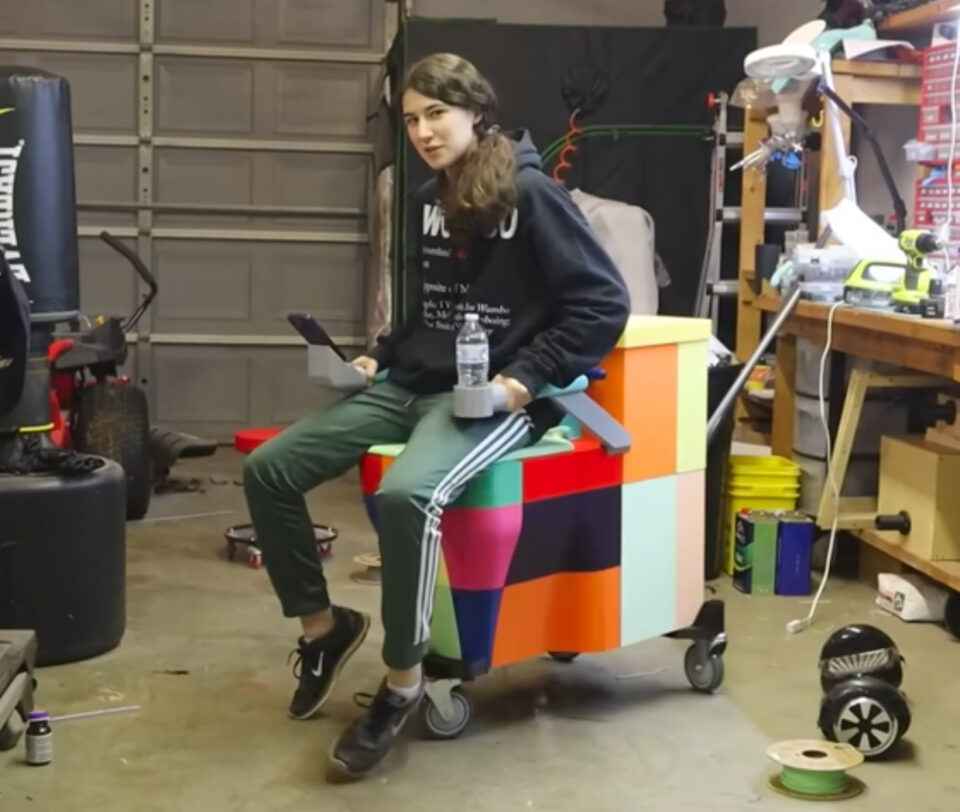
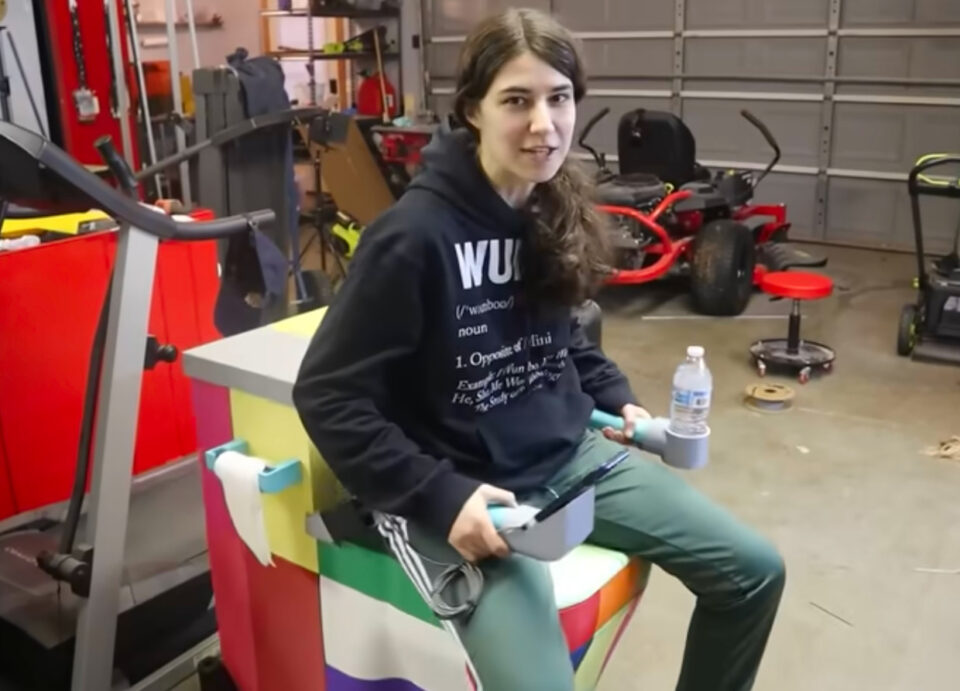
Unfortunately, after testing, it appeared her design wasn’t strong enough to be attached to a traditional indoor plumbing system. So what did she do? What anybody would — attached wheels, armrests, smartphone charger, cup holders, and added a bidet. Boom — mobile toilet! Goodbye porta-potty, hello sporta-potty!

[via TechEBlog]

Geometric coffee tables use 3D printing robots and recycled plastic to create organic forms

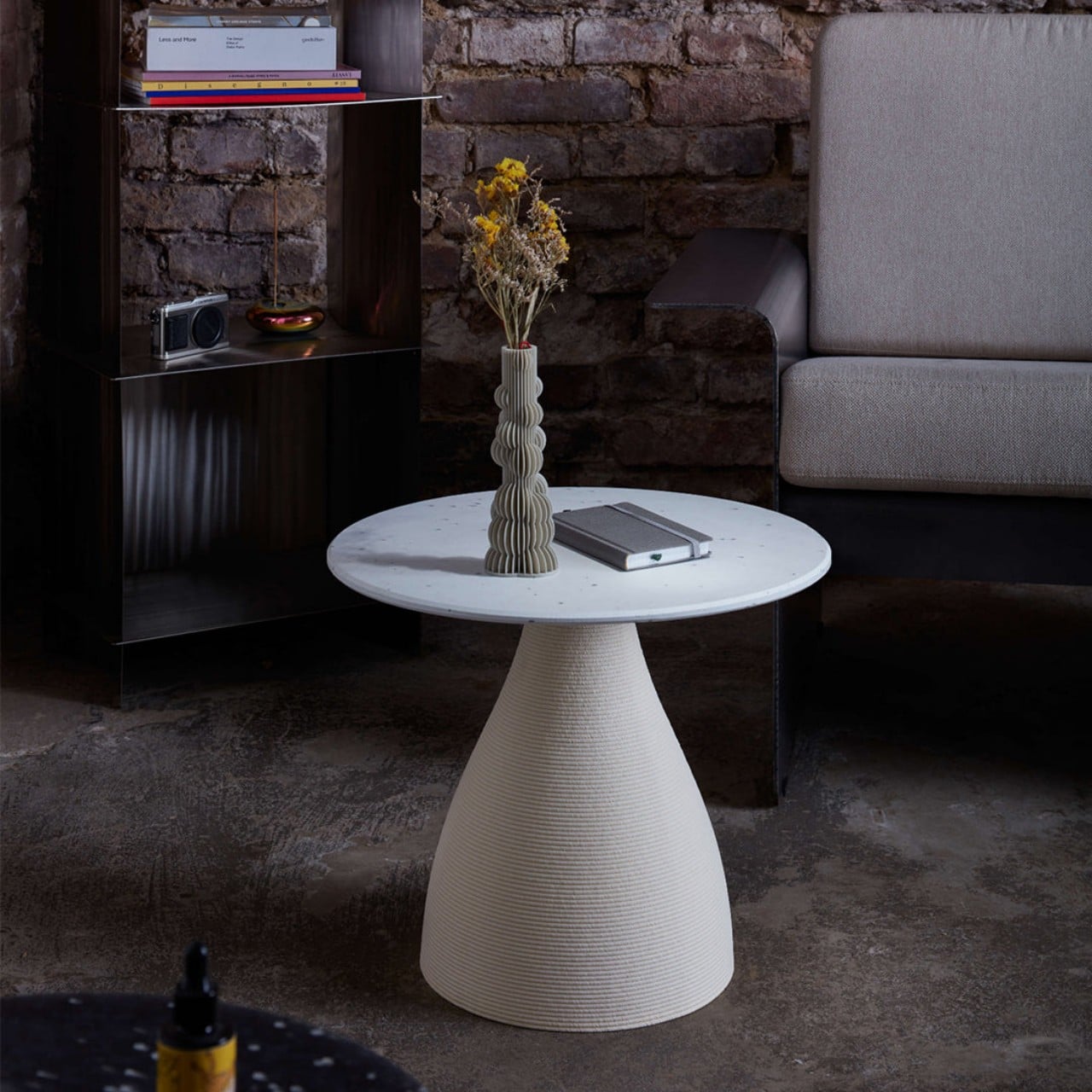
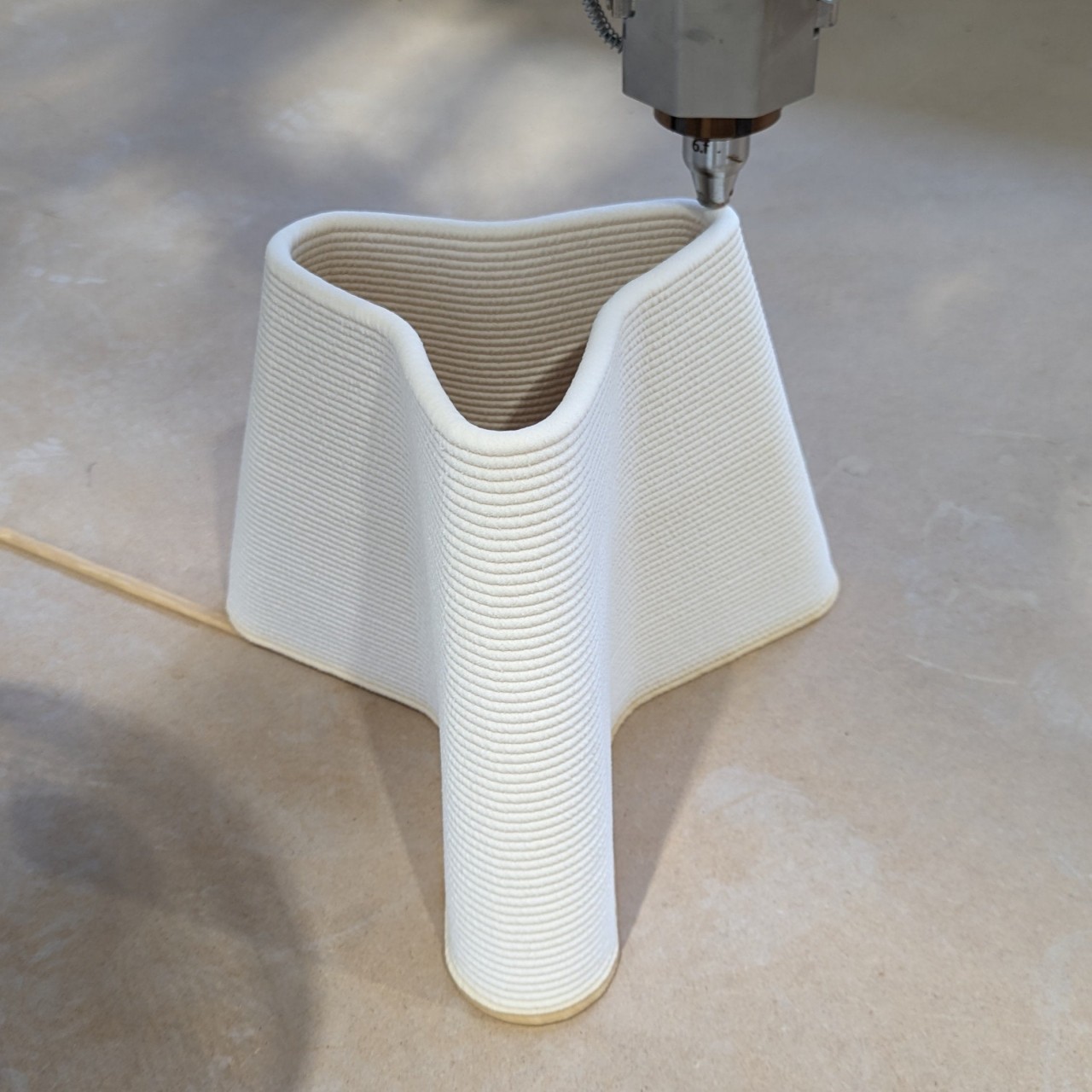
3D printing has come a long way, but unless you’re using industrial printers in large factories, you’re probably limited to creating small designs or just parts of a whole. That, unfortunately, means that creators and makers aren’t able to fully express their ideas and designs, at least not those that involve pieces that can’t fit inside a commercial 3D printer. That said, you don’t have to give up your creative freedom to use an expensive production line if you can put 3D printing robots to smart use, like this sustainable plastic coffee table that is able to form organic geometric forms just by making the robot arm loop round and round.

Designer: Martin Zampach

When people think of 3D printers, they most likely think of those boxy contraptions sitting on tables, with nozzles that quickly run back and forth while oozing out hot plastic material in order to build up a three-dimensional object almost like from thin air. While this is the most common and most convenient kind of 3D printing, it has severe limitations in the size or shape of the object being made, basically anything that can fit the area and height of the printer.

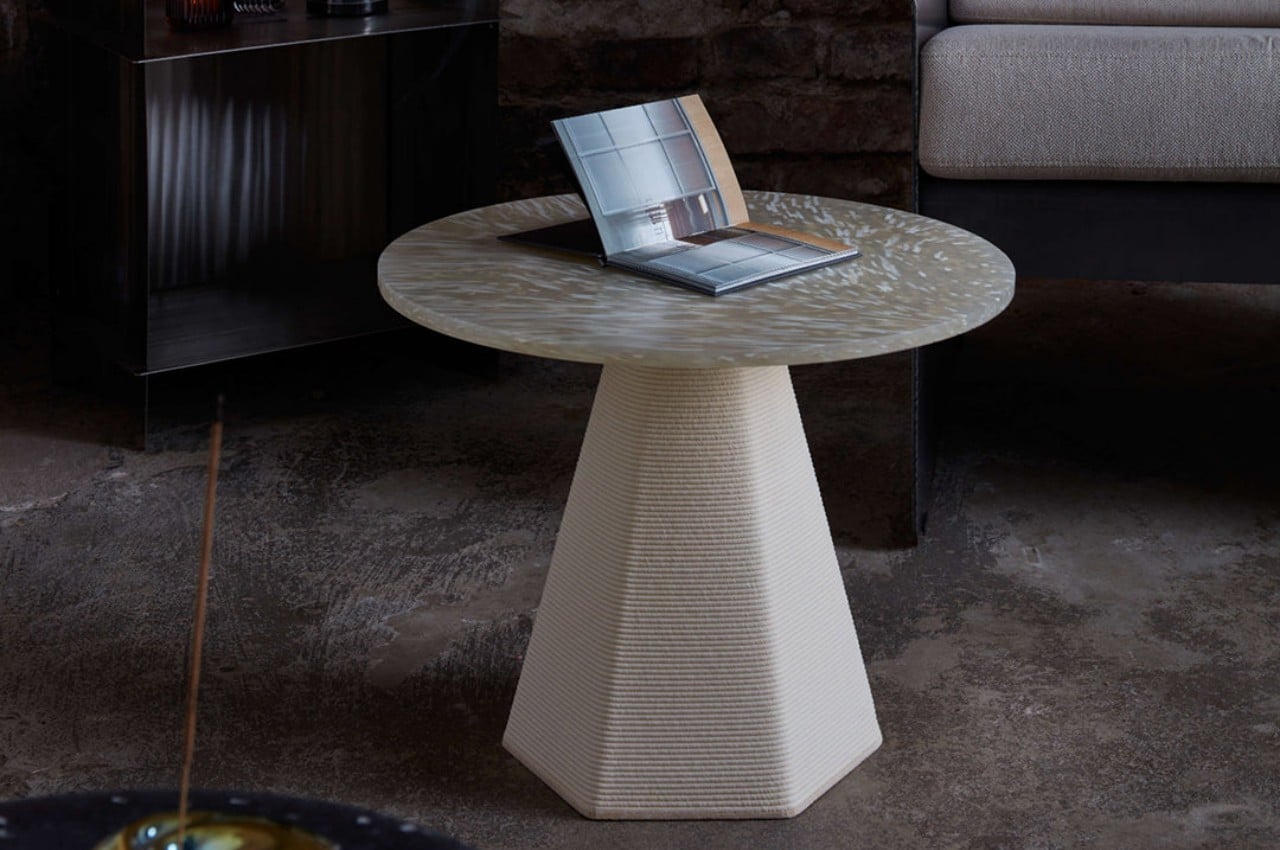
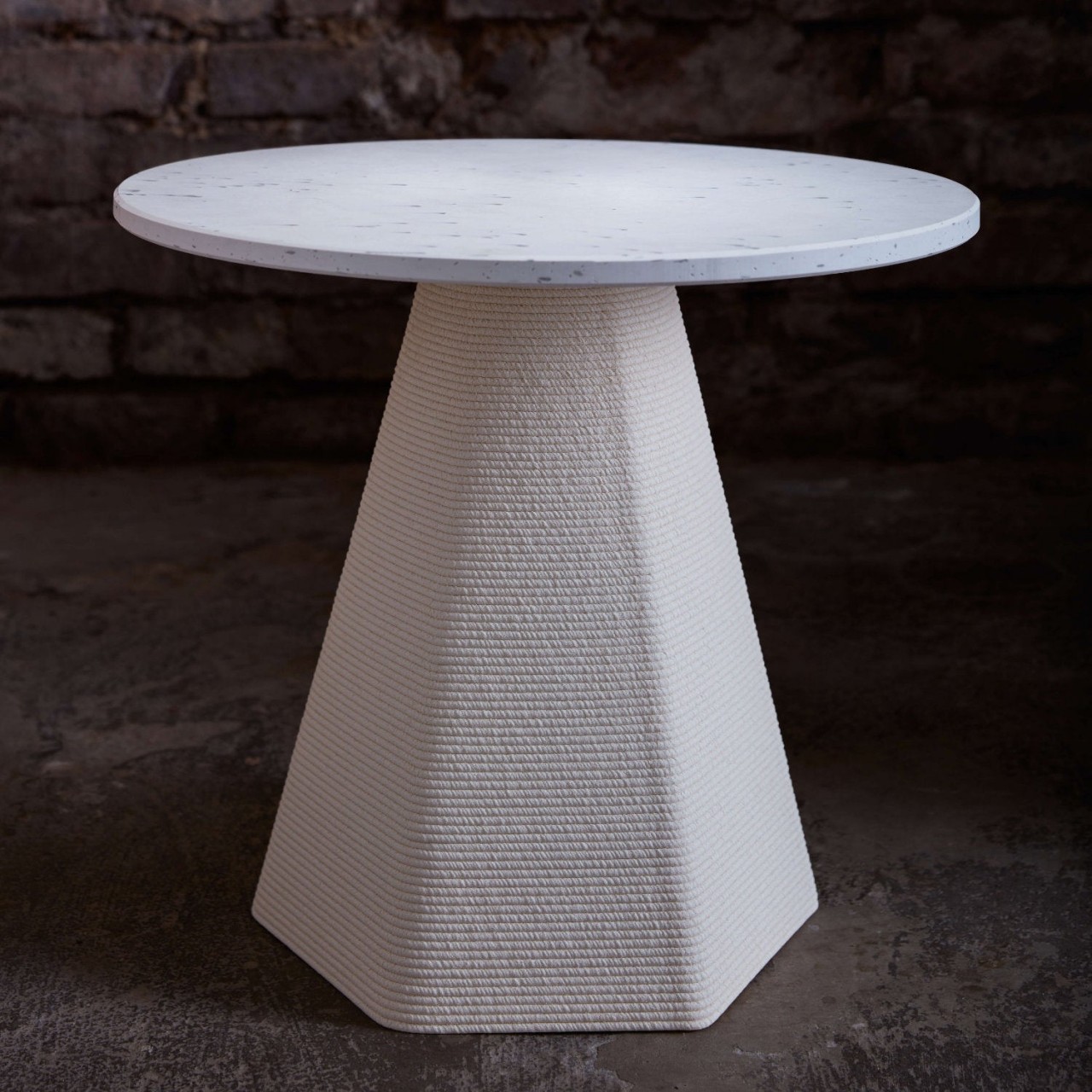
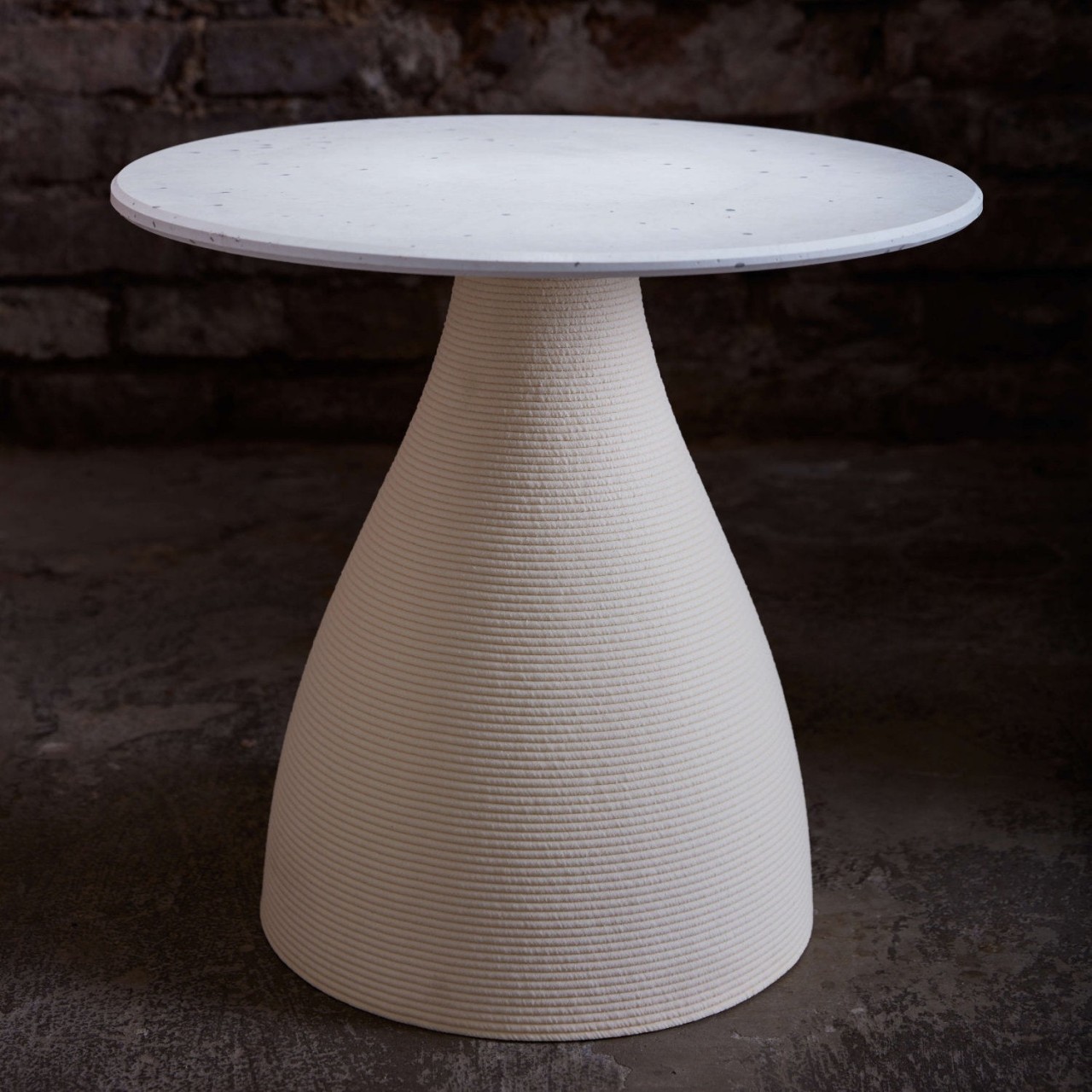
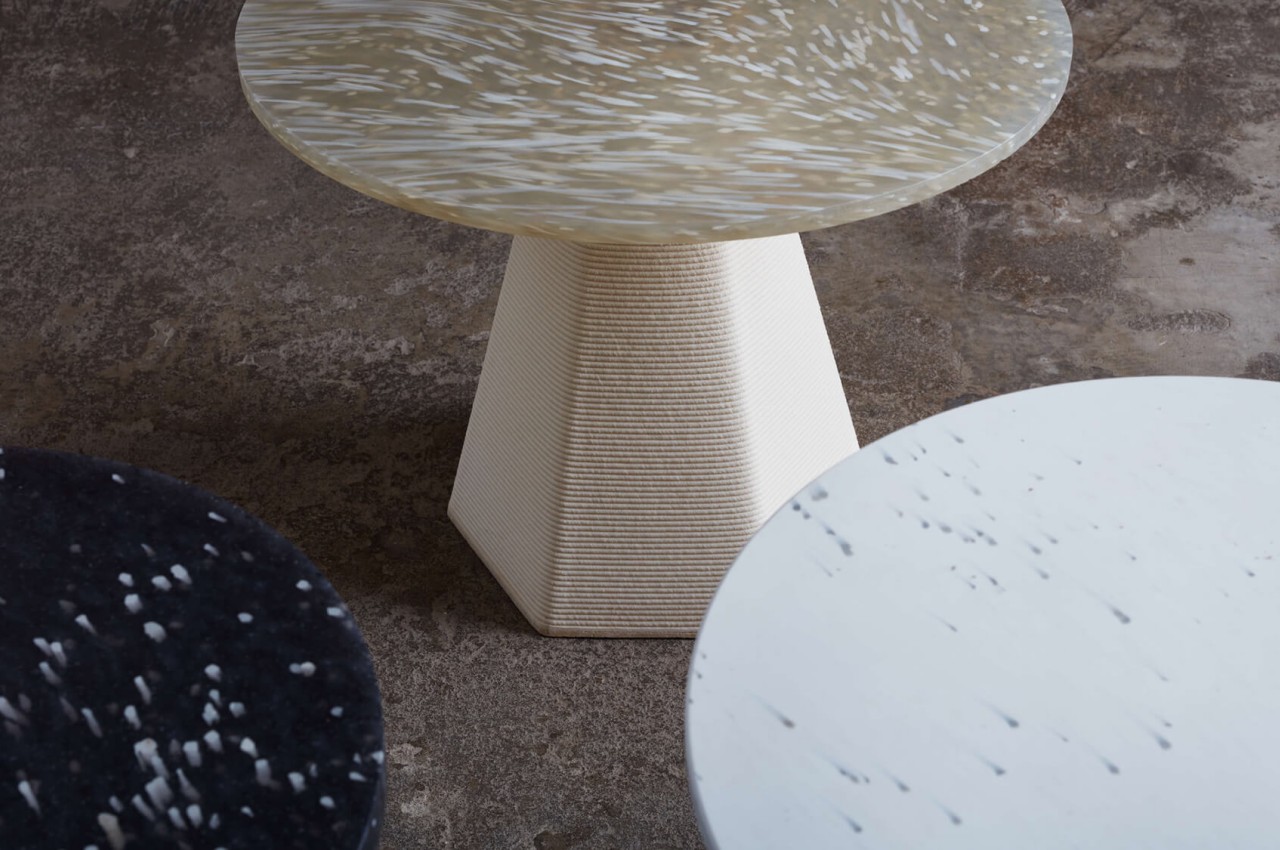
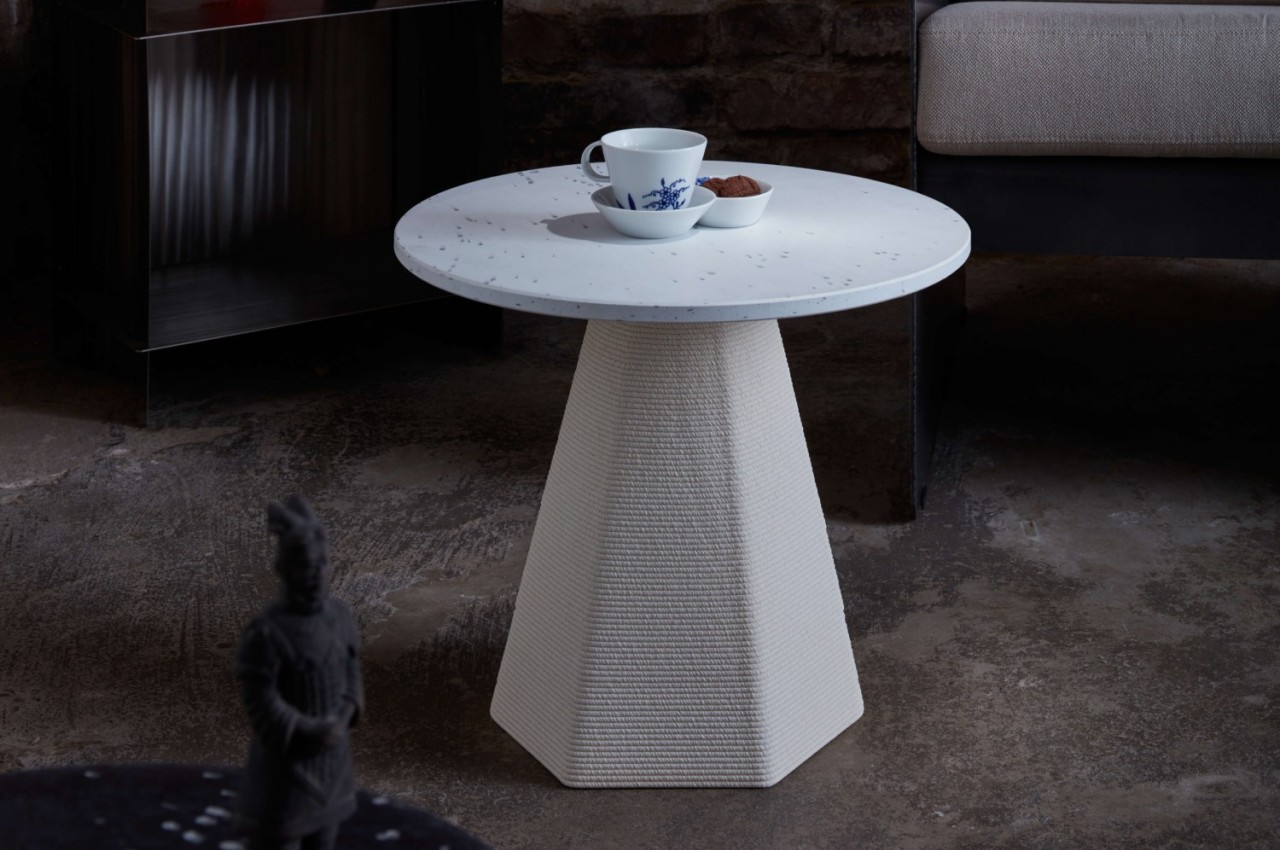
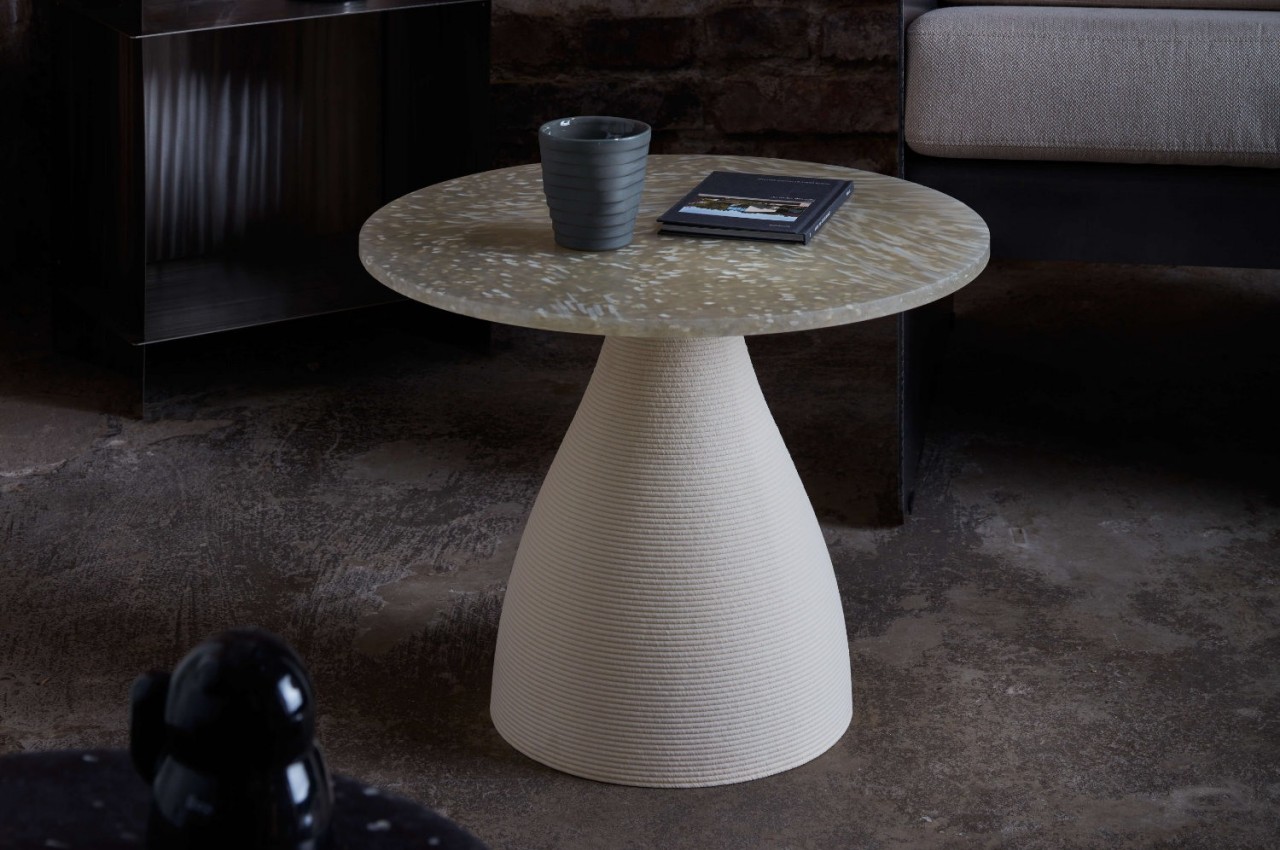
LOOPS is a collection of coffee tables conceived to push the envelope of 3D printing and create objects that are larger than normal without requiring additional hardware. An industrial 3D printing robot pretty much goes round and round to create the base shape, building layer after layer of composite material until the desired form is achieved. This is the process used for creating the base of these tables, allowing the designer to apply different geometric shapes with organic forms that look like they’re literally growing before your very eyes.

The coffee tables are more than just experiments in 3D printing, they are also testaments to beautiful sustainable design. Tabletops are made from 100% recycled plastic that is crushed, melted, and then moulded from used plastic. The 3D printed bases, on the other hand, are made from composite material containing cellulose from responsible forestry. When the tables reach the end of their use, both the base and the top can be recycled or reused to extend their life in a different way.

The LOOPS coffee table collection offers a unique and novel design that pushes the boundaries of 3D printing to produce beautiful shapes and textures that almost resemble traditional ceramic creations. The variety of recycled plastics used gives each tabletop a unique appearance, both in color as well as in texture. The minimalist yet elegant designs make the coffee tables the perfect artistic centerpieces for any space, offering a thought-provoking design that opens your mind to the possibilities of sustainable 3D printing.

The post Geometric coffee tables use 3D printing robots and recycled plastic to create organic forms first appeared on Yanko Design.

Turn your bathroom into a sustainable piece of art with 3D printed tiles

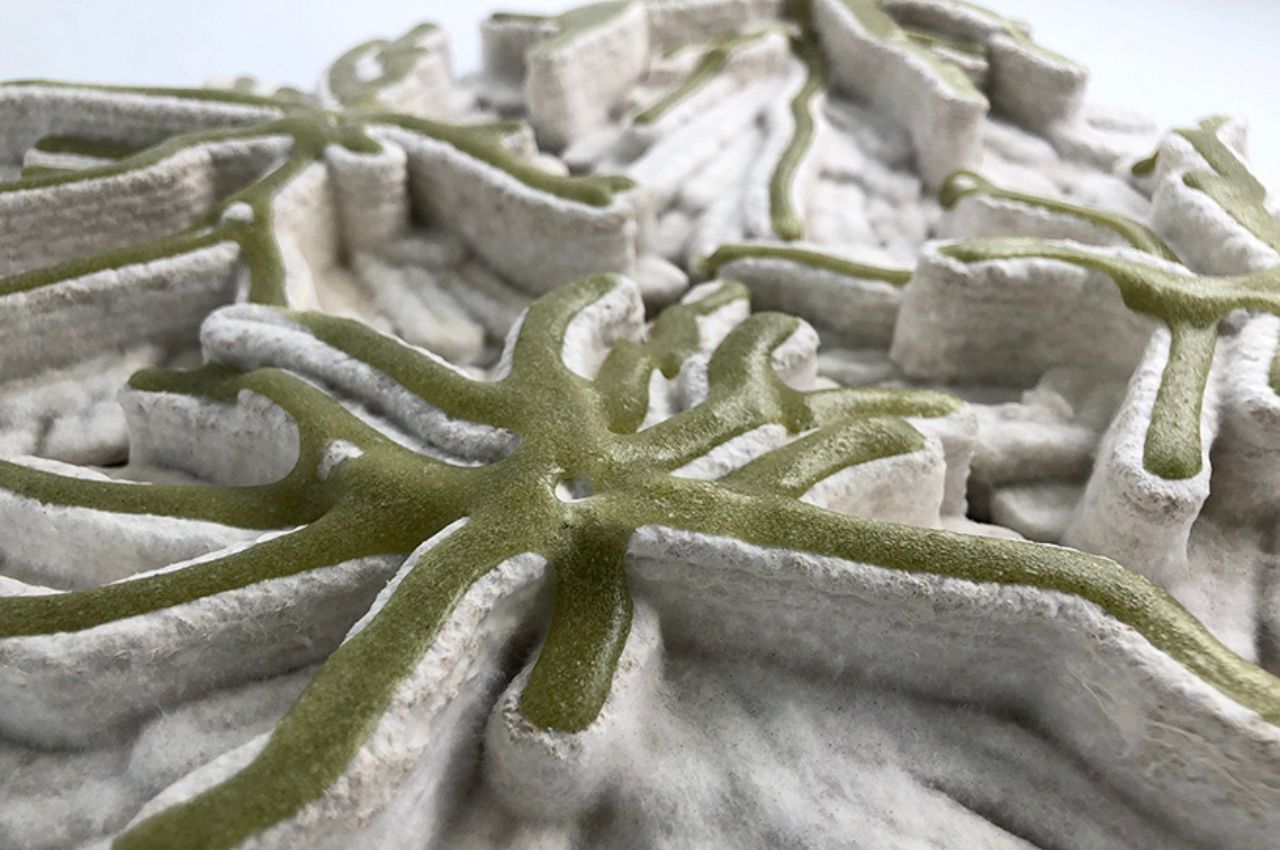
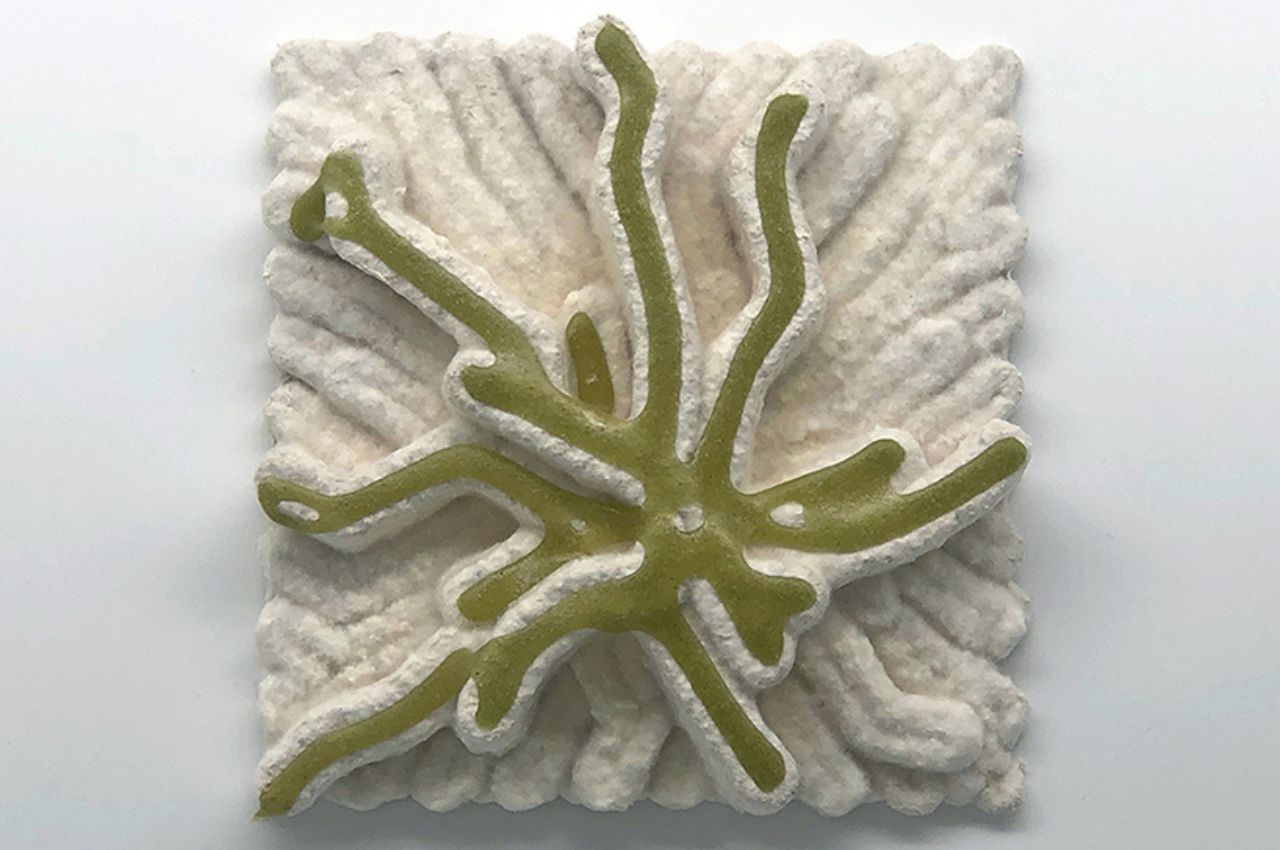
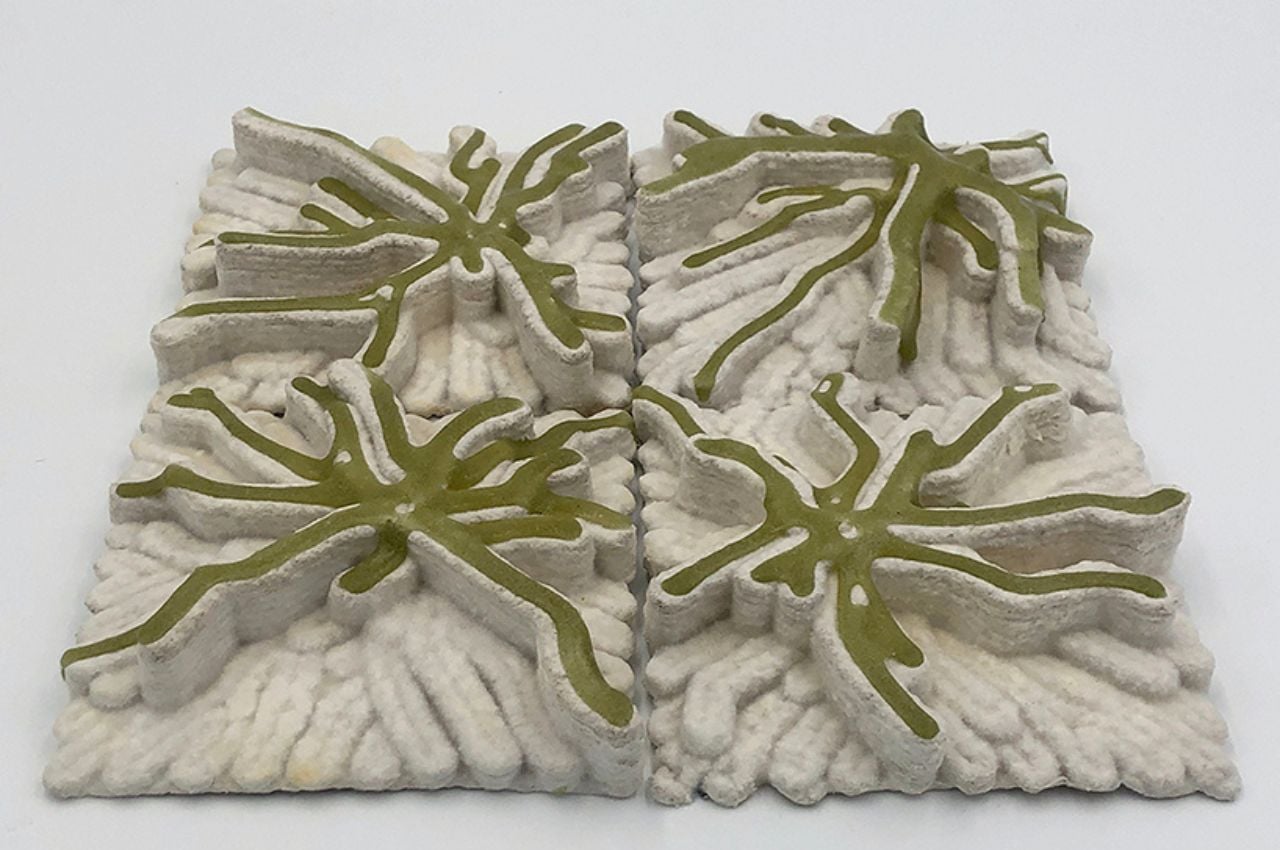
If you’re redesigning your bathroom but you’re bored with the regularly-designed tiles that you see in the market, this 3D printed tile design may be for you. That is, if you don’t mind having some organism looking creatures permanently displayed while you’re taking a bath. It is sustainable and biodegradable so that’s a major bonus if you’re concerned with things like that.

Designer: bioMATTERS

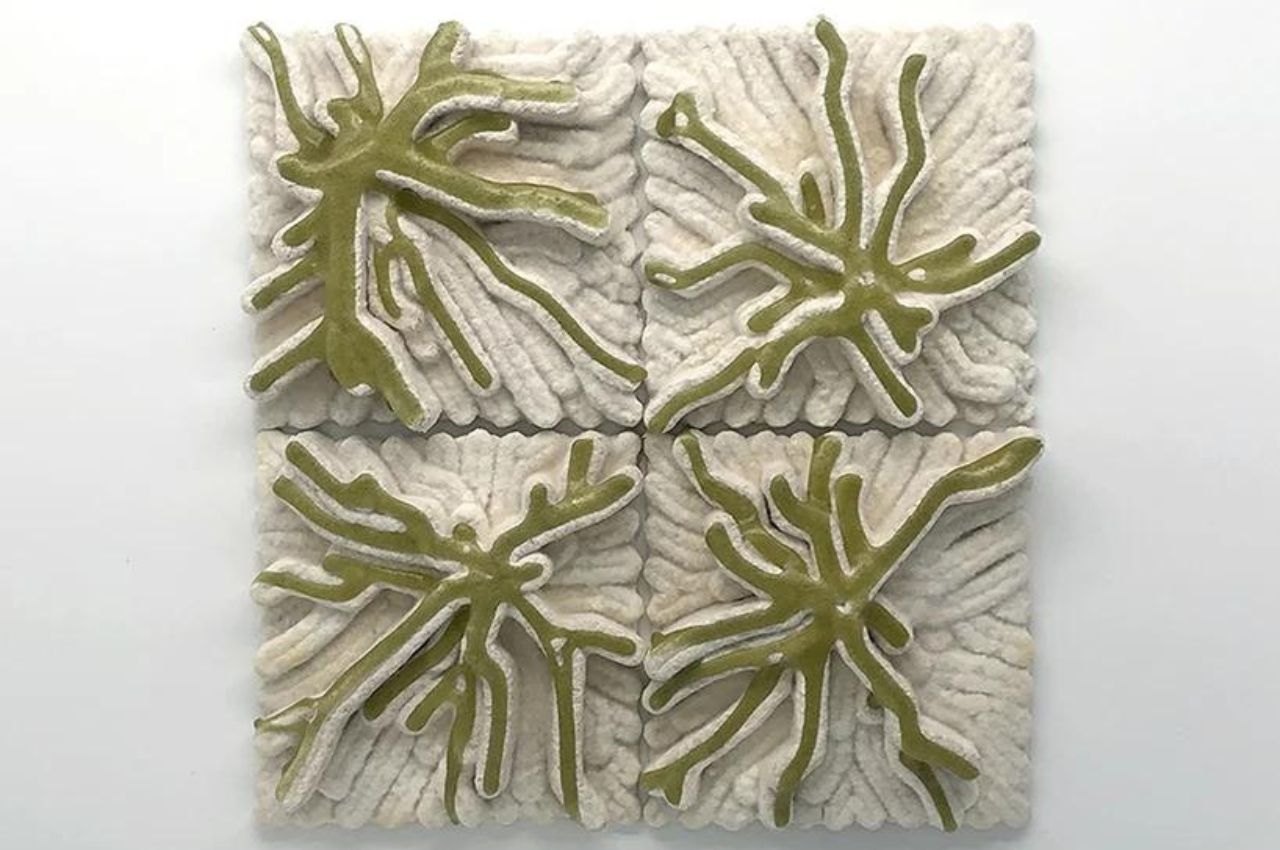
The MYCO-ALGA is an interior tiling system that is made from natural and organic waste that have been upcycled together with actual living organisms. There are different sustainable processes involved in coming up with this including designing them digitally, 3D printing, growing the organisms, enriching them with bio-pigments, fabrication, etc. It begins with the waste materials being ground into a paste-like substrate as a foundation.

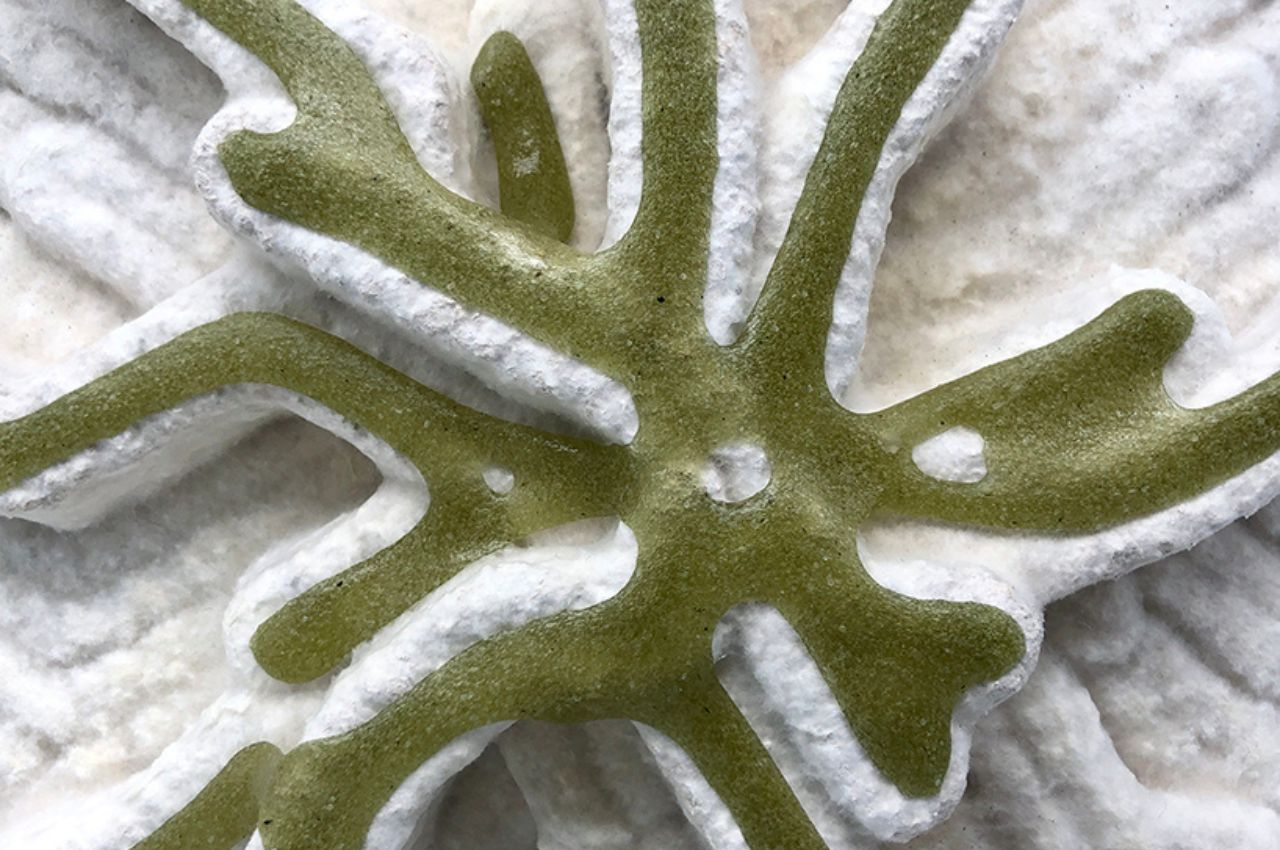
Once it has been turned into paste, it is then 3D printed into customized shapes and for two weeks, they are placed and cultivated in a controlled environment so that the mycelium turns into the thing that binds the material together. They are then placed in convection ovens and as they “bake”, they turn into lightweight materials but at the same time, they become strong and rigid. The bio-pigments from the harvested algae which are now gel are then applied to the tiles.

The tiles are definitely unique looking and can be a conversation piece when you have people visit your bathroom. They were designed to specifically look like organisms are crawling all over your space. The mosaic-like design with the non-repeating patterns are visually striking and 100% sustainable.

The post Turn your bathroom into a sustainable piece of art with 3D printed tiles first appeared on Yanko Design.

Meet Guatemala’s First 3D-Printed Earthquake-Resistant House That Was Built In Just 26 Hours

Nowadays almost everything is being 3D printed, so why should architecture be an exception? Many architectural firms have adopted 3D printing as their preferred technique for building structures. And 3D-printed architecture has truly gained a lot of popularity and momentum. It has paved a path for itself in modern architecture. And I mean, no wonder, it has a ton of benefits! It’s a simple, efficient, and innovative technique that lowers the risks of errors, and also manages to save time. 3D printing eradicates a lot of tedious steps during the construction process and simplifies it. And cement company Progreso teamed up with COBOD to build Guatemala’s first 3D-printed building.

Designer: Progreso x COBOD
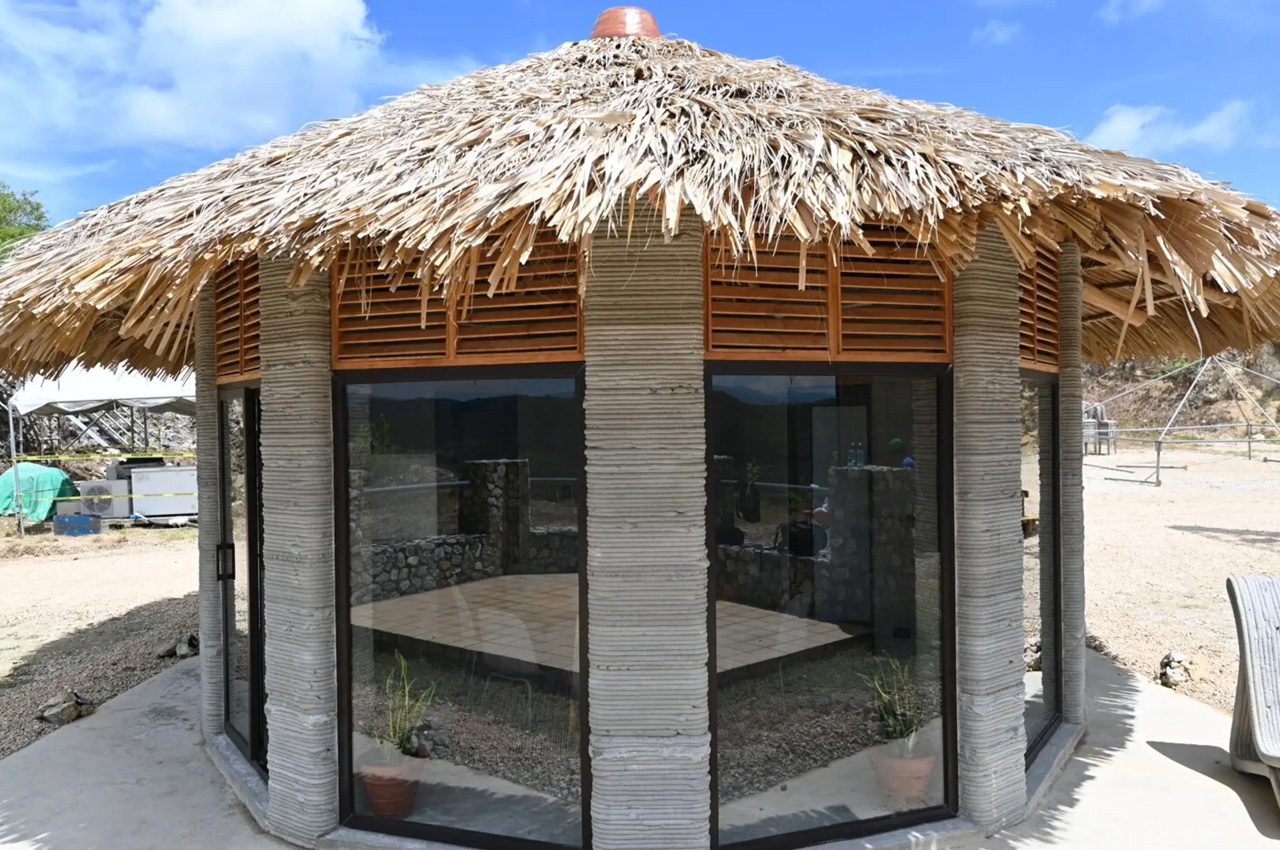
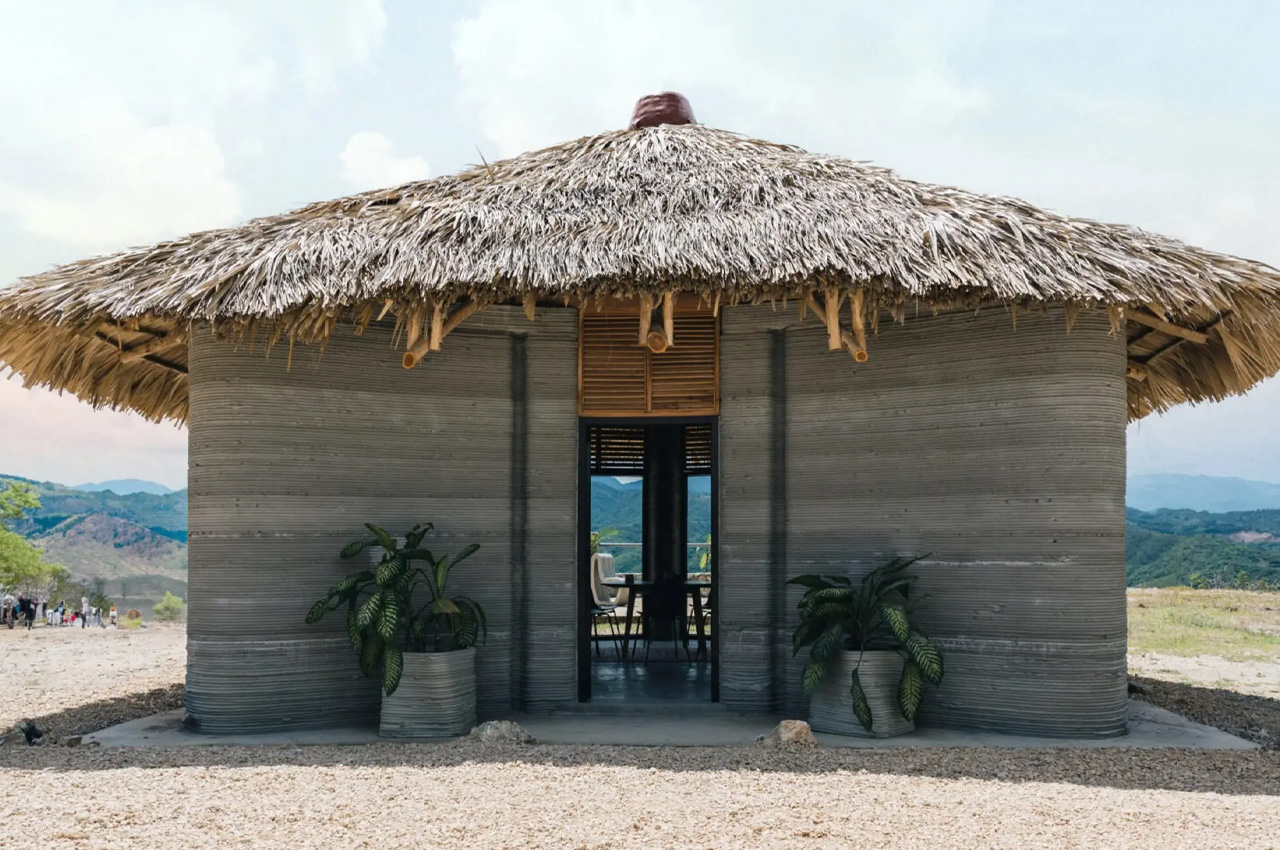
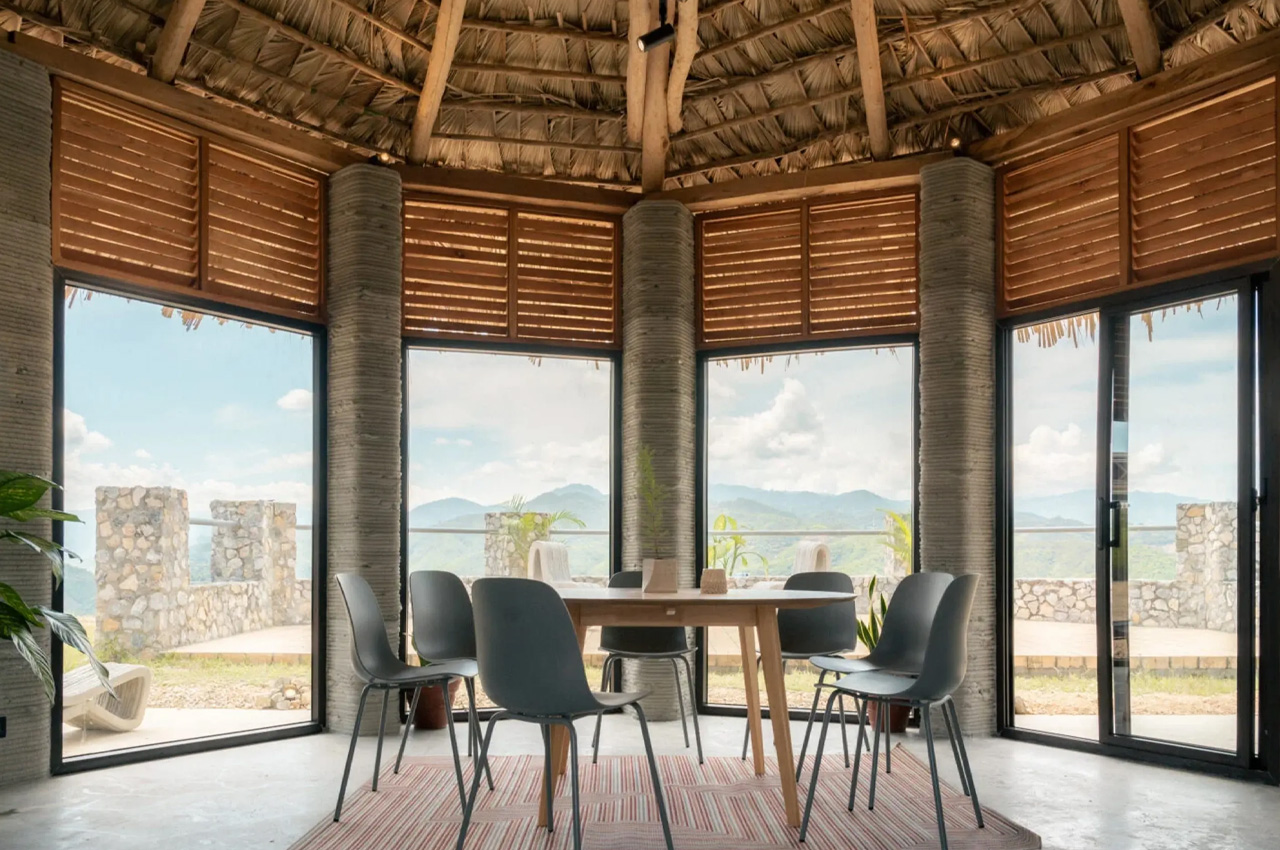
Guatemala’s first 3D-printed building was recently completed to withstand local seismic activity, allowing it to be earthquake-resistant. The structure was built by merging modern 3D-printing construction techniques with traditional local craftsmanship, for example, the thatched roof. The house was built using COBOD’s BOD2 printer, and the 3D printer extruded a cement-like mixture in multiple layers to from the structure’s shell, according to a pre-planned blueprint.
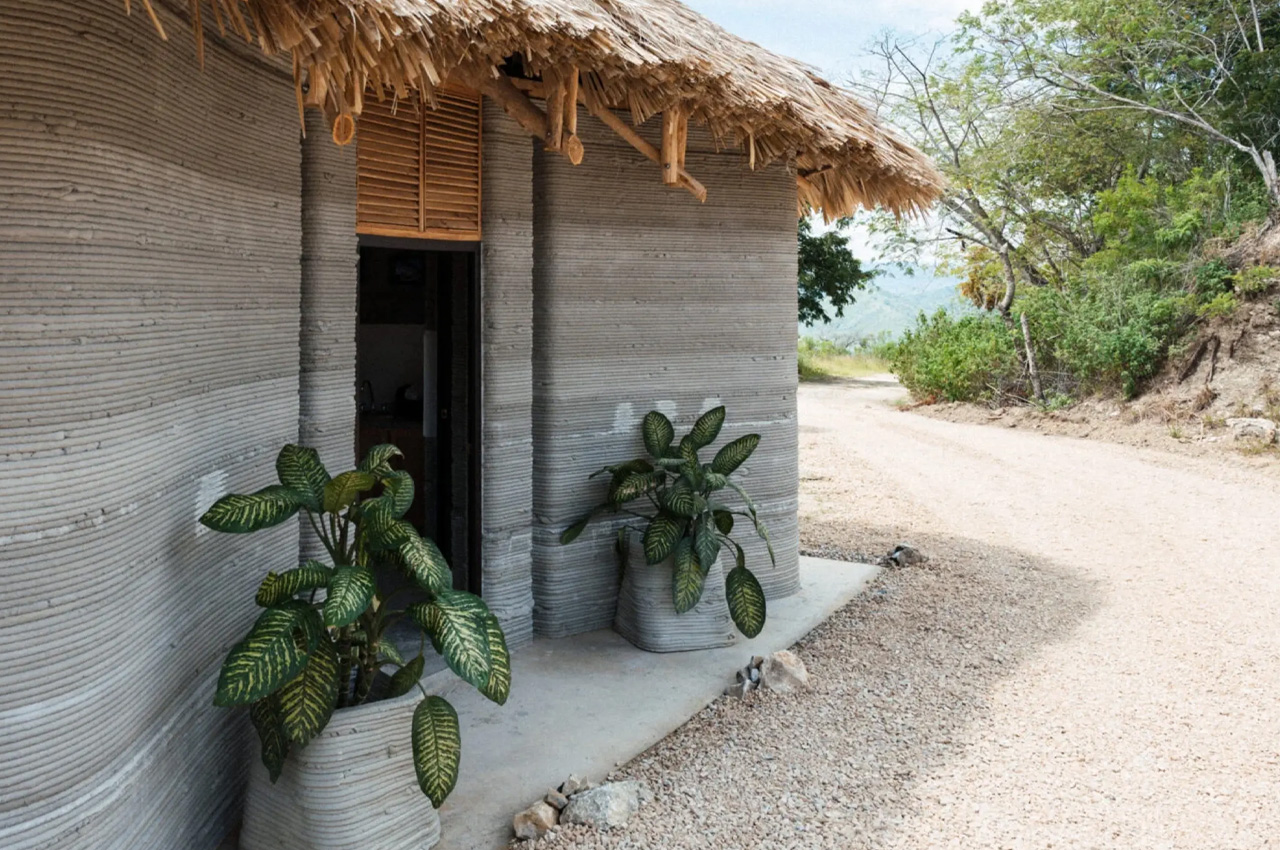
Quite interestingly the entire printing and building process took only a little over 24 hours. 26 hours were spread over seven days to build the structure which involved completing the concrete shell, and then adding wiring, plumbing, and windows with the help of laborers. The roof of the home is the traditional roof seen all over the region, and it is made from palm thatching. Wooden slats were also added to the building, to promote natural ventilation and create a spacious and airy environment. The building is designed to withstand a severe and strong earthquake!
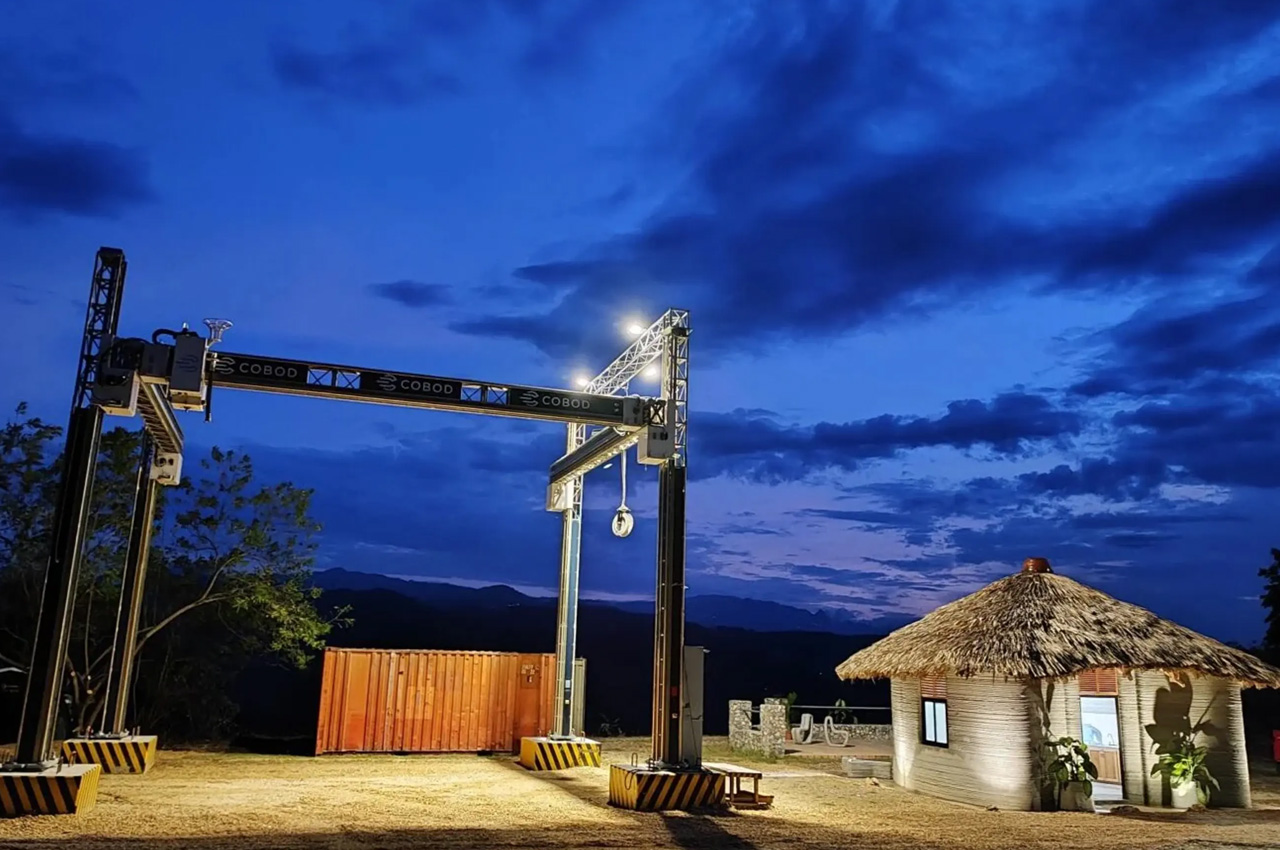
“The project has successfully taken steps to validate the structural viability of 3D construction printing in a seismic-prone region,” said the press release. “Due to the use of 3D printing, the house features highly organic-shaped walls that would otherwise be extremely expensive, even unfeasible to complete with concrete blocks, the region’s predominant building material. The 3D-printed concrete walls are complemented by a ‘Rancho’ type palm leaves roof. This roof type has been used for generations in Latin America, as it is inexpensive, provides thermal comfort, and is well-suited for seismic regions due to the flexible and lightweight material.”

The structure occupies 527 square feet and is a compact home that can withstand extreme seismic activity while operating as a fully functional and equipped house.
The post Meet Guatemala’s First 3D-Printed Earthquake-Resistant House That Was Built In Just 26 Hours first appeared on Yanko Design.