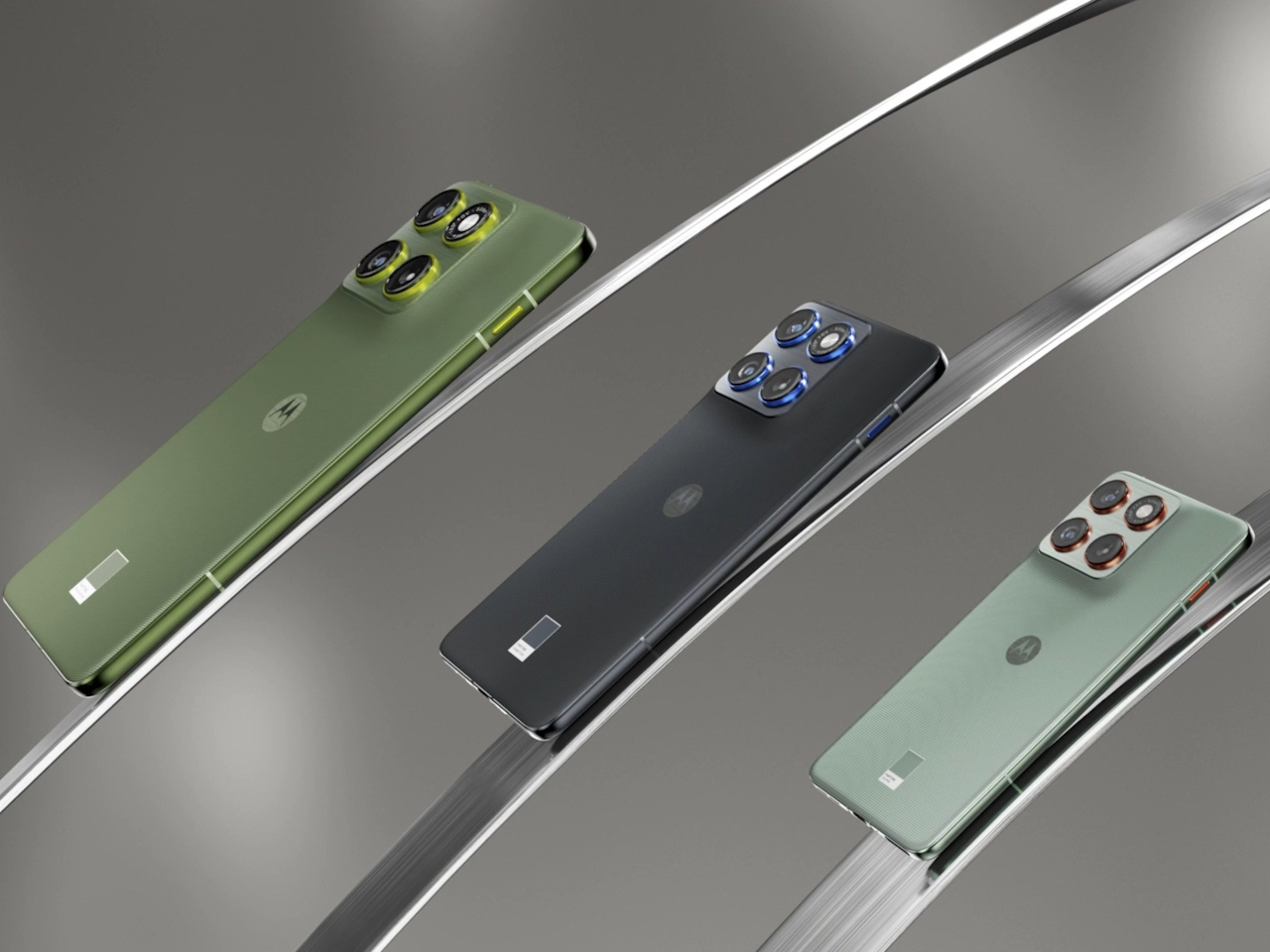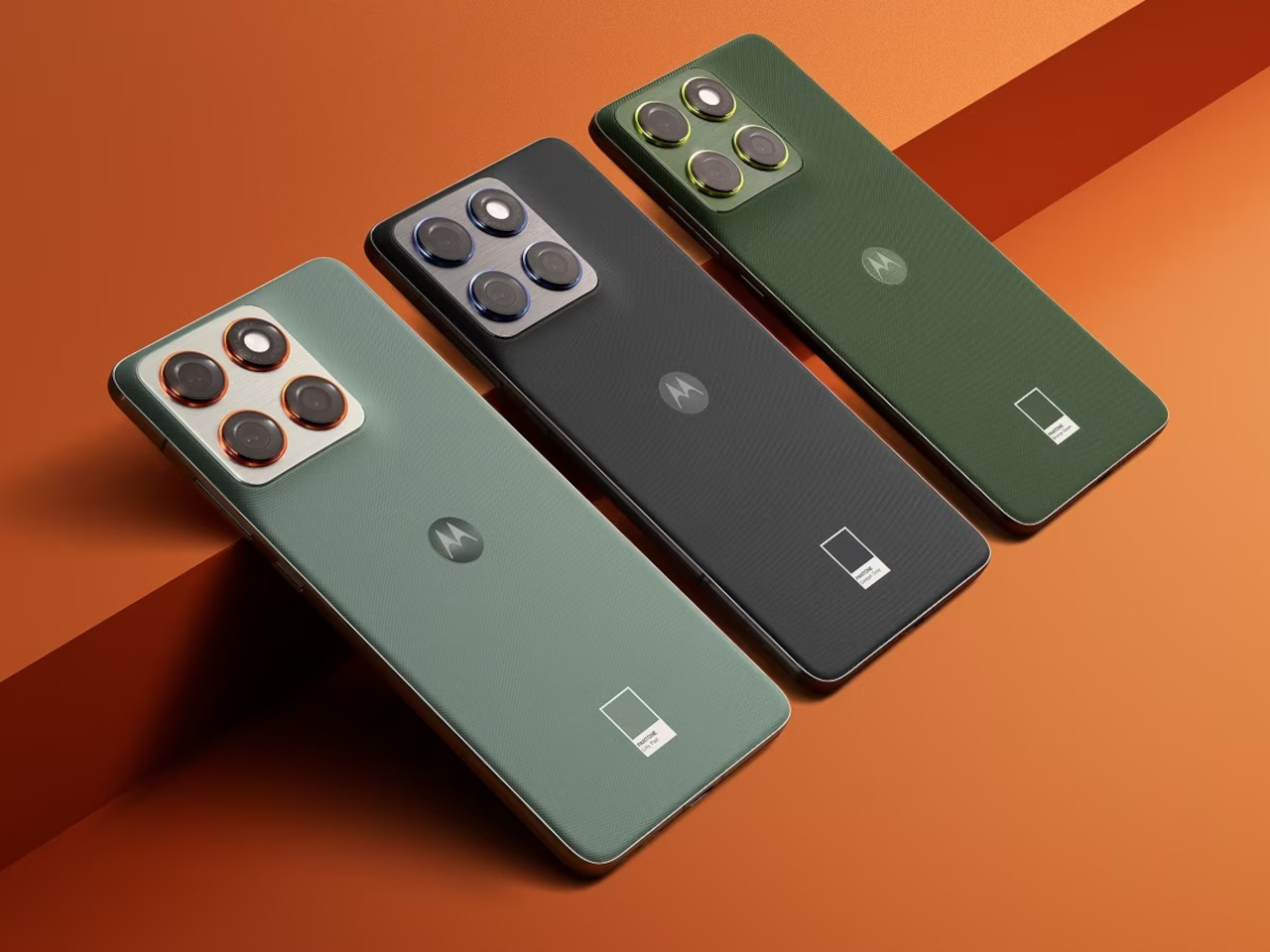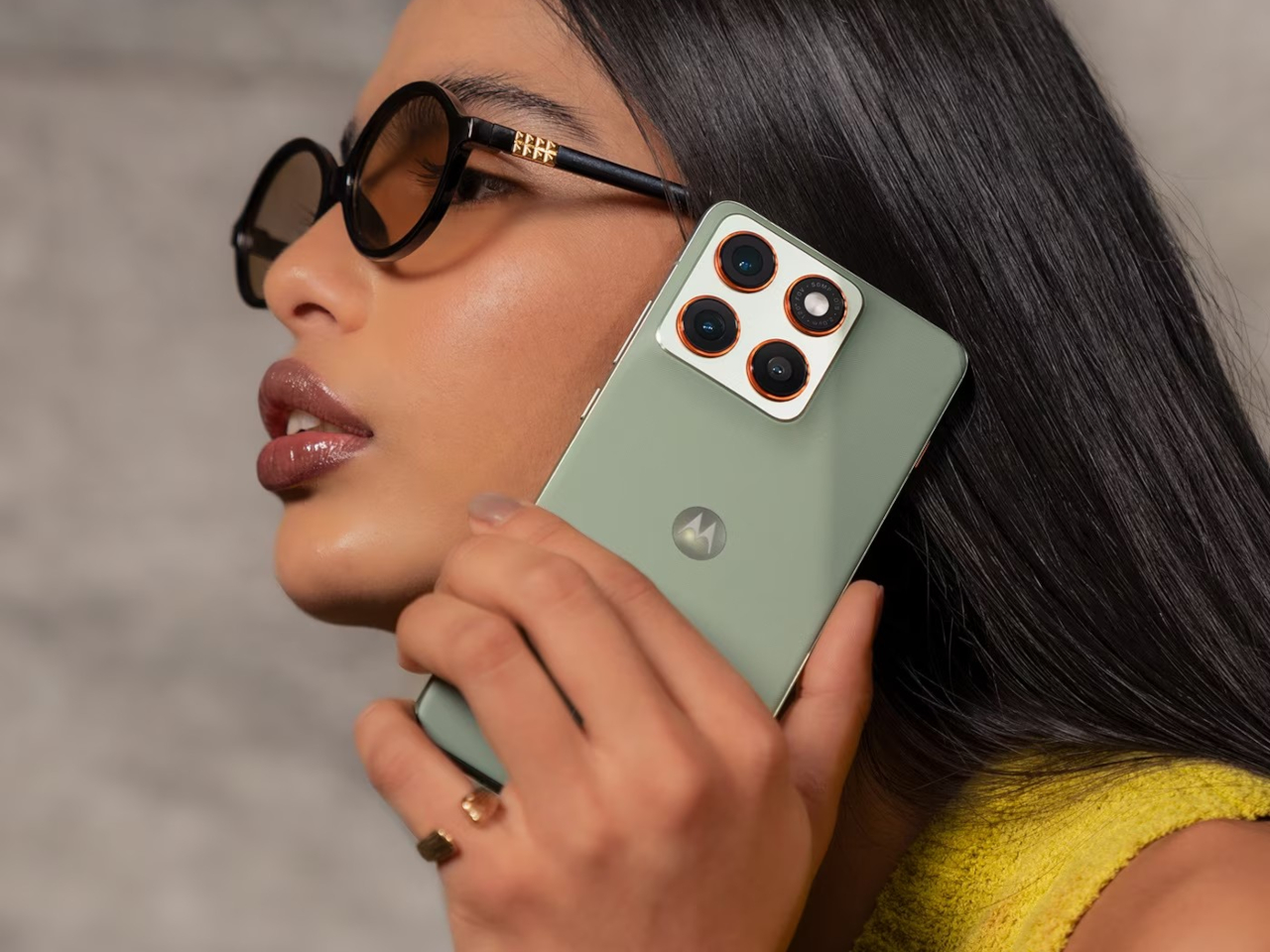
Realme GT5 Pro Review: Flagship dream for budget-conscious users

PROS:


  • Capable camera system especially main and telephoto

  • Battery performance

  • Fast wired and wireless charge

  • Gorgeous display

CONS:


  • No ultra-wide video recording

  • Palm unlock and air gesture features can be improved

RATINGS:

AESTHETICS
ERGONOMICS
PERFORMANCE
SUSTAINABILITY / REPAIRABILITY
VALUE FOR MONEY

EDITOR'S QUOTE:

With its stylish design, good camera performance especially in low-light situations, bright display, outstanding battery performance, and fast charging, Realme GT5 Pro is a compelling option for those who seek well-rounded, feature-rich devices without breaking the bank.

Realme is one of the fastest-growing smartphone brands in the world, having shipped over 200 million units globally. Realme launched the GT5 Pro on December 7th in China, positioning it as the flagship phone in the GT line. While the GT line has represented Realme’s premium segment, the brand has not, until now, offered a true flagship device. Although the term “flagship” lacks a formal definition, it is generally considered to pack the latest and most powerful chipset and excellent camera capabilities.

Realme is positioning the GT5 Pro as a dual-engine flagship, claiming it strikes a balance between performance and imaging without compromise. The phone boasts the newest Snapdragon 8 Gen 3 and triple camera setup with the industry’s largest IMX890 periscope telephoto lens. Of course, the device has a lot more going for it, including a bright display and 3VC Iceberg Cooling System.

Designer: Realme

Aesthetics

The design of the GT lineup has undergone significant transformations from one model to the next. The GT2 Pro, designed by a world-renowned industrial designer Naoto Fukusawa, featured paper-like a back panel made with pulp extract and other renewable materials. Its successor, the GT3, adopted a more futuristic design boasting a customizable RGB light on its upper back right next to the square camera island.

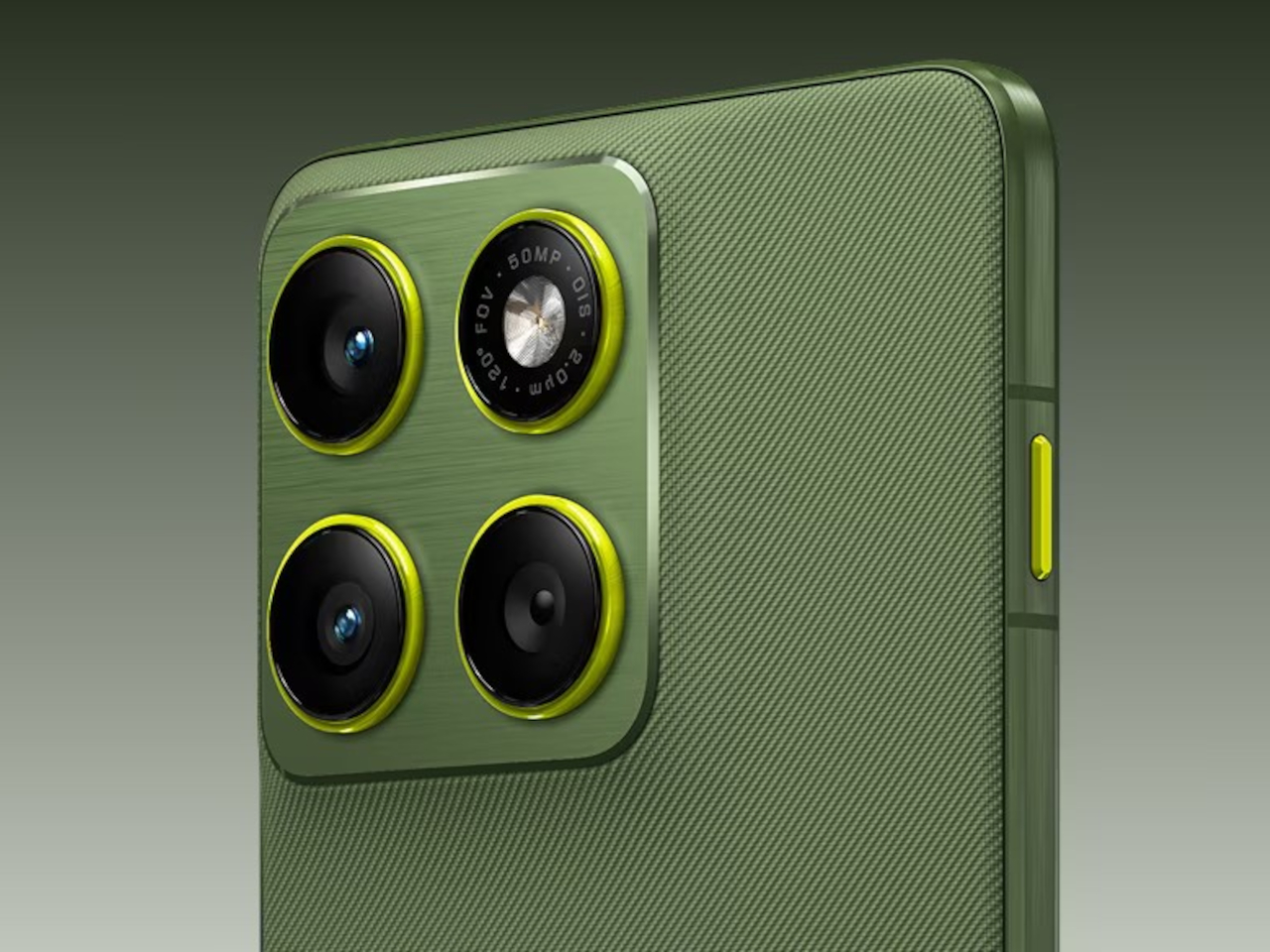
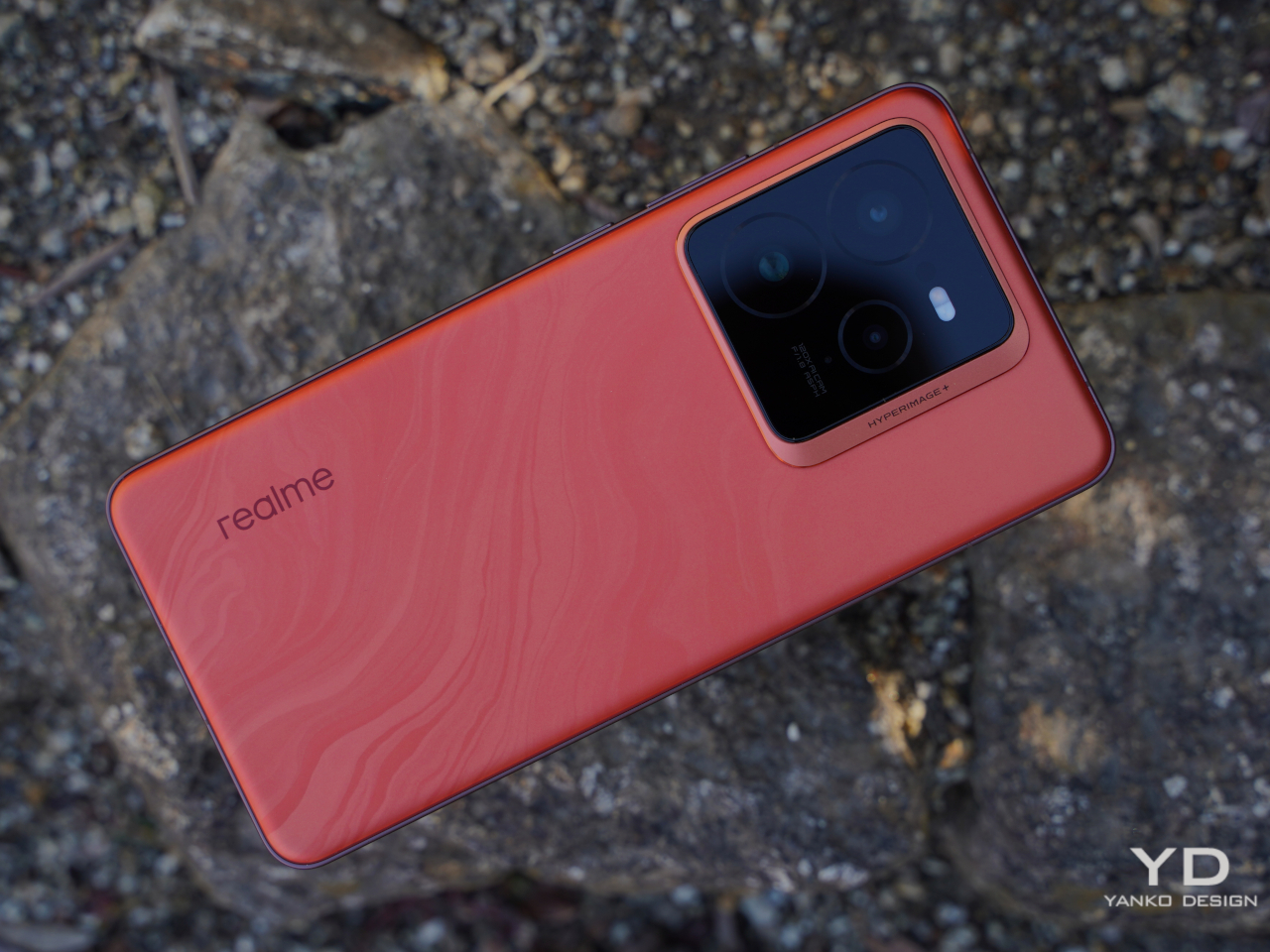
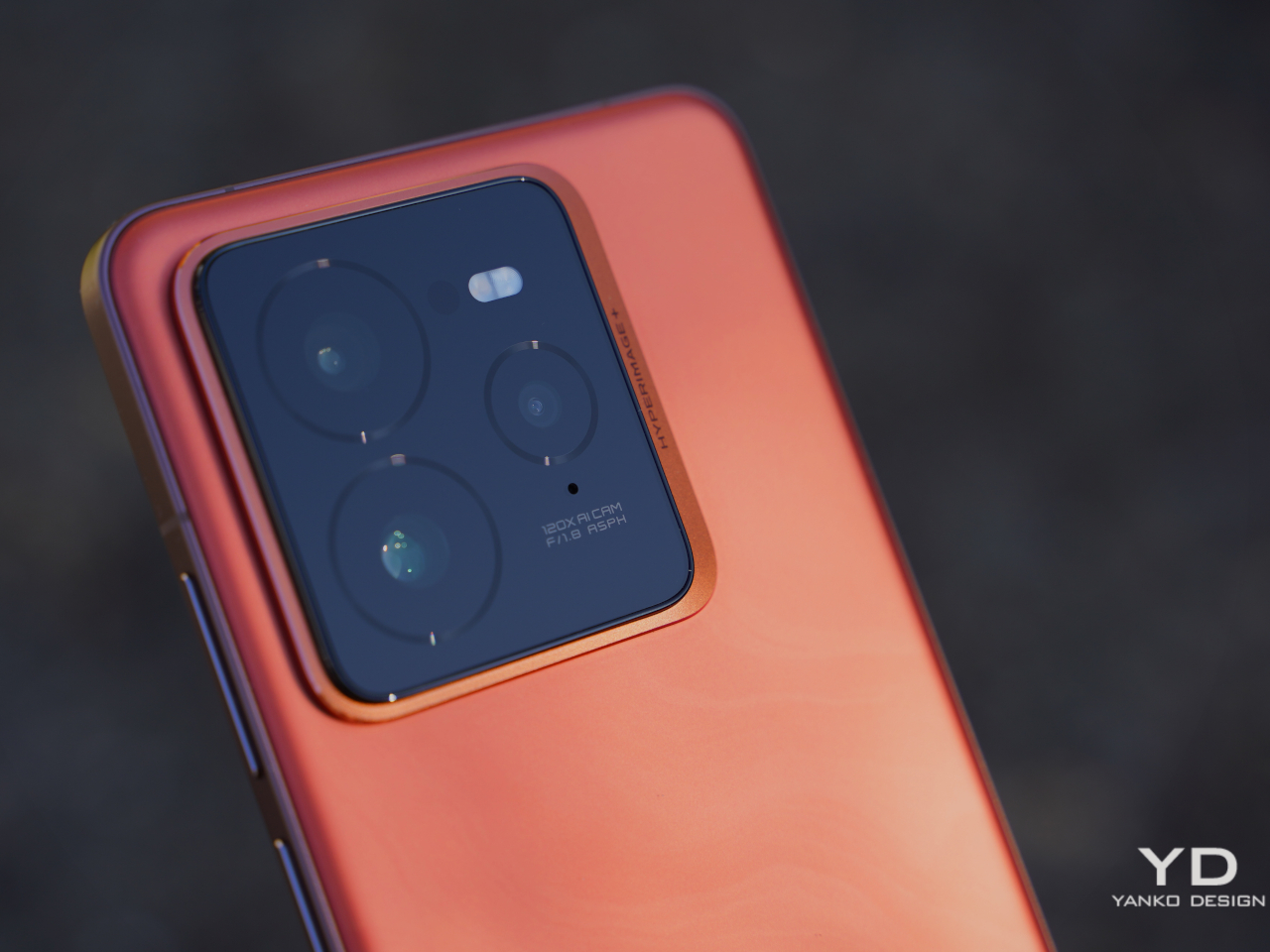
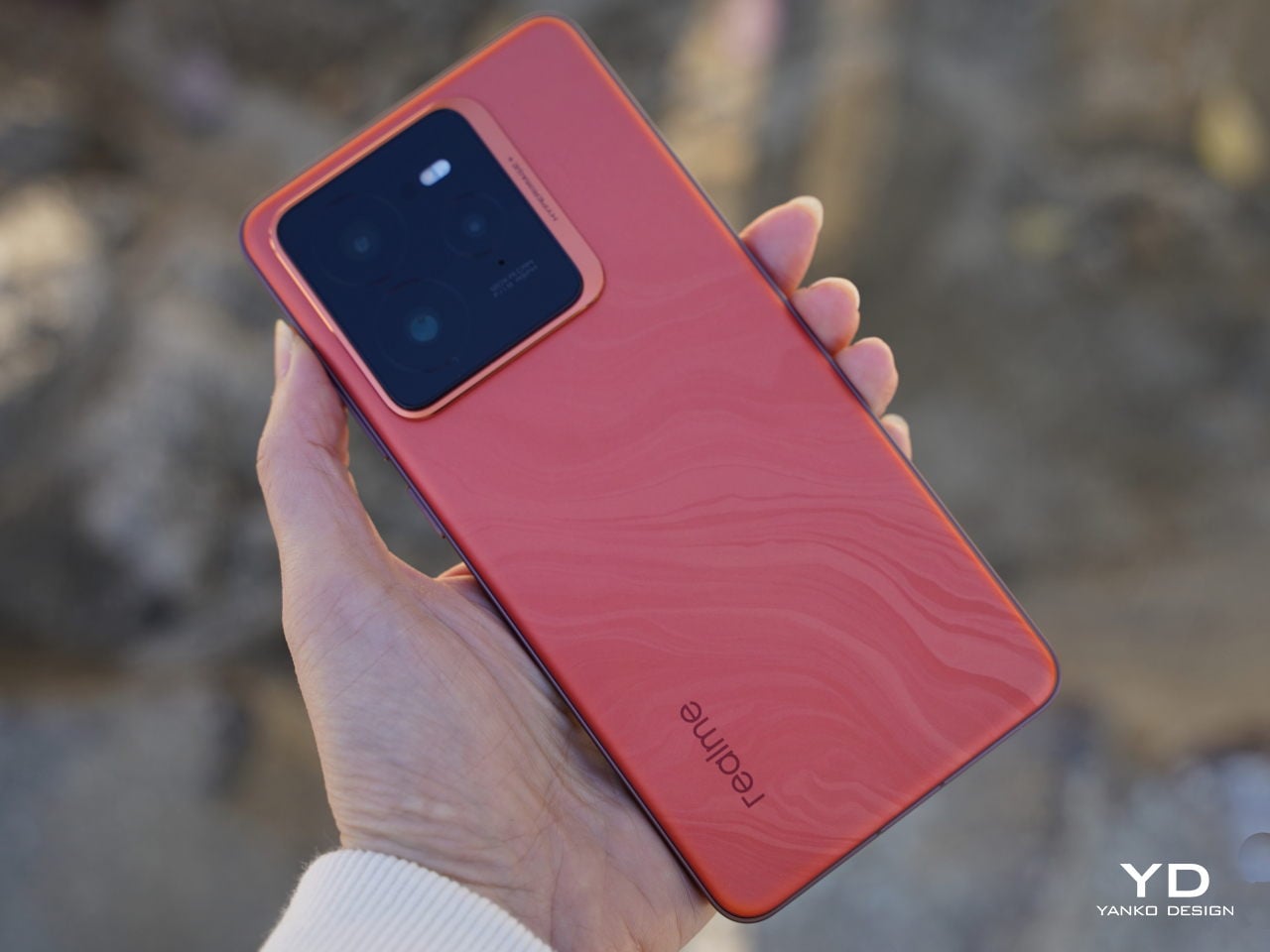
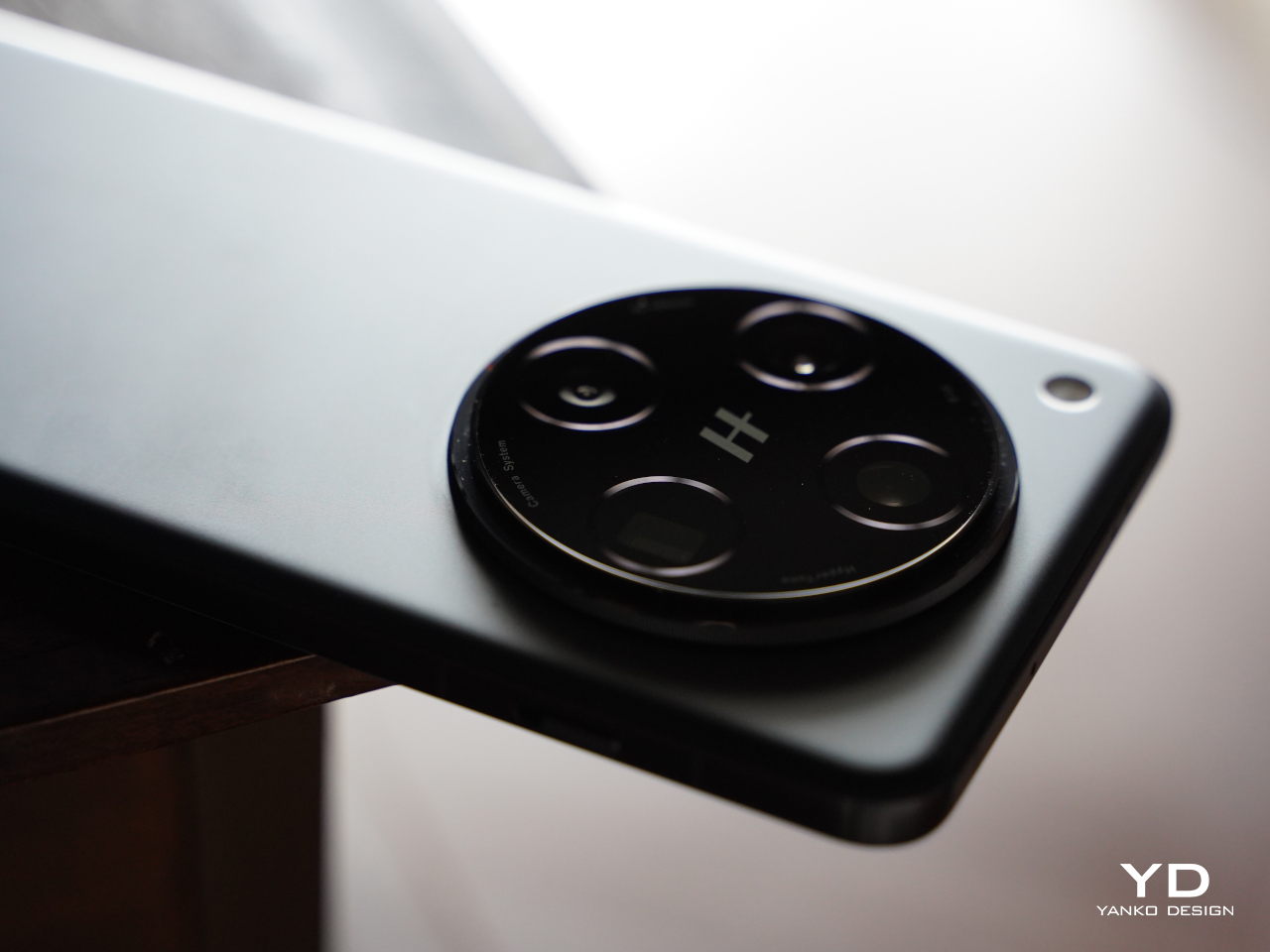
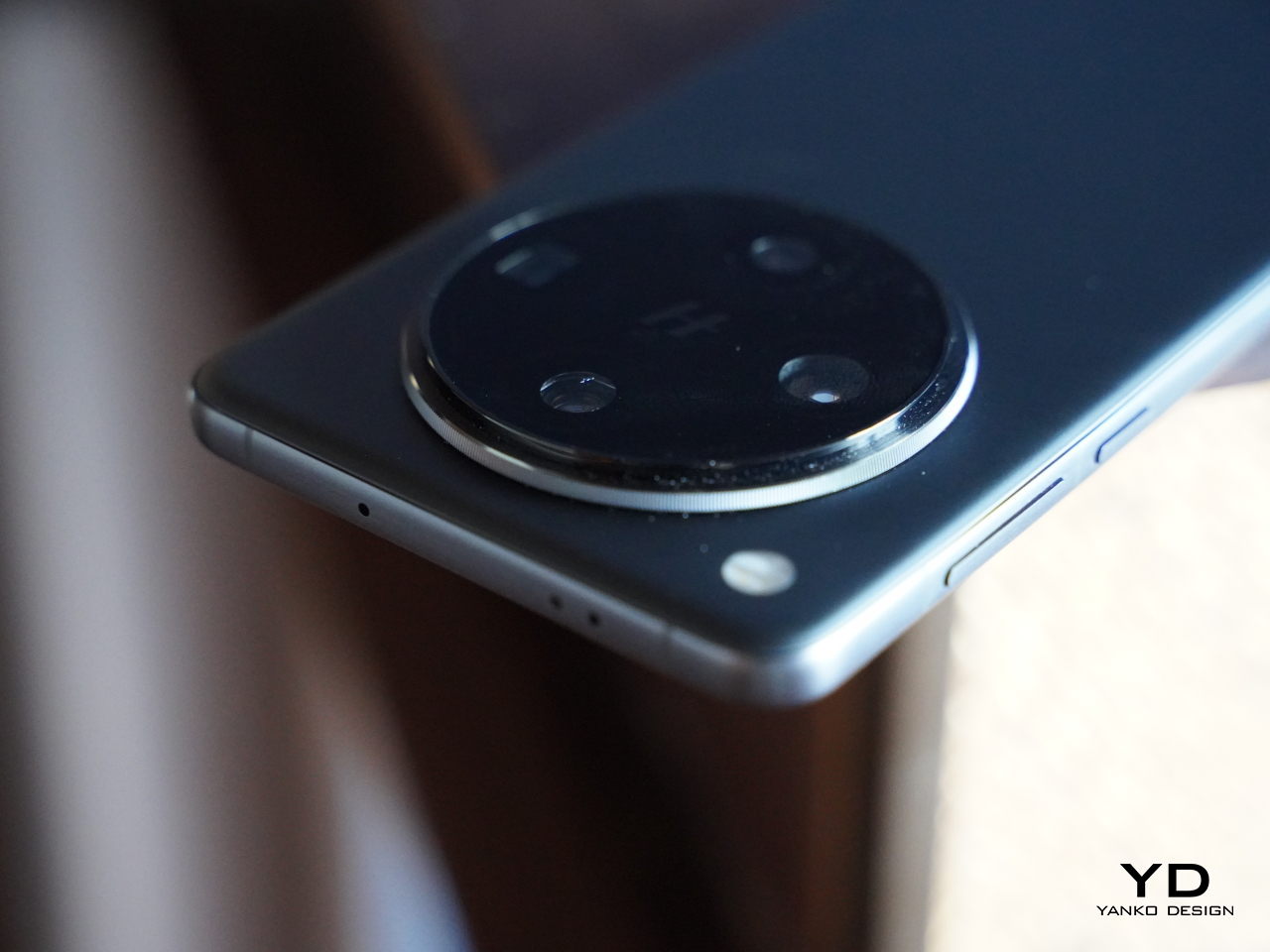
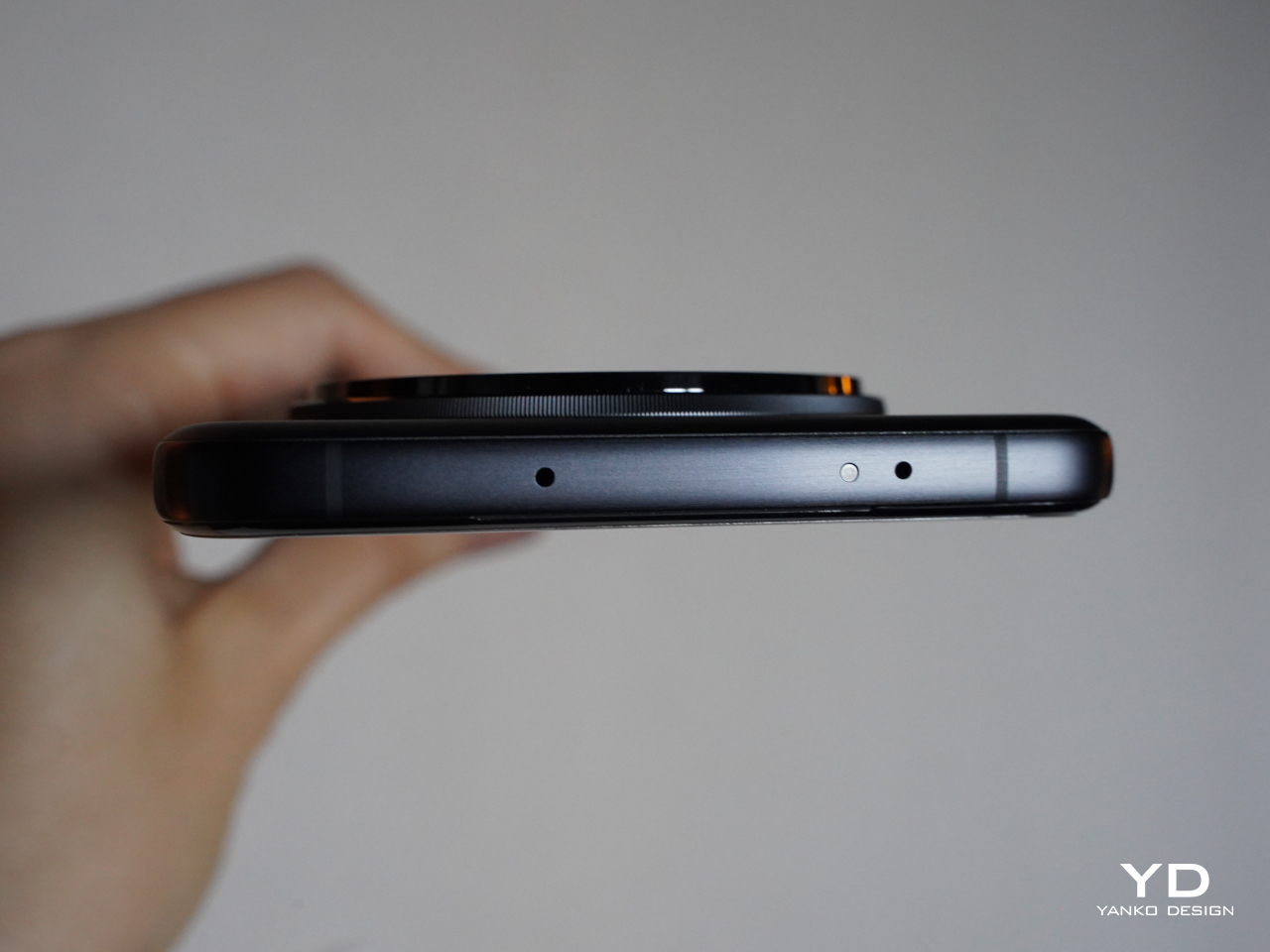
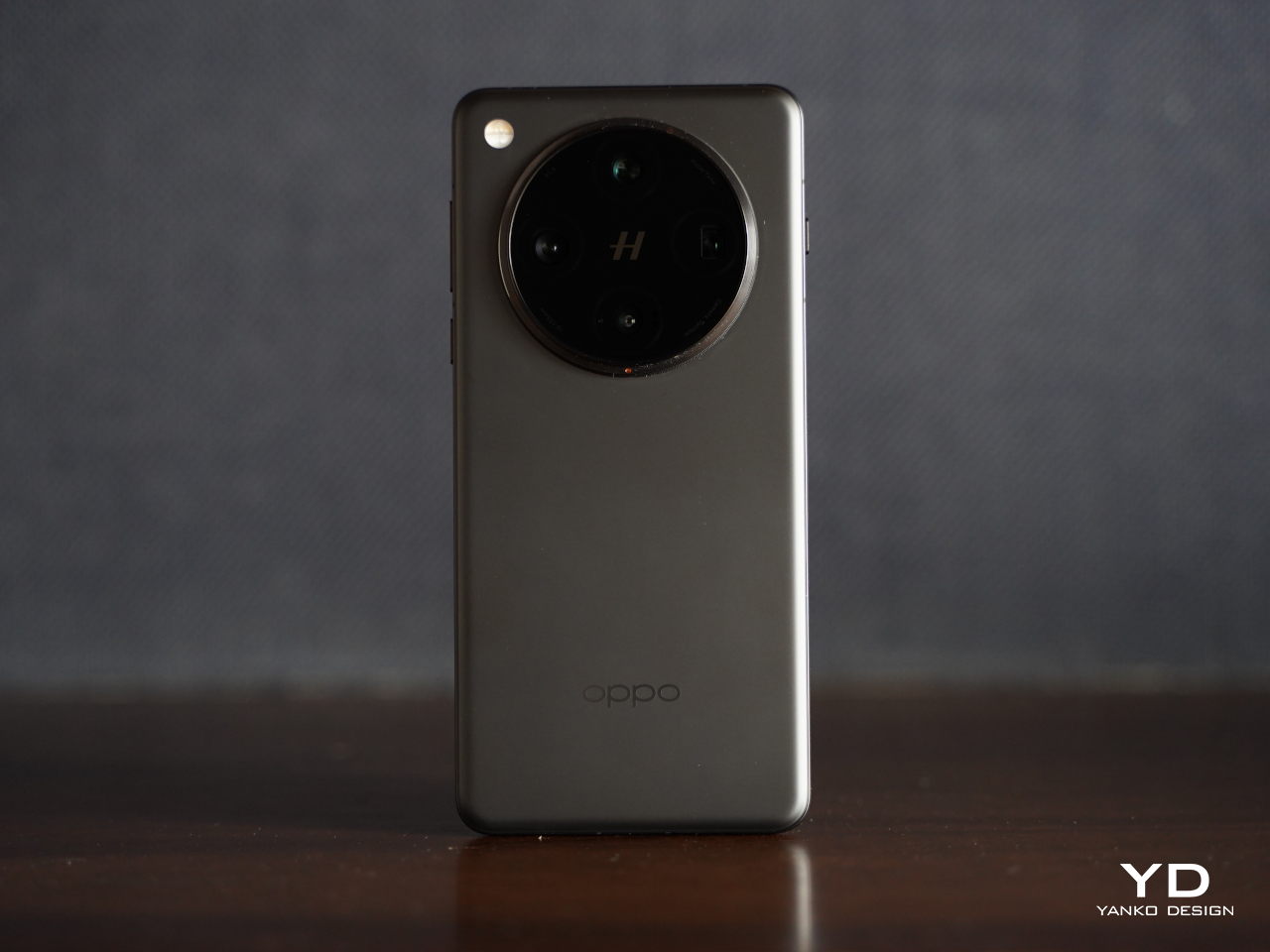
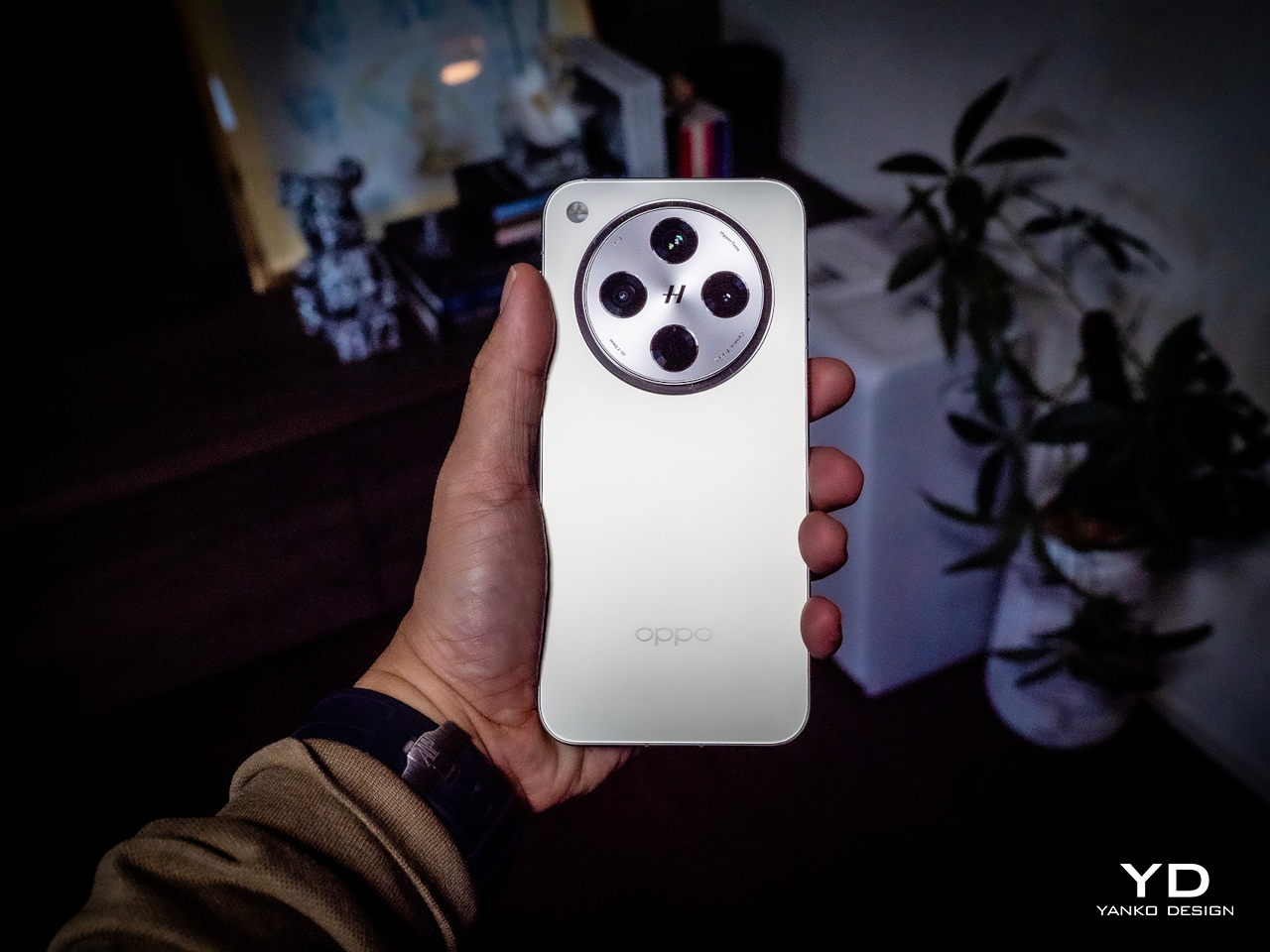
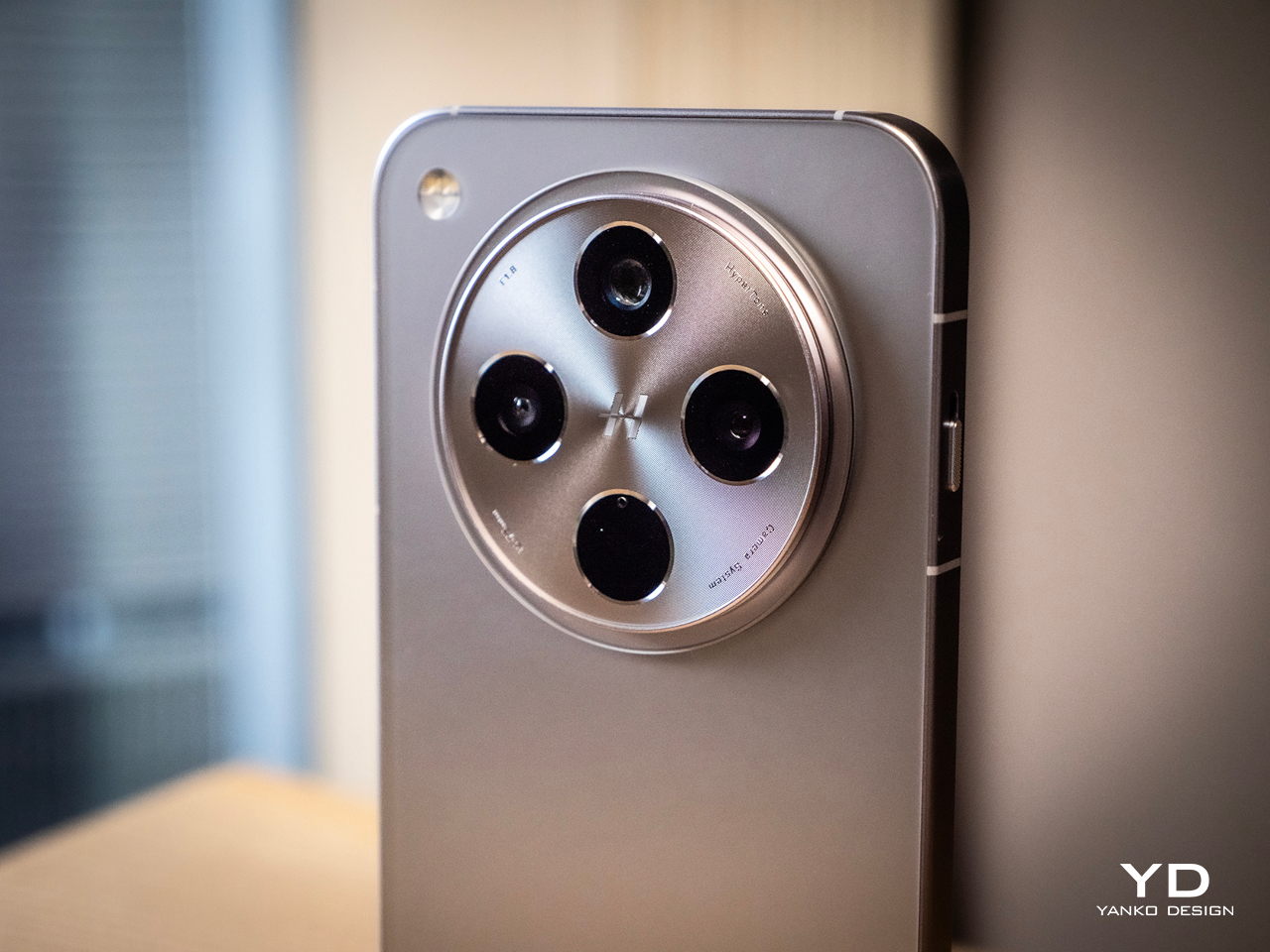
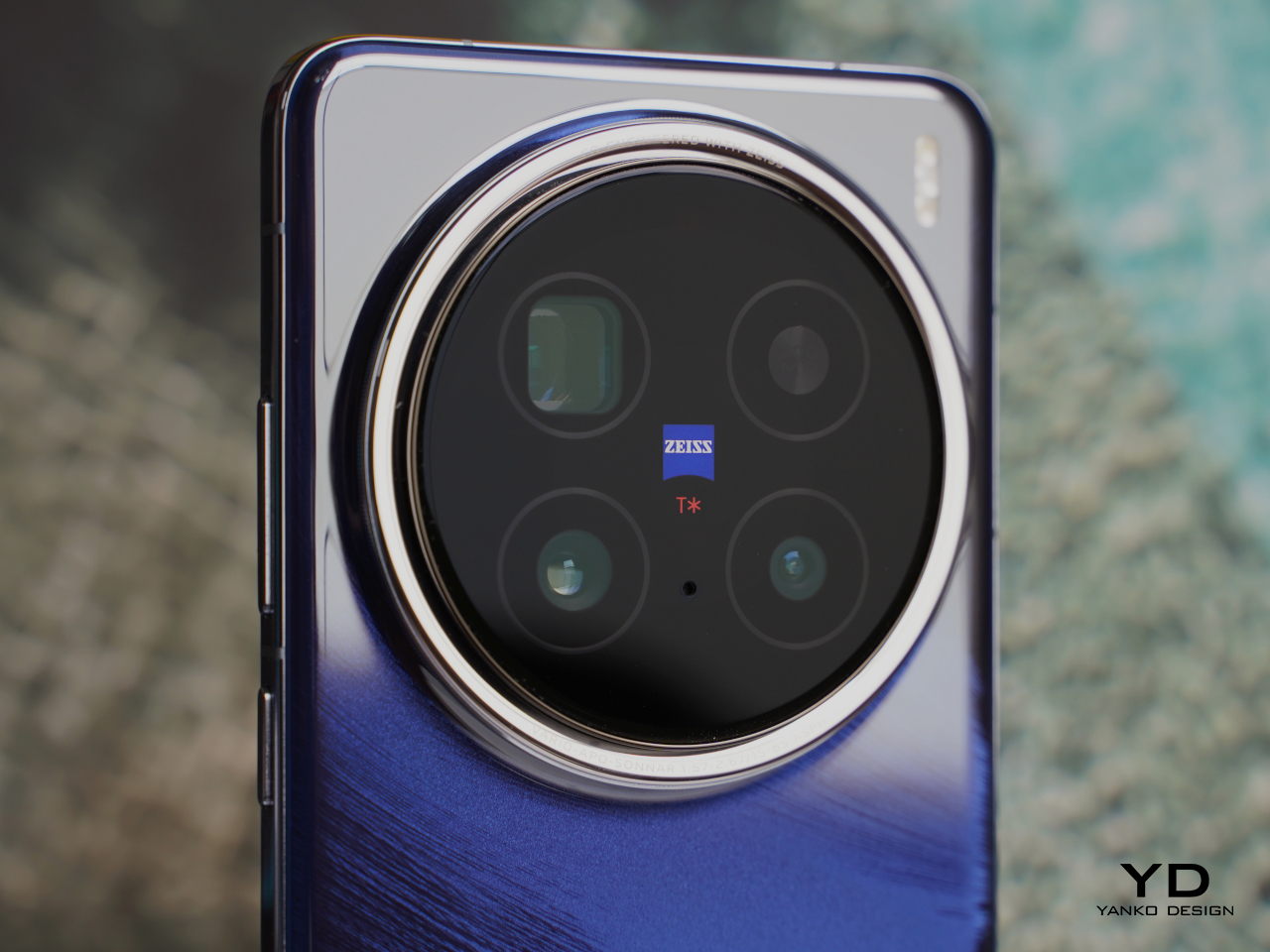
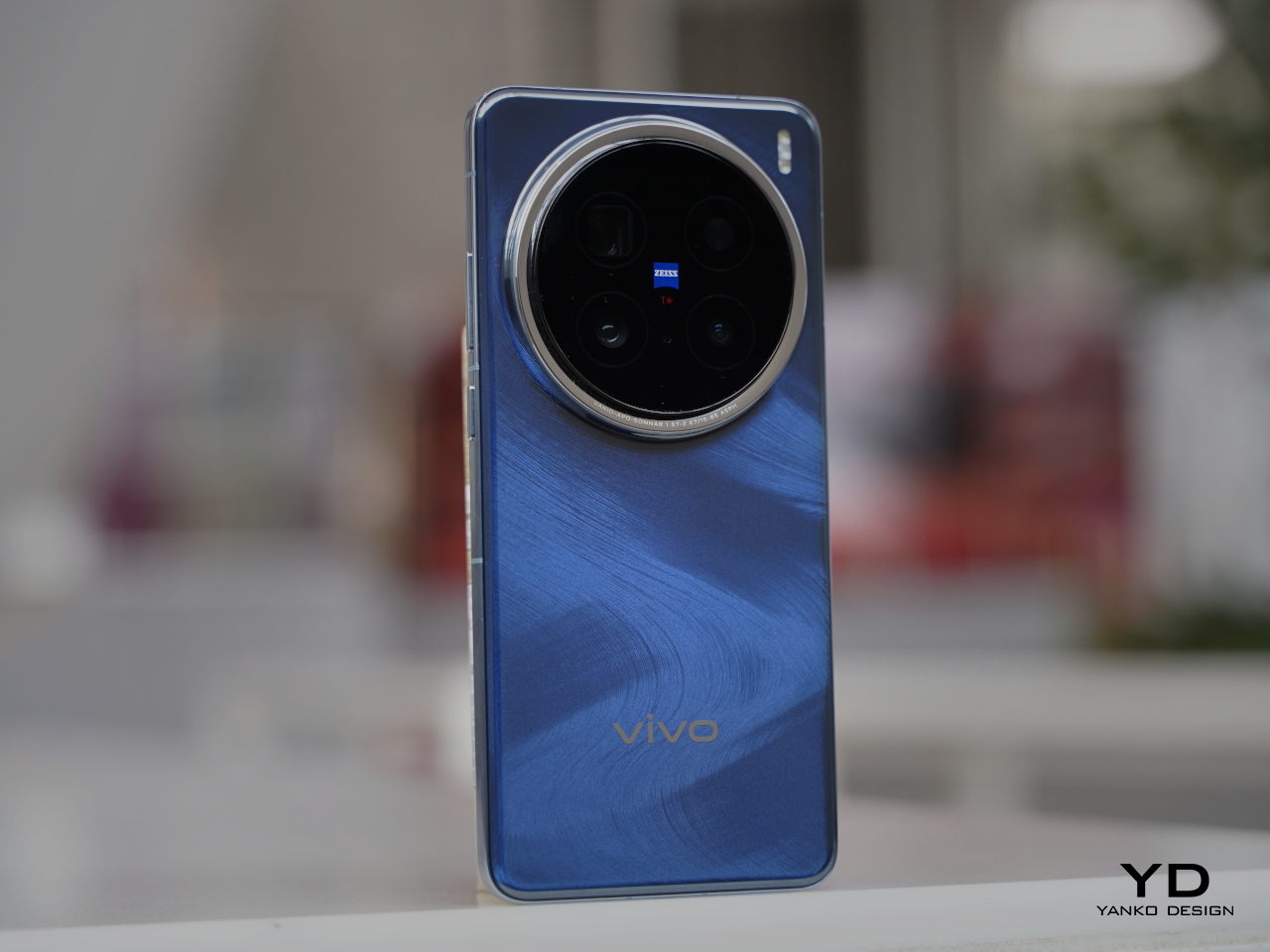
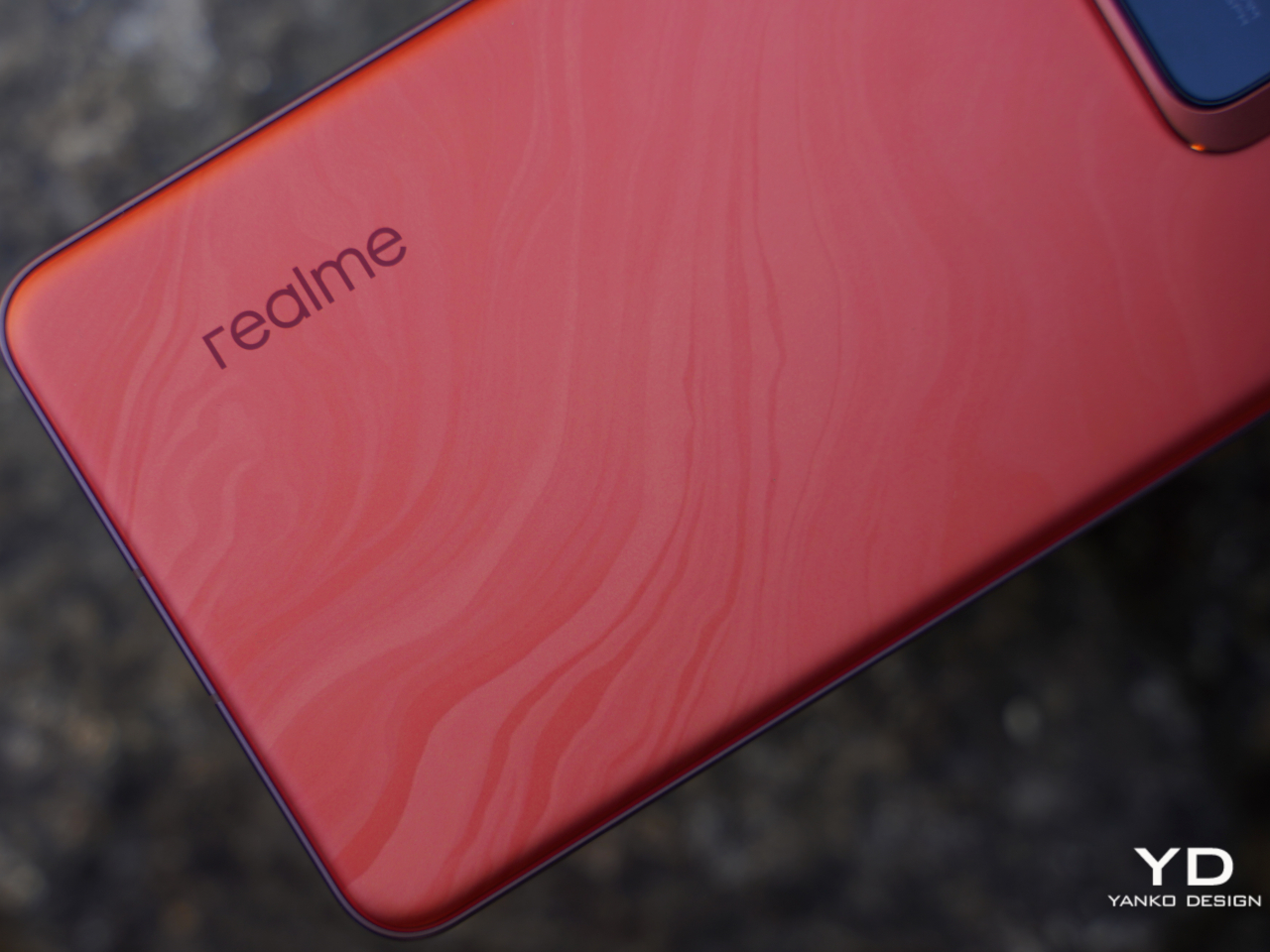
In contrast, the GT5 Pro showcases a clean and sleek design. A big, round camera island takes up much of the top half of the GT5 Pro’s back. The camera island houses an LED flash, a triple camera set-up (A main camera, a periscope telephoto, and an ultra-wide), and finally, a placeholder to form a perfect symmetry. The intricate radial engraving underneath the glass extends to the side of the camera island giving a tactile feature to the camera island. This design, which Realme calls the “Star Trail lens”, gives a luxurious touch to the device. The Realme logo shines below the camera island.

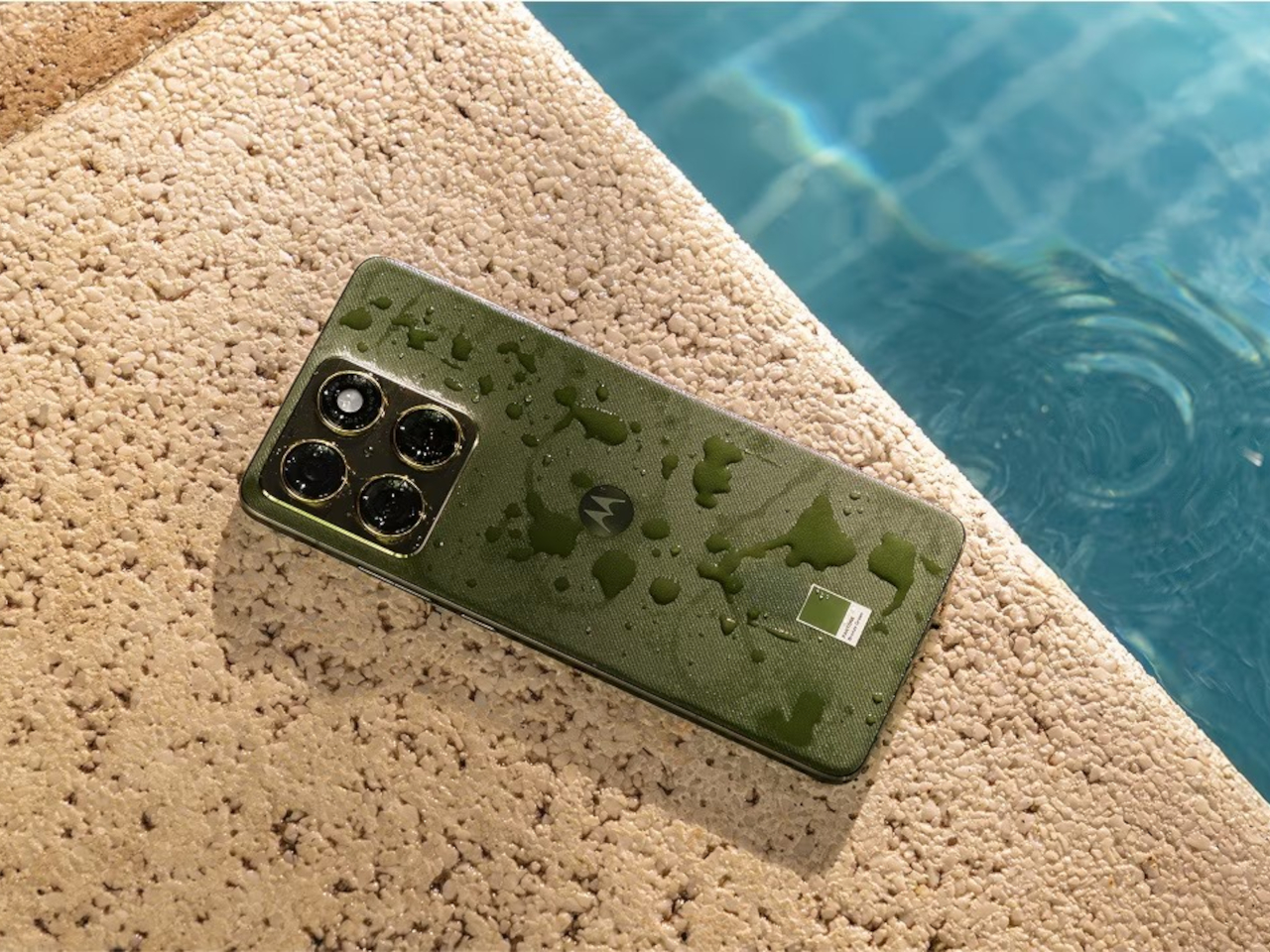
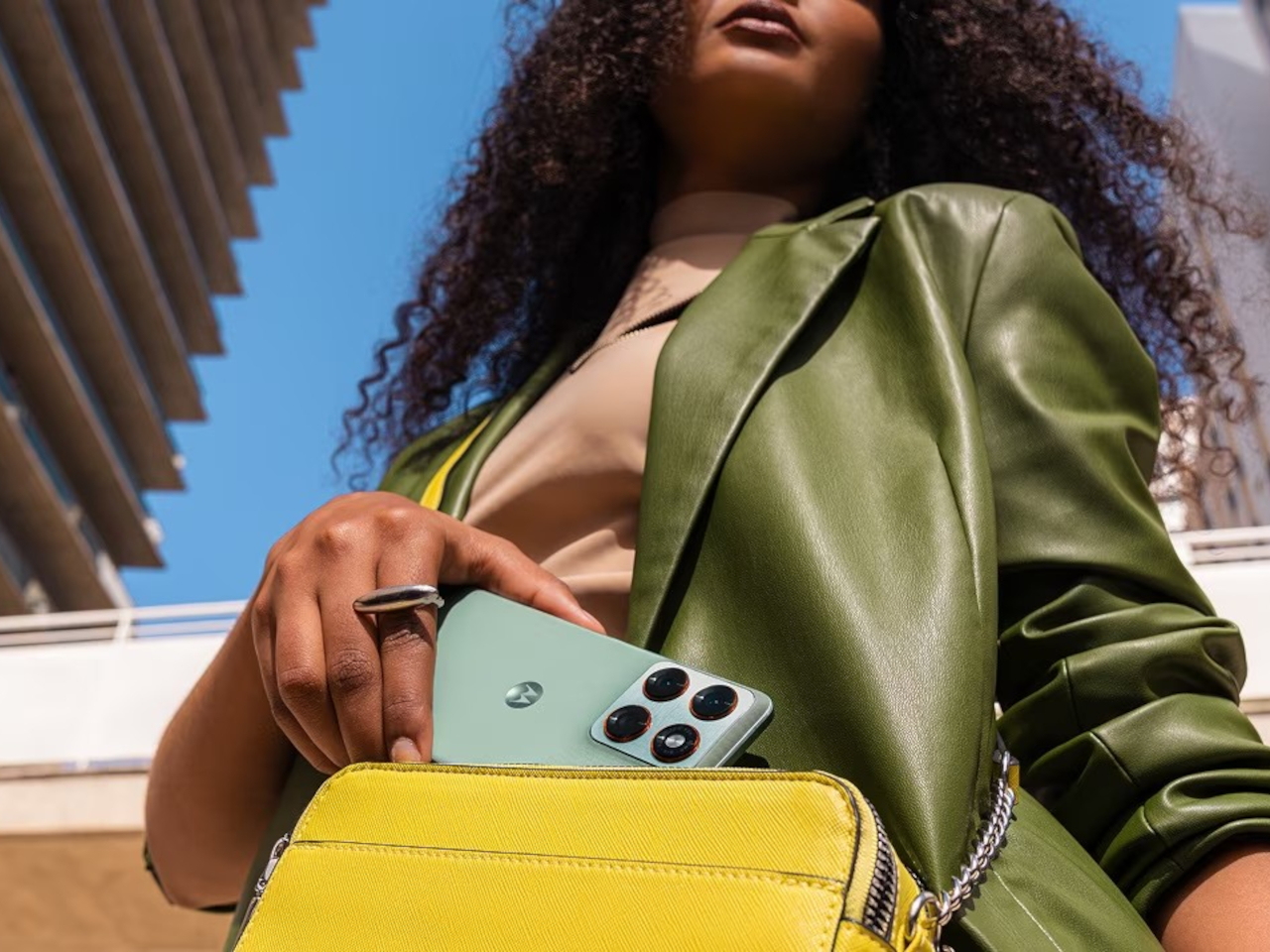
The GT5 Pro offers three color options: Red Rock (red), Bright Moon (white), and Starry Night (black). The Red Rock and Bright Moon variants feature textured vegan leather, while Starry Night shines a glass back panel. I was hoping to receive the Red Rock variant which reminds me of a certain luxury handbag brand and has more character, but I ended up with the Bright Moon for the review. Despite my initial letdown, I found myself appreciating the appeal of the Bright Moon’s soft eggshell-like color.

Realme includes a protective cover, opting for a gray cover instead of the typical transparent case. Although typical transparent cases are far from attractive, the gray cover that comes with GT5 Pro isn’t aesthetically pleasing either.

Ergonomics

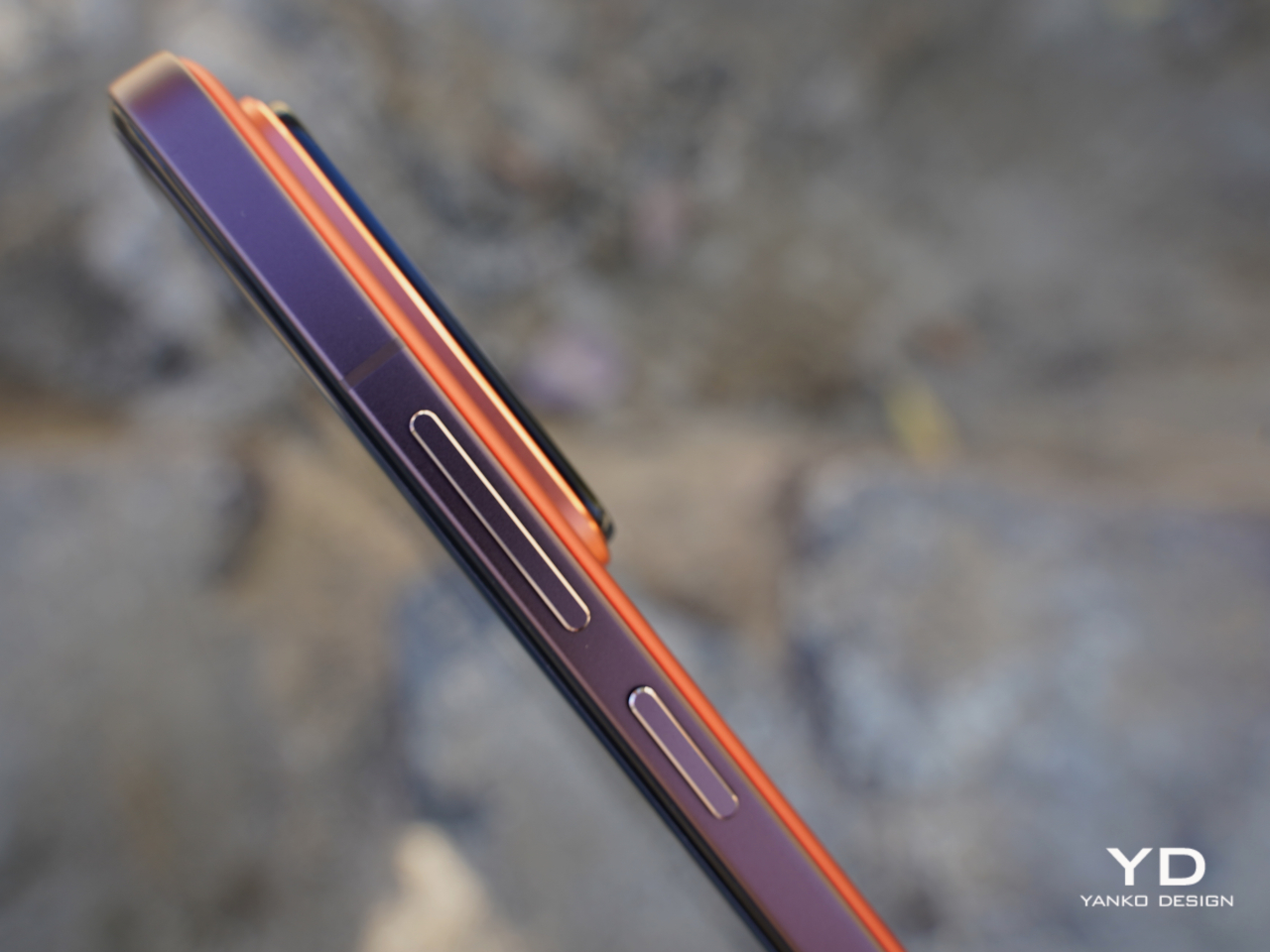
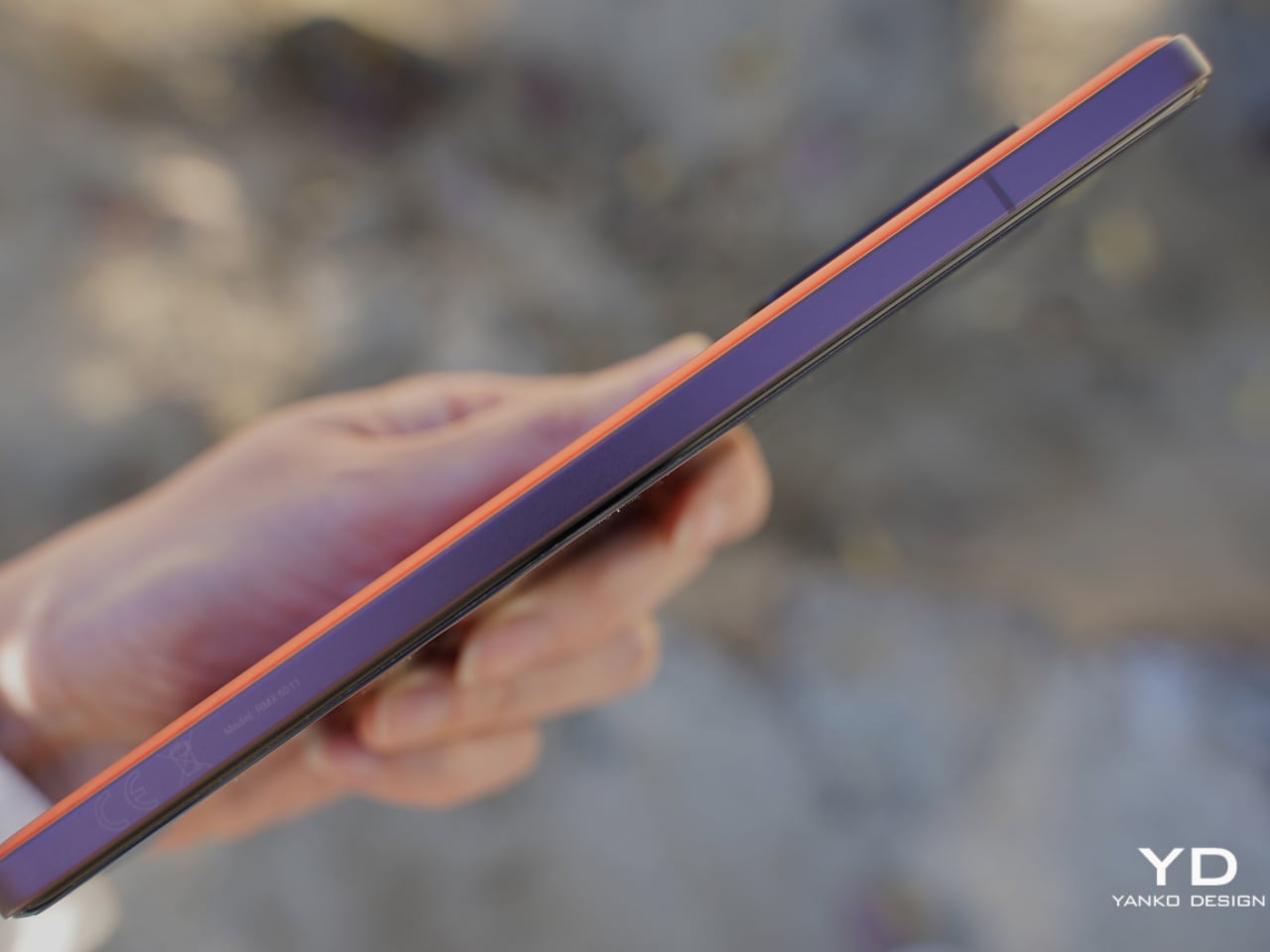
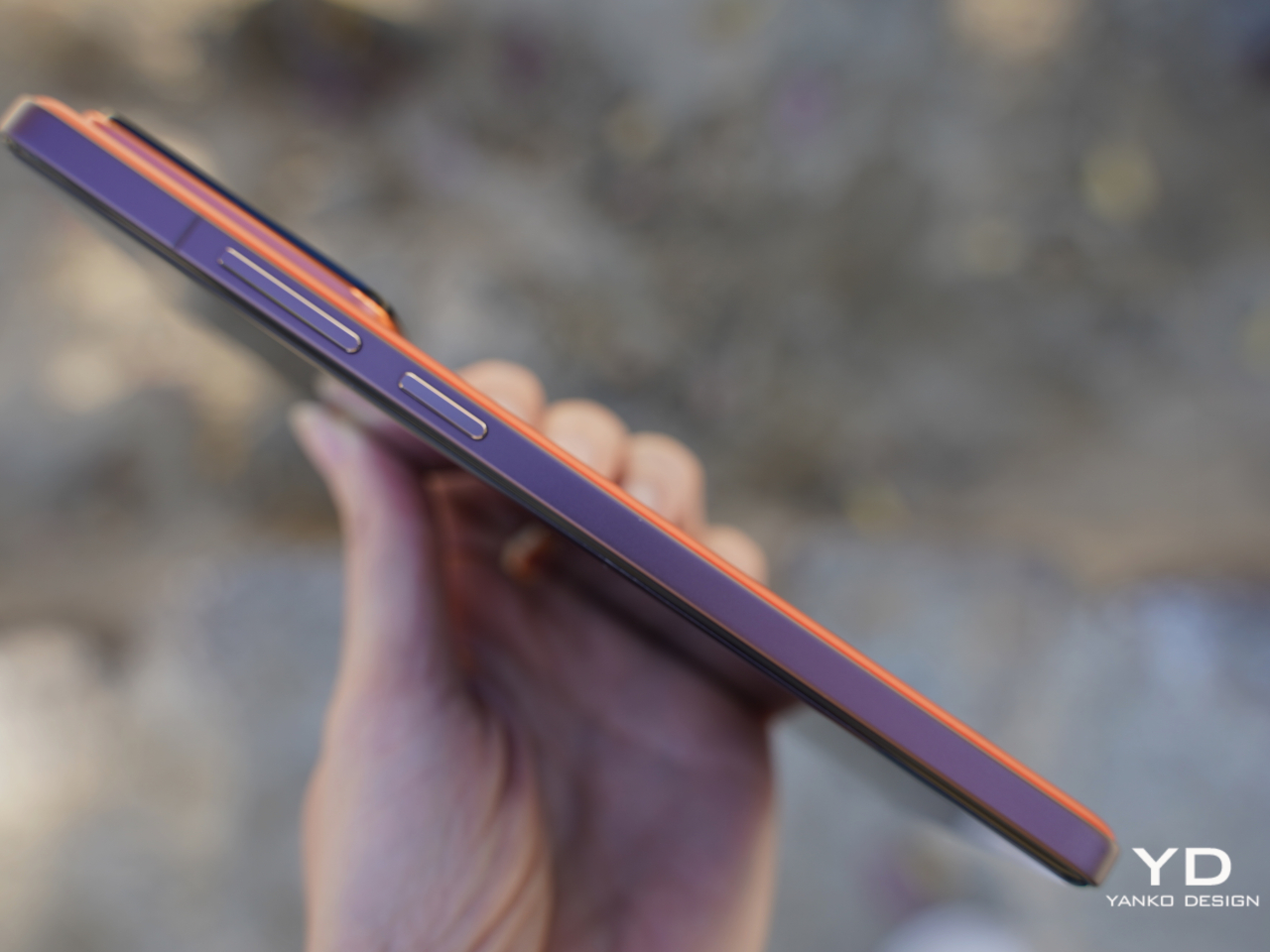
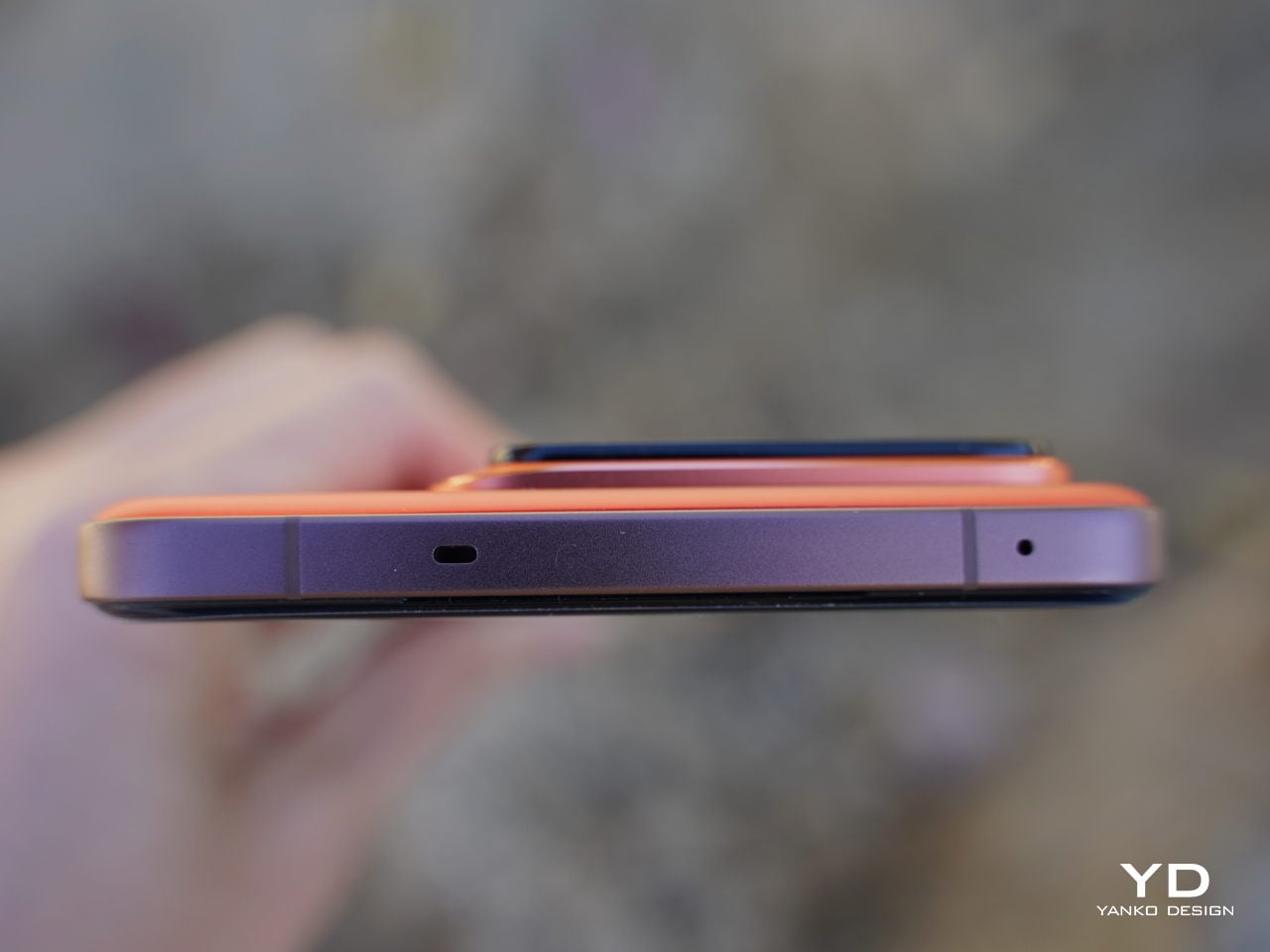
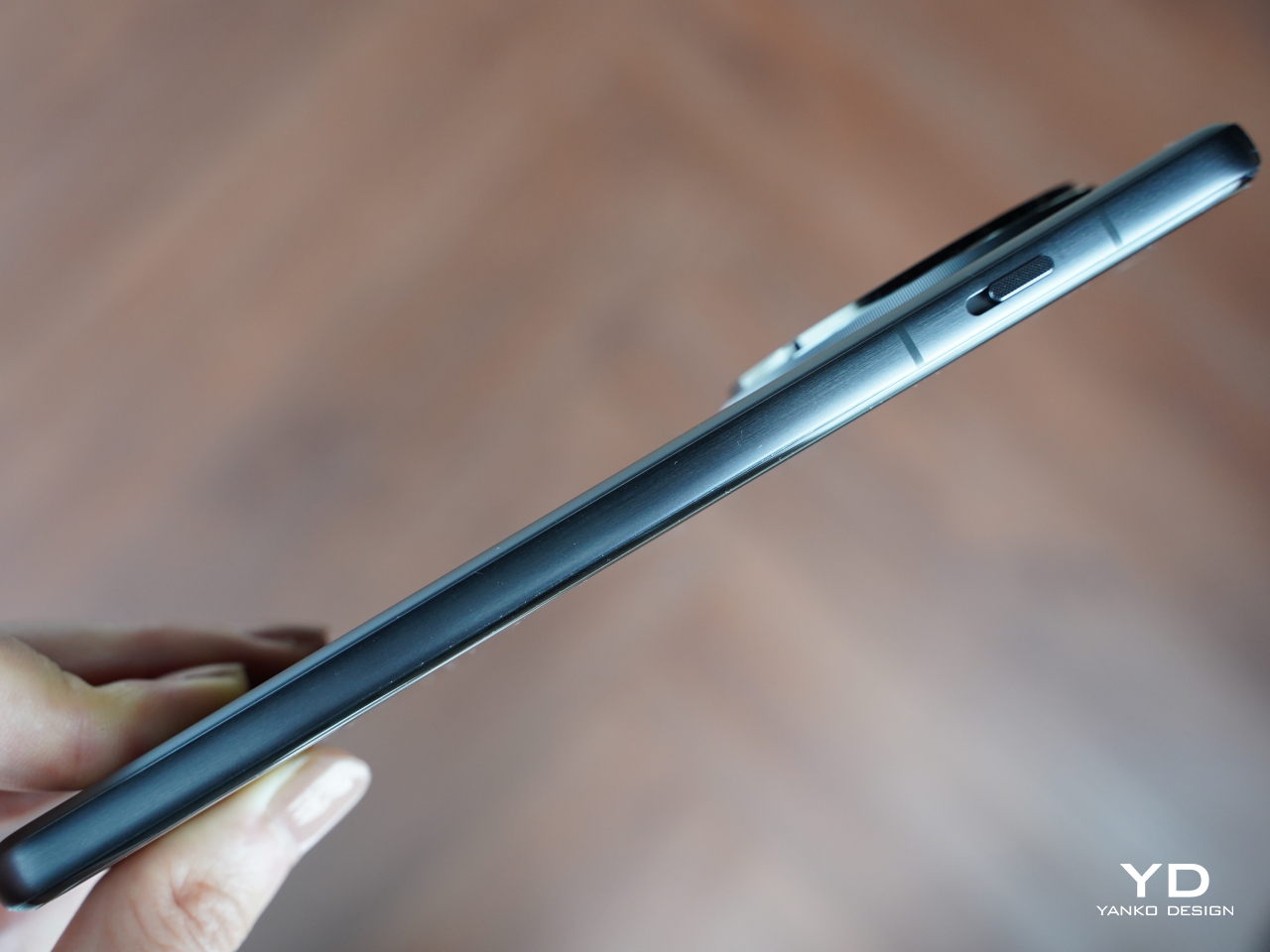
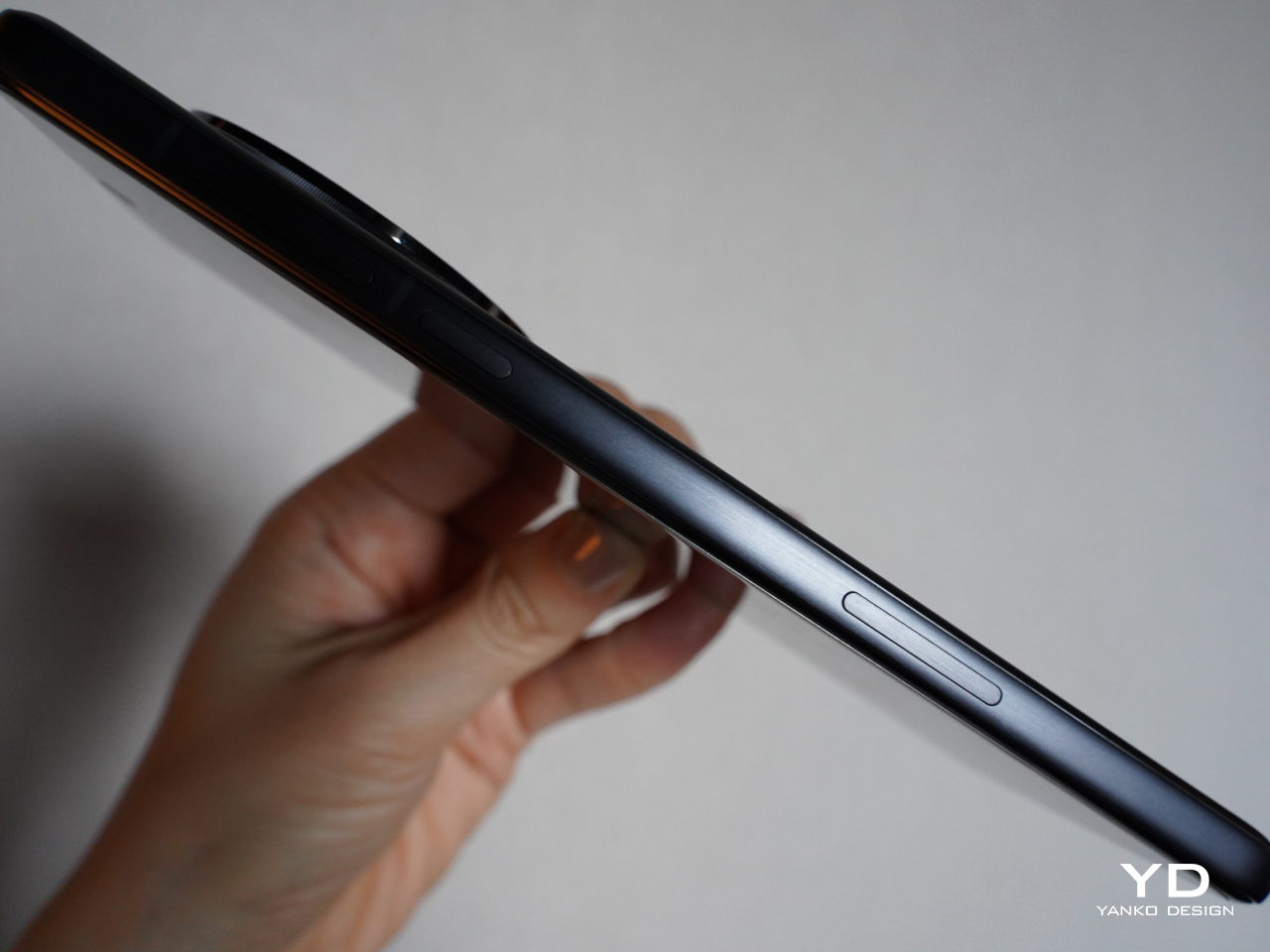
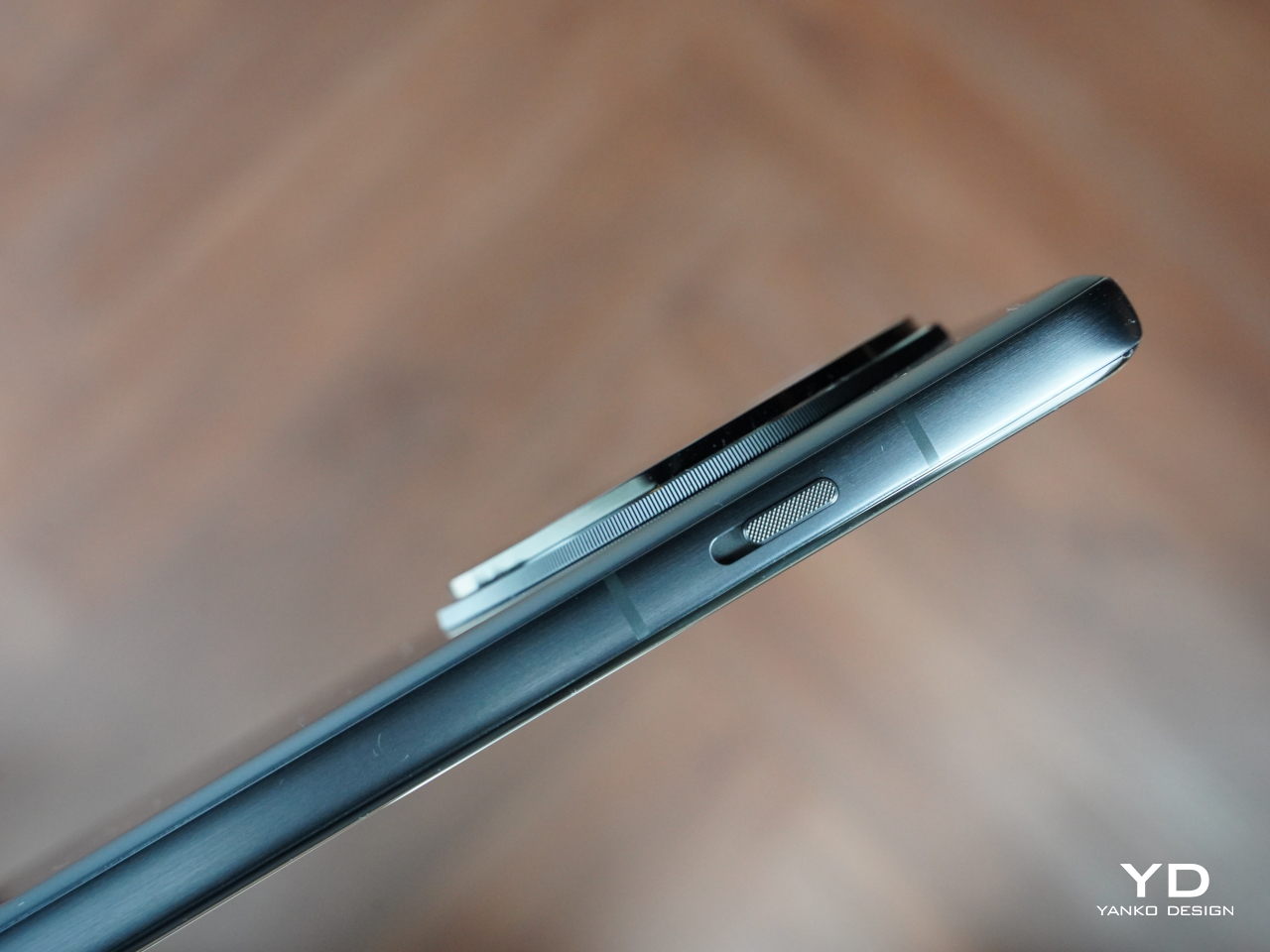
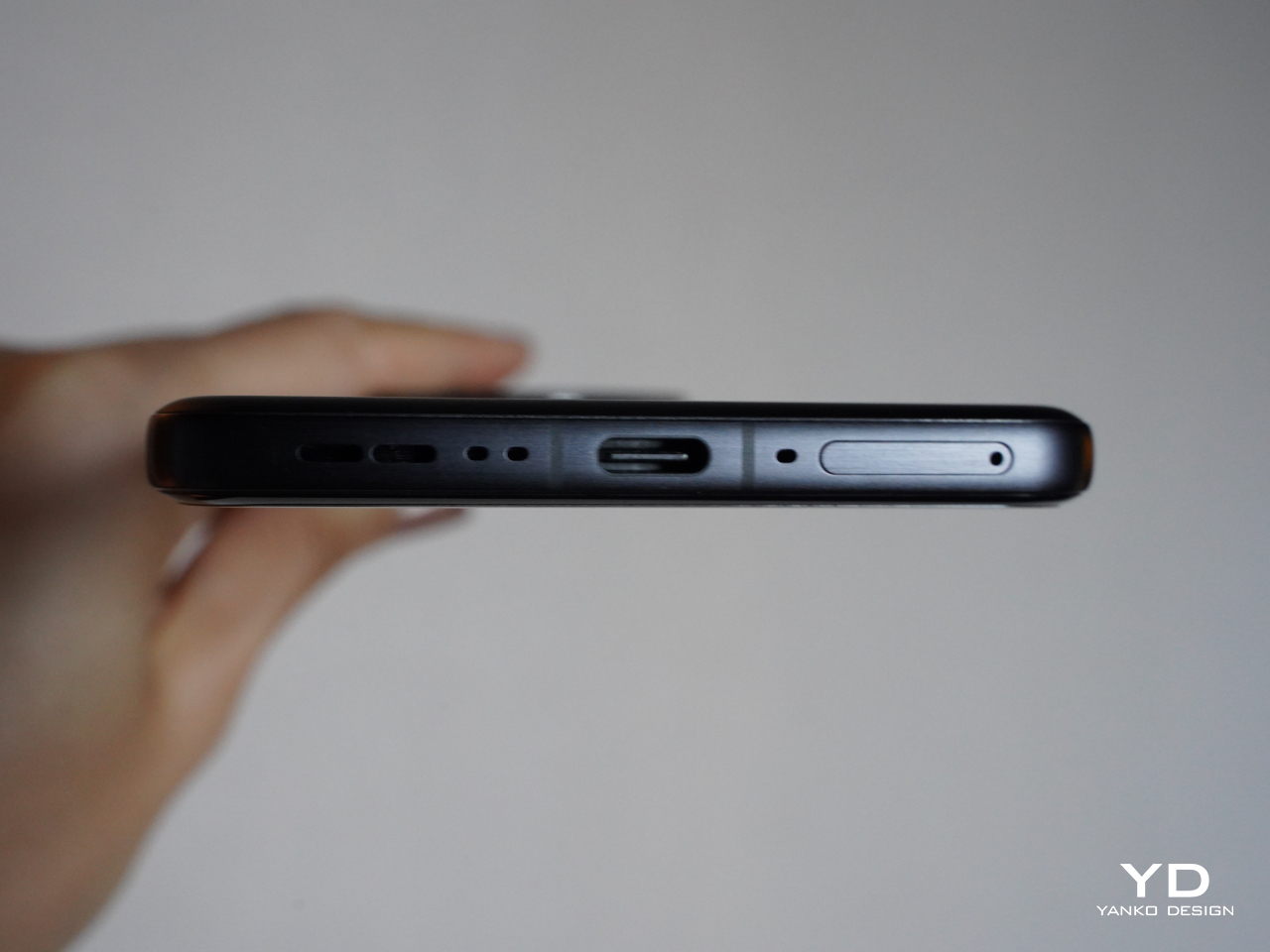
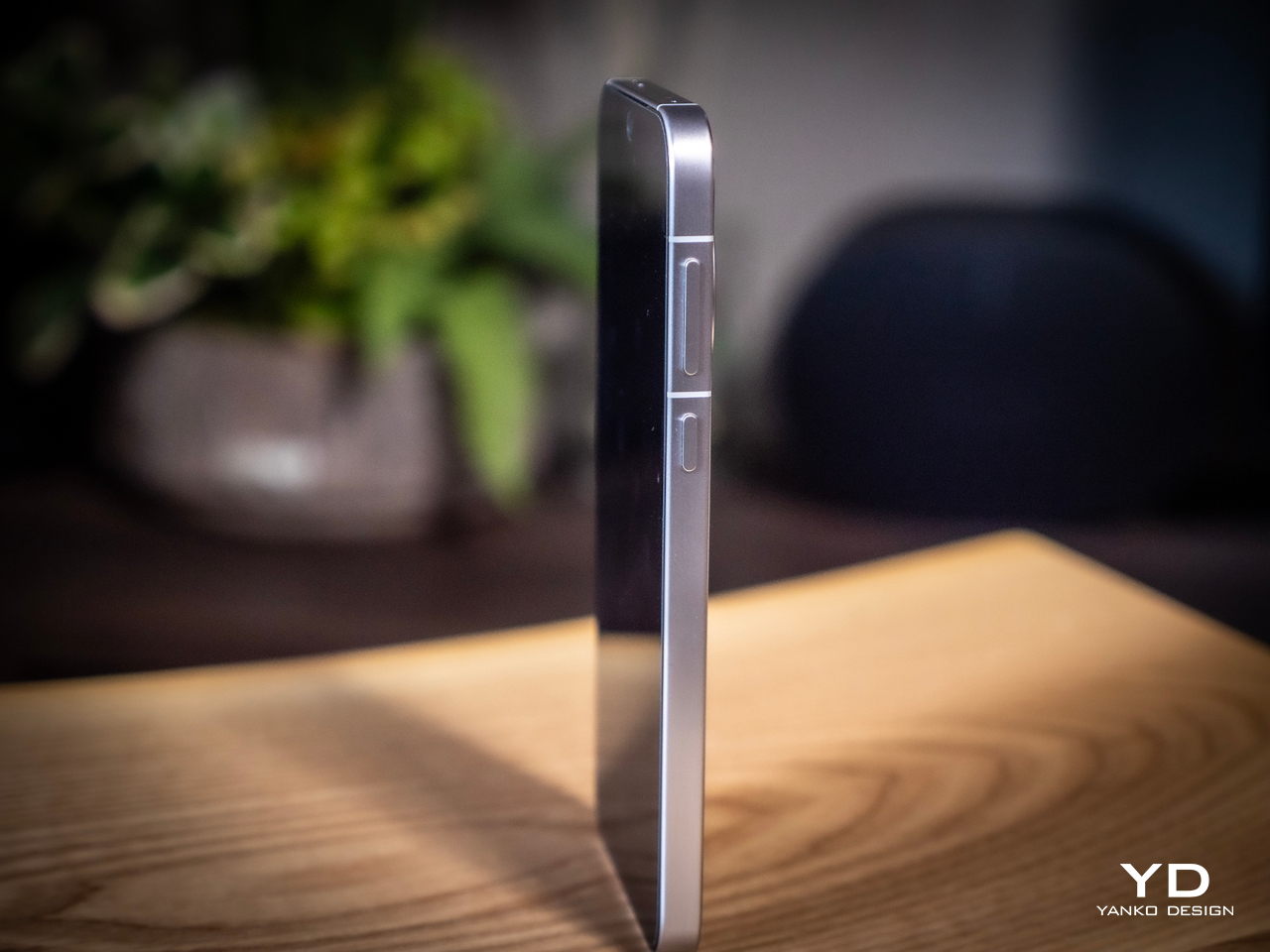
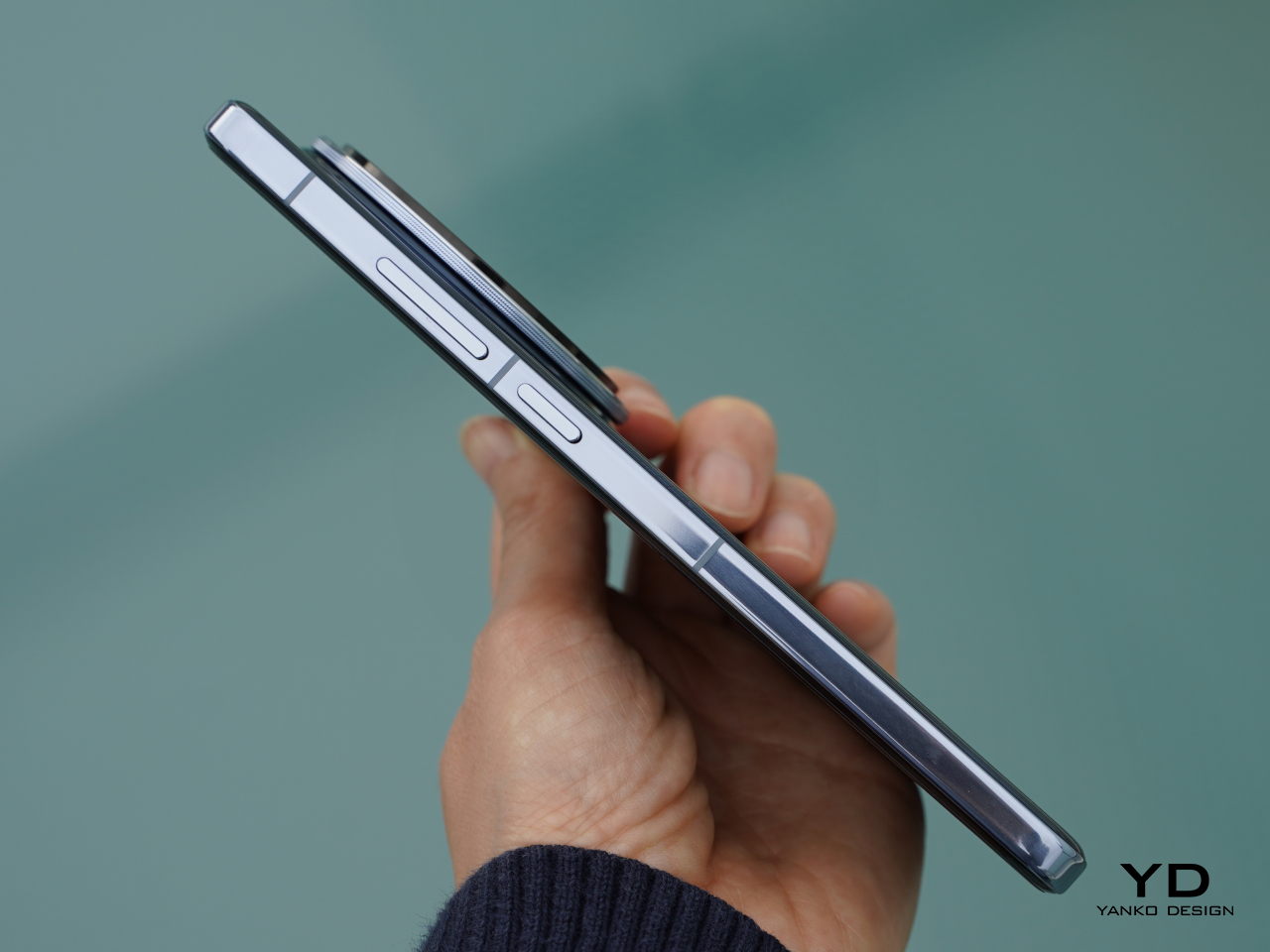
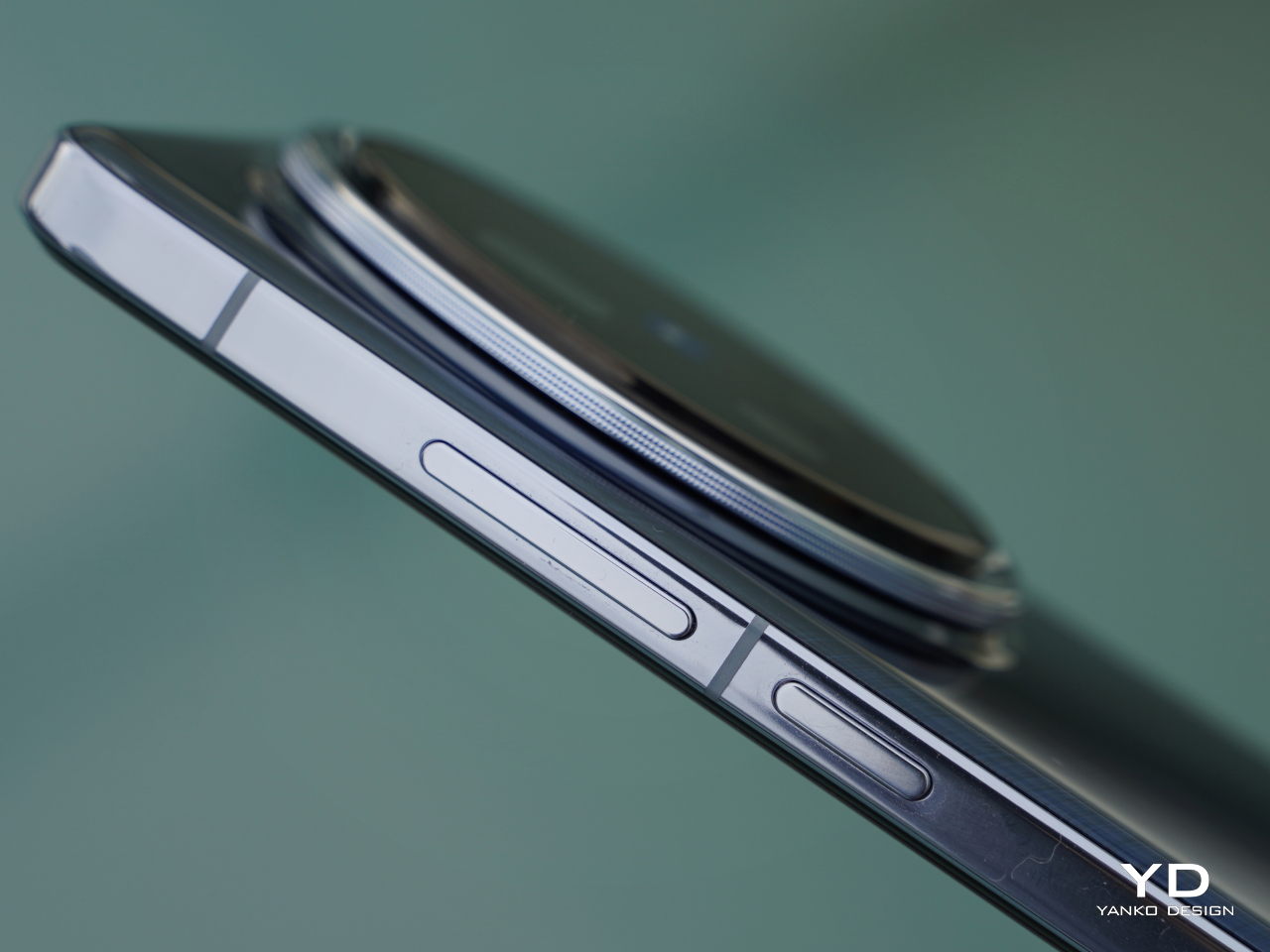
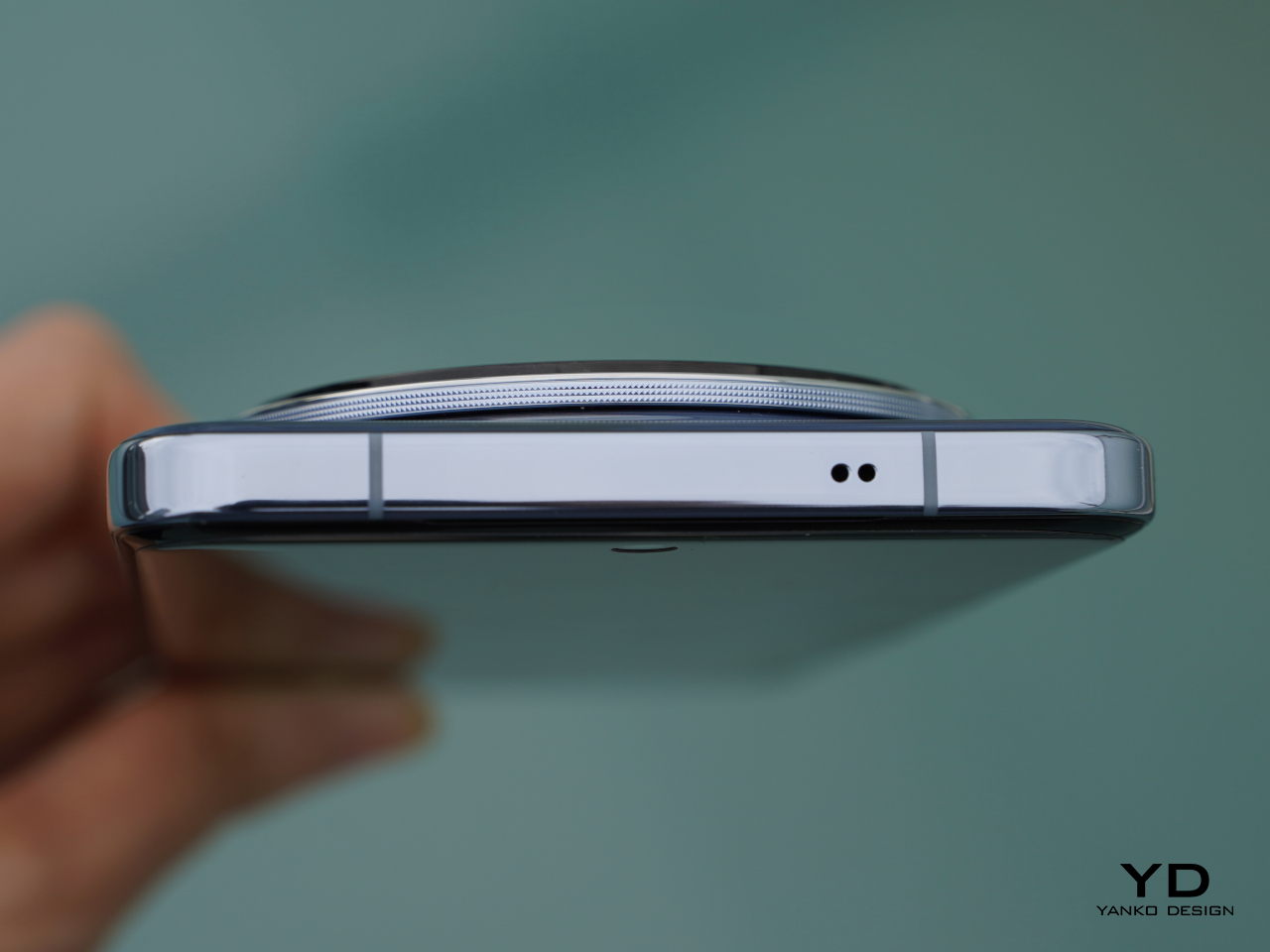
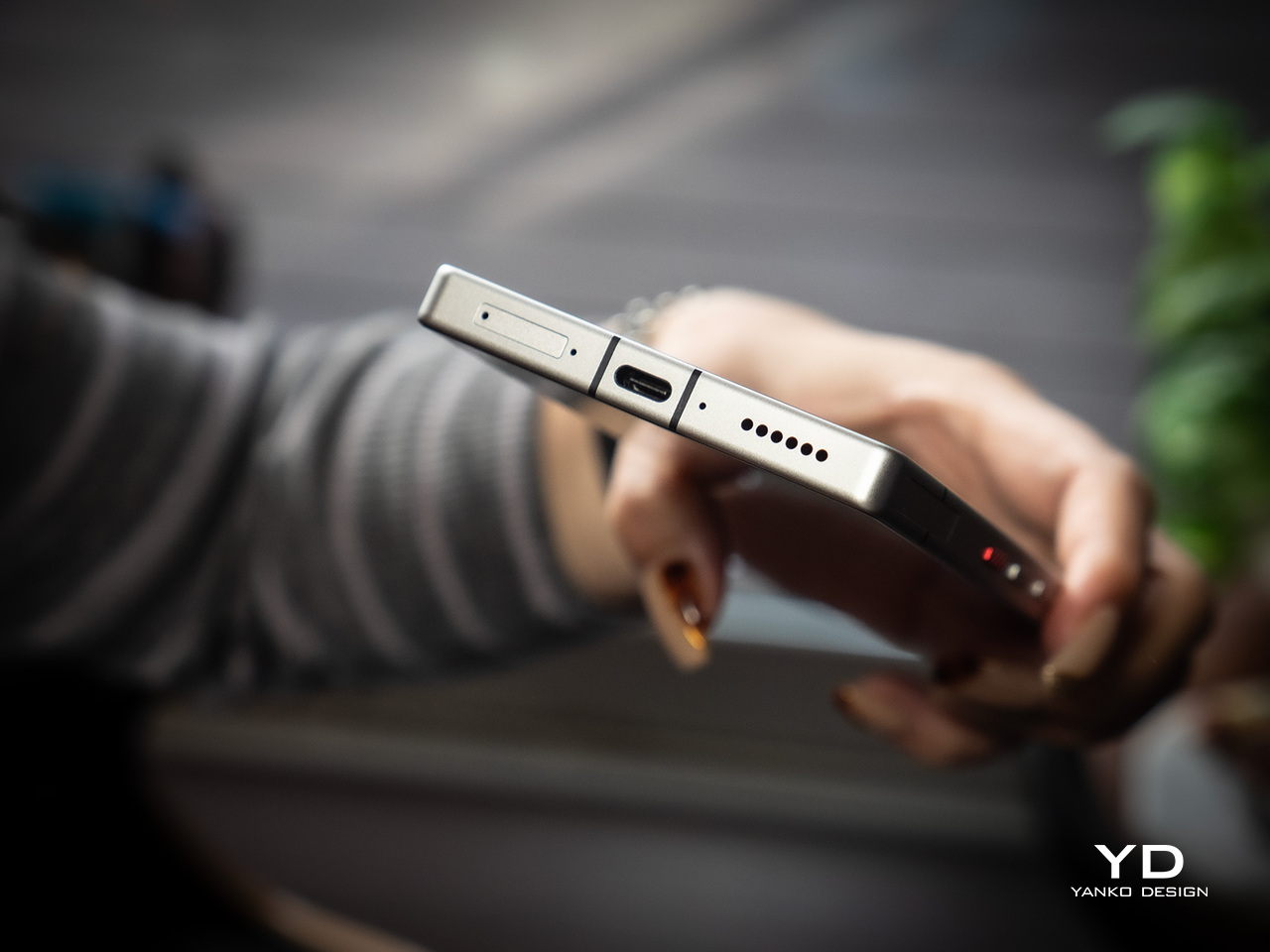
The phone weighs approximately 218g (224g for the Starry Night variant) and measures about 161.72 x 75.06 x 9.23 mm. Thanks to the center-circle design, it feels balanced when you hold it in your hand. The volume rocker and power button are located on the right side of the device, while the SIM card slot and USB-C port are situated at the bottom.

The GT5 Pro has a slightly curved panel and round shiny aluminum copper frame, which is stronger than a titanium frame, according to Realme. It doesn’t dig into your palm without being slippery.

While the phone is comfortable to hold, there is a notable consideration regarding the placement of the fingerprint sensor. Positioned very close to the bottom edge of the screen, approximately 1 centimeter or 0.4 inches above the bottom edge, the fingerprint scanner requires a slight stretch of the thumb for unlocking. Luckily, the GT5 Pro can be unlocked with other methods including one of the main features – palm gesture. But there is more to discuss about this feature.

Performance

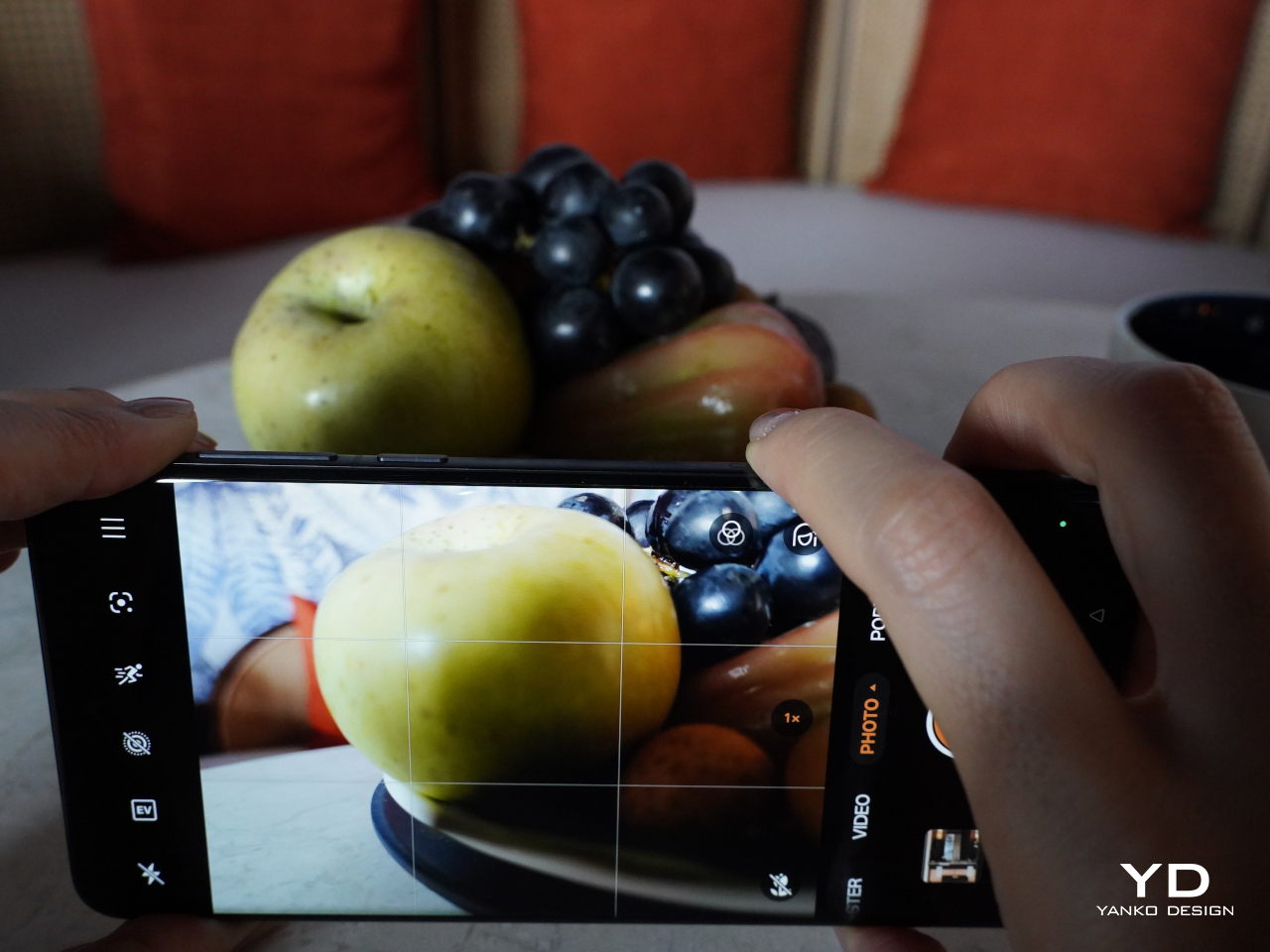
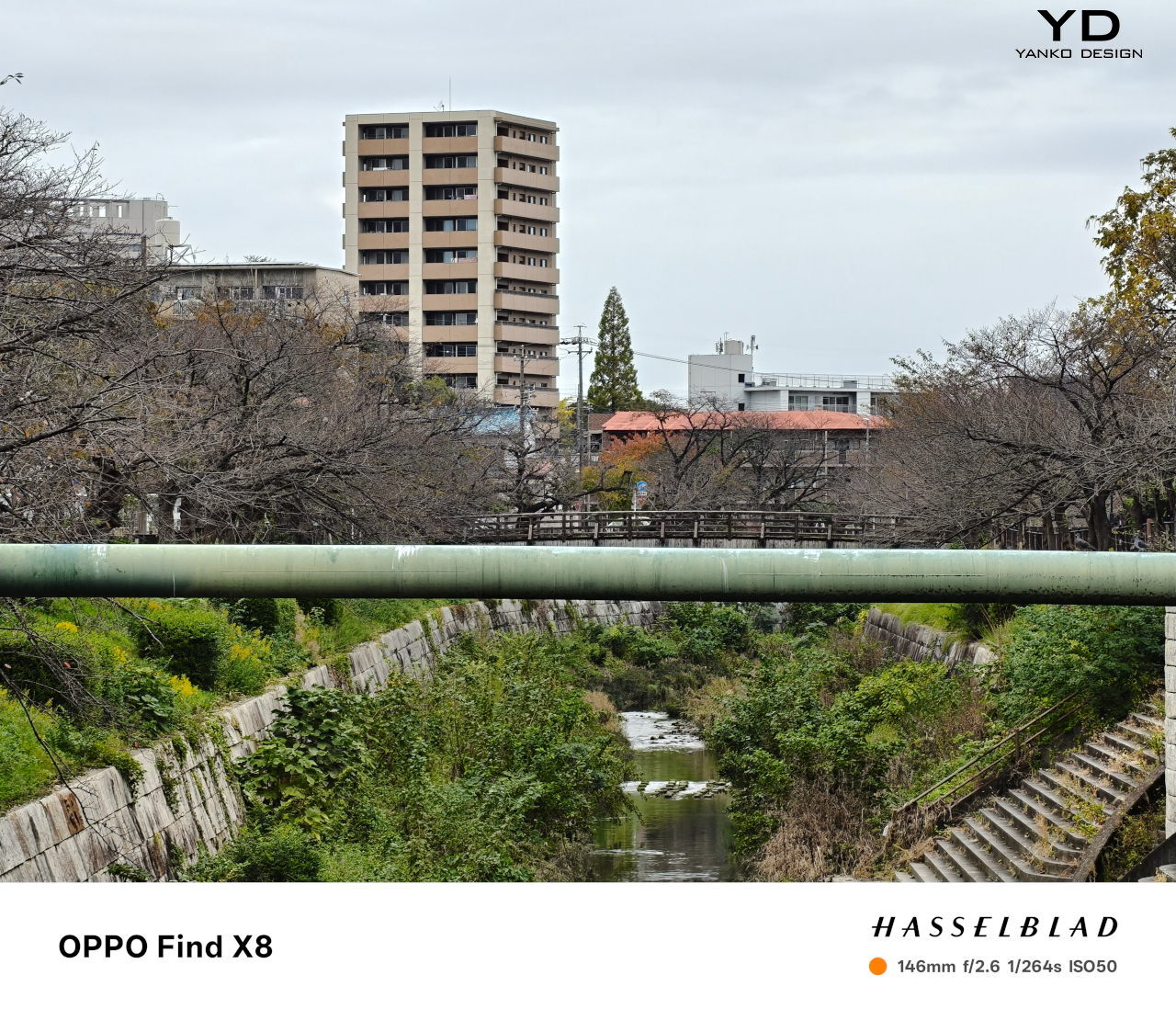
The Realme GT5 Pro has a triple camera setup. There is a 50MP main camera that uses a LYT-808 1/1.4-inch sensor with OIS stabilization and an f/1.69 aperture lens with OIS stabilization. The upgraded 50MP periscope telephoto camera uses an IMX890 1/1.56 sensor and f/2.6 aperture lens. The telephoto also comes with OIS stabilization. It can zoom 2.7x optically and supports macro mode at 3x. Finally, there is an 8MP ultra-wide IMX355 with f/2.2 aperture.

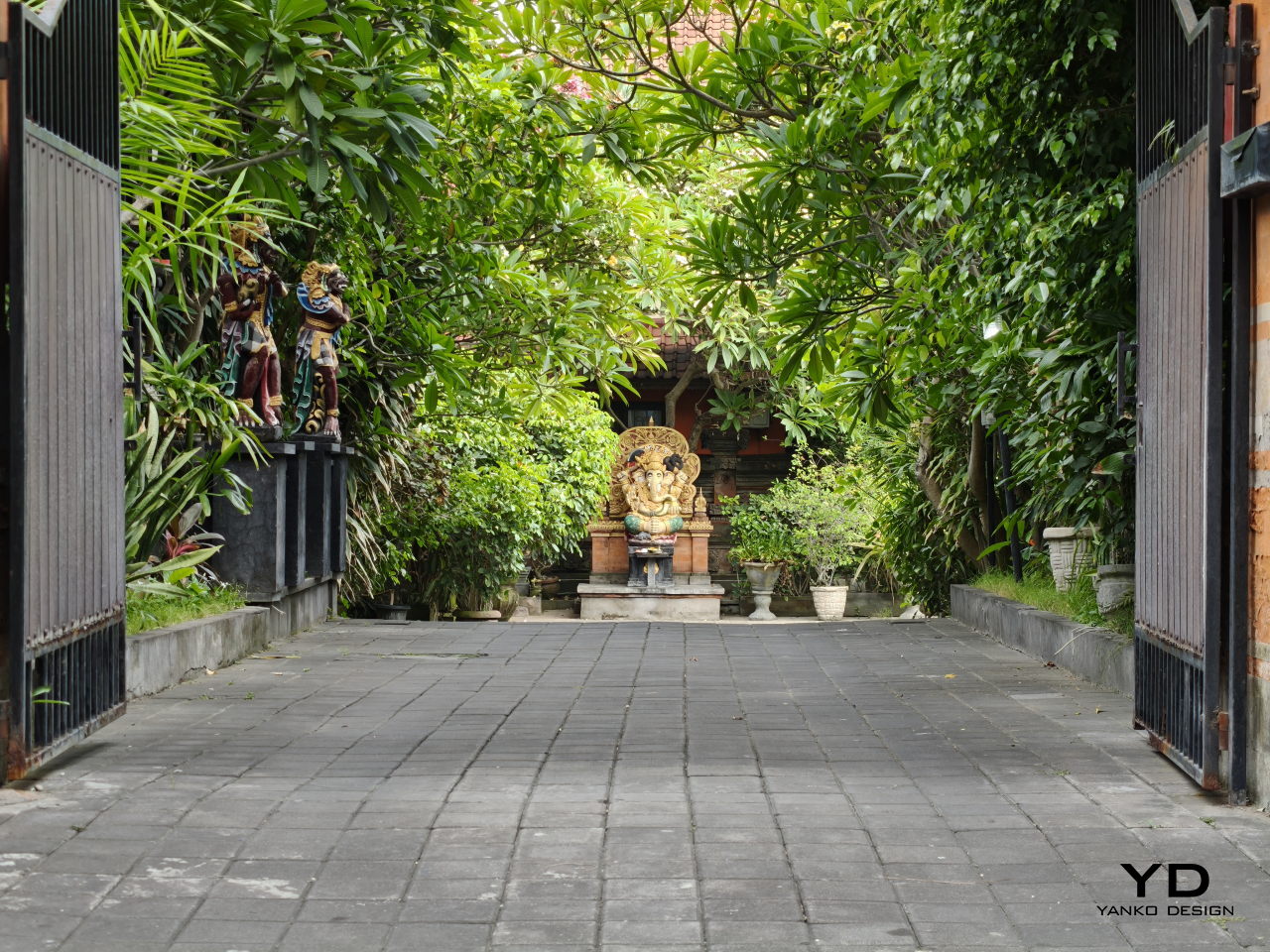
The main camera produces great daylight photos with nice vibrant yet natural colors. It captures plenty of details without being overly processed and has good dynamic range, though there is a tendency for bright spots to be slightly overexposed. Additionally, the main camera performs admirably in low-light conditions, exhibiting excellent dynamic range and adeptly handling mixed lighting situations.

The 3x photos captured with telephoto are impressive thanks to its big 1/1.56 inch sensor. While the phone lacks a dedicated macro camera, the macro mode is implemented on the 3x zoom. The resulting images are just fine; however, I believe only a niche group of users will find this feature particularly noteworthy.

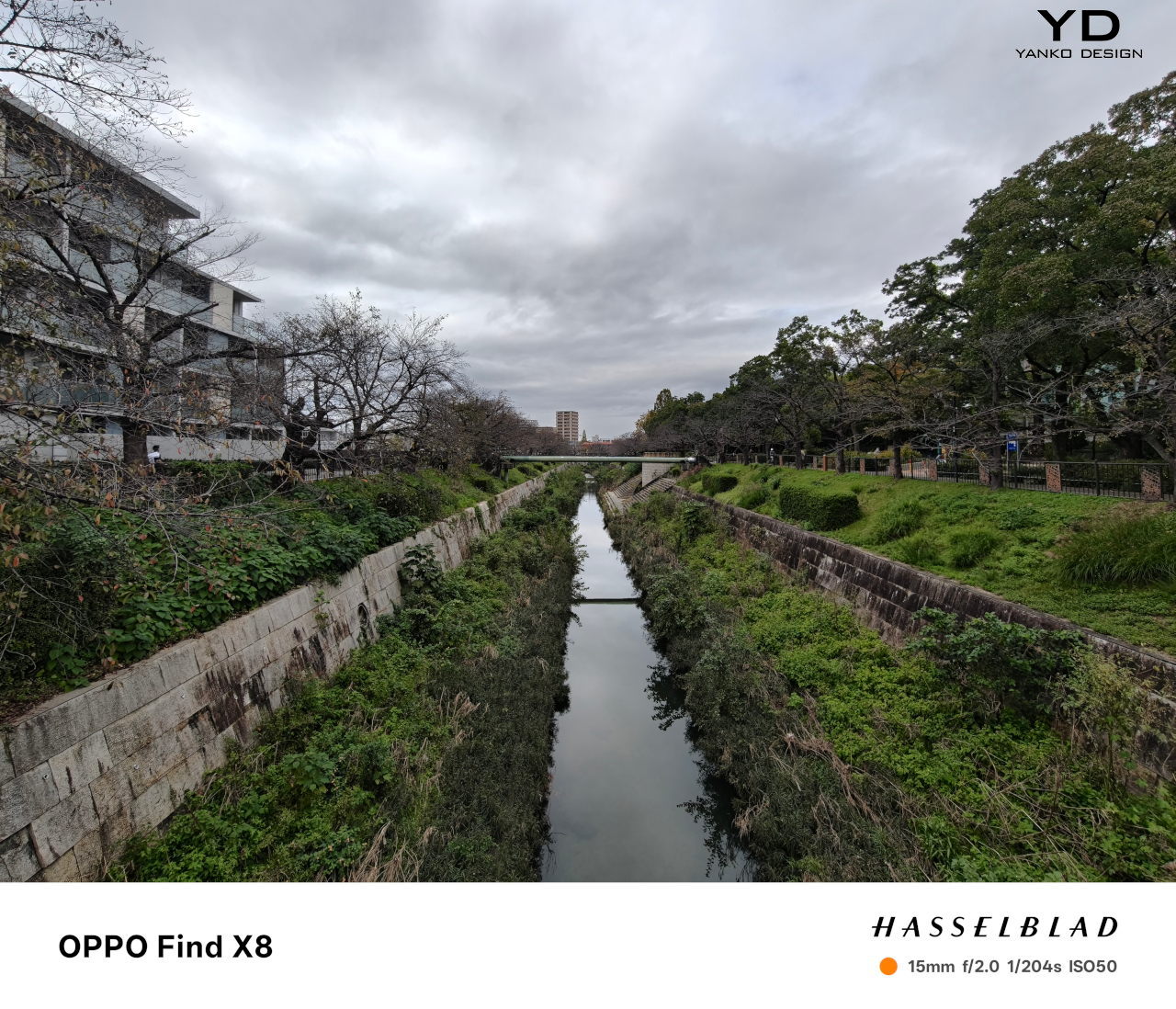
Turning our attention to the ultra-wide camera, it doesn’t stand out as particularly exceptional spec-wise, and the images it produces. The images display a decent dynamic range, and the color rendition aligns with that of the main camera is, but details especially towards the not very wide with FOV of 112 degrees.

Flip the phone over, the front camera takes pleasant selfies in a wide variety of shooting situations. Images came out a bit on the softer and warmer side, but not overly done.

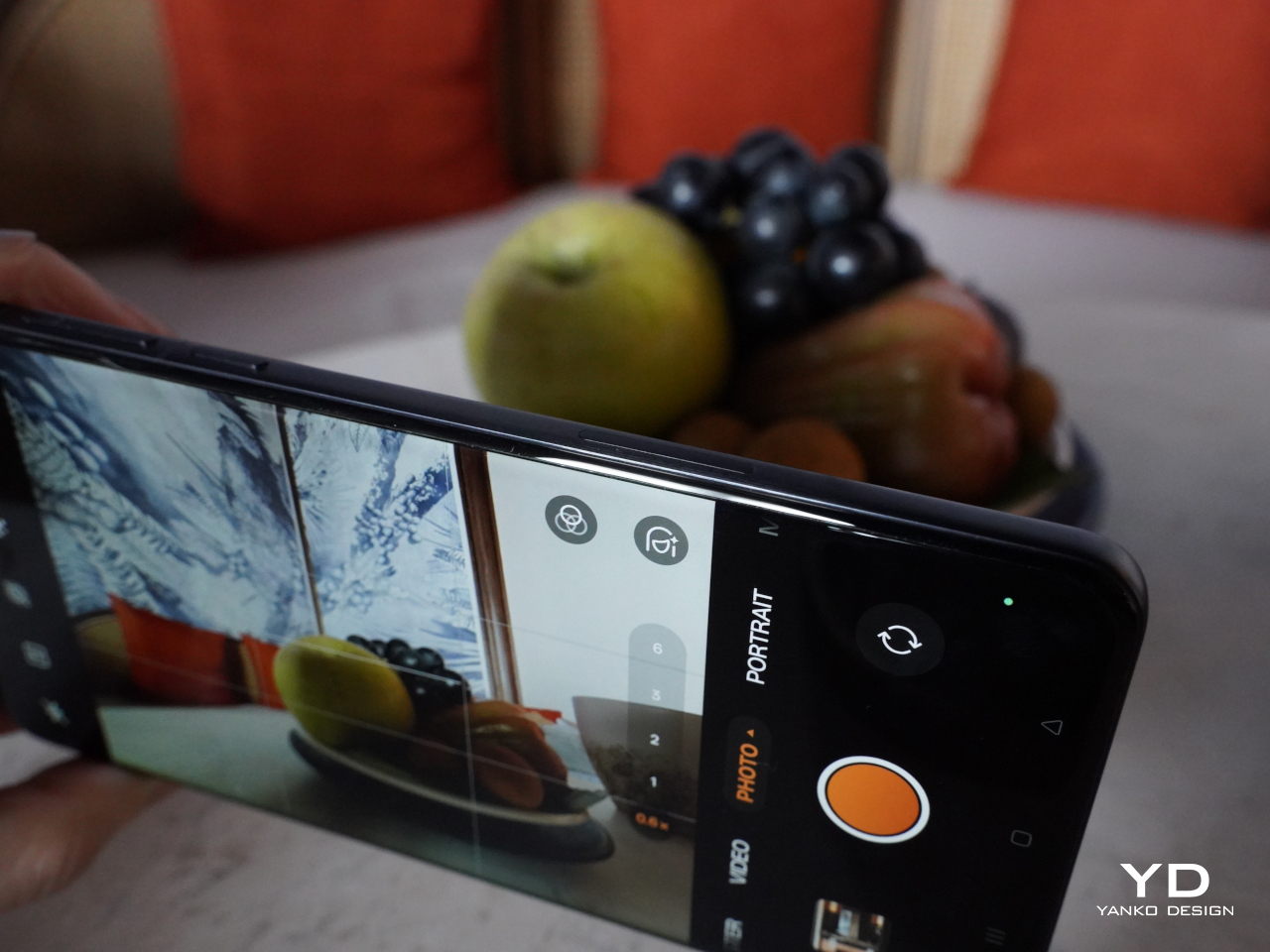
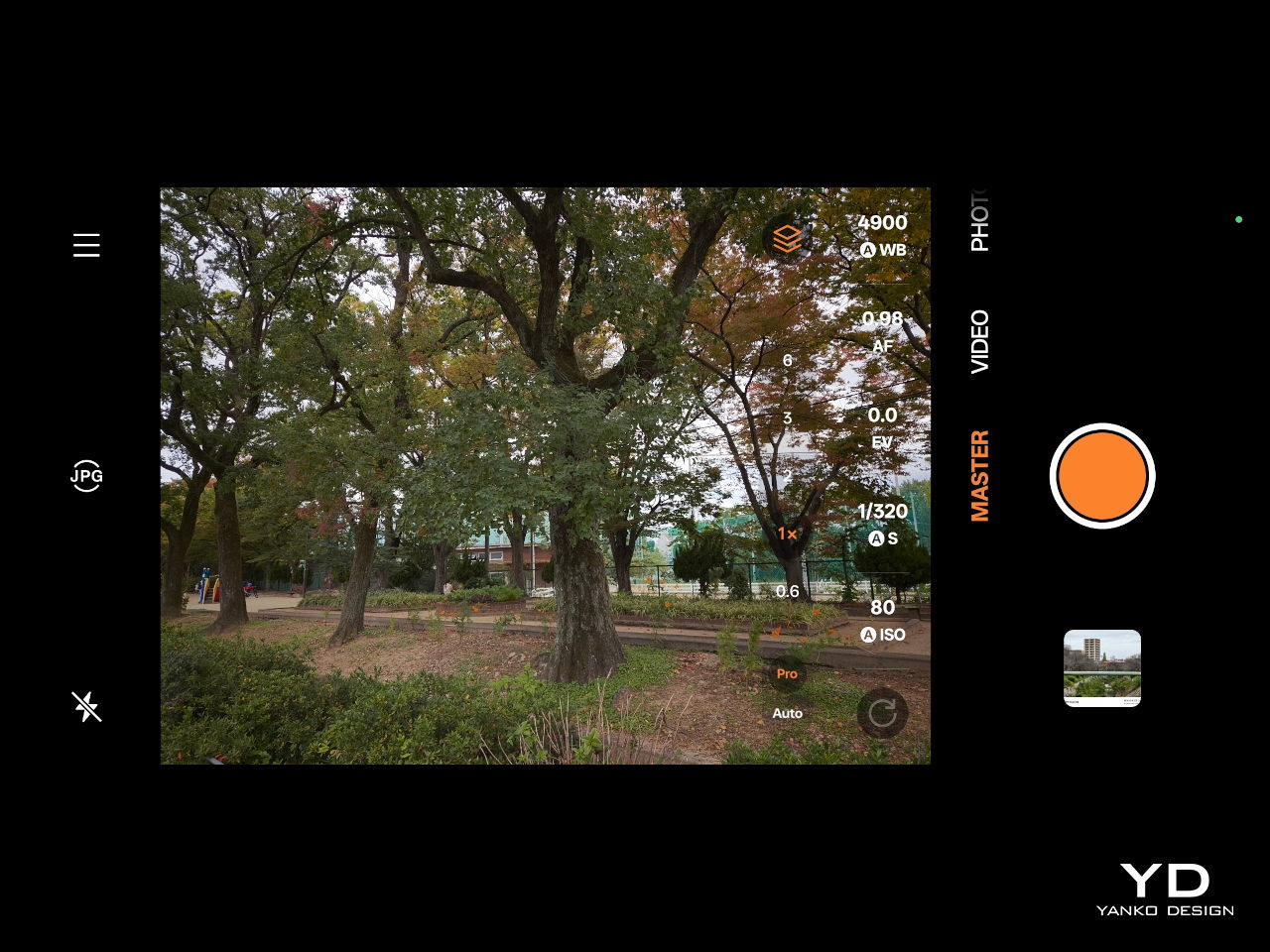
In terms of video, it can record video up to 8K at 24FPS with the main camera. The telephoto is capable of recording up to 4K at 60 FPS, 1080p at 30 FPS for the ultrawide, and 4K at 30 FPS for the front camera. Videos captured by the device are not going to wow you. One thing that bothered me was that the 0.6x ultrawide option is not visible on the main video interface unless you set the recording resolution to 1080p or lower. It would be more convenient to have a 0.6x ultrawide option accessible directly on the main video interface, with the resolution automatically adjusted to 1080p when the 0.6x is selected.

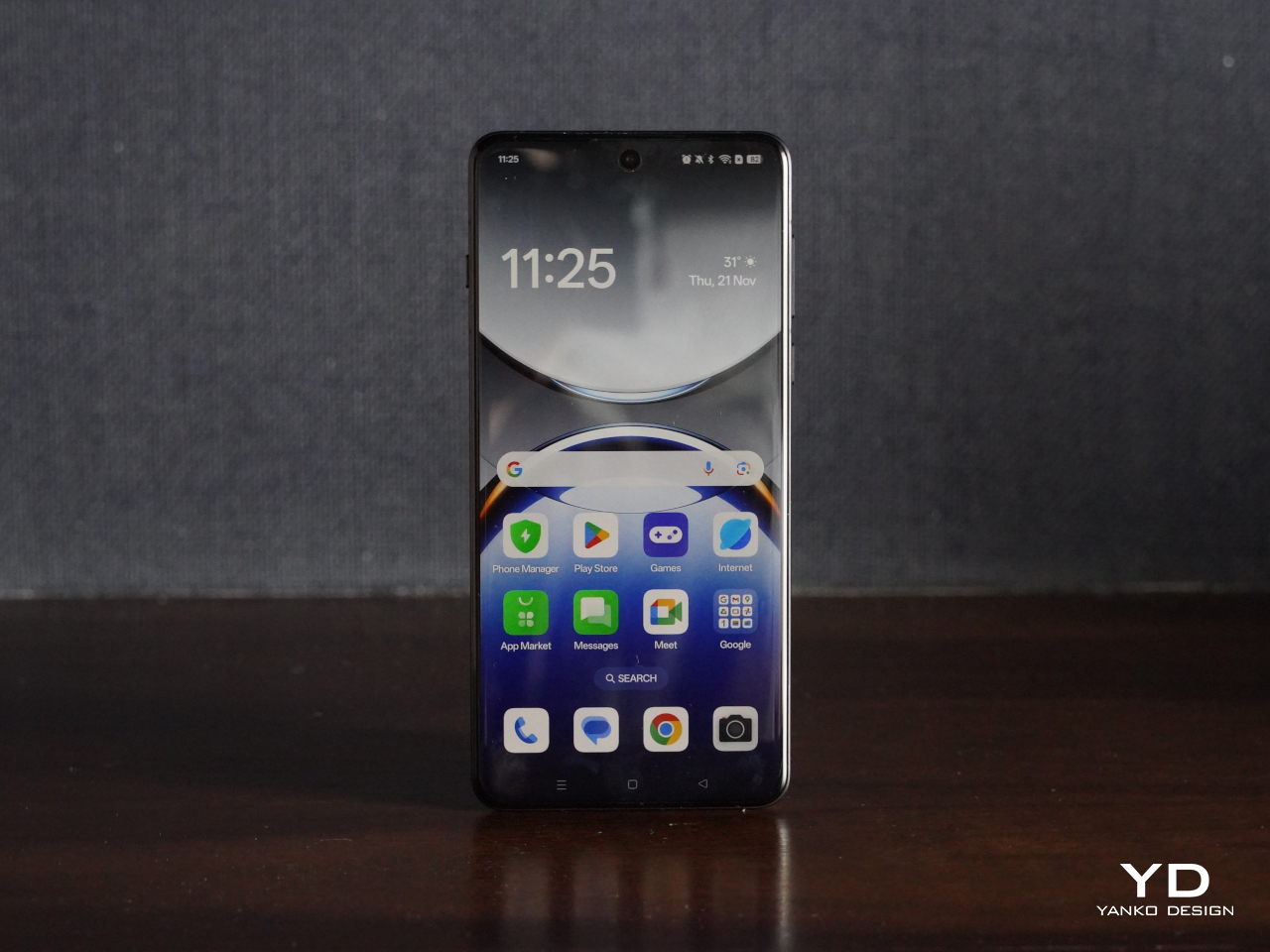
As for the screen, the GT5 Pro boasts a 6.78-inch, 2,780 x 2,364 AMOLED screen with a 144 Hz refresh rate, 460 pixels per inch, and an impressive peak brightness of 4,500 nits. We have to take the very high peak brightness with a grain of salt as this measurement probably does not reflect real-life usage scenarios. Realme provides a more realistic figure of 1,600 nits of global peak brightness. Nevertheless, the screen remains impressively bright performing well even under harsh sunlight. The narrow bezel is an additional noteworthy feature.

Under the hood, the phone is powered by the latest Snapdragon 8 Gen 3, and four memory versions are available starting with 12GB of LPDDR5X RAM and 256GB storage up to 16GB/1TB, which is the review unit that we received. There’s also the 3VC Iceberg Cooling System with a heat dissipation area of 12,000 mm2 which Realme claims to be the largest in the market. So the device won’t get hot even when it’s handling heavy loads.

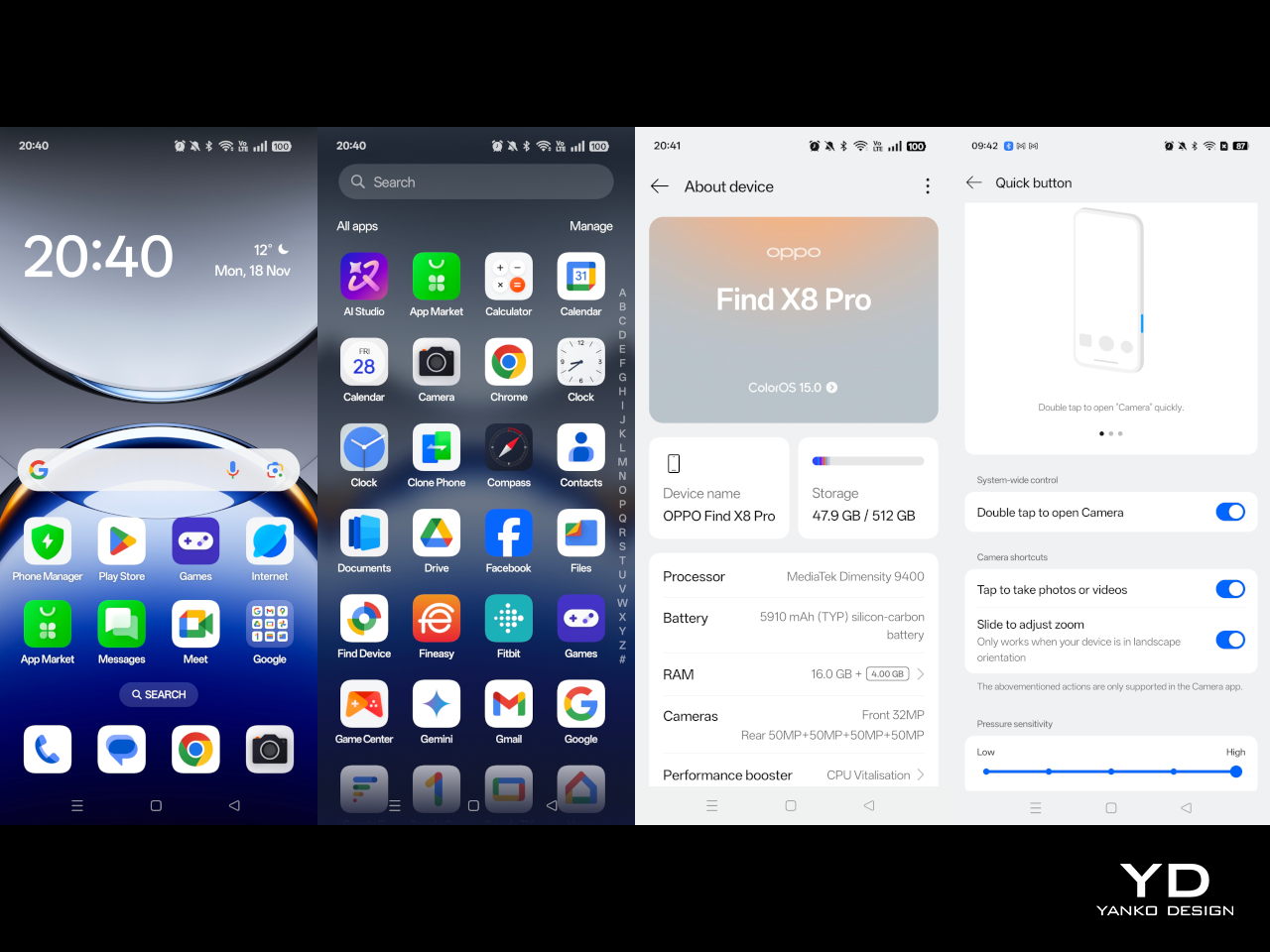
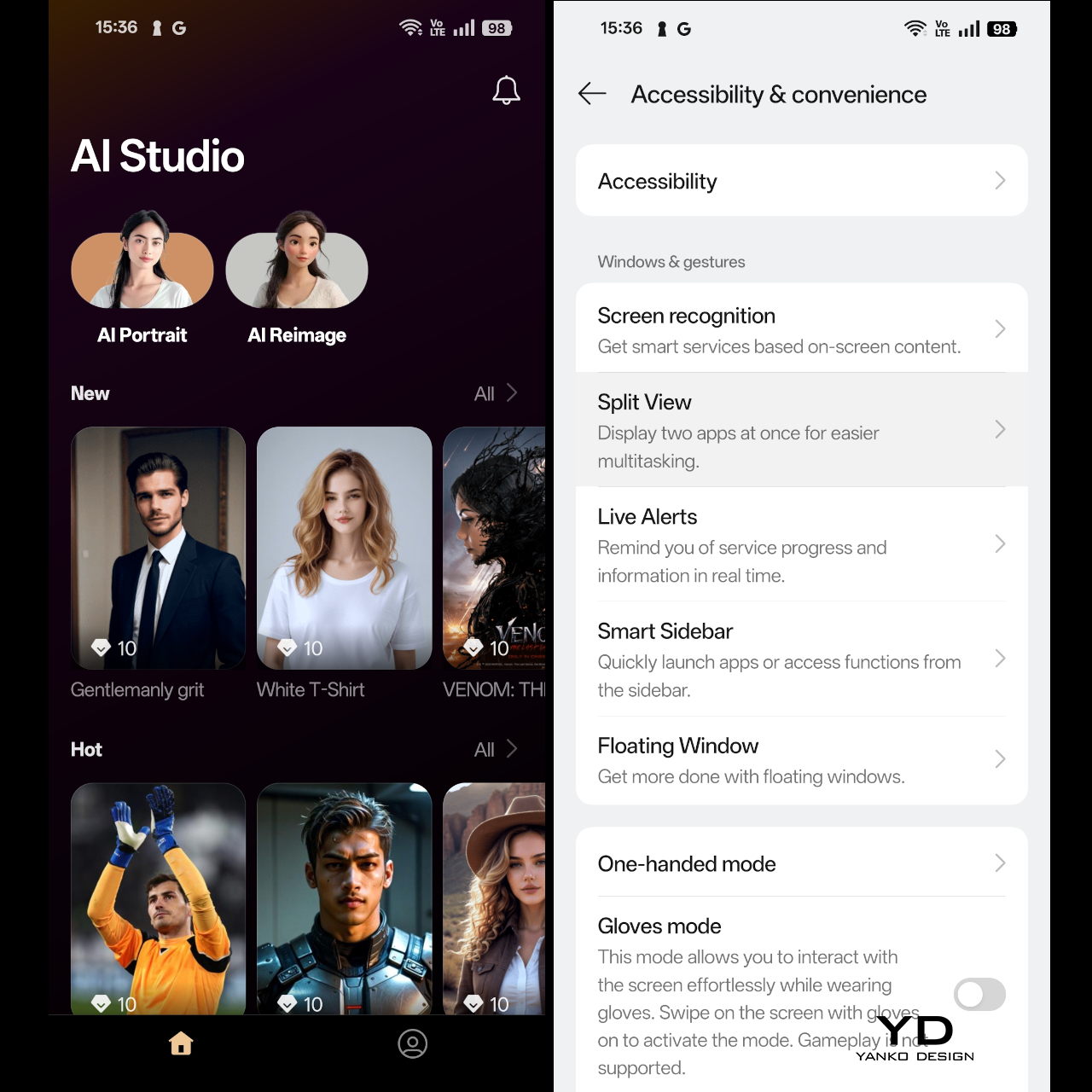
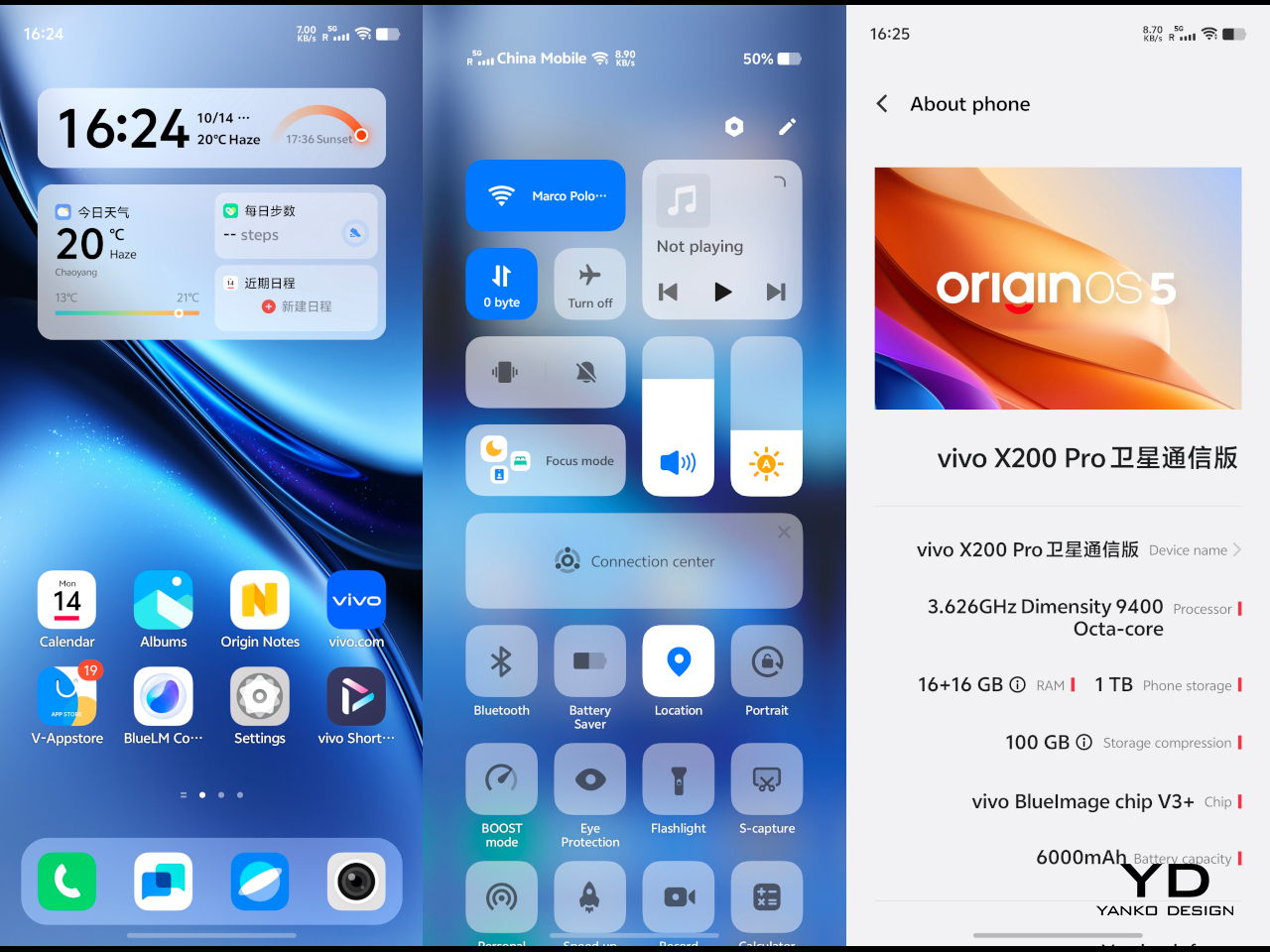
In terms of software, the GT5 Pro runs Realme UI 5.0 based on Android 14. One of the unique features of the Realme GT5 Pro is that you can unlock the phone with your palm using the front-facing camera and do all other sorts of stuff like opening apps, scrolling up and down, taking screenshots, and more. While I was initially excited to try these features, the experience turned out to be disappointing. To be fair, Realme mentioned the limitation of palm unlock, stating that for the feature to work, strong light, low light, or backlit conditions have to be avoided. The palm unlock functionality proved to be inconsistent. Even when I did manage to unlock the phone with my palm the 2-second duration required to hold my palm in front of the front camera felt a bit too long. The air gestures required some practice, and I struggled to smoothly navigate the device. I can envision the potential usefulness of palm unlock and air gestures in various situations, so let’s hope Realme improves its accuracy and usability in the future.

The phone is equipped with a massive 5,400 mAh battery, delivering excellent performance that easily sustains a day’s use without issues. When it’s time to charge, GT5 Pro charges remarkably fast at 100W via USB-C. Additionally, for the first time for Realme’s device, the phone supports wireless charging at 50W.

Sustainability

Apart from reduced plastic packaging which has become pretty much an industry standard nowadays, there isn’t much to mention about the sustainability aspects of the GT5 Pro. Considering Realme’s proactive approach in incorporating bio-polymer materials in the aforementioned GT2 Pro, which used bio-material for its back panel, the lack of use of renewable materials in the GT5 Pro is disappointing. Since its inception in 2018, Realme has always shown commitment to being an eco-friendly and sustainable tech player. Let’s hope they’ll strengthen the commitment as Realme steps forward into true flagship space.

Value

The Realme GT5 Pro offers incredible value starting at 3,499 CNY which translates to roughly US$490. Boasting capable cameras, a sleek design, a gorgeous screen, excellent battery life, and rapid wired and wireless charging capability, the GT5 Pro stands out in its price range. Unfortunately, it is currently exclusively available only in China, leaving us hoping that Realme will extend its market availability to other regions in the near future.

Verdict

Realme’s venture into the premium segment has left a positive impression. While it may not be flawless there’s no denying that the GT5 Pro offers a host of features. With its stylish design, good camera performance especially in low-light situations, bright display, outstanding battery performance, and fast charging, the Realme GT5 Pro is a compelling option for those who seek well-rounded, feature-rich devices without breaking the bank.

The post Realme GT5 Pro Review: Flagship dream for budget-conscious users first appeared on Yanko Design.

The Minimal Phone mixes BlackBerry and E Ink to minimize your phone use

As useful as our powerful smartphones might be, they have also become the bane of modern society. Not only are they the source of most of the distractions that bombard our consciousness day in and day out, they also developed this rather odd scenario of paying more attention to a social circle of virtual strangers than to the people physically present around us. It’s practically too late to go cold turkey and turn our backs on smartphones, regardless of whether we actively use social media or not, which is why there have been attempts to distill the experience down to the essentials, both in software as well as in design. The latest attempt at a minimalist phone, literally called The Minimal Phone, puts a rather interesting twist to that idea by marrying the gentle and almost laid-back nature of an E Ink screen with a QWERTY keyboard that’s long been associated with productivity and busyness.

Designer: Andre Youkhan (The Minimal Company)

You’d be forgiven if you looked at this design and presumed it was a variant of the BlackBerry Passport or a shrunken-down old Kindle with a Keyboard (yes, those existed at one point in time) because that is exactly how this device would look like to those who have seen enough of tech history to know these devices. It’s a hardware combination that has been done before, albeit now in a smaller and more modern style, but the purpose is completely different. Rather than encouraging the use of the device, the design is, in fact, ironically meant to make you use the phone even less.

BlackBerry Passport

While E Ink is great for reading text for long periods of time without straining your eyes as much, their low pixel density, low refresh rate, and lack of vibrant colors would make them terrible for the most distracting uses of smartphones, namely social media, videos, and aimless web browsing. The relatively smaller size and square aspect ratio of the display, something familiar to BlackBerry users, is also less conducive to most online content that presumes a tall smartphone screen. The idea behind The Minimal Phone, then, is to still provide the common smartphone experiences but in an environment that would make you want to just get a reply out quickly or search for the correct information and then stop.

Kindle Keyboard

Strangely enough, The Minimal Phone almost does a U-turn by squeezing a QWERTY keyboard into the design, which would normally make typing and productivity easier. That said, typing on a slow E Ink screen can be an infuriating experience and would be contrary to the mindfulness that the phone wants to cultivate. A QWERTY keyboard offers a faster and more pleasant experience so that users can swiftly peck out a post and then put The Minimal Phone back in their pocket.

While the theory sounds reasonable, there is still a lot about the implementation that is unknown at this point, other than having a 4,000mAh battery that’s promised to last around 4 days. There will be a custom Android-based OS that will take advantage of the unique form factor and objectives of the design, but there’s no guarantee that Google Play will make its way to the unconventional device. A crowdfunding campaign set to launch next month will judge whether the concept will strike a chord with people tired of noisy smartphones or if it will be just another forgotten attempt at curbing our tendency to be distracted by every ping and buzz.

The post The Minimal Phone mixes BlackBerry and E Ink to minimize your phone use first appeared on Yanko Design.
nubia Z60 Ultra Review: Challenging Conventions

PROS:


  • Distinctive boxy design

  • Gorgeous, hole-less screen

  • Large, long-lasting battery

CONS:


  • A bit on the bulky and heavy side

  • "Metallic glass" material attracts dust too easily

RATINGS:

AESTHETICS
ERGONOMICS
PERFORMANCE
SUSTAINABILITY / REPAIRABILITY
VALUE FOR MONEY

EDITOR'S QUOTE:

Taking the road less traveled, the nubia Z60 Ultra's unconventional rectangular design, flawless screen surface, and choice of camera focal lengths are sure to leave a lasting impression on consumers tired of the same old things.

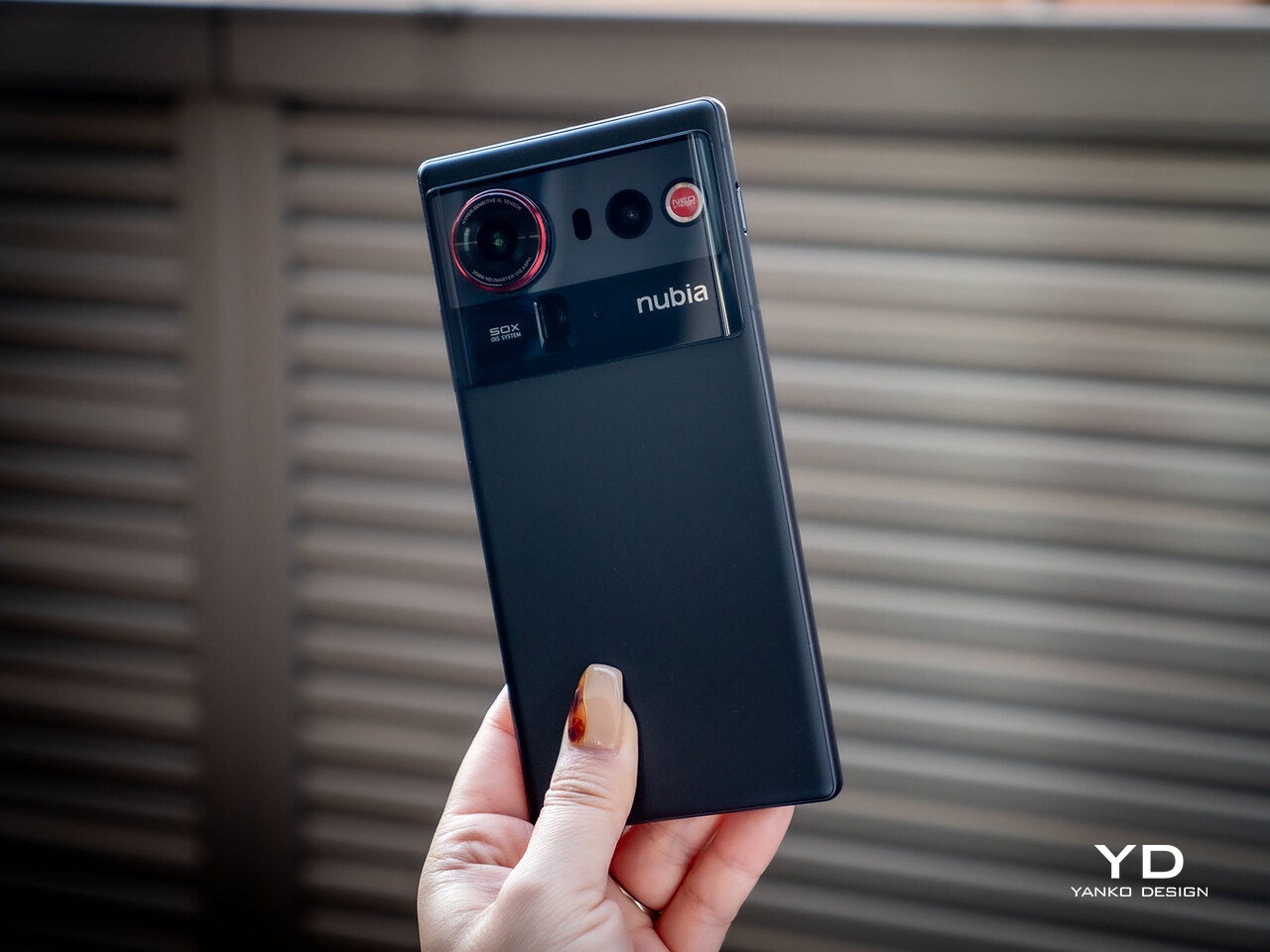
Despite how smartphone manufacturers try to differentiate the designs of their products, most of them still jump on the same trends, like the curved edge screens of the past, today’s flat sides, or camera bumps of different shapes and sizes. The same is true even for features you don’t immediately see, like camera sensors and lenses that everyone is using, just advertised under a different marketing name. It’s almost too easy to just do what everyone else is doing, riding the waves in the hopes of making a large catch as everyone else. Fortunately, there are outliers that dare to take a different path, and the nubia Z60 Ultra easily stands out as a nonconformist, so we take a closer look to see if it has more to offer than just a different yet oddly familiar face.

Designer: nubia

Aesthetics

The design of the nubia Z60 Ultra is admittedly divisive. Some will appreciate a fresh break from the smooth curves of the current breed of smartphones, while others might scoff at the blast from the past. Anyone who still remembers the Sony Xperia of the past might indeed see some resemblance to this late 2023 newcomer, and it’s not exactly a bad light to be in.

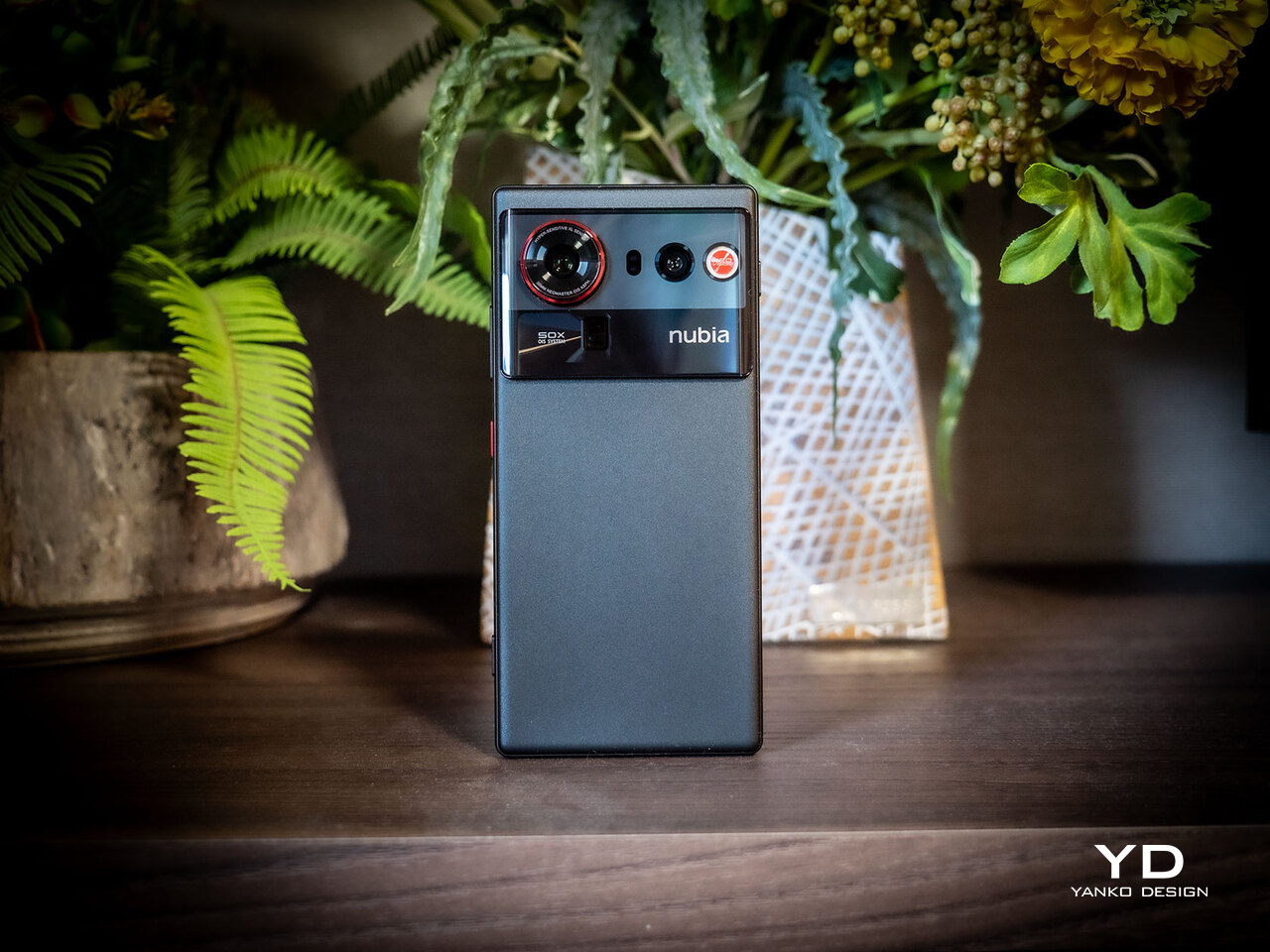
The nubia Z60 Ultra is unabashedly flat and angular, giving off an air of maturity and hardness at the same time. Even the camera bump diverges from circles, squircles, and any other round shape found on most smartphones. Two of the three cameras sit on a strip, not unlike the Google Pixel 8’s visor, except it’s also completely flat and more like a thin block stretching across the width of the phone. This boxy aesthetic is going to be subjective, even more so compared to other phone designs, but there’s no denying that it will leave a lasting impression, positive or otherwise.

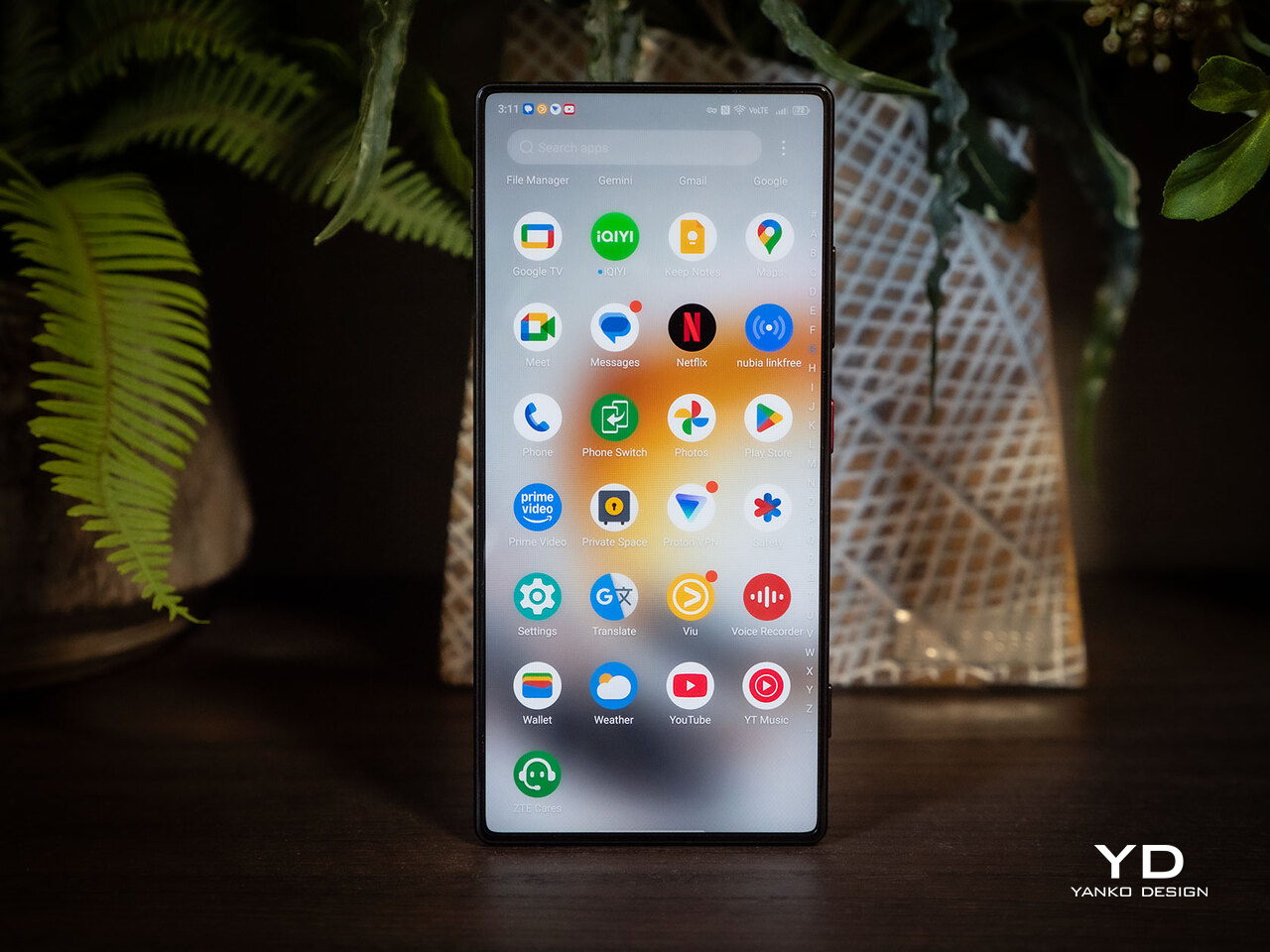
If the shape and back of the phone are what immediately catch your attention, it will be the large 6.8-inch display that will probably draw you in. Admittedly, it’s not the brightest nor the most colorful panel, but it’s the flawless, unbroken surface of this screen that will really impress you. Under-display cameras (UDC) aren’t exactly novel, but they’re so rarely used that you’d still be surprised to see one up-close. Even better, the nubia Z60 Ultra uses the company’s fifth-generation UDC technology that improves the pixel density of that spot above the front-facing camera. The result is a screen that is full from edge to edge, and thanks to its completely flat surface, also visible and usable in its entirety.

There are different colorways available, including a “Starry Night” that makes no effort to hide its Van Gogh inspiration. nubia introduces an “AG Metallic Glass” material that covers the rear of the phone, and for the most part, it does offer your hand a new sensation that almost feels like metal. Unfortunately, for some reason, it also seems to act as a huge magnet for dust. It may stay free of oily fingerprint smudges, but you’ll still want to put on the included clear case to keep it clean, among other reasons.

Ergonomics

There’s still an ongoing debate on which design is better for your hand and your grip. Curved edges are claimed to be gentler on the skin, but some claim it makes the phone slip more easily from your grasp. Flat edges and sharp angles add a bit more tooth to improve your grip, but there are those who feel uncomfortable with how it bites into their palm. The latter, of course, is what applies to the nubia Z60 Ultra’s sharp figure, and like its design, is going to split camps.

What everyone will agree on, however, is how bulky and heavy the phone feels in your hand. At 8.78mm thick and 246g heavy, it’s definitely going to give your hand a bit of strain when held up for long periods of time. Add that to the phone’s sharp edges, and you might indeed find your hand feeling a bit uncomfortable sooner rather than later, at least with the protective case that makes all those moot. Fortunately, that heft isn’t without good reason, but it’s still something that prospective buyers will need to consider if they prefer phones that are impossibly thin and light instead.

Performance

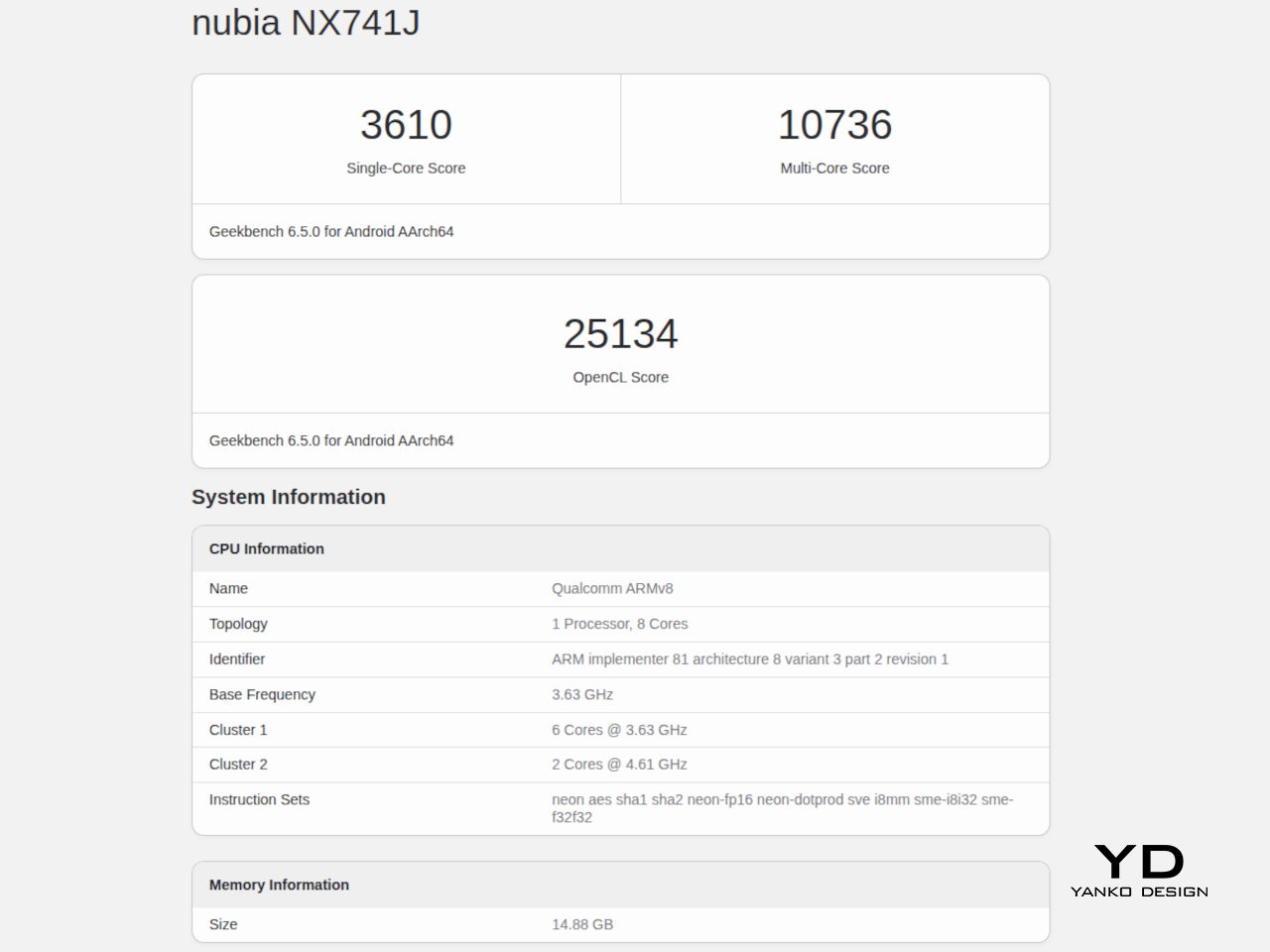
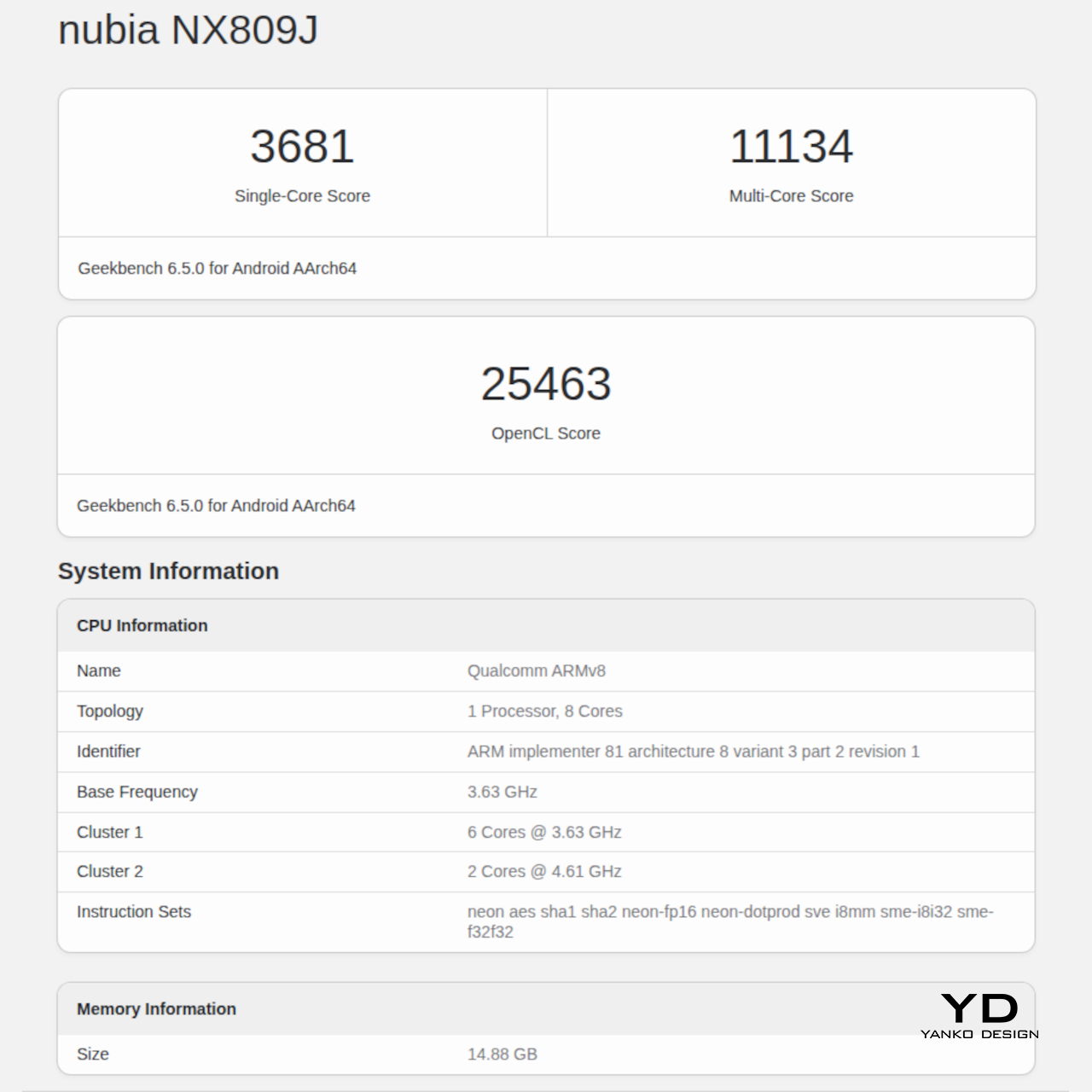
The nubia Z60 Ultra has been compared to its gaming-focused cousin, the RedMagic 9 Pro, and the comparison isn’t without basis. Both sport top-notch hardware available in the mobile market, starting with the Qualcomm Snapdragon 8 Gen 3 that can be paired with up to 16GB of RAM. In terms of raw performance, the nubia Z60 Ultra is pretty much a gaming phone, sans the bells and whistles like a tiny fan or extra buttons on the edges. In a way, this is the more subdued and stylish version of the RedMagic 9 Pro.

The phone’s extra-large battery definitely supports that use case and then some. Rated at 6,000 mAh, it’s definitely one of the highest capacities in the market today, and while you might not hit that advertised 47-hour uptime with average use, you’ll get pretty close to more than a day’s worth. Charging, however, won’t be blazing fast, given it only supports 80W wired charging, pushing the charging time to a little over 30 minutes. This chunk of power is definitely to blame for the nubia Z60 Ultra’s size and weight, but it’s a price worth paying for those who value battery life over comfort and thin profiles.

It isn’t only in design that the nubia Z60 Ultra bucks the trend. While it does put a heavy emphasis on its cameras like any other flagship smartphone, it’s the details that truly make it unique. In a nutshell, nubia has opted to adopt narrower fields of view compared to most smartphones in an effort to appeal to photography enthusiasts who would be more familiar with these focal lengths.

The main 50MP camera, for example, has that 35mm focal length used by classic camera lenses, which is great for taking sharp photos, especially with a natural bokeh effect. Unfortunately, this field of view will be too narrow for videos that will look cropped at the edges. That’s probably why nubia used an ultra-wide camera with a similar 50MP sensor (though from a different manufacturer) to make the transition to a wider view look more seamless. That said, this ultra-wide camera is also narrower than what you’d find in the market, using an 18mm focal length only.

In practice, the nubia Z60 Ultra’s cameras perform impressively, producing images with rich detail, at least in well-lit environments. The small exception is the 64MP telephoto camera with an equally narrow 85mm focal length, which makes close-up shots less doable. The narrow field of view might find fans among more seasoned photographers, but it is also an odd and awkward detail for those already used to the wider range of camera smartphones, especially when it comes to video recording.

Sustainability

So far, the nubia Z60 Ultra is proving to be quite the nonconformist, embracing designs already eschewed by most manufacturers as well as camera specs more popular among photographers than smartphone users. It would have been even more impressive if nubia also became a rebel and embraced sustainable materials and practices wholeheartedly for this smartphone. Unfortunately, that’s not the case.

In this regard, the nubia Z60 Ultra is pretty typical when it comes to composition, durability, and repairability. It’s your typical mix of plastic, glass, and metal, none of which were made from post-consumer recycled materials, at least none that nubia is telling. The silver lining here is that the phone is IP68 rated, so it’s not going to join the masses of e-waste littering the planet after a slight splash or dive into water.

Value

The nubia Z60 Ultra is a premium flagship through and through, and its extra-large battery, hole-less screen, and pixel-dense camera sensors push it even higher among its peers. For all of that, you’d expect it to cost as much as your next late 2023 or early 2024 high-end handset, but here’s the clincher: it’s almost half that!

While it does start at $599 for a rather modest 8GB of RAM and 256GB of storage, the highest configuration with double that memory is only $779. And it’s not like nubia is a new, unknown, and unreliable brand, so such a price tag is downright crazy. Of course, there’s the matter of being able to buy one in the first place, since nubia isn’t available in all markets, but in those regions it does serve, the nubia Z60 Ultra is bound to make an irresistible proposition to go with its undeniable presence.

Verdict

While there is some wisdom in going with tried and true traditions, it’s never an excuse not to think outside the box. There’s no certainty that you will do better or worse, but what’s certain is that you will make some impact. That’s the kind of legacy that the nubia Z60 Ultra will have with a design that is both fresh yet classic, and features that have a clear purpose, even if it swings away from the mainstream smartphone crowd.

It definitely gets a lot of things right, like its impressive performance, its memorable design, and its blemish-free screen, but it’s far from being perfect. There’s no denying that part of its imposing character is its bulk and weight, and the narrow field of view will probably trip up some mobile shutterbugs. With a head-turning price tag, though, you might be willing to look past these flaws, especially if the flaws are features you actually value. Needless to say, the nubia Z60 Ultra is doing quite a difficult balancing act, and to its credit, it’s doing quite an admirable job in keeping on its toes.

The post nubia Z60 Ultra Review: Challenging Conventions first appeared on Yanko Design.
Galaxy Tab Active5 rugged tablet leaked with suitcase design and stylus

Thanks to the Apple iPad Pro, tablets have been given a bit of a lifeline. To be honest, there’s still a bit of uncertainty regarding the purpose of these large screens, especially with smartphones now having extra big displays. There are, however, industries where tablets play an essential role, whether it’s in communication, retrieving information, or organizing data. In this line of work, tablets don’t have to look stylish or have the latest specs as it is more important for them to be durable and reliable, no matter the environment. That’s the core focus of the upcoming Galaxy Tab Active5, but it seems that Samsung isn’t missing the opportunity to add a few fine touches to this rugged device.

Designer: Samsung (via MSPoweruser)

Samsung’s rugged tablets have always been built like tanks and they have the design to prove it. They’re thick and have plenty of protective layers, which definitely makes them look the part of a device that might survive even getting run over by a truck. Looking unappealing, however, isn’t really a requirement, and Samsung has been playing around with a variety of designs to give the tablet a bit more personality.

With the Galaxy Tab Active5, Samsung is adopting a design that might remind some of those super-durable suitcases, complete with linear bumps across the surface. Those humps aren’t just for show, though, as they help diffuse the force of impact away from the sensitive electronics inside the tablet. It’s definitely not stylish, but it’s not terribly unattractive either.

Samsung is also giving the tablet a stylus, similar to its predecessor. Now, you aren’t going to make art using it, though that’s certainly doable. It’s meant more to be used as a precise input tool, especially for those times when you’re wearing gloves that don’t work on touch screens. Of course, you could also use it to scribble notes and draw quick diagrams or directions, something you can’t easily do even with a naked finger.

Despite these contemporary designs and features, the Galaxy Tab Active5 is undeniably a few steps behind compared to even the cheapest tablets today. That’s true not just for the specs but also for the interface. There are even navigation buttons under the screen that haven’t been seen since the likes of the Galaxy S7 from 2016. Those buttons, however, are critical for frontline workers who might not always have the luxury of having their fingers exposed to the elements, giving users alternative methods of controlling the tablet under any situation.

The post Galaxy Tab Active5 rugged tablet leaked with suitcase design and stylus first appeared on Yanko Design.
Lenovo ThinkBook Plus leak shows a laptop with an Android tablet as the screen

Laptops are no longer what they used to be. Sure, the majority still come in the standard clamshell design, but even those sometimes have touchscreens or even second displays. And then there are laptops that are actually tablets in disguise, folding backward or splitting in half. These convertibles and detachables, respectively, have shifted the landscape of portable computers, opening the doors to more use cases and features. For the most part, however, they’re all still typical Windows laptops, but Lenovo might be putting an odd twist to the design with a 2-in-1 laptop whose screen transforms into an Android tablet when detached from its main body.

Designer Name: Lenovo (via “Apocalypse“)

The idea behind a 2-in-1 laptop, popularized by the likes of the Microsoft Surface Pro, is actually the reverse of a laptop. Technically, it’s more of a tablet that you can attach to a keyboard, whether that keyboard simply serves as a cover or a weighted base like a regular laptop. All the electronics are actually behind the screen, from the processors to the storage to even the battery, making the screen completely standalone.

What Lenovo might have in mind, however, is to have two different operating systems installed on the device, working independently depending on the situation. When the screen is docked on the keyboard, it will display Windows that’s running in the base. Once pulled out, however, that screen becomes a standalone tablet running Android and not Windows.

ASUS Transformer Book Duet

As odd as that might sound, it’s not exactly completely new. Back in 2014, ASUS announced what would have been the crowning glory of its Transformer Book line of 2-in-1 detachable laptops. The Transformer Book Duet could run both Android and Windows, though you have to boot into each one separately. Here, all the computing hardware is still on the display, and the keyboard is just an accessory to keep the screen anchored down. ASUS’s ambitions, however, were allegedly crushed by both Microsoft and Google who didn’t want their operating systems to be living under the same roof. That was nearly a decade ago, however, and Lenovo might be thinking it’s time to stir things up again.

What isn’t clear is whether it will be a case of a dual-boot tablet again or if Lenovo will be doing things a little differently. It’s possible to have a complete set of hardware inside the keyboard, running Windows, while the tablet has its own hardware dedicated to running Android. That makes the division of labor a little simpler and you don’t have to reboot over and over again to switch between operating systems. Unfortunately, that would also mean you can’t use Windows in tablet mode and take advantage of the stylus for creating digital art. Then again, Windows hasn’t really been great on tablets, which is why there would be interest in putting Android there in the first place.

The post Lenovo ThinkBook Plus leak shows a laptop with an Android tablet as the screen first appeared on Yanko Design.

OnePlus 12R design will come with a familiar face, budget-friendly price

Although 2023 is practically over, that doesn’t mean brands have to stop teasing what’s to come. In fact, it’s the perfect time to dangle tempting treats, especially those that will be coming out early next year. OnePlus, for example, already revealed the OnePlus 12 earlier this December, but that’s only for the Chinese market. The rest of the world is still waiting for its turn, which will take place at the end of January 2024. Fans of the brand will also have something else to look forward to, it seems, with the OnePlus 12R also spotted over the horizon, bringing the same iconic design to what is expected to be a more affordable handset.

Designer: OnePlus (via Ishan Agarwal)

Smartphone names can be very confusing, especially over on the Android side where brands, model numbers, and variants create a sordid mess of hard-to-remember monikers. For example, it wasn’t too long ago that OnePlus started the tradition of having an “R” series alongside its main flagship, to offer a slightly watered-down smartphone with a price tag to match. That is the story with the OnePlus 12 and OnePlus 12R, but the gap between the two seems to be getting closer each year.

Based on the leaked announcement, the OnePlus 12R will have the exact same design as the OnePlus 12 that was announced this month. That means the exact same “monocle” design that the brand has used for the OnePlus 11, complete with the four black circles that are actually just three cameras. That, fortunately, also means that the OnePlus 12R has the same alert slider that has become a crowd favorite, even though it was “inspired” by the iPhone’s mute switch.

There are differences, of course, though not easy to spot. The color options, for example, are more limited and different, comprising only of Cool Blue and Iron Gray. The gray colorway is particularly interesting in that it might have a matte texture, maybe even a fabric-like cover. The latter is highly unlikely, though, given the target SRP of this product. It’s probably closer to a sandstone finish, a trick OnePlus is only too familiar with.

The biggest difference between the OnePlus 12 and OnePlus 12R will be the parts that you can’t see, like the Qualcomm Snapdragon 8 Gen 2 which will be one generation older by early 2024. The camera array is also less impressive, with only a 50MP camera accompanied by an 8MP ultra-wide shooter and a measly 2MP macro camera. That could mean reduced prices for the OnePlus 12R, though that might not make much of a difference if it won’t be available as widely as the OnePlus 12.

The post OnePlus 12R design will come with a familiar face, budget-friendly price first appeared on Yanko Design.
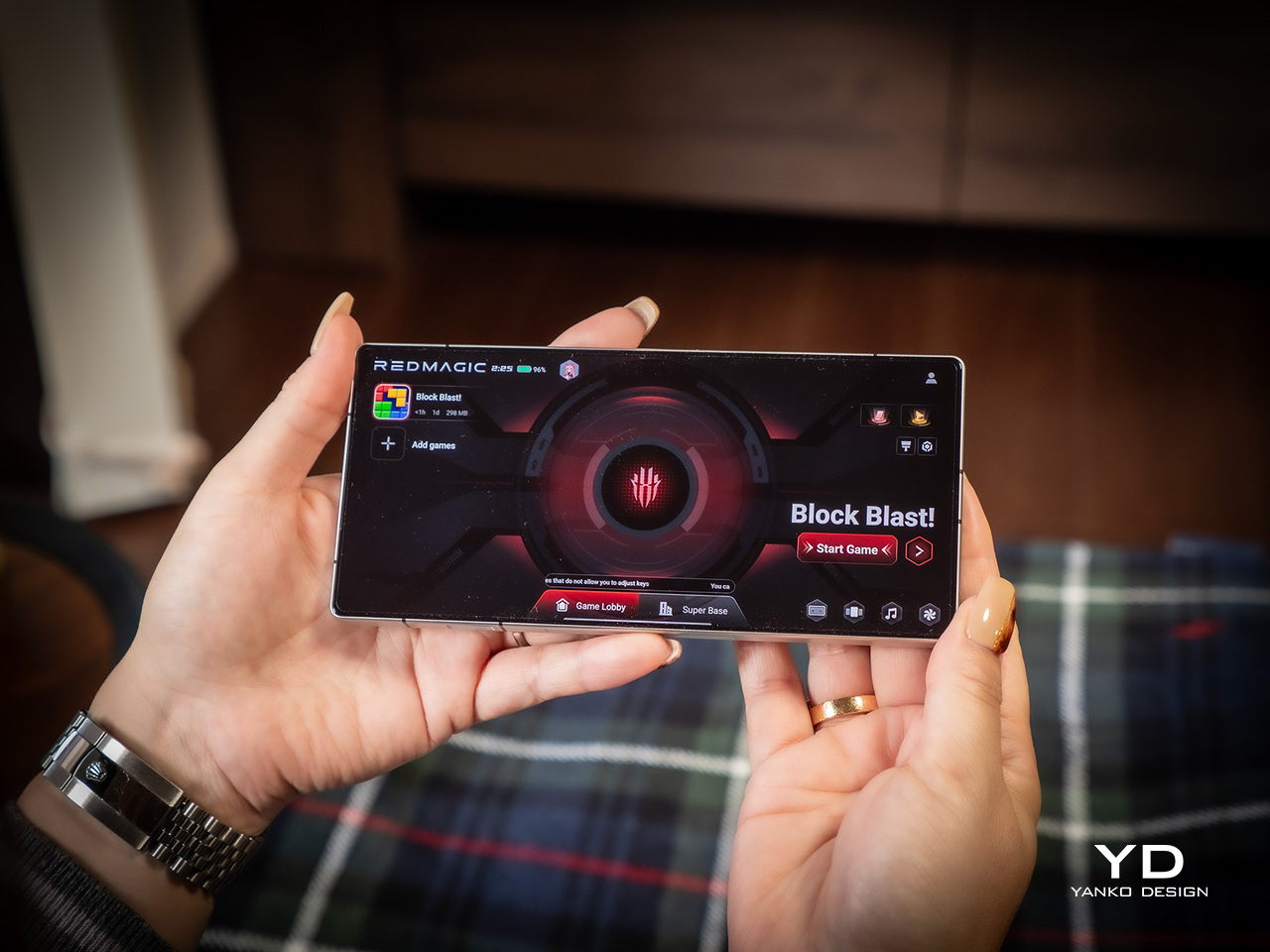
nubia RedMagic 9 Pro gaming phone arrives with a new design, same tiny fan

The year is almost over, but there’s plenty of time left to unveil new products, including new smartphones that could become gift ideas for people in some markets. We’ve seen quite a few make their way to the market a few days ago, but most of them revolve around “normal” phones for everyday use. Gaming phones, however, still make up a slice of that large pie, and one of the top brands in this market is taking out its big guns early. Former ZTE sub-brand nubia is reaching out to gamers with the latest RedMagic model, bearing a slightly new design that manages to keep key features that fans of the brand have grown fond of, whether they make sense or not.

Designer: nubia

What sets a gaming smartphone apart from regular smartphones, including those expensive ones, isn’t just their over-the-top performance. Most gaming-centric phones carry a certain aesthetic that really marks them for a certain crowd, one that appreciates a lot of RGB lighting, lines and geometric shapes, and other details that make the design look futuristic if not highly technical. The nubia RedMagic 9 Pro continues that tradition this year but makes a few tweaks that streamline the gamer design a little bit better.

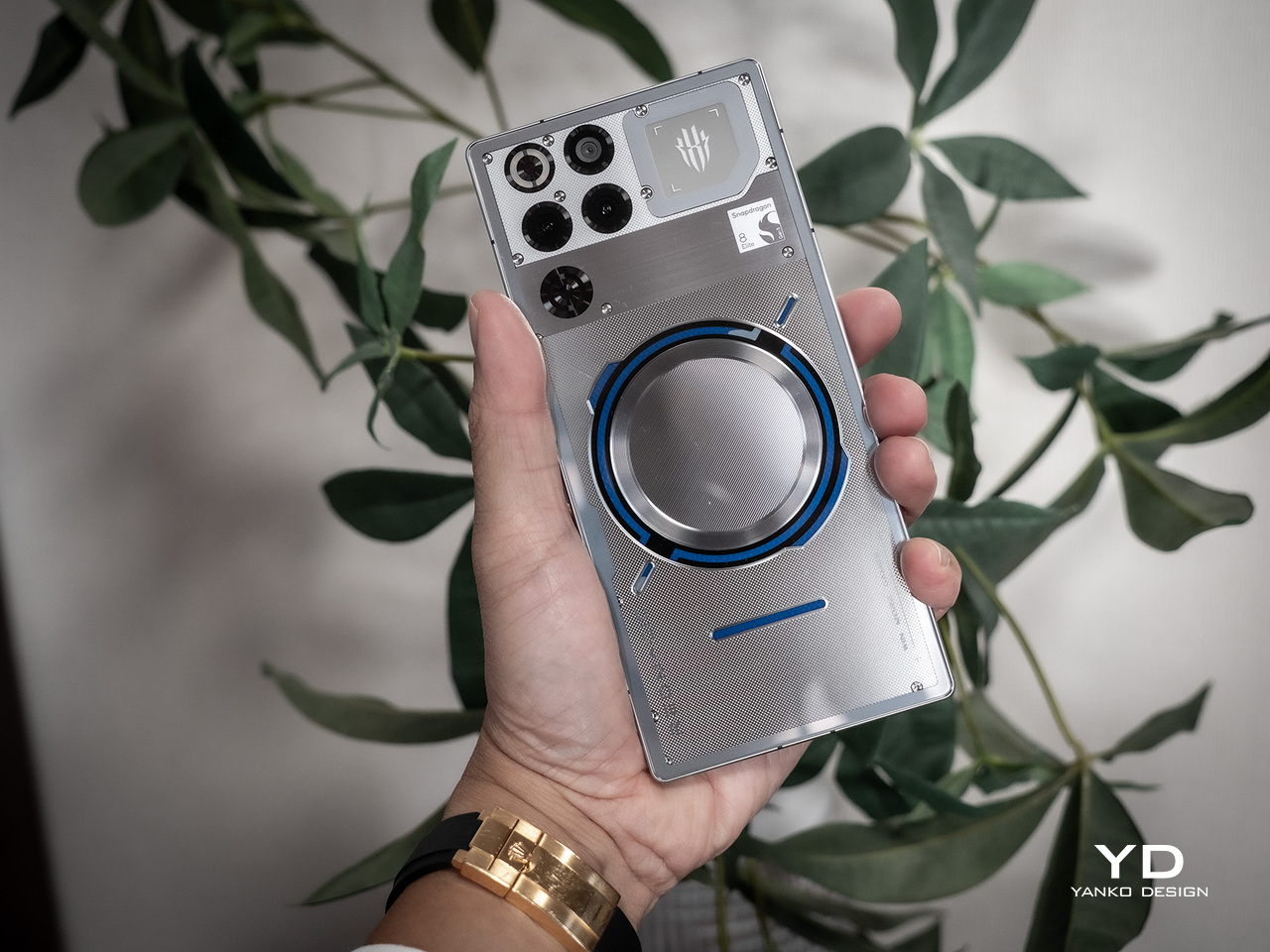
Most notable is the relocation of the cameras from the middle of the phone to the side, something that’s almost a standard across all smartphone designs. The camera bump is also gone, with the lenses sitting flush against the entire back. That does mean that the phone is a little bit thicker than most of its kind, but a hefty and beefy handset is already expected for a device that’s designed to be a heavy-duty gaming machine. The rather odd design change is that only two of the three big circles are actually cameras, with the third deceptively hiding the cooling fan. The third camera is off to the side, though having a 2MP depth sensor makes it almost negligible.

The rest of the RedMagic 9 Pro has a similar vibe to its predecessor, with lines and shapes on the back that give the semblance of panels that cover futuristic machines like ships, robots, and similar. For those who prefer a more subtle appearance, the Sleek model has an aesthetic closer to the typical black smartphones, masking its identity for more discreet uses. The front still has an under-display camera, which means there’s nothing visually breaking the large screen.

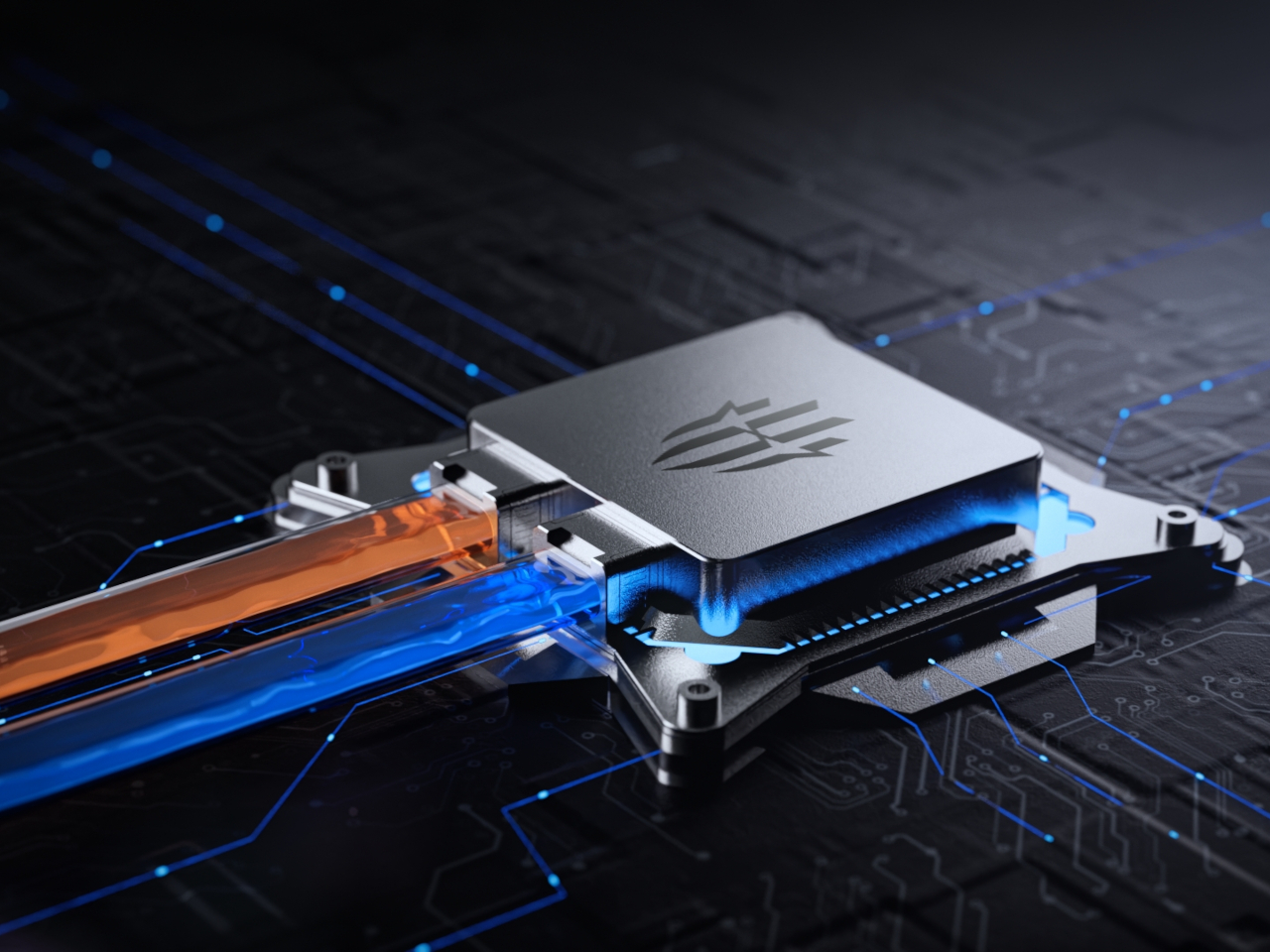
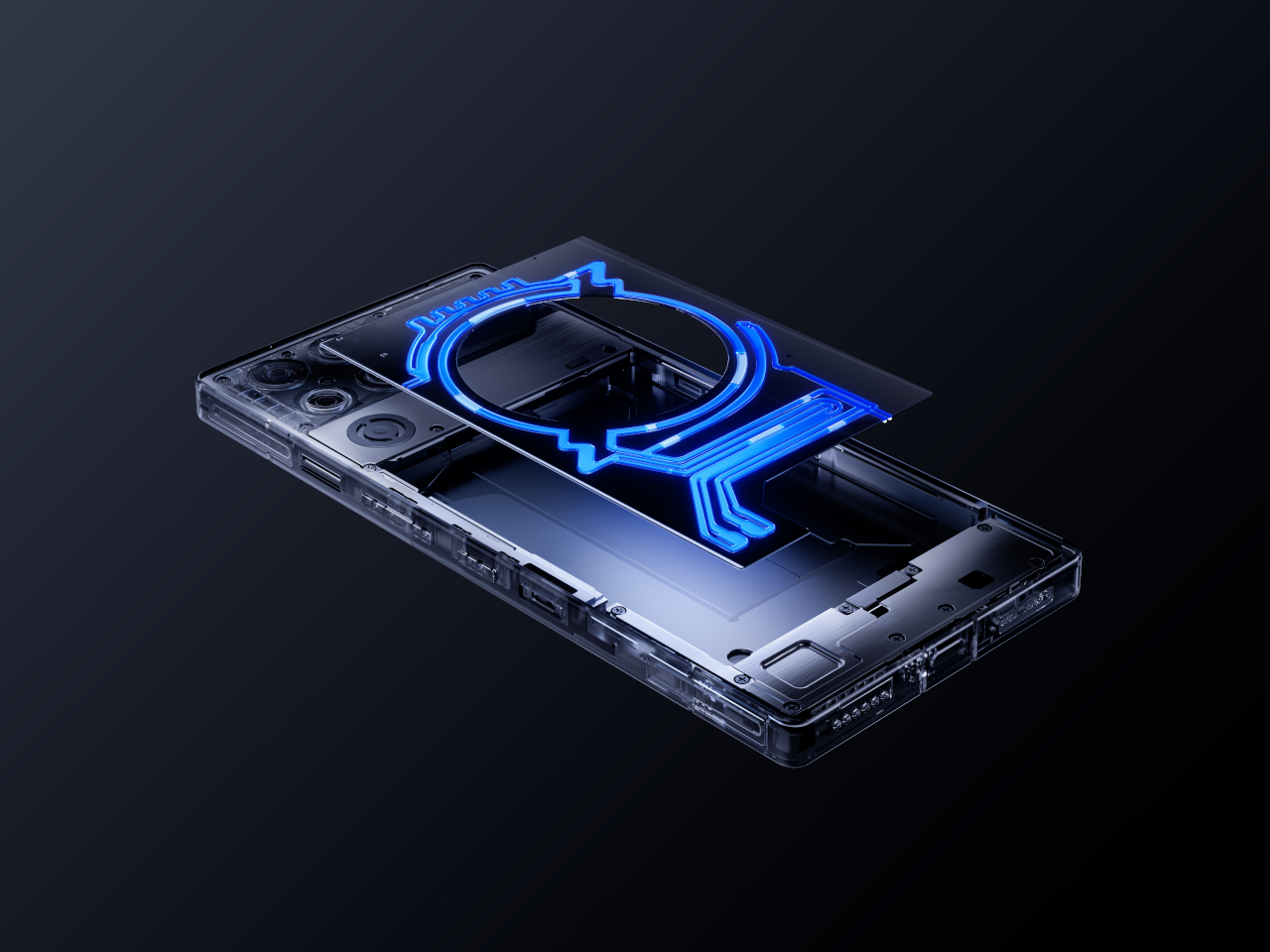
There’s also still that miniature cooling fan, one of the brand’s gimmicks to help keep things cool and prevent the phone from throttling its performance. It may be effective to some degree, but the price that is paid is having no dust or water resistance guarantee. With a more efficient Qualcomm Snapdragon 8 Gen 3 processor and a newer “ICE 13 Multi-Dimensional” cooling system, such a fan might no longer be needed and is becoming more of a liability than a selling point in the long run.

The post nubia RedMagic 9 Pro gaming phone arrives with a new design, same tiny fan first appeared on Yanko Design.

Samsung Galaxy A15 and A25 launched with an odd design element

Compared to its rather rowdy past, Samsung has been changing its phone designs less frequently these days. This allows the brand to cement its image, especially when those designs remain unique to it. The absence of a large camera bump, for example, has become a signature element in Samsung’s flagship Galaxy S phones, espousing a level of minimalism not found in other brands. It’s also becoming a standard even in its mid-range Galaxy A family, almost turning into Samsung’s design DNA. That’s not to say it no longer experiments with different designs, as demonstrated by its latest mid-range models that bear what might be the strangest design detail to have come across a Samsung phone in recent years.

Designer: Samsung

At first glance, the new Galaxy A15 and A25 look quite plain, almost like the smaller versions of the Samsung Galaxy S flagship. In fact, given what we know so far about next year’s upcoming Galaxy S24, you could almost say they prefigure Samsung’s next big thing. The Galaxy A15 and A25 feature very flat edges on all sides, at least except where the volume and power buttons are.

In most smartphones, the volume and power buttons are the only pieces that protrude from the side of an otherwise flat or featureless edge. It’s a necessary style to allow the fingers to immediately locate and press the buttons even without seeing them. Samsung, however, seems to have gotten the idea to raise not the buttons themselves but the area surrounding the buttons. It calls it “Key Island,” and it seems to be inspired by the common camera island or camera bump design on most smartphones.

The area flanking and in between these two buttons are raised almost to the same height as the buttons themselves. The sides of this mound gently curve upward while the island itself has a curved surface that contrasts with the flat edges of the rest of the phone. It’s not immediately clear, but it seems that the volume and power buttons still rise a little bit higher than the island, making it a two-step elevation also like some smartphone camera bumps.

While it adds a bit of visual uniqueness to the Galaxy A15 and A25, it is still puzzling why Samsung decided to go with this Key Island design in the first place. To some extent, it defeats the purpose of tactile physical buttons since it will be harder for fingers to sense where the correct buttons or areas actually are. The extruded portion might also snag more than simple buttons, not to mention taking up more space and becoming incompatible with cases that would have otherwise fit these two phones. Thankfully, these are mid-tier products and Samsung can afford to play around with what might become unpopular designs. Hopefully, this isn’t a foreshadowing of what the Galaxy S24 will have in a few months.

The post Samsung Galaxy A15 and A25 launched with an odd design element first appeared on Yanko Design.
ASUS ROG Phone 8 design takes a very different direction

Almost every smartphone these days can play games, especially the expensive high-end ones, but there are a few that definitely take the cake. They’re labeled gaming phones not just because of some special feature, such as a tiny fan spinning inside, but also because of the gamer aesthetics that they embrace. For years now, the ASUS ROG Phone has held the crown of having the most gamer-friendly design, but it seems that it’s finally willing to let that title go next year. Based on its own teasers, the next Republic of Gamers smartphone might be embracing a more mainstream design in exchange for what might finally be more capable cameras as well.

Designer: ASUS (via GSMarena)

ASUS ROG Phone 7

To be fair, there is no guidebook on how to apply a gamer aesthetic to products, but you can bet it will have plenty of RGB lighting and lines going in multiple directions that suggest the presence of machine panels. Indeed, the previous ROG Phones have employed those design elements, sometimes even going as far as using small LED screens for more dynamic accents. Of course, none of these are essential to the actual gaming experience, but they do add a nice touch that marks the product as something truly designed with gamers in mind.

ASUS ROG Phone 6

ASUS ROG Phone 6

ASUS ROG Phone 6

Given its history, it’s a bit surprising that the ASUS ROG Phone 8 might do away with those design elements almost entirely. Although nothing’s set in stone yet, the brand’s official teaser suggests that it might be adopting a more minimalist and subdued design, one that eschews the lines and RGB colors. What we see instead is a clean dual-tone composition that, given the gray colors, looks more industrial than futuristic. There could still be some lighting underneath the ROG logo, but could very well be the only place it shows up.

Perhaps more curious is the camera bump design, a thick pentagon laid on top of a square. For generations, the ROG Phones have carried mediocre cameras, so a switch to a triple camera system could be big news for fans of the brand. It’s not a clear win yet, of course, but it’s commendable that ASUS is willing to shake things up to improve its performance.

To its credit, the ROG Phones have slowly been moving towards more conventional and less spectacular designs, but the ROG Phone 8 could have the most drastic changes if the teasers are to be taken at face value. On the one hand, it does help make the ROG Phones more acceptable in “regular” scenarios and won’t stand out as much. On the other hand, if you want a more conventional-looking smartphone that can handle mobile games, there are already plenty of those in the market, making the ROG Phone 8 redundant.

ASUS ROG Phone 7

The post ASUS ROG Phone 8 design takes a very different direction first appeared on Yanko Design.
iQOO 12 Review: Checking Most of the Right Boxes, No More, No Less

PROS:


  • Impressive camera output

  • Outstanding hardware performance

  • Distinctive BMW "Legend" Edition design (not the review unit)

CONS:


  • Low IP64 water resistance

  • Mediocre 16MP front camera

  • Limited global availability

RATINGS:

AESTHETICS
ERGONOMICS
PERFORMANCE
SUSTAINABILITY / REPAIRABILITY
VALUE FOR MONEY

EDITOR'S QUOTE:

Designed for mobile photography and games, the iQOO 12 delivers a solid performance without much fuss or fanfare.

The year is almost over, but it’s never too late to announce new flagship smartphones, especially when there’s a new mobile processor available. Riding on Qualcomm’s momentum, a few phone makers have almost simultaneously revealed their newest wares in a race to be the first and the best. Of course, just because you’re using the latest hardware available in the market doesn’t immediately mean you’re able to deliver the best overall user experience. There are a lot of ingredients that make up the perfect smartphone dish, so we’re taking the new iQOO 12 for a taste test to see if it managed to get the perfect mix or if it just had too much on its plate to leave a positive impression.

Designer: iQOO

Aesthetics

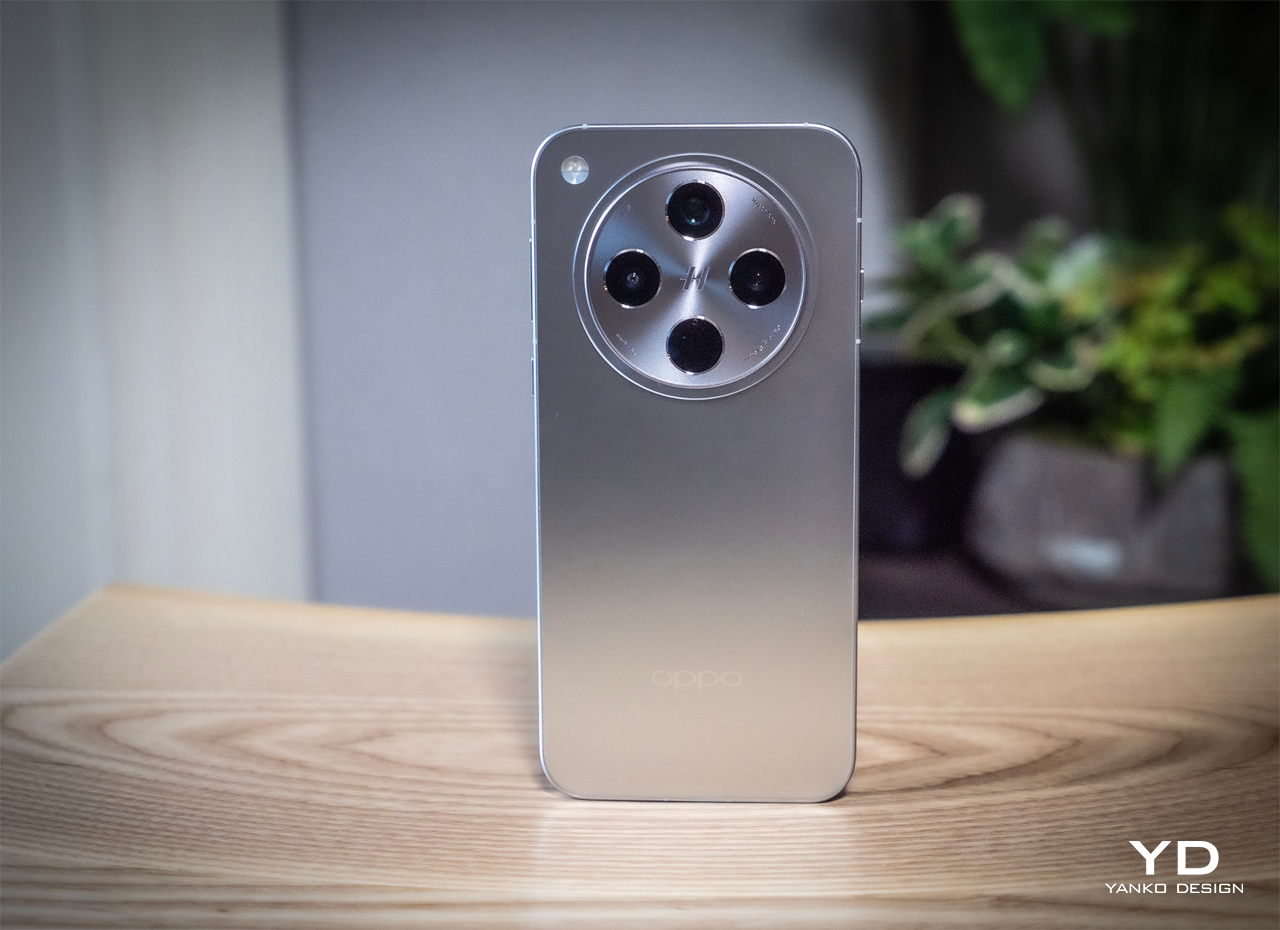
The moment you see the iQOO 12, you will immediately appreciate its elegant design. After that first impression, however, you might suddenly feel like you’ve seen it before, especially with the black “Alpha” edition that we received for this review. Aside from the large and unconventional camera island, the phone’s Fluorite AG glass is quite common. Yes, it has a sandblasted finish that makes it sparkle when viewed from certain angles, but that, too, has been done before. It’s pretty, yes, but nothing to write home about.
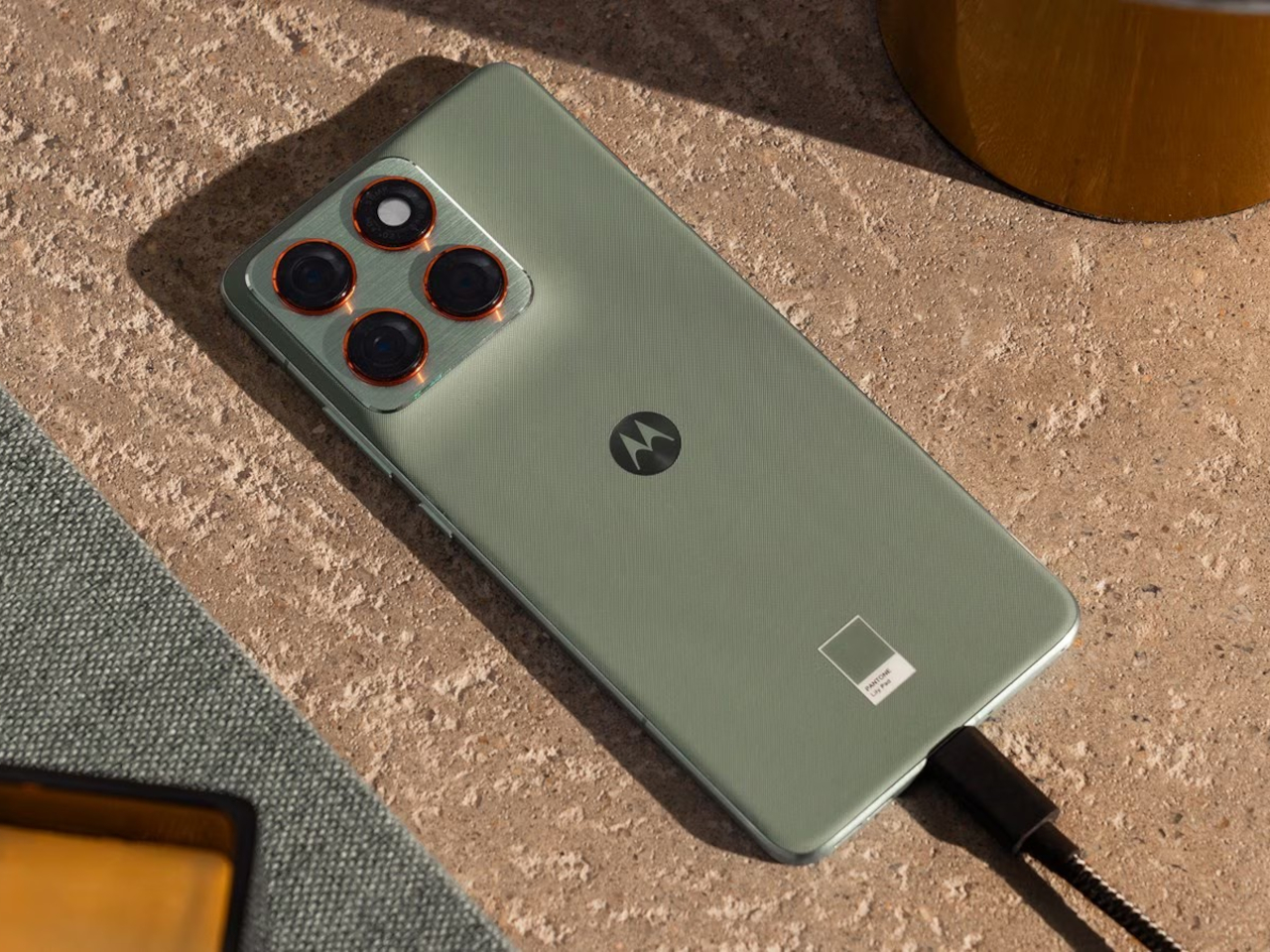
On the other hand, the BMW “Legend” Edition is a bit more interesting from a design perspective. It uses a Porcelain Enamel Glass that gives it a unique texture, while the clean white motif endows it with a stylish classic appearance. The engraved signature BMW M Motorsport stripes are tastefully done, clearly marking its identity without being flashy. It has the right balance of branding and minimalism that paints a picture of a truly special design.
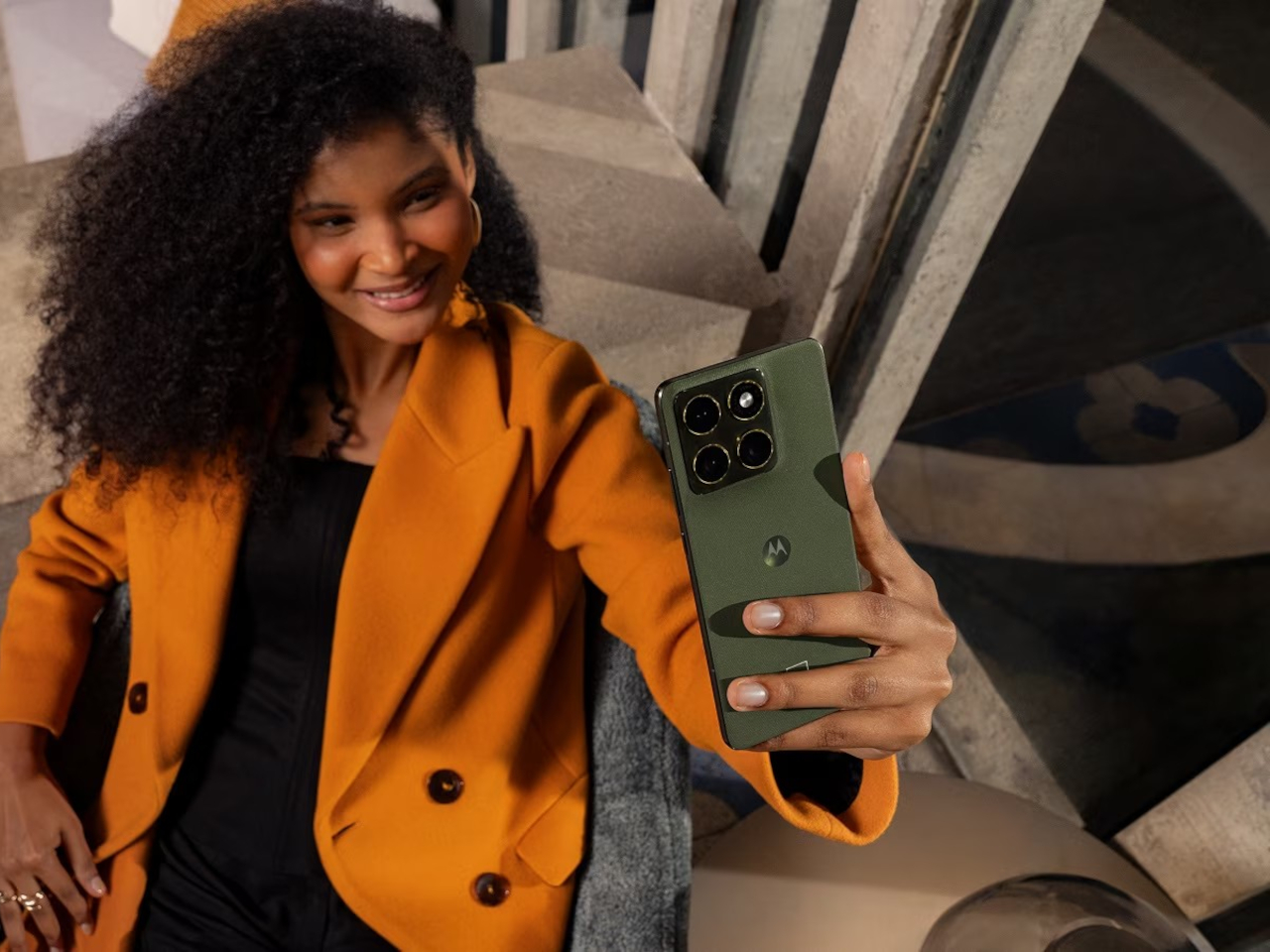
Although almost opposite in their appearances, both Alpha and Legend editions share a common design element that you won’t find on any other smartphone. Rather than a square or a circle, the iQOO 12 employs a “squircle” shape that the company describes as a nod to ship portholes that let light in and give a dramatic view of the outside world from within a ship. Of course, it stretches the camera metaphor quite a bit, but its unusual shape still gives the phone a distinctive appearance.

The iQOO 12 Alpha carries a simple and elegant design that gives it an air of being a premium phone. Unfortunately, that doesn’t exactly help it stand out from its peers, especially if you find the “porthole” camera design less appealing. The design won’t win fans, but it probably won’t attract haters either.

Ergonomics

Fluorite AG glass has become a favorite material for smartphones because of how it’s able to avoid smudges. Some are even able to pull off matte textures using it, or at least some semblance of matte texture. In practice, however, it’s still glass and the iQOO 12 feels quite slippery in the hand, regardless of what the marketing material tells you. If you’re not confident with your grip, you’ll probably want to put on the included clear case just for peace of mind.

The iQOO 12 is by no means a thin phone at 8.1mm, nor is it that lightweight at almost 204g. It’s a large slab of metal and glass and you can definitely feel it the moment you hold it in your hand. That means you’ll have to try and grip it harder to ensure a more stable hold, but that also means putting more strain on your hand in the long run. The phone is also a bit top-heavy, which isn’t surprising considering all the parts located there, though that means the position of the fingerprint scanner near the bottom of the screen makes it a little bit precarious to hold.

Performance

The iQOO 12 definitely has all the makings of a high-end smartphone. It is one of if not the first to launch with a Snapdragon 8 Gen 3 processor, and that is paired with fast 16GB LPDDR5X memory and an equally fast 512GB UFS 4.0 storage. Those alone already mean that it can handle any task you throw at it with aplomb. The bright and vibrant 6.78-inch 2800×1260 AMOLED screen with 144Hz refresh rate is great for viewing moving content, both videos as well as games. It’s an all-around powerful workhorse, but it also has a trick up its sleeve.

While some brands have custom processors for photography or AI, iQOO’s Supercomputing Chip Q1 focuses on enhancing display performance without taxing the main Qualcomm processor. Its biggest achievement is boosting frame rates to 144fps to match the screen’s native 144Hz refresh rate for a smoother and more fluid visual experience. Even under all the stress, the phone gets only lightly warm and never too hot, all thanks to a new four-zone vapor cooling chamber.

On the software side, the iQOO 12 runs the latest FuntouchOS 14 that’s already based on the current Android 14 release, and it’s promised to still get three years of Android updates. There is surprisingly little bloatware, although it still exists, and the user experience almost resembles vanilla Android while still offering plenty of customization options. The UI is smooth and responsive, though that should be expected given all the hardware driving it.

1x

1x Night

10x

The phone’s triple camera system is living proof that you shouldn’t judge hardware by their brand. Eschewing the usual Samsung or Sony sensors (except for one), the iQOO 12 was made in collaboration with and showcases the best of what OmniVision has to offer, particularly with the 50MP OV50H main camera and 64MP OV64B telephoto camera with a periscope-style lens. The latter is able to achieve 3x optical zoom and 10x lossless zoom, though iQOO is advertising a 100x digital zoom that, in practice, isn’t really going to wow anyone. The third camera is a 50MP Samsung sensor for ultra-wide shots.

1x

1x Portrait

1x Portrait

10x Night

What all these translate to in practice are impressive images, both during the day and at night. Details are rich and colors are quite vibrant, though they tend to be a bit more saturated by default, as expected. The 10x lossless (a.k.a. hybrid) zoom is surprisingly good, though with the expected loss of detail. Combined with Night Mode, it even makes decent nighttime photos, though that largely depends on the subject as well. Thanks to that same periscope telephoto camera, bokeh or Portrait Mode comes out with pleasing blurs and accurate separation of foreground and background elements. All in all, the iQOO 12 delivers an excellent mobile photography experience, except for the 16MP front camera that brings only the bare minimum to the table.

Ultrawide

1x

3x

10x

Sustainability

The iQOO 12, unfortunately, doesn’t grade well when it comes to sustainable design and longevity. It has your usual assortment of unsustainable materials, and the brand isn’t as aggressive in promoting its eco-friendly strategies as its rivals (unless you consider its parent company, vivo). The phone is also only IP64 rated, which means it has very weak defenses against water and other liquids. Sure, it’s better than nothing, but you’d expect a much better guarantee from a premium phone such as this.

Value

From a holistic perspective, the iQOO 12 is quite a splendid high-end phone. It has the chops to cater to both photography and gaming enthusiasts and has a design that, while simple, is still stylish enough to not look cheap or dated. But no phone exists in isolation, and the iQOO 12’s value will largely depend on the competition.

At the moment, there are very few phones running on the new Snapdragon 8 Gen 3, but that’s about to change in a month’s time or so. But even now, those few devices, the iQOO 12 included, have very limited availability in the first place. The $600 price tag is tempting but pointless if you can’t buy one that is 100% guaranteed to work on your country’s cellular networks. There’s also the fact that the design, while pleasant, doesn’t have enough pull to make it stand out from the crowd unless you’re able to get the BMW Legend Edition. It’s definitely a strong contender, but not one that might leave a strong, lasting impression.

Verdict

The iQOO 12 feels like it has almost everything. It has the latest specs that breeze through the toughest demands, especially gaming. The cameras are generally impressive under the majority of situations, except for that disappointing 16MP selfie cam. It’s clearly iQOO’s best work yet, but it also feels like it lacks that final punch to knock everyone else out of the ring.

Despite its pleasant minimalist aesthetic, the Alpha Edition’s design is honestly a bit underwhelming. The porthole-inspired camera bump is new to our eyes and ears, but it’s simply just another take on the same old design. In terms of both style and materials, the BMW Legend Edition is far more interesting, though possibly also more limited in supply. Then again, not everyone will be buying phones just for their looks, and the iQOO 12 does make an enticing offer, but soon there will be others that will easily grab the spotlight from it.
The post iQOO 12 Review: Checking Most of the Right Boxes, No More, No Less first appeared on Yanko Design.