LUA Lighting By Woodendot Brings The Charm Of The Moon Into Your Home For A Cozy Ambiance

Experience the perfect blend of artistry and functionality with LUA, a moon-inspired lighting design from the Madrid-based furniture brand Woodendot. This innovative lighting collection transforms any space with its soft, ethereal glow, offering a unique way to create a cozy and inviting ambiance.

Designer: Woodendot
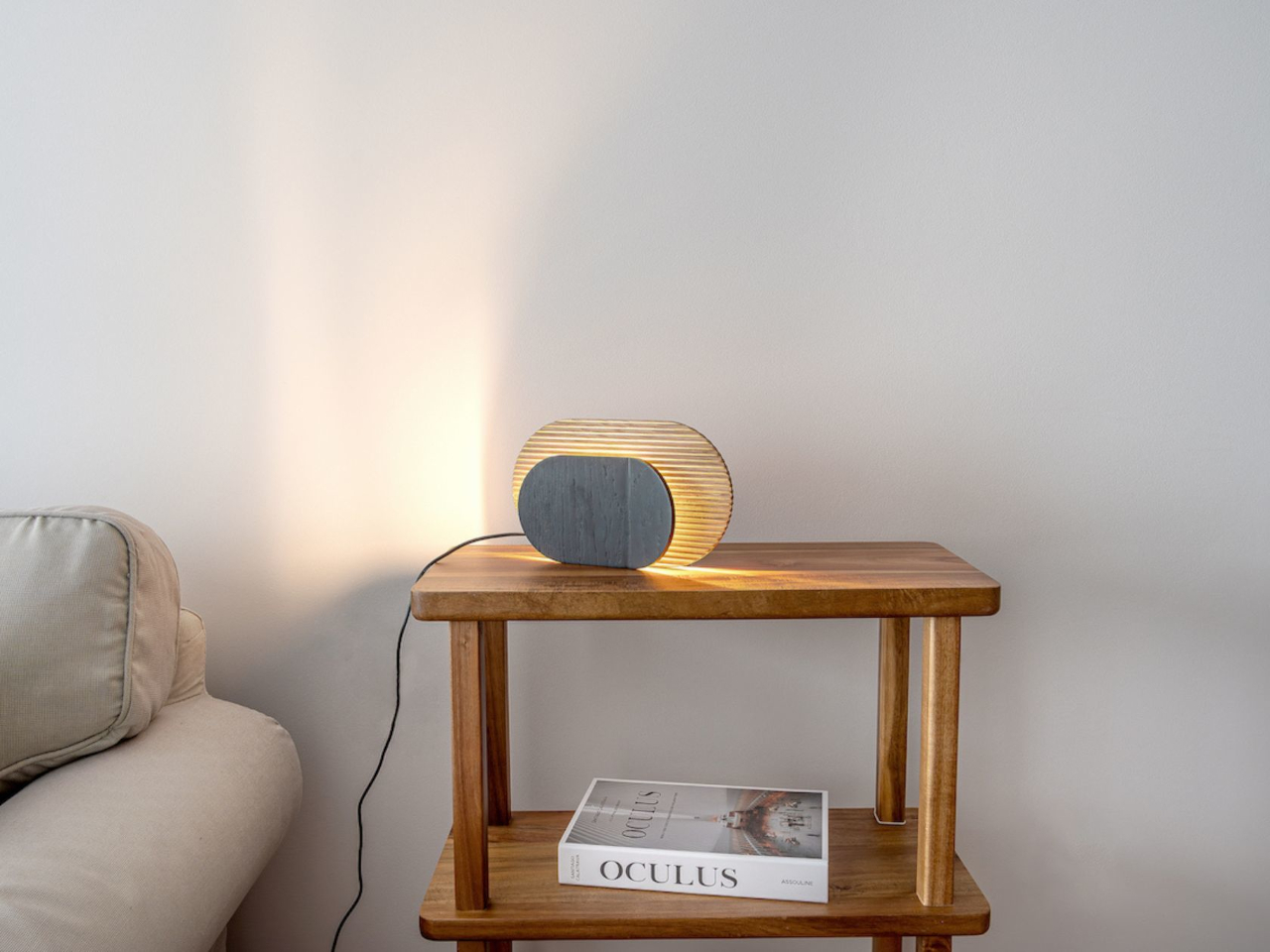
With its delicate shapes, LUA is designed to reflect light softly, instantly making any space feel cozy and inviting. Drawing inspiration from the celestial beauty of the moon, Woodendot has crafted LUA to replicate the serene experience of gazing at the cosmos. This new addition follows up on Woodendot’s ALBA table collection, which launched in 2019 and captures the essence of sunlight on rippling waters. While ALBA, meaning “sunrise” in Spanish, brings the warmth of dawn, LUA, translating to “moon,” offers a subtle luminance that creates a tranquil atmosphere.
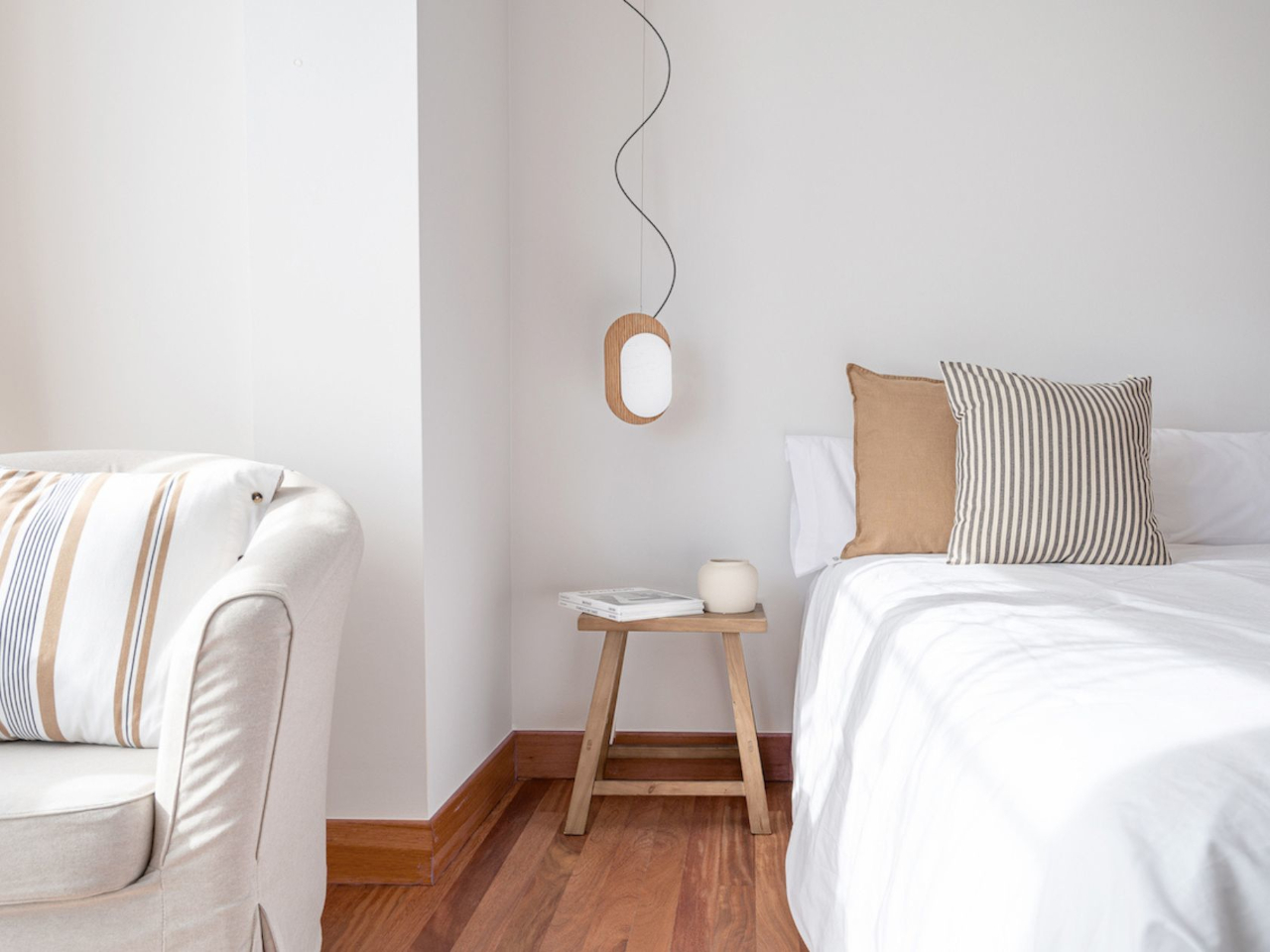
The intention behind LUA’s design extends beyond mere functionality. Raquel Hernandez, the designer of LUA, stated that their aim was to create a lamp that not only provides illumination but also enhances the atmosphere of any space. She explained that by incorporating unique textures and a front panel with a strategic fold, they achieved a balance between soft illumination and captivating design.
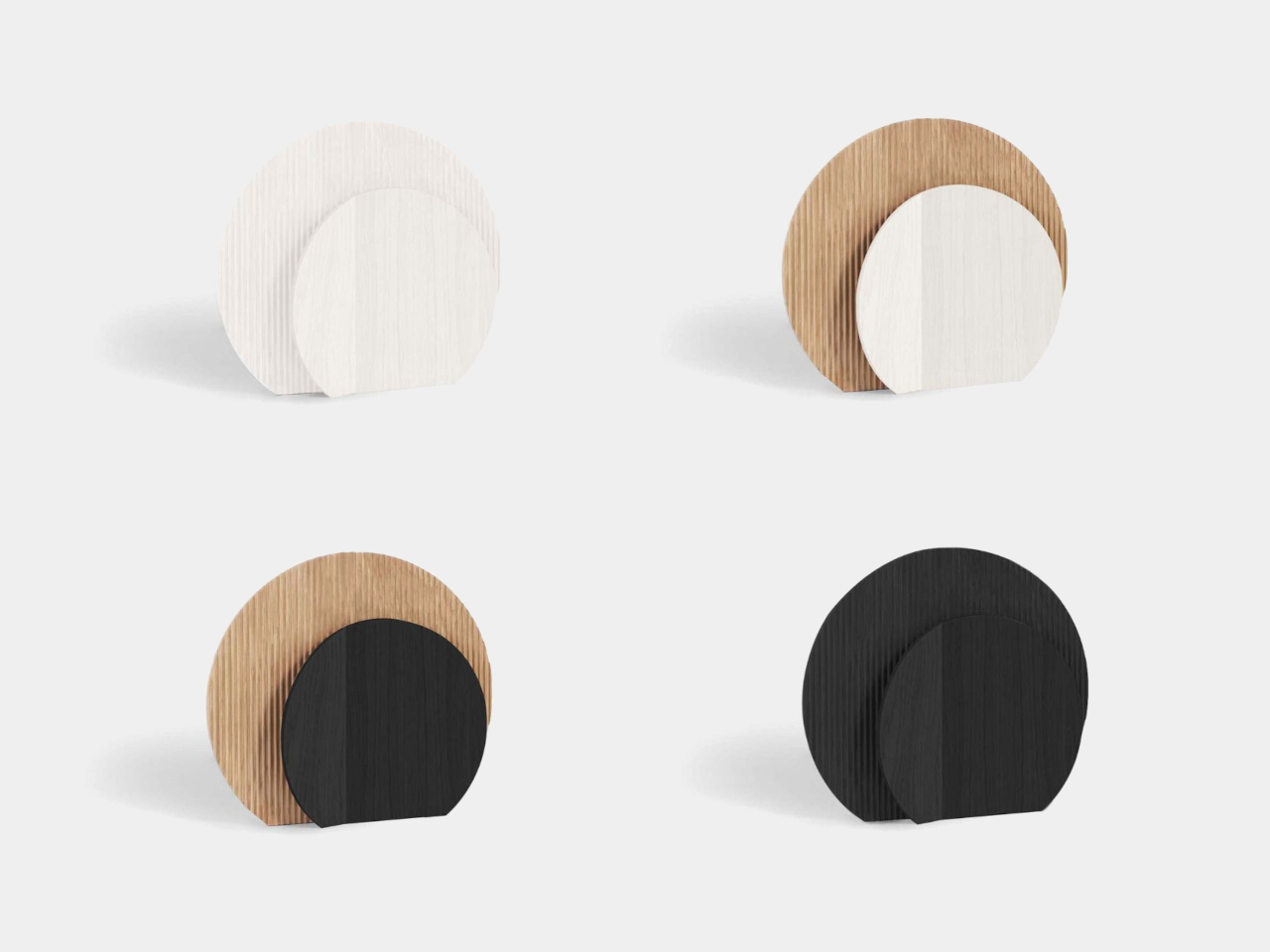
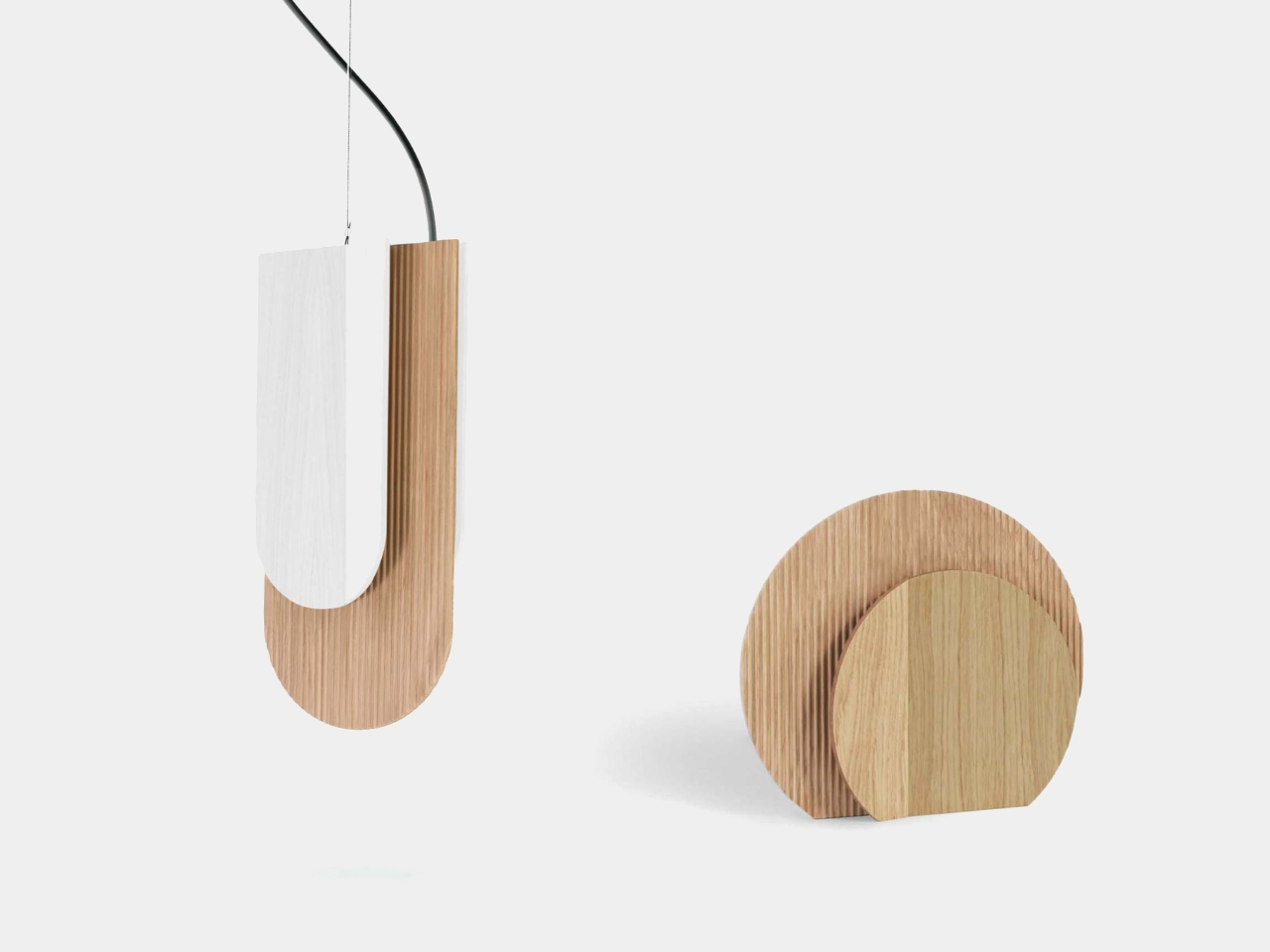
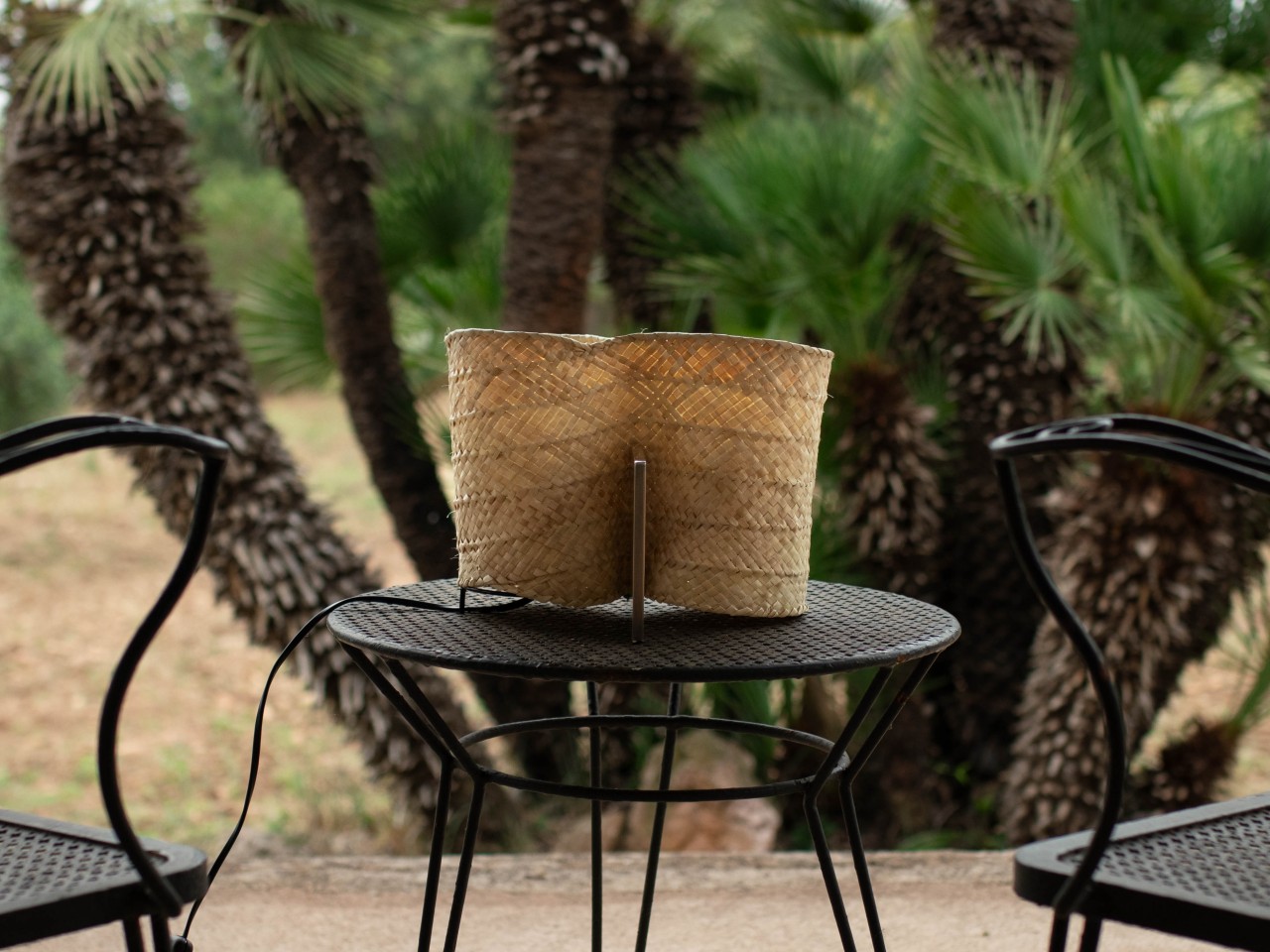
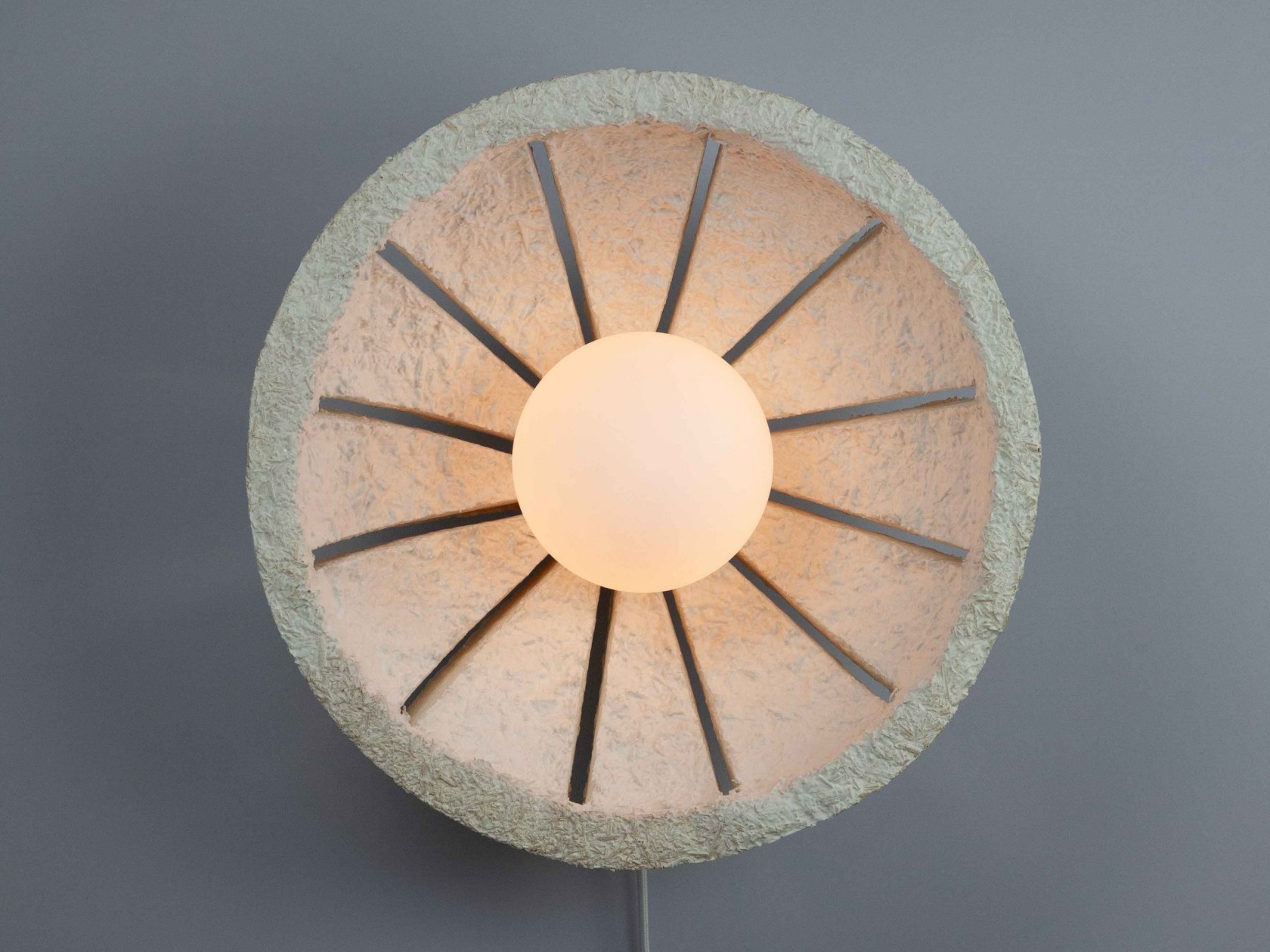
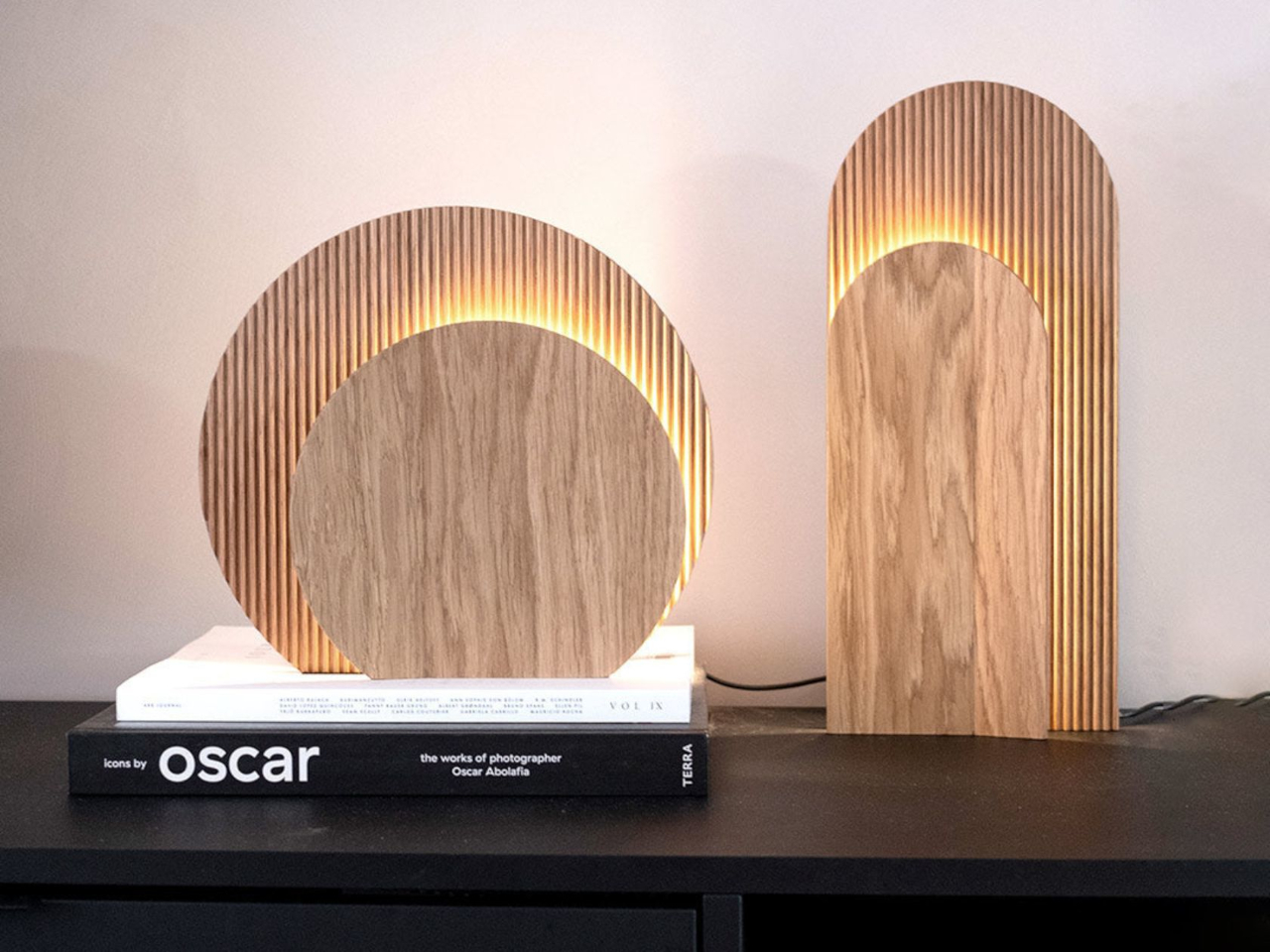
LUA consists of two wooden panels that enhance its aesthetic appeal. The back panel is corrugated, adding a textured element to the design. In front of it, a smaller panel with a slight fold casts an eclipse-like light onto the background, creating a captivating visual effect. This thoughtful design process involved collaborative participation from Woodendot’s users, who helped decide the three distinctive shapes of the LUA collection. Available in seven colorways and three sizes, LUA is the missing element for creating a room that is warm, inviting, and cozy.
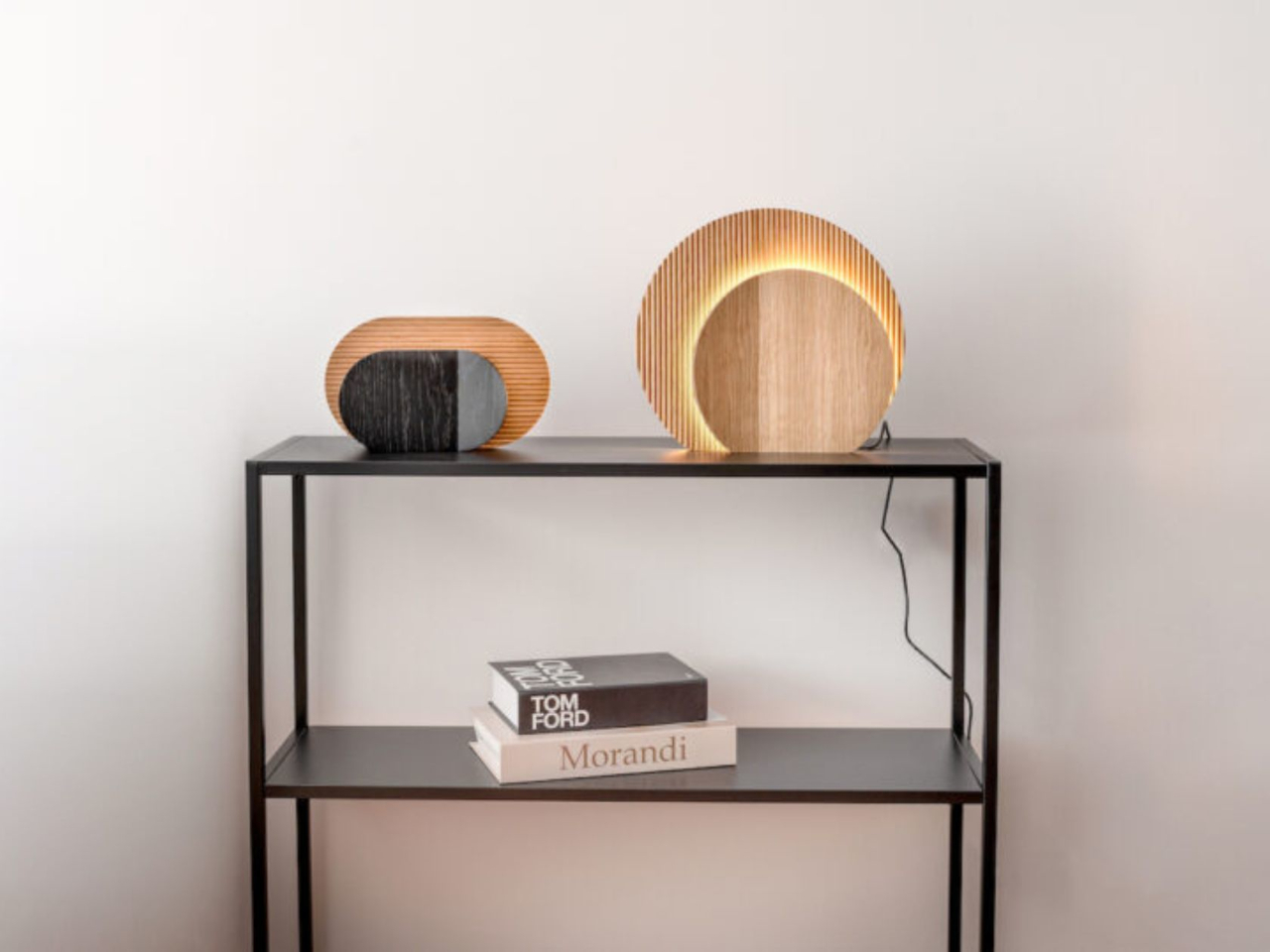
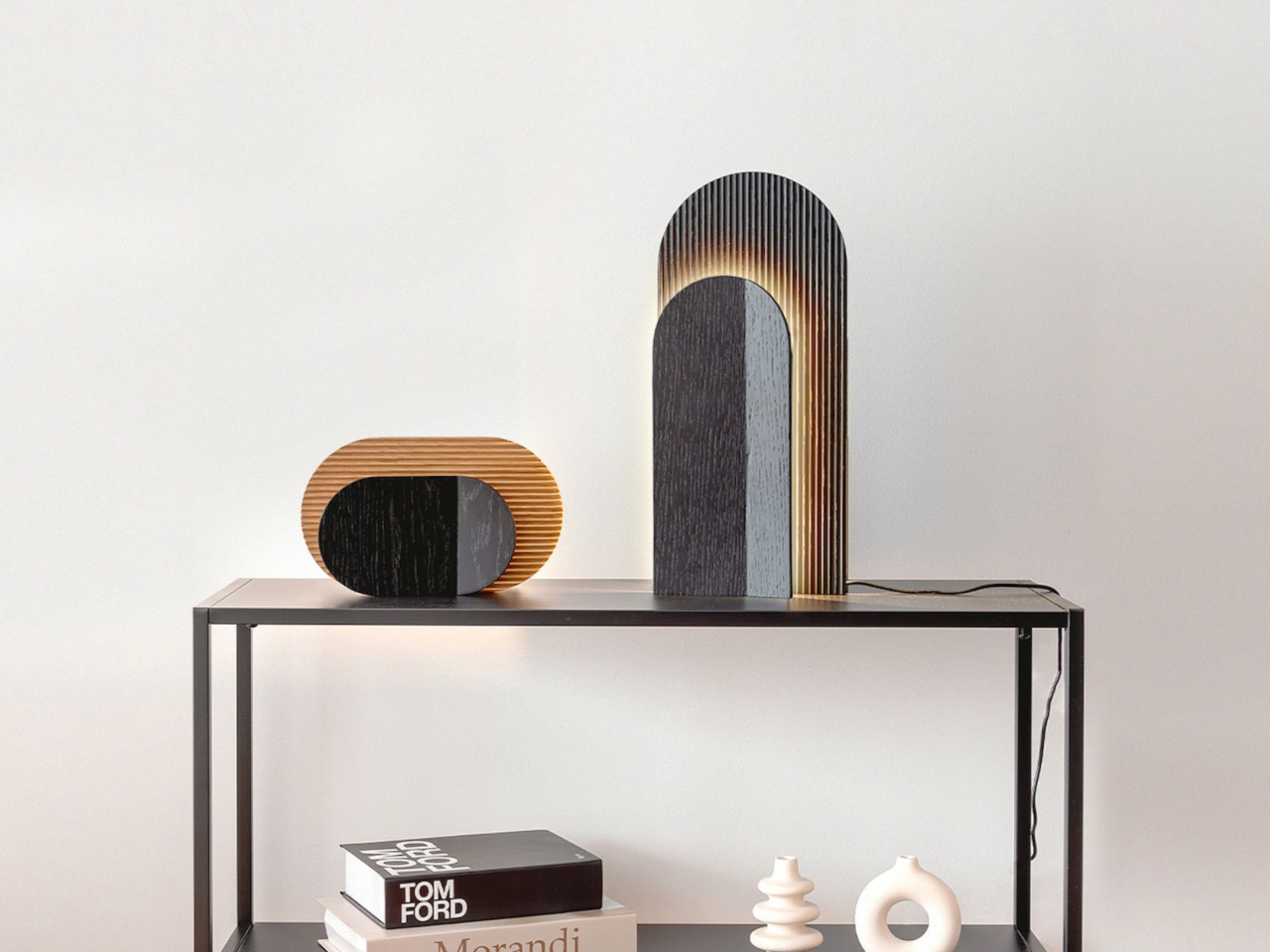
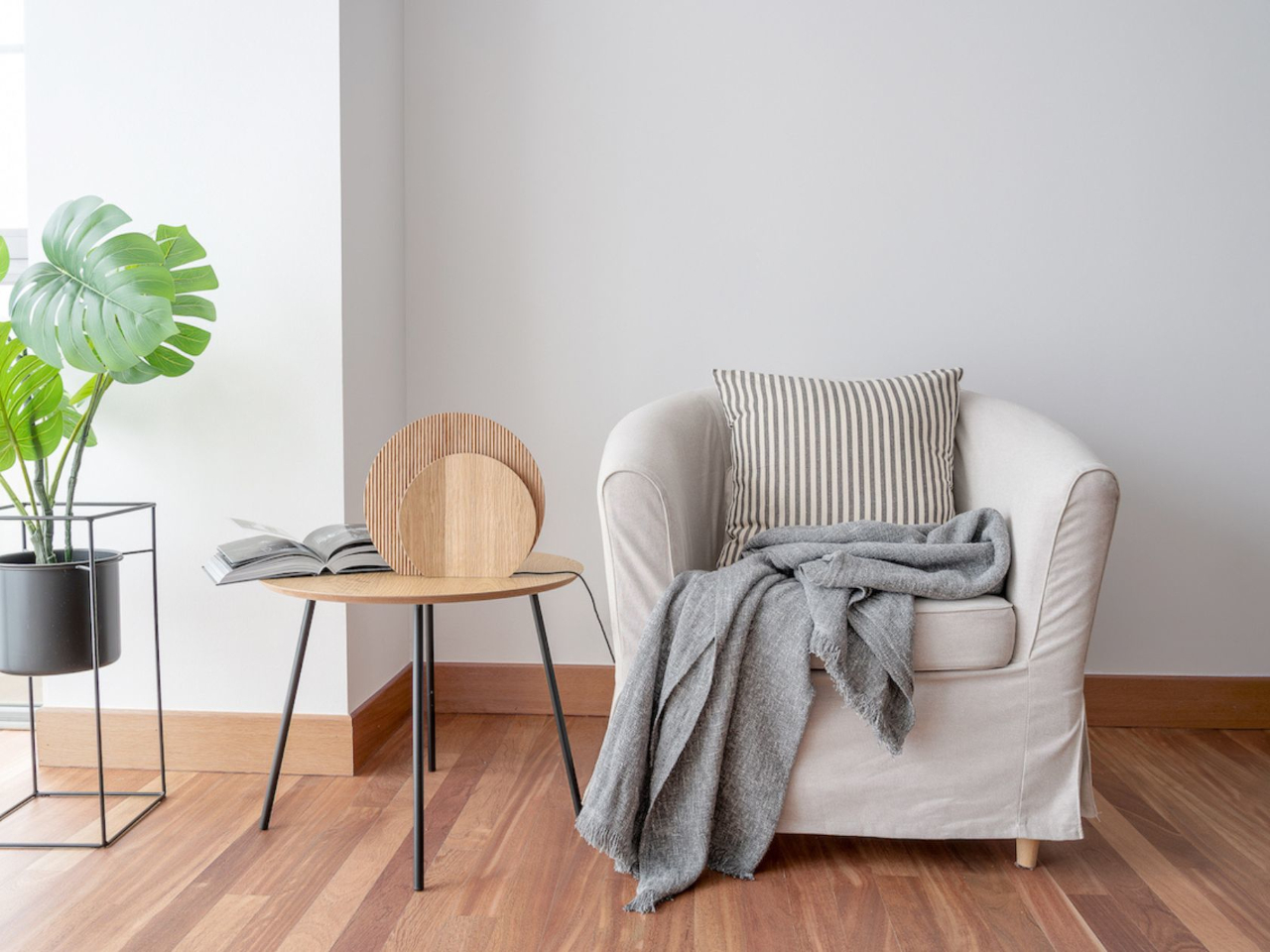
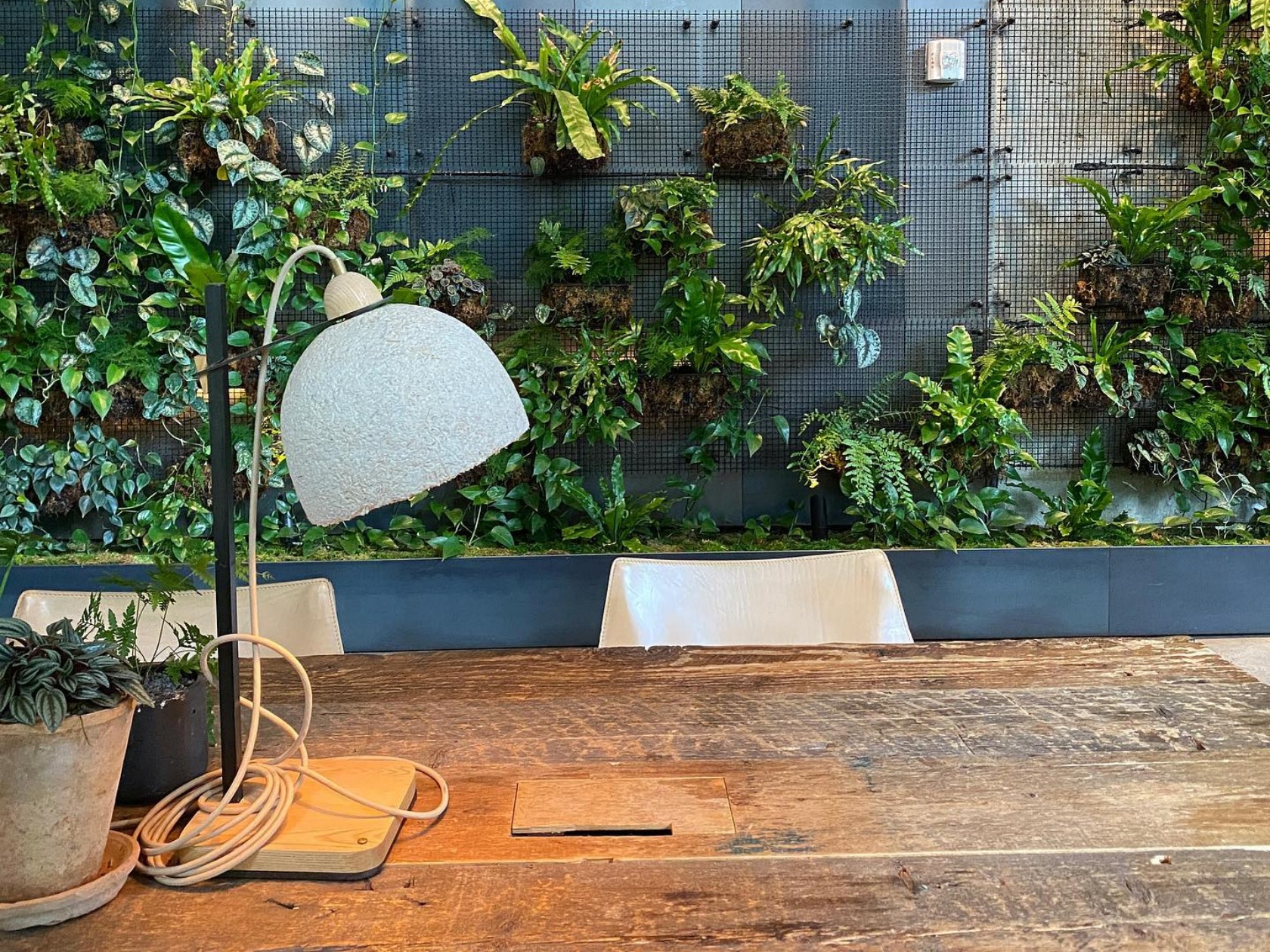
When placed on a similarly finished wooden table, LUA looks like an extension of the table, blending seamlessly and enhancing the space’s overall design. Its aesthetic appeal and functionality make it the perfect way to achieve the room ambiance you’ve been dreaming of. Thanks to its delicate shapes, LUA reflects light softly, complementing your room and creating an instantly cozy environment.
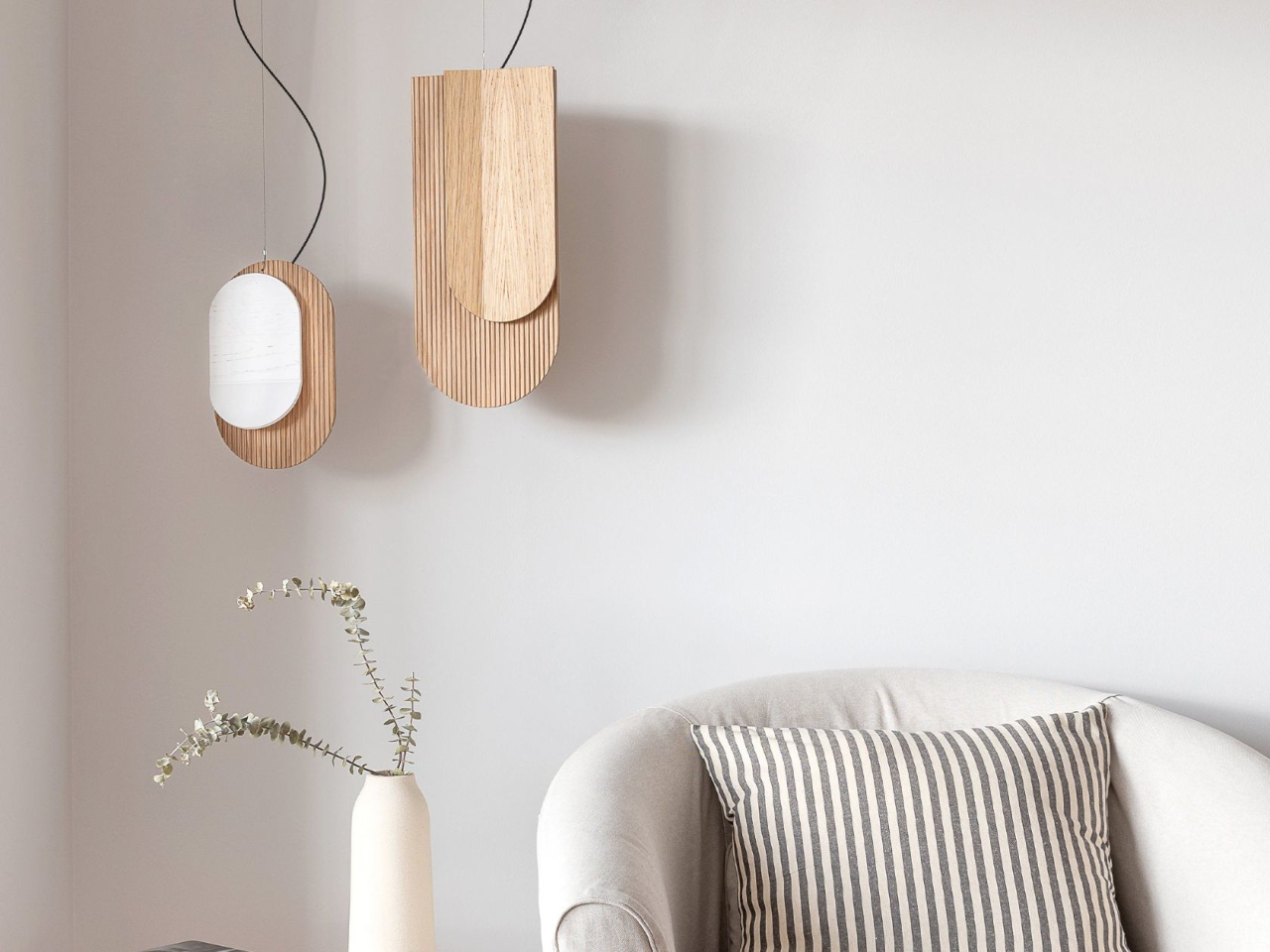
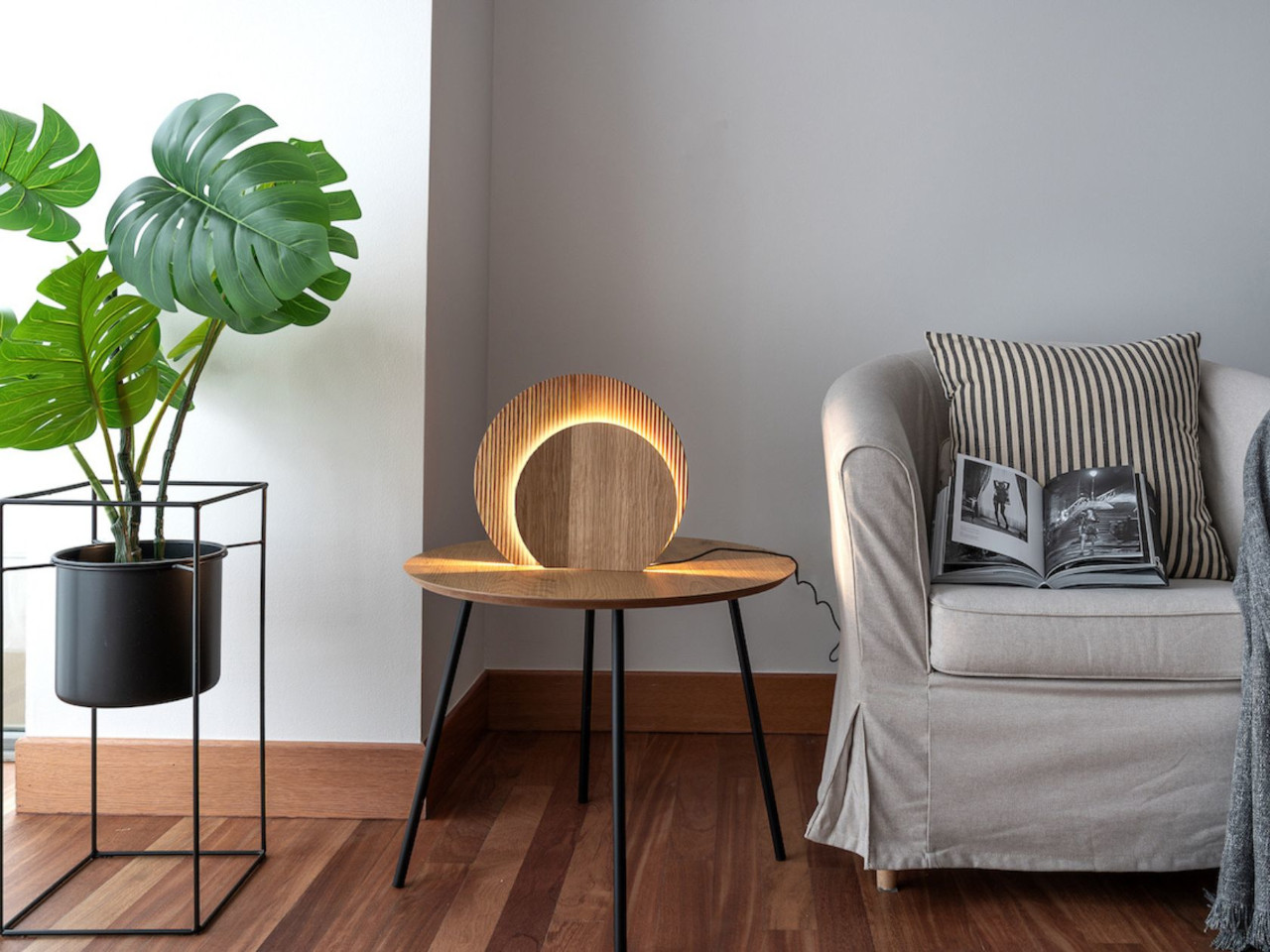
LUA’s ethereal look offers a unique perspective on room lighting. Designed to create a cozy ambiance in the busiest rooms of a home, like the living room, LUA combines shapes and pieces that complete the space and invite you in. The lighting pieces are composed of three carefully positioned panels that portray light organically, forming a halo effect. This, combined with its light intensity, creates the perfect atmosphere for any room.

Woodendot’s LUA lighting collection is a masterpiece that brings the soft glow of the moon into your home. Its blend of art and functionality, combined with thoughtful design and user collaboration, makes LUA an essential addition to any space, transforming it into a cozy, inviting haven.

The post LUA Lighting By Woodendot Brings The Charm Of The Moon Into Your Home For A Cozy Ambiance first appeared on Yanko Design.
Woven leaf lamp concept harmonizes traditional crafts and industrial production

Advancements in technology, material science, and processes have taken man’s production capabilities to a whole new level. However, with advanced manufacturing, traditional craftsmanship and values have been left by the wayside, sometimes forgotten, and other times discarded as if they were no longer important or were even counterproductive to progress. Of course, this couldn’t be further from the truth, as there will always be elements of traditional crafts and modern tooling that could be mixed in an elegant way. Such is the premise behind this rather striking lamp, highlighting not only the beauty of traditional, handmade crafts but also promoting the culture and the livelihood that also grow alongside it.

Designer: Antoni Martorell Pascual

Handmade products are admittedly not suitable for mass production. As many have realized by now, however, not everything has to be mass-produced in the first place. Simple, everyday items might be fine with generic and standardized designs, but in exchange for speed and ease of manufacturing, they often lack personality, depth, and impact. Fortunately, you don’t always have to go to either extreme and find some middle ground that showcases the strengths of both methods.

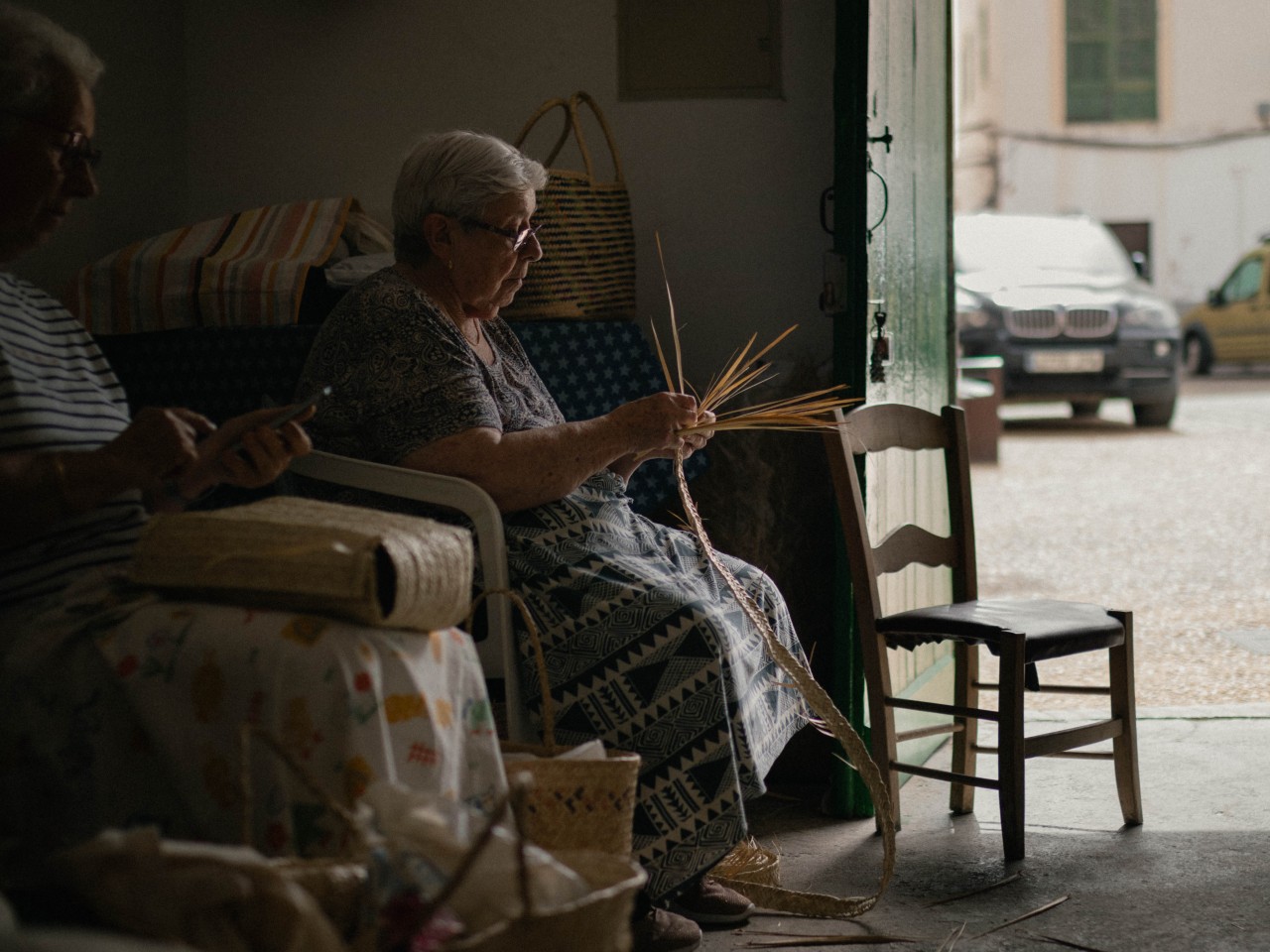
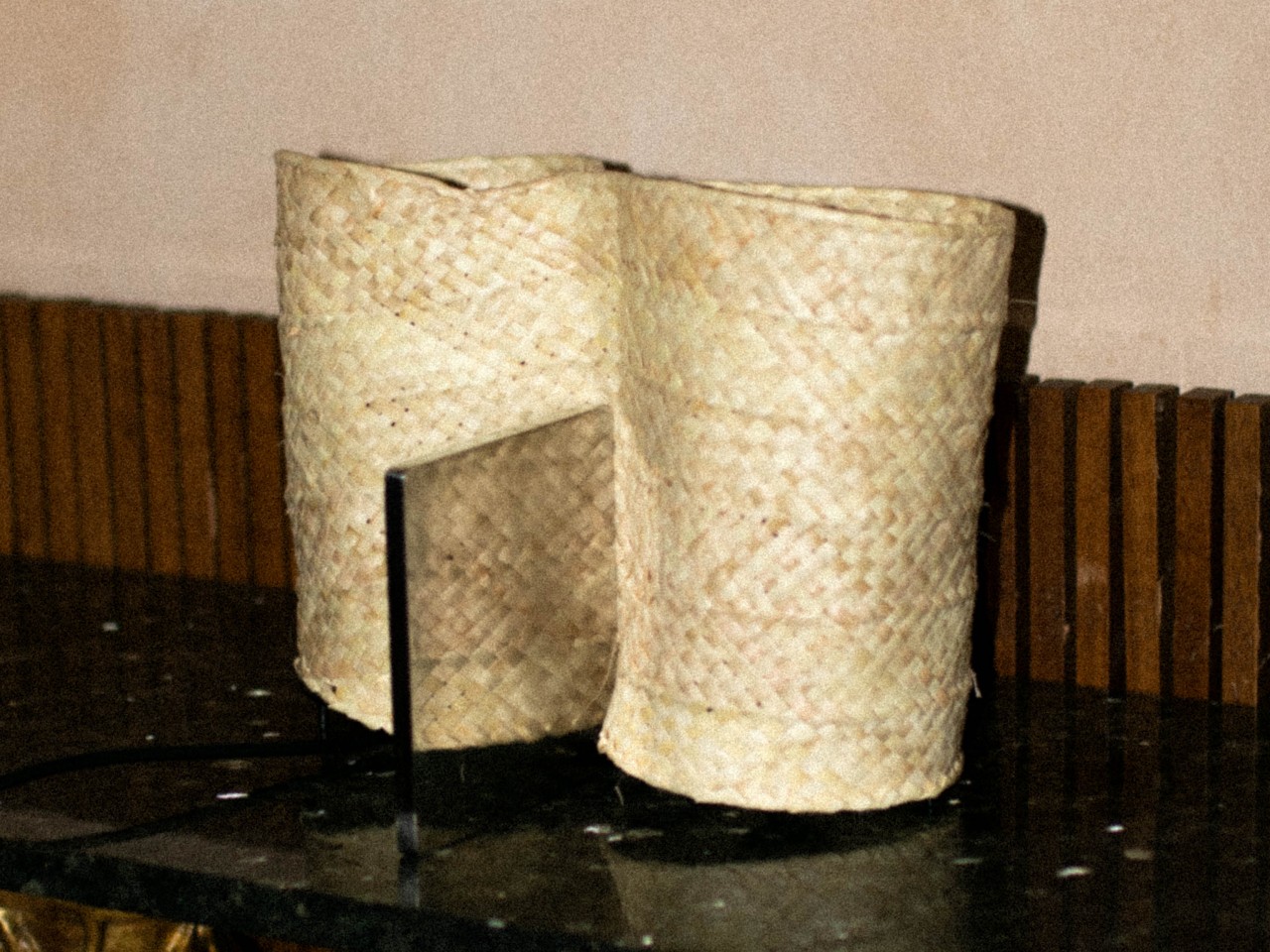
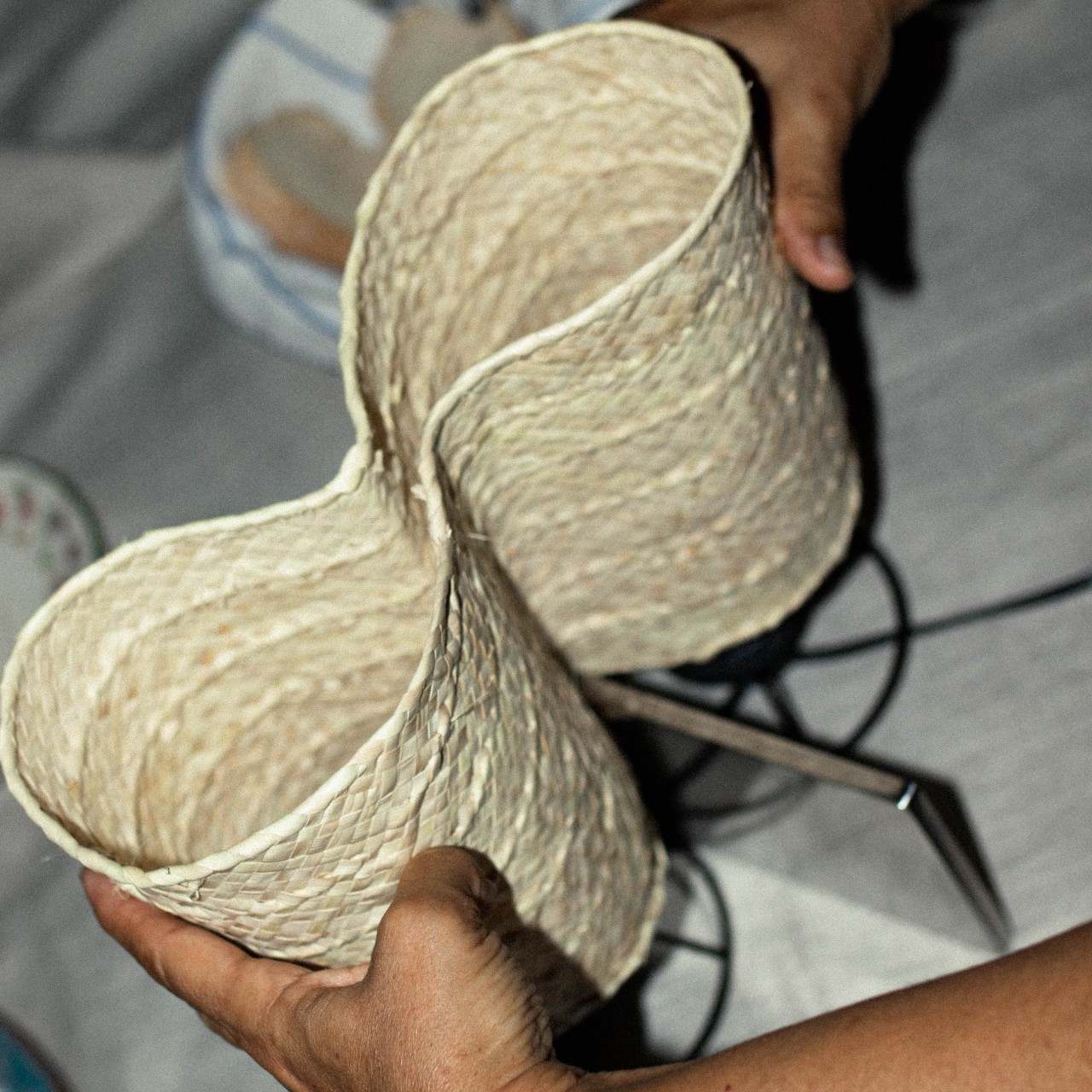
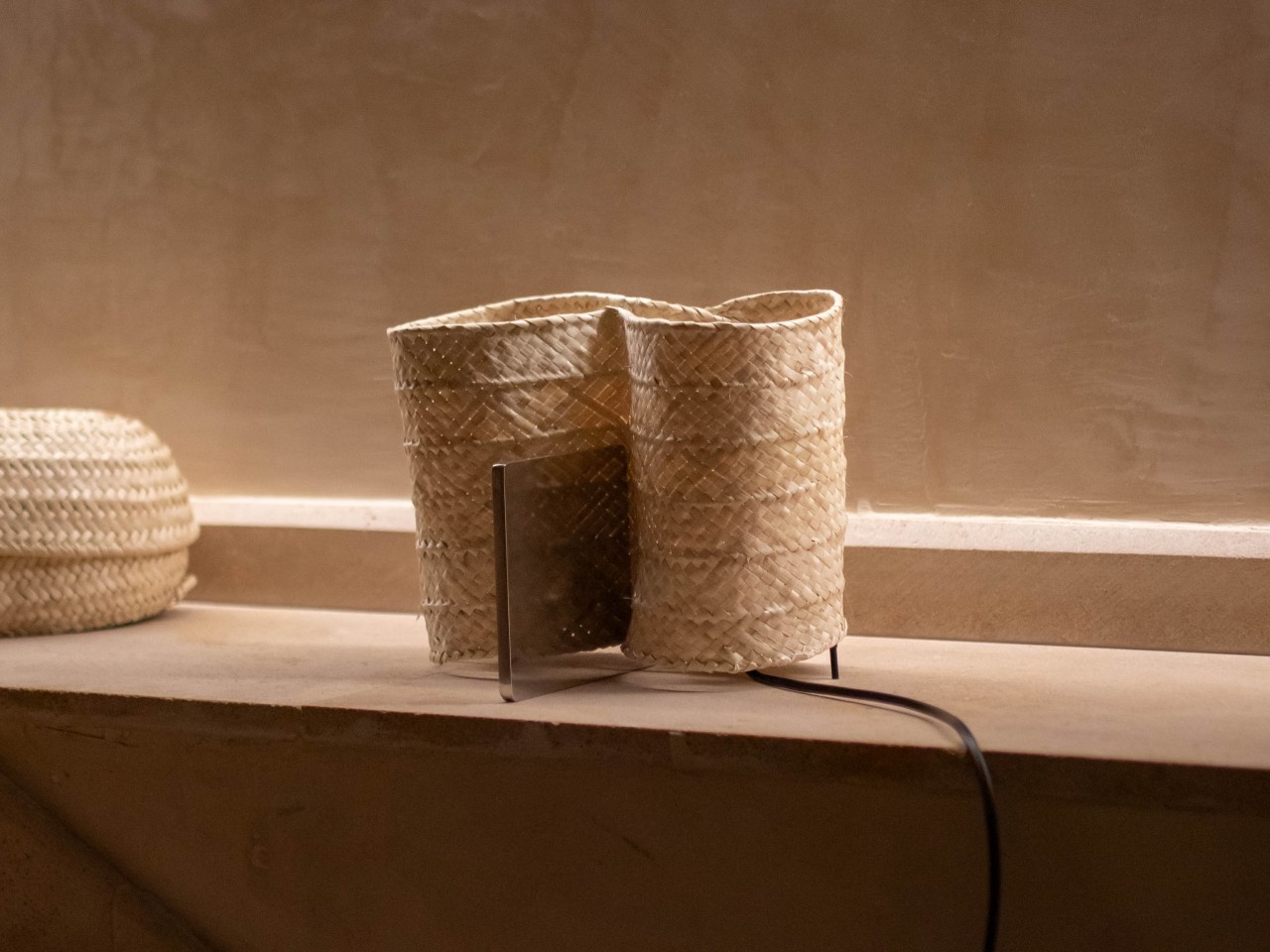
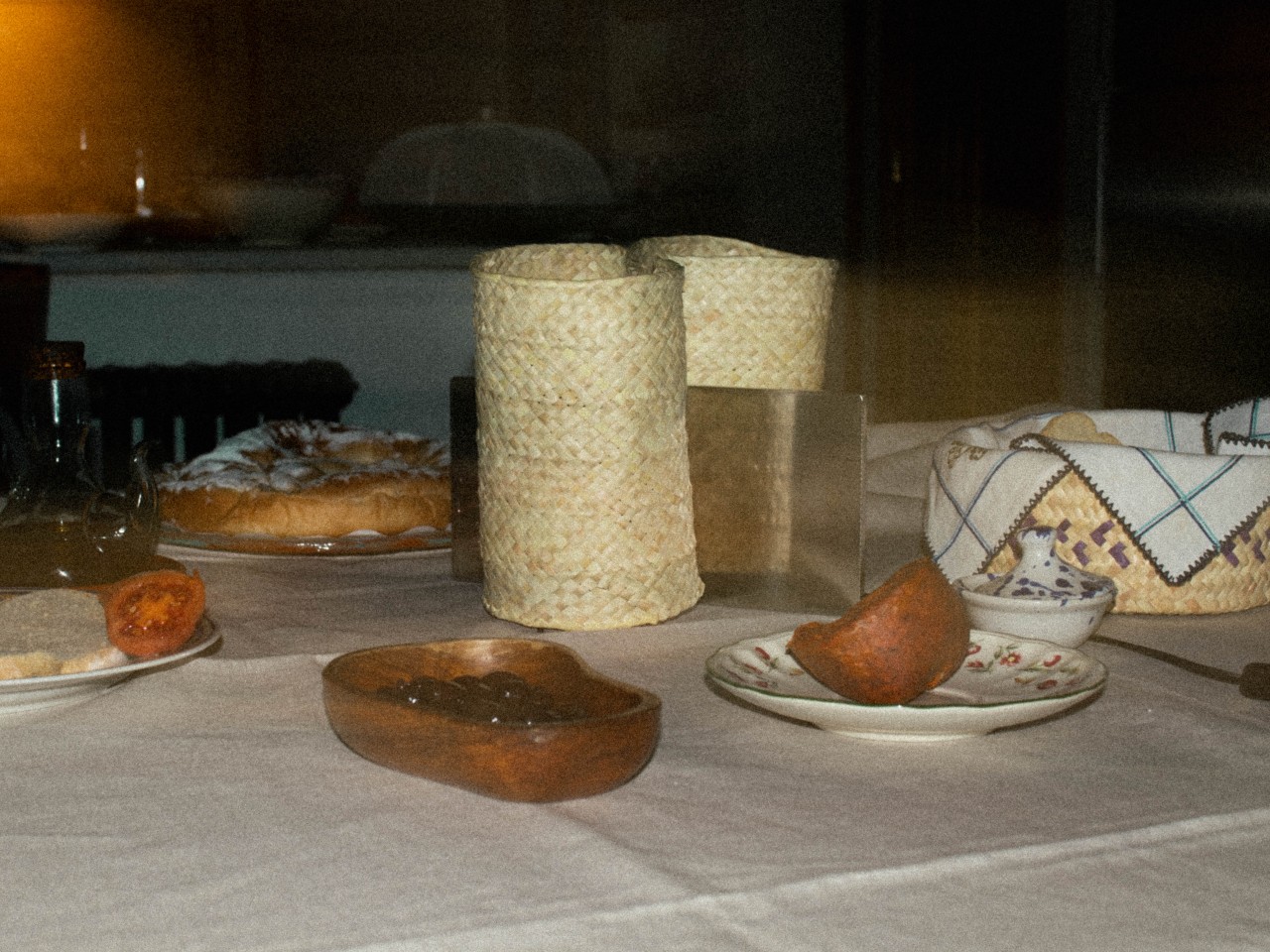
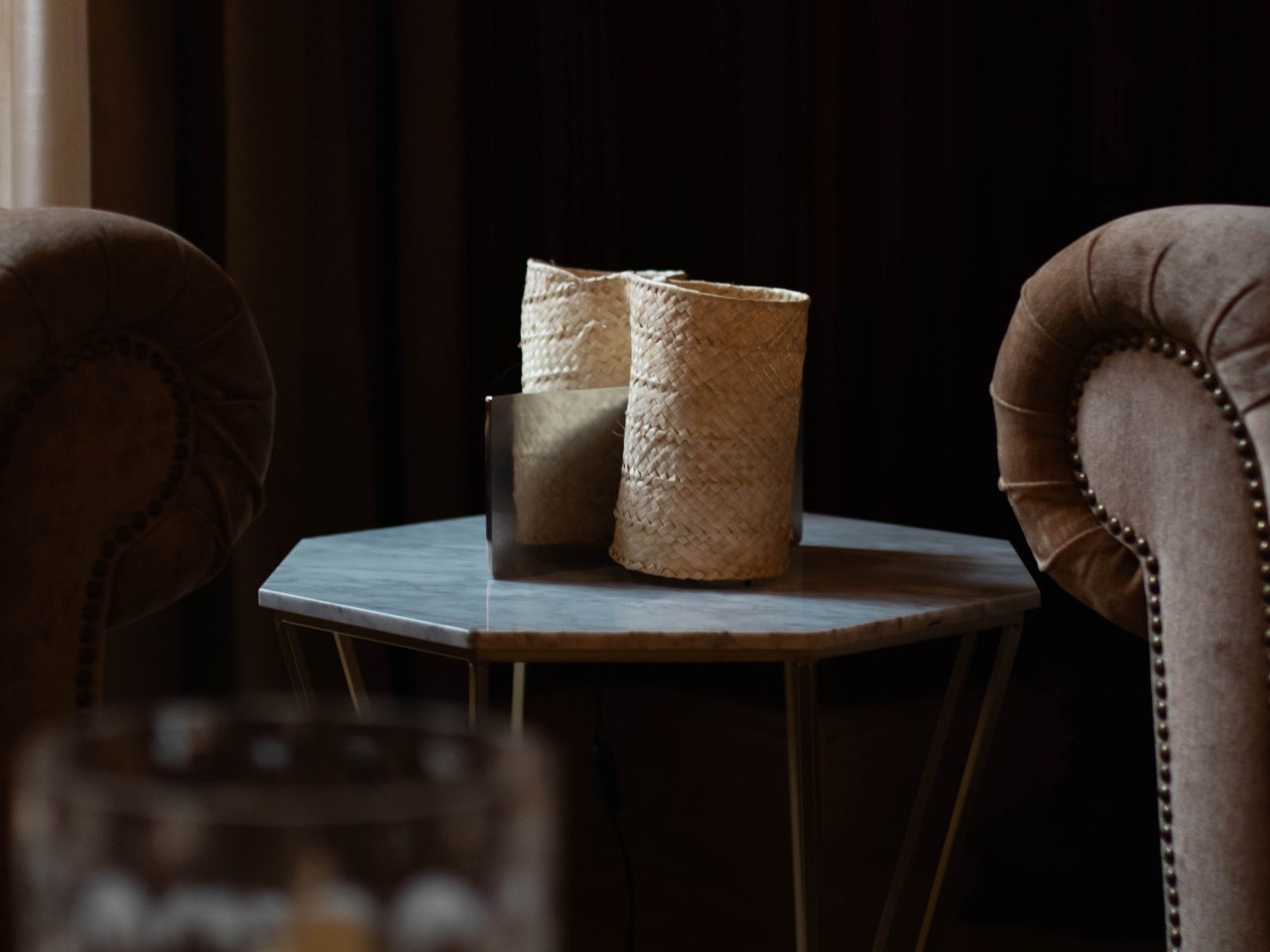
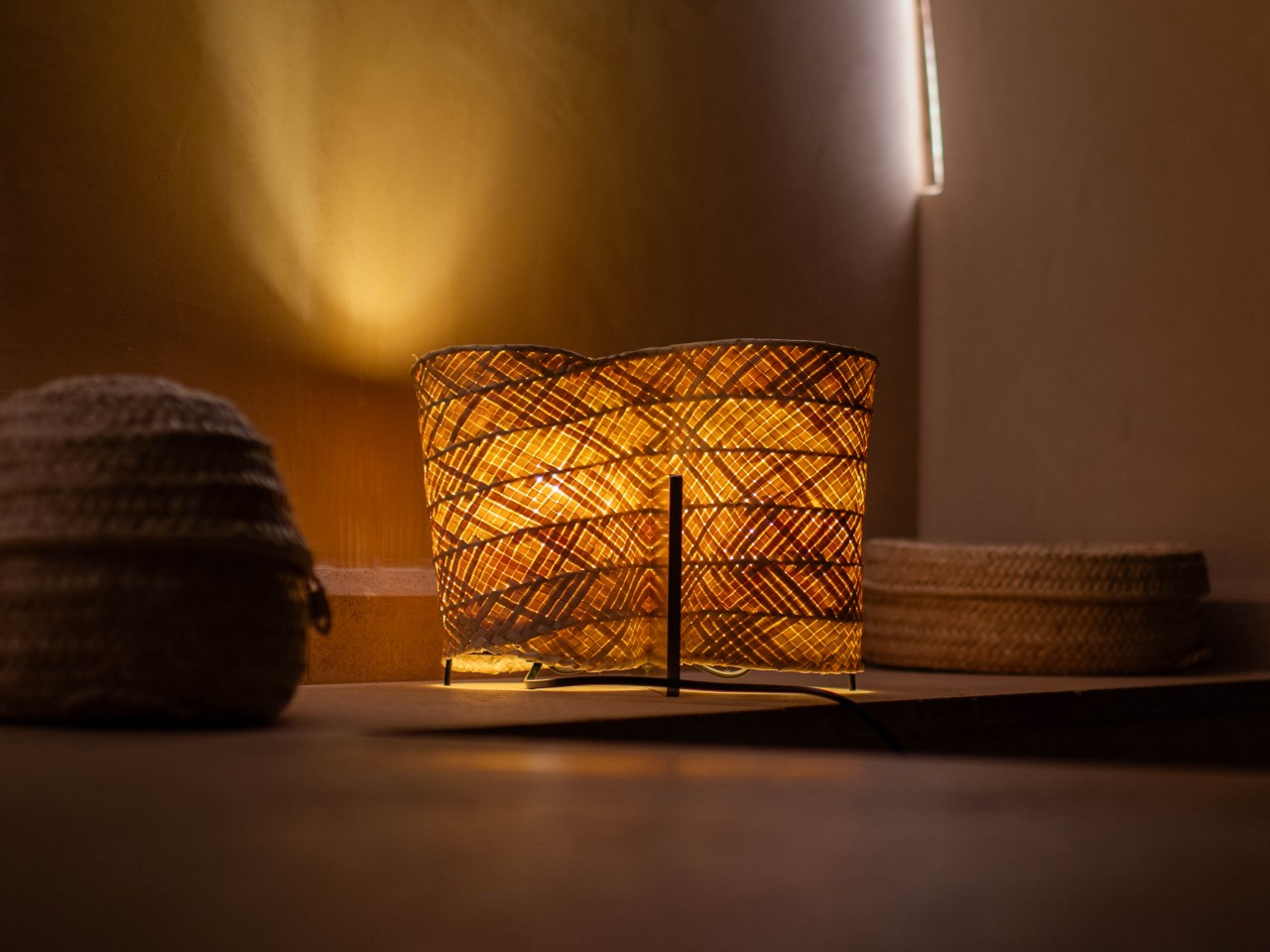
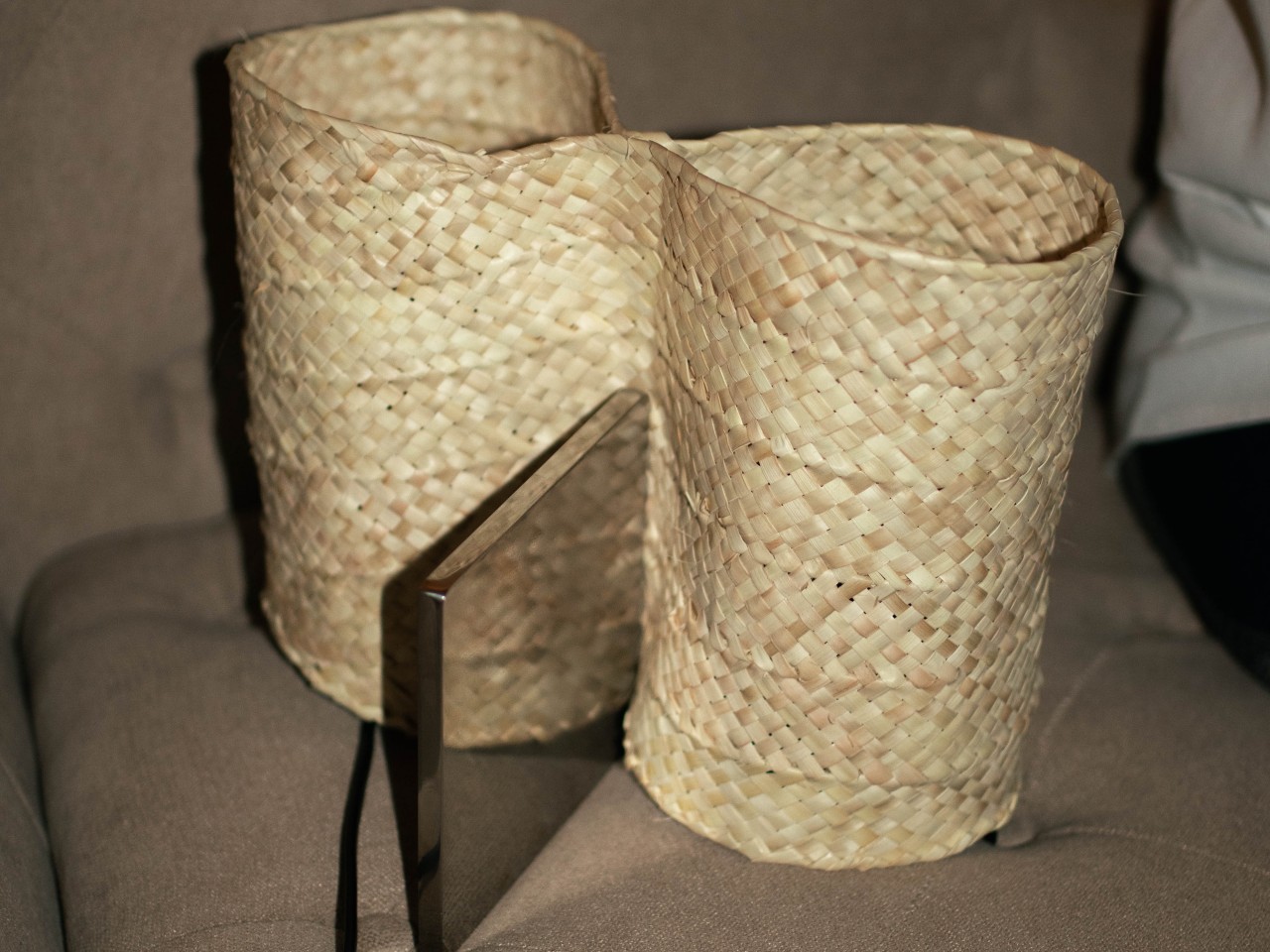
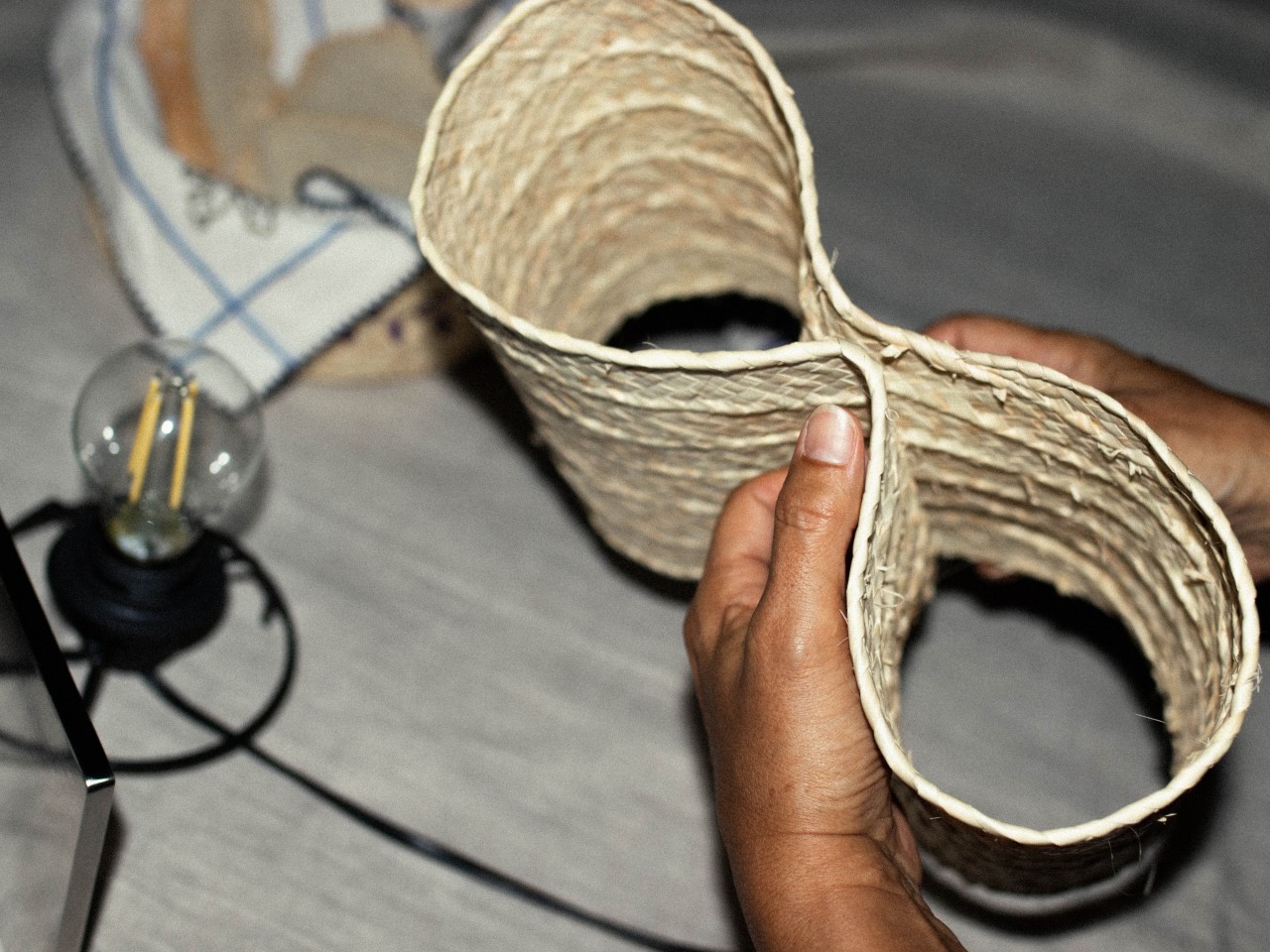
Catalina is a lamp design that does exactly this by combining ordinary lamp electronics and foundations with a lampshade that’s meticulously woven by hand. Specifically, it uses palmetto leaves and traditional weaving techniques called “llata” from Mallorca on one of Spain’s Balearic Islands. Unsurprisingly, this technique is passed down through generations and is mostly done by the women of the locale, a practice whose existence is being threatened by the rise of mass-produced furniture and lighting.

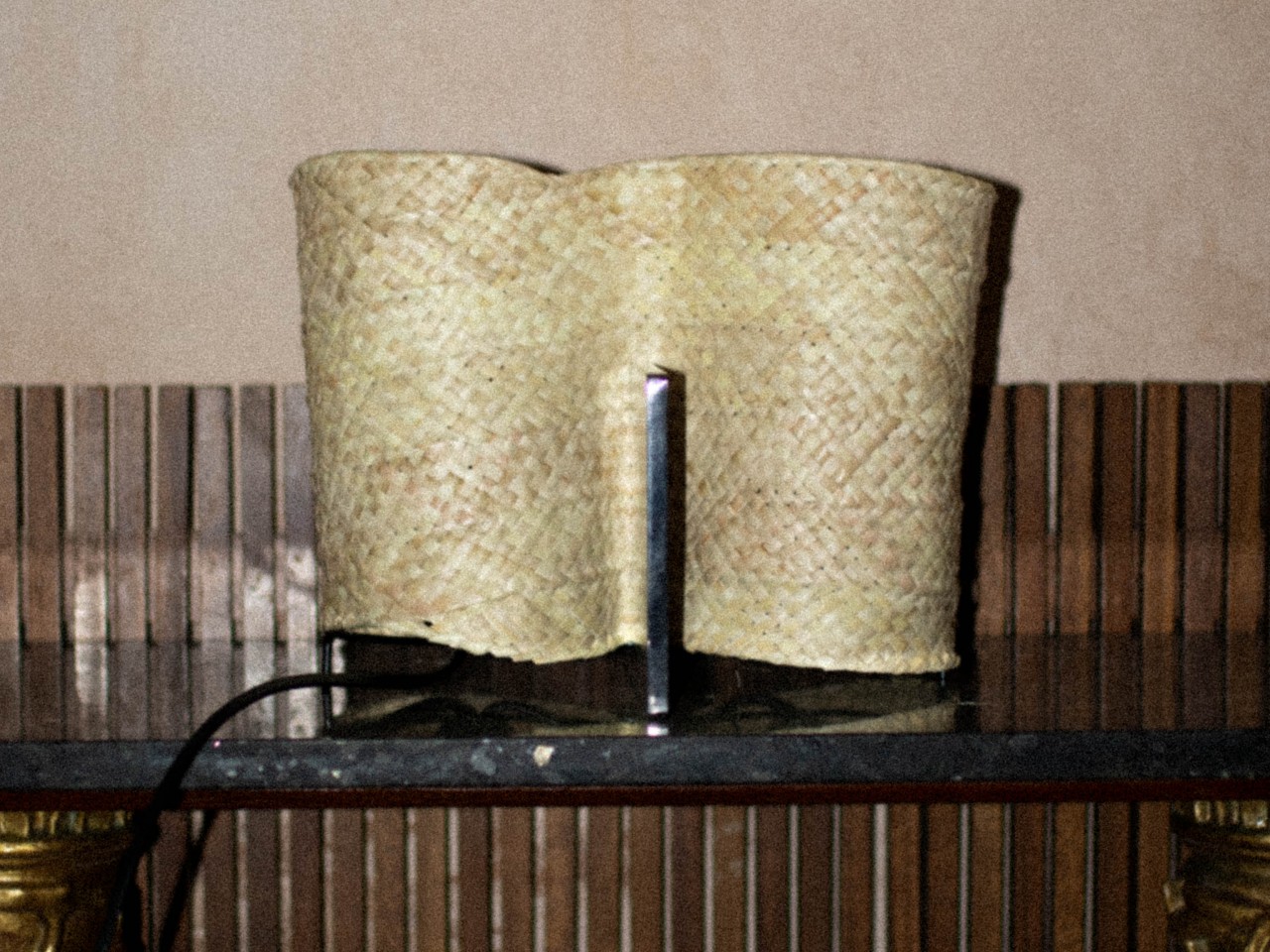
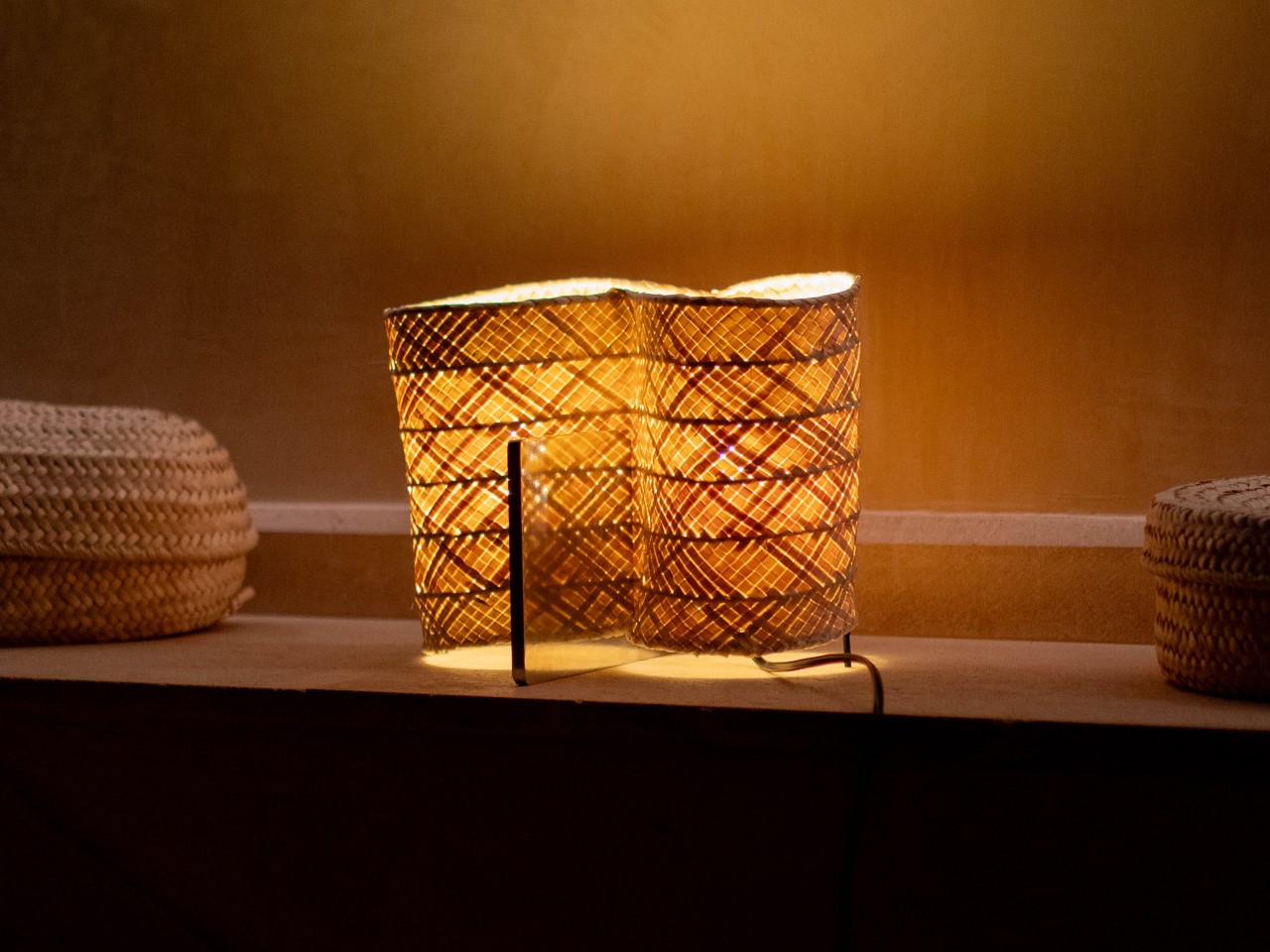
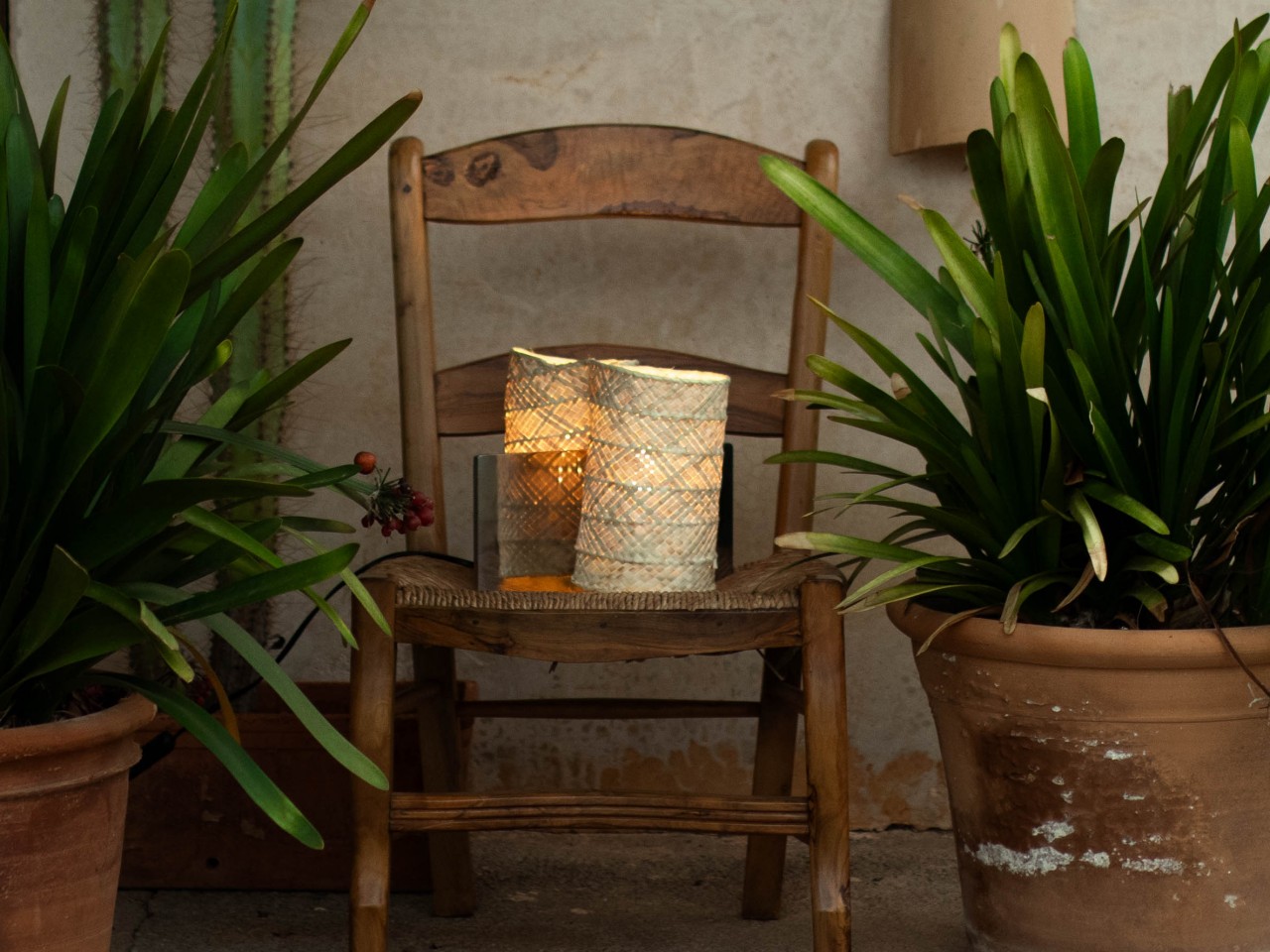
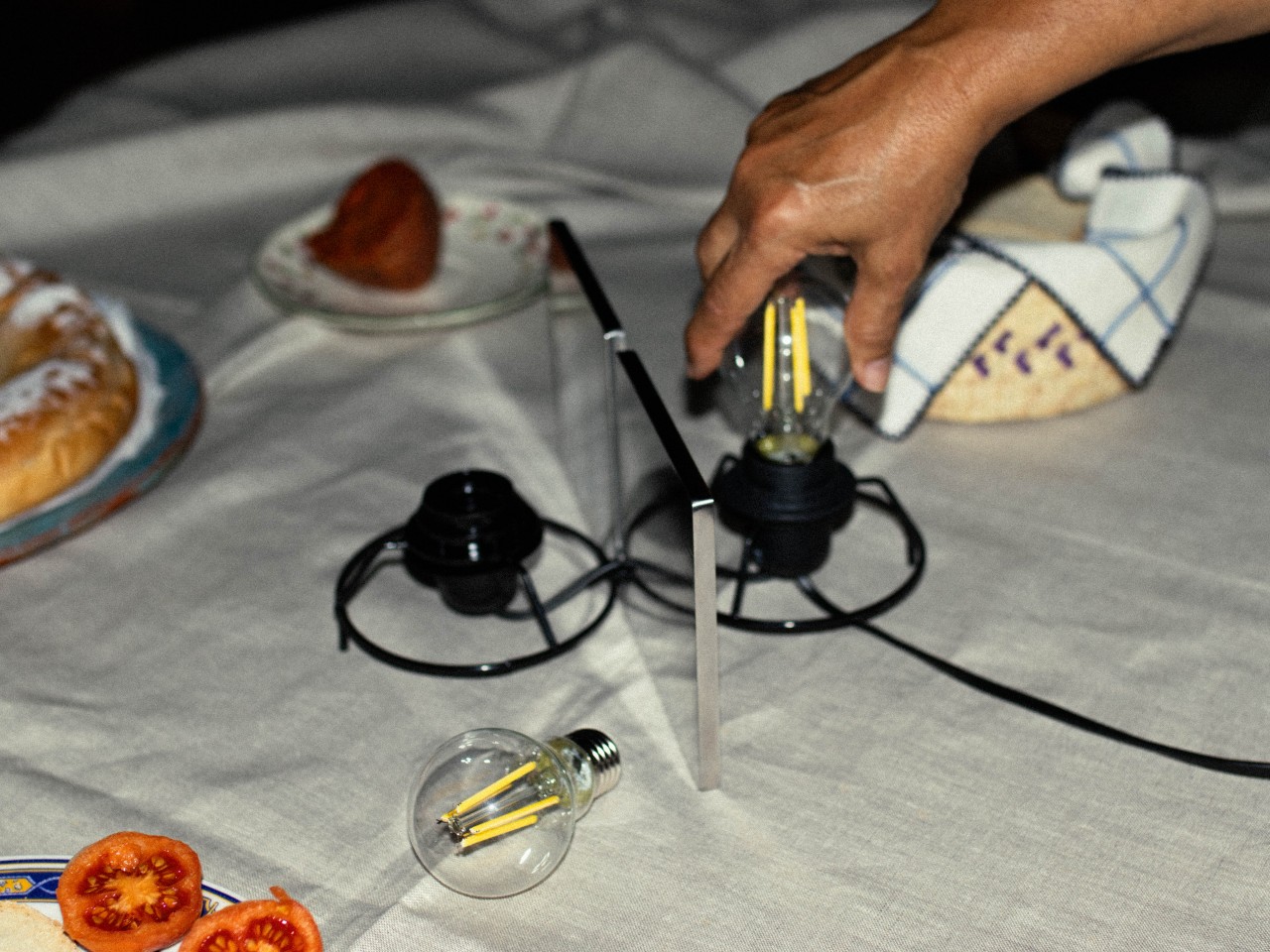
This lamp, however, illustrates the beauty that can come from the melding of past and present. The woven palm leaves form two cylindrical shapes in the form of an eight that encloses two bulbs inside each space. A gap between the two circles is filled by a transparent sheet of glass or fiberglass, serving as a diffuser for the light. The effect is a serene glow that passes through the weave like an otherworldly light.

Lamps like Catalina take time to make and are often more expensive because of the labor involved. That, however, also makes the design more special, giving it a unique character similar to a limited edition product. And unlike factory-made lampshades, these handwoven materials will have differences and imperfections, flaws that become selling points exactly because they are different from any other lamp from the same product line.

The post Woven leaf lamp concept harmonizes traditional crafts and industrial production first appeared on Yanko Design.

Mesmerizing 3D printed lamp has a maze-like design that is never repeated

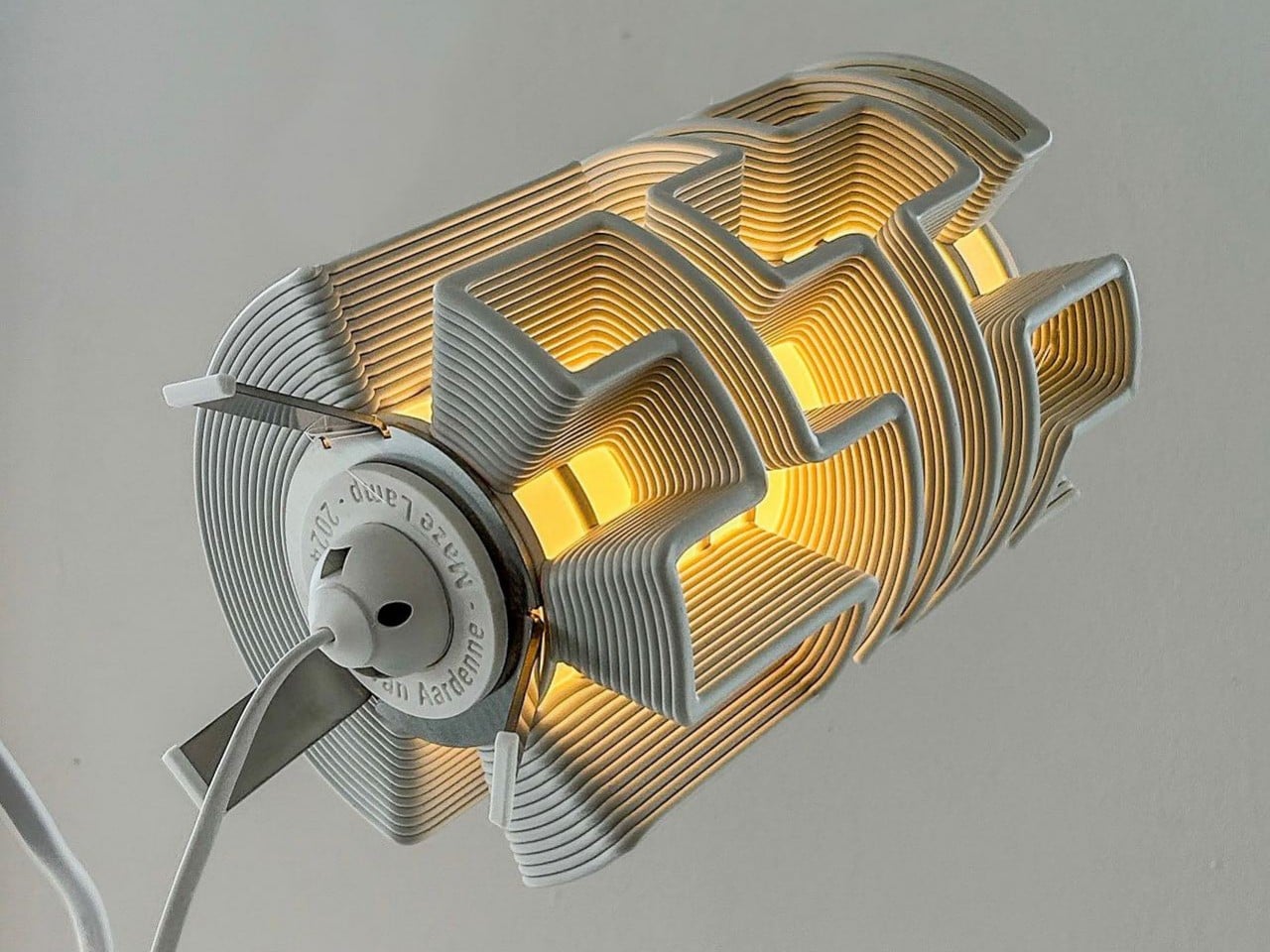
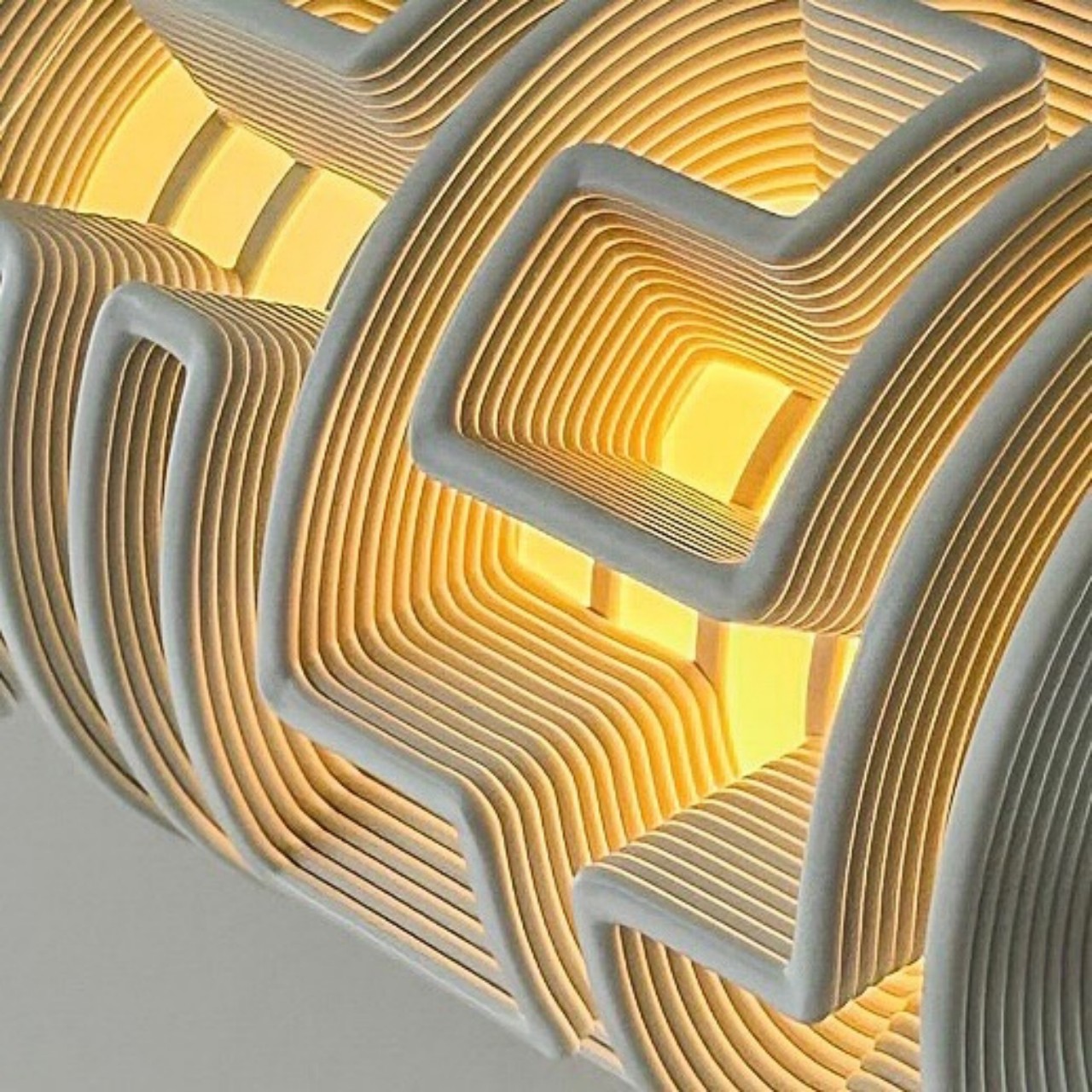
3D printing is a truly revolutionary technology that blasted open the floodgates of creativity and design. It gave almost everyone a powerful tool to realize their dreams and experiment with their ideas. These machines also made it easier to have more flexibility in the execution of designs, like adding an element of randomness to each output. That’s the kind of uniqueness that each of these Maze Lamps brings to your room, catching your attention with its unique lines and snaking paths, creating a play of light and shadow even when the lamp is turned off.

Designer: Stijn van Aardenne

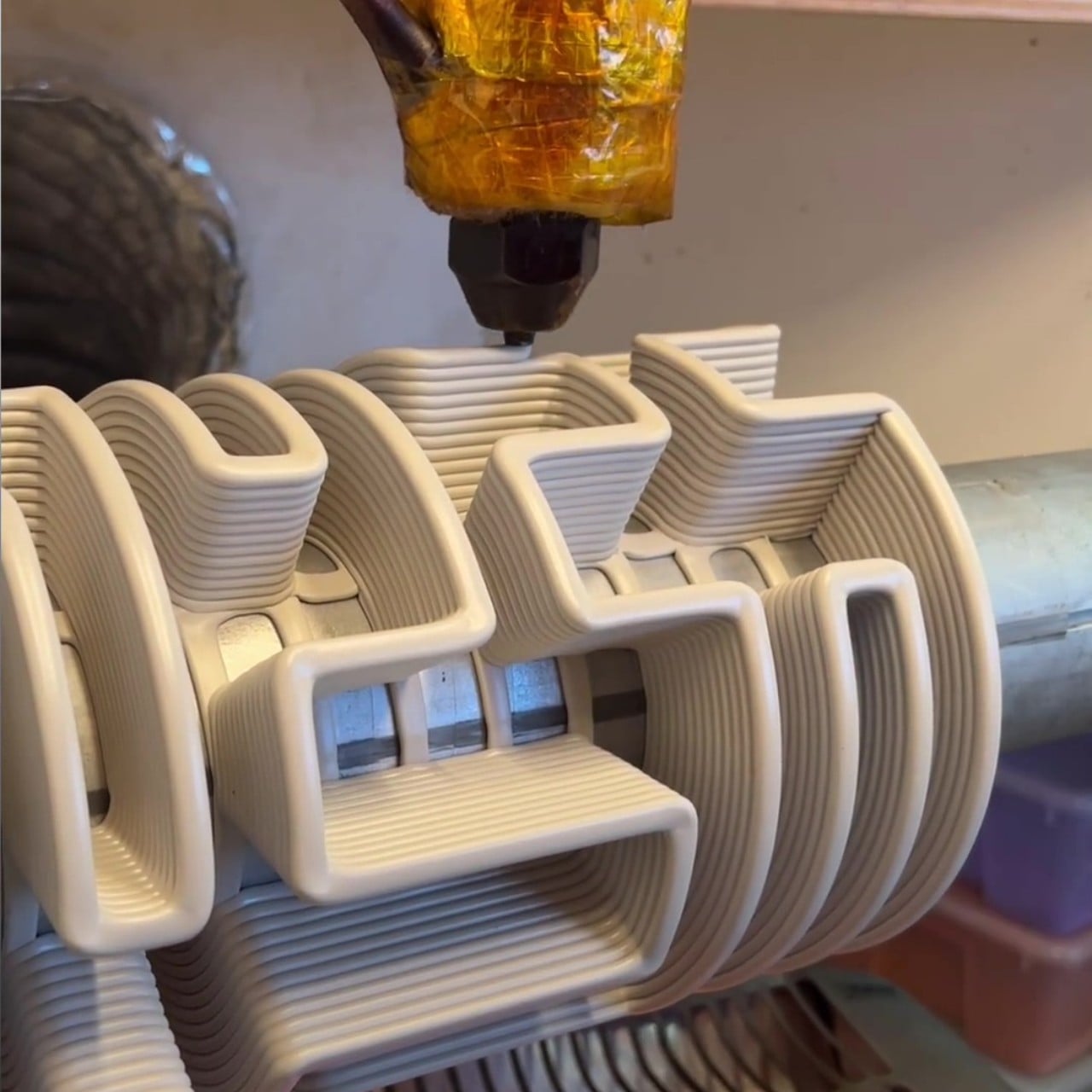
Most people probably think of 3D printers as extras large boxes that sit on desks, applying layer upon layer of melted plastic to complete a small shape. In reality, there are different kinds of 3D printers and different types of printing, and while the most popular machines are designed for use by individuals or small businesses, it didn’t take long for industrial-grade ones to pop up. This kind of printer offers a bit more flexibility in terms of movement and can cover a wider area as well.

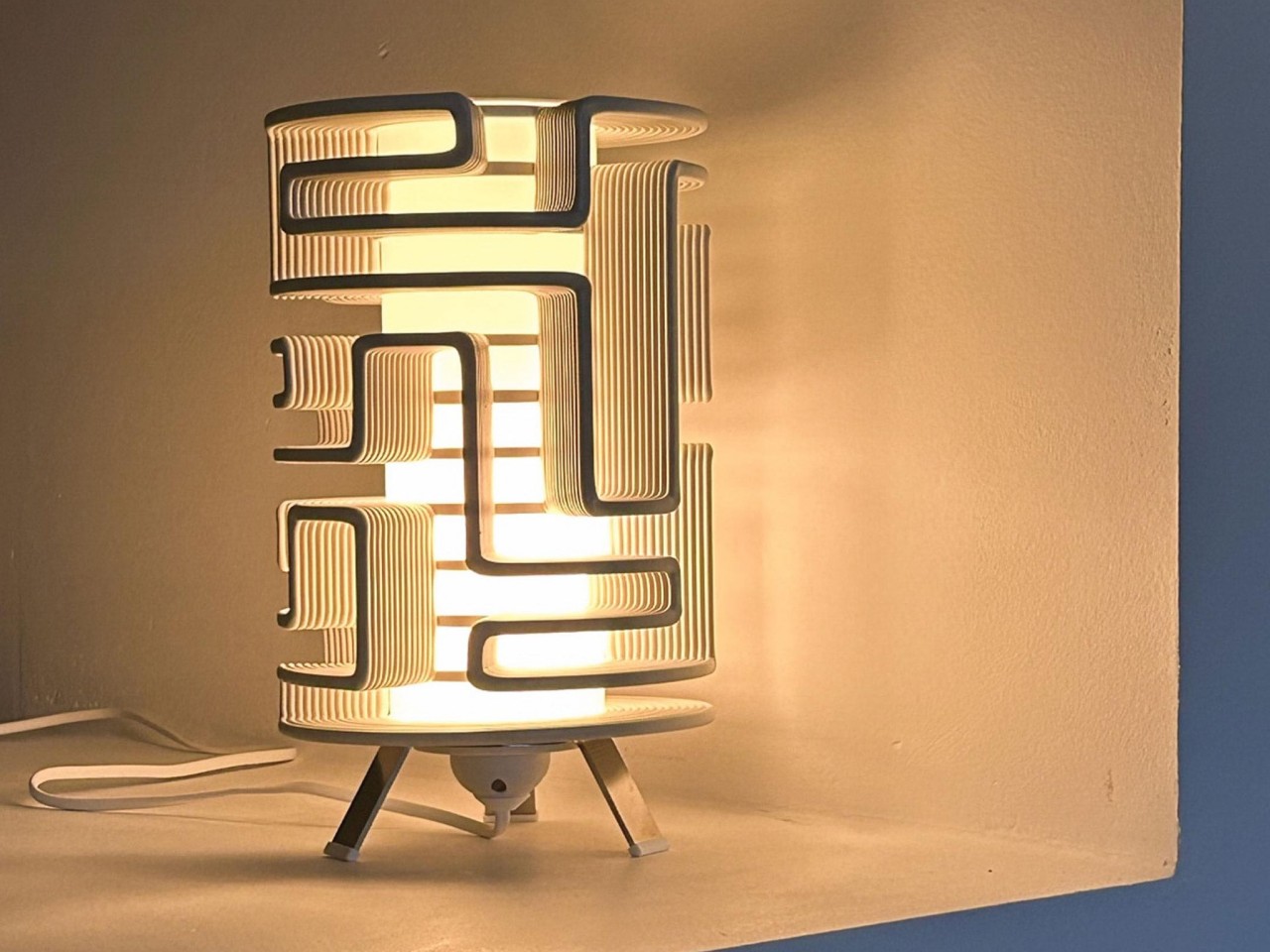
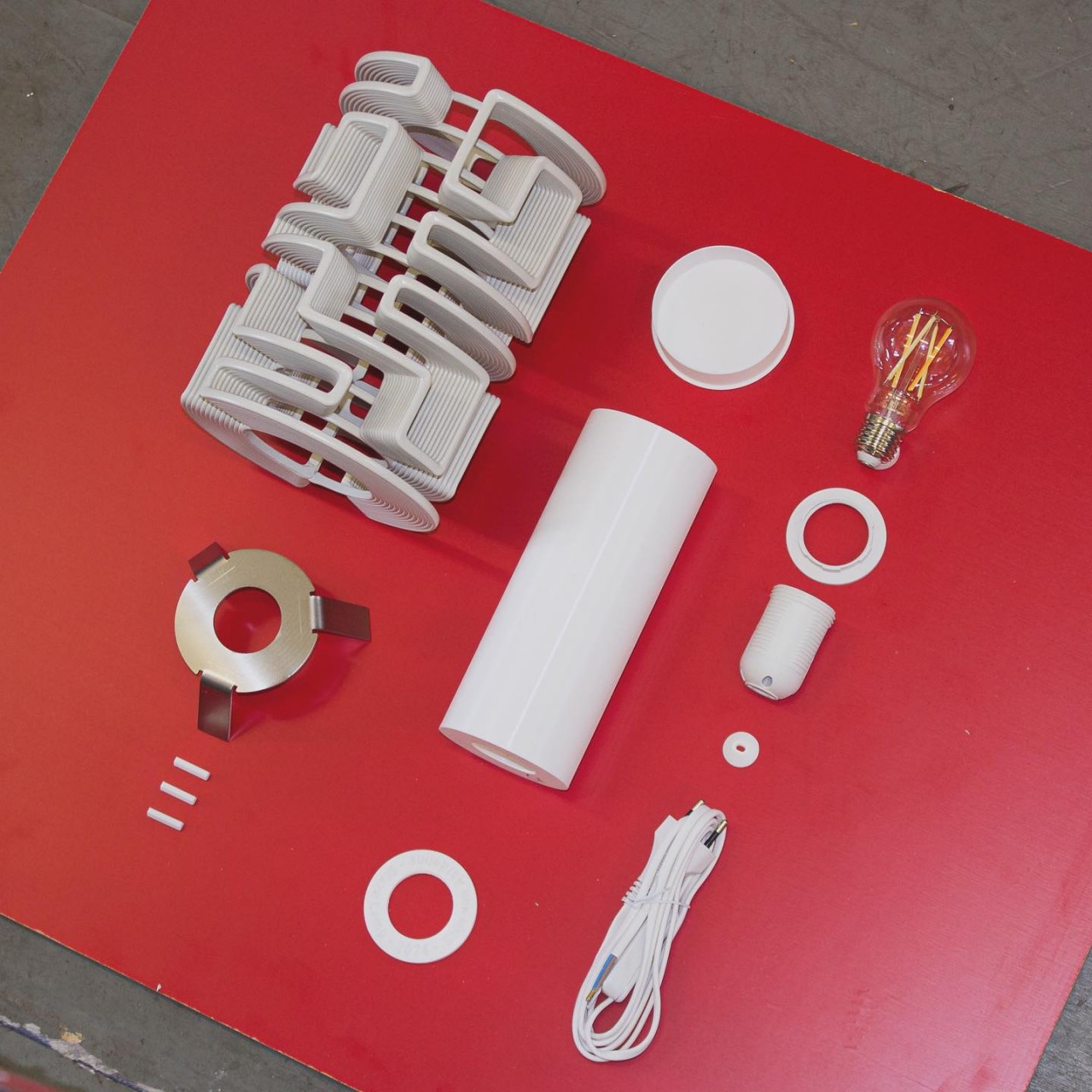
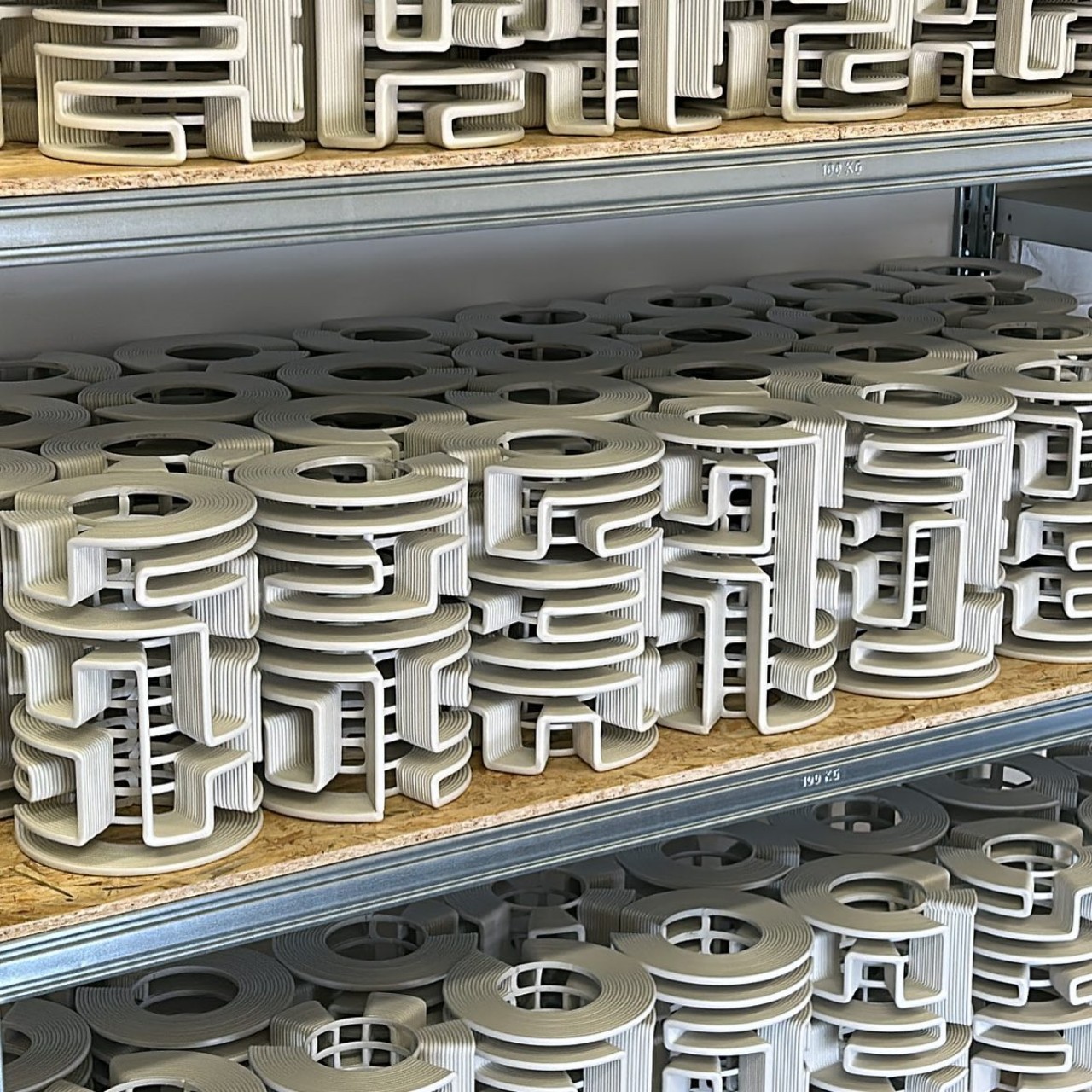
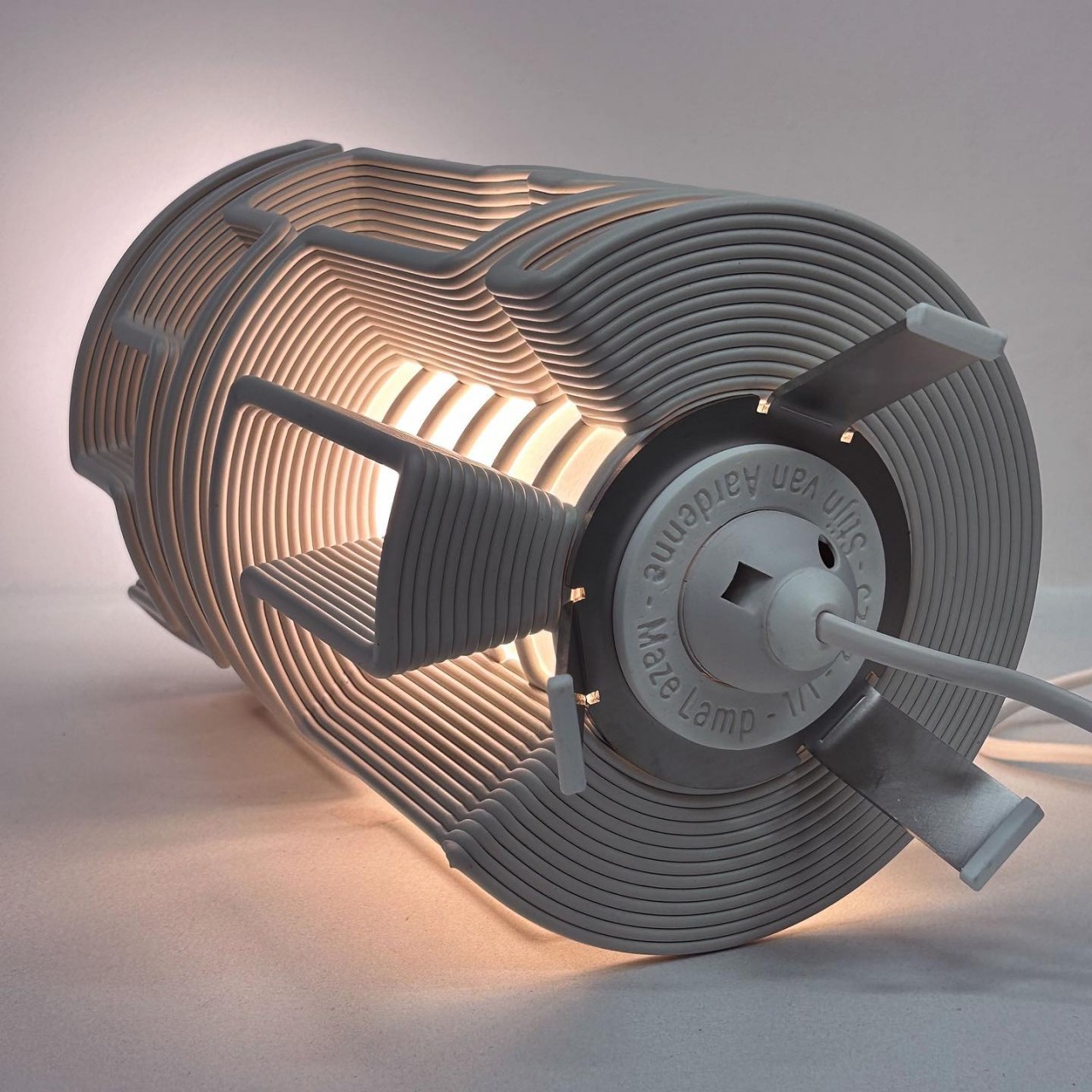
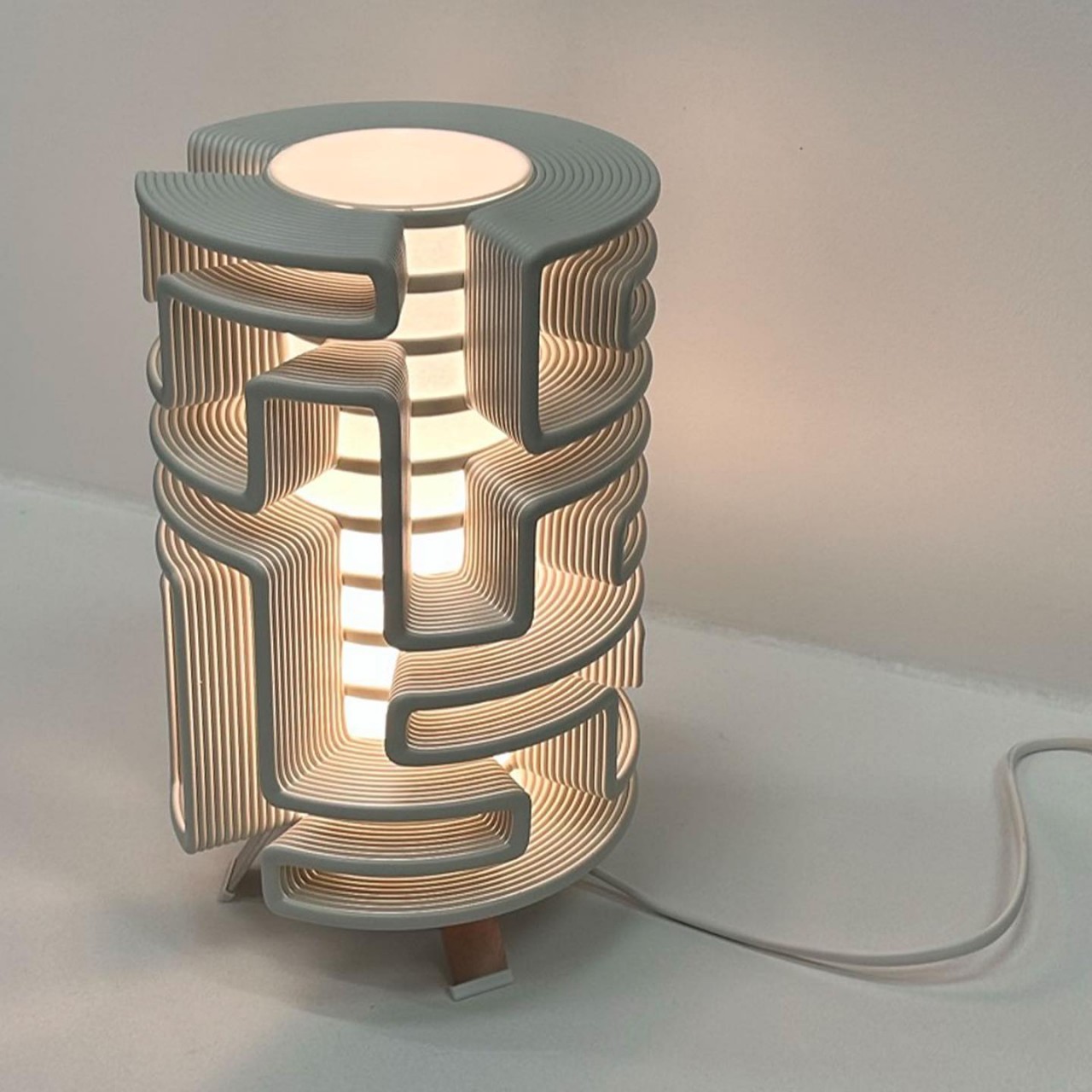
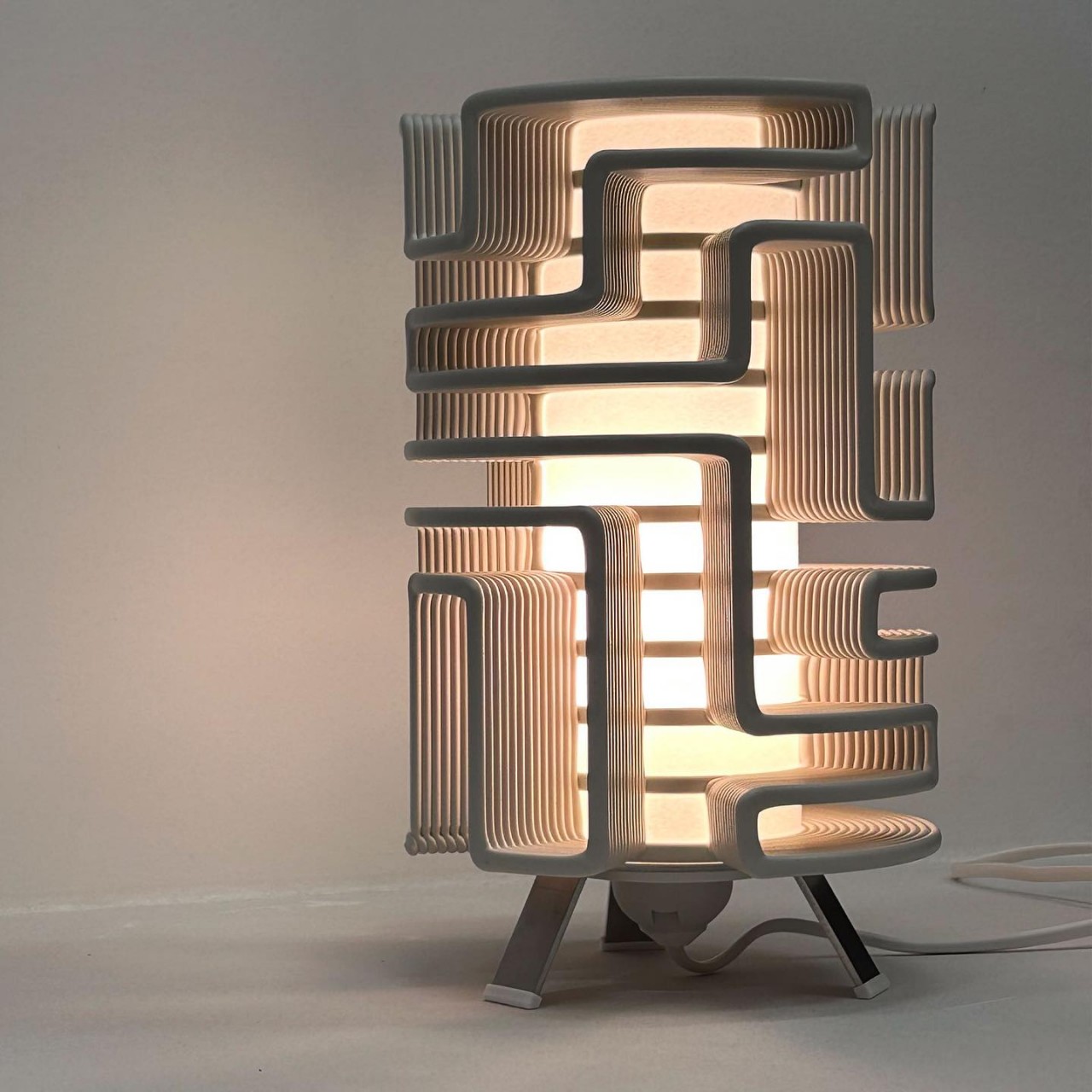
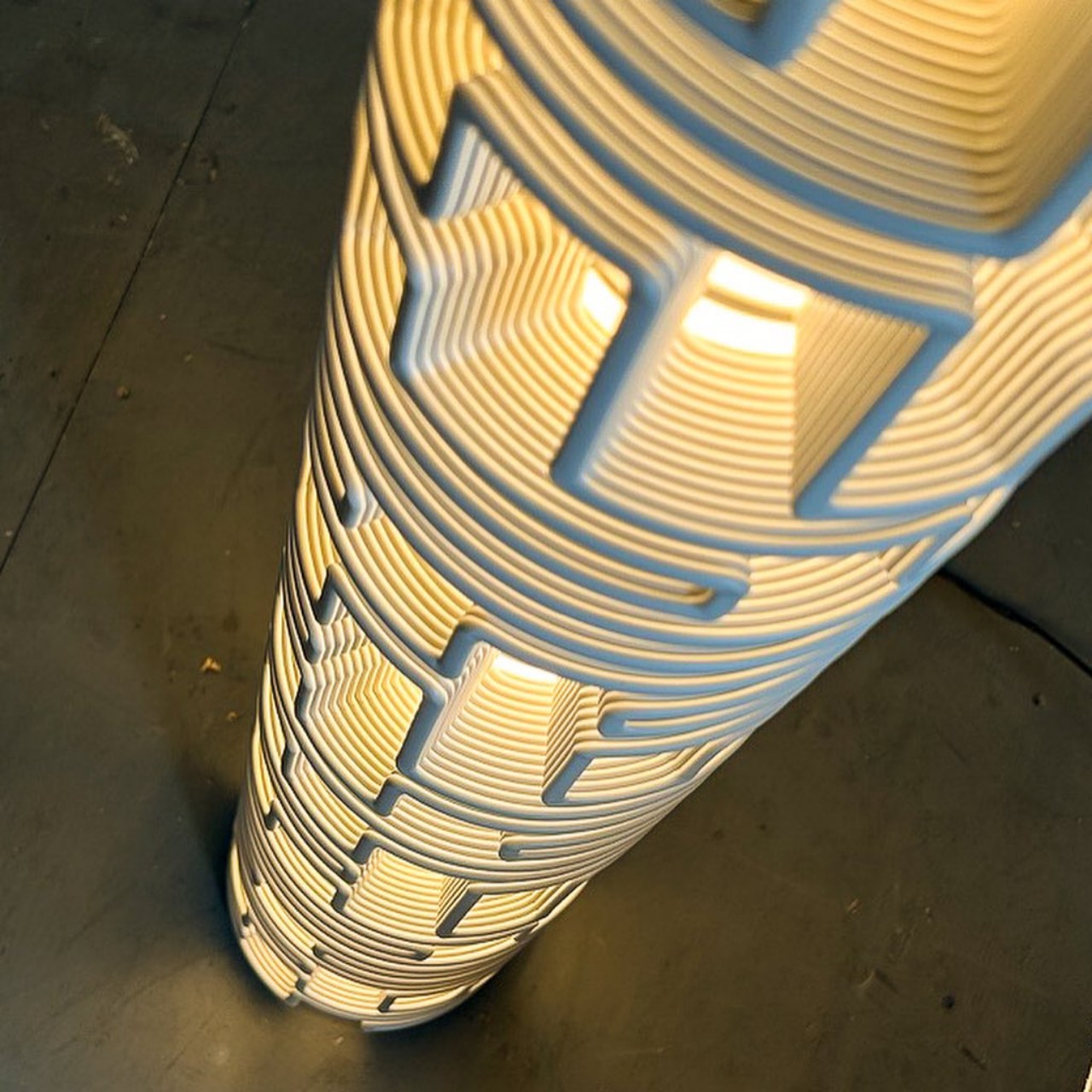
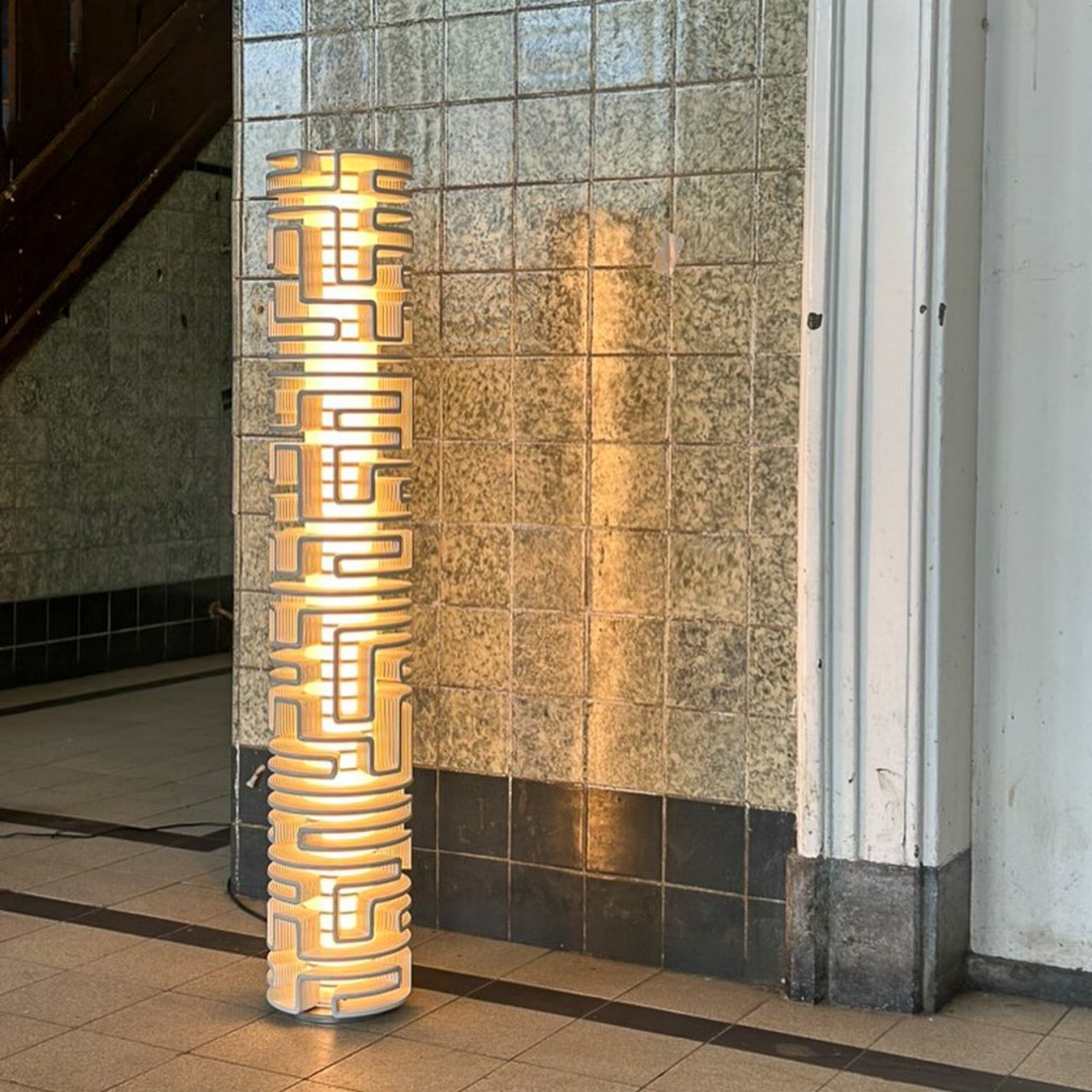
The Maze Lamp design takes advantage of this capability by having an industrial 3D printer lay out the lines over a rotating axis. Normally, what you’d get is a cylindrical shape that looks like it was made from a spindle of extra-large spaghetti as the plastic material coils around and around the slowly spinning base. But if you move the nozzle forward, backward, and sideways while it spins, you can create more interesting patterns that look like the lines of a maze. Stack those lines on top of each other and you get a three-dimensional maze on a cylinder.

What makes this process even more special is that the pattern of these lines is random. No two Maze Lamps will ever have the same design, making each piece a one-of-a-kind item. For programmers and designers, this kind of procedurally generated pattern adds a unique characteristic to every iteration. As a bonus, the material used by the 3D printer is made from plastic shredded from discarded refrigerator doors, giving our own waste a beautiful new lease on life.

Thanks to the three dimensional patterns printed around the core, the Maze Lamp entices viewers whether the light is on or not. The light shining from the casts an eerie glow, almost like some otherworldly artifact found hidden in some ancient Aztec temple. On its own, the lamp becomes a sculptural art piece, not unlike a totem that represents the aesthetics and the technology of civilization that made it.

The post Mesmerizing 3D printed lamp has a maze-like design that is never repeated first appeared on Yanko Design.

Cardboard planks create an atmospheric lamp set that pays tribute to dusk

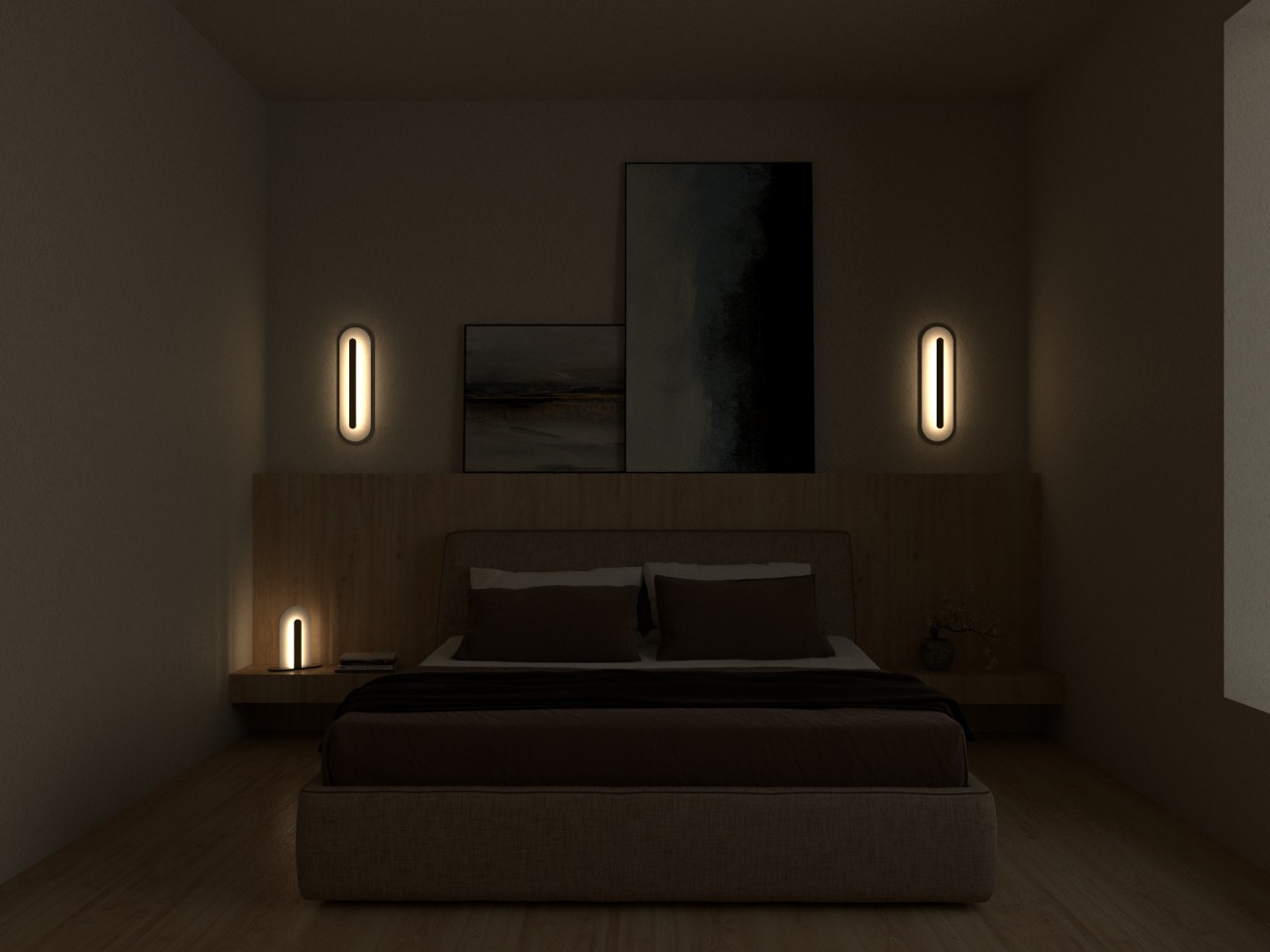
There are many metaphors and analogies related to dawn when the rising of the sun is often compared to new beginnings or opportunities to begin anew. Dusk, however, is just as magical a time as its polar opposite, when the light of the sun is all but spent but lingers every so briefly before giving way to the restful night. For many people, it is a calming moment that signals the end of a busy day and the start of a period of reflection and peace. That is the soothing atmosphere that this set of mood lamps tries to convey, and they do so in the most minimalist way possible using nothing more than a few pieces of regular cardboard.

Designer: Óscar Santos

Cardboard is a material that’s so common that it’s too easily taken for granted. It’s stiffer than paper but less durable than wood, so it’s often used for packaging that’s meant to just be thrown away. It’s a complete waste, of course, especially when the pieces of cardboard are still pristine, but there are few known uses for them outside of breaking them down and recycling them like paper, which also consumes water and energy. Fortunately, there are also a few creative souls who want to give cardboard a chance, like this collection of lamps that take advantage of cardboard’s natural properties.

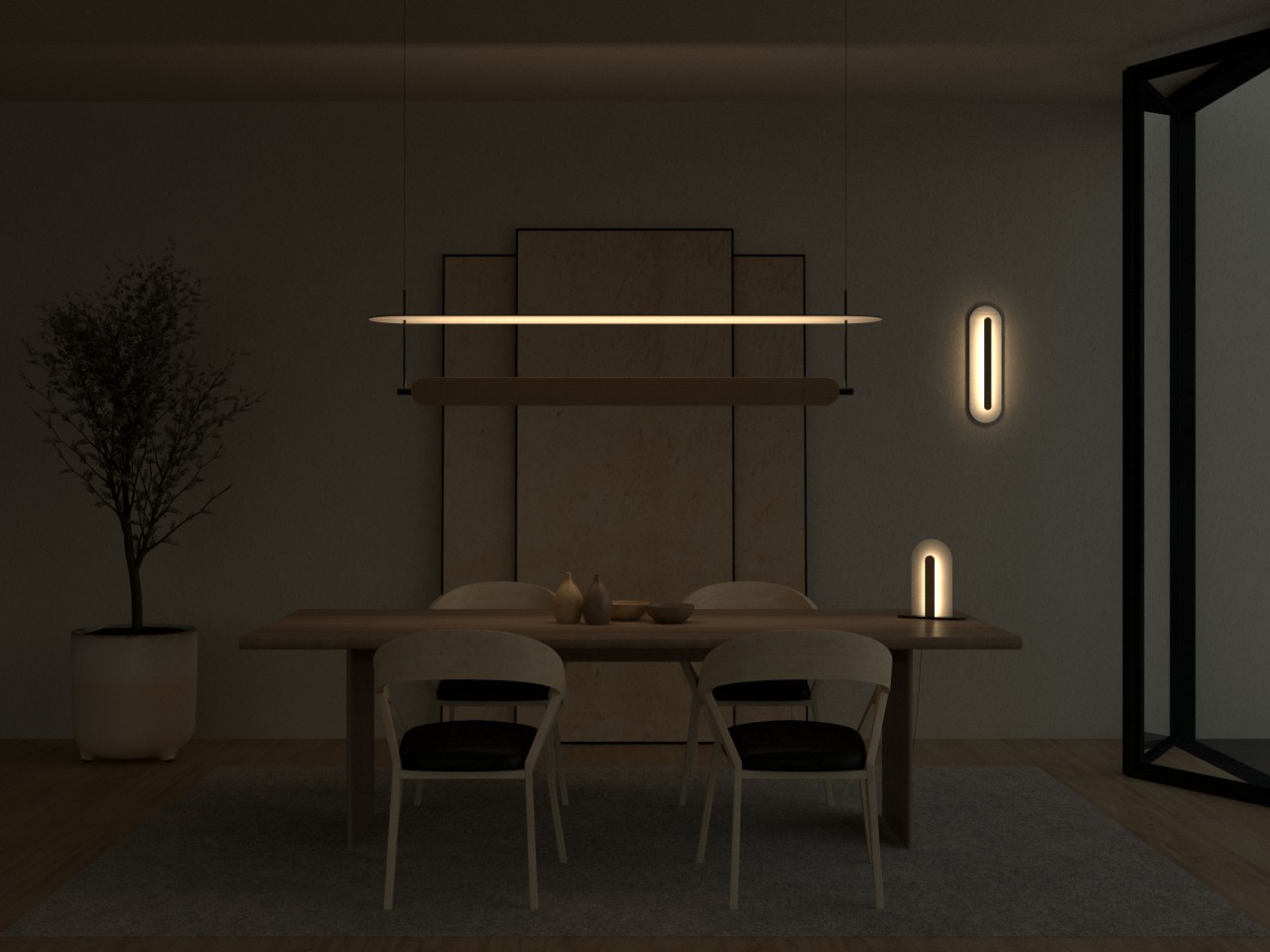
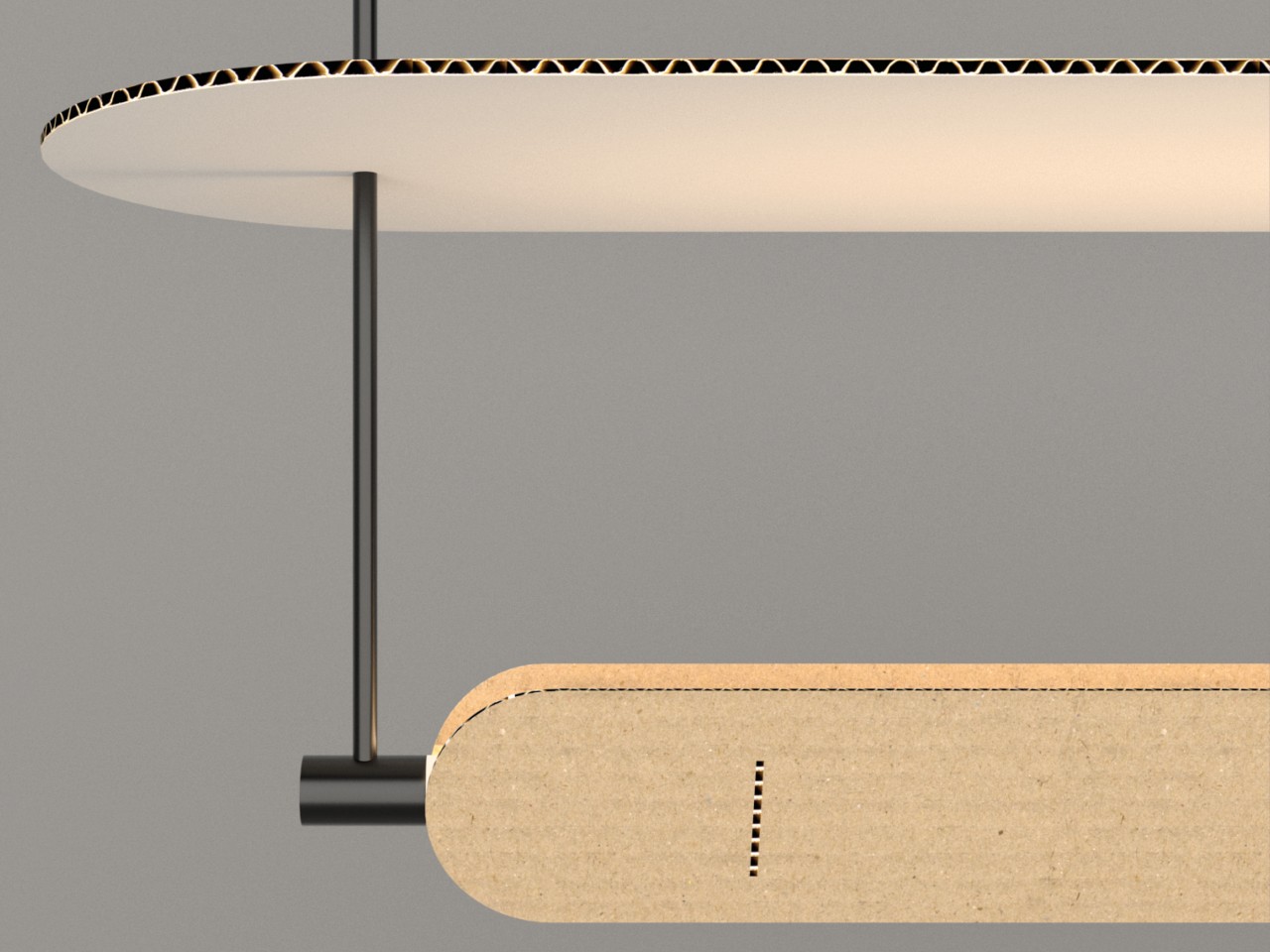
CENIT, which means “zenith” in Spanish, is a group of three atmospheric luminaries inspired by the highest point of the sun just before nightfall, the dusk that heralds the transition of light into darkness. Rather than use a light source that has to be mixed with the right color temperature in intensity, these lamps simply rely on how cardboard actually naturally reflects and diffuses light in a warm tone and soft brightness. No additional parts are needed, no filters or other materials: just a normal white LED strip and two pieces of cardboard with a certain gap between them.

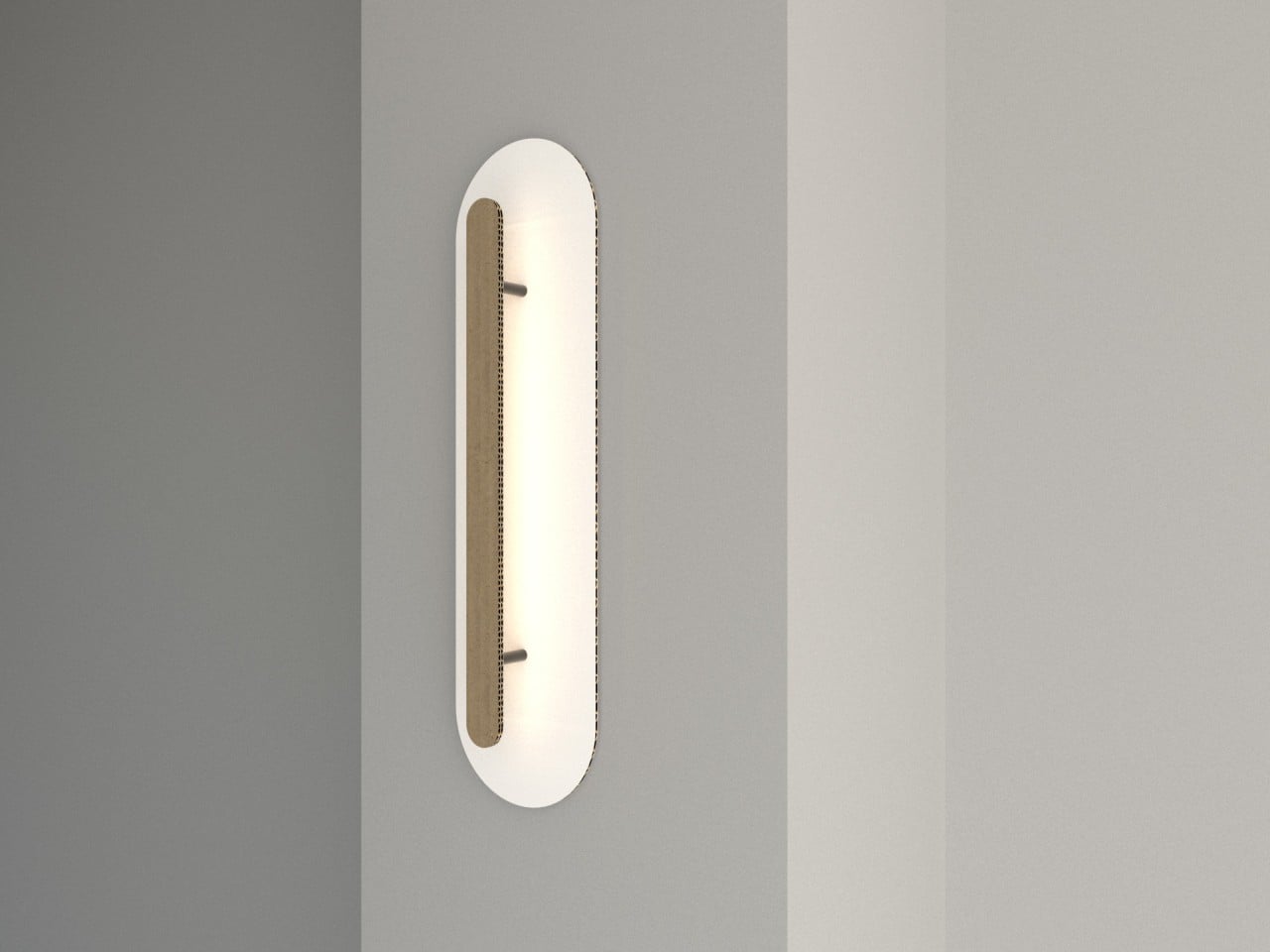
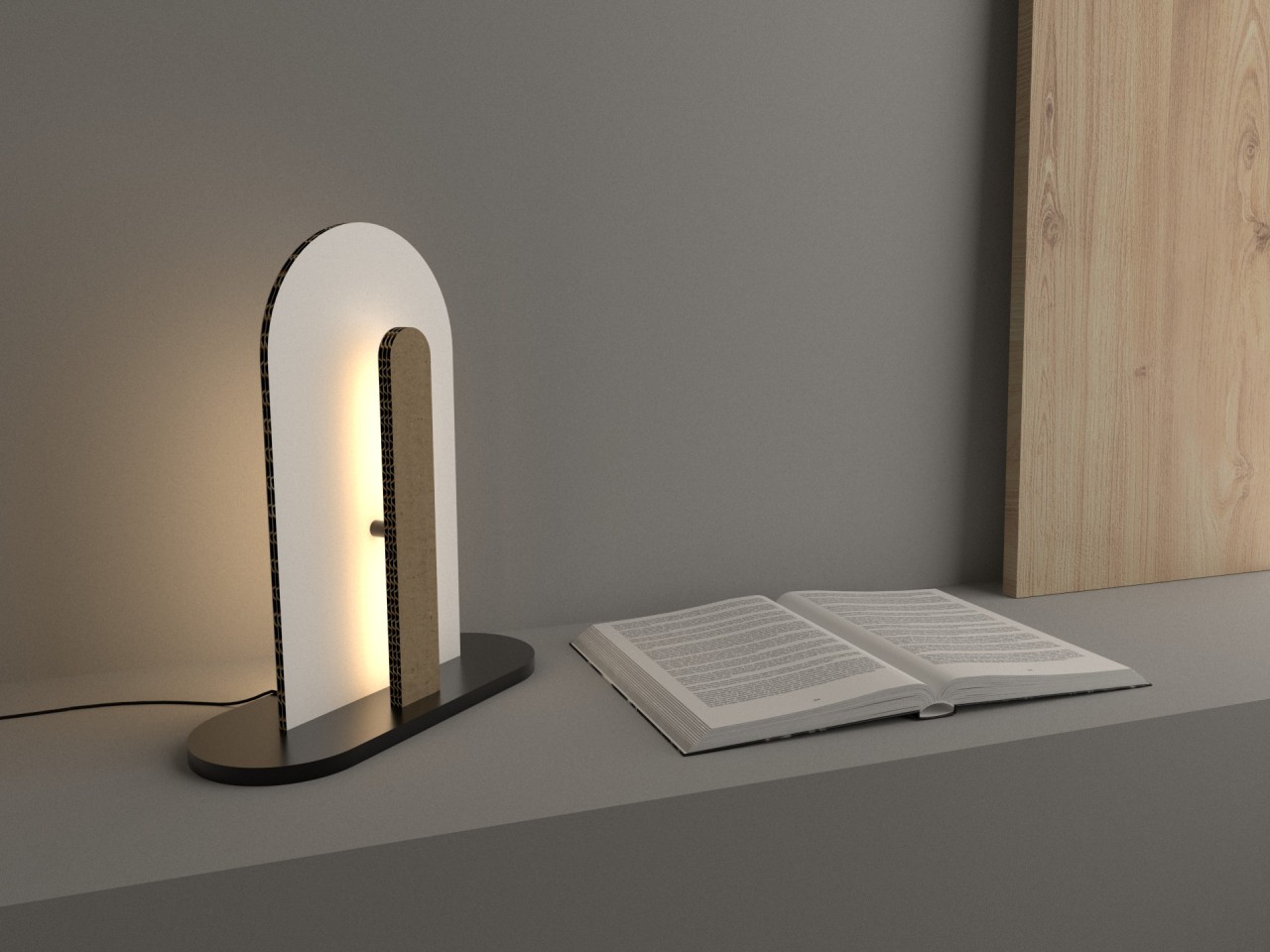
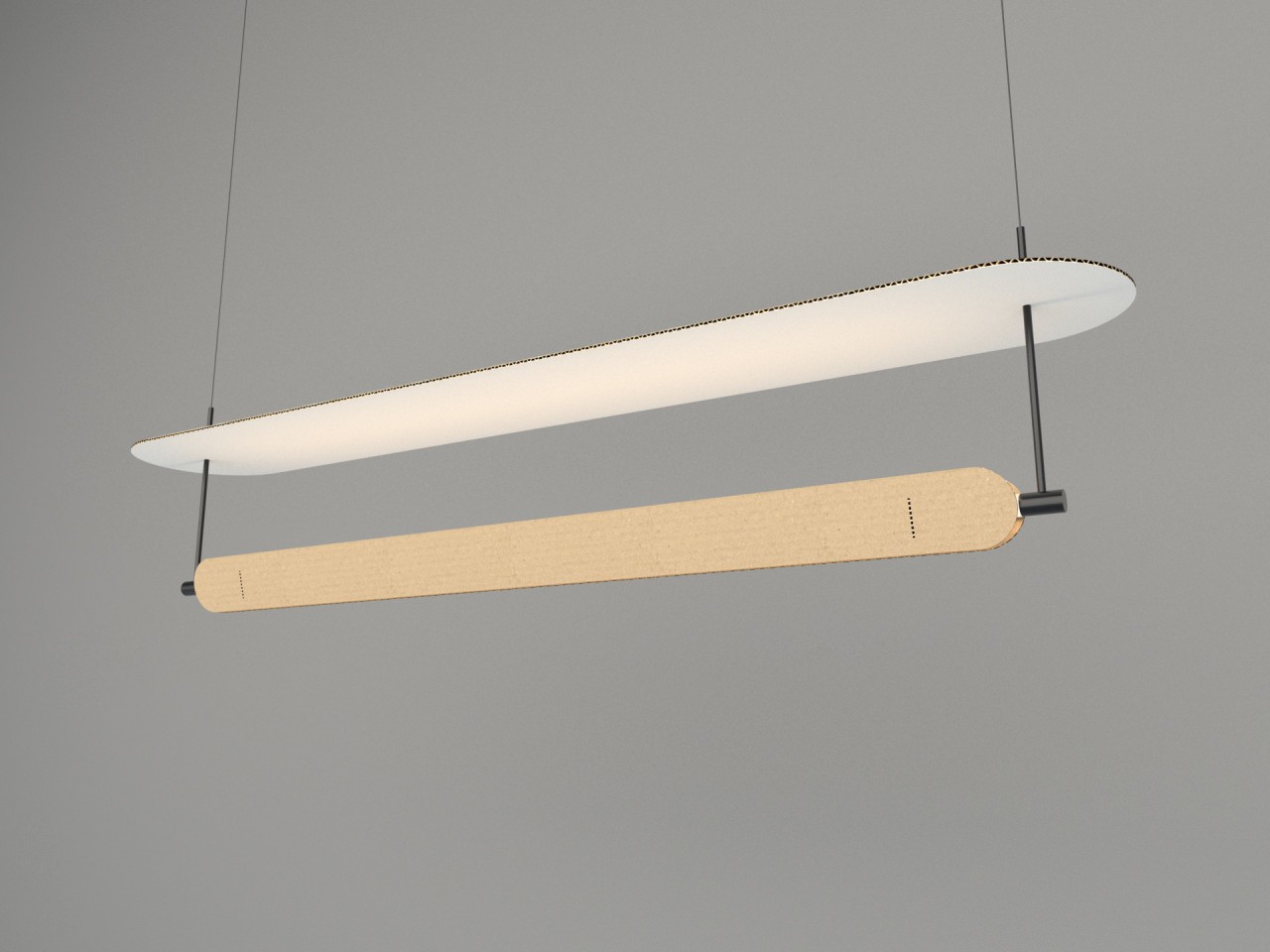
This super-simple configuration creates an equally simple design that makes it easy for CENIT to blend almost anywhere. The wall lamp is just two long capsule-shaped pieces of cardboard with the larger serving as the base and the smaller hiding the light elements behind it. The desk lamp is a bit more decorative, with the two pieces set on a rectangular stand. On the other hand, the pendant light offers more flexibility, as the smaller cardboard with the LED or bulb can be turned to face away from the other cardboard piece and toward any area that needs more direct and brighter illumination.

The minimalist design also makes the lamps very sustainable, replacing only the parts that get worn down or broken. Given how many cardboard boxes are discarded every day, there will be no shortage of materials to use for replacements or new lamps. It’s a very interesting and poetic design that is able to set the mood and atmosphere in a room almost like magic, just as dusk paints the sky with an enchanting hue before the mystical darkness of the night sets in.

The post Cardboard planks create an atmospheric lamp set that pays tribute to dusk first appeared on Yanko Design.

Peculiar mood light is inspired by light pillar phenomenon

When I see pillars of light from the sky, my mind immediately goes to alien abductions, thanks to sci-fi movies and shows that show people being kidnapped by aliens on their ships. But light pillars are actually beautiful optical phenomenon that some are privileged to see in real life and not scary at all. To see it replicated in every day objects is pretty cool.

Designer: O_1 Design

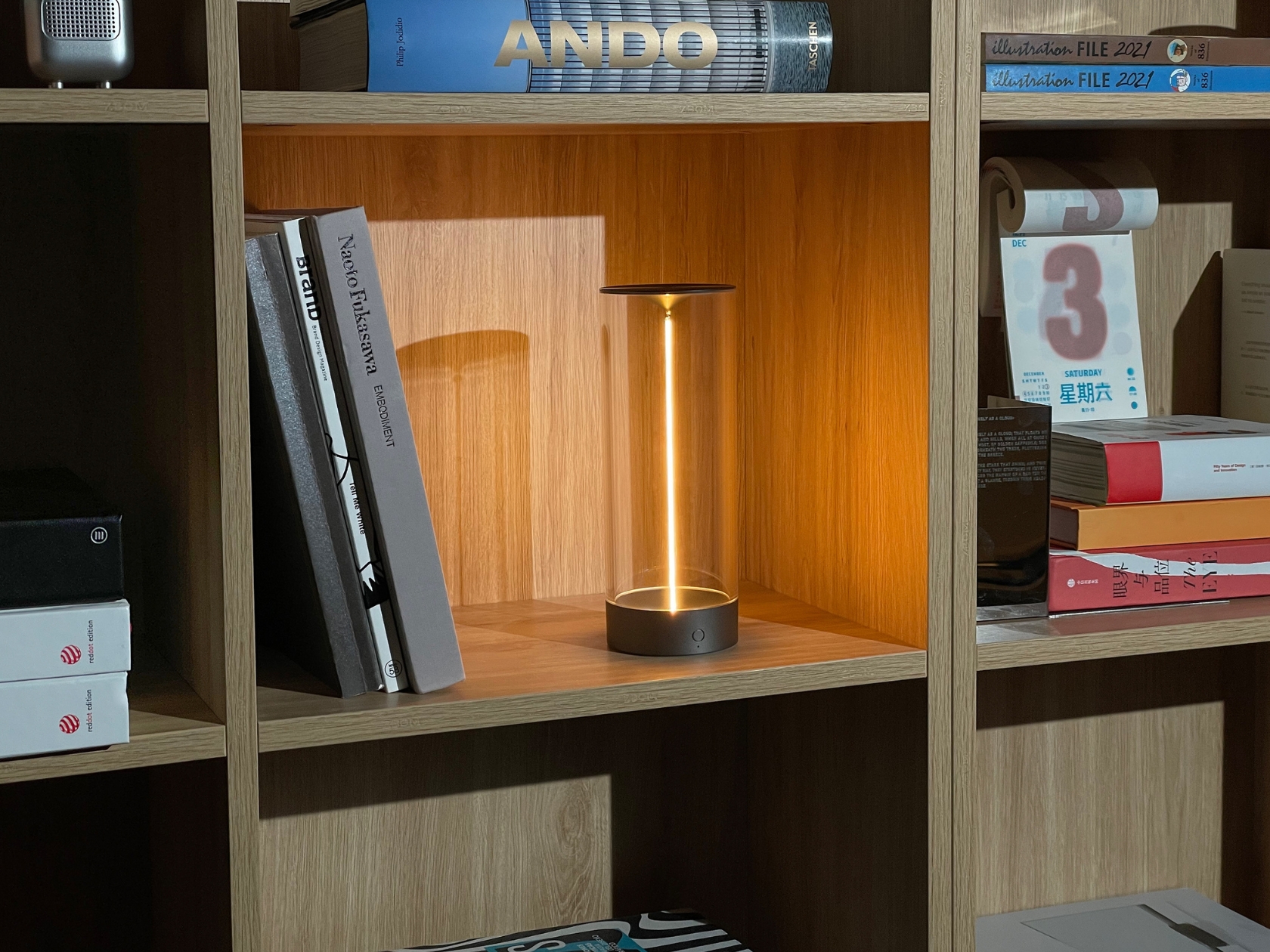
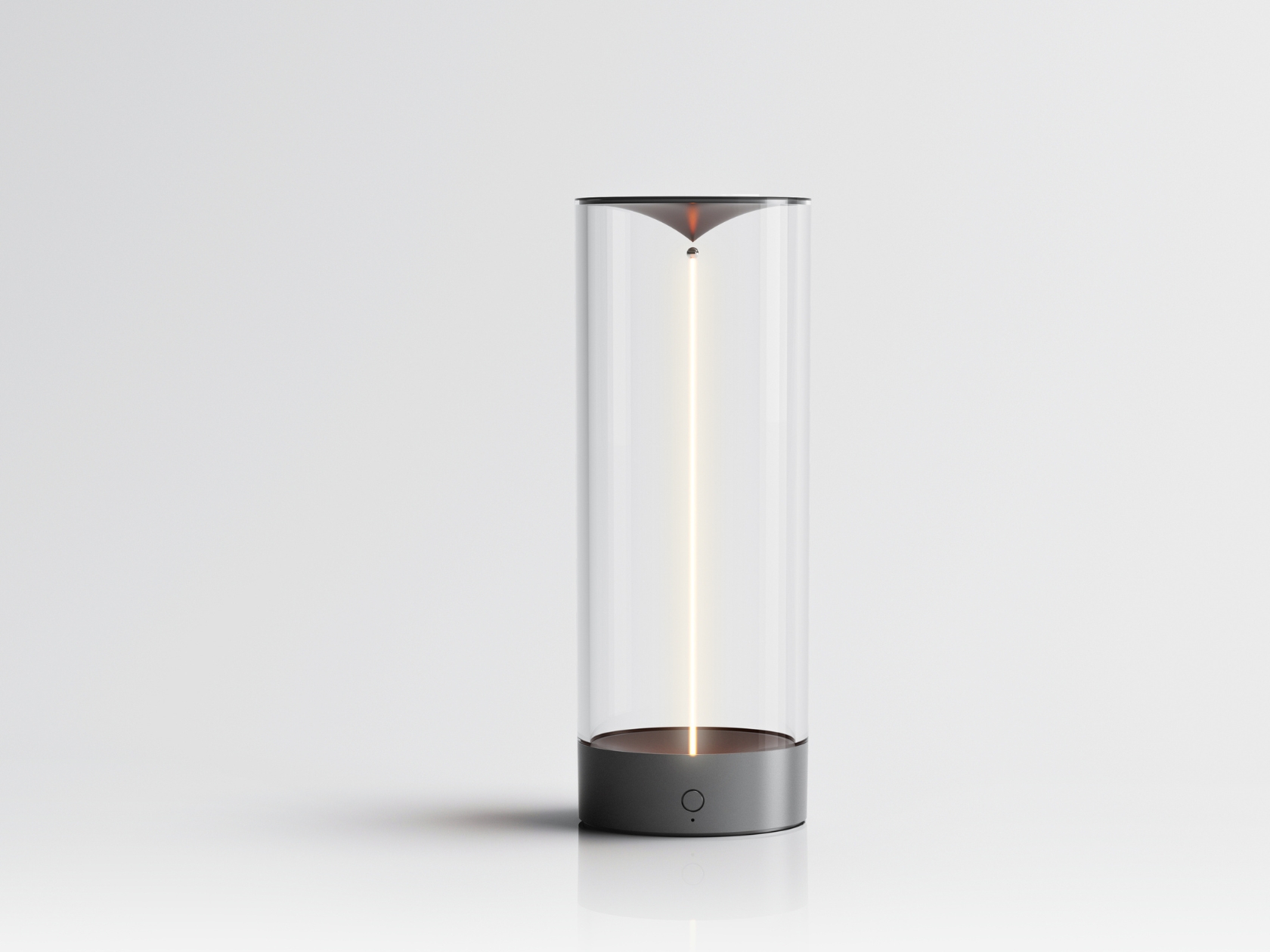
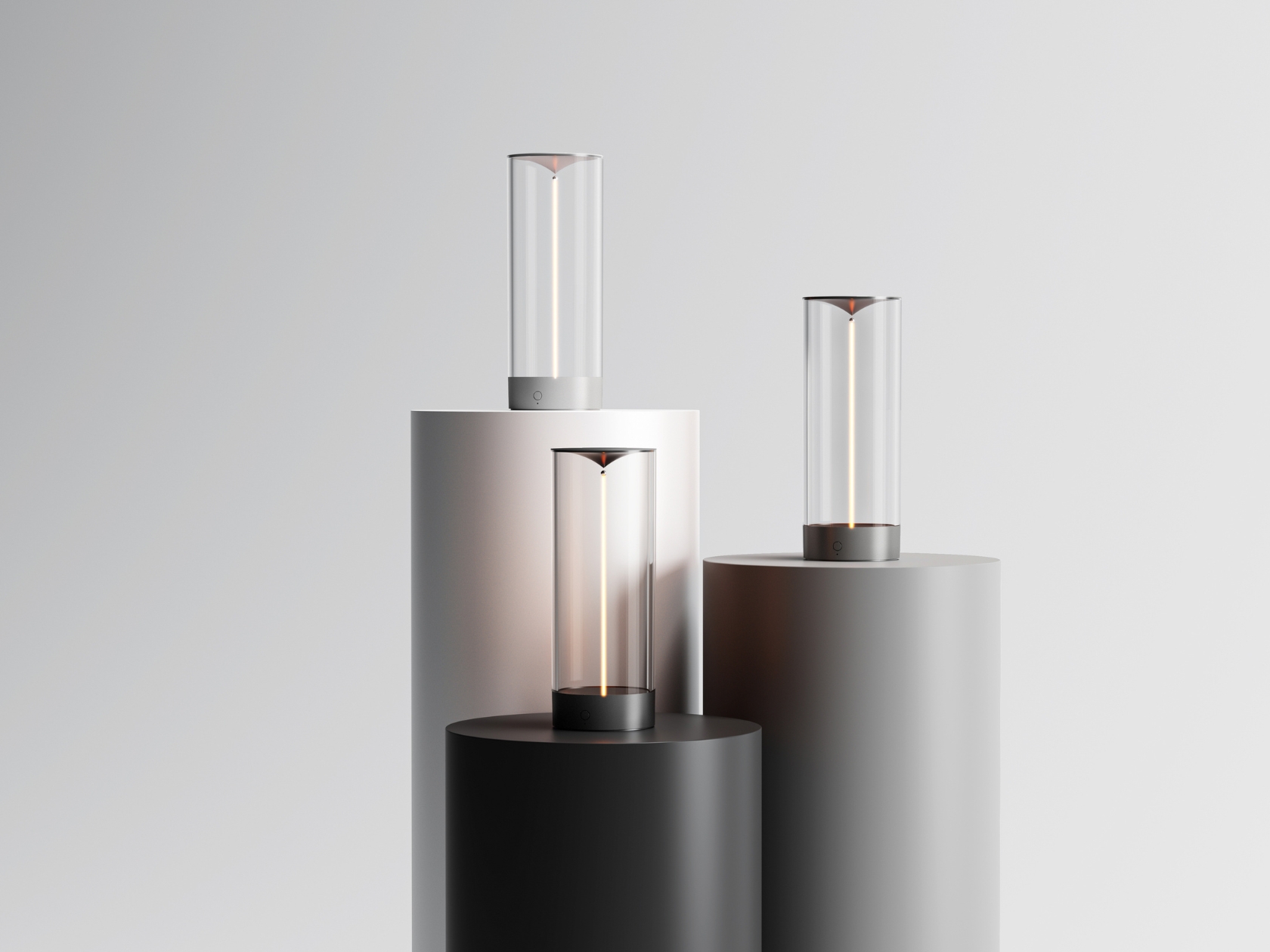
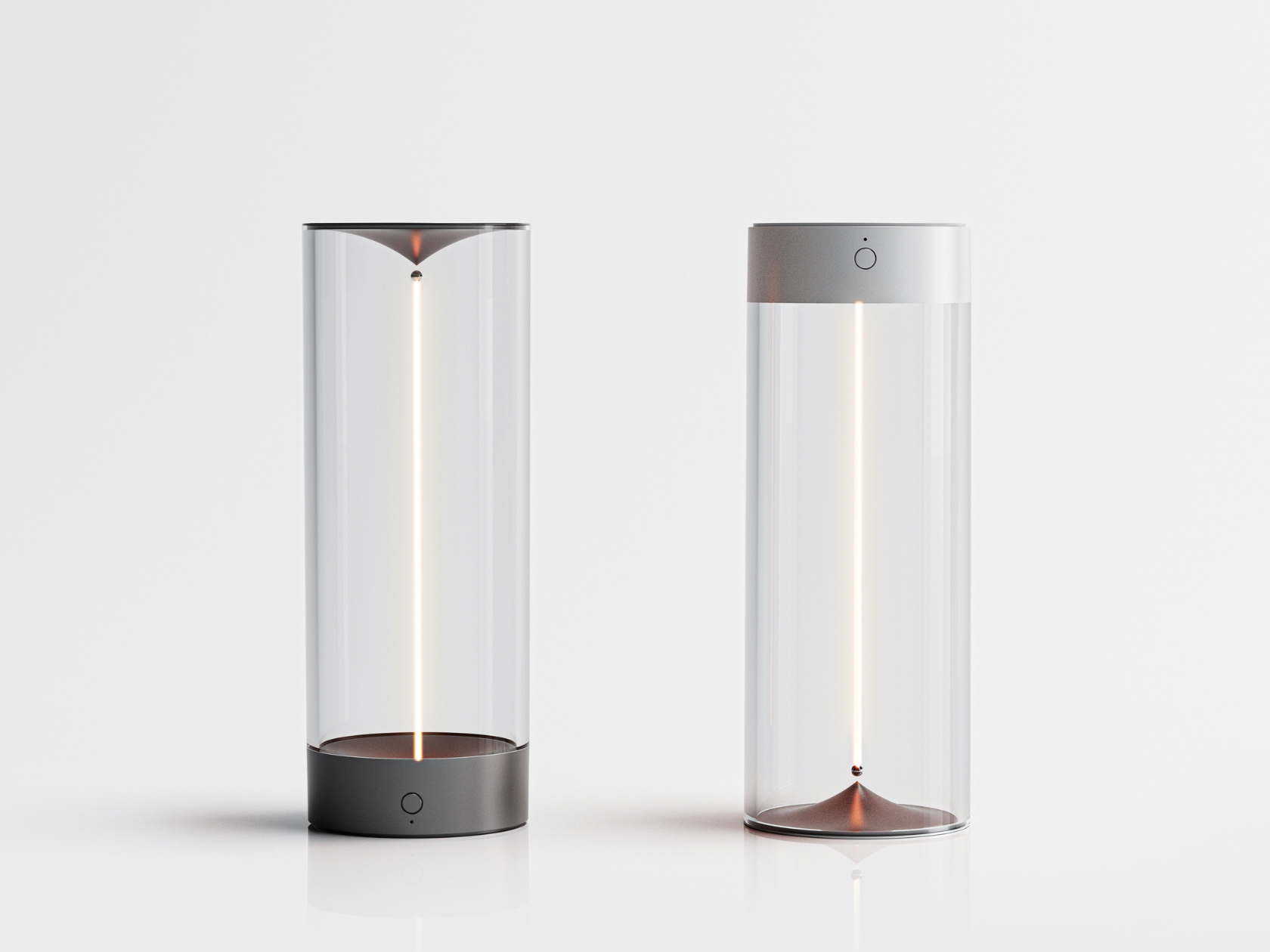
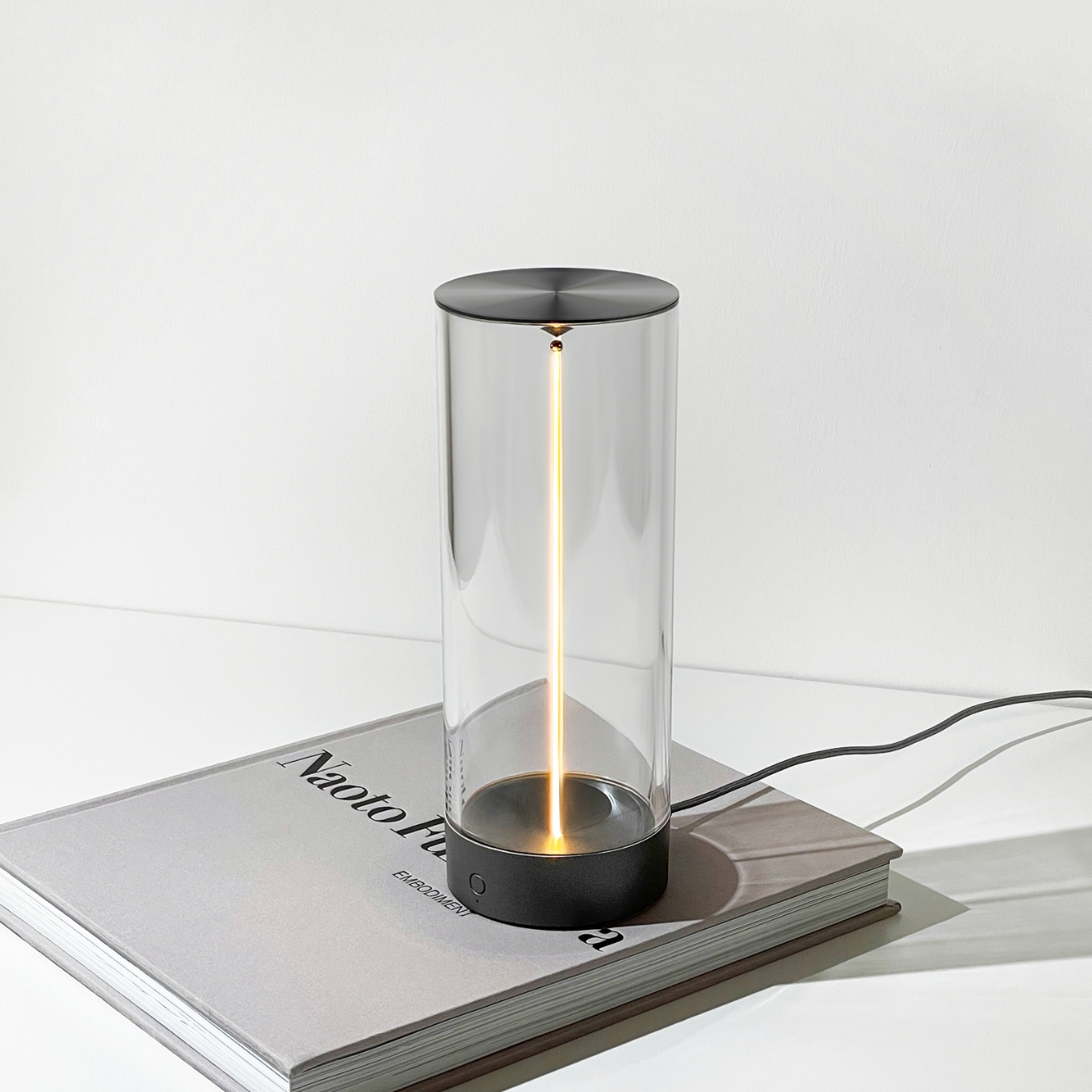
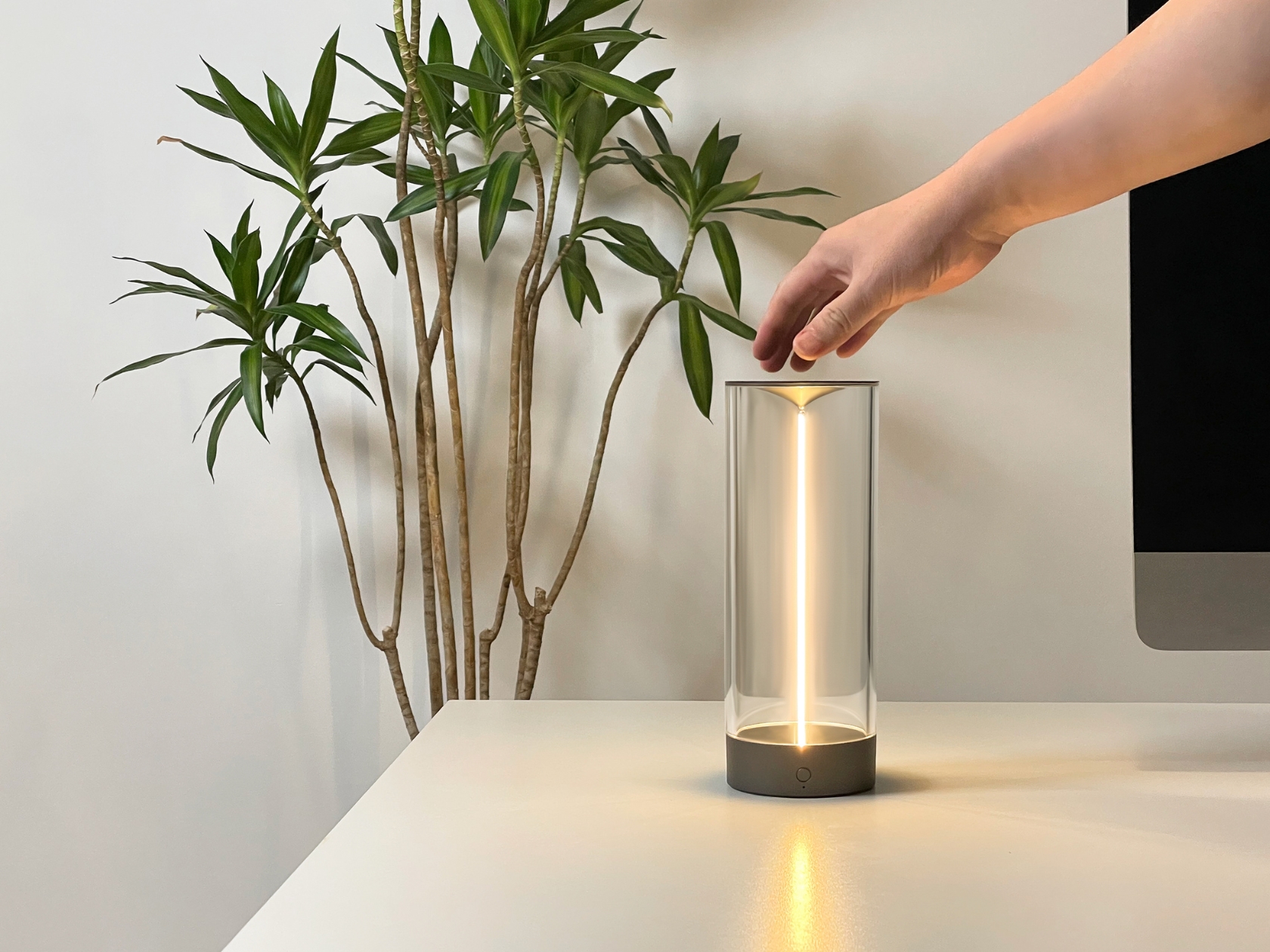
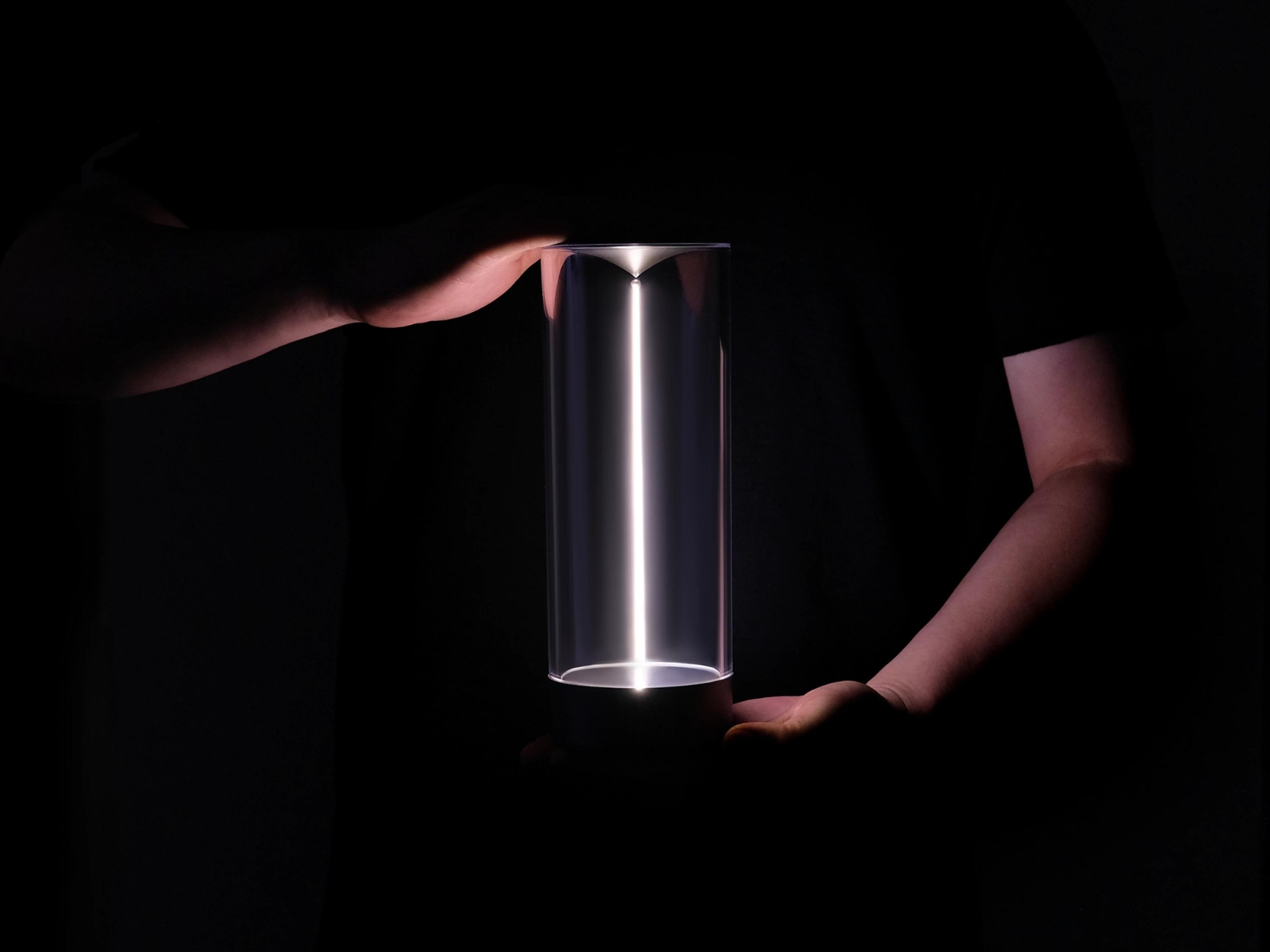
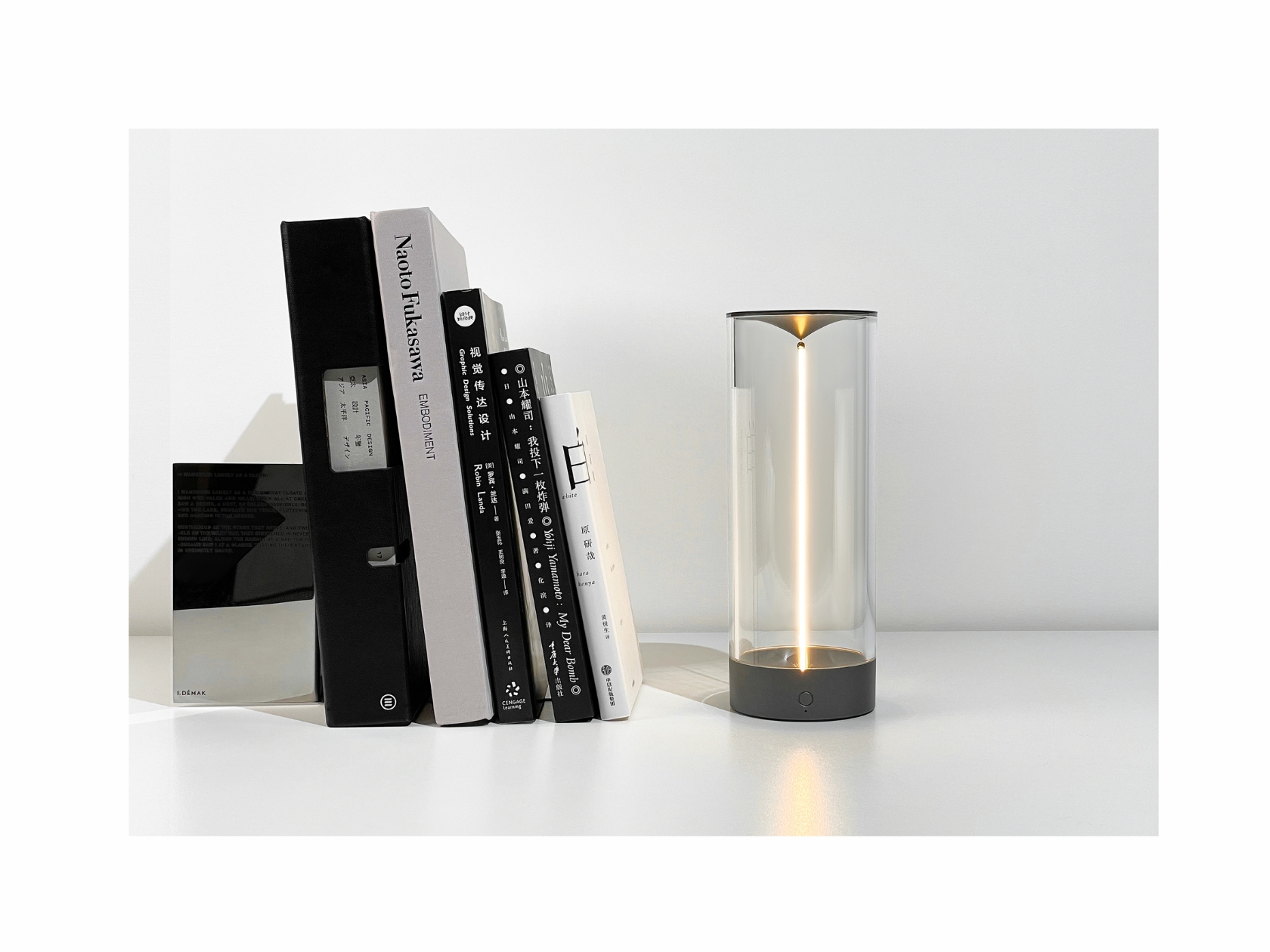
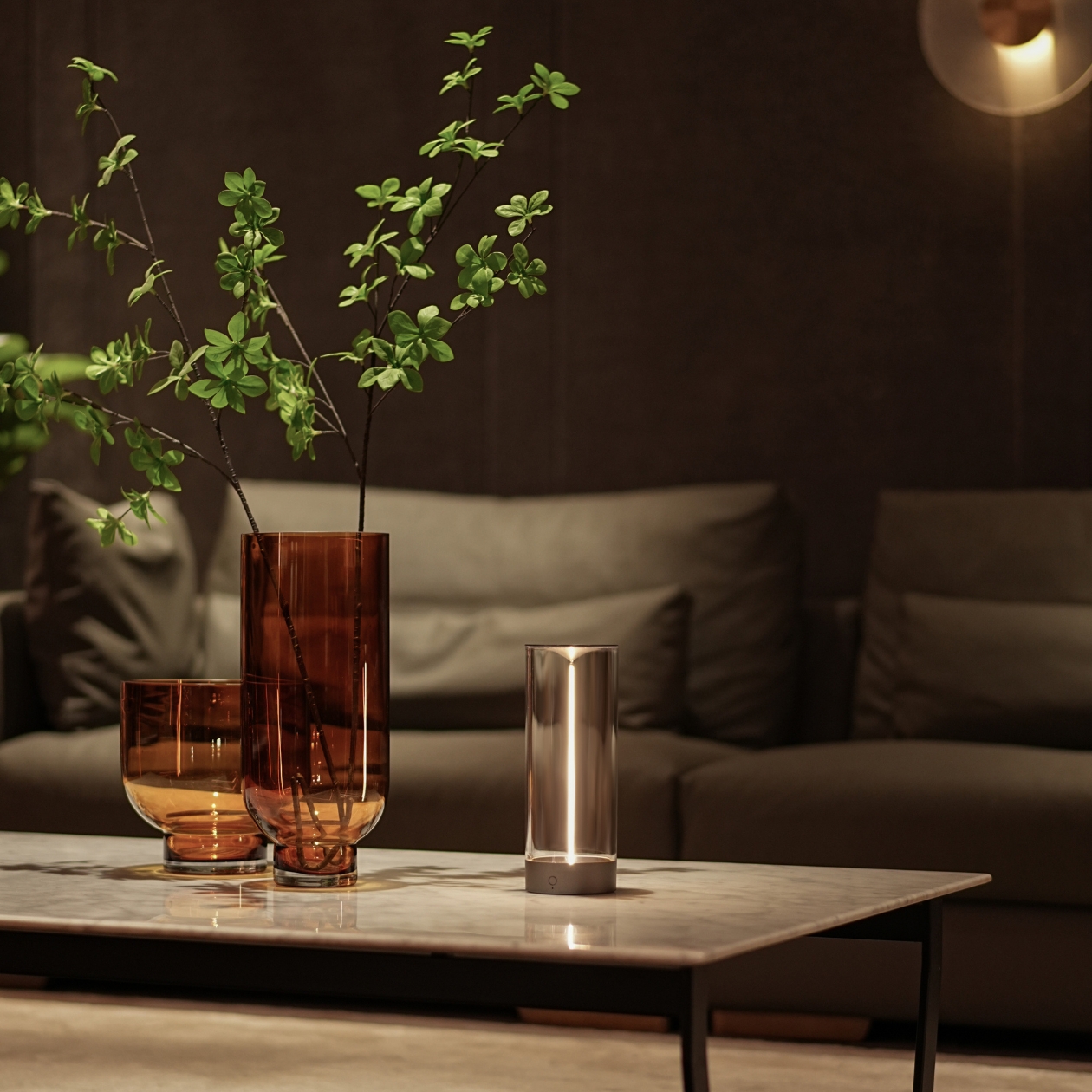
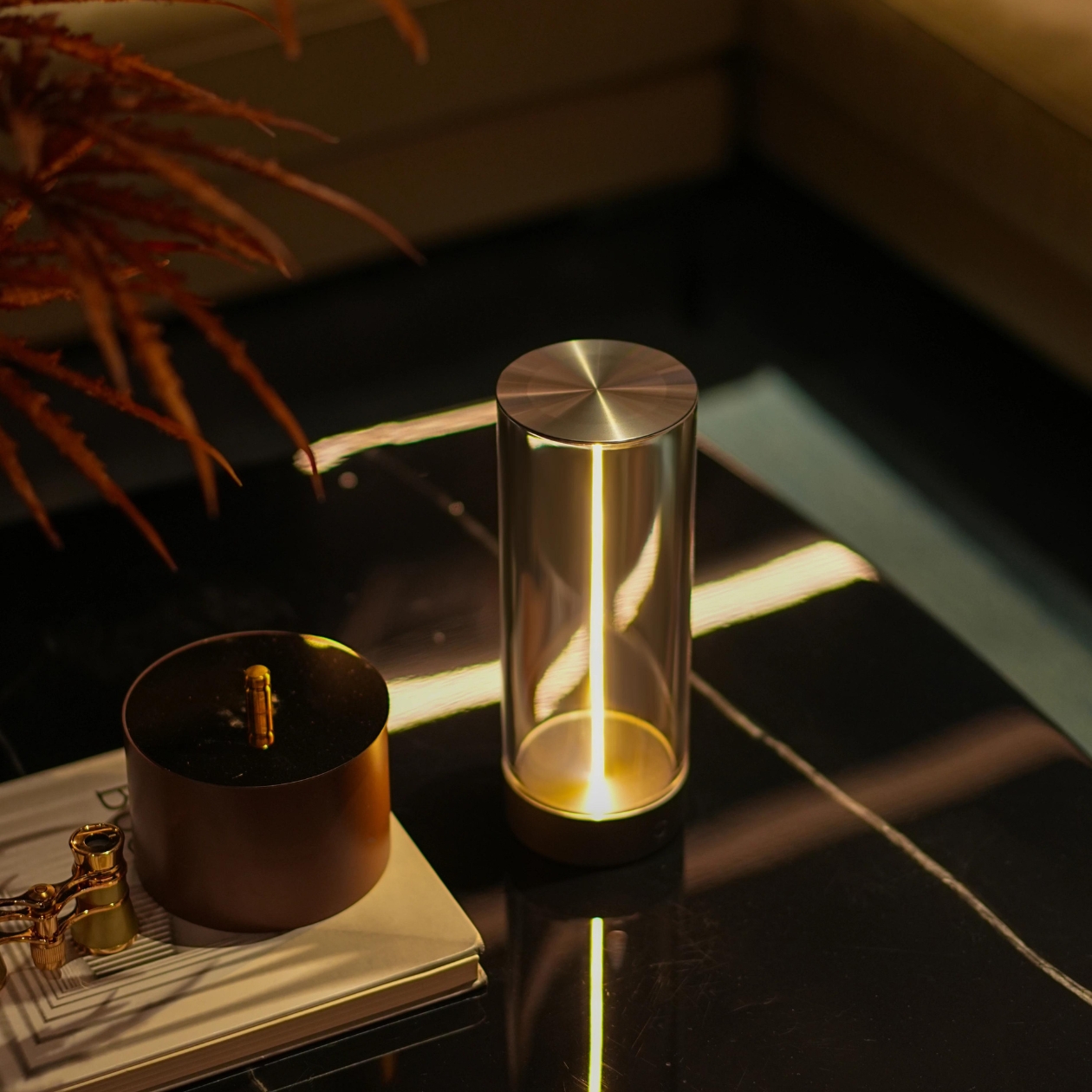
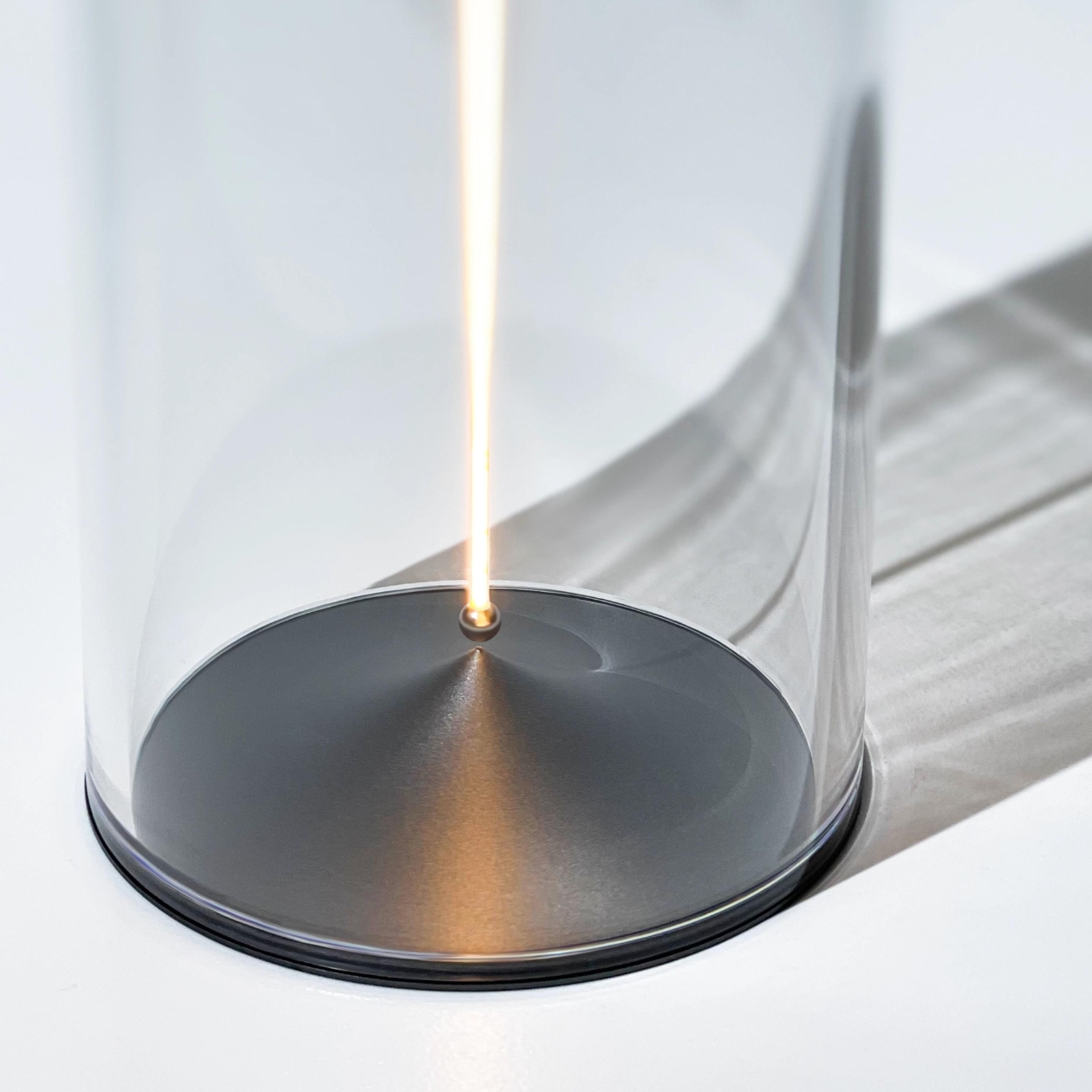
The Fila Night Mood Light by Auge Light takes its inspiration from light pillars to give an atmospheric and aesthetic lamp. Using a magnetic suction filament, they’re able to somehow connect “the sky and the ground” at least inside the lamp. They also use a magnetic suction ball to represent the “floating heart of a human being”.

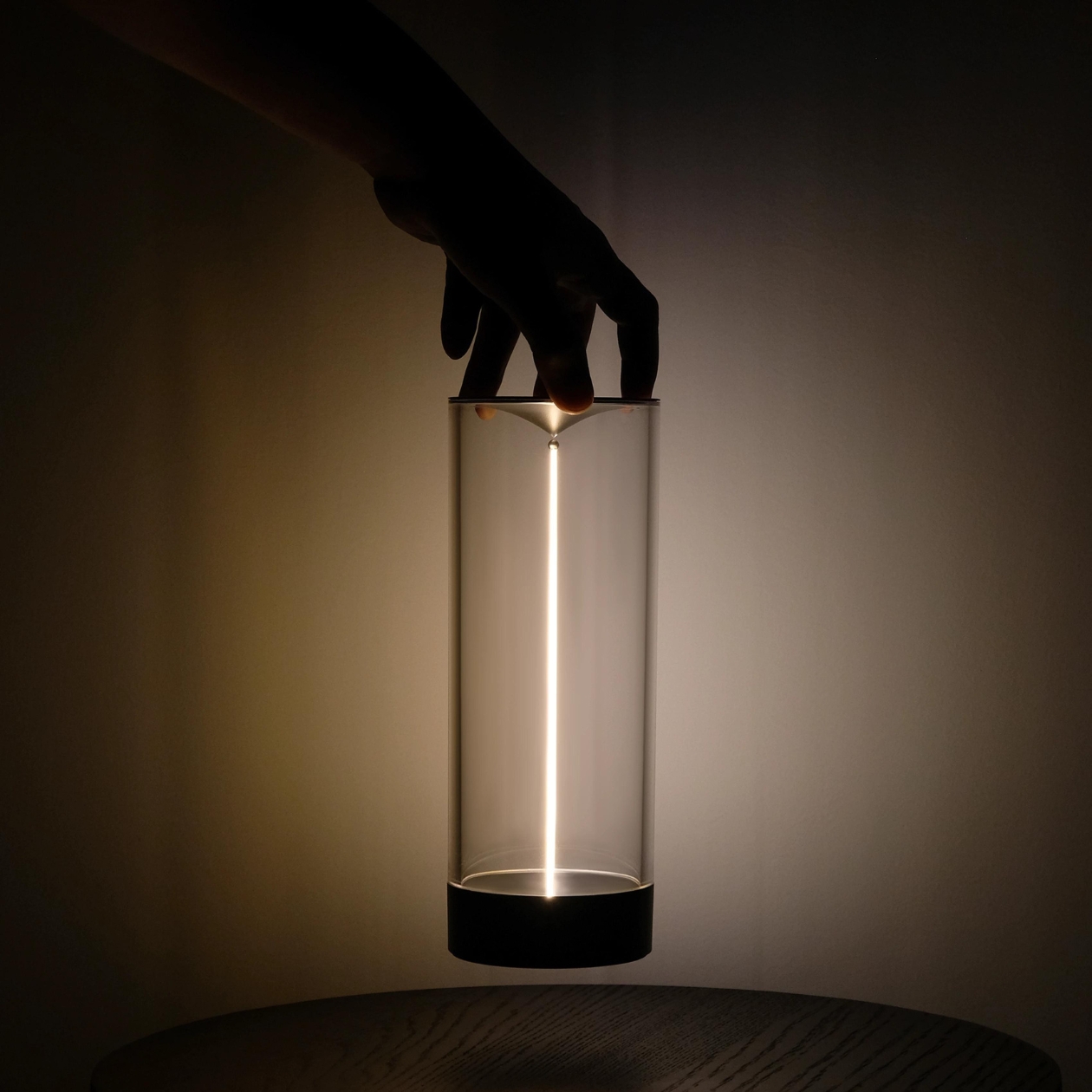
Basically you have a linear pillar of light shining inside this structure. You can control the brightness on three levels, with level 1 being 10%, level 2 at 50%, and if you want the full effect, you get 100% in level 3. It uses magnetic absorption LED to give you the lighting magic. You can also shake it to degauss (remove unwanted magnetism) the filament and invert the lamp body magnetic suction so the filament becomes vertical.

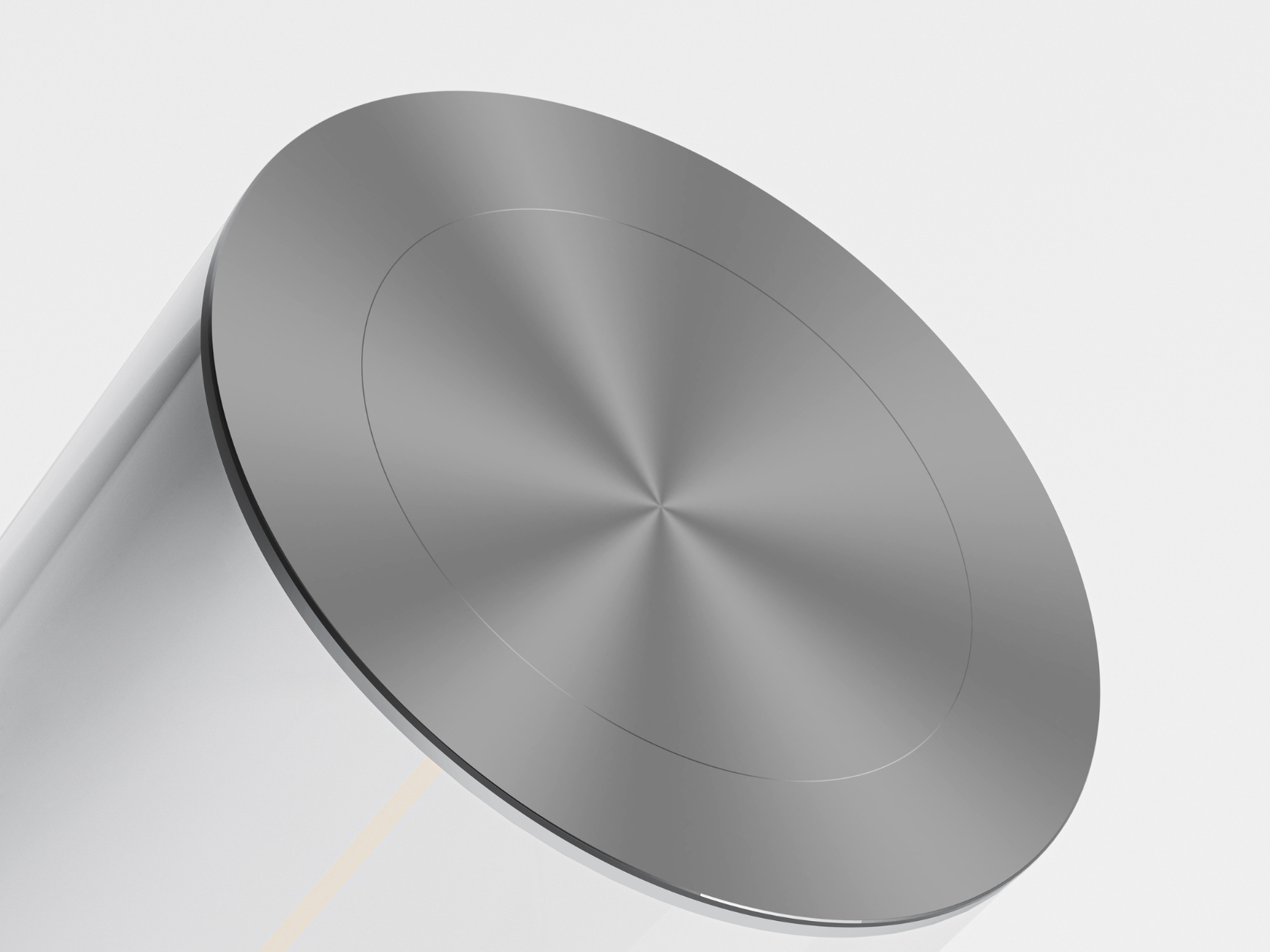
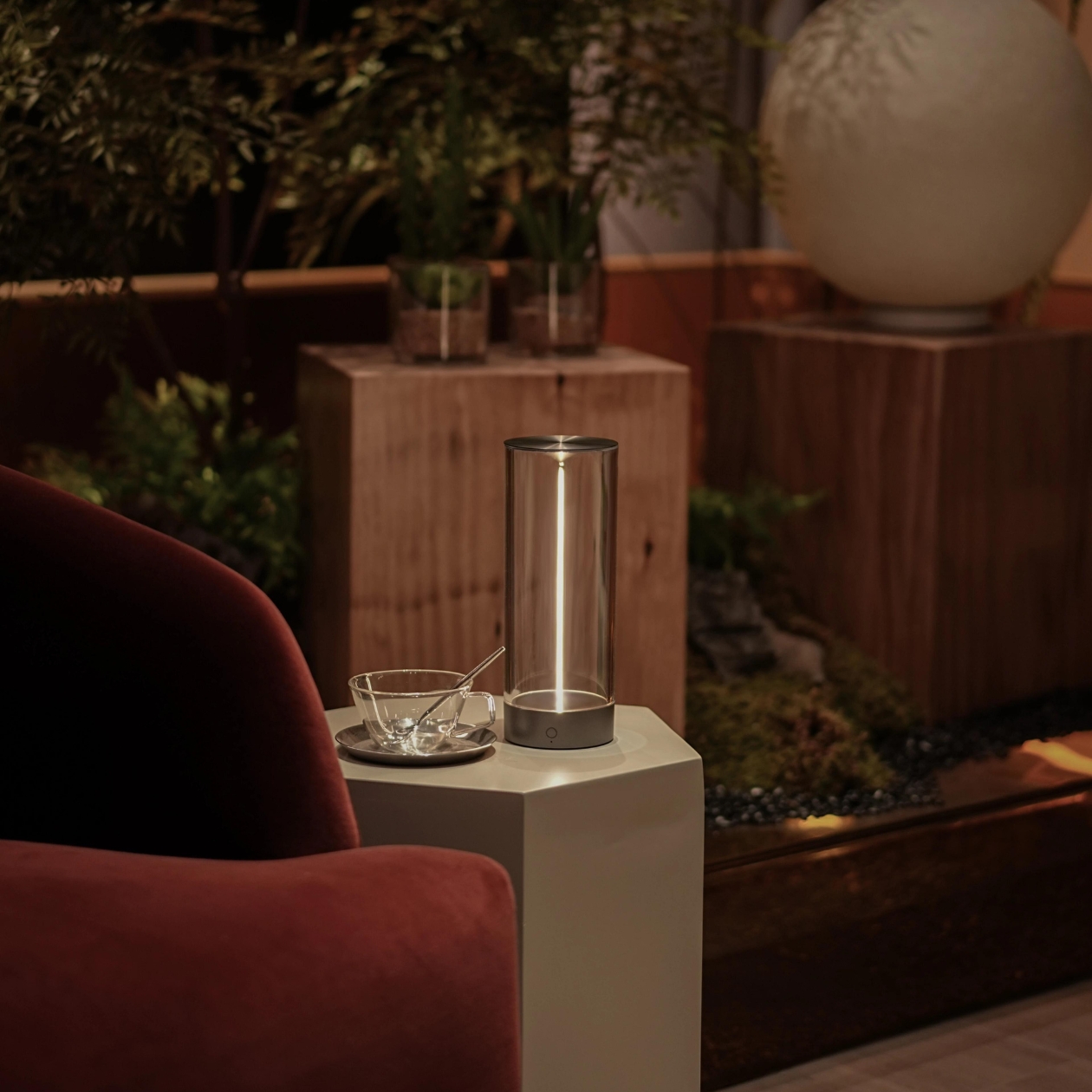
The mood lamp does look pretty especially when placed in dark areas as it adds a certain futuristic look to your space. I still feel like a UFO will pluck me from my house though especially as the top suction part looks like the entrance to an alien spaceship.

The post Peculiar mood light is inspired by light pillar phenomenon first appeared on Yanko Design.

Concrete-like lampshades are actually made from mushroom mycelium

We’ve come across a wide variety of lamp designs with an even wider assortment of lampshades made from different materials using different methods. Of course, the most common are made of metal, plastic, or glass, as these are easy to come by and manufacture in this day and age. They’re not exactly sustainable in the long run, though, even if some are considered to be such. They might not be easily renewable or they take a lot of energy to produce, generating carbon emissions and waste in the process. This particular lighting collection, however, really takes eco-friendliness to heart by using a material that’s not only sustainable, biodegradable, and renewable, it can also be easily grown in a lab rather than manufactured in a factory.

Designer: Danielle Trofe, Lujah Brown (MushLume)

Mycelium is becoming quite a star in the design industry despite its modest and literally down-to-earth roots. They are practically mushroom roots consisting of a complex branching network that, in the natural world, are used to distribute water and nutrients to plants while themselves also serving as food for organisms living in the same soil. Recently, mycelium has become the focus of many research and design experiments that use it as an alternative to typical materials like fabric or even concrete.

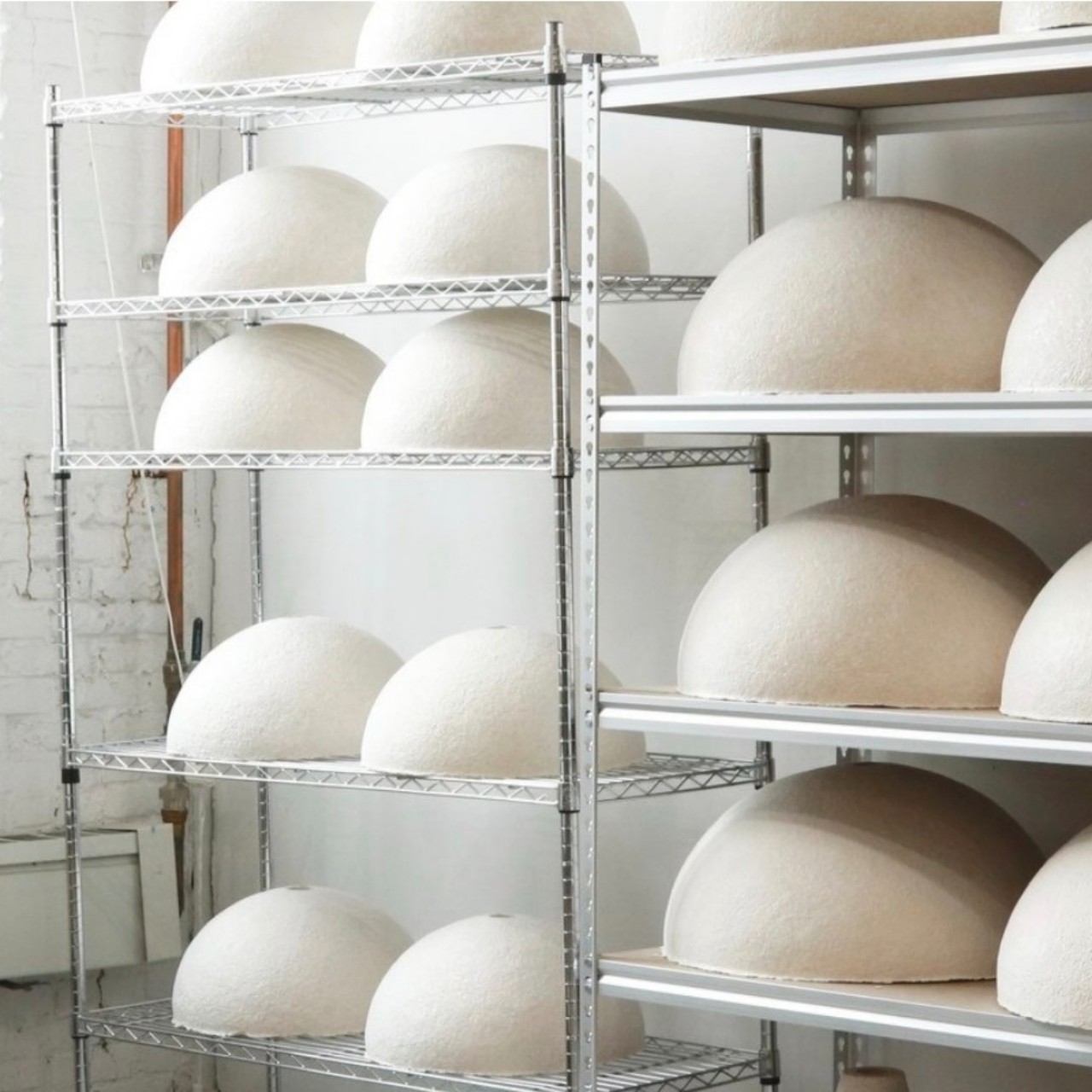
MushLume, and obvious wordplay on its origins, harnesses the properties of mycelium to create lamp designs that are not only striking but also friendly to both the Earth and humans as well. But rather than take the painstaking work of gathering mushroom roots from the wild, the fungi are instead grown into a hemp substrate that eventually solidifies inside a mold. Once matured, the new structure is removed from the mold heated, and dried to become practically any lamp form you can think of.

The result is a material that checks all the sustainability boxes. It uses very little water and energy to make, significantly reducing carbon emissions and waste. The material is also biodegradable, which means you can eventually throw it out into a backyard compost or landfill and it will safely decompose over time. That said, they are expected to last for years so you won’t need to do that any time soon.

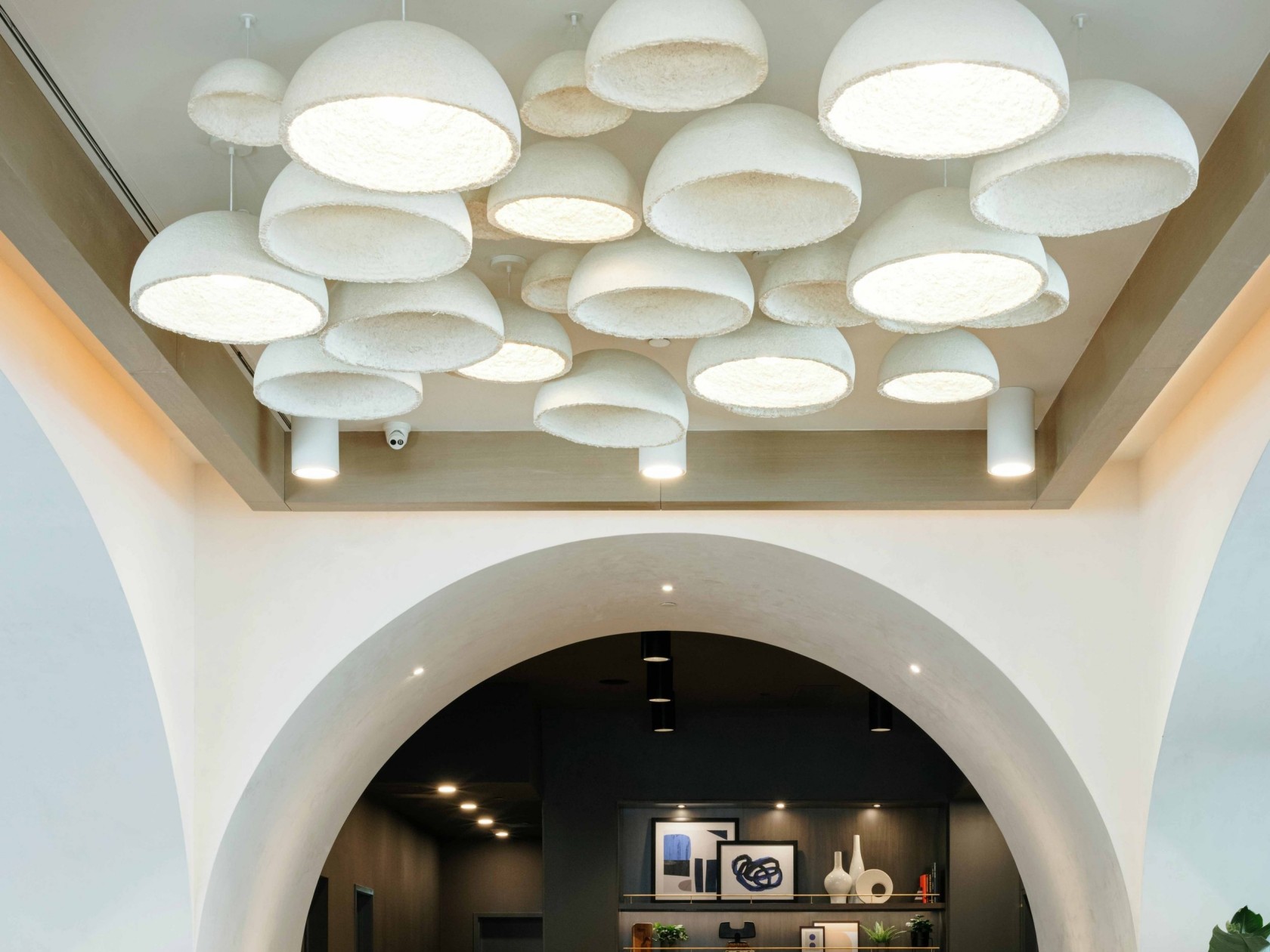
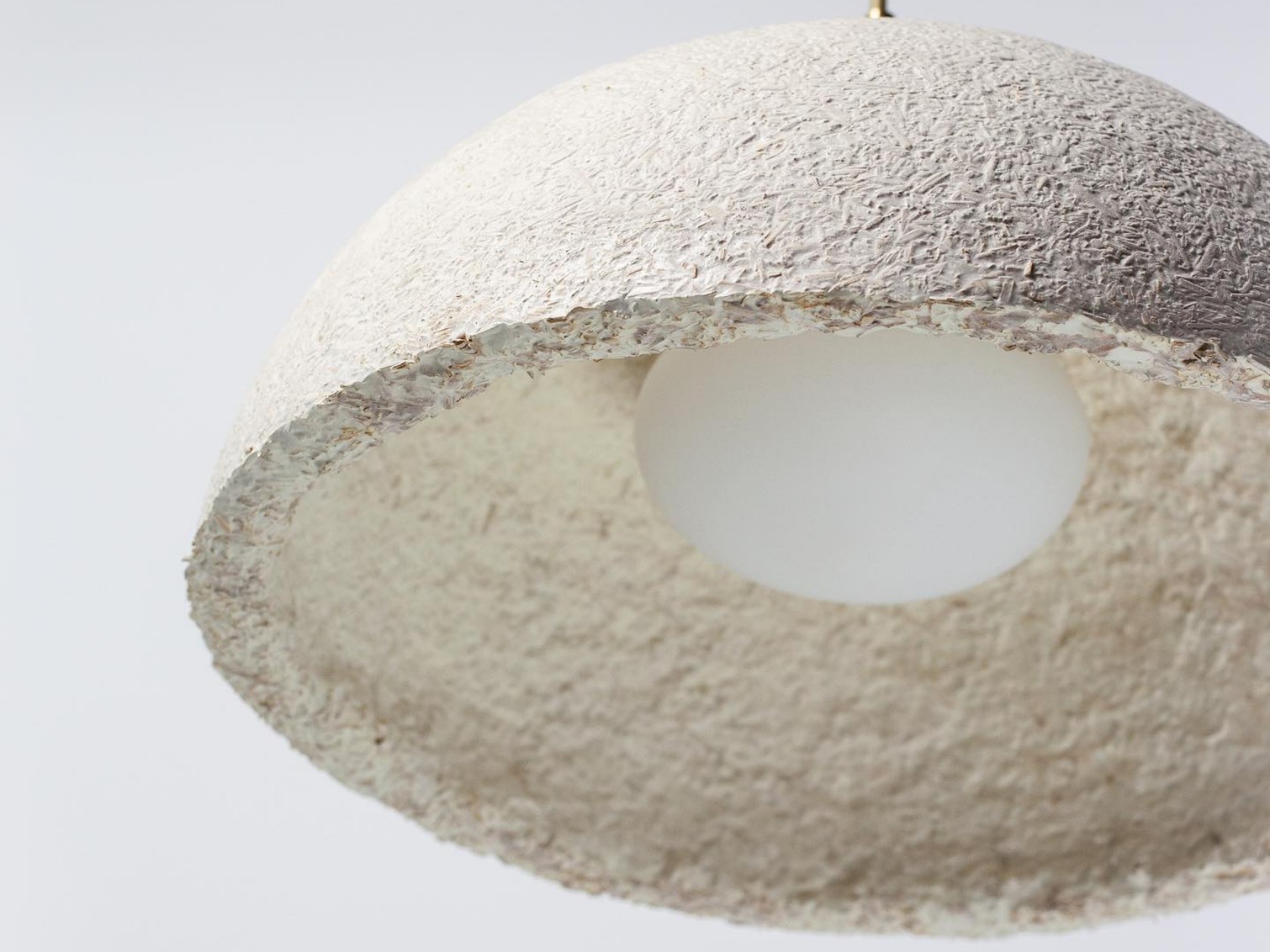
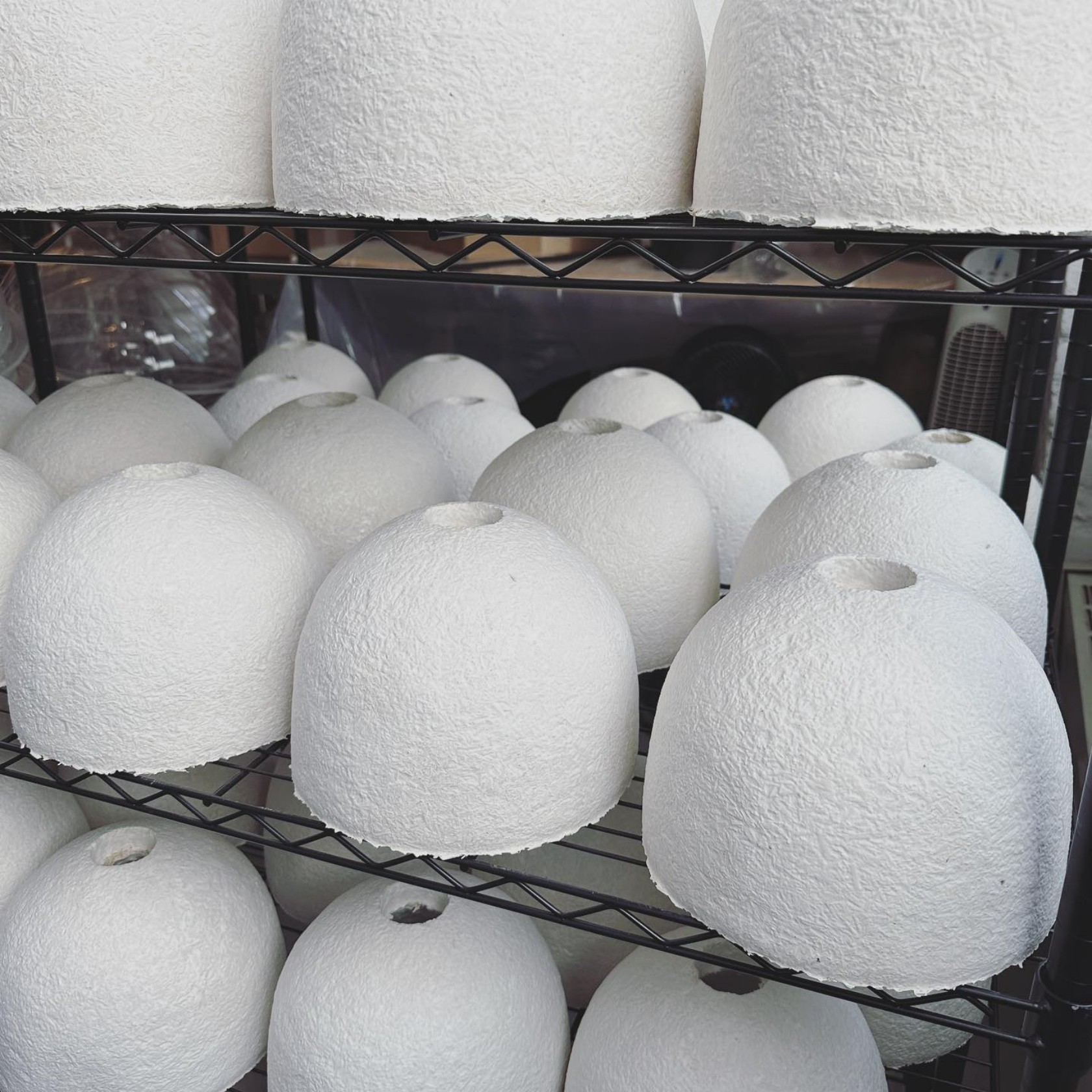
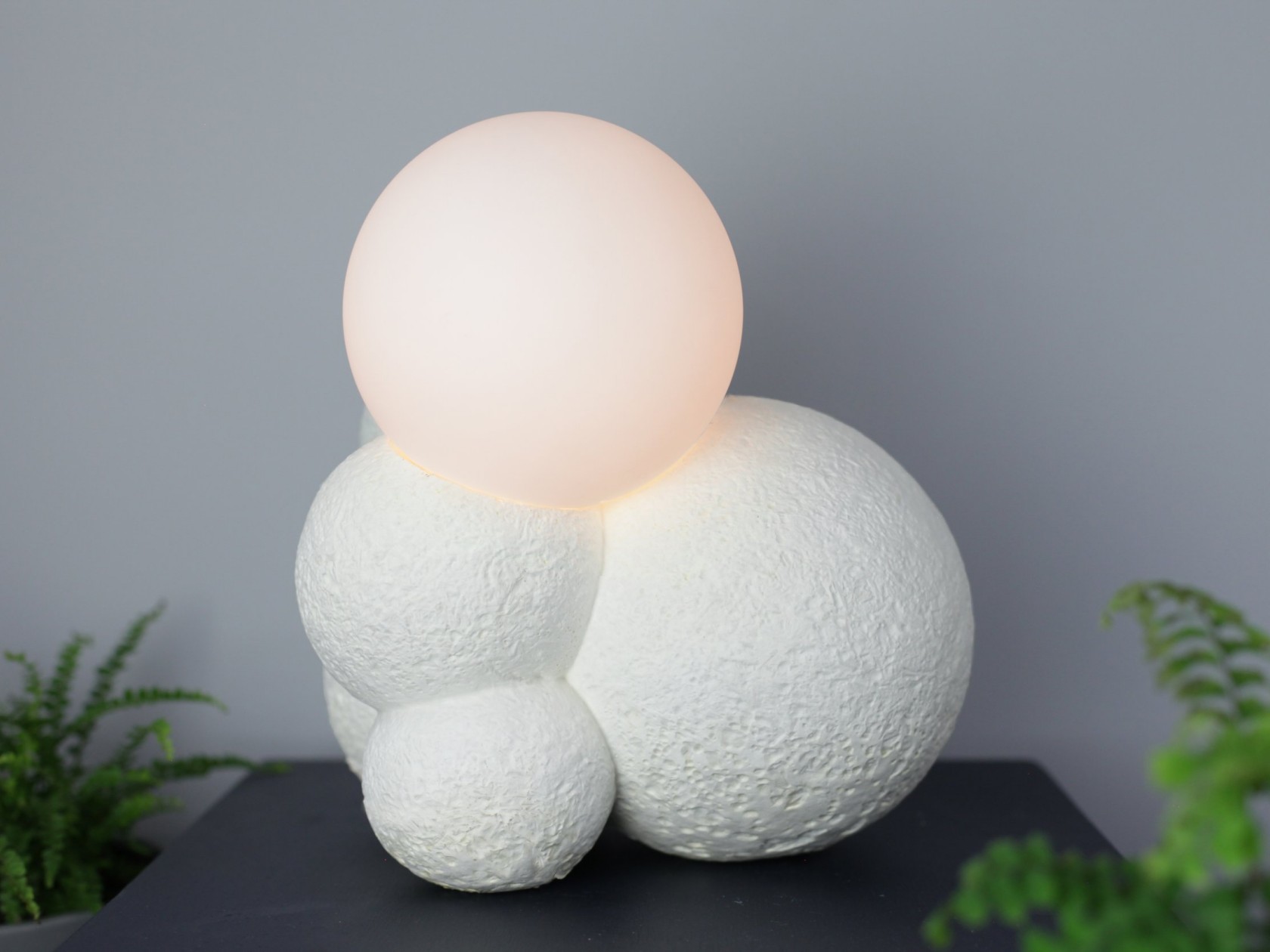
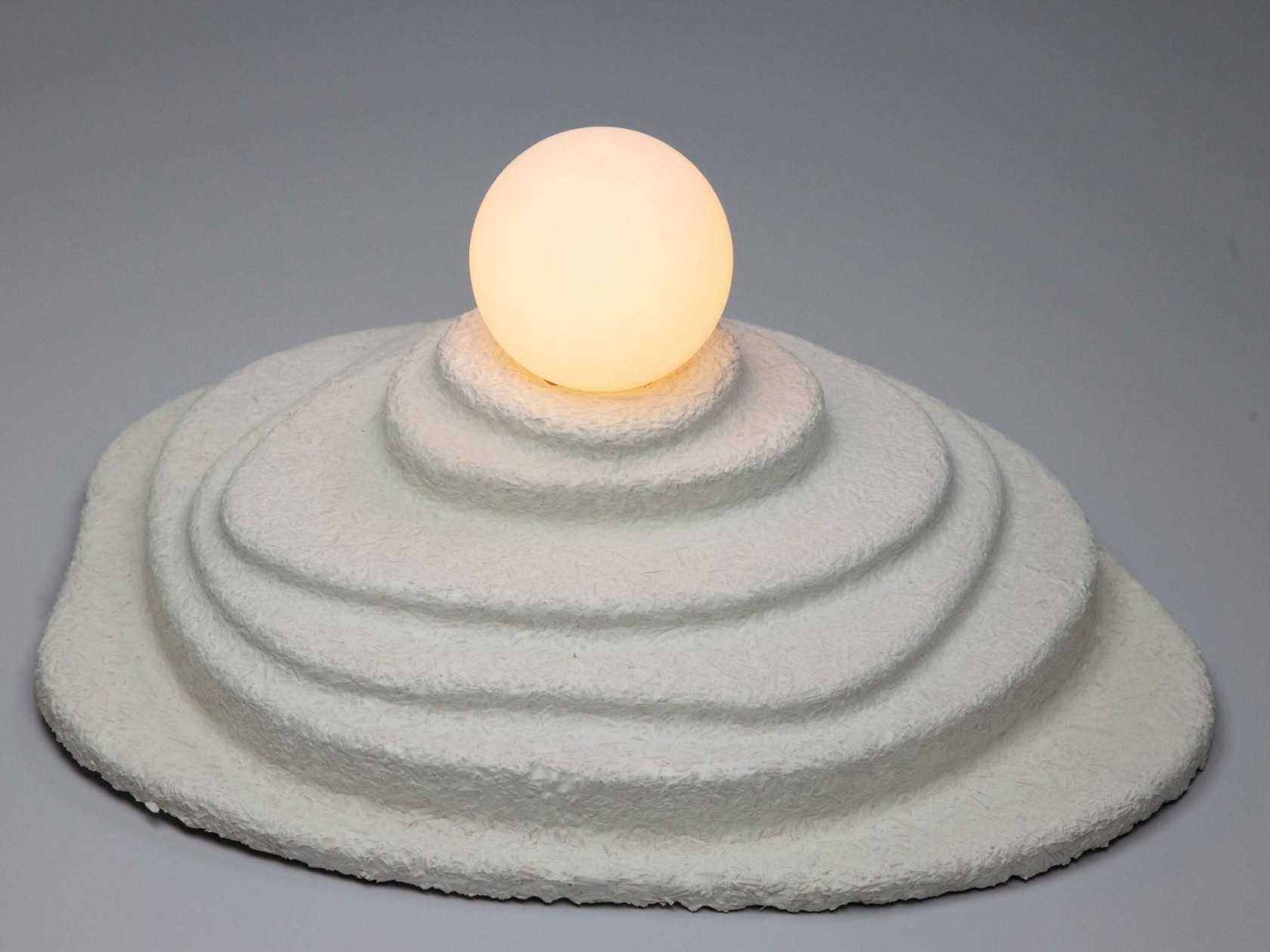
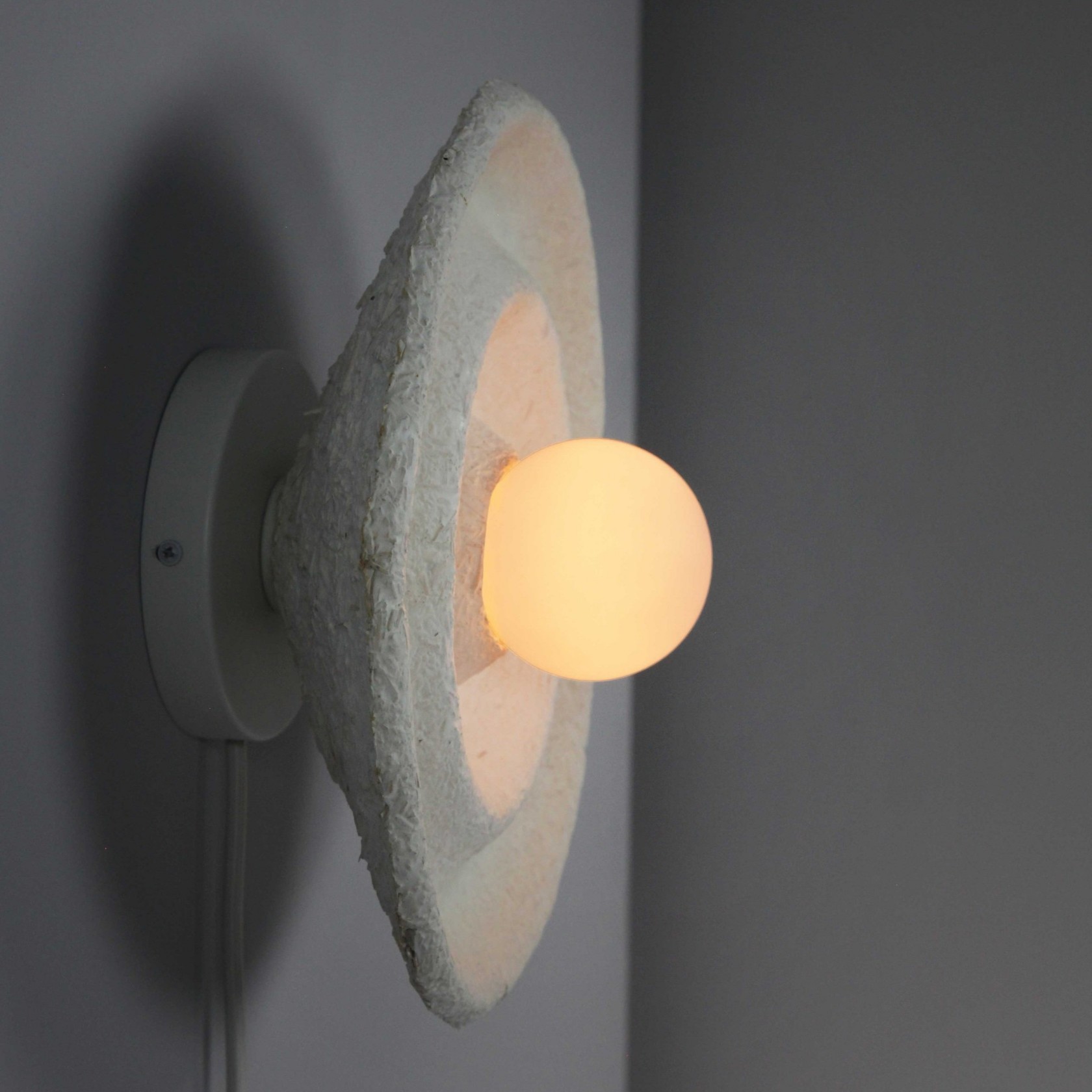
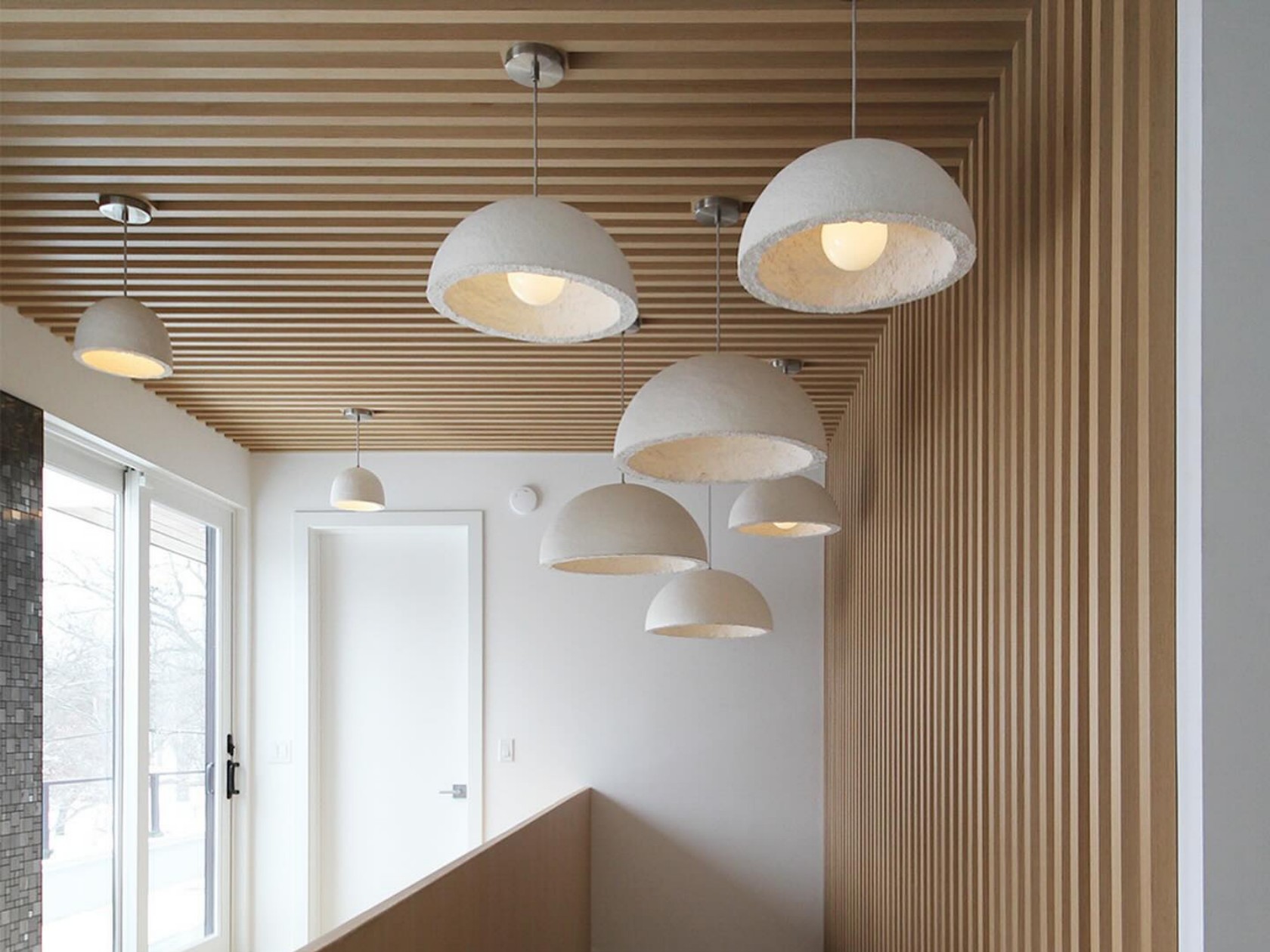
MushLume lamps also bring a distinctive aesthetic to any space. Their raw and rough surfaces almost resemble concrete from a distance but are incredibly lightweight in reality. The texture and patterns, which are unique to every lamp, also add some character to the design, while also giving the diffused light a warm tone. MushLume definitely challenges the conventions of designing and producing products, though there still needs to be more testing to see if mycelium can really scale up to be the mass-grown foundations of future products.

The post Concrete-like lampshades are actually made from mushroom mycelium first appeared on Yanko Design.

German-engineered Elegance Redefines Portable LED Lighting And Brings The Sun’s Hues Into Your Home

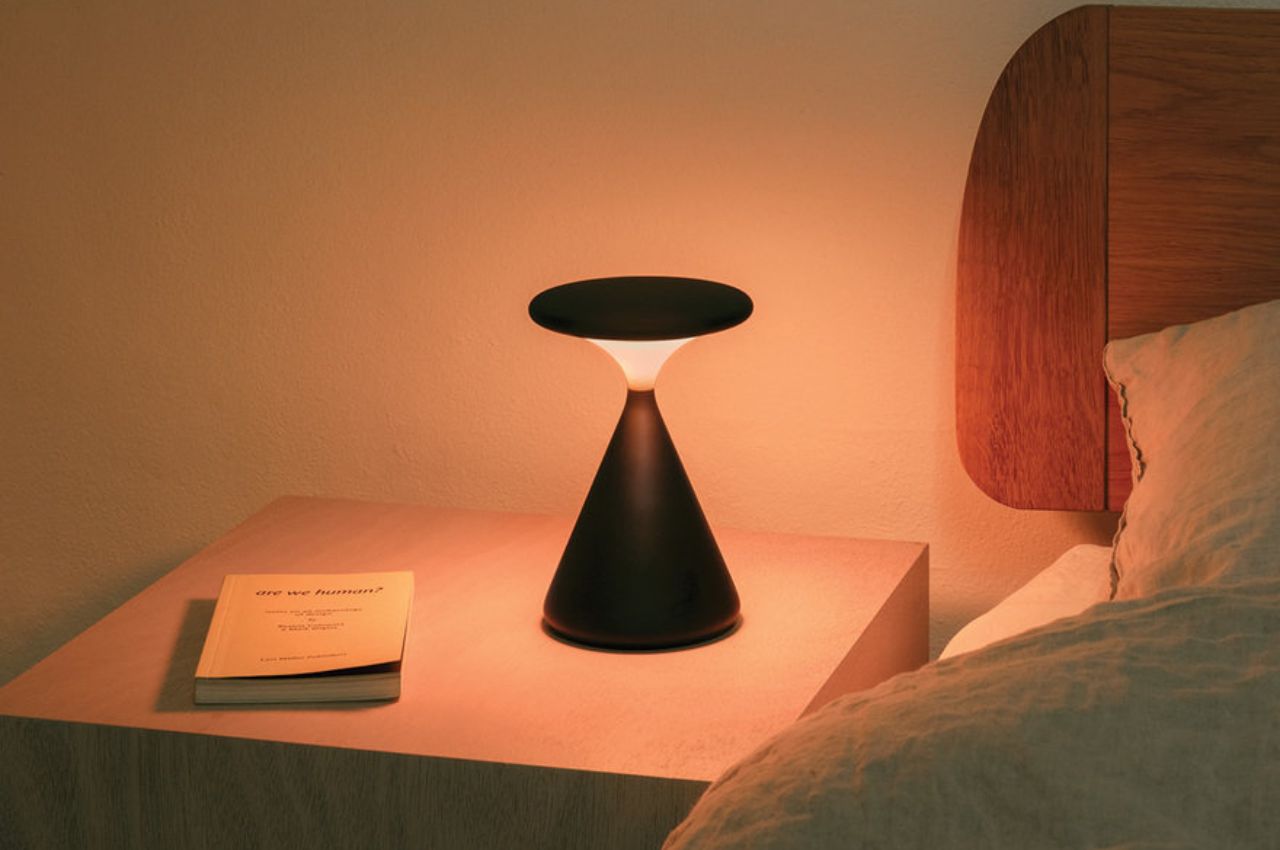
Step into the realm of illumination innovation with the GRAU Salt Lamp, a veritable titan in the world of portable lighting solutions. From the meticulous craftsmanship of German engineering emerges a luminary that transcends mere functionality, becoming a beacon of elegance and innovation that redefines the very essence of lighting.

Designer: GRAU

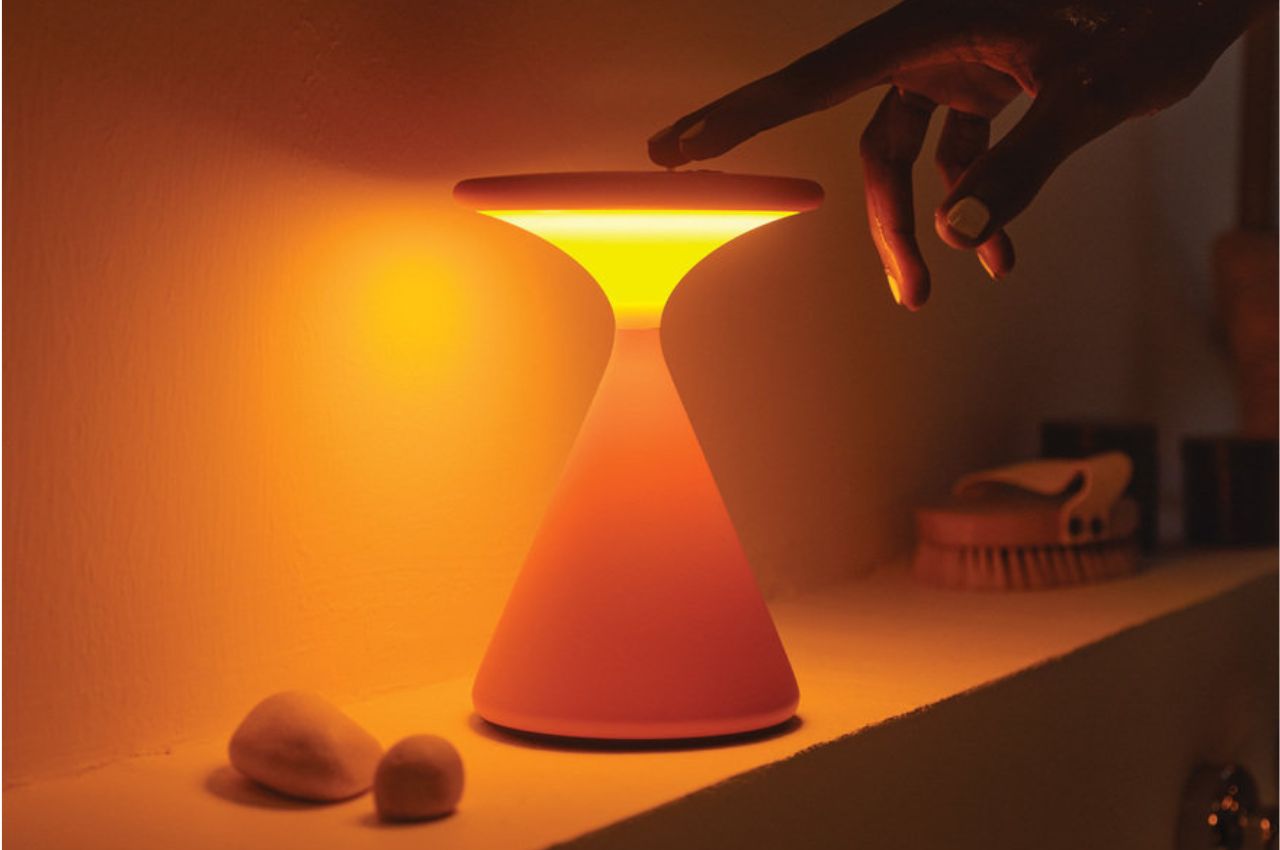
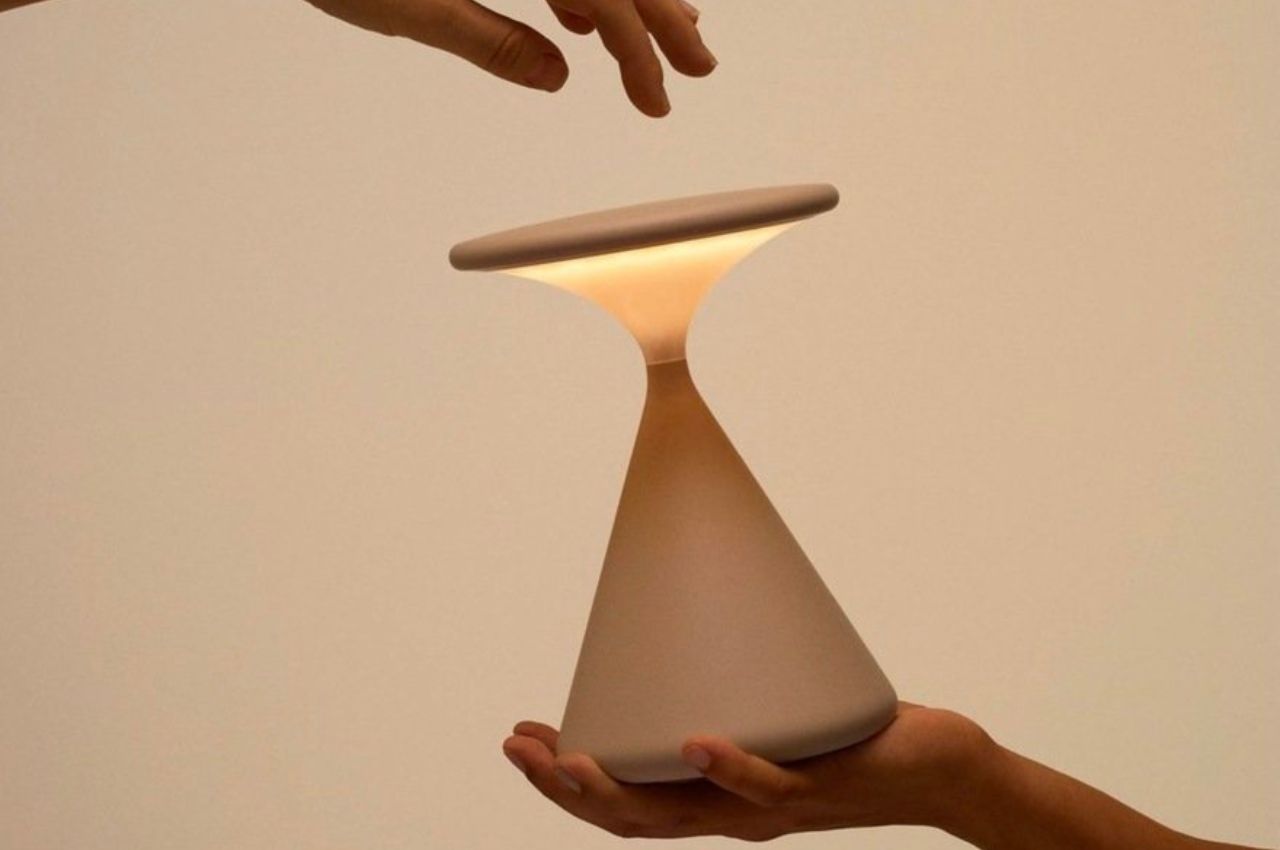
At first glance, the Salt Lamp presents a sleek silhouette, crafted from the finest powder-coated aluminum, with a base that whispers of luxury with its rubberized touch. However, beneath its stark exterior lies a wealth of innovative features designed to elevate your lighting experience to new heights.

You can effortlessly control your lighting experience with just a touch, as the Salt Lamp’s touch-sensitive top responds to your every whim, offering a radiant glow of up to 450 lumens. But wait, there’s more. Dive into the subtleties of sunset with GRAU’s ingenious sunset-dimming feature, painting your space with hues that mimic the warmth of the setting sun. From the golden embrace of dusk to the fiery hues of twilight, three distinct light curves—Sunset Orange Light, Golden Light, and Neutral Light—beckon you to curate your ambiance with finesse.

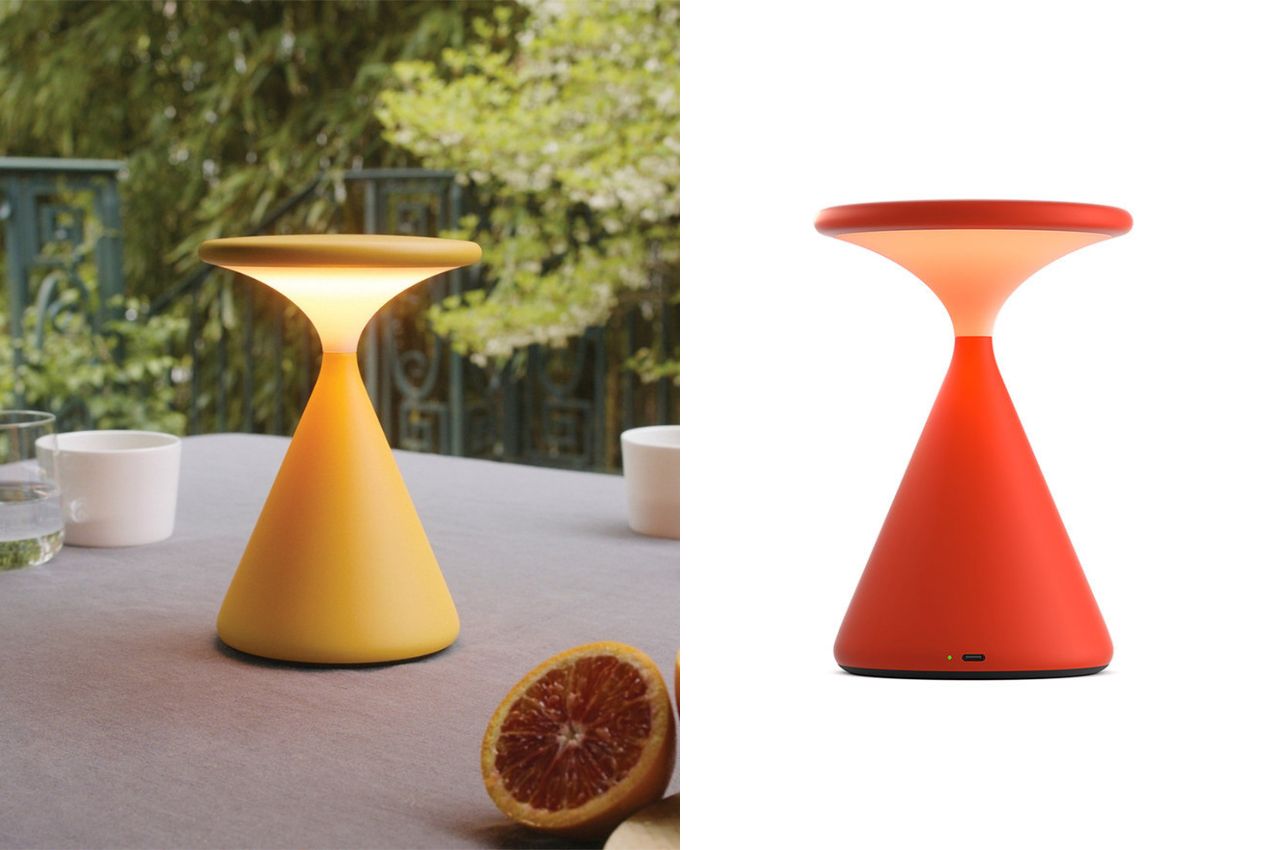
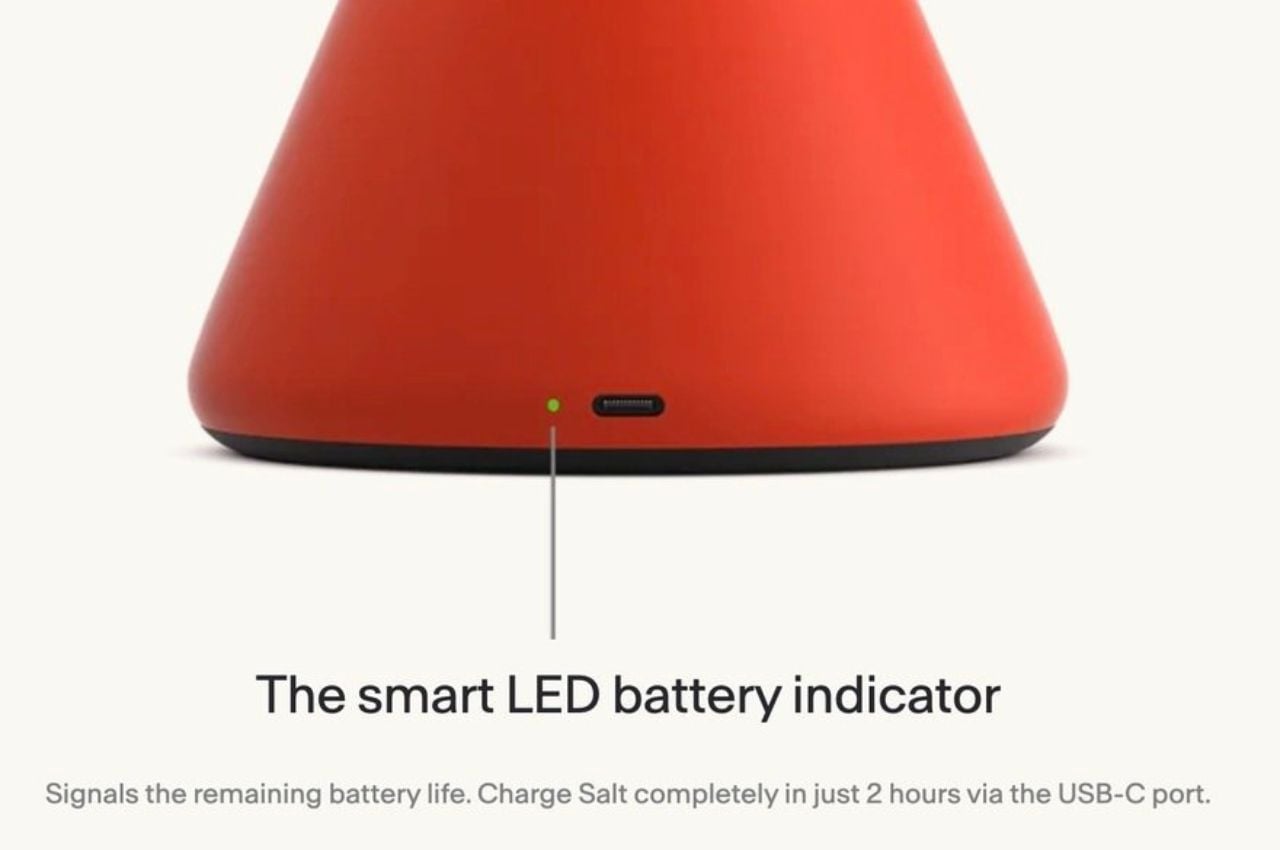
Powered by USB-C rechargeable batteries, the Salt Lamp boasts an impressive runtime of 150 hours on a single charge, extending to a remarkable 500 hours when set to the dimmest setting. GRAU has engineered the lamp with easily replaceable battery units in a nod to sustainability, ensuring longevity and minimizing environmental impact.

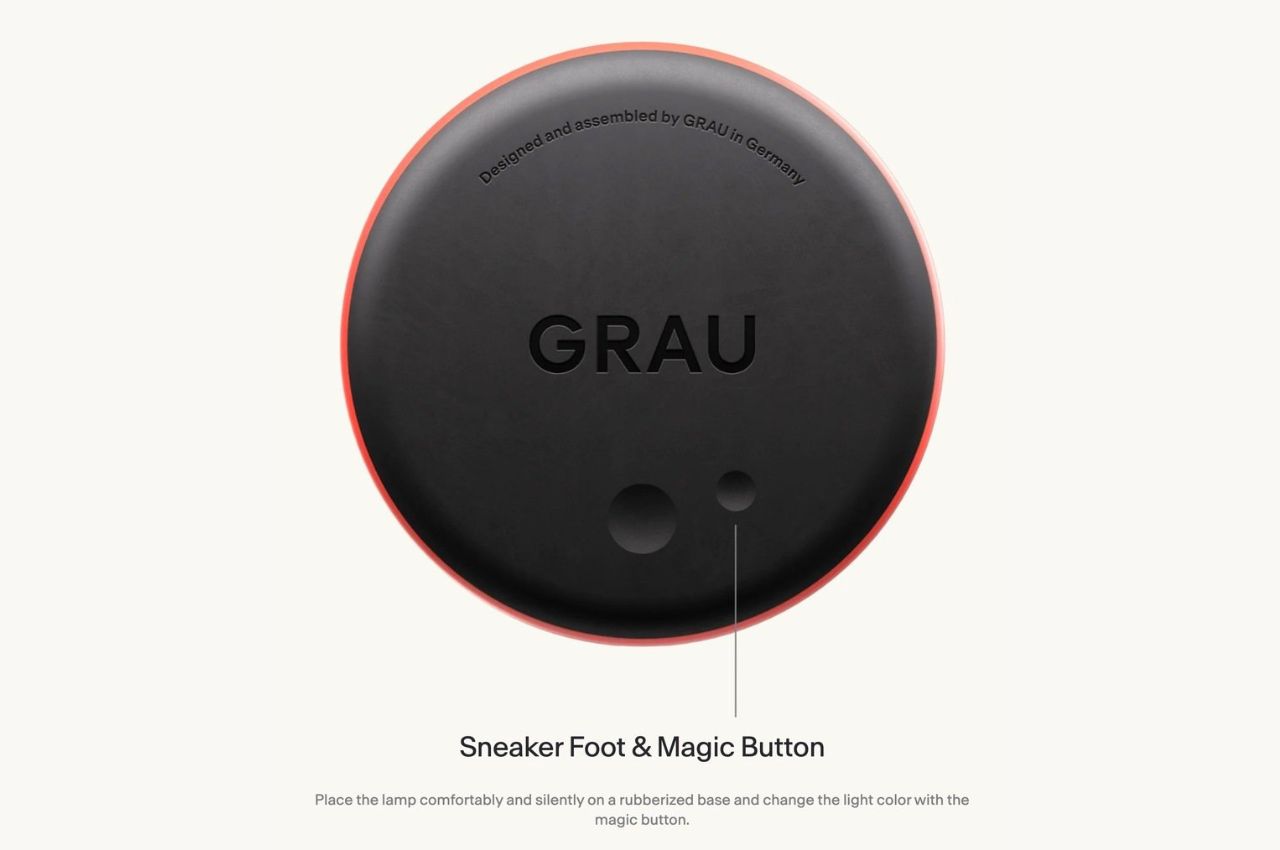
Navigating the lamp’s features is a breeze, thanks to its intuitive design elements. The inclusion of a smart LED battery indicator keeps users informed of the remaining battery life, while the innovative “Magic button” enables seamless operation and effortless color adjustments.

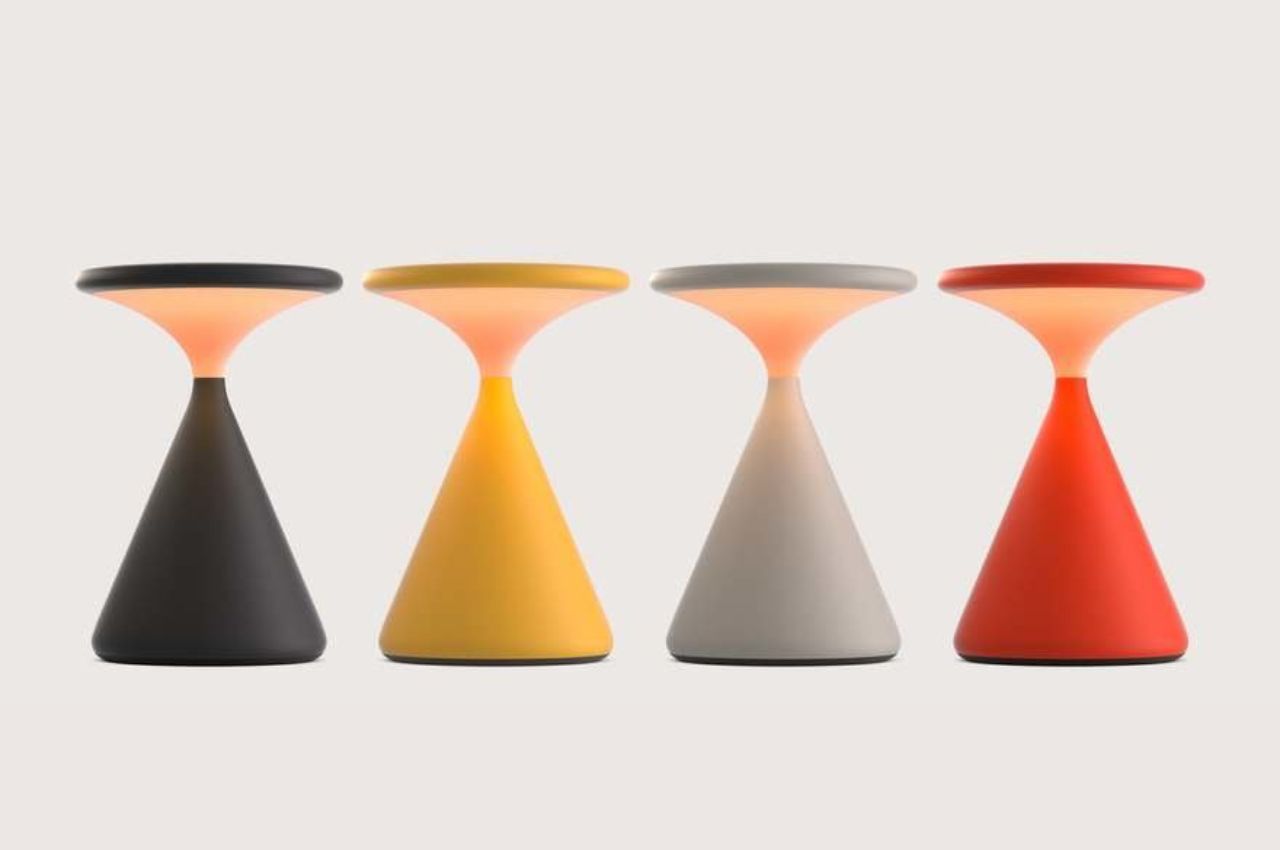
Adding to its allure, the Salt Lamp is available in four chic colors—black, yellow, white, and red—inviting you to choose the hue that speaks to your soul, complements your style, and becomes an extension of your aesthetic narrative. Priced at €399 (USD $426), the Salt Lamp represents a worthwhile investment in both functionality and design excellence.

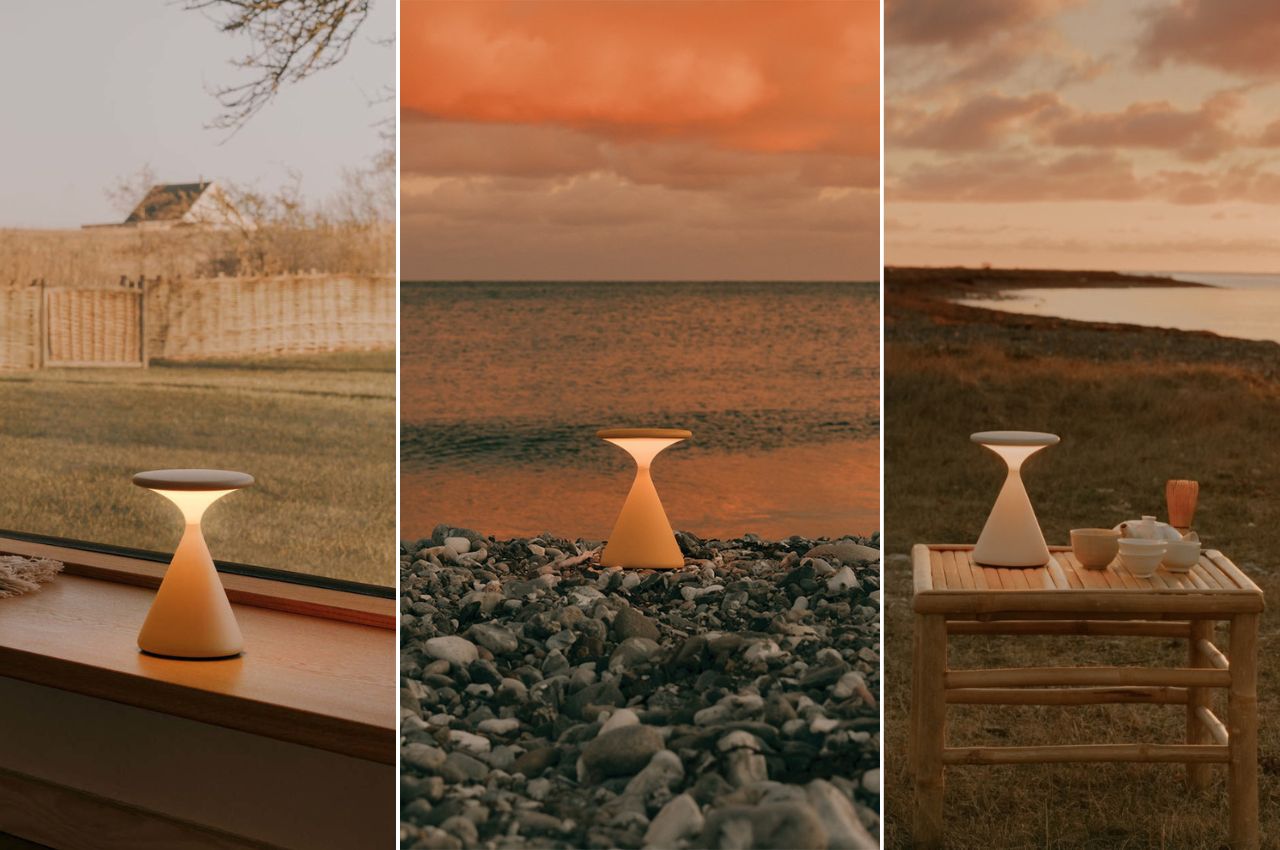
The GRAU Salt Lamp stands out as a beacon of innovation and sophistication. Whether illuminating your workspace, enhancing your home ambiance, or accompanying you on outdoor adventures, this portable luminary is poised to redefine your lighting experience, one radiant moment at a time.

The post German-engineered Elegance Redefines Portable LED Lighting And Brings The Sun’s Hues Into Your Home first appeared on Yanko Design.
Library Lamp puts a sleek modern spin on a classic lighting fixture

It might be a foreign concept to those born in the age of the Internet and smartphones, but libraries were once the only place where you could get voluminous amounts of correct information. Of course, these institutions still do exist, especially in schools and universities, but the image of a quiet room with shelf after shelf of books might seem odd and even eerie to some. There are aspects of this imagery that have almost become iconic over the decades, such as the archetypal metal-encased lamp used not just in libraries but even in banks. Those lamps would naturally look antiquated on modern desks, so this design reinterprets that classic concept into something that pays homage to the past while also embracing the aesthetics of the present.

Designers: Ben Kicic, Emilio Halperin

The Library Lamp or Banker’s Lamp had a singular purpose: to illuminate the reading material or papers in front of the user without disturbing or distracting others nearby. As such, it often has a softer, less glaring glow than most desk lamps would have today, while still offering enough brightness, especially at night. Of course, these lamps reflected the design trends of that period, which were often more ornate than practical. It would make for a good decorative desk piece, but would still look out of place in today’s workplaces.

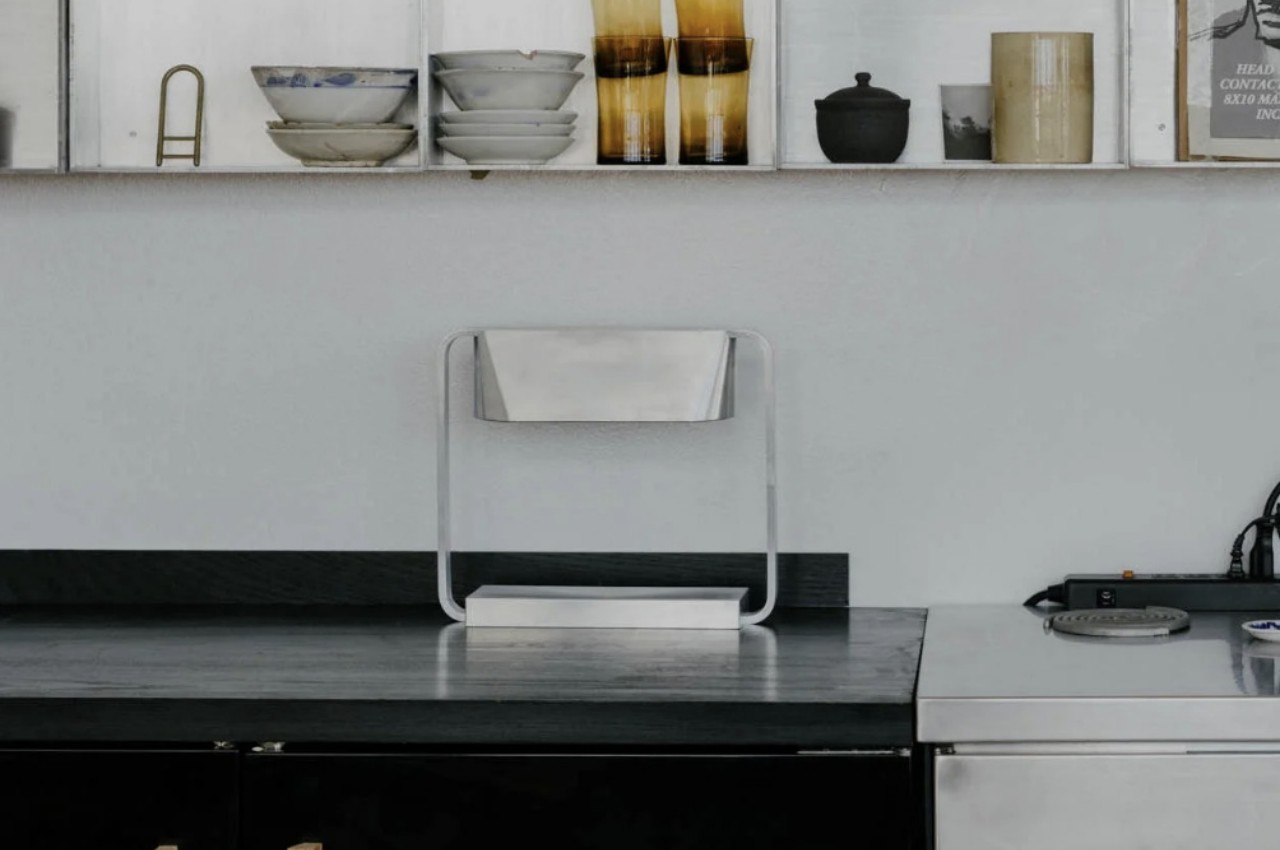
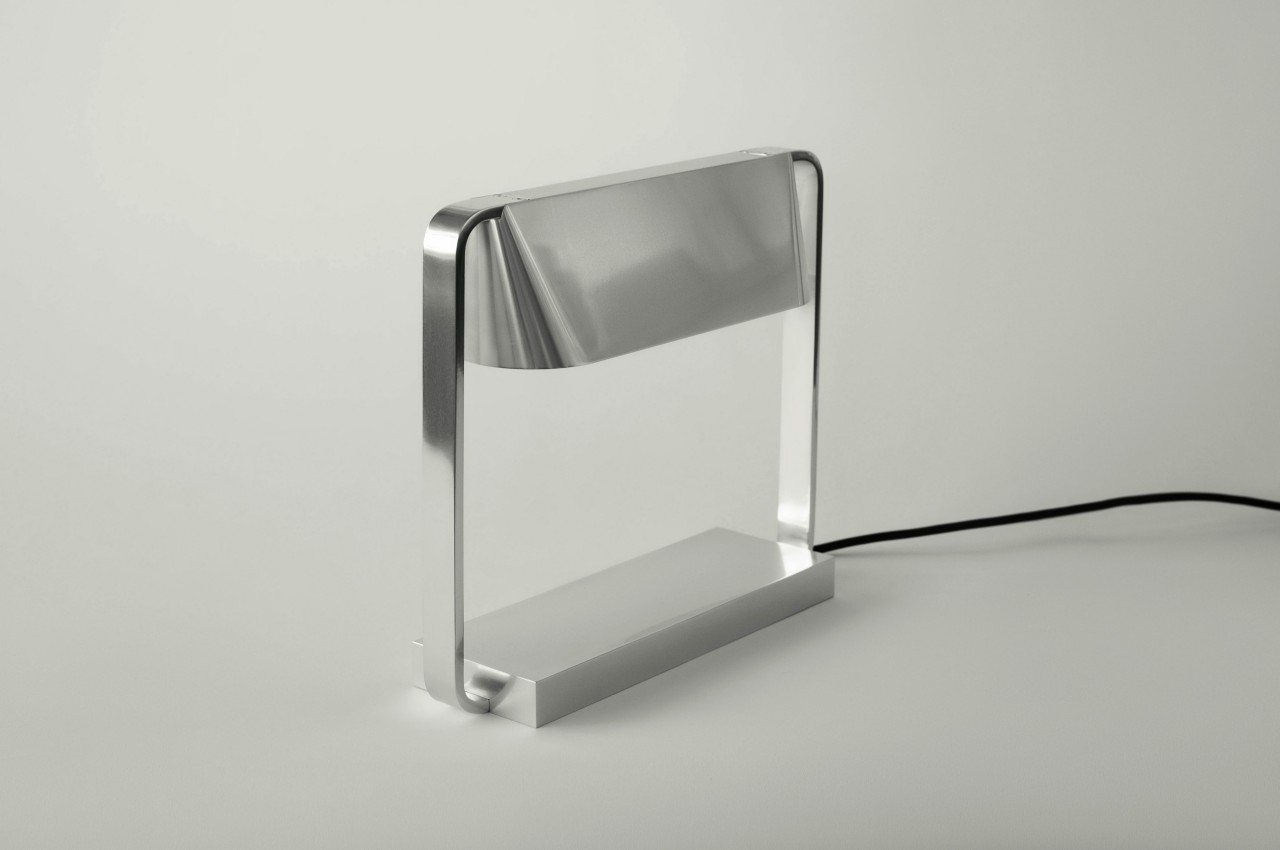
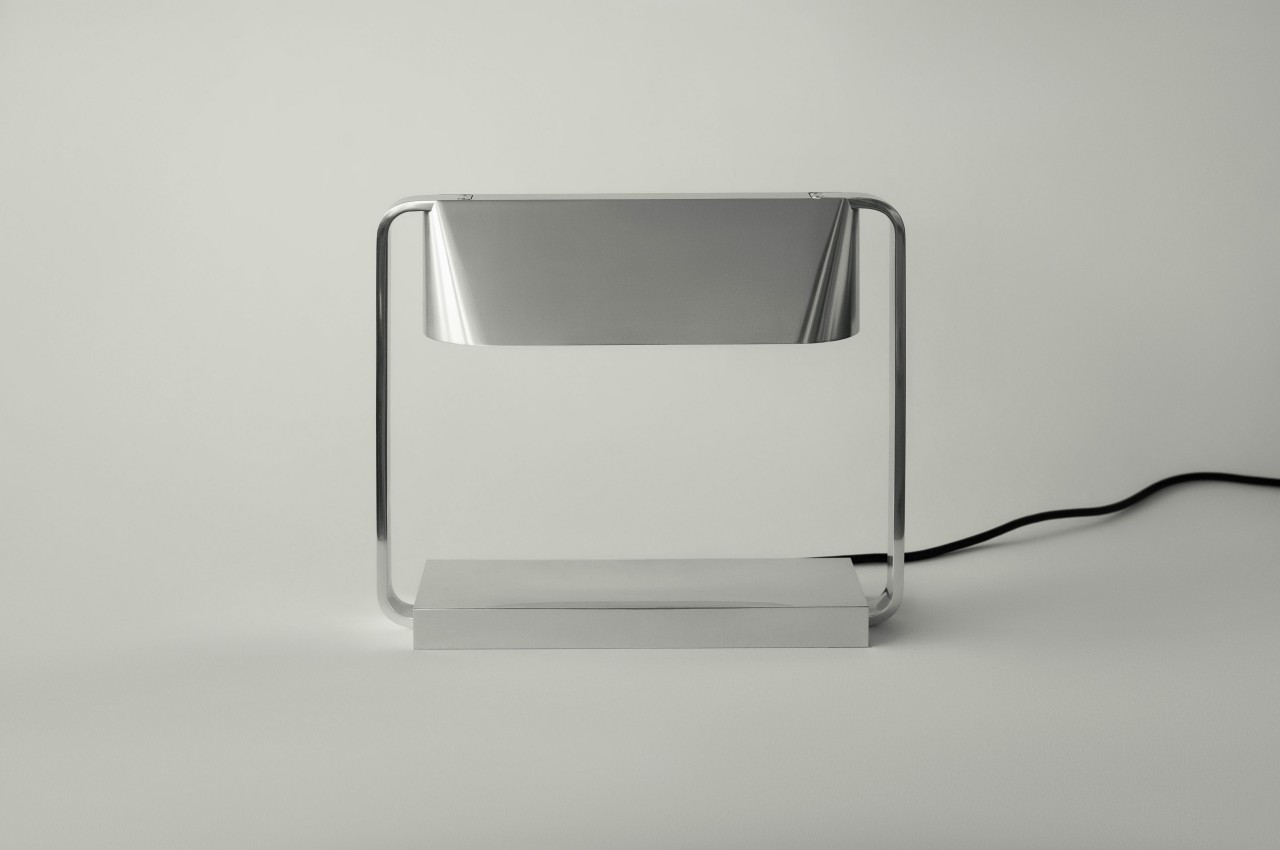
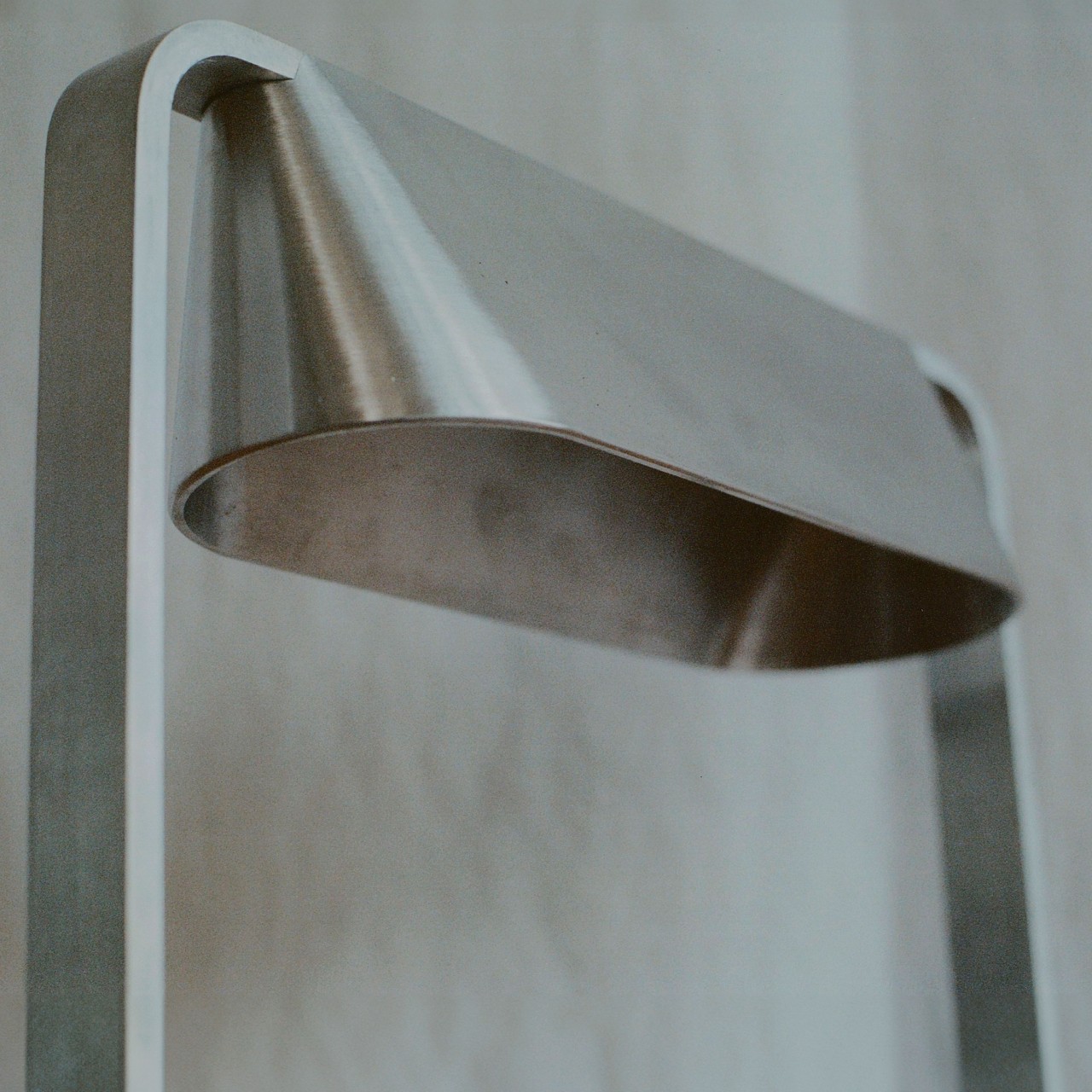
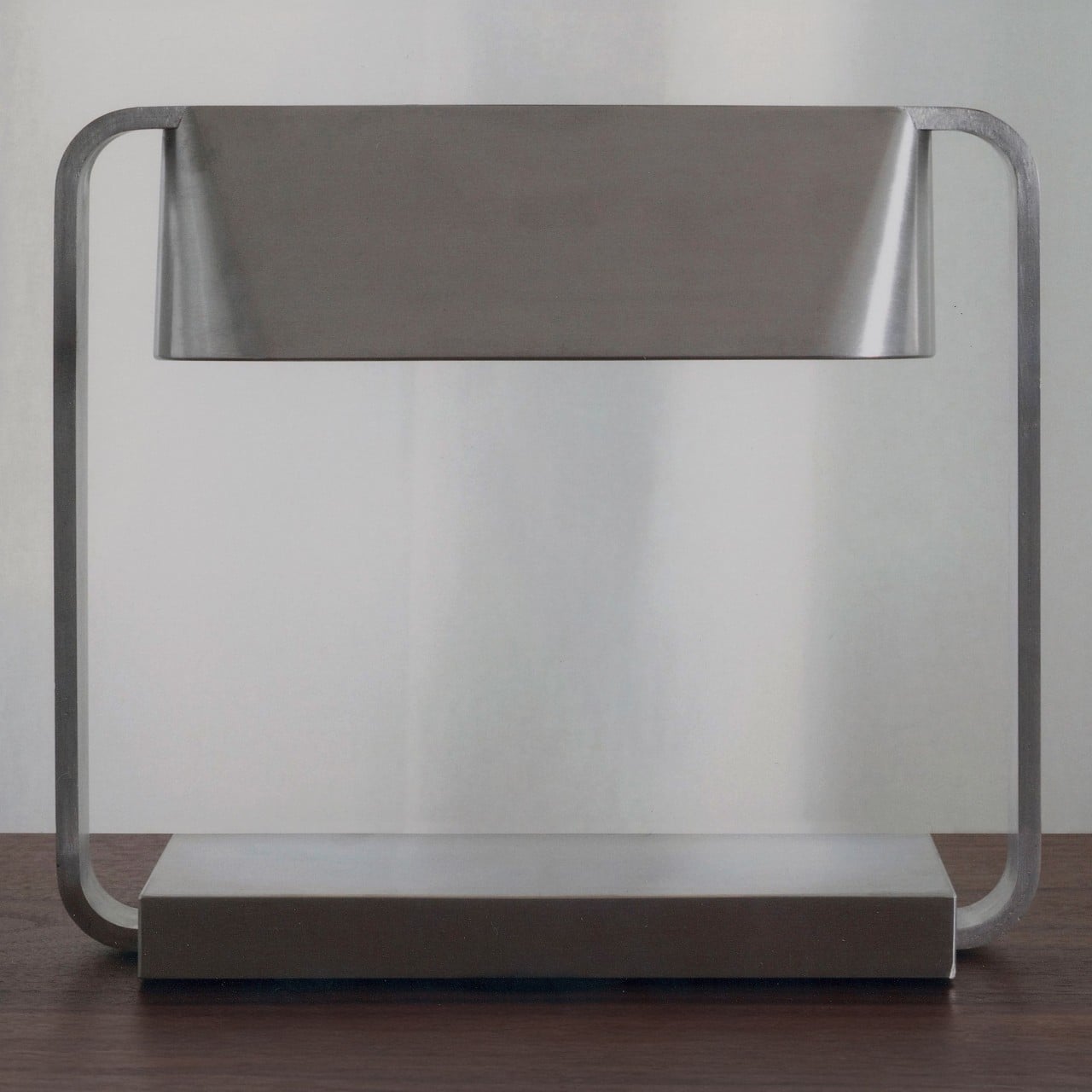
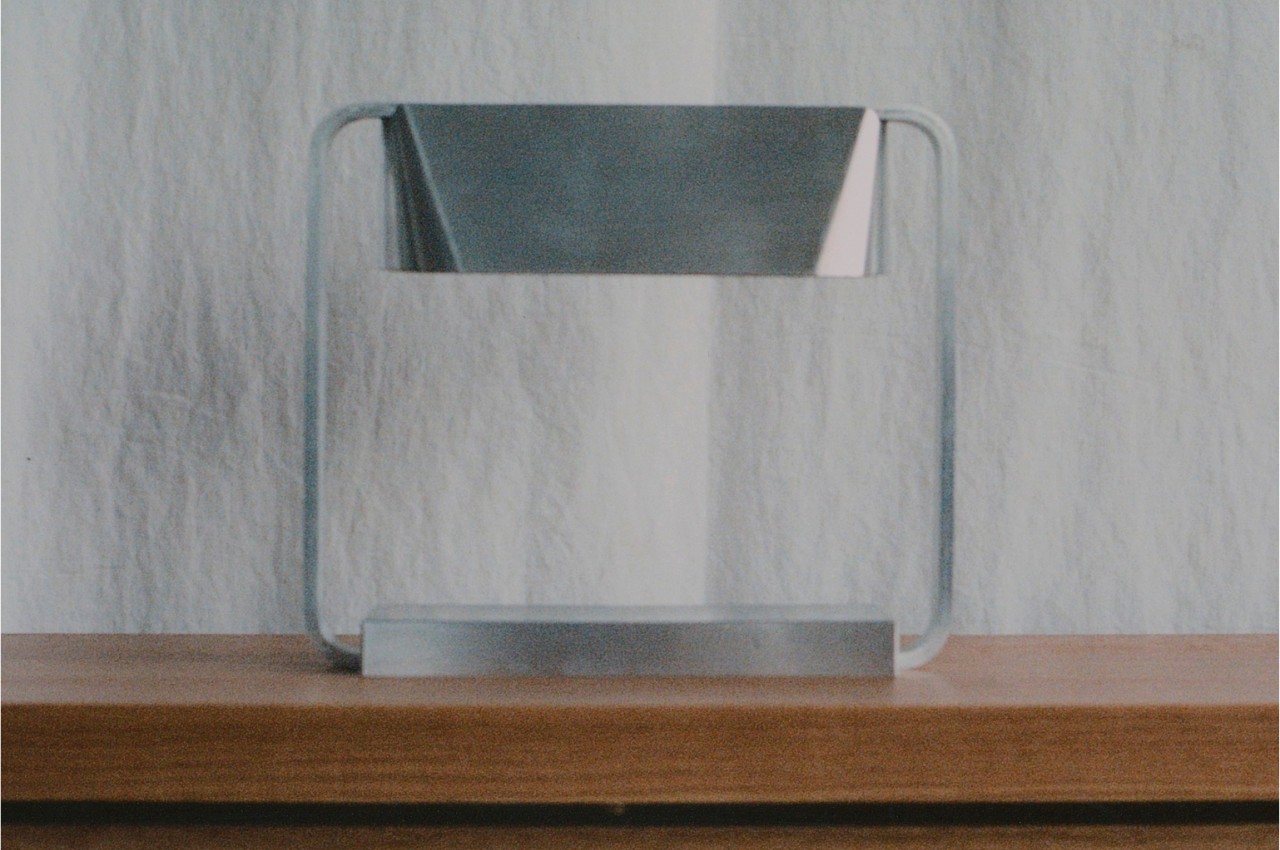
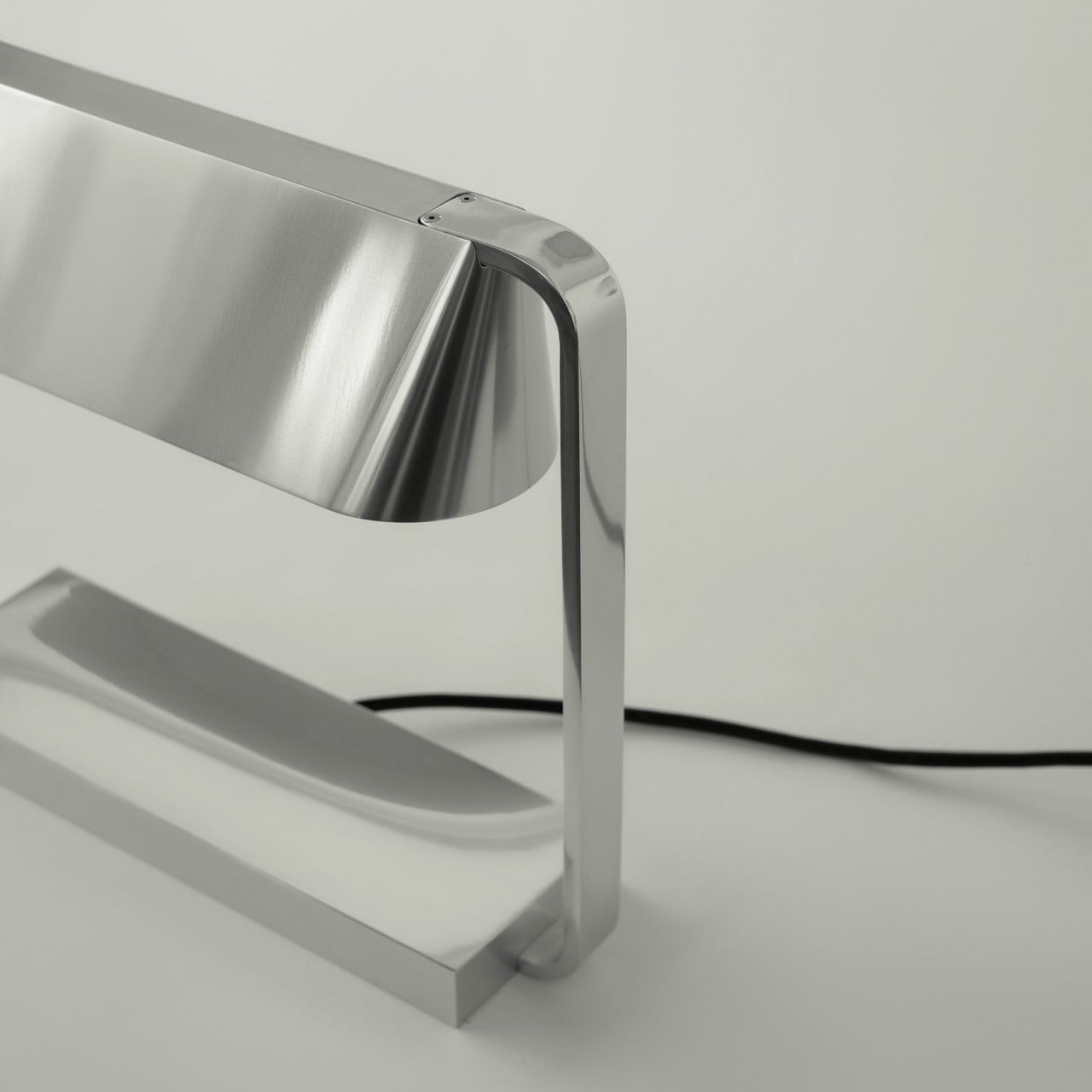
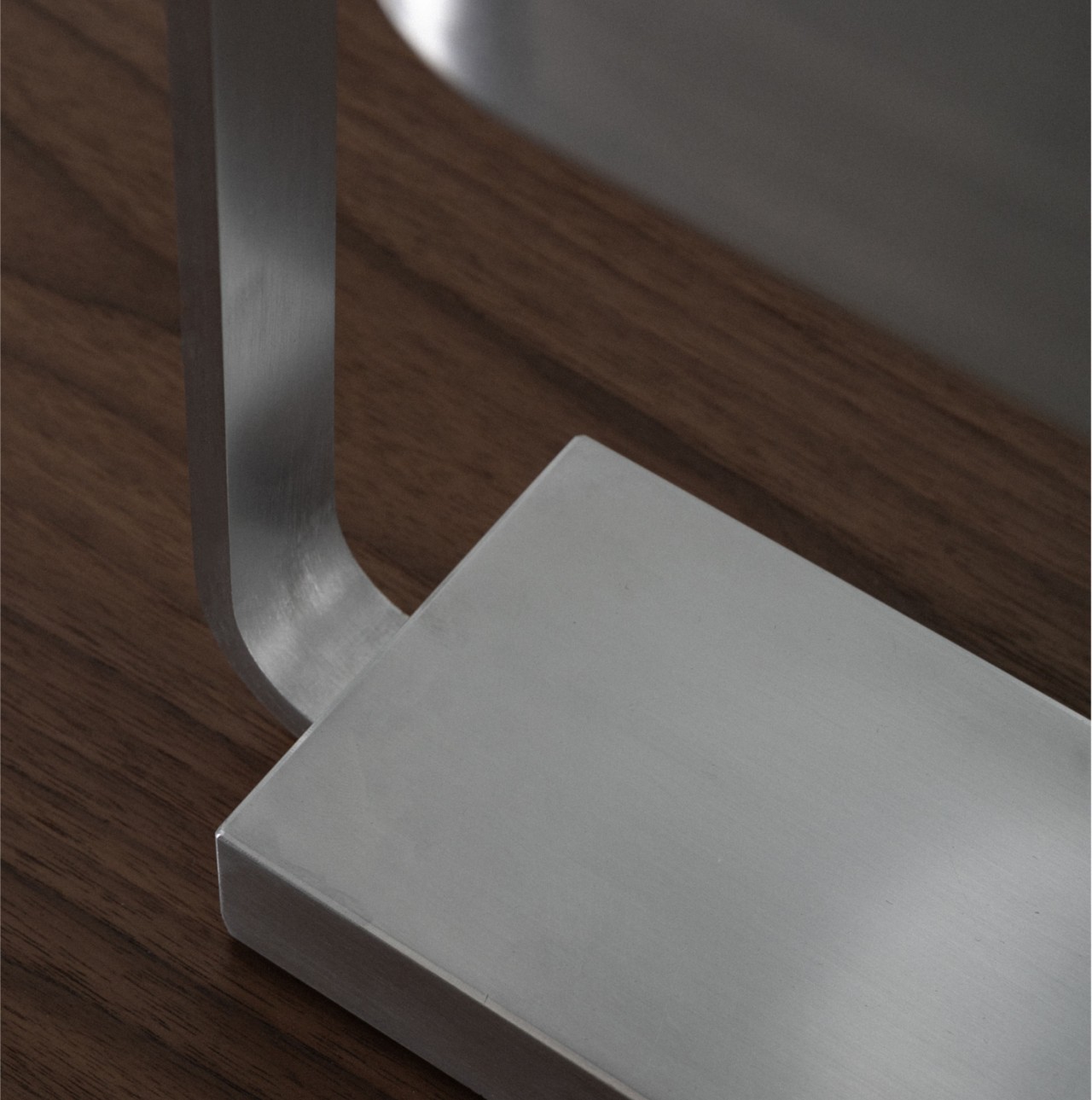
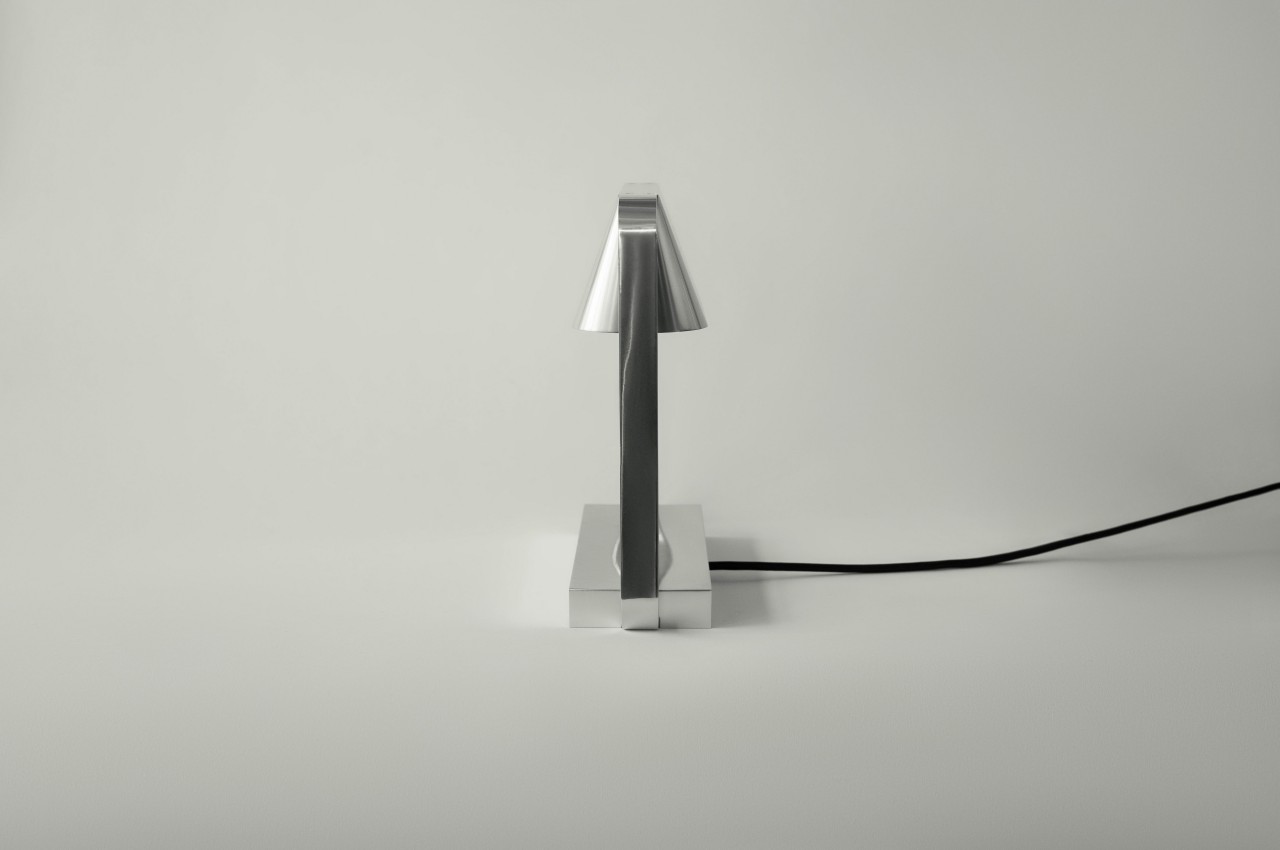
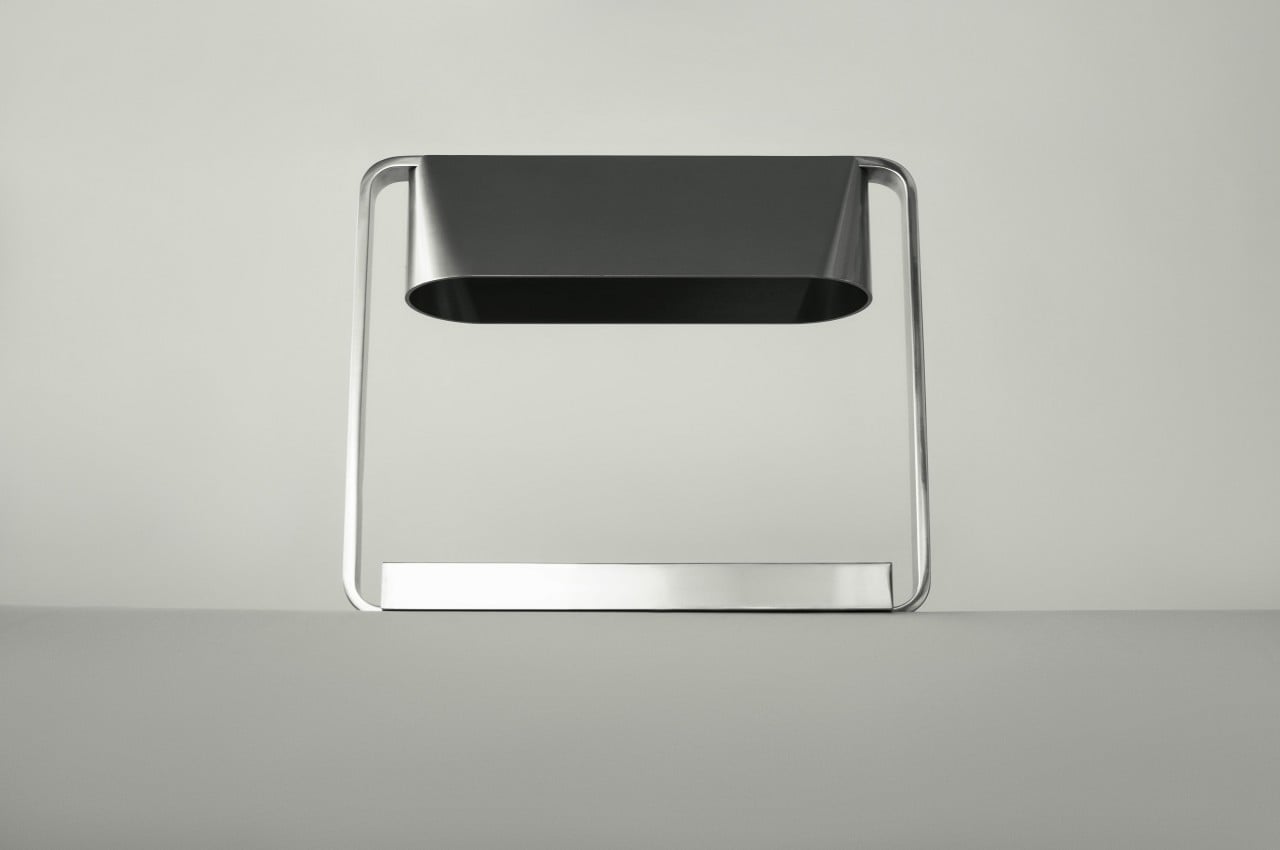
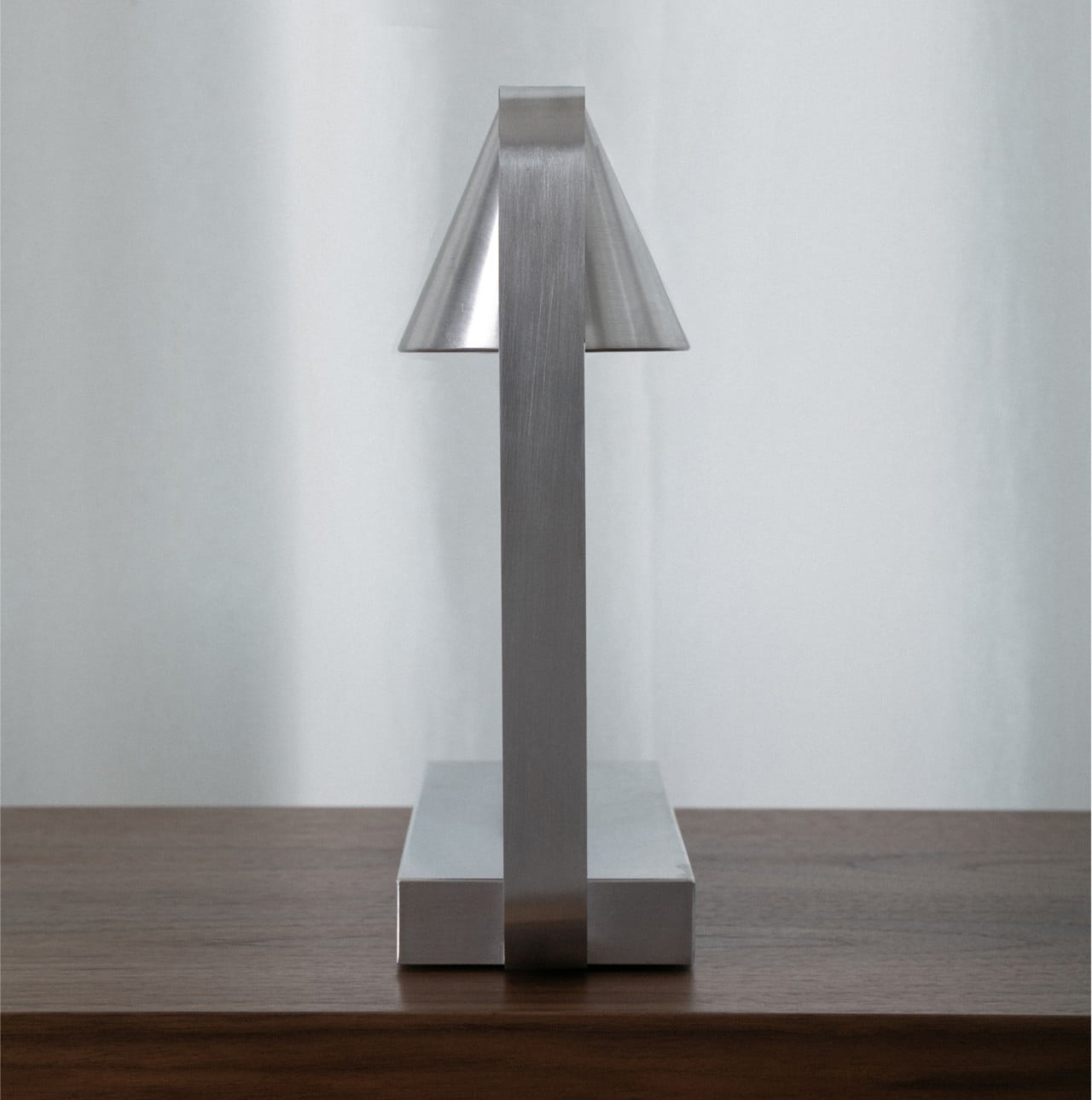
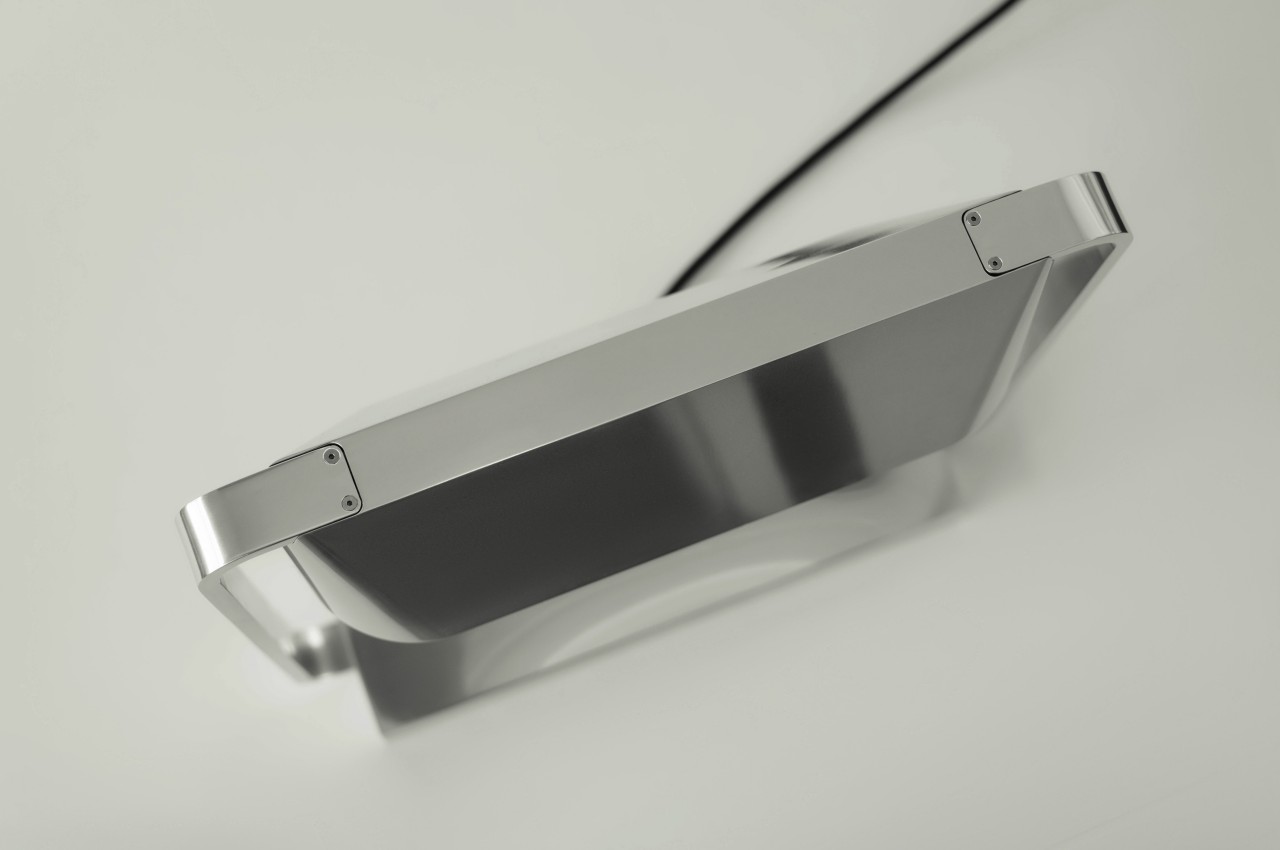
This redesign takes the spirit of the library lamp and inserts it in a form that embodies more modern industrial aesthetics, particularly the use of simple shapes and curves as well as unpainted milled aluminum. Instead of a single elaborate stand, the trapezoidal lamp shade is held aloft by two slim arms that also serve to hide the lamp’s internal wiring from plain sight. These parts stand on a horizontal block of metal that has a subtly concave surface that serves not only to diffuse the light but also to hold small objects like keys, pens, and other knickknacks.

In addition to its sleek modern appearance, the Library Lamp also incorporates modern technological conveniences. In particular, the base, arms, and even the lampshade itself are touch-sensitive, providing physical controls without the need for disruptive buttons and switches. Just like its forebear, the lamp gets the job done with minimal fuss and confusion. It also looks quite striking as a representative of the dominant design trend of its period, adding a touch of beautiful minimalism and industrial design to any desk, workspace, or shelf.

The post Library Lamp puts a sleek modern spin on a classic lighting fixture first appeared on Yanko Design.
Library Lamp puts a sleek modern spin on a classic lighting fixture

It might be a foreign concept to those born in the age of the Internet and smartphones, but libraries were once the only place where you could get voluminous amounts of correct information. Of course, these institutions still do exist, especially in schools and universities, but the image of a quiet room with shelf after shelf of books might seem odd and even eerie to some. There are aspects of this imagery that have almost become iconic over the decades, such as the archetypal metal-encased lamp used not just in libraries but even in banks. Those lamps would naturally look antiquated on modern desks, so this design reinterprets that classic concept into something that pays homage to the past while also embracing the aesthetics of the present.

Designers: Ben Kicic, Emilio Halperin

The Library Lamp or Banker’s Lamp had a singular purpose: to illuminate the reading material or papers in front of the user without disturbing or distracting others nearby. As such, it often has a softer, less glaring glow than most desk lamps would have today, while still offering enough brightness, especially at night. Of course, these lamps reflected the design trends of that period, which were often more ornate than practical. It would make for a good decorative desk piece, but would still look out of place in today’s workplaces.

This redesign takes the spirit of the library lamp and inserts it in a form that embodies more modern industrial aesthetics, particularly the use of simple shapes and curves as well as unpainted milled aluminum. Instead of a single elaborate stand, the trapezoidal lamp shade is held aloft by two slim arms that also serve to hide the lamp’s internal wiring from plain sight. These parts stand on a horizontal block of metal that has a subtly concave surface that serves not only to diffuse the light but also to hold small objects like keys, pens, and other knickknacks.

In addition to its sleek modern appearance, the Library Lamp also incorporates modern technological conveniences. In particular, the base, arms, and even the lampshade itself are touch-sensitive, providing physical controls without the need for disruptive buttons and switches. Just like its forebear, the lamp gets the job done with minimal fuss and confusion. It also looks quite striking as a representative of the dominant design trend of its period, adding a touch of beautiful minimalism and industrial design to any desk, workspace, or shelf.

The post Library Lamp puts a sleek modern spin on a classic lighting fixture first appeared on Yanko Design.
Algae-based material and traditional Korean braiding turn into striking lights, vases

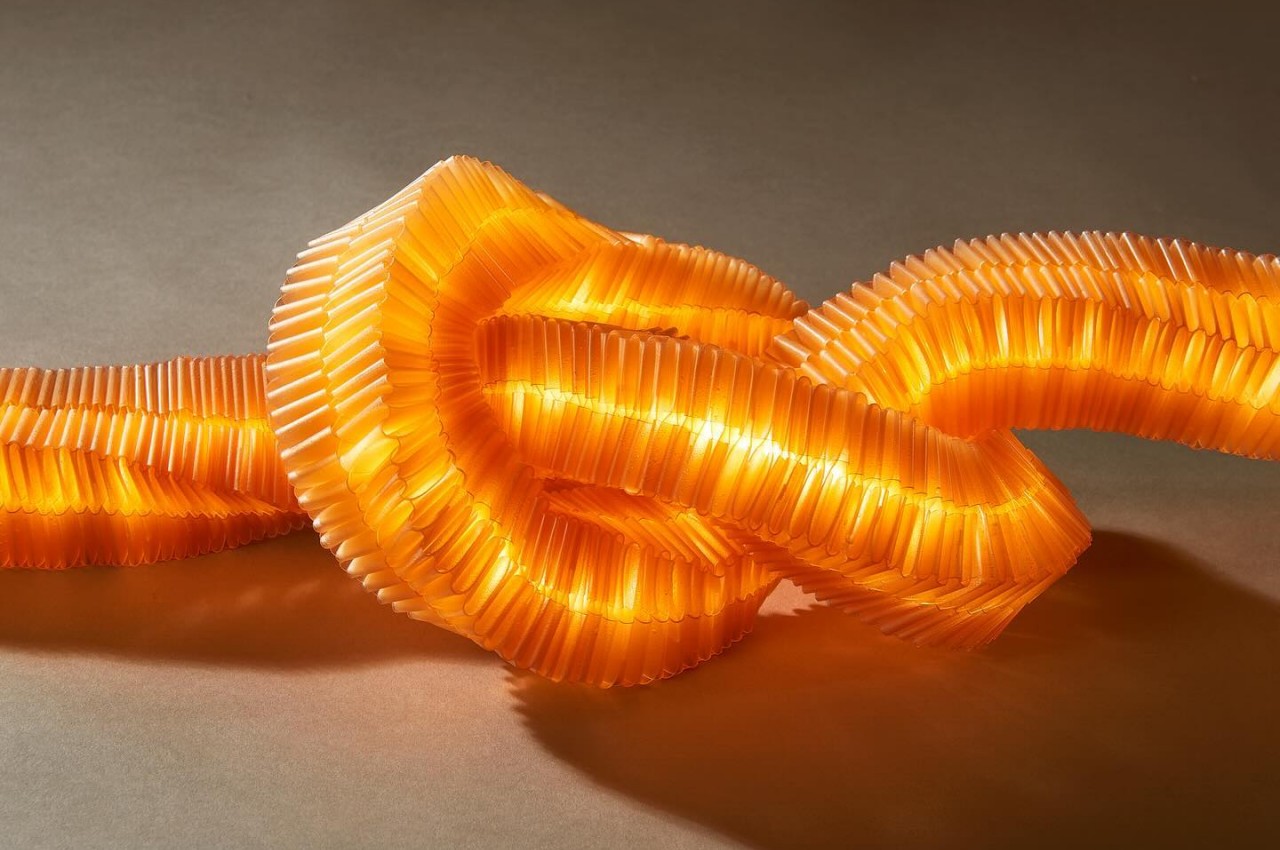
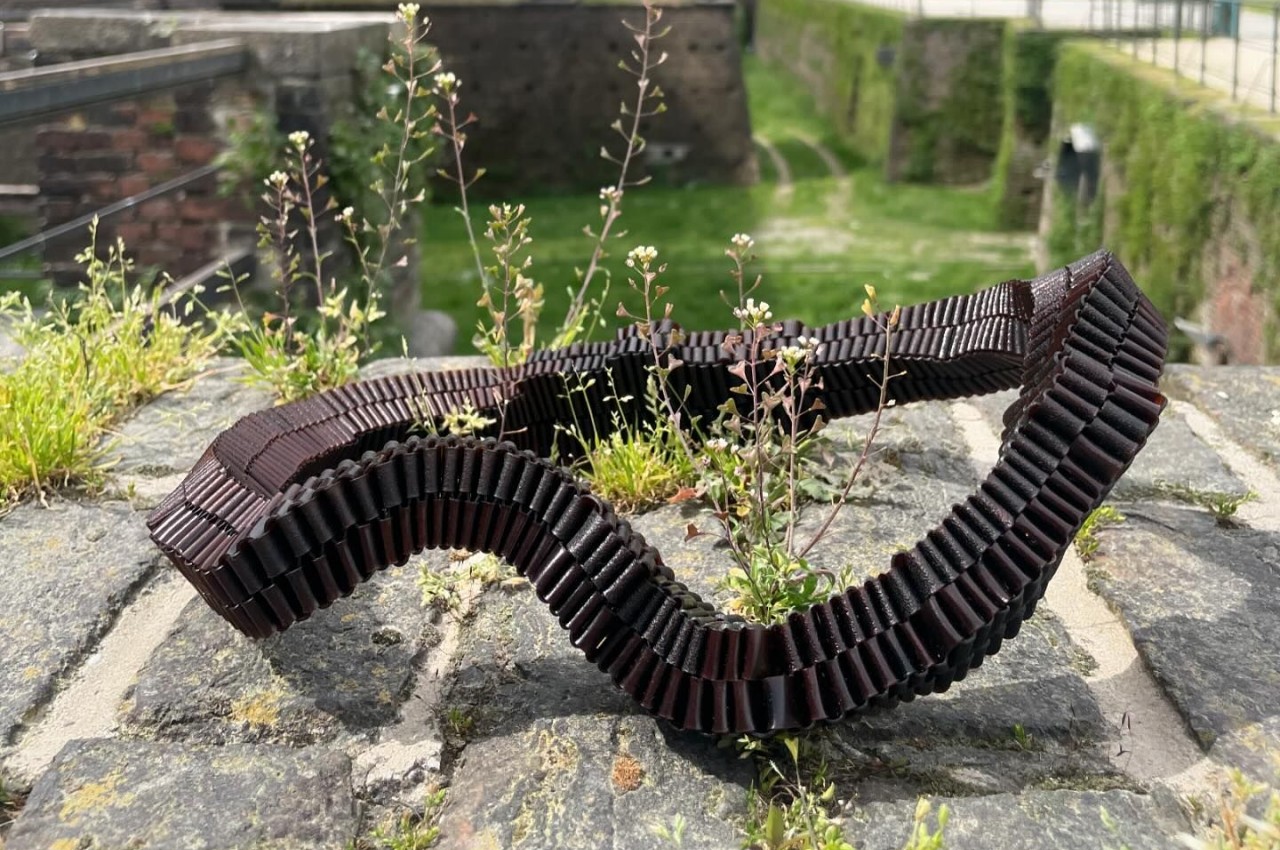
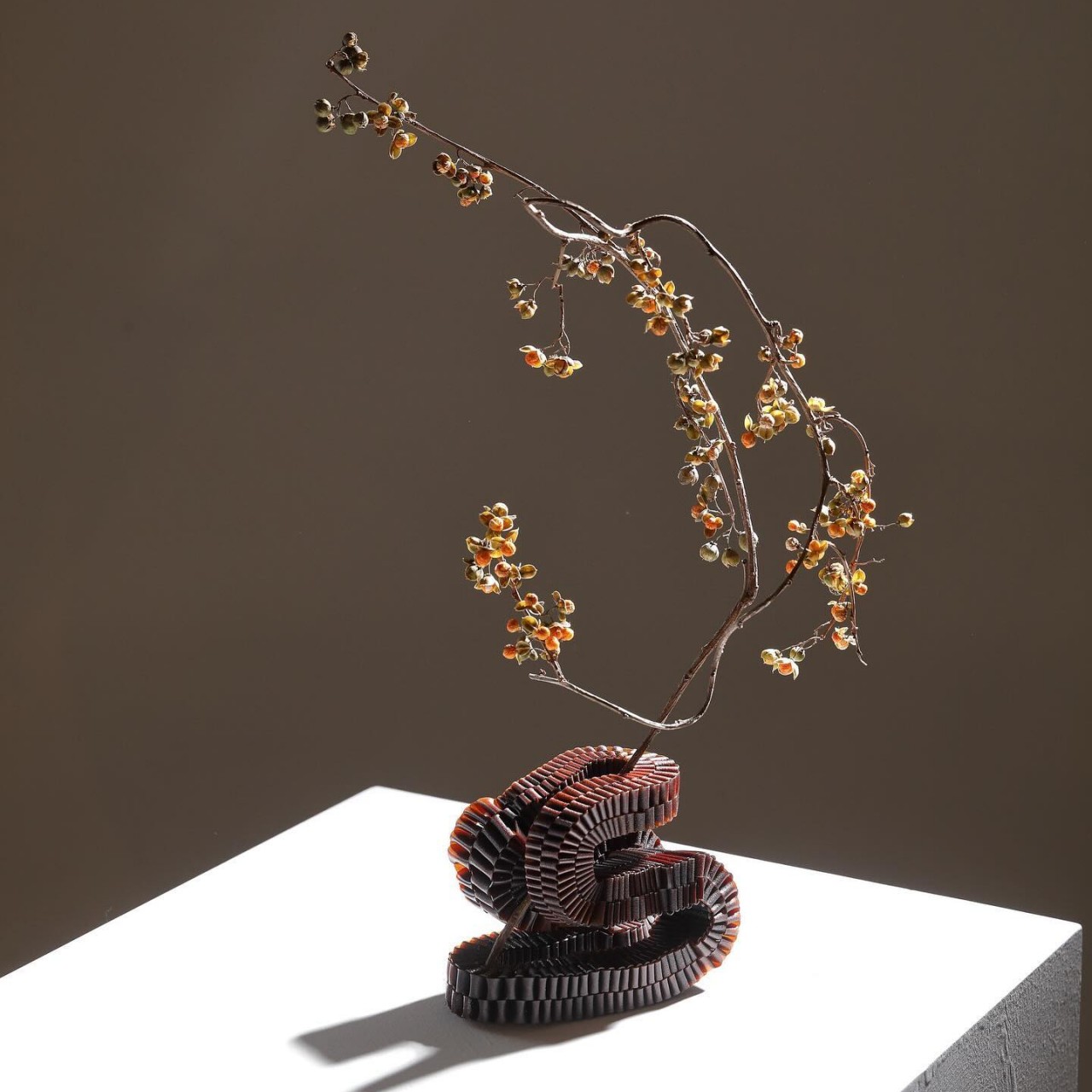
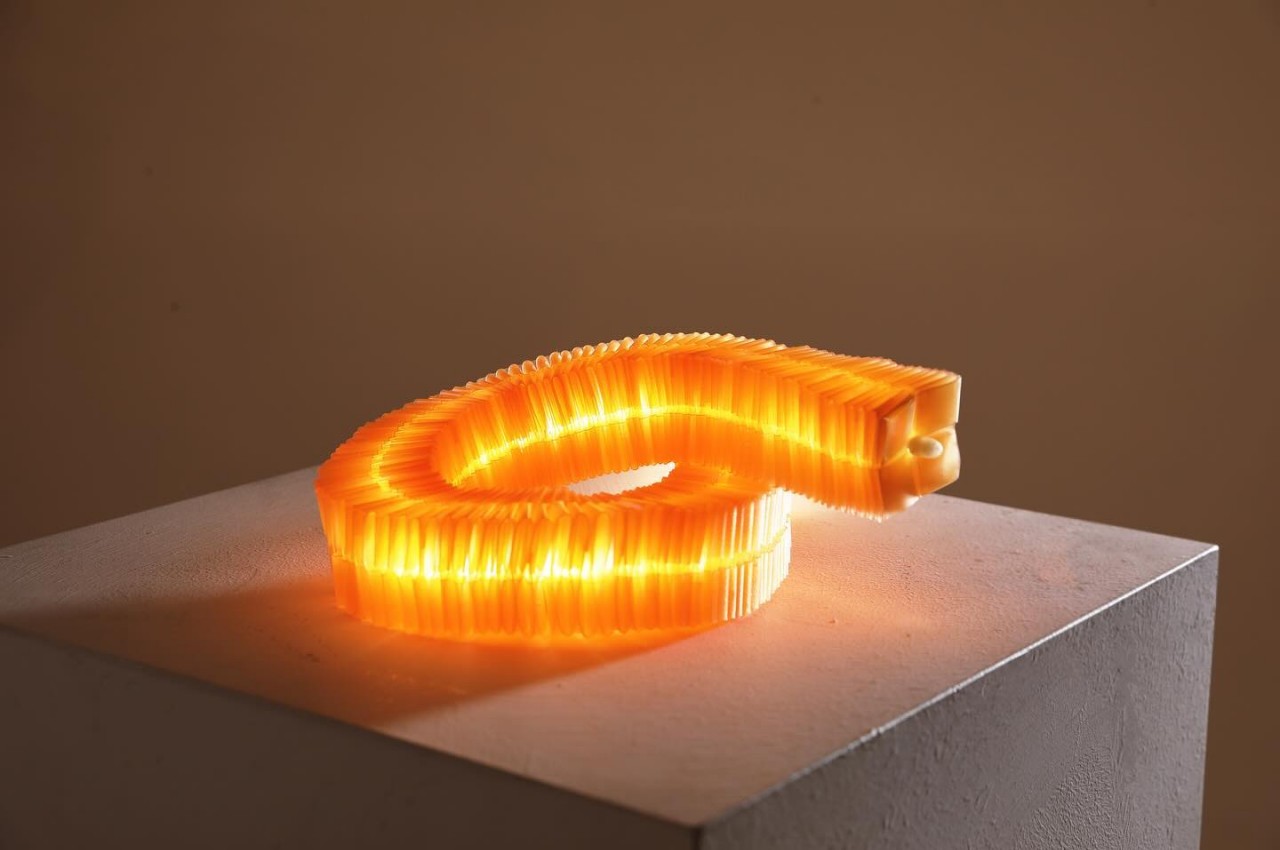
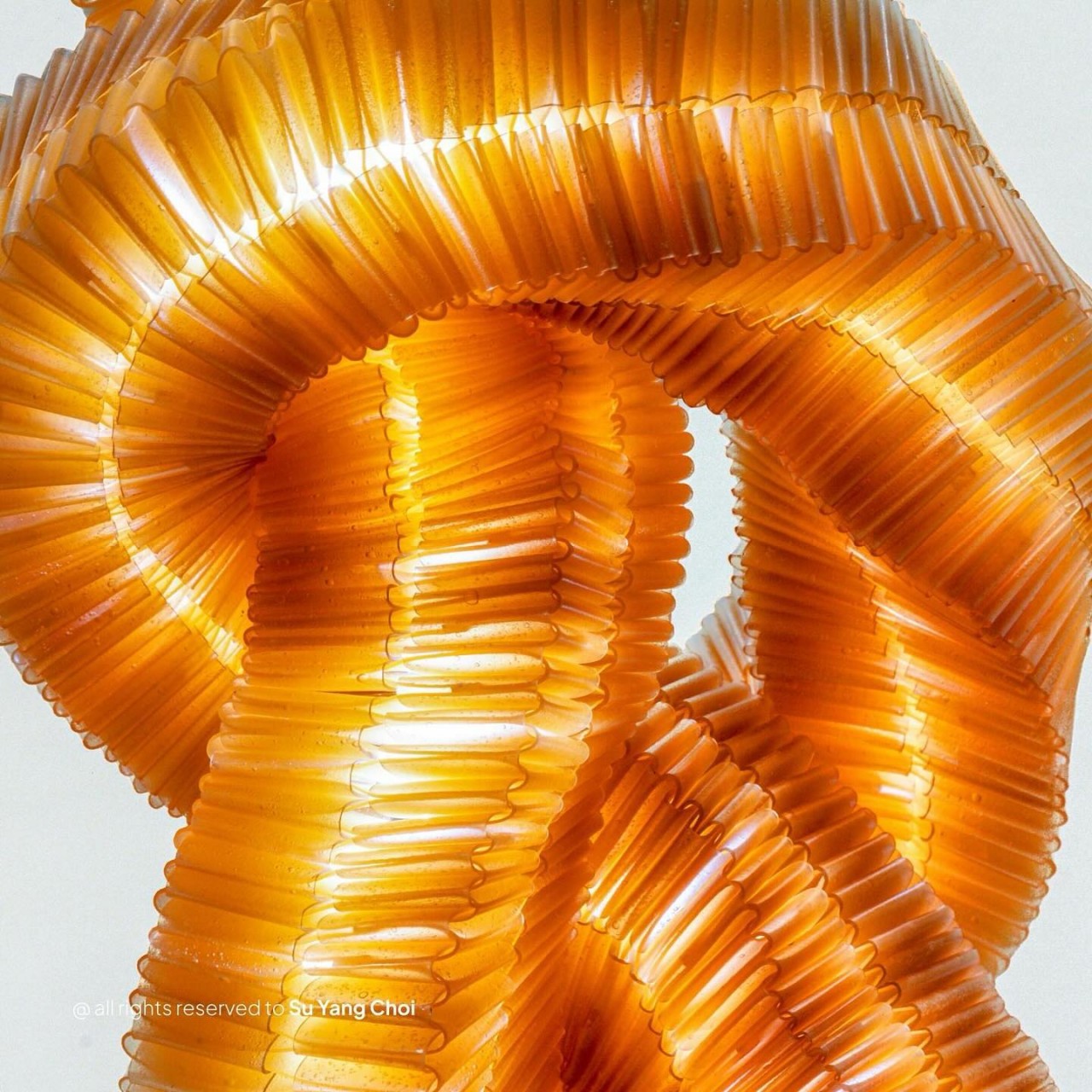
The world is filled with many things that have the potential to become materials for creating products, and yet we still prefer typical materials like plastics, metal, or wood. Not all of these are sustainable, and those that are sustainable aren’t always easily renewable or require a lot of energy to process or recycle. Admittedly, looking for alternative sources of materials isn’t an easy task, but once in a while, we come across a promising solution both in terms of sustainability and beauty. This rope light and Ikebana vase, for example, are already quite striking in their unique shapes, but they are made even more significant by the fact that they are made using a biodegradable material based on one of the most common and simplest kind of plant on the planet: algae.

Designer: Su Yang Choi

One of the problems with supposedly more sustainable or recyclable materials is that the process of making or treating them isn’t always sustainable, requiring more energy and water than usual. In contrast, this algae-based material isn’t treated with harmful chemicals, has reduced energy consumption during manufacturing, and can easily be shaped using heat. Even better, leftover scraps from the production process can be collected and recycled to reduce material waste at every step.

While the material itself is quite impressive, putting it to good use is the real test. For this purpose, a pair of everyday objects were made not just to demonstrate the usability of this algae-based material but also to show off the complicated designs that can be made with it. And nothing can perhaps be more complicated than knots, especially the beautiful traditional Korean knots known as Maedeup.

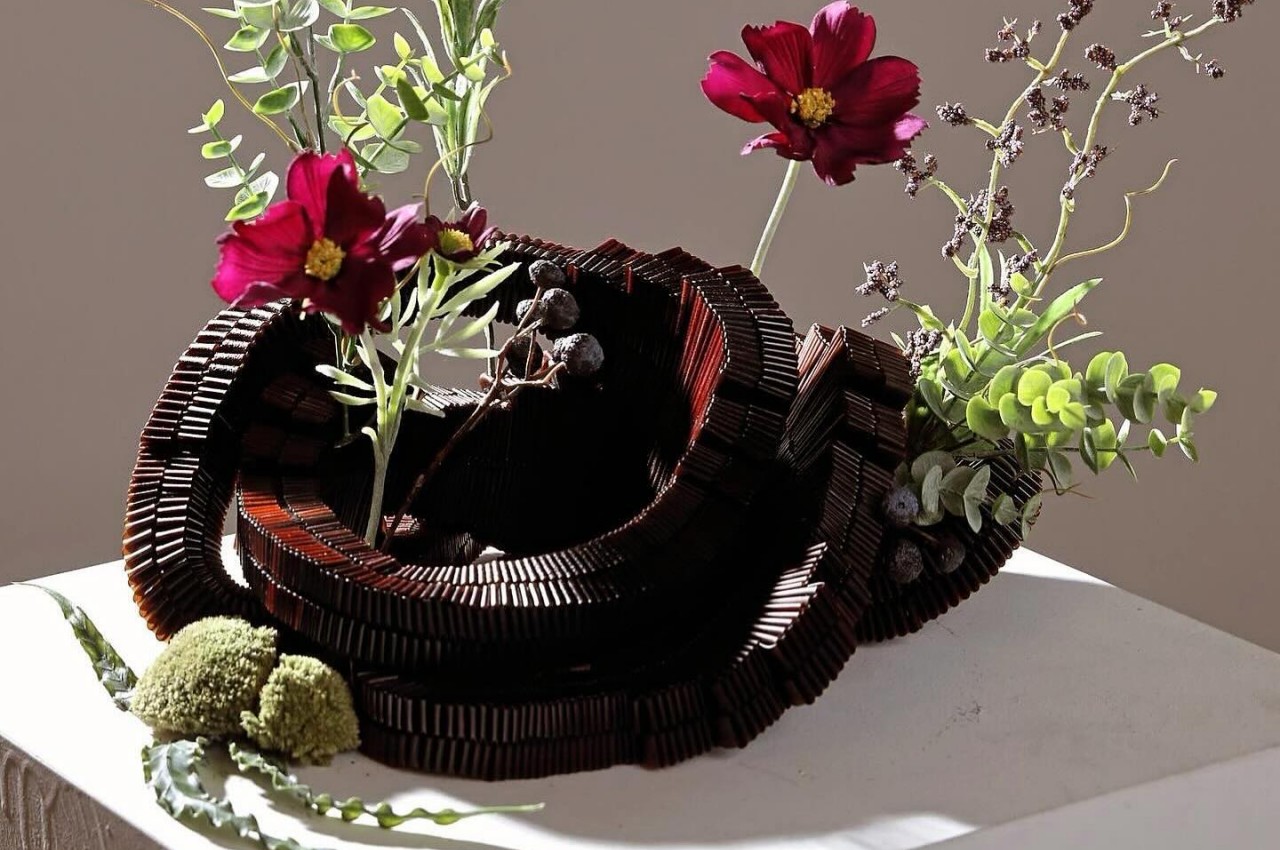
This knotting is best exemplified in this Ikebana vase that loops around itself a couple of times in an almost random fashion, symbolizing the unpredictability and cyclical nature of life. In addition to this rather intriguing structure, the biodegradable material used here is mixed with coffee grounds, another sustainable material, to give it that earthy brown color.

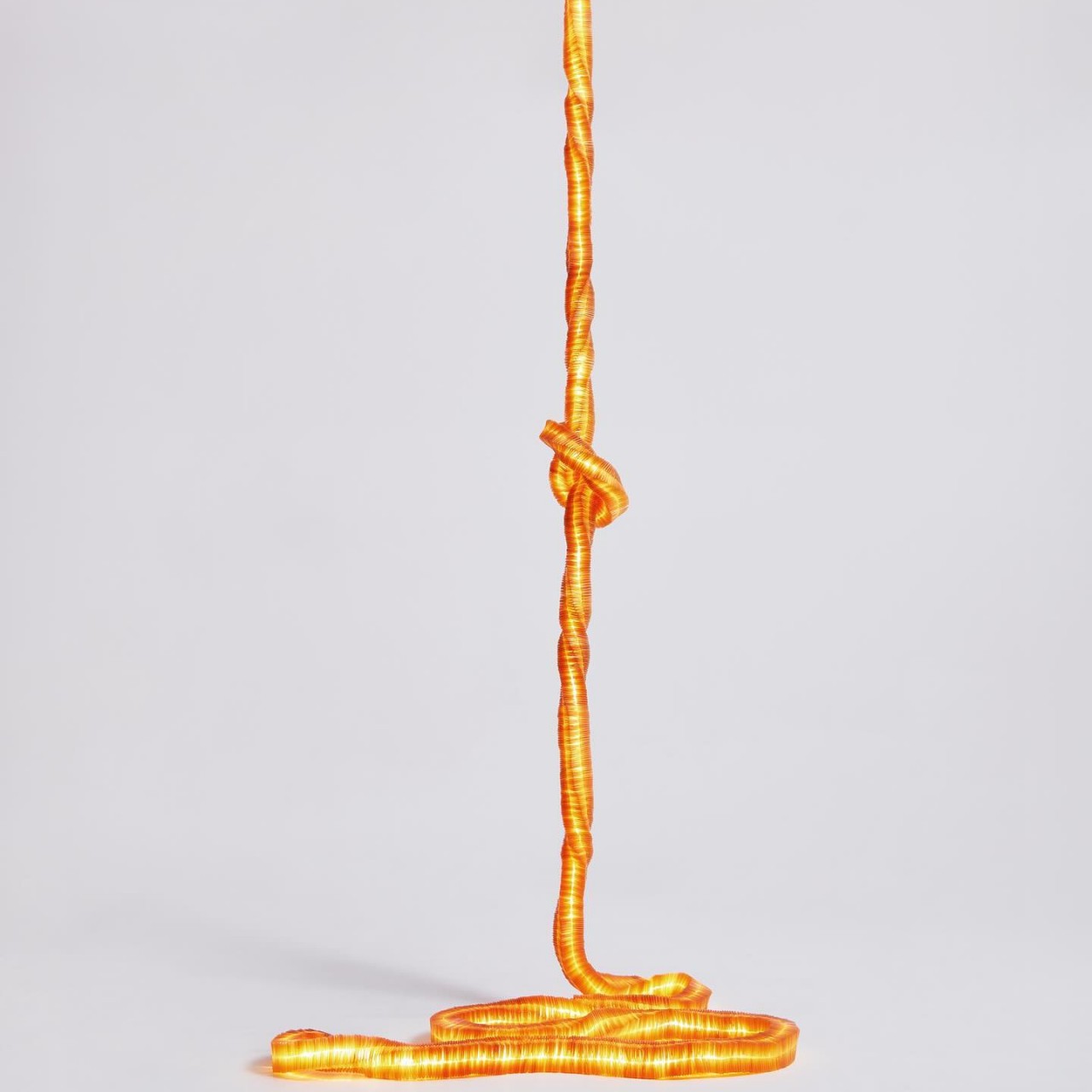
On the opposite end of the color spectrum is a long string lamp that uses the algae-based material in a four-faced linear braid that wraps around a flexible LED strip. This segmented structure was inspired by Korean stone pagodas that rise in majesty and grandeur, characteristics carried by this string lamp. These two objects, part of the Slow series of artworks, embody the ingenuity and creativity that spring from combining modern material science and traditional craftsmanship to produce breathtaking designs that do no harm to the planet in return.
The post Algae-based material and traditional Korean braiding turn into striking lights, vases first appeared on Yanko Design.