LOOP GEAR LOOPDOT Flashlight Plays 11 Mini Games and Has a Fidget Dial

Flashlights are one of those things you never think about until you need one, and then you spend five minutes digging through drawers looking for the cheap plastic one that barely lights up anymore. Most of them do the bare minimum, offering a single brightness setting and maybe a strobe mode you’ll never use. They’re tools, not gadgets, and they certainly don’t inspire any excitement when you’re packing them into a bag or clipping them to a keychain.

The LOOPDOT by LOOP GEAR approaches this differently. Instead of treating a flashlight as purely functional, it adds a pixel display, a mechanical fidget dial, and enough personality to make you actually want to carry it around. It’s the kind of device that makes you realize how boring most pocket lights have been, combining serious output with features that are genuinely fun to play with.

Designer: LOOP GEAR TEAM

Click Here to Buy Now: $39.99 $49.99 (20% off). Hurry, deal ends in 48-hours! Website Here.

The first thing you notice is how compact it is. At roughly the size of a car key fob, the LOOPDOT slips into pockets, bags, or clips onto keychains without adding noticeable weight. The body is aluminum or titanium, depending on which version you choose, and the finish feels solid in your hand. The pixel display on the front shows twinkling stars, flowing rainbows, or animated patterns that can be changed to match your mood.

The fidget dial dominates the top of the device, a large knurled ring that rotates smoothly to adjust brightness. Unlike buttons that click through preset levels, this dial offers stepless dimming, letting you dial in exactly the amount of light you need. The tactile feedback alone makes it satisfying to spin, even when you’re not adjusting anything. Dual infrared sensors detect rotation without mechanical contacts, ensuring smoother control and longer lifespan.

LOOPDOT offers two lighting modes that switch with a simple shake. Spotlight mode throws a focused 400-lumen beam up to 100 meters, perfect for nighttime walks, finding your tent in the dark, or lighting up a path when you’re hauling groceries from the car. Floodlight mode delivers 270 lumens with a CRI of 90, creating soft, natural light that works beautifully for reading or close-up tasks.

The pixel display isn’t just decoration. It shows battery status, lighting mode, and even plays 11 mini games when you’re waiting around with nothing to do. Rolling dice, tossing coins, or watching animated patterns flow across the screen turns idle moments into something slightly more entertaining. It’s a small touch, but one that makes the LOOPDOT feel less like a tool and more like a gadget you enjoy carrying.

Battery life is respectable for something this small. The 600mAh rechargeable battery lasts up to 11 hours on the lowest setting, or about 1.5 hours on full spotlight blast. USB-C charging means you can top it up with the same cable that charges your phone, and the IPX6 water resistance rating handles rain, splashes, or accidental drops into puddles without issue.

What makes the LOOPDOT feel genuinely different is how it refuses to be boring. Most EDC flashlights are black cylinders with a button and maybe a clip. This one has animations, a fidget dial that begs to be spun, and lighting modes that adapt to whatever you’re doing. It’s the kind of thing you show to friends, not because it’s overwhelmingly practical but because it’s oddly delightful.

LOOP GEAR managed to pack all of this into a device that’s smaller than most multitools, which is almost impressive on its own. While it won’t replace a dedicated camping lantern or tactical light, it fills the gap between cheap throwaway flashlights and serious outdoor gear. For anyone who wants something that’s actually fun to carry every day, that’s probably the sweet spot worth aiming for.

Click Here to Buy Now: $39.99 $49.99 (20% off). Hurry, deal ends in 48-hours! Website Here.

The post LOOP GEAR LOOPDOT Flashlight Plays 11 Mini Games and Has a Fidget Dial first appeared on Yanko Design.
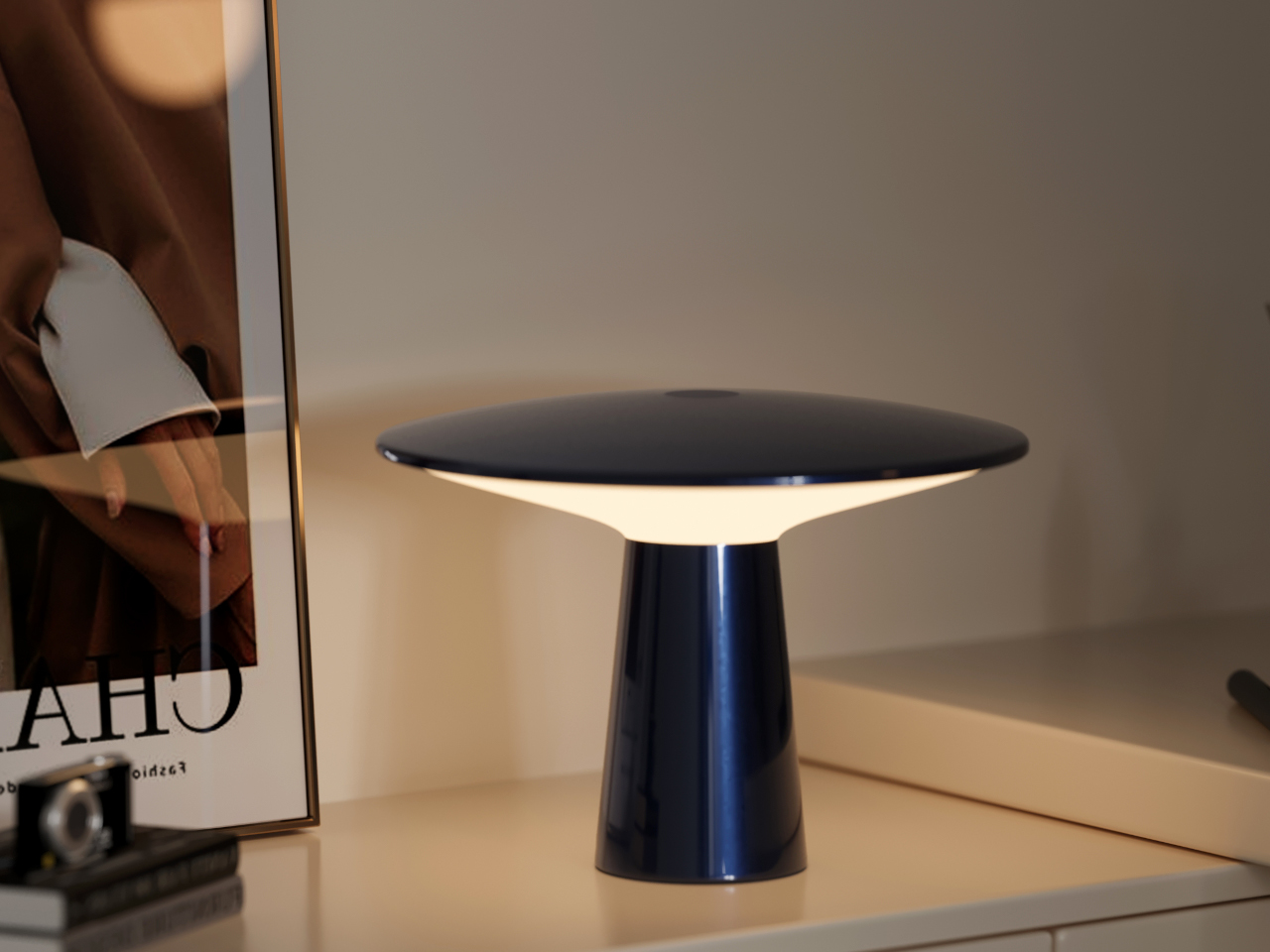
PERLEGEAR Black Friday: Home Entertainment Lights That Pulse to Music

Black Friday deals usually mean hunting for discounts on the same boring products everyone already owns. TV mounts that do the bare minimum, speaker stands that hold things up and nothing more, and entertainment furniture that treats lighting as an afterthought. It’s all functional enough, but there’s rarely anything that makes you excited about setting up your living room. Most people settle for whatever gets the job done, then spend years looking at the same bland hardware every time they sit down to watch something.

PERLEGEAR’s AuraFrame™ and SonicBeam™ collections take a different approach. Instead of treating mounts and stands as purely mechanical necessities, the brand integrates customizable RGB lighting that syncs with your music and creates actual ambiance. It’s the kind of upgrade that makes your entertainment space feel more intentional, turning functional hardware into something that enhances the entire experience. Heck, you might actually want to show off your setup for once instead of hiding cables and hoping nobody notices the generic black brackets holding everything together.

Designer: PERLEGEAR

AuraFrame™ Pre-Assembled TV Wall Mount

The AuraFrame wall mount handles TVs from 26 to 65 inches and up to 99 pounds, with full-motion articulation that includes 16.4 inches of extension, 45-degree swivel, and tilting between negative 15 and positive five degrees. That flexibility is standard for premium mounts, but the integrated LED light bars are what set this apart. You get 16 million colors, multiple lighting modes, and music sync that pulses in rhythm with whatever you’re watching or listening to.

Installation is refreshingly straightforward thanks to pre-assembled arms and a wall plate that cuts setup steps by about 30 percent. The mount also includes three height settings and leveling adjustments, so you can fine-tune positioning even after everything’s mounted. The reinforced steel frame and thicker articulating arms mean the thing holds your TV securely without any wobbling, which is reassuring when you’re extending a 65-inch screen nearly a foot and a half from the wall.

Click Here to Buy Now: $55.98 $69.99 (20% off). Hurry, deal ends in 48-hours!

AuraFrame™ Pre-Assembled TV Stand

For those who’d rather not drill into walls, the AuraFrame™ TV stand offers a floor-standing alternative that fits TVs from 32 to 75 inches and up to 110 pounds. The same RGB lighting system runs down both sides of the stand’s pillars, creating a backlight effect that’s controlled via app, remote, or in-line switch. The solid wood base adds a premium touch, and the entire setup feels stable enough to trust with larger screens.

What makes this stand genuinely practical are the 12 height configurations and the tilt and swivel adjustments. You can position the screen exactly where it needs to be for comfortable viewing, whether you’re sitting on the couch or standing in the kitchen. Cable management keeps wires hidden inside the stand’s frame, so you’re not looking at a tangled mess every time the lights are on.

Click Here to Buy Now: $109.99 $139.99 (21% off). Hurry, deal ends in 48-hours!

SonicBeam™ Speaker Stands with RGB Lighting

The SonicBeam™ stands won an iF Design Award for their minimalist double-pole design, which makes sense once you see them in person. They’re slim, clean, and designed to blend into modern interiors rather than dominate them. Each stand supports up to 22 pounds and includes two top plates, one specifically shaped for the Sonos Era 300 and a universal flat tray for other speakers like the Era 100, HomePod, or KEF models.

The built-in RGB lighting runs vertically along both poles, syncing with your TV or audio content to create a cohesive audiovisual atmosphere. You can control everything through the app or remote, choosing from modes like Pure Color, Rhythm Pulse, or Music Sync. The aluminum alloy construction feels solid, and the dual-side cable channels keep wires completely out of sight. It’s the kind of setup that makes you realize speaker placement can actually contribute to a room’s aesthetic instead of just being another thing to work around.

Click Here to Buy Now: $199.99.

AuraFrame™ Universal Swivel TV Stand

This tabletop stand is the most compact option, fitting TVs from 32 to 70 inches and up to 88 pounds. The tempered glass base and alloy steel frame give it a sleek, modern look, while the integrated RGB lighting offers the same customization options as the other AuraFrame products. Nine height levels let you position the screen between 18 and 24.5 inches, with tilt and swivel adjustments for finding the right angle.

Assembly takes about 10 minutes with no tools required, which is almost suspiciously easy compared to most furniture you’d buy. The pyramid-shaped structure keeps everything stable, and there’s enough room underneath for soundbars or media players. It’s perfect for bedrooms, offices, or anywhere you want a TV without committing to wall mounts or floor stands.

Click Here to Buy Now: $69.99 $99.99 (30% off). Hurry, deal ends in 48-hours!

Black Friday is one of those rare opportunities to upgrade your entertainment setup without immediately regretting the expense. PERLEGEAR’s lighting-integrated collection offers a way to do that while actually improving how your space looks and feels, not just adding more functional hardware that disappears into the background. Whether you’re mounting a TV, setting up speakers, or rearranging your living room layout entirely, having lighting that adapts to what you’re watching makes the whole experience feel more considered.

The post PERLEGEAR Black Friday: Home Entertainment Lights That Pulse to Music first appeared on Yanko Design.
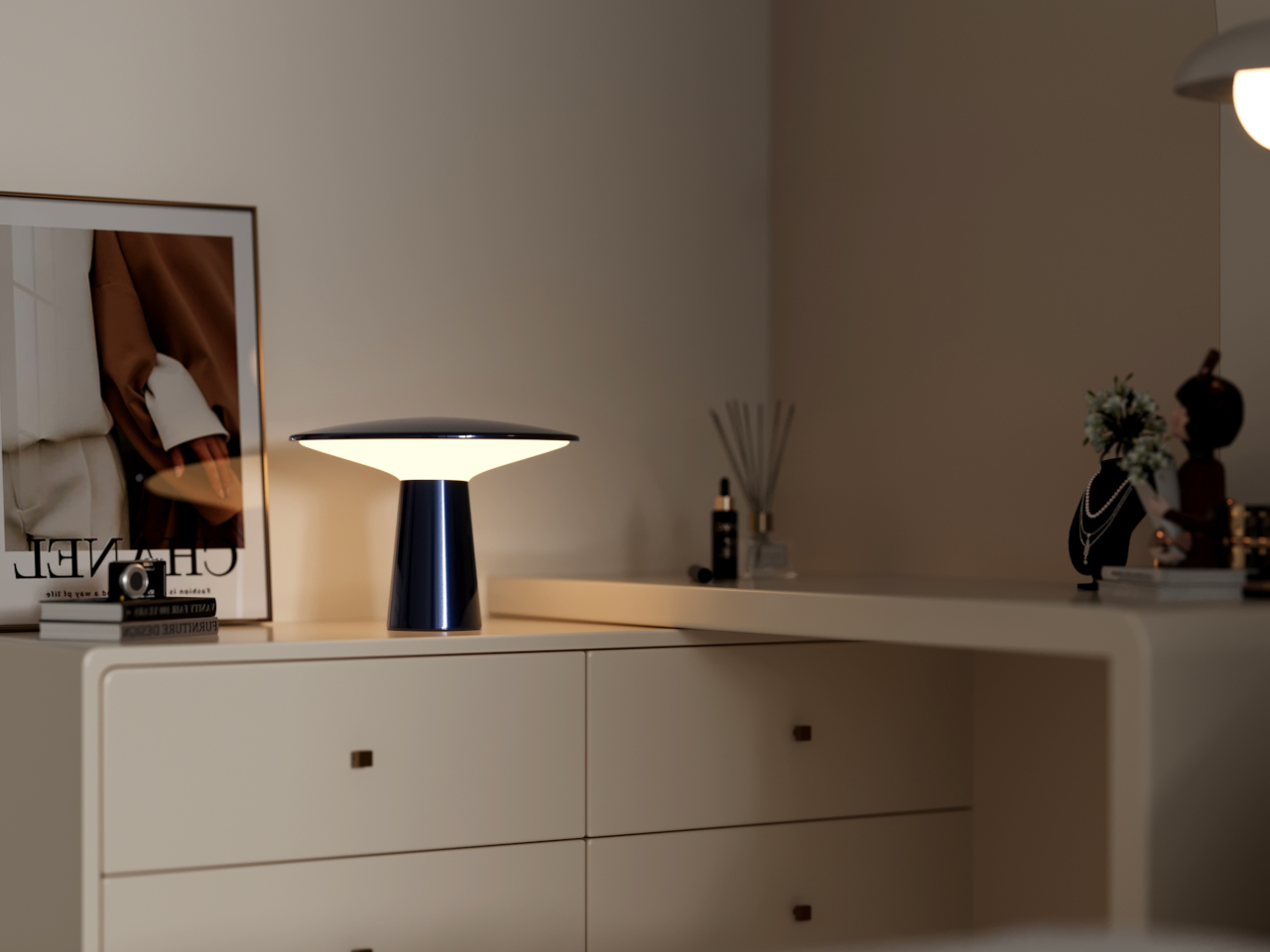
This Printed-Circuit Sconce Turns Exposed Electronics Into Functional Sculpture

In contemporary lighting, technology is often concealed, hidden behind frosted diffusers, buried in housings, or tucked into recesses where its presence is merely utilitarian. The Printed Circuit sconce by American designer August Ostrow turns this convention inside-out. Instead of disguising the mechanics of illumination, the sconce makes electronics themselves the aesthetic centerpiece, revealing the beauty of a material more frequently associated with industrial devices than interior design.

At the core of the sconce is a flexible polyimide printed circuit board, a material prized in the electronics industry for its thermal stability, durability, and ability to bend without losing structural integrity. Commonly found within consumer devices, aerospace components, and advanced industrial systems, polyimide typically remains unseen, functioning behind the scenes as a backbone for electrical pathways. Ostrow repositions this substrate as both shade and light source, allowing the circuitry to take on a sculptural presence within the room.

Designer: August Ostrow

The traces, copper routes, and tactile surface details that usually operate invisibly now become the primary graphic language of the design. When illuminated, these pathways glow softly, revealing an intricate network that is part engineering diagram, part textile-like pattern. The sconce becomes a luminous map of its own function, offering viewers a rare opportunity to see the inner logic of circuitry elevated to decorative status.

This approach aligns with Ostrow’s broader practice of material exploration, challenging expectations of what electronic components can be when removed from their typical contexts. By bending the polyimide board into a gentle arc, the designer leverages its natural flexibility, allowing it to act simultaneously as a structural element, a diffuser, and a carrier for the embedded LEDs. The armature that supports the sconce performs dual duty as well: it physically holds the piece in place while also serving as the conduit for its DC power connection. The result is a clean, integrated assembly where function and form are inseparable.

The Printed Circuit sconce also speaks to a growing movement in industrial and lighting design where designers intentionally expose mechanisms, celebrate raw materials, and reveal inner workings rather than hiding them. The aesthetic of the PCB, once considered too technical or visually chaotic for interior surfaces, is reinterpreted here as refined, graphic, and unexpectedly elegant. The glow of the light accentuates the fine geometries etched into the board, producing an effect that is both futuristic and tactile.

Beyond its visual appeal, the sconce raises interesting questions about the relationship between technology and ornamentation. What does it mean when circuitry, traditionally understood as purely functional infrastructure, becomes decorative? How do our perceptions shift when we encounter electronic materials not as hidden hardware but as expressive, crafted surfaces? The Printed Circuit sconce offers a compelling answer: electronics, when thoughtfully framed, possess a structural and aesthetic richness worthy of display. In celebrating the circuitry rather than concealing it, the design offers a refreshing perspective, one that suggests beauty does not need to be added to technology; sometimes it only needs to be revealed.

The post This Printed-Circuit Sconce Turns Exposed Electronics Into Functional Sculpture first appeared on Yanko Design.
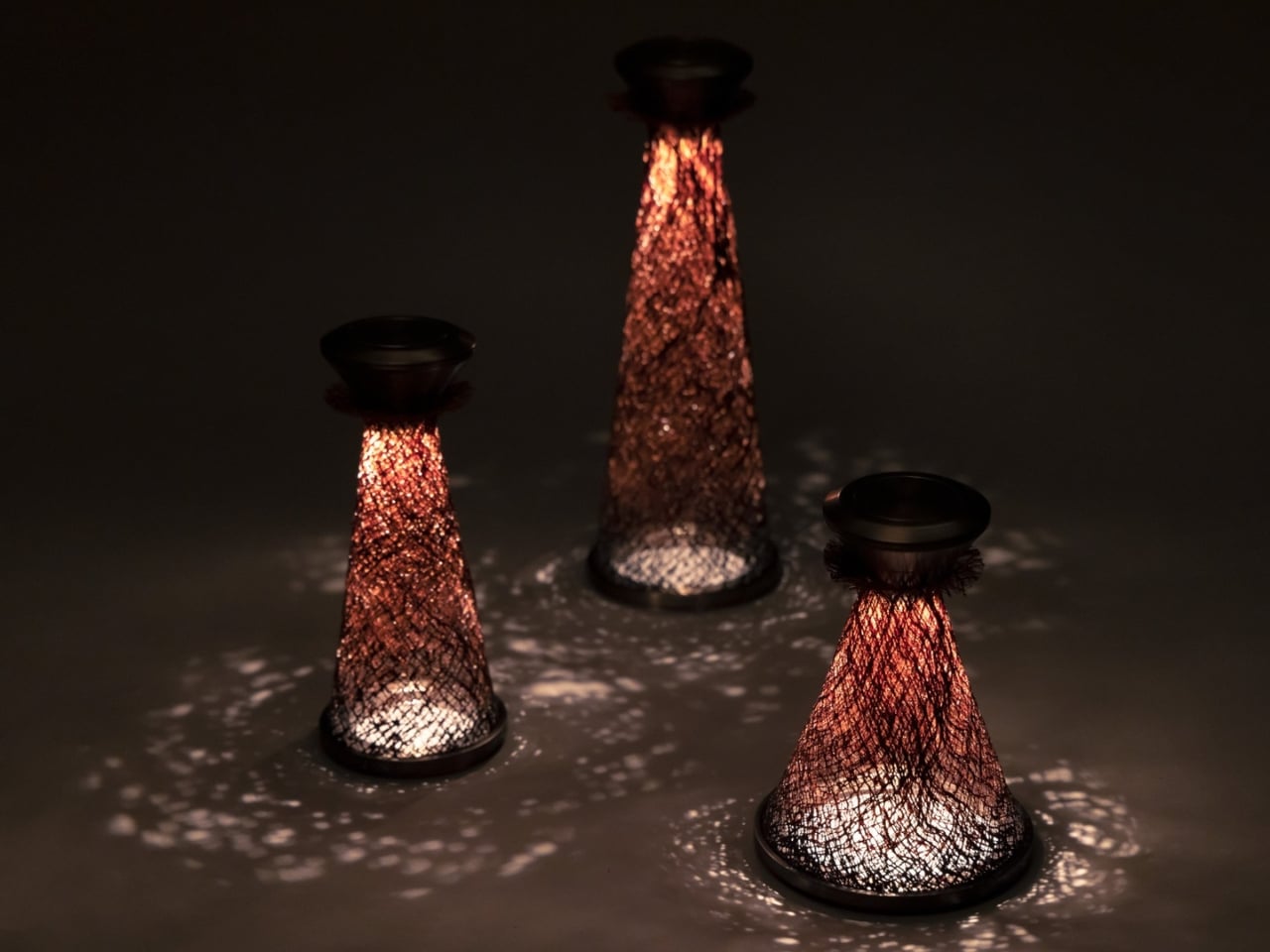
Alma Light’s Totem I Turns Fluted Glass Into a Glowing Column

Floor lamps usually sit in the corner, trying not to be noticed until you need them. They’re functional objects first, designed to throw light where you need it and stay out of the way the rest of the time. Most look like afterthoughts, with utilitarian bases and fabric shades that blend into whatever room they occupy. That works fine for ambient lighting, but it means the lamp contributes almost nothing to how a space feels.

Alma Light’s Totem I takes a different approach, treating the floor lamp as a vertical presence that can anchor a room rather than just fill it with light. Designed by Cristian Cubiñá, it borrows the idea of totems as ascending symbols and translates that into a tall, slender column of fluted glass. The lamp stands 150 centimeters high and only 15 centimeters wide, creating a luminous vertical line that projects light outward while occupying almost no floor space.

Designer: Cristian Cubina for Alma Light

The glass cylinder is the defining feature. Made from transparent fluted borosilicate glass, it catches and diffuses light through vertical ridges that run the entire length. The fluting gives it a subtle retro feel, like classical columns or vintage fluorescent fixtures, but refined into a single, clean silhouette. When lit, the ridges create soft striations of light and shadow, adding texture to what would otherwise be a simple glowing tube.

The structure itself is minimal. A circular iron base in either textured black or satin bronze grounds the lamp, while a matching cap sits at the top. The finishes give you flexibility depending on the room. The bronze version adds warmth and works beautifully against wood paneling or patterned tile, while the black finish lets the lamp recede into darker, more minimalist spaces.

The light source is a 150-centimeter T8 LED tube that runs the full length of the glass, projecting light in 360 degrees. The lamp is designed to really illuminate a space rather than just provide accent lighting, which sets it apart from most floor lamps that focus light upward or downward. The result is a warm, enveloping glow that fills the room without harsh shadows or directional glare.

What makes Totem I genuinely versatile is how well it adapts to different interiors. In the photos, it stands against wood paneling in a historic room, anchors a corner in a contemporary living room with teal seating, and complements a minimal lounge with soft armchairs. It can either act as a sculptural focal point or blend quietly into more complex settings.

The lamp works particularly well in spaces where vertical elements matter. Hotel lobbies, restaurant waiting areas, and large residential rooms benefit from the way Totem I emphasizes ceiling height and creates a strong vertical gesture without cluttering the floor. It’s the kind of piece that changes how a room feels the moment you switch it on.

The post Alma Light’s Totem I Turns Fluted Glass Into a Glowing Column first appeared on Yanko Design.
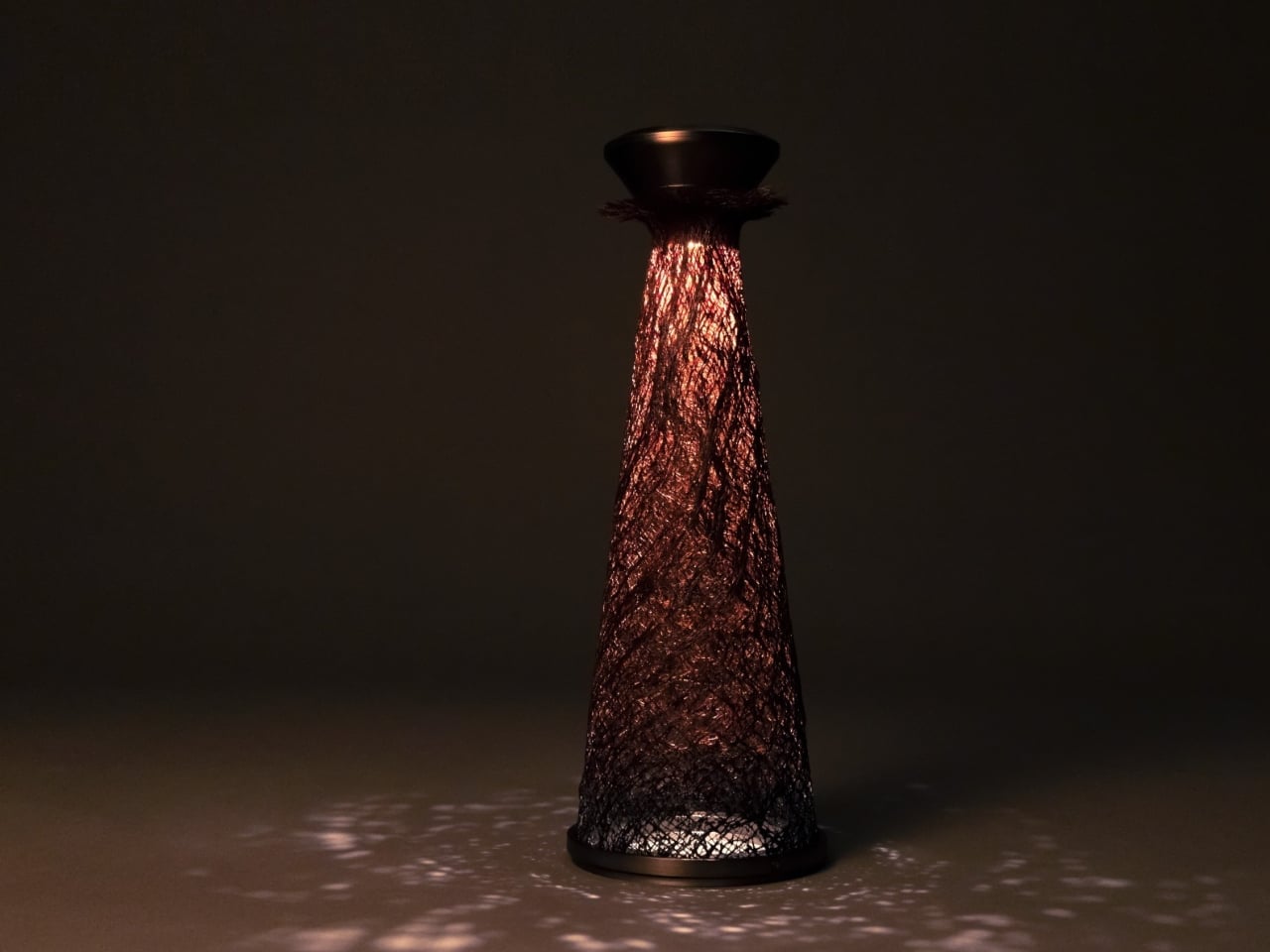
Byredo Just Built a Lamp That Melts Candles While It Glows

There’s something magnetic about objects that refuse to stay in their lane. Byredo and designer Benoit Lalloz have created exactly that kind of rule-breaker with Infra Luna 2.0, a desk lamp that doubles as a candle warmer, triples as a sculptural statement piece, and somehow manages to look like it landed here from a more aesthetically interesting future.

This is the second collaboration between Byredo founder Ben Gorham and Lalloz, and it’s clear they’ve hit their creative stride. The concept sounds almost too clever: a halogen lamp that uses its own heat to melt a candle placed beneath it, releasing fragrance while casting ambient light. It’s part science lab experiment, part art installation, and entirely functional. Hybrids like this don’t just mutate, they evolve into something that makes you rethink what everyday objects can be.

Designer: Benoit Lalloz x Byredo

Lalloz brings serious design credentials to the table. Originally specializing in architectural projects, he’s expanded into creating his own objects that reflect what he calls a personal quest for design that melds the innovative with craftsmanship and the industrial with poetic narration. Translation: he makes things that look futuristic but feel human, technical but somehow soulful. The Infra Luna 2.0 embodies exactly that philosophy.

The inspiration behind the lamp’s striking aesthetic comes from an unexpected place: the insect world. Before you think that sounds unappealing, consider the visual universe of entomofauna, the technical term for bug life. It’s a realm of vibrant, almost unnatural color where iridescents and fluorescents completely redefine our perception of what nature actually looks like. Think of the metallic sheen on a beetle’s back, the holographic shimmer of dragonfly wings, or the electric blue of certain butterflies. Nature’s own color palette offers a kaleidoscope of vivid metallics that most human-made objects can’t touch.

The Infra Luna 2.0 takes its codes from these dynamic opalescent shades and shimmering insect bodies, translating them into bold industrial design. The result is a lamp finished in metallic pink that catches light like an exoskeleton, shifting and glowing depending on your angle. But there’s also a natural finish available, giving you options depending on whether you want statement piece or subtle sophistication.

Even the details tell a story. The striped cable isn’t just decorative; it references how stripes function in nature as both warning and camouflage. A wasp’s yellow and black bands signal danger, while a tiger’s stripes help it disappear into tall grass. Here, the stripes bring the design to life both metaphorically and literally, as the cable becomes an integrated element of the overall aesthetic rather than something you try to hide behind furniture.

The silhouette maintains a technical, raw identity that feels industrial and purposeful, but nature writes this story just as much as engineering does. It’s this tension between the manufactured and the organic, between form and function, that makes the piece so compelling. You can see the halogen bulb, understand the mechanism, appreciate the transparency of how it works, yet it never feels cold or purely utilitarian.

Using temperature to release fragrance creates what Byredo describes as a gentle halo of light paired with an additional halo of scent. Place one of their candles on the base, and as the halogen bulb warms the wax, your space becomes enveloped in fragrance without a flame. For anyone who loves candles but worries about open flames or wants a more even scent distribution, this solves that problem while looking impossibly cool doing it.

The surprise here is both visual and olfactory. It’s one thing to create a beautiful object; it’s another to create one that engages multiple senses and actually improves your daily rituals. This isn’t design for design’s sake. It’s thoughtful, intentional, and genuinely useful, which feels increasingly rare in a world full of objects that prioritize aesthetics over everything else.

Infra Luna 2.0 represents where Byredo is heading as a brand: beyond traditional perfumery into territories where scent intersects with other sensory experiences and design disciplines. It’s inventive, intriguing, and exactly the kind of hybrid object that makes sense for how we live now, wanting fewer things but better things, objects that earn their place through beauty and utility combined.

If you’re interested, the lamp is available online and at select Byredo stores including Soho, Wooster, South Coast Plaza, and Melrose, but quantities are very limited. Available in both that eye-catching metallic pink and a more understated natural finish, it’s the kind of piece that transforms a space simply by existing in it.

The post Byredo Just Built a Lamp That Melts Candles While It Glows first appeared on Yanko Design.
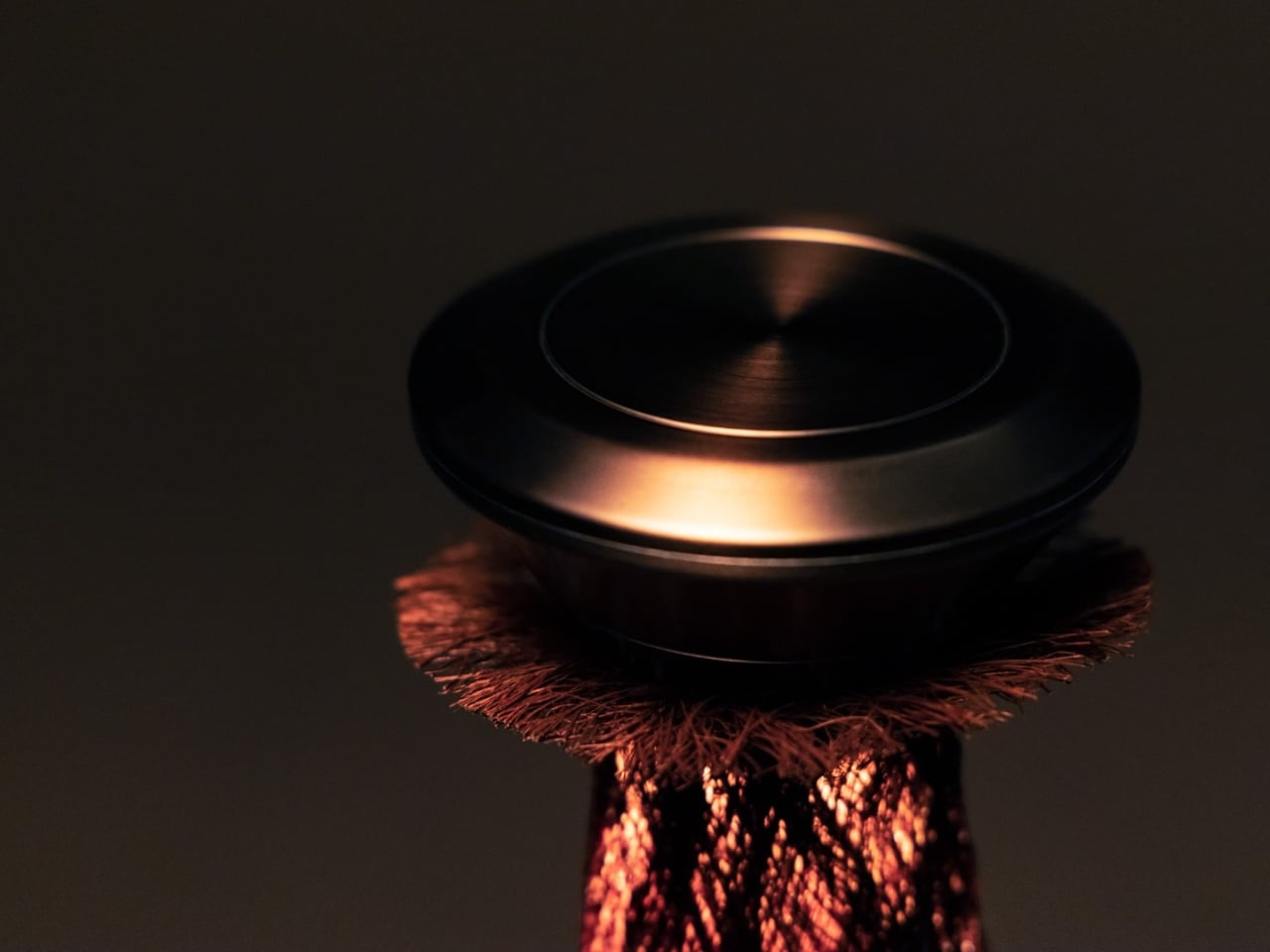
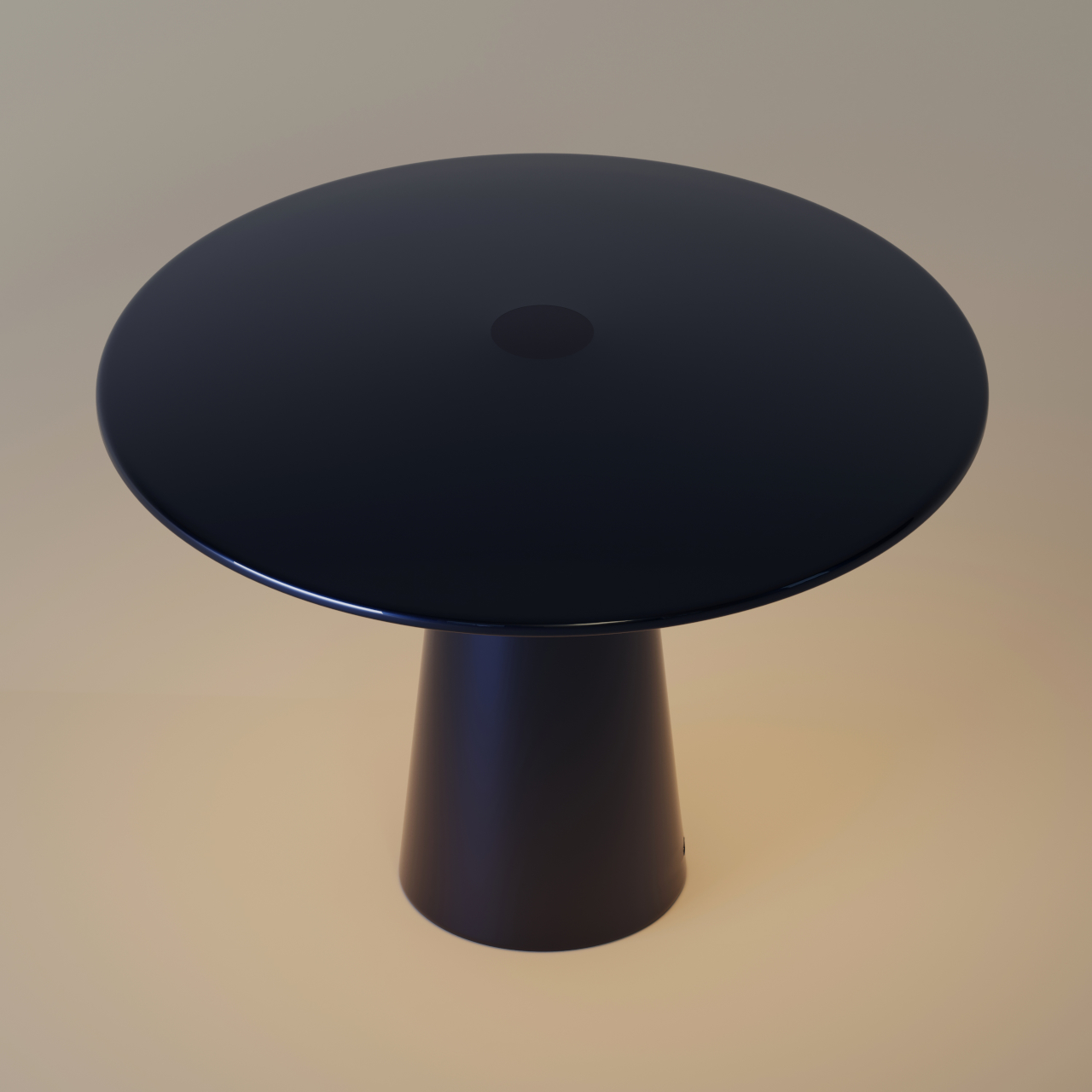
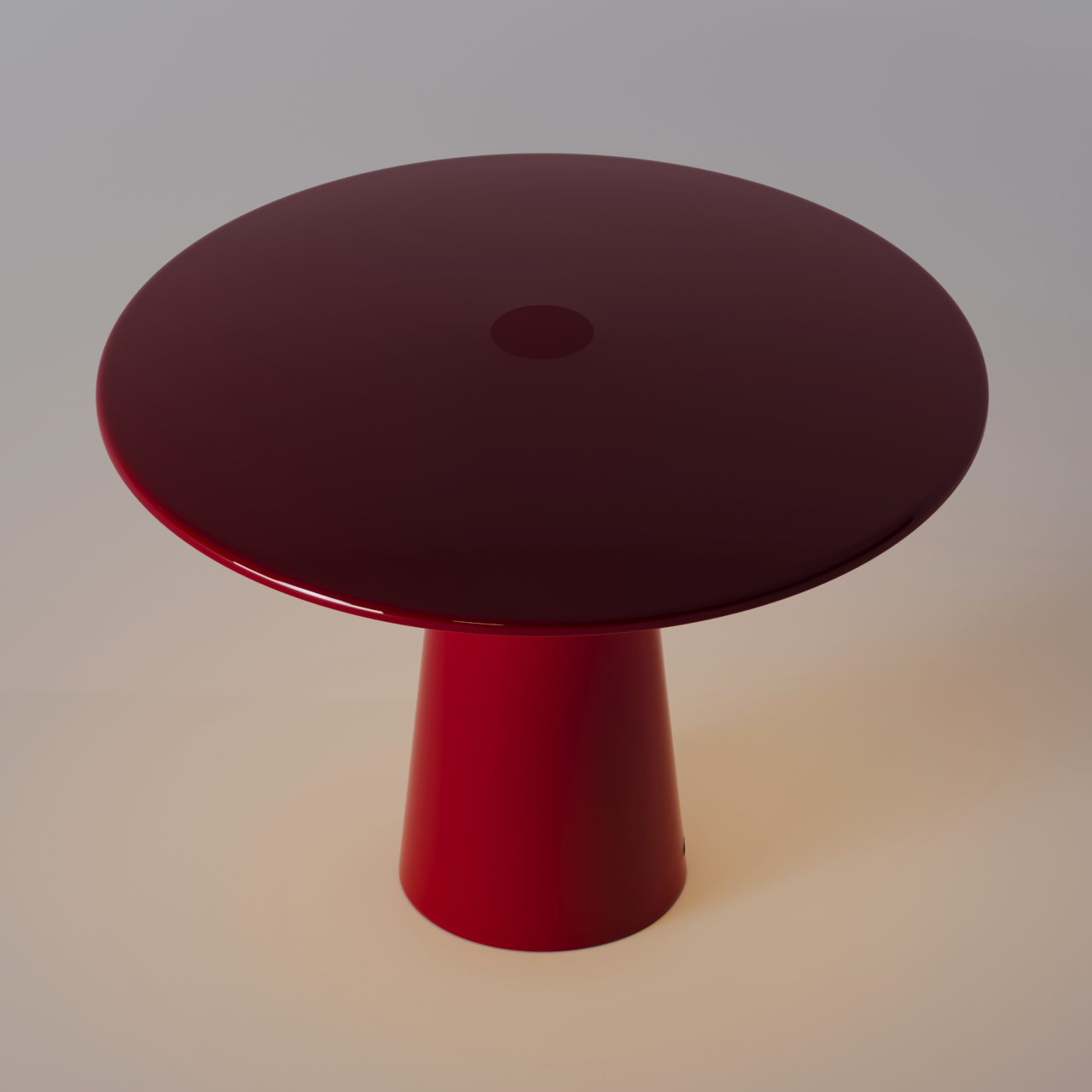
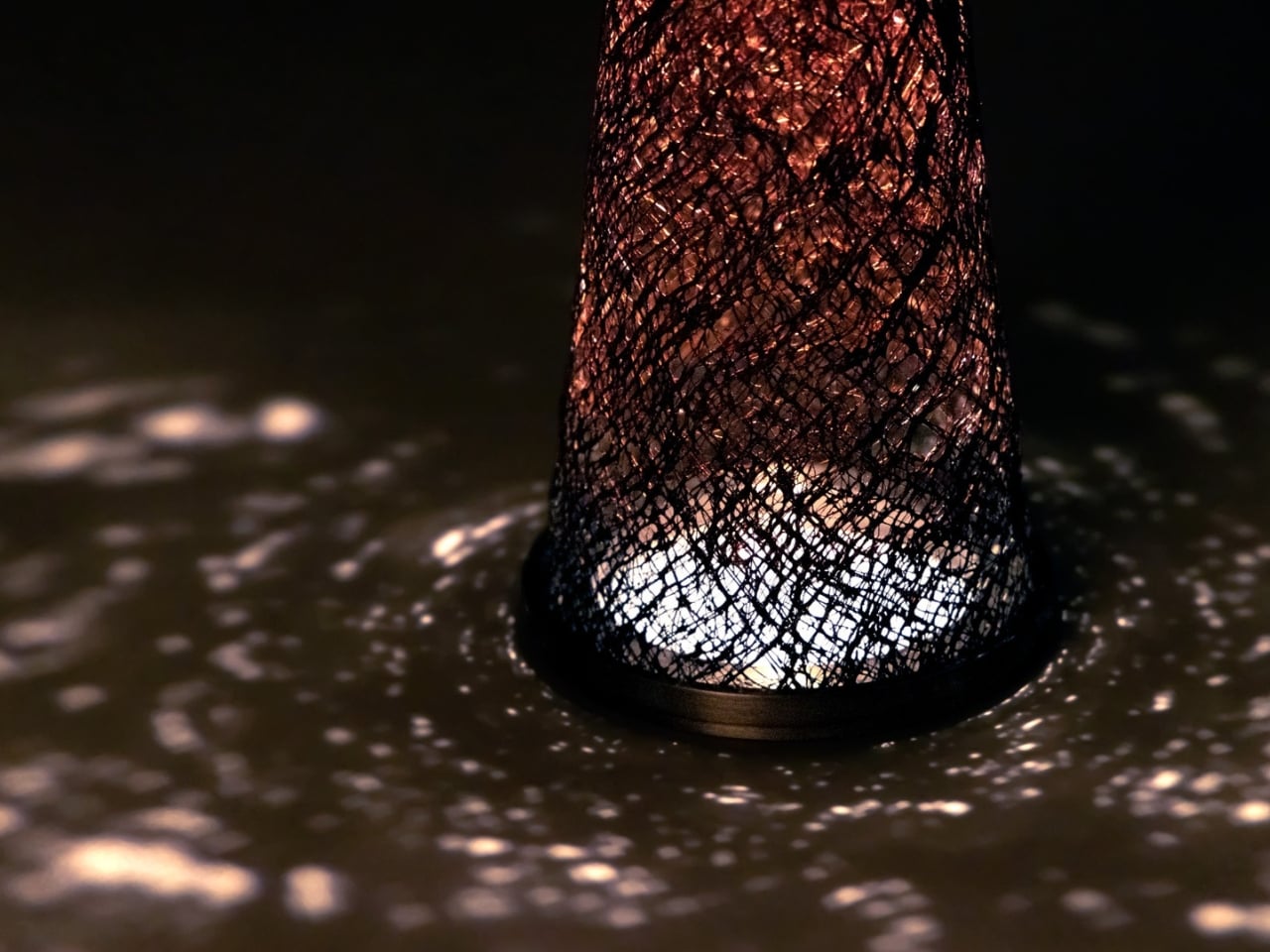
Kartell Revives a 1967 Icon: The KD28 Lamp Gets a Modern Makeover

There’s something magical about design pieces that refuse to fade into history. They sit there in archives, quietly waiting for their moment to shine again, proving that good design really is timeless. That’s exactly what’s happening with Joe Colombo’s KD28 lamp, which Kartell is bringing back to life after its original debut in 1967.

If you’re not familiar with Joe Colombo, let me paint you a picture. This Italian designer was basically the poster child for optimistic, forward-thinking mid-century design. He created bold, colorful furniture and objects that perfectly captured the era’s “the future is bright” energy. Colombo sadly passed away in 1971 at just 41, but his work continues to influence designers today. The KD28 lamp is a perfect example of why his pieces remain relevant decades later.

Designer: Kartell

What makes this relaunch particularly interesting is how Kartell has managed to honor the original design while addressing contemporary concerns. The lamp’s silhouette stays true to Colombo’s 1967 vision, but the materials tell a different story. This new iteration is manufactured using recycled materials, which feels like exactly the kind of innovation Colombo himself would have championed. He was always about pushing boundaries and embracing new technologies, so it’s fitting that the lamp’s comeback includes a sustainability angle.

The technical updates go beyond just eco-friendly materials. The shade now features a satin finish treatment that creates a warmer, more enveloping glow compared to the original. Anyone who’s ever dealt with harsh lighting in their home knows how much of a difference this makes. It’s the kind of thoughtful detail that transforms a lamp from merely functional to genuinely cozy. Even the power cable gets the deluxe treatment, covered in fabric that matches the base color. It’s a small touch, but it shows that Kartell understands that design is about the complete package, not just the flashy parts.

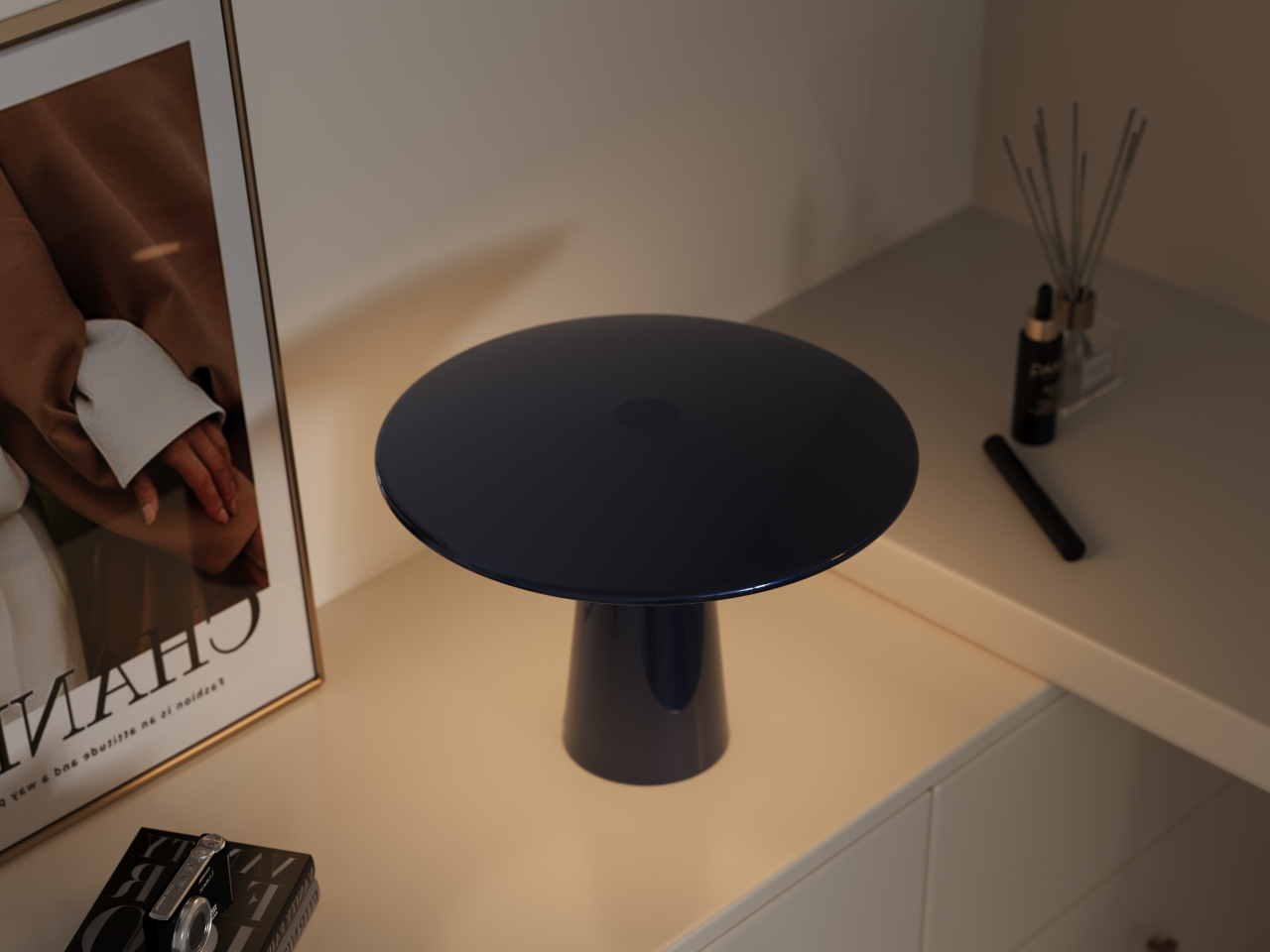
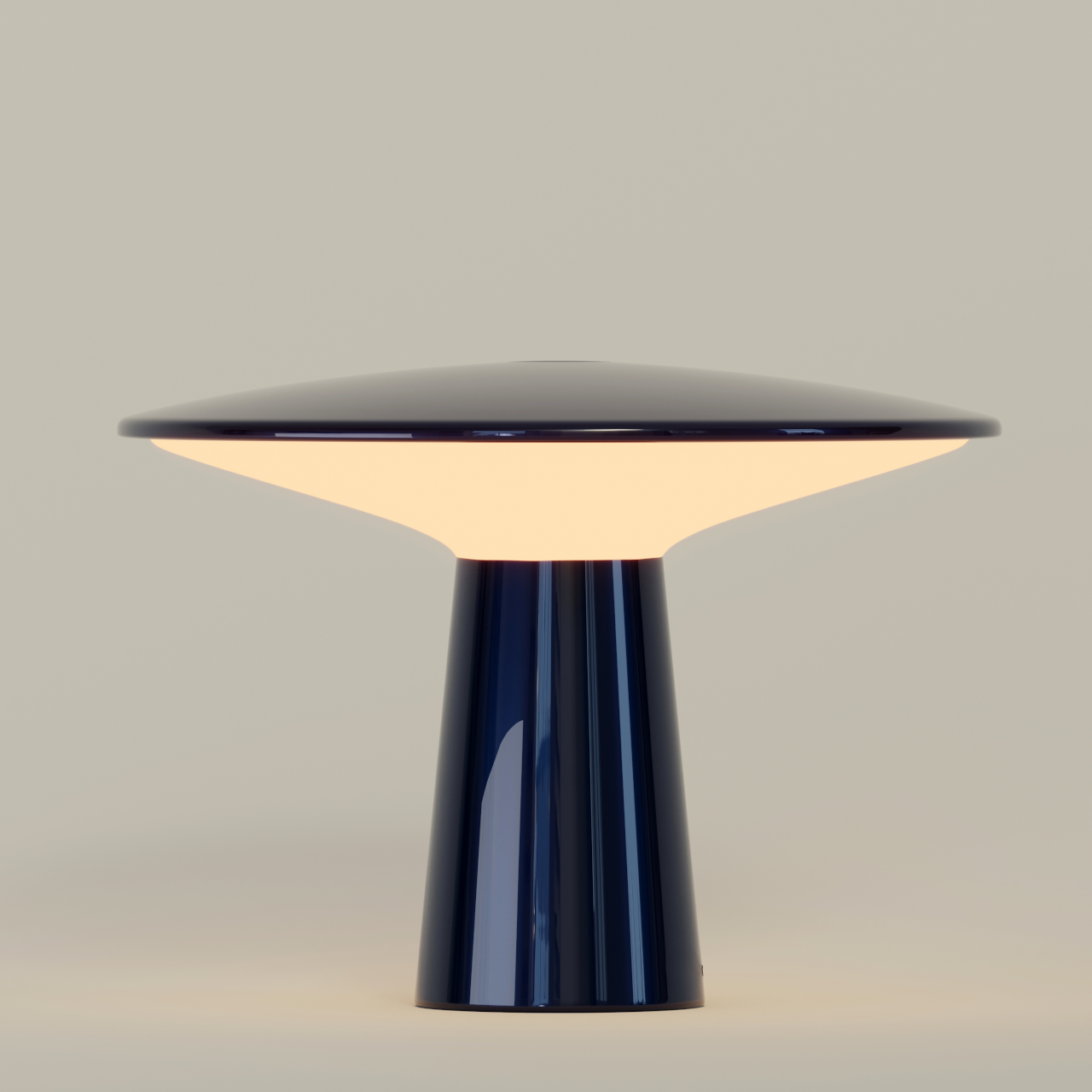
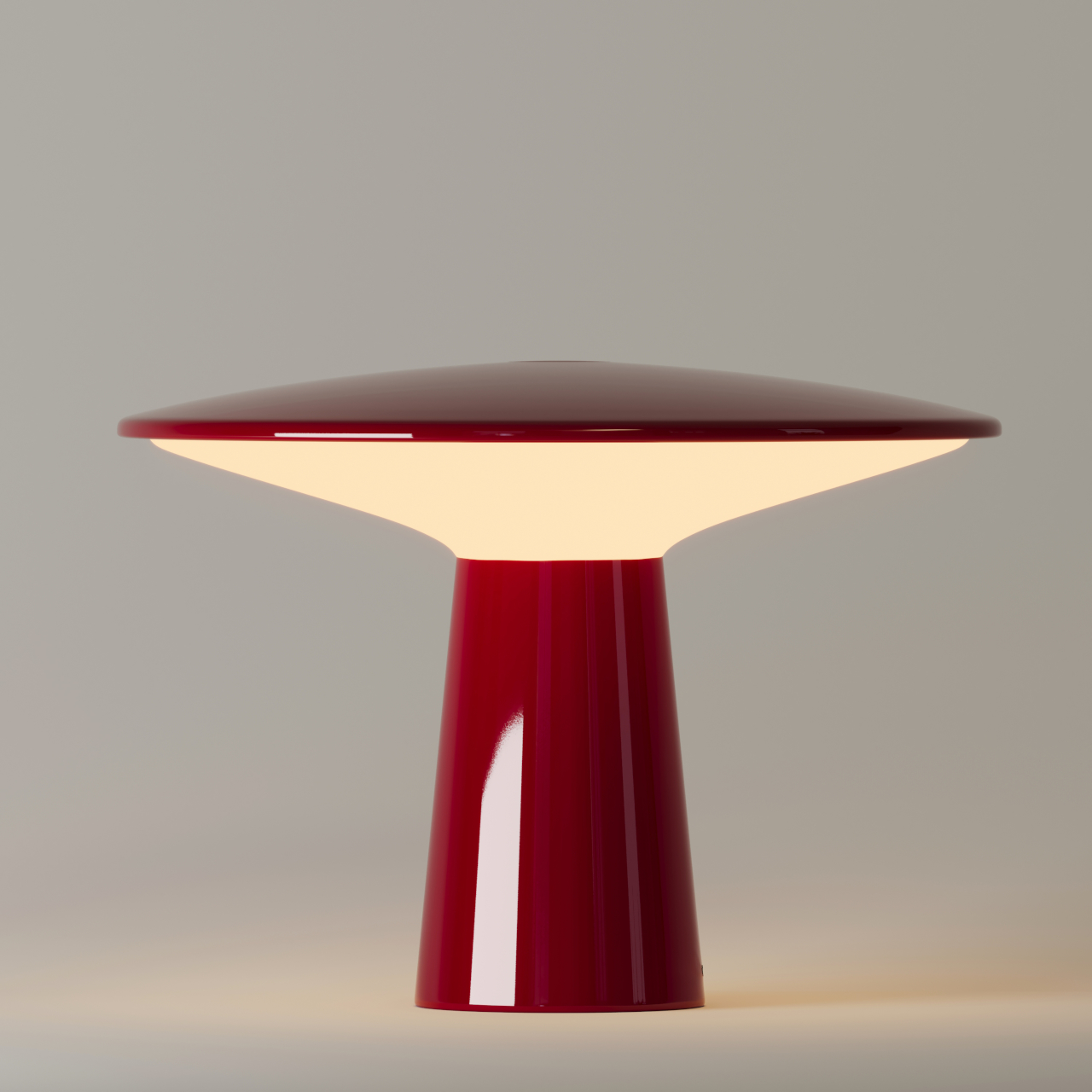
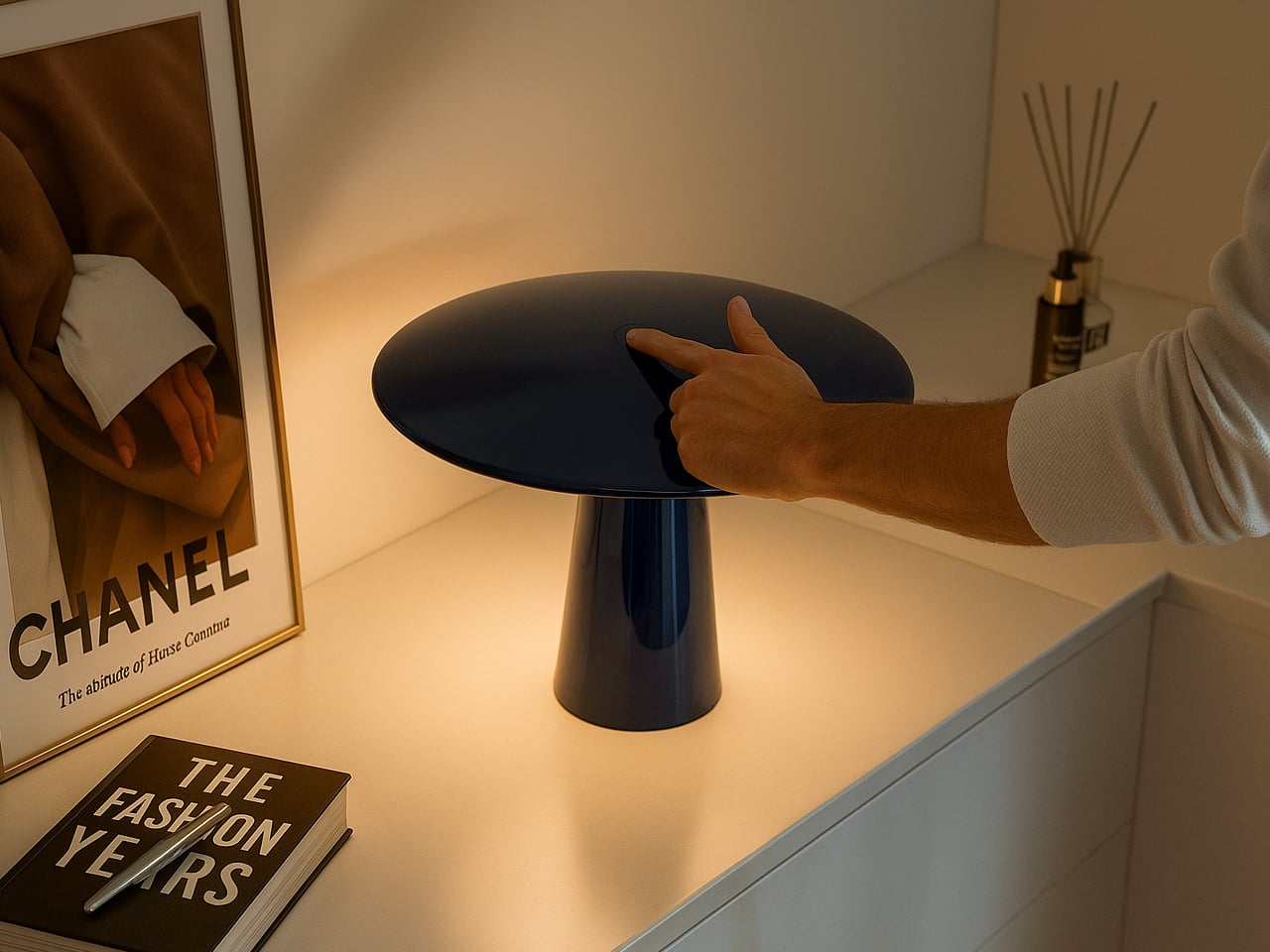
Now let’s talk about the color options, because this is where maximalists are going to lose their minds. The KD28 comes in eight shades: Bordeaux, Woodland Green, Dove Grey, Orange, Petroleum, Mustard, Black, and White. That’s quite a spectrum, ranging from neutrals that’ll blend seamlessly into minimalist spaces to bold statement hues that demand attention. The Mustard and Orange options feel particularly vintage in the best way, channeling those groovy 60s and 70s vibes without feeling like a costume. Meanwhile, the Petroleum and Woodland Green speak to today’s preference for moody, sophisticated tones.

What’s really compelling about this reissue is what it represents for Kartell as a brand. They’re not just randomly dipping into their archives to capitalize on nostalgia. The KD28’s return demonstrates a clear through-line in their design philosophy, connecting past innovation with present-day values. It’s proof that their commitment to pushing materials and manufacturing forward isn’t new, it’s been part of their DNA all along.

This approach to heritage design feels refreshingly honest compared to some of the trend-chasing we see in the furniture world. Rather than trying to make the lamp “relevant” by completely reimagining it, Kartell recognized that the original design already had everything it needed. The updates are practical improvements that make it work better for contemporary life, not desperate attempts to chase Instagram aesthetics.

For anyone building a collection of iconic design pieces or just looking to add something special to their space, the KD28 offers an interesting proposition. You’re getting a legitimate piece of design history, crafted by one of the 20th century’s most influential designers, but with the practical benefits of modern manufacturing. It’s the best of both worlds: vintage credibility with contemporary functionality.

The KD28 lamp proves that sometimes looking backward is the best way to move forward. In a market flooded with disposable products, there’s something deeply satisfying about investing in a design that’s already proven its staying power over five decades.

The post Kartell Revives a 1967 Icon: The KD28 Lamp Gets a Modern Makeover first appeared on Yanko Design.
Pexar Starlight Review: 15.6″ Picture Frame That Lights Up Memories

PROS:


  • Premium design with wood grain finish and canvas-like matting

  • Rear LED Gallery Lighting adds warmth and dimension to photos

  • Large 15.6-inch anti-glare display with excellent visibility

  • Generous 64GB internal storage

  • Simple setup and effortless sharing via the Frameo app

CONS:


  • No built-in battery

  • Video playback is capped at 15 seconds

  • Uploading more than 10 photos at once remotely requires the optional Frameo+ subscription

RATINGS:

AESTHETICS
ERGONOMICS
PERFORMANCE
SUSTAINABILITY / REPAIRABILITY
VALUE FOR MONEY

EDITOR'S QUOTE:

The Pexar Starlight blends premium design and an all-new gallery lighting into a digital frame that finally feels as special as the memories it displays.
award-icon

Digital photo frames have been around for years, but finding one that actually looks good in your living room remains surprisingly difficult. Most feel like gadgets that happen to show pictures rather than thoughtful décor pieces. They display photos well enough, but they rarely inspire the kind of emotional connection that makes you want to give them the best spot in your home.

The Pexar Starlight 15.6-inch Digital Picture Frame approaches photo display differently by adding integrated lighting that makes memories glow like gallery pieces. Born from Lexar’s imaging expertise, this frame combines a generous screen with thoughtful design details that celebrate photos rather than just showing them. Let’s see how it actually fares in practice.

Click Here to Buy Now: $349.

Aesthetics

Unboxing the Starlight reveals a wood-grain finish that immediately separates it from typical digital frames dominated by glossy plastic. The texture has genuine depth and character, not just a printed pattern attempting to mimic wood. Running fingers across the surface reveals a tactile quality that makes the frame feel substantial, like furniture designed to last rather than disposable tech.

The canvas-like matting surrounding the display creates instant gallery vibes without trying too hard. Every photo cycling through looks intentional and curated, as if someone carefully selected each image for exhibition. This presentation quality works magic on even casual smartphone snapshots, making everyday moments feel more special than they did when scrolling through a camera roll mindlessly.

Placing the frame on a living room shelf shows how the thin bezel maximizes screen space without screaming for attention. The proportions feel balanced, with enough frame to provide visual weight but not so much that it dominates nearby objects. The design quietly commands attention rather than demanding it, which matters more than expected when living with something daily.

The innovative gallery lighting changes how photos feel in a room entirely. During daylight hours, the warm glow adds a subtle dimension that makes images pop against the wall behind them. As evening arrives and ambient light fades, the lighting becomes more prominent, casting a soft halo that naturally draws the eye toward whatever memory is currently on display.

Watching the lighting interact with different photos throughout the day reveals careful tuning and attention to detail. The warmth complements skin tones beautifully while enhancing golden hour sunsets and cozy indoor shots taken during winter evenings. The lighting never fights with images but rather supports them, creating depth without becoming a distraction from the actual photographs.

The anti-glare screen proves its value in challenging lighting conditions that would ruin most displays. Positioning the frame near windows or under bright overhead lights doesn’t create reflective hotspots that make screens unreadable. Photos remain clearly visible from multiple angles throughout the day, maintaining their visual impact regardless of how sunlight shifts across rooms.

The packaging deserves special mention for winning the 2025 MUSE Design Awards with its completely eco-friendly design. The gift box uses 100 percent recyclable materials with a green fiber coating and sand-gold metallic accents, drawing on Nordic and Japanese aesthetics for a premium unboxing experience. The paper pulp construction eliminates plastic entirely while feeling surprisingly luxurious, making the Starlight especially thoughtful for holiday gifting when presentation matters as much as the gift itself.

Ergonomics

Setup takes barely a minute from opening the box to displaying your first photo on screen. Power on, pick language and time zone, connect to Wi-Fi, name the device, finished. The whole process feels refreshingly simple, with clear prompts that don’t require consulting manuals or watching tutorial videos to figure out what’s happening.

The Pexar Starlight’s touchscreen responds accurately to every tap and swipe without the frustrating lag that makes cheap displays annoying to actually use. Navigating settings, albums, or display options feels smooth and predictable throughout. The interface clearly borrows from modern smartphones, making it immediately familiar even for people who typically struggle with new technology and avoid anything labeled “smart.”

The metal stand holds the frame securely in both portrait and landscape positions without complaint. Switching orientations reveals smooth, stable positioning without wobbling or tipping concerns that would make you nervous about bumping the table. The stand’s minimal footprint doesn’t hog surface area, fitting easily on crowded shelves or narrow surfaces without requiring furniture rearrangement.

Wall mounting keeps everything flush while allowing proper clearance for the gallery lighting to project its characteristic glow. The hardware feels robust enough to trust with a device this size and weight. Once mounted, the frame looks intentional rather than like tech equipment awkwardly stuck to the wall, which becomes important when it’s a permanent fixture in your space.

Auto-rotation works like magic when repositioning the frame between portrait and landscape orientations. Pick it up, turn it sideways, and the display adjusts instantly without requiring button presses or menu navigation. The automatic sensing means photos always display correctly regardless of orientation, whether you’re trying different placements or just moved it to a new room.

Performance

With a 1920×1080 screen resolution, the Pexar Starlight delivers sharp, detailed images that look great from typical viewing distances across the room. Fine details in photos remain crisp and clear, while text in captions or greeting cards stays perfectly readable. The pixel density feels well-matched to screen size, providing clarity without that overly processed digital look that sometimes makes photos feel artificial.

Colors pop with vibrancy that feels realistic rather than artificially boosted like oversaturated TV displays. Photos show rich, engaging hues that don’t cross into unrealistic territory that makes images look fake. Skin tones appear natural and flattering, while blue skies and green landscapes maintain the depth and richness you remember from actually being there.

The 64GB internal storage swallows photo libraries without breaking a sweat or showing performance issues. Loading several thousand images reveals no slowdown, stuttering, or lag during transitions. The frame cycles through photos smoothly, maintaining quick changes and responsive controls regardless of how many memories are crammed into storage over months.

Loading photos via SD card or USB feels straightforward and surprisingly quick for large batches. Insert the storage source, navigate to Settings, select Import Photos, choose your images, and let the frame handle everything else. The interface makes it easy to select all photos at once or cherry-pick specific favorites, depending on how curated you want the current collection.

Of course, sending photos to the Starlight from your phone makes the experience feel almost magical, thanks to integrated Frameo support. The mobile app connects to the frame instantly without drama or confusion. Scan the QR code or type in the frame code, and your phone recognizes the device immediately. Sending photos becomes as natural as texting pictures to friends, which matters enormously for getting family members to actually contribute images regularly rather than forgetting about the frame.

The Frameo ecosystem makes sharing photos feel effortless and genuinely social rather than technical. Family members in different cities or countries send images that appear on the frame within seconds of tapping send. The system handles multiple contributors gracefully, organizing incoming photos by sender and allowing everyone to see who shared what without confusion.

Video clips up to 15 seconds capture brief, meaningful moments that photos alone can’t convey completely. While longer videos would expand creative possibilities, the time limit encourages sharing highlights rather than full recordings nobody watches. The built-in speaker provides clear audio for these short clips, adding voices and context that bring moments back to life.

The ten-photo limit for remote uploads seems restrictive initially but rarely causes problems during everyday use. Most sharing happens in small batches anyway: a few shots from dinner, a handful from the weekend trip. For complete vacation albums with hundreds of images, the SD card slot and USB connection handle bulk transfers without making you babysit uploads or watch progress bars creep forward.

Sustainability

The frame’s construction suggests durability designed for years of daily use rather than quick obsolescence. The wood grain finish shows remarkable resistance to fingerprints, smudges, and general wear from regular touchscreen interaction. After days of handling, the surface maintains its original appearance without visible degradation, dulling, or wear patterns that would diminish its premium look.

Storage expansion capabilities prevent the frame from becoming obsolete as photo libraries grow from thousands to tens of thousands. Rather than hitting capacity limits and requiring complete replacement, the frame adapts to increasing storage needs through affordable SD cards. This flexibility supports sustainable consumption by extending the useful lifespan instead of forcing upgrades.

The digital format reduces environmental impact compared to traditional photo printing and physical framing habits. A single Starlight displays thousands of memories that would otherwise require paper, ink, shipping materials, and physical frames. For households that previously printed select favorites, the frame offers a more sustainable way to enjoy entire collections.

The frame’s offline functionality provides independence from cloud services that could potentially disappear or change. Once photos are loaded onto internal storage, they remain accessible forever regardless of internet connectivity or ongoing service availability. This autonomy means memories stay safe and visible even if business models change or companies discontinue cloud support unexpectedly.

Value

The Starlight occupies premium territory in the digital photo frame market, and pricing reflects the larger screen and distinctive features. Comparing gallery lighting, screen quality, and storage to similarly priced options reveals competitive positioning that justifies the investment. The feature combination makes sense for people who prioritize design and want tech that enhances spaces.

Gallery lighting alone differentiates the Starlight from most frames in any price range currently available. Competing products focus exclusively on display quality without considering how the device impacts room ambiance and atmosphere. The integrated lighting makes the Starlight both a photo display and a mood lighting element, effectively serving two purposes simultaneously.

The 64GB storage outpaces many frames offering 8GB or 16GB that charge extra for expansion cards. Starting with a generous internal capacity avoids constant photo management or forced deletions to accommodate new images. This abundance provides better long-term value by eliminating storage anxiety that ruins the experience of actually owning and enjoying the frame.

The Pexar Starlight works beautifully as a gift for parents, grandparents, or distant family members who might struggle with complicated tech. The simple setup and multi-contributor functionality make it especially valuable for keeping families connected across distances. The thoughtful packaging and premium presentation reinforce its identity as a meaningful gift rather than just another gadget.

Unlimited distance sharing adds genuine practical value for families spread across different cities, states, or countries. Grandparents receive photos from grandchildren instantly without wrestling with email attachments or complicated file transfers that confuse them. This simplicity increases the likelihood that the frame actually gets used regularly rather than gathering dust after initial novelty fades.

The wood grain finish and gallery lighting ensure the frame enhances home décor rather than detracting from carefully curated spaces. This design consideration adds real value for people who view their purchases through an aesthetic lens first. Premium looks justify premium pricing when the alternative means compromising on how your living space feels, functions, and welcomes guests.

Verdict

Living with the Pexar Starlight reveals a frame designed by people who understand both technology and how families actually interact with their memories. The gallery lighting, thoughtful materials, and anti-glare screen create experiences that go beyond simply displaying photos. Small design choices add up to something that feels special rather than utilitarian, making the frame something you want to show off.

The Starlight shows how digital frames can contribute to atmosphere and aesthetics without sacrificing useful features. For anyone seeking a way to display memories that enhances their space while keeping loved ones connected, it delivers on both fronts convincingly. The frame makes digital memories feel as meaningful as the moments they preserve, which is ultimately what any photo display should accomplish.

Click Here to Buy Now: $349.

The post Pexar Starlight Review: 15.6″ Picture Frame That Lights Up Memories first appeared on Yanko Design.
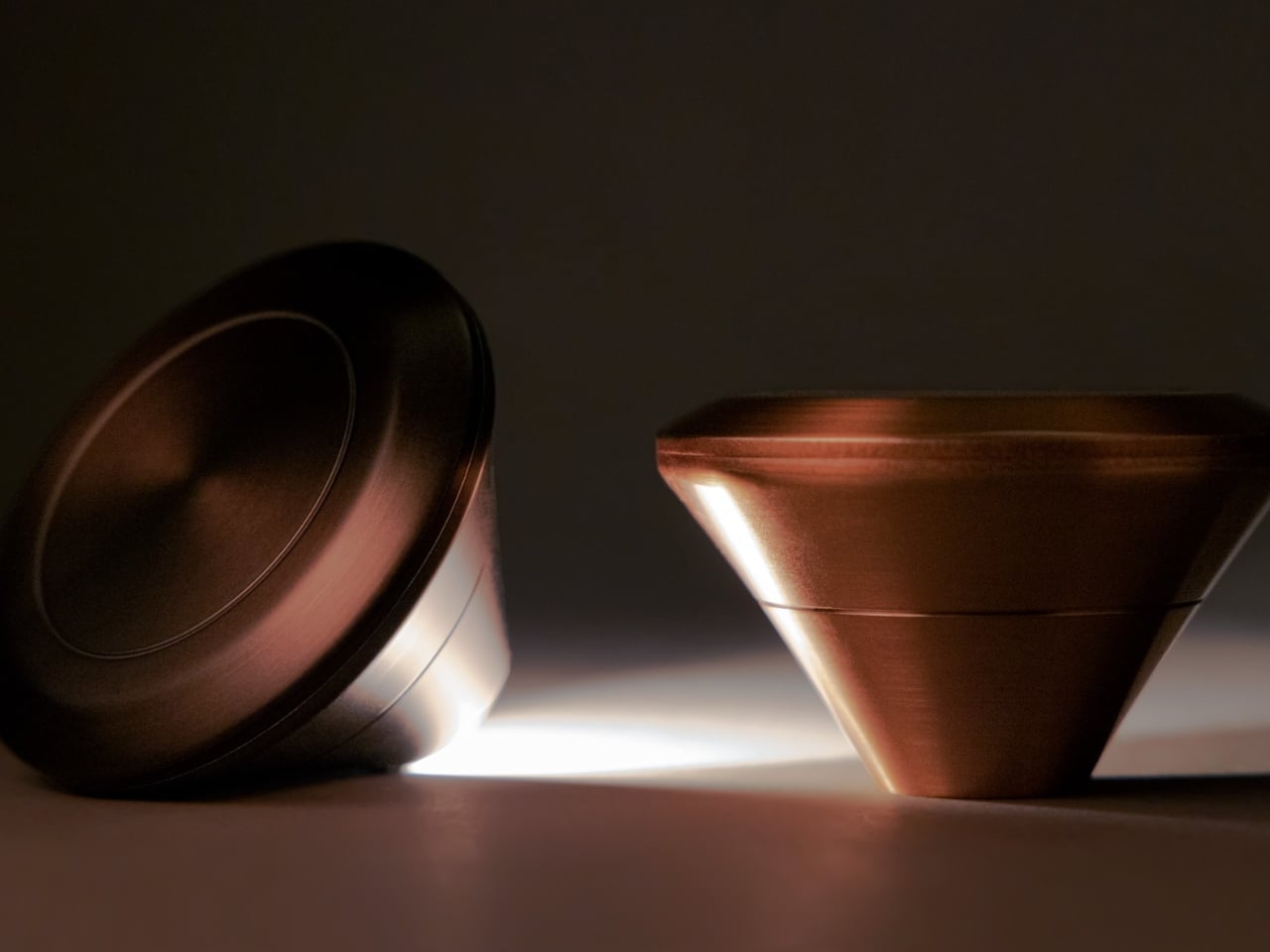
Your Desk Lamp Just Got Smarter (And Took Notes from Inception)

Remember that spinning top from Inception? The one that determined whether you were in a dream or reality? Well, a design team called SUPD took that iconic object and asked themselves a pretty interesting question: what if a product could help you enter a state of deep focus the same way that totem granted entry into the dream world? The result is DEEP, an AI-powered desk stand that’s making me rethink everything I thought I knew about workspace lighting.

Let’s be real for a second. We’re all drowning in distractions. Between notifications pinging, emails flooding in, and the constant pull of social media, achieving genuine focus feels like a superpower these days. And if you’ve ever tried to create the perfect work environment, you know the drill. You need your desk lamp positioned just right, white noise playing at the perfect volume, maybe some aromatherapy going, and oh yeah, all those tangled cables creating visual chaos that breaks your concentration every time you glance at them. DEEP tackles this modern problem with a surprisingly elegant solution: why scatter your focus tools across multiple devices when you could integrate them into one sleek package?

Designer: SUPD

The product itself looks like it stepped out of a near-future sci-fi film. It’s a desk lamp, sure, but it’s also packing a camera, speakers, and AI capabilities that work together to create what the designers call “optimized immersion environments.” The best part? Getting started is wonderfully simple. You turn the main power button, which is designed to mimic that spinning top from Inception (a detail that definitely made me smile), and then you just talk to it. Tell DEEP what you’re about to do, whether that’s studying, coding, reading, or creative work, and it automatically adjusts your environment to match.

Think about that for a moment. No more fiddling with multiple apps, no more adjusting three different devices, no more breaking your concentration before you’ve even started working. You speak, it listens, and your workspace transforms itself.

But DEEP doesn’t stop at automation. The designers clearly thought about the reality of personal preferences. Those side buttons let you fine-tune the lighting and sound to your exact specifications, and here’s where it gets smart: the system asks if you want to save your adjustments. Over time, DEEP learns your preferences for different activities, becoming more personalized the more you use it. The camera positioned at eye level isn’t just there for show. It’s analyzing you, checking your immersion status, and providing feedback to help maintain your focus. It’s like having a productivity coach built into your desk lamp, minus the awkward small talk.

I’m particularly taken with the attention to physical design details. Those red lines running along the top and front of the product aren’t just aesthetic choices. They help you maintain your preferred angles after adjusting the lamp’s position, creating a visual reference that makes it easier to remember your ideal setup. It’s the kind of thoughtful detail that separates good design from great design. The four-directional speakers at the base create spatial audio for immersion, whether that’s white noise, nature sounds, or whatever helps you slip into that flow state. And that integrated approach means no more cable spaghetti cluttering your desk, no more hunting for the right device, no more mental overhead just to start working.

What strikes me most about DEEP is how it recognizes that deep focus isn’t a luxury anymore. It’s a core skill, maybe even a competitive advantage in our attention-fractured world. The difference between weak concentration and strong concentration directly translates to productivity, creativity, and the quality of our work. DEEP doesn’t just acknowledge this reality; it builds an entire product philosophy around supporting it.

Is this the future of workspace design? Possibly. At minimum, it’s a fascinating glimpse at how AI integration can solve real problems without adding complexity. Sometimes the best technology is the kind that gets out of your way and just lets you work.

The post Your Desk Lamp Just Got Smarter (And Took Notes from Inception) first appeared on Yanko Design.
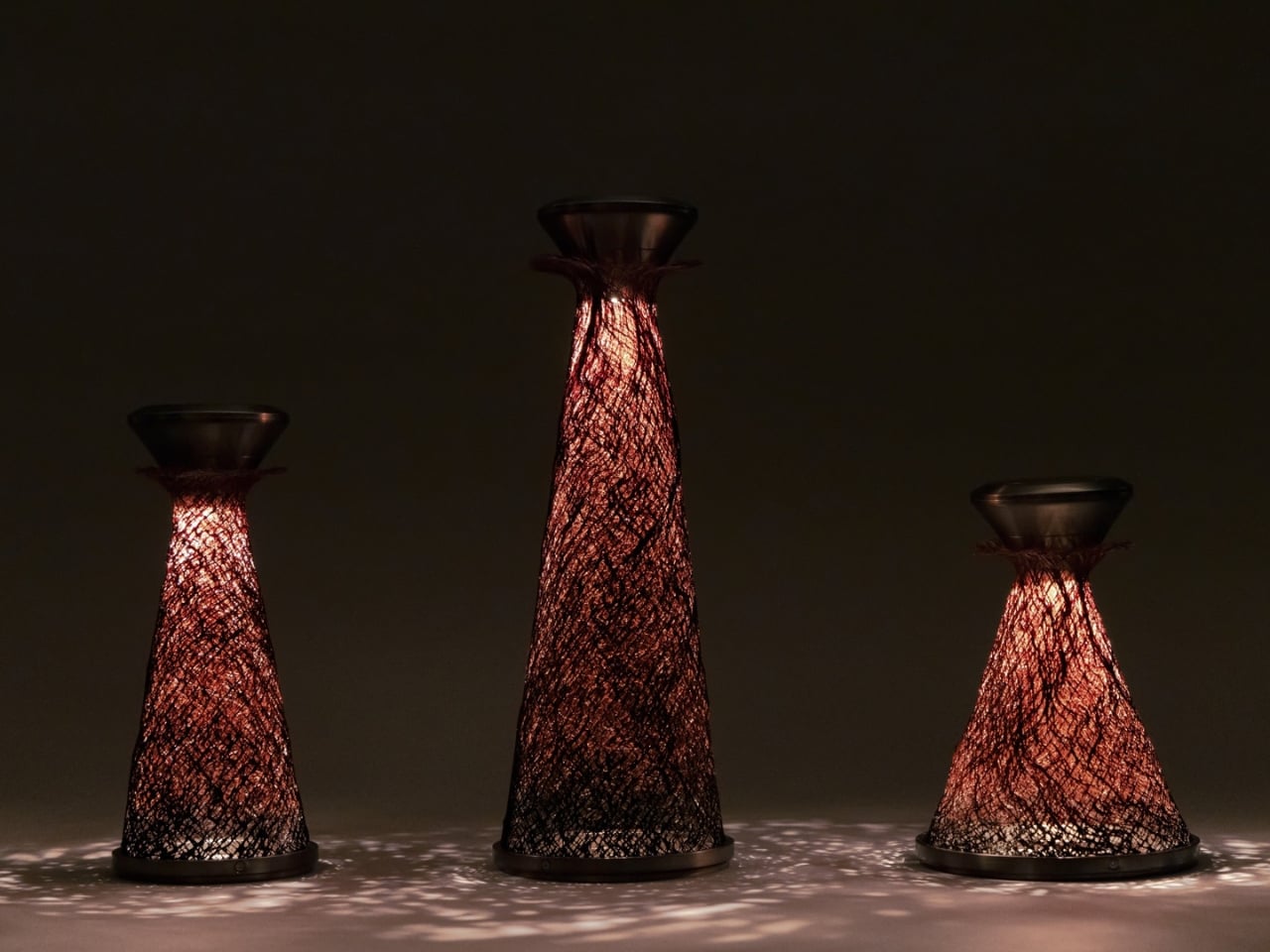
AI Lantern Speaker Designed to Reduce Anxiety With Light and Sound

Most home gadgets are designed for function, not feeling or emotional connection. Lamps and speakers fill their roles effectively enough, but rarely do they offer comfort or companionship during quiet nights or moments when you need a little extra calm to soothe anxiety. Finding a device that addresses both practical needs and emotional well-being remains surprisingly difficult in modern home technology.

Calmtern reimagines what a home object can be by blending a portable lantern with an AI speaker in one thoughtful package. It turns light and sound into a source of emotional support, making every room feel a little more welcoming and a lot more personal. The concept is simple yet powerful: bring comfort wherever you go in your home, whenever you need it most.

Designer: Hyun Jin Oh

Calmtern’s silhouette is inspired by classic lanterns, with a translucent upper body for soft, diffused light and a ribbed base that houses the speaker and controls. The integrated handle makes it easy to carry from room to room, hang on a minimalist stand, or set on a bedside table wherever comfort is needed. The portable form invites movement and flexibility throughout your daily routine.

The minimalist design, matte white finish, and lack of visible branding let Calmtern blend into any space seamlessly, from modern apartments to cozy bedrooms and hallways. The ribbed texture provides visual interest and tactile grip, while the clean silhouette feels timeless rather than trendy. It’s a device that looks as good on display as it does tucked away when not in use.

The lantern emits a gentle, warm glow that reduces anxiety and creates a cozy atmosphere perfect for late-night reading, winding down before bed, or simply making a dark room feel safe and inviting. Touch controls on the top panel make it easy to adjust brightness or volume without fumbling for switches or apps in the dark when you’re half asleep.

Calmtern is designed to move with you throughout your daily life and routines. Use it as a reading lamp beside your favorite chair, a bedside companion that plays calming sounds for sleep, or a portable speaker for music and podcasts in any room. The rechargeable design means it’s just as useful on a patio as in a hallway, and the gentle light is ideal for nighttime trips.

Beyond practical functionality, Calmtern is a calming presence that helps reduce feelings of loneliness or anxiety when living alone, making the home feel warmer and more inviting during difficult moments. The combination of soft light, smart sound, and intuitive controls creates a daily ritual of comfort and relaxation that goes beyond what typical smart home devices offer users.

The sculptural form and ambient glow turn Calmtern into a visual anchor for any room, sparking conversation and encouraging moments of pause in otherwise hectic days. For anyone who wants their home to feel as good as it looks while maintaining simplicity and emotional comfort, this concept offers a compelling vision of design where technology and well-being move together naturally.

The post AI Lantern Speaker Designed to Reduce Anxiety With Light and Sound first appeared on Yanko Design.
This 3D-Printed Soufflé Lamp Is Rising to the Top in Paris

You know that magical moment when a soufflé rises in the oven, all light and airy and impossibly delicate? That’s exactly the energy Paris-based AEREA STUDIO captured with their Soufflé Ceramic lighting design, and honestly, it’s the kind of piece that makes you want to rethink everything on your shelves.

AEREA STUDIO is both a design studio and Parisian brand creating collectible design pieces that blend innovation with artisanal craftsmanship. Founded by designer Camille, the studio draws inspiration from the golden age of design, specifically movements from the 1940s to 1970s, with a focus on creating pieces that combine quality, durability and innovation. But here’s where it gets interesting: they’re not just looking backward for inspiration. They’re using cutting-edge 3D printing technology to create pieces that feel simultaneously retro and futuristic.
Designer: Aerea Studio

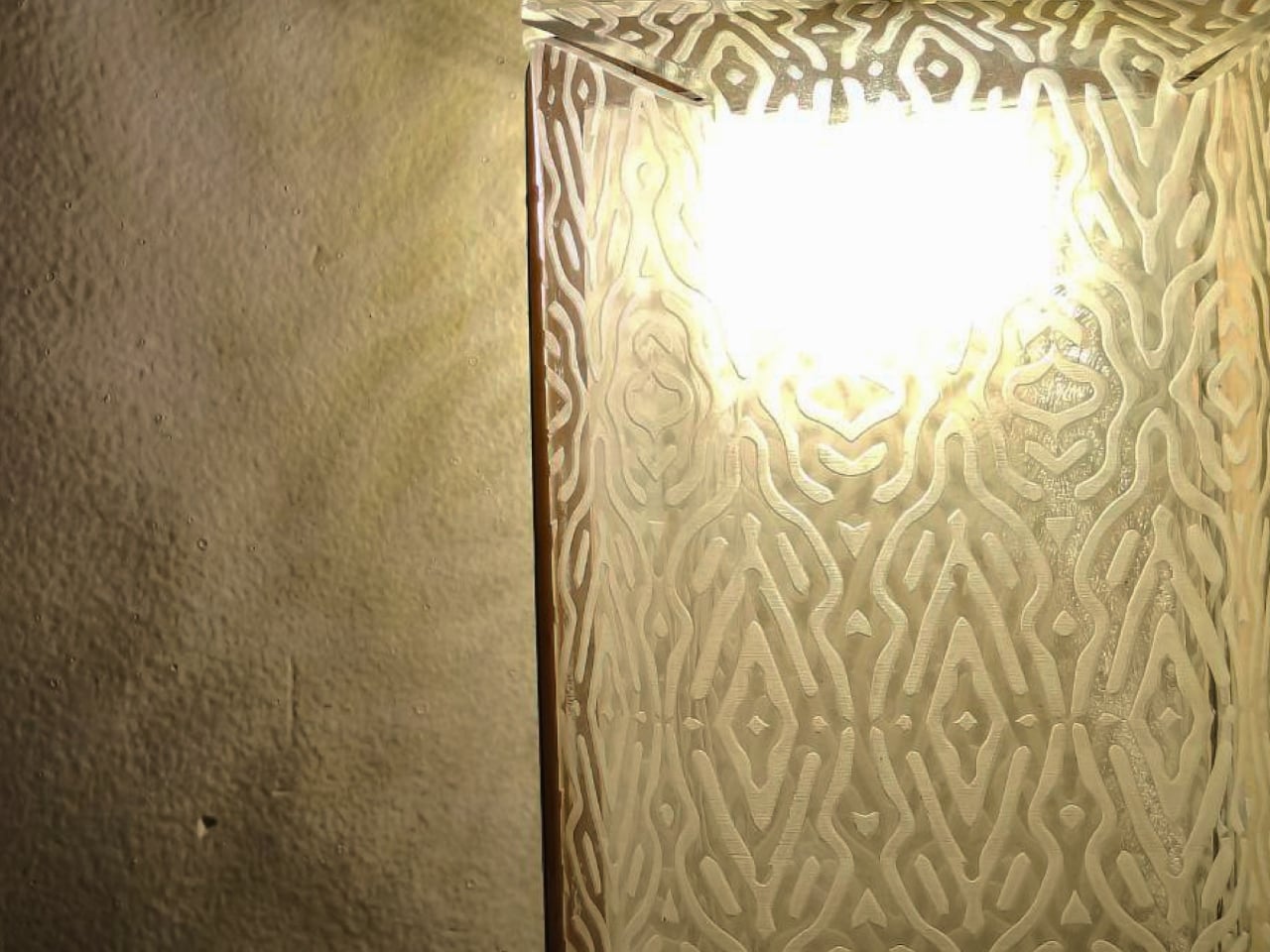
The Soufflé Ceramic comes in multiple configurations, including table lamps and pendant versions, each one a sculptural object that commands attention even when switched off. The exterior features that signature matte, pale celadon finish with horizontal striations that are the telltale mark of 3D printing. These aren’t flaws to be hidden but rather design elements celebrated for their rhythmic, organic quality. Each ridge catches light differently, creating subtle shadows that shift throughout the day.

But the real surprise happens when you turn it on. The piece reveals a glossy, jewel-toned interior in vibrant shades of pink, red, orange, and purple that contrasts beautifully with the understated exterior. It’s like cracking open a geode to discover brilliant crystals inside. The colored glaze creates this warm, saturated glow that transforms the ceramic shell into something almost alive. When lit, concentric ripples on the interior become visible, spiraling inward toward the light source like a vortex of color.

What makes AEREA STUDIO’s approach so compelling is how they’re merging old and new. Their sculptural objects play with optical effects and unique textures to transform perception and redefine functionality, all within a sustainable design approach. In an era when “sustainable” often means compromising on aesthetics, they’re proving you can have both innovation and environmental consciousness without sacrificing beauty.

The 3D printing process they use allows for textures and forms that would be nearly impossible to achieve through traditional ceramics methods. Those horizontal ripples, the irregular edges, the way each piece feels both controlled and spontaneous? That’s the magic of computational design meeting artisanal sensibility. And because each piece is printed on demand, there’s minimal waste in the production process. The technology enables walls thin enough to let light pass through while maintaining structural integrity, something that would require exceptional skill and patience with hand-thrown ceramics.

The Soufflé Ceramic’s form itself is worth examining. It’s bulbous and asymmetrical, with gentle waves and peaks that make it look like it’s mid-rise, caught in that perfect moment before it collapses. Some versions are more rounded, others taper to a point like an onion dome. The opening reveals just enough of that brilliant interior to intrigue, creating a sense of discovery. It’s sculptural furniture that happens to be functional, rather than lighting that happens to look nice.

For collectors and design enthusiasts, pieces like the Soufflé Ceramic represent an exciting intersection of technology, craft, and artistry. They’re collectible not just because they’re beautiful or limited, but because they capture a specific moment in design history when digital fabrication became truly accessible and expressive. Twenty years from now, early 3D-printed ceramics from studios like AEREA will be the mid-century modern pieces of their generation.

If you’re looking to add some sculptural lighting to your space, or you just appreciate innovative design that pushes boundaries while staying grounded in craftsmanship, the Soufflé Ceramic deserves a spot on your radar. It’s proof that the future of design isn’t about choosing between technology and tradition. It’s about finding ways to make them rise together.

The post This 3D-Printed Soufflé Lamp Is Rising to the Top in Paris first appeared on Yanko Design.