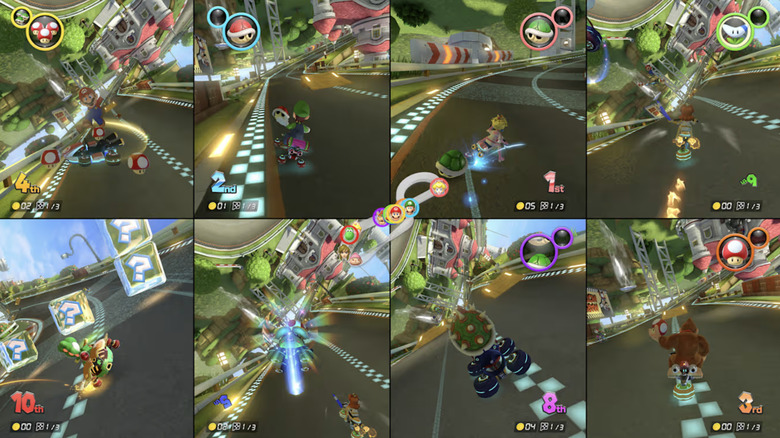
Nintendo’s surprise free update for Mario Kart 8 Deluxe on Switch 2 includes eight-player split-screen
The nine-year-old game that keeps giving.

VoxCPM2, developed by OpenBMBB, introduces a self-hosted approach to text-to-speech (TTS) technology, combining voice generation, cloning and multilingual synthesis into one cohesive system. Unlike cloud-based alternatives, this local AI model prioritizes data privacy and operational control, making it particularly appealing for industries with strict confidentiality requirements. For example, it allows users to create entirely new […]
The post VoxCPM2 Needs Just 8GB VRAM to Clone and Generate Any Voice Locally appeared first on Geeky Gadgets.
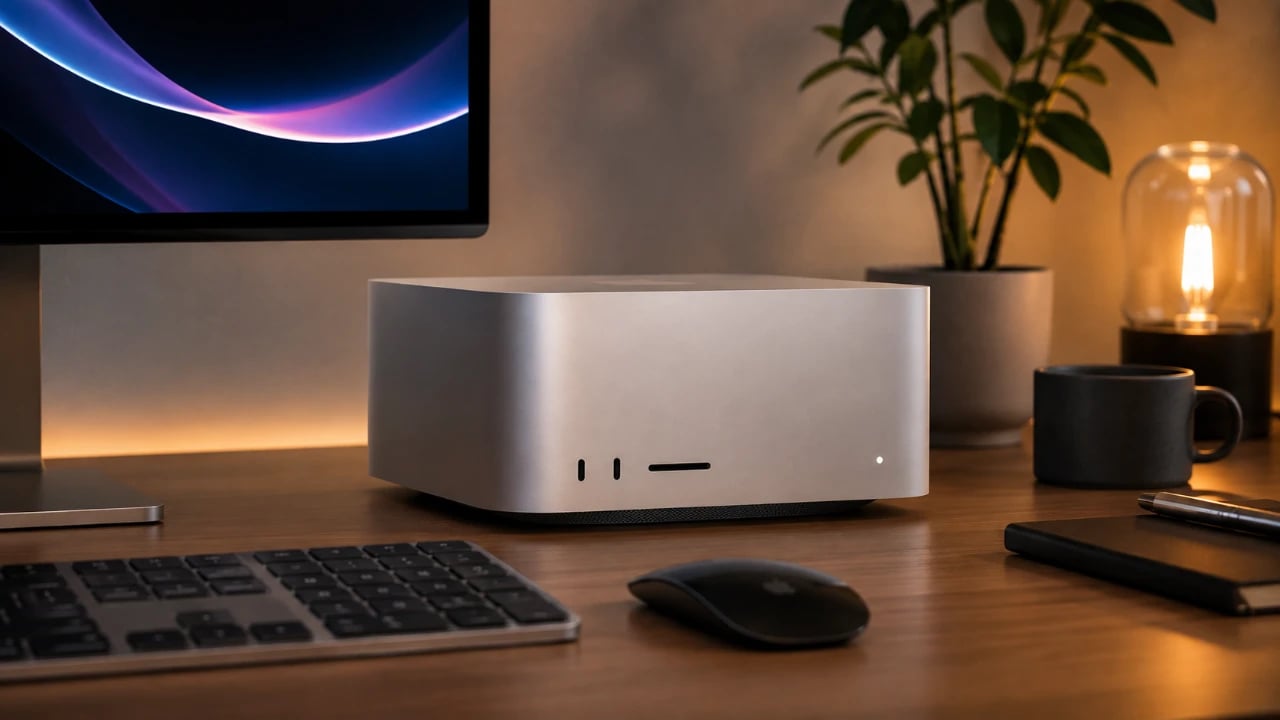
Apple’s latest Mac Studio, powered by the M5 Ultra chip, represents a significant step forward in high-performance computing. With its quad-die architecture, enhanced memory bandwidth, and innovative processing capabilities, the M5 Ultra is designed for professionals tackling demanding workloads such as AI development, 3D rendering, and video production. However, the steep upgrade costs and […]
The post Apple’s M5 Ultra Mac Studio Has a Hidden $1,300 Trap Most Buyers Miss appeared first on Geeky Gadgets.

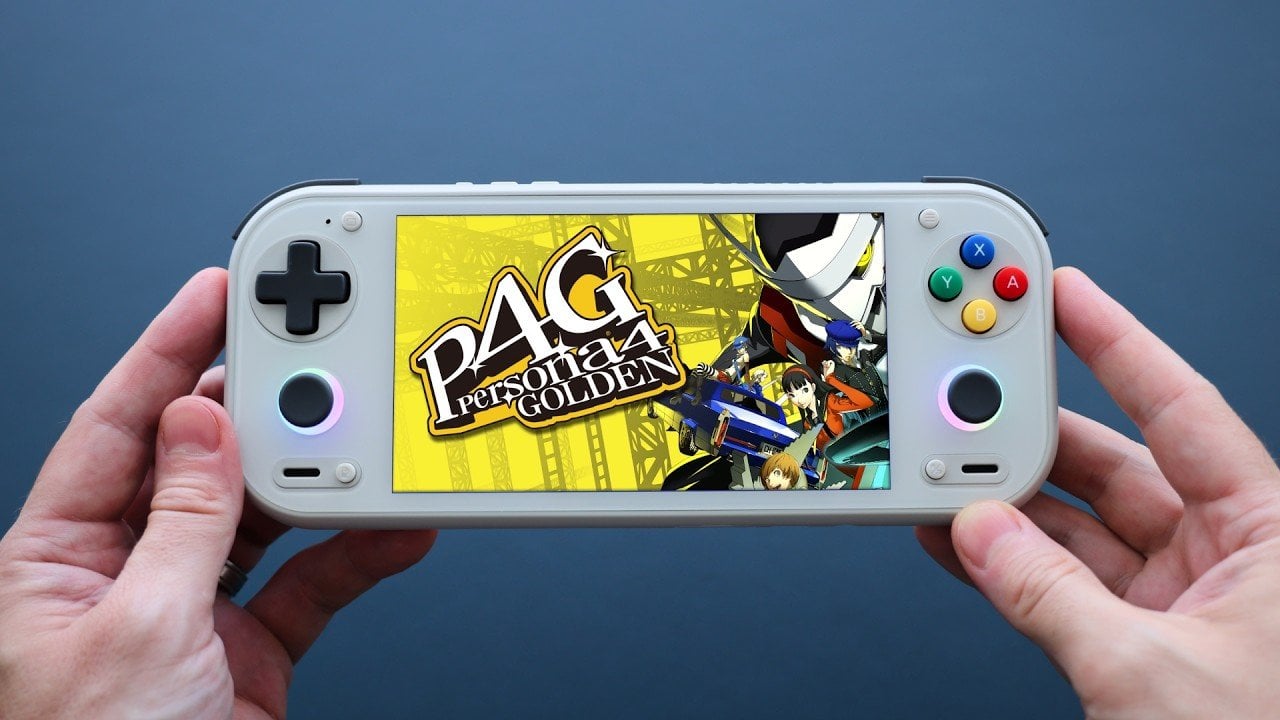
The Anbernic RG55G1 is a retro gaming handheld that aims to balance affordability and performance, but its market positioning leaves much to be desired. Retro Game Corps explores this device in detail, highlighting its Snapdragon G1 Gen 2 chipset, ergonomic design and 1080p display as standout features. While the controls, including hall sensor sticks and […]
The post Why the $150 Anbernic RG55G1 is Caught in a Retro No Man’s Land appeared first on Geeky Gadgets.
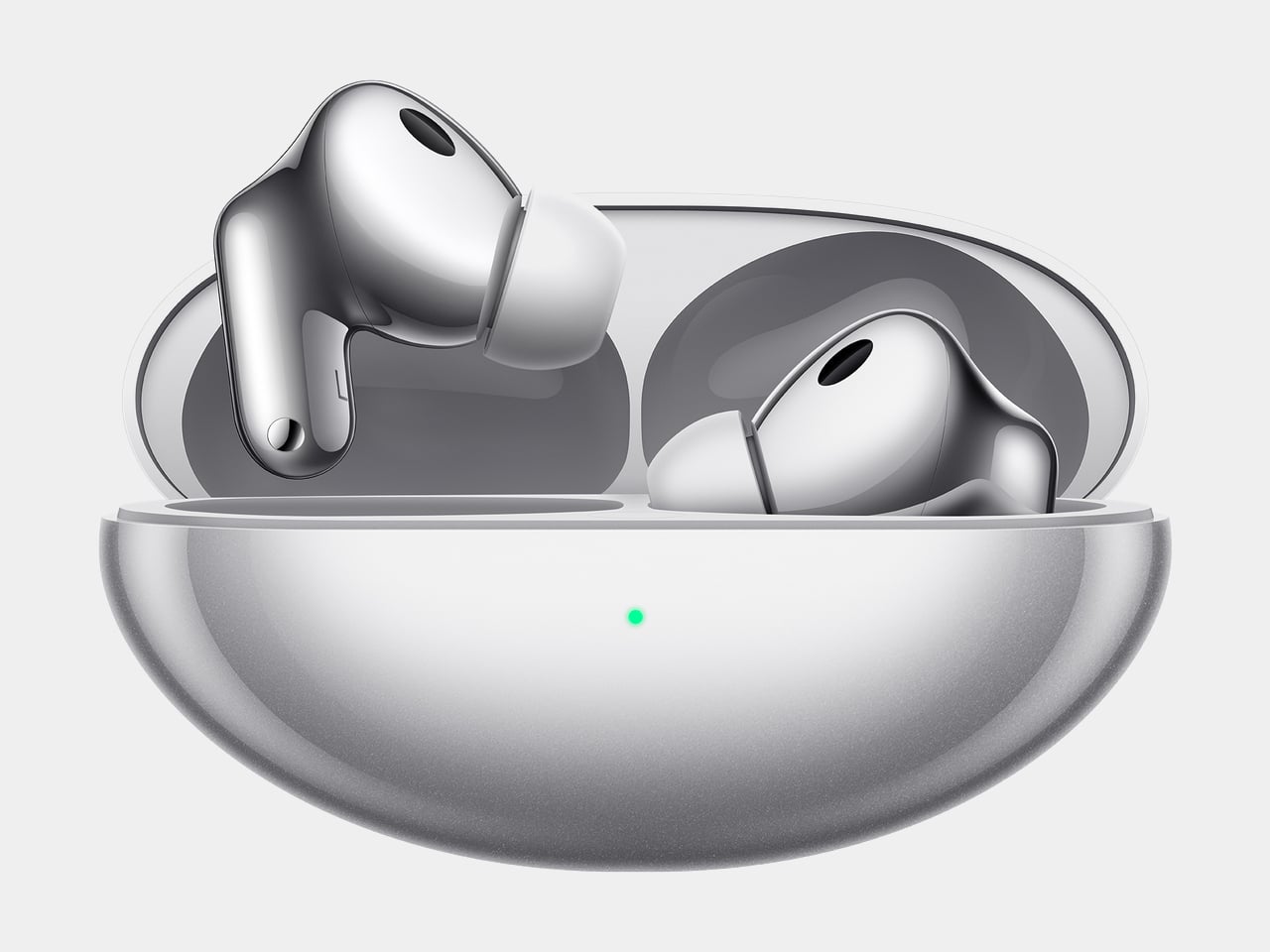
Huawei’s FreeBuds Neo makes a case for restraint, proving a pair of earbuds can shrink in size without shrinking in ambition. Announced globally to launch at IFA 2026, the FreeBuds Neo pairs noise cancellation with a shape built for long days of wear, arriving in four colorways that read more like a fashion accessory than typical tech hardware. It’s a design that treats comfort as a feature worth engineering around, not an afterthought.
That comfort starts with the numbers. Each earbud weighs only approximately 4.8 g, and Huawei built that lightness around a significant number of real human ear feature data points, delivering an ergonomic, pressure-relieving fit that achieves even pressure distribution for pain-free long-term wear. Simulation tests replicating high-frequency movement led to design tweaks in areas prone to loosening, so the buds stay anchored through workouts, commutes, and everything in between.
Designer: Huawei
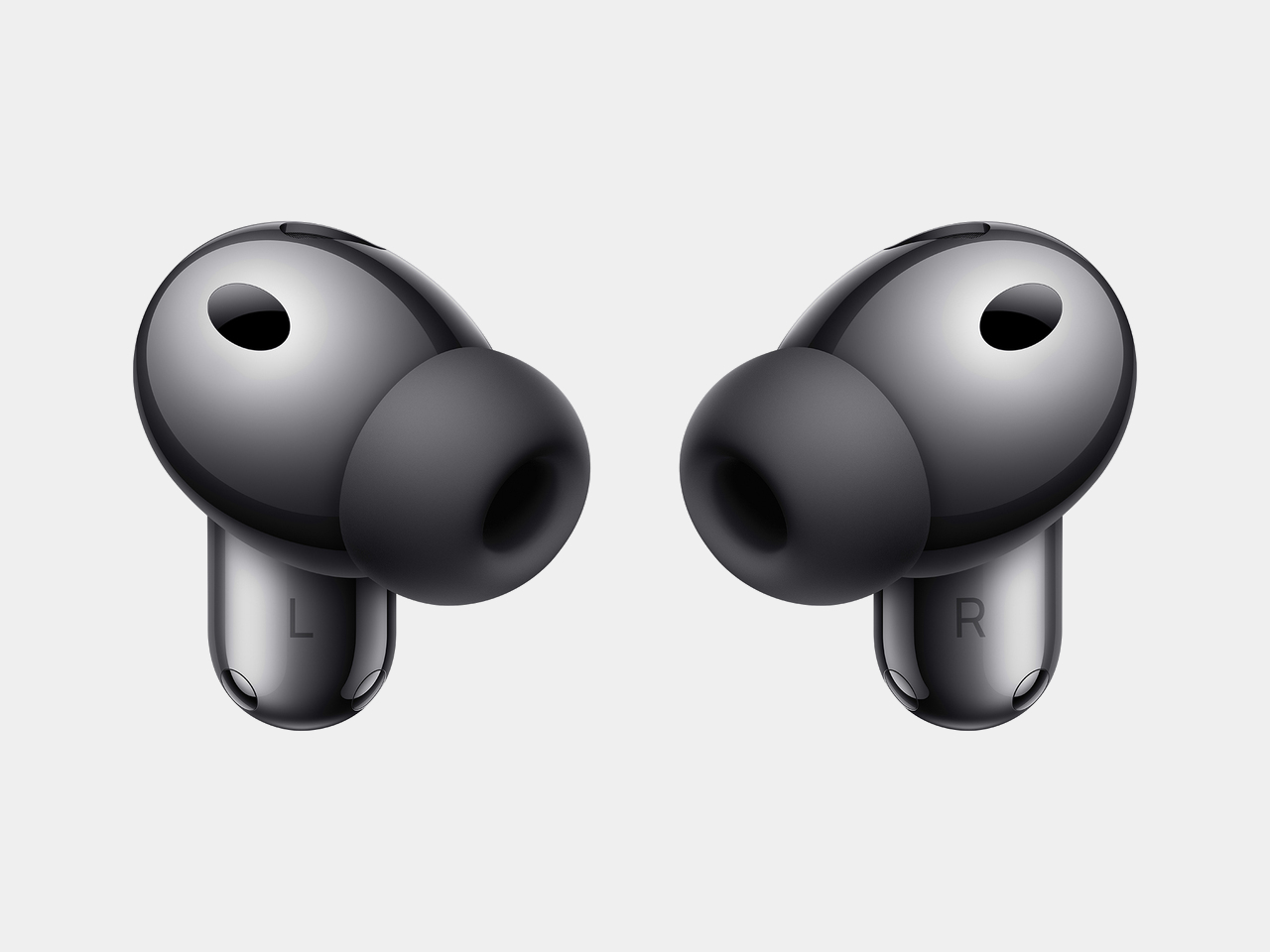
The Mini shuttle case carries that same restraint into its shape, presenting a fully curved form, with a sleek and minimalist silhouette and a lightweight body that slips into a pocket without adding bulk. Four color options, Stellar Silver, Nebula Pink, Ice White, and Starry Black, let the case double as a small style statement rather than a purely functional accessory. The Light Mini Stem carries that philosophy further, conforming to the ear’s contours for a fit that looks as refined as it feels.
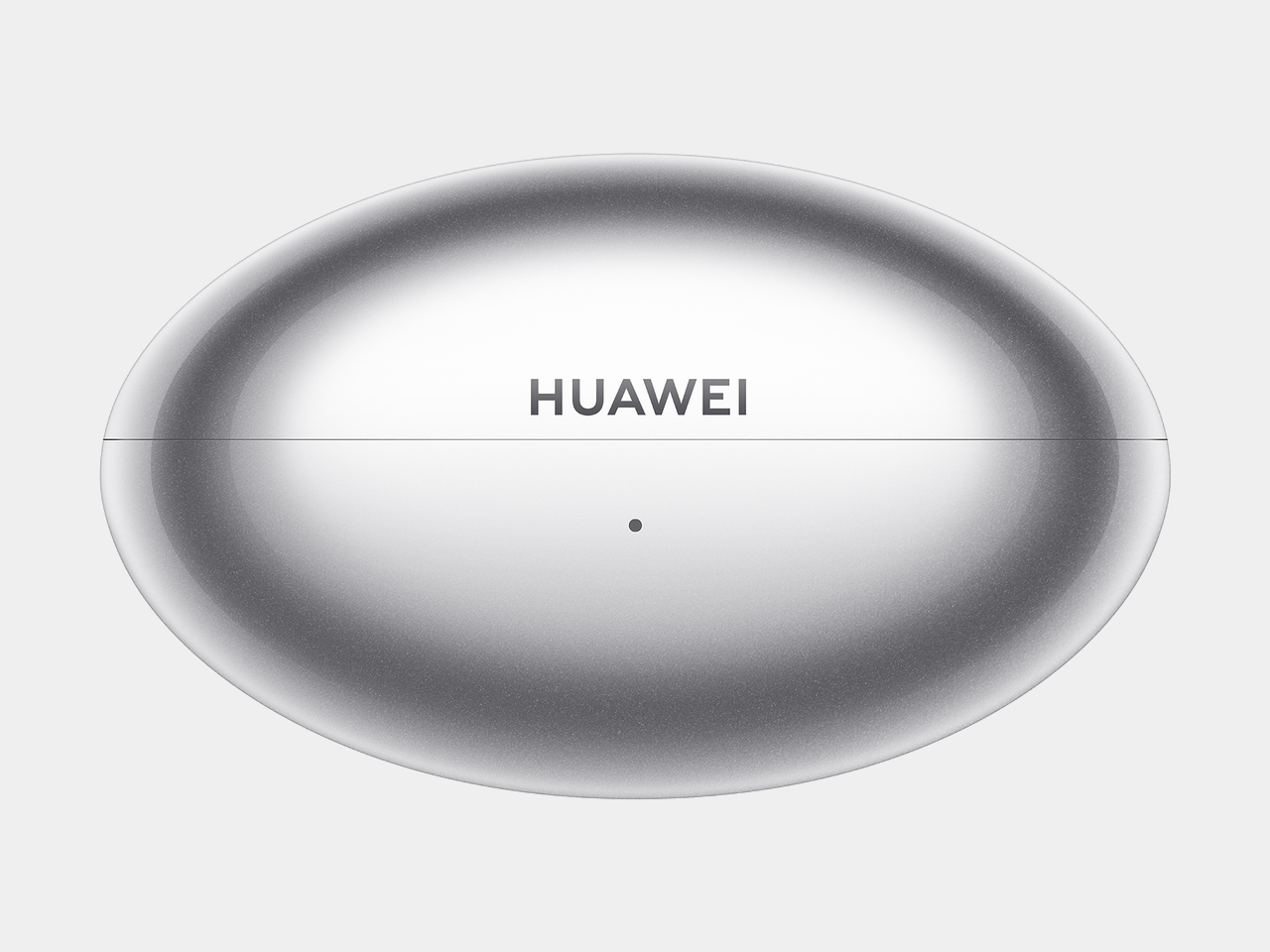
Underneath that compact shell, Huawei packs a dual-channel noise cancellation architecture that optimizes sound paths, cutting down medium and high-frequency noise, like wind and ambient chatter, for a full-frequency depth of up to 30dB. A third-gen audio chip handles the heavy lifting, reacting to shifting noise within milliseconds so a subway platform one moment and a quiet office the next don’t require manually adjusting anything.
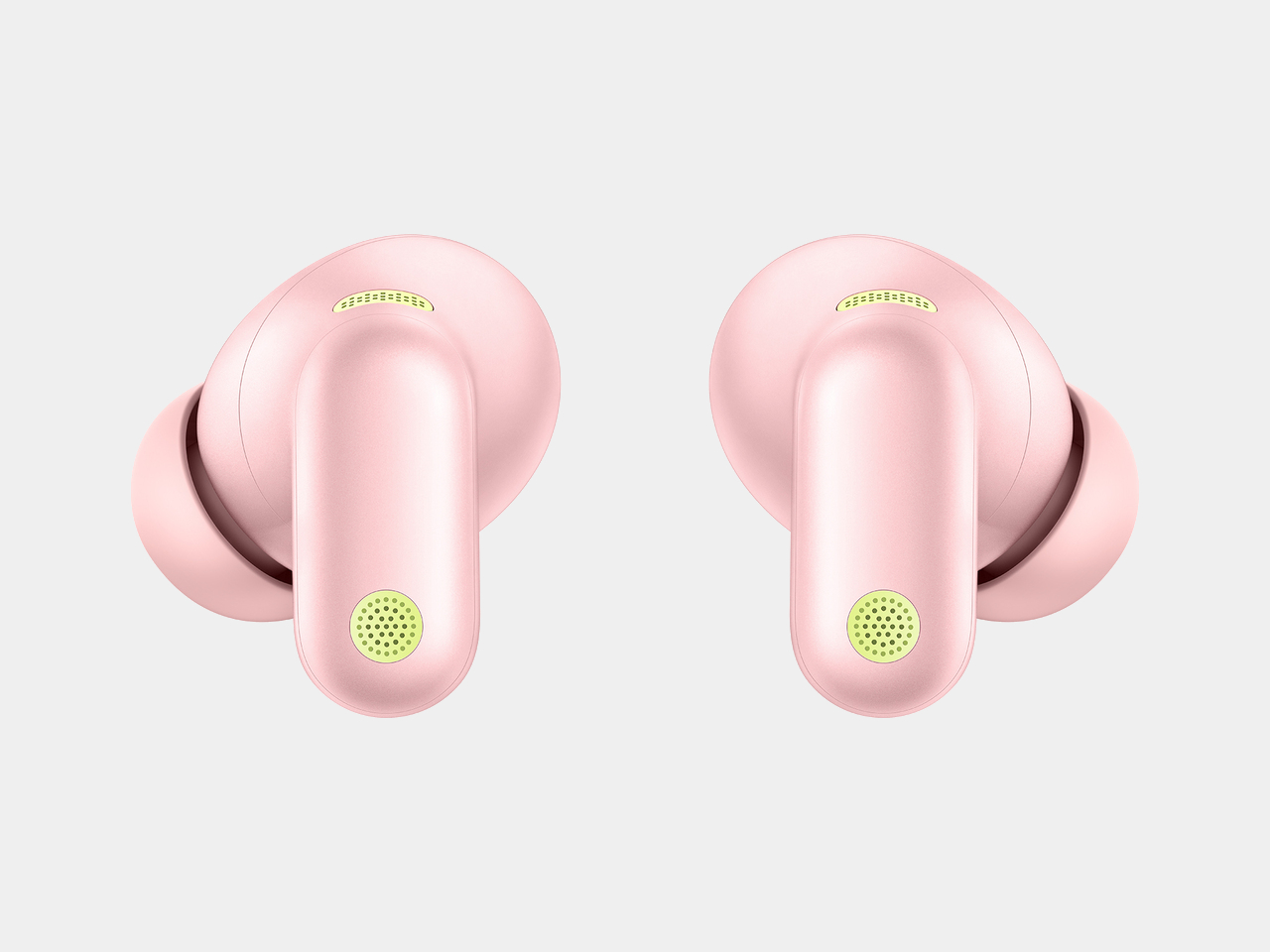
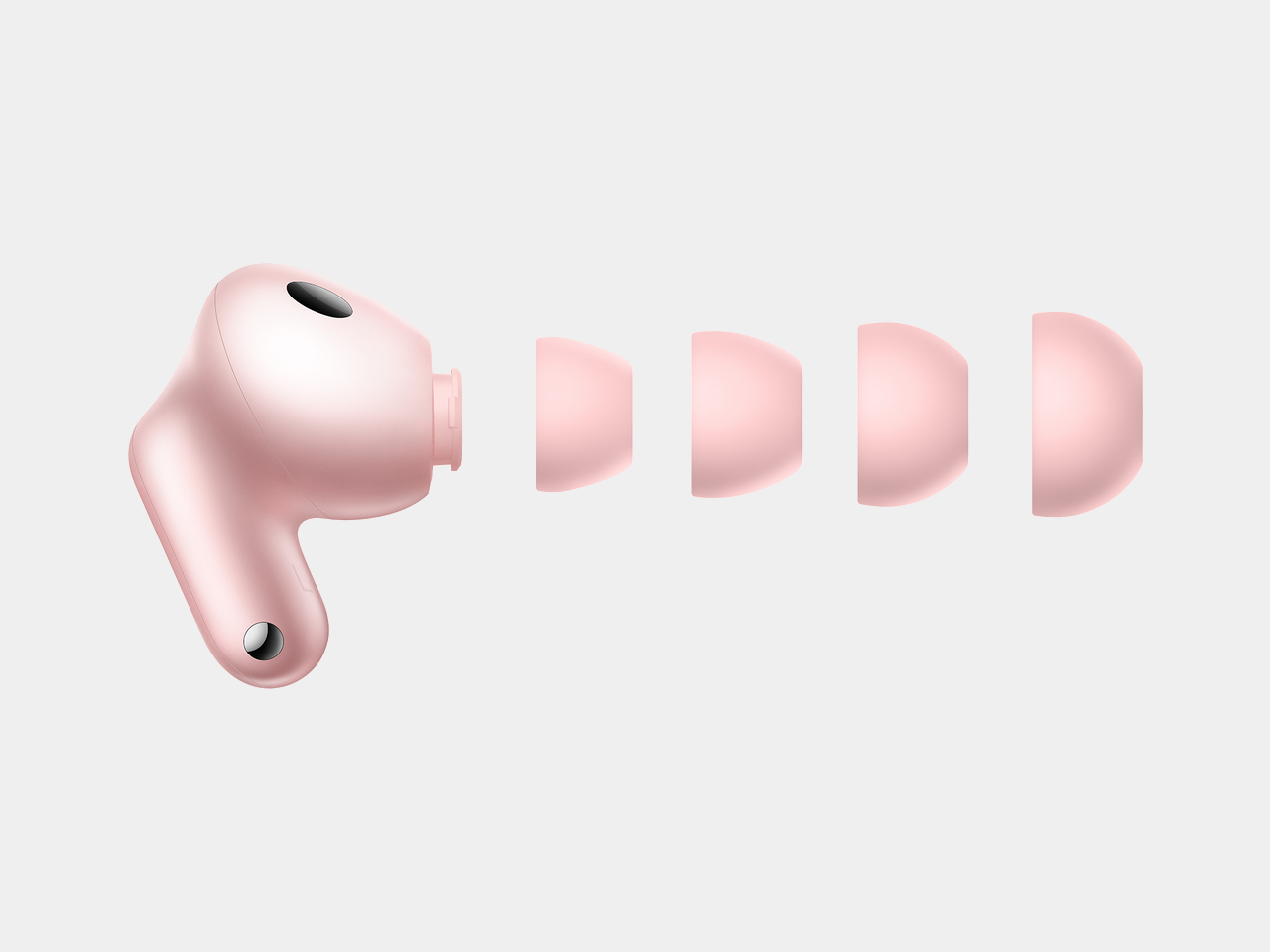
Sound quality gets its own upgrade courtesy of an all-new Turbo driver unit, stretching frequency response from 10Hz up to 48kHz. That range keeps bass hitting hard on a commute playlist while vocals and instruments stay clear during a podcast or a video call, recreating the texture of a live performance rather than a compressed streaming file. Paired with a Huawei phone, the buds support up to 2.3Mbps of lossless transmission, dropping to a still-respectable 990kbps over LDAC with other devices.
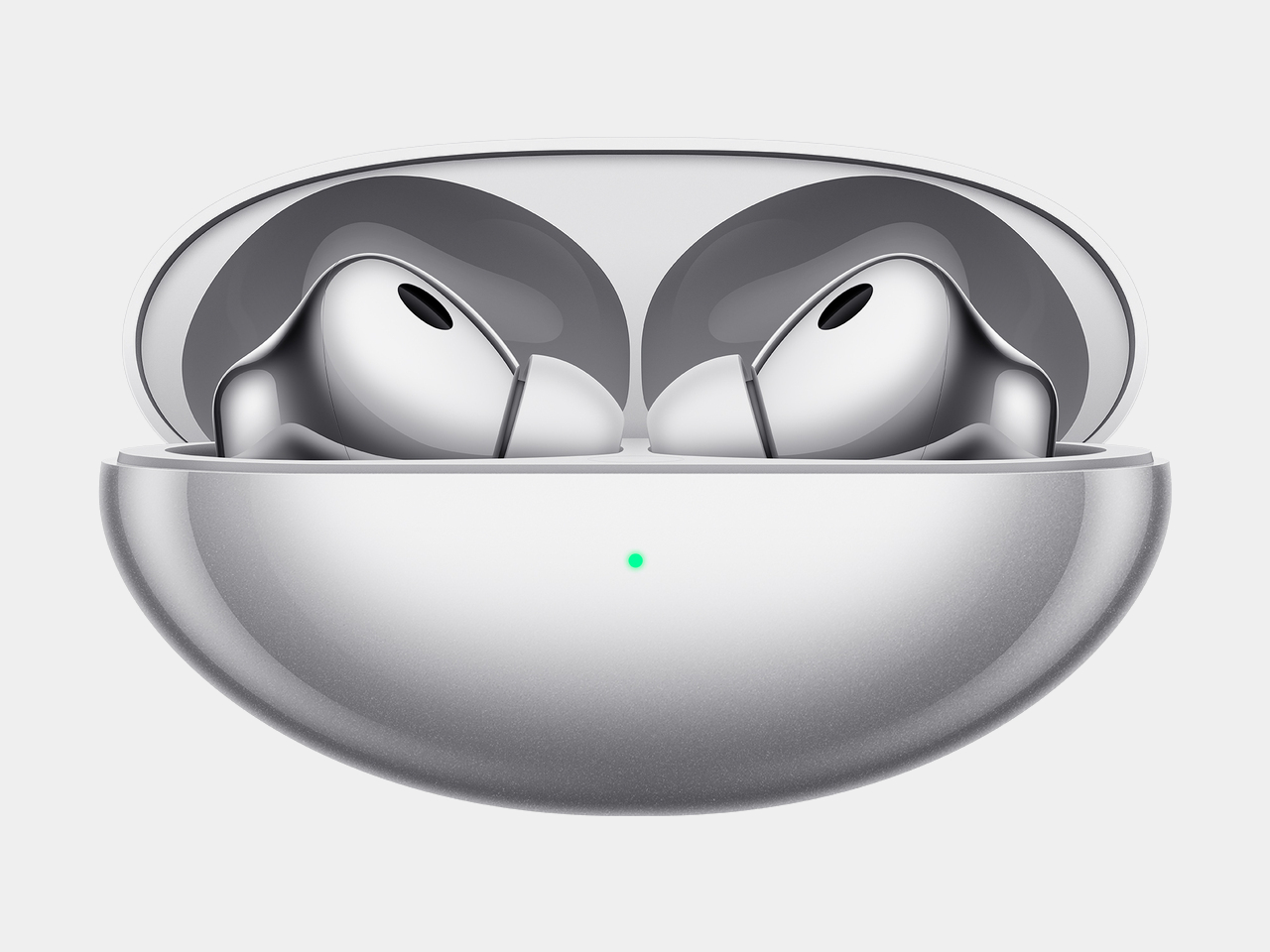
Huawei also built in unlimited spatial audio, using its own algorithms to wrap sound in a 360-degree soundstage regardless of source or device, so a movie watched on a laptop can feel as enveloping as one streamed through a dedicated app. Cross-platform support rounds out that flexibility, breaking down ecosystem barriers to work across Android, iOS, and Windows, with dual-device connections that let someone switch from a work laptop to a phone call without digging through Bluetooth menus.
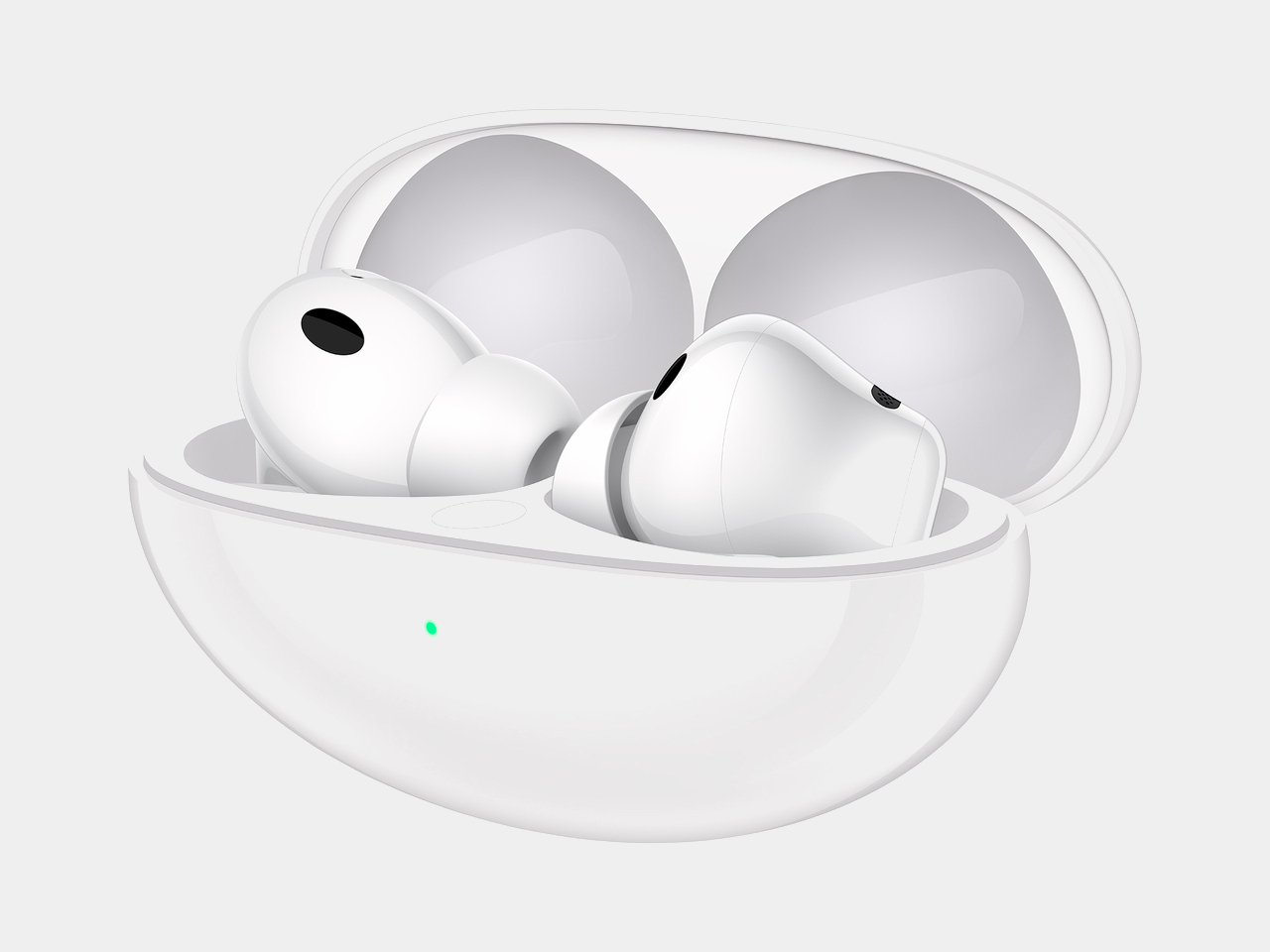
Pricing lands at £119.99 (around $162) when the FreeBuds Neo arrives in the UK on 23 September 2026, positioning it as a mid-range option against pricier flagship earbuds. Between the lightweight fit, the four-color palette, and noise cancellation tuned for shifting environments, Huawei seems to be betting that people want earbuds that disappear into daily routines rather than demand constant attention.
The post Huawei’s FreeBuds Neo Are Small Enough to Forget, Loud Enough Not To first appeared on Yanko Design.
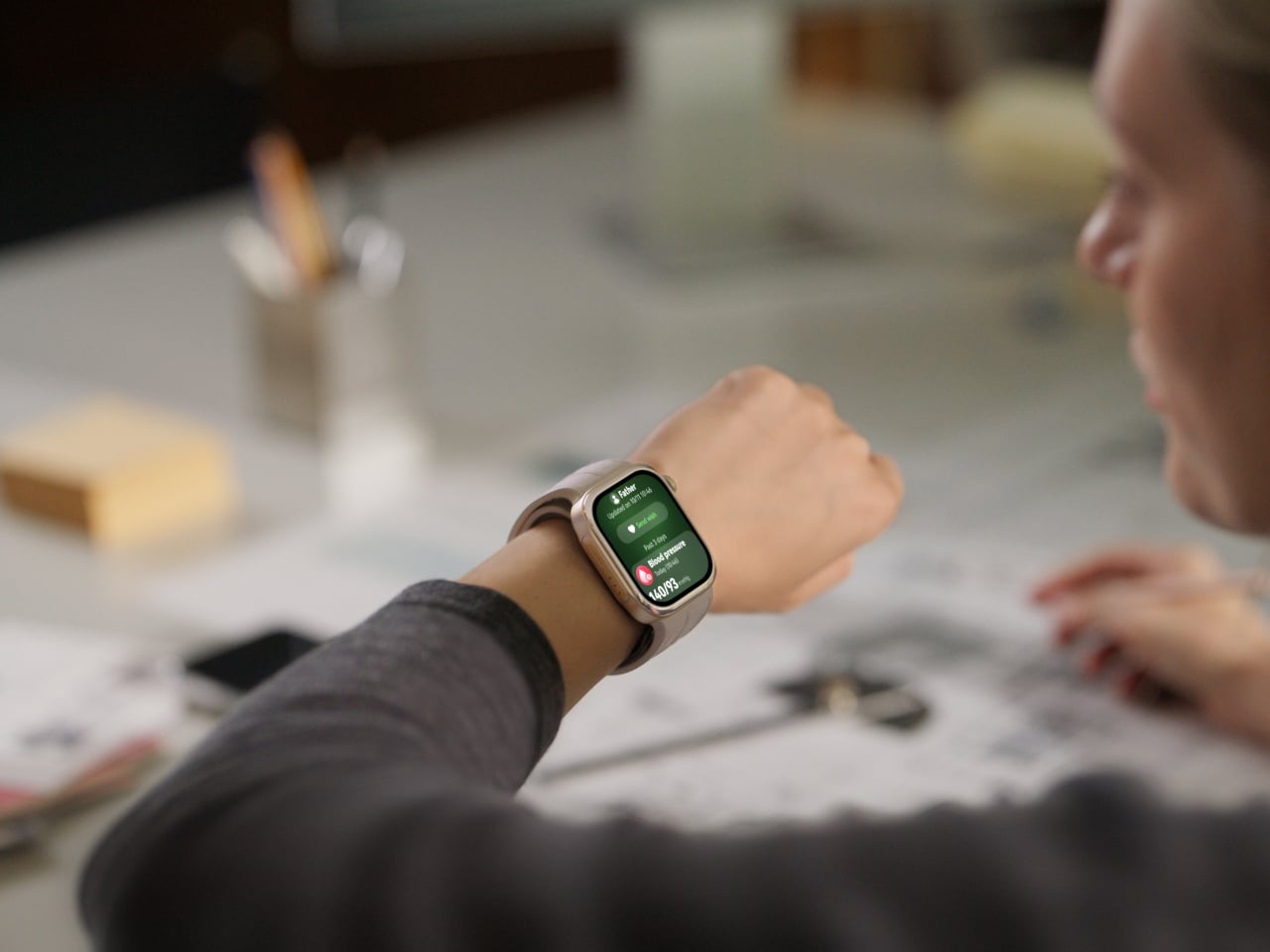
Huawei used IFA 2026 to show that a smartwatch can care for you in two very different ways without ever feeling like two different products. The HUAWEI WATCH 6 Series and the HUAWEI WATCH D3 launched together, one built around elegance and daily versatility, the other built around round-the-clock medical monitoring. Both treat the wrist as a place worth designing carefully, just toward different ends.
The WATCH 6 leads with restraint. Huawei carries forward the sleek, minimalist design legacy of the WATCH family, introducing a timeless aesthetic that exudes sophistication, and backs that look with real engineering. The 42mm model claims the lightest design in the history of the HUAWEI WATCH Series at just 38g and 10.2mm thin, while the 46mm version leans into a durable stainless-steel case for anyone who prefers heft on their wrist.
Designer: Huawei
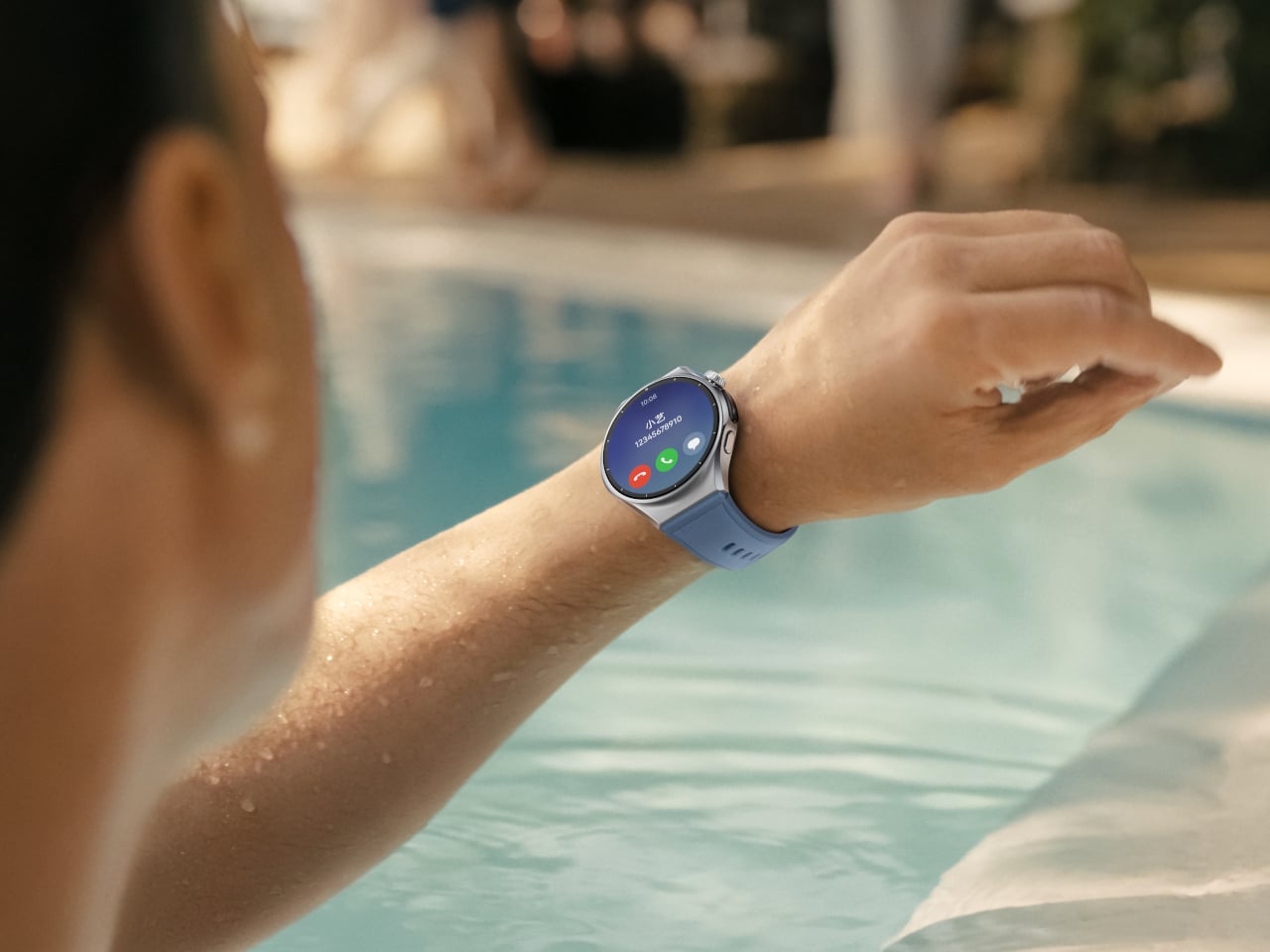
Huawei Watch 6
Four finishes carry that design further, from Black Stainless Steel to a Gold Aluminum Alloy paired with a soft pink strap, each fitted with the new HUAWEI EasyCross Strap for a smoother, more breathable fit. The Pro tier pushes materials even harder, with a Space Edition pairing a black ceramic bezel against gold detailing, and a 43mm model marking the first all-ceramic watch in Huawei’s lineup, finished with 18K gold accents for a genuinely jewelry-like presence.
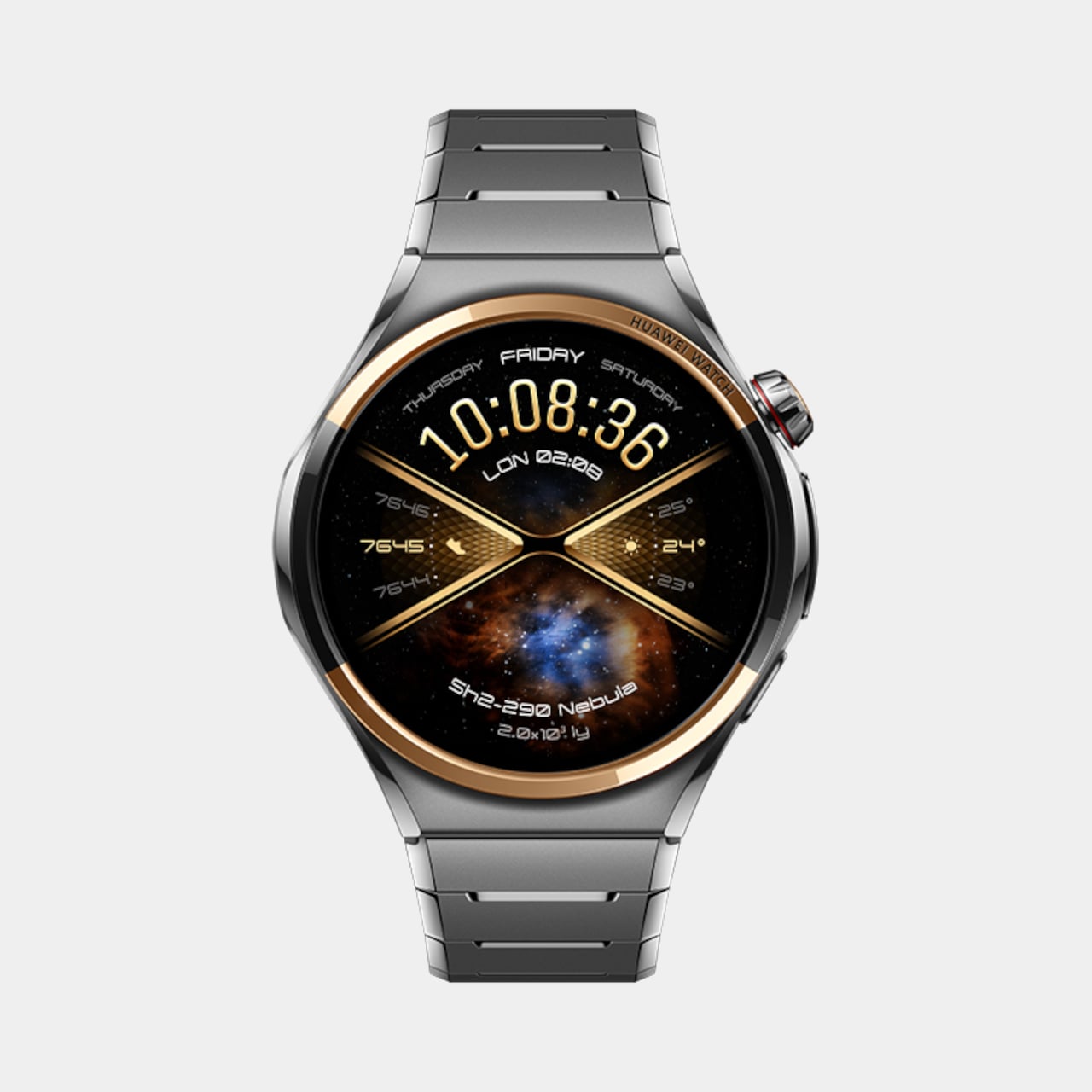
Underneath that shell, the WATCH 6 quietly tracks a lot. An upgraded X-TAP pulls up a full Health Glance with one touch, spanning 11 metrics across basic, endocrine, cardiovascular, and respiratory categories. A new Diet clover rounds out Huawei’s four-leaf wellness model, nudging users toward balanced habits around exercise, sleep, mood, and food instead of just logging numbers nobody revisits.
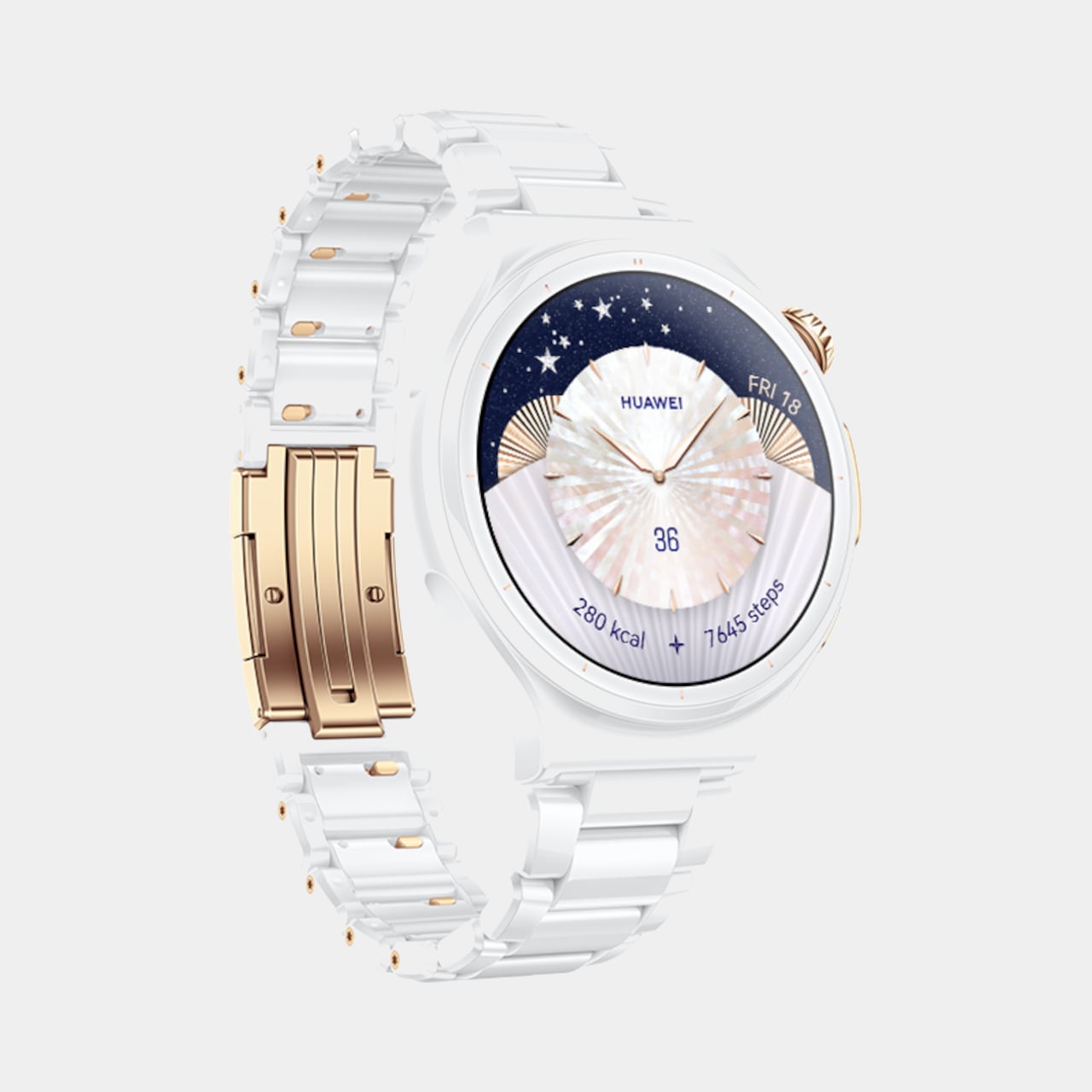
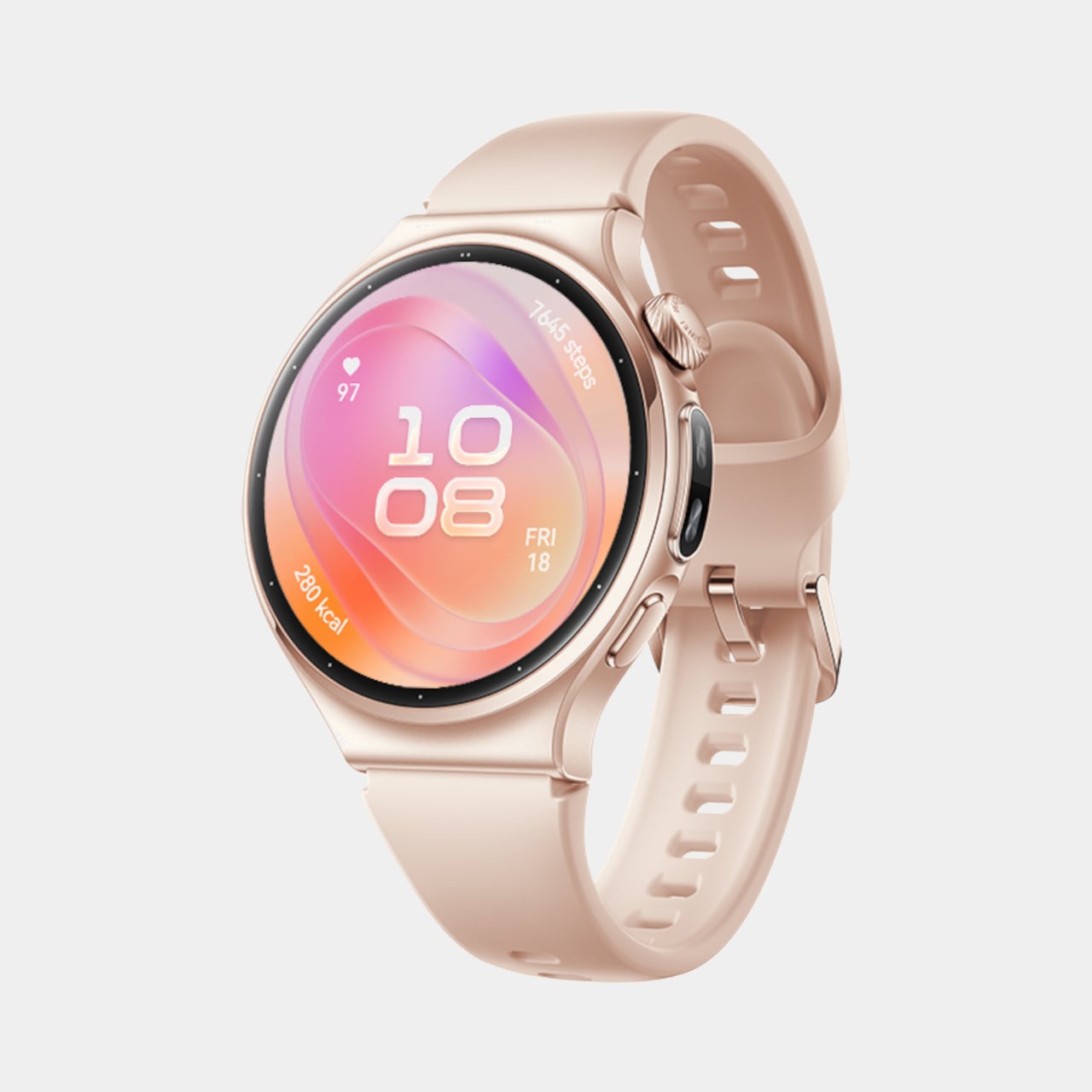
Connectivity rounds out the experience without demanding constant phone contact. Built-in eSIM keeps calls and messages flowing through a swim or a run, while Safety Check quietly shares location and status with family during less predictable moments. A new wrist rotation gesture lets someone scroll through menus with a flick, freeing the other hand for a coffee cup, a leash, or a set of keys.
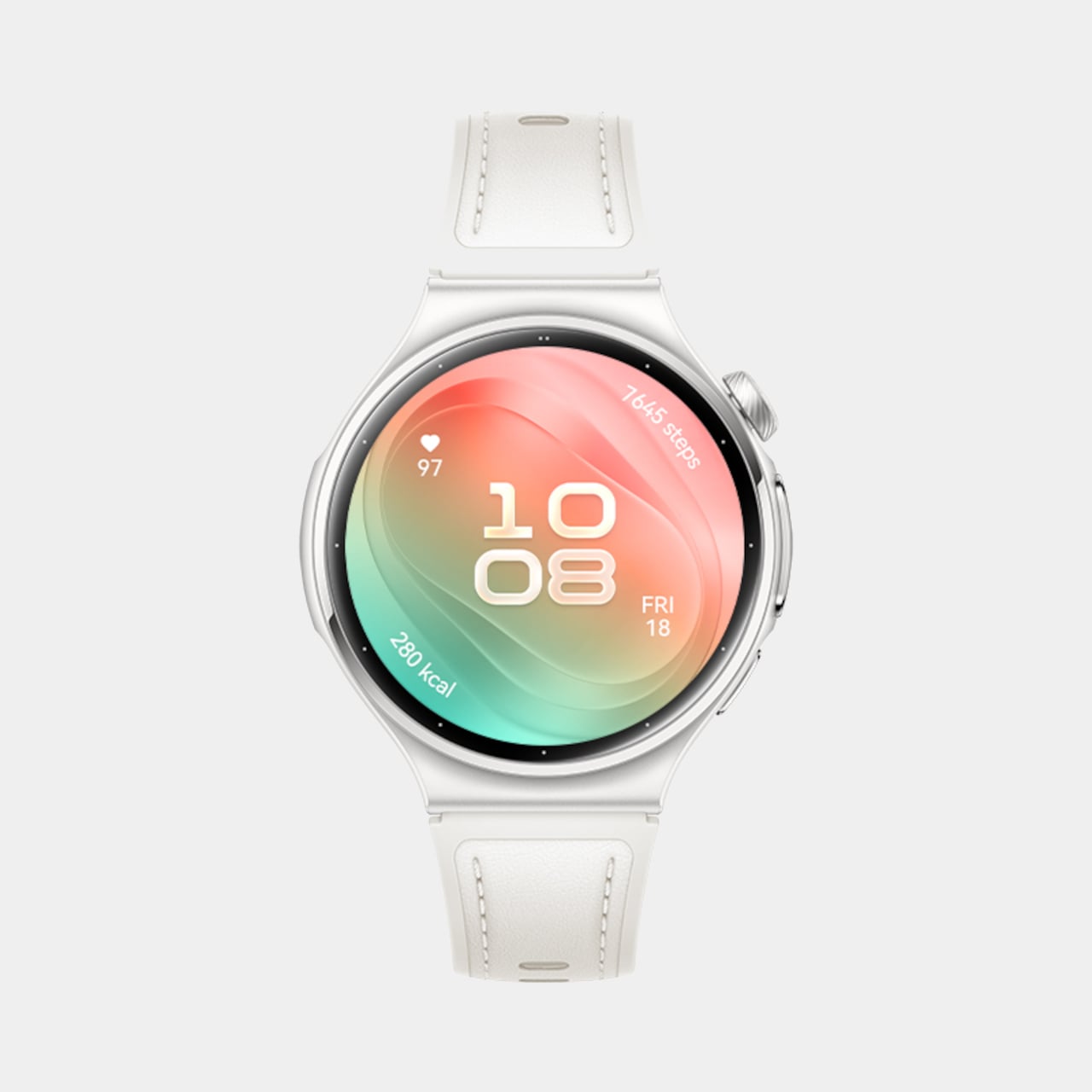
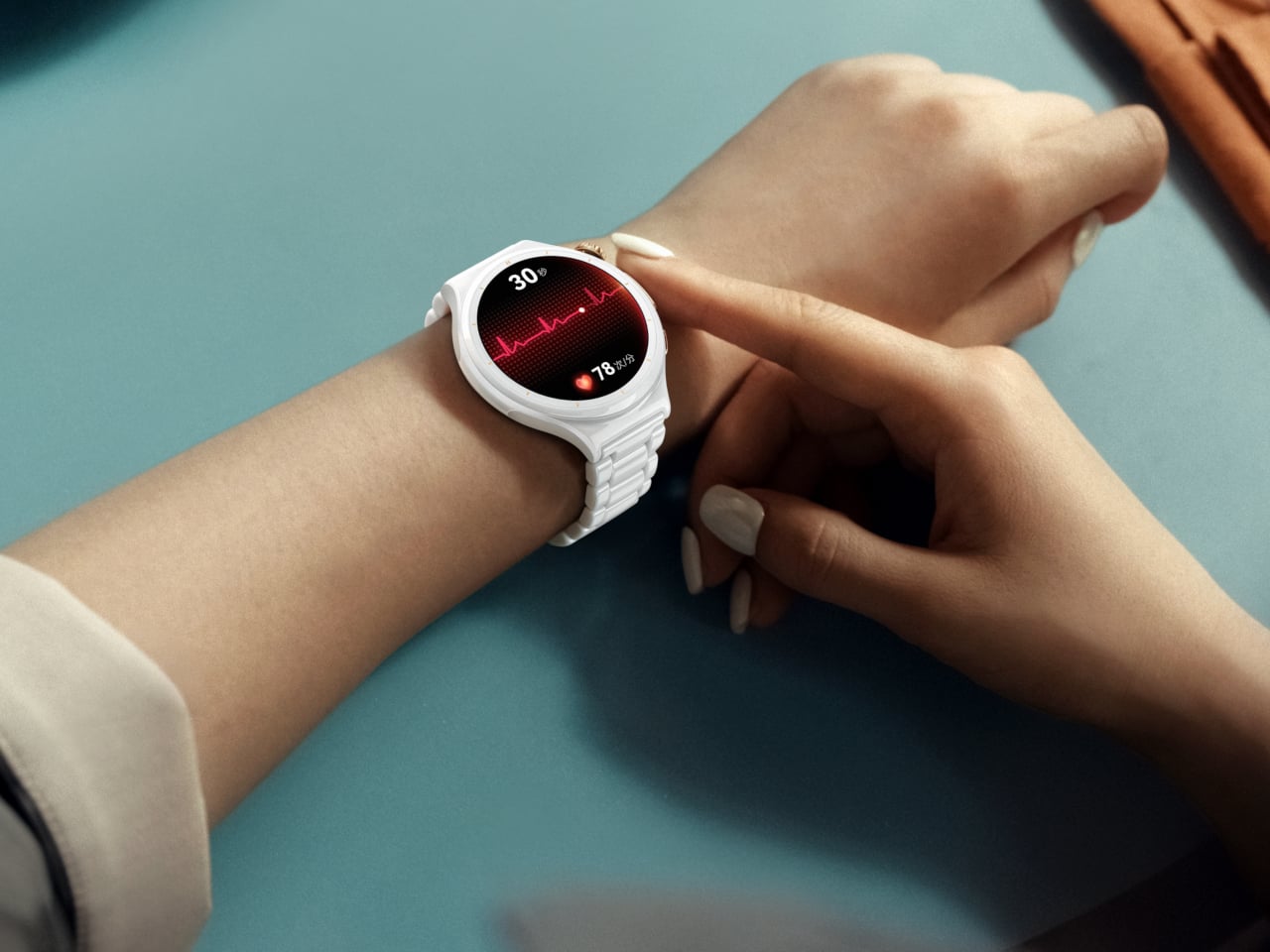
Huawei Watch 6
Set beside all that polish, the WATCH D3 takes a more clinical approach, though it never abandons comfort to get there. At 11.3mm thick and 40g, paired with a 25.5mm ultra-narrow airbag strap, the watch stays slim enough to sleep in without leaving a mark. Three finishes, Black, White, and Mocha Gold, keep it looking like an accessory rather than a piece of medical equipment.
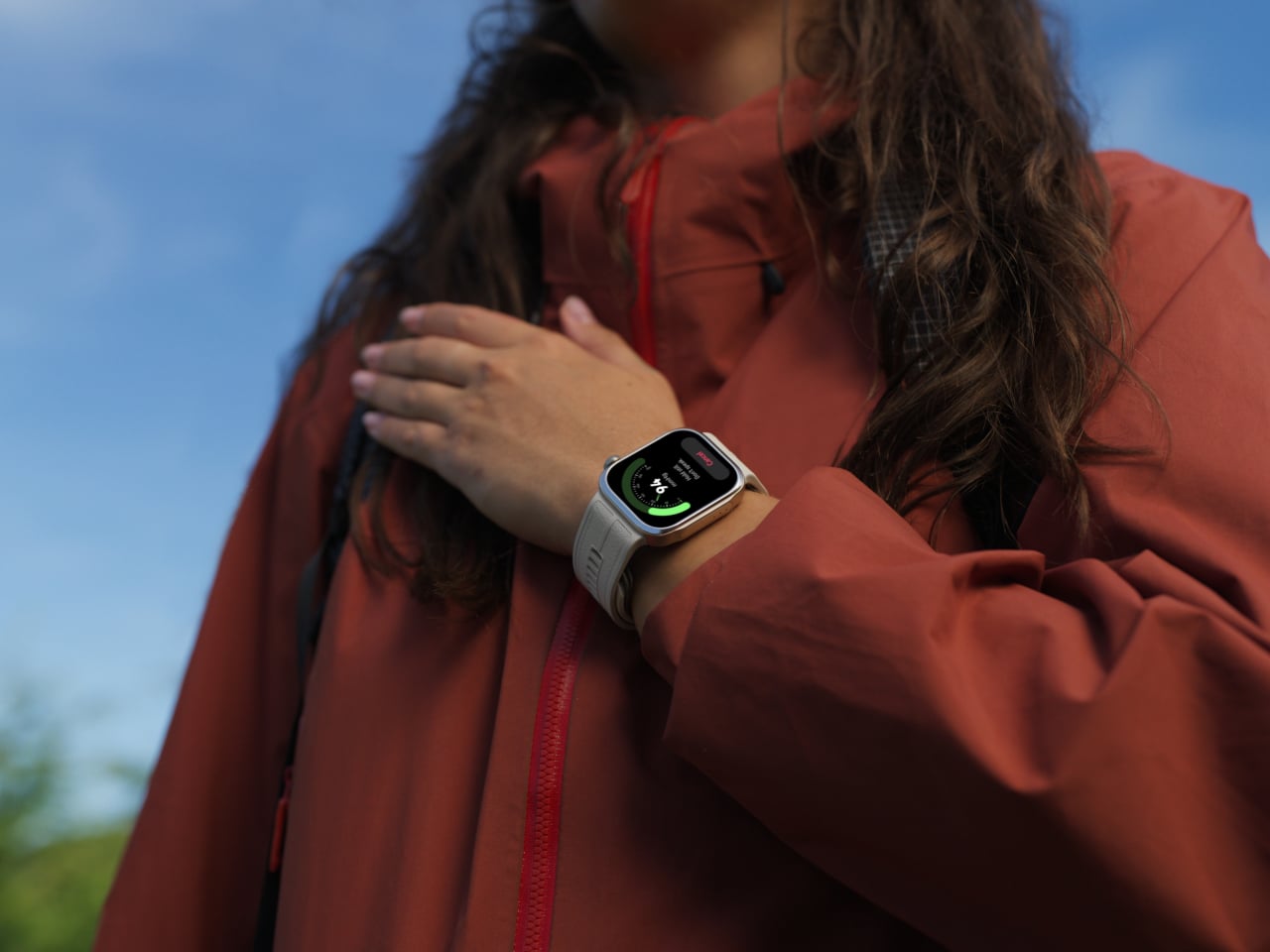
Huawei Watch D3
That comfort matters because the D3 asks more of its wearer than a typical smartwatch. A mechanical airbag delivers effective compression and precise sensing across a minimal skin-contact area, paired with a high-precision sensor for readings that hold up against actual blood pressure cuffs. Huawei built in 24-hour Ambulatory Blood Pressure Monitoring, quietly inflating overnight with reduced noise so sleep tracking and blood pressure tracking can finally happen at the same time.
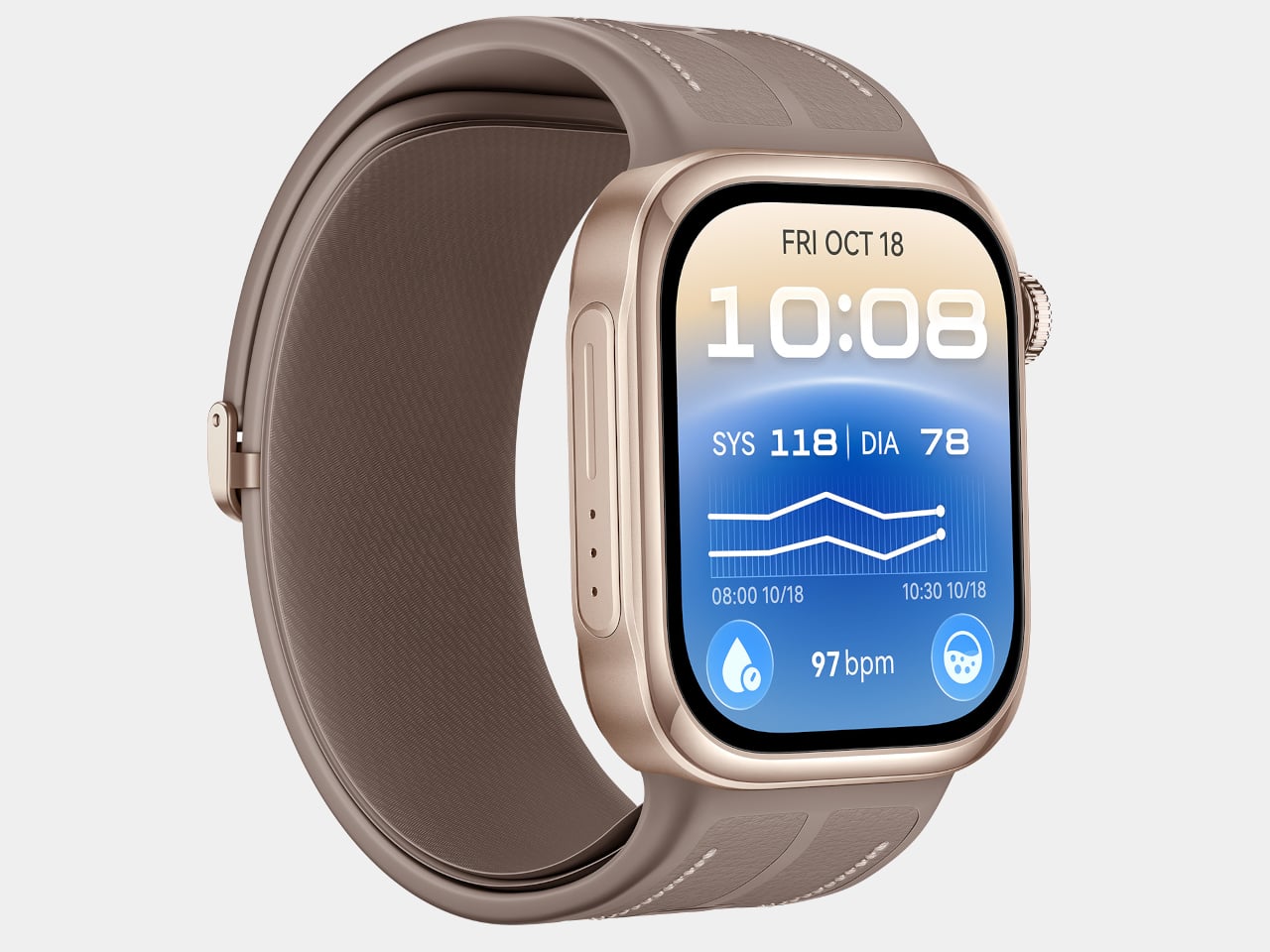
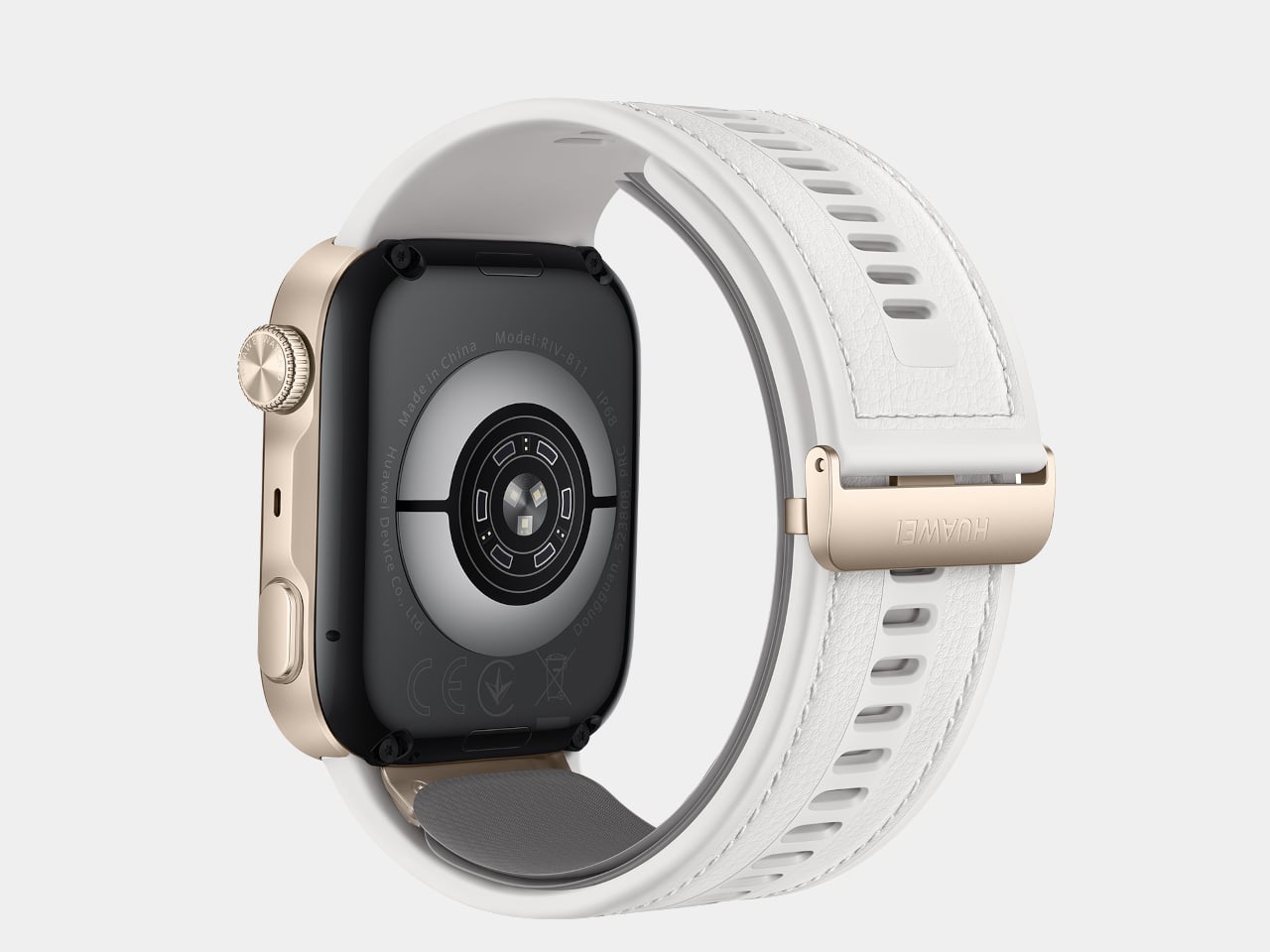
A dedicated pre- and post-exercise measurement mode adds a layer most fitness trackers skip entirely, checking whether blood pressure sits in a safe range before a workout begins and tracking how it shifts once the effort is over. That monitoring carries real weight too, having earned CE marking under the EU Medical Device Regulation, a certification that puts the D3 closer to clinical hardware than typical wearables ever get.
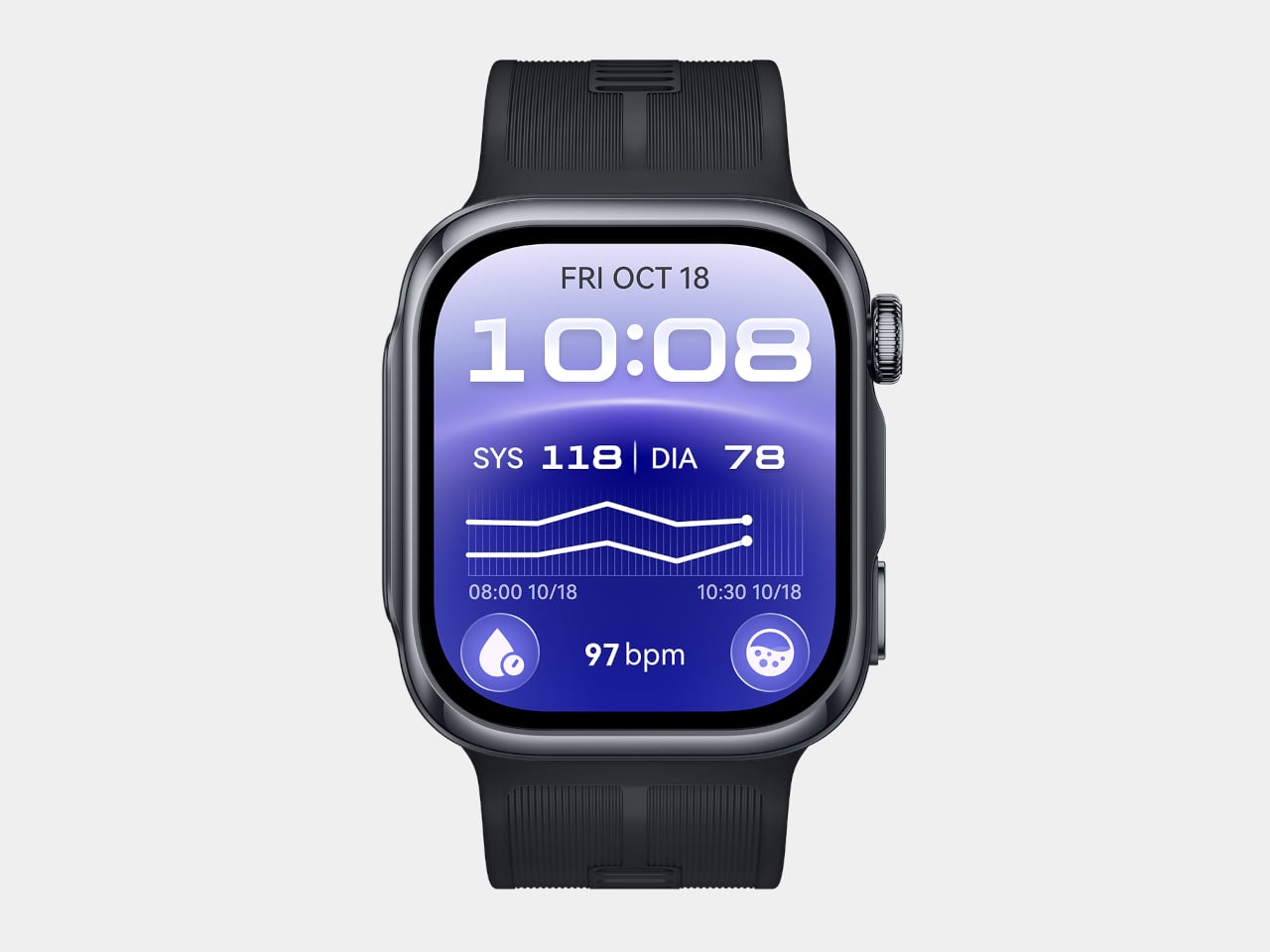
Family features tie the D3’s data into something more useful than a personal log. Health Community lets users view a parent’s or partner’s Health Glance, blood pressure, heart rate, and SpO2 readings from their own wrist, with real-time alerts triggering if something looks off. It turns a single watch’s readings into a small, informal support system for whoever’s paying attention.
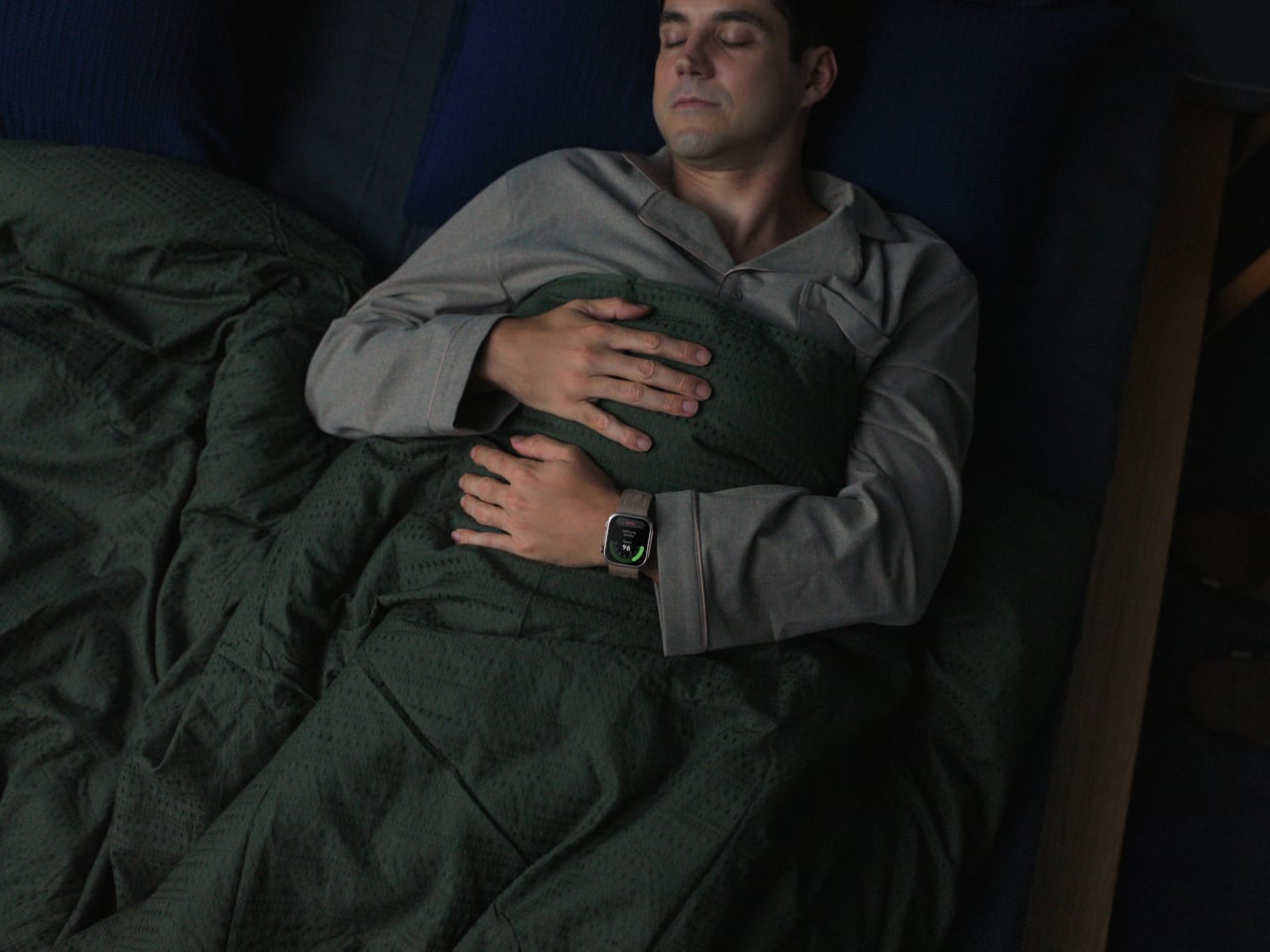
Both watches launch in the UK from £399.99 (around $540), with the WATCH 6 Pro topping the range at £599.99 (around $810). Seen together, the WATCH 6 and WATCH D3 make the case that Huawei isn’t chasing one definition of a smartwatch, but building toward two: one dressed for a dinner reservation, the other quietly watching over blood pressure while its wearer sleeps.
The post Huawei Finally Made a Blood Pressure Watch That Looks Like Jewelry first appeared on Yanko Design.
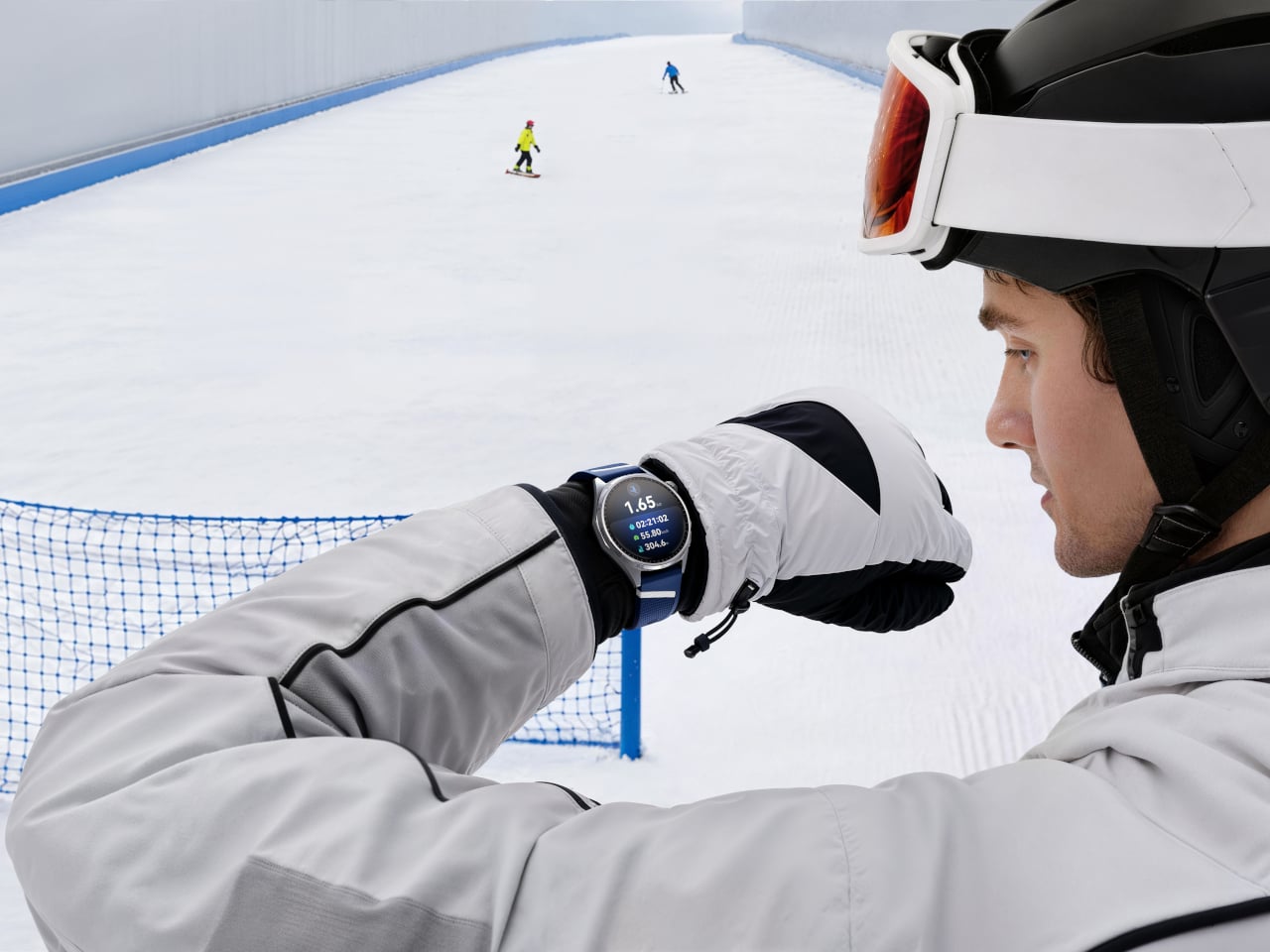
Huawei built the WATCH GT 7 Series around a simple idea: that a smartwatch meant for the outdoors shouldn’t have to wait for good weather or a full calendar to be useful. Unveiled at IFA 2026, the series unites bold design, advanced outdoor capabilities, and comprehensive health monitoring to deliver a smarter, more capable wearable experience. It’s a watch built to follow someone from a ski lodge to a coastal bike route without missing a beat.
That versatility starts with fit. The WATCH GT 7 comes in 46mm and 41mm sizes across eight colorways, from a woven pink strap to sun-bright yellow silicone, while the Pro model steps up its materials with a nano-tech ceramic bezel and a titanium alloy middle frame. A fluoroelastomer strap using Huawei’s EasyCross design keeps everything secured whether someone’s typing at a desk or crouched into a bike’s drop bars.
Designer: Huawei

Where the GT 7 earns its outdoor reputation is in a new suite of snow sports features that don’t require snow to actually fall. Indoor snow sports modes remove seasonal and geographical constraints, letting a multi-sensor array detect skiing or snowboarding activity and track training time by reading posture and elevation changes, even when GPS signal disappears entirely inside an indoor slope facility.
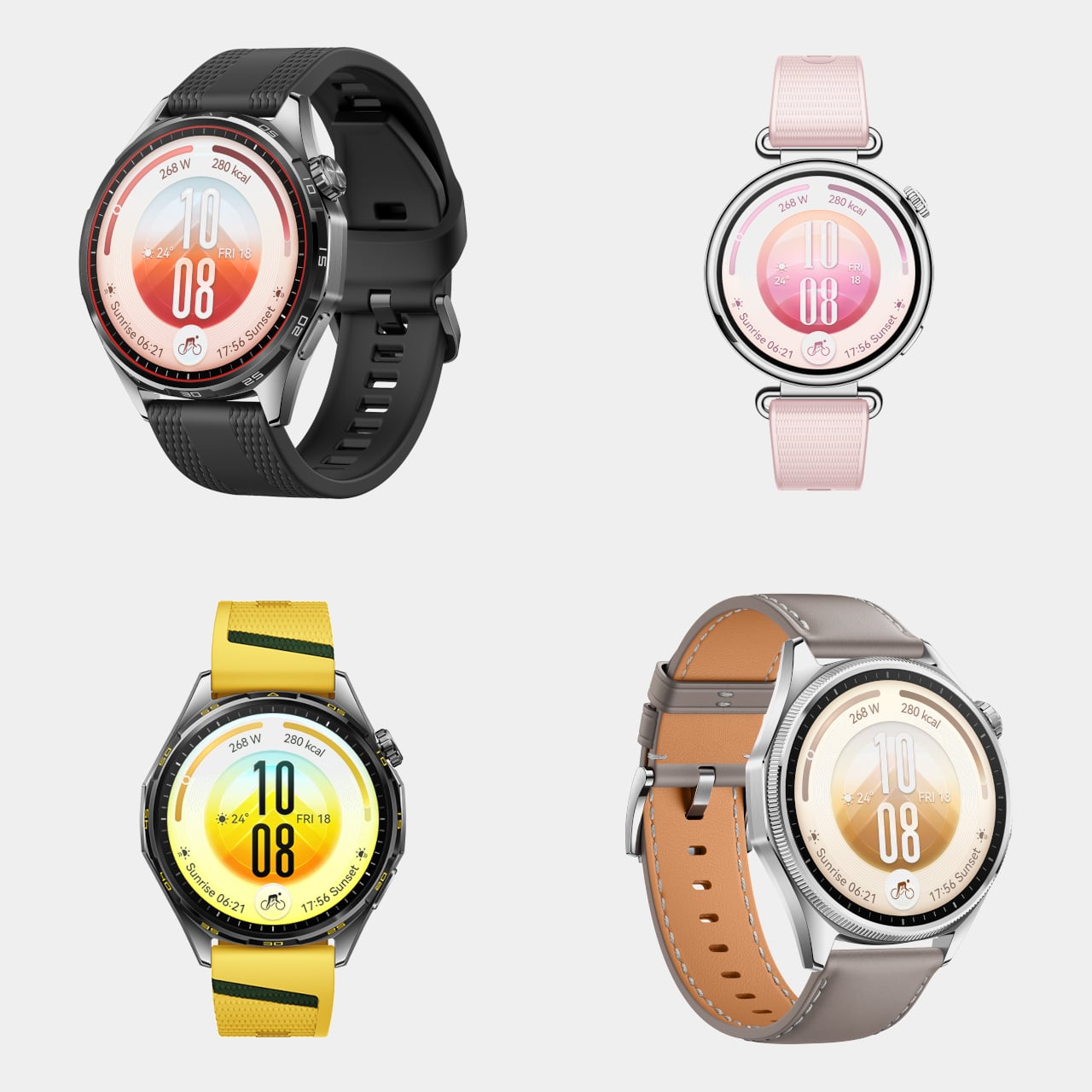
Huawei Watch GT 7
Outdoors, that same intelligence sharpens further. Riders get access to maps for more than 3,000 ski resorts worldwide, downloaded through the Huawei Health app and synced instantly, useful for a beginner trying to avoid an accidental black diamond or an expert hunting for a faster line down a familiar run. A new Turn Detection feature counts short and long turns by calculating turning radius, while G-Force detection measures the centrifugal pull of a sharp carve.
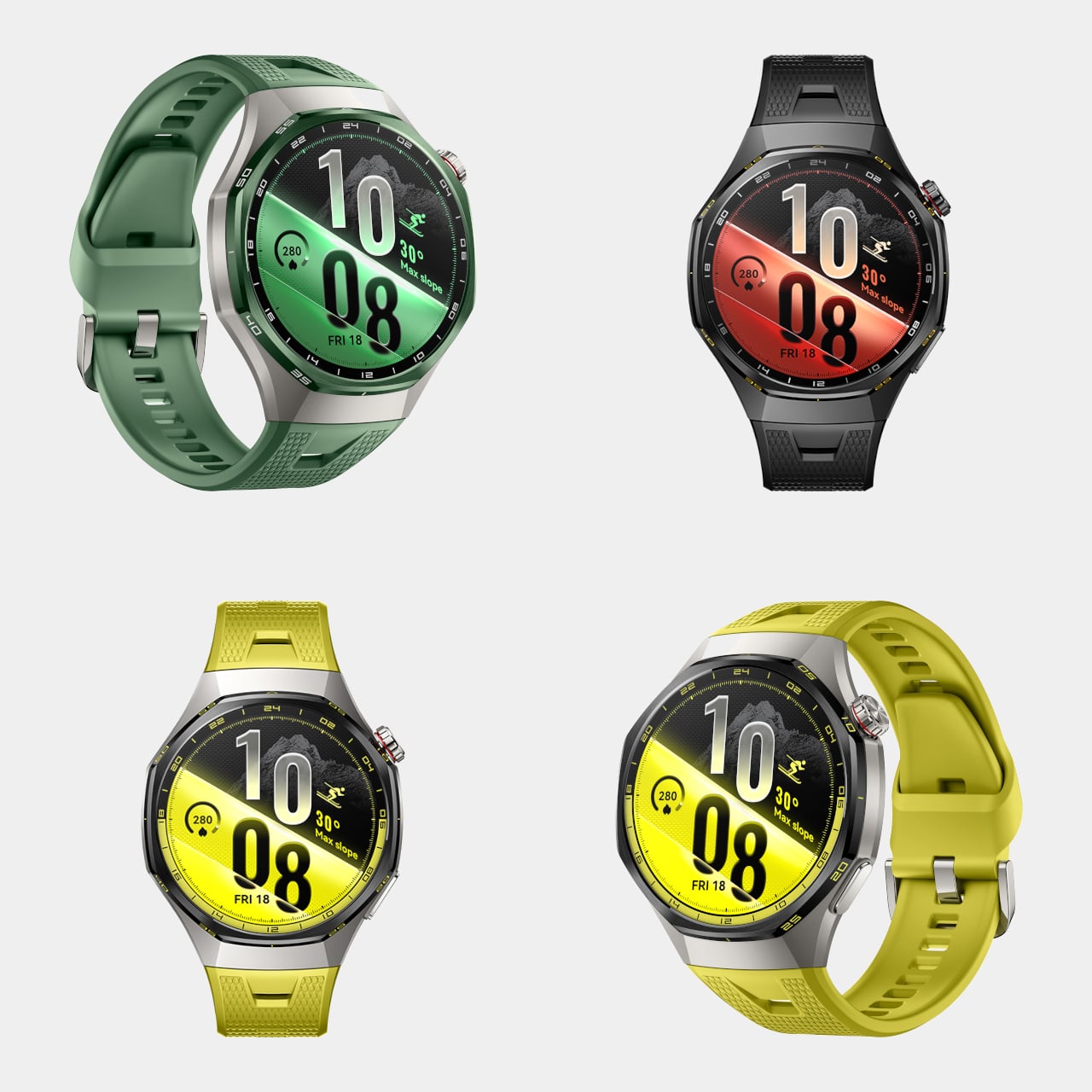
Huawei Watch GT 7 Pro
Team-Up rounds out the slope-focused features, letting a group track each other’s locations and performance metrics in real time, so nobody has to guess where the rest of the party ended up after a run splits everyone apart. It’s a detail built less for solo athletes chasing a personal record and more for families or friend groups navigating a mountain together.
Cycling gets its own dedicated toolkit too. Climb Planning generates a profile of upcoming elevation gains before a ride even starts, while Climb Broadcast reports live gradient and remaining distance mid-ascent. Sharp Turn Alerts step in with haptic and voice warnings if someone barrels into a bend too fast, a small addition that could matter far more than its size suggests on a descent like the coastal road these watches were clearly built to handle.

Health tracking ties all that activity back into daily life through an upgraded Physical Readiness score, blending sleep quality, heart rate variability, emotion, and calories burned into a five-level recovery snapshot each morning. Rather than dumping raw numbers on a screen, Huawei frames the data as a quick read before the day even begins, useful whether someone’s deciding to push hard or hold back.
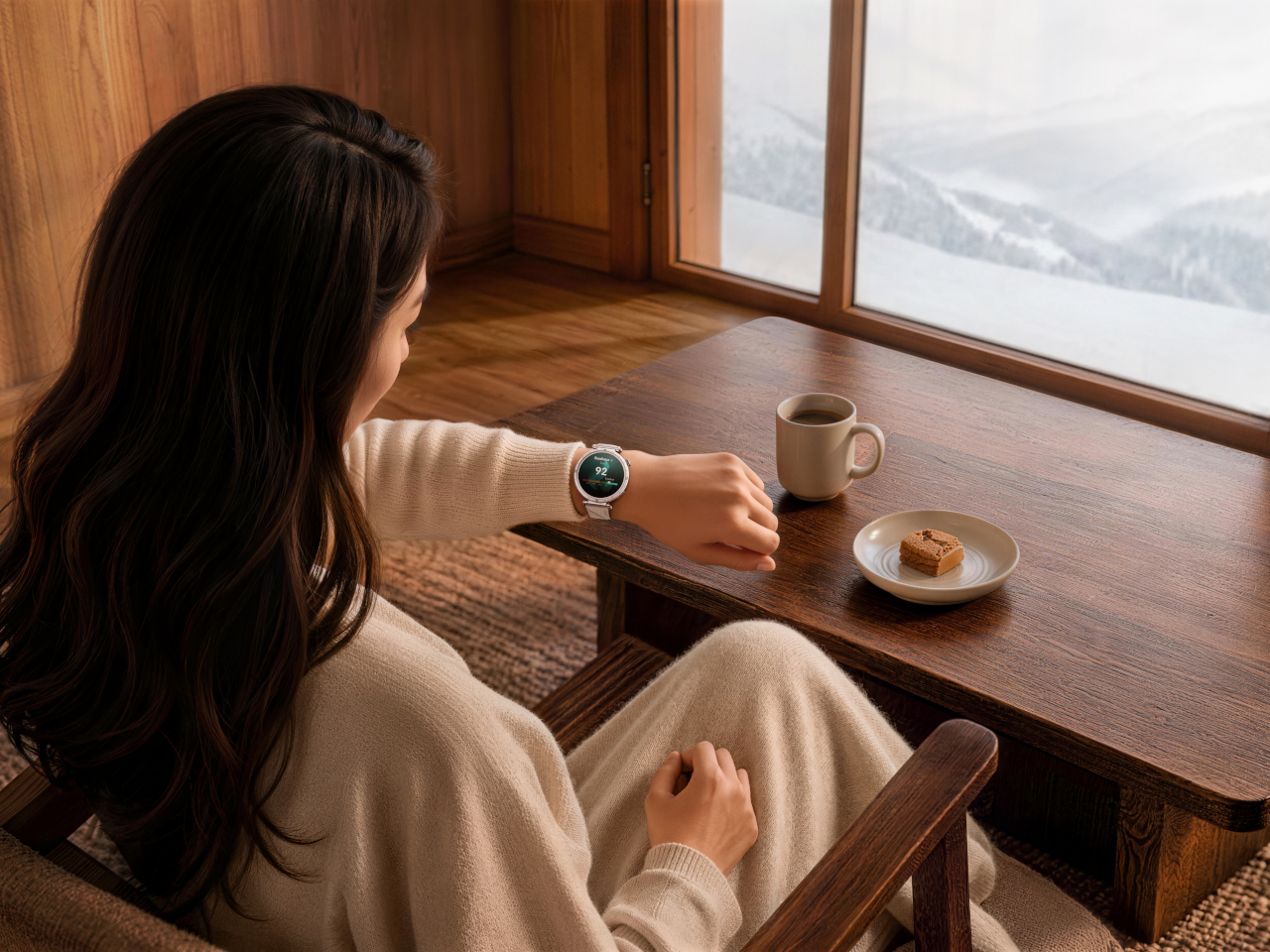
Battery life backs up all that tracking, with high-silicon stacked batteries pushing the GT 7 Pro and 46mm models to as long as 21 days per charge under light use. Add contactless payments through Curve Pay and compatibility across iOS and Android, and the GT 7 starts looking less like a fitness tracker and more like a travel companion that happens to count steps.

Pricing starts at £279.99 (around $378) for the WATCH GT 7, climbing to £379.99 (around $513) for the Pro model, positioning the series comfortably below premium sports watches from rival brands. Between the ceramic finishes, the resort maps, and the sheer range of conditions it’s built to track, Huawei’s newest GT model reads like a watch designed for people who treat a change in season as an excuse to keep moving.
The post Huawei Just Made a Watch That Tracks Your Skiing Inside, Without Real Snow first appeared on Yanko Design.

OpenAI’s latest AI model, Astra possibly ChatGPT 6, has introduced a new concept known as “recurrent depth”, which enables the system to refine its understanding of input data through iterative processing. Unlike traditional models that process information in a single pass, GPT-6 Astra’s architecture revisits data multiple times, allowing it to generate more nuanced and […]
The post Expected Sept 3 ChatGPT 6 Release Carries Hidden Reasoning Risks appeared first on Geeky Gadgets.
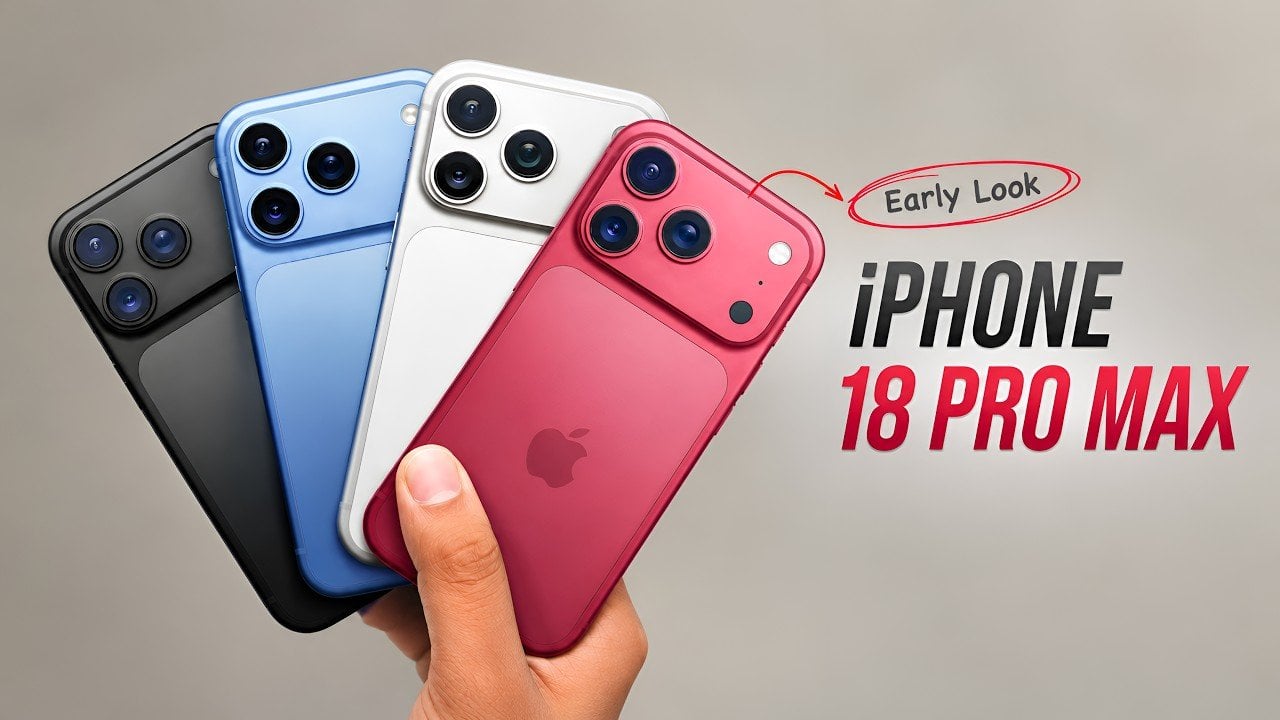
The iPhone 18 Pro Max is poised to be one of Apple’s most anticipated releases, offering a host of upgrades that set it apart from its predecessor and the standard Pro model. With innovative technology, refined aesthetics, and exclusive features, this flagship device is designed to elevate your smartphone experience to new heights. Key Design […]
The post iPhone 18 Pro Max: 2Nm A20 Pro, Variable Aperture & Massive 5,560mAh Battery appeared first on Geeky Gadgets.