While reading through the list of Grammy nominees earlier I came across quite a surprise. There, competing for record of the year alongside the likes of Beyoncé's Texas Hold 'Em and Chappell Roan's Good Luck Babe, was Now and Then by The Beatles. No, to my dismay, this isn't a time travel situation, but the result of AI.
So, here's the story of how The Beatles got nominated for two Grammys — they also snagged a best rock performance nod — 50 years after formally breaking up. It starts with a demo John Lennon recorded in the 1970s that was given to Paul McCartney, Ringo Starr and George Harrison for inclusion on the The Beatles Anthology,released in 1995. While other tracks like Free as a Bird and Real Love made it on, technology wasn't advanced enough to separate Lennon's vocals and piano without reducing the recording's quality.
But, last year McCartney and Starr used modern machine learning technology to pull Lennon's vocals for a new track. Now and Then, released in November 2023, includes McCartney on bass, Starr on the drums, Lennon's vocals and a guitar in Harrison's style (a 1995 recording of him makes up some of the background rhythm guitar. You can watch a documentary about making the track here.
Unsurprisingly, the song is said to be the last from the Beatles. We'll have to wait until the awards show in February to see whether or not AI will help them win another Grammy.
This article originally appeared on Engadget at https://www.engadget.com/ai/the-beatles-are-nominated-for-two-grammys-thanks-to-ai-150004467.html?src=rss
“Everything old is new again” is an adage that we will probably never escape. How we listen to music continually evolves but it seems that we still have a certain fondness for the old way like vinyls, CDs, and yes, even cassette tapes. Streaming music on our mobile devices is the most convenient but there’s a certain nostalgia attached to “vintage” that we enjoy. And of course, the music quality is way different to the compressed ones we have now.
Designer Name: Love Hulten
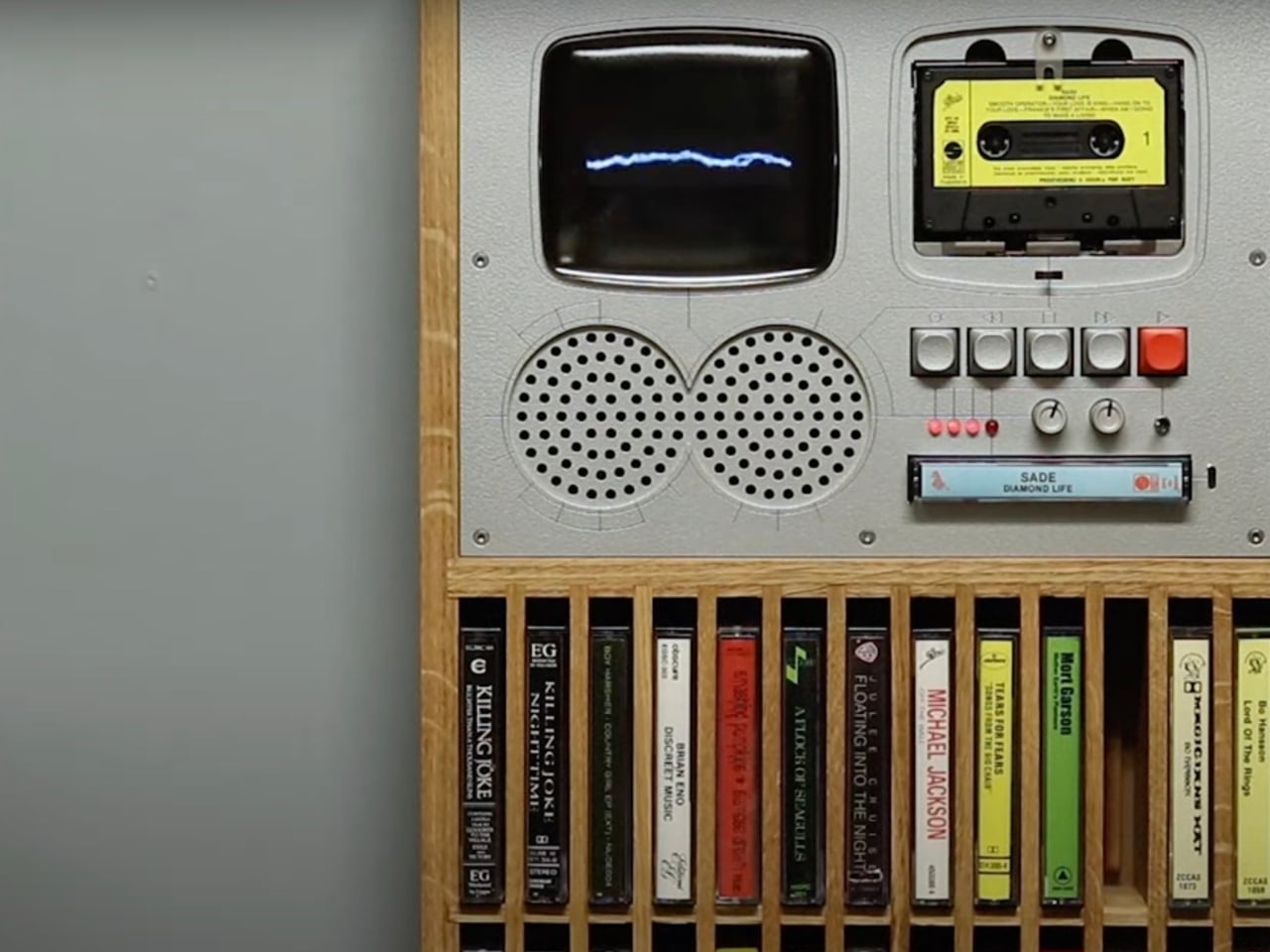
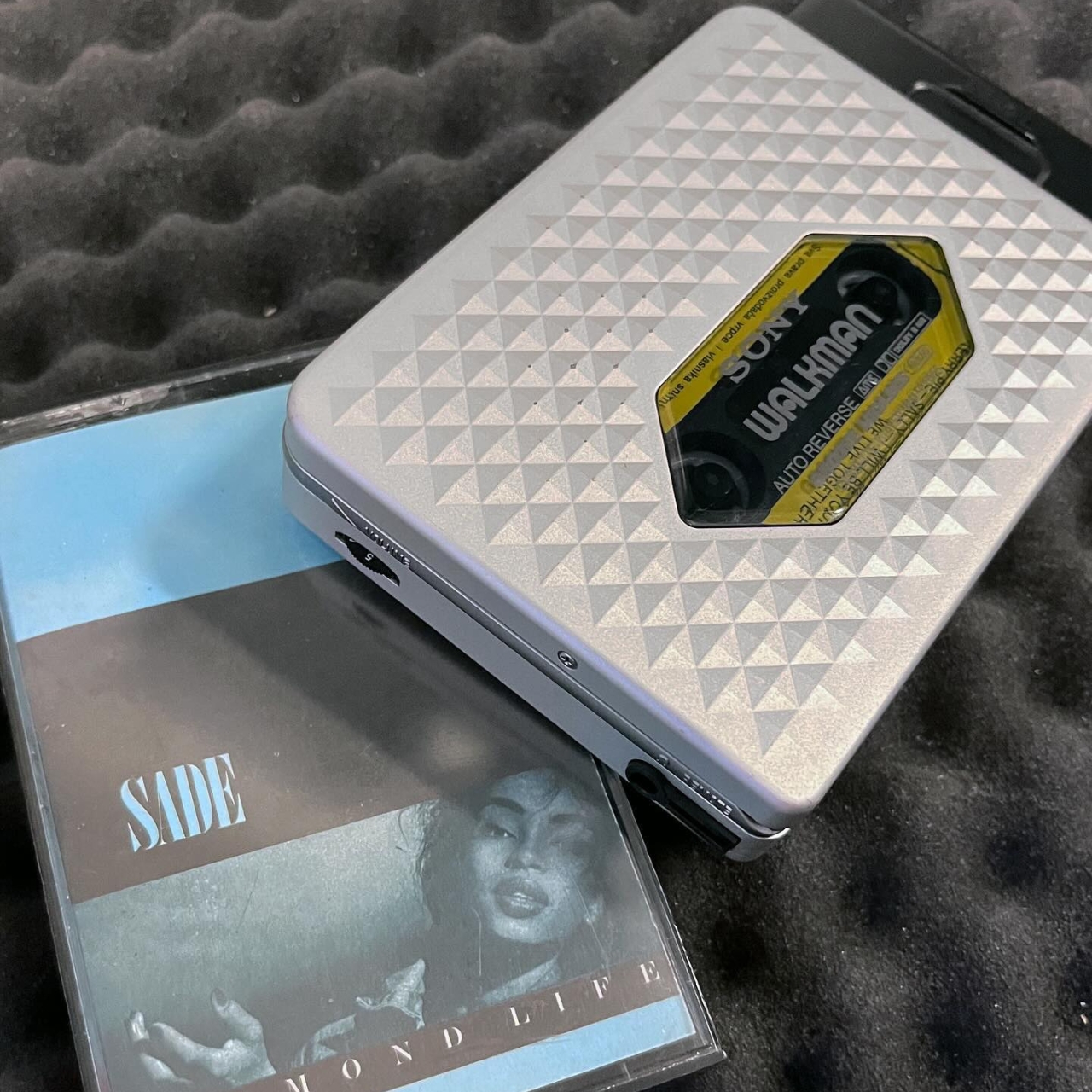
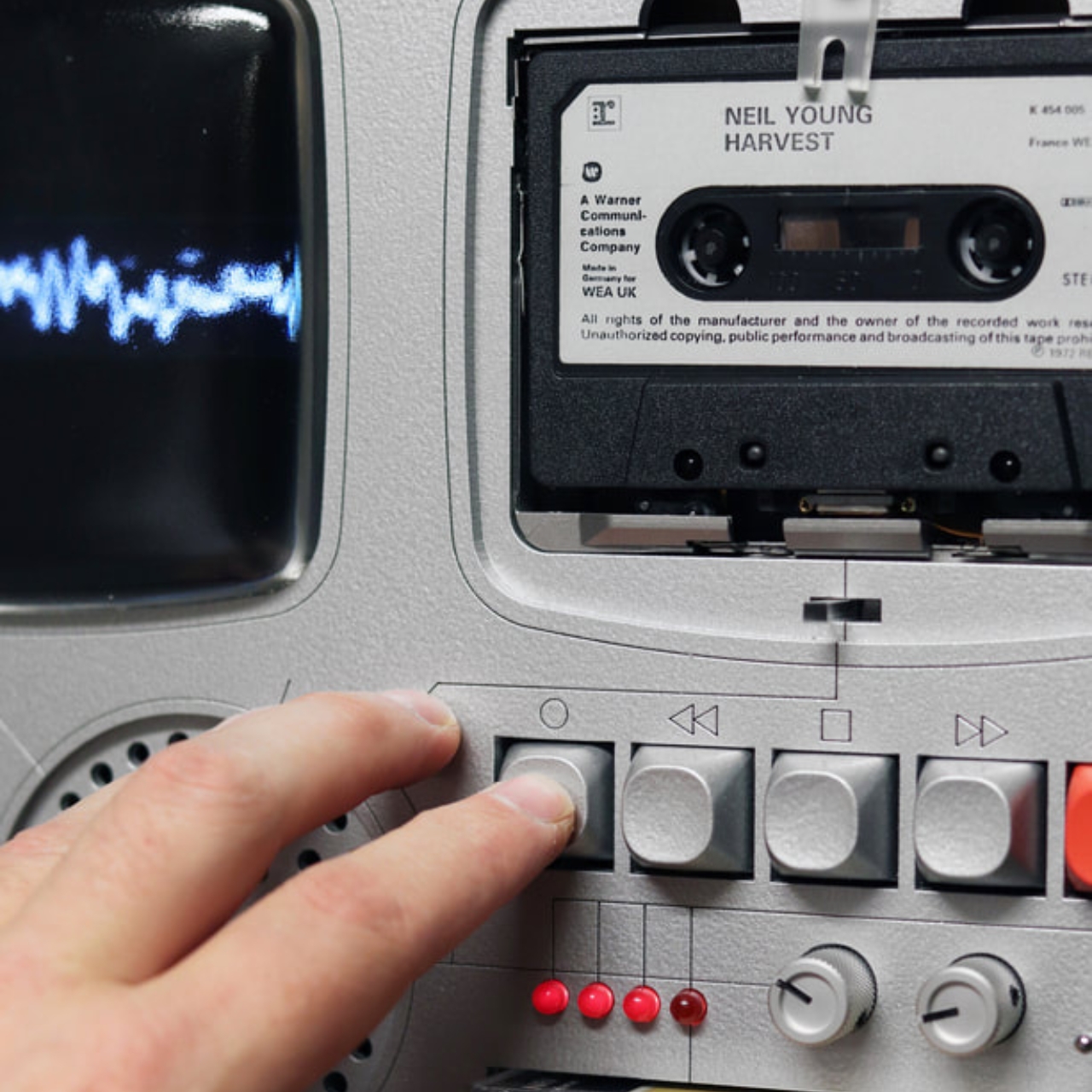
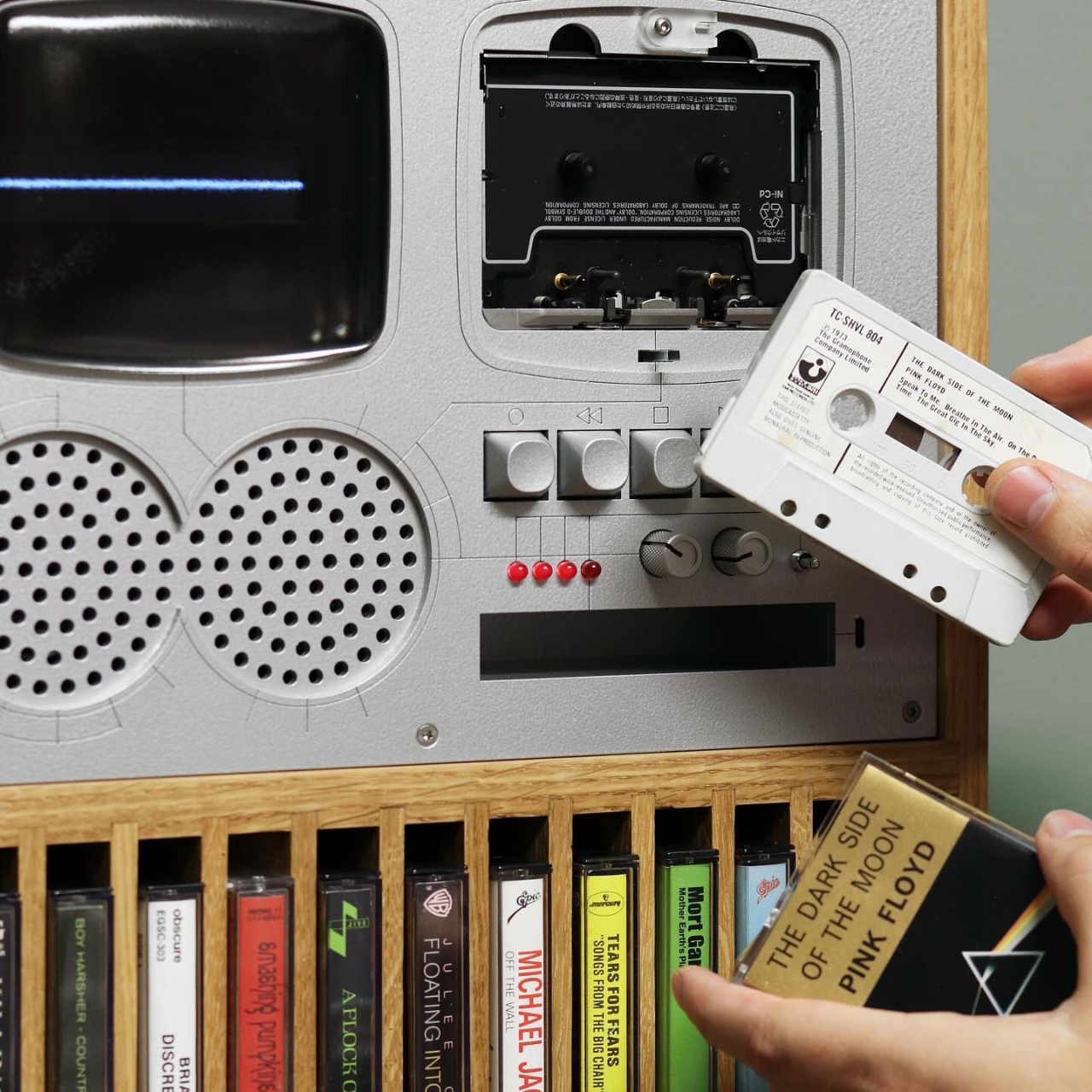
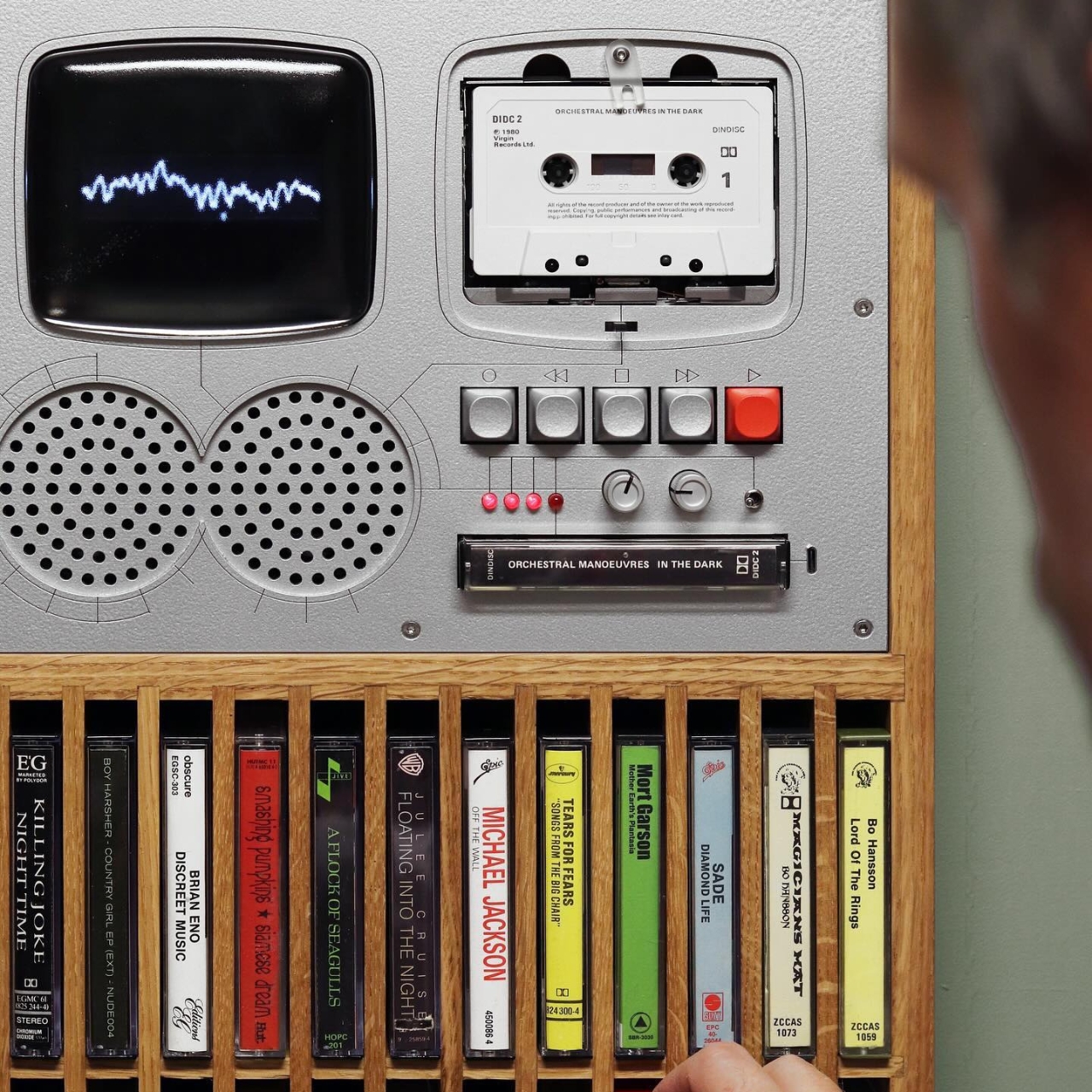
This designer is obviously of the generation that still enjoyed listening to music on cassette tapes since the main component of this device is his old Sony Walkman WM-EX655. And he still has a collection of cassette tapes so we know he’s a serious collector. What he developed is something straight out of a 60s science fiction movie. But instead of using it to conduct experiments, you use it as it was originally intended: to play sweet, sweet music.
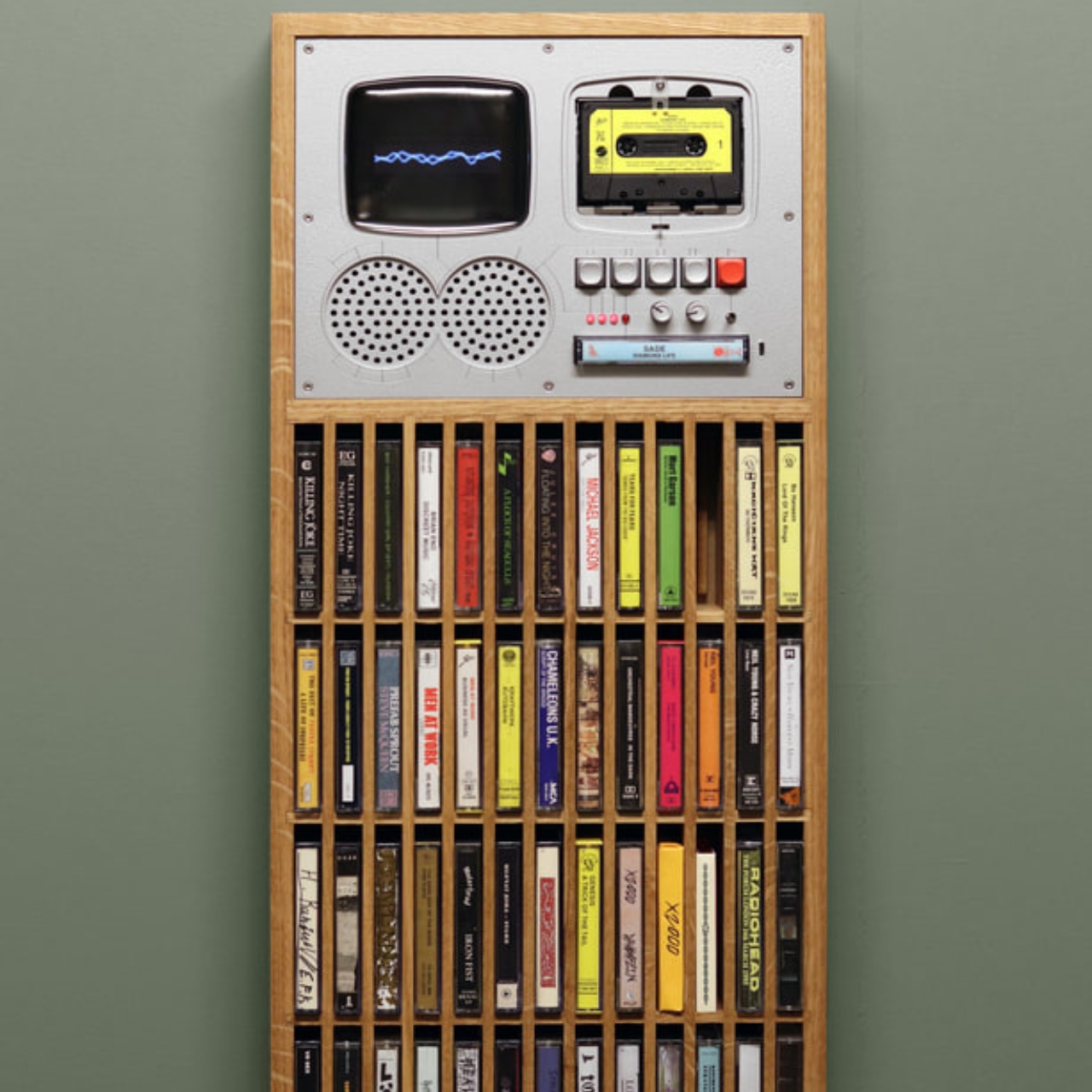
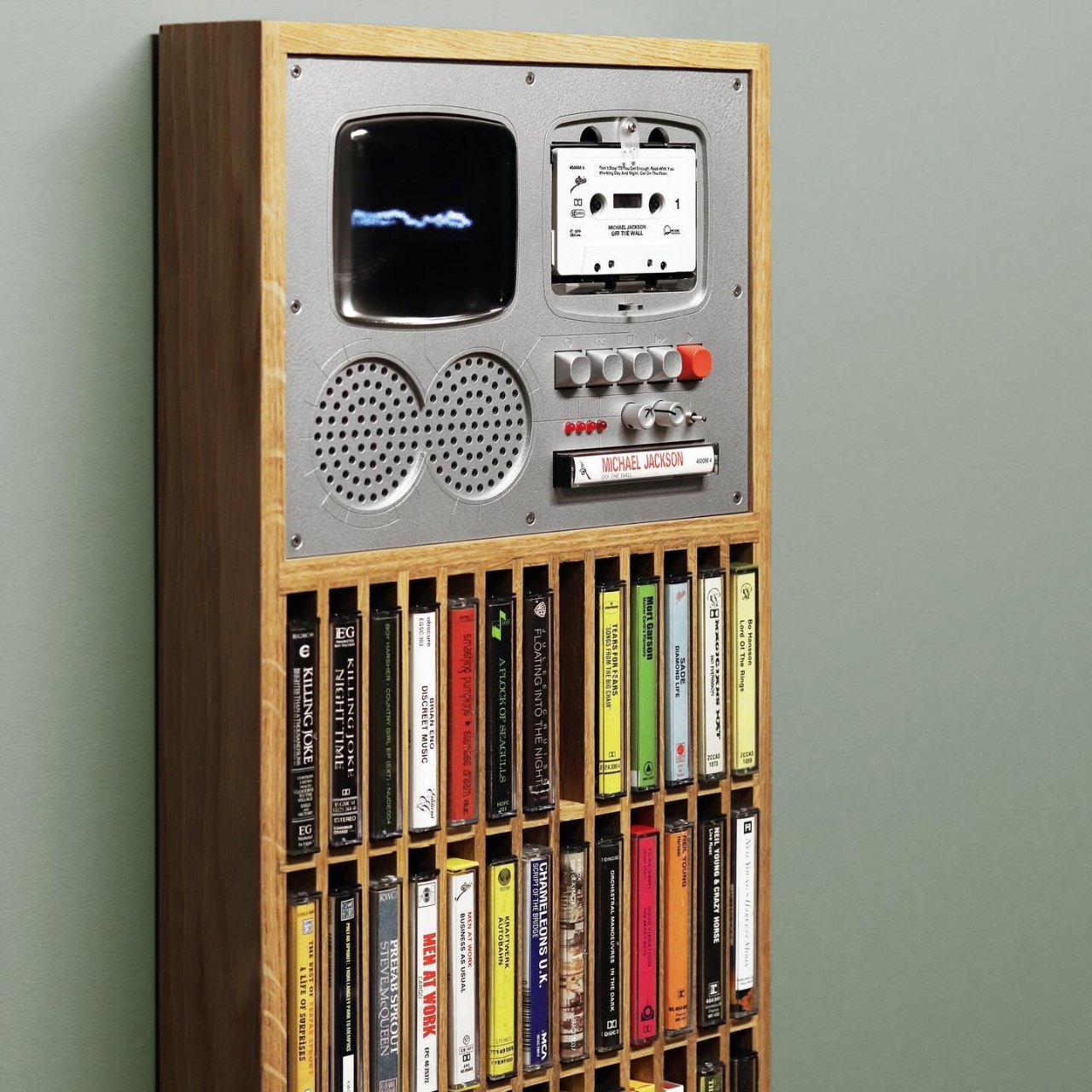
What he came up with is a cassette player and storage unit for the colorful cassette tape cases. There’s also built-in dual circular speakers, keyboard switches and buttons with various functions like play, stop, forward, rewind, etc. There’s also an audio waveform meter to go along with the beat of the music and even a tape slot to put in the case of the album you’re currently playing. The cabinet looking device blends design and technology to give you a truly retro piece of equipment that still performs its original function.
It’s of course a device that he made for himself since he has been collecting and keeping cassette tapes. But unlike vinyls and CDs that you can still buy from a lot of places, I don’t know that many stores that still sell cassettes. So the possibility of having a commercial version of this is very slim.
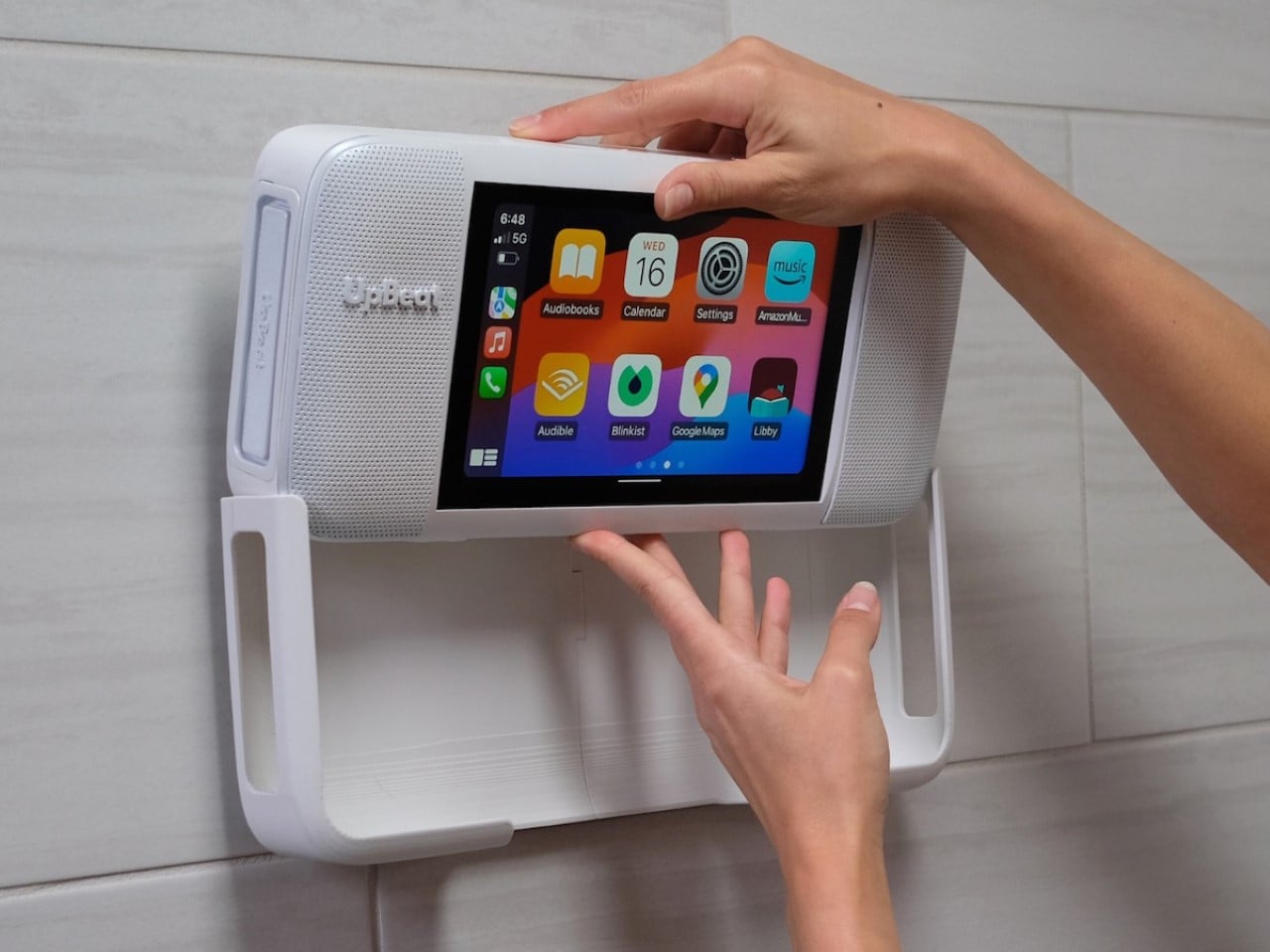
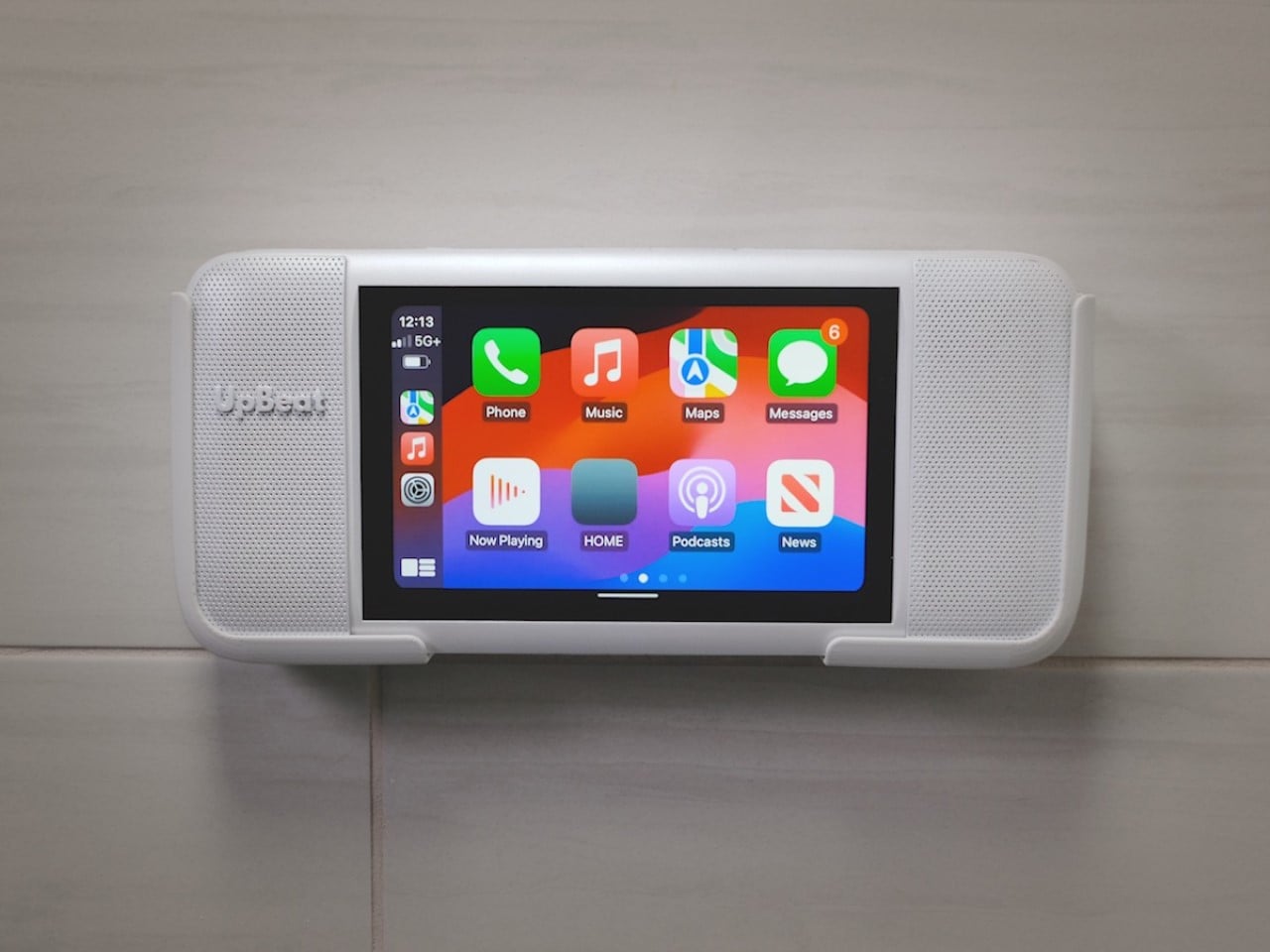
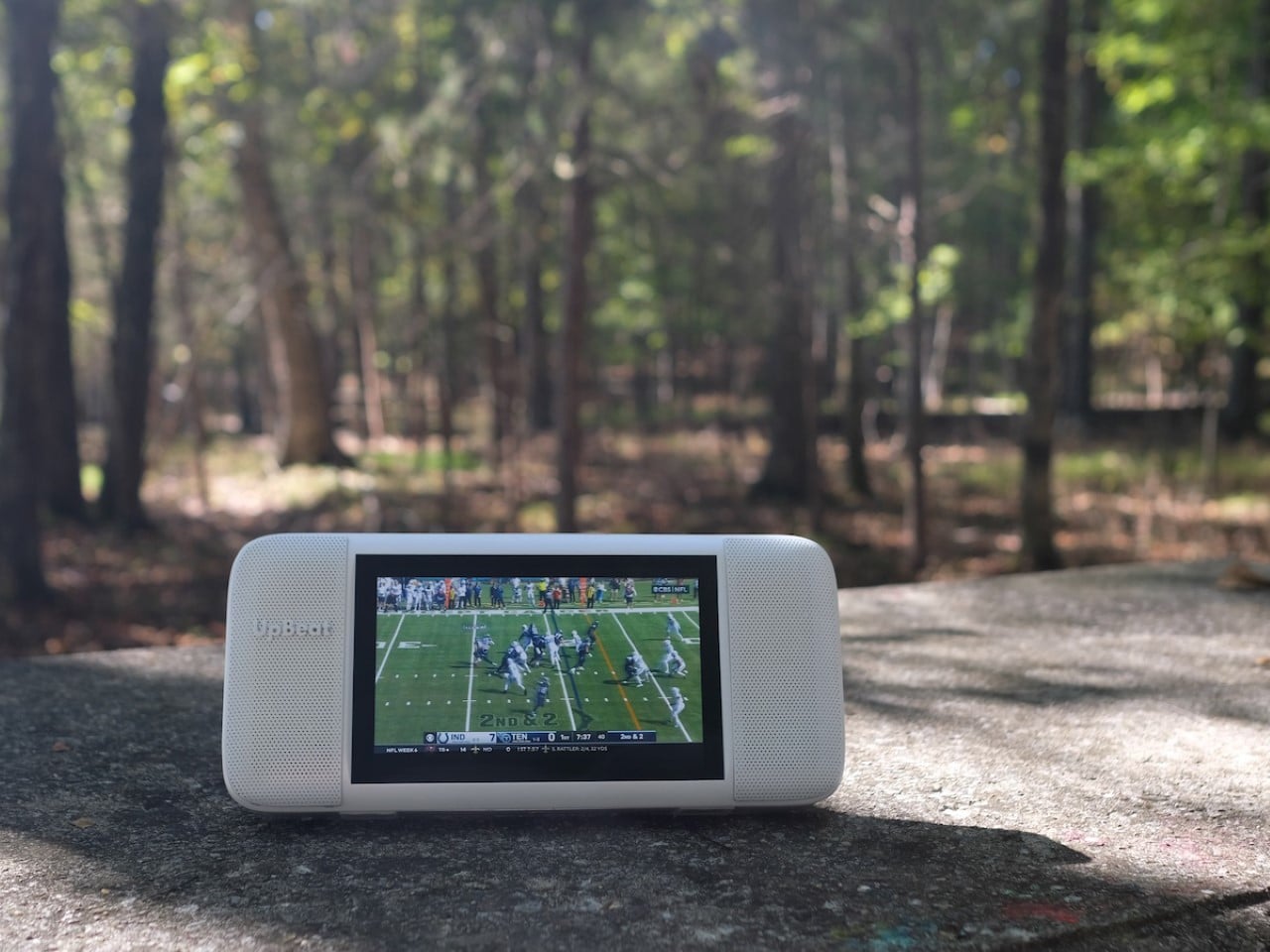
It’s a tablet PC, a shower speaker, your car’s infotainment system, and a portable dashboard for everything from music to video to phone calls. Meet the Nomad – a tablet-speaker that isn’t designed for productivity… it’s designed for entertainment. With a powerful speaker system, a waterproof design, and mounts that let you place the Nomad anywhere, this device doubles as your shower speaker, your smart display, a Carplay/Android Auto-compatible infotainment system, a dedicated device for Netflix and Chill whether it’s in the bedroom, living room, or poolside, and even your perfect radio alternative when you’re camping. For ages, tablets have grown thinner and their speakers weaker… and smart speakers have remained tethered to their plug points. Nomad combines both in a durable, portable package so you can carry your entertainment with you, without compromising on literally anything.
The Nomad isn’t a tablet. It isn’t a speaker. It isn’t a smart home hub like the Echo Show or the Pixel Tablet. It’s a little of everything, combined into one product that offers zero compromises if you know what you’re buying it for. It’s designed purely for entertainment, which means that sleek, laptop-bag-friendly profile is a non-issue. The device is rugged, doesn’t compromise on audio quality, and is made to be used everywhere, from in your shower to your car.
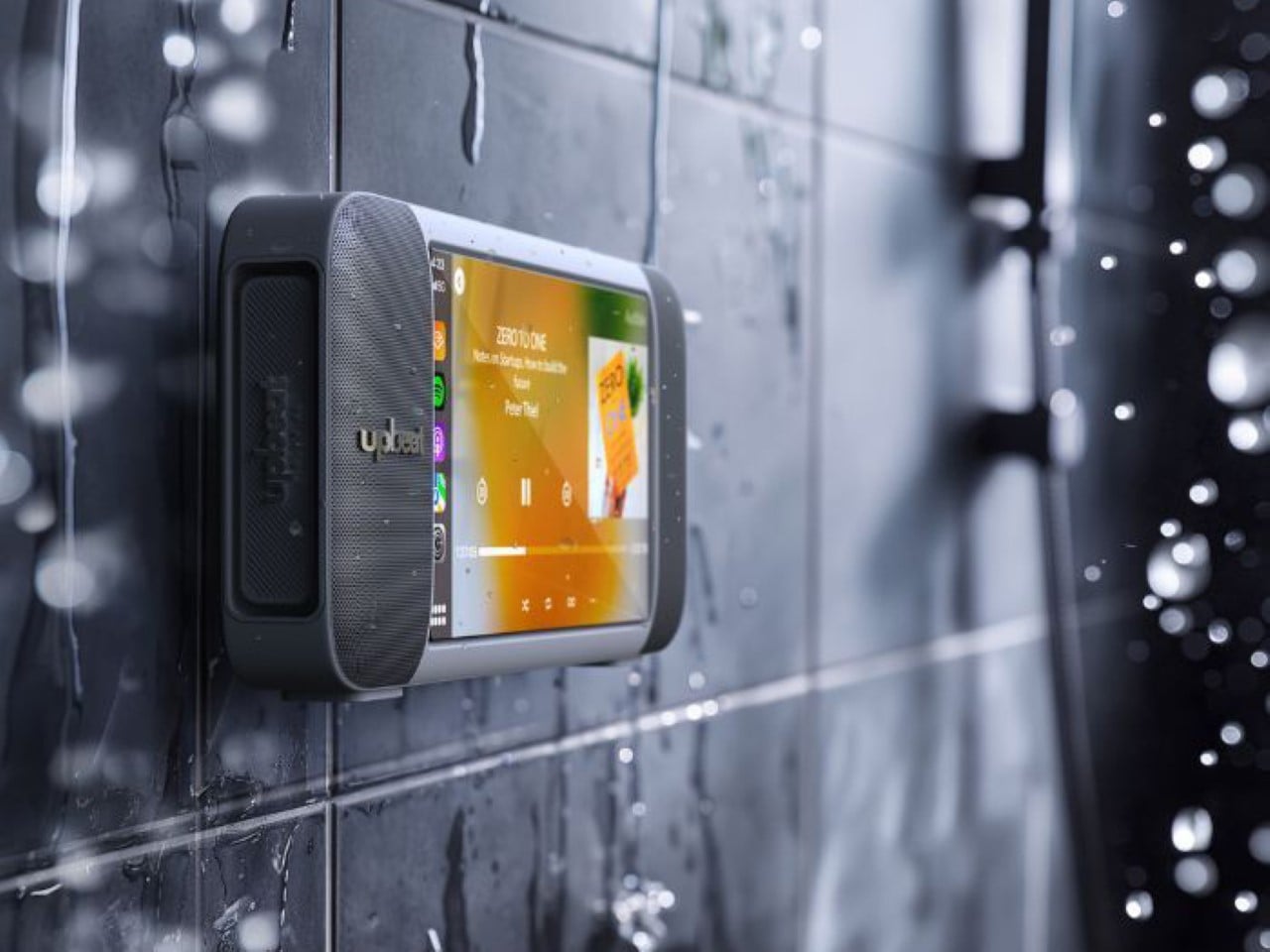
With its waterproof build and four-speaker array, the Nomad was crafted with audio at its core. This device excels as a portable entertainment hub, with an audio quality that outshines any tablet’s built-in speaker system—be it the shower, the backseat of a car, or your outdoor adventures. The 4 front-facing speakers and 2 subwoofers on the side deliver rich, resonant sound (at up to 94 decibels) that rivals traditional portable speakers. Combined with a battery life of over 20 hours for music playback, the Nomad is set to keep the party going without frequent recharges.
On the inside, the Nomad runs on Android, which means it’s ready for all your favorite streaming apps, plus it has a microSD slot for expanding storage and loading up on offline content. The 8-inch HD touchscreen has a striking brightness level of 1200 nits, 20% brighter than the iPad Pro which shines at 1000 nits, making it perfect for outdoor use. The display is responsive, has an anti-glare coating, and complements the overall build of the device—it’s rugged yet refined, a rare find in tablets with a focus on durability.
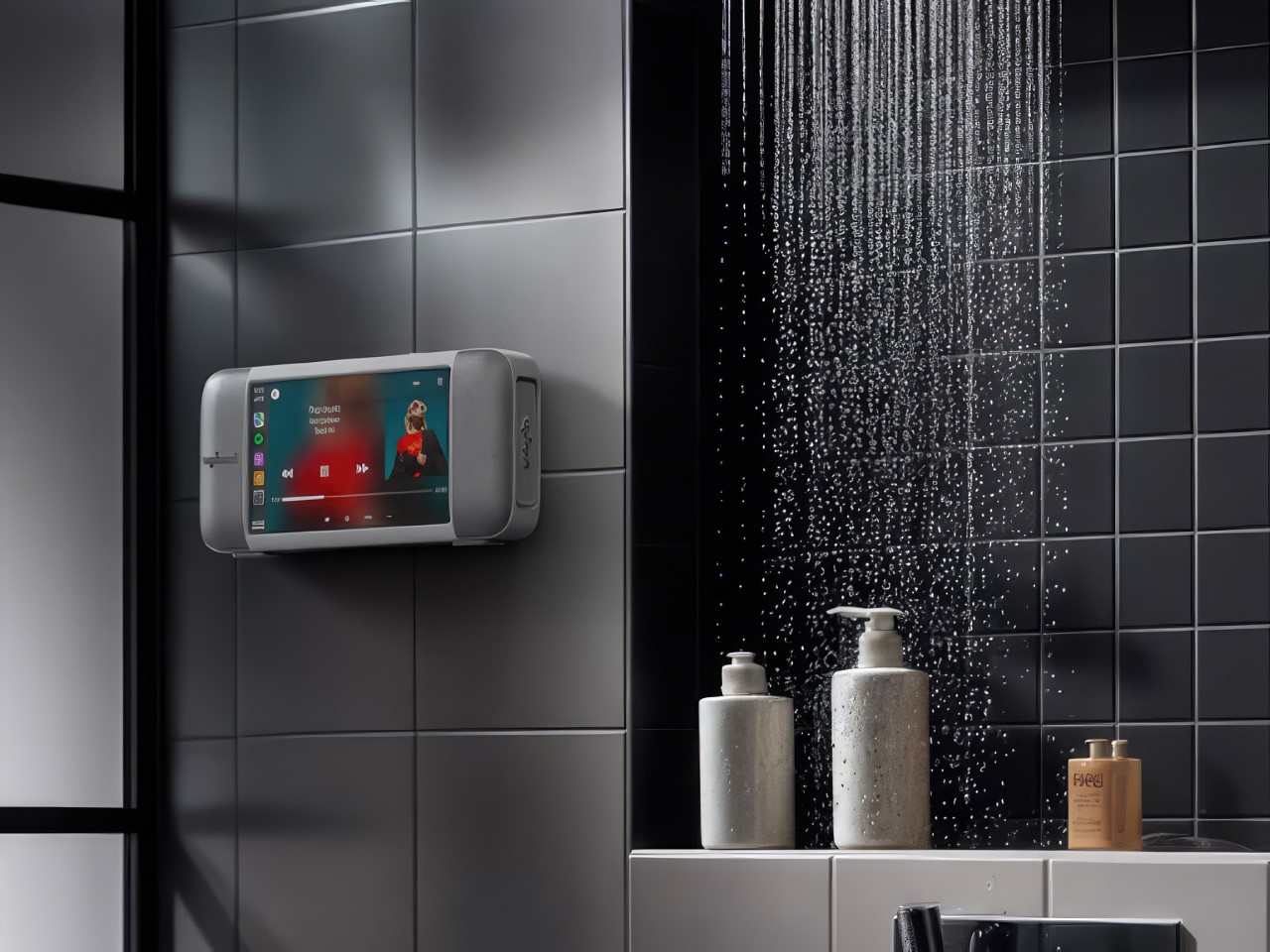
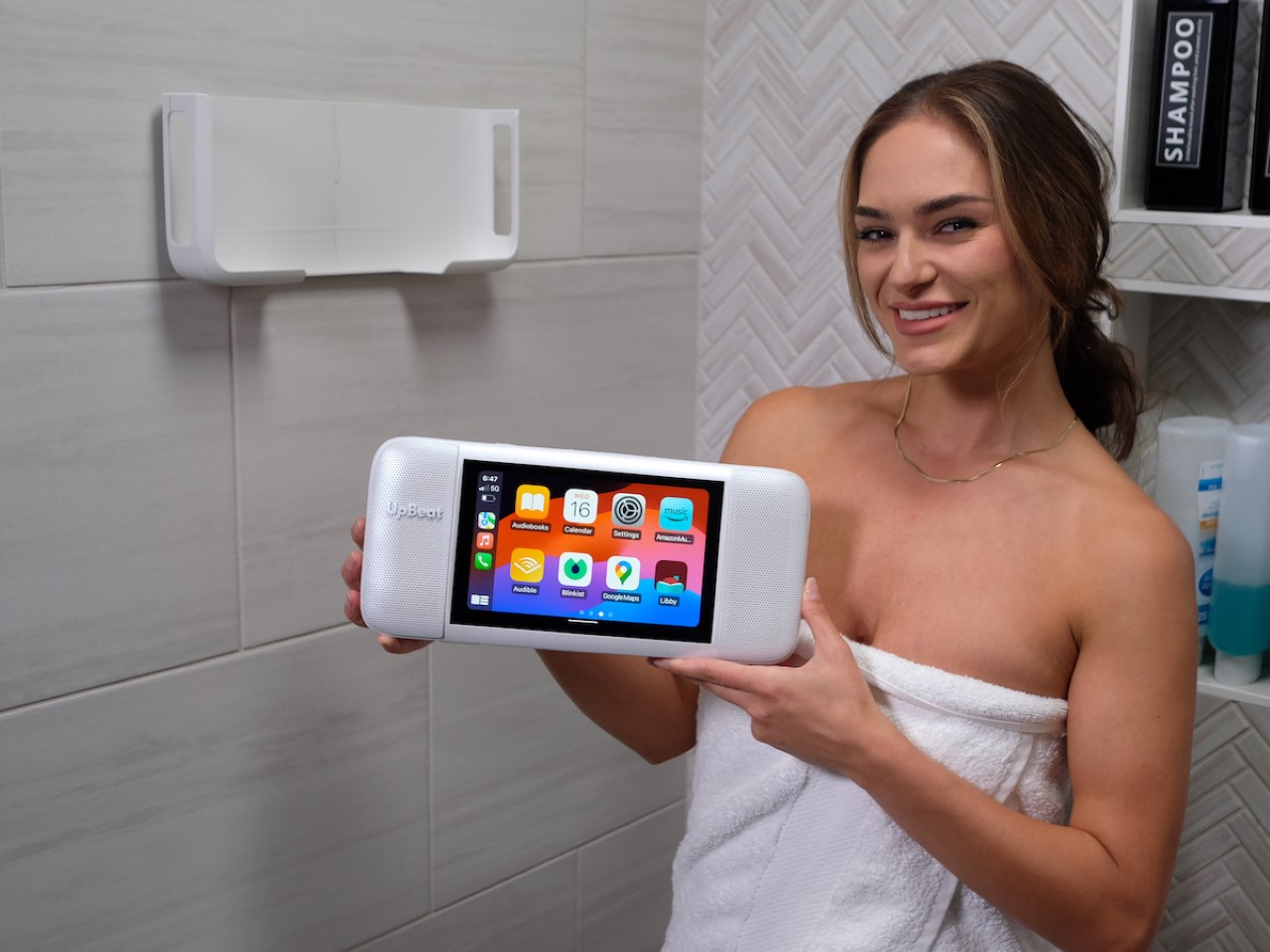
The stick-on Shower Mount lets you easily dock and use your Nomad while in the shower
The built-in speaker is supplemented by microphones too, which means the tablet lets you interact with voice assistants, leave voice notes, or even take phone calls. That’s where the powerful speakers come in handy, allowing you to talk without cupping your ear to hear what the other person is saying. If you want to have a private conversation, just connect Bluetooth earbuds, or better still, use the 3.5mm jack on the Nomad to hook up your wired headphones. The only thing missing is an on-board camera, which means no photographs or even video calls.
Mounting options for the Nomad extend its functionality even further. It comes with a shower wall mount, which lets you easily slip the Nomad in while having a bath. The tablet is fully usable while bathing, so whether you’re watching a TV show or hosting your own bathroom karaoke, the Nomad lets you stay in control, unlike your phone or your Bluetooth speaker, which won’t go in the shower with you.
Outside the shower, a built-in kickstand lets you prop the Nomad up wherever you are. If you want to tether the tablet to a tree or the back of your car-seat for in-car entertainment, the tablet comes with a strap-on mount too. An optional add-on cup-holder mount lets you bring the tablet to the front seat, substituting your in-car radio or music player. When all fails, a tripod mount on the bottom lets you screw a tripod in, allowing you to position your tablet practically anywhere. And since it’s fully waterproof, you don’t have to worry about splashes or moisture damaging the device.
For in-car use, you’ve got built-in Android Auto and CarPlay compatibility, a standout feature that elevates the Nomad from a mere tablet to a full-fledged navigation and media console for your car. CarPlay integration makes the device invaluable for on-the-go use, especially if you prefer your tech streamlined and multipurpose. Mount it on a dashboard, and you have an instant navigation system paired with immersive sound quality, all accessible through the Android interface that many users will find familiar and easy to navigate.
Under the hood, the Snapdragon 662 processor keeps the Nomad humming along smoothly. Sure, it’s not the latest SoC on the market, but in a rugged device focused on reliability and battery efficiency, the Snapdragon 662 is a solid choice that provides a good balance of performance and energy efficiency. You’ll find it more than capable for streaming, navigation, and even some light gaming if the mood strikes. Although the exact battery capacity isn’t mentioned, the Nomad delivers 20 hours of audio on a full charge, and can be doubled thanks to an optional magnetic battery that snaps right on top, bringing its output to 40 hours of music, or 10 full hours of video. Both the tablet and the magnetic battery have USB-C charging, which means you can charge your Nomad anywhere.
The basic bundle starts at $249, which includes the Nomad itself along with the shower mount. The $340 Ultimate Bundle gets you all the other accessories too, like the strap-on mount, the cup mount, and that snap-on magnetic battery. No matter which bundle you pick, the Nomad ships globally, starting February 2025.
We’ve thankfully become more aware of the quality of our waters, especially with the increase of pollution or drastic changes in the chemical composition of rivers, lakes, and seas. We now have sophisticated equipment and software to monitor such properties, but it might come as a surprise that Mother Nature has her own way of detecting abnormalities in water. Clams, known as nature’s filter feeders, immediately react to sudden changes in water quality, sometimes even faster than scientific equipment.
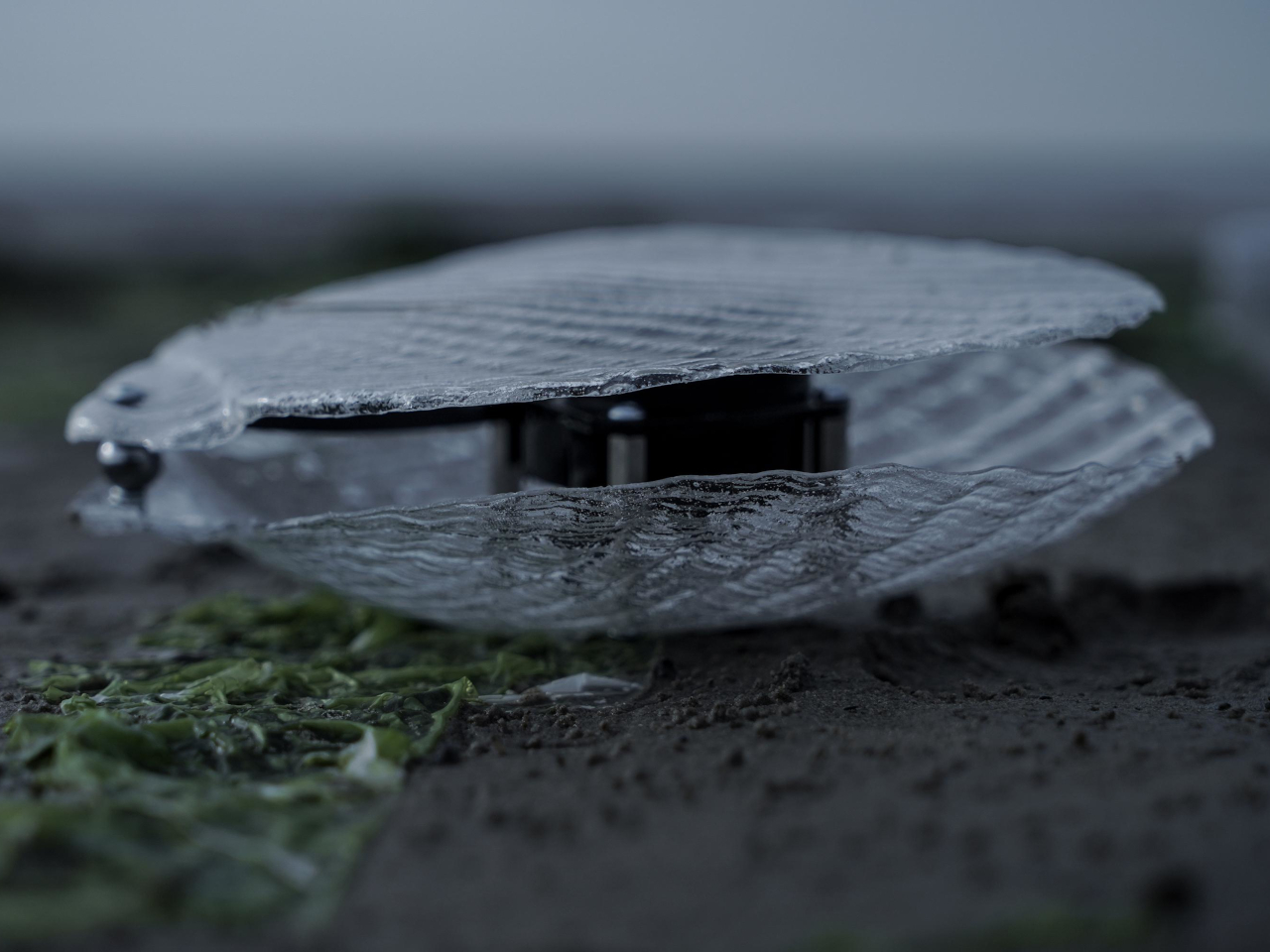
Taking inspiration from one of nature’s wonder workers, this art installation turns water quality from an incorporeal idea into a tangible representation. Rather than just clamming up, these kinetic sculptures create an eerie melody, as if giving voice to the pain and woes of the water. It creates a surreal yet beautiful manifestation of water quality in a way that you can see and hear beyond just figures and graphs.
Clams aren’t able to filter out toxins (which they turn into pearls), so they would immediately shut close when they detect pollution in the water. Their reaction is sometimes faster than sensors and computers that still have to analyze the data from water samples, though, of course, they won’t be as accurate or specific. This interesting behavior, however, became the inspiration for this kinetic sculpture that, rather than just detecting water quality, translates the data into something just as interesting.
“Clams” is a collection of, well, translucent clam-like objects that have speakers inside. The clams are connected to a sensor that tests the quality of the water in the only way that humans can. Changes in the water quality are translated into sounds that shift over time, creating the semblance of eerie music. The vibrations from the speaker also cause the clamshell to go up and down, making it look like the clams are singing.
The shells themselves are made from recycled waste plastic, adding to the sustainability message of the sculptures. Although the shape of these man-made clams is quite simple, the otherworldly soundscape it produces is quite unique and memorable. It also creates an interesting bridge between media art, data sonification, and environmental awareness, translating intangible concepts and figures into something humans can better appreciate and understand.
TikTok is all about the tunes, and the social network has added integrations to directly post audio from streaming services. Share to TikTok is a new feature that will let listeners in Apple Music and Spotify share music to the video platform. The tool can post a track, album, playlist or other content to the TikTok Feed, either in FYP or Stories. Streaming audio material can also be shared via a TikTok DM.
Even though TikTok has become a popular place to discover and share audio, the company recently announced that its TikTok Music platform would be shutting down later this month; the service never launched in the US. The business has also faced scrutiny for encouraging addictive behavior in its users, as well as posing a possible security threat. The US has considered banning the app, and Canada recently ordered TikTok to shut down its domestic operations.
This article originally appeared on Engadget at https://www.engadget.com/social-media/you-can-now-post-tracks-to-tiktok-from-spotify-and-apple-music-195521948.html?src=rss
TikTok is all about the tunes, and the social network has added integrations to directly post audio from streaming services. Share to TikTok is a new feature that will let listeners in Apple Music and Spotify share music to the video platform. The tool can post a track, album, playlist or other content to the TikTok Feed, either in FYP or Stories. Streaming audio material can also be shared via a TikTok DM.
Even though TikTok has become a popular place to discover and share audio, the company recently announced that its TikTok Music platform would be shutting down later this month; the service never launched in the US. The business has also faced scrutiny for encouraging addictive behavior in its users, as well as posing a possible security threat. The US has considered banning the app, and Canada recently ordered TikTok to shut down its domestic operations.
This article originally appeared on Engadget at https://www.engadget.com/social-media/you-can-now-post-tracks-to-tiktok-from-spotify-and-apple-music-195521948.html?src=rss
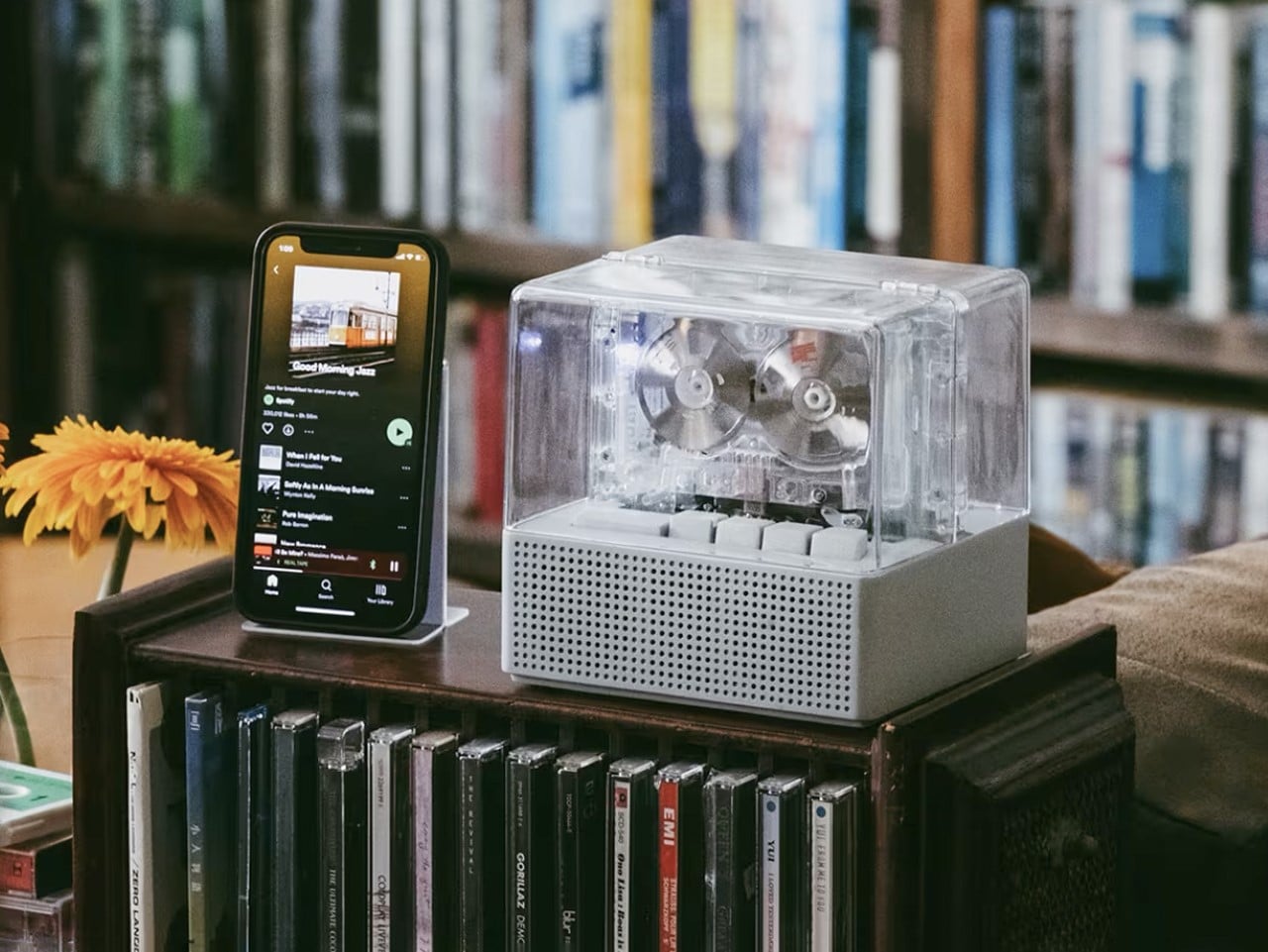
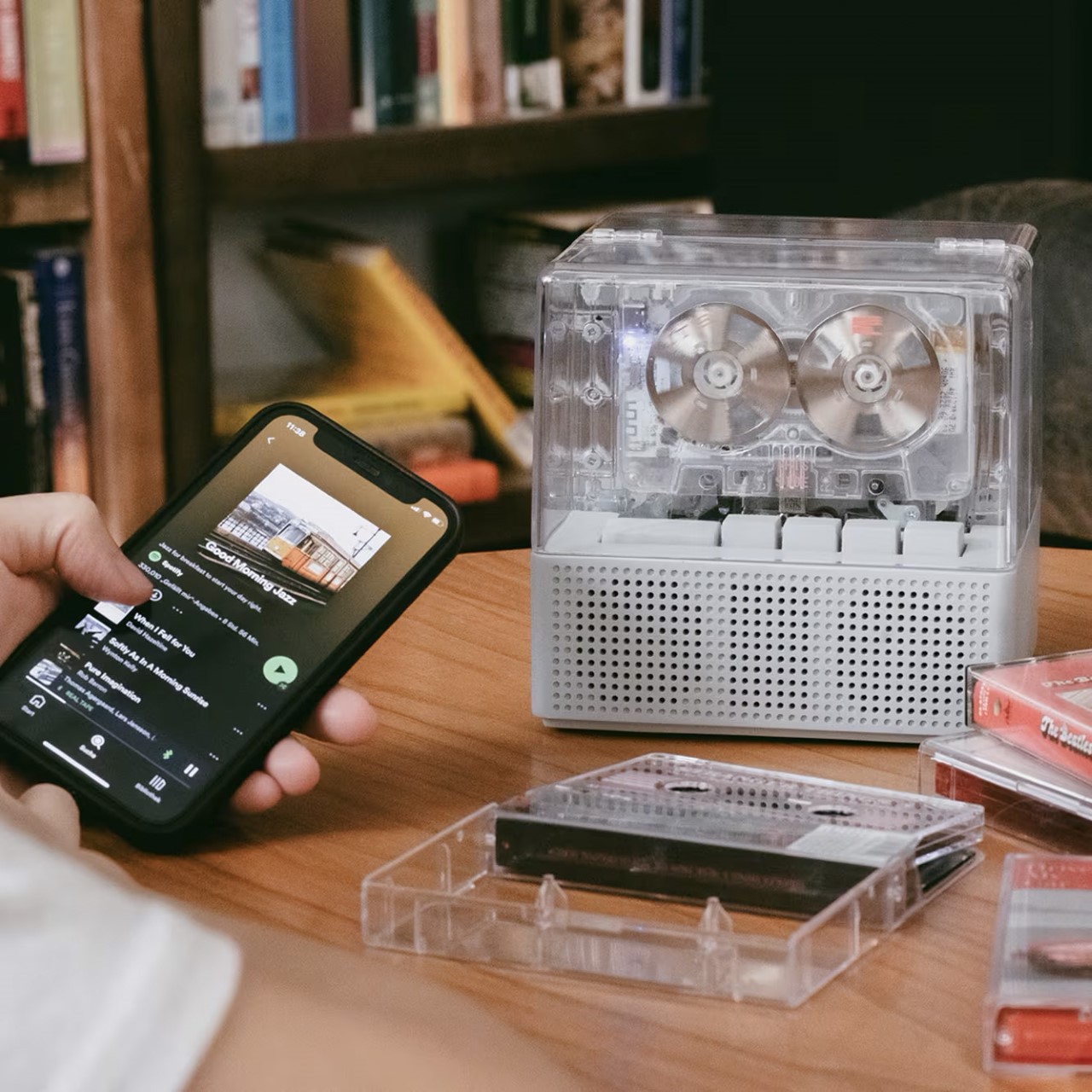
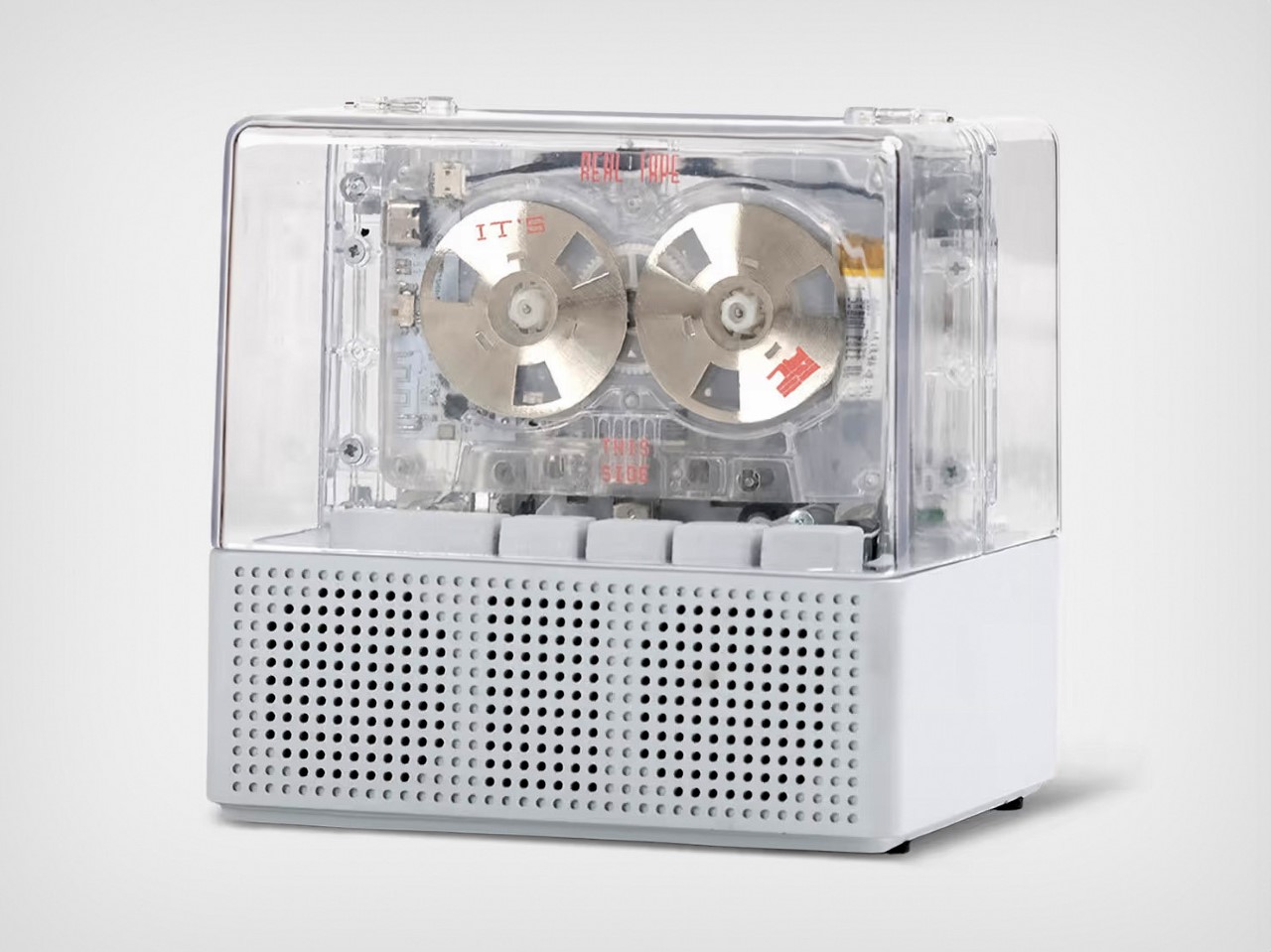
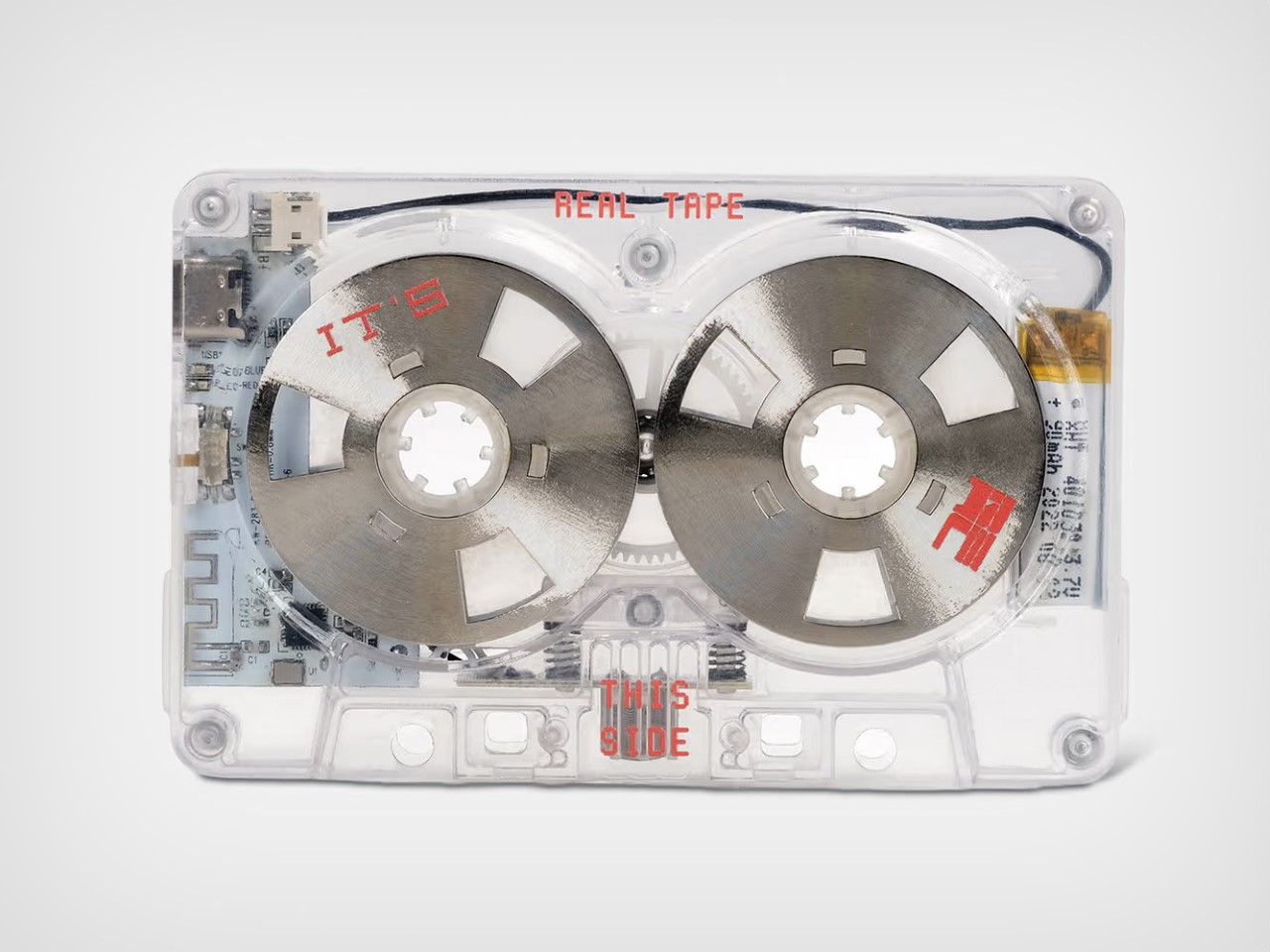
Form, function, emotion, the “IT’S REAL” Cassette player has it all. With its retro-meets-new-age charm, this cassette player encases your cassette in a transparent cover, allowing you to see the cassette’s reels rotate as the device plays music. But here’s the kicker – this thing isn’t just a cassette player, it’s a Bluetooth speaker too.
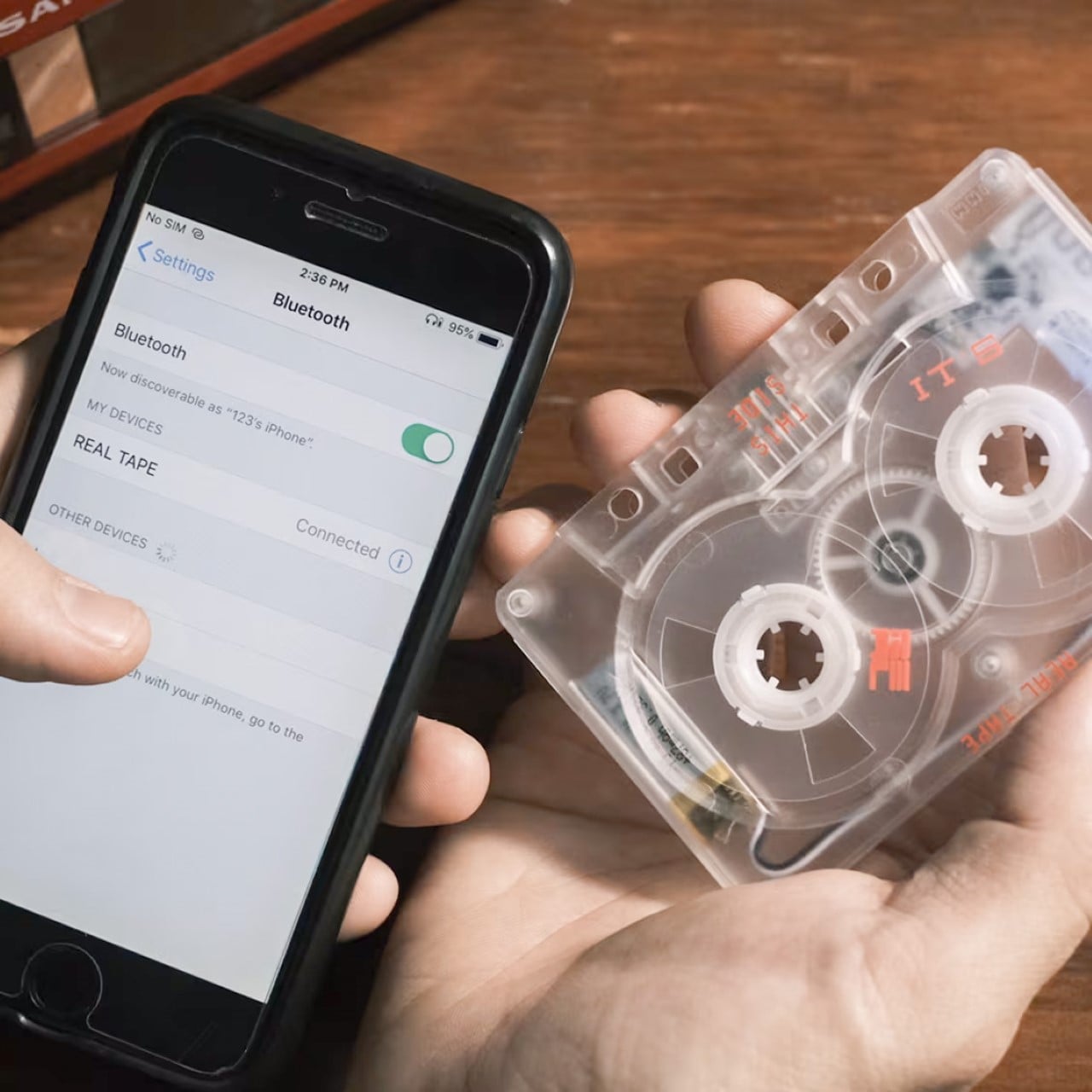
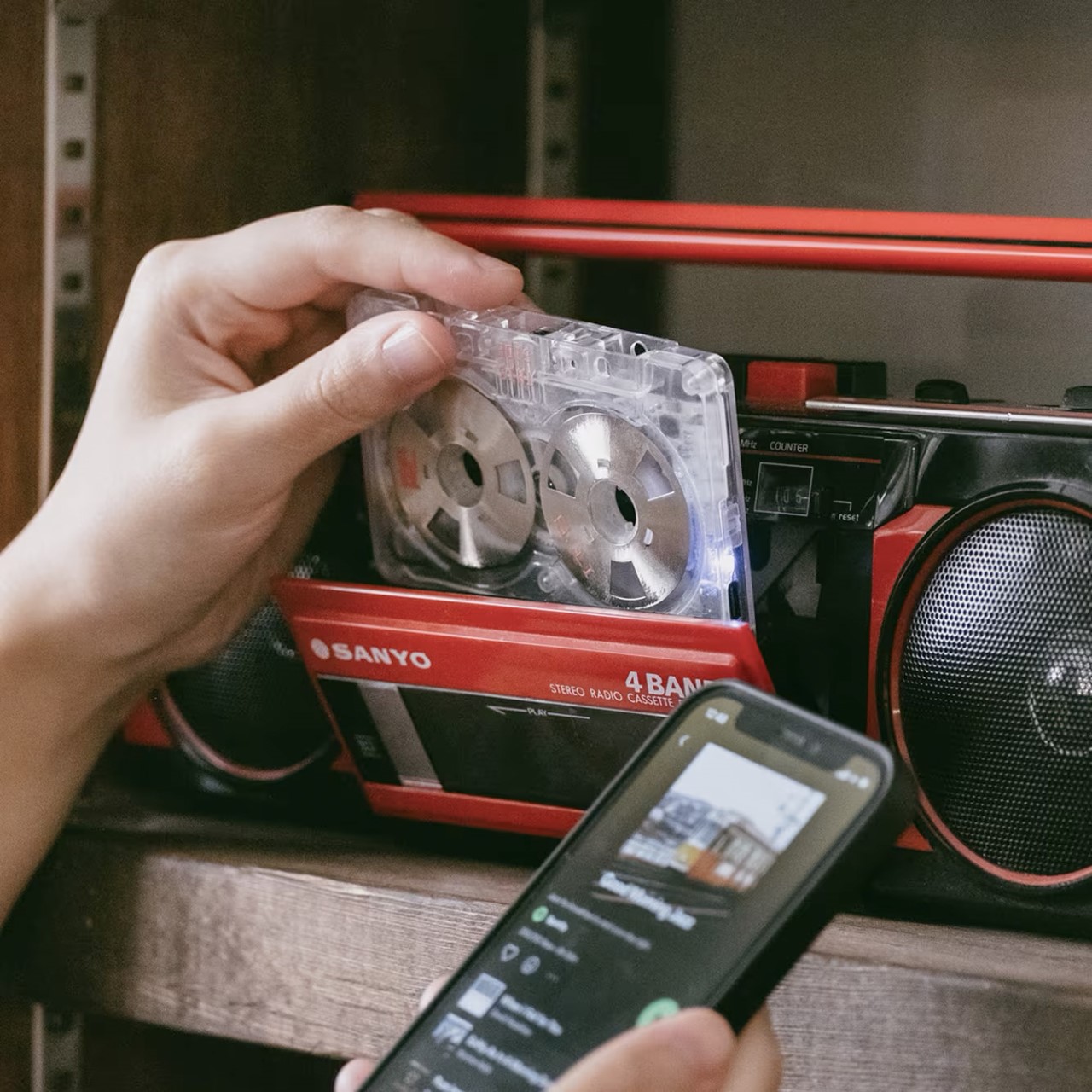
You see, each IT ‘S REAL player comes with its own “Bluetooth Cassette” that lets you connect your phone to the IT’S Real device. Put the Bluetooth cassette in and the appliance lets you effectively play Spotify, YouTube, Apple Music, or any streaming app on your cassette player. The Bluetooth cassette works with other devices too, allowing you to turn your dad’s boombox, or your 30-year-old car’s tape-deck into a Bluetooth-enabled device that supports your phone.
Let’s break down the player by talking about its form, function, and emotion. If you were born in the early 90s or before, chances are your vision of a cassette player are a lot different from what the IT’S REAL looks like. Most cassette players had a template design – either they looked like a boombox, with the cassette in the middle and speakers on the side, or they looked like a Walkman, with a compact form factor and an Aux input for headphones. The IT’S REAL looks nothing like either of those.
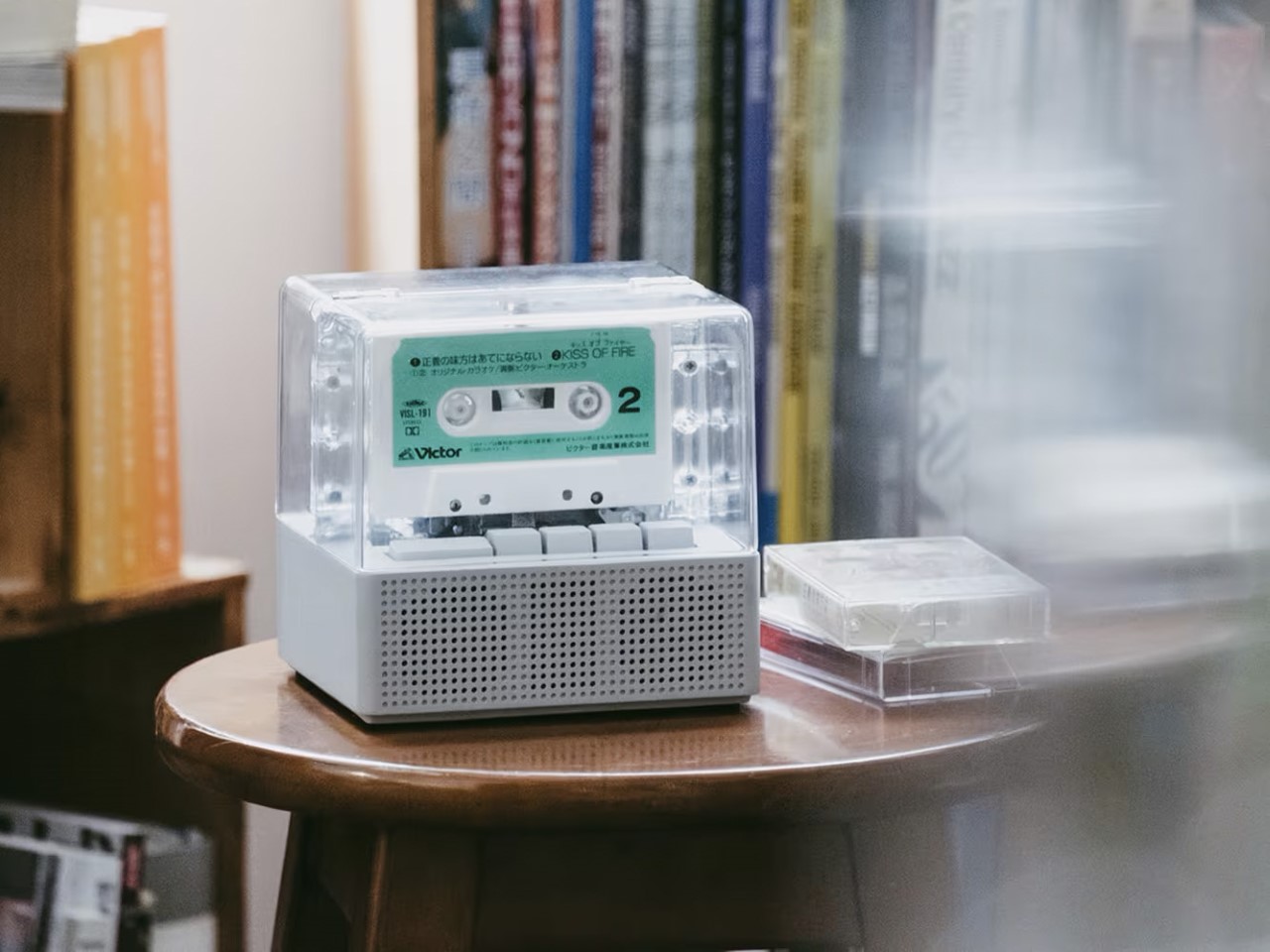
It encases the cassette in a transparent outer housing, preserving and showcasing it as if it’s some sort of precious relic. This treatment is reserved for precious items, so to see a cassette player do this enhances the cultural and iconic value of the humble cassette. The transparent casing still retains its function, allowing the cassette to play while it’s inside, while front-firing speakers help you listen to the audio.
Put any cassette in and the IT’S REAL plays your old tapes, whether they’re albums or personally made mixtapes that were a standard fixture of music-sharing culture in the 80-90s before discs became a thing. Buttons underneath the transparent hood let you play, pause, rewind, fast-forward, or eject the cassette, following the traditional functionality of cassette players from before… but what really sets the IT’S REAL player apart, is that it comes with a “Bluetooth Cassette”.
While the IT’S REAL device is a purely traditional cassette player, the Bluetooth Cassette that comes along with it turns it into a Bluetooth speaker. Put the cassette in, start the player, and the cassette turns into a Bluetooth transmitting device, allowing you to pair a smartphone. Once paired, the cassette allows you to play music from your phone on the IT’S REAL’s built-in speakers.
Bluetooth 5.0 means the cassette pairs with your phone seamlessly, and here’s the kicker – it can be used with other cassette players too – not necessarily just the IT’S REAL. Pop the Bluetooth cassette into your dad’s boombox, your hipster uncle’s Walkman, or even your grandfather’s car that still has a functional cassette deck built into the car’s dashboard.
A lot of the IT’S REAL’s joy lies in its aesthetic and its retro-revival. The transparent design is beyond gorgeous, allowing you to appreciate the workings of the cassette player quite literally like some Teenage Engineering-like device that isn’t afraid to bare its electronics instead of hiding everything under a plastic facade.
The act of playing a cassette tape may have died 20 years ago, but just like fashion is cyclical, tech trends have a way of making a comeback too – and the IT’S REAL capitalizes on this retro joy beautifully while still being a Bluetooth-enabled future-friendly device that anyone can use and love.
For makers NINM Labs, this is far from their first rodeo. They debuted back in 2018 with the IT’S OK Cassette Player – a Walkman version of this product that did over $80,000 in funding from nearly a thousand backers. Soon after, the IT’S REAL Cassette Player made its Kickstarter debut, smashing past its funding goal by over 500%. The product is now available on the NINM Lab website for $151.86 USD.
Retro designs in technology continue to be a strong trend, from retro consoles to instant cameras to record players. Most of these products try to update the classic aesthetics to modern standards, reinterpreting them without straying too far from the original. In other words, they’re mostly modern devices simply paying homage to the past.
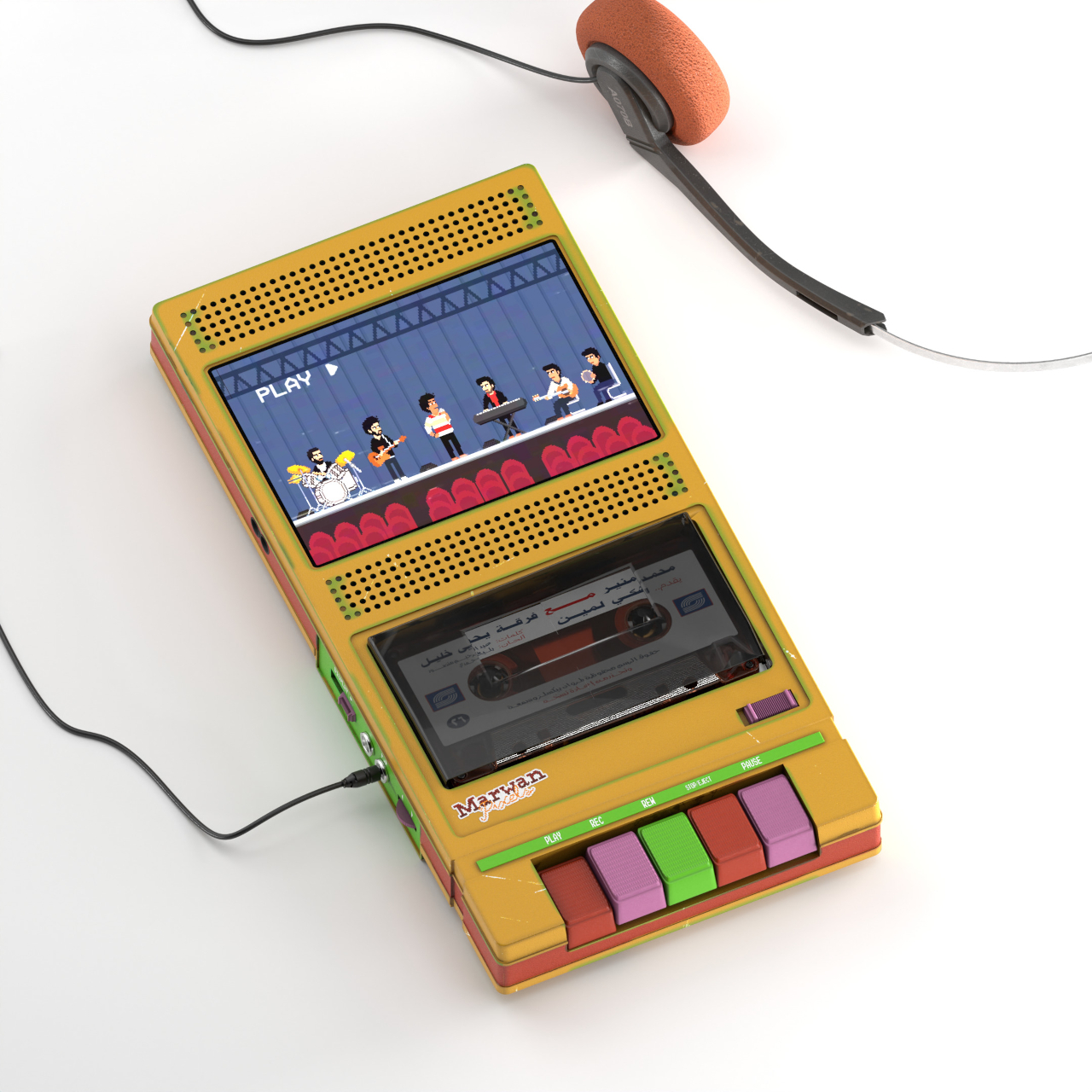
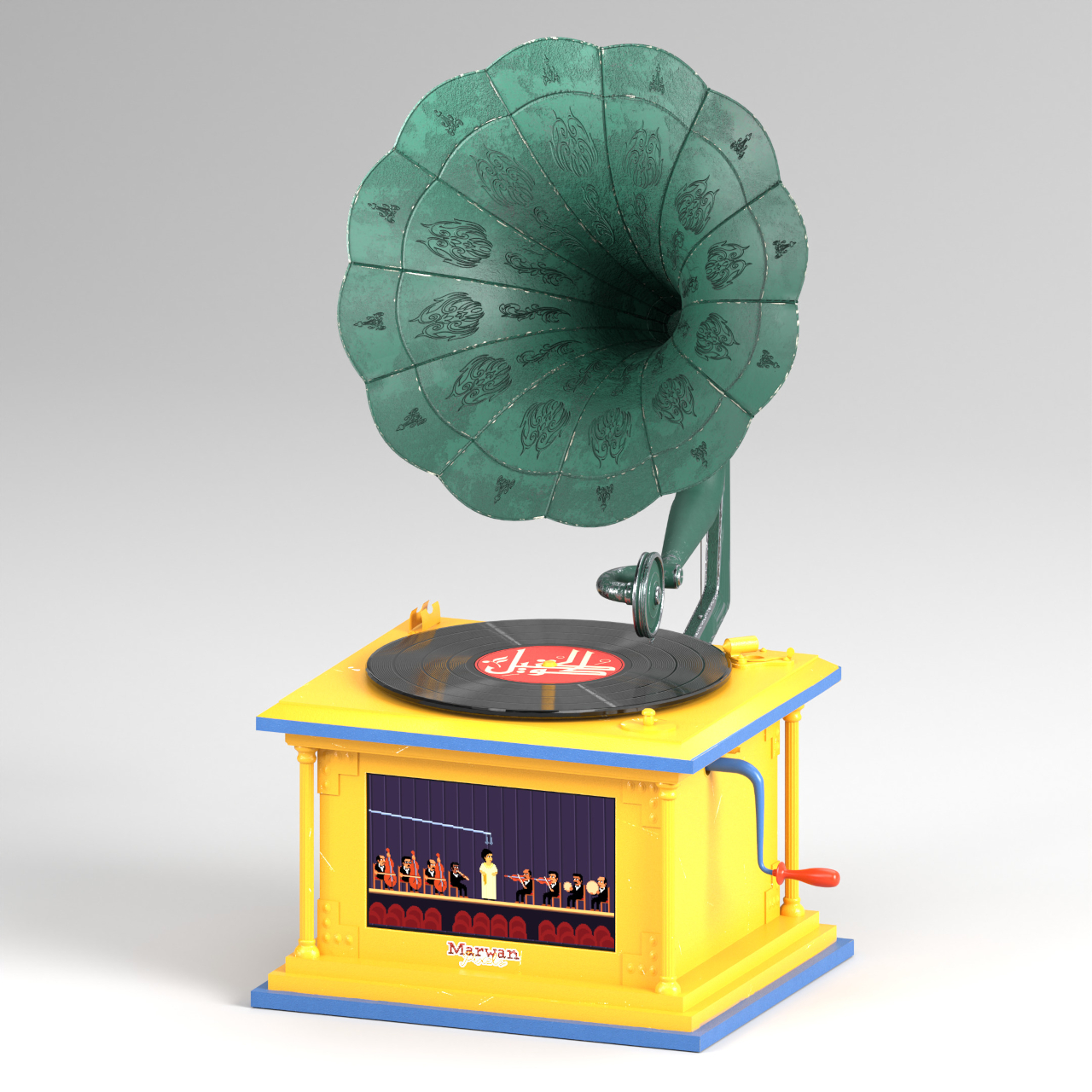
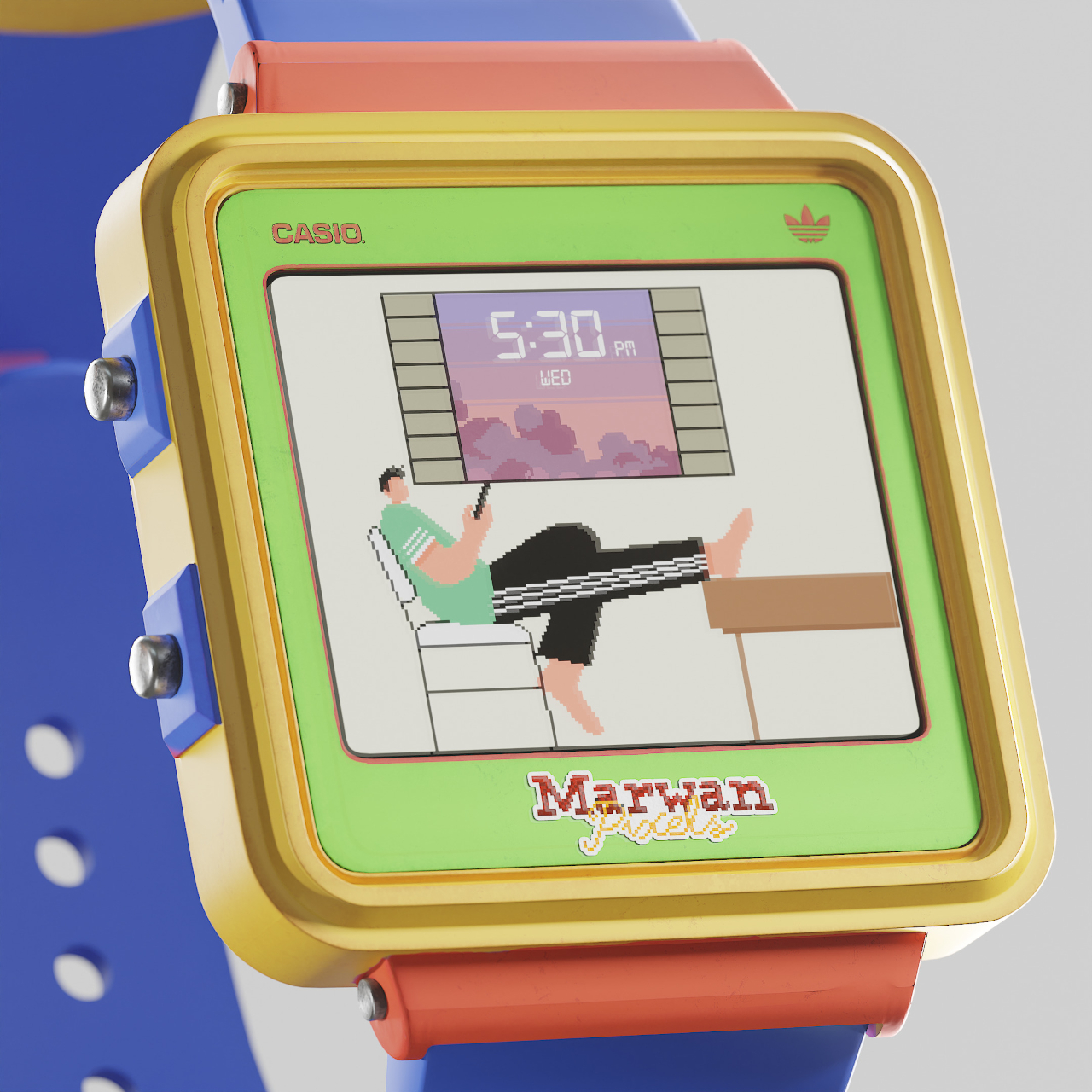
There might be times, however, the original designs still have a lot of pull, especially for eyes that have never seen them before. This series of concepts tries to imagine some of those with completely classic designs, save for the addition of 16-bit displays and a splash of 80s colors that make them funky and hip in their own unique ways.
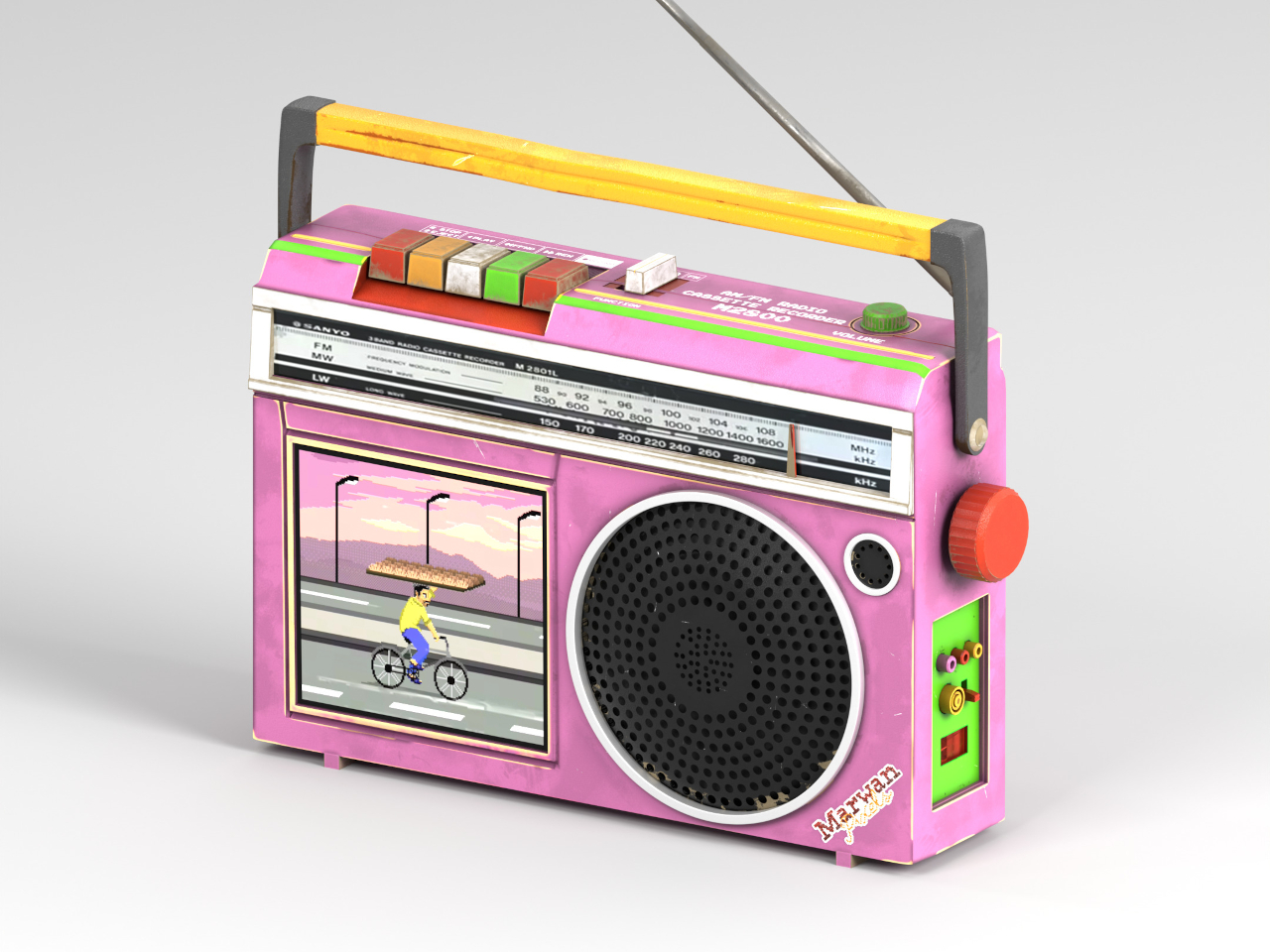
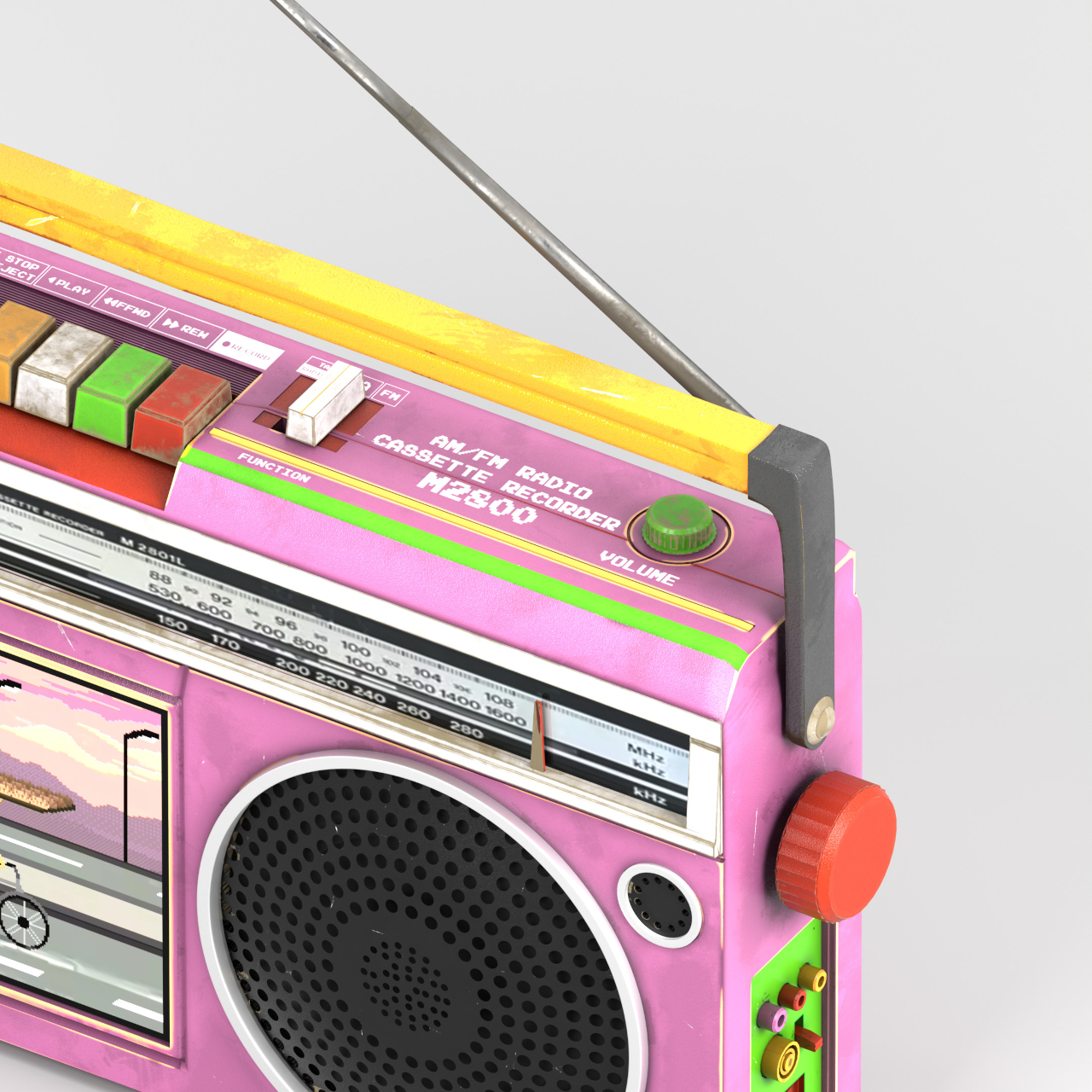
Music streaming has pretty much replaced the radio for most people, but the medium hasn’t completely died out. Radios, however, have become rarer outside of vehicles, and most designs these days tend to make the device almost invisible. This concept, in contrast, is as loud as it can be, both in sound and in appearance with its pink body and clashing color combinations.
What sets it apart, however, is the square display beside the circular front speaker. It’s not a modern touch screen for controlling the radio, but more of a useless but fun embellishment to the experience. It displays a 16-bit video that looks at home in games of that era, rendering an accompanying visual to the audio, whether it makes sense or not.
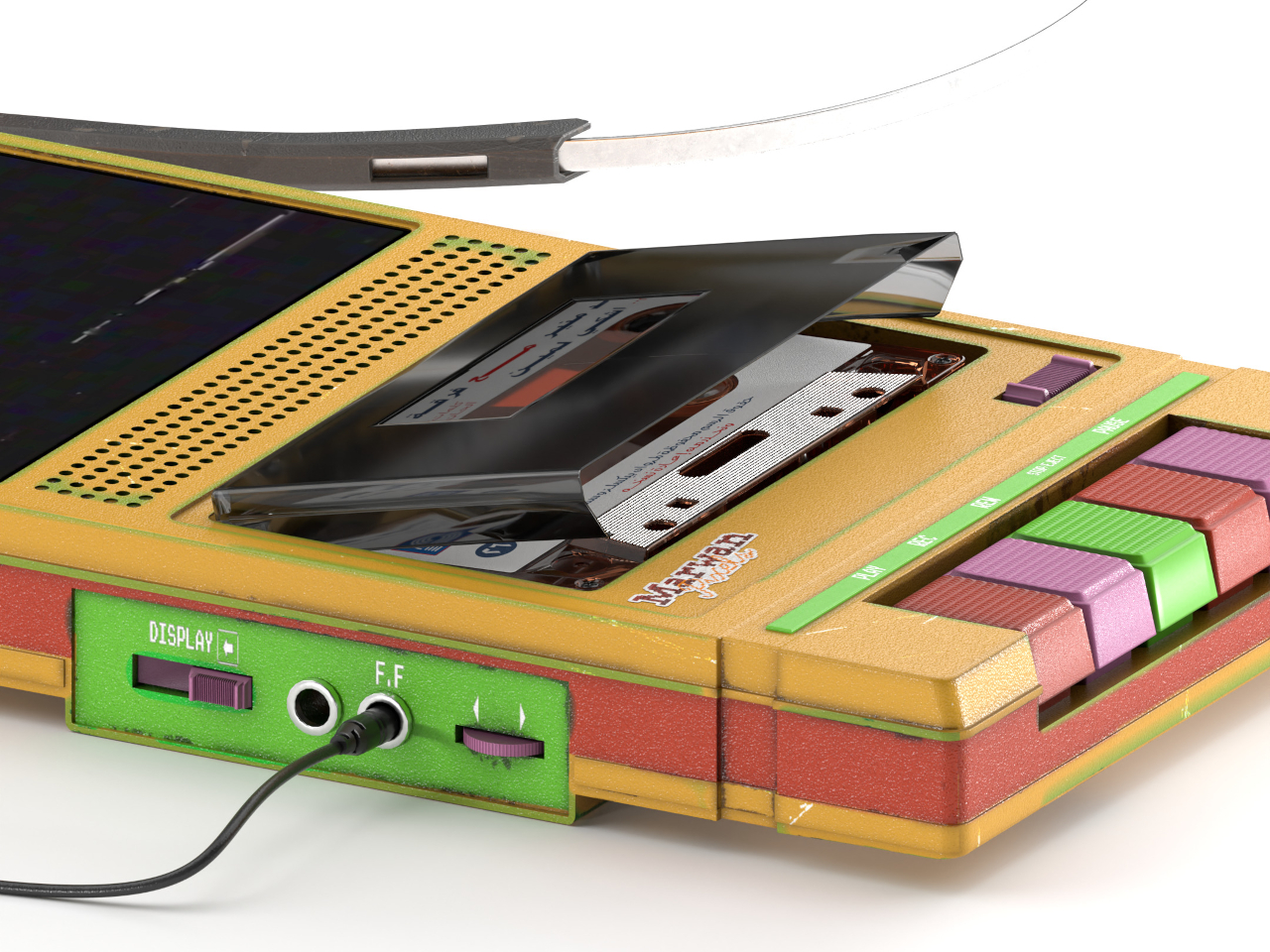
Very few people these days listen to cassette tapes. Unlike vinyl records, there’s almost no special audio quality to these small rectangular containers for brown tape that all too often gets tangled up. That said, some people still have a collection of these tapes, and this cassette player concept adds a unique twist to the device without twisting those tapes.
The color scheme for the device this time is a faded yellow, complete with green streaks of corrosion. But just like the radio above, the flat tape player integrates a screen that can play 16-bit videos. Although it doesn’t serve any practical function, it adds a bit of fun flavor to the music being played, making you want to look at the device even when it’s lying on the table.
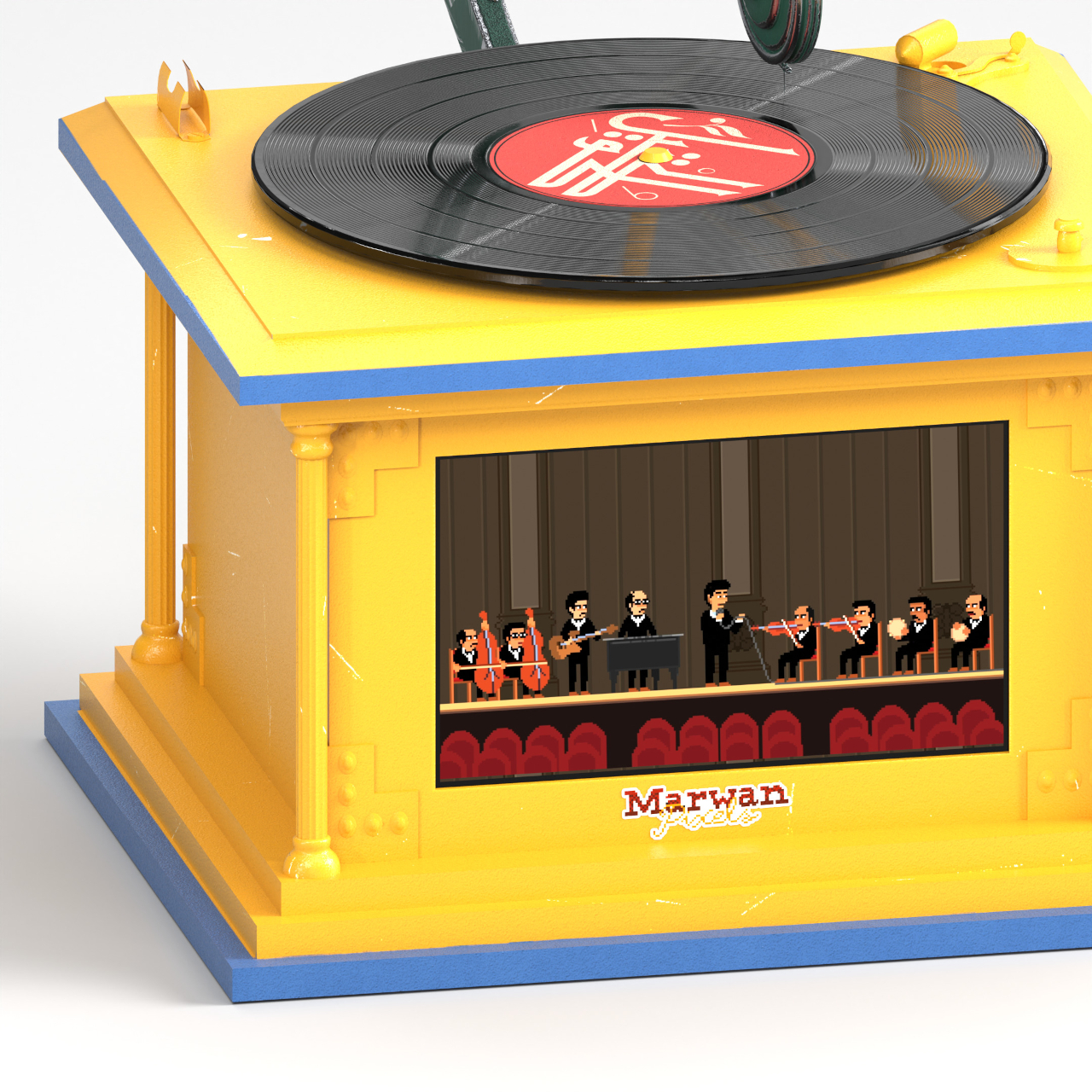
The record player in this Timeless Treasure collection steps farther back in time, adopting the form of a 40s gramophone. Its green, flower-shaped sound horn looks like copper that has aged over time, while the boxy platform has a mix of industrial and Art Deco details. Only the dominantly yellow color motif looks out of place and out of time, giving it an odd anachronistic flavor.
The large 16-bit display is again the center of attraction here, playing a pixelated video of an opera or orchestra performance. It could be related to the track being played, though it’s more likely a very generic clip for any and all kinds of records. It would probably be nice if each video was customized for different kinds of music, perhaps using some AI magic to make it happen.
Old-school audio devices aren’t the only ones getting this 80s retro facelift, though a watch is hardly that old to qualify. More like an old-fashioned kids’ digital watch, this particular concept adds a lo-fi feel to this somewhat modern wearable, particularly when an alarm plays. Like the rest of the collection, it’s a fun touch that doesn’t add any functional advantage but gives the designs a new flavor.
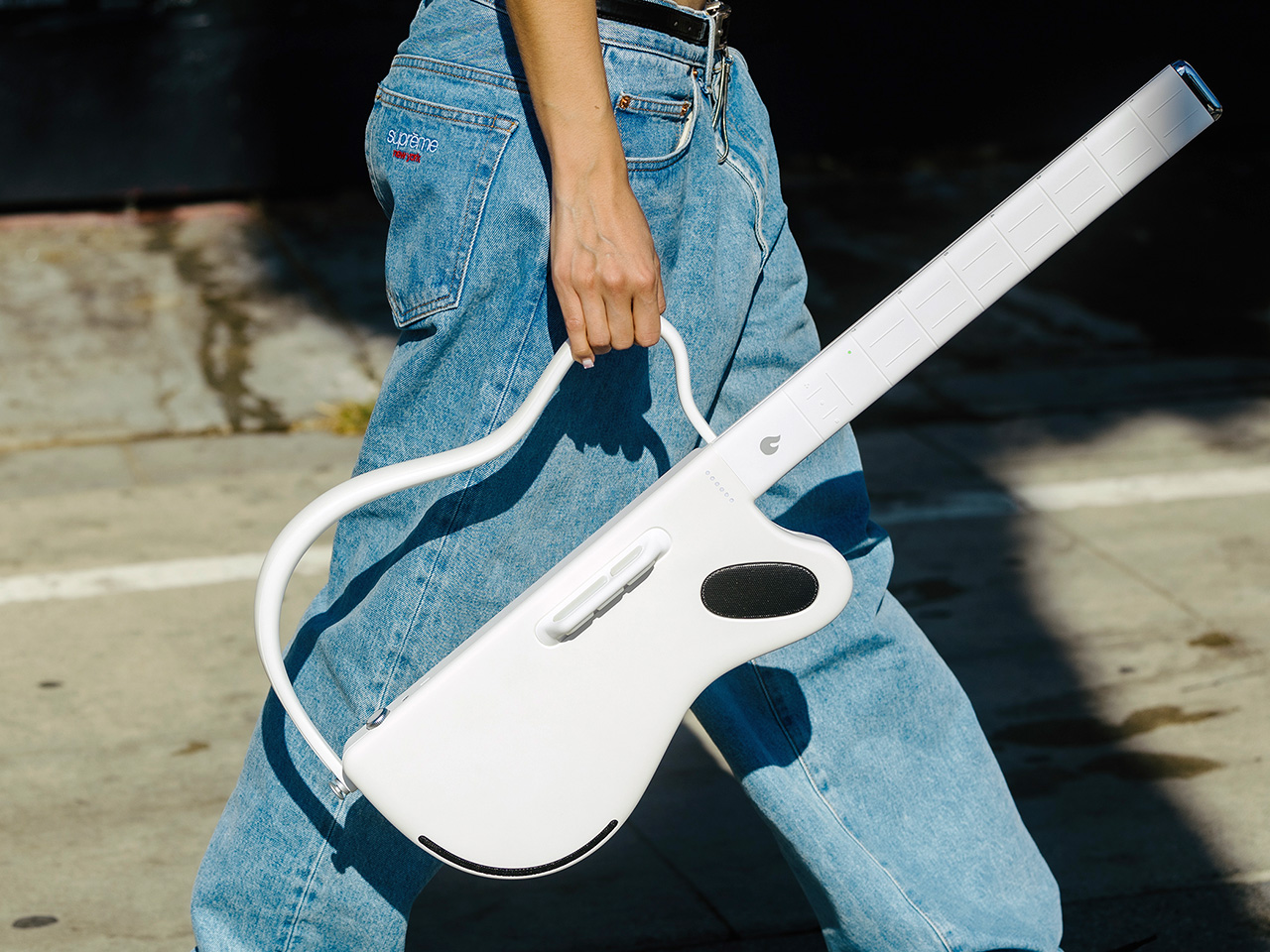
Ever dream of strumming on stage like Taylor Swift or effortlessly playing like John Legend? But music theory, chord structures, and difficult-to-master instruments make things tough? That’s where the LAVA GENIE comes in – a new-age guitar that ditches strings for touch-sensitive pads, powered by an AI that makes learning, playing, and sampling music easier.
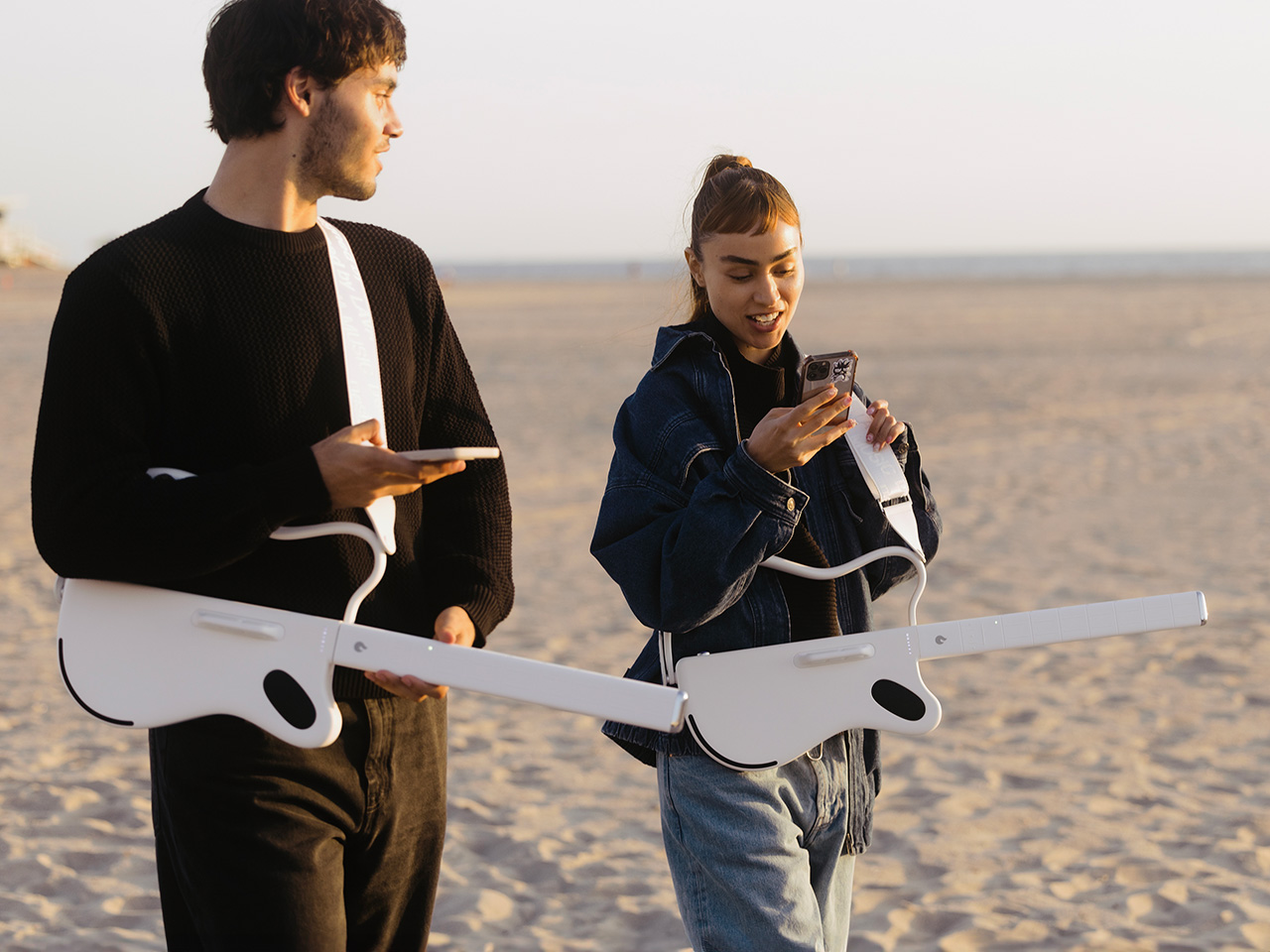
Designed to be used by total beginners as well as seasoned musicians, the LAVA GENIE is an all-in-one instrument that removes the hurdles of traditional instruments, putting a world of sound in your hands, ready to play anytime inspiration strikes. Whether you’re jamming with friends or performing solo, this portable, powerful device invites everyone to explore and share their musical voice, connecting people through the joy of music—anytime, anywhere.
Let’s address the elephant in the room: the GENIE has no strings. The GENIE’s stringless design makes it accessible for everyone, including those with hand disabilities. By removing strings, it redefines guitar playing, enabling users to produce sound with simple taps and presses. This opens new doors for beginners and those who have found stringed instruments challenging, making musical expression approachable and inclusive.
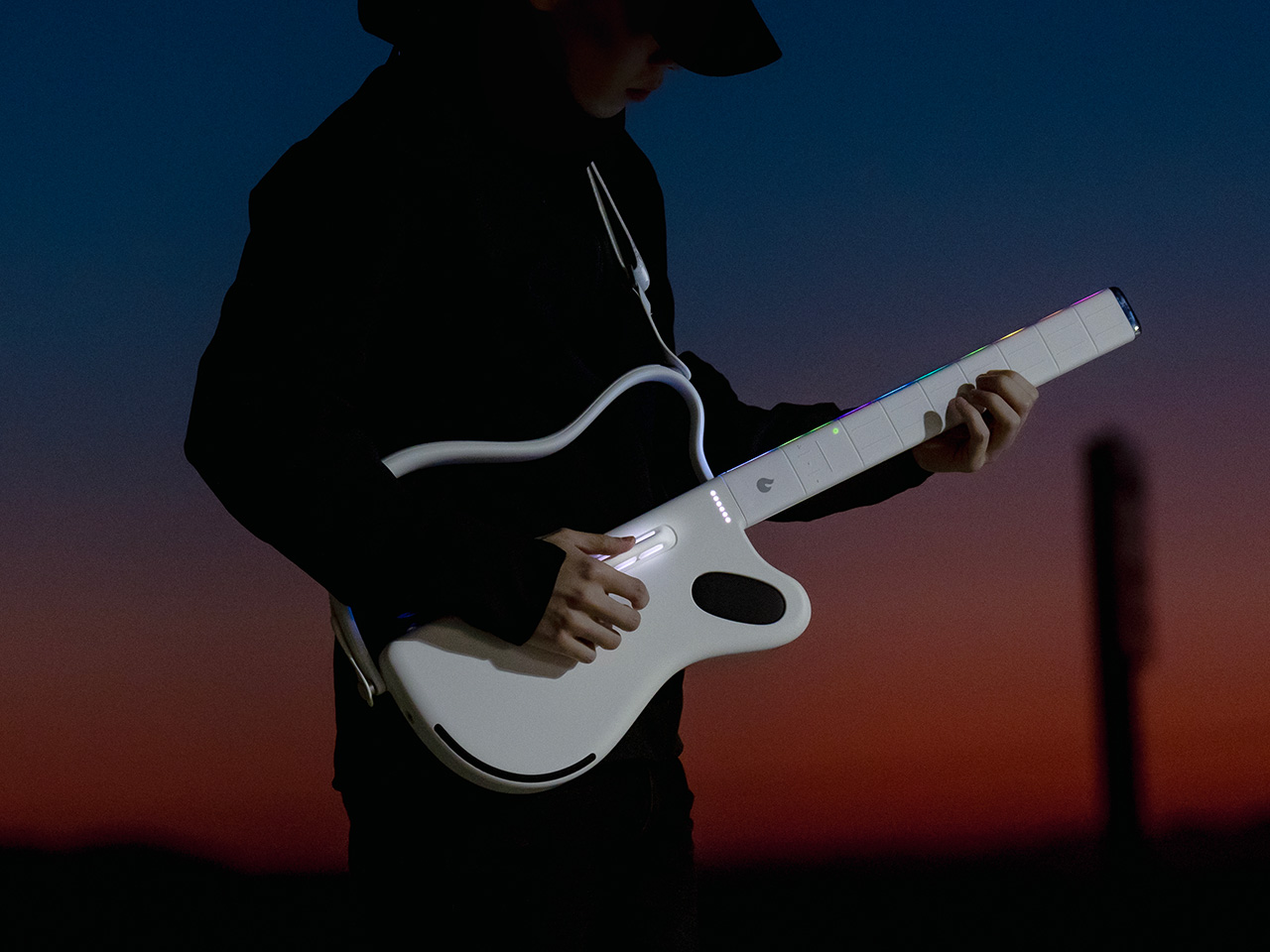
Incorporating touch-sensitive, pressure-responsive TapPads, the GENIE provides an intuitive playing experience. Each TapPad can be customized, allowing players to control chords, tempo, or add beats effortlessly. Just touch, tap, and your musical performance takes off—no strings, no complications.
LAVA+ App: Your All-in-One Coach and Music Partner
The LAVA+ app offers an extensive song library with thousands of popular tracks—and it’s constantly growing. Whether you want to learn, play along, or simply explore new music, LAVA+ has you covered. The library makes it easy for users of all levels to dive into music without limits, with fresh content always just a tap away.
With LAVA’s integrated AI, transcribing your own songs is effortless. Simply upload any audio file, and the app instantly converts it into chord charts, syncing perfectly with the GENIE. It’s like having a personal music assistant, ready to help you bring your ideas to life and elevate your skills with every session.
A Guitar With 500 Preloaded Synths + Sound Bank
Breaking away from the traditional string and fretboard structure allows the LAVA GENIE to be much more than a simple guitar. Essentially, the LAVA GENIE is a sampler instrument that uses touch-sensitive pads known as TapPads to help you trigger notes, chords, progressions, samples, and perform pitch/scale and tempo control. More than what any regular guitar can dream of
Equipped with over 500 preloaded sounds in its synth and sample bank, the GENIE goes beyond offering what an effect pedal does for an electric guitarist – think of any instrument and you can possibly play it on the GENIE, including nylon guitar, piano, electric guitar, and even drums. It’s like having a mini sound studio built into a guitar, making it versatile enough for jamming, composing, or performing in any style you like. LAVA also releases updates regularly, so new sounds are always arriving to keep your music fresh and evolving.
Craft your unique instrument with Creative Mode
For music creators, you may want to play something different LAVA GENIE has two playing modes: Auto Mode for beginners, which guides you into music with automatic harmonies and rhythm adjustments, and Creative Mode, which lets you personalize patterns, tempo, and more.
This interface goes far beyond strings—LAVA has crafted it with five custom TapPads. These pads are customizable zones that can be set up to perform chords, control tempo, or even add a drum beat. Whether you’re strumming, picking, or layering effects, the TapPads make it easy to dive into music without any barriers. The sounds can be accessed through the TapPads, but pair the guitar with the LAVA+ app and you get access to rich features like interactive Chord Charts, BPM settings, and speed adjustments to help you access your fullest music potential.
An Unforgettable Hollow Design with a Built-In Speaker
If you’ve seen most electric guitar setups, they’re almost always wired to a large amp that produces sound. The GENIE, however, sidesteps that entire conundrum by building a powerful speaker right into its gorgeously futuristic design. The top of the guitar remains hollow, making the instrument both look as well as feel lightweight. The bottom half of the body, however, packs dual drivers, delivering a 12-watt treble output with bass enhancement, giving you serious sound without needing an external speaker.
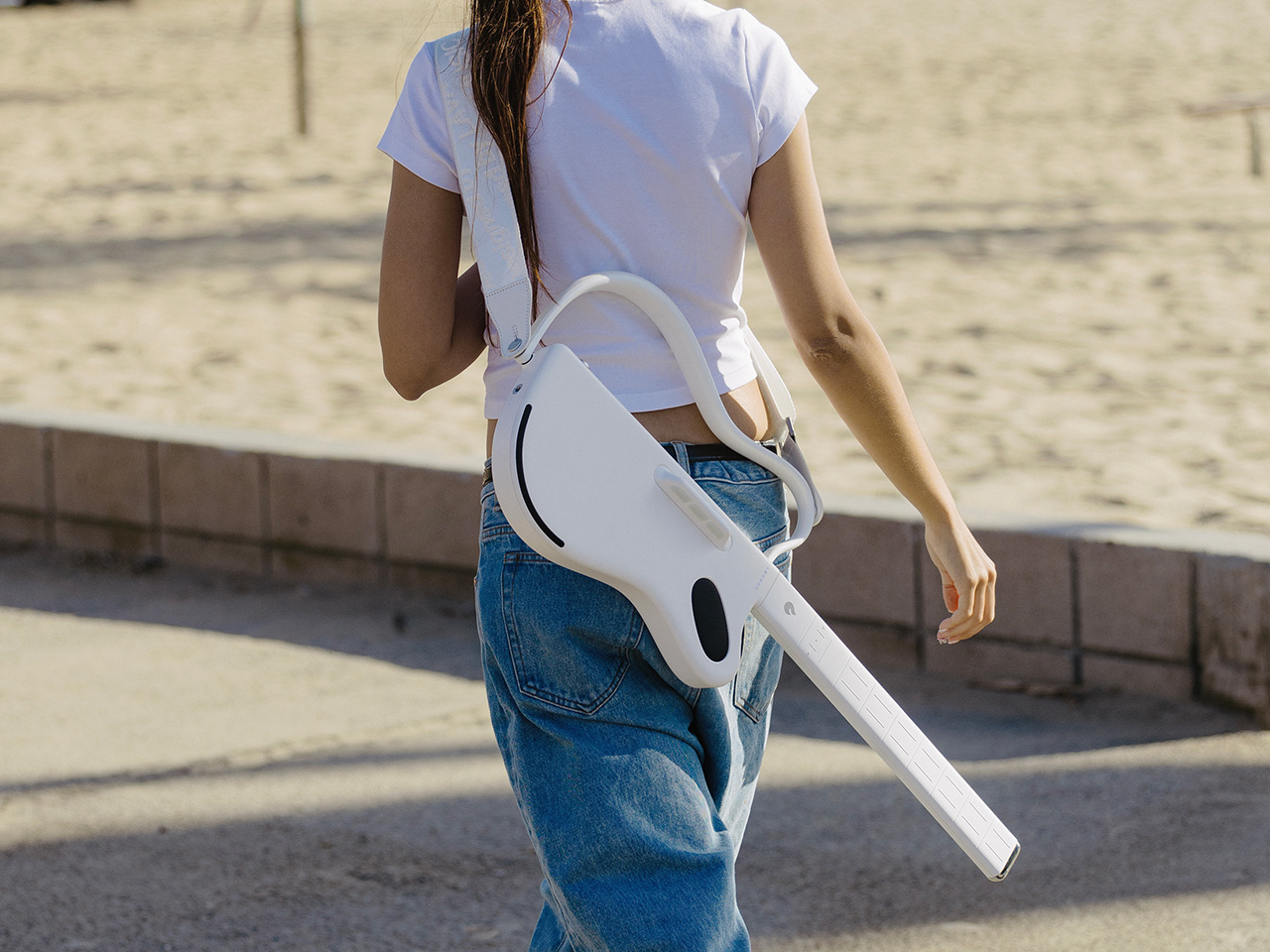
The LAVA GENIE delivers crisp, studio-grade sound without amps, headphones, loop pedals, or soundboards. Just switch the GENIE on and you’re ready to begin jamming. Plus, at 35% thinner than most other instruments, the GENIE is built for travel. The hollow upper segment folds down and the fretboard detaches too (thanks to the lack of strings), making the GENIE slim while traveling, so you can play whenever inspiration strikes.
Instant Jamming and Performing – Anytime, Anywhere
LAVA’s foldable design and travel-ready features are ideal for anyone who needs portability without compromising on sound quality. Its slim profile and compact size make it perfect for on-the-go sessions, whether you’re traveling or just want something easy to carry to a jam session. The GENIE doesn’t need a big setup, making it a go-to choice for musicians who value flexibility and easy access to creativity.
And that’s really what’s so impressive about the GENIE. It’s easy to think of it as a guitar (I know I refer to it as one multiple times), but the GENIE’s shape is probably the only ‘guitar-like’ thing about it. On the contrary, the device is your ticket to being a one-man show, letting you do everything an electronic musician or deejay does – but instead of looking somewhat unimpactful behind a laptop, you get to look like a bona fide rockstar, shredding away on a touchpad that brings the entire world of music to your literal fingertips.
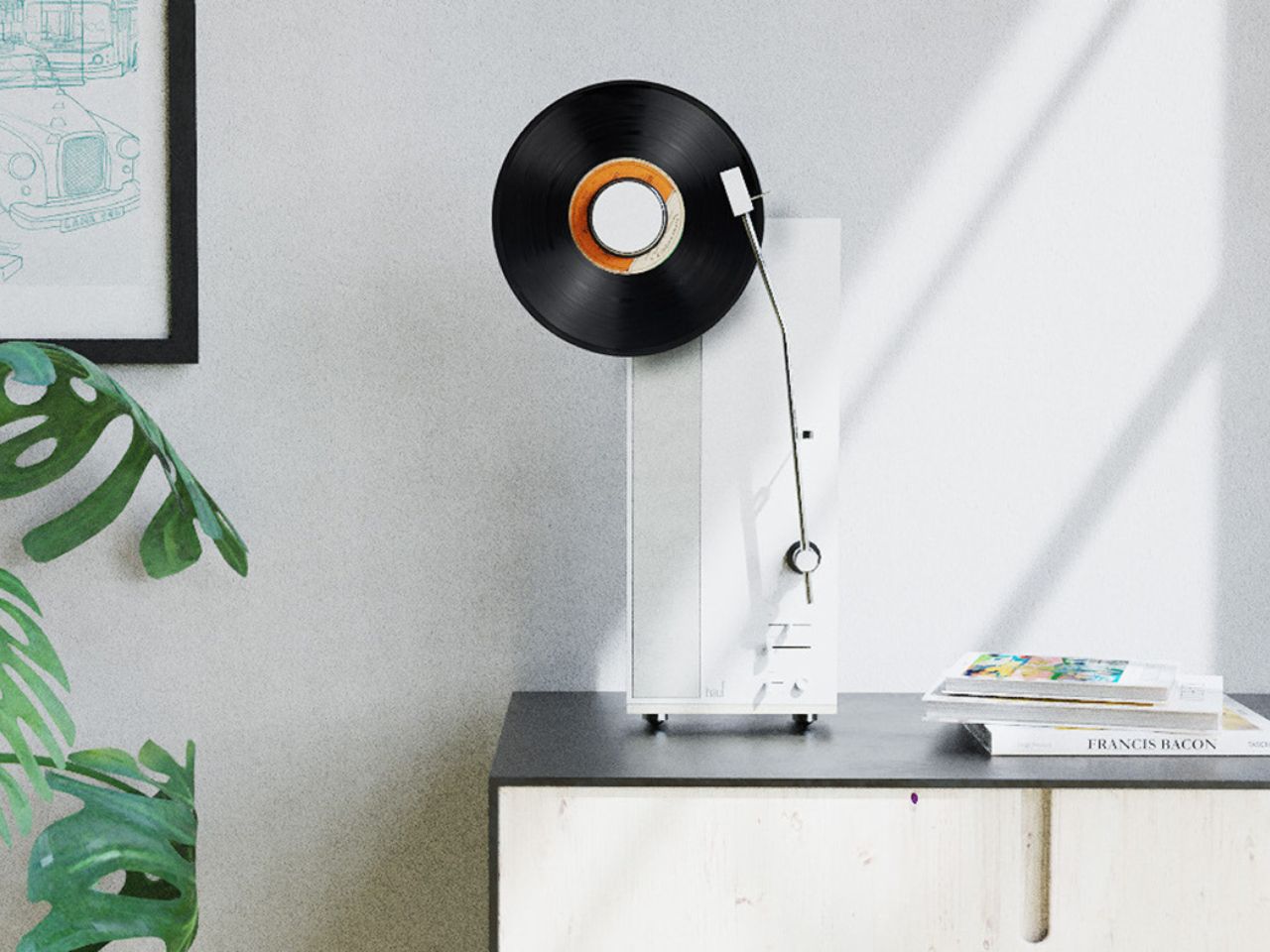
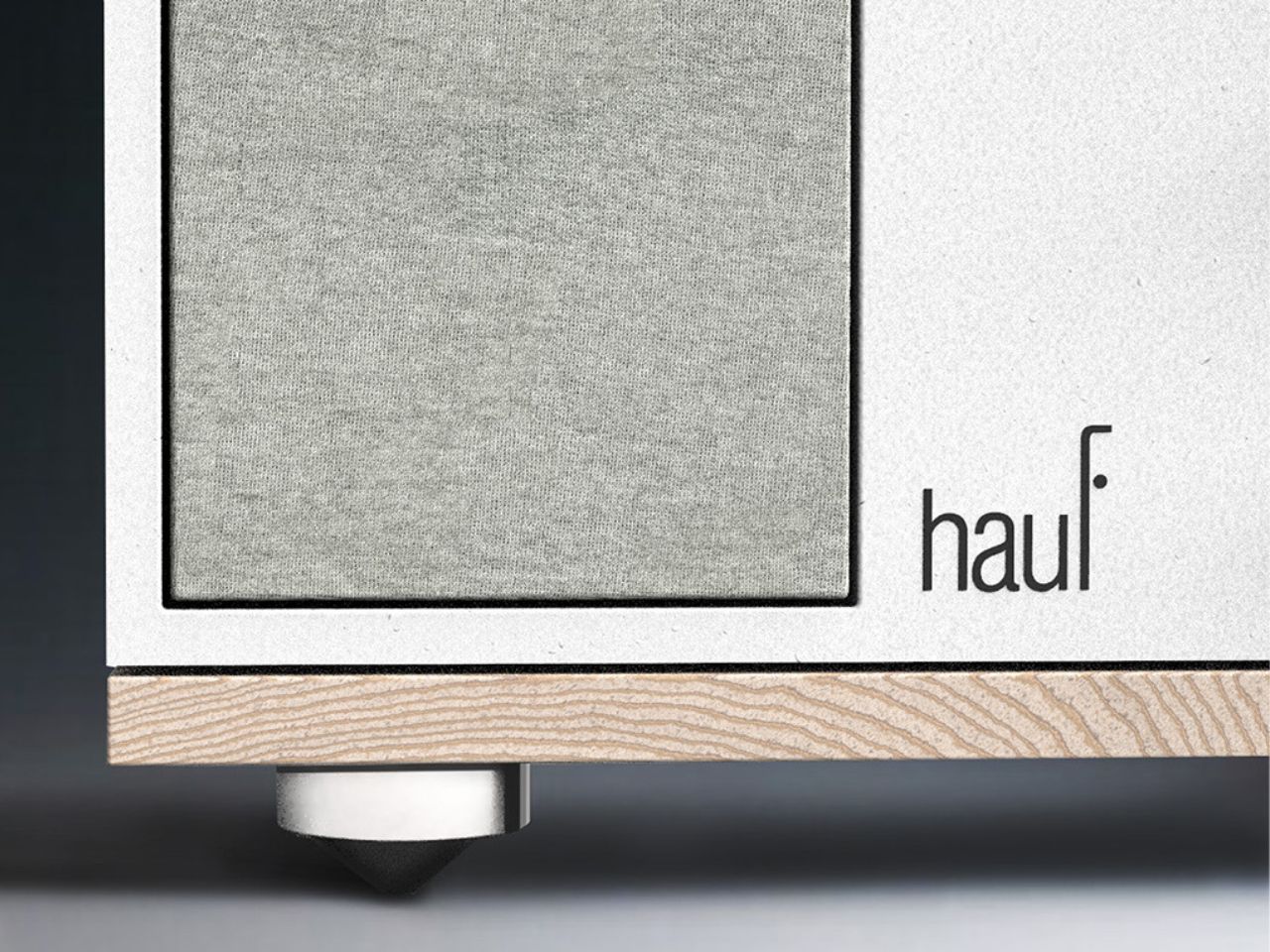
The vinyl record player, once an iconic symbol of music’s golden age, has evolved into a nostalgic artifact. Yet, in a world where retro trends keep resurfacing, bringing back the record player in an exciting new way would be a perfect blend of past and present. Enter the Hauf Vertical Record Player, a modern twist on this timeless piece of technology that reimagines how we experience both music and design.
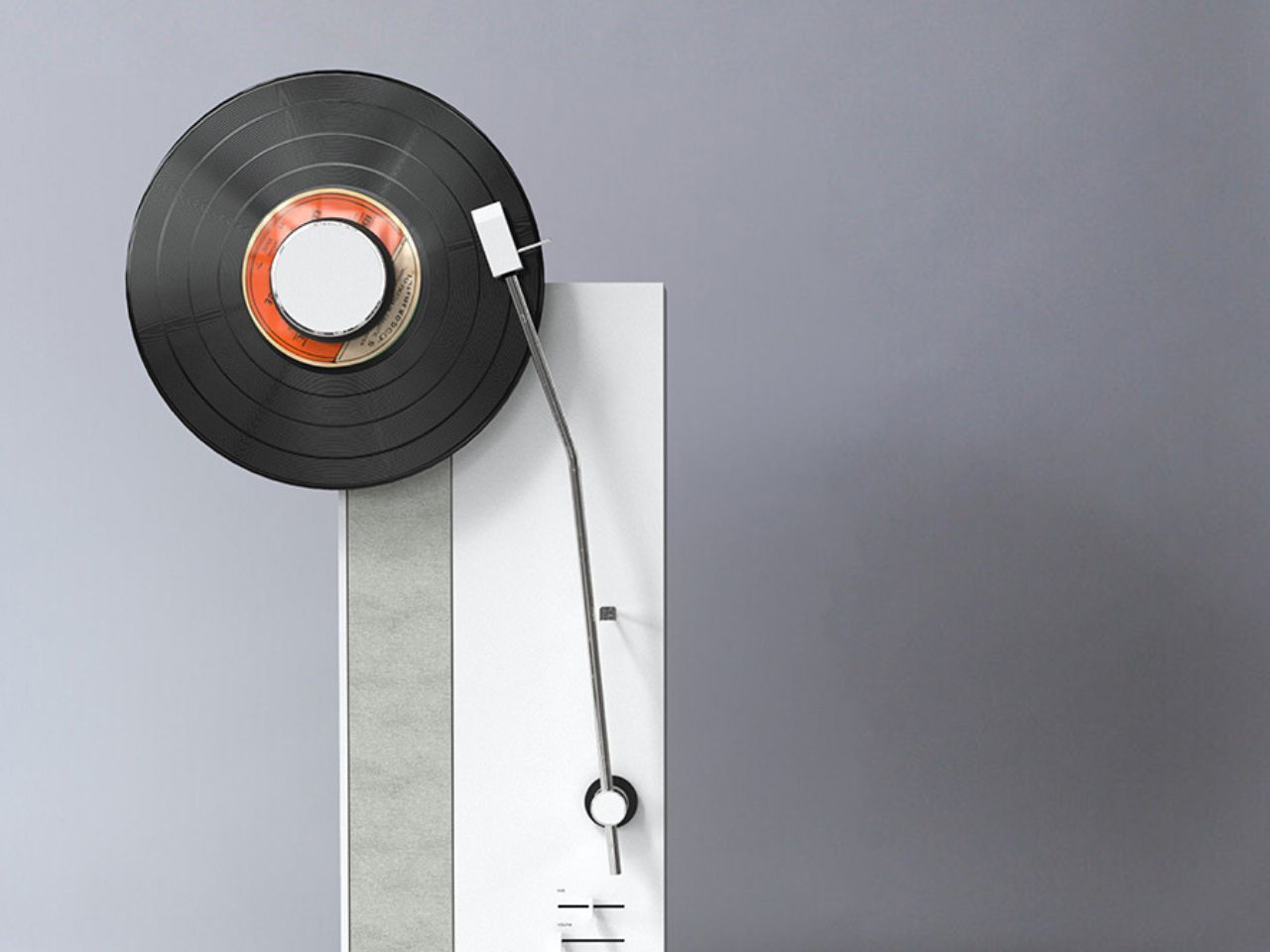
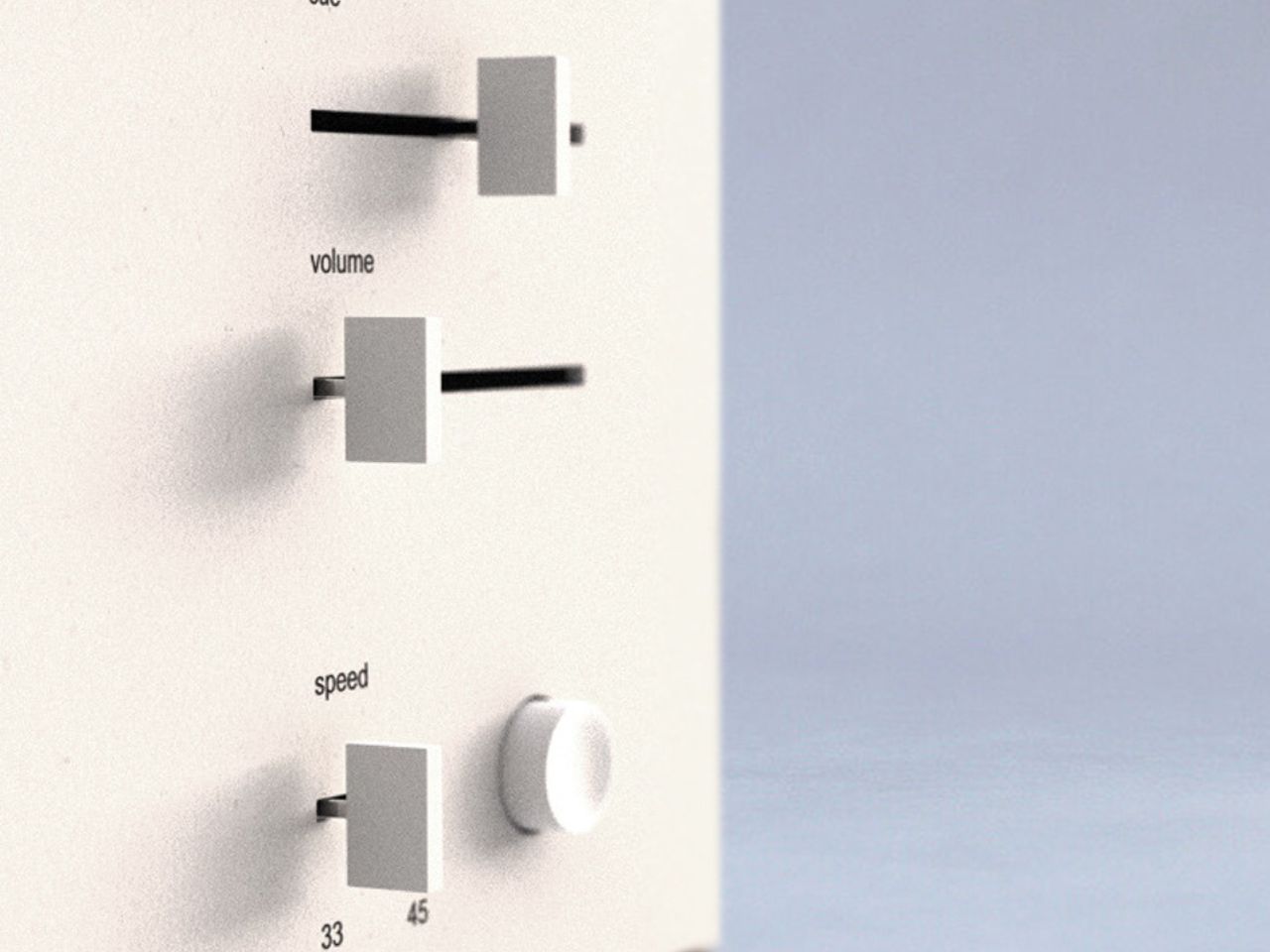
At first glance, the Hauf Vertical Record Player captures attention with its unique vertical orientation. Gone are the days of flat, table-top turntables. Hauf redefines the way we interact with vinyl records by turning this traditional medium into a visual experience. Watching the record spin vertically becomes an engaging spectacle, adding a new dynamic to how we connect with our music. For any audiophile or design enthusiast, it’s a captivating way to merge sound and sight, transforming the act of listening into something both audible and aesthetic.
The design of the Hauf Vertical Record Player is a celebration of vintage charm married with modern minimalism. Its sleek, space-saving form doesn’t just sit in the corner of the room unnoticed. Rather, it becomes a focal point, a piece of functional art. By elevating the record player vertically, Hauf not only maximizes space but also enhances the appeal of vinyl collections, putting them on display like gallery pieces.
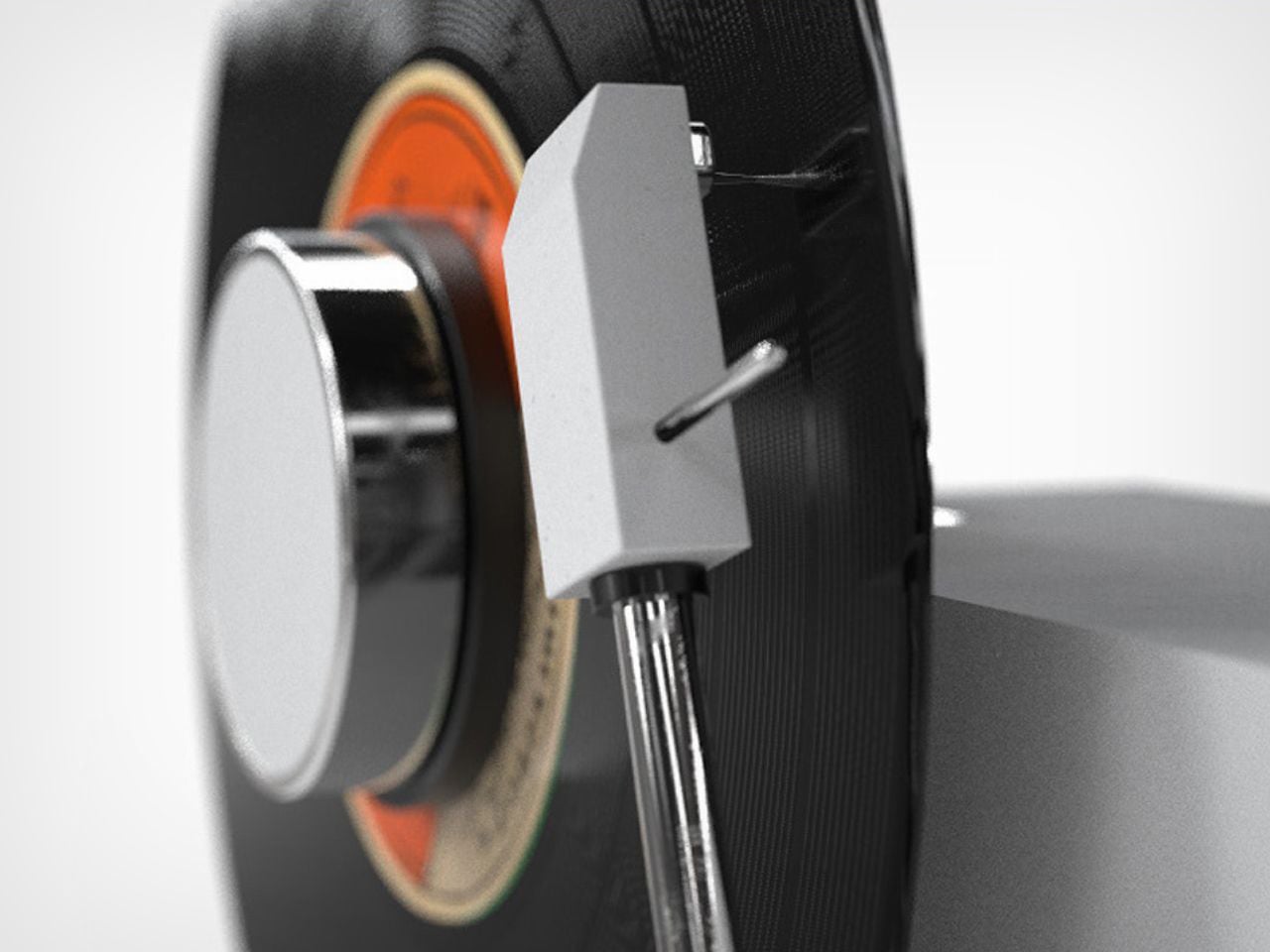
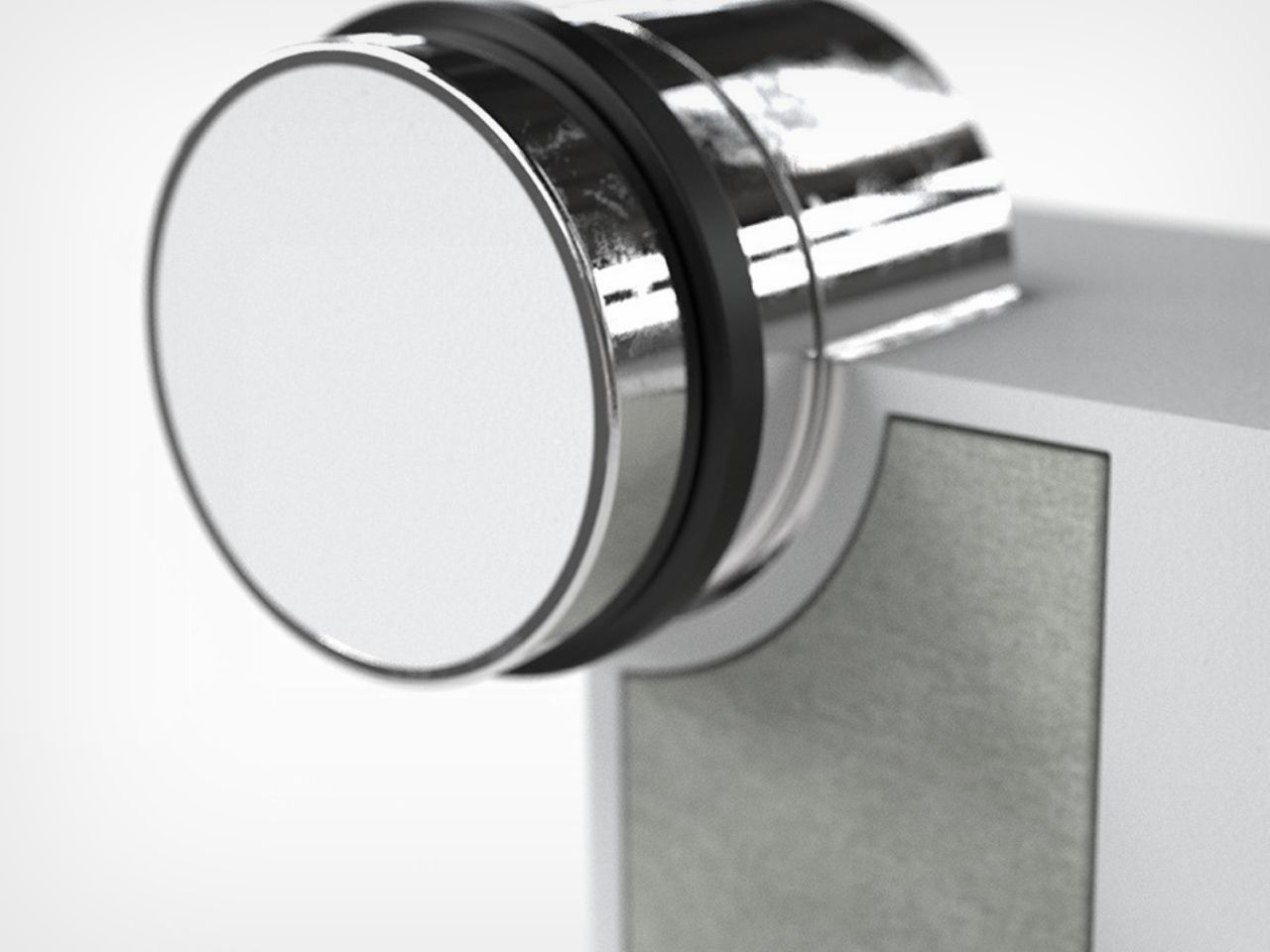
A key element of the player’s design is the clever use of materials that blend strength with elegance. The juxtaposition of industrial steel arms and smooth, white textured plastic creates a striking contrast. The steel arms provide an edgy, robust quality that speaks to durability, while the soft, white textured plastic adds a contemporary, clean look. Together, these materials form a balanced composition that complements modern interiors without sacrificing the vintage charm of vinyl culture.
Hauf’s Vertical Record Player reimagines what a record player can be, offering not only a nod to the past but also a futuristic approach to home audio systems. It embodies a fusion of function and form, a perfect centerpiece for music lovers and design aficionados alike. As vinyl continues to make its resurgence in today’s digital age, the Hauf Vertical Record Player stands as a bold reminder that some things never go out of style, they just evolve.