Nintendo has launched its own music streaming service that caters to fans of its games, including Mario and Animal Crossing. Fans will be able to listen to their favorite game tracks on their phones through the new Nintendo Music app, which has a user interface that pretty much looks like Spotify. The tracks are organized by game, so people can play the whole OST for specific titles if they want, but they can also listen to character playlists like a selection of songs performed by Animal Crossing's K.K. Slider.
If they're in the mood for certain songs, they can hit up one of the pre-made themed playlists, which put together tracks for themes like "boss battle" and "victory." The app offers mood playlists, as well, that groups tracks with similar vibes, such as soft, relaxing songs for bedtime listening. One feature that's probably unique to the service is spoiler prevention. If the listener adds a certain game to the setting, the app will hide the soundtracks that could give away a surprise ending or an unexpected final boss, among other potential spoilers. They can also extend a single track and keep it playing on repeat for up to an hour if that's all they want to listen to.
Fans can access the new Nintendo Music service with a Switch Online membership, though they can start listening to game tracks even if they're still on free trial. Every member on a Switch Online Family membership can also access it, so they don't need to pay for an individual subscription.
Nintendo Music, a new smart-device app exclusively for #NintendoSwitchOnline members, lets you stream or download music from Nintendo’s library of soundtracks!
This article originally appeared on Engadget at https://www.engadget.com/entertainment/streaming/nintendo-music-is-a-streaming-service-for-switch-online-subscribers-130035796.html?src=rss
Weak sales forecasts and the relentless innovation by Adidas have forced Nike on the back foot. They’ve banked too much on the success of the Air Force 1, while the low-rise multi-colored Samba and Gazelle sneakers by Adidas are the current rage. Does that signal a bleak future for Nike footwear? We hope not and expect Nike to bounce back with a successful pair similar to the Air Jordan.
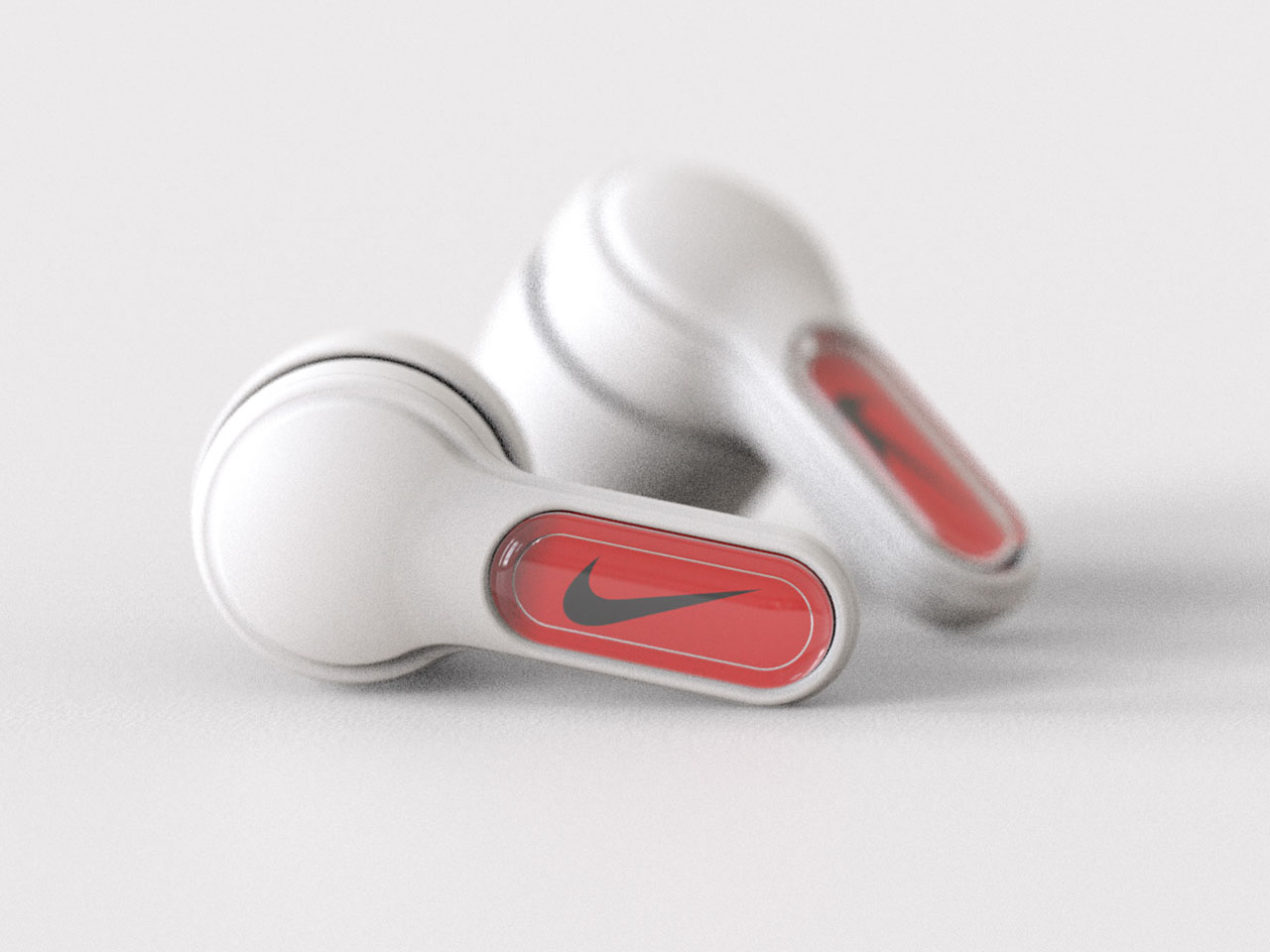
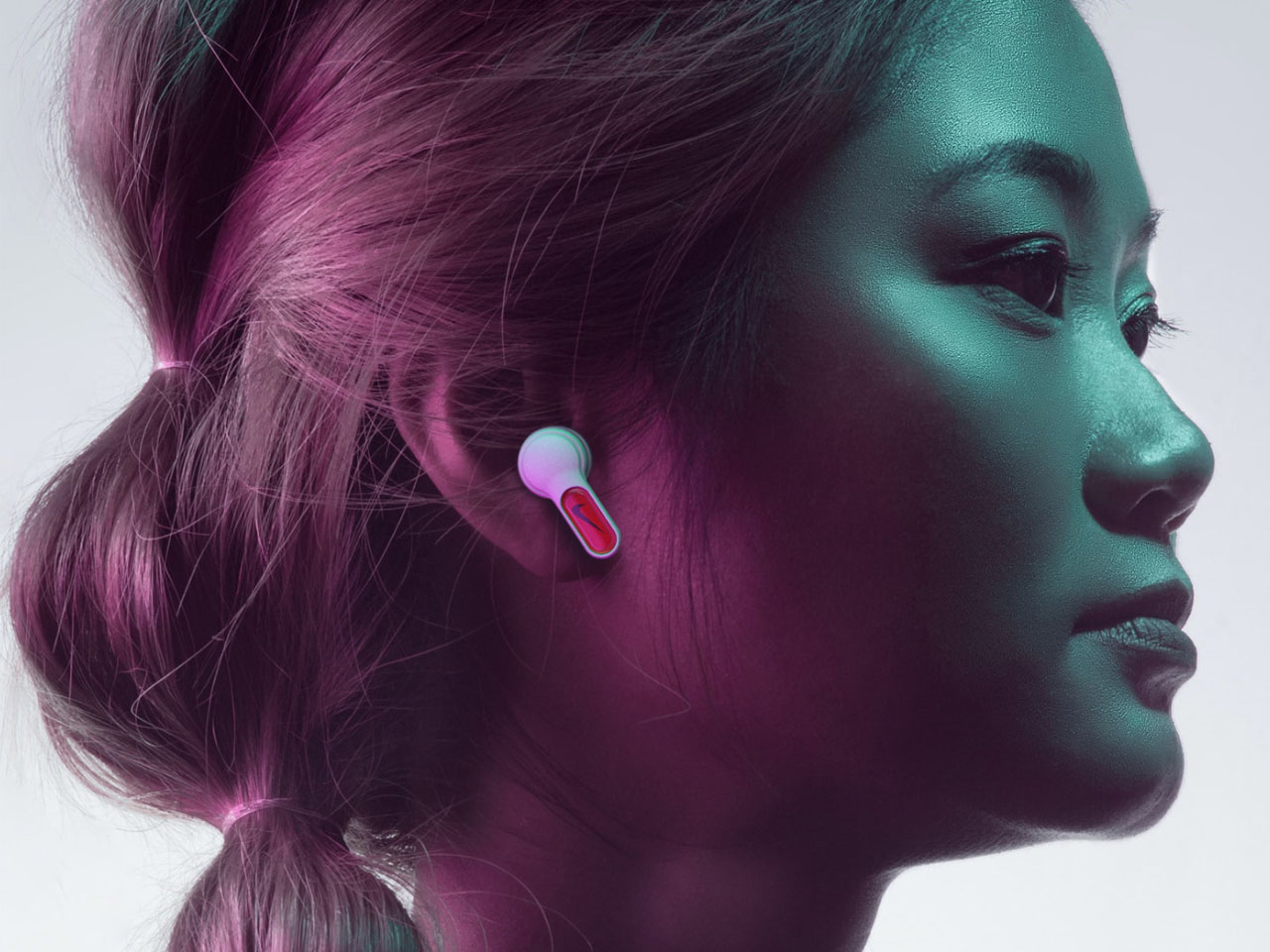
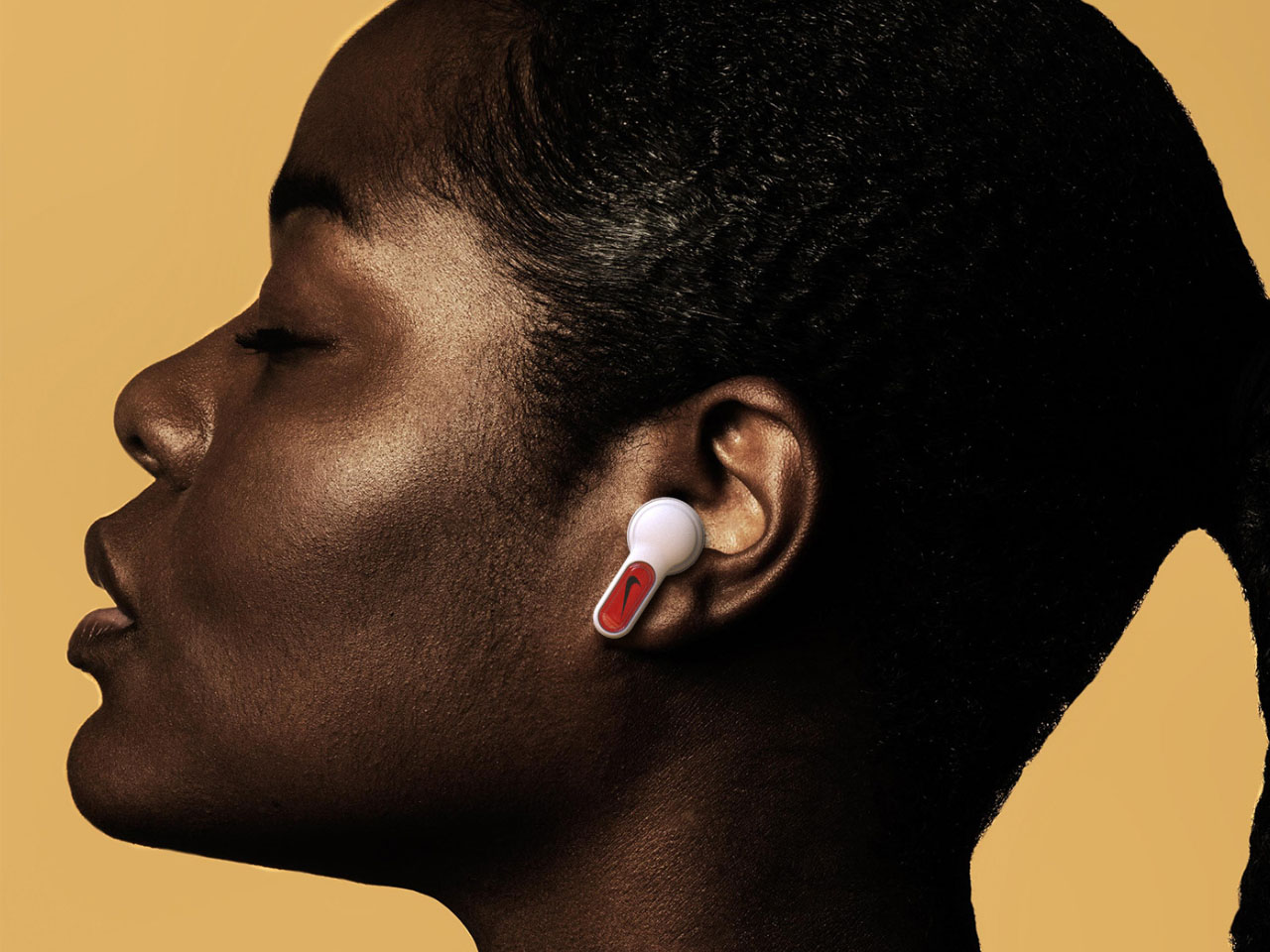
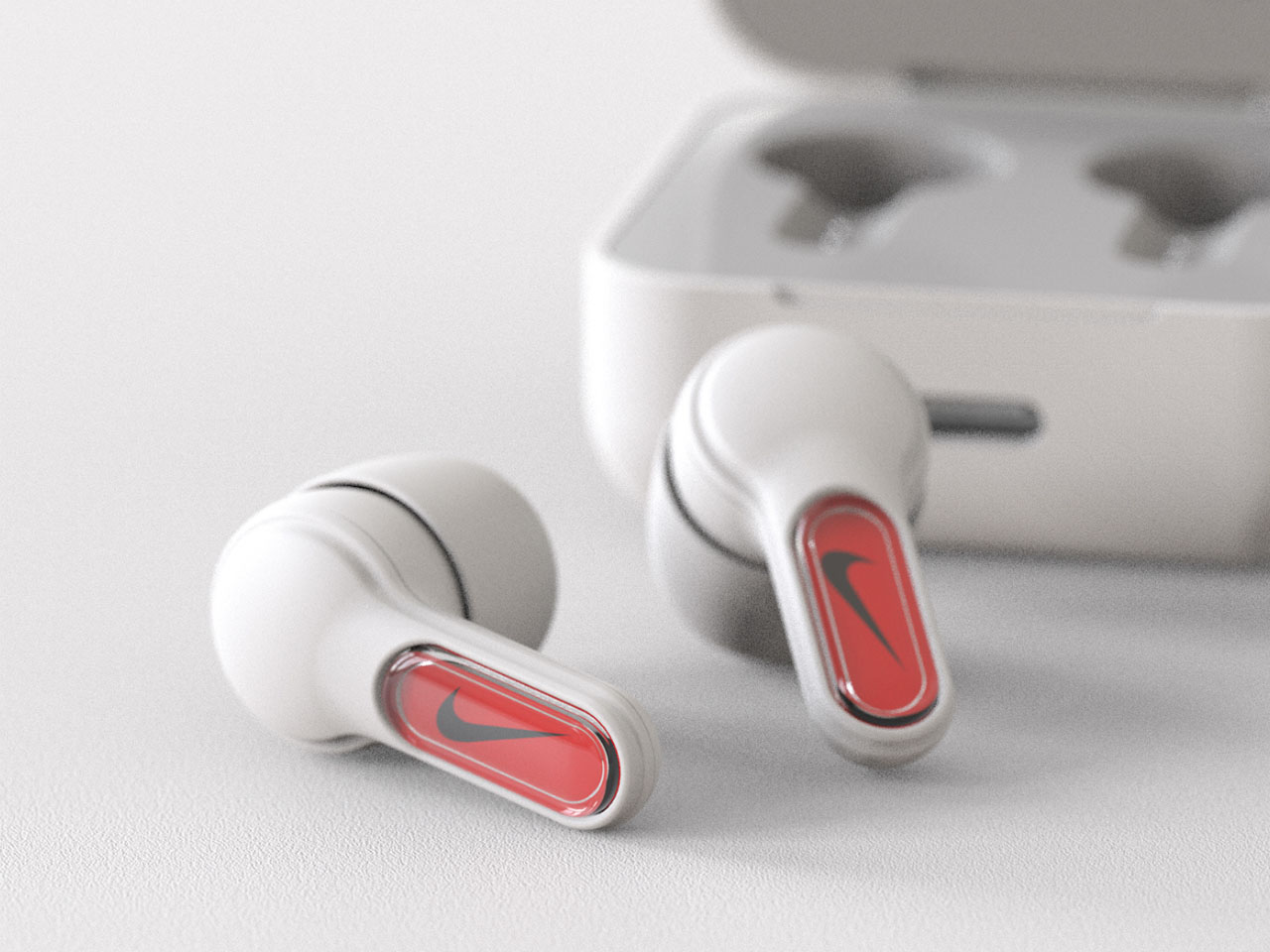
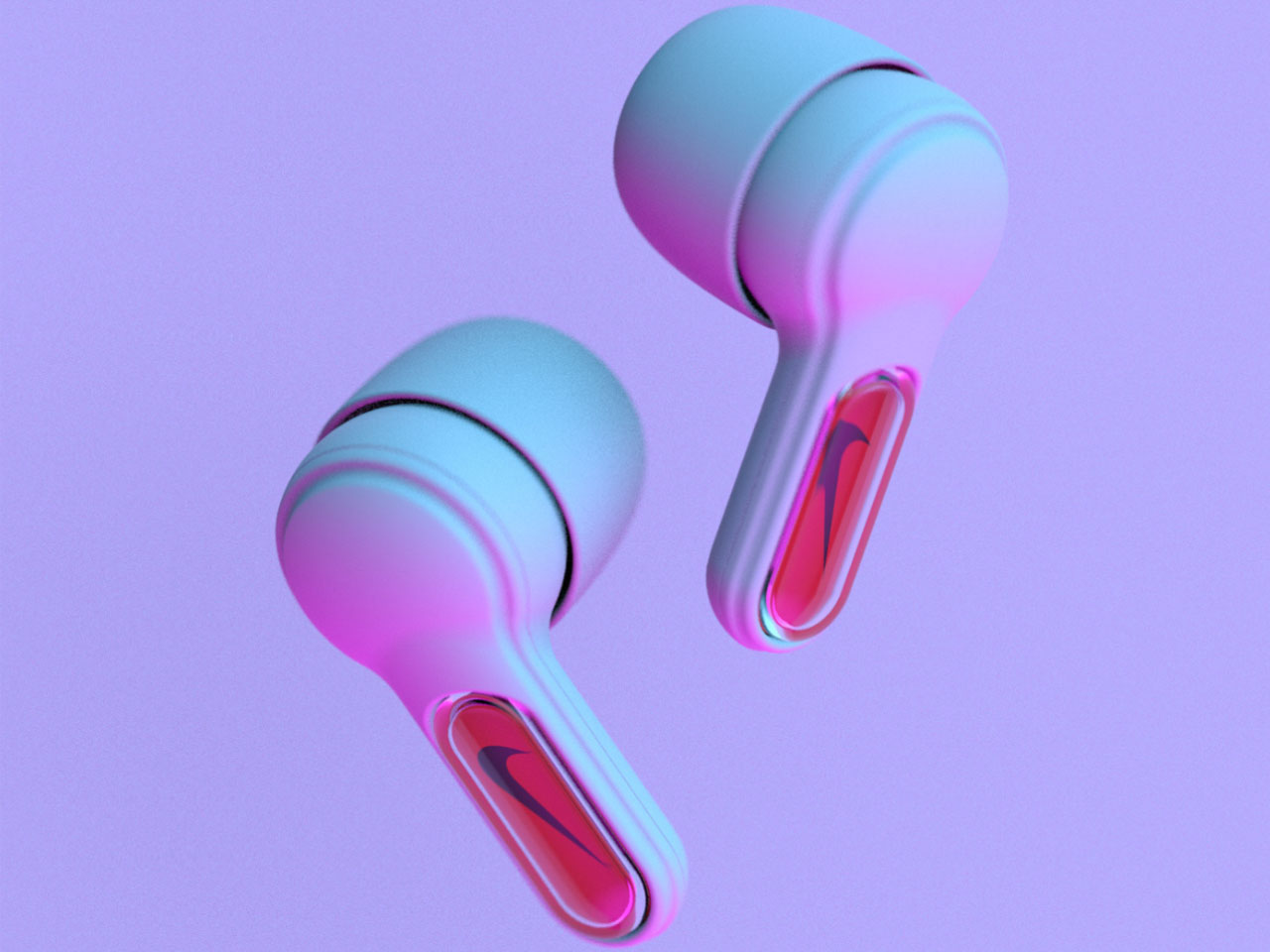
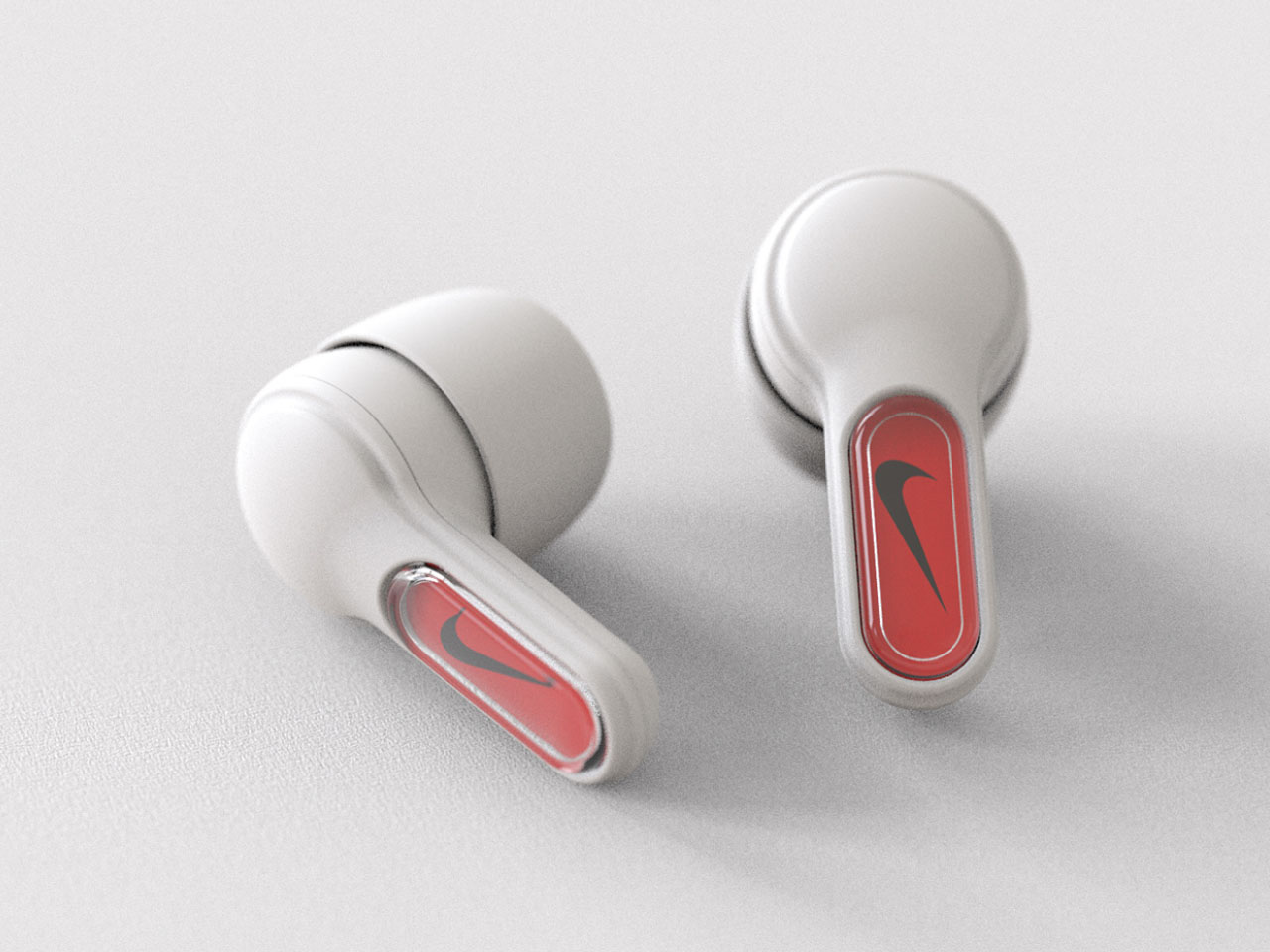
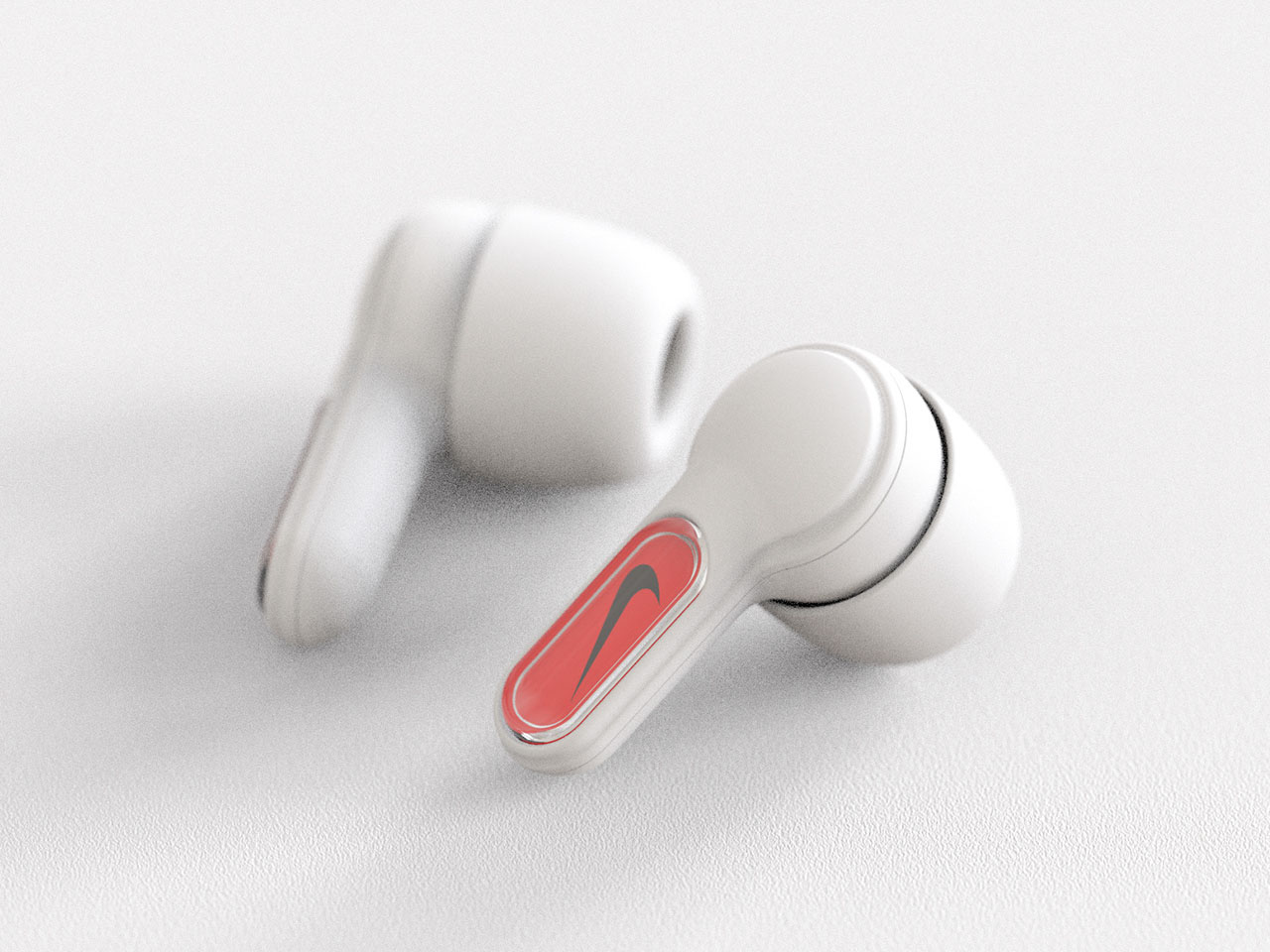
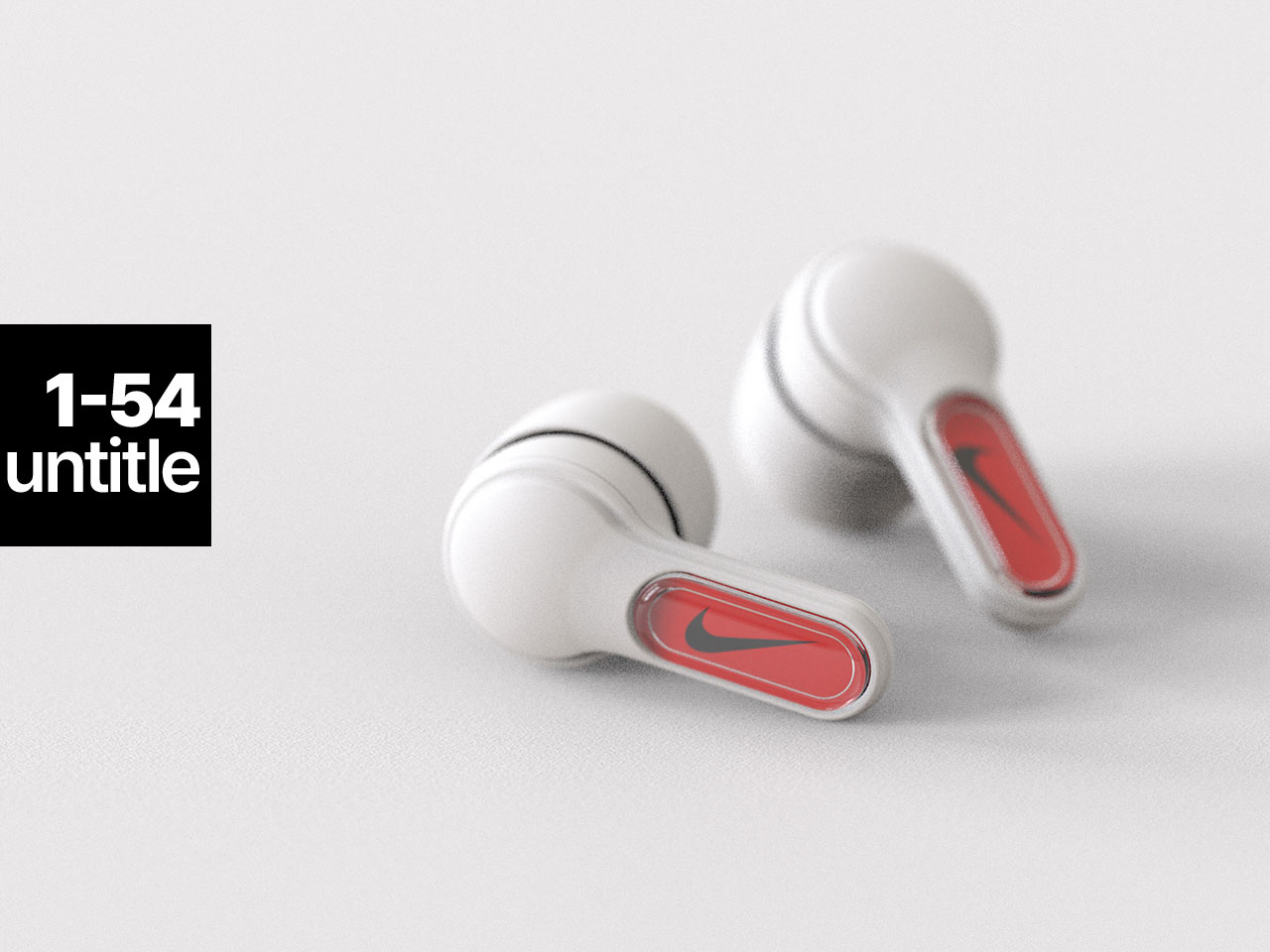
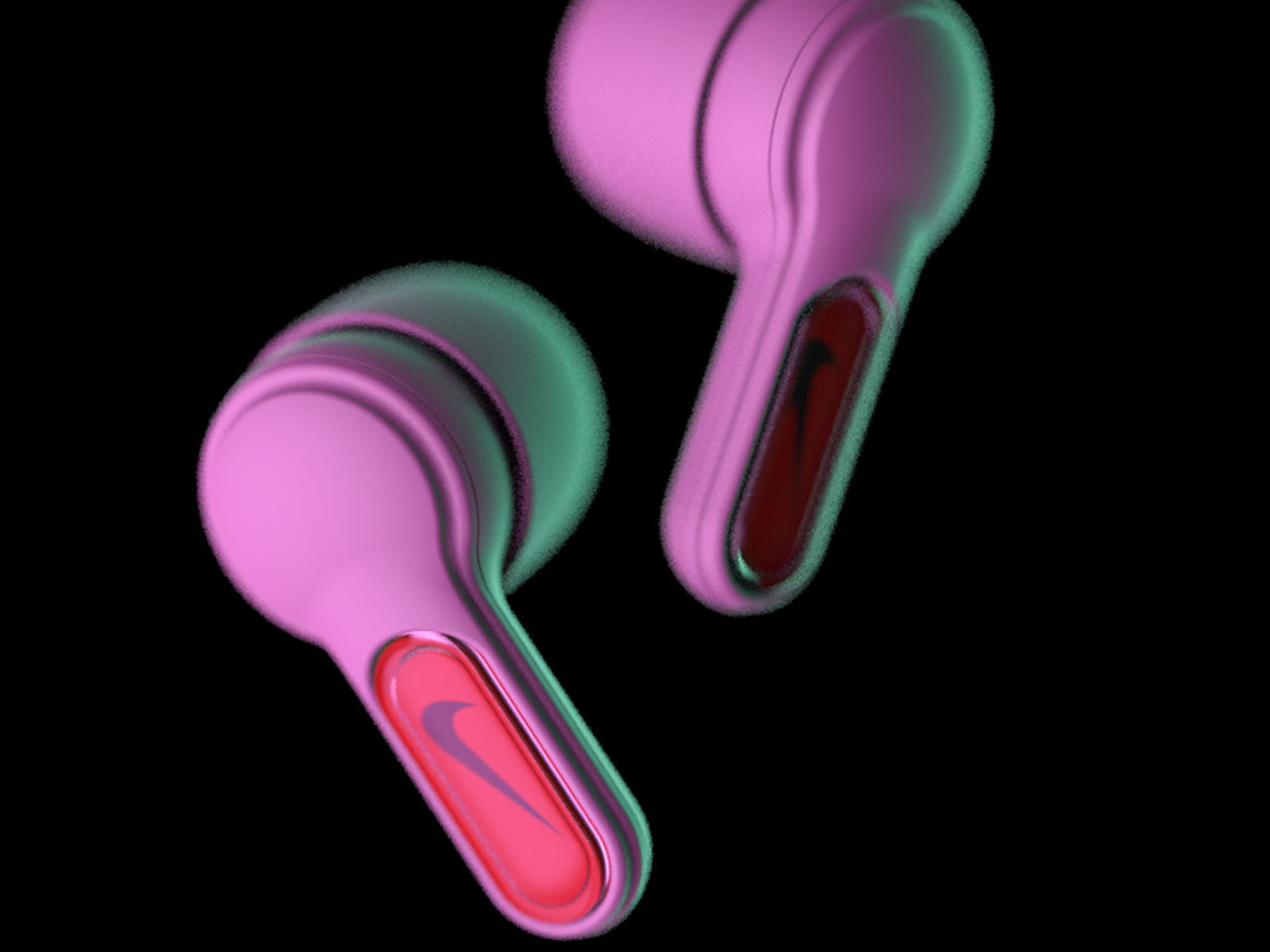
Foraying into the highly competitive yet lucrative audio accessories market could be on the cards. If Nike does decide to extend its influence beyond the athletic apparel and footwear line this could be it. This concept design for a pair of earbuds with the Nike branding gives active individuals a fair idea of what they’ll be like if they ever exist.
Crafted for Nike, these concept earbuds are sporty and have a comfortable fit with a secure design that should stay in even during intense physical activity. The design is minimal making them lightweight and easy to use. This means people with active lifestyles will love them. Due to the small size don’t expect drivers comparable to the flagship earbuds like B&W Pi8, Sennheiser Momentum True Wireless 4, Technics AZ 80, or Denon Pearl Pro.
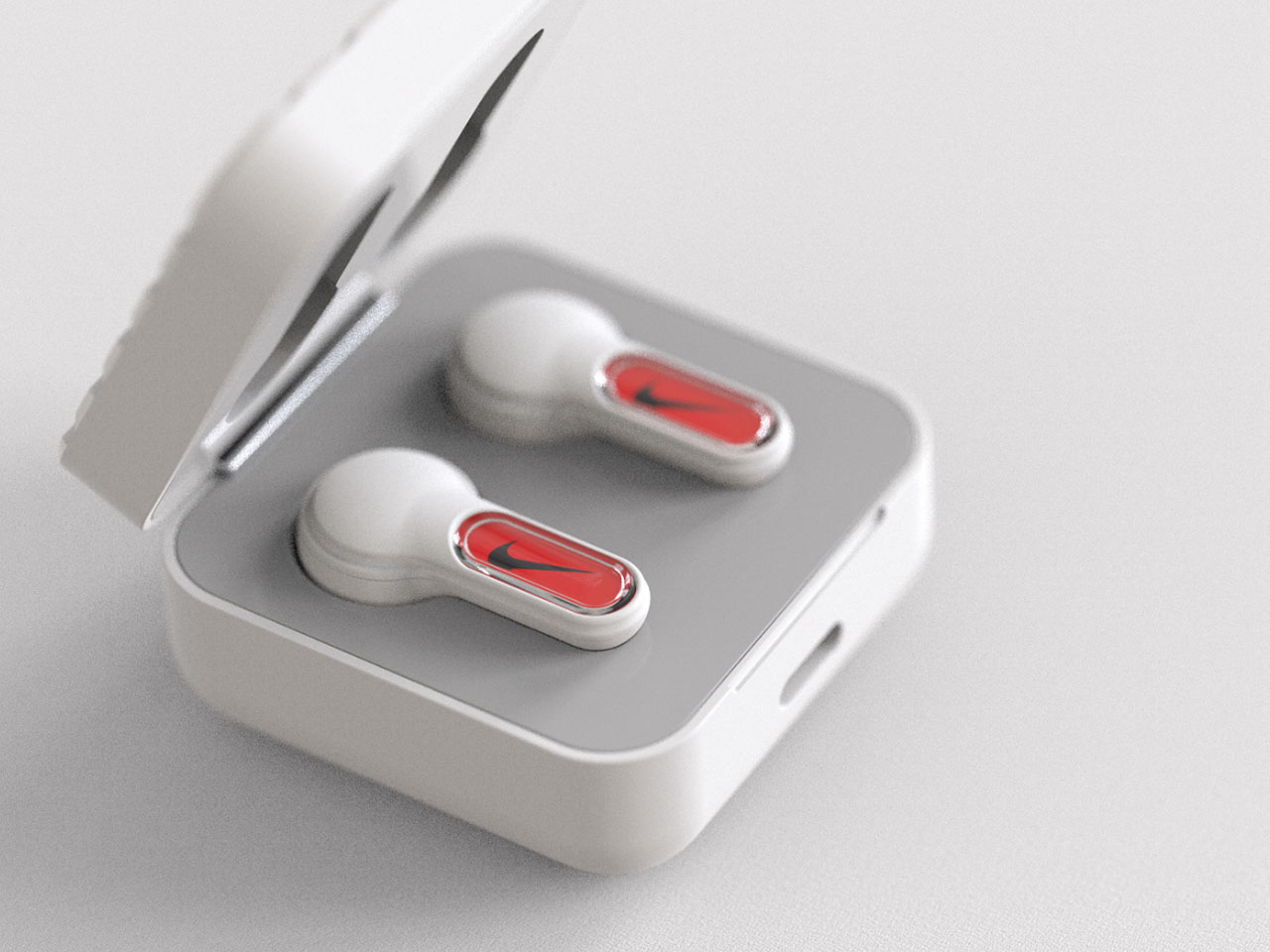
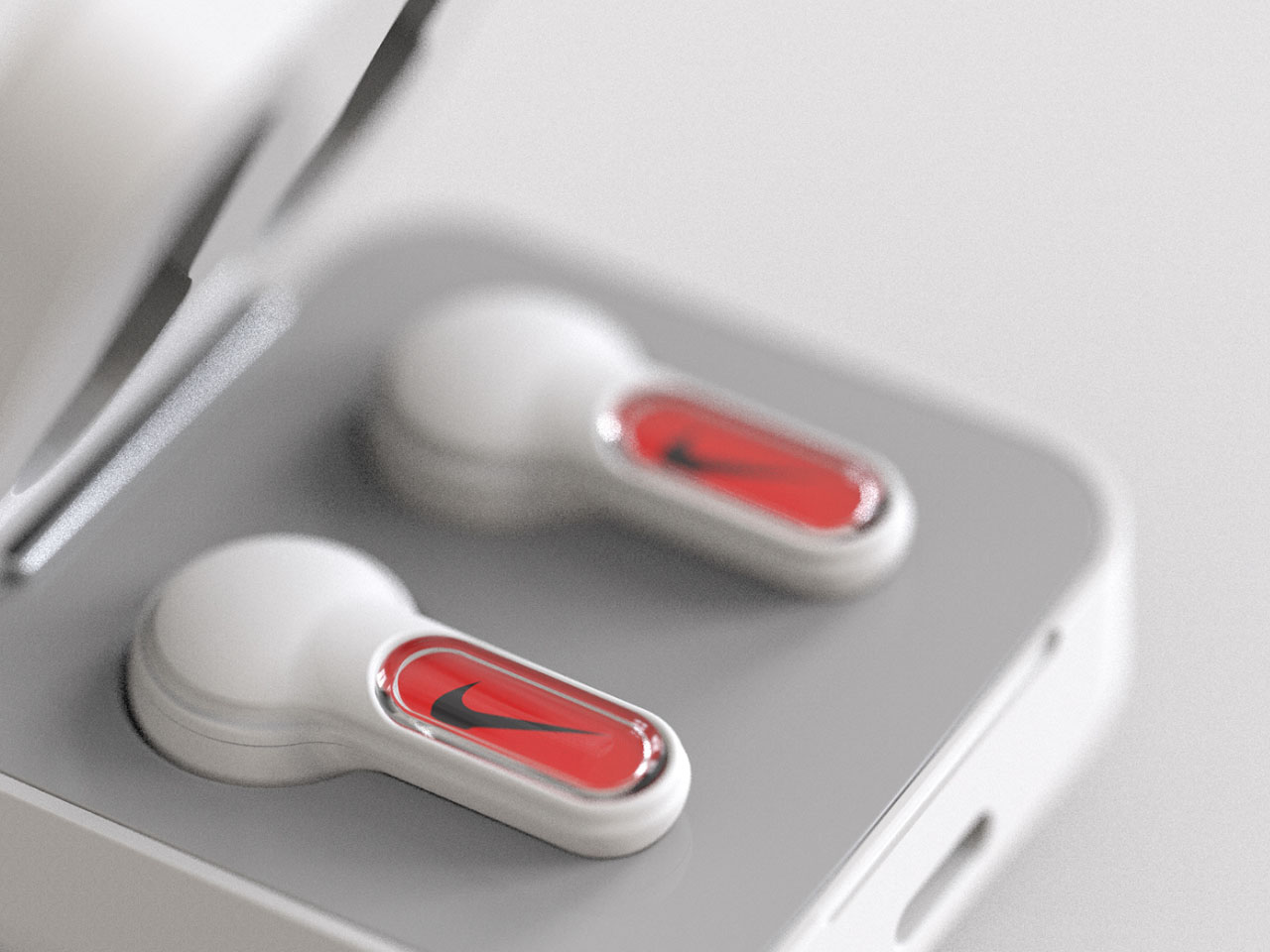
They have a very recessed form that flows to the case that has a unique top in a sporty finish. In a way they emulate the soles of a shoe and that goes well with the theme. Just like the Nothing Ear (2) buds they have a horizontal positioning of the buds in the case, but in the face first position which can make them harder to take out.
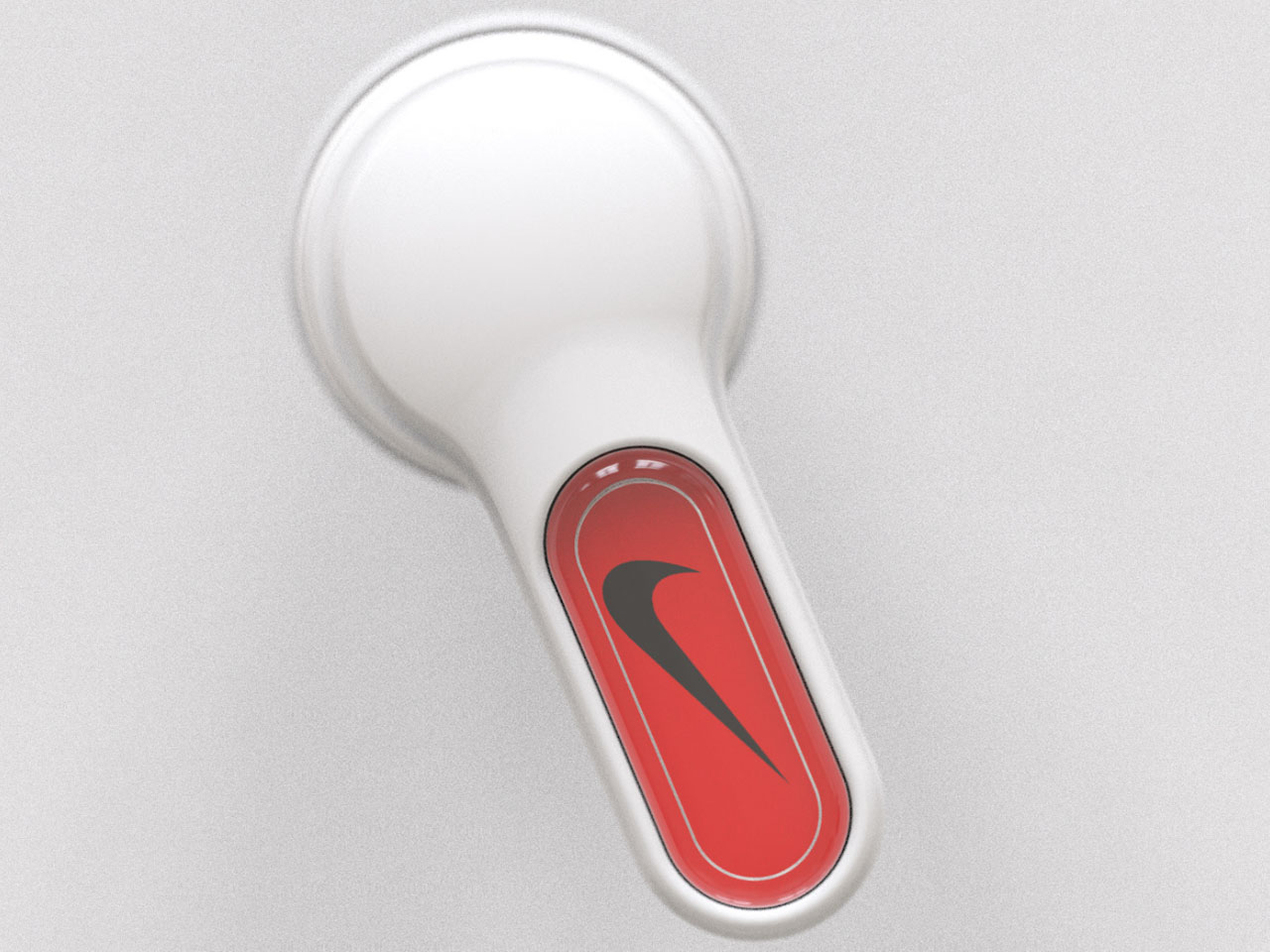
The Nike branding is embellished on the sides very aggressively and I hope there are touch controls in there since they are the norm these days even with budget options out there. Jinkyo doesn’t enlist any specifications or features on this one, but I assume there should be ANC and transparency options too. Overall, this concept is heavily weighed in towards the design and look, but a little more imagination in the features and functionality of the buds would have spiced up things.
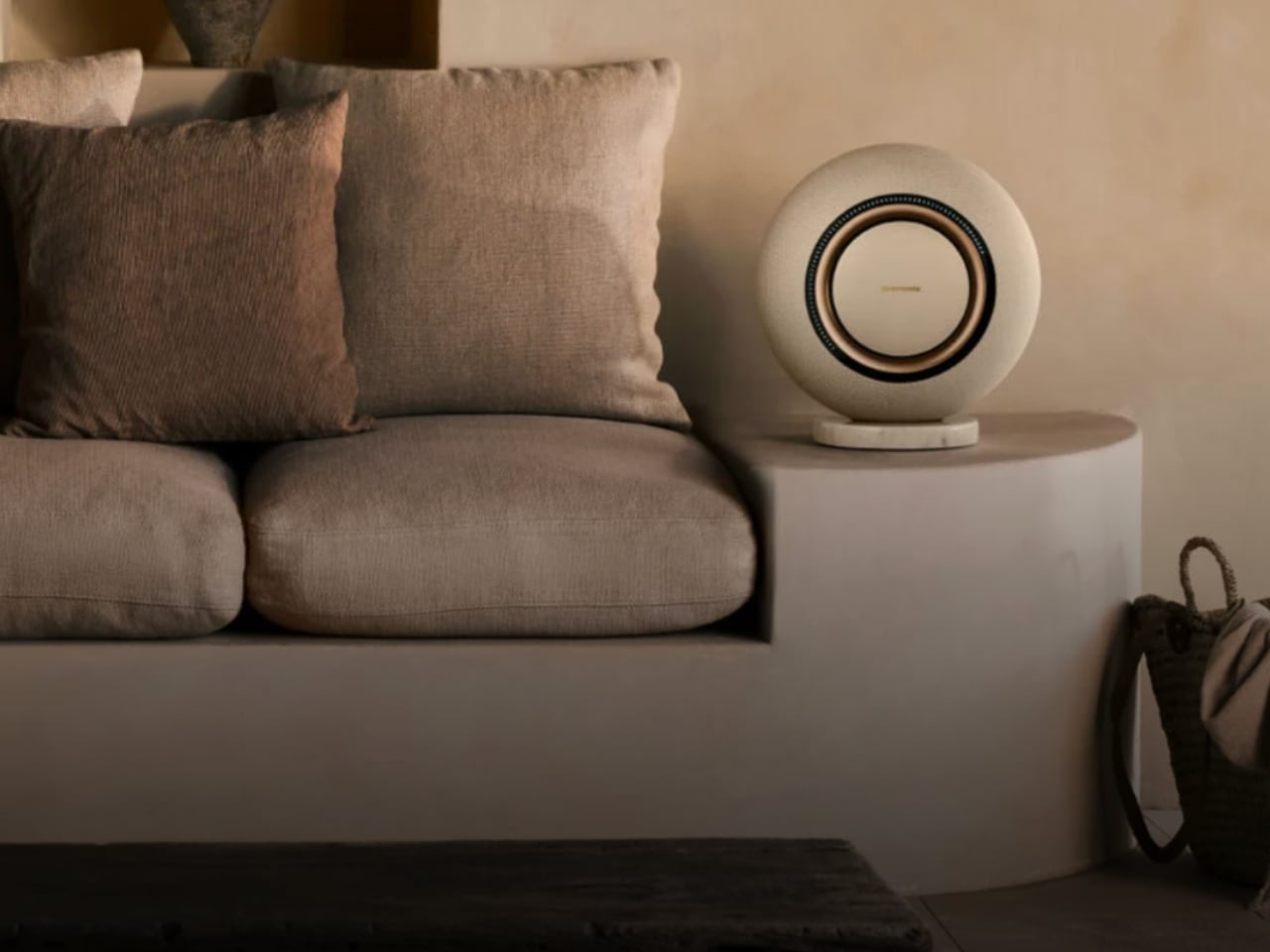
Luxury and cutting-edge audio design converge in the Marantz Grand Horizon and its smaller counterpart, the Horizon. These speakers merge visual sophistication, material innovation, and immersive sound quality, setting a new standard in high-end audio. Reflecting Marantz’s legacy in audio craftsmanship, they combine advanced technology with artistic design for a truly immersive experience.
Designer: Marantz
The Grand Horizon transforms its sound and visual presence by redefining what a speaker can be. The iconic porthole motif, a core element of Marantz’s design language for decades, is embraced in this new offering to deliver a listening experience that is as visually inspiring as it is acoustically impactful.
Model Distinctions: Horizon vs. Grand Horizon
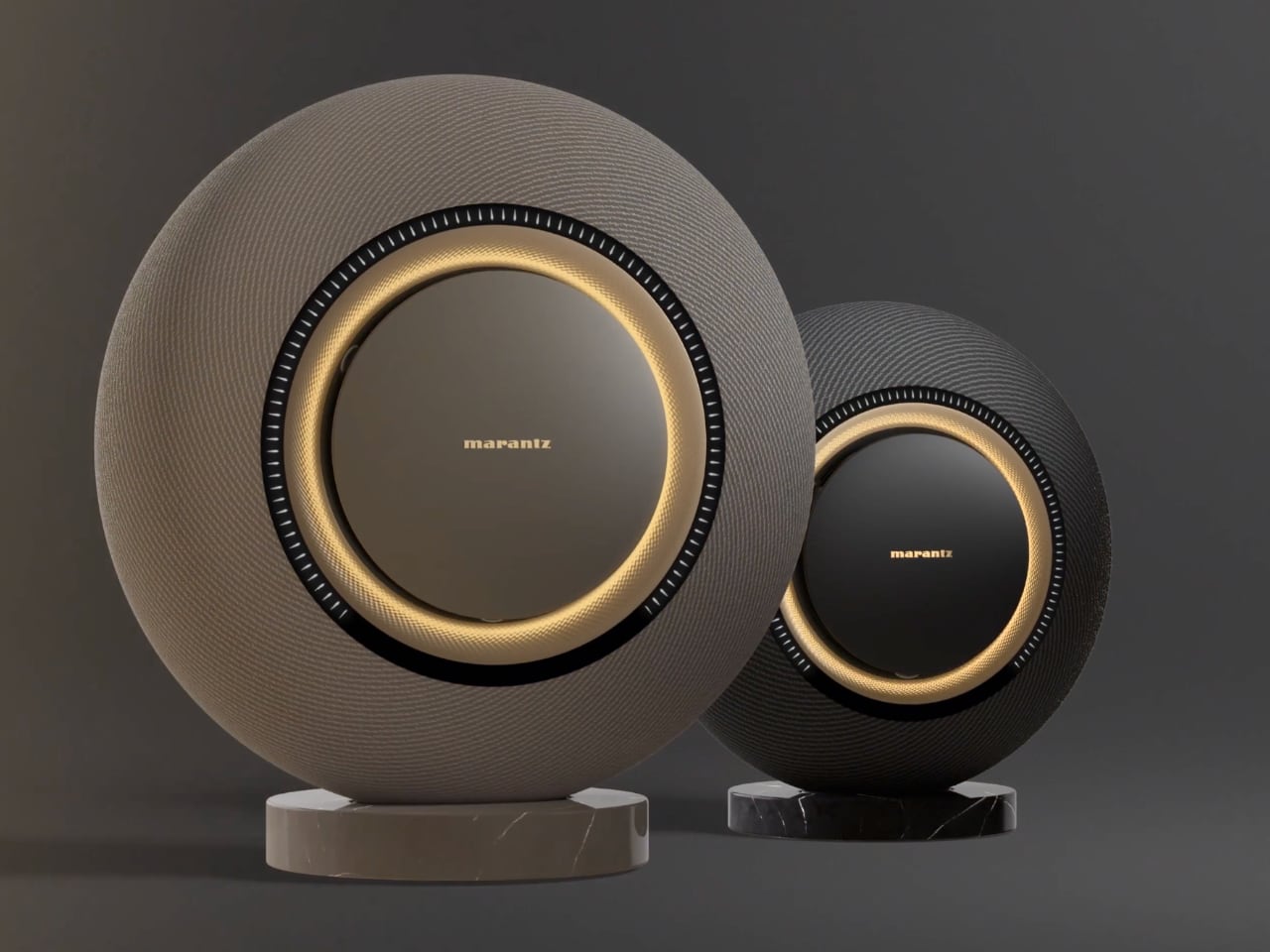
The Marantz Horizon is the smaller of the two models, featuring a 310-watt FTC-rated power output (745 watts peak). It includes a driver configuration of one 165mm subwoofer, two 25mm silk-dome tweeters, and three 50mm full-range drivers. With dimensions of 364 x 210 x 387.5mm (14.33 x 8.27 x 15.26 inches), it is priced at $3,500.
In contrast, the larger model, the Marantz Grand Horizon, boasts a 370-watt FTC-rated power output (860 watts peak). Its driver configuration comprises one 200-mm subwoofer, three 25-mm tweeters, and four 76-mm midrange drivers. Measuring 493 x 255 x 529.2mm (19.41 x 10.04 x 20.83 inches), it is priced at $5,500.
Both models share features such as the circular design, HEOS platform integration, and Marantz Mirage DSP. However, the Grand Horizon is larger and more powerful and offers a more advanced driver configuration, providing a richer audio experience.
Sophisticated Circular Design and Materials
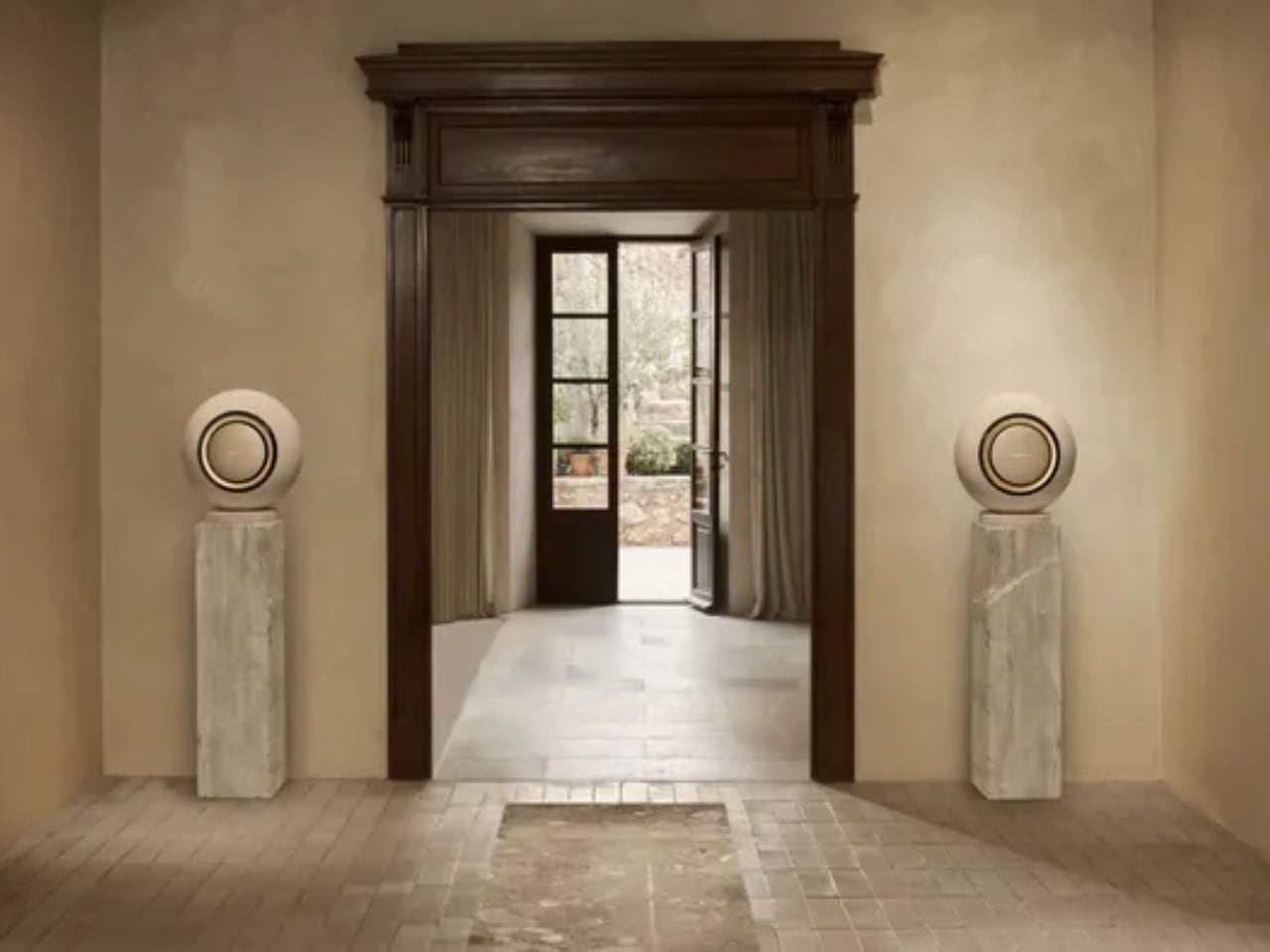
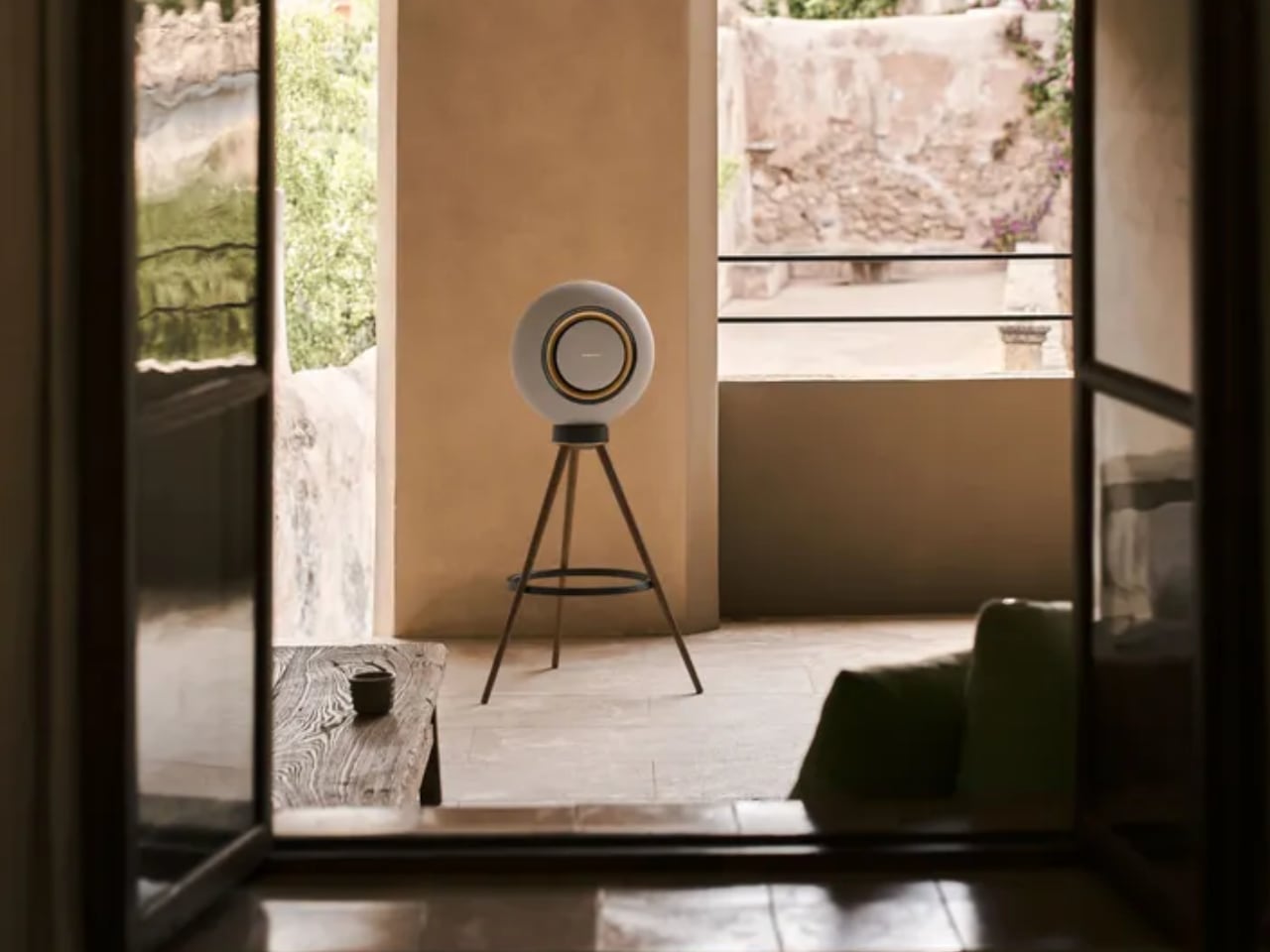
With its circular design, the Grand Horizon draws immediate attention. Unlike most rectangular wireless speakers, its sculptural form makes a bold visual statement in any room. Thesphere’s symmetry, paired with premium materials like natural marble and sustainable fabrics, transforms it into a luxurious art piece that delivers world-class sound.
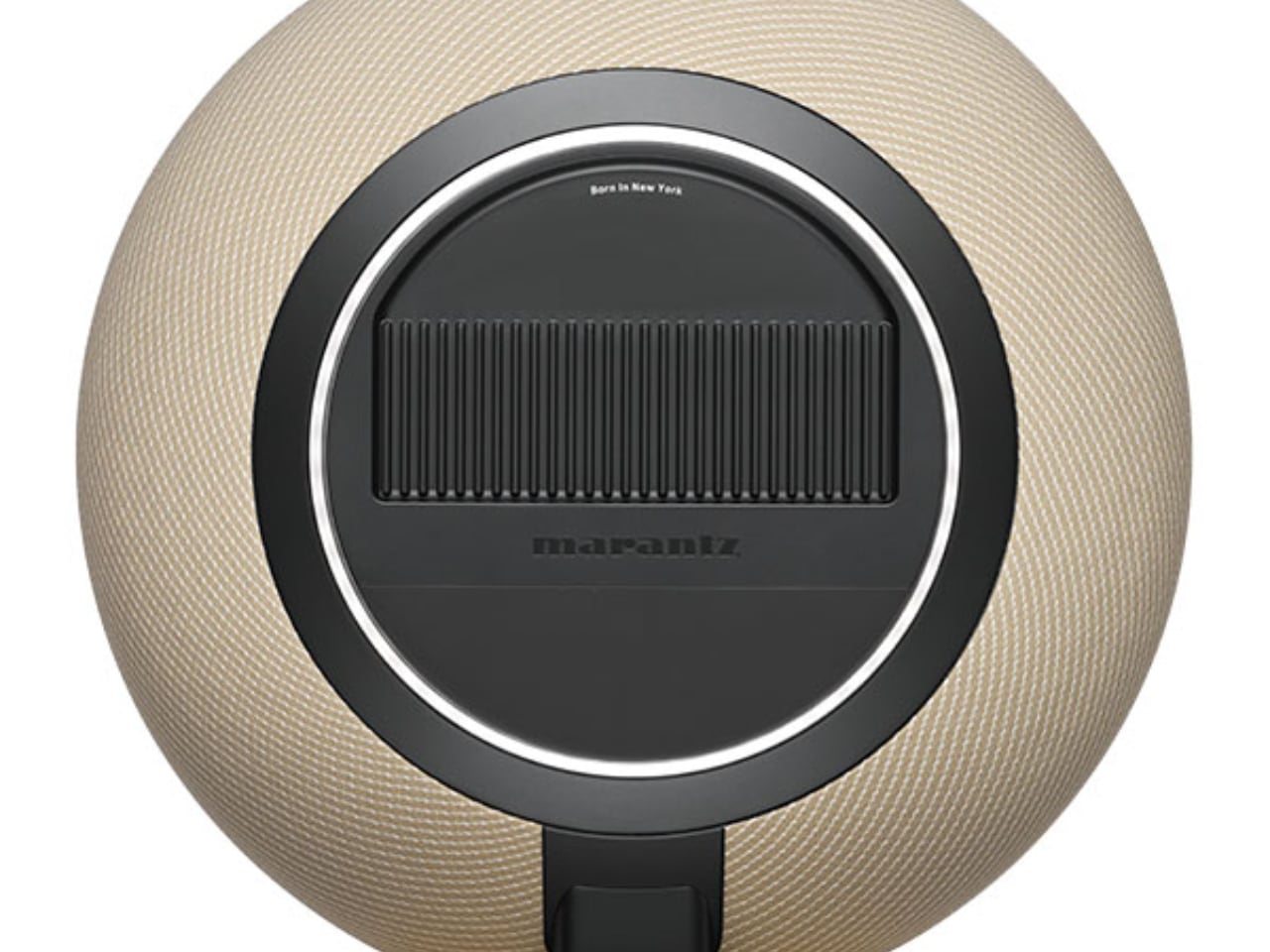
Wrapped in Marantz’s Radiance 360 Seamless Ecofiber, made from recycled ocean plastics, the Grand Horizon is visually stunning and eco-conscious. The fabric’s intricate texture enhances its aesthetic and diffuses sound, ensuring optimal acoustic performance. This recycled Ecofiber underscores Marantz’s commitment to sustainability while retaining an opulent feel. The fabric’s texture contrasts with the smooth metal accents that form the porthole ring, creating a tactile, luxurious experience.
The marble base, available in different colors to complement each fabric finish, adds a touch of natural elegance. Solid and stable, it elevates the speaker beyond a mere device; it becomes a significant decor element. Each marble base is sculpted to be smooth and substantial, grounding the spherical form and creating an interplay between nature and technology.
Powerful Audio Performance
With its striking design, the Marantz Grand Horizon also delivers serious audio performance. With a 200mm subwoofer, three 25mm tweeters, and four 76mm midrange drivers, it offers deep bass, clear highs, and immersive midrange. This driver array is key to producing the full-bodied sound Marantz is known for—rich, warm, and incredibly lifelike.
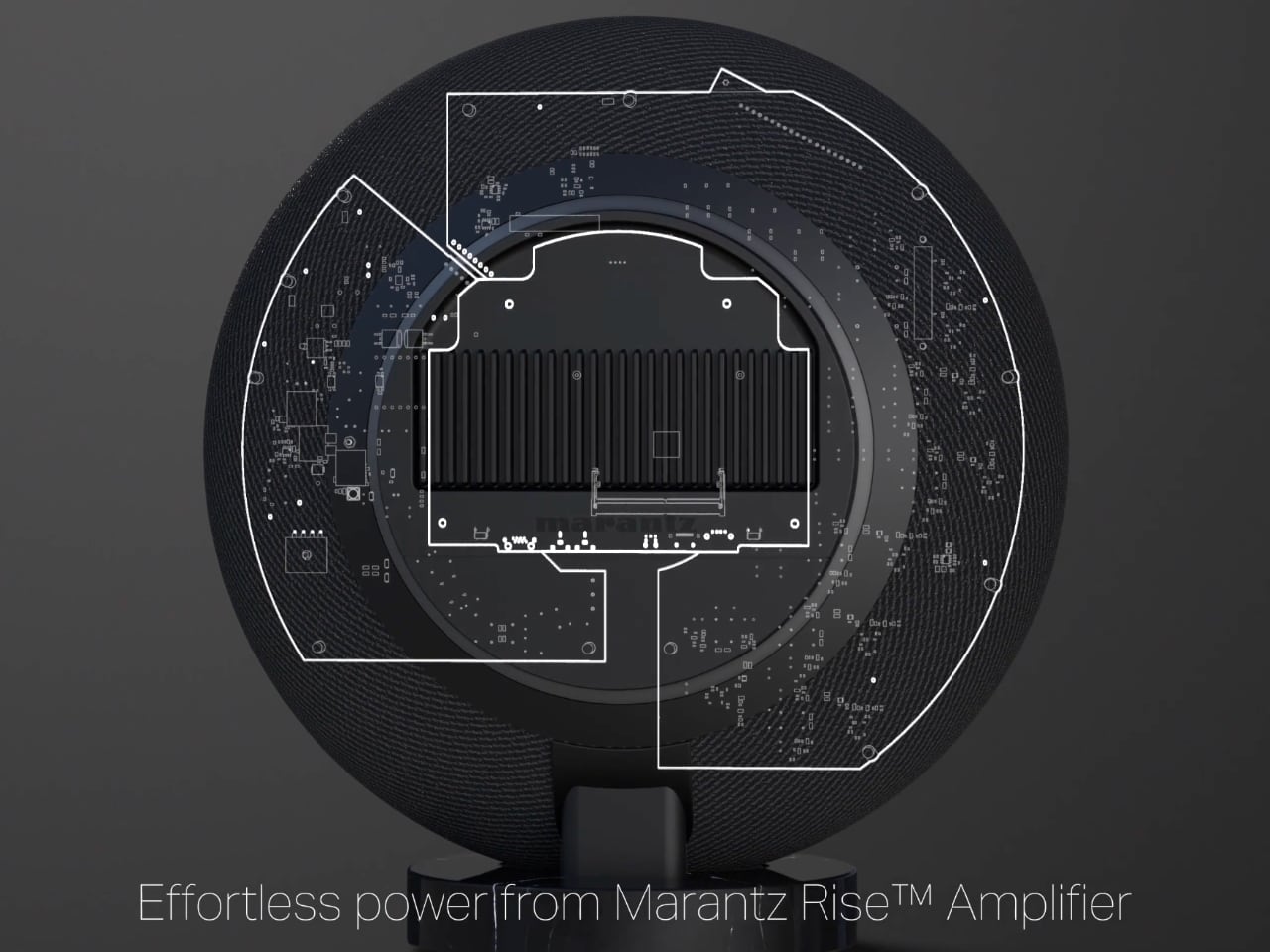
The Grand Horizon’s 370-watt amplification is powered by Marantz’s Rise amplification technology, featuring GaN FETs for high power efficiency and reduced thermal distortion. It delivers sound as close as possible to the original recording. Even at high volumes, the Grand Horizon remains poised, delivering uncompromised sound.
A key feature is its ability to adjust and fine-tune the audio experience through Marantz Mirage DSP. Users can personalize the sound by adjusting clarity, warmth, and spaciousness to their preference, ensuring each listening session meets unique tastes. The Sound Master mode offers a refined experience curated by Marantz Sound Master Yoshinori Ogata, bringing out the best in any track.
Interactive and Customizable Design Features
The use of light and motion elevates the Grand Horizon beyond a mere object. The AuraControl system incorporates concealed LEDs that respond to proximity. As someone approaches the speaker, the lights subtly activate, giving the impression that it comes to life, adding an interactive component that feels almost personable. This thoughtful addition sets it apart from other luxury speakers.
This light ring also serves as a touch-sensitive interface, allowing users to adjust the volume by simply running their hand along the edge of the gold ring. This feature feels natural and almost ceremonial—a tactile connection to the sound. It transforms the speaker from a mere device into an experience.
The base, made from natural marble, enhances the speaker’s stature. Different stone types for each colorway—from Midnight Sky’s dark elegance to Marantz Champagne’s warmth—allow the speakers to adapt to various living spaces. They are designed to blend seamlessly into both modern and classic interiors.
Comprehensive Connectivity and Multi-Room Integration
With advanced connectivity features, the Marantz Grand Horizon is as versatile as it is beautiful. The speaker supports Bluetooth, Wi-Fi, AirPlay 2, and Spotify Connect, providing direct access to streaming services such as Amazon Music, Deezer, and TIDAL. Whether it’s a quick Bluetooth pairing for an impromptu playlist or immersing yourself in a high-resolution stream, Marantz ensures accessing your favorite content is effortless.
Physical inputs add flexibility, with stereo RCA, optical, HDMI eARC, and USB-C available to connect to various sources. The HDMI eARC input also supports Dolby decoding, allowing users to experience the nuance of Dolby Atmos content when connected to a compatible display, expanding its use beyond music to home cinema.
Through the HEOS multi-room audio platform, the Grand Horizon can integrate into a broader home audio setup. You can easily sync multiple speakers throughout the home, playing synchronized music in each room or creating unique sound environments in different spaces—all managed through the HEOS app. Its ability to pair with another unit also allows for a true stereo experience, transforming any room into a high-fidelity listening space.
Aesthetics for Any Space
Available in three finishes—Midnight Sky, Moon Ray, and Marantz Champagne—the Grand Horizon and its smaller counterpart, the Horizon, provide a distinct visual identity. Midnight Sky is dark and sleek, exuding sophisticated elegance for minimalist or modernist settings. Moon Ray, by contrast, is a bright, off-white finish that brings a subtle sparkle, ideal for spaces that value lightness and openness. Finally, Marantz Champagne adds warmth and luxurious charm, making it perfect for spaces seeking a more inviting and traditional touch.
What makes it special isn’t solely the material quality but also how each design decision serves form and function. The combination of woven Ecofiber and marble elements shows Marantz’s dedication to crafting a speaker that emphasizes the experience of seeing and touching as much as listening. This philosophy positions the Grand Horizon as more than an audio device but a versatile component of the home’s overall design.
Innovating Sound and Style
The Marantz Grand Horizon redefines what a high-end speaker can be, presenting itself as an acoustic marvel and a design masterpiece. Its unique circular form, sustainable luxury materials, customizable sound tuning, and thoughtful interactivity elevate the typical wireless speaker experience—it embodies Marantz’s blend of heritage and forward-thinking design in home audio.
From motion-activated LEDs to tactile controls in the gold accents, Marantz has crafted a speaker for those who view audio equipment as more than mere utility. It’s a convergence of technology, art, and sustainable design—a statement for any discerning listener seeking luxury without compromise.
The deejay console is a thing of marvel – it’s designed to be highly intuitive and accessible at any given moment. Think about it, you’re at the console, you’ve got a crowd of thousands in front of you. One mistake and the entire atmosphere of the room changes. Heavy stakes require heavy design intervention – which is why the deejay console is made the way it is. Controls and knobs are located precisely within grasp based on how important they are or how often you need them. If you’re working with a 4-deck set, the four discs are located in a 2×2 layout, so you don’t have to move around to change songs, load up tracks, or scratch beats. The deejay console encourages creativity and is built for impulsive mixing, scratching, and production where milliseconds matter.
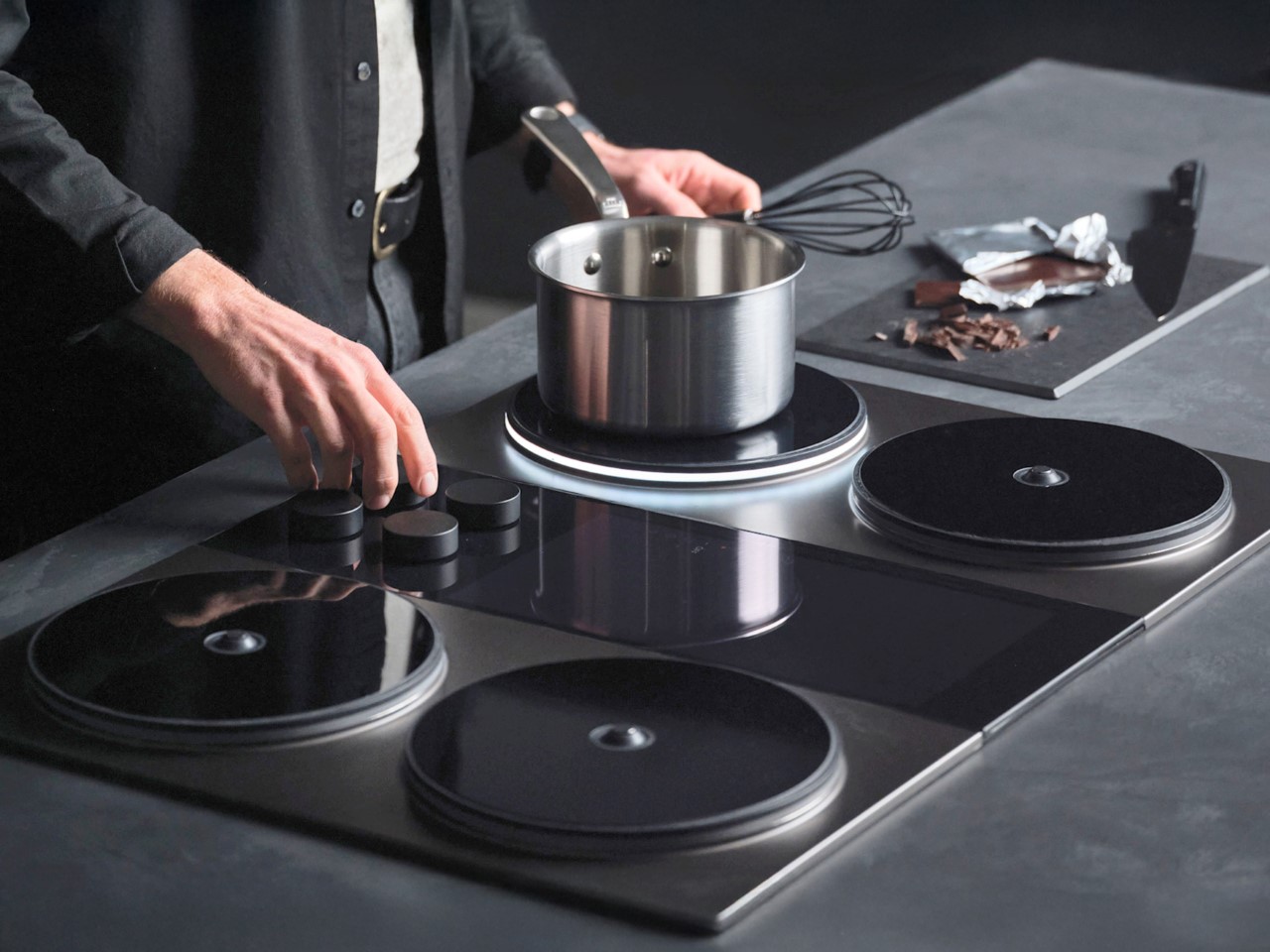
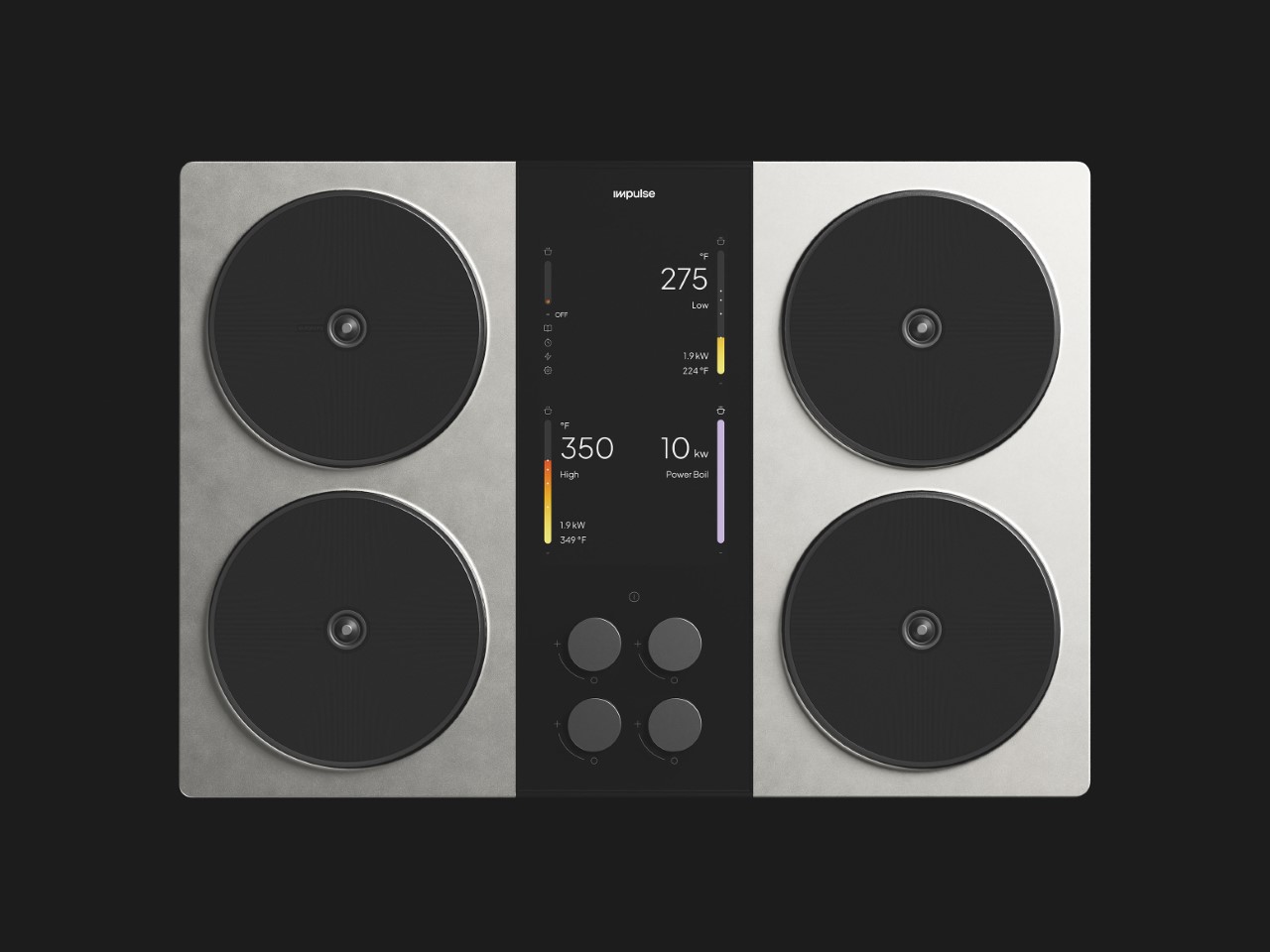
The Impulse Cooktop, as its name suggests, is designed around this very concept too, with a format that emulates the 4-deck console. The four cooktops are laid out like spin discs on a console, with the control panel being right in the center, within reach, and with controls that are both intuitive and easy to operate. Here’s where things get even more interesting – the entire cooktop is designed to be electric, and run on a combination of a power outlet as well as batteries, working even during a power cut. Individual elements are modular and repairable, so cooking meals should be just about as easy and creativity-driven as cooking fire beats.
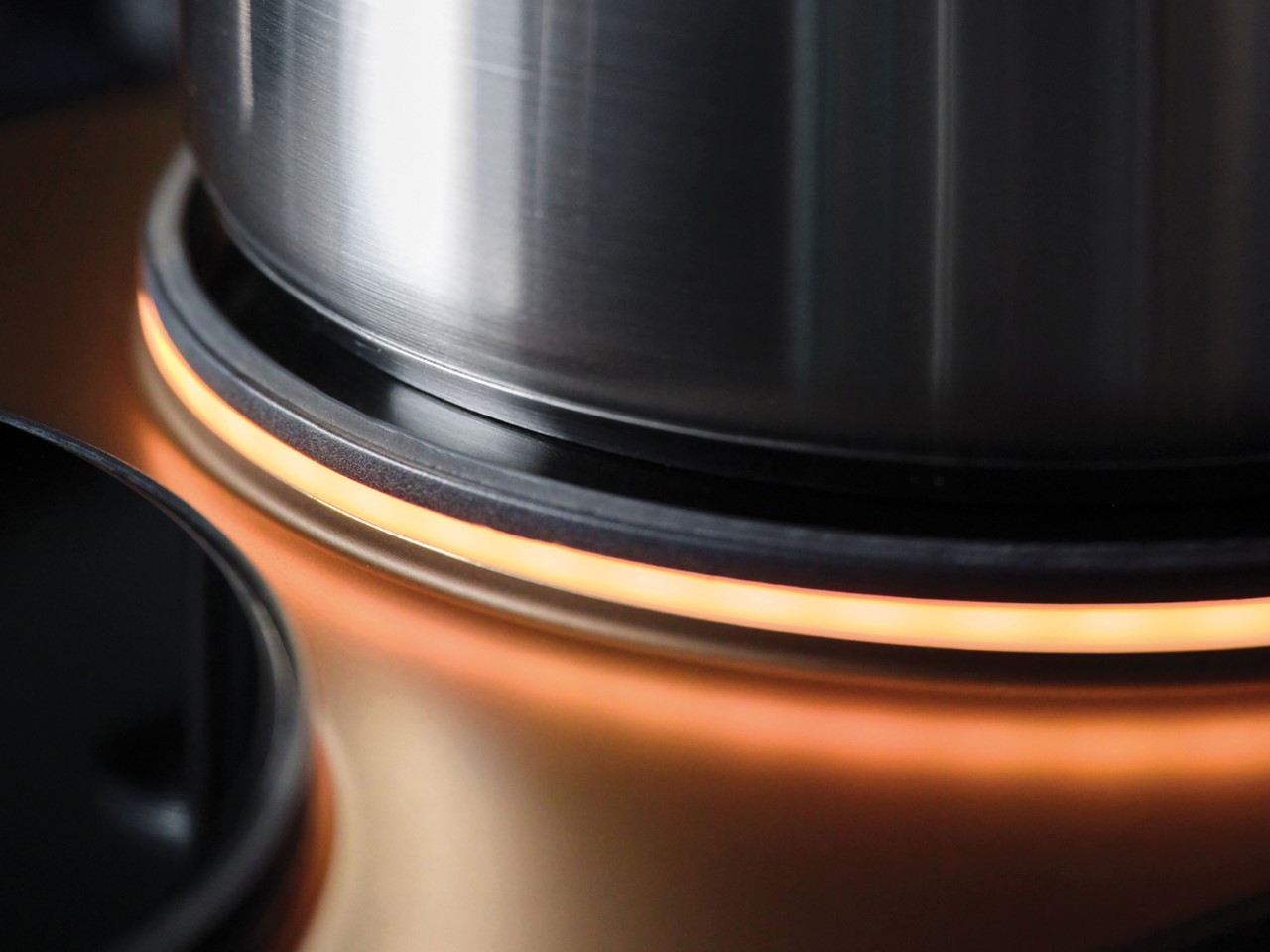
Designed by Studio Blond for Impulse Labs, the cooktop is made to plug and play right out of the box. Drop it into your worktop, plug it into a socket, and you’re ready to cook. Four knobs at the center control the four electric ‘burners’, while a display helps you understand how hot or cold your burner is. The text is big, has a high contrast, and is accompanied by visuals that help anyone grasp the temperature they’re cooking at. Unlike conventional burners or induction stove that just show flames or power levels, this display gives you actual temperature readings so you’re more well-informed while cooking. Meanwhile, an LED strip around each burner glows to let you know which burners are active and how hot they are. A white strip indicates low or sim, while a bright orange or red means your burner is on full power.
Touchscreens are fiddly, and deejay consoles don’t have them for that reason – everything should be so intuitive that you can work it with your eyes closed. Similarly, the Impulse ditches touch-sensitive screens for an all knob-based interface that feels much more grasp-worthy. You don’t need to worry about heat affecting the touch-sensitivity, or water/oil/gravy spilling on the screen and messing up your stove’s settings. The raised cooktop surfaces (which really look like spinning discs) prevent the heat from reaching the screen, and four minimalist knobs let you do all the controlling you need to. The knobs are removable too, leaving you with a flat plate that’s easy to wipe down between uses. The only thing really missing is a child lock and we’re absolutely perfect.
A winner of this year’s Red Dot Award: Design Concept in the Best of the Best category, the Impulse Cooktop combines visual appeal with true user-friendliness. It helps homes transition to 100% electrical energy, without a fuss. A power socket is all you need to run the cooktop, and if you’re in a place with frequent power cuts (like I am), an internal battery allows you to continue cooking even during a blackout – something that induction cooktops struggle to do. The modular design simplifies repair, upgrade, and disassembly, paving the way for future accessories too.
With short-form videos becoming extremely common these days, it's not unusual to discover new songs and artists from apps like TikTok and Instagram. Now, Instagram has started rolling out a Spotify integration that will let you add songs you hear from posts and Reels straight to the audio streaming app, 9to5Mac has reported. If an Instagram post uses a song, and it's linked at the bottom of the screen, tap on the song name to go to its audio preview page. There, you'll find a new button that says "Add" with the Spotify logo right next to the audio scrubber.
When you tap that Add button, the song will get added to the "Liked Songs" in your Spotify library. You'll have to link your Spotify account with your Instagram the first time you do it, but it becomes a one-tap process after that. The feature is now making its way to all users around the world. Back in August, mobile developer Alessandro Paluzzi found another type of integration between the two apps in development. That feature would allow Instagram users to continuously share what they're listening to on Spotify, which would appear as notes on top of your profile picture.
TikTok has had the ability to add songs heard from videos to your music streaming library since last year. Its version of the feature works not just with Spotify, but also with Apple Music and Amazon Music.
This article originally appeared on Engadget at https://www.engadget.com/apps/you-can-now-add-songs-to-spotify-straight-from-instagram-posts-120046609.html?src=rss
There's a certain level of fandom you hit when you research a band's tour set list before they come to your city. And some of us like to relive great concerts with some quick research on setlist.fm. The next logical step, once we're armed with this information, is to create a playlist on our preferred streaming service for quick access. Thanks to third-party options like Setify, the process is easy for Apple Music and Spotify users, but you still have to take the time to do it.
Apple Music has now given artists the ability to turn set lists into playlists thanks to info from tour info site Bandsintown. Once an artist has connected the two services, they can select the type of show in Apple Music for Artists (concert, tour or residency) and link it to upcoming dates on Bandsintown. From there, artists can set a publish date and use search to build out the playlist. These collections of songs can include original tunes the artist covers or collaborations with other acts. Apple Music allows unlimited set list playlists for past or future shows, but the service recommends that artists select a track listing that most accurately reflects the whole tour if they're making one for an entire run of dates.
Set lists playlists aren't entirely new on Apple Music. The service has been curating playlists for popular tours for a while now, like Zach Bryan's 2024 Quittin' Time Tour. What's more, Apple Music is touting this new tool as a promotional feature for artists, so there are a number of ways to share the playlists once they're live. However, it will also be a great item for fans who either want more info on the songs they can expect to hear, can't make it to a stop on a tour or want to relive the experience of seeing the band in person.
Of course, if one of your favorites doesn't hop on this bandwagon, you still have options for set list playlists. With Setify, you can link either Apple Music or Spotify and pull in data from setlist.fm in order to make your collections. It's not perfect, but it works well most of the time, and you can always adjust things in the streaming service apps if you need to further curate a playlist. I recently missed one of my all-time favorites at Furnace Fest, but thanks to this combo, I can at least get a small piece of Blindside playing through About a Burning Fire.
This article originally appeared on Engadget at https://www.engadget.com/entertainment/music/apple-music-helps-artists-turn-concert-set-lists-into-playlists-133916684.html?src=rss
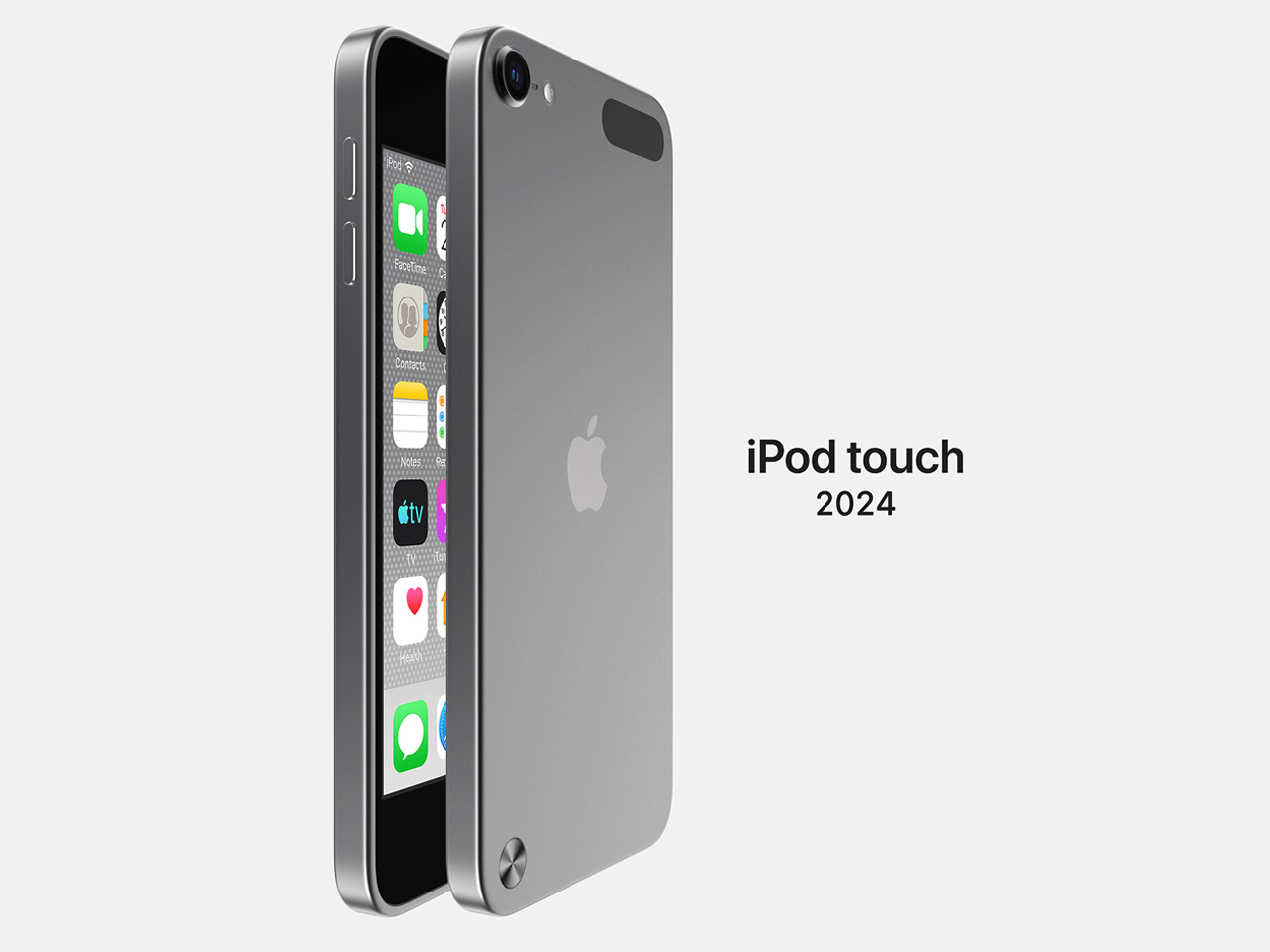
What if iPod Touch survived till today? Perhaps, it would have had evolved into a niche entertainment device–it was a niche product when it existed. Anyway, the music player is in the grave without a chance for resurrection, but that’s a little impediment for creators. No wonder, two designers believe the iPod Touch can be redesigned in the iPhone 16 design language, and this is what it would be. Read on!
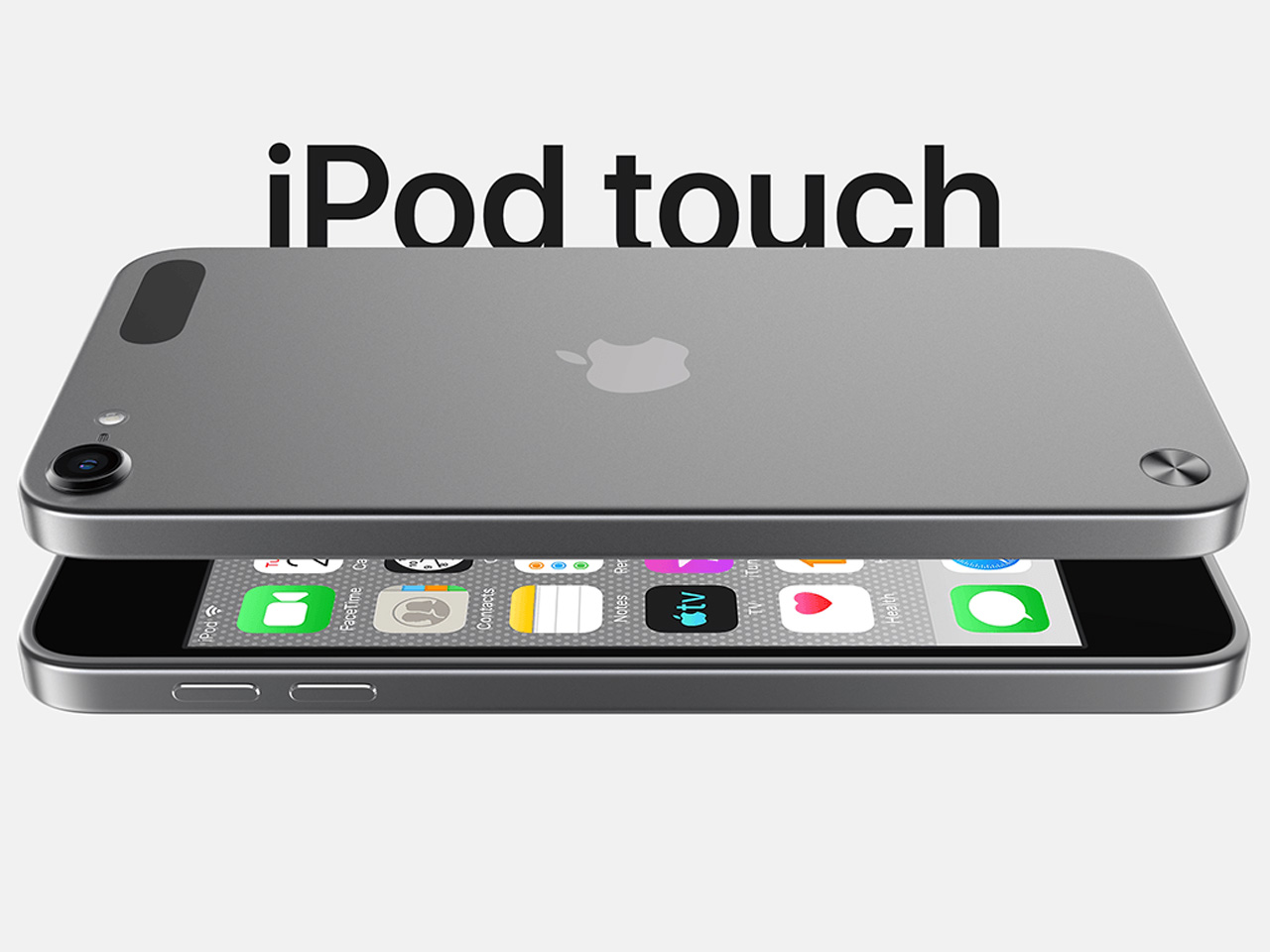
Easily saying, if the iPod Touch continued to date, it would have been an iPhone-styled entertainment device with a focus on high-quality entertainment. It would have played games, streamed media in all forms, and would have been thriving on the integrated Apple ecosystem syncing seamlessly across smart home devices, Apple Watch and yeah, the AirPods.
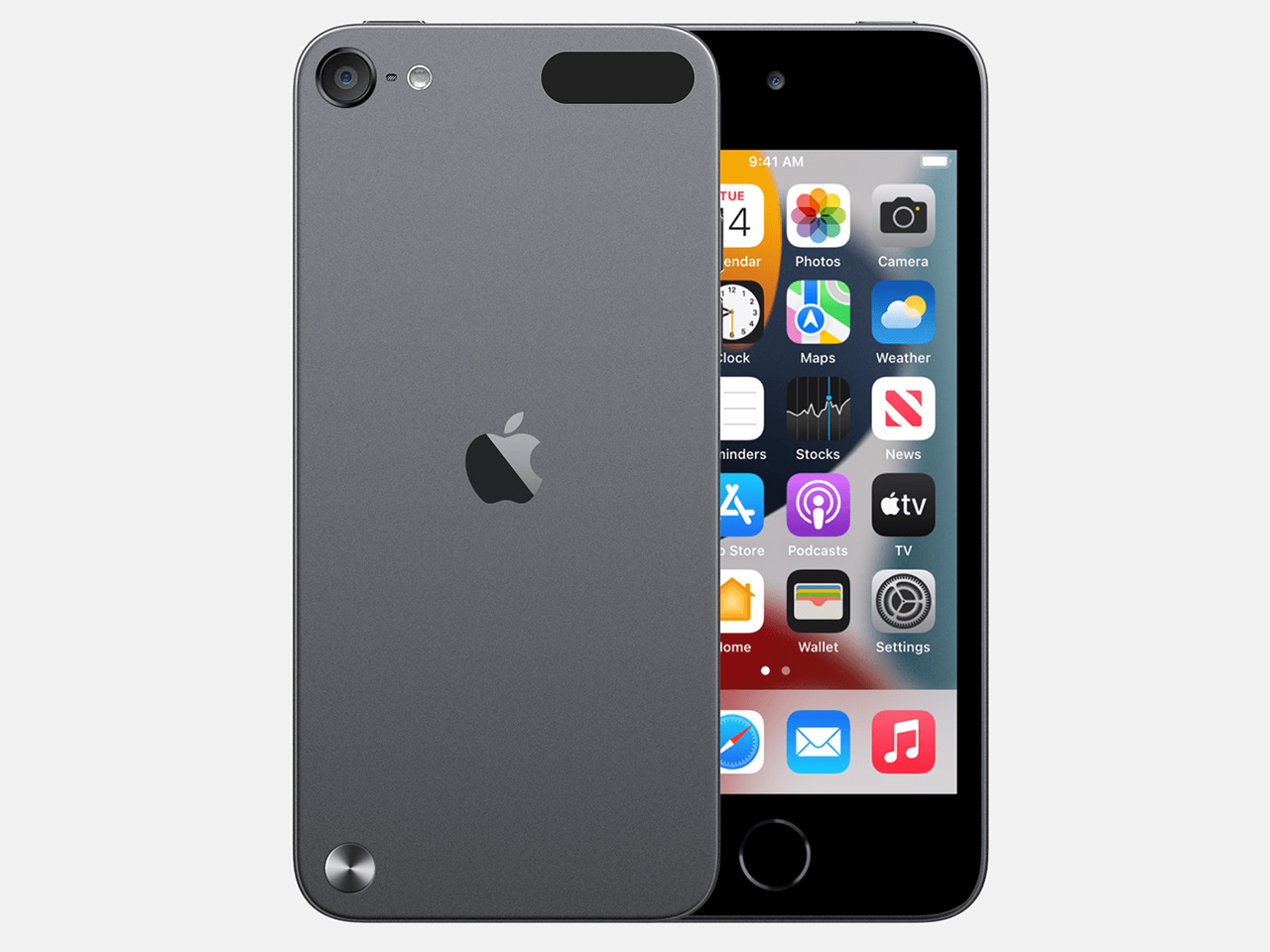
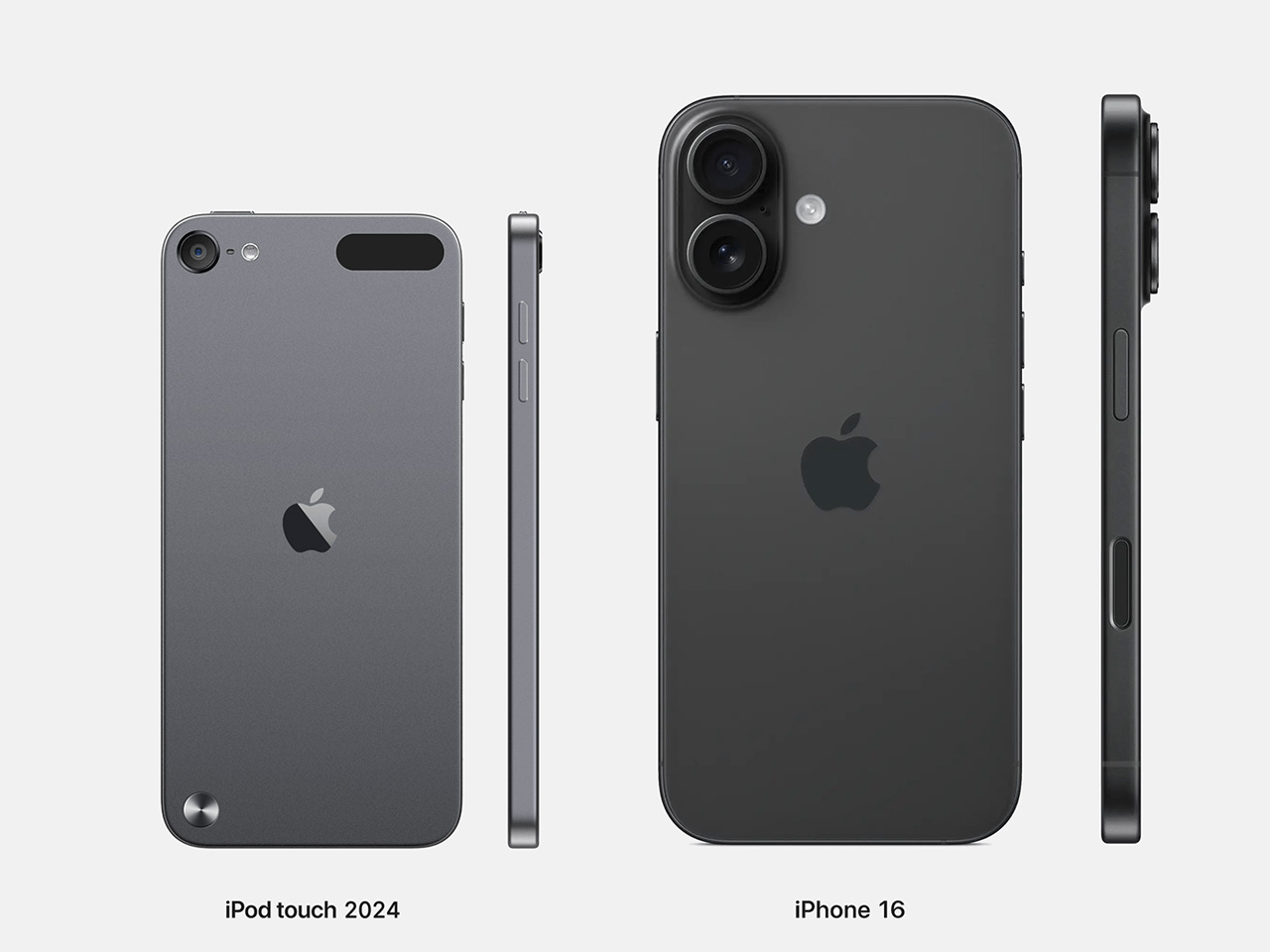
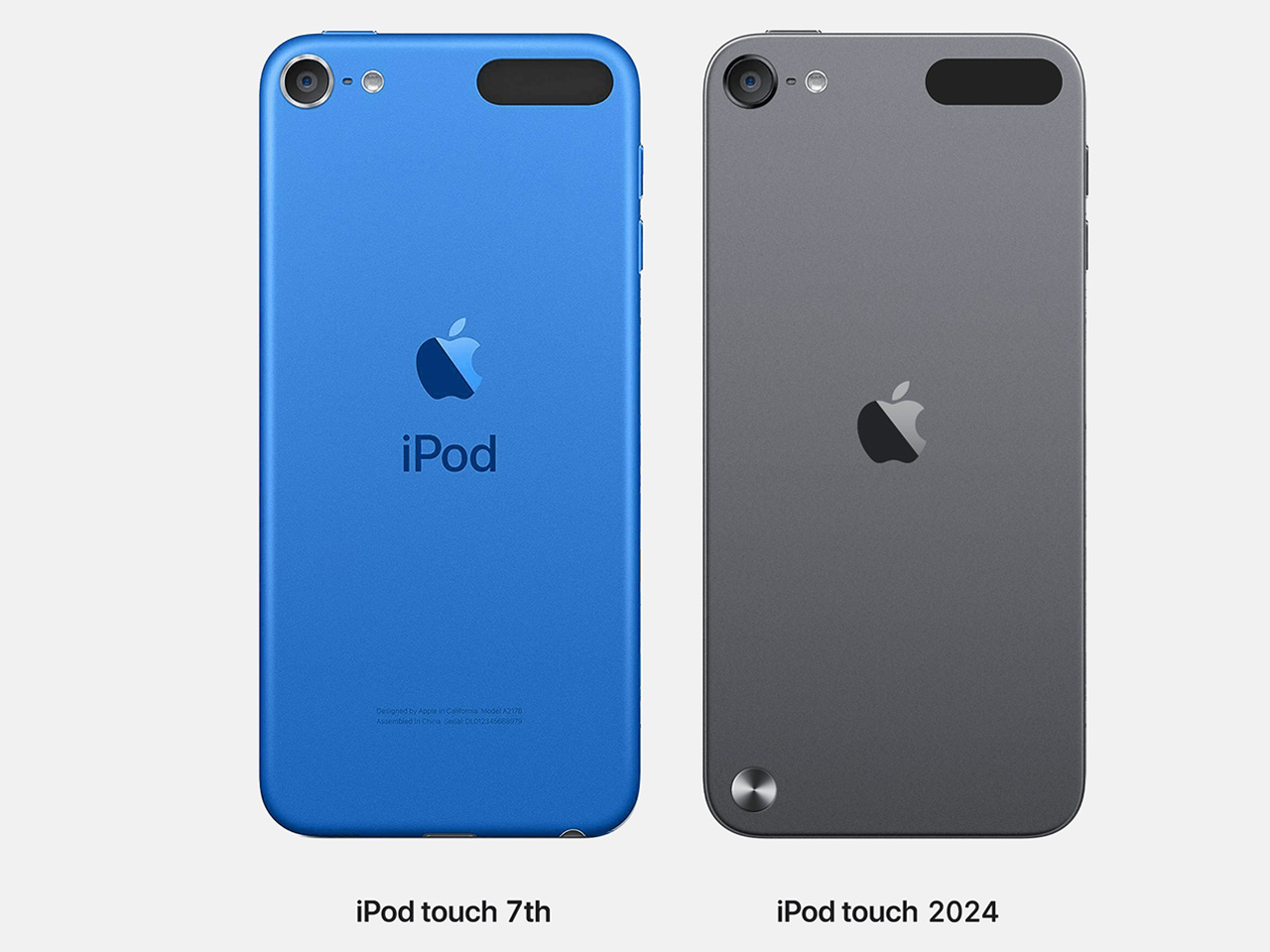
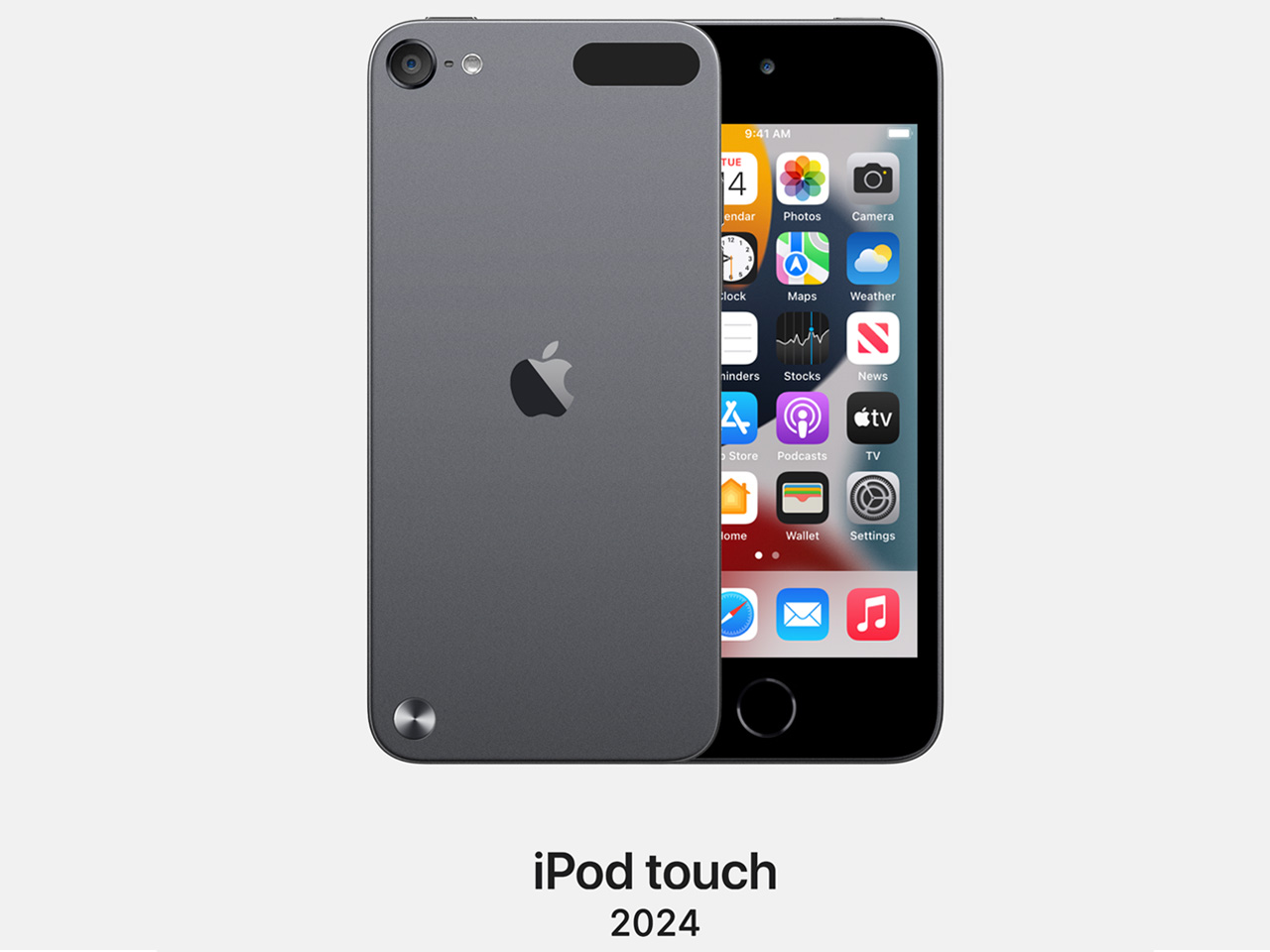
This is far from how JUAN and wong have envisioned the iPod Touch (7th generation), which has been off the shelves and discontinued for the better part of three years now. The idea of their iPod Touch is pretty much the same device with slight hints of the latest iPhones, the iPhone 16 lineup. So, the overall dimensions of the 7th generation iPhone Touch remain unchanged.
The reworked iPod Touch retains the 4-unch Redina display on the front. But in the back, the iPhone look is pretty evident with the single Apple logo in the center. No iPod branding or any additional text information toward the bottom. The designers note that “the pop-out loop hanger button” has been revived to make that evident distinction of the iPod Touch from iPhones and iPads.
Taking a slight dig at Apple’s complacency or rigidness, if you may, to shift to the universal USB-C type charging slot, the designers have stuck with a Lightning connector for charging. Assuming if it were made, the iPod Touch would feature a Lightning connector because Apple “probably has plenty of stock still available.”
Despite AirPods being the most obvious choice to be used with the iPod Touch, JUAN and wong have not parted with the good old 3.5 headphone jack. Continuing on the back, the plastic antenna cap is visible. iPhones and iPod now have it in their frame, but the iPod is happy with it in the back. This would, the designers suggest, add to the iPod Touch’s identity and also be cost-effective to pull off!
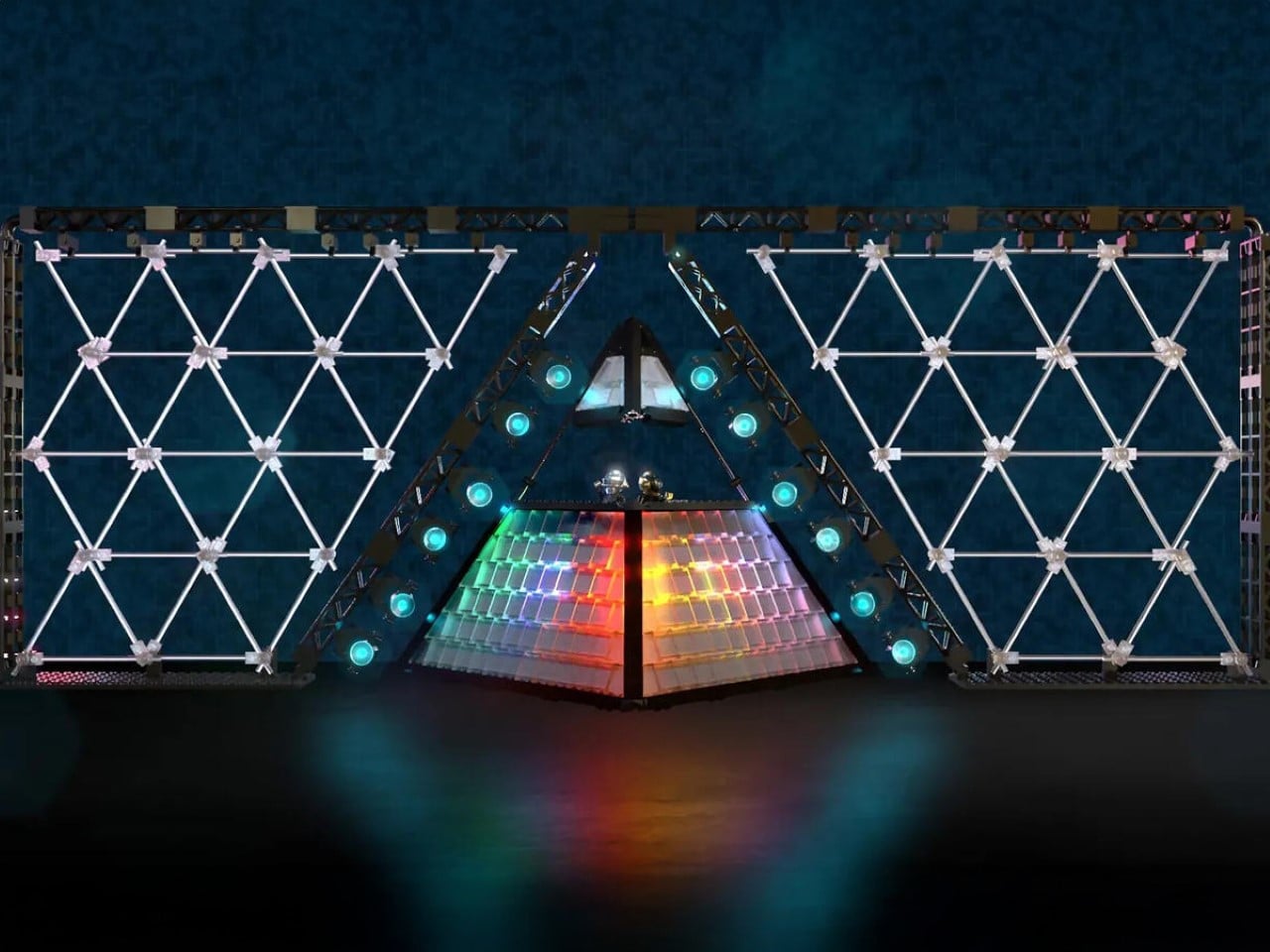
Four years ago, a father-son duo won the Grand Prize in the global LEGO competition Music To Our Ears! for their LEGO rendition of the Daft Punk Pyramid Stage from Coachella 2006. Although the MOC (My Own Creation) won the award, it wasn’t selected by LEGO’s internal team to be turned into a box set. However, the duo responsible for the design are hoping to Get Lucky by submitting this entry One More Time, and they’re banking on support from Around The World to help turn this one-off piece into a set that LEGO and music enthusiasts can buy and play with!
Designer: Robotrock
Not many people knew that Daft Punk’s 2006 Coachella set would be the last time they headlined the event. When the duo took the iconic pyramid-shaped stage back in 2006, they set what’s still considered a gold standard in Coachella performances – something that even nearly 2 decades later is difficult to match. However, being the elusive robots they are, Daft Punk never really decided to pull off such a feat again, and they disbanded in 2021, after 28 years together. The Coachella Pyramid is an iconic part of music history, and Robotrock – the moniker behind the LEGO set – did full justice to it with their 2,000-brick recreation of this moment.
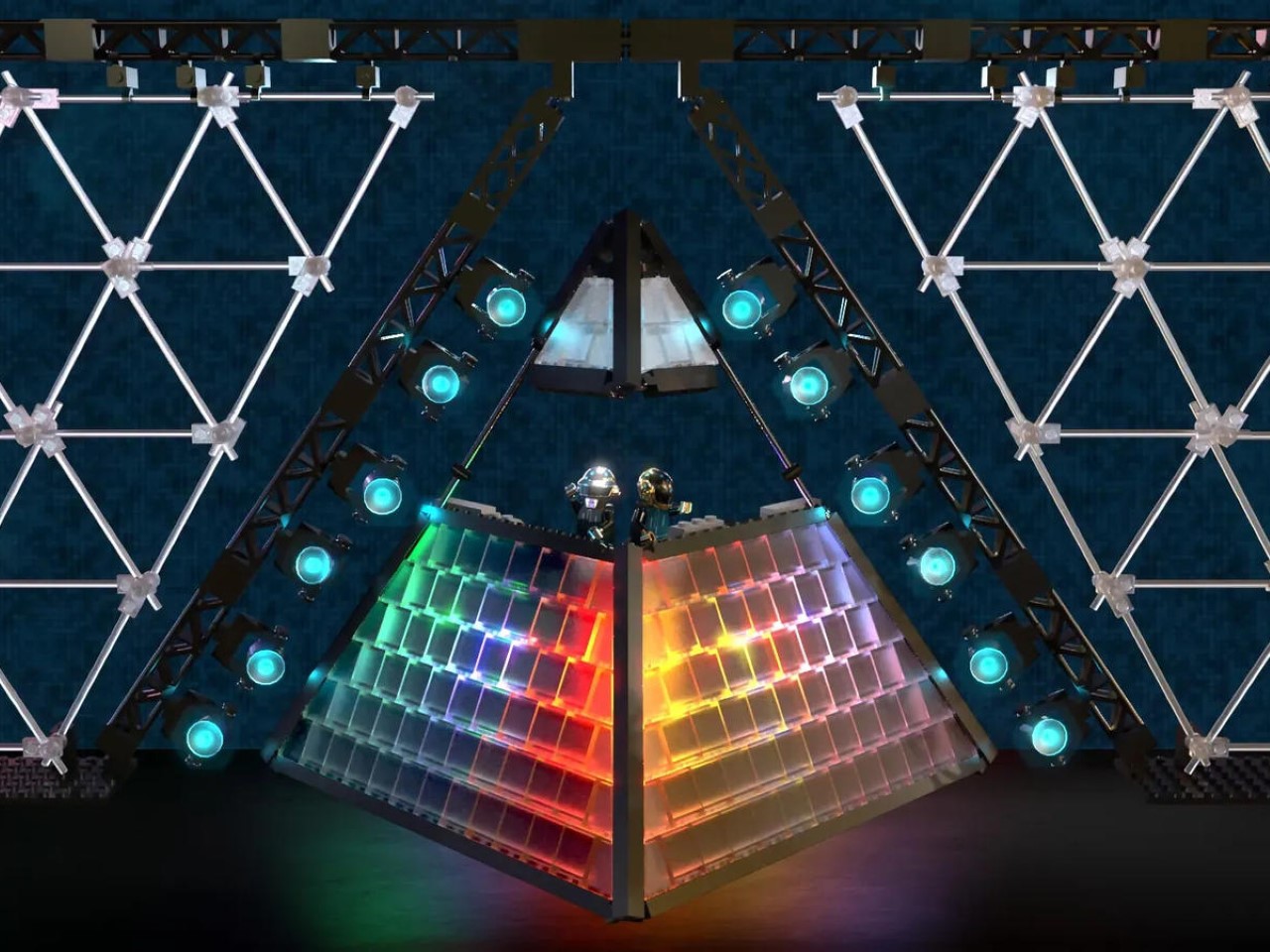
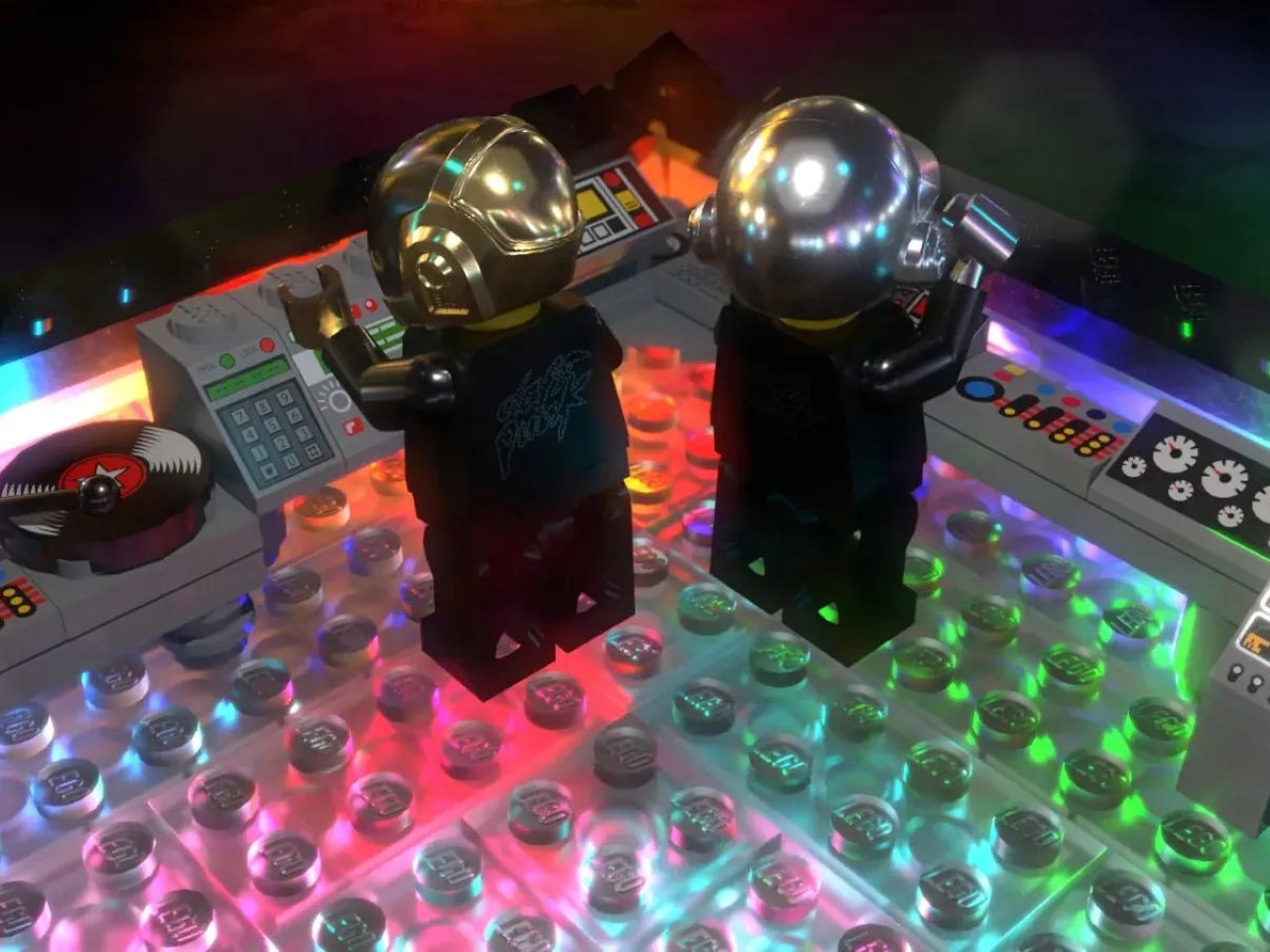
The set features the two artists on a colorful pyramid-shaped stage, with lights inside the pyramid glowing as the duo performed music. The two artists are perched on their platform, dressed in their robot-shaped garb, while working on the mysterious electronic console that helps them produce, remix, and perform their music.
“This project began in 2020 as a fun father-son collaboration, growing into something epic as we found ourselves needing a creative escape during lockdown,” says Robotrock. “Both huge Daft Punk fans, this build is a fusion of 2 passions. I spent my teenage years listening to Homework on my Walkman, while my son’s 1st favorite baby song was Get Lucky. It felt only natural to blend our love for Daft Punk’s music with our love for LEGO. My then 8-year-old son started with a prototype built from the bricks we had at home, and I expanded on it digitally.”
The centerpiece of the design—a rotating box of transparent bricks inside a pyramid—is powered by a motor, with a set of lights dangling inside to recreate that iconic Daft Punk Alive 2007 pyramid. This 2000-piece set was a real challenge. Lego bricks aren’t typically used to create triangular shapes, so we had to get creative in finding ways to make all those angles fit together.
LEGO builders are very meticulous, and abide by a strict code of conduct to ensure bricks aren’t used in ‘illegal’ ways to create MOCs or My Own Creations. Here, Robotrock points out that LEGO doesn’t have an official Daft Punk retail set, which means the helmets being shown in the MOC can’t be bought off the shelf. Although this would mean they’re an ‘illegal’ creation, Robotrock points out that there’s a technical legality in their design since Pharrell’s upcoming LEGO biopic, Piece By Piece, features LEGO minifigures of Daft Punk too!
The LEGO Ideas Daft Punk Coachella Pyramid is currently a submission on the LEGO Ideas forum, where fans and enthusiasts can vote for their favorite fan-made LEGO creations. With enough votes, the LEGO Ideas team reviews the design and decides whether to turn it into a retail box set or not. As a massive Daft Punk fan myself, I sincerely hope they do! You too can vote for the LEGO Ideas Daft Punk Coachella Pyramid on the LEGO Ideas website here.
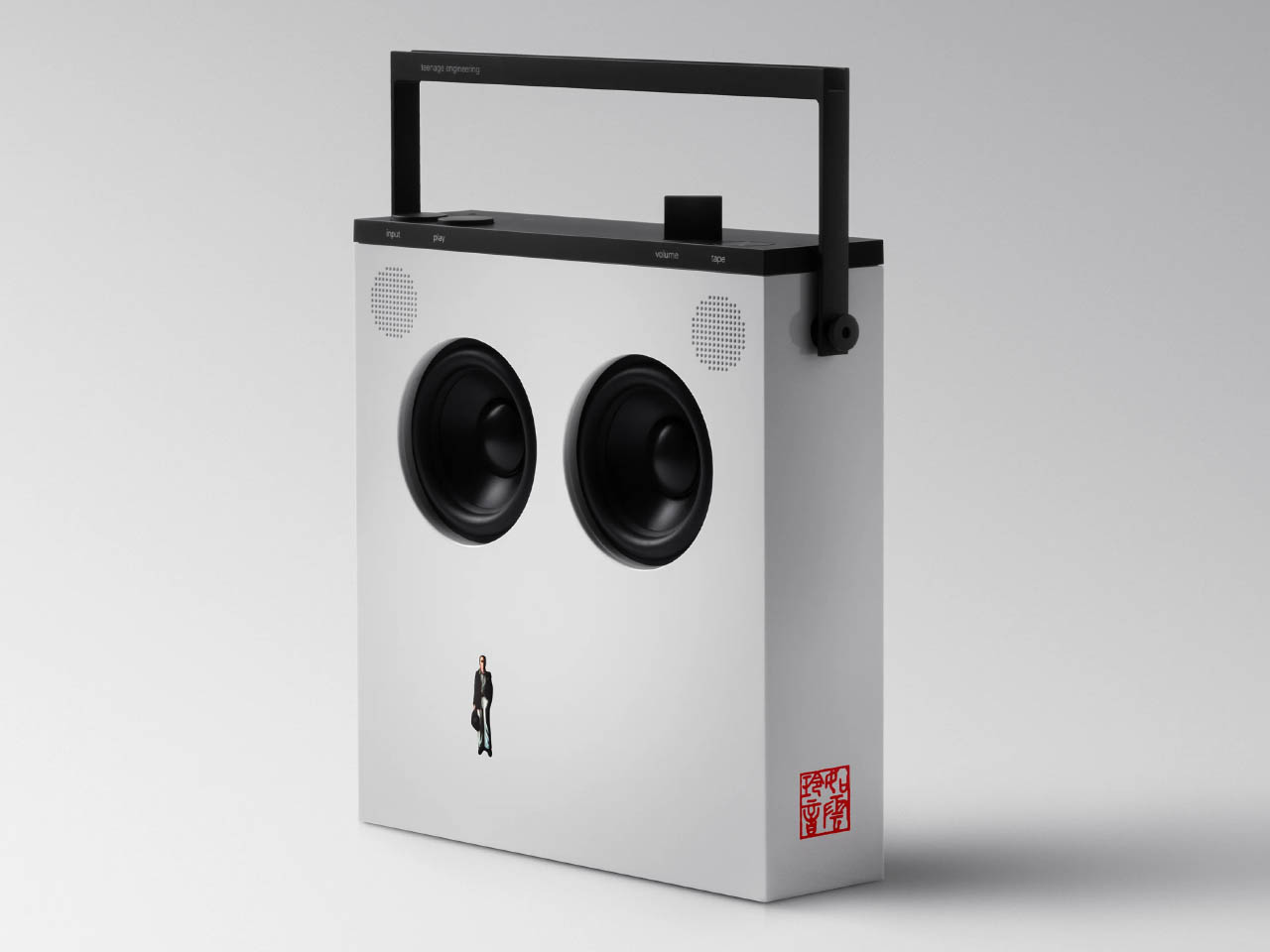
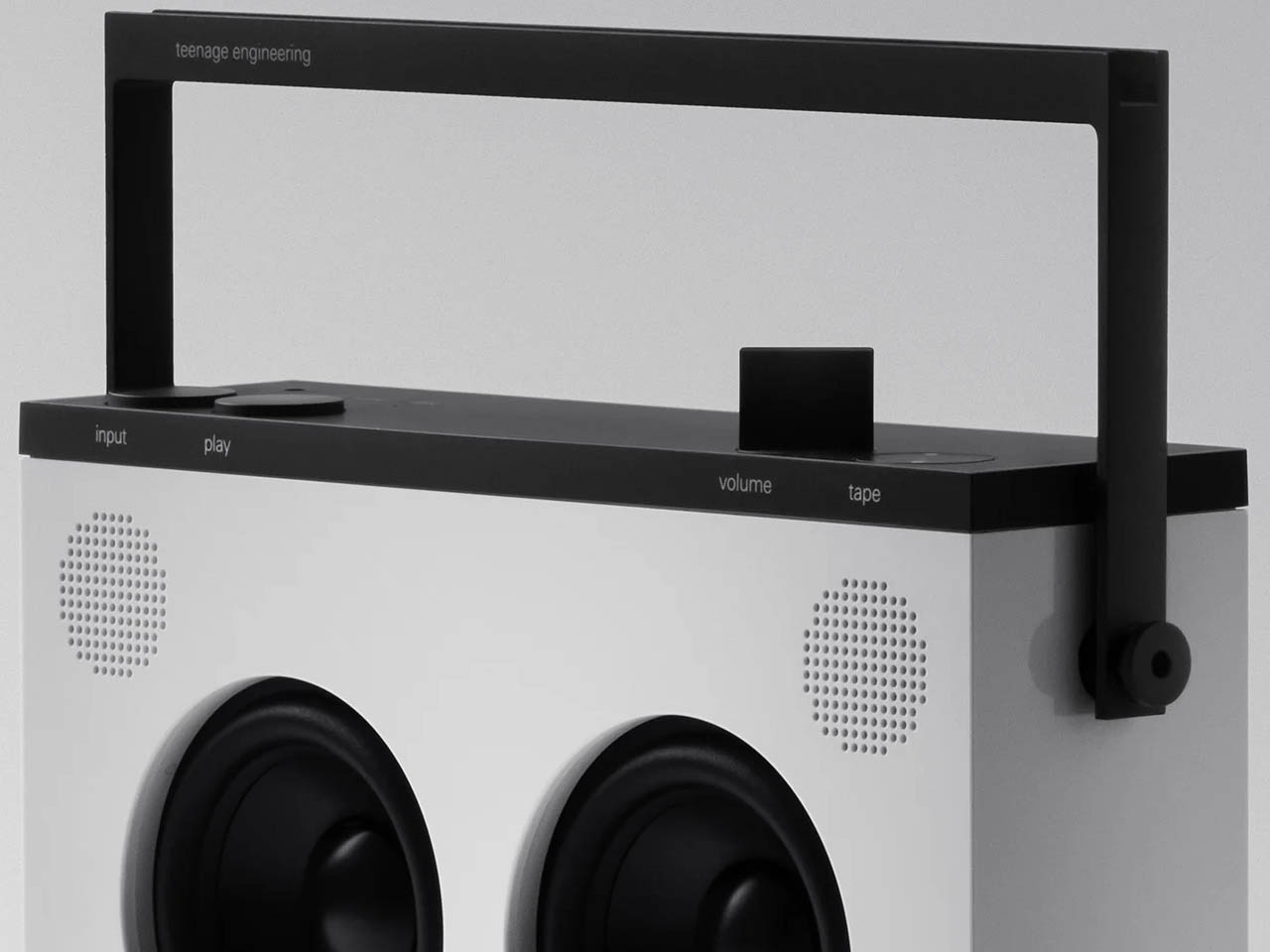
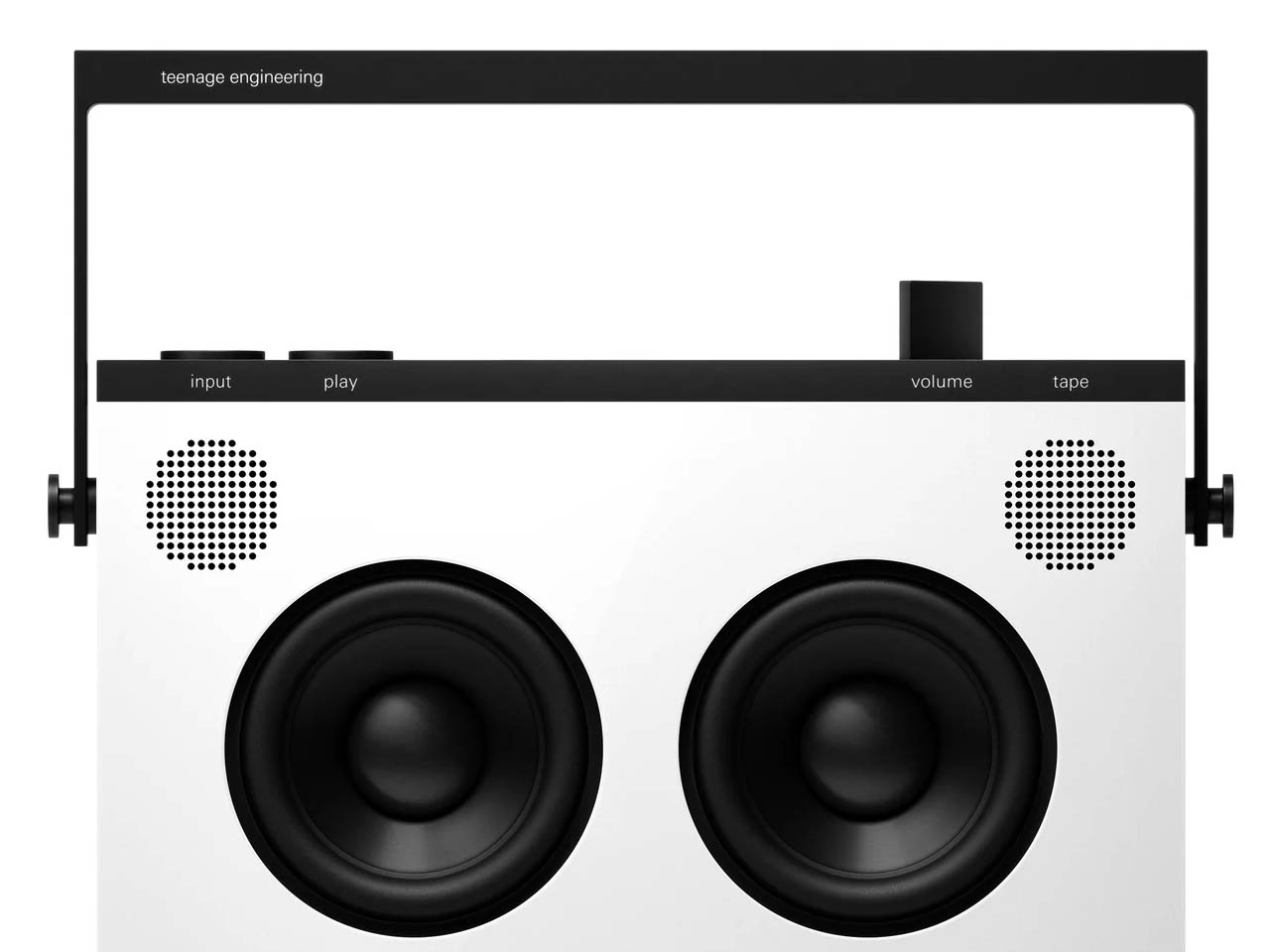
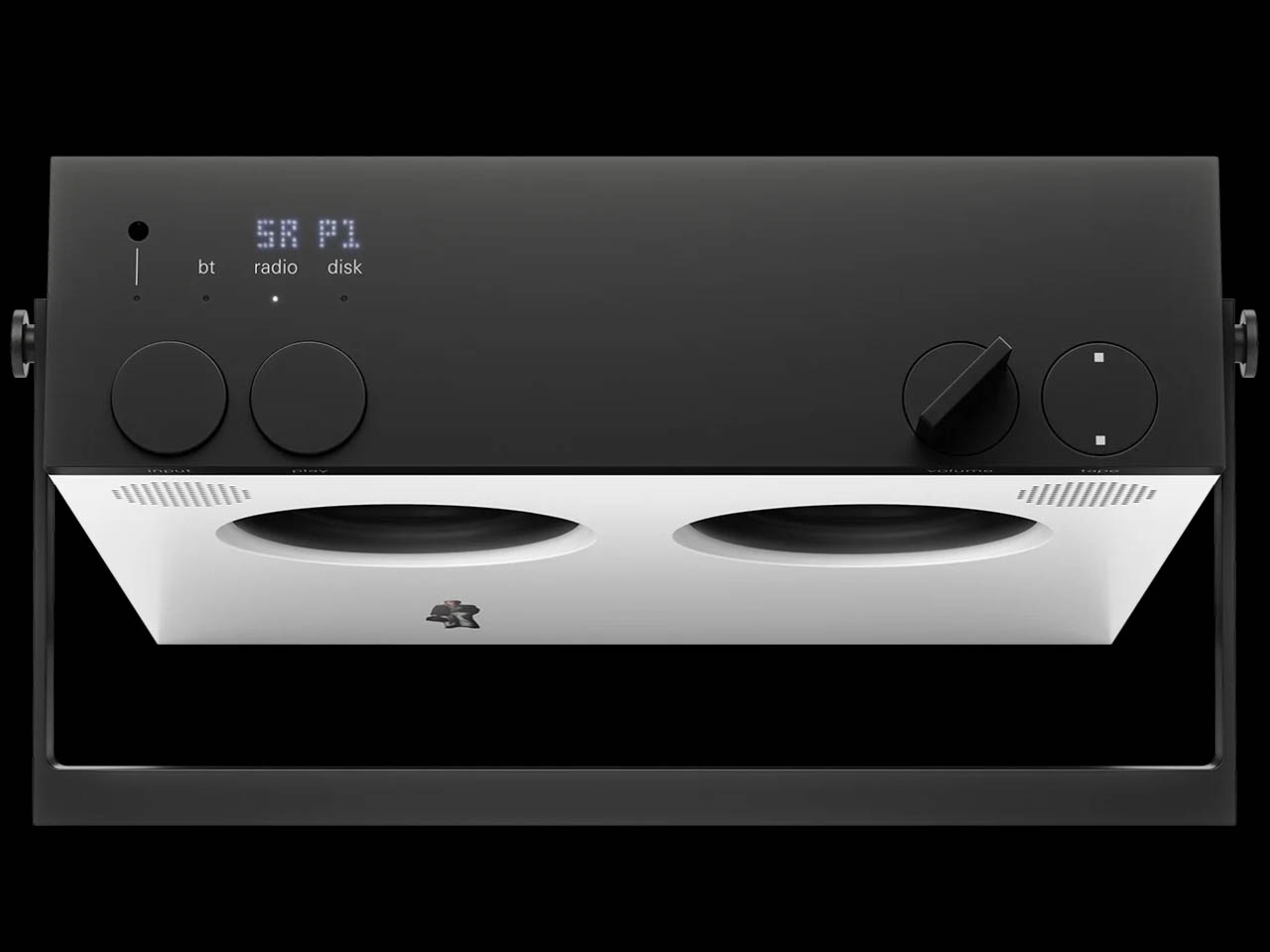
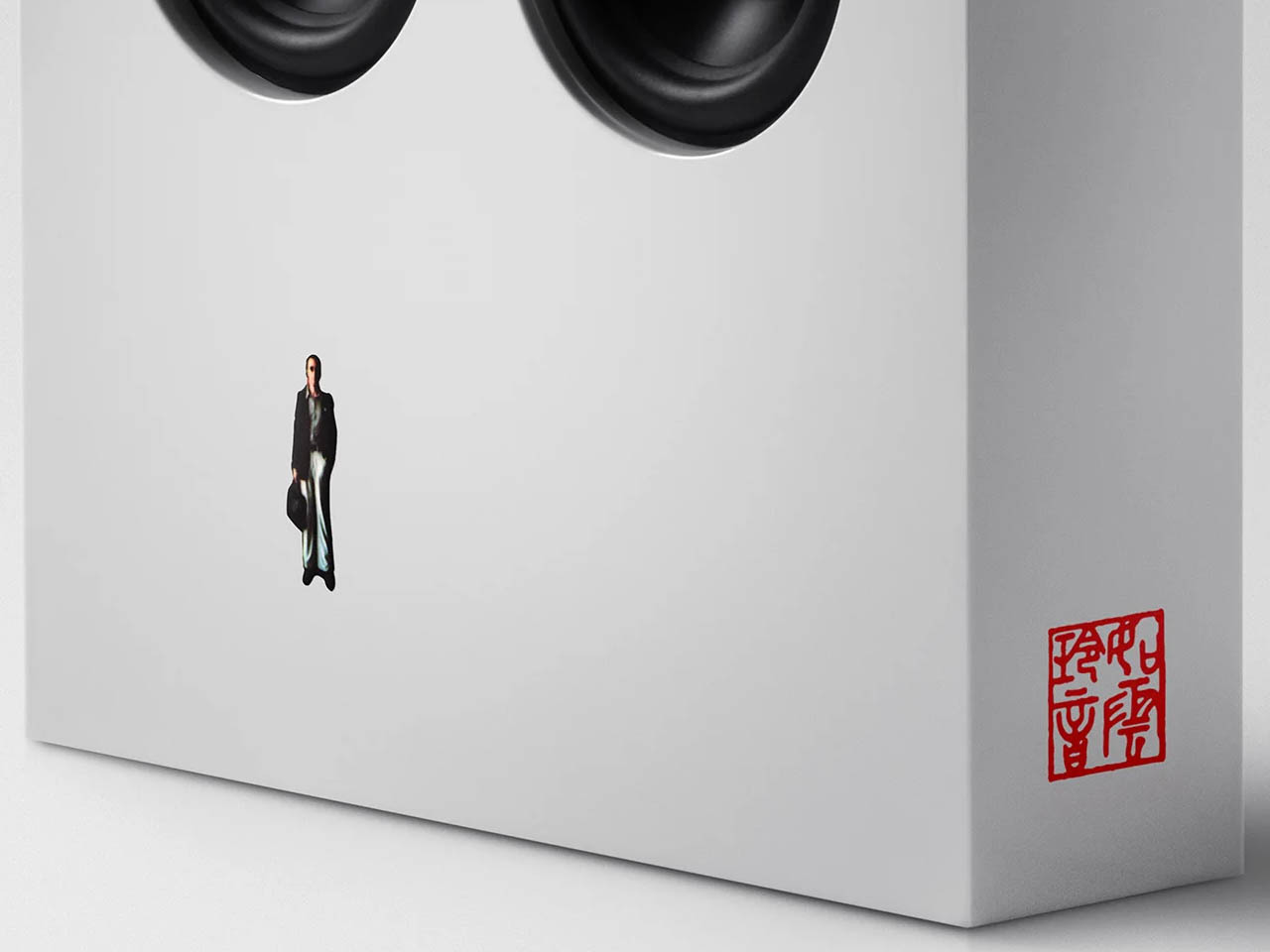
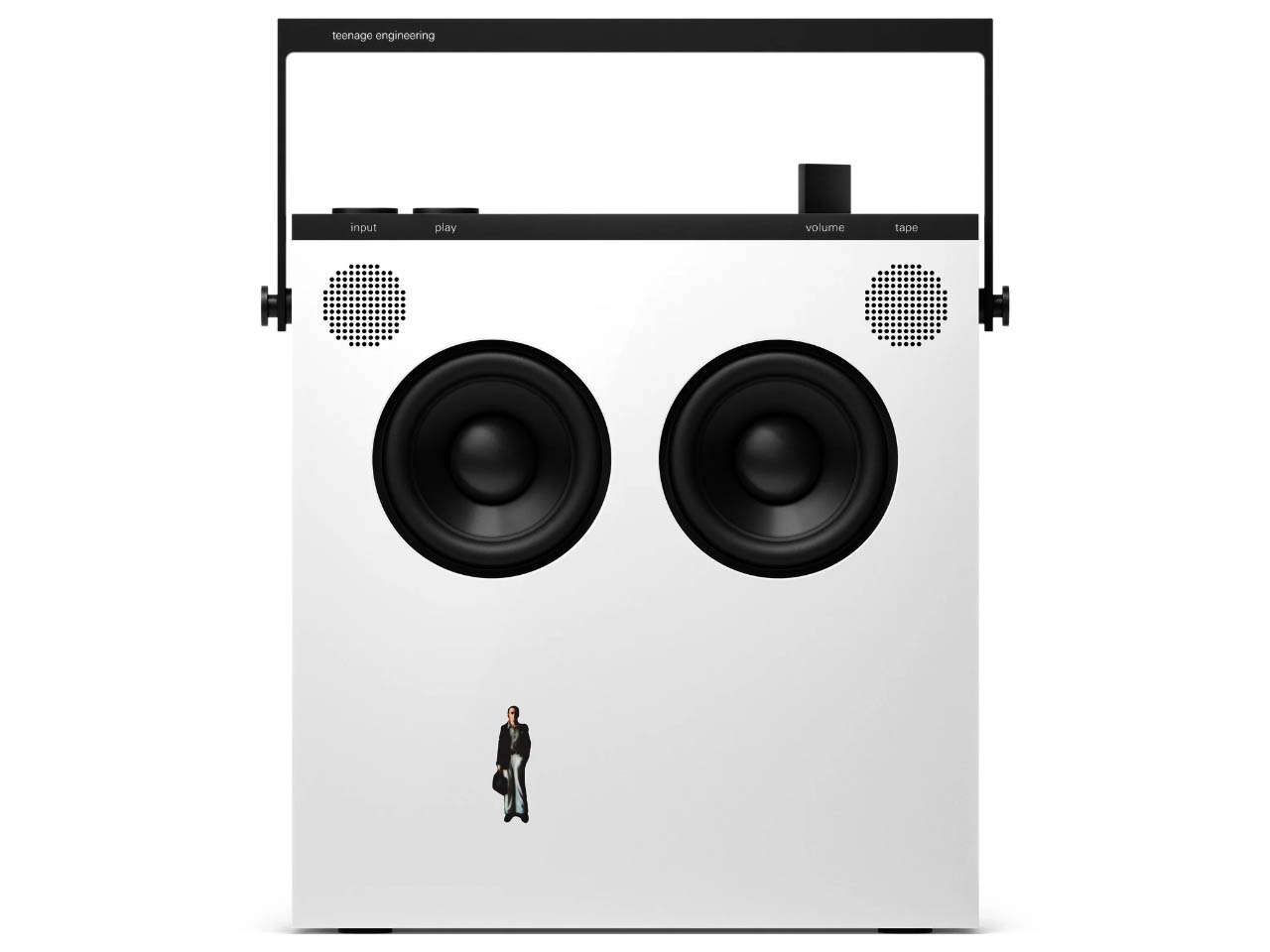
Teenage Engineering is long known for its musical design and they’ve got another head-scratcher for all the John Lennon fans. His son Sean Ono Lennon has collaborated with Teenage Engineering to create a custom-made Bluetooth speaker for the legendary singer’s birthday. Coincidently, Sean shares his birthday with his father, and this is the perfect gift for him turning 49 and also for diehard fans.
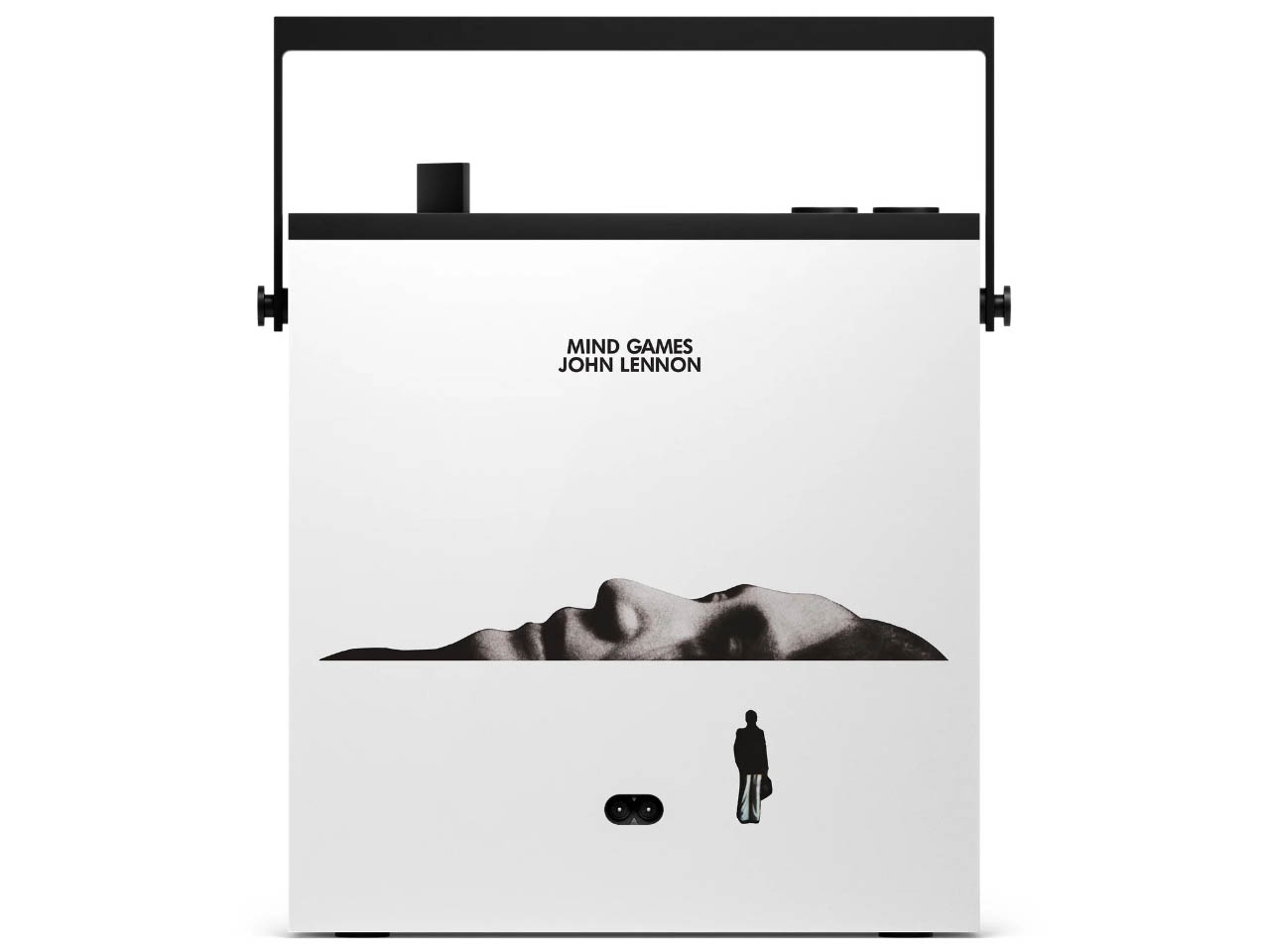
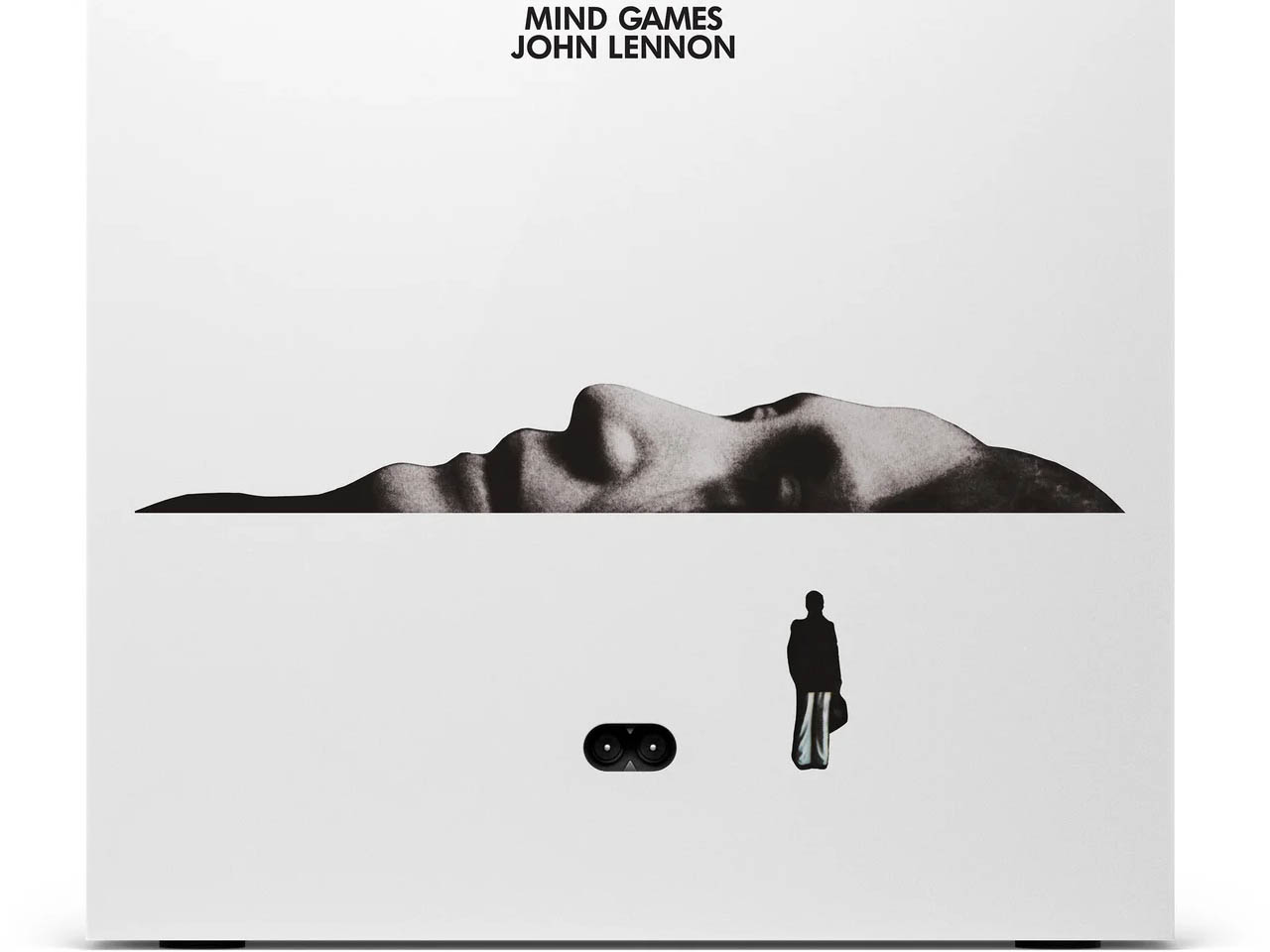
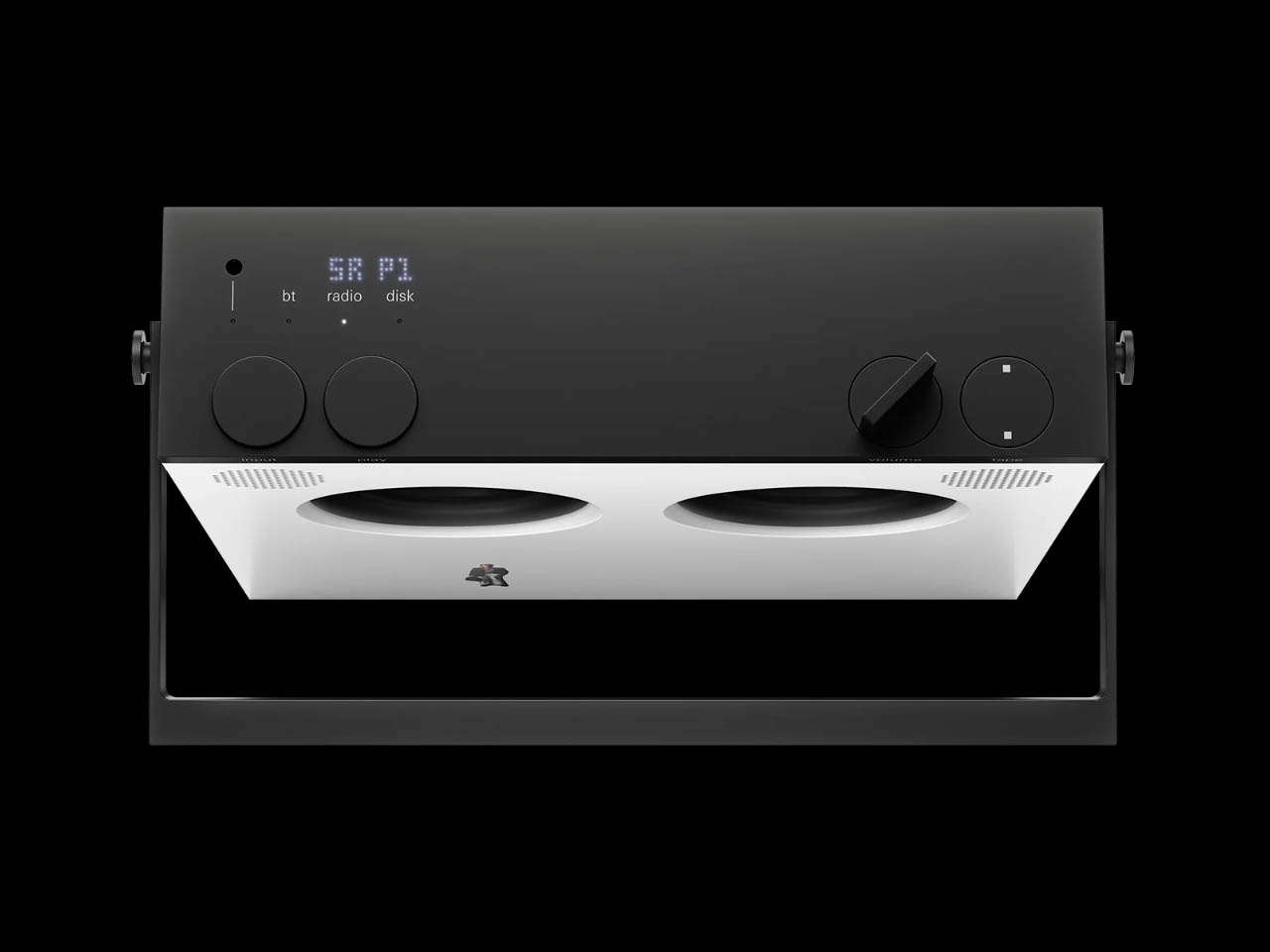
The focus of the minimalist wireless speaker-cum-radio christened Mind Games Limited Edition OB-04 is the 1973 album Mind Games. The audio accessory has a two-hour loop recording function for rewinding, time-stretching and looping the live radio.
On the outside, the speaker is inspired by the album art of the fourth solo studio album by John. The graphic has the popular graphic where a mini Lennon is minusculed by the Yoko-mountain graphic. The legendary musician and singer was a proponent of peace and the Teenage Engineering’s white truly matches that vibe. Till date fans mourn his death after he got shot, and the speaker’s exclusive content is a homage to that. There are six sets of new mixes of the Mind Games album which include the raw studio mixes, the Evolution documentary, the Elements mixes and Elemental mixes. That’s not it as there is a new metronome, meditation mixes (nine re-edits of the album’s title track) and nine mantras to complete the set. Some of the aforementioned tracks have instrumentals and record engineering by Sean and Scott Holingsworth.
This limited edition version is based on the OB-04 BT speaker which in itself is an exclusive audio accessory. The hardware on the inside remains the same, so audio quality and soundstage are going to be similar. On a single charge, you can listen to the music albums for 40 hours uninterrupted and in the radio mode it goes up to 72 hours. Carrying the weighty legacy of John Lennon, the ‘Mind Games’ edition is understandably priced at $999, almost twice as the standard version which can be bought for $549 in 7 color options.
Green Day'sDookie is an all-timer of an album and, if you were fortunate enough to catch the band on the road this summer, you'll know the trio sounds as good as ever. Audio quality, however, was not at the forefront of the band's latest release: demasters of every Dookie song on ridiculous and outdated formats to mark the record's 30th anniversary.
While other classic albums often get remasters for big anniversaries, Green Day (with the help of of an art studio called Brain) went in a lo-fi direction by re-releasing the music on defunct and/or inconvenient formats in very limited editions. As a result, you can hear what "Basket Case" sounds like through a Big Mouth "Billie" Bass, listen to "Welcome to Paradise" via a Game Boy cartridge and enjoy (or not) "When I Come Around" emanating from a wax cylinder.
Other formats the demasters appear on include an answering machine, toothbrush, animatronic stuffed animal, floppy disc, doorbell, Fisher Price record, HitClip (remember those?) and, be still my beating heart, MiniDisc. Meanwhile, "All By Myself," an ode to self-love sung by drummer Tré Cool, actually sounds kind of sweet through a music box.
You can hear what each of the demasters sounds like on the Dookie Demastered website. But if you want to own one of them, you'll need to be lucky. Only between one and 50 of each demastered format is available and they're priced between $19 and $99, but thankfully it's not a first-come-first-served scenario. There's a random drawing and you'll get the chance to buy one of the items if your name's pulled from the hat.
Demastering is becoming more of a trend, especially invideo games, but this is simply a bizarre way to listen to an album as important for punk rock as Dookie was. It would be very cool to have an X-ray record of “Coming Clean” in my collection, though. (For the tape, Green Day did release a deluxe anniversary edition of the album.)
This article originally appeared on Engadget at https://www.engadget.com/entertainment/music/green-days-dookie-has-been-demastered-into-game-boy-carts-a-toothbrush-and-other-weird-formats-175246772.html?src=rss