Microsoft’s layoffs extend beyond Xbox
Microsoft is cutting an additional 3,200 jobs beyond those in the gaming division.
The premium laptop market has spent the last few years in a quiet but intense competition. Apple keeps raising the performance ceiling with each new M-series chip, and Windows-on-Arm devices have been working to close that gap one generation at a time. The question for most buyers has stopped being which platform is faster on paper and started being which one actually earns the asking price when you sit down to use it.
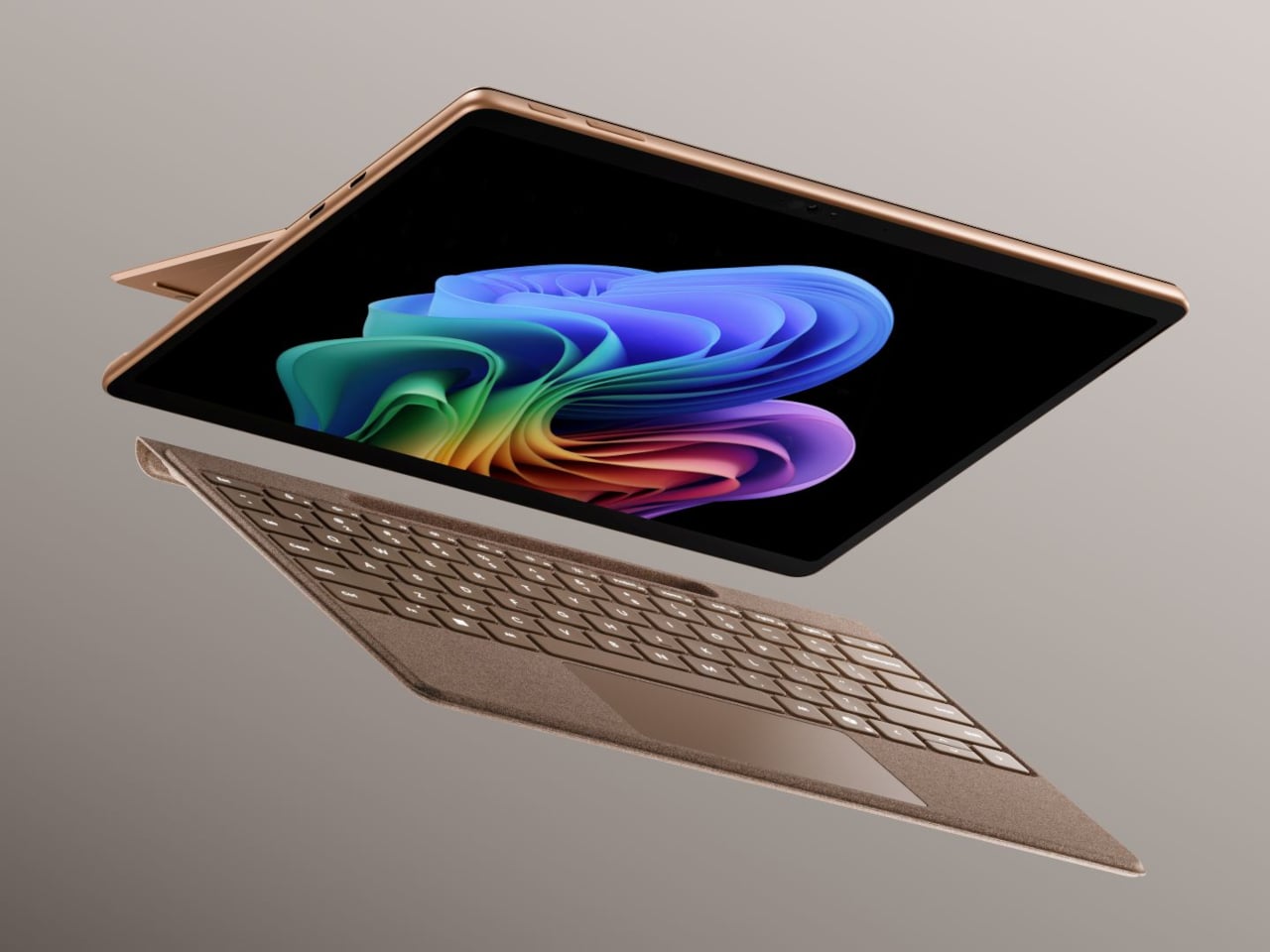
The Surface Pro 12 and Surface Laptop 8 are Microsoft’s answer, both powered by Snapdragon X2 processors and coming with more performance, longer endurance, and more refined hardware than the generation before. They’ve also gone up significantly in price, starting well above where their 2024 predecessors landed, making these among the most expensive consumer Surface devices Microsoft has put out in the lineup’s 13-year history.
Designer: Microsoft
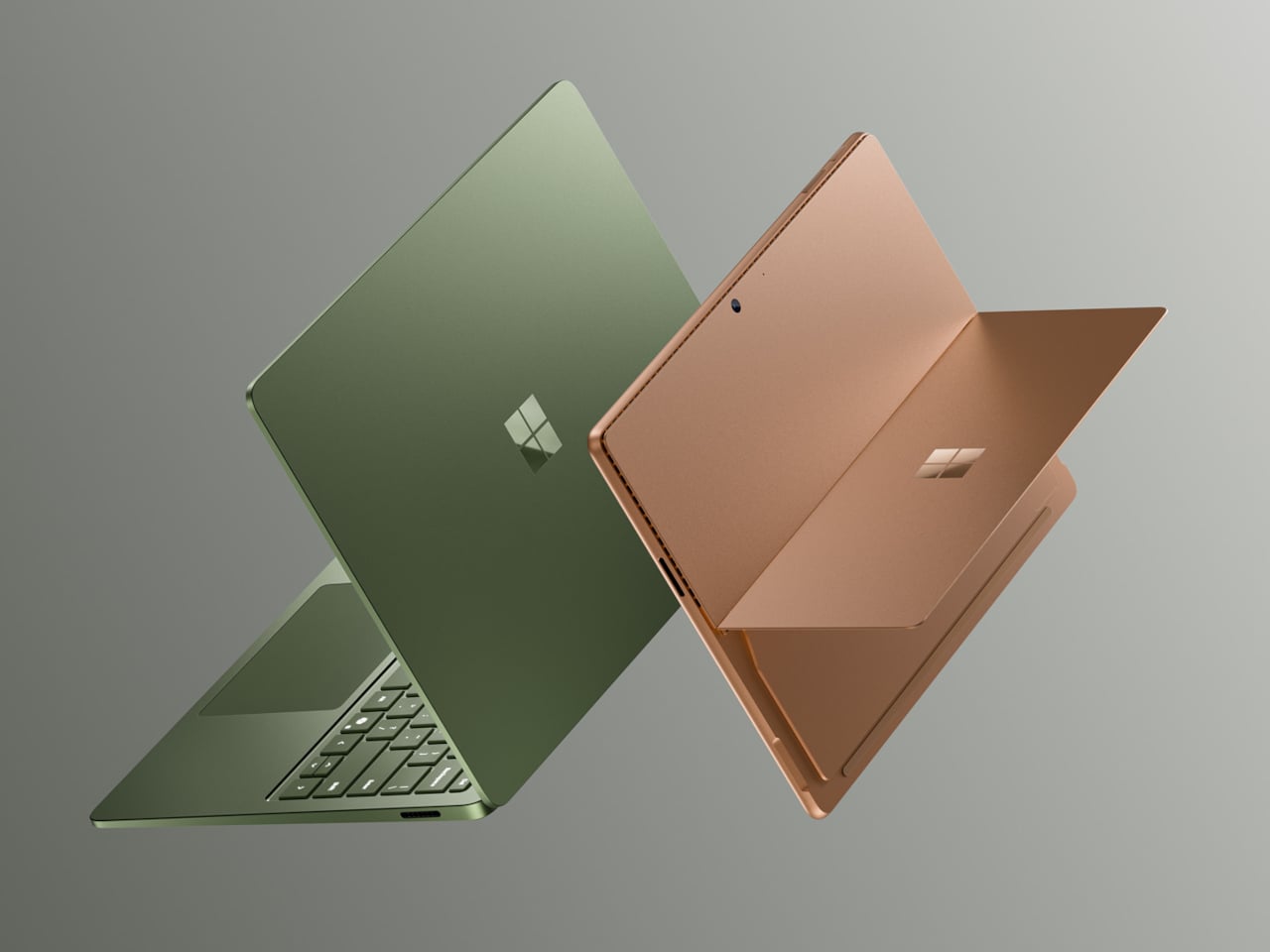
The Surface Pro 12 packs a 13-inch OLED PixelSense Flow display at 2880×1920 resolution, with a 120Hz dynamic refresh rate, 600 nits in SDR, and 900 nits at peak HDR brightness. Dolby Vision IQ is supported, and the panel is individually color-calibrated. It’s configured with either the Snapdragon X2 Plus or the X2 Elite, with up to 64GB of LPDDR5x RAM and a 1TB removable Gen 4 SSD.
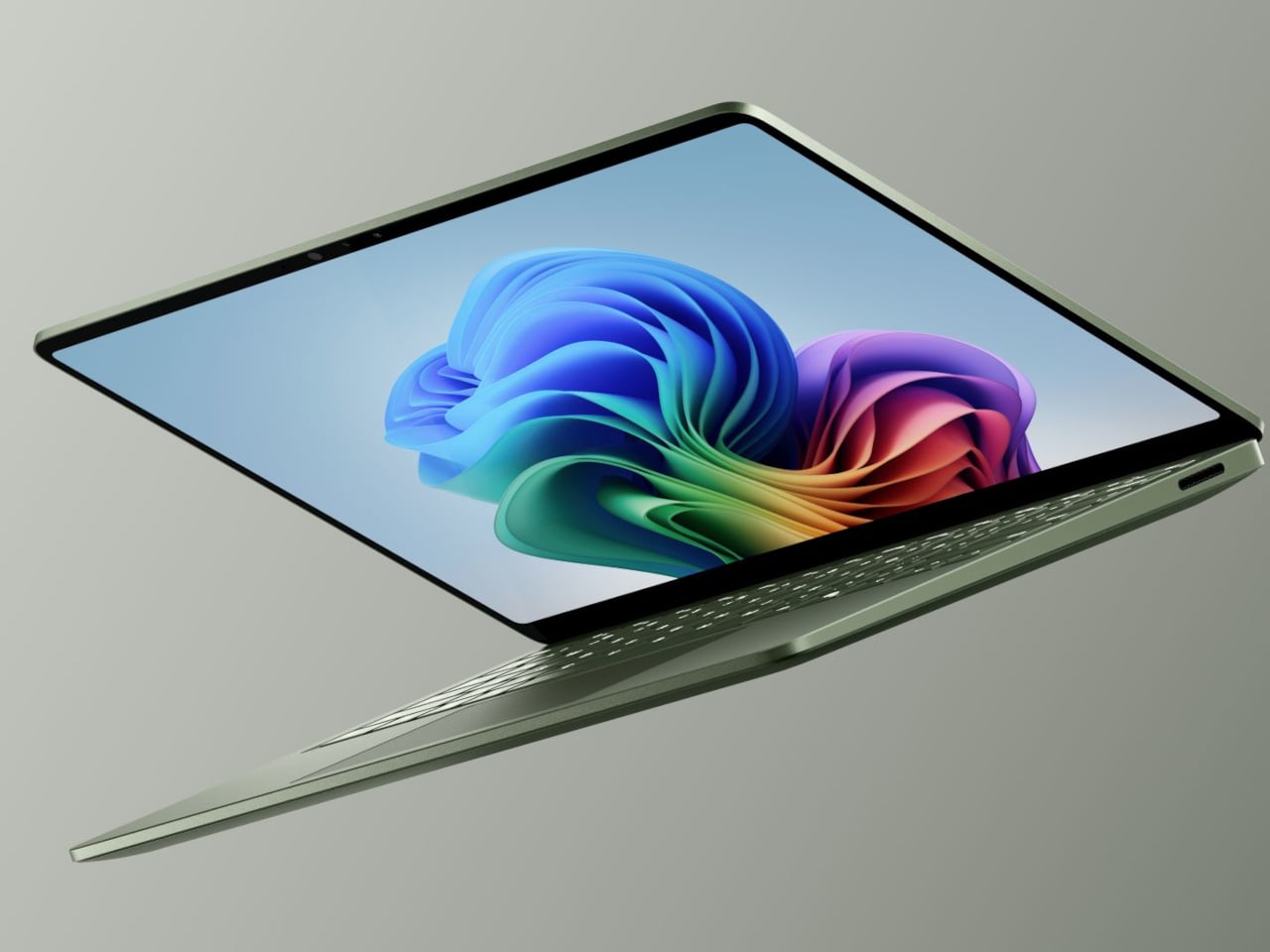
The Surface Laptop 8 comes in 13.8-inch and 15-inch sizes, with the 15-inch getting the more notable display upgrade. That model gains a 262 PPI screen at 3,270×2,180 with Dolby Vision IQ and 600 nits in both SDR and HDR modes. The 13.8-inch arrives in a new Jade colorway and earned the top spot in DXOMARK’s integrated laptop webcam rankings. Both Laptop sizes gain a new haptic trackpad.
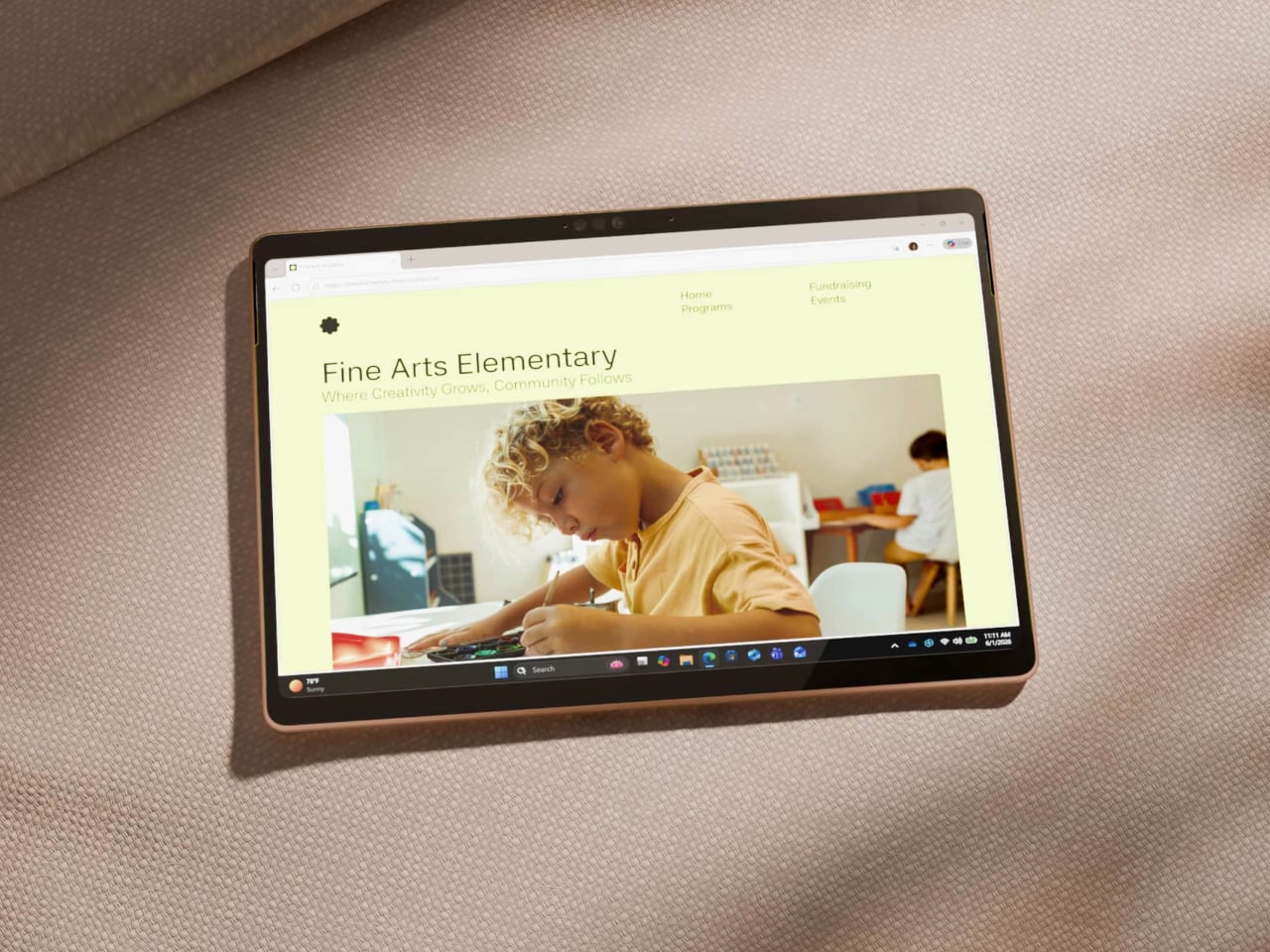
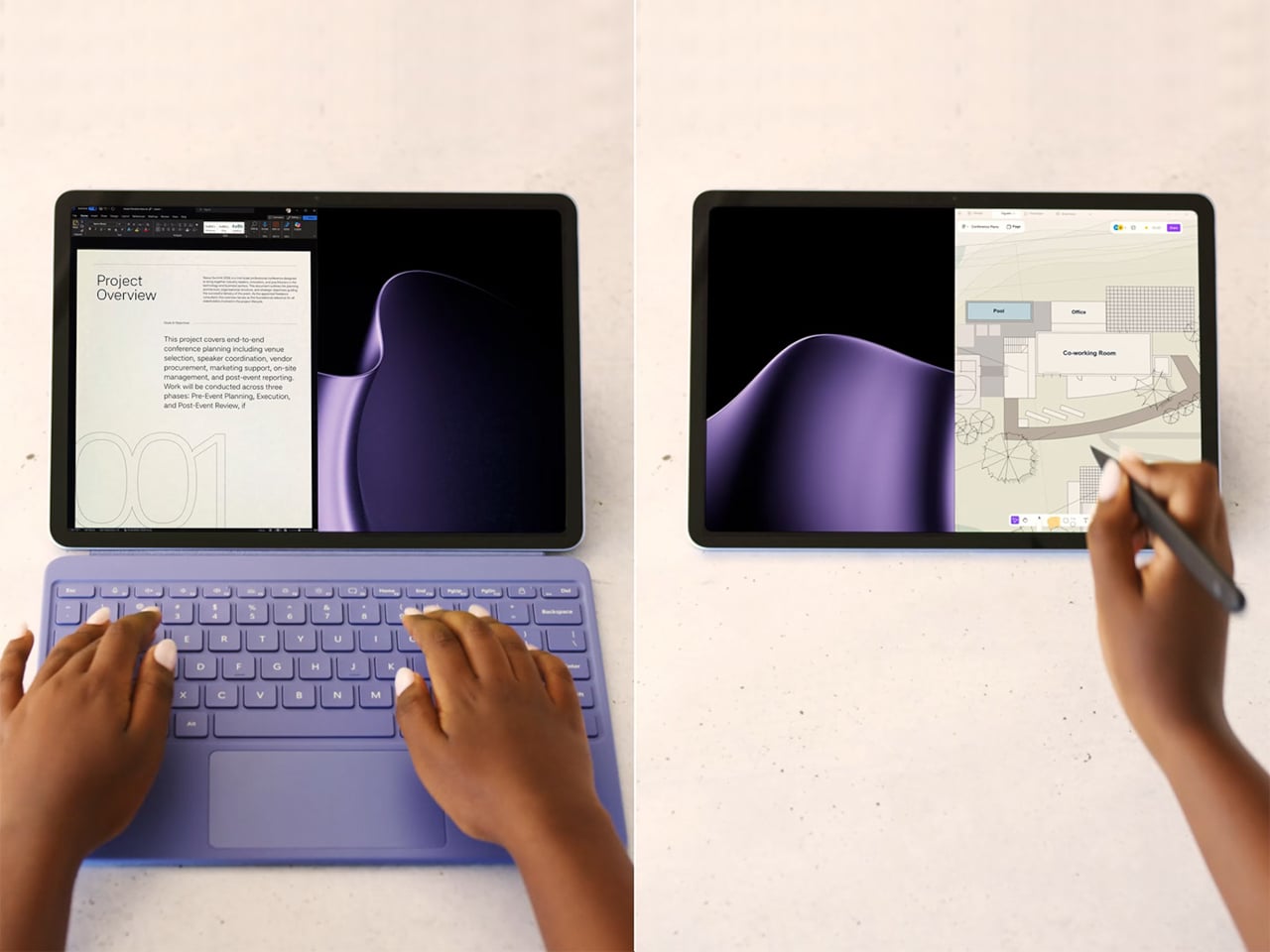
Both devices run on Qualcomm’s Snapdragon X2 chip family, delivering 80 TOPS of AI processing through the Hexagon NPU. On the Laptop, graphics performance is up by as much as 58% over the previous generation based on Microsoft’s 3DMark testing. Battery life reaches up to 20 hours on the 13.8-inch Laptop and 19 hours on the 15-inch, while the Surface Pro 12 is rated at 15.5 hours.
The price increases are hard to miss. The Surface Pro 12 starts at $1,499 and the Surface Laptop 8 at $1,599, which are $500 and $600 more, respectively, than what those lineups cost when they launched in 2024. The higher cost is largely tied to rising component prices driven by AI hardware demand, which has pushed up what it takes to build premium Arm-based PCs at this tier.
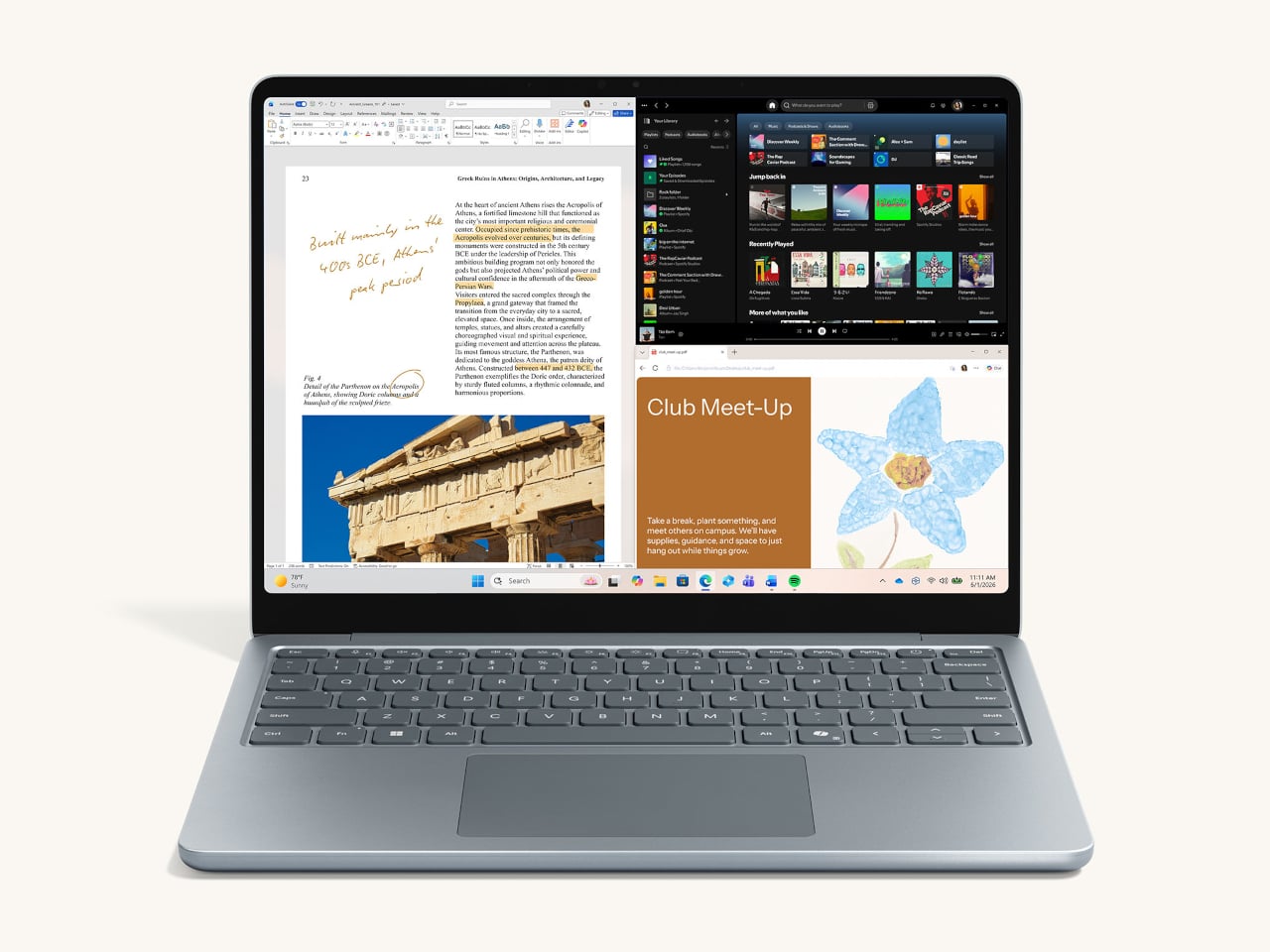
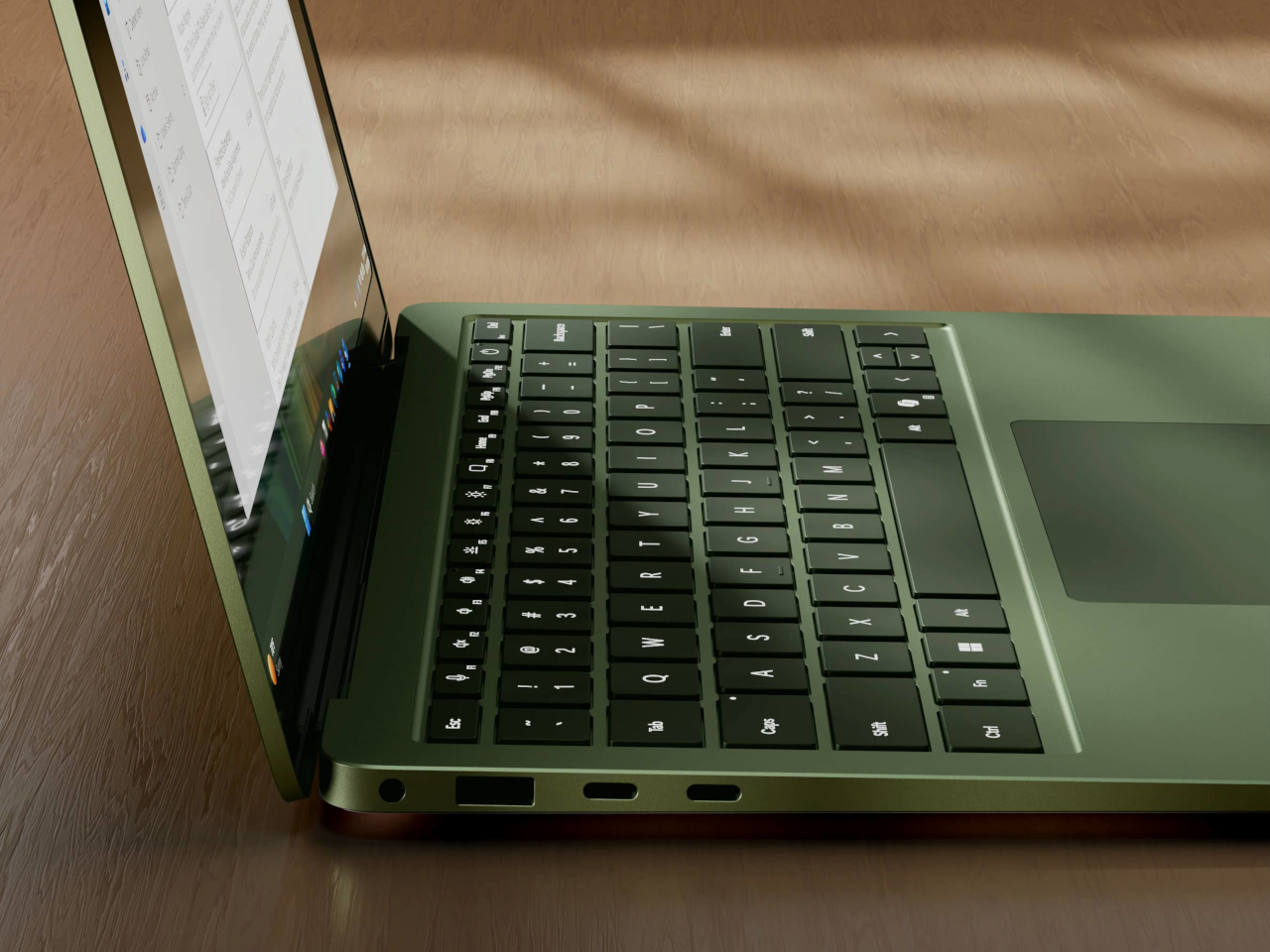
Both devices now offer a 24GB RAM option that didn’t exist on the previous generation, filling the gap between 16GB and 32GB for users who find the former too limiting but don’t want to jump all the way up. Storage on the Laptop scales up to 2TB, and all drives across both devices are removable PCIe Gen 4 SSDs, which is a meaningful detail at this price point.
To soften the sticker shock a bit, Microsoft is bundling a free Surface Pro Keyboard with Pro purchases made before June 30, while Laptop buyers get a free Arc Mouse and 50% off Microsoft Complete. Trade-in credits of up to $900 are also available for those looking to swap out an older device. Both are on sale now for consumers, with Surface for Business variants shipping on July 14.

The post Microsoft Just Raised Surface Prices $500: Here’s What Changed first appeared on Yanko Design.
Xbox limited edition makes are nothing uncommon, as Microsoft often delves into collaborations for some really interesting themed consoles and controllers. The gaming brand just turned 25 this year, and Microsoft isn’t going to let go of the opportunity to amaze fans.
This is the limited edition Xbox 25th Anniversary Collection specifically designed to celebrate the quarter-century of Microsoft’s gaming brand. The special themed console and controller remember the platform’s historical development right from the time it came to the shelves, and also pays gratitude to its dedicated community of gamers.
Designer: Microsoft
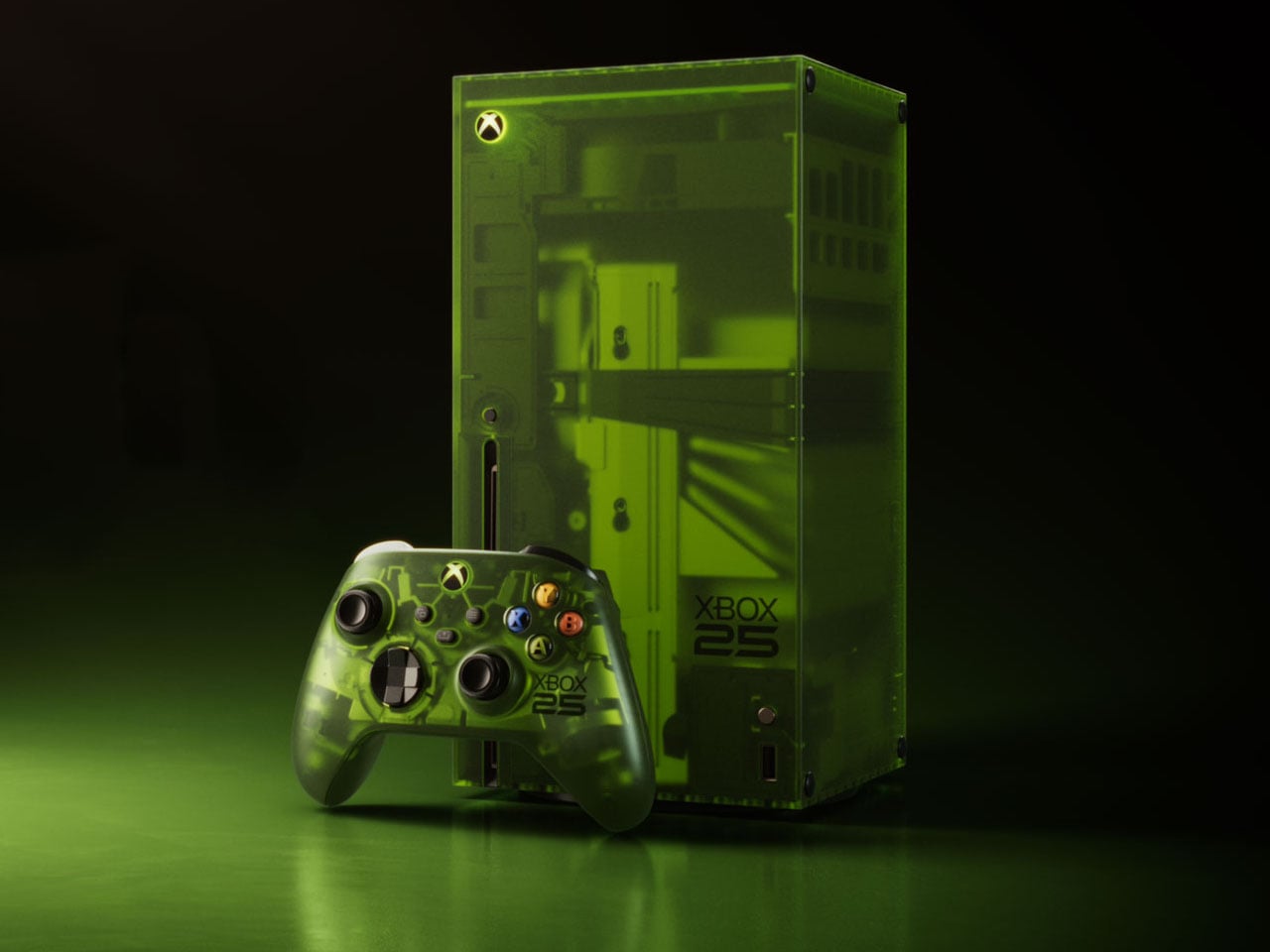
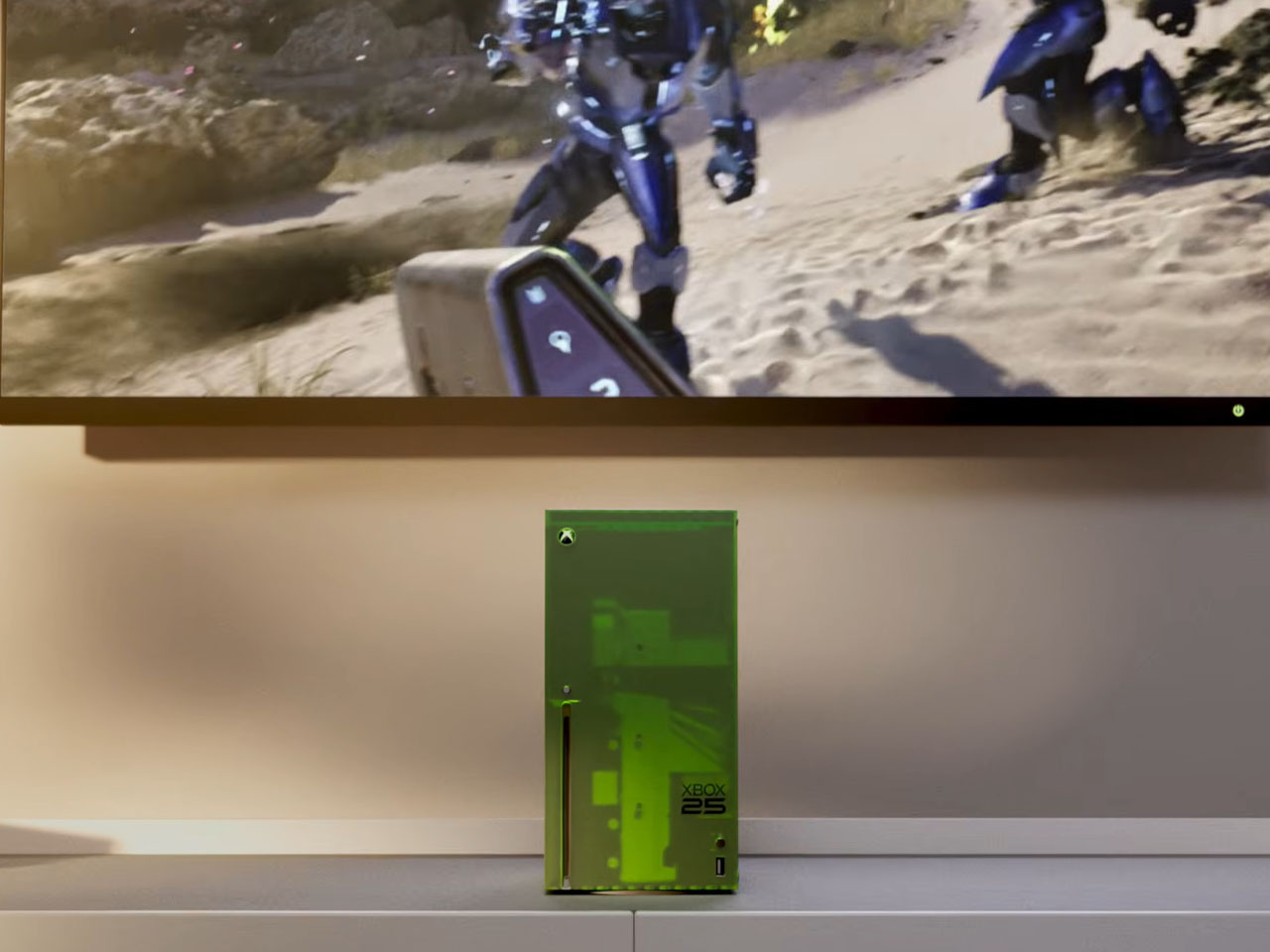
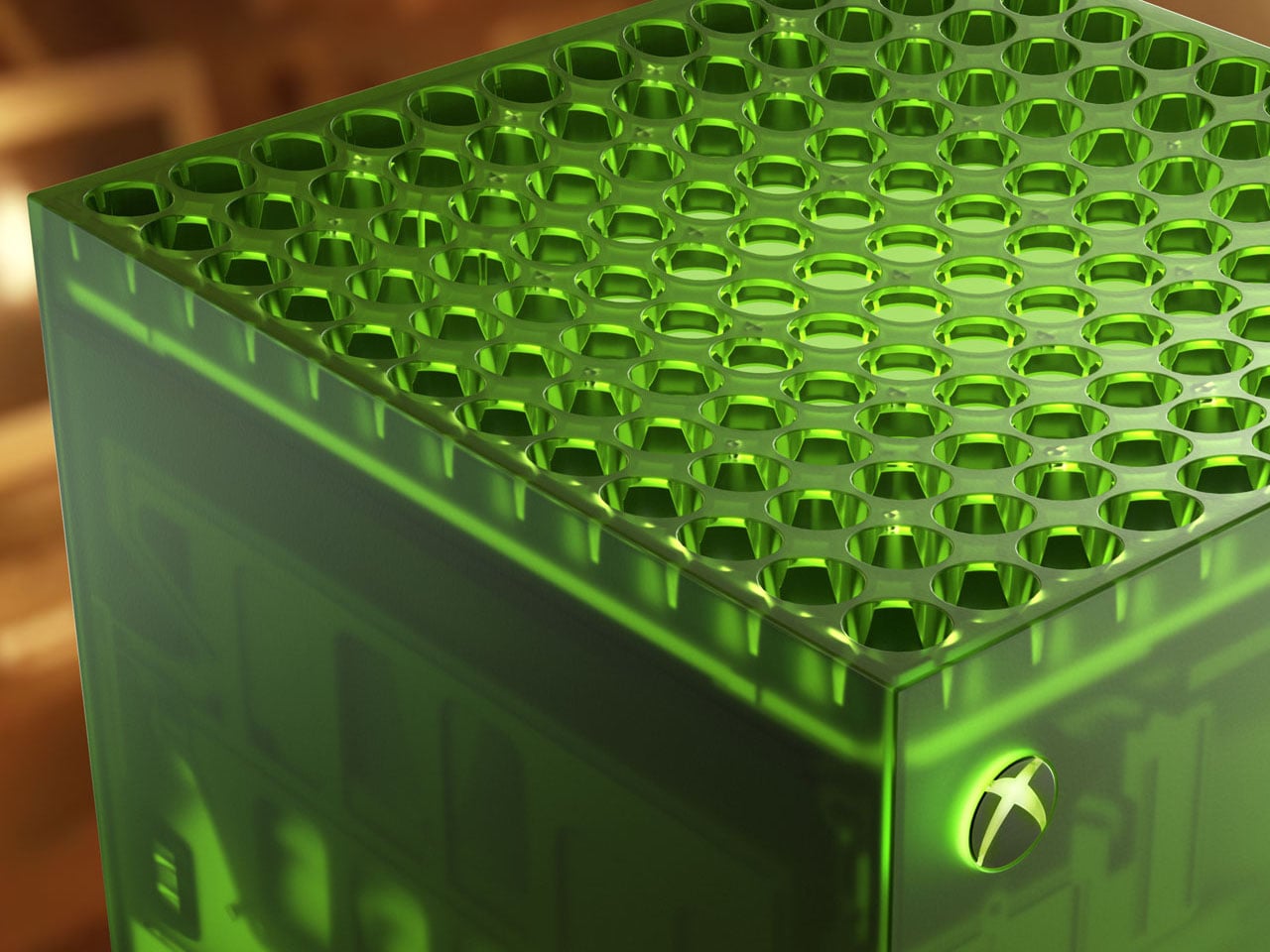
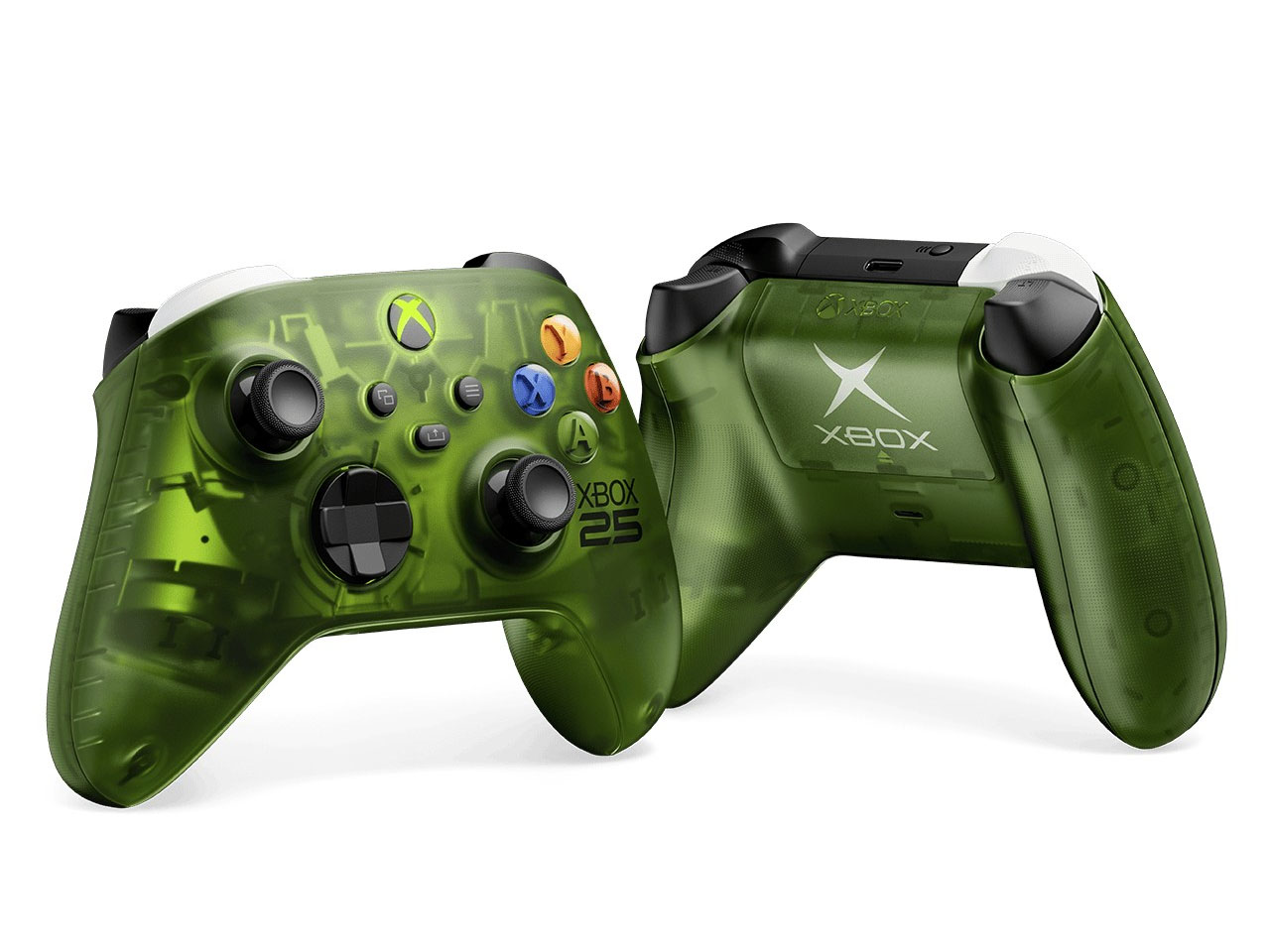
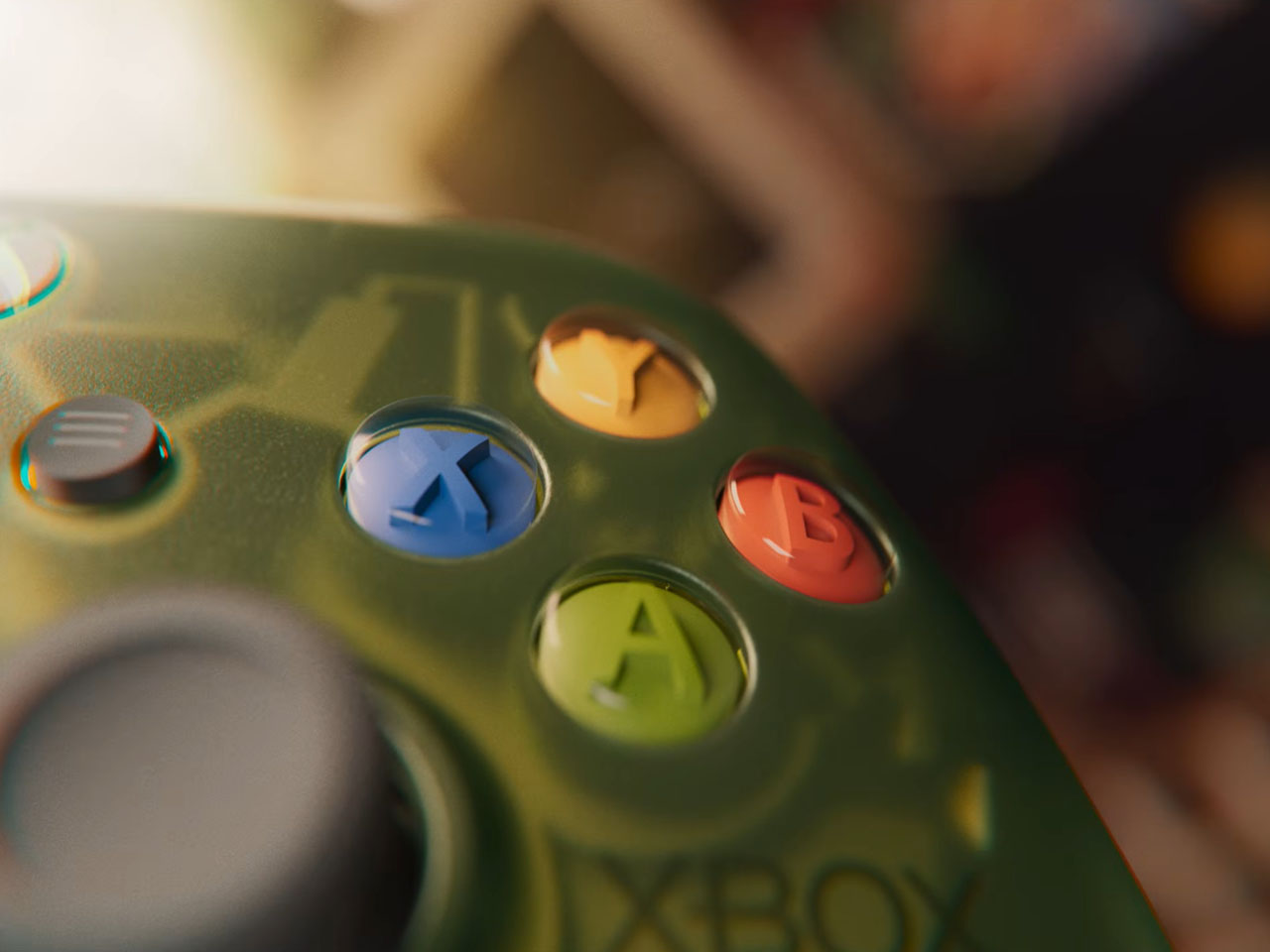
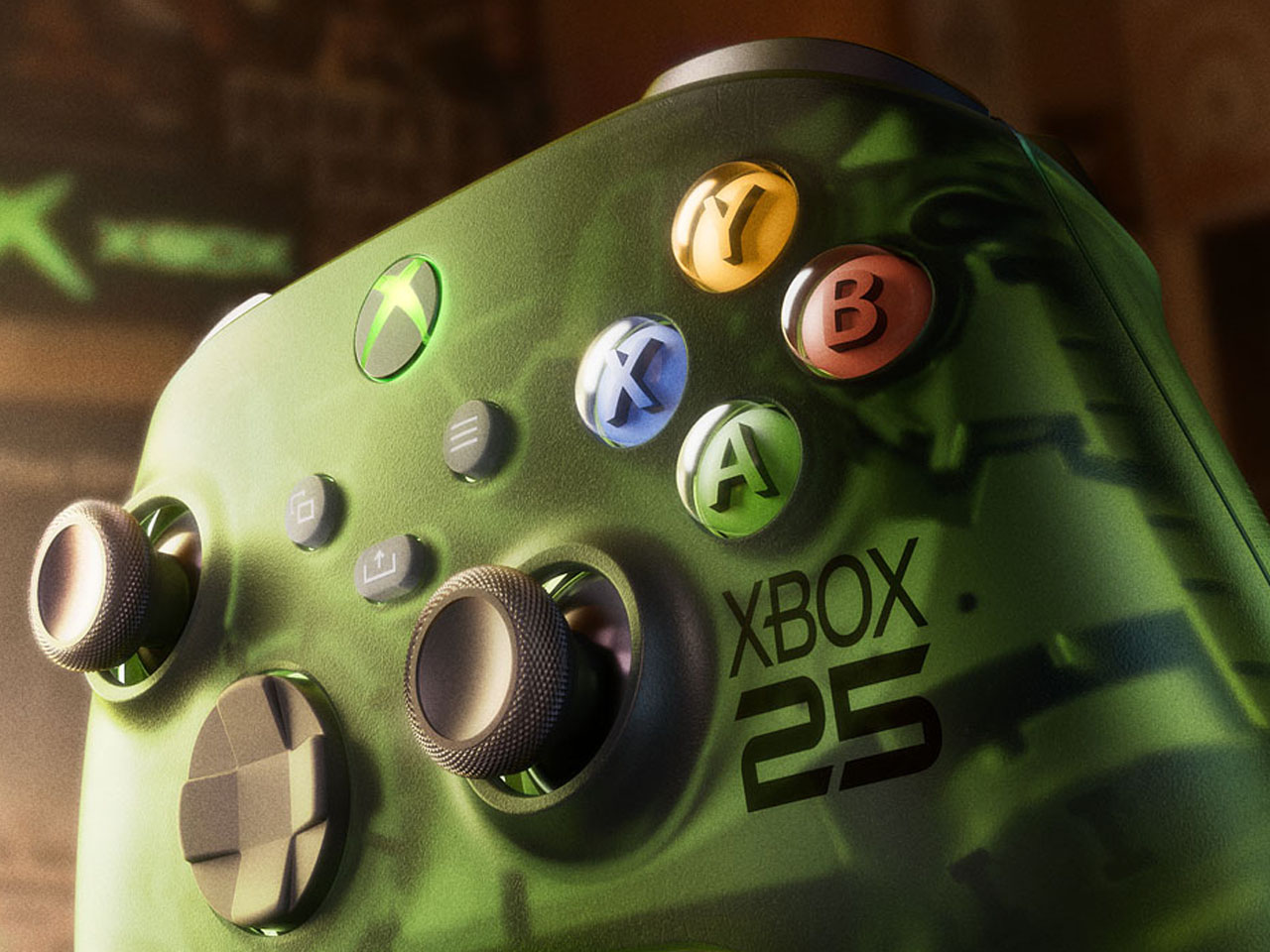
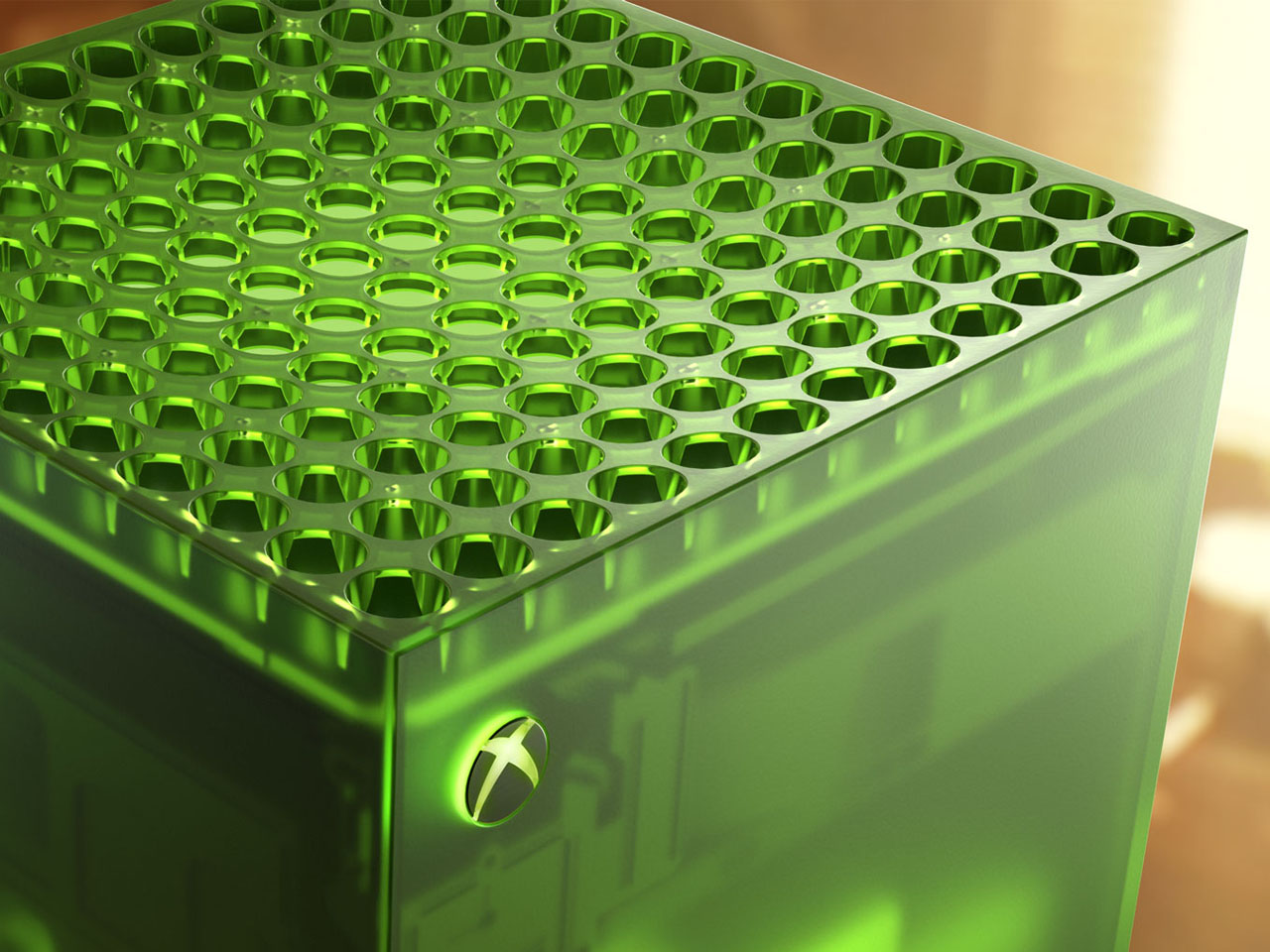
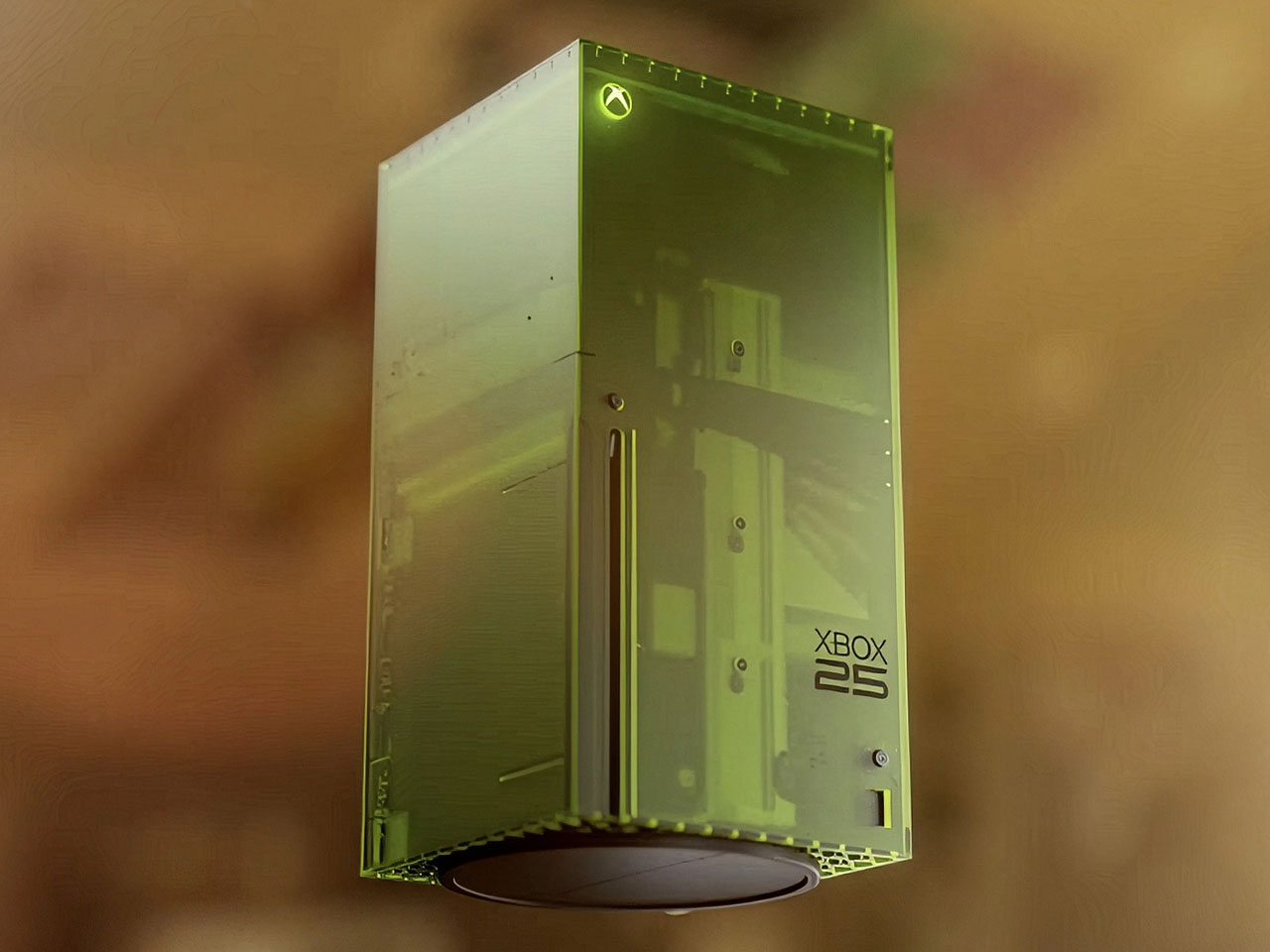
Since we are talking about the highly nostalgic element, the limited-edition creation is draped in the OG Green translucent theme. If you are an avid Xbox fan, that reminds me of the aesthetic worn by the original 2001 Xbox console. The fused hues of the outer shell are absolute dope, both on the console and the controller, while the backplate gets the more traditional black make. Apparently, this is the first time Microsoft has gone for the translucent treatment for the chassis on any current-generation console models. I’m glad they did, because the thing looks so magnetic.
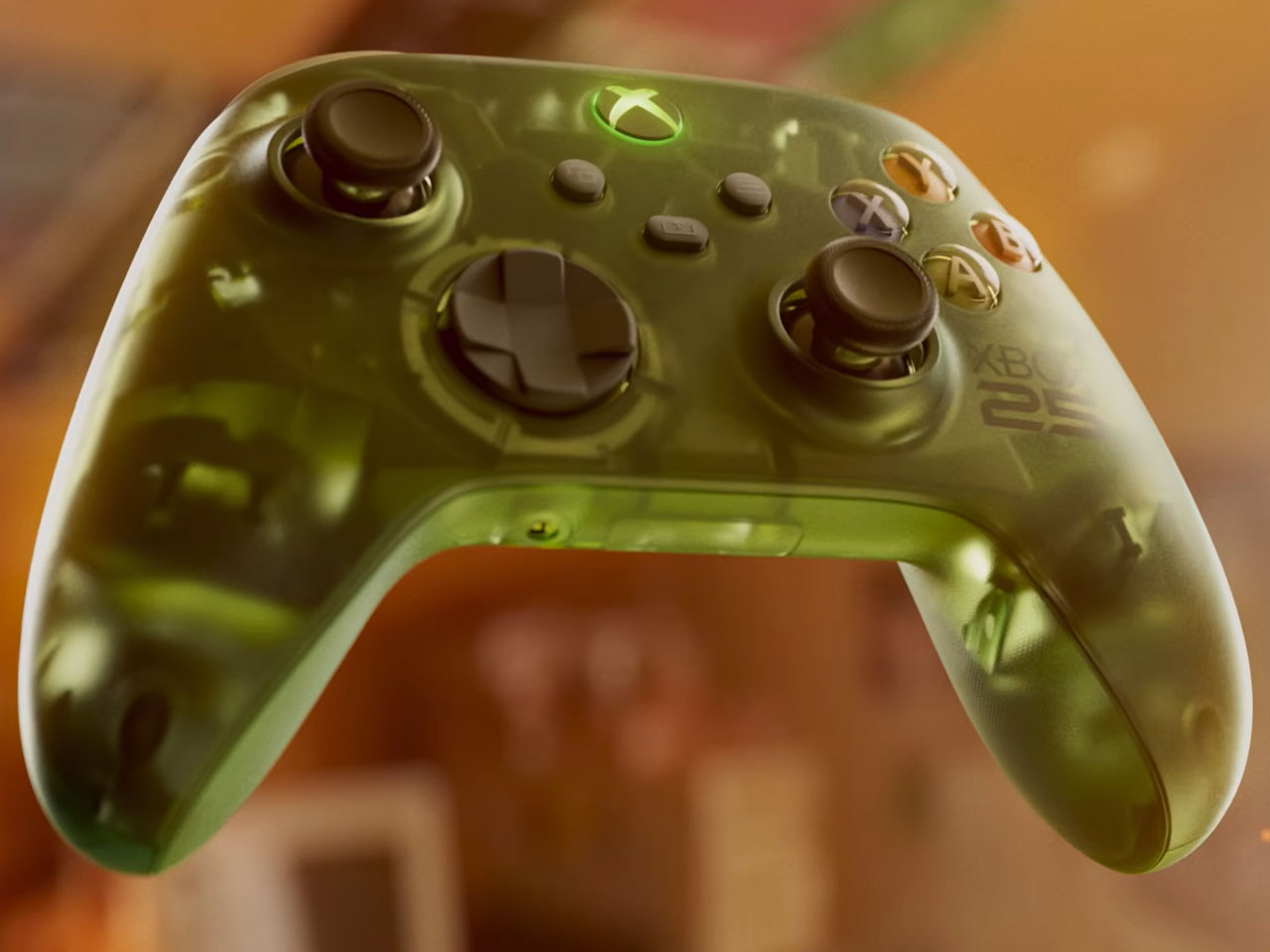
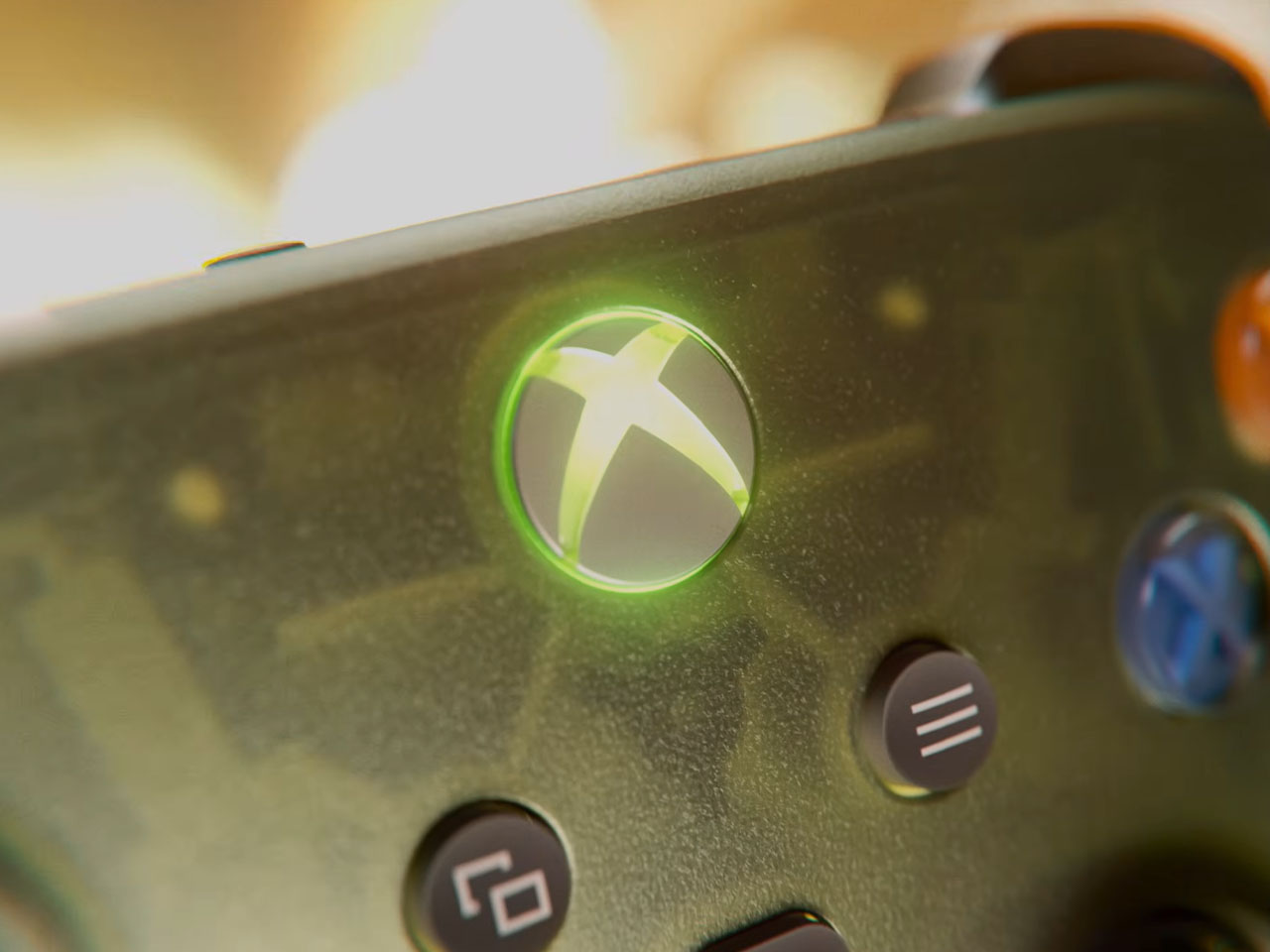
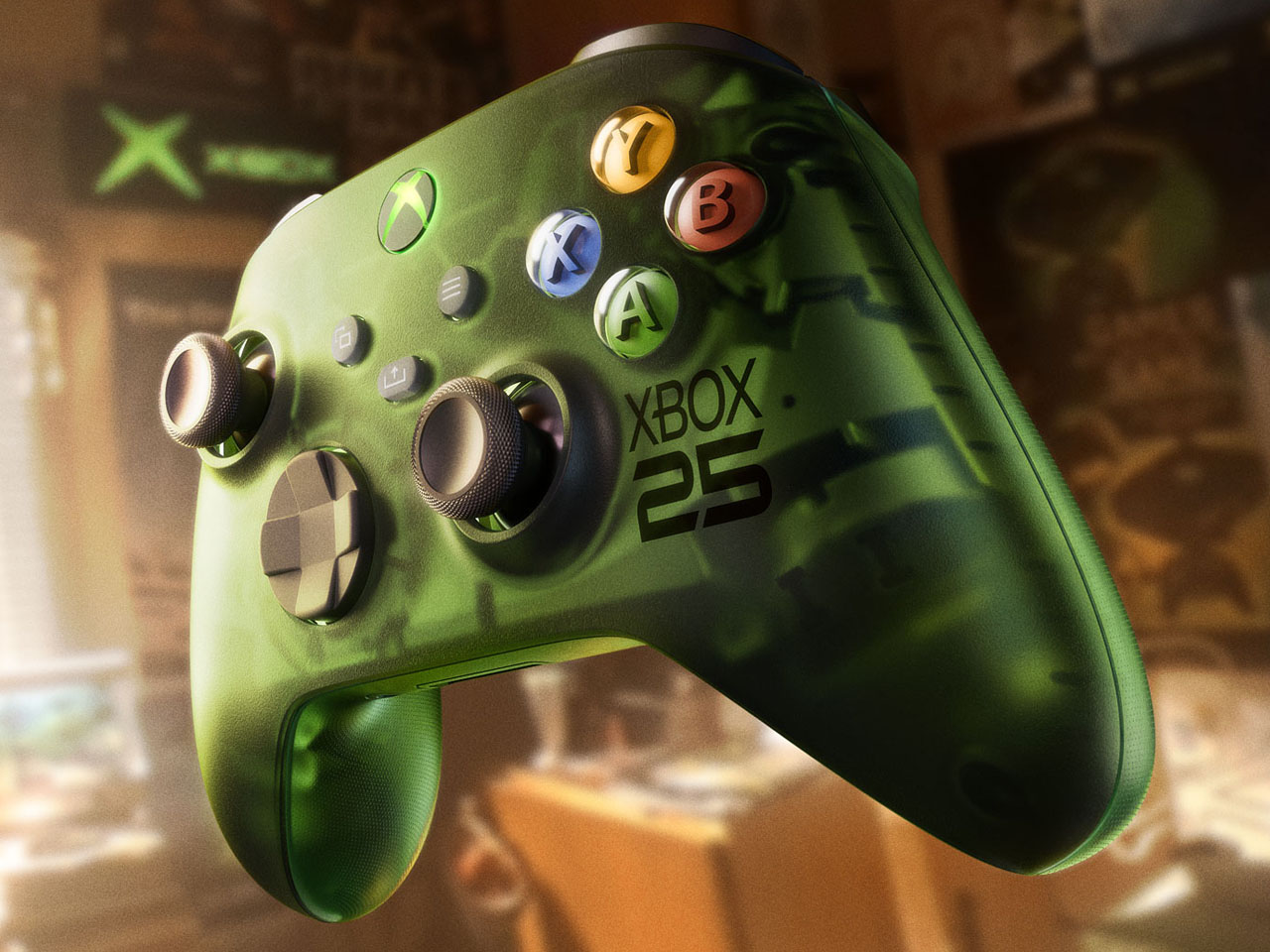
According to Jason Ronald, VP Next Generation, “The XBOX Series X25 Limited Edition respects our history, with the power and performance of the XBOX Series X, including 1TB of storage, and a design that reflects where we’ve been and the community that’s been with us along the way.” Both the console and the controller are etched with the “Xbox 25” anniversary logo on the front. That is complemented by the “X” button that turns green as soon as the console is switched on.
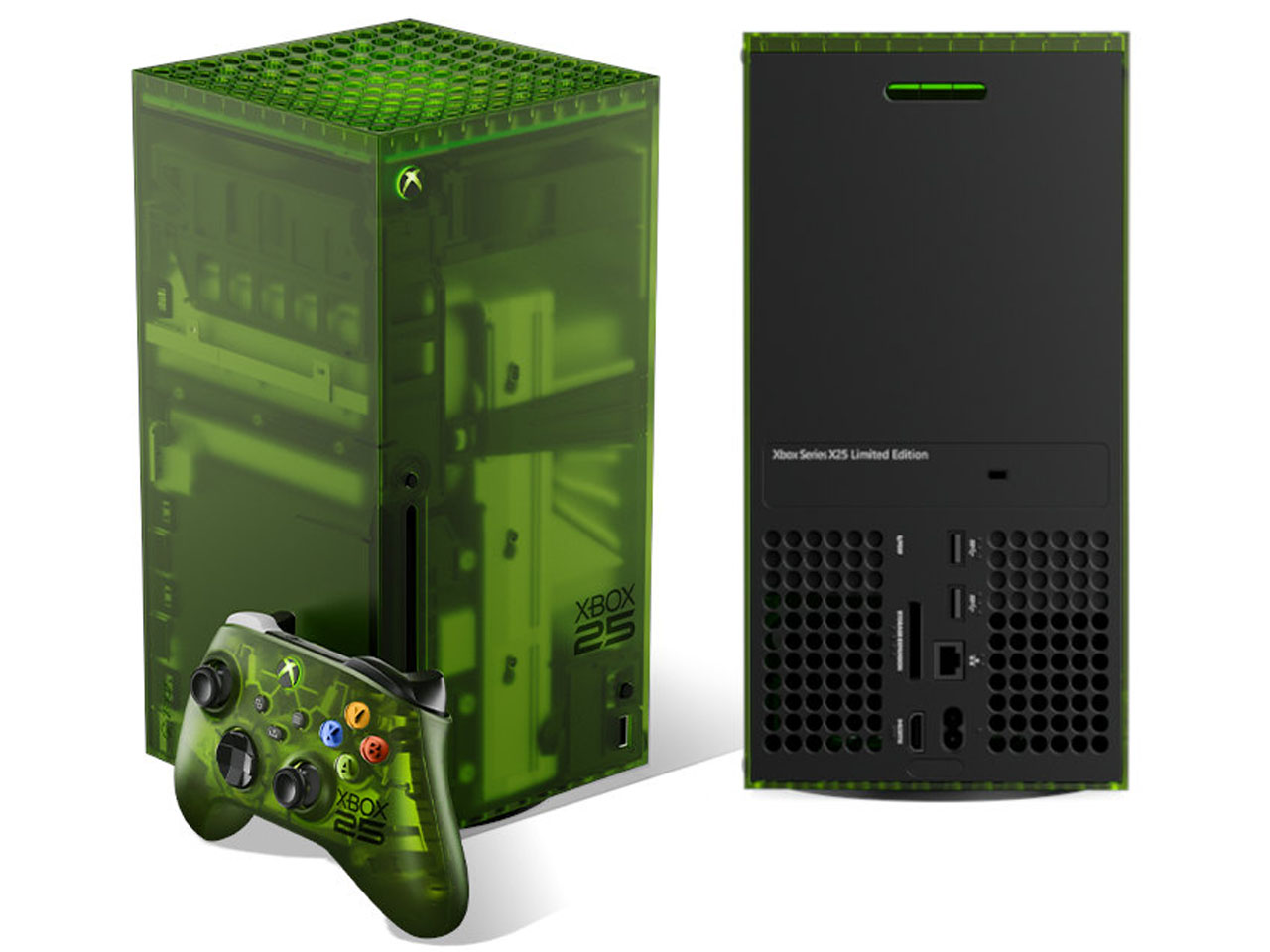
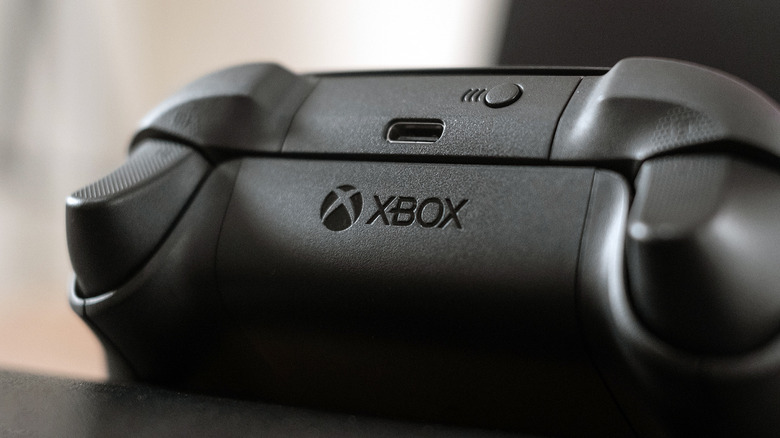
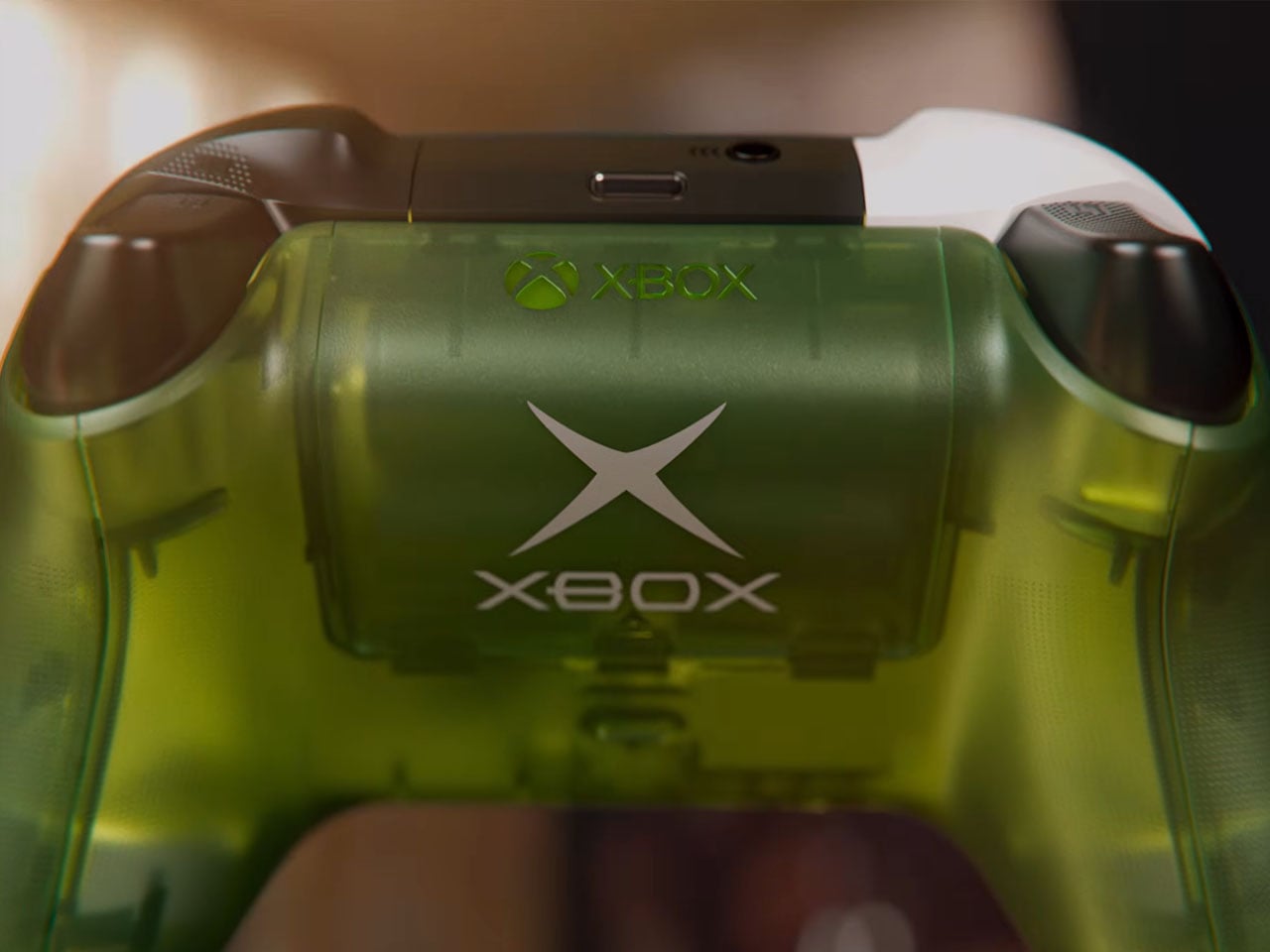
The controller comes with the original ABXY colors for the buttons, and the bumpers on the gamepad are black and white to go with the classic theme of the Duke controller. The translucent goodness flows to the rear, where the back case and the battery panel reveal the Xbox logo. That said, the texture feel and the ergonomic grip are more comparable to the current generation gamepads. Ronald added that there will be some “hidden surprises throughout” to keep things interesting for lucky owners.
Microsoft hasn’t detailed anything about the pricing of the special edition Xbox console, but it’ll be within bounds, I guess. Availability, though, is hinted at for select markets as a special edition collection in November. Those who fail to buy the collection can grab the XBOX Wireless Controller X25 Special Edition standalone as well, but that’s also a limited Edition offering.
The post Xbox Series X25 Limited Edition celebrates brand’s 25 years of nostalgic gaming first appeared on Yanko Design.
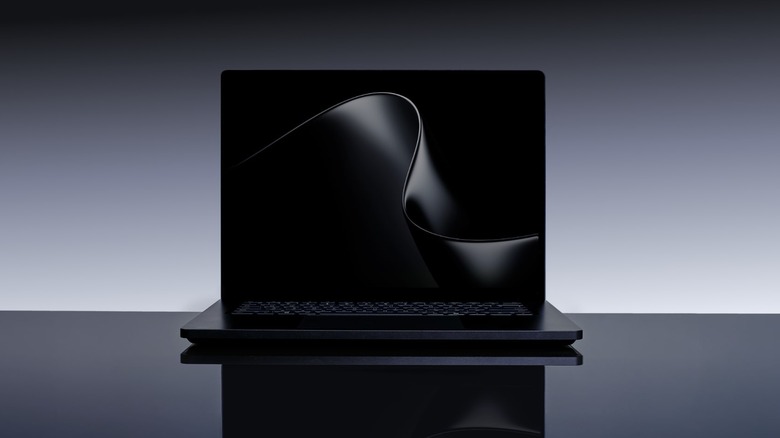
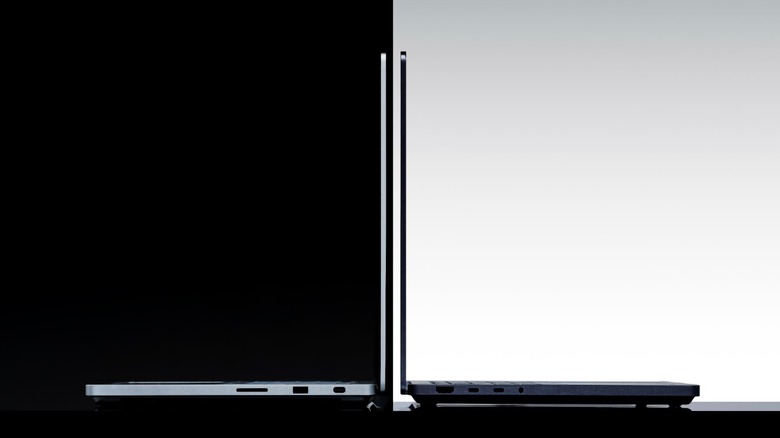
The economics of AI development have been quietly changing how developers think about their hardware. Cloud GPU bills compound fast when you’re iterating through a model dozens of times a day, and every fine-tuning run or inference loop on a remote server adds to a cost that has no natural ceiling. The push toward local AI compute isn’t just about performance. It’s about moving from a metered relationship with infrastructure to one you own outright and sit in front of.
Microsoft announced the Surface RTX Spark Dev Box at Build 2026 as its answer to that shift. It’s a compact mini PC powered by the NVIDIA RTX Spark superchip, the same ARM-based silicon debuting in the Surface Laptop Ultra, and it arrives on a developer’s desk already configured and ready to run serious AI workloads without touching a cloud endpoint.
Designer: Microsoft
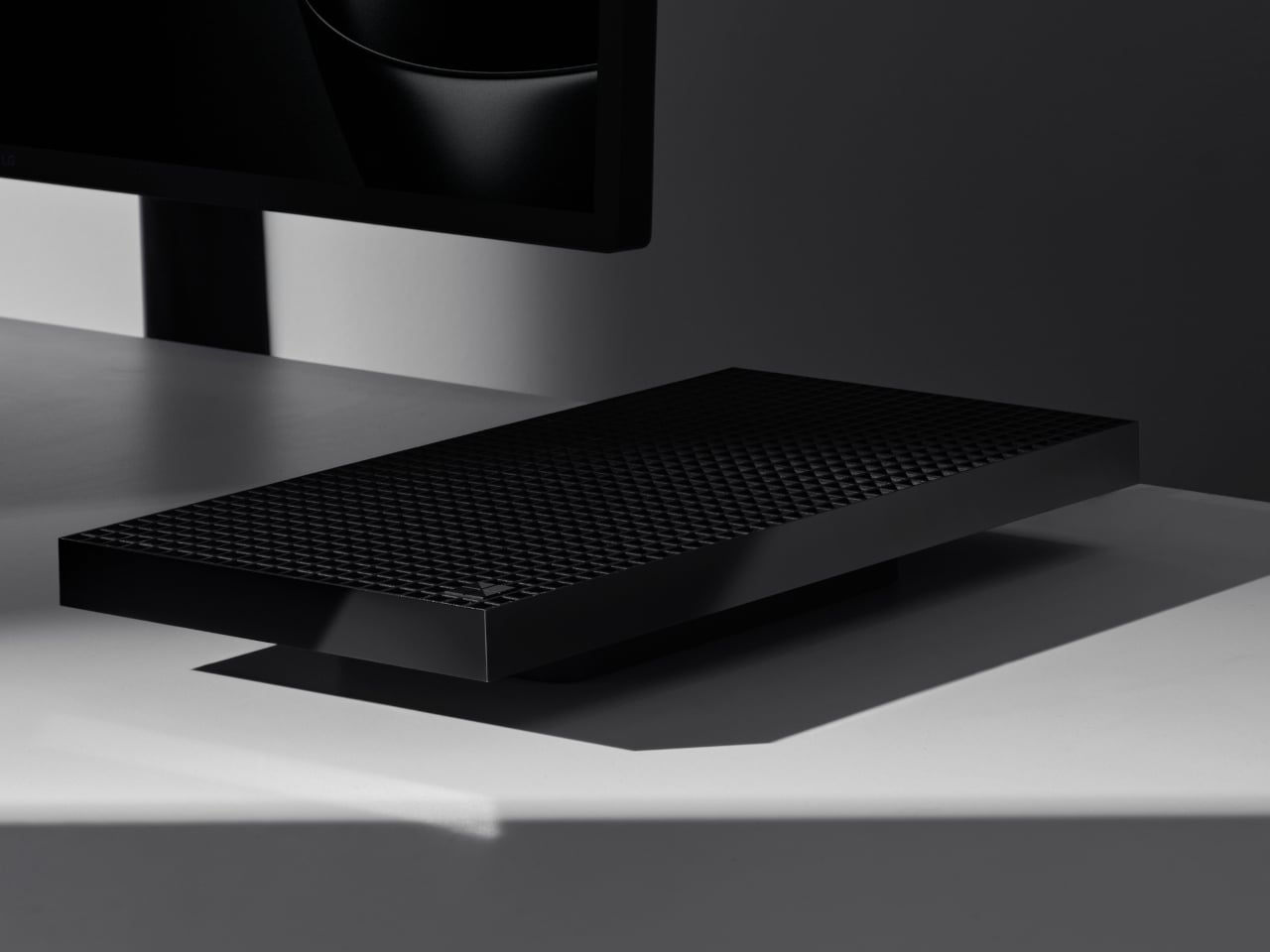
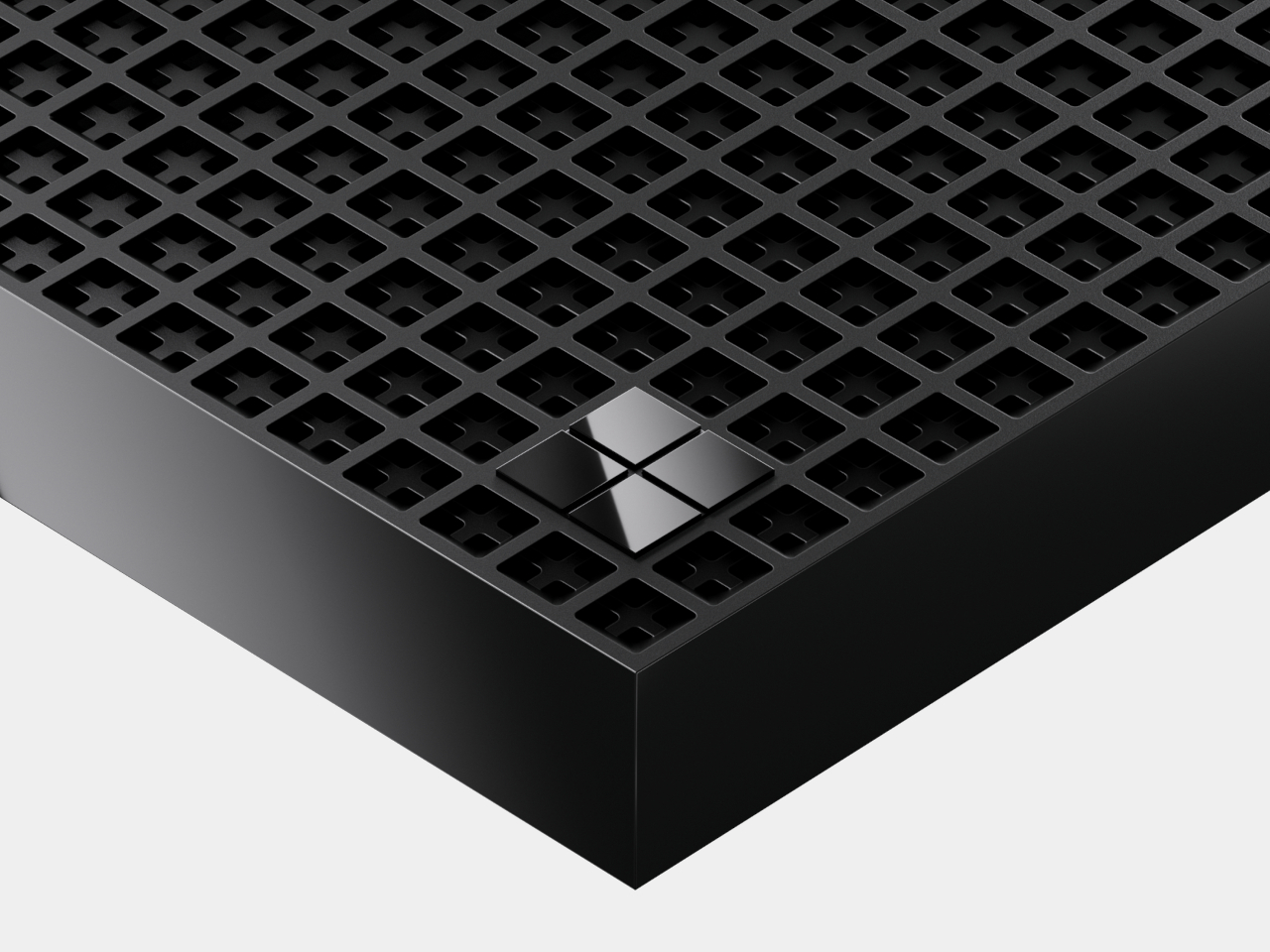
The device’s most distinctive quality isn’t anything in the spec sheet. It’s the body itself, a 3D-printed anodized aluminum chassis perforated with exactly 1,000 vents arranged across its surface in a precise grid. Those vents are functional, the aluminum chassis doubles as the passive heatsink, managing a 100W sustained thermal envelope without a traditional cooling tower. They’re also a deliberate reference: 1,000 vents for 1,000 teraflops, or 1 petaflop, of AI compute. It’s a design that’s equally a statement and an engineering solution, and nothing else on a desk looks remotely like it.
That petaflop is delivered by NVIDIA’s RTX Spark, which combines a 20-core Grace CPU with a Blackwell RTX GPU carrying 6,144 CUDA cores, connected via NVLink-C2C. The 128GB of unified memory shared dynamically between the processor and GPU is what separates this from a high-end gaming box. That memory ceiling is what makes loading a 120-billion-parameter model possible without partitioning it or shunting inference work to the cloud.
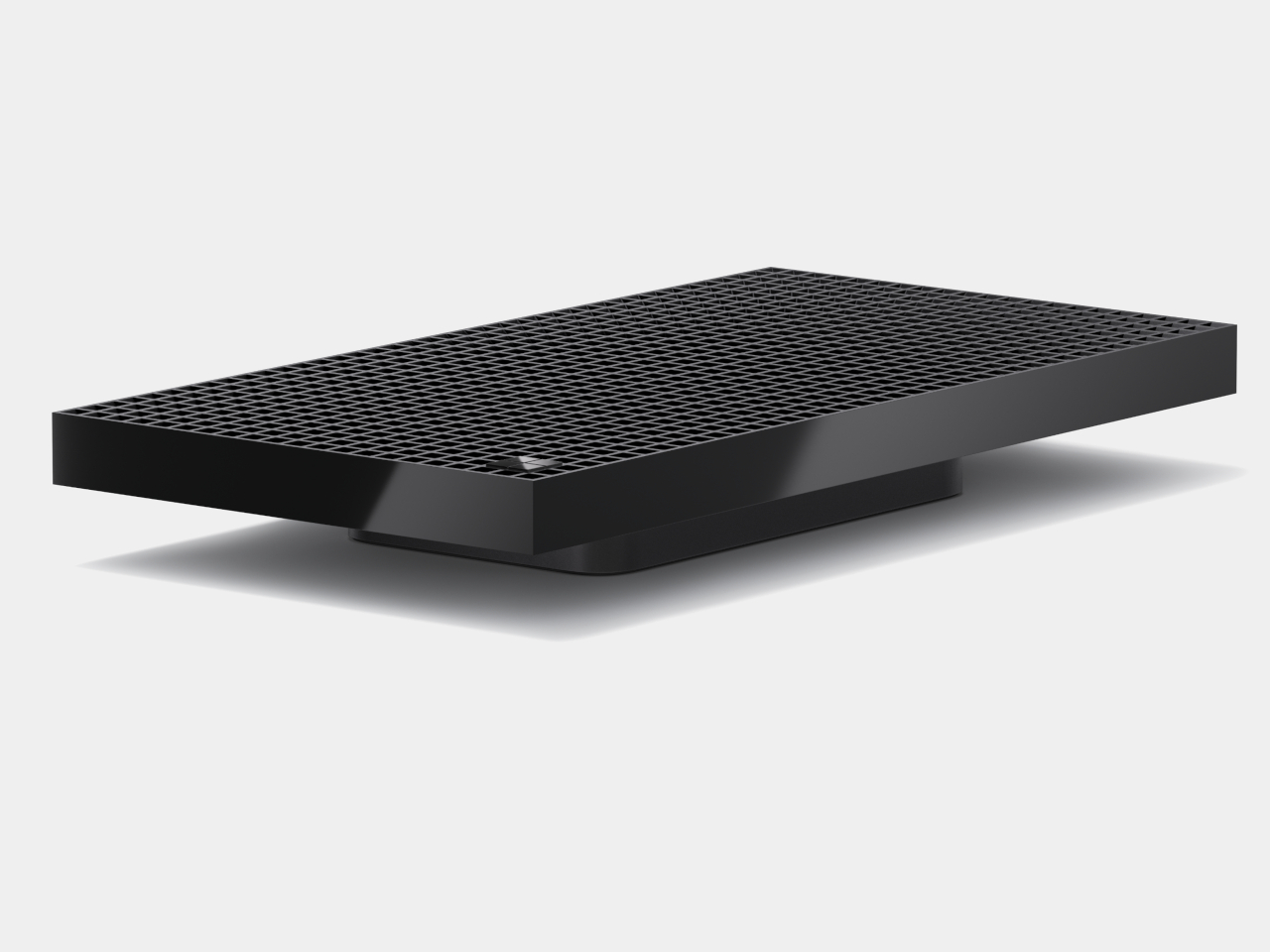
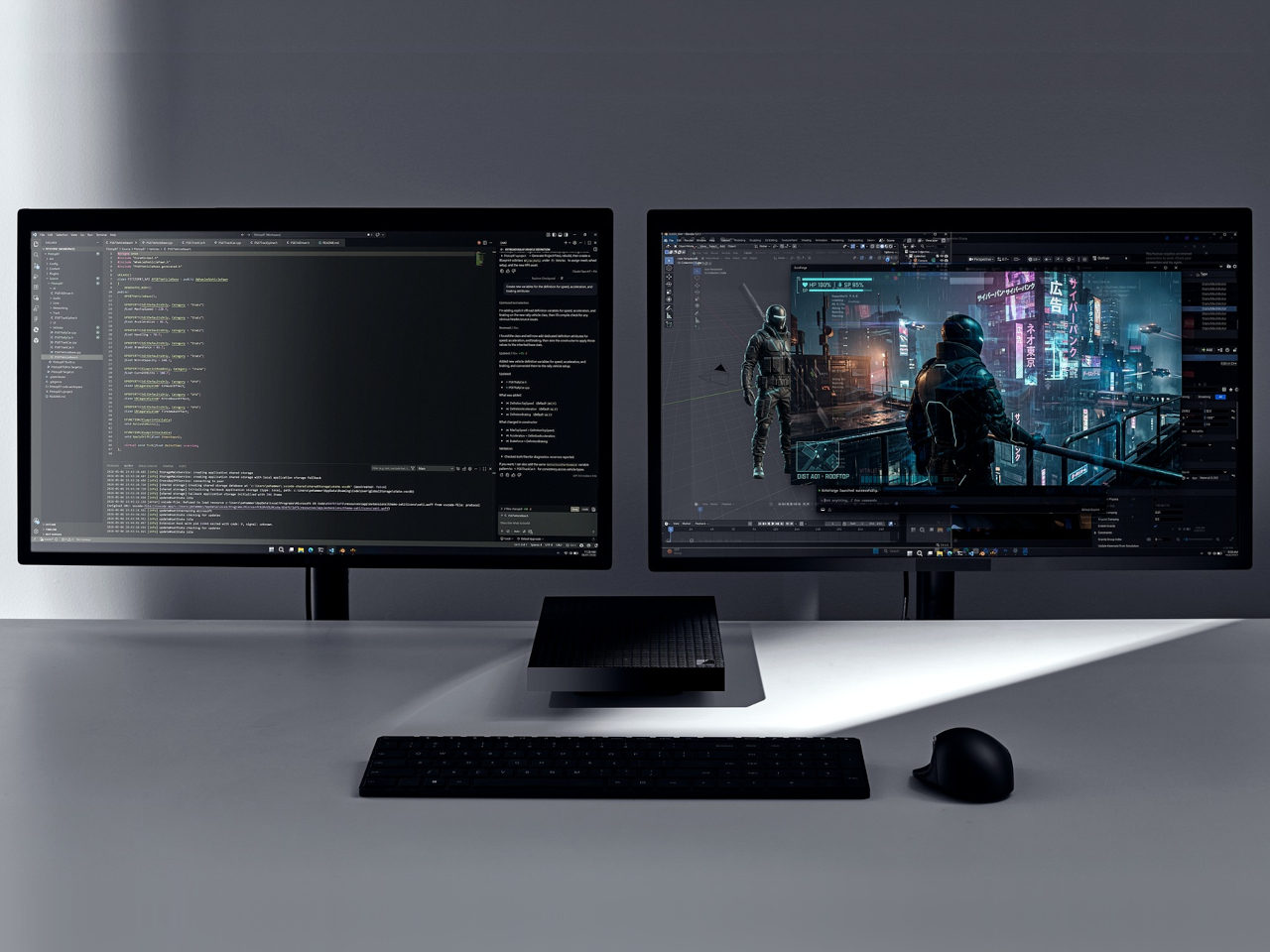
The software side ships pre-configured and aimed precisely at the developer who doesn’t want to spend time on setup. WSL2 with native GPU passthrough and full CUDA support comes pre-installed and ready to use, alongside Visual Studio Code, GitHub Copilot, and PowerShell 7. Windows settings are tuned specifically for development work rather than general consumer use, a small but meaningful distinction when your machine runs long overnight training jobs and needs stability rather than a live tiles grid.
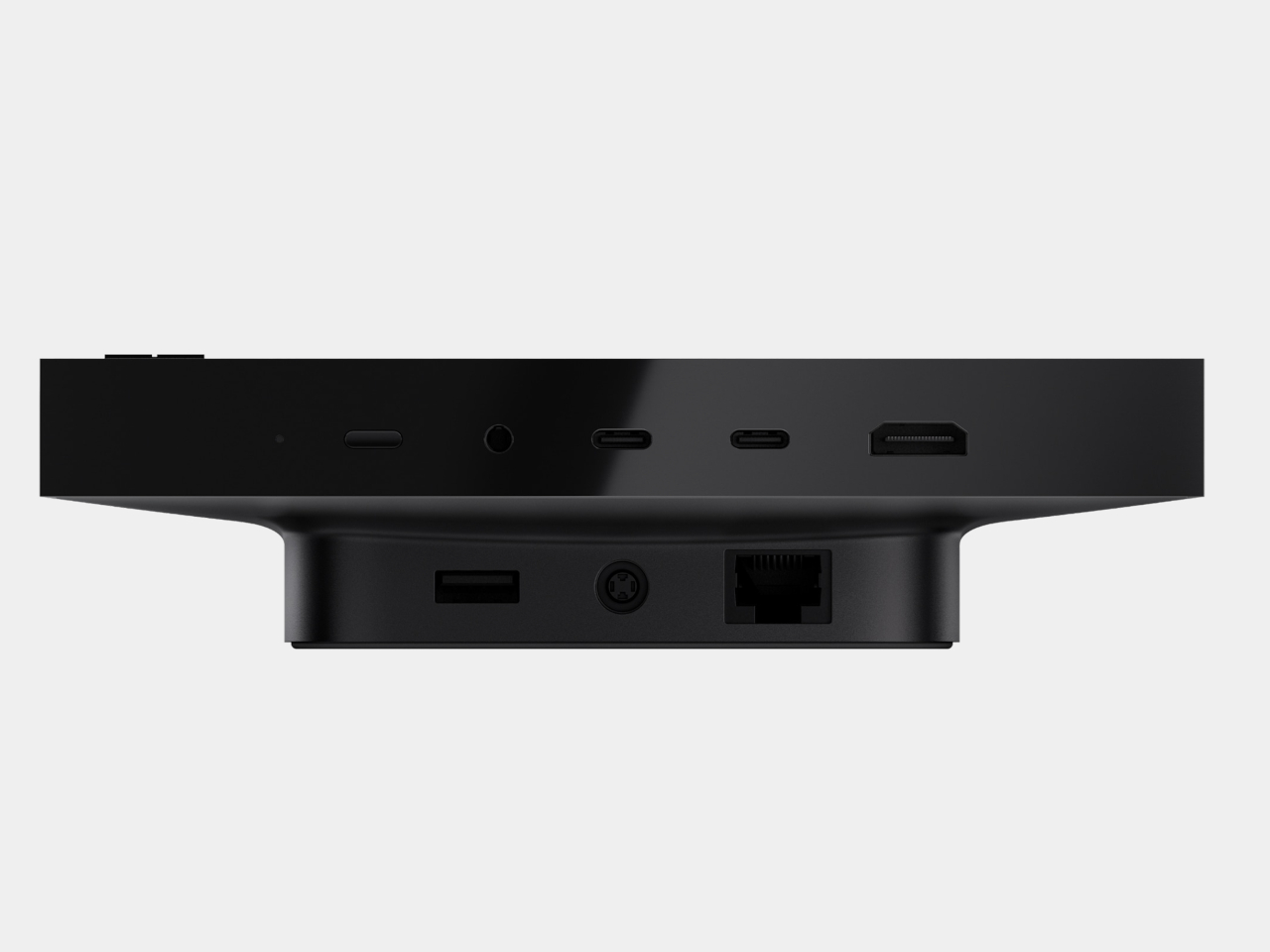
Connectivity covers HDMI, Ethernet, USB-C, USB-A, and a headphone jack, nothing exotic, but a port set that covers what a desk-based development machine actually uses. The machine runs under 100W during intensive workloads, which means it can sustain training jobs and agentic pipelines without the kind of thermal throttling that eventually frustrates sustained use.
For a machine announced without a price, the Surface RTX Spark Dev Box is already doing a specific kind of work. It positions local AI inference as a fixed cost rather than a running expense, and it makes that argument in a chassis that doesn’t look like any other mini PC on the market. A 3D-printed aluminum grid covered in a thousand deliberate holes is an odd form for a developer tool, but it makes the machine’s purpose unmistakably legible from across the room. Availability is expected later in 2026 in the US through Microsoft’s online store.
The post Microsoft RTX Dev Box Has 1,000 Holes, All of Them Intentional first appeared on Yanko Design.