The relatively long wait for the third season of Silo is nearly over. Apple TV just announced the dystopian sci-fi hit returns on July 3, with episodes airing each Friday until September 4. We have long championed this show, calling it "another gem" for the platform.
The streamer has dropped a short teaser for the upcoming season and it confirms rumors of an increased focus on the "before times" via a storyline that was introduced in the finale of season two. The trailer depicts scenes from both time periods, as protagonist Juliette, played by Rebecca Ferguson, speaks in voiceover.
"Before we can know why we’re here. Before we can know everything is as it is. Before we know how it all will end, we need to understand how it all began,” she says, alluding to the creation of the various bunkers littered throughout the post-apocalyptic wasteland.
For the uninitiated, Silo is an adaptation of Hugh Howey's Wool series of books. It's primarily set in the titular silo, a society of around 10,000 people living deep underground. The show is sort of like Fallout, but without the radioactive monsters and nihilistic sense of humor.
Silo stars Ferguson, along with Tim Robbins, Common and Steve Zahn. Cast members joining the show for season three include Colin Hanks, Jessica Henwick and Ashley Zukerman. The show has already been renewed for a fourth and final season.
This is a busy summer for sci-fi on Apple TV. The second season of Dark Matter premieres on August 28, which is uncharted territory as the first season was based on a book that doesn't have a sequel. Star City, a spinoff of For All Mankind, premieres on May 29. This is the same day that For All Mankind concludes its fifth and penultimate season.
This article originally appeared on Engadget at https://www.engadget.com/entertainment/tv-movies/silos-season-3-trailer-takes-us-back-to-how-it-all-began-171033410.html?src=rss
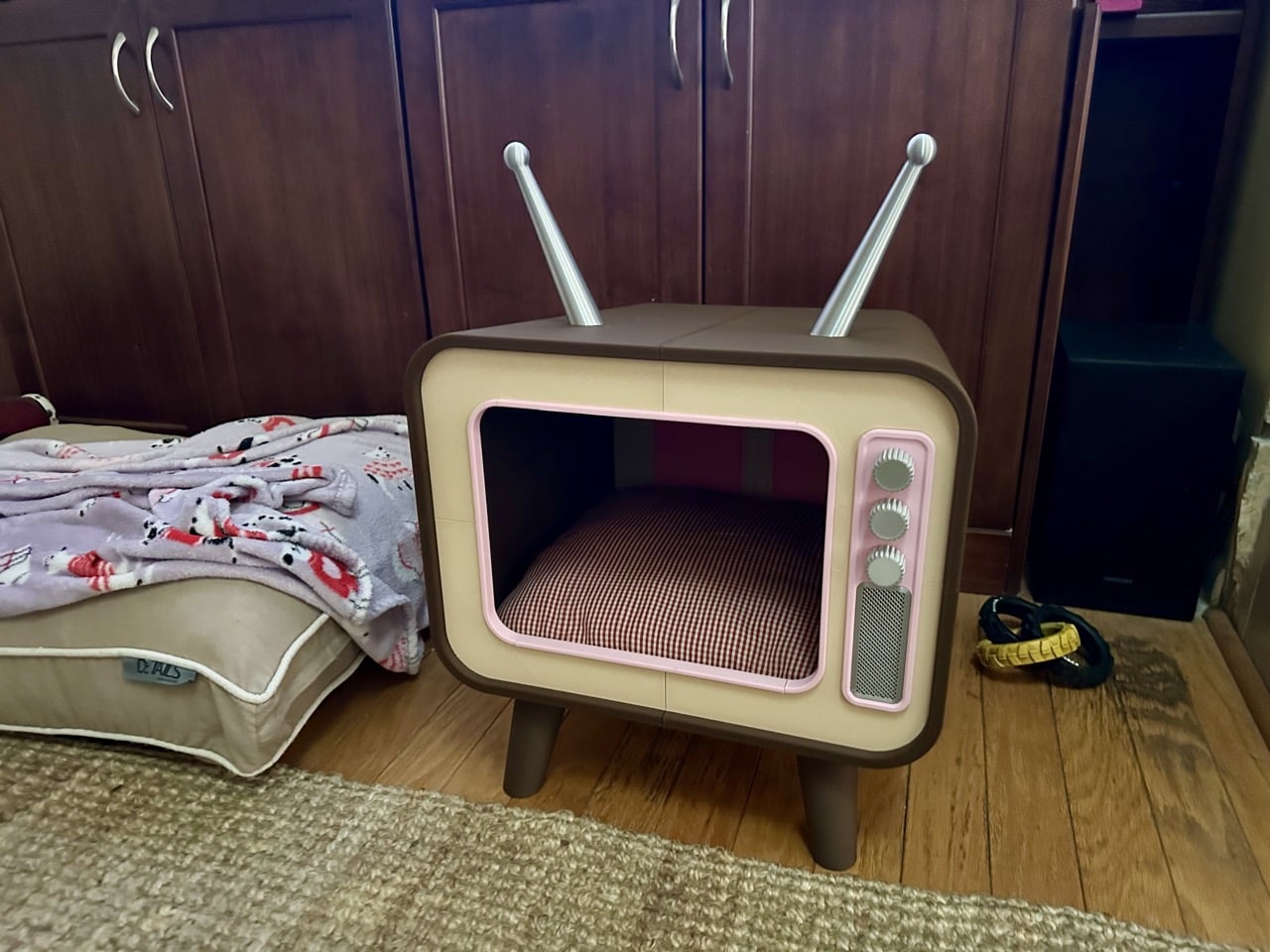
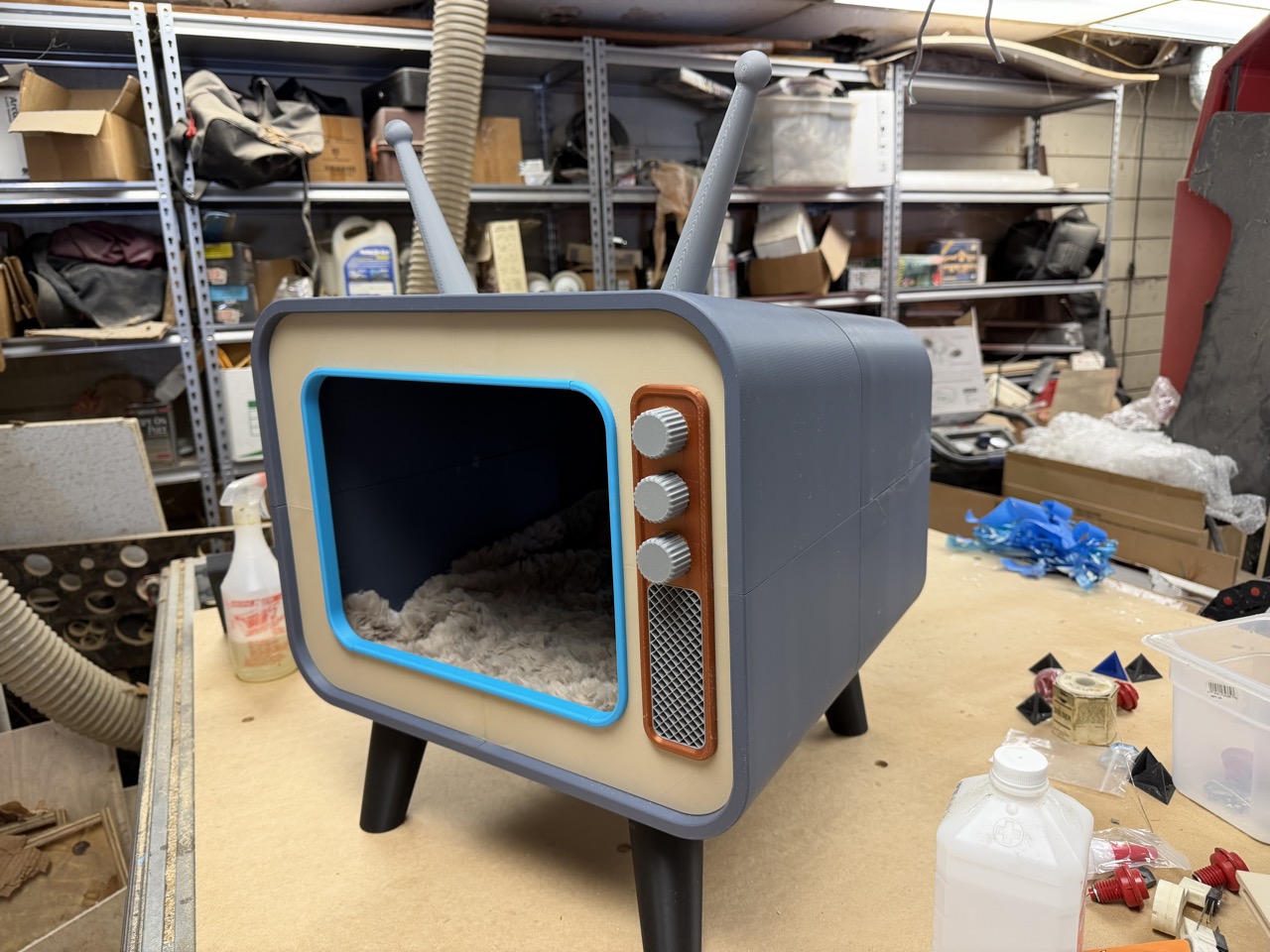
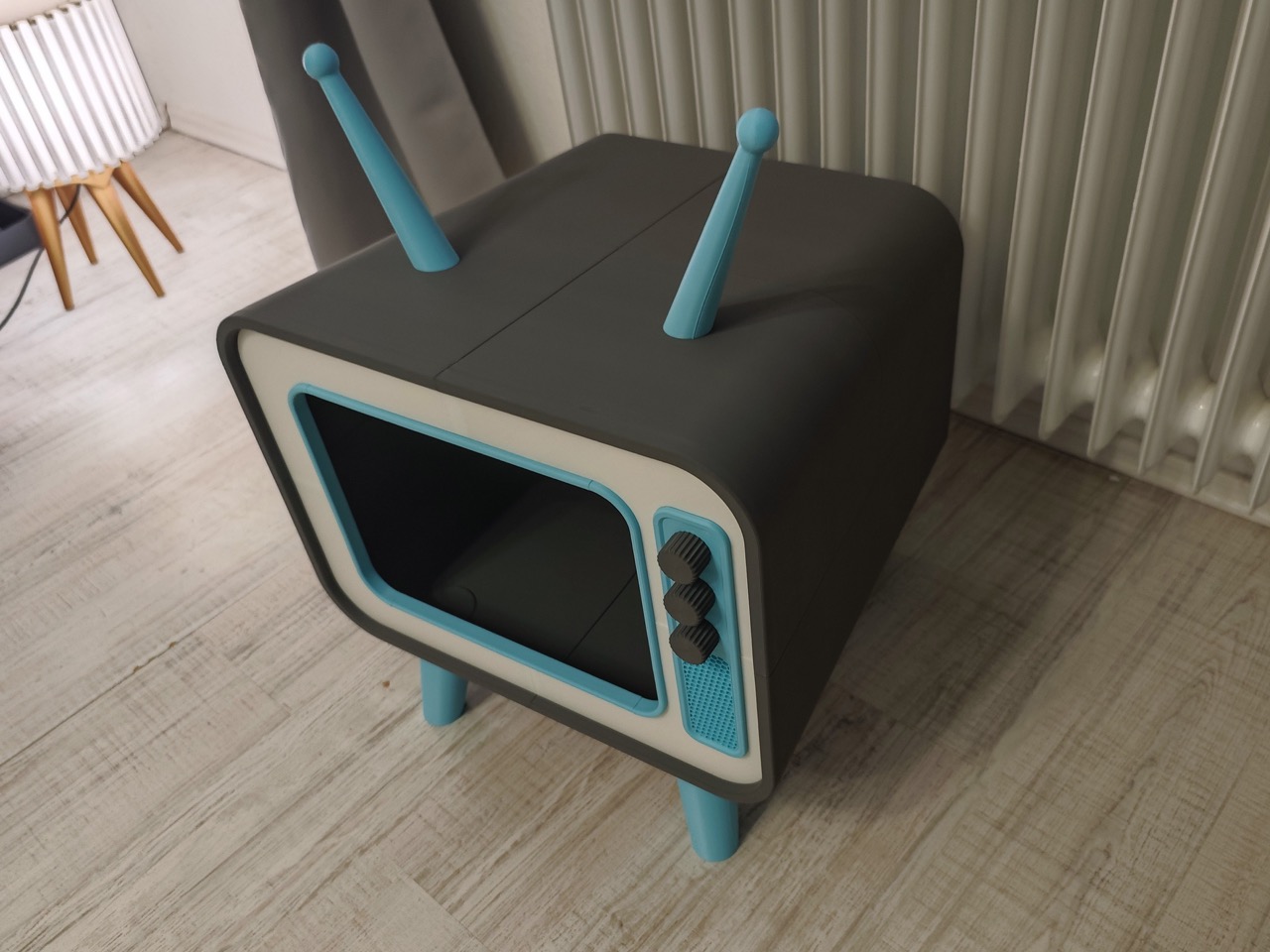
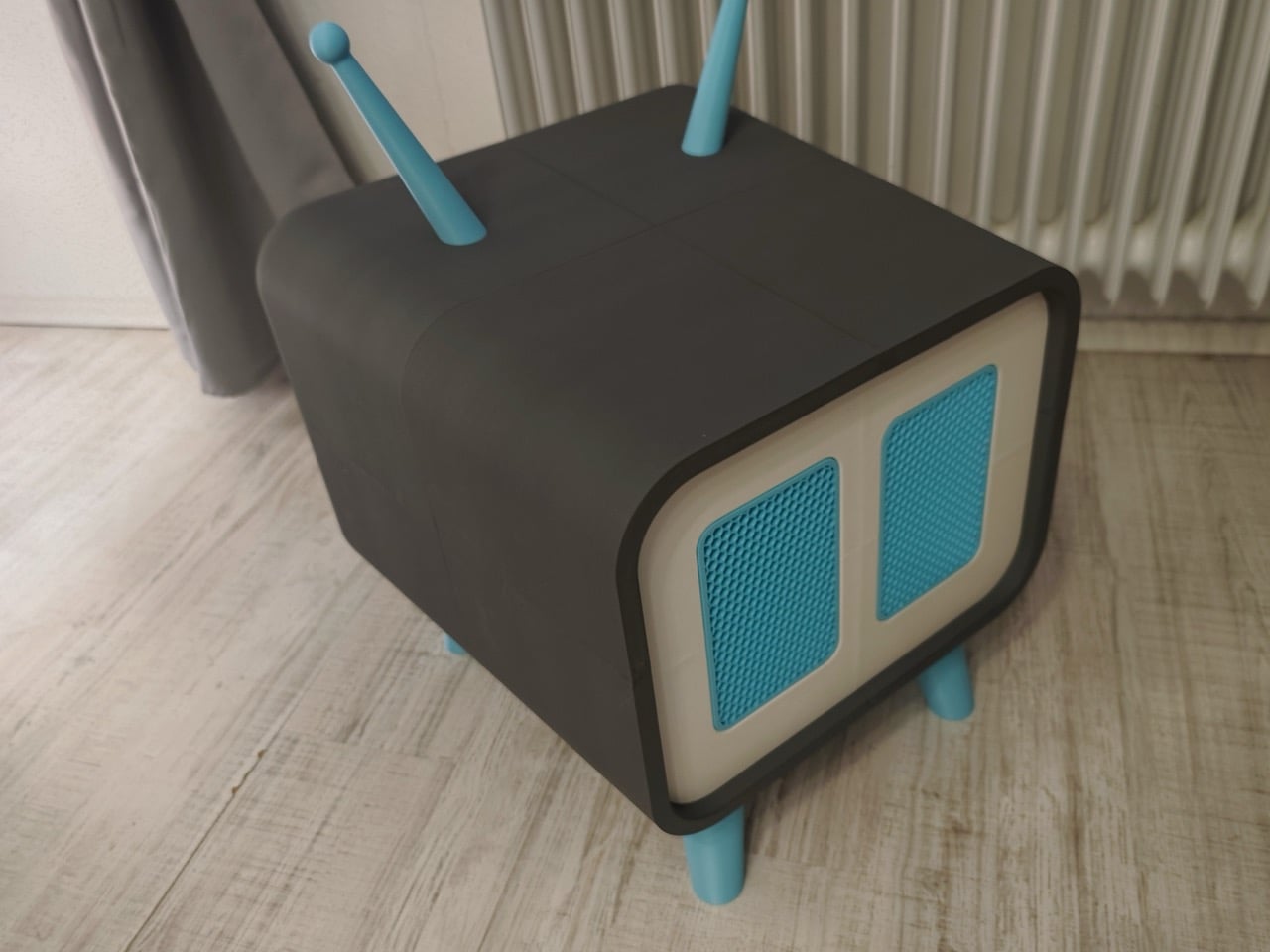
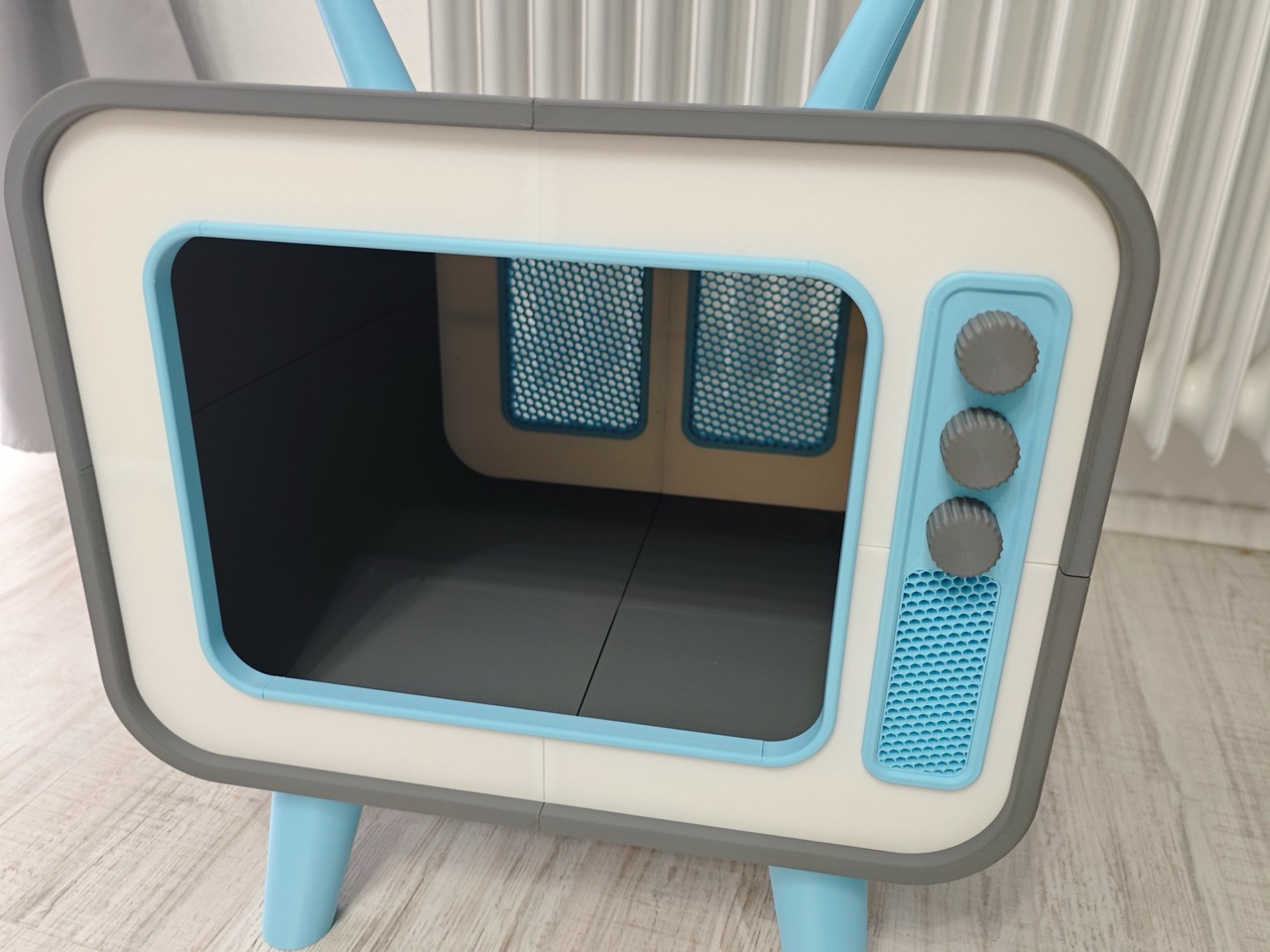
Forget the $800 Scandinavian pet cave or the linen-covered cube that your cat ignores in favor of your laptop bag. The most genuinely entertaining piece of pet furniture to cross my feed this year is a 3D-printed house shaped like a vintage CRT television, and the entire joke is that your pet becomes the programming. You sit on the couch. You watch the TV. The TV contains a cat. This is better than anything currently streaming. Designer burnski uploaded the STL pack to Cults3D in January, and the community has been printing it in color combinations ranging from dark grey with cyan accents to warm brown with blush pink ever since, each build landing in someone’s living room like the world’s most wholesome conversation piece.
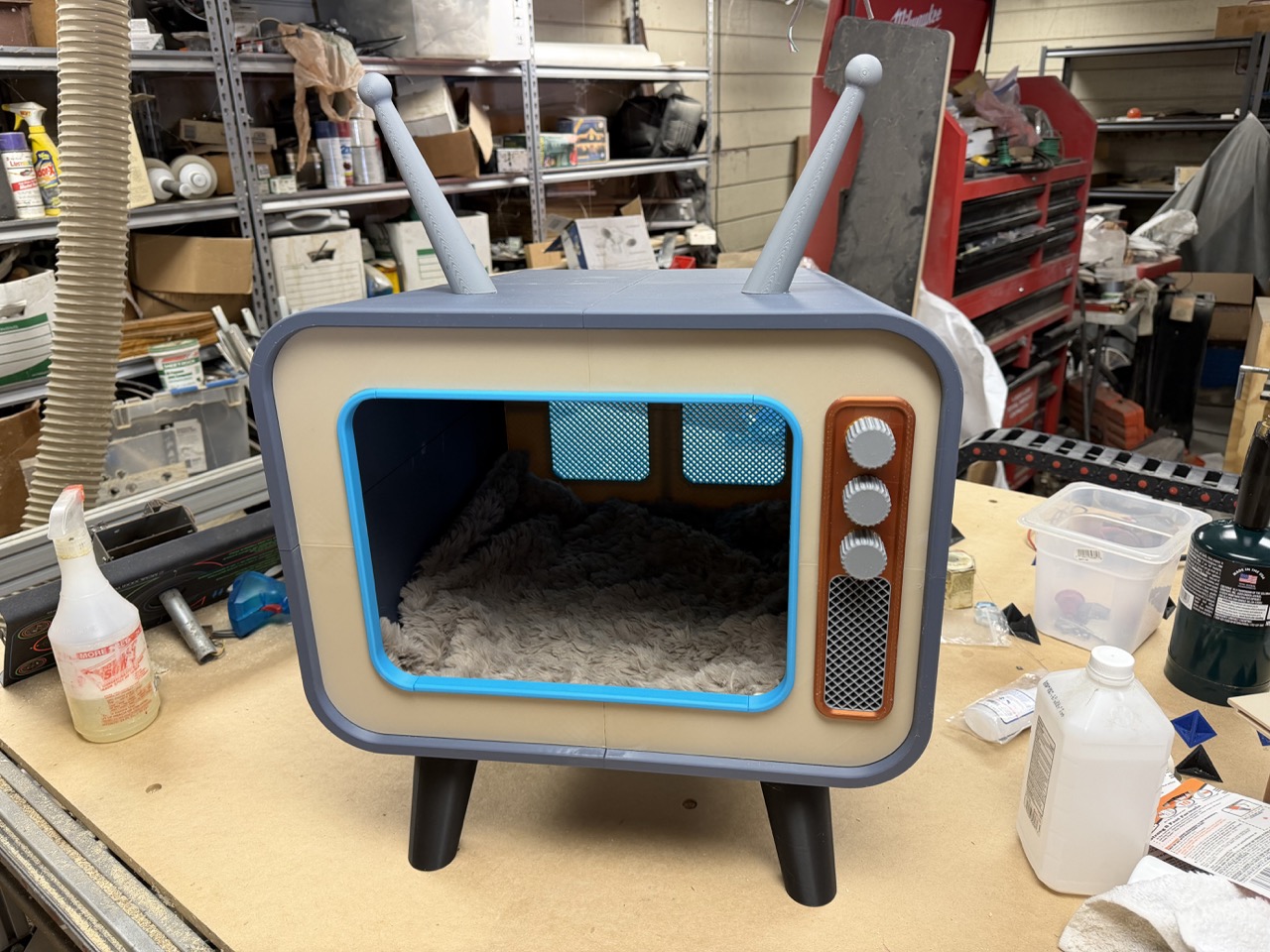
The file set runs to 39 components, assembles with a dry-fit connector system and superglue, and requires a print bed of at least 240 x 240 x 240mm to pull off at full scale. The form is pitch-perfect: four tapered legs, two ball-tipped rabbit-ear antennas, three knurled channel knobs, a honeycomb speaker grille, and a wide rounded-rectangle screen opening that your cat, dog, or rabbit walks through and promptly falls asleep inside. Community makes already show cats curled up in the screen cavity like they are the most relaxed broadcast in television history, which, honestly, they are.
The design language burnski landed on is pure 1960s broadcast era, the kind of chunky, corner-rounded CRT silhouette that populated every American living room before flatscreens made televisions invisible. That specific form carries enormous nostalgic weight right now, showing up on tote bags, neon signs, and enamel pins everywhere you look, but burnski is one of the few people who has taken it somewhere genuinely functional. The rounded body, the splayed legs, the antennas, none of these are decorative afterthoughts. They are load-bearing elements of a visual joke that only works if every detail commits. A CRT pet house with stubby legs and no antennas is just a box with a hole in it. This one reads as a television from across the room, which is the whole point.
Thirty-nine individual STL files cover every component from the outer casing panels, split into eight sections labeled 1A through 2D for assembly sequencing, to the antenna mounting blocks, the knob faces, and the front and rear ventilation grilles. The connector system is built directly into the parts, so the dry-fit assembly process is essentially self-guiding before you reach for the superglue. Burnski recommends two or three filament colors, minimum two walls, and ten percent infill for most structural components, with support material only required under the monitor section. The rear ventilation panels and front grille inlays get a special tip in the build notes: flatten them in your slicer, zero out the top and bottom layers, and the exposed infill pattern becomes a design feature. Community makers have used gyroid and honeycomb infill patterns to striking effect on these panels, visible in the finished build photos circulating on Cults3D.
Given the fact that you’re 3D printing this, you can choose from a variety of colors. The grey-and-cyan version that burnski’s own build photos show is clean and almost graphic, the kind of colorway that would not look out of place in a design-forward apartment. However, you aren’t limited to that – go wild with pastels or neons, or just stick to a single-color print if you’re constrained by filaments and then paint designs/patterns onto it later. It’s ultimately a pet-house, so remember to use paints that are safe and non-toxic.
You can play around with scale to make sure the shelter fits your pet. At 1:1 scale, a full-grown cat fits inside the screen cavity with room to curl up comfortably, which means the assembled unit is genuinely substantial, closer in presence to a bedside table than to a desktop decorative object. That scale is also what makes the living-room-television joke land in person rather than just in photographs. A miniature version would be cute if you own a tinier pet. A version large enough for an actual animal to live inside, sitting on four legs at floor level while you watch it from the couch, is something else entirely.
The STL pack is available on Cults3D for $2.84 USD, making it one of the more absurdly good-value design files on the platform relative to what you actually get. The print time is substantial, the assembly requires patience, and you will need superglue and a printer with a fairly large print-bed if you’re going to print this thing at scale… but the community make photos tell the real story here: people are finishing this build, dropping it in their living rooms, and watching their pets walk straight in and claim it. The channel is always on. The programming never disappoints.
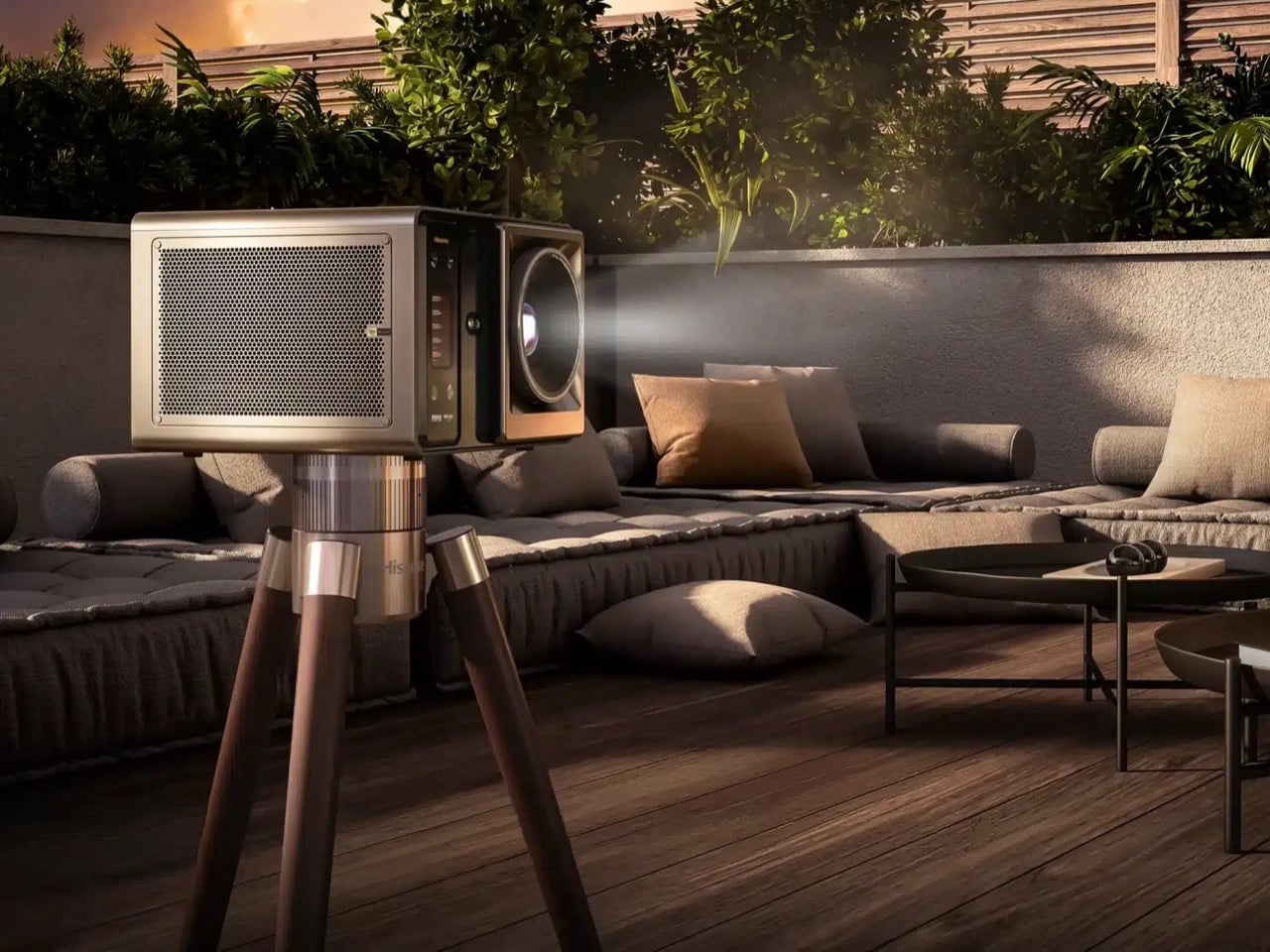
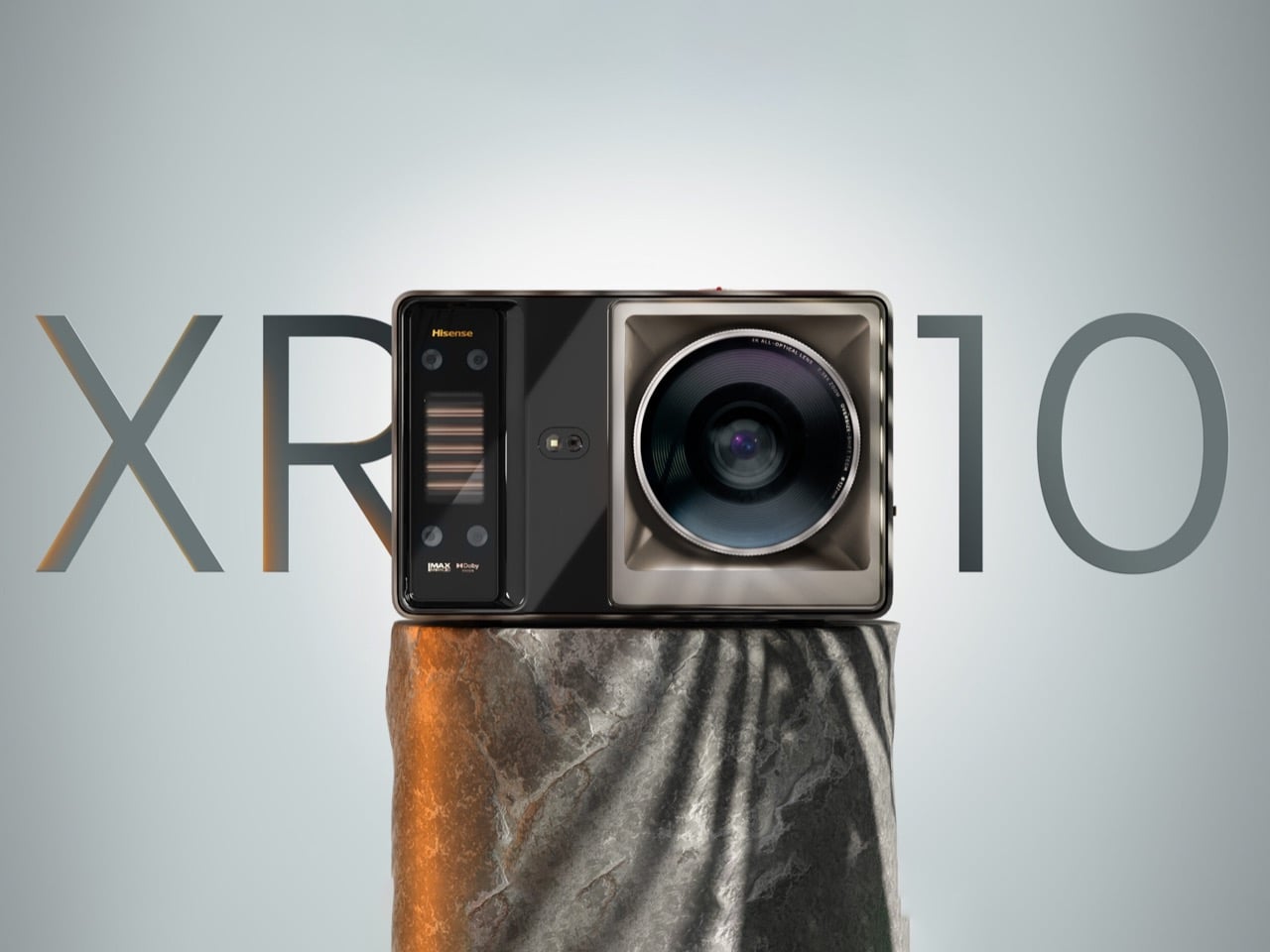
Home theater has always been a game of compromises. You either spend a fortune on a TV large enough to feel cinematic, or you buy a budget projector and spend the rest of your evenings squinting at a washed-out image the moment someone turns a light on. The sweet spot, a projector bright enough to hold its own in a lit room at genuinely cinematic scale, has historically lived at a price point that makes most people close the browser tab. Hisense thinks it has finally cracked that equation with the XR10, a 4K triple laser projector that debuted at CES 2026 and has now officially opened for pre-order.
The XR10 throws a 4K UHD image anywhere from 65 to 300 inches, powered by a triple laser light source rated at 6,000 ANSI lumens and a lifespan of 25,000 hours. That brightness figure is the headline: most home projectors top out well below 4,000 lumens, making ambient light their mortal enemy. Hisense pairs that output with Dolby Vision, HDR10+, and IMAX Enhanced certification, a 17-element glass lens, and a 2.1-channel audio system co-developed with Devialet and tuned with input from the Opéra de Paris. The pre-order price sits at $5,299.99, down from a retail tag of $6,999.99, with a free HT Saturn 4.1.2 wireless sound system thrown in.
The XR10 operates across a 0.84 to 2.0:1 throw ratio with 2.39x optical zoom and lens shift, which means you are not locked into a single position in your room to hit your target screen size. A seven-level iris adjustment and the 17-element glass lens work together to give you granular control over the image, while the native 6,000:1 contrast ratio and up to 60,000:1 dynamic contrast ensure the picture holds depth whether you are watching a sunlit action sequence or a shadow-heavy thriller. Color coverage reaches 118 percent of BT.2020, which puts the XR10 well above the color volume of most consumer displays at any price.
Hisense brought in Devialet, the award-winning French audio engineering firm behind some of the most acoustically serious speakers on the consumer market, to develop the XR10’s built-in 2.1-channel system. Two 8W speakers pair with a 15W subwoofer, the whole profile tuned with input from the Opéra de Paris, and the system supports both Dolby Digital and DTS Virtual:X. Thermal management comes via a dual-channel liquid cooling system that keeps operating temperatures stable without generating the kind of fan noise that pulls you out of a quiet scene.
Smart platform duties fall to Hisense’s VIDAA OS, with Netflix, Amazon Prime Video, Disney+, and Apple TV all available natively. AirPlay 2 and Miracast handle screen mirroring, and the connectivity spec runs to Wi-Fi 7, Bluetooth 5.4, HDMI 2.1, HDMI 2.0, USB 3.0, and Gigabit Ethernet, with eARC and CEC support rounding out the audio integration options. For a device sitting in your living room as a permanent installation, that connectivity stack is exactly what you want.
At $5,299.99 during the pre-order window, the XR10 is not an impulse purchase, and Hisense knows it. The full retail price of $6,999.99 puts it in direct conversation with high-end OLED televisions, and that is precisely the comparison Hisense wants buyers making. A 300-inch OLED does not exist. The XR10 does, and right now you can pre-order one with a free surround sound system included.
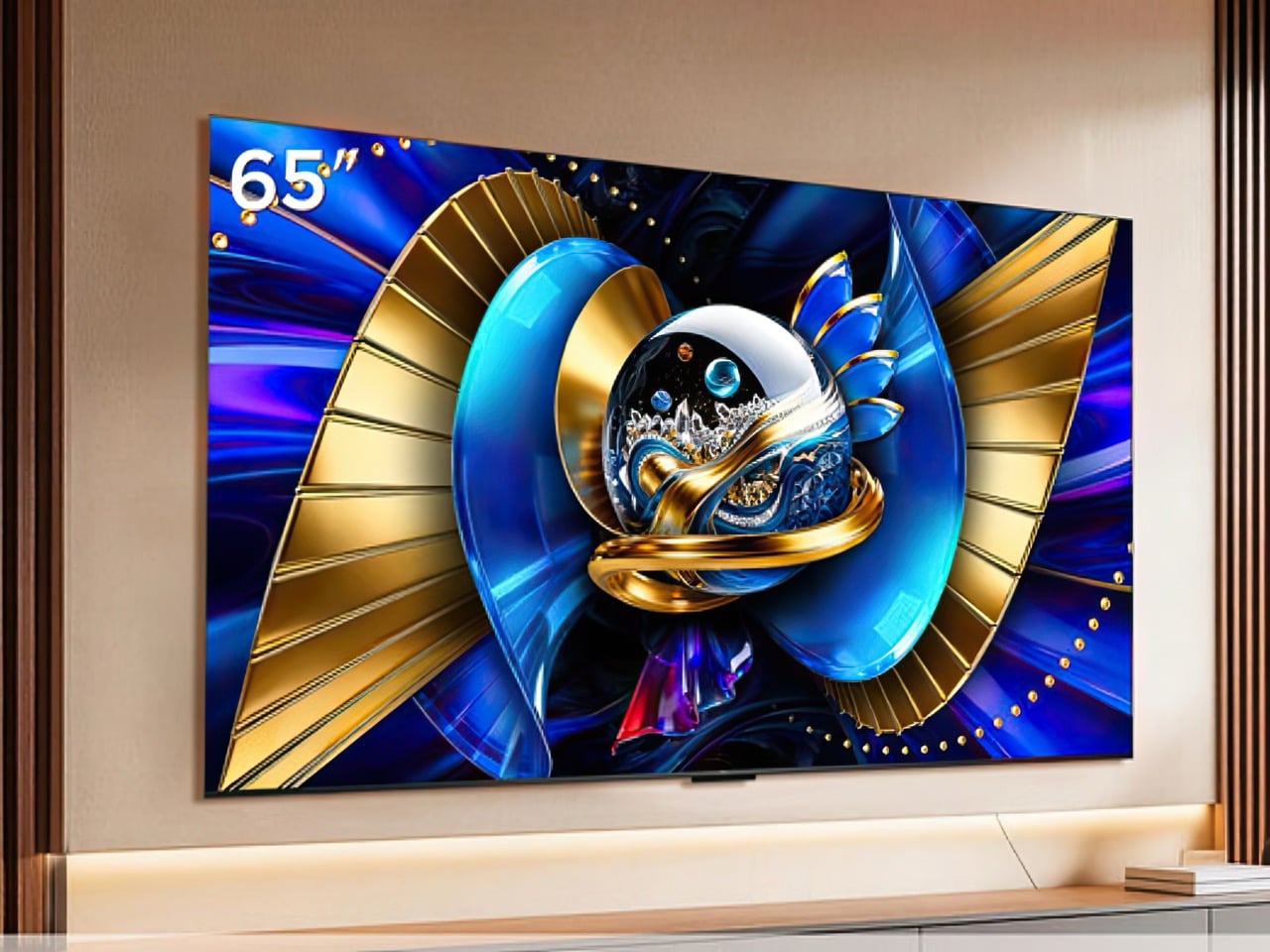
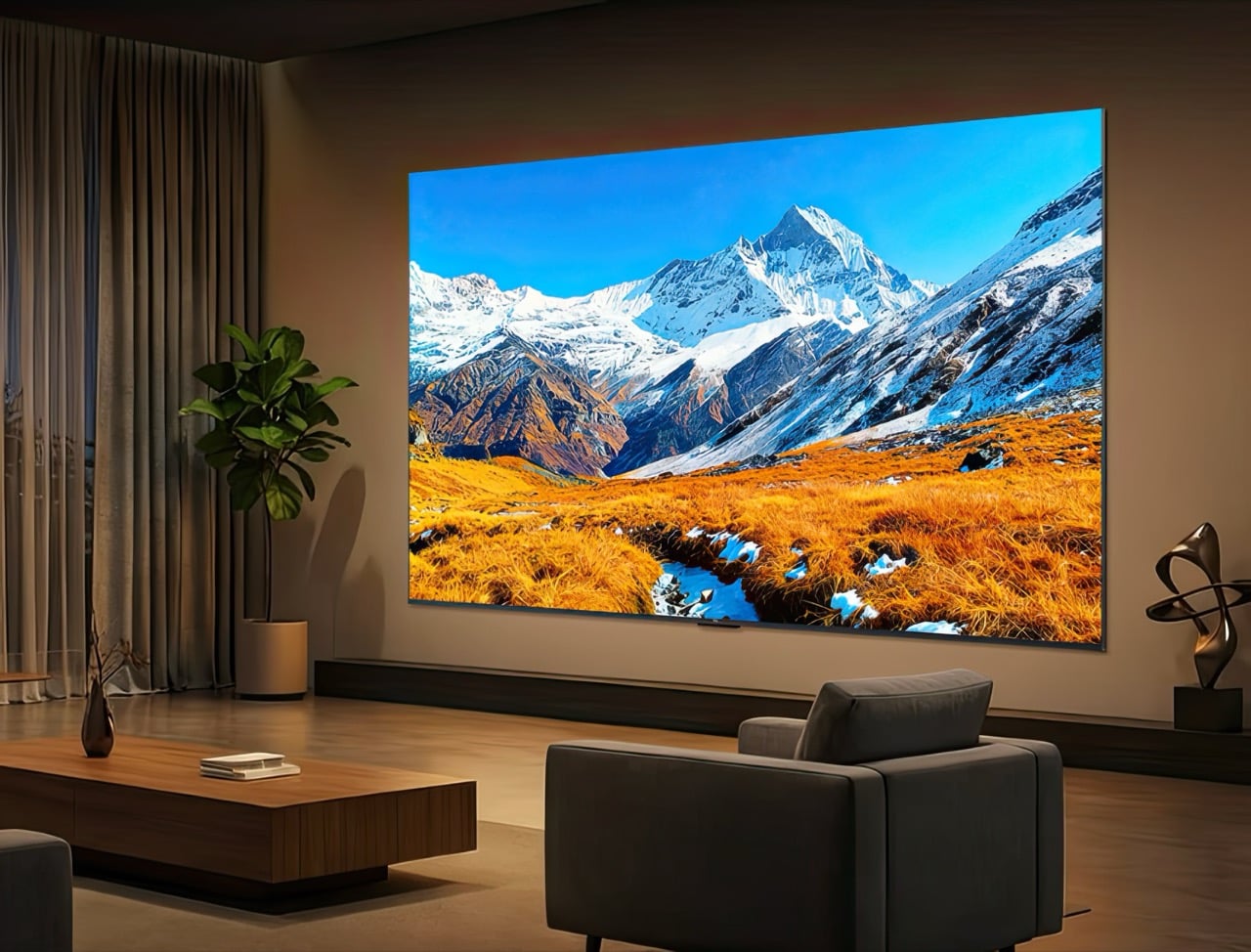
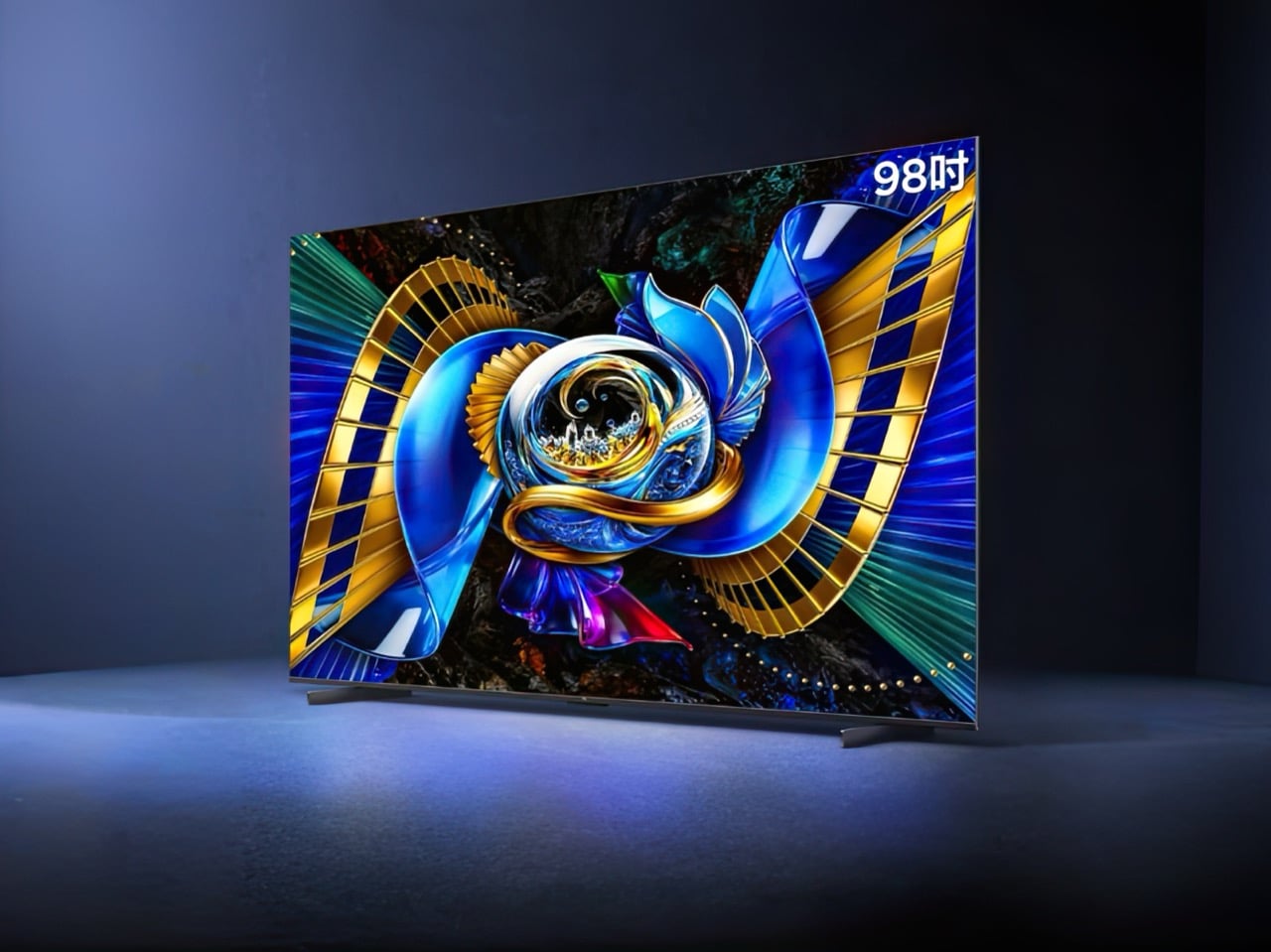
Premium television specs used to live behind premium price tags, a sorting mechanism that kept the best picture quality safely out of reach for most buyers. TCL has spent the last few years dismantling that barrier, and the T7M Pro SQD-Mini LED feels like the wall finally came down. For 6,199 yuan (roughly $900), you get 1,152 local dimming zones, full BT.2020 color coverage, and 2,200 nits of peak brightness. Those numbers belong to televisions that typically cost two or three times as much, yet here they are in sizes from 65 inches for just $900 up to a whopping 98-inch variant priced at a fairly reasonable $2,178.
The T7M Pro uses TCL’s SQD-Mini LED technology, which pairs quantum dot color filters with precise Mini LED backlighting. The company engineered a new panel that filters light more accurately, outputting cleaner colors with less contamination. A 4K screen runs at 150Hz natively, upgradable to 300Hz for gaming. Lingkong UI 3.0 handles the software side with AI-powered picture optimization and content recommendations. TCL kept the chassis at 60mm thick for near-flush wall mounting. The lineup launches in China across four sizes, and the pricing suggests TCL has stopped chasing flagship competitors and started outspeccing them at half the cost.
Designer: TCL
BT.2020 is the actual color space HDR content gets mastered in, the standard filmmakers use when they finish a movie. Most televisions claim wide color support but only hit 70 to 85 percent of that range, then fake the rest by stretching values. TCL claims the T7M Pro covers the full 100 percent through its Super Butterfly Wing Star Display panel, which uses better materials to filter light more cleanly. Cheaper quantum dot screens mix wavelengths and produce muddy colors. This one supposedly keeps red, green, and blue separate and pure. If that holds up in actual use, you’re seeing colors the way the director intended them.
TCL packed 1,152 dimming zones into the T7M Pro, letting different parts of the screen brighten or dim independently. That matters when you’re watching HDR content where a bright explosion needs to pop against a dark sky without making the whole screen glow. The 2,200 nits of peak brightness means highlights stay detailed instead of blowing out into white blobs. Whether 1,152 zones eliminate all the halo effects around bright objects depends on how large each zone is and how smart the processing is. We won’t know until someone tests it properly, but the number alone puts it in serious territory.
The television runs at 150Hz natively, smooth enough for high frame rate gaming and sports. Push it to 300Hz through motion smoothing if you like that soap opera look, though most people turn that off immediately. Four HDMI 2.1 ports with full bandwidth mean your PlayStation 5 or Xbox Series X can output 4K at 120Hz without compromise. Variable refresh rate and auto low latency mode are both here, which have become expected features on any TV that calls itself gaming-ready. TCL clearly built this thing with console players in mind, not just movie watchers.
Lingkong UI 3.0 runs the software side with a card-based layout and zero boot ads, already a win over most smart TV platforms that force you through commercials just to turn the thing on. The AI component learns your viewing habits and adjusts picture settings automatically, plus it suggests content based on what you watch. How pushy those recommendations get will determine whether this feels helpful or annoying. A quad-core processor with 4GB of RAM keeps things moving, which matters when you’re jumping between streaming apps or adjusting settings mid-movie.
Samsung’s QN90D Mini LED TV with similar specs costs around $1,800 for the 65-inch model. Sony’s X95L Mini LED sits near $2,000. Both deliver great picture quality, but neither performs twice as well to justify twice the price. TCL is counting on buyers to do the math and realize they’re paying for a badge, not better technology. That argument gets even stronger with the 98-inch T7M Pro at $2,178, a size where Samsung and Sony regularly charge $4,000 or more. The performance gap between a $2,000 TV and a $900 TV used to be massive. Now it’s mostly marketing.
TCL launched the T7M Pro in China first with no confirmed international release date, though the company already sells Mini LED TVs globally so a wider rollout seems inevitable. For anyone willing to import or wait for official availability, this television makes flagship picture quality accessible without flagship pricing. The question it forces on established brands is simple and uncomfortable: what exactly are buyers paying extra for when the panel specs are identical?
Apple TV's long-running sci-fi show For All Mankind has just been renewed for a sixth and final season, ahead of this week's season five premiere. This seems more like the natural endpoint of the story instead of a cancellation, according to remarks made by some of the creators.
"Getting to explore the For All Mankind universe over six seasons has been an amazing privilege, and we’re thrilled to have the opportunity to finish the story the way we’ve always hoped," co-creators and showrunners Matt Wolpert and Ben Nedivi said. "We’re incredibly proud of what this series has become, and grateful to Apple TV and Sony Pictures Television for helping us see it through to its final chapter."
The plan for the show has always been to bring it up to the modern day and it looks like the creators will get to do just that. Season five takes place in the 2010s, which gives season six plenty of time to catch up to the 2020s.
For the uninitiated, For All Mankind is an alt-history series that started in the 1960s with Russia beating America to the moon. The show absolutely loves time jumps, with each season covering a decade or two.
That initial discrepancy with our reality has ballooned into all kinds of butterfly effect-type stuff. For instance, humanity quickly moved beyond the moon to occupy Mars. Al Gore also got to be president in that timeline.
Despite the numerous time jumps, several of the show's original cast members are still on board. Joel Kinnaman's character, astronaut Ed Baldwin, is quite literally in his 80s at this point. The actor must be getting tired of all of those fake wrinkles.
Apple TV has unveiled first-look photos for “Star City,” the upcoming “For All Mankind” spinoff series that explores the same story from Russia's point of view.
In any event, season five of For All Mankind premieres on March 27. The mainline show is coming to a close, but there's still a spin-off to look forward to. Star City premieres on May 29. This looks to be a take on the events of the original show from the perspective of Russia.
This article originally appeared on Engadget at https://www.engadget.com/entertainment/tv-movies/for-all-mankind-is-returning-for-a-sixth-and-final-season-173859683.html?src=rss
The first season of a TV show is a tricky thing. It has to convince people to watch it and justify the show’s existence to the network (or streaming service) execs. It has to deal with actors and writers who may not have fully dialed into the characters and world yet. There are some shows with absolutely stellar first seasons — Stranger Things, Veronica Mars and Ted Lasso are a few — but many other hit shows stumbled out of the gate, like The Office and Supernatural.
Star Trek is not immune to this phenomenon. The Original Series had a decent first season, with classic episodes like “The City on the Edge of Forever.” But the next four shows all have rather weak beginnings, with even fan-favorite The Next Generation stumbling badly with episodes like “Code of Honor.” That show picked up in season three, beginning a trend called “Growing the Beard,” in reference to how Commander Riker’s new beard coincided with the uptick in quality.
This trend unfortunately continued into the current era, with 2017’s Star Trek: Discovery delivering a first season with an overwhelmingly dour tone and a lot of franchise changes that didn’t sit well with fans. The show made some tweaks in season two (including a change in setting that involved traveling 900 years into the future), and showed a lot of improvement with season three. Picard also floundered horribly, with an uneven first season that killed off some fan-favorite characters and also turned the title character into an android.
Things started looking up after that, with shows like Strange New Worlds all posting strong outings with their first go-arounds. While episodes like “A Quality of Mercy” and “Lift Us Where Suffering Cannot Reach” may not make the list of all-time classics, there are no outright stinkers. It seemed like the franchise as a whole was finally finding its footing in this new streaming era.
L-R: Tatiana Maslany as Anisha, Sandro Rosta as Caleb, Kerrice Brooks as SAM, Bella Shepard as Genesis, and George Hawkins as Darem in season 1, episode 9, of Star Trek: Starfleet Academy streaming on Paramount+.
Michael Gibson/Paramount+
That leads us to Starfleet Academy, which debuted in January on Paramount+. Prior to its premiere, the internet was full of people deriding it as “CW Trek” and declaring that they don’t want to watch a show about “teenyboppers” that wasn’t “real” Star Trek. Now that the show has finished its first season… the internet is still full of people complaining. But many folks who were wary of it at the beginning have been pleasantly surprised — every day there seems to be multiple posts on various Star Trek subreddits along the lines of “Starfleet Academy is actually good?!?” I personally didn’t enjoy the first episode, but episode two turned me around rather quickly, and it seemed that every week brought new converts.
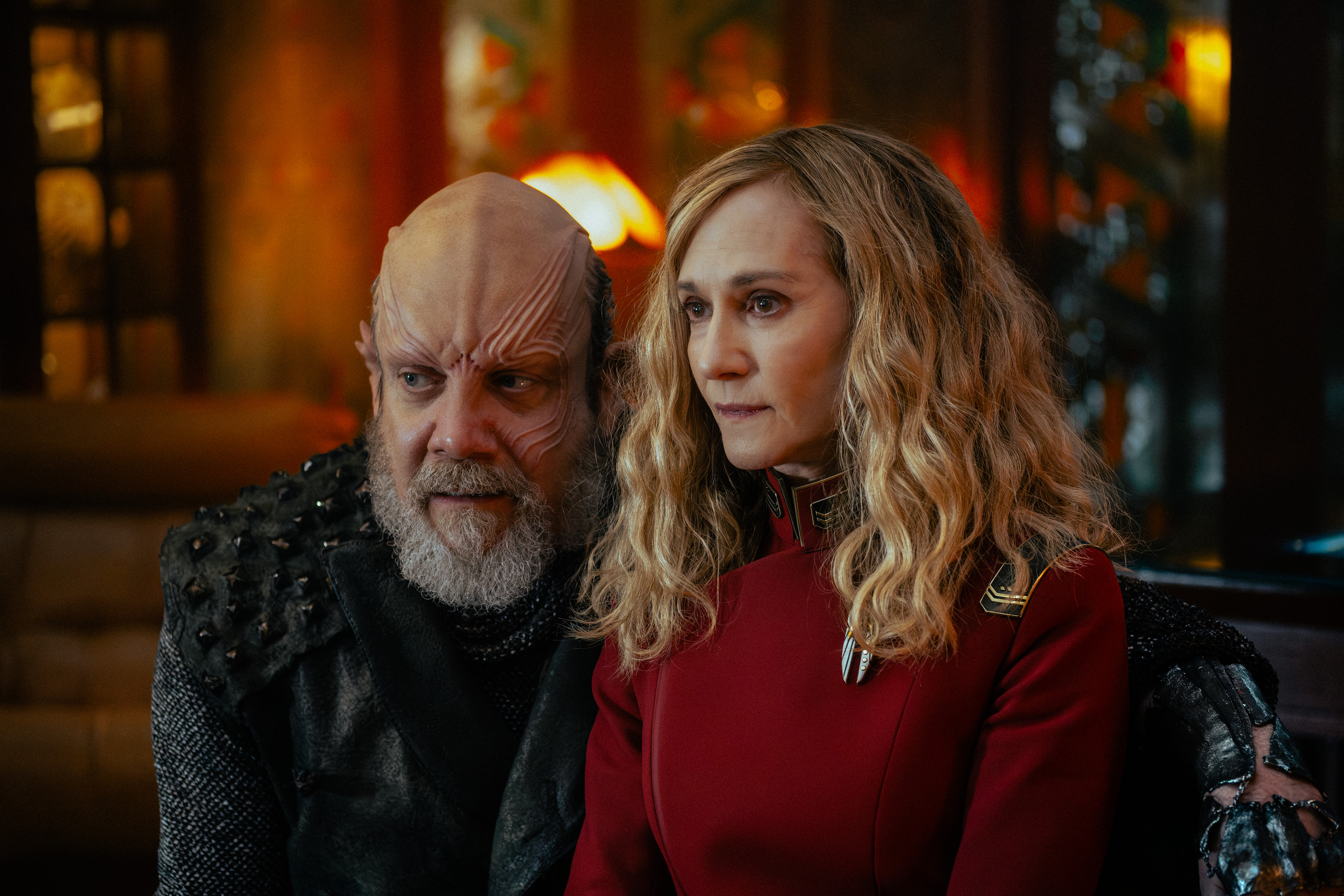
Granted, 10 episodes is a short amount of time to make an impact, but Starfleet Academy did a lot with that number. Four of the episodes are dedicated to the ongoing villainy of Nus Braka, a murderous pirate played with scene-chewing delight by Paul Giamatti. These have all been pretty straightforward adventure stories, which also did a good job of fleshing out not only Braka, but cadet Caleb Mir, whose mother went to prison because of Braka.
The emphasis on Caleb in the first episode made it seem like the show would focus on him, much in the way Discovery focused on Michael Burnham, but he took a back seat as the show explored the other characters as well as its setting. Episode two, “Beta Test,” focused on diplomacy, a long-standing theme of Star Trek, and even shook up the status quo by moving the Federation headquarters from Earth to Betazed.
Paul Giamatti as Nus Braka and Holly Hunter as Captain Nahla Ake in season 1, episode 6, of Star Trek: Starfleet Academy streaming on Paramount+.
Brooke Palmer/Paramount+
Episodes four and five were more personal stories, with “Vox in Excelso” focusing on soft boy Klingon character Jay-Den as well as the fate of his race in general after hundreds of years, while “Series Acclimation Mil” also gave us characterization of photonic being Sam along with some heartfelt fan service for the Deep Space Nine fandom. Sam would also shine once more in “The Life of the Stars,” an episode that dealt with trauma, but also (again) delivered fan service in a way that didn’t feel like pandering because of how it was used to develop not just Sam, but also the Doctor, a legacy character from Voyager.
It’s not that every episode in season one of Starfleet Academy is a masterpiece – “Vitus Reflux” and “Ko’Zeine” are somewhat weak – but none of them are outright bad, making the batting average of the season rather high. That bodes well for word-of-mouth, as it's easier to recommend a show when you don't have to couch it with excuses about how it gets good “eventually.”
It will need that word-of-mouth if it wants to get through a complete four seasons of schooling; season two just finished filming so we're guaranteed at least that, but there's a lot up in the air for not just the show, but the entire franchise. Strange New Worlds season four will debut later this year, and then we have an abbreviated season five to look forward to. But past that, nothing firm is on the horizon: Starfleet Academy hasn't been renewed yet, and projects like the Tawny Newsome-helmed comedy show are still in development with nothing tangible revealed yet.
Newsome played Beckett Mariner on Lower Decks and worked in the writers room for Starfleet Academy — she's an example of how Paramount has been building up a roster of talent behind the scenes for the franchise who, even when a show is new, understand the universe and, more importantly, how to work together to make good TV. And that's going to be important in the next year or so, as Paramount makes decisions about the future of the franchise in the shadow of the recent Skydance merger and the upcoming Warner Bros. purchase. Star Trek has an uphill battle ahead of it, but at least Starfleet Academy’s first season has made it an easier climb.
This article originally appeared on Engadget at https://www.engadget.com/entertainment/starfleet-academy-is-the-best-first-season-of-a-star-trek-show-ever-133000945.html?src=rss
Apple just dropped a full trailer for the fifth season of its hit sci-fi show For All Mankind. This is the first real look at the upcoming batch of episodes, which premiere on March 27. We got an extremely short teaser trailer last month but that only showed a guy on a motorcycle riding across Mars.
This is the first real-deal trailer and it's absolutely stuffed with footage indicating where the next season will take viewers. I'm going to get into some spoilers here, so read at your own risk.
For the uninitiated, For All Mankind is an alternate history show that started with a simple premise. What if Russia landed on the moon before America? That has since ballooned into all kinds of stuff which include, as mentioned above, a potential war on Mars.
For All Mankind is a show famous for its time jumps, and season five takes us all the way to an alternate version of 2012. Many of the show's original surviving characters are still kicking around, but they are old as paste and not exactly fit for high-octane space travel. Remember, the first episode started in the 1960s. Franchise lead Ed Baldwin (Joel Kinnamen) looks particularly dusty.
Much of the footage features newer characters, including the grandson of Baldwin. Season four ended with a Mars colony asserting its independence via asteroid theft. Now it looks like Earth is striking back, which could lead to a full-scale war. This is giving me The Expanse vibes, which is never a bad thing.
The show must be clocking good numbers for Apple TV+, as the streamer recently announced a spinoff called Star City. Details are scant, but it looks to cover similar events of the mainline show from Russia's perspective.
New episodes of For All Mankind air each Friday. This season will feature ten episodes and concludes on May 29.
This article originally appeared on Engadget at https://www.engadget.com/entertainment/tv-movies/for-all-mankinds-latest-trailer-teases-a-war-on-mars-174822481.html?src=rss
Apple’s in-house studio will be producing the future seasons of Severance, according to Deadline. The company has reportedly acquired the show’s IP and all rights from its original studio, Fifth Season, back in December in a deal that was worth approximately $70 million. Fifth Season will remain as an executive producer, but Apple Studios will now be in charge of the show. Severance will be one of Apple’s marquee titles, alongside other shows like Owen Wilson’s Stick and Kristen Wiig’s Palm Royale. Apple also previously acquired sci-fi dystopian series Silo after its first season.
Deadline reports that the show’s production costs were going beyond what Fifth Season could afford. The studio had already asked Apple for advances in the past and was considering moving the production from New York to Canada for bigger tax rebates. Apple has also apparently been helping Fifth Season not just with its budget, but also with securing advertisers.
Seeing as the second season of Severance became the streamer’s most watched series, and Apple definitely has the money to keep the show going, the company decided to take over the series completely. It will allow Severance’s production to stay in New York without having to worry about budget constraints. Deadline says the series is expected to have four seasons, with the spinoffs showrunner Dan Erickson and director Ben Stiller are open to now being in the realm of possibility.
This article originally appeared on Engadget at https://www.engadget.com/entertainment/streaming/apple-acquires-severance-and-will-produce-future-seasons-in-house-092405747.html?src=rss
YouTube is launching YouTube TV Plans this week, after revealing the program back in December. These are genre-specific subscription packages that let users opt into a curated version of the service and save a few bucks in the process. Yeah. It's pretty much cable, proving you can't cut a cord if it's made out of invisible radio waves.
There are more than ten plans available and they are all cheaper than the typical asking price of $83 per month. There's a Sports Plan that costs $65 per month and includes channels like FS1, NBC Sports Network and all of the ESPN networks. Subscribers will pay $72 per month to add some news channels like CNN and CSPAN to the sports package.
The Entertainment Plan costs $55 per month and includes networks like Bravo, Comedy Central, FX and the Food Network, among many others. There's a beefier version of this that costs $70 per month and adds in family channels like the Cartoon Network and Nickelodeon, along with news channels.
Signing up for one of these plans still provides various perks of a standard YouTube TV subscription. These include unlimited DVR, multiview and the ability to add up to six members on one account. Of course, those with deep pockets can spring for some premium add-ons like HBO Max, 4K Plus and the NFL Sunday Ticket.
YouTube
Some plans are rolling out later in the week, but YouTube says it could take "several weeks" for every plan to become available. New customers receive a discount for the first three months, which is worth looking into.
This article originally appeared on Engadget at https://www.engadget.com/entertainment/tv-movies/youtube-tv-launches-curated-subscription-packages-this-week-170710000.html?src=rss
You know what nobody talks about enough? How absolutely boring our TVs have become. Seriously, when did we all collectively decide that every television needs to look like the exact same black rectangle? Walk into any electronics store and it’s just rows and rows of identical screens, differentiated only by size and price tag. But here’s the thing: it doesn’t have to be this way.
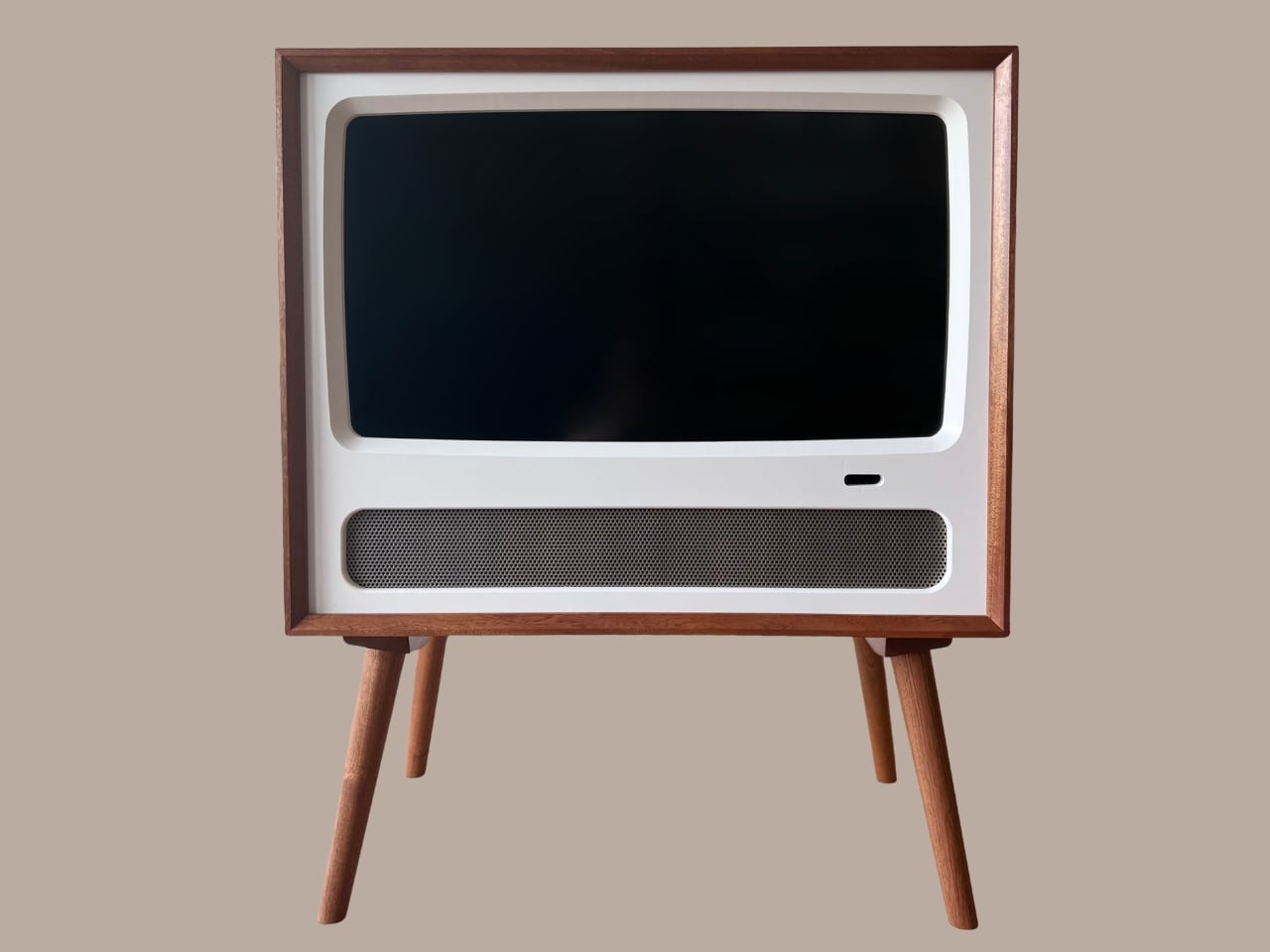
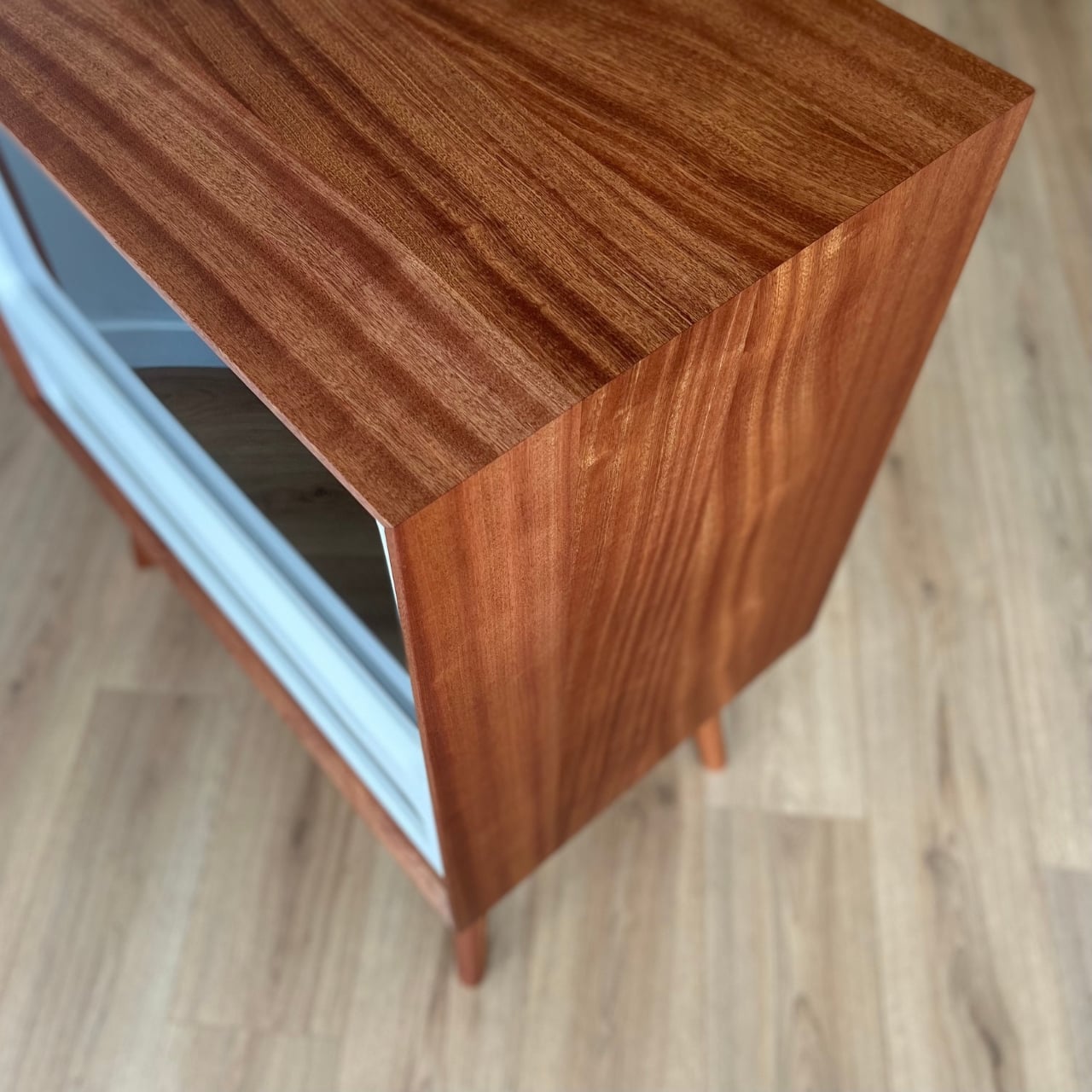
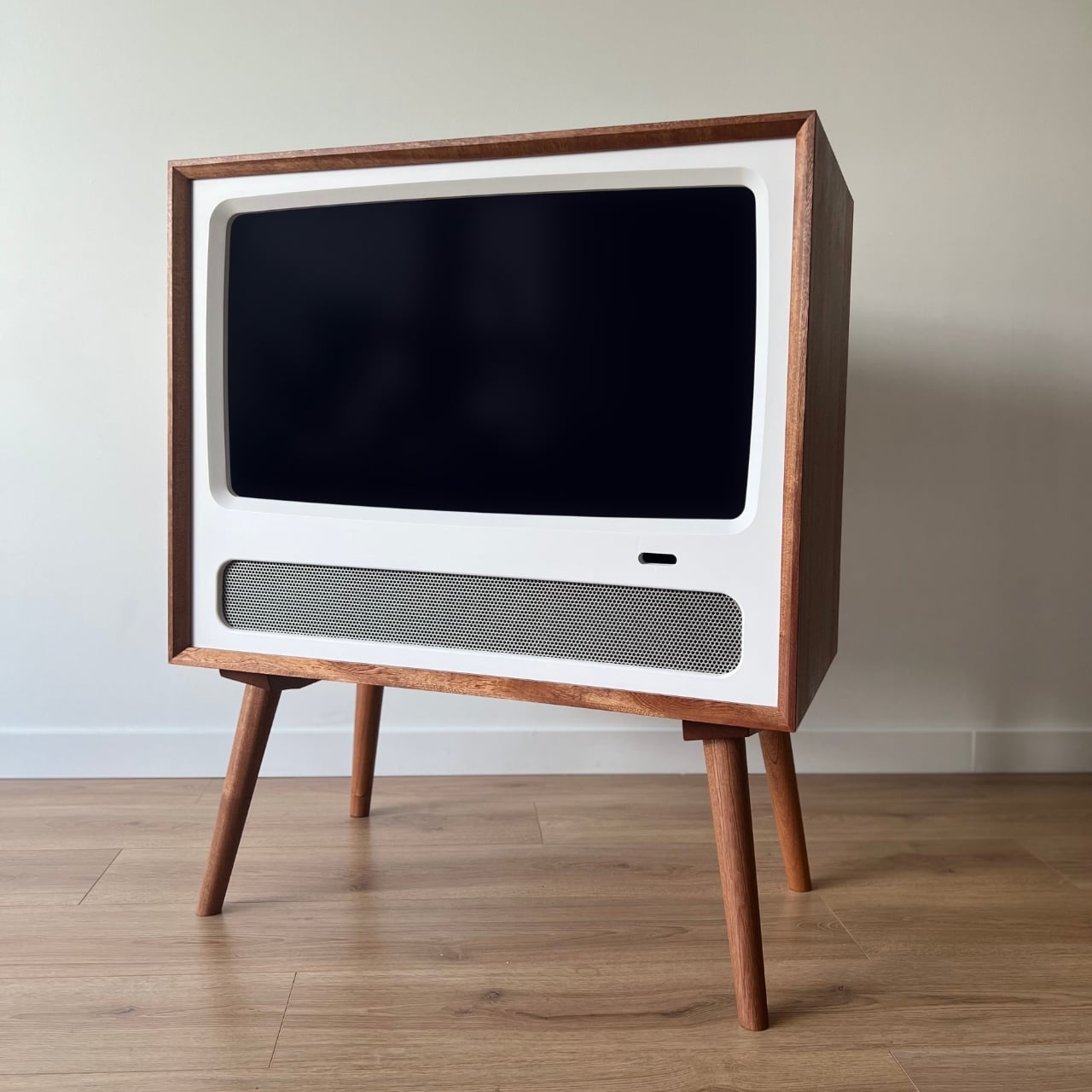
Cordova Woodworking just dropped something that’s getting design nerds and retro enthusiasts equally excited. They’ve created a modern TV cabinet that looks like it time-traveled from the 1960s, and it’s honestly perfect. Picture those gorgeous wooden television sets your grandparents might have had, the ones that looked like actual furniture instead of electronics. Now imagine that same aesthetic, but designed for your flat screen, soundbar, and PlayStation.
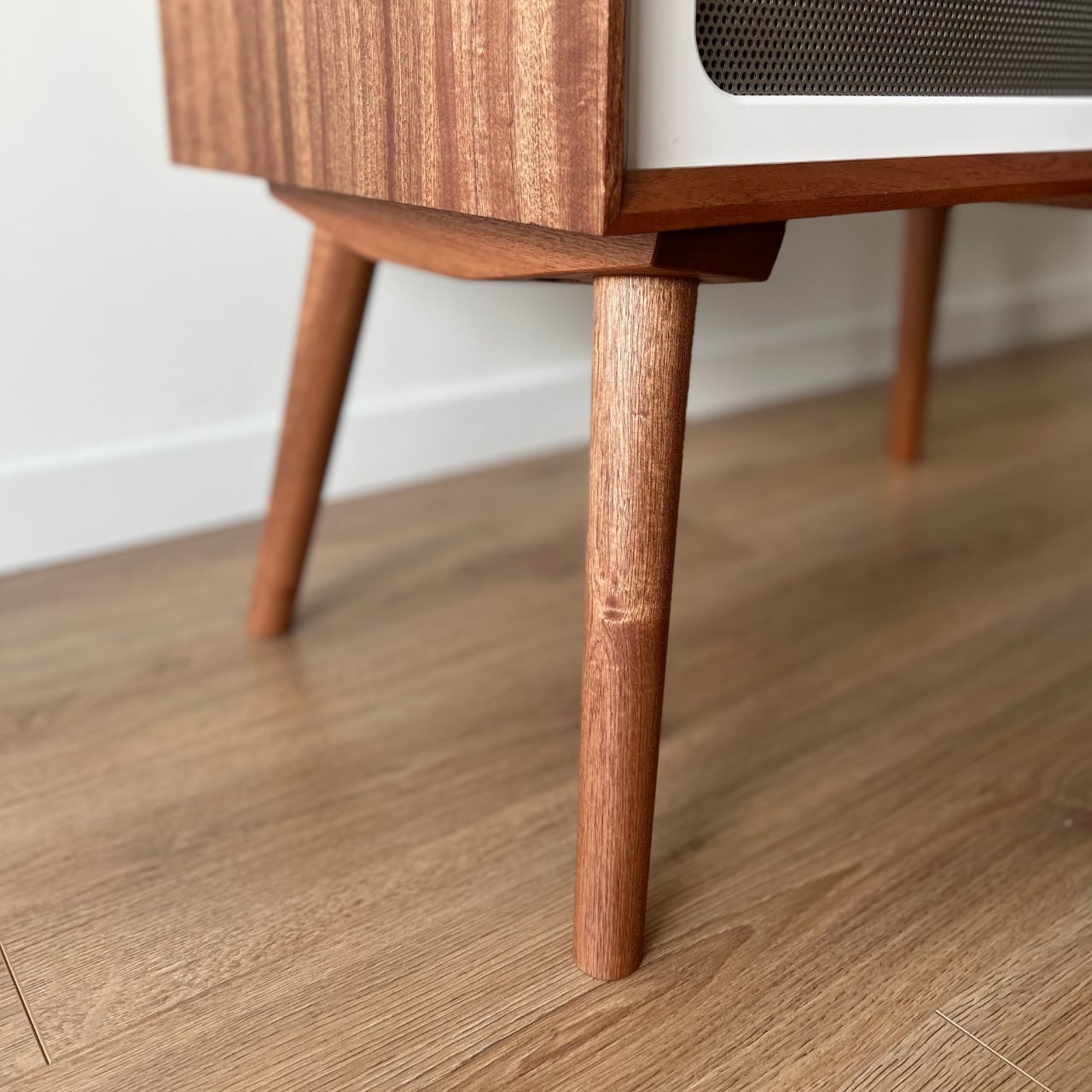
The timing couldn’t be better. We’re living through this interesting moment where mid-century modern design has gone from niche collector territory to full-on mainstream obsession. You see it everywhere: the tapered legs, the warm wood tones, the clean lines that somehow feel both retro and contemporary. But most of that MCM-inspired furniture is either absurdly expensive vintage pieces or cheap knockoffs that fall apart after six months. This TV cabinet hits that sweet spot of authentic design with actual quality craftsmanship.
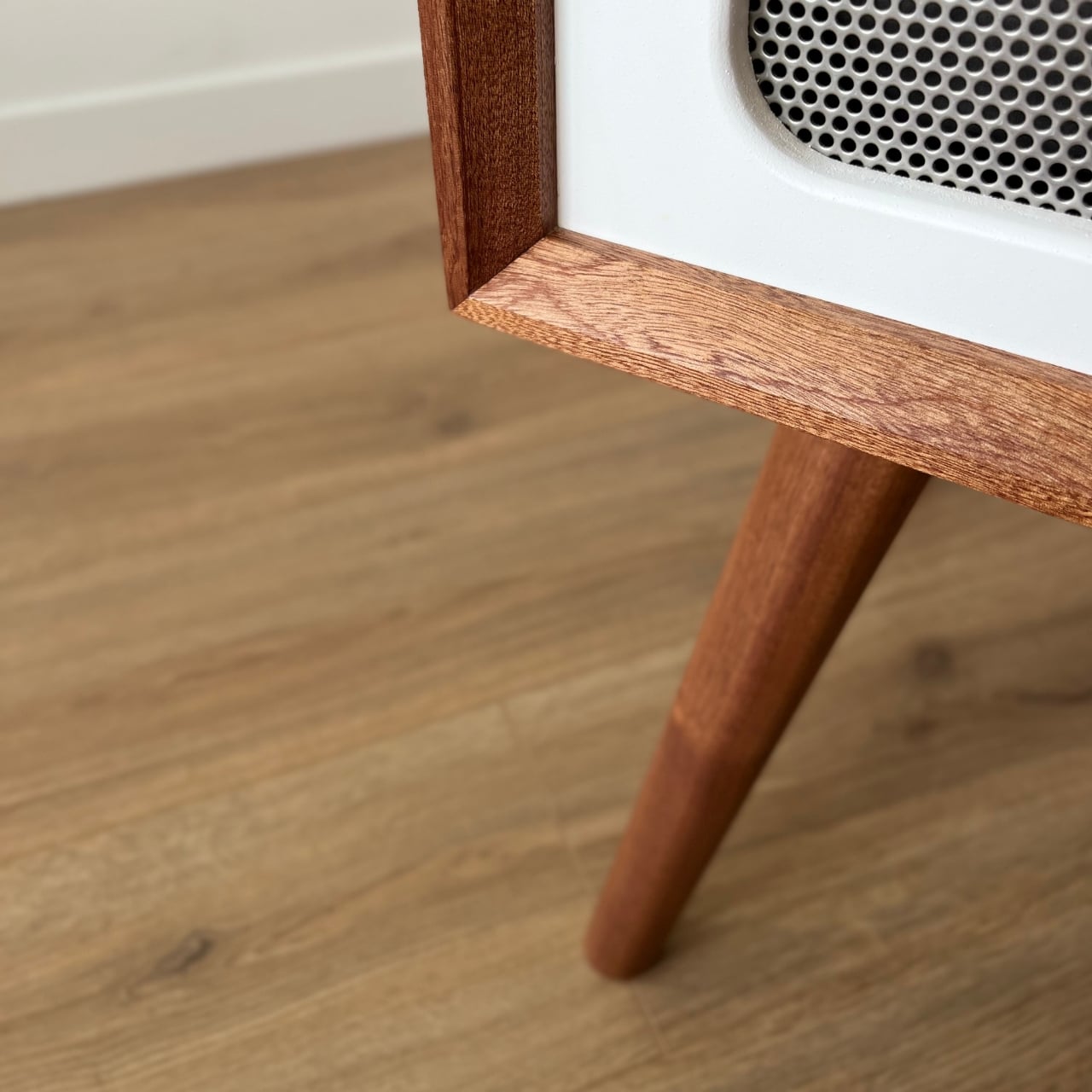
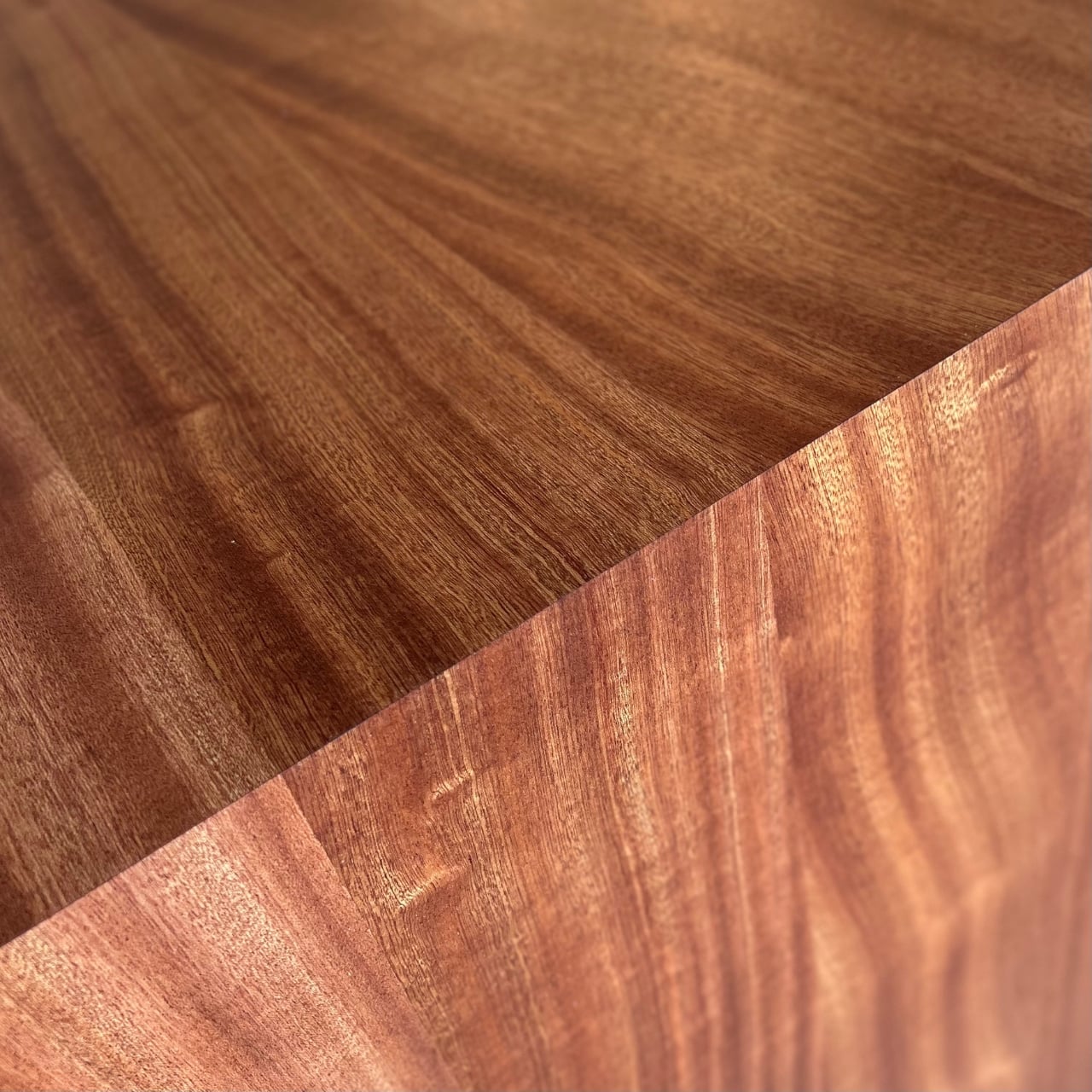
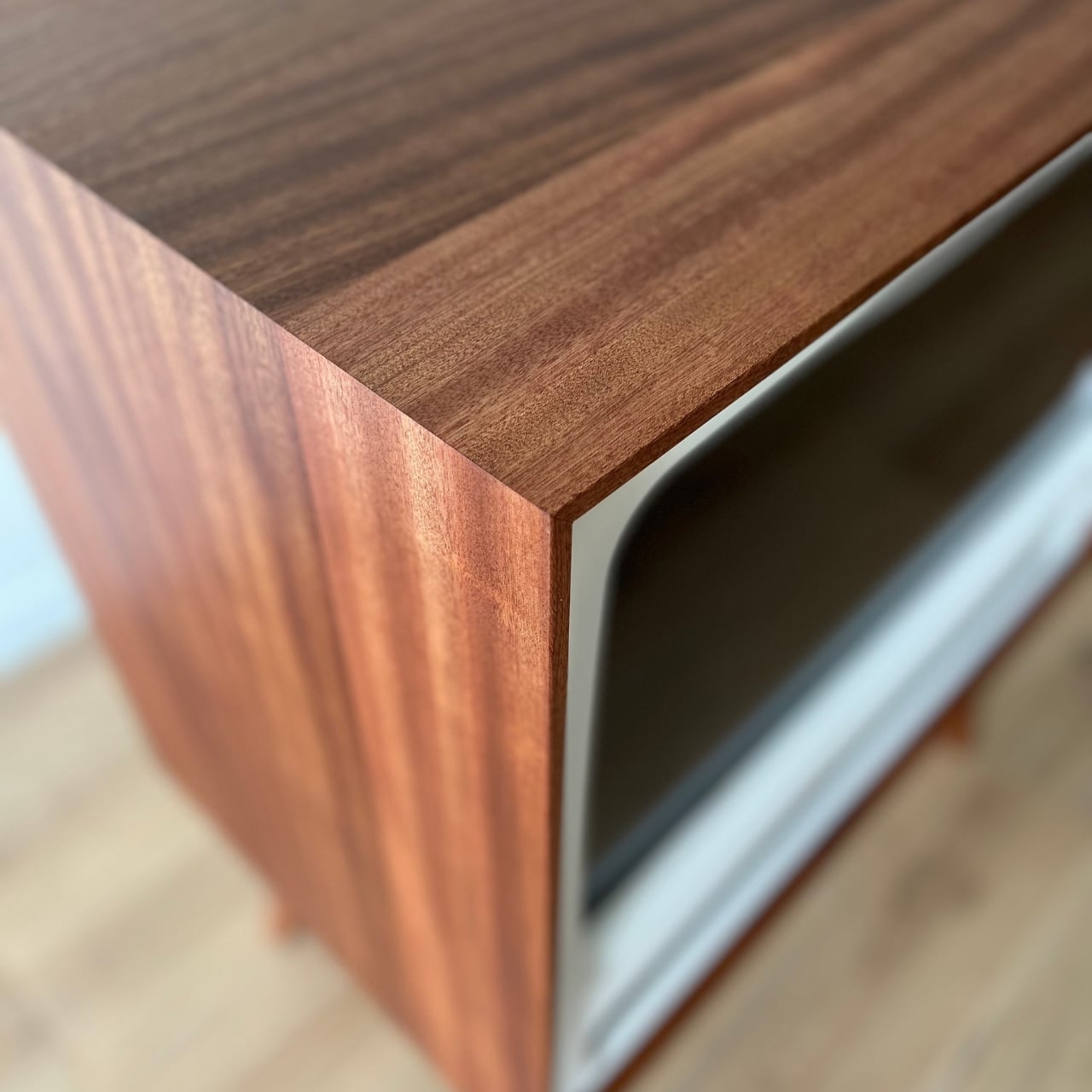
Let’s talk about what makes this piece special. It’s built from solid sapele wood, which is this beautiful African hardwood with rich, warm coloring that develops an even better patina over time. The cabinet is sized for a 32-inch TV, which might seem small if you’re used to wall-sized screens, but it’s actually perfect for bedrooms, home offices, or cozy living rooms where you don’t need to feel like you’re at a movie theater.
But here’s where the design gets really clever. The lower section has dedicated storage for a soundbar, plus ample space for gaming consoles and all those accessories we accumulate. No more cord chaos or devices balanced precariously on whatever surface is nearby. Everything has its place, and it all stays hidden behind that beautiful wooden facade. It’s the kind of thoughtful functionality that makes you wonder why every TV cabinet isn’t designed this way.
The whole project recently got featured on Hackaday, which noted how the design captures that iconic mid-century aesthetic that manufacturers used to prioritize. Back then, TV sets were statement pieces, central to the living room’s design. They were furniture first, electronics second. Cordova Woodworking’s build video shows the entire construction process in a fully equipped modern workshop, and watching it is genuinely satisfying if you’re into craftsmanship.
What’s particularly cool is that they’re offering the design in multiple ways. You can commission a custom piece directly from them (they’re open to custom inquiries about finishes and specifications), or if you’re handy with woodworking tools, you can buy the PDF plans and build your own. The plans include both metric and imperial measurements, complete materials lists, and detailed dimensions for every component. It’s a nice touch that makes the design accessible whether you want to buy finished or DIY.
This feels like part of a bigger shift happening in how we think about technology in our homes. For the longest time, the goal was to make everything sleek and minimal and black. But minimal doesn’t always mean beautiful, and there’s something really refreshing about seeing tech integrated into furniture that has warmth and personality. The sapele wood brings this organic quality that makes your space feel lived-in and intentional rather than like a showroom.
The cabinet works in so many different contexts too. Obviously it’s perfect for anyone decorating in a mid-century style, but it also looks great in eclectic spaces that mix eras, or even in more contemporary rooms where you want one standout vintage-inspired piece. It’s that rare design that’s specific enough to have real character but versatile enough to work in different settings. At the end of the day, this is furniture you’ll actually want to keep. Not something you’ll replace in a few years when trends change, but a piece that gets better with age. And isn’t that the kind of design we should all be investing in?