The company promises a "sleek" new look, but that's not the only change. This visual redesign should make it much easier to quickly glance at recent songs you've identified via the Home tab. They now appear directly on the home screen.
There's also a revamped toolbar that lets you quickly swap between different tabs, including one that lists nearby concerts. The search icon is now separated into its own button on the bottom of the app.
Fitbit is holding an early Black Friday and there are plenty of noteworthy deals. The Charge 6 fitness tracker is on sale for $100, which is a nice discount of $60 and 38 percent off. The deal applies to multiple colorways.
The Charge 6 topped our list of the best fitness trackers, and for good reason. It features built-in GPS, which means it doesn't have to be tethered to a phone when doing some cardio. The heart rate monitor is much more accurate when compared to the Charge 5 and the battery lasts a full week before requiring a trip to the outlet.
All told, it tracks 20 exercise types, in addition to sleep. The Charge 6 features a full-color AMOLED display that's easy on the eyes and a relatively thin design. This makes it feel fairly premium, especially when compared to rival devices.
On the downside, there's no real integration with Apple Health. This could be a dealbreaker for some. Also, some health data is hidden behind a Fitbit Premium paywall. That service costs $10 each month.
This isn't the only Fitbit product on sale right now. The Inspire 3 fitness tracker is available for $70, which is a discount of 30 percent.
This article originally appeared on Engadget at https://www.engadget.com/deals/fitbit-black-friday-deals-are-here-early-and-one-of-our-favorite-fitness-trackers-is-on-sale-for-100-185704387.html?src=rss
Direct File, the free, government-provided alternative to services like TurboTax, won't be available for the 2026 tax season, Bloomberg Tax reports. That's based on a letter sent from the Internal Revenue Service to participating states that says that "no launch date has been set for the future."
A Biden administration project, Direct File was designed to be an easy way for eligible taxpayers to file taxes online, without having to pay for a service like TurboTax or H&R Block to do it on their behalf. The IRS began piloting Direct File for the 2024 tax season, and opted to make it a permanent option later that year. Direct File was available for the most recent 2025 tax season in 25 states in the US.
Despite the service's success, the Trump administration appears to opposed to offering Direct File in its current form. The "Big Beautiful Bill" passed in July 2025 includes funding for the IRS to research "the cost to replace any direct e-file programs run by the Internal Revenue Service" and "the cost of developing and running a free direct e-file tax return system." Whatever the results of that research, later in July, former IRS Commissioner Billy Long seemed to suggest the e-filing option had been eliminated. "You've heard of Direct File, that's gone," Long said at a tax professional summit. "Big beautiful Billy wiped that out."
Engadget has contacted the IRS to confirm that Direct File won't be offered in 2026. We'll update this article if we hear back.
While the IRS has yet to formally announce that Direct File is going away outside of Long's comments, the tool is currently unavailable through the IRS website. Additionally, the position to lead the Direct File project inside the IRS is currently vacant under acting IRS Commissioner Scott Bessent.
This article originally appeared on Engadget at https://www.engadget.com/big-tech/the-irs-free-tax-filing-tool-reportedly-wont-be-offered-in-2026-185430716.html?src=rss
The outlook for future generations isn't looking so great. The UN released its annual Emissions Gap Report on Tuesday, and the news is mostly bad. The world’s projected climate path falls far short of the Paris Agreement targets. Although the 2025 projections are slightly better than last year's, some of that improvement is due to the report's methodological changes. The UN also notes that the upcoming US withdrawal from the Paris Agreement will basically cancel that out.
The UN measures progress based on projections of rising temperatures (relative to pre-industrial levels) by 2030. The Paris Agreement's goals are to limit that to 2 degrees Celsius (while pursuing a path to 1.5 degrees C). The current projections are well above both numbers: 2.3 to 2.5 degrees C.
Those numbers compare to 2.5 to 2.8 degrees C in last year's report, but the improvement is partially chalked up to methodological changes. The report states that the US withdrawal from the Paris Agreement in January 2026 will wipe out around 0.1 degrees C of progress.
Wildfires
Matt Palmer / Unsplash
Getting the temperature rise down to 1.5 degrees C by 2100 is still possible, but it appears increasingly unlikely. To get there, the world would need to cut emissions by 55 percent by 2035. Meanwhile, to achieve 2 degrees C of warming by 2030, those cuts would need to reach 35 percent. As the report bleakly puts it, national pledges and the current geopolitical situation "do not provide promising signs that this will happen."
"Given the size of the cuts needed, the short time available to deliver them and a challenging political climate, a higher exceedance of 1.5 degrees C will happen, very likely within the next decade," the UN says. The best hope for reaching the long-term goals now lies in reversing that change after the fact. However, that carries the risk of crossing "irreversible climate tipping points," such as the collapse of the West Antarctic ice sheet.
Of course, rising temperatures alone aren't the only things to worry about. Cascading effects would include crop losses (and food insecurity), water scarcity, wildfires, coastal flooding and coral reef collapse. You also can't ignore the geopolitical implications, as desperate migrants flee uninhabitable regions, crowding the more livable ones.
A small silver lining is that solar and wind energy development has exceeded expectations, making their expansion easier and cheaper. The UN notes that CO2 removal tech could eventually help supplement policy changes, but that approach is "uncertain, risky and costly."
This article originally appeared on Engadget at https://www.engadget.com/science/un-emissions-report-the-planet-is-falling-well-short-of-its-climate-targets-184255639.html?src=rss
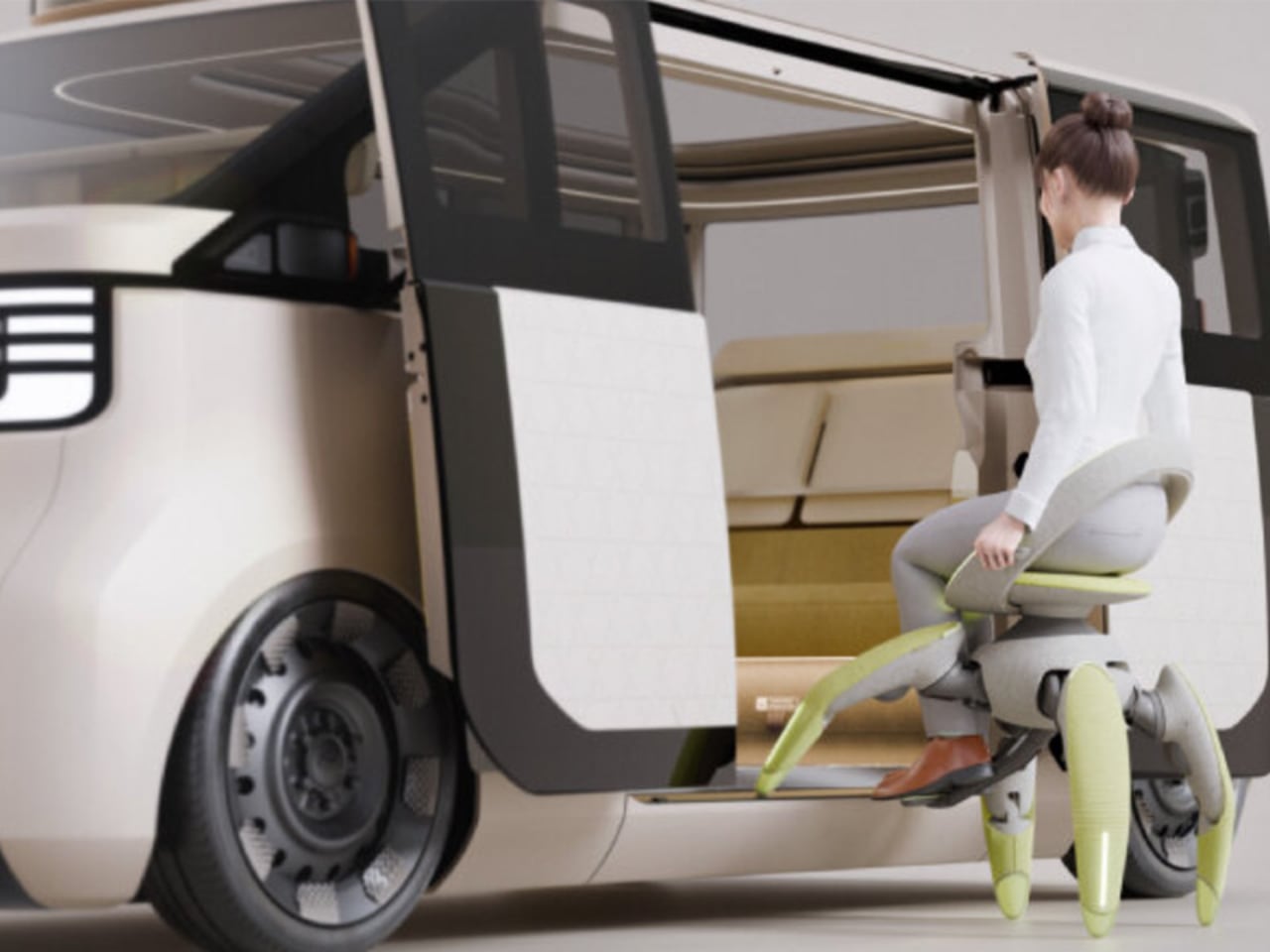
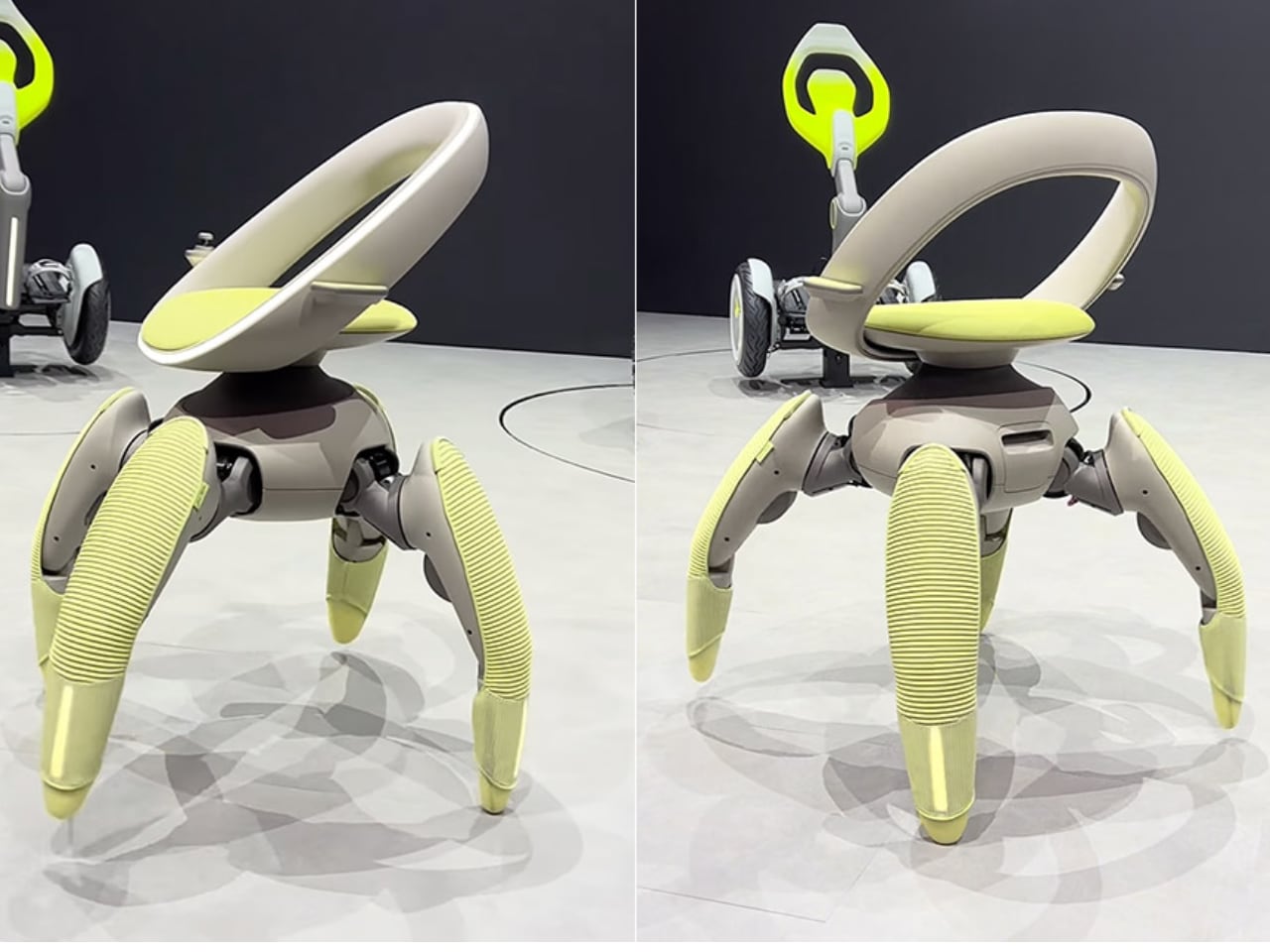
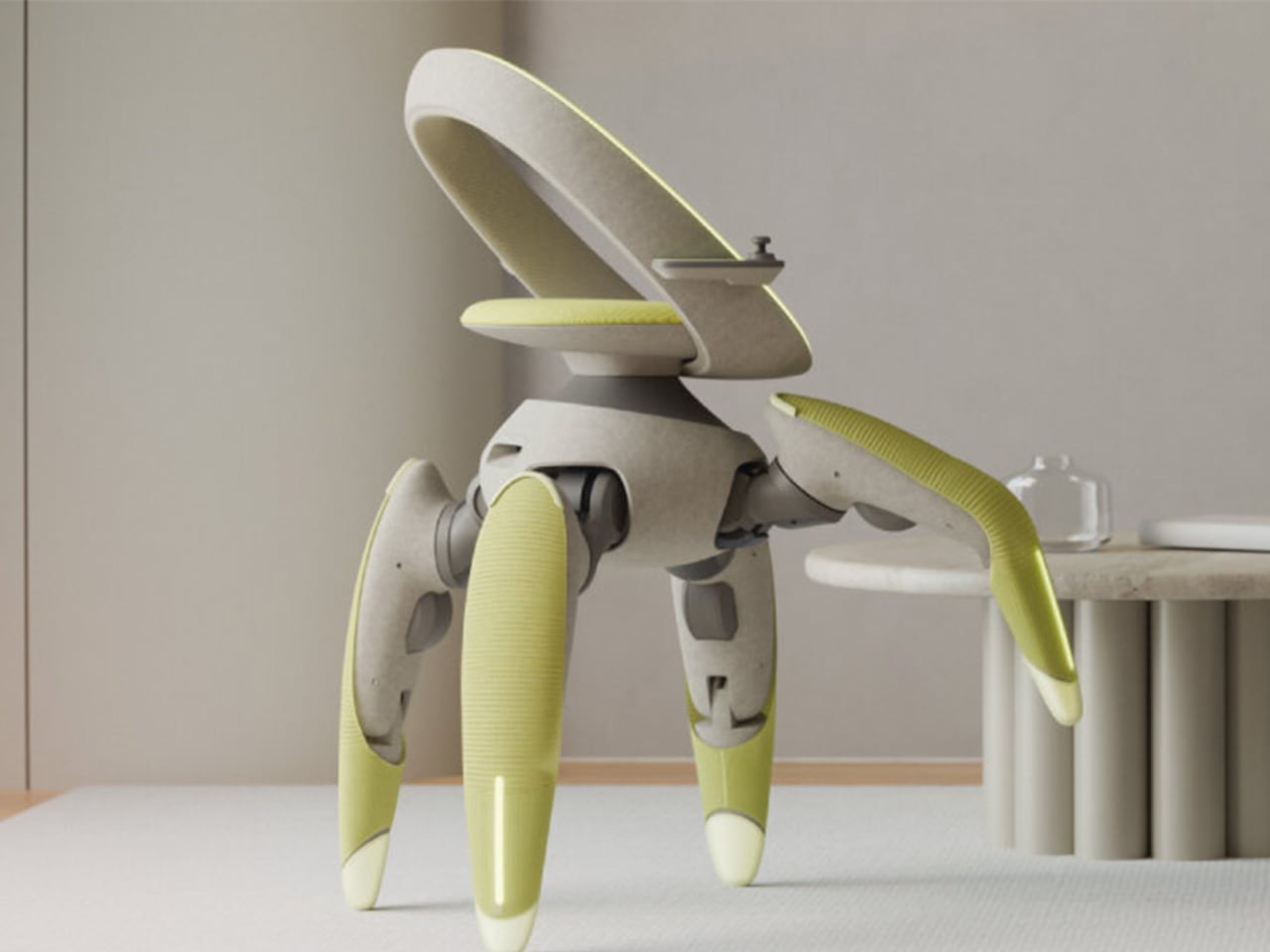
Stairs have long been the nemesis of wheelchair users, turning simple errands into logistical nightmares and limiting access to countless spaces. Toyota’s answer to this mobility challenge doesn’t roll on wheels at all. Instead, the Walk Me concept, unveiled at the Japan Mobility Show 2025, walks on four robotic legs that can climb stairs, navigate uneven terrain, and fold themselves into carry-on luggage when not in use.
Designer: Toyota
A New Kind of Movement
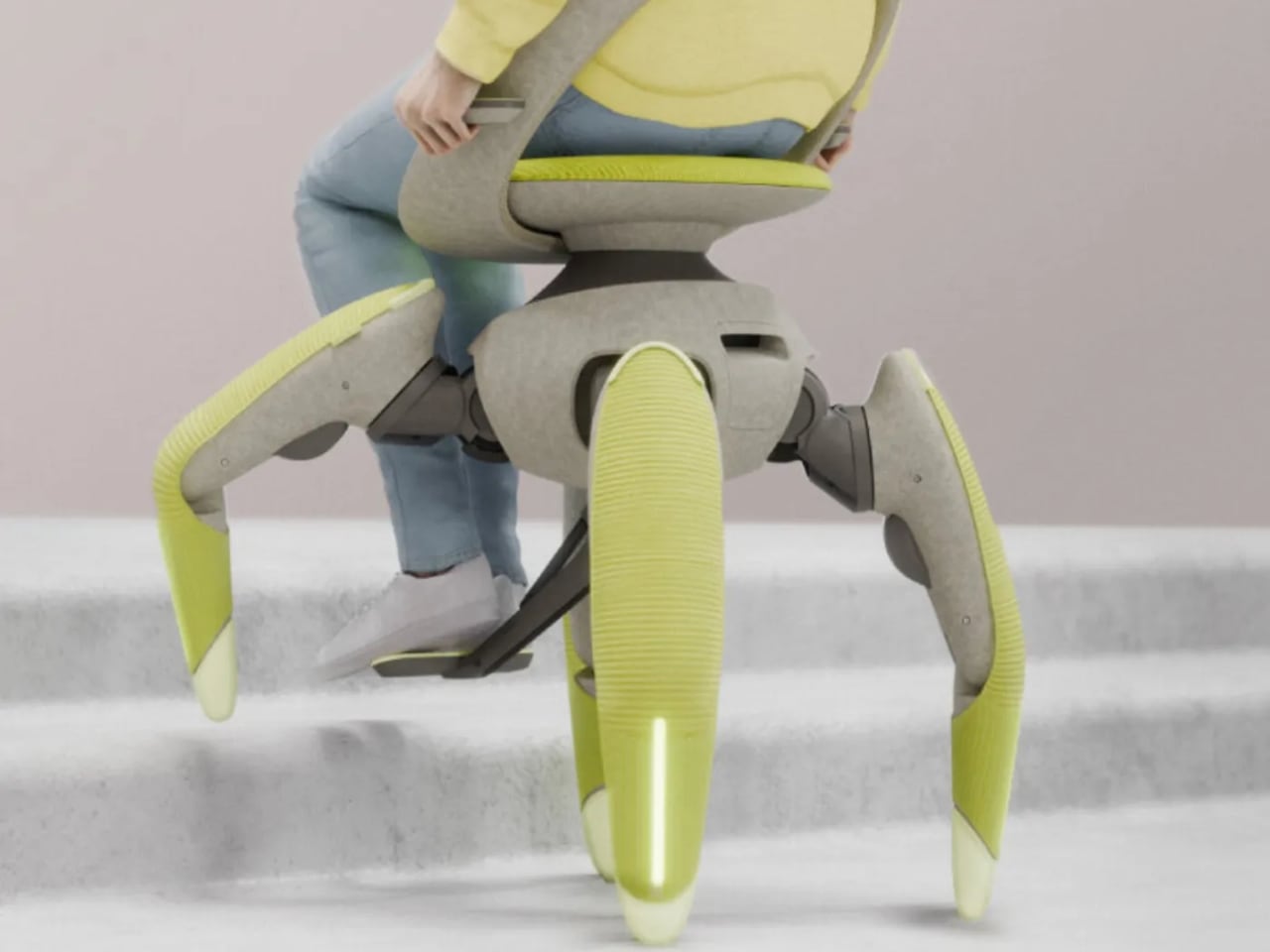
Walk Me replaces traditional wheelchair wheels with biomimetic robotic limbs inspired by goats and crabs, animals known for their sure-footed navigation of challenging terrain. Each of the four independently motorized legs is covered in soft, pastel-colored material that hides the hardware and sensors underneath, making the technology feel approachable rather than clinical. When Walk Me encounters stairs, the front legs test the step height before pulling the chair upward while the rear legs generate thrust and support, creating a smooth climbing sequence that maintains user stability throughout the ascent.
LiDAR sensors and cameras continuously scan surroundings, allowing the chair to navigate obstacles like rug edges, scattered toys, and threshold transitions between rooms. Weight sensors ensure the user remains centered before any major movement, while collision radars stop the chair immediately if something crosses its path. Even when balance shifts unexpectedly, the system automatically widens its stance and adjusts the seat position to prevent tipping.
Comfort, Control, and Autonomy
Walk Me’s seat is designed to adjust to the user’s shape. The curved backrest supports the spine, while small side handles allow for manual steering. Users can twist the handles to turn or press integrated buttons for direction control.
For hands-free operation, voice commands like “kitchen” or “faster” enable the onboard computer to map a path or adjust stride speed. A small display on the armrest shows battery level and distance traveled, keeping essential information at a glance. The system uses smart algorithms and balance control to ensure smooth movement across complex surfaces.
The entire chair operates on a compact battery hidden behind the seat, which provides enough power for a full day of activity. Charging is as simple as plugging it into a wall outlet overnight. Built-in sensors monitor every joint, and if overheating occurs, the chair automatically shuts down and notifies the user.
Compact Design for Daily Life
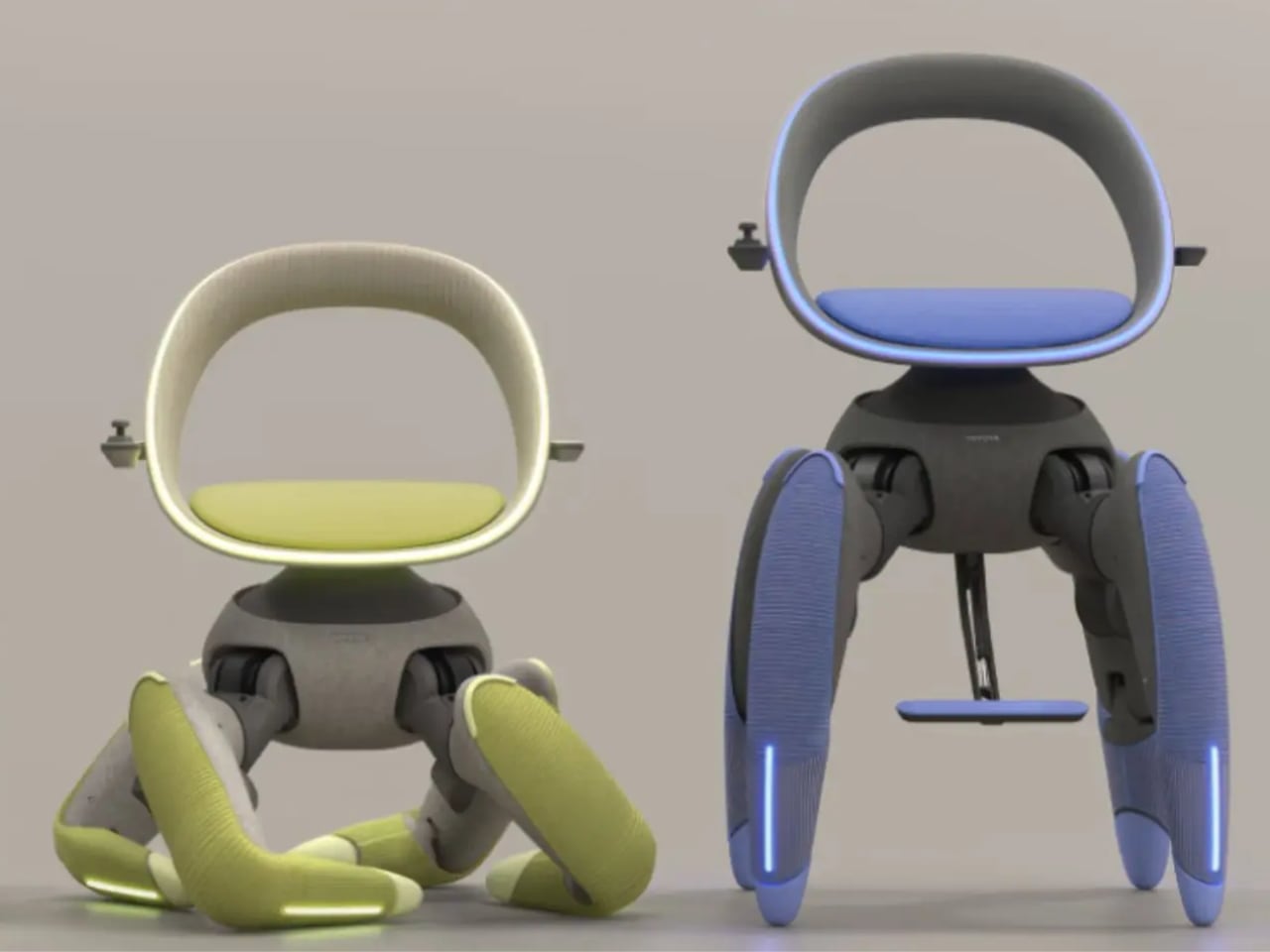
Perhaps Walk Me’s most striking capability is its folding mechanism. With a single button press, the legs retract telescopically, the knees bend, and the chair compacts itself into carry-on size within thirty seconds. This makes it convenient to store in a car trunk or beside furniture, and when reactivated, the legs extend again while the balance system recalibrates automatically.
The chair’s adaptability extends to vehicle transfers and traditional Japanese living spaces. Walk Me can lift users into vehicles by raising itself on tiptoes, aligning with car doors, and tilting forward to facilitate seamless transfers without assistance or transfer boards. On tatami mats, the legs squat down to lower the seat to mat level, accommodating the floor-sitting culture common in Japanese homes.
Toyota designed Walk Me for practical, real-world use, from Japan’s elevated homes and narrow hallways to outdoor garden paths. The concept addresses the everyday challenges faced by people with reduced mobility, whether climbing stairs, moving over uneven ground, or transitioning into vehicles. By merging robotics, AI, and human-centered design with biomimicry principles, Walk Me represents an approach to assistive technology that prioritizes independence across diverse environments.
Beyond Prototype Status
Walk Me remains a prototype with no announced production timeline. Yet its debut at the Japan Mobility Show 2025 suggests a future where assistive devices are not limited by terrain, architecture, or even wheels. By replacing traditional mobility solutions with intelligent, lifelike motion, Toyota’s Walk Me challenges existing designs fundamentally and offers not just movement, but freedom.
Most clocks and watches fade into the background, quietly marking the hours without much personality or visual presence on your desk or wrist throughout the day. But what if timekeeping could be playful, sculptural, and as expressive as the rest of your space or personal style choices? What if checking the time felt less like a utilitarian glance and more like appreciating a piece of functional art?
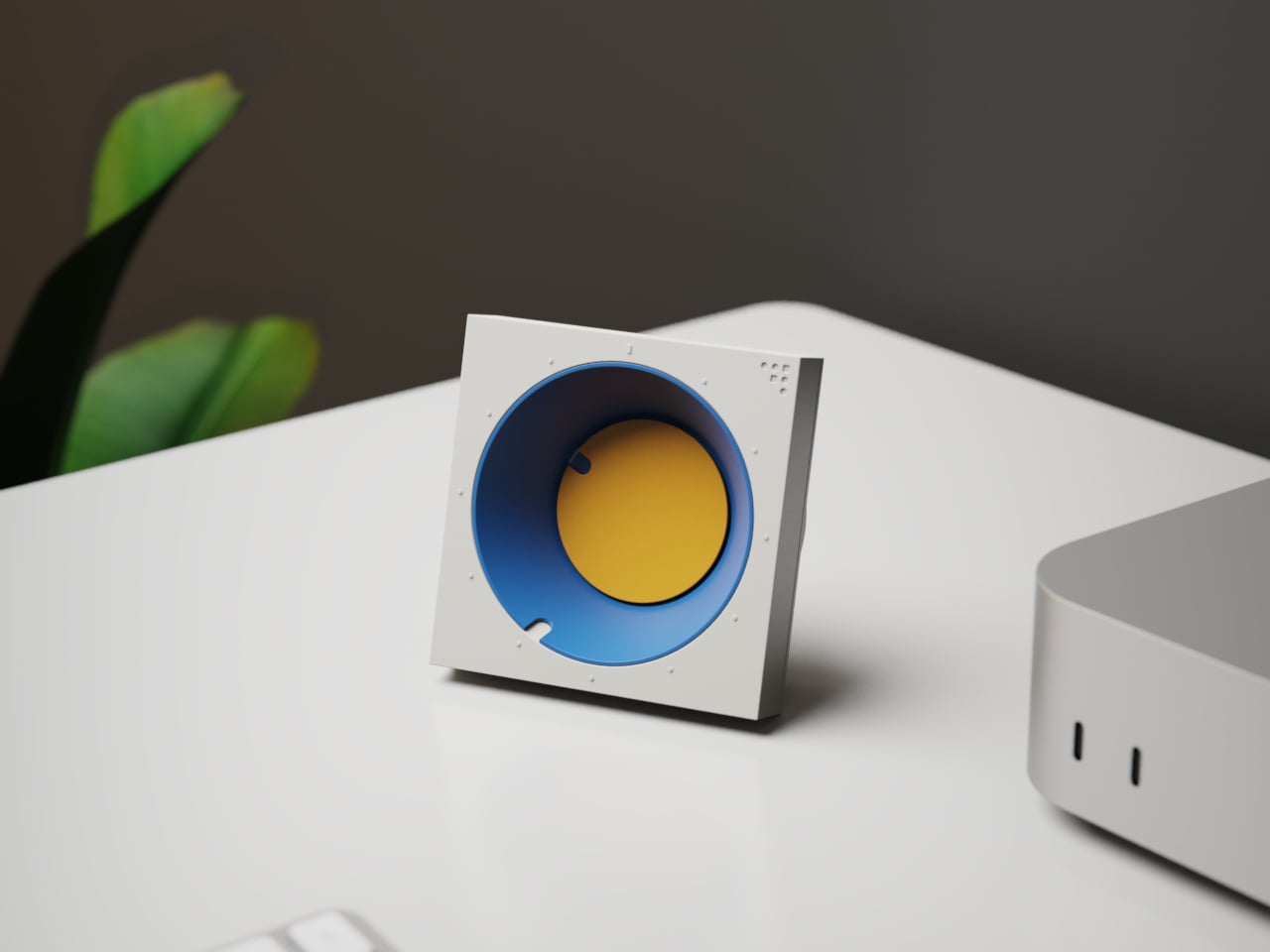
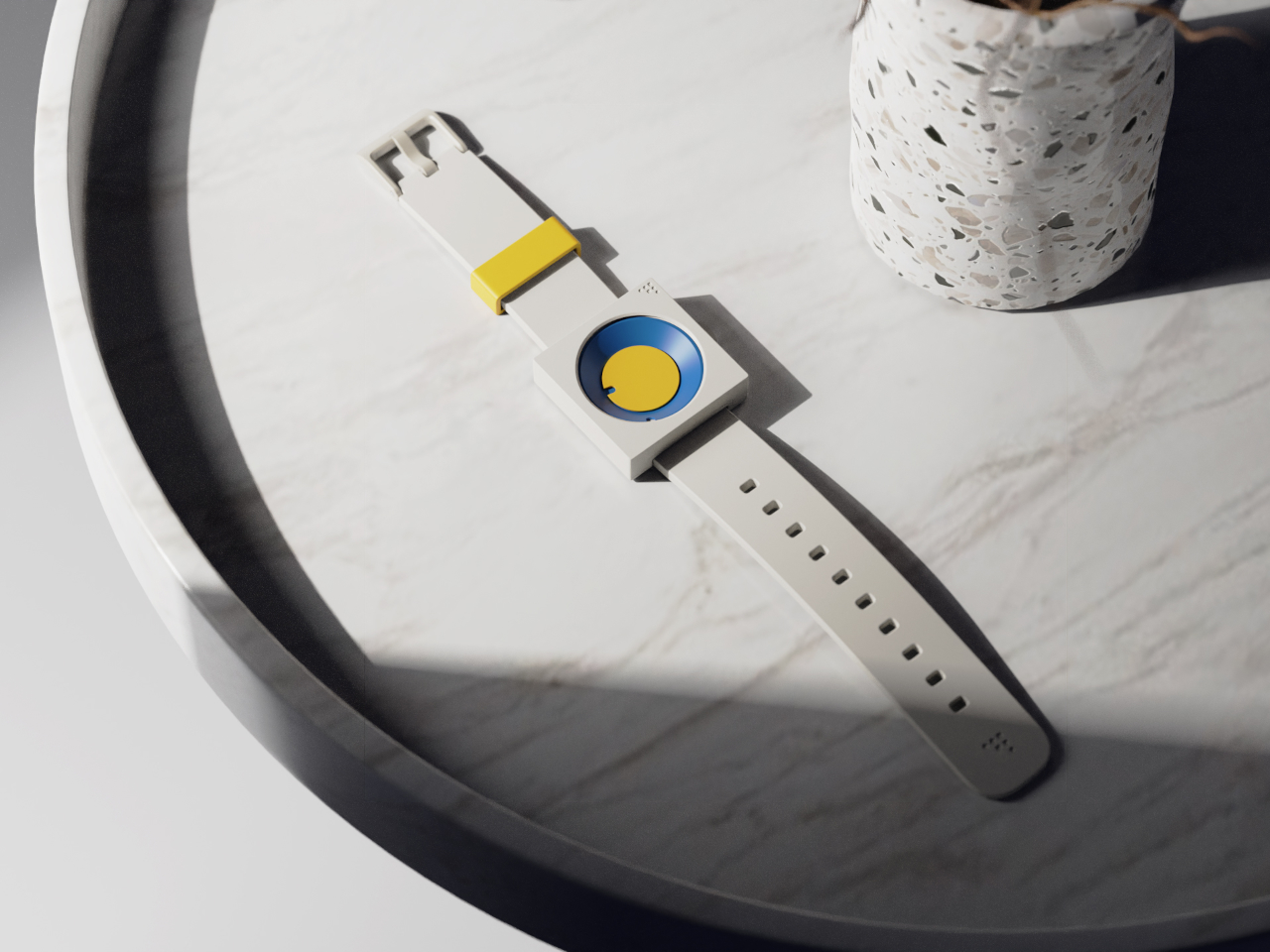
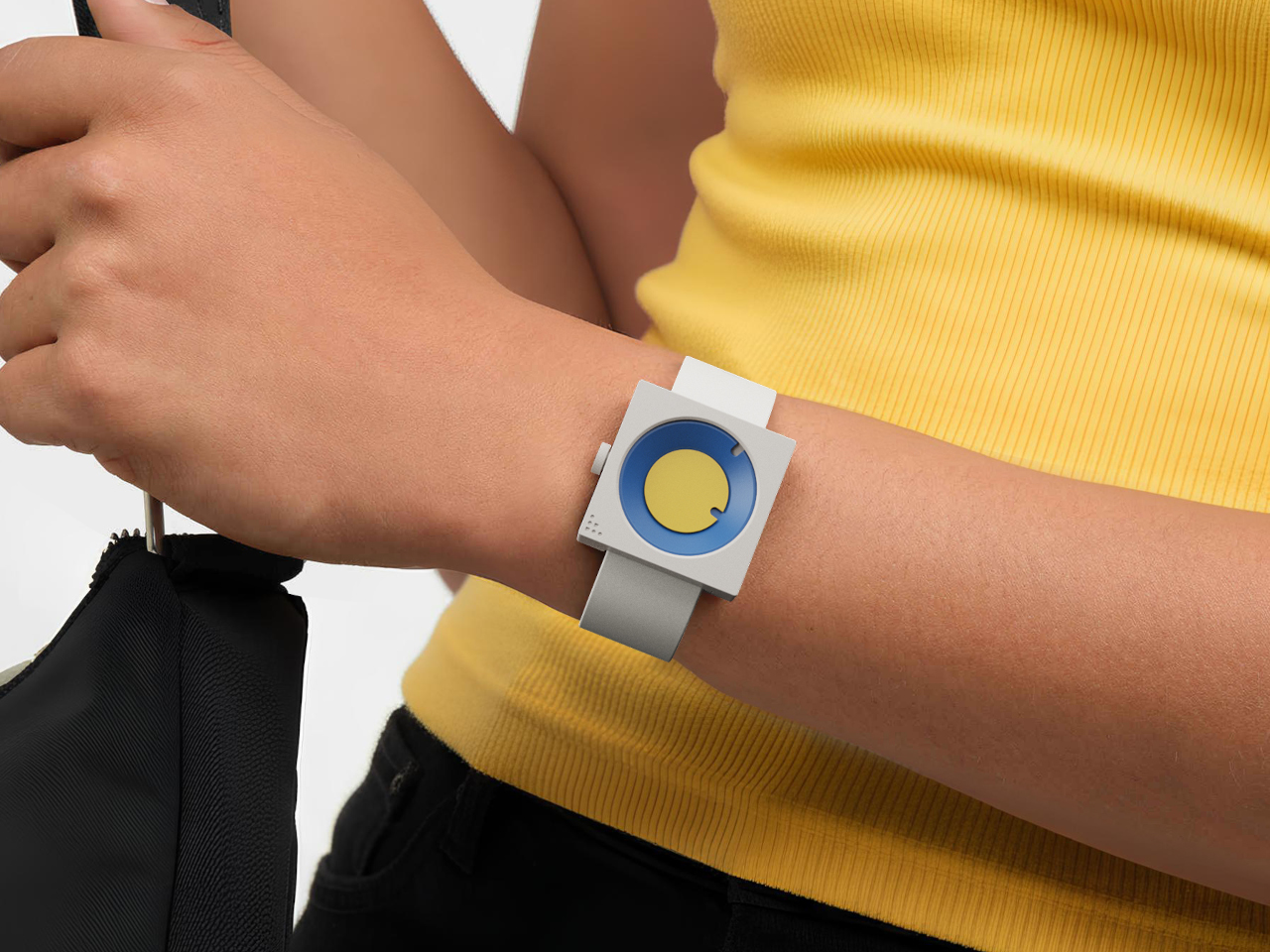
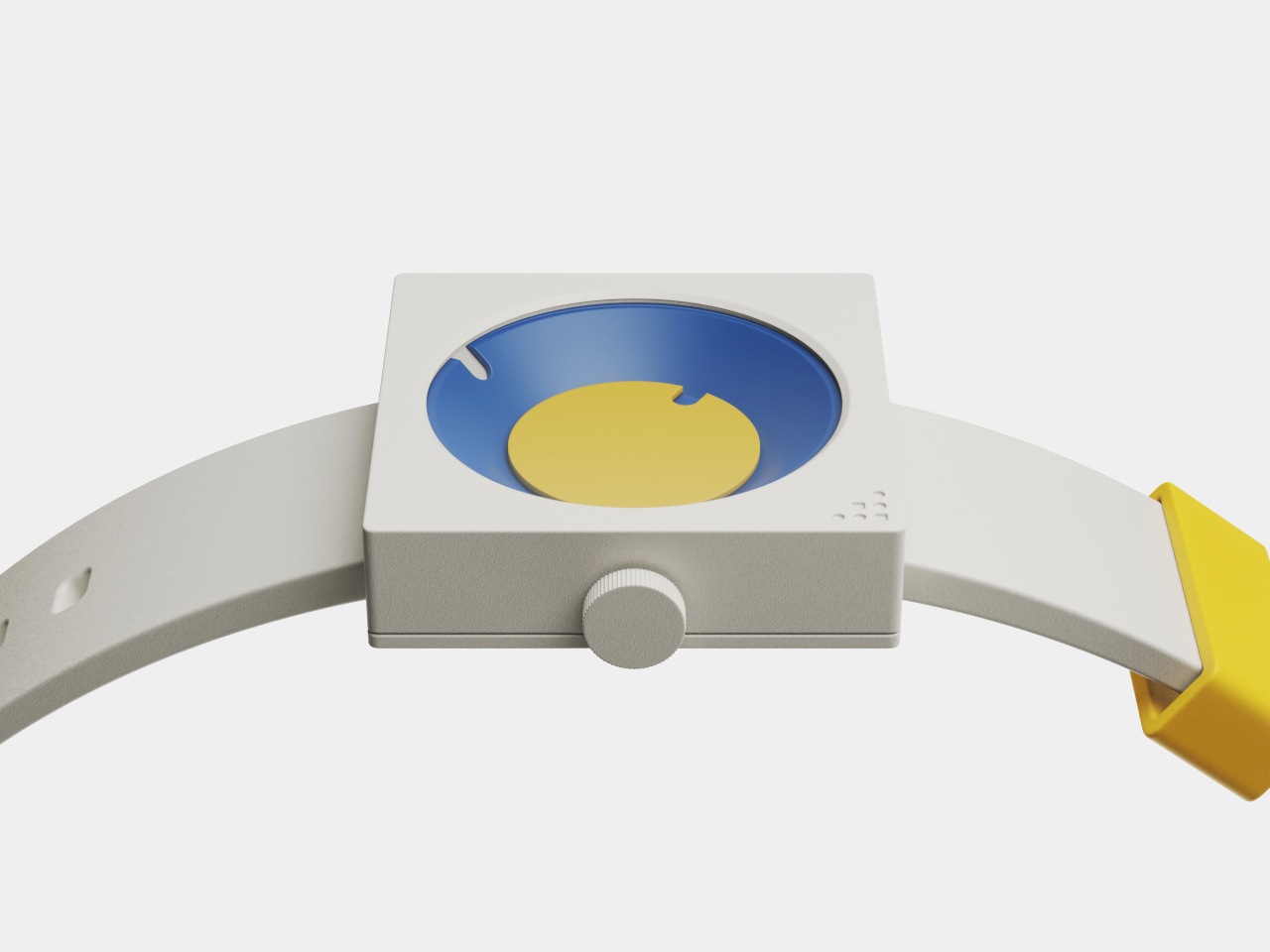
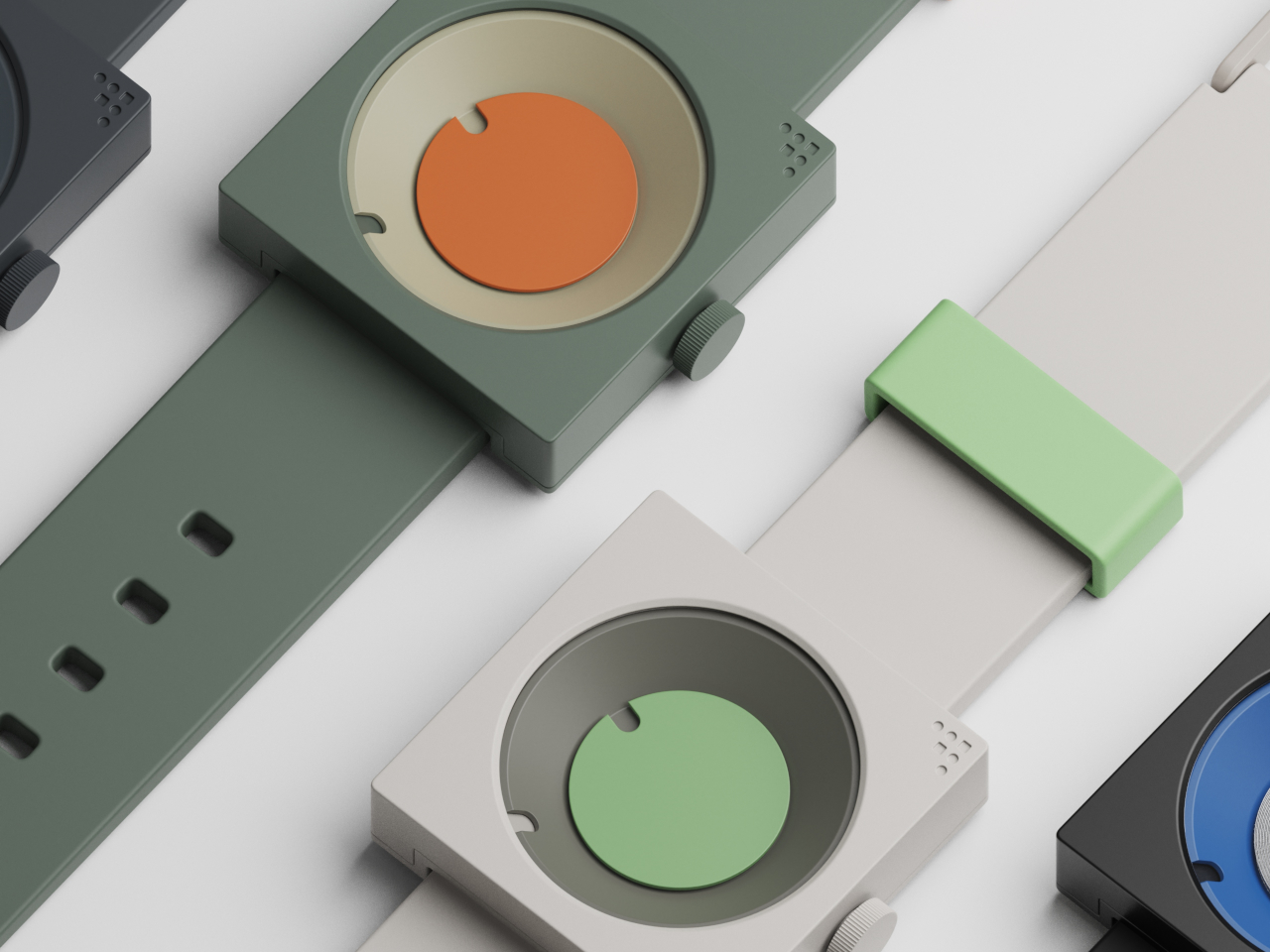
The FC-30 Desk Clock and FW-50 Wrist Watch concepts flip the script on conventional timekeeping, using bold geometry, vibrant color, and tactile design to turn telling time into a daily ritual worth savoring. Inspired by mid-century modern design principles from the 1950s and 60s, both pieces are as much about art as they are about function, bringing sculptural presence to everyday moments throughout your routine.
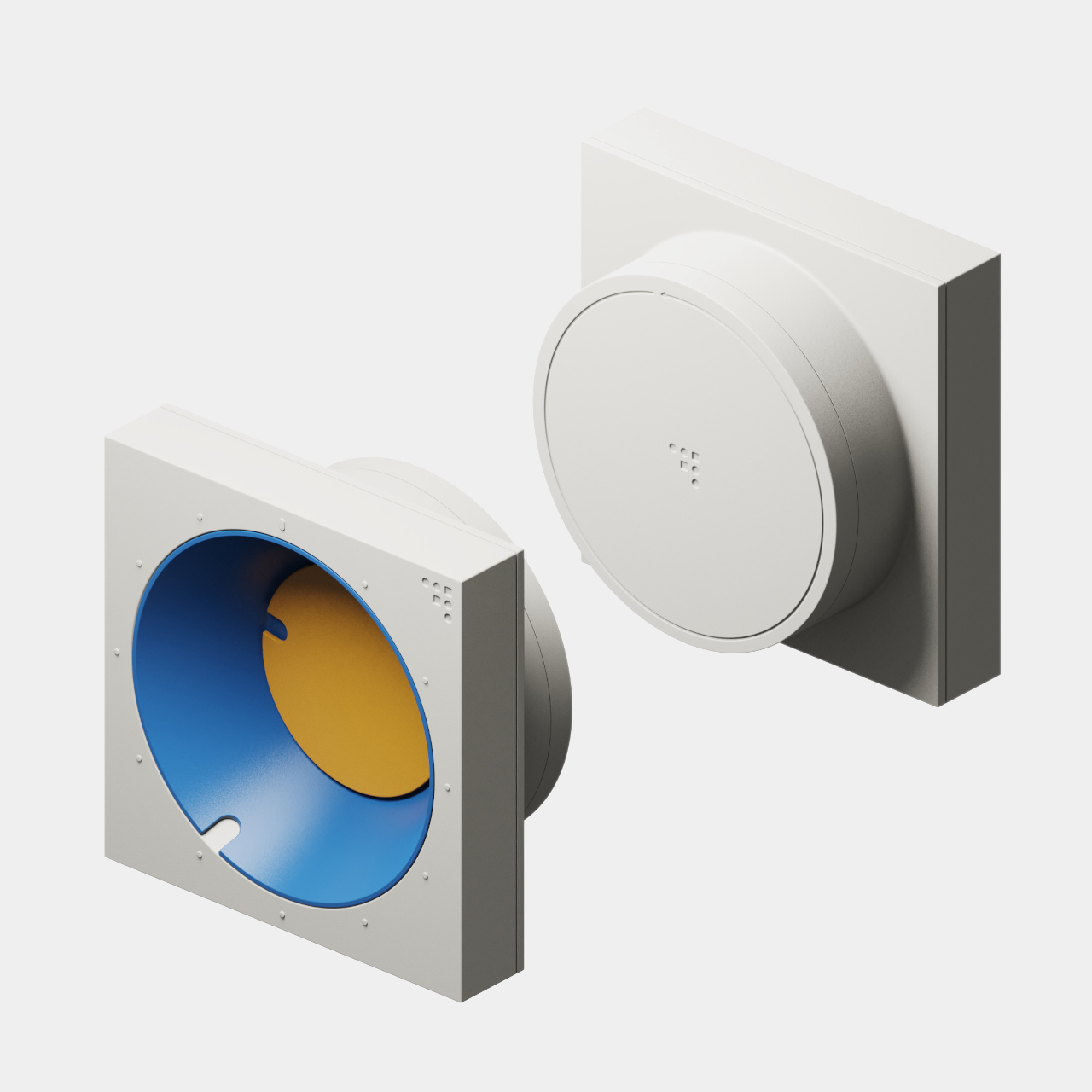
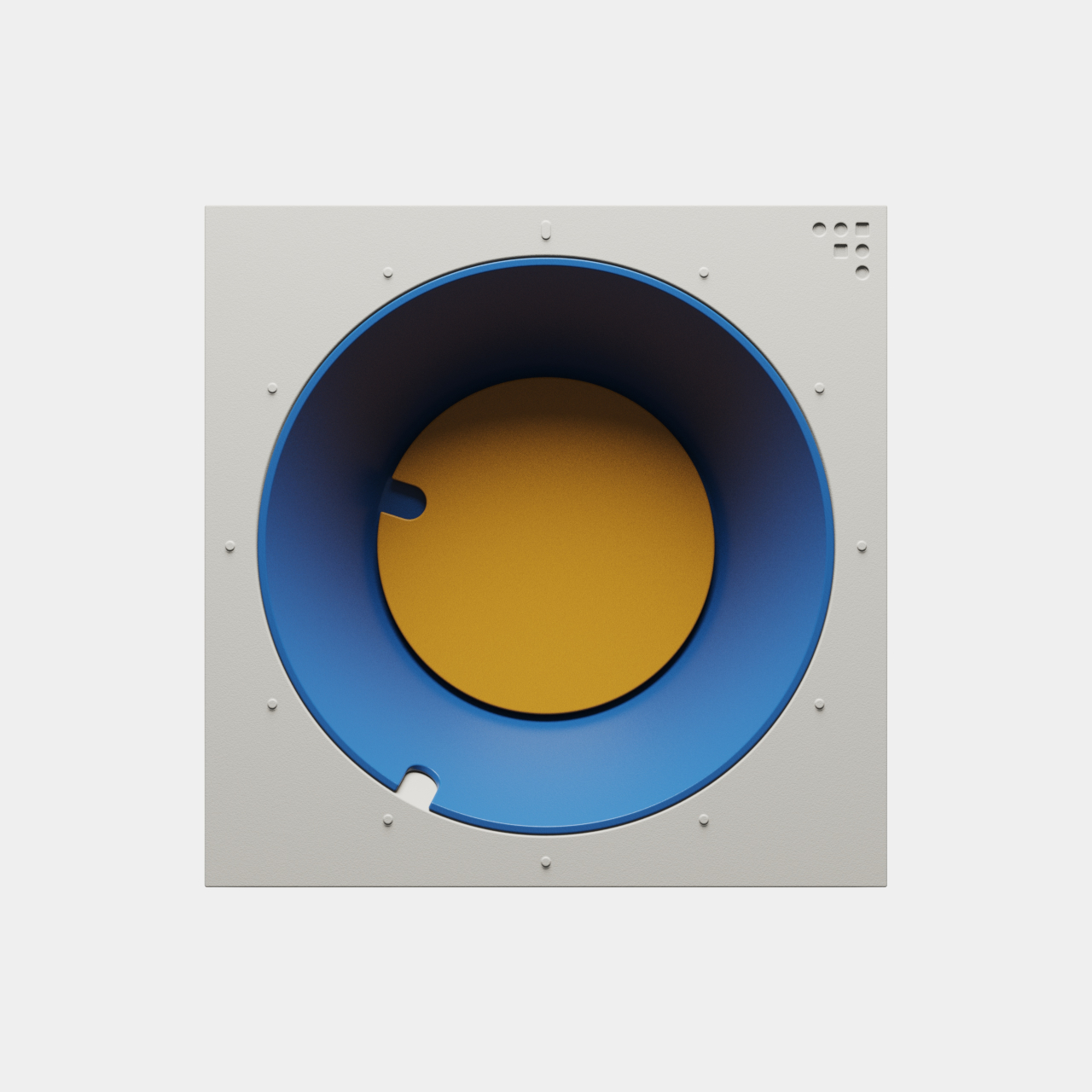
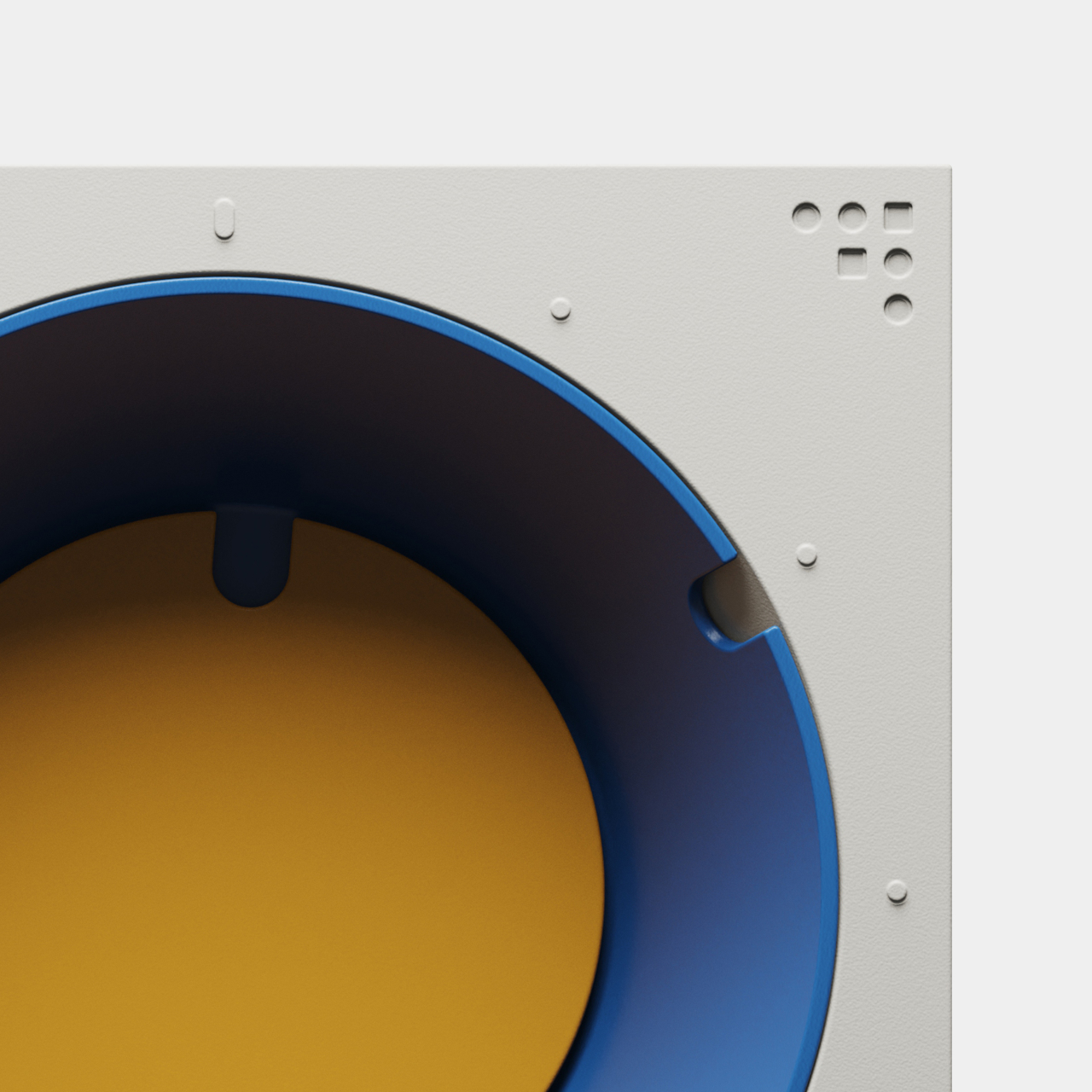
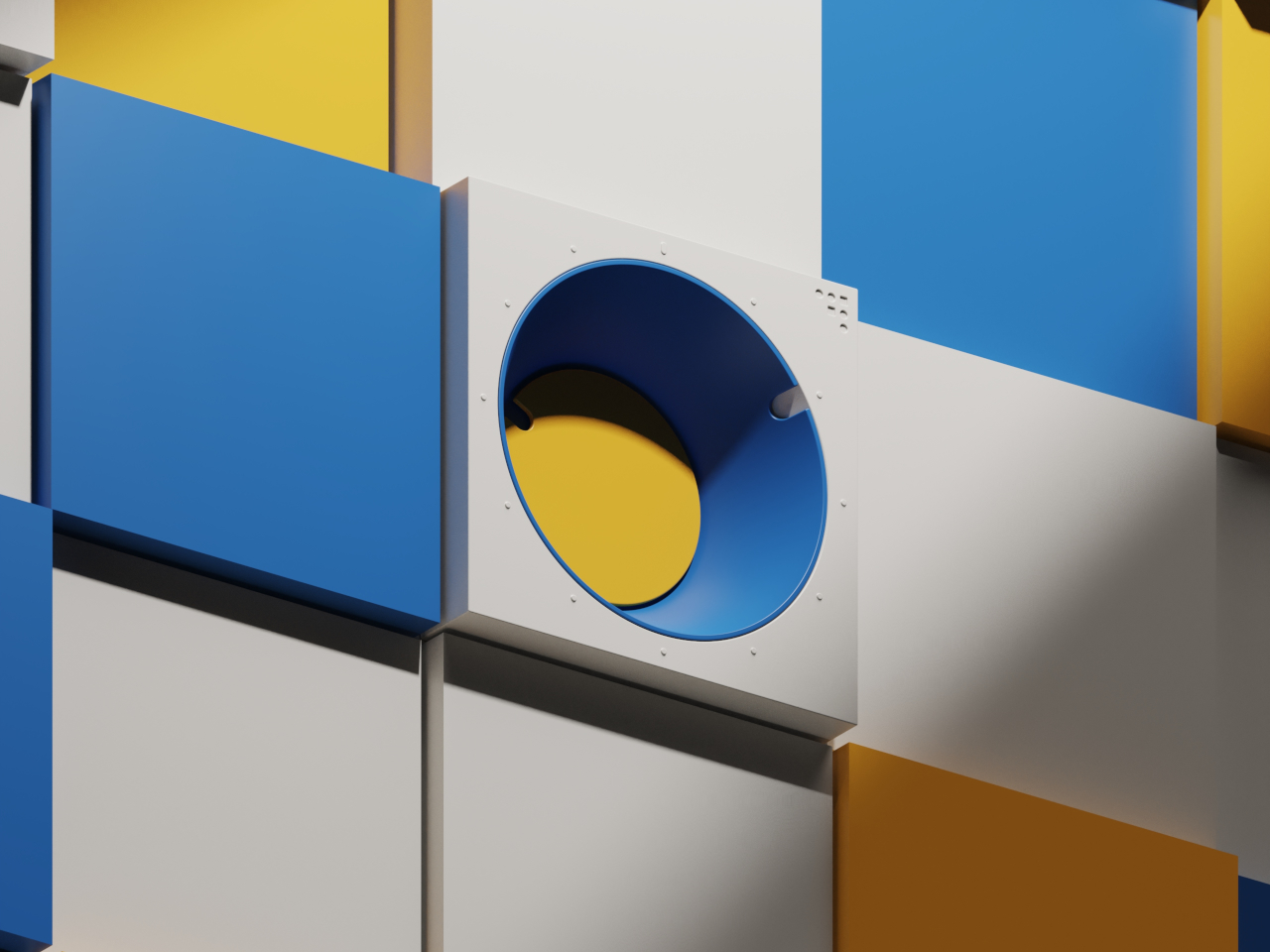
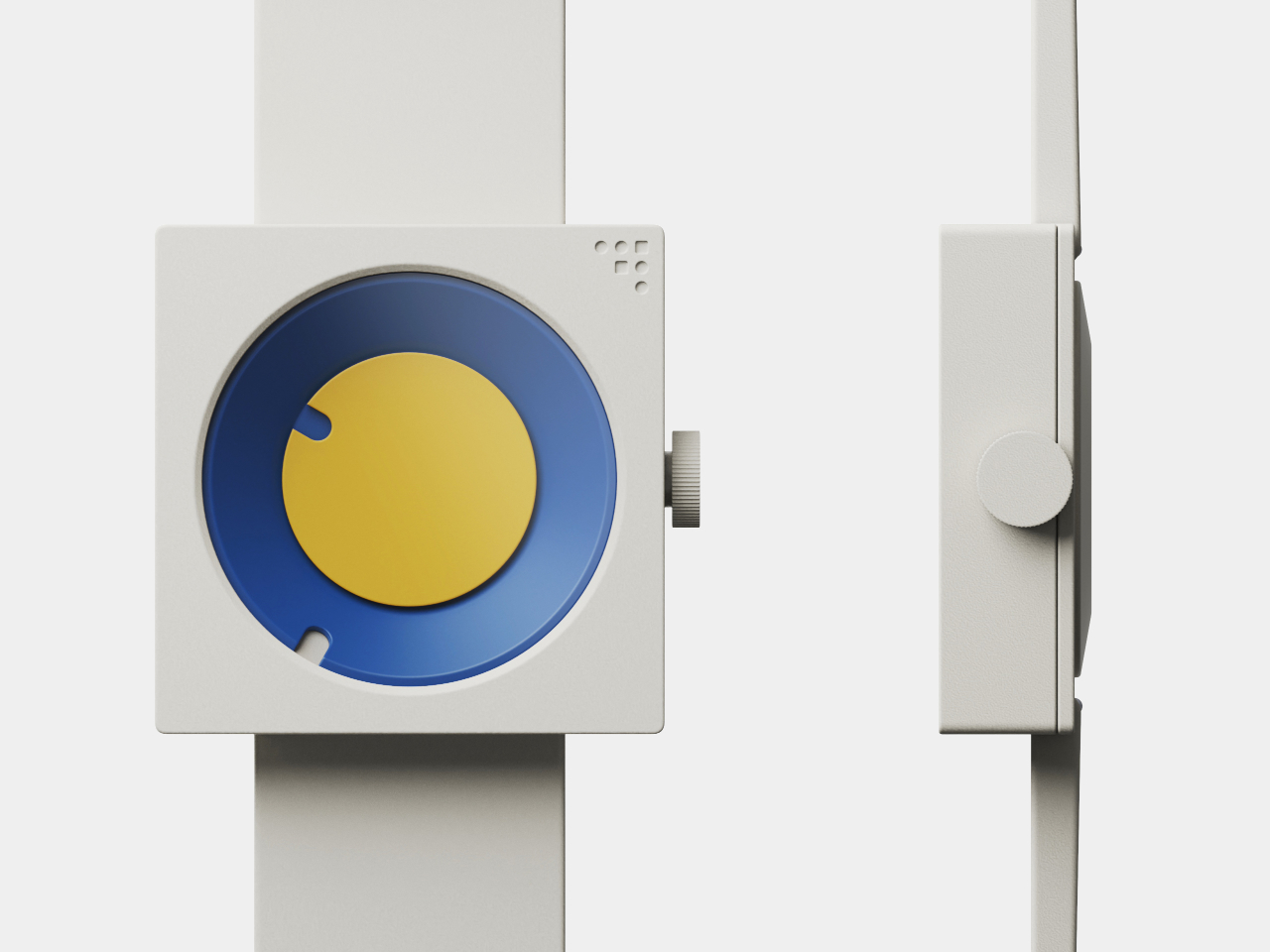
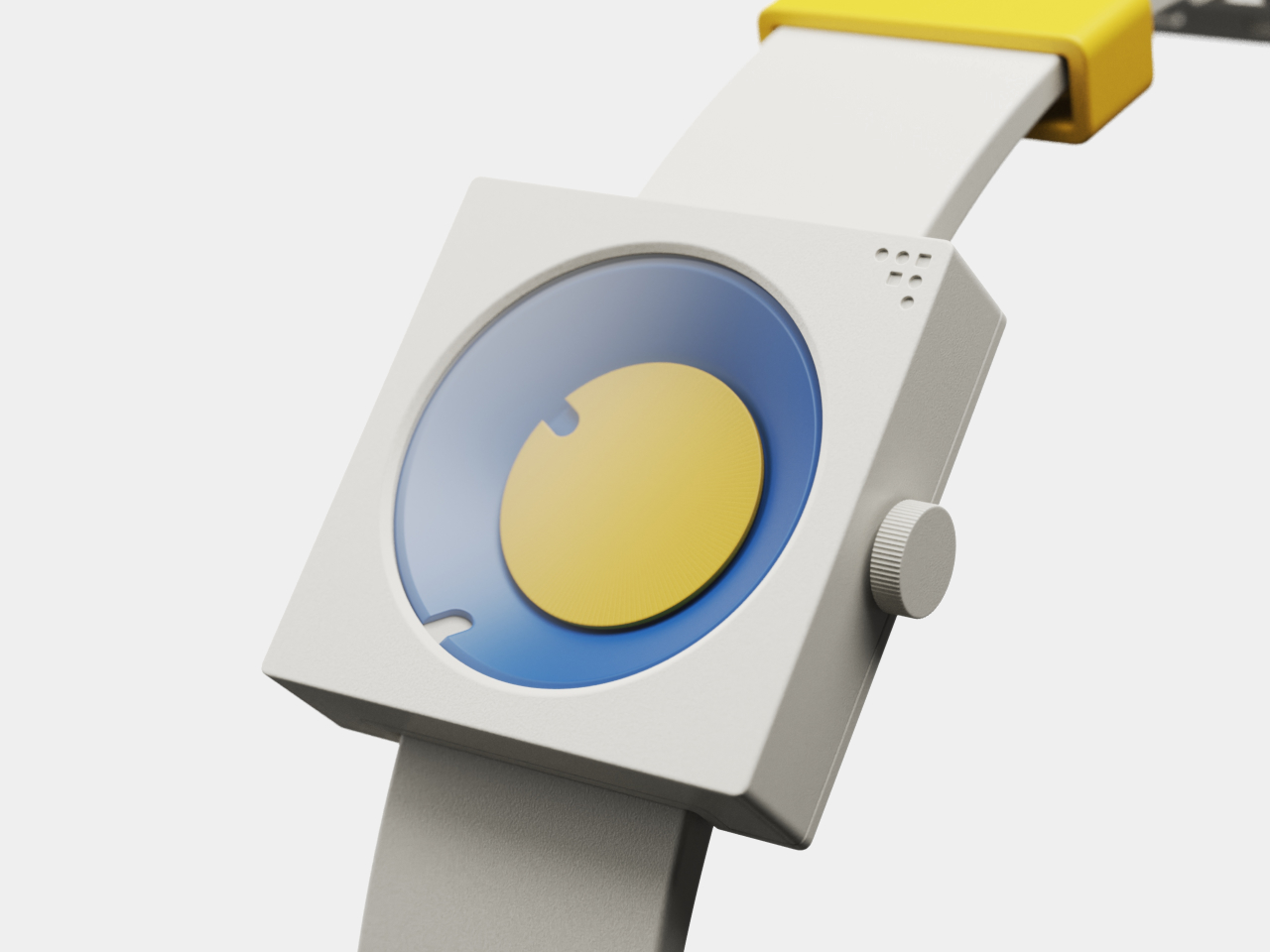
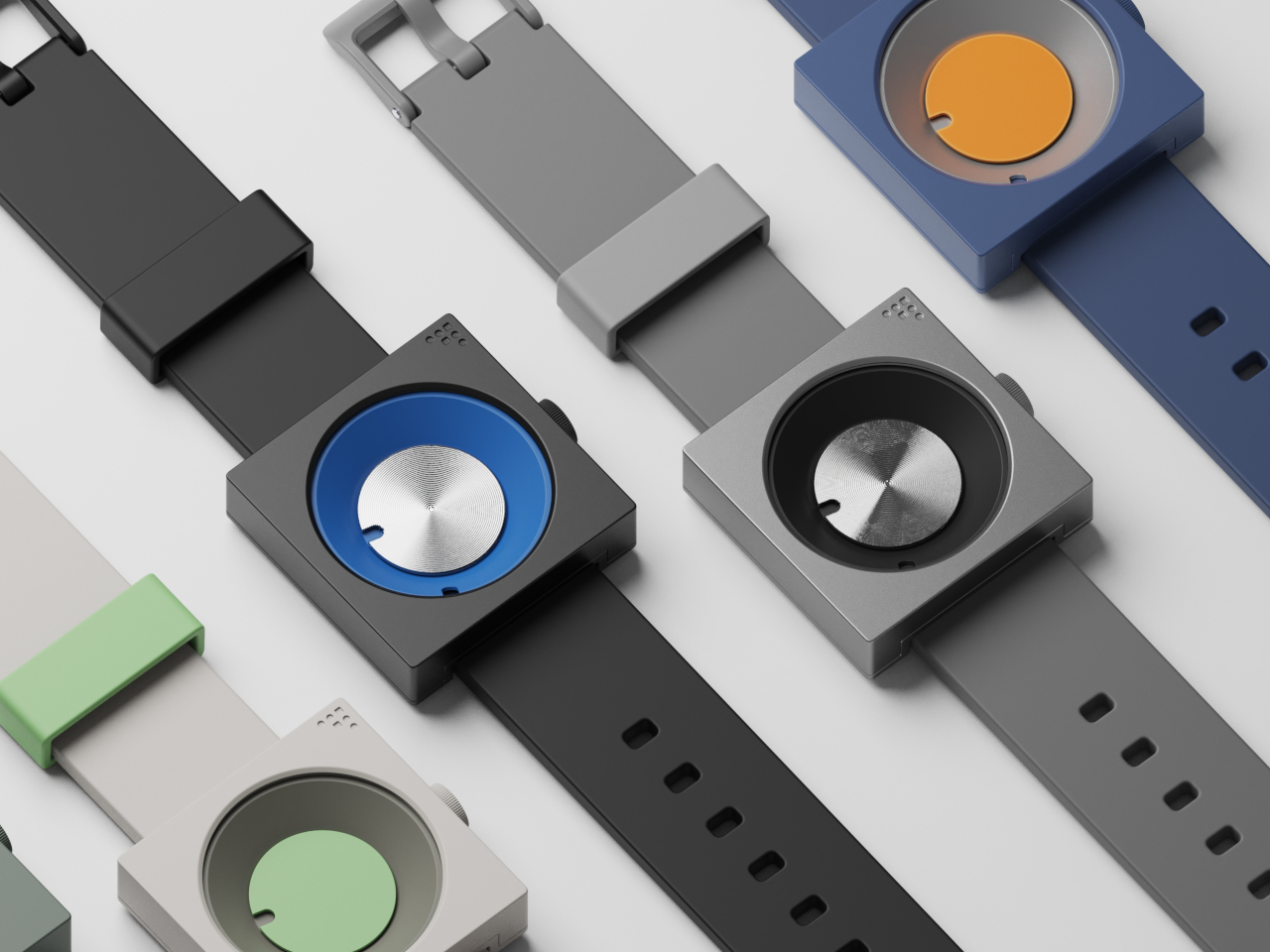
Both pieces are built around the frustum, a geometric form with an angled face that creates visual interest and dynamic readability throughout the day. The FC-30 uses a 30-degree incline for the minute indication, while the FW-50 adapts the idea to a 50-degree angle optimized for wrist wear and comfort. The hour is shown by a colored disc housed inside the frustum, while the sloped edge indicates minutes.
The result is a visual experience that feels fresh and interactive, inviting you to engage with the object every time you check the hour rather than passively glancing at digits. The unconventional layout is intuitive once you spend a moment with it, turning time-telling into something more tactile and memorable than reading digital numbers or traditional clock hands that blend into the background of modern life.
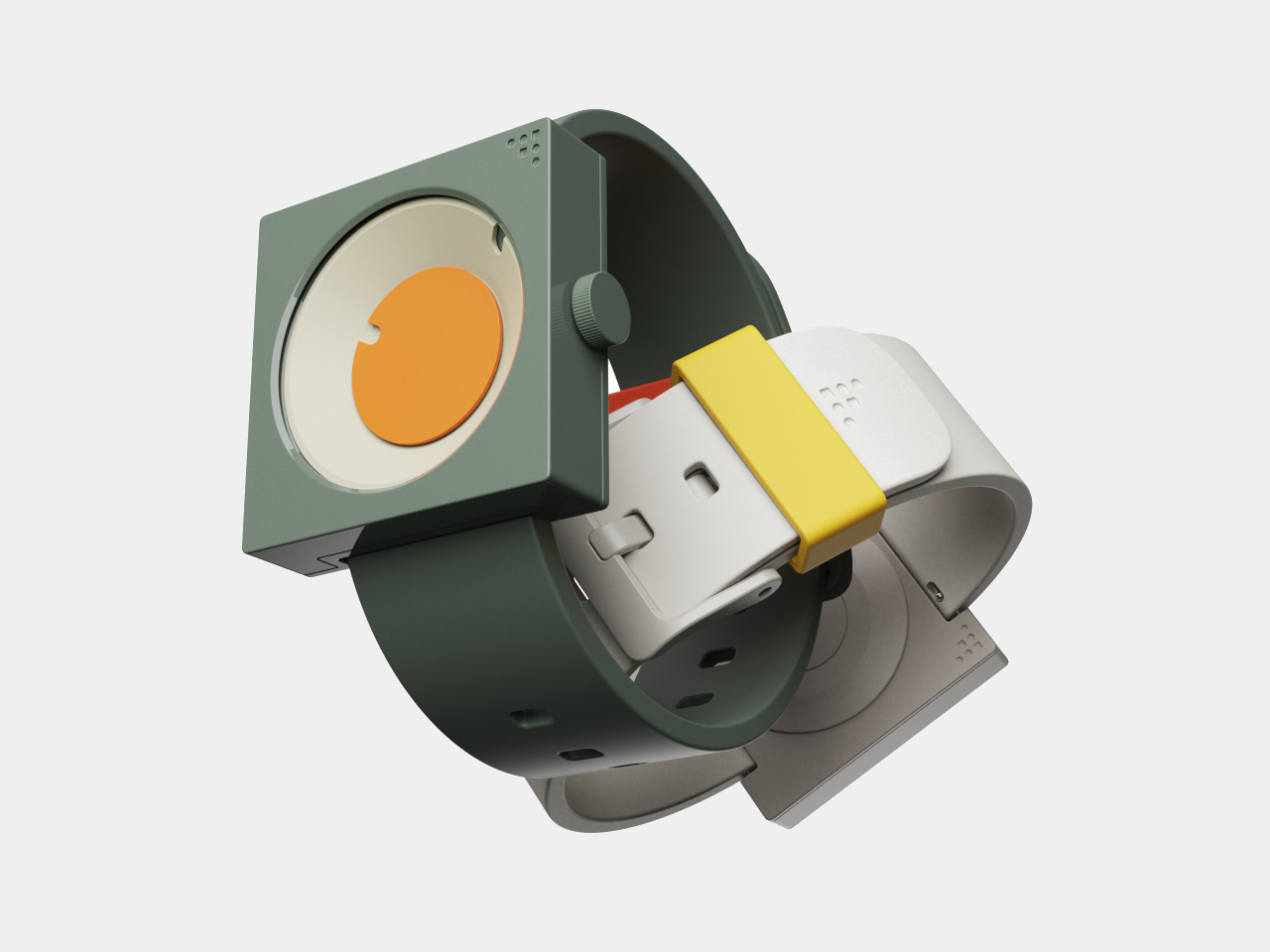
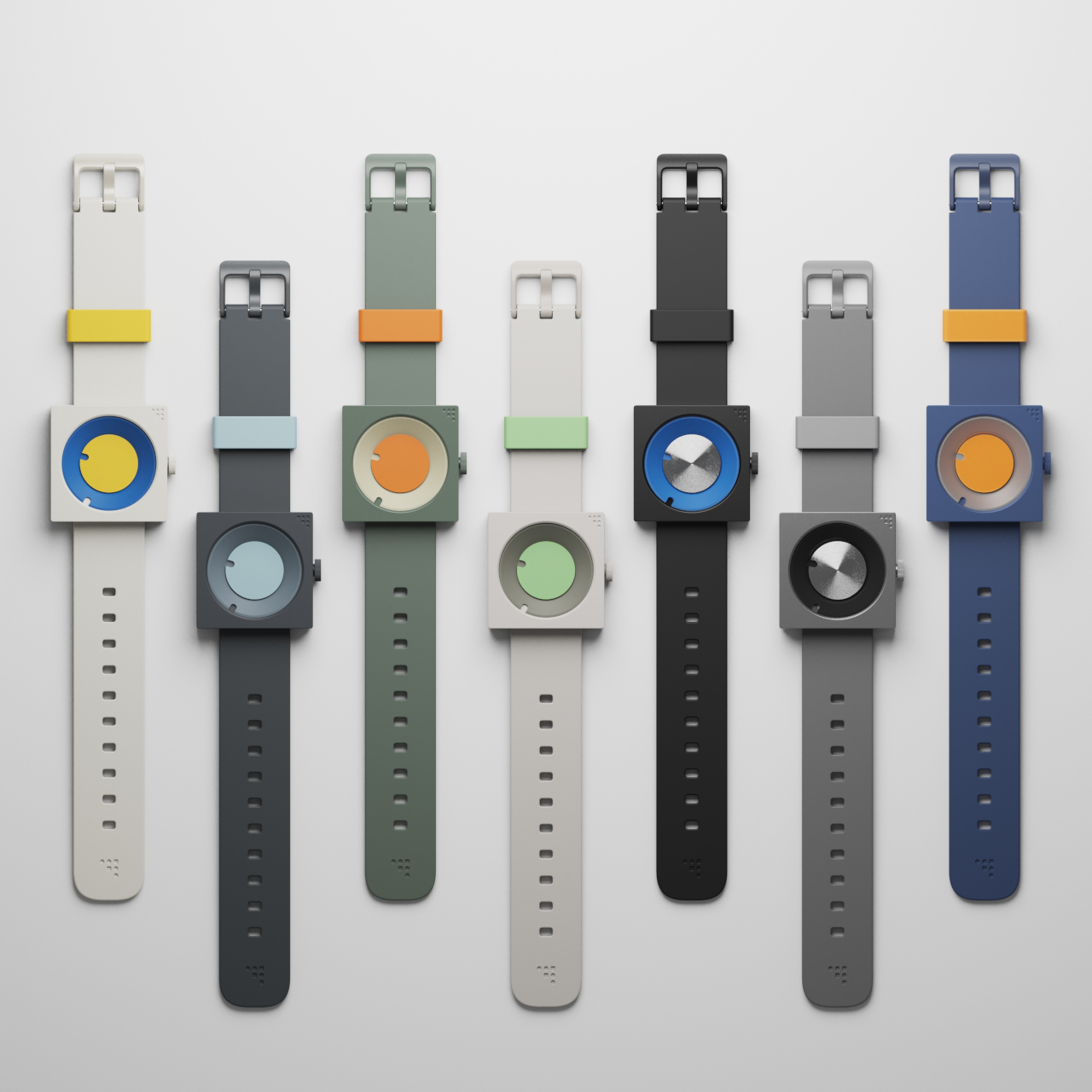
Inspired by mid-century modern classics from the golden age of product design, both the clock and watch feature a palette of bold blues, yellows, greens, and oranges, set against matte white or gray cases with clean edges and visible fasteners. The color blocking and clean lines make each piece stand out visually, whether positioned on a desk, mounted on a wall, or worn on the wrist.
The FC-30’s sculptural form with its angled frustum is as much a statement piece as a practical timekeeper for workspace organization and visual interest. The FW-50’s playful colorways, ranging from sage green to vibrant orange, and tactile crown turn a daily accessory into a personal expression of style and taste. Both designs celebrate the visual language of functional design from classic mid-century product eras.
The absence of numerals and reliance on form and color encourage users to interact with the pieces differently from conventional timepieces. The disc hour and sloped minute readout are learnable at a glance, but different enough to spark curiosity and conversation with visitors or colleagues. Both designs can be oriented or worn in multiple ways for varied visual effects, depending on mood.
The FC-30 and FW-50 concepts bring a little more art into daily routines and personal environments for those who appreciate design. For anyone curating a workspace or searching for a unique statement piece, these timepieces offer a compelling vision where timekeeping becomes an opportunity for visual and tactile delight rather than just a practical necessity.
Atari 50: The Anniversary Celebrationis a fascinating journey through the history of Atari, but that timeline couldn't be truly rounded without the inclusion of some Namco classics like Pac-Man and Galaga. To remedy that, Atari and developer Digital Eclipse are releasing another paid expansion for the retro collection. It’s called The Namco Legendary Pack and it will be available on November 13 on PS4, PS5, Xbox One, Xbox Series X/S, Nintendo Switch and Steam for $8.
The DLC adds a new interactive timeline that will take you through the history of Namco games on Atari systems, with the help of video interviews with developers and archival materials including photos and other documents. The expansion features versions of Pac-Man for Atari 2600, Atari 5200 and Atari 8-bit. Pac-Man was the best-selling game on Atari 2600, but it's safe to say that version doesn't exactly hold up.
The Namco Legendary Pack also includes the US arcade versions of Dig Dug and Xevius. In addition, you’ll get home console versions of those two games, Galaga and Galaxian.
The DLC will make Atari 50 even more of a comprehensive overview of the company's history. An expansion that arrived last November charted the rivalry between Atari and Intellivision, aka the first console war. Atari finally brought that to a decisive end when it bought the Intellivision brand last year.
This article originally appeared on Engadget at https://www.engadget.com/gaming/pac-man-and-other-namco-games-are-coming-to-atari-50-as-part-of-a-paid-expansion-on-november-13-175131686.html?src=rss
The Motion Picture Association doesn’t share Meta’s view that the content people under the age of 18 might encounter on an Instagram Teen Account is comparable to what you might find in a PG-13 movie. The MPA has reportedly hit Mark Zuckerberg’s company with a cease-and-desist letter that objects to Meta’s use of the term "PG-13."
To rewind, Meta revamped its teen-specific accounts — which were first introduced last year — last month, claiming that going forward the account content would be guided by PG-13 movie ratings. In a blog post explaining the change, it said: "Just like you might see some suggestive content or hear some strong language in a PG-13 movie, teens may occasionally see something like that on Instagram — but we’re going to keep doing all we can to keep those instances as rare as possible."
As Engadget’s Karissa Bell pointed out at the time, while Meta openly acknowledged that no system is without its flaws, the analogy is a bit vague and confusing, especially as the company has tightened up some of its rules so that teens are no longer supposed to see any "sexually suggestive" content on the app. This is despite content of that nature often being present in a PG-13 movie.
In the cease-and-desist letter that The Wall Street Journal claims to have seen, the MPA has called Meta’s use of its ratings system in describing how the new teen account restrictions work "literally false and highly misleading." It said that the established movie-ratings system is not comparable to Meta’s system, which it added appears to "rely heavily on artificial intelligence." It also warned that potential issues with Meta’s classification metrics would "inevitably cause the public to question the integrity of the MPA’s rating system."
Meta did also directly reference the PG-13 ratings system in its blog post when discussing its AI experiences, where it said that teens interacting with chatbots would not receive "age-inappropriate responses that would feel out of place in a PG-13 movie." Meta told the WSJ that the changes were intended to make it easier for parents to understand its content policies by measuring them against something familiar, and that it was aware that "social media isn’t the same as movies." Responding to the cease-and-desist letter, it said that it never tried to claim or imply any official PG-13 certification from the MPA.
This article originally appeared on Engadget at https://www.engadget.com/big-tech/the-mpa-tells-meta-to-stop-using-pg-13-to-describe-teen-accounts-174251843.html?src=rss
First of all, the entire exterior has been redesigned to make that reggae theme really pop. It's green and off-white, with fun fonts aplenty. The thing just screams "play me," much like the original KO II.
Perhaps the biggest internal feature is the addition of an actual synth engine called Supertone. The previous models in this series were just samplers. The company promises that this engine can deliver thick bass sounds and classic leads. It also offers access to a dub-inspired siren mode that's pressure sensitive. It oscillates faster the harder you press it.
The machine also boasts double the storage and an additional main effect. All told, there are seven main effects and 12 punch-in effects. These have all been inspired by reggae tunes. It comes pre-loaded with hundreds of samples which have also primarily been pulled from the genre.
This isn't just for reggae, as sounds are sounds and people can do whatever they want with them. Also, it's really easy to load your own samples into this machine via a web tool. I've used the tool often with the original KO II and it truly is drag-and-drop.
Teenage Engineering
There's one final fascinating element here. The sampler ships with something called the EP-2350 Ting microphone. This handheld mic resembles something out of a CB radio and is "lo-fi by design." It features four voice-changing effects, including one that combines echo and spring reverb. This is an essential effect for dub reggae vocals. In theory, this microphone could be used with other devices, but it's only available as a combo pack with the Riddim.
Everything else is in line with the KO II. It has a speaker that'll likely be pretty crappy, but also plenty of inputs and outputs. It operates via AA batteries and there are 12 buttons to trigger samples.
The Riddim is slightly more expensive than its counterparts, at $329. However, this does include the aforementioned Ting microphone. It's available right now for purchase.
This is the second off-kilter rebrand of the KO II. Teenage Engineering already released the EP-1320 Medieval, which is filled with samples of screaming peasants, flutes and Gregorian chants. The menus were also completely in Latin which, dear readers, made it very hard to use for this dumb American.
This article originally appeared on Engadget at https://www.engadget.com/audio/teenage-engineering-made-a-reggae-inspired-sampler-complete-with-a-weird-microphone-for-vocals-173812774.html?src=rss
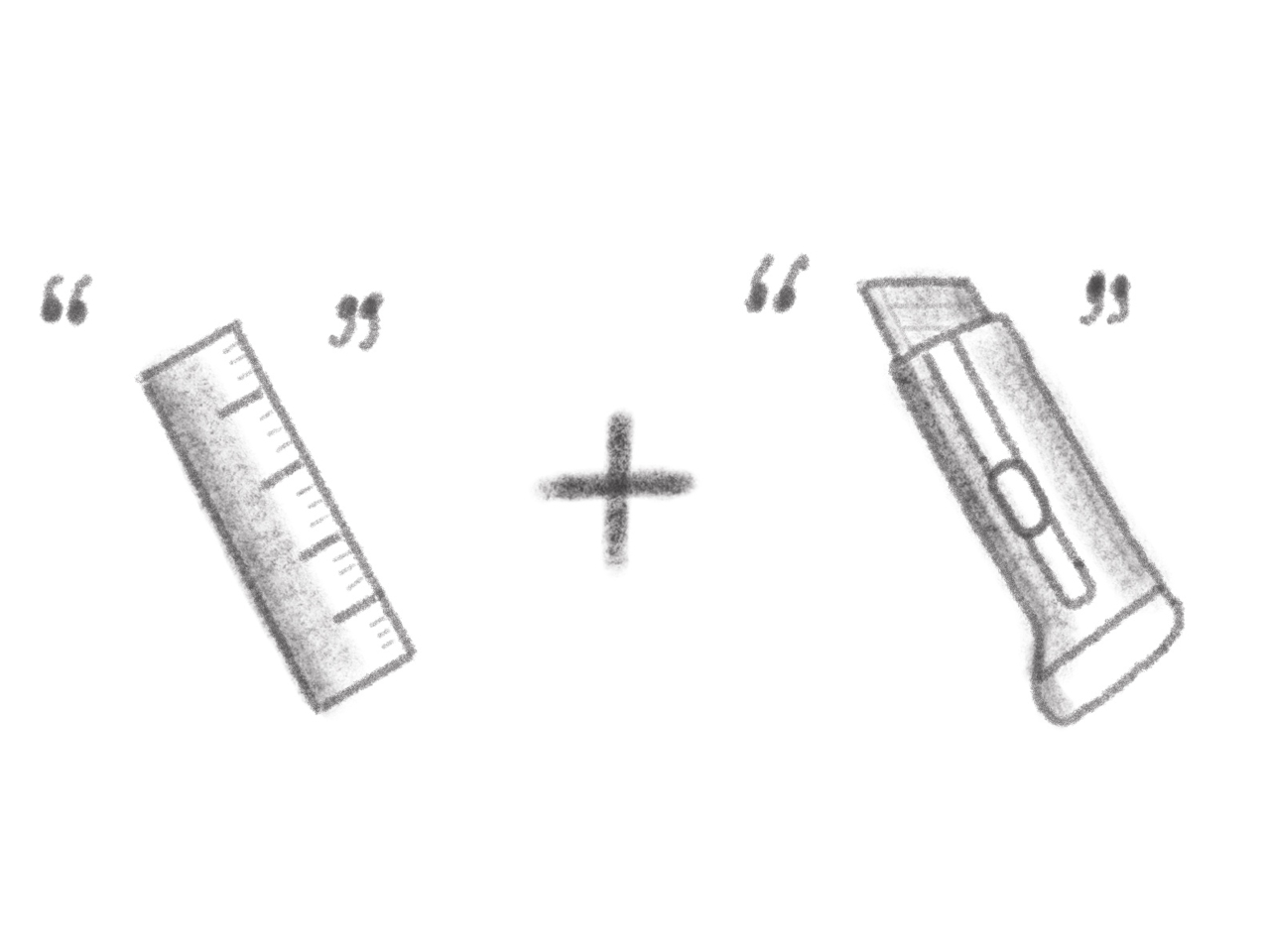
Cutting a straight line should be simple, but for anyone who’s ever measured, marked, and sliced the same piece of foam board or cardboard over and over, the process is anything but straightforward or efficient in practice. The classic “measure twice, cut once” mantra is great advice until you’re making dozens of identical cuts for a project, and the ruler starts to feel like a bottleneck slowing down your entire workflow and creative process.
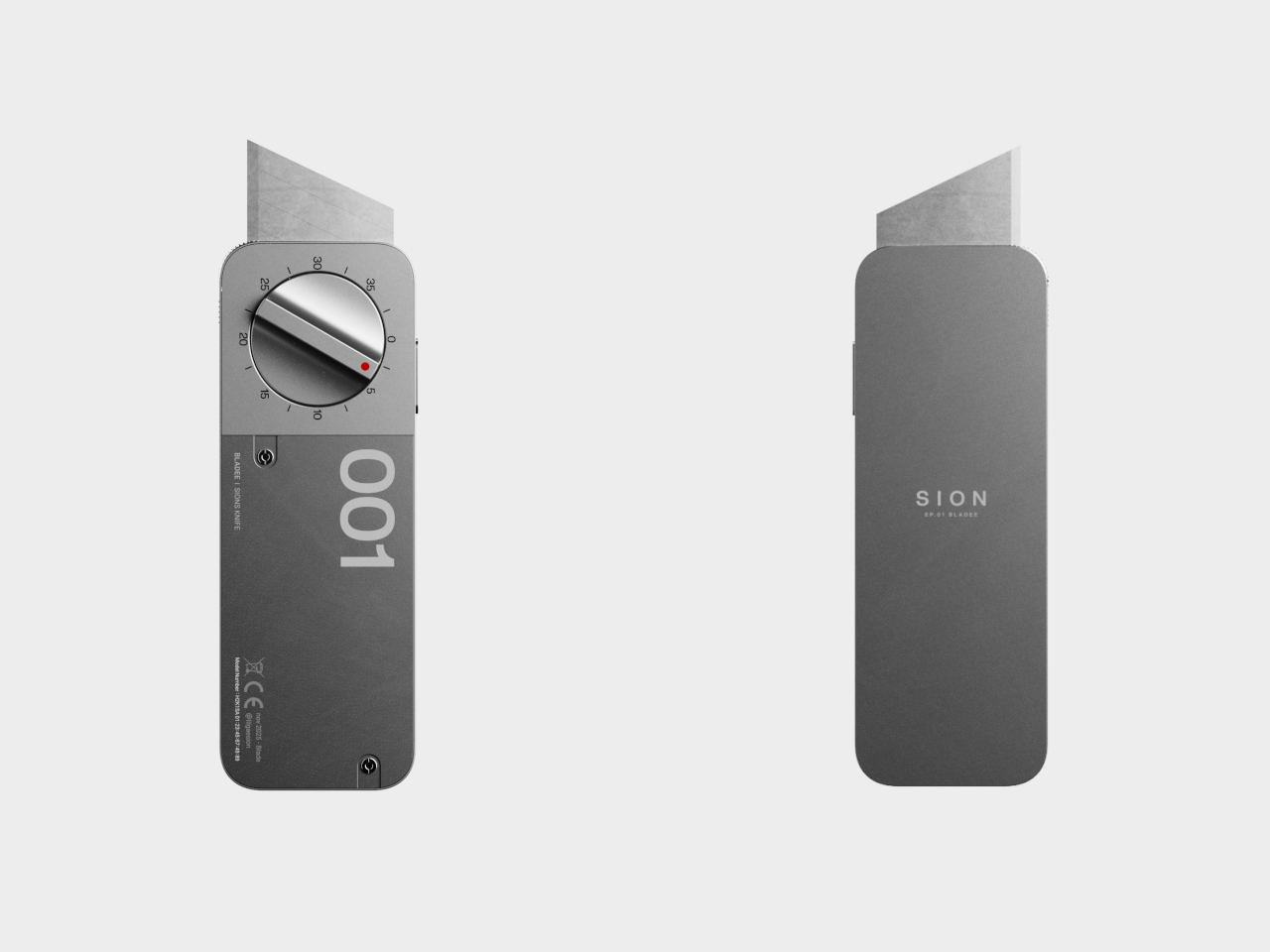
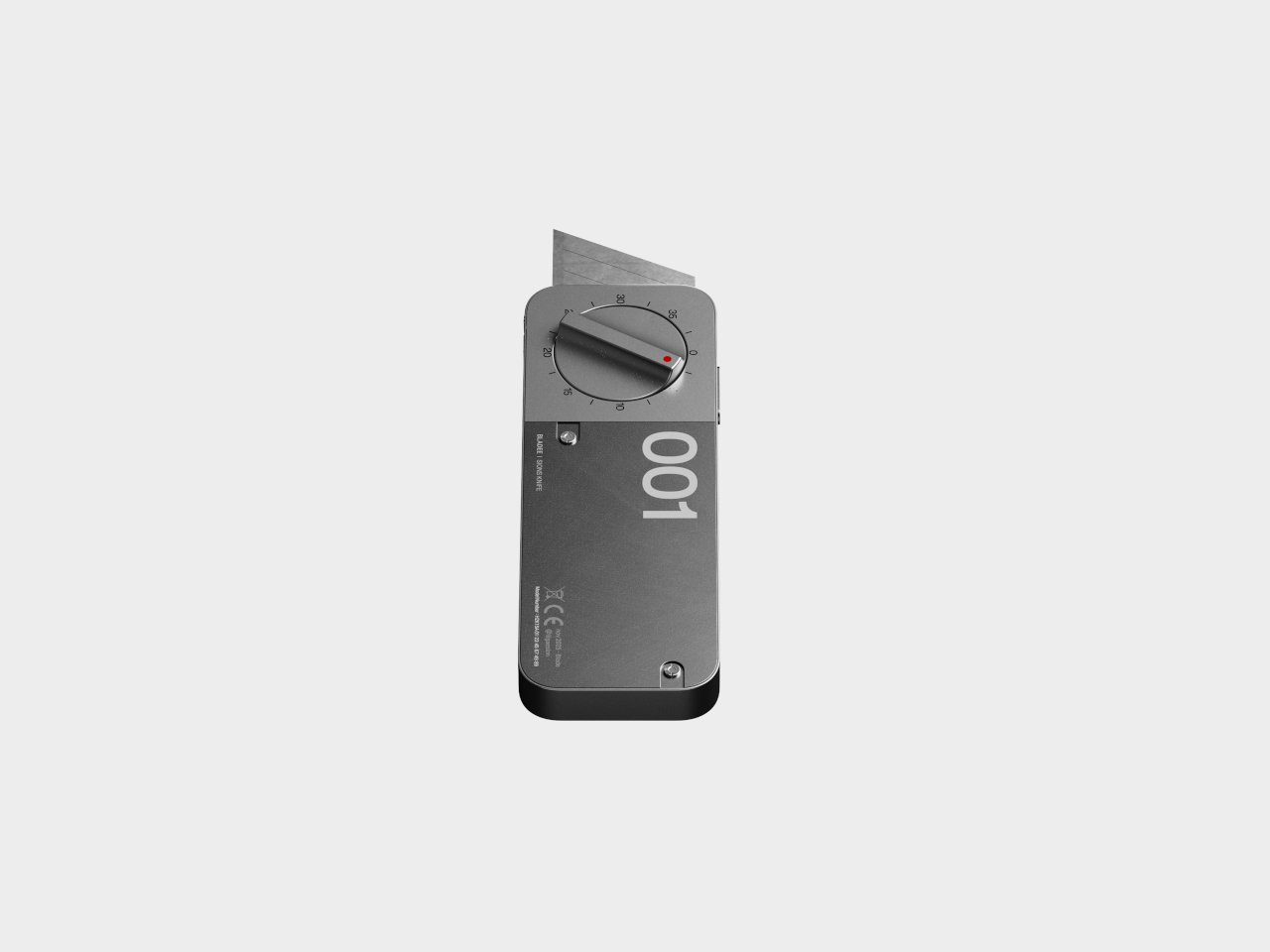
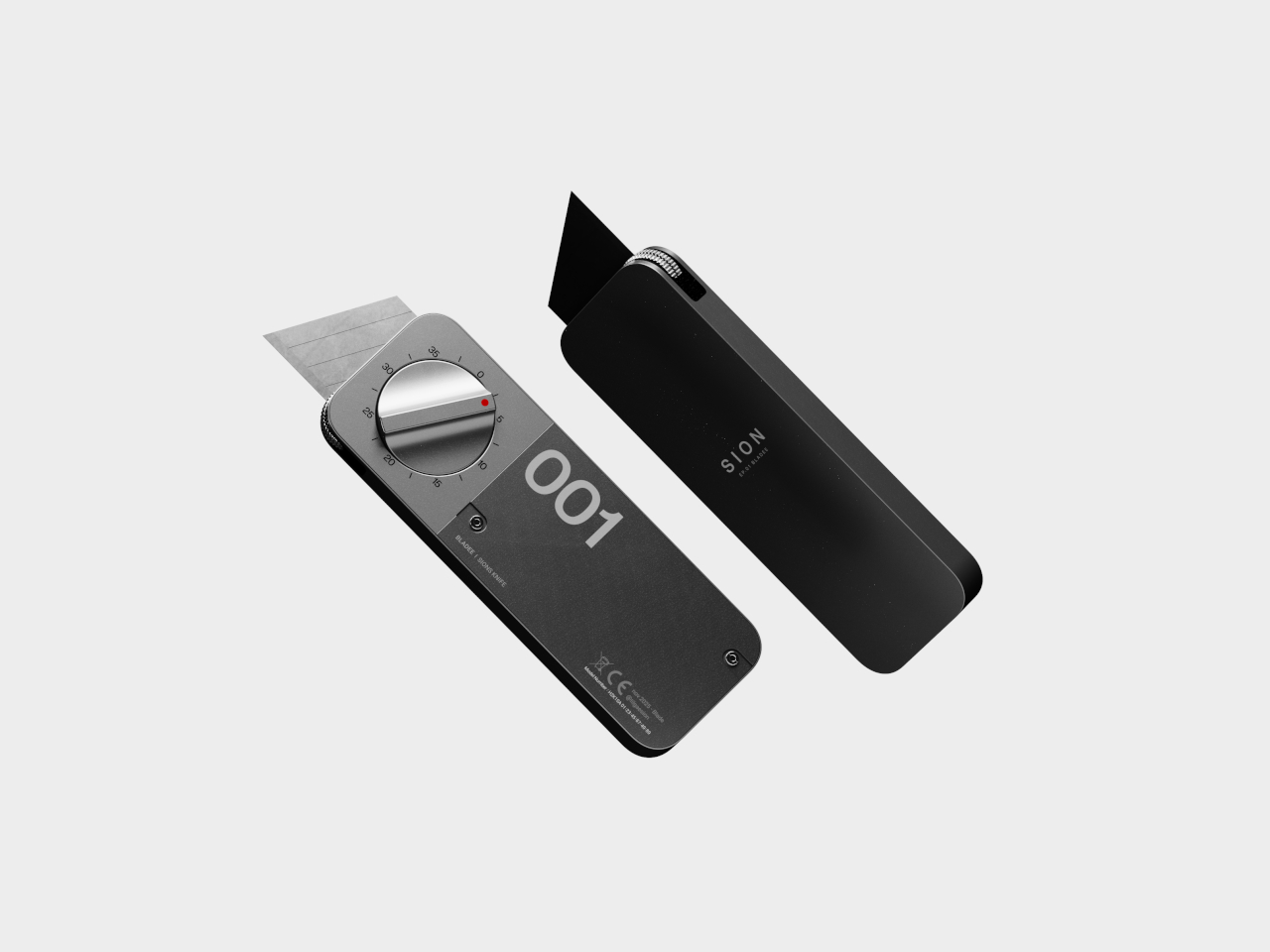
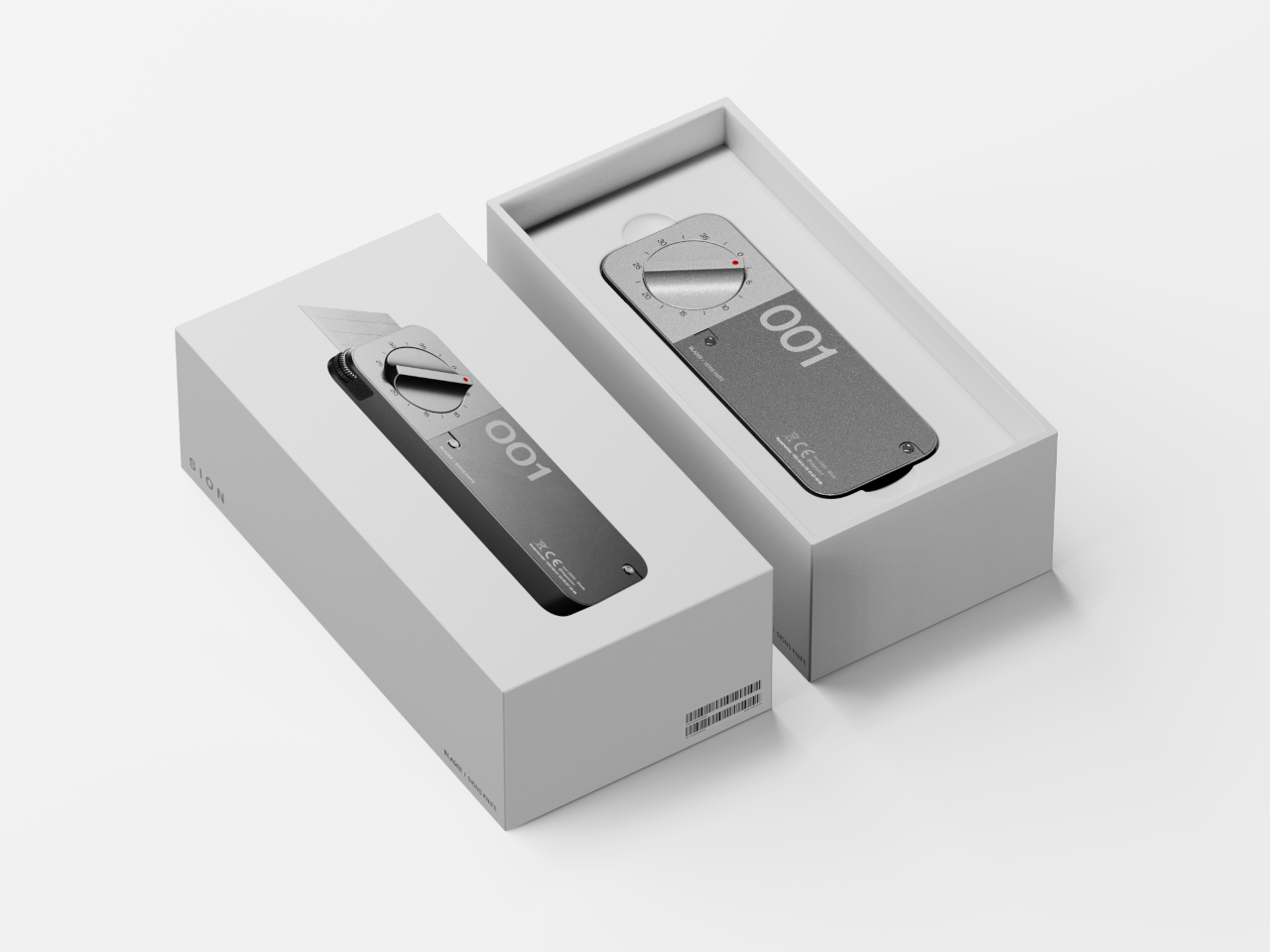
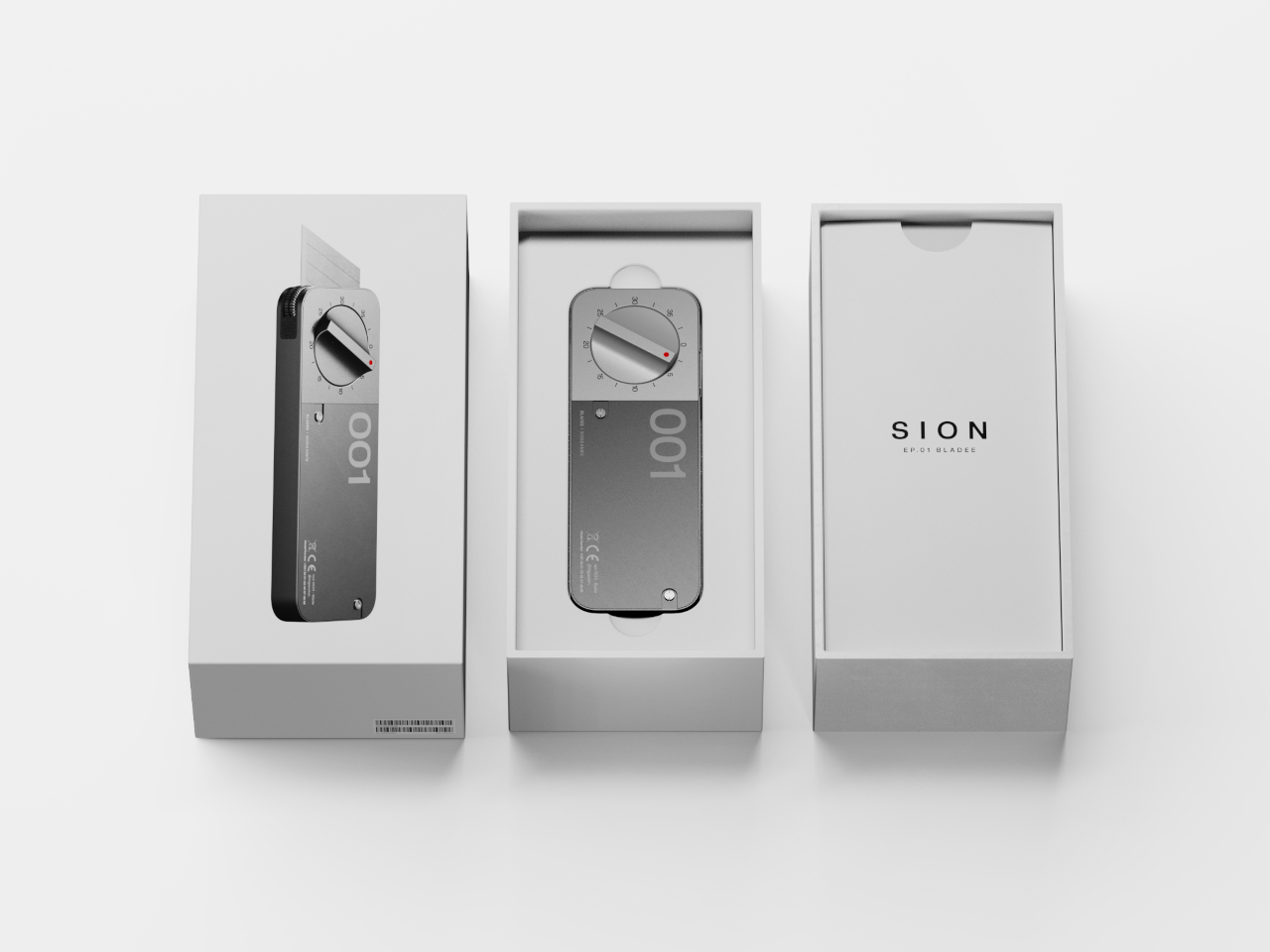
The BLADEE box cutter concept is a rethink of the humble utility knife designed for modern makers and professionals. By building measurement and precision into the tool itself through integrated mechanics and a dial system, it promises to make repeatable, accurate cuts faster and easier throughout your day without external measuring tools. No ruler needed, no marking required, and no guesswork involved when you’re deep into production work.
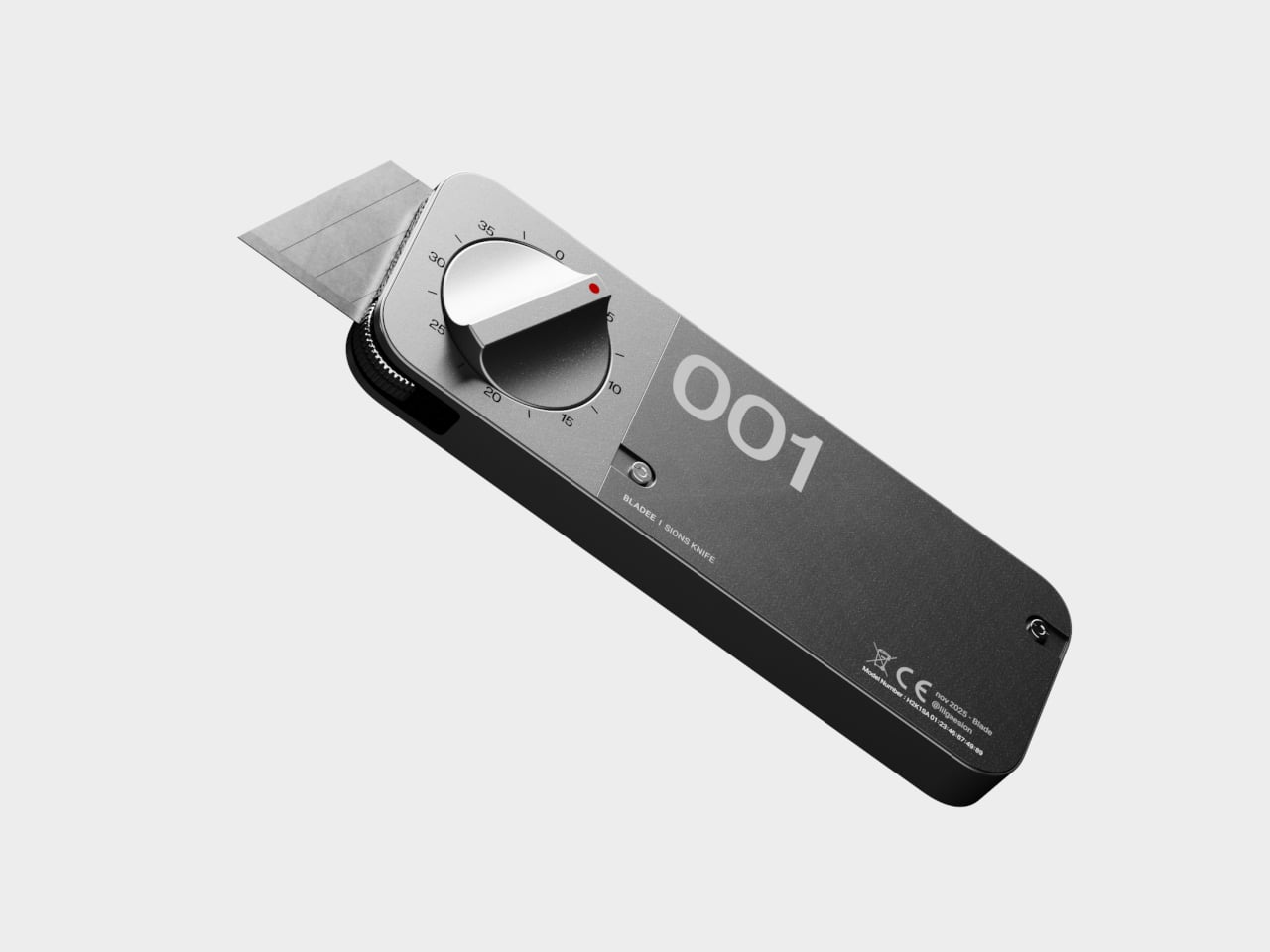
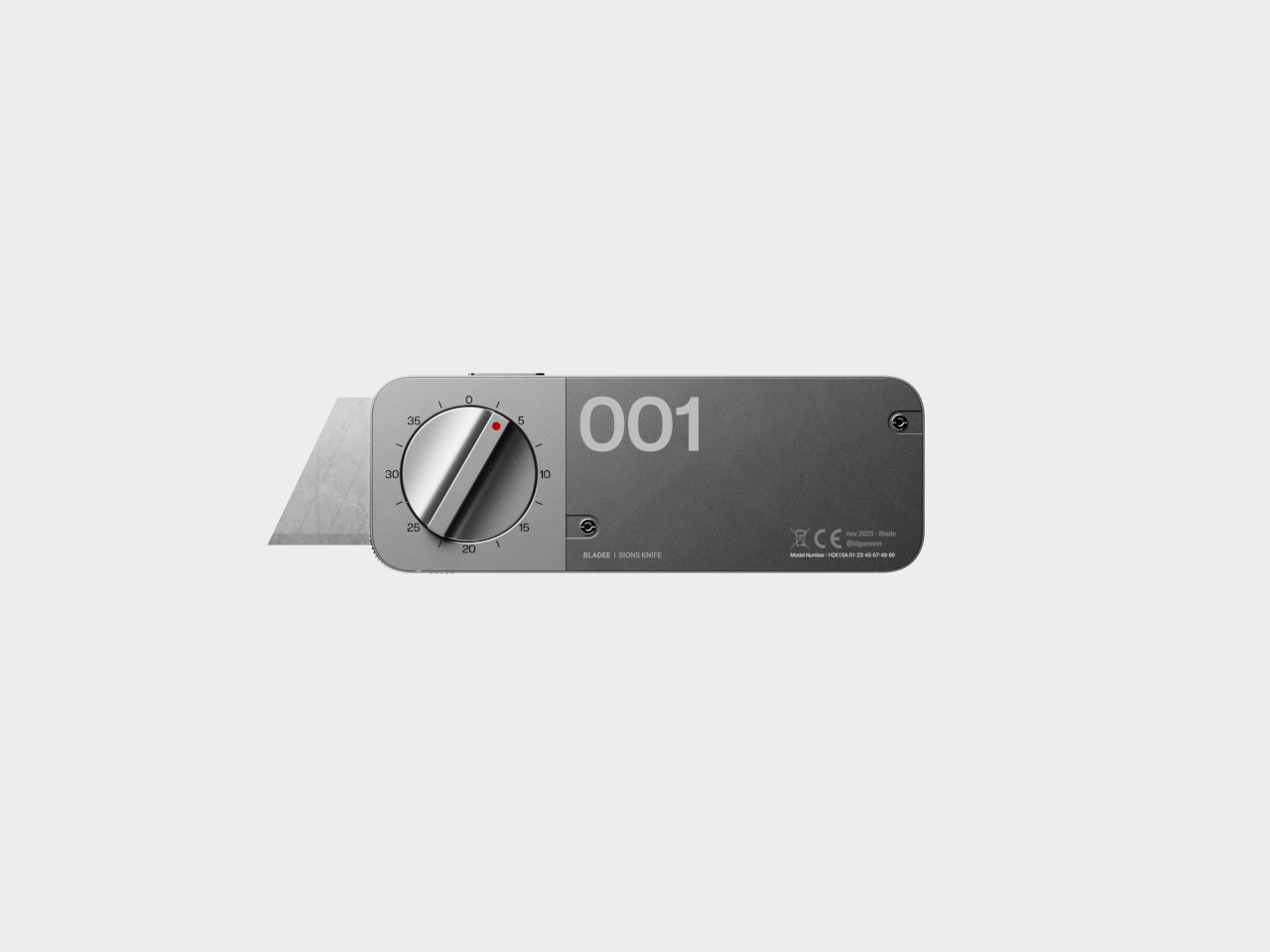
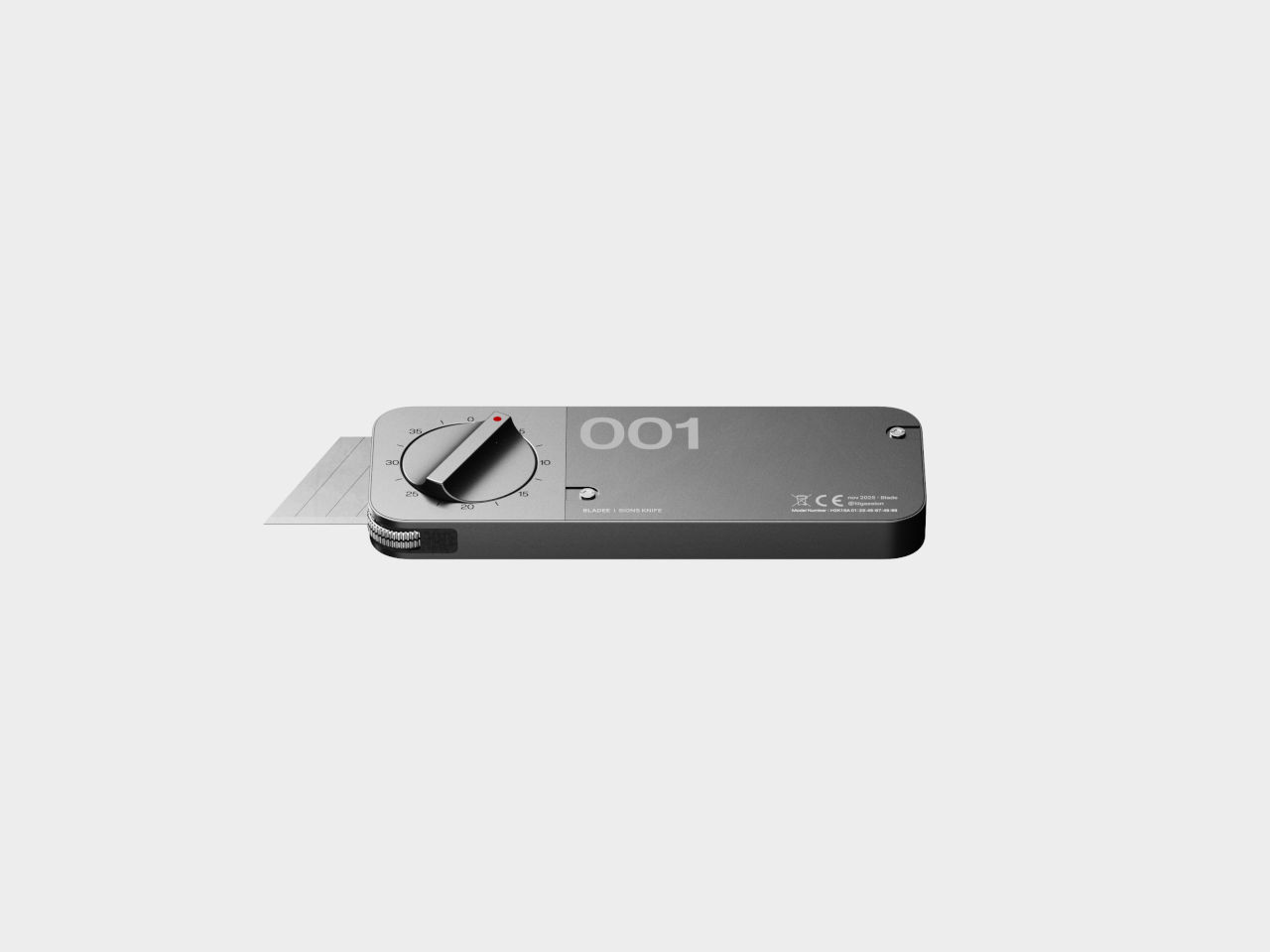
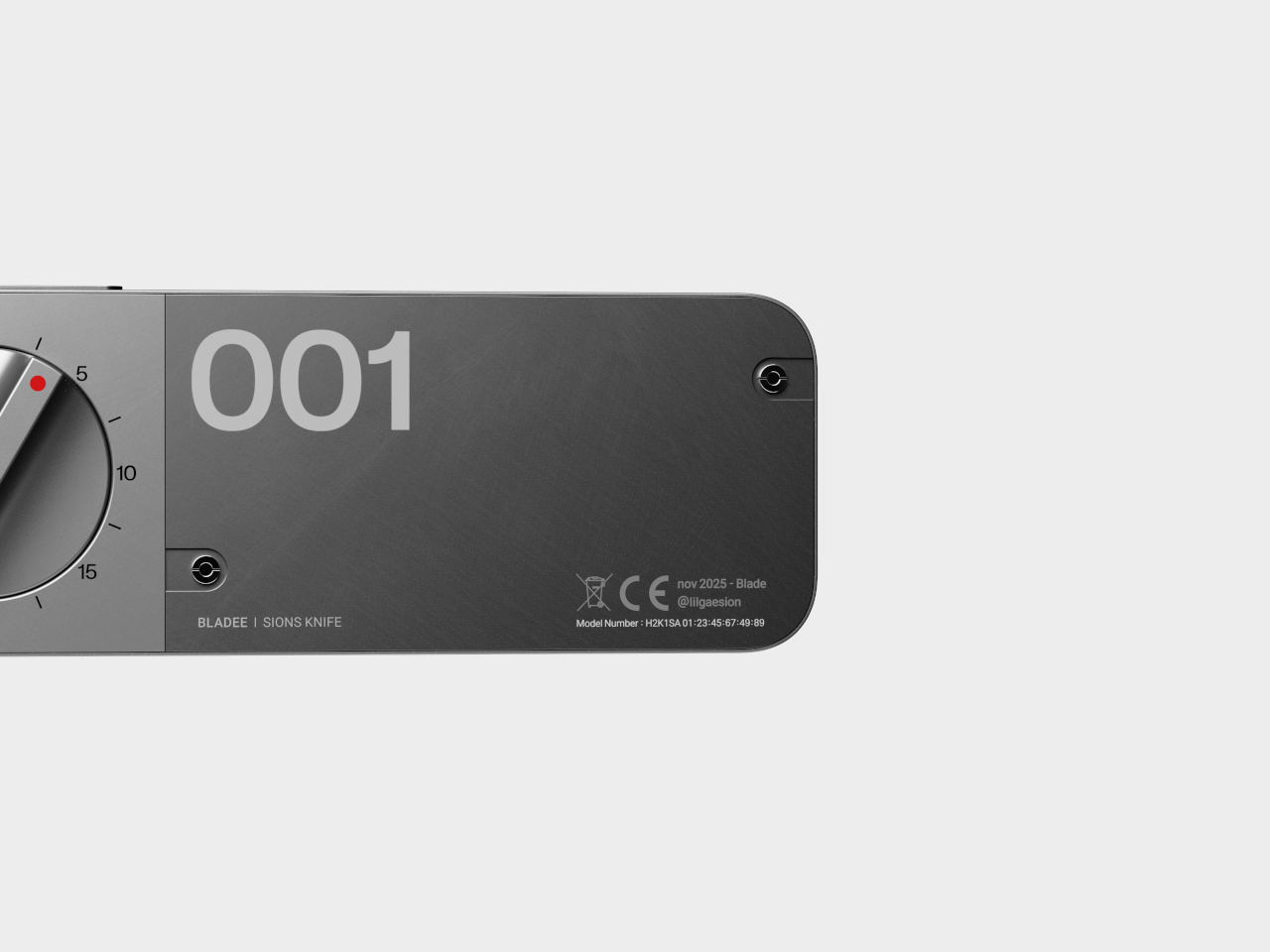
BLADEE’s minimalist, phone-sized body is all about clean lines, matte metal finishes, and a prominent dial that dominates the top surface for immediate visibility and control. The numbered dial lets you set your target cut length from 0 to 35 units, while a lower measurement wheel tracks your progress in real time as you slice through materials. As you approach the preset length, the blade gradually retracts automatically.
The blade always extends a fixed stroke for initial penetration, then withdraws at the set point to ensure every cut finishes smoothly and precisely at the same spot every time. The auto-lock at zero prevents accidental activation during transport or storage, and the dial only works when you press the side button for additional safety during use. This dual-safety system protects both the user and nearby materials.
The real magic is how BLADEE changes the workflow entirely for professional and hobbyist makers alike. No more juggling rulers, pencils, and knives across your workspace while trying to maintain precision and accuracy. Just set the dial to your desired measurement, cut with confidence, and repeat as many times as needed. Whether you’re prototyping packaging designs, building architectural scale models, or crafting at home, the tool eliminates tedious marking.
The right-hand cover is modular and swappable, letting you change colors, finishes, or even add project numbers or initials for organization and personalization. The measurement wheel rolls alongside the blade during cutting, counting travel with each pass and engaging the internal linkage for smooth, automatic retraction at the endpoint. This prevents over-cutting while reducing the risk of slips and accidents at the vulnerable end of each cut.
The robust metal construction, bold “001” graphics, and red pointer indicator give BLADEE a premium, professional feel that makes it as satisfying to use as it is to display prominently. For anyone who values accuracy and efficiency in their creative work, this concept offers a compelling reminder that even the most ordinary, everyday tools can be reimagined for modern workflows and contemporary creative needs when designers prioritize user experience and workflow efficiency.