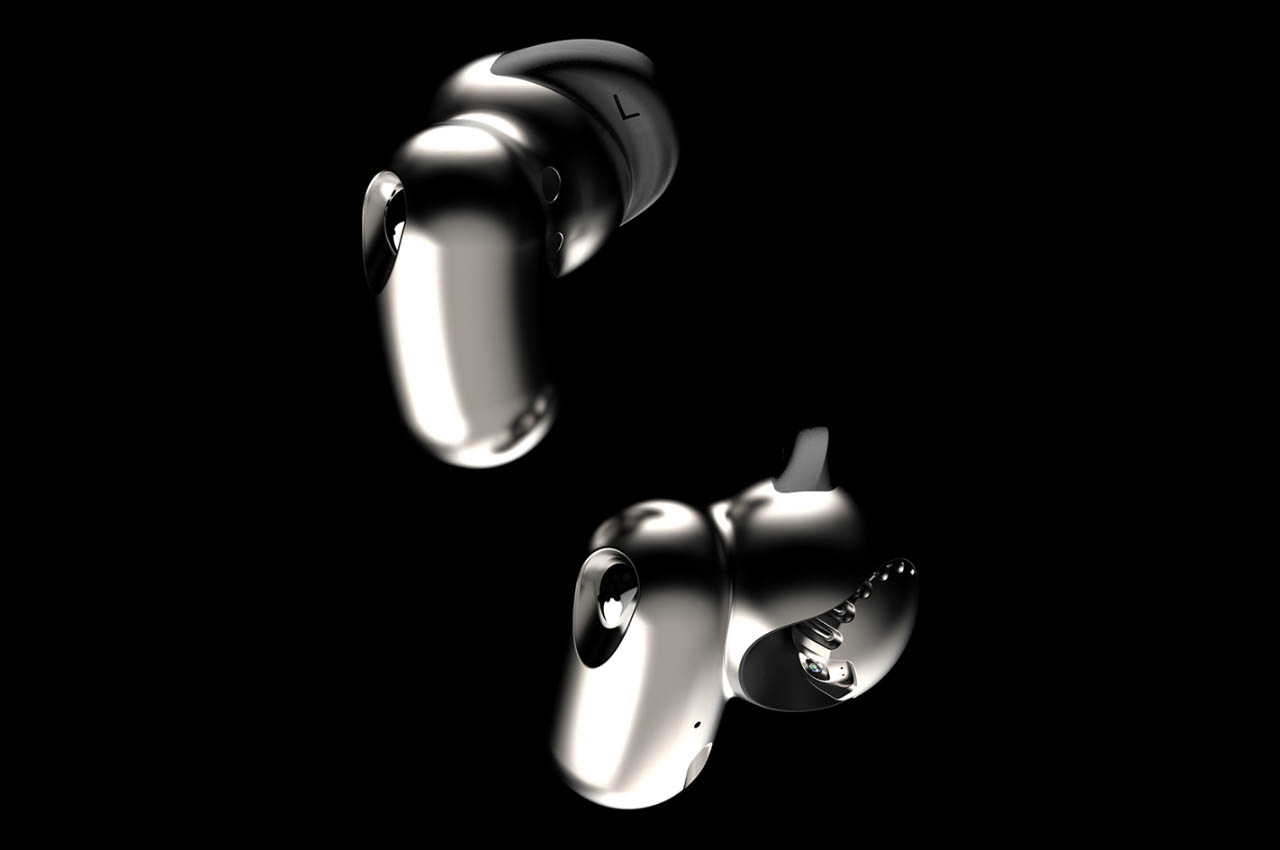
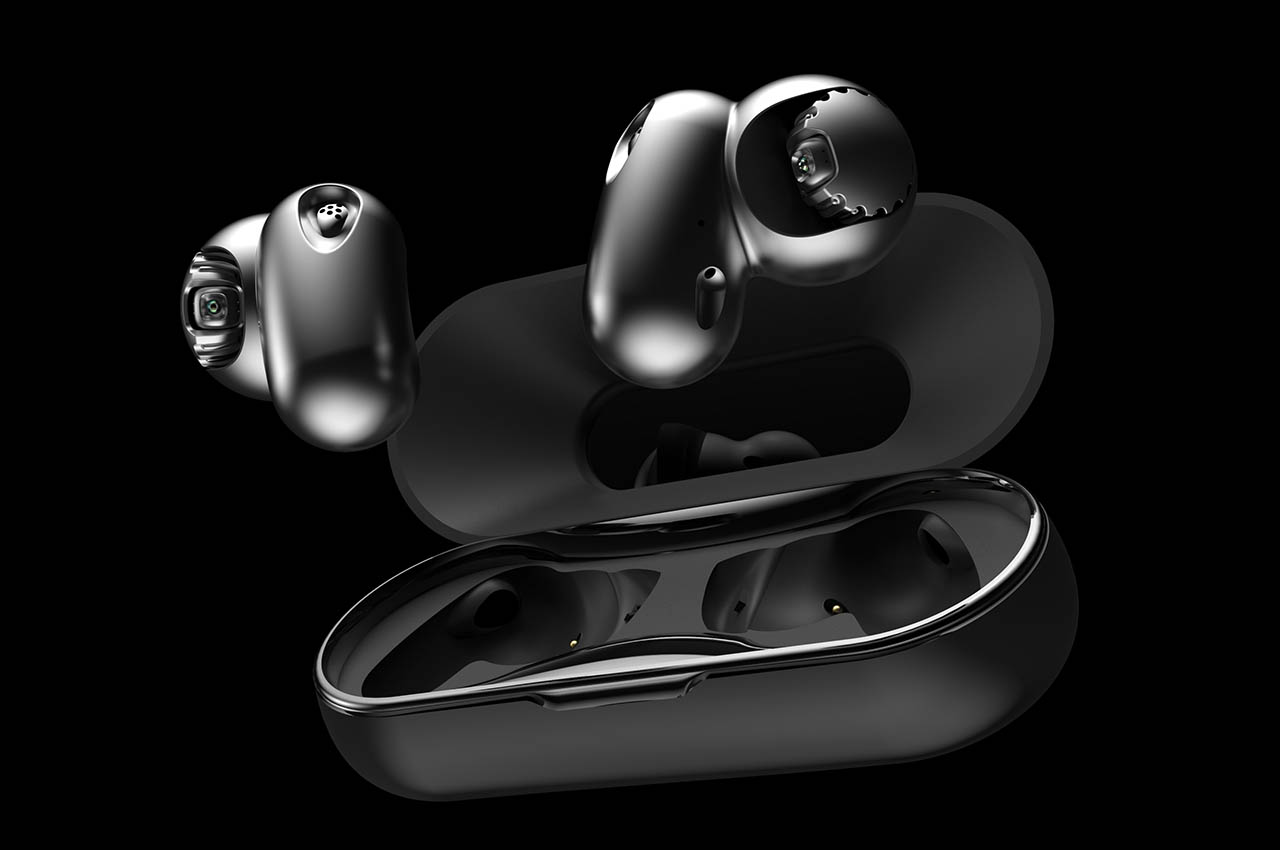
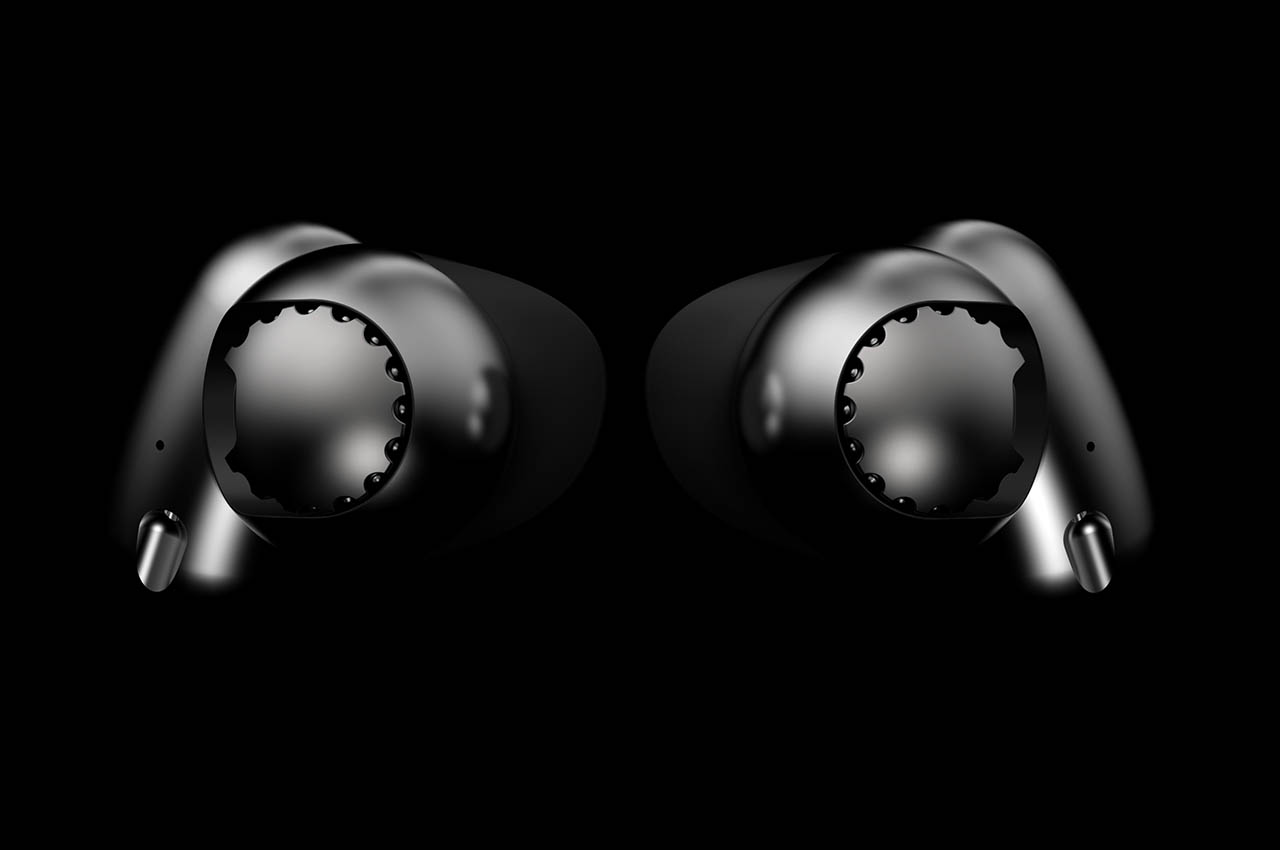
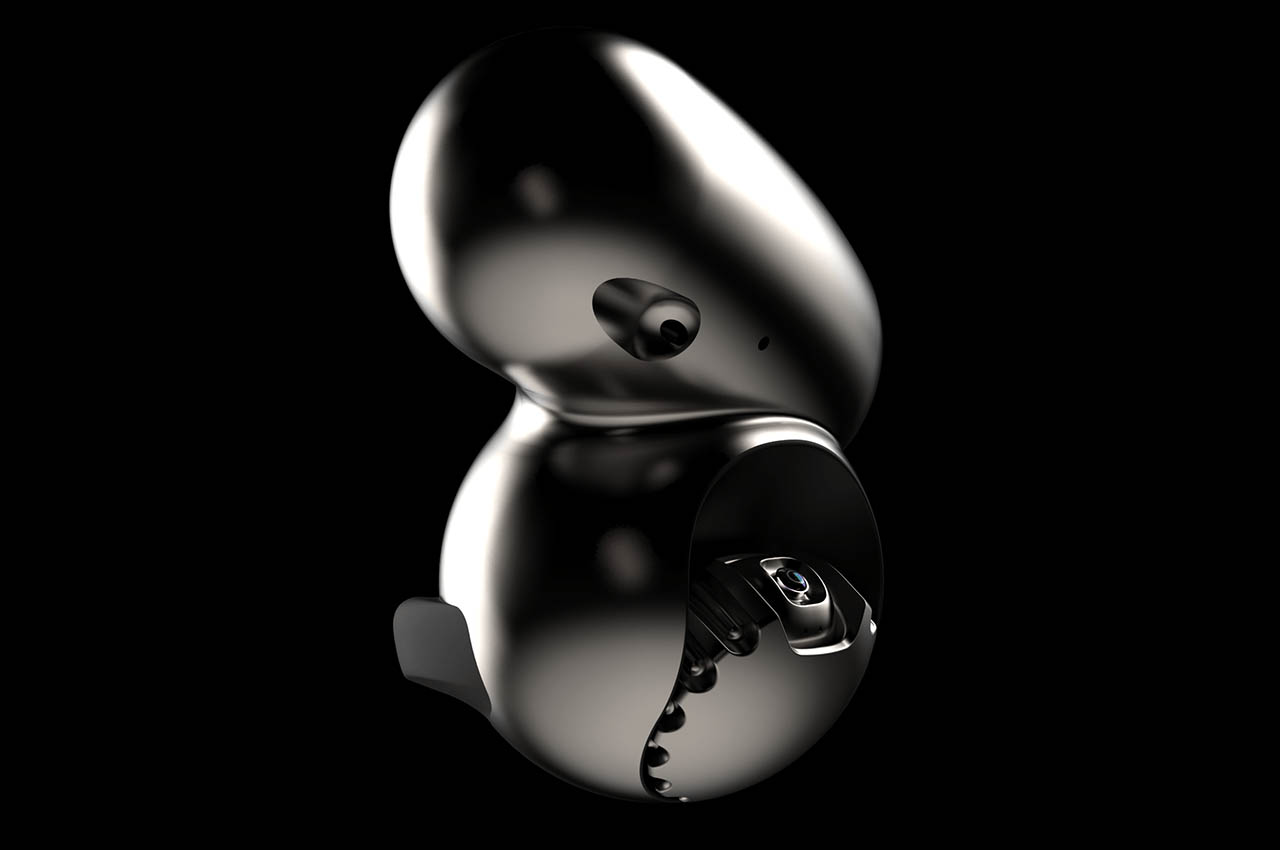
Earbuds are a kind of accessory you’ll find most common in anybody’s arsenal. They isolate you from the distracting outside world and help you focus while working, exercising, commuting, or anything in between. Extending the usability of earbuds for people with vision problems or in general even the common users who like to turn on their ANC at full blast. Apart from the audio information, the eyes are the best sensors to gauge the environment.
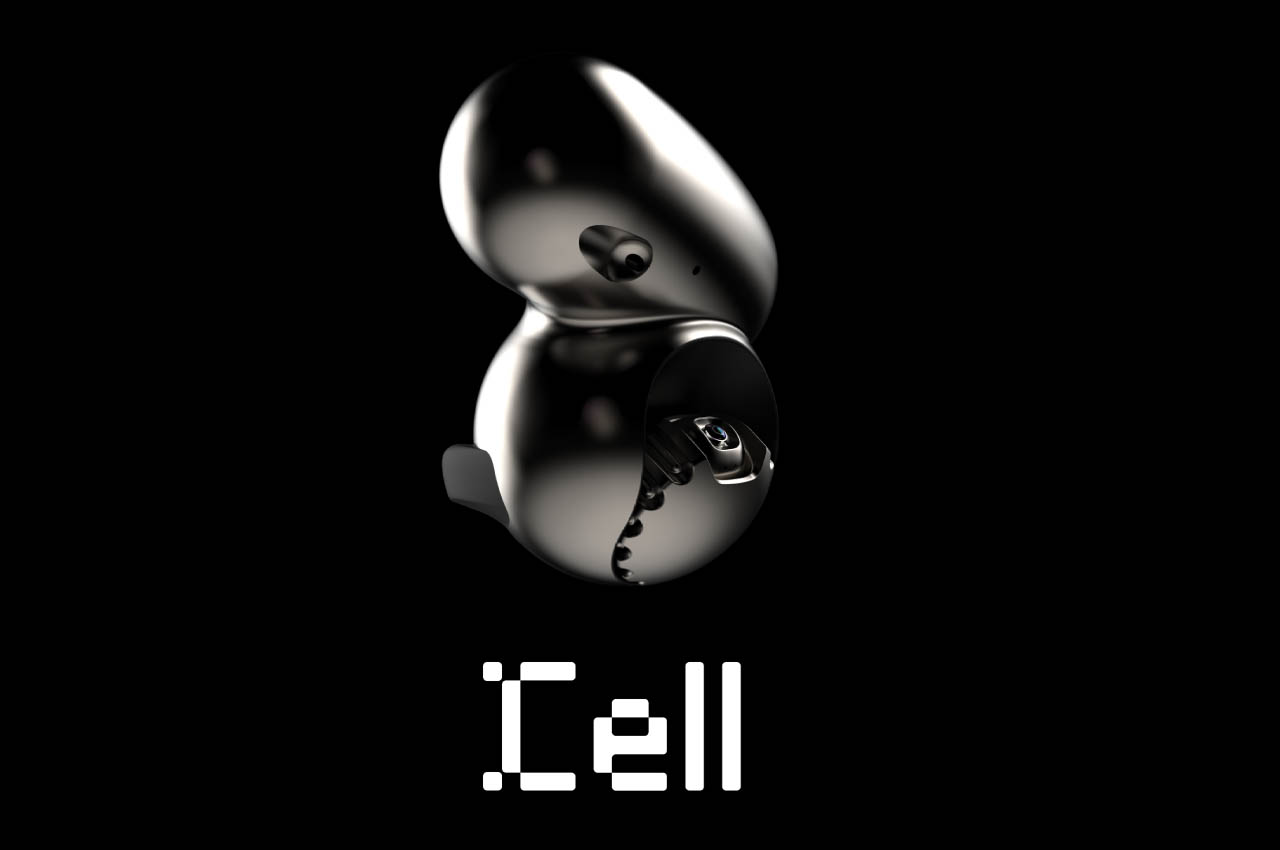
The Cell Buds are an evolution of the good old earbuds into a wearable that assists the blind in navigating crowded spaces or even being aware of what’s around them with sound cues coming from the buds equipped with nano camera units that keep track of any information that may be vital. This eliminates the need for transparency mode to be aware of the space, or even situations where you want strong ANC while being totally aware of what’s happening around in a crowded urban area, essentially making them your eyes and mind for daily life assistance.
These earbuds are loaded with an ultra-compact vision cam and AI to bring all the smart features of your smartphone to this cool gadget plugged into the ears. As a part of the Samsung Design Membership course, Minwoo conceptualized this design to dramatically improve the user’s experience. The on-device AI brings personalized interaction with information available in the cloud and the compact vision cameras keep sensing the surrounding environment around you for any signs of danger or information that might be important to you. For example, an approaching motorist from the left when you are busy crossing the street.
With smart AI, the wearables can be useful for frequent travelers or people with vision impairments. The hands-free personal assistance provided by Cell Buds keeps you from checking your phone, thereby curbing your digital life for good. Design and comfort are prime when it comes to the concept, as Kim has managed to fit a rotating camera unit inside the housing that houses the driver units, microphones, and the battery. According to him, the camera drive unit slightly protrudes from the ear to increase the camera’s field of view.
In this installment of What We're Listening To, Engadget writers and editors discuss some of the recent music releases we've had on repeat. It's safe to say there's some variety on this list.
Sierra Ferrell - Trail of Flowers
Sierra Ferrell seems almost like an anachronism in 2024, but in the best possible way. She has this effortless, old-timey country style that is at points reminiscent of the likes of The Carter Family or Flatt and Scruggs (her brilliant covers of songs once performed by the latter duo are permanently seared into my brain), and it’s just so refreshing. Trail of Flowers, Ferrell’s second studio album, toes a little further into a more modern sound, but it maintains this deeply Americana feel that just seems to roll off the West Virginia-born artist so naturally.
Country music isn’t just one thing, and neither is Trail of Flowers. It meanders through different flavors — folk, bluegrass, hints of jazz — but it manages to do so in a way that feels cohesive when it’s all taken together. The wistful “American Dreaming” and “Wish You Well” are offset by sillier, whimsical numbers like “I Could Drive You Crazy” or the deep cut cover, “Chitlin' Cookin' Time in Cheatham County.” Tracks like “Money Train,” “I’ll Come Off the Mountain” and “Lighthouse” are instantly catchy. “Why Haven’t You Loved Me Yet” and “No Letter” feel like classics in the making.
And then there’s the cheekily sinister, scorned-lover’s lament, “Rosemary.” It’s one of the songs that first got me hooked on Sierra Ferrell years ago, as I imagine is the case for a lot of fans who have followed Ferrell’s career since her busking days or her unforgettable GemsOnVHS performances. I was almost nervous to hear it on Trail of Flowers, with a full production, after loving the raw, stripped-down recording I’ve been replaying on YouTube for so long. But they’ve done a beautiful job of capturing that magic, and “Rosemary” may be my favorite track on the album. It’s hard to pick, though.
Castle Rat - Into the Realm
Sometime early last year, I discovered something I didn’t realize was missing from my life: medieval fantasy doom metal. I was at a show at the gloriously trippy Brooklyn Made watching an opener ahead of the band I’d gone there to see, and unexpectedly found myself witness to an on-stage choreographed sword fight (well, there was a scythe involved too) between a woman in chainmail and someone wearing a hooded rat mask and lingerie. I’d already been enraptured by the band’s heavy, immersive riffs and the singer’s hypnotic 1970s-esque vocals, but in that moment, yeah, things really clicked into place. This was my introduction to Castle Rat, and it was a damn good one.
I’ve been eagerly awaiting the release of their debut album ever since, and from the second it dropped last month — an LP called Into the Realm — I’ve pretty much been playing it on a nonstop loop. It would actually be embarrassing if you were to check the number of times I’ve listened to the album’s standout ballad, “Cry For Me.” It is a haunting, emotional song that really takes you on a journey and I’m a little obsessed with it. Into the Realm opens strong with the boppy “Dagger Dragger,” and some real heavy-hitters follow in tracks like “Feed the Dream,” “Fresh Fur” and “Nightblood.” “Red Sands” is a slow-building powerhouse, and I’ve even found myself loving the three roughly minute-long instrumental interludes that tie the whole album together.
Doom bands love a good theme (as do I), and we tend to see a lot of weed, witchcraft, science fiction and fantasy pop up throughout the subgenres that fall under this umbrella. Castle Rat definitely isn’t the first to have a shtick, but there’s a certain freshness to the band’s even more specific, self-described medieval fantasy brand, perhaps because they commit to it so hard. Their ‘70s and ‘80s influences are obvious, yet everything they’ve put out so far still feels original. Some people might find the whole thing gimmicky, but I think it’s working. Especially since they have the chops to back it up. I’m excited to see where Castle Rat goes from here.
Honorable Mentions:
Girl with No Face, Allie X— Another song I’ve been listening to an embarrassing amount these days is Weird World, off Allie X’s latest album, Girl with No Face. I somehow haven’t tired myself of it yet, it makes me go absolutely feral. Girl with No Face is full of synth-pop gems, like “Off With Her Tits” — a dancey, angsty anthem sure to resonate with anyone who has experienced dysphoria around their body image — “John and Johnathan,” “Black Eye” and “Staying Power.”
Club Shy, Shygirl — This is just a collection of straight-up bangers. It’s not even 16 minutes long, but it really hits. If you need an instant mood-elevator ahead of a night out, this album is it.
Stampede: Volume 1, Orville Peck — Orville Peck’s first release in his fringeless era is a duets album, the first part of which was released on Friday and features artists including Willie Nelson, Noah Cyrus and Elton John. I haven’t had much time to spend with Stampede: Volume 1 yet, but I’m into it so far. “Conquer the Heart” ft. Nathaniel Rateliff and “How Far Will We Take It?” with Noah Cyrus feel like they combine the best elements of Pony (2019) and Bronco (2022). Bronco came in two waves, so I expect we’ll see a Volume 2 for Stampede before long, too.
— Cheyenne MacDonald, Weekend Editor
Hannah Jadagu - Aperture
Whenever I hear the words “banger” or “bop,” I don’t think about artists like Taylor Swift. I think about the nebulous musical genre known as bedroom pop. Bop, after all, is right there in the name. Hannah Jadagu is a bedroom pop wizard of the highest order. Her first EP was made entirely on an old iPhone and still slaps, though she has since graduated to real recording studios. Jadagu’s latest full-length on Sub Pop, Aperture, is filled with both bangers and bops, and my favorite is the lovelorn “Say It Now.” Listen to this thing. It just may be the perfect pop song and is absolutely crying out for some road trip singalongs. The shoegaze-adjacent “What You Did” is another classic and would be at home on any decent summer playlist.
— Lawrence Bonk, Contributing Reporter
Justice - Hyperdrama
Justice’s first full-length release Cross from 2007 is one of my favorite albums of all time. Not only did it define the crunchy electronic sound of the blog house era in the late 2000s and early 2010s, it also felt like a new French duo had picked up where Daft Punk left off following 2005’s Human After All. Now Justice is back with its fourth album in Hyperdrama. But instead of being inspired by a specific genre of music like we heard in Audio, Video, Disco’sstadium rock tracks or Woman’sdisco-fueled beats, this album feels more like the soundtrack to a moody sci-fi thriller, almost as if this is Justice’s alternate reality take on the Tron: Legacy soundtrack.
“Generator” is a certified banger and probably the song that sounds the most like classic Justice. “Neverender” and “One Night/All Night” are also highlights, though I think Justice may have leaned a bit too heavily on Tame Impala to give this album personality. “Dear Alan” delivers super smooth vibes and Thundercat makes a delightful appearance and finishes things strong in “The End.”
The one thing I really miss is at least one trulydanceabletrack like we got on all of the band’s previous albums. I also have to admit that some of the songs in the middle blend together in a less-than-memorable way. So while Hyperdrama isn’t the top-to-bottom masterpiece that Cross was a decade and a half ago, more Justice isn’t a bad thing.
— Sam Rutherford, Senior Reporter
Utada Hikaru - Science Fiction
Over the past few weeks, I've mostly been listening to songs from Science Fiction, the first greatest hits album by J-Pop artist Utada Hikaru. I've been a fan since they released their debut album First Love back in 1999, when people were far more likely to be weirded out by the fact that yes, you can enjoy music with lyrics in a language you don't understand. Utada has been in and out of the J-Pop scene since then, and there were long stretches of time when I wouldn't hear anything about them. Every new music drop is a gift, especially this album, since it's tied to an upcoming concert tour, which they only do once in a blue moon.
Utada experienced a resurgence in 2022 when their songs “First Love” and “Hatsukoi” — which also translates to “first love” — were featured in a hit Japanese drama series on Netflix called (you guessed it) First Love. Those tracks are, of course, in Science Fiction, which also includes songs from various points in Utada's career.
The album will take you on a journey from when they mostly wrote R&B-inspired pop to an era when their music became more experimental, and it will introduce you to their current sound, which is both mainstream and unique. While some of the re-recorded versions of their older songs like “Traveling” don't quite hit the mark, it's still a good representation of who Utada is as a musician. As a long-time fan, though, this album isn't just a collection of songs to me, but a collection of memories from different stages of my life.
— Mariella Moon, Contributing Reporter
Caroline Polachek - “Starburned and Unkissed”
There are a few reasons that “Starburned and Unkissed” stands out against the I Saw the TV Glow soundtrack, which is replete with not only beloved mainstays like Broken Social Scene's “Anthems For A Seventeen-Year Old Girl” as well as other original songs from luminaries like Phoebe Bridgers and Hop Along's Frances Quinlan. If cornered, I would say the most brilliant thing about “Starburned and Unkissed,” its greatest strength, is that it's just a little too slow.
Every note stretches and yearns with the impatience of adolescence, verges on running out of air, of snapping in two. Much like the scene of the utterly and equally brilliant I Saw the TV Glow it was written for, it captures the sleepy anxiety of a too-warm high school, overcrowded and isolating. The heaviness of its crushing guitars ebbs and flows unsteadily, mimicking the experimentation of callow hands. (It takes the second try on the chorus for the drums and guitars to all come in on cue.)
It's unstable, hopeful. Caroline's voice — gently mangled by intentional autotune pitch shifts — falls out of key in the song's last few refrains, threatening to derail the dreamy beauty of the past three minutes. It ends abruptly, begging for another listen, another return to a time that can't be recaptured.
Honorable mentions:
“Lover's Spit Plays in the Background,” Claire Rousay — Rousay's sentiment is a perfect album for reading outside on an overcast day. I'm not sure I can pick a standout track, as the experience is really in letting the whole thing wash over you, but this one's close enough.
“Stickers of Brian,” Hot Mulligan — Classic pop punk subject matter (“my job sucks and I hate everyone”) but my god what an earworm.
“On Brand,” Ekko Astral — Levels of snottiness previously considered unachievable. Hard not to love what a beautiful mess these folks make.
“Cometh the Storm,” High on Fire — Most of High on Fire's 20+ years of output sounds like — and lyrically is probably about — an axe-wielding barbarian ripping a bong, or whatever other D&D nonsense they're up to. (I say this lovingly. I adore High on Fire.) The title track off the new one is… unusually dirge-like? At first it felt very “old band showing their age” but it's grown on me as an intentional and welcome change. They're not off the hook for using AI for the “Burning Down” music video though. C'mon guys.
— Avery Ellis, Deputy Editor, Reports
This article originally appeared on Engadget at https://www.engadget.com/what-were-listening-to-trail-of-flowers-hyperdrama-science-fiction-and-more-143052023.html?src=rss
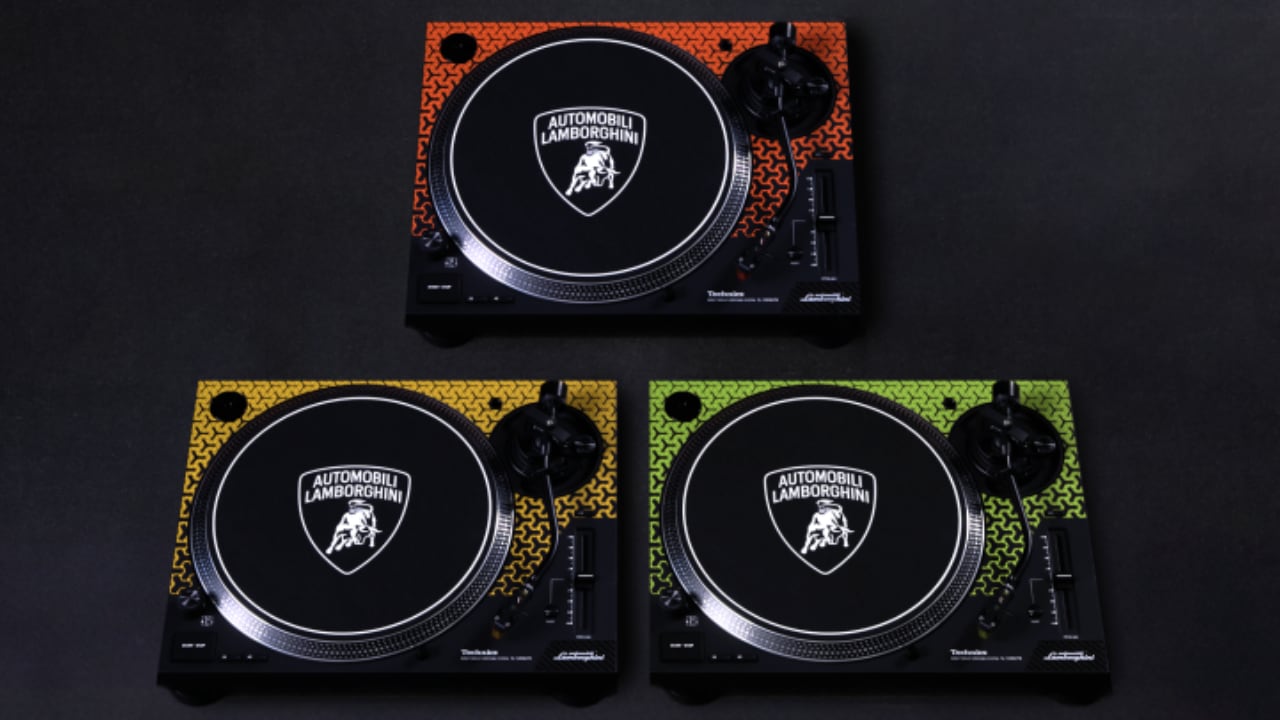
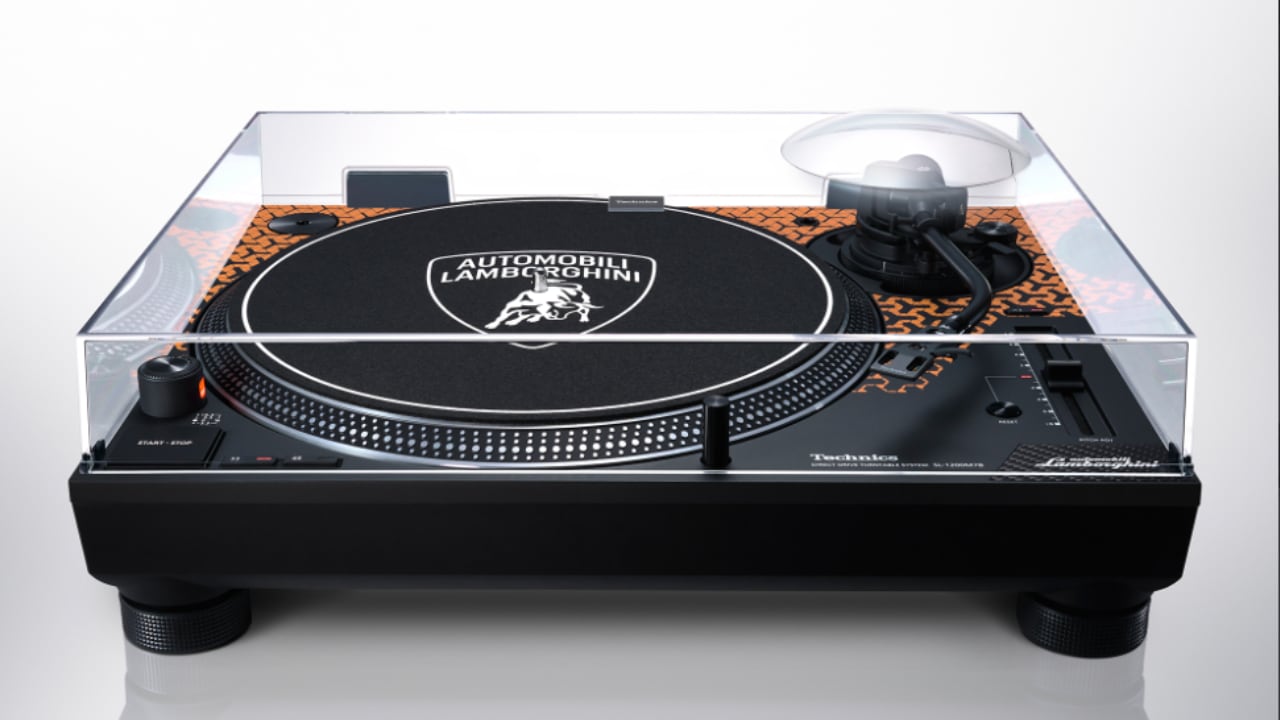
Automobili Lamborghini and Technics, both leaders in automobiles and audio equipment, have long upheld traditions of excellence. Each, known for innovation and expertise, continually advances their respective fields. Their collaboration has produced the SL-1200M7B turntable, a product that combines top-tier engineering and design, showcasing the strong capabilities of both brands.
Designer: Technics + Lamborghini
Founded in 1963 by Ferruccio Lamborghini, Automobili Lamborghini set out to create the world’s most beautiful and powerful sports cars. Known for their dramatic designs and thunderous V12 engines, Lamborghini cars quickly became symbols of status and performance. Over the decades, Lamborghini has consistently pushed the boundaries of automotive engineering, achieving a legendary status among car enthusiasts.
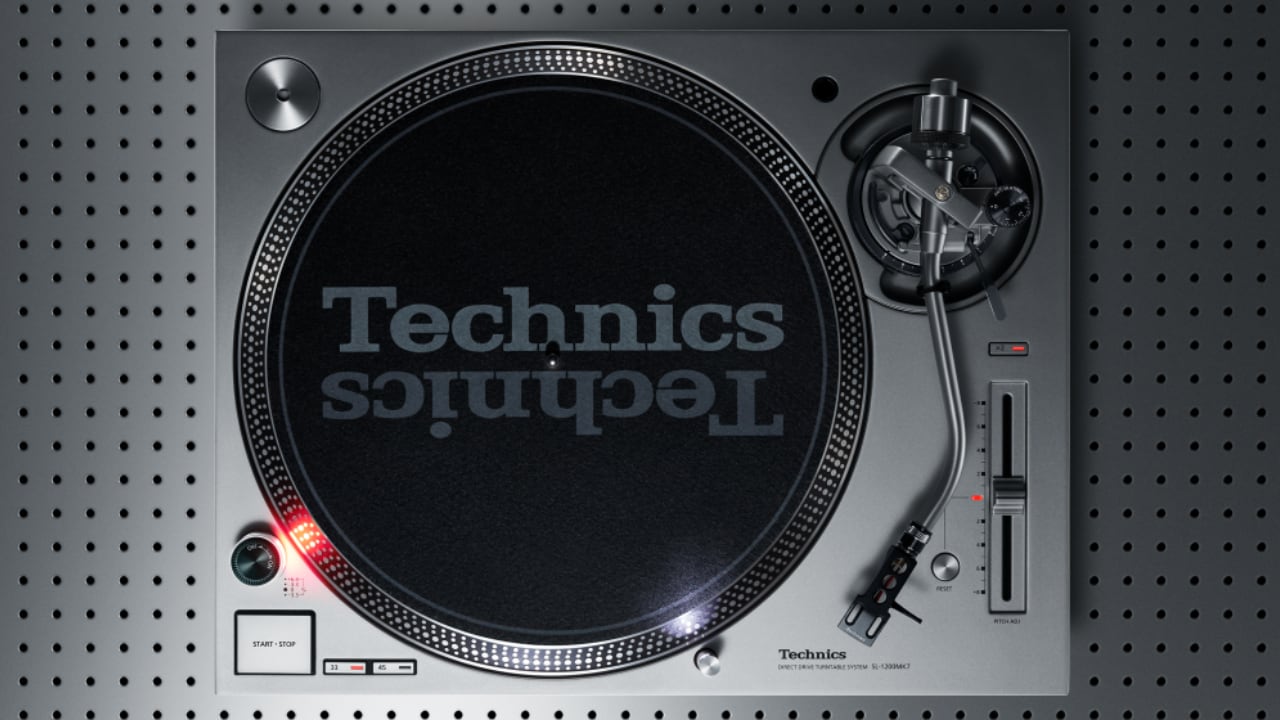
On the flip side, Technics, established by Panasonic in 1965, revolutionized the audio industry with its direct-drive turntable technology, first introduced in the early 1970s. This innovation was crucial for DJs, as it provided a more reliable and precise way to mix and scratch records, effectively changing the DJ scene forever. The SL-1200 series, introduced for DJs, is appreciated for its reliability and sound quality, making it a common choice in clubs globally.
Both brands have continuously evolved, driven by a commitment to innovation and a passion for delivering extraordinary experiences. Their collaboration on the SL-1200M7B turntable represents a blend of cutting-edge audio technology and automotive design flair anchored in their shared heritage. For enthusiasts of both brands, this turntable showcases decades of pioneering history and performance.
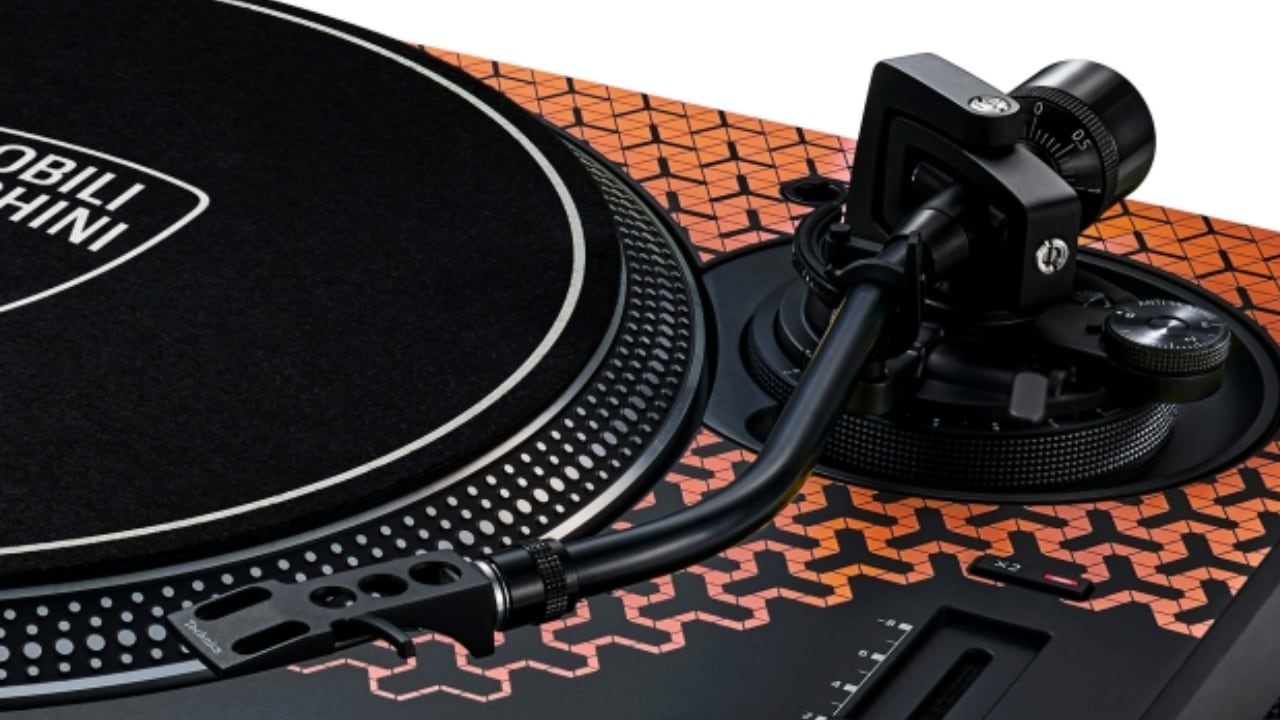
The SL-1200M7B’s tonearm, a key component in the DJ scene for years, provides excellent tracking performance due to its high-precision bearings and superior initial-motion sensitivity.
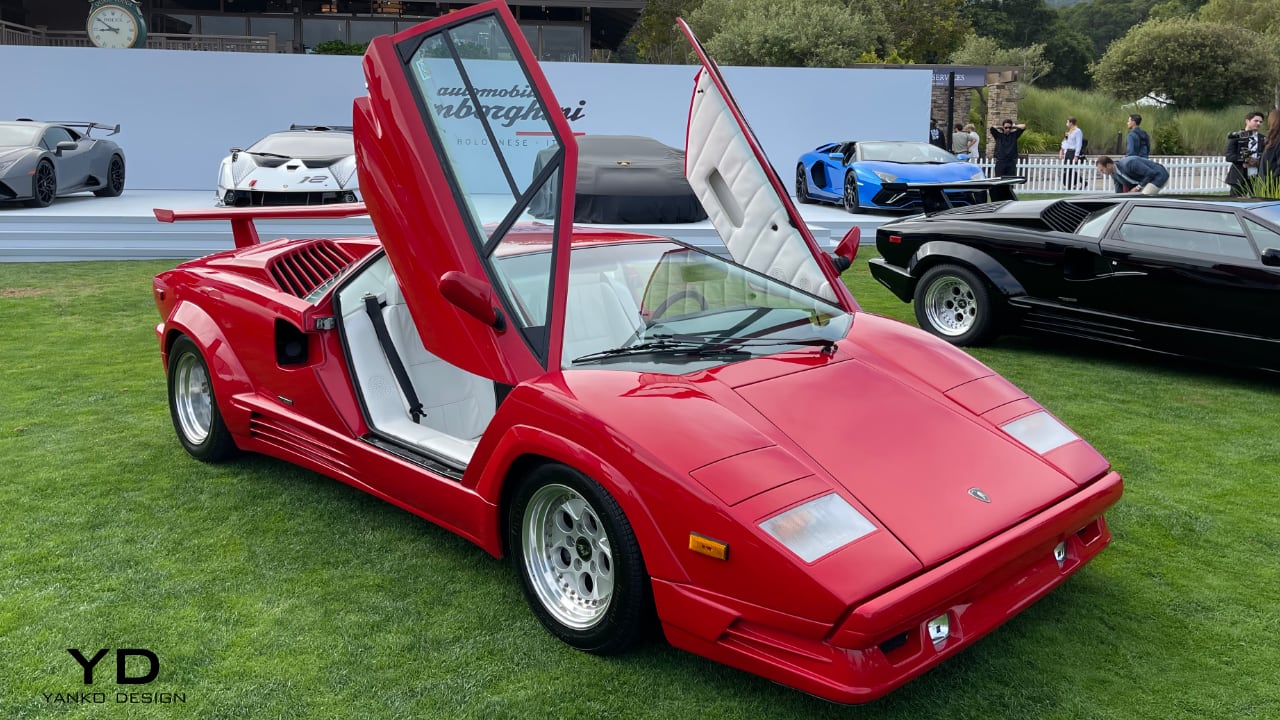
Firing up the SL-1200M7B goes beyond playing vinyl—it ignites the visceral thrill of a Lamborghini. The turntable includes an exclusive vinyl record featuring the sweet-sounding engine exhaust notes of six iconic Lamborghini V12-engine super sports cars: the 400GT 2+2, Miura SV, 25th Anniversary Countach, Diablo 6.0 SE, Murciélago LP 640, and Revuelto. These sounds mirror the exhilarating sensation of driving a Lamborghini, where every rev feels like the roaring bull comes to life.
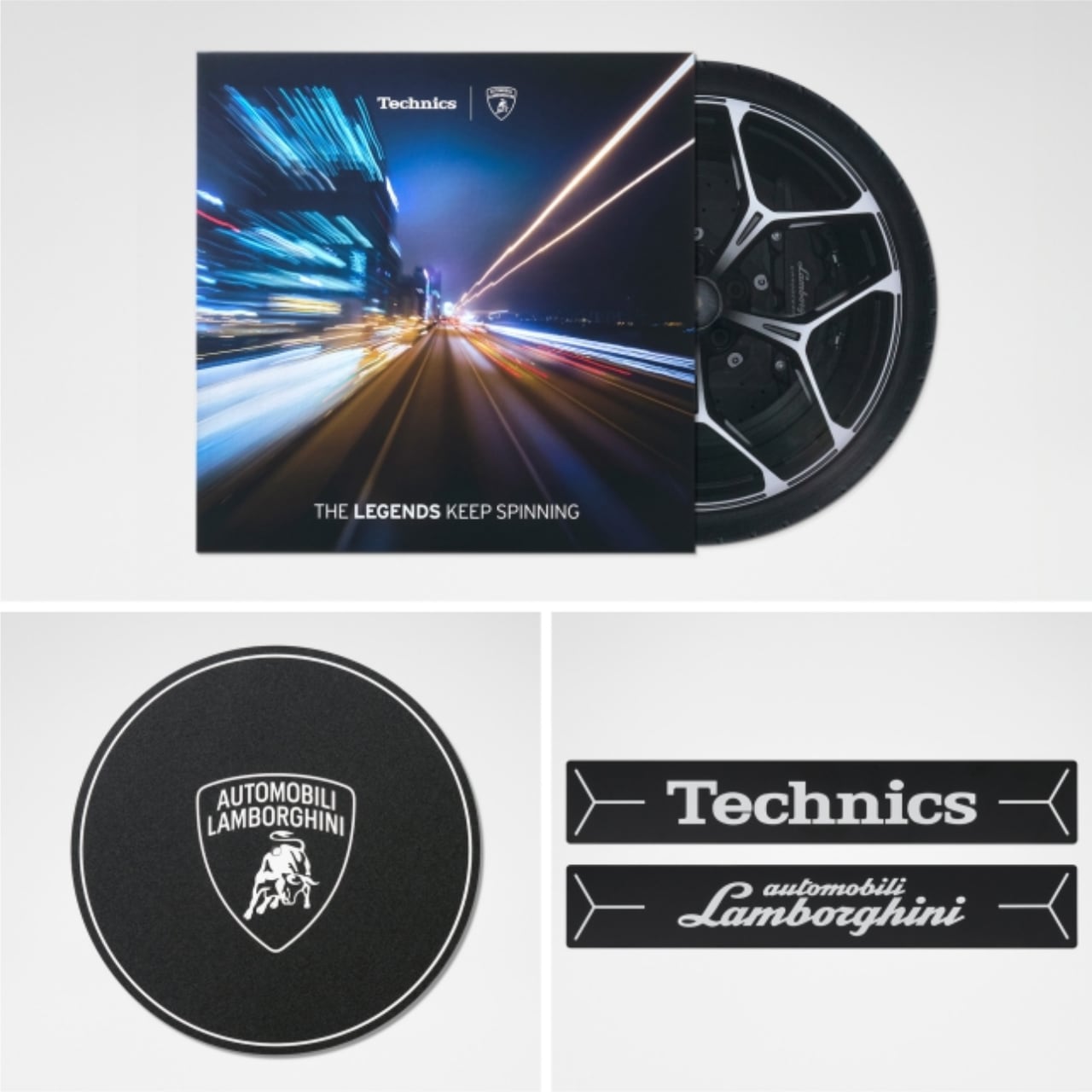
This special edition turntable turns each playback into a performance, highlighting Lamborghini’s rich legacy. The picture disc, illustrating the tire of the Revuelto, adds visual drama to the auditory experience. The package is completed with a custom slipmat and stickers featuring the Automobili Lamborghini and Technics logos, enriching its collectible appeal.
Experience the roar of Lamborghini with Technics’ exclusive gift: a turntable adorned with prestigious logos.
Turning Tables: The SL-1200M7B Combines Top-Notch Audio with Sleek Design
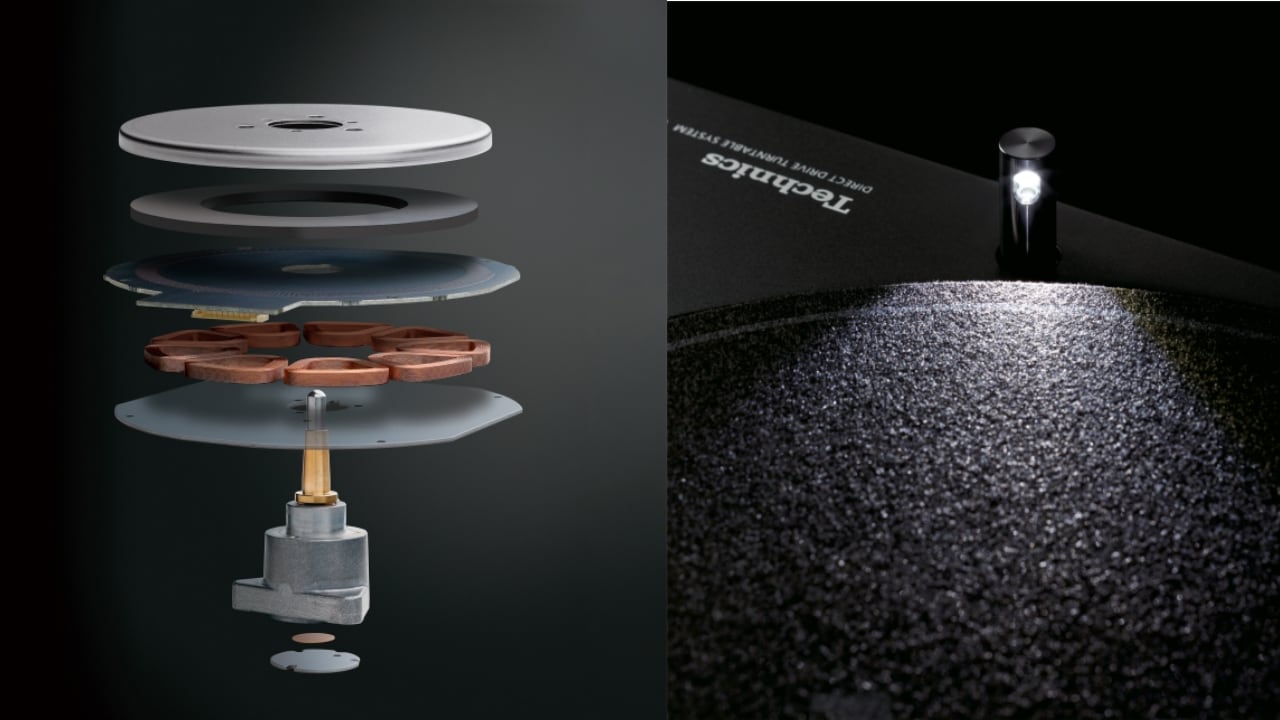
The SL-1200M7B turntable represents a significant leap forward in audio technology, combining Lamborghini’s dynamic flair with Technics’ renowned precision. At its heart is a coreless direct drive motor that provides stable, cogging-free rotation and powerful torque. This feature ensures that DJs can perform without experiencing the interruptions or inconsistencies that can occur with lesser equipment. The motor’s ability to maintain consistent speed under varying loads means that the audio output is always crystal clear and faithful to the original recording.
In addition to its robust motor, the SL-1200M7B boasts a highly sensitive tonearm that uses high-precision bearings, surpassing the performance of its predecessors. This tonearm is adept at reading the nuances in vinyl grooves, translating them into audio with minimal error or distortion. Whether it’s old classics or new cuts, this tonearm ensures that every detail of the music is captured and conveyed with exceptional clarity. The ability to track grooves accurately, even during intensive scratching sessions, makes this turntable a reliable choice for DJs who demand the best in their performances.
Coreless Direct Drive Motor Achieving Stable Rotation and Stylus Illuminator Featuring a High-brightness and Long-life White LED
Design-wise, the SL-1200M7B does not disappoint, featuring a two-layer structure platter that significantly enhances vibration damping. Together with a high-rigidity cabinet and high-damping insulator, the turntable is virtually immune to external vibrations, preserving sound quality even in high-energy environments. The visual aesthetics are equally compelling, with the design drawing inspiration from Lamborghini’s iconic style. This turntable not only sounds exceptional but also stands as a striking piece of craftsmanship that complements any DJ setup or home audio system.
Let’s Set the Right Tone: Power and Prestige in Lamborghini’s Legendary V12 Lineup
Lamborghini 400GT 2+2 (Introduced: 1966)
Lamborghini 400 GT 2+2
Engine: 3.9-liter V12
Power Output: 320 horsepower
Exhaust Note: Smooth yet robust, with a deep rumble that underscores its grand touring capabilities.
Features: This grand tourer blends power with luxury, offering a spacious interior and refined driving experience. It marks a significant early step in Lamborghini’s performance car history.
Notable Design Feature: The 400GT 2+2 features a distinctive, elongated front end and sleek, rounded body lines that exude elegance and sophistication, setting it apart as a true classic in automotive design.
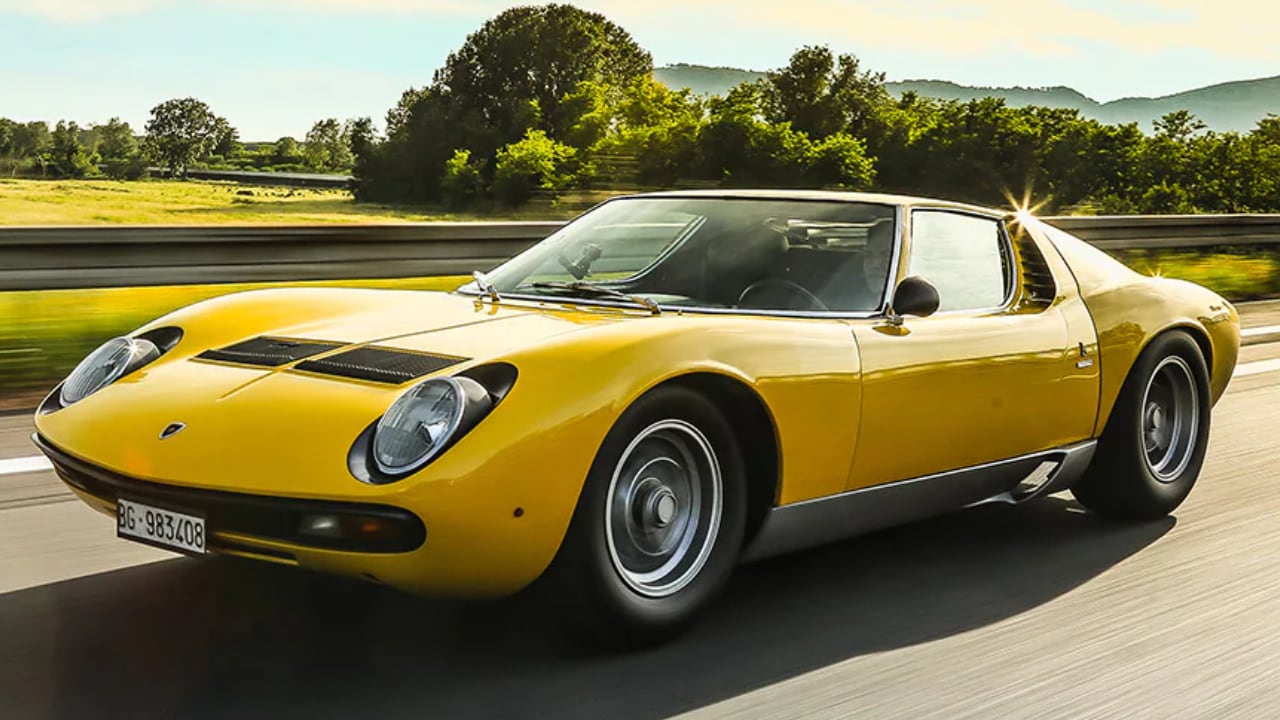
Lamborghini Miura SV (Introduced: 1971)
Lamborghini Miura SV
Engine: 4.0-liter V12
Power Output: 385 horsepower
Exhaust Note: Sharp and intense, the Miura SV’s sound is as dramatic as its appearance, with a high-pitched roar that crescendos rapidly with acceleration.
Features: This is the pinnacle of the Miura line, with technical refinements for improved handling and a more powerful engine setup.
Notable Design Feature: The Miura SV is renowned for its revolutionary rear mid-engine, rear-wheel-drive layout that significantly improved the car’s balance and handling, making it a trendsetter for sports cars. Its striking “eyelash” headlight surrounds became one of its most distinctive and iconic visual elements.
Exhaust Note: Aggressive and loud, the Countach’s exhaust bellows with a raw, mechanical intensity that is unmistakable.
Features: Introduced to celebrate 25 years of Lamborghini, this model sports aesthetic and functional enhancements, maintaining the Countach’s iconic status.
Notable Design Feature: The 25th Anniversary Countach features distinctive scissor doors, a hallmark that became synonymous with Lamborghini’s image of exotic performance and dramatic flair. This edition accentuated the model’s wedge-shaped, sharply angled design, further solidifying its presence as a symbol of 1980s automotive extravagance.
Lamborghini Diablo 6.0 SE (Introduced: 2001)
Engine: 6.0-liter V12
Power Output: 550 horsepower
Exhaust Note: Deep and powerful, the Diablo’s roar is commanding with a clear, thunderous pitch that signals its formidable power.
Features: Among the most powerful Diablos, featuring advanced engineering for improved stability and an ultra-modern look.
Notable Design Feature: The Diablo 6.0 SE features a distinctive wedge-shaped body that is both aerodynamic and aggressively styled. Its sharp, angular lines and gullwing doors accentuate its appearance, making it instantly recognizable as a symbol of 90s supercar design.
Lamborghini Murciélago LP 640 (Introduced: 2006)
Lamborghini Murciélago LP 640
Engine: 6.5-liter V12
Power Output: 640 horsepower
Exhaust Note: Overwhelmingly ferocious, the Murciélago’s exhaust has a guttural growl that turns into a piercing scream at high revs, embodying the beast it is named after.
Features: Known for its raw power, the Murciélago LP 640 offers advanced aerodynamics and a robust frame, enhancing speed and performance.
Notable Design Feature: The Murciélago LP 640 features iconic scissor doors that rise up and forward when opened, a hallmark of Lamborghini’s most exclusive models. This dramatic door design not only adds to the visual impact but also reflects the car’s bold, aggressive nature.
Lamborghini Revuelto (Introduced: 2022)
Lamborghini Revuelto
Engine: Latest V12 hybrid technology
Power Output: Unspecified, but includes electric boost
Exhaust Note: A complex symphony of traditional V12 bellow blended with the whir of electric motors, offering a glimpse into the future of hybrid sports cars.
Features: Combining classic V12 engine power with electric motors, the Revuelto showcases Lamborghini’s innovation towards more efficient and high-performing hybrids.
Lamborghini Revuelto 1001-HP Hybrid V-12
Key Notable Design Feature: The Revuelto features a cutting-edge aerodynamic design with active elements that adjust to enhance performance and efficiency dynamically. The exterior incorporates sharp lines and an aggressive stance, embodying Lamborghini’s modern design ethos while optimizing airflow to reduce drag and improve handling at high speeds.
Lamborghini Revuelto
Each of these models showcases Lamborghini’s evolution in automotive design and performance, with their distinctive exhaust notes playing a crucial role in defining the visceral driving experience they offer.
Purist audiophiles always come back to the DAPs and high-resolution audio players to enjoy their favorite music collection in high definition. Sony has a foothold in the hi-res audio game for as long as memory goes back, and they continue to offer some of the best players for music listening. Walkman MW-A306 released last year is a favorite one for music lovers.
Teenage Engineering resonates the same value for its consumers with a broader portfolio of innovative and unconventional audio gadgets. Both Sony and TE have things like modern design, Gen-Z targeting and sublime quality at their helm to attract a niche set of audio lovers. We certainly love TE and so does the community of designers who have been mustering up cool concepts inspired by the Stockholm-based electronics company.
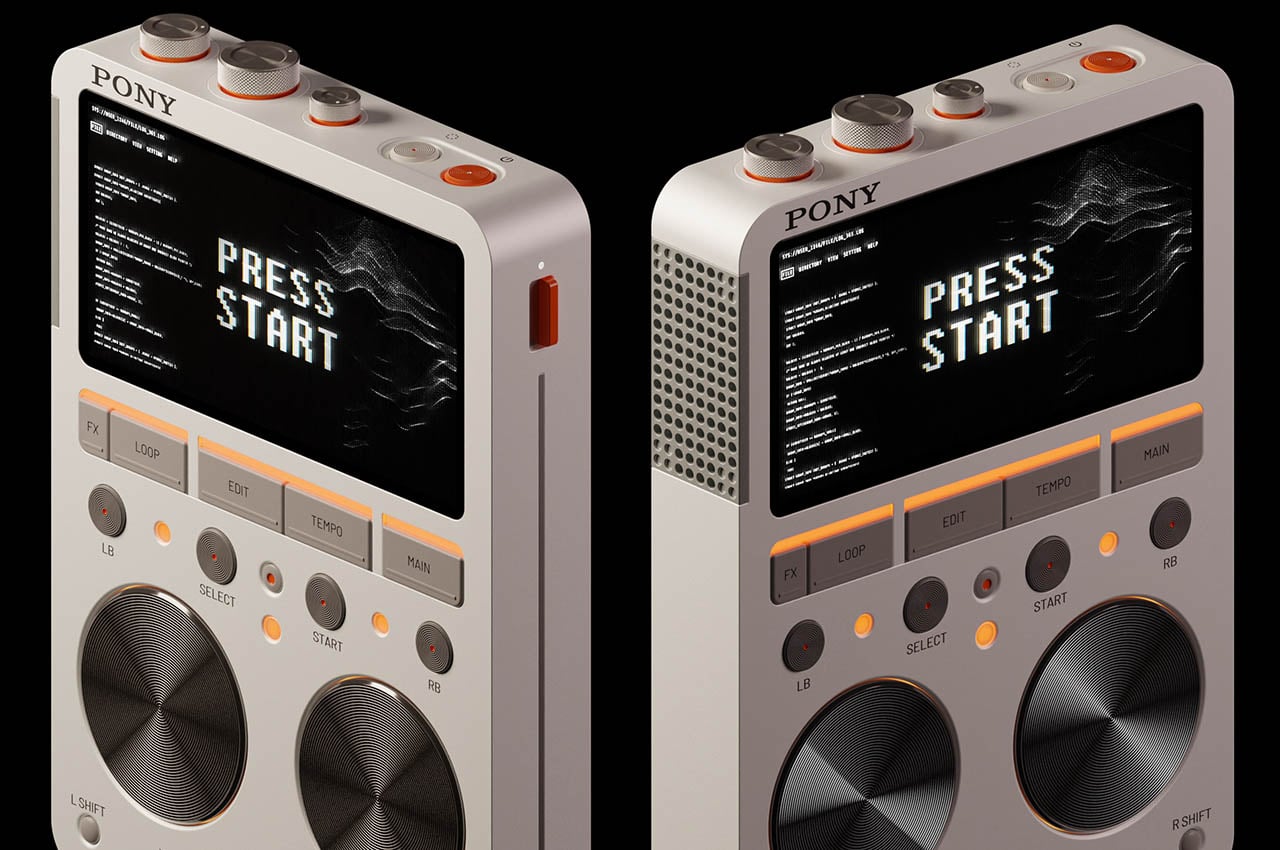
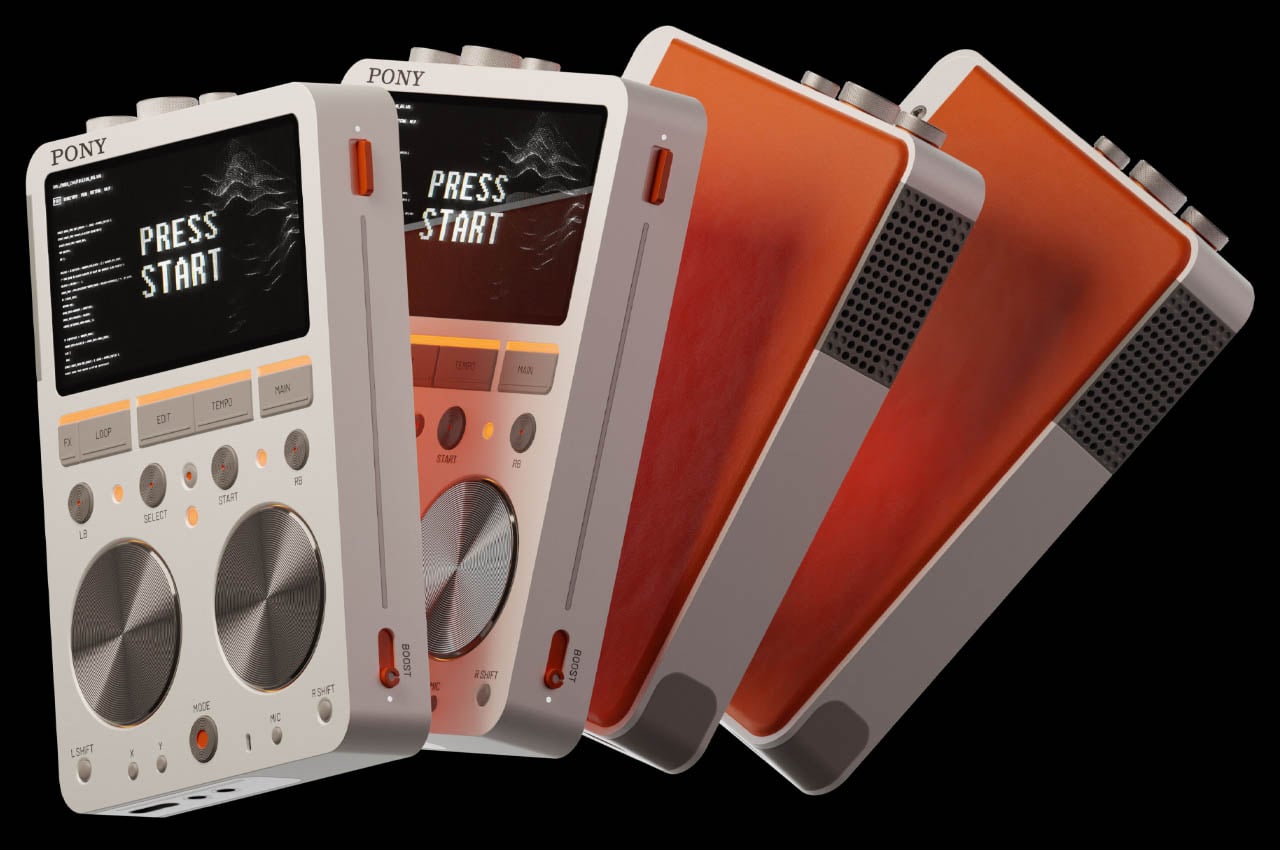
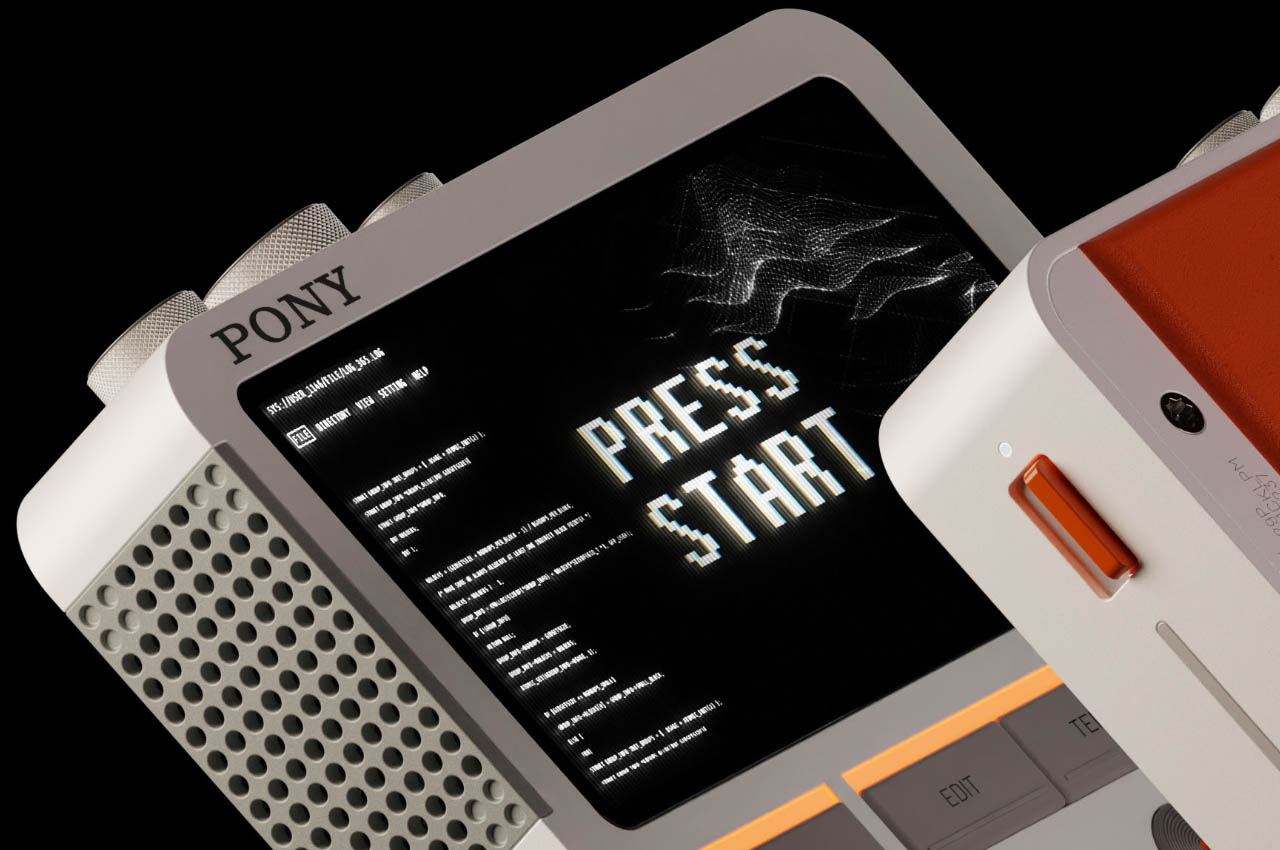
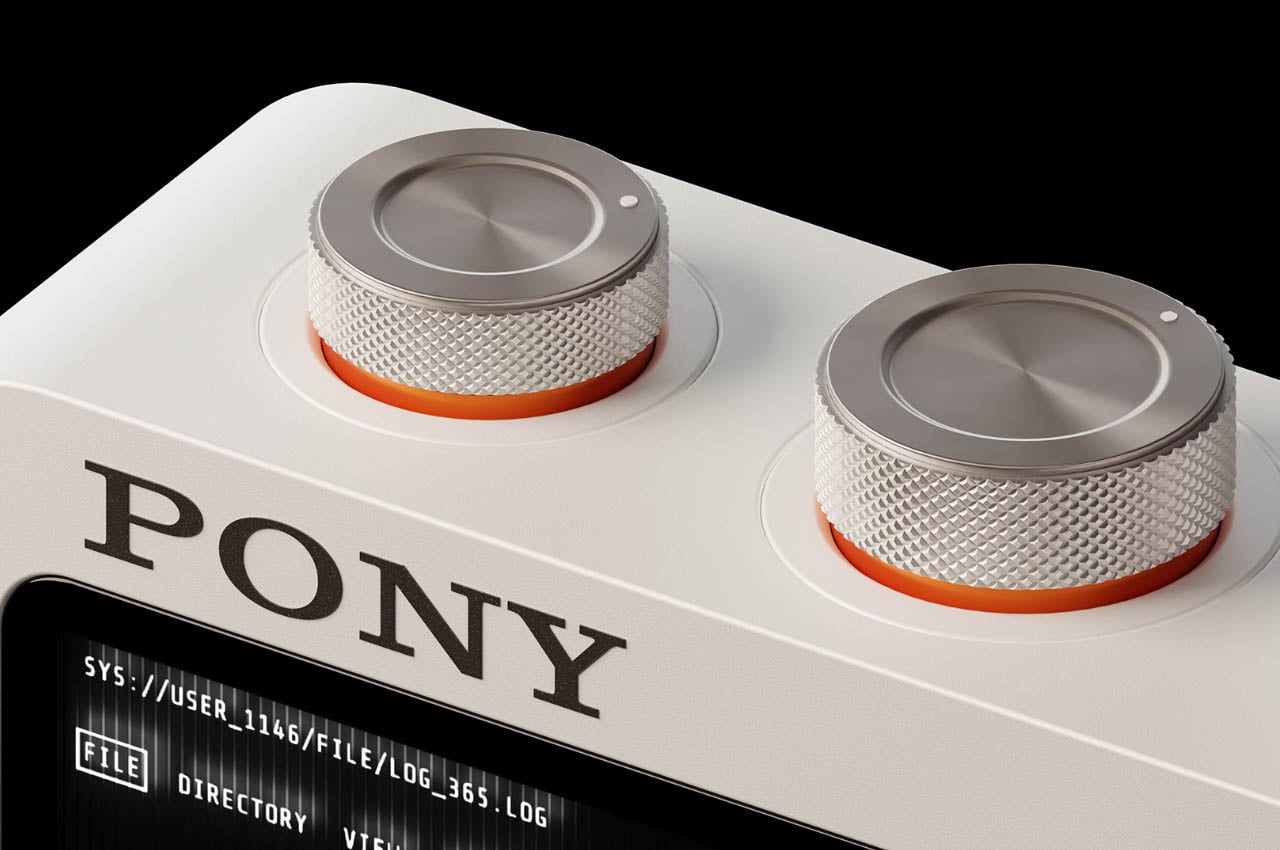
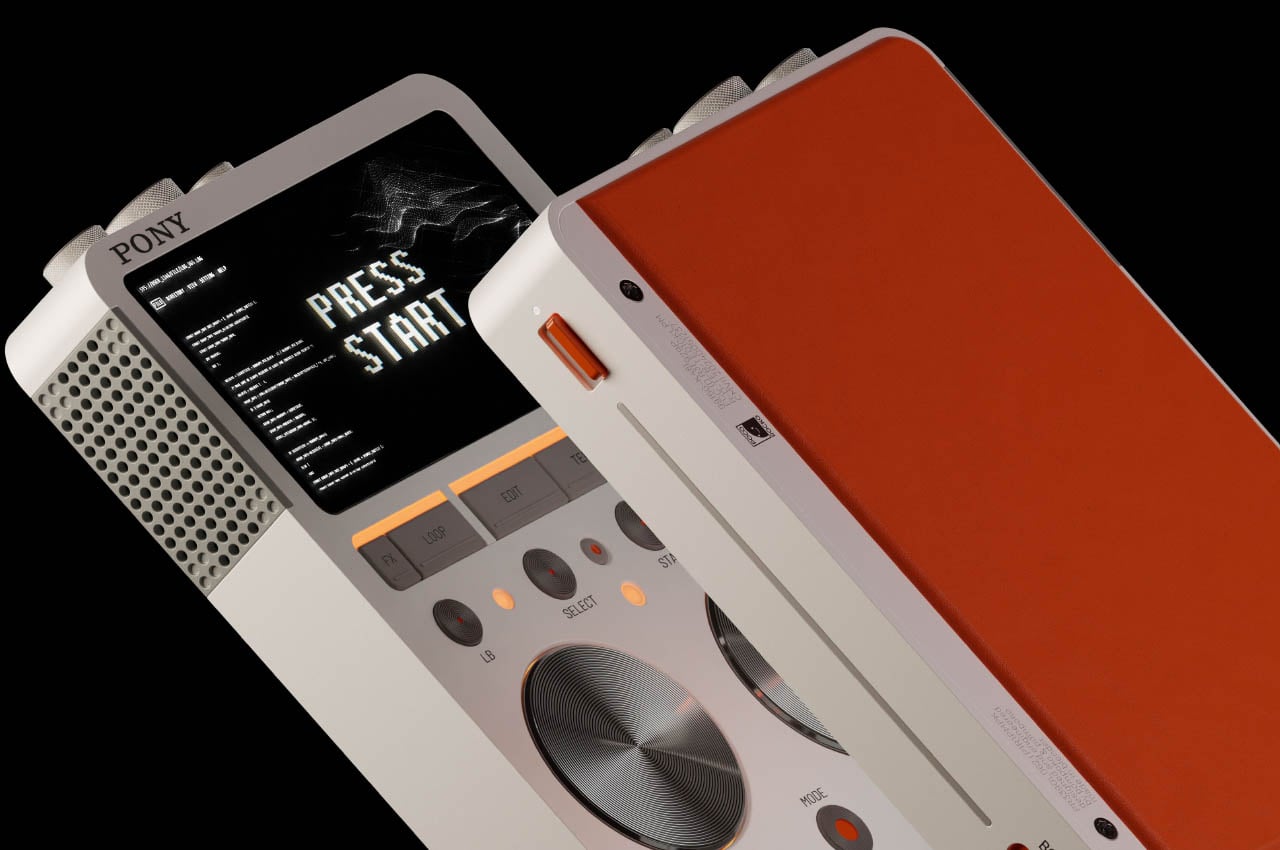
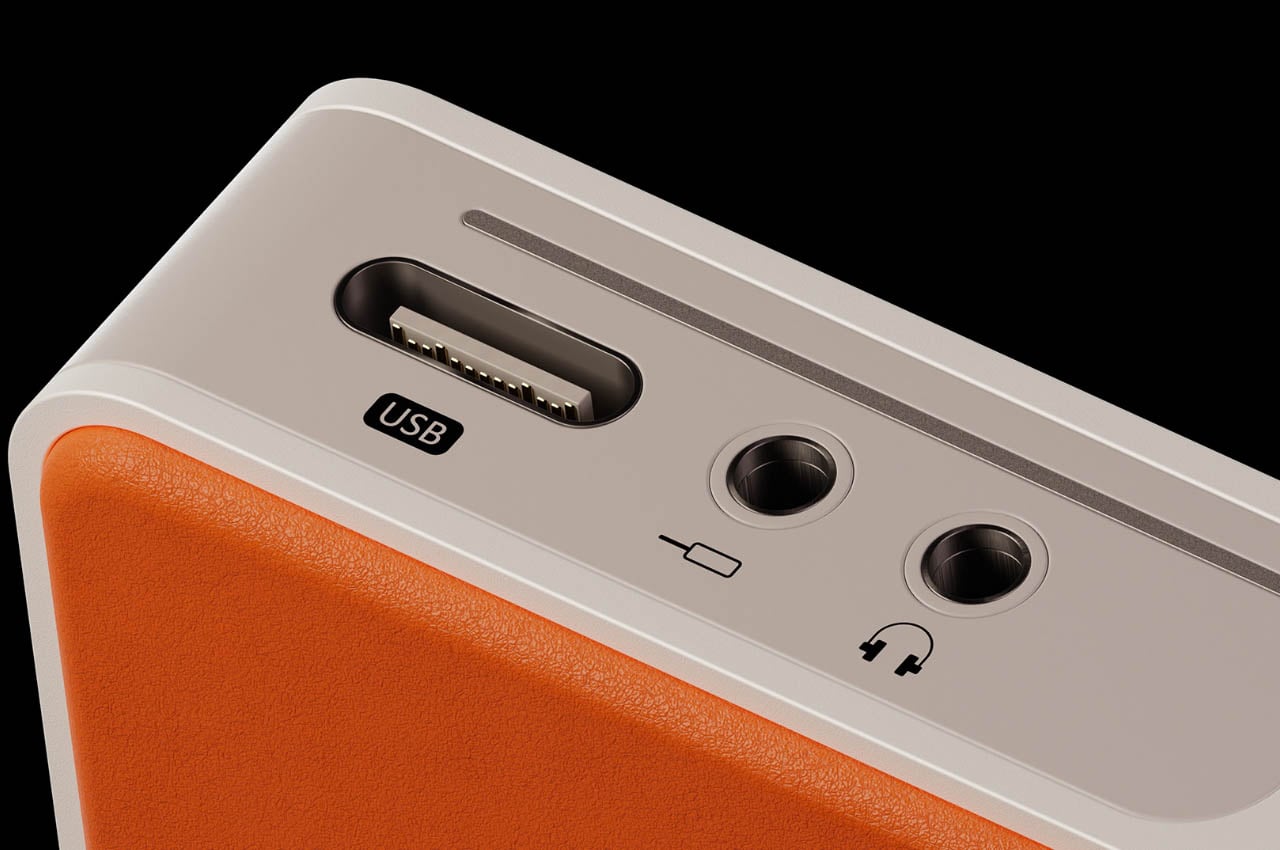
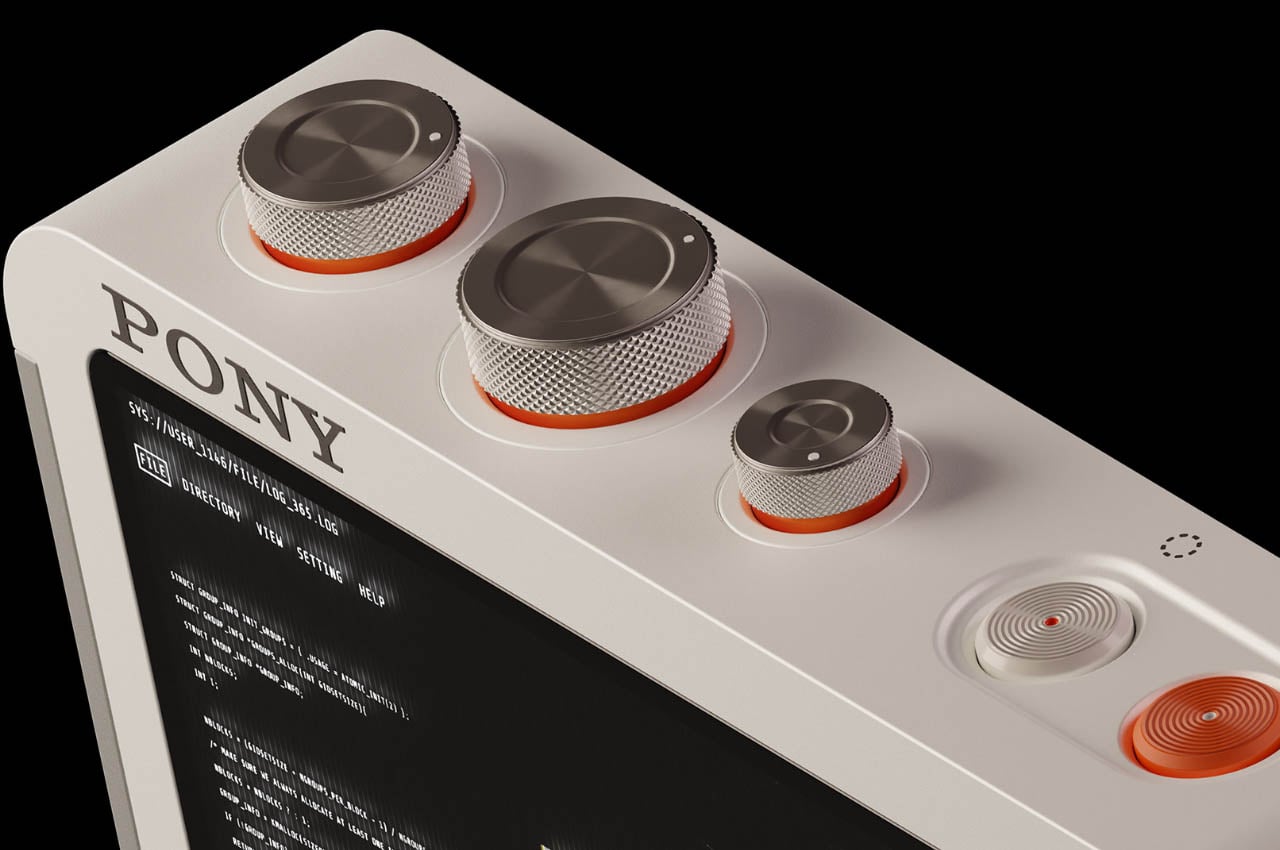
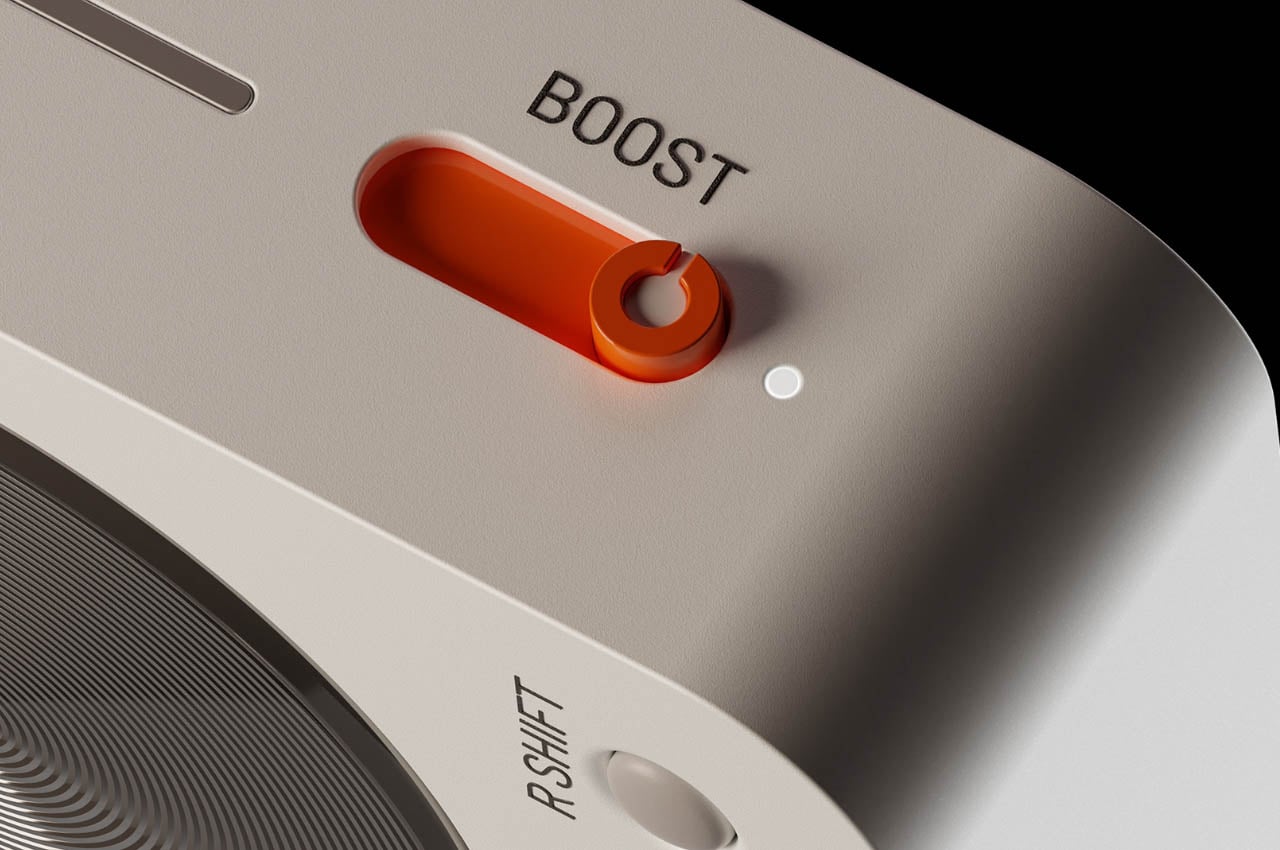
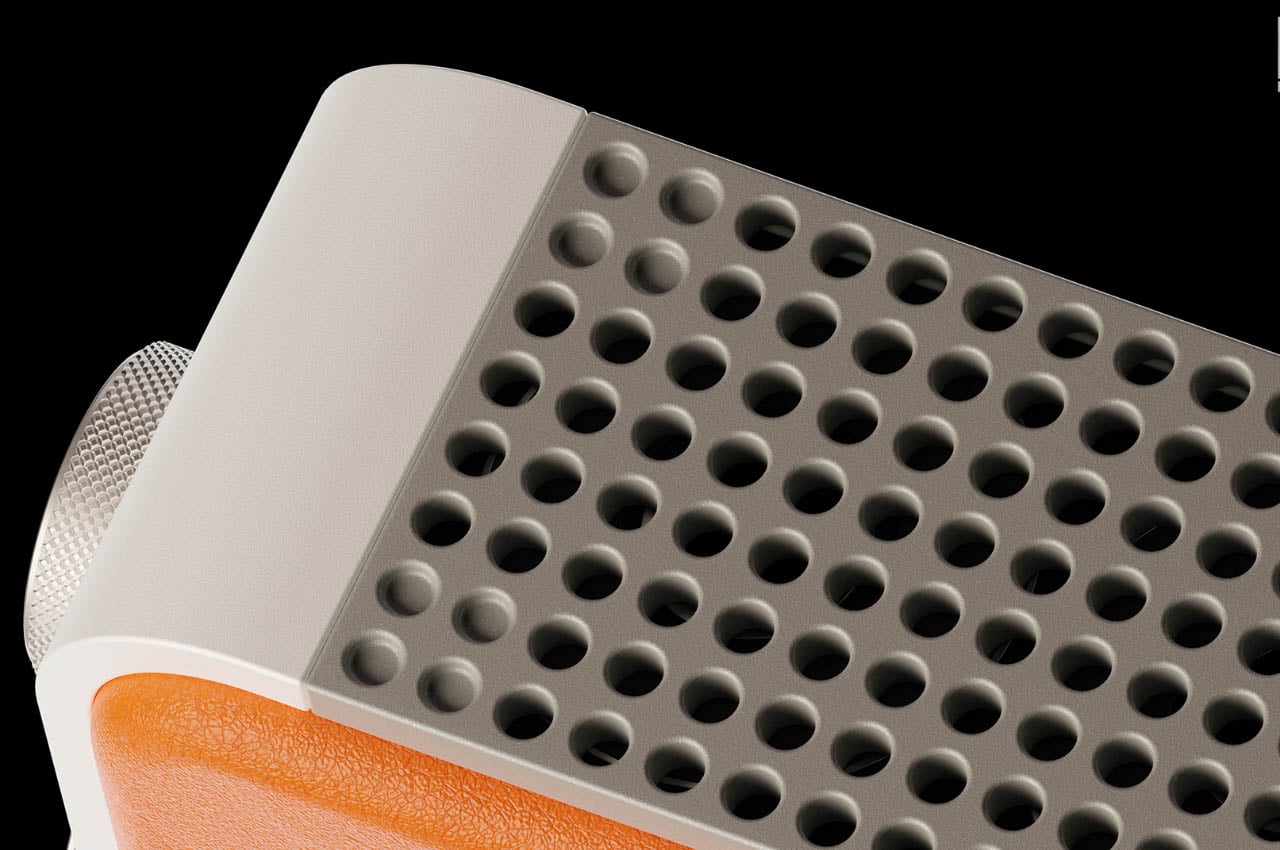
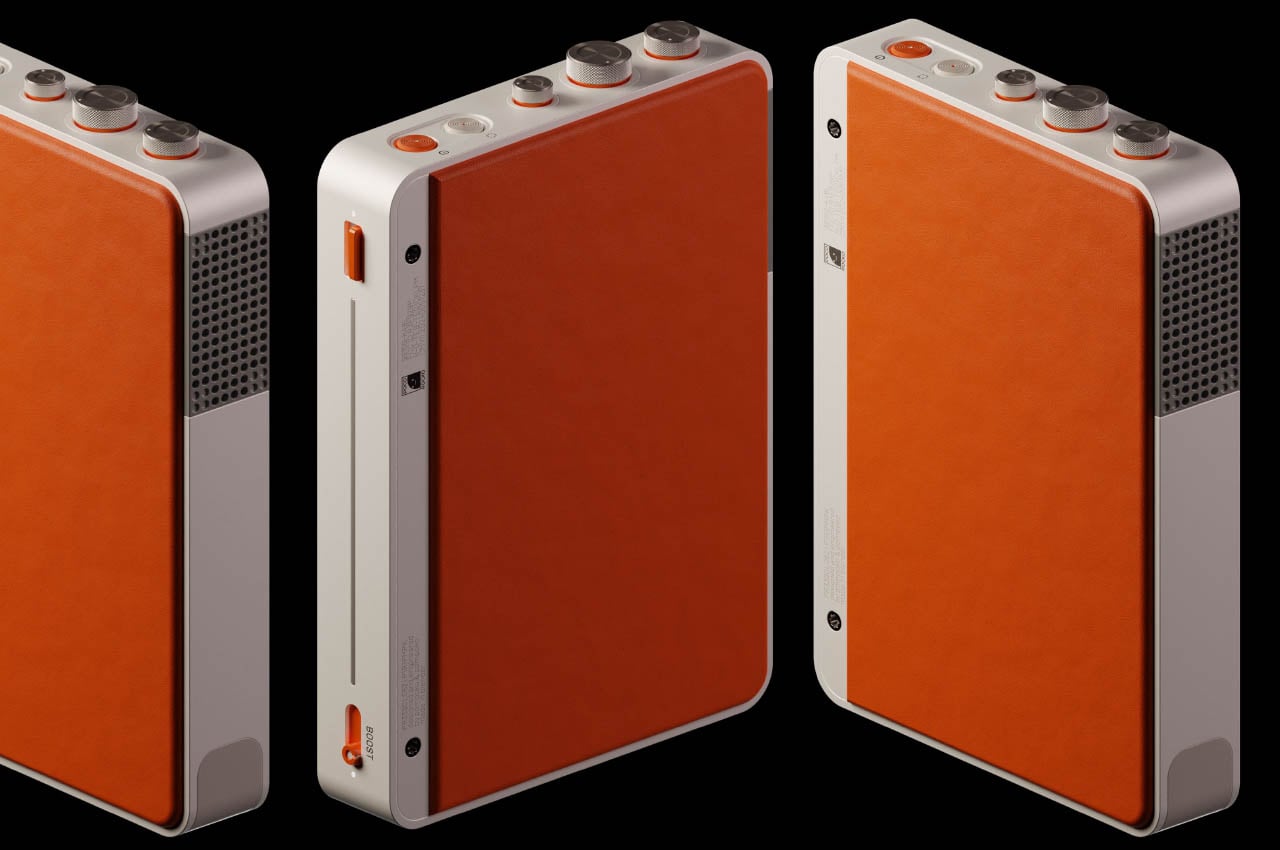
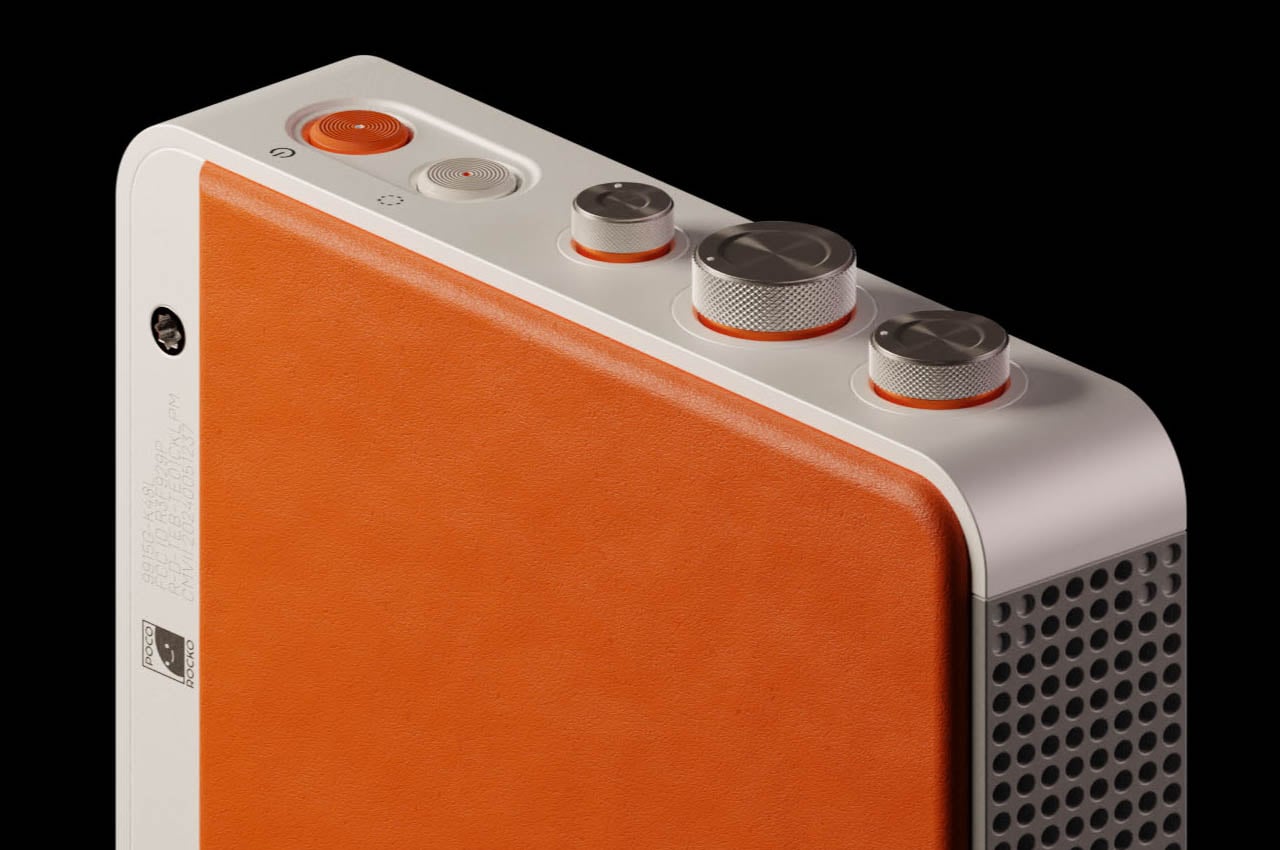
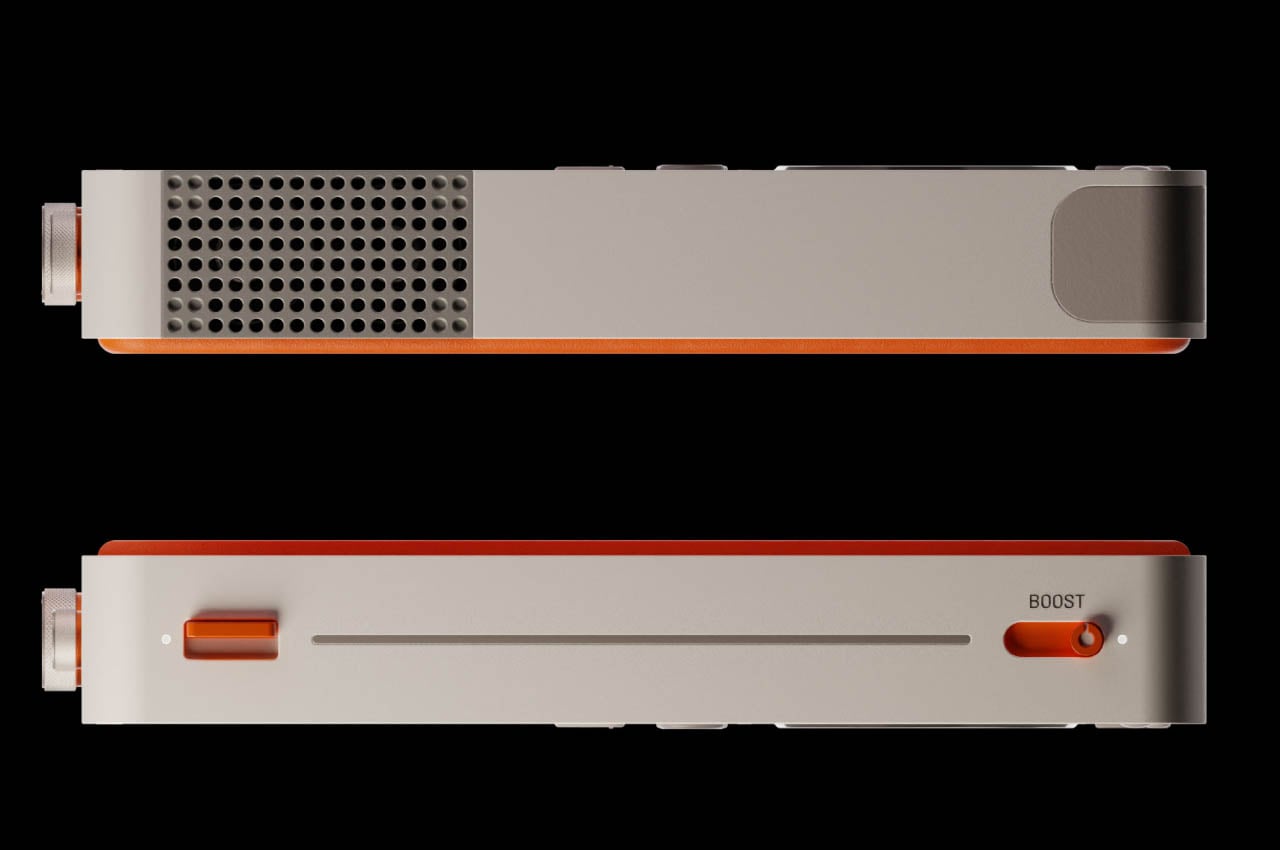
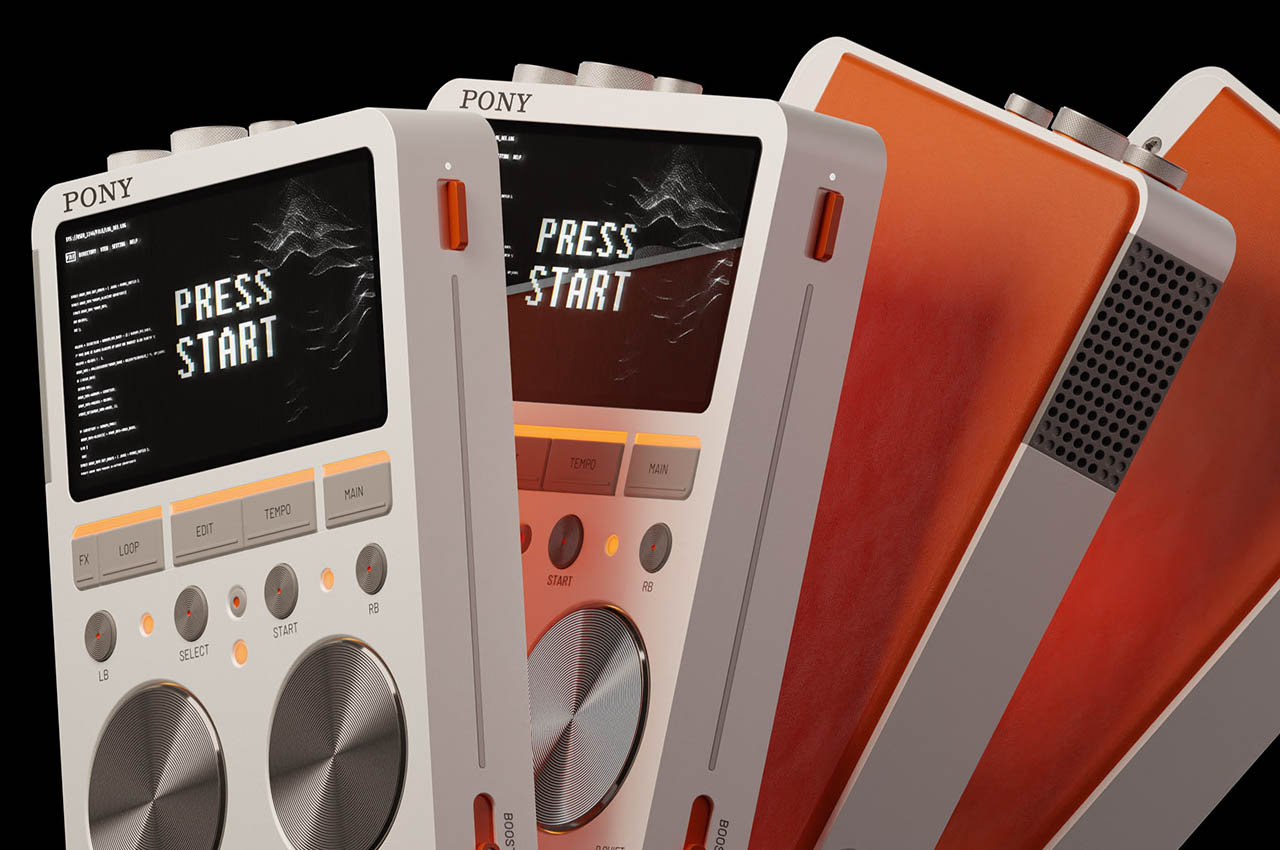
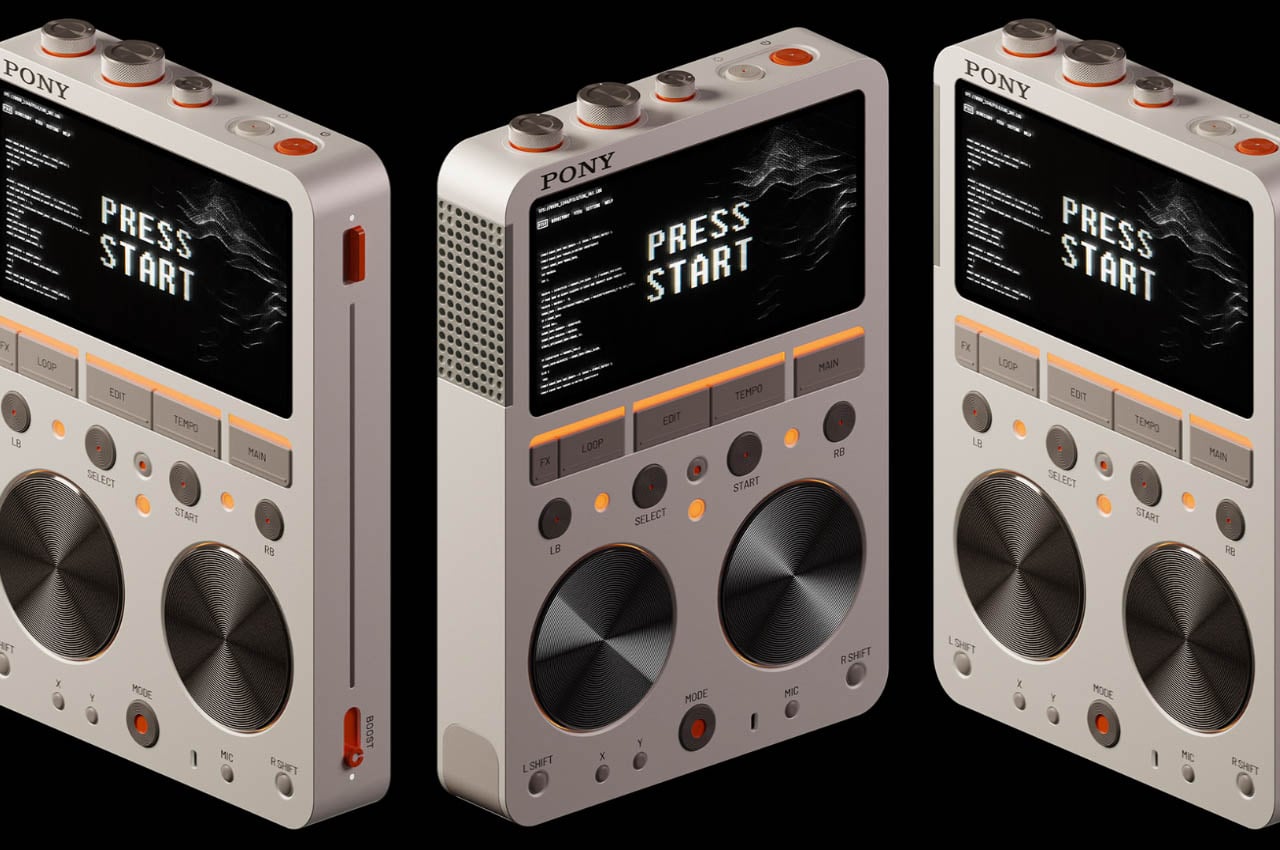
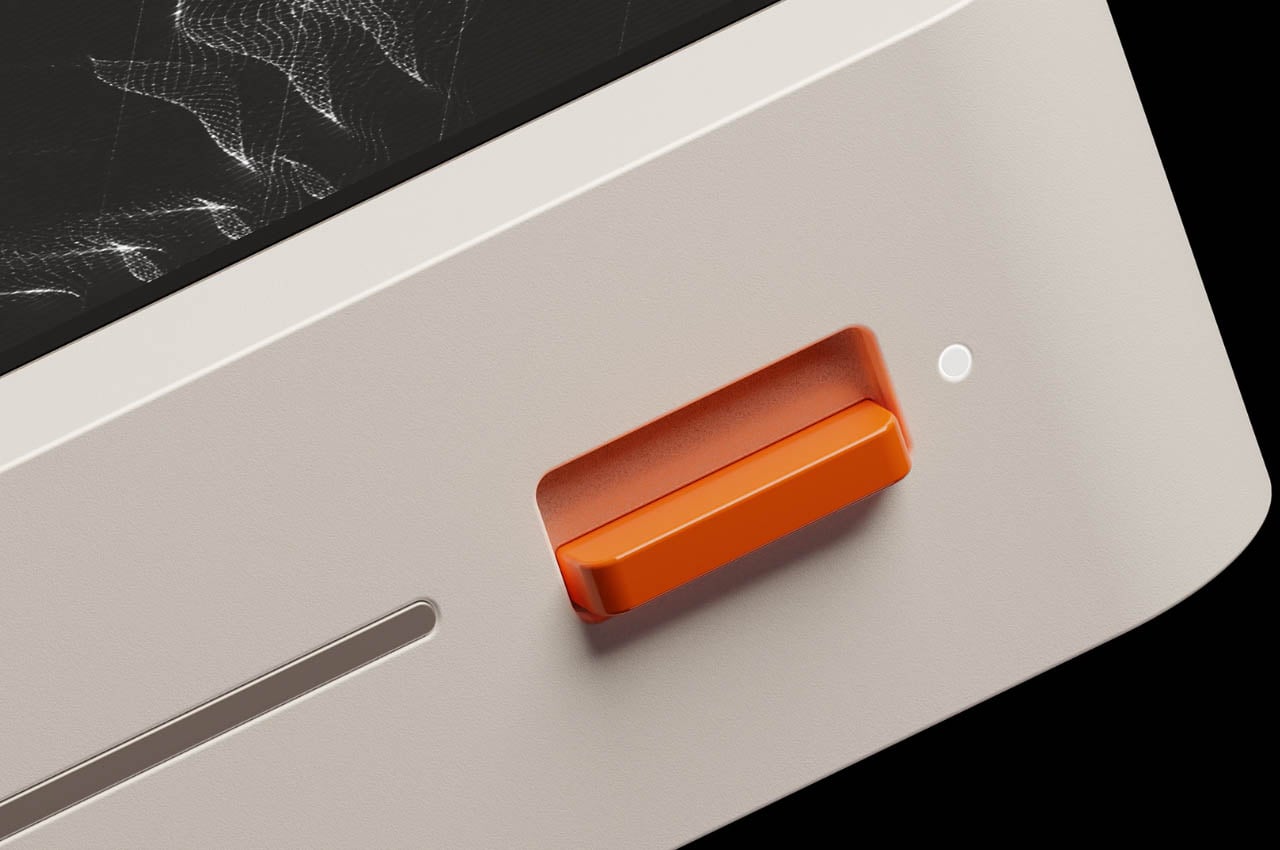
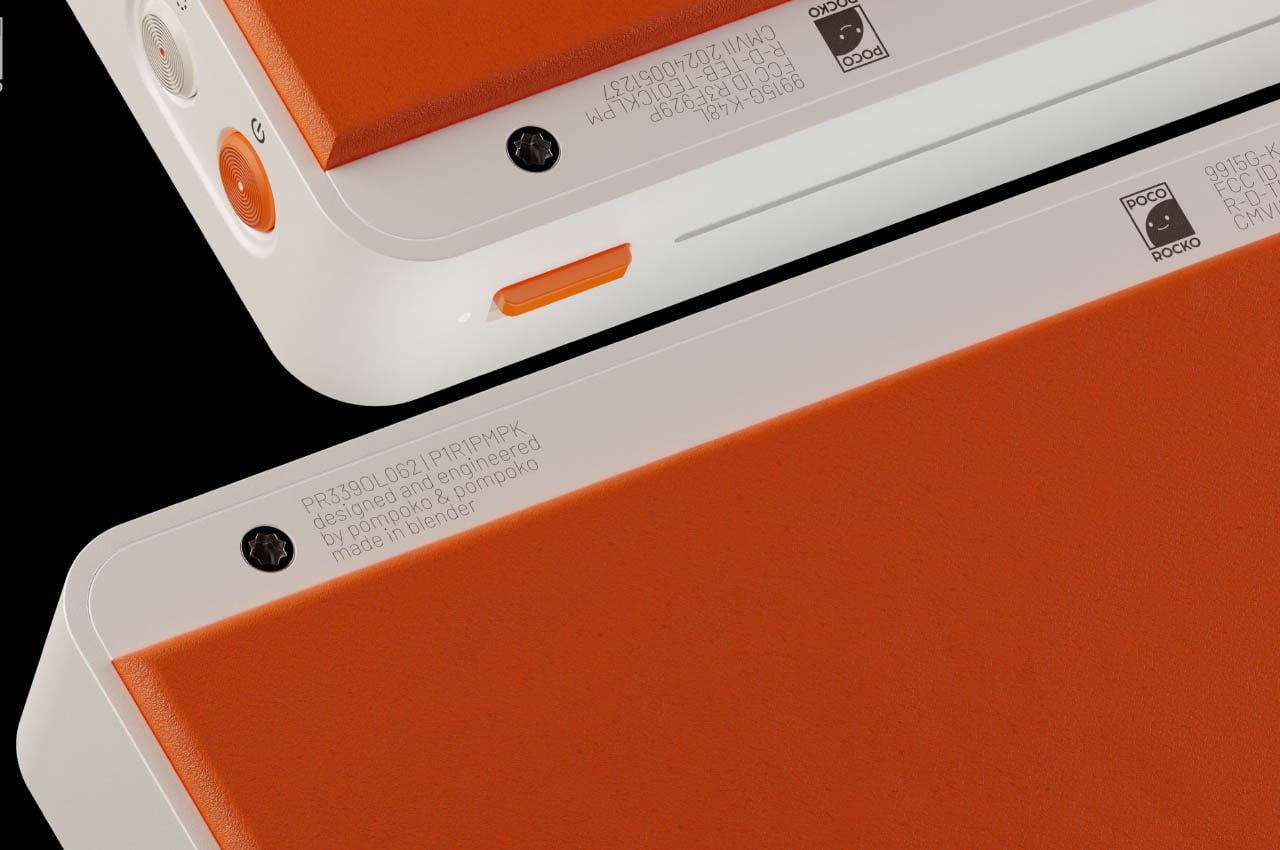
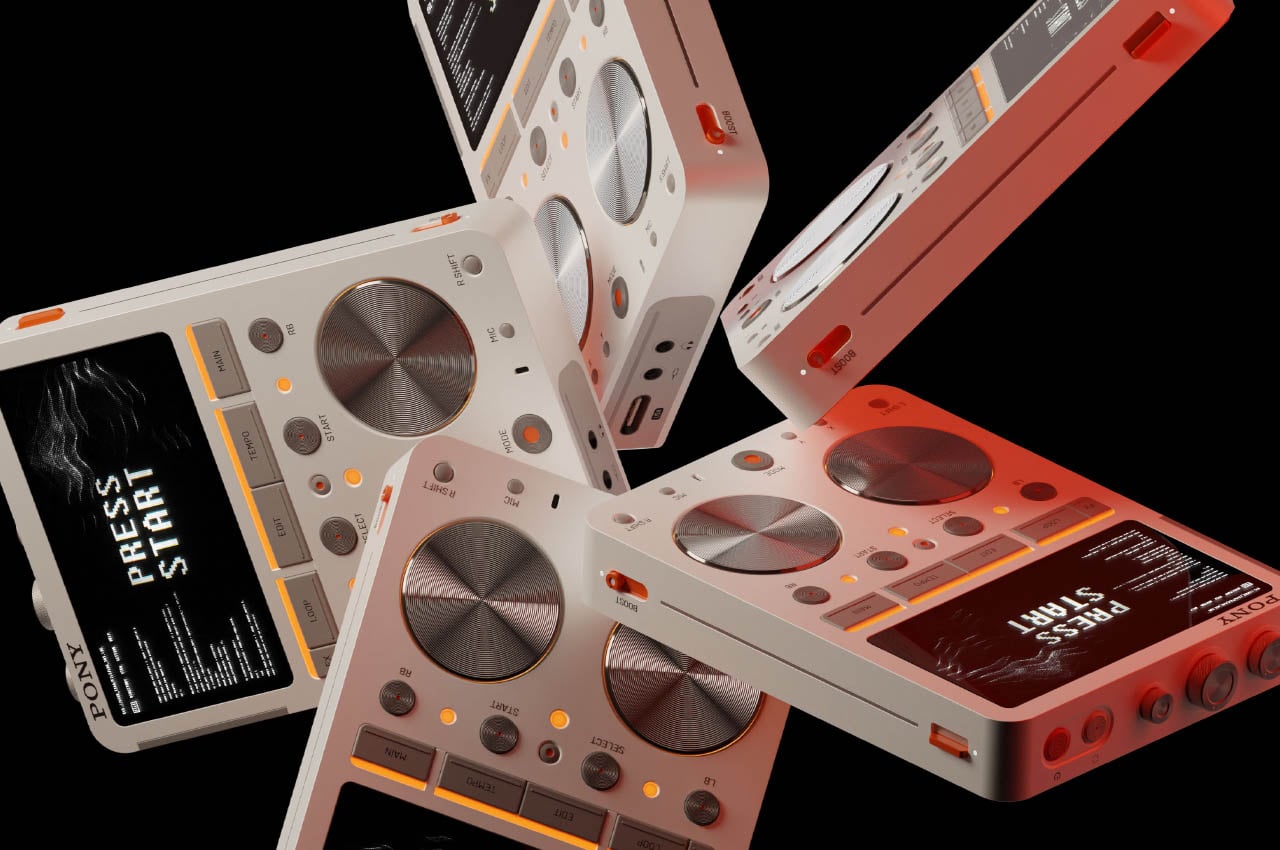
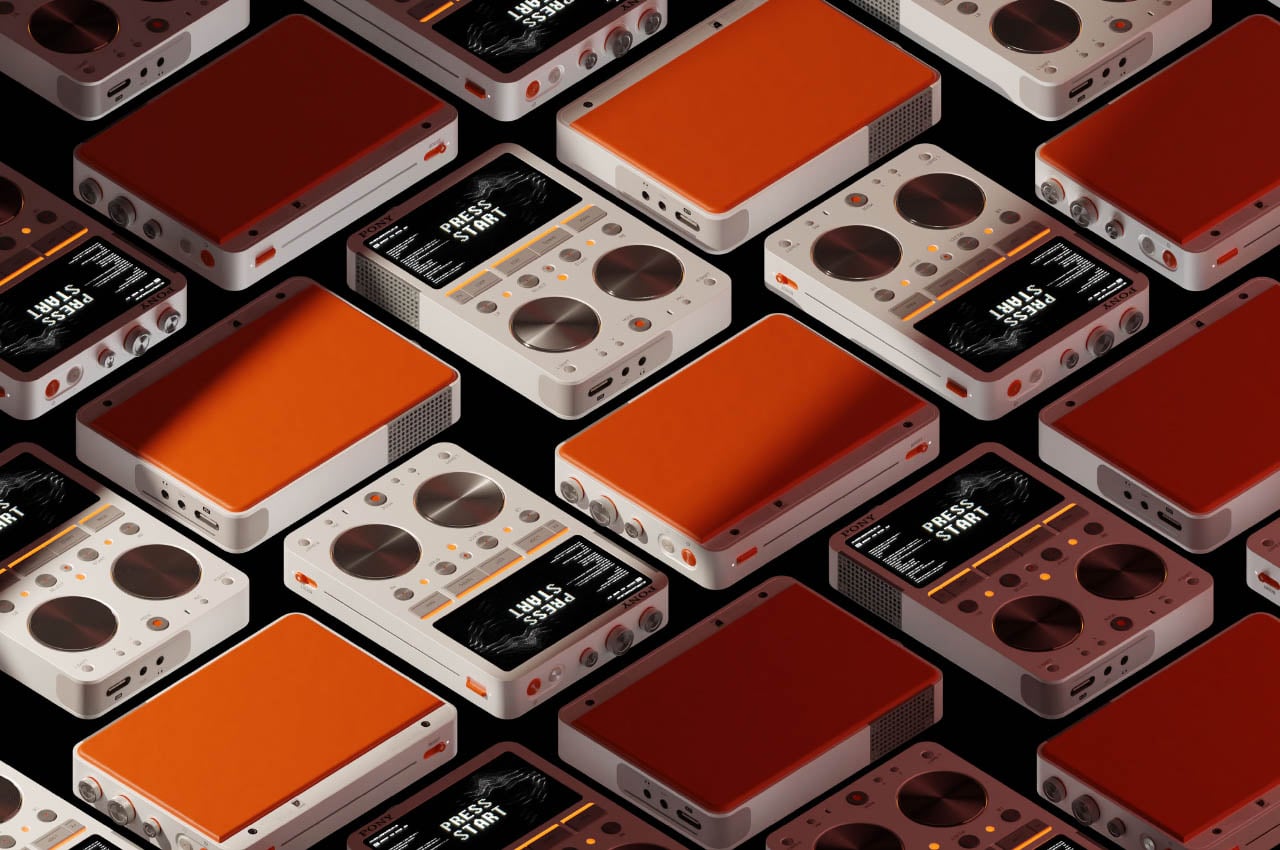
This cool concept of collaborating together the two loved brands is surely going to bring the heat to the likes of Astell&Kern, Fiio, iBasso and Shanling. Interestingly called the Pony Project, the DAP has the design DNA and color theme of Teenage Engineering. It gets a digital display to show the currently playing music and library elements to search for tracks. All the other buttons for toggling the elements like the tempo, loop, mode or FX. The tactile input for the L-Shift, R-Shift, Mic, Select and Start is heavily inspired by the Teenage Engineering aesthetics.
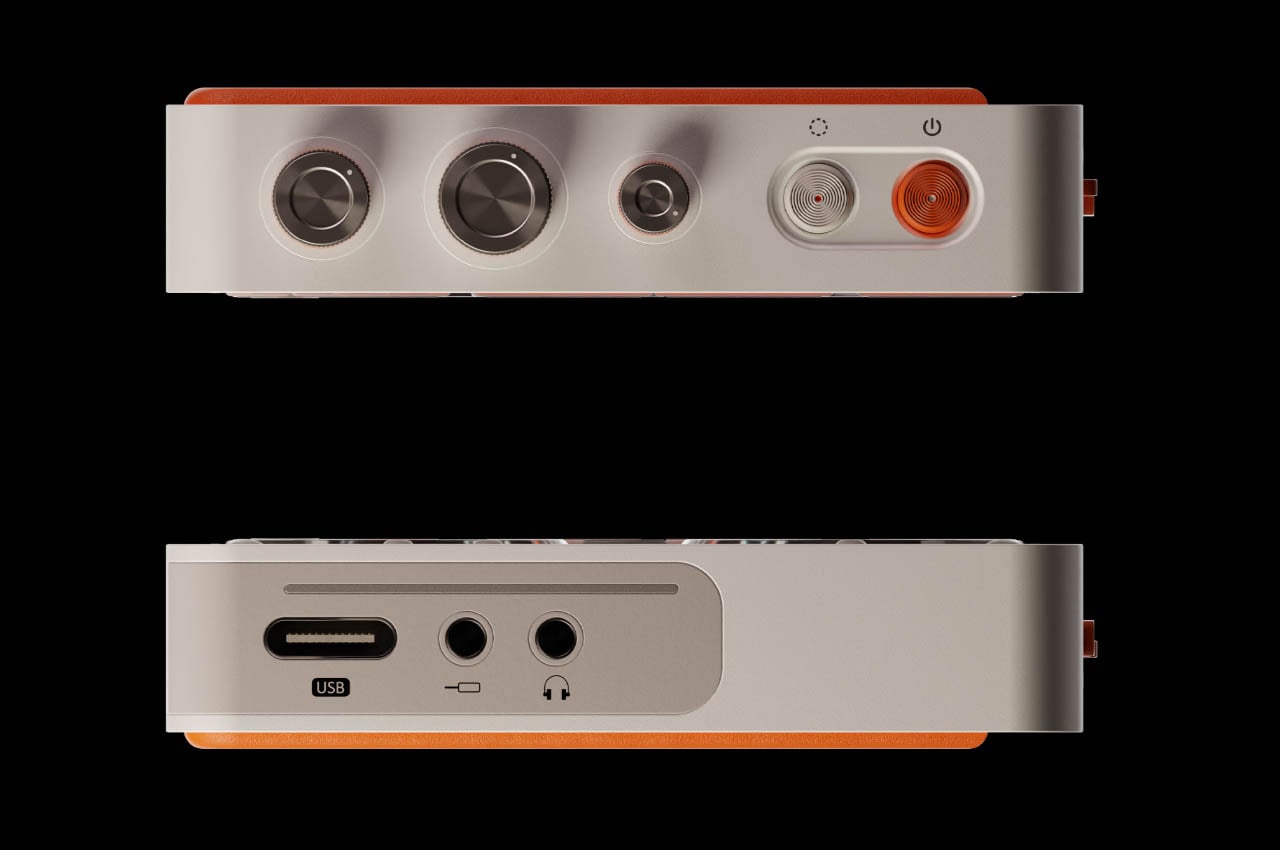
The top of the gadget has the volume rockers, bass and treble, power and stop buttons. A lot of mind has been put into the design and conceptualization of the music player by Evgeniy. The popular color theme of the TE products is so good to see in a DAP which usually comes in contemporary dark hues. If you’ve already not noticed, the audio player comes with the Pony branding which dupes the Sony brand name.
Hot on the heels of the new Beats Solo 4 headphones and Solo Buds earbuds, eagle-eyed fans spotted F1 driver Daniel Ricciardo and basketball star LeBron James carrying what appears to be a brand new Beats Pill speaker. This has ignited speculation about a potential revival of the popular portable speaker line, discontinued in early 2022.
The original Beats Pill, launched in 2012, quickly gained a loyal following for its compact size, bold design, and surprisingly good sound quality. After Apple acquired Beats in 2014, they introduced the slightly larger Pill+ in 2015, addressing some sound quality concerns and adding a Lightning port for charging (likely to be replaced with USB-C in the new iteration).
These celebrity sightings with the new Pill come across as a calculated marketing strategy, similar to how the Beats Pill gained traction in the past. The new Beats Pill maintains the familiar pill-shaped design of its predecessors, measuring roughly 8 inches long and 2.5 inches wide. It retains the clean look with just the Beats logo adorning the front grille. A continuous rubberized strip separates the front and back speaker grilles, and rubber feet on the bottom keep it from rolling around.
For reference, the discontinued Pill+ earned praise for its significantly improved sound quality thanks to an internal redesign. It also sported a Lightning port for charging, which will likely be swapped for USB-C in this new iteration. The Pill+ offered a respectable battery life of 12 hours. While details remain scarce, the leaked images show a design that stays true to the classic Beats Pill silhouette. A lanyard attachment hints at portability remaining a key feature.
Instagram just announced some new features coming to Stories, including a suite of interactive stickers. The music one is perhaps the most interesting, as it's an extension of the pre-existing Add Yours feature. The Add Yours Music sticker lets users share their favorite songs, along with a prompt for followers to get in on the fun by sharing their own related tracks. Of course, the song has to already be in Instagram’s music library to work.
To that end, Instagram has partnered with Dua Lipa to promote her new album, Radical Optimism. Many of the songs from the album are available for use in this way, and the artist herself has been posting Stories with Add Your Music stickers.
Instagram
Another nifty sticker added today is called Reveal. Opting for this sticker blurs the visuals of a story post and the only way followers can see the content is to DM the person who shared it. Direct messages have become a key factor behind Instagram’s continued growth, with site head Adam Mosseri stating that teens actually spend more time in DMs than anywhere else on the platform.
He also says that “virtually all” engagement growth over the past few years has come from DMs and Stories, according to reporting by Business Insider. So, yeah, this will most definitely be used as a hack by savvy creators looking to boost their engagement. The thirst traps will be thirstier and trappier than ever before.
Instagram
Instagram has also unveiled a sticker called Frames. This tool throws a Polaroid-esque overlay over a photo, turning it into an instant print image. To reveal the contents, followers will have to channel Andre 3000 and shake their phones like a Polaroid picture, though there’s also a button. Creators can add captions which are also revealed upon shaking. This feature was originally revealed at this year’s Coachella festival.
Instagram
Finally, there’s a feature called Cutouts. This tool turns any part of a video or photo in your camera roll into a sticker, which can then be applied to a story or reel. Once a cutout is created, it gets saved into an easily-accessible sticker tray for future uses. This also works with photos posted to Instagram, though the pictures have to be shared by public accounts.
This has been a big month of changes for Instagram. In addition to the aforementioned new sticker systems, the social media app recently overhauled its algorithm to boost original content and deemphasize aggregator accounts. The company also changed the way Reels works to give smaller accounts a chance to expand their reach, though it remains unclear how this works. Instagram has also recently made Meta’s AI chatbot available in DMs, if you want some confident, yet absolutely wrong, answers to questions.
This article originally appeared on Engadget at https://www.engadget.com/instagrams-add-yours-sticker-now-lets-you-share-songs-180730795.html?src=rss
TikTok and Universal Music Group (UMG) have signed a deal that will allow Taylor Swift, Olivia Rodrigo, The Weeknd and other artists to return to the platform, the companies announced in a press release. Universal pulled songs from its roster of performers back in February and with some exceptions, its music hasn't been there since. Both sides are now "working expeditiously" to get content back on the platform that's home to a billion-plus users.
A key part of the deal is artist protection from generative AI. "TikTok and UMG will work together to ensure AI development across the music industry will protect human artistry and the economics that flow to those artists and songwriters," the companies wrote. "TikTok is also committed to working with UMG to remove unauthorized AI-generated music from the platform, as well as tools to improve artist and songwriter attribution."
Also part of the deal are "new monetization opportunities" from TikTok's recent expansion into e-commerce. TikTok will reportedly also assist artists by providing tools around analytics, integrated ticketing, an "Add to Music App" and more.
Universal took the drastic move of pulling music earlier this year, forcing the platform to mute videos or replace tracks with options from other labels. "As our negotiations continued, TikTok attempted to bully us into accepting a deal worth less than the previous deal, far less than fair market value and not reflective of their exponential growth," UMG said at the time.
Last month, Taylor Swift's songs returned to TikTok, likely because she has full control of her own catalogue and was able to strike a separate deal. Some songs by other UMG artists, including Ariana Grande, also started appearing on the platform.
The dispute appears to be water under the bridge, but it's the least of TikTok's problems at the moment. US Congress recently voted in favor of a bill that would see TikTok banned in a year unless owner ByteDance sells the app.
This article originally appeared on Engadget at https://www.engadget.com/olivia-rodrigo-drake-and-other-universal-artists-return-to-tiktok-094057811.html?src=rss
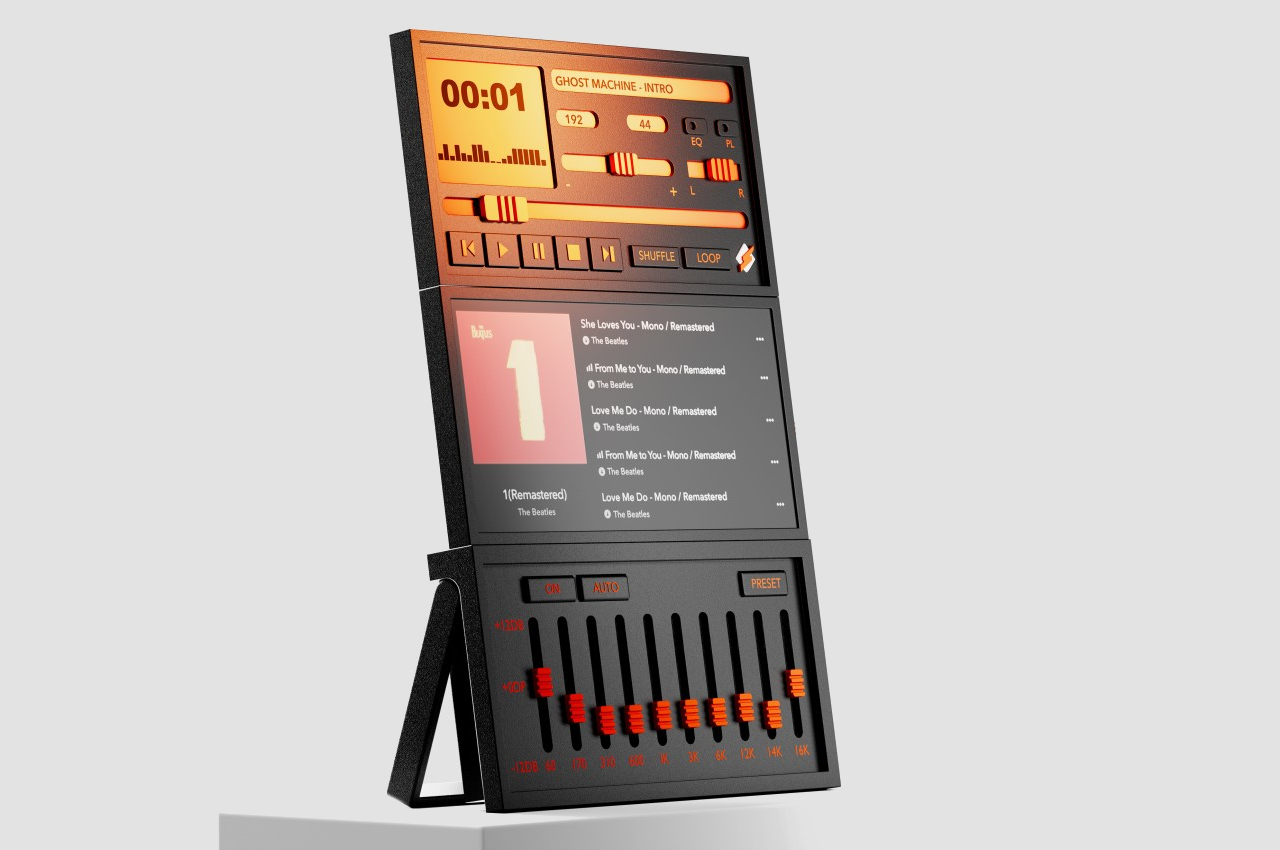
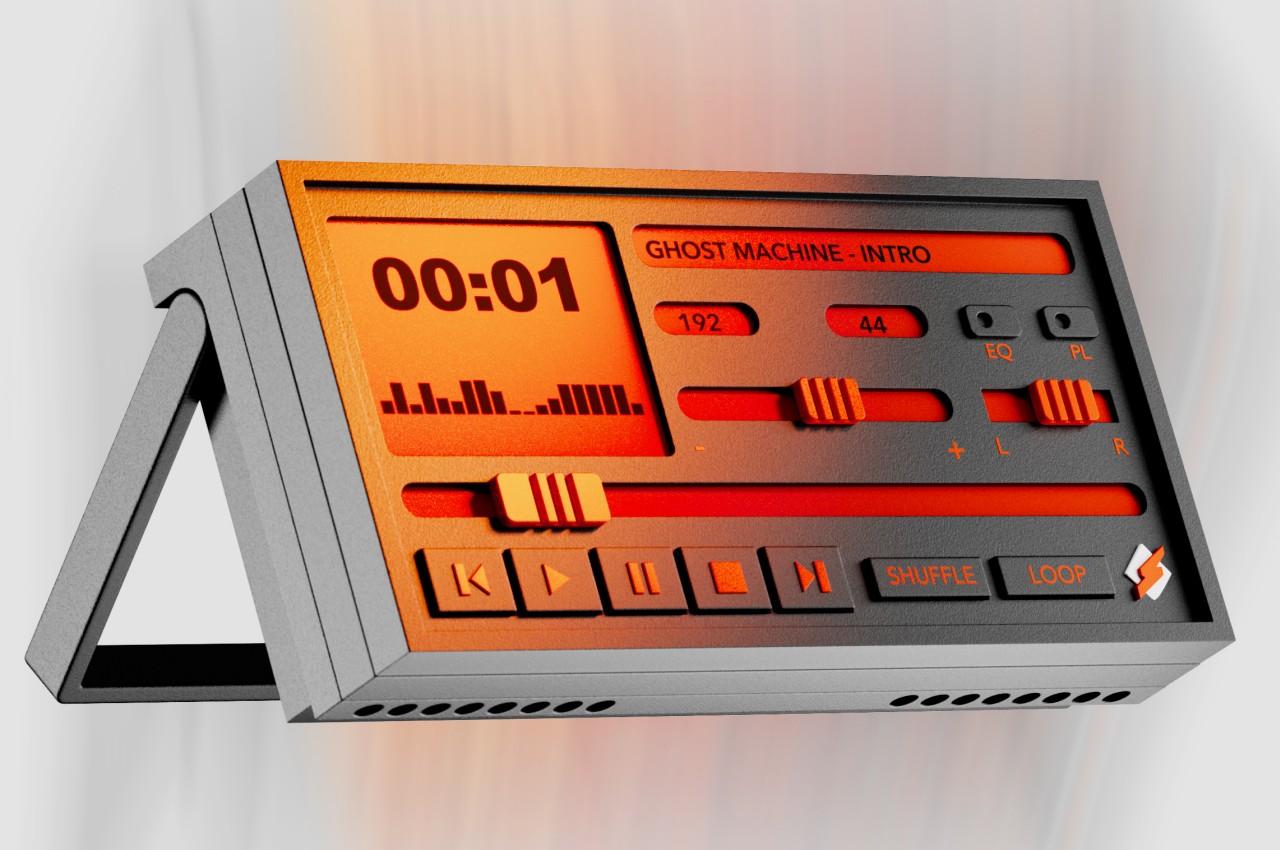
With almost everyone owning a smartphone these days, the need for dedicated media players has plummeted significantly. That’s not to say they’ve completely disappeared, especially those types that can be placed and displayed on desks or shelves. The retro design craze has breathed new life into old products like turntables, but these aren’t the only designs from bygone ages that deserve to be rediscovered. Some of these old-school designs come from the digital realm, where some software have achieved near immortality thanks to their distinctive user interfaces. Winamp is one of those iconic faces when it comes to music player applications, and this concept turns that into an actual device that, just like the digital original, can somewhat be configured to suit your needs and moods.
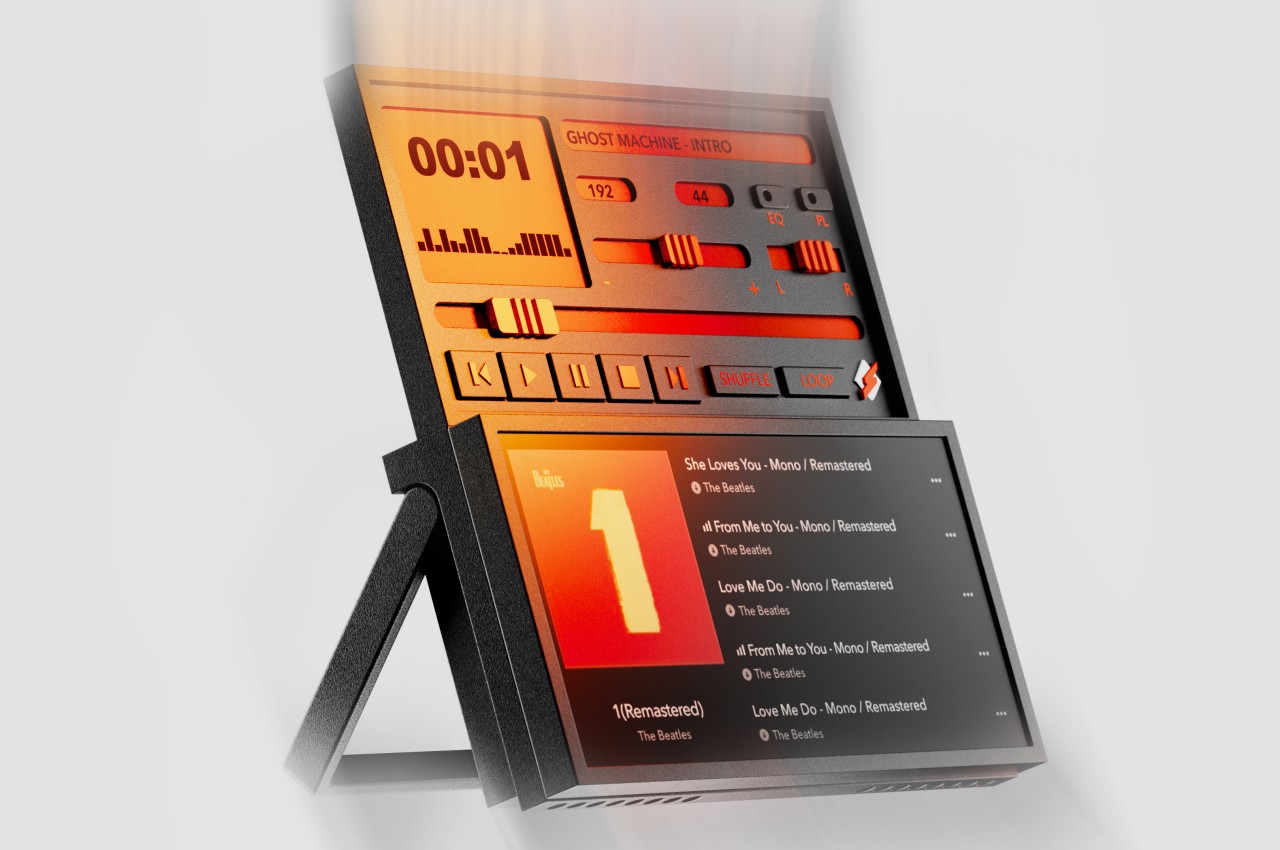
By modern standards, the original design of the Winamp media player app is clearly outdated, but it remained a darling until recently because of its flexibility. It supported using different skins to personalize the software’s appearance, which naturally led to hundreds of designs, some of which might even make you want to gouge out your eyes. At the very least, Winamp followed a LEGO-like design where you can move parts of the app around or even remove them completely, depending on your needs.
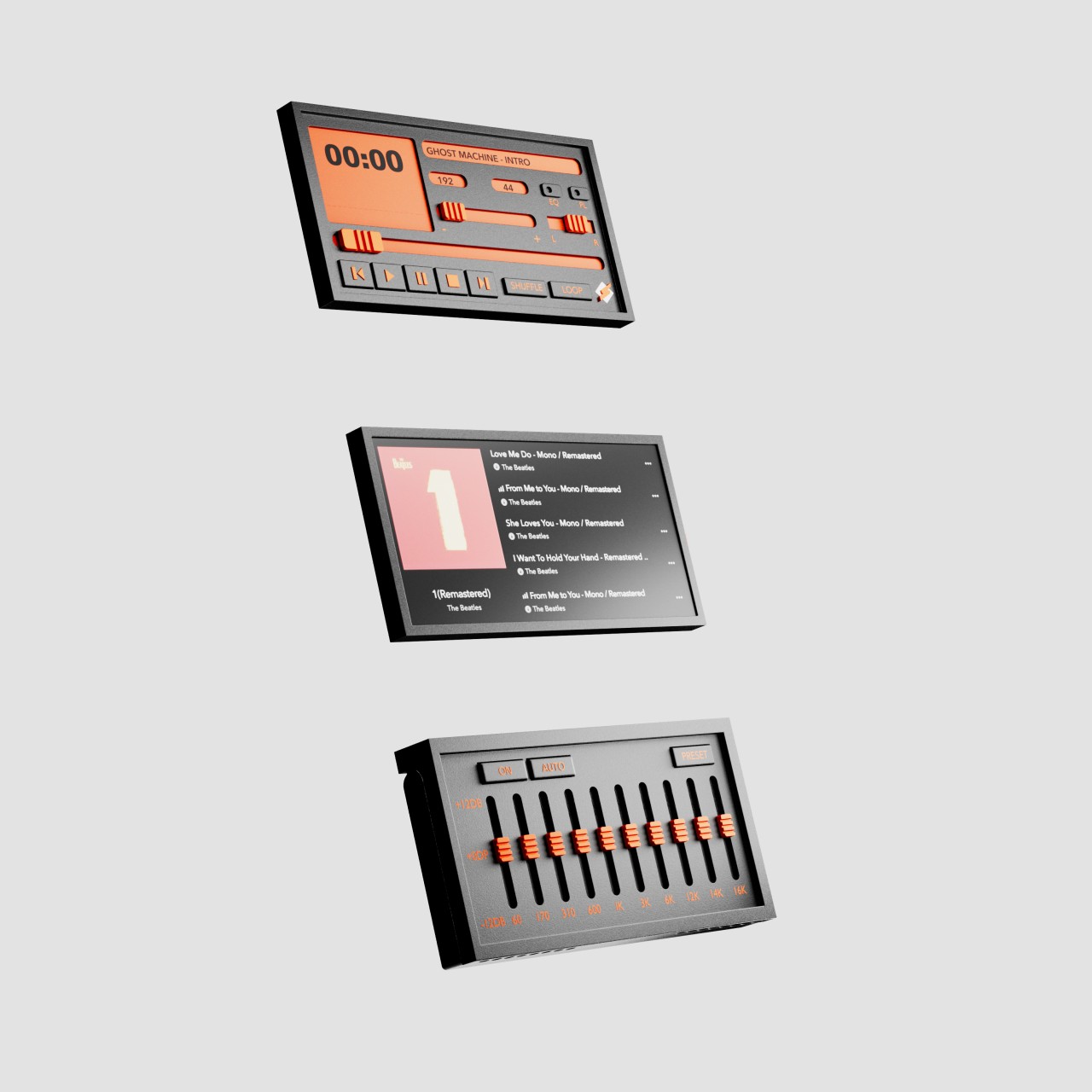
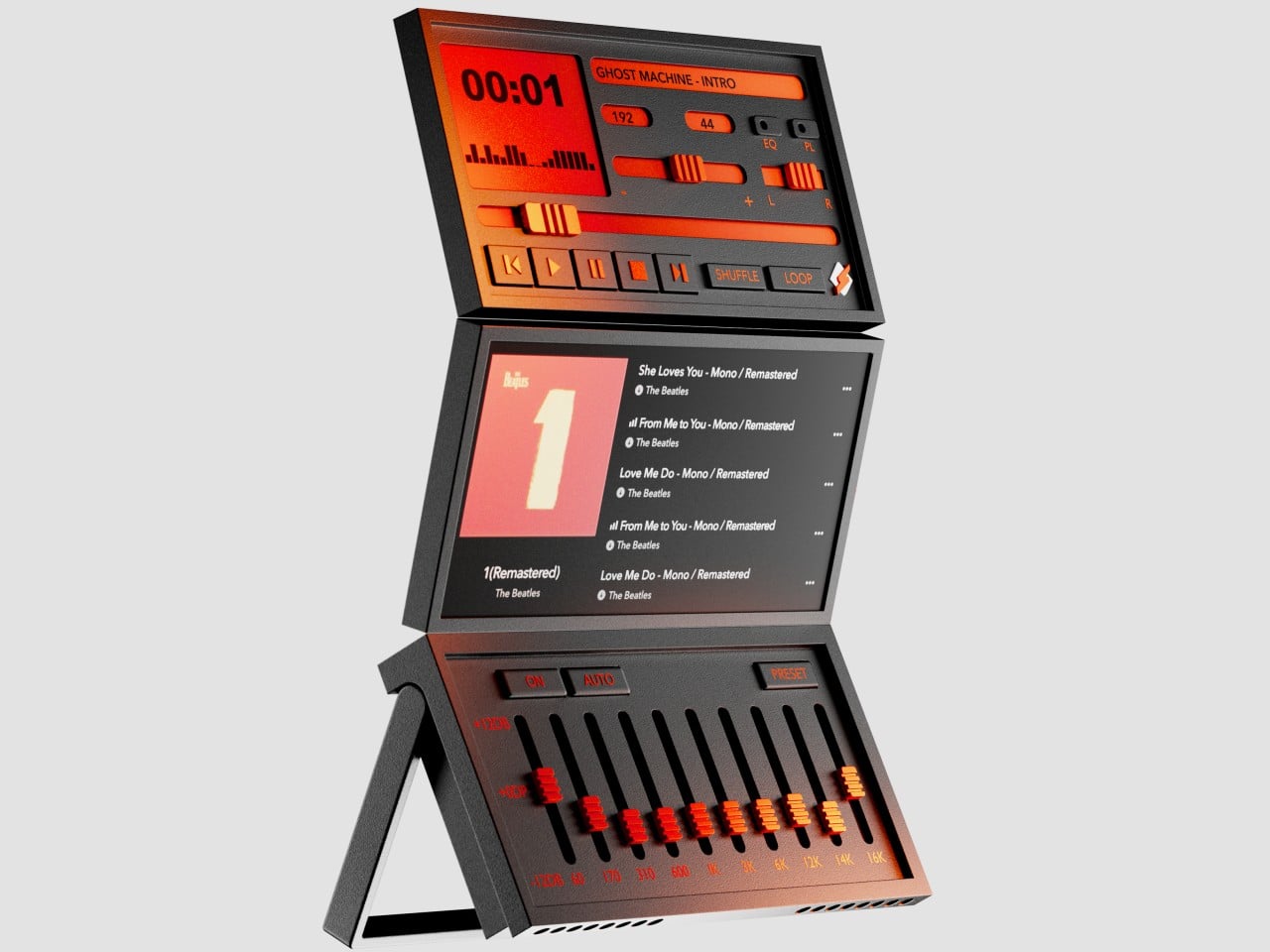
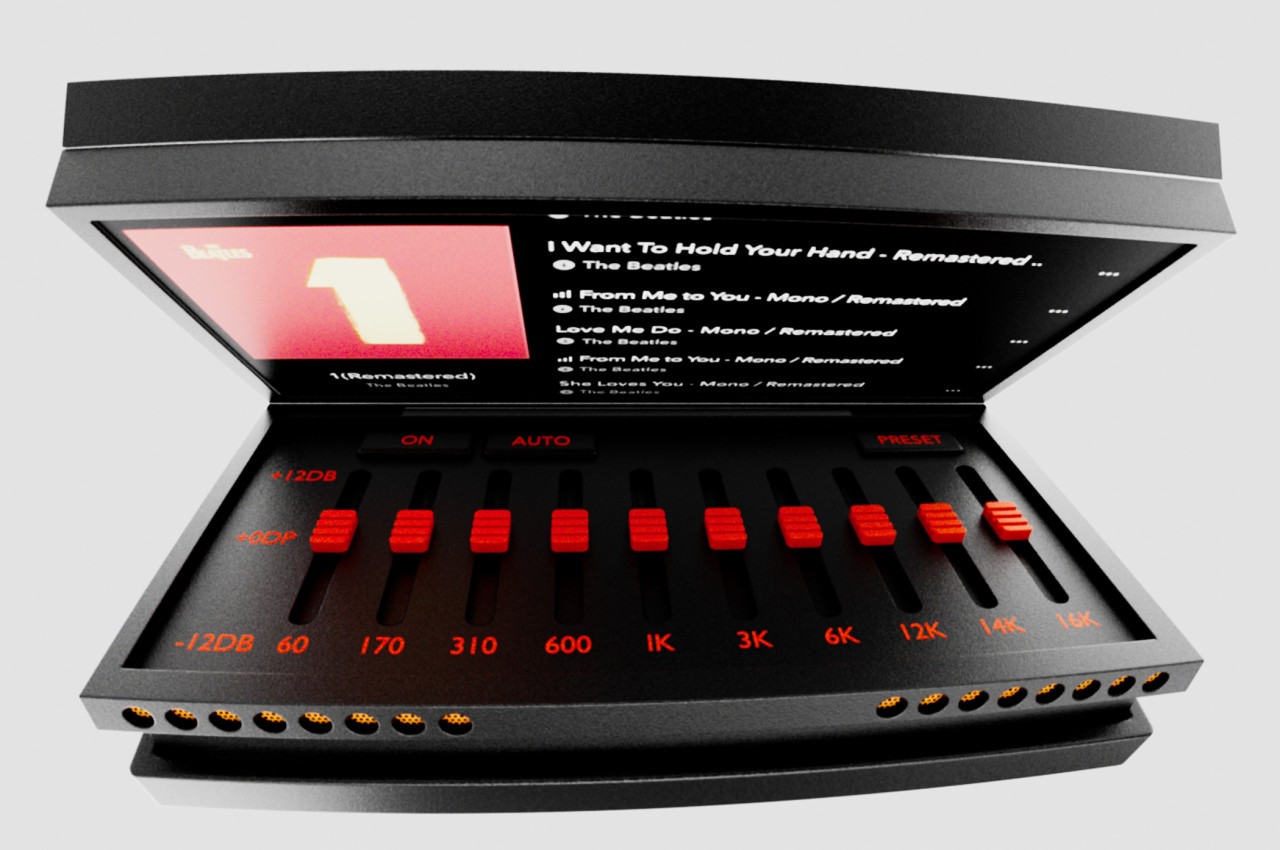
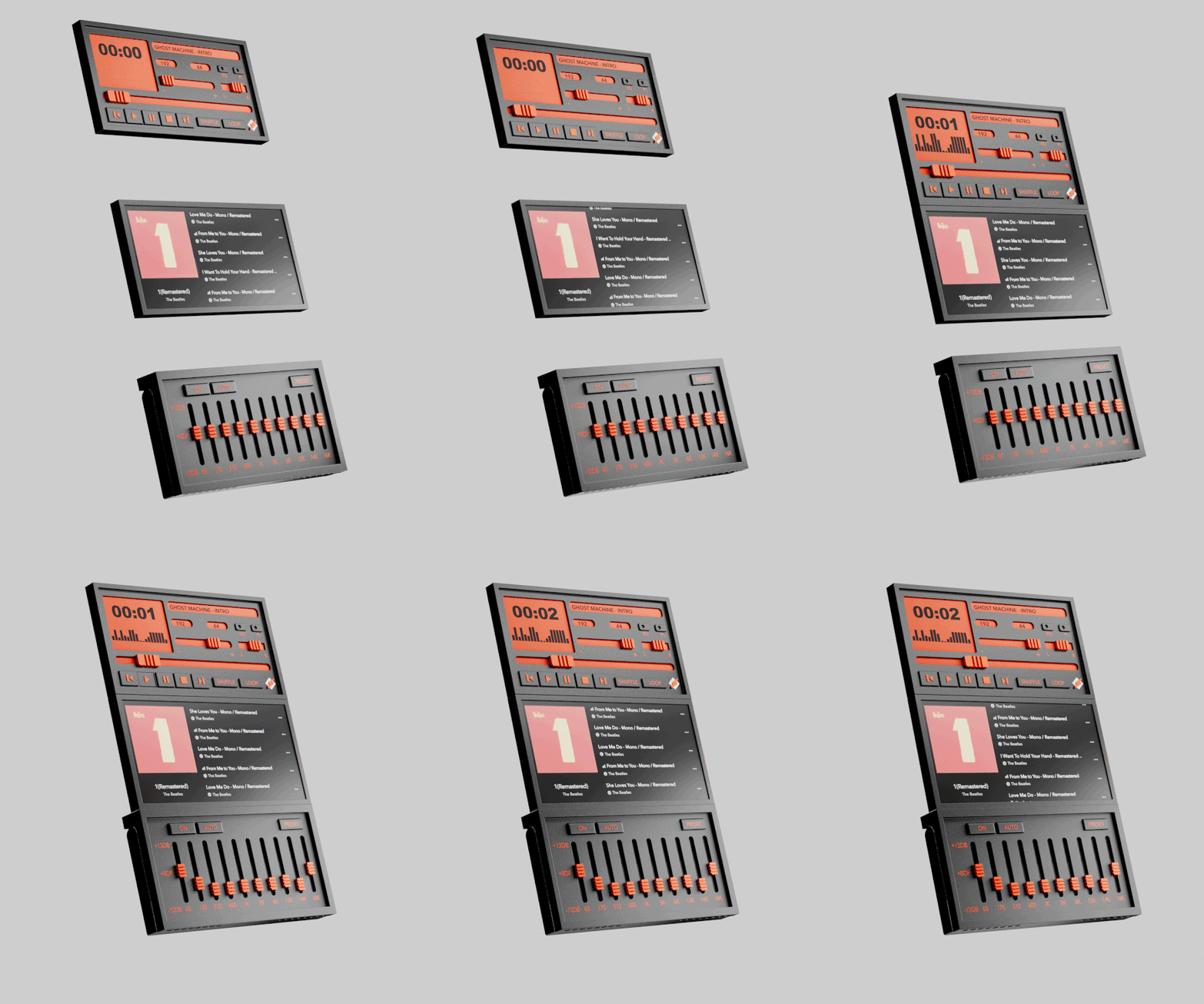
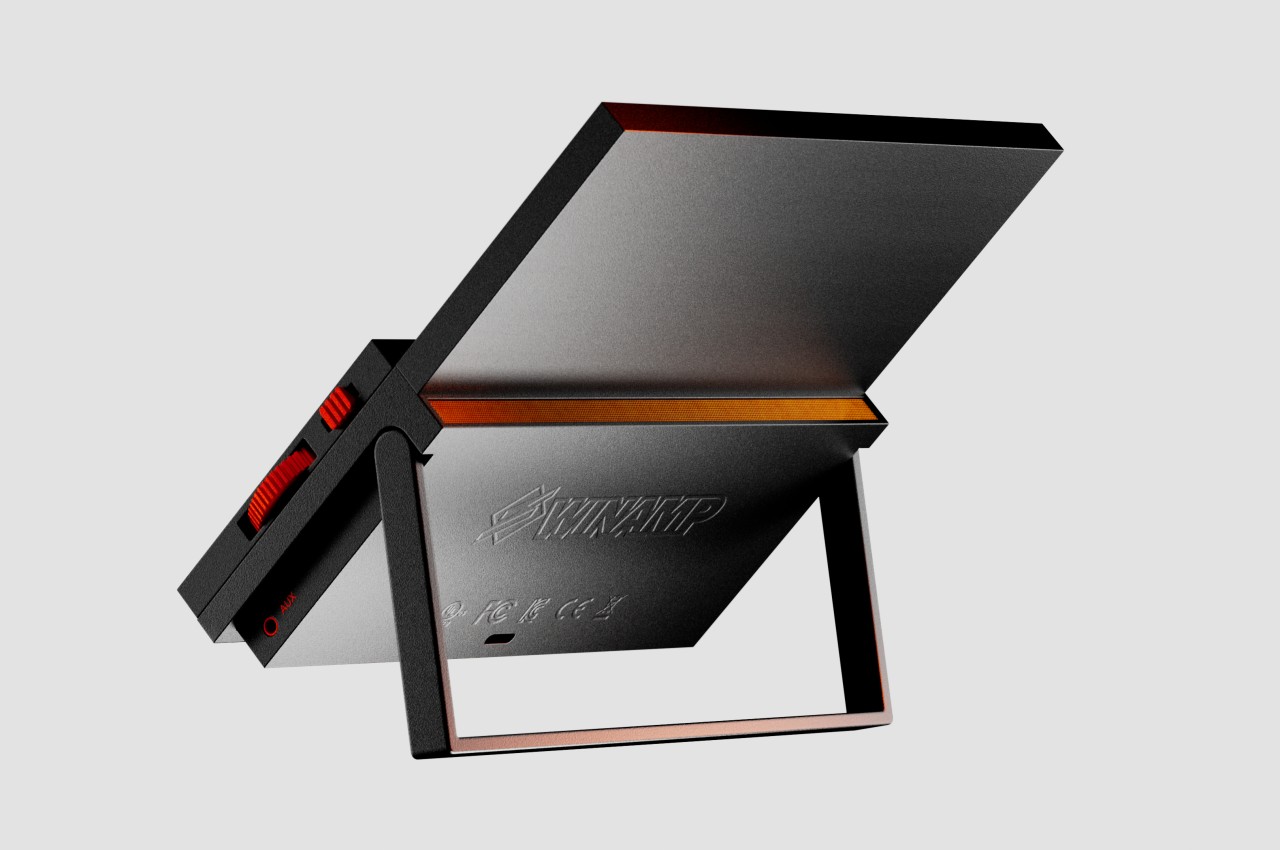
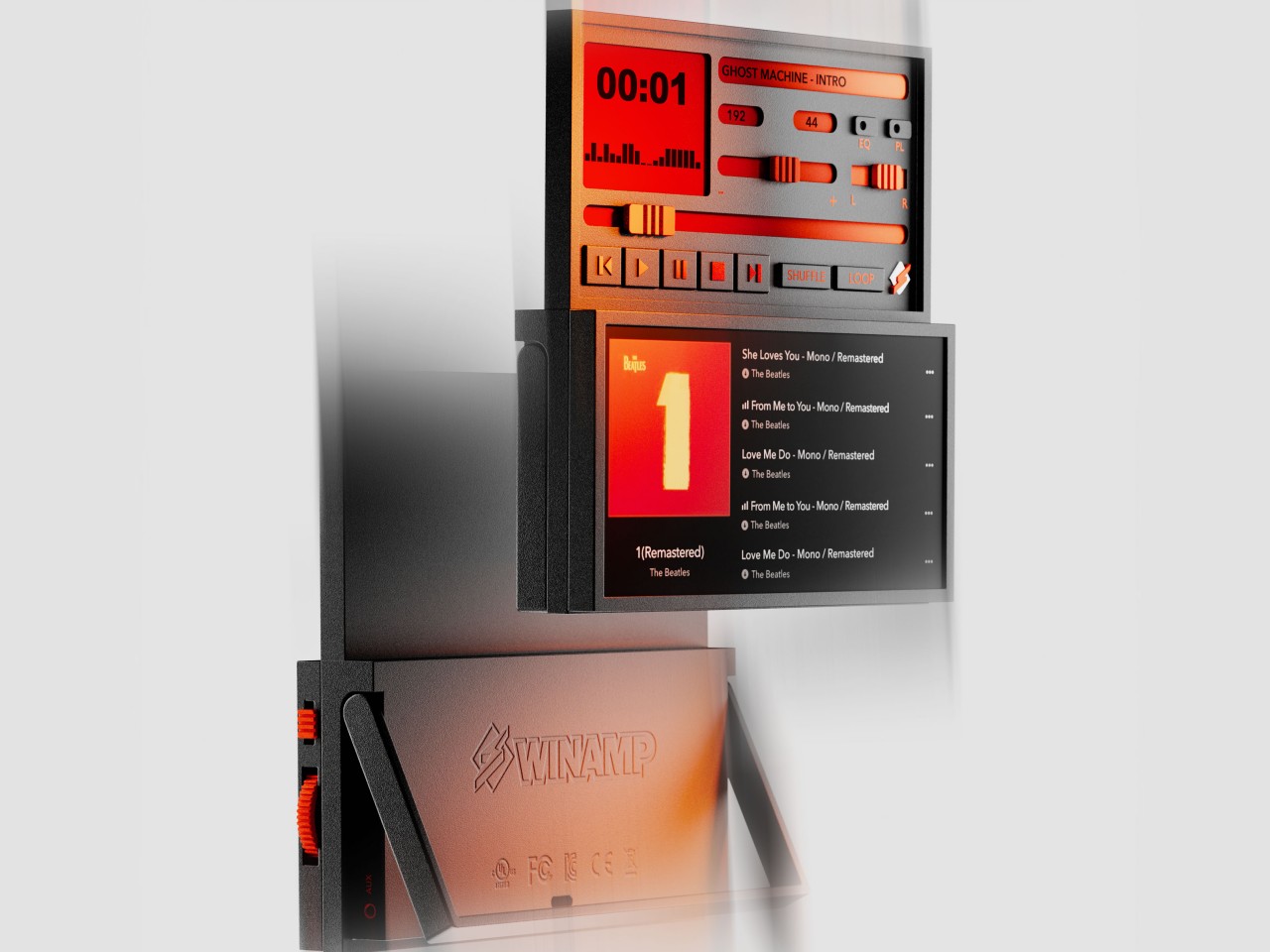
This concept design for a device of the same name follows the latter aspect of Winamp’s design, particularly the ability to move its three main panels around or even leave one out. Like the original Winamp, the media player device has a component for the actual media controls with a single-line display for the current music, one for the equalizer, and another for displaying album art and the playlist. All three can be stacked together for a tall device that is propped up on a desk using the built-in kickstand of the equalizer. Or you can switch them around leaving only two components visible, as long as the equalizer is there to act as the base.
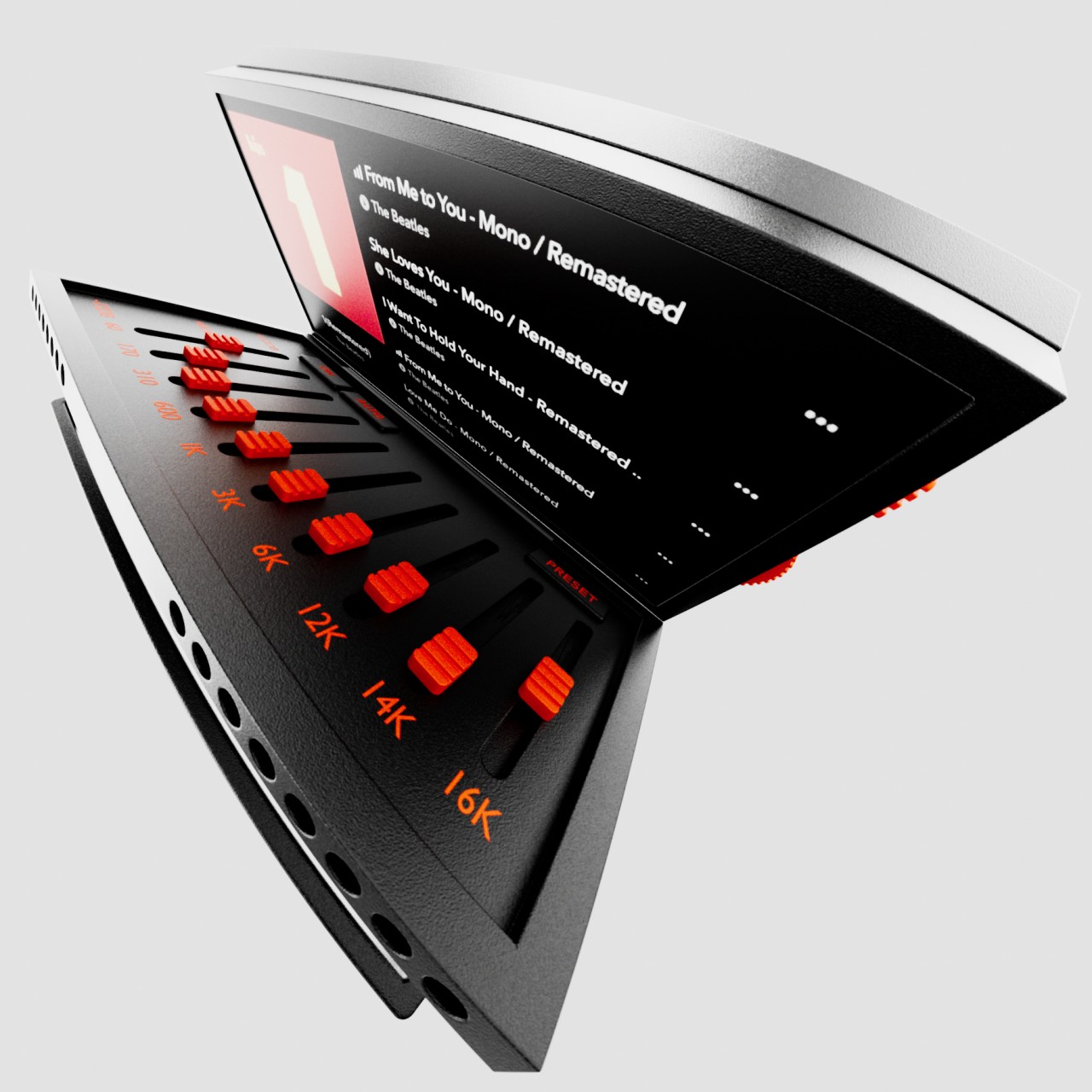
You can, for example, only have the media controls and the equalizer if you don’t mind not seeing the list of tracks and the album art. Or if you already have a fixed equalizer setting, you can put either the media player or the album display above it and then snap the other component in front of the equalizer to hide it. You can even show only the media player itself, with the other two hiding behind it. These components connect using strong magnets, so no rewiring is needed to make instant changes to the combination. And at the end of the day or if you want to take the device with you, you can simply collapse all the components in a sandwich and carry it around.
What’s interesting about this particular design is that it uses physical controls like sliders and buttons instead of simply employing a touch screen to offer the same interface. It’s like reverse skeuomorphism, where the digital user interface mimics the appearance and behavior of physical controls. Of course, this more physical design means you don’t get to use skins anymore, but it’s a small price to pay for such an intriguing device.
You may be able to give those plastic Rock Band guitars you have stuffed away in the attic a new lease of life. Fortnite Festival (a Rock Band-style mode that debuted in Fortnite in December) now supports several Rock Band 4 controllers across PlayStation, Xbox and PC, as detailed in a blog post.
If you have a compatible plastic guitar, you can use it to play new Pro Lead and Pro Bass parts in any Jam Track. These parts have colored notes for each lane that match with the guitar controller buttons. They also include hammer-on and pull-off notes — just like Rock Band and Guitar Hero.
Epic Games (which bought Rock Band developer Harmonix in 2021 to build music experiences for Fortnite) plans to add support for more peripherals down the line. Hopefully, the developers will make the whammy bar more useful beyond triggering a visual effect too.
Epic previously said it would add support for Rock Band guitars. Earlier this year, third-party peripheral maker PDP (which Turtle Beach recently purchased) unveiled a new Xbox and PlayStation wireless guitar controller for Rock Band 4 and Fortnite Festival.
Support for the Rock Band peripherals come just as Billie Eilish joins the game as its new music icon. Several of her songs are available to buy and use in Fortnite Festival, and you'll be able to purchase an Eilish outfit (or unlock one through a secondary battle pass) and play as her in the Battle Royale mode.
Meanwhile, Epic has added a setting that allows players to hide certain emotes that others often use for trolling in Battle Royale. For instance, after being eliminated, a player might not want to see a rival using the "Take the L" emote, which involves making the shape of an "L" (for "loser") on their forehead and doing a silly dance. The setting won't stop players from using any emotes and it only hides four of them for now. Somehow, one of the emotes that the setting doesn't hide is a personal favorite called "Rage Quit."
Starting today, these Fortnite emotes will be hidden with a "confrontational emotes" setting.
This article originally appeared on Engadget at https://www.engadget.com/your-old-rock-band-guitars-now-work-in-fortnite-festival-164054839.html?src=rss
Not everyone likes listening to music, but even those will perhaps begrudgingly agree that certain kinds of music can have different effects on one’s mood or mental state. Next to entertainment or the sheer joy of listening to favorite tunes, the most common use of music is to set the right mood, whether it’s to relax, to get pumped, or to be more productive. That said, musical tastes can be quite subjective, and even the kind of harmonies that you like could be affected by your mood at any given time. It can be quite taxing to change playlists or tracks every time, so rather than relying on your fingers and your own mind, why not let your phone do the work for you? This desk speaker concept does exactly that, analyzing your mood and picking the right music to help you finish your work, studies, or any other task you need to get done.
Designer: Junyoung Lee
People who love playing music while they work most likely have a library of tunes selected to help massage their grey matter, especially during slow hours. Unfortunately, the effectiveness of music can be thwarted by moods, emotions, and physical conditions. Sometimes we’re just stuck in a slump and manually picking out a more appropriate playlist only adds to the stress and traps you in a vicious mental cycle.
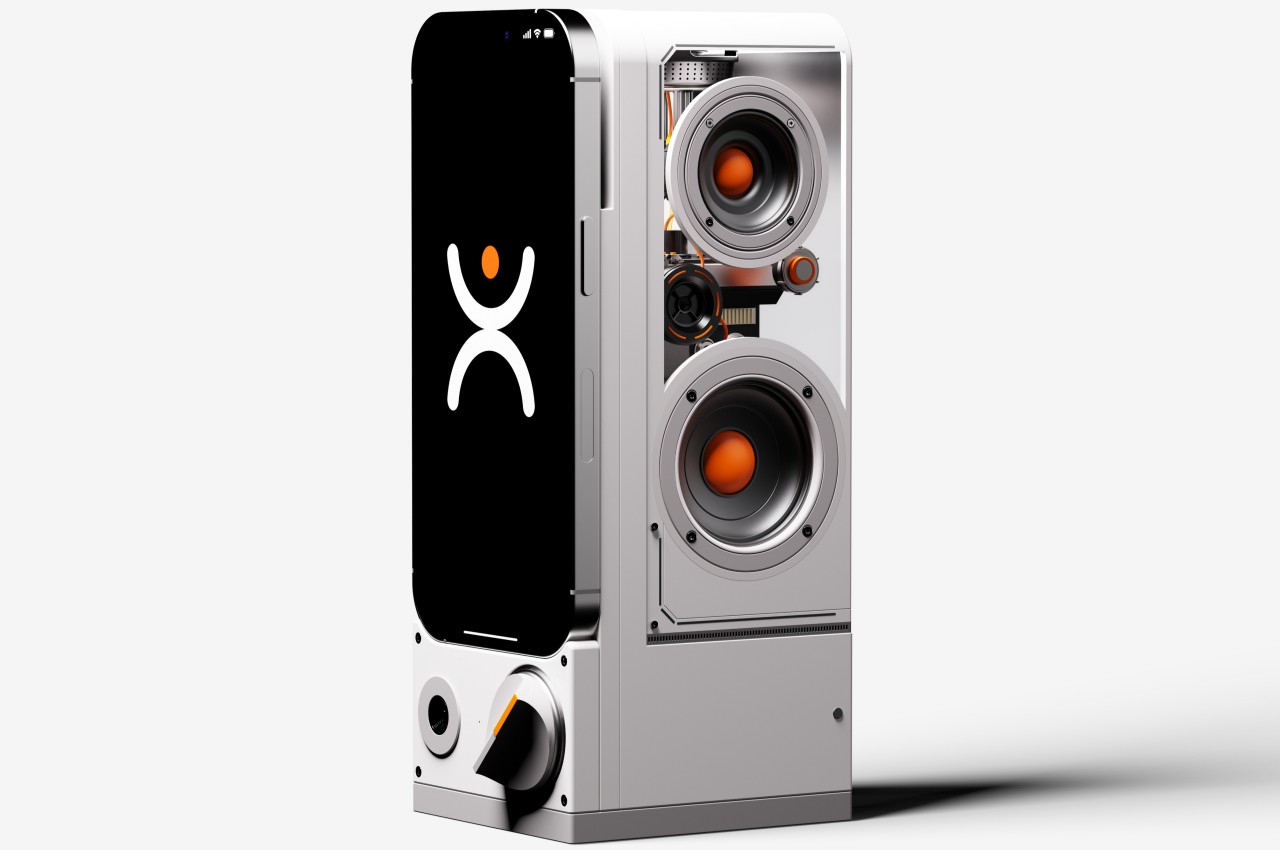
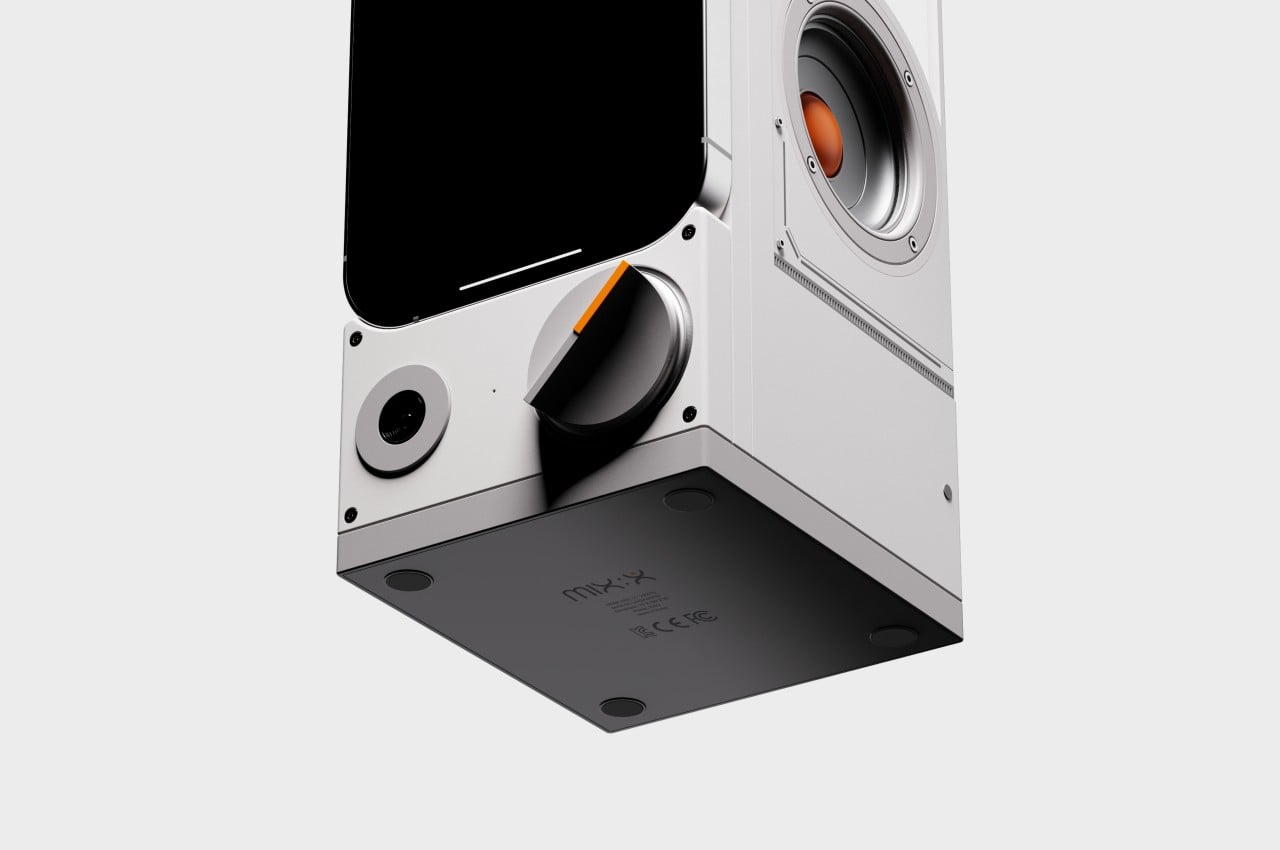
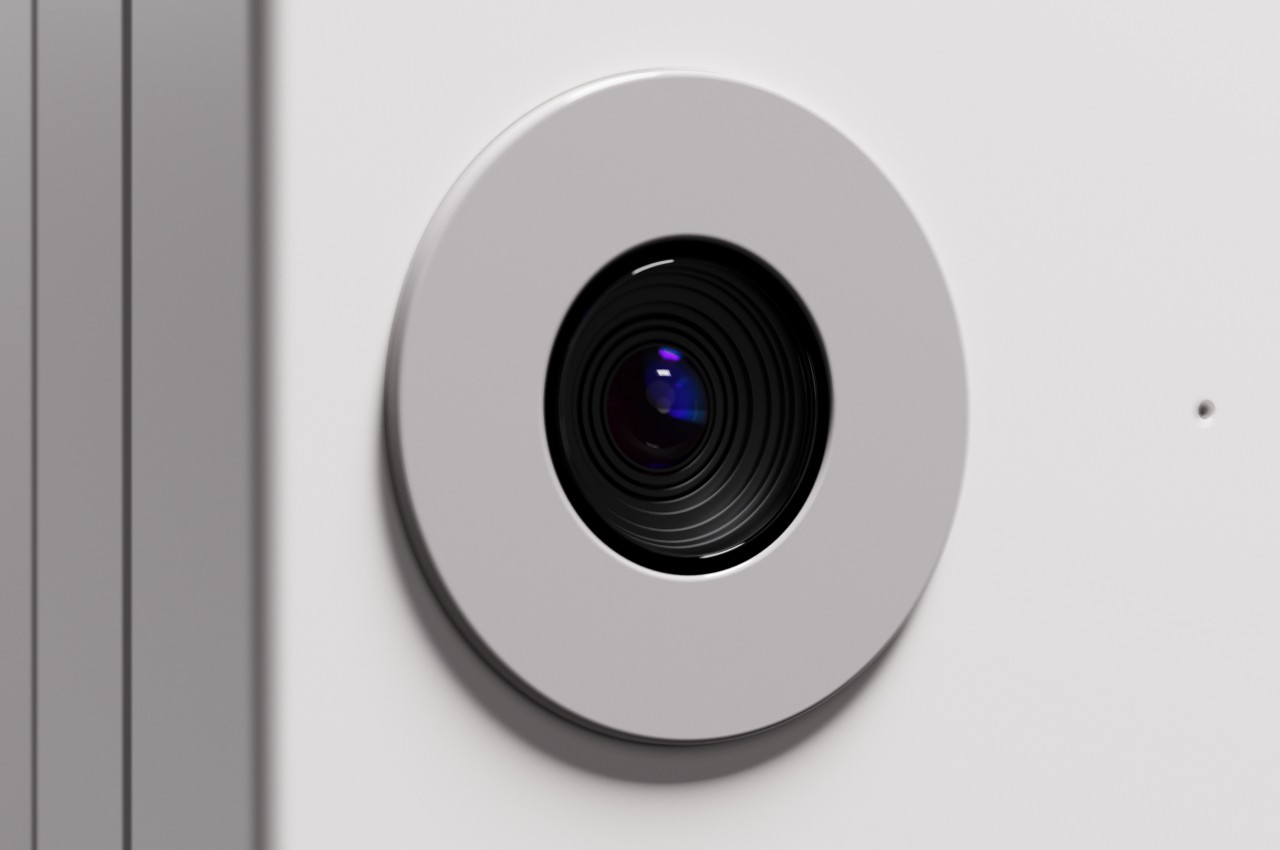
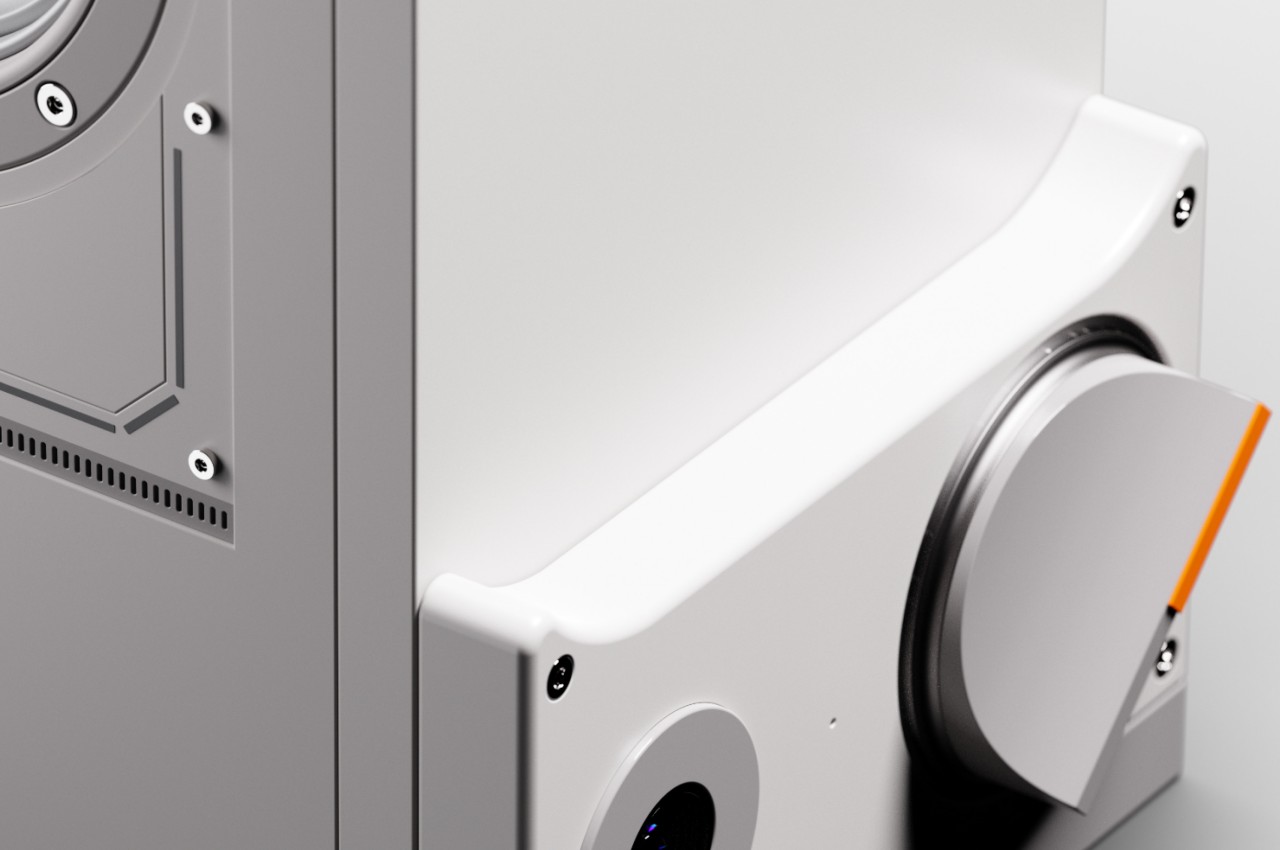
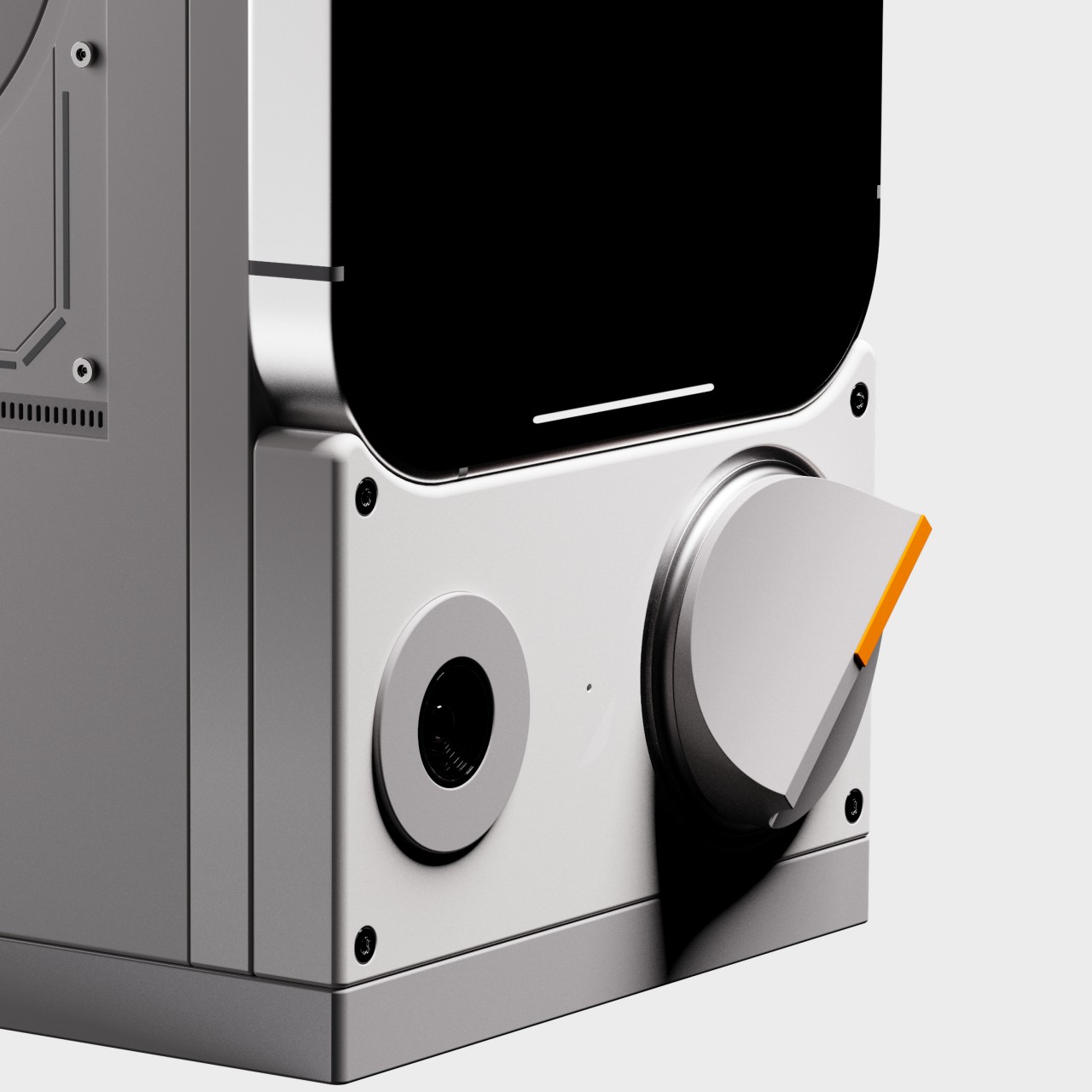
MIX:X is a smart speaker system that uses the power of your smartphone and machine learning to automate that process so you won’t have to lift a finger when your brain or heart is just too tired to care. You simply dock the phone in front of the tall, boxy speaker to start the process. The large camera at the bottom keeps a constant watch on the person’s face in front of it, particularly their facial expressions, and using computer vision, machine learning, and algorithms, it tries to identify the mood that the person is in. Depending on what mood that is, it will switch to a different playlist that will help get you into a more productive working state.
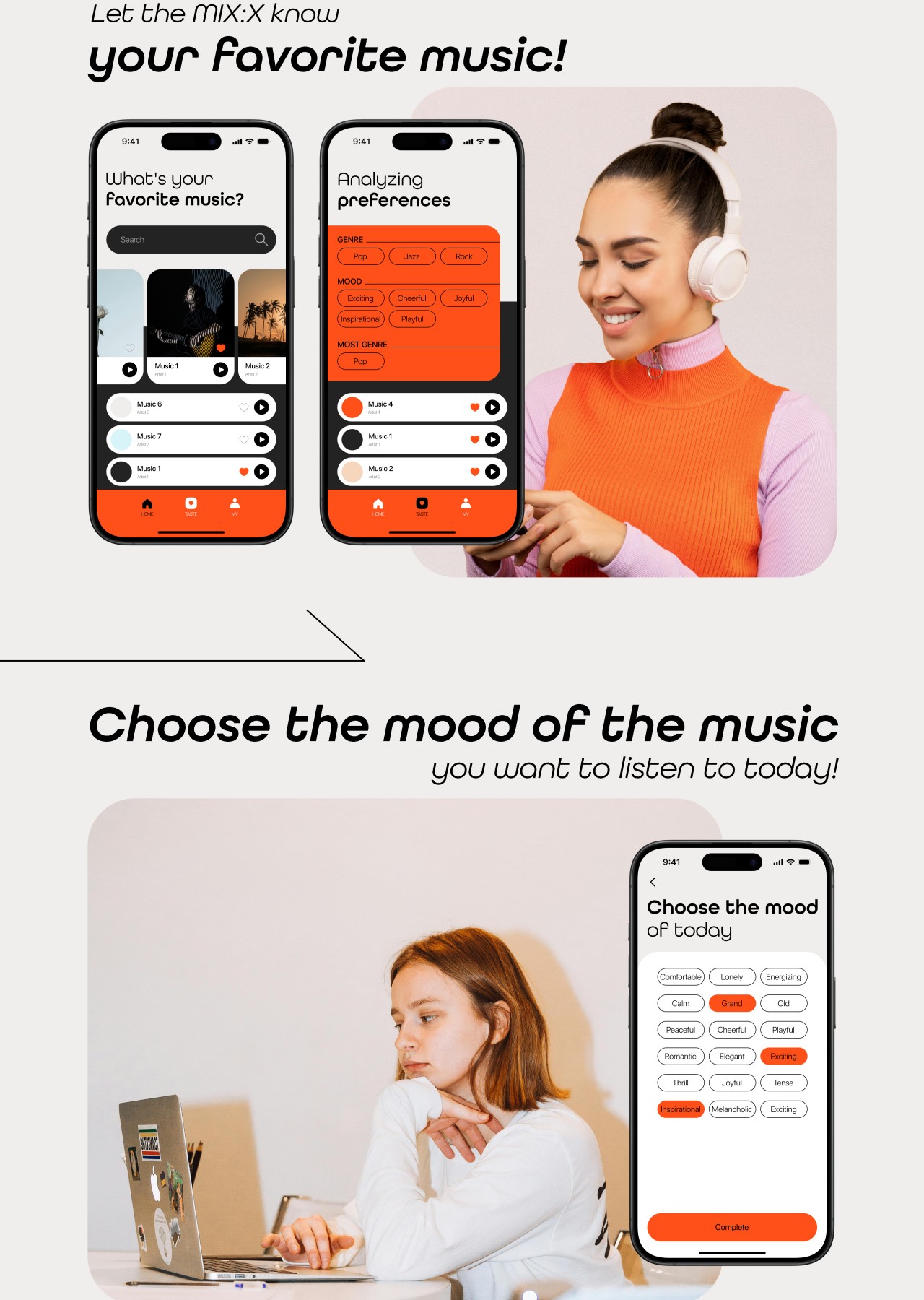
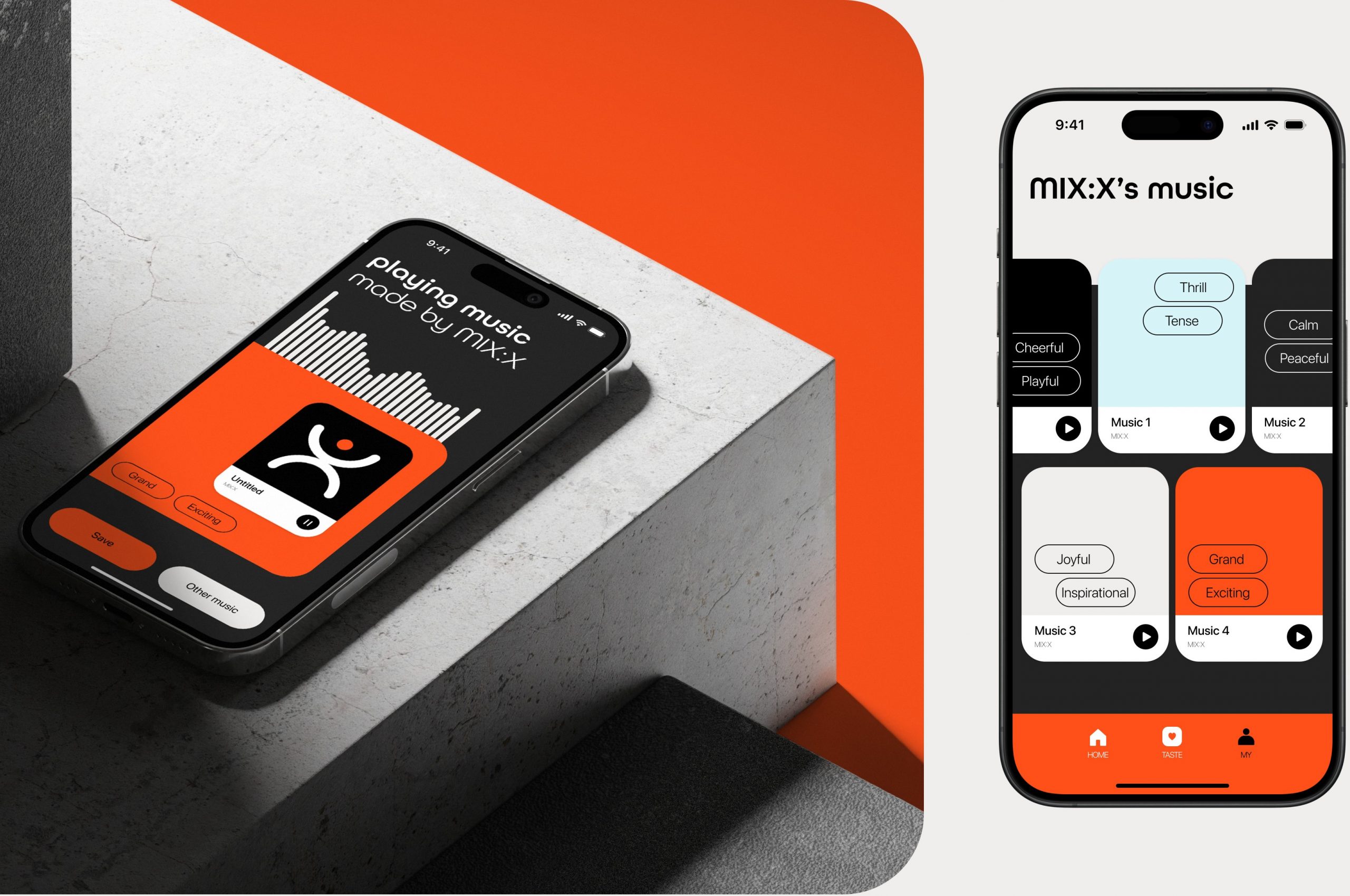
Part of the MIX:X speaker’s solution is actually not the device itself but the app that comes with it. Here you select the songs that you like and associate them with certain moods. The app’s AI analyzes the music selection and uses that as a pool to choose from when your mood shifts one way or another. It doesn’t simply get music out of thin air (or the Internet), giving you some amount of control to limit the choices to your preferences.
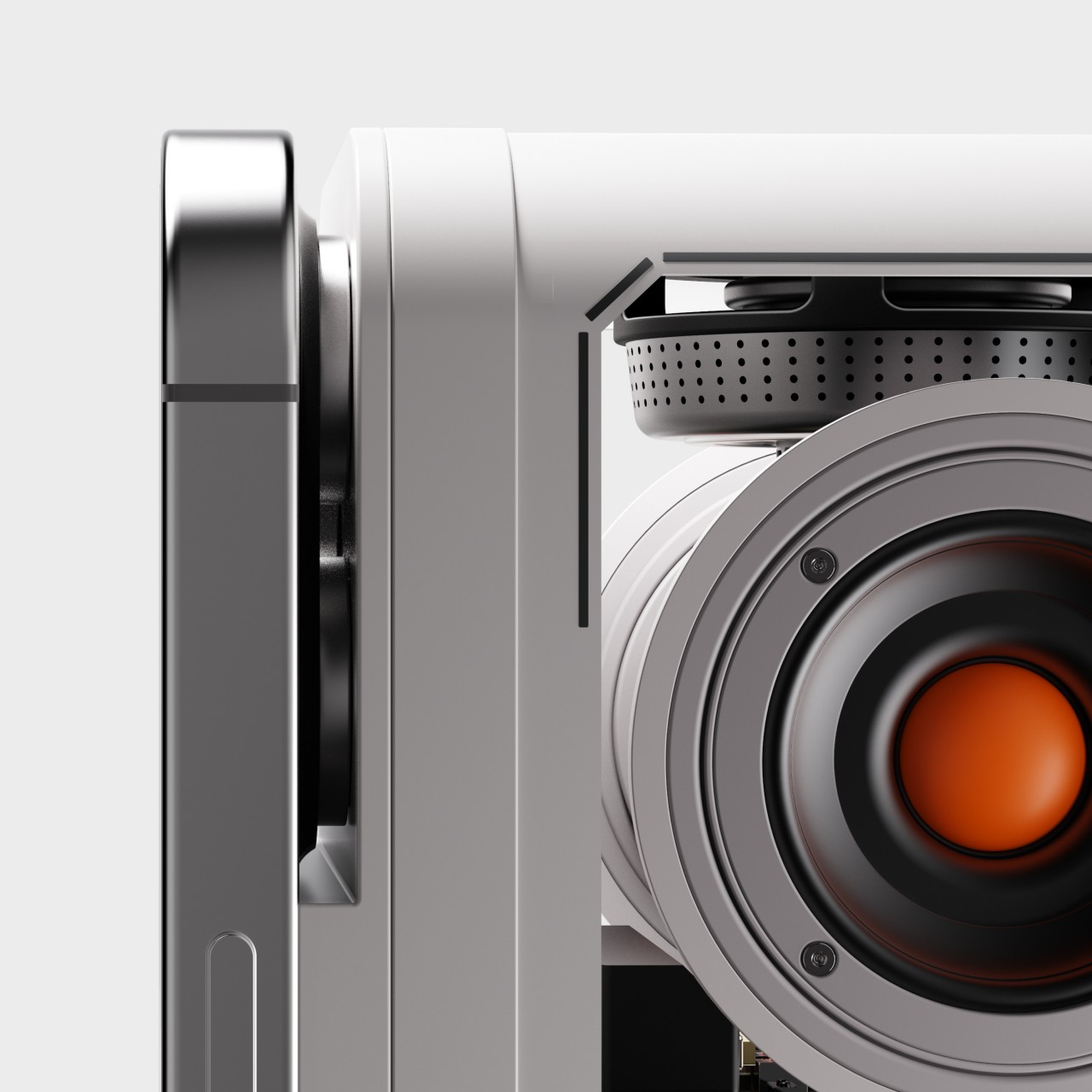
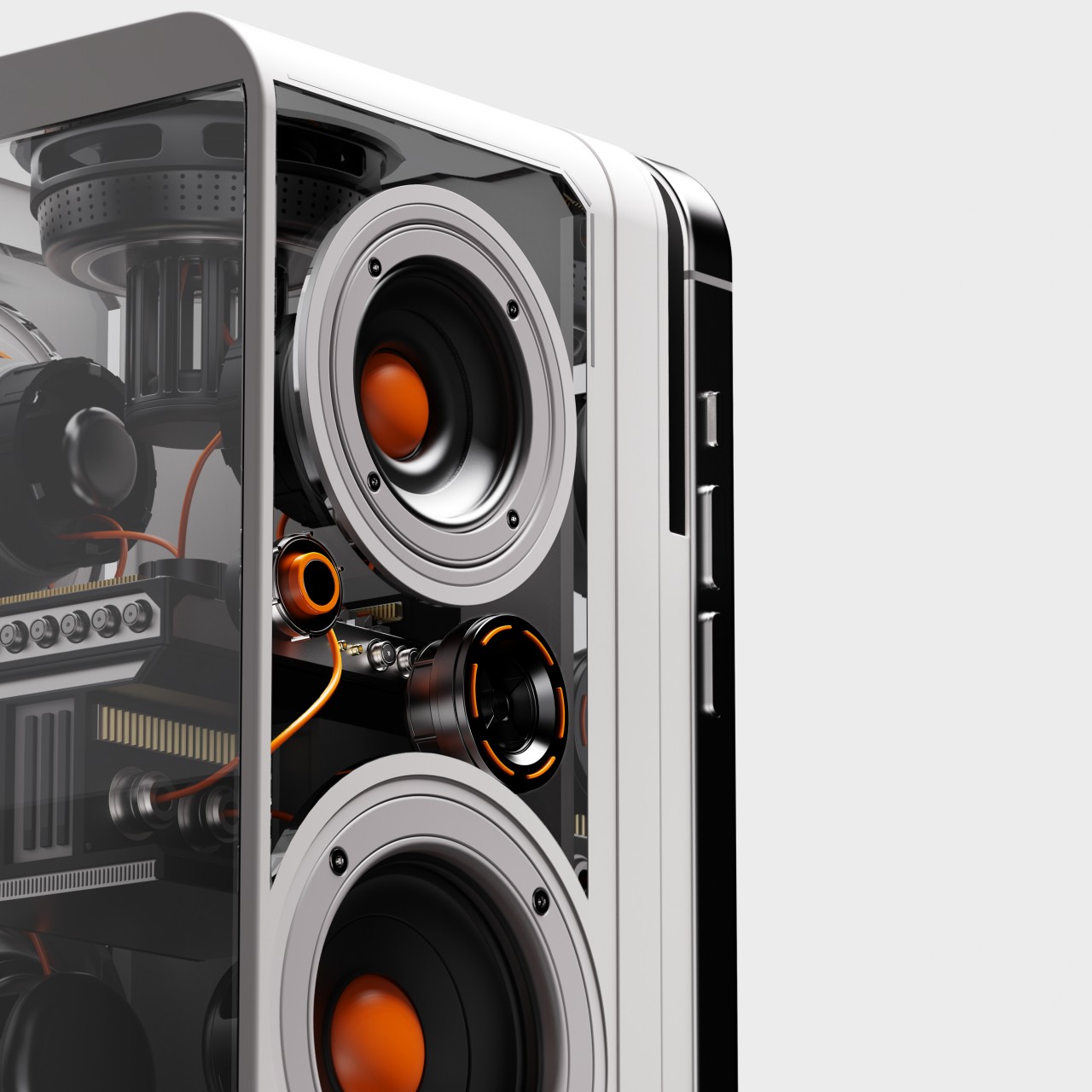
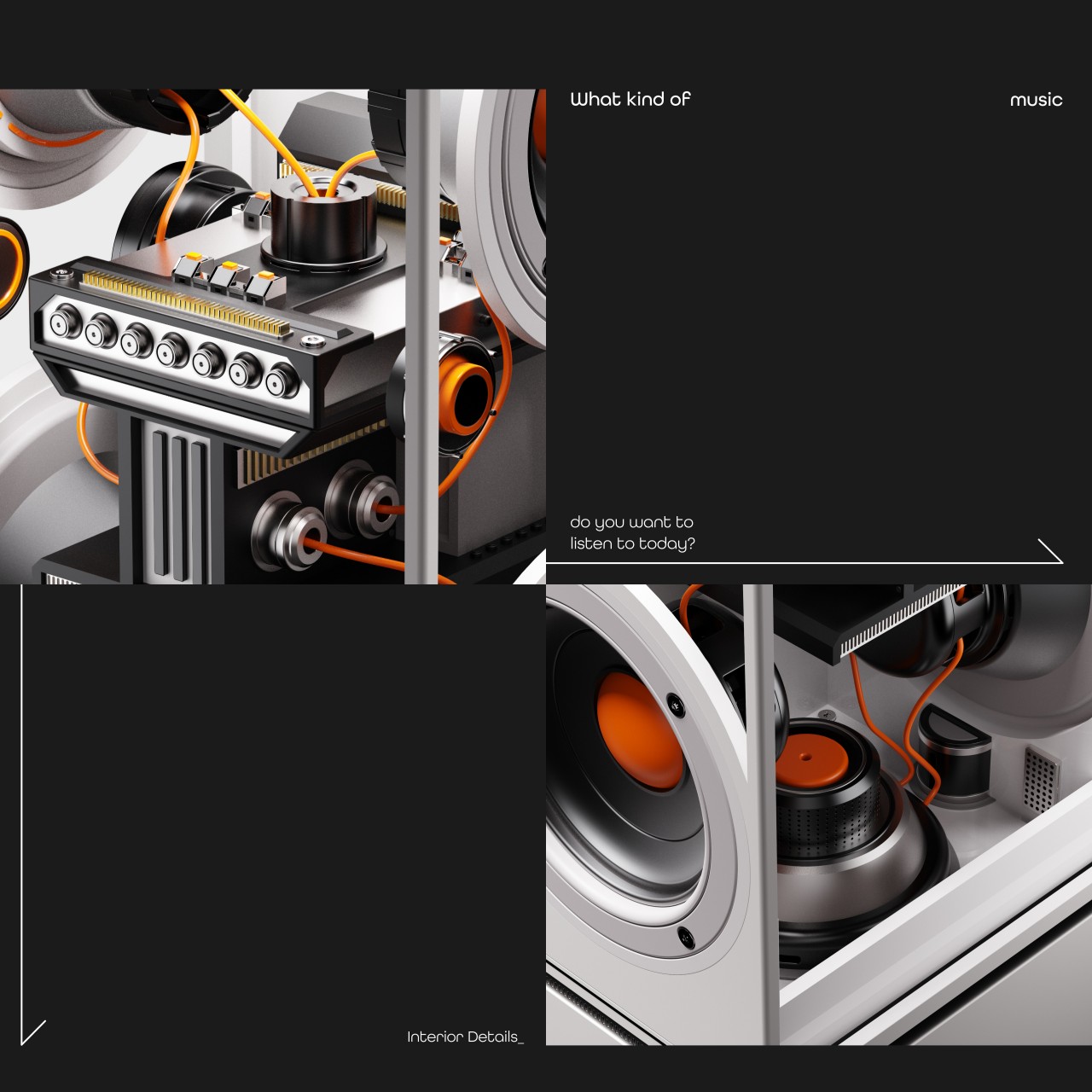
In that sense, the MIX:X speaker is simply a box with speakers facing sideways and a camera, though it definitely has an interesting aesthetic. It has transparent panels for its sides and back, putting the sophisticated electronics inside on display. The rest of the device’s design is pretty minimal, with a single dial for the volume. If there’s one glaring flaw in its design, it’s the fact that it seems to support only a specific model or size of a specific phone, namely an iPhone, which severely limits how much this concept can be used outside of that single device.