Physical media is quietly winning again, phones are starting to treat light as a material instead of an afterthought, and the humble power bank just got embarrassingly thin. This month’s list pulls from every corner of consumer tech: a CD player built for a generation that never owned one, a camera disguised as a roll of film, and a keyboard that looks more like furniture than gaming gear.
What ties these eight together isn’t a single trend so much as a shared instinct: solve one problem well instead of chasing a longer spec sheet. Some of these are shipping this month. A couple are concepts worth watching closely. All of them earned their spot through genuine design thinking rather than a press release checklist.
1. Syitren R400 CD Player


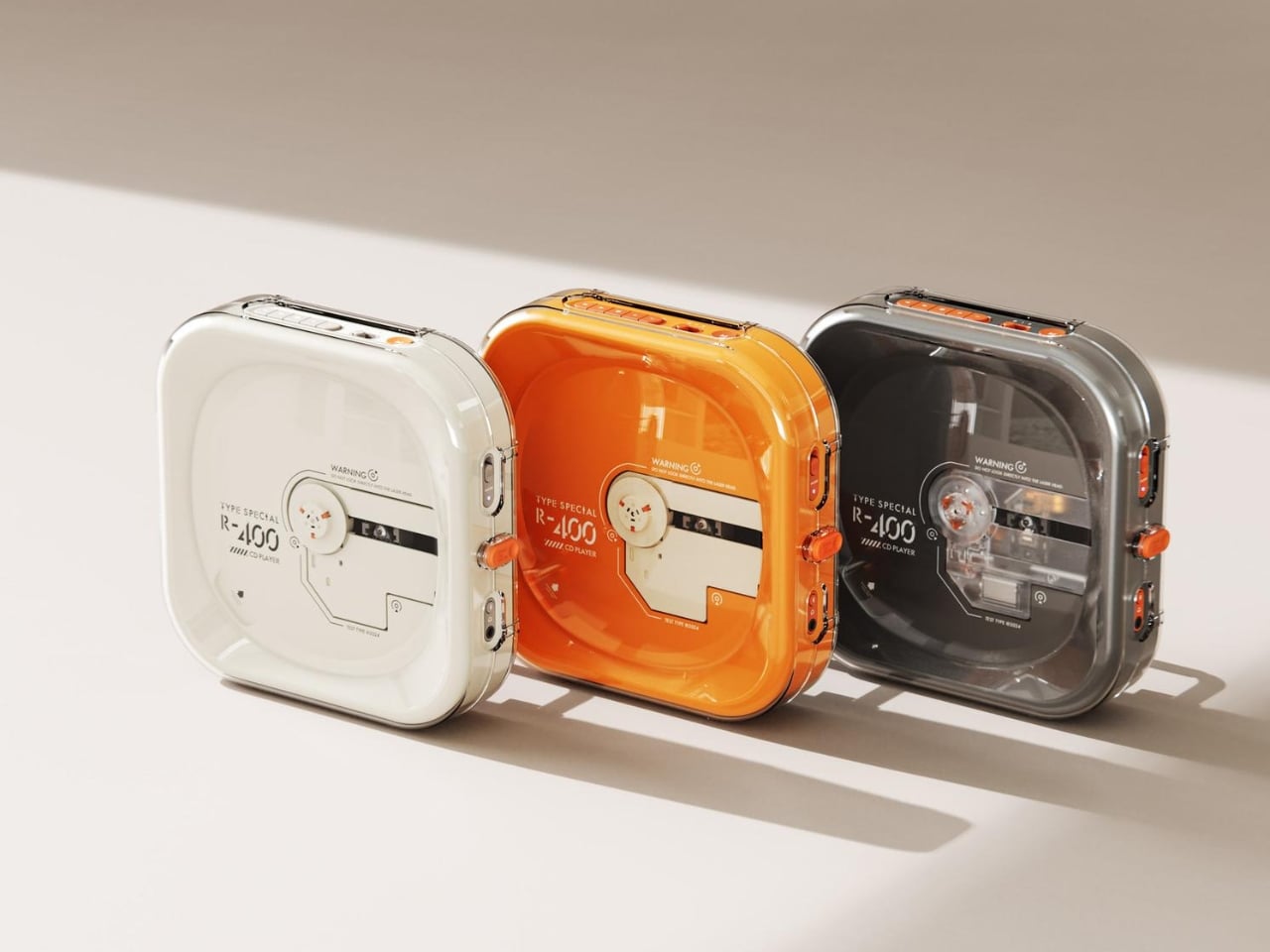
Collecting CDs only matters if you have something to play them on, and that’s been the real gap for anyone under thirty who’s started buying physical music again. The R400, designed by ORGDOT for Syitren, solves that with a detachable modular shell that lowers cost without making the player feel cheap. For you, it means an entry point into physical media that doesn’t ask you to hunt down a decade-old Discman on eBay.
What makes it worth owning day to day is the small stuff. A sunken charging compartment keeps your cable from fraying, Bluetooth 5.3 handles wireless streaming, and anti-vibration engineering means no skipping on your commute. At four hours of battery per charge and a price well below premium audio gear, it fills the exact space Sony abandoned when it quietly discontinued its CD boomboxes in the US.
What we like:
- The detachable shell lets you personalize or wall-mount it instead of leaving it stuck as a desk object
- Anti-vibration engineering actually solves the one real complaint people have with portable CD playback
What we dislike:
- Four hours of battery life means you’re recharging more often than a typical wireless earbuds case
- The dual material build is sturdy, but it still can’t match the heft of Syitren’s premium R300
2. Analog Capsule Camera
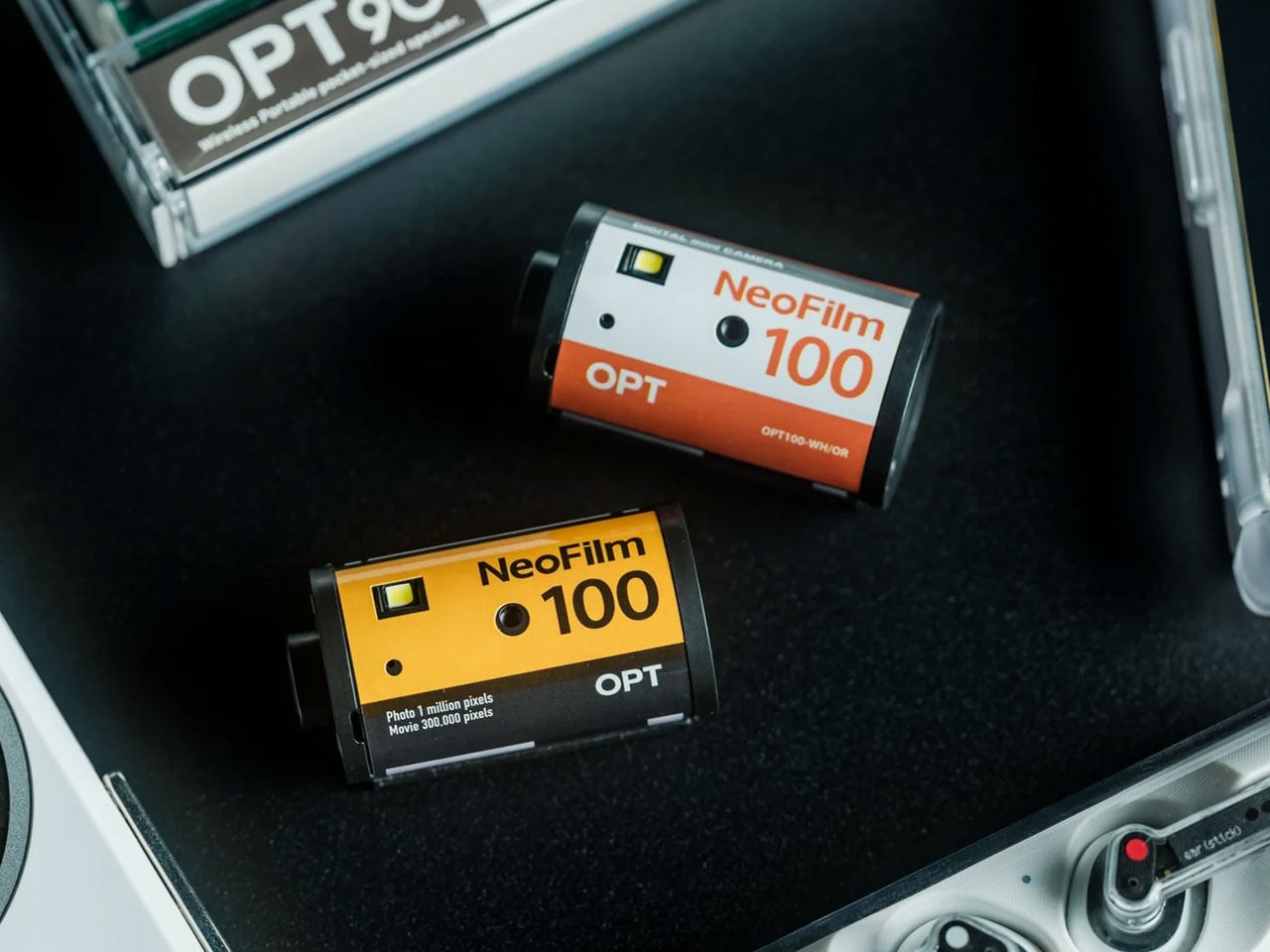
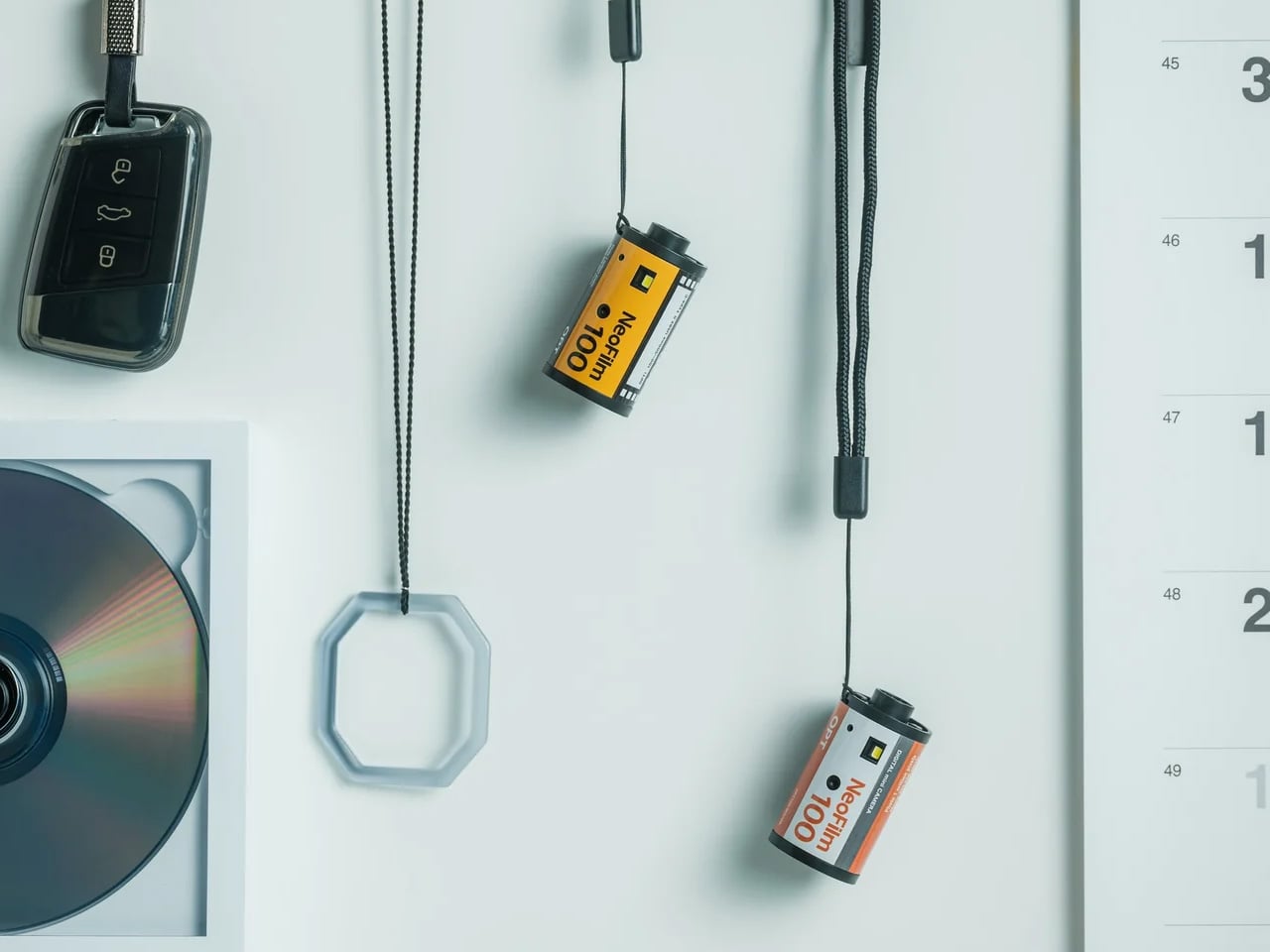
Pick this up without knowing what it is, and you’d swear it was an unopened roll of 35mm film, right down to the box it ships in. It’s actually a fully digital camera, and that disguise is the entire point. For you, it turns picture-taking back into something tactile, a small object you display on a shelf rather than another app icon buried on your phone.
The 1 megapixel CMOS sensor leans into grain and softness instead of correcting for it, so every shot looks like a well-worn photograph rather than a clinical digital capture. At 25 grams with USB-C and microSD support, it travels light and clips onto a bag strap without you noticing the weight. At $55, it’s priced like a fun accessory rather than a serious camera, which is exactly what it’s going for.
Click Here to Buy Now: $55.00
What we like:
- The disguise is genuinely convincing, making it as much a desk object as a working camera
- A 25-gram body with an included strap means it adds almost nothing to what you already carry
What we dislike:
- A 1-megapixel sensor keeps image quality intentionally lo-fi, not for anyone wanting crisp detail
- Stock is listed at just a few units, so it may sell out before most readers can order one
3. TECNO POVA 8 Pro Tonino Lamborghini Limited Edition
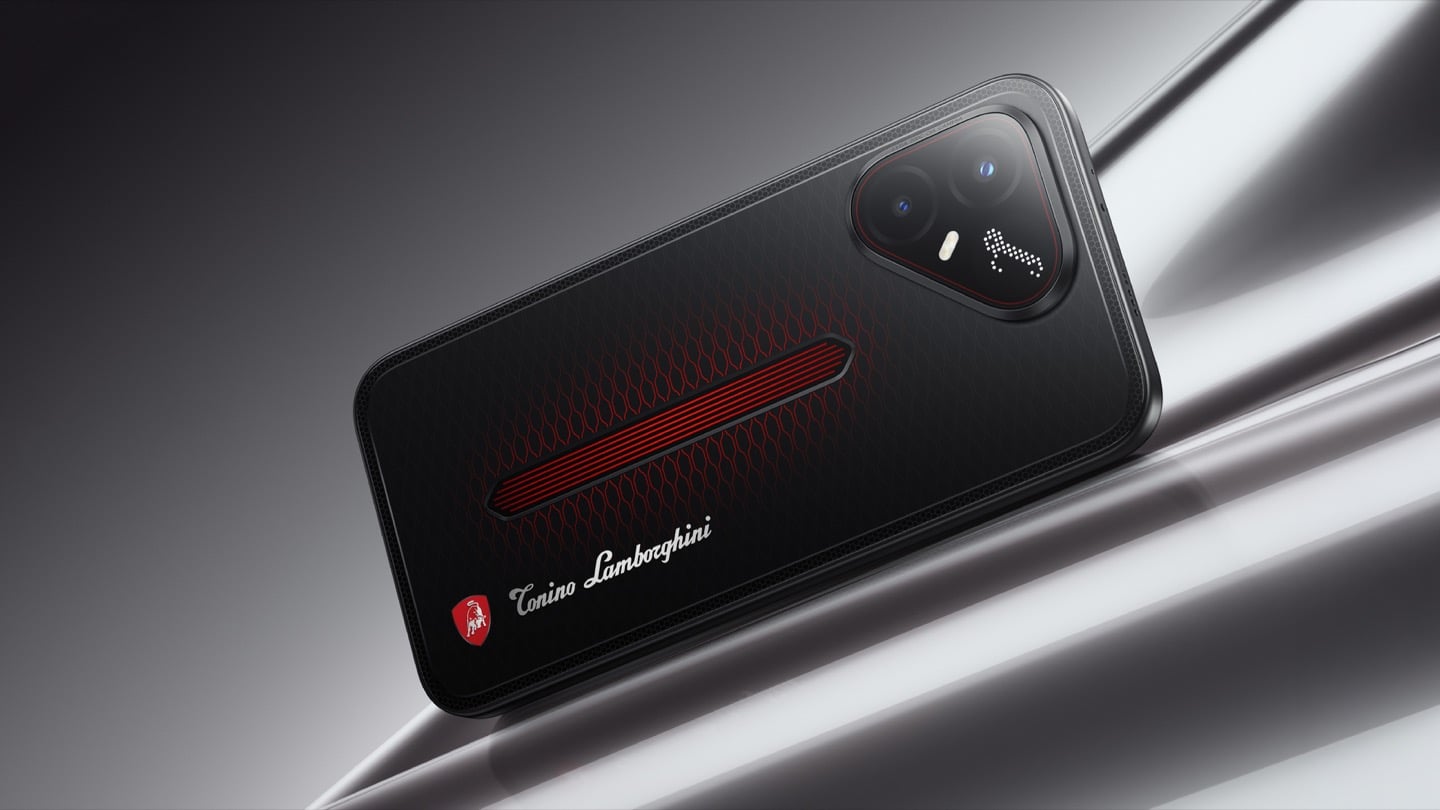
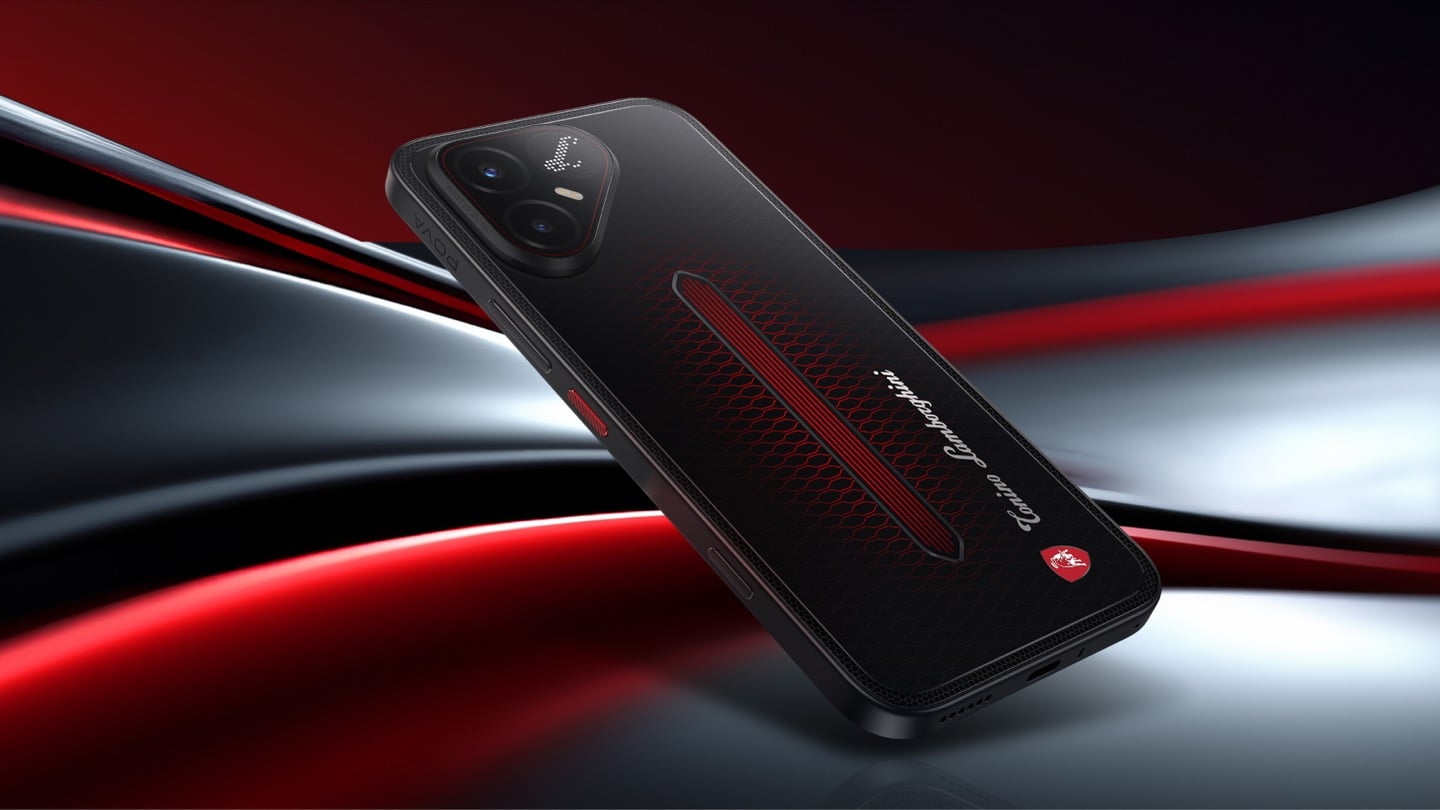
The last Lamborghini-branded phone cost $6,000 and ran on two-year-old silicon because a logo was stamped onto gold plating. The badge on this one actually does something on this one: 177 individually controlled mini-LEDs draw the Lamborghini “L” in light, while a red Pulse Line shifts and rises across the back panel using internal mirror structures rather than a printed graphic. For you, it’s proof that a co-brand can be more than a sticker job.
TECNO spent close to four months reworking the software to match, down to icon shapes nudged toward hexagon and shield silhouettes. The manufacturing challenge wasn’t making one unit look right; it was making thousands of units look consistent, which TECNO calls one of the most complex rear cover processes it has run. The specs mirror the standard POVA 8 Pro, so you’re paying for the surface, not new hardware underneath.
What we like:
- The Pulse Line effect uses real physical depth rather than a flat printed decal, which actually shows in person
- At under $500, it’s the cheapest phone the Lamborghini name has ever been attached to
What we dislike:
- There’s no US release and no FCC certification, so American buyers are stuck with gray market imports only
- The hardware is spec-identical to the standard POVA 8 Pro, meaning you’re paying entirely for the finish
4. Teenage Engineering Inspired MAD-5 Music Player
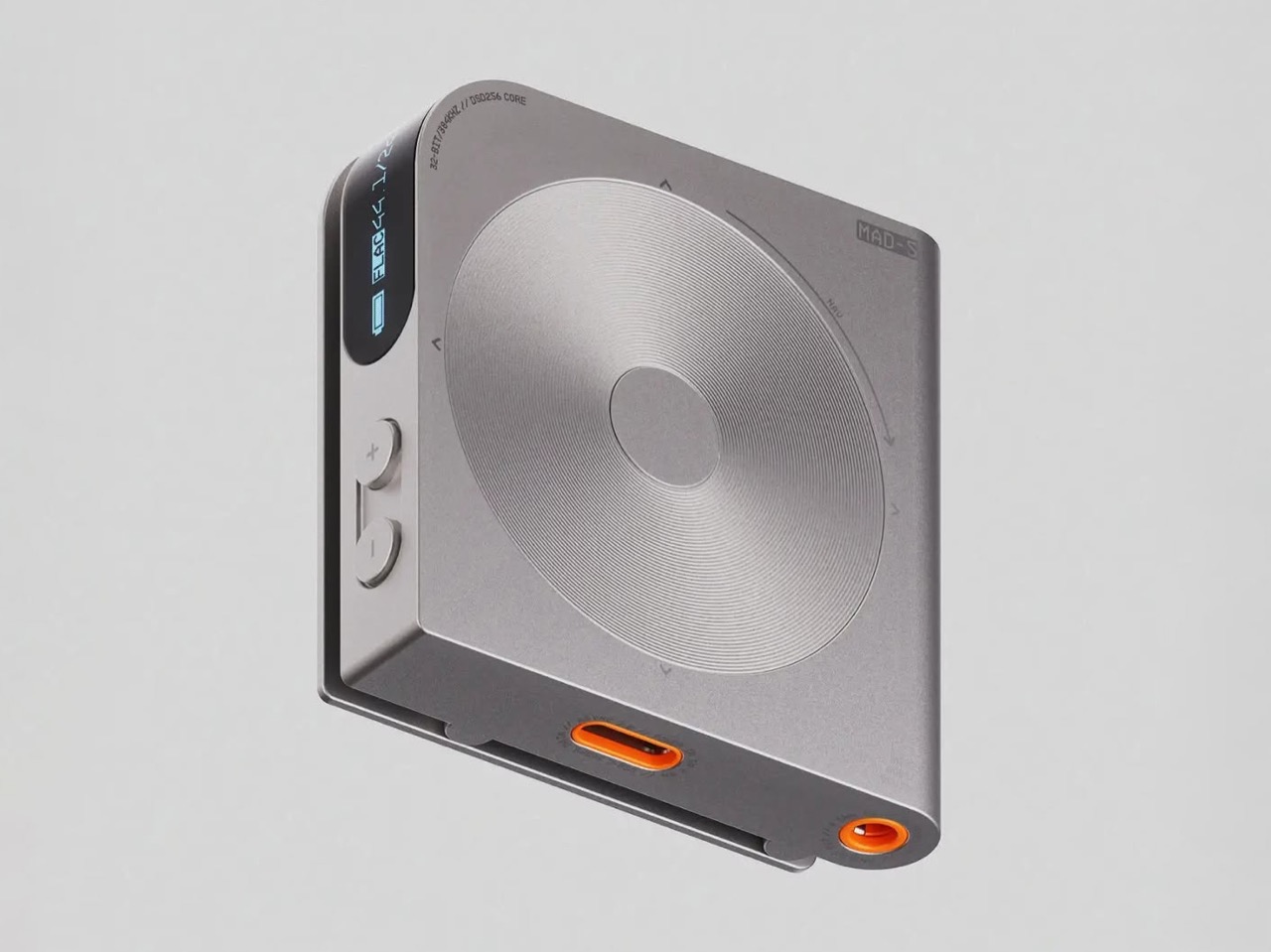
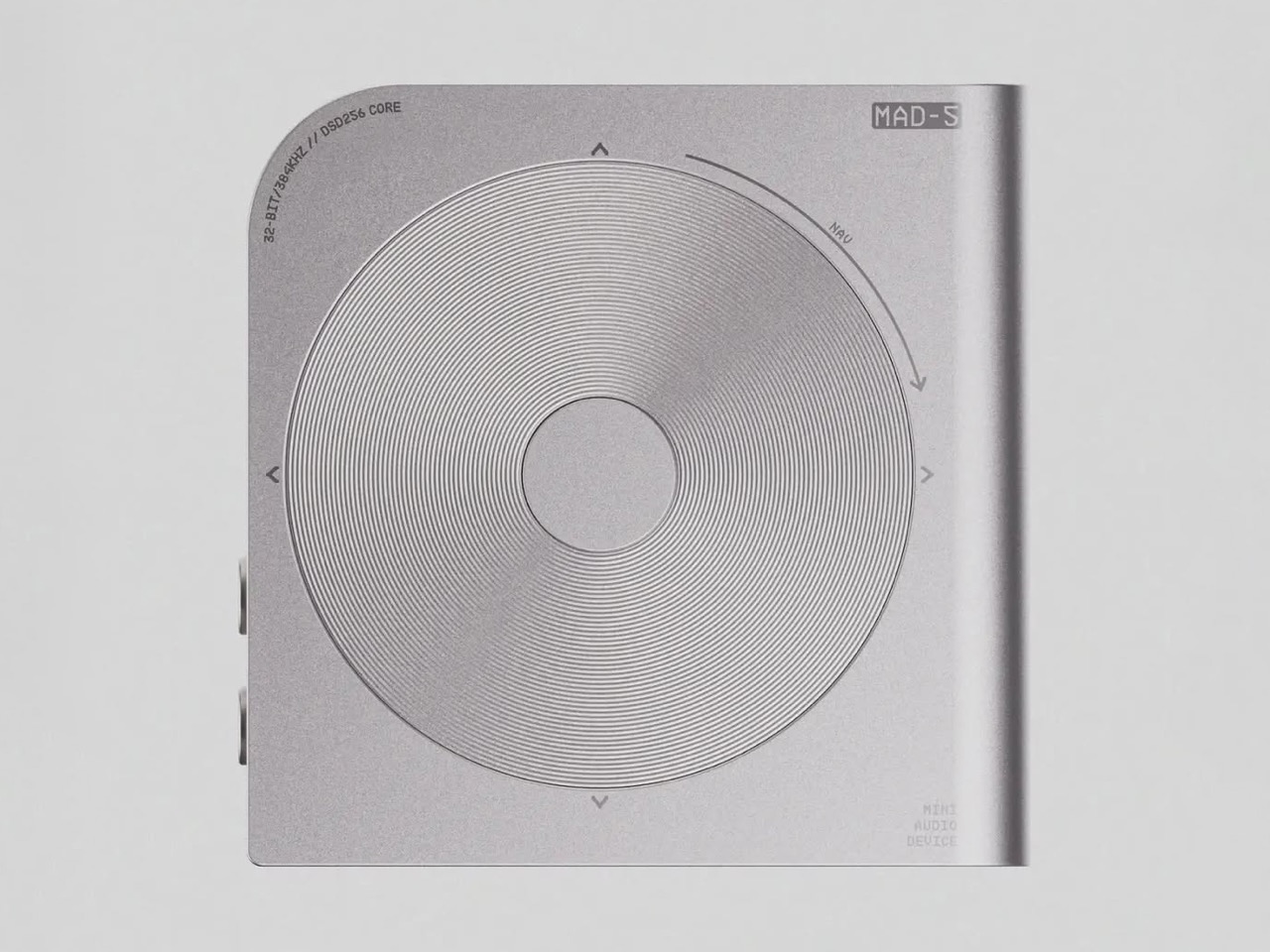
Florent Porta noticed something nobody else did: Sony’s MZ-RH1 MiniDisc recorder mounted its display on the front edge instead of the top, readable at an angle no other player offered. The MAD-5 concept takes that detail and builds an entire player around it, a square aluminum body with a thin blue ticker running along the clipped edge. For you, it solves what clip-on players have ignored for two decades, showing information without needing a screen on the face.
The clip itself borrows from the fourth-generation iPod Shuffle, while a jog disc on the front nods to Teenage Engineering’s TP-7 without the motorized reel underneath. There’s no Bluetooth, no balanced output, and nothing marked for expandable storage, all treated as current audiophile DAP standards elsewhere. The real idea might be its USB DAC mode, letting it double as an audio interface the moment you plug it into a laptop.
What we like:
- The edge-mounted ticker screen solves a real design problem that two decades of clip-on players walked past
- USB DAC mode turns it into a dongle replacement for anyone already carrying a laptop
What we dislike:
- No Bluetooth or expandable storage puts it behind basically every current audiophile DAP on the market
5. Keychron K8 HE All-Wood Special Edition
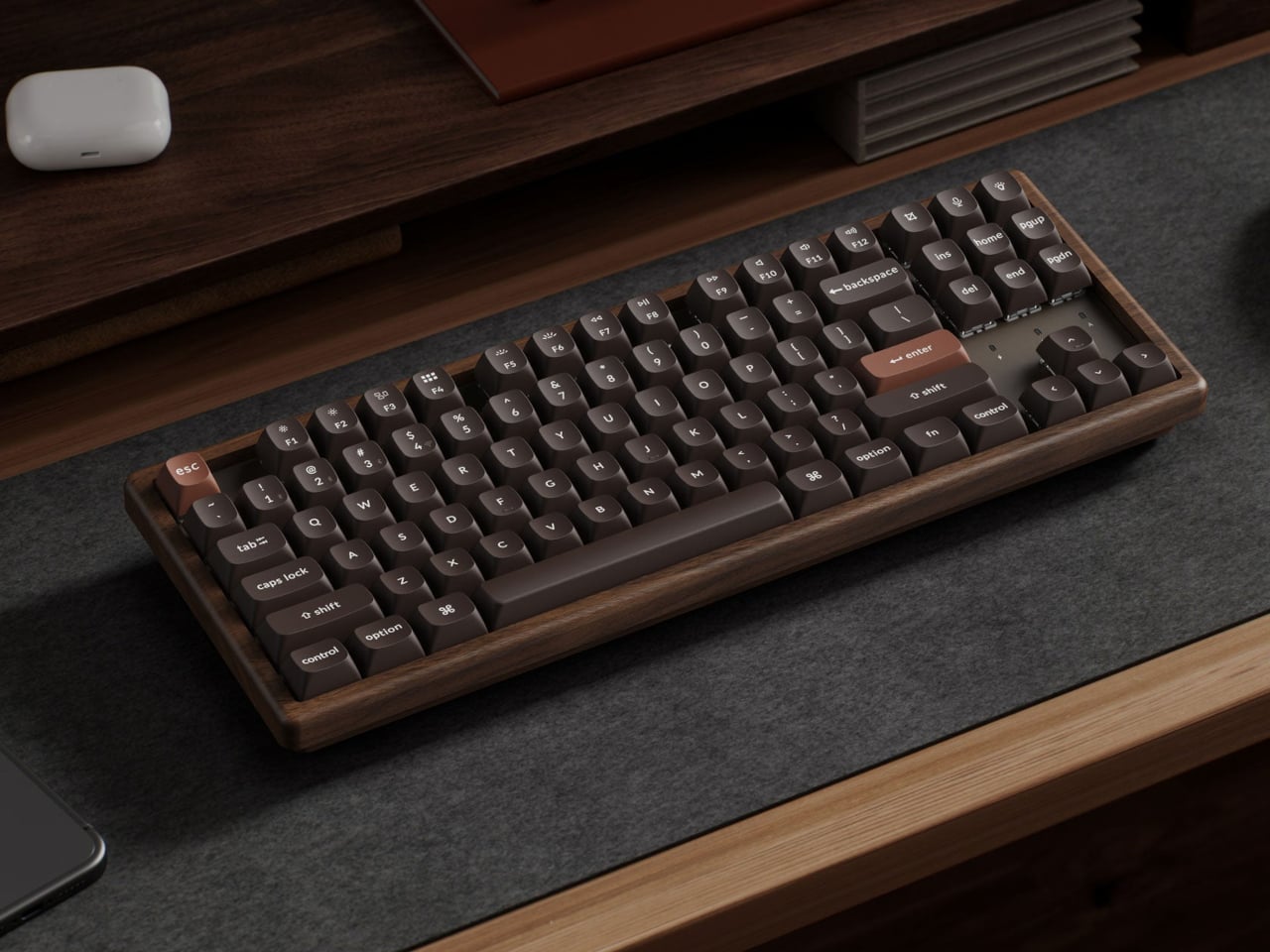
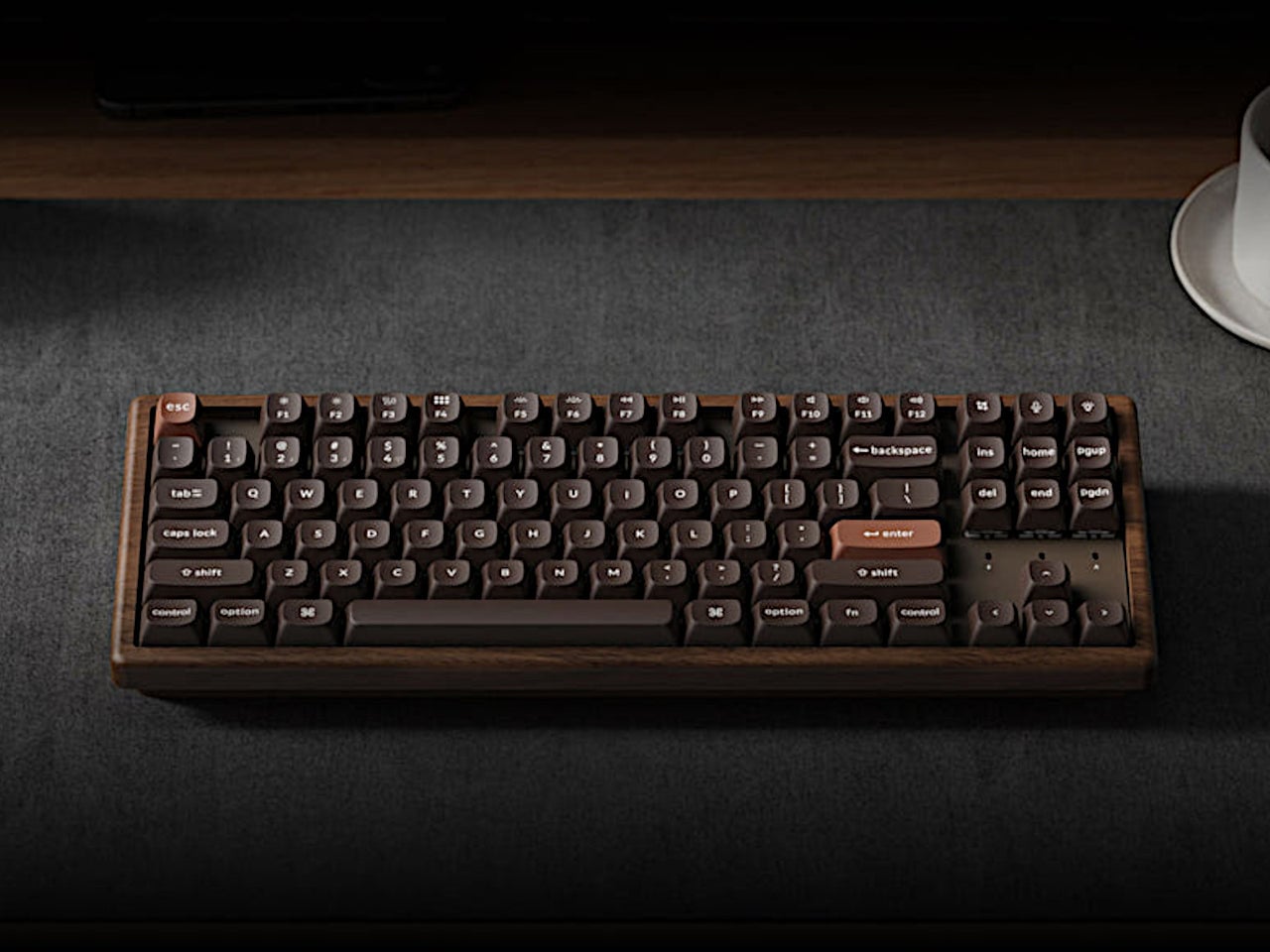
Most gaming keyboards announce themselves before you even press a key, all glowing lights and cases that belong beside a spaceship. This one goes the other direction entirely, a walnut frame and bottom case giving a genuinely fast magnetic switch keyboard the look of desk furniture instead of gaming gear. For you, it means one keyboard that works all day instead of one you hide before a video call.
Underneath that calm exterior sit Gateron Double-Rail Magnetic Nebula switches with actuation adjustable from 0.2 to 3.8mm and Rapid Trigger for instant key reset. The tenkeyless layout drops the number pad so your mouse hand has room to move, and switching between Bluetooth, 2.4GHz, or a cable means it follows you from laptop to gaming PC without a second purchase. Browser-based customization skips installing an app entirely.
What we like:
- Real wood construction reads as desk decor during the day and serious gaming hardware at night
- Adjustable magnetic actuation down to 0.2mm gives genuinely competitive response times when it matters
What we dislike:
- The tenkeyless layout drops the number pad, a real tradeoff if spreadsheets are part of your daily routine
- At $199.99, you’re paying a real premium for walnut on top of the magnetic switch hardware itself
6. OrigamiSwift Folding Mouse


A mouse that folds flat enough to disappear into a laptop sleeve solves a problem anyone who’s worked from a café already knows: that full-sized comfort and genuine portability rarely come in the same device. Designed by Horace Lam, OrigamiSwift borrows its triangular structure from origami folding and springs into shape in under half a second. For you, that means leaving the bulky travel mouse at home without giving up ergonomic comfort.
At just 40 grams, it barely registers in a bag until you need it, and the USB-C rechargeable battery lasts up to three months on a single charge. The HD infrared sensor tracks at up to 4000 CPI with a 4000 frames-per-second imaging rate, numbers that hold up against mice twice its size. Soft click buttons keep it quiet enough for shared workspaces or quiet flights.
Click Here to Buy Now: $85.00
What we like:
- Folding flat in under half a second makes it genuinely practical rather than a gimmick you stop using
- Three months of battery life on a single USB-C charge beats most travel mice by a wide margin
What we dislike:
- At $85, it costs noticeably more than most portable mice with comparable specs
7. Xiaomi UltraThin Magnetic Power Bank 5000 15W
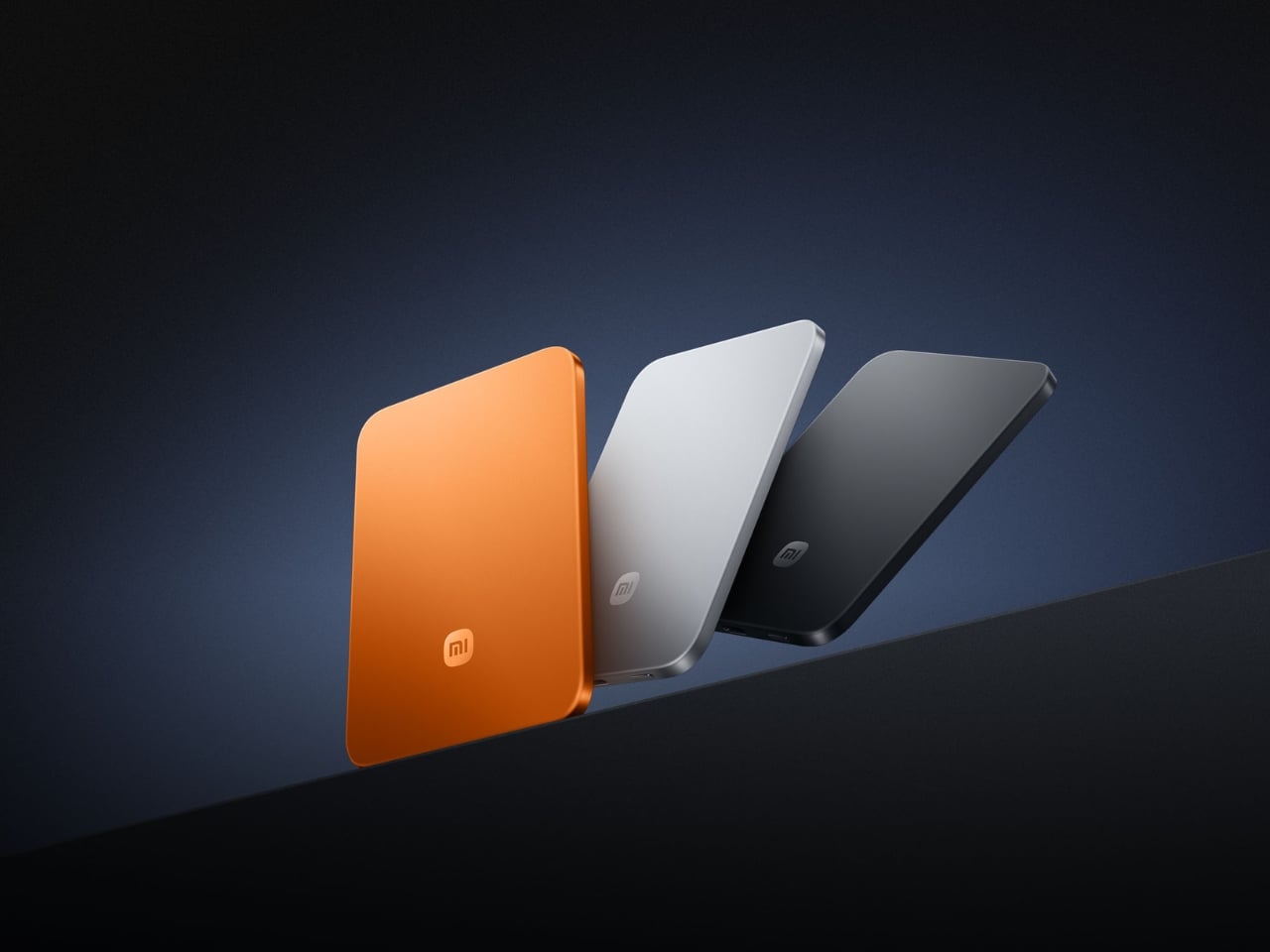
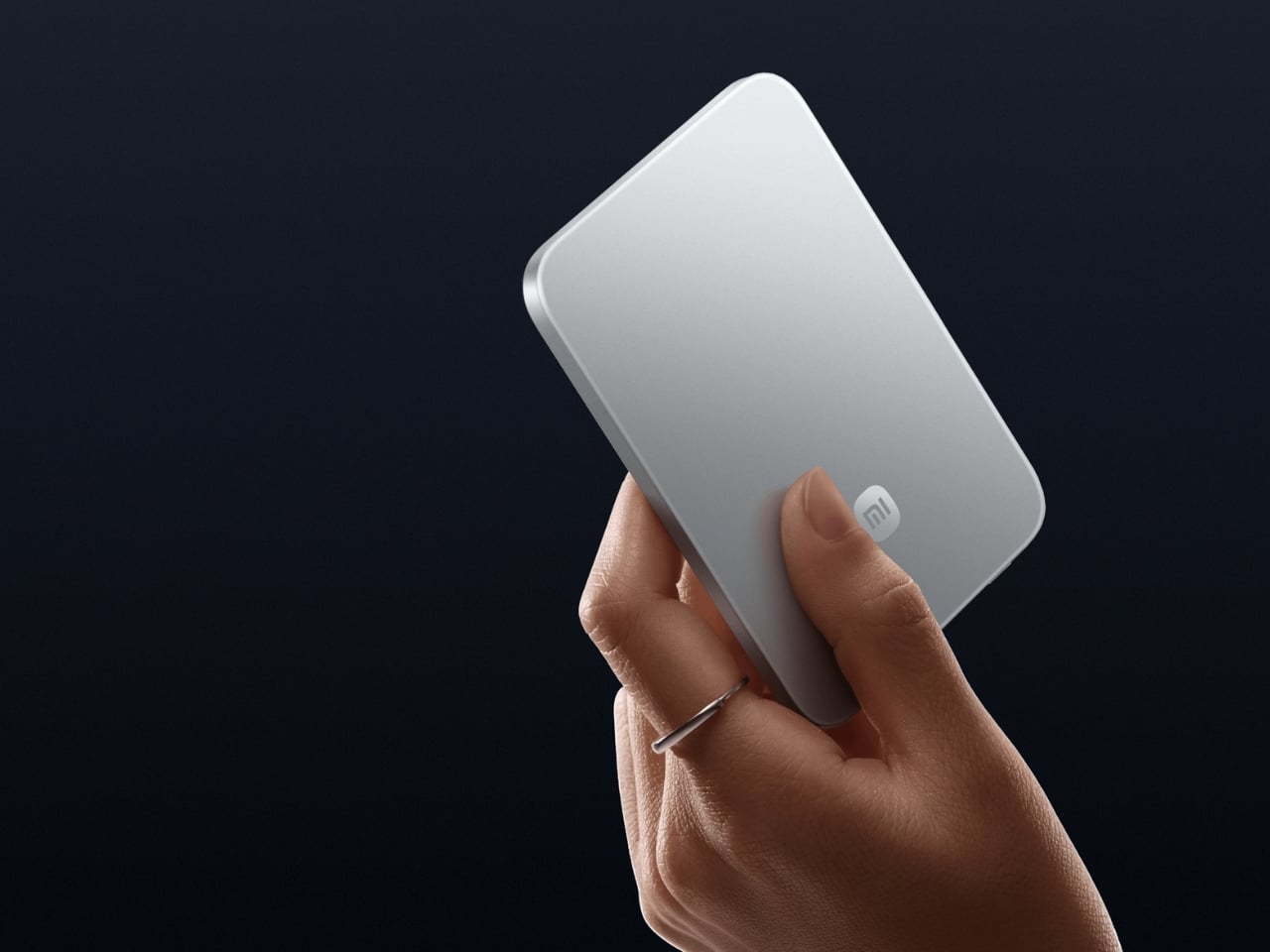
Power banks have been stuck in the same bulky shape for years, so a 6mm thick, 98 gram unit that’s thinner than most smartphones sounds like a typo until you actually hold one. Xiaomi pulled it off using a silicon-carbon battery with 16 percent silicon content, packing 5,000mAh into something closer to a metal business card. For you, it means a backup battery you forget is in your pocket until the moment you need it.
It snaps onto your phone magnetically for up to 15W wireless charging, though iPhones are capped at 7.5W due to Apple’s MagSafe restrictions, and a USB-C port handles up to 22.5W wired. Ten layers of protection cover overvoltage, overheating, and short circuits, with dual temperature sensors and a graphite sheet managing heat in real time. At roughly $60 to $65 depending on region, the price tracks with the engineering involved.
What we like:
- A 6mm profile genuinely disappears against your phone, solving the bulk problem every other power bank ignores
- Ten layers of safety protection feel reassuring rather than excessive for something built this thin
What we dislike:
- The 7.5W cap for iPhones feels limiting as Apple’s own MagSafe ecosystem pushes toward faster speeds
- Early reviews suggest slightly less usable charge than competitors rated at the same 5,000mAh capacity
8. Bose Noise Cancelling Wired Earbuds


Wired earbuds are having a real moment again, mostly because nobody wants to worry about a charging case dying or buds getting lost in transit. Bose answered that comeback with active noise cancellation built into a tethered pair, something only a handful of trusted brands currently offer. For you, it means the reliability of a cable paired with the quiet you’d normally expect from a much pricier wireless set.
USB-C connectivity keeps things current, while two microphones per bud handle adaptive noise cancelling across Quiet, Aware, and Off modes. The proprietary Sound Design processing outputs a fixed 24-bit, 48kHz signal for lossless listening, and low-latency performance makes gaming or fast-paced video noticeably smoother than typical wireless buds. An IPX4 rating covers sweat and splashes, with a zippered case for carrying.
What we like:
- Active noise cancellation on a wired pair is still rare, and Bose executes it convincingly at this price
- Low latency performance makes it a genuinely better pick for gaming than most wireless alternatives
What we dislike:
- There’s no dedicated app for control, leaving everything to the inline remote’s three physical buttons
- IPX4 covers splashes and sweat but won’t survive a real submersion the way some wireless buds can
Design That Knows When to Stop
Eight very different problems, solved with eight very different budgets. The cheapest entry here costs $55, and the most expensive sits just under $200, yet the thinking behind each one matters more than where it lands on a price chart. A CD player built for people too young to remember CDs, a phone that turns a logo into light, a mouse that folds flat enough to vanish- these are the kind of details that separate genuine design work from a spec sheet with a release date attached.
If one thread runs through this month’s picks, it’s restraint. Nobody here tried to cram in every feature available. The R400 leaned into a modular shell instead of extra buttons. The MAD-5 skipped Bluetooth to focus on one screen placement nobody else thought to try. That kind of focus is rarer than it should be, and it’s exactly why these eight earned a spot this October.
The post The 8 Best Tech Gadgets of October 2026 first appeared on Yanko Design.