Apple is poised to transform the user experience with the introduction of Apple Intelligence, a groundbreaking personal intelligence system that seamlessly integrates generative models with personal context. This innovative system will be available to users next month, coinciding with the highly anticipated release of iOS 18.1, iPadOS 18.1, and macOS Sequoia 15.1. The primary objective […]
When you dive into the world of Microsoft Excel spreadsheets, you quickly realize how powerful its functions can be. One such function that you will find incredibly useful is the RANK function. This Excel function allows you to determine the rank of a number within a list of numbers. Whether you’re working with sales data, […]
Apple has once again set a new standard in smartphone technology with the launch of the iPhone 16 Pro and iPhone 16 Pro Max. These new models are powered by the innovative A18 Pro chip, which delivers unparalleled performance and efficiency. The introduction of Apple Intelligence brings powerful generative models to the iPhone, allowing users […]
If you are searching for ways to improve the inference of your artificial intelligence (AI) application. You might be interested to know that deploying uncensored Llama 3 large language models (LLMs) on cloud GPUs can significantly boost your computational capabilities and enable you to tackle complex natural language processing tasks with ease. Prompt Engineering takes […]
Apple has officially announced the iPhone 16 and iPhone 16 Plus, marking a significant advancement in smartphone technology. Built for Apple Intelligence, these new models offer a personal intelligence system that understands user context to deliver relevant and helpful information while maintaining privacy. This innovative feature is set to transform how users interact with their […]
The new AirPods that Apple just announced at its iPhone 16 event come with cases that have USB-C ports, but they will not ship with USB-C charging cables in the box. As 9to5Mac has noticed, the new devices' official page states that USB-C charge cables are sold separately for both the basic AirPods 4 and the AirPods 4 with Active Noise Cancellation. Apple didn't reveal the lack of cable in the earbuds' package in the event, but perhaps the company's assumption was that most people already have a bunch of USB-C cables in their possession. Still, it has just switched out the AirPods' cases lightning port, so current users got lighting cables with their previous models.
Apple started selling its devices without charging bricks years ago, and it also stopped shipping the Apple TV with a USB cable for its Siri charger in 2022. So, no, this isn't unprecedented, but those who don't have an extra cable to use with an AirPods 4 will have to buy one. The latest version of the AirPods Max does come with a cable, though, so those looking to get a pair don't have to put an extra one in their shopping cart.
For those now undecided whether to get the AirPods 4: We did find the ANC version's performance impressive. Engadget Senior Reporter Billy Steele got to try it at Apple Park's chaotic hands-on area, and the active noise cancellation nearly silenced the room full of event attendees. Apple also called the new models the "best fitting AirPods ever."
This article originally appeared on Engadget at https://www.engadget.com/audio/headphones/apple-airpods-4-dont-come-with-a-cable-to-charge-them-035629606.html?src=rss
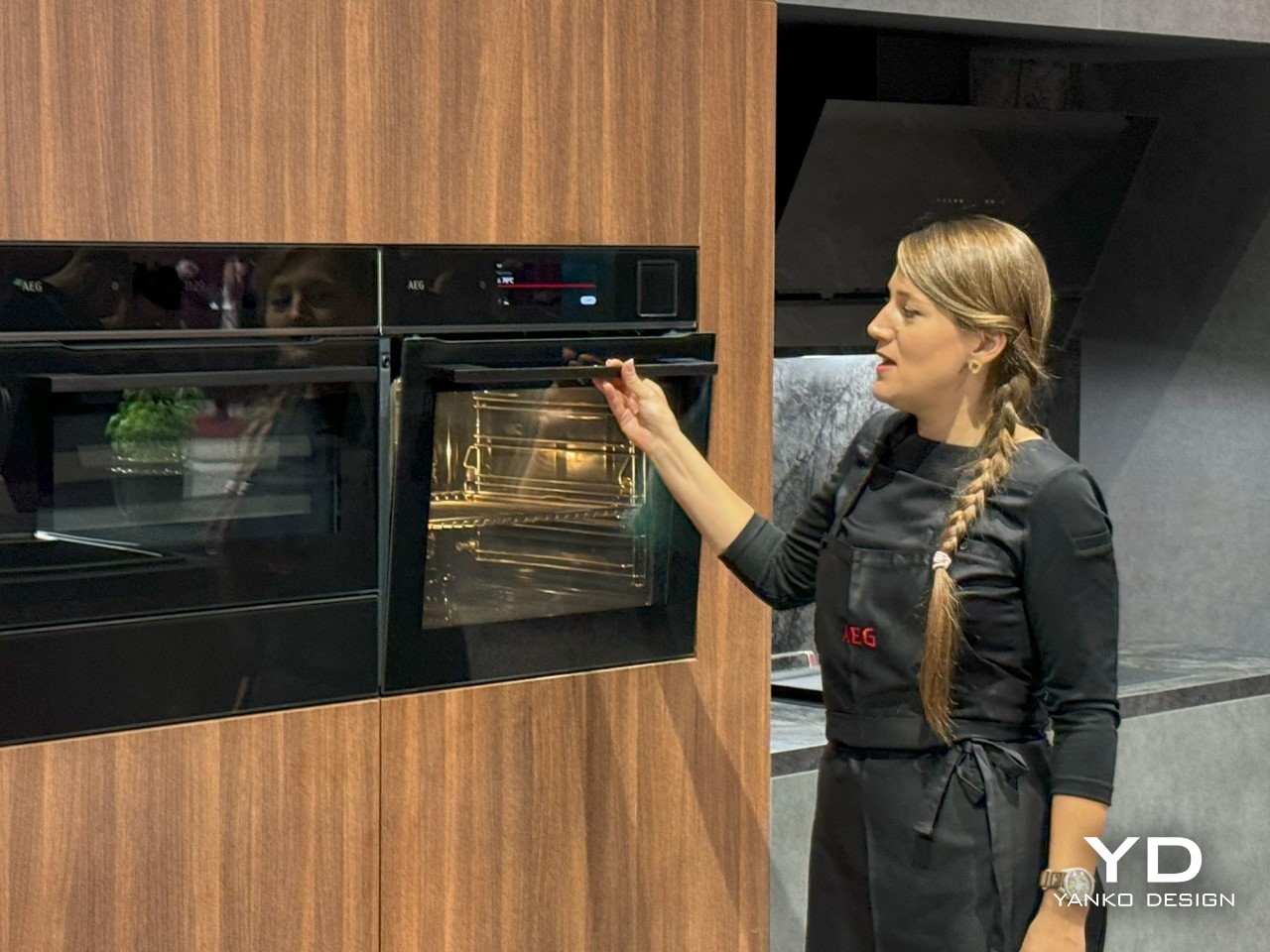
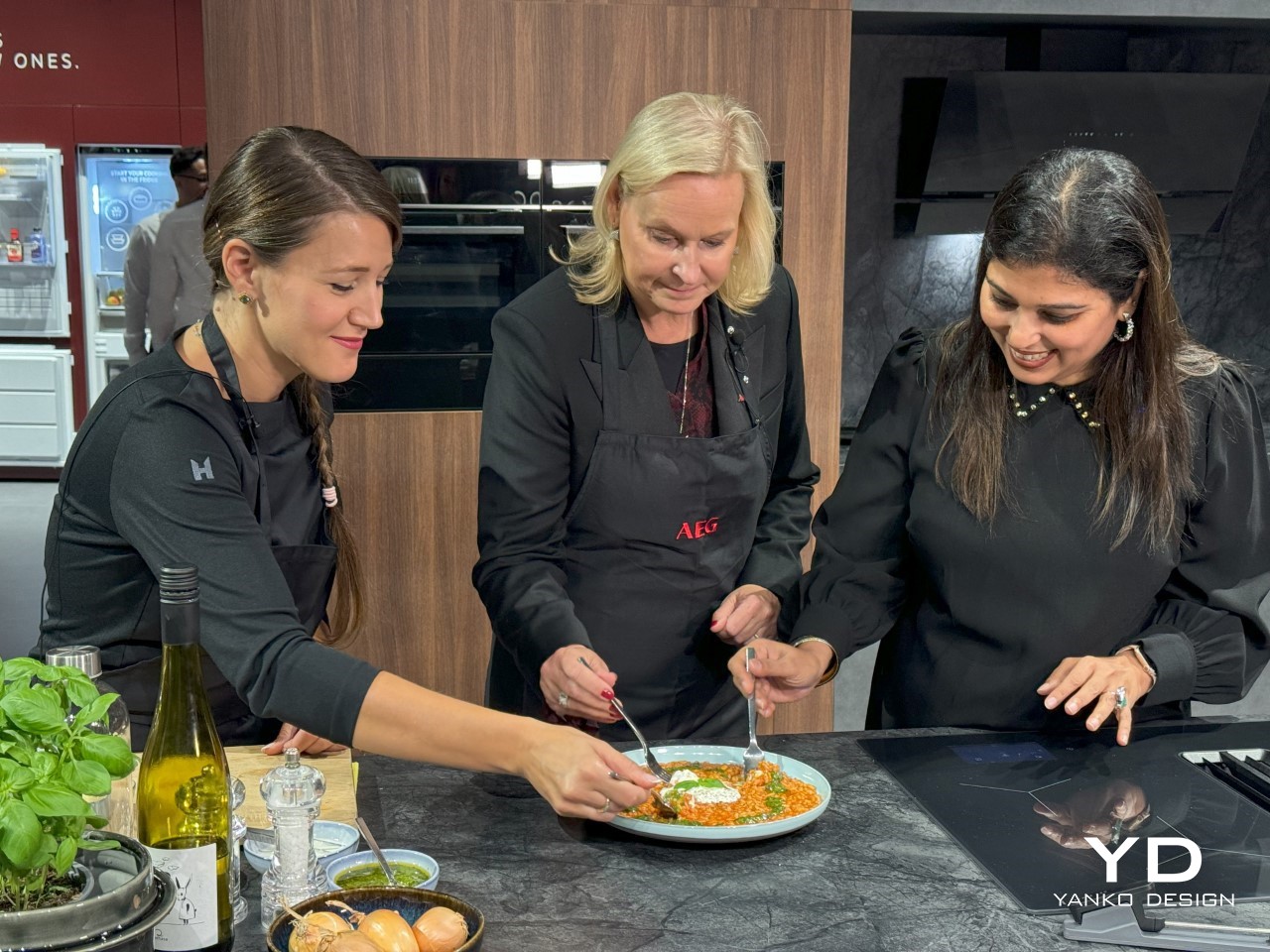
With its kitchen-line products on display at IFA, AEG is putting its money where its mouth is – by having a CEO produce a top-tier dish with help from a chef while using the company’s induction hob, oven, and overhead chimney. The cook-off, hosted by Radhika Seth of Yanko Design, attempts to drive home a simple point – with the right tools, anyone can be a chef. To prove this, we got Anna Ohlsson-Leijon (CEO Business Area Europe APMEA & Group Executive Vice President, Electrolux Group) to collaborate with professional chef Paola Martinenghi. Martinenghi, a designer-turned-chef with a history of working for Michelin star restaurants is a designpreneur in her own right, with her own women-led lighting-design firm. With a passion for cooking, Martinenghi believes in preserving old-school recipes, even if it means updating them so that people can use cutting-edge kitchen appliances to make age-old traditional dishes.
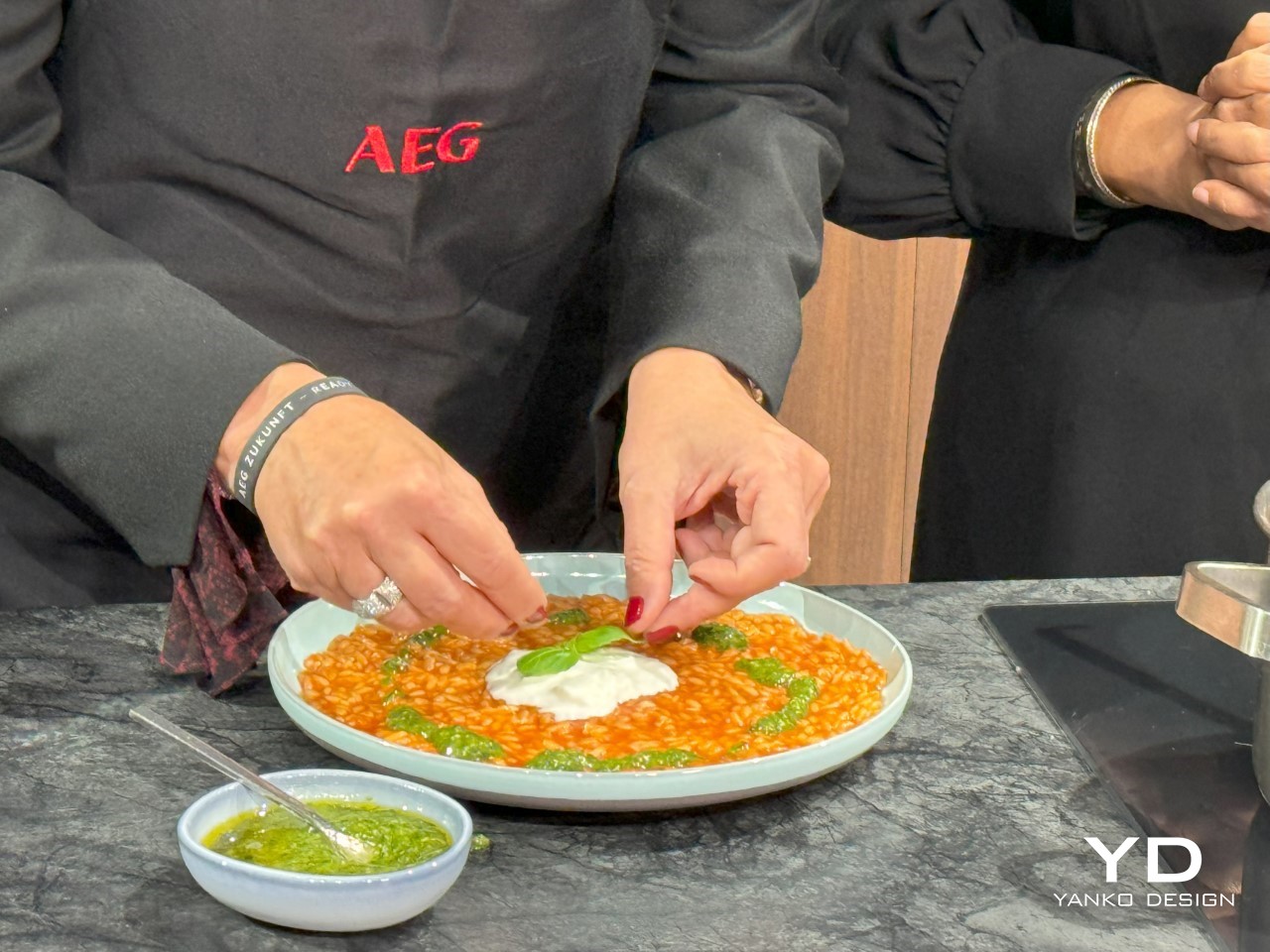
Both CEO and Chef will be attempting a deceptively simple dish that’s known for requiring perfect technique – Risotto Tricolore with pomodoro, pesto, and burrata – a summer spin on the Risotto Milanese. Risotto is considered an incredibly technical dish given the precise control required over temperature, cook-time, and the gradual addition of broth to rice while you constantly stir the dish. Mess any step up and your risotto is less-than-ideal resulting in a dish that would make an Italian nonna fume. It’s a good thing, however, that AEG’s state-of-the-art kitchen collection makes certain steps foolproof, allowing you to easily attempt even the most technical recipes.
The process gets made simple by AEG’s CookSmart Touch Display, which guides you through step by step. The Sense Fry sensor on the hob helps you maintain a consistent temperature during your cook (sort of like cruise control for chefs) – for the risotto, it’s a steady 120°C. Meanwhile, AEG’s Xtractor Hob, which features an integrated extractor fan, kept the cooking area free of smoke and odors, making the experience even more pleasant. A clean, smoke-free kitchen means less hassle, and less cleanup—a win for anyone who’s familiar with the chaos of post-cooking messes.
Throughout the cook-off, the focus shifted frequently to AEG’s smart features, particularly how the appliances use AI to adapt and enhance cooking. The AI TasteAssist feature automatically adjusts cooking settings based on the dish being prepared. Anna explained that by simply inputting a recipe, the oven analyzes the details and determines the optimal temperature and time, which could revolutionize how people cook at home. The Assisted Dishes function also impressed Paola, as it provides guidance across a wide range of meals, making even the most complex dishes accessible to home cooks.
Energy efficiency was another cornerstone of the new AEG range. Sustainability is more than a buzzword—it’s built into the design. The appliances can reduce energy consumption by up to 30%, with features like PreHeat and Residual Heat, which cleverly utilize retained heat to finish cooking. The SenseBoil & Fry function, for instance, promises to save up to 33% in energy usage. It’s clear that AEG has aligned its smart technology not just with convenience, but with the goal of making kitchens more eco-friendly.
The discussion also touched on design and aesthetics. AEG’s range isn’t just high-tech—it’s designed to be visually appealing. Paola praised the sleek, minimalist look of the appliances, which come in Matt Black and Glossy Black, noting that they not only enhance the cooking process but also complement modern kitchen interiors.
As the cook-off neared its conclusion, Paola and Anna finished the risotto with a flourish, adding burrata for a creamy, indulgent finish. The results were met with unanimous delight as the hosts tasted the dish and marveled at how easy the process had been, thanks to AEG’s smart kitchen tools.
Apple has a reputation for taking established ideas and refining them into seamless, intuitive features, and it looks like they’ve done it again with their new Visual Intelligence technology in the iPhone 16. In contrast to Google Lens, which primarily scans objects or texts in photos and returns basic web-based results, Apple’s Visual Intelligence integrates advanced generative models and contextual awareness, creating a more profound, interactive experience. This blend of on-device intelligence and private cloud computing not only delivers more relevant information but does so in a way that feels personal and purposeful.
Let’s dive into why Apple’s Visual Intelligence may have just overshadowed Google Lens, and how it’s bringing more powerful insights to users right through the iPhone 16’s camera. Before we do, it’s important to note that Google HAS, in fact, demonstrated Gemini’s ability to ‘see’ the world around you and provide context-based insights… however, it seems like a lot of those features are limited to just Pixel phones because of their AI-capable Tensor chips. While Google Lens (an older product) is available across the board to both iOS and Android devices, Apple’s Visual Intelligence feature gives iPhones a highly powerful multimodal AI feature that would otherwise require existing Apple users to switch over to the Google Pixel.
Going Beyond Surface-Level Search
Google Lens has been a reliable tool for identifying objects, landmarks, animals, and text. It essentially acts as a visual search engine, allowing users to point their camera at something and receive search results based on Google’s vast index of web pages. While this is undoubtedly useful, it stops at merely recognizing objects or extracting text to launch a related Google search.
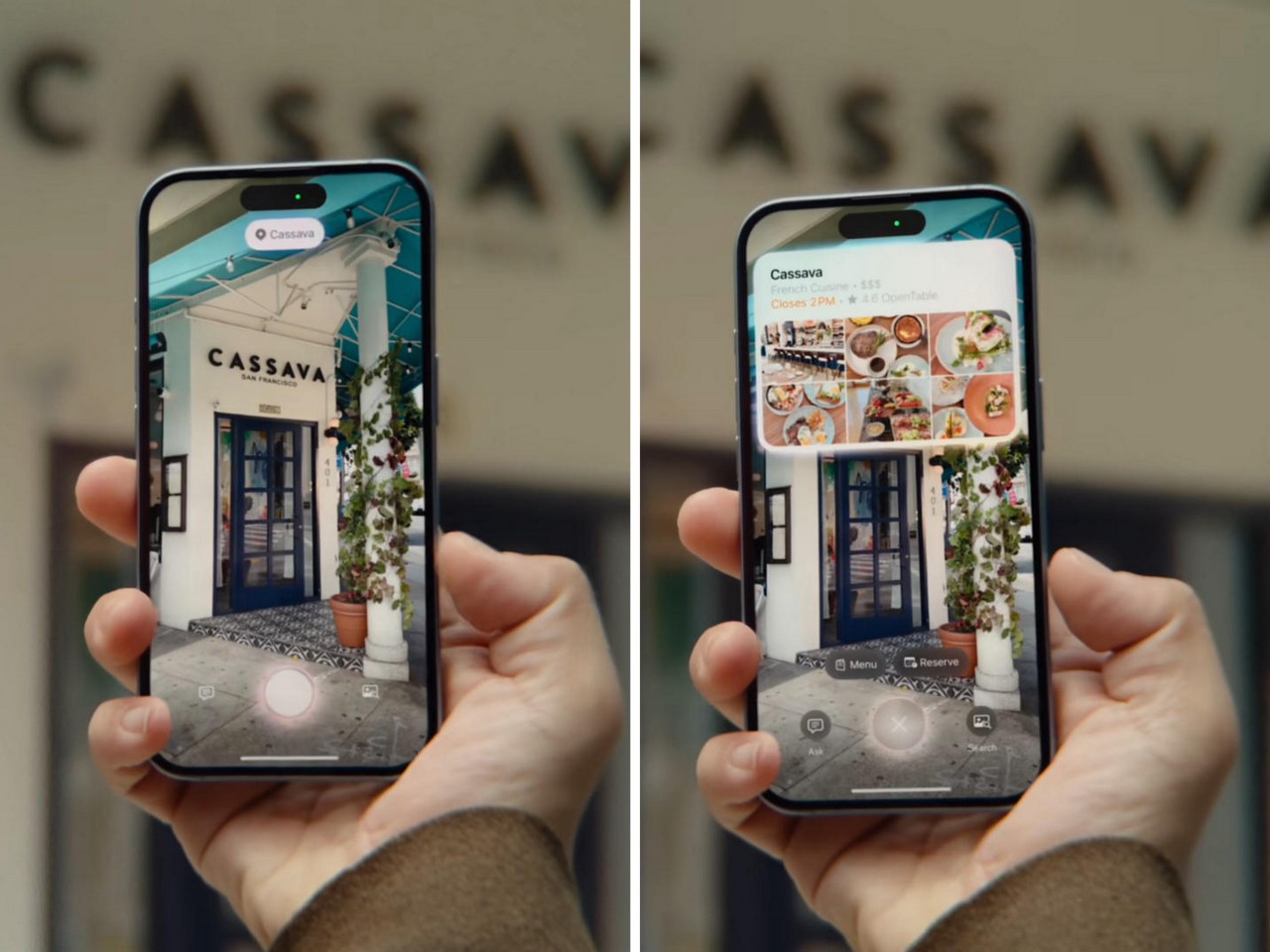
Apple’s Visual Intelligence, on the other hand, merges object recognition with contextual data retrieval. This means it can offer richer, more integrated information. During the Apple keynote, Craig Federighi demonstrated how users could point their iPhone at a restaurant and instantly retrieve operating hours, reviews, and options to make reservations—all without needing to open Safari or another app. Similarly, pointing the camera at a movie poster will not just yield a name or showtimes, but deeper context such as ratings, actor bios, and related media, providing a much more immersive and helpful experience.
The Power of Integration: Visual Intelligence and Third-Party Tools
One of the standout features of Apple’s Visual Intelligence is its seamless integration with third-party tools, offering expanded functionality. For instance, if you spot a bike you’re interested in, Visual Intelligence doesn’t just identify the brand and model; it can quickly connect you to third-party retailers via Google Search to check availability and pricing. This interplay between native intelligence and external databases exemplifies Apple’s mastery of pulling together useful, real-time data without breaking the user’s workflow.
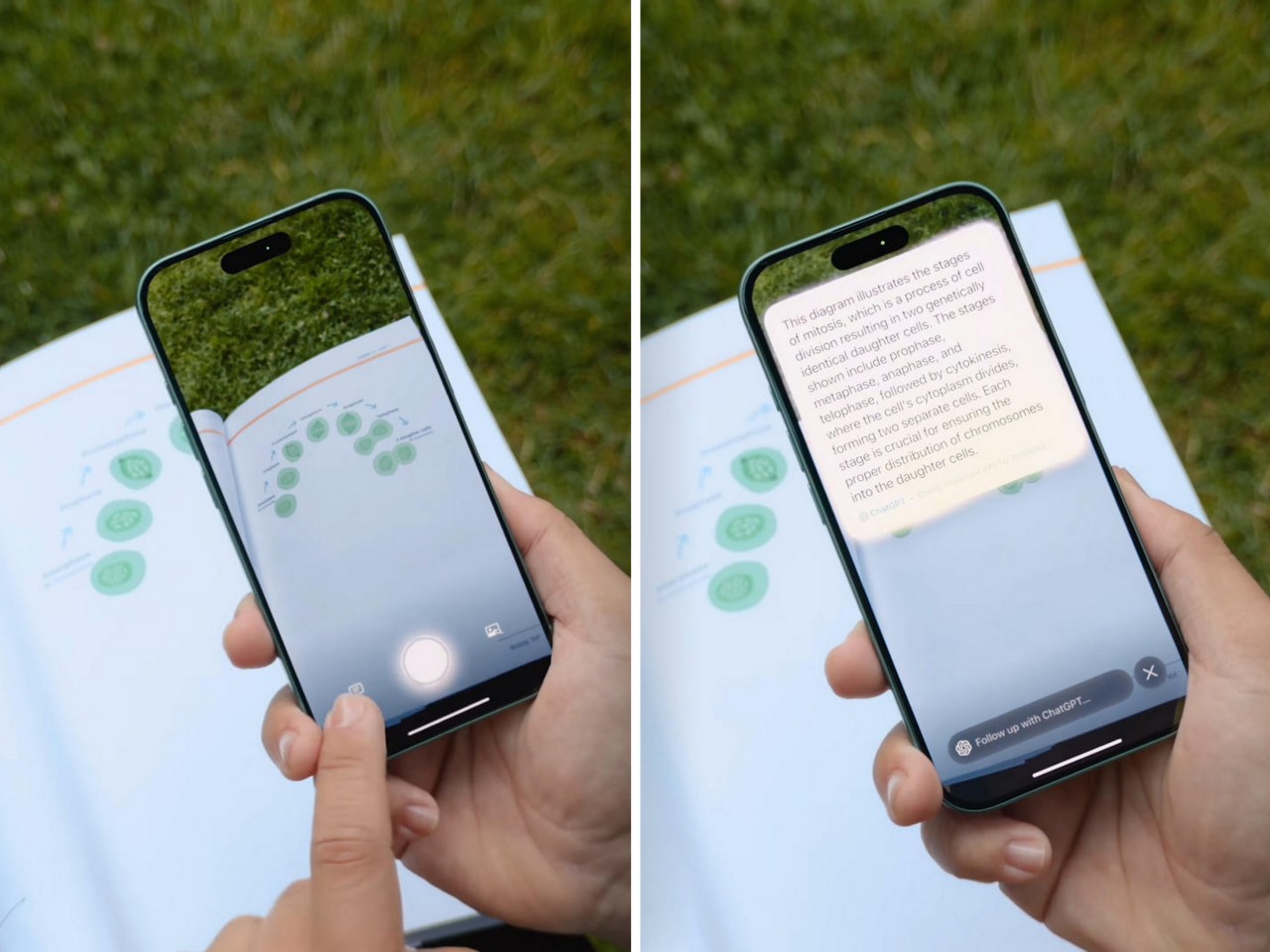
But it doesn’t stop there. Apple has built-in support for querying complex topics with tools like ChatGPT. Imagine you’re reviewing lecture notes and stumble across a difficult concept. Simply hold your iPhone over the text and ask ChatGPT to explain it right on the spot. This deep contextual awareness and ability to provide real-time insights based on multiple external sources is something Google Lens simply cannot do at the same level.
Privacy at the Core
Another area where Apple shines is in its privacy-first approach to AI. All interactions through Visual Intelligence, such as identifying objects or pulling up information, are processed on-device or via Apple’s Private Cloud Compute, ensuring that no personal data is stored or shared unnecessarily. This is a stark contrast to Google’s cloud-based model, which has often raised concerns about the volume of user data being processed on external servers. By keeping the majority of computation on the device, Apple delivers peace of mind for privacy-conscious users—an area that Google has historically struggled with.
A Broader Reach: Enabling Personal Context
One of the most significant advantages of Apple’s approach is its deep integration into your phone’s personal data. Visual Intelligence doesn’t just analyze what’s in front of the camera; it connects the dots with your past interactions. For example, Siri, now supercharged with Visual Intelligence, can identify the contents of your messages or your calendar appointments and offer contextual suggestions based on what you’re viewing. If you’re looking at a flyer for an event, Visual Intelligence will not only retrieve details about the event but also cross-reference it with your schedule to automatically add it to your calendar—again, without having to lift a finger.
Google Lens, by comparison, lacks this deep personal integration. It’s effective as a standalone visual search tool but hasn’t yet reached the level of intuitive, user-centered design that Apple has mastered.
A New Era for Intelligent Photography
Apple’s innovation also extends into how we interact with our cameras. The new camera control on the iPhone 16 doubles as a gateway to Visual Intelligence. This means users can quickly snap a photo and receive actionable insights immediately. With a simple press of the camera control, users can tap into features like instant translations, object recognition, or even educational tools like ChatGPT.
Google Lens, while impressive in its object recognition, doesn’t offer this seamless experience. It requires users to jump between apps or tabs to get additional information, while Apple’s integration means the iPhone is one fluid tool—camera, intelligence, and action all in one place.
Apple Executes Where Google Initiated
Google Lens may have launched first, but Apple has undeniably refined and expanded the concept. It’s a tendency that we’ve come to learn and love about Apple – they usually don’t believe in being first to the market, but rather believe in executing features so well, people tend to ignore the competition – they did so with the Vision Pro AND with Apple Intelligence. Visual Intelligence is a bold step forward, leveraging on-device power and privacy to deliver more meaningful, contextual insights. Where Google Lens excels at basic object recognition, Apple’s approach feels more like a true assistant, offering deeper information, smarter integrations, and a more secure experience.
In this bonus episode, Devindra and Engadget Contributing Reporter Kris Holt break down everything new (and not so new) in the iPhone 16 lineup. Is Apple Intelligence alone enough to entice iPhone owners to upgrade? Does anyone actually need the camera button? And why are we so intrigued by the Apple Watch Series 10 (which is undoubtedly the most interesting product Apple launched today)?
Listen below or subscribe on your podcast app of choice. If you've got suggestions or topics you'd like covered on the show, be sure to email us or drop a note in the comments! And be sure to check out our other podcast, Engadget News!
Hosts: Devindra Hardawar and Kris Holt Producer: Ben Ellman Music: Dale North and Terrence O'Brien
This article originally appeared on Engadget at https://www.engadget.com/mobile/smartphones/engadget-podcast-the-apple-watch-series-10-was-the-star-of-the-iphone-16-launch-222416888.html?src=rss