The Redmi K100 Pro Turns Its Glass Back Into a Glowing Sketchpad

Photoluminescent material is not new. It is the stuff in your kid’s ceiling stars, in old wristwatch dials, in every glow stick you have ever cracked at a concert. What is new is putting that decades old chemistry on the back of a flagship smartphone and letting the owner become the artist instead of the factory. That is exactly what Redmi did with the K100 Pro, and it might be the single most fun thing to happen to phone design all year, mostly because it does not take itself too seriously.

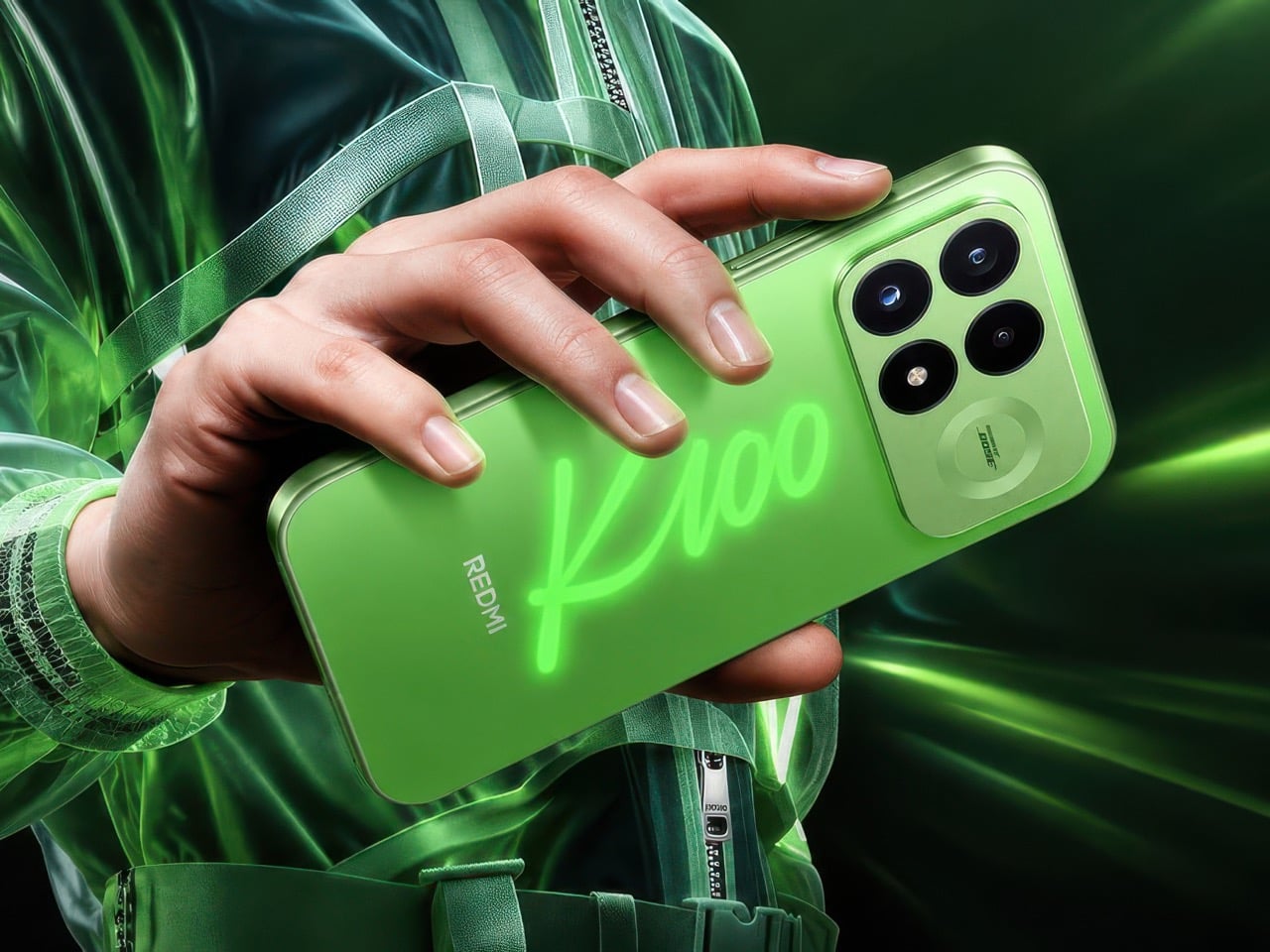
The finish is called Glowing Firefly, and it works by hiding a luminescent layer between the phone’s glass back and its green ink coating, invisible in daylight and glowing wherever you point a flashlight or light pen after dark. Redmi launched the K100 Pro in China on August 11, pairing the party trick with a legitimately serious spec sheet that includes a 185Hz OLED, a Snapdragon 8 Elite Gen 5 V Series chip, and a 200MP camera. The phone can keep up with any flagship on paper. It just also happens to double as a doodle pad.

Designer: Xiaomi
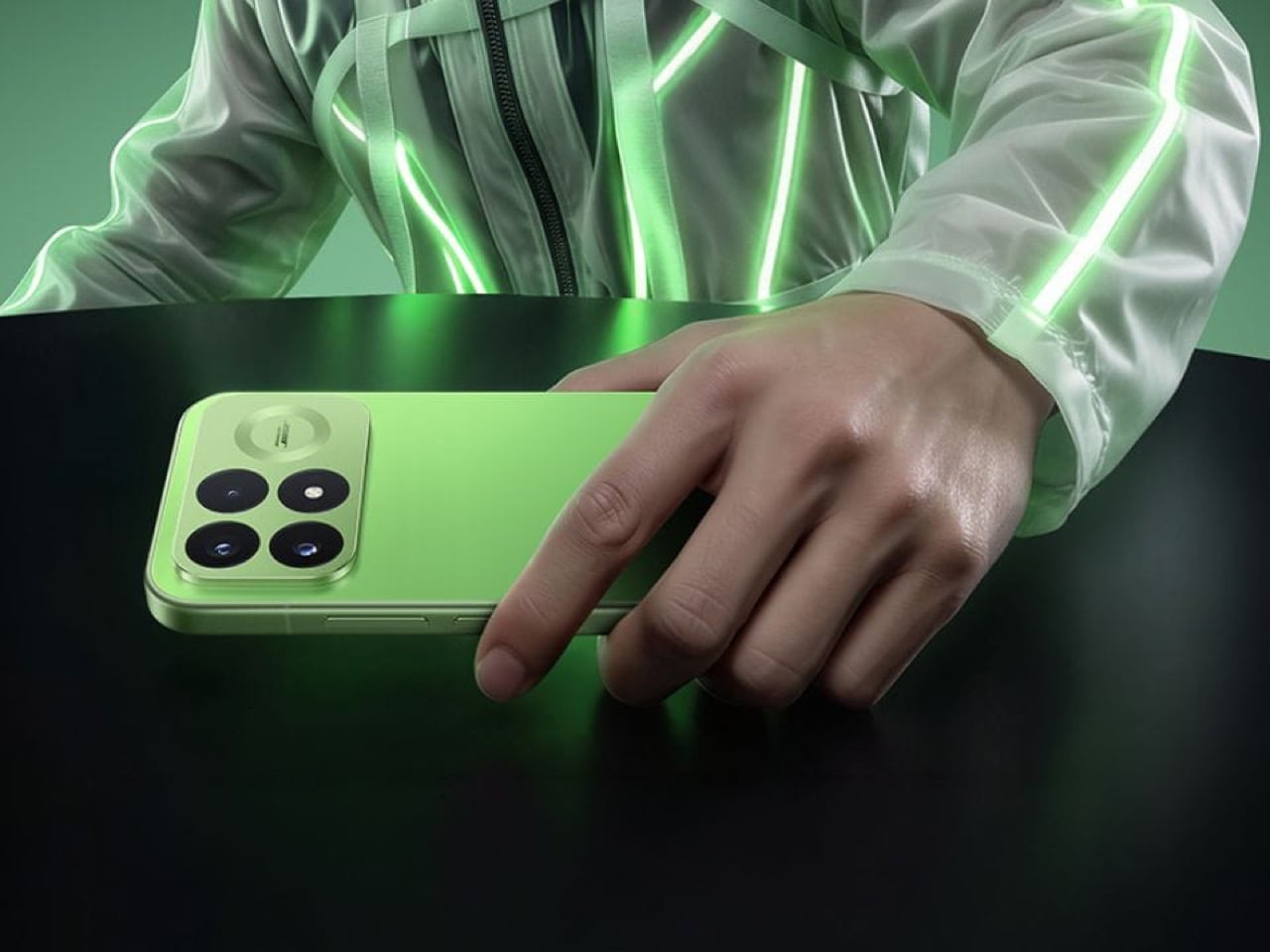
Redmi’s own language calls the back panel a light painting canvas, and that description holds up better than most marketing copy tends to. Point a flashlight, a laser pointer, or a dedicated light pen at the glass and the material soaks up the energy along the exact path the light traveled, then releases it slowly as a glowing outline. Write your name, sketch a smiley face, sign the thing like a yearbook, and watch it fade out over the following minutes. There is no chip involved, no battery drain, nothing to charge separately. It is closer to a Lite Brite than to anything Qualcomm builds, which is honestly the charm of it.

Nothing tried something adjacent with the Phone 2a Plus Community Edition, and I still think about that phone. It used a green phosphorescent coating along the ribbon cables and camera trim, charged by ambient light and glowing softly on its own without any input from you. It was quiet, tasteful, very on brand for a company obsessed with making internals look intentional. Redmi took that same chemistry and handed the pen to the user instead of the factory. One phone glows because the designers told it to. The other glows because you told it to, and that distinction matters more than it sounds.
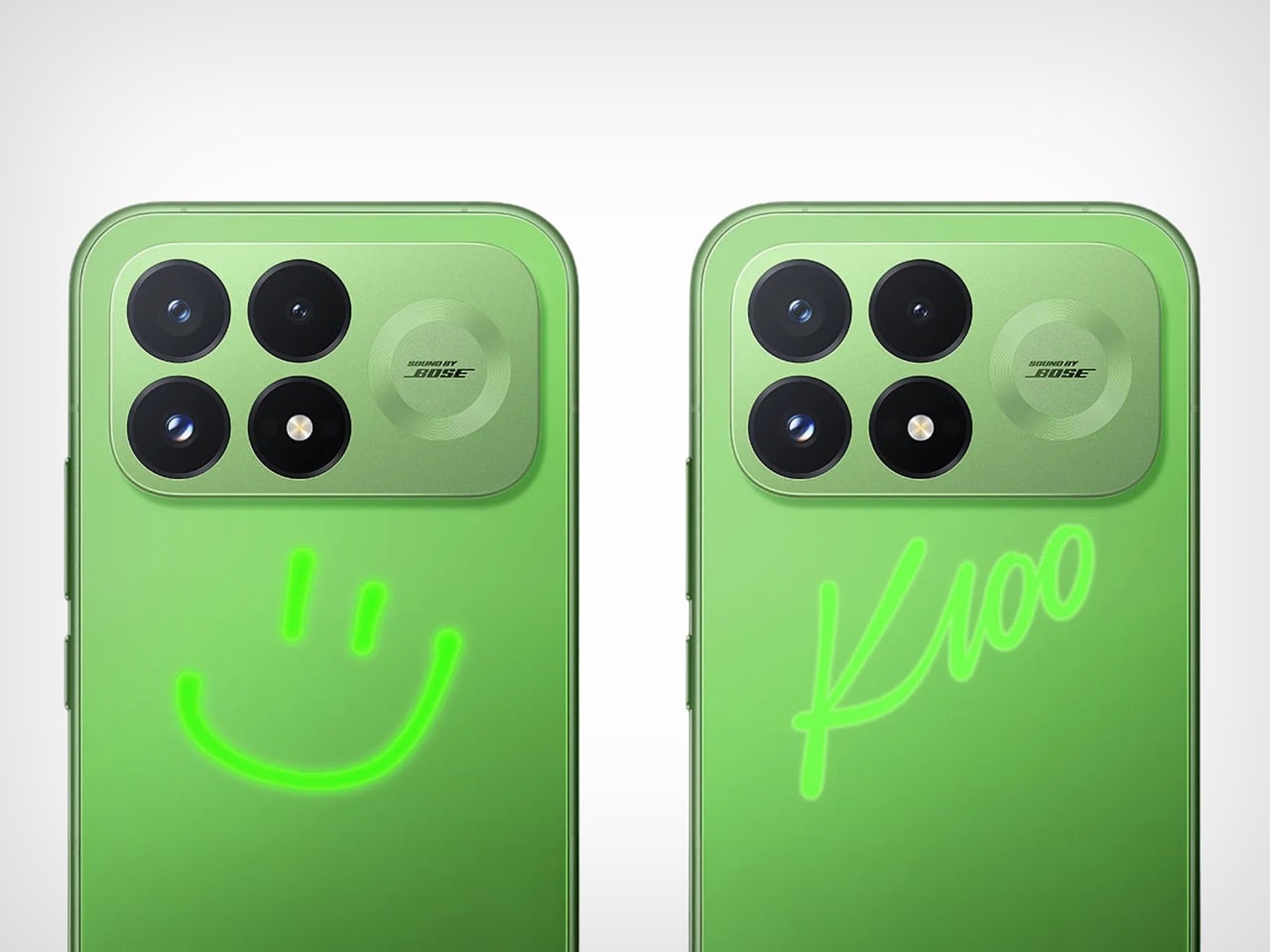
None of this changes what the K100 Pro is underneath the finish, a genuinely stacked gaming flagship with an 8,580mAh battery, 100W charging, and a cooling system built for long sessions. But the spec sheet was never going to be the reason anyone remembers this phone. The reason is a green slab that lets you leave a temporary signature in light, fading like sidewalk chalk, gone by morning, ready for you to draw on it again tomorrow.

The post The Redmi K100 Pro Turns Its Glass Back Into a Glowing Sketchpad first appeared on Yanko Design.
This 20-Foot Tiny Home by Is Built for Nomads Who Refuse to Compromise

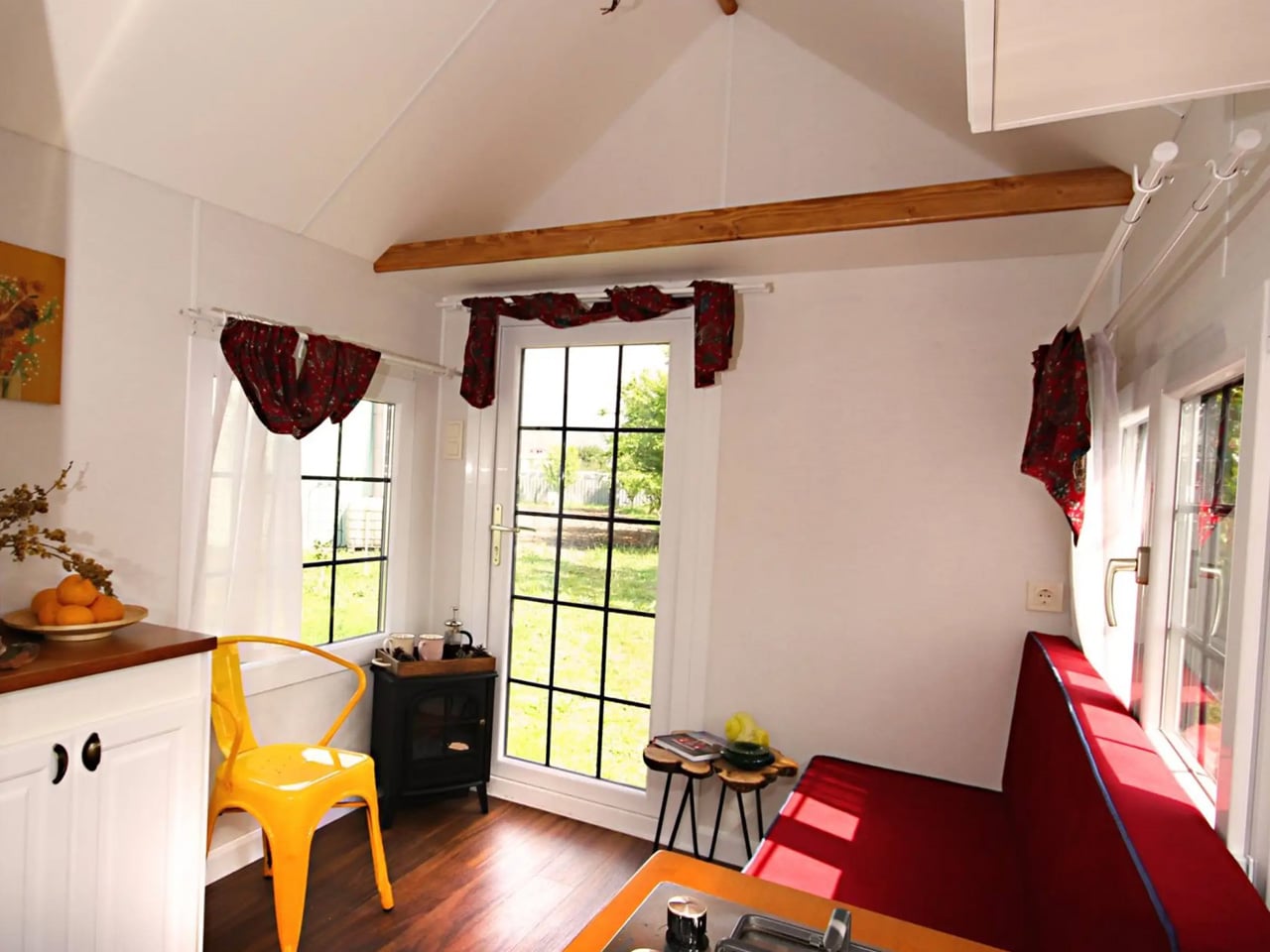
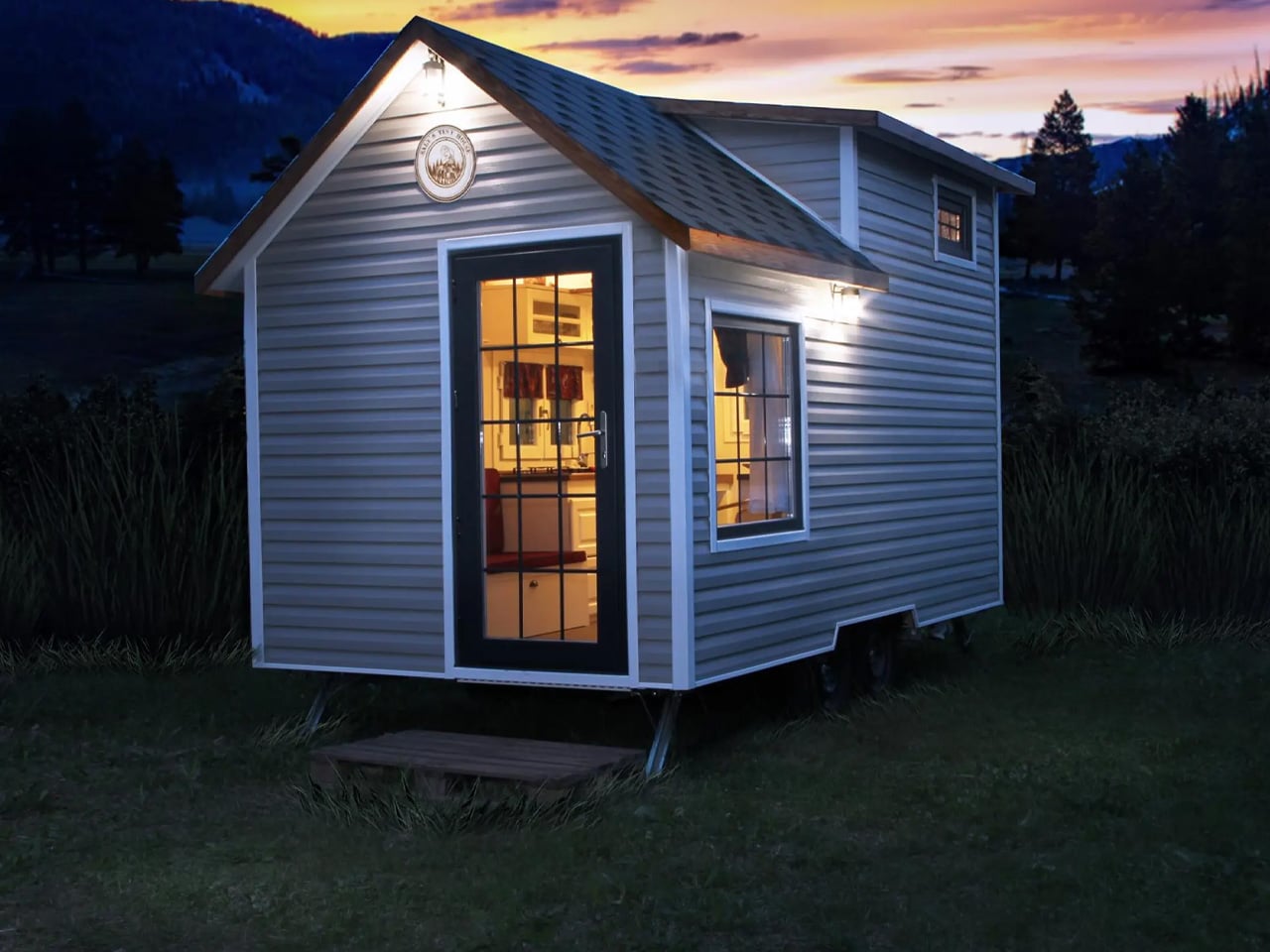
The tiny home movement has been quietly drifting toward bigger. Floor plans stretch, footprints grow, and somewhere along the way, the original appeal — freedom, lightness, the ability to leave — gets traded for a second bathroom. Saly Karavan, the Turkish caravan maker, went the other way. The Sunrise Tiny House is 20 feet long, road-ready, and designed around one core idea: that a home should be able to go wherever you do.

Built on a hot-dip galvanized double-axle trailer with a 3,000 kg axle capacity, the Sunrise sits at a standard road-ready width, which means no special permits, no wide-load headaches, just a truck and an open road. The exterior is finished in American siding with a shingle roof, giving it a classic cottage silhouette that reads warmer than the flat-panel aesthetic dominating the tiny home space right now. An optional Finnish pine exterior is available for those who want a more tactile, natural feel on the outside.

Designer: Saly Karavan

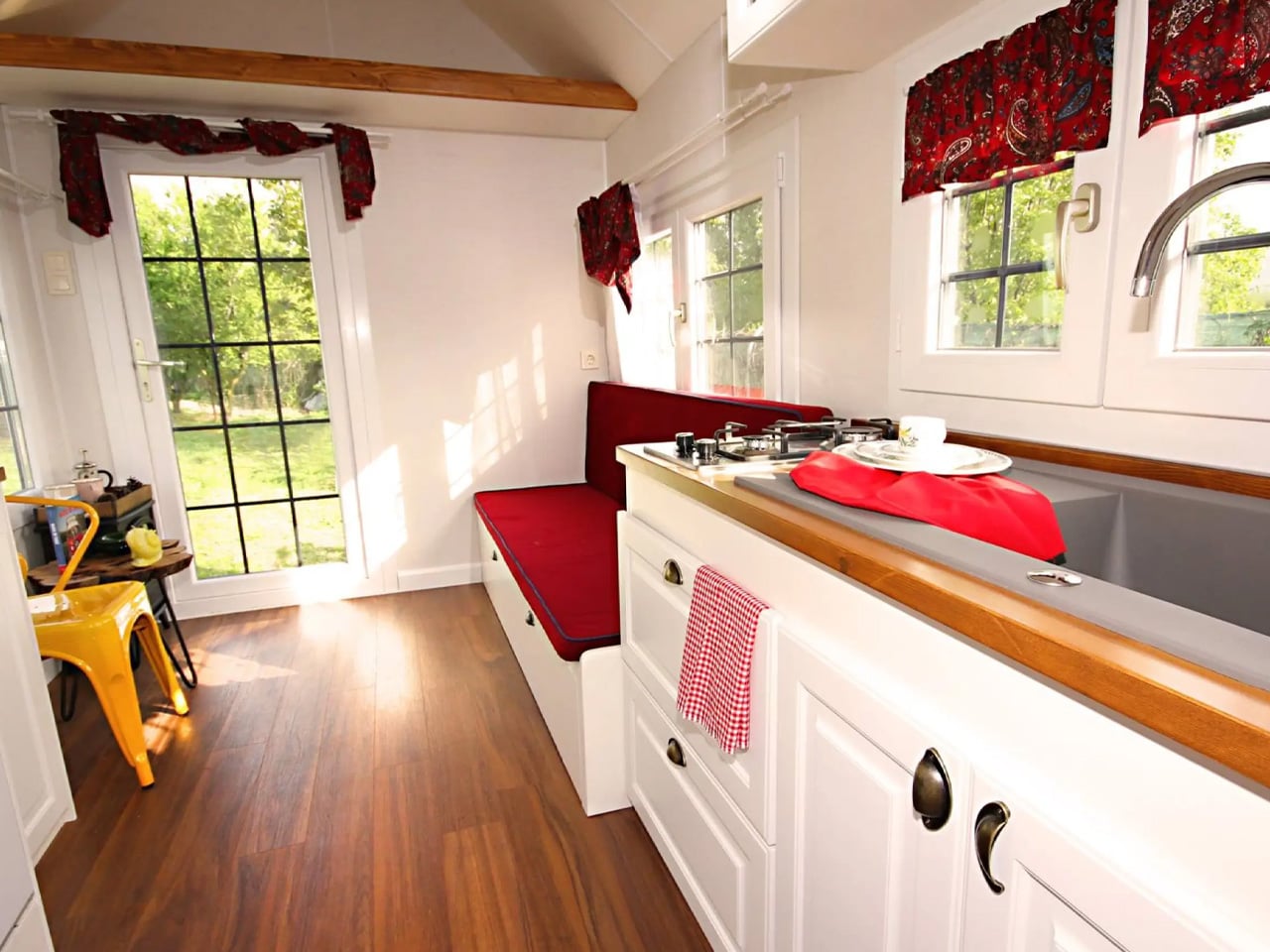
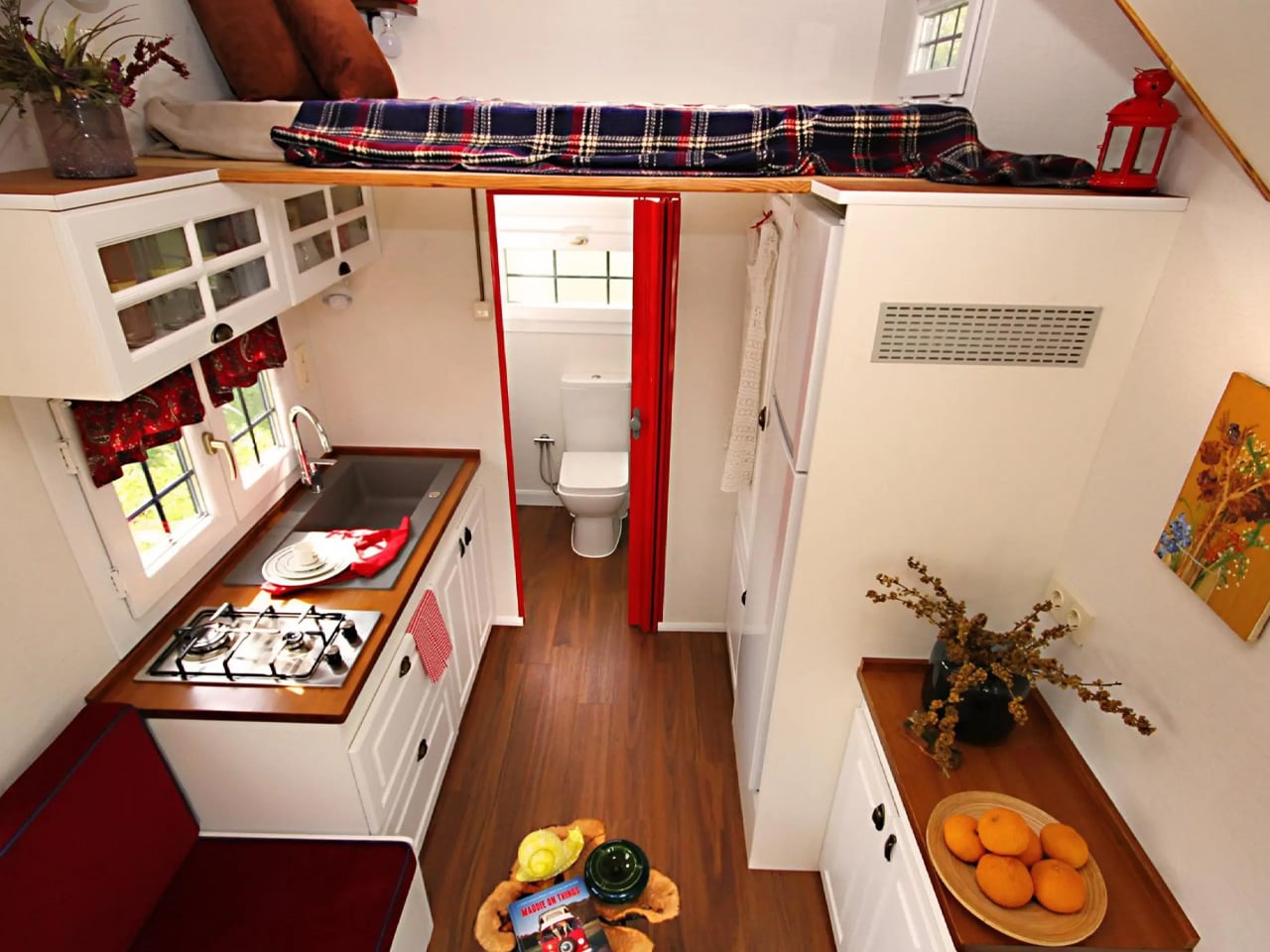
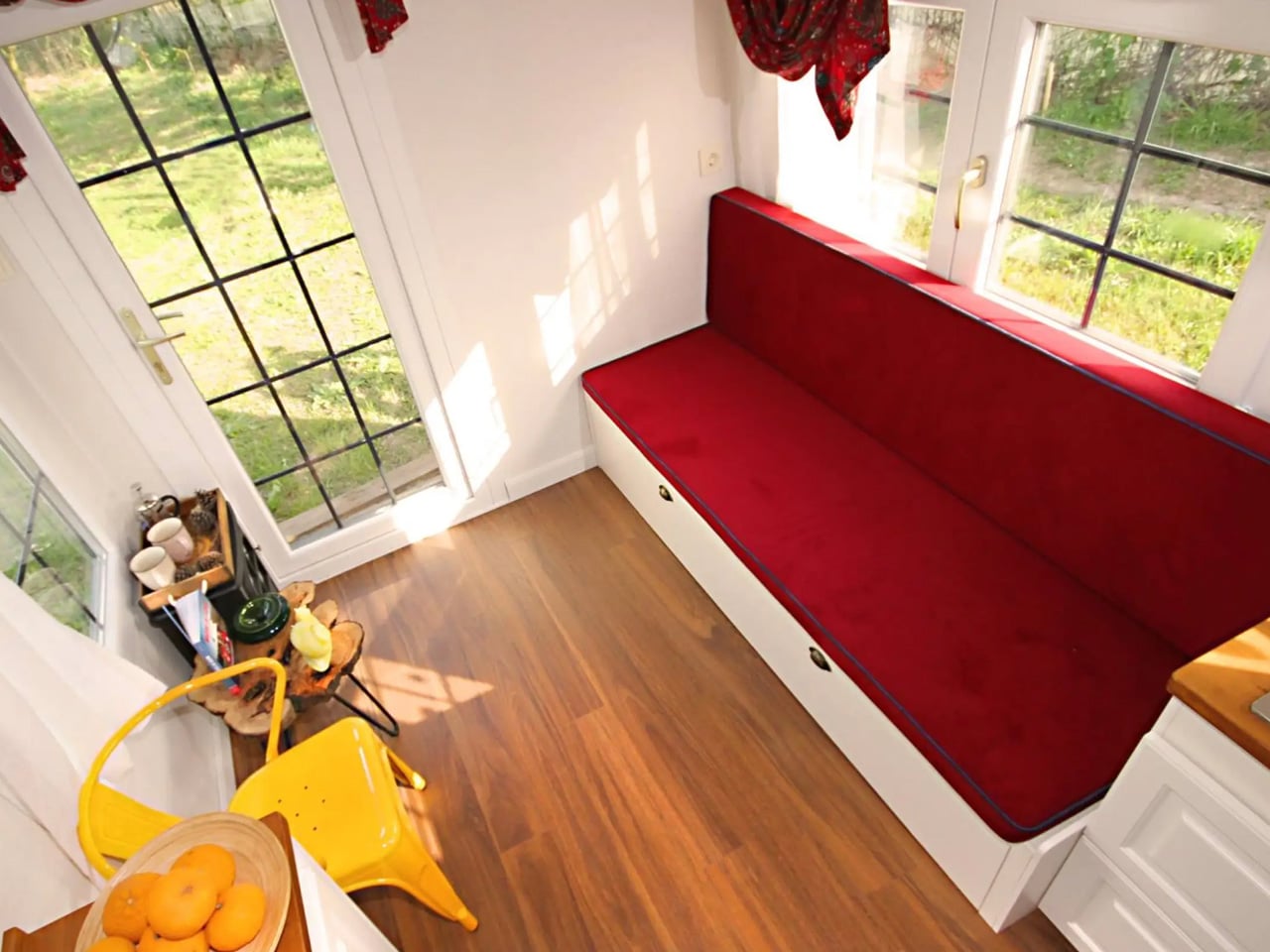
Step through the glass entrance door and the interior opens up more than the dimensions suggest. Generous double-glazed windows pull in daylight and keep the space from feeling like a box. The living room runs along the main floor, centered on a two-seater sofa that converts into a bed, with integrated storage tucked underneath. A small coffee table completes the picture. Above the living area sits a secondary loft, intended purely for storage — a smart detail that keeps the ground floor clear.

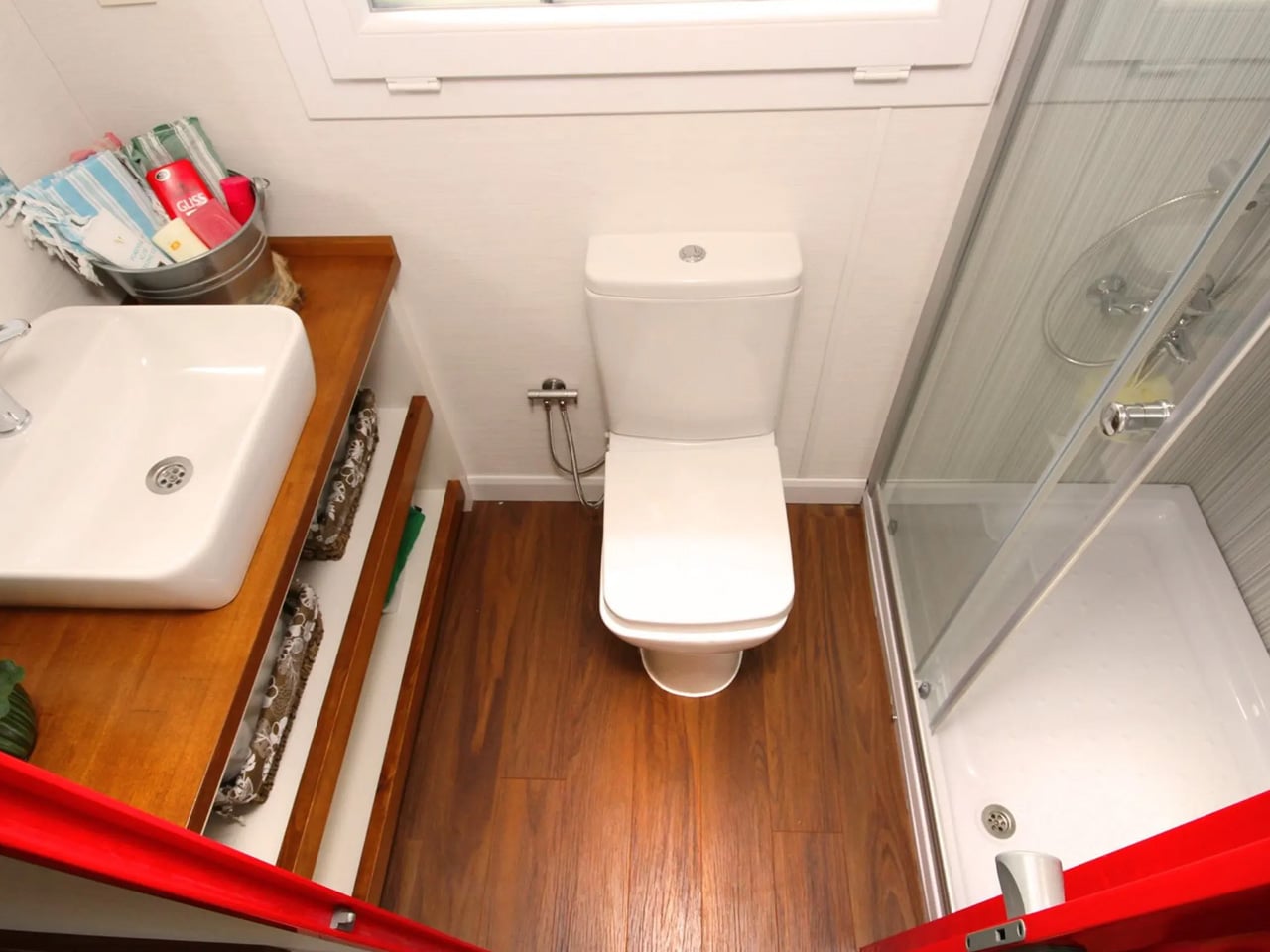
The kitchen is compact but considered. A Thetford three-burner stove with a glass lid, a Thetford sink, and a 152-liter 12V compressor refrigerator handle the basics without taking up more space than necessary. The bathroom, accessed through a sliding door, is private and fully functional: a 110×80 shower cabin, a washbasin, a home toilet, and a mirrored upper cabinet. Nothing superfluous. Nothing missing.

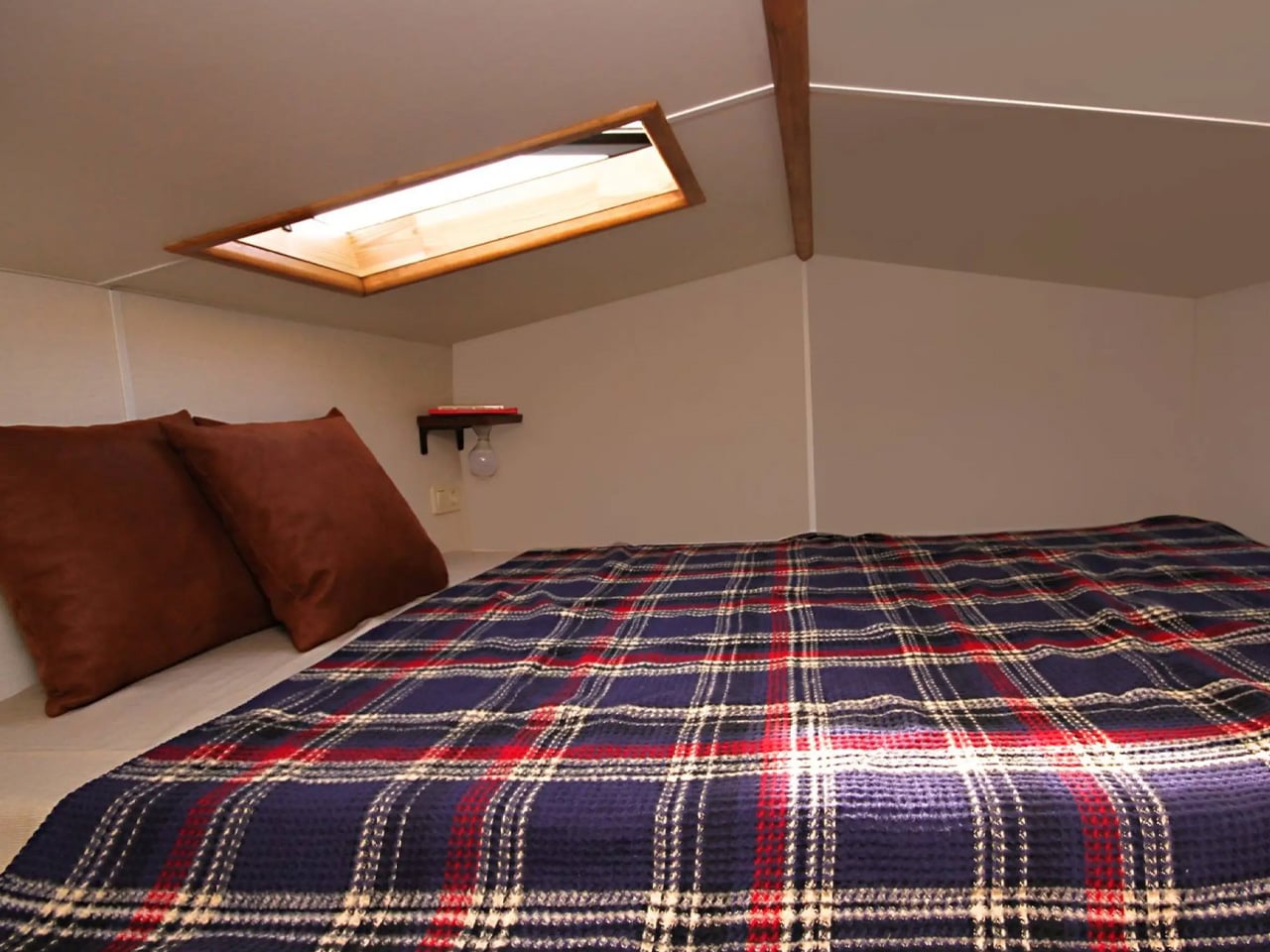
The bedroom is a fixed loft above the kitchen and bathroom, reached by a removable ladder. A skylight sits overhead, which makes waking up somewhere new feel like the point of the whole thing. The Sunrise sleeps four — two in the loft, two on the sofa bed — which gives it genuine flexibility as a couple’s full-time home or a traveling retreat for a small family.

The off-grid configuration supports up to four 205W monocrystalline solar panels paired with either gel or lithium batteries, alongside a 125-liter clean water tank. Optional upgrades include a Truma heating system, a Dometic aspirator, a Truma Saphir air conditioner, and an L-shaped exterior platform for outdoor living. Pricing is available on request directly from Saly Karavan.

The post This 20-Foot Tiny Home by Is Built for Nomads Who Refuse to Compromise first appeared on Yanko Design.
The Buenos Aires Lamp Made From One Folded Sheet of Steel

Most lamps exist to disappear. You buy them, you place them, you forget about them. They live as background objects, chosen for ambiance or practicality, rarely for the kind of staying power that makes you stop and actually look. Table Lamp Z by Buenos Aires-based Cobre Estudio is not that lamp.

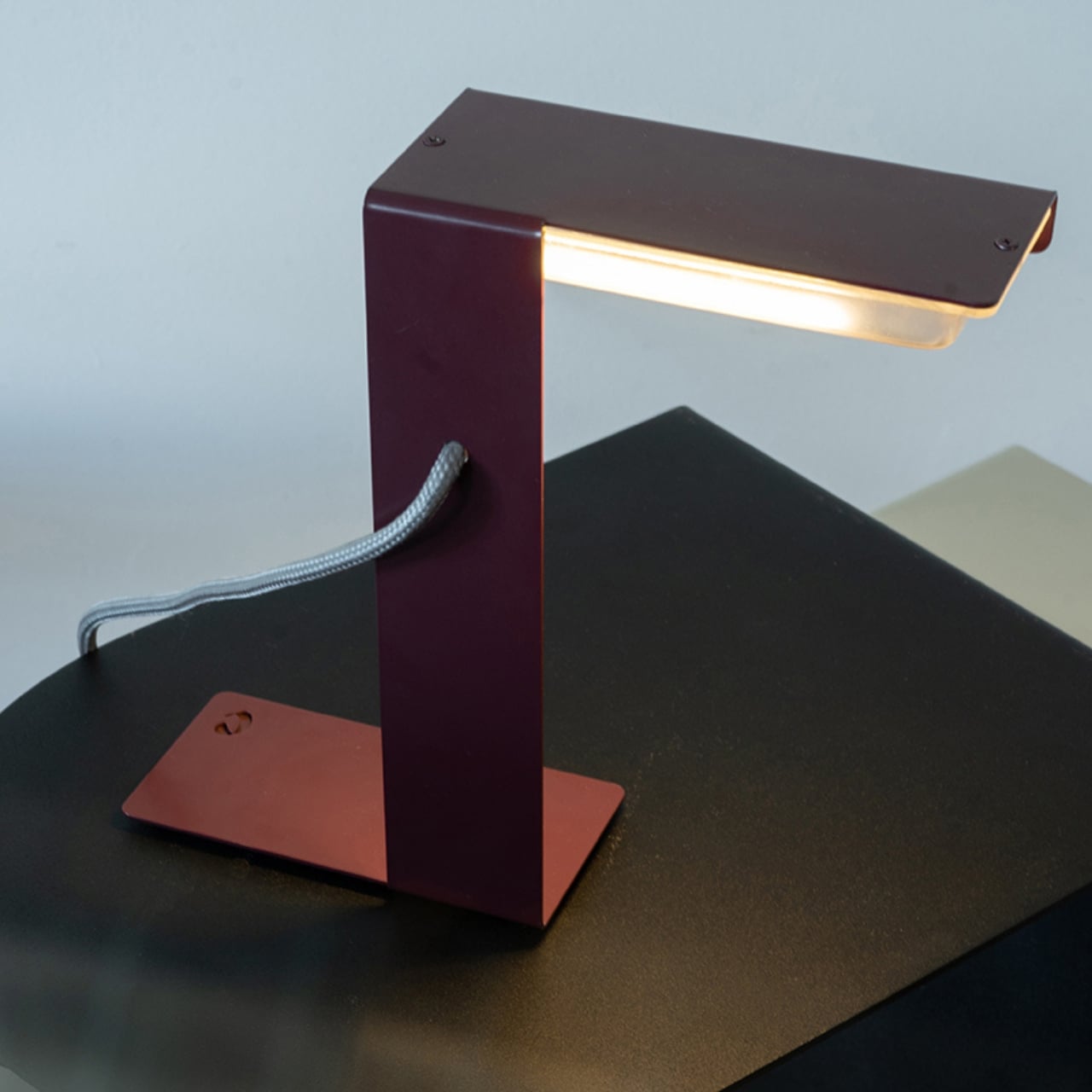
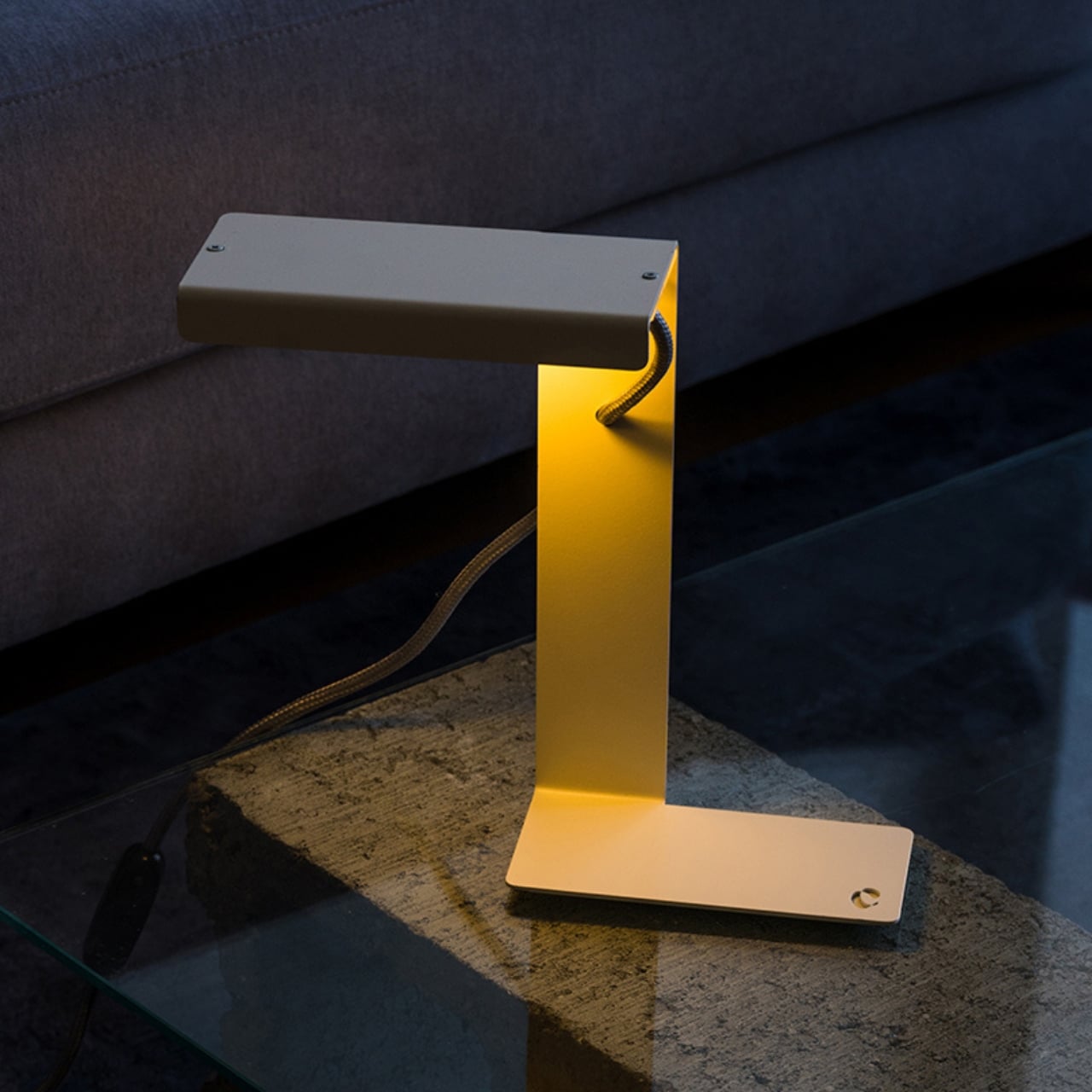
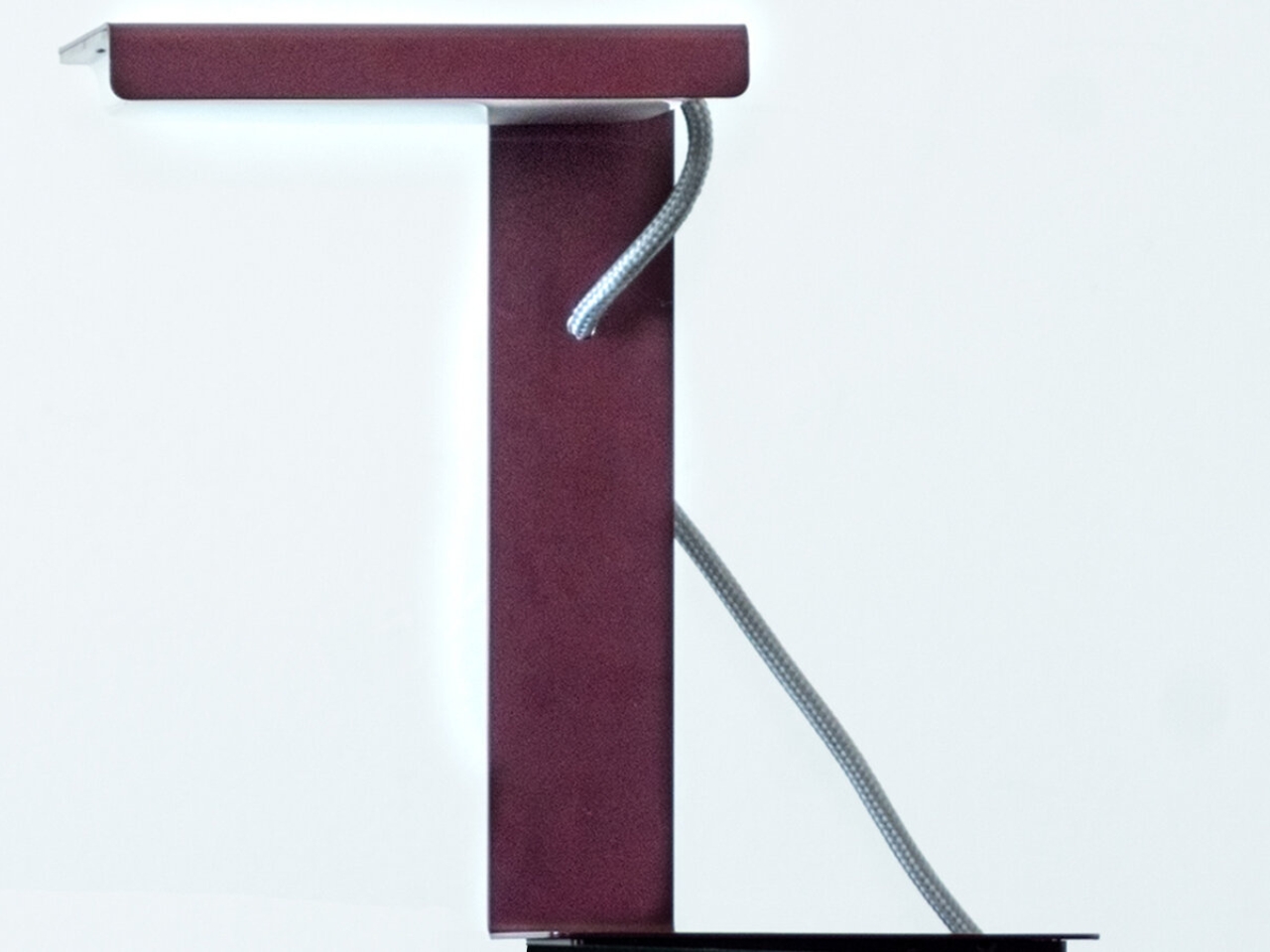
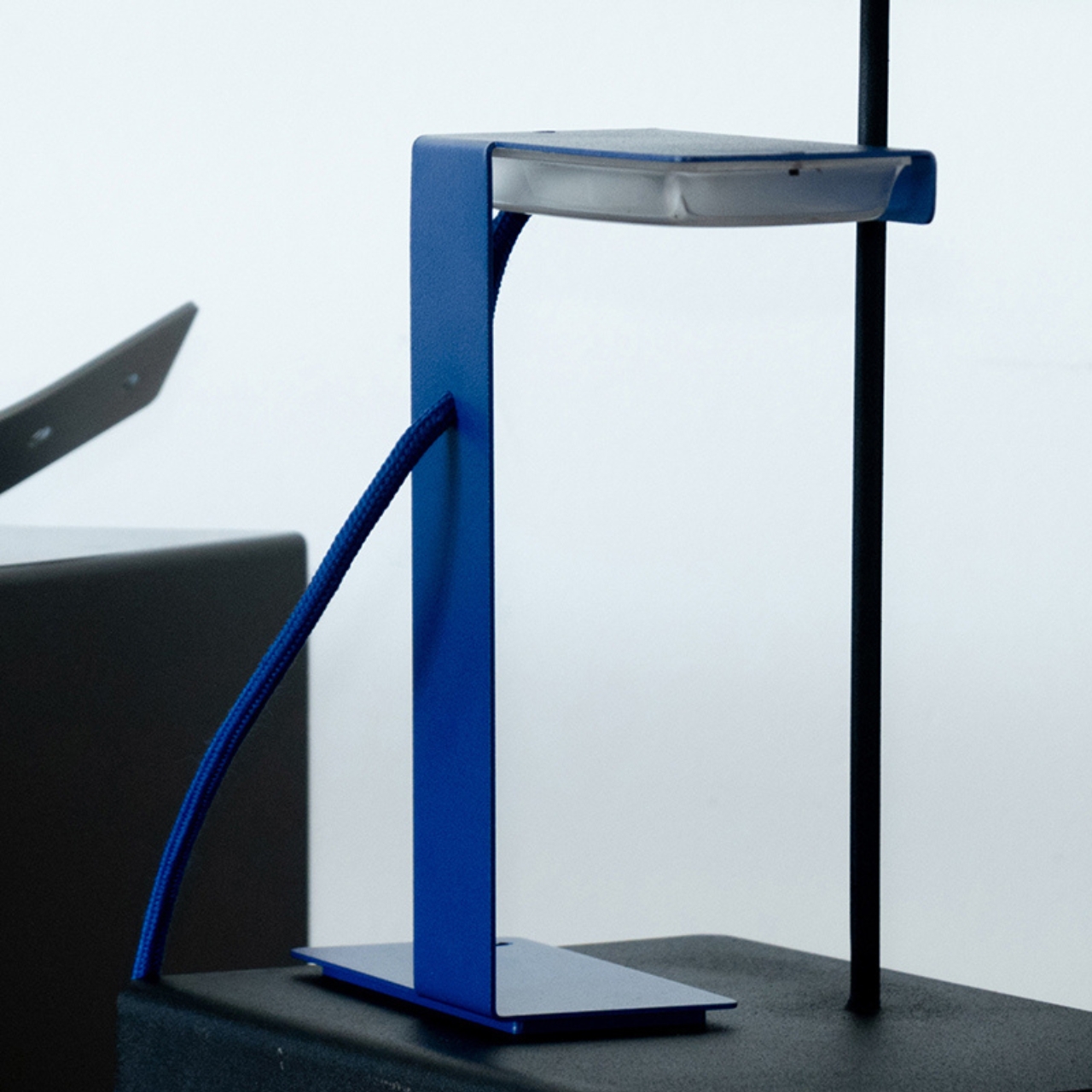
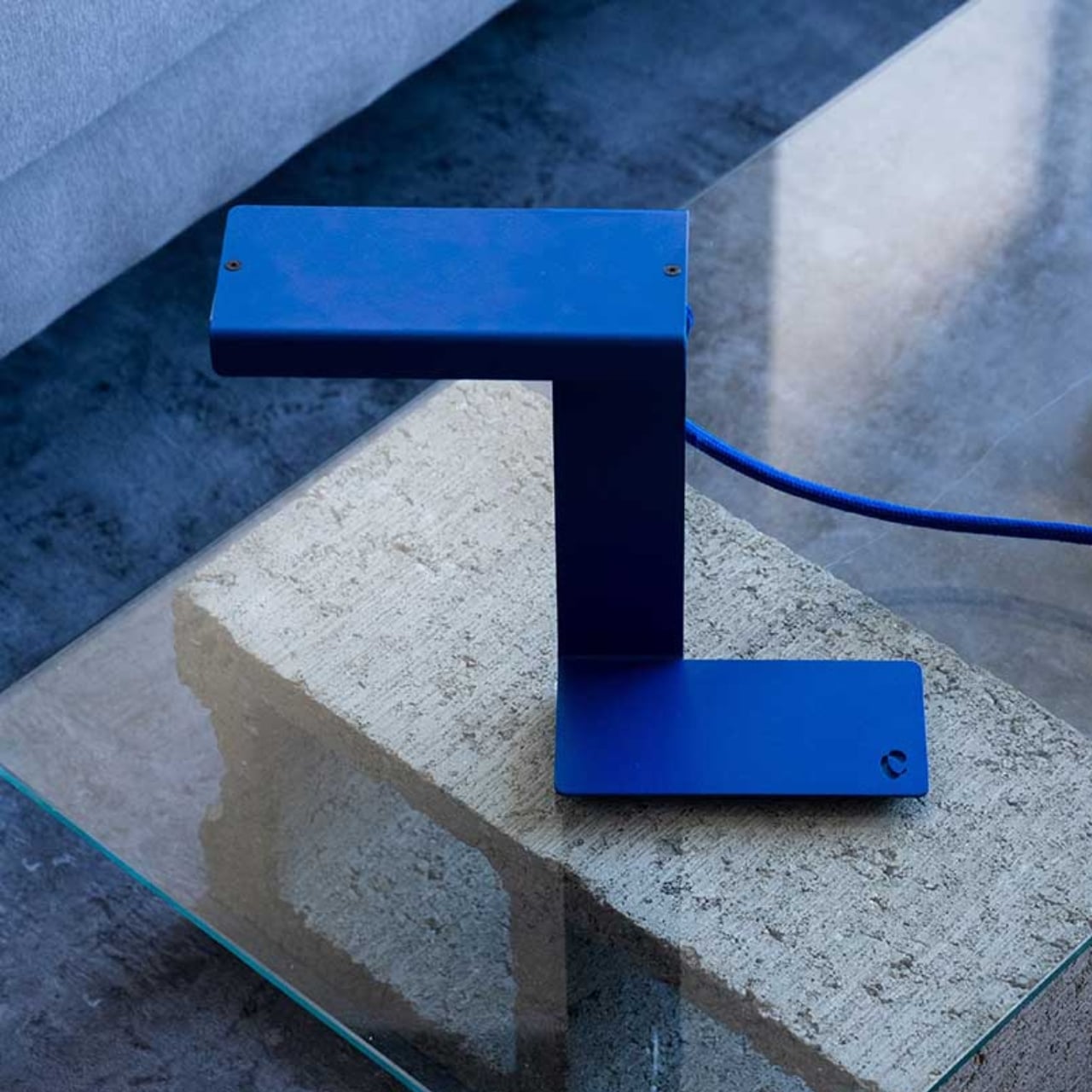
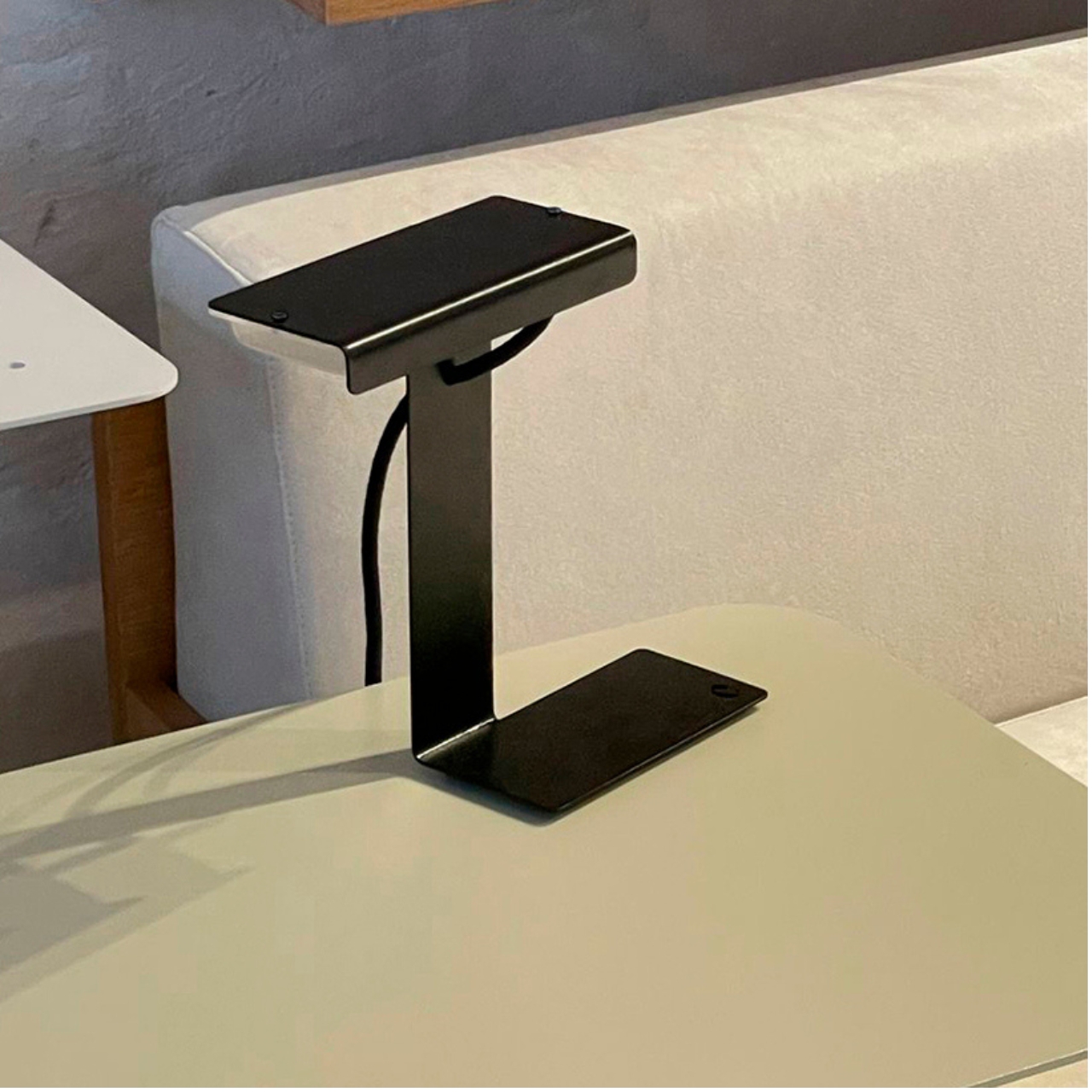
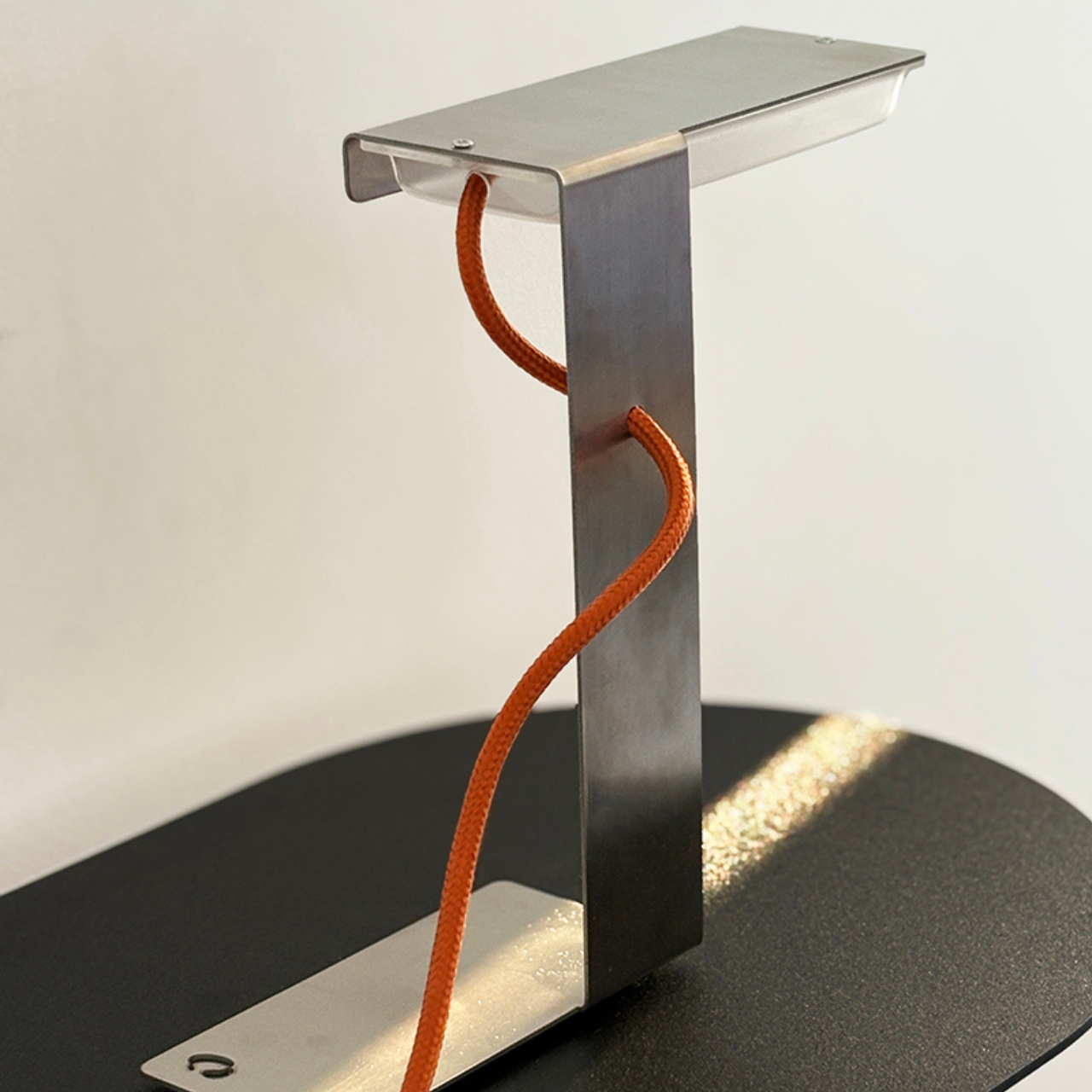
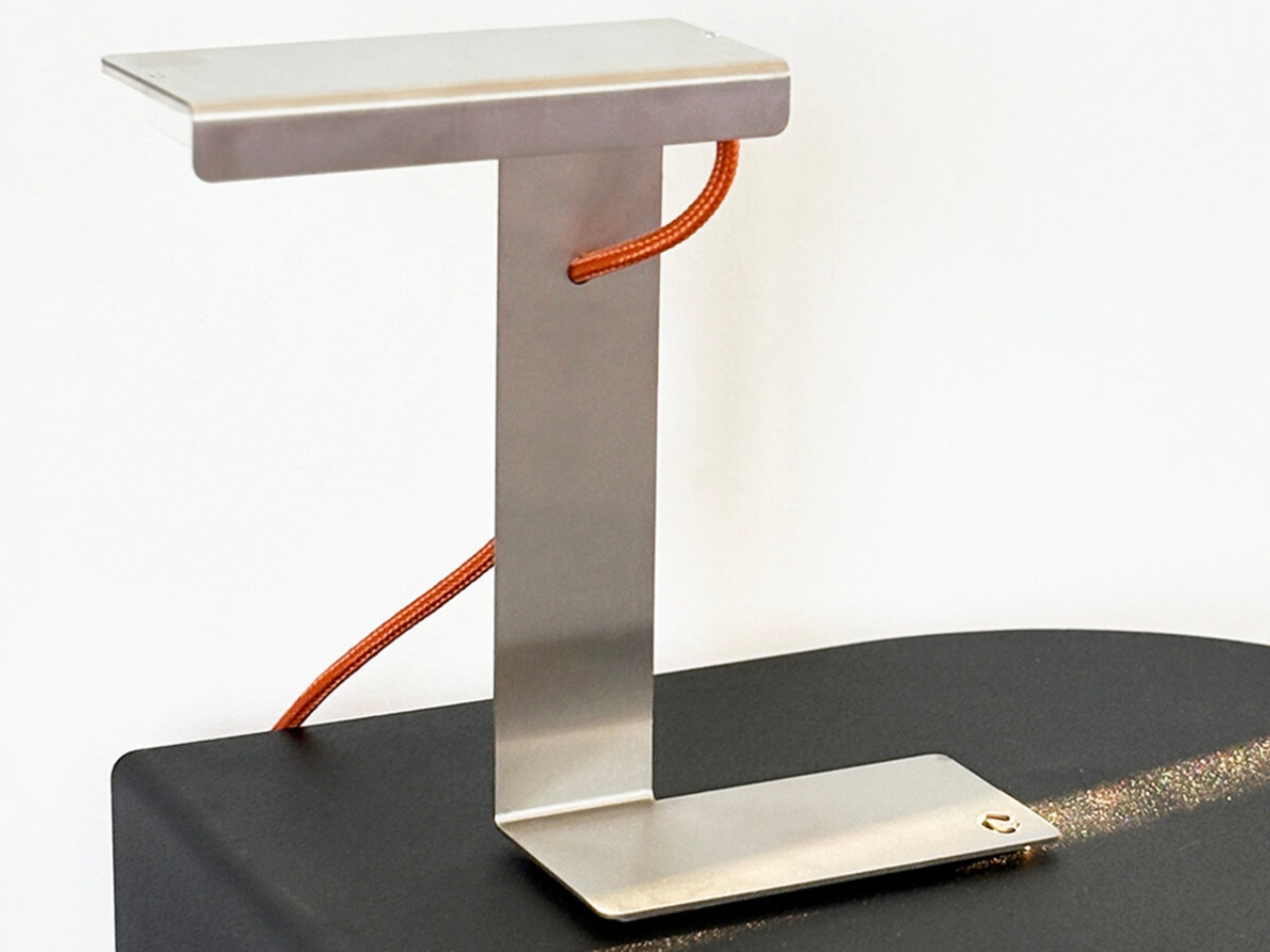
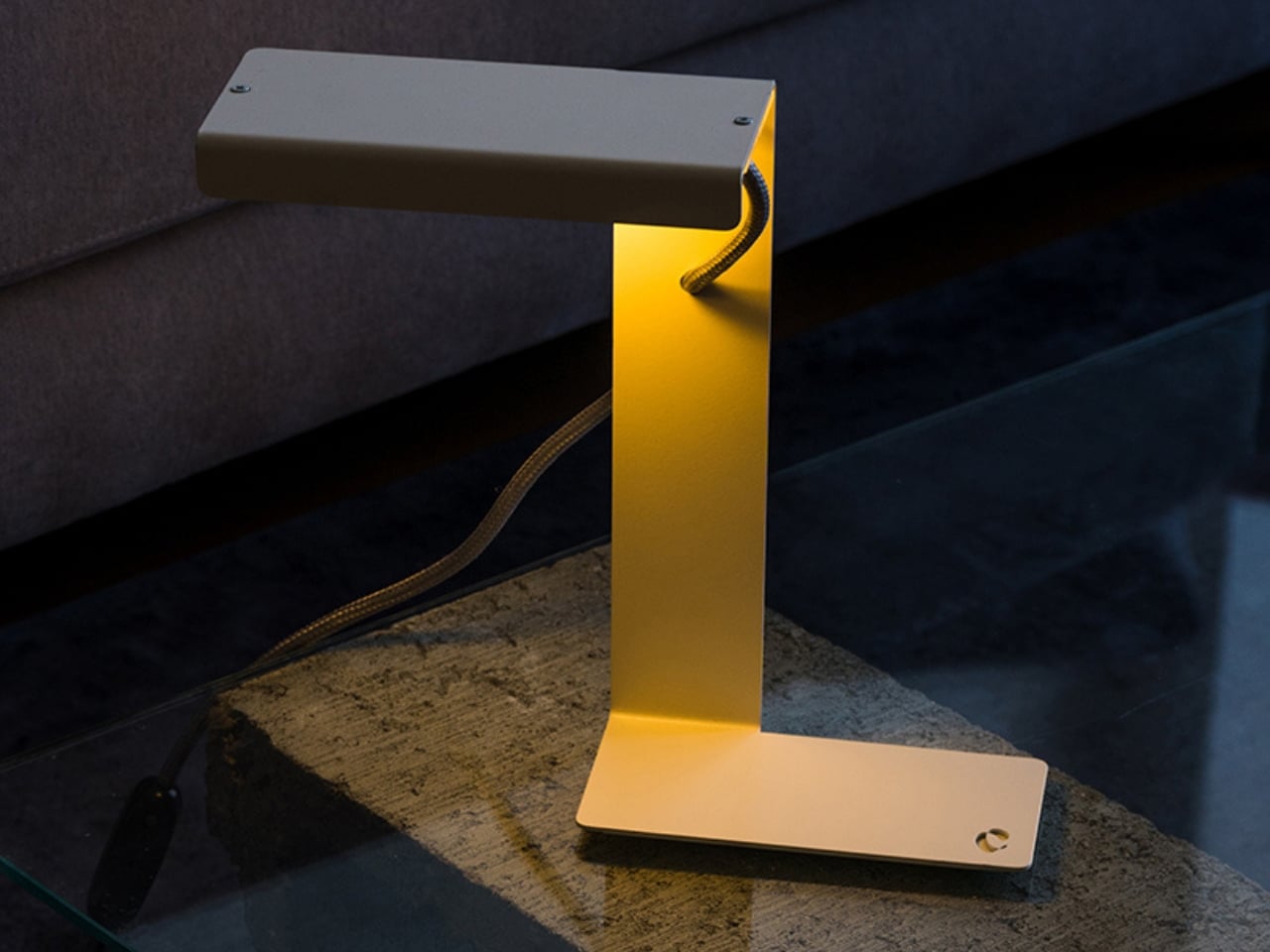
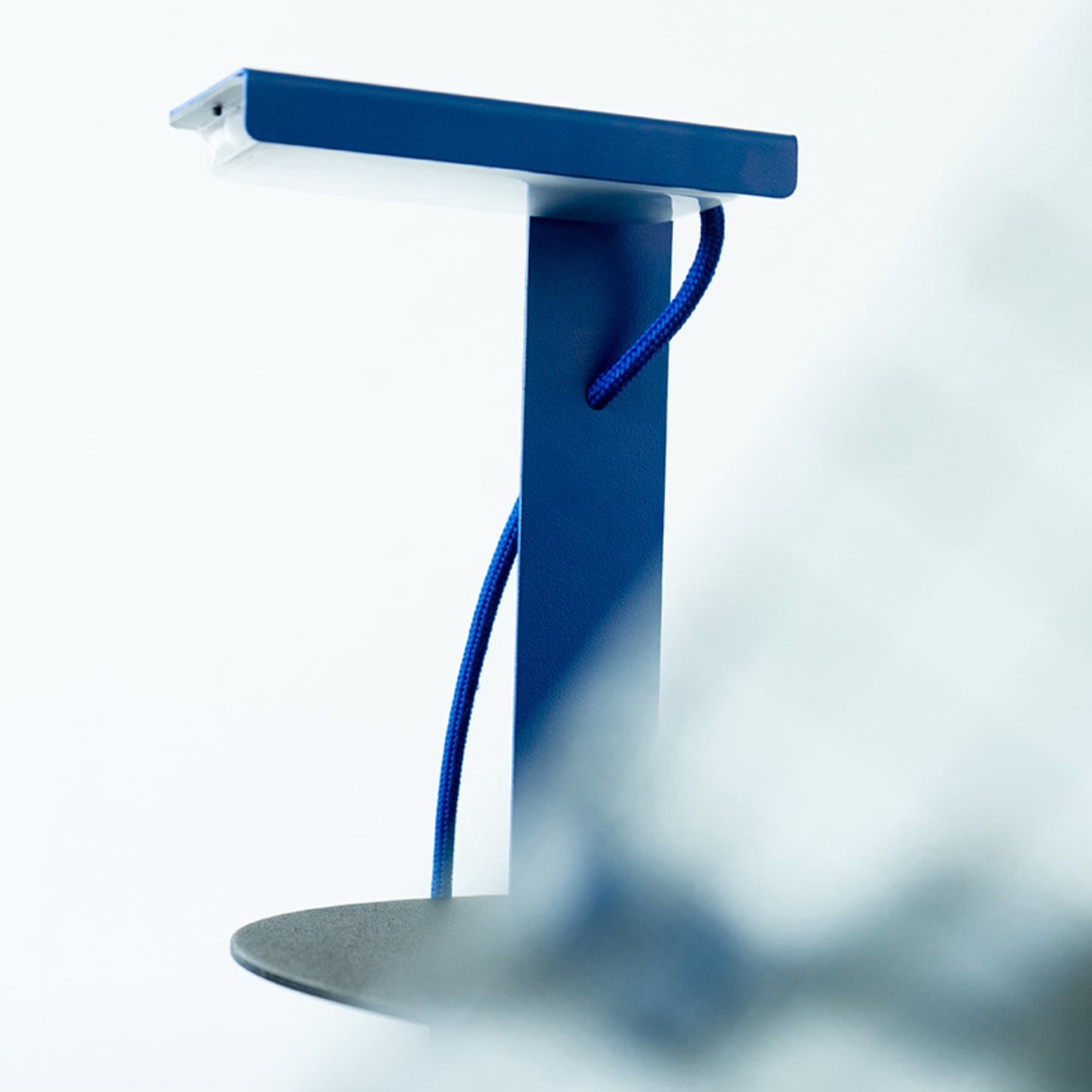
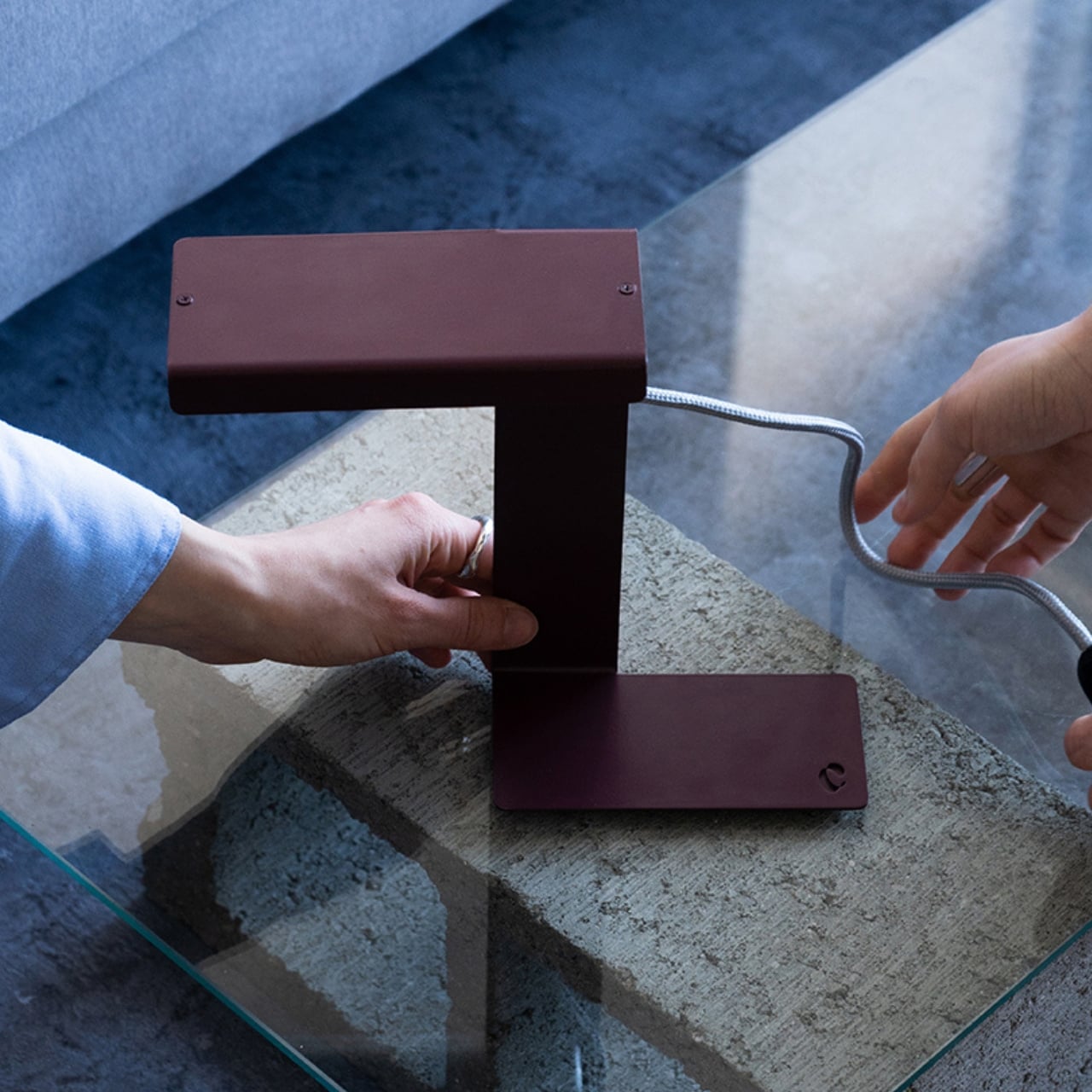
Lead designers Malena Vivanco and Miranda Gurny built the entire piece from a single sheet of 2mm steel. Not assembled from components, not welded from separate parts. One flat sheet, laser-cut and folded into a Z-shaped silhouette that serves as both the structure and the visual language of the object. The result is asymmetric, angular, and quietly striking. It reads as effortless even though you know it isn’t.

Designer: Cobre Estudio

The process matters here, and not just as a talking point. When a design emerges directly from its making, when the fold is the form and the material carries the whole identity, you get something that can’t be faked or replicated in another medium. You couldn’t achieve the same effect in molded plastic or cast resin. The steel had to be steel. The fold had to be a fold. That specificity is increasingly rare in contemporary lighting, where most products feel like they could have been made in a dozen different ways and still arrived at the same forgettable result.

The 2mm thickness isn’t incidental. It’s exactly rigid enough to become structure rather than just skin. Thinner and the lamp loses its self-assurance. Thicker and it tips into heaviness. At 2mm, it holds its shape with a kind of quiet confidence that feels calibrated, even when the logic behind it seems almost too simple to be intentional. The material does the structural work openly, without hiding it behind a shell or a casing.

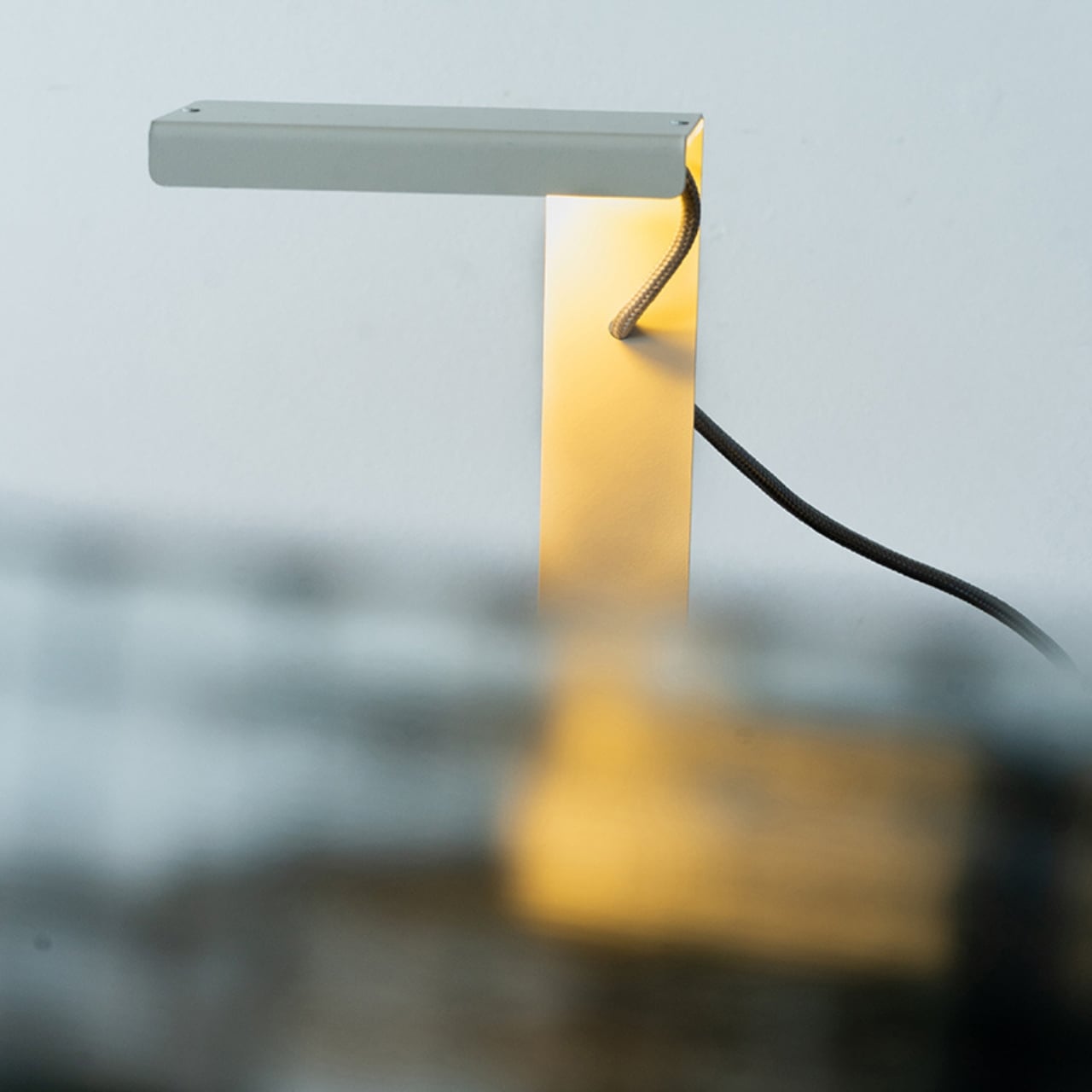
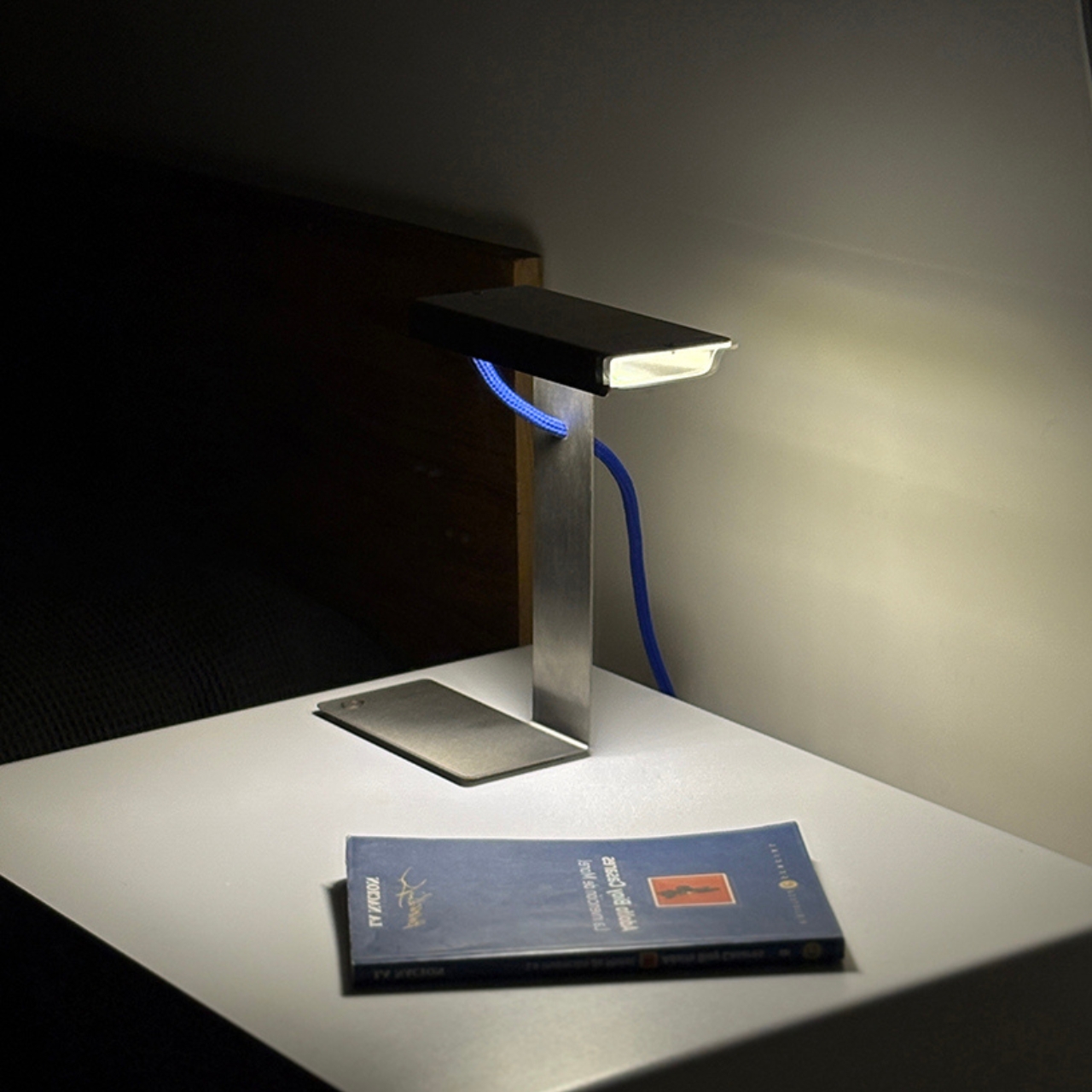
When lit, warm light bounces across the internal steel surfaces, making the angles more visible and more alive. The lamp doesn’t just sit on a table; it performs slightly differently depending on the hour and the light conditions around it. Cold midday light treats it one way. A dim evening room treats it another. That kind of responsiveness, a lamp that changes the way you see it without changing at all, is a quality that’s hard to engineer and even harder to manufacture cheaply.

The fabric cord is the one element that breaks the industrial logic, and it does so deliberately. It’s allowed to introduce color, a small but coherent choice that keeps the lamp from reading as too severe. You can choose the cord. You can’t change the steel. That hierarchy makes sense.

I’ll be upfront: the Z form isn’t a revolutionary formal gesture. Right angles and folded metal exist all over design history, from Eileen Gray to Donald Judd’s furniture. But originality isn’t the only metric worth caring about. Clarity of vision matters too, and Table Lamp Z has that in full. Vivanco and Gurny didn’t try to add complexity where none was needed. They worked with the minimum, one material, one primary process, one guiding form, and resisted the temptation to embellish.

During these days when most products are designed to look like they required more effort than they did, a lamp this transparent about its own construction is almost disarming. The steel sheet carries the Cobre Estudio logo, not as branding stamped onto a product, but as part of the object itself. Even that detail points back to the same idea: nothing here is applied after the fact.

Does every home need a Table Lamp Z? Probably not. It suits a certain kind of space, minimal, considered, not too precious, and a certain kind of person who prefers objects that reward attention rather than demand it. But for what it is, it’s very good. Precise without being cold, sculptural without being decorative, functional without being ordinary. Sometimes a lamp is just a lamp. And sometimes a designer folds a single sheet of steel and proves that even the most ordinary objects still have room to surprise you.

The post The Buenos Aires Lamp Made From One Folded Sheet of Steel first appeared on Yanko Design.
Galaxy Z Fold 8 vs Fold 8 Ultra: Why the ‘Better’ Phone is a Worse Deal

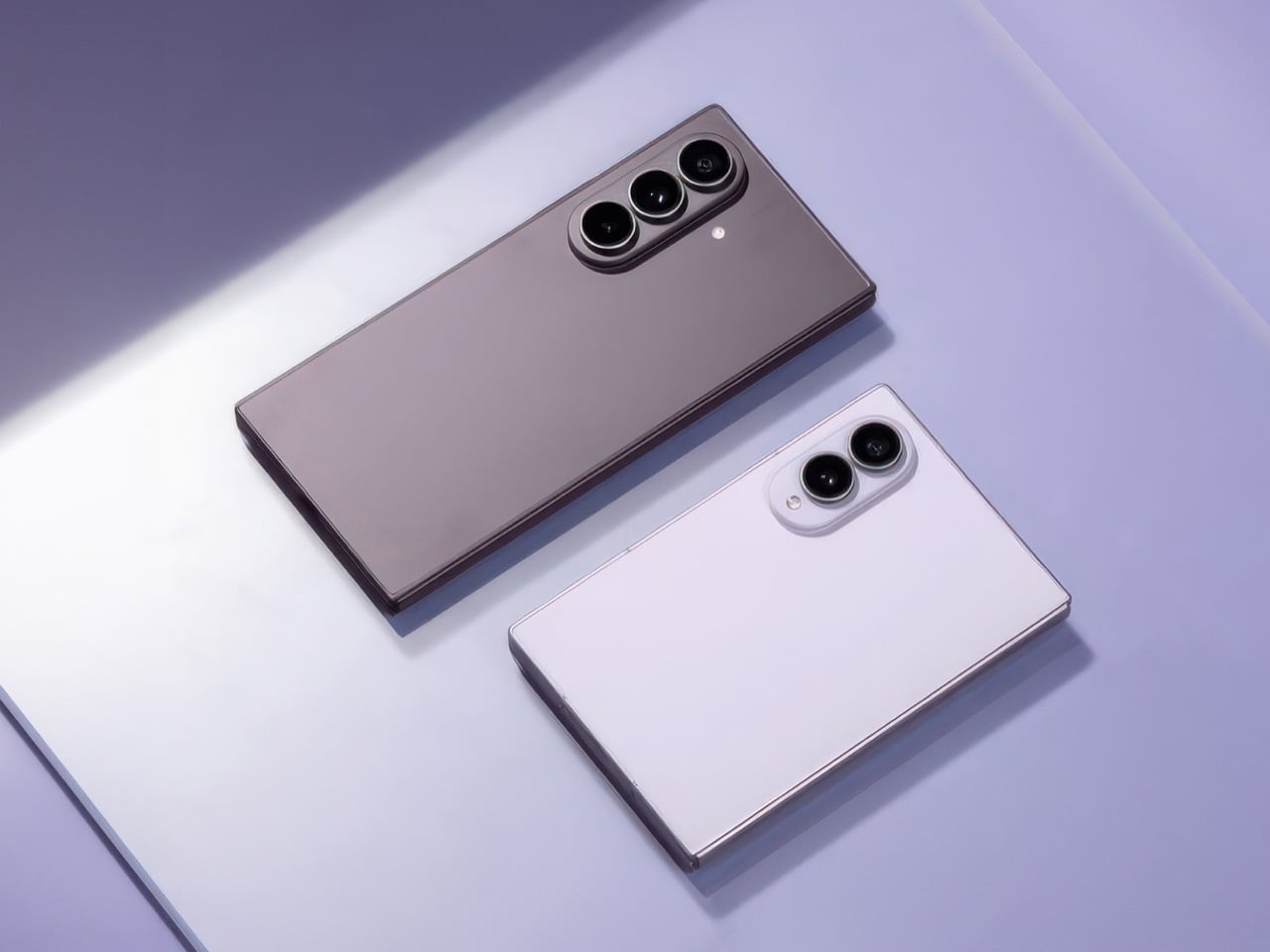
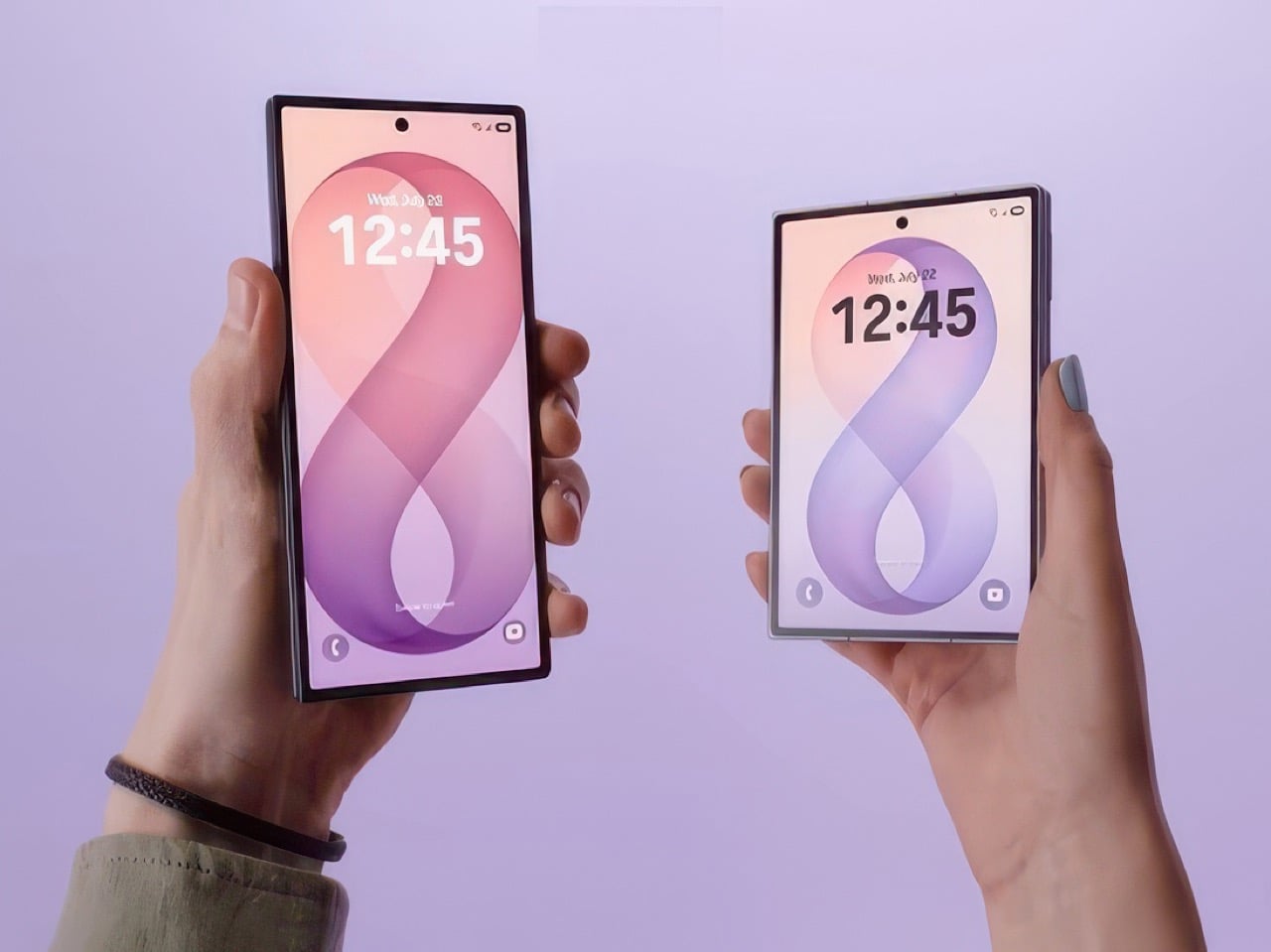
PCMag spent real time with both new Samsung foldables and walked away calling the Galaxy Z Fold 8 Ultra the most capable foldable the company has ever shipped. Then it gave its Editors’ Choice award to the cheaper one anyway. That’s a strange thing to watch happen in real time, kind of like a judge handing the trophy to the runner who finished second because they liked her shoes better. Samsung built a $2,099.99 phone with a 200MP main camera, a 3x telephoto lens, a bigger battery, and the largest screens in the Fold lineup, and the people paid to obsess over spec sheets shrugged and picked the $1,899.99 model instead.

Forbes landed in the same spot. So did Android Police, in a review literally titled around the Ultra’s problem being the other phone. The Ultra is winning almost every line item on paper, and almost nobody who has actually used both wants to pay extra for it. Something broke in Samsung’s foldable hierarchy this year, and I don’t think $200 is where you’ll find the crack.

Designer: Samsung

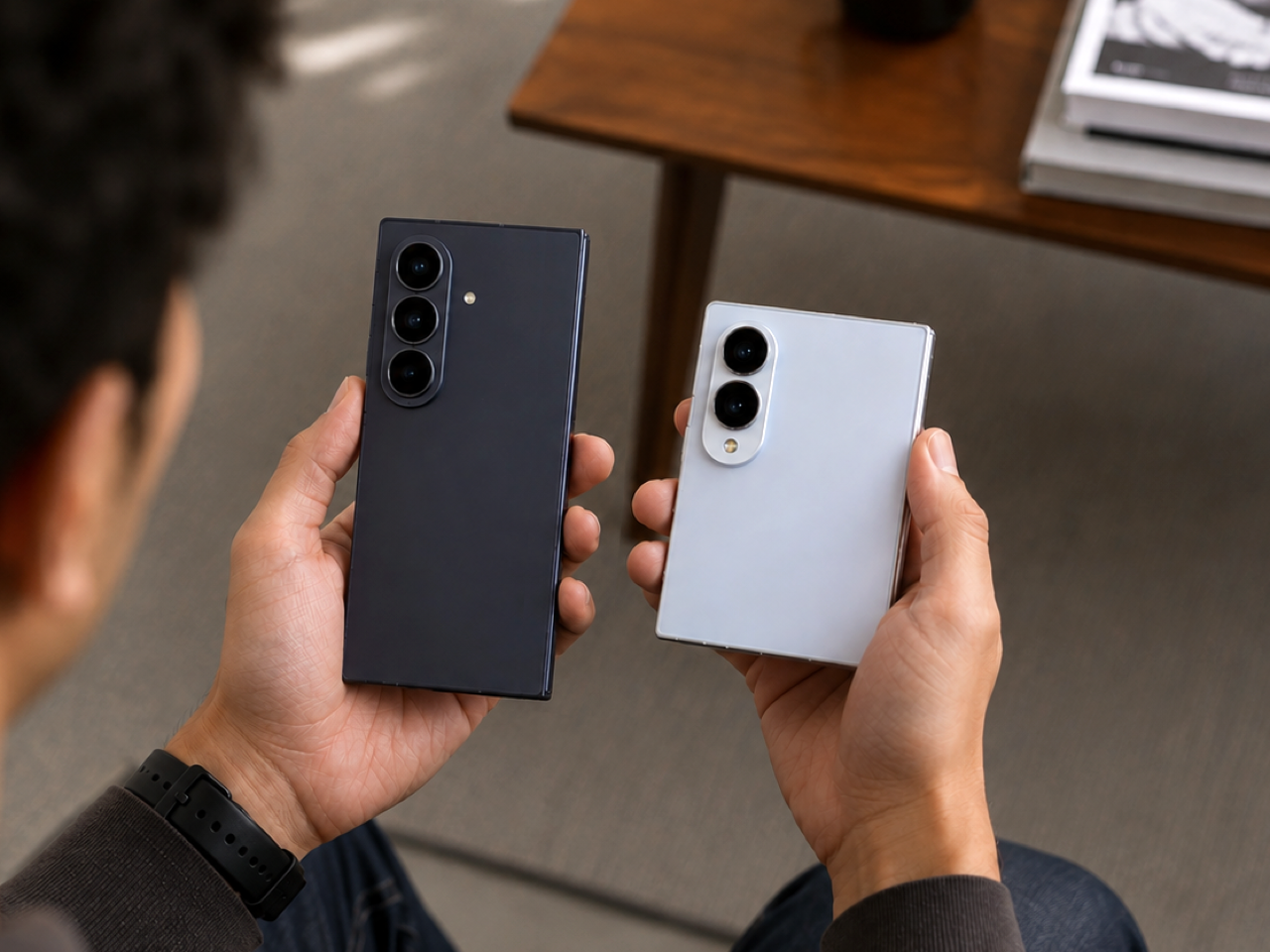
Here’s the part that should embarrass the Ultra a little. Both phones run the same Snapdragon 8 Elite Gen 5, carry the same storage and RAM tiers, and charge at the same 45W wired speed. The Ultra’s real advantages are a 200MP main sensor against the standard Fold 8’s 50MP, an extra 10MP telephoto with 3x optical zoom, and a 5,000mAh battery next to the Fold 8’s 4,800mAh. That last gap is worth about one extra hour of video playback by Samsung’s own numbers, which is not nothing, but it’s also not $200 of nothing. You’re basically paying a camera tax dressed up as a flagship tax.

The engineering story underneath both phones is actually the good part, and it’s the part nobody’s arguing about. Flex Titanium tucks an alloy film thinner than a third of a human hair under the OLED panel, backed by a titanium plate for flatness, and reviewers who’ve run a finger across the open screen say the crease is basically gone. GSMArena called it more uniform and flat under direct touch. I’ll admit I didn’t expect Samsung to actually solve this after years of “reduced crease” claims that meant “still very much a crease.” This year it sounds like they meant it.

That fix cost something, and Samsung didn’t exactly advertise the trade. Flex Mode, the half-open laptop stance the Fold line has offered forever, no longer works on the standard Fold 8 because the new hinge can’t hold itself at 90 degrees. It survives on the Ultra, barely, described by reviewers as fiddly to trigger. Nobody put that on a spec sheet, and it’s a bigger design story than either phone’s camera bump.

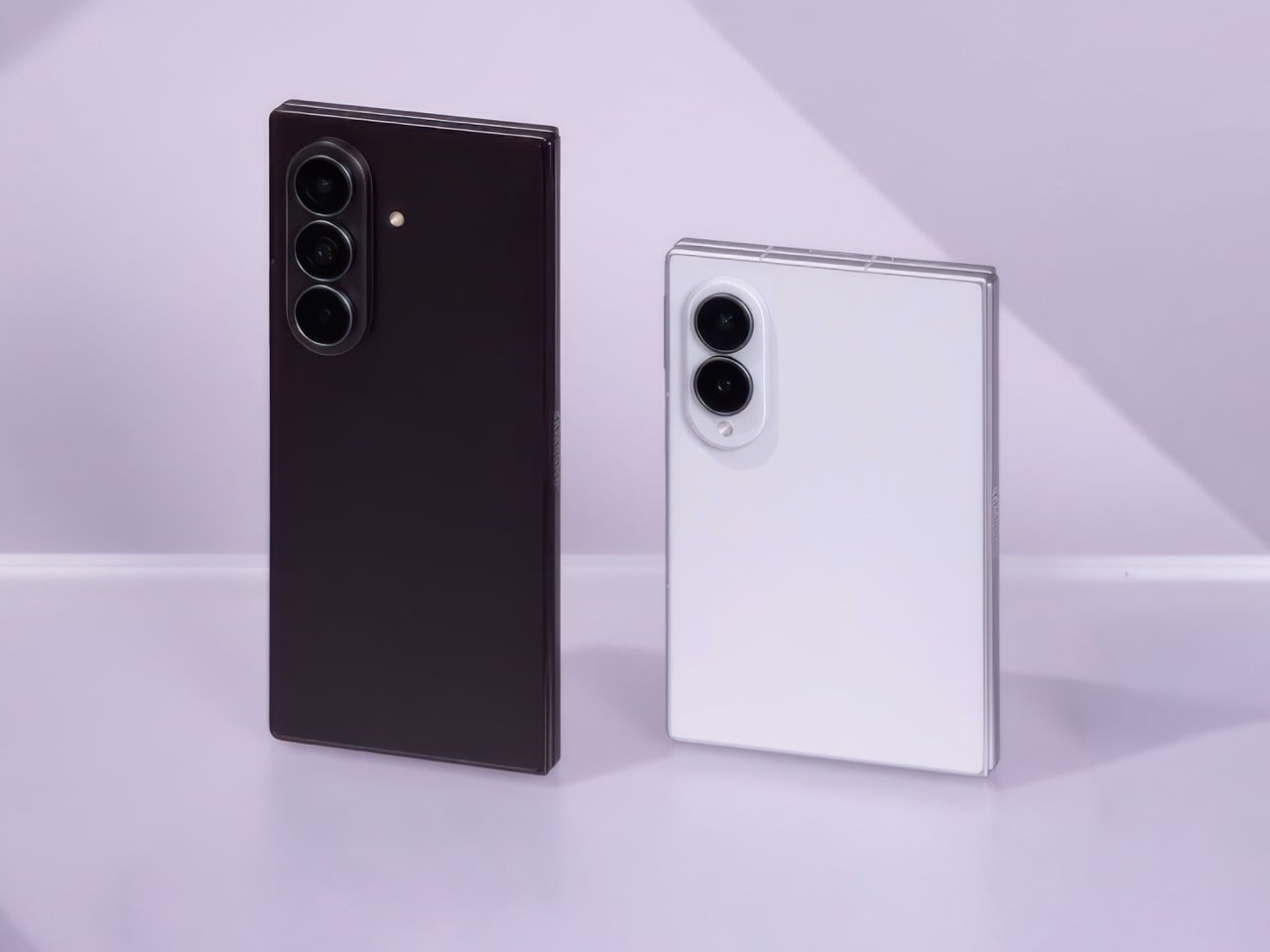
Which brings me to the actual confusion. The Ultra name is supposed to mean “take the flagship, stack on the best of everything, charge more,” the way it works on the S series. This year the Ultra is following the Fold 7’s shape while the plain Fold 8 ships an entirely new passport-style body, different aspect ratio, different case ecosystem, zero parts compatibility. 9to5Google flat out called the Ultra the boring option this generation. Two phones share a family name and nothing else, and the one without the suffix is the one people actually want to talk about.

I’d take the regular Fold 8. Not because the Ultra is bad, it clearly isn’t, but because Samsung finally shipped a foldable shape that argues for itself instead of a spec sheet arguing for you. That’s rarer than a good camera.

The post Galaxy Z Fold 8 vs Fold 8 Ultra: Why the ‘Better’ Phone is a Worse Deal first appeared on Yanko Design.
Heart Aerospace X1 takes flight as the world’s largest battery-electric aircraft

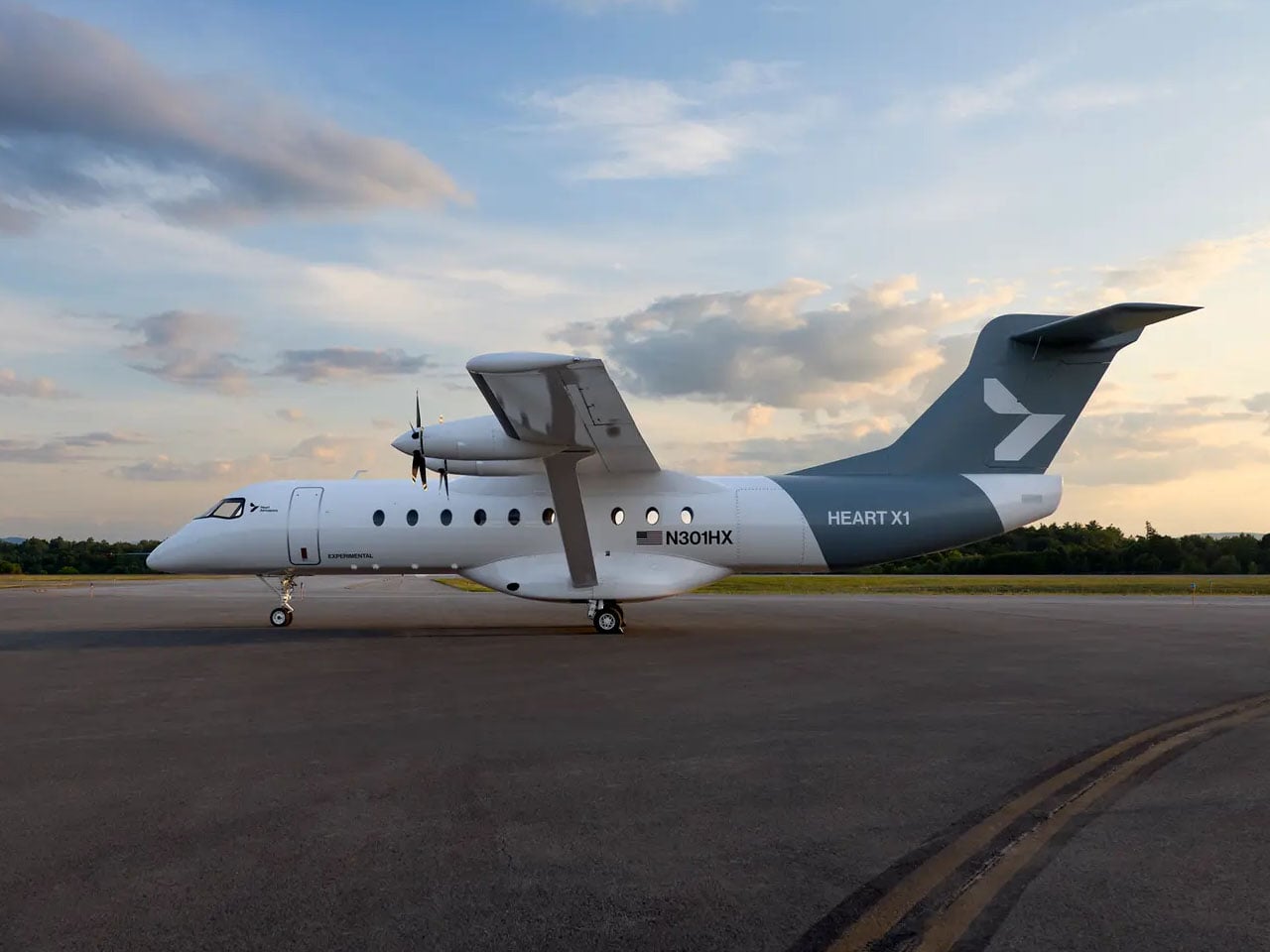
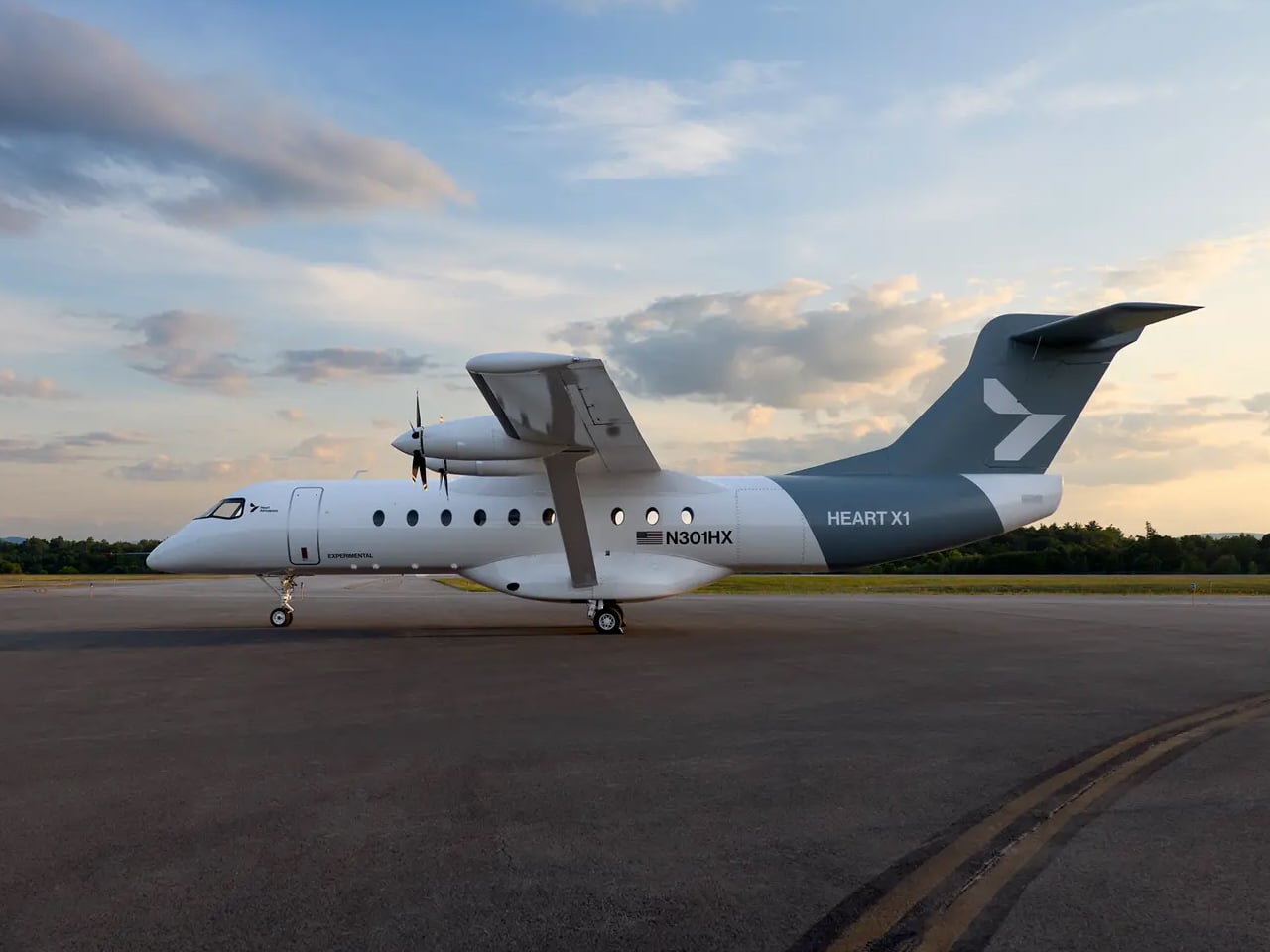
Electric aviation has reached a milestone that once seemed reserved for much smaller aircraft. Heart Aerospace’s X1 demonstrator has completed its first flight, becoming the largest battery-electric aircraft ever to take to the skies. The aircraft flew from Plattsburgh International Airport in upstate New York on August 12, marking a significant step toward bringing electric propulsion to the scale of regional air travel.

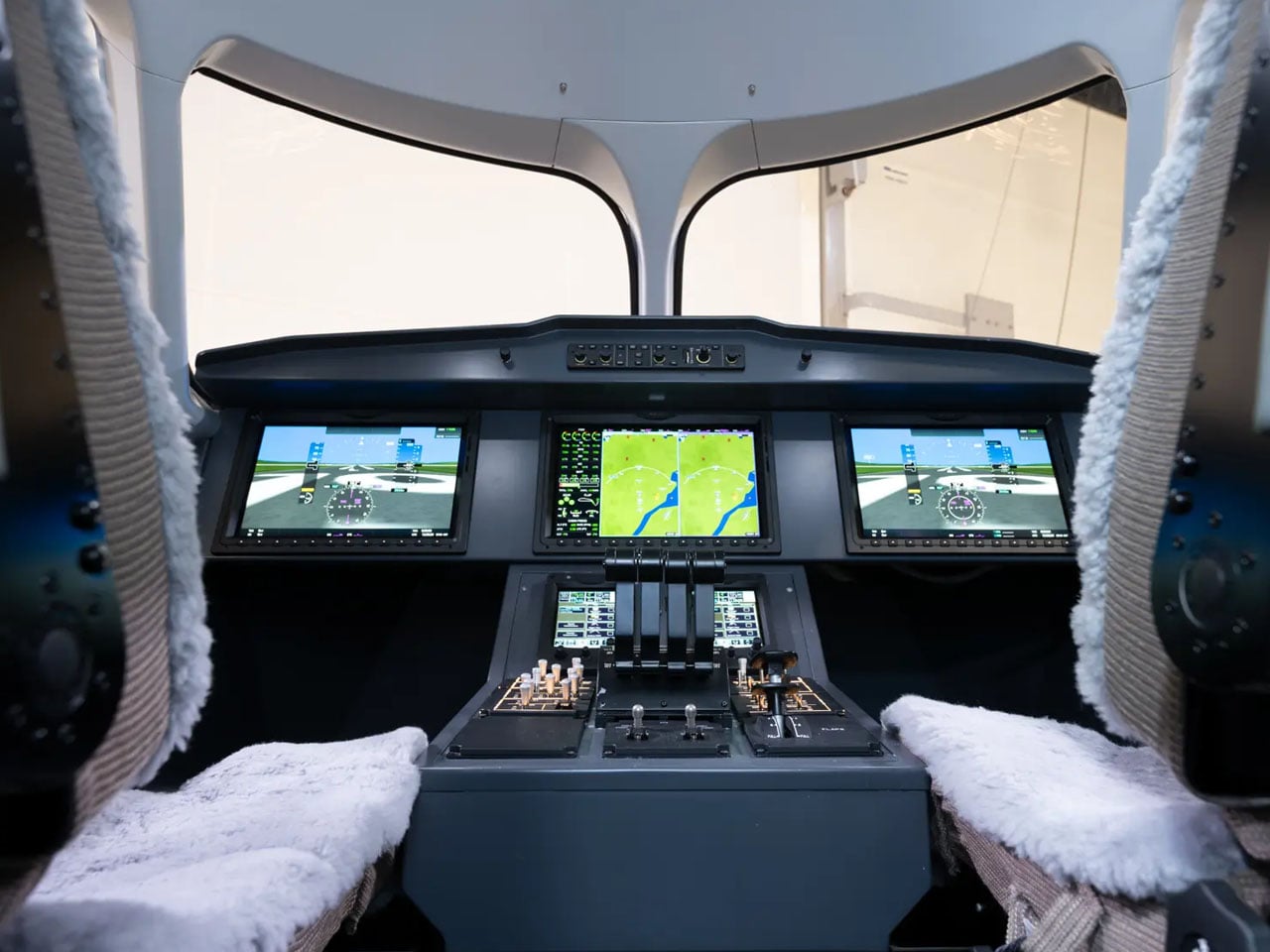
The X1 is not intended to become a passenger aircraft itself. Instead, it is a full-scale technology demonstrator for Heart Aerospace’s ES-30, a 30-seat hybrid-electric regional aircraft currently under development. Its purpose is to validate the propulsion system, aerodynamics, flight performance, and other technologies that will eventually be carried into the production aircraft.

Designer: Heart Aerospace

For a prototype, the X1 is quite substantial. It has a 106-foot wingspan, measures 76 feet from nose to tail, and weighs more than 25,000 pounds at takeoff. Four electric motors provide propulsion, drawing their energy entirely from onboard batteries during the test flight. The maiden flight lasted 27 minutes and included taxiing, takeoff, climb, maneuvering, and landing. The aircraft reached 1,100 feet above ground while its electric propulsion system delivered more than one megawatt of power. The test was conducted under an FAA Special Airworthiness Certificate in the Experimental Category, with the flight kept within a controlled test envelope.

Perhaps the most striking detail is the reported energy cost. Heart Aerospace says the flight used approximately $5 worth of electricity. That figure covers the battery-powered flight operation, while some reporting notes that electricity consumed during ground taxiing would need to be considered separately. Even with that distinction, the demonstration offers a tangible illustration of the potential operating-cost advantage of electric propulsion over conventional aircraft fuel.

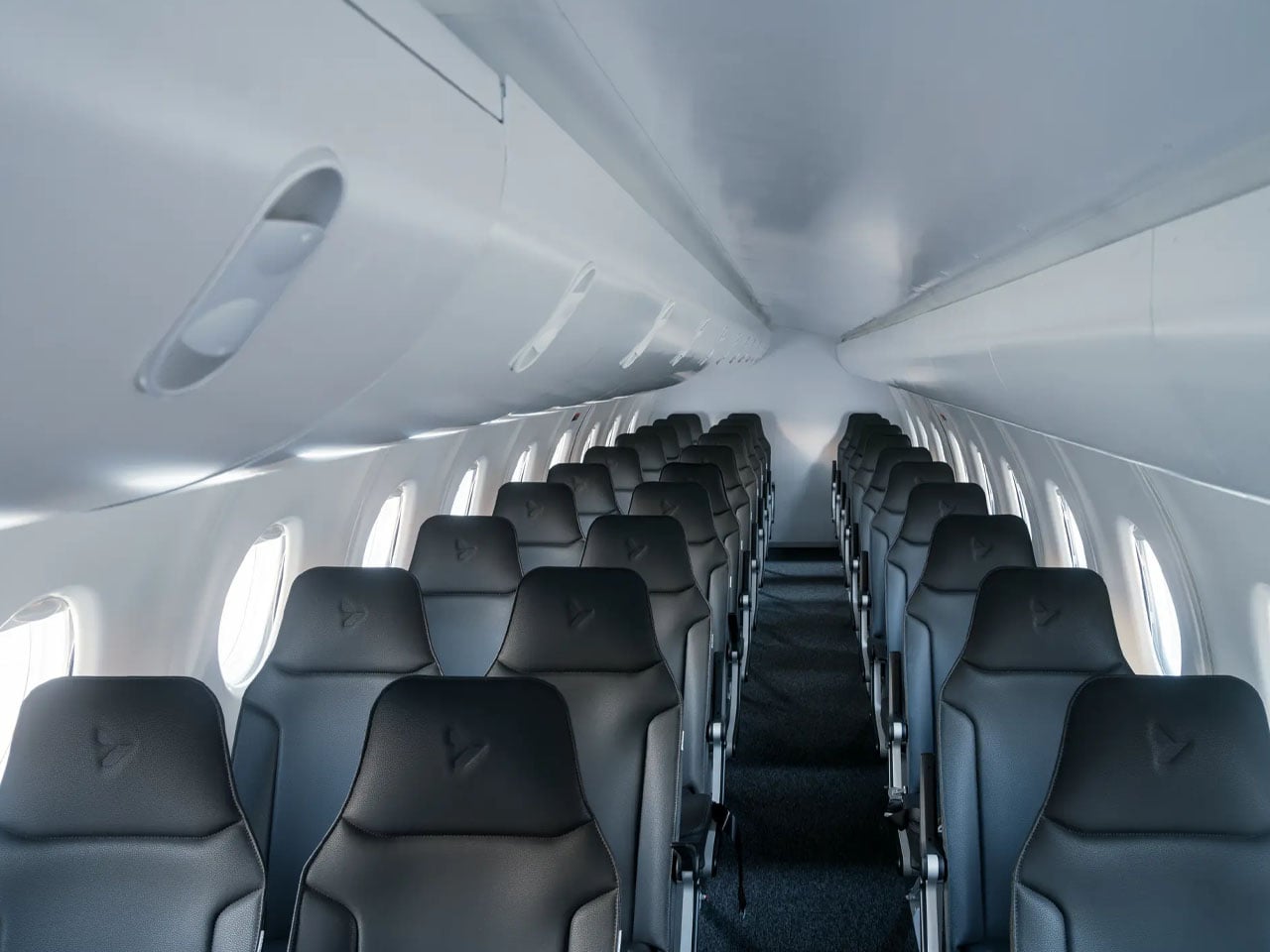
The limitations, though, have still to be kept in mind, as batteries still cannot provide the energy density required for longer regional flights. That is why the production ES-30 will use a hybrid-electric architecture rather than relying entirely on batteries. Heart Aerospace is targeting an all-electric range of about 124–125 miles, while hybrid operation is expected to extend the range to roughly 497–500 miles. The aircraft is designed to carry 30 passengers and has a battery recharge time of around 30 minutes.

Heart expects the ES-30 to reduce operating costs by more than 40 percent compared with legacy regional aircraft, combining lower energy costs with simpler electric propulsion, reduced maintenance requirements, and potentially greater reliability and aircraft availability. Airlines including United Airlines and Air Canada have committed to the program, with total customer commitments reported at $9.4 billion.

The first pre-production ES-30 is already being developed at Heart Aerospace’s Los Angeles pilot manufacturing plant, with flight testing scheduled for 2028 and entry into service targeted for 2031. The X1’s 27-minute flight does not make electric commercial aviation a finished proposition, but it unearths something more fundamental. Battery-powered propulsion can now lift an aircraft approaching regional-airliner scale off a runway and enable a controlled flight. That is a feat in itself!

 

The post Heart Aerospace X1 takes flight as the world’s largest battery-electric aircraft first appeared on Yanko Design.