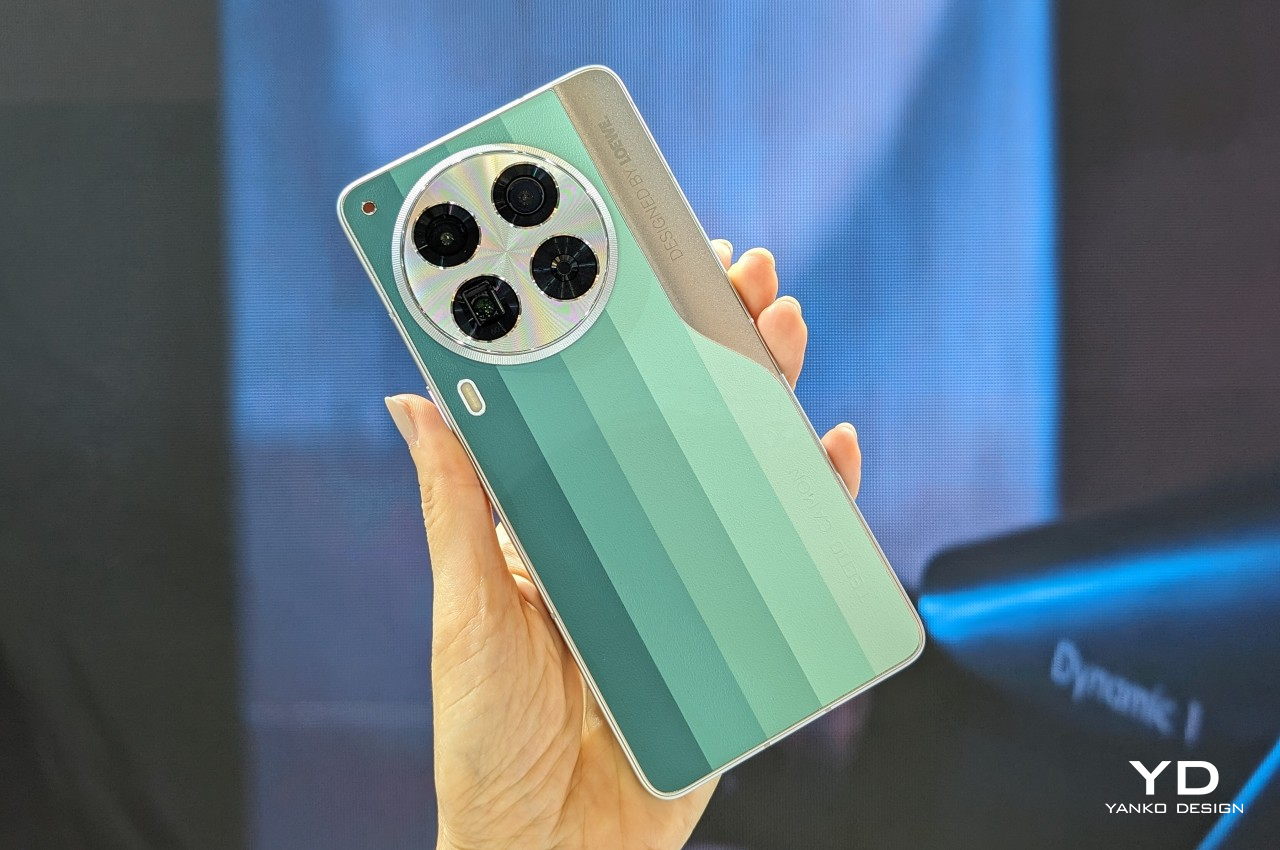
TECNO CAMON 30 Series LOEWE Edition has a back made from coffee grounds

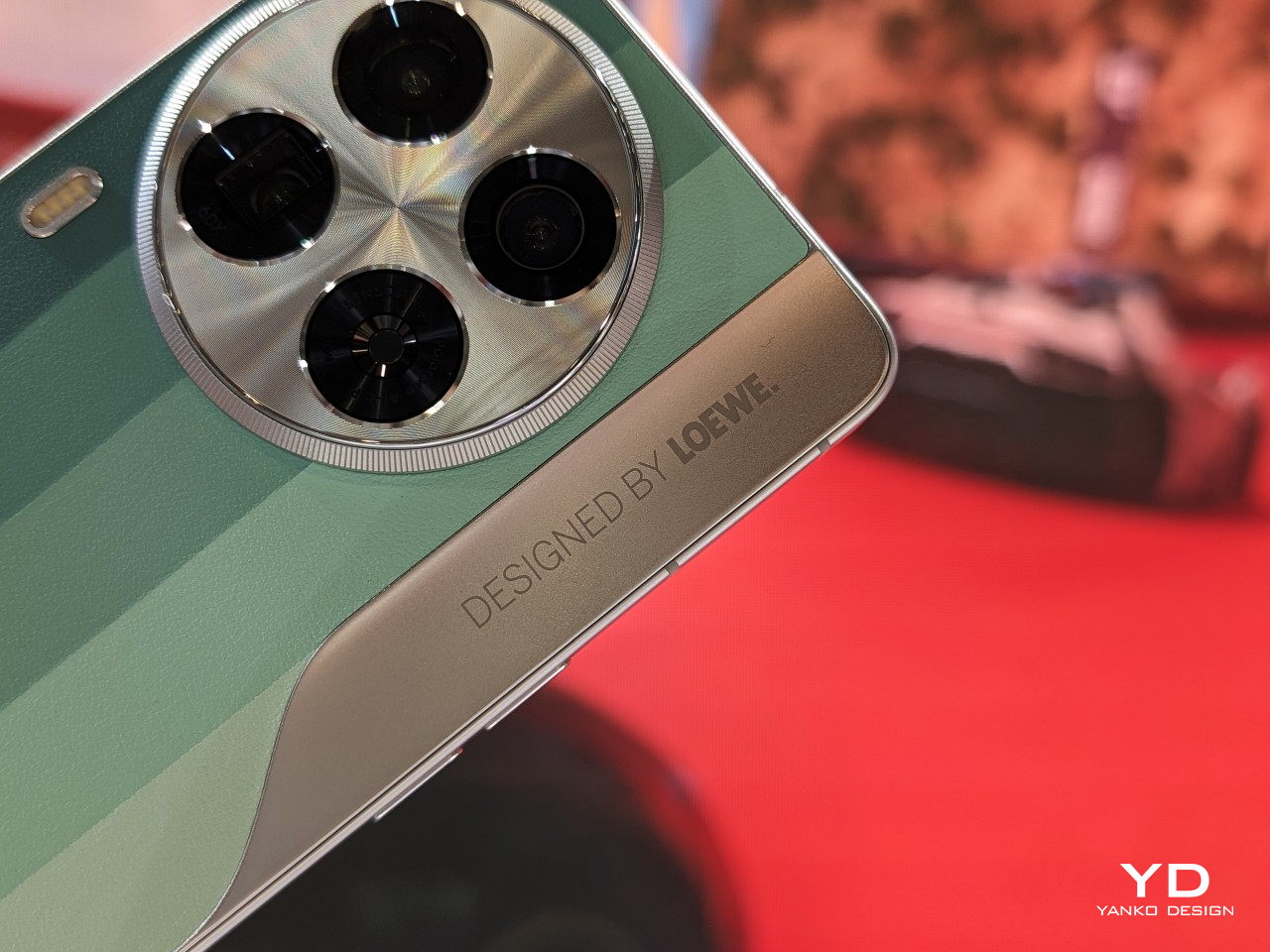
It’s arguable that coffee makes the world go round, but to some extent, it also does a bit of harm in the process. Our rapid and massive consumption of this beverage has resulted in no small amount of waste, from the plastic cups and straws that we throw away daily to even the grounds that often go into the bin. The latter is, of course, biodegradable, but even that takes time to decompose, during which time they pile up and pollute the environment. Waste coffee grounds can actually have other uses, from aromatic candles to even skin care, so you simply need a creative mind to figure out ways to reuse these traces of caffeinated drinks. Working together with famed luxury design marque LOEWE, TECNO has thought of transforming this waste product into a beautiful and sustainable material to grace the back of its latest flagship smartphone.
Designer: TECNO x LOEWE

With a reported average consumption of 2 billion cups every day around the world, it’s no surprise that waste coffee grounds can actually be an environmental problem. Even when they do decompose in landfills, their improper disposal releases harmful greenhouse gasses that slowly but surely kill the very planet that coffee trees grow on. Recycling these coffee grounds is, of course, a solution, but traditional recycling processes also use up plenty of water and energy.
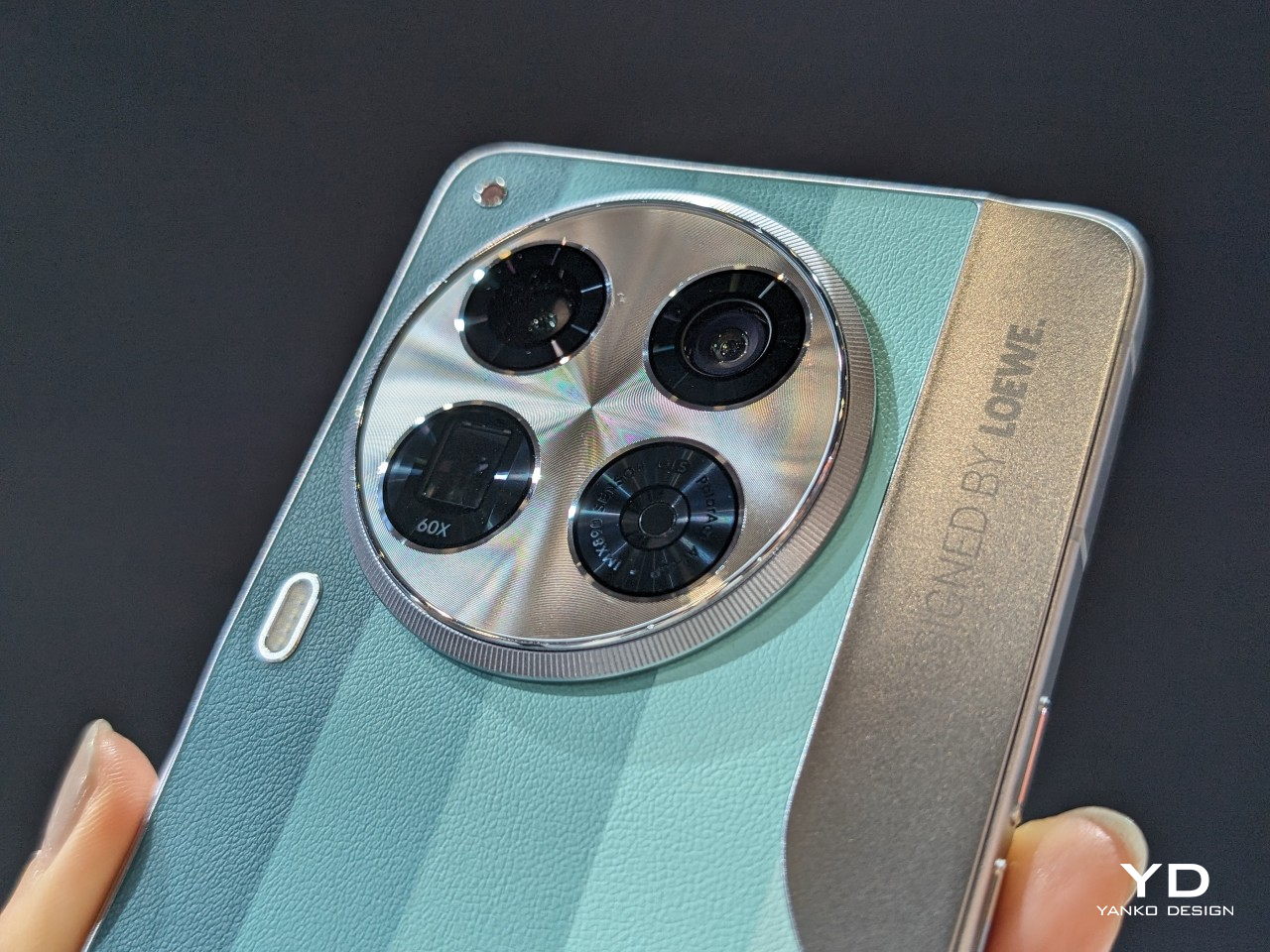
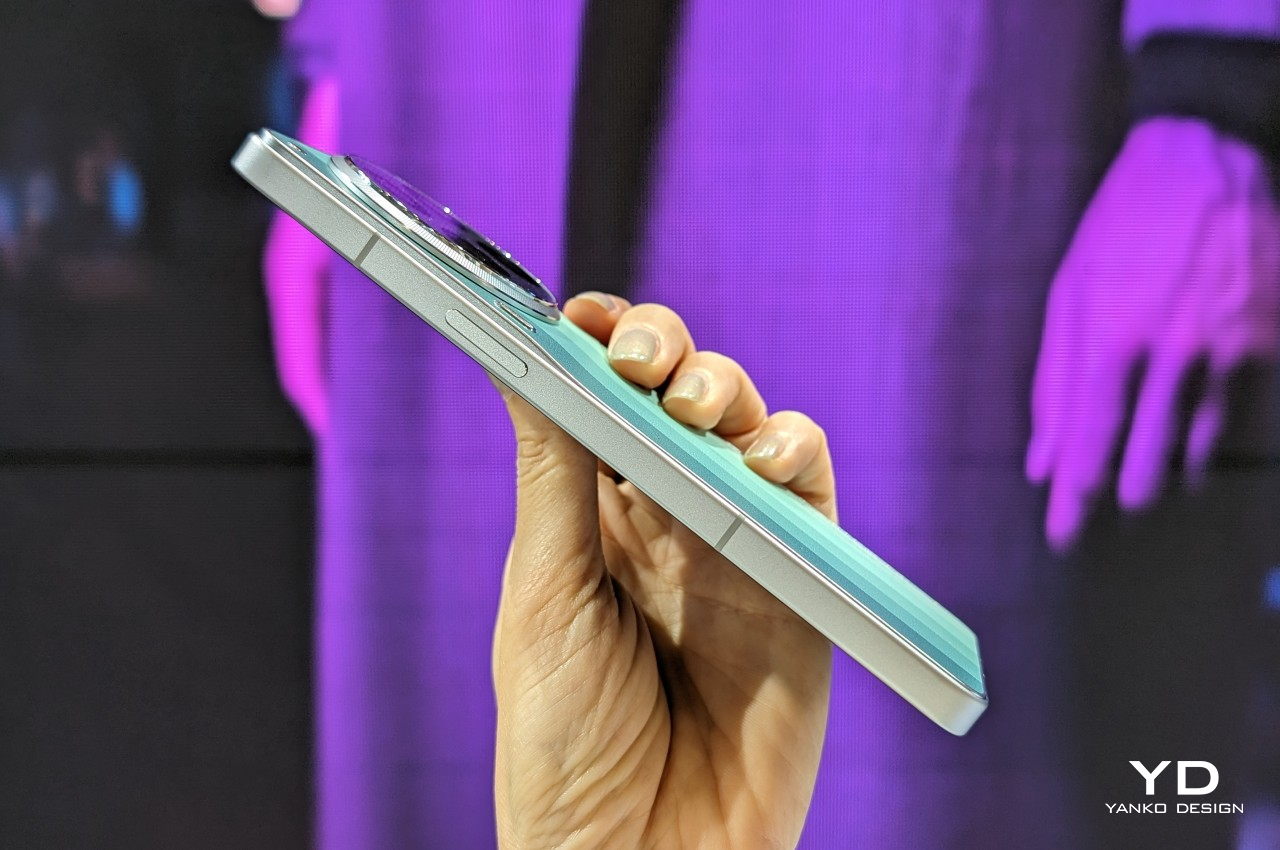
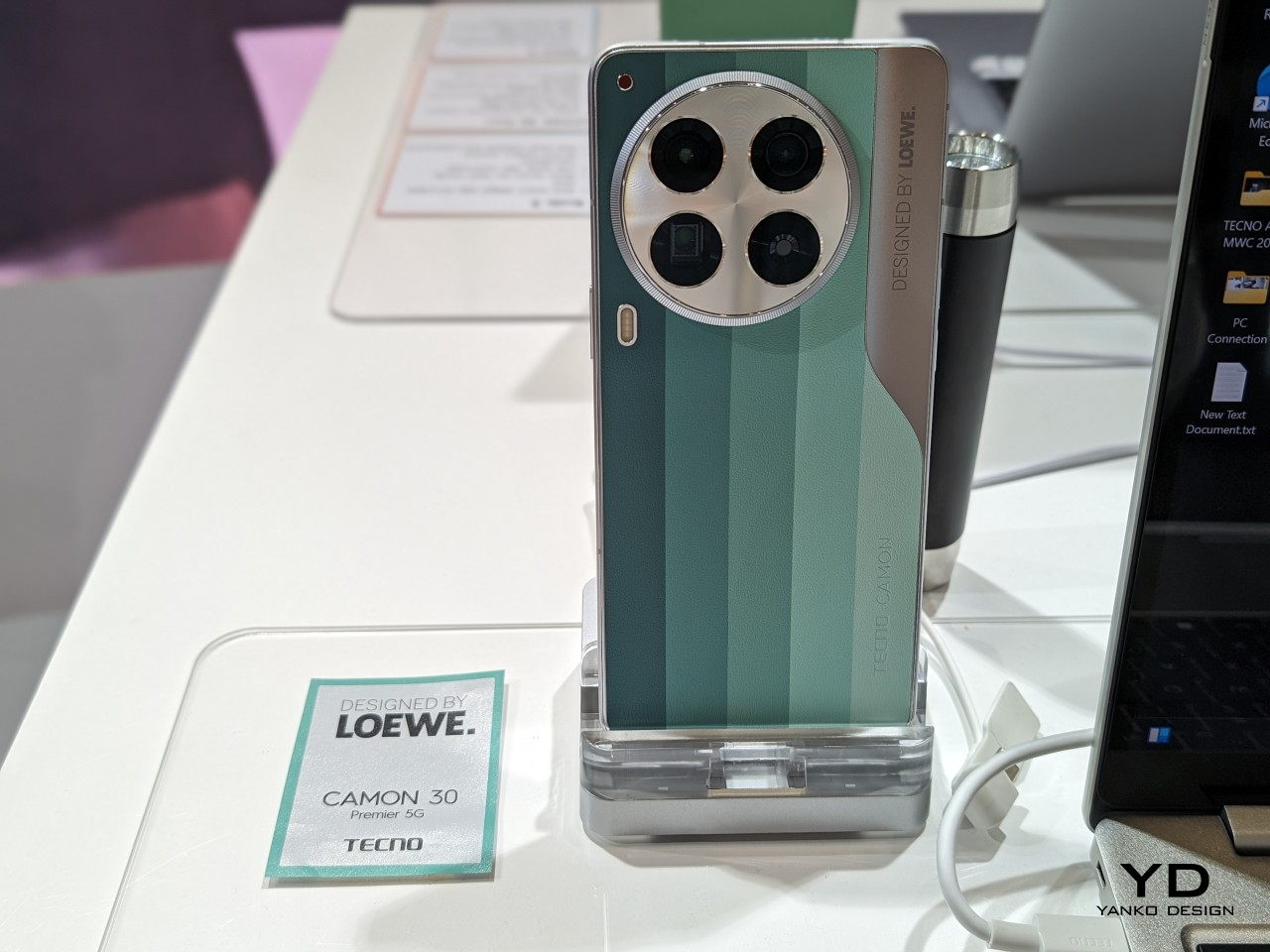
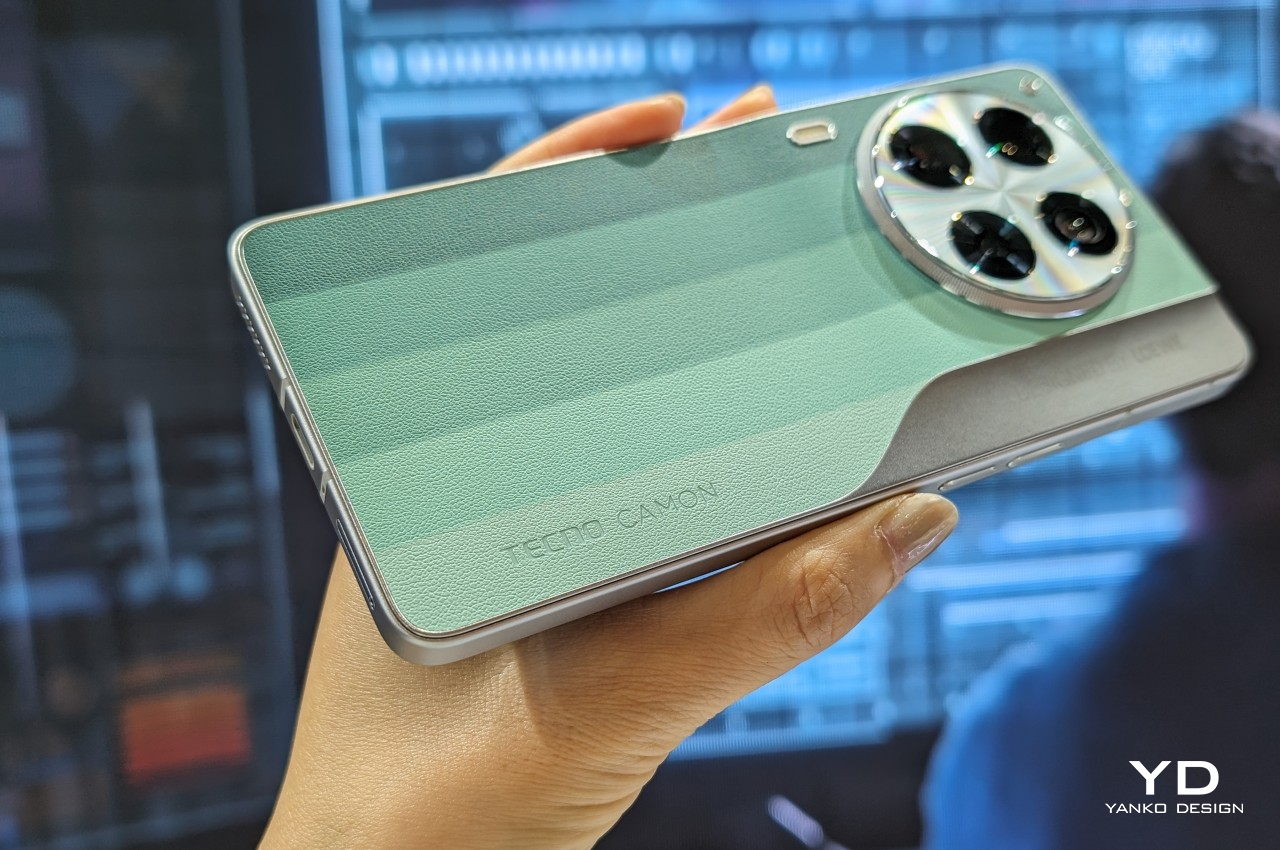
In contrast, the back cover of the new TECNO CAMON 30 Series LOEWE Edition uses not only sustainable materials but also a sustainable process. The coffee grounds are processed without using organic solvents, don’t consume more water, and also use solar power. The result is a back cover that is composed of more than 20% bio-based material that gives the surface a unique texture that will delight your hand the moment it touches it.
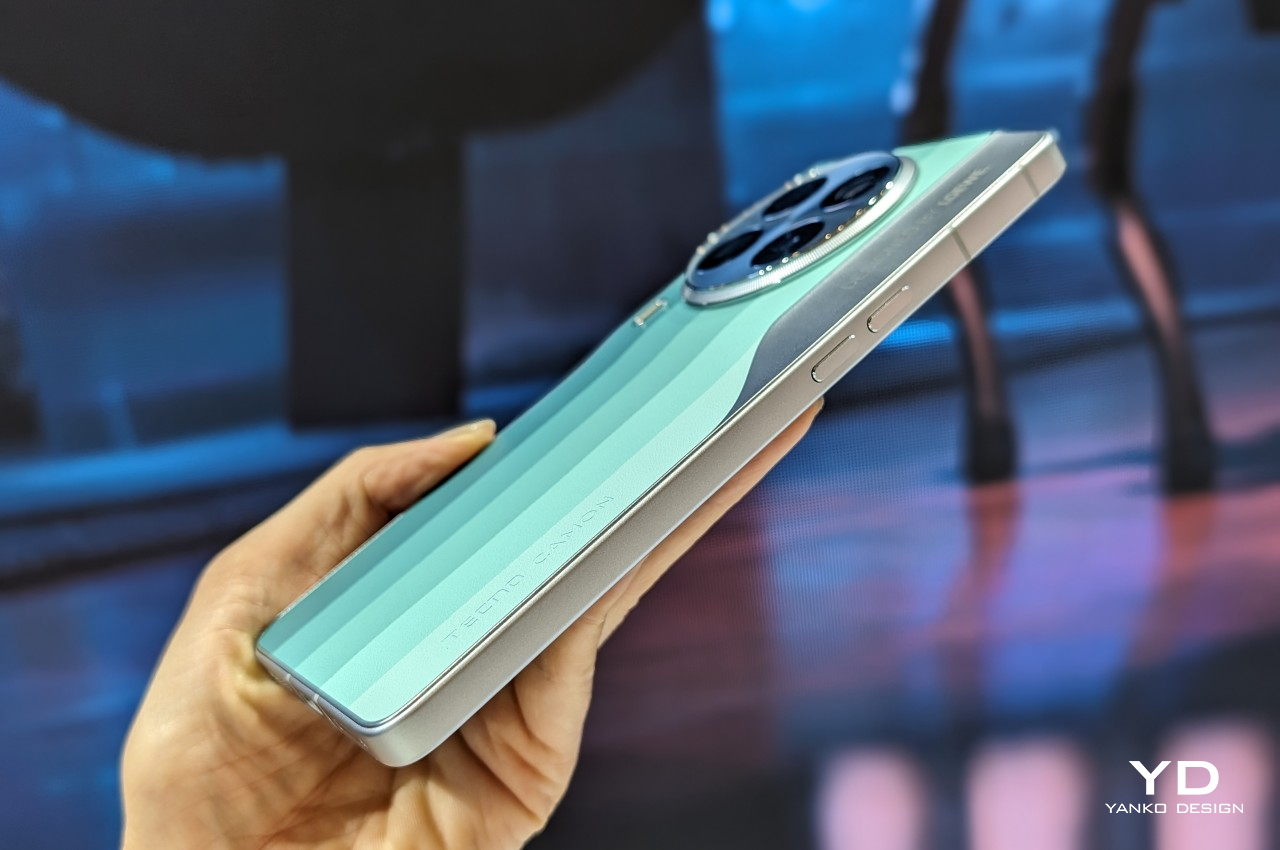
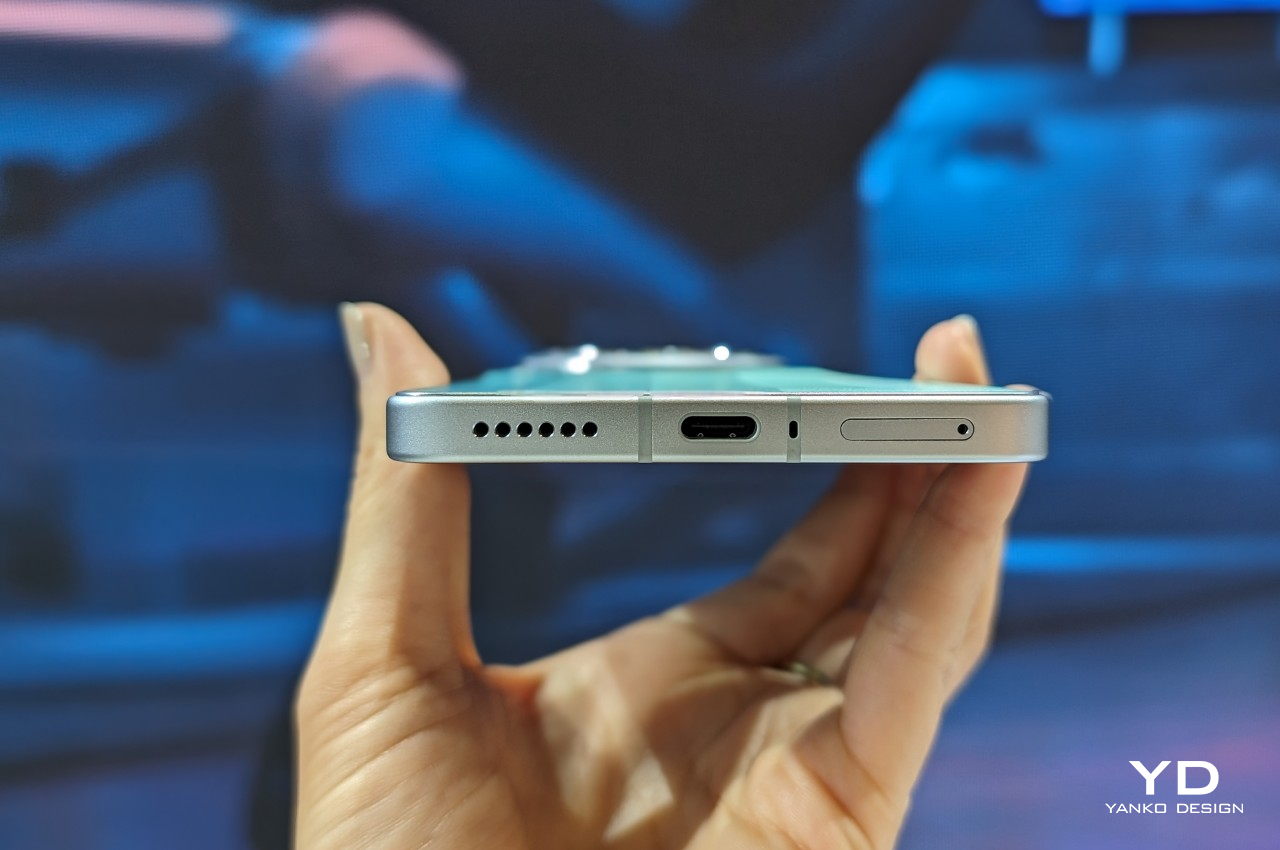
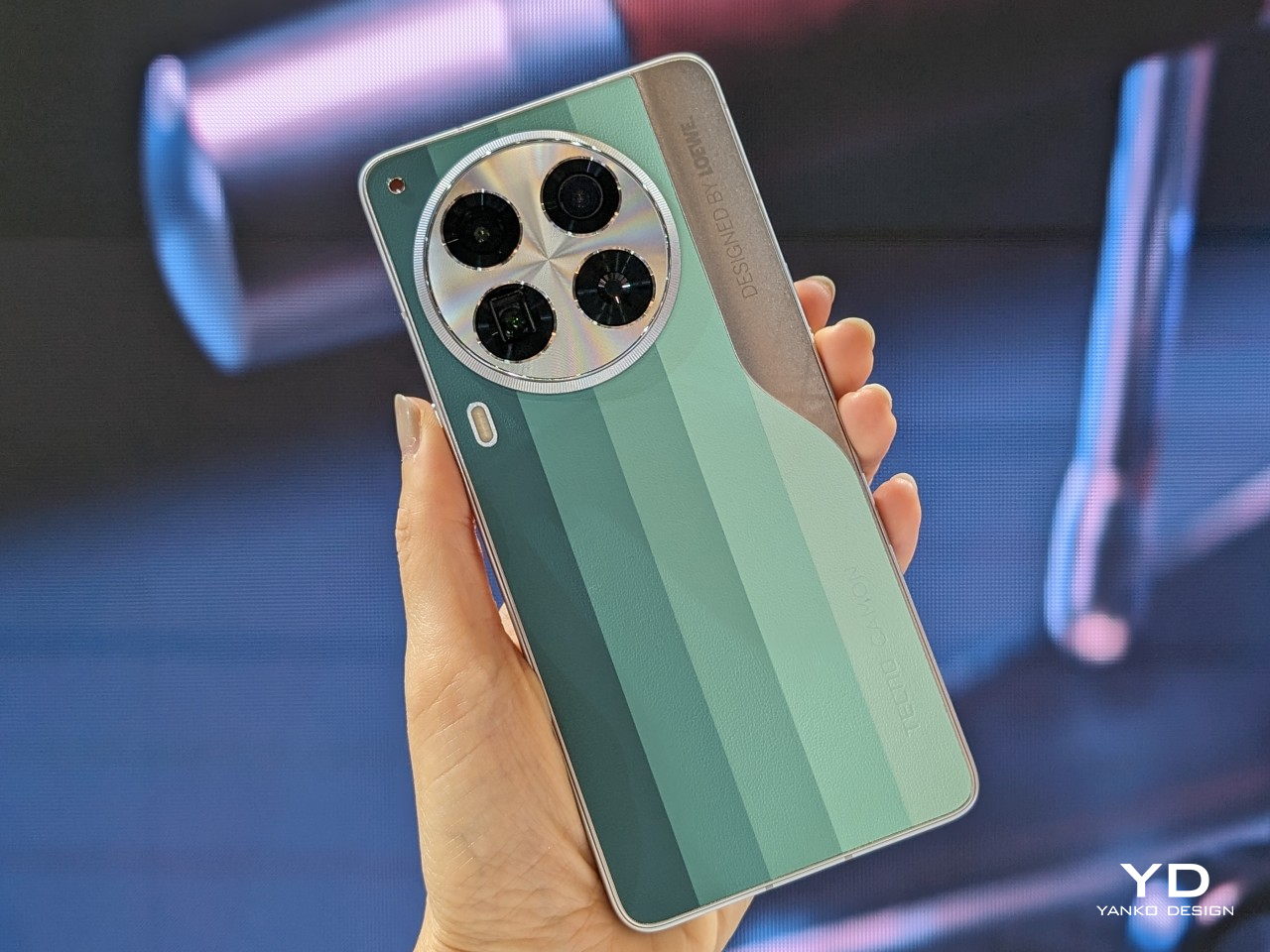
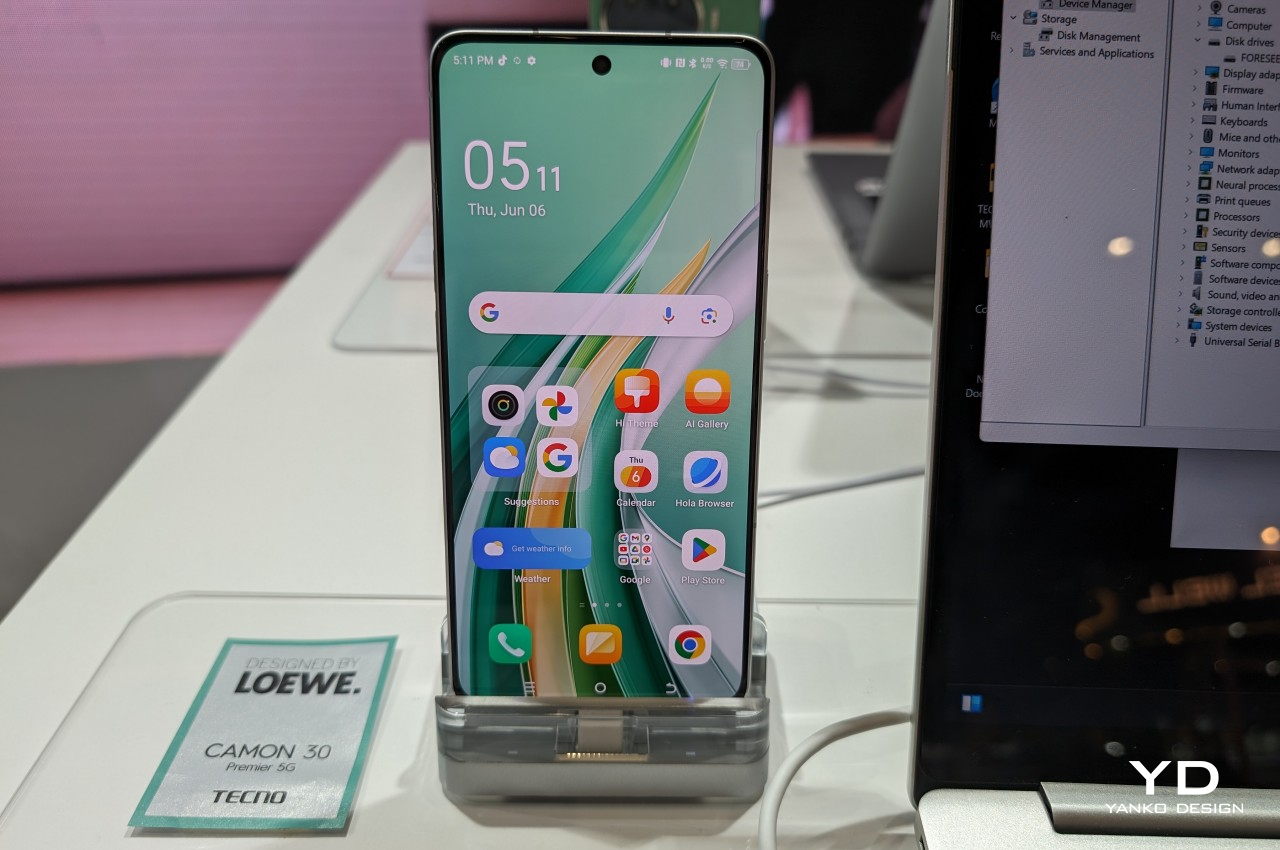
You might not be able to tell that the TECNO CAMON 30 LOEWE Edition has a back made from recycled coffee grounds because of its distinctive green color instead of the brown that’s associated with coffee. This gradated color was chosen to be symbolic of nature, representing the natural life cycle of leaves. More interestingly, TECNO also opted to adopt a color-blocking style that not only makes the phone look modern but also gives it a bit of character.
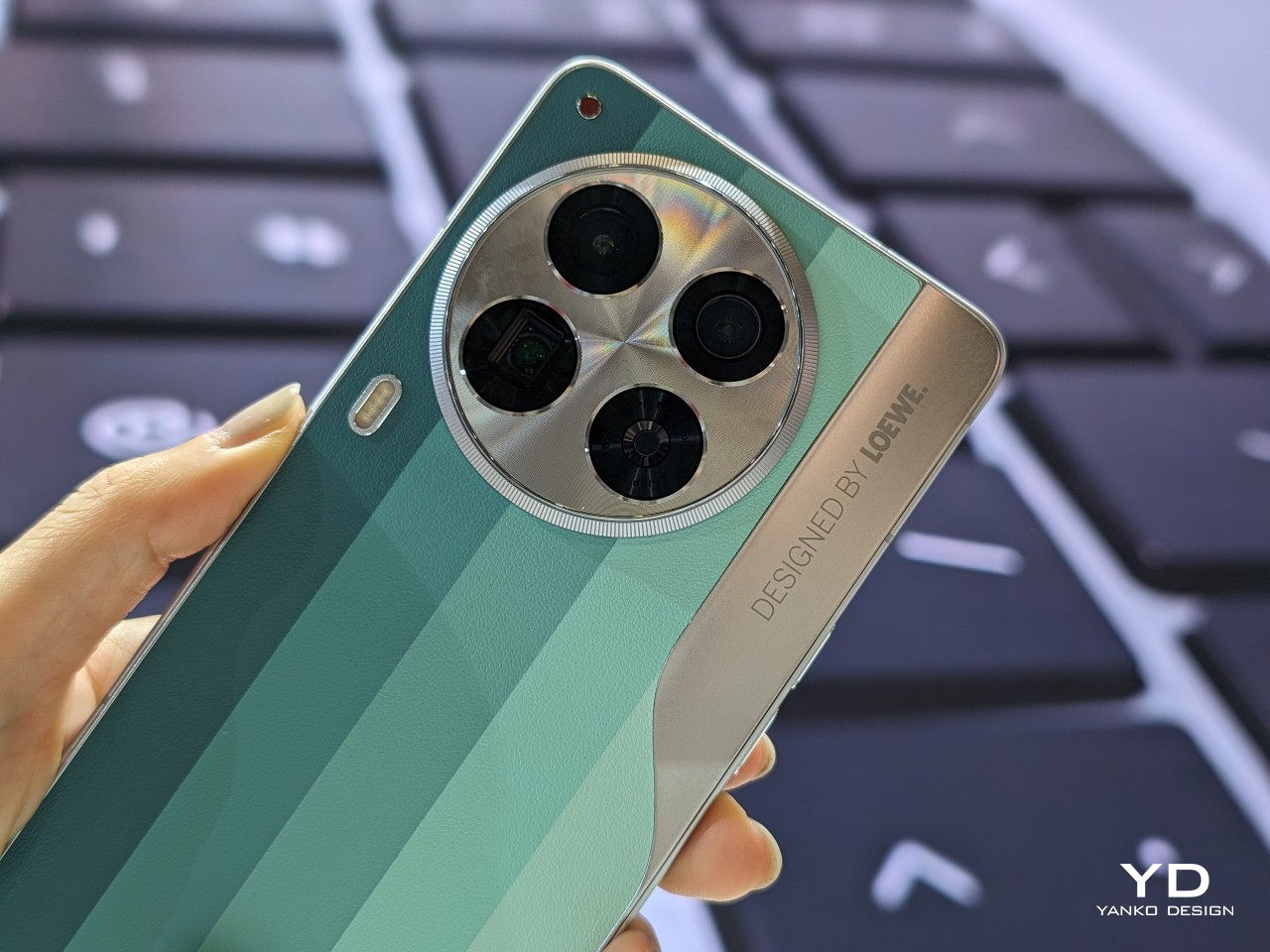
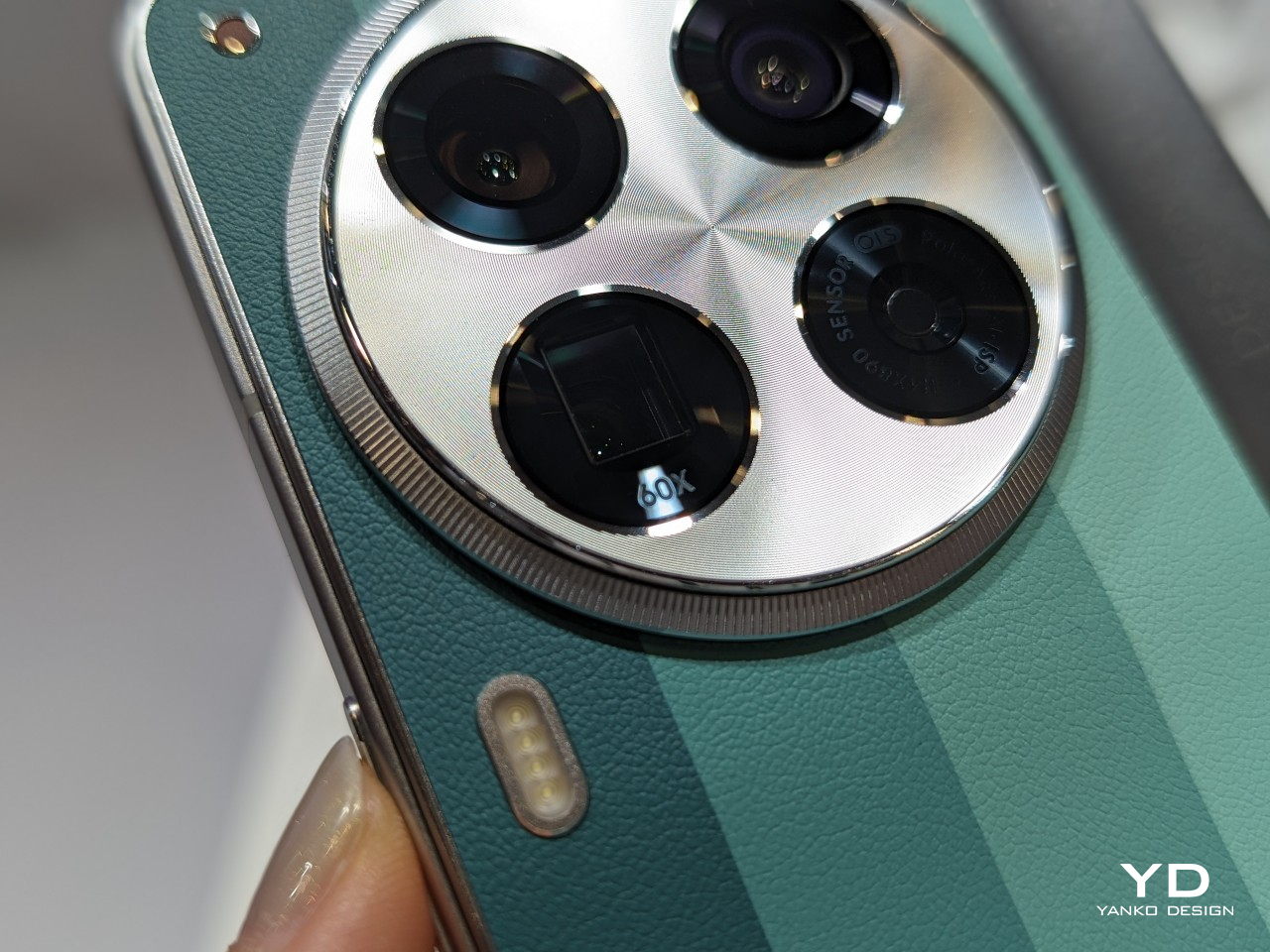
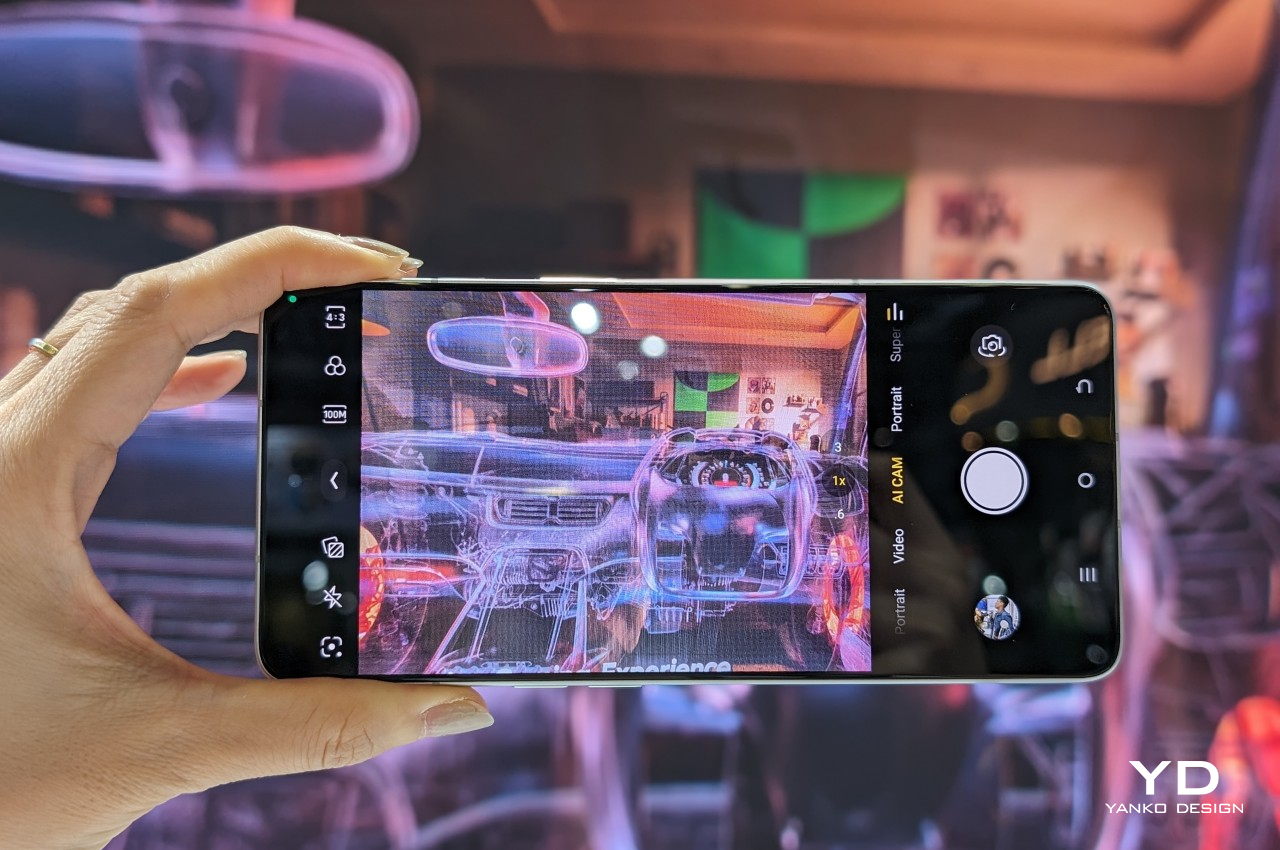
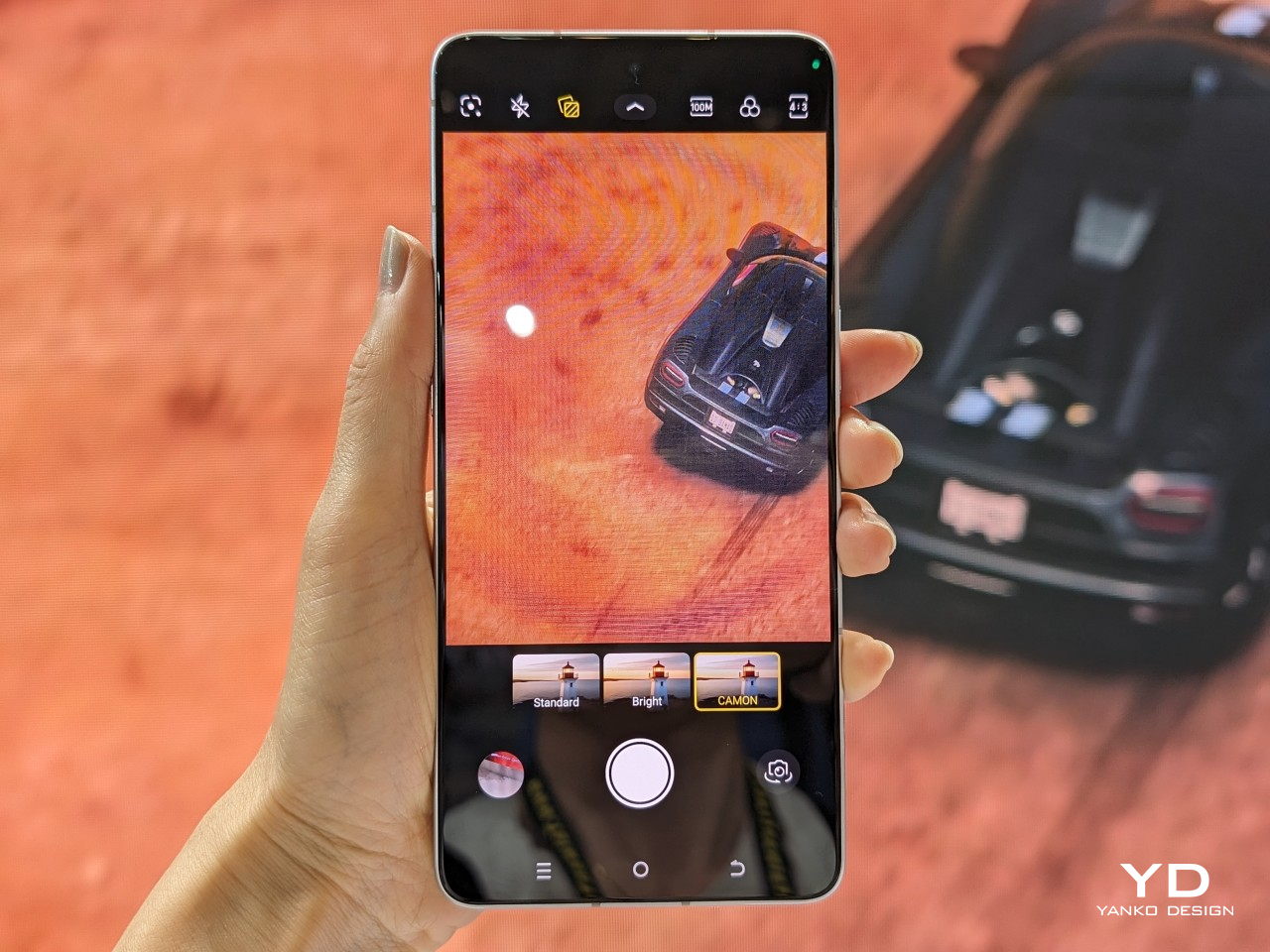
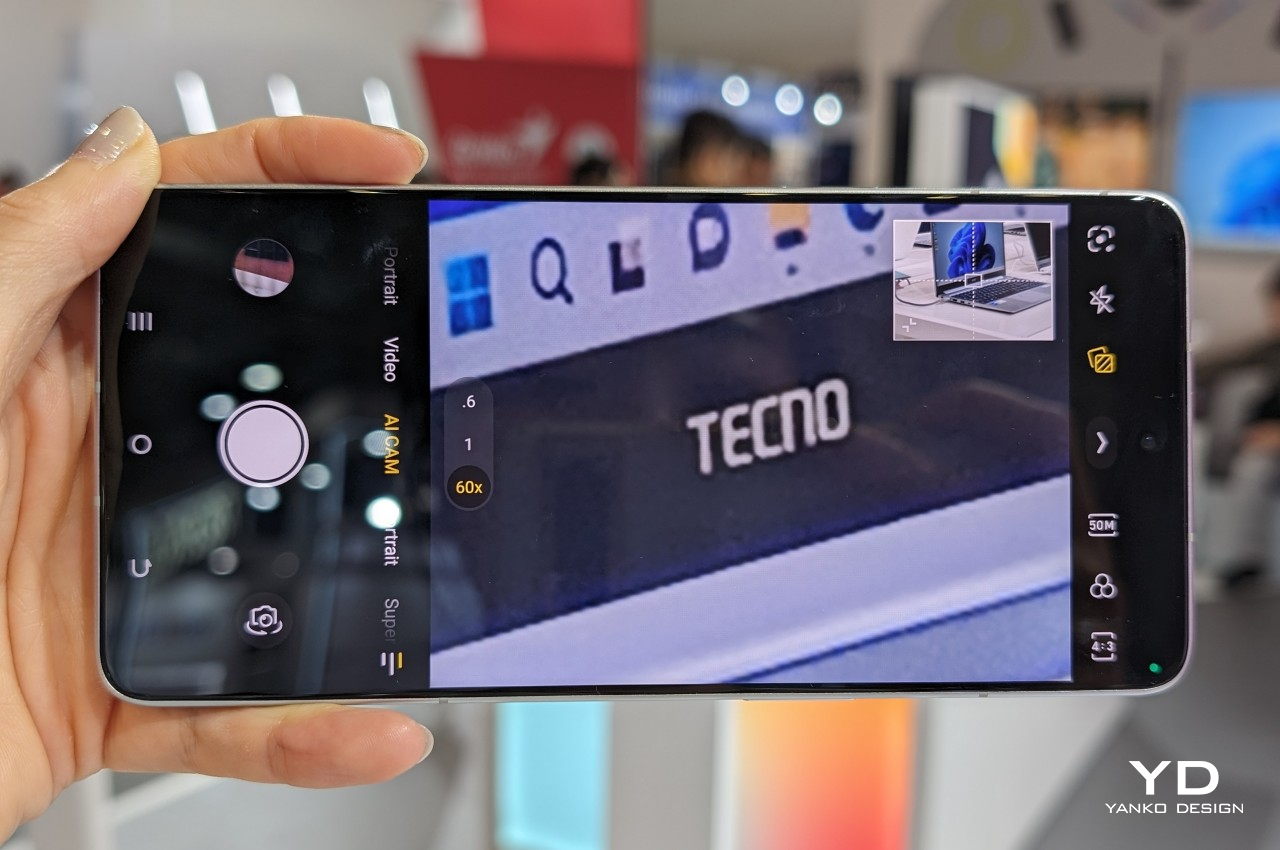
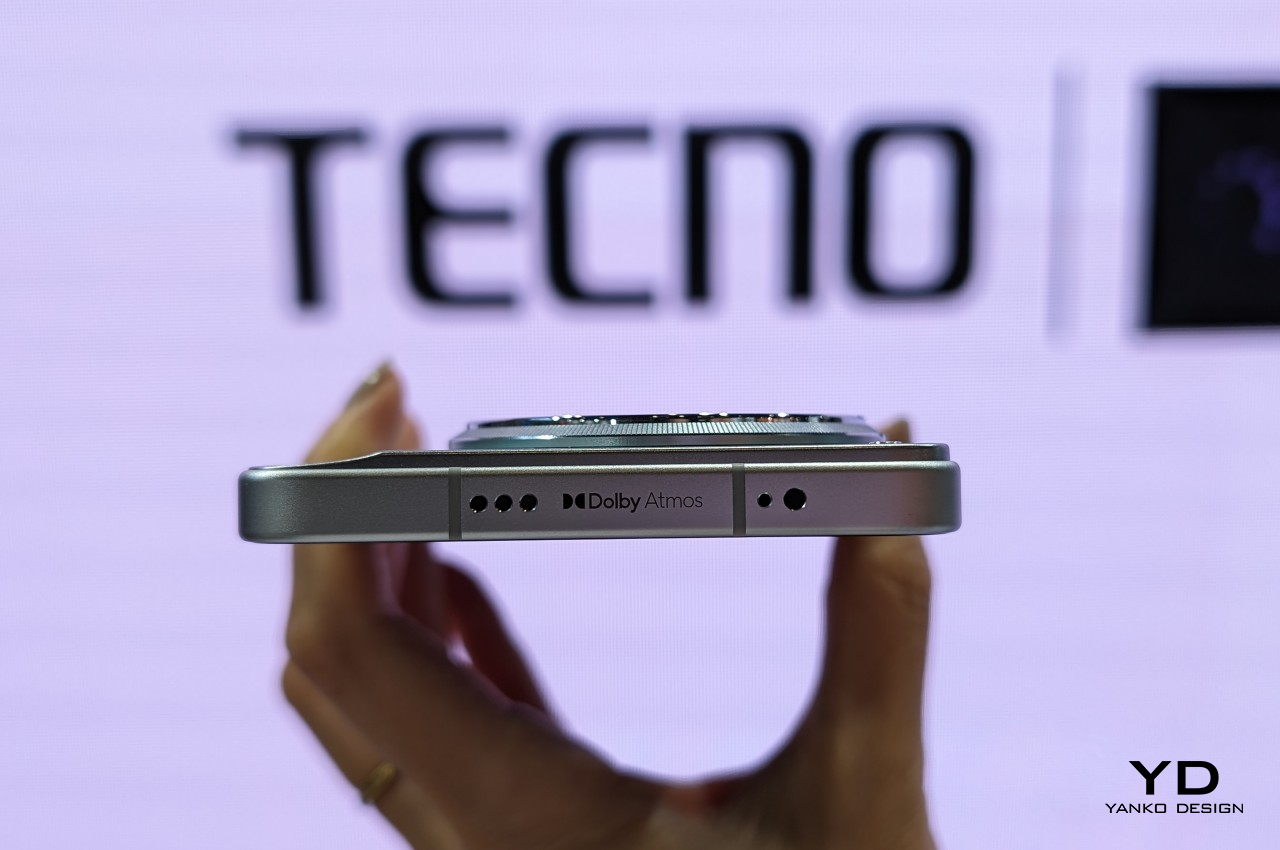
This industry-first coffee grounds back design is available on all TECNO CAMON 30 Series models with no changes to their internal specs. For the Premier 5G variant, that means having no less than four 50MP cameras sitting on top of this unique and sustainable material. Availability details of the TECNO CAMON 30 Series LOEWE Design Edition are unavailable at the moment.
The post TECNO CAMON 30 Series LOEWE Edition has a back made from coffee grounds first appeared on Yanko Design.
Cooler Master’s new PC Cases look like something out of a Mecha Paradise

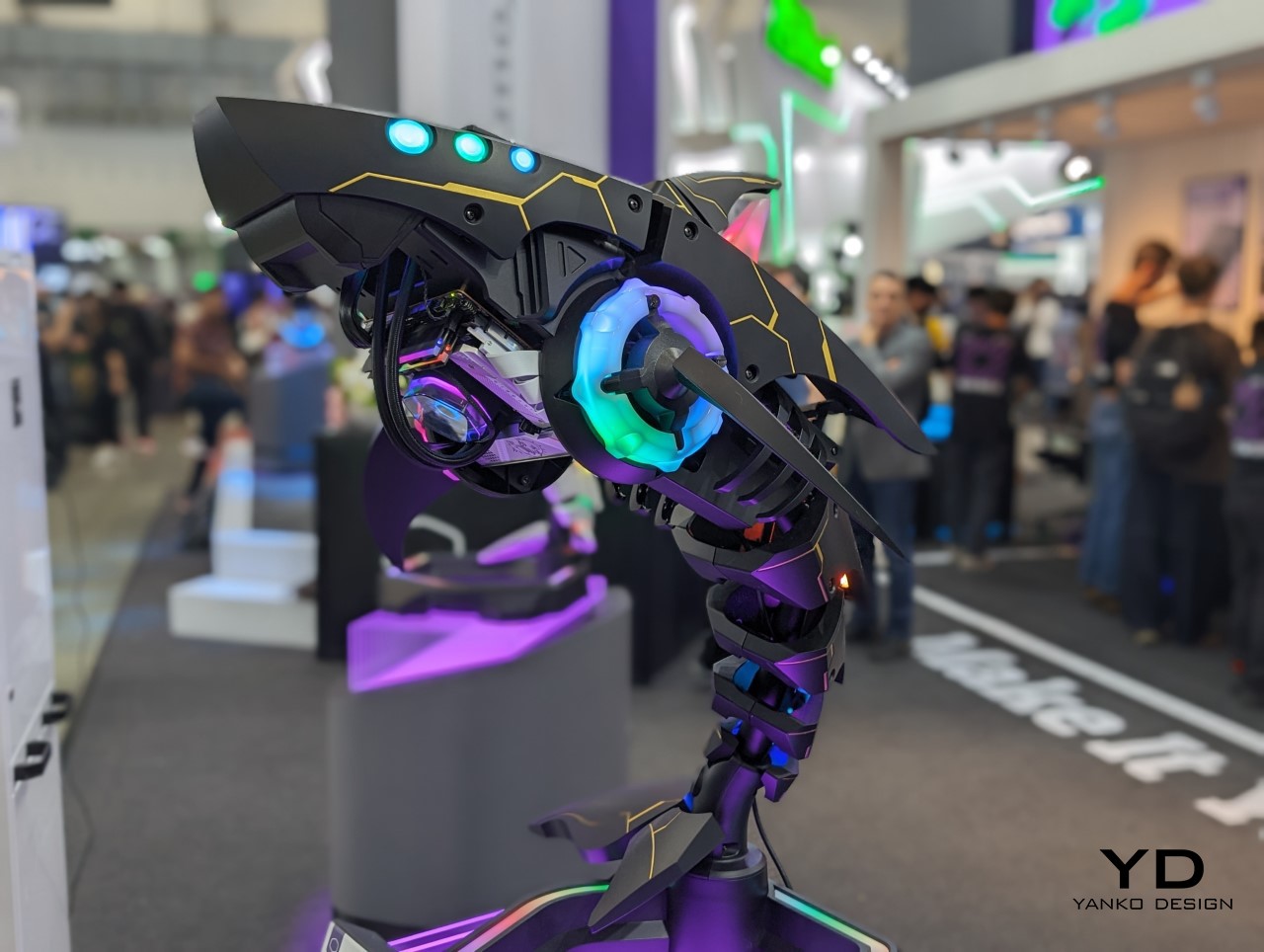
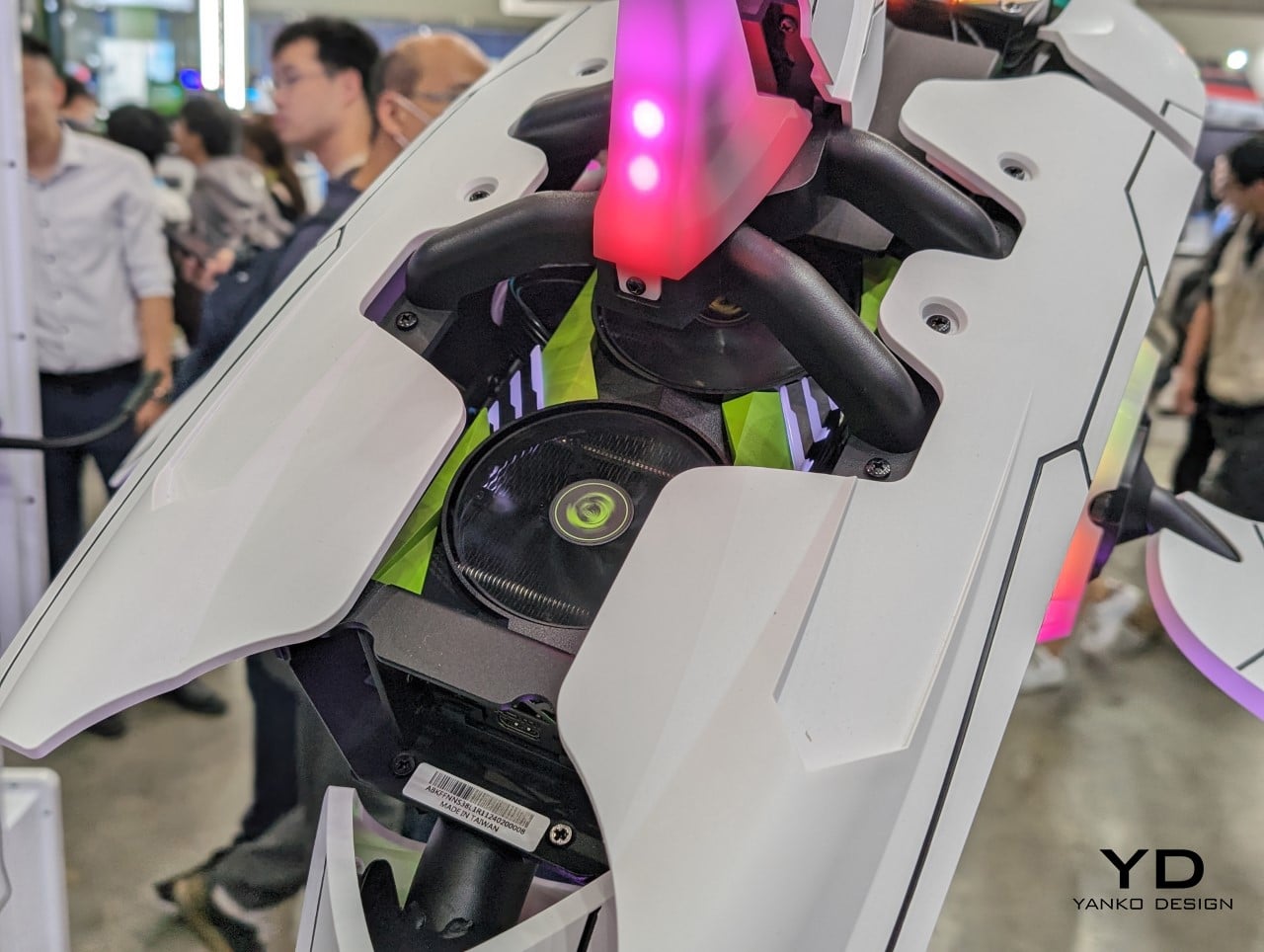
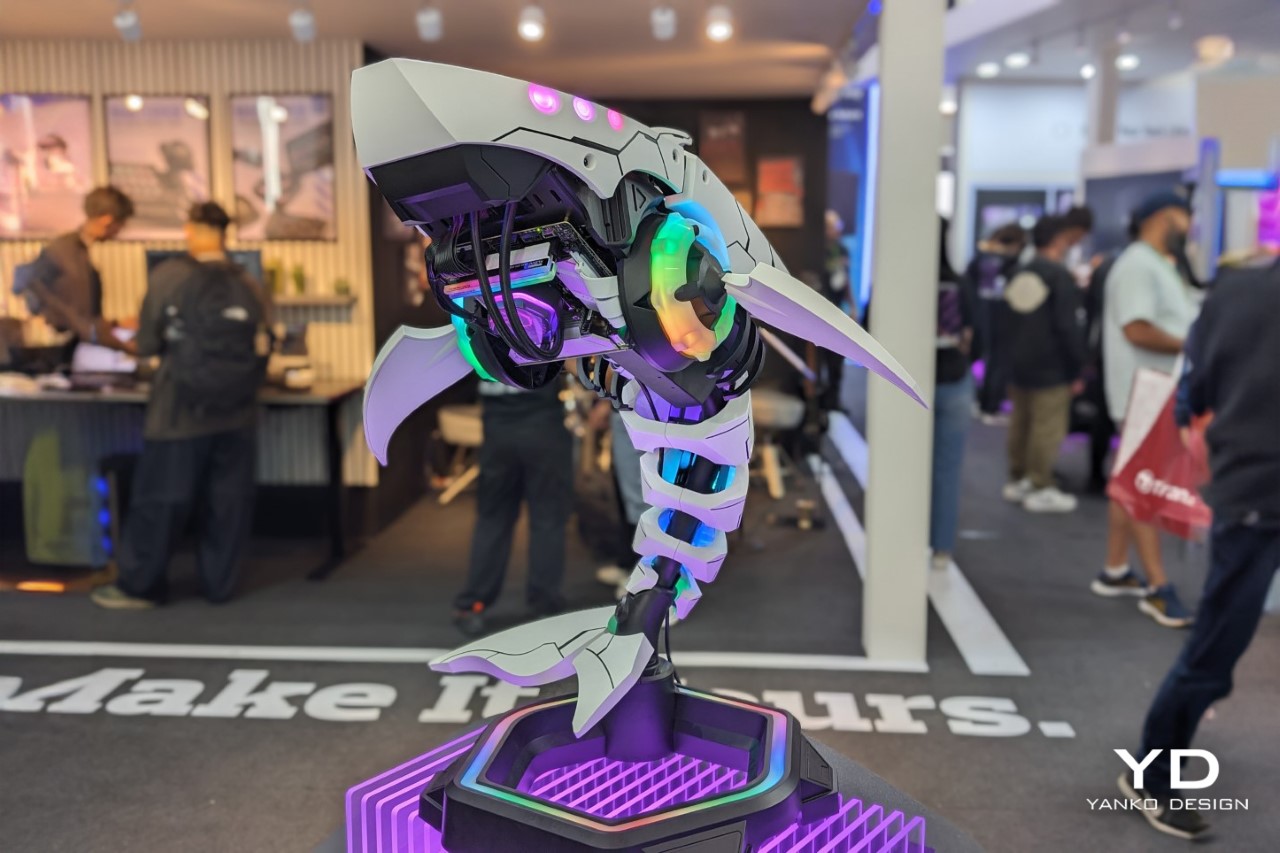
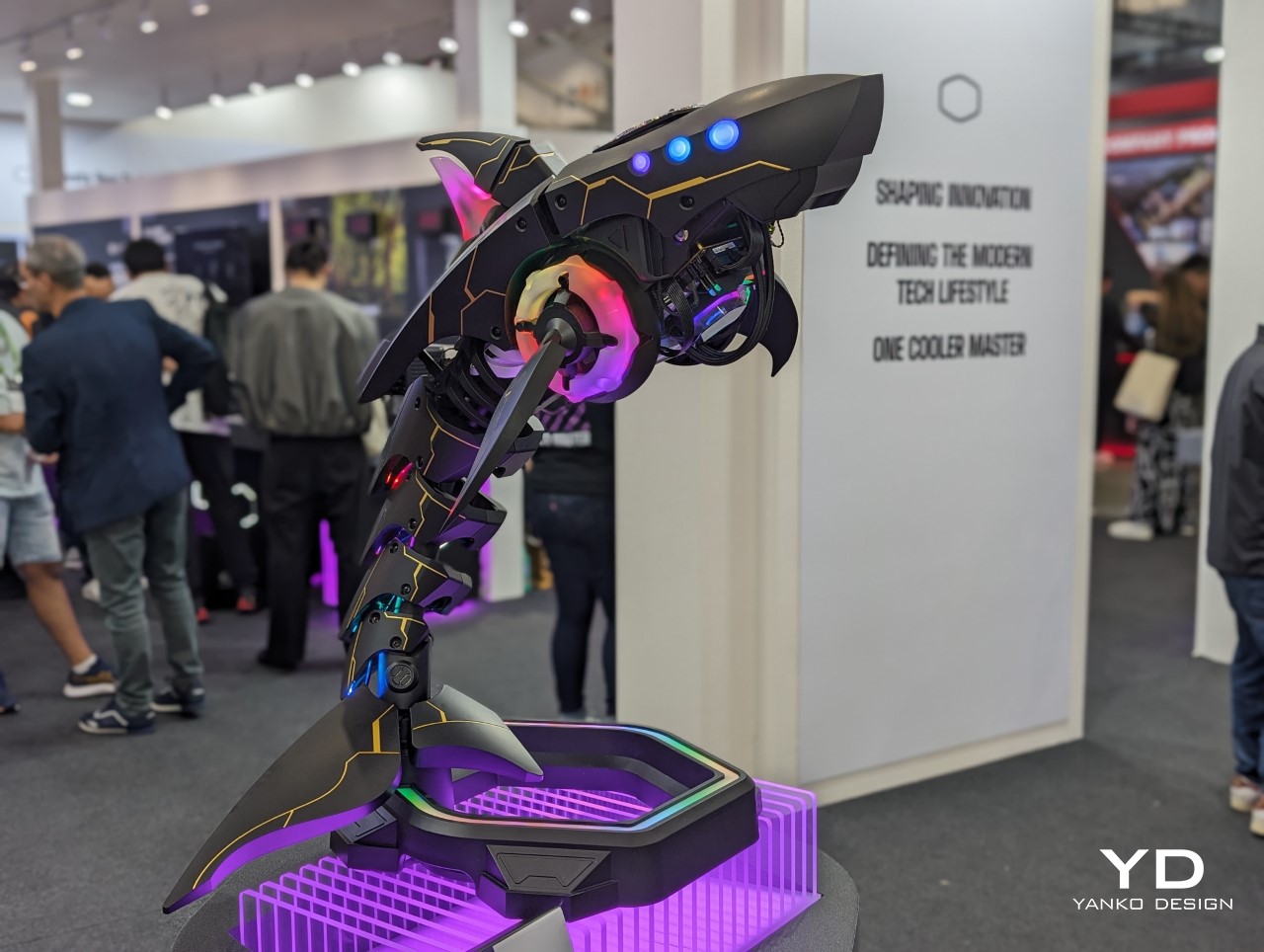
No that isn’t the latest prop or collectible from the obscure film franchise Mega Shark vs. Mecha Shark. It is, in fact, a high-end PC from the folks at Cooler Master. With a mission of wanting to build some of the world’s literally and slangily coolest PCs ever, Cooler Master’s latest showcases at Computex 2024 has us wondering if anything can be a PC (no, sometimes things are also cakes). The company brought out the Shark X and their sneaker-shaped PC designs, which should be available later this year. Standing at anywhere up to 3 feet tall, these PCs aren’t for making spreadsheets, they’re the sportscars of the PC world, designed to dominate both visually as well as in performance. Oh, and they cost upwards of $7000 as per sources, so maybe we’re better off relegated to more budget-friendly PCs, even though they may look boring.

Designer: Cooler Master

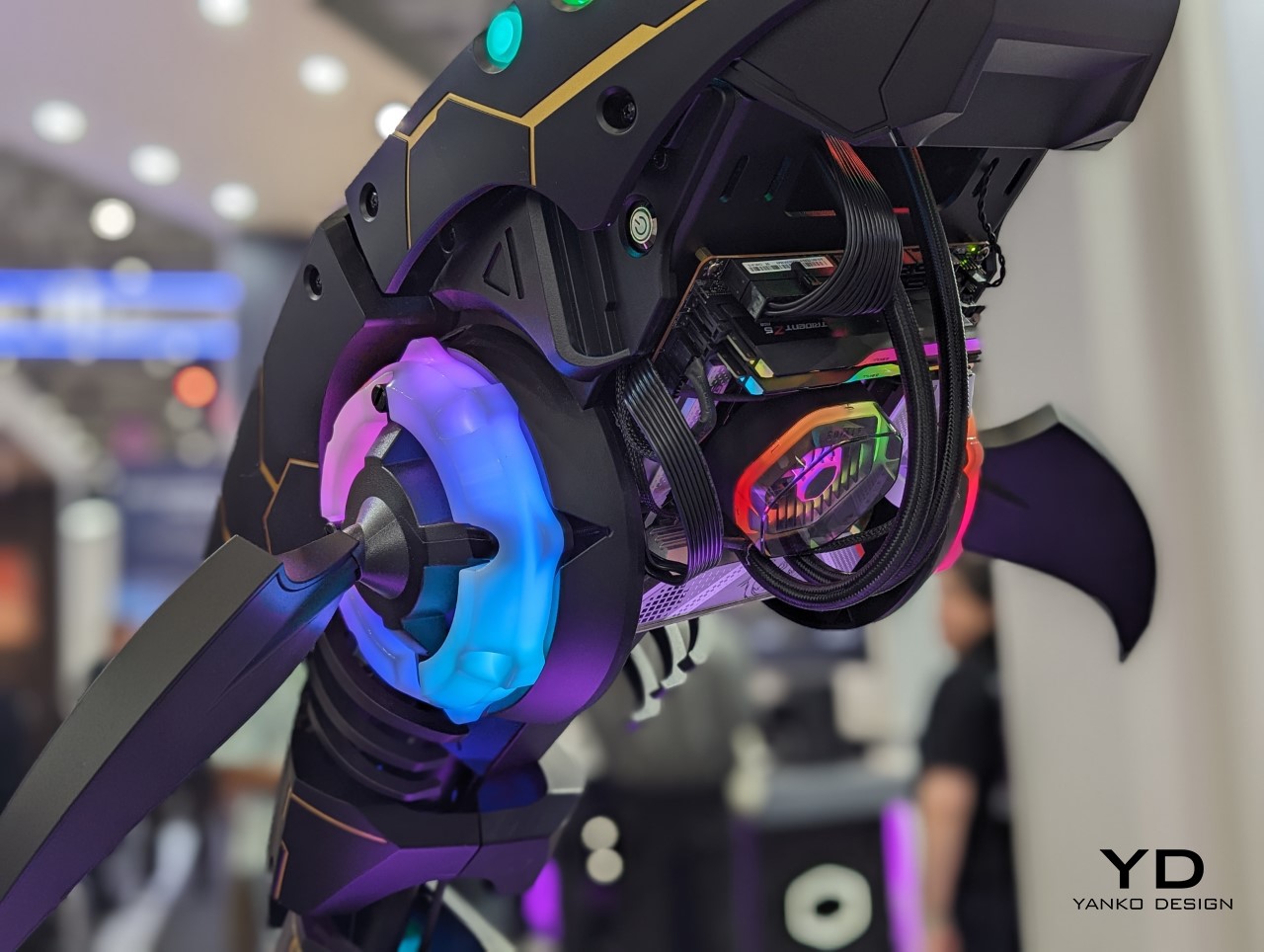
The Shark X is advertised as a “fully upgradeable” gaming PC. While the final specifications might change slightly, the current iteration boasts a powerful core: an Intel Core i9-14900KF processor and an MSI Gaming GeForce RTX 4070 Ti graphics card. That’s paired with 32GB of DDR5-5600 memory and a 1TB M.2 PCIe 4.0 SSD for speedy storage. Cooling is handled by a Cooler Master MasterLiquid 120 ATMOS liquid cooler, ensuring the system stays frosty during intense gaming sessions. The power supply is a Cooler Master SFX 850W Gold PSU, providing ample wattage for the hardware.

The price tag? Brace yourself – the Shark X is expected to cost upwards of $7,000. Let’s be honest, at that price point, raw performance upgrades become secondary. The Shark X is for those who prioritize an unforgettable conversation starter and a unique centerpiece for their battle station.

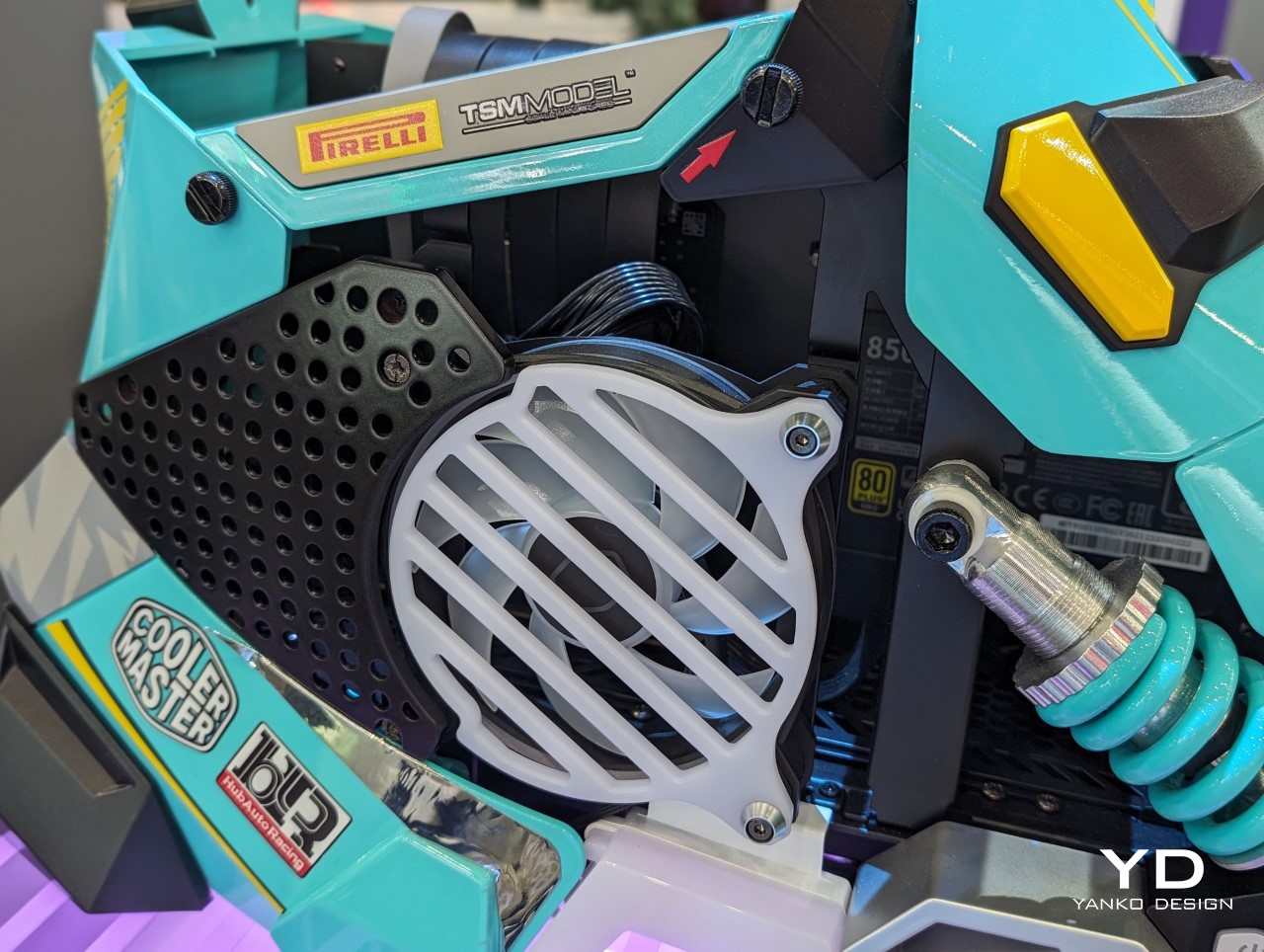
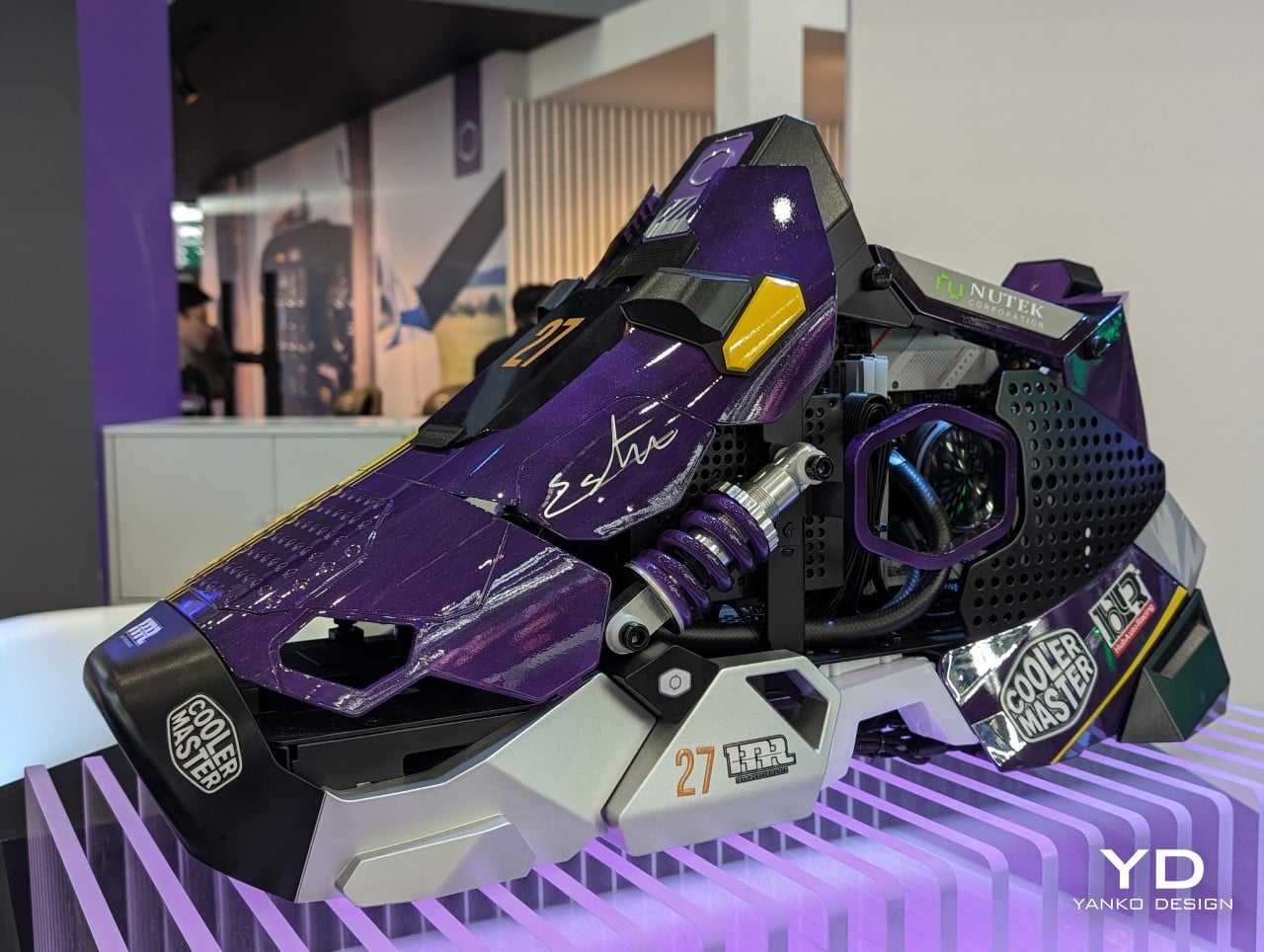
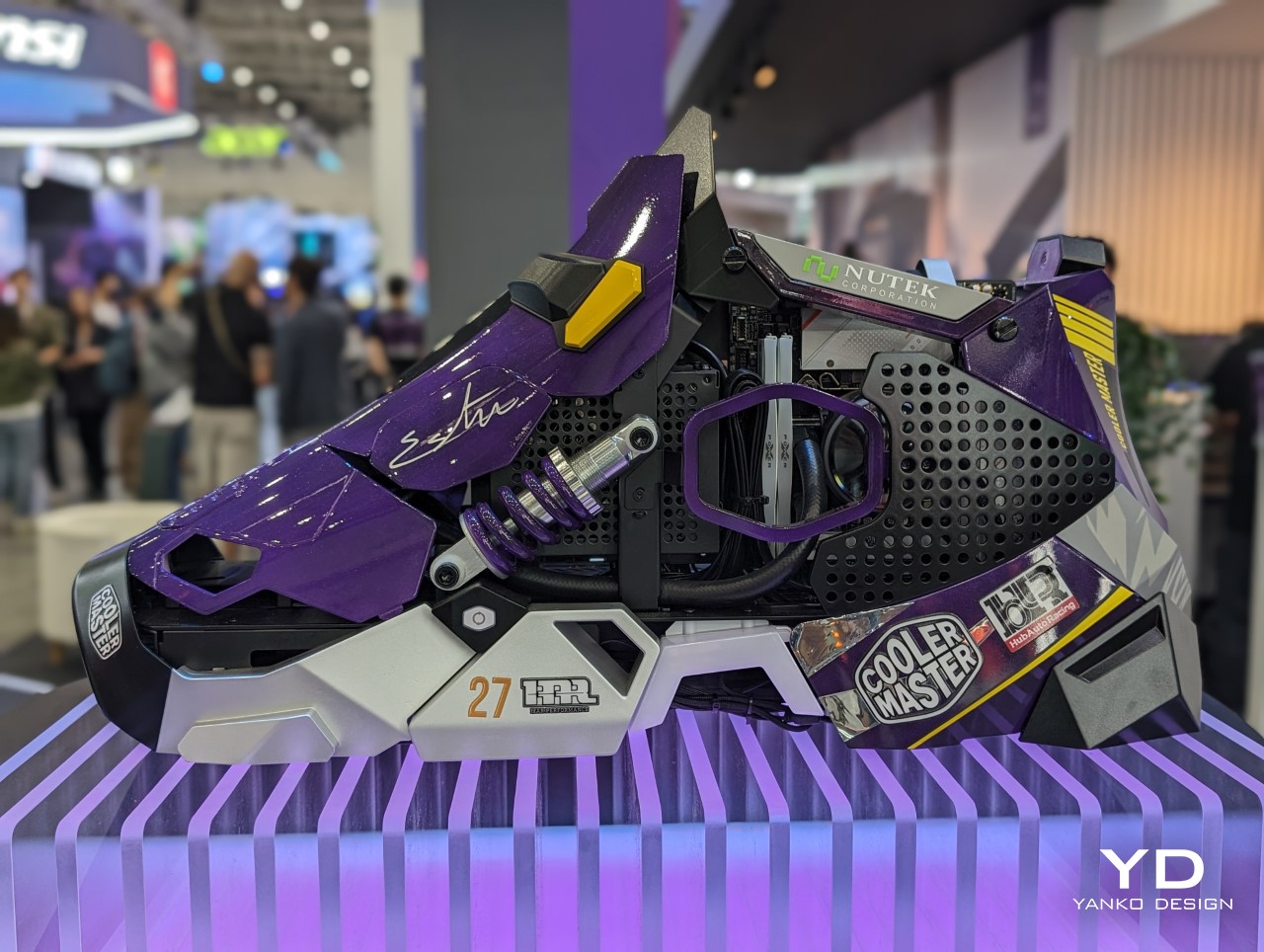
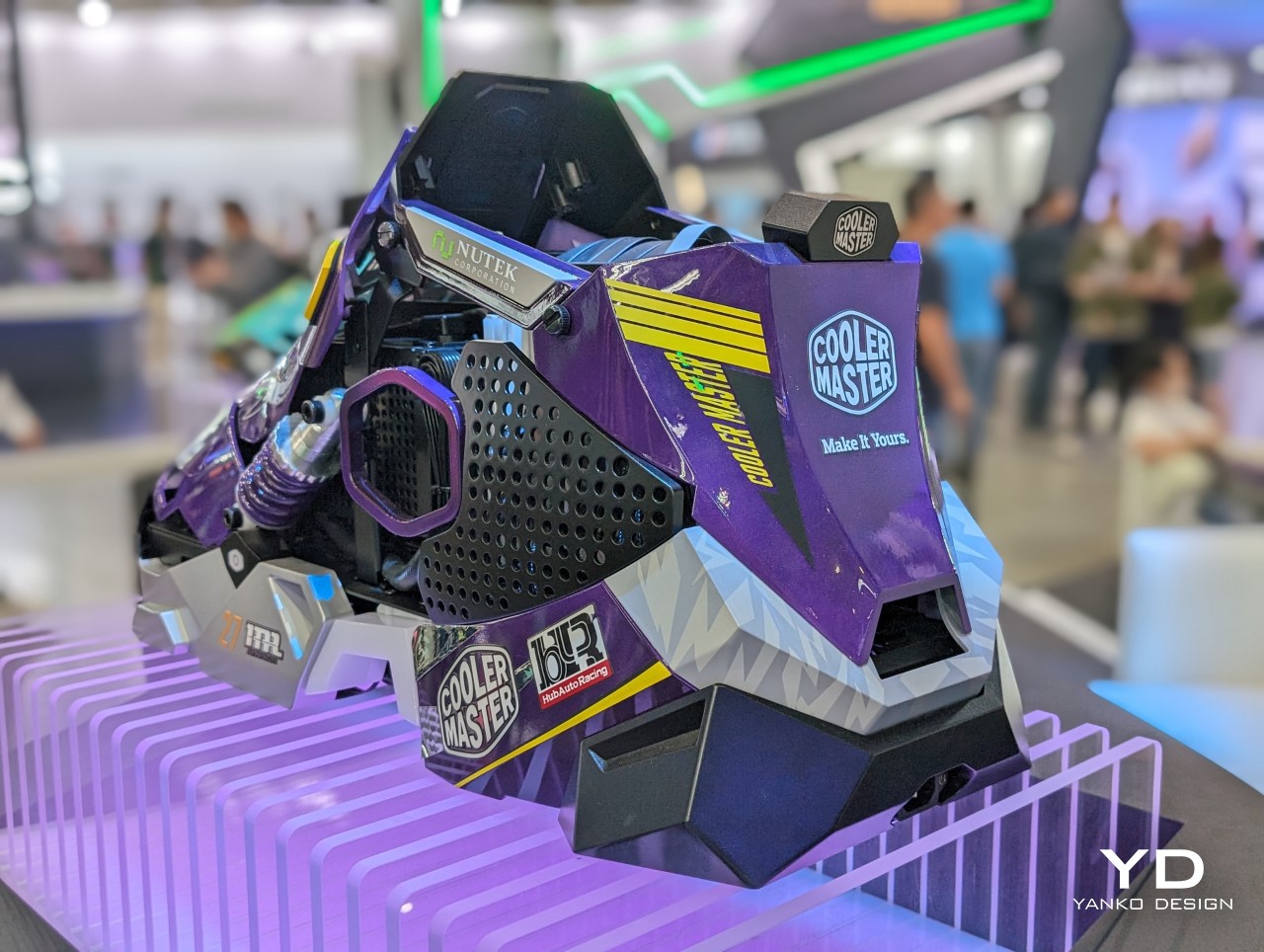
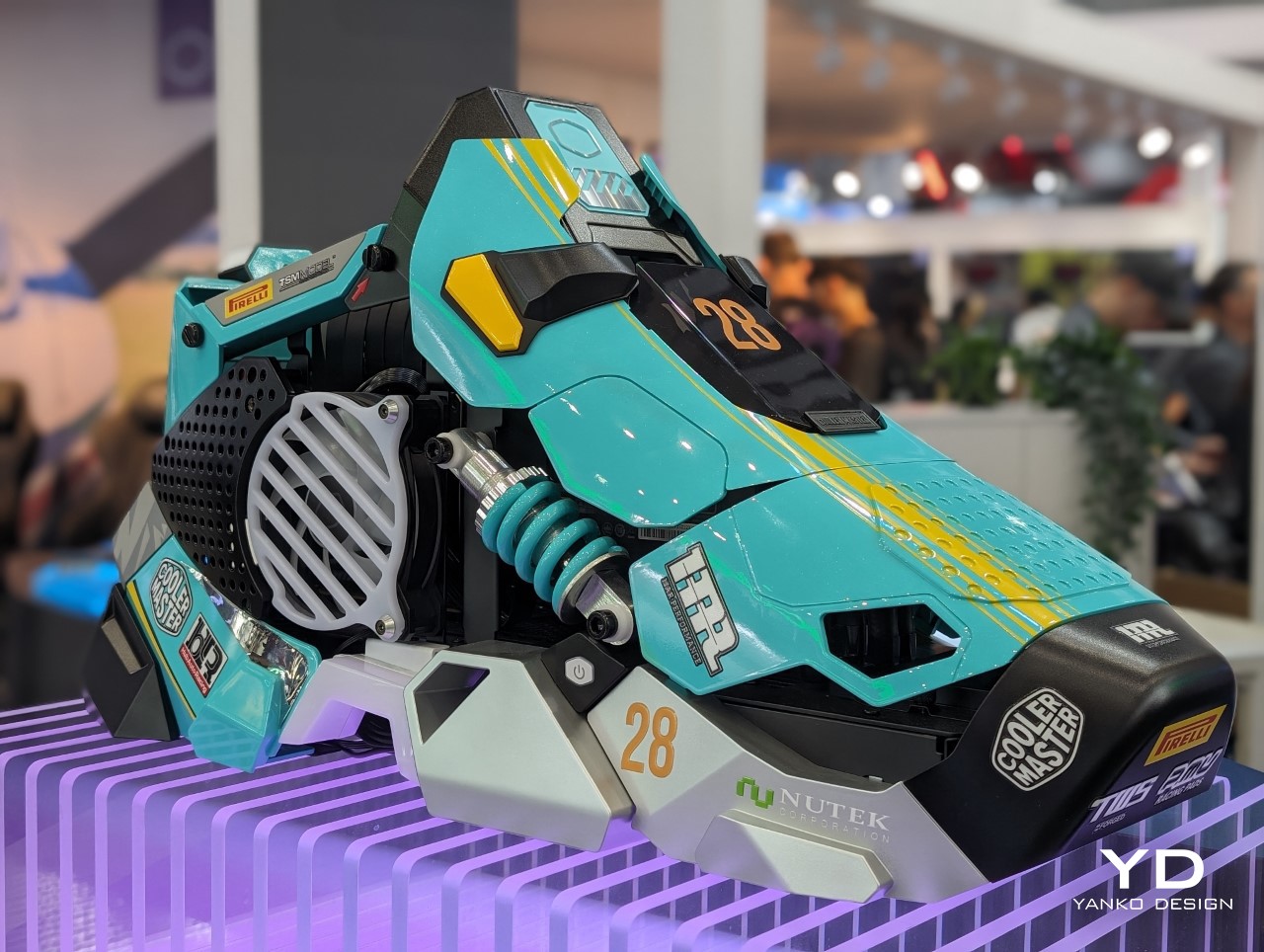
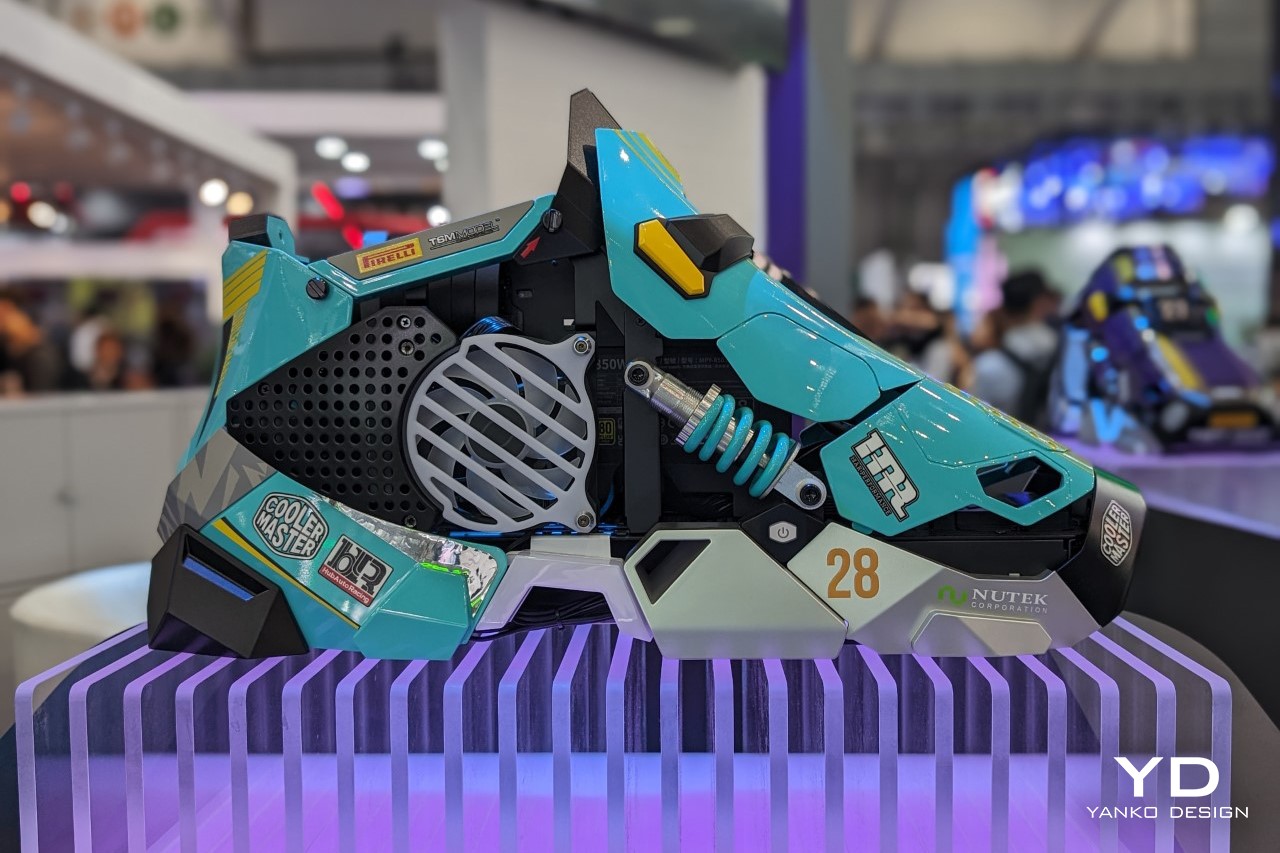
The Shark X was also accompanied by the Sneaker X, a more footwear-enthusiast-focused PC that comes with unique panels, stickers, and even a suspension spring giving the PC an over-the-top futuristic look. Both the Shark X and Sneaker X made appearances at CES in 2023, although it seems like Cooler Master’s refining them to a point of an eventual sale.

Cooler Master debuted the Sneaker X in a red variant last year, but this year sees the addition of newer colors. Word on the CPU is vague (the pamphlet says “latest high-end CPU”), but the PC also packs ITX motherboards, and supports Nvidia GeForce RTX 4090 GPUs. Cooling comes courtesy the Cooler Master PL360 FLUX 360mm AIO liquid CPU cooler. The Sneaker X also has a much more manageable price tag that starts at $3,500 as compared to the Shark X which is double the price. I can understand the appeal, though. A dynamic mecha shark leaping in mid-air does have more eye-catching appeal than a sneaker with suspension springs and a fan. You can’t deny that they’re both pretty gorgeous though…

The post Cooler Master’s new PC Cases look like something out of a Mecha Paradise first appeared on Yanko Design.

MSI Claw 8 AI+ Handheld Gaming PC: Bigger Screen, More Power, and Improved Battery Life

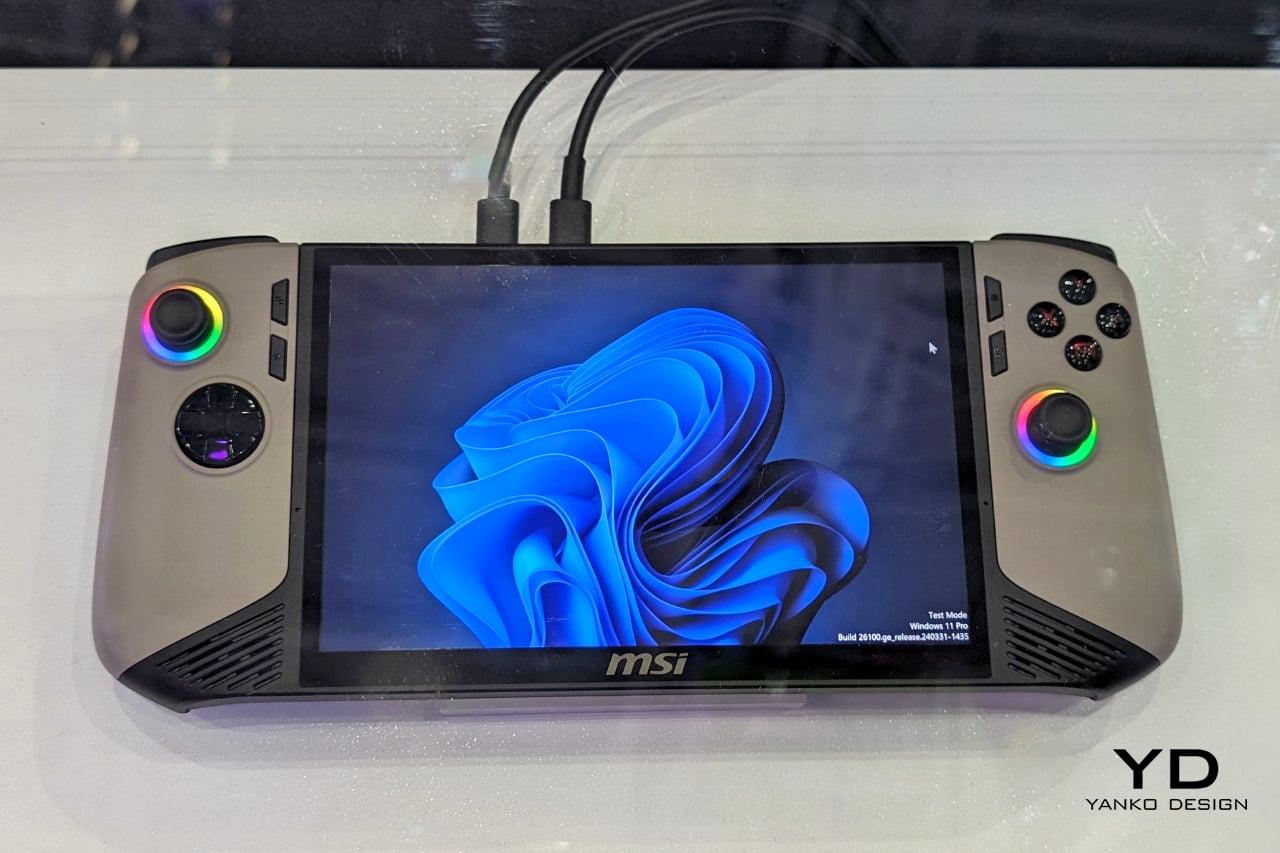
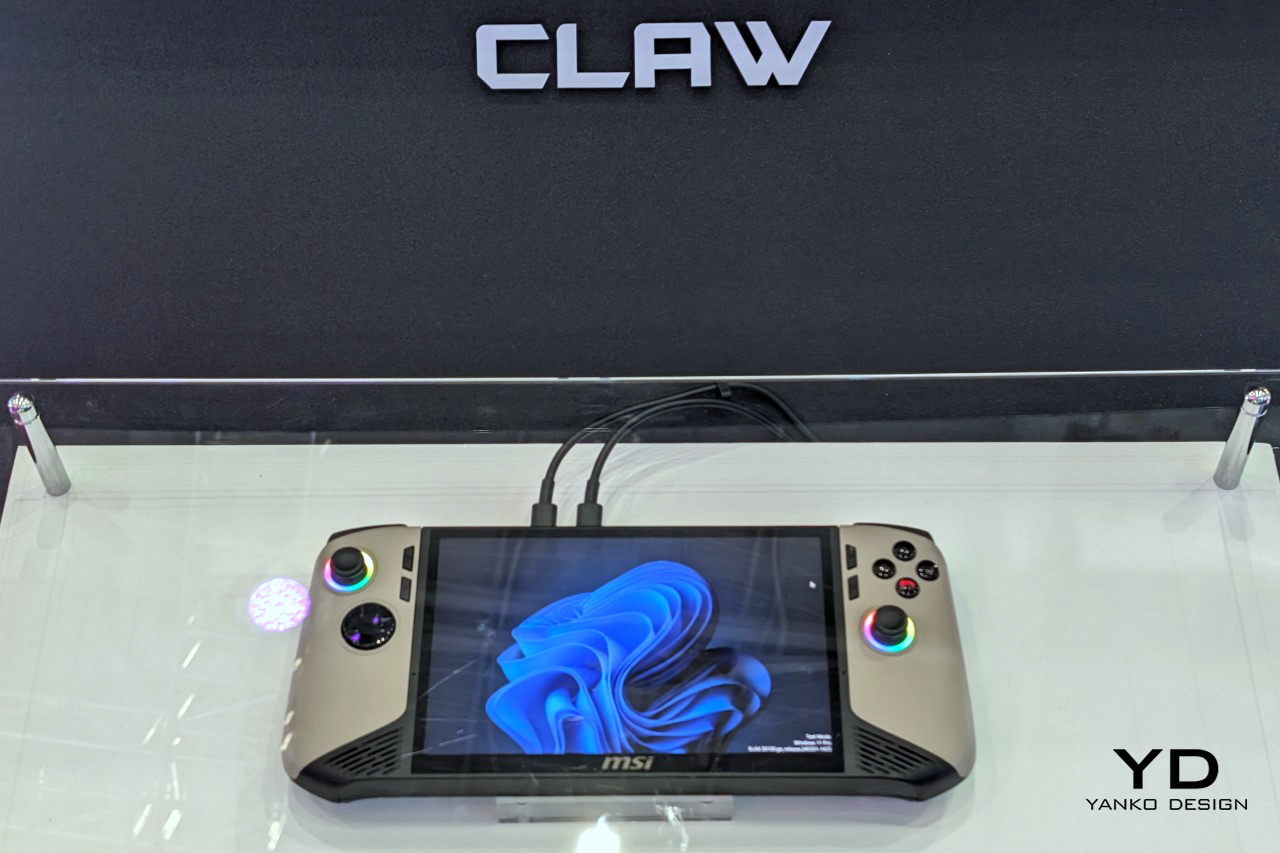
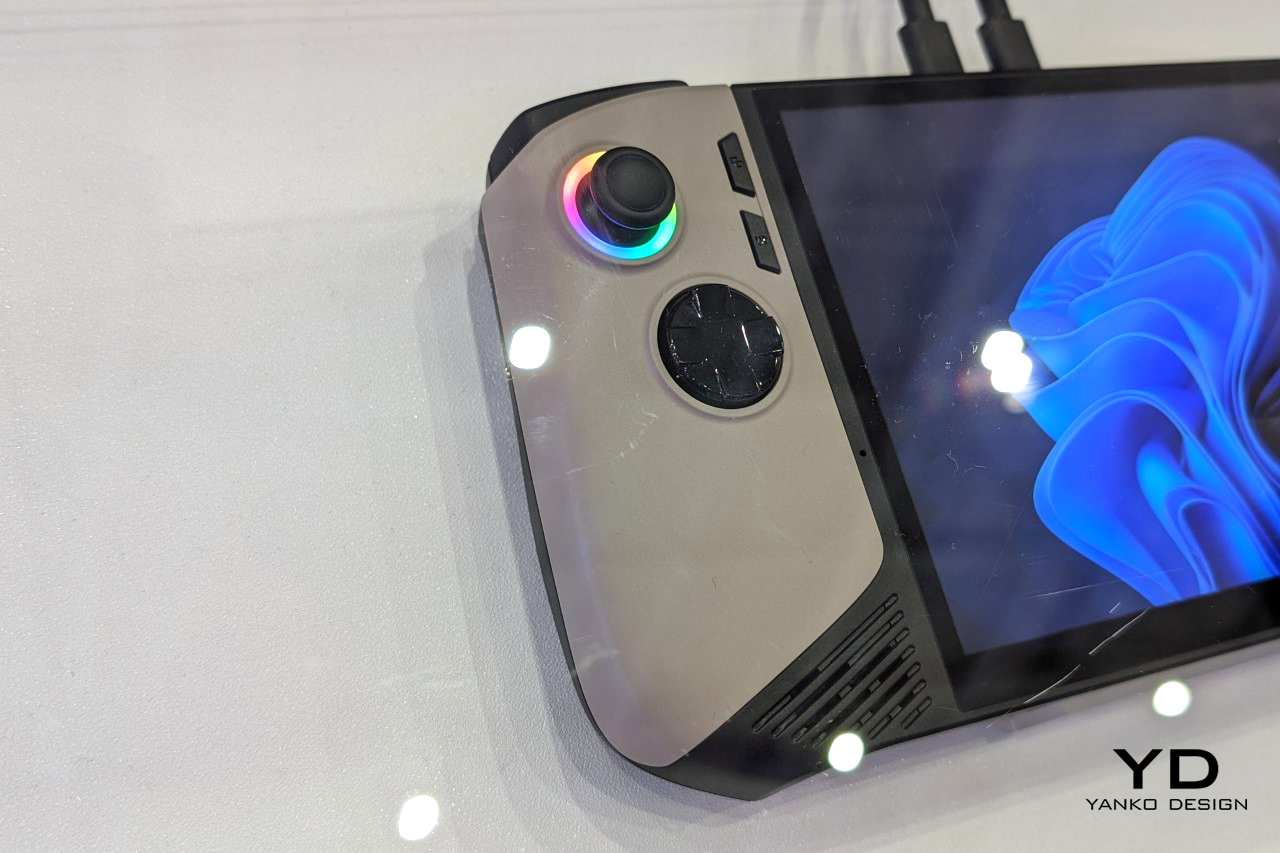
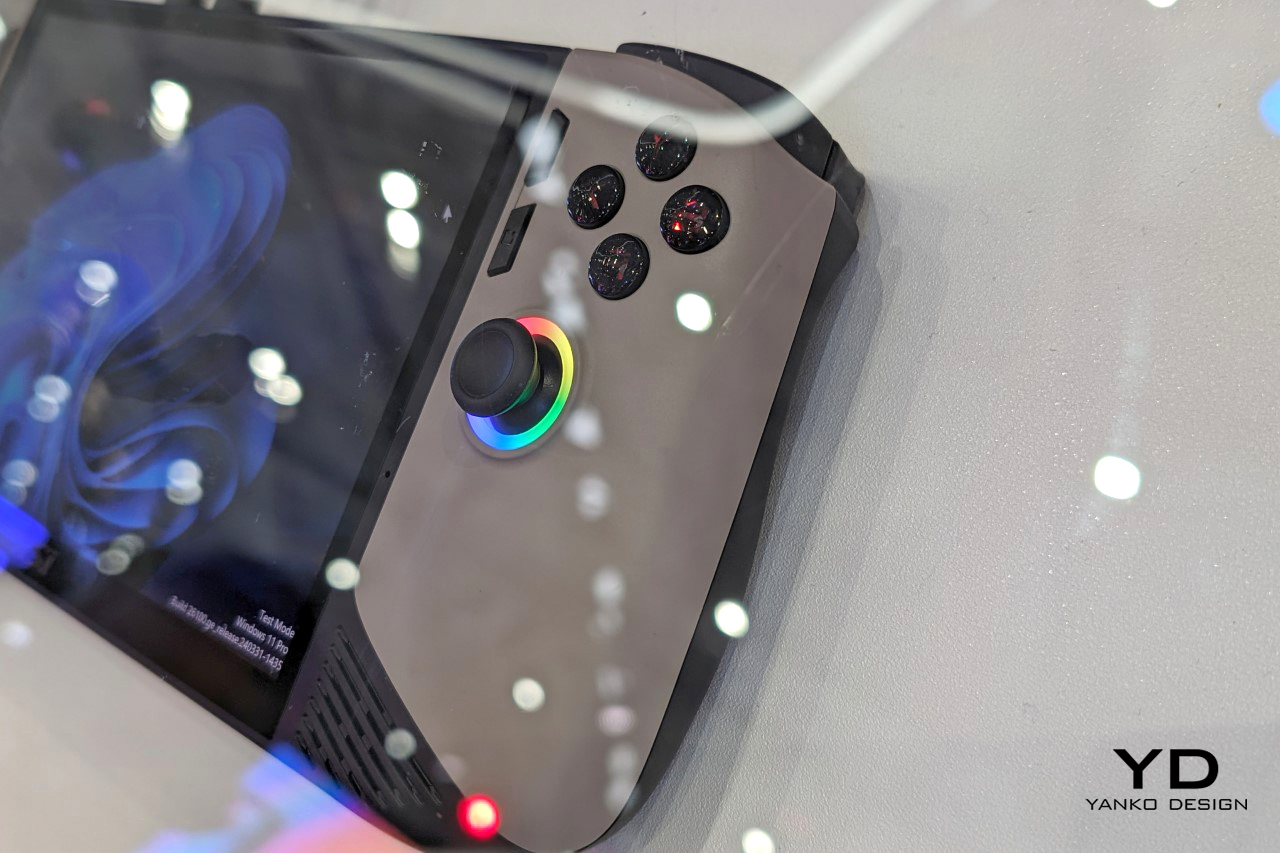
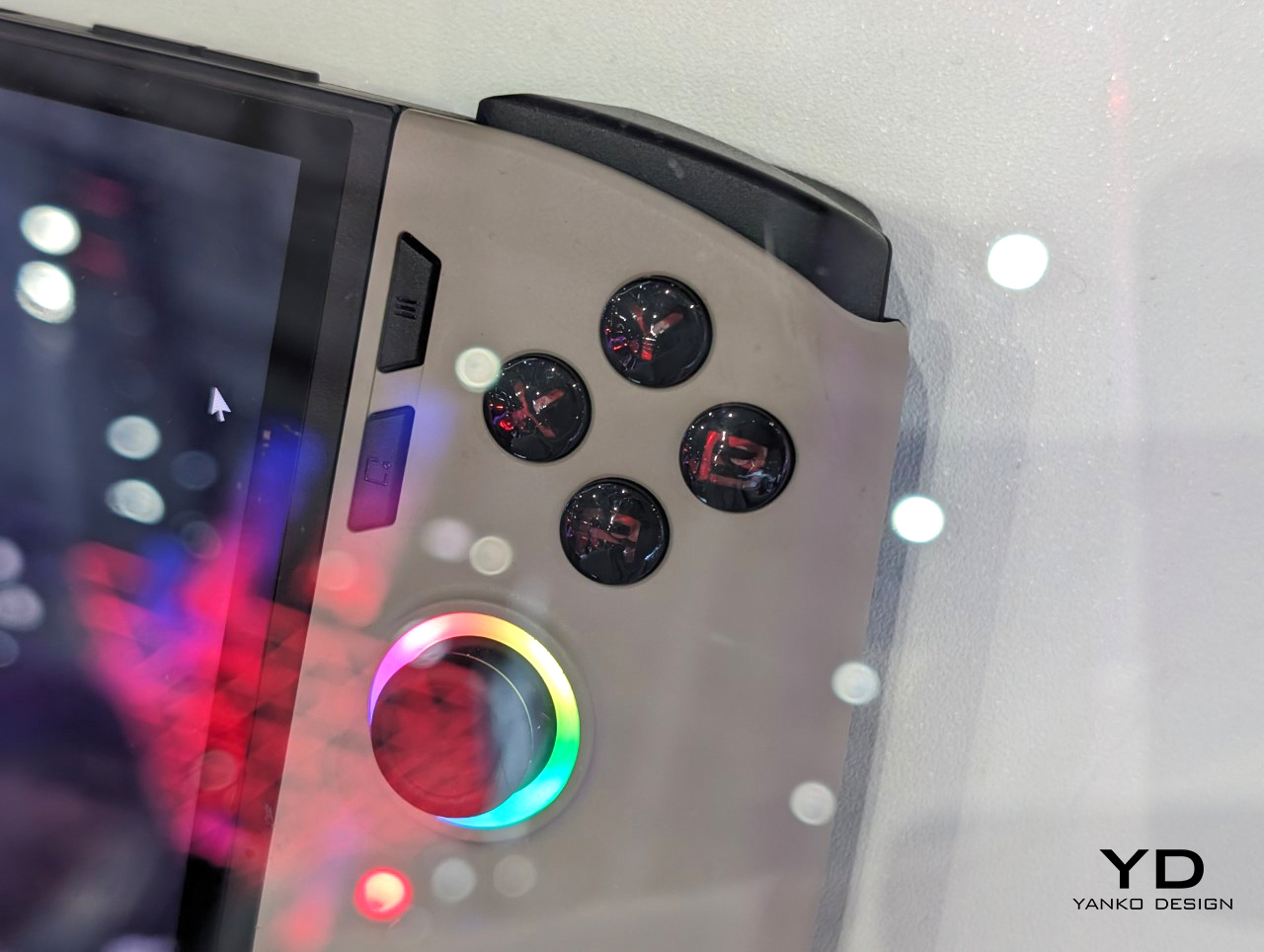
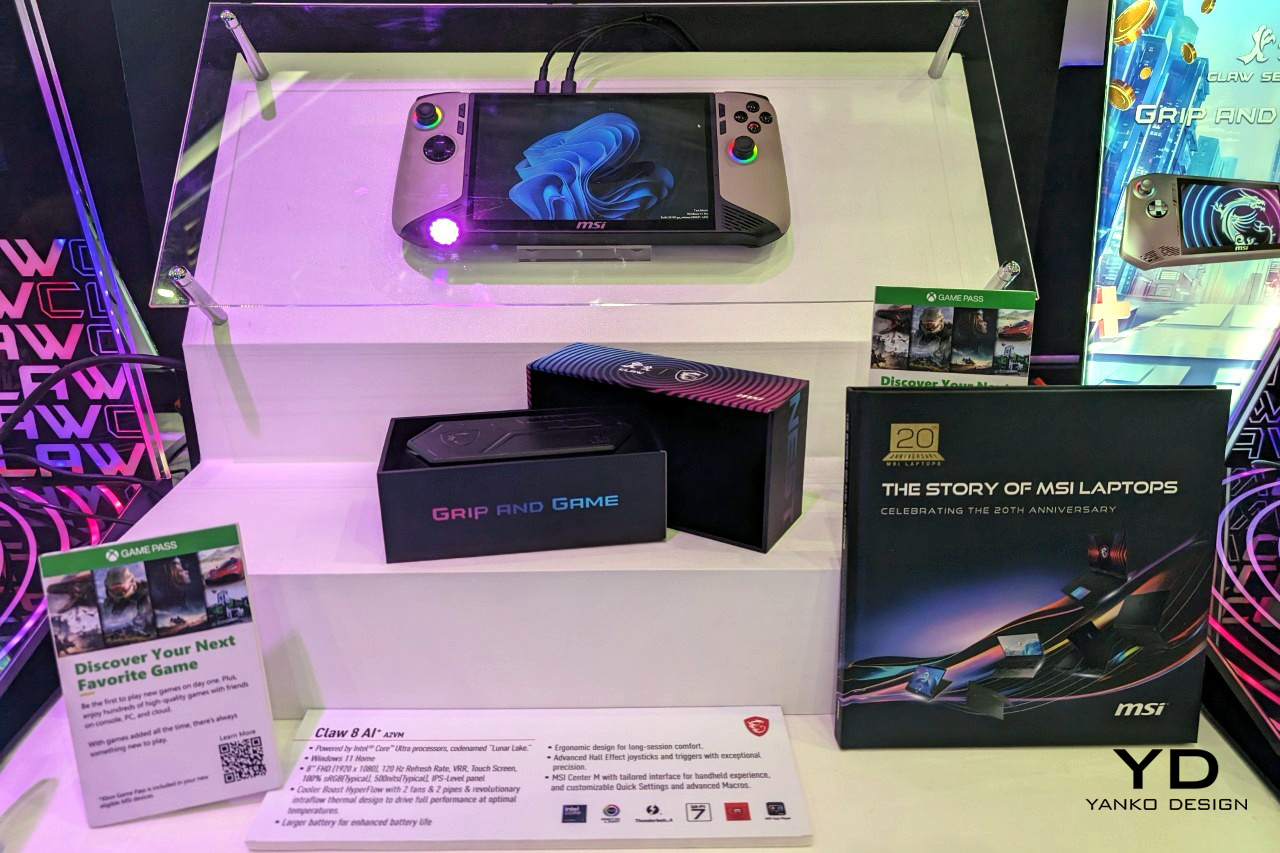
Just months after its initial launch, MSI is showcasing the next version of its handheld gaming PC, the Claw, at Computex 2024. The new iteration, dubbed the Claw 8 AI+, boasts a complete hardware overhaul and aims to address the shortcomings of its predecessor. Although the design language remains arguably the same, the Claw 8 AI+ now comes with a gray body that helps highlight the controls better, a larger screen, and a much more comfortable ergonomic design.

MSI isn’t revealing the specific Lunar Lake CPU model powering the Claw 8 AI+, but it confirms the presence of this next-generation Intel chip. This is coupled with up to 32GB of speedy LPDDR5x RAM and a 1TB SSD. The storage solution is an M.2 2280 SSD, mirroring the ASUS ROG Ally X, potentially allowing for easier upgrades in the future.

Designer: MSI

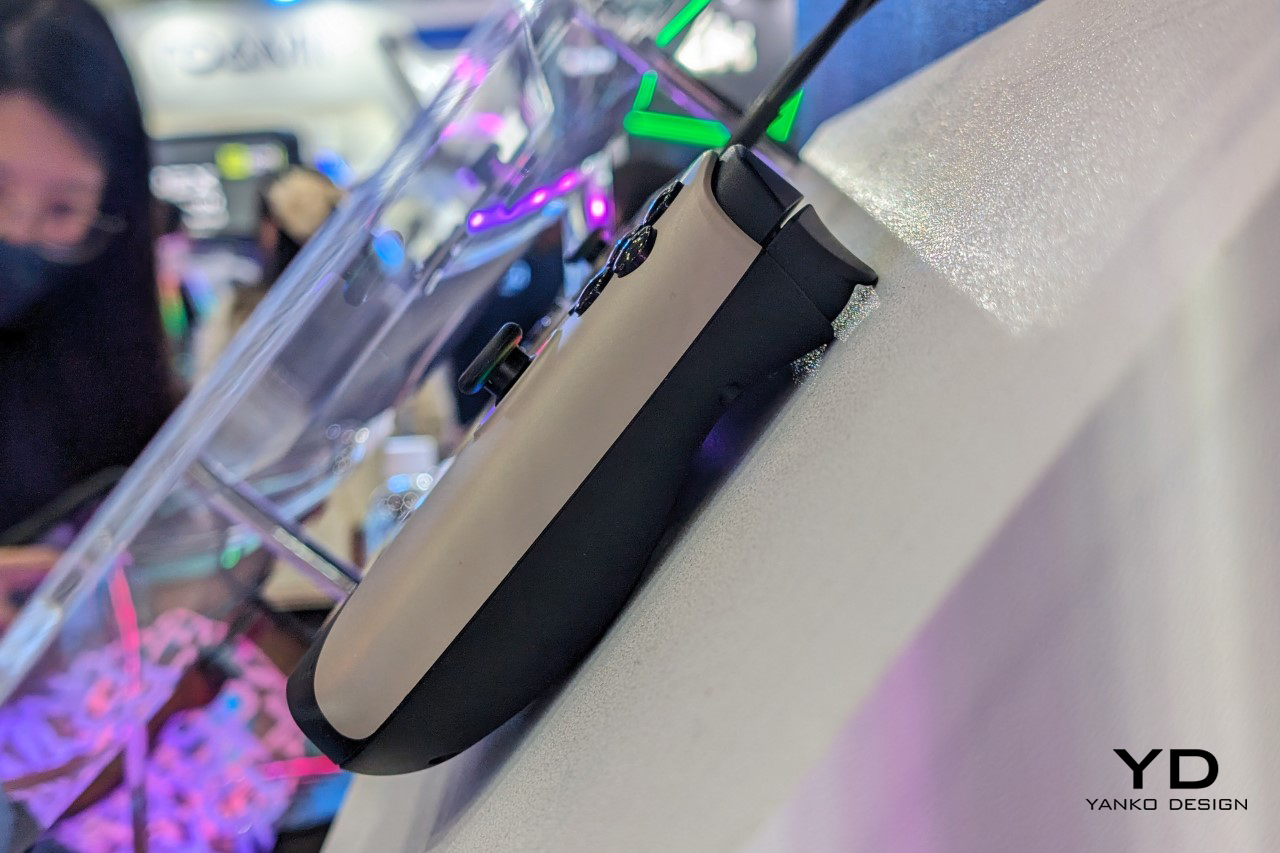
Beyond internals, the Claw 8 AI+ sports a redesigned chassis that appears more comfortable to hold compared to the original Claw. The device was kept under a glass display so we couldn’t get a handheld experience. It accommodates a larger 8-inch display, though the resolution remains 1080p with a smooth 120Hz refresh rate. Dual Thunderbolt ports are a welcome addition, offering versatility for connecting external displays or high-speed peripherals.

Battery life was a major pain point for the original Claw. MSI is rectifying this with a substantial leap in capacity for the 8 AI+. The new model boasts an 80-watt-hour battery, matching the ROG Ally X and offering a significant improvement over the original’s disappointing 53-watt-hour unit. This rapid turnaround from MSI highlights their determination to carve a space in the competitive handheld gaming market. They assure continued support for the original Claw with ongoing driver updates, including one released recently.

The success of the Claw 8 AI+ hinges heavily on the capabilities of the Lunar Lake CPU. Intel boasts a “radical low-power architecture” ideal for handheld devices, alongside improved integrated graphics powered by their Battlemage architecture. While details are scarce, the potential for efficient performance and impressive visuals is promising.

However, past experiences with the original Claw, hampered by the Meteor Lake CPU, serve as a cautionary tale. While other manufacturers opted for AMD processors, MSI’s choice limited performance. Here’s hoping the pairing of Lunar Lake and the Claw 8 AI+ proves fruitful.

Pricing details remain under wraps, but a September launch window is expected. While the final design might differ slightly from the prototype showcased at Computex, a potential price drop for the original Claw is also hinted at.

The post MSI Claw 8 AI+ Handheld Gaming PC: Bigger Screen, More Power, and Improved Battery Life first appeared on Yanko Design.

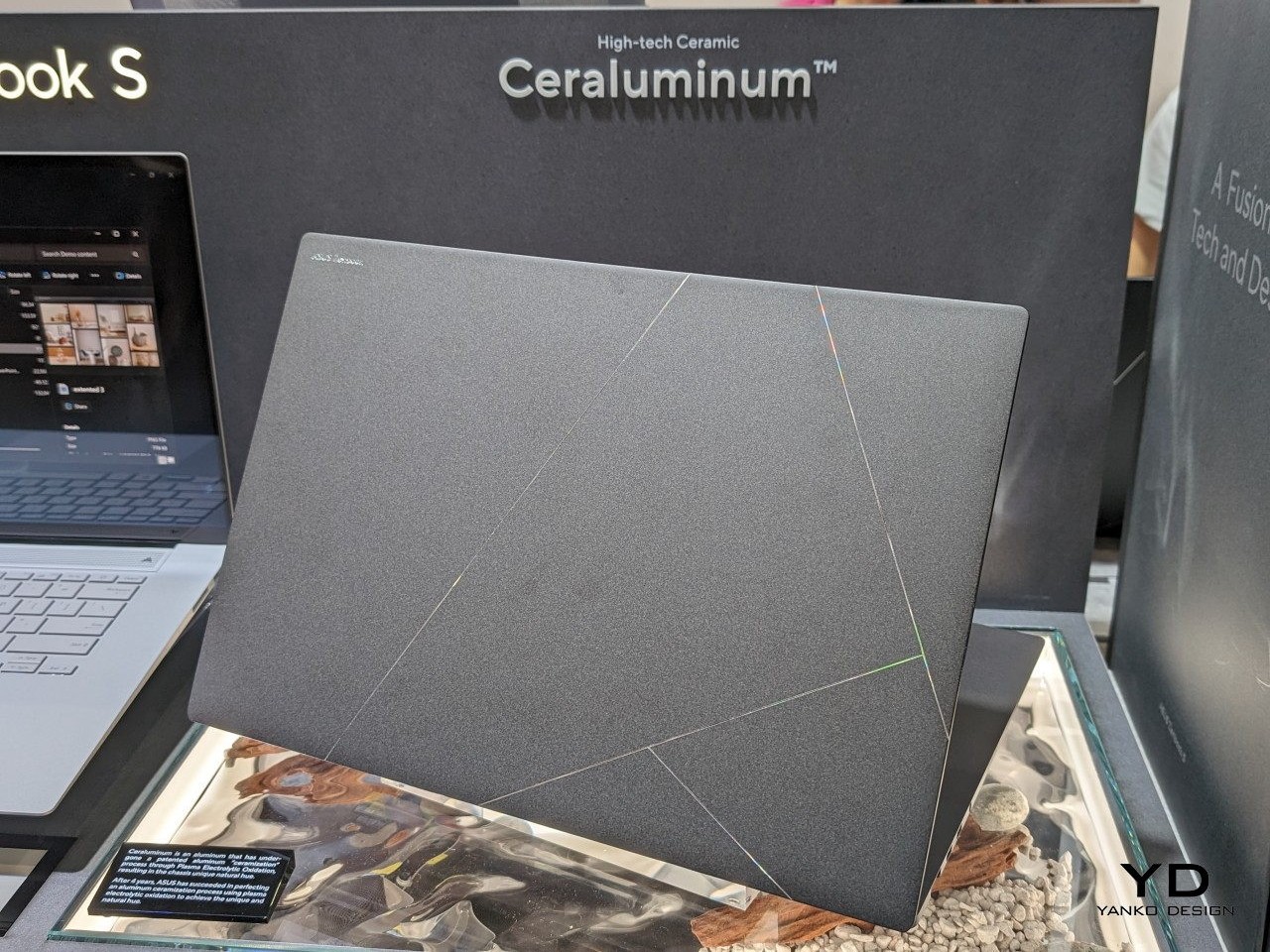
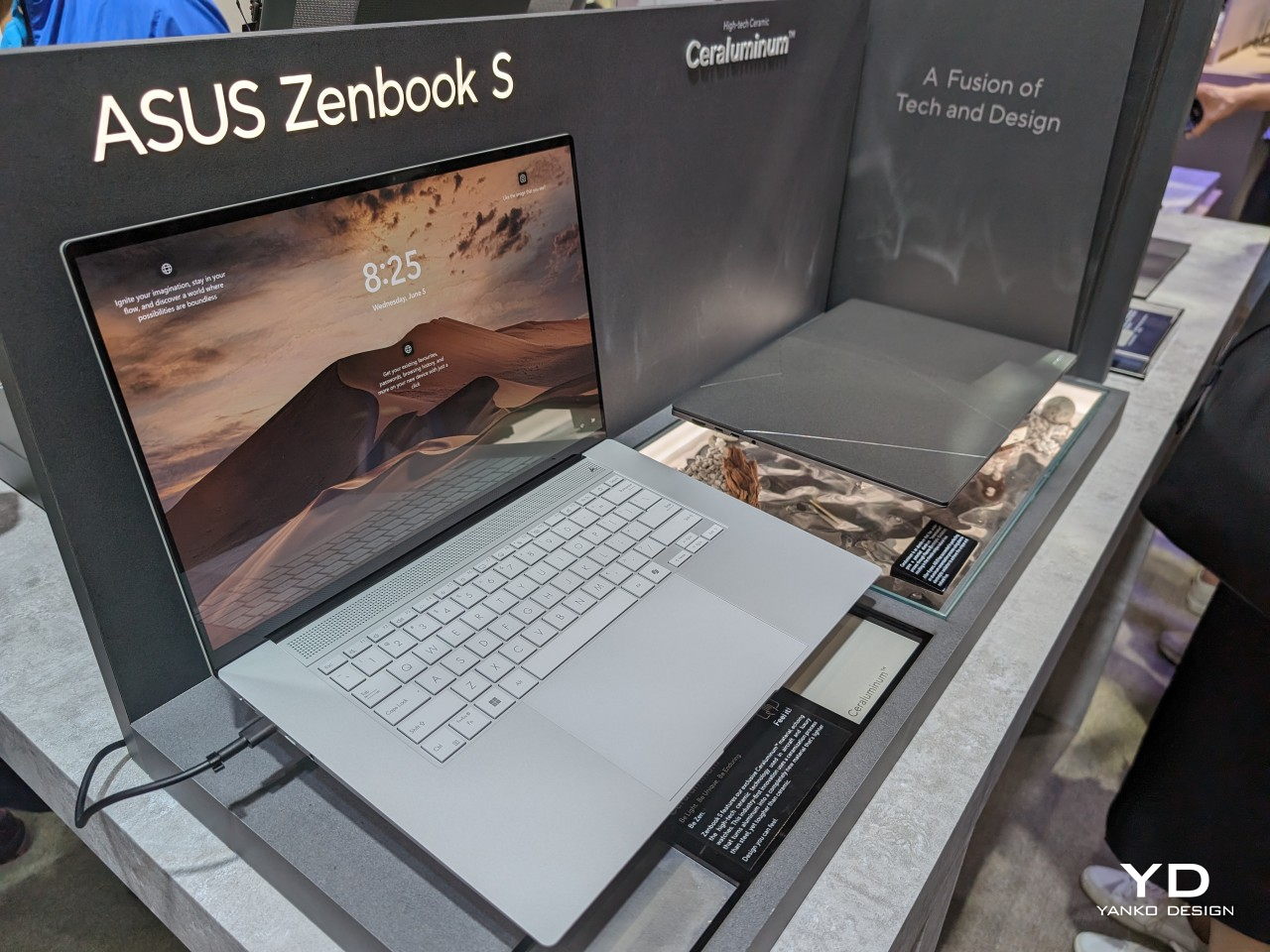
ASUS Ceraluminum brings beautiful ceramic and durable aluminum laptops

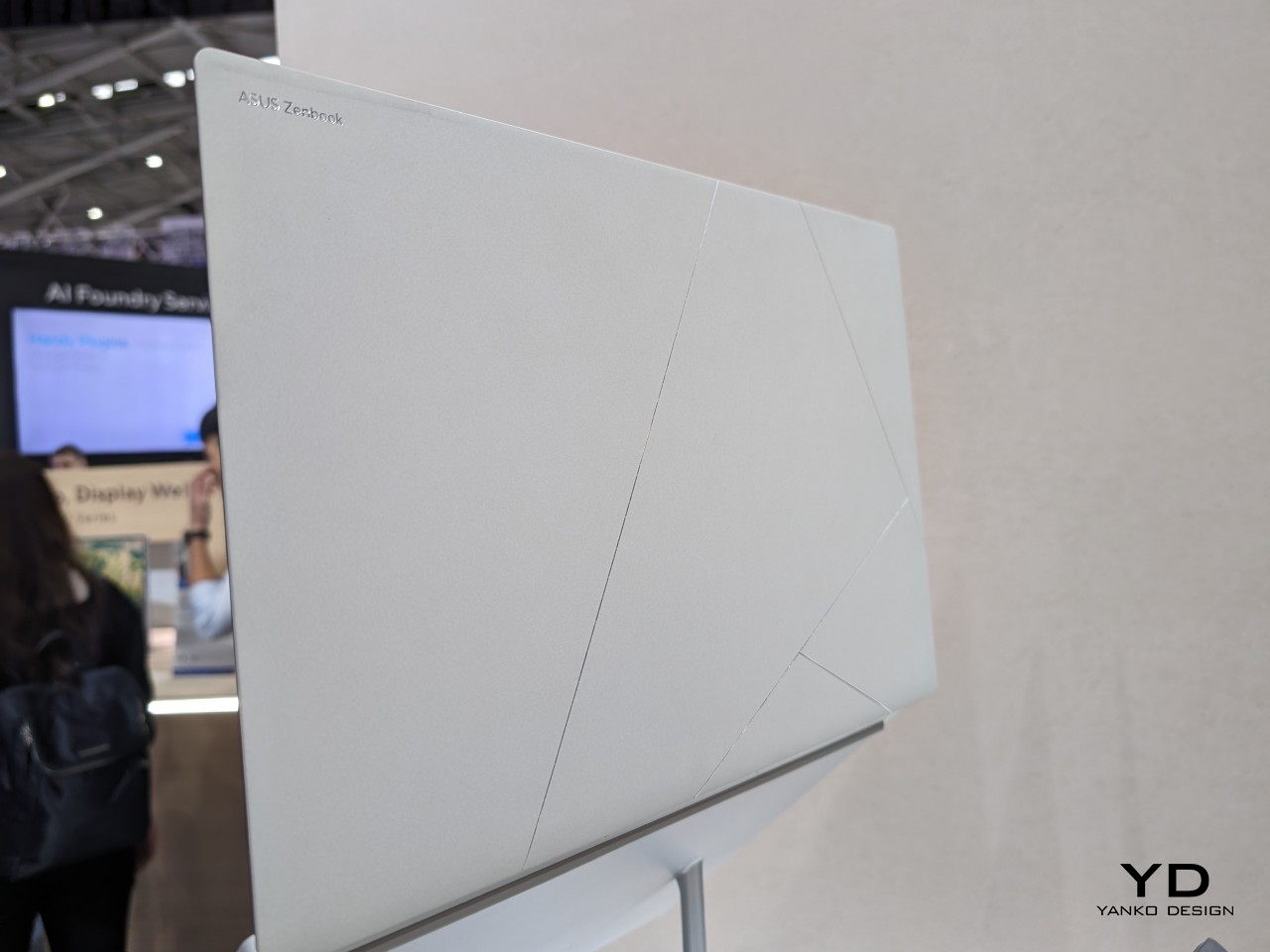
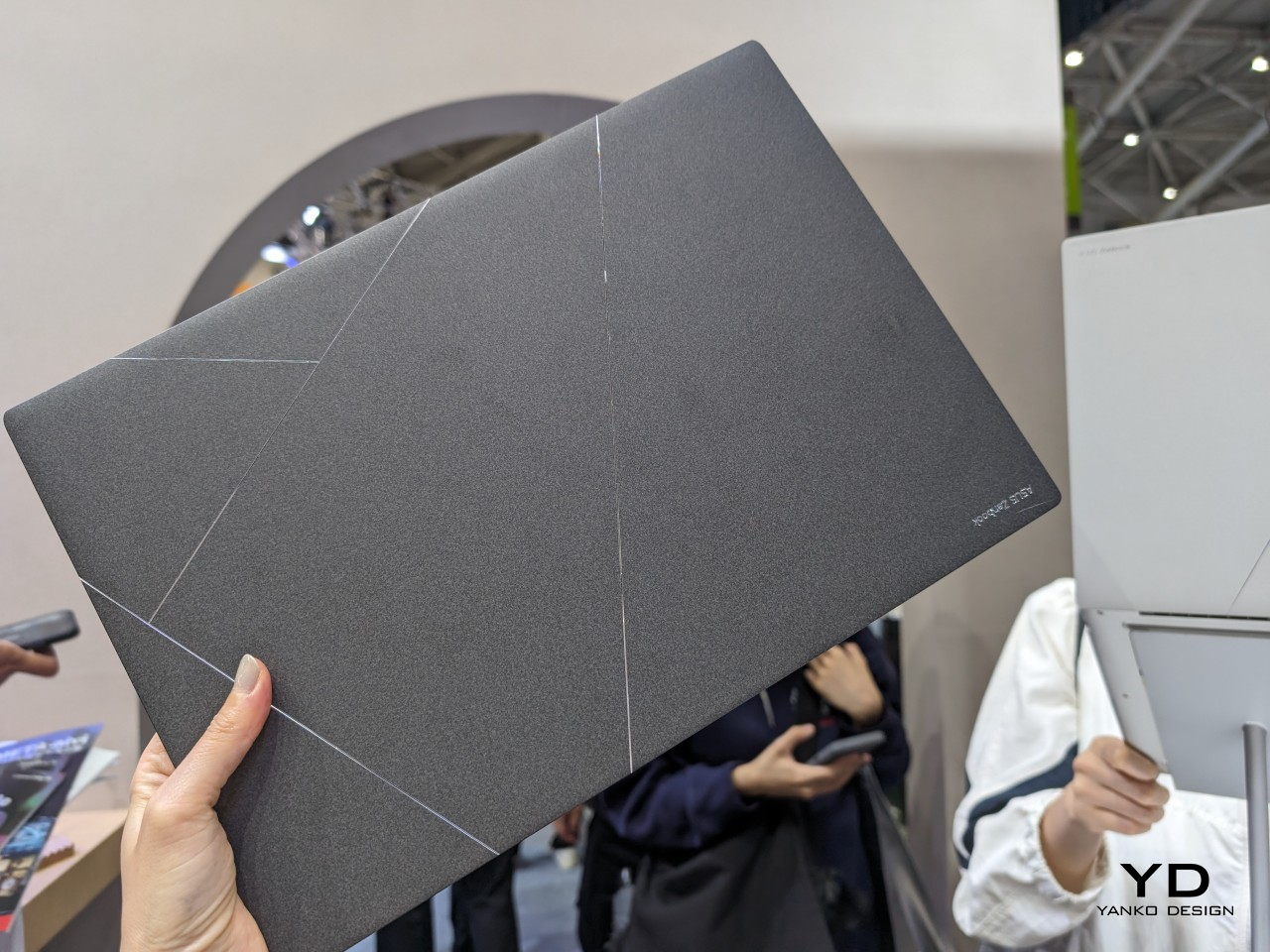
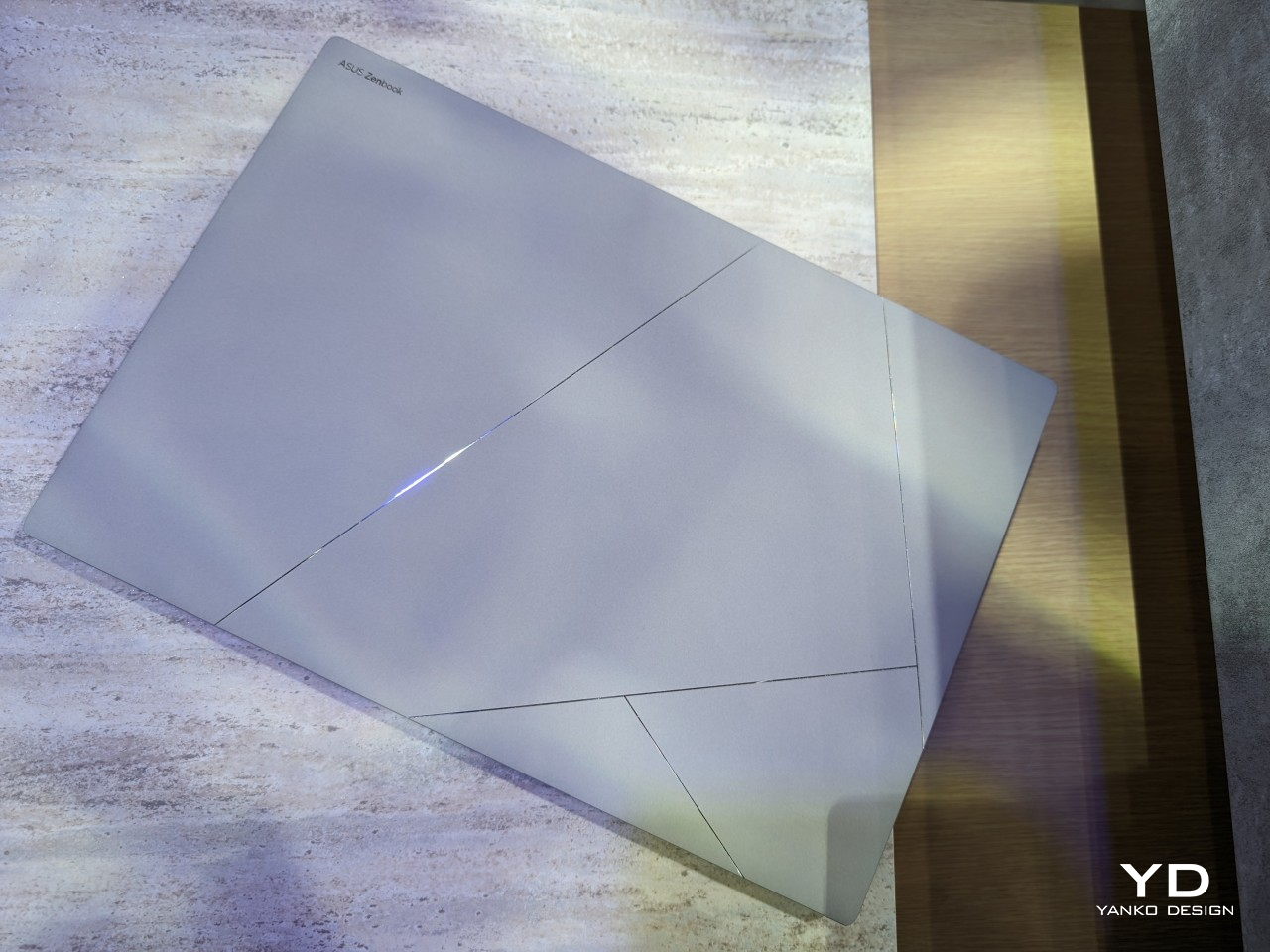
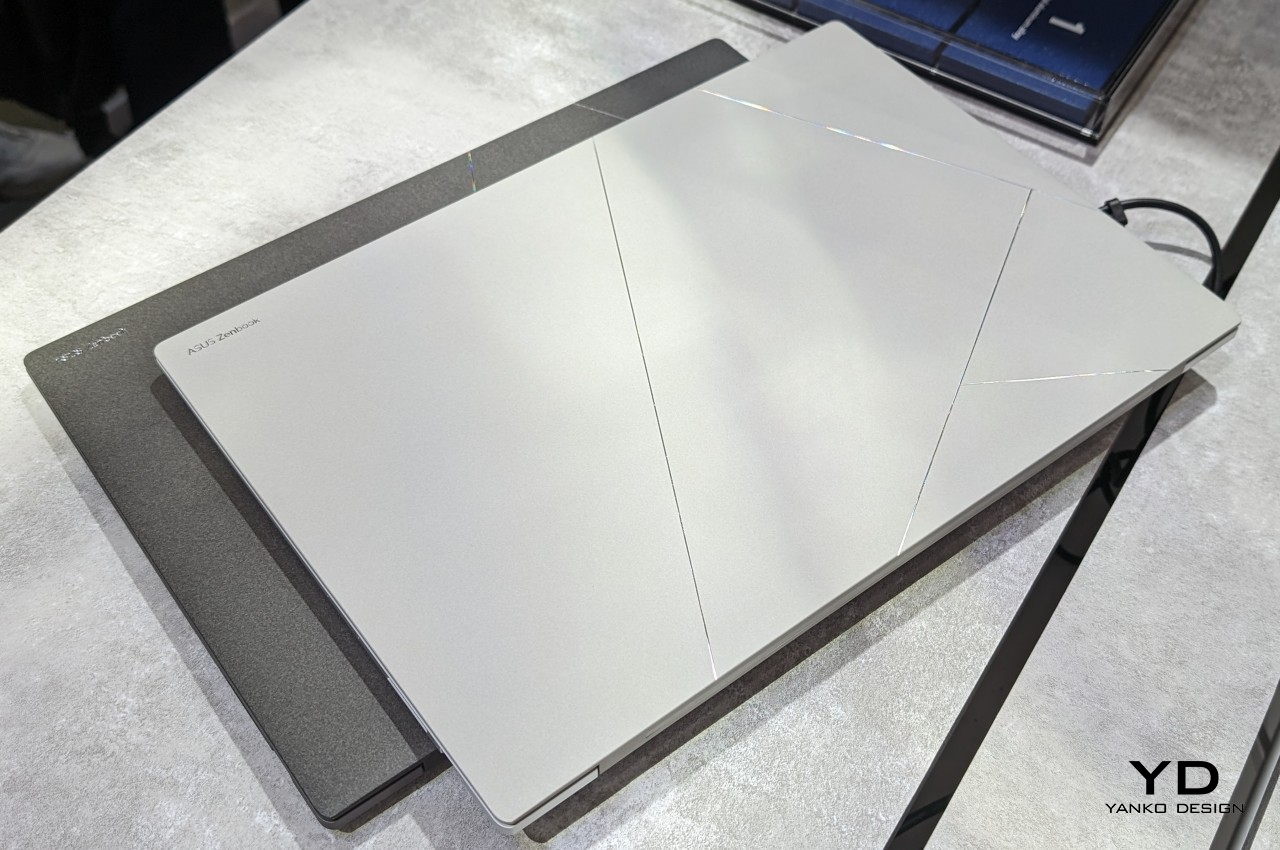
Gone are the days when laptops were seen just as technical equipment needed to get work done. Just like with smartphones, they have also become part of our modern lifestyles and a reflection of our own selves. What all these mean is that people are now more conscious of the design of the laptops they purchase, not just the specs or the brand. Yes, there are still many that look like tanks with rainbow lighting accents, but even some more powerful notebooks now have sleeker and more refined aesthetics as well. To keep up with more discerning consumers, ASUS has engineered a new kind of material for the outer lid of their newest and most premium laptop that combines the lightness of ceramic with the durability of aluminum into an elegant surface that just screams “luxury.”

Designer: ASUS

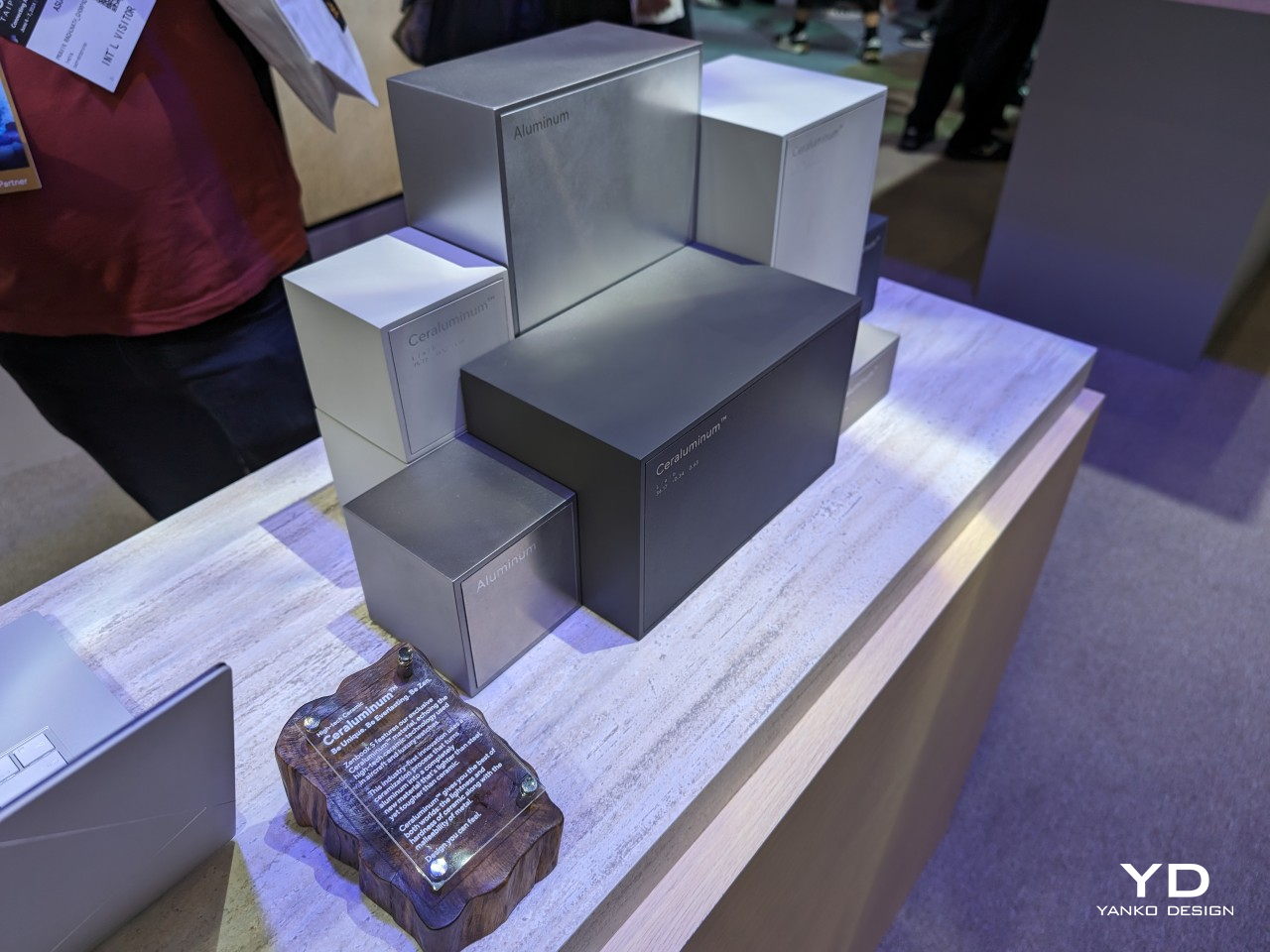
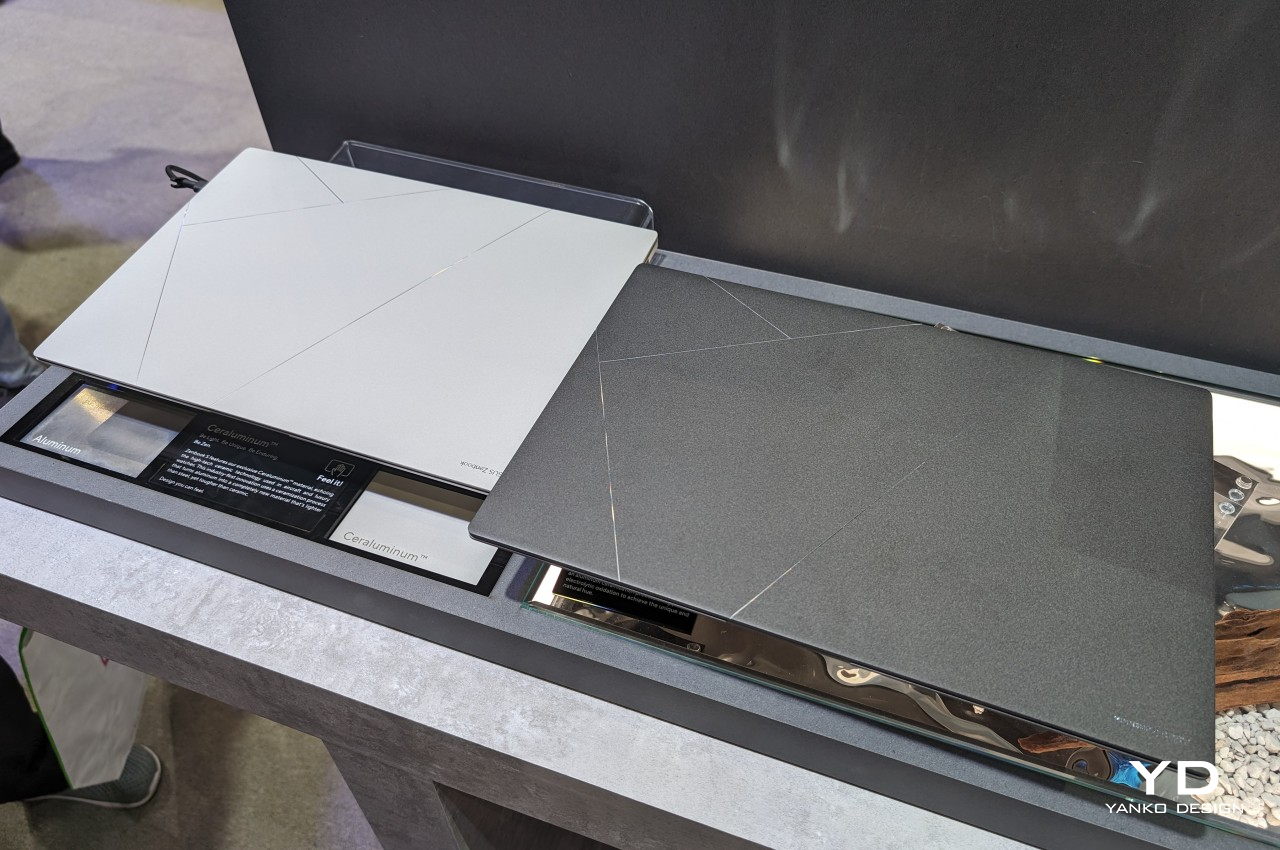
Laptop lids are often made of either plastic or metal because of their resilience and durability. Of the two, metal, which usually means aluminum, is considered more premium but also tends to be heavier and sometimes uncomfortable due to how cold it is to the touch. In contrast, ceramic is equally premium yet almost the opposite of metal: lightweight, warm to the touch, and sadly also fragile.

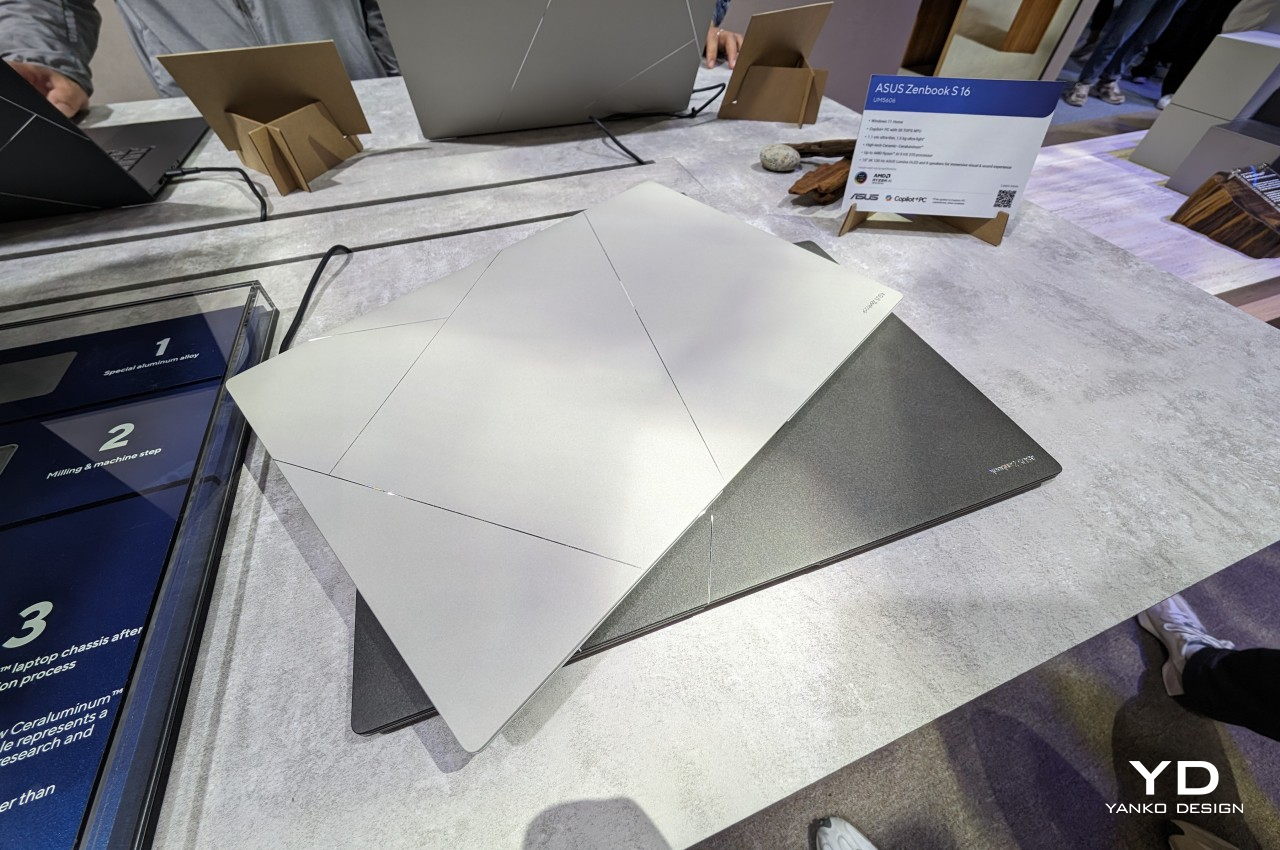
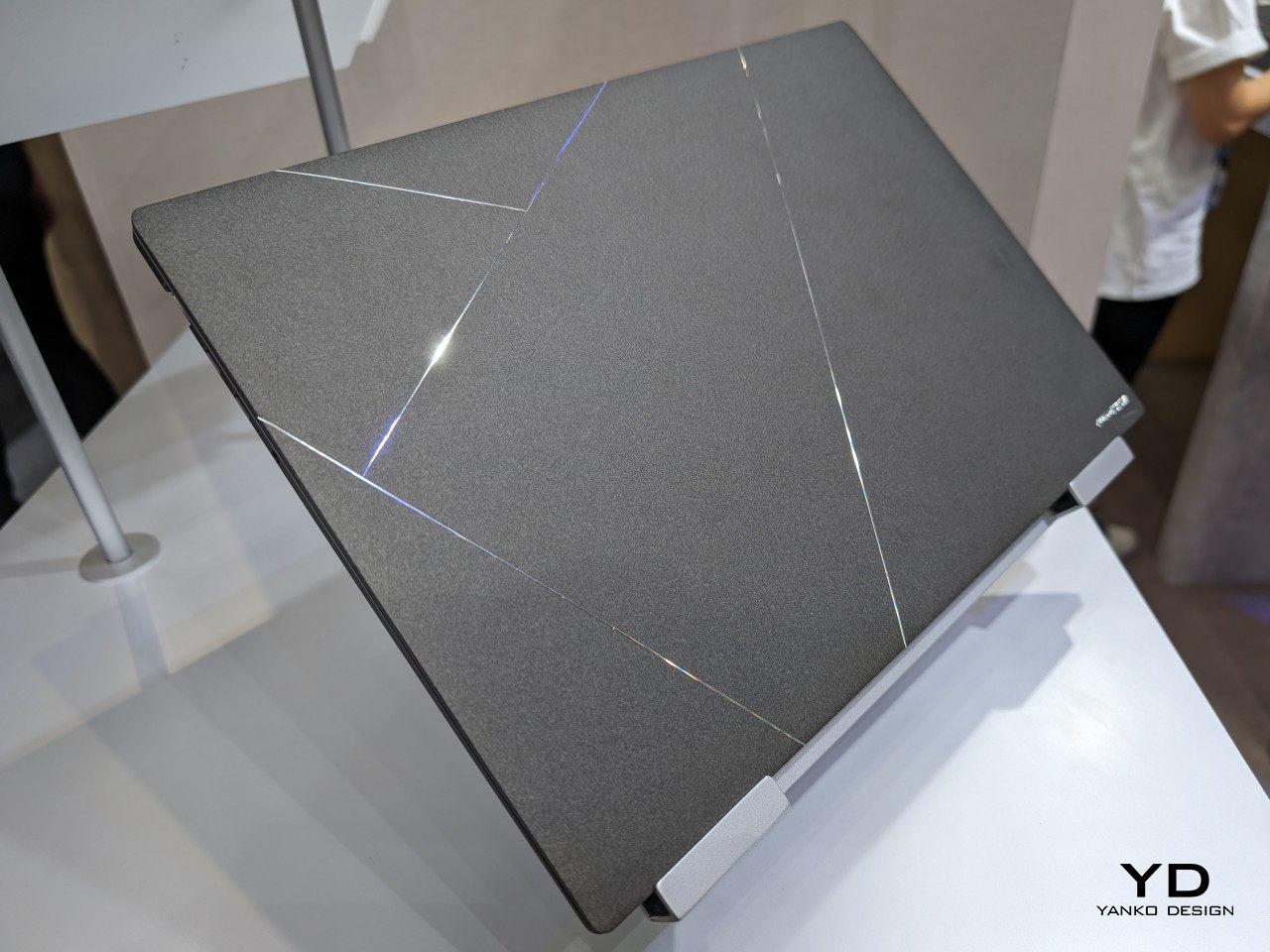
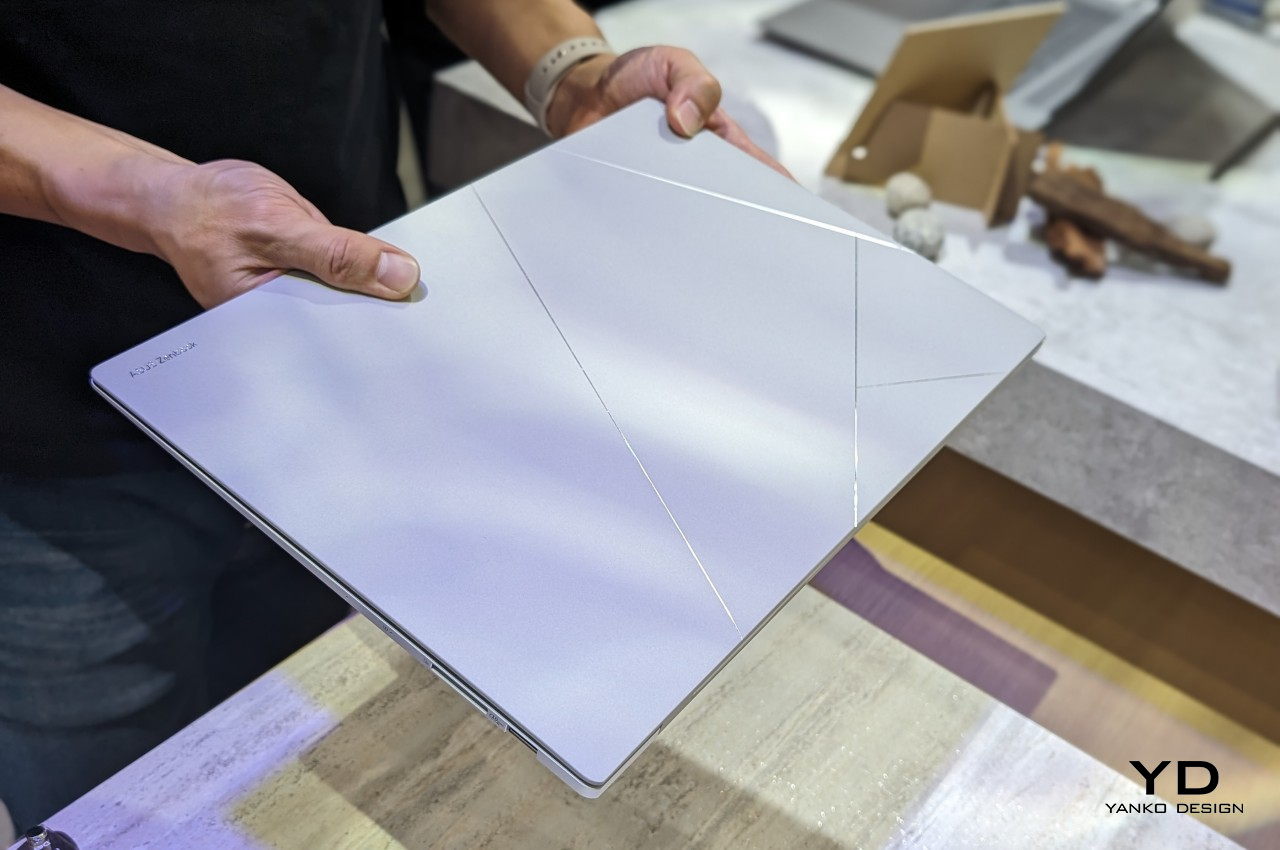
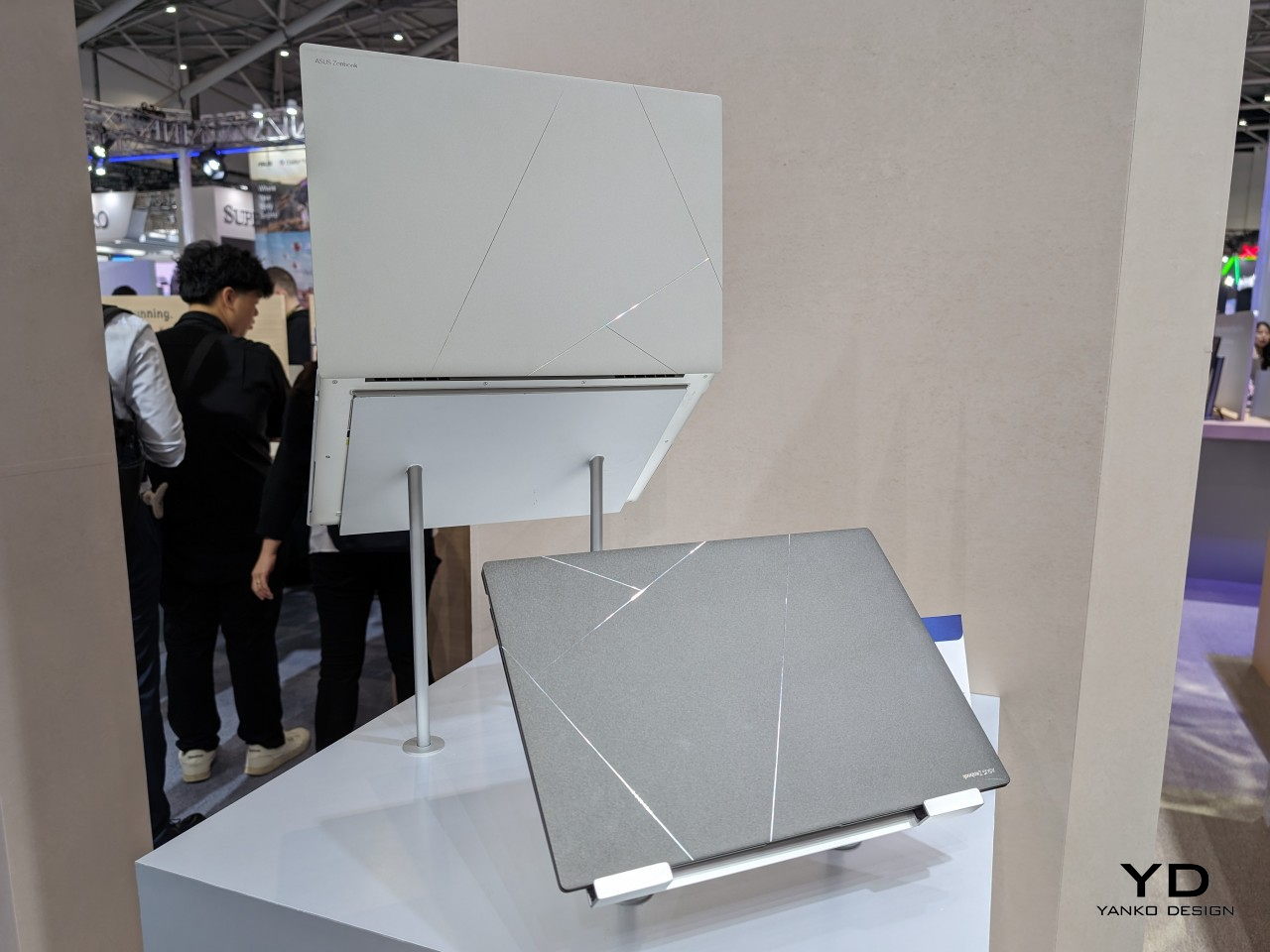
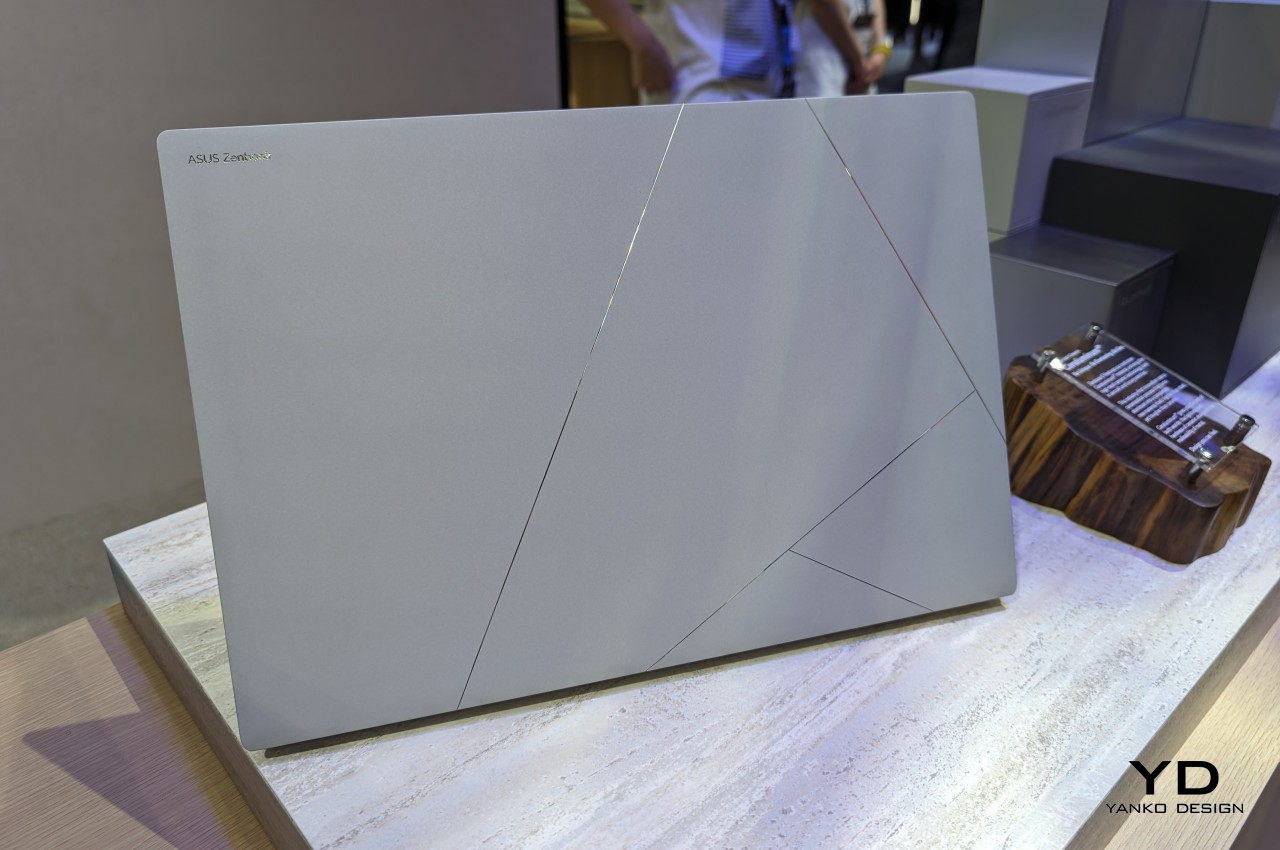
ASUS has aimed to bring the best of these worlds together and has created the portmanteau “Ceraluminum” to mark the success of their years of research and experimentation. In reality, it is actually aluminum but treated in a special process, which it unsurprisingly calls “ceramization,” which gives it the properties of ceramic. This “hi-tech” new material boasts being lighter than steel yet also more durable than actual ceramic. More importantly, the material focuses as much on the tactile experience as on the aesthetics. Like ceramic, Ceraluminum is not only cool to the touch but also gives the fingers a better grip on the laptop’s lid.

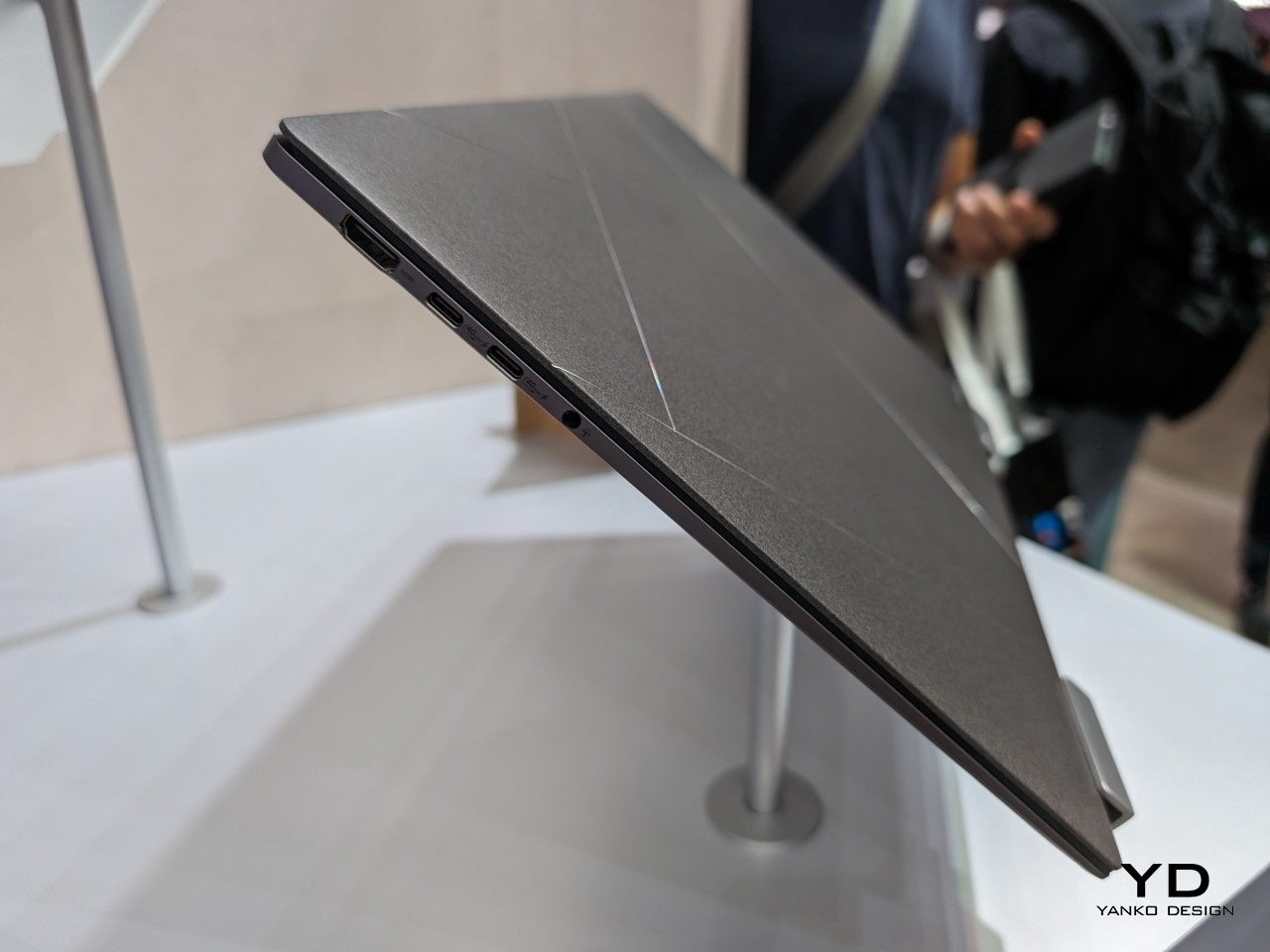
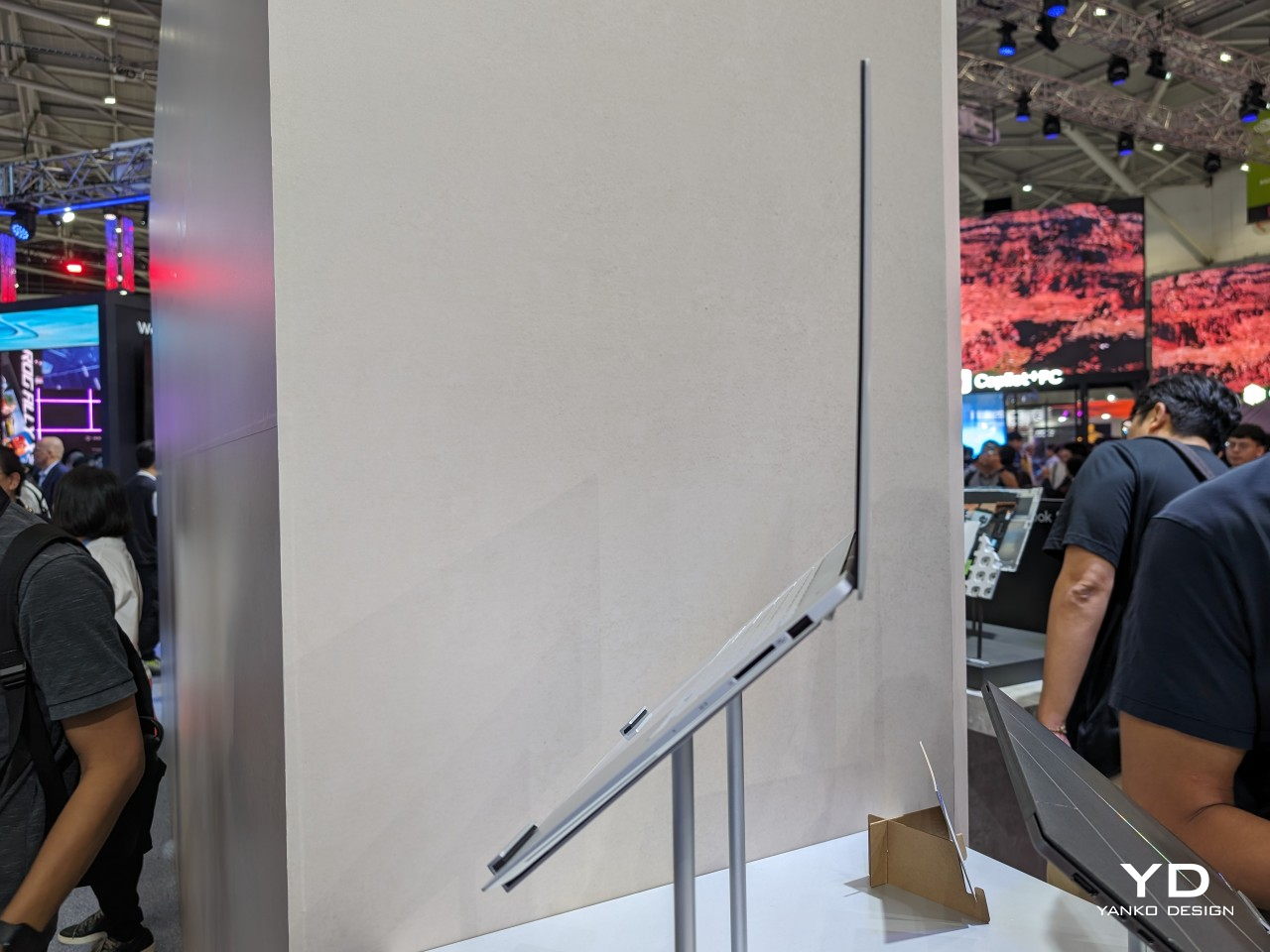
Ceraluminum is still a novel material and it might not be ready for truly mass production just yet. For its maiden voyage, ASUS has chosen its new Zenbook S 16 to be the first to benefit from this amalgamation of two of the most premium materials known in the industry. It’s a perfect match as well, given how incredibly thin and lightweight the laptop is. It looks premium and definitely feels premium, a fitting exhibit for Ceraluminum’s equally premium properties.

In addition to its elegant material, the ASUS Zenbook S 16 also brings nature-inspired colors to match. Zumaia Gray takes inspiration from flysch cliffs in Spain, while Scandinavian White mimics the warm light of the sun on snowy mountains. Even this color is a product of sophisticated materials research, modifying the molecular structure of copper and oxygen atoms to give off a different color while using the same aluminum oxide material as other colors. The ASUS Zenbook S 16 is, in the final analysis, an exhibit of the brand’s innovation in creating new materials meant to delight not just the eyes but also your fingers and elevate your laptop experience.

The post ASUS Ceraluminum brings beautiful ceramic and durable aluminum laptops first appeared on Yanko Design.
ADATA XPG Nia handheld gaming PC brings a bit of ergonomics and sustainability

Although they have existed for a long time now, it seems that handheld PCs are finally taking root in the market. These mobile gaming devices are becoming more numerous, including a few from well-known manufacturers as well as a bit more obscure brands. That, unfortunately, also means that some designs are getting all too common, even if there’s still plenty of room for experimentation and innovation. At Computex 2024, we’re seeing some of these bold designs that are trying to challenge the status quo and one of them comes from an unlikely name yet could also be bringing some much-needed improvements to handheld gaming computers.

Designer: ADATA XPG

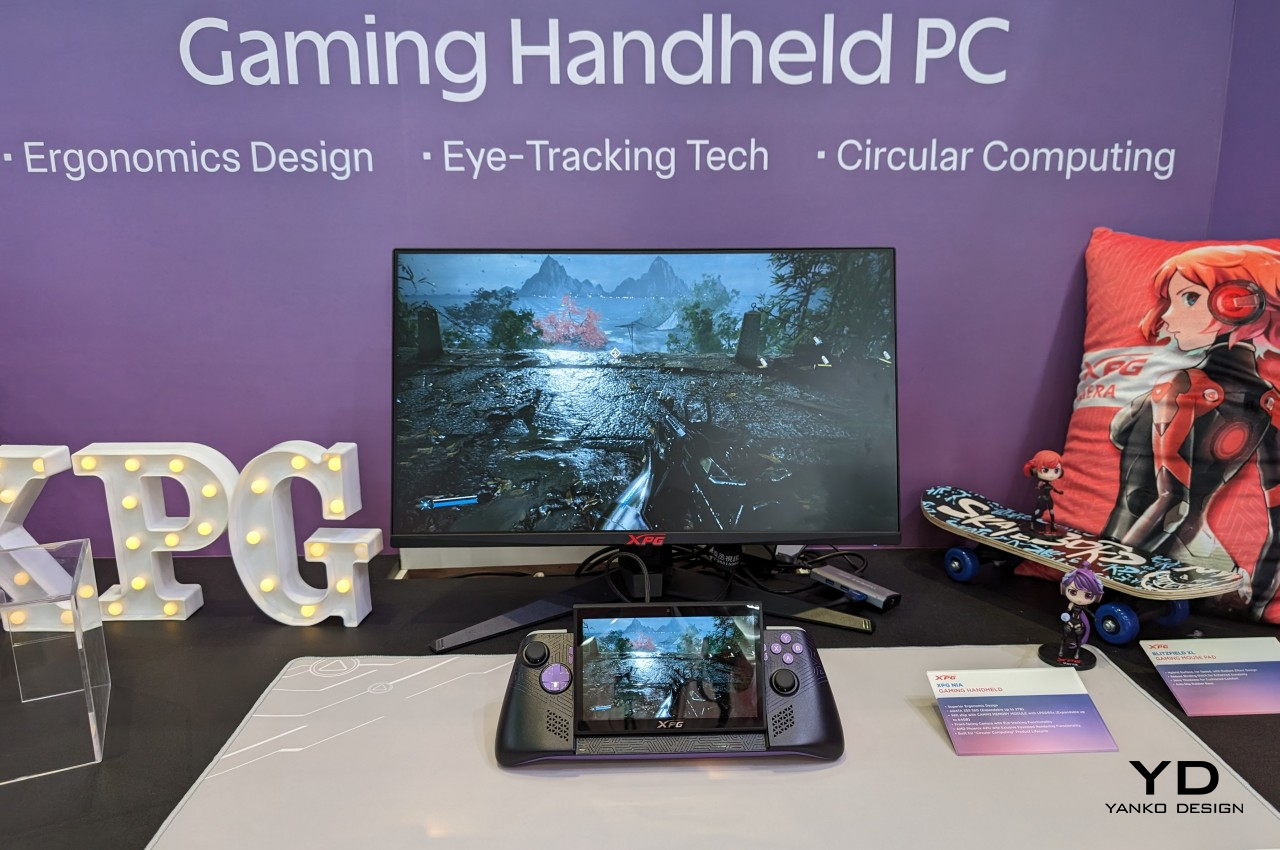
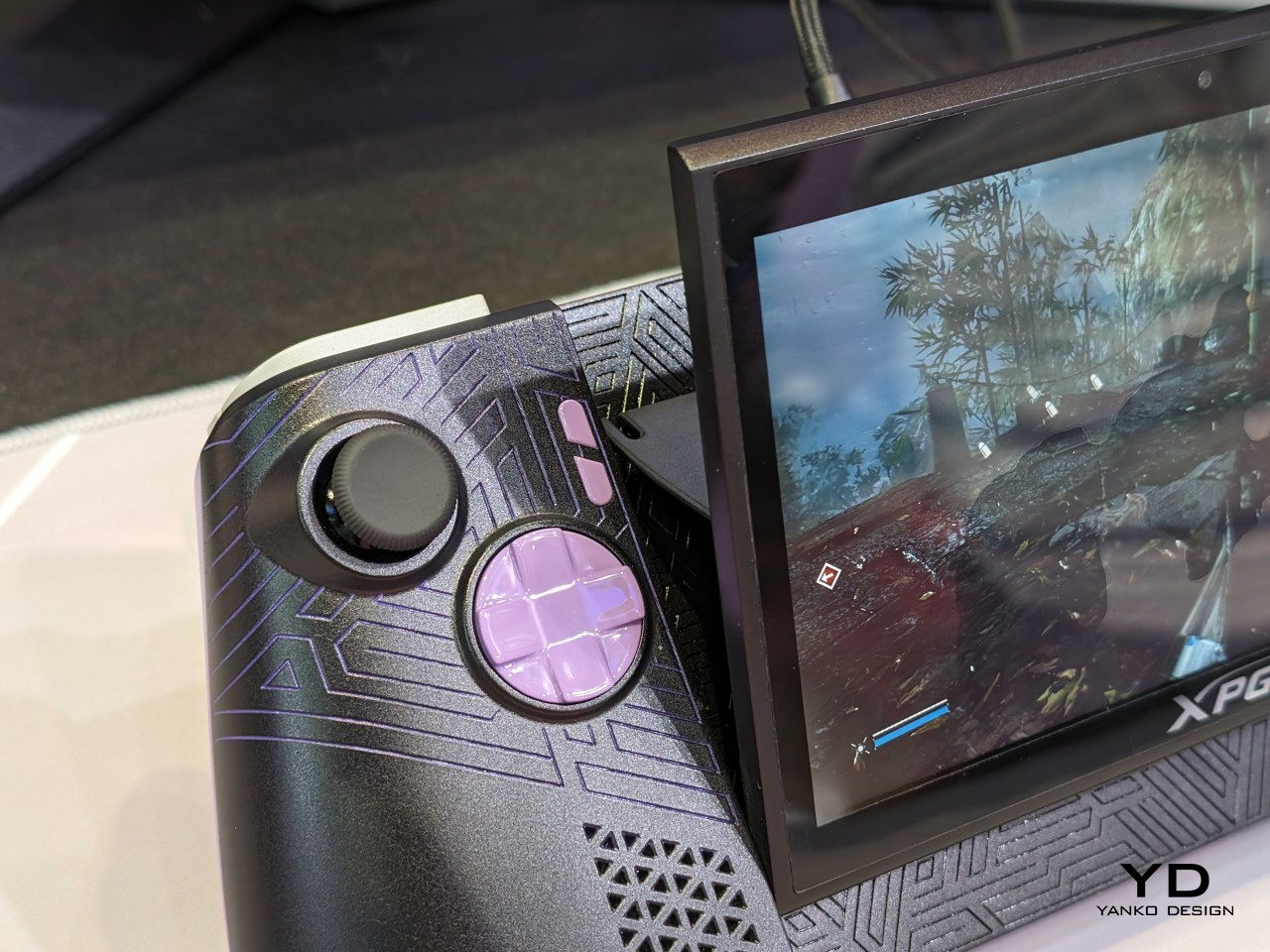
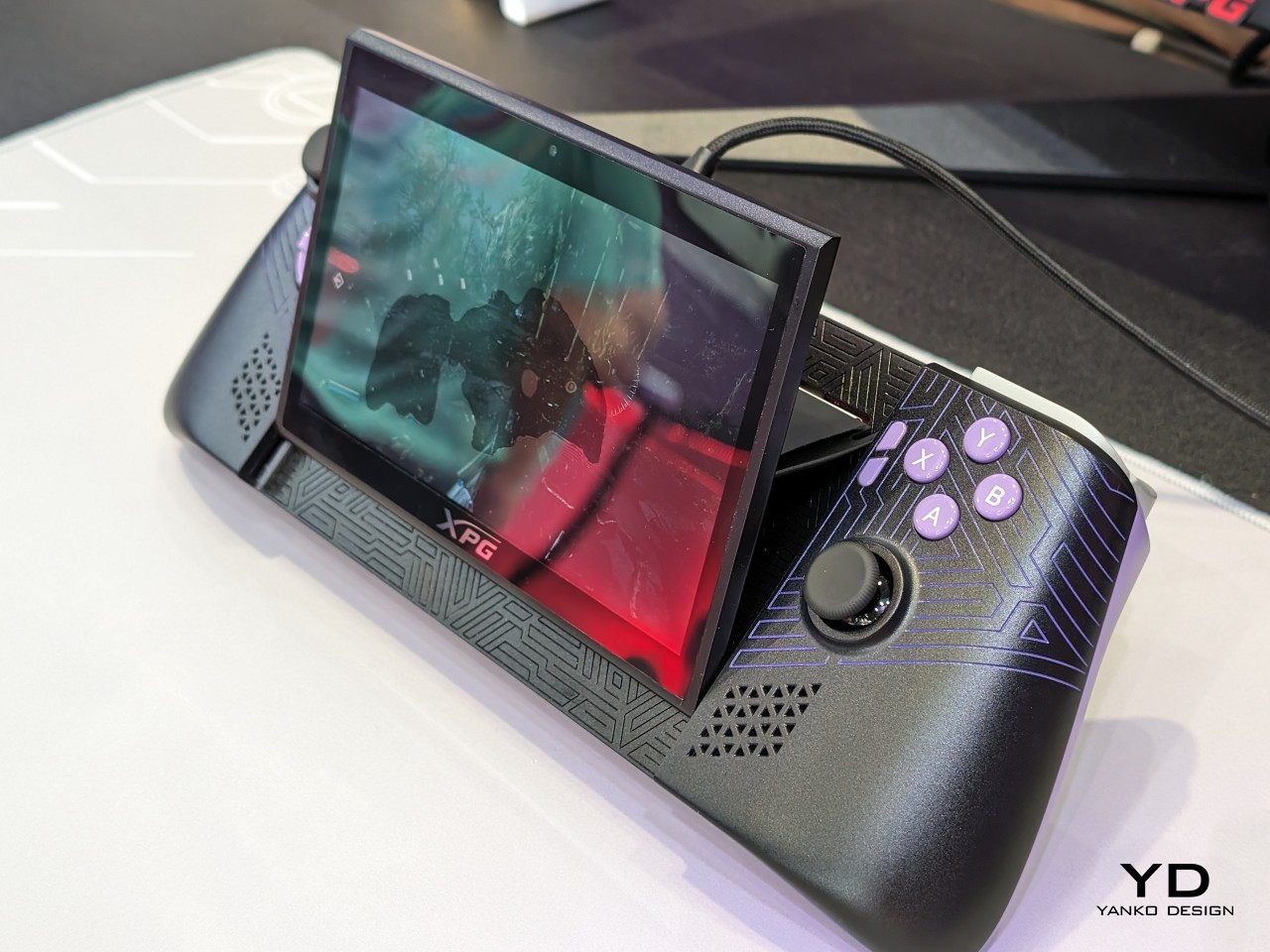
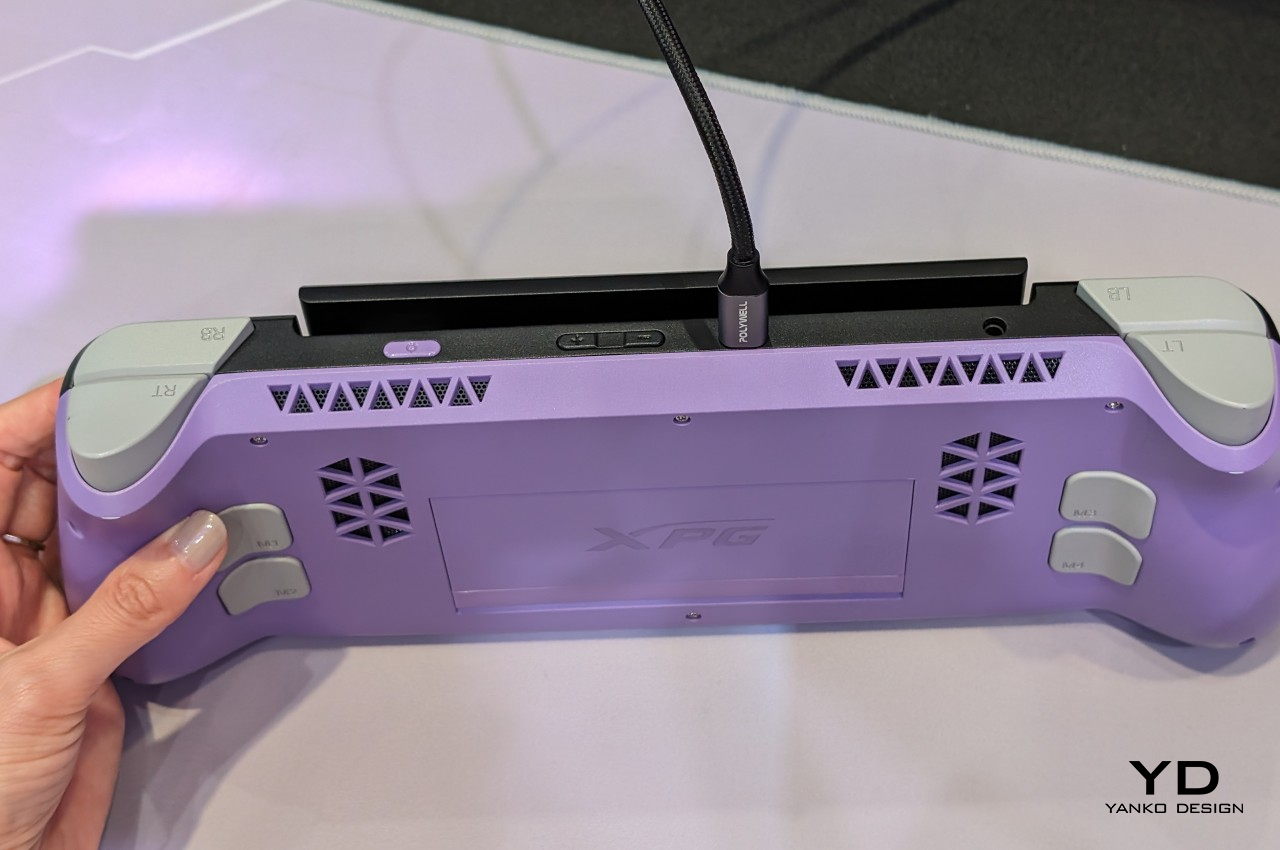
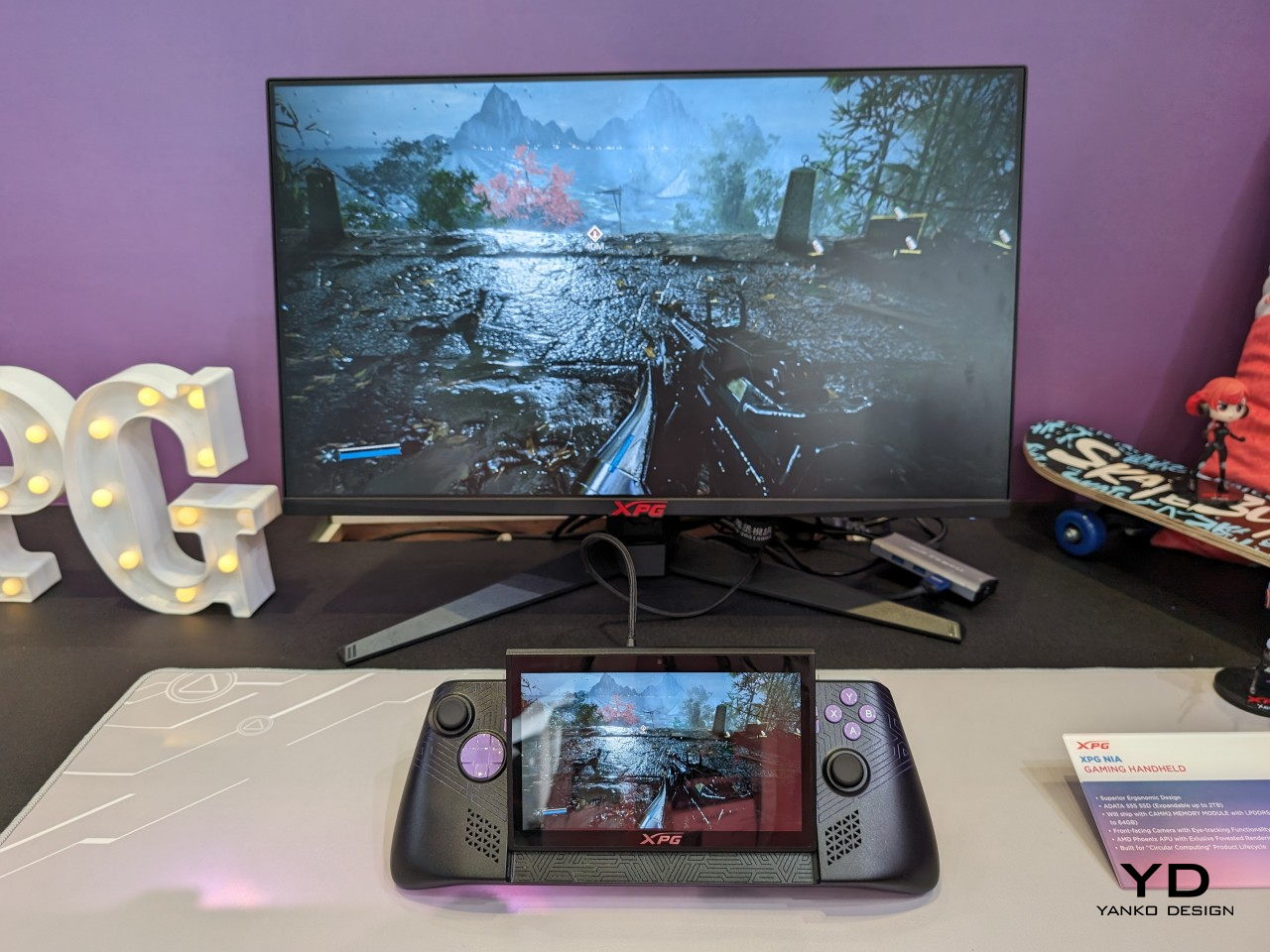
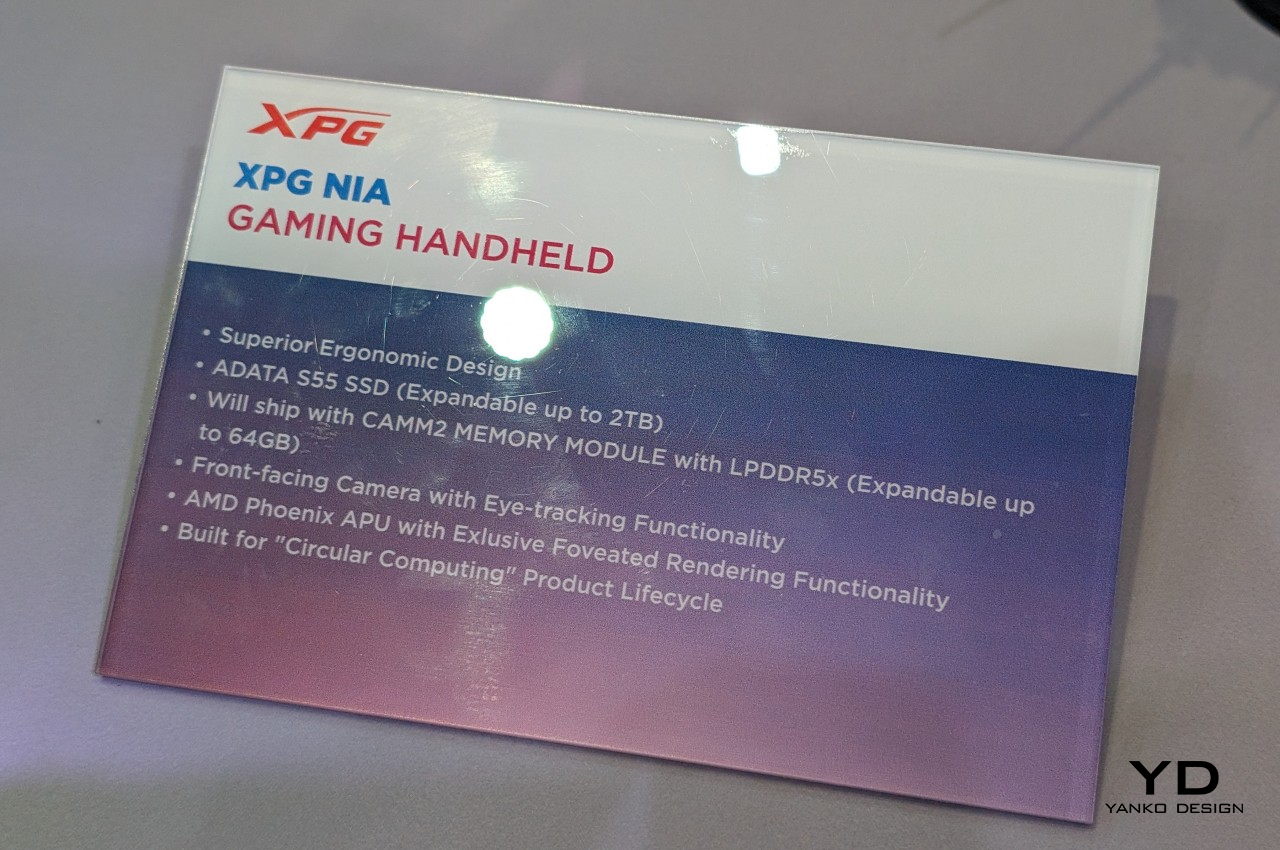
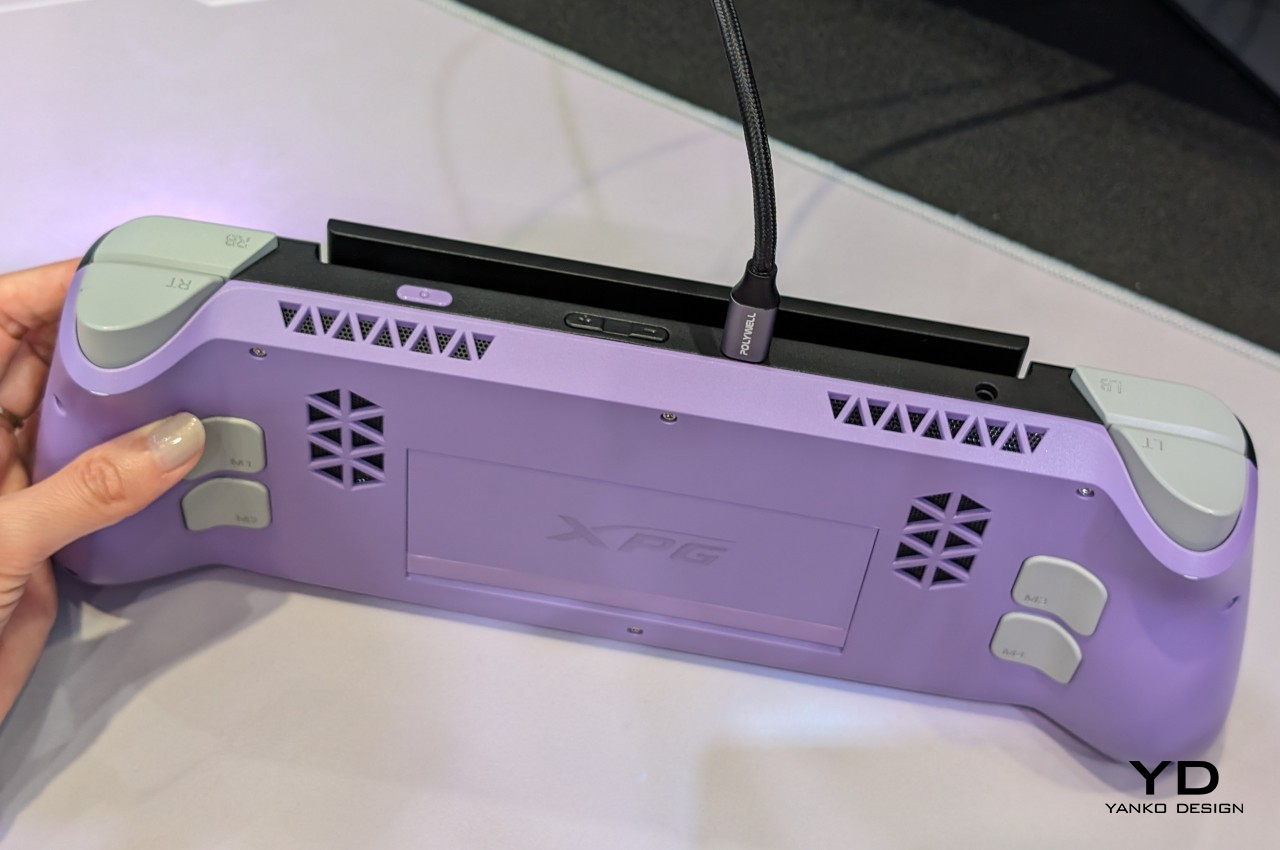
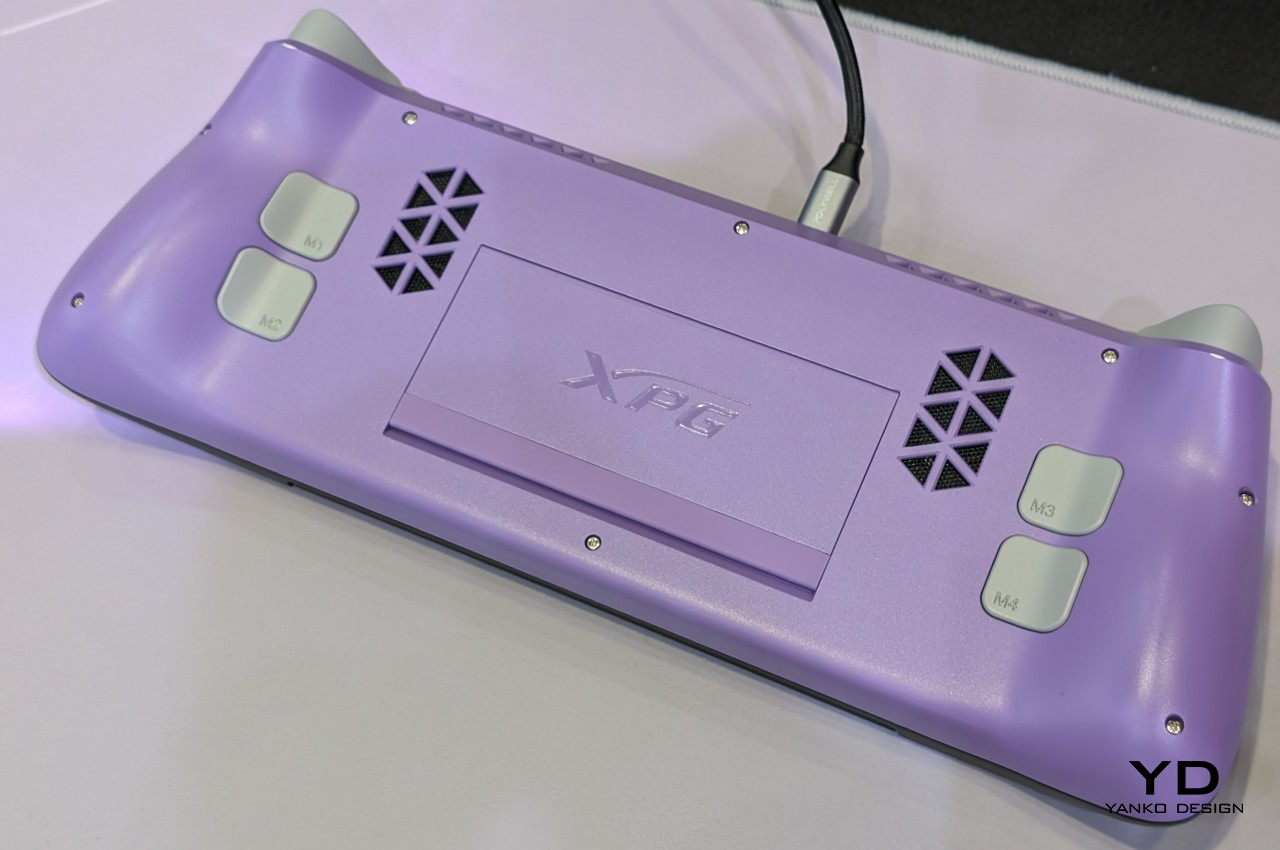
Handheld PCs are pretty much miniature laptops and they even use some of the same hardware but with weaker cooling solutions. That practically means you’re stuck with the specs you got when you bought the device, though there might be options to upgrade the storage and only that. Many laptops these days, however, also have upgradable RAM, and ADATA, a brand better known for its data storage solutions, is bringing that to the handheld PC market with the XPG Nia.

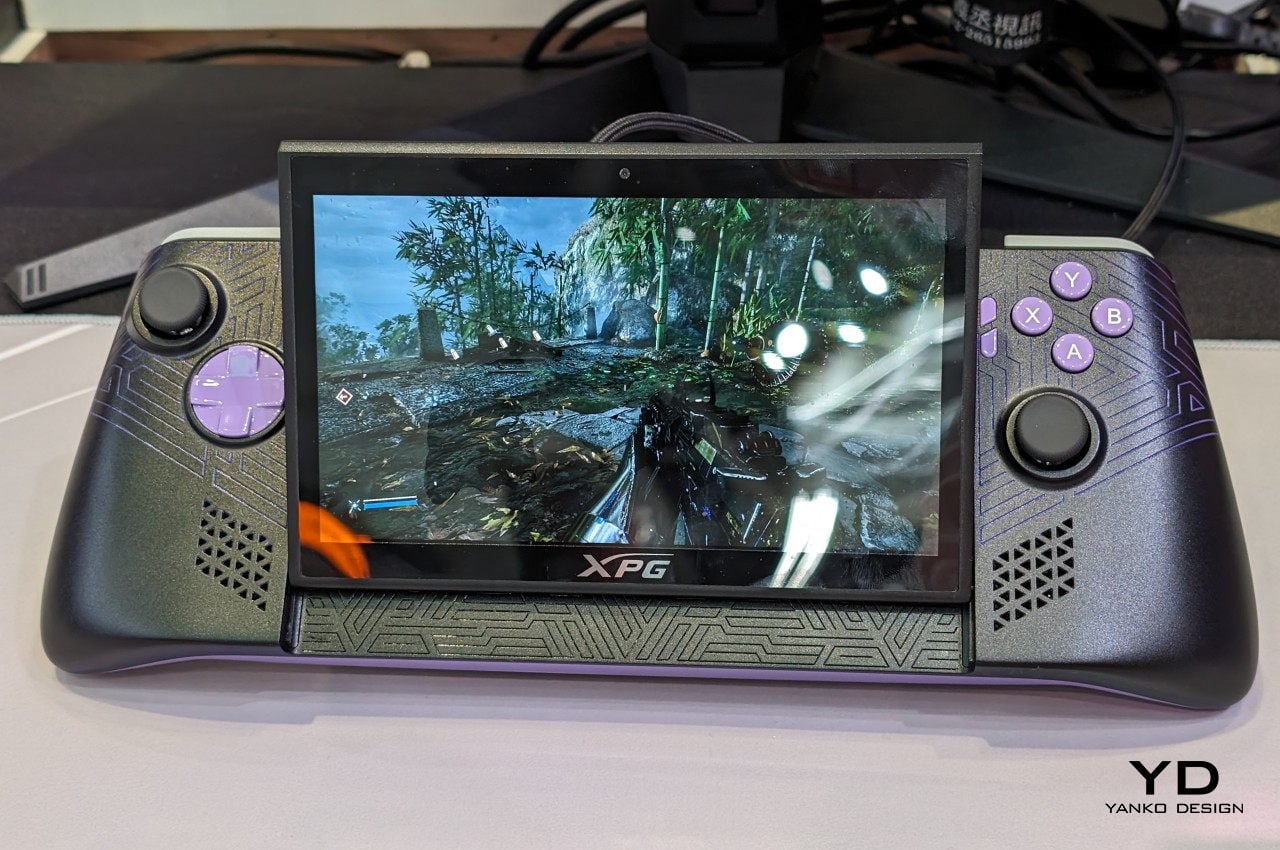
This feat is being attributed to the equally new LPCAMM2 memory module which, unlike most RAM on handhelds and some laptops, isn’t soldered to the motherboard. This makes memory upgradable in theory, though how easy it will be still remains to be seen. The XPG Nia also features upgradable storage courtesy of a more standard M.2 2230 SSD slot. This might sound like minor improvements since the capability has been around in laptops for many years, but it goes a long way in making handhelds last longer and be more sustainable in their own small way.

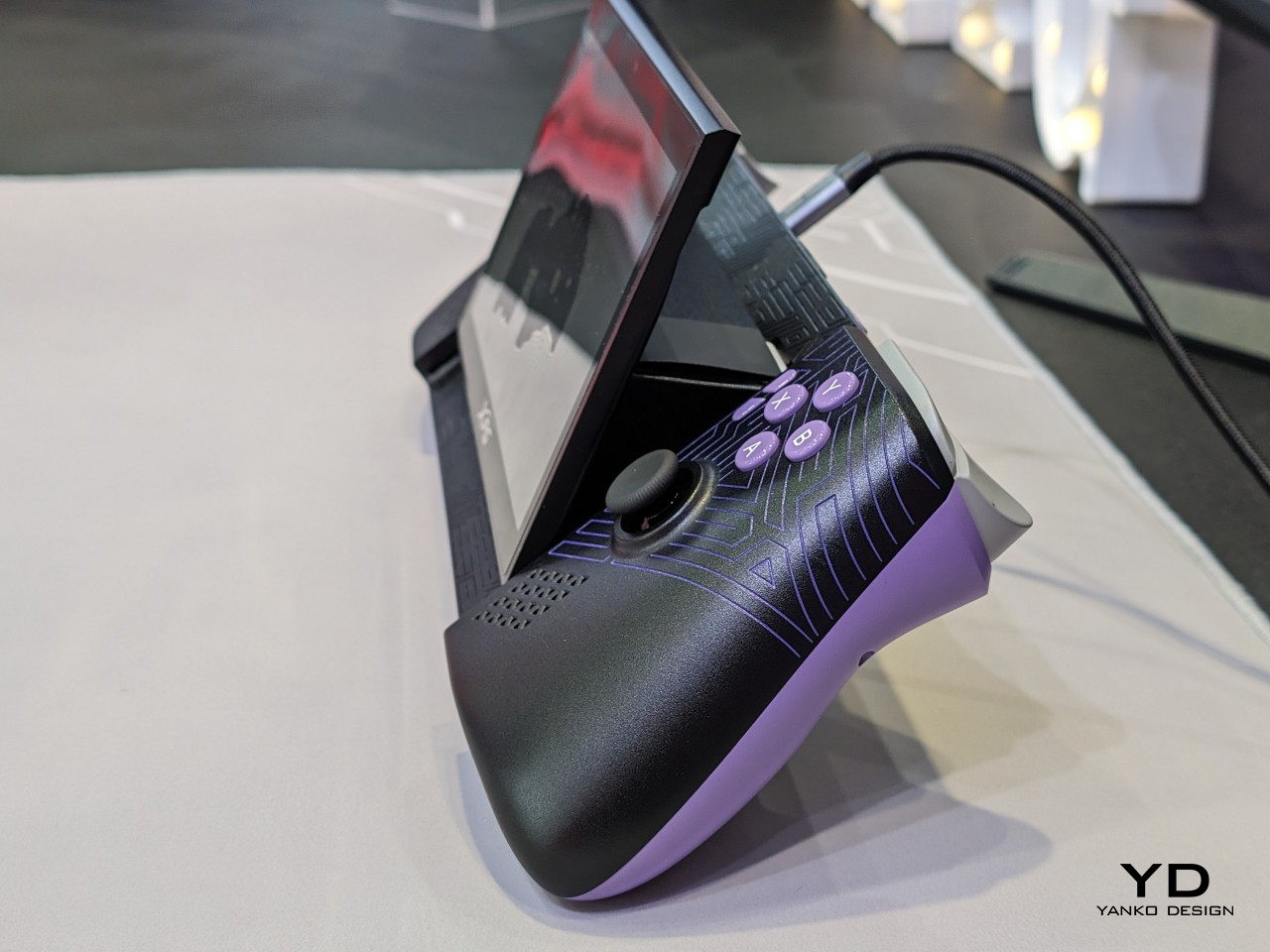
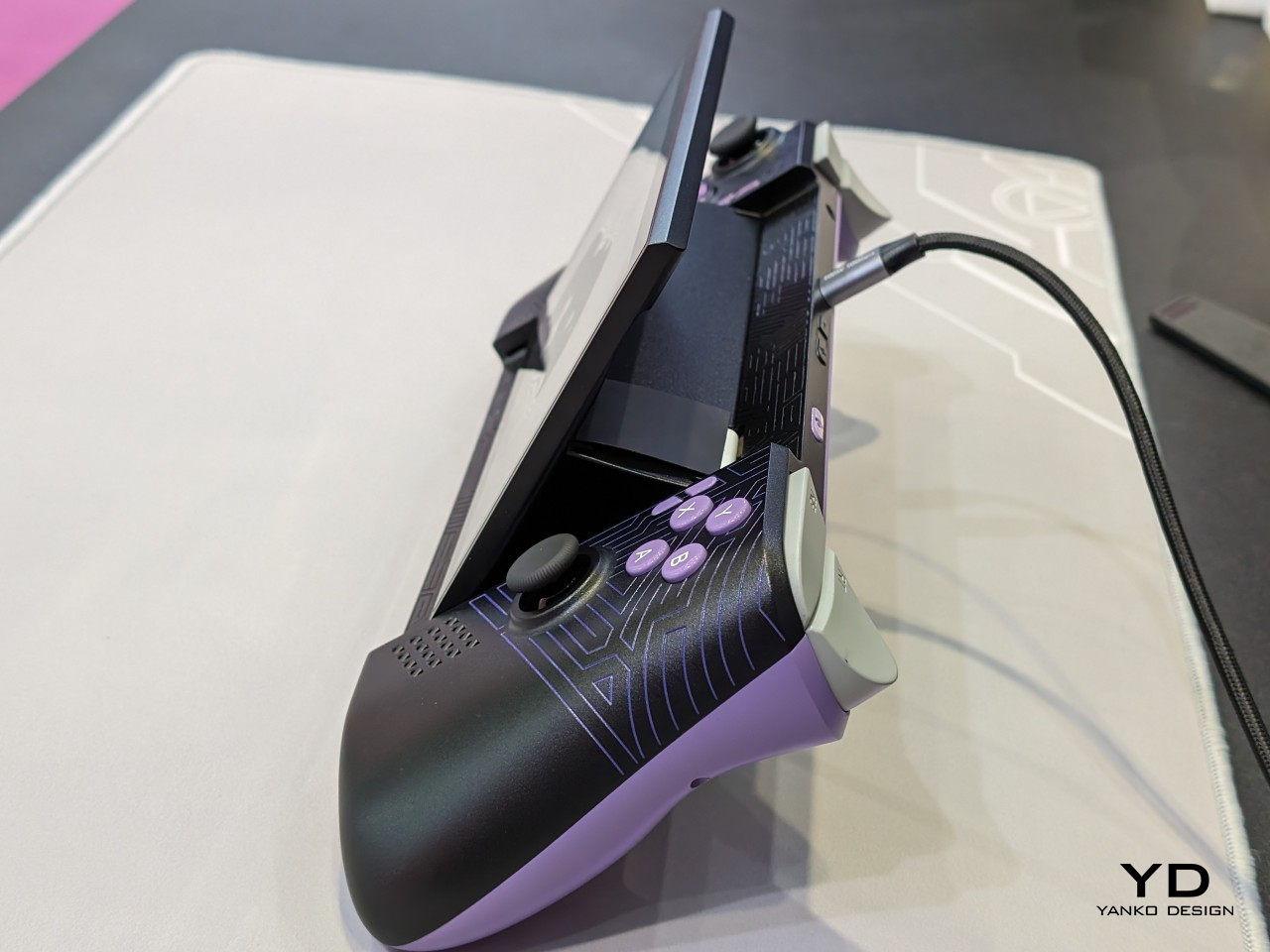
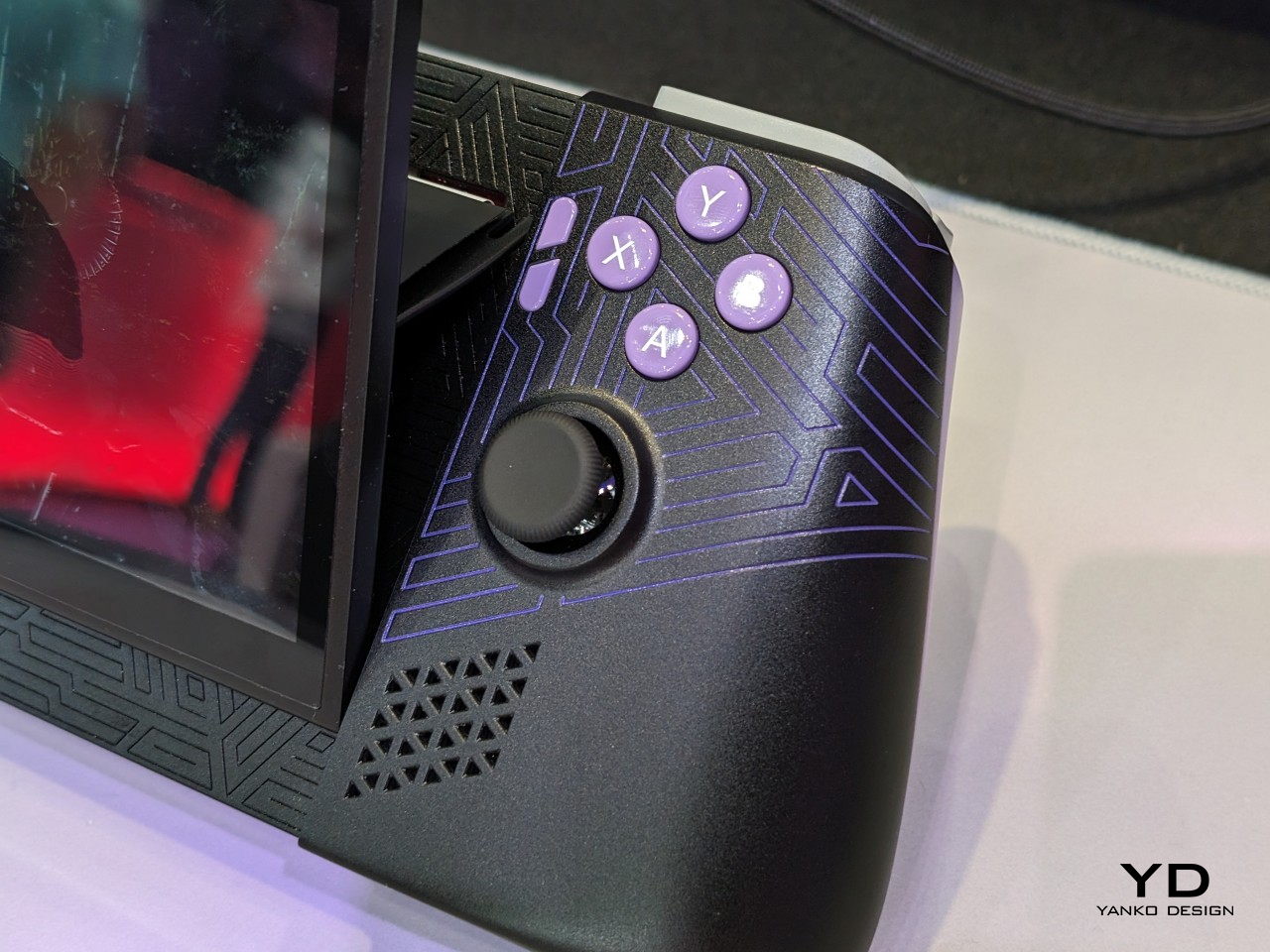
That isn’t the only novelty that the ADATA XPG Nia is bringing to the table, however. The handheld has a tilting screen that you can adjust to your comfort, and it has a built-in kickstand that lets you put the device down on a table without requiring a separate stand or dock. And unlike the majority of handheld gaming PCs, it has a front-facing camera that can be used for eye-tracking and, possibly, video chat among gamers. Again small details, but ones that significantly improve the usability and ergonomics of a device that still hasn’t cemented its place in the market.

As admirable as these improvements might be, the big drawback to the ADATA XPG Nia is that it’s not a product you can buy, at least not any time soon. What was shown at Computex was just a prototype, and the earliest ETA for the handheld PC is 2025. That leaves not only a lot of room for the brand to change or even backtrack on these features, it also gives its competitors the opportunity to steal the limelight even before the XPG Nia has a chance to get out the door.

The post ADATA XPG Nia handheld gaming PC brings a bit of ergonomics and sustainability first appeared on Yanko Design.
ASUS Project DALI concept slaps a color E Ink display on the back of laptops

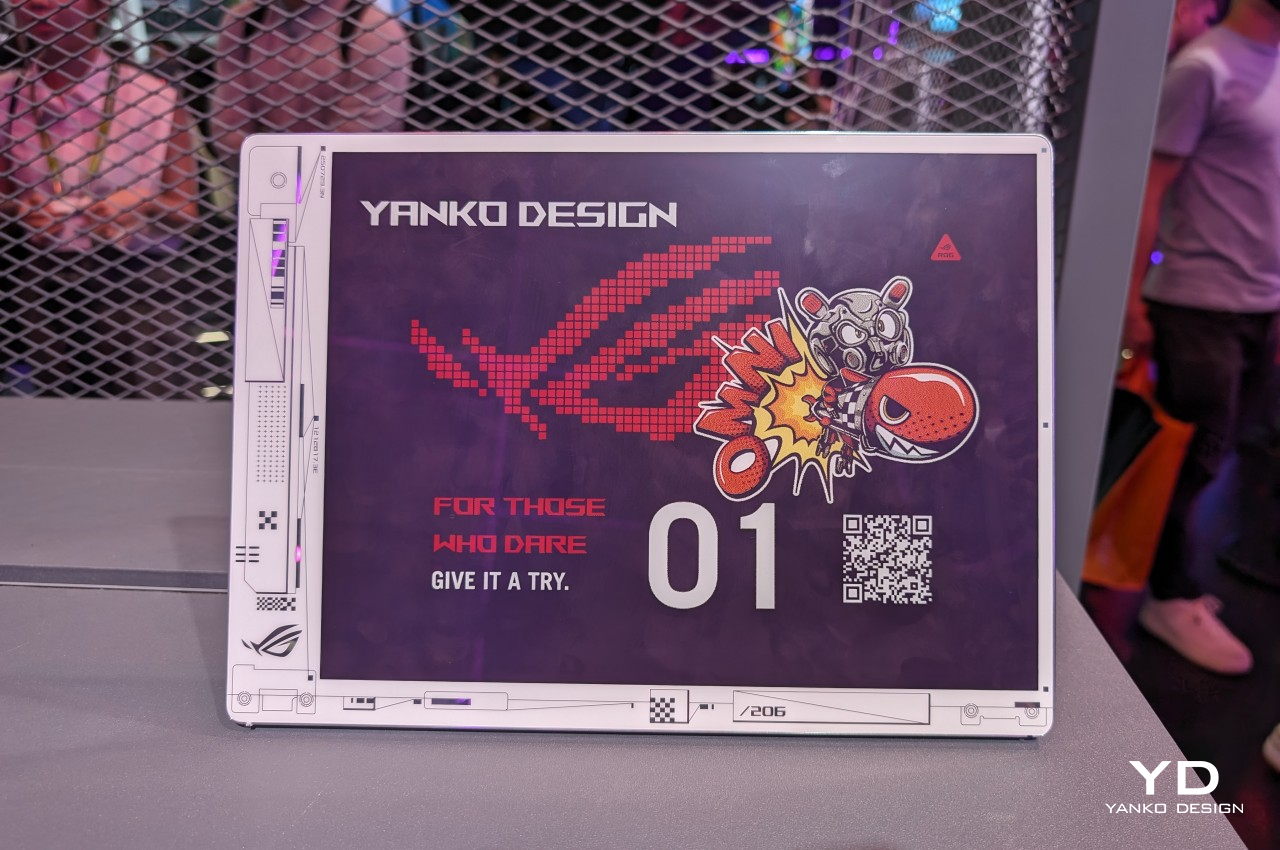
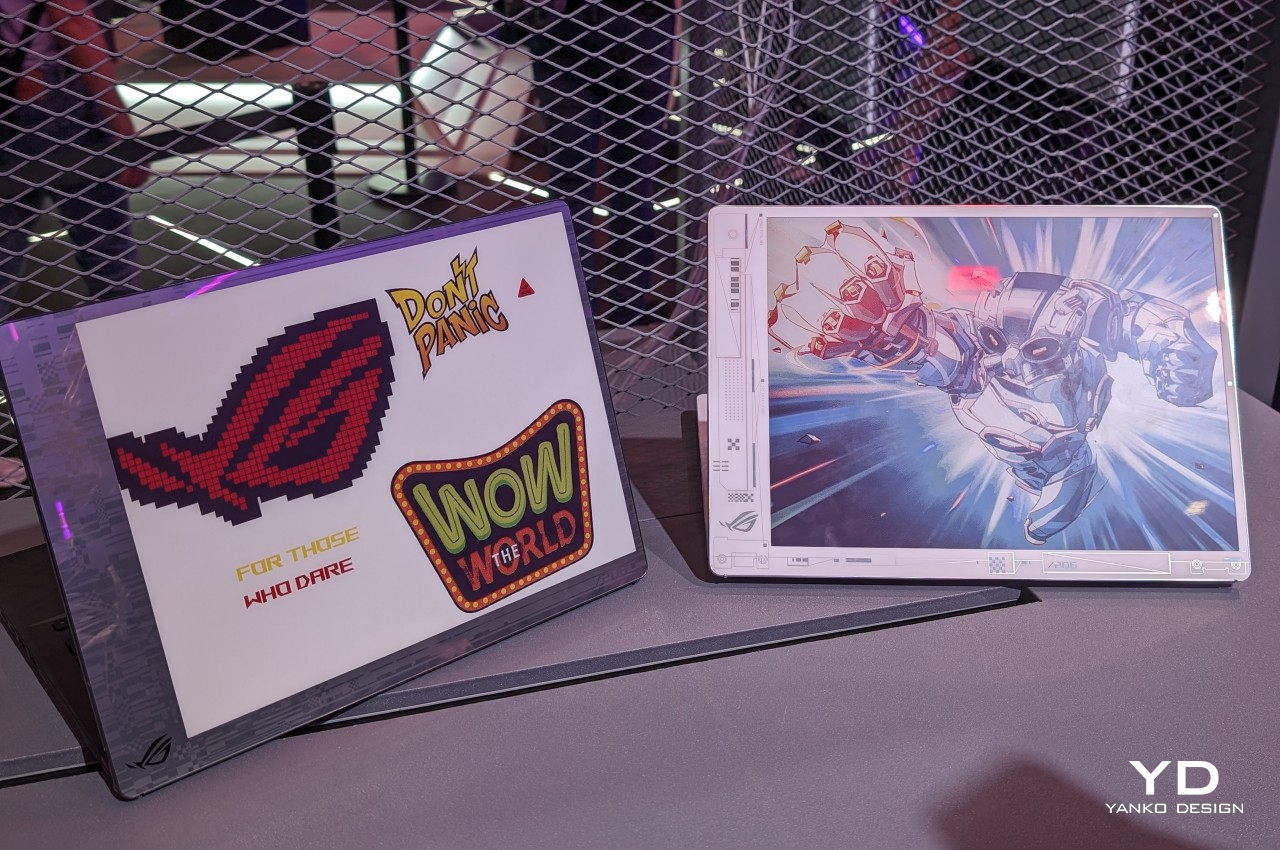
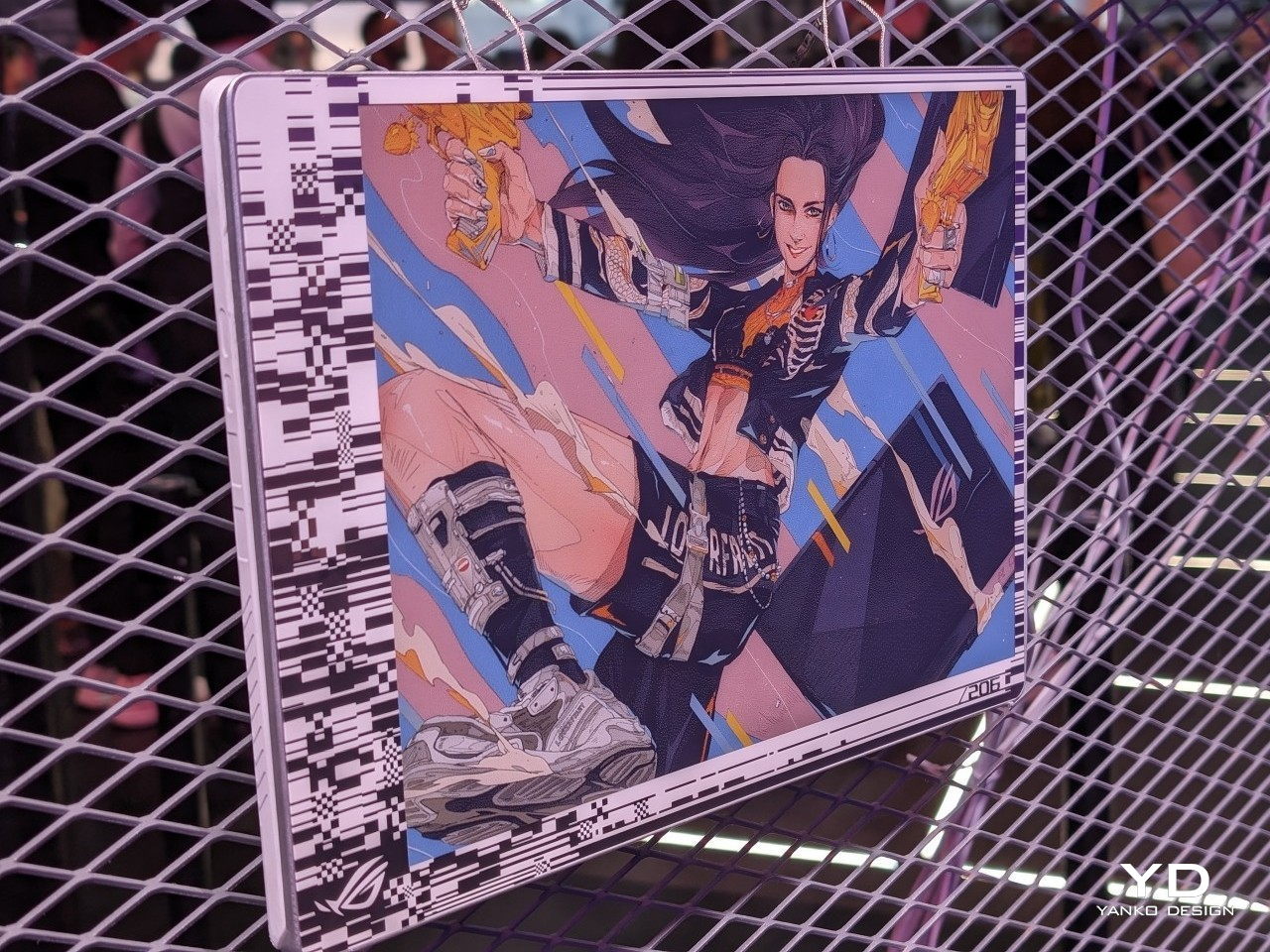
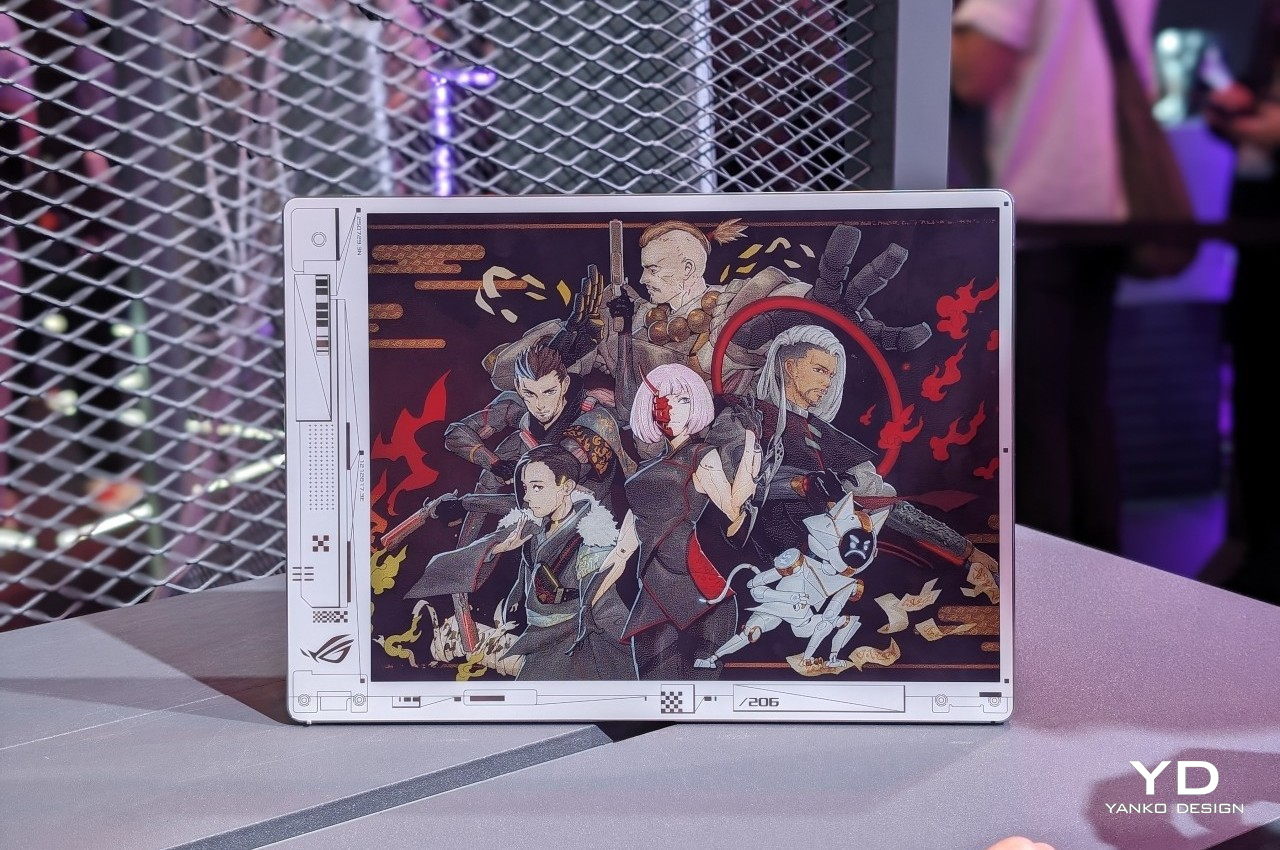
As much as laptop makers wax philosophical about the power of their hardware and the beauty of their screens, what most people will probably admire the most about their products will be the laptop covers. Like with smartphones, this is the most visible part of a laptop and, therefore, also the most expressive. You can almost tell a lot about the laptop owner from the design and stickers they have on their laptops or, conversely, from the lack of any embellishment. Unfortunately, there hasn’t been any easy way to cater to the varied tastes of laptop owners, at least until now. At Computex 2024, ASUS is showing off one of its latest concept designs that lets owners change the design of their laptop covers with a press of a key, and it won’t cost either power or money to keep changing it on a whim.

Designer: ASUS

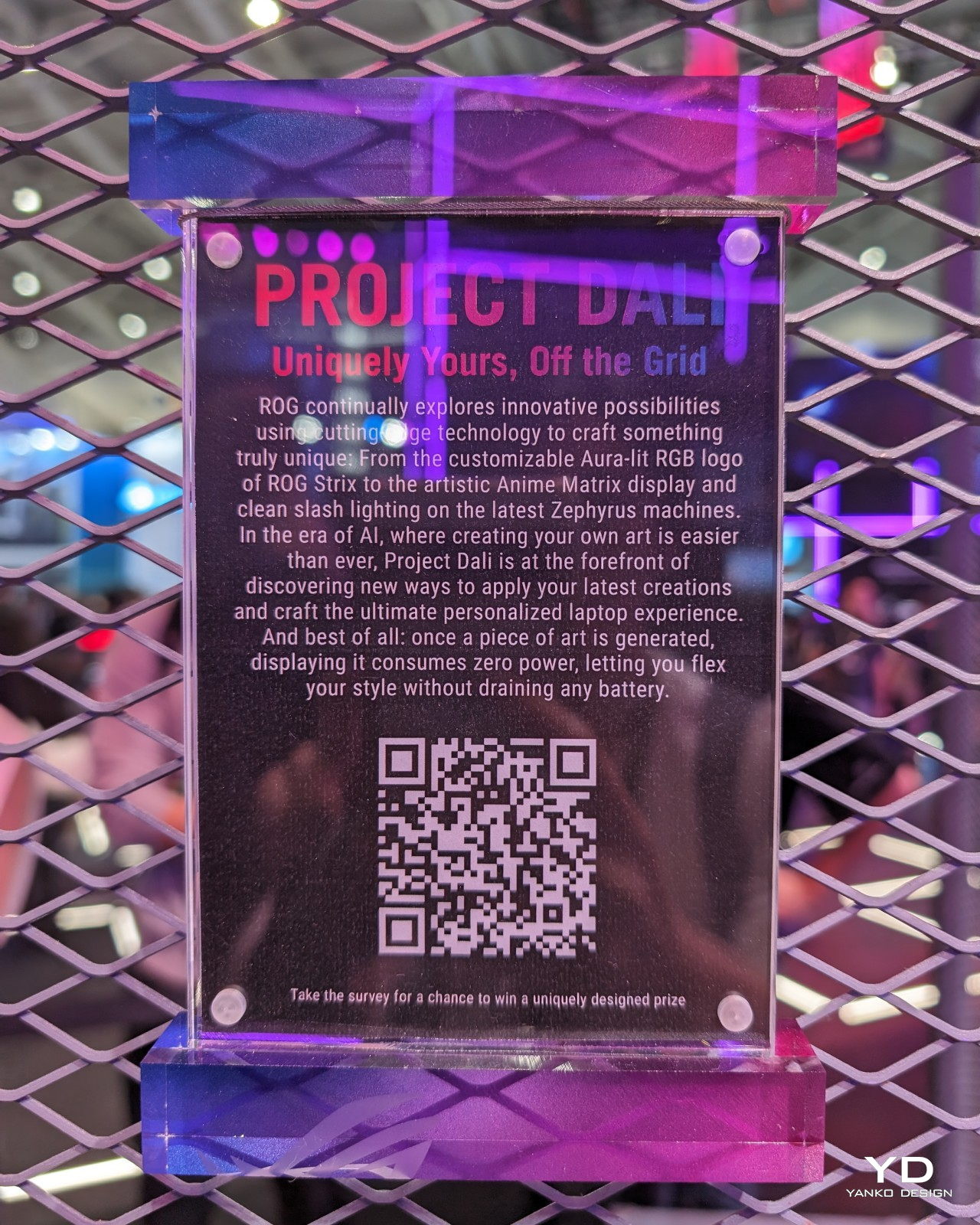
You could, in theory, put a second LCD screen on the back of your laptop for a dazzling display of images or even captivating videos, but that would put a drain on your laptop’s battery, especially if you need to keep that cover display visible even when the laptop is closed and shut down. As with any problem involving power-hungry LCDs and OLEDs, the solution is using ePaper Display or EPD, like E Ink’s popular panels for eBook Readers. And wouldn’t you know it, E Ink has the perfect technology for that, and ASUS is slapping it on its Project DALI laptop concept to make laptops more personal without having to stick anything to it.
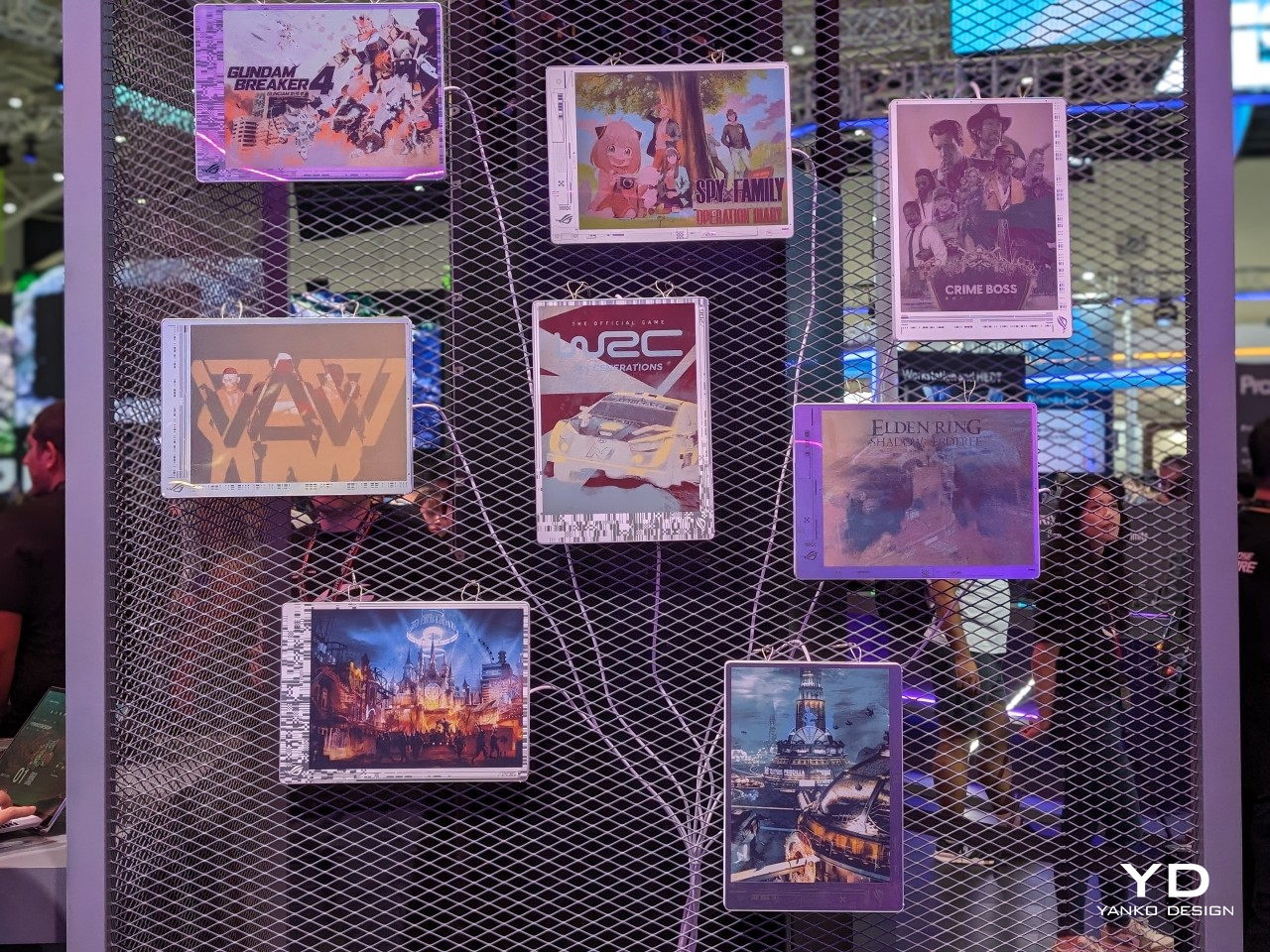
Although it’s primarily being used for signage installations, the E Ink Spectra 6 brings a touch of color to the eye-friendly and battery-conservative E Ink screen. It’s not going to match the vibrant colors of even the crudest LCD, but it has one very important advantage. Once you change the image displayed on it, it will no longer consume any power and can display that image for a long, long time. In other words, it’s perfect for a semi-permanent display that doesn’t change much, something like what the back of your laptop could have.

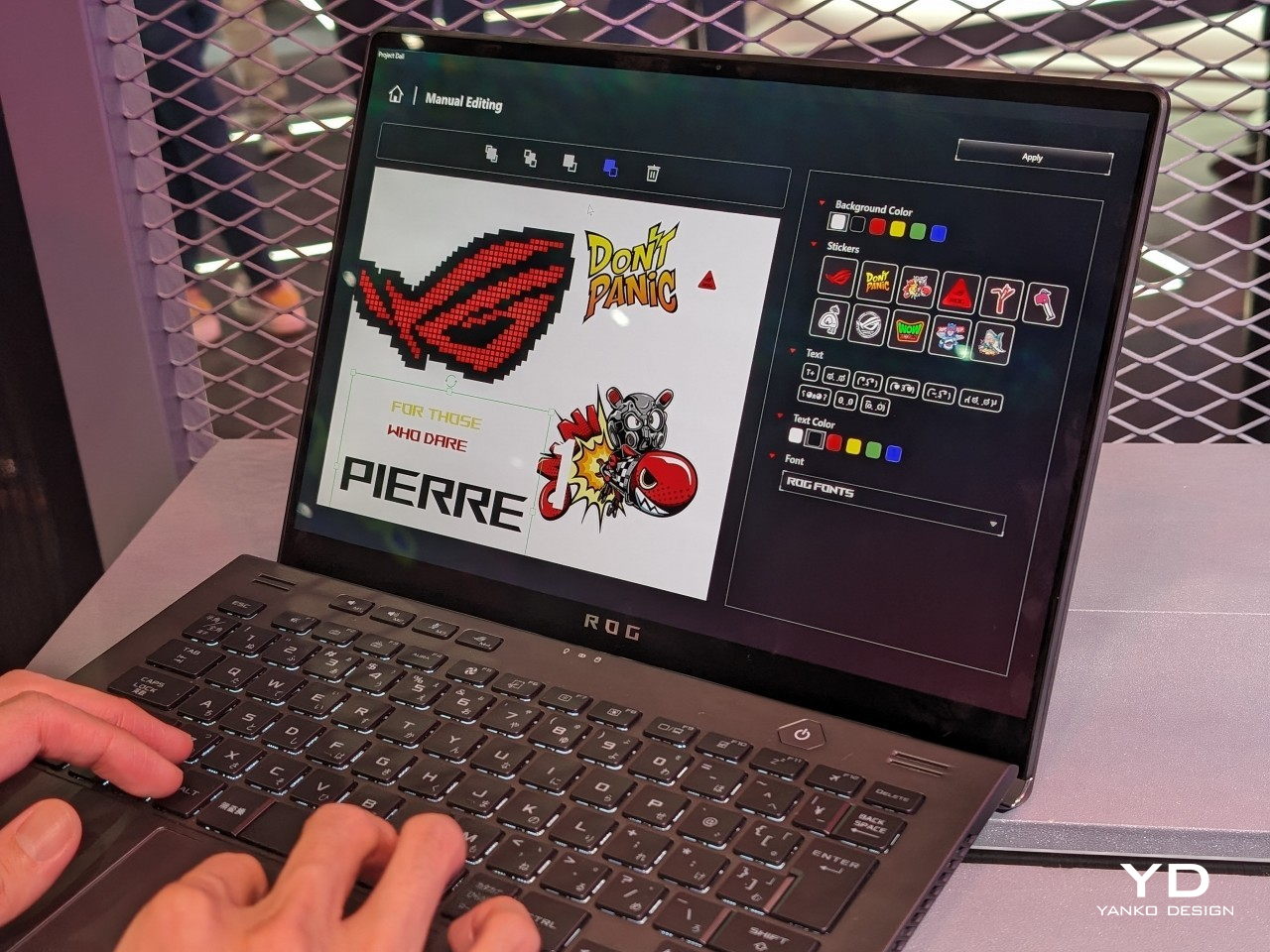
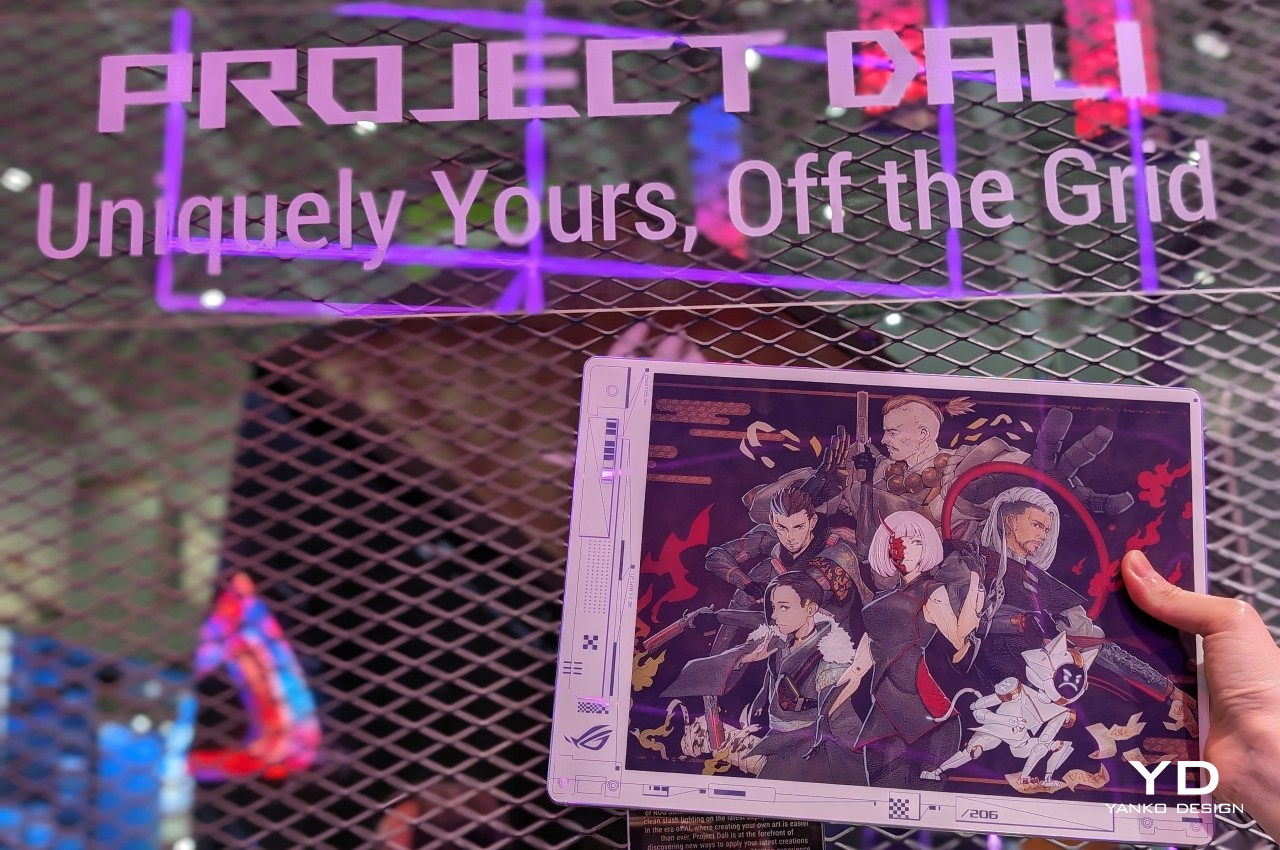
Project DALI puts this technology to offer an unprecedented level of personalization to laptop owners, something you can’t even imagine doing with stickers or skins. With ASUS’s special software, you can either select from a few preset designs or make your own, allowing you to express your tastes, interests, and personality the way you want it. Best of all, you can change it any time you want, and it will only cost you a bit of time and effort, not money from buying new stickers or energy from cleaning off those pesky adhesive residues.

ASUS Project DALI is hardly the first to put an E Ink display on the back of a laptop, as Lenovo also demonstrated a similar idea back in January at CES 2024. DALI, however, uses a newer Spectra 6 technology with higher color DPI, though the number of supported hues is, of course, still limited. Unfortunately, there is still no word on whether Project DALI will become an official ASUS product, but it’s bound to win plenty of fans once it does.

The post ASUS Project DALI concept slaps a color E Ink display on the back of laptops first appeared on Yanko Design.