FCC chair asks telecoms companies to prove they’re actually trying to stop political AI robocalls

FCC Chairwoman Jessica Rosenworcel has drafted a series of letters to nine major telecom companies, including AT&T and Comcast, to ask if they’re actually doing anything about AI political robocalls. AI-generated voices are getting pretty good at mimicking humans and we’ve already seen this technology in action, when an audio deepfake urged voters to skip the New Hampshire Democratic primary.

“We know that AI technologies will make it cheap and easy to flood our networks with deepfakes used to mislead and betray trust. It is especially chilling to see AI voice cloning used to impersonate candidates during elections. As AI tools become more accessible to bad actors and scammers, we need to do everything we can to keep this junk off our networks,” wrote Rosenworcel.

It’s worth noting that all AI robocalls were banned back in February, political or not, but the big telecom companies have yet to announce any enforcement plans. The mandate, however, does give State Attorneys General the ability to prosecute those involved in the robocalls.

Rosenworcel has also been trying to force political campaigns to disclose whether or not they used AI in TV or radio ads, as reported by US News & World Report. The proposed plan, however, has faced opposition from the Republican chair of the Federal Election Commission. Chairman Sean Cooksey wrote in a letter to Rosenworcel that the plan would overwrite the authority of the FEC to enforce federal campaign law, prompting a legal challenge.

This article originally appeared on Engadget at https://www.engadget.com/fcc-chair-asks-telecoms-companies-to-prove-theyre-actually-trying-to-stop-political-ai-robocalls-184227549.html?src=rss



This e-trike with full suspension strikes the right balance between riding in city and beyond

Electric bikes have their own environmental and health advantages. However, riding for long distances – if you’re not a pro – or when planning to go off the tarmac, an e-bike is not the best companion. Before you look for a capable pickup truck – that’ll never be the first choice for a city commute later – spare a thought for an electric trike; a three-wheel genius that strikes the right balance between the comfort of a car and the environmental and health benefits of a bike.

In the past, the shape and design of electric trikes have centered around driving pleasure, speed, and range. To present a commuter of the future, one that’s equally capable of riding within the city and on paved roads, California-based Addmotor has introduced the Grandtan X electric priced competitively at $3,299.

Designer: Grandtan X

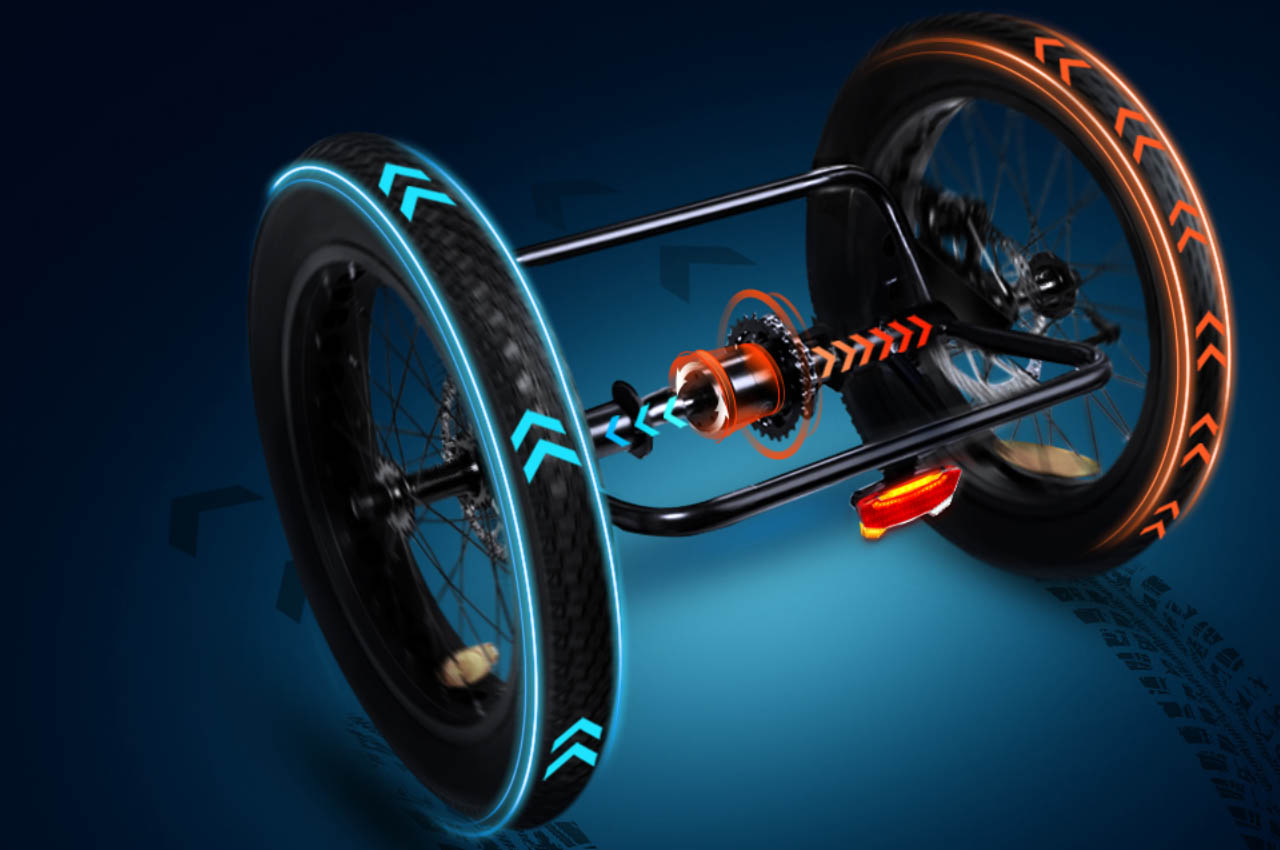
For most of us, it’s a breathtaking new design, but actually, the Grandtan X is a feature-rich version of Addmotor’s previous Grandtan e-trike, with a new high-capacity battery, powerful motor, fat tires, and front and back suspension that makes riding the uneven roads a smoother experience. The full suspension system means comfort for the rider, while the trike’s 750W rear-mount motor ensures up to 1,400W of power, translating into 90 Nm torque to take the rider at 20mph top speed.

The Grandtan X, for robustness on any terrain, has a frame made using 6061 aluminum alloy. The rear-mounted motor adds to the stability and provides a better balance whether cruising through the street or riding over gravel with equal comfort and exhilaration. For a convenient journey uphill or down the hill, the trike has more than seven pedal assistant levels, and also has a mechanical disc brake featuring an automatic motor cutoff sensor to slow or stop it instantly.

The 127.9 lbs trike is powered by a 960-Wh Li-ion battery pack comprising Samsung 21700 cells, which take eight to ten hours to complete a full charge from a 30A output. The battery offers 85 miles of range per charge, while the IPX6 water resistance allows the Grandtan X to drive hassle-free through the elements. As off-roading enthusiasts will love to ride beyond the city roads courtesy of the bike’s rear differential that permits the wheels on the back to adjust to different speeds and terrains, the city explorers will like the trailer attachment, which enhances the trike’s cargo hauling capacity with a trailer in tow.

The post This e-trike with full suspension strikes the right balance between riding in city and beyond first appeared on Yanko Design.

Lego made bricks out of meteorite dust and they’re on display at select stores

There are plenty of Lego sets that feature astronauts, but now there are Lego bricks made out of the stuff that astronauts find out there in the void. The Danish brickmaker has teamed up with the European Space Agency (ESA) to make Lego pieces from actual meteorite dust. Pretty cool, right? They are on display at several Lego store locations until September 20, including the big 5th Avenue branch in Manhattan.

This project isn’t just for giggles, though it is pretty fun. It’s a proof of concept to show how astronauts could use moondust to build lunar structures. Consider the sheer amount of energy and money required to haul up building materials from Earth to the Moon. It would be a game changer to, instead, build everything from pre-existing lunar materials.

There's a layer of rock and mineral deposits at the surface of the Moon, which is called lunar regolith. It’s long been thought that regolith of some kind would be required to build our first off-world colonies. It’s readily available and there are several prospective methods to transform it into building materials. After all, humans have been making structures out of dirt, soil and sand for thousands of years.

An image showing the making of a brick.
Lego

However, there isn’t too much lunar regolith here on Earth for folks to experiment with. ESA scientists made their own regolith by grinding up a really old meteorite. The dust from this meteorite was turned into a mixture that was used to 3D print the Lego pieces. Voila. Moon bricks. They click together just like regular Lego bricks, though they only come in one color (space gray obviously.)

A case filled with Lego bricks.
Lego

"Nobody has built a structure on the Moon, so it was great to have the flexibility to try out all kinds of designs and building techniques with our space bricks. It was both fun and useful in scientifically understanding the boundaries of these techniques,” said ESA Science Officer Aidan Cowley.

Humanity is actually getting closer than ever before to our first real lunar base. NASA has teamed up with the Italian Space Agency and the Thales Alenia Space Corporation to build the first permanent human outpost on the Moon, though it won’t happen until at least the 2030s. Recent designs for lunar habitats have ranged from something resembling a mobile home to full-fledged inflatable villages.

This article originally appeared on Engadget at https://www.engadget.com/lego-made-bricks-out-of-meteorite-dust-and-theyre-on-display-at-select-stores-161440194.html?src=rss
Galaxy S25 Ultra design rumor claims it will lose its distinctive boxy look

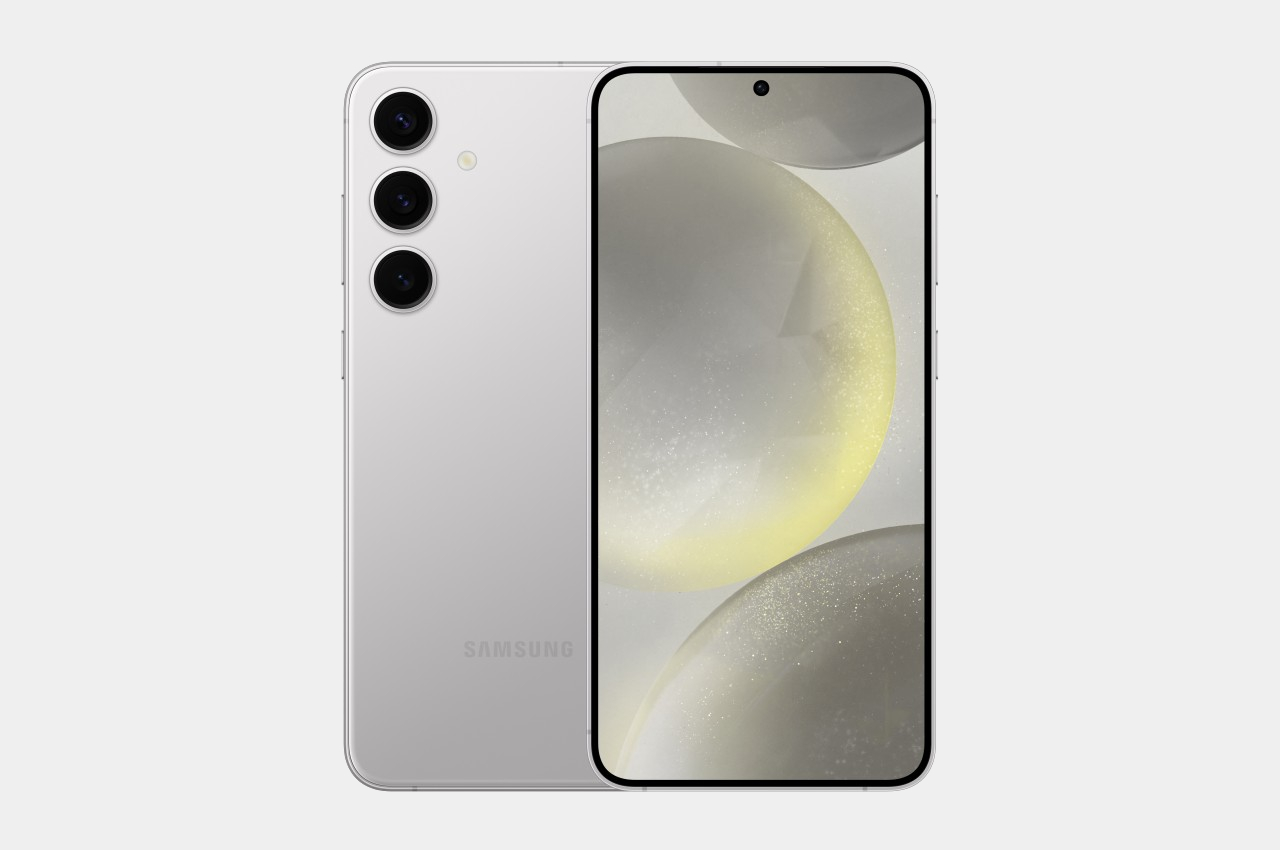
Since 2011, Samsung has been launching two flagships a year, one under its premium Galaxy S brand and another with the Galaxy Note name. The latter has mostly been defined by its large screen and S Pen stylus, though now large screens or phablets are the norm rather than the exception. By now, the Galaxy Note is pretty much history, but it seems that it might be making a comeback in an unexpected and perhaps unwelcome way. We’re still half a year away, but rumors about the Galaxy S25 Ultra have already started to attract attention, both good and bad, especially on how its design will be throwing away what has made it look unique in exchange for what is both a throwback to the past and a nod to its stylus-less siblings.

Designer: Samsung (via @Wvisioncreation)

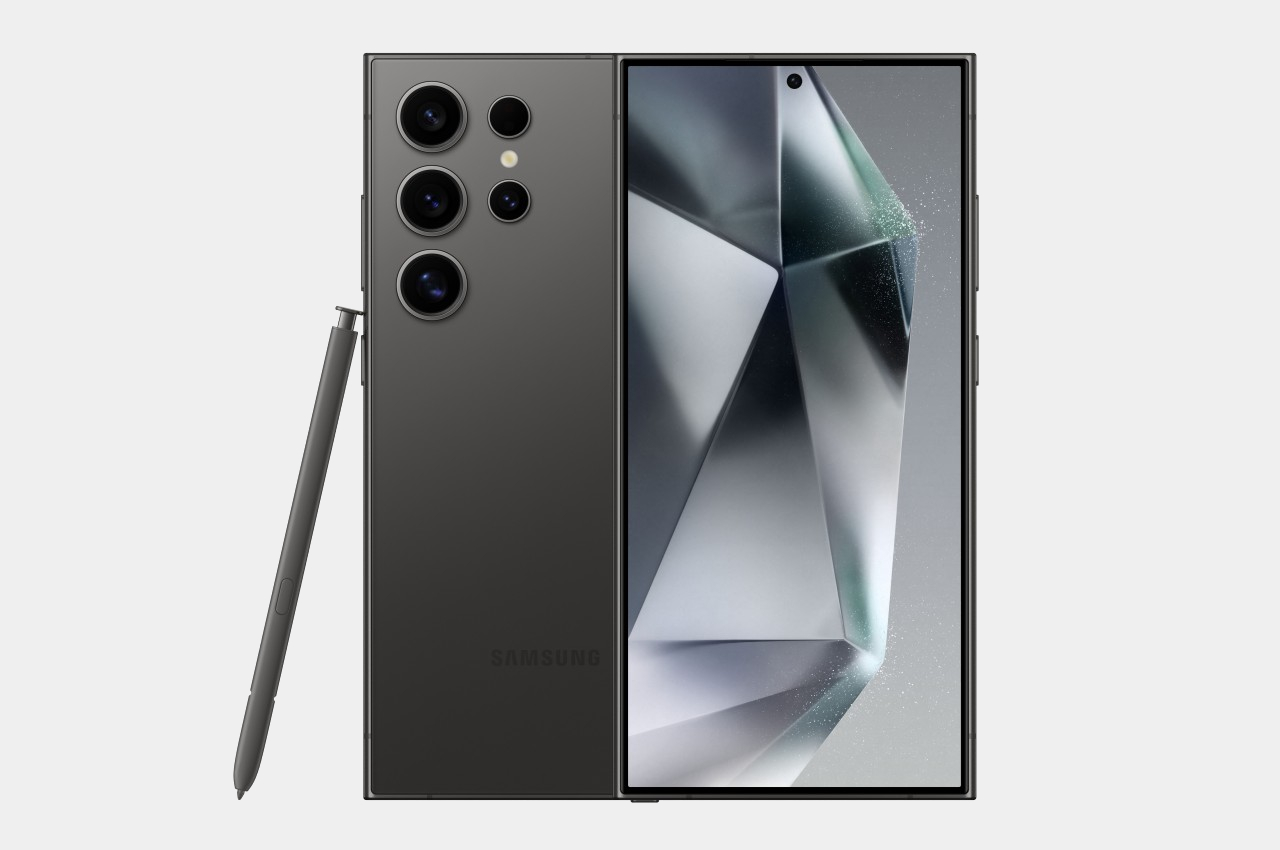
Galaxy S24 Ultra

Although Samsung retired the Galaxy Note name, its legacy lived on in the Galaxy S Ultra series. Not only does it have an S Pen stowed inside its body, it also retains the design that set the previous Galaxy Notes apart from the Galaxy S phones. Specifically, it had a rather boxy design, especially when viewed from the front. Not only are the top and bottom edges flat, the corners are also sharp and angular, a design that you’ll rarely see on other phones these days.

Galaxy Note 20 Ultra

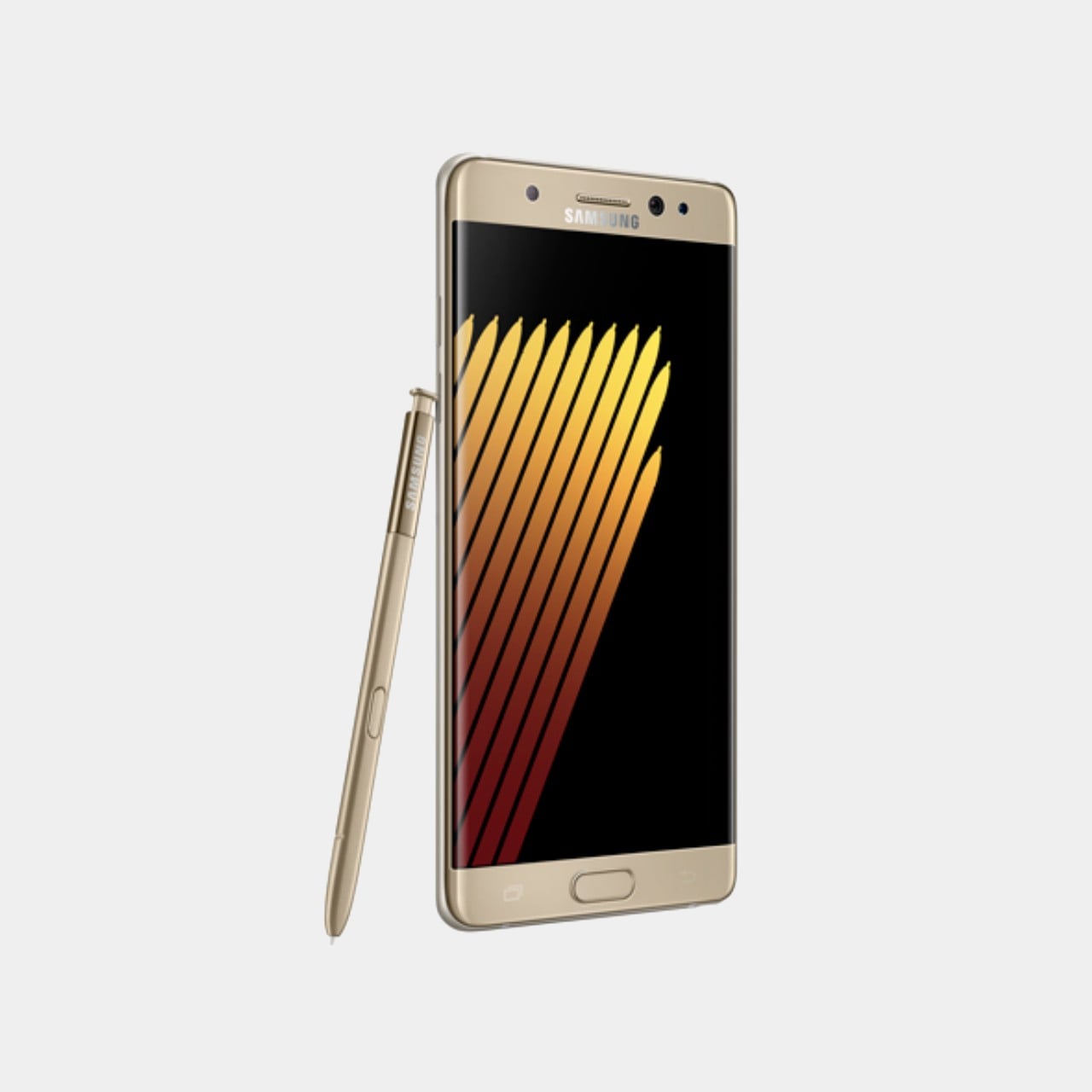
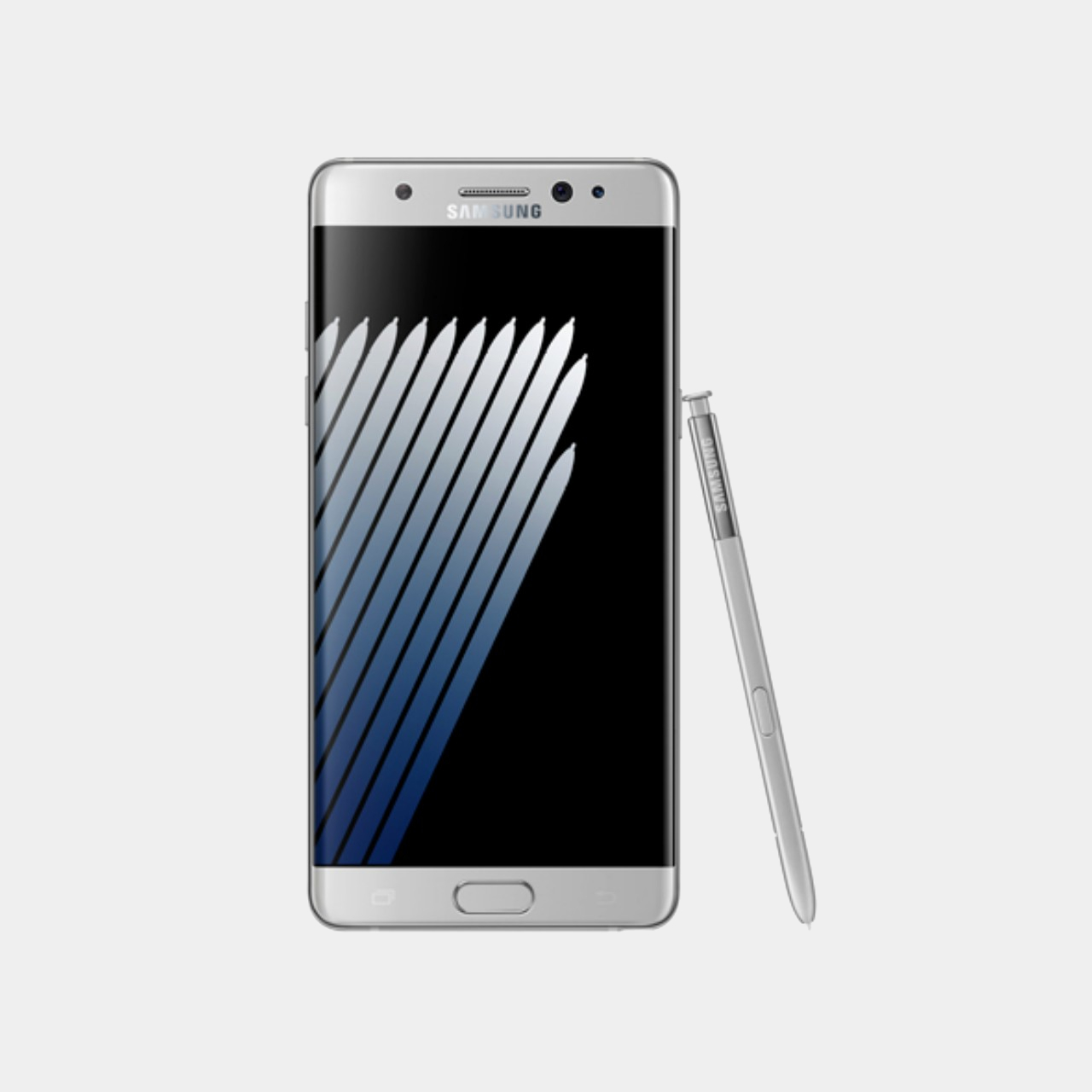
According to the first rumors to come out for Samsung’s 2025 flagship, the Galaxy S25 Ultra will be losing that design DNA. The design is described as having more rounded corners, similar to the Galaxy Note 7 from 2016 with one important exception. The screen is still flat, something that Samsung did for the first time in this year’s Galaxy S24 Ultra, rather than the heavily curved display of yesteryear’s Galaxy Notes. In not so many words, it’s going to look like the Galaxy S24 and Galaxy S24+, and presumably the Galaxy S25 and Galaxy S25+.

Galaxy Note 7

On one hand, this change makes sense from a branding perspective, especially if you consider how the Galaxy Z Fold and Galaxy Z Flip are also transforming. Samsung’s foldables are becoming edgier, so to speak, taking on an appearance similar to the Galaxy S24 Ultra. The company, therefore, needs to differentiate the two product lines, and making the Galaxy S25 Ultra look like its siblings from the same Galaxy S line makes the integration of the Galaxy Note complete.

Galaxy S24+

On the other hand, response to the rumored change has been generally negative so far. That boxy and squarish design has become the visual identity of the Galaxy S Ultra, especially for fans of the Galaxy Note. In fact, they probably wish the Galaxy S to adopt the design rather than the other way around, if only to set Samsung’s flagship apart from the sea of phones with flat edges, flat screens, and rounded corners.

Galaxy S24 Series

The post Galaxy S25 Ultra design rumor claims it will lose its distinctive boxy look first appeared on Yanko Design.

Genesis X Gran Racer Vision Gran Turismo Concept Unveiled

Genesis X Gran Racer

The Genesis X Gran Racer VGT Concept has made a stunning debut at the Busan International Mobility Show, signaling a new era in high-performance luxury mobility. As part of the Genesis Magma program, which focuses on pushing the boundaries of safety, comfort, and a cruisable driving experience, this concept car represents a significant step forward […]

The post Genesis X Gran Racer Vision Gran Turismo Concept Unveiled appeared first on Geeky Gadgets.

EU competition chief jabs at Apple from both sides over AI delay

It's safe to say Apple and the European Commission aren't exactly bosom buddies. The two sides have been at loggerheads over Apple's compliance — or alleged lack thereof — with the European Union's Digital Markets Act (DMA), a law designed to rein in the power of major tech companies.

Apple said last week it would delay the rollout of certain features in the European Union, including Apple Intelligence AI tools, over concerns "that the interoperability requirements of the DMA could force us to compromise the integrity of our products in ways that risk user privacy and data security." As it turns out, the EU is not exactly happy about that decision.

The call to push back the rollout of Apple Intelligence in the EU is a "stunning, open declaration that they know 100 percent that this is another way of disabling competition where they have a stronghold already,” EU competition commissioner Margrethe Vestager said at a Forum Europa event, according to Euractiv. Vestager added that the “short version of the DMA” means companies have to be open for competition to keep operating in the region.

Not to leap to the defense of Apple here, but these comments are sure to raise an eyebrow or two, especially after Vestager also said she "was personally quite relieved that I would not get an AI-updated service on my iPhone." Apple does intend to bring Apple Intelligence to Europe more broadly, but it's taking a cautious approach with the tech in that region due to "regulatory uncertainties" and ensuring it won't have to compromise on user safety.

As it stands, the European Commission is carrying out multiple investigations into the company over possible violations of the DMA. This week, it accused Apple of violating the law's anti-steering provisions by blocking app developers from freely informing users about alternate payment options outside of the company's ecosystem. If it's found guilty, Apple could be on the hook for a fine of up to 10 percent of its global annual revenue. Based on its 2023 sales, that could be a penalty of up to $38 billion. The percentage of the fine can double for repeated violations.

Earlier this year, before the DMA came into force, the European Commission fined Apple €1.8 billion ($1.95 billion) over a violation of previous anti-steering rules. According to the Commission, Apple prevented rival music streaming apps from telling users that they could pay less for subscriptions if they sign up outside of iOS apps. Apple has challenged the fine.

This article originally appeared on Engadget at https://www.engadget.com/eu-competition-chief-jabs-at-apple-from-both-sides-over-ai-delay-140022585.html?src=rss
Amazon reportedly investigating Perplexity AI after accusations it scrapes websites without consent

Amazon Web Services has started an investigation to determine whether Perplexity AI is breaking its rules, according to Wired. To, be precise, the company's cloud division is reportedly looking into allegations that the service is using a crawler, which is hosted on its servers, that ignores the Robots Exclusion Protocol. This protocol is a web standard, wherein developers put a robots.txt file on a domain containing instructions on whether bots can or can't access a particular page. Complying with those instructions is voluntary, but crawlers from reputable companies have generally been respecting them since web developers started implementing the standard in the '90s. 

In an earlier piece, Wired reported that it discovered a virtual machine that was bypassing its website's robots.txt instructions. That machine was hosted on an Amazon Web Services server using the IP address 44.221.181.252 that's "certainly operated by Perplexity." It reportedly visited other Condé Nast properties hundreds of times over the past three months to scrape their content, as well. The Guardian, Forbes and The New York Times had also detected it visiting their publications multiple times, Wired said. To confirm whether Perplexity truly was scraping its content, Wired entered headlines or short descriptions of its articles into the company's chatbot. The tool then responded with results that closely paraphrased its articles "with minimal attribution." 

A recent Reuters report claimed that Perplexity isn't the only AI company that's bypassing robots.txt files to gather content used to train large language models. However, it seems like Wired only provided Amazon with information on Perplexity AI's crawler. "AWS’s terms of service prohibit abusive and illegal activities and our customers are responsible for complying with those terms," Amazon Web Services told us in a statement. "We routinely receive reports of alleged abuse from a variety of sources and engage our customers to understand those reports." The spokesperson also added that the company's cloud division told Wired it was investigating information the publication provided as it does all reports of potential violations. 

Perplexity spokesperson Sara Platnick told Wired that the company has already responded to Amazon's inquiries and denied that its crawlers are bypassing the Robots Exclusion Protocol. "Our PerplexityBot — which runs on AWS — respects robots.txt, and we confirmed that Perplexity-controlled services are not crawling in any way that violates AWS Terms of Service," she said. Platnick told us that Amazon looked into Wired's media inquiry only as part of a standard protocol for investigating reports of abuse of its resources. The company has apparently not heard from Amazon about any type of investigation before Wired contacted the company. Platnick admitted to Wired, however, that PerplexityBot will ignore robots.text when a user includes a specific URL in their chatbot inquiry. 

Aravind Srinivas, the CEO of Perplexity, also previously denied that his company is "ignoring the Robot Exclusions Protocol and then lying about it." Srinivas did admit to Fast Company that Perplexity uses third-party web crawlers on top of its own, and that the bot Wired identified was one of them.

Update, June 28, 2024, 2:20PM ET: We have updated this post to add Perplexity's statement to Engadget.

Update, June 28, 2024, 8:27PM ET: We have updated this post to a statement from Amazon Web Services. 

This article originally appeared on Engadget at https://www.engadget.com/amazon-investigating-perplexity-ai-after-accusations-it-scrapes-websites-without-consent-133003374.html?src=rss
Remote control redesign lets you use the device without even looking

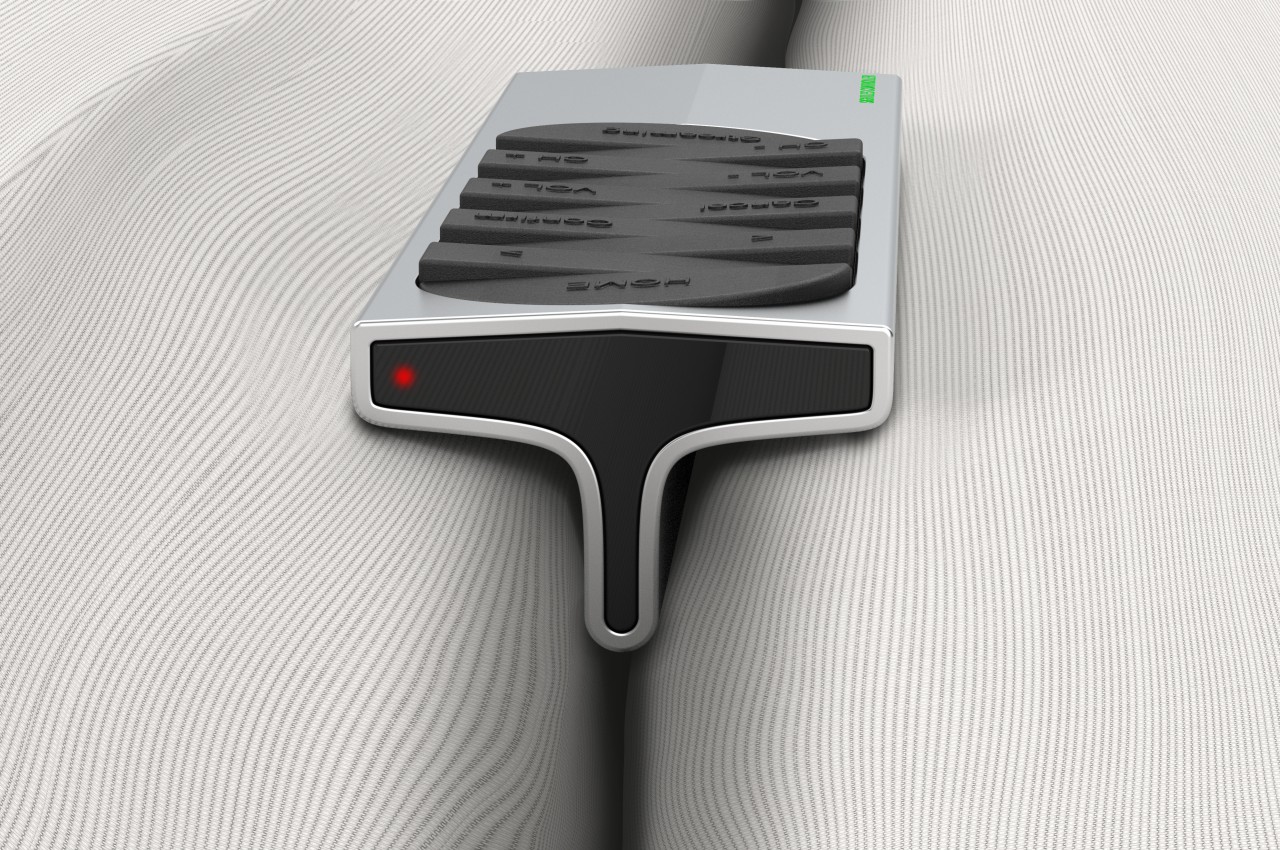
Even with the advent of smart TVs and streaming, remote controls are still an indispensable part of that user experience, imperfect as it may be. The basic design of remote controls has changed very little, save for the extra minimalist variants that, in exchange for simplicity, sometimes make you crawl through menus and options just to get to the function you need. More importantly, however, the complexity of these electronic accessories has made them too stressful to use, and their tendency to get stuck in the corners of couches was a meme even before there were memes. This concept tries to revolutionize the remote control design to deliver a more tactile experience that lets you operate or even pick it up without looking at it at all.

Designer: Gisung Han

The traditional remote control design has always been one of practical convenience rather than comfort or enjoyment. It’s meant to let you quickly change channels or the volume, but the irony is that it often takes more time to look for the right button or, worse, look for the remote itself. Even with more minimal designs that reduce the buttons to half a dozen or so, the rectangular shape of the device itself lends it to being lost too easily.

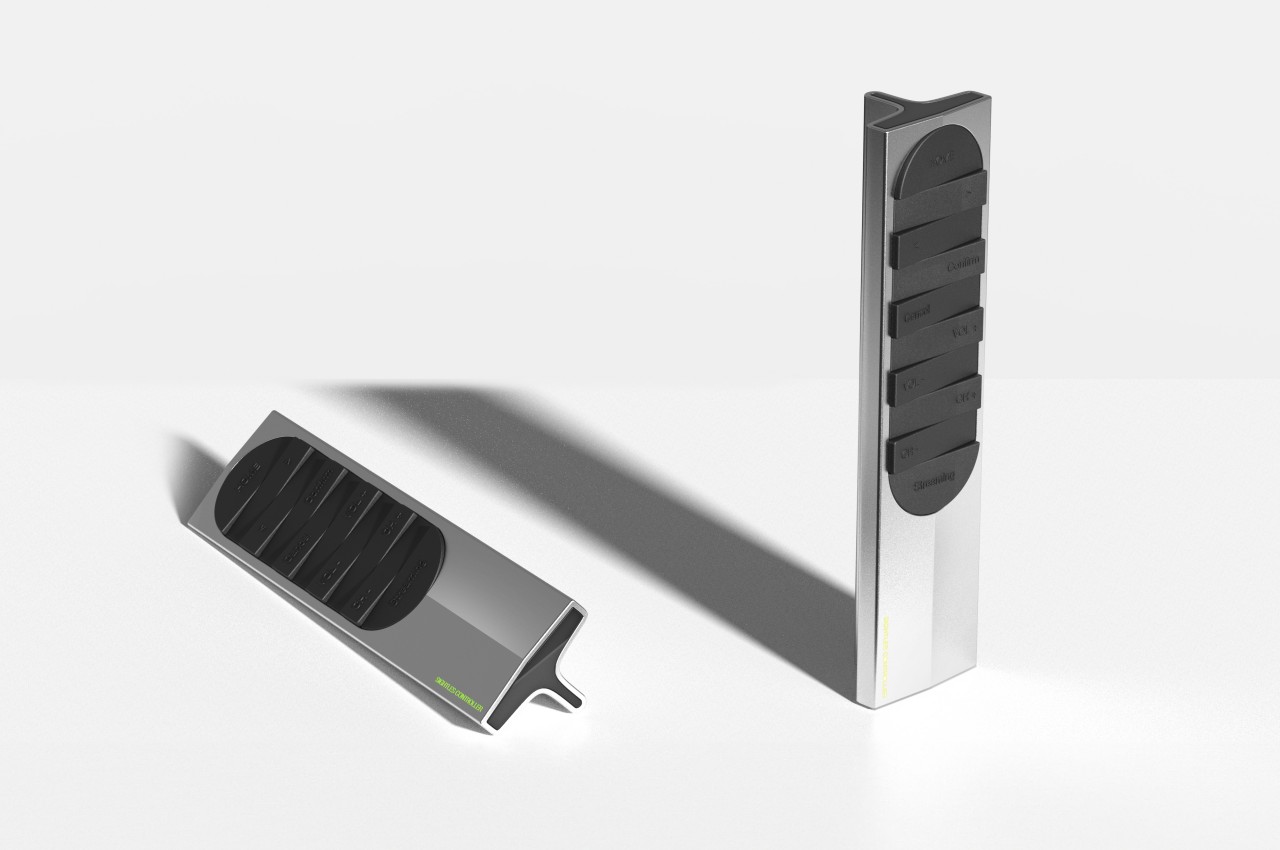
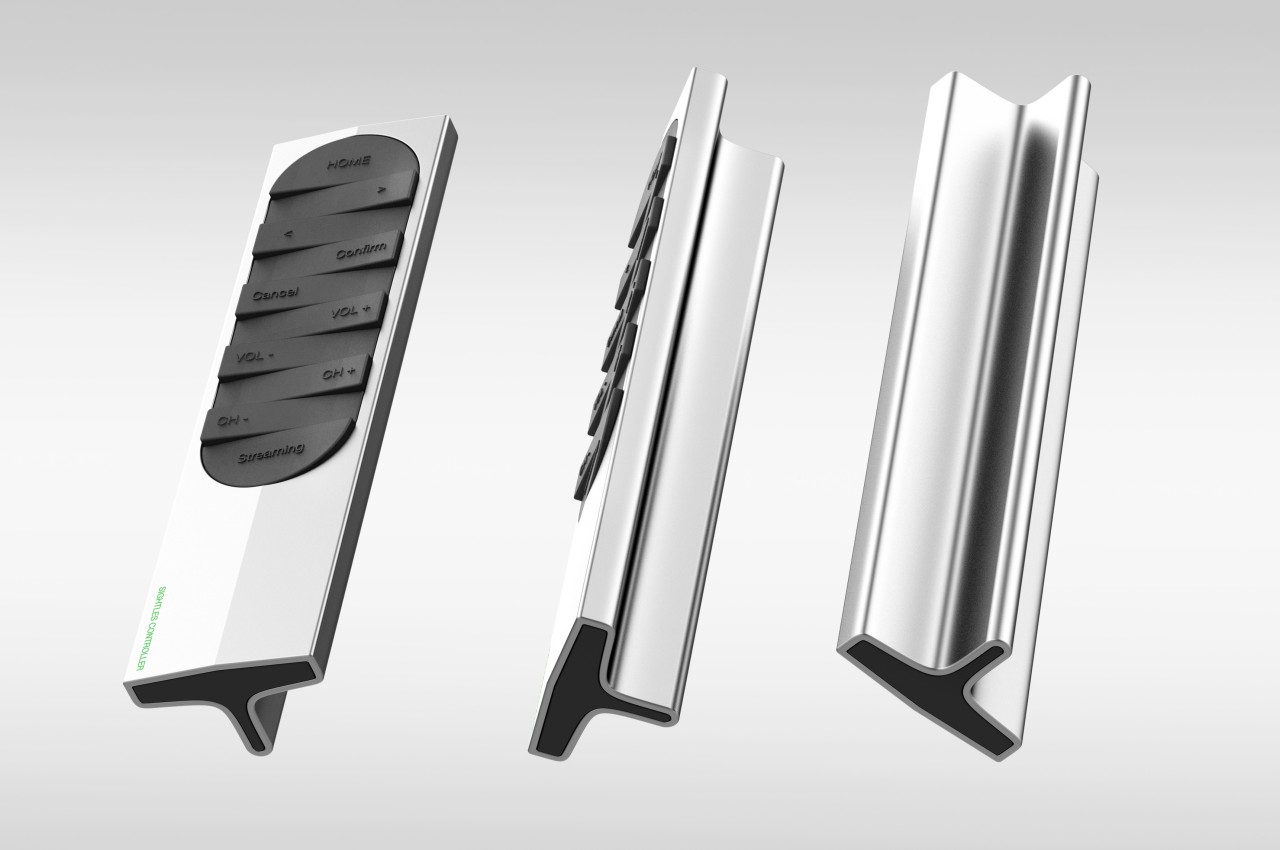
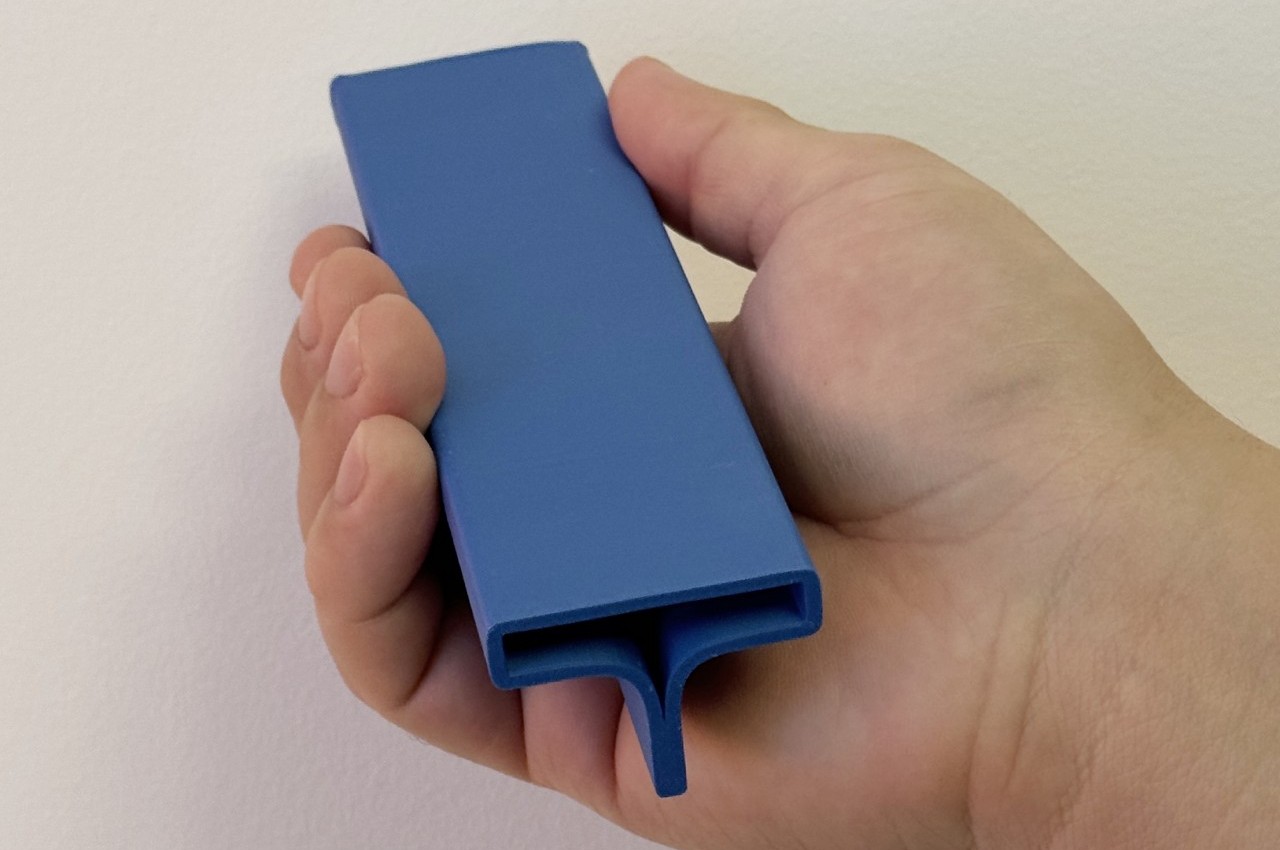
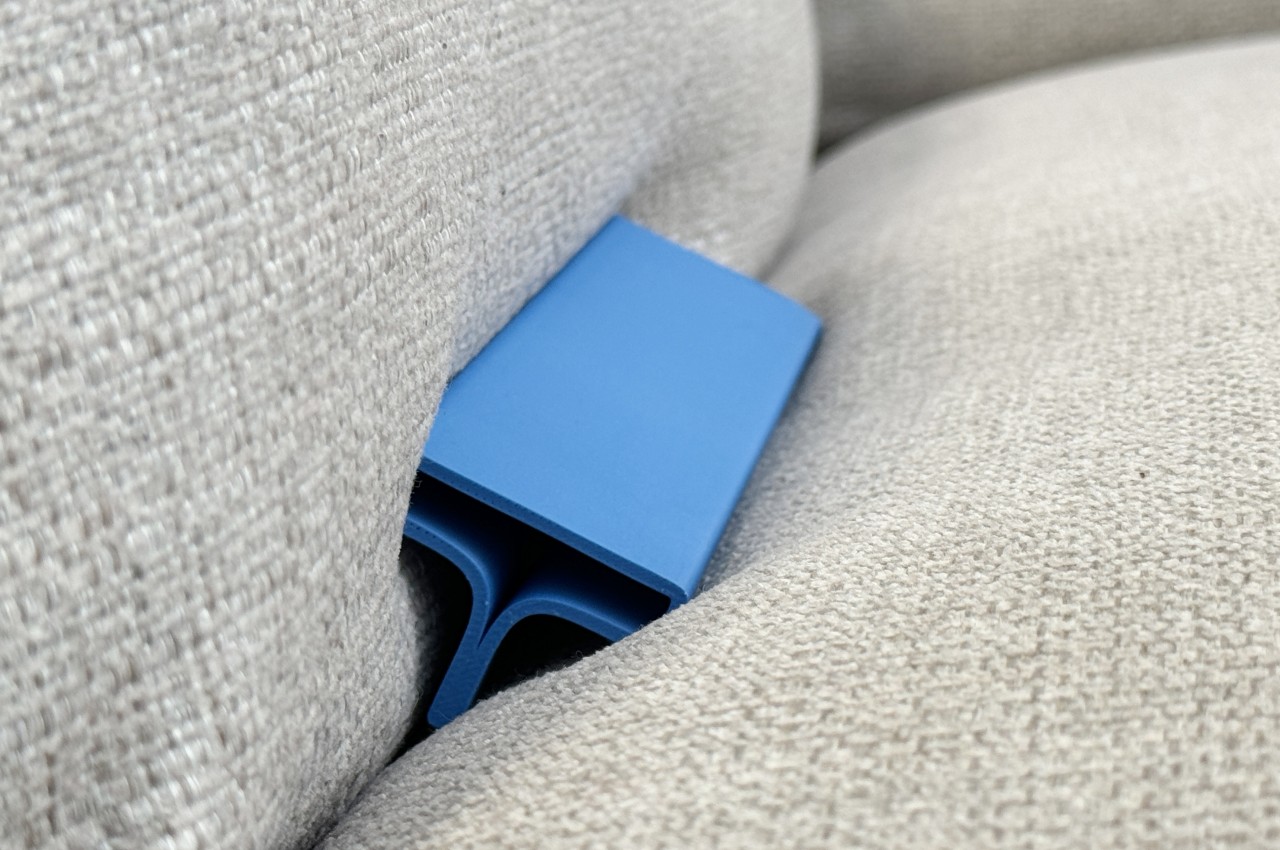
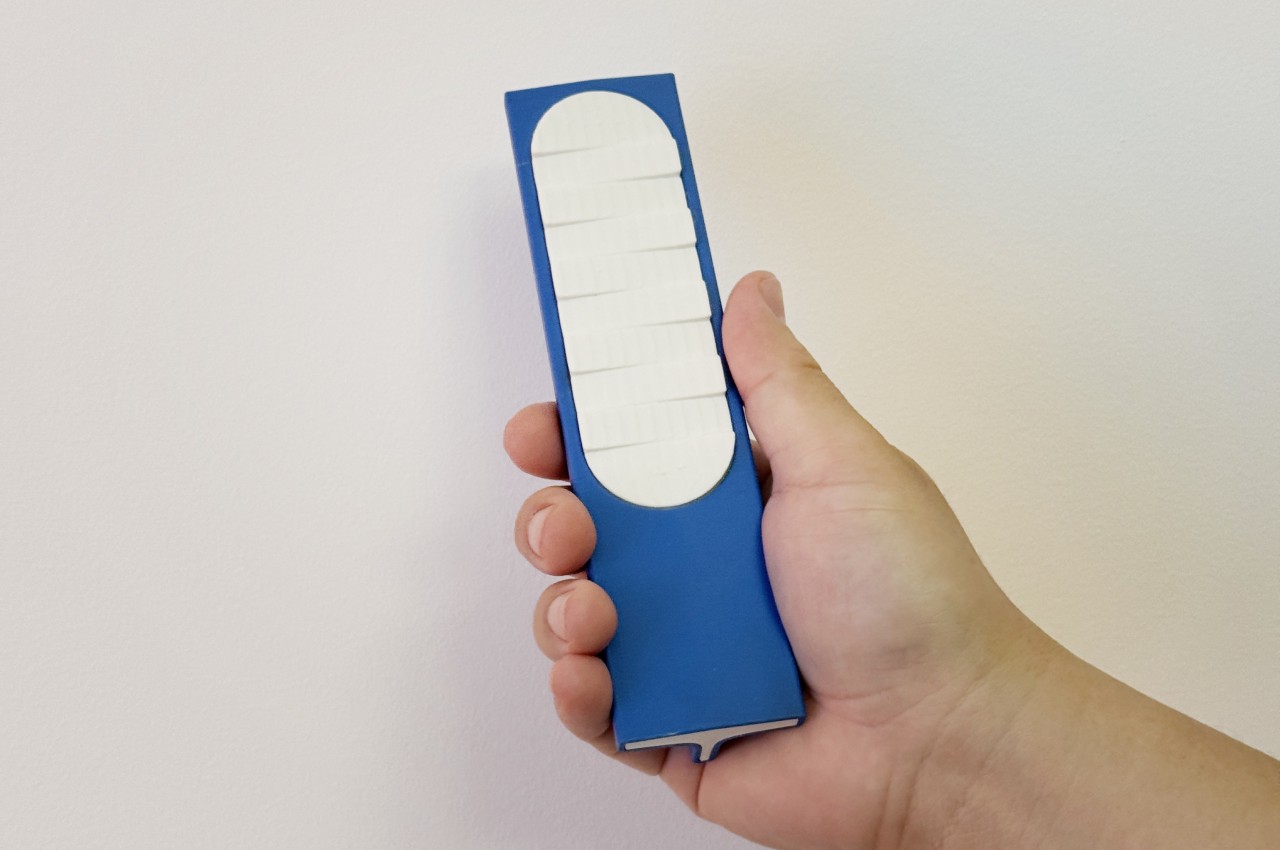
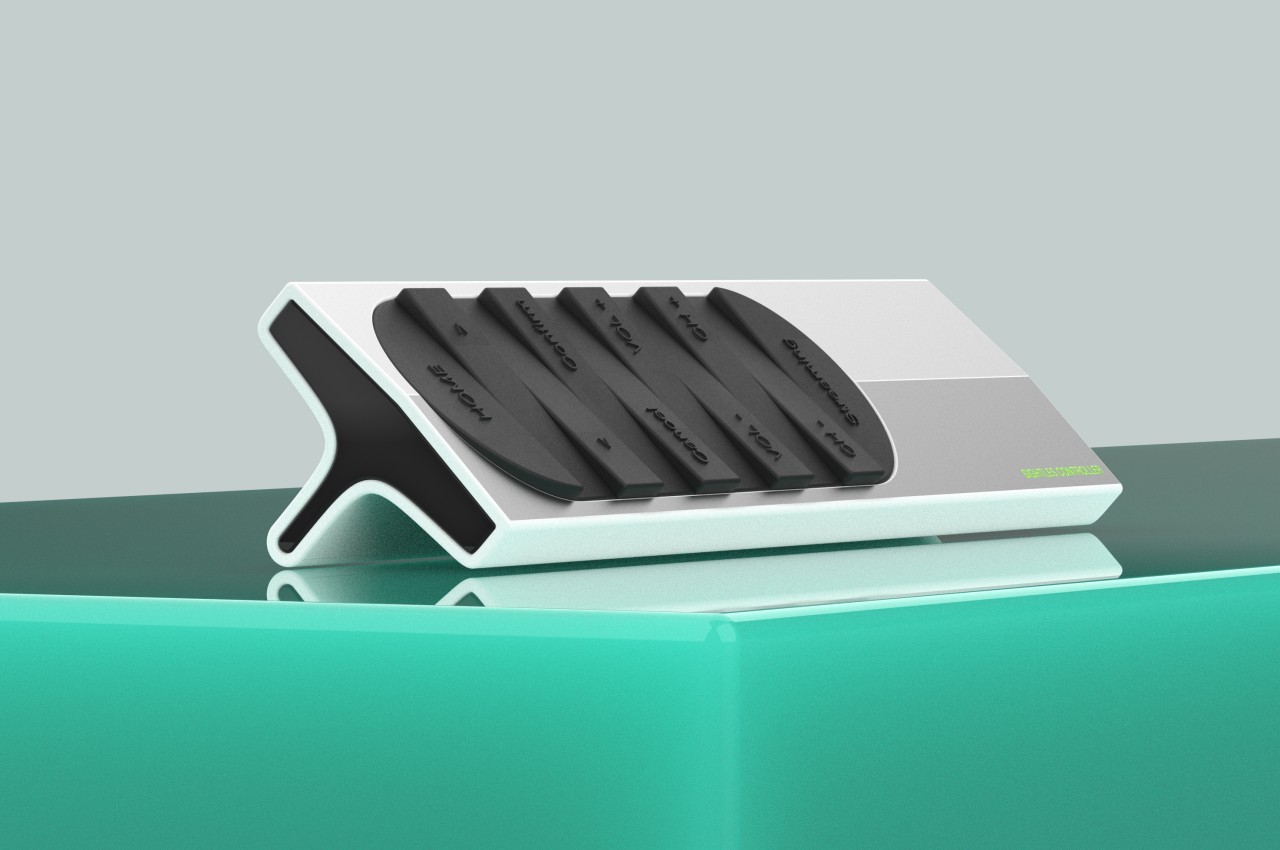
The Sightless Remote Control proposes a rather drastic change to the standard design in order to address these issues. Instead of a flat rectangle, the remote has a T-shaped form that ensures it won’t slip through the gaps in couches and chairs. It also makes it easy to pick up the remote, whether from those corners or from the top of a table, all without even looking at the remote and just using our sense of touch instead.

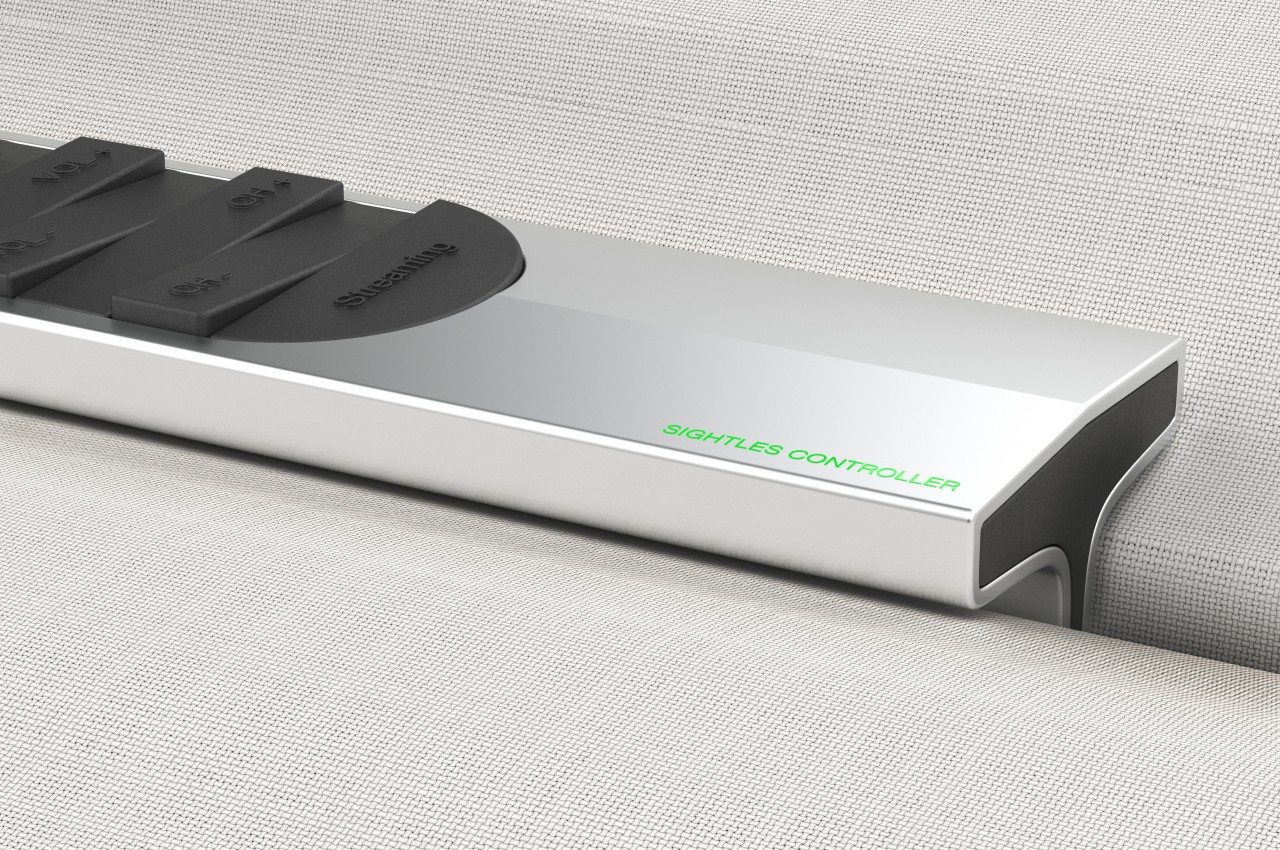
The same is true for the buttons themselves, which are no longer distinct circles or ovals. Instead, there’s a single column in the middle of the remote’s top surface with wedge-like shapes rising on opposite sides almost like waves in the ocean. Instead of using printed icons, text representing the functions are instead embossed, again allowing for “blind” use by letting your fingers do the seeing. It will still require a bit of muscle memory to help place that finger in the right area, but it won’t be as tedious as on a typical remote with very smooth buttons.

More than just enabling sightless use of the device, this design tries to bring back the joy of using an analog device in an age of smartphones and touchscreens. It makes entertainment not just a pleasure for our eyes and ears but also for our sense of touch, all while helping reduce the cognitive overload that multi-functional screens and phone apps bring to our brains.

The post Remote control redesign lets you use the device without even looking first appeared on Yanko Design.

World’s first Thunderbolt 5 cable offers 80 Gbps bi-directional and 120 Gbps video bandwidth

Thunderbolt 5

Ever struggled with slow data transfers or laggy video streams? You’re not alone. Many of us have faced the frustration of outdated cables that just can’t keep up with our modern needs. Enter the Thunderbolt 5 cable by Cable Matters. This innovative solution offers unprecedented performance, ensuring you never have to deal with sluggish connections […]

The post World’s first Thunderbolt 5 cable offers 80 Gbps bi-directional and 120 Gbps video bandwidth appeared first on Geeky Gadgets.

Life is Strange spiritual successor delayed to avoid Life is Strange sequel

Lost Records: Bloom & Rage is a brand-new game from the creators of Life is Strange. It's been described as a spiritual successor to that series and was previously scheduled to arrive in late 2024. However, publisher Don't Nod has opted to delay Lost Records: Bloom & Rage and release it in early 2025 instead.

In fact, the delay is in large part due to a new Life is Strange game from another studio. Life is Strange: Double Exposure marks the return of the original game's protagonist Max Caulfield. The sequel, from Square Enix and developer Deck Nine Games, is set to hit PC, PlayStation 5 and Xbox Series X/S in October, with a Switch release planned for later.

Don't Nod says it wanted to give Lost Records: Bloom & Rage some breathing space to succeed following "an in-depth assessment of recent trends and developments in the industry." But a quote from CEO Oskar Guilbert makes the reasoning more explicit. "We know that many of our fans are eagerly awaiting this game, just as they are the recently announced next installment of Life is Strange," Guilbert said in a statement. "Let's give both titles the space they need to be enjoyed by our players within the large community we have built." 

While this update might be disappointing for those who were looking forward to Lost Records, it's a smart call. It gives fans plenty of time to experience both games without too much overlap. 

In the meantime, Don't Nod reckons that Banishers: Ghosts of New Eden, a surprisingly emotional action RPG from earlier this year that I enjoyed quite a bit, will boost its bottom line, especially in the long term. It also released the thoughtful climbing puzzle game Jusant late last year.

This article originally appeared on Engadget at https://www.engadget.com/life-is-strange-spiritual-successor-delayed-to-avoid-life-is-strange-sequel-124553471.html?src=rss