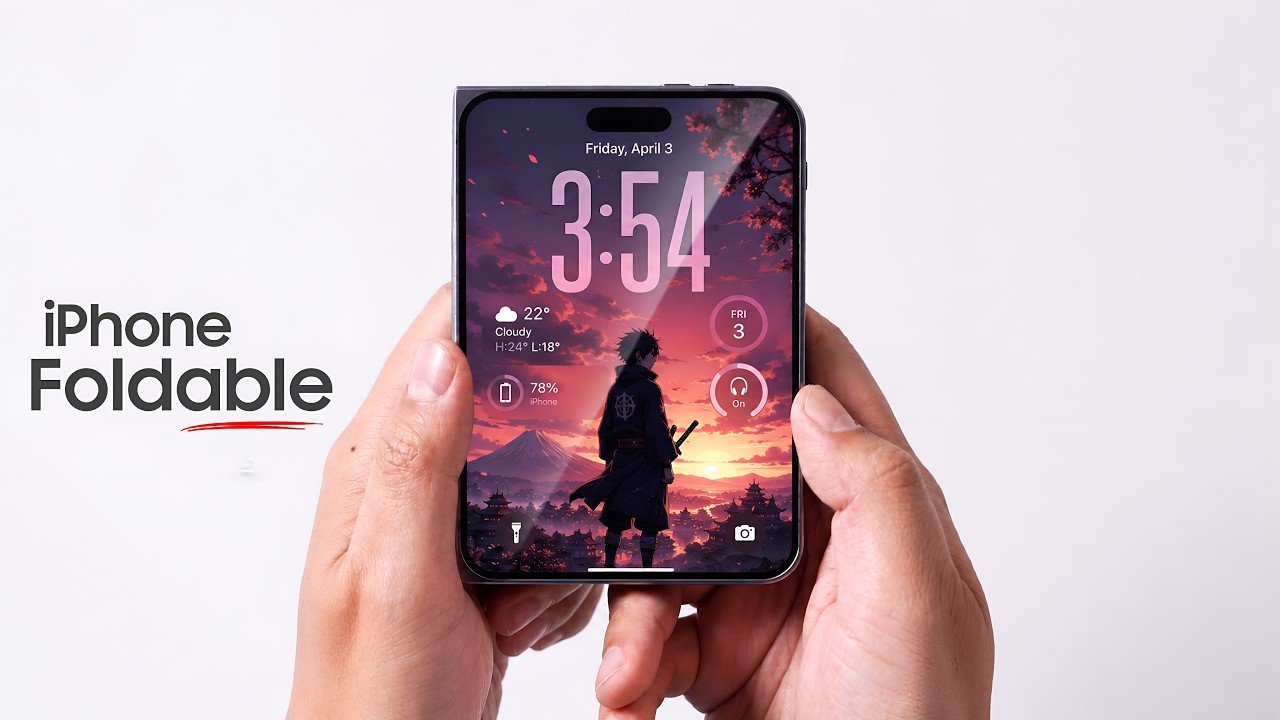
Apple’s highly anticipated entry into the foldable smartphone market, the iPhone Fold Ultra, is poised to redefine expectations in this competitive segment. Recent leaks have provided a glimpse into its design, hardware, and functionality, showcasing how Apple plans to balance innovation with practicality. By using premium materials, advanced engineering, and strategic design choices, the iPhone […]
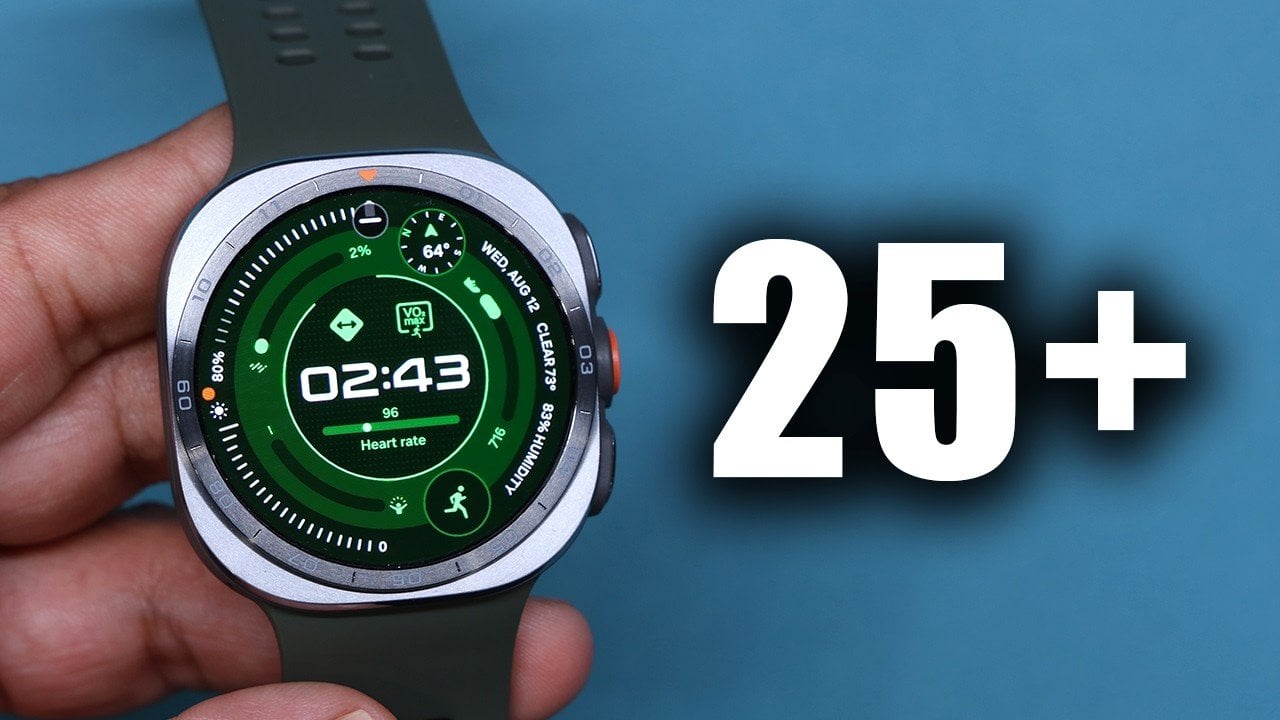
The Samsung Galaxy Watch Ultra 2 is more than just a smartwatch; it’s a powerful companion designed to enhance your daily life. Whether you’re a casual user or a tech enthusiast, the video below from Sakitech will walk you through over 25 tips, tricks, and hidden features to help you unlock its full potential. From […]
Updating the primary email address associated with your Google account is a crucial process that ensures continued access to your data, services, and notifications. Whether you’re transitioning to a new email provider, consolidating accounts, or enhancing security, this process is designed to be straightforward and user-friendly. Regardless of whether you’re using an Android device, […]
Every camera product ever made has one thing in common: it needs you to operate it. A gimbal needs a hand to hold it. A drone needs a pilot with eyes on a controller. An action cam mounts somewhere on your body, which means it films from your body, not at it. Even the smartest AI tracking stand on the market still requires you to set it up, point it at where you’ll roughly be, and go do something interesting within its field of view. All of this adds up to a life spent maneuvering cameras instead of being in front of them, and the shots that matter most, the ones where you’re actually doing the thing, are consistently the ones you’re missing from.
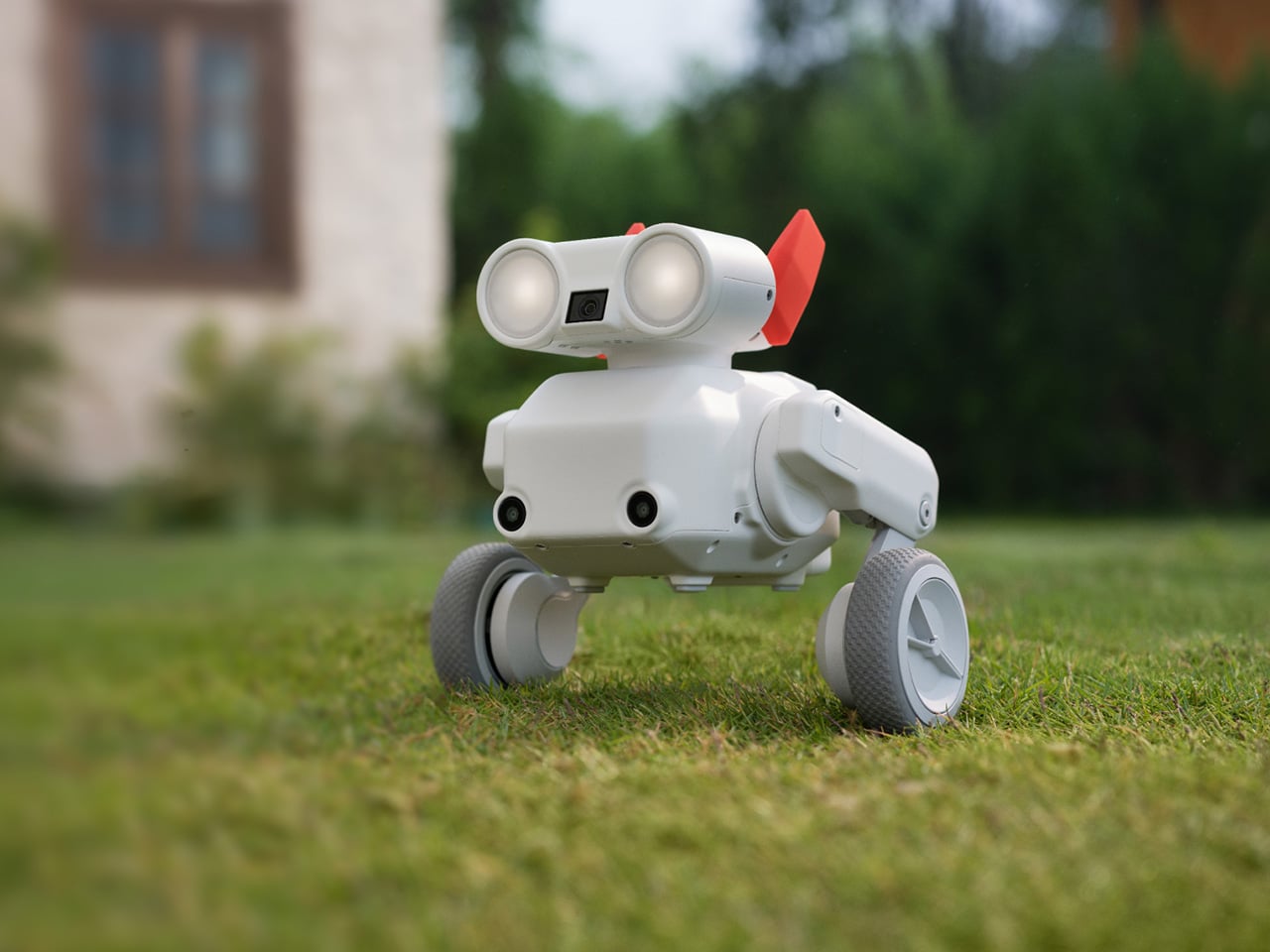
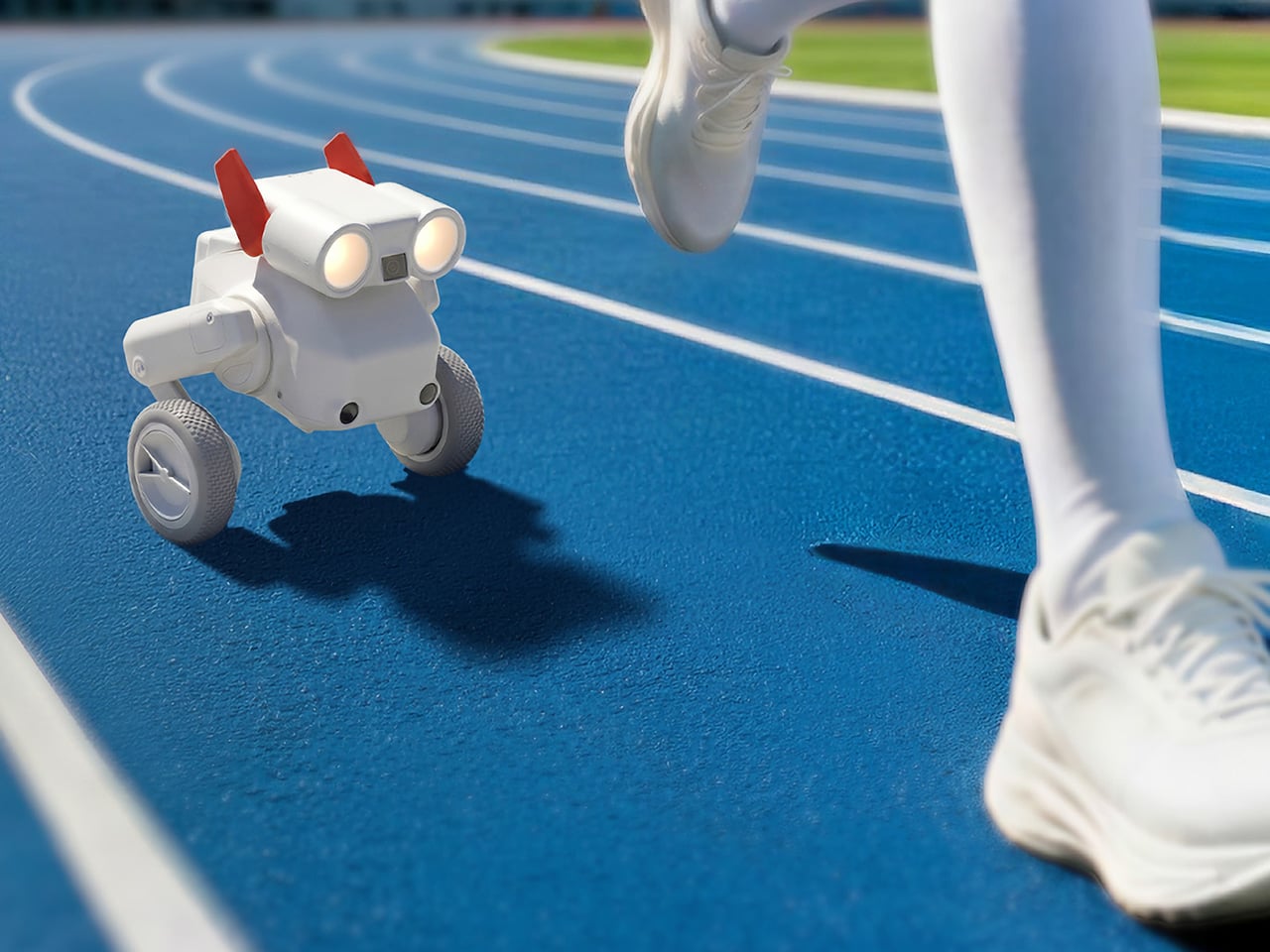
Beni, from Palo Alto startup Mondo Robotics, is the robot that plays camera crew. It rides on four wheels, films in 4K HDR with 3-axis stabilization, hits 17.9 mph, and clears 10-inch obstacles mid-chase, getting itself back upright after a fall without any help from you. The team includes engineers from DJI and Tesla’s Optimus program, which explains how a 3.86-pound consumer robot ends up with hardware like that. It also has color-changing expressive eyes, a swappable hat, a name, and a personality that comes through in little nods and head shakes. That design language places Beni in a tradition Sony’s Aibo started in 1999, building robots people actually want to be around. The engineering is serious, the warmth is deliberate, and the combination puts Beni in territory most robotics products actively avoid.
The choice to give a camera robot a face, a name, and a wardrobe is a design statement, not a marketing gimmick. Beni’s eyes change color and express emotions, it nods and shakes its head, and the whole body is customizable through swappable hats, ear attachments, and protection plates, in whatever combination suits you. The character design sits somewhere between a cartoon character and a precision instrument, which sounds like a contradiction and somehow isn’t. Mondo Robotics understood that emotional connection determines how often a device actually leaves the house. A robot you find charming is one you take outside. One that reads like a spec sheet stays in the drawer.
Beni measures 8.5 by 7.1 by 7.1 inches and weighs 3.86 pounds, light enough to throw in a bag. It hits 17.9 mph (28.8 kph) to keep pace with skateboarders and runners, clears up to 10-inch obstacles to handle curbs and stairs, dodges obstacles with onboard sensing, and self-rights when it tips over. The self-recovery system sounds like a footnote until you actually send Beni across gravel and watch it eat dirt, bounce back up, and continue tracking without a second of interruption. A creator who ran it through grass, gravel, trails, and concrete stairs for a full week reported footage that never stopped rolling. That kind of reliability is what separates a robot from a gadget.
The camera shoots 4K with HDR coloring that handles extreme lighting without manual adjustment. HybridFlow Stabilization combines four-axis mechanical and electronic stabilization, which keeps footage smooth even when Beni is clattering across rough terrain at full speed. Storage is 32GB internally with a microSD slot for expansion. Everything core, tracking, filming, obstacle avoidance, runs entirely on-device, and your footage stays on the robot’s local storage. The only cloud connection Beni ever makes is for the optional AI auto-editing feature, and only when you explicitly give permission. For a camera product in 2026, that’s a privacy setup worth paying attention to.
Tail tracking, side tracking, front tracking, and circle tracking give Beni four distinct cinematic modes, each producing footage that most solo filmers never actually get to see. Tail mode keeps Beni behind you at pace, a proper chase-cam shot without anyone chasing. Side mode locks it right beside you, framing you against the rushing landscape the way a Hollywood tracking rig would. Front mode has Beni reversing ahead while filming your face, which turns out to be unusually good for capturing effort and expression mid-activity. Circle mode sends it into a continuous 360-degree orbit for sweeping hero shots. The magnetic Motion Tracker, worn on your wrist or clipped to your bag, keeps Beni locked on even when you briefly move out of frame, and doubles as a manual controller for directing movement without touching your phone.
Beni’s auto-editing feature builds highlights from your raw footage using AI models that Mondo Robotics has customized, so you’re not manually scrubbing through hours of clips for ten good seconds. The company is clear that this is the only opt-in cloud feature; every other function runs locally. Pilot Mode sits at the other end of the control spectrum, letting you drive Beni manually from your phone for footage from its low-slung ground-level perspective. The vantage point is genuinely unlike anything a handheld camera can produce, just by virtue of where the lens sits relative to the ground.
Battery life runs 1.5 hours per charge, with a swappable design that stretches to 4.5 hours across three batteries. The Standard Combo, including Beni, Motion Tracker, hat, chest protection plate, and one battery, is available at $549 (discounted from the $799 retail price). The Explore Combo adds three batteries, a charging hub, and off-road wheels for $699. Individual add-ons, including extra batteries at $59, off-road wheel pairs at $9, ears and hats packs at $9, and protection plates at $9, are available separately. Every unit comes with a 12-month limited warranty from the date of activation, and global customer support is available at mondorobotics.com. Shipping covers the US, Canada, UK, Germany, France, Spain, Italy, Australia, and New Zealand, with customs fees included on a flat $10 shipping fee.
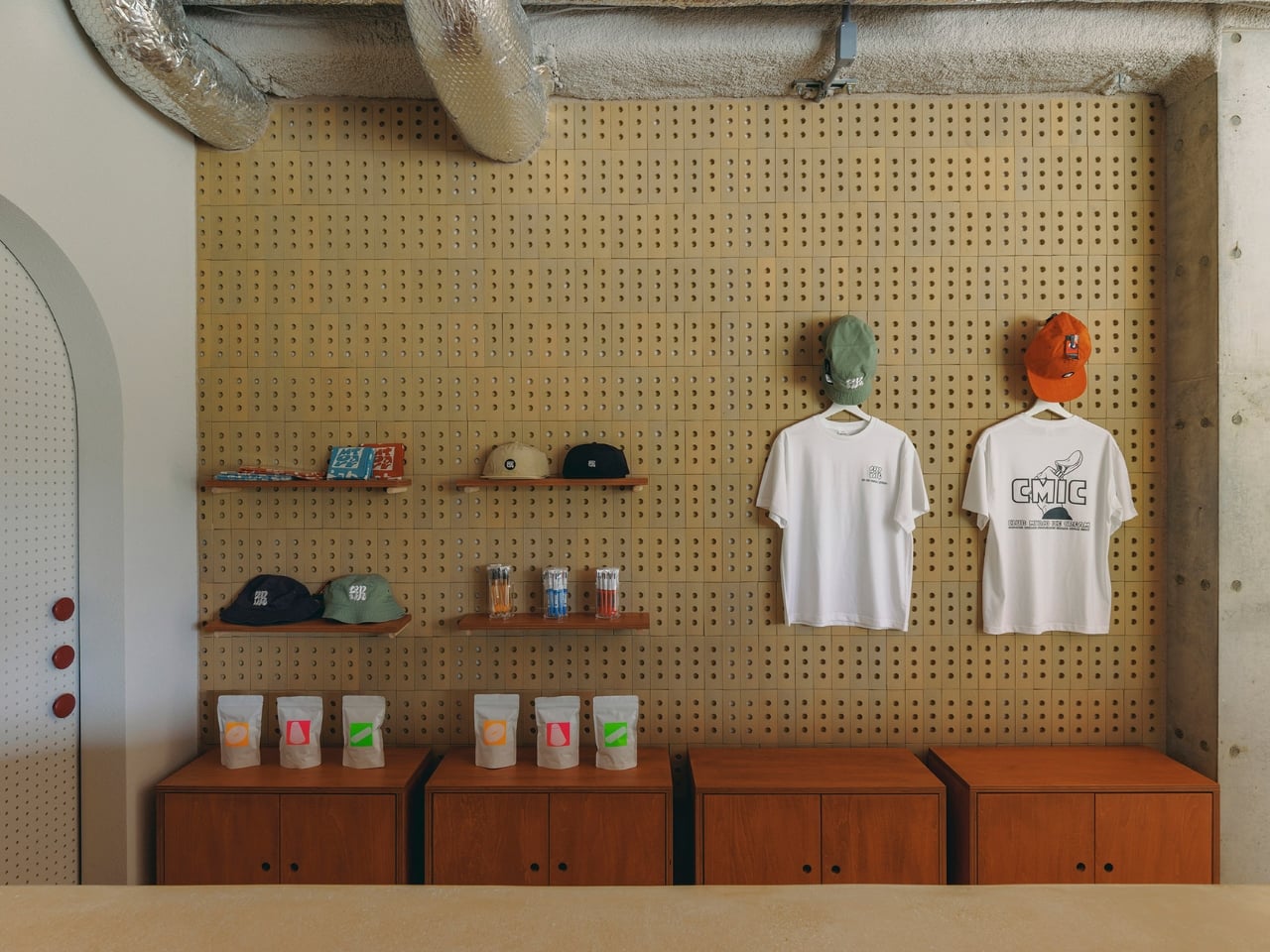
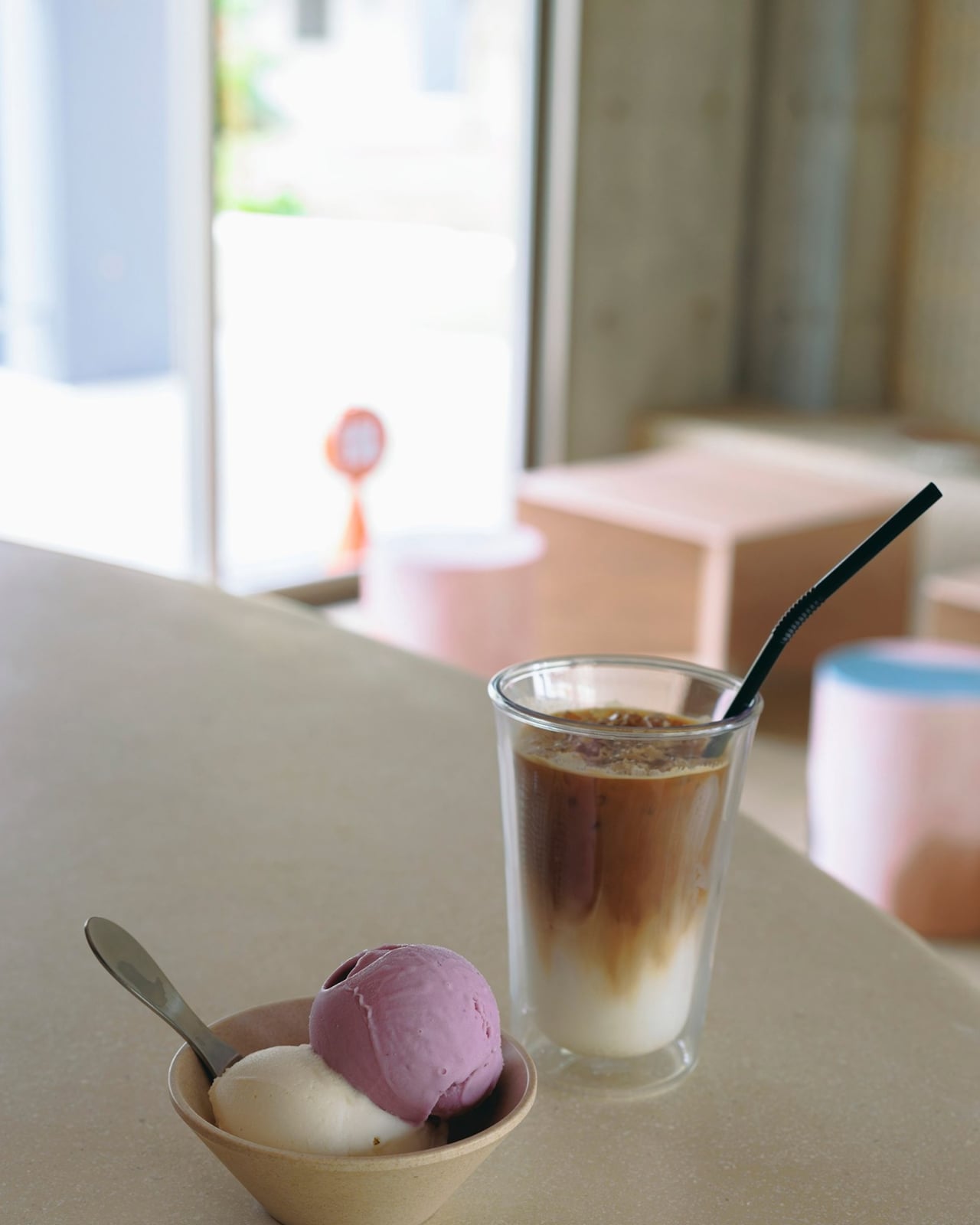
If a space can be designed to feel like a pause, SR Ice Cream Miyakojima might be the best argument for it. Tucked on Miyakojima Island in Japan’s Okinawa prefecture, this small cafe and ice cream shop by architecture studio Kii is the kind of project that makes you stop scrolling and actually look. Not because it’s flashy, but because everything in it seems to belong somewhere between the island and the dessert it serves.
Kii co-founder Satoshi Arai described the brief in beautifully simple terms: create a place where local residents, new arrivals, and tourists can all just show up, sit down, and share a moment. No hierarchy. No specific demographic. Just ice cream and a good atmosphere. That’s a harder brief to pull off than it sounds, and what Kii delivered is quietly remarkable.
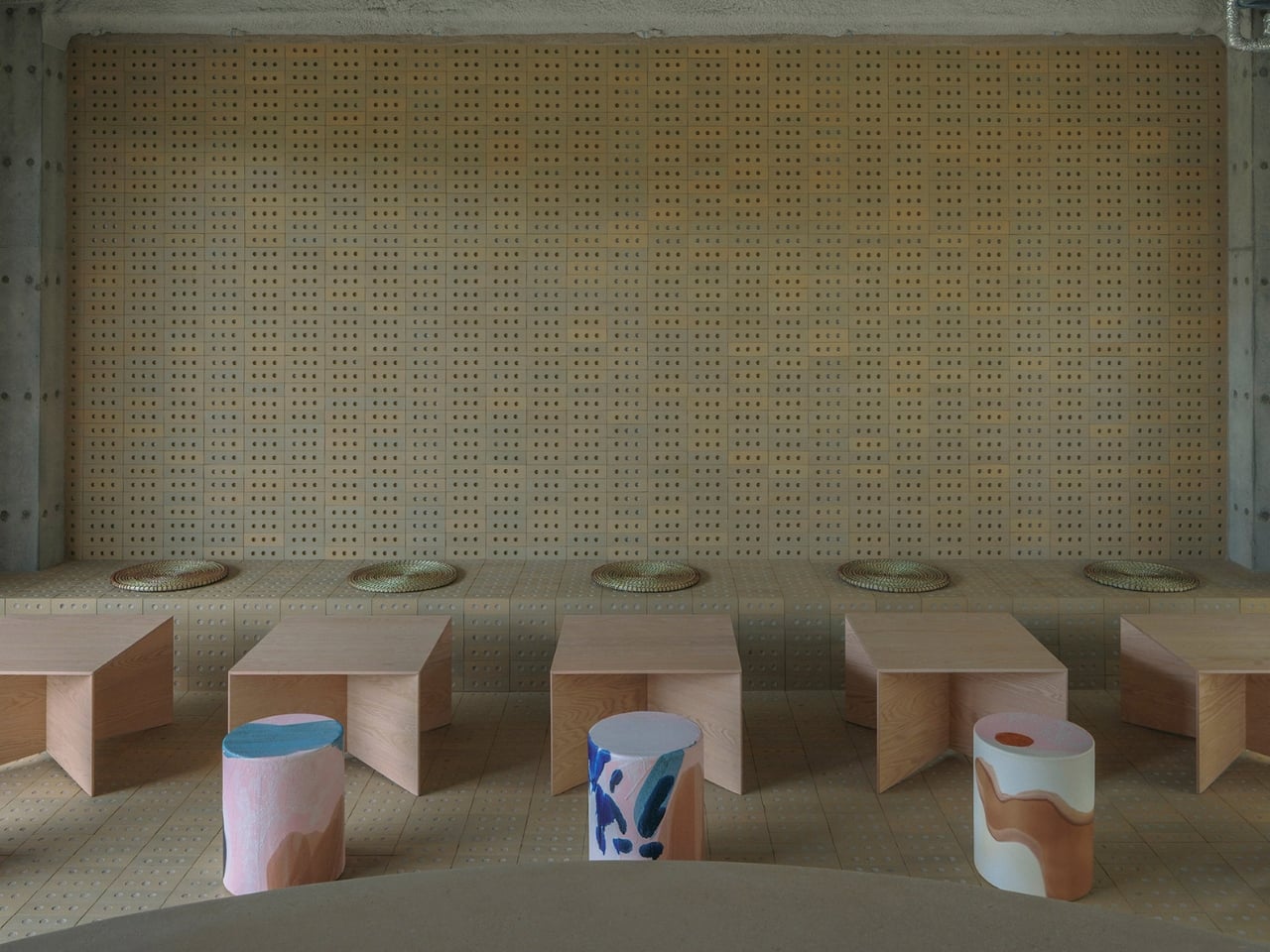
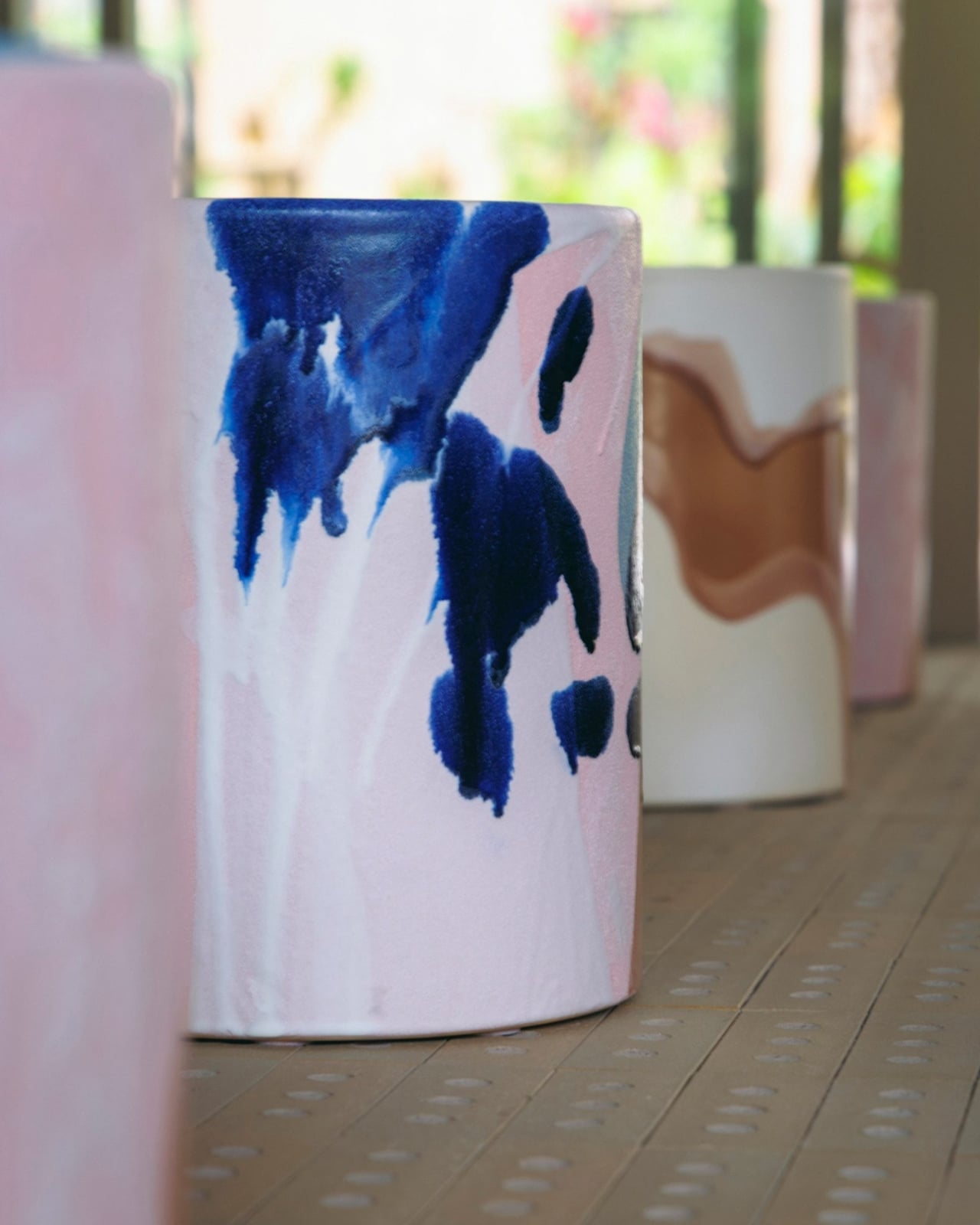
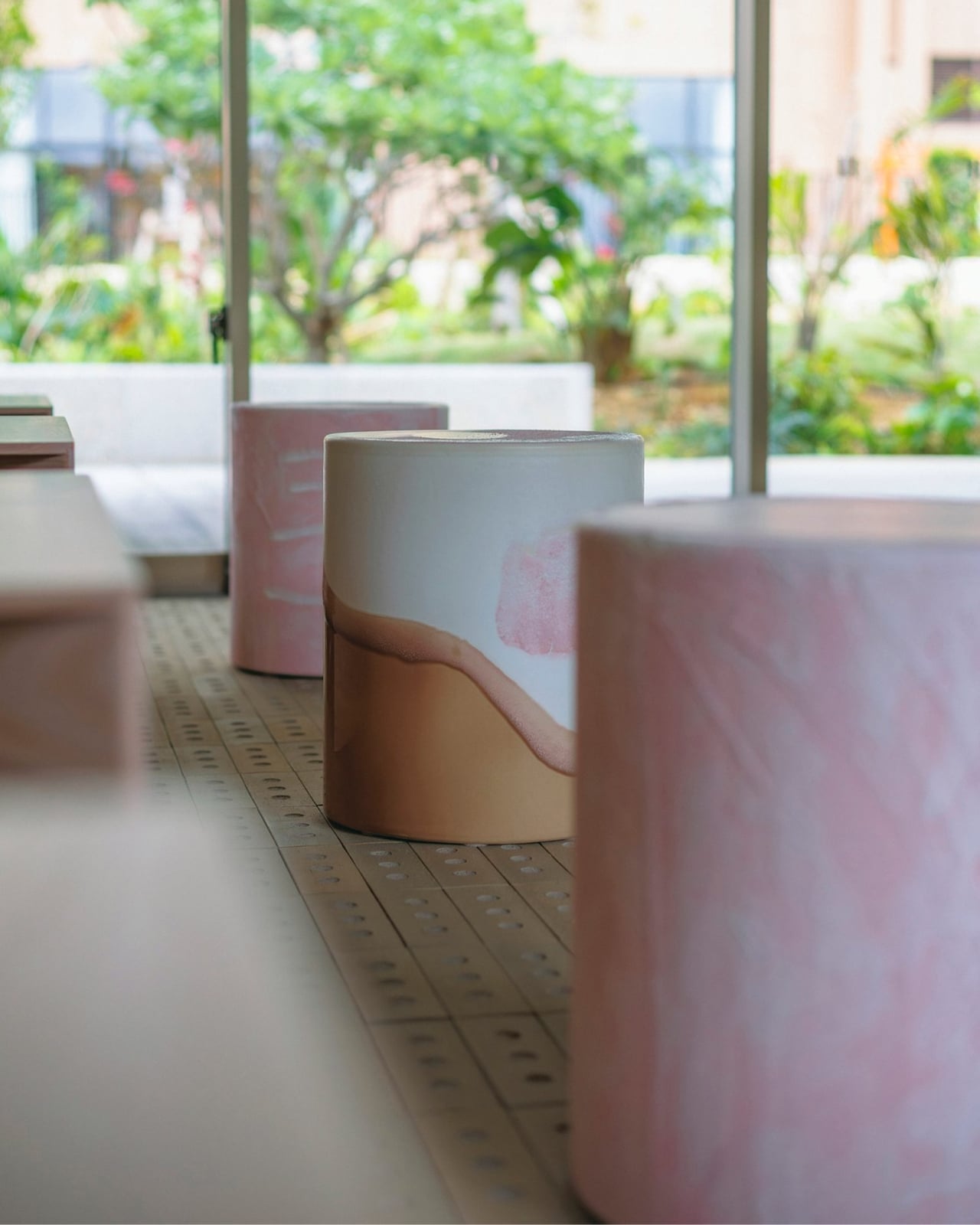
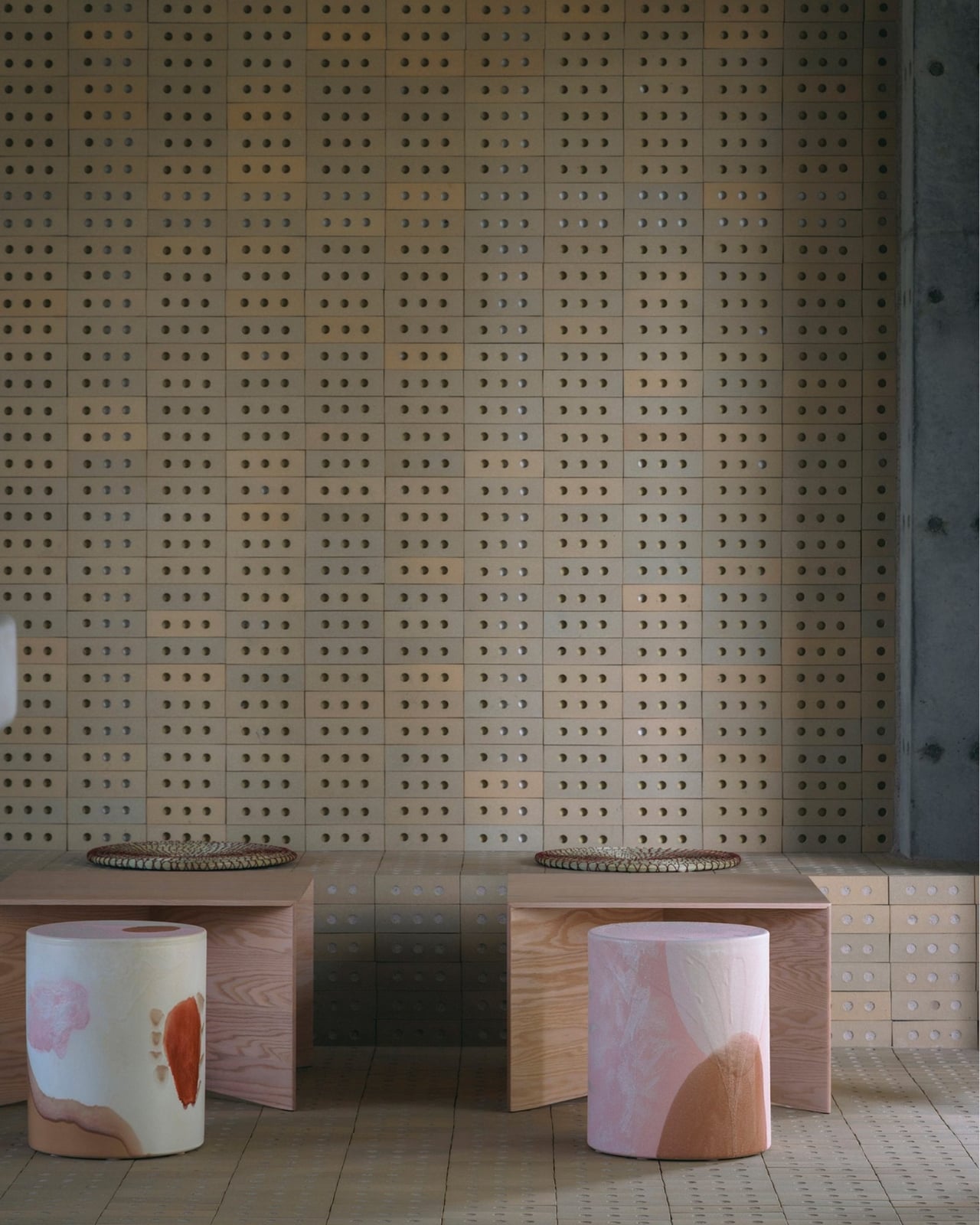
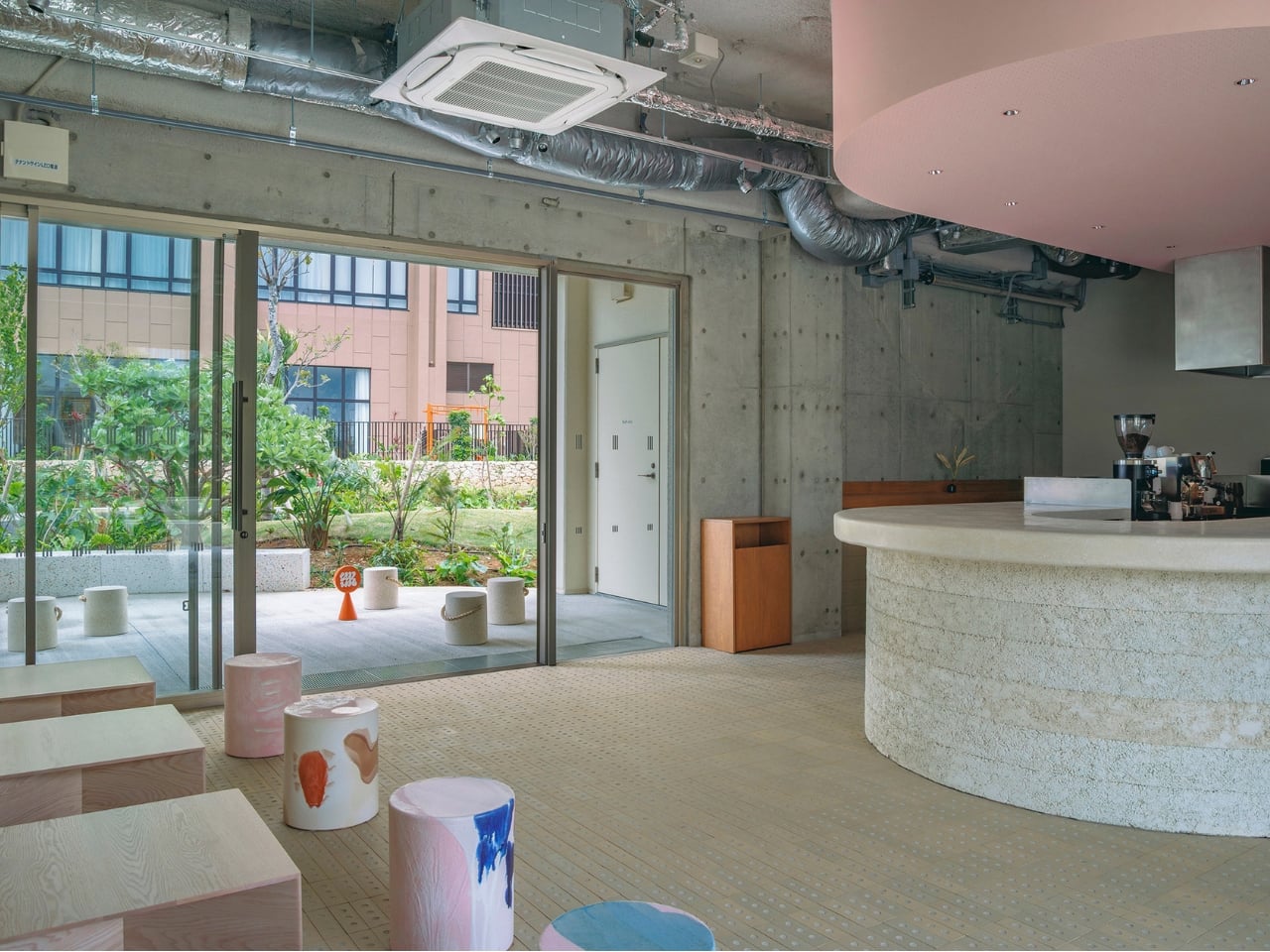
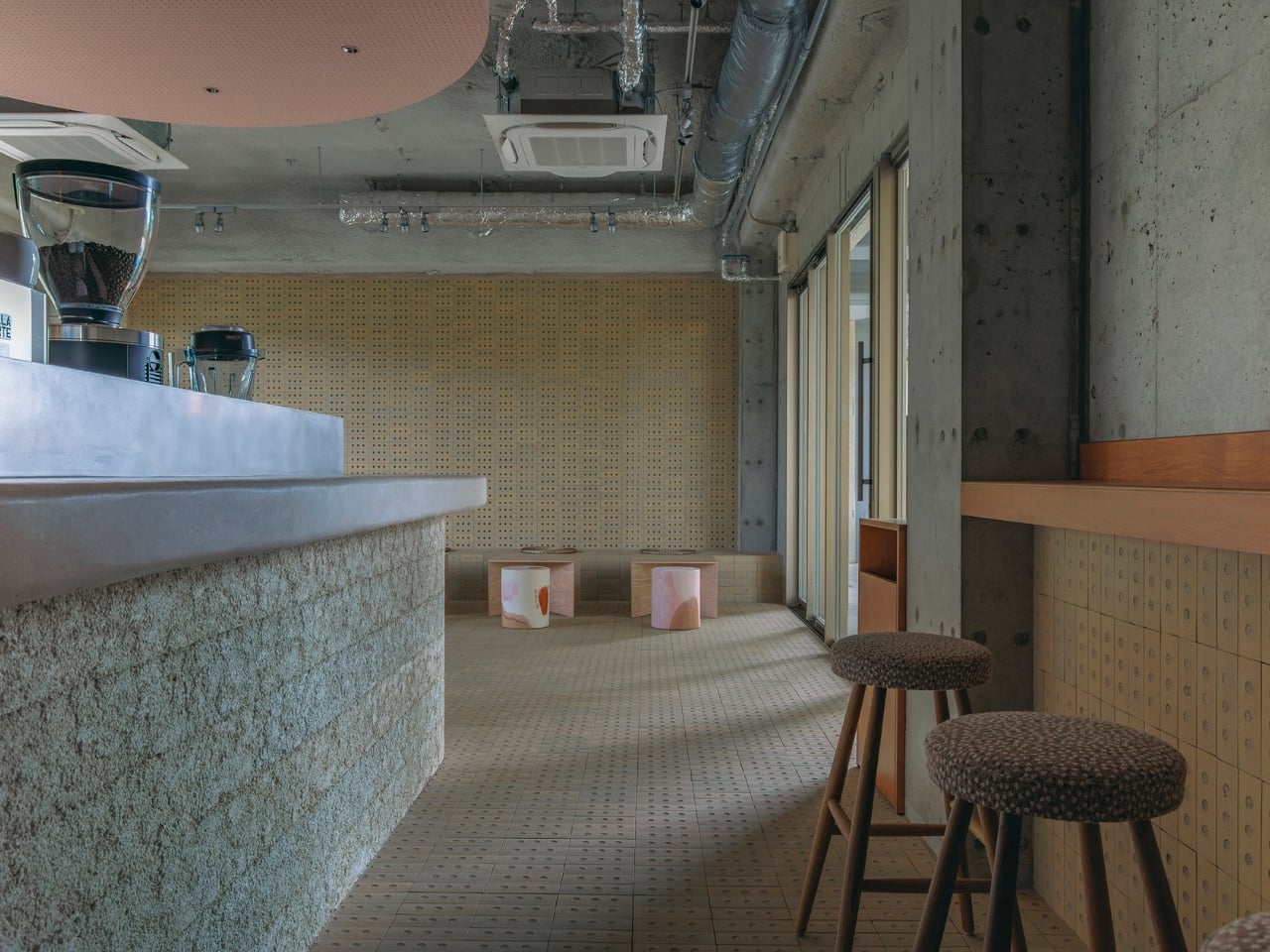
The most talked-about detail is the stools, and they deserve the attention. Kii commissioned pastel-coloured stools from NOTA shop, with a handmade glaze designed to mimic the look of ice cream that’s started to melt. Arai was clear that the studio went through multiple prototypes to get the colour and texture just right, which tells you something about how seriously Kii takes even the smallest gesture. The results are unpredictable by design, each stool slightly different from the last. It’s the kind of thing you don’t notice until you really look, and once you do, you can’t unsee it.
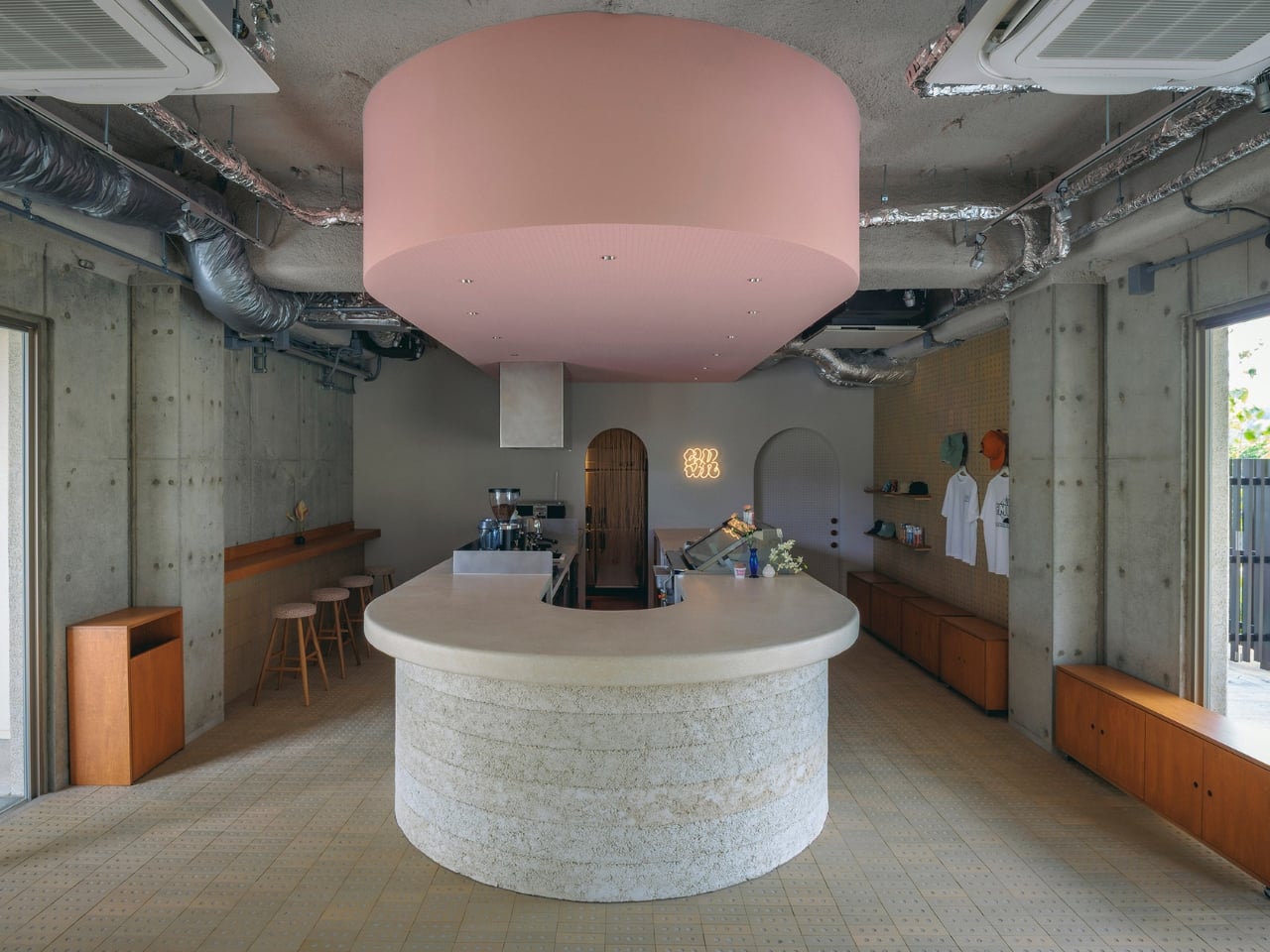
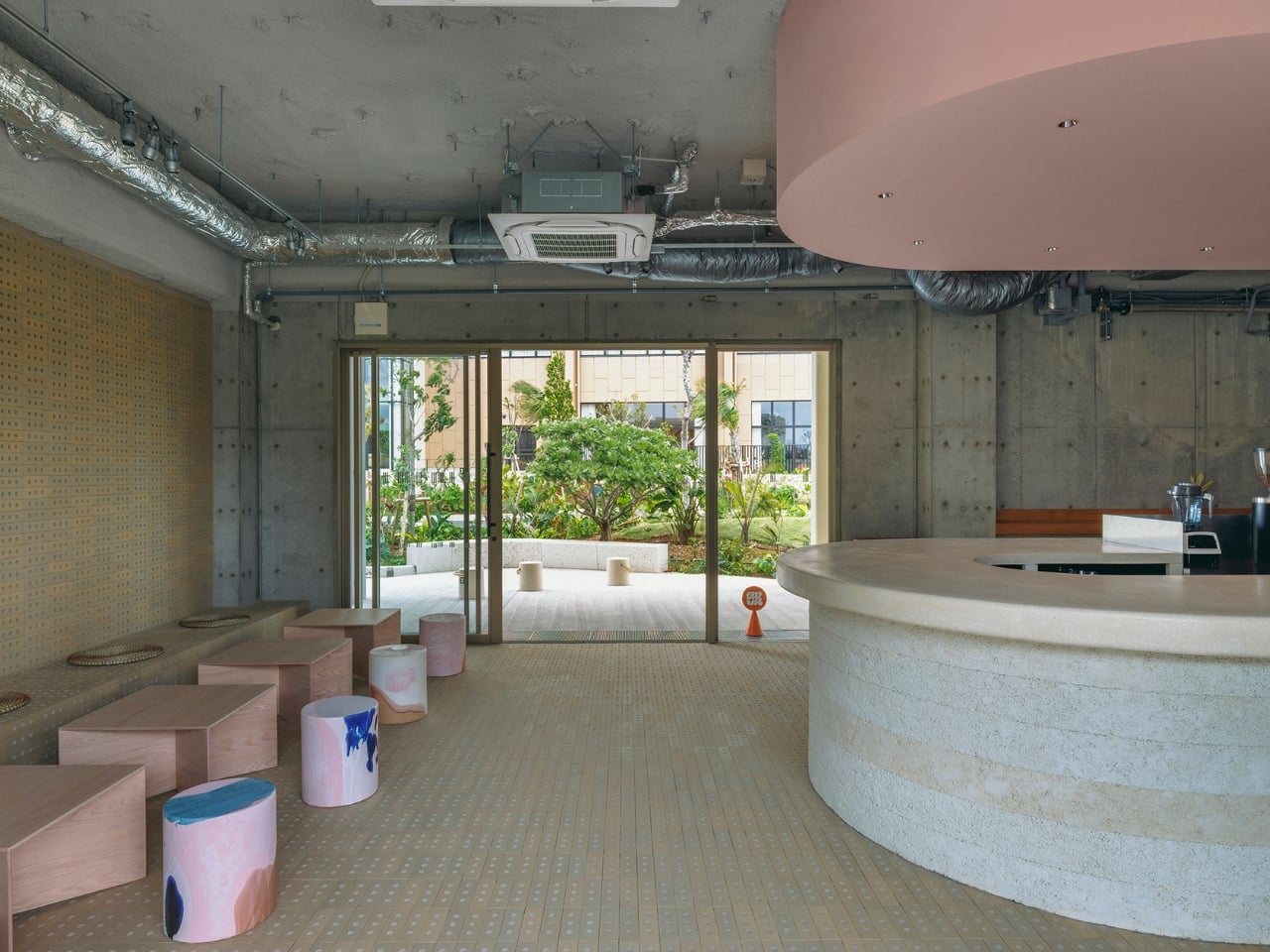
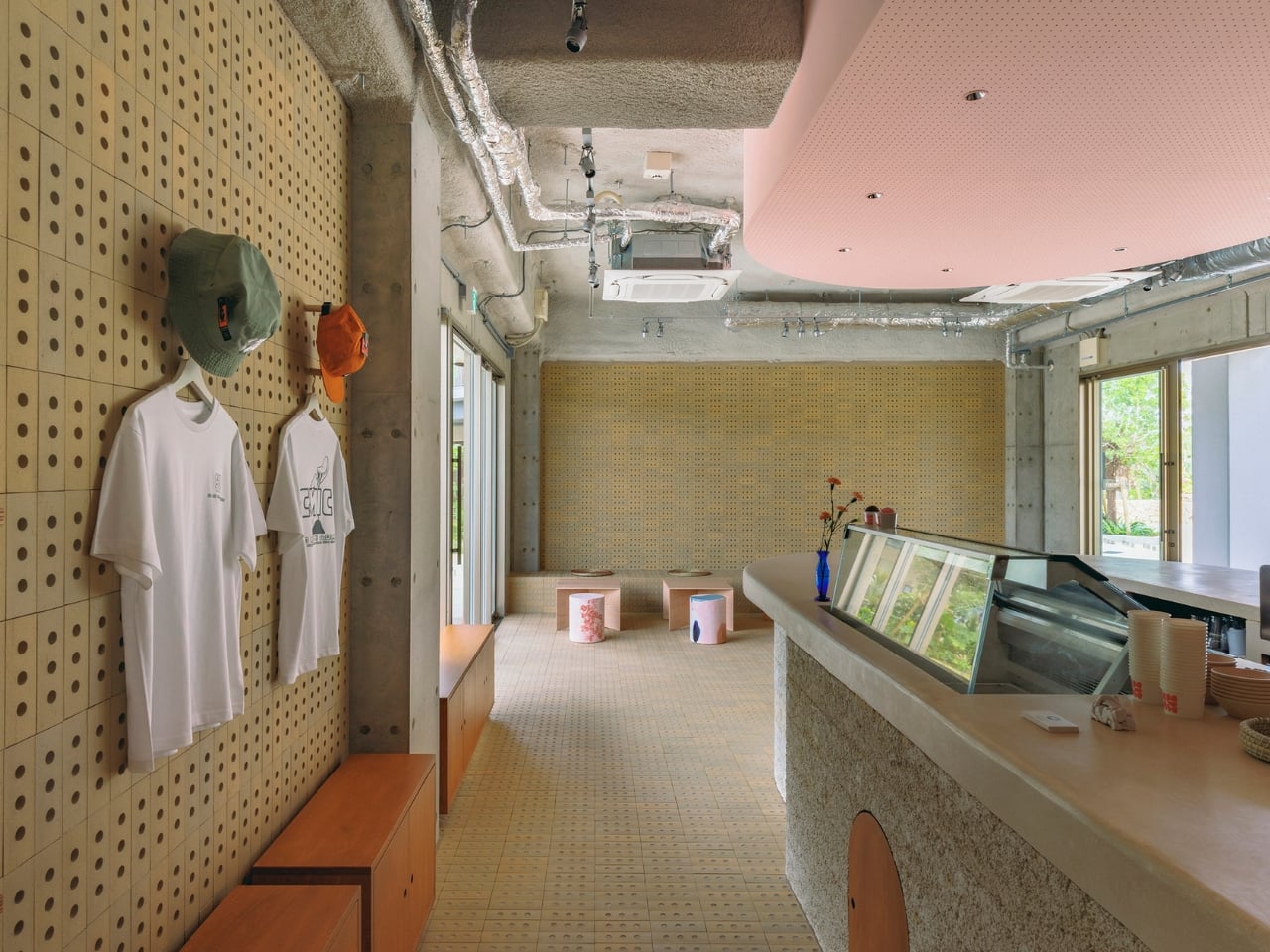
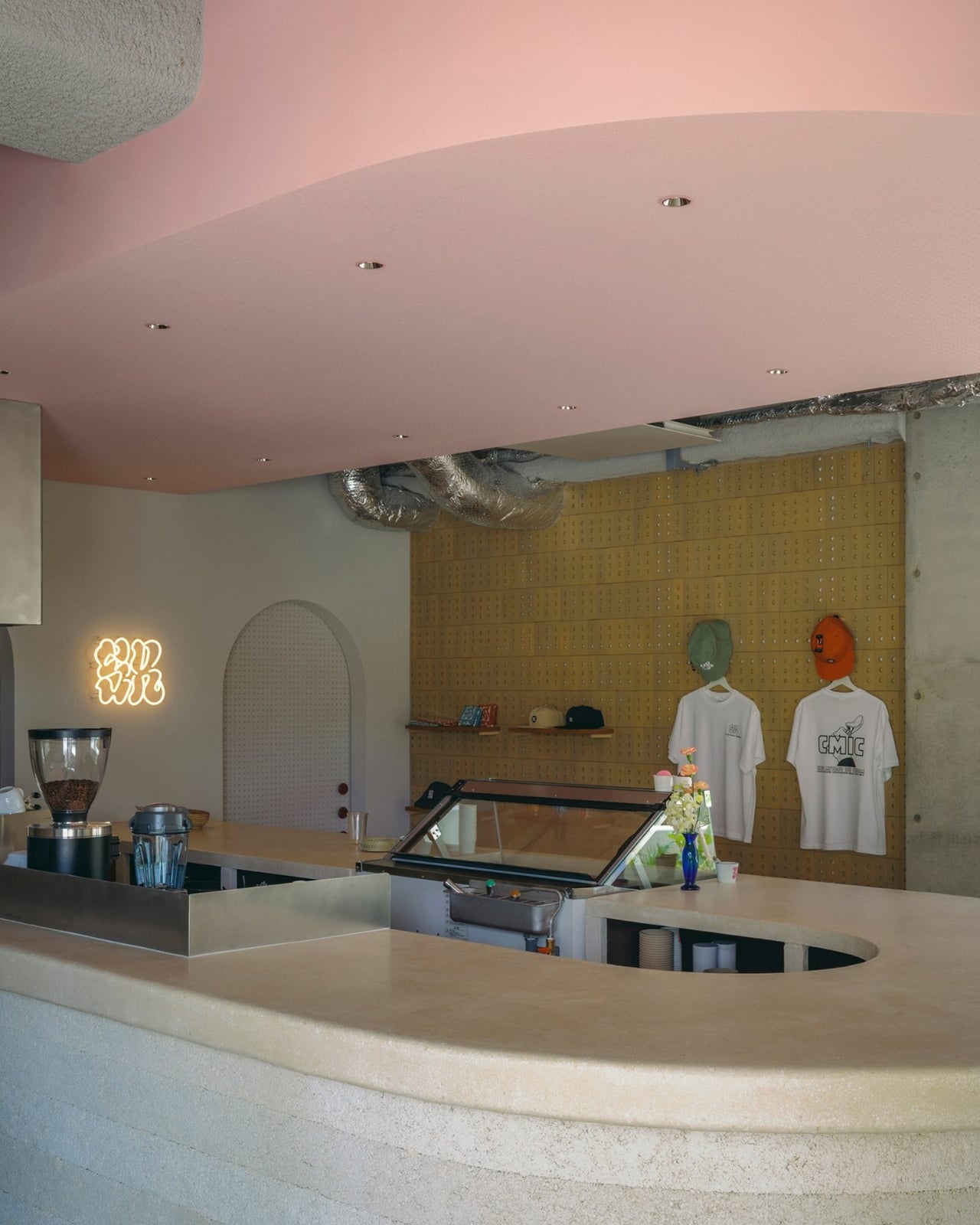
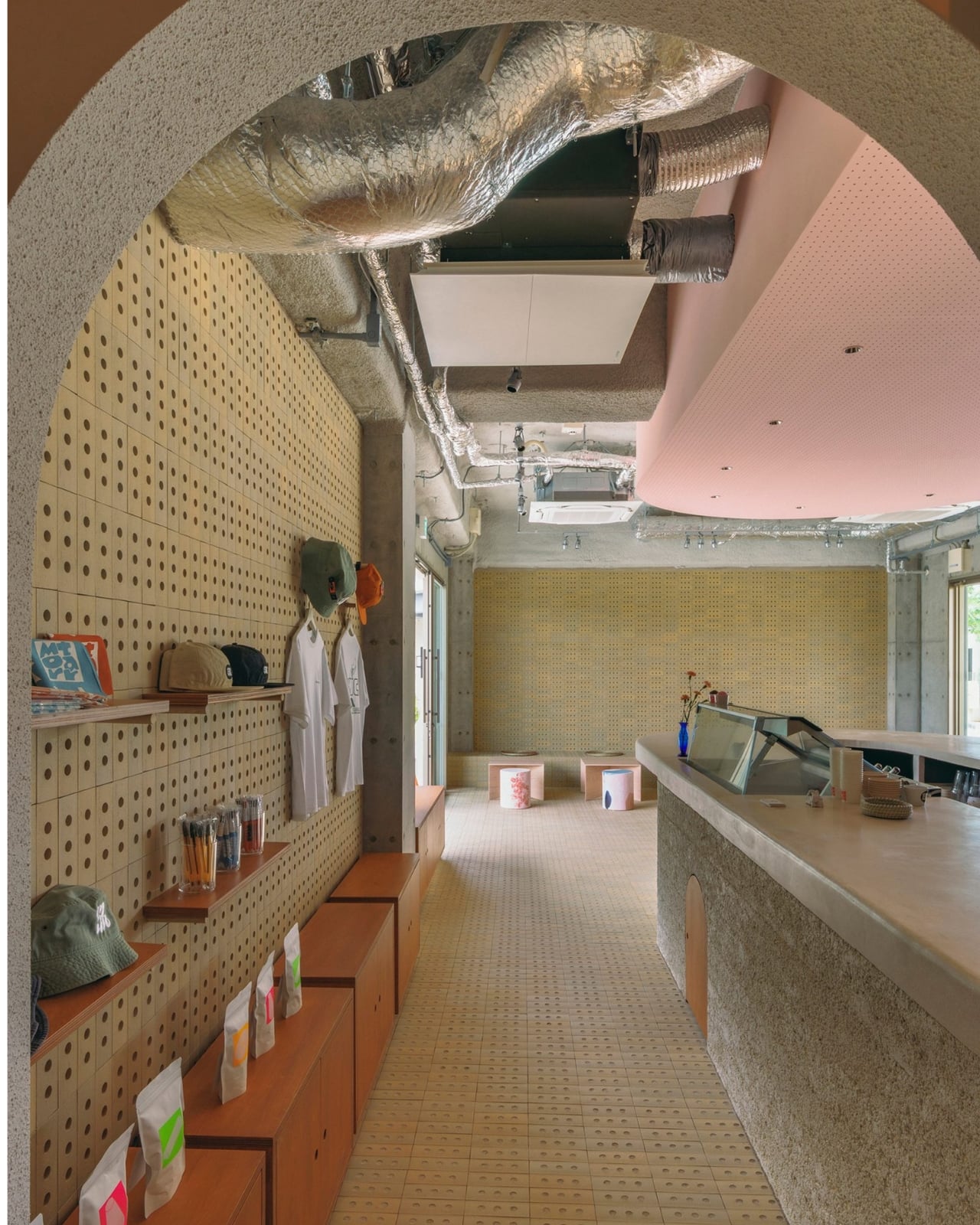
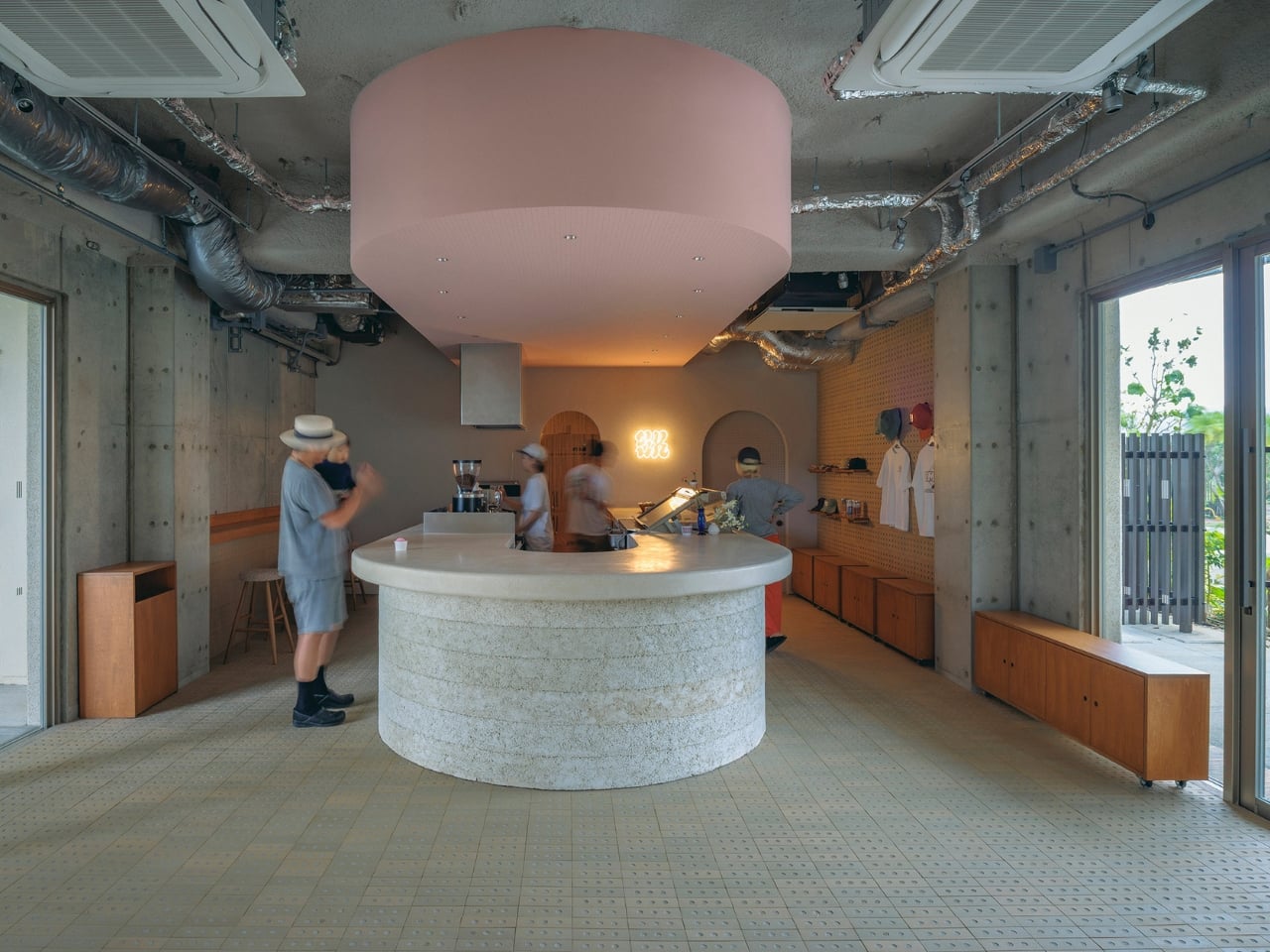
But the stools aren’t the whole story. The counter is clad in local limestone clay, applied in repeated layers to build up a textured, almost geological surface, with the tabletop polished from the same material. When you consider that Miyakojima is a Pacific island that takes regular typhoon hits, the choice of limestone starts to feel less like an aesthetic decision and more like a conversation with the landscape itself. The floor and walls are lined with perforated concrete bricks, a building typology native to typhoon-prone Okinawa, reimagined here as custom interior tiles by Tajimi Tiles. Taking something structural and utilitarian and folding it into the interior language is exactly the kind of move that separates good design from great design.
Above the central counter, a curved ceiling finished in pale pink draws the eye upward. The colour was chosen in direct response to the natural light quality of the space, and it works in the way that subtle things tend to work: you might not clock it immediately, but it shifts the mood of the whole room. The counter also has a small arched door built into it for filter maintenance, a pragmatic detail that somehow ends up looking charming. That balance between function and personality runs through the entire project.
There’s a broader conversation to be had about what we want from food retail design right now, and SR Ice Cream Miyakojima sits squarely in it. We’ve spent years in the era of the Instagrammable space, where interior choices were made to perform on a phone screen rather than to serve the people inside them. Kii seems uninterested in that game. The materials here are regional and weather-worn. The stools are handmade and imperfect. The pink ceiling is gentle, not loud. The whole space is designed to function as a community anchor, not a backdrop.
That’s not to say the space isn’t photogenic, because it absolutely is. But the photography feels like a byproduct of good intentions rather than the goal. It’s a distinction that matters, especially on an island where the landscape already does most of the heavy lifting.
Miyakojima is the kind of place that tends to make people slow down. The fact that Kii designed a space that encourages exactly that feels right. An ice cream shop shouldn’t need to compete with the ocean view outside, and this one doesn’t try to. It just sits there, cool and considered, with its melting stools and layered limestone and quietly pink ceiling, doing what the best spaces do: making you want to stay a little longer.
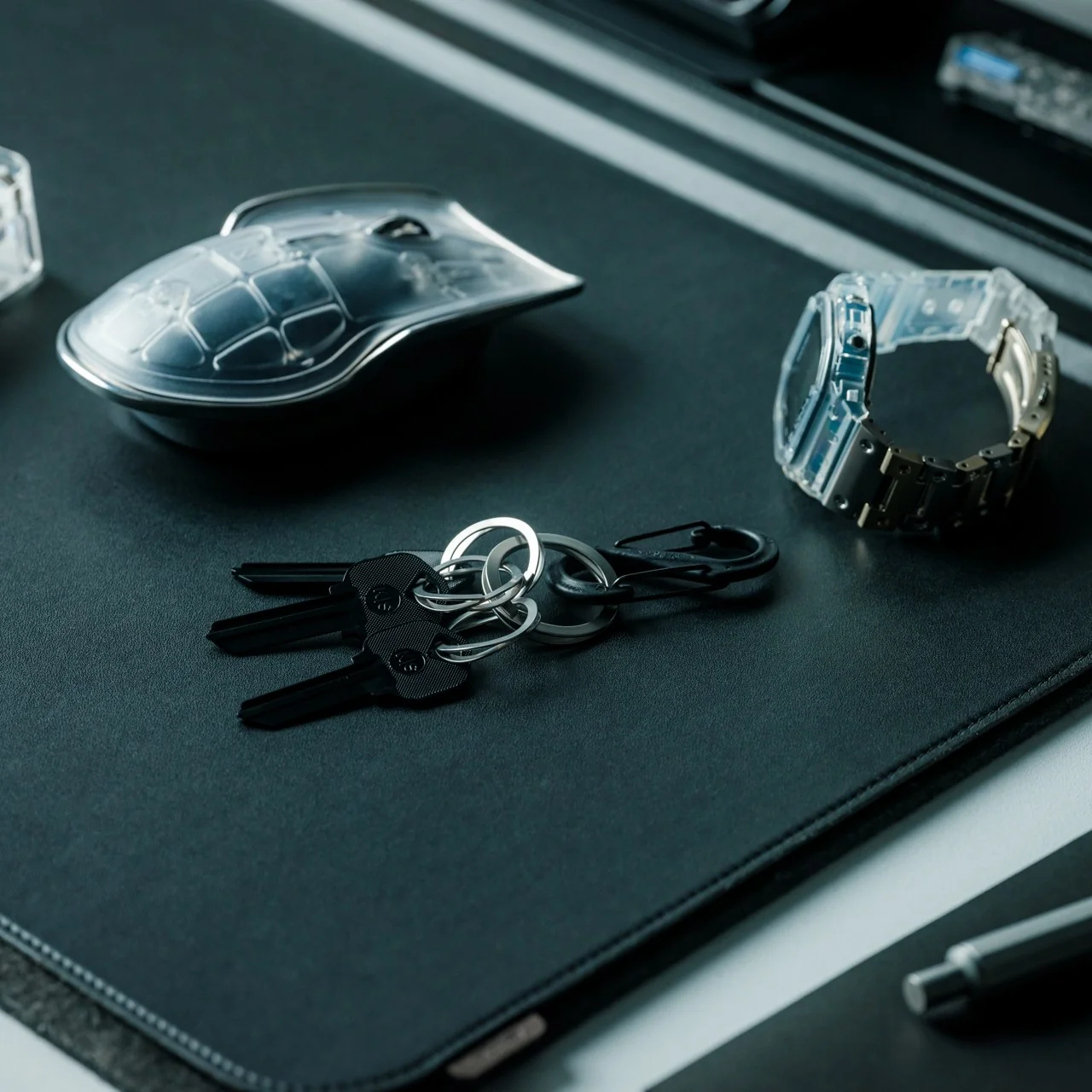
While I have a lot of keychains, from pop culture to K-pop to travel-themed, I am truly annoyed with keyrings. To be honest, I don’t have any ability to open and close them, so I have to wait for my brother or a friend to attach my keychain of choice. It’s something we use every single day, yet there hasn’t been any improvement to them for the past hundred years or so, and they cause annoyance and sometimes even pain. That oversight, I think, is finally getting corrected.
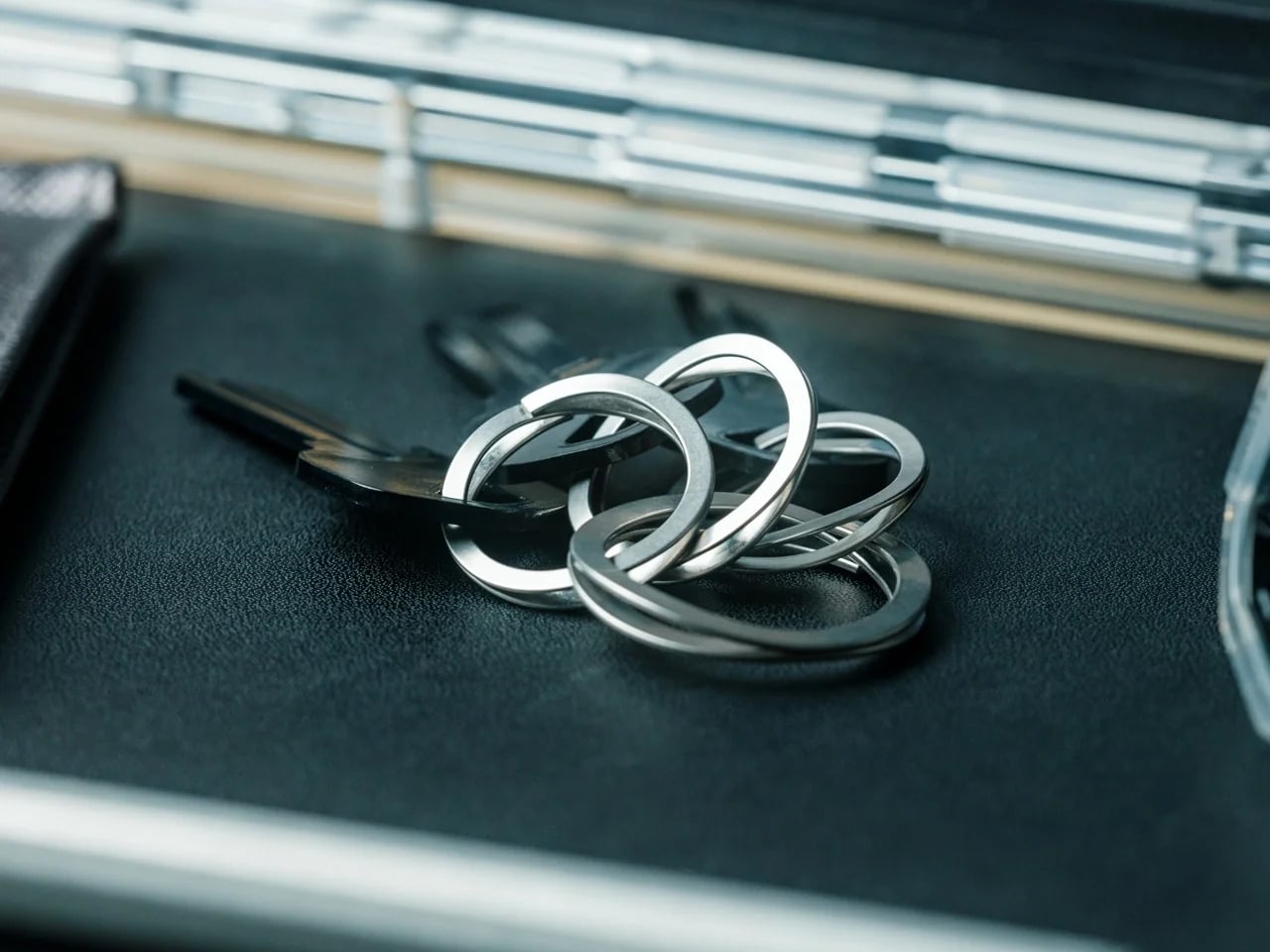
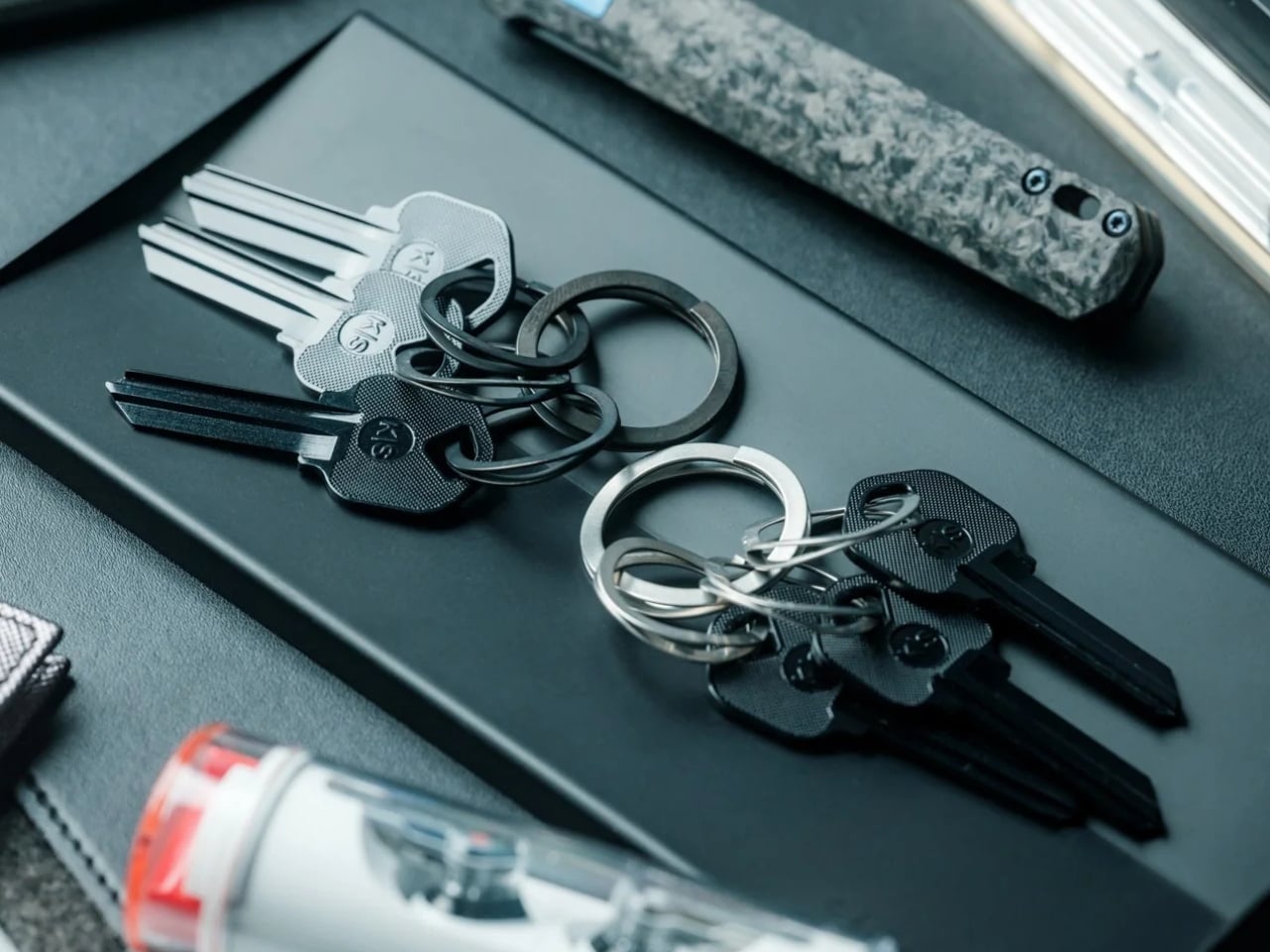
The Painless Key Ring is exactly what its name promises, which is both its greatest strength and possibly why it is not getting the attention it deserves. It sounds almost too simple. A key ring without the pain. But when you consider that the double-coiled split ring design has not meaningfully changed in over 130 years, a product that actually reimagines it from the inside out starts to feel less like a novelty and more like something that was long overdue.
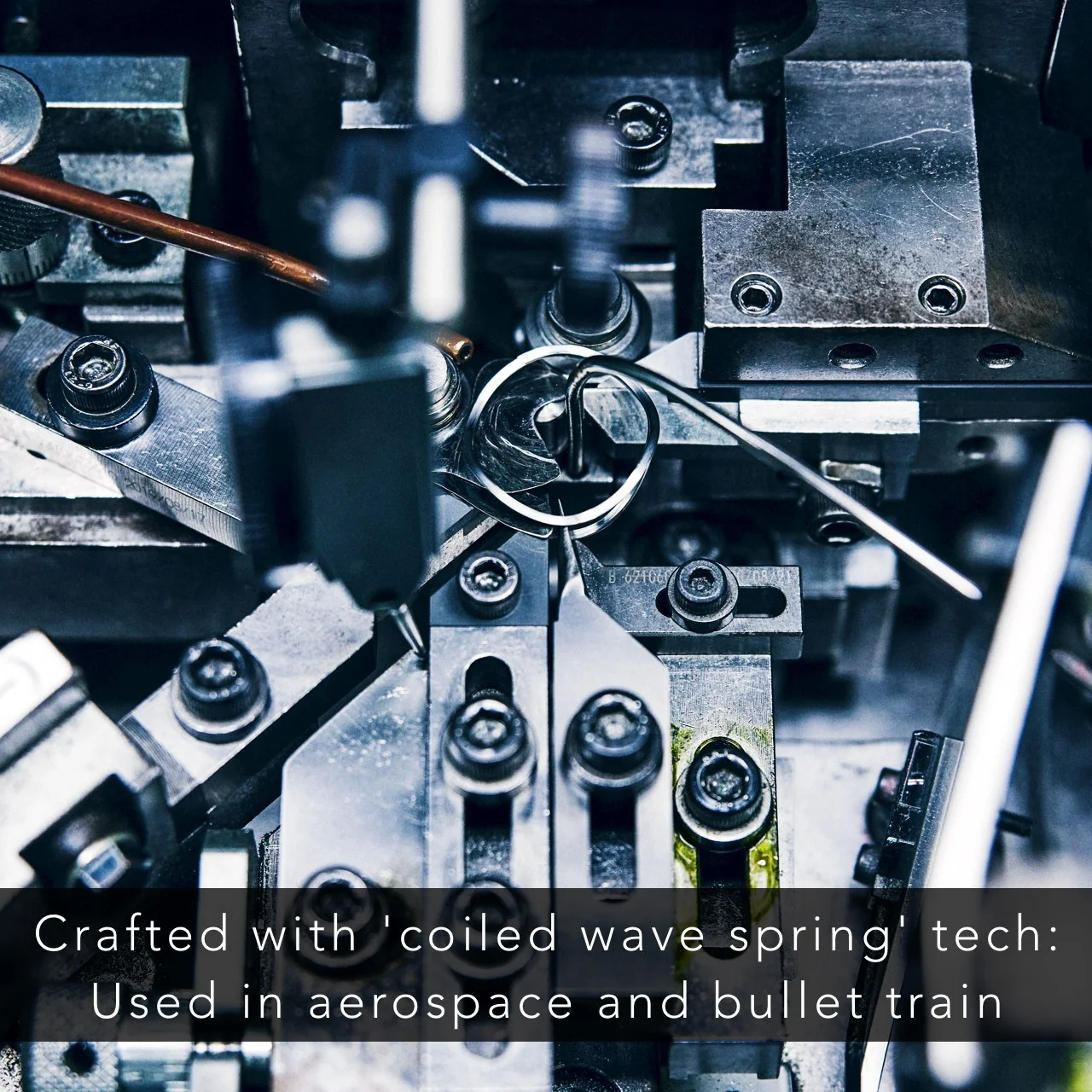
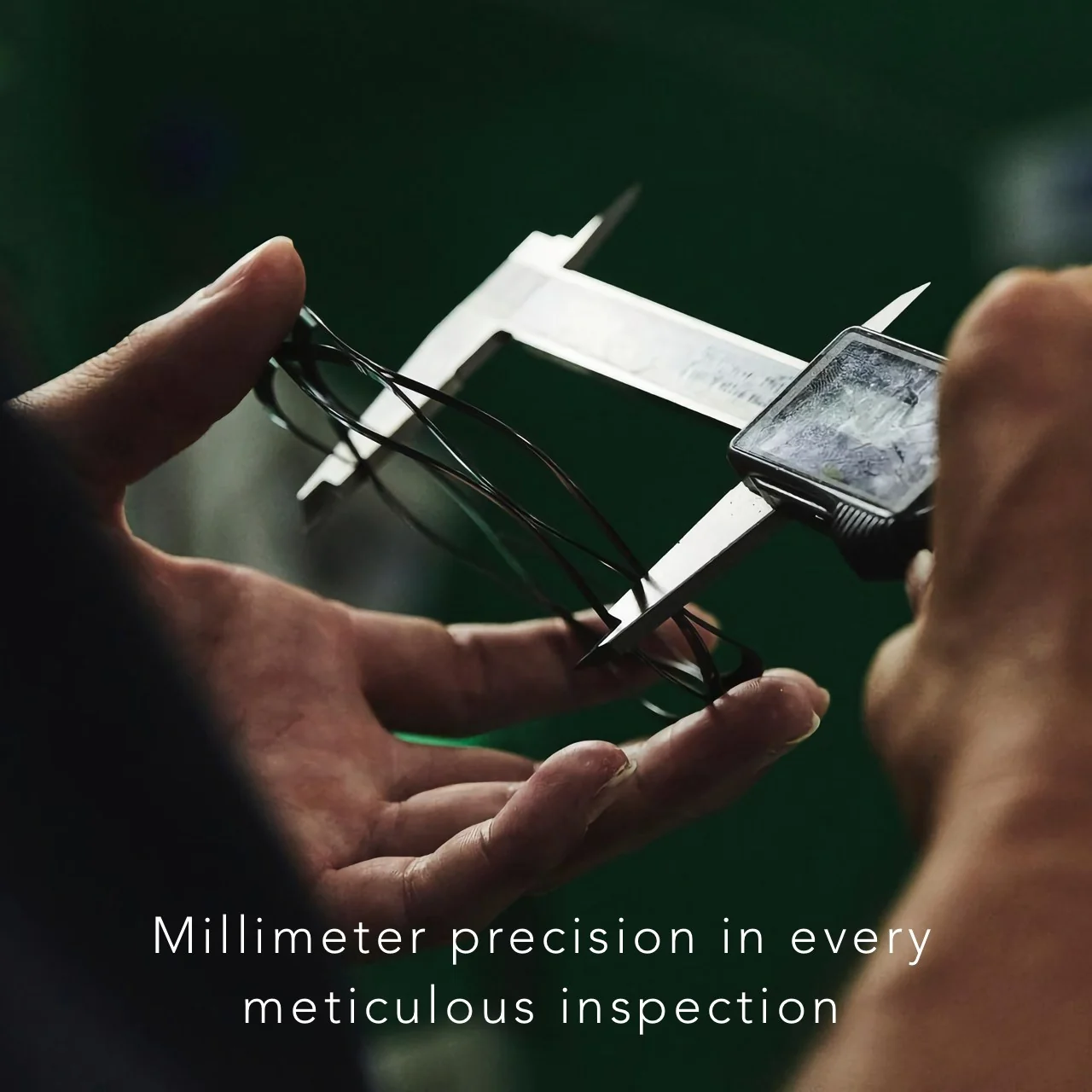
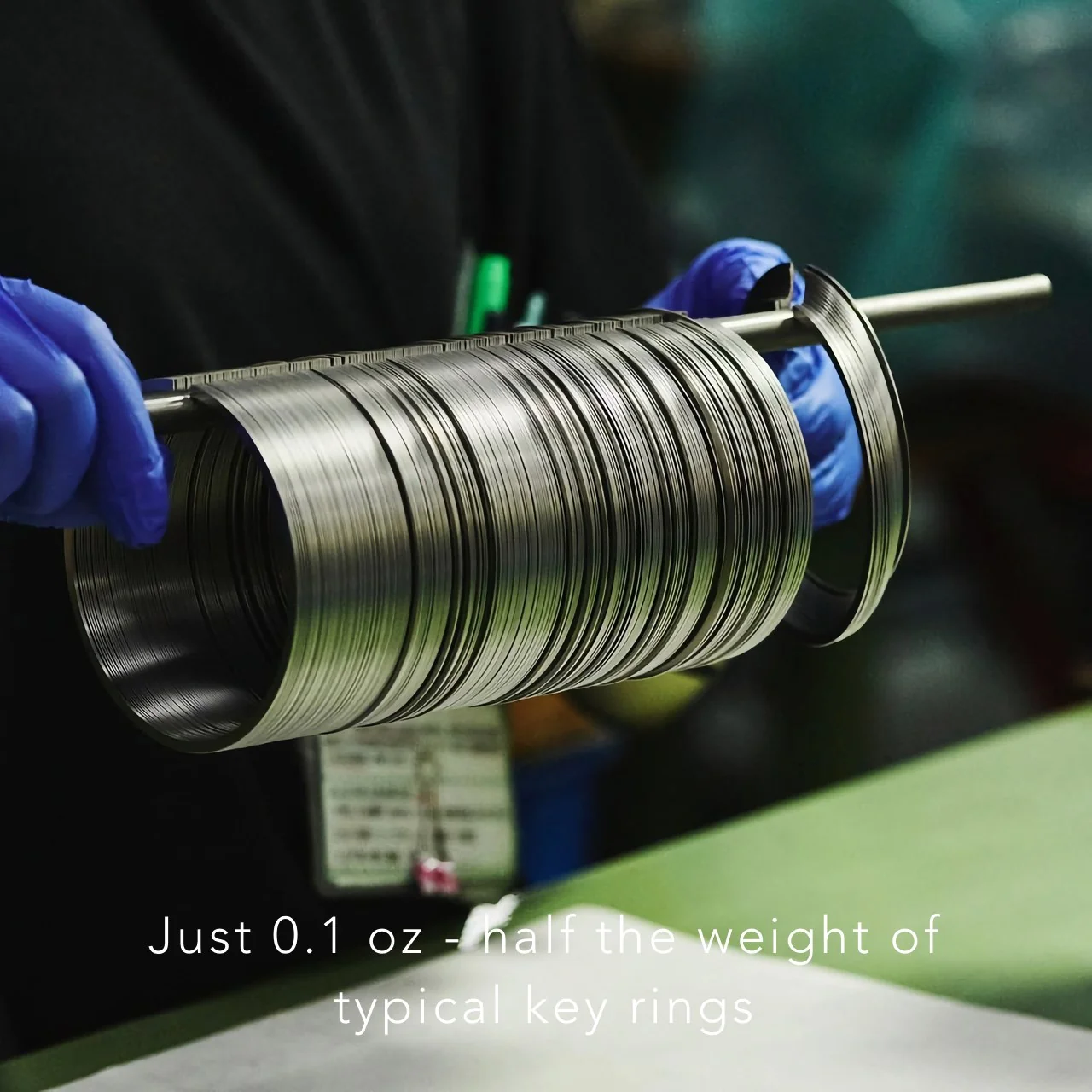
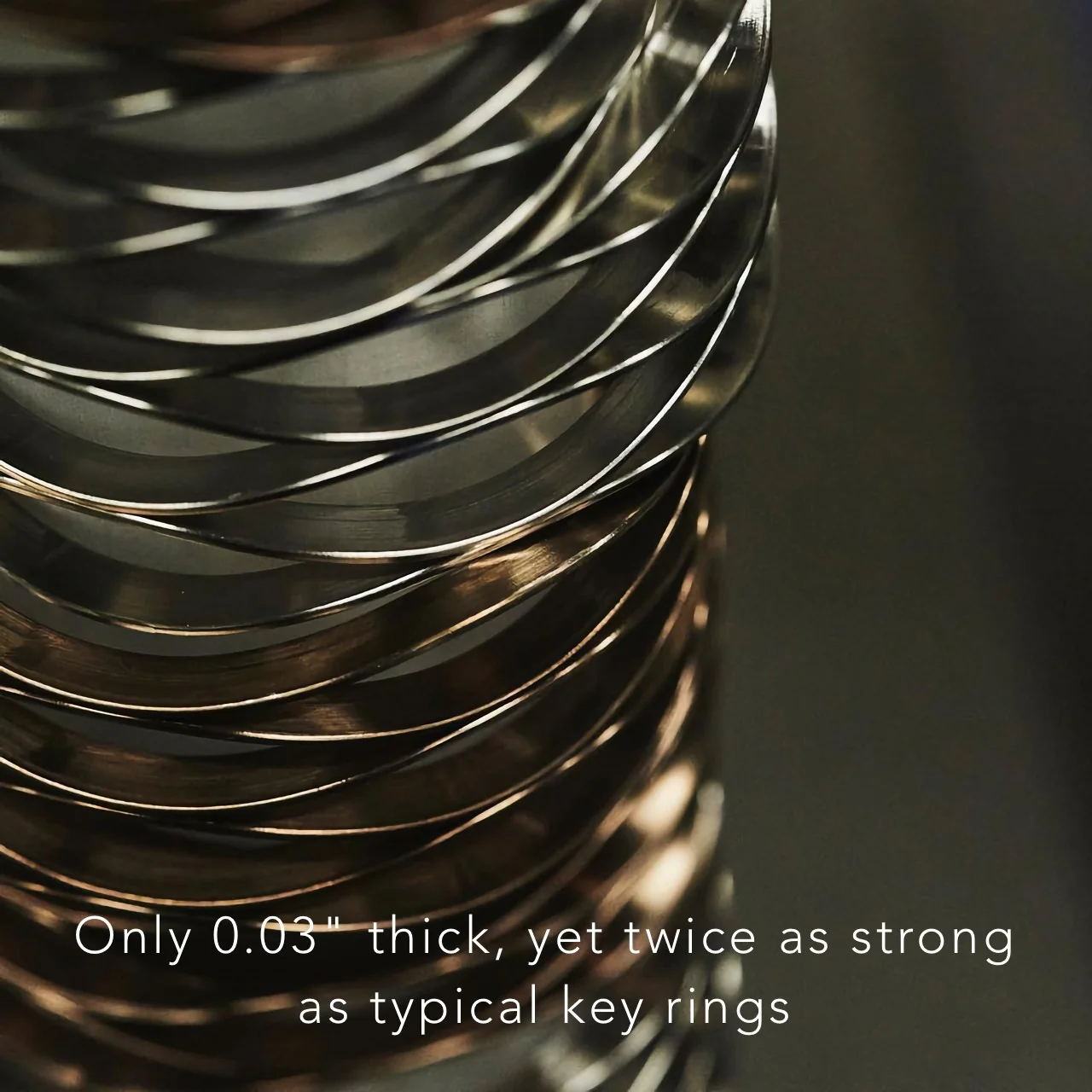
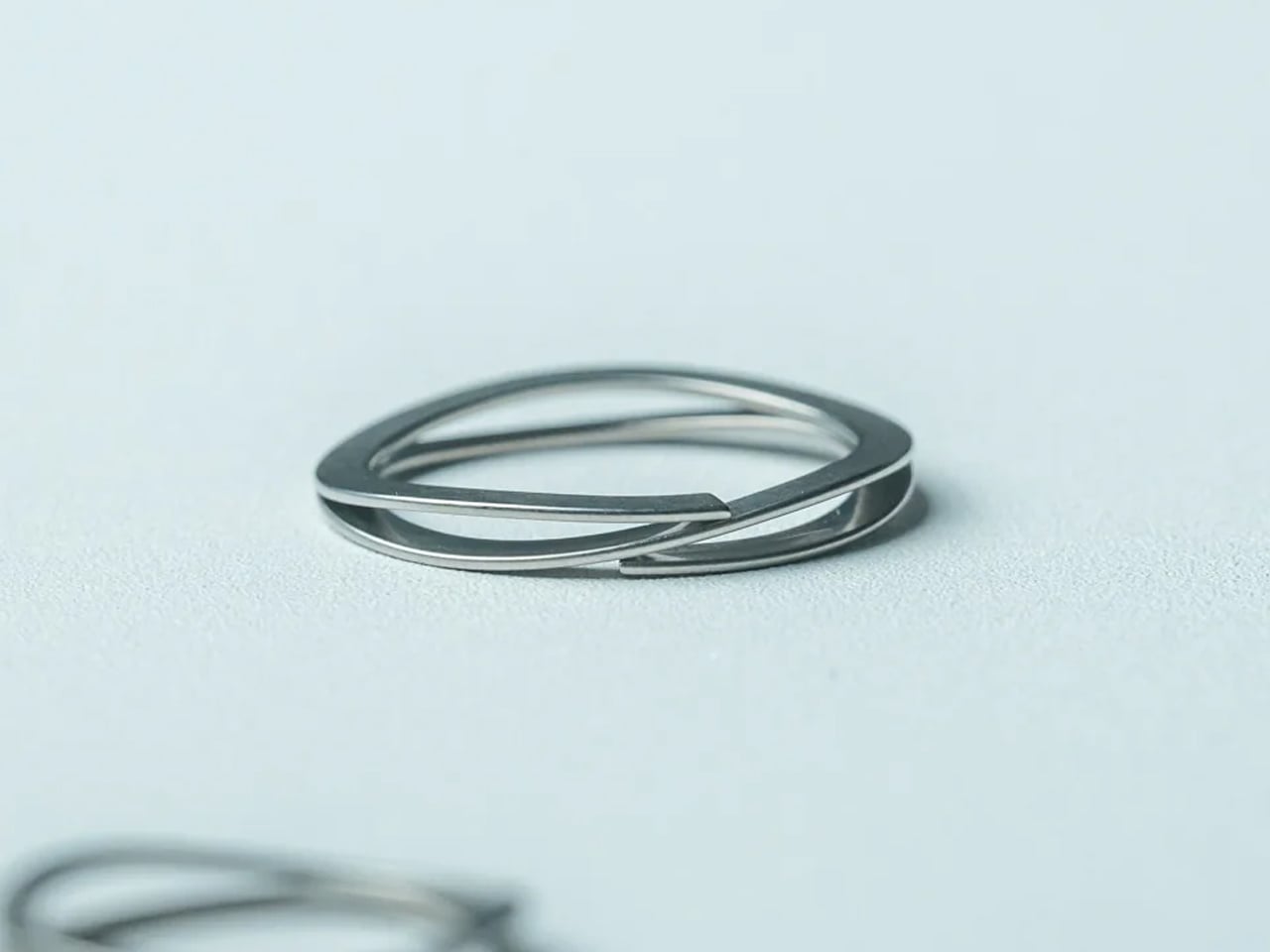
The engineering behind it borrows from places you would not typically associate with your front door key. The coiled wave spring technology used in this ring is the same mechanism found in aerospace equipment and bullet train systems. Japan, where the ring is made, is not exactly known for cutting corners on precision, and that pedigree shows in the numbers. At just 0.1 oz for the large version, it is half the weight of a standard key ring. At 0.03 inches thick, it is noticeably slimmer. And despite being lighter and thinner, it is twice as strong as a conventional ring, thanks to the high-tensile steel used in its construction.
The functional difference comes down to one motion. A traditional split ring makes you hunt for the gap in the coil, wedge a fingernail underneath, and pry it open millimeter by millimeter while the metal digs into your skin. The Painless Key Ring opens when you press the release point. Let go, and it closes. That is the entire operation. No gap hunting, no skin damage, no compromised manicure. The wave spring structure creates what you could describe as a “pre-warped” design, where the natural flex of the ring accommodates keys of any size without warping under stress or losing its shape over time.
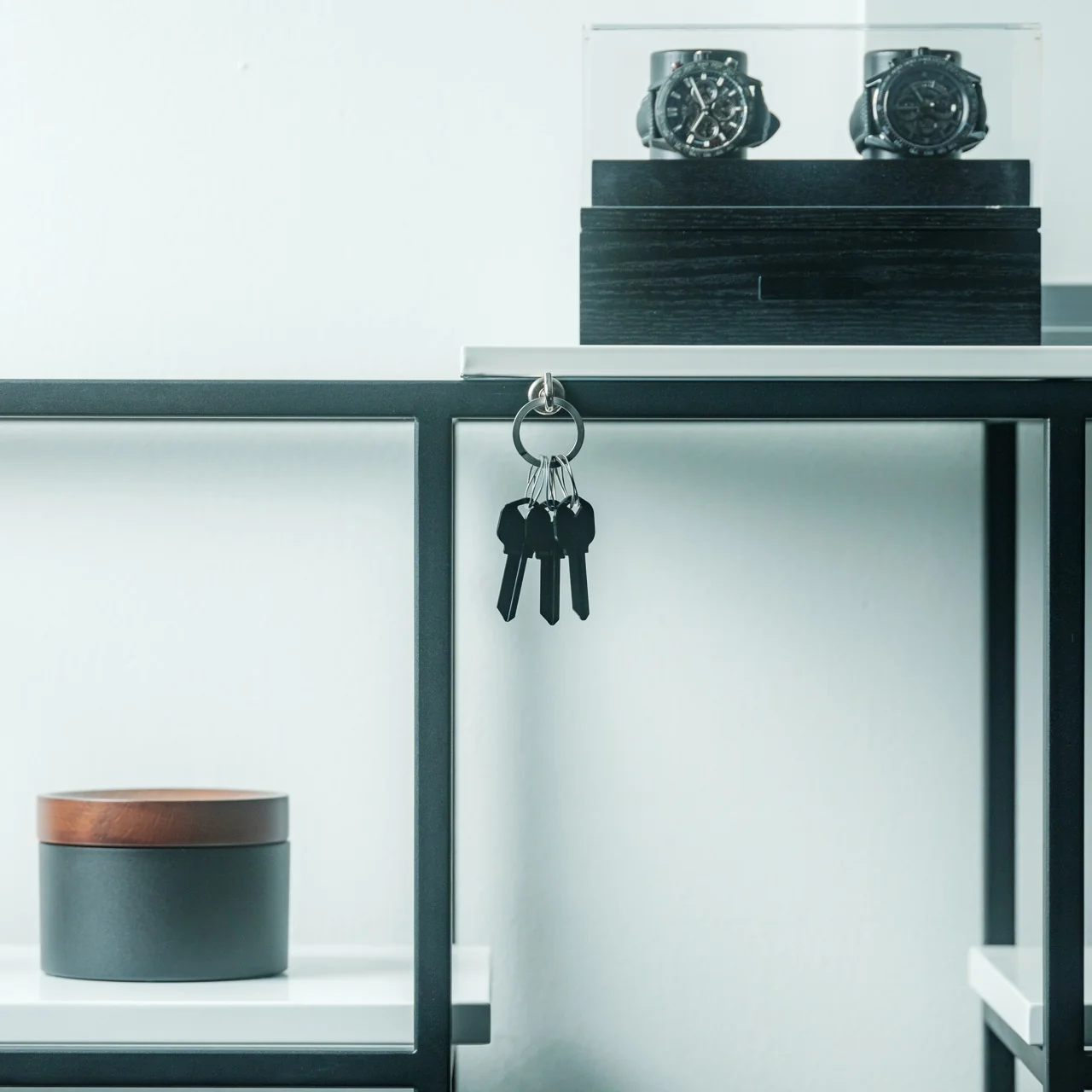
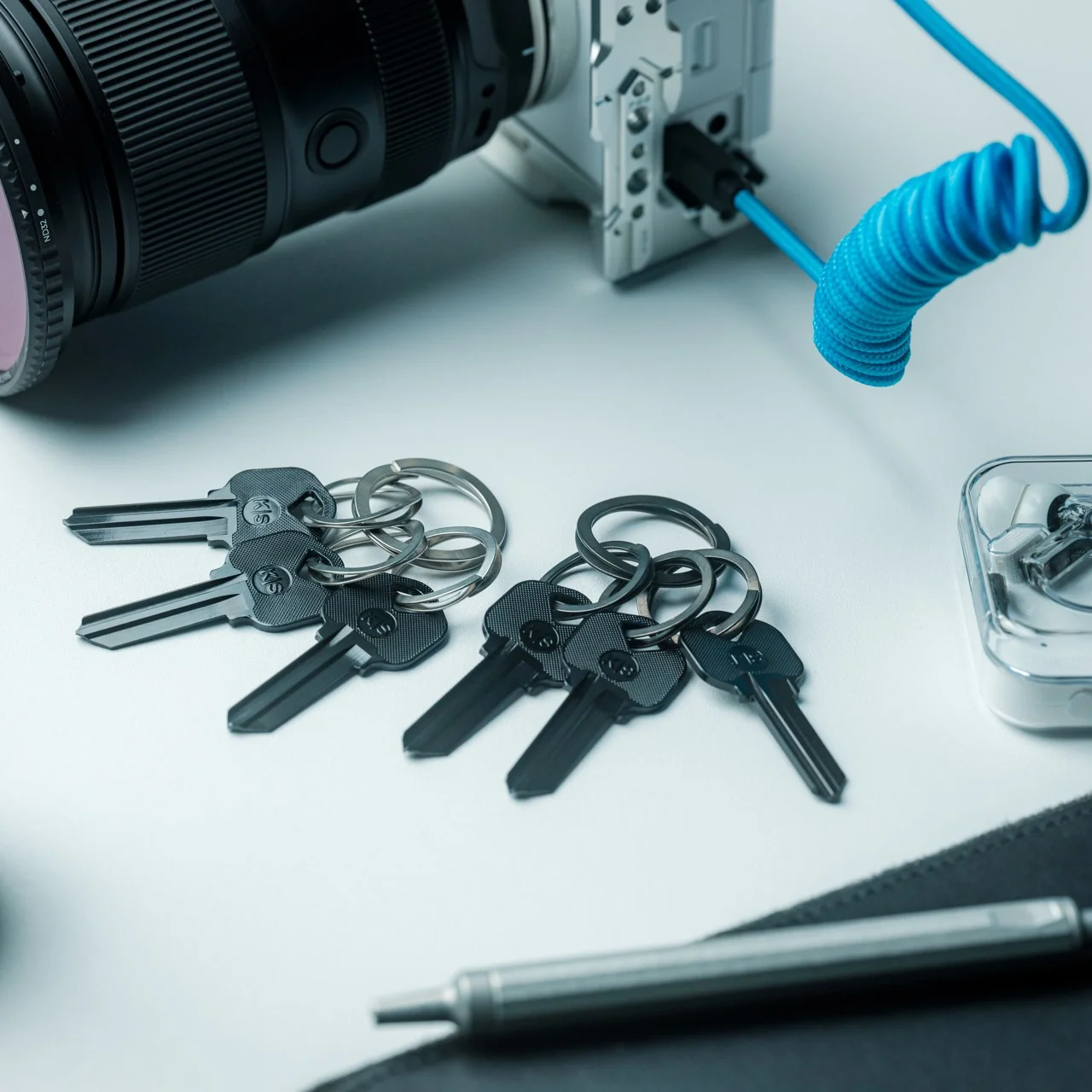
It comes as a set of one large ring and three smaller rings, available in silver and black. The black version is dyed rather than painted, which makes it more resistant to wear and scratches, not just aesthetically different. Both finishes hold up well against the daily context of being thrown into a bag, clipped to a carabiner, or dropped on a desk, which is most of our actual key ring experience.
At $29 for a set, the price sits in a range that feels proportionate to what you are getting. It is not an impulse buy, but it is also not a hard sell when you consider that most people spend more on a single decent pen without much deliberation. The comparison that keeps coming to mind is the razor that replaced the old disposable, or the notebook that made you stop picking up freebies at conferences. Once you use something engineered to actually work, the previous version becomes very difficult to go back to.
The design community talks a lot about objects that deserve more attention than they receive, and the key ring is probably the most obvious example of that gap. We carry our keys every day without any particular feeling about them, which is fine until you realize that feeling nothing about a daily object usually means it is only doing the minimum. The Painless Key Ring sets a different bar, one that takes the smallest, most neglected piece of your everyday carry and applies genuine engineering logic to it. Whether you are someone who obsesses over EDC setups or someone who just wants to stop destroying their nails every time you need a spare key, the upgrade reads the same either way.
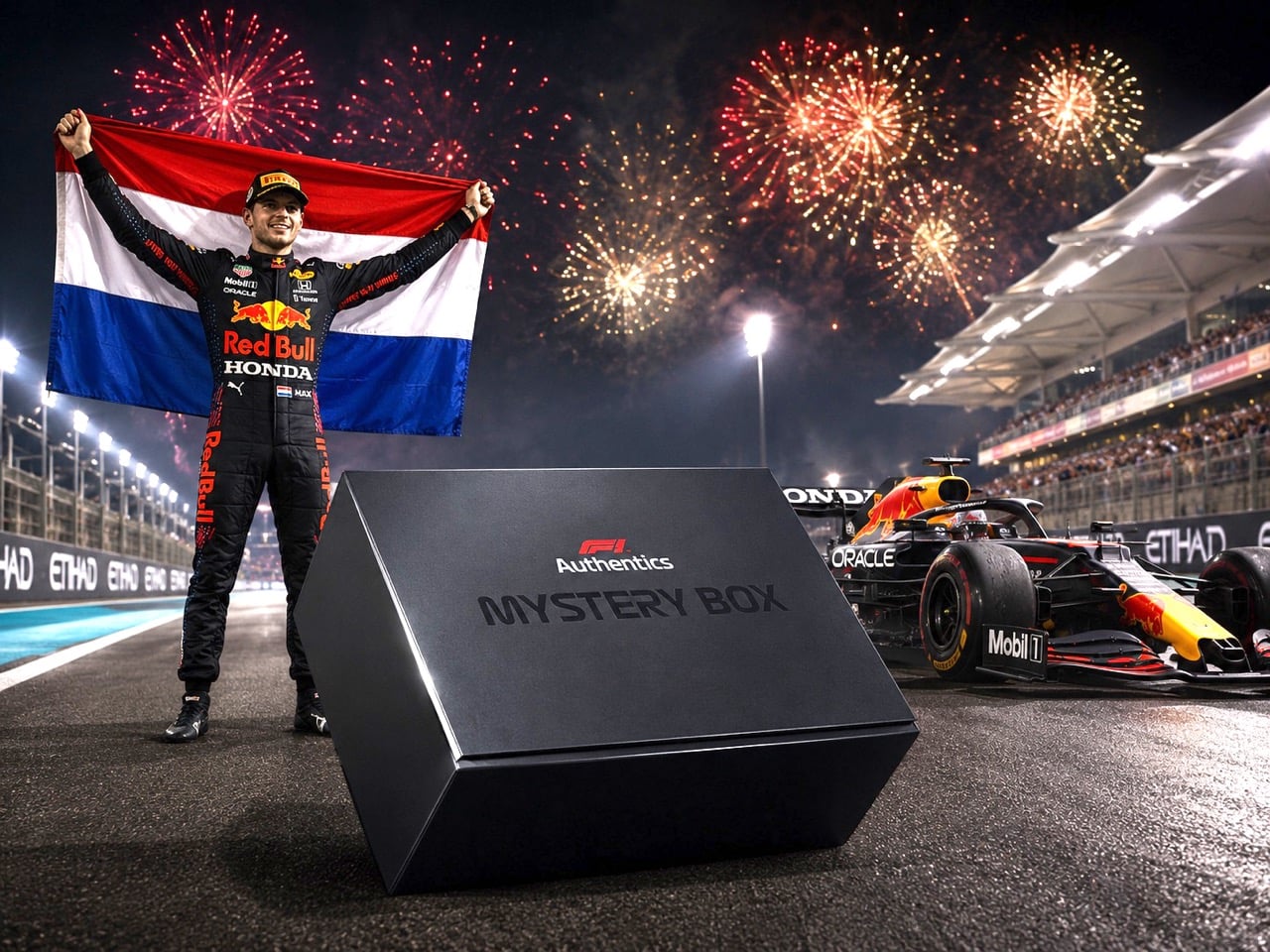
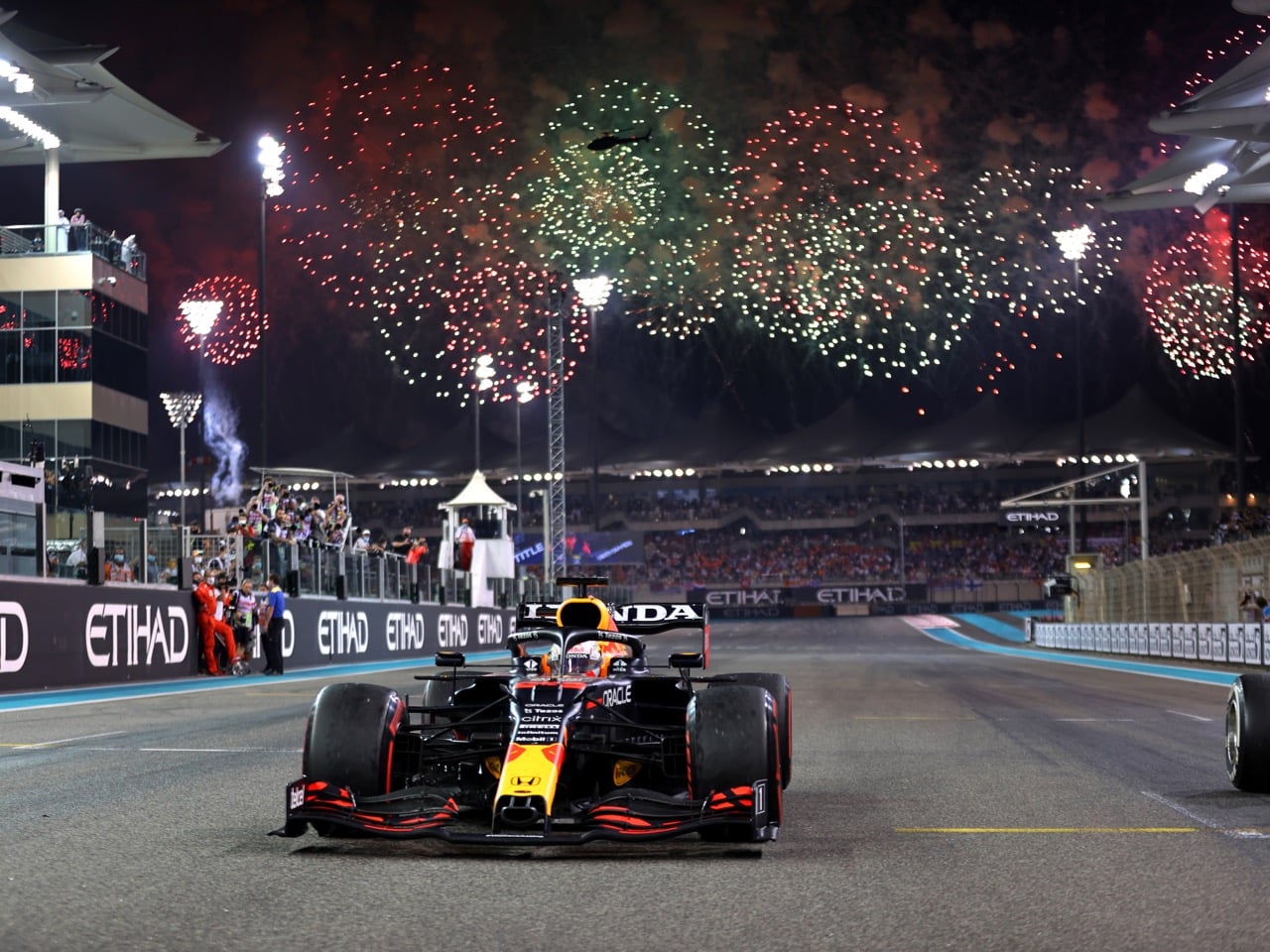
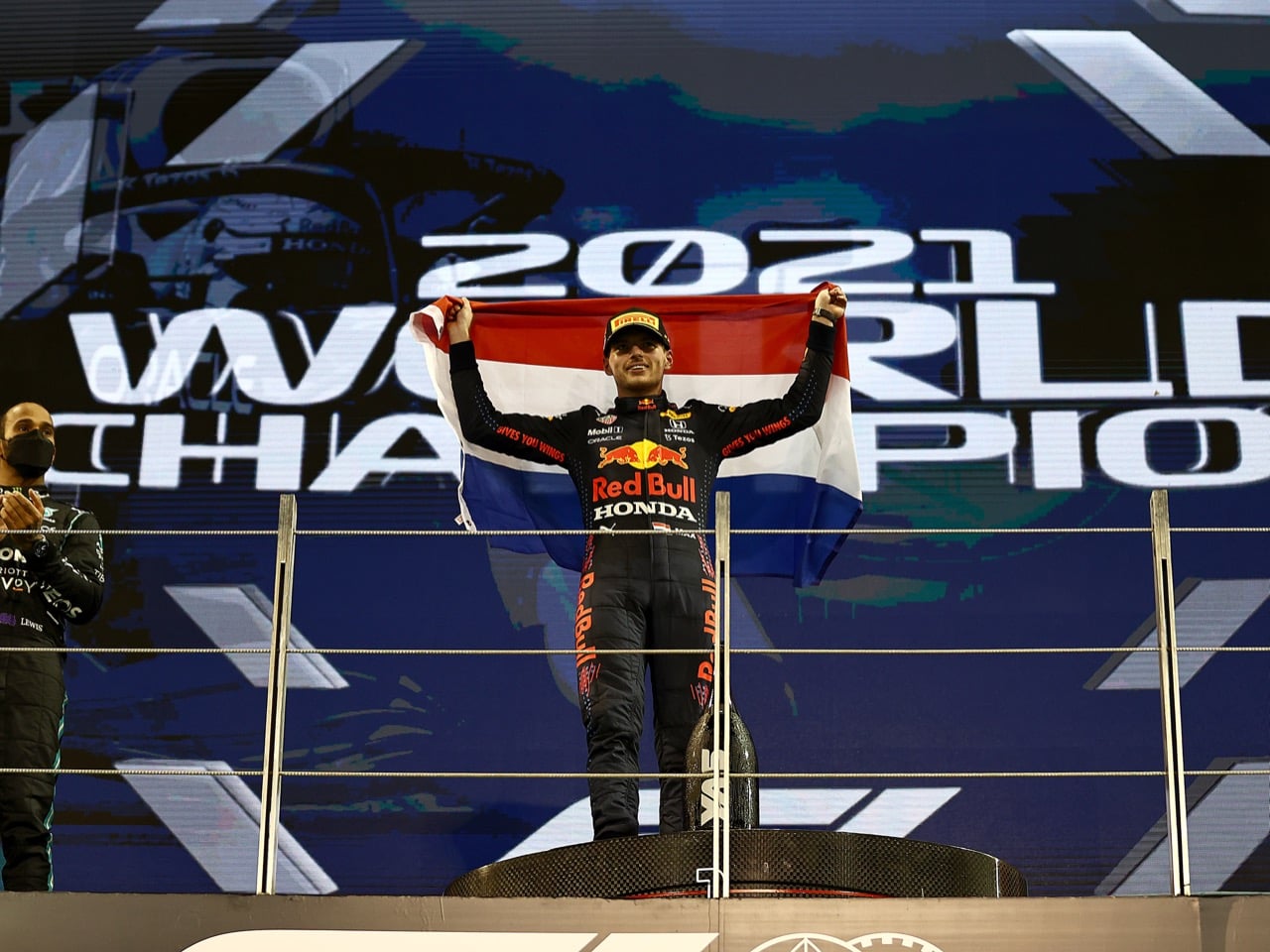
Remember where you were on December 12, 2021? If you’re an F1 fan, chances are you do, because that was the day Max Verstappen snatched his first world title away from Lewis Hamilton on the literal final lap, in the literal final corner, off the back of a safety car restart that stewards are probably still debating in group chats somewhere. I was rooting for Hamilton that day, and honestly, watching it unfold live still ranks as one of the most gutting sports moments I’ve sat through. Verstappen fans got a legend born in real time. The rest of us got years of “what if” conversations that still spark up whenever Abu Dhabi comes up.
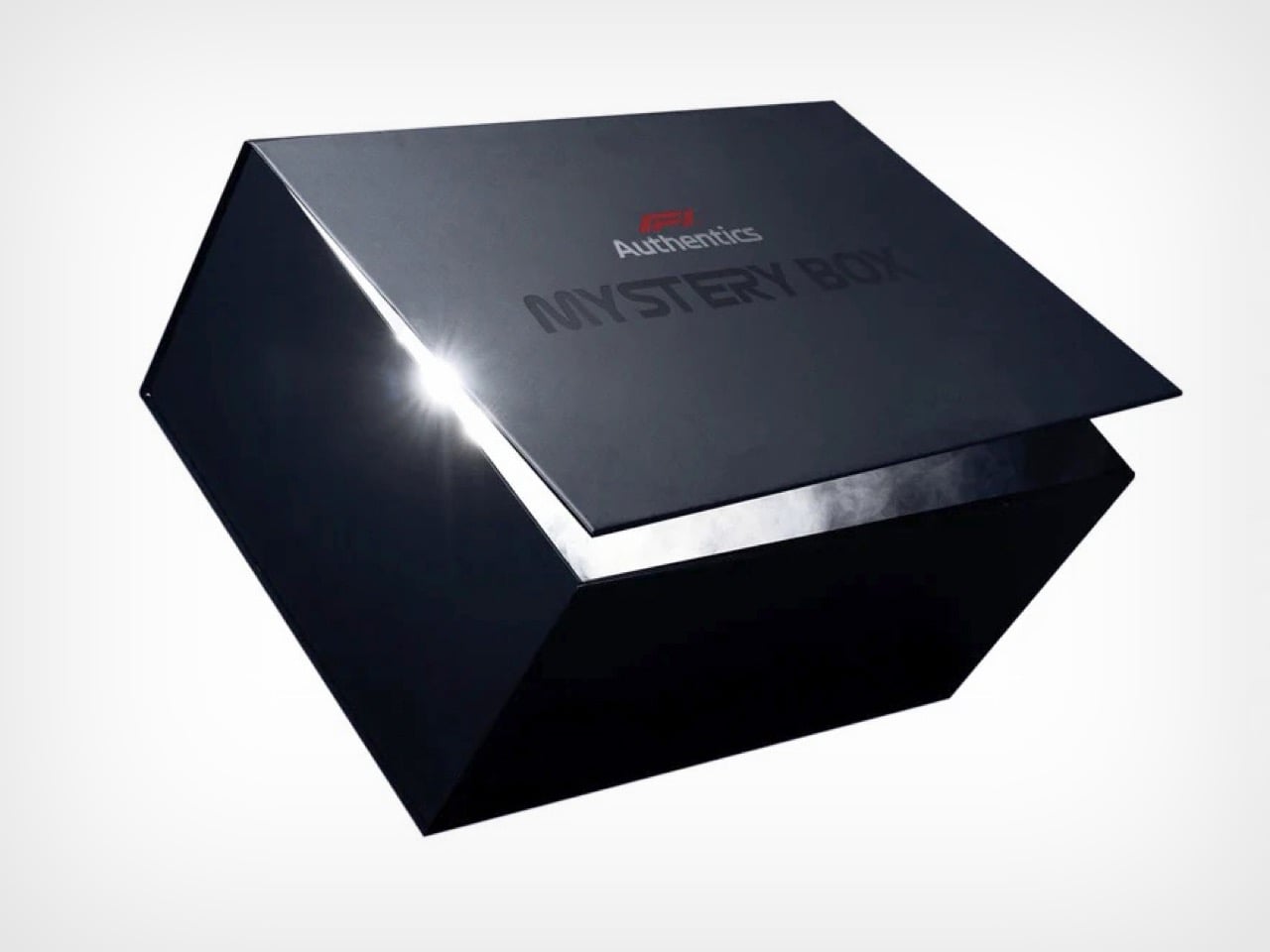
F1 Authentics just gave fans a way to own a literal piece of that chaos. The official F1 memorabilia arm, run by Memento Exclusives, has dropped a new Mystery Box collection where every single box guarantees a genuine piece of bodywork from the RB16B, the Honda powered Red Bull that carried Verstappen to that maiden championship. Only 1,000 boxes exist worldwide, with 500 going up for grabs online, priced around £1,000 GBP ($1,348 USD) a pop, which also happens to be the minimum guaranteed value of everything packed inside.
That RB16B earned every bit of the spotlight it’s getting now. It was an evolution of the 2020 car, finally sharp enough to go toe to toe with a dominant Mercedes squad, and it carried Verstappen through nine wins across one of the most contentious title fights modern F1 has produced. Hamilton led early, Verstappen clawed the lead back mid-season, and the two arrived at Abu Dhabi dead level on points. We all know how that ended. Owning a fragment of that car means owning a piece of the exact machine that decided, for better or worse depending who you asked, one of the sport’s most argued about championships.
Photo by Batchelor/XPB Images
Somewhere in that run of a thousand boxes sits the real chaos generator, a redeemable ticket for an official F1 replica front wing and nose, pulled from cars across Aston Martin, Cadillac, Racing Bulls, Red Bull, Williams, or Alpine, and valued north of twenty grand. It’s a genuinely wild pull rate, turning what could have been a straightforward memorabilia drop into something closer to a scratch card for grown adults with disposable income and a soft spot for motorsport history.
Photo by Mark Thompson/Getty Images
F1 Authentics has been building toward drops like this all year, following an earlier sold out box tied to Lando Norris’s championship car and a March release that hid an £89,000 racing simulator inside one of just 150 units. F1 memorabilia is getting gamified, and this RB16B drop might be the most emotionally loaded chapter yet, especially if you were the one yelling at your TV that night in Abu Dhabi.